Cookware
Arepa Griddle (Budare)
A flat or slightly domed Venezuelan and Colombian griddle for toasting arepas and other flatbreads.
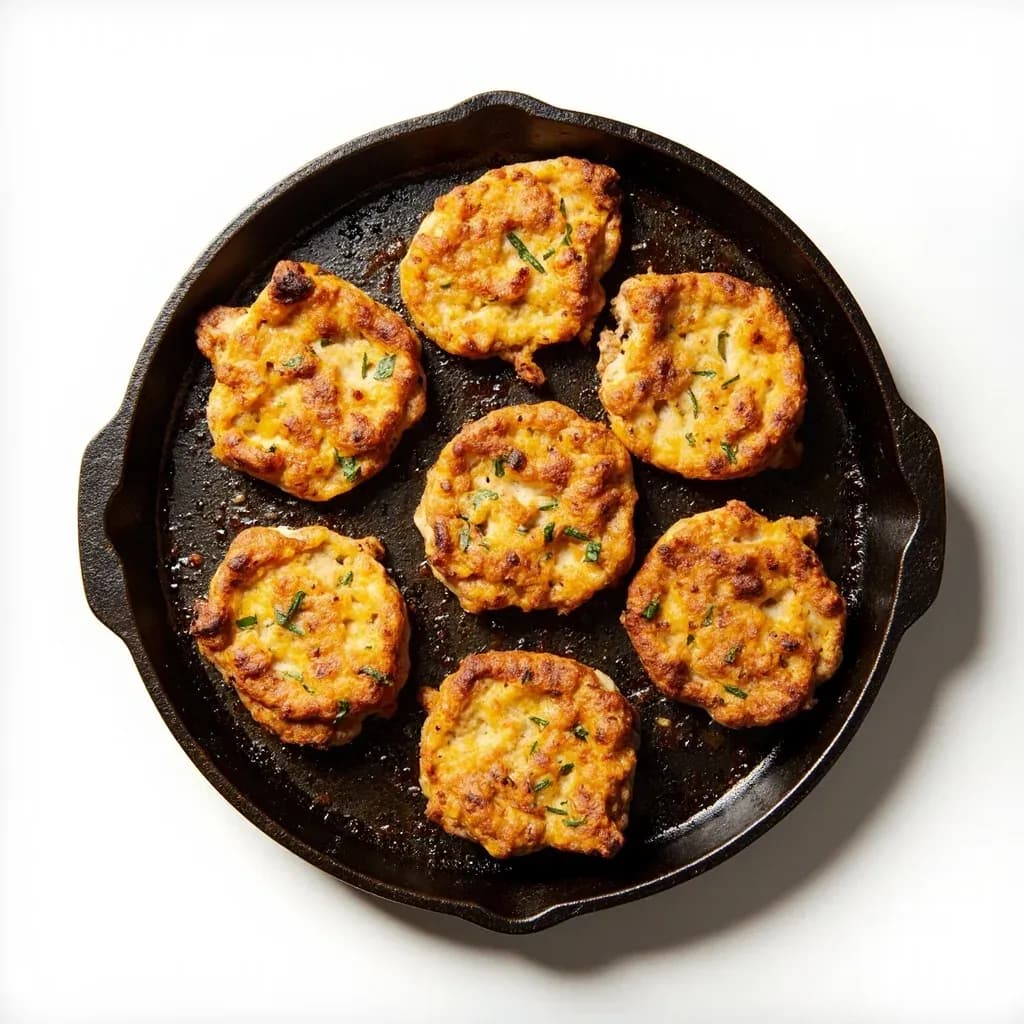
A budare is a round, flat or gently domed cast-iron, clay, or steel griddle used across Venezuela and Colombia to cook arepas, cachapas, and tortillas. It heats evenly to give arepas their characteristic toasted, crisp crust before they finish in the oven or directly on the heat. The traditional clay versions impart a subtle flavor, while metal ones are valued for durability.
The budare is the South American griddle built specifically for dry-heat cooking of flat, round things — most famously the arepa, but also cachapas, hallacas, casabe, and plátanos maduros. Unlike a skillet or sauté pan, a budare is essentially rimless: a thick disc of clay, cast iron, or steel with little or no lip, which lets the cook slide a flat metal spatula (the cuchara de budare) fully under whatever is on the surface and flip it cleanly. That open, wall-free design is the tool's defining feature and the reason it behaves differently from a frying pan: heat radiates across one continuous plane, moisture escapes from the edges of the food as it cooks, and the crust that forms — a deep gold with a thin layer of toasted maize flavor — is what a properly made arepa is really after.
The unglazed clay budare remains the traditional choice in rural Venezuelan and Colombian kitchens, pit-fired and prized for the faint earthy note it imparts to corn cakes. In modern urban kitchens, however, cast iron has become the everyday workhorse because it tolerates a gas burner, holds steady heat without hot spots, and seasons into a near-nonstick surface over years of use. The budare is best understood as a regional cousin of the Mexican comal and the Indian tava: same family of tool, same logic of direct-contact griddle cooking, tuned to the breads and stovetops of the northern Andes and Caribbean coast.
Alternatives
Types & varieties
Unglazed terracotta disc; imparts a subtle earthy aroma, fragile, must be cured with oil and heated gradually to avoid cracking
The modern everyday workhorse; heavy, retains heat evenly, lasts generations, and doubles as a comal
Mexican and Central American flat steel or iron disc, used interchangeably for arepas and tortillas
Thicker restaurant-style smooth steel plate, round or rectangular, used on open flames and grills
Larger clay or iron disc set over a wood fire on three stones; standard for batch cachapas and holiday hallacas
Choosing a Budare
For a home cook, a cast iron budare in the 28–32 cm range is the most versatile choice: big enough for two or three arepas at once, small enough to fit over two burners on a standard gas range. Look for a disc at least 8–10 mm thick; thin stamped steel warps over a flame and develops hot spots that scorch the crust before the center cooks. A flat bottom is fine for electric and induction, while a slightly concave shape — common on traditional clay versions — helps oil pool toward the middle and is forgiving on uneven burners. Clay budares are worth seeking out for the flavor they add to cachapas and arepas, but they demand the same patience as a clay cazuela: low-and-slow heating, no thermal shock, and a permanent thin coat of oil.
- Pick cast iron 8–10 mm thick to avoid warping on a gas burner
- A 28–32 cm disc handles two to three arepas at once without crowding
- A slightly concave surface helps oil pool and forgives uneven burners
- Clay adds flavor but requires curing and cannot tolerate sudden temperature changes
Seasoning and Care
A cast iron budare is seasoned exactly like a skillet: scrub with hot water and a stiff brush (no soap, no steel wool), dry it on a warm burner, and rub a whisper of oil across the surface before storing. Over time the patina should turn dark and slick enough that arepas release on their own. A clay budare is more delicate — wash it briefly without submerging, set it back on a low burner to evaporate moisture, and rub a thin film of oil into the pores so it does not dry out and crack. Neither version appreciates thermal shock: never run cold water over a hot budare, and let it cool on the burner before moving it.
- Cast iron: hot water, stiff brush, dry on heat, wipe with oil
- Clay: brief wash, dry on low heat, store with a thin oil coat
- Avoid thermal shock — no cold water on a hot surface
- A dark, even patina means the griddle is doing its job
Common uses
Tips & pitfalls
- Preheat over low-to-medium heat for several minutes; sudden high heat will crack a clay budare
- Cook arepas on medium, not high — aggressive heat blackens the crust before the inside cooks through
- Use a flat metal spatula and press gently to keep full contact between the arepa and the surface
- Never soak a clay budare; wash briefly, dry on the stove, and rub with a light film of oil
- For cast iron, skip the dish soap and abrasive scrubbers — hot water and a stiff brush are enough
- A well-seasoned budare releases arepas without added fat, though a thin slick of oil deepens the browning
- Let the griddle cool naturally; thermal shock cracks clay and warps thin steel
- If the arepa puffs up while cooking, pierce the bubble with a toothpick so steam escapes and the interior cooks evenly
Good to know
- Origin
- Venezuela and Colombia; predates European contact, with the name from an indigenous Venezuelan language
- Traditional material
- Unglazed terracotta clay, often pit-fired
- Modern material
- Cast iron (most common); also aluminum and carbon steel
- Shape
- Round, flat to slightly domed or concave, with a low rim or no rim
- Typical diameter
- 25–35 cm (10–14 in) for home use; 40–55 cm for restaurant and outdoor versions
- Heat sources
- Wood fire (on three stones, traditional), gas burner, electric coil, charcoal grill, open flame
- Seasoning
- Cast iron: seasoned like a skillet. Clay: cured by gradual heating with oil before first use and kept lightly oiled
- Cook time for arepa
- 6–8 minutes per side on medium heat for a thick arepa; 3–4 minutes per side for thinner ones
Also called
budare · arepa griddle · comal (regional)
Related

Steamer
Gentle moist heat that keeps vegetables, fish, and dumplings tender

Frying Pan
Shallow sloped pan for frying, sautéing, and quick sears

Saucepan
Tall, straight-sided pot for sauces, grains, and small batches

Sauté Pan
Wide straight-sided pan with room to brown and braise

Dutch Oven
Heavy lidded pot that turns tough cuts tender over hours

Stock Pot
Tall, roomy pot for stocks, pasta, and big-batch cooking

Wok
High-sided bowl pan built for blistering-hot stir-fries

Griddle
Flat, broad surface for pancakes, smash burgers, and breakfast