Baking & Pastry
Bonbon Mold
A rigid polycarbonate or silicone mold for shelling and shaping filled chocolate bonbons.
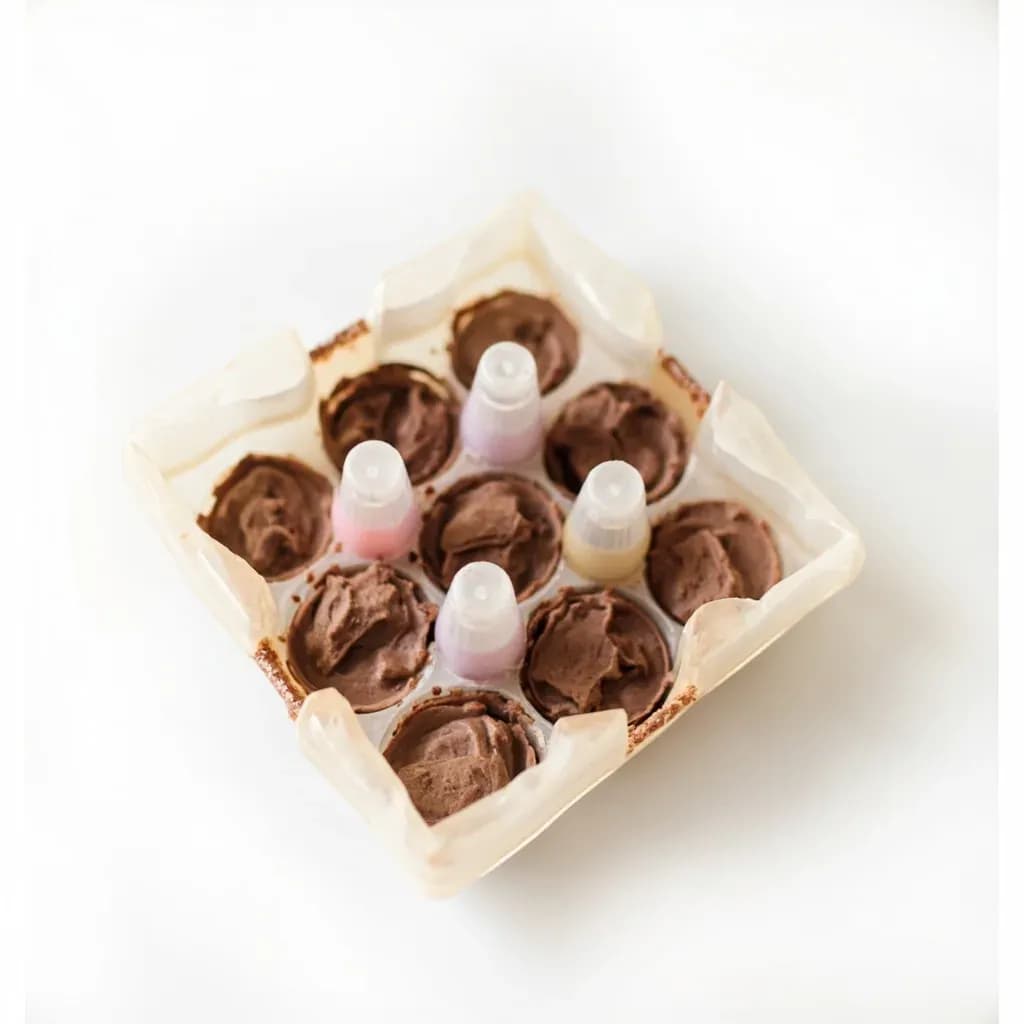
A bonbon mold is a tray of small cavities, usually clear polycarbonate, used by chocolatiers to cast thin chocolate shells that are then filled with ganache or caramel and capped. The cavities give bonbons their glossy, sharp-edged finish when the chocolate is properly tempered. Polycarbonate molds release cleanly and can be polished to a high shine for mirror-finish confections.
A bonbon mold is a tray of identical cavities used to form thin, even shells of tempered chocolate that are later filled and capped into finished bonbons. The professional standard is rigid polycarbonate, whose highly polished interior releases chocolate with a mirror-bright gloss; flexible food-grade silicone is the home-and-novelty alternative, prized for releasing tricky shapes and tolerating temperature swings, though the resulting shell carries a softer, satin sheen. Cavities typically run 20–30 mm across and 15–22 mm deep, which — once the mold is over-filled, inverted, and scraped — produces a chocolate wall of roughly 2–3 mm: thick enough to cradle a ganache, pâte de fruit, or liqueur, thin enough to snap cleanly under the tooth. Few pastry tools reveal temper, mold temperature, and surface polish so visibly, so the tray doubles as a teaching instrument for serious chocolate work.
Alternatives
Types & varieties
The professional standard; rigid trays of small hemispherical cavities that produce glossy, uniform shells.
Square, rectangular, pyramid, or lozenge cavities used for modern, sharp-edged bonbon designs.
Flexible trays that release easily and tolerate temperature shock; finish is softer and less reflective.
Hearts, shells, eggs, holiday figures, and custom logos; favored for seasonal and gift work.
Two rigid halves that join to make a fully enclosed hollow chocolate shape, often sealed with a thin band of tempered chocolate.
Smaller-diameter cavities (around 12–18 mm) for one-bite pieces and high-yield platters.
Polycarbonate cavities designed to be paired with colored cocoa-butter transfer sheets for patterned shells.
Polycarbonate vs. Silicone
The two materials answer different problems. Polycarbonate is rigid, dimensionally precise, and polished to optical smoothness, so the shell comes out glossy and the walls are uniform; the trade-off is that any scratch, water spot, or detergent film will ghost into the finished shell. Silicone is forgiving — it releases delicate or undercut shapes, tolerates the freezer, and is easier for a home cook to handle — but the surface cannot be polished, so the shell is matte to satin and the chocolate looks a touch less professional. A working chocolatier will keep both: polycarbonate for the high-gloss house line and for any sharp-edged geometric design, silicone for seasonal novelties and any cavity too deep or undercut for a rigid tray to release cleanly.
Care, Cleaning, and Storage
A polycarbonate mold is essentially permanent if treated gently and ruined quickly if it isn't. The single most common cause of failure is water: even a single drop left in a cavity, once chocolate is poured over it, produces a white bloomed ring that no amount of polishing will remove. Treat the tray like fine optical glass — wipe with a dry cotton ball or microfiber cloth, and only reach for a tiny amount of cocoa butter on a cotton pad if a cavity starts to look dull. Dishwashers, detergents, and abrasive sponges are all out. Silicone is more tolerant: a warm rinse and mild soap is fine, though the trays should be dried and stored flat so they don't warp, and kept away from sharp knives that nick the surface. Polycarbonate stores well upright in its original sleeve; silicone should lie flat to keep its shape.
- A drop of water in a polycarbonate cavity causes permanent white bloom — never rinse the tray.
- Store silicone flat to prevent warping; keep blades away from the surface.
- Replace any tray whose cavities have gone cloudy or scratched; the damage will show in every shell.
Common uses
Tips & pitfalls
- Polish the inside of each polycarbonate cavity with a dry cotton ball or microfiber cloth before depositing chocolate — this is the single biggest factor in glassy shells.
- Pre-warm the mold on a tray at 27–29 °C so the chocolate doesn't shock-set and streak; cold molds cause dull, thick shells.
- Tap the filled mold firmly against the bench 3–4 times to release trapped air bubbles before turning out the excess.
- Over-fill each cavity with chocolate, then invert the mold over a tray and scrape the back flat with a bench scraper for an even 2–3 mm wall.
- Pipe ganache when the shell is just set and still slightly tacky — fully hard shells will not bond cleanly and may leak at the seam.
- Seal the filled bonbons with a thin layer of tempered chocolate and a sheet of acetate pressed flat; refrigerate 10 minutes, then demold.
- Never wash polycarbonate molds with water; a drop of moisture causes white bloom that is essentially impossible to remove.
- Replace molds when cavities become scratched or cloudy — scratches hold chocolate and produce dull, rough shells.
- For silicone molds, freeze filled shells for 5–10 minutes before demolding to pop them cleanly without flex-cracking the chocolate.
- Label each mold's shape and size on the edge with tape; once you have a collection, identifying cavities by sight becomes impossible.
Good to know
- Primary Materials
- Rigid polycarbonate for professional use; food-grade silicone for flexible and novelty work; occasional metal and ABS
- Standard Cavity Counts
- 15, 21, 24, 28, 35, and 48 cavities are most common; trays run up to 96
- Typical Cavity Size
- Spheres 20–30 mm across, 15–22 mm deep; mini molds as small as 12 mm
- Shell Wall Thickness
- Aim for 2–3 mm once demolded; thicker walls are trimmed with a palette knife
- Mold Working Temperature
- Hold at 27–29 °C (80–84 °F) when depositing chocolate to avoid shock-setting
- Chocolate Temper
- Dark 27–28 °C, milk 27–28 °C, white 26–27 °C after seeding or tabling
- Demolding Time
- Polycarbonate sets in 5–15 minutes at 16–18 °C; silicone benefits from 5–10 minutes in the freezer
- Care & Lifespan
- Hand-wipe only, never dishwasher; with care, polycarbonate lasts 5+ years of daily professional use
Also called
chocolate bonbon mold · praline mold
Related

Muffin Pan
Multi-cup pan for muffins, cupcakes, and egg bites

Bundt Pan
Fluted ring mold for showstopping cakes with a center hole

Springform Pan
Latch-release pan that frees delicate cakes without flipping

Pie Dish
Sloped round dish for crisp-bottomed pies and quiches

Tart Pan
Fluted pan with a pop-out base for clean-edged tarts

Rolling Pin
Rolls dough into even sheets for pastry and bread

Pastry Brush
Brushes on egg wash, glaze, butter, and marinades

Bench Scraper
Flat blade that divides dough and clears your work surface