Baking & Pastry
Cassata Mold
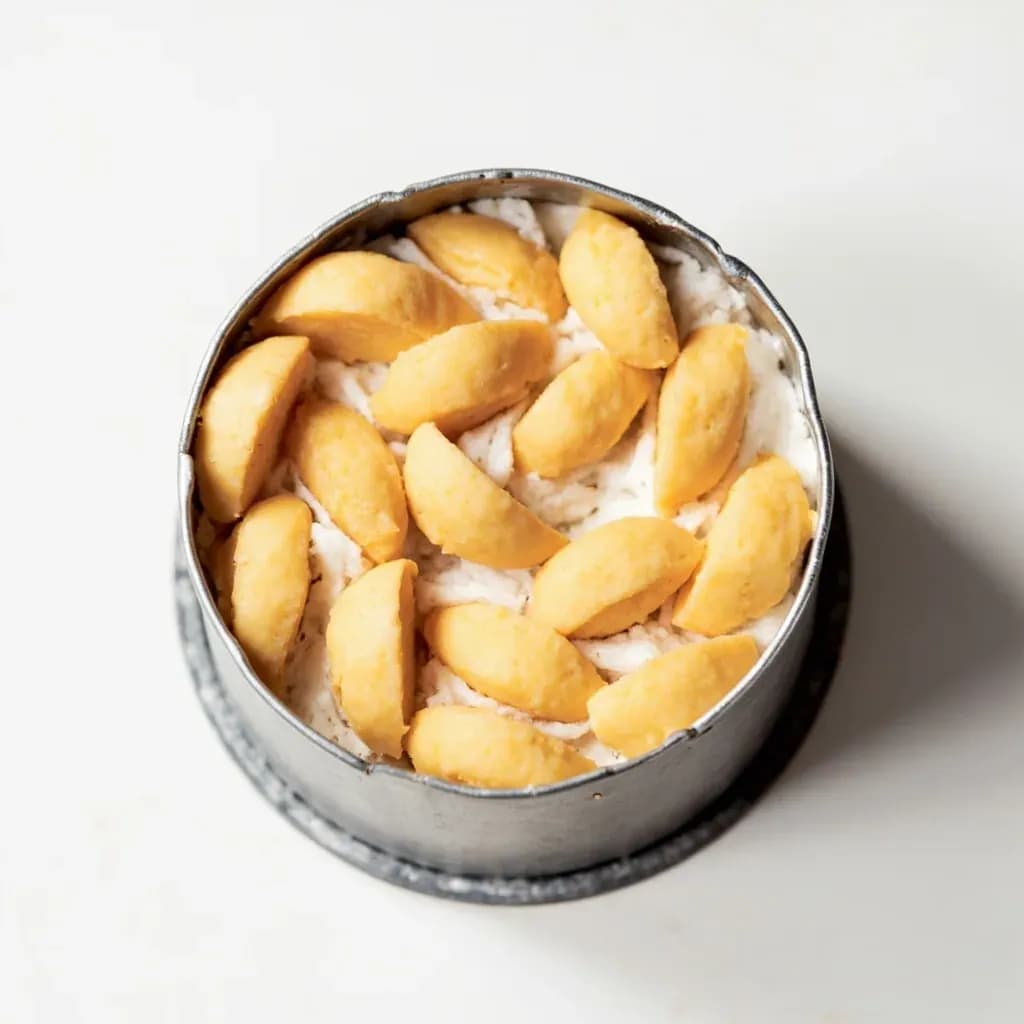
A sloped round mold for shaping the layered Sicilian ricotta-and-sponge cake cassata.
A cassata mold is a shallow, sloped-sided round form, traditionally tin or stainless, used to assemble cassata siciliana: sponge cake lining a sweet ricotta filling, finished with marzipan and candied fruit. The flared sides give the dome its signature profile and make it easy to unmold once chilled and set. It can also shape frozen cassata gelato cakes.
A cassata mold is a hemispherical pan with one critical geometric twist: its walls flare outward, so the rim is noticeably wider than the base. That slope is what produces the cassata's signature silhouette — a flat-topped, gently truncated dome — and it's the single feature that separates this pan from an ordinary pudding basin or bombe mold. The mold is used as an assembly vessel, not a baking pan: the sponge layers and marzipan shell are built and fitted inside it cold, the whole thing is weighted and chilled until firm, then the cake is inverted onto a plate and unmolded.
In practice, a baker lines the mold with plastic wrap, presses a sheet of pasta reale (sweetened marzipan) or thin sponge against the sloped walls, then alternates layers of sweetened ricotta filling and trimmed sponge discs, finishing with a sponge cap. After a long chill — six to eight hours minimum, overnight is better — the mold is flipped onto a serving plate and the plastic peeled away. The sloped wall is what allows that clean unmold: the dome narrows toward the base, so gravity and the lining do most of the work of releasing the cake cleanly.
Material matters less than shape, but it does change the experience. Glazed terracotta and ceramic are the traditional choice in Sicilian pastry shops because they chill evenly and hold the layered cake cold during the long set; stainless steel is the professional workhorse; silicone releases easily but offers less lateral support, so tall layered fillings can slump against the walls during chilling.
Alternatives
Types & varieties
Glazed terracotta; the classic choice in Sicilian pastry shops, often painted with decorative motifs; holds cold well during the long chill
Professional pastry-shop standard; durable, non-reactive, easy to line with film, and conducts chill efficiently
Modern, flexible; releases very cleanly but offers less lateral support during layering and chilling
Individual-portion size (8–10 cm), used for the single-serving version of the cake
Why the slope matters
The outward-flaring wall is the mold's defining geometry, and it does two jobs at once. During assembly, the wider rim gives the baker room to press and trim the marzipan or sponge lining without tearing it against a tight curve. At unmolding time, the cake's mass sits on a narrower base than its top, so the dome wants to release downward — a gentle flip and the cake drops cleanly onto the plate. A true hemisphere (like a pudding basin) gives you a rounded top with no flat surface to plate against, and the cake tends to roll or crack on release.
- Sloped wall = flat-topped truncated dome with a stable plating surface
- Hemisphere = rounded top that can roll, crack, or sink on unmolding
- The slope also lets the marzipan lining trim flush with the rim for a clean upper edge
Lining and assembly sequence
The mold is always lined — cassata is unmolded cold, and nothing sticks to ceramic or steel reliably without help. A disc of parchment on the base plus long strips or a single sheet of plastic wrap up the walls is the standard approach. The lining also lets you build a clean shell of marzipan or sponge against the walls, which becomes the cake's outer skin once unmolded.
- Line with plastic wrap, leaving generous overhang on all sides for the unmold
- Press a thin sheet of pasta reale (or trimmed sponge) firmly against the sloped walls
- Pack sweetened ricotta filling in an even layer, then a sponge disc, repeating to the top
- Cap with a sponge disc, fold the plastic over, and weight lightly with a plate
- Chill 6–8 hours minimum, preferably overnight, before inverting
Common uses
Tips & pitfalls
- Always line the mold with plastic wrap (or parchment on the base plus film strips up the sides) — cassata is unmolded cold, and the lining is what guarantees a clean release
- Press the marzipan or sponge lining firmly against the sloped walls so the finished dome holds its shape; gaps collapse into dents once the cake is unmolded
- Chill for at least 6–8 hours, ideally overnight, before unmolding; under-set ricotta filling causes the dome to slump and the marzipan to crack
- Invert onto a serving plate, then peel off the plastic wrap rather than trying to lift the cake off the mold — prying at it almost always damages the dome
- Wet a long thin knife in hot water and wipe dry between cuts; the marzipan and candied fruit drag and stick to a dry blade, tearing the surface
- Do not confuse a cassata mold with a regular hemispherical pudding basin — the outward wall slope is what produces cassata's flat-topped, gently flared silhouette
- If using ceramic or terracotta, chill the empty mold briefly in the refrigerator before lining so the cold walls don't warm the ricotta filling and make it slide down during assembly
- Do not bake in a cassata mold unless the manufacturer specifically rates it for oven use; most ceramic versions are assembly-and-chill only and can crack under direct heat
Good to know
- Shape
- Hemispherical mold with sloped (outward-flaring) walls; the rim is wider than the base, producing a truncated dome rather than a true hemisphere
- Typical diameters
- 18–22 cm (7–9 in) for a full cassata; 8–10 cm (3–4 in) for individual cassatine molds
- Materials
- Glazed terracotta/ceramic (traditional), stainless steel, aluminum, and silicone
- Function
- Assembly mold only — the cake is built inside it cold, chilled, then inverted; it is not used for baking
- Capacity
- An 18–20 cm mold holds roughly 8–10 sponge discs and 700–900 g of sweetened ricotta filling
- Defining feature
- The outward wall slope — without it, you have a pudding basin, not a cassata mold
- Origin of the cake
- Cassata Siciliana, a layered ricotta-and-sponge dessert with Arab-Norman roots in Sicily, formalized as a celebratory Easter cake
Also called
cassata pan · Sicilian cake mold
Related

Muffin Pan
Multi-cup pan for muffins, cupcakes, and egg bites

Bundt Pan
Fluted ring mold for showstopping cakes with a center hole

Springform Pan
Latch-release pan that frees delicate cakes without flipping

Pie Dish
Sloped round dish for crisp-bottomed pies and quiches

Tart Pan
Fluted pan with a pop-out base for clean-edged tarts

Rolling Pin
Rolls dough into even sheets for pastry and bread

Pastry Brush
Brushes on egg wash, glaze, butter, and marinades

Bench Scraper
Flat blade that divides dough and clears your work surface