Baking & Pastry
Chocolate Bar Mold
A rigid mold with bar-shaped cavities for casting and snapping tempered chocolate bars.
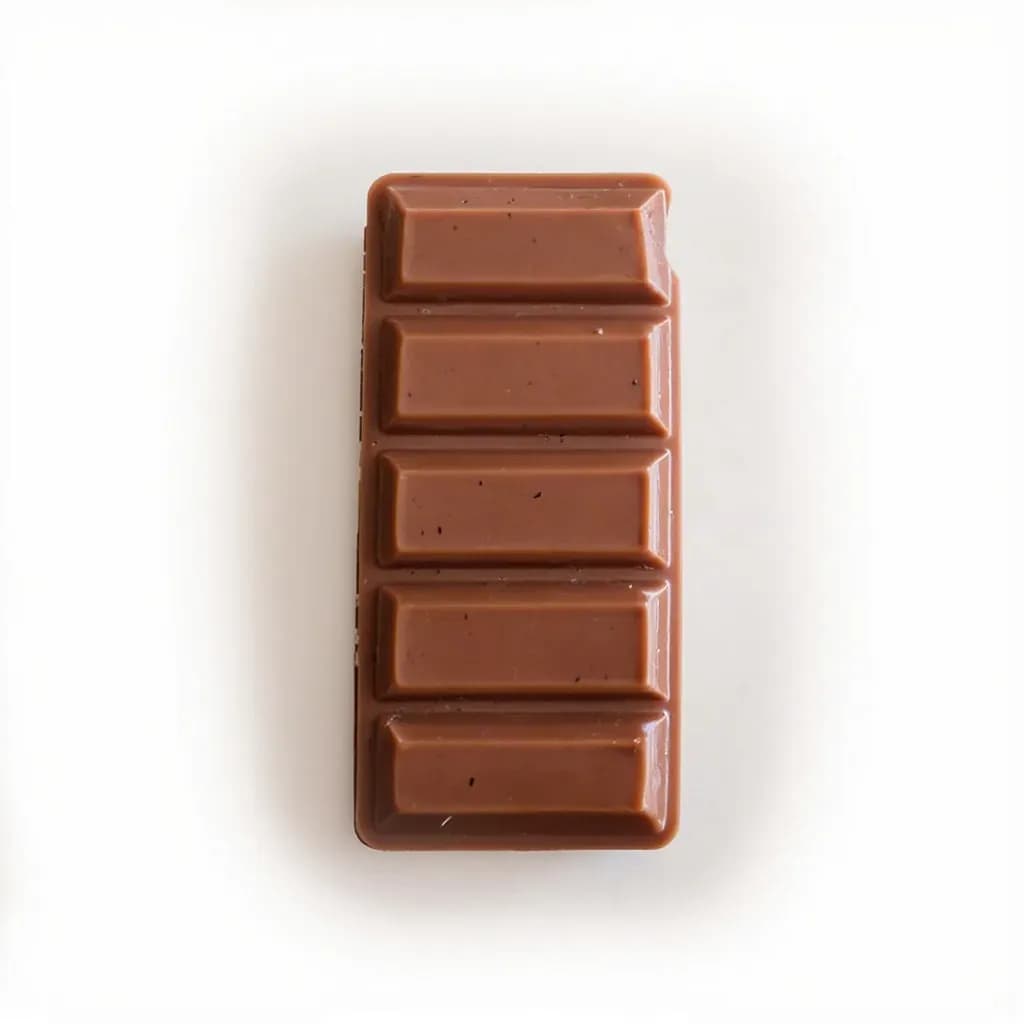
A chocolate bar mold is a polycarbonate or silicone tray with rectangular cavities, often divided into snap segments, used to cast tempered chocolate into finished bars. Chocolatiers pour, tap to release air bubbles, then cool and unmold glossy bars with crisp edges. Polycarbonate molds give the best shine and clean release when the chocolate is properly tempered.
A chocolate bar mold is a precision tool, not a repurposed baking pan. Its value lives in the polished interior of each cavity and the precise geometry that allows properly tempered chocolate to contract on cooling, release cleanly, and emerge with a mirror gloss. Unlike cake pans, bar molds are shallow, flat, and engineered to deliver a single solid piece in one motion — the cavity is essentially a small factory for identical bars.
The chemistry is unforgiving. Chocolate must be tempered to the correct cocoa-butter crystal form before pouring; the mold must be at room temperature and spotlessly clean; and the bar must cool slowly in a calm, cool environment. Get any of these wrong and the chocolate sticks, streaks, blooms white with fat, or refuses to release. The mold doesn't rescue bad chocolate — it simply exposes the truth of your temper and your workspace.
Material choice shapes the result. Polycarbonate is the professional standard because it conducts heat evenly, holds a mirror polish, takes fine engraving, and resists warping over thousands of cycles. Polypropylene is a slightly less glossy, easier-release mid-range option. Silicone is flexible and forgiving, but it does not match the glassy snap, sharp edge, or engraved detail of polycarbonate — for true bar-shop quality, polycarbonate is hard to beat.
Alternatives
Types & varieties
Professional standard. Rigid, virtually unbreakable, produces a high-gloss finish and the sharpest detail including engraved logos and break lines.
Semi-rigid plastic used in mid-range and disposable molds. Slightly less glossy than polycarbonate but easier to release.
Flexible, popular for home use. Easiest demolding but produces a duller surface and softer detail; cannot be polished to high gloss.
Cavity molded with raised break lines so the finished bar snaps into uniform squares or rectangles by hand.
Polycarbonate mold with a logo, pattern, or design etched into the cavity floor; used by artisan chocolatiers and brands for signature bars.
Small-cavity molds producing 2–5 g pieces, used for samples, mendiants, or hotel amenity bars.
Deeper cavity (12–15 mm) designed to hold a layer of inclusions — nuts, nibs, caramel — sealed with chocolate on the back.
Polycarbonate vs. silicone: the real trade-off
Choosing a bar mold usually comes down to polycarbonate versus silicone, and the difference shows up clearly in the finished bar. Both will make a chocolate bar; only one will make a chocolate-bar-shop bar.
- Choose polycarbonate when gloss, snap, and edge definition matter — artisan production, gift bars, or any bar meant to look professionally cast. It holds a true mirror polish, conducts heat evenly across the cavity, and keeps its shape for thousands of cycles. Demolding requires a clean, confident flex.
- Choose silicone when flexibility and tolerance matter more than shine — home baking, cooking with children, or working with marginal temper. The surface will be duller, edges softer, and snap less brittle, but the bar will almost always come out.
- Polypropylene sits between the two: easier release than polycarbonate, glossier than silicone, and often the best value for a serious home cook who casts bars a few times a month.
Common uses
Tips & pitfalls
- Polish the cavity interior with a clean cotton ball or microfiber cloth before each use; even invisible residue dulls the gloss.
- Bring the mold to 18–20 °C before pouring; a cold mold shocks the cocoa butter and causes fat bloom and dull spots.
- Temper the chocolate properly — untempered chocolate will stick, streak, and never release cleanly from a polycarbonate mold.
- Tap the filled mold firmly on the bench 3–4 times to release trapped air bubbles; do not scrape chocolate across the top with your fingers.
- Cool at 16–18 °C, never in a refrigerator or freezer; condensation on the surface causes sugar bloom when the bar is later warmed.
- To release, invert the mold and give a single confident flex or tap on the back; wiggling stretches the chocolate and dulls the surface.
- Never wash polycarbonate molds in a dishwasher — use warm water only, avoid soap which leaves a film, and air-dry completely.
- Store molds upright, separated by tissue, in a dry cupboard; light and humidity haze the polished surface over time.
Good to know
- Typical materials
- Polycarbonate (professional, high gloss), polypropylene (mid-range, satin finish), silicone (home use, flexible), occasionally ABS plastic
- Standard cavity sizes
- Roughly 25 g (mini) to 100–250 g (full-size sharing bar); cavity depth usually 7–10 mm for solid bars
- Common mold formats
- Single-cavity molds for one large bar, or multi-cavity sheets of 2, 3, 4, 6, 8, or 12 bars per mold
- Working temperature range
- Polycarbonate tolerates −40 °C to +80 °C; ideal pouring environment is 18–20 °C ambient
- Required chocolate state
- Tempered chocolate only — dark 31–32 °C, milk 29–30 °C, white 27–28 °C — for snap, gloss, and clean release
- Demolding time
- 20–40 minutes at 16–18 °C, or 10–15 minutes in a cool area; never freeze or blast-chill
- Lifespan
- Polycarbonate molds last thousands of cycles; silicone molds 200–500 uses before losing shape
- Key manufacturers
- Chocolate World (Belgium), Pavoni and Martellato (Italy), Tomric (USA), Fat Daddio's and Wilton (USA)
Also called
bar mold · chocolate tablet mold
Related

Muffin Pan
Multi-cup pan for muffins, cupcakes, and egg bites

Bundt Pan
Fluted ring mold for showstopping cakes with a center hole

Springform Pan
Latch-release pan that frees delicate cakes without flipping

Pie Dish
Sloped round dish for crisp-bottomed pies and quiches

Tart Pan
Fluted pan with a pop-out base for clean-edged tarts

Rolling Pin
Rolls dough into even sheets for pastry and bread

Pastry Brush
Brushes on egg wash, glaze, butter, and marinades

Bench Scraper
Flat blade that divides dough and clears your work surface