Baking & Pastry
Tian (Glazed Earthenware Gratin Dish)
Shallow glazed earthenware dish for baking the layered Provençal vegetable gratin it's named for.
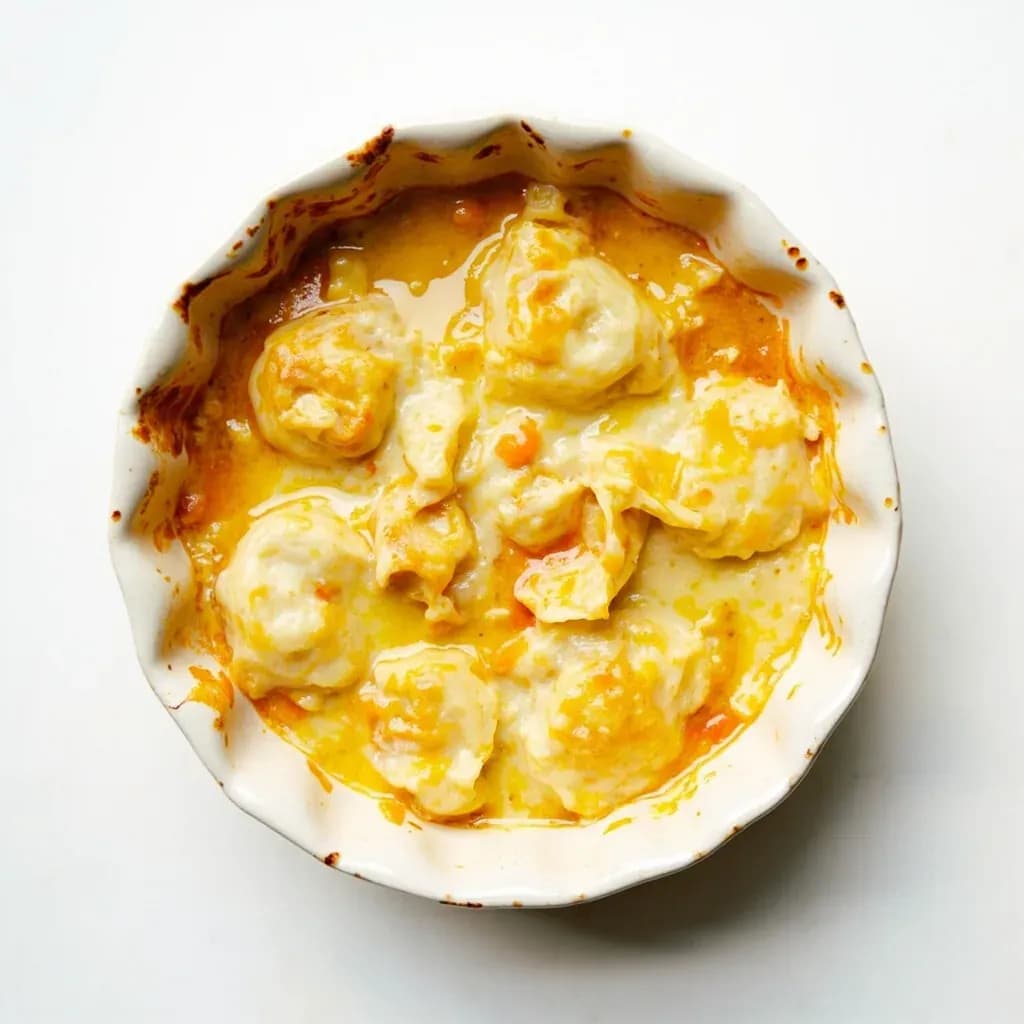
A tian is a shallow glazed earthenware baking dish from Provence, lending its name to the layered vegetable gratin baked in it. Thinly sliced vegetables are fanned in the dish, drizzled with oil and herbs, and slow-baked so they caramelize at the edges while the earthenware holds gentle heat. It doubles as an attractive oven-to-table serving dish.
The tian is a shallow, round, glazed earthenware baking dish from Provence whose name has become inseparable from the layered vegetable gratin it was built to make. Its defining feature is depth—or rather, the deliberate lack of it. At roughly 5–7 cm (2–3 in) deep with relatively straight or gently flared sides, the tian exposes the maximum surface area of food to dry, top-down oven heat, producing the lightly caramelized, browned crust that distinguishes a proper gratin from a stew. Traditional versions are glazed terracotta; contemporary ones range from stoneware and porcelain to enameled cast iron, each with slightly different thermal behavior.
In practice, the dish does two jobs at once: it cooks and it presents. Glazed earthenware heats gently and evenly, holds heat long enough to keep food warm at the table, and accepts a finishing blast under the broiler without scorching the rim. The shallow geometry means watery vegetables must be salted and drained, and slices must be cut to a uniform thickness so they cook through before the top burns. As a tool, it rewards cooks who think in layers—a single neat tier of tomatoes, zucchini, or potatoes, not a deep casserole heap.
The word tian is older than the recipe most cooks associate with it. In older Provençal kitchens, faire un tian meant to bake something—a vegetable, a bread-based dish, a gratin of leeks or chard—in the round earthenware vessel, and the contents changed with the season. Tomatoes and zucchini entered the picture only after they arrived from the New World; the modern tian provençal of sliced summer vegetables arranged in tight rows is a twentieth-century classic built on a much older Provençal habit.
Alternatives
Types & varieties
The classic form: shallow, round, glazed interior, easy to clean, and the standard for tian provençal.
Same shallow profile on an oval footprint; useful for longer vegetables and shaped roasts.
Often also called a tian in modern kitchens; the right shape for even potato slices in gratin dauphinois.
Ramekin-sized single-serving dish used for plated gratins and tidy vegetable presentations.
Heavier, with stronger heat retention and conduction; safe on stovetop and under the broiler, but lacks the porous earthenware character.
The oldest form from Provence; must be seasoned, absorbs a little moisture, and is prized for the way it 'breathes' during baking.
Choosing and Seasoning a Tian
Material choice changes how the dish cooks more than its shape does. Glazed earthenware and stoneware are the everyday workhorses: non-porous, forgiving, and easy to clean. Enameled cast iron is heavier, runs hotter, and holds heat longer, which means a slightly lower oven and a watchful eye during the broil. Unglazed terracotta is the connoisseur's choice—it absorbs and releases a small amount of moisture and is said to concentrate flavor—but it must be seasoned before first use and is more delicate over time.
- Pick a 28–32 cm round tian for a family of four; reach for individual tians when plating composed starters or vegetarian mains.
- Choose glazed earthenware or stoneware for everyday gratins and broil finishing; choose enameled cast iron if you also want stovetop-to-oven performance.
- Before first use, wash unglazed terracotta in warm water, dry it thoroughly, and rub a thin film of olive oil into the surface; repeat the oiling before long storage.
- Bring a cold tian to room temperature before setting it in a hot oven, or place it in a cold oven and bring both up together—never subject it to thermal shock.
- Store with the lid off or loosely covered so any residual moisture can escape; trapped dampness is the enemy of unglazed clay.
Common uses
Tips & pitfalls
- Never set a cold tian into a hot oven—thermal shock is the single most common cause of cracking. Warm it on the counter or in a cold oven first.
- Place the tian on a preheated baking sheet, or set both in the oven together from cold, for more even heating from below and to protect the base from thermal stress.
- Rub a thin film of olive oil into an unglazed terracotta tian before first use and before storing; this seasons the clay and reduces sticking.
- Don't soak a glazed tian for hours—prolonged water exposure slowly degrades the glaze. Wash it soon after it cools, by hand.
- Avoid steel wool and sharp metal utensils on glazed surfaces; a wooden spoon or silicone spatula keeps the glaze intact for years.
- Finish under the broiler for the last 3–5 minutes; the shallow depth makes this remarkably effective at producing an even, browned crust.
- Slice vegetables to a uniform 3–5 mm on a mandoline so they cook through evenly and sit flat in the single, shallow layer the dish is built for.
- Salt and drain watery vegetables (tomato, zucchini, eggplant) on paper towels for 20–30 minutes before arranging, or the gratin will weep into a watery puddle.
- Don't pile food above the rim; the shallow walls are designed for a neat single layer, not a deep casserole.
- If using enameled cast iron, lower the oven temperature by about 10 °C compared with earthenware, since it retains and conducts more heat.
Good to know
- Origin
- Provence, France; the vessel and the layered gratin named for it both come from the Occitan/Provençal word tian
- Etymology
- From Provençal tian, likely derived from Latin teganum / Greek teganon, meaning a shallow pan or baking dish
- Material
- Traditionally glazed terracotta; modern versions in stoneware, porcelain, or enameled cast iron
- Typical dimensions
- 20–32 cm (8–13 in) diameter for a family dish, 5–7 cm (2–3 in) deep; individual tians run 10–14 cm (4–5.5 in)
- Heat source
- Oven-bake; the shallow form is built for dry, top-down heat and benefits from a brief grill/broil finish
- Oven-safe temperature
- Most glazed earthenware and stoneware rated to 230–260 °C (450–500 °F); check the maker for enameled cast iron
- Capacity
- A 32 cm tian holds roughly 1.5–2 L of food and serves 4–6 as a side
- Cleaning
- Hand wash glazed earthenware; unglazed terracotta needs soaking, brushing, and full air-drying before storage
Also called
Tian Dish · Provençal Gratin Dish · Earthenware Gratin Dish
Related

Muffin Pan
Multi-cup pan for muffins, cupcakes, and egg bites

Bundt Pan
Fluted ring mold for showstopping cakes with a center hole

Springform Pan
Latch-release pan that frees delicate cakes without flipping

Pie Dish
Sloped round dish for crisp-bottomed pies and quiches

Tart Pan
Fluted pan with a pop-out base for clean-edged tarts

Rolling Pin
Rolls dough into even sheets for pastry and bread

Pastry Brush
Brushes on egg wash, glaze, butter, and marinades

Bench Scraper
Flat blade that divides dough and clears your work surface