Southern Europe & the Mediterranean
Vatican City
15 dishes documented
 main
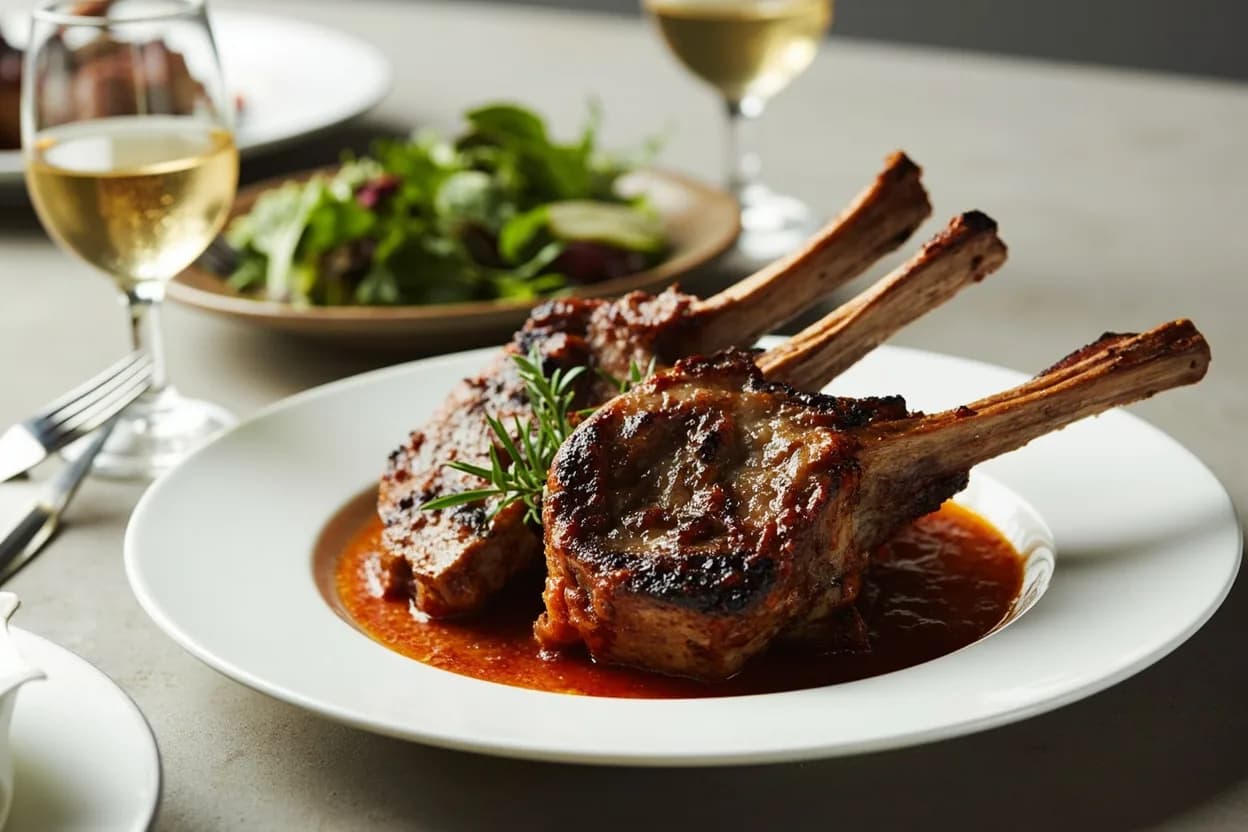
Abbacchio Scottadito
Milk-fed Roman lamb rib chops (abbacchio) butterflied flat and grilled over fierce direct heat — charcoal preferred — until the exterior is char-blackened and the interior pale and pink, then served searing-hot and eaten with bare fingers.
 main
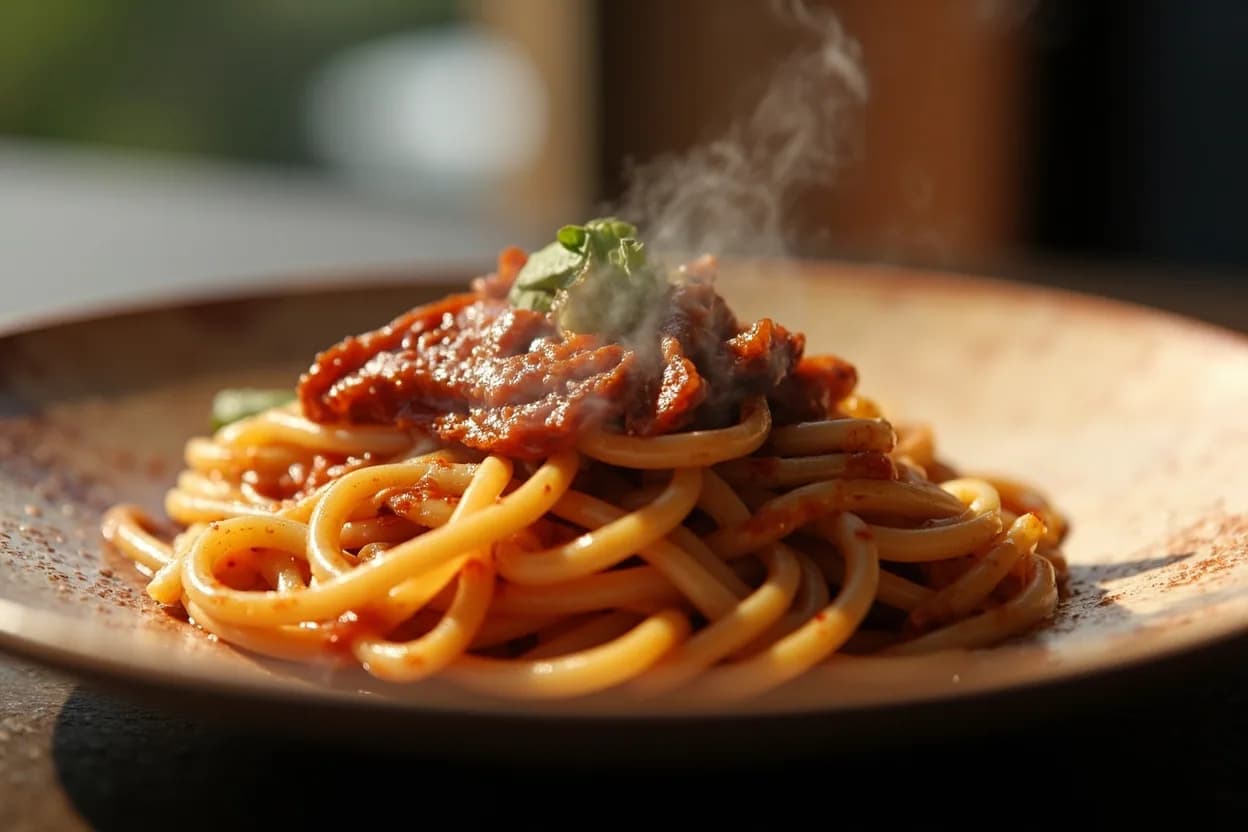
Bucatini all'Amatriciana
A central-Italian pasta dish of bucatini sauced with slowly rendered guanciale, crushed San Marzano tomatoes, dried peperoncino, and a generous finish of aged pecorino romano.[2]
 main
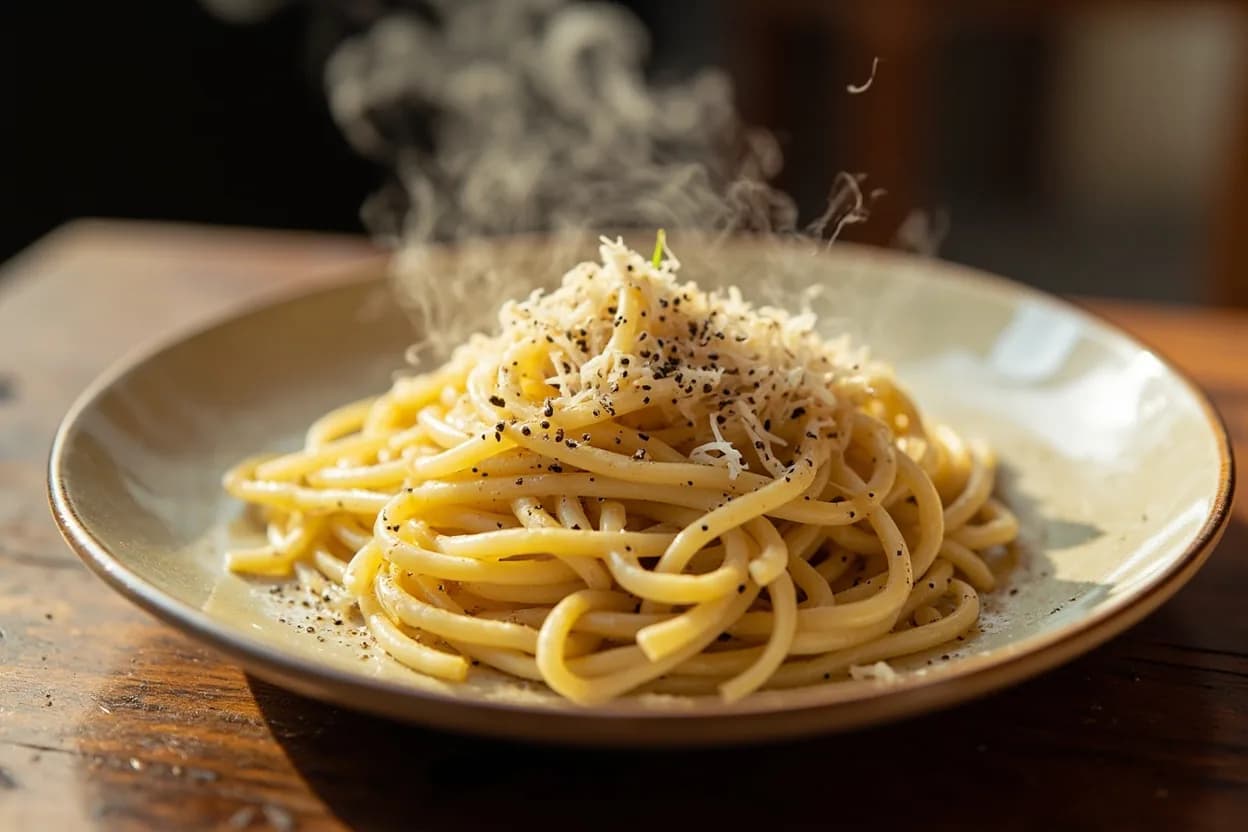
Cacio e Pepe
A Roman pasta dish of exactly three ingredients — pasta (traditionally tonnarelli or spaghetti), very finely grated Pecorino Romano, and coarsely cracked black pepper — bound into a seamless, creamy sauce through emulsification with hot, starchy pasta cooking water and no added fat.
 antipasto / snack
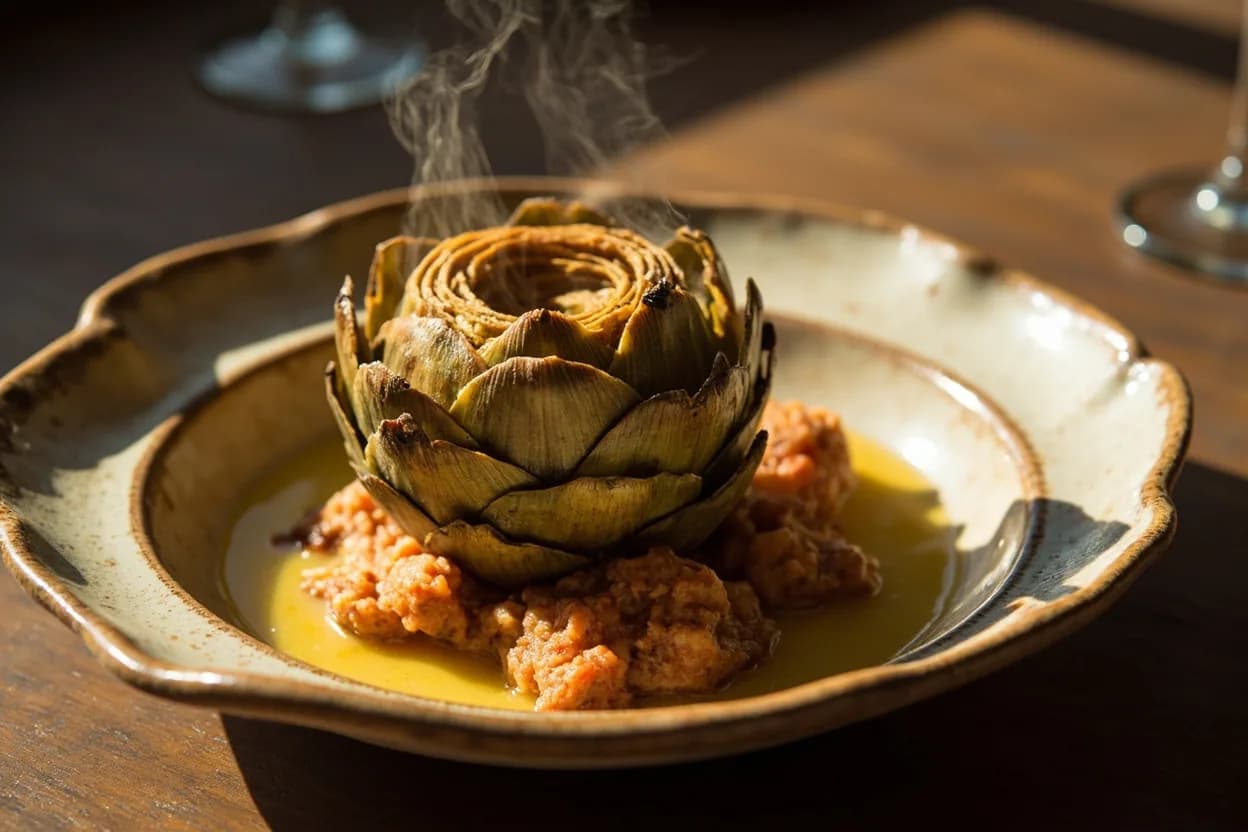
Carciofi alla Giudia
A whole mammole (Romanesco) artichoke, trimmed to its pale tender core, double-fried in abundant olive oil so the leaves splay open into a crisp, golden flower while the heart remains yielding.
 antipasto / contorno
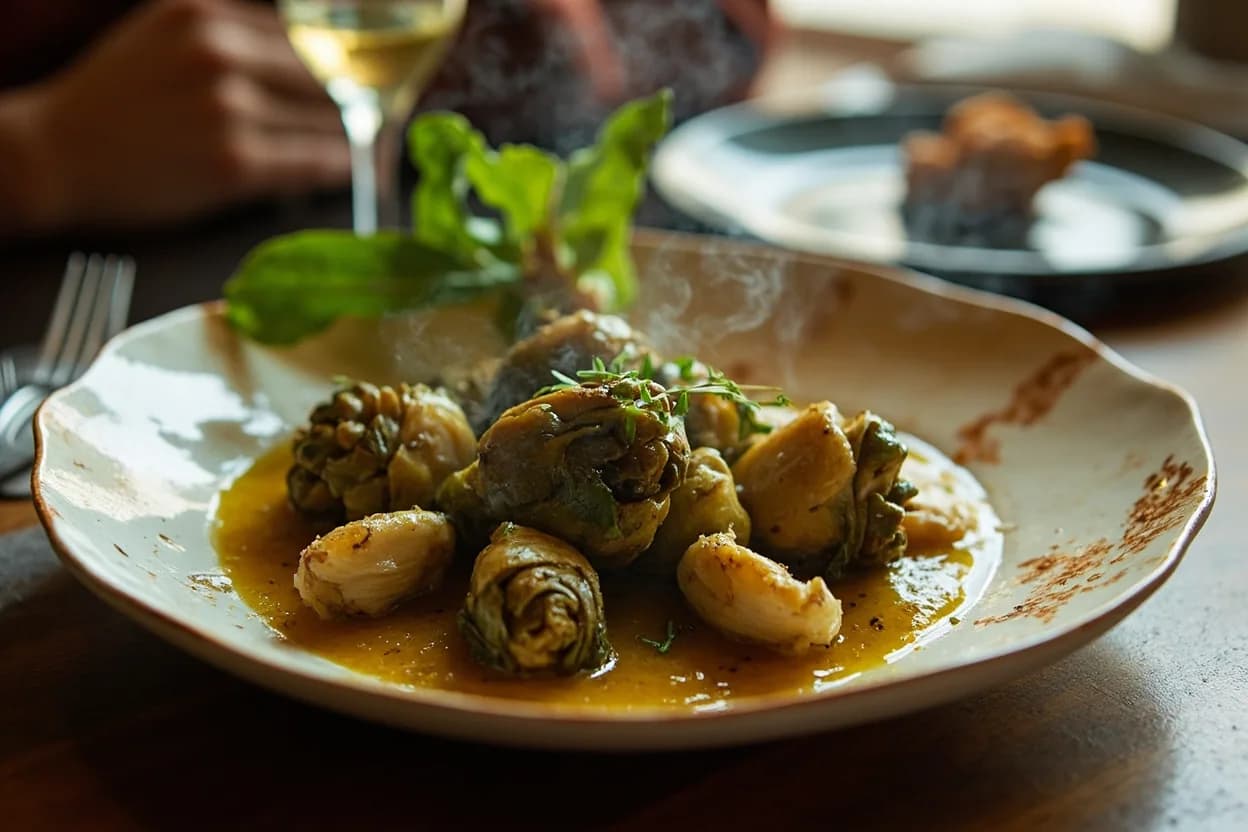
Carciofi alla Romana
Whole mammole artichokes trimmed to their tender hearts, stuffed with a mixture of garlic, flat-leaf parsley, and mentuccia (Roman wild mint), then braised upside-down in extra-virgin olive oil and water until completely yielding from base to tip.[2]
 main
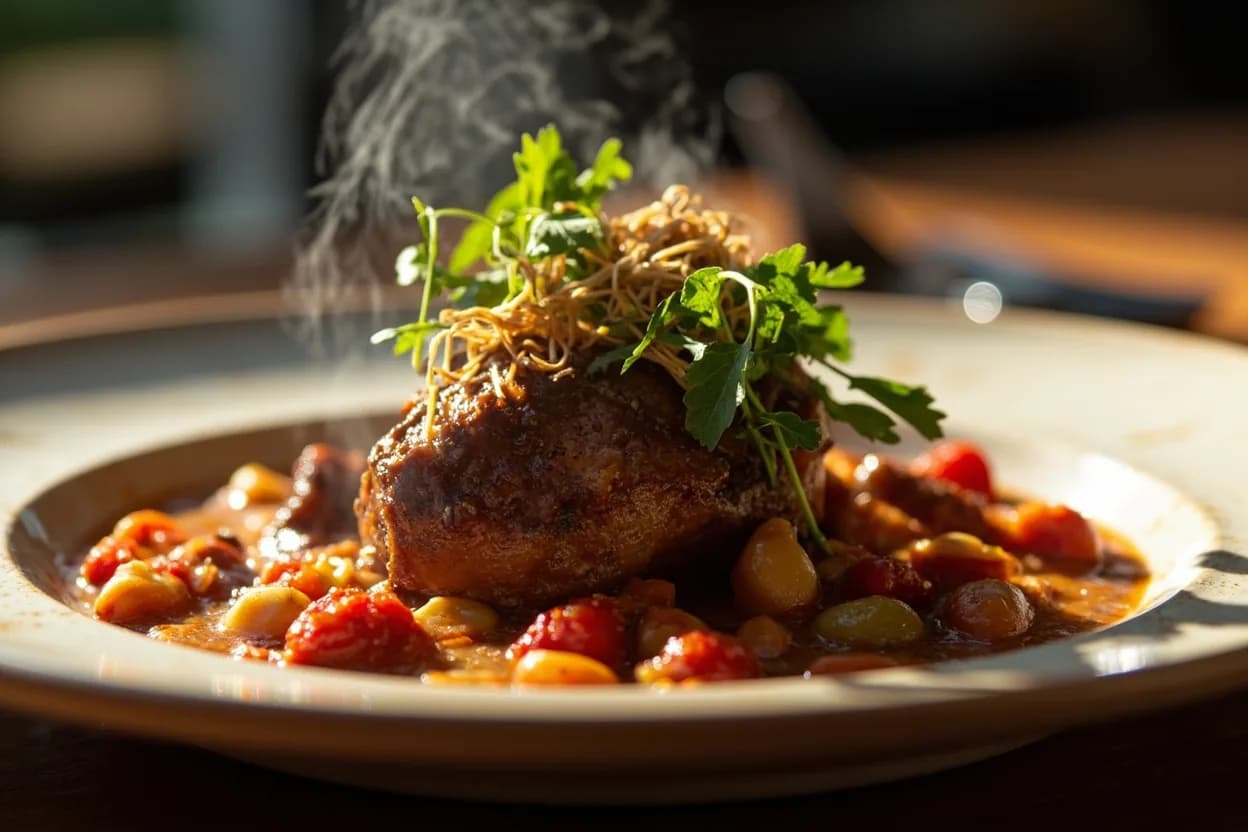
Coda alla Vaccinara
A Roman slow-braised oxtail dish from the Testaccio slaughterhouse district, cooked in tomato and abundant celery with white wine and finished with sweet spices, pine nuts, raisins, and bitter cocoa to create a layered agrodolce depth.[1][2][3]
 dessert
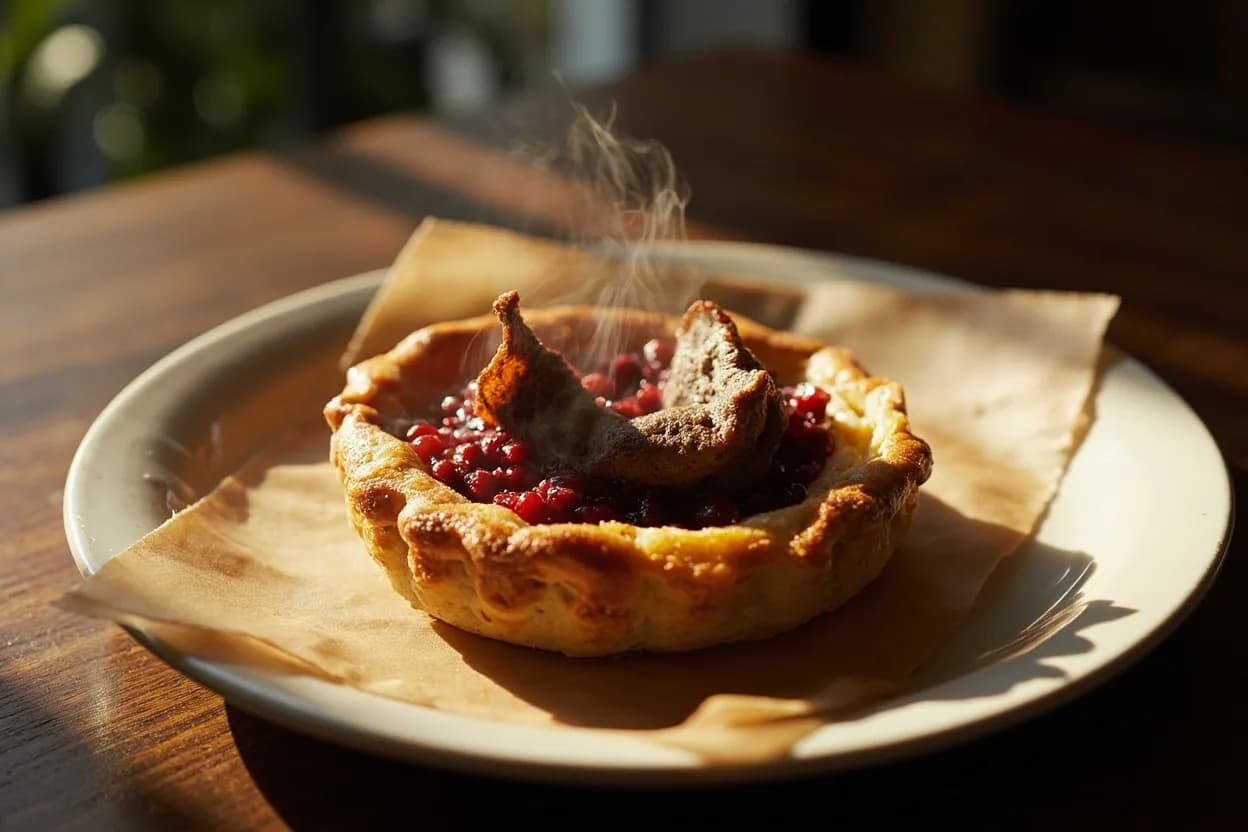
Crostata di Ricotta e Visciole
A Roman short-pastry tart in which a layer of sour Morello cherry preserve is hidden beneath a sweet sheep's-milk ricotta filling and capped with pastry.
 main
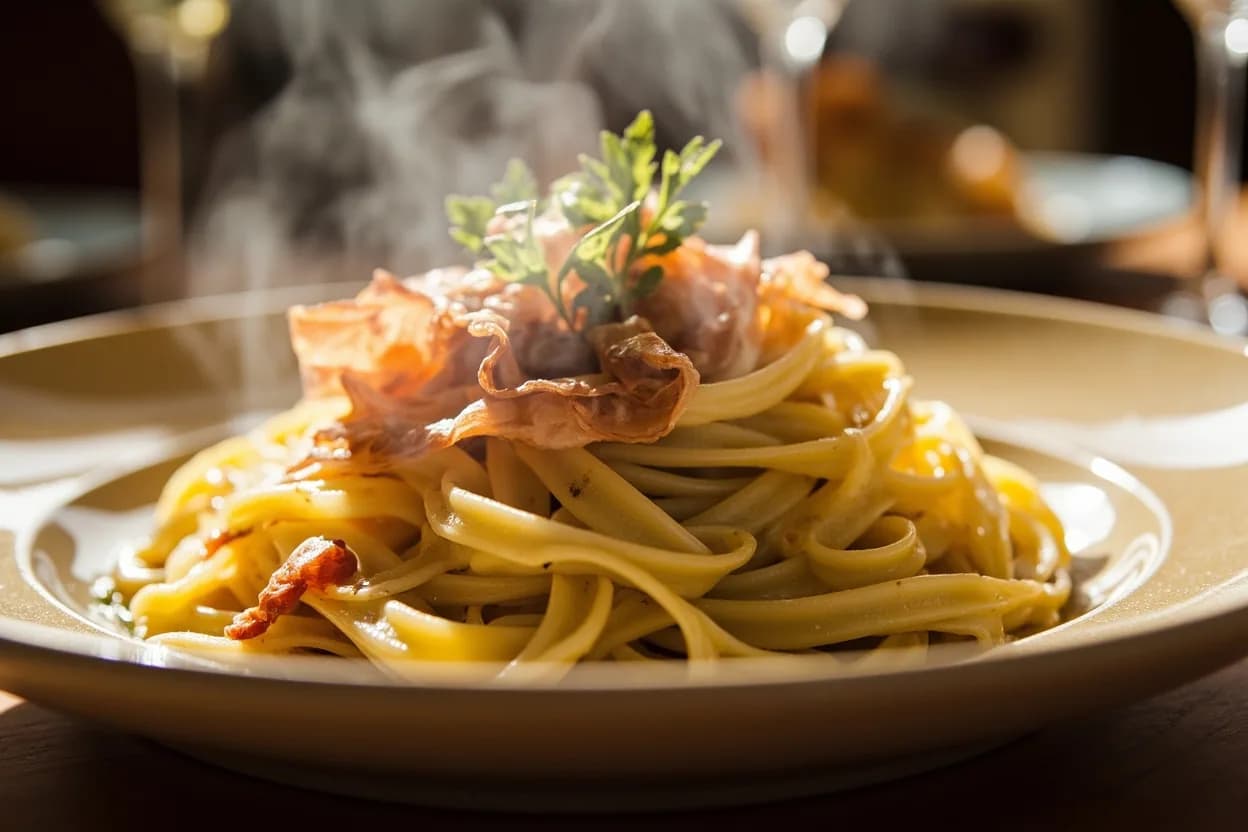
Fettuccine alla Papalina
A rich Roman egg-and-cream pasta of fresh fettuccine finished with prosciutto, sautéed onion, whole eggs, heavy cream, and Pecorino Romano — created for Pope Pius XII and distinguished from carbonara by the addition of onion, cream, and prosciutto in place of guanciale[1].
 main
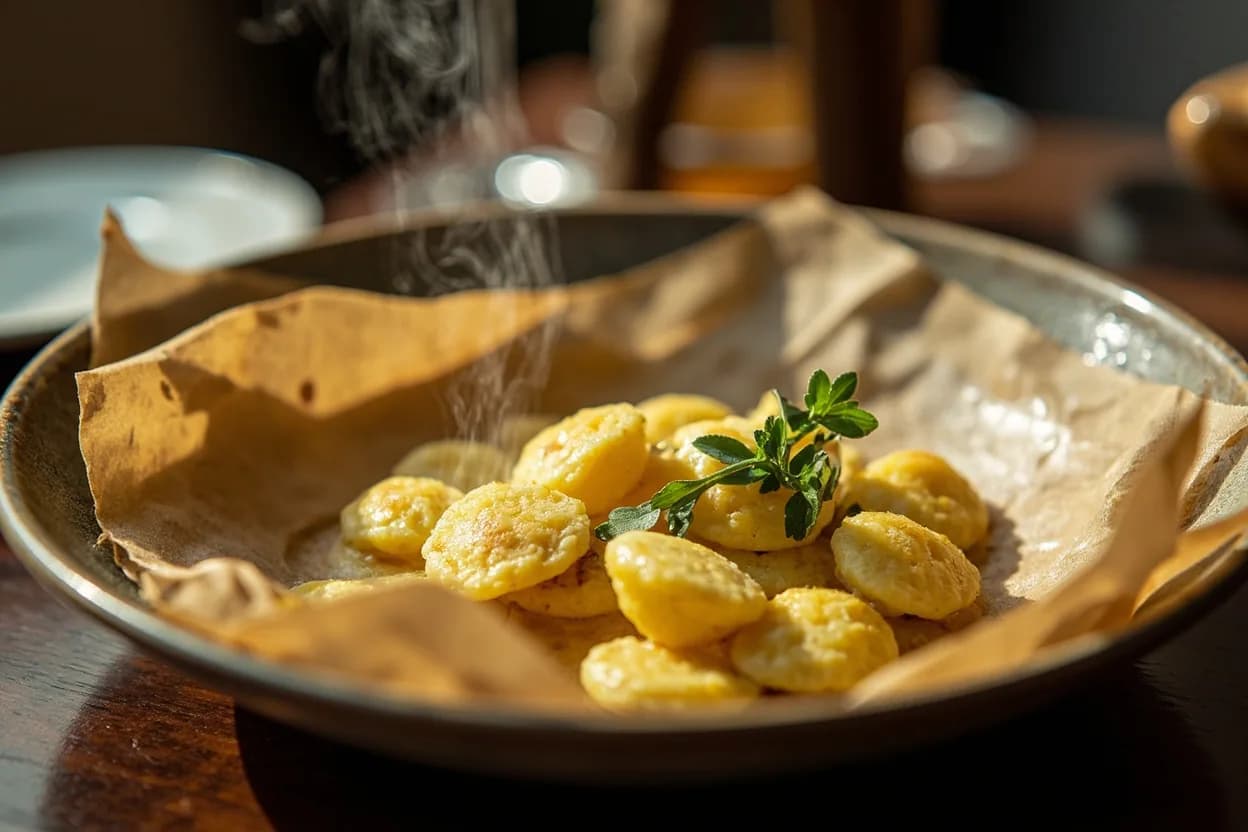
Gnocchi di Semolino alla Romana
A Roman dish of firm semolina-and-milk dough cut into discs, layered with butter and parmesan, and baked until golden.
 breakfast
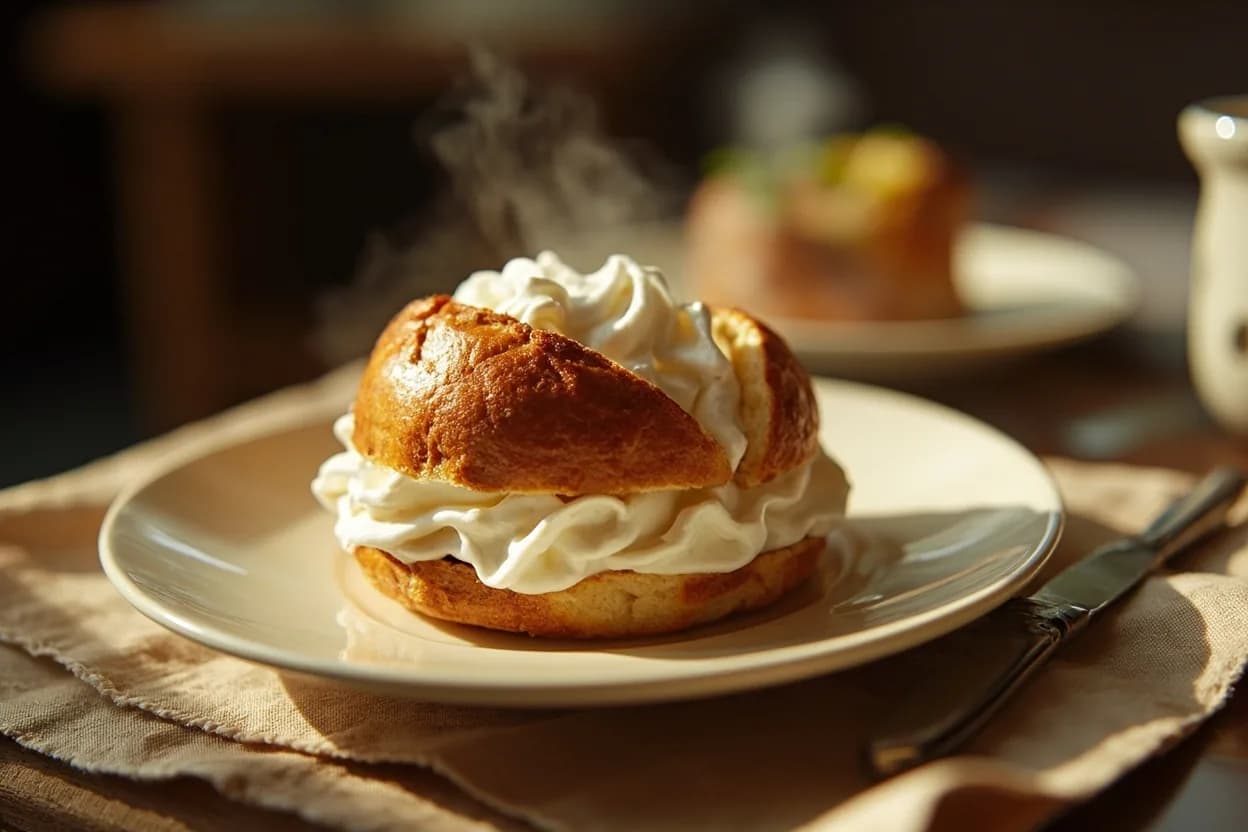
Maritozzo con la Panna
A soft, lightly sweet enriched-dough bun, split lengthwise and overfilled with billowing unsweetened-to-lightly-sweetened whipped cream, scraped flush and dusted with sugar.
 main
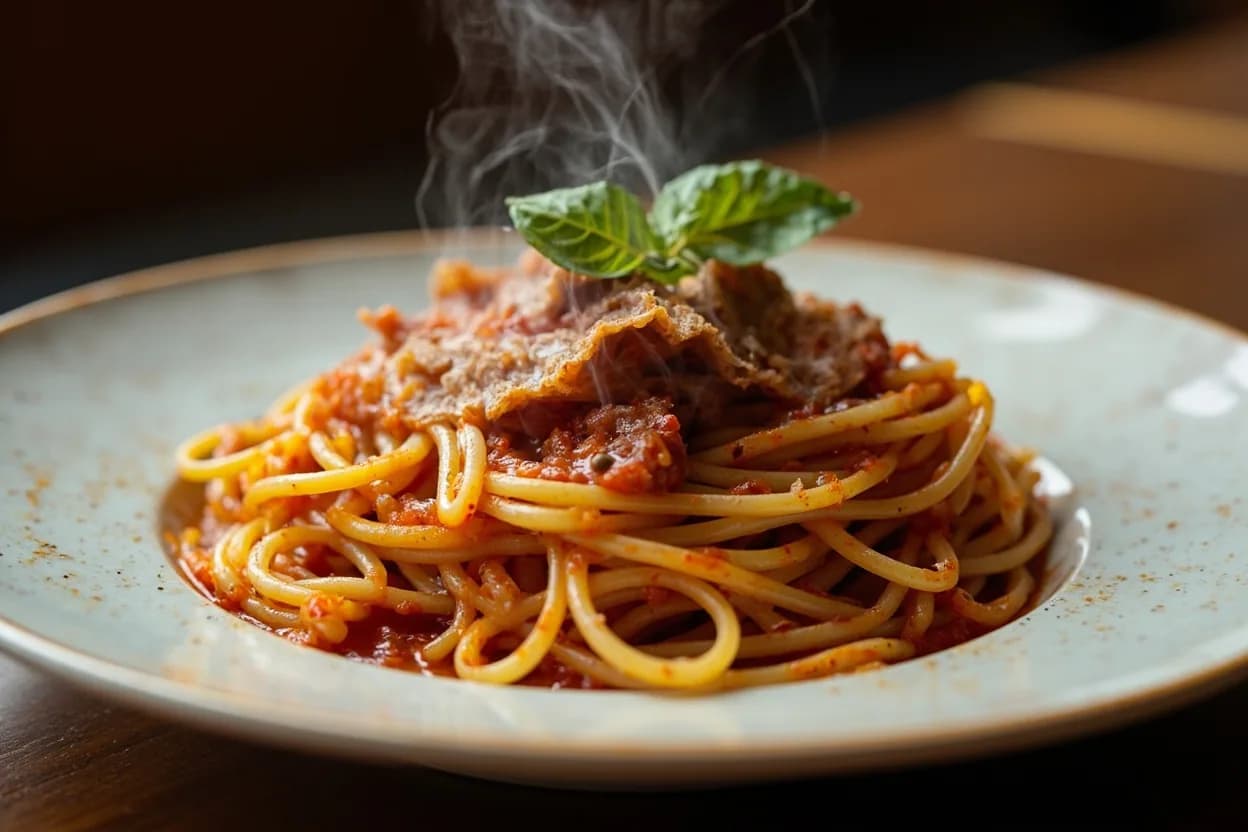
Pasta alla Gricia
A Roman pasta dressed only with rendered guanciale, Pecorino Romano, and black pepper — essentially an amatriciana without the tomato.
 starter, salad
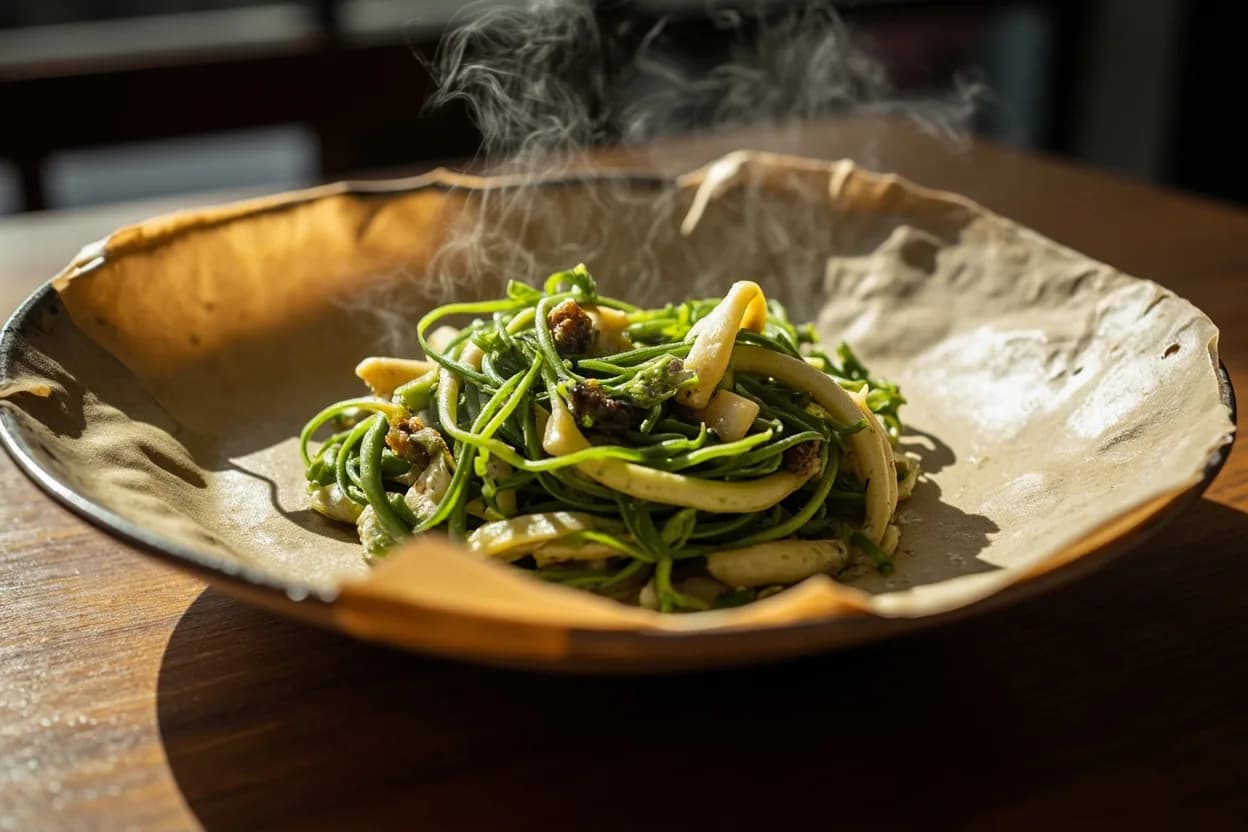
Puntarelle in Salsa di Alici
A Roman winter salad of crisp curly chicory shoots (puntarelle) soaked in ice water to curl, then dressed with a pounded anchovy, garlic, and vinegar emulsion.
 main
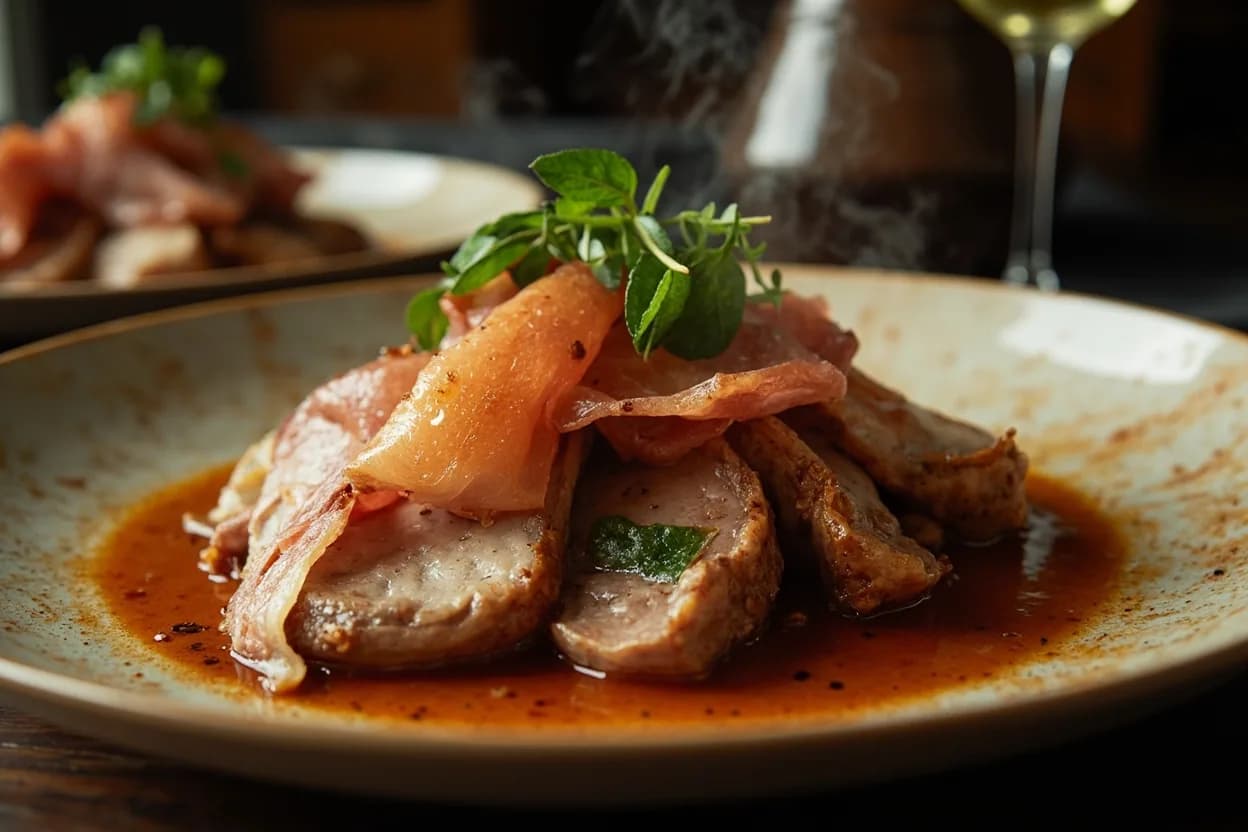
Saltimbocca alla Romana
A Roman dish of thin veal escalopes each topped with a slice of prosciutto and a sage leaf, pan-fried and finished with a white wine and butter sauce.
 main
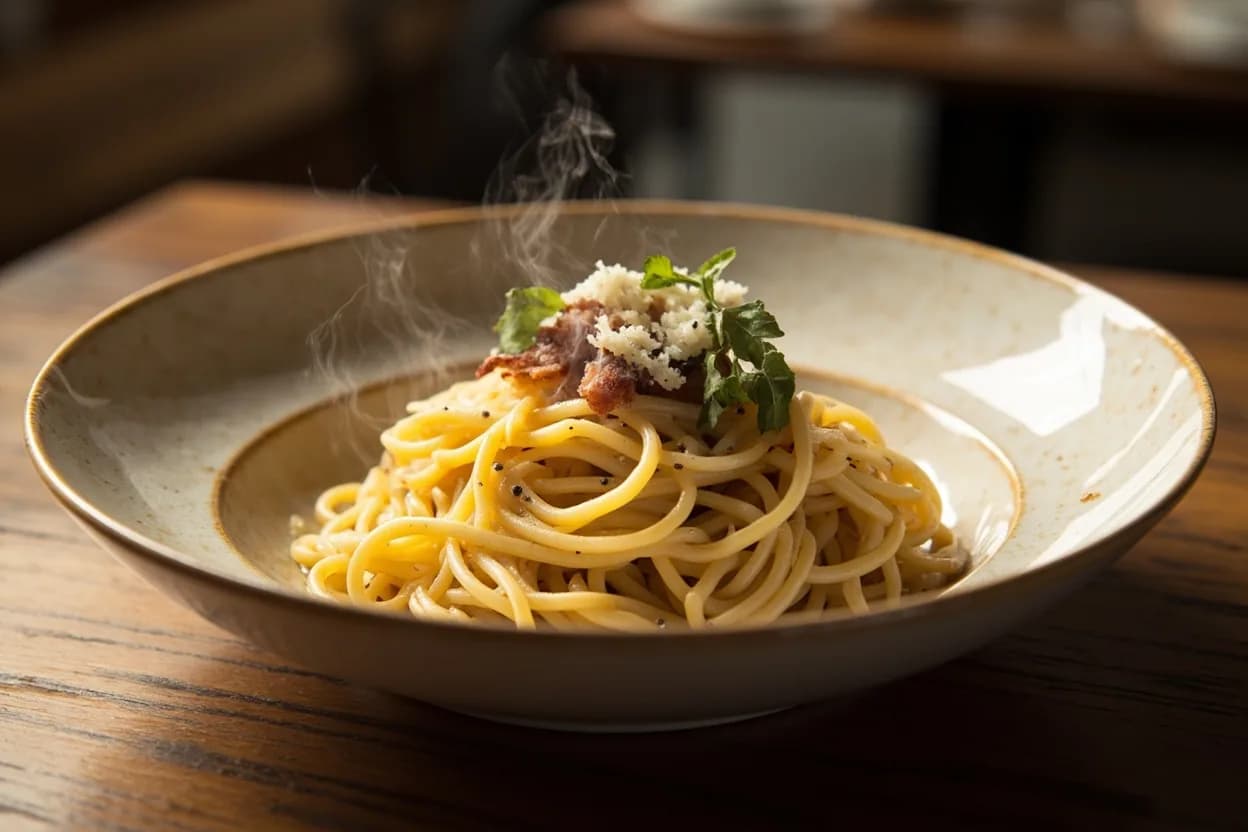
Spaghetti alla Carbonara
Spaghetti alla carbonara is a Roman pasta dish composed of spaghetti tossed with cured pork (guanciale), aged pecorino Romano cheese, egg yolks, and freshly ground black pepper, creating a creamy sauce without the use of cream.
 main
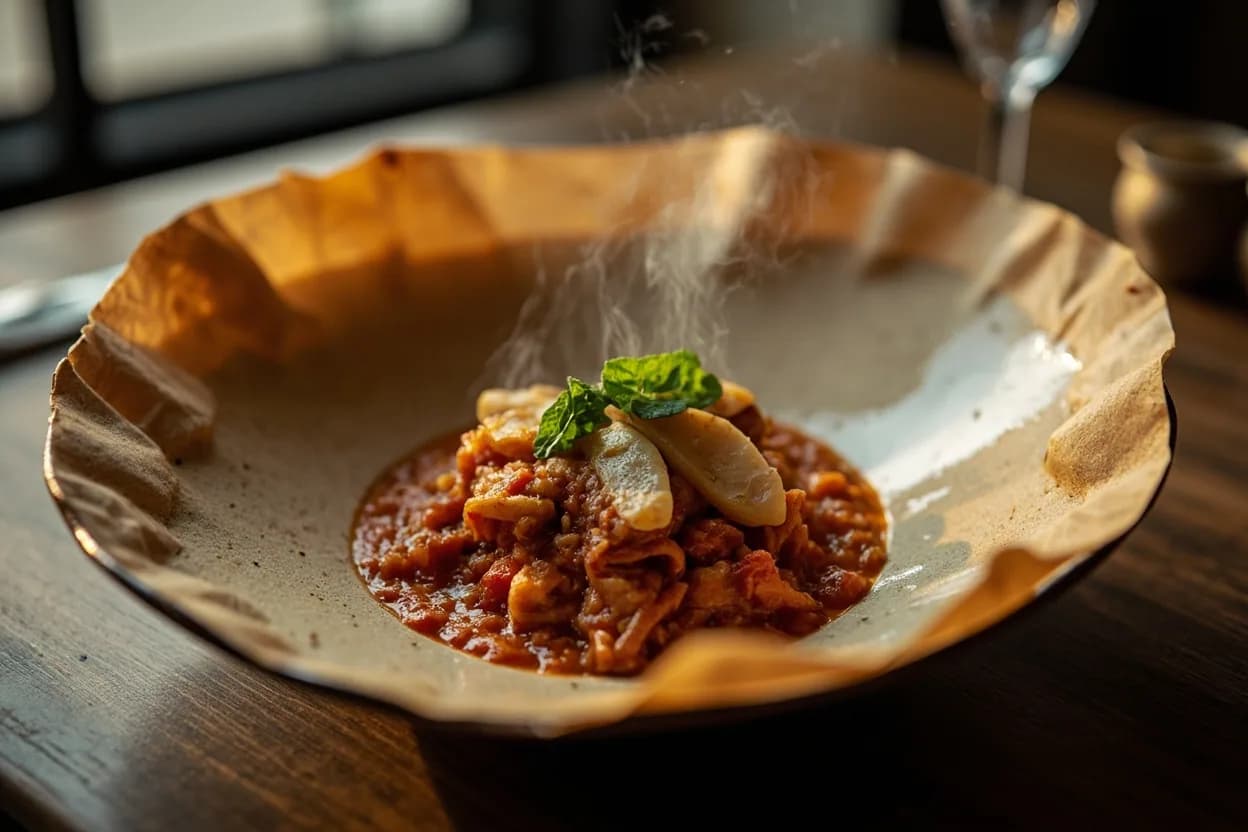
Trippa alla Romana
A Roman offal dish of cleaned, pre-boiled beef tripe slow-simmered in a tomato and white wine sauce finished with fresh mint and a generous showering of grated pecorino romano.