Knife Cuts — Regional & Global
Chili — Seeded Slit vs. Paste Grind
Also: scored chili, slit chili, ground chili paste, chili paste prep
Two foundational approaches to chili preparation — a whole slit for slow, diffused heat or a seeded grind for concentrated paste.
Two distinct knife treatments for fresh or dried chilies that produce fundamentally different heat profiles and textures. A seeded slit means cutting the chili lengthwise on one or two sides (leaving it intact) to open the flesh to heat and liquid while controlling the release of capsaicin from seeds and membranes. A paste grind means splitting, deseeding, and grinding or pounding the flesh into a smooth or coarse paste where heat is fully extracted and distributed.
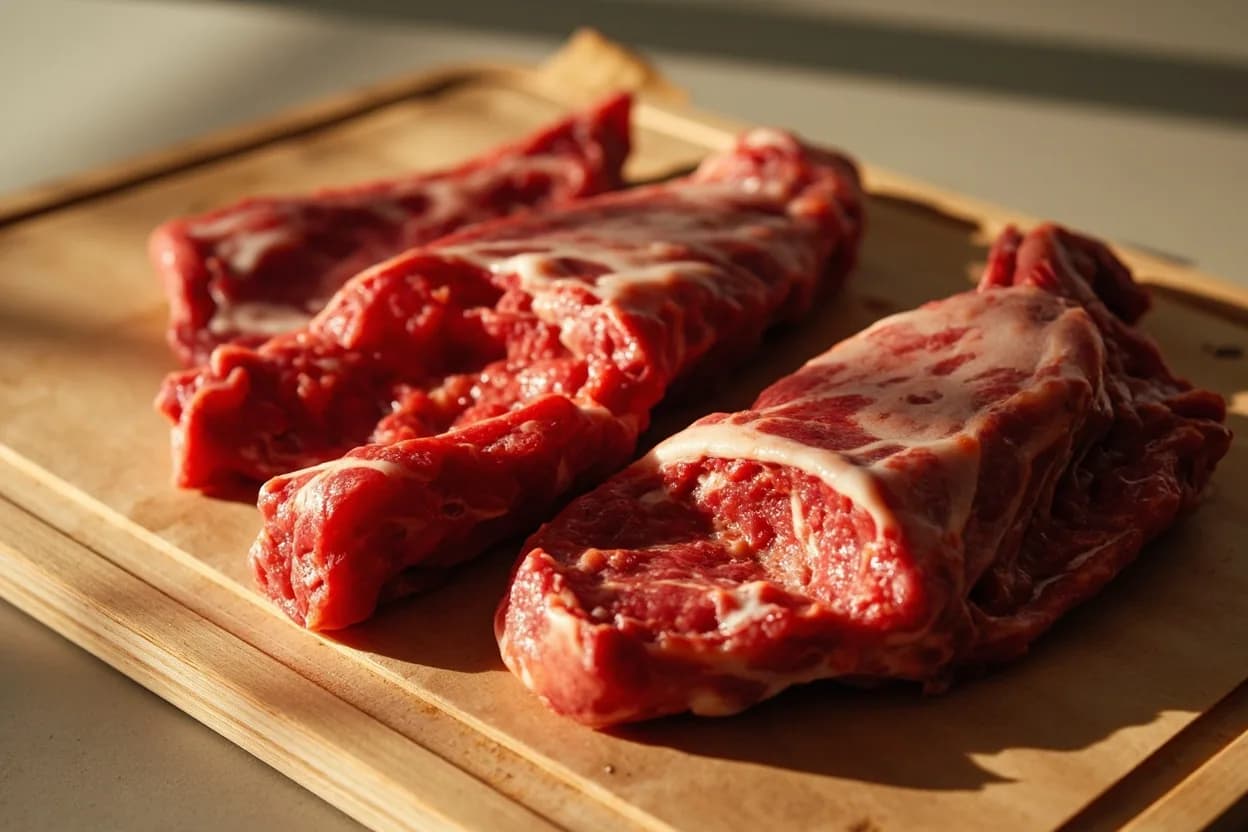
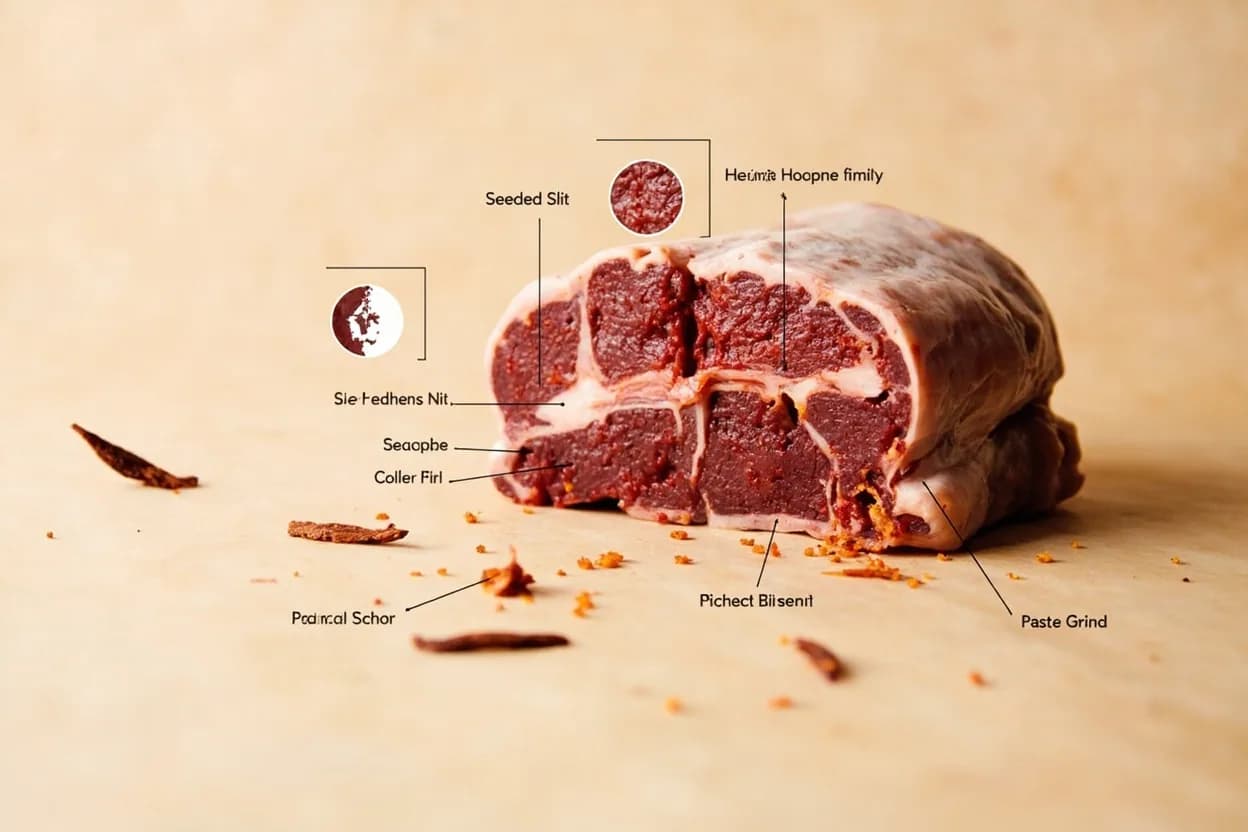
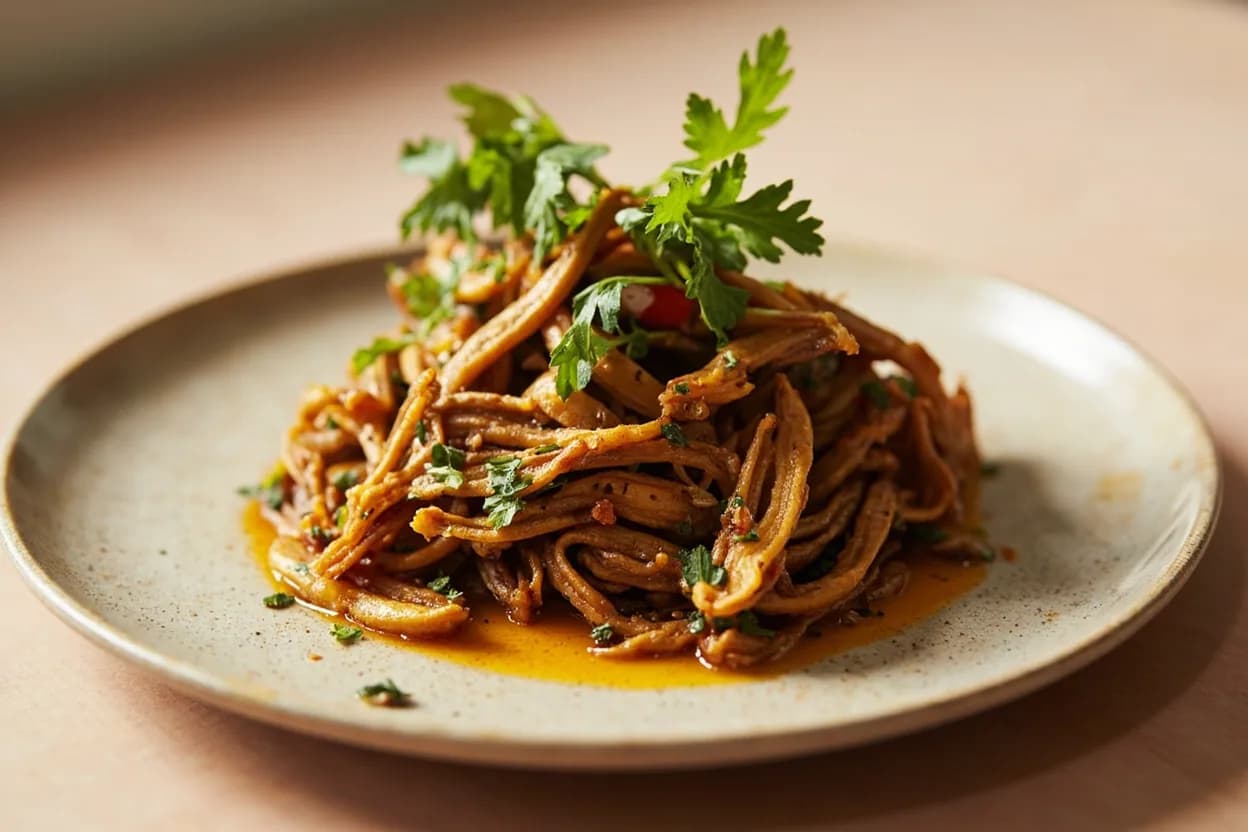
In photos
Where it comes from
Applied to the fruit of Capsicum species — both fresh (bird's eye, serrano, anaheim, green finger) and dried (kashmiri, ancho, guajillo, arbol); knife technique, not an anatomical cut.
Best for
How to cook it
- 1For the slit: hold the chili on the board and make one or two lengthwise cuts from stem to tip, leaving the stem and tip attached so it stays in one piece.
- 2Score through the skin on a second pass if you want faster capsaicin release into a broth or curry.
- 3For paste grind: split the chili fully, use the tip of the knife or a spoon to scrape out seeds and the white pith (membrane holds most of the heat).
- 4Pound deseeded flesh in a stone mortar starting with fibrous aromatics (lemongrass, galangal) before adding chili; or process in a blender with a splash of water.
- 5For dried chilies destined for paste: toast briefly in a dry pan, soak in hot water 15–20 minutes, then deseed and grind; the soaking water can be added back for depth.
- 6Wear gloves or wash hands immediately after handling; capsaicin transfers to eyes easily.
- 7Taste the paste mid-grind — adjust heat by withholding some deseeded chilies rather than adding seeds back.
Prep & butchery
- Use a thin, sharp paring knife or boning knife for the slit — dull blades crush rather than part the flesh.
- Chill fresh chilies briefly before slitting; firmer flesh is easier to cut cleanly.
- For paste grind, a granite mortar (Thai or South Asian style) produces better texture than a food processor, which can turn the paste watery.
- When grinding dried chilies, drain soaking water through a sieve and add only the required amount back — over-watering dilutes the paste's body.
Substitutes
- Chili flakes
Approximates paste grind heat diffusion but lacks freshness and paste body.
- Whole dried chili in broth
Substitutes for slit fresh chili in long-cooked braises — infuses slower.
- Store-bought chili paste (nam prik pao, harissa)
Replaces fresh paste grind in a pinch; reduce added salt and oil in the recipe.
Related cuts
- Brunoise (chili)
Fine dice of deseeded chili for even heat distribution without paste texture.
- Chiffonade (chili)
Thin rings or strips used as a fresh garnish; heat remains high if seeds included.
- Rough chop (aromatics)
First step when building pastes alongside onion and garlic.
Appears in
References
- 1.Hot Sour Salty Sweet — Jeffrey Alford & Naomi Duguid
- 2.On Food and Cooking: The Science and Lore of the Kitchen — Harold McGee
- 3.The Food of Thailand — David Thompson
- 4.Jerusalem — Yotam Ottolenghi & Sami Tamimi
Confidence: high
Notes
Why the slit works
Capsaicin and its relatives are fat-soluble and concentrated in the placental tissue around seeds. A lengthwise slit opens the chili's interior to hot oil or broth without releasing the fine particles that a paste delivers. The cook can also remove the chili before serving, giving diners the aroma and gentle background heat without the fire of biting into a seed pocket.
Membrane vs. seed heat
The white pith (placental membrane) contains roughly three times more capsaicin than the seeds themselves. Removing the membrane during a paste grind is the most effective way to moderate heat; discarding only seeds while leaving the membrane is a common error that leaves a dish hotter than intended.