Regional Meat Cuts
Ethiopian Tibs Cuts (Beef & Lamb)
Also: tibs, tbs, Ethiopian stir-fry meat, ye bere tibs, ye siga tibs
Ethiopian tibs require 2–3 cm lean cubes from the leg or shoulder — cut uniformly so they sear fast in a blazing pan or clay dish, staying juicy inside with a caramelised crust.
Tibs (also spelled tbs) is one of Ethiopia's most beloved everyday dishes: cubed or sliced meat sautéed at high heat with onion, jalapeño, rosemary, and niter kibbeh (spiced clarified butter). The cut selection is not incidental — tibs is defined by its quick-cook, high-heat method, so the butchery must produce uniform lean cubes (2–3 cm) that brown without stewing. Tibs is made with beef (ye siga tibs), lamb (ye bere tibs), or goat, and each species calls for slightly different primal selections.
In photos
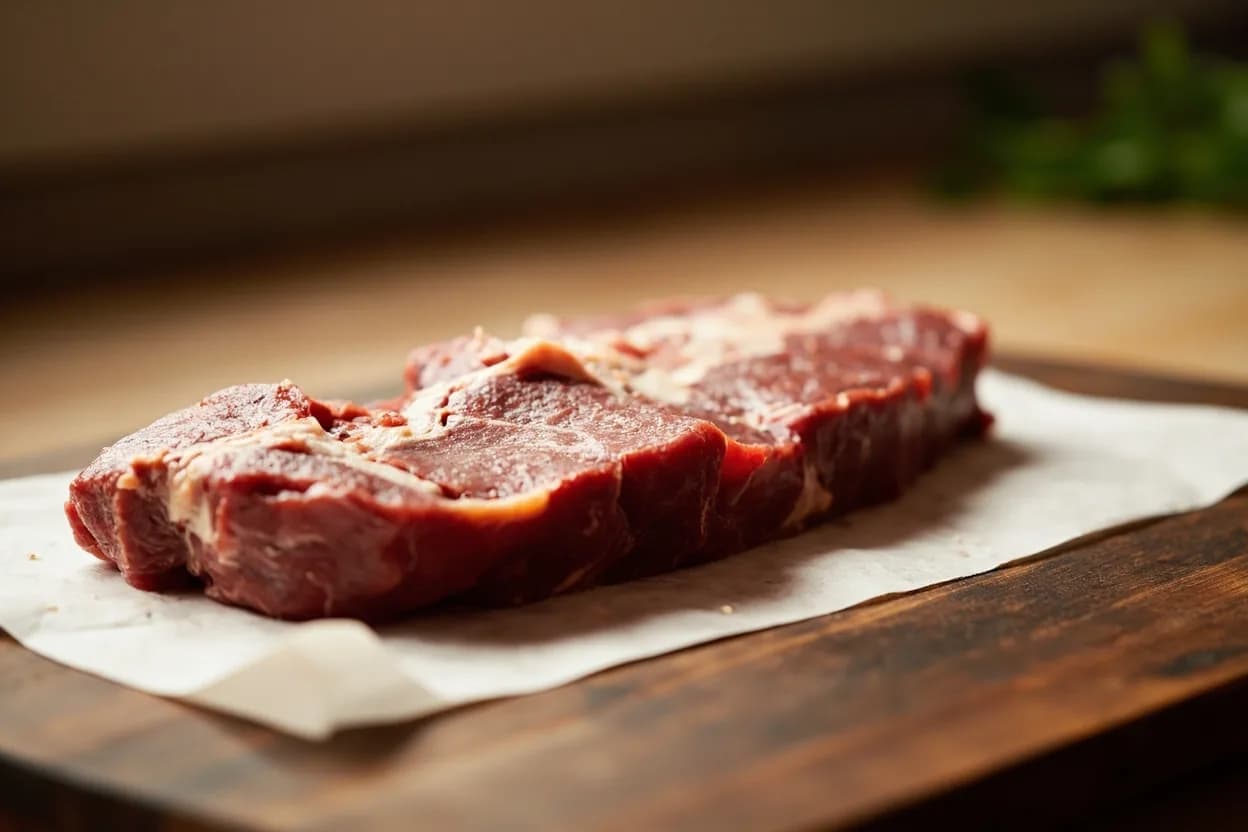
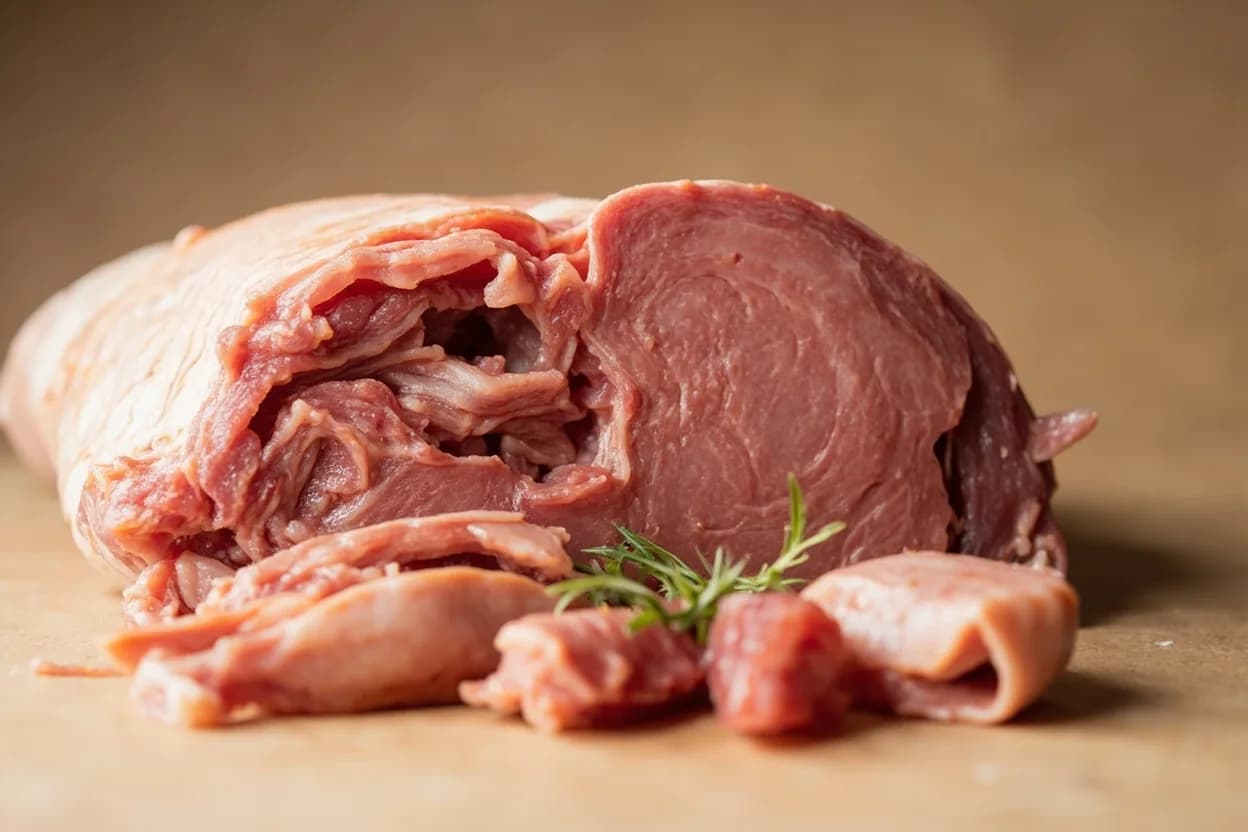
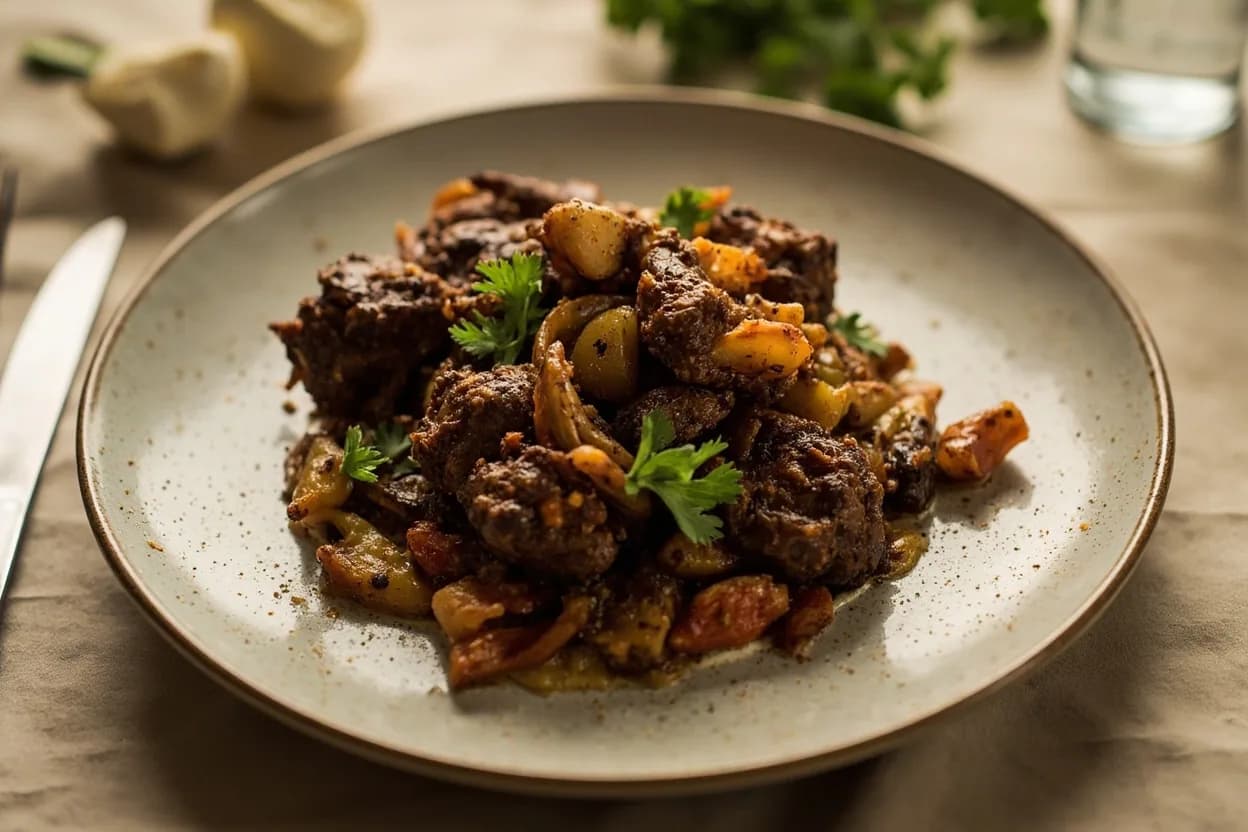
Where it comes from
Beef tibs: leg (round), sirloin tip, or shoulder clod — lean, close-grained muscles that hold cube shape under high heat. Lamb tibs: leg (gigot) or shoulder, bone-in or boneless depending on style. Bone-in (awaze tibs) includes small rib or chop sections chopped to 2–3 cm that cook as much by radiant and steam heat as direct contact. Goat follows the same logic as lamb.
Best for
How to cook it
- 1Trim all silverskin and hard external fat, leaving only the lean muscle mass. Cut into even 2–3 cm cubes — uniformity is critical so all pieces finish at the same moment.
- 2Do not marinate: tibs browning depends on a dry surface. Pat cubes very dry with paper towel before cooking.
- 3Heat a heavy skillet or mitad (clay pan) over high heat with niter kibbeh until the butter just begins to smoke.
- 4Add meat in a single layer — do not crowd. Cook undisturbed for 90 seconds to develop a crust, then toss. Total cook time for 2 cm beef cubes: 4–5 minutes to medium. For lamb: 3–4 minutes.
- 5Add sliced onion, sliced jalapeño (or awaze paste for sauced versions), and a sprig of fresh rosemary in the last 2 minutes.
- 6For awaze tibs, add a tablespoon of berbere spice blend with the butter; serve in the pan, still sizzling, with injera on the side.
Prep & butchery
- Remove silverskin from leg or sirloin tip before cubing — it contracts violently under heat and distorts cube shape
- For bone-in awaze tibs, ask the butcher to chop lamb ribs into 2–3 cm sections through the bone with a cleaver
- Partially freezing the meat block (20–30 minutes) makes even cubing easier without a commercial dicing machine
- Dry the cubes thoroughly — tibs must sear, not steam; any surface moisture causes immediate grey boiling in the pan
Substitutes
- Sirloin tip cubed
The most direct substitute for beef tibs; similar leanness and hold-shape quality
- Lamb loin cubed
More tender and slightly fattier than leg; reduces cook time to 2–3 minutes — watch for overcooking
- Goat shoulder cubed
Traditional third option in Ethiopian carnicería; flavour closer to lamb, texture slightly firmer
Related cuts
- Eye of Round
Leaner alternative for beef tibs; must be slightly smaller cubes (1.5 cm) to stay tender
- Lamb Leg Boneless
Most common bone-free option for ye bere tibs
- Lamb Shoulder Chops
Chopped bone-in for awaze tibs variant; more collagen equals richer sauce
Appears in
References
- 1.Taste of Ethiopia — Yohanis Gebreyesus (2017)
- 2.Ethiopia: Recipes and Traditions from the Horn of Africa — Yohanis Gebreyesus & Jeff Koehler (2017)
- 3.The Ethiopian Cookbook — Daniel Alemu (2020)
- 4.Culinaria Africa — Various (2003)
Confidence: high
Notes
Bone-in vs. boneless — a matter of occasion
In Ethiopian restaurant culture, boneless tibs is the everyday workhorse — quick, clean, served on a communal injera platter. Bone-in awaze tibs, by contrast, signals celebration and is brought to the table sizzling in a clay dish (a gebeta or mitad). The bone-in preparation uses small chopped rib or shoulder chop sections, and the marrow that seeps out during cooking enriches the berbere-butter sauce. Guests gnaw the bones at the end — etiquette permits and expects it.
Why lean matters
Unlike braised Ethiopian dishes such as key wat (where tough, fatty cuts break down over an hour of slow cooking), tibs cooks in under 6 minutes. Fat does not render in this window — it merely lubricates the exterior and turns the pan greasy, preventing the Maillard browning that defines tibs. Lean leg and sirloin muscles sear cleanly; the flavour fat comes entirely from niter kibbeh, which is added deliberately and in controlled quantity.