Pasta & Grain Doneness
Paella Socarrat (Crust Formation)
Also: socarrat, socarrada, toasted rice crust, paella bottom crust
The prized caramelized rice crust at the base of a paella pan, achieved by raising heat at the very end of cooking.
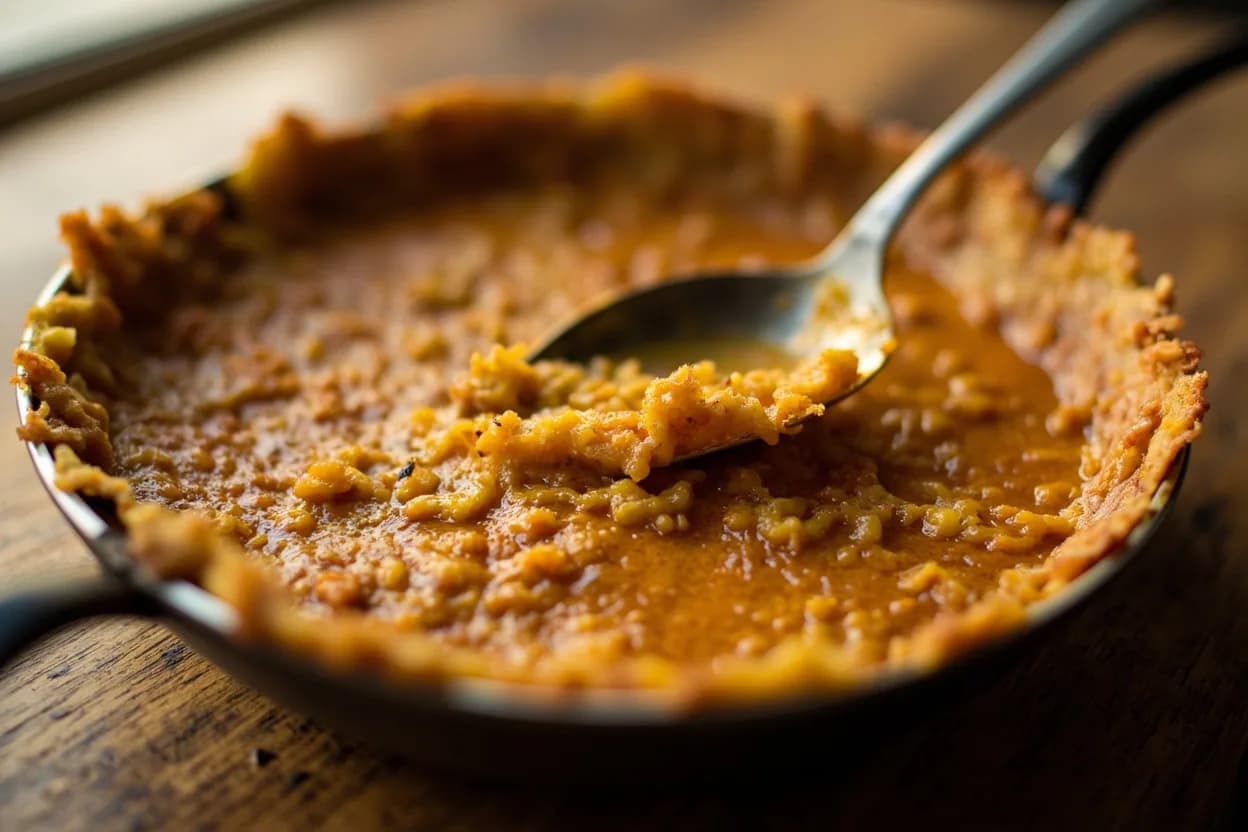
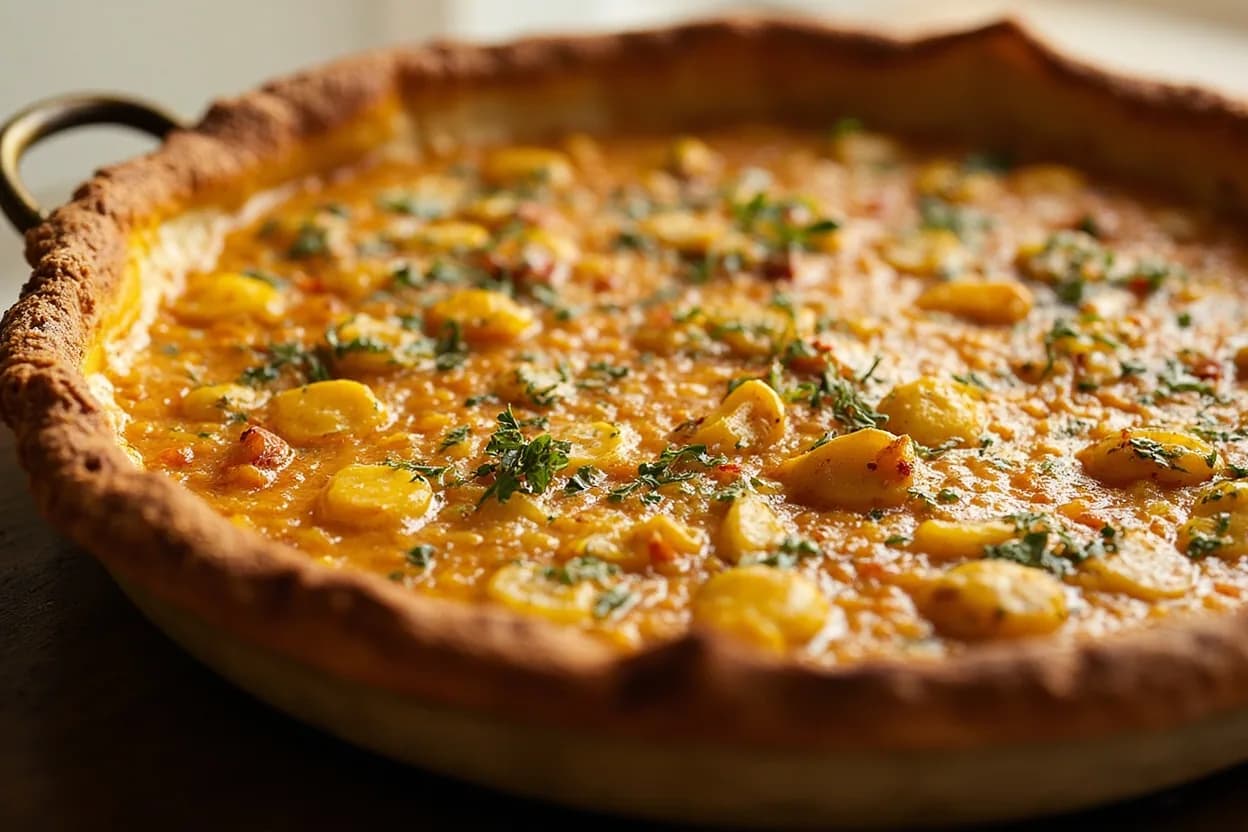
Socarrat (Valencian: 'scorched') is the thin, toasted layer of rice that forms against the metal pan base during the final 1–3 minutes of paella cooking. It is not a doneness temperature so much as a time-and-heat stage: after the broth is fully absorbed, the cook raises the flame briefly to drive off residual moisture and trigger Maillard browning and mild caramelization of the starch-protein matrix pressed against the hot metal. The crust should be amber-to-mahogany in color, with a crackling sound audible as a spoon scrapes it, and a nutty, smoky, slightly bitter flavor that anchors the entire dish.
In photos
What happens
Once the soaking broth evaporates, the rice grains at the base lose their liquid buffer and the pan surface climbs rapidly. Maillard reactions between rice amino acids and reducing sugars produce hundreds of flavor compounds — pyrazines, furans, and maltol — giving the crust its toasted, roasted, caramel-like aroma. Starch at the contact surface undergoes partial dextrinization and chars at its outermost face. The crust simultaneously dehydrates, stiffening into a rigid, crackling layer. Smoke generated at this stage also perfumes the rest of the rice. The same phenomenon is prized in Persian tahdig and Korean nurungji.
What to look for
- A faint crackling or sizzling sound intensifies — listen for the 'socarrat sound'
- Gentle wisps of nutty-sweet smoke rise from the pan edges
- A spoon dragged across the base reveals a firm, amber crust that detaches in shards
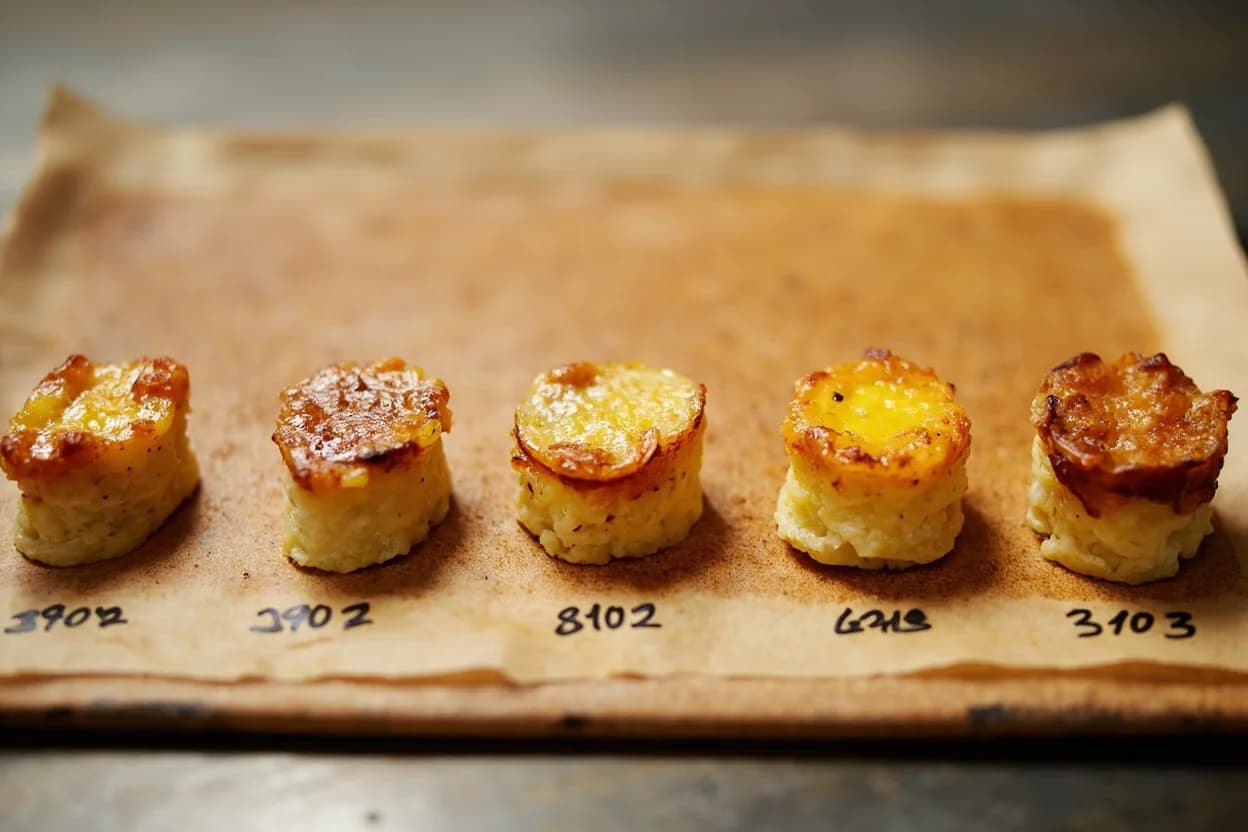
- The crust color ranges from golden (light) to deep mahogany (full socarrat); black edges are overcooked
- The aroma shifts from savory seafood/saffron to toasted grain and mild caramel
- The bottom of the pan feels significantly hotter than the sides when handled
How to check
- Slide a thin metal spatula or spoon edge under the rice at the pan's edge — if it resists and a crust has formed, socarrat is developing
- Listen: a popping, crackling sound (not a wet sizzle) signals the water has evaporated and browning is underway
- Tilt the pan slightly over direct flame and look for the leading edge of the crust pulling away from the metal
- Smell the smoke: nutty and sweet is correct; acrid or bitter signals burning — remove heat immediately
- Visually inspect from below if using a glass-ceramic hob or a grill with a gap — the base should glow amber
Carryover & resting
Remove from heat immediately once the crackling becomes pronounced; residual pan heat can push the socarrat from mahogany to charred within 30 seconds. Rest the pan for 2 minutes off heat before serving to let the crust release steam and stabilize.
The science behind it
Persian crispy rice crust formed on the base of a pot; same Maillard/dextrinization mechanism, achieved with butter or oil and a steaming lid
- Nurungji
Korean toasted rice crust; scraped and eaten separately or steeped into scorched-rice tea (sungnyung)
Non-enzymatic browning between amino acids and reducing sugars that creates the flavor and color of socarrat
The dish in which socarrat is most celebrated; absence is considered a technical failure by traditionalists
- Bomba Rice
Short-grain variety preferred for paella; high amylose content helps it hold shape while the base crisps
Secondary browning reaction at the sugar level that contributes sweetness and bitterness to a deep socarrat
Appears in
References
- 1.The Food Lab — J. Kenji López-Alt (W. W. Norton, 2015)
- 2.Modernist Cuisine at Home — Nathan Myhrvold & Maxime Bilet (The Cooking Lab, 2012)
- 3.Paella! — Penelope Casas (Henry Holt, 1999)
- 4.On Food and Cooking — Harold McGee (Scribner, 2004)
Confidence: high
Notes
Distinguishing socarrat from burning
The margin between a perfect socarrat and a ruined pan is narrow — often under 60 seconds. The correct smell is nutty, toasty, and slightly sweet; the wrong smell is acrid, sulfurous, or sharply bitter. Color should never exceed deep mahogany at the center. Peripheral darkening is acceptable; a uniformly black base means the crust has passed through the desirable browning reactions into pyrolysis.
Pan material matters
Traditional pans are thin carbon steel ('paellera'), which heats unevenly over an open flame — intentionally. The hot spots create patches of socarrat at varying depths of browning, which many cooks regard as the hallmark of authenticity. Heavy cast iron or nonstick surfaces distribute heat so evenly that the crust forms slowly and uniformly, producing a more homogeneous but arguably less textured socarrat.