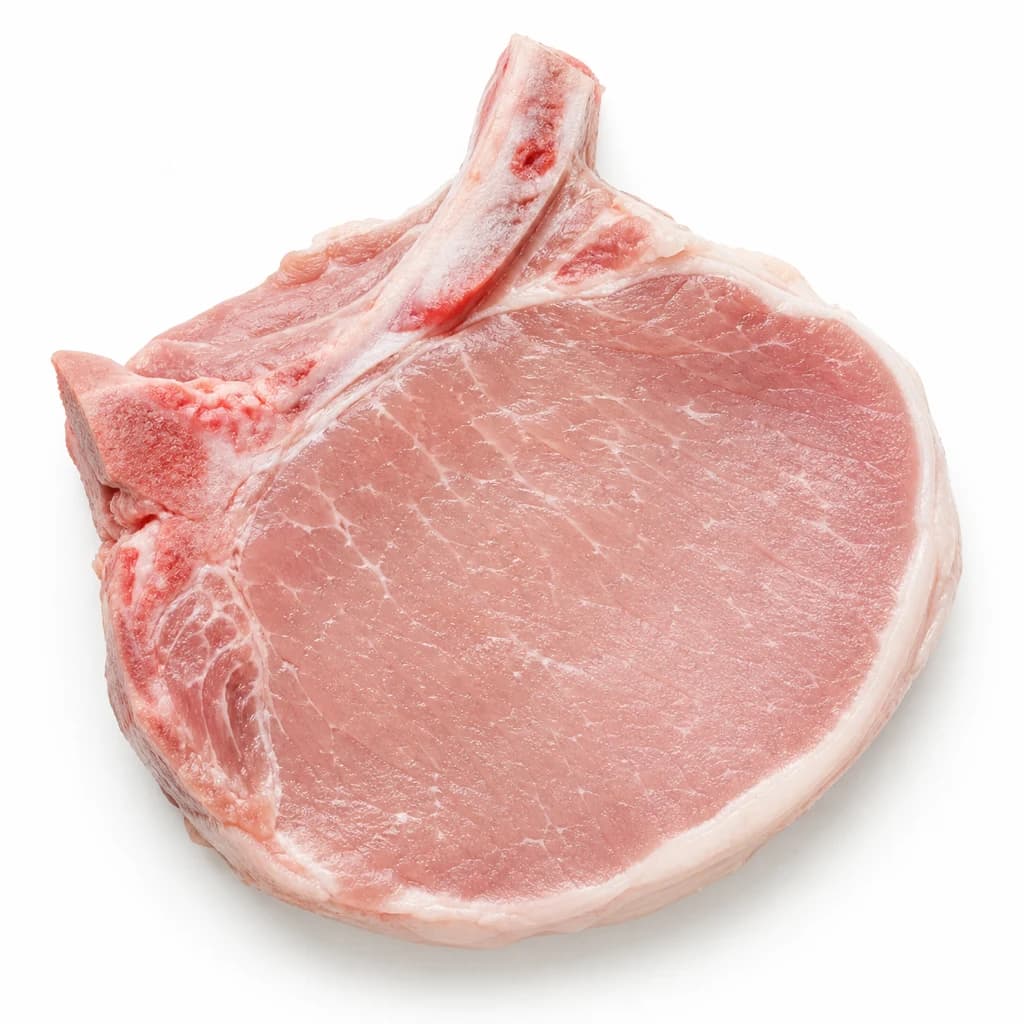
Proteins
Secreto Ibérico
Hidden, heavily intramuscular-fat shoulder cut from Iberian pork; loose-grained and intensely flavorful, grilled hot and fast to medium and sliced across the grain.
Secreto Ibérico is the small, almost hidden shoulder muscle that butchers on the Iberian Peninsula long kept for themselves — the name means 'secret' because it was rarely sold. Tucked beneath a layer of subcutaneous fat between the paletilla (shoulder) and the loin, it is an isolated triceps-brachii–adjacent muscle weighing only 300–500 g per pig. What makes it extraordinary is not its size but its marbling: a genetic quirk of the Iberian pig that lays down dense intramuscular fat throughout the muscle, giving the cooked meat a buttery, ribeye-like richness that standard pork cannot approach.
On a lean commercial pig the same muscle is tough and unremarkable; the breed's predisposition to fat deposition is what turns it into something worth chasing. It also means secreto behaves less like pork and more like a high-end steak: brutal heat, short cooking time, and a thin slice across the grain.
In Spain you will most often see it cooked a la plancha — on a screaming-hot steel plate, salted and lightly oiled, served in pink slices with nothing more than flaky salt. Outside Spain it shows up on tasting menus and in specialty butcher shops, sometimes confused with the pork skirt or flank that menus in other countries occasionally label 'secreto.' True secreto is the shoulder, not the flank, and cooks accordingly.
- Measured in
- g
- Storage
- Refrigerate Sealed In The Coldest Part; Use Within A Few Days Or Freeze.
Find it in
Types & varieties
From acorn-finished ibérico; deepest nutty-fat flavor, maximum marbling, the benchmark version
From pigs with outdoor access finished on grain and pasture; very good marbling, slightly lighter flavor
From grain-fed ibérico raised indoors; still well marbled and tender, the most accessible tier
The Ibérico shoulder family: secreto, presa, pluma
These three names get tangled constantly, even in Spanish kitchens. They all come from the same general shoulder-to-loin region and benefit from the same hot-and-fast treatment, but they are anatomically distinct muscles that cook and eat differently.
- Secreto: the small, irregularly shaped triceps-adjacent muscle, 300–500 g, the most heavily marbled of the three
- Presa: thicker and more uniform, sits closer to the chuck; eats like a small steak, 600–800 g, holds its juiciness at slightly higher doneness
- Pluma: small and elongated, sits at the leading edge of the loin; lighter marbling, very tender, often the most 'pork-forward' of the three
Why bellota changes everything
The cut itself is identical in any ibérico pig. What changes is the fat, and therefore the eating experience. A bellota secreto is one of the most expensive cuts of pork in the world; a cebo secreto is excellent but a different proposition.
- Bellota: pigs finished on acorns and pasture in the dehesa; fat is high in oleic acid, almost liquid at room temperature, with a nutty, grassy character
- Cebo de campo: outdoor access plus grain; very good marbling, slightly more neutral flavor, often the best price-to-quality ratio for most cooks
- Cebo: indoor, grain-fed; still well marbled, the most accessible tier, and the benchmark many restaurants work from
Common uses
Tips & pitfalls
- Get the cooking surface brutally hot — the fat must sear, not slowly render onto a lukewarm pan or grill
- Cook to medium (50–55 °C / 122–131 °F) and let it rest 3–4 minutes; past 65 °C the muscle tightens and turns chewy
- Always slice thinly across the grain — the loose, open fibers will shred like leather if you cut with them
- Trim only the tough silver skin, not the surface fat cap; that fat is the flavor, and it will render back into the meat on a hot plancha
- Salt at the last minute, not in advance — salt draws moisture and the cut is already very juicy
- Finish with flaky sea salt and a thread of finishing olive oil; sauces, marinades, and reductions usually mask what you paid for
- If you must substitute, choose a cut with comparable fat veining — pork blade steak or well-marbled pork shoulder behaves more like secreto than lean loin does
- Don't confuse it with the pork skirt or flank sometimes labeled 'secreto' in non-Spanish kitchens — those cuts cook at different speeds and have very different textures
Nutrition
Nutrition
No USDA FoodData Central match for Secreto Ibérico yet. We surface a per-100 g profile once a generic whole-food entry is matched and verified.
In the shops
Matched grocery products
 €2.20
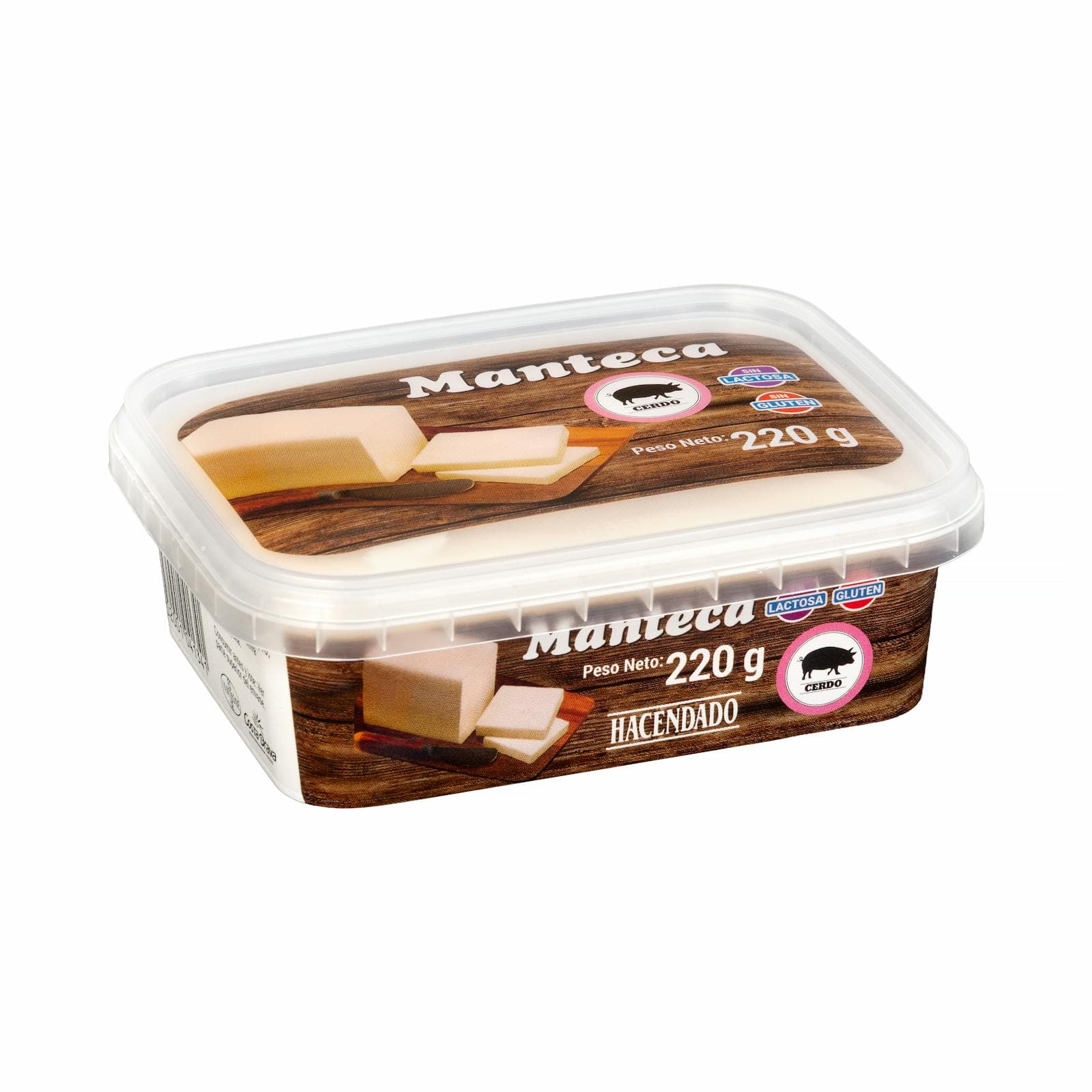
€2.20Pork Lard
Hacendado · 220 g · Mercadona
 €3.40
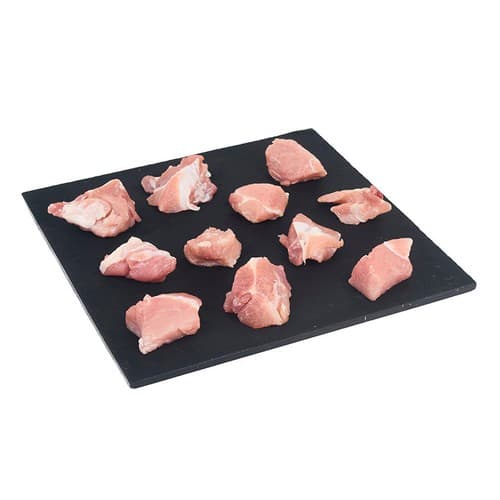
€3.40Pork Stew
BONPREU · ud · Bonpreu
 €3.45
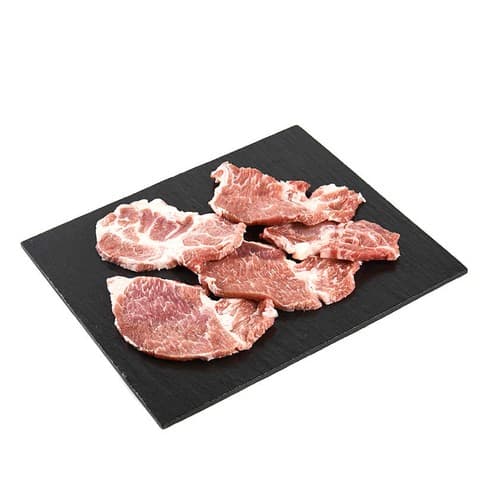
€3.45Lean Pork
BONPREU DE L'ERA · ud · Bonpreu
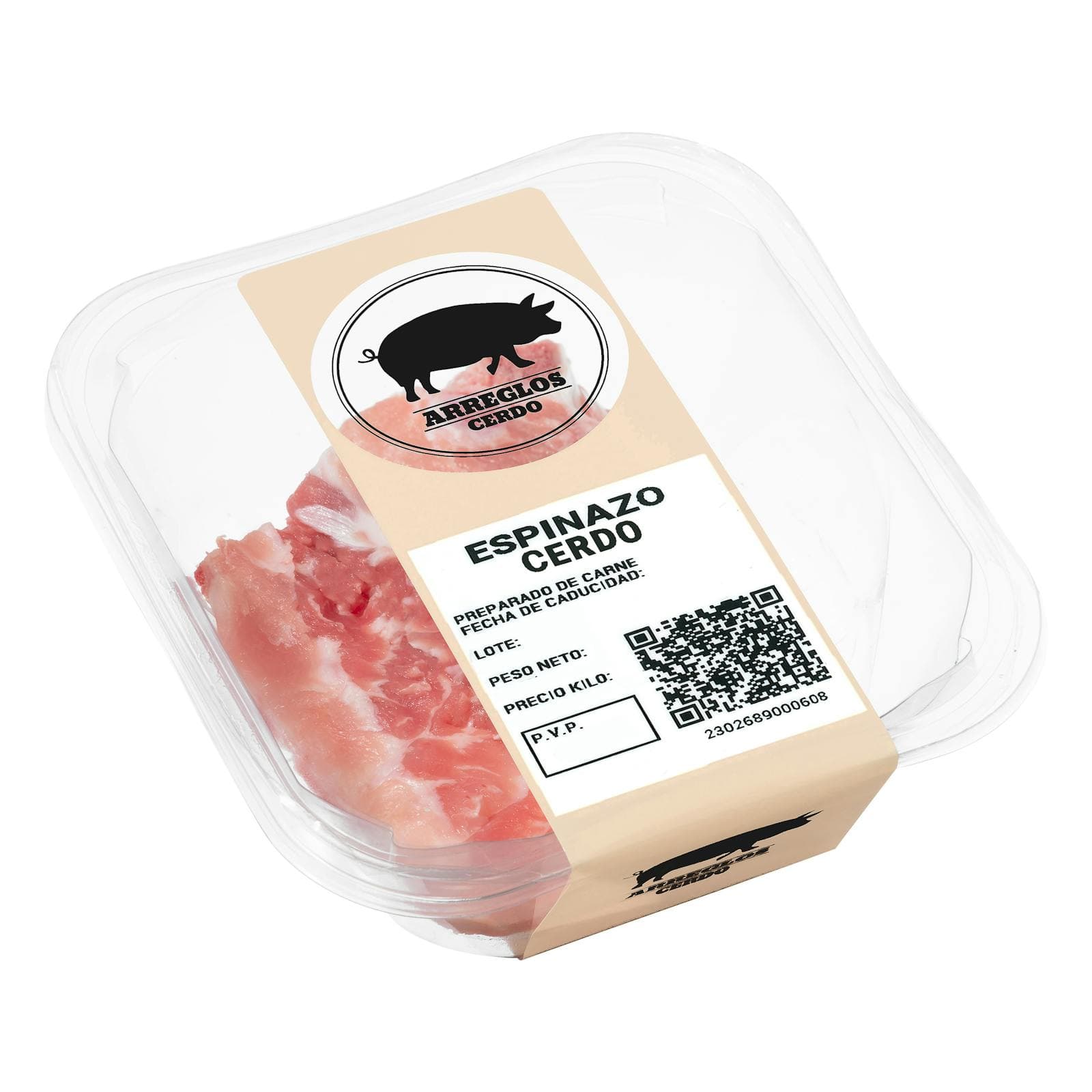 €2.10
€2.10Pork Spine
300 g · Mercadona
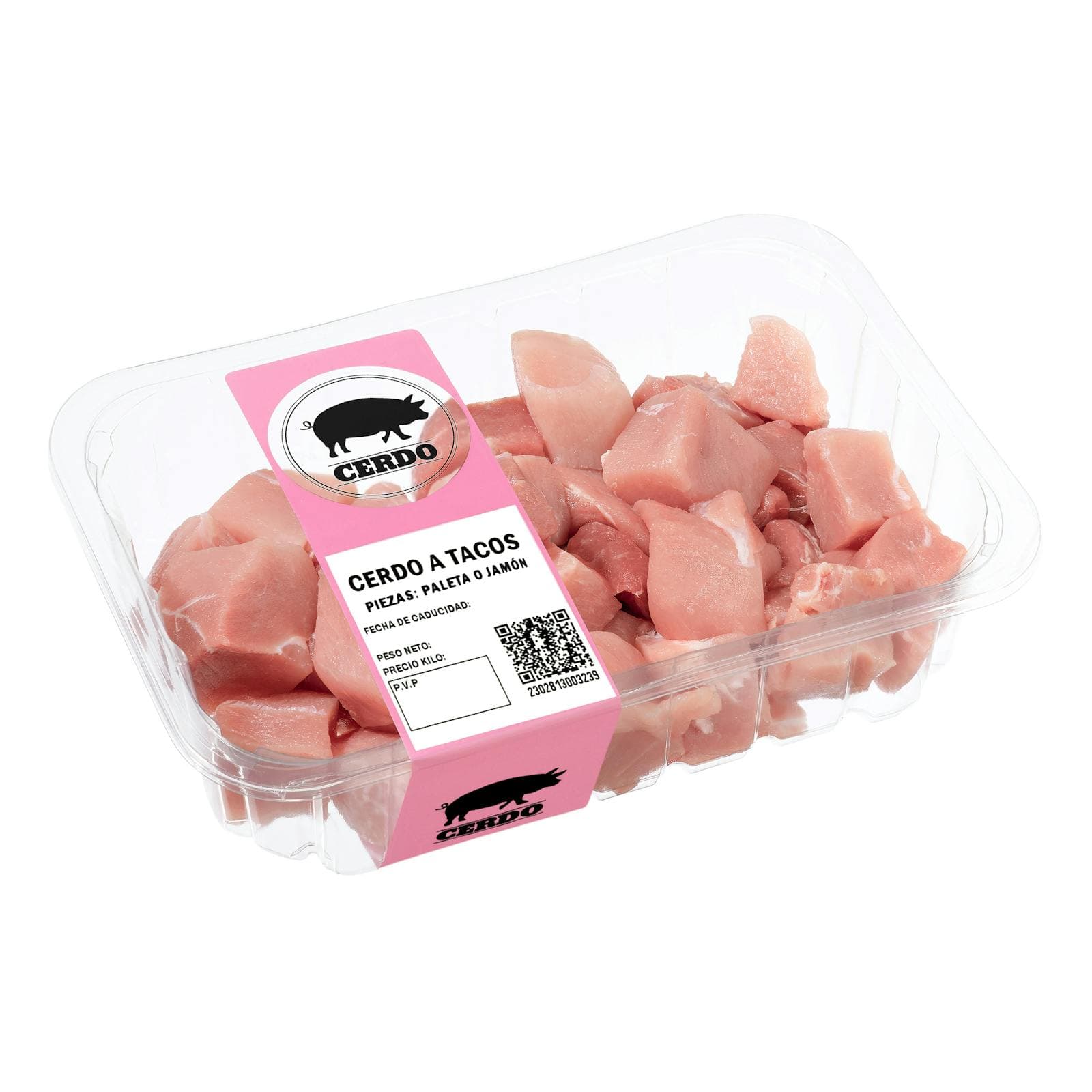 €3.22
€3.22Diced Pork
560 g · Mercadona
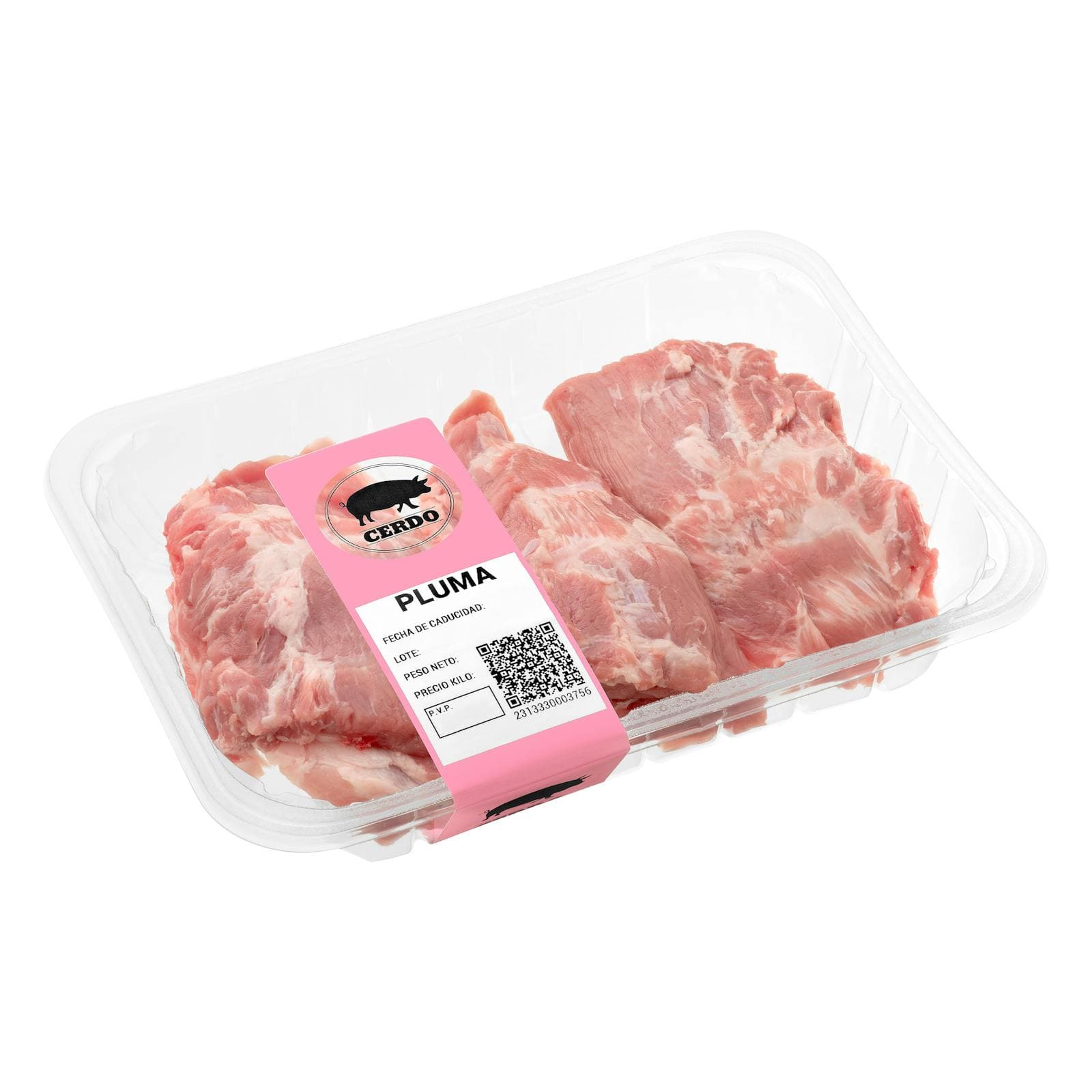 €3.75
€3.75Pork Pluma
300 g · Mercadona
Good to know
- Origin
- Spain — Iberian Peninsula, from the Iberian pig (cerdo ibérico)
- Primal location
- Shoulder/neck region, beneath a layer of subcutaneous fat, between the paletilla and the loin
- Weight per pig
- Roughly 300–500 g — a small isolated muscle from the triceps-brachii area
- Marbling
- Exceptionally high intramuscular fat, the defining characteristic
- Best cooking method
- Hot, fast dry heat — a la plancha, live fire, or screaming-hot cast iron
- Doneness
- Medium, blush-pink center (50–55 °C / 122–131 °F); past 65 °C it tightens and chews
- Slicing
- Thin, across the grain, after a 3–4 minute rest
- Confused with
- Not the same as the pork 'secreto' sometimes used outside Spain to label skirt or flank — true secreto is a shoulder cut
Substitutes
- Pork blade steak (well-marbled Boston butt) — Closest structural match in non-ibérico pork; sear hot and fast, slice thin across the grain
- Ibérico Presa — Same shoulder region on the same animal; thicker and more steak-like, cooked identically
- Ibérico Pluma — Smaller loin-area cut with similar marbling and the same hot-and-fast treatment
- Berkshire or Kurobuta shoulder (well-marbled) — Not identical but the fat quality and distribution are the closest match outside Spain
- Beef ribeye cap (deckle) — Last-resort substitute when sliced thin against the grain; very different flavor but the same rich, fat-driven appeal
Pairs with
Also called
secreto · secreto iberico · pork secreto · iberico secreto