Spices
Flaky Sea Salt (Maldon)
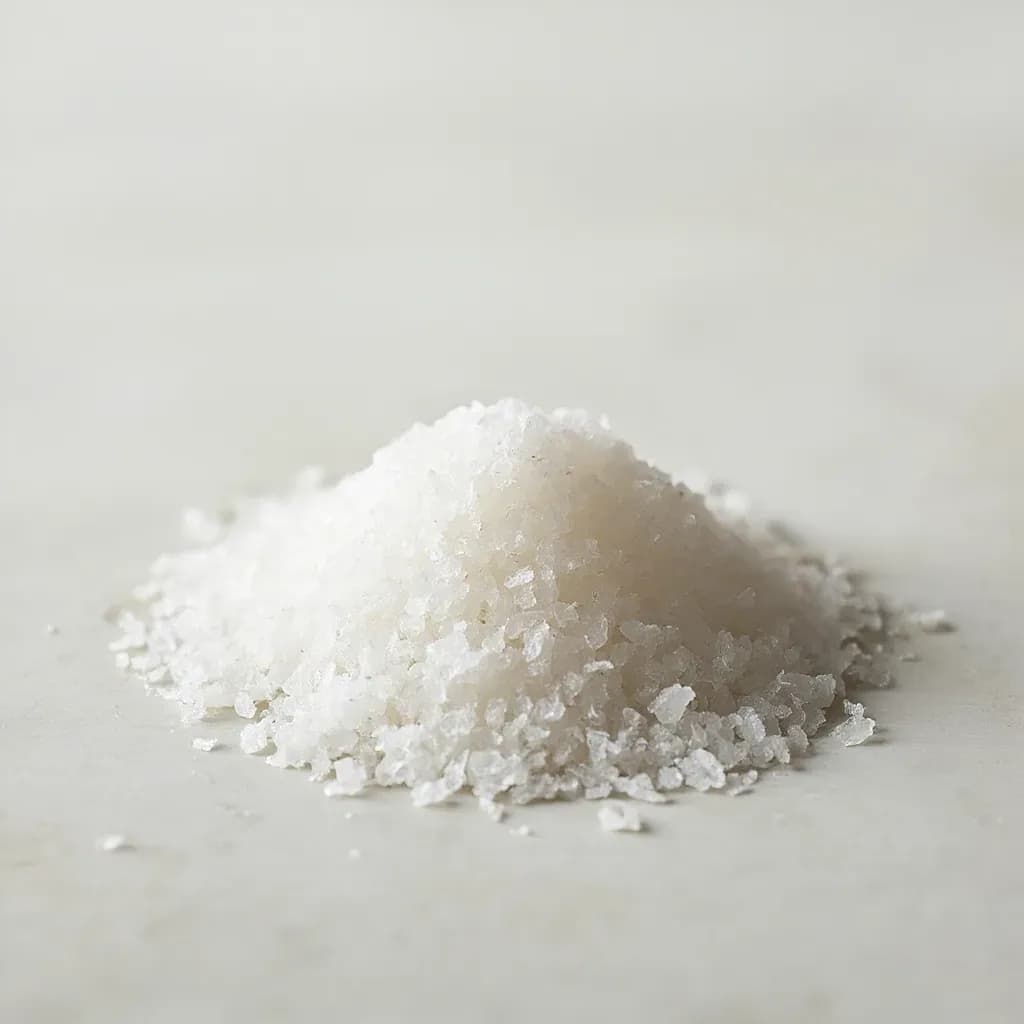
Pyramid-shaped salt flakes that crunch and dissolve; the classic finishing salt.
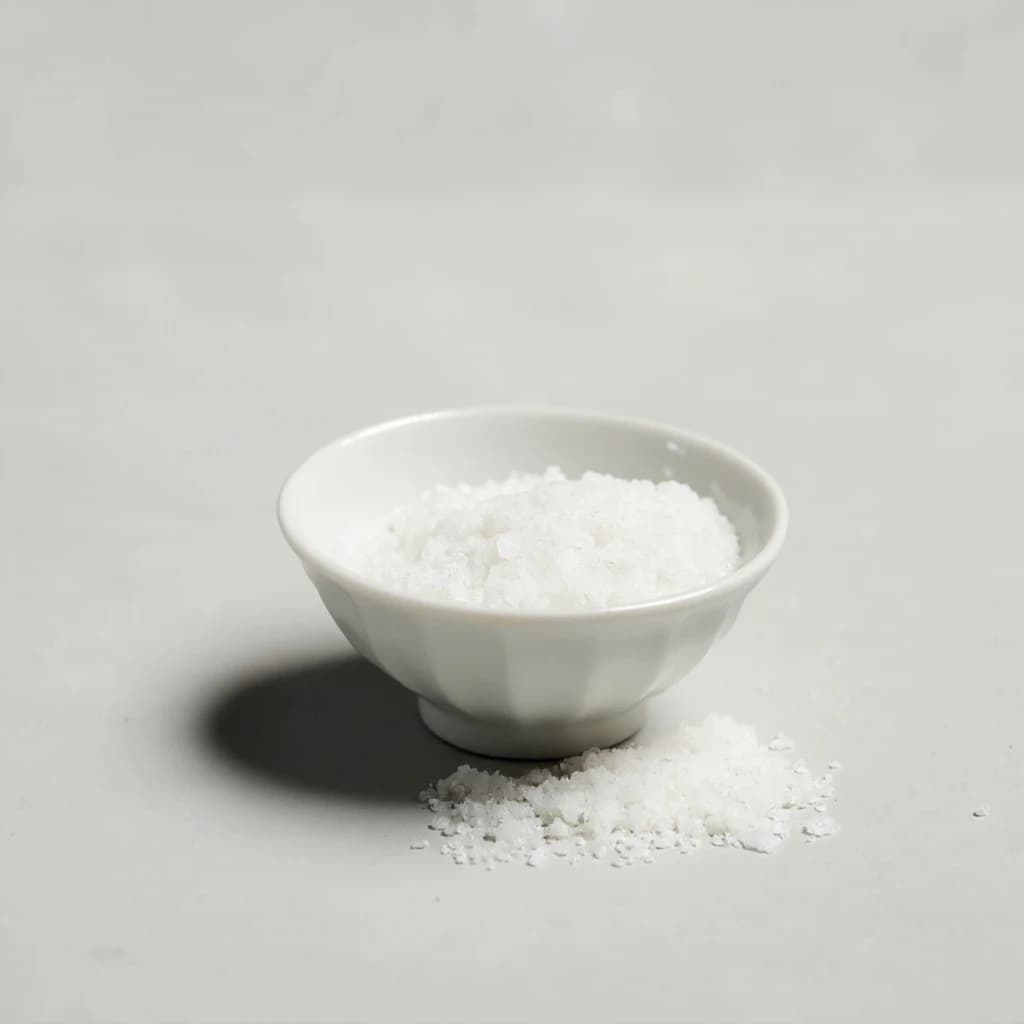
Flaky sea salt forms delicate, pyramid-shaped crystals that deliver a clean crunch before dissolving on the tongue. It is used as a finishing salt sprinkled over roasted vegetables, meats, salads, chocolate and baked goods just before serving. Its light, brittle texture makes it easy to pinch and scatter for both flavor and presentation.
Maldon sea salt is an English finishing salt produced in the town of Maldon, Essex, since 1882 by the Maldon Salt Company. It is harvested using a traditional open-pan evaporation method: brine is floated in large shallow iron pans heated by underground gas fires, then hand-raked as it concentrates, allowing the pyramidal crystals to form naturally. The result is a light, hollow flake that is white with a slight transparency and markedly less dense than granulated salt. Unlike table salt or most kosher salts, which are designed for general seasoning, Maldon is meant to be added at the moment of serving—its pyramid structure delivers an immediate, satisfying crunch followed by rapid dissolution on the tongue, without bitterness or iodine character. This makes it a textural and flavor accent rather than a workhorse seasoning. It is worth noting that Maldon is a geographic indication and trademark: true Maldon salt comes exclusively from the Blackwater estuary in Essex, and pyramid-shaped salts from other regions have different mineral compositions and subtle flavor variations. When a recipe calls for Maldon, it is calling for this specific product, not any flaky salt.
The open-pan method is what distinguishes Maldon's texture. As the brine slowly evaporates, the salt crystals form as hollow pyramids rather than the compact cubes of refined salt. These flakes are fragile enough to crush between your fingers but substantial enough to create a noticeable crunch when bitten. Because the flakes are so light and airy, they measure differently by volume than denser salts—roughly one and a half times the volume of table salt for equivalent seasoning power. The clean, pure salt flavor means it enhances rather than competes with whatever it is finishing: it amplifies sweetness in desserts, brightens acidity in fruits and tomatoes, and provides a textural counterpoint to tender proteins. The flakes do not dissolve evenly when stirred into liquid; they sink and lodge in teeth, which is why application at the table, not in the pot, is the defining rule of use.
The company remains family-owned and continues the traditional raking method, a process that requires skill and timing to achieve consistent pyramid formation. The Blackwater estuary's tidal conditions and airflow contribute to the specific character that has defined the product for over a century. Maldon smoked salt follows the same crystal-forming process but is cold-smoked over oak chips, adding a secondary dimension suited to savory finishing rather than sweet applications.
- Measured in
- g
- Storage
- Pantry
Types & varieties
Original product; the pyramid-shaped flakes most recognized and called for by name in recipes
Cold-smoked over oak chips; used as a finishing salt for savory dishes
Smaller, flatter flakes; same purity, more uniform coverage
Powdered form; for applications requiring even dissolution during cooking
Pre-blended finishing salt for steaks and meats
Why Finishing Salt Is Different
Most salt is measured and dissolved during cooking, where it seasons the dish throughout. Finishing salt like Maldon works differently: it is applied after cooking is complete, making it a textural and flavor accent rather than a background seasoning. The flakes hit the palate with a burst of crunch, then dissolve cleanly, delivering salt taste and mineral complexity without the need for the salt to integrate into the dish itself. This makes finishing salt ideal for foods where salt distribution matters less than the moment of impact—over ice cream, chocolate, or a just-seared steak.
- Finishing salt adds texture; table salt does not
- Applied at service, not during cooking
- Amplifies perception of sweetness, acidity, and umami
The Trademark Question
Maldon is a protected geographic indication. The Maldon Salt Company holds the trademark, and true Maldon salt comes only from the Blackwater estuary. Pyramid-shaped salts produced elsewhere—though they may resemble Maldon visually—are not Maldon. They have different mineral profiles and subtle flavor variations that affect how they perform, especially in precision applications like chocolate work or salted caramel. When a recipe specifies Maldon, it is specifying a particular product with specific behavior. Substituting a generic flaky salt will yield different results, particularly in flavor nuance and crystal structure.
- Not all pyramid-shaped salts are Maldon
- Other flaky salts have different mineral compositions
- Substitutions are acceptable but not equivalent
Common uses
Tips & pitfalls
- Always add at the table or just before serving, never during cooking—the delicate flakes lose their crunch and visual impact when simmered or sautéed
- Because the flakes are lightweight and less dense than granulated salt, measure by pinch or light sprinkle rather than volume when replicating table-salt amounts
- Store in an airtight container in a dry cupboard; humidity causes the flakes to dissolve and clump
- Bring the container to the stove rather than holding it over a steaming pan—moisture will be absorbed by the salt
- Use less than you think; the crunch is more impactful than heavy seasoning
- Pinch between thumb and forefinger and release from height for even distribution over a wide surface
- For chocolate work, place flakes while chocolate is still tacky but not wet—they will adhere as chocolate fully sets
- Never substitute in bread dough or baking—the flakes will not distribute evenly and will create pockets of salt
- If using as a rimming salt, crush a few flakes by pressing them with your palm to create finer particles that grip the glass better
- The flakes do not dissolve evenly in liquid; they sink and lodge in teeth if stirred into soups—sprinkle on top instead
Nutrition
Energy
0 kJ · per 100 g
Protein
0g
0% DV
Carbs
0g
0% DV
Fat
0g
0% DV
Fiber
0g
0% DV
Sugars
0g
of which
Sodium
38758mg
1685% DV
Source · USDA FoodData Central · approx. Salt, table
View on FDC →In the shops
Matched grocery products
 €0.75
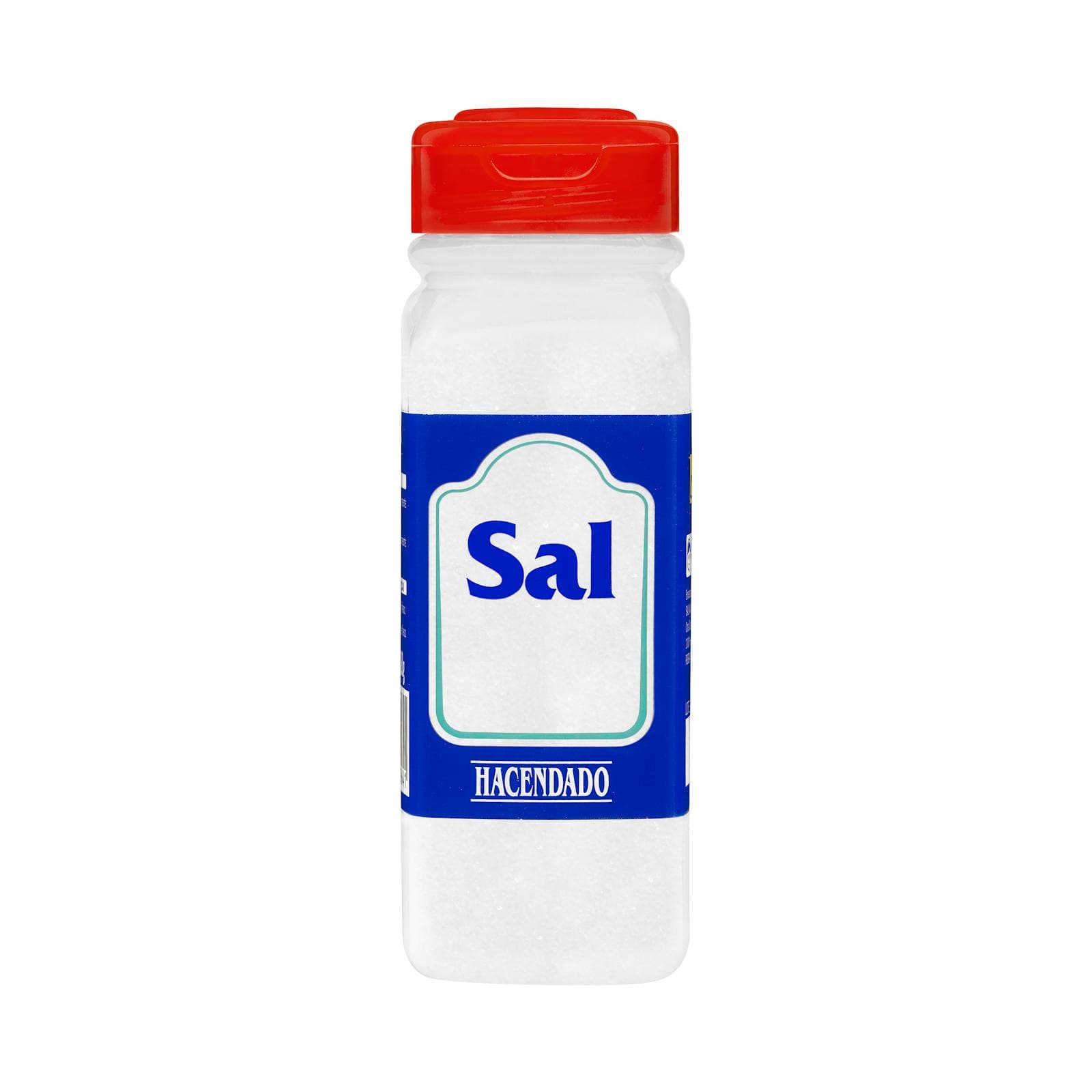
€0.75Fine Table Salt
Hacendado · 300 g · Mercadona
 €0.40
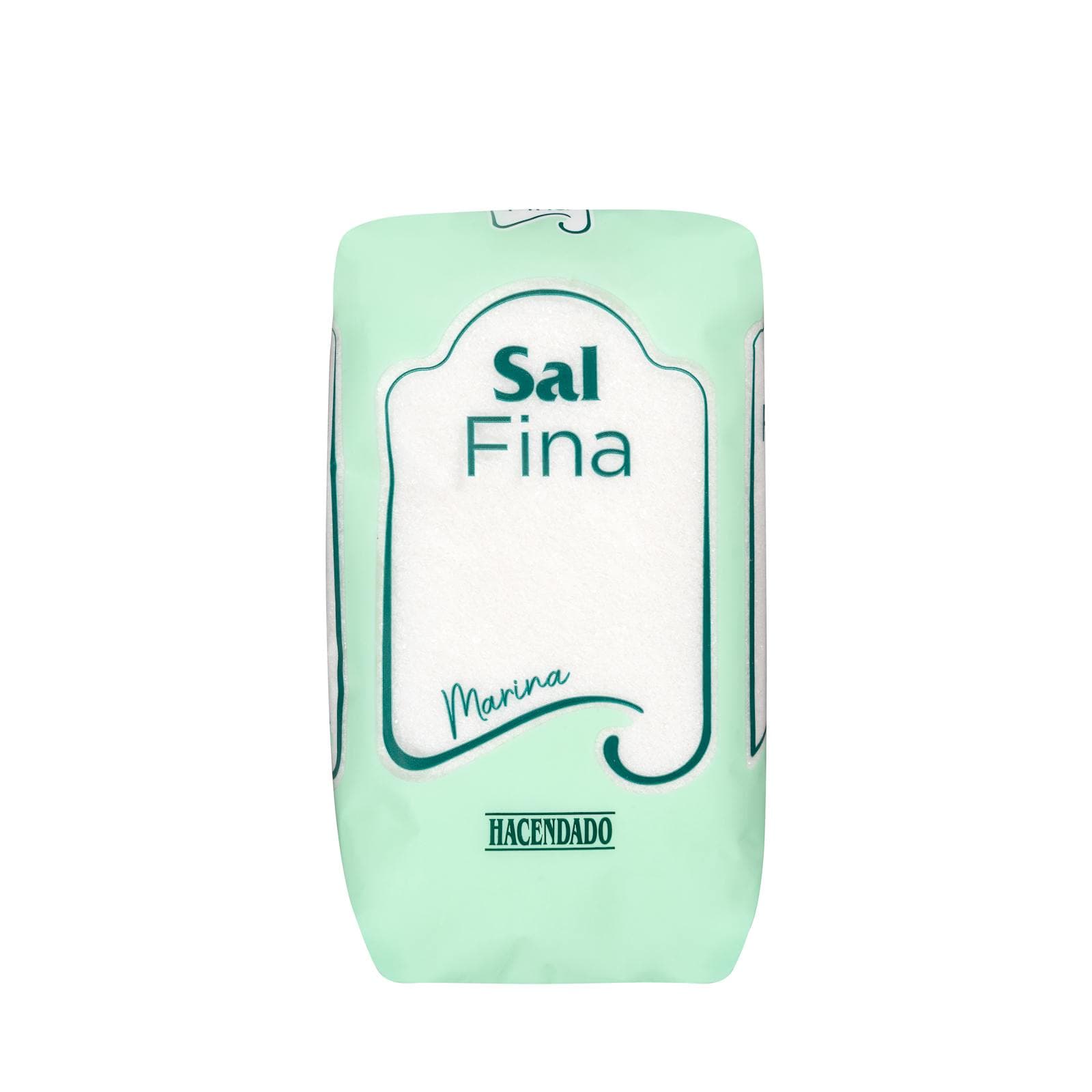
€0.40Fine Salt
Hacendado · 1 kg · Mercadona
 €0.40
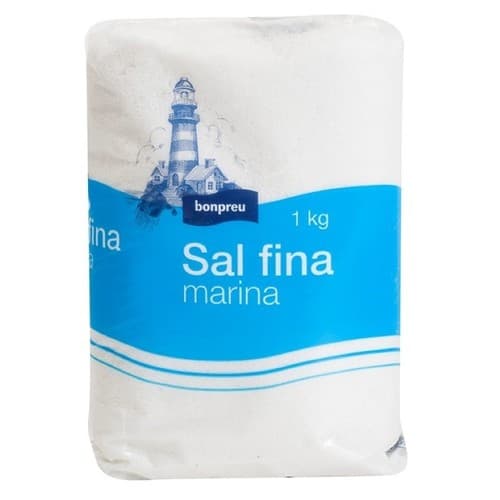
€0.40Fine Sea Salt
BONPREU · kg · Bonpreu
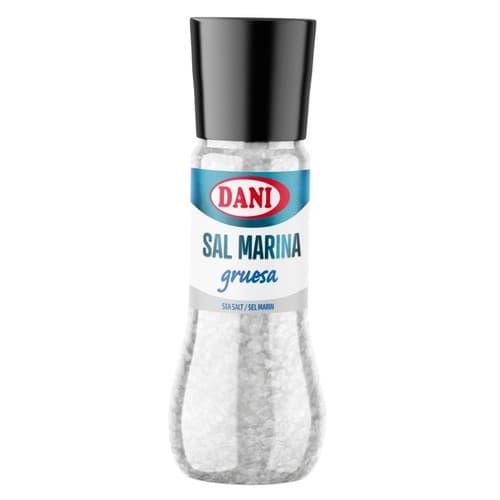 €2.99
€2.99Coarse Sea Salt
DANI · kg · Bonpreu
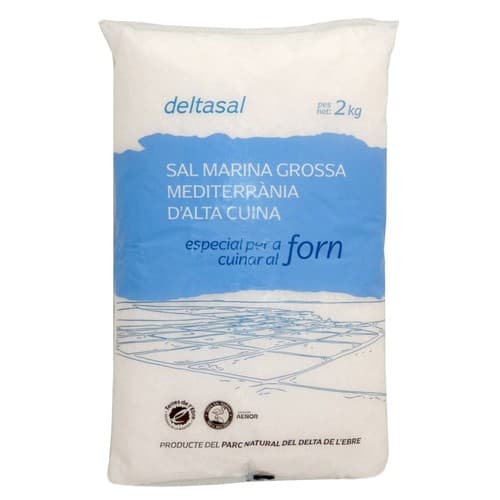 €1.40
€1.40Deltasal Coarse Sea Salt
DELTASAL · kg · Bonpreu
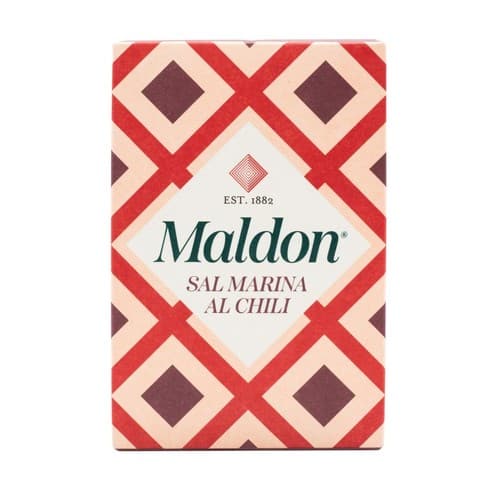 €5.89
€5.89Maldon Chili Sea Salt
MALDON · kg · Bonpreu
Good to know
- Origin
- Maldon, Essex, England; produced by the Maldon Salt Company since 1882
- Harvesting method
- Traditional open-pan evaporation; brine hand-raked in shallow iron pans to form pyramidal crystals
- Crystal form
- Light, hollow pyramid-shaped flakes; much less dense than granulated salt
- Color
- Distinctive white with slight transparency
- Flavor profile
- Clean, pure salt taste; no bitterness, metallic notes, or iodine character
- Texture
- Crunchy when bitten; dissolves rapidly on the tongue or in liquid
- Substitution ratio
- Use approximately 1.5× more volume than table salt (less dense); same volume as other flaky salts
- Shelf life
- Indefinite when stored in airtight container away from moisture
- Iodine content
- Traditional Maldon contains no added iodine
Substitutes
- Fleur de sel — The closest substitute; hand-harvested from the Guérande region of France; similar pyramid structure and clean taste, though slightly more expensive
- Other flaky sea salts — Halen Mon, Cornish sea salt, or generic flaky sea salt; verify pyramid shape and purity if mineral content matters to you
- Coarse kosher salt (Diamond Crystal) — Lower density than table salt; crush between fingers before using as finishing salt; flavor will be identical but texture will be grainy rather than flaky
- Morton kosher salt — Denser than Diamond Crystal; if substituting, use less volume; crush before using as finishing salt
- Finishing salt blends — Salts with herbs, spices, or citrus zest added; acceptable when such flavors are desired, but not a neutral substitute
Pairs with
Also called
maldon-salt · maldon-sea-salt · flake-salt
Appears in these dishes

Related
Salt
The one seasoning that makes everything else taste like itself

Black Pepper
Pungent, woody heat — best cracked fresh over anything savory
Amchur
Dried unripe mango ground to a tart, fruity souring powder
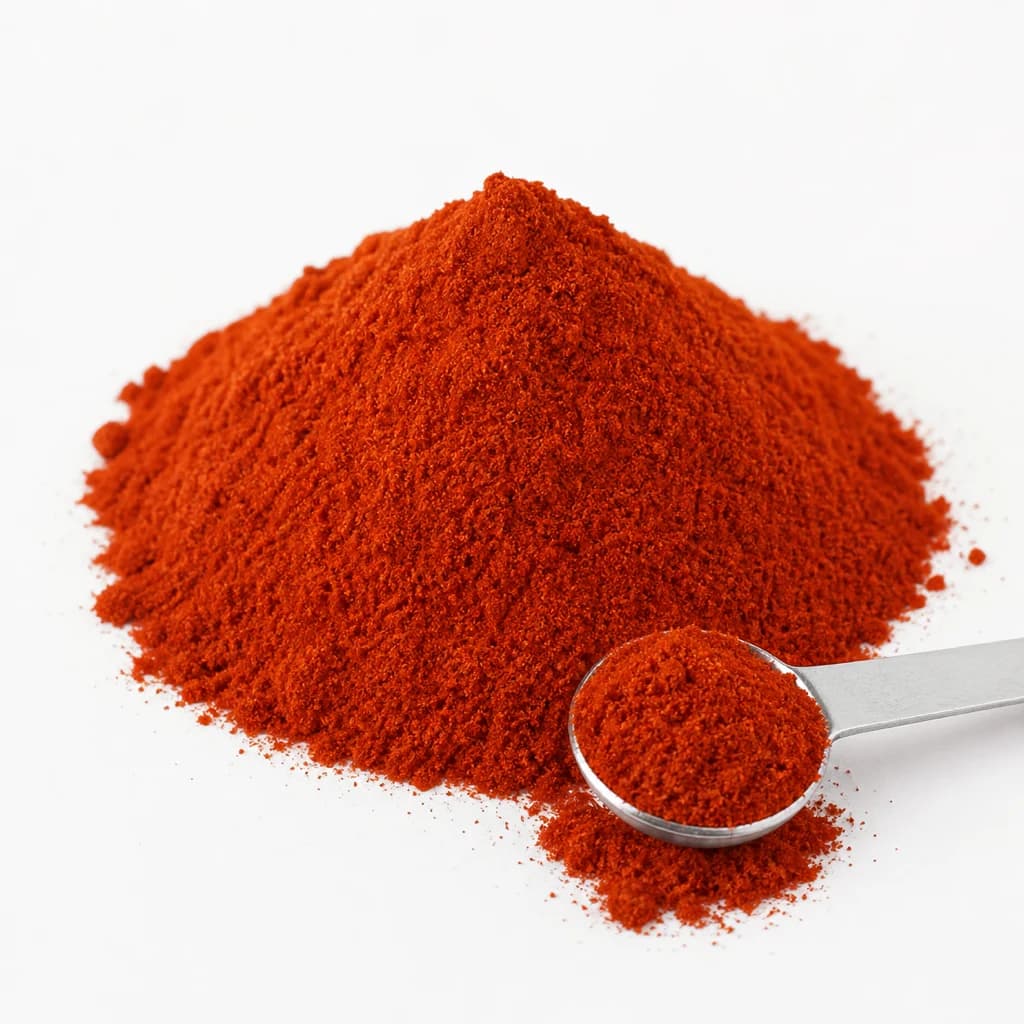
Paprika
Sweet, vivid ground pepper for color and gentle warmth
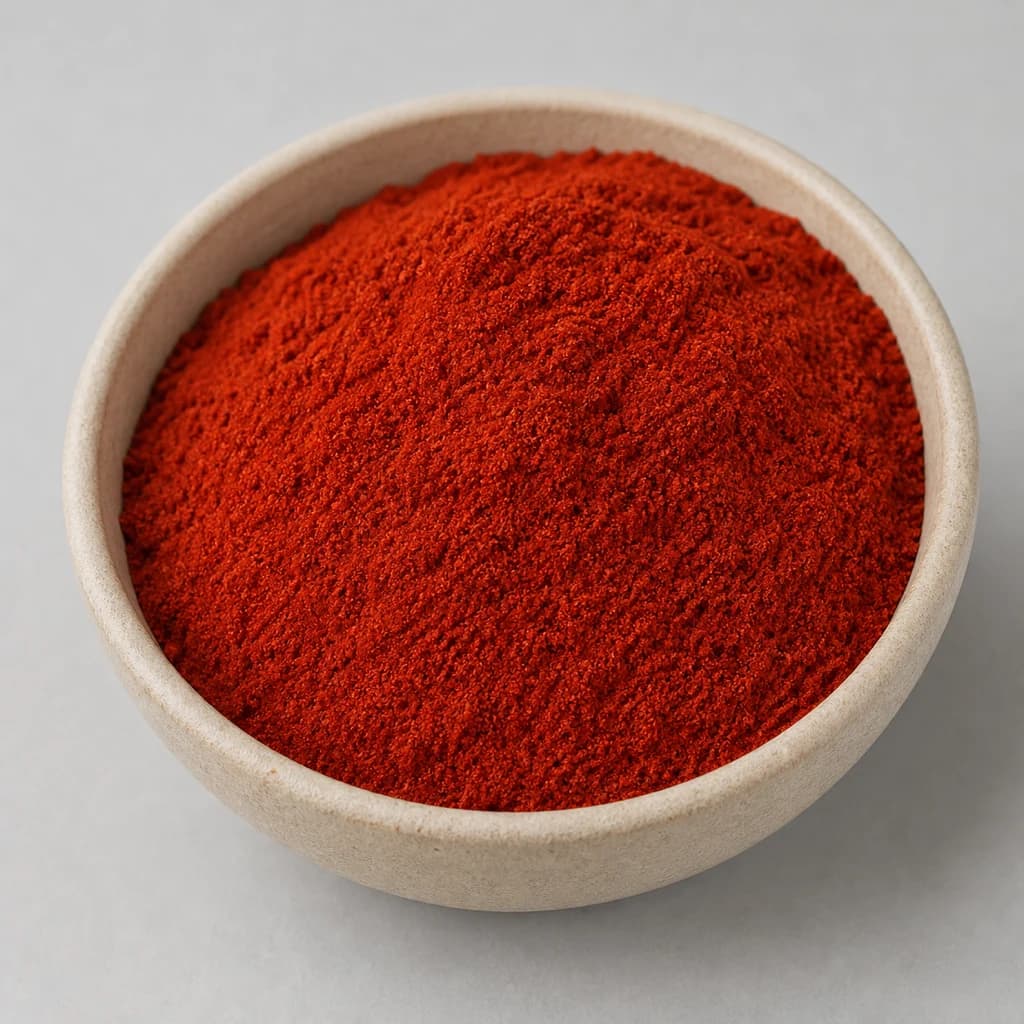
Smoked Paprika
Deep, smoky ground pepper for a campfire warmth
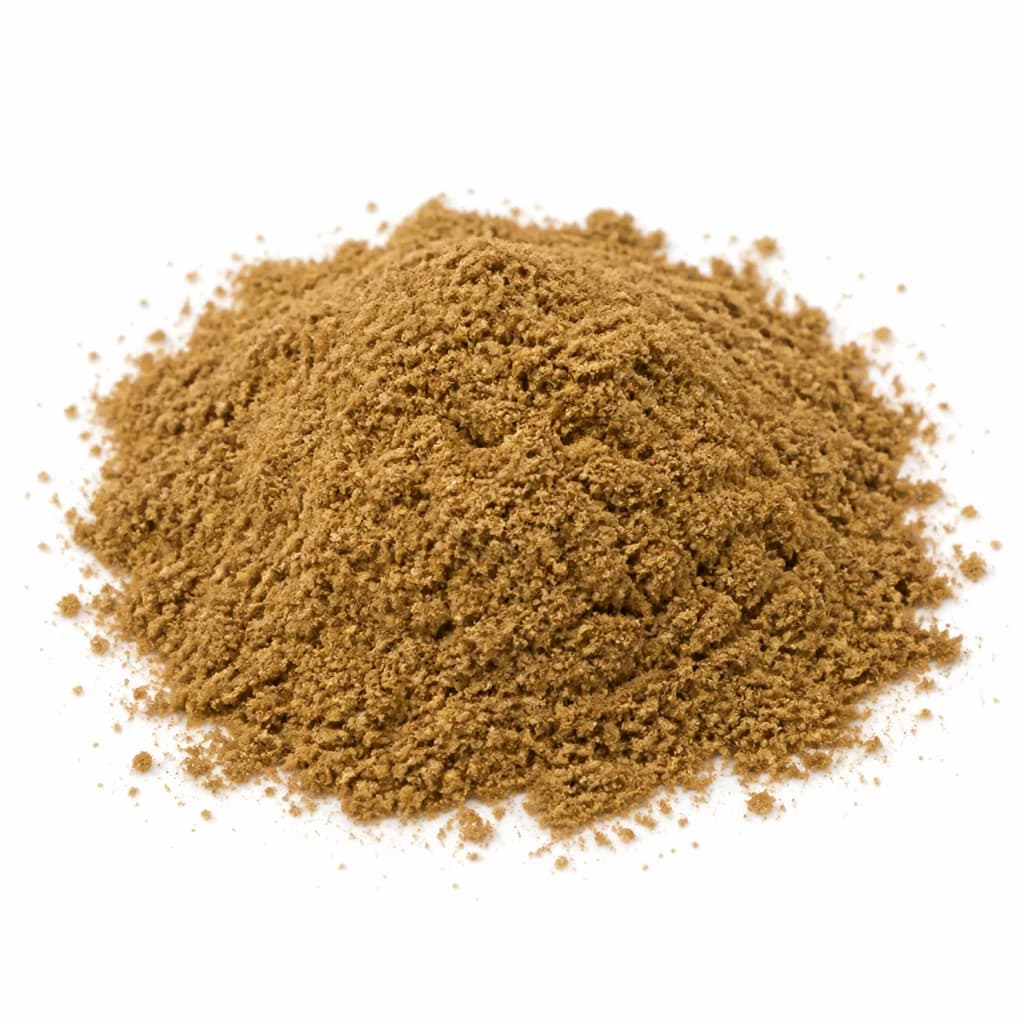
Cumin
Warm, earthy spice central to curries, chili, and tacos
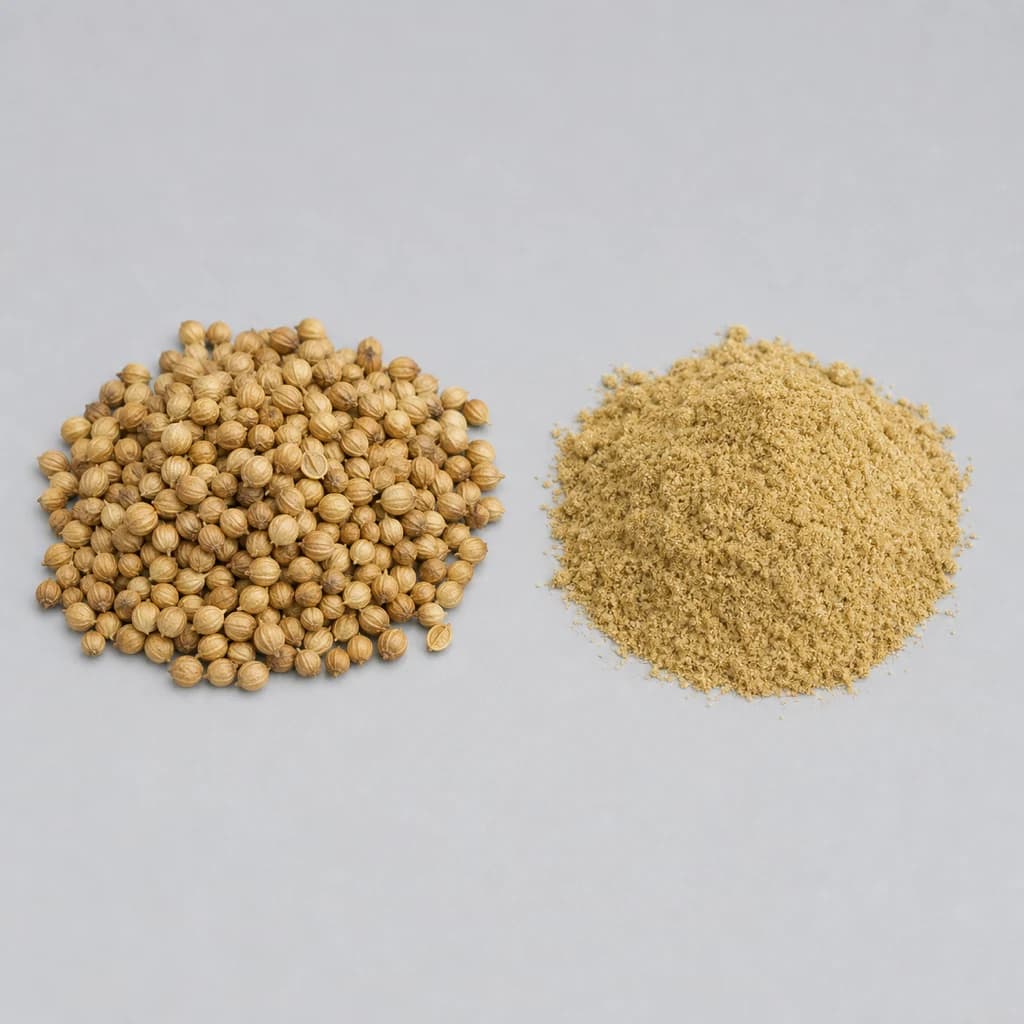
Coriander Seed
Citrusy, warm seed for curries, pickles, and rubs

Turmeric
Golden, earthy spice for curries, rice, and color