Natural form
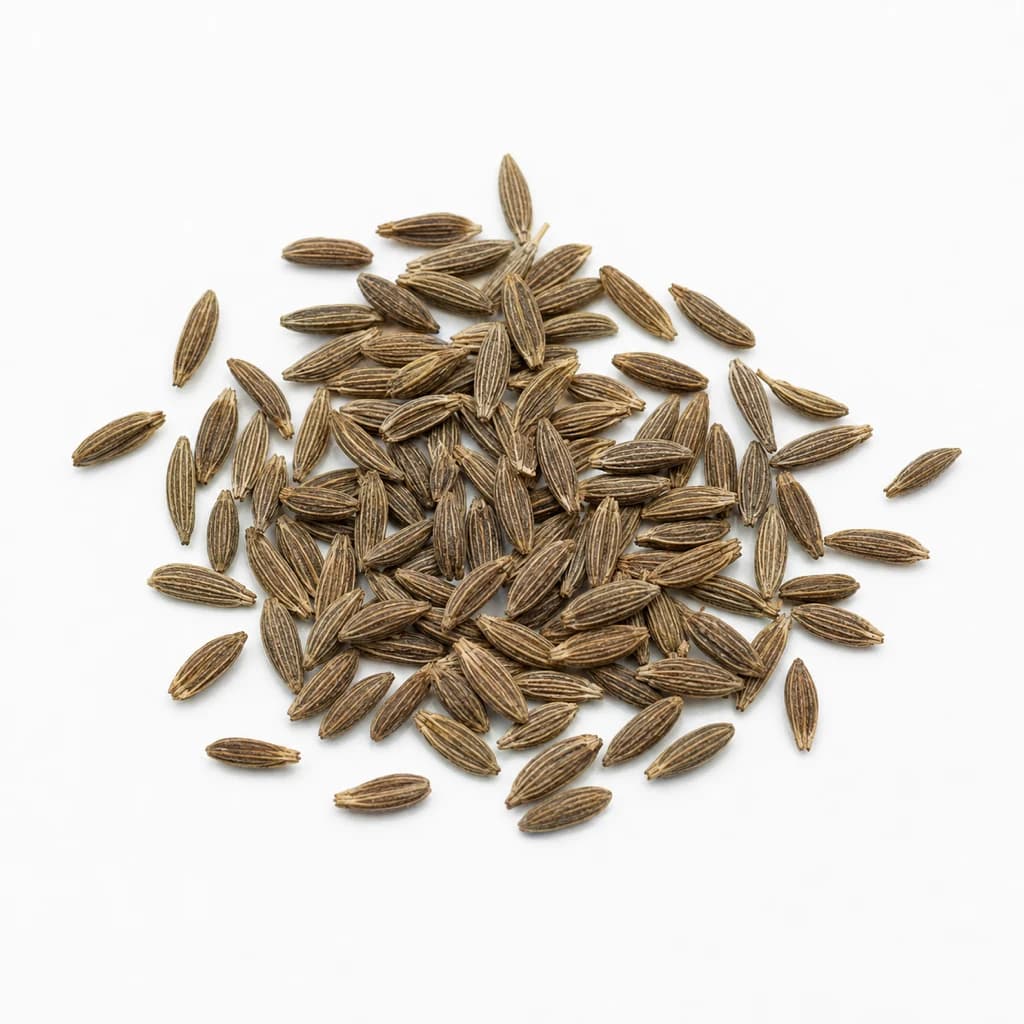
Whole cumin seeds: slender, ribbed, grey-brown, with a distinctive elongated shape.
Shows the seed's unmistakable physical form so readers can identify cumin at a market or in a spice jar.
Spices
Cumin
Warm, earthy spice central to curries, chili, and tacos
Earthy and warm with a slight bitterness, cumin grounds curries, chili, and taco seasoning. Toast the seeds or use it ground; it blooms in hot fat. Keep it airtight.
Cumin is one of the world's most-used spices — warm, earthy, and nutty with a slightly bitter, smoky edge — and a foundation of Indian, Mexican, Middle Eastern, and North African cooking. It's the unmistakable backbone of chili, taco seasoning, curry, falafel, and chili powder blends. Cumin's flavor blooms with heat: toast the whole seeds in a dry pan until fragrant, or sizzle them in hot oil (tempering), then grind or use whole. Ground cumin loses punch quickly, so buy small or grind your own from toasted seeds for the most vivid flavor.
- Measured in
- g
- Storage
- Airtight
Find it in
Types & varieties
Toast or temper; longest-lasting, most aromatic form.
Convenient but fades fast — buy small quantities.
Smaller, sweeter, more complex; for biryani and Mughlai dishes.
Whole ridged cumin seeds with sharper, fresher aroma than pre-ground. Dry-toast or temper in hot oil to bloom; grind fresh for curries, chili, and spice rubs.
How to use
Toast whole cumin seeds in a dry pan until they darken and smell nutty, then grind them — or sizzle them in hot oil at the start of a curry to bloom their flavor. Ground cumin should also go in early so it cooks out its raw edge.
- Toast whole seeds before grinding for depth
- Bloom in hot oil at the start of a dish
- Cook ground cumin briefly to lose the raw taste
Whole vs ground
Whole seeds keep their flavor for years and let you toast on demand; ground cumin is convenient but stales fast. For the brightest flavor, toast whole seeds and grind them yourself just before cooking.
Common uses
Tips & pitfalls
- Toast whole seeds until fragrant before grinding for maximum flavor.
- Bloom in hot oil (tempering) to perfume an entire pot.
- A core of chili, taco seasoning, and curry blends.
- Cook ground cumin a moment to remove its raw, dusty edge.
- Buy whole seeds and grind your own — they last far longer.
Nutrition
Energy
1569 kJ · per 100 g
Where the calories come from
Protein
17.8g
36% DV
Carbs
44.2g
16% DV
Fat
22.3g
29% DV
Fiber
10.5g
38% DV
Sugars
2.3g
of which
Sodium
168mg
7% DV
Source · USDA FoodData Central · approx. Spices, cumin seed
View on FDC →In the shops
Matched grocery products
 €0.79
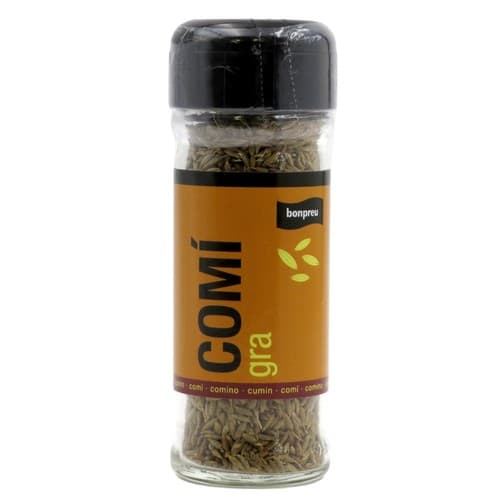
€0.79Whole Cumin
BONPREU · Bonpreu
 €1.95
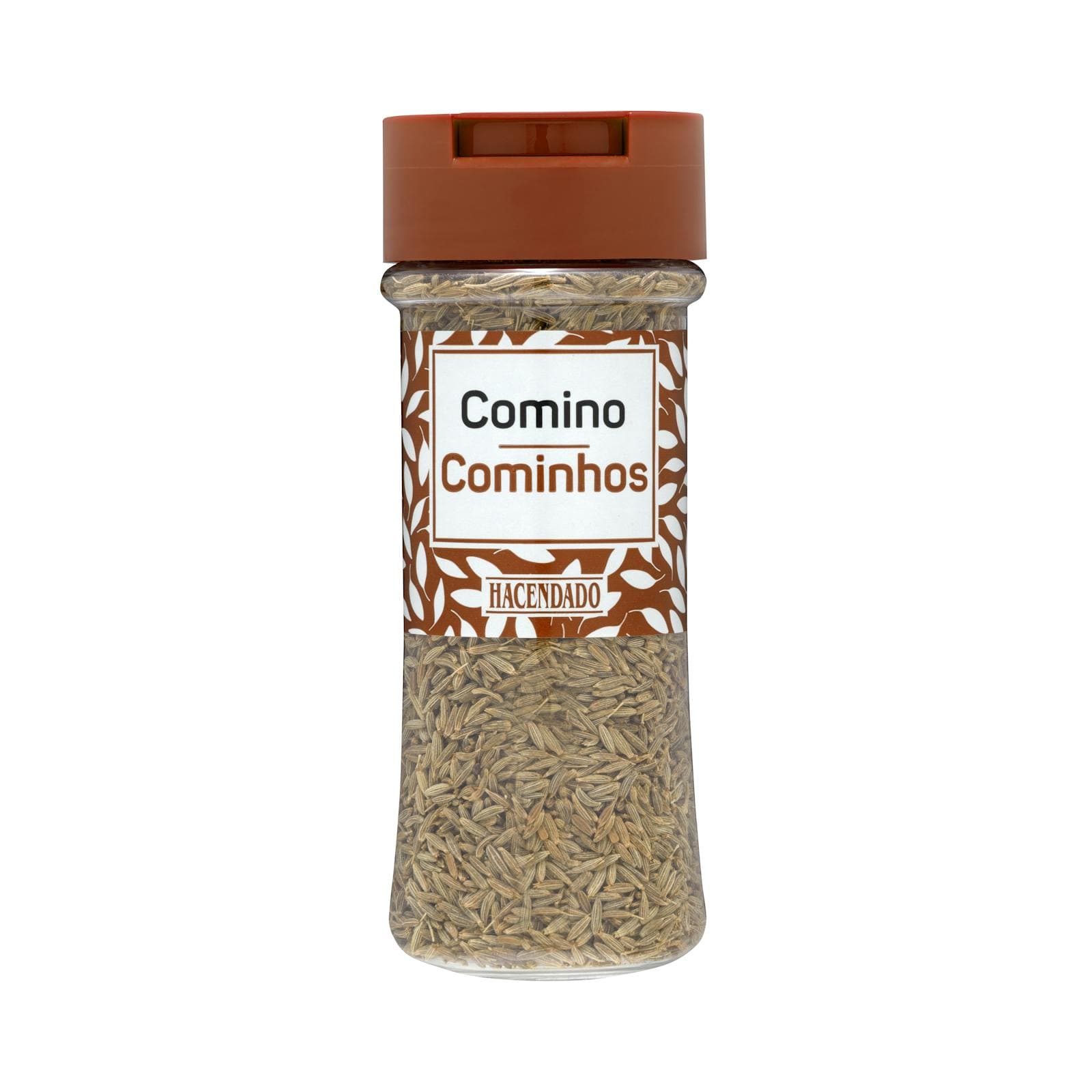
€1.95Cumin Seeds
Hacendado · 56 g · Mercadona
Good to know
- Flavor
- Warm, earthy, nutty, slightly bitter and smoky
- Form
- Whole seed or ground
- Add when
- Toast seeds / bloom in fat early to release flavor
- Cuisines
- Indian, Mexican, Middle Eastern, North African
- How to buy
- Whole seeds for the freshest flavor; grind as needed
- How to store
- Airtight, dark; whole keeps far longer than ground
Substitutes
- Ground coriander plus a pinch of caraway — Approximates the warm, earthy profile.
- Chili powder — Already cumin-forward, for Tex-Mex dishes.
Also called
comino
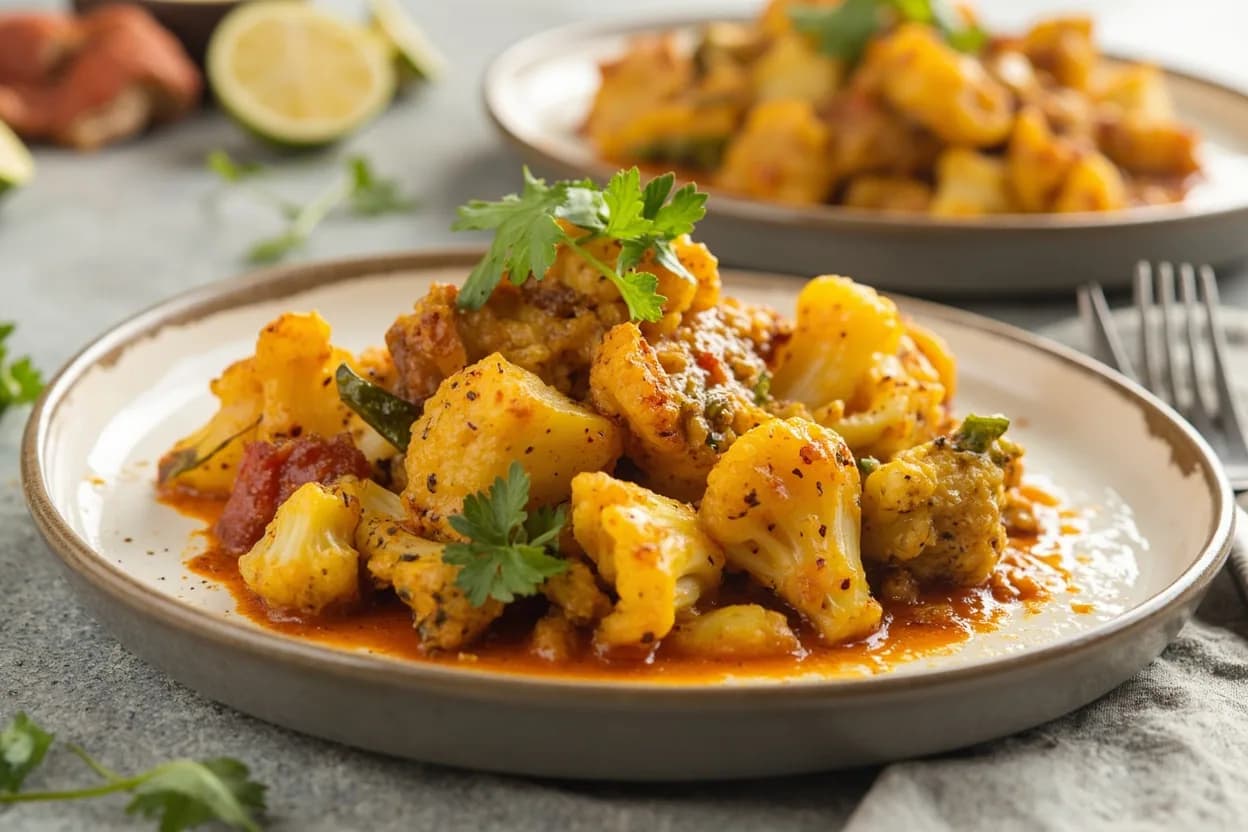
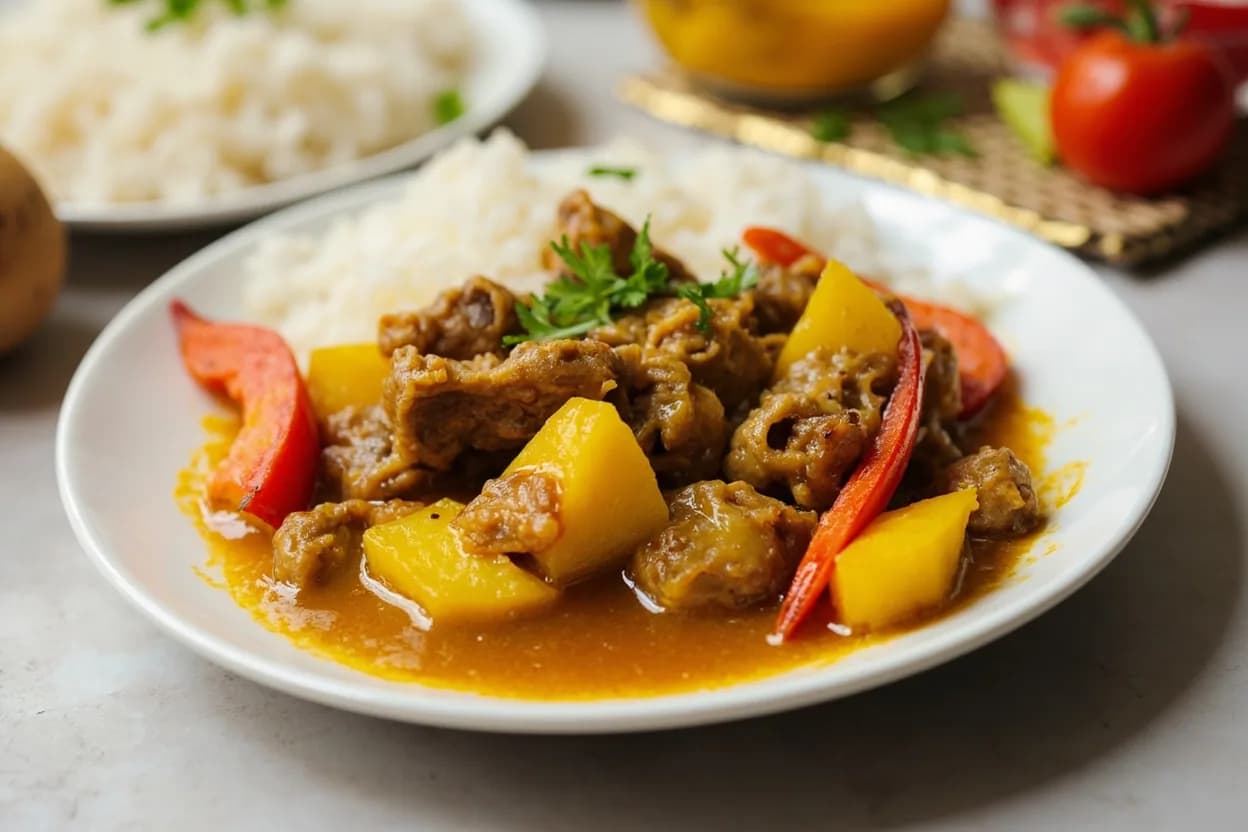
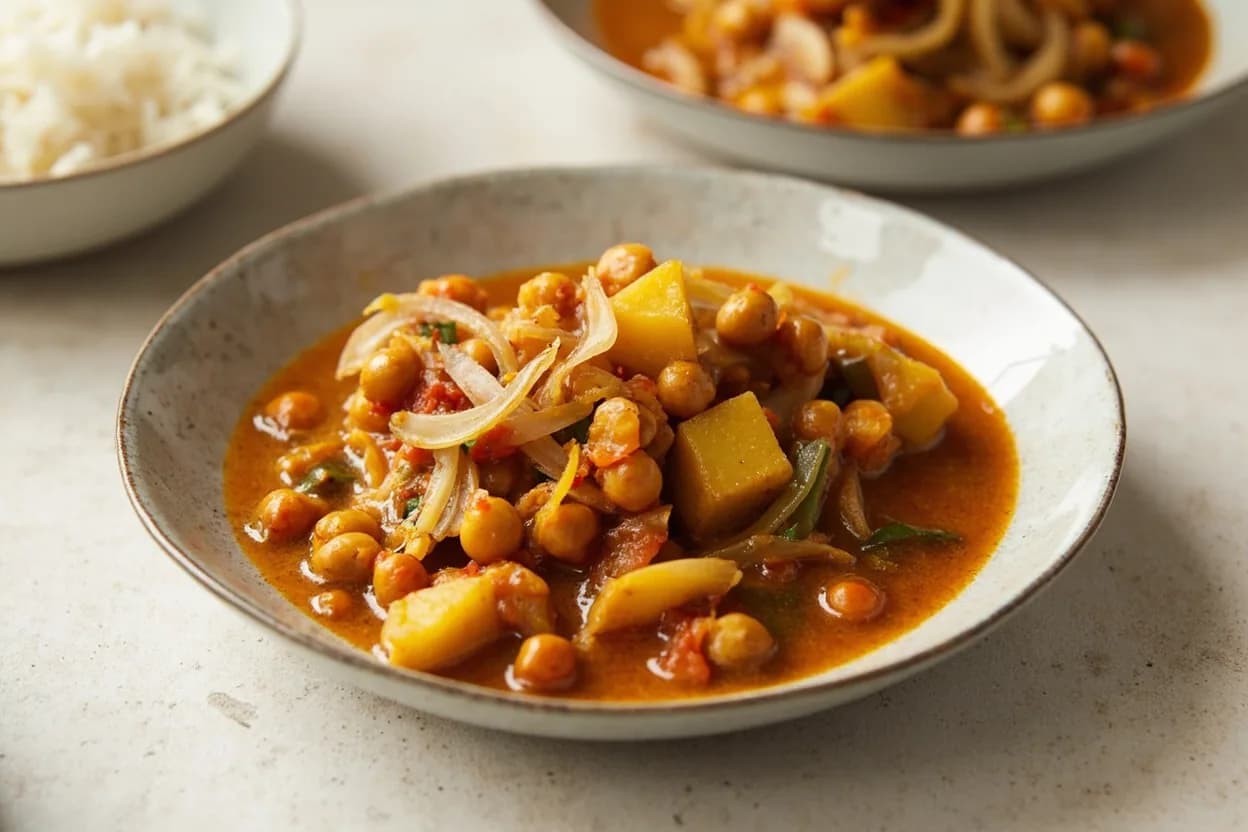
Appears in these dishes
Related
Salt
The one seasoning that makes everything else taste like itself

Black Pepper
Pungent, woody heat — best cracked fresh over anything savory
Amchur
Dried unripe mango ground to a tart, fruity souring powder
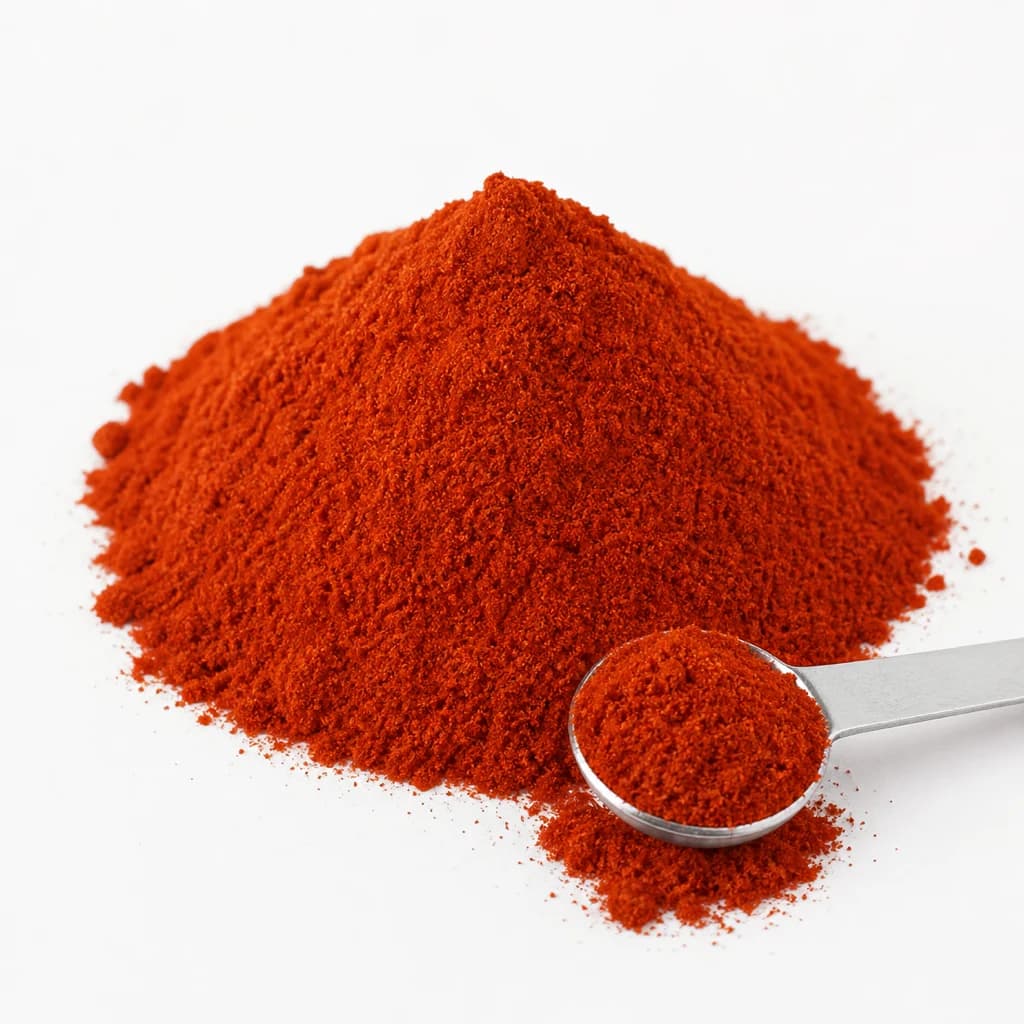
Paprika
Sweet, vivid ground pepper for color and gentle warmth
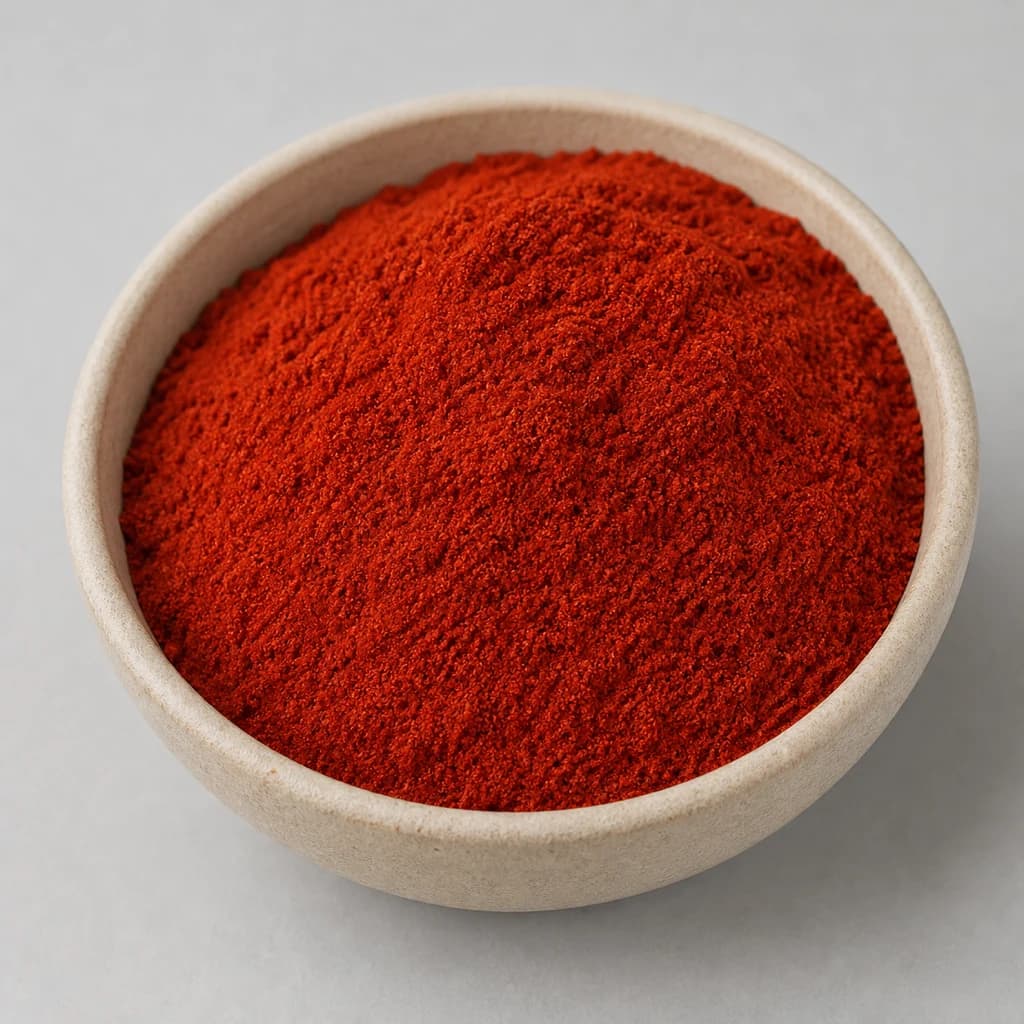
Smoked Paprika
Deep, smoky ground pepper for a campfire warmth
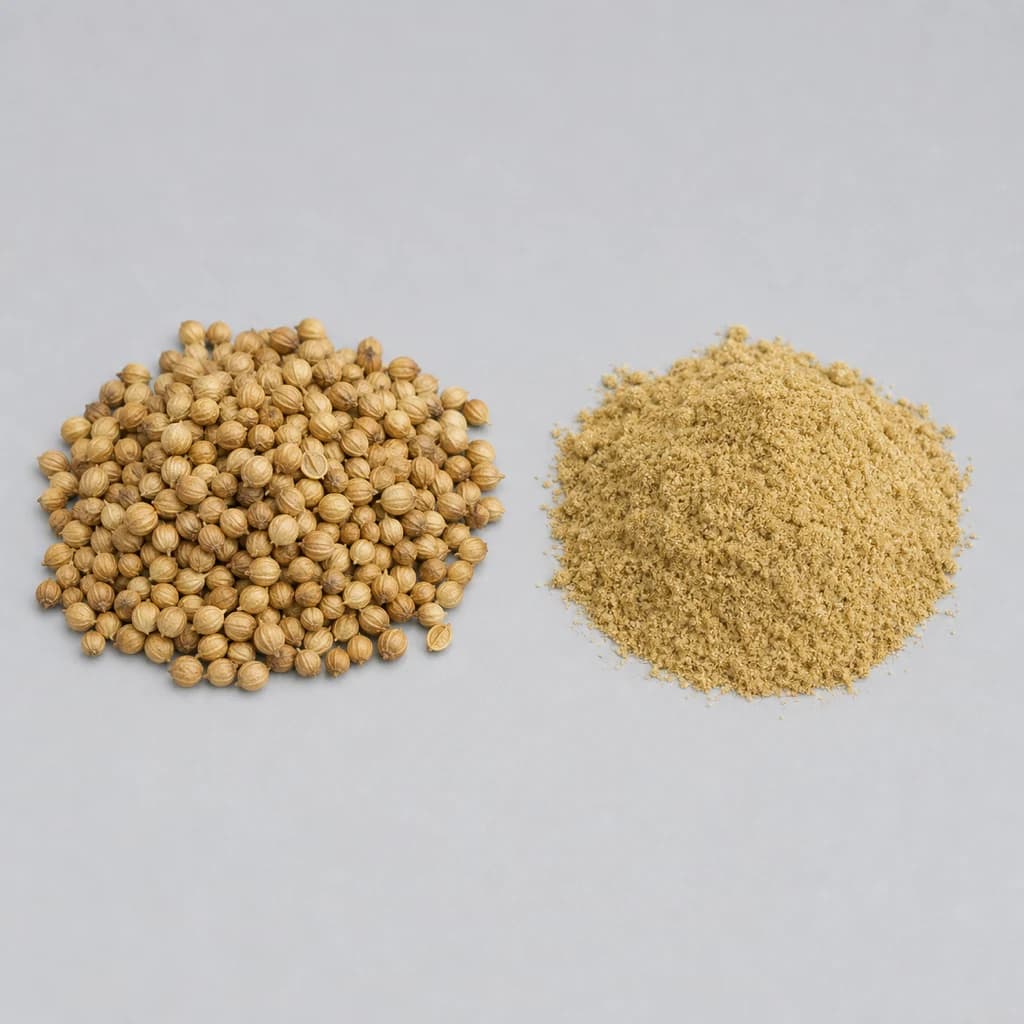
Coriander Seed
Citrusy, warm seed for curries, pickles, and rubs
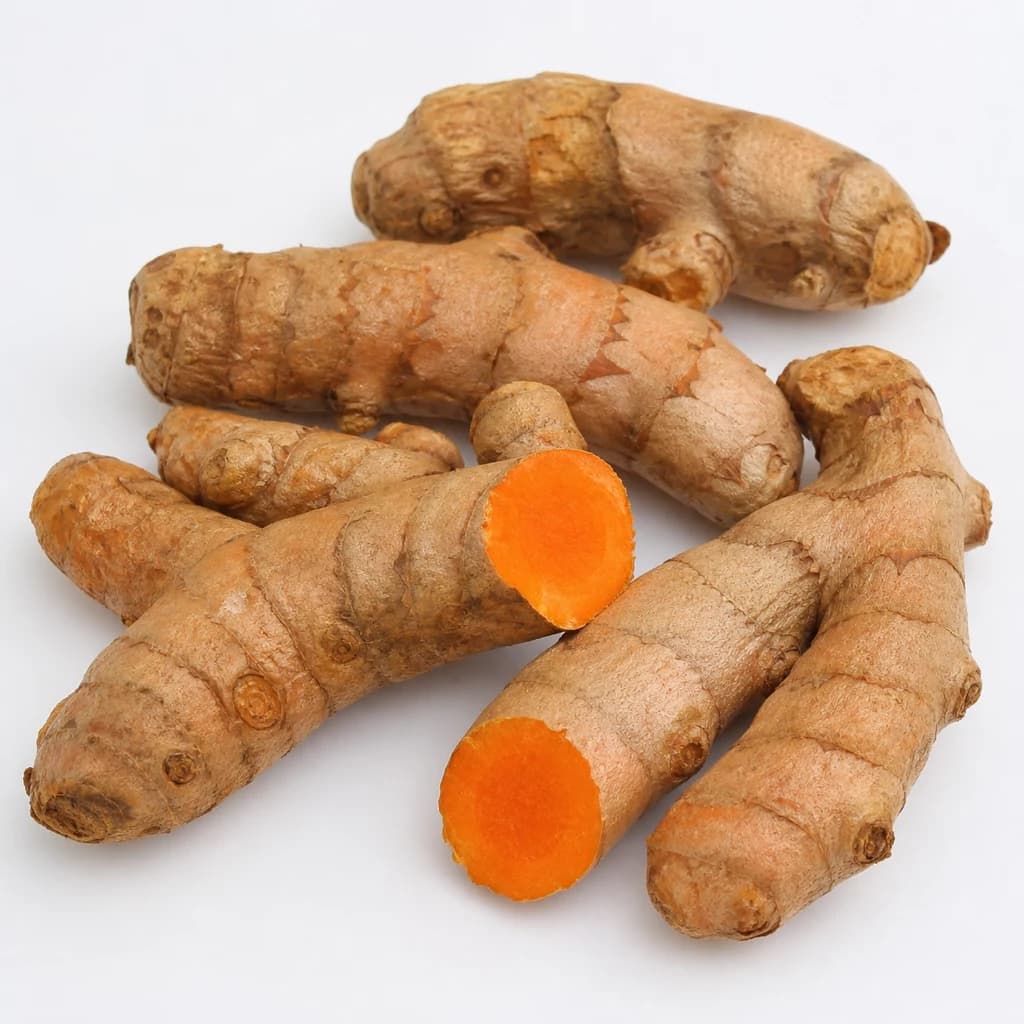
Turmeric
Golden, earthy spice for curries, rice, and color
Cinnamon
Warm, sweet spice for baking, oatmeal, and tagines