Spices
Dried Chili (Whole)
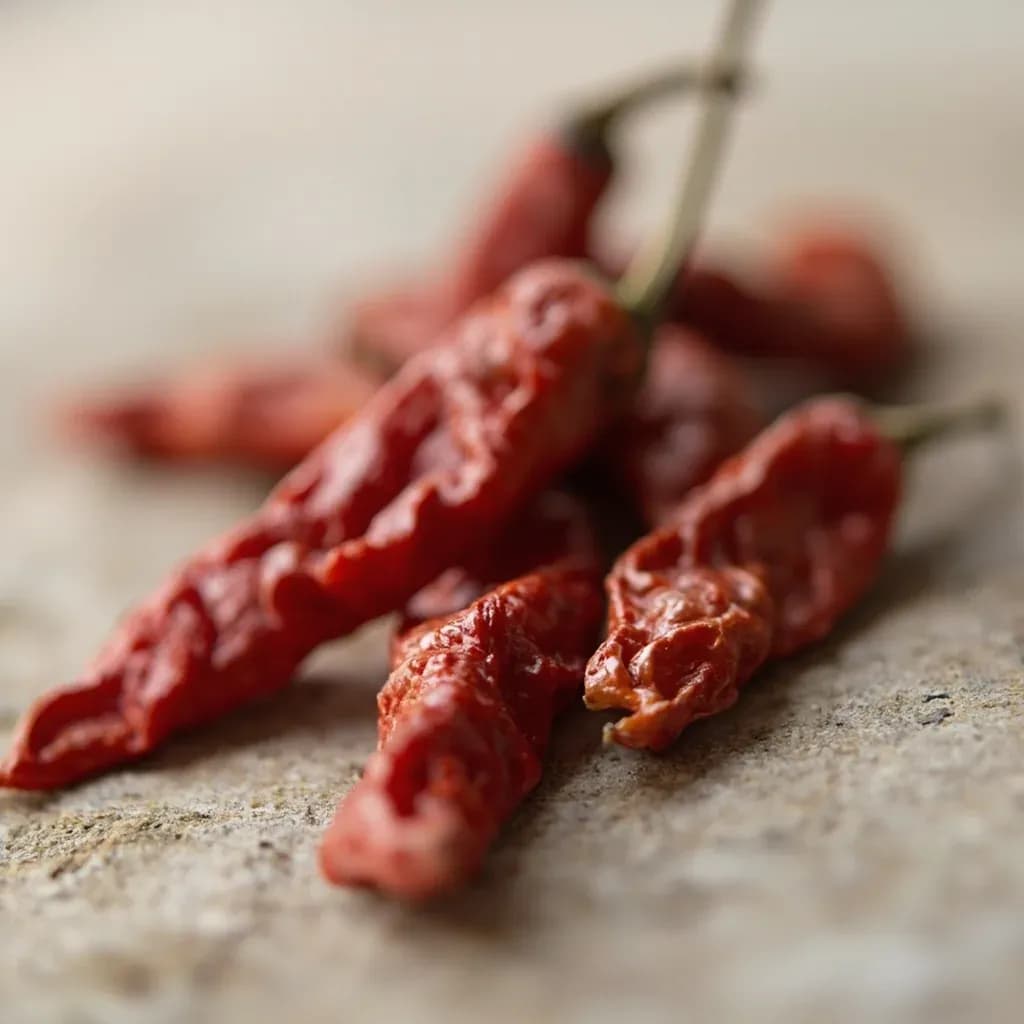
Whole sun-dried chilies rehydrated or toasted for sauces, stews and chili oils.
Whole dried chilies are sun- or air-dried hot peppers that concentrate sweetness and heat as they cure. Cooks toast and rehydrate them for sauces, moles, curries and infused oils, or grind them into powders. Different varieties range from mild and fruity to fiercely hot, so the type chosen shapes a dish.
Dried whole chilies are mature peppers that have been sun-dried or smoke-dried to concentrate and transform their flavor. Unlike ground chili powder, whole dried chilies retain distinct flavor profiles that shift dramatically with preparation—toasting brings out fruity, floral notes while rehydration in hot liquid extracts deep, complex sweetness. The smoking process creates an entirely different dimension, as seen in chipotle and Morita varieties, where pepper's natural sugars caramelize into rich, leathery smokiness. These are not merely heat delivery vehicles but aromatic foundations that define regional cuisines from Oaxaca to Sichuan, from Punjab to Bangkok.
The distinction between sun-dried and smoke-dried varieties is fundamental to cooking with dried chilies effectively. Sun-dried chilies like ancho and guajillo offer cleaner, fruitier profiles ideal for sauces and moles, while smoke-dried varieties like chipotle bring barbecue depth that works in braises, marinades, and infusions. The placental membrane—the pale inner ribs—contains the vast majority of capsaicin, so seed removal and rib scraping give precise heat control. Always retain the soaking liquid; it carries dissolved flavor compounds that constitute a genuine cooking stock.
Quality matters enormously. Dried chilies should feel pliable when bent, not brittle and cracking. Brittle chilies are over-the-hill—they taste harsh and papery. Deep, even coloration indicates proper drying; pale or splotchy chilies have degraded. Store varieties separately in airtight containers away from light and heat, and buy from sources with rapid turnover. A well-stocked dried chili pantry is one of the most versatile assets in any cook's arsenal, capable of building sauces, braises, oils, and marinades with far more depth than any jar of ground powder.
- Measured in
- g
- Storage
- Pantry
Types & varieties
Dried poblano; mild (1,000–1,500 SHU); sweet, slightly smoky; wrinkled, dark red-brown; essential in mole poblano
Dried mirasol; medium heat (2,500–5,000 SHU); bright red; tangy, fruity, slightly tea-like; most common dried chili in Mexico
Dried chilaca; mild (1,000–2,000 SHU); dark brown-black; rich, chocolatey, berry notes; used in moles
Dried poblano left to ripen fully; mild (2,000–3,000 SHU); brown-black; chocolate, licorice, prune flavors; large, heart-shaped
Small, thin, bright red; very hot (15,000–30,000 SHU); grassy, sharp heat; used in salsas and oil infusions
Mild (2,500 SHU); bright red; slightly sweet; broad US availability; good all-purpose dried chili
Medium heat (4,000–7,000 SHU); brick red; earthy, slightly sweet; the classic chili for red enchilada sauce and chili con carne
Mild (1,000–3,000 SHU); reddish-brown; nutty, slightly smoky; round shape; seeds rattle when shaken
Wild small round chili; very hot (50,000–100,000 SHU); fruity; traditionally smoke-dried; key in Tex-Mex and Northern Mexican cuisine
Smoke-dried jalapeño; medium-hot; smoky, sweet, leathery; often canned in adobo sauce; Morita is shorter-smoked, softer, and fruitier than standard chipotle
Tiny, oval, very hot (30,000–60,000 SHU); intense citrus and heat; found in Texas and Northern Mexico; used in rattlesnake chili
Indian dried chili; medium heat; deep red; mild, slightly sweet, fruity; prized for color; used in tandoori and tikka dishes
Thin, dark red; mild; slightly sweet, fruity; used in Chinese and Japanese cooking
Small, thin, intense heat; savory, slightly sweet flavor; essential in Thai curries and nam prik
Dried poblano: mild, sweet, raisiny heat with hints of plum and tobacco; the backbone of red mole, adobo, and enchilada sauces once toasted and rehydrated.
Glossy, leathery chile with bright tangy-berry flavor and gentle-to-medium heat; blended with ancho for the classic red-chile base of birria, salsas, and adobos.
Dried chilaca: dark, raisin-and-cocoa flavor with mild, earthy heat; classic in mole negro, drizzled chile oils, and sauces for seafood and lamb.
Round, rattling Mexican dried chile with mild heat and a nutty, smoky-woody flavor. Toast and blend into table salsas and adobos; its earthiness deepens rather than scorches.
Dried ripe poblano, darker and sweeter than ancho with notes of chocolate, licorice, and dried cherry. One of the three chiles in classic mole; rehydrate and blend.
Toasting: The Essential First Step
Toasting dried chilies is not optional—it is the transformation that makes them cookable. Place chilies in a dry skillet over medium heat for 30–60 seconds per side. They are ready when they release a strong, fragrant aroma and become pliable. The color may deepen slightly. They should not smoke or char black; that produces bitter, acrid flavor. For even deeper flavor, char directly over a gas flame until blackened in spots, then steam in a covered bowl for 15 minutes before peeling and seeding.
- Cast iron holds heat best for even toasting
- Listen for a faint sizzle—means moisture is leaving
- Plunge into soaking liquid immediately after toasting to stop cooking
Rehydration vs. Direct Use
Full rehydration yields smooth, blended sauces where the chili flesh itself is incorporated. Blend rehydrated chilies with their soaking liquid for moles, enchilada sauces, and braising liquids. For cleaner-tasting infusions like chili oil, simmer the soaking liquid alone or steep dried chilies directly in oil over low heat—never pour hot oil over chilies as residual moisture causes dangerous splattering. For a quick, rustic extraction, crumble dried chilies directly into simmering liquid and cook 10 minutes; the flesh dissolves into the broth for a speckled, textured result.
- Soaking liquid is deeply flavored stock—never discard it
- Direct simmering creates grainier texture but faster prep
- Strain through fine mesh if avoiding any solid matter
Buying and Assessing Quality
Dried chilies must be pliable, not brittle. Bend one—if it cracks and shatters, it is too old. Deep, uniform coloration indicates proper drying; faded or splotchy chilies have degraded. The stems should snap off cleanly, not bend leathery. Buy from sources with high turnover. When possible, smell the chilies before buying—fragrant, fruity scent means fresh; dusty or musty odor signals age or improper storage. Discard any chilies with visible mold or soft spots, even if the rest of the batch looks fine.
- Pliable texture is the single best quality indicator
- Deep color correlates with flavor intensity
- High-turnover sources ensure fresher stock
Common uses
Tips & pitfalls
- Toast dried chilies in a dry skillet over medium heat 30–60 seconds per side until fragrant and pliable, but not smoking—this blooms the oils and deepens flavor dramatically.
- Always remove seeds and the pale inner ribs to control heat; the placental membrane holds most capsaicin, not the seeds themselves.
- After toasting, soak in hot water (not boiling) for 20–30 minutes until fully softened; reserve the soaking liquid as flavorful stock for your sauce.
- Blend rehydrated chilies with their soaking liquid for smooth sauces; or use just the liquid for infusions to avoid grit in finished dishes.
- For deeper flavor, char chilies directly over a gas flame until blackened in spots, then steam in a covered bowl 15 minutes before peeling and seeding.
- Grinding toasted, cooled chilies into powder creates a more potent spice than commercial ground chili—grind just enough for immediate use.
- If chili tastes bitter or harsh, it was burned during toasting or is simply too old—old chilies turn bitter and lose potency.
- For oil infusions, combine oil and chilies over low heat only; never blast hot oil on chilies as moisture causes splattering and degrades flavor.
- Store varieties separately—mixing different chilies blurs their distinct flavors and shortens shelf life.
- When substituting fresh for dried, figure roughly 3–4 dried chilies equal 1 fresh pepper of the same variety by volume.
Nutrition
Energy
418 kJ · per 100 g
Where the calories come from
Protein
5.9g
12% DV
Carbs
10.9g
4% DV
Fat
3.7g
5% DV
Fiber
2.9g
10% DV
Sugars
1.8g
of which
Sodium
385mg
17% DV
Source · USDA FoodData Central · Chili with beans, microwavable bowls
View on FDC →In the shops
Matched grocery products
 €1.65
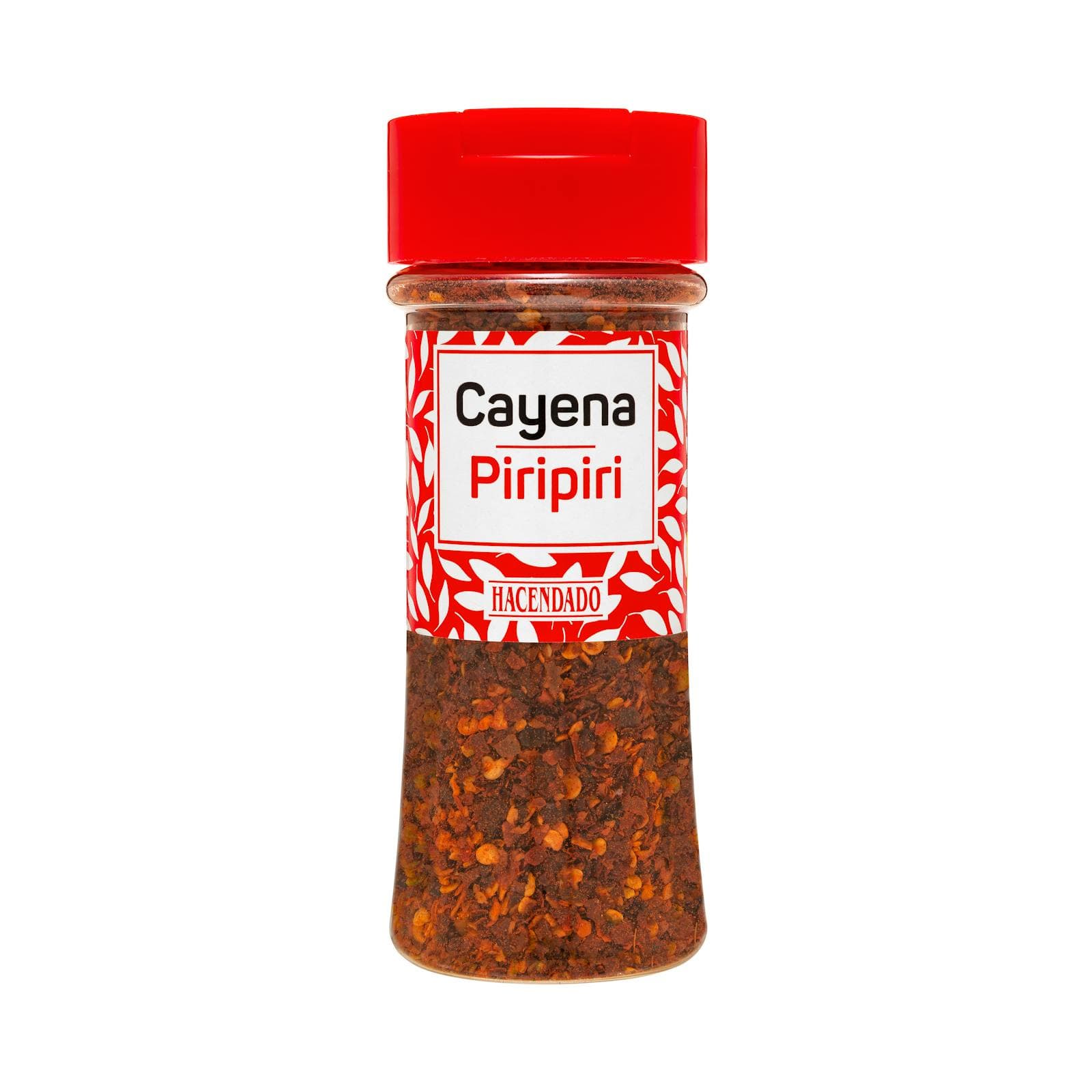
€1.65Ground Cayenne
Hacendado · 55 g · Mercadona
 €1.36
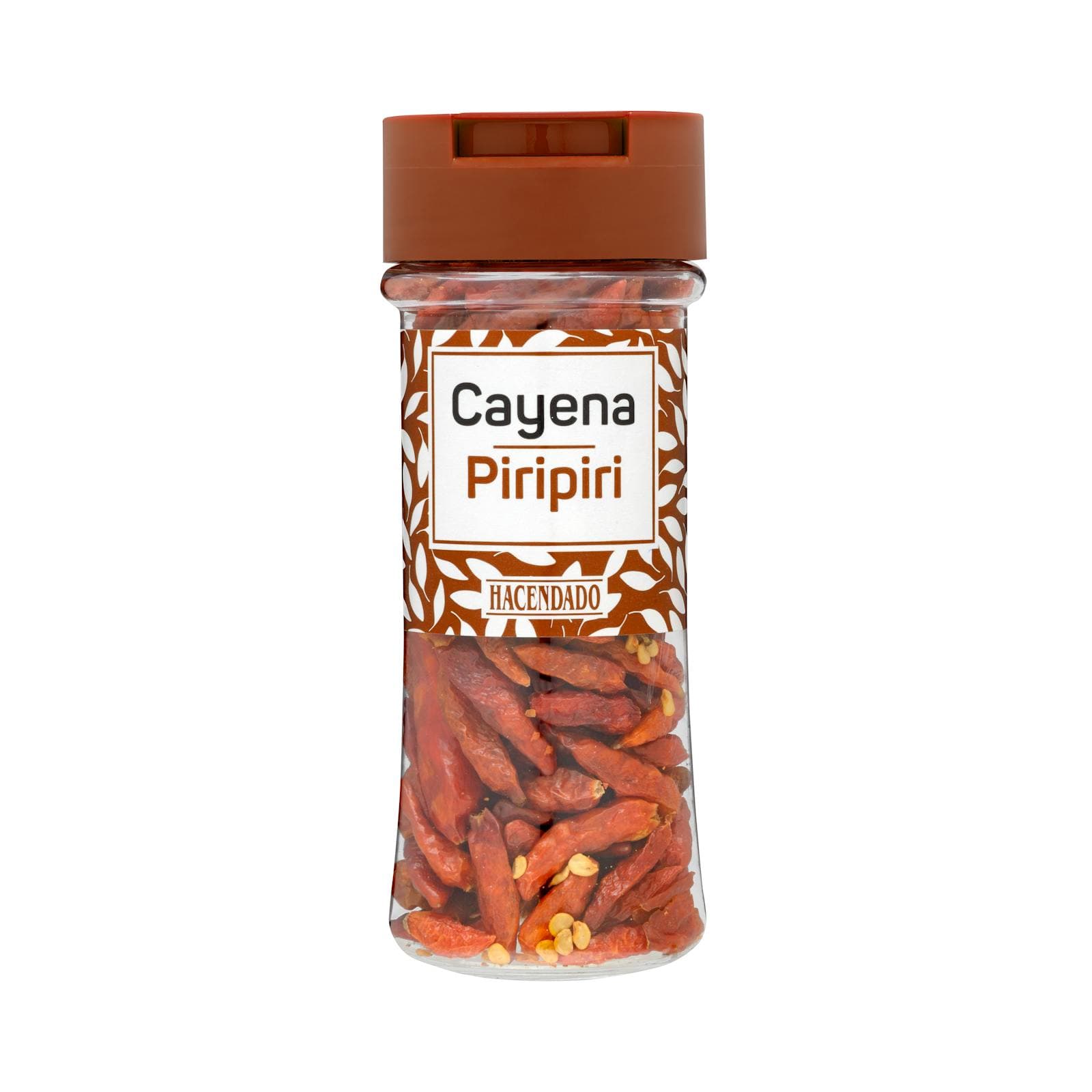
€1.36Cayenne Peppers
Hacendado · 0.027 100 g · Mercadona
 €0.75
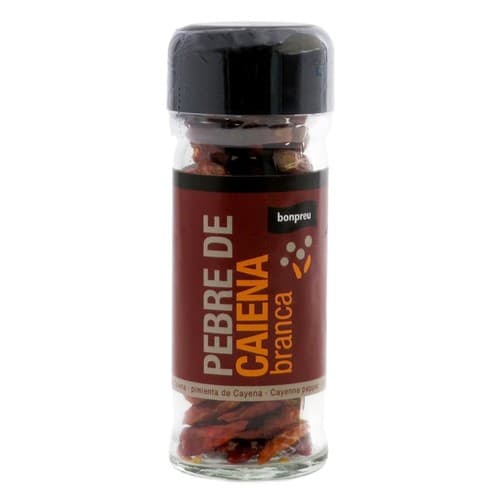
€0.75White Cayenne Pepper
BONPREU · Bonpreu
 €1.49
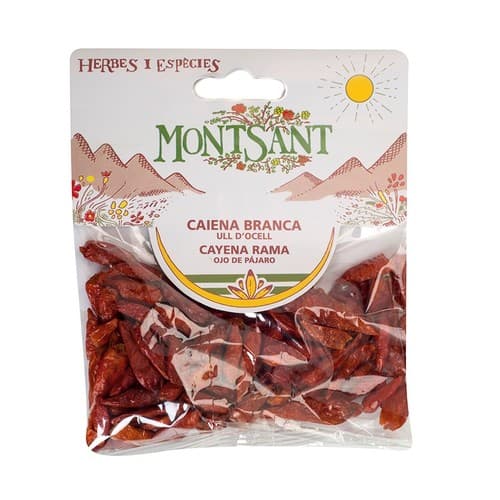
€1.49White Cayenne Pepper
MONTSANT · Bonpreu
 €0.95
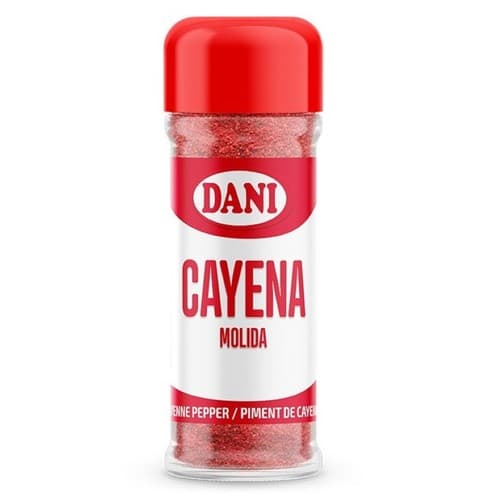
€0.95Ground Cayenne Pepper
DANI · kg · Bonpreu
Good to know
- Primary Origin
- Mexico and Central America, now cultivated globally
- Processing Method
- Sun-drying or smoke-drying whole mature peppers
- Typical Size
- Varies by variety; 2–6 inches (5–15 cm) long
- Heat Range
- 1,000–30,000+ Scoville Heat Units depending on variety; placental membrane (ribs) contains most capsaicin
- Rehydration Ratio
- 1 part chili to 2–3 parts hot water, soaked 20–30 minutes; reserve soaking liquid
- Shelf Life
- 6–12 months in cool, dark, airtight container; up to 2 years frozen
- Key Flavor Compounds
- Capsaicin (heat), carotenoids (color), volatile oils (aroma); toasting blooms oils dramatically
- Storage
- Airtight container away from light and heat; never refrigerate—moisture causes mold and flavor loss
- Aroma When Toasted
- Fruity, earthy, smoky, or chocolatey depending on variety; should be fragrant, not acrid
Substitutes
- Ancho Chile — Mulato or pasilla negro for similar mild, sweet profile in moles; or rehydrated fresh poblano in equal proportion
- Guajillo — New Mexico or California chile; slightly less tangy but similar texture and color; substitute 1:1
- Chile de Árbol — Cayenne pepper (less flavorful, more direct heat) or red pepper flakes; use ~1/2 the quantity for equivalent heat
- Chipotle — Smoked paprika plus a pinch of cayenne; or replace 1 chipotle with 1/2 teaspoon smoked paprika and a few drops of liquid smoke
- Chiltepin/Pequin — Cayenne or Aleppo pepper; or crushed dried bird's eye chili; use sparingly due to intense heat
- Kashmiri Chili — New Mexico or California chile for color and mildness; or mild paprika with a pinch of cayenne for heat
- Any Mild Dried Chili — Sweet or smoked paprika for color and mildness only; flavor profile will be significantly different
Pairs with
Also called
dried-red-chili · red-whole-chili · dried-chili-pepper · dried-chili-whole · chili · hawaiian-chili-pepper
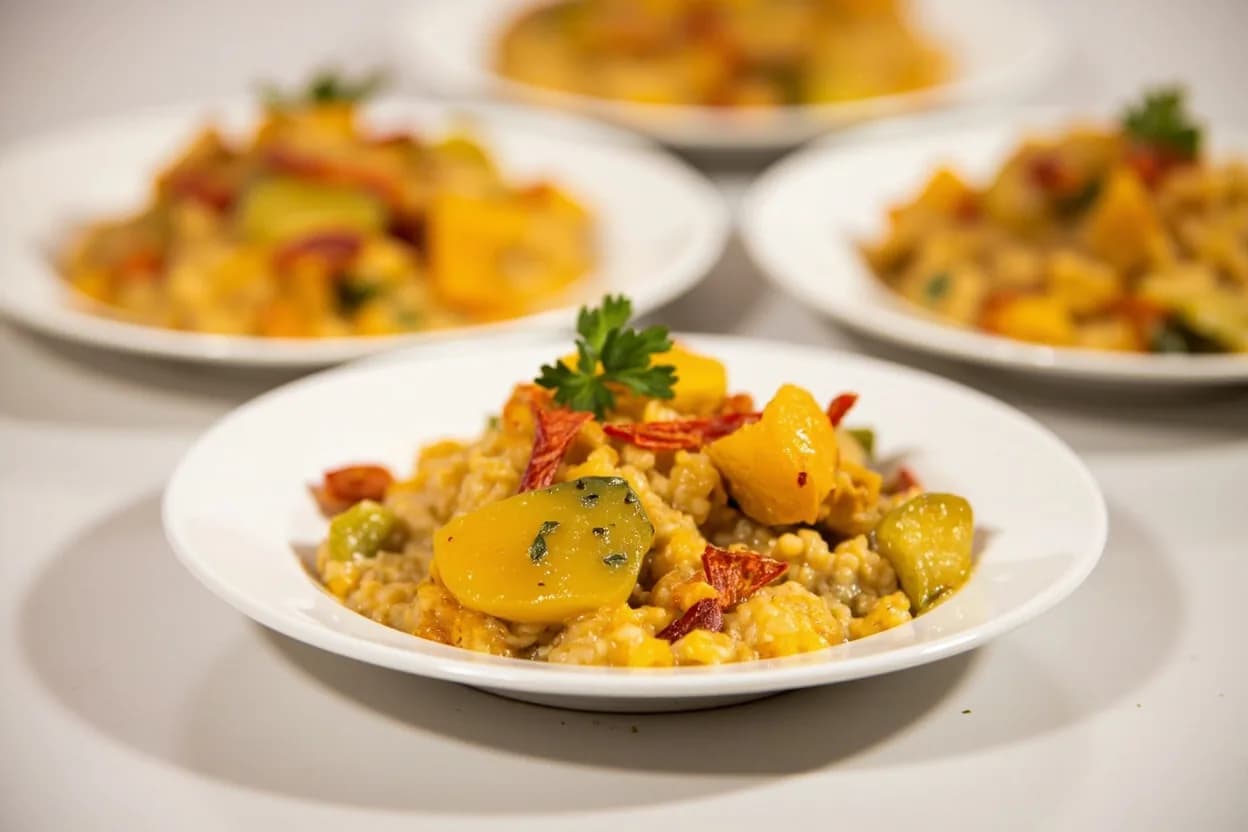
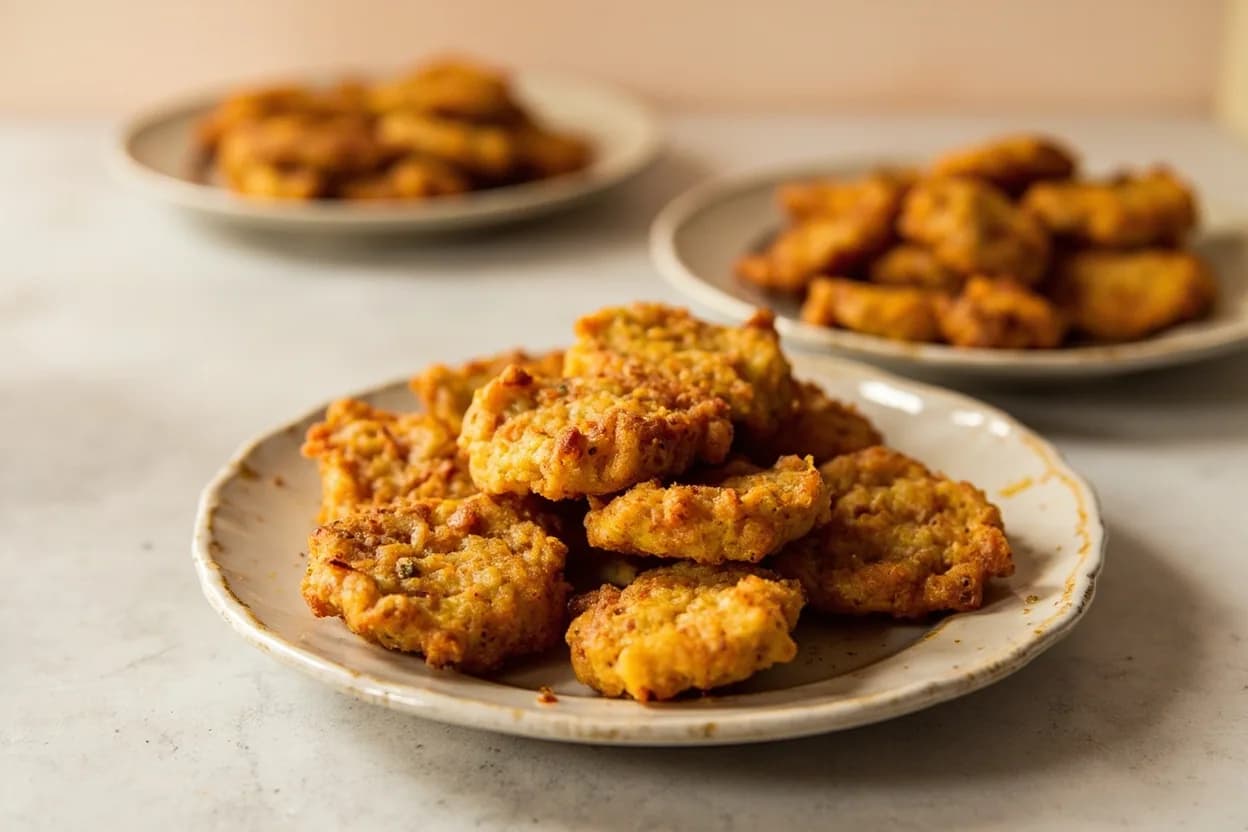
Appears in these dishes
Related
Salt
The one seasoning that makes everything else taste like itself

Black Pepper
Pungent, woody heat — best cracked fresh over anything savory
Amchur
Dried unripe mango ground to a tart, fruity souring powder
Paprika
Sweet, vivid ground pepper for color and gentle warmth
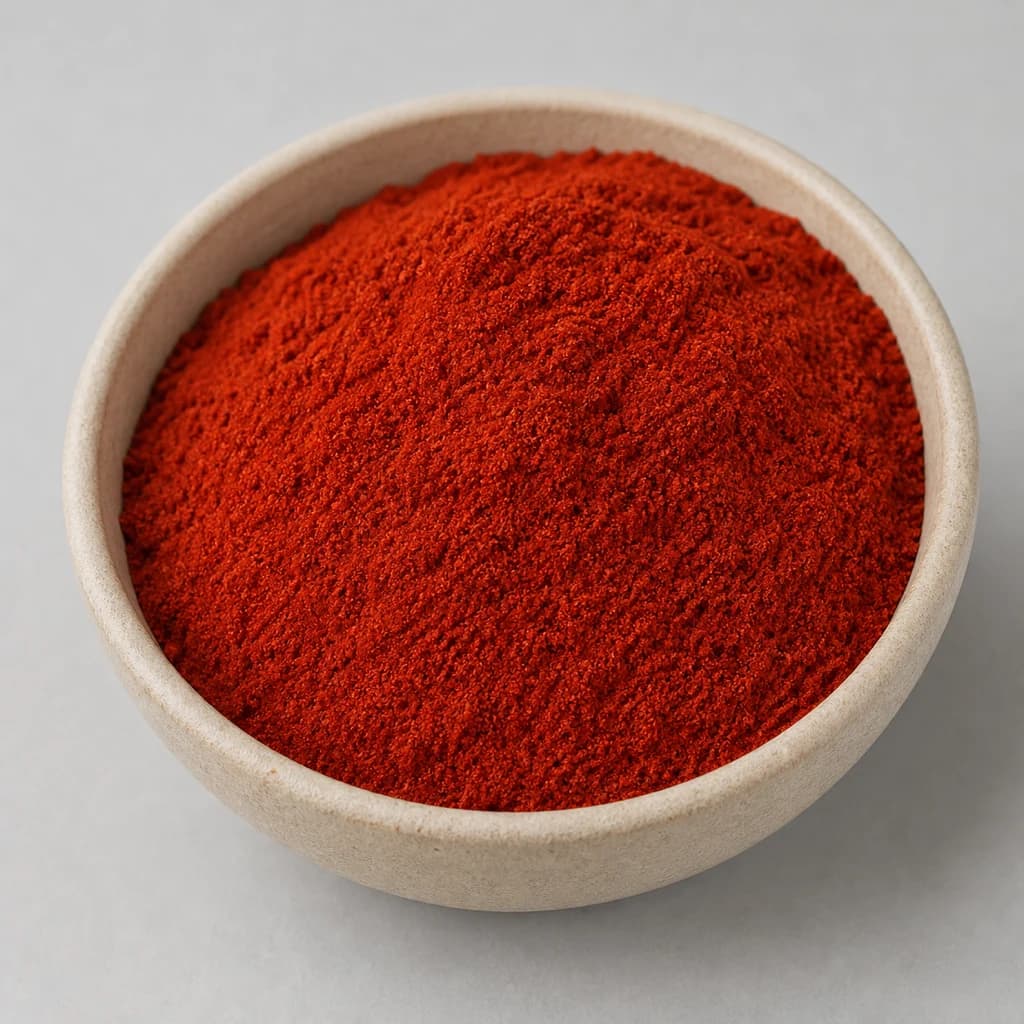
Smoked Paprika
Deep, smoky ground pepper for a campfire warmth
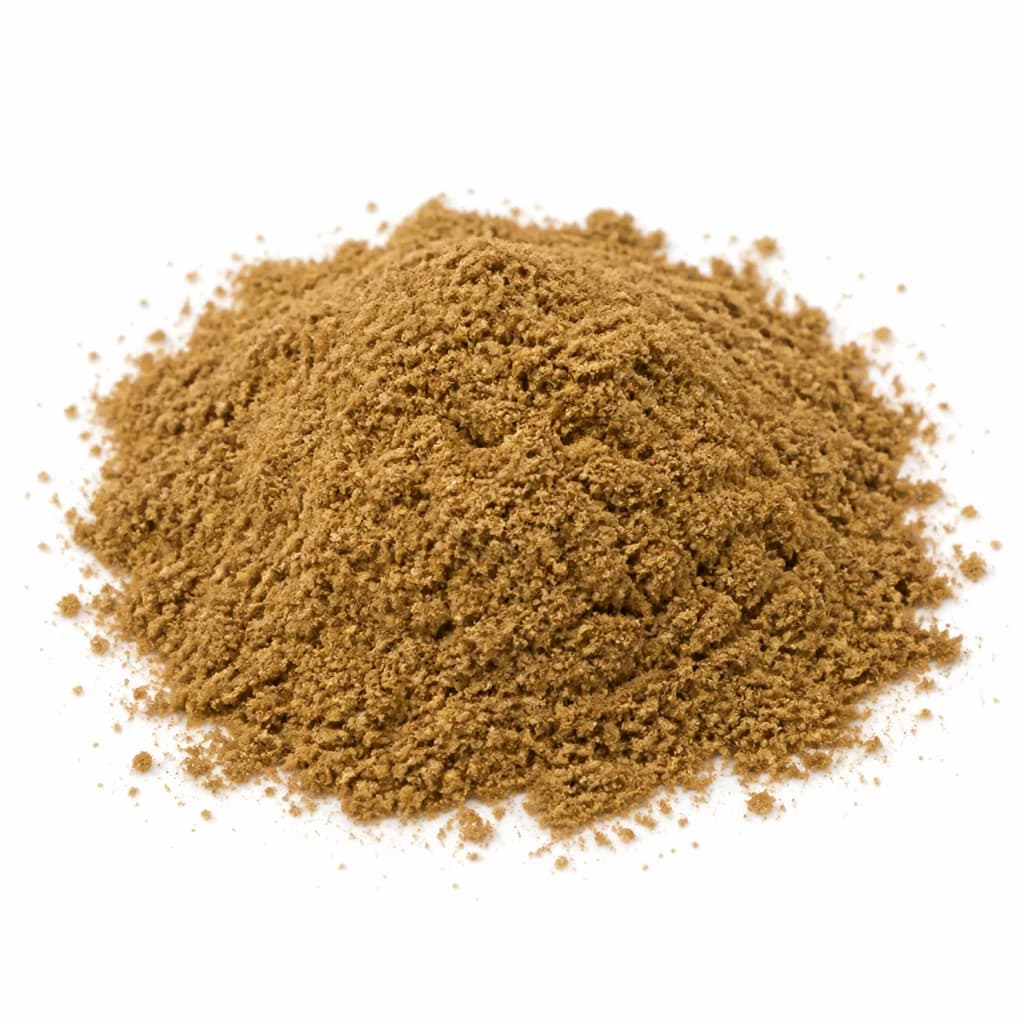
Cumin
Warm, earthy spice central to curries, chili, and tacos
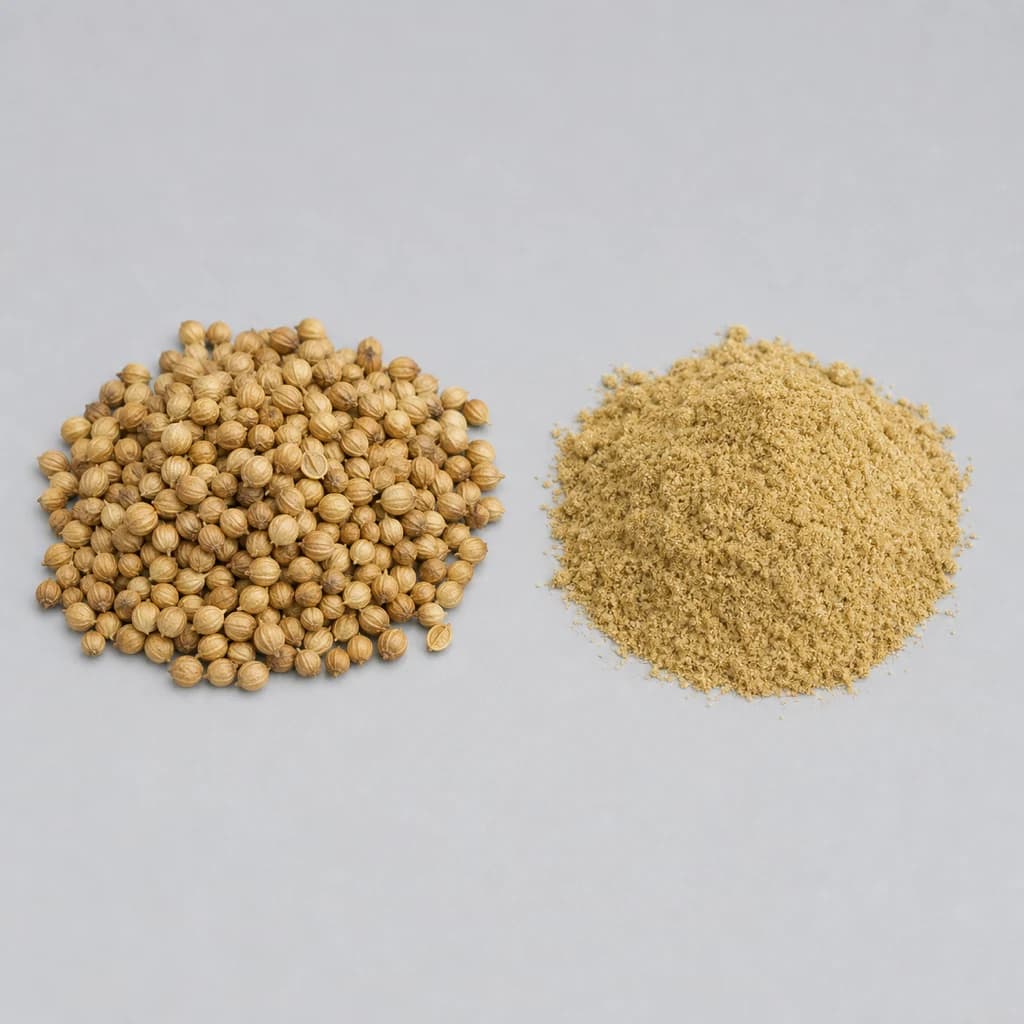
Coriander Seed
Citrusy, warm seed for curries, pickles, and rubs
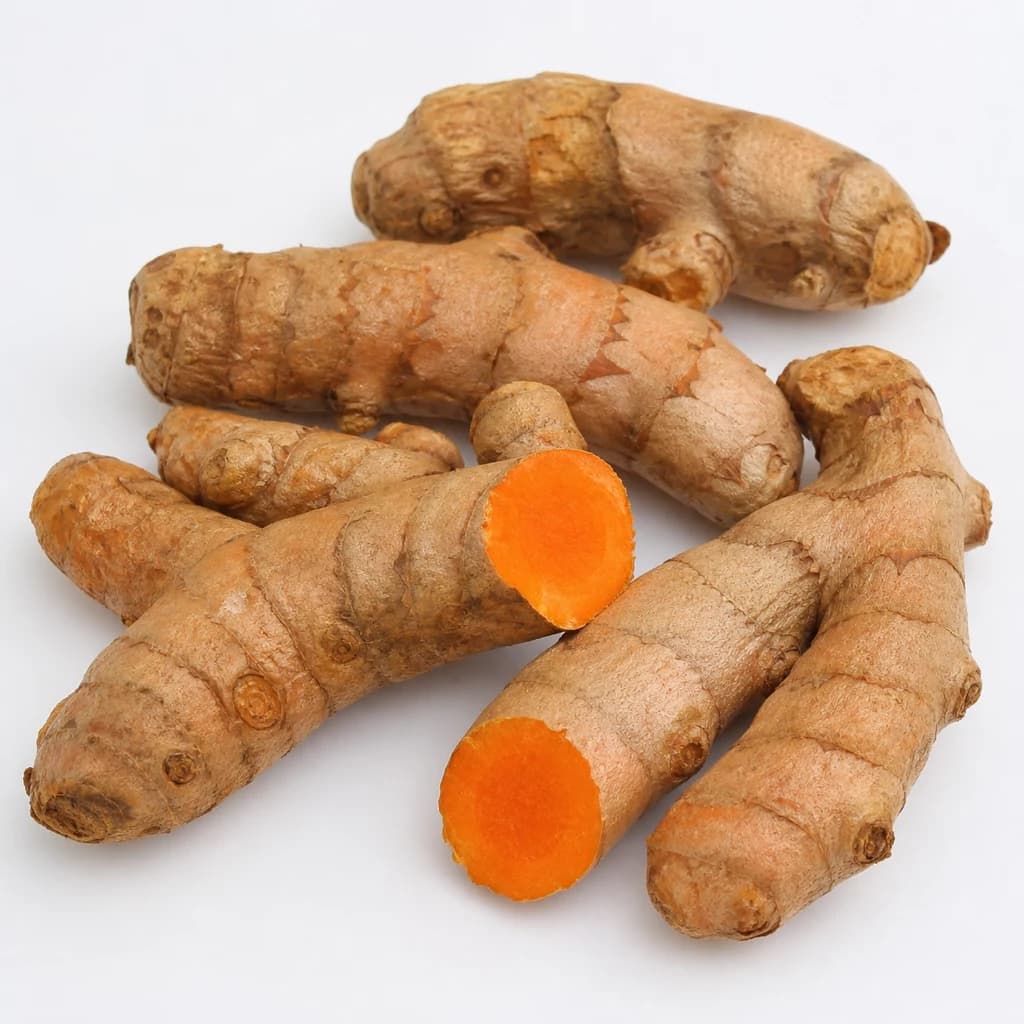
Turmeric
Golden, earthy spice for curries, rice, and color