Spices
Ancho Chile
Dried poblano: mild, sweet, raisiny heat with hints of plum and tobacco; the backbone of red mole, adobo, and enchilada sauces once toasted and rehydrated.
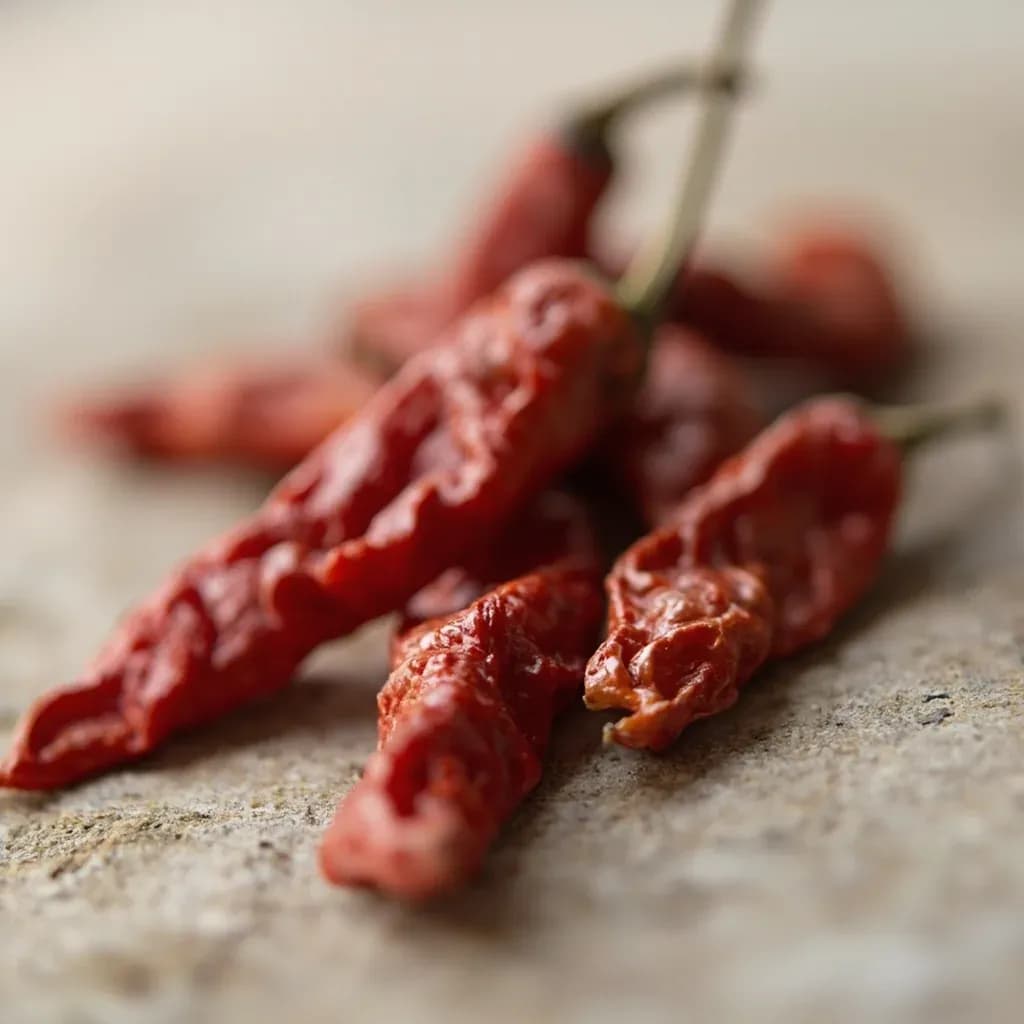
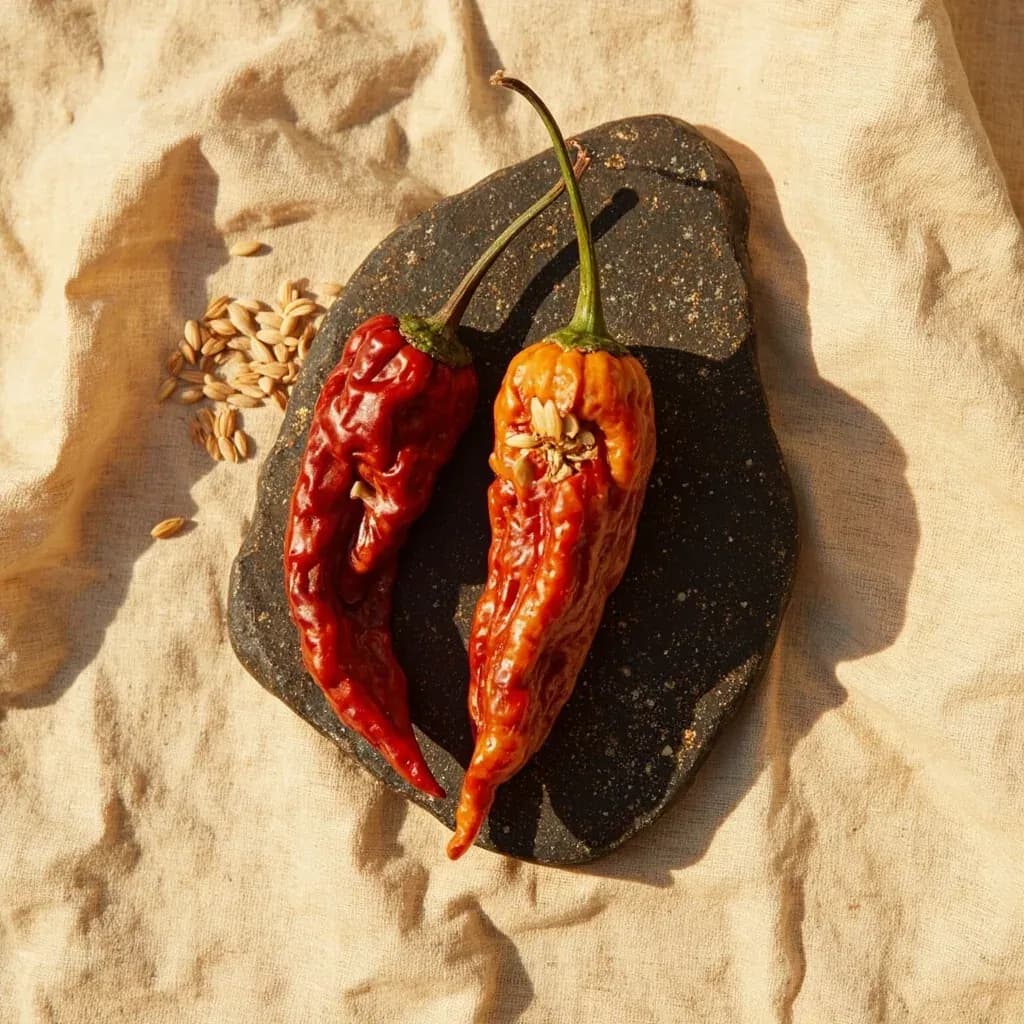
The ancho is the workhorse dried chile of Mexican cooking — and that description almost undersells it. It is the dried, fully ripened poblano pepper, left on the plant until it turns red and then cured to a leathery, brick-brown pod with a faint perfume of raisins, dried plum, and pipe tobacco. Because the poblano is grown across many Mexican states, the ancho quietly anchors more regional cooking than any other dried chile in the pantry, and a cook who keeps a bag on the shelf can build a surprising number of sauces from a single ingredient.
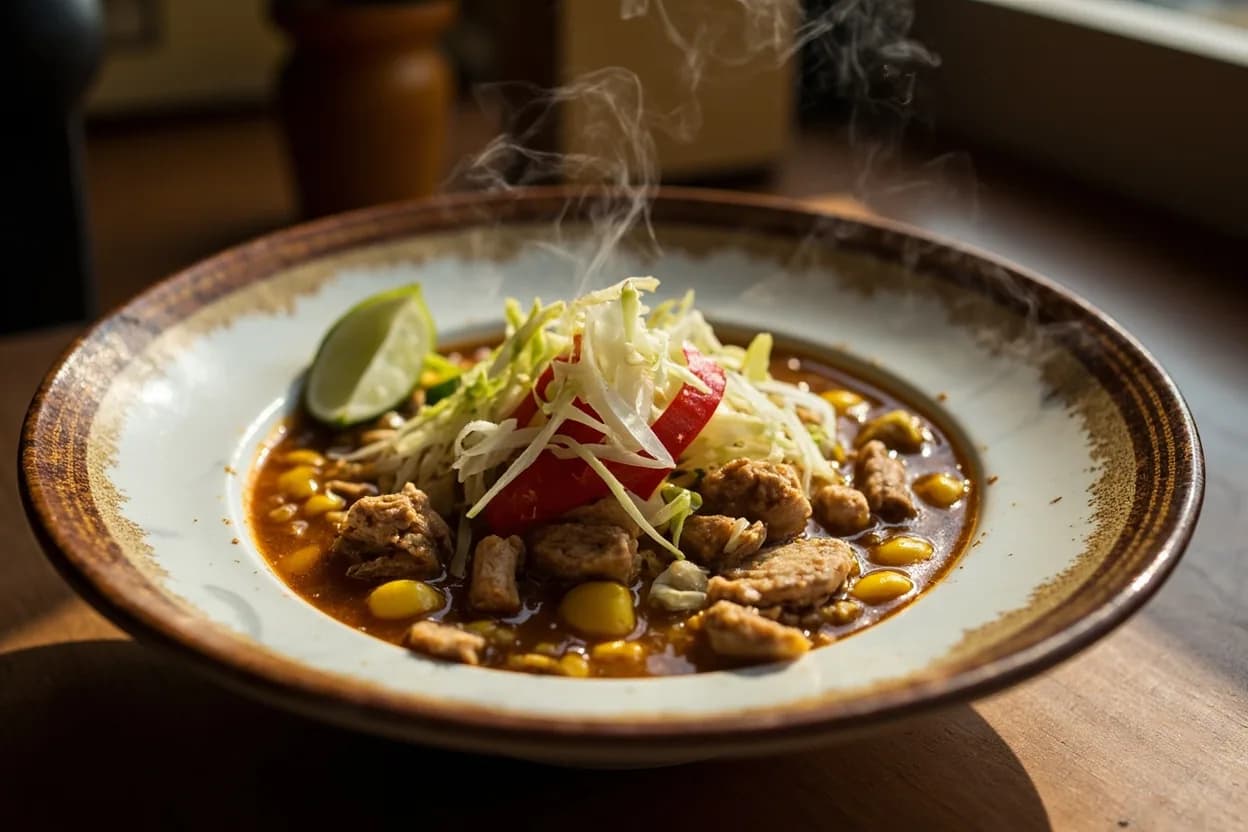
What gives the ancho its stature is how it behaves once heat is applied. At roughly 1,000 to 1,500 Scoville units, it sits firmly in the mild range, but it brings a depth that hotter chiles cannot: a raisiny sweetness, a touch of cocoa, and a savory undertone that rounds out long-simmered sauces rather than dominating them. A brief dry toast and a soak in just-boiled water transform the pod into a thick, brick-red paste that becomes the base of mole poblano, adobo marinades, enchilada sauce, and the everyday table salsa that goes with everything from tamales to grilled meat.
Cooks who learn to treat ancho with restraint — toasting just until fragrant, rehydrating in water pulled just off the boil, blending with that same soaking liquid — find it rewards them with a body and fragrance that no shortcut substitute can match.
- Measured in
- g
- Storage
- Dark Cool
Find it in
Suits
Types & varieties
The standard dried poblano; reddish-brown, sweet-fruity backbone of red mole and adobo
Also a dried poblano, but from a darker strain; browner than red, with deeper chocolate and licorice notes; often blended with anchos in mole
New Mexico–grown cultivar of poblano dried to ancho style; similar character to Mexican anchos, generally milder and meatier
Not an ancho; pasilla is the dried chilaca, long, thin, and nearly black, with sharper, more acidic, raisin-like flavor — not interchangeable
Ancho vs. Mulato: Telling the Poblano Twins Apart
Both are dried poblanos, and in many moles they appear together, which is exactly why cooks mix them up. In practice they are easy to separate once you know what to look for. Anchos are reddish-brown and lean toward raisiny, plummy sweetness. Mulatos are darker — more chocolate brown than red — and run sweeter and smokier, with an almost licorice-like depth. If a recipe calls for ancho and you only have mulato, the sauce will taste slightly more dessert-like and a touch less bright; if you only have ancho for a mulato recipe, the result will be fruitier and lighter. Mole is forgiving enough that swapping one for the other still produces a good sauce; just taste and adjust with a pinch of sugar or a splash of vinegar.
The Holy Trinity of Mexican Dried Chiles
In central Mexican sauce work, ancho rarely stands alone. The classic regional trio pairs it with guajillo (bright, tangy, slightly tannic) and pasilla (sharp, raisin-edged, almost black) to build a sauce that has depth, brightness, and a savory finish all at once. Ancho contributes body and sweet-fruity weight, guajillo brings acidity and a brick-red color, and pasilla adds the long, almost fermented finish that lingers on the palate. Understanding the trio is the key to improvising when one chile is missing: lean on ancho for body, guajillo for color and tang, and pasilla for the dark, savory edge.
Common uses
Tips & pitfalls
- Toast briefly — 10 to 15 seconds per side on a dry comal — until you can smell the chile; over-toasting turns the flesh acrid and bitter, and there is no way to fix it after the fact.
- After toasting, slit the pod open and shake out the seeds and pale inner veins for a smoother, less bitter sauce; leave a few seeds in if you want more heat.
- Rehydrate in just-boiled water that you have pulled off the heat, not in water held at a simmer; sustained heat toughens the flesh and dulls the color.
- Always reserve the soaking liquid. Strain it and use it in place of some or all of the water when you blend the chiles — it carries a surprising amount of flavor and body.
- When buying dried anchos, look for pods that are pliable and deep brick-red; reject any that are faded, pale, brittle, or smell dusty, as they have lost too much volatile oil.
- Store pods airtight, away from light and heat; UV bleaches the color and flattens the flavor within weeks. A jar in the back of a dark cupboard beats a glass jar on a sunny shelf.
- For a silkier sauce, strain the blended chile paste through a fine-mesh sieve before incorporating it into the rest of the dish — you will keep the body but lose any stray skin or seed fragments.
- If you are short on time, rehydrate in hot stock or strong brewed tea rather than water; the extra savory or tannic notes carry over into the final sauce.
Nutrition
Nutrition
No USDA FoodData Central match for Ancho Chile yet. We surface a per-100 g profile once a generic whole-food entry is matched and verified.
In the shops
Matched grocery products
No matched grocery products for Ancho Chile yet.
Good to know
- Origin
- Puebla region of Mexico, where the poblano has been cultivated for centuries
- Form
- Dried, fully ripened poblano pepper (red at harvest, then dried/cured)
- Scoville Heat Units
- 1,000–1,500 SHU — firmly in the mild range
- Flavor profile
- Sweet, fruity, raisiny; notes of plum, dried cherry, tobacco, and a faint cocoa undertone
- Color & texture
- Deep reddish-brown to dark mahogany; leathery and pliable, bending without snapping
- Toasting
- 10–15 seconds per side on a dry comal or skillet over medium heat
- Rehydration
- 20–30 minutes in just-boiled water, weighted to stay submerged
- Storage
- Airtight container in a cool, dark place for 6–12 months; freeze for longer keeping
Substitutes
- Mulato chile — Closest substitute; slightly sweeter and more chocolatey. Use 1:1, particularly in mole.
- Pasilla chile — Works in a pinch but adds more acidity and a sharper raisin note; reduce by about a third and consider adding a small amount of sugar.
- Guajillo chile — Brighter, tangier, and less sweet; blend with a little pasilla or a pinch of sugar to approximate anchos depth.
- Dried New Mexico / Anaheim chile — Mild and earthy; lacks the raisiny fruitiness, so pair with a small amount of pasilla to fill in the gap.
- Dried California chile — Very mild with light fruity notes; needs supporting spices (cumin, oregano, a touch of cinnamon) to stand in for ancho.
- Jarred ancho paste — Convenient stand-in; use roughly 1 tablespoon per dried ancho the recipe calls for, and taste before adding extra salt.
Pairs with
Also called
dried poblano · chile ancho · ancho