
Natural form
Fresh poblano peppers showing their broad shoulders, dark-green skin, and mild-heat character.
Teaches readers to identify the raw pepper by its distinctive wide-shouldered silhouette, deep forest-green color, and thick waxy skin before any preparation.
Produce
Poblano Pepper
Large, mild dark-green Mexican chile, roasted for chiles rellenos and rajas.
The poblano is a broad, dark-green Mexican chile with mild heat and a rich, earthy flavor. It is most often charred and peeled, then stuffed for chiles rellenos or sliced into rajas with cream and corn. When dried and ripened red it becomes the ancho chile used in moles and sauces.
The poblano is the workhorse chile of Mexican cuisine — a broad, heart-shaped pepper that bridges the fresh and dried cooking traditions with equal authority. In its fresh form, it is prized for its thick, meaty flesh that roasts and peels cleanly without collapsing, making it ideal for the canonical chiles rellenos and the silky rajas con crema. The pepper delivers a mild, earthy warmth (1,000–1,500 Scoville units) with a subtle sweetness that deepens considerably when charred. What distinguishes the poblano from other mild chiles is its structural integrity: it holds its shape under stuffing, battering, and pan-frying in ways that more fragile peppers cannot.
When dried as ancho, the poblano transforms into one of the three foundational chiles of Mexican cookery. The flesh concentrates and sweetens, developing a rich, leathery complexity essential to moles and adobos. The mulato — a riper, darker-brown variant — brings even deeper aromatic notes of tobacco and dried fruit, indispensable in mole negro. Whether fresh or dried, the poblano's versatility is unmatched: it serves as a vehicle for elaborate celebrations (Chiles en Nogada, with its patriotic tricolor garnishes) and as a weeknight workhorse in fajitas, quesadillas, and quickpickled antojitos.
Selecting and handling matters. Choose firm, glossy peppers with tight, unblemished skin; soft spots or wrinkles indicate age and degraded flavor. A mature poblano beginning to turn red has more sweetness but peels more reluctantly — for chiles rellenos, stick with uniformly dark green peppers of similar size for even cooking. The charred layer from roasting adds genuine flavor complexity that should be peeled away intact, not rinsed off.
- Measured in
- piece
- Storage
- Fridge
Types & varieties
The common grocery-store form; glossy, dark green, heart-shaped
Riper, darker-brown poblano variant; slightly sweeter and more aromatic; key in mole negro
Dried poblano; flattish, dark reddish-brown, leathery, wrinkled; the workhorse of Mexican moles
Common uses
Tips & pitfalls
- Select firm, glossy peppers with tight, unblemished skin; avoid wrinkles or soft spots, which indicate age
- Roast over an open gas flame, under a broiler, or on a comal at high heat until skin is evenly charred and blistered
- Immediately transfer roasted peppers to a bowl and cover tightly with plastic wrap; let steam 10–15 minutes — the steam loosens the skin for easy peeling without tearing the flesh
- Peel over a bowl to catch juices; resist rinsing the flesh, which washes away sweet, smoky flavor compounds in the charred layer
- For chiles rellenos, score the pepper along one side, remove seeds and ribs, stuff while still slightly warm (more pliable), then proceed with egg batter
- Avoid over-roasting to the point of collapsing the flesh — you want structural integrity for stuffing
- When a recipe calls for rajas, remove seeds and the pale rib (placenta) before slicing into strips; the rib carries bitterness
- Anchos (dried) should be toasted dry in a skillet before rehydrating — this blooms the flavor and removes any residual bitterness from aging
Nutrition
Energy
121 kJ · per 100 g
Where the calories come from
Protein
0.9g
2% DV
Carbs
6.5g
2% DV
Fat
0.4g
0% DV
Fiber
2.8g
10% DV
Sugars
4.1g
of which
Sodium
3mg
0% DV
Source · USDA FoodData Central · approx. Peppers, jalapeno, raw
View on FDC →In the shops
Matched grocery products
No matched grocery products for Poblano Pepper yet.
Good to know
- Species
- Capsicum annuum
- Origin
- Puebla, Mexico (named for the state)
- Typical Size
- 4–6 inches long; 2–3 inches wide at shoulder
- Scoville Range
- 1,000–1,500 SHU (mild)
- Flavor
- Earthy, subtly sweet, faint grassiness, mild warmth
- Color (Fresh)
- Deep green; ripens to reddish-brown or purplish
- Peak Season
- Late summer through early fall (US); year-round in Mexico
- Shelf Life
- Refrigerate unwashed in a paper towel-lined bag, up to 2 weeks
- Dried Form
- Ancho chile (the standard dried poblano)
- Yield
- One medium-large pepper yields 1/2 to 3/4 cup rajas (strips) after roasting and peeling
Substitutes
- Anaheim pepper — Larger, milder, less earthy; acceptable but not traditional; increase quantity by 25%
- New Mexico chile — Slightly spicier and leaner; good for rajas but lacks the poblano's characteristic sweetness
- Bell pepper + a touch of chipotle or ancho powder — Mimics the meaty texture and earthy depth in non-Mexican applications
Pairs with
Also called
Chile Poblano · Ancho (dried)
Appears in these dishes
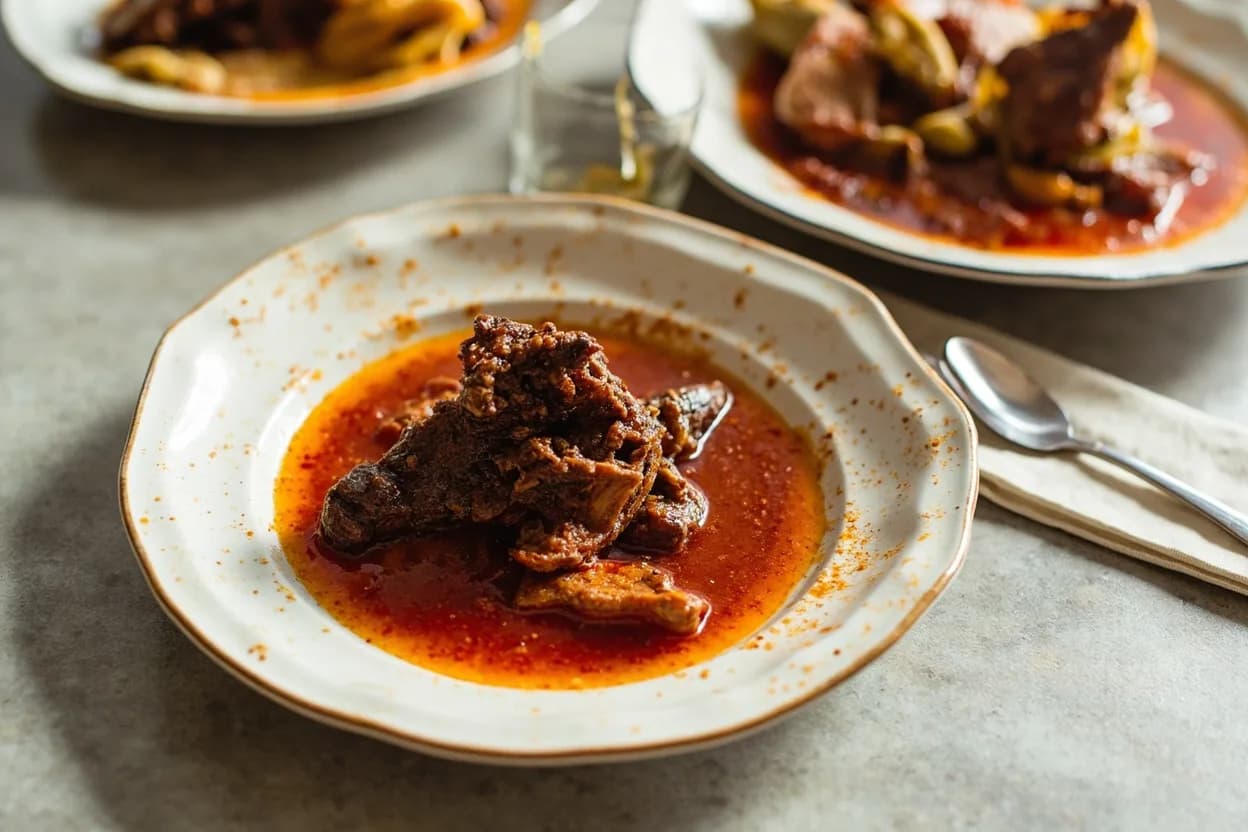
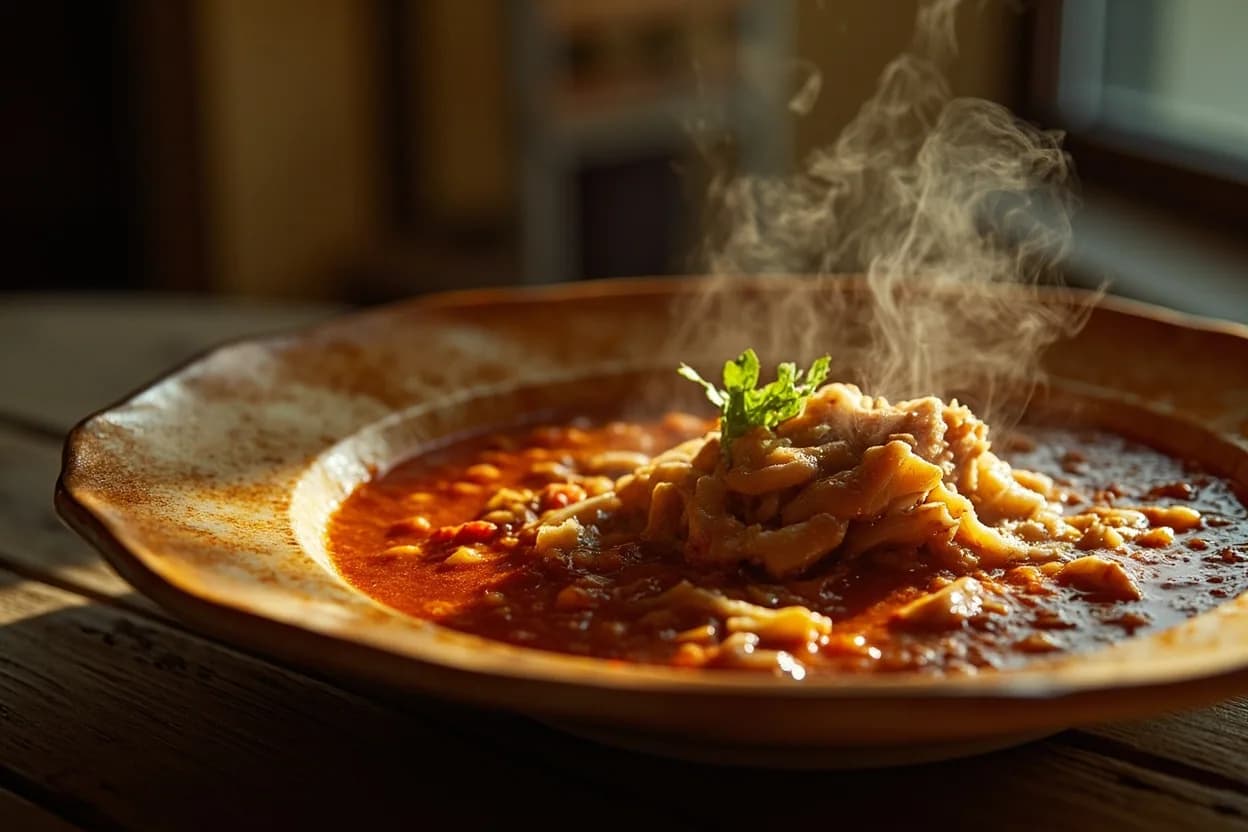
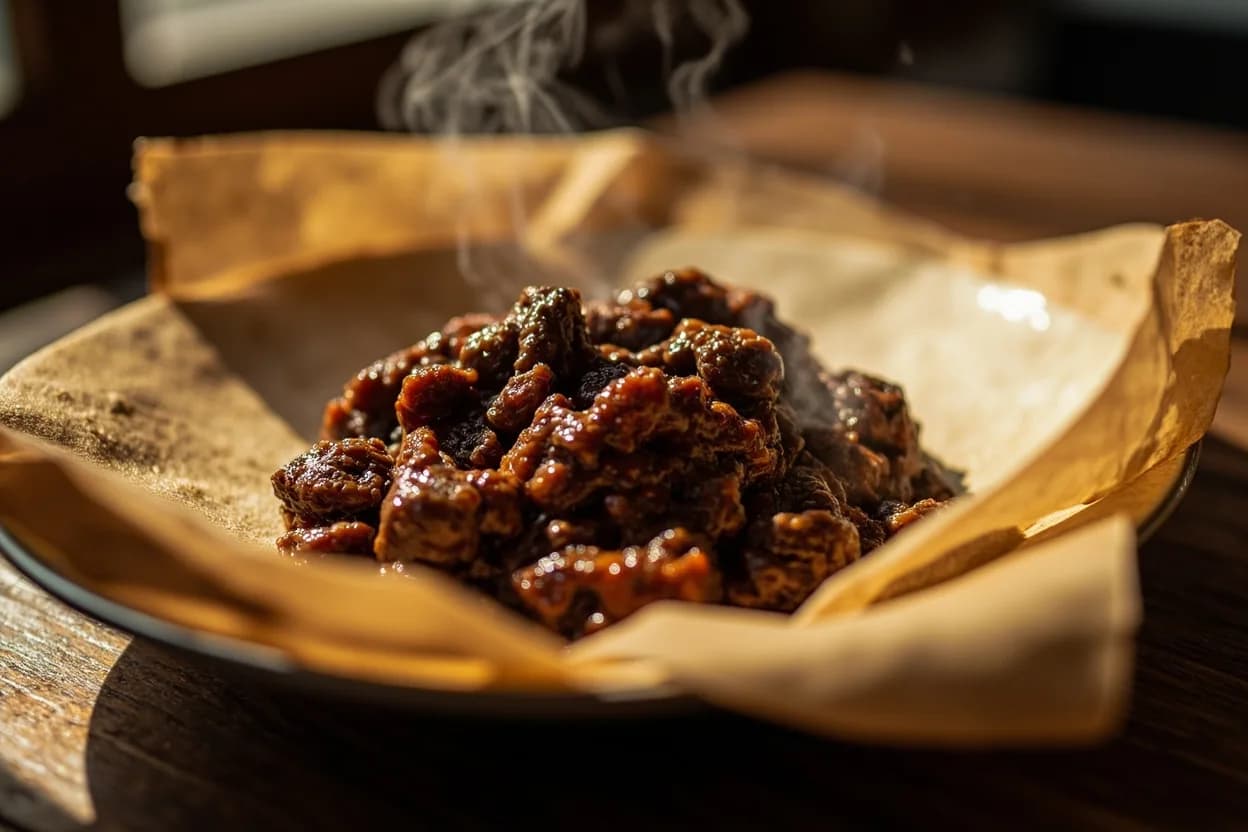
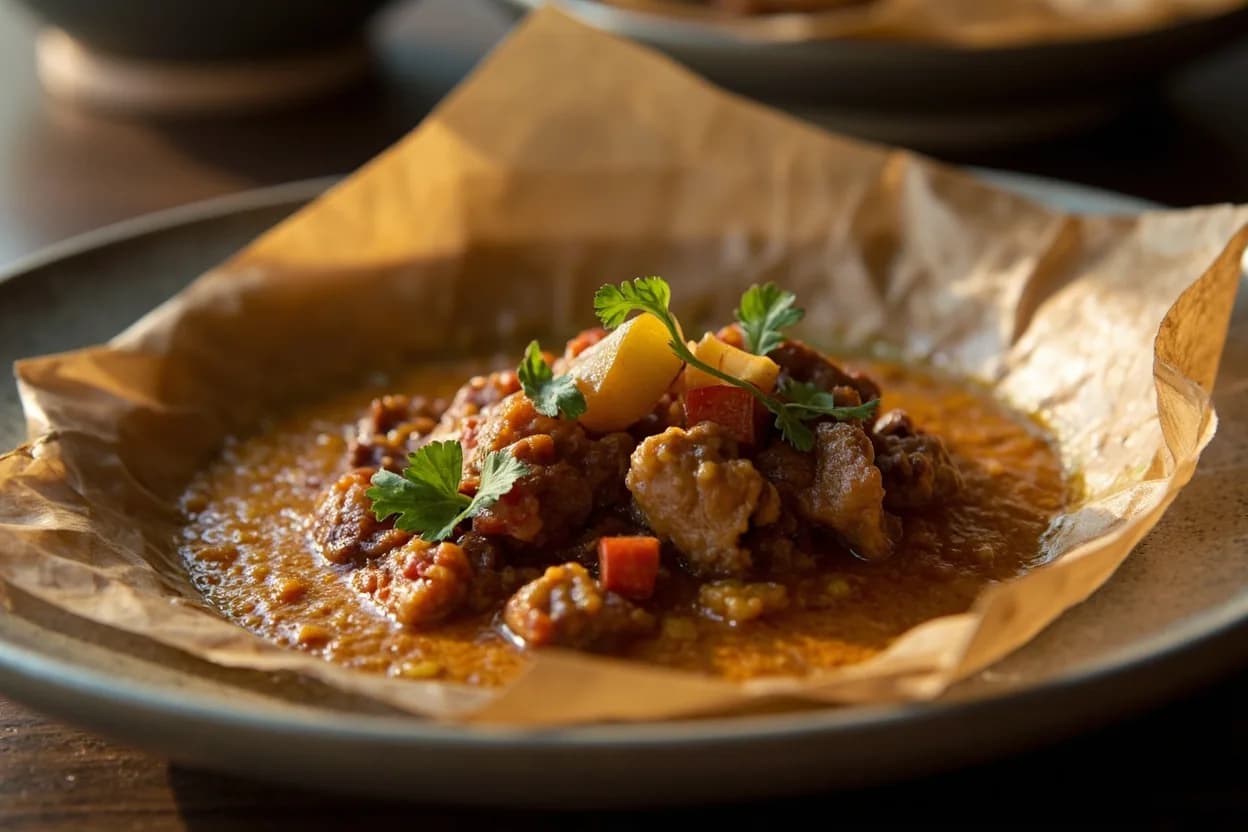
Related

Tomato
Juicy, sun-sweet fruit for sauces, salads, and slow-cooked depth

Yellow Onion
The aromatic backbone of soups, sofritos, and braises

Garlic
Pungent cloves that perfume nearly every savory dish

Lemon
Bright, acidic citrus that wakes up almost any dish

Potato
Humble, hearty staple — roast, mash, fry, or boil

Carrot
Sweet, crunchy root — raw, roasted, or the base of a sofrito

Cucumber
Cool, crisp, and watery — for salads, pickles, and tzatziki

Lettuce
Crisp leaves for salads, wraps, and a fresh crunch