Produce
Anaheim Pepper
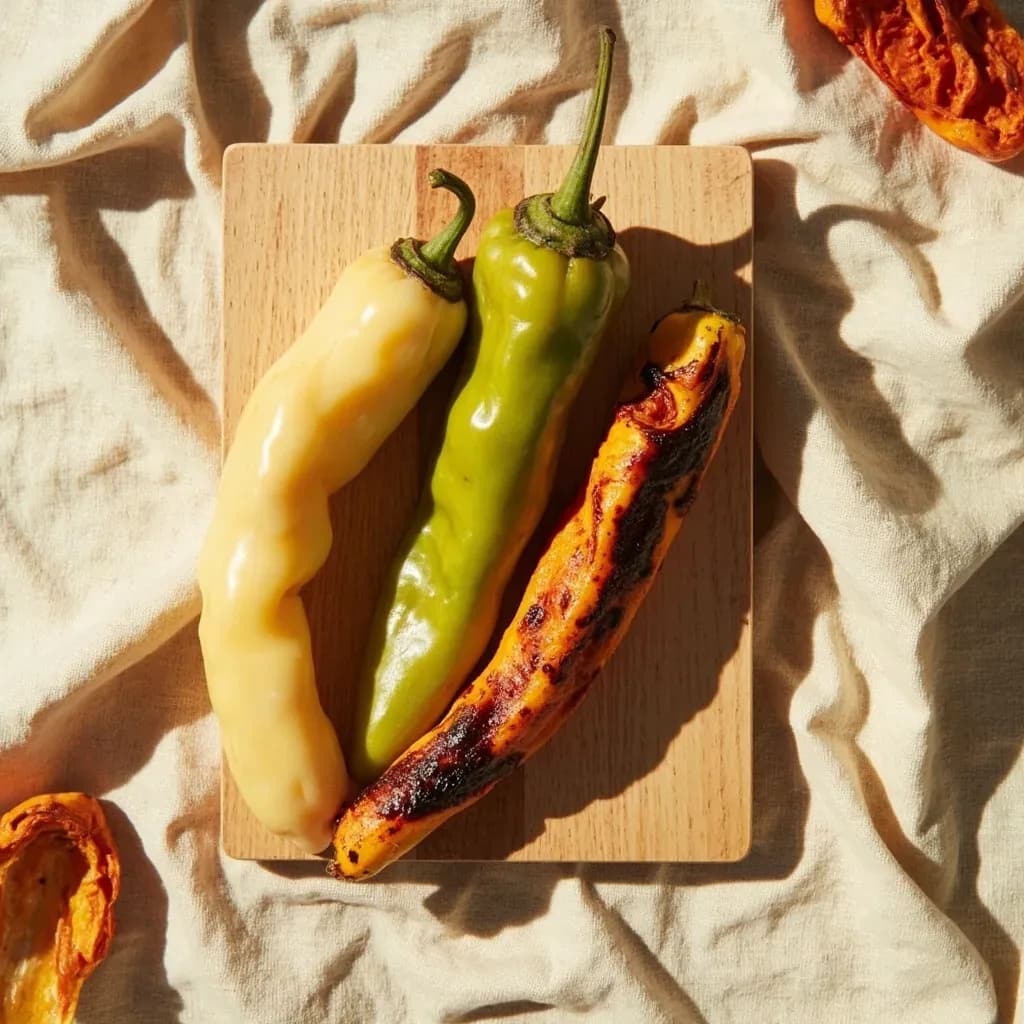
A long, mild green chile with thick walls, ideal for roasting, peeling, and stuffing as in chile relleno; gentle heat that deepens and sweetens once charred.
Anaheim pepper is the mild, long green chile that anchors California-Mexican cooking — a member of the New Mexican pod family within Capsicum annuum, brought to Anaheim around 1894 by Emilio Ortega from a New Mexican landrace and named for the city that adopted it. It sits at the gentle end of the green-chile spectrum at roughly 500 to 2,500 Scoville units, mild enough to eat by the forkful in a relleno but assertive enough to flavor a whole pot of stew. Most of what you find in a North American supermarket is the TMR 23 strain; pods labeled Hatch or New Mexico green chile are botanically close enough to cook measure for measure.
Physically, an Anaheim is a tapered, slightly curved pod, usually 15 to 20 cm long with a faintly hooked tip, light to medium green ripening to a deep red. Its walls are medium-thick — meatier than a jalapeño, thinner than a poblano — which is what makes it forgiving to roast, peel, and stuff. Raw, it reads grassy and faintly sweet; over fire, the sugars caramelize and the pod takes on the smoky, slightly fruity depth that defines any good green-chile sauce. That transformation is the entire reason the pepper exists in a cook's kitchen.
Cooks tend to think of Anaheim less as a raw ingredient than as a vehicle for char. The defining workflow — blacken the skin over flame or broiler, rest under cover to steam, then peel — turns a humble green pod into the soft, smoky flesh that goes into salsa verde, pozole, pork stews, and chiles rellenos. Once you accept that the steam-rest after charring is non-negotiable, the pepper becomes one of the easiest and most rewarding chiles in the produce aisle.
- Measured in
- piece
- Storage
- Fridge
Find it in
Suits
Types & varieties
The tobacco mosaic virus–resistant strain that dominates commercial production and is what most markets simply label 'Anaheim.'
The original New Mexican landrace that gave the Anaheim its name; smaller pods and slightly hotter than modern Anaheim strains.
Smoother, milder sister selection of No. 9; also marketed as Anaheim-type when grown outside New Mexico.
Not a single cultivar but a category of New Mexican pod types grown in the Hatch Valley of New Mexico; used interchangeably with Anaheim in cooking.
An extra-large New Mexican type that can run to 30 cm (12 in); technically a separate cultivar but cooked the same way.
A hotter New Mexican type at 5,000–7,000 SHU; sometimes sold alongside Anaheims under the generic 'green chile' label.
Roasting and Peeling
The single technique that defines an Anaheim in the kitchen is also the simplest, but two steps are easy to get wrong. Char the pod deeply enough that the skin blackens and blisters all over, then let it rest under cover so the trapped steam loosens what the fire has loosened. Skimping on either step is the difference between a five-minute peel and a frustrating half hour of scraping.
- Char over a gas flame, on a comal, or under a broiler set 10–15 cm (4–6 in) from the heat. Turn with tongs until every side is evenly blackened and blistered — light speckling is not enough.
- Transfer to a bowl and cover tightly with a plate, or seal in a paper bag, and rest 10–15 minutes. The trapped steam is what peels the skin cleanly; cooling in open air will not.
- Pull or scrape the skin off with the back of a paring knife or your fingers. A few stubborn patches are fine — they add flavor.
- Slit one side and run the tip of a spoon or your finger under the ribs to scrape out the seeds in one pass. Leave the stem on if you intend to stuff.
- Use the peeled chiles right away, or pack them flat in a zip-top bag with their own juices and freeze for stews and sauces.
Common uses
Tips & pitfalls
- Wear disposable gloves when seeding — the heat is mild, but capsaicin transfers easily to eyes and face, hours after you think you've washed your hands.
- Buy firm, glossy pods with taut unwrinkled skin; limp or wrinkled peppers have lost moisture and char unevenly.
- Roast in batches large enough to peel in one session — peeled chiles freeze flat in zip-top bags and drop straight into stews without thawing.
- For stuffed rellenos, cut a single slit down one side and seed through that opening rather than coring through the stem; the stem and cap hold the filling together during frying.
- Undercook stuffed rellenos slightly before the final fry; the chile's job is to cradle molten cheese, not soften into mush.
- Don't assume the labeled heat holds — drought-stressed, fully red, or end-of-season pods routinely run hotter than the typical supermarket green Anaheim.
Nutrition
Energy
121 kJ · per 100 g
Where the calories come from
Protein
0.9g
2% DV
Carbs
6.5g
2% DV
Fat
0.4g
0% DV
Fiber
2.8g
10% DV
Sugars
4.1g
of which
Sodium
3mg
0% DV
Source · USDA FoodData Central · approx. Peppers, jalapeno, raw
View on FDC →In the shops
Matched grocery products
No matched grocery products for Anaheim Pepper yet.
Good to know
- Species
- Capsicum annuum, New Mexican pod type
- Heat
- 500–2,500 SHU
- Length
- 15–20 cm (6–8 in); can reach 25 cm (10 in)
- Wall thickness
- Medium-thick; meatier than a jalapeño, thinner than a poblano
- Color
- Light to medium green ripening to deep red; some markets sell a 'California red chile' form
- Storage (fresh)
- Refrigerate unwashed in a loose plastic bag in the crisper for 1–2 weeks
- Storage (roasted, peeled)
- Refrigerate covered up to 5 days, or freeze in flat portions 6–9 months
- Yield
- About 450 g (1 lb) of fresh pods yields roughly 2 cups once roasted and peeled
Substitutes
- Poblano — Similar gentle heat (1,000–2,000 SHU) and excellent for stuffing; earthier and slightly more bitter, with a heartier wall than Anaheim.
- Hatch chile — The closest cousin; flavor and heat nearly identical, often indistinguishable once roasted and peeled.
- Italian long hot (peperoncino lungo) — Comparable shape and mild sweetness, but thinner walls and a touch less smoky depth when roasted.
- Cubanelle — Milder and sweeter with no real heat; works in sautés and stuffed dishes but offers no chile character.
- Green bell pepper — Use only when heat must be eliminated entirely; expect a sweeter, more vegetal result and noticeably thinner walls.
Pairs with
Also called
Anaheim chile · California green chile · chile Anaheim
Related
Tomato
Juicy, sun-sweet fruit for sauces, salads, and slow-cooked depth
Yellow Onion
The aromatic backbone of soups, sofritos, and braises
Garlic
Pungent cloves that perfume nearly every savory dish
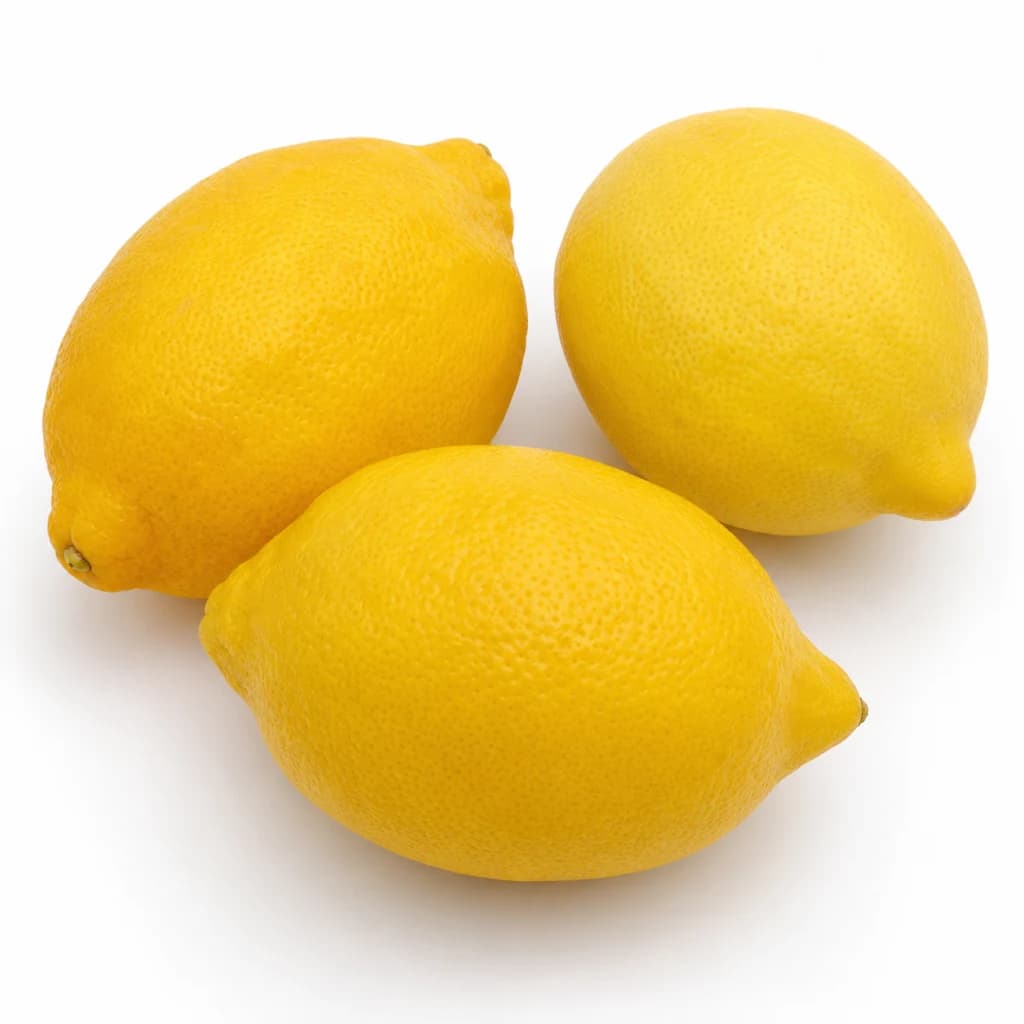
Lemon
Bright, acidic citrus that wakes up almost any dish
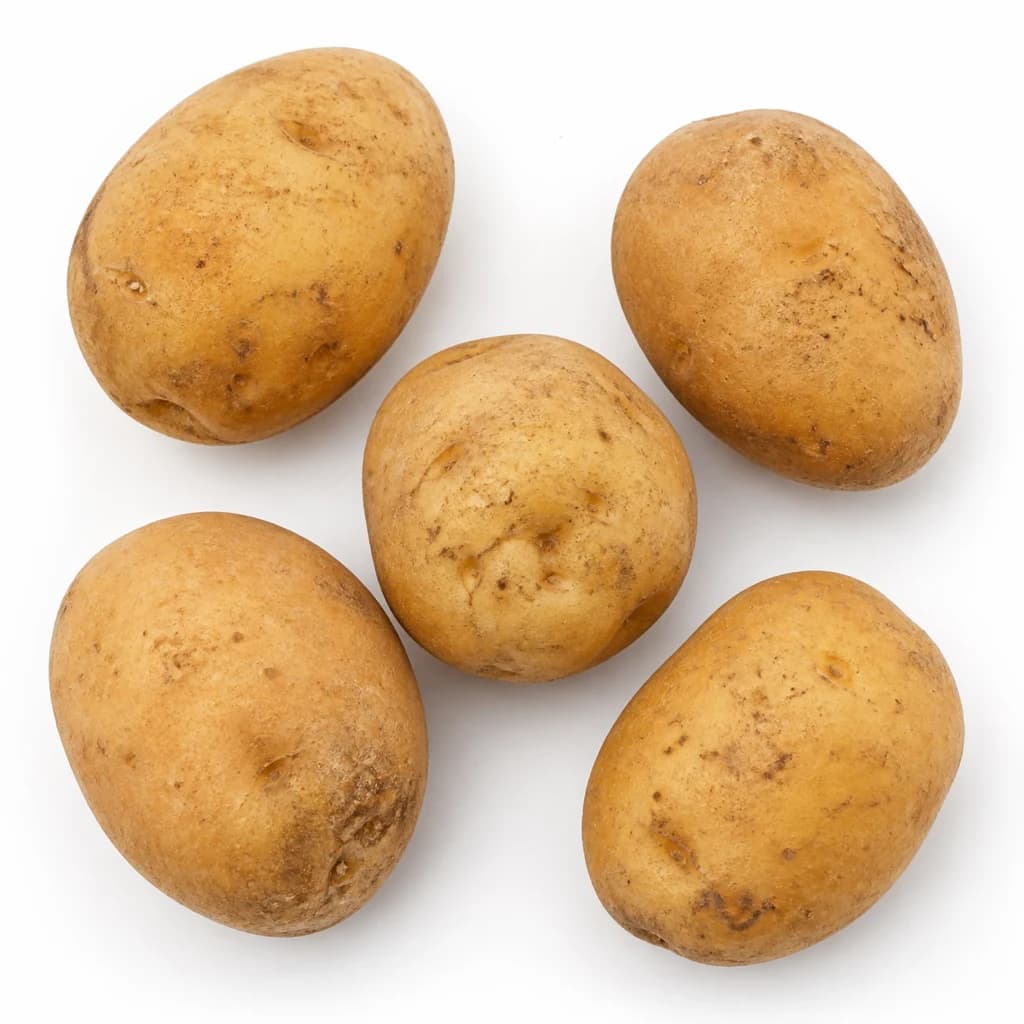
Potato
Humble, hearty staple — roast, mash, fry, or boil
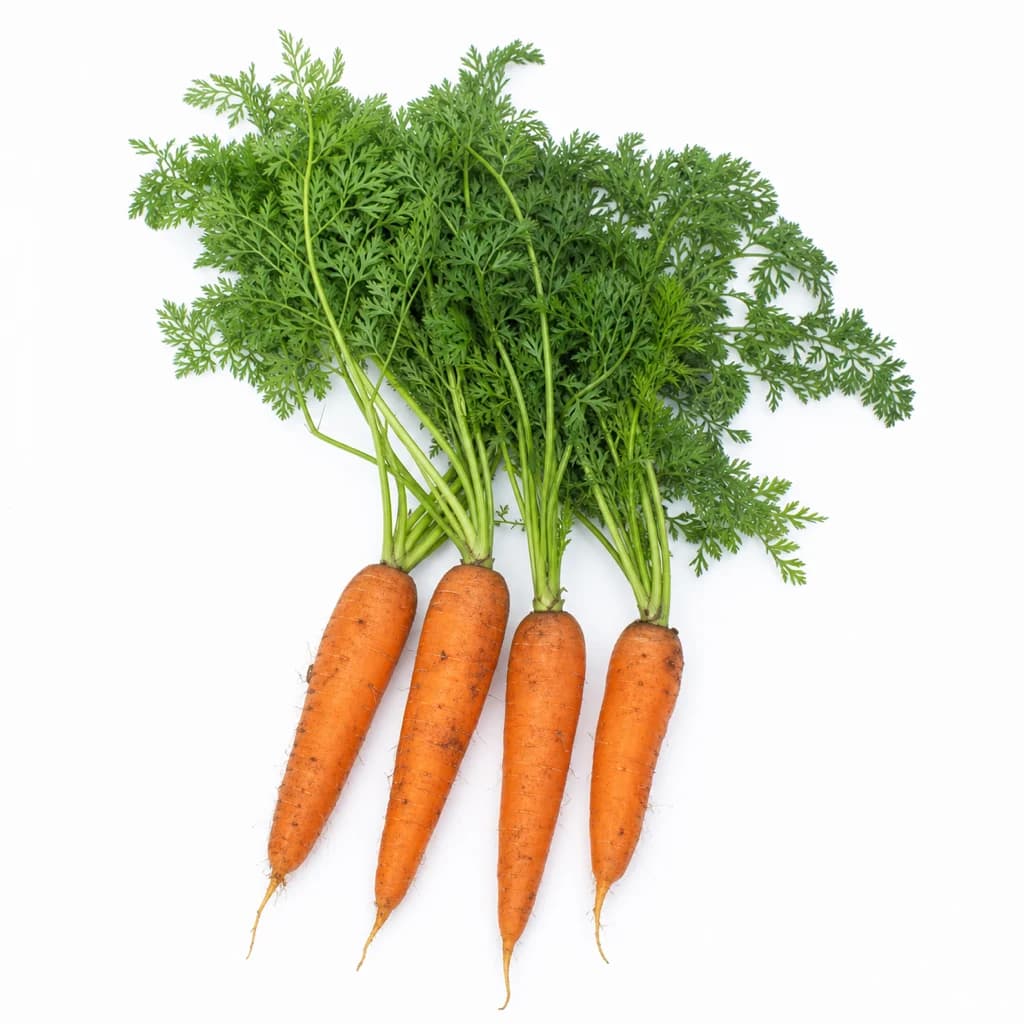
Carrot
Sweet, crunchy root — raw, roasted, or the base of a sofrito
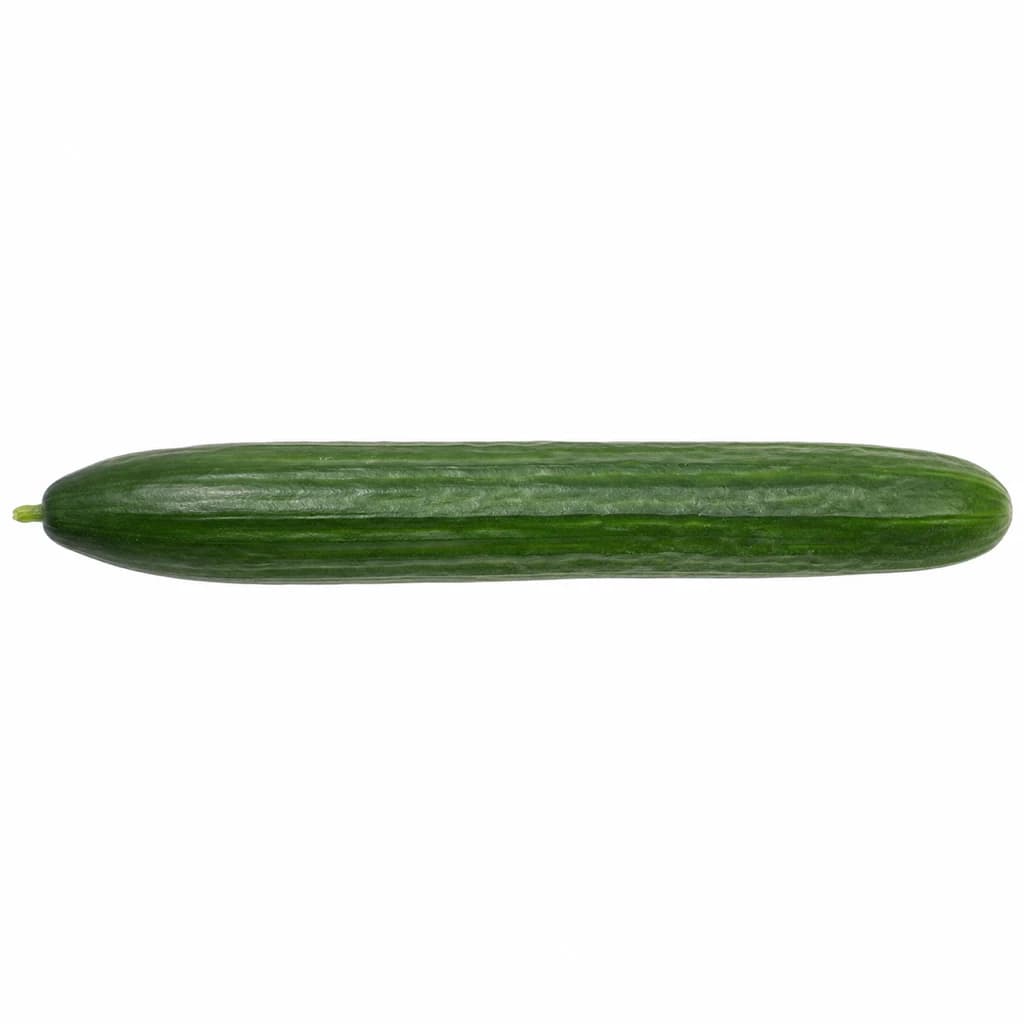
Cucumber
Cool, crisp, and watery — for salads, pickles, and tzatziki

Lettuce
Crisp leaves for salads, wraps, and a fresh crunch