Varieties
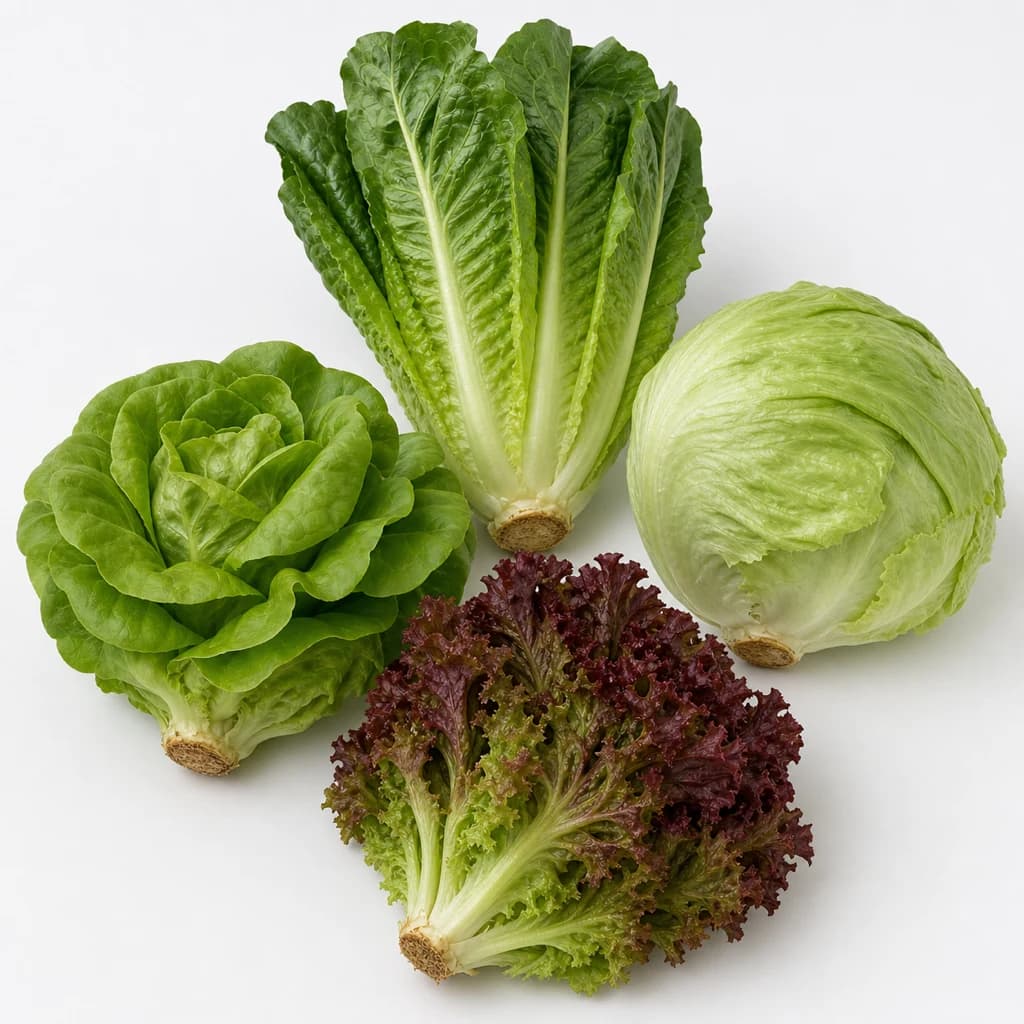
Four common lettuce types grouped together: romaine, iceberg, butterhead, and red leaf.
Showing multiple distinct lettuce varieties together in one scene teaches readers to visually identify and differentiate the most common types by leaf shape, color, and texture.
Produce
Lettuce
Crisp leaves for salads, wraps, and a fresh crunch
From sturdy romaine to crunchy iceberg, lettuce is the backbone of a salad and a cool wrap for grilled fillings. Keep the leaves dry and chilled so they stay crisp.
Lettuce is the cool, crisp backbone of the salad bowl and the crunch in a wrap or a sandwich. It ranges from watery, ultra-crisp iceberg to sturdy romaine to delicate, buttery leaf types — each suited to different jobs. Mild in flavor, its value is texture and freshness: a vehicle for dressing, a cool foil to rich fillings, and a fast way to add lightness to a plate.
- Measured in
- piece
- Storage
- Refrigerate
- Shelf life
- 7 days
Find it in
Types & varieties
Sturdy ribs, sweet crunch; the Caesar lettuce
Pale, watery, ultra-crisp; great in wedges and on burgers
Soft, buttery leaves; lovely as cups
Loose, frilly, tender; everyday salad greens
Small, sweet, crisp romaine — a Spanish staple, grown locally and good value year-round; great grilled or halved
How to choose
Want heads that feel heavy and crisp, with vivid, perky leaves and no sliminess, dark wilting, or rust-colored edges. The cut core should look fresh, not brown and dried. For bagged greens, avoid any with condensation, sliminess, or mush.
How to store
Keep lettuce dry — moisture is the enemy. Wrap a whole head loosely in a dry towel inside a bag in the crisper, or store washed-and-spun leaves in a container lined with paper towel. Sturdy romaine and iceberg last over a week; tender leaf types only a few days. Revive a limp head in ice water.
- Keep it dry to prevent slime
- Towel-wrap in the crisper
- Ice-water bath revives wilted leaves
How to wash and dress
Separate leaves, swish in a big bowl of cold water so grit sinks, then dry thoroughly in a salad spinner — wet leaves repel dressing and dilute it. Tear rather than cut delicate leaves to avoid bruising and browning. Dress just before serving, and only enough to coat, so leaves don't wilt.
Common uses
Tips & pitfalls
- Dry leaves completely — dressing won't cling to wet lettuce
- Dress at the last second and toss gently to keep the crunch
- Grill romaine or Little Gem halves for smoky, warm salads
- Use sturdy leaves (iceberg, butterhead) as low-carb wraps and cups
- Tear, don't chop, tender leaves to avoid browning
Nutrition
Energy
59 kJ · per 100 g
Where the calories come from
Protein
0.9g
2% DV
Carbs
3g
1% DV
Fat
0.1g
0% DV
Fiber
1.2g
4% DV
Sugars
2g
of which
Sodium
10mg
0% DV
Source · USDA FoodData Central · Lettuce, iceberg (includes crisphead types), raw
View on FDC →In the shops
Matched grocery products
 €0.79
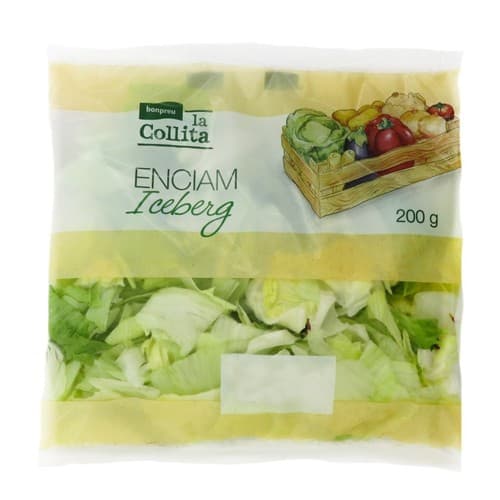
€0.79Iceberg Lettuce
LA COLLITA · kg · Bonpreu
 €1.05
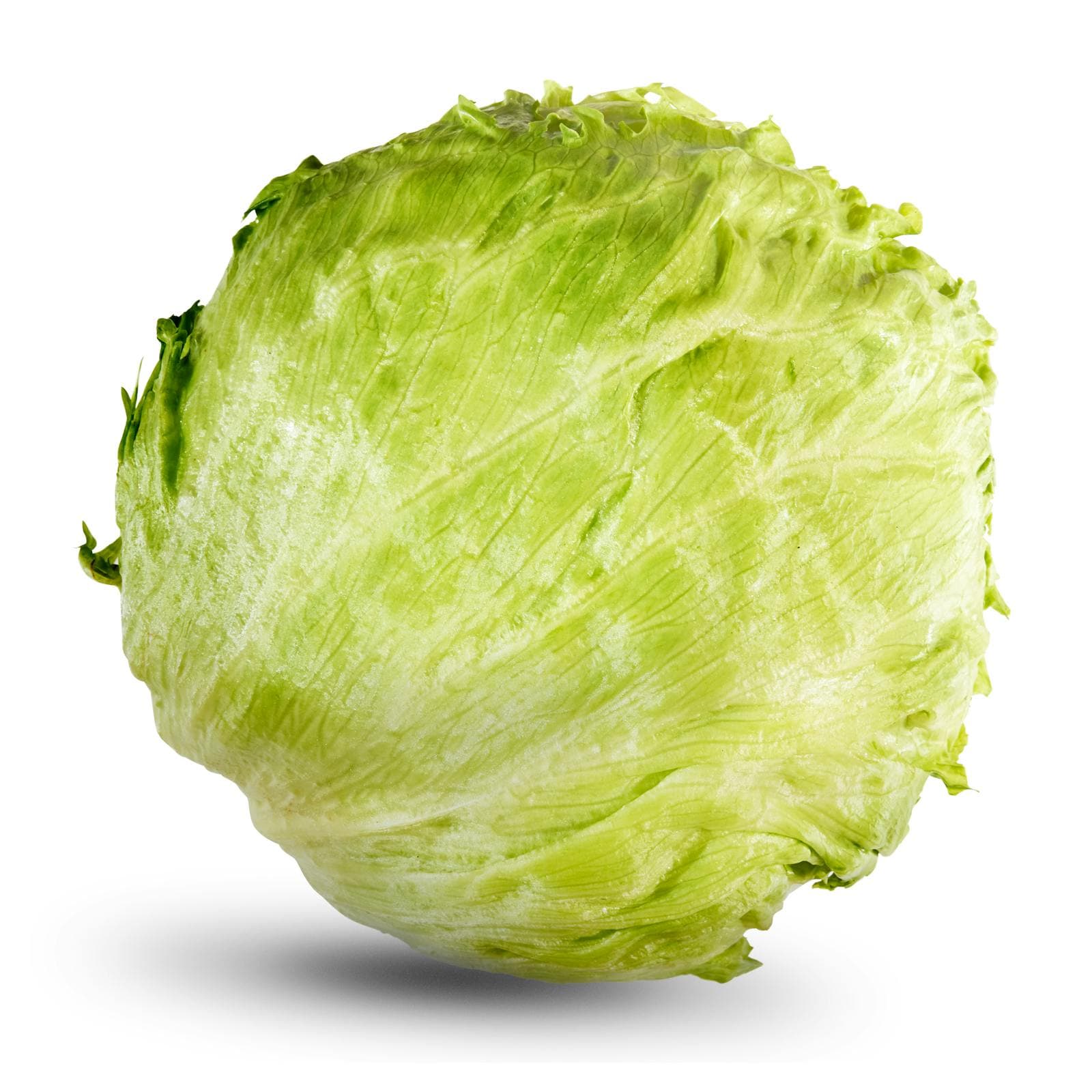
€1.05Iceberg Lettuce
1 ud · Mercadona
 €1.15
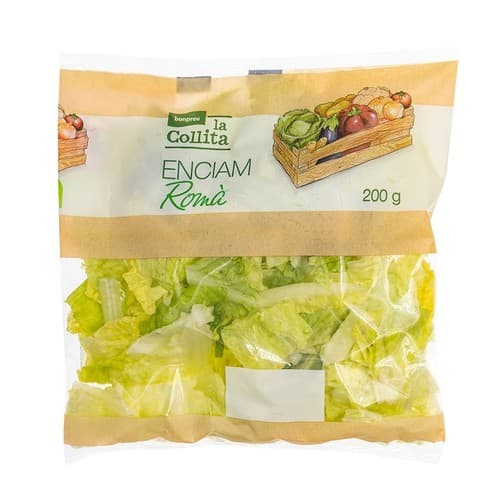
€1.15Romaine Lettuce
LA COLLITA · kg · Bonpreu
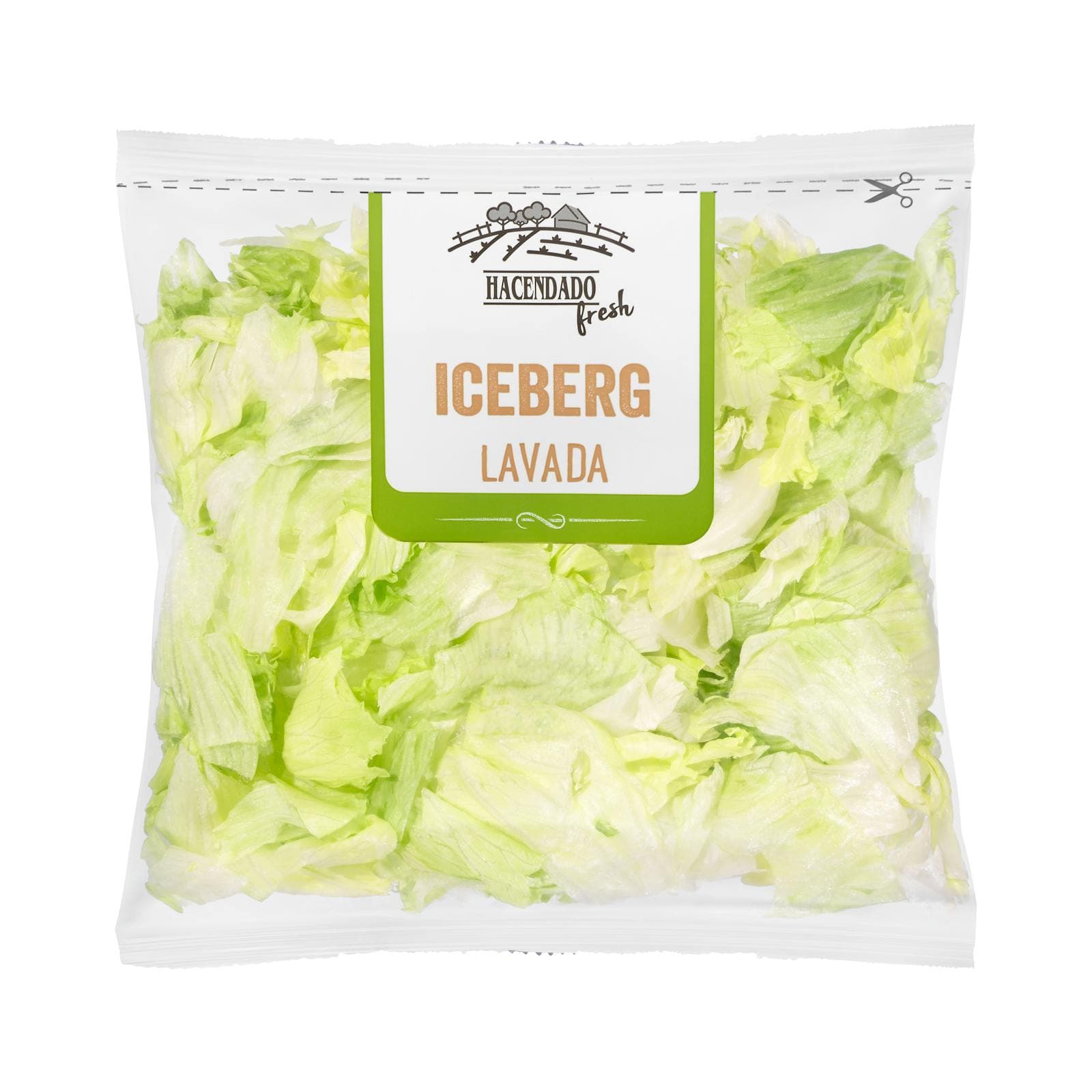 €0.95
€0.95Iceberg Lettuce Cut and Washed
250 g · Mercadona
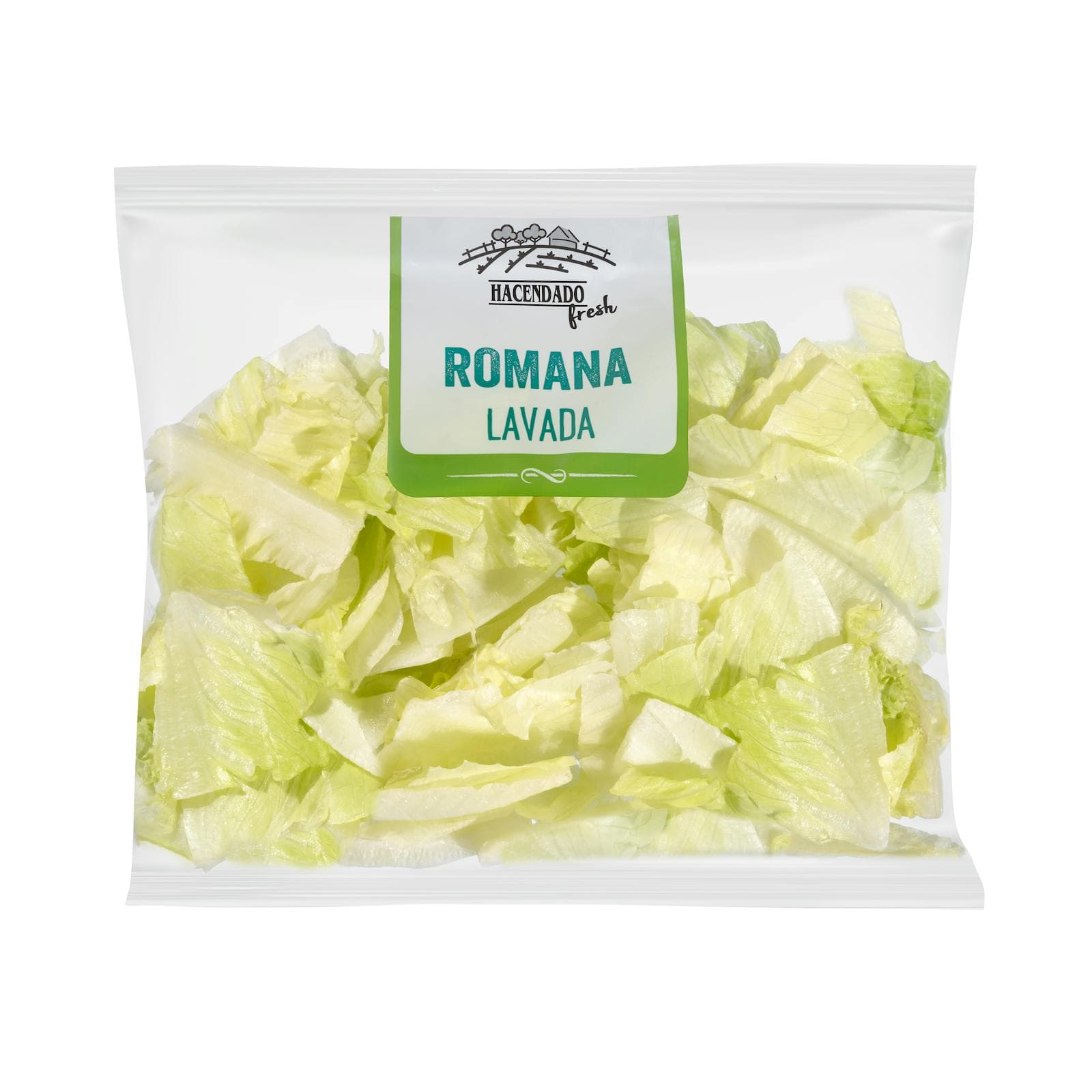 €1.15
€1.15Romaine Lettuce Cut and Washed
200 g · Mercadona
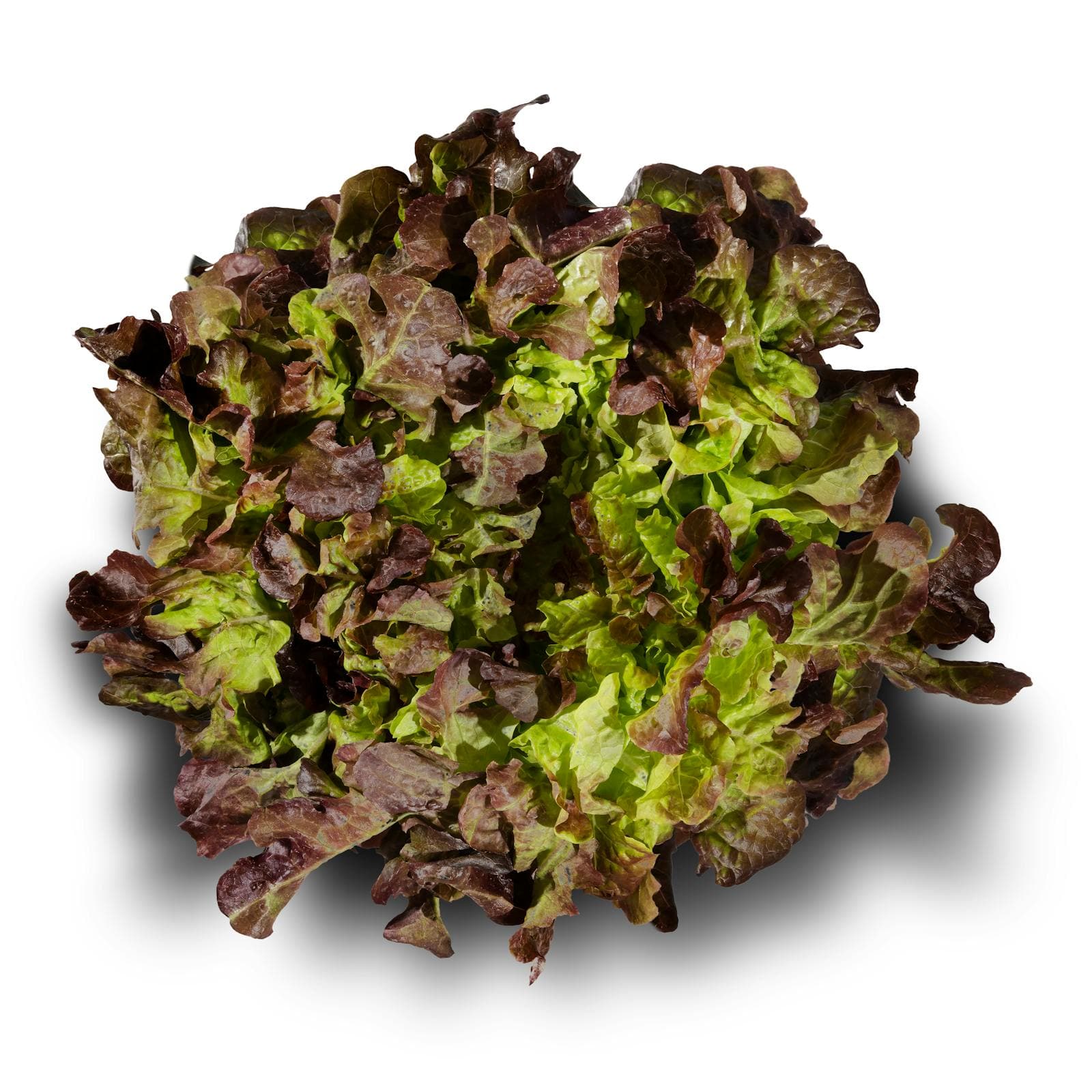 €1.60
€1.60Red Oak Leaf Lettuce
1 ud · Mercadona
Good to know
- Peak season
- Spring and fall (cool weather); year-round in markets
- Flavor
- Mild, fresh, faintly sweet or grassy; mostly texture
- Origin
- Mediterranean/Egypt; cultivated for thousands of years
- Nutrition
- ~15 kcal/100g; mostly water; vitamin K, folate (darker types richer)
- How to buy
- Crisp, bright leaves; firm core; no slime, browning, or wilting
Substitutes
Also called
romaine lettuce · iceberg lettuce · lechuga · lechuga romana
Appears in these dishes


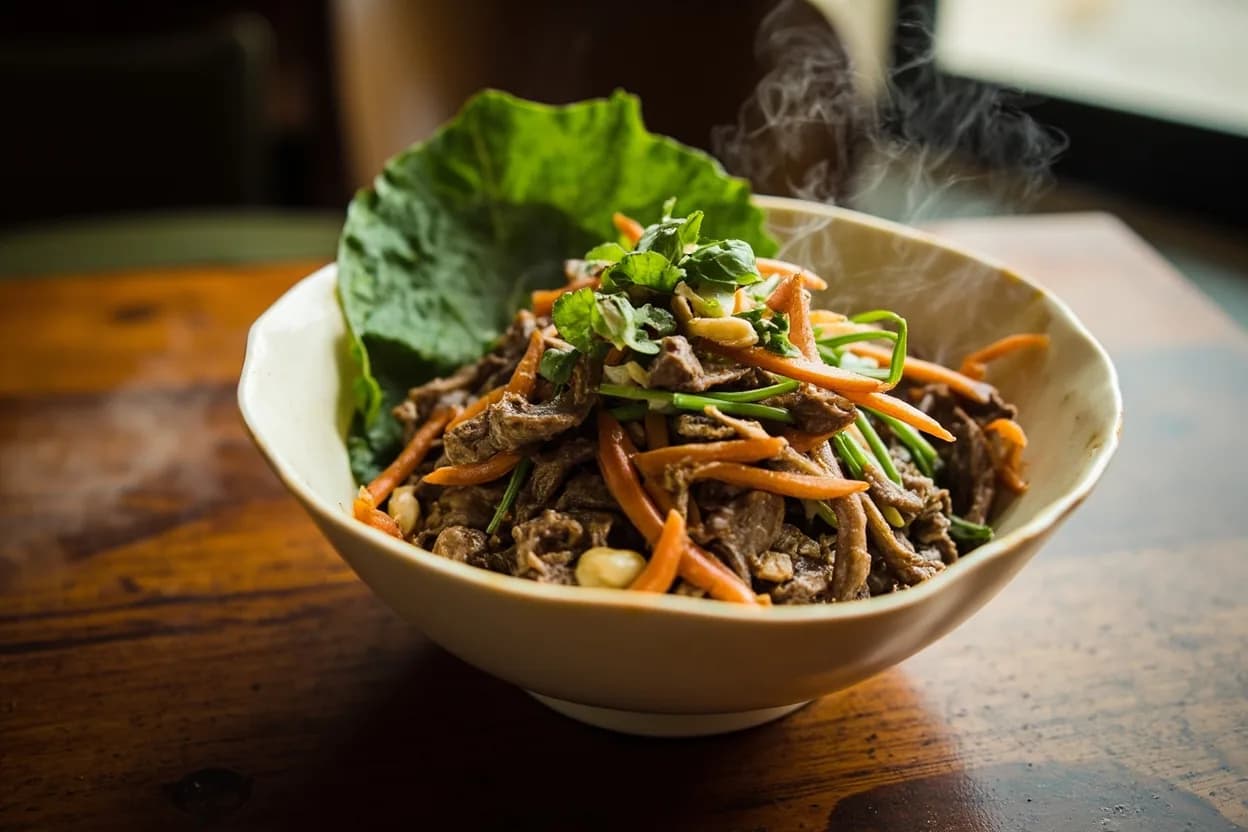

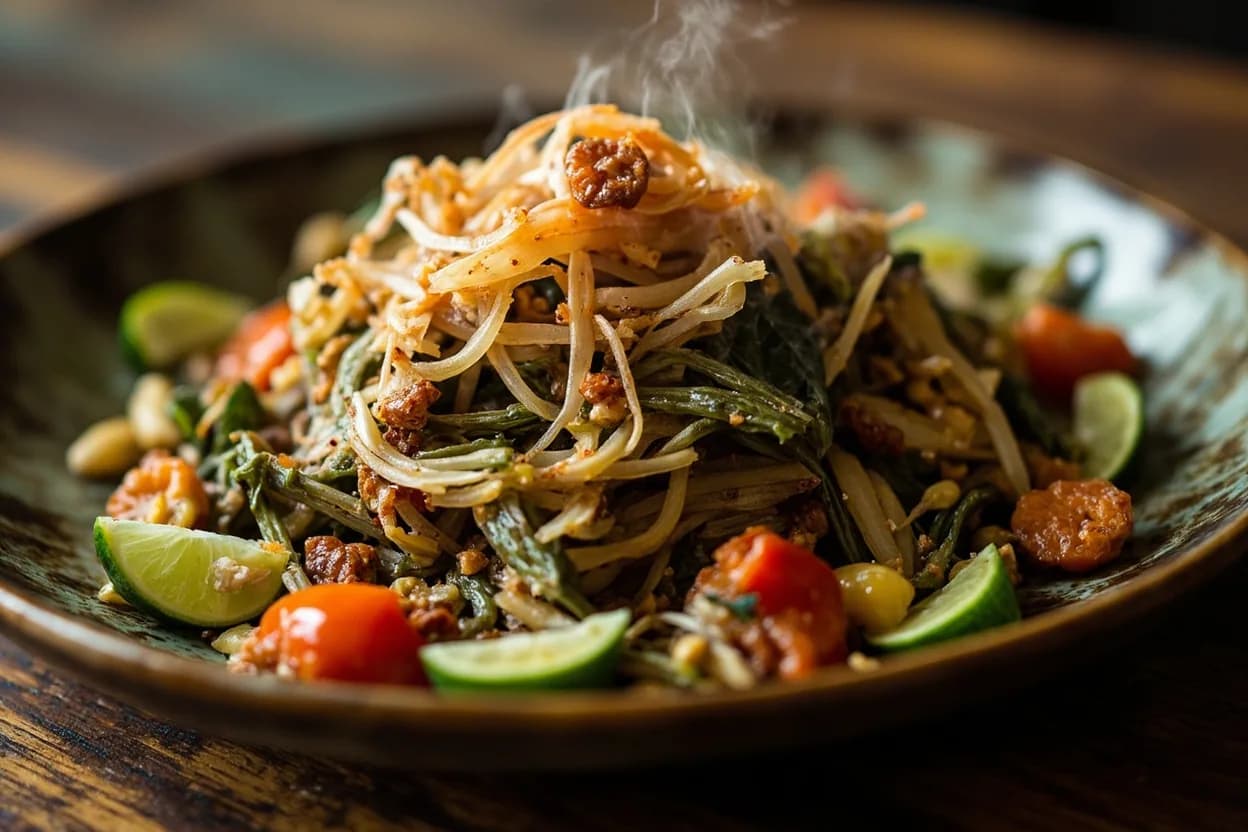
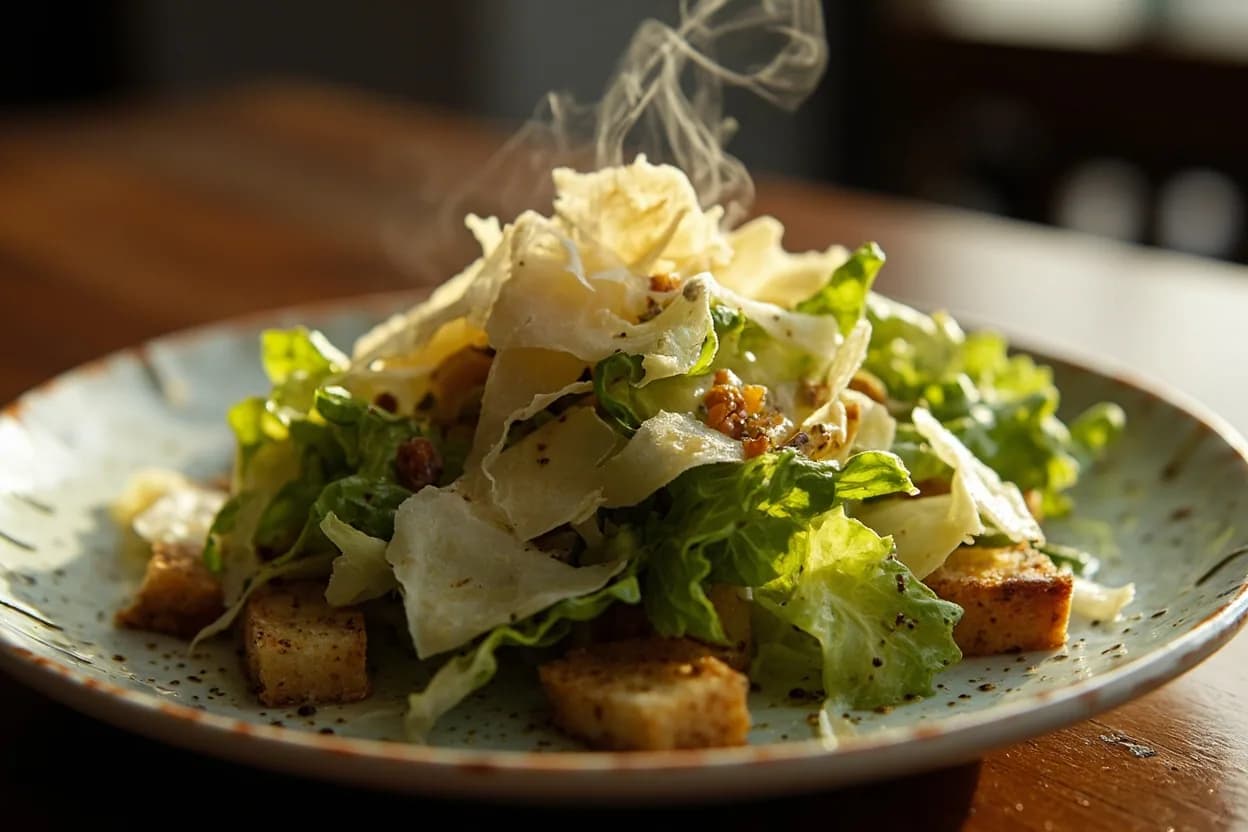

Related
Tomato
Juicy, sun-sweet fruit for sauces, salads, and slow-cooked depth
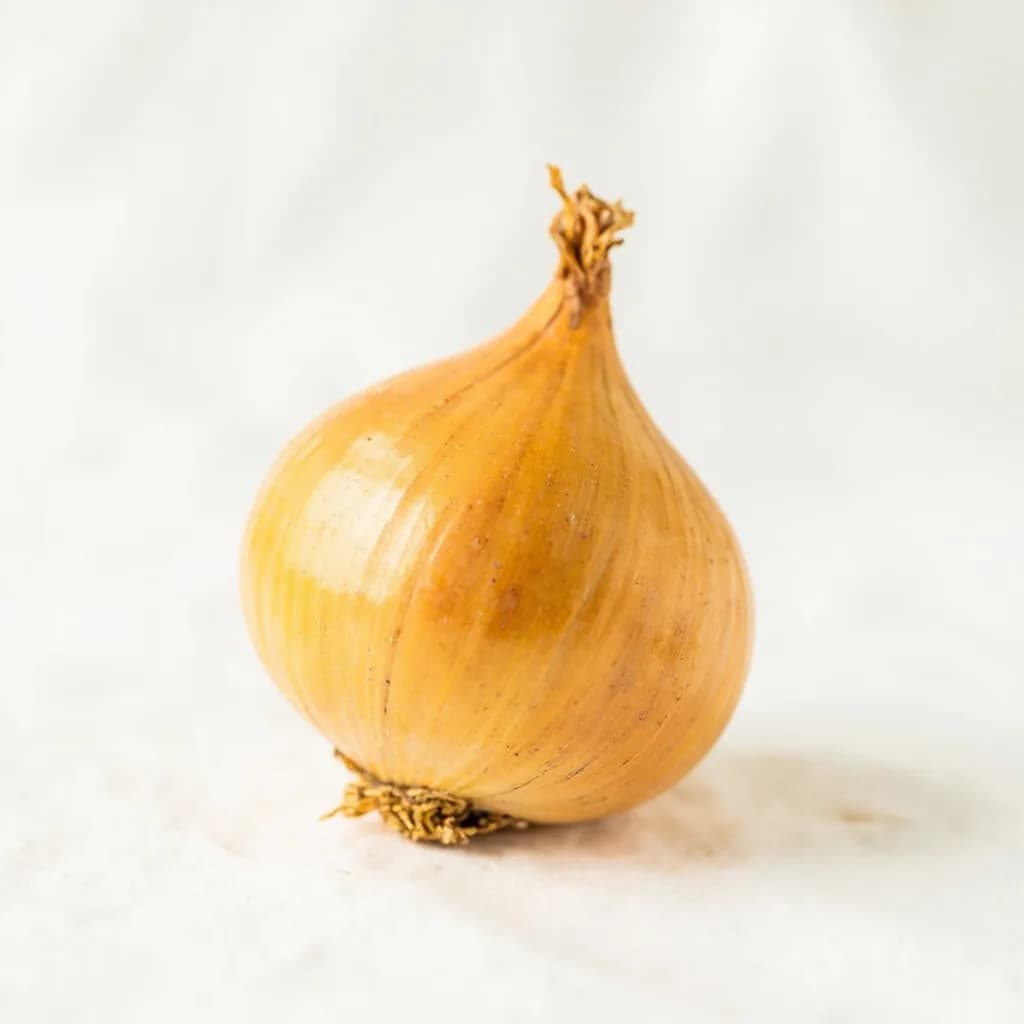
Yellow Onion
The aromatic backbone of soups, sofritos, and braises
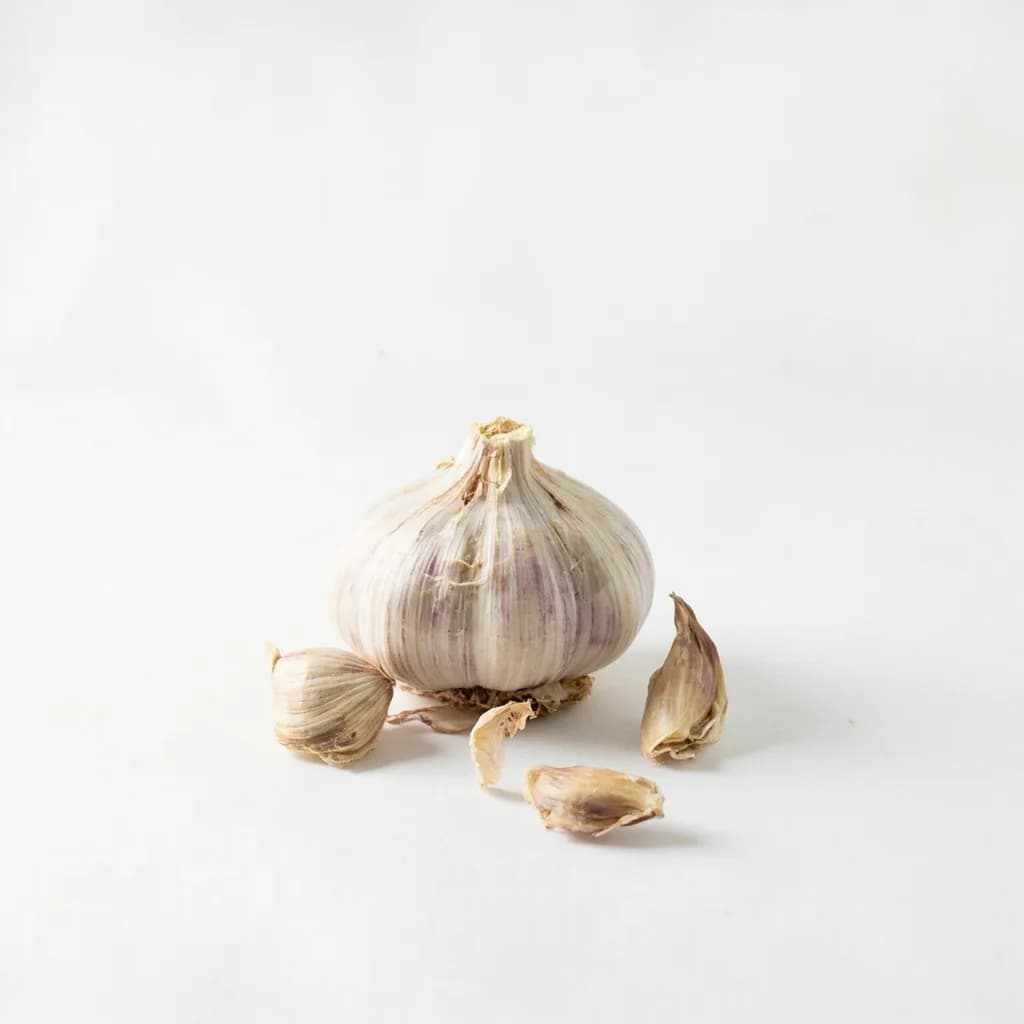
Garlic
Pungent cloves that perfume nearly every savory dish
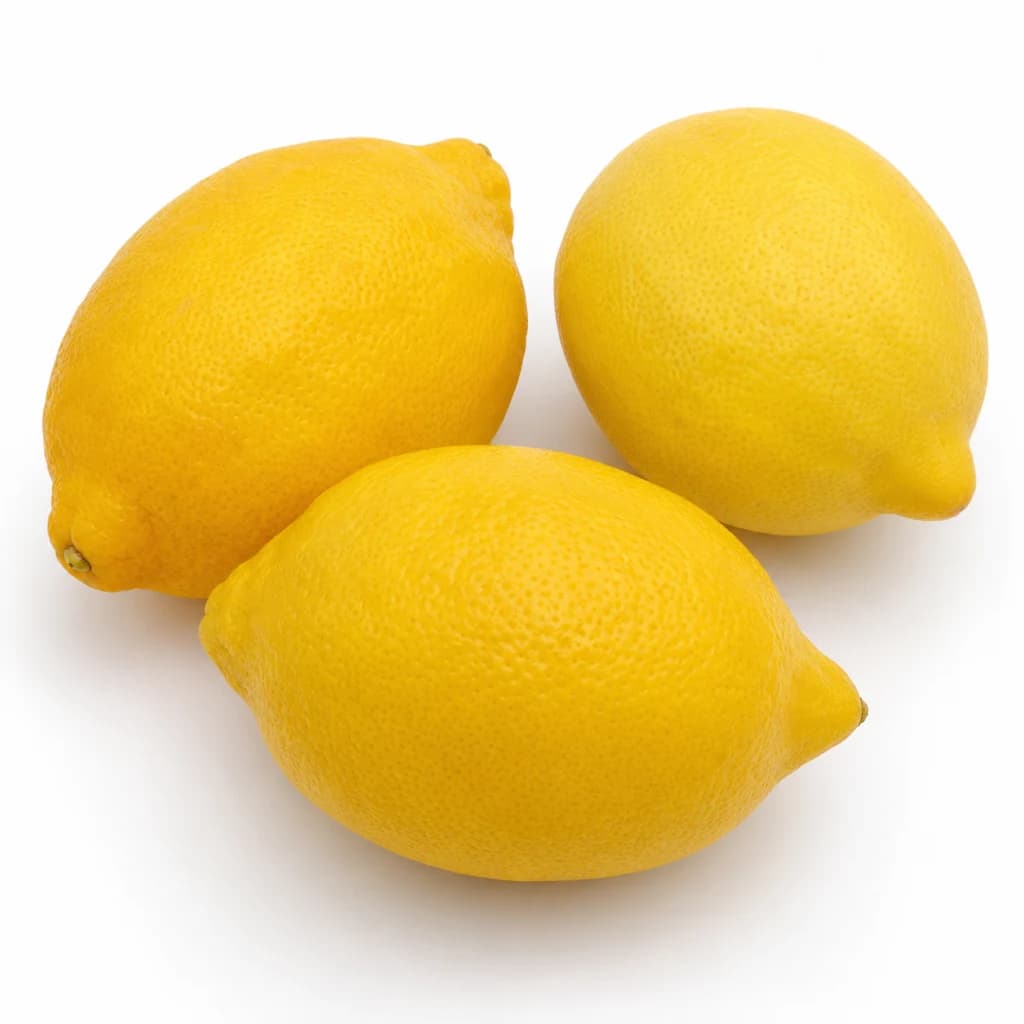
Lemon
Bright, acidic citrus that wakes up almost any dish
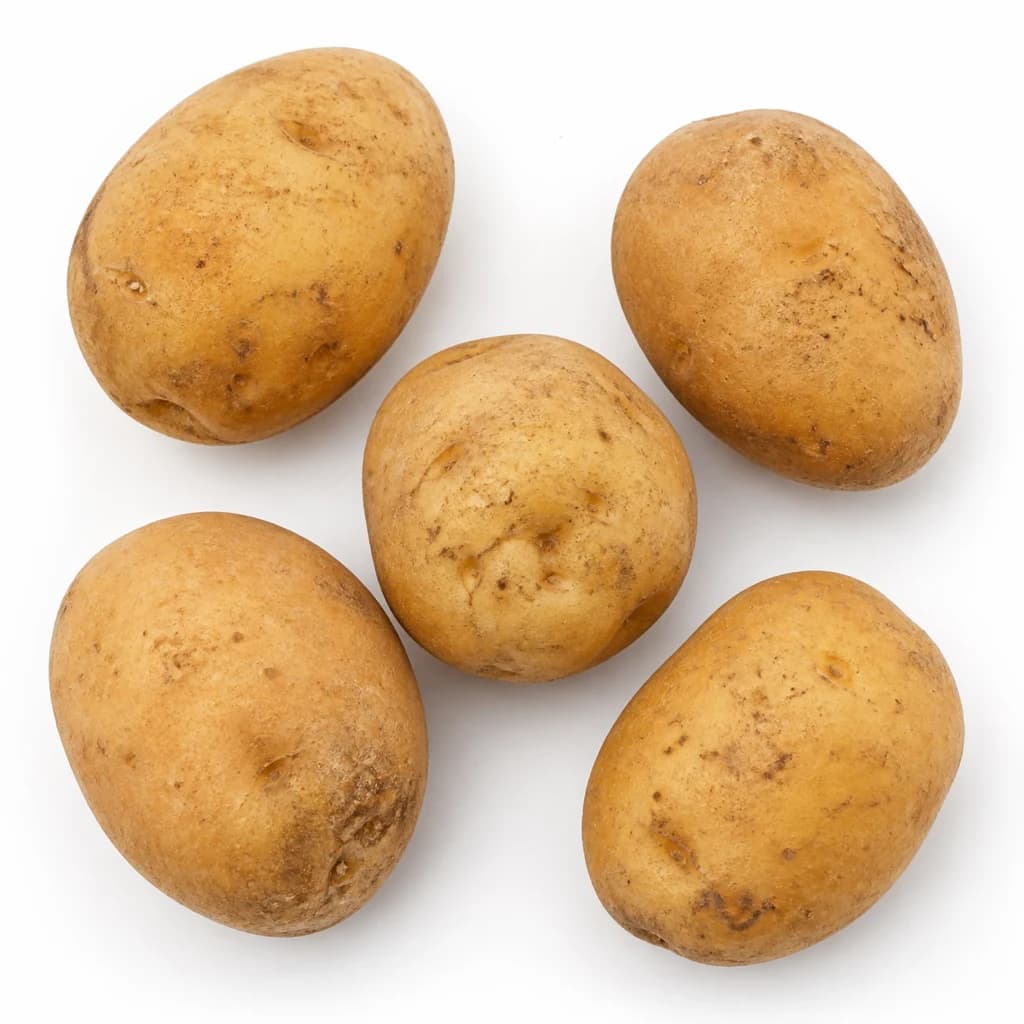
Potato
Humble, hearty staple — roast, mash, fry, or boil
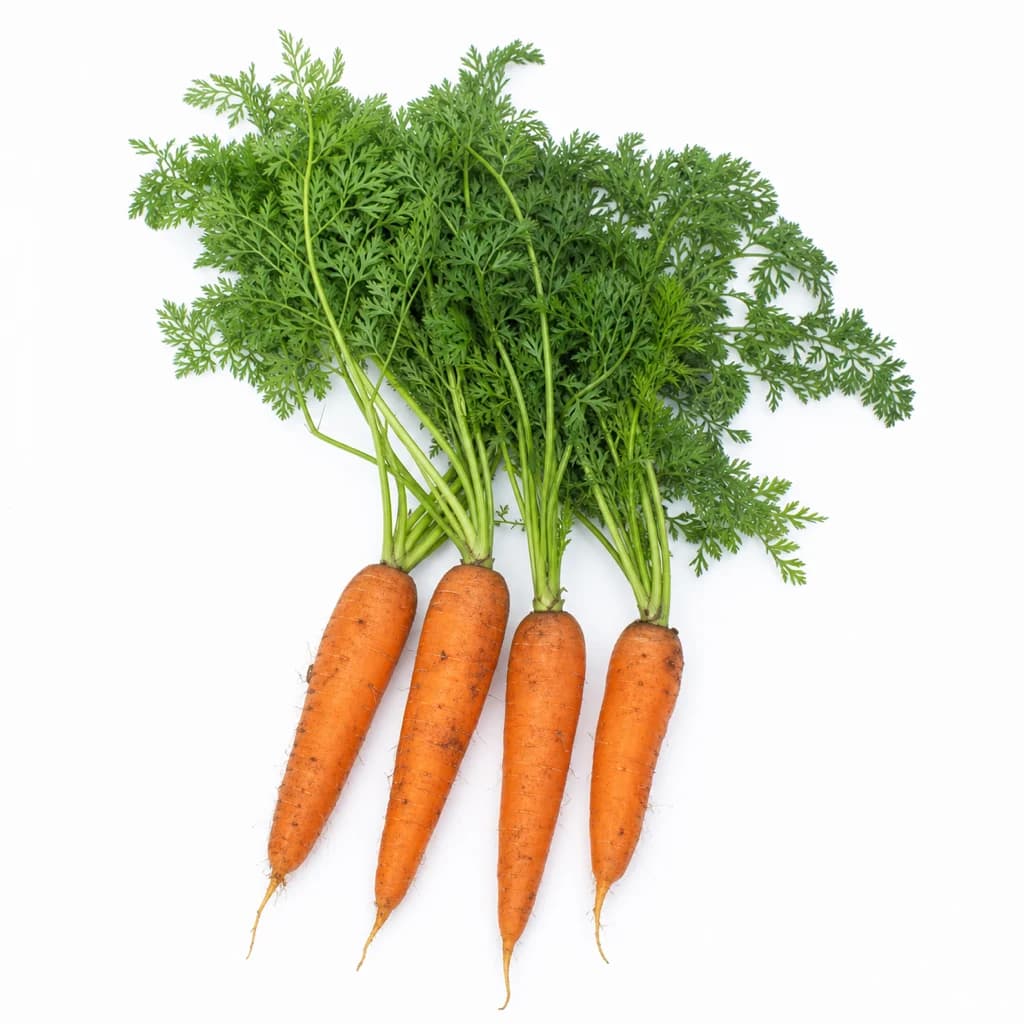
Carrot
Sweet, crunchy root — raw, roasted, or the base of a sofrito
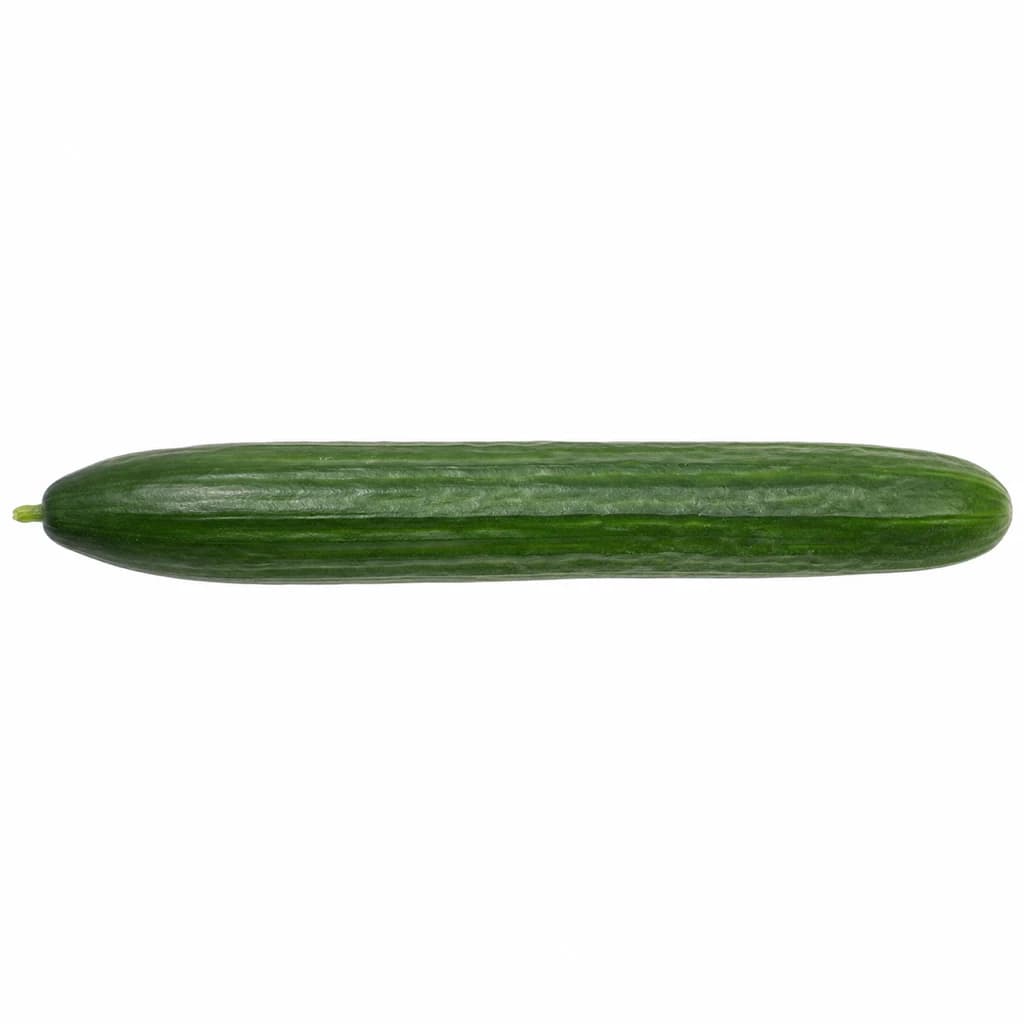
Cucumber
Cool, crisp, and watery — for salads, pickles, and tzatziki
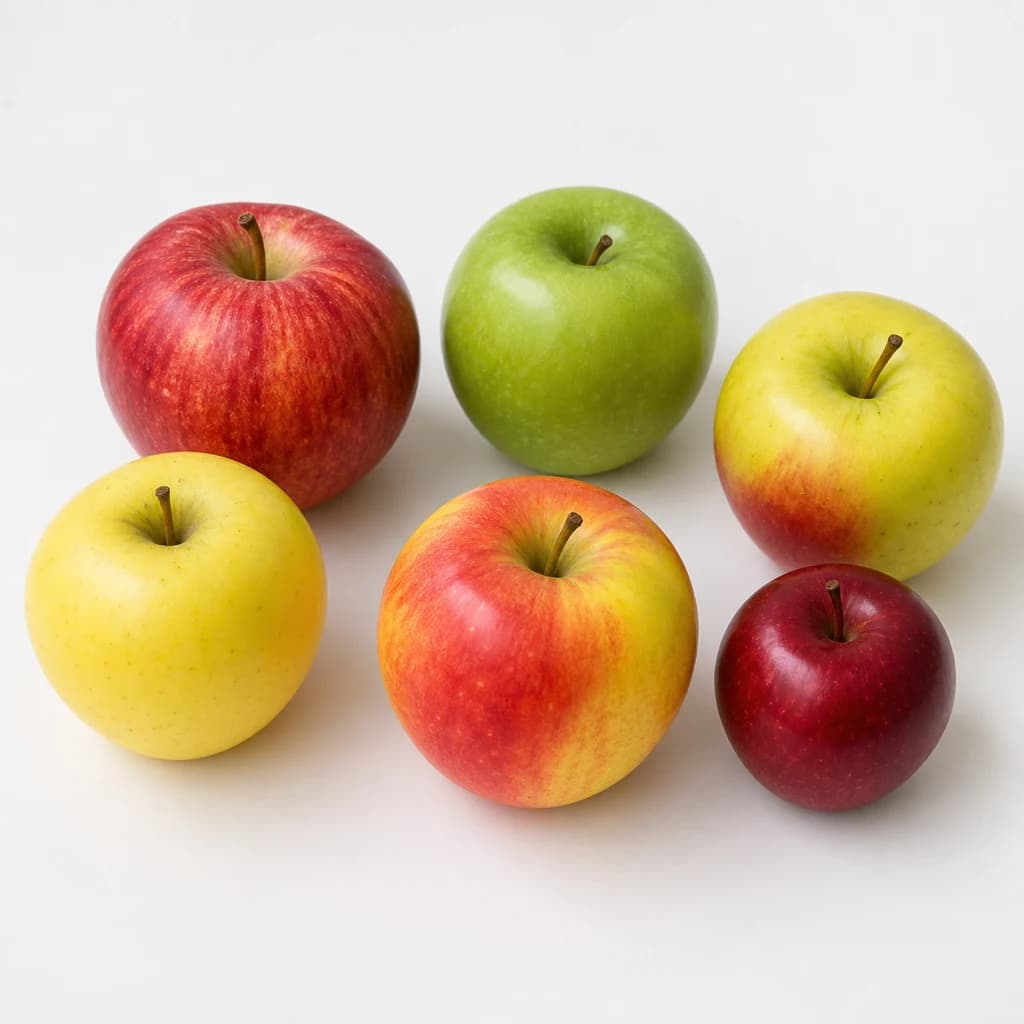
Apple
Crisp orchard fruit eaten fresh, baked, or pressed for cider.