Varieties
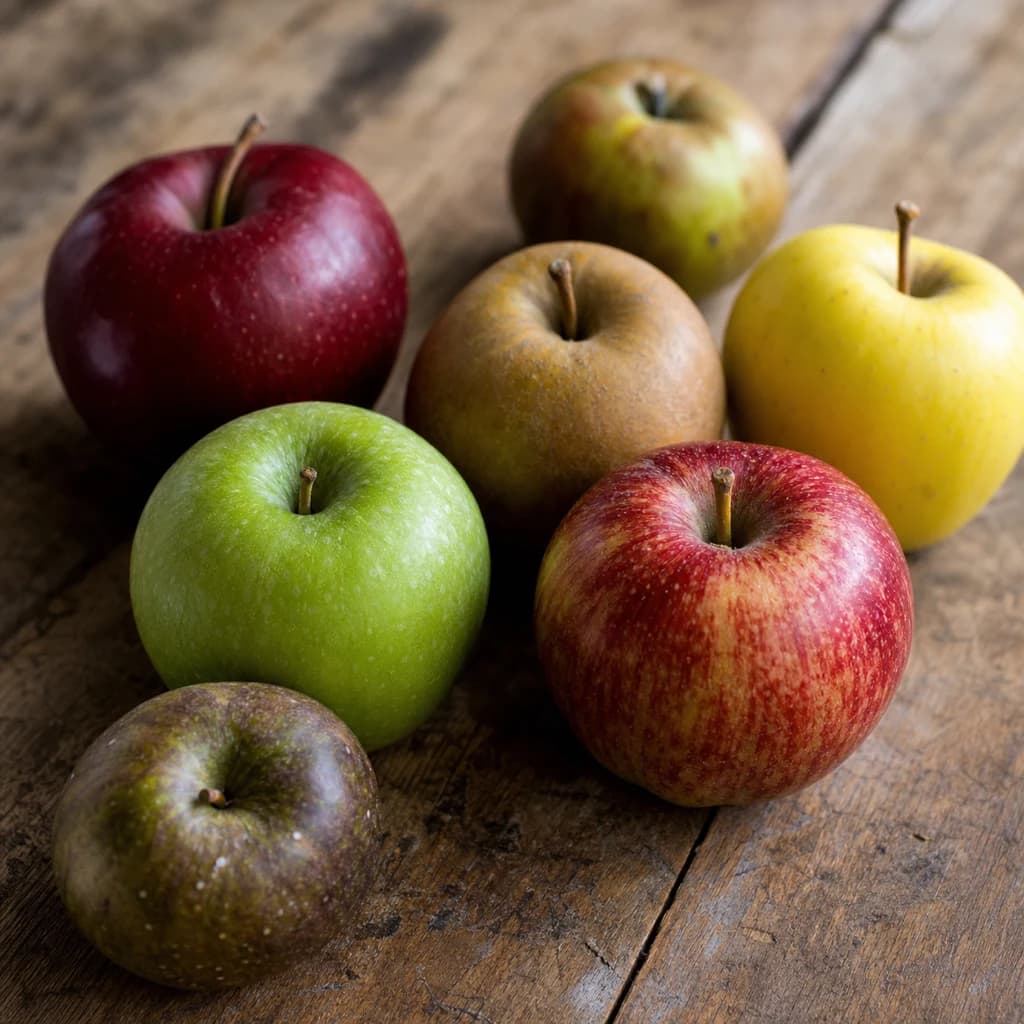
Several apple varieties side by side show the range from deep red to bright green and pale gold.
Placing multiple named varieties together in one scene teaches the reader that 'apple' spans a wide spectrum of colors, sizes, and flesh tones.
Produce
Apple
Crisp orchard fruit eaten fresh, baked, or pressed for cider.
Apples are crisp, juicy tree fruits ranging from sweet dessert varieties to sharp, tannic cider apples. They are eaten raw, baked into pies and crumbles, stewed into sauce, or pressed and fermented for cider. Cider-specific varieties like Dabinett and Kingston Black are grown for their bittersweet and bittersharp character rather than for eating out of hand.
The apple is the most versatile fruit in the kitchen, performing across the entire sweet-to-savory spectrum and at every temperature from raw to deeply caramelized. Domesticated in Central Asia over 4,000 years ago and spread along the Silk Road, it has become indispensable to Western cooking in ways few other ingredients match. Its cellular structure—a network of cells separated by intercellular air spaces—gives fresh apples their characteristic crunch and causes them to float in water. This same structure collapses when heated, as the pectin holding cells together dissolves and air escapes, releasing the juices that form the backbone of sauces, fillings, and braises.
The single most consequential decision in any apple dish is variety selection. Apples range from very sweet and floral (Fuji, Gala) to intensely tart and firm (Granny Smith, Bramley). This is not merely a flavor preference: firm, high-acid apples hold their shape when baked or cooked, while soft, juicy apples break down readily for sauce. Using the wrong variety produces predictably inferior results—a mushy pie, a flat-tasting sauce. Though thousands of varieties exist worldwide, fewer than a dozen are consistently available in most markets. Master those and you have complete range.
Apple flesh oxidizes rapidly when cut, turning brown from enzymatic reaction with oxygen. This is cosmetic in cooked applications but problematic for salads and fresh preparations. Some varieties resist browning better due to lower polyphenol oxidase activity; Cortland is the most reliable, along with Empire. The cure is immediate acid treatment—lemon juice, salt water, or ascorbic acid—applied the moment you cut.
- Measured in
- piece
- Storage
- Refrigerate
- Shelf life
- 30 days
Find it in
Types & varieties
Bright green, firm, intensely tart; holds shape when baked; ideal for pies, crisps, and apple chips
Sweet with balanced acidity, exceptionally crisp; browns quickly when cut; excellent for fresh eating and salads
Sweet, mild, thin skin; softens quickly when cooked; best for sauce, light baking, or fresh use
Very sweet, dense flesh; holds shape moderately well; versatile but not ideal for structured baking
Sweet, soft, golden-skinned; prone to mushiness in pies; excellent for sauce and pancakes
Tender flesh, very juicy, breaks down completely when cooked; the classic choice for smooth apple sauce
Sweet-tart, extremely firm, rosy pink skin; holds shape well in baking; versatile for raw and cooked uses
Sweet-tart, firm, complex flavor with hints of citrus; versatile for baking and fresh eating
Sweet-tart, firm, honeyed flavor; a cross of Golden Delicious × Jonathan; excellent for baking
Sweet-tart, white flesh that resists browning; large size efficient for slicing; ideal for salads
British cooking apple; extremely tart, very firm; the only reliable variety for classic English apple pie filling
Mild, sweet, soft texture; primarily a cooking apple; good for frying or baking whole
Understanding Apple Structure for Better Cooking
Apple anatomy matters in the kitchen. The core contains seeds surrounded by woody tissue; the flesh is a network of cells separated by intercellular air spaces. When you bite a fresh apple, you rupture these air spaces—that snap you hear is the sound of cell walls breaking. When heated, the pectin between cells dissolves and air escapes, causing collapse and juice release. This is why cooking transforms texture so dramatically.
The skin protects the flesh and contains most of the fruit's quercetin, a powerful antioxidant. Leaving it on during cooking adds color, nutrition, and structural integrity. Peeling is necessary only when the recipe demands it or when the skin's texture would be unwelcome.
- Score apples deeply around the equator before baking whole to prevent bursting
- Core from the bottom up using a paring knife to remove the core without cutting through the top
- Air trapped in the intercellular spaces is why apples float—useful trivia and relevant to poaching technique
Common uses
Tips & pitfalls
- Match variety to purpose: firm/tart apples (Granny Smith, Pink Lady, Braeburn) for pies and baking where structure matters; soft/juicy (McIntosh, Gala) for sauce where breakdown is desired; sweet/crisp (Honeycrisp, Fuji) for fresh eating
- Toss cut apples immediately with lemon juice, salt water (1 tsp per quart), or ascorbic acid powder to prevent browning—once brown, the discoloration cannot be reversed
- Salt water (3% solution) is equally effective as lemon juice for preventing browning and adds no detectable flavor after a brief rinse
- For baked whole apples, select similar-sized fruit for even cooking and score the equator deeply to prevent bursting
- Fuji and Gala are poor choices for pies—they turn mushy under heat and their high sugar content creates overly sweet fillings
- Baking transforms acidity, so very tart apples become balanced in dessert contexts; sweet-fleshed varieties can taste flat when baked
- Apples float in water due to air trapped in their intercellular spaces—useful for certain recipes and the reason apples bob in wassail
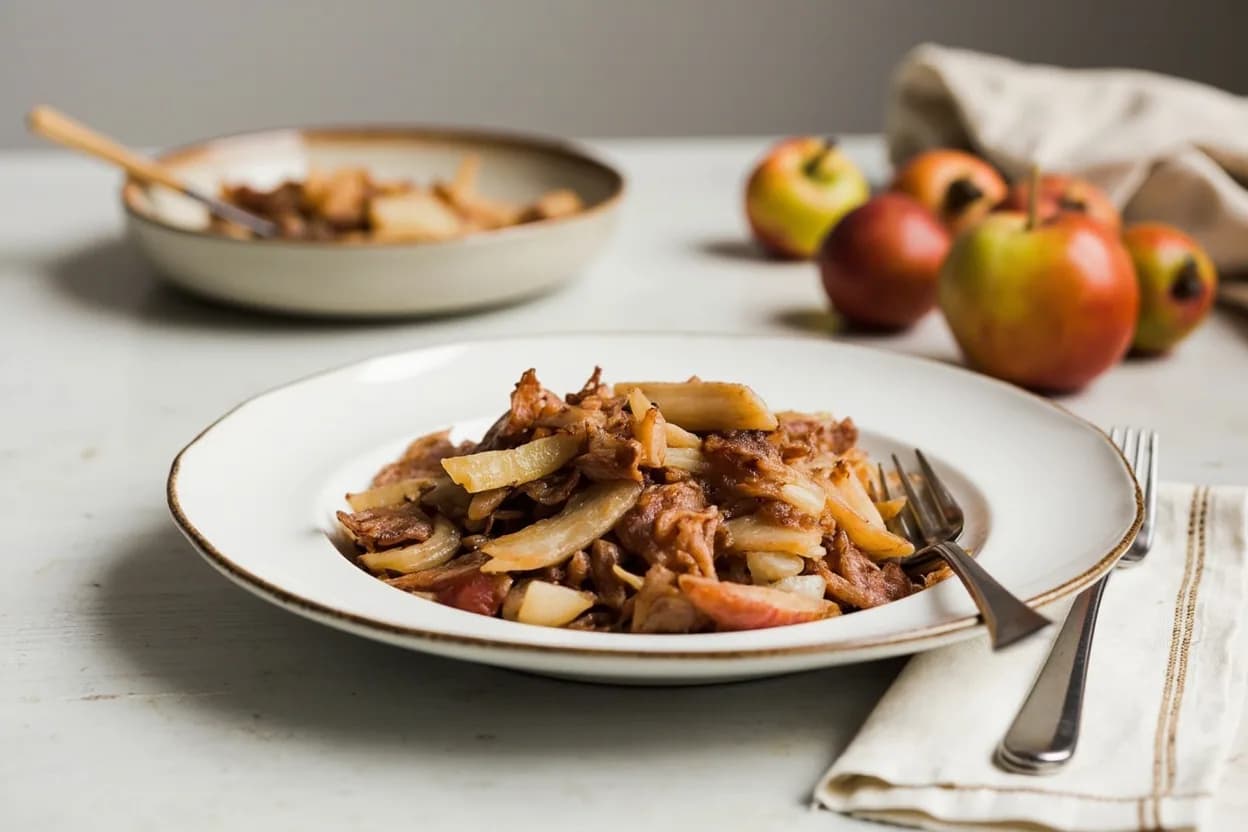
- For fried apples, render bacon fat first, then cook apple slices in the fat over medium heat until golden and slightly caramelized—don't crowd the pan
- To get apple chunks in sauce without mushiness, undercook slightly and add a squeeze of lemon juice to stop the enzymatic breakdown
- When substituting, understand the role: a Granny Smith in a McIntosh sauce recipe produces a textured, tart sauce rather than the smooth, mild result expected
Nutrition
Energy
218 kJ · per 100 g
Where the calories come from
Protein
0.3g
1% DV
Carbs
13.8g
5% DV
Fat
0.2g
0% DV
Fiber
2.4g
9% DV
Sugars
10.4g
of which
Sodium
1mg
0% DV
Source · USDA FoodData Central · Apples, raw, with skin (Includes foods for USDA's Food Distribution Program)
View on FDC →In the shops
Matched grocery products
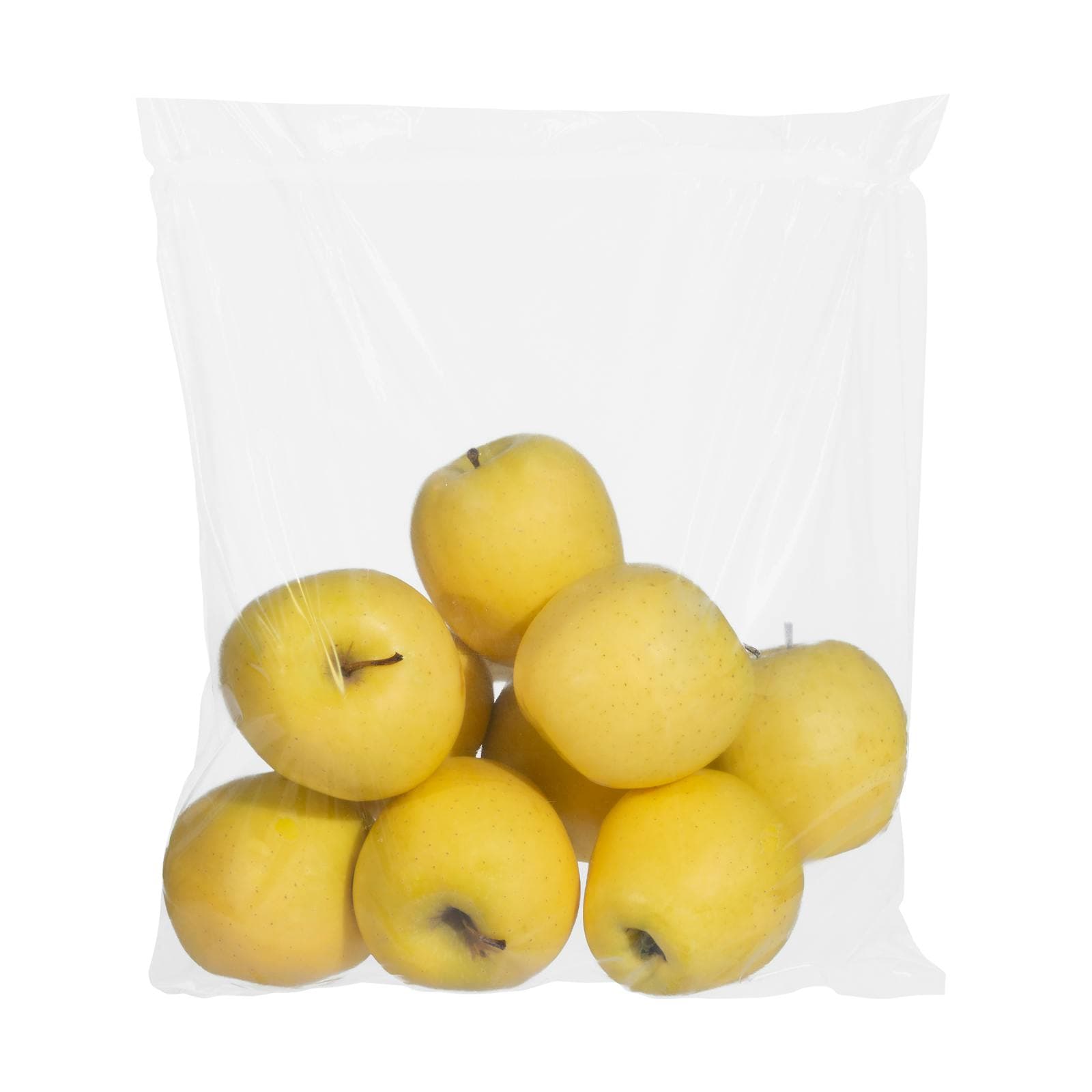 €2.84
€2.84Golden Apples
1.58 kg · Mercadona
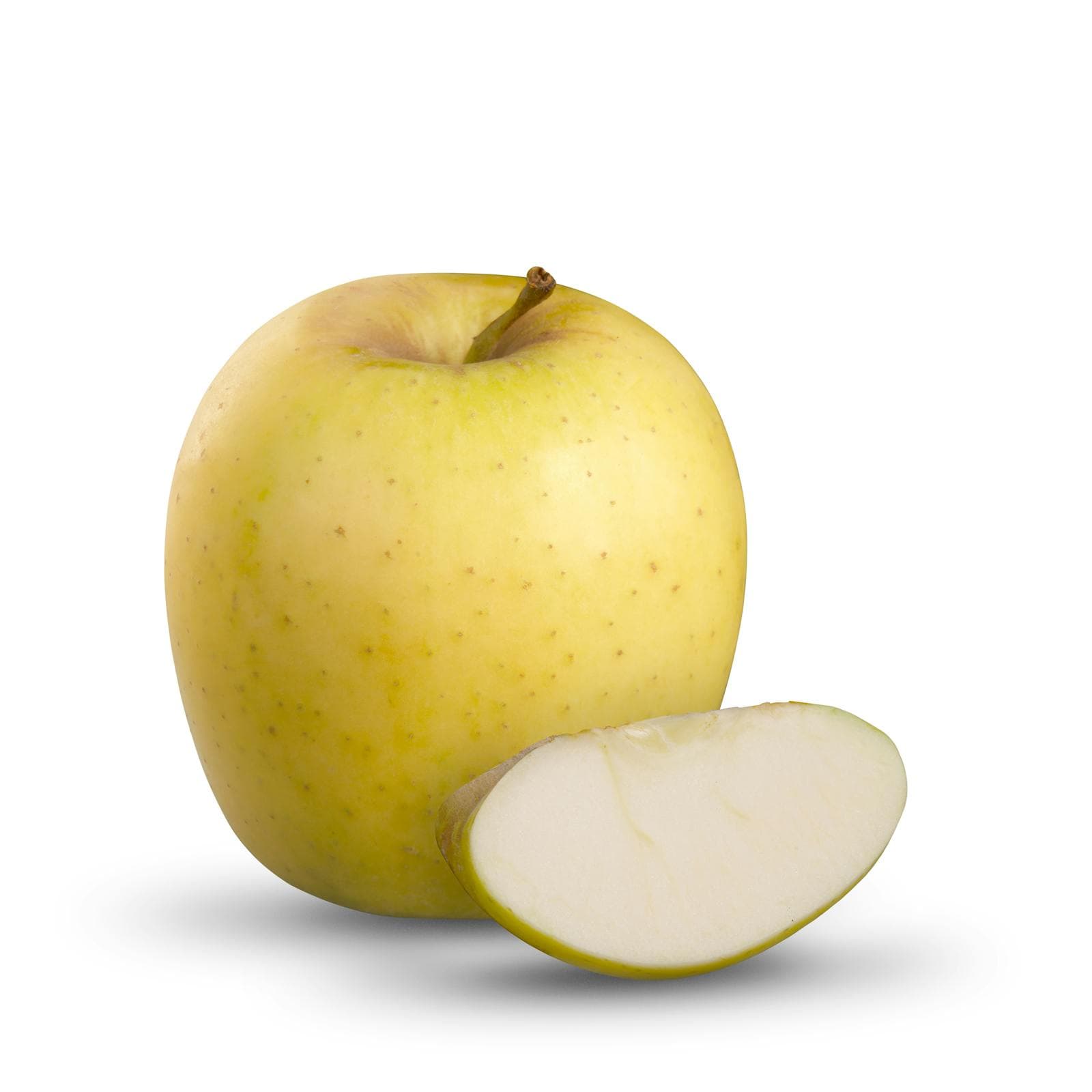 €0.44
€0.44Golden Apple
200 g · Mercadona
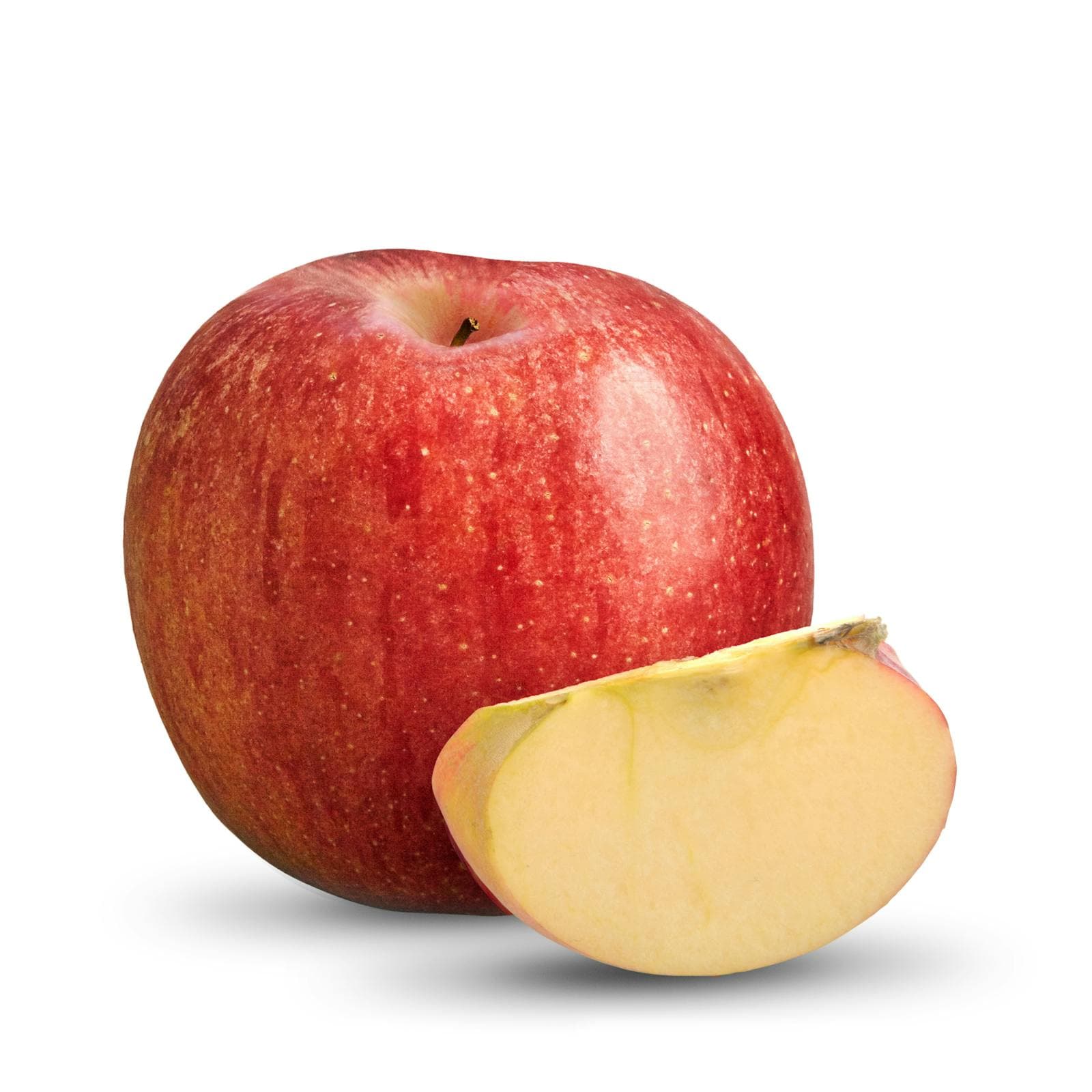 €0.62
€0.62Red Sweet Apple
230 g · Mercadona
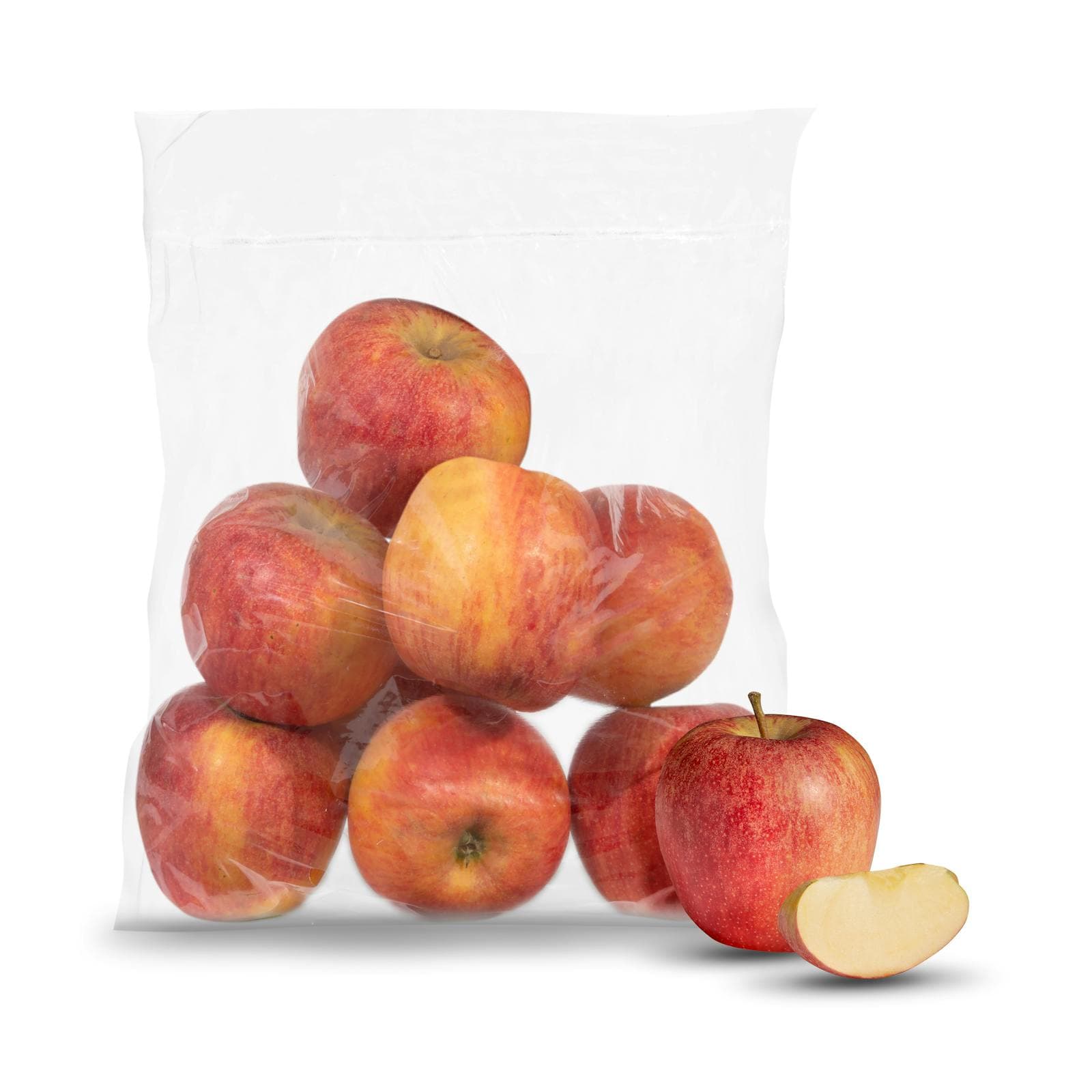 €3.77
€3.77Sweet Red Apples
1.57 kg · Mercadona
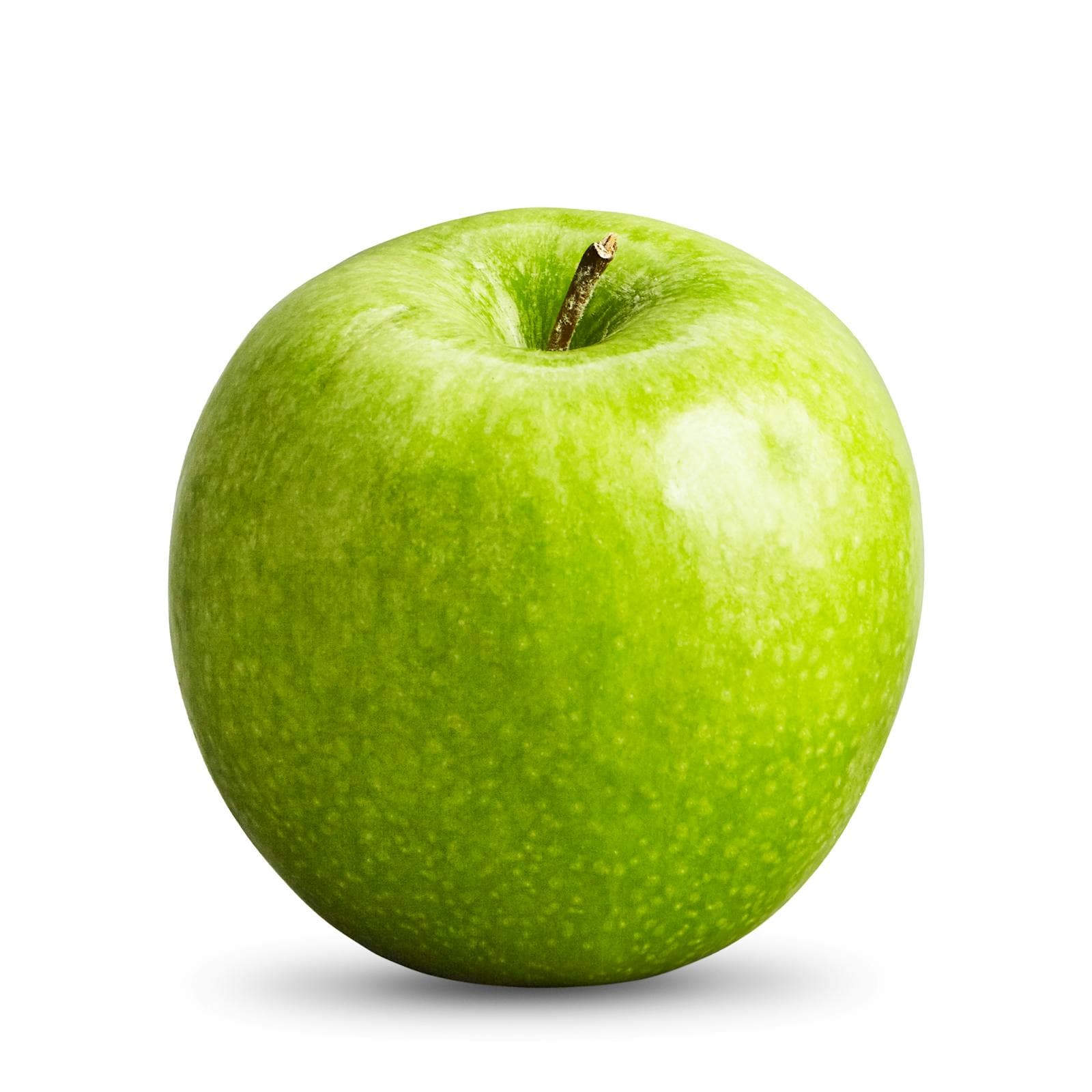 €0.43
€0.43Granny Smith Apple
180 g · Mercadona
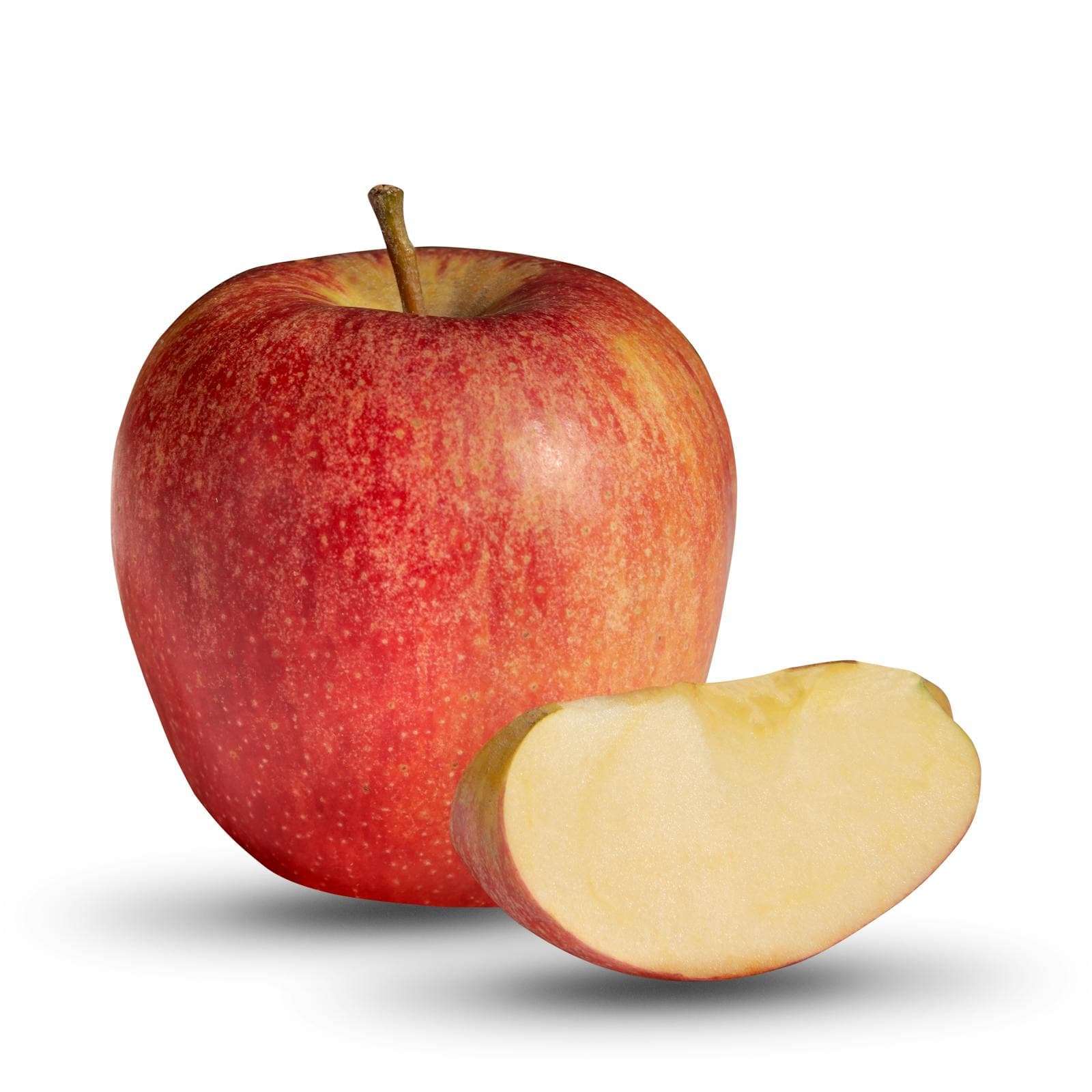 €0.59
€0.59Semi-Sweet Red Apple
220 g · Mercadona
Good to know
- Scientific name
- Malus domestica
- Origin
- Central Asia (modern-day Kazakhstan), cultivated over 4,000 years; spread via Silk Road to Europe
- Peak season
- September–November (Northern Hemisphere); year-round from southern hemisphere or controlled-atmosphere storage
- Flavor range
- Very sweet (Fuji, Gala) to intensely tart (Granny Smith, Bramley)
- Typical weight
- 4–8 oz (110–225 g) per medium apple
- Storage
- Refrigerate at 32–38°F (0–2°C) with 90–95% humidity; absorbs odors—keep away from pungent foods
- Shelf life
- 2–4 weeks at room temperature; 1–3 months refrigerated depending on variety
- Key nutrients
- Vitamin C (14% DV), dietary fiber (4 g), quercetin concentrated in the skin
- Browning risk
- Flesh oxidizes rapidly when cut; Cortland and Empire resist browning best
Substitutes
- Pear — Similar textural range and sweetness; pairs with the same spices; lower acidity, so results are less bright and vibrant
- Asian pear — Crisp, juicy, sweet; excellent in salads; behaves like a firm apple in cooking; interchangeable in raw applications
- Quince — Very hard and astringent when raw; becomes tender and aromatic when cooked; use only cooked; traditional in European pastries
- Rhubarb — Comparable tartness for savory-sweet dishes; entirely different texture and no inherent sweetness; requires significantly more sugar
Also called
apples · manzana · manzanas · Whole Apple · Dessert Apple · Cider Apple · Bittersweet Apple · Dabinett · Bittersharp Apple · Kingston Black
Appears in these dishes
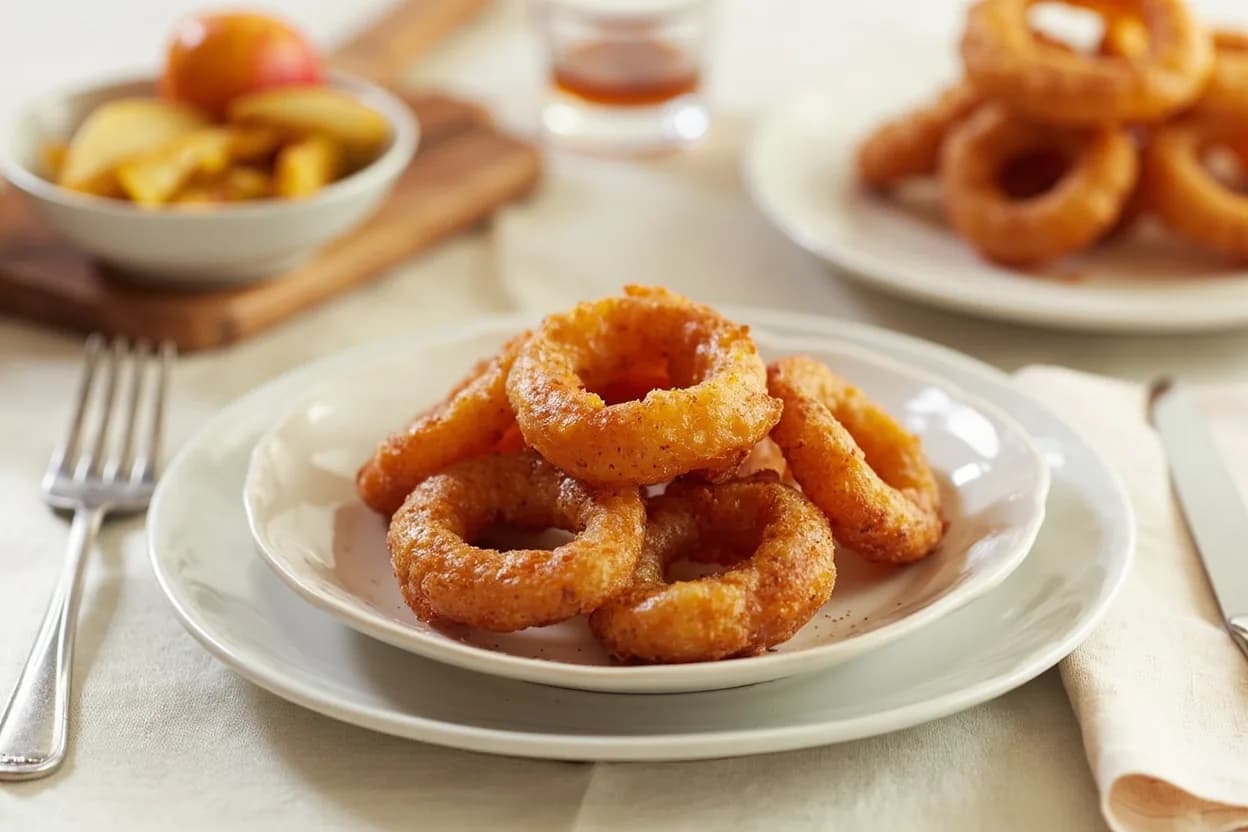
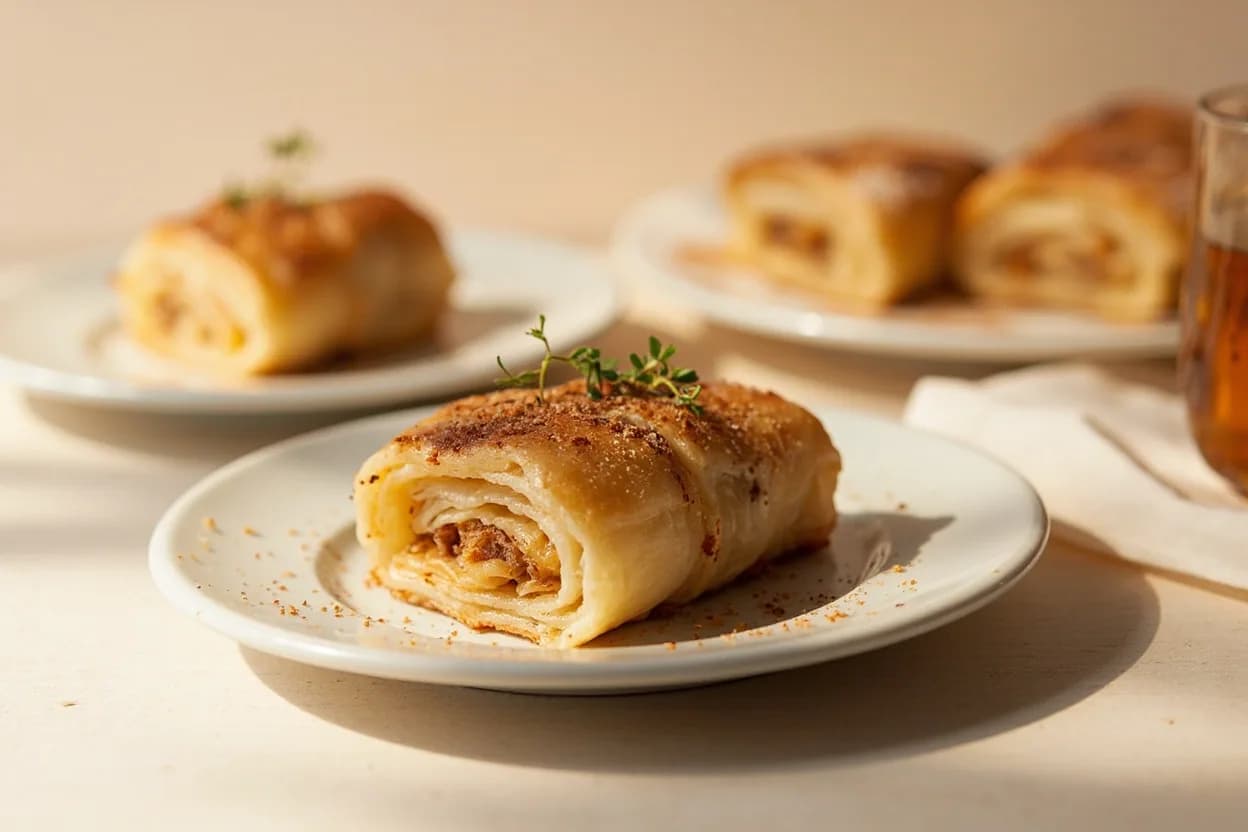
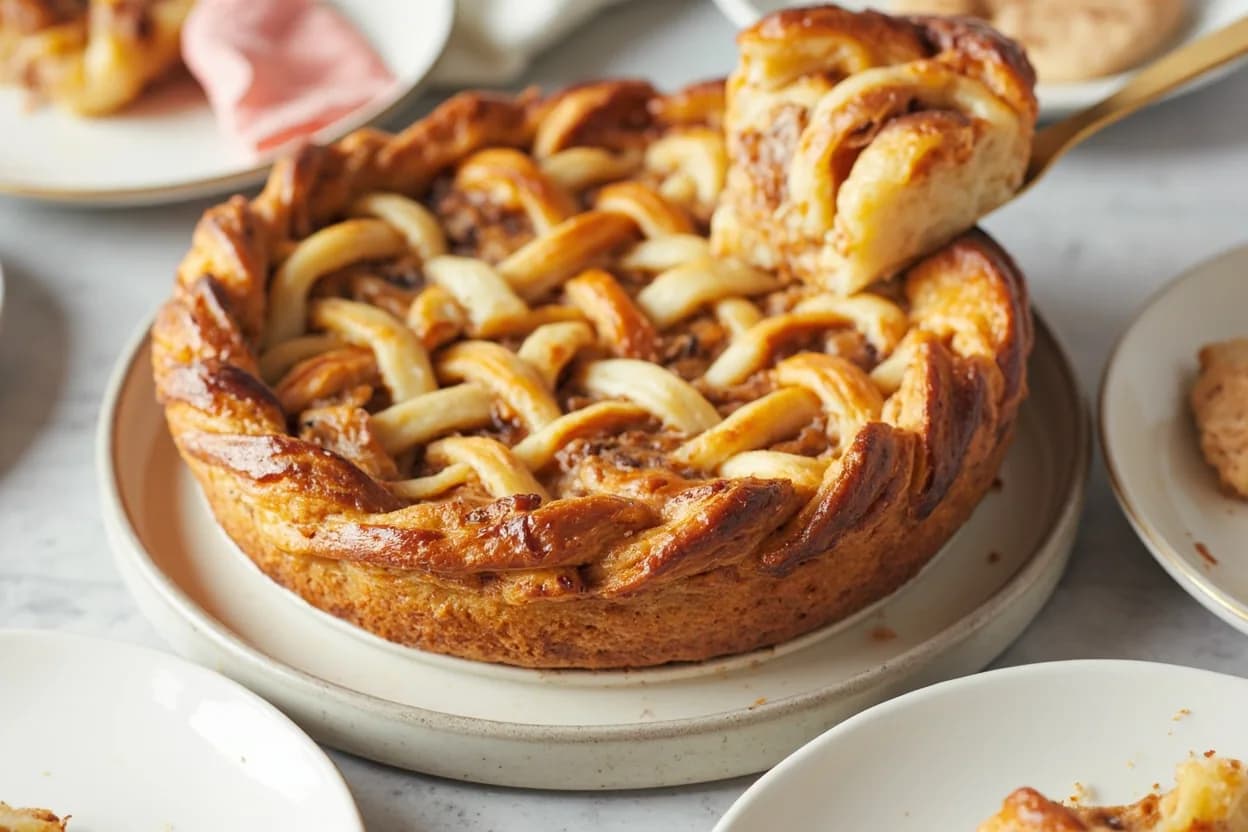
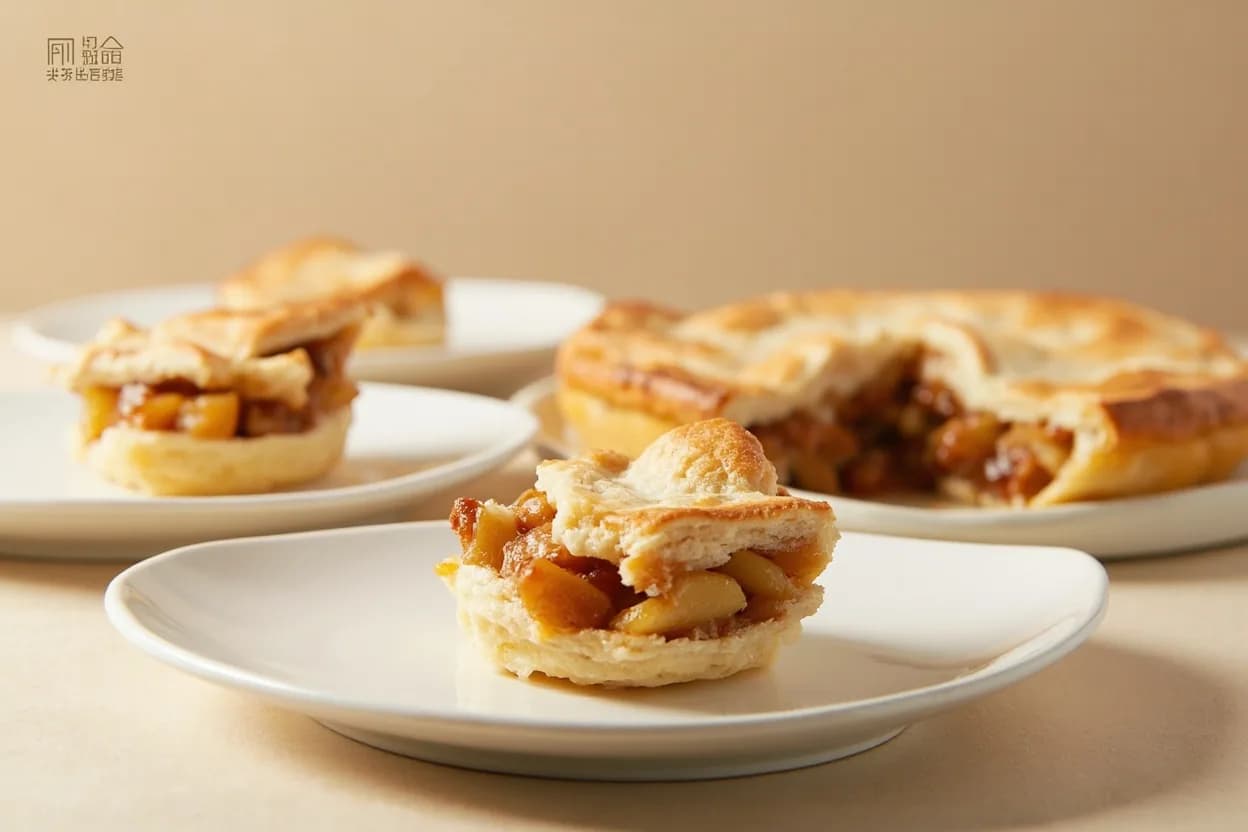
Related
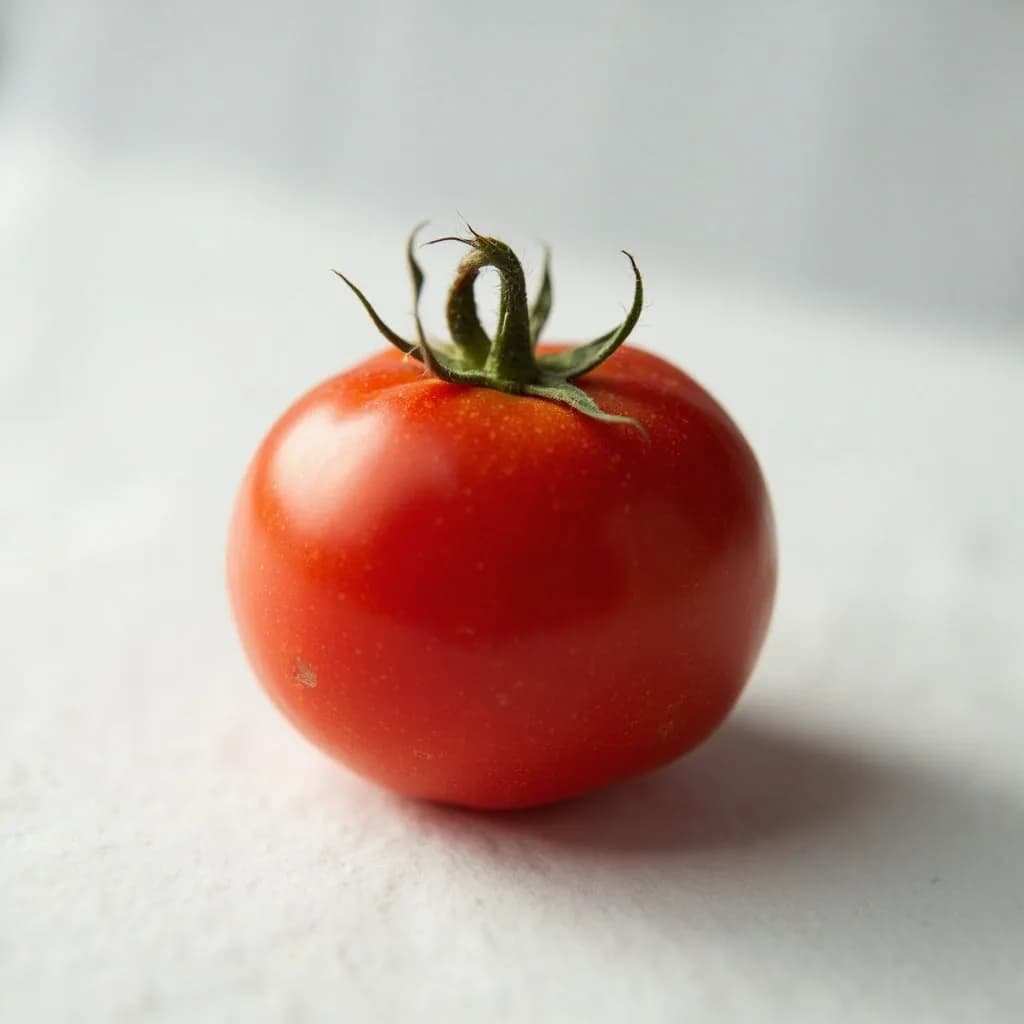
Tomato
Juicy, sun-sweet fruit for sauces, salads, and slow-cooked depth
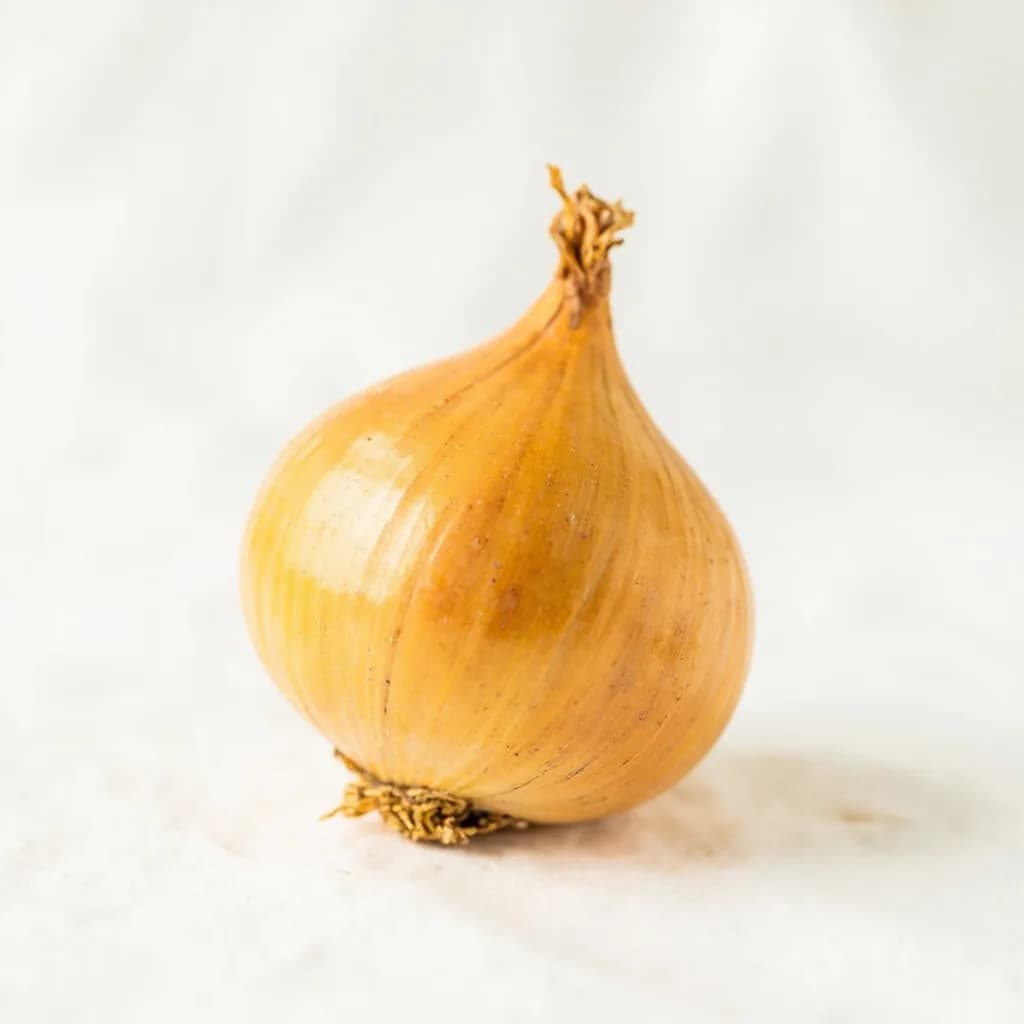
Yellow Onion
The aromatic backbone of soups, sofritos, and braises
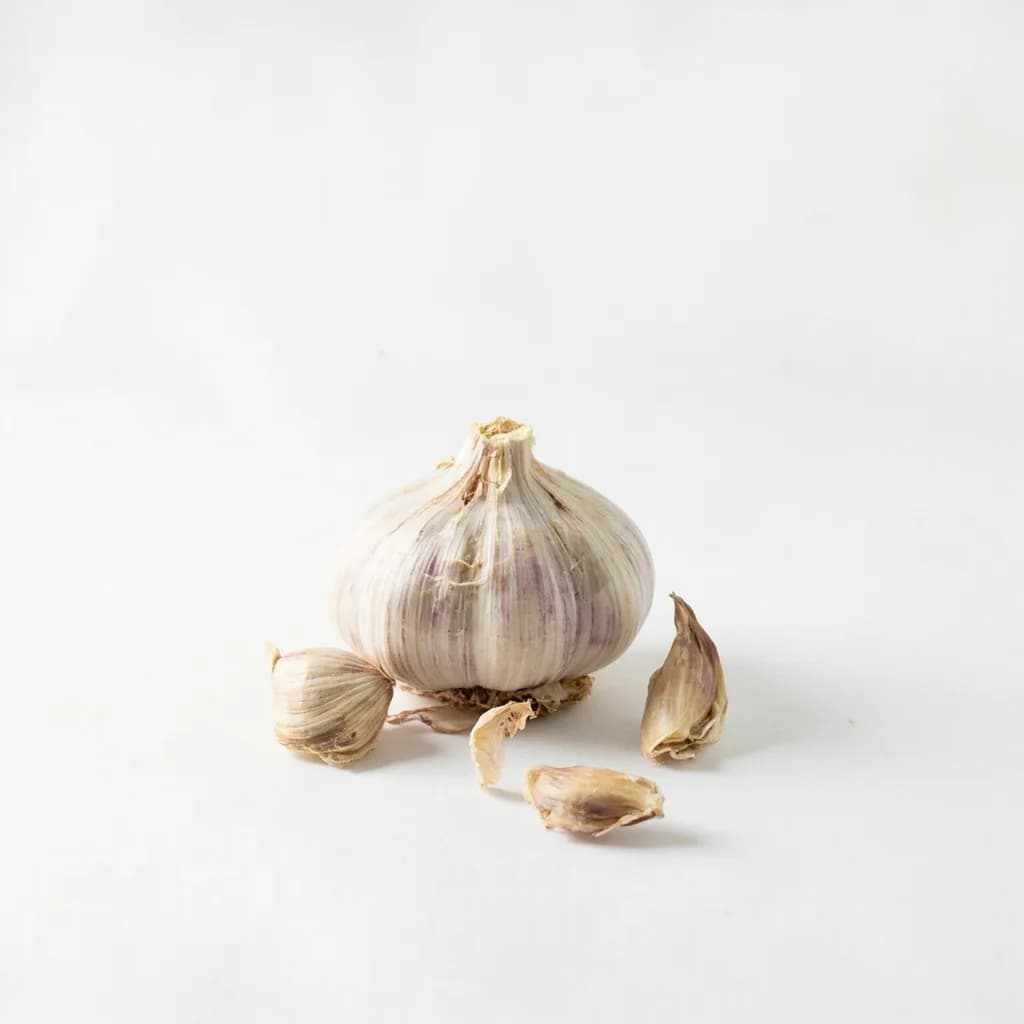
Garlic
Pungent cloves that perfume nearly every savory dish
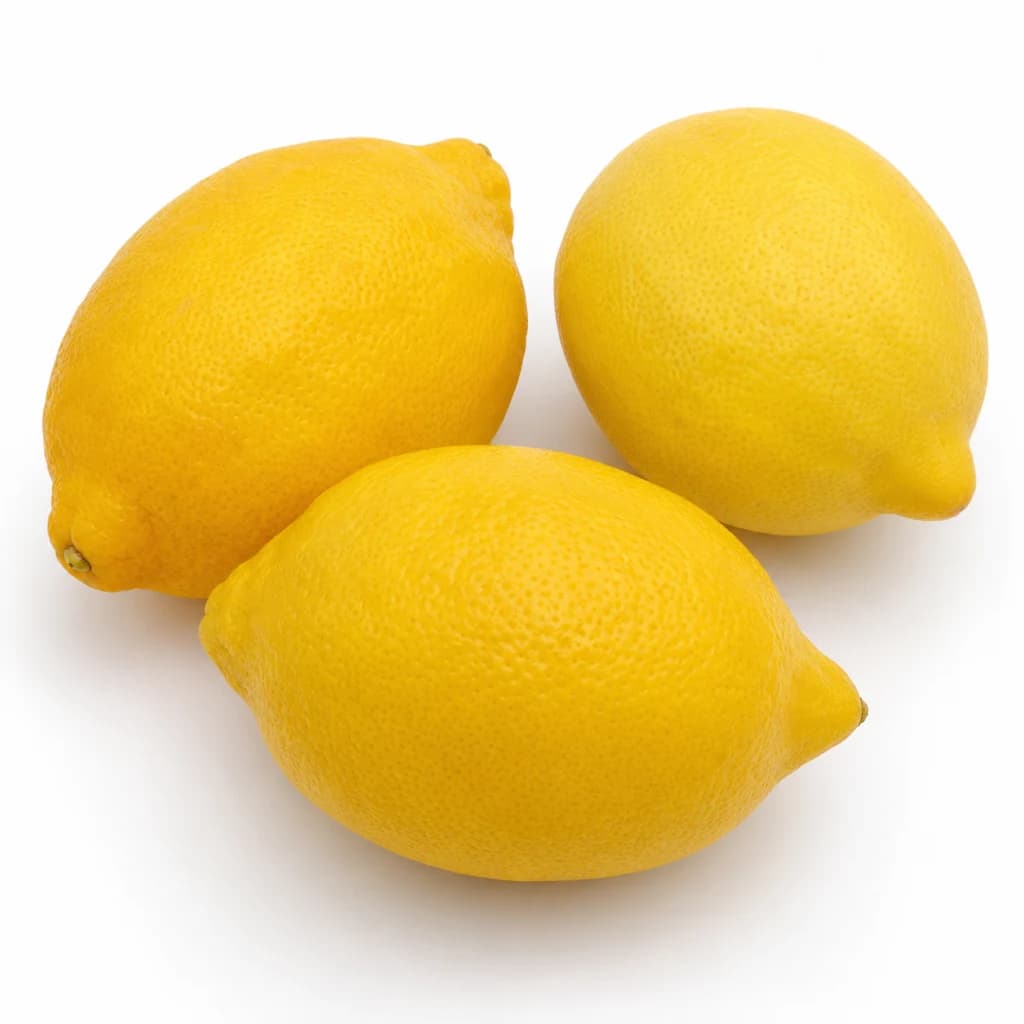
Lemon
Bright, acidic citrus that wakes up almost any dish
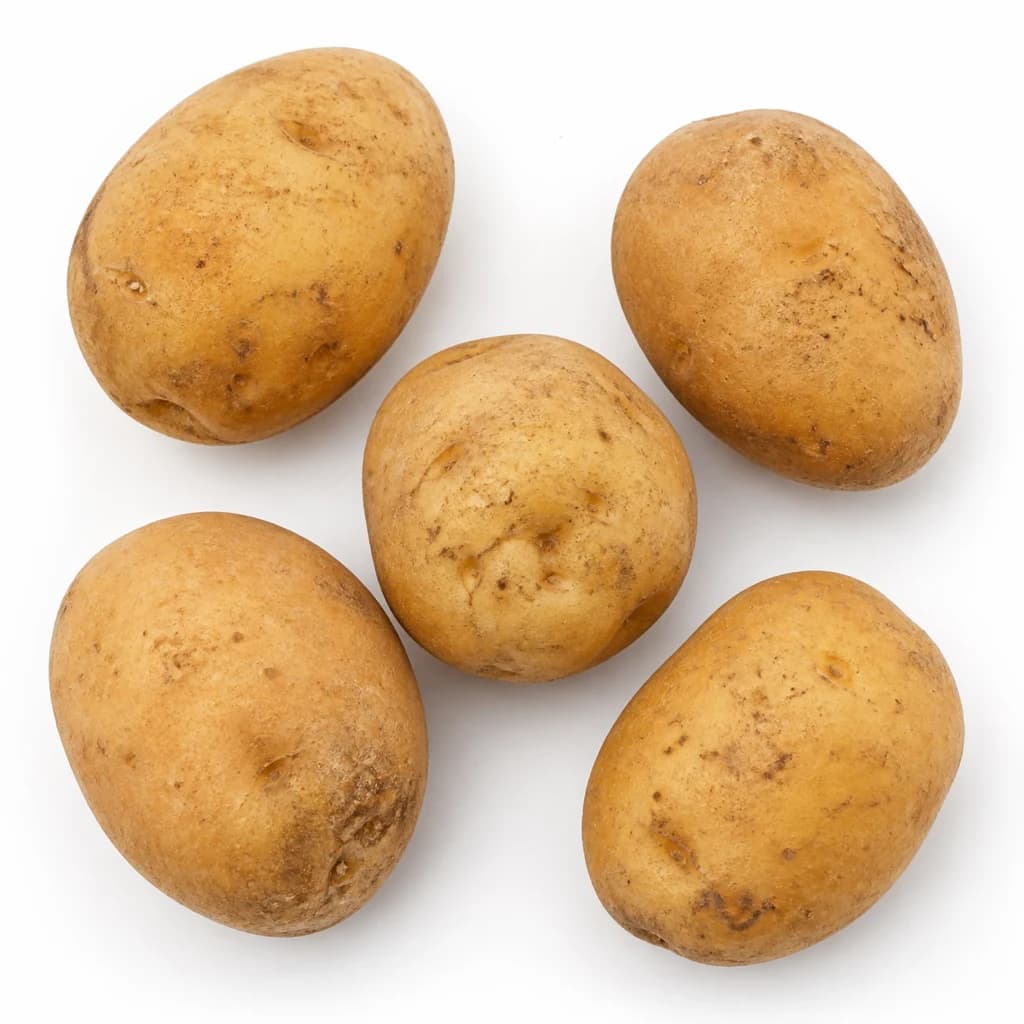
Potato
Humble, hearty staple — roast, mash, fry, or boil
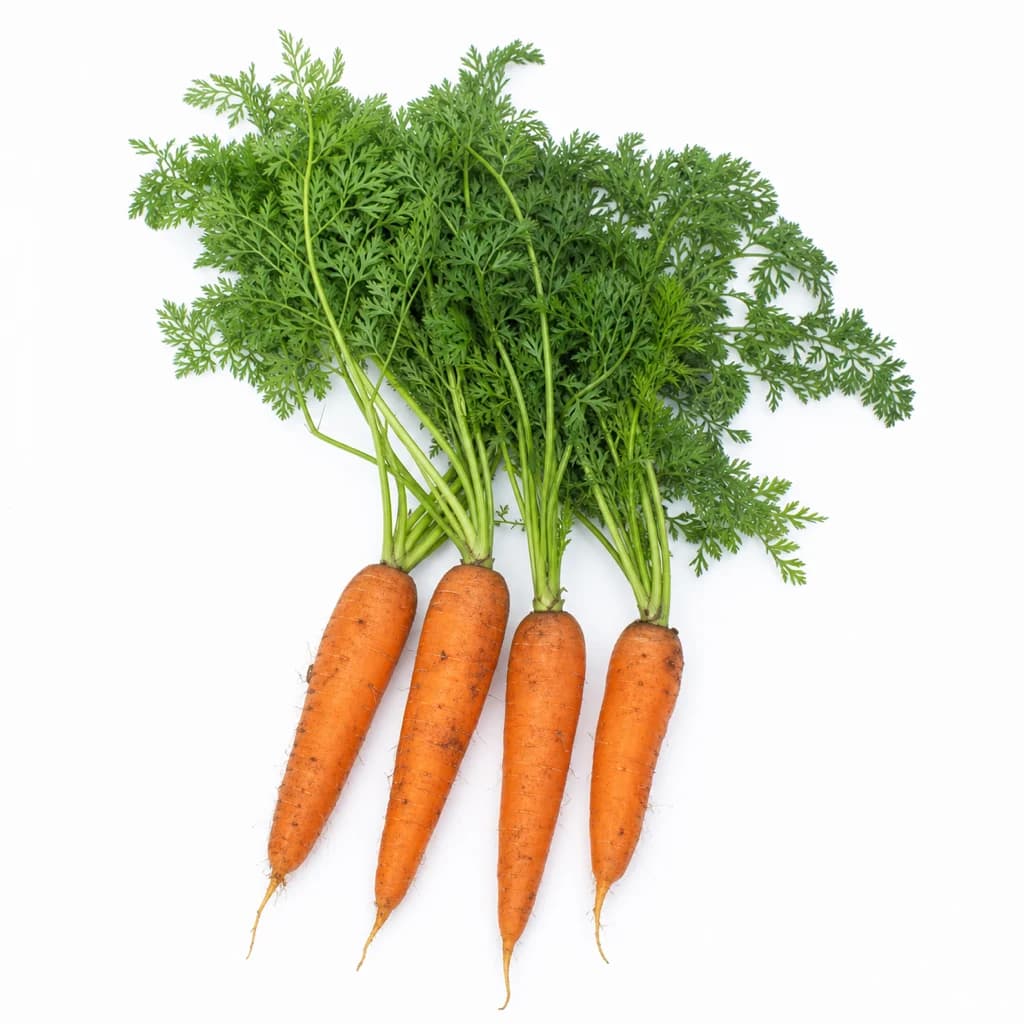
Carrot
Sweet, crunchy root — raw, roasted, or the base of a sofrito
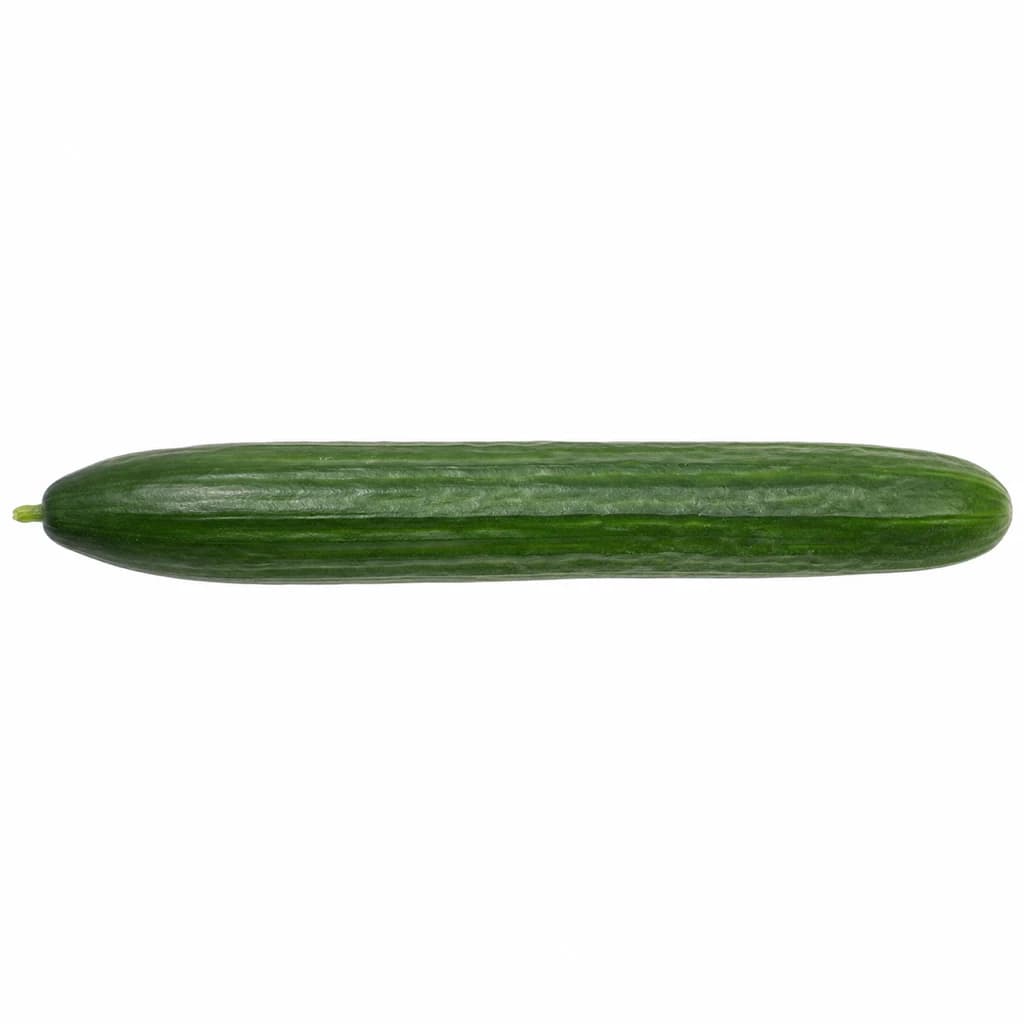
Cucumber
Cool, crisp, and watery — for salads, pickles, and tzatziki

Lettuce
Crisp leaves for salads, wraps, and a fresh crunch