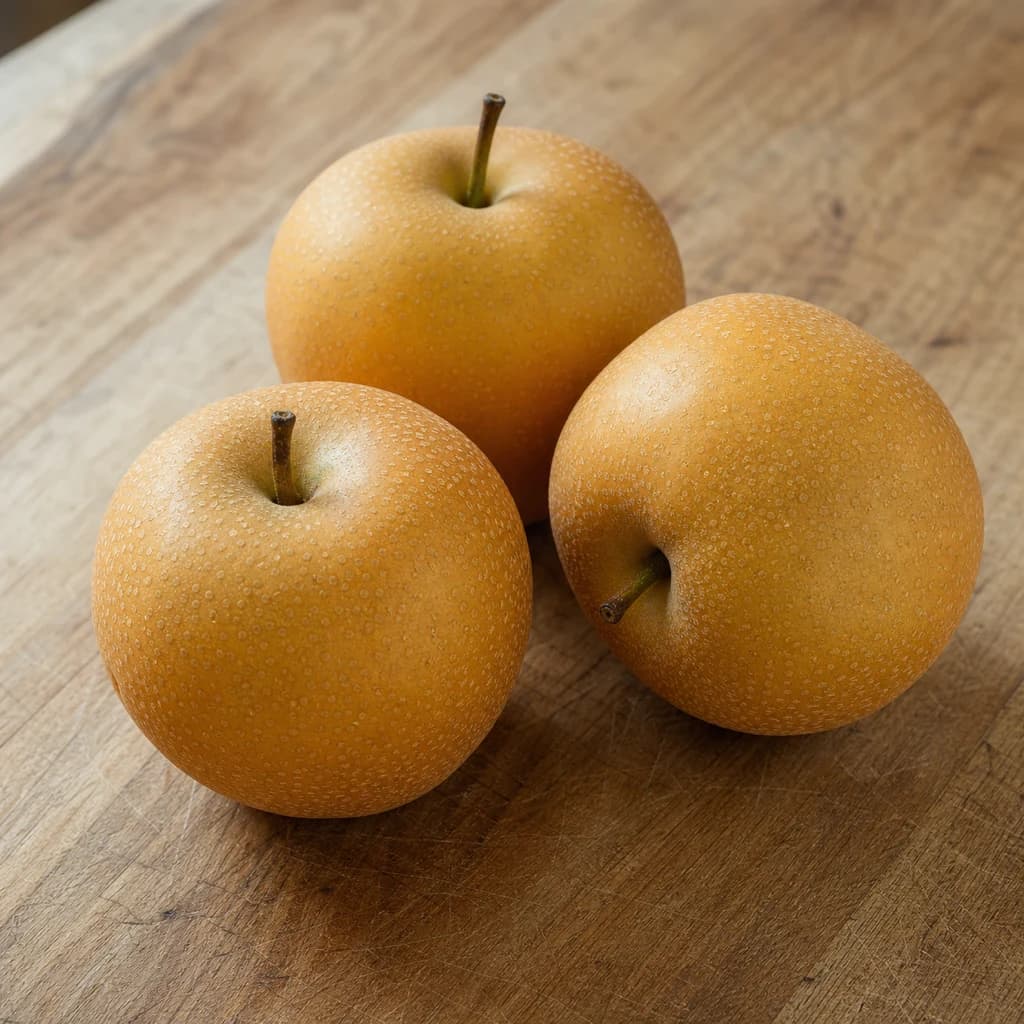
Natural form
Asian pears are round and apple-shaped, with pale golden-brown russet skin.
Shows the distinctive round shape and russet skin that sets Asian pears apart from European varieties.
Produce
Asian Pear
Crisp, juicy round pear eaten fresh or grated into Korean marinades for tenderizing.
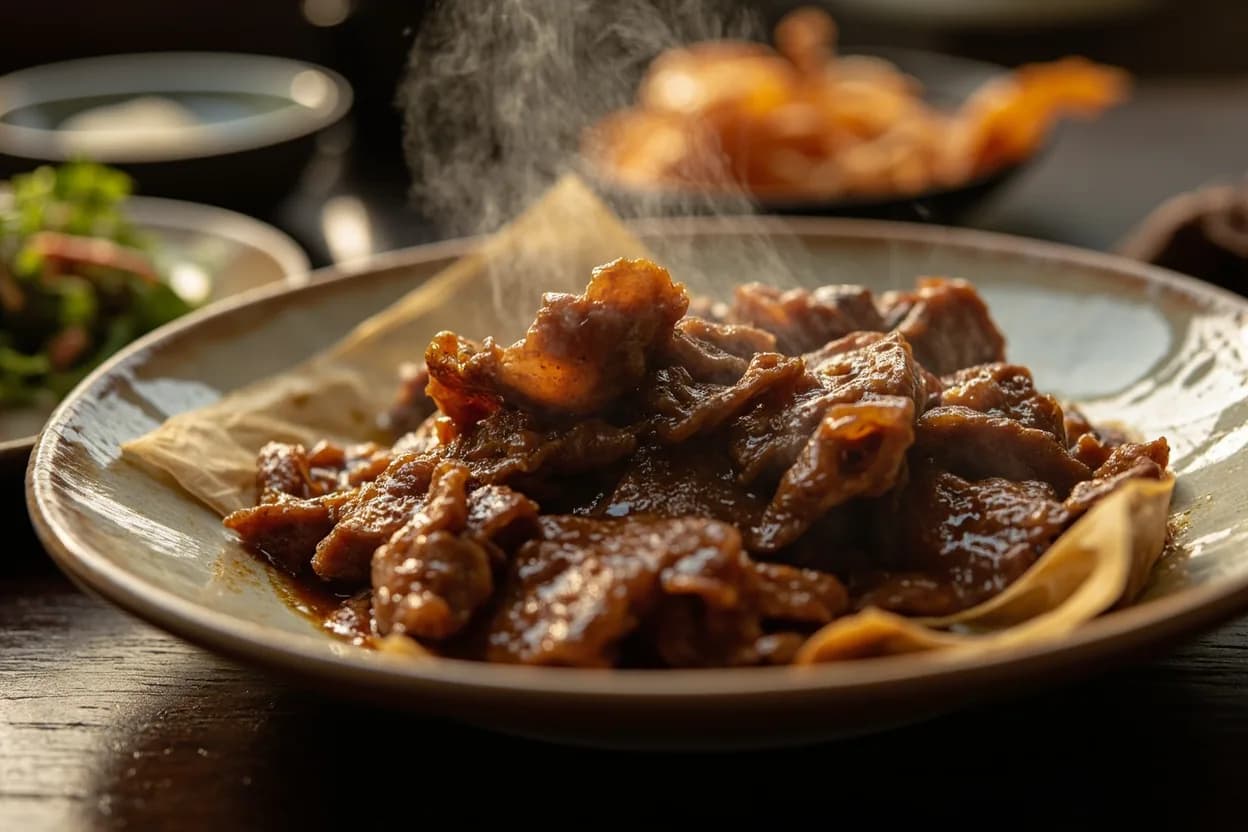
The Asian pear is a round, apple-shaped pear with crisp, very juicy flesh and a clean, lightly sweet flavor. Eaten fresh out of hand, it is also grated into Korean marinades like bulgogi, where its enzymes tenderize meat and add subtle sweetness. Unlike European pears it stays firm and crunchy when ripe rather than turning soft.
The Asian pear (Pyrus pyrifolia) stands apart from its European cousins in a way that changes how you cook with it. Where the Bartlett or Anjou must be coaxed to ripen into buttery softness, the Asian pear is crisp at harvest and stays crisp — a fruit that behaves more like an apple in the hand and under the knife. Its round, apple-shaped form carries thin, edible skin ranging from pale yellow-green to a warm bronze-rust depending on variety, while the flesh beneath is fine-grained, exceptionally juicy, and completely free of the gritty texture common to European pears. The flavor is gentle: bright sweetness with only faint acidity and a whisper of floral perfume that makes it refreshing rather than cloying.
This combination of crunch and juice makes the Asian pear uniquely versatile in the kitchen. It refuses to collapse in a salad dressing, holds its shape through gentle poaching, and shreds into a marinade without turning mushy. In Korean cuisine, this fruit earns its keep as a natural meat tenderizer — the enzyme-rich juice breaks down proteins in bulgogi and galbi marinades while the mild sweetness caramelizes beautifully on the grill. The distinction between Chinese, Japanese, and Korean varieties matters less at the table than the quality in your hand: choose by weight (heavier means juicier) and avoid any pear with soft spots or wrinkled skin, which signals dehydration.
What many cooks miss is that color is not a ripeness indicator. A fully ripe Hosui may look rust-brown, while a perfectly ready Ya Li stays bright green. The real signal is subtle but unmistakable: bring the pear close to your nose and inhale near the stem. A ripe Asian pear carries a gentle fruity aroma; an unripe one smells almost neutral. Once home, these pears reward refrigeration in a loosely closed bag for up to two weeks — longer than European pears can manage — though they decline within a day or two at room temperature.
- Measured in
- piece
- Storage
- Fridge
Types & varieties
Brown/rust skin when ripe; among the sweetest Japanese varieties; juicy and aromatic
Pale yellow-green skin; very crisp with balanced sweetness; most widely planted Japanese variety
Bronze-tinted skin; sweet with slight astringency; excellent storage life
Primary Chinese variety; green skin; more elongated than round; extremely crisp
Large, round, golden-brown skin; dominant in Korean markets; sweet and juicy
Small to medium size; bronze-rust skin; early-ripening Japanese variety; sweet and aromatic
Traditional Chinese variety; green-yellow skin; notably juicy
Large Japanese variety; rust-brown skin; late-season; stores well
Common uses
Tips & pitfalls
- Wash the thin skin thoroughly before eating raw — there's no thick peel to protect the flesh from surface treatments or contaminants
- Refrigerate unwashed pears in a loosely closed bag to maintain humidity without causing condensation-related spoilage
- Do not store near ethylene-producing fruits like apples or bananas unless you want faster softening
- When grating for marinades, use a fine-holed box grater or food processor — a coarse grate releases too much liquid and waters down the sauce
- For salads, slice just before serving — exposure to acid (lemon juice, vinegar) accelerates browning and mushiness
- If poaching, keep syrup at a gentle simmer and cook only 5–8 minutes — the flesh should retain firm resistance at the center
- Choose pears with smooth, unblemished skin; slight surface scratches are cosmetic only and do not affect quality
- Push the stem in with your thumb and inspect before using whole pears in presentations — the cavity often harbors small insects
- Do not assume a green pear is unripe — many varieties stay green when fully ripe; the fruity aroma near the stem is a more reliable indicator
Nutrition
Energy
176 kJ · per 100 g
Where the calories come from
Protein
0.5g
1% DV
Carbs
10.7g
4% DV
Fat
0.2g
0% DV
Fiber
3.6g
13% DV
Sugars
7.1g
of which
Sodium
0mg
0% DV
Source · USDA FoodData Central · Pears, asian, raw
View on FDC →In the shops
Matched grocery products
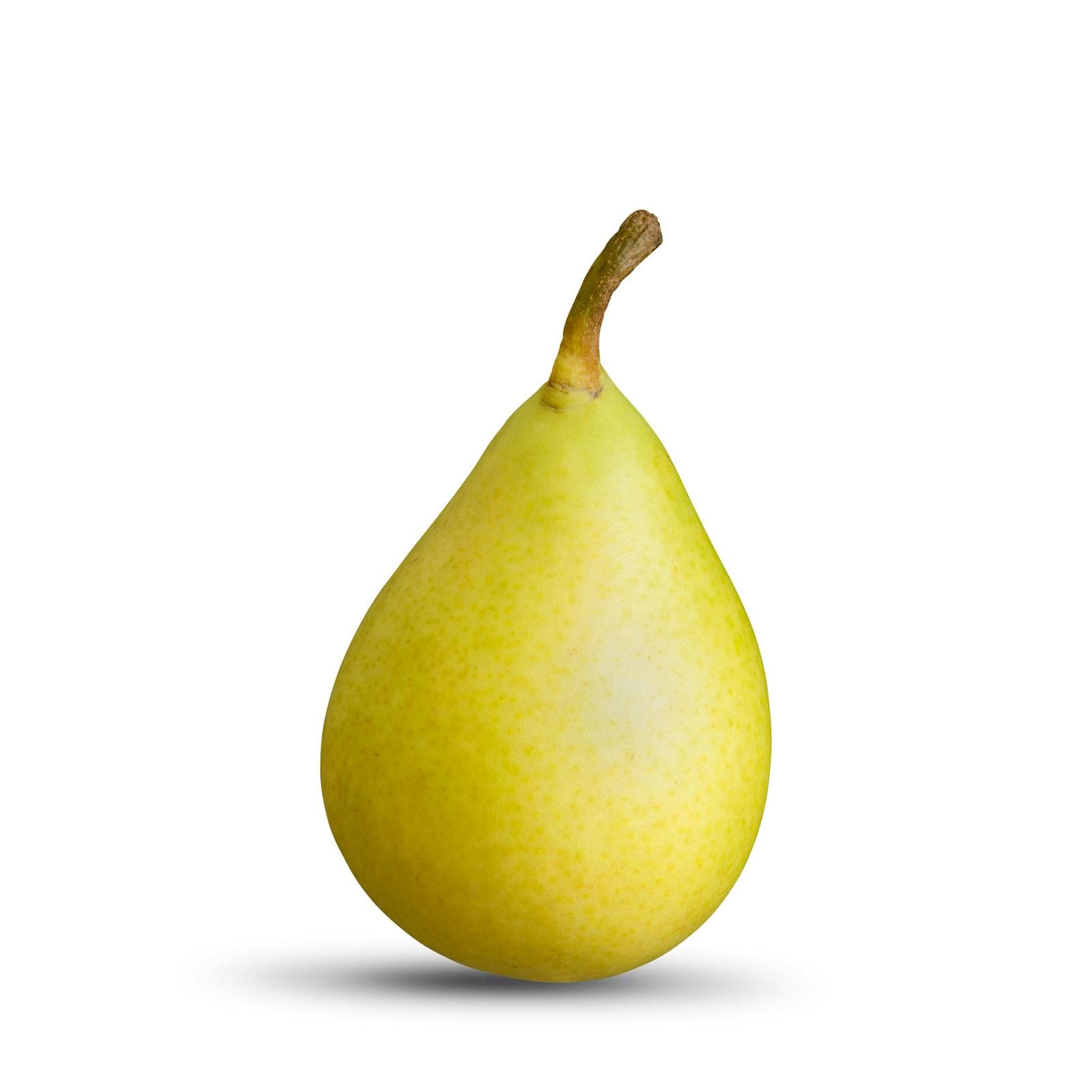 €0.31
€0.31Ercolina Pear
80 g · Mercadona
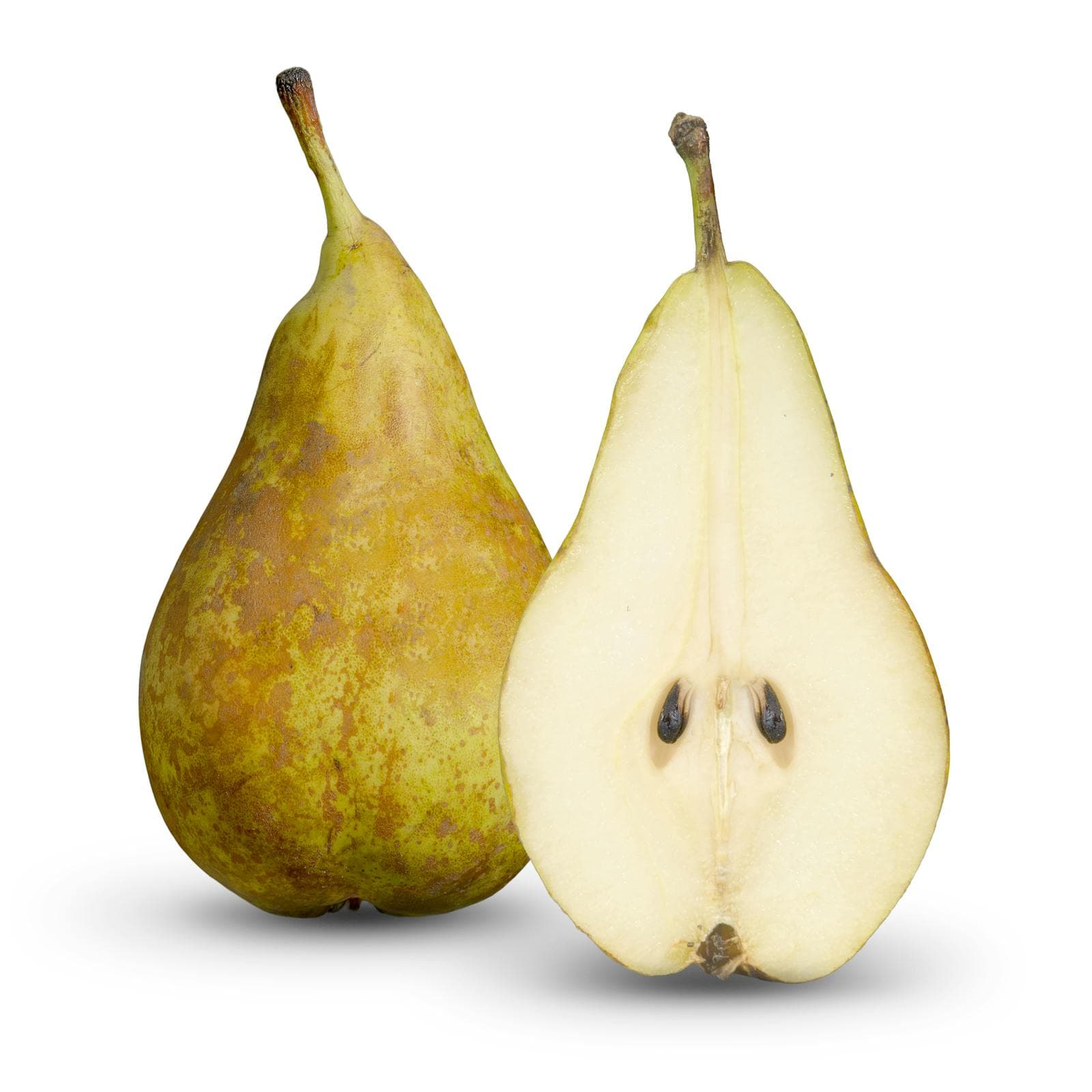 €0.44
€0.44Conference Pear
180 g · Mercadona
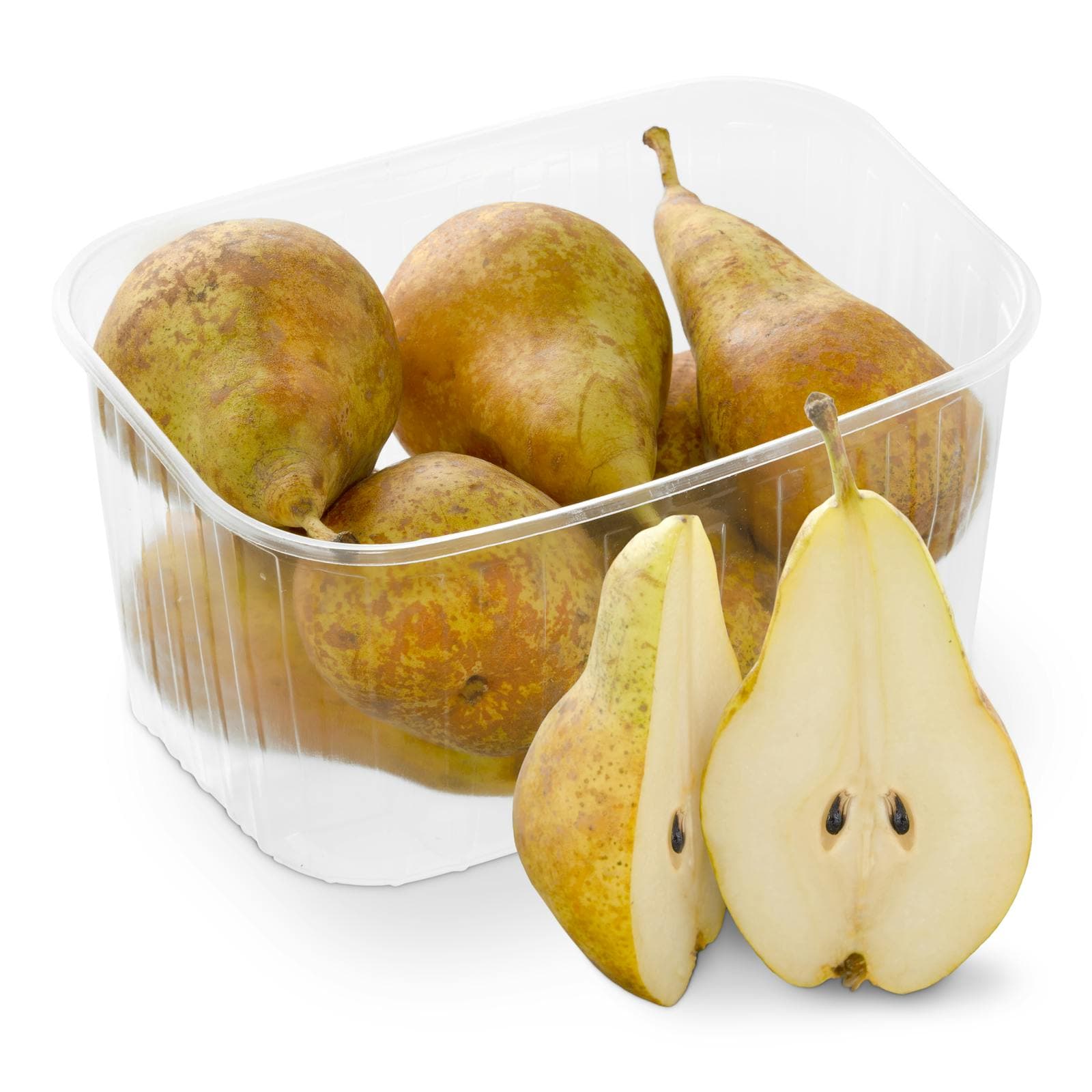 €2.39
€2.39Conference Pears
1.11 kg · Mercadona
 €0.36
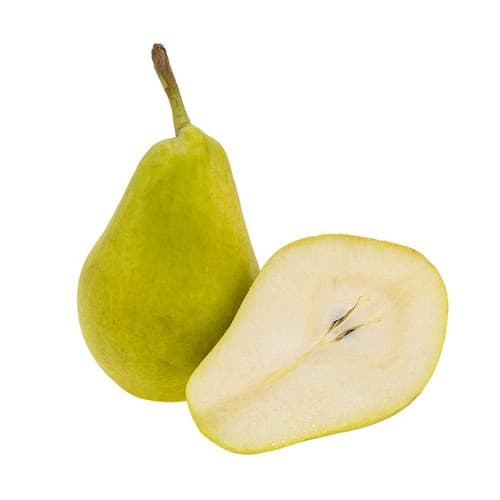
€0.36Ercolina Pear 1 unit
ud · Bonpreu
 €0.45
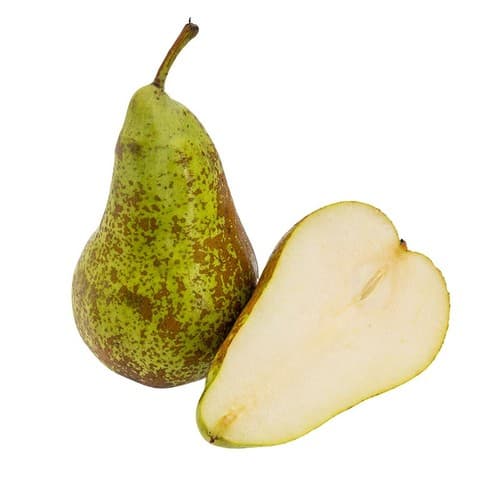
€0.45Conference Pear Km0 1 unit
Bonpreu
 €0.52
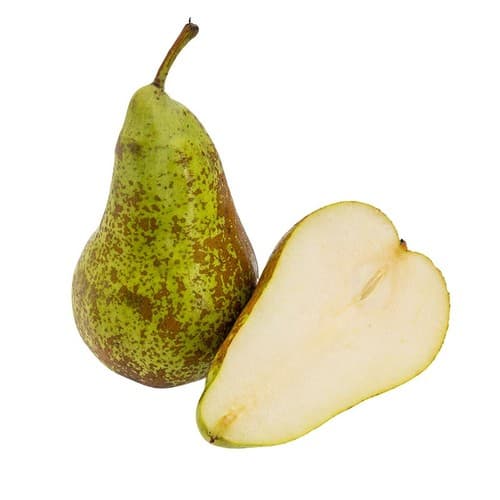
€0.52Conference Pear Km0 1 unit
ud · Bonpreu
Good to know
- Scientific name
- Pyrus pyrifolia
- Also called
- Nashi, Apple Pear, Sand Pear, Korean Pear, Bai Li (Chinese)
- Origin
- East Asia — China, Japan, Korea; cultivated for over 3,000 years
- Peak season
- Late summer through fall (August to November)
- Ripening
- Picked ripe; does not continue to ripen after harvest
- Texture
- Crisp and crunchy like an apple; fine-grained flesh; no grit
- Shape
- Round and apple-shaped; thin, edible skin
- Typical size
- 2–3 inches (5–8 cm) diameter
- Sugar content
- 12–16° Brix depending on variety
- Flavor
- Sweet, mild, lightly floral; low acidity; refreshing, not cloying
- Refrigerator storage
- 1–2 weeks in the crisper drawer
- Room temperature storage
- 1–2 days before quality declines
Substitutes
- Firm European pear (Bosc, Comice) — Closest flavor match but softer texture; poach or roast if you need firmness; do not substitute raw in applications where crunch matters
- Apple (Fuji, Gala) — Similar crisp texture and sweetness; acceptable in salads and salsas; the flavor profile differs noticeably in marinades or fresh eating
- Jicama — Comparable crunch and mild sweetness; works in salads and slaws; lacks fruity character so poor for fresh eating or marinades
- Cucumber (English/hothouse) — Substitute only in savory applications needing crunch; adds coolness rather than sweetness; completely different flavor
Pairs with
Also called
Bae · Nashi Pear · Korean Pear
Appears in these dishes
Related
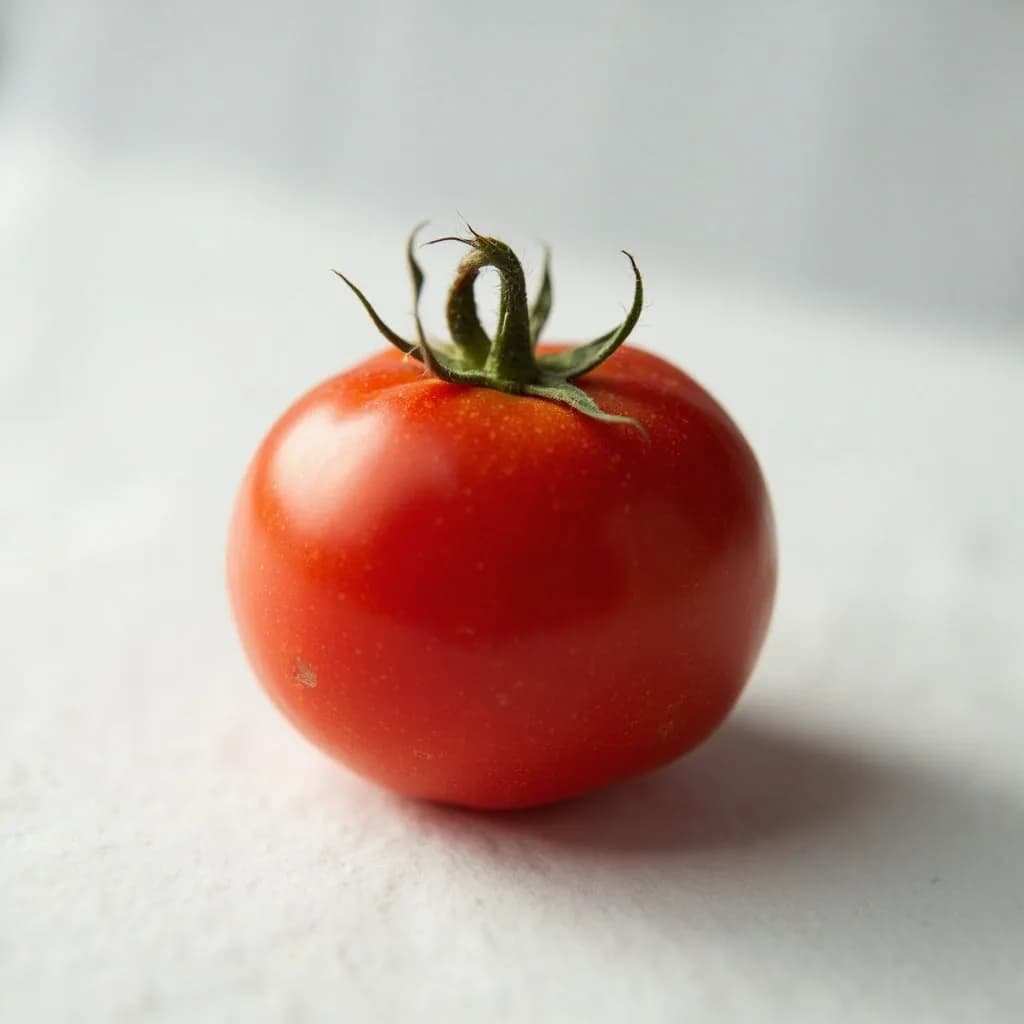
Tomato
Juicy, sun-sweet fruit for sauces, salads, and slow-cooked depth
Yellow Onion
The aromatic backbone of soups, sofritos, and braises
Garlic
Pungent cloves that perfume nearly every savory dish
Lemon
Bright, acidic citrus that wakes up almost any dish
Potato
Humble, hearty staple — roast, mash, fry, or boil
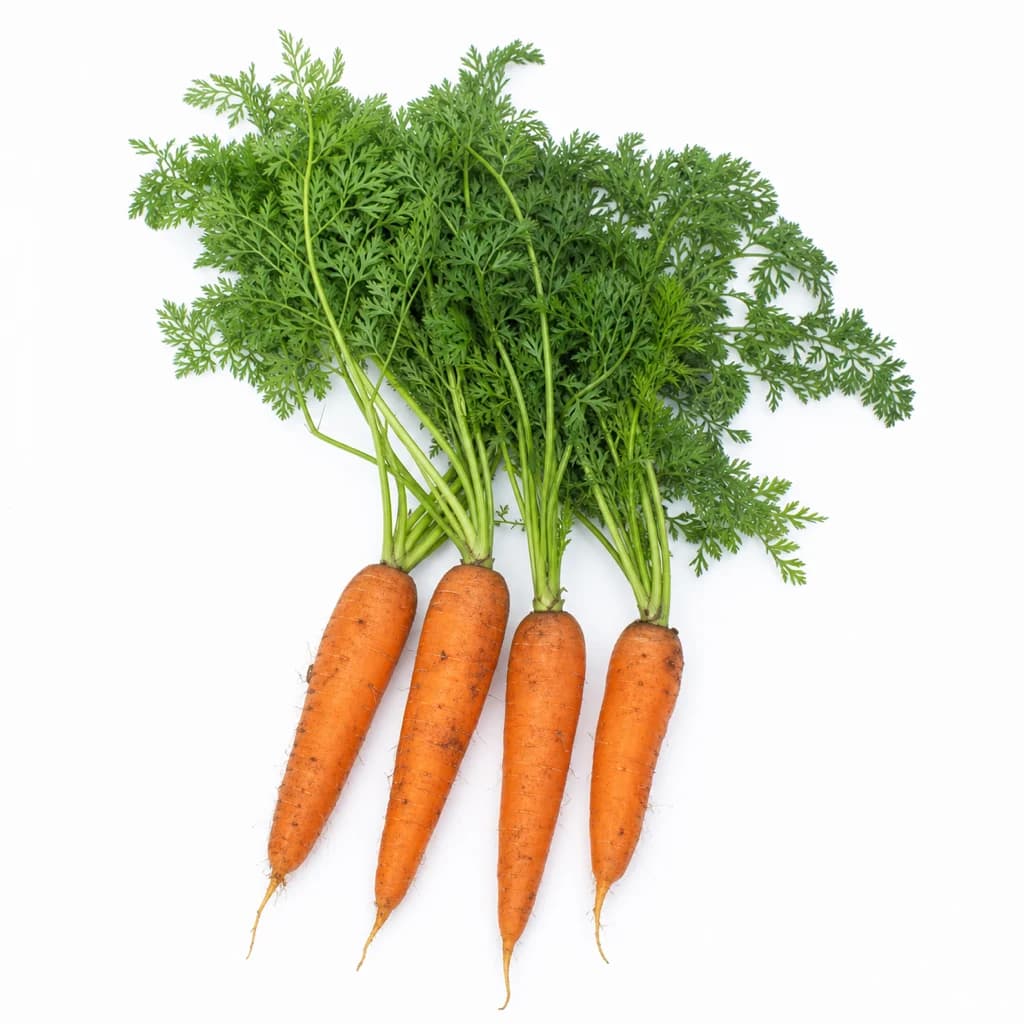
Carrot
Sweet, crunchy root — raw, roasted, or the base of a sofrito
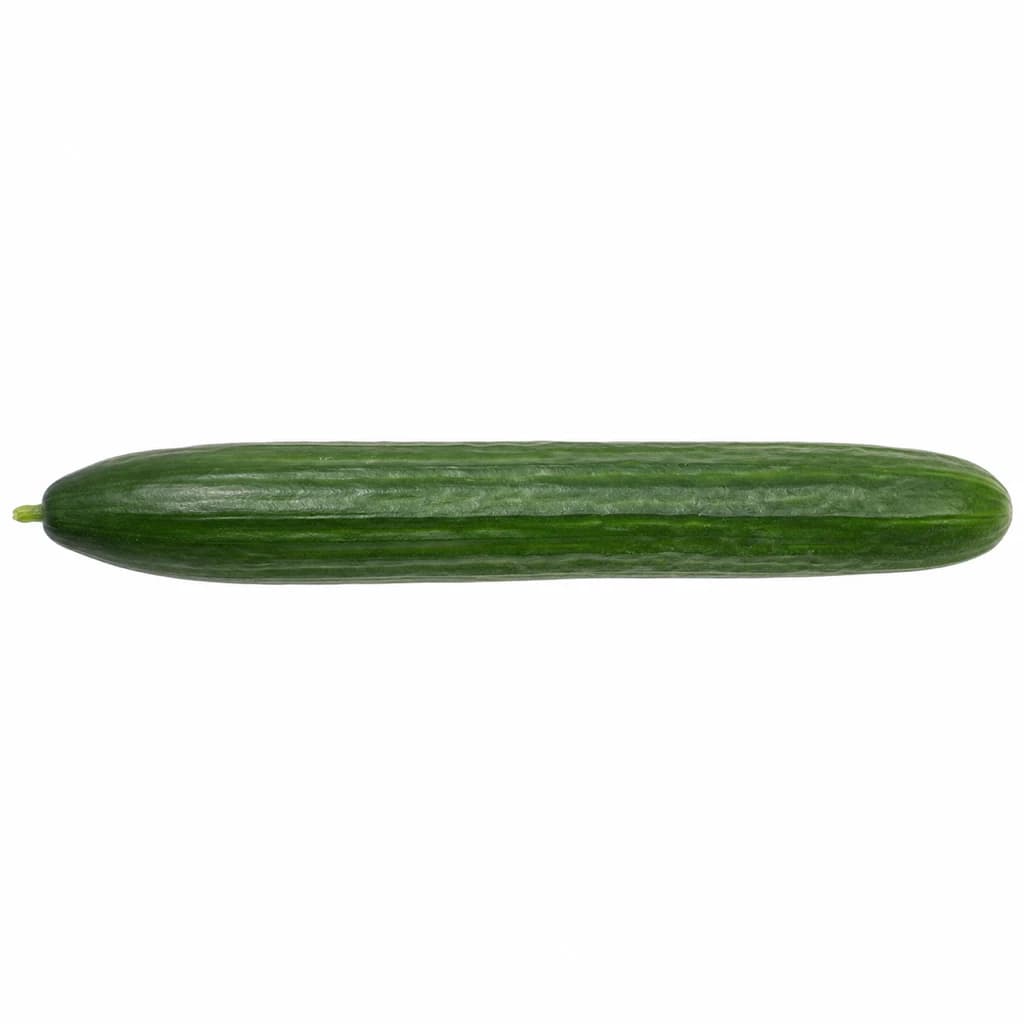
Cucumber
Cool, crisp, and watery — for salads, pickles, and tzatziki

Lettuce
Crisp leaves for salads, wraps, and a fresh crunch