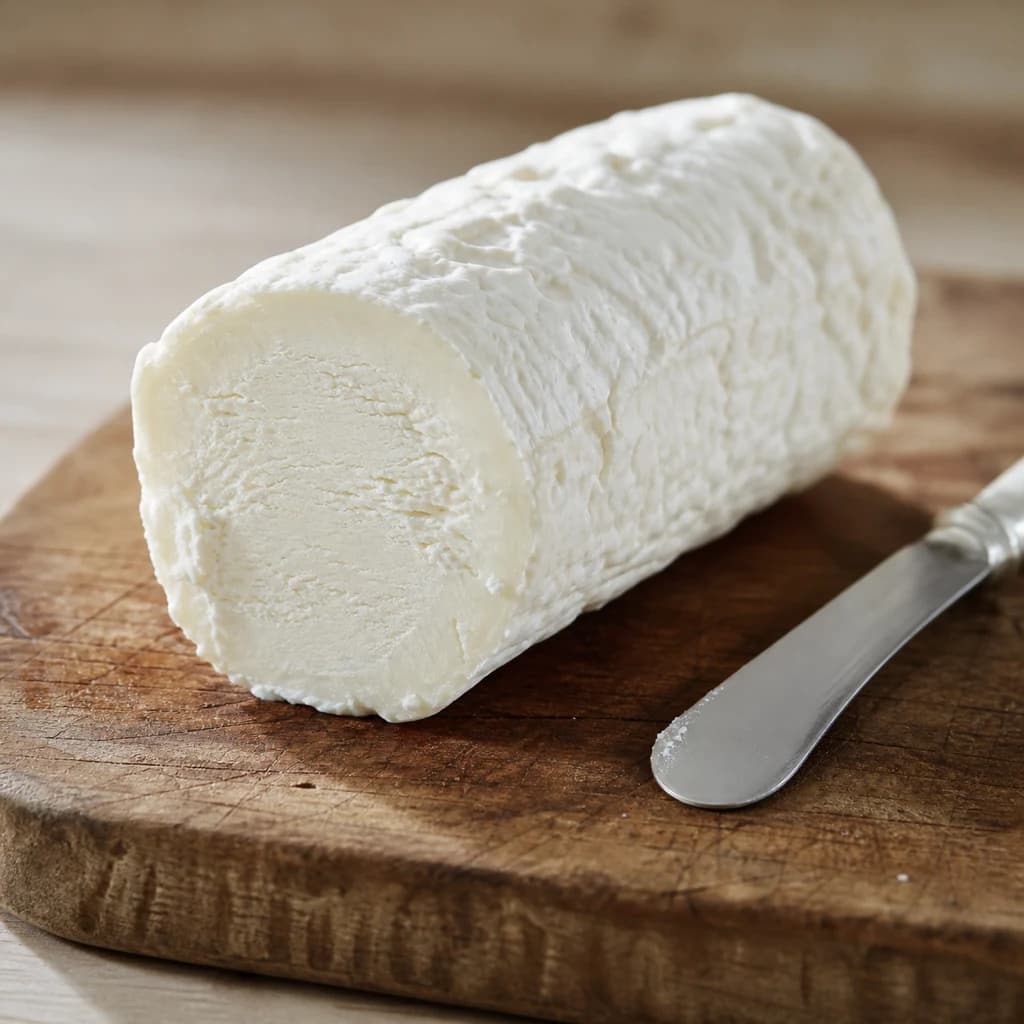
Natural form
A fresh chèvre log in its classic cylindrical shape, bright white and creamy.
Shows the immediately recognizable log format and snow-white color that define fresh goat cheese at a glance.
Dairy & Eggs
Chèvre (Fresh Goat Cheese)
Soft, tangy fresh French goat cheese, spreadable and creamy.
Chèvre is fresh goat's-milk cheese, soft, creamy, and bright with a characteristic tangy, slightly earthy flavor. It spreads easily and is used on toast, crumbled into salads, baked into tarts, or rolled in herbs and ash. Goat cheese tends to be more acidic and lower in lactose than cow's-milk cheese.
Chèvre, the French term for goat cheese, is one of the world's great artisanal dairy products—and one of the most versatile. True fresh chèvre is made solely from goat's milk, starter culture, salt, and rennet, yielding a snow-white, spreadable paste with a clean, bright tang that distinguishes it from every other fresh cheese. The finest comes from France's Loire Valley, where goat cheese production has been documented since the 16th century and where appellations like Crottin de Chavignol and Sainte-Maure de Touraine carry PDO protection. In the US market, domestic producers in Vermont, California, and Wisconsin have developed excellent fresh goat cheese, though the term alone still typically refers to the soft, unaged form unless specified otherwise.
Fresh chèvre behaves differently from aged cheeses: it spreads easily at room temperature, melts smoothly with gentle heat, and blends seamlessly into both savory and sweet preparations. The lactic tang—bright and refreshing without barnyard heaviness—is its signature. When baked whole until puffed and bronzed, the interior becomes molten and creamy while the surface crisps; this preparation, called chèvre croûte, is a French bistro staple. Aged versions like Crottin de Chavignol develop a firmer, chalkier center and more pronounced, almost nutty flavor that holds its shape when grilled or shaved over dishes.
Quality matters acutely with fresh chèvre. Artisanal logs contain only milk, salt, cultures, and rennet; industrial versions often add cream, stabilizers, or binders that dull the characteristic tang and alter texture. The perishability is high—fresh logs last 10–14 days refrigerated—and the cheese should feel firm but yield slightly under pressure, with no liquid pooling in the packaging.
- Measured in
- g
- Storage
- Fridge
Allergens
Types & varieties
Pure fresh, unripened; ultra-creamy, spreadable, mildest tang. Sold in tubs or small rounds.
Log-shaped, traditionally wrapped in a geotrichum ash rind (straw-colored). PDO protected. Ranges from fresh to 2–3 weeks aged.
Longer log format, may be fresh or slightly aged. Sold whole for baking or sliced for salads.
Pyramid-shaped, often coated with herbs (thyme, lavender, pepper), 3–5 weeks aged. Firm but creamy interior.
Small (50–60g) dome, aged minimum 2–3 weeks until firm and chalky. Intense, tangy, slightly salty. The classic Sancerre accompaniment.
Truncated pyramid (tulip shape), lightly aged, mild and creamy with herb coating. PDO protected.
Whole log or round baked until golden and runny inside; rind becomes crisp and edible. A classic preparation.
Pre-crumbled fresh or slightly aged cheese for salads and pizzas; loses more moisture than fresh log.
Common uses
Tips & pitfalls
- Bring to room temperature 30–45 minutes before serving—cold chèvre tastes flat and one-dimensional; the tang and creaminess only emerge fully when warmed
- When baking whole logs, score the top lightly with a knife to allow controlled expansion and even heat penetration
- Do not overbake when melting—high heat turns fresh chèvre grainy and causes separation; use moderate oven (375°F/190°C) and shorter time
- Season sparingly at first—many commercial logs are already adequately salted; add salt gradually and taste as you go
- Drain fresh chèvre overnight in cheesecloth lined with a strainer if you need a thicker, drier consistency for tarts or cheesecakes
- Choose logs that feel firm but yield slightly under gentle pressure; avoid packages with liquid pooling at the bottom, which indicates excessive whey or poor quality
- Store fresh logs in original packaging, then place in an airtight container to prevent dehydration and absorption of refrigerator odors
- For a quick herb-crusted log, roll fresh chèvre in a mixture of cracked black pepper, chopped chives, and thyme before serving
- The ash coating on Sainte-Maure and similar cheeses is edible geotrichum mold, not charcoal—it adds a mild earthy note and is entirely meant to be eaten
- When substituting goat cheese for cream cheese in sweet applications, add a pinch of sugar or honey to balance the tang
Nutrition
Energy
1891 kJ · per 100 g
Where the calories come from
Protein
30.5g
61% DV
Carbs
2.2g
1% DV
Fat
35.6g
46% DV
Fiber
0g
0% DV
Sugars
2.2g
of which
Sodium
423mg
18% DV
Source · USDA FoodData Central · Cheese, goat, hard type
View on FDC →In the shops
Matched grocery products
No matched grocery products for Chèvre (Fresh Goat Cheese) yet.
Good to know
- Origin
- France, Loire Valley (Sancerre, Chavignol); production documented since 16th century
- Milk Type
- Goat's milk, typically from Alpine or Saanen breeds
- Texture
- Fresh: soft, spreadable, creamy. Aged: firm, chalky at center.
- Flavor
- Clean, tangy, bright lactic acidity; quality fresh versions have no barnyard notes
- Color
- Pure white interior; natural rind may be white, grey (ash), or herbed
- Form
- Small logs (bûchettes), rounds, pyramids, bulk trays, crumbles
- Fat Content
- 20–25% in fresh logs; varies by producer
- Peak Season
- Spring and early summer, when goats are on fresh pasture
- Perishability
- 10–14 days fresh; 2–3 weeks for crumbles
- Yield
- 1 kg fresh yields approximately 900g usable cheese after draining
Substitutes
- Cream cheese — Closest in texture and spreadability; add lemon zest or a splash of white wine to approximate the tangy flavor
- Labneh — Strained yogurt cheese with similar tangy, creamy profile; drain in cheesecloth for 24 hours to achieve thick, spreadable consistency
- Ricotta (part-skim) — Similar moisture and mildness; lacks goat's distinctive tang entirely; compensate with lemon juice and salt
- Mascarpone — Similar creaminess and fat content; far milder; add white wine vinegar or lemon juice drop by drop until tang matches
- Feta (in brine) — Acceptable in salads and baked dishes; significantly saltier, crumblier, and less creamy; rinse and soak in cold water if too aggressive
Pairs with
Also called
Goat Cheese · Fresh Goat Cheese
Appears in these dishes

Related

Whole Milk
Rich, full-fat milk for drinking, coffee, sauces, and baking
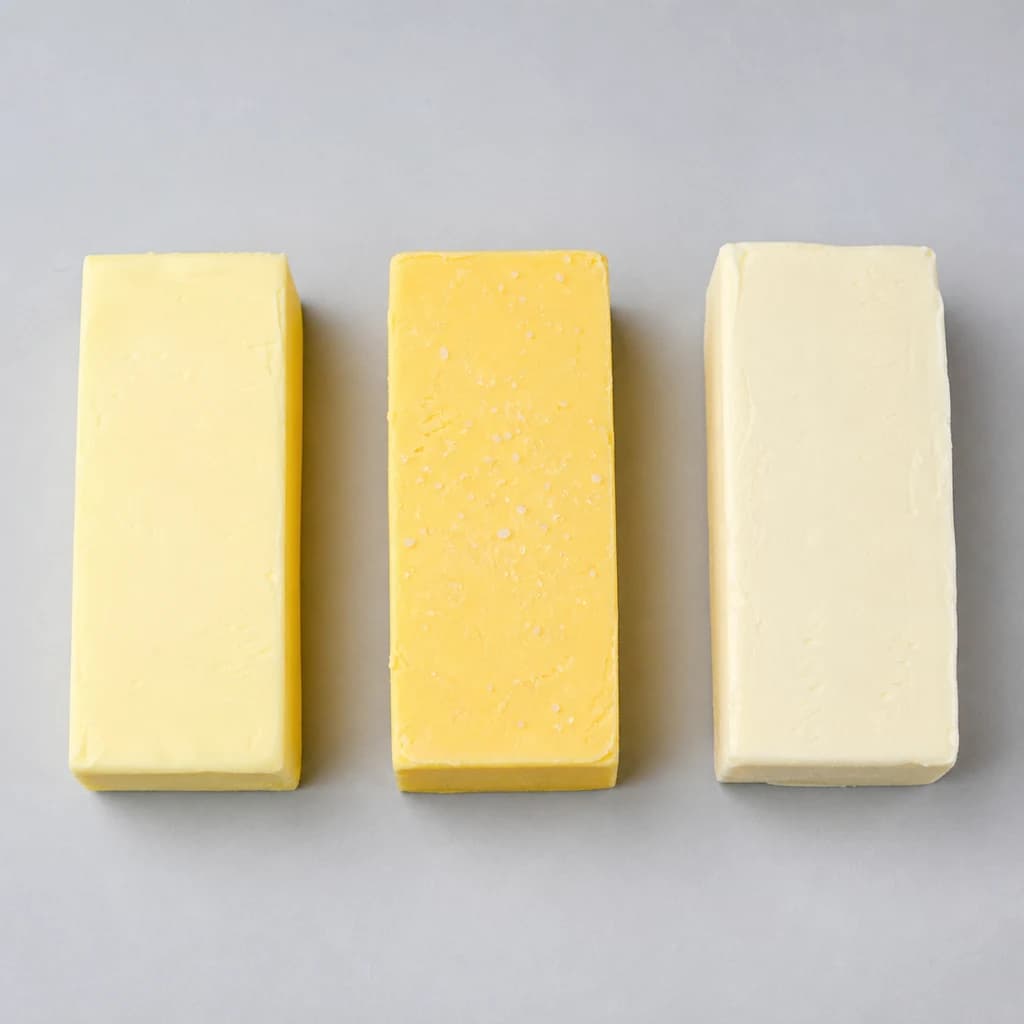
Butter
Golden fat for searing, baking, and finishing a sauce
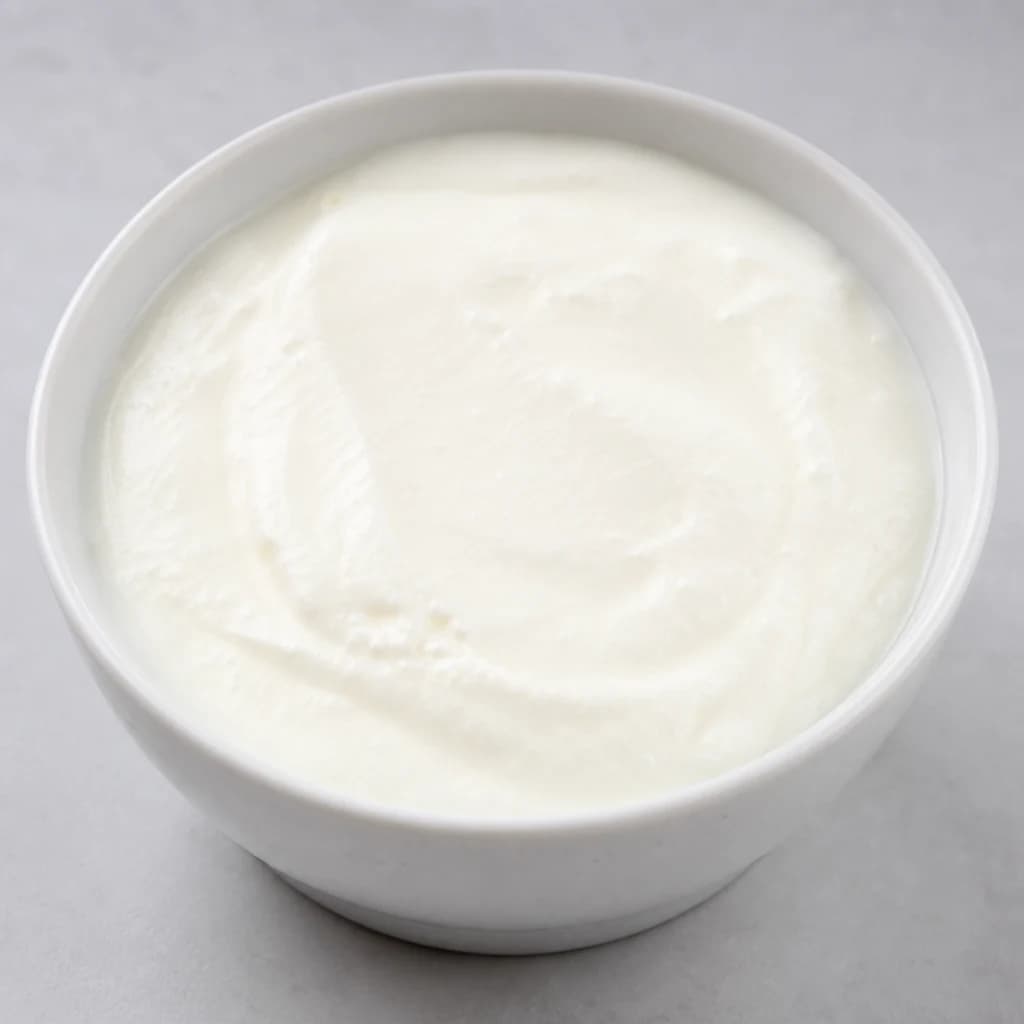
Yogurt
Tangy, creamy culture for breakfast, sauces, and marinades
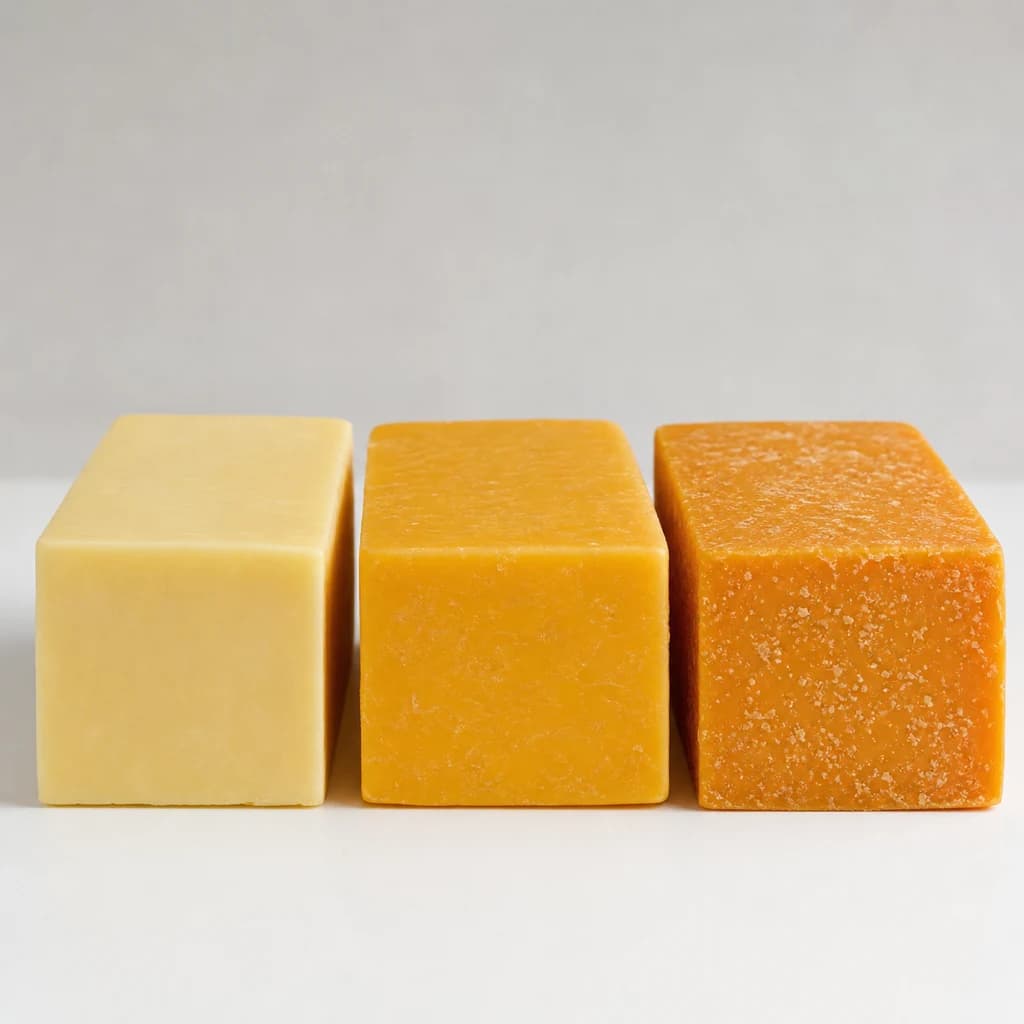
Cheddar Cheese
Sharp, melty cheese for sandwiches, gratins, and grating
Skim Milk
Fat-free milk for lighter drinking, coffee, and cooking
Heavy Cream
Rich cream that whips, enriches sauces, and sets ganache

Sour Cream
Tangy, thick cream for dolloping, baking, and dips
Mozzarella
Soft, milky cheese that melts into stretchy pizza pulls