Varieties
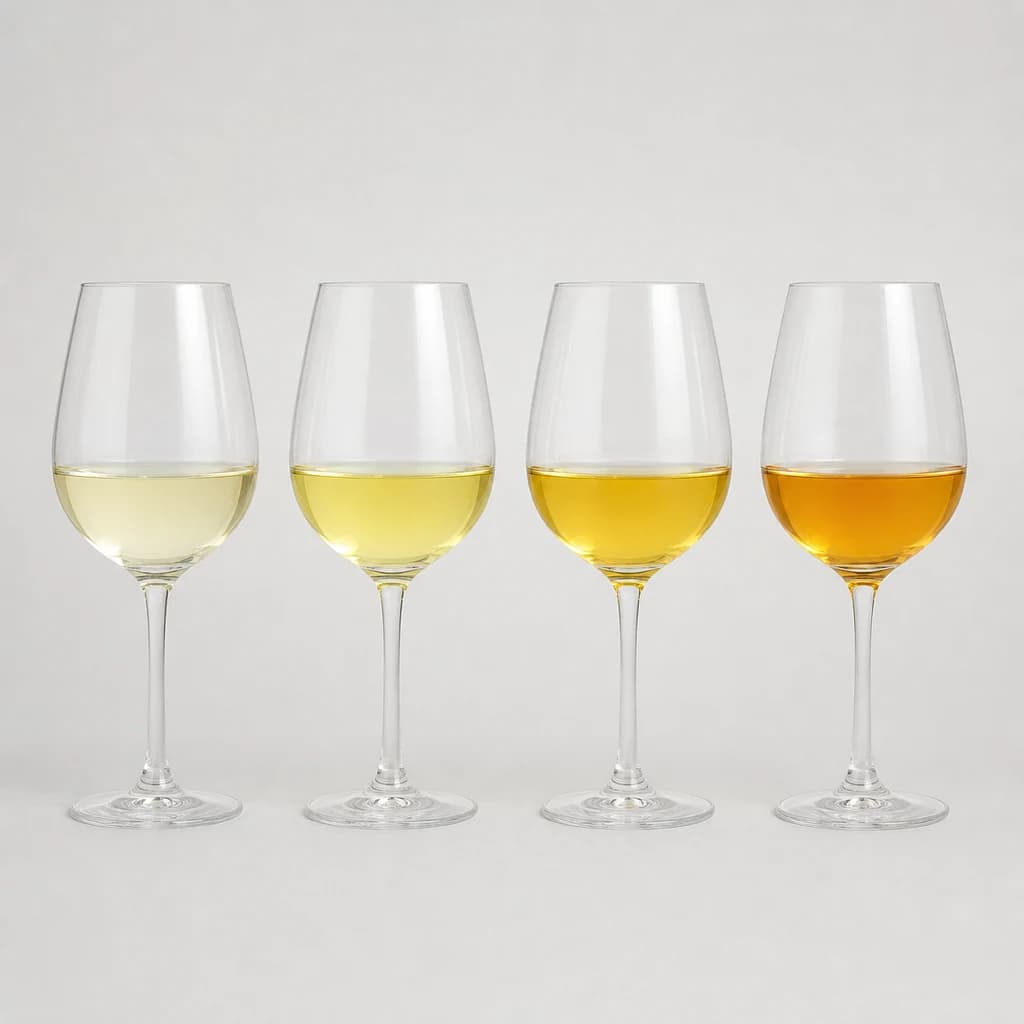
Four common white wine styles from pale straw Pinot Grigio to deep gold Chardonnay in clear glasses.
Showing multiple wine styles in one scene teaches readers how color and tone vary across the category.
Beverages
White Wine
Crisp wine for sipping, deglazing, and light sauces
Bright and crisp, white wine sips chilled and deglazes a pan, brightens a risotto, and lifts a cream sauce. A dry one is the kitchen workhorse. Keep it chilled once opened.
White wine is fermented from green (or de-skinned) grapes, giving a lighter, crisper drink than red — without the tannin, but with bright acidity and aromas of citrus, orchard fruit, and white flowers (or, when oaked, butter and vanilla). That clean acidity makes dry white wine indispensable in the kitchen: it deglazes, lifts and balances richness, steams shellfish, builds risotto and cream sauces, and poaches fish gently. Cook with a dry, unoaked white you'd drink; its job is to add brightness and depth, not sweetness.
- Measured in
- ml
- Storage
- Refrigerate
Allergens
Find it in
Types & varieties
Best for cooking — bright acid
Floral; dry styles for cooking
Buttery — use cautiously in sauces
How to use in cooking
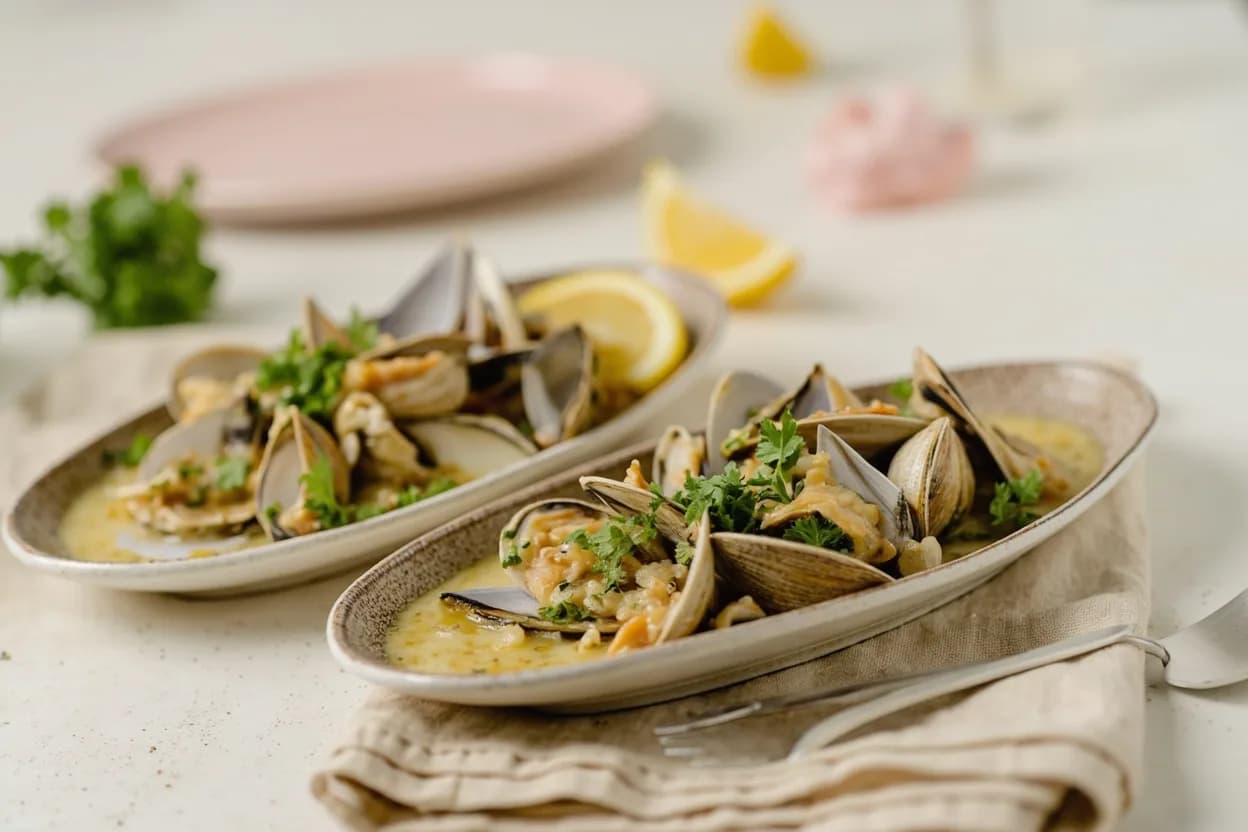
Dry white wine's acidity brightens and balances. Use it to deglaze a chicken or fish pan, steam mussels and clams, build the base of risotto (add after the rice, let it absorb), or lift a cream sauce so it isn't cloying. It poaches fish and chicken gently and forms the acid backbone of a beurre blanc. Simmer to cook off the alcohol while keeping the fresh, bright flavor.
How to choose
Choose a dry, crisp, unoaked white — Sauvignon Blanc, Pinot Grigio, or dry Riesling are ideal. Avoid sweet wines (unless a dish wants sweetness) and heavily oaked Chardonnay, whose butter-oak can overwhelm. Skip salted 'cooking wine.' Dry vermouth is an excellent, longer-keeping substitute.
Common uses
Tips & pitfalls
- Use a dry, unoaked white — sweet or oaky wines change the dish.
- Add to risotto after the rice and let it fully absorb.
- Dry vermouth is a great keeps-longer substitute.
- Simmer to lose the raw alcohol while keeping brightness.
Nutrition
Energy
343 kJ · per 100 g
Where the calories come from
Protein
0.1g
0% DV
Carbs
2.6g
1% DV
Fat
0g
0% DV
Fiber
0g
0% DV
Sugars
1g
of which
Sodium
5mg
0% DV
Source · USDA FoodData Central · approx. Alcoholic beverage, wine, table, white
View on FDC →In the shops
Matched grocery products
No matched grocery products for White Wine yet.
Good to know
- Flavor
- Crisp, citrusy, fruity, acidic (or buttery if oaked)
- Use in cooking
- Deglazing, risotto, shellfish, cream sauces, poaching
- Alcohol?
- Yes — ~11–14% ABV
- Substitute base
- Chicken stock + lemon juice, or dry vermouth
- How to store
- Refrigerate sealed; use opened within a few days
Substitutes
- Dry vermouth — Aromatic, keeps far longer — direct swap
- Chicken stock + lemon juice — Non-alcoholic: body plus acidity
- Dry sherry (fino) — Nuttier fortified alternative
Also called
white wine · dry white wine · vino blanco · vi blanc
Appears in these dishes
Related

White Rum
Light, clean rum for mojitos, daiquiris, and piña coladas

Dark Rum
Rich, molasses-deep rum for tiki drinks and sipping
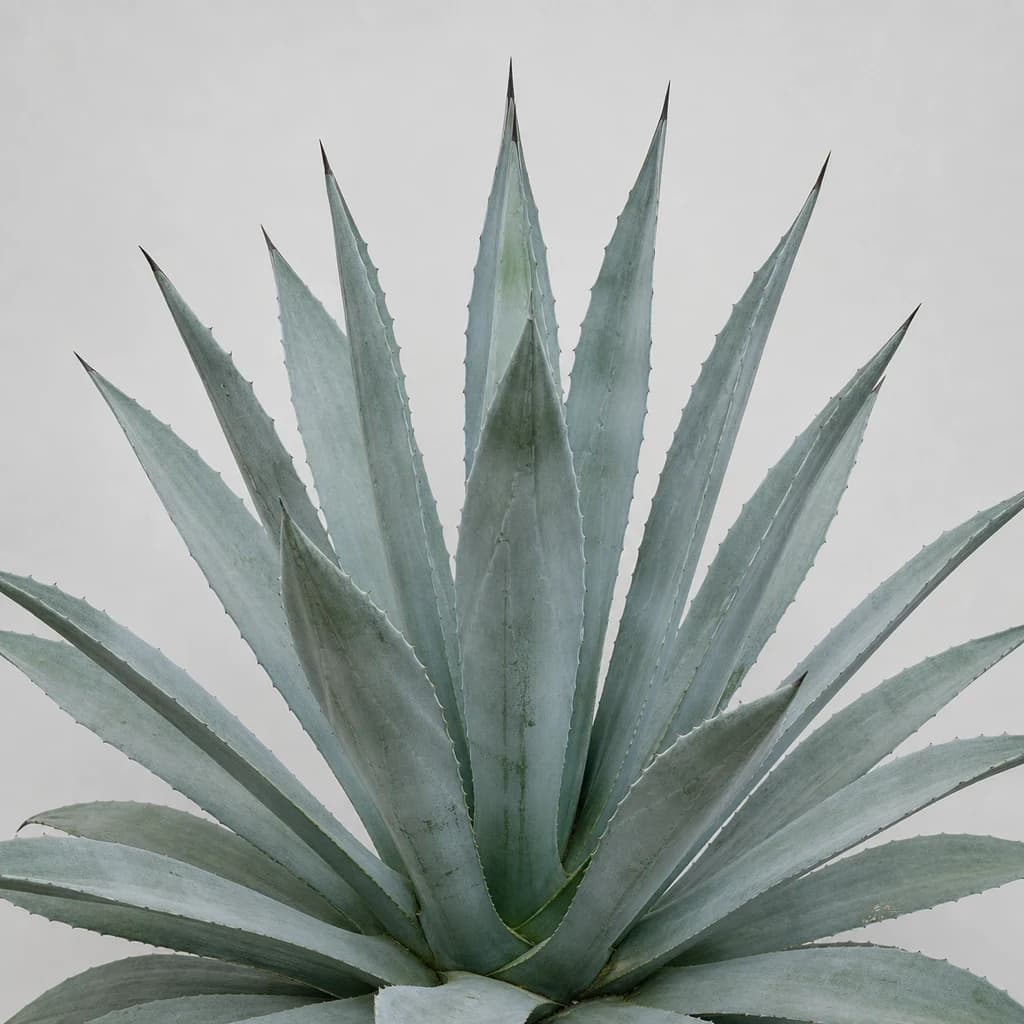
Tequila
Bright agave spirit for margaritas, palomas, and shots
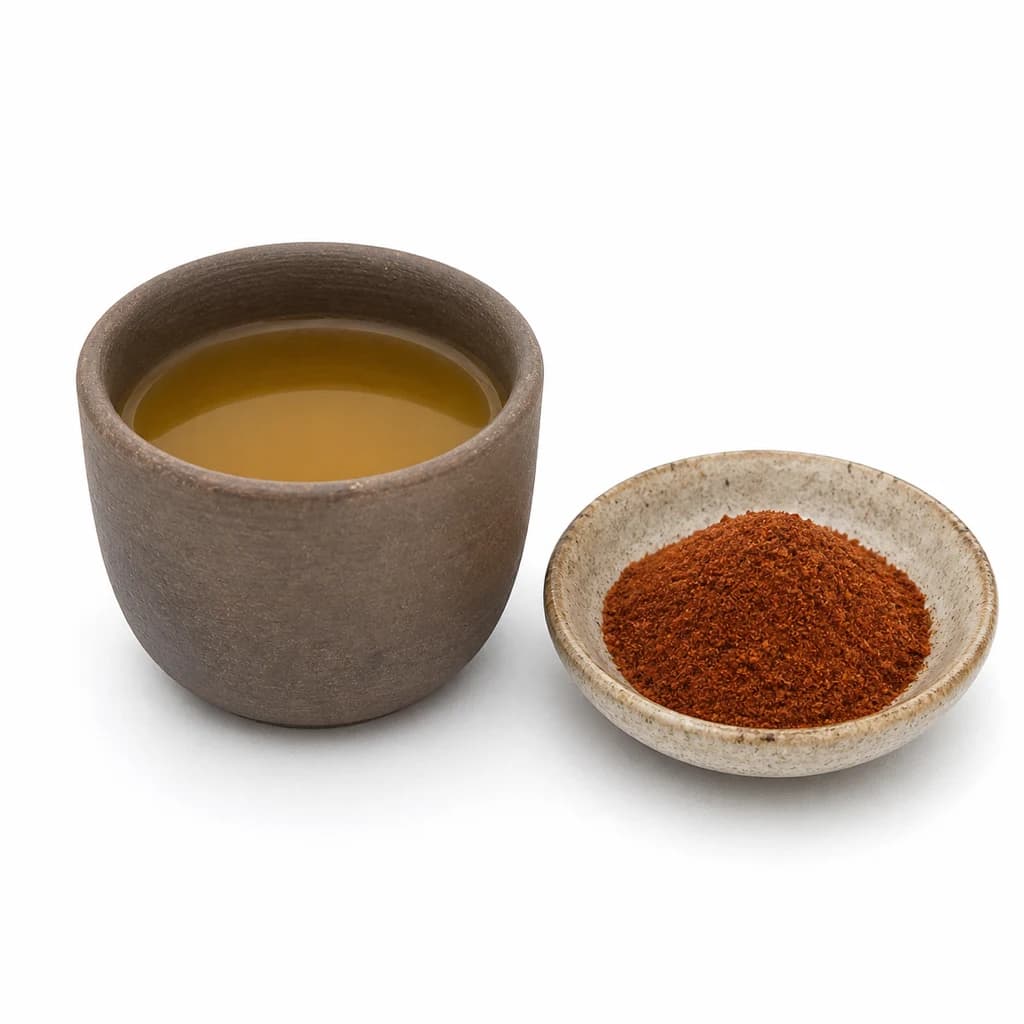
Mezcal
Smoky agave spirit for sipping and smoldering cocktails
Vodka
Clean, neutral spirit for mixing into almost any cocktail
Gin
Botanical, juniper-forward spirit for G&Ts and martinis
Whisky
Warm, oak-aged spirit for sipping and classic cocktails

Brandy
Rich, fruity grape spirit for sipping, sauces, and flambé