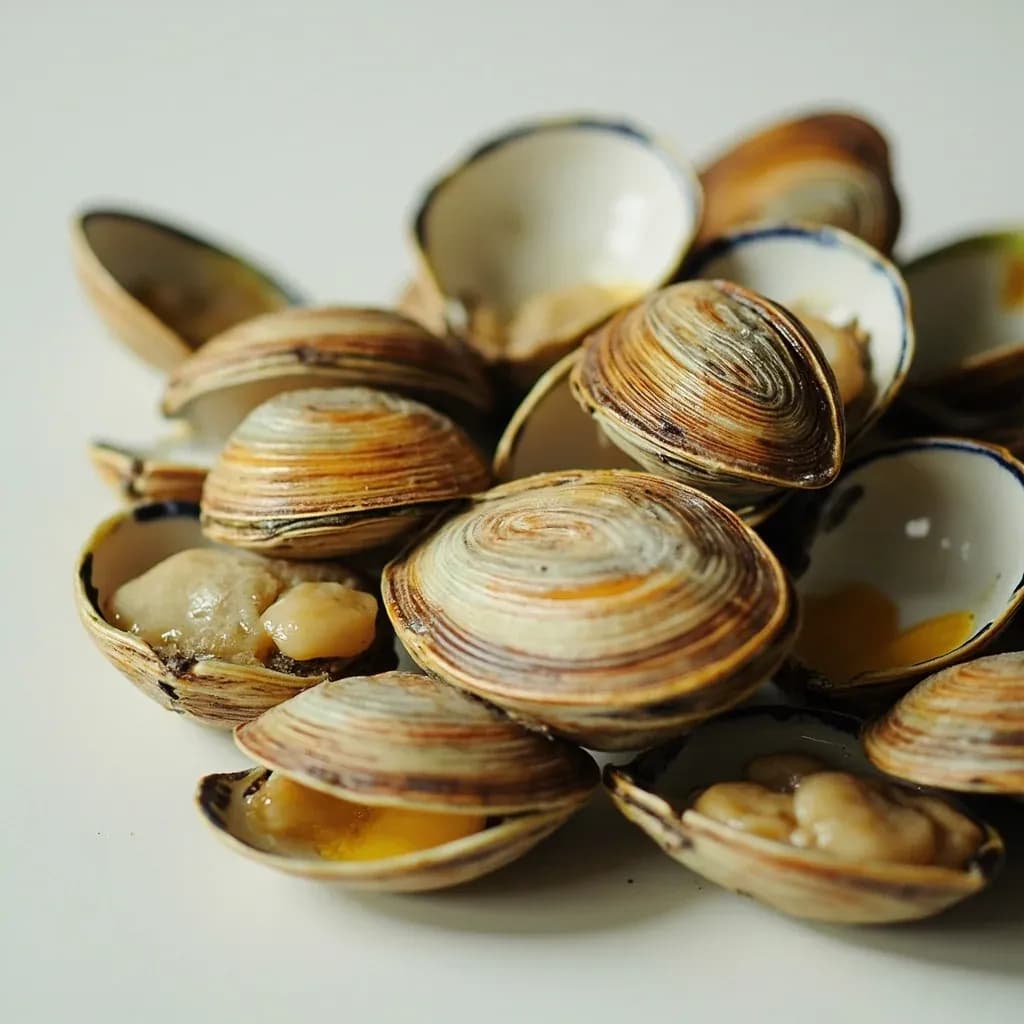
Proteins
Shellfish (Faisua / Clams)
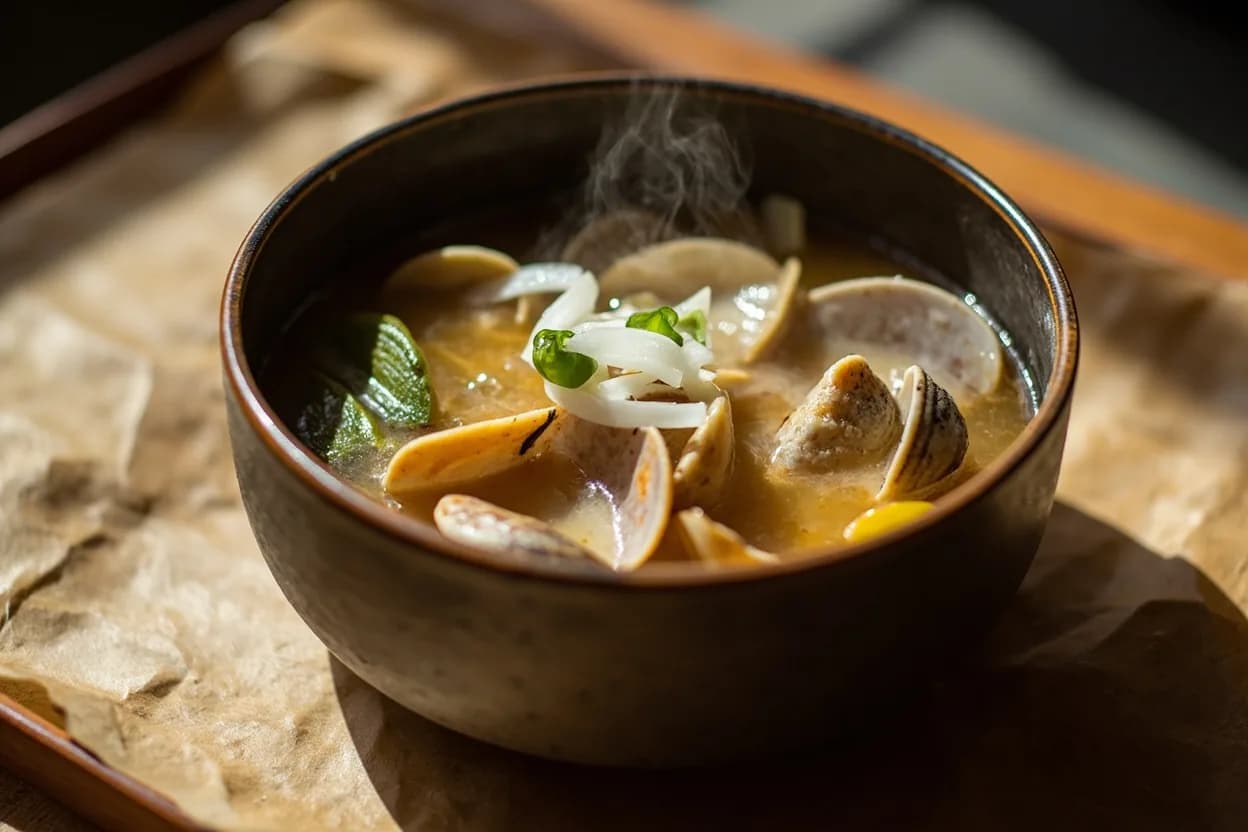
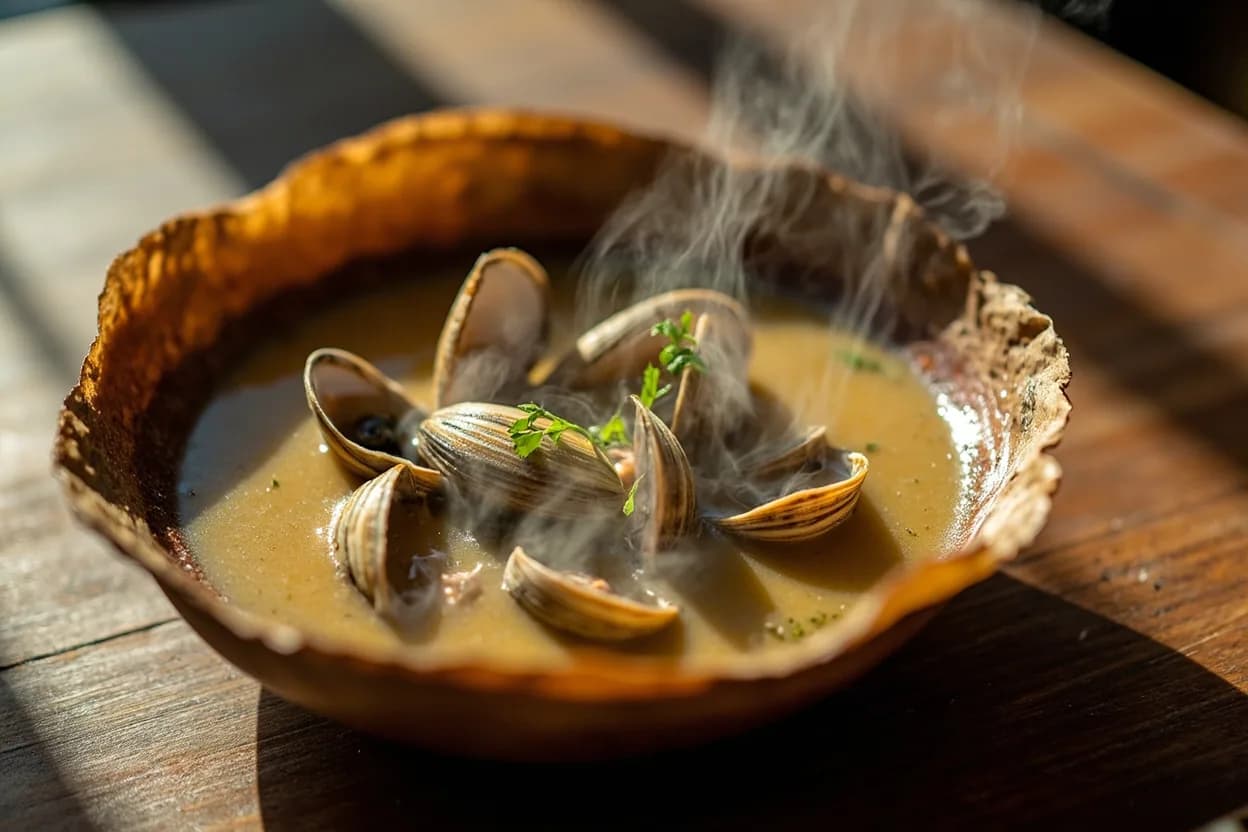
Edible marine clams and bivalves steamed, grilled or added to soups and rice.
Shellfish here covers edible bivalves such as clams and the Samoan sea grape relative faisua, gathered from coastal waters. Clams are steamed open, tossed through pasta and rice, or added to chowders and soups, releasing briny liquor. They should be purged of sand and discarded if they do not open when cooked.
Shellfish (Faisua / Clams) are bivalve mollusks belonging to the class Bivalvia, prized across coastal cuisines worldwide for their briny, oceanic sweetness and tender texture. In Goan and Portuguese-influenced South Asian cooking, small clams are known as faisua—a term that arrived with colonial trade routes and remains central to coconut milk curries and rice dishes along India's western coast. The Manila clam (Tapes philippinarum) dominates global production and consumption, but dozens of varieties range from thumbnail-sized littlenecks to enormous geoducks, each suited to different preparations. Their behavior in the kitchen is predictable once you understand it: clams purge sand through their siphons, open when cooked, and release a savory liquor that forms the backbone of countless sauces, broths, and risottos. Freshness is non-negotiable—a clam that doesn't close when tapped, or that smells of decay or sulfur, should be discarded immediately. The cooking liquid itself is precious: strain it through cheesecloth to remove grit, and you have liquid gold for paella, chowder, or a quick seafood pasta.
- Measured in
- g
- Storage
- Fridge
Allergens
Types & varieties
Pacific variety; sweet, tender meat; most common for steaming; 2–3 inches
Smallest hard-shell variety; excellent raw on half shell or steamed; 1–1.5 inches
Larger than littleneck; good raw or for chowder; 1.5–2 inches
Ranges from small to very large; chowder clams are the largest; tough texture when overcooked
Elongated shells that don't close fully; sandy; requires thorough purging; prized in New England
Elongated, narrow shell; tender meat; found on Pacific and Atlantic coasts; 3–6 inches
Very large clam; firm, crisp texture; sweet flavor; primarily Pacific Northwest
Regional term for small clams used in South Asian coastal cuisines; typically Manila or similar small variety
Purging Sand
Sand is the enemy of every clam dish. Purging forces clams to expel grit from their digestive systems before cooking. The method is simple but requires correct brine concentration: dissolve 1/3 cup of salt into one quart of cold water—you're mimicking seawater. Submerge the clams, cover the bowl, and refrigerate for 20–30 minutes. Lift them out, rinse briefly, and cook. Some cooks add cornmeal to the brine, believing it speeds digestion, but plain salted water works equally well. Soft-shell clams (steamers) require extra attention: their elongated, gap-toothed shells trap more sand, so extend purging to 1–2 hours and scrub them aggressively under cold running water with a stiff brush.
- Use 1/3 cup salt per quart water for proper brine concentration
- Purge 20–30 minutes in the refrigerator, covered
- Rinse and scrub shells before cooking
- Soft-shell clams may need 1–2 hours and more vigorous scrubbing
The Clam Liquor
When steamed or shucked, clams release their own briny, umami-rich liquid. This 'clam liquor' or 'clam juice' is not a byproduct to discard—it is an ingredient. Strain it through a fine-mesh sieve lined with cheesecloth to remove any residual sand, then use it as the cooking liquid for risotto, as a base for chowder, or to deglaze a pan after sautéing clams. A pint of live clams typically yields 1/2 to 3/4 cup of liquor. If a recipe calls for clam juice and you're using fresh clams, you have it; bottled clam juice is a backup for canned or frozen preparations.
- Strain clam liquor through cheesecloth to remove sand
- Use as cooking liquid for risotto and pasta dishes
- Substitute for bottled clam juice in recipes
- Save it—clam liquor freezes well for 3 months
Common uses
Tips & pitfalls
- Purchase live clams only: tap any open shells—if they don't close, discard them
- Purge sand by soaking in heavily salted water (1/3 cup salt per quart water) for 20–30 minutes in the refrigerator
- Scrub shells thoroughly with a stiff brush under cold running water before cooking
- Never cook clams in fresh water—they will die and become tough
- Cook just until shells open, typically 3–5 minutes of steaming; discard any that remain closed
- Add clams to cooked dishes in the final minutes only to prevent overcooking
- If shucking raw, work over a bowl to catch juices (clam liquor) which are valuable for cooking
- Frozen clam meat should be thawed gently in the refrigerator overnight; use within 3 months of freezing
Nutrition
Energy
360 kJ · per 100 g
Where the calories come from
Protein
14.7g
29% DV
Carbs
3.6g
1% DV
Fat
1g
1% DV
Fiber
0g
0% DV
Sugars
0g
of which
Sodium
601mg
26% DV
Source · USDA FoodData Central · approx. Mollusks, clam, mixed species, raw
View on FDC →In the shops
Matched grocery products
No matched grocery products for Shellfish (Faisua / Clams) yet.
Good to know
- Type
- Bivalve mollusk (class Bivalvia)
- Habitat
- Marine and brackish waters worldwide
- Peak Season
- October through April (cold water months); year-round in most markets
- Flavor Profile
- Briny, oceanic, subtly sweet; intensity varies by variety and harvest location
- Typical Size
- 1–4 inches depending on variety
- Edible Yield
- Approximately 40–50% meat after shucking
- Shelf Life
- Live clams: 1–2 days refrigerated; cooked meat: 3–4 days
- Storage
- Live: in a bowl covered with damp cloth, never submerged in fresh water
- Difficulty
- Moderate (requires cleaning and sand purging)
- Equipment
- Clam knife or sturdy paring knife; stiff brush for scrubbing shells
Substitutes
- Mussels — Similar briny flavor and texture; cook slightly longer as mussels take more time to open
- Oysters — Different texture (creamier) and stronger flavor; can be used raw but behave differently in cooked applications
- Cockles — Small, sweet; require similar purging and cooking methods
- Small squid/scallops — For dishes where chewy texture is acceptable; different flavor profile
Pairs with
Also called
Faisua · Clams · Bivalves
Appears in these dishes
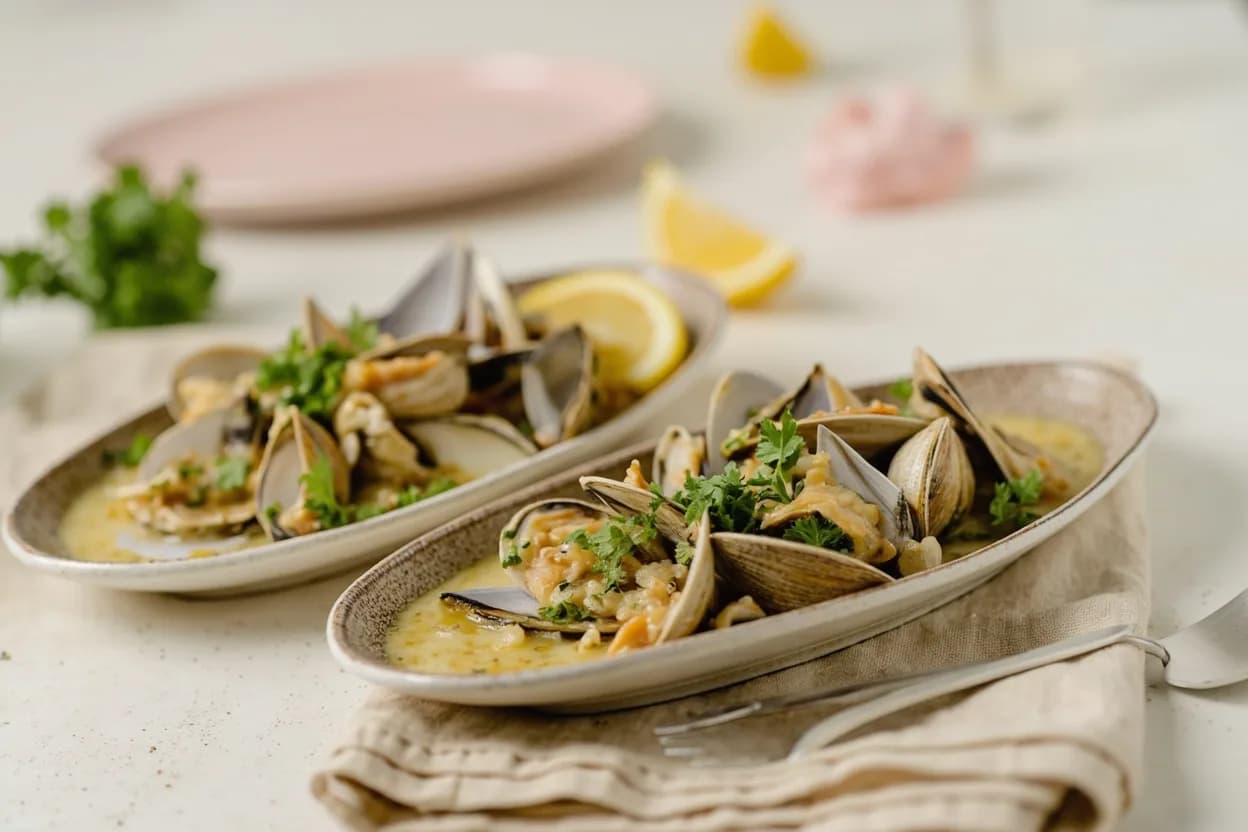
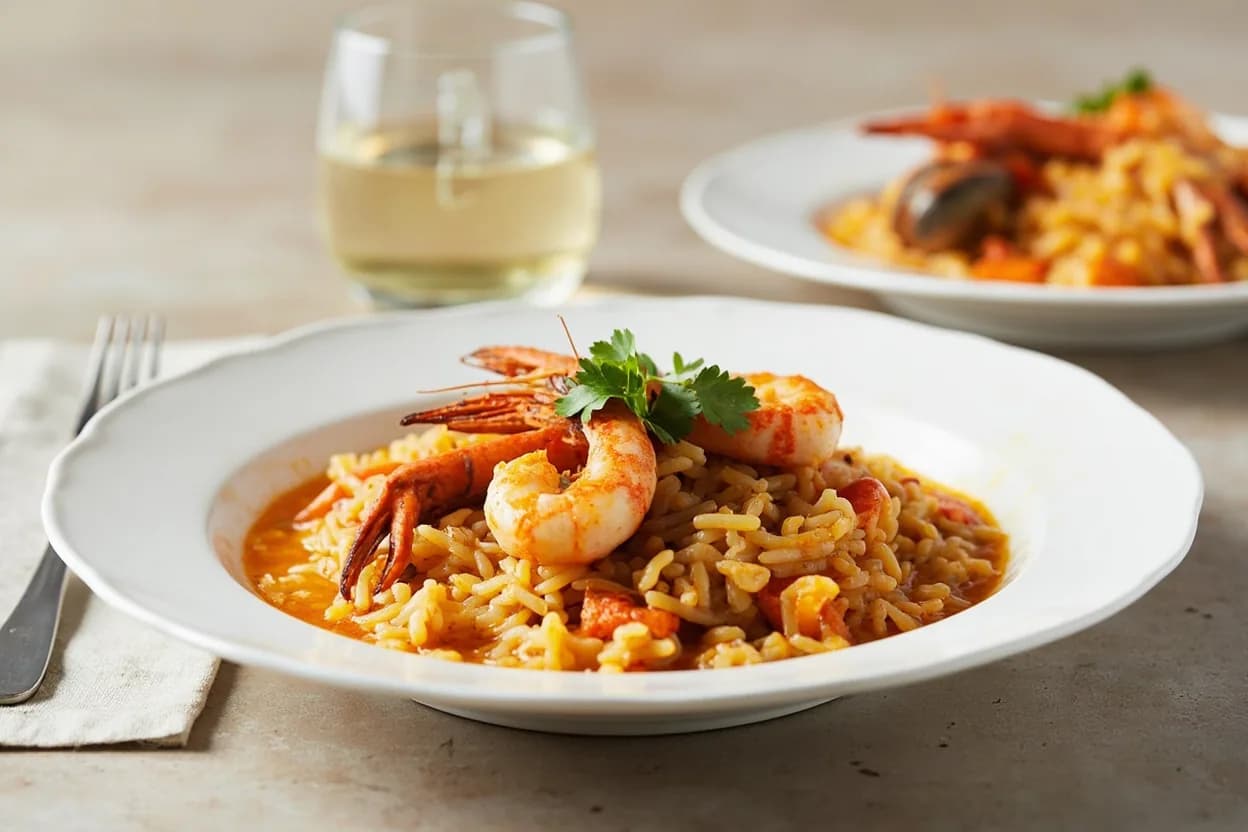
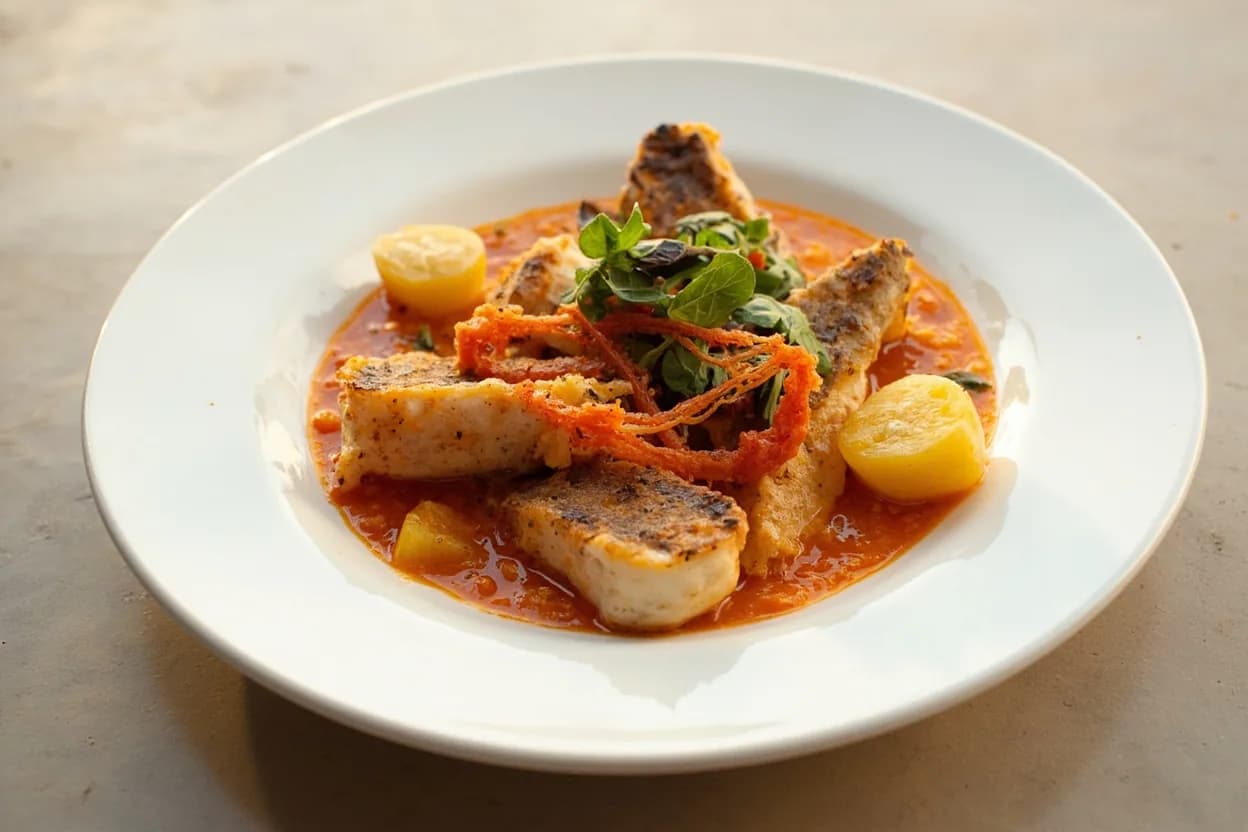
Related
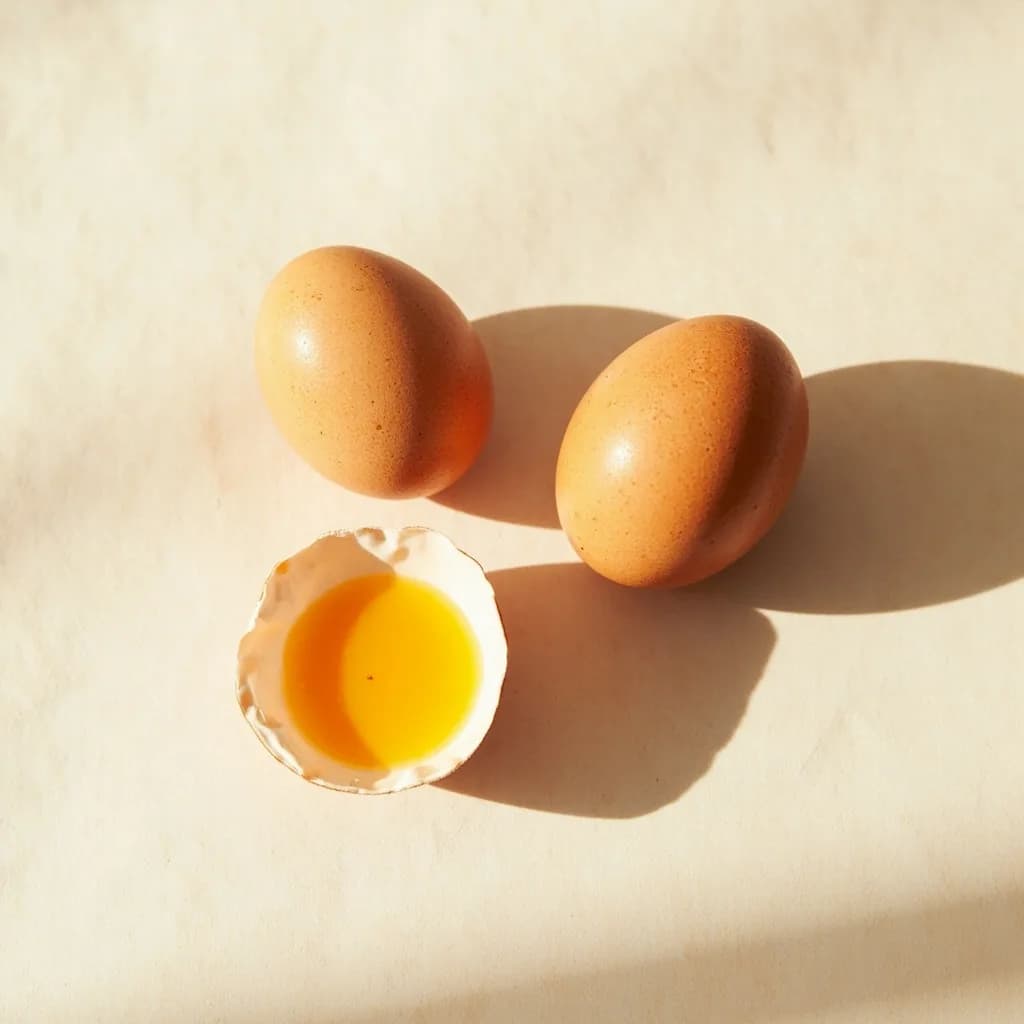
Egg
The kitchen's everything ingredient — bind, leaven, enrich, or fry
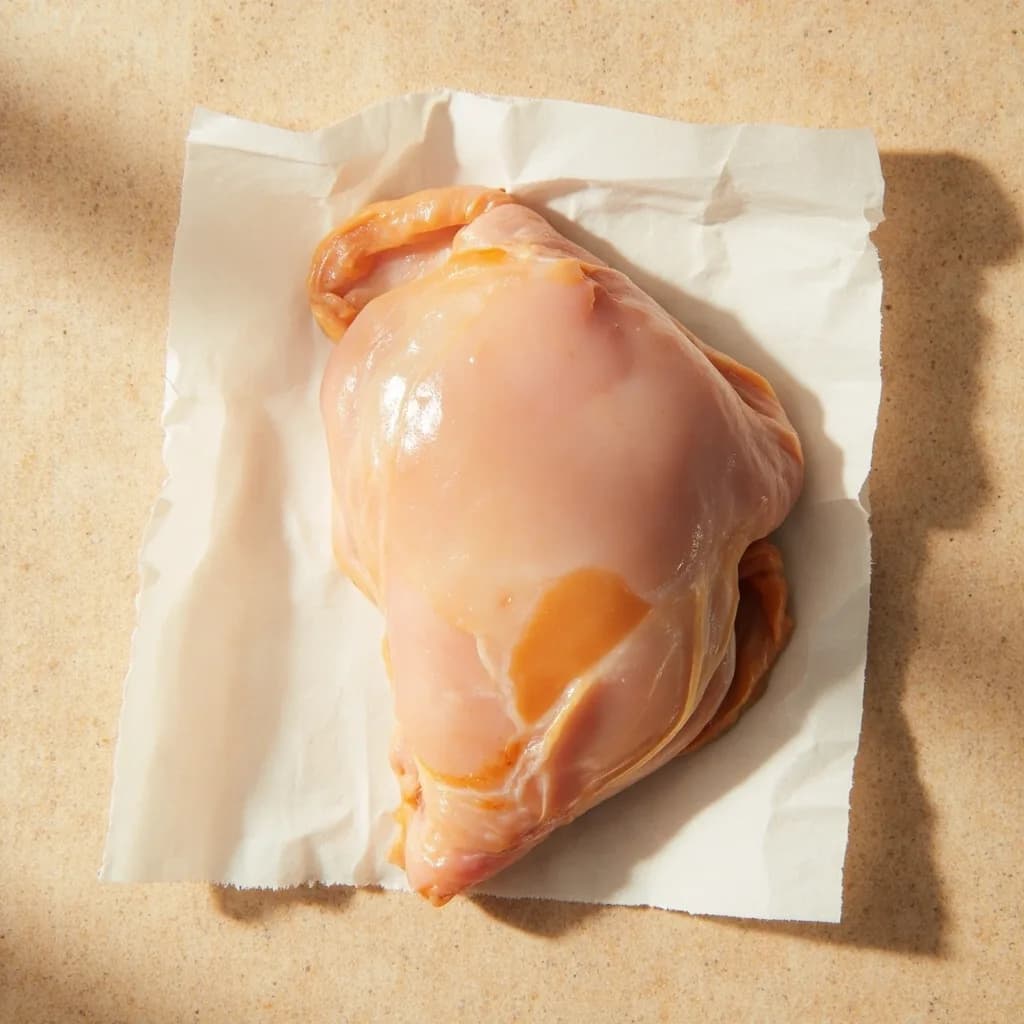
Chicken Breast
Lean, quick-cooking white meat for everyday dinners

Ground Beef
Versatile minced beef for burgers, ragù, tacos, and meatballs
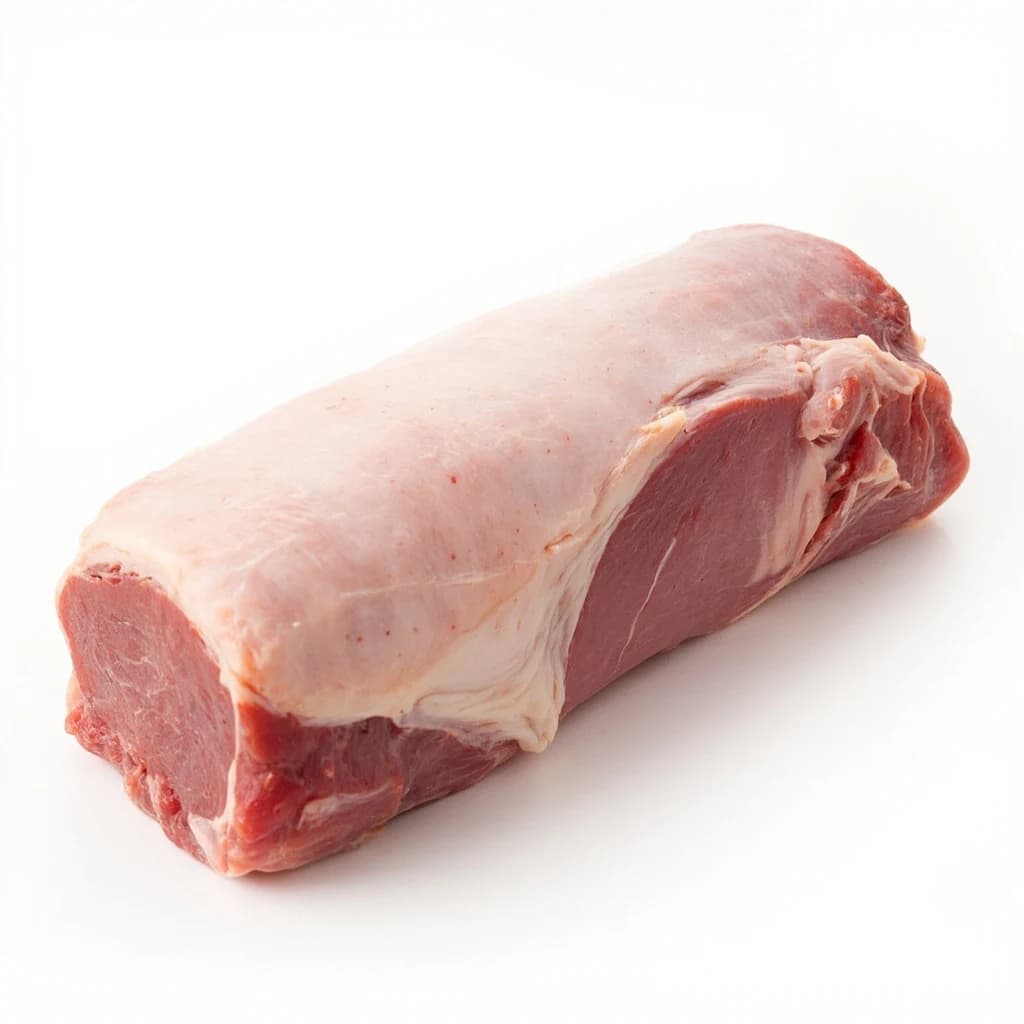
Pork Loin
Lean, tender roasting cut that stays juicy with care
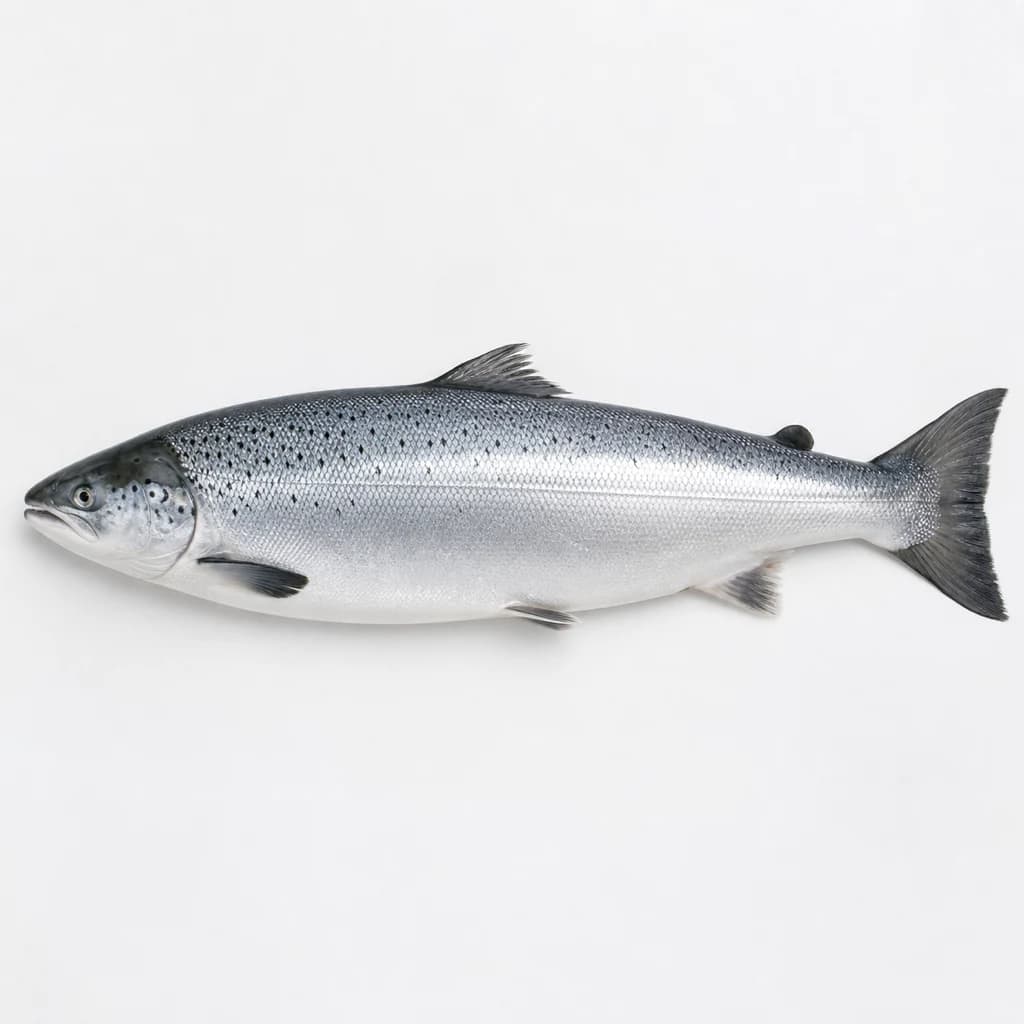
Salmon
Rich, rosy fish that roasts, grills, or cures beautifully

Egg White
Pure protein that whips to airy peaks for meringue and more
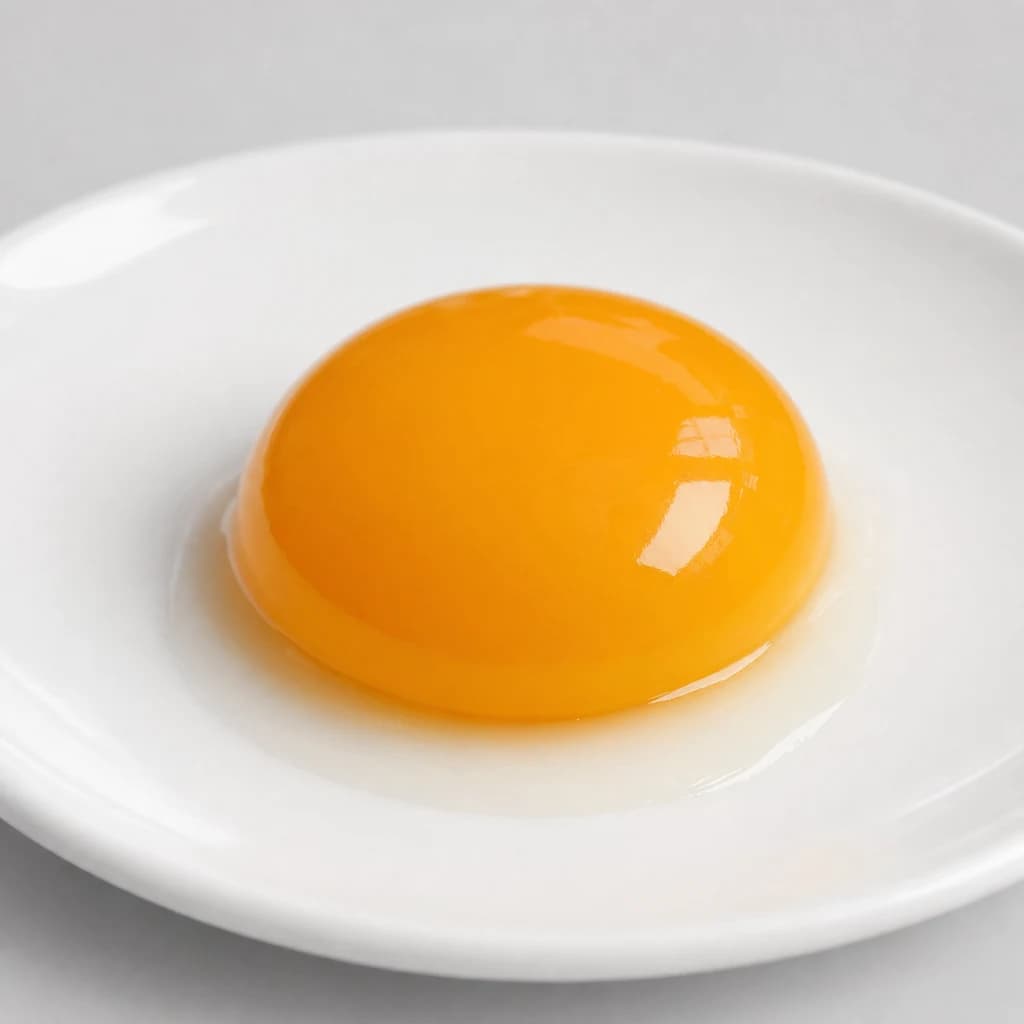
Egg Yolk
Rich, golden yolk for custards, mayonnaise, and pasta

Quail Egg
Tiny, speckled eggs for garnishing and elegant bites