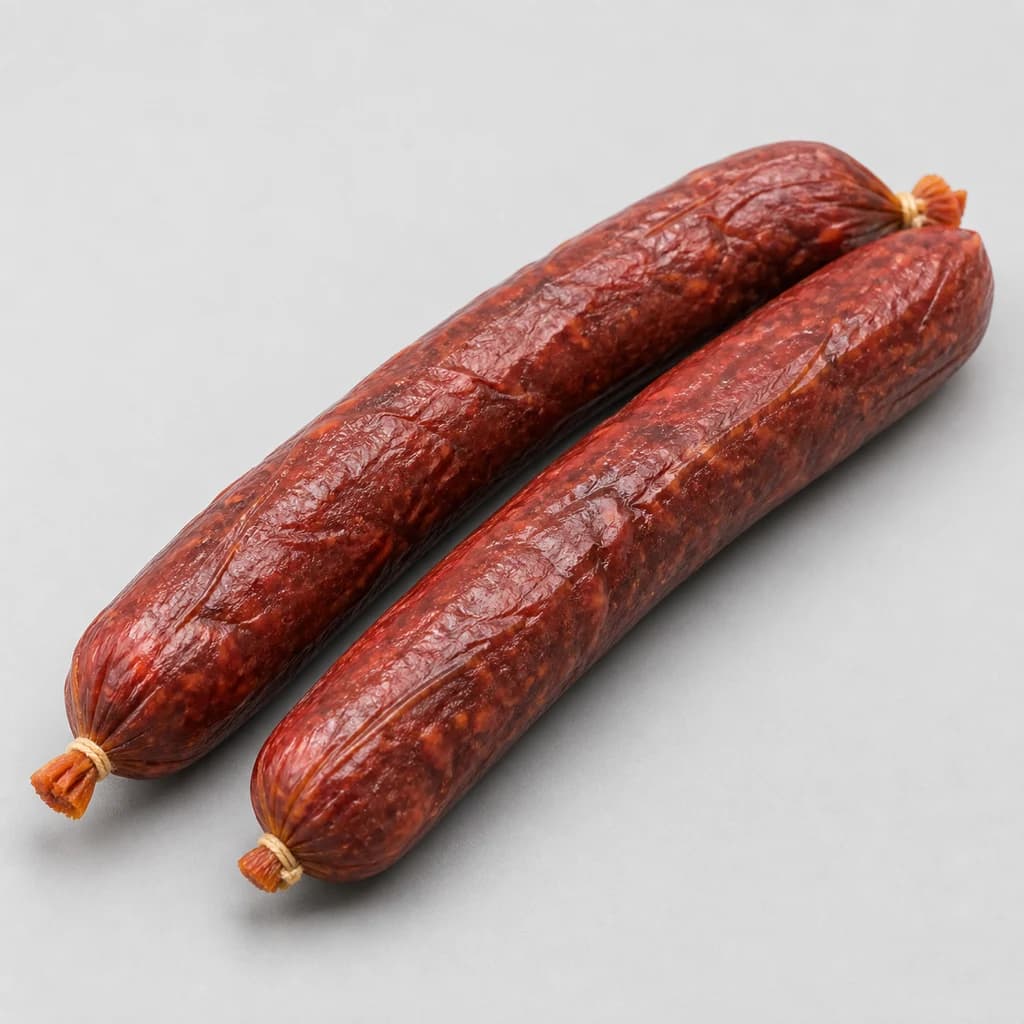
Natural form
Two whole cured Spanish chorizo links showing deep red casing and firm texture.
Shows the intact cured sausage form most readers will encounter at a deli or butcher counter, making the product immediately recognizable.
Proteins
Chorizo
Spiced pork sausage colored and flavored with paprika — sliced, crumbled, or rendered into dishes.
Chorizo is a pork sausage seasoned heavily with paprika, garlic, and spices, giving it a deep red color and smoky, savory flavor. Spanish chorizo is cured and sliced to eat as-is or rendered to flavor stews and rice, while Mexican chorizo is fresh and crumbled into eggs, tacos, and beans. Its rendered fat carries paprika color and taste into whatever it cooks with.
Chorizo is a coarsely ground, heavily seasoned pork sausage in which paprika — called pimentón in Spain — serves as both the primary colorant and flavor backbone. Originating on the Iberian Peninsula, it has evolved into distinct traditions: the cured, ready-to-eat links of Spain and Portugal, and the fresh, uncooked Mexican style. The sausage typically contains 30–40% pork fat, an intentional ratio that makes the meat juicy during cooking and produces the vivid orange-red rendered fat that flavors everything it touches. Spanish chorizo relies on pimentón — smoked, sweet, or hot — as its dominant seasoning, sometimes with garlic and salt; Mexican chorizo adds vinegar, cumin, and ancho or guajillo chiles to a similar pork base. The fat content also explains why chorizo functions as a cooking medium in its own right, perfuming oils and becoming the aromatic foundation for rice dishes, eggs, and sofritos. Understanding which style a recipe demands is essential: cured chorizo is sliced and eaten raw or briefly warmed, while fresh Mexican chorizo must reach 160°F (71°C) internally before consuming. Conflating the two is the most common source of disappointment in the kitchen.
- Measured in
- g
- Storage
- Fridge
Types & varieties
The quintessential Spanish cured chorizo from Asturias; firm texture, mildly spiced, garlic-forward; ideal for slicing and tapas
Larger caliber (50–60mm), coarser grind, often stuffed in hog casings; softer bite than Cantimpalo; popular in northern Spain
Hot variety seasoned with chiles or hot paprika; the spice level varies by producer
Sweet variety using mild paprika (pimentón dulce) with minimal or no heat
From La Rioja; traditionally made with wine; PDO-protected style
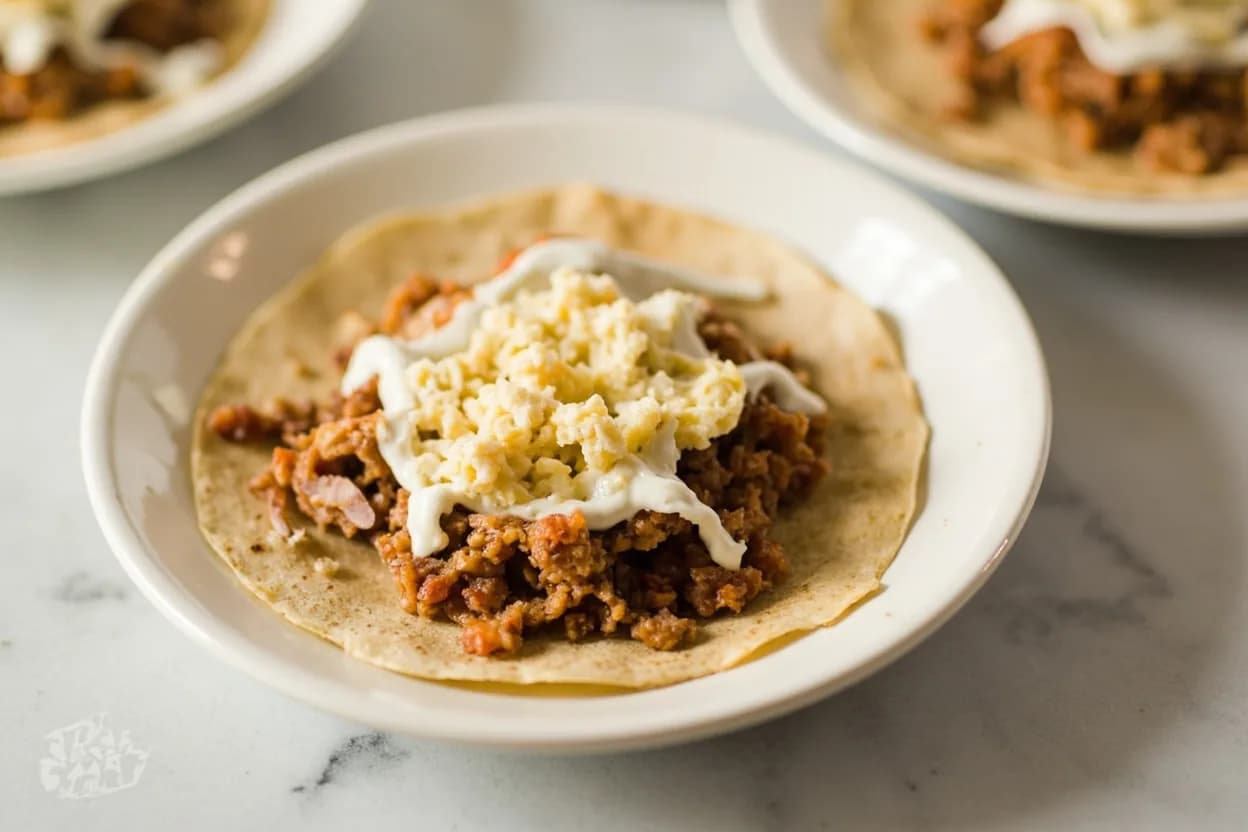
Fresh, uncooked pork sausage; sold in casing or bulk; heavily seasoned with vinegar, chiles, and paprika; must be cooked before eating
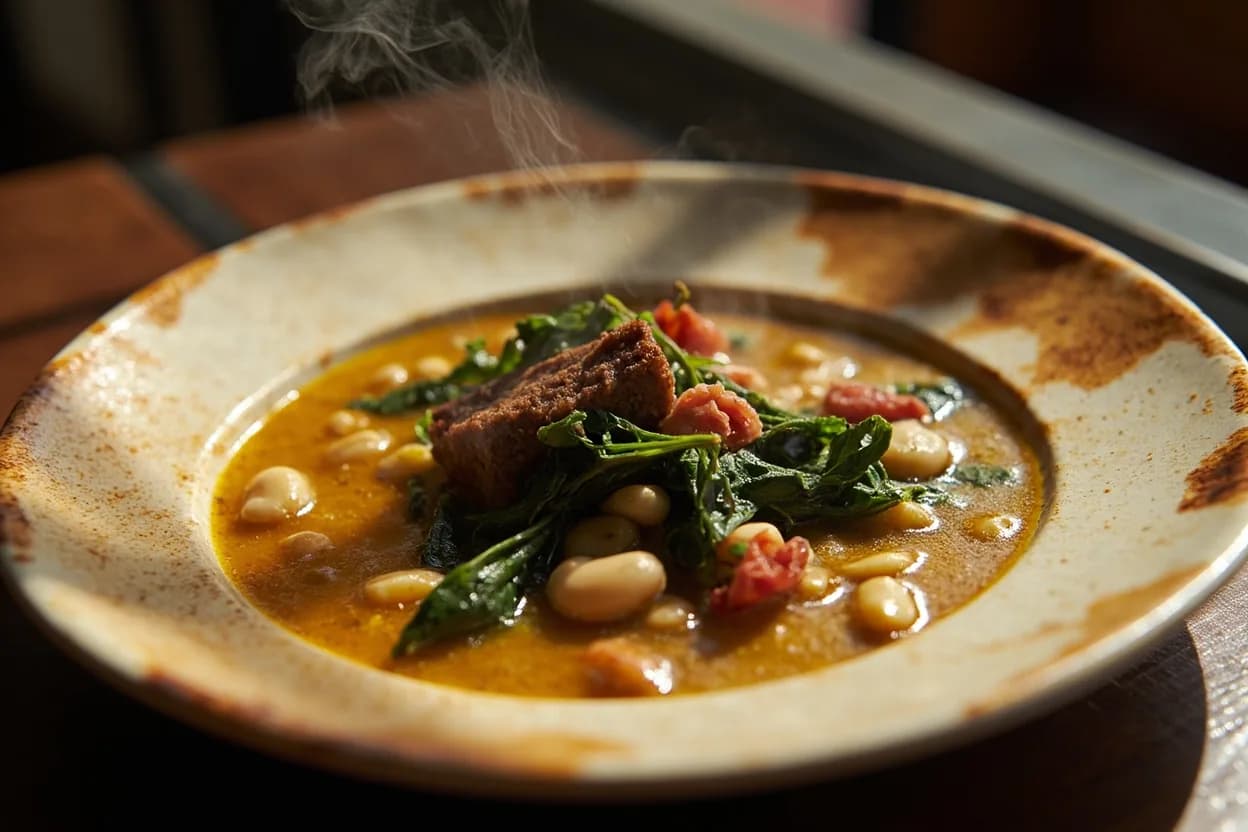
Portuguese equivalent; often smoked over hardwood; frequently used in roasted dishes like feijoada
Related Balearic cured spread; softer, spreadable texture due to higher fat content; paprika-dominant flavor
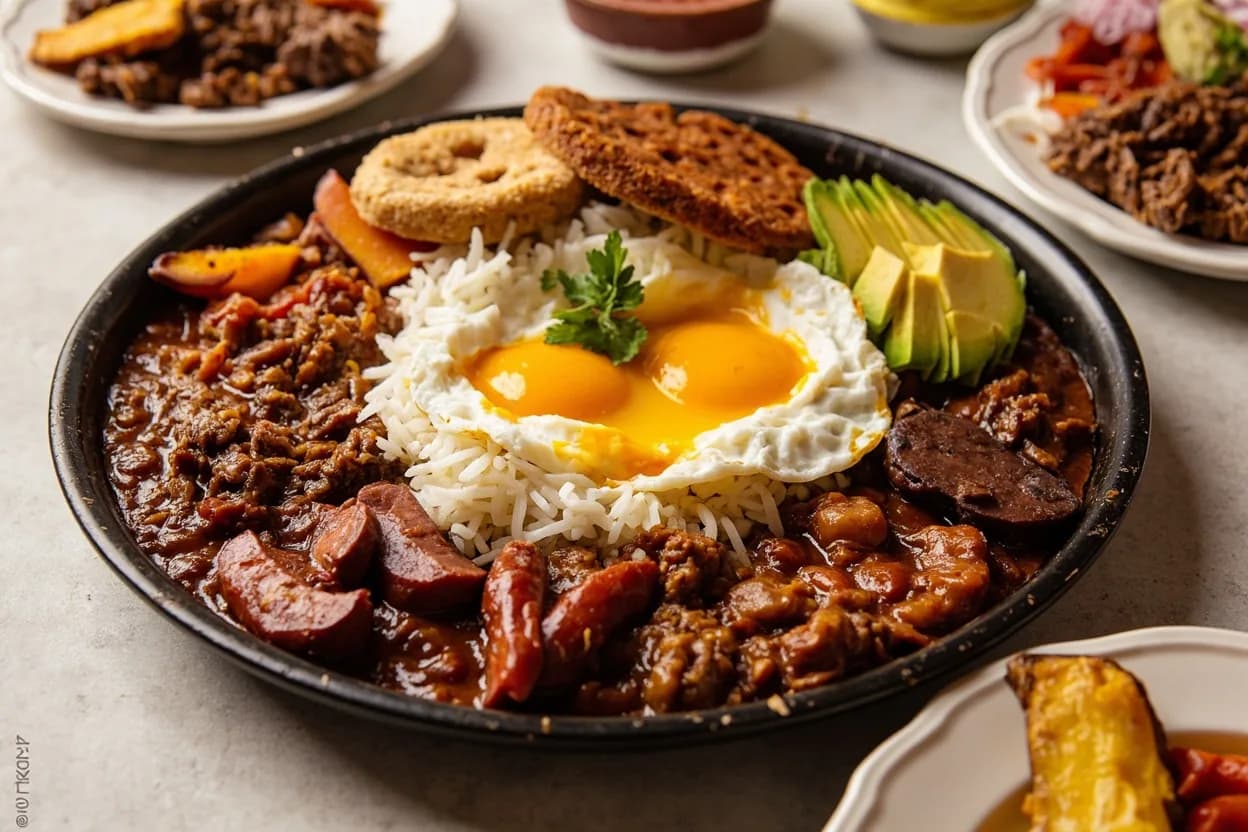
Firm cured pork sausage seasoned with smoked paprika (pimentón); ready to eat sliced or fried to release red oil into rice and stews. Drier and firmer than fresh Mexican chorizo.
The Cured–Fresh Distinction
This single distinction governs every cooking decision you will make with chorizo. Spanish and Portuguese cured chorizo is salted, seasoned with pimentón, and hung to dry for weeks to months. The texture firms as moisture leaves the meat; the fat remains solid at room temperature. It is ready to eat as-is, sliced thin for tapas, and needs only brief warming in a pan to render its fat and deepen its flavor. Mexican fresh chorizo, by contrast, is ground pork seasoned with dried chiles, vinegar, and spices, then packed into casings or sold loose. It has not been cured and must be cooked through to 160°F (71°C) before serving. When a recipe simply says 'chorizo' without specifying style, default to cured Spanish for European preparations and fresh Mexican for Latin American ones. If you substitute one for the other, the dish will be either undercooked or overcooked, and the balance of vinegar, smoke, and spice will be wrong.
- Cured Spanish/Portuguese: ready to eat sliced, or warmed briefly to render fat
- Mexican fresh: cook to 160°F (71°C) before consuming
- Paprika dominance in Spanish styles; vinegar and dried chiles in Mexican
Rendering Chorizo Fat Properly
The fat is the point. Whether you are using cured links for a tapas board or fresh crumbled for a rice dish, the way chorizo releases its fat determines the success of the dish. With cured chorizo, low and slow is the rule. Dropping cured links into boiling liquid drives out the fat and toughens the texture, leaving you with gray, leathery sausage and a depleted cooking medium. Instead, slice or cube the chorizo and place it in a cold pan, then bring the heat up gradually. The fat will melt gently, the casing will crisp slightly at the edges, and the characteristic vivid orange-red oil will pool in the pan for you to use as a base. For Mexican chorizo, the opposite applies: start in a hot, dry skillet and break the meat apart aggressively as it fries, encouraging the Maillard reaction that creates crispy, crumbled bits. Both methods require attention and resist the temptation to walk away.
- Cured chorizo: cold pan, gradual heat, render fat slowly
- Mexican chorizo: hot dry skillet, break apart as it fries for crispy crumble
- Never boil cured chorizo — it toughens and loses fat
- Save the rendered fat; it is a finished cooking medium
Common uses
Tips & pitfalls
- Never boil cured Spanish chorizo — it drives out fat and toughens the texture; render slowly in its own fat over medium heat instead
- For a Mexican-style crispy crumble, remove casing and cook in a dry skillet over high heat, breaking it apart as it browns
- Add cured chorizo early in stews so the fat renders and flavors the entire dish
- If cured chorizo is excessively hard or chalky, it is over-dried; select for firmer but still yielding texture
- Fresh Mexican chorizo must reach 160°F (71°C) internally before consuming; test with a thermometer in the center of a link
- To slice cured chorizo paper-thin for tapas, chill it 30 minutes first — it cuts cleanly without crumbling
- Store whole cured links in a cool, dark place; once sliced, wrap tightly and refrigerate to prevent oxidation and flavor loss
- The paprika bloom (color) should be vivid — faded chorizo indicates stale seasoning
- Portuguese chouriço can be grilled directly over flame (presentation of the char is traditional) or flamed with brandy
Nutrition
Energy
1238 kJ · per 100 g
Where the calories come from
Protein
13.6g
27% DV
Carbs
3.8g
1% DV
Fat
25.1g
32% DV
Fiber
0g
0% DV
Sugars
0g
of which
Sodium
788mg
34% DV
Source · USDA FoodData Central · approx. Sausage, pork, chorizo, link or ground, raw
View on FDC →In the shops
Matched grocery products
No matched grocery products for Chorizo yet.
Good to know
- Origin
- Spain and Portugal (Iberian Peninsula)
- Primary Flavoring
- Paprika (pimentón) — sweet, smoked, or hot varieties determine character
- Typical Fat Content
- 30–40% — intentional for flavor, moisture, and rendering
- Casing
- Natural pork intestine, typically 30–40mm diameter for Spanish styles
- Color
- Deep brick-red from paprika; fat renders orange-red when cooked
- Shelf Life (cured)
- Months whole and sealed in pantry; 3–4 weeks refrigerated once sliced
- Shelf Life (fresh Mexican)
- 1–3 days refrigerated; freeze up to 3 months
- Curing Time
- Cured: 2 weeks to several months; fresh Mexican: no curing
Substitutes
- Andouille — French smoked sausage; similar smoky depth but less paprika-forward; acceptable in Cajun or Creole applications
- Pepperoni — American salami with paprika and fennel; better for slicing; lacks the garlic intensity of true chorizo
- Hungarian Kolbász — Similar curing method and paprika use; often contains more black pepper; good 1:1 substitute in stews
- Portuguese Linguiça — Slack-cured, slightly smoky sausage; works well in bean dishes and grilled applications
- Italian Salametto Piccante — Spicier, courser grind; acceptable when Spanish chorizo is unavailable; omit additional paprika in the dish
- Bulk Pork Sausage + Paprika — For Mexican chorizo: use mild Italian sausage and add 1–2 tbsp smoked paprika, 1 tsp cumin, and 1 tbsp vinegar per pound
Pairs with
Also called
Spanish Chorizo · Chouriço
Appears in these dishes
Related
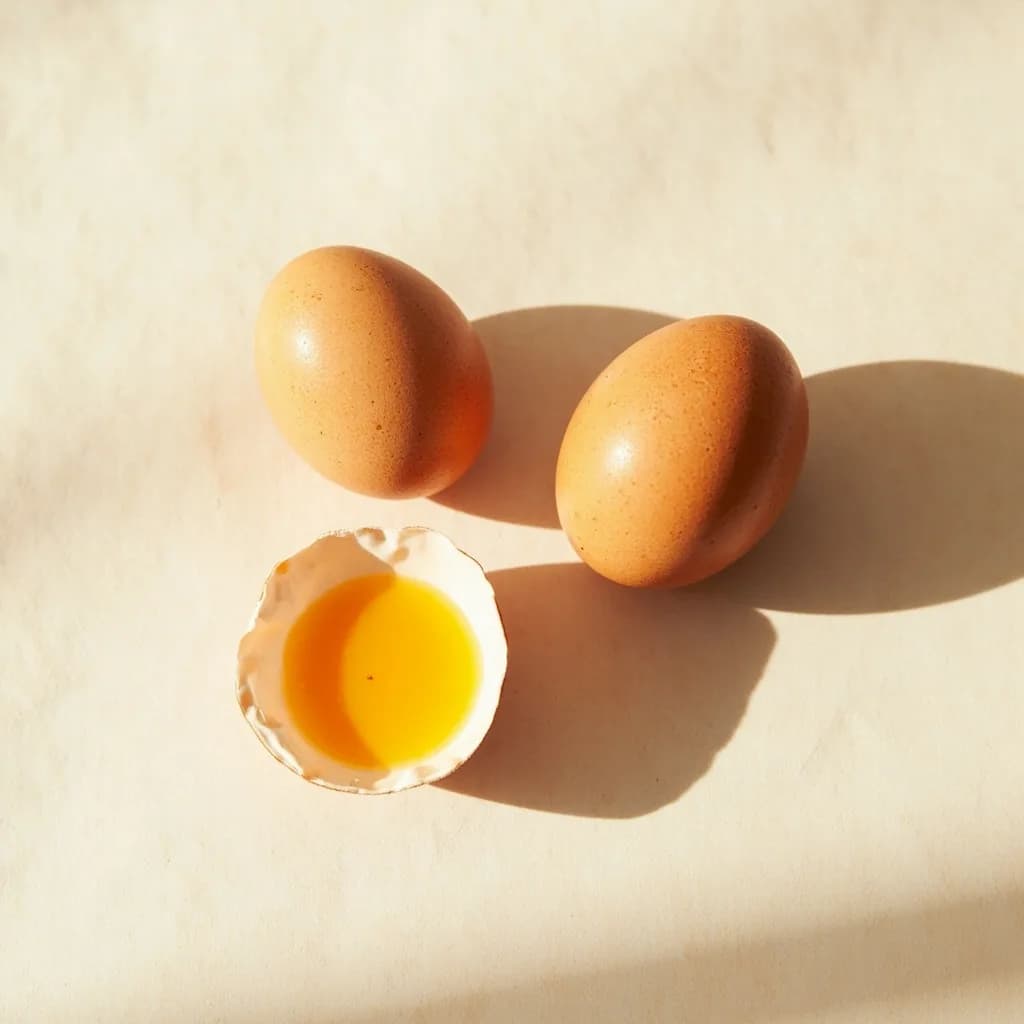
Egg
The kitchen's everything ingredient — bind, leaven, enrich, or fry
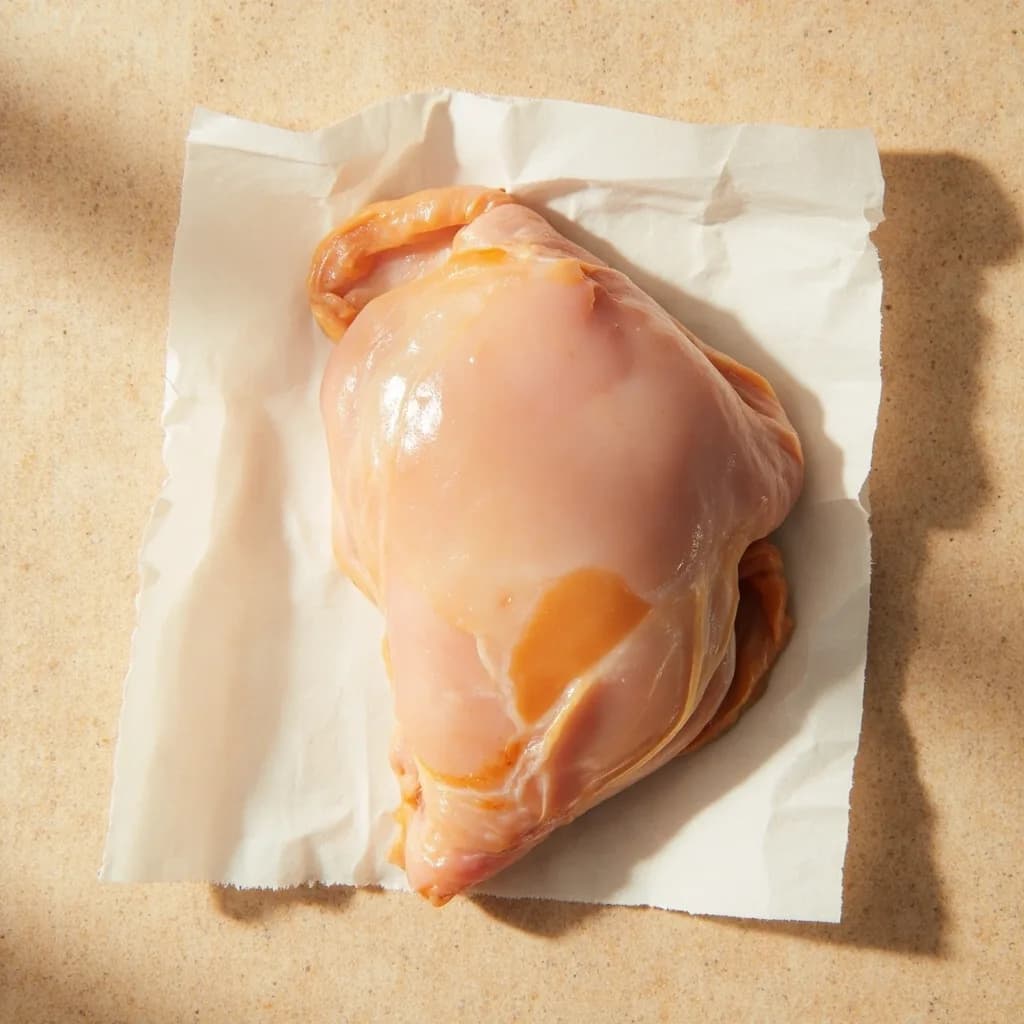
Chicken Breast
Lean, quick-cooking white meat for everyday dinners

Ground Beef
Versatile minced beef for burgers, ragù, tacos, and meatballs
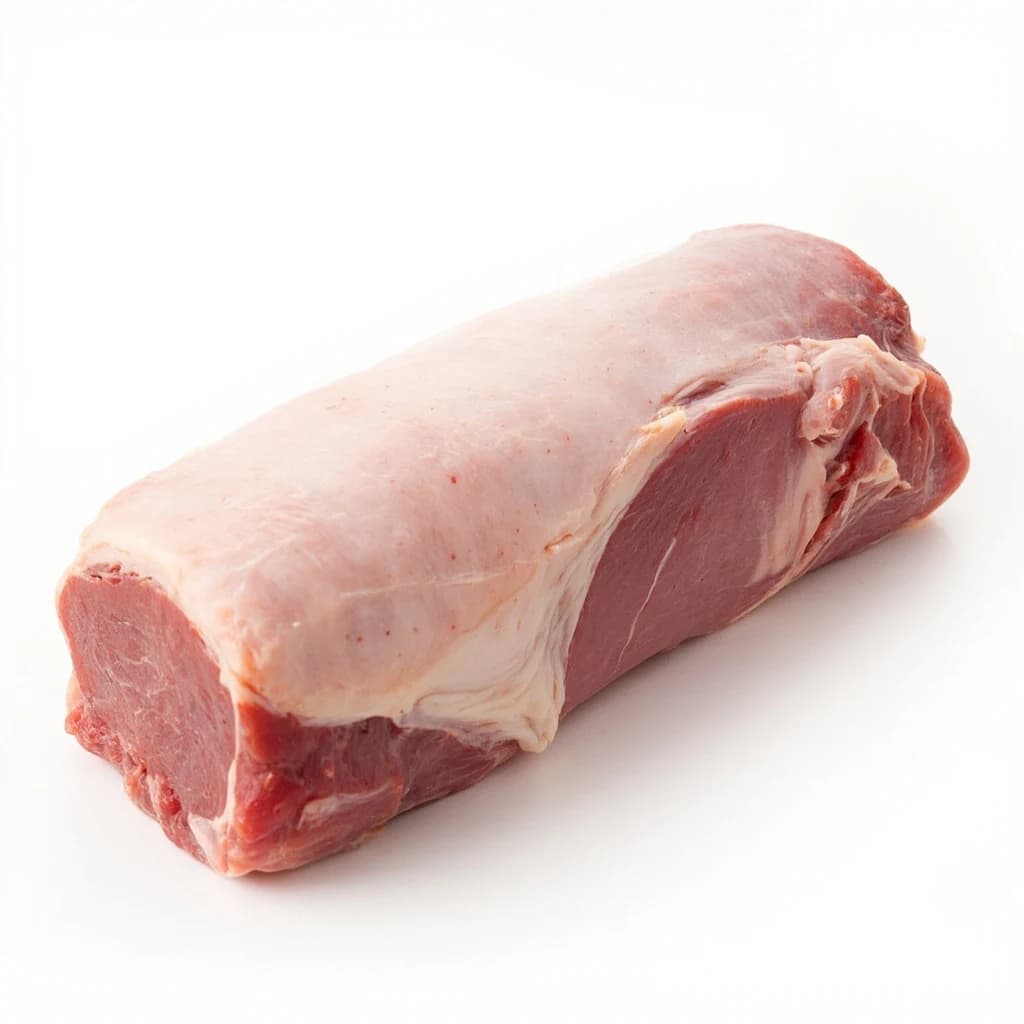
Pork Loin
Lean, tender roasting cut that stays juicy with care
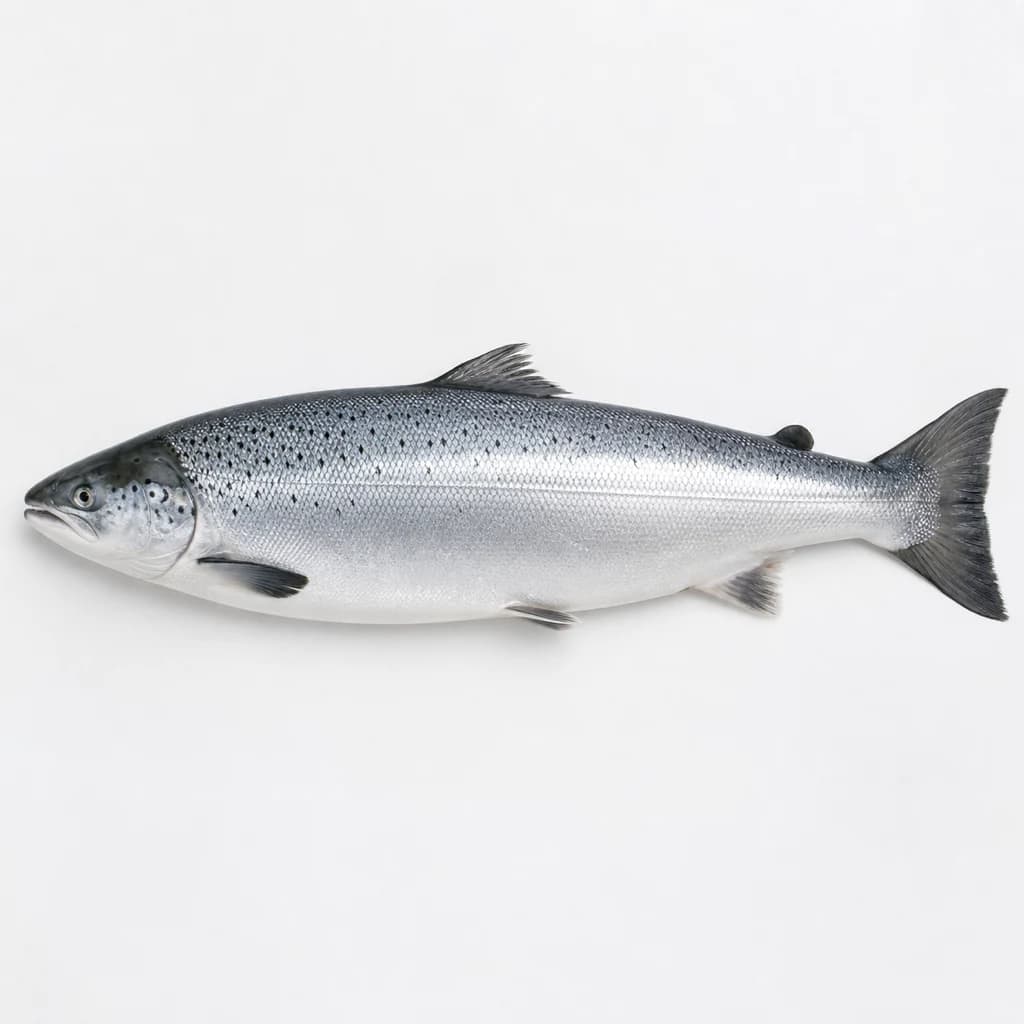
Salmon
Rich, rosy fish that roasts, grills, or cures beautifully

Egg White
Pure protein that whips to airy peaks for meringue and more
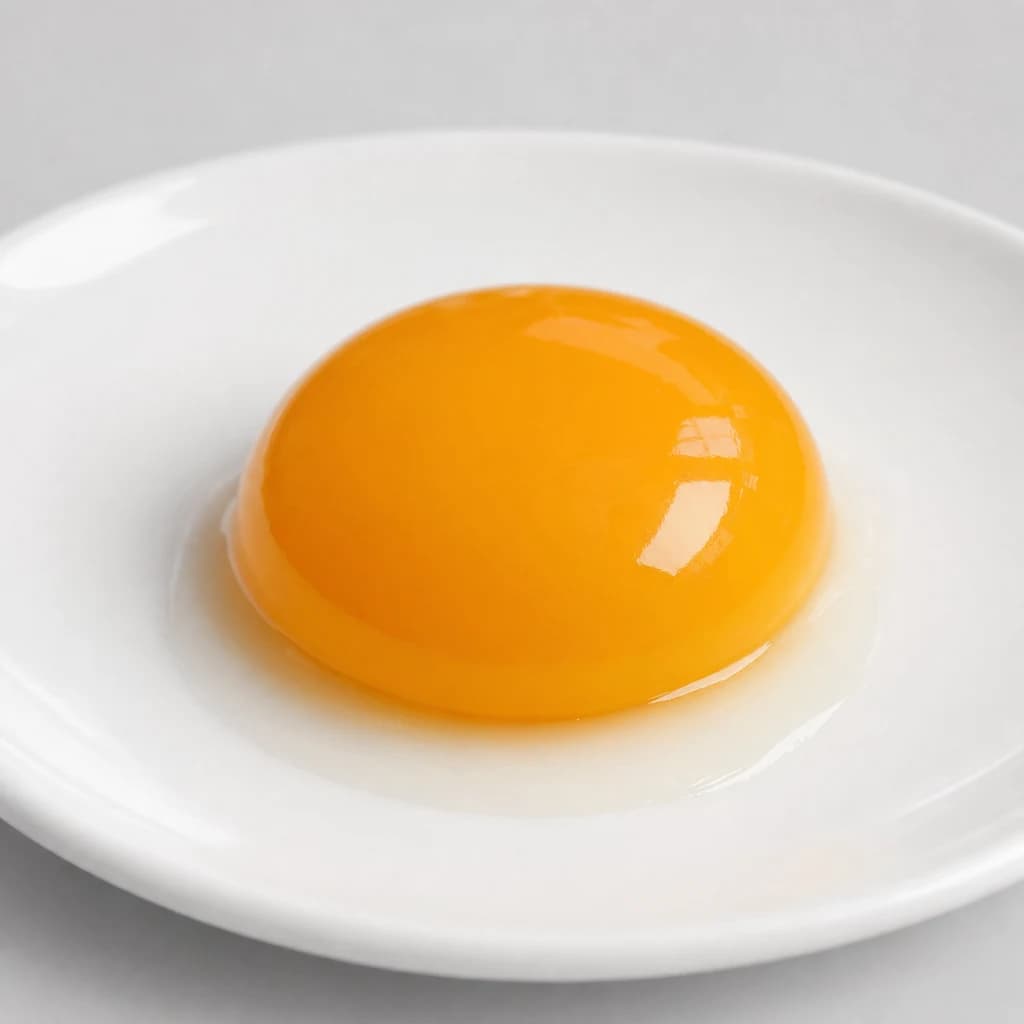
Egg Yolk
Rich, golden yolk for custards, mayonnaise, and pasta

Quail Egg
Tiny, speckled eggs for garnishing and elegant bites