Proteins
Chouriço
Portuguese smoked pork sausage seasoned with paprika, garlic, and wine.
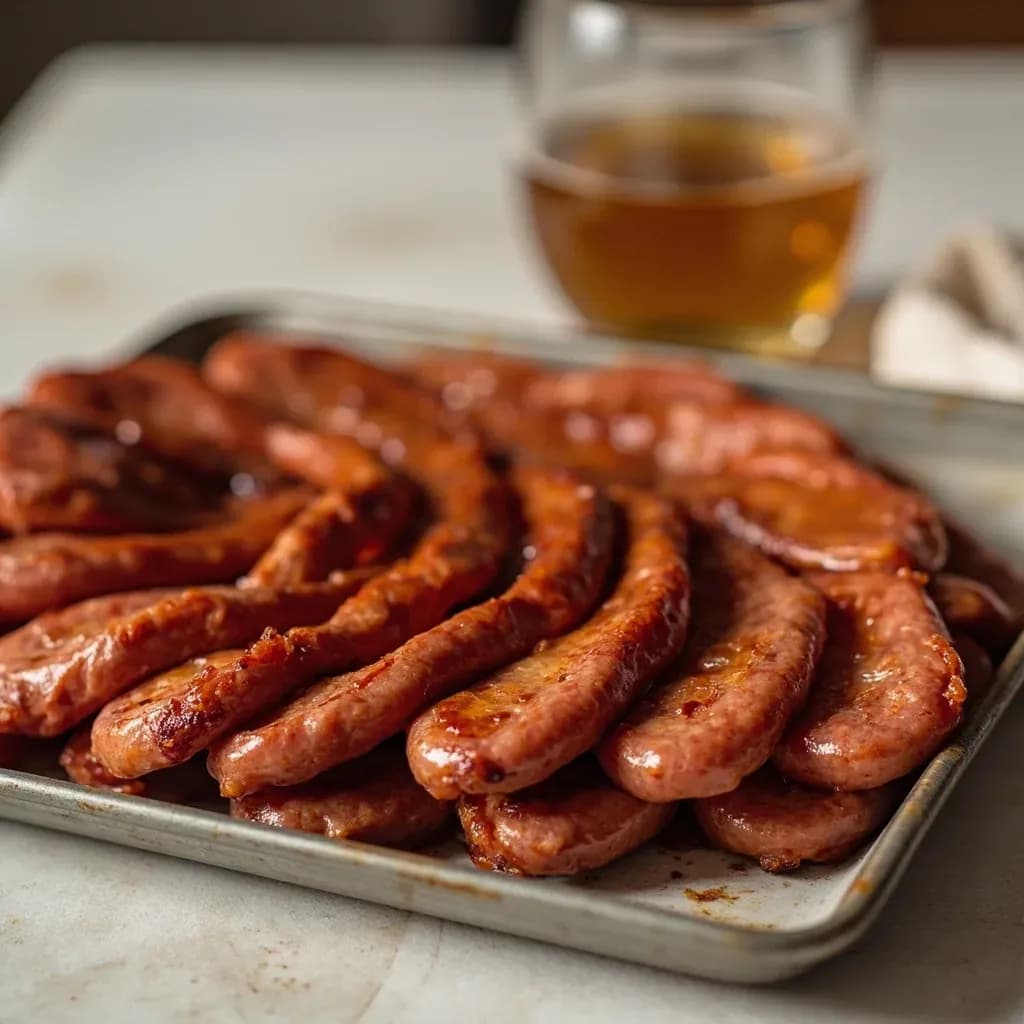
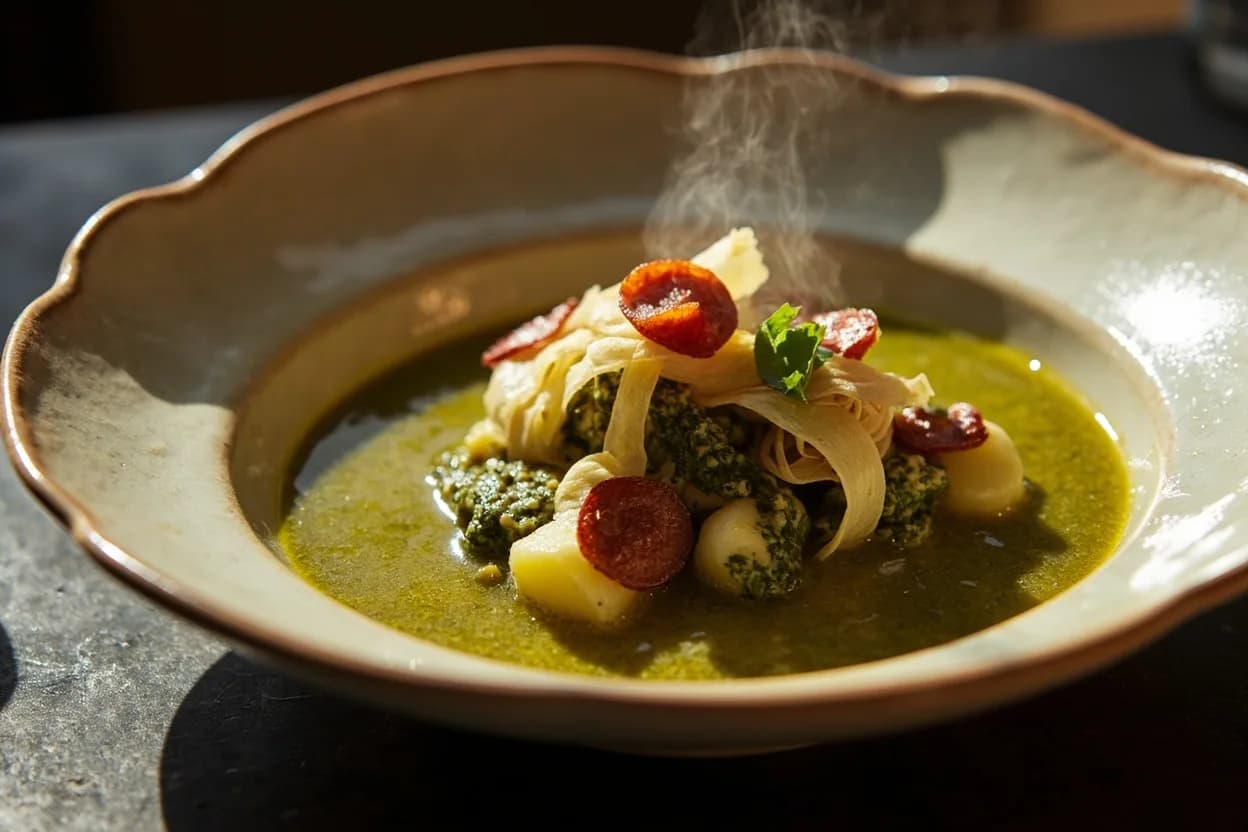
Chouriço is a cured and smoked Portuguese pork sausage flavored with paprika, garlic, and red wine, giving it a deep red color and smoky bite. It is sliced into stews, soups like caldo verde, and rice dishes, or grilled whole. The Goan version brought by Portuguese traders is spicier and vinegar-forward.
Chouriço is a cured, cold-smoked pork sausage that forms one of the cornerstones of Portuguese cooking and culinary identity. Distinguished from its Spanish cousin by a heavier hand with garlic, a significant proportion of red wine in the emulsion, and smoking over oak or chestnut wood, chouriço carries a deep orange-red color from generous paprika and a pronounced snap from its natural pork casing. The sausage ranges from fully cured and ready-to-eat (the Portuguese norm) to fresh and requiring cooking (more common in Brazil), but in both cases the rendered fat is the true prize — a deeply flavored, paprika-colored cooking medium that anchors everything from bean stews to rice dishes. Understanding that chouriço is fundamentally a flavor agent rather than merely a protein will change how you approach it in the kitchen. Whether sliced thin for a charcuterie board or crumbled into a pot of feijoada, the fat and its smoky, wine-tinged essence do the heavy lifting. Chouriço de Carne from Alentejo, made with a coarser grind and less fat, represents the classic expression and carries PDO protection for certain productions; Transmontano from the northern interior tends toward heavier smoking and more aggressive seasoning. The wine component deserves special attention: Alentejo-style chouriço can contain up to 20% red wine, giving it a bright, slightly acidic note that no other sausage quite replicates.
- Measured in
- g
- Storage
- Fridge
Types & varieties
Classic lean-style from Alentejo; coarser grind with prominent pork chunks, less fat; PDO-protected name for certain productions.
Seasoned with African bird's-eye chili; distinctly hot; common in southern Portugal and Mozambique-style cooking.
Elevated proportion of red wine in the emulsion; brighter, more acidic flavor; traditional in the Lisbon region.
Larger-diameter sausage in wider casings; coarser texture; popular in the Beira region.
Contains small pork bones in the mix; richer, gelatinous texture when cooked; traditional rural preparation.
From Trás-os-Montes; heavily smoked, intensely spiced, and often very garlicky.
Specific PDO from Portalegre district; stricter rules governing meat quality, paprika content, and aging.
Brazilian style; often fresher (requires cooking), slightly sweeter, may include vinegar; essential in feijoada.
Chouriço vs. Spanish Chorizo
While sharing common ancestry, Portuguese chouriço and Spanish chorizo have diverged into distinct products. Portuguese chouriço emphasizes garlic and red wine more heavily, is cold-smoked over oak or chestnut, and often has a more pronounced snap to the casing. The wine component is the defining difference: Alentejo-style chouriço can contain up to 20% red wine in the emulsion, lending a bright, slightly acidic note that Spanish chorizo lacks. When substituting, use Spanish chorizo in equal amounts but add a splash of red wine to approximate the flavor profile.
- Chouriço: more garlic, more wine, cold-smoked, pronounced snap
- Chorizo: may be smoked (method varies by region), less wine-forward, slightly denser texture
- Both are cured and ready to eat in their traditional forms
Rendering Chouriço Fat: The Fundamental Technique
In most cooked applications, the rendered fat is more important than the sausage meat itself. This fat becomes your cooking medium, carrying the paprika color, smoke flavor, and garlic throughout the dish. Getting this step right transforms everything from beans to rice to eggs.
- Slice chouriço into thin rounds, place in a cold pan, then bring to medium heat
- Starting cold prevents the exterior from seizing before the fat renders out
- Cook until the fat is fully released and the pieces are crispy at the edges
- Reserve both the fat and the crispy pieces — the fat as a cooking medium, the bits as a topping
- The fat should be deep orange-red and translucent
Common uses
Tips & pitfalls
- Render the fat from sliced chouriço in a cold pan over medium heat — this fat is the cooking medium and carries most of the flavor; reserve both the fat and the crispy rendered bits
- Cured chouriço only needs brief cooking (2–3 minutes per side) to develop color and texture; overcooking makes it tough and chewy
- Always remove casing before crumbling chouriço into rice, beans, or egg dishes unless the dish is served whole
- For charcuterie, slice cured chouriço paper-thin on a deli slicer or with a sharp knife at a bias; bring to room temperature before serving
- Fresh (uncooked) chouriço must reach an internal temperature of at least 68–70°C (154–158°F) throughout; cured varieties need only be heated to serving temperature
- When flambéing, pour aguardente or brandy around the chouriço in the pan, let the alcohol pool briefly, then ignite — this caramelizes the exterior without overcooking
- In bean dishes, add chouriço during the last 30 minutes of cooking to prevent the casing from becoming rubbery
- For deeply smoky flavor, score whole links and grill over high heat until the casing chars, then add to braised dishes
- Piri-piri chouriço is significantly hotter than regular; taste and adjust quantities when substituting in recipes
- Pair with Vinho Verde (slightly sparkling) or a young Alentejo red such as Aragonez/Tempranillo
Nutrition
Energy
649 kJ · per 100 g
Where the calories come from
Protein
18.8g
38% DV
Carbs
0.5g
0% DV
Fat
8.1g
10% DV
Fiber
0g
0% DV
Sugars
0g
of which
Sodium
593mg
26% DV
Source · USDA FoodData Central · approx. Sausage, turkey, fresh, raw
View on FDC →In the shops
Matched grocery products
No matched grocery products for Chouriço yet.
Good to know
- Origin
- Portugal (Alentejo, Trás-os-Montes); widely adopted in Brazil and former Portuguese colonies
- Type
- Cured, cold-smoked pork sausage (may be fresh or cured)
- Key Seasonings
- Paprika (sweet and hot), garlic, red wine, white pepper, salt
- Curing
- Air-dried and aged 2 weeks to several months; fully cured chouriço is ready to eat
- Smoking
- Cold-smoked over oak or chestnut wood for several days
- Storage
- Whole cured links keep 2–3 months hung cool; refrigerate after slicing. Fresh chouriço keeps 3–5 days refrigerated.
- Heat Level
- Ranges from mild (regular paprika) to notably hot (piri-piri varieties)
- Casing
- Natural pork intestine (tripa natural); remove before crumbling into dishes unless otherwise specified
Substitutes
- Spanish Chorizo — Closest substitute; cured and smoked but typically less garlicky and without the prominent wine flavor. Use equal amounts; add a splash of red wine to approximate the profile.
- Portuguese Linguiça — Related cured pork sausage but usually more coarsely ground and not smoked; flavor is milder and less wine-forward. Works in cooked applications but lacks the smoky depth.
- Mexican Chorizo — Only suitable if you have fresh, uncured chouriço — Mexican chorizo is always raw and must be cooked. Crumble and cook in a pan; flavor is more herbal and vinegar-forward.
- Italian Soppressata — Dry-cured Italian salame; can stand in for cured chouriço in charcuterie applications but lacks paprika color and Portuguese spice profile. Use as a visual substitute only.
Pairs with
Also called
Goan Sausage · Chouris · Chorizo
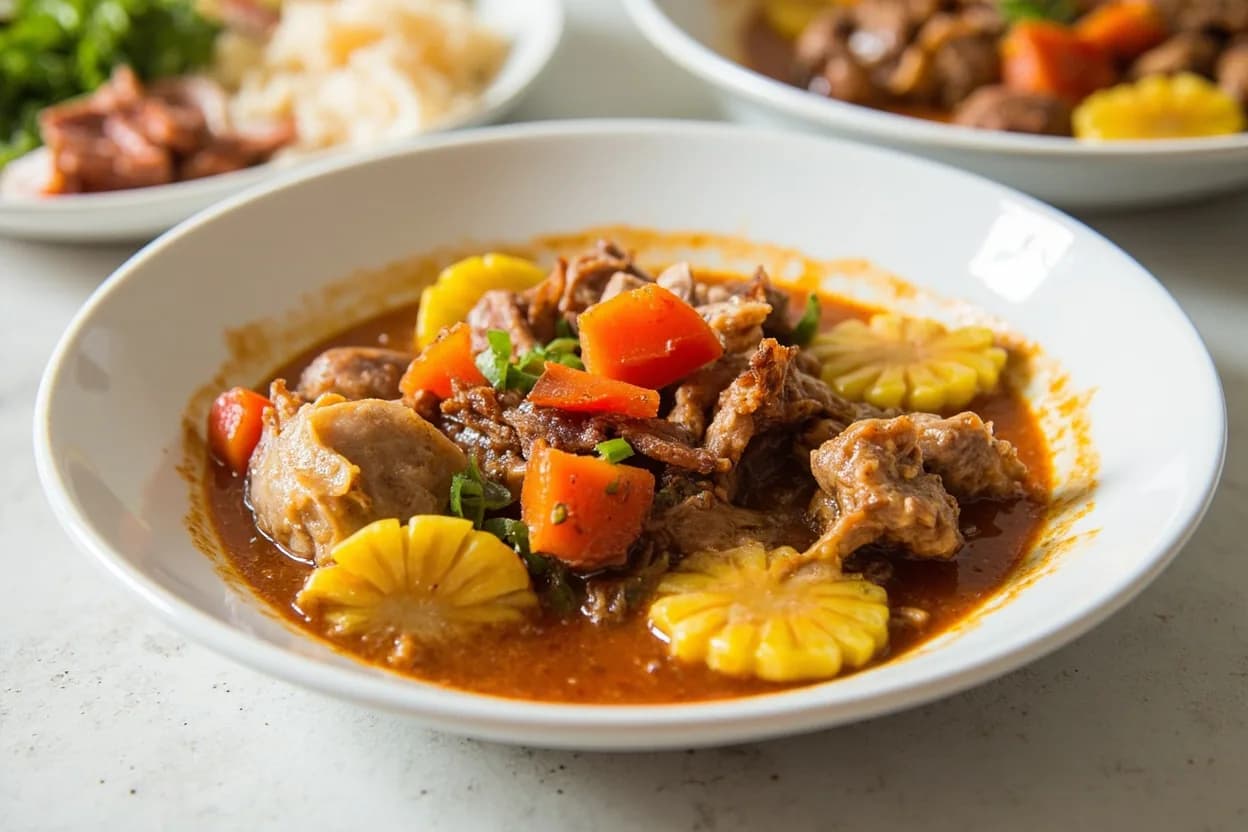
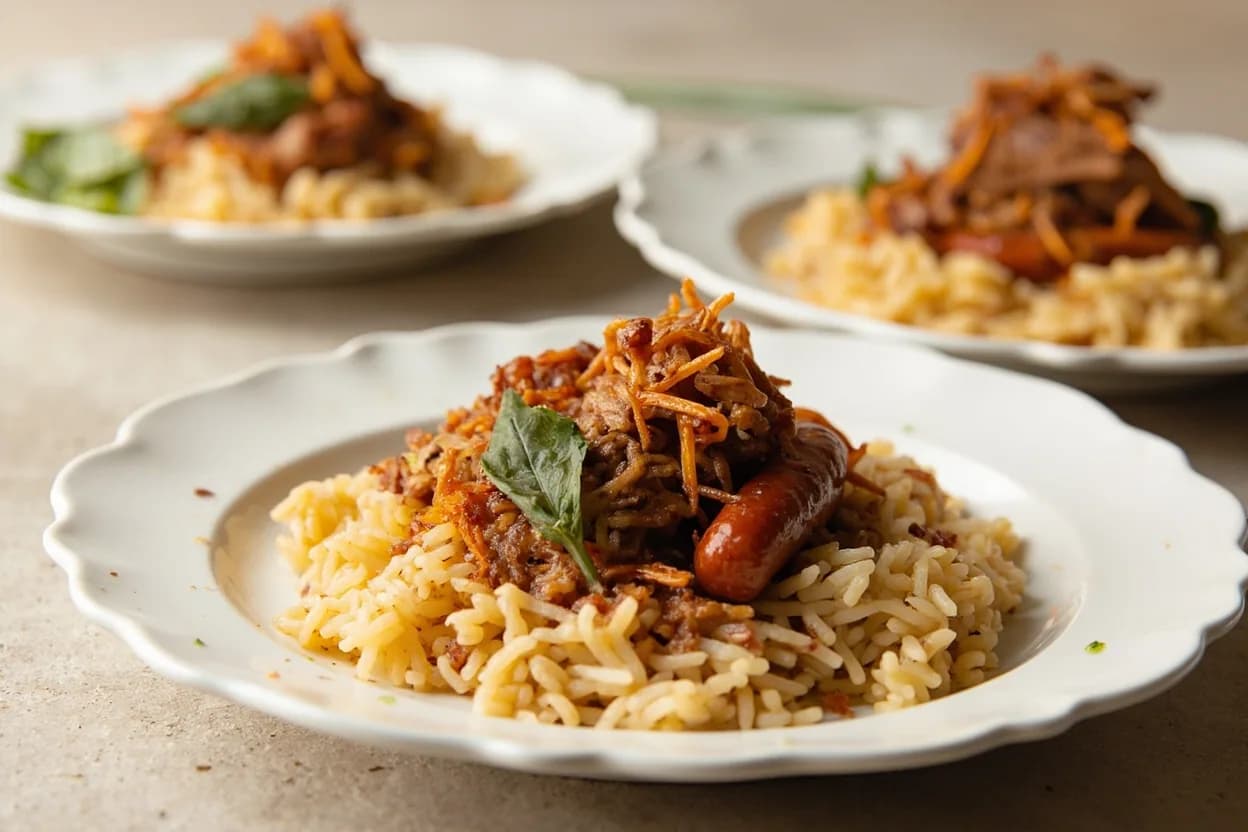
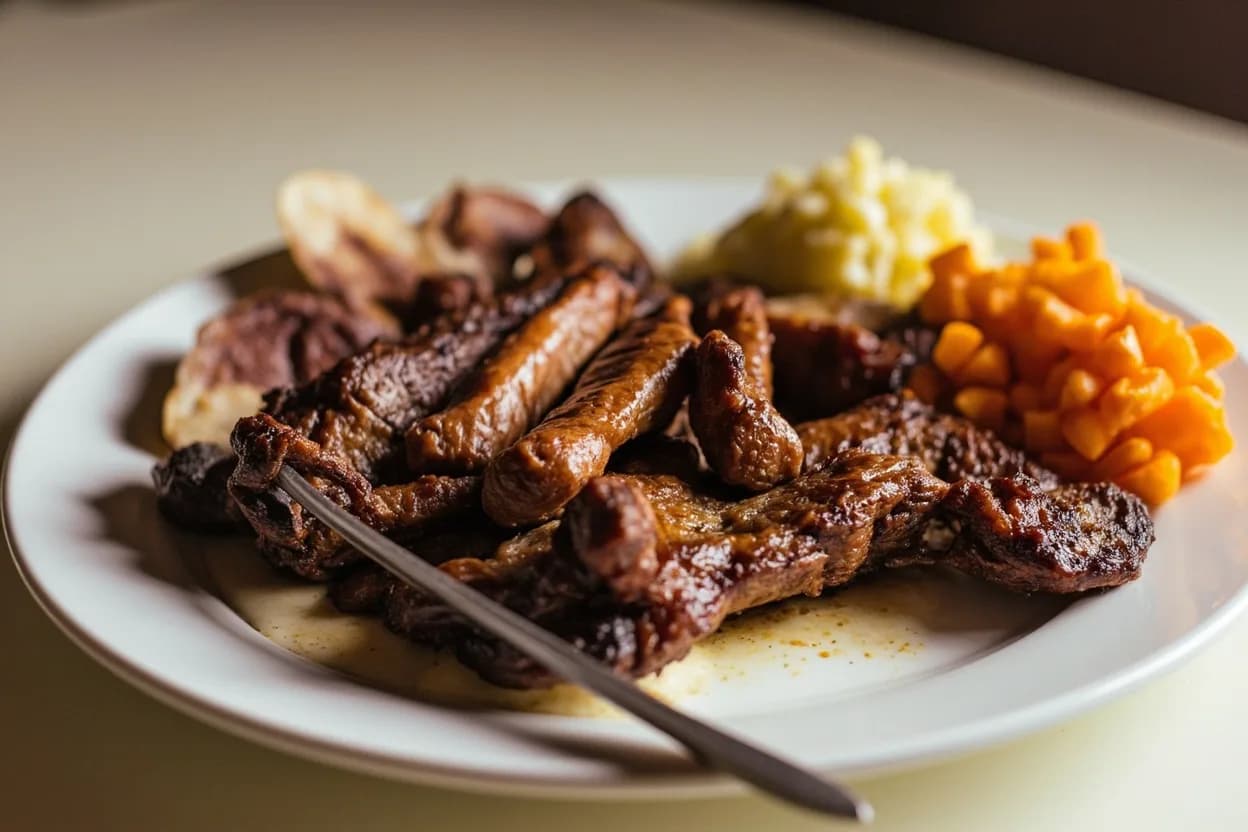
Appears in these dishes
Related
Egg
The kitchen's everything ingredient — bind, leaven, enrich, or fry
Chicken Breast
Lean, quick-cooking white meat for everyday dinners

Ground Beef
Versatile minced beef for burgers, ragù, tacos, and meatballs
Pork Loin
Lean, tender roasting cut that stays juicy with care
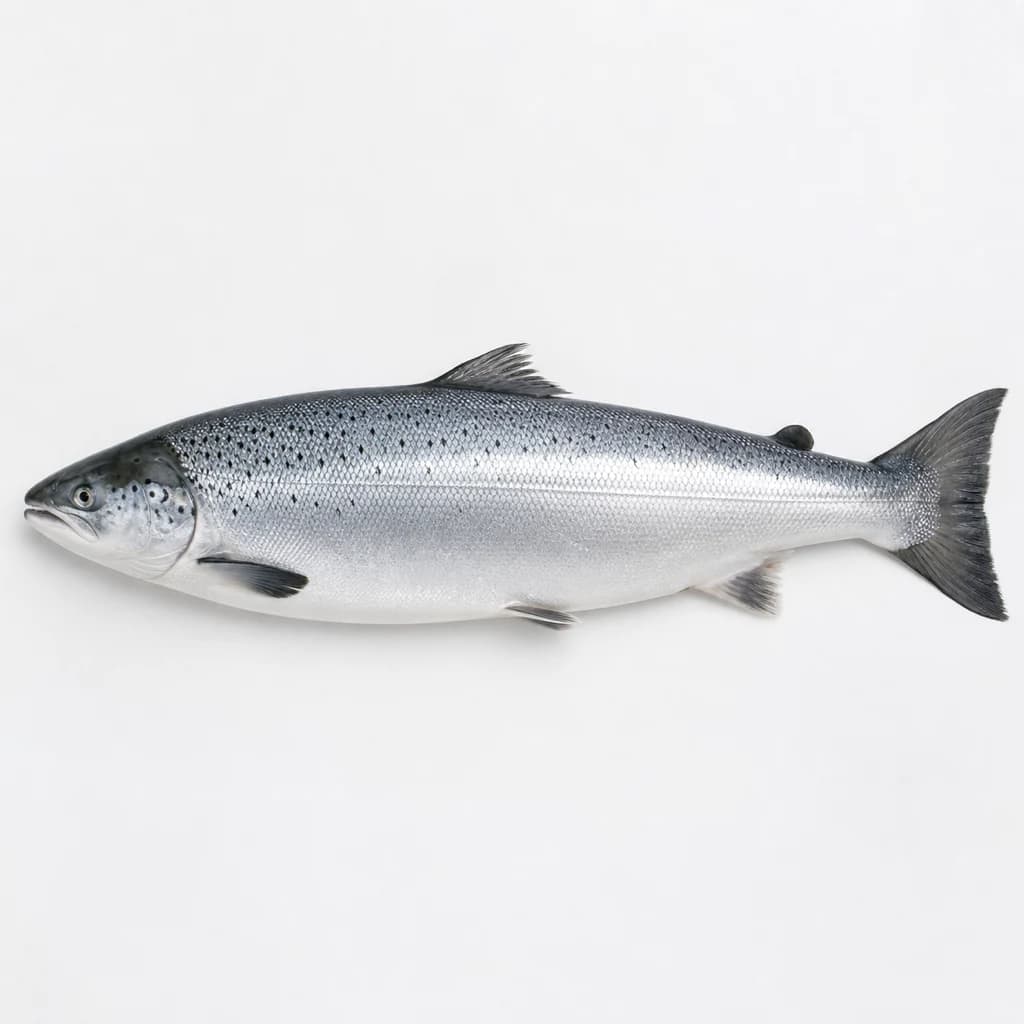
Salmon
Rich, rosy fish that roasts, grills, or cures beautifully

Egg White
Pure protein that whips to airy peaks for meringue and more
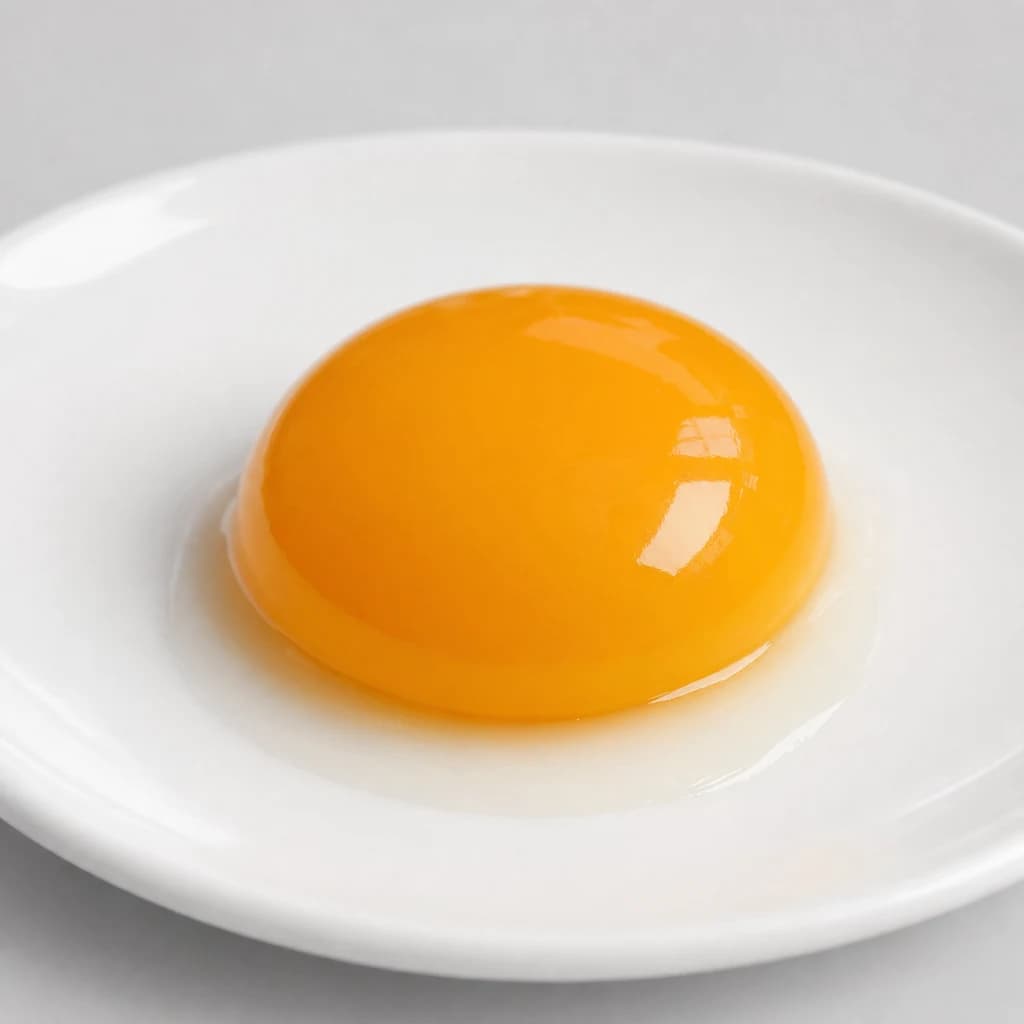
Egg Yolk
Rich, golden yolk for custards, mayonnaise, and pasta

Quail Egg
Tiny, speckled eggs for garnishing and elegant bites