Legumes & Beans
Great Northern Bean
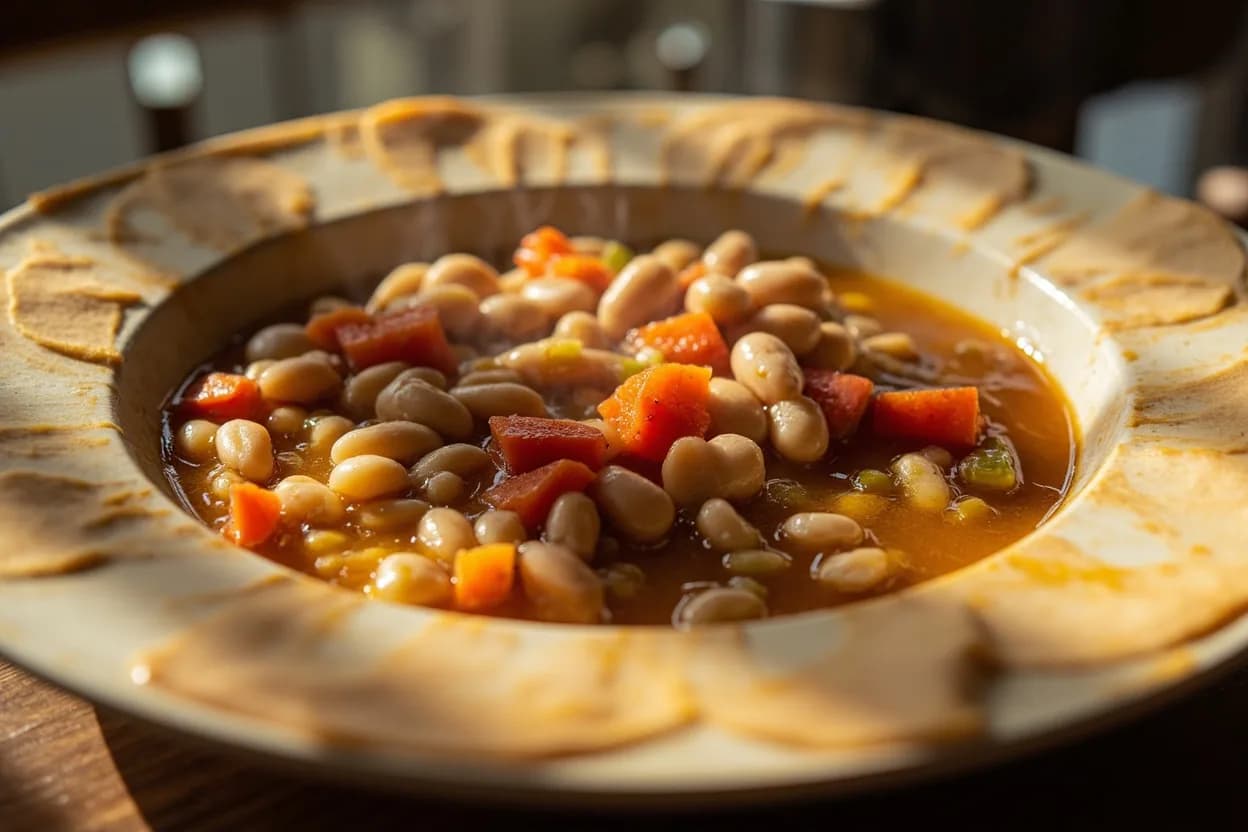
Medium white bean with a mild, nutty flavor and creamy-firm texture that holds its shape; the classic choice for cassoulet, baked beans, and brothy soups.
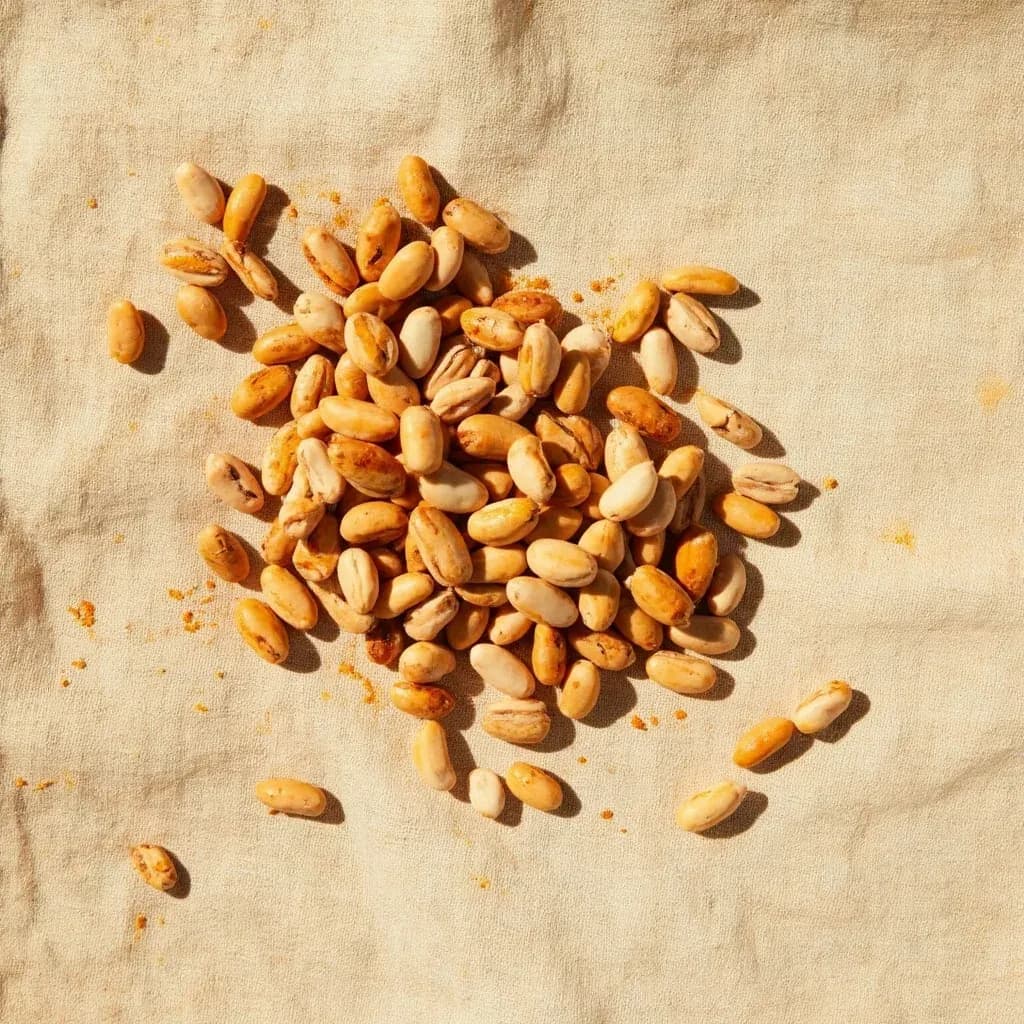
Great Northern beans are the workhorse white bean of American pantries — medium-sized, oval, and matte-white, with a thin skin that survives long cooking without bursting. They belong to Phaseolus vulgaris, the same species as kidney, pinto, and black beans, but their pale color and delicate, slightly nutty sweetness set them apart as the bean of choice when you want a creamy interior that still reads as a whole bean on the plate.
What makes Great Northerns especially valuable to a cook is the balance they strike between holding shape and absorbing flavor. They are sturdier than navy beans, which turn to porridge if you look at them wrong, yet they soften more readily than flageolets. That forgiving middle ground is why they are the default choice for slow-baked dishes like cassoulet, where the beans need to emerge from two or three hours in the oven intact but yielding. The cooking liquid itself, often called pot liquor, becomes a flavorful, starch-thickened broth worth saving for everything from thinning purées to enriching soups.
Nutritionally, they pull their weight as a high-protein, high-fiber legume with a useful dose of folate, iron, magnesium, and potassium, all for very little cost. They are also among the cheaper dried beans in most markets, which historically helped them travel from Midwestern and High Plains fields into both Northern and Southern bean traditions — from New England–style baked beans to the bean-and-greens pots of Italian-American cooking.
- Measured in
- g
- Storage
- Store Dried Beans Airtight In A Cool, Dry Pantry.
Find it in
Suits
Types & varieties
The common commercial type — medium oval white bean with a thin skin and mild flavor.
Often confused with Great Northern but smaller, rounder, and softer; releases more starch and does not hold shape as well.
Larger and plumper with a slightly chestnut-like flavor; an easy substitute in nearly every application.
Smaller, often pale green, with a very thin skin and delicate grassy flavor; traditional in cassoulet alongside or instead of Great Northern.
Choosing and storing dried beans
Look for beans that are uniformly pale, matte, and intact in the bag. Avoid packages with a lot of dust, split skins, or shriveled seeds — those are old or roughly handled. In a sealed container in a cool, dark pantry, dried Great Northerns keep well for about a year; vacuum-sealed, they hold for two years or more. Older beans can develop what cooks call "hard seed," a condition where a fraction of the batch refuses to soften no matter how long you simmer them, so rotate your stock.
- Store dried beans in glass or food-grade plastic with a tight lid, away from the stove.
Soaking: salted vs. plain
Soaking matters less for tenderness than many cooks believe, but it does shorten cooking time and produces more even results. A long overnight soak in cool water (8 to 12 hours) is the most reliable method; a quick soak — boil 2 minutes, then rest covered off the heat for 1 hour — works when time is short. Seasoning the soak with about 1 tablespoon of kosher salt per quart of water is a small upgrade: it seasons the beans from within and is widely reported to help them cook more evenly, even though it sounds counterintuitive.
The cassoulet question
In southwestern France, cassoulet is built around tarbais or lingot beans, neither of which is widely available in the United States. Great Northern has become the standard American stand-in because it absorbs long braises without disintegrating and takes well to the duck confit, sausage, and pork rind layered into the traditional bake. Flageolets are the more elegant alternative if you can find them; cannellini also work, though they are slightly larger and cook a touch faster.
- Par-cook beans to just tender (around 40 minutes) before assembling the cassoulet — they will continue cooking under the breadcrumb crust.
- A piece of pork rind laid fat-side down in the pot enriches the sauce as it renders.
Common uses
Tips & pitfalls
- Sort and rinse dried beans thoroughly before soaking — small stones and shriveled seeds are surprisingly common in commercial bags.
- Do not add salt, tomatoes, vinegar, or citrus to the cooking water until the beans are already tender; acids slow hydration and can leave a mealy interior under intact skins.
- Skim the gray foam that rises in the first 10 to 15 minutes of simmering; it traps water-soluble starches that can cause digestive discomfort and muddy the pot liquor.
- Keep the simmer gentle — a hard boil splits the skins and turns the cooking liquid cloudy.
- Reserve the cooking liquid (pot liquor); it carries flavor and starch that are perfect for thinning purées or enriching soups.
- Skip the baking soda trick — it produces mushy skins and a faintly soapy off-flavor that does not disappear in the finished dish.
- If beans split despite your best efforts, redirect them to purées, baked-bean dishes, or ragouts where whole shape is not the point.
- Canned Great Northerns are a reliable shortcut; drain and rinse to control sodium, then warm them in seasoned broth rather than adding them directly to a finished dish.
Nutrition
Energy
1418 kJ · per 100 g
Where the calories come from
Protein
21.9g
44% DV
Carbs
62.4g
23% DV
Fat
1.1g
1% DV
Fiber
20.2g
72% DV
Sugars
2.3g
of which
Sodium
14mg
1% DV
Source · USDA FoodData Central · Beans, great northern, mature seeds, raw (Includes foods for USDA's Food Distribution Program)
View on FDC →In the shops
Matched grocery products
No matched grocery products for Great Northern Bean yet.
Good to know
- Species
- Phaseolus vulgaris, same species as kidney, pinto, and black beans
- Size & shape
- Medium, oval, slightly kidney-shaped; larger than navy, smaller and more oval than cannellini
- Flavor profile
- Mild, delicate, slightly nutty with a hint of sweetness
- Cooked texture
- Creamy interior, thin skin that holds shape during long, gentle simmering
- Dried-to-cooked yield
- About 1 cup dried yields 2 to 2½ cups cooked
- Simmer time (soaked)
- 45 to 60 minutes uncovered or partially covered
- Primary U.S. growing regions
- Nebraska, Michigan, North Dakota, Idaho, and Colorado
- Price tier
- Inexpensive; among the most affordable dried legumes
Substitutes
- Cannellini bean — Closest match; slightly larger and a touch more chestnut-like, identical approach in cassoulet, soups, and purées.
- Navy bean — Works in purées and baked beans; smaller and softer, breaks down more readily and will not hold shape as well.
- Flageolet bean — Excellent in cassoulet; thinner skin and a more delicate, grassy flavor; reduce cooking time by about 25%.
- Baby lima (butter) bean — Creamier and more buttery; good in purées and ragouts but changes the character of a classic cassoulet.
- Pinto bean — Acceptable in chili-style or smoky applications; color and earthier flavor will read differently in a white-bean dish.
Pairs with
Also called
great northern · white beans
Appears in these dishes
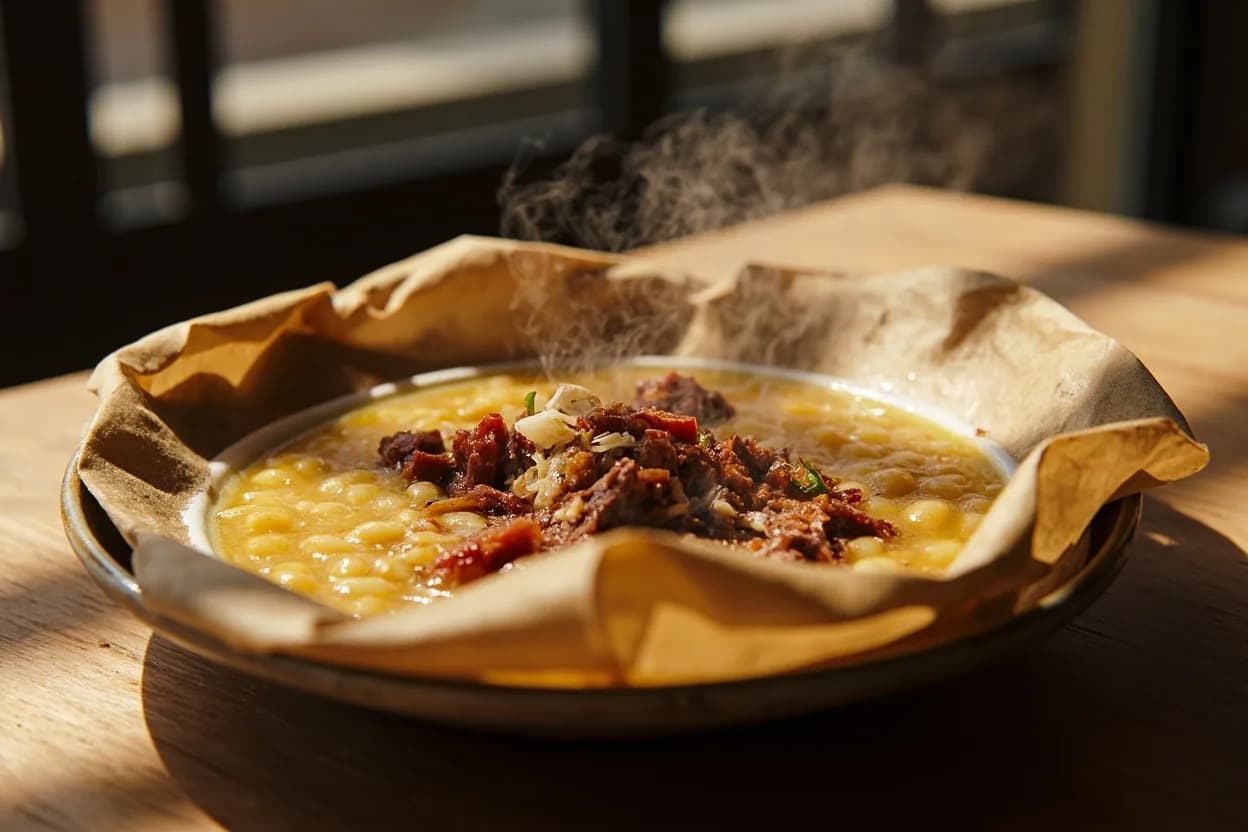
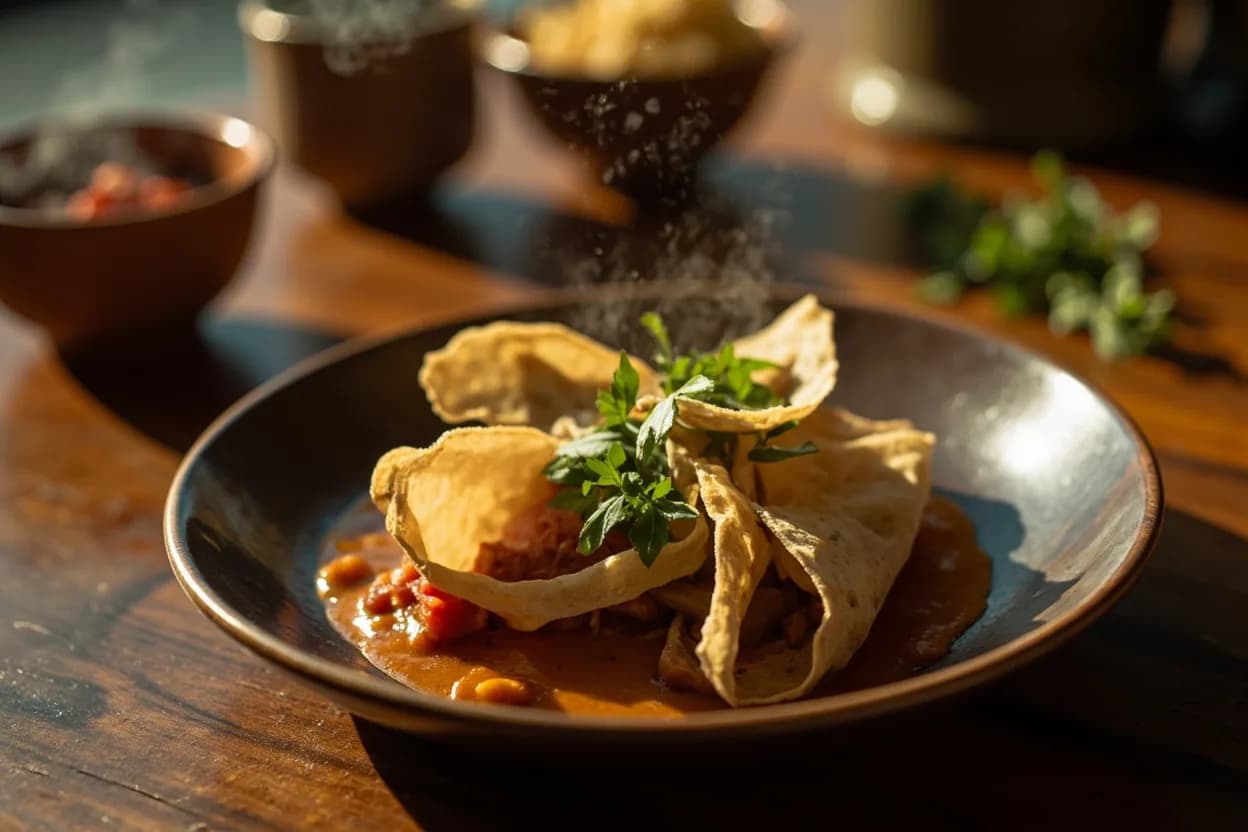
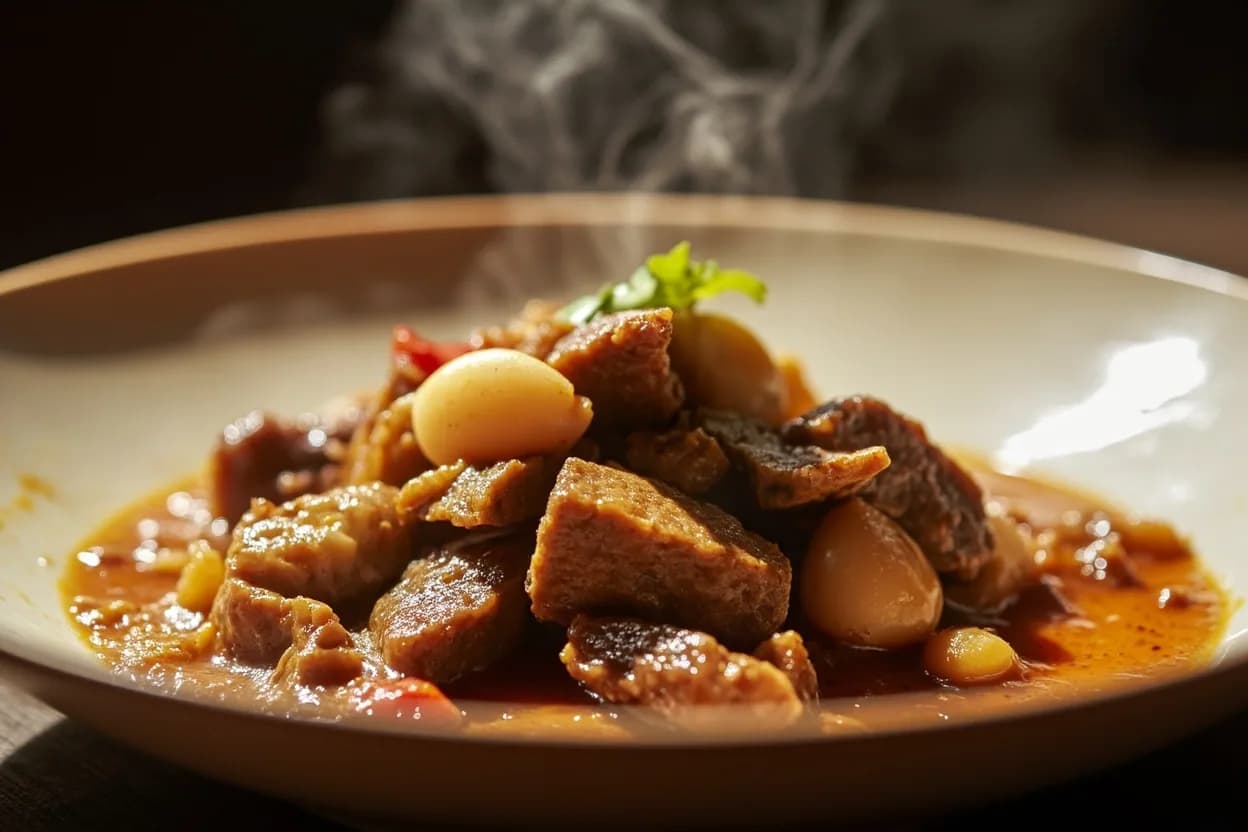
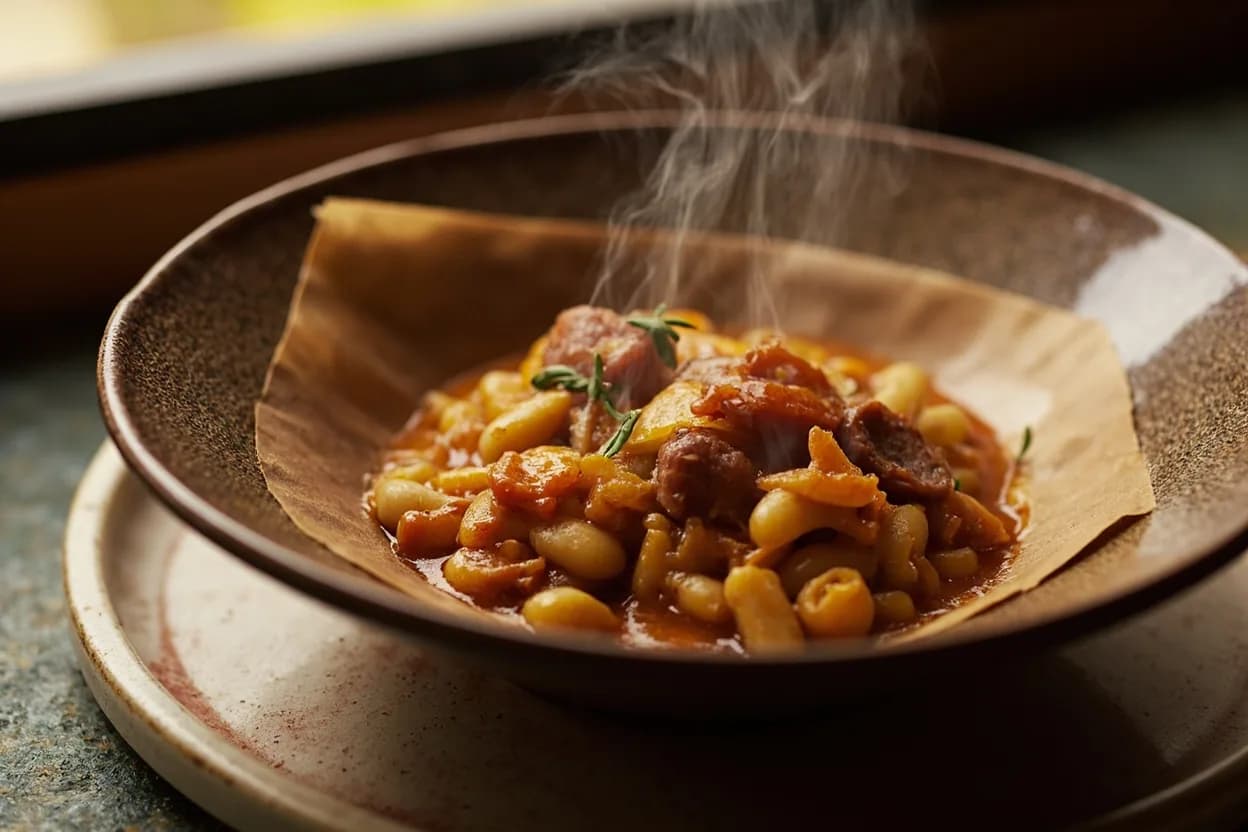
Related
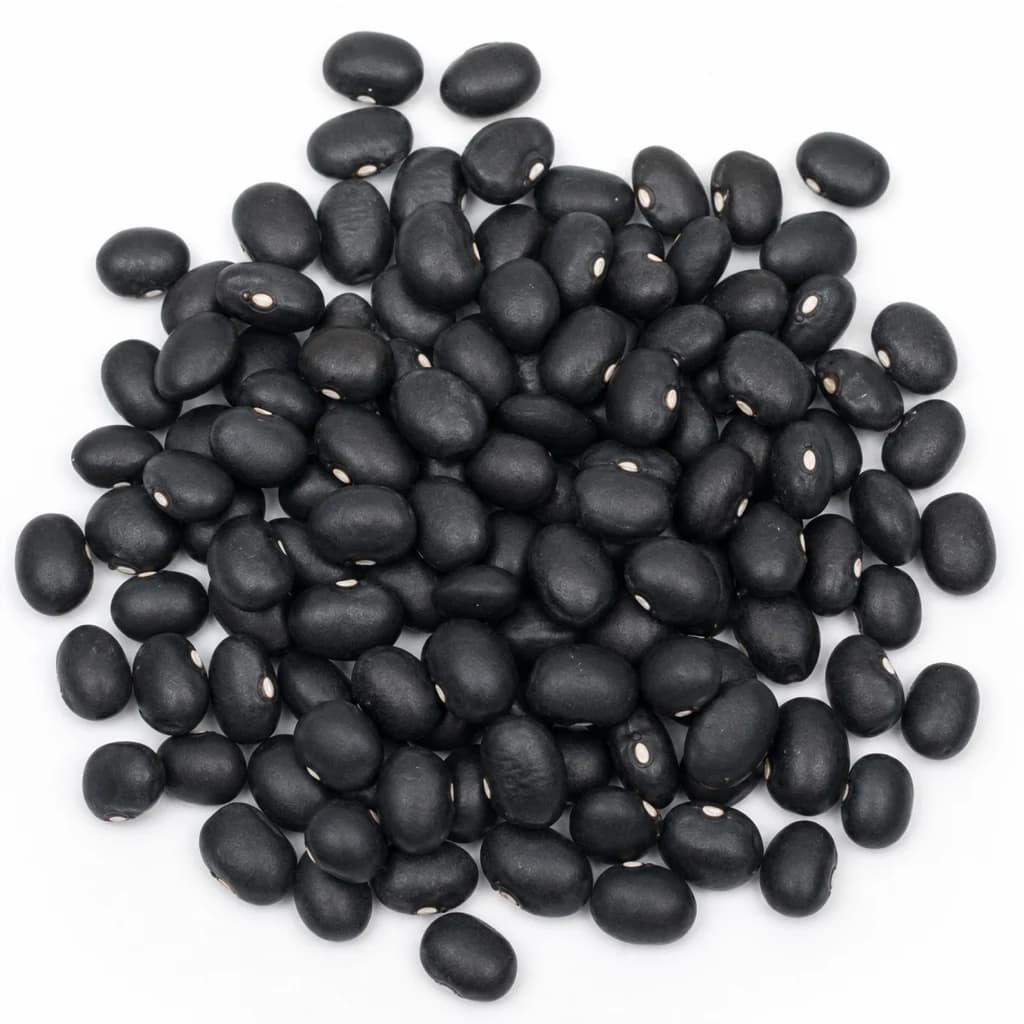
Black Beans
Earthy, creamy beans for bowls, soups, and tacos
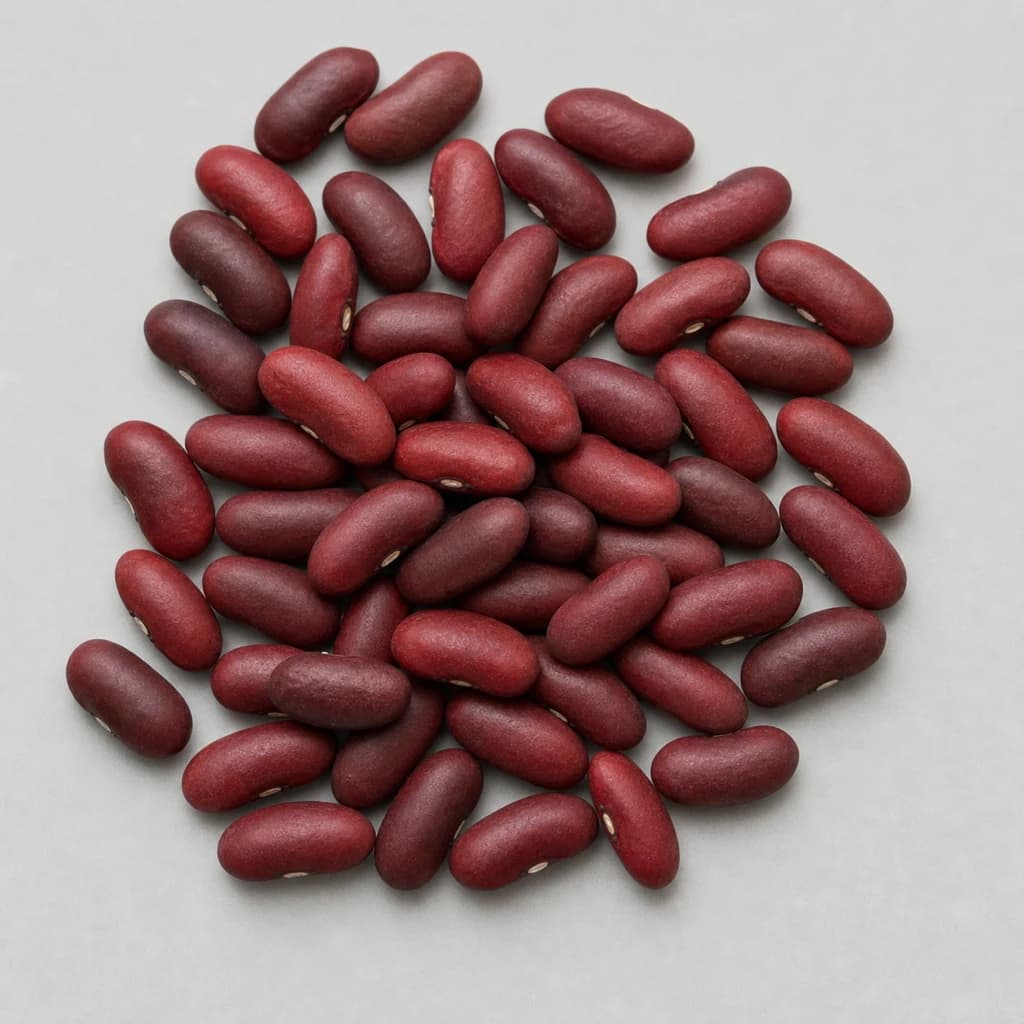
Kidney Beans
Hearty red beans that hold their shape in chili and stews
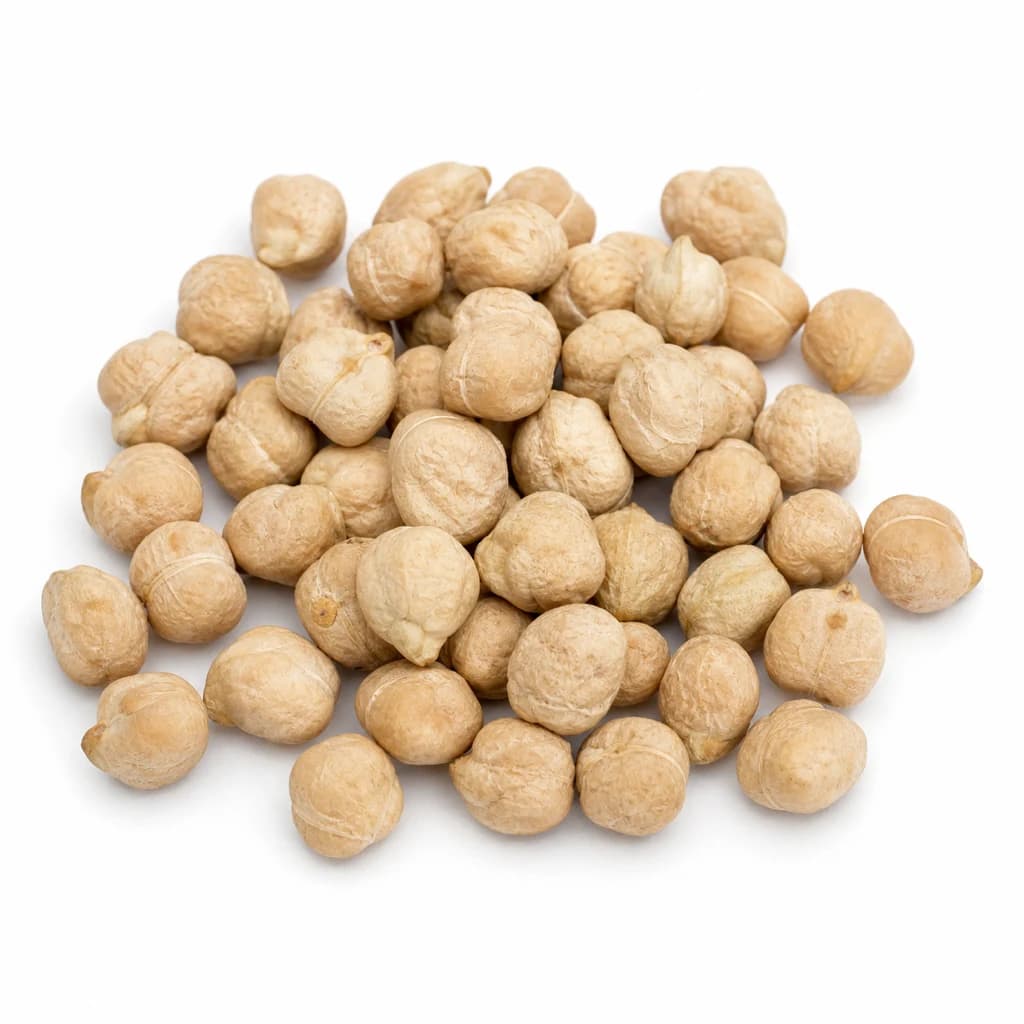
Chickpeas
Nutty, versatile beans for hummus, curries, and roasting
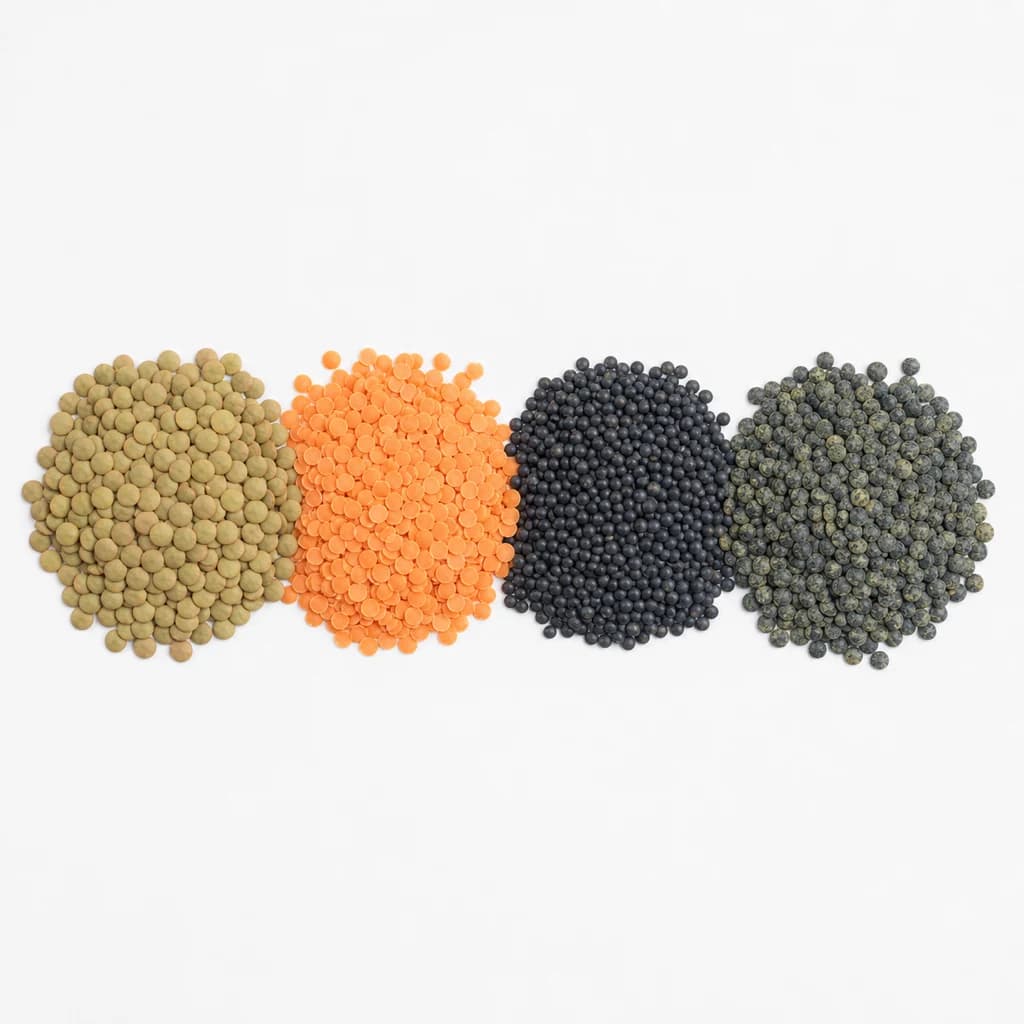
Lentils
Quick-cooking pulses for soups, dals, and hearty salads

White Beans
Creamy, mild beans for soups, stews, and silky purées
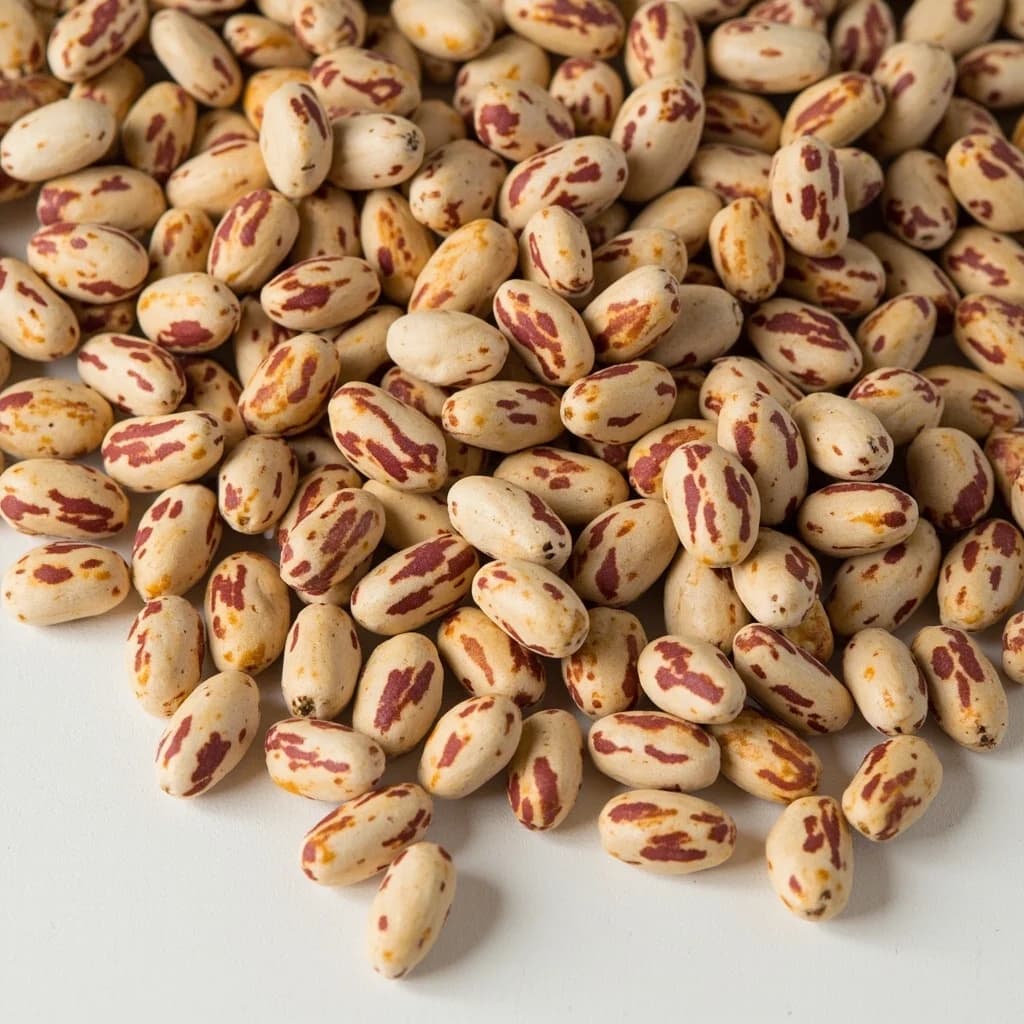
Pinto Beans
Creamy, speckled beans for refried beans and stews

Split Peas
Quick-cooking peas that melt into thick, comforting soups
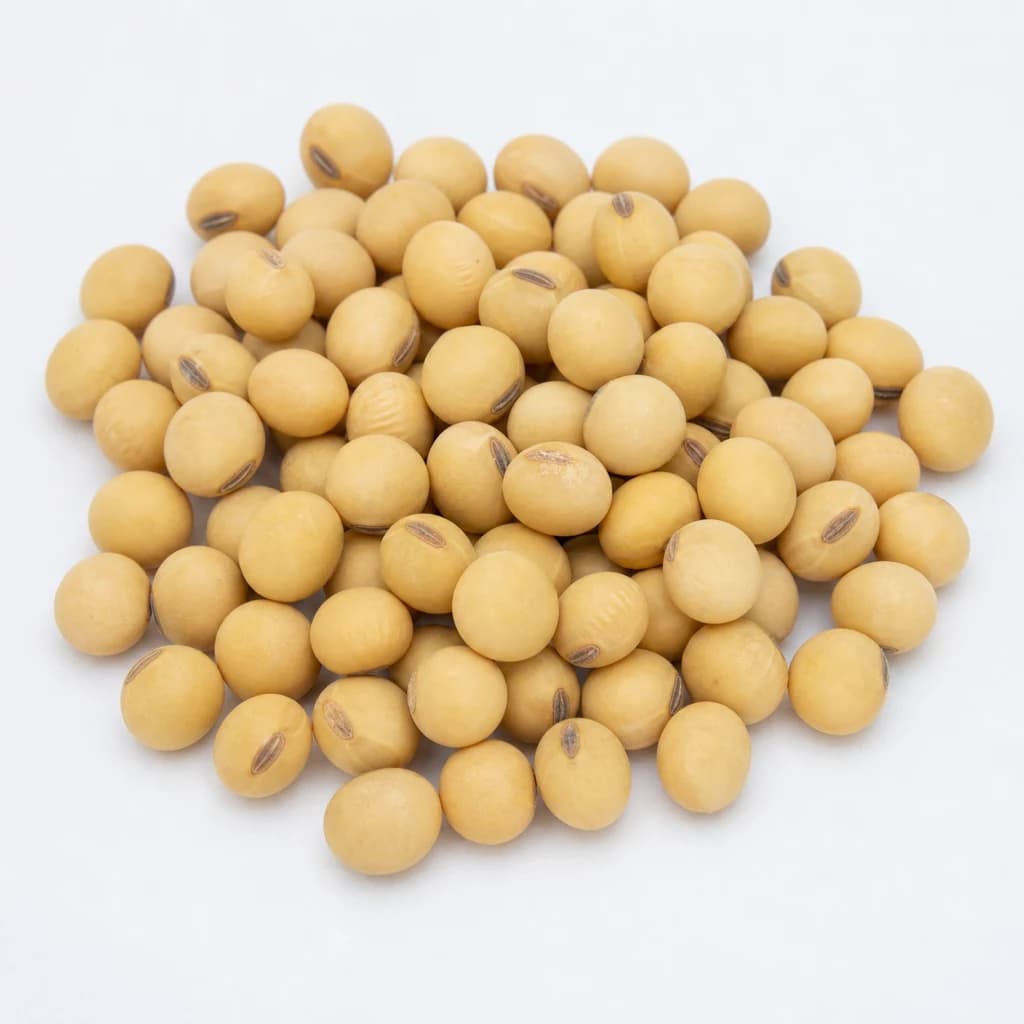
Soybeans
Protein-packed beans, the base for tofu and miso