
Natural form
Dried split peas in green and yellow, showing the flat halved skinless shape of both varieties.
Shows the defining physical trait of split peas — their flat, semicircular, skinless halved form — in both common color variants so readers can identify either at a glance.
Legumes & Beans
Split Peas
Quick-cooking peas that melt into thick, comforting soups
Halved and skinned, split peas break down into a thick, velvety soup without any soaking. Earthy and filling, they pair classically with ham. Store airtight and dry.
Split peas are field peas that have been dried, skinned, and split in half along their natural seam — a step that lets them cook fast (no soaking) and break down readily into a thick, comforting purée. They come in two colors: yellow, milder and a touch earthier, common in Northern European and Indian cooking; and green, slightly sweeter and grassier, the classic for split pea soup. Either way, their defining behavior is dissolving — simmer them long enough and they collapse into a creamy, almost porridge-like base that thickens a soup or dal without any flour or cream. They're an old-fashioned, frugal, deeply nourishing pulse, high in protein and fiber, that turns a ham bone and a few vegetables into a hearty pot of soup.
- Measured in
- g
- Storage
- Airtight
Find it in
Types & varieties
Sweeter and grassier — the classic for split pea soup.
Milder and earthier — common in dal and Northern European dishes.
Split (desi) chickpeas — similar split-pulse, nuttier and firmer.
How to cook
Split peas need no soak — just rinse and simmer until they dissolve. They thicken dramatically as they cook and as the soup sits, so keep extra liquid handy. Acid added early will keep them firm, so hold the vinegar or tomato until they've softened.
- Rinse and pick over for grit
- Simmer in 3x their volume of water/stock 45–60 min, stirring occasionally
- They'll break down into a thick purée — add liquid to reach the texture you want
- Hold salt and acid until the peas have softened
How to flavor
Split peas love a smoky, savory backbone. A ham hock or smoked bone is traditional for green pea soup; for yellow-pea dal, finish with a spiced tarka of fried aromatics.
- Simmer green peas with a ham hock or smoked bacon for classic soup
- For dal, finish yellow peas with a tarka of fried cumin, garlic, and chili
- Add carrots, celery, and onion for a vegetable base
- Stir often near the end — they catch and scorch as they thicken
Common uses
Tips & pitfalls
- No soaking needed — they cook straight from dry.
- Stir as they thicken; split peas catch and scorch on the bottom of the pot.
- They thicken further as they sit — loosen leftovers with stock or water.
- A ham hock or smoked bone makes the classic green split pea soup sing.
- Hold salt and acid until the peas soften, or they'll stay grainy.
Nutrition
Energy
1523 kJ · per 100 g
Where the calories come from
Protein
23.1g
46% DV
Carbs
61.6g
22% DV
Fat
3.9g
5% DV
Fiber
22.2g
79% DV
Sugars
3.1g
of which
Sodium
5mg
0% DV
Source · USDA FoodData Central · Peas, green, split, mature seeds, raw
View on FDC →In the shops
Matched grocery products
No matched grocery products for Split Peas yet.
Good to know
- Flavor & texture
- Mild, earthy (yellow) to sweet, grassy (green); cook to a creamy purée
- Cook ratio & time
- 1 part : 3 parts water; simmer 45–60 min until they break down
- Soak?
- No soak needed — rinse and pick over, then simmer
- Nutrition
- ~118 kcal/100g cooked; ~8.3g protein, ~8.3g fiber; rich in folate & iron
- How to store
- Dried airtight ~1 year; cooked refrigerate ≤5 days or freeze
Substitutes
- Red lentils — Also break down fast into a creamy purée; quicker cook.
- Yellow lentils — Similar mild, dissolving pulse for dal and soup.
- Chana dal — Split chickpeas — nuttier and firmer but a near cousin.
Also called
guisantes secos · guisantes partidos · pèsols partits
Appears in these dishes
Related
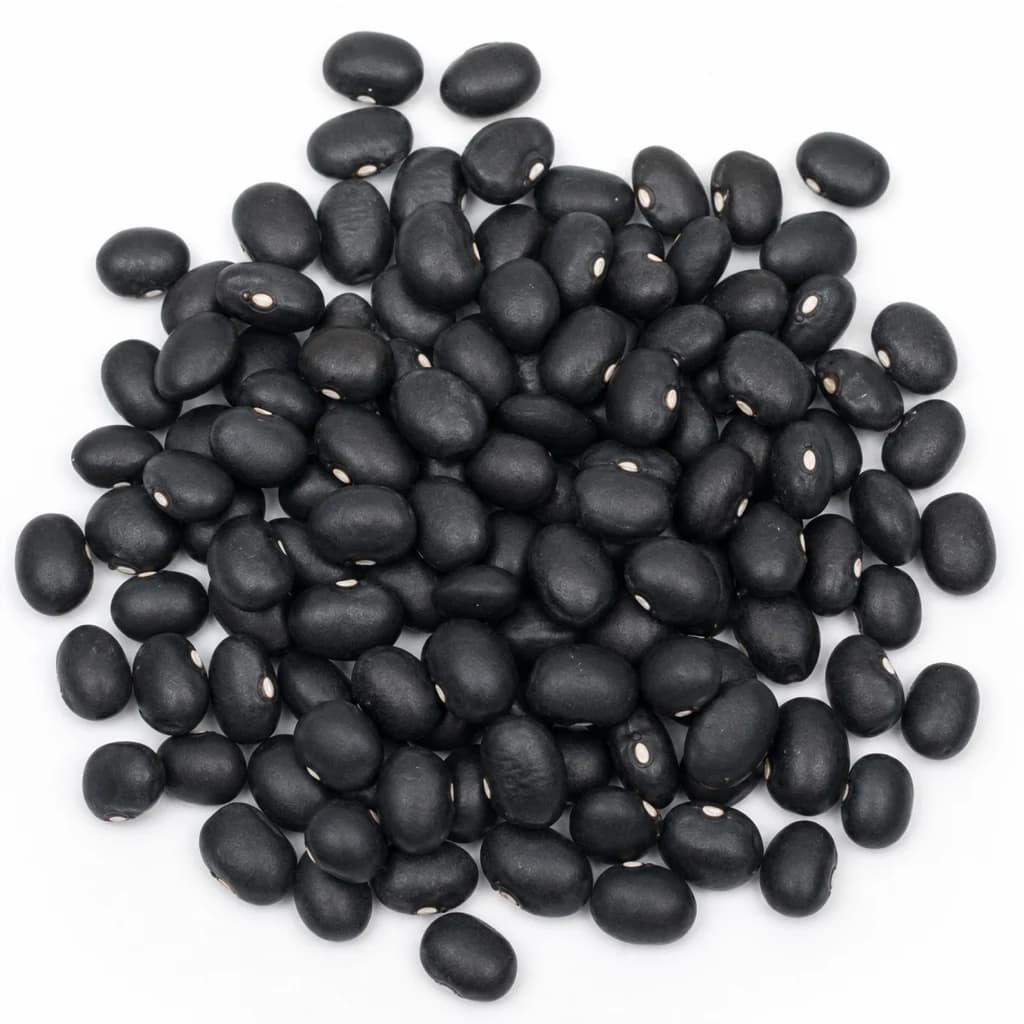
Black Beans
Earthy, creamy beans for bowls, soups, and tacos
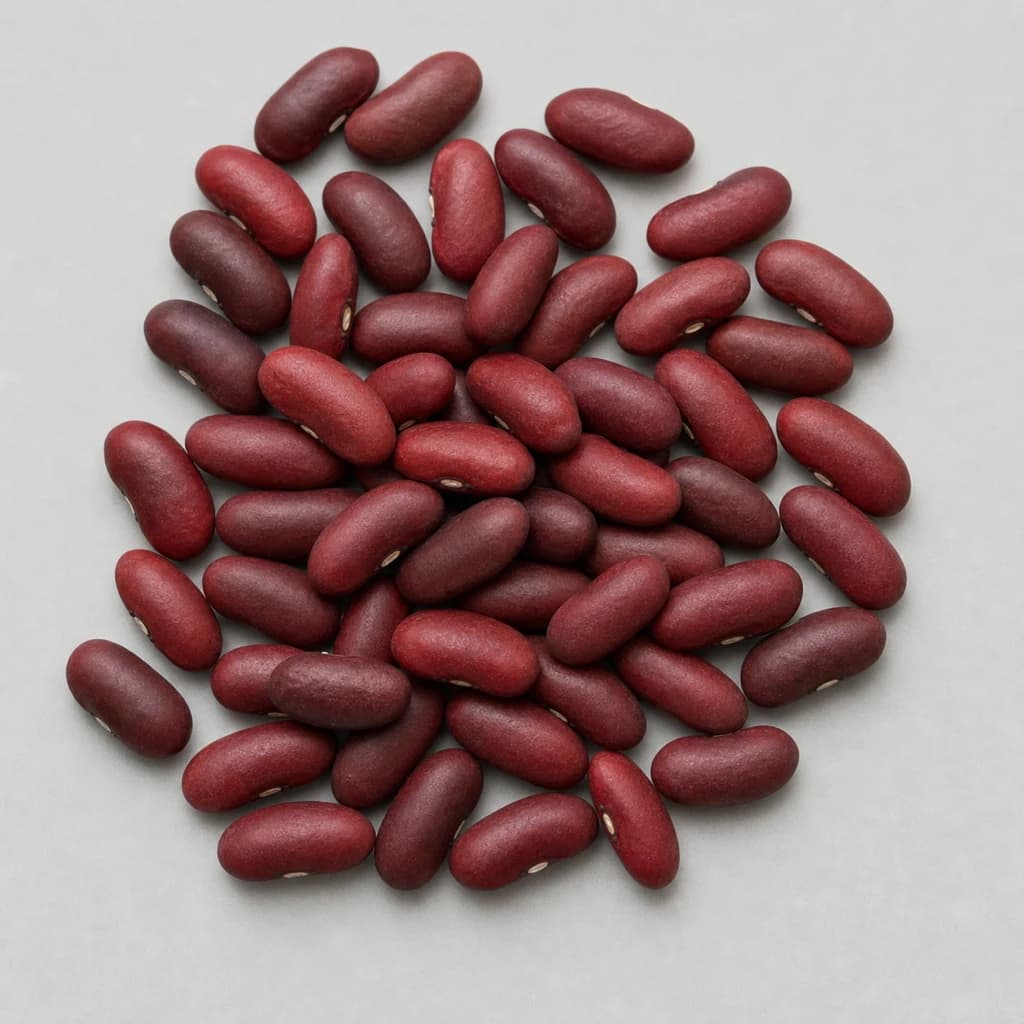
Kidney Beans
Hearty red beans that hold their shape in chili and stews
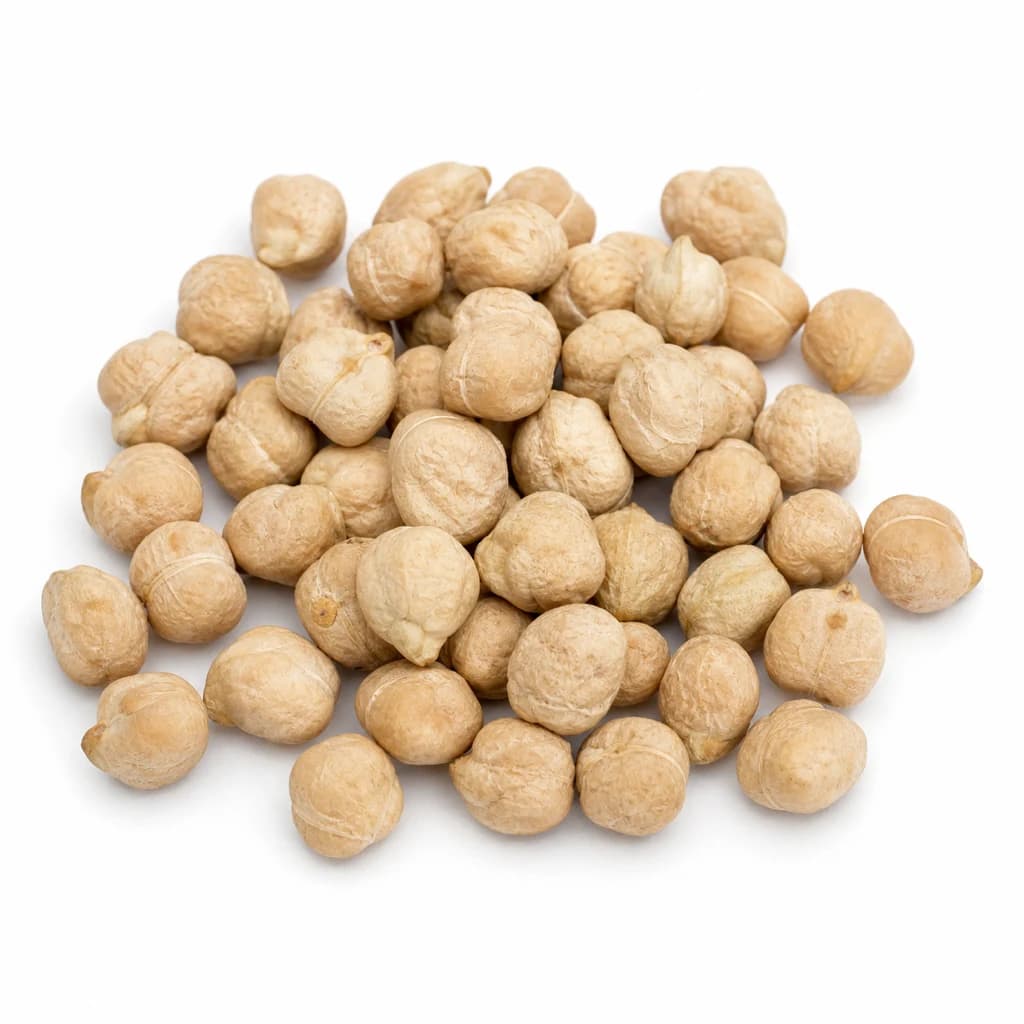
Chickpeas
Nutty, versatile beans for hummus, curries, and roasting
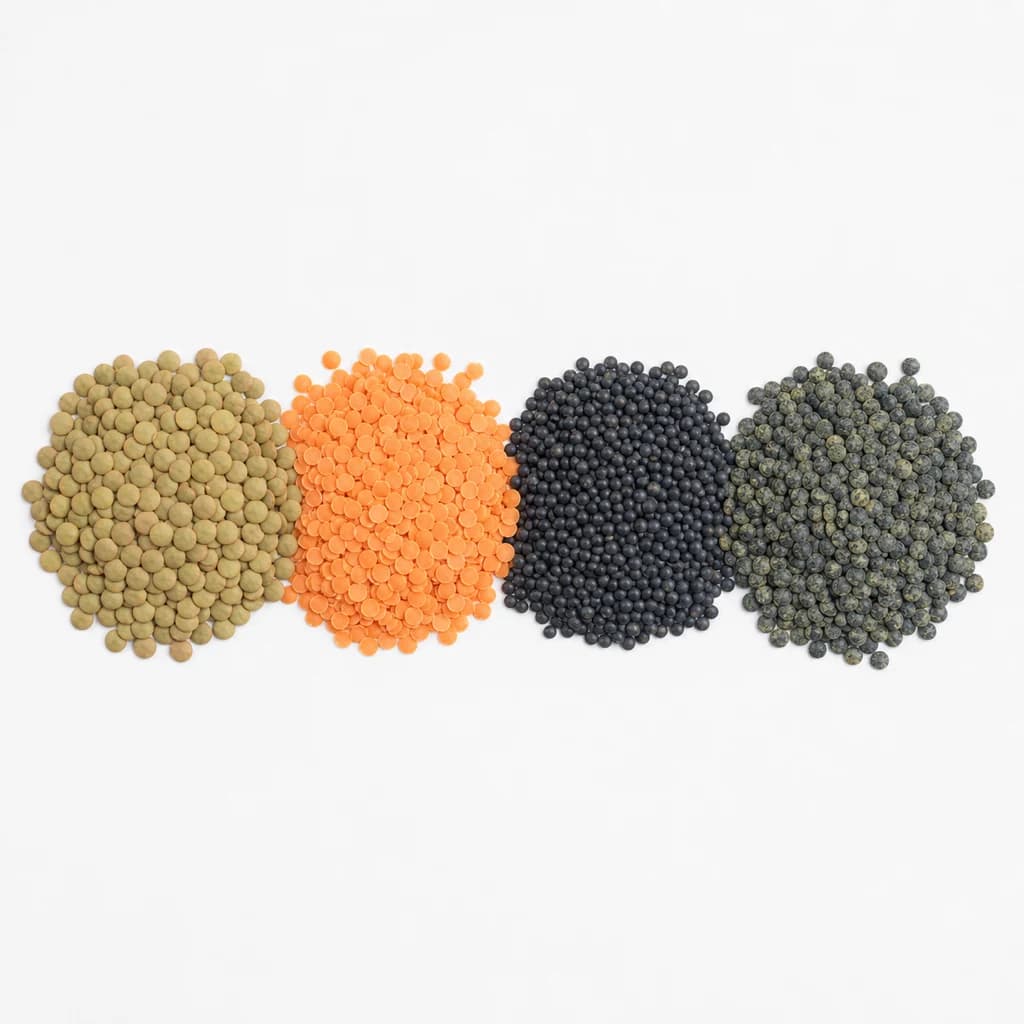
Lentils
Quick-cooking pulses for soups, dals, and hearty salads

White Beans
Creamy, mild beans for soups, stews, and silky purées
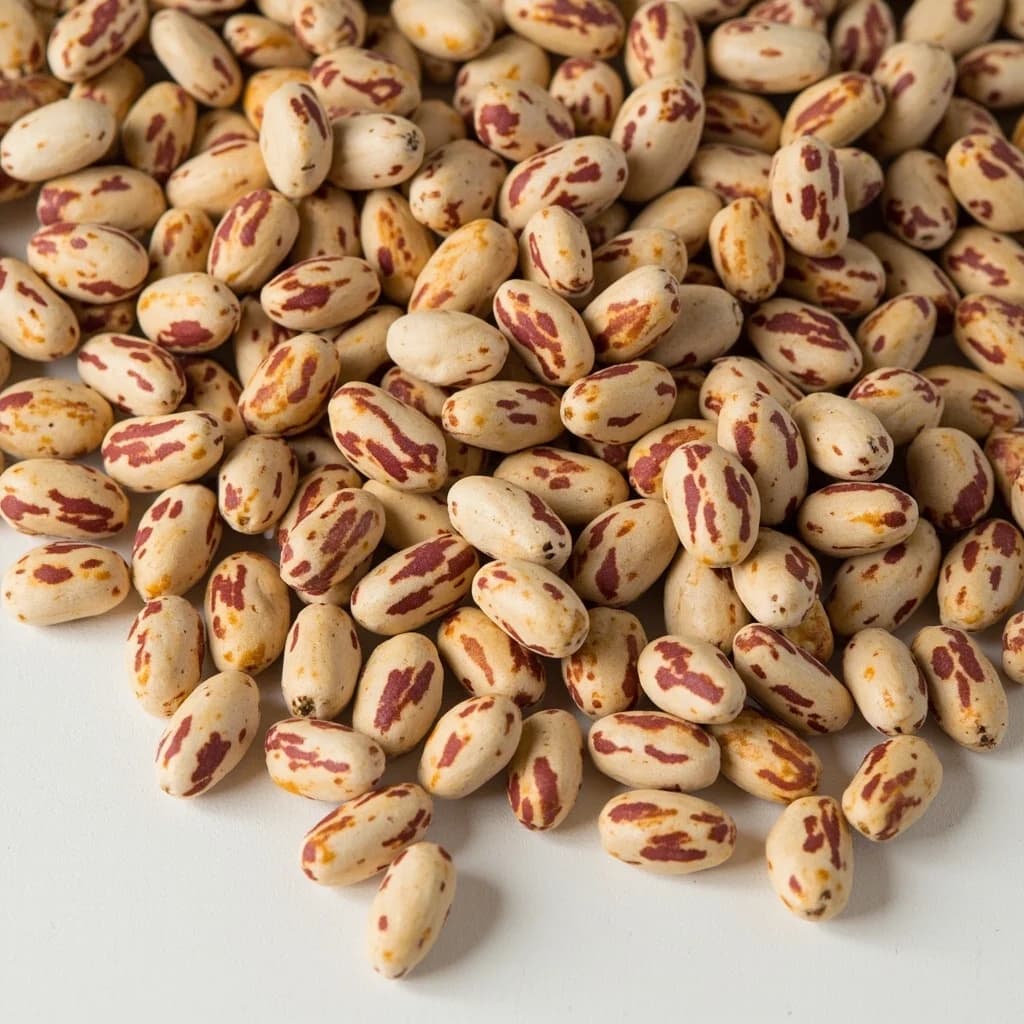
Pinto Beans
Creamy, speckled beans for refried beans and stews
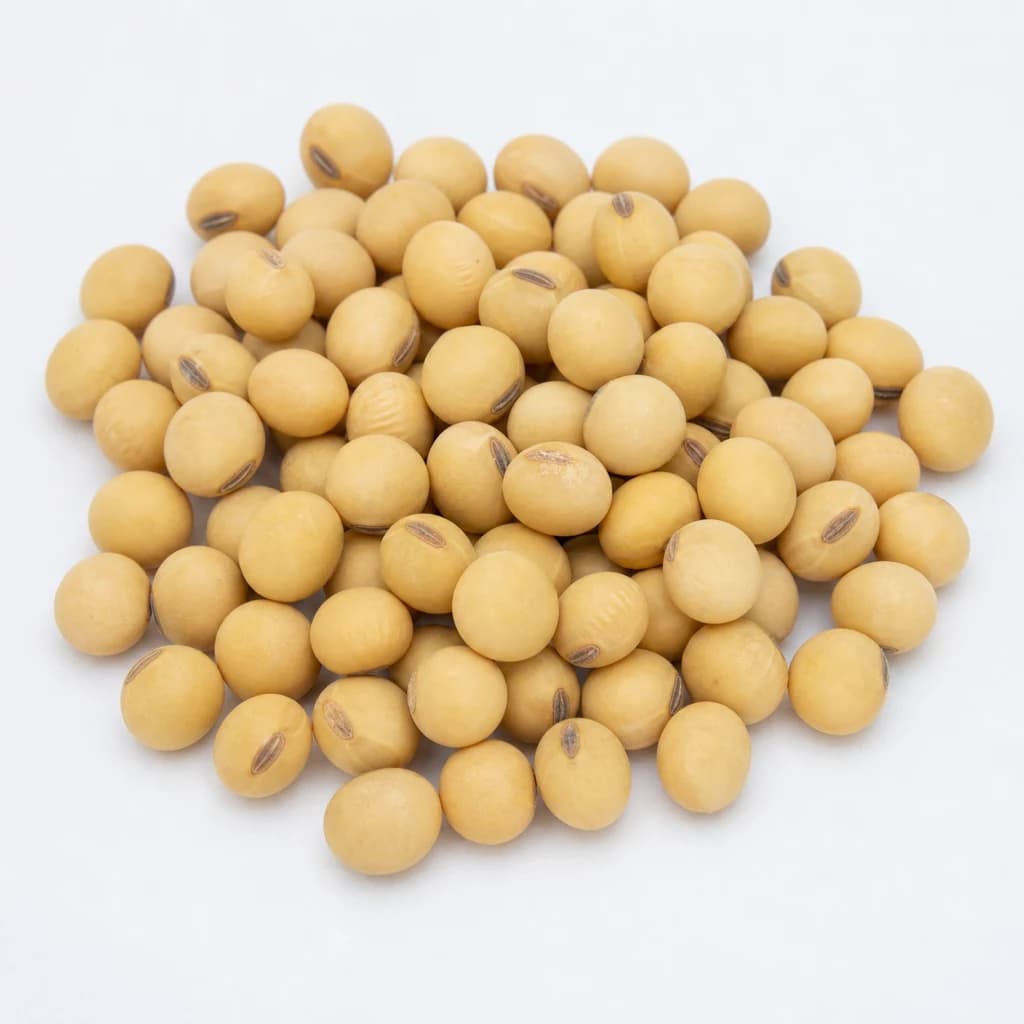
Soybeans
Protein-packed beans, the base for tofu and miso
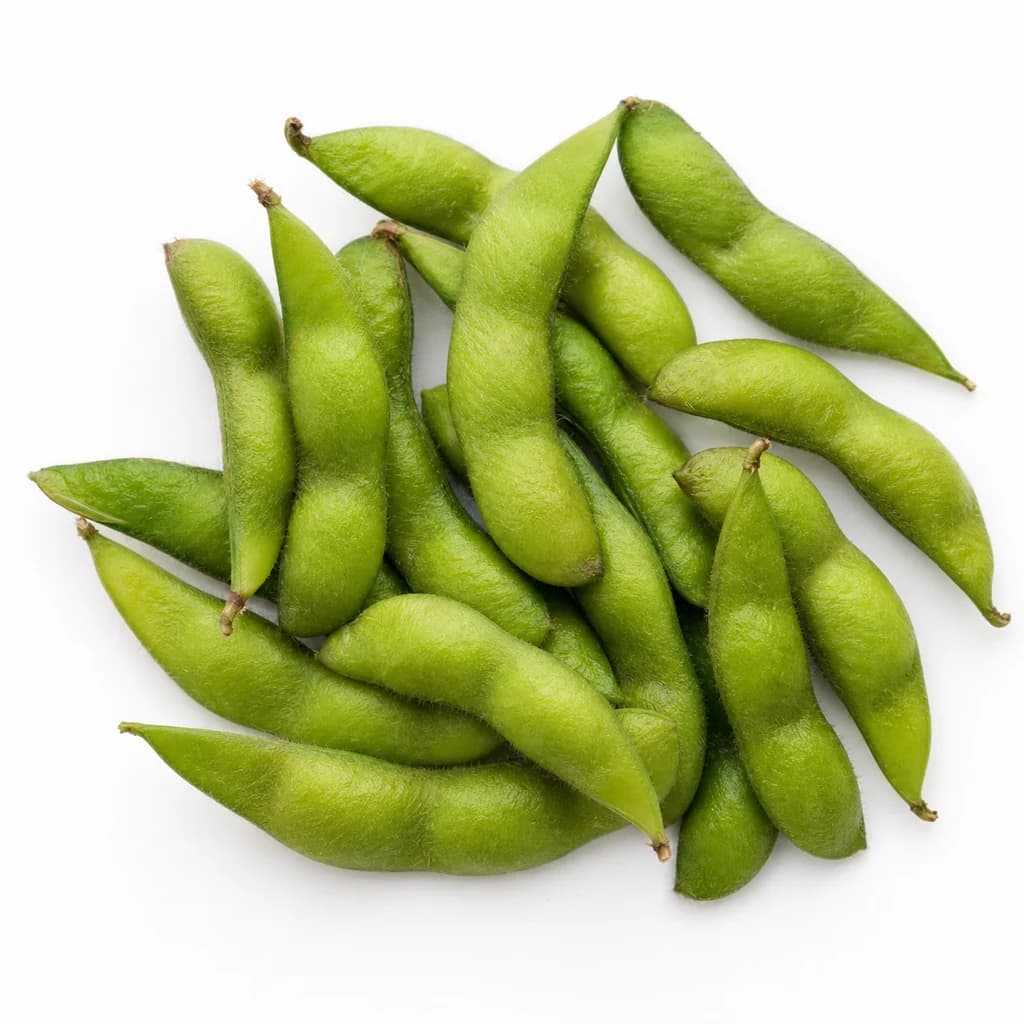
Edamame
Young soybeans in the pod — a bright, snackable protein