Varieties
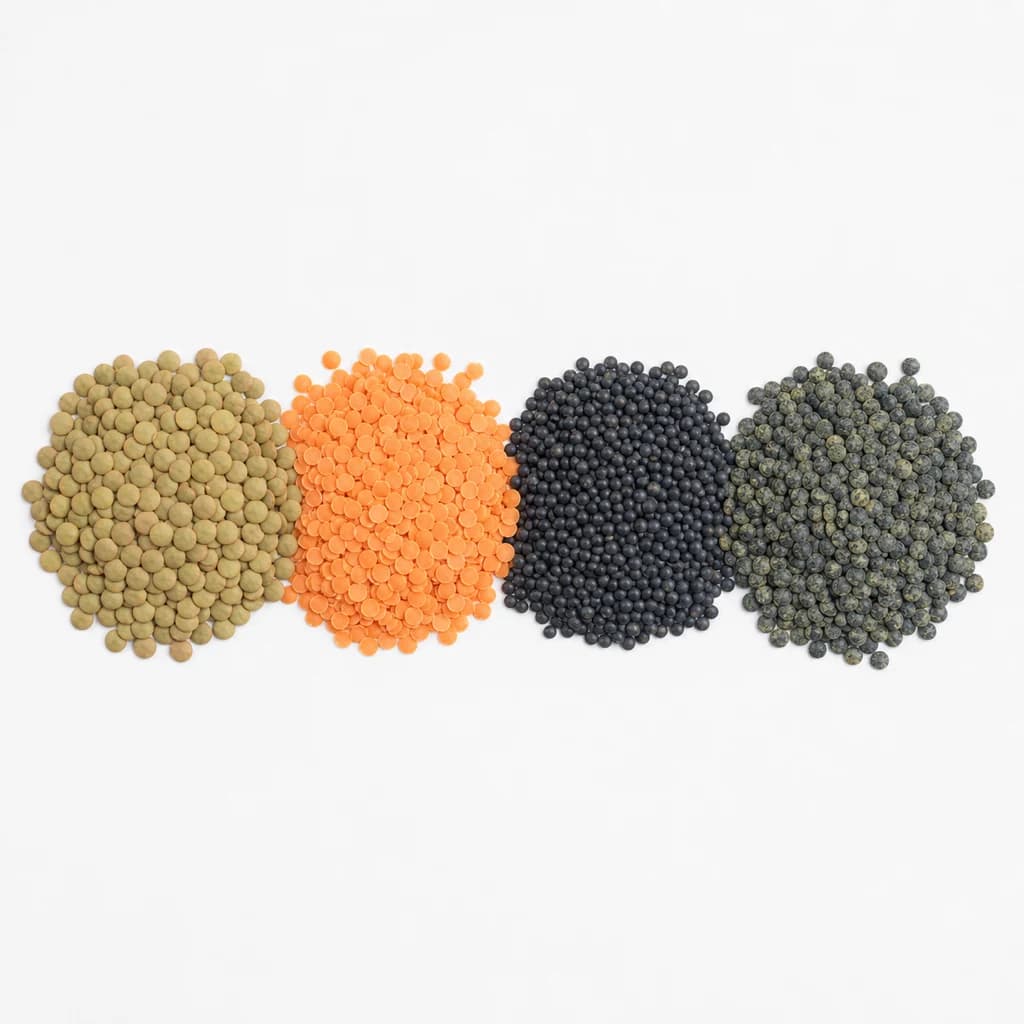
Four common lentil types: green, red, black beluga, and French Puy, shown dry.
Showing multiple varieties together teaches readers to distinguish lentils by color, size, and shape at a glance.
Legumes & Beans
Lentils
Quick-cooking pulses for soups, dals, and hearty salads
No soaking needed — lentils cook quickly into soups, dals, and warm salads, holding their shape or melting down depending on the type. Store them airtight and dry.
Lentils are tiny, lens-shaped pulses (the name comes from the Latin for lens) and one of the most practical proteins a cook can keep — no soaking needed, fast to cook, cheap, and packed with protein, fiber, iron, and folate. Their great virtue is variety of behavior: some types hold their shape into firm little discs perfect for salads, while others collapse into a thick, creamy purée ideal for soups and Indian dal. Choosing the right color for the job is the whole game. They take beautifully to bold spice and acid, simmer in under 30 minutes, and turn a thin broth into a substantial meal. A workhorse of vegetarian and Mediterranean, Middle Eastern, and South Asian kitchens alike.
- Measured in
- g
- Storage
- Airtight
Find it in
Types & varieties
The everyday all-rounder — hold shape fairly well; for soups, salads, stews.
Small, slate-green, peppery; hold their shape best — the salad lentil.
Skinless, cook fast and break down to a purée — for dal and soups.
Tiny, glossy, caviar-like; firm and striking on the plate.
How to cook
Lentils need no soak — just rinse, pick out any stones, and simmer in water or stock. The crucial choice is the type: hold-their-shape lentils for salads, break-down lentils for soups and dal.
- Rinse and pick over; simmer in plenty of water/stock, no lid needed
- Green/brown/puy: ~20–30 min, drain when just tender for salads
- Red/yellow: ~15–20 min, they'll dissolve into a purée
- Add salt and especially acid only near the end — early acid keeps them tough
How to flavor (dal & salads)
Lentils are a flavor sponge. For dal, simmer red lentils soft then finish with a tarka — spices bloomed in hot ghee or oil poured over the top. For salads, dress firm lentils warm with a sharp vinaigrette.
- For dal: cook red lentils to a purée, then pour over a sizzling spiced tarka
- For salad: dress puy or green lentils while warm so they drink up the dressing
- Don't add salt or acid early — it slows softening
- Cook in stock with a bay leaf for depth
Common uses
Tips & pitfalls
- Pick the color for the dish — firm green/puy for salads, soft red for soups and dal.
- No soaking required; rinse and they're ready to simmer.
- Hold the salt and acid until the lentils are tender, or they'll stay firm.
- Dress salad lentils while warm so they absorb the vinaigrette.
- Finish dal with a tarka — spices fried in hot fat and poured over — for a flavor leap.
Nutrition
Energy
1473 kJ · per 100 g
Where the calories come from
Protein
24.6g
49% DV
Carbs
63.4g
23% DV
Fat
1.1g
1% DV
Fiber
10.7g
38% DV
Sugars
2g
of which
Sodium
6mg
0% DV
Source · USDA FoodData Central · Lentils, raw
View on FDC →In the shops
Matched grocery products
 €2.10
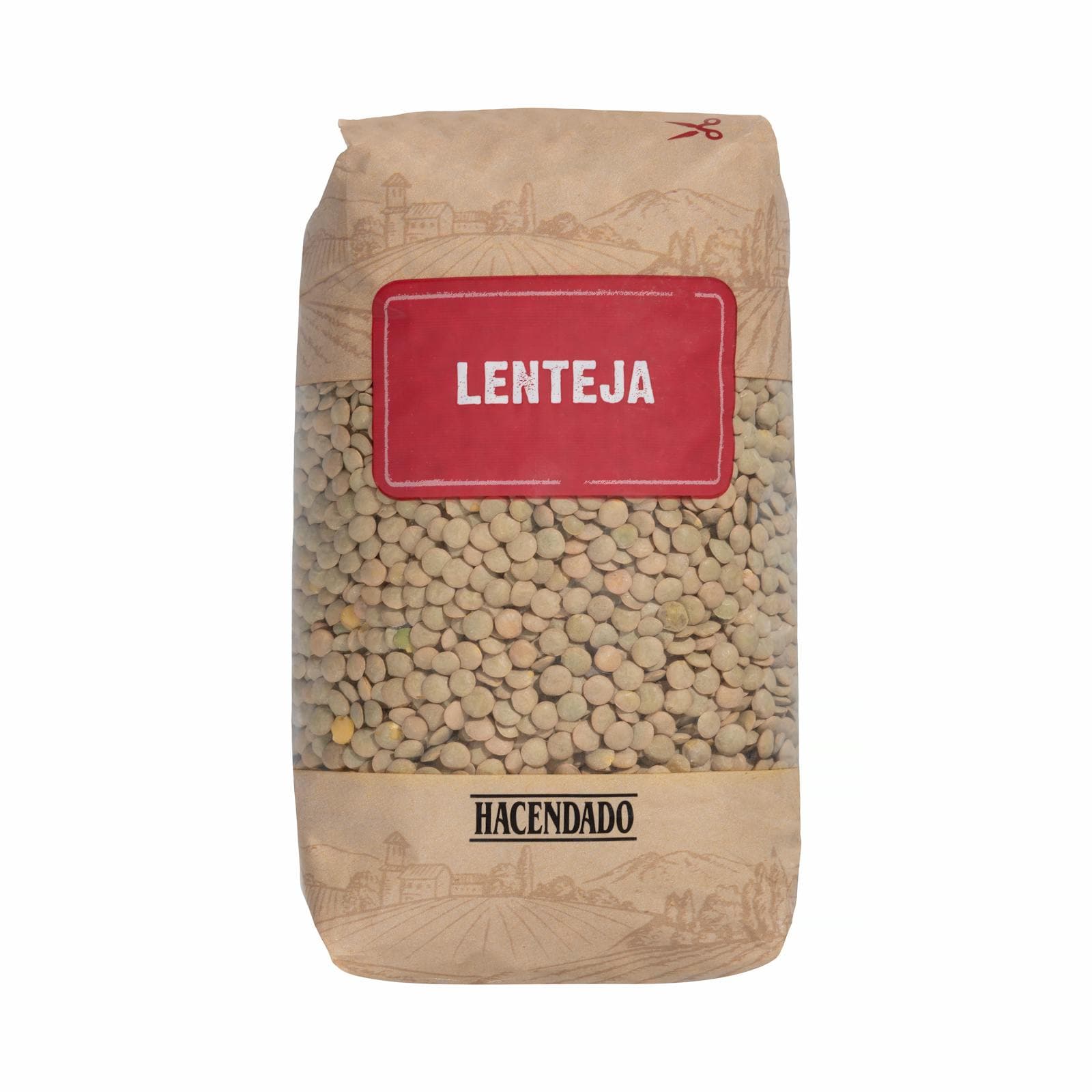
€2.10Lentils
Hacendado · 1 kg · Mercadona
 €1.05
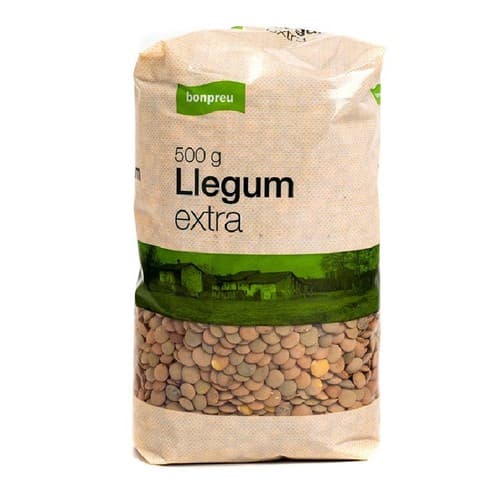
€1.05Laird Lentils
BONPREU · kg · Bonpreu
 €1.15
€1.15Quick Lentils
BONPREU · kg · Bonpreu
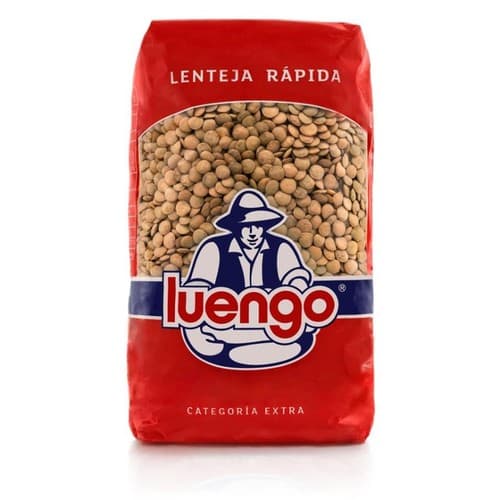 €1.99
€1.99Quick Lentils
LUENGO · kg · Bonpreu
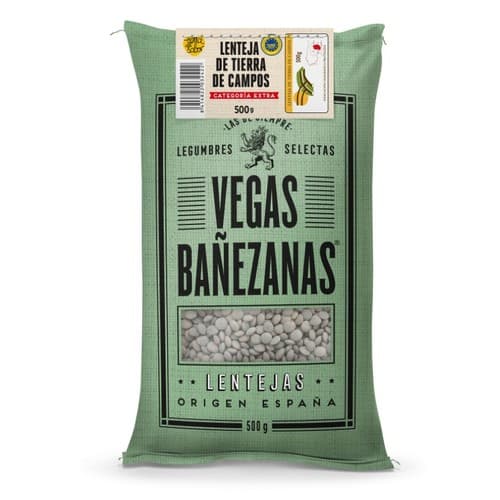 €2.19
€2.19Brown Lentils
VEGAS BANEZANAS · kg · Bonpreu
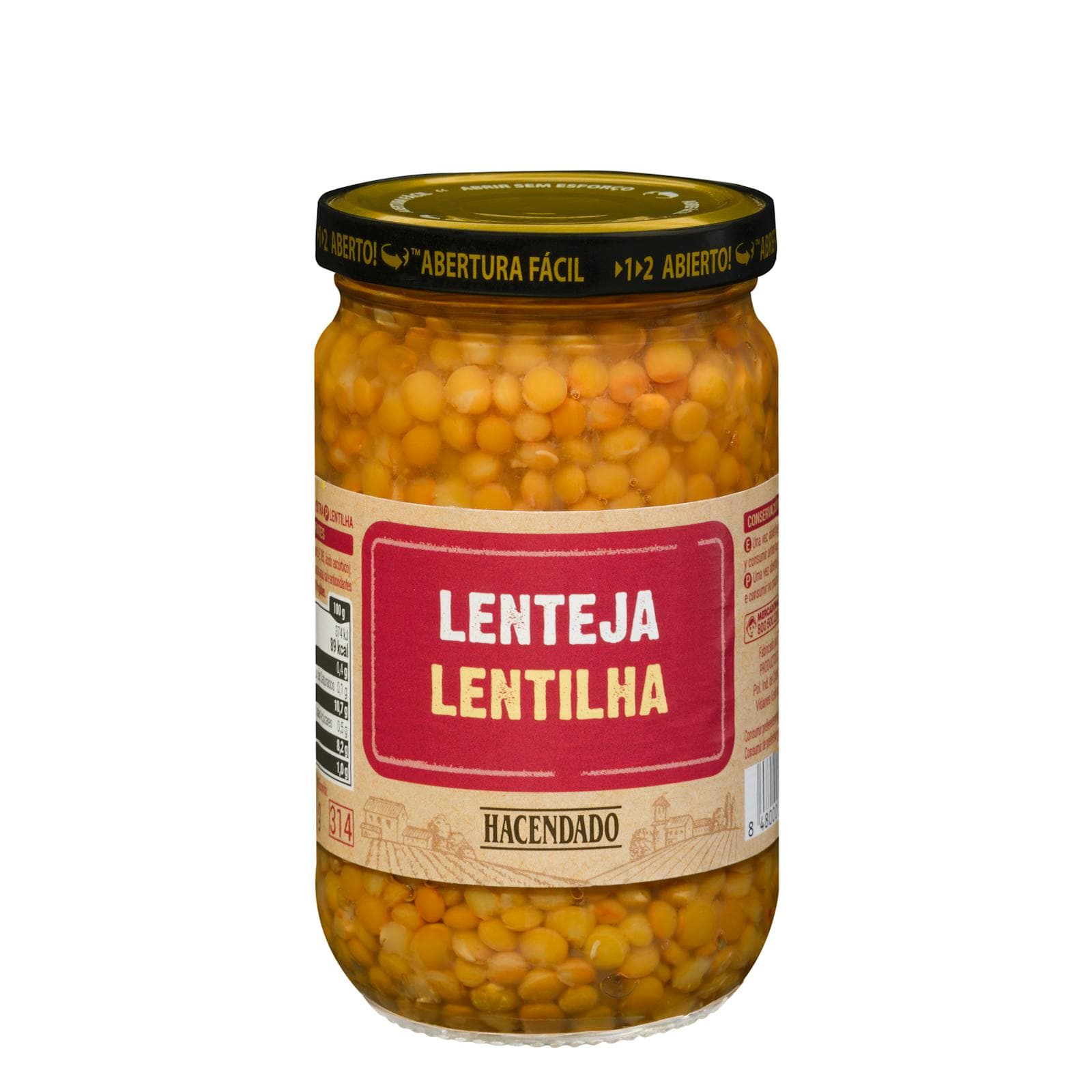 €0.75
€0.75Cooked Lentils
Hacendado · 295 g · Mercadona
Good to know
- Flavor & texture
- Earthy, mildly peppery; firm (green/black) to soft and creamy (red)
- Cook ratio & time
- 1 part : 2.5–3 parts water; red 15–20 min, green/brown 20–30, beluga ~25
- Soak?
- No soak needed — rinse and pick over for stones, then cook
- Nutrition
- ~116 kcal/100g cooked; ~9g protein, ~7.9g fiber; rich in iron & folate
- How to store
- Dried airtight ~1 year; cooked refrigerate ≤5 days or freeze
Substitutes
- Split peas — Similar quick-cooking pulse; break down into thick soups.
- Chickpeas — Firmer and nuttier; a salad and stew swap (need cooking from canned/dried).
- Mung beans — Small and quick; work in dal and soups.
Also called
lentejas
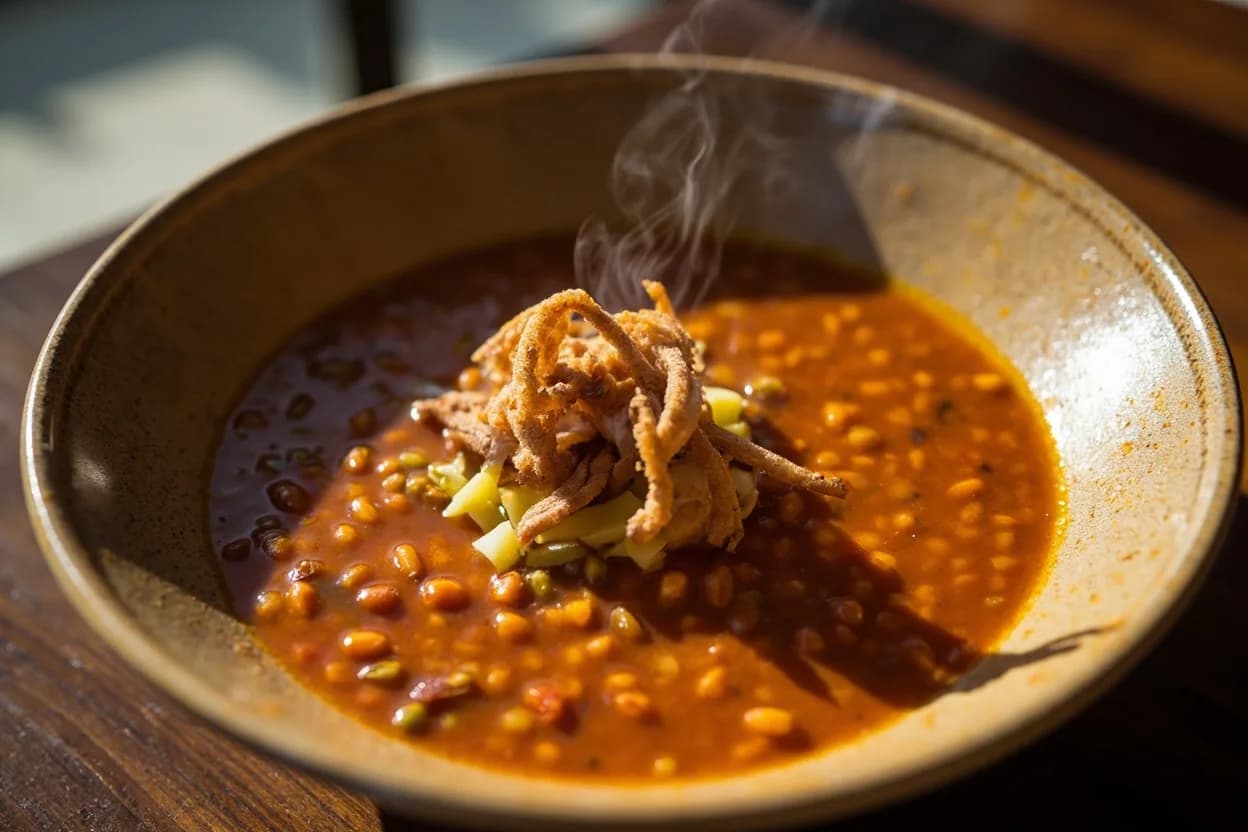
Appears in these dishes
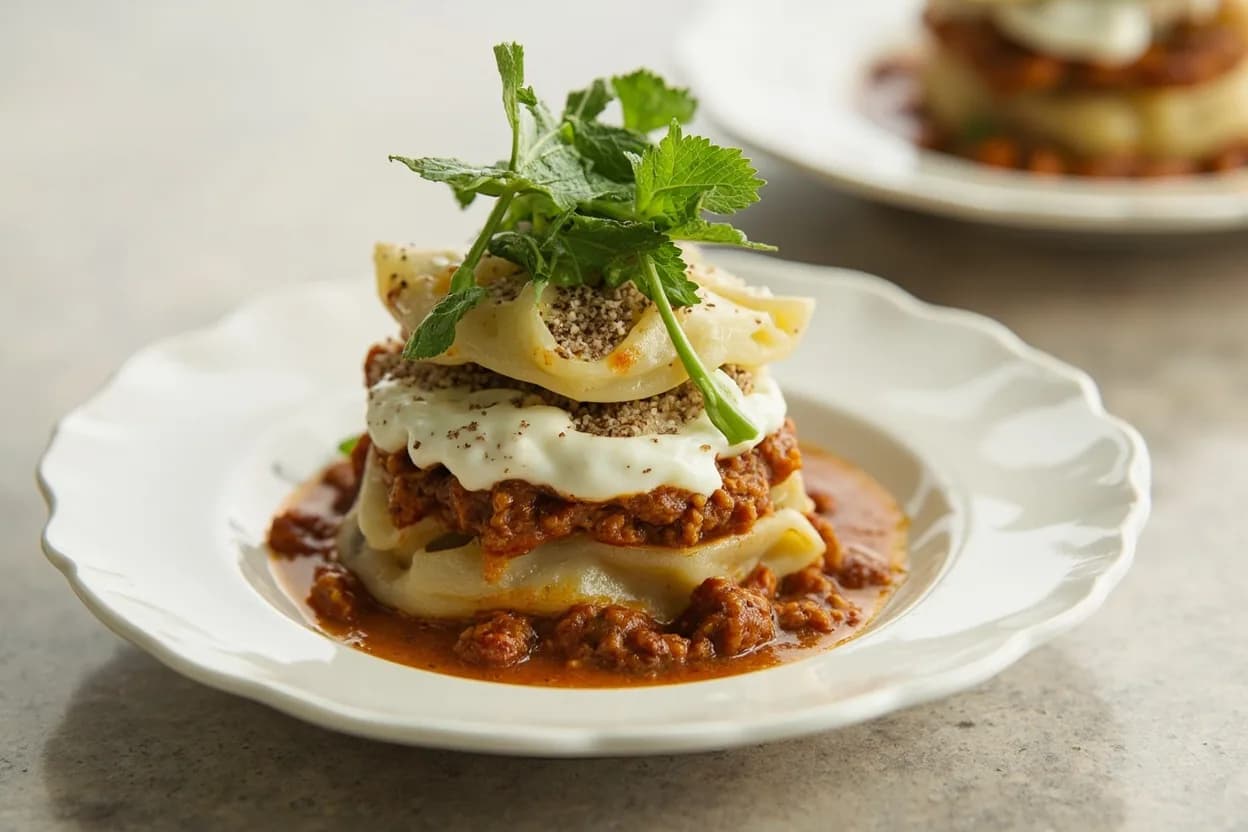
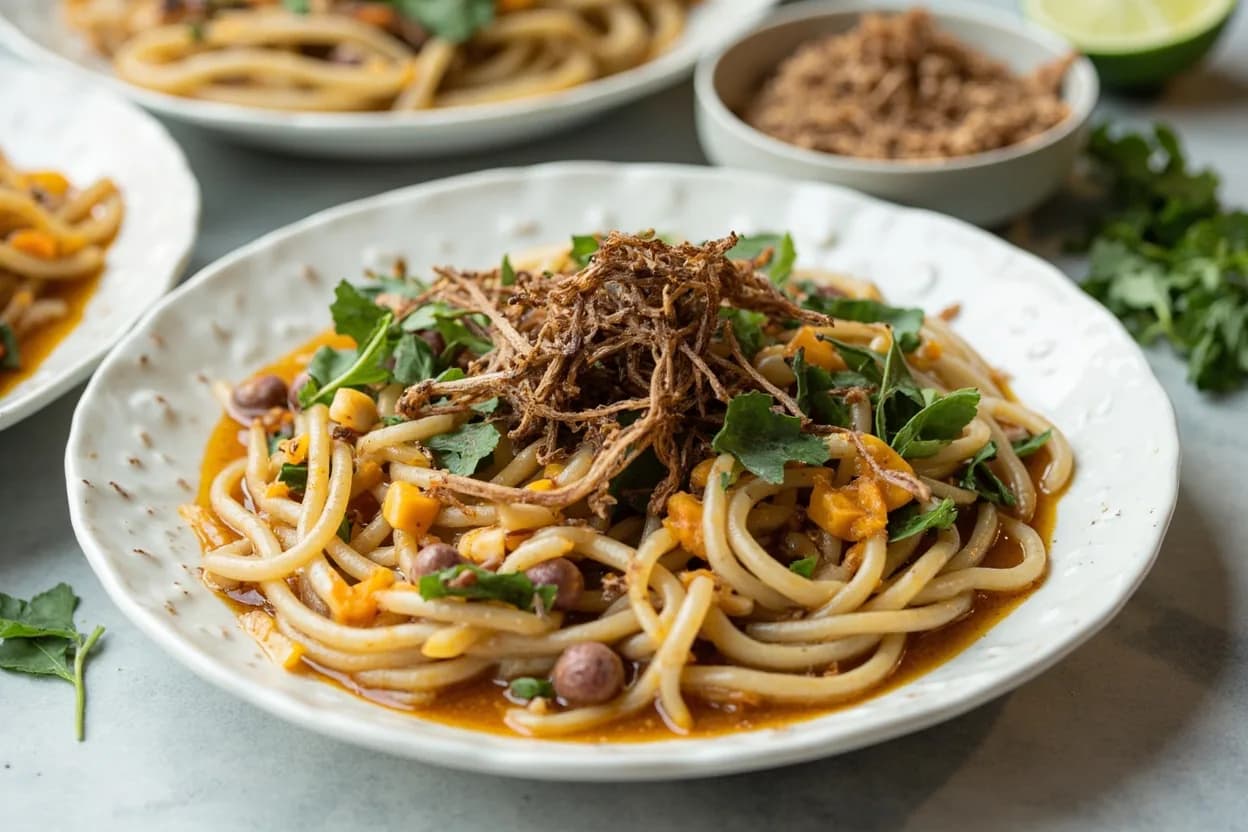
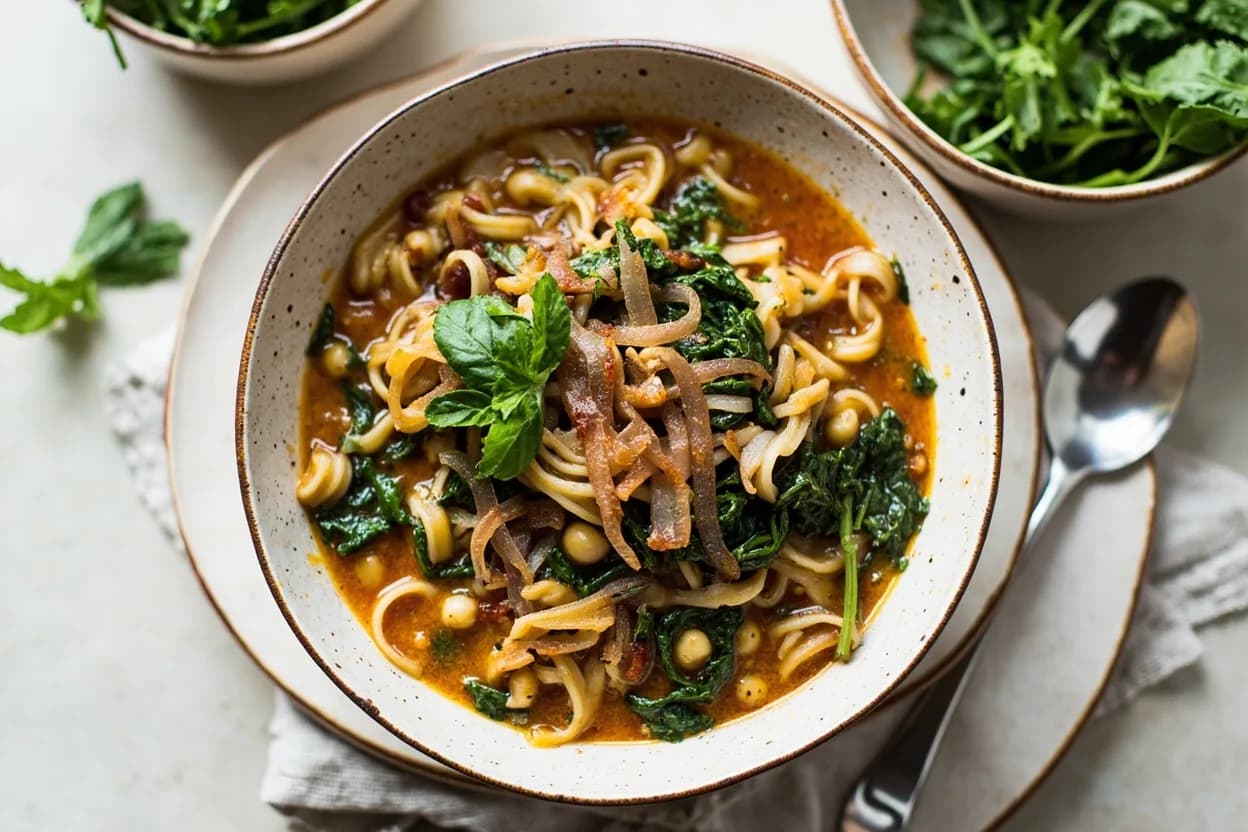
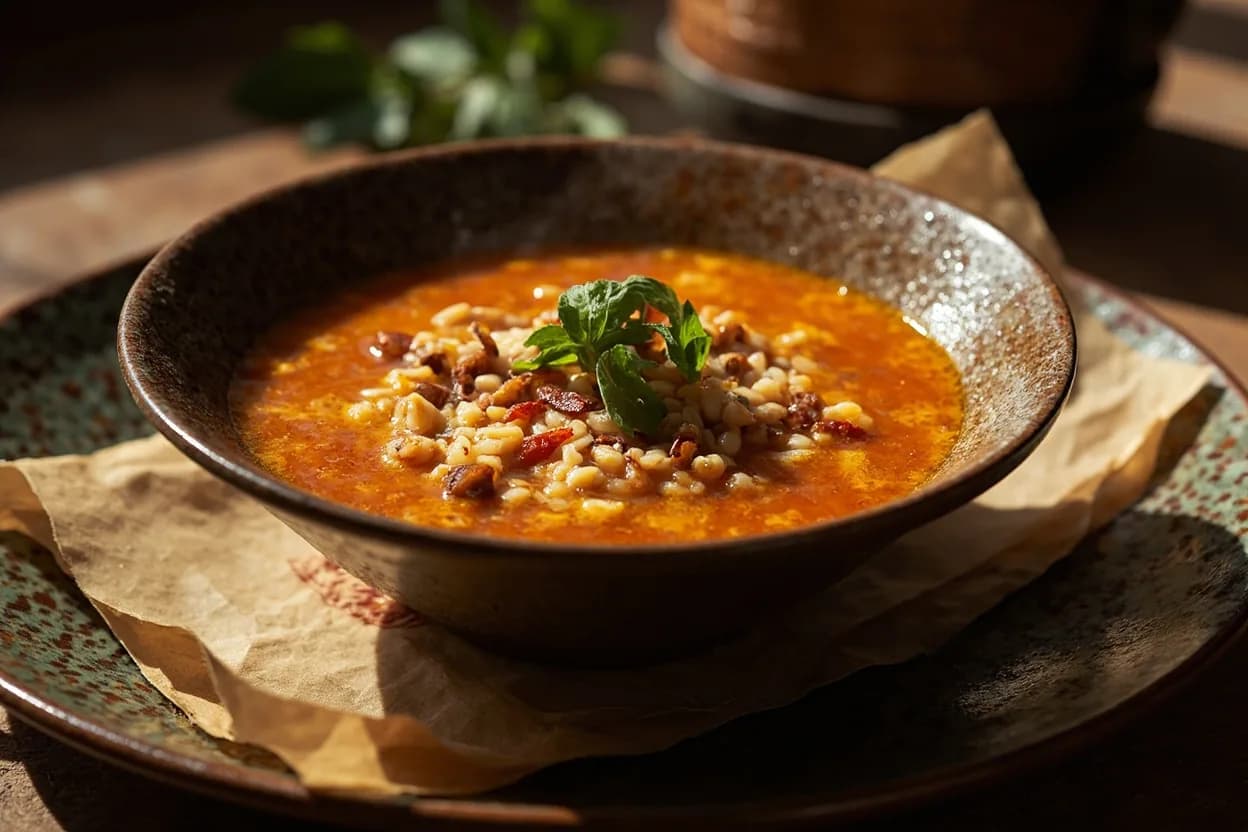
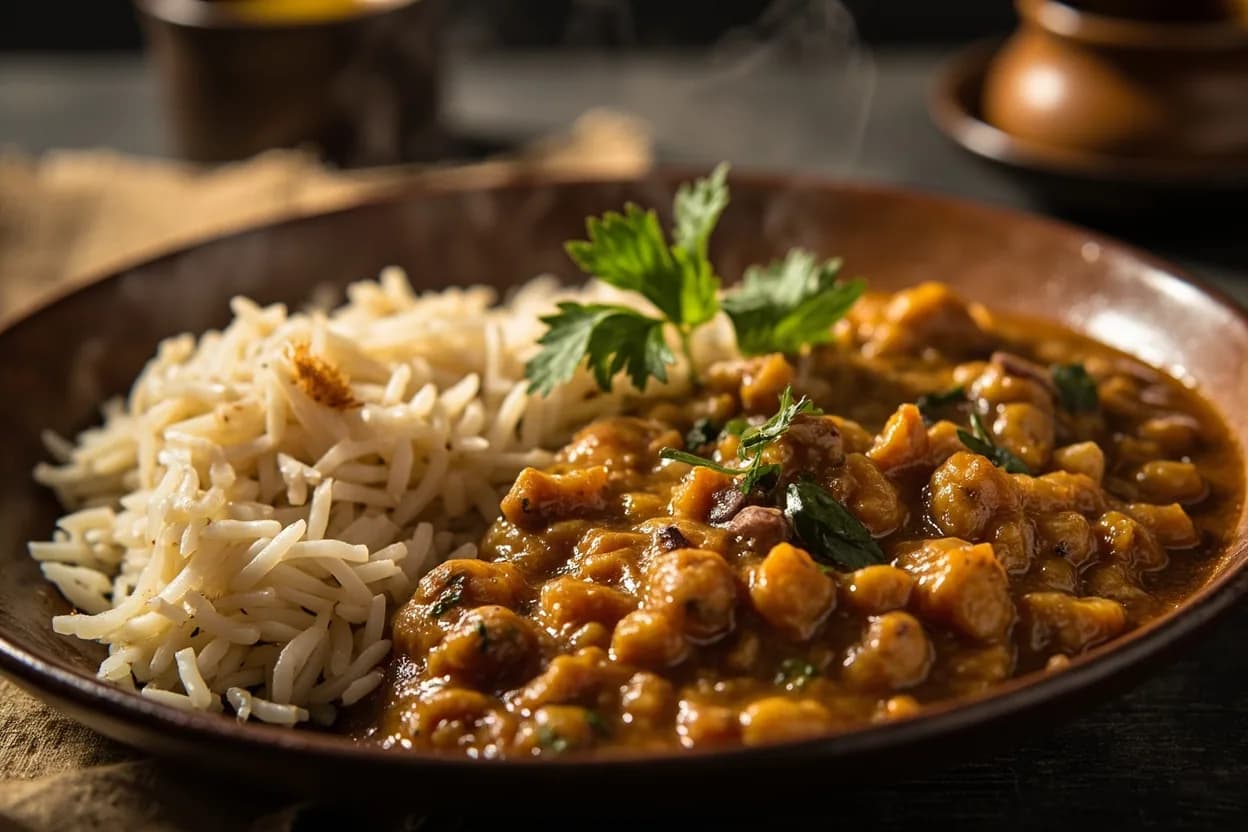
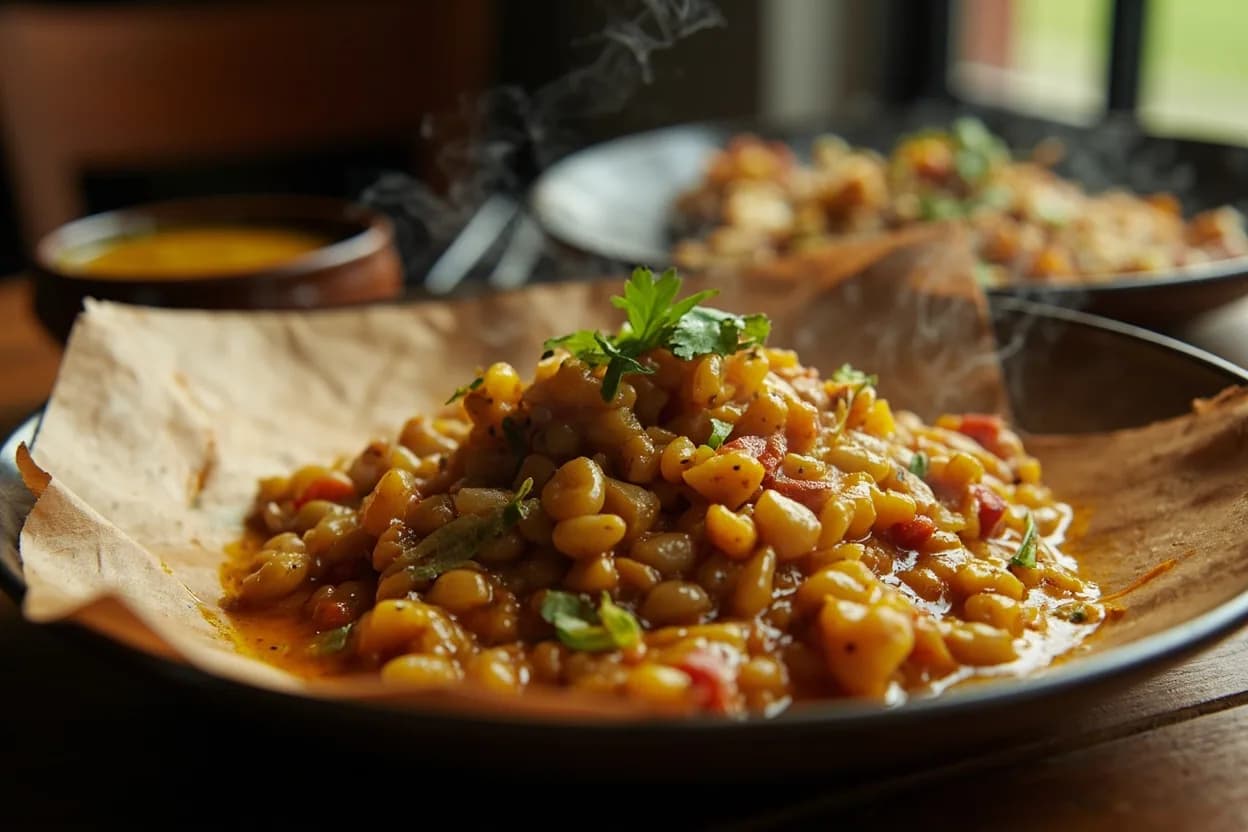
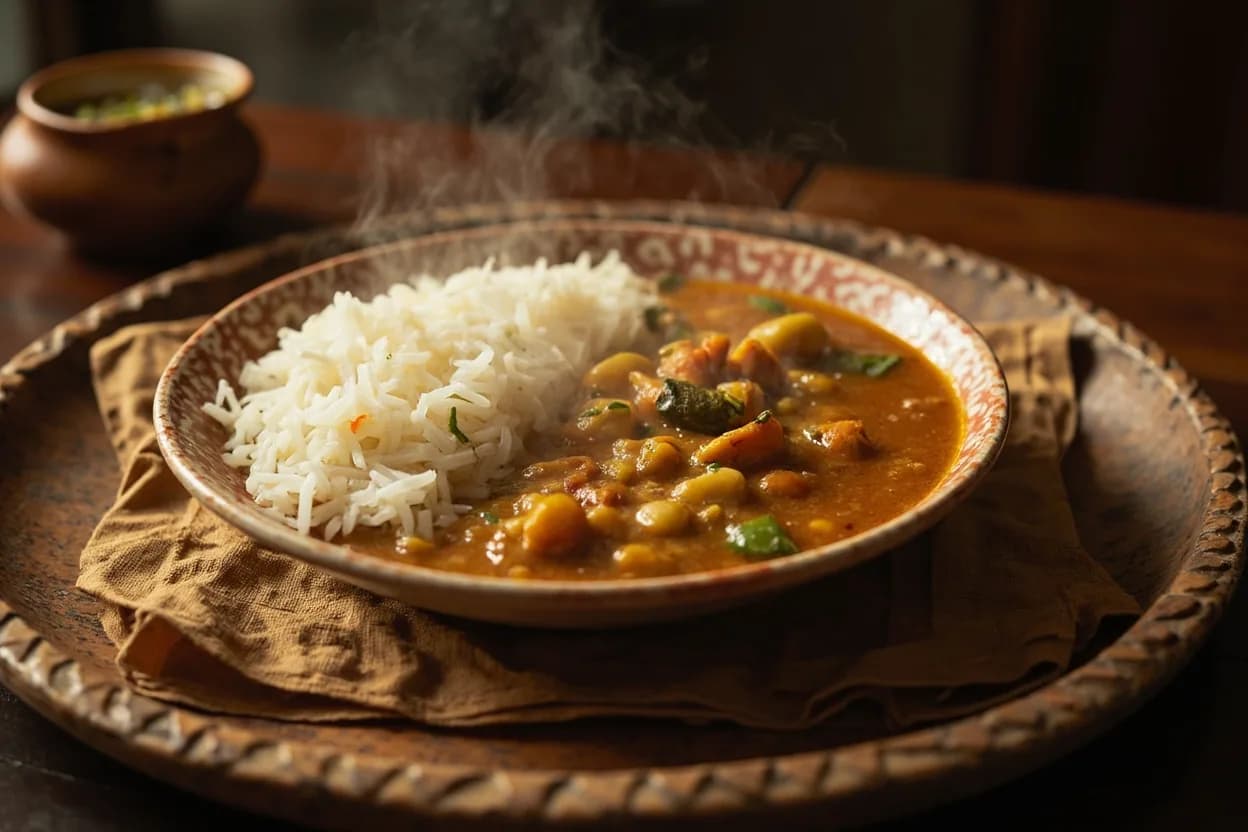
Related
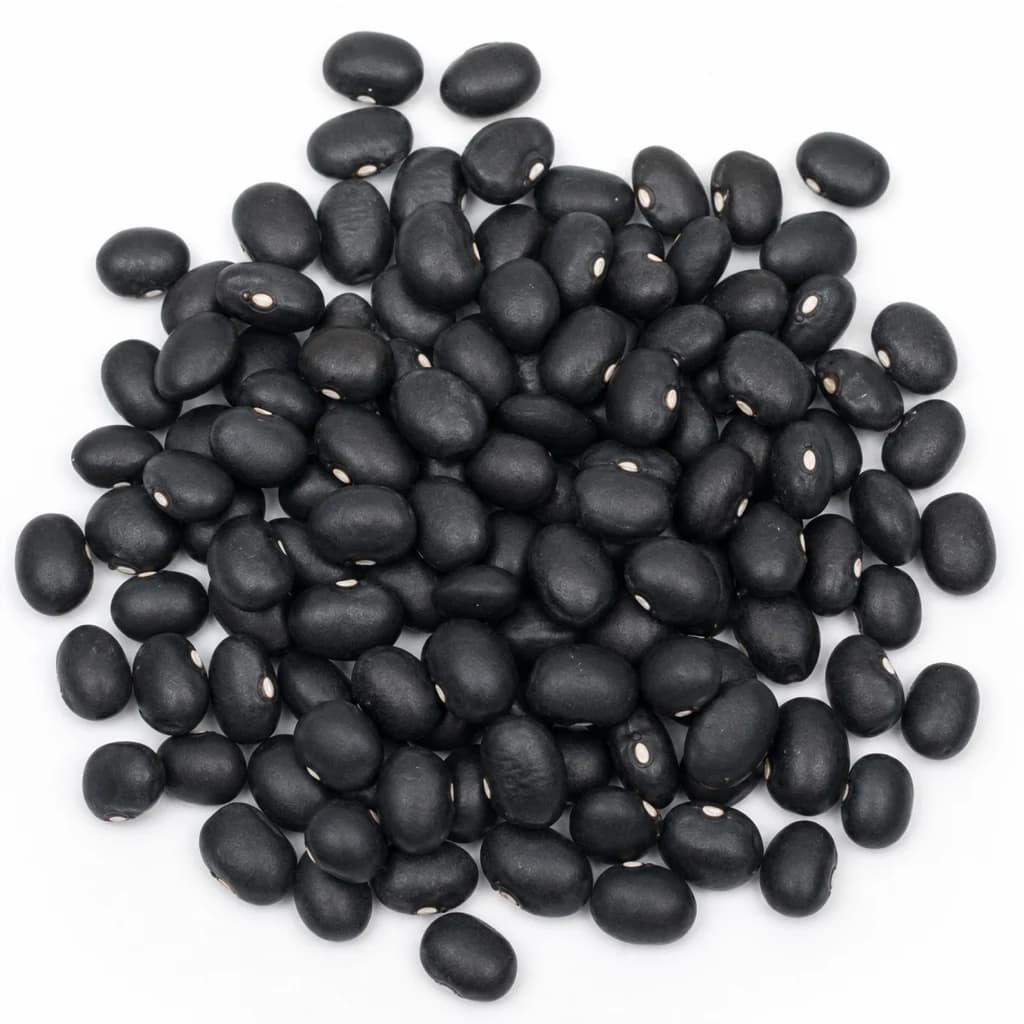
Black Beans
Earthy, creamy beans for bowls, soups, and tacos
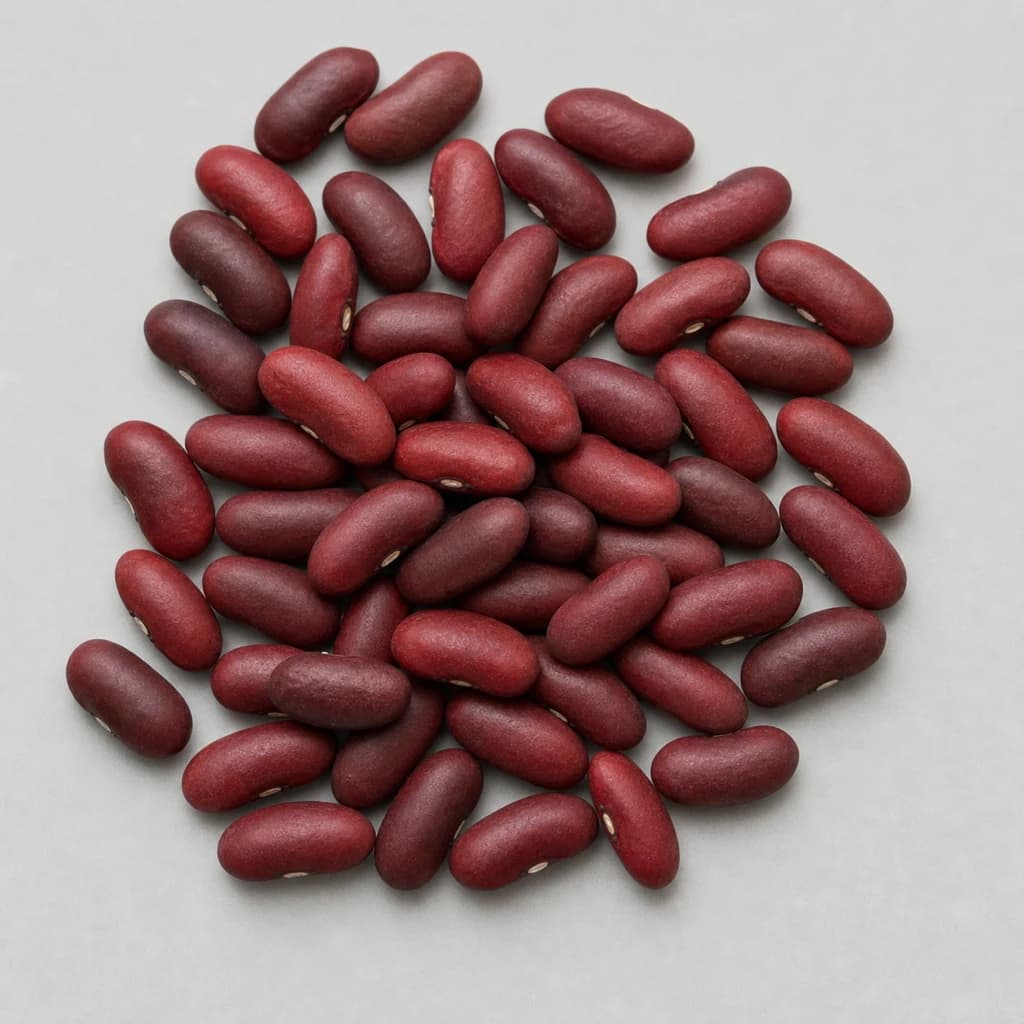
Kidney Beans
Hearty red beans that hold their shape in chili and stews
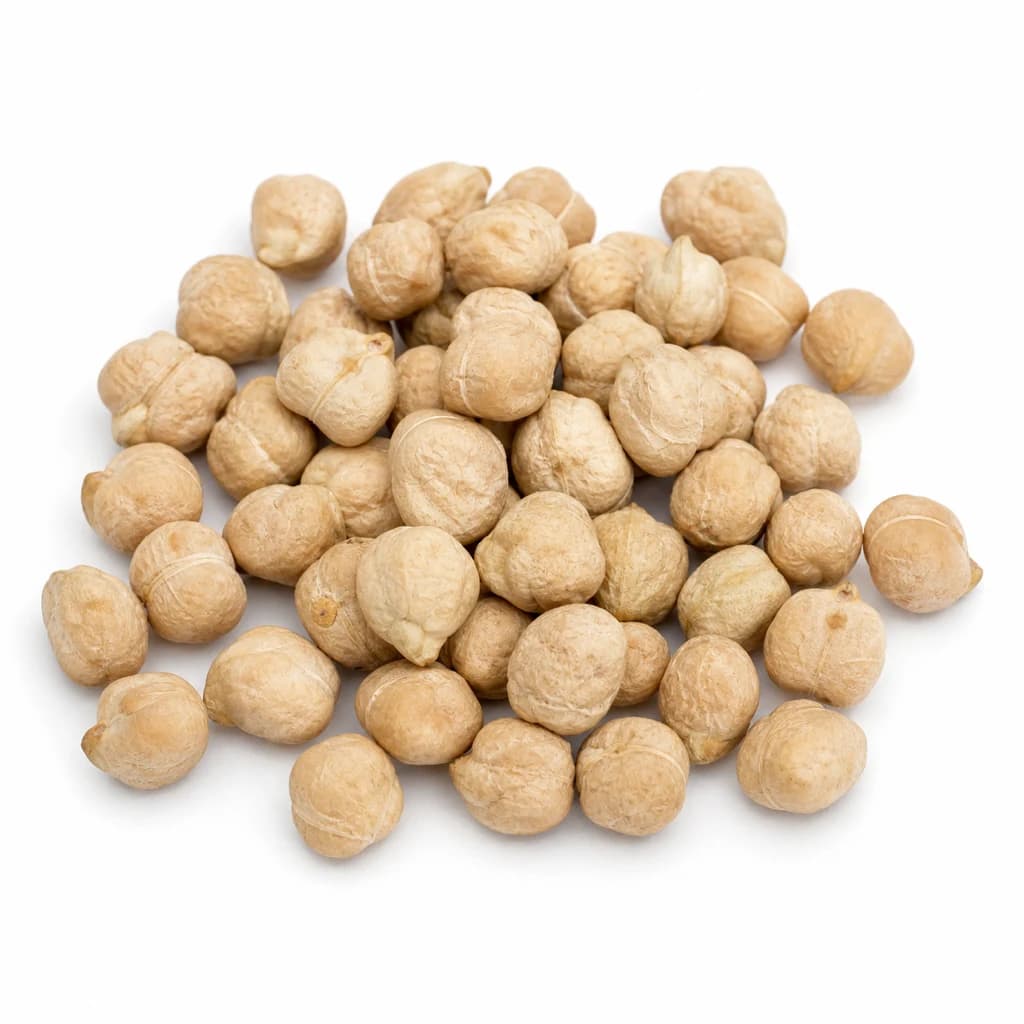
Chickpeas
Nutty, versatile beans for hummus, curries, and roasting

White Beans
Creamy, mild beans for soups, stews, and silky purées
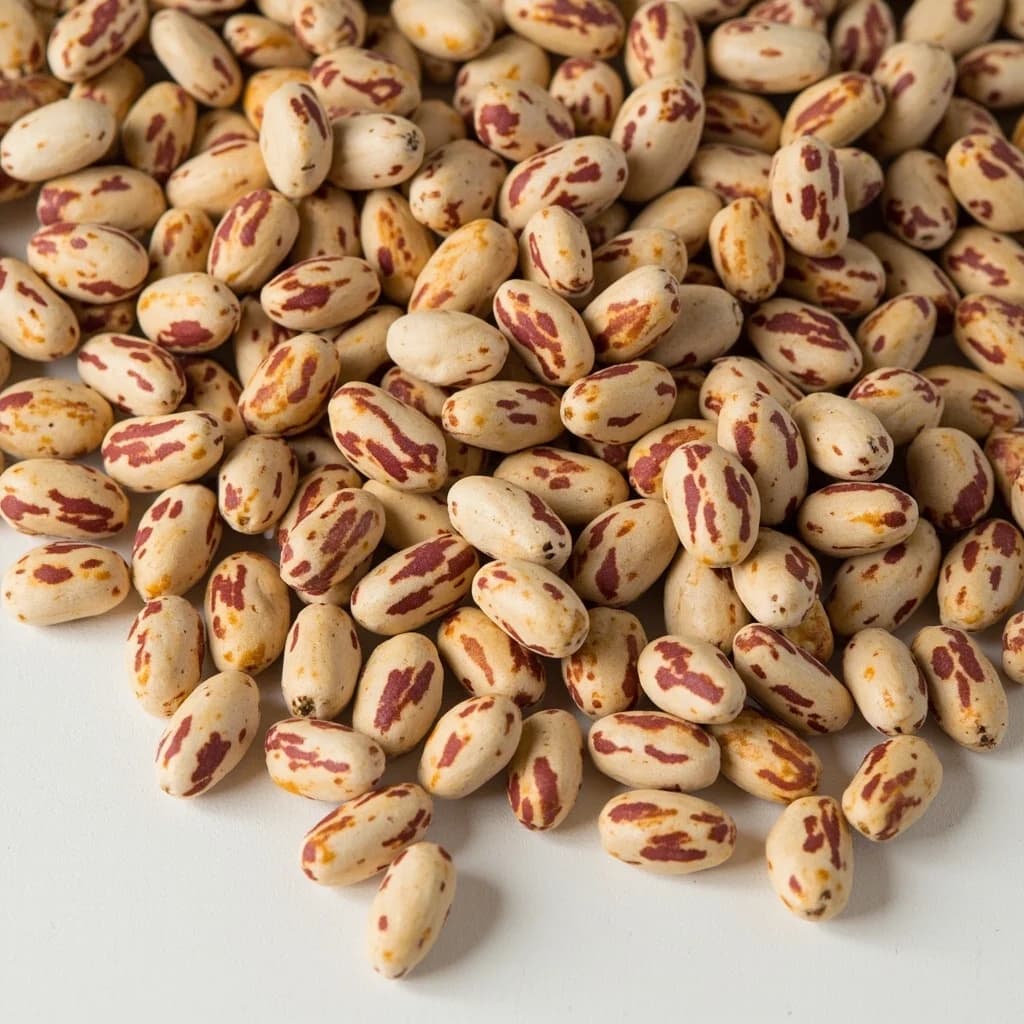
Pinto Beans
Creamy, speckled beans for refried beans and stews

Split Peas
Quick-cooking peas that melt into thick, comforting soups
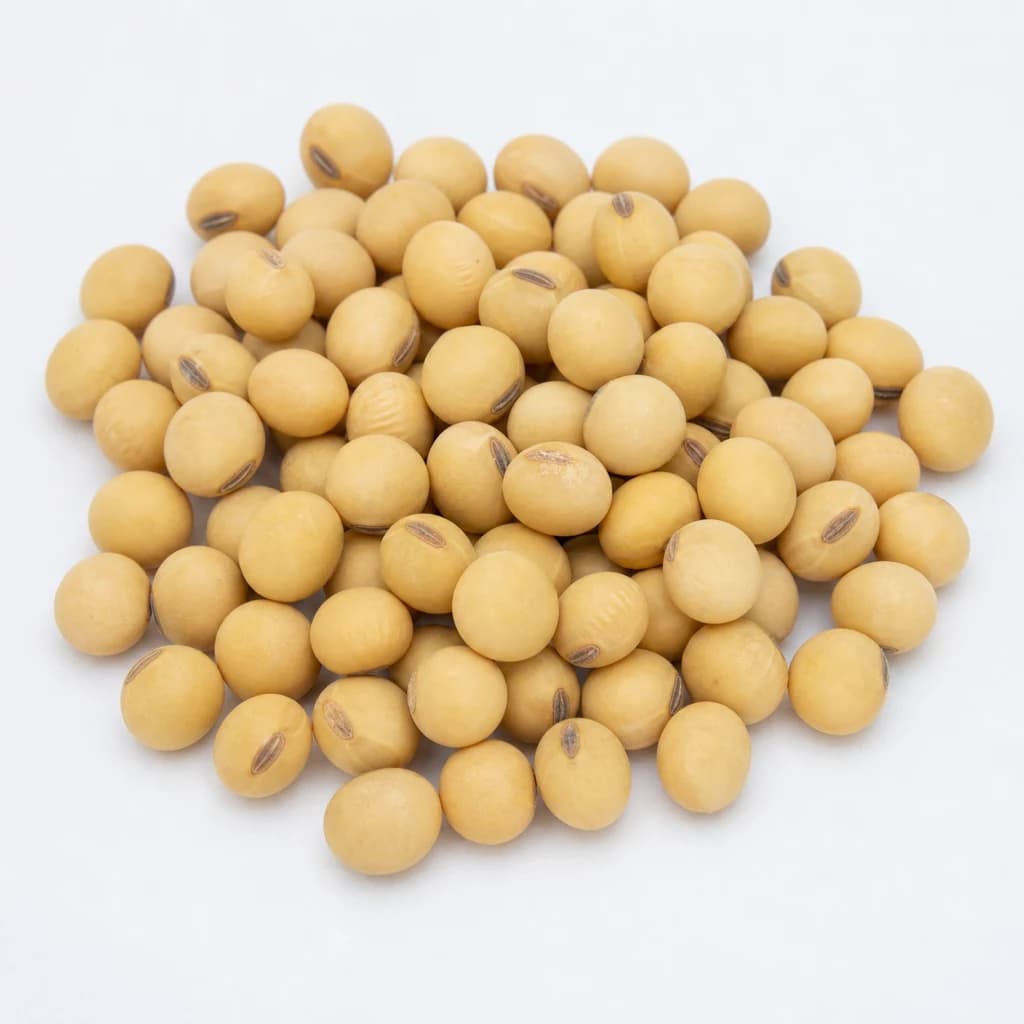
Soybeans
Protein-packed beans, the base for tofu and miso
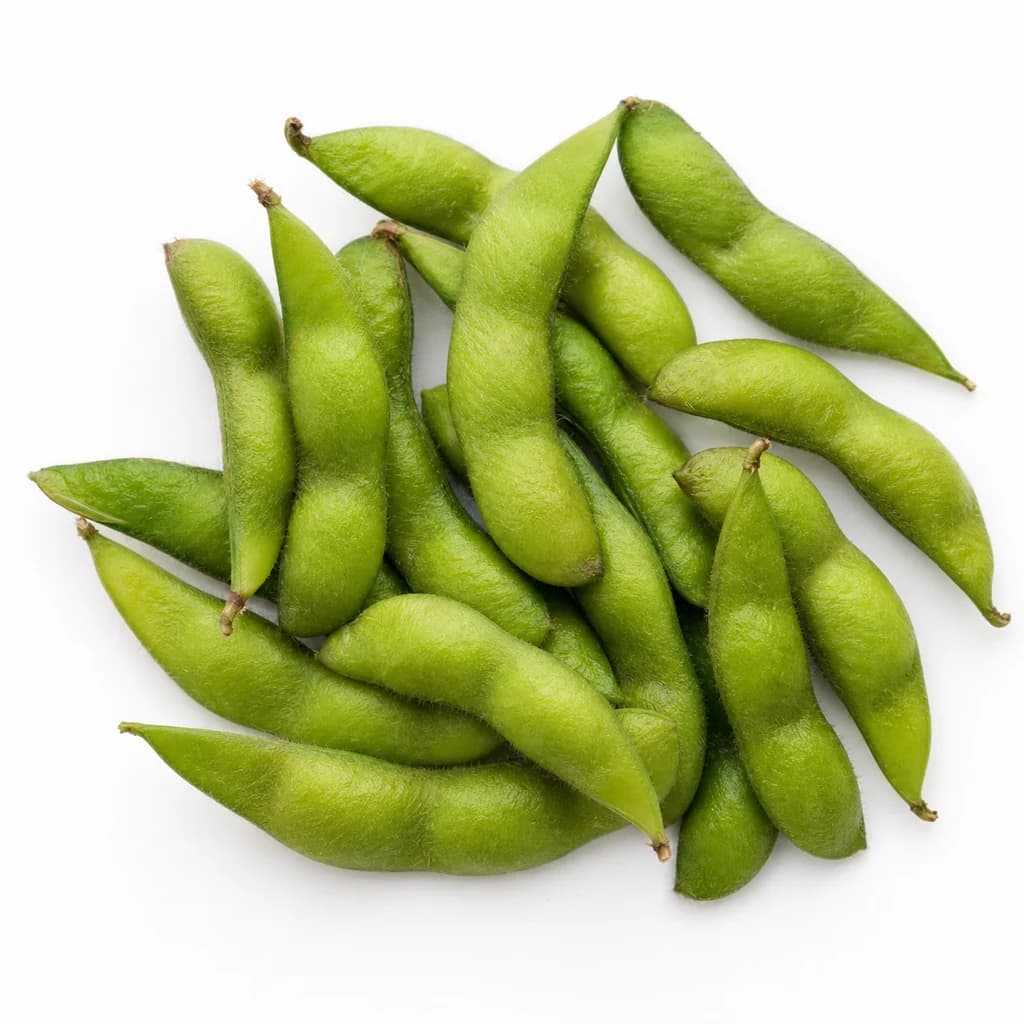
Edamame
Young soybeans in the pod — a bright, snackable protein