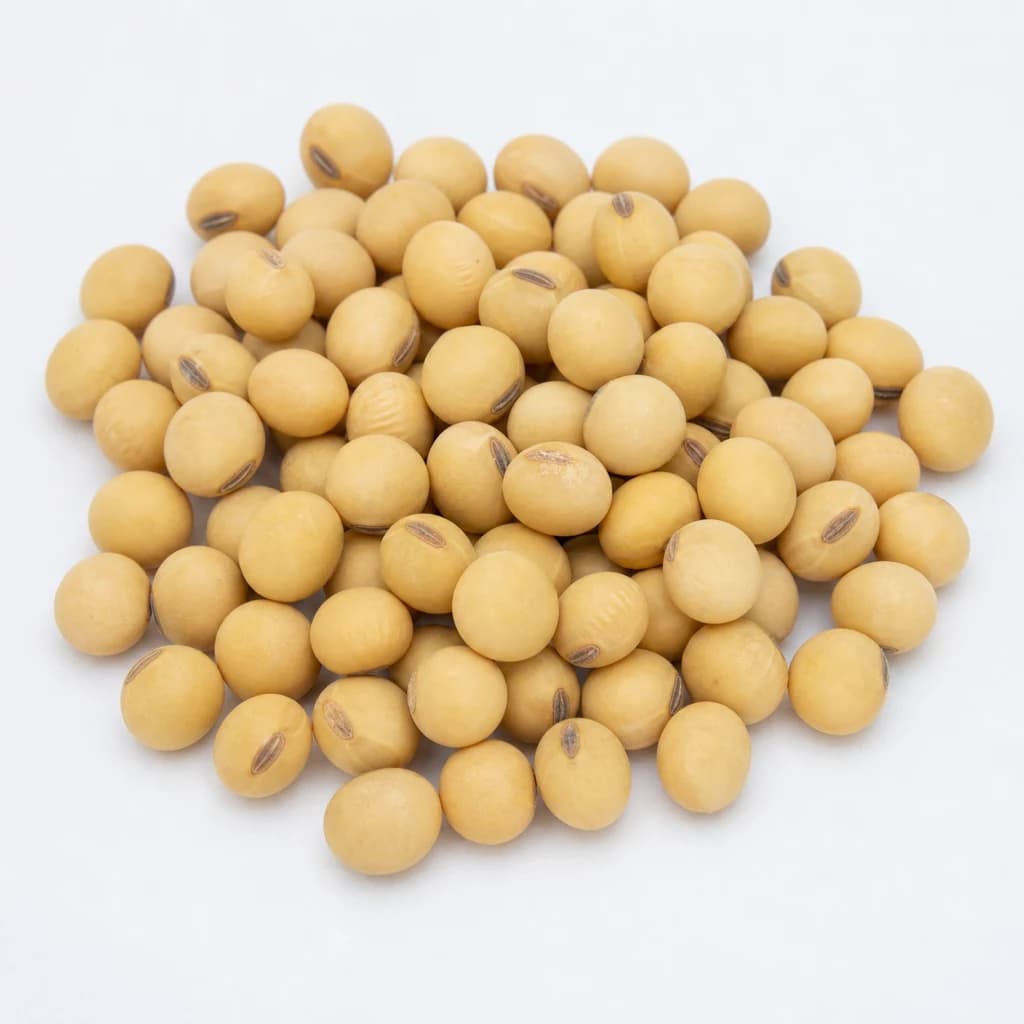
Natural form
Dried soybeans: round, cream-colored, each bearing a pale brown hilum scar.
Shows the raw dried bean's size, shape, and distinctive coloring so readers can identify soybeans in any market or pantry.
Legumes & Beans
Soybeans
Protein-packed beans, the base for tofu and miso
Dense in plant protein, soybeans simmer into stews and are the foundation of tofu, tempeh, and miso. Dried keep airtight; cook them long and well.
Soybeans are the nutritional heavyweight of the legume world — the only common bean that's a complete protein, carrying all nine essential amino acids, plus a generous amount of oil, which is why they're pressed for cooking oil and processed into more foods than perhaps any other crop. Mature dried soybeans are firm, beige, and dense, with a beany, slightly nutty flavor; they're the raw material behind an enormous family of foods (tofu, tempeh, miso, soy sauce, soy milk, edamame), though as a whole dried bean for eating they're less common in Western kitchens than their derivatives. They need a long soak and simmer, and should always be fully cooked, since raw soybeans contain enzyme inhibitors. Beyond the kitchen they're a backbone of global agriculture, but on the plate they're prized for protein-rich, plant-based eating.
- Measured in
- g
- Storage
- Airtight
Allergens
Find it in
Types & varieties
The standard mature dried bean — for soy milk, tofu, and cooking.
Lower-carb, firmer; used in East Asian dishes and as a bean.
Immature, harvested young — sweet and tender, eaten as a vegetable.
How to cook
Whole dried soybeans are the most stubborn common bean — they need a long soak and the longest simmer of any legume here. They must be cooked thoroughly to neutralize enzyme inhibitors and become digestible.
- Soak overnight (or 8+ hr), drain
- Simmer 2.5–4 hr until tender, or pressure-cook ~45 min
- Skim the foam that rises during cooking
- Never eat raw or undercooked — they need full cooking to be safe and digestible
How they become other foods
Soybeans matter most as the parent of a whole pantry: pressed and curdled into tofu, fermented into miso, tempeh, and soy sauce, and blended into soy milk. The whole cooked bean is a protein-dense ingredient in its own right.
- Soaked, blended, and strained → soy milk (and the pulp, okara)
- Soy milk set with a coagulant → tofu
- Cooked and fermented → tempeh, miso, natto, soy sauce
- Whole cooked beans go into stews, salads, and braises
Common uses
Tips & pitfalls
- Soak overnight and simmer long — soybeans are the slowest-cooking bean in the pantry.
- Always cook fully; raw soybeans contain enzyme inhibitors and aren't digestible.
- A pressure cooker cuts the multi-hour simmer to under an hour.
- Skim the heavy foam that forms while they boil.
- Reach for edamame when you want the tender, sweet green form instead.
Nutrition
Energy
615 kJ · per 100 g
Where the calories come from
Protein
13g
26% DV
Carbs
11.1g
4% DV
Fat
6.8g
9% DV
Fiber
4.2g
15% DV
Sodium
15mg
1% DV
Source · USDA FoodData Central · Soybeans, green, raw
View on FDC →In the shops
Matched grocery products
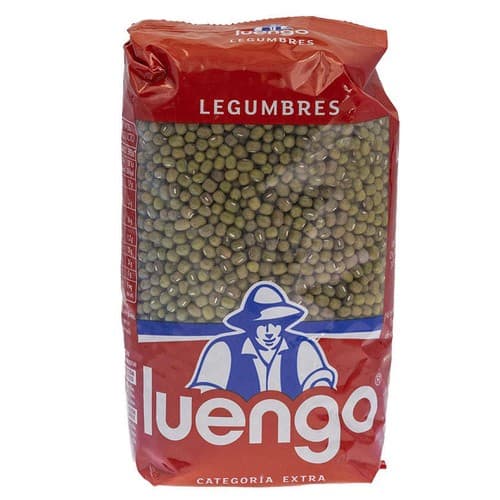 €1.66
€1.66Soybeans
LUENGO · kg · Bonpreu
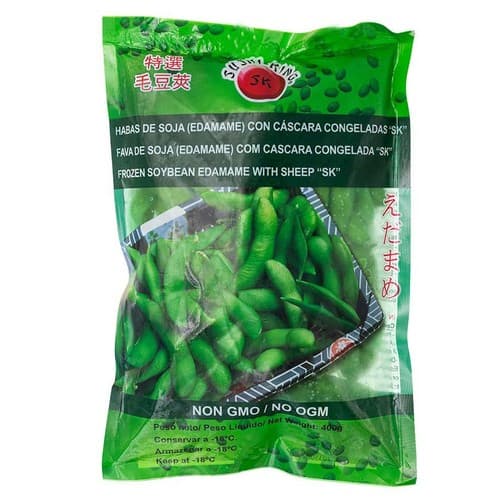 €1.85
€1.85Edamame Soybeans in Pods
SUSHI KING · kg · Bonpreu
 €2.25
€2.25Textured Soy
IFA · kg · Bonpreu
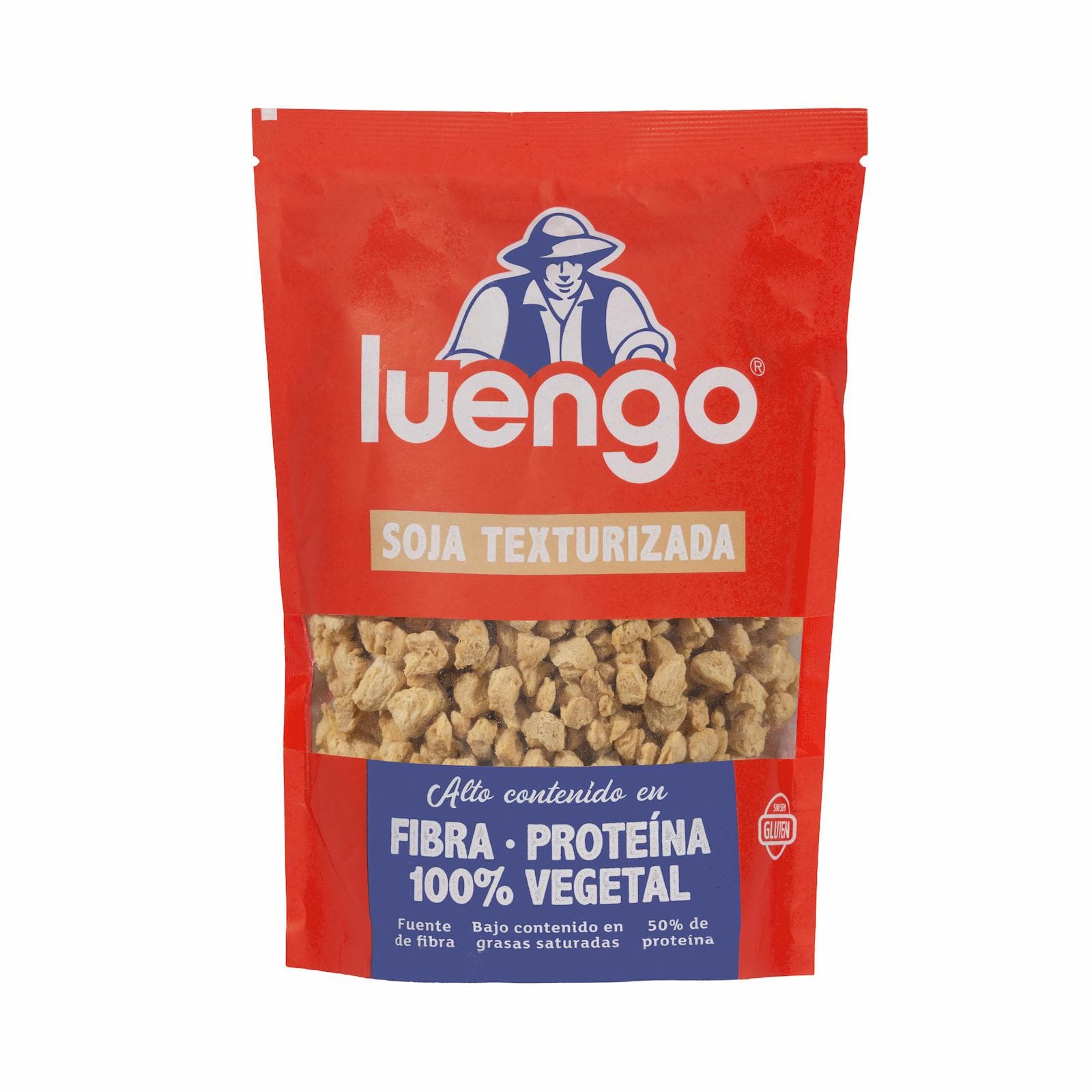 €2.70
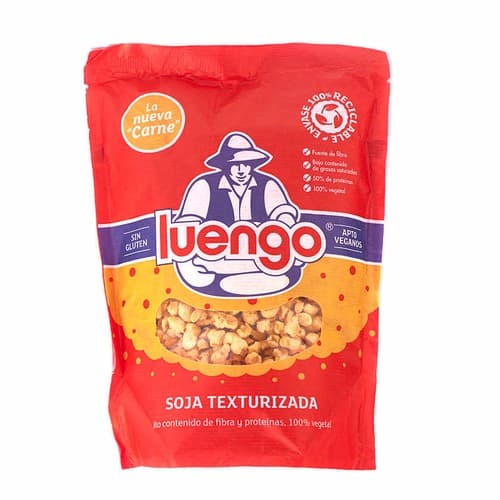
€2.70Textured Soy Luengo
Luengo · 200 g · Mercadona
 €2.69
€2.69Texturized Soy
LUENGO · kg · Bonpreu
 €2.99
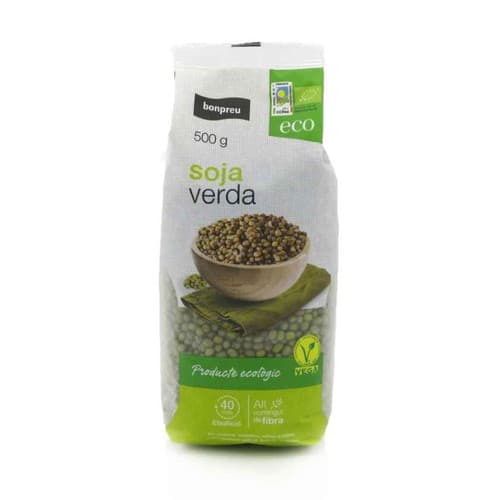
€2.99BONPREU Organic Green Soybeans
BONPREU · kg · Bonpreu
Good to know
- Flavor & texture
- Beany, mildly nutty; firm and dense, holds shape
- Cook ratio & time
- Dried: soak, then simmer 2.5–4 hr (or ~45 min in a pressure cooker)
- Soak?
- Yes — overnight soak essential; always cook fully (never eat raw)
- Nutrition
- ~173 kcal/100g cooked; ~16.6g protein (complete), ~6g fiber, ~9g fat
- How to store
- Dried airtight ~1 year; cooked refrigerate ≤4 days or freeze
Substitutes
- Edamame — The young green form — sweeter and far quicker if you want soy flavor fast.
- Chickpeas — A versatile high-protein bean stand-in (not a complete protein).
- White beans — Mild and creamy for stews where soy is hard to source.
Also called
soja
Appears in these dishes
Related
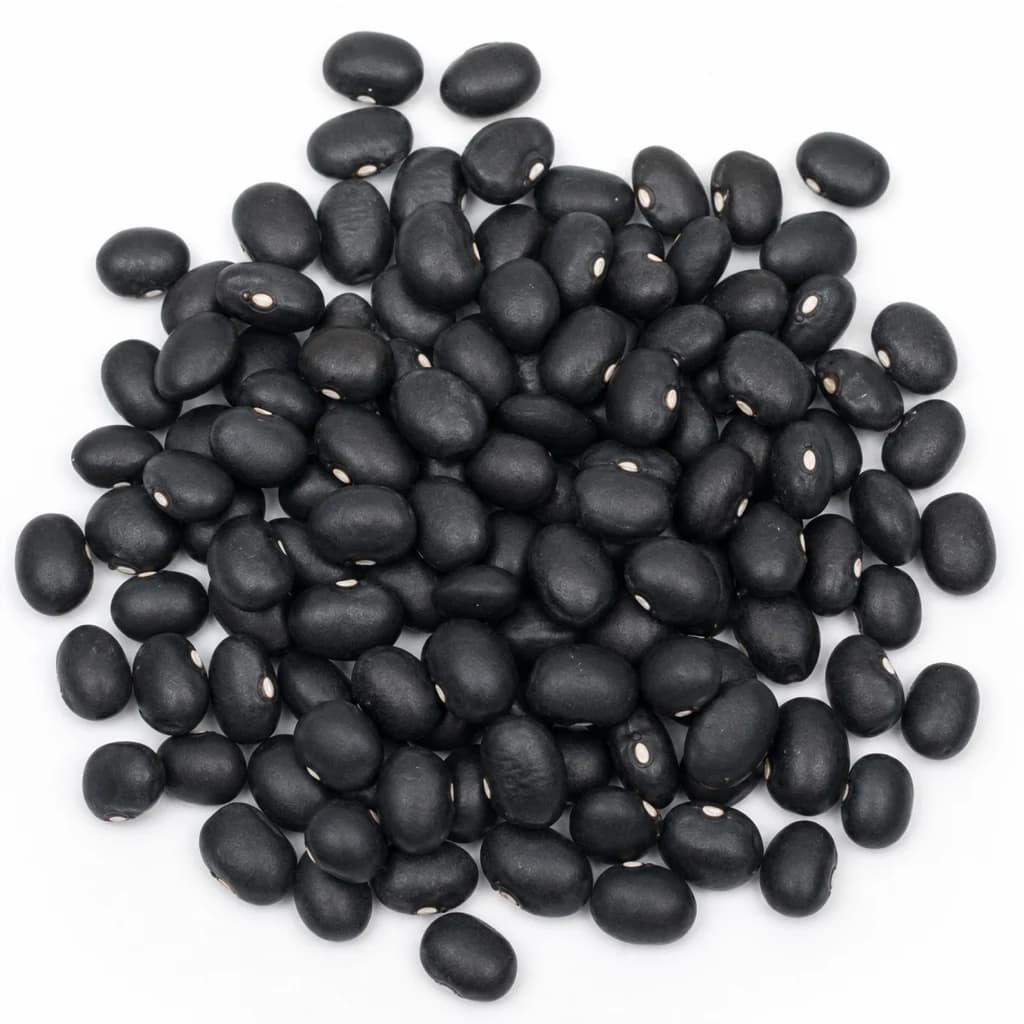
Black Beans
Earthy, creamy beans for bowls, soups, and tacos
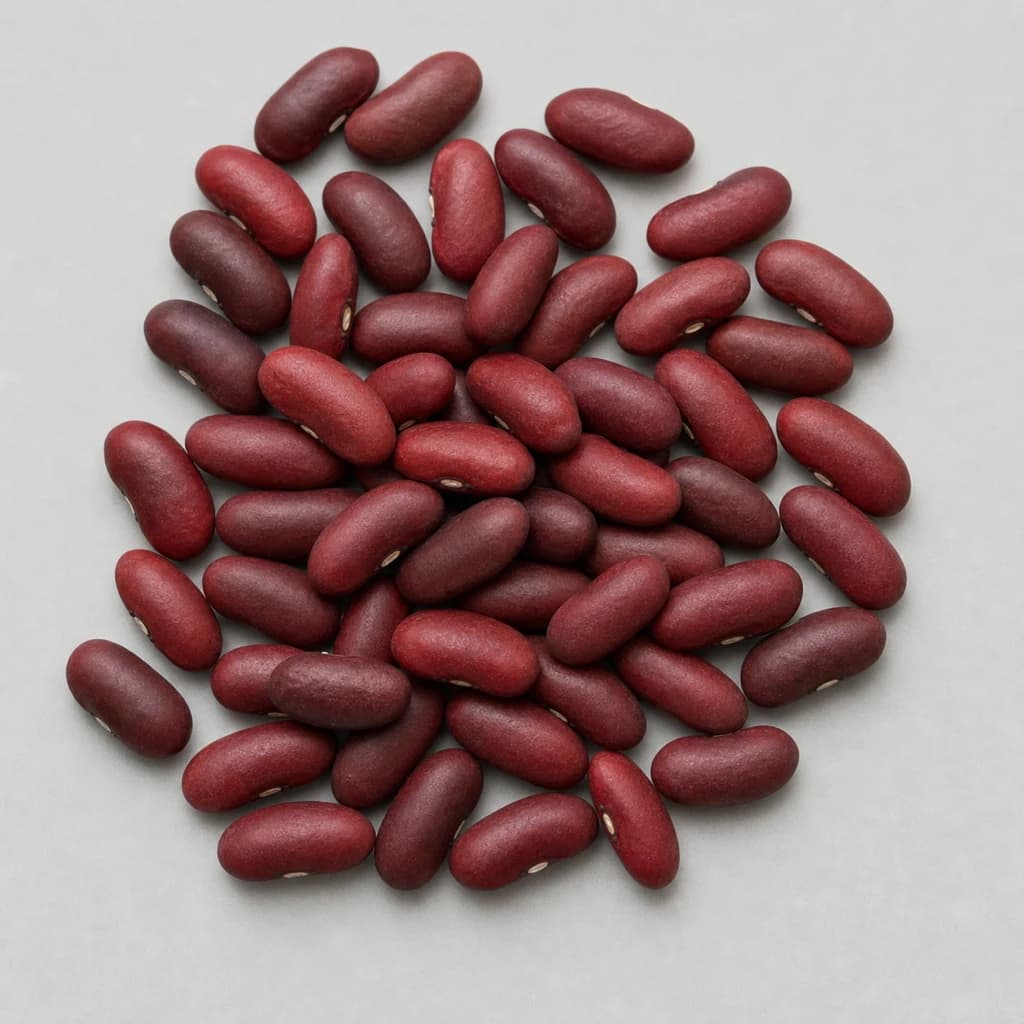
Kidney Beans
Hearty red beans that hold their shape in chili and stews
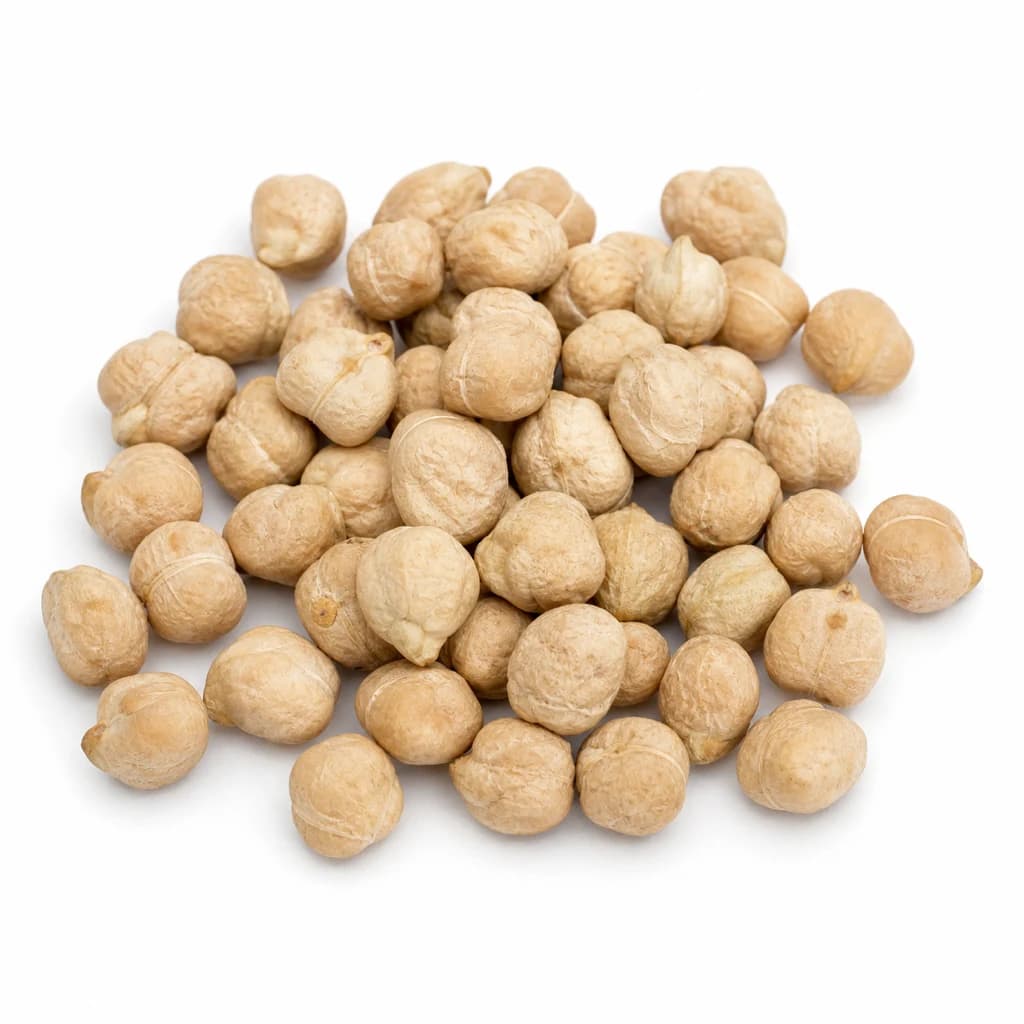
Chickpeas
Nutty, versatile beans for hummus, curries, and roasting
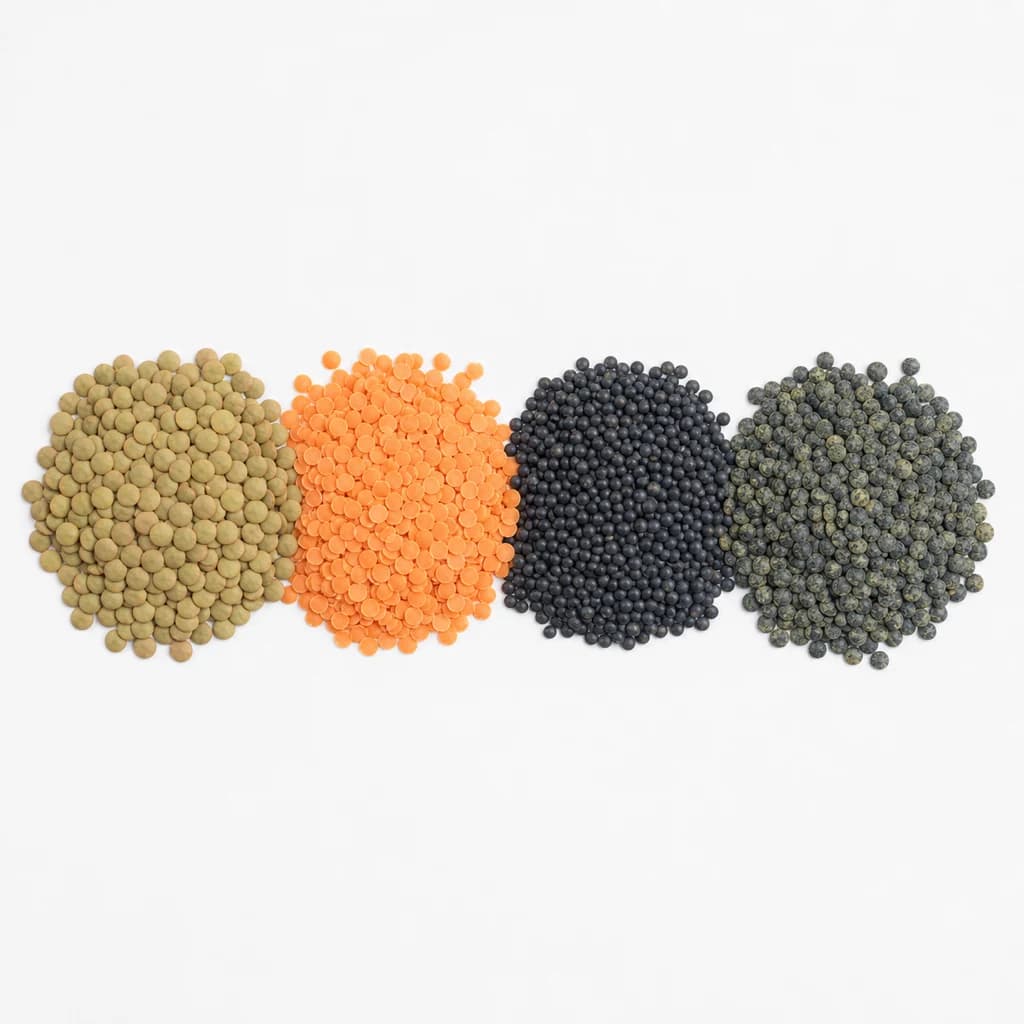
Lentils
Quick-cooking pulses for soups, dals, and hearty salads

White Beans
Creamy, mild beans for soups, stews, and silky purées
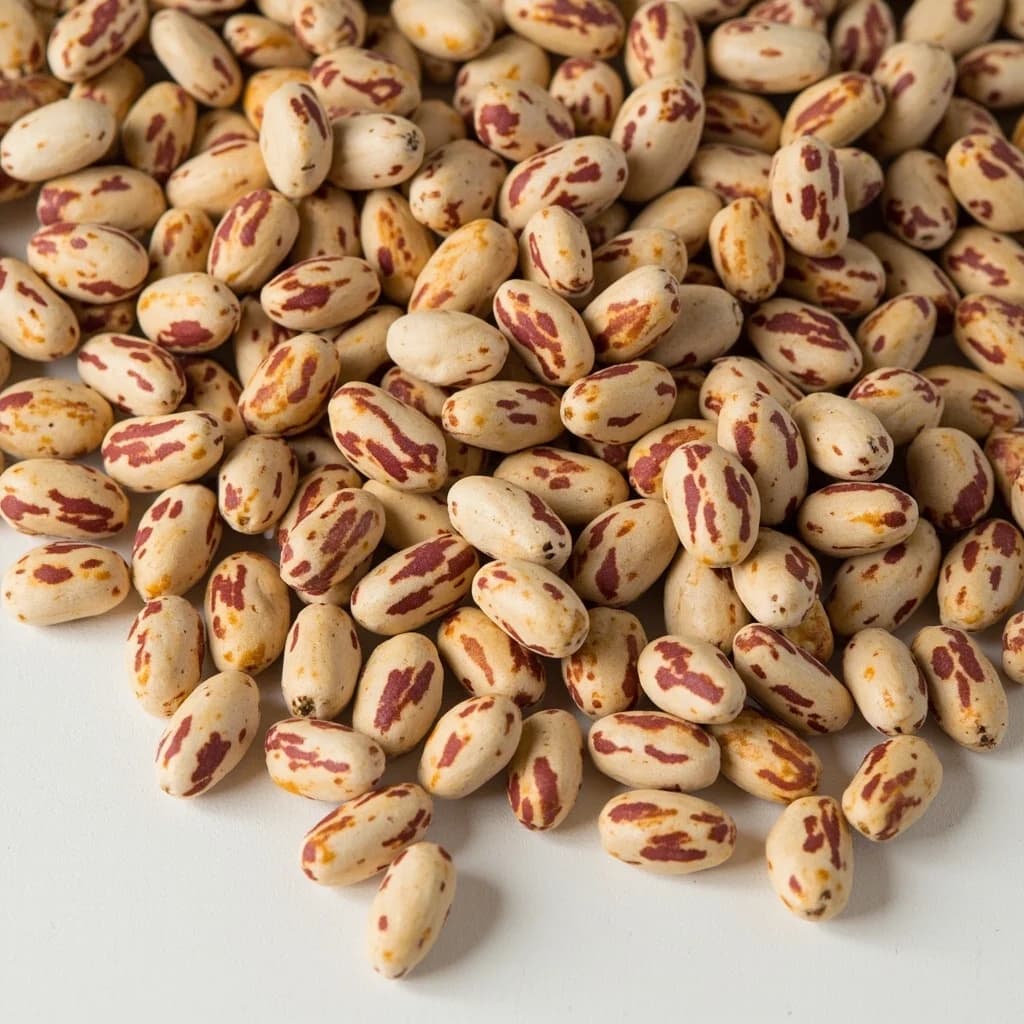
Pinto Beans
Creamy, speckled beans for refried beans and stews

Split Peas
Quick-cooking peas that melt into thick, comforting soups
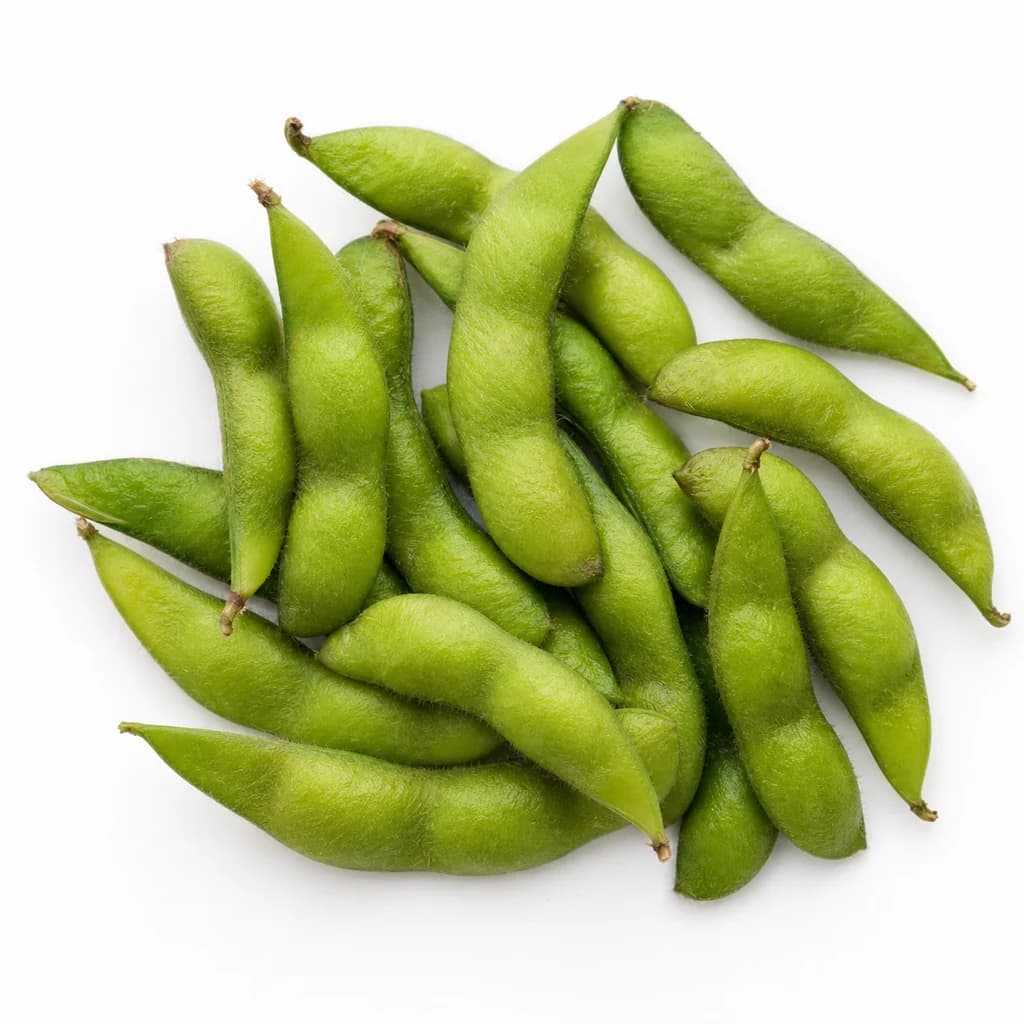
Edamame
Young soybeans in the pod — a bright, snackable protein