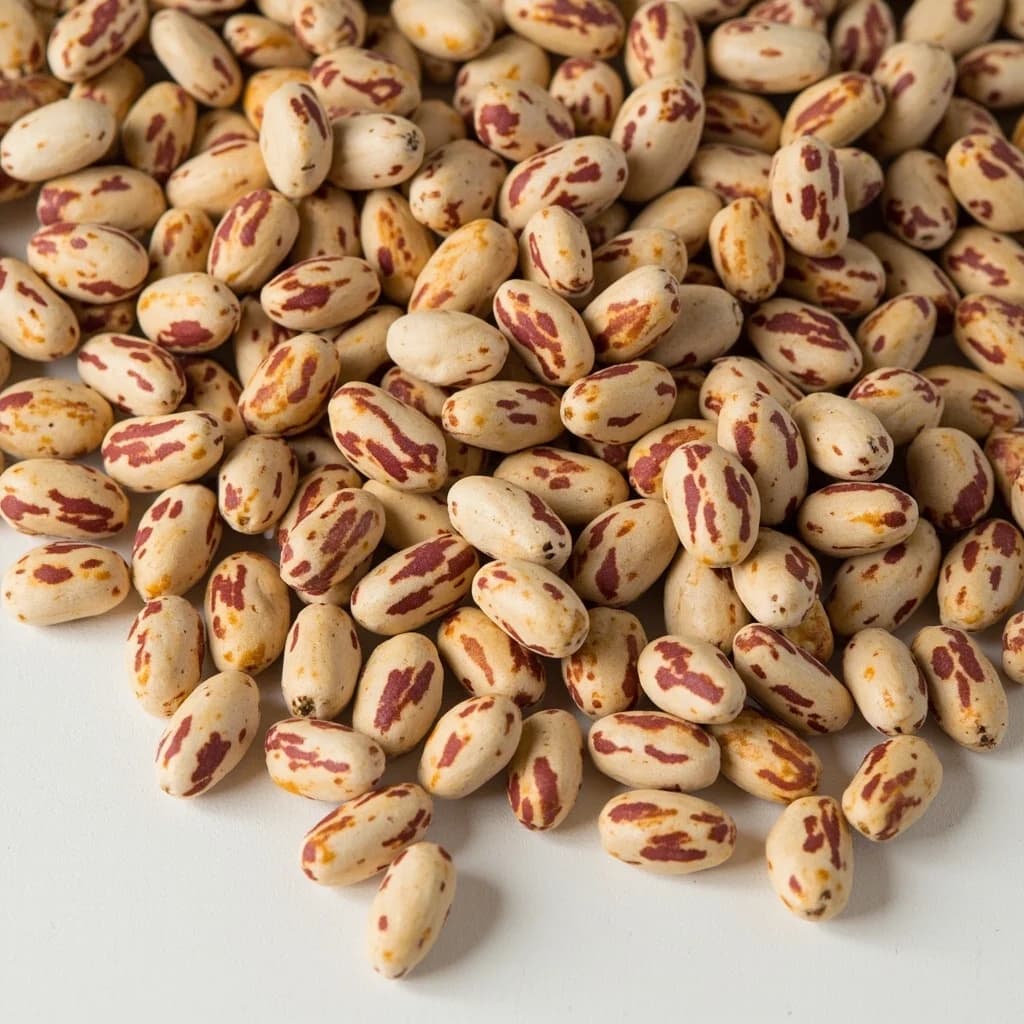
Natural form
Dried pinto beans showing their characteristic beige base with irregular reddish-brown speckles.
Shows the defining visual trait of raw pinto beans — the mottled speckle pattern — that makes them instantly identifiable before cooking.
Legumes & Beans
Pinto Beans
Creamy, speckled beans for refried beans and stews
These mottled beans cook down soft and creamy, making them the classic for refried beans and a hearty pot of frijoles. Dried keep for ages airtight.
Pinto beans are the speckled, tan-and-brown beans (pinto means 'painted' in Spanish) that are the most popular dried bean in the United States and a cornerstone of Mexican and Tex-Mex cooking. As they cook, the mottling fades to a uniform pinkish-brown and the bean turns wonderfully creamy and soft — softer than kidney or black beans — which is exactly why they're the classic choice for refried beans, where they mash into a smooth, rich paste. Their mild, earthy flavor makes them a blank, comforting canvas for chili powder, cumin, garlic, and a little pork. Simmered whole in their own broth (frijoles de la olla) or fried in fat (frijoles refritos), they're hearty, frugal, and deeply satisfying — and like all beans, a strong source of plant protein and fiber.
- Measured in
- g
- Storage
- Airtight
Find it in
Types & varieties
Best texture and a rich broth — soak and simmer.
The everyday shortcut — drain and rinse.
Pintos cooked then mashed and fried in fat — a finished form.
How to cook
Pintos simmer down softer and creamier than most beans, which is their charm. Cook them gently with aromatics and a little fat until they're meltingly tender and the broth has thickened.
- Soak overnight, drain, simmer in fresh water with onion, garlic, and a bay leaf
- A piece of pork (or a glug of oil) deepens the flavor
- Simmer 1–1.5 hr until creamy; the liquid should turn rich and brothy
- Add salt partway through; hold acid until tender
How to make refried beans
Refried beans are simply cooked pintos mashed and fried in fat until thick and rich — no actual double-frying involved (the name is a mistranslation of 'well-fried').
- Fry onion (and lard or oil), add cooked pintos with some of their broth
- Mash with a masher or the back of a spoon as they cook
- Cook until thick and spreadable, adding broth to loosen
- Finish with a little cheese, cumin, or chili to taste
Common uses
Tips & pitfalls
- Save the rich pinto broth — it's the body of a good pot of beans.
- A little fat (lard, bacon, or oil) transforms a pot of pintos.
- Mash some or all for refried beans; their softness makes them ideal.
- Hold the salt until midway and acid until the beans are soft.
- Cook low and slow — pintos reward a gentle, patient simmer.
Nutrition
Energy
1452 kJ · per 100 g
Where the calories come from
Protein
21.4g
43% DV
Carbs
62.6g
23% DV
Fat
1.2g
2% DV
Fiber
15.5g
55% DV
Sugars
2.1g
of which
Sodium
12mg
1% DV
Source · USDA FoodData Central · Beans, pinto, mature seeds, raw (Includes foods for USDA's Food Distribution Program)
View on FDC →In the shops
Matched grocery products
 €1.25
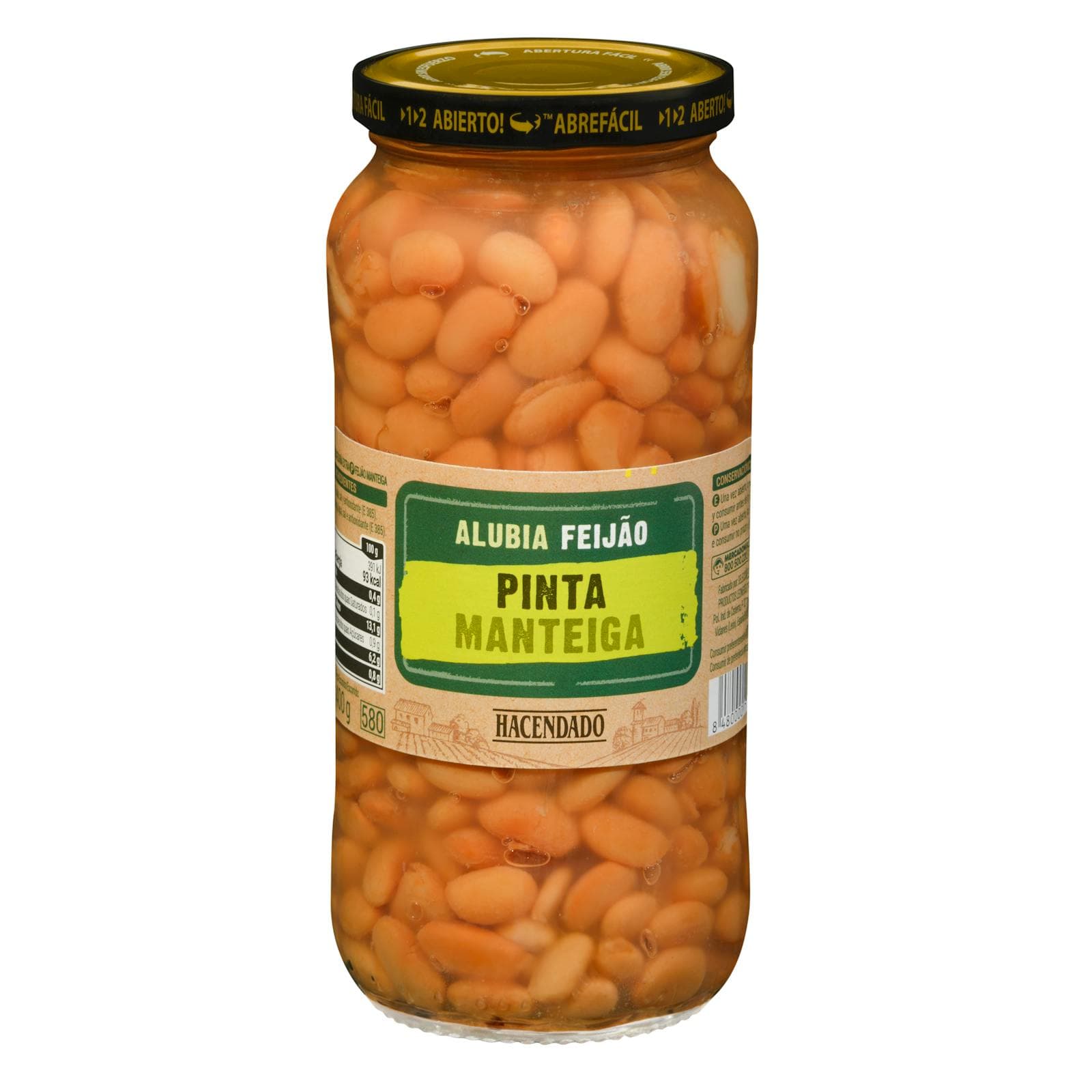
€1.25Cooked Pinto Beans
Hacendado · 570 g · Mercadona
Good to know
- Flavor & texture
- Mild, earthy; very creamy and soft when cooked
- Cook ratio & time
- Dried: soak, then simmer 1–1.5 hr until creamy-soft
- Soak?
- Recommended for dried — overnight or quick-soak; canned ready to use
- Nutrition
- ~143 kcal/100g cooked; ~9g protein, ~9g fiber; rich in folate & iron
- How to store
- Dried airtight ~1–2 years; cooked refrigerate ≤5 days or freeze
Substitutes
- Black beans — Earthy and creamy; the common Tex-Mex swap.
- Kidney beans — Firmer but workable in chili and stews.
- Borlotti / cranberry beans — Close cousins — similar speckling and creaminess.
Also called
frijoles pintos · alubias pintas · mongetes pintes
Appears in these dishes
Related
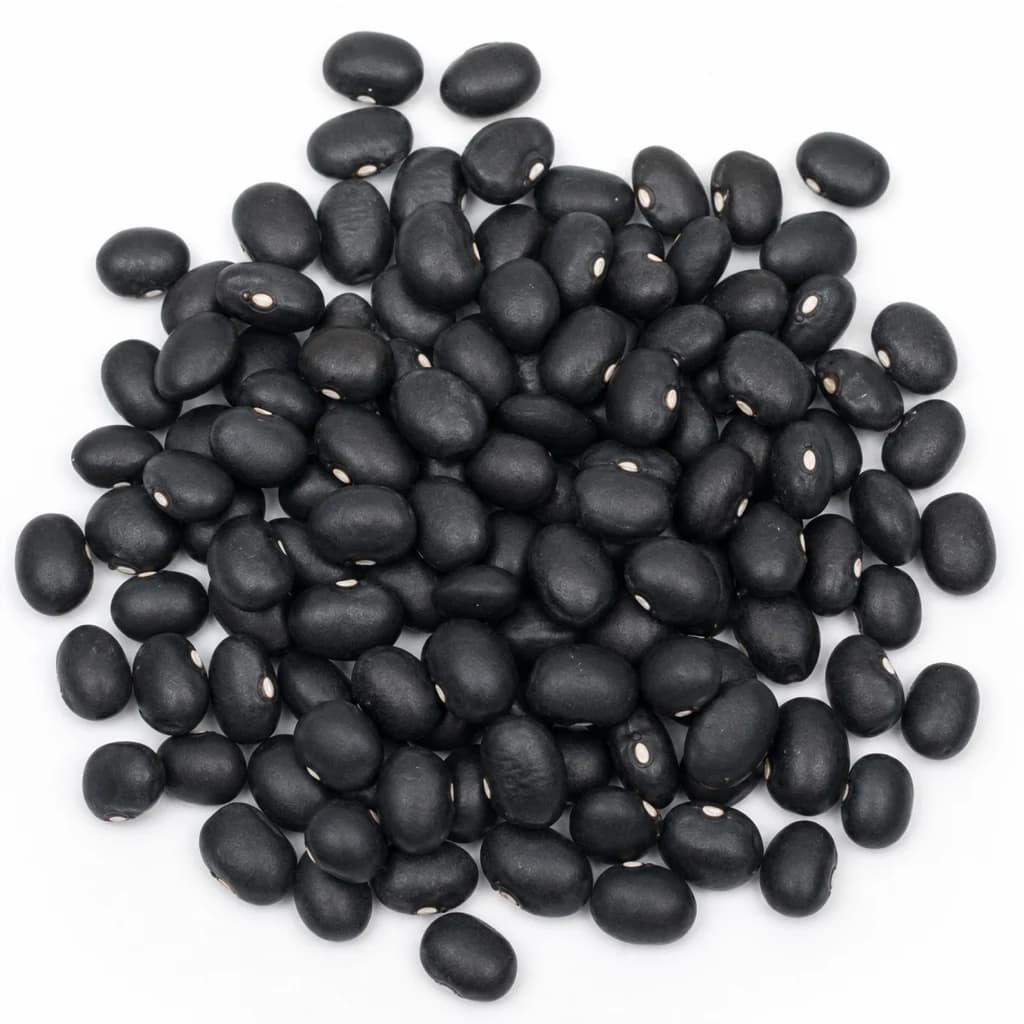
Black Beans
Earthy, creamy beans for bowls, soups, and tacos
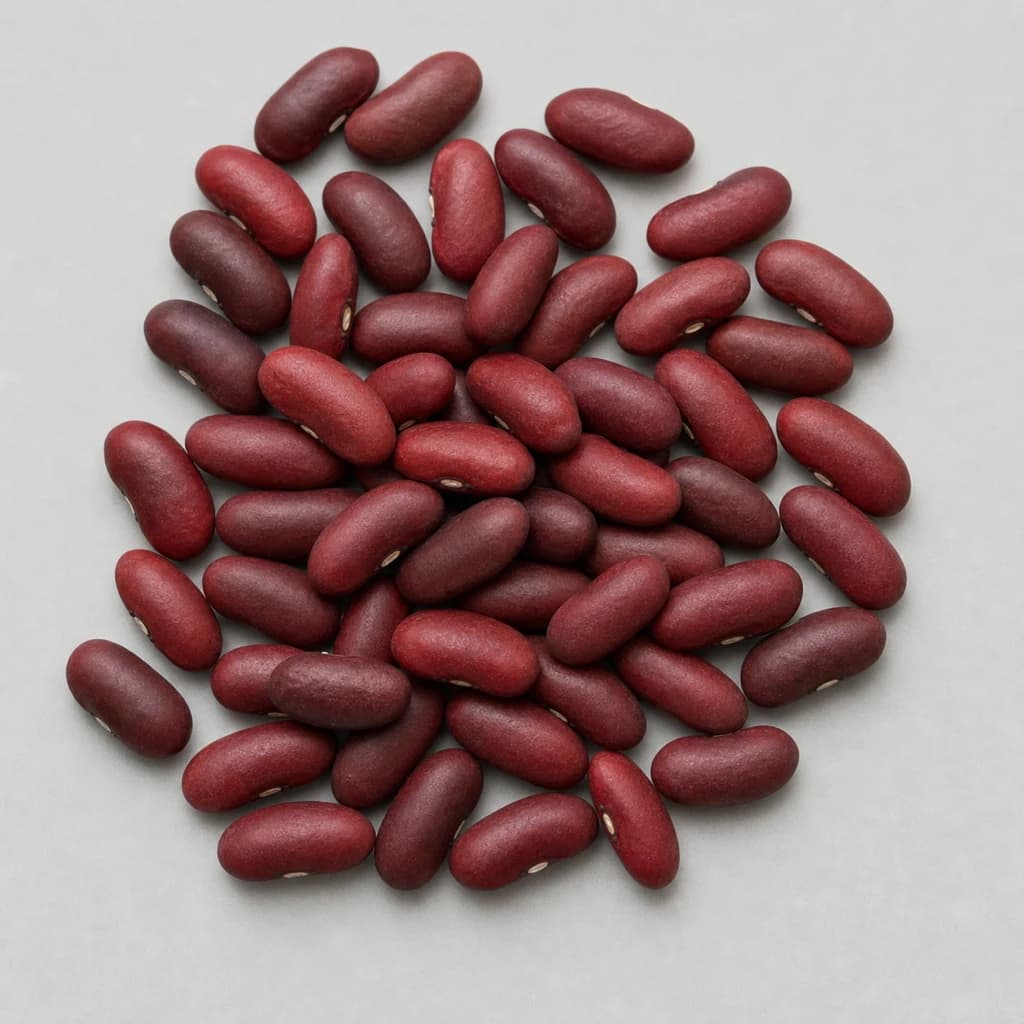
Kidney Beans
Hearty red beans that hold their shape in chili and stews
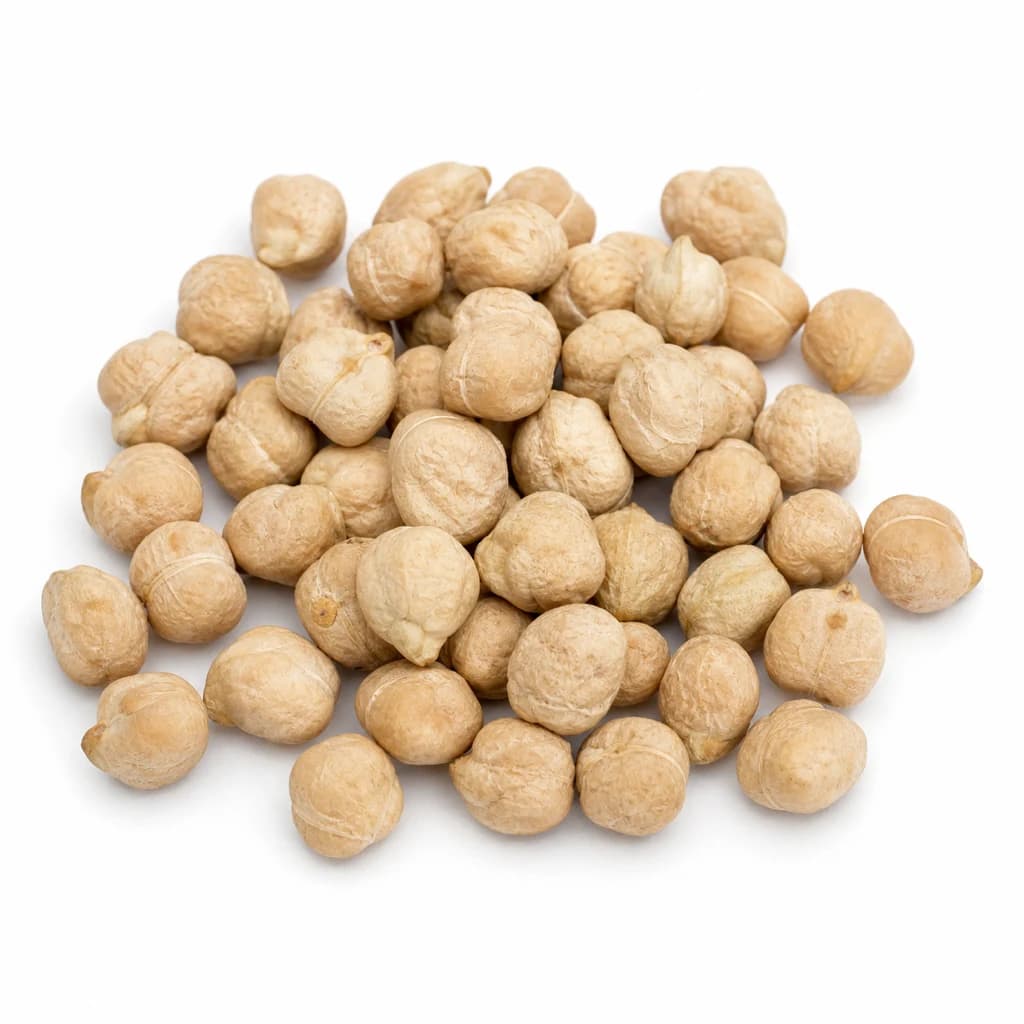
Chickpeas
Nutty, versatile beans for hummus, curries, and roasting
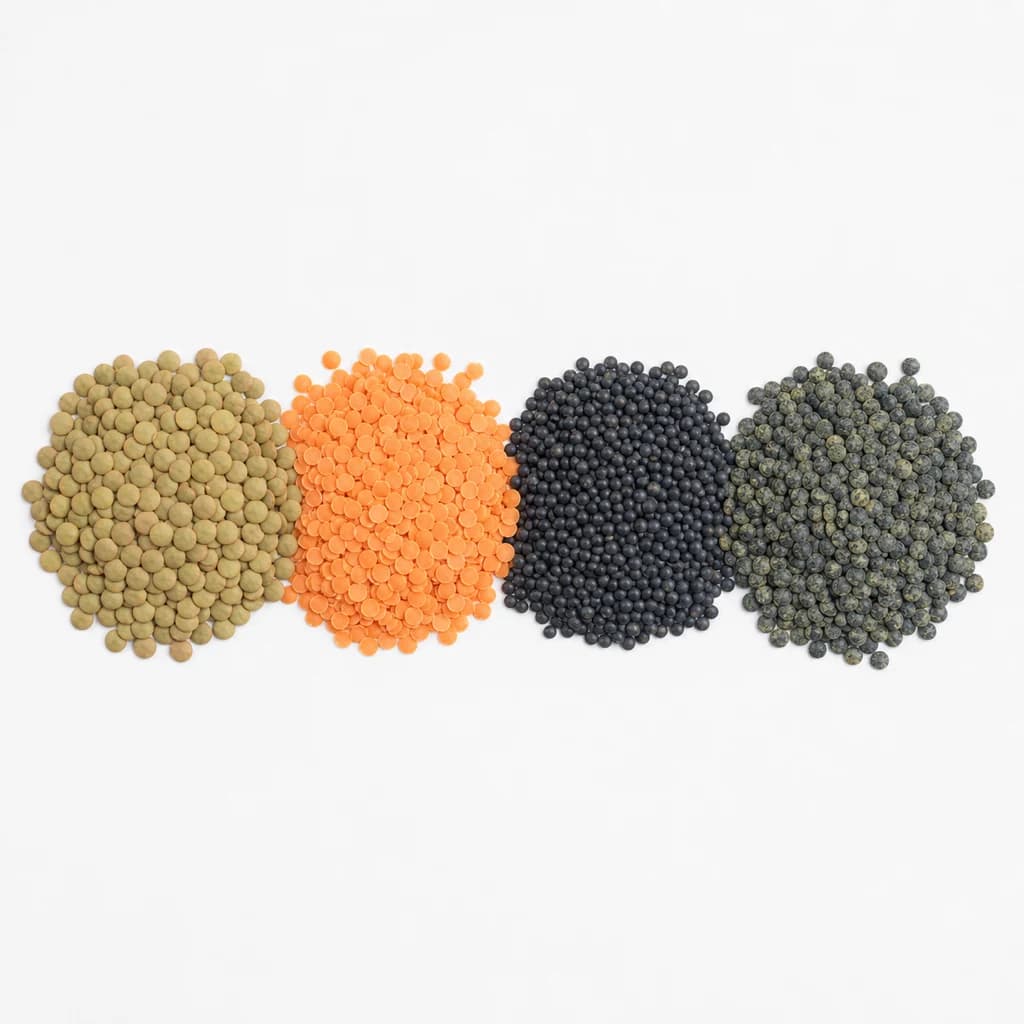
Lentils
Quick-cooking pulses for soups, dals, and hearty salads

White Beans
Creamy, mild beans for soups, stews, and silky purées

Split Peas
Quick-cooking peas that melt into thick, comforting soups
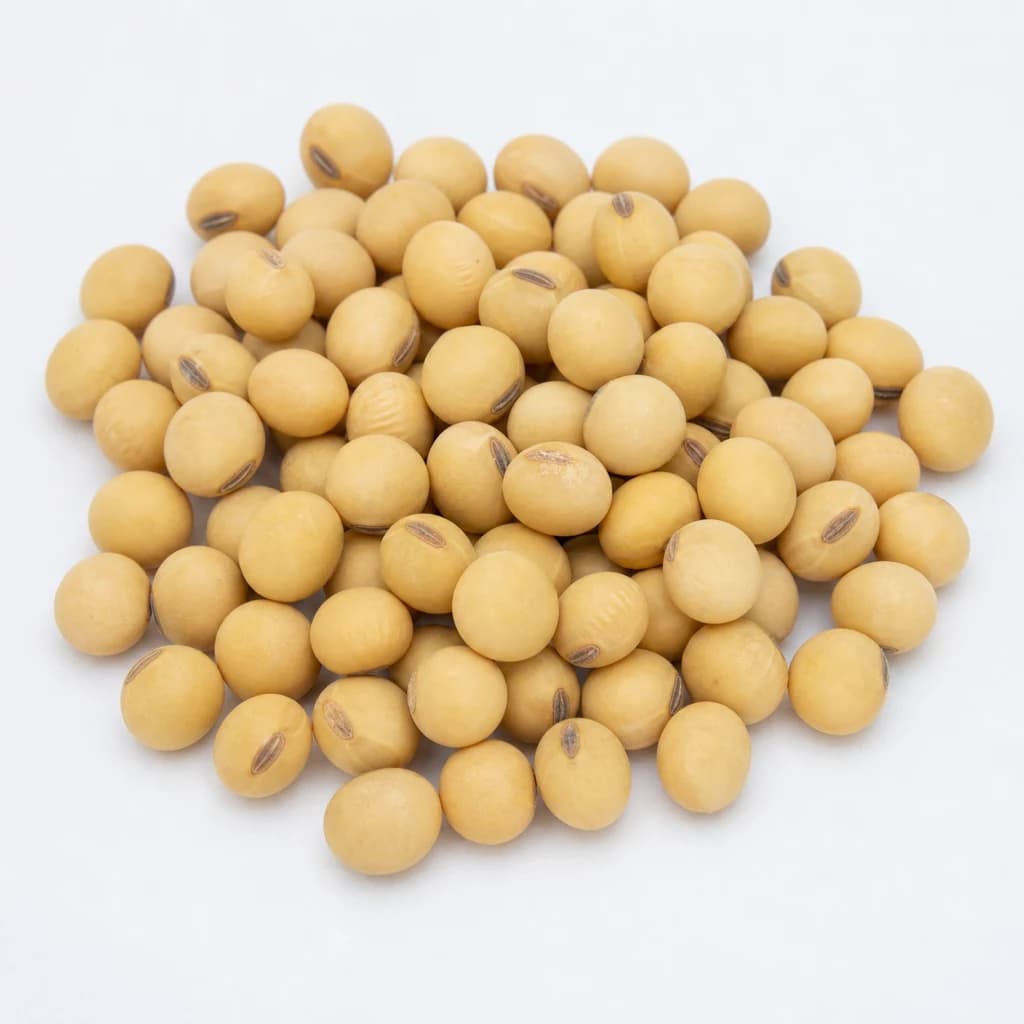
Soybeans
Protein-packed beans, the base for tofu and miso
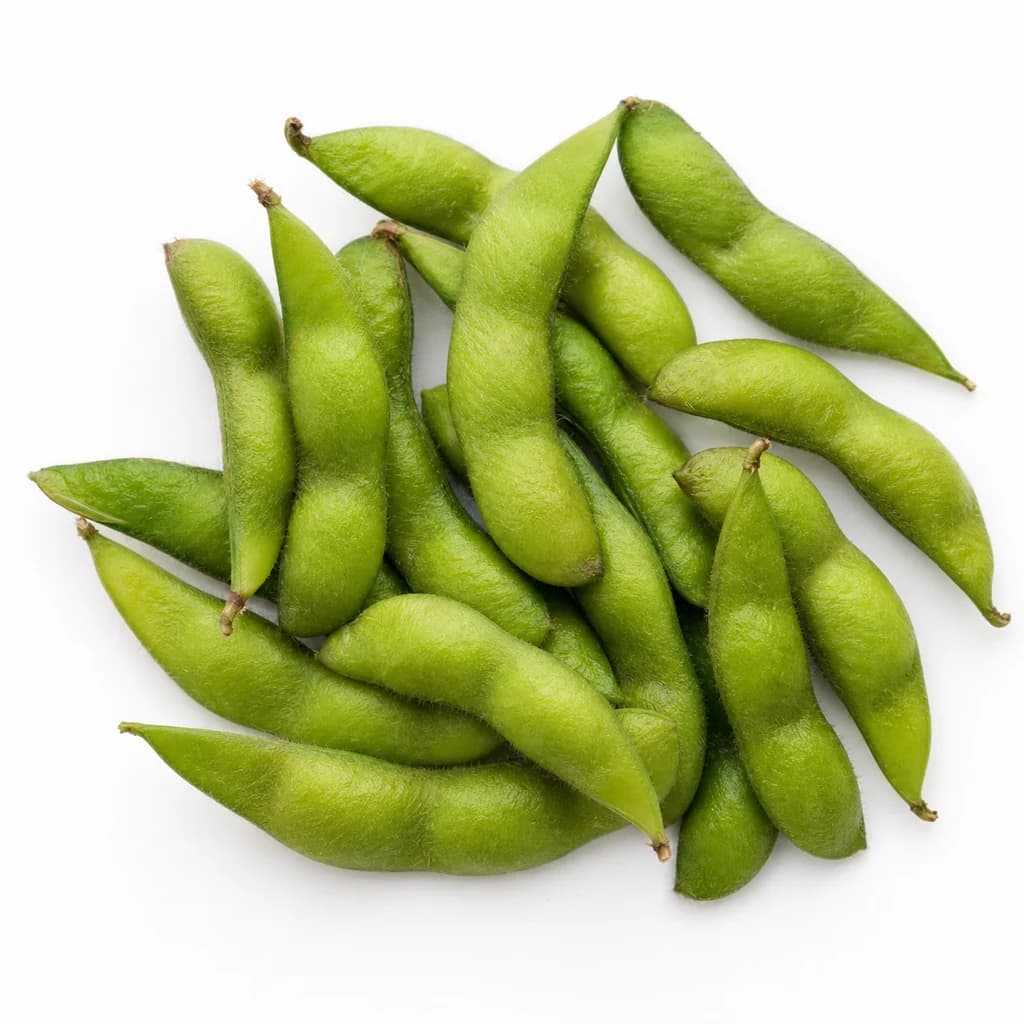
Edamame
Young soybeans in the pod — a bright, snackable protein