Legumes & Beans
Refried Beans
Cooked pinto or black beans mashed and fried with fat into a creamy Mexican staple.
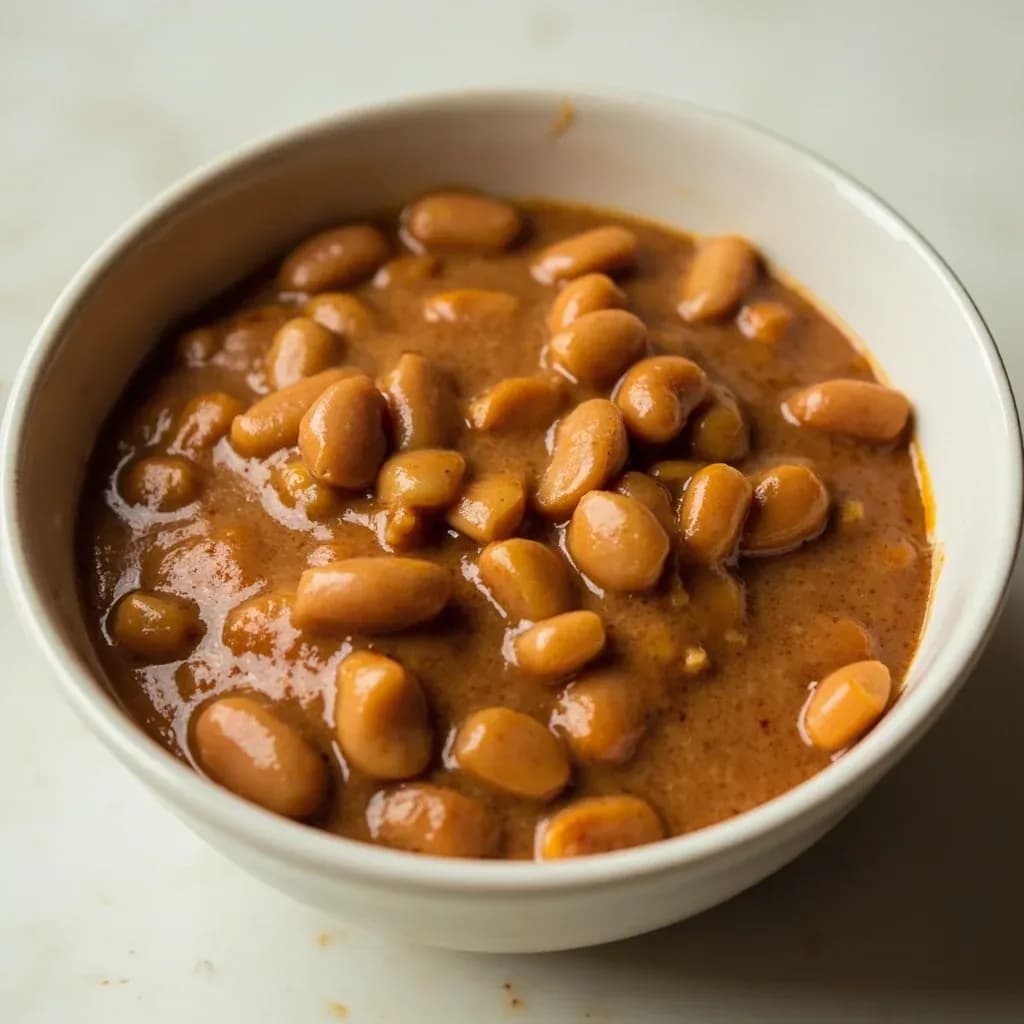
Refried beans are pinto or black beans that have been boiled then mashed and fried, usually in lard or oil, into a smooth, savory paste. A staple of Mexican and Tex-Mex cooking, they are served as a side, spread in burritos and tostadas, or layered into dips. Despite the name they are fried only once; the term comes from Spanish 'frijoles refritos' (well-fried).
Refried beans—frijoles refritos in Spanish—means "well-fried beans," not "fried twice" as the English mistranslation suggests. The prefix re- in this context denotes thoroughness, not repetition. The dish traces to pre-Columbian Mesoamerica, where beans were a dietary staple, and evolved into the beloved Mexican preparation we know: cooked beans mashed and fried in fat until they develop a creamy, cohesive texture with deeply incorporated richness. The technique transforms simple cooked beans into something far more flavorful and unctuous than the sum of its parts.
What makes refried beans distinctive is the relationship between fat and bean starch. As the beans cook in the fat, the starches gelatinize and the bean cell walls break down, creating a smooth paste that holds together while still letting fat pool and shimmer through. This isn't just a side dish—it is a foundational Mexican pantry staple appearing at breakfast, lunch, and dinner tables, from simple bowls alongside eggs to complex layered dishes. The texture preference varies regionally: northern Mexico favors completely smooth beans, while other regions keep significant texture.
The quality of your refried beans depends almost entirely on three factors: the fat you use (lard remains traditional and superior), the texture you achieve through mashing technique, and patience during the frying stage. Rushing the cooking or skimping on fat produces dry, pasty beans that lack the characteristic creaminess. Done properly, refried beans should hold their shape loosely when scooped but spread easily, with visible fat distributed throughout.
- Measured in
- g
- Storage
- Fridge
Types & varieties
Traditional rustic style, cooked and fried in a clay pot with whole beans remaining visible
Completely smooth, fully mashed refried beans characteristic of northern Mexico
Mostly whole beans with some mashed — textural middle ground preferred in many regions
Made with black beans instead of pinto; common in Caribbean and northern Mexican cooking
Refried beans with cheese melted in, popular in Tex-Mex preparations
From Scratch or Canned: Making the Choice
Starting from dried beans produces superior flavor and texture—the beans absorb more seasoning and the skins stay intact better than canned varieties. If using canned, drain and rinse the beans, then simmer them briefly in fresh water to remove excess starch before refrying. Look for low-sodium or no-added-salt canned beans for better seasoning control. Either way, the frying technique remains the same.
- Dried beans: 1–2 hours cooking time after soaking
- Canned beans: convenient shortcut, reduce initial starch first
- Reserve bean cooking liquid for adjusting consistency
The Fat Question: Lard vs. Oil
Traditional Mexican cooks insist on lard for good reason. Lard has a high smoke point and distinct flavor that complements beans without overwhelming them, and the saturated fat creates the smoothest, most cohesive texture. A practical compromise for everyday cooking is a blend of half lard and half neutral oil—this gives you authentic flavor without using exclusively saturated fat. Bacon drippings add smokiness that pairs especially well with pinto beans. Vegetable oils work but produce noticeably less rich results.
- Lard: traditional, best flavor and texture
- Half lard/half oil: practical everyday balance
- Bacon fat: adds smoky depth
- Butter or olive oil: acceptable vegetarian alternatives
Common uses
Tips & pitfalls
- Sauté the aromatics (onion, garlic) in the fat before adding beans — this builds foundational flavor that permeates the entire dish
- Use enough fat; the beans should shimmer in the pan, roughly 2–3 tablespoons per batch, not just coat the bottom
- Add beans gradually and mash to your preferred texture — a wooden spoon gives coarser, more rustic results; a potato masher yields smoother, creamier beans
- Common mistake: adding salt too early toughens bean skins and can slow cooking; always season toward the end
- Common mistake: letting beans dry out or stick — add splashes of cooking liquid, bean broth, or water whenever they look tight, never let them burn
- For restaurant-style smoothness, blend a portion of the cooked beans before frying, then fold back in with the rest
- For authentic regional flavor, add a small sprig of epazote while the beans cook — it aids digestion and adds traditional depth
- The beans are done when they hold together loosely when scooped, with fat visibly distributed throughout, not pooled on top
Nutrition
Energy
130 kJ · per 100 g
Where the calories come from
Protein
1.8g
4% DV
Carbs
7.1g
3% DV
Fat
0.1g
0% DV
Fiber
3.4g
12% DV
Sugars
3.3g
of which
Sodium
6mg
0% DV
Source · USDA FoodData Central · approx. Beans, snap, yellow, raw
View on FDC →In the shops
Matched grocery products
No matched grocery products for Refried Beans yet.
Good to know
- Primary Bean
- Pinto beans (most common); black beans also used
- Traditional Fat
- Lard (manteca) or bacon drippings
- Key Equipment
- Heavy-bottomed skillet or Dutch oven, potato masher or wooden spoon
- Refrying Time
- 15–30 minutes over medium-low heat
- Etymology
- Spanish 'frijoles refritos' means 'well-fried beans' (re = well, not 'again')
- Storage
- Refrigerate up to 5 days; freeze up to 3 months
- Yield
- 1 pound dried beans yields approximately 6–8 cups cooked
- Difficulty
- Easy; active time is minimal once beans are cooked
Substitutes
- Canned refried beans — Convenient shortcut; look for low-sodium or no-added-salt varieties for better control
- Mashed lentils — Different flavor but similar creamy texture; cook until very soft then fry in fat with aromatics
- Hummus — Completely different flavor profile but serves similar role as a bean spread or dip
- Mashed chickpeas — Can be seasoned and fried similarly; less traditional but functional substitution
- Pinto or black bean dip — Refrigerated prepared versions work in a pinch; check ingredients for excess sodium or additives
Pairs with
Also called
Frijoles Molidos · Refried Bean · Frijoles Refritos
Appears in these dishes
Related
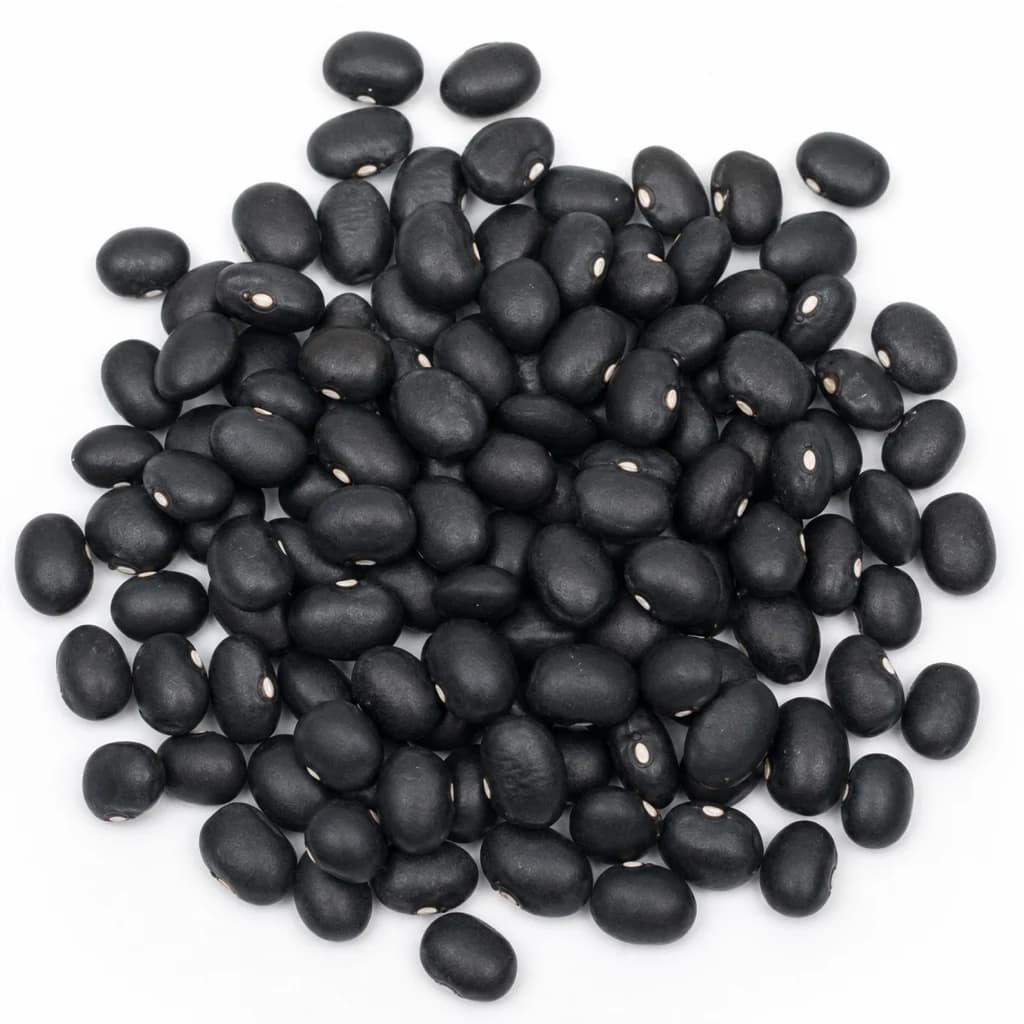
Black Beans
Earthy, creamy beans for bowls, soups, and tacos
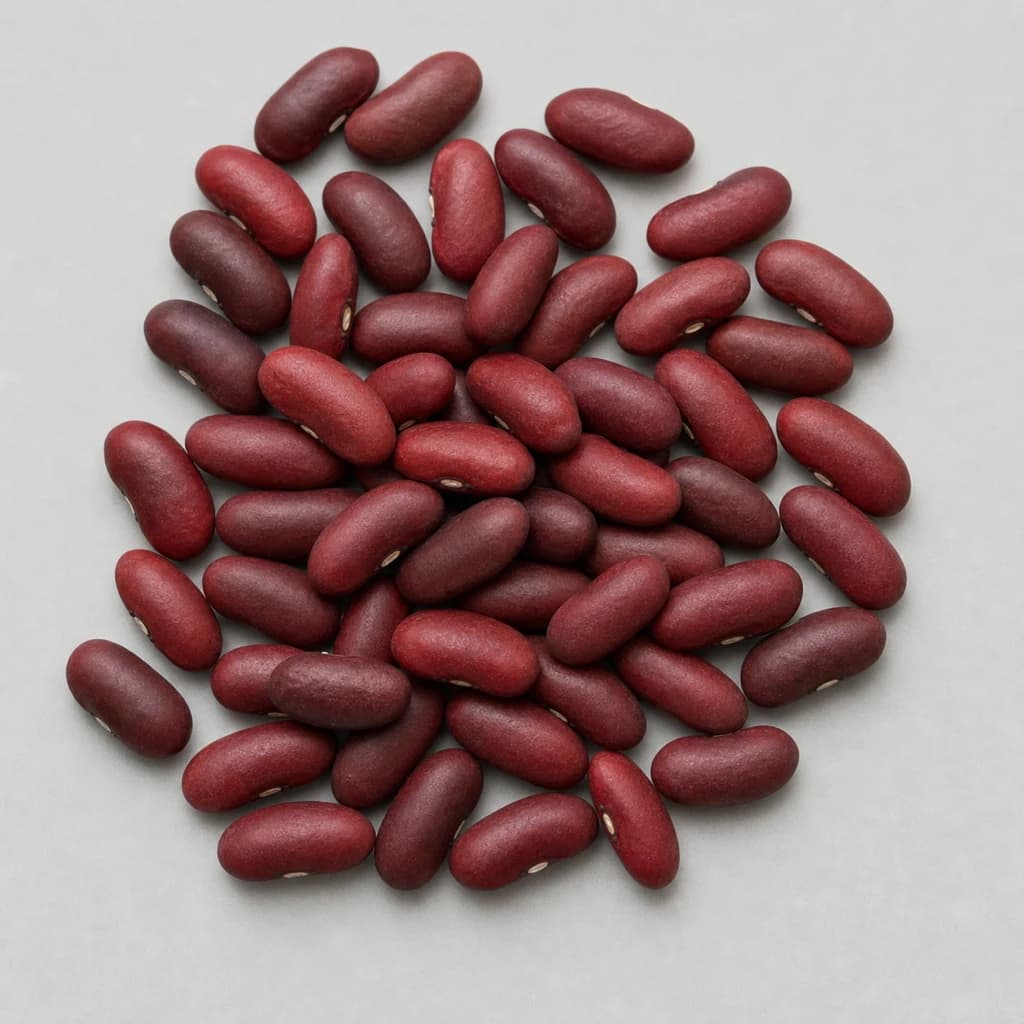
Kidney Beans
Hearty red beans that hold their shape in chili and stews
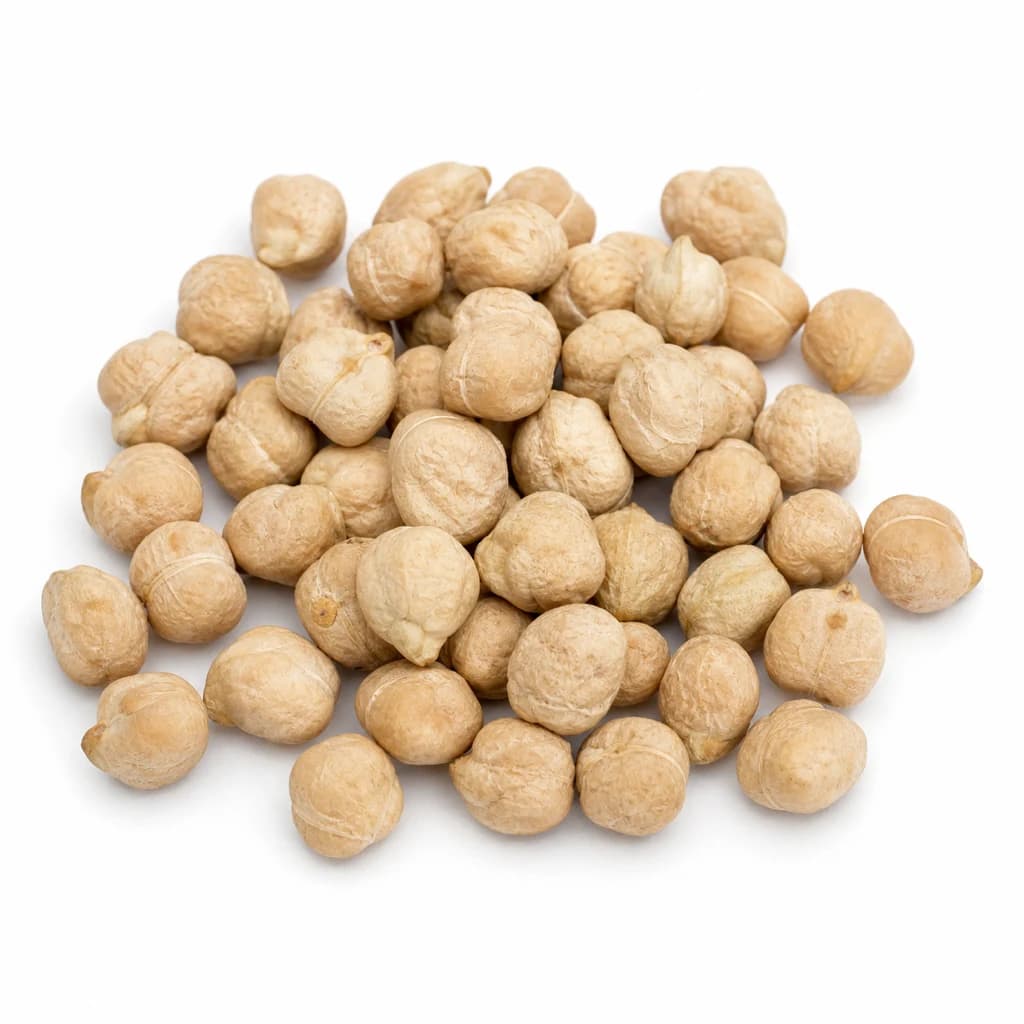
Chickpeas
Nutty, versatile beans for hummus, curries, and roasting
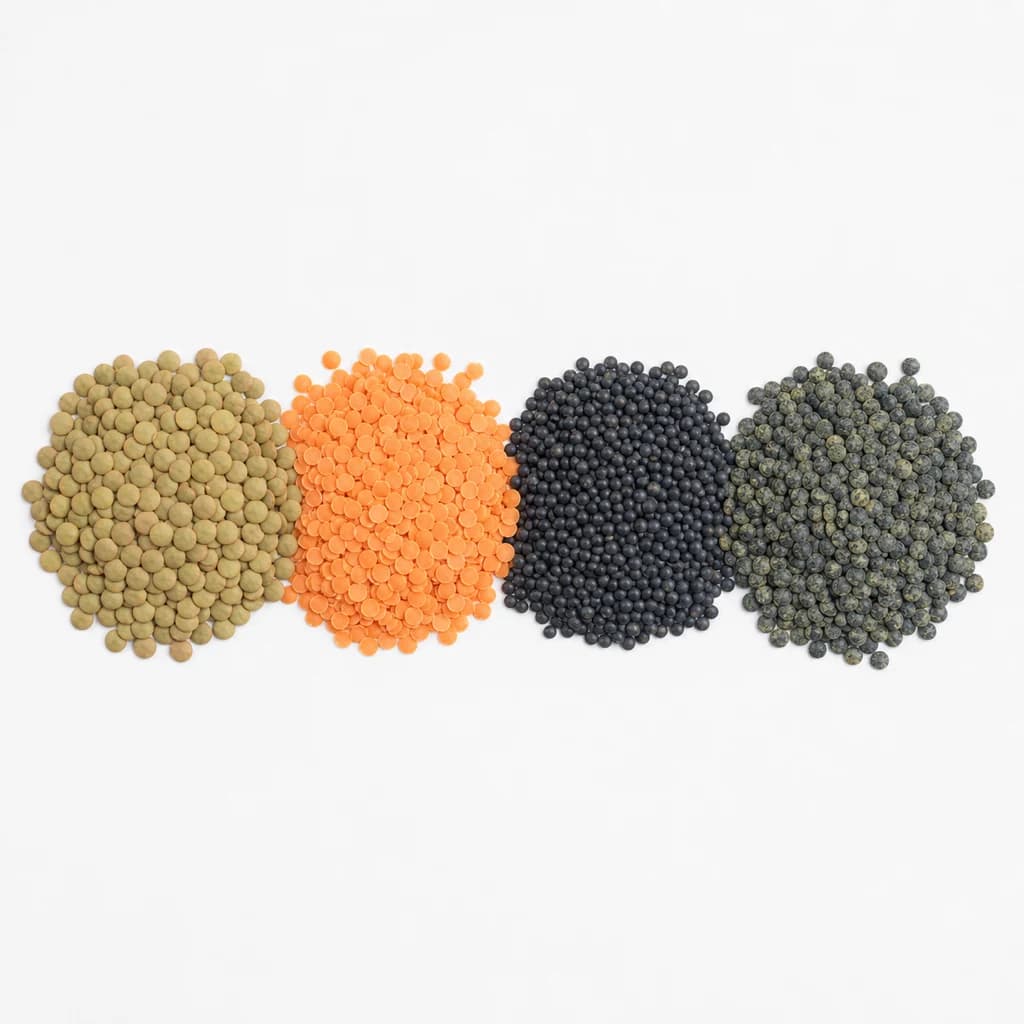
Lentils
Quick-cooking pulses for soups, dals, and hearty salads

White Beans
Creamy, mild beans for soups, stews, and silky purées
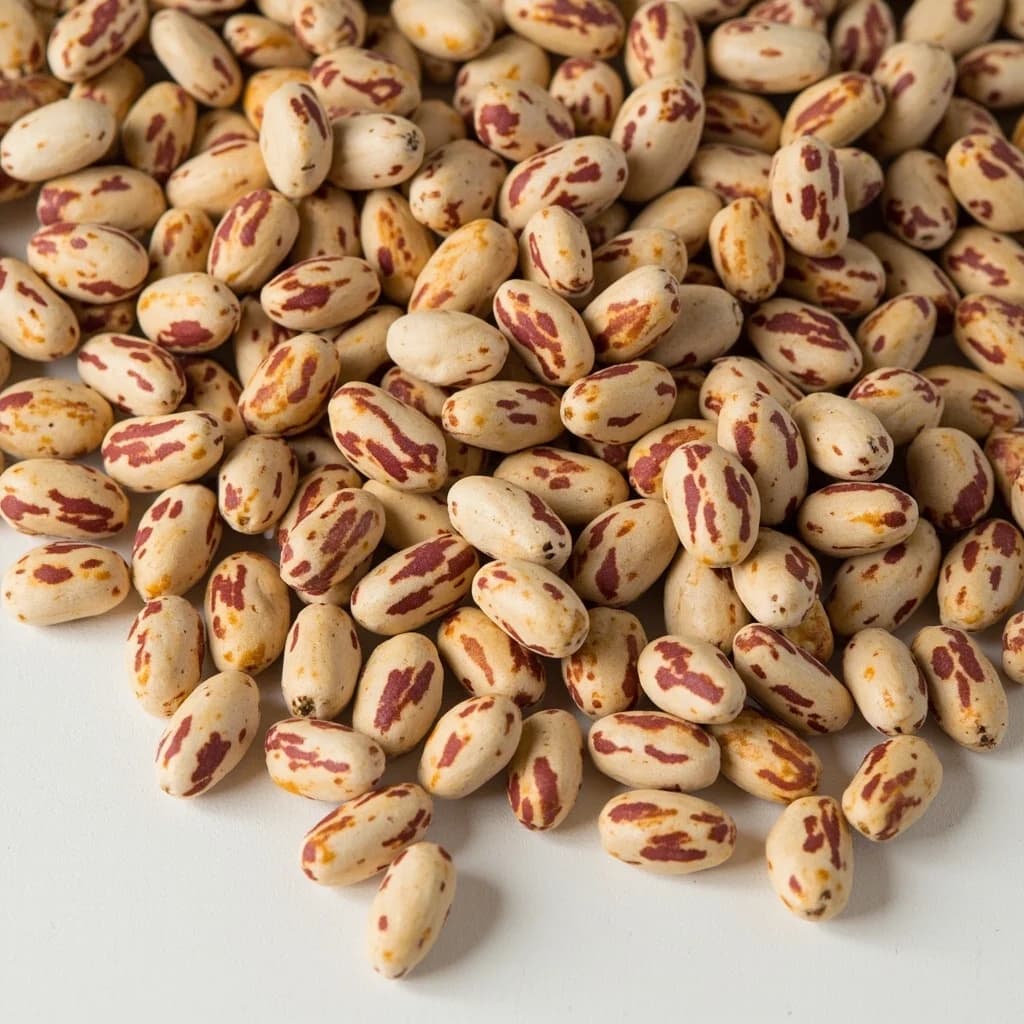
Pinto Beans
Creamy, speckled beans for refried beans and stews

Split Peas
Quick-cooking peas that melt into thick, comforting soups
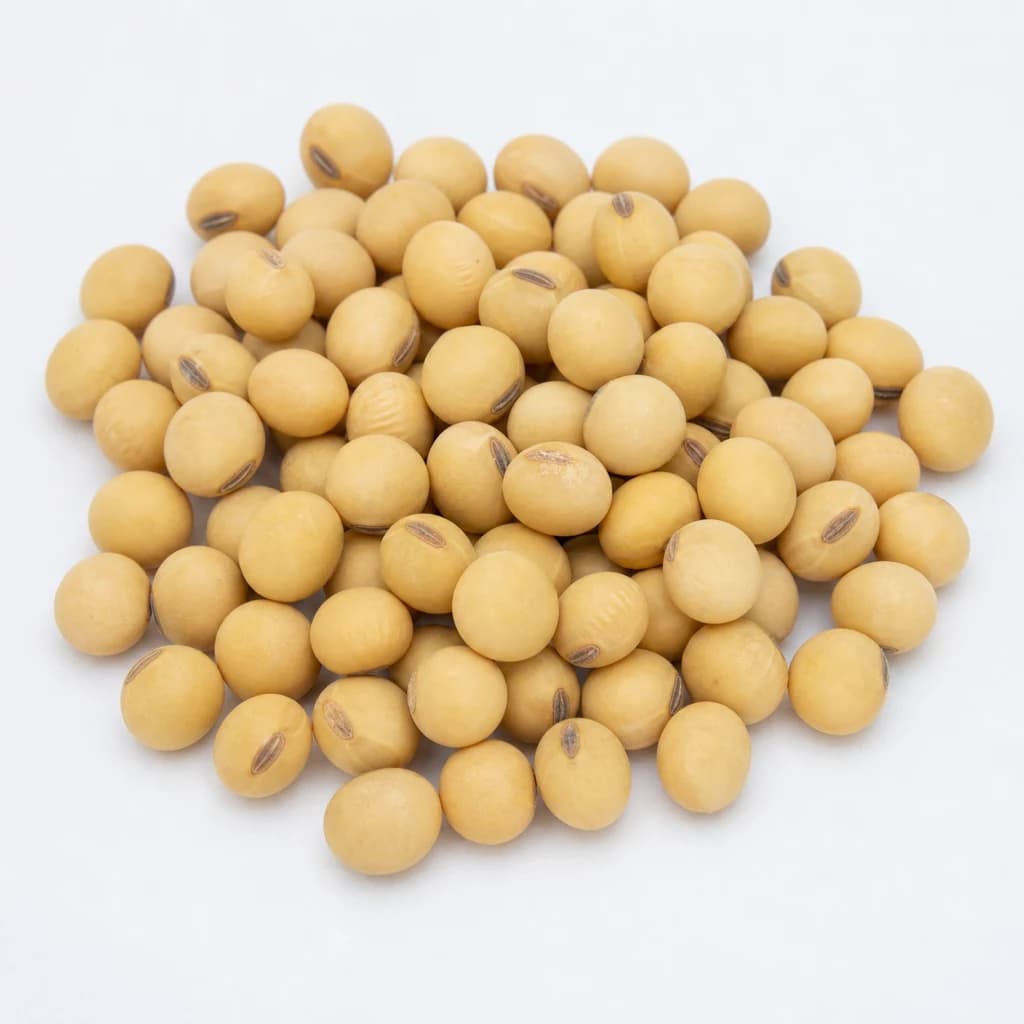
Soybeans
Protein-packed beans, the base for tofu and miso