
Ready to use
Sour cream holds a smooth, thick mound with a glossy white surface.
Shows the defining texture and appearance that distinguish sour cream from other dairy products like yogurt or crème fraîche.
Dairy & Eggs
Sour Cream
Tangy, thick cream for dolloping, baking, and dips
Cool, tangy, and spoonable, sour cream crowns a baked potato, lightens a batter, and forms the base of countless dips. Keep it chilled and tightly covered.
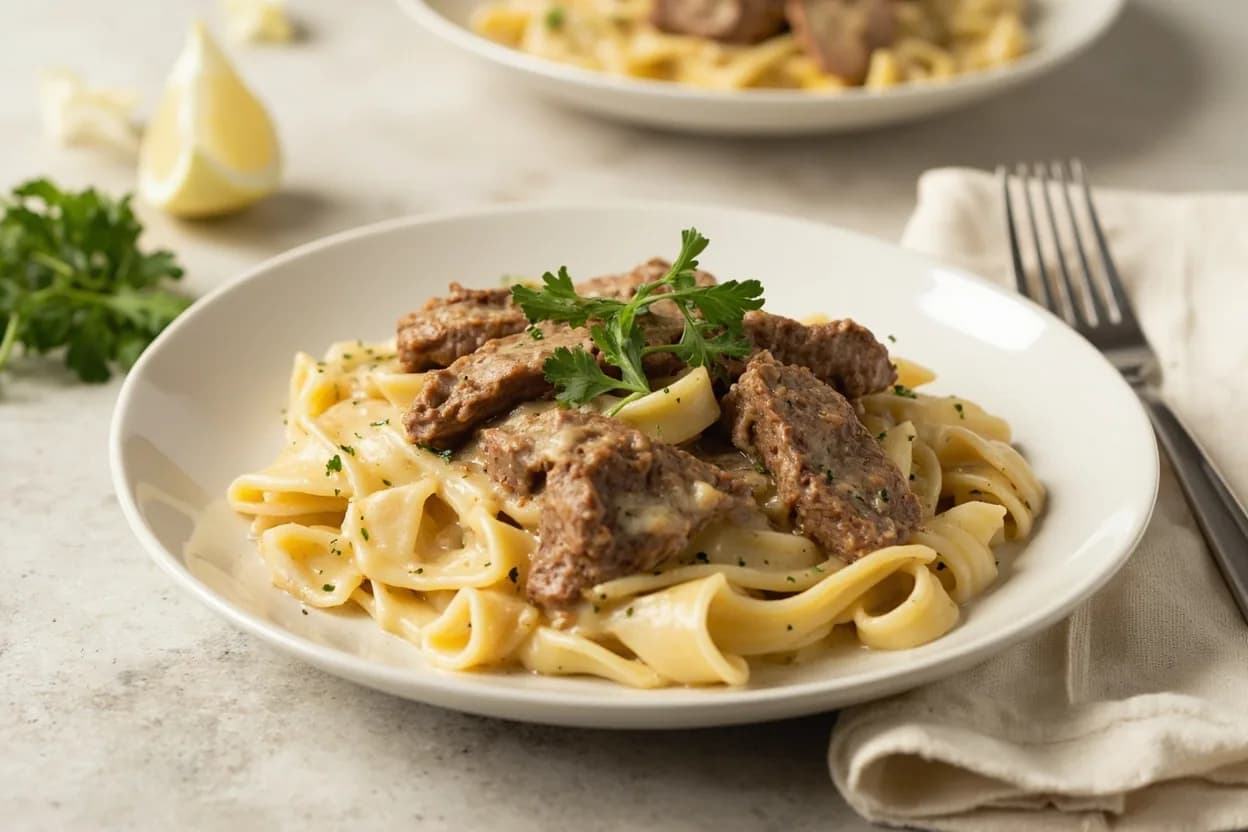
Sour cream is cream cultured with lactic-acid bacteria until it thickens and turns tangy — typically around 18–20% fat, which gives it body and a cool, gentle sourness. The fermentation both flavors it and makes it more stable than fresh cream, so it dollops onto tacos and baked potatoes, swirls into soups and stroganoff, and bakes into impossibly tender cakes and biscuits (its acid reacts with baking soda and its fat keeps crumb moist). It's richer and less tart than yogurt, and unlike thin yogurt it resists curdling reasonably well — though it still prefers to be added off or near the end of the heat.
- Measured in
- g
- Storage
- Refrigerate
- Shelf life
- 14 days
Allergens
Find it in
Types & varieties
Richest and most heat-stable — best for cooking and baking.
Thinner and tarter; curdles more readily when heated.
Richer (~30%+ fat), nuttier, and the most heat-stable cultured cream.
Pourable, slightly sweeter cultured cream for drizzling over tacos.
How to choose
For cooking and baking, full-fat sour cream gives the richest result and survives heat best. Look for tubs without added starches or gums if you want a clean, classic texture. It should smell pleasantly tangy; any sharp, fermented-beer smell or fuzzy mold means discard. Note: sour cream (nata agria) is uncommon in Spanish stores — Greek yogurt or crème fraîche are the realistic local stand-ins.
How to store / food safety
Keep refrigerated and use a clean spoon to avoid introducing mold. Stored well it often lasts a week or two past its date, but watch for mold, pink/yellow spots, or off smells. A little whey on top is normal — stir it in. Sour cream doesn't freeze well; it separates.
How to cook
Add sour cream toward the end of cooking and keep the heat gentle to prevent splitting; for hot sauces, temper it with a little of the warm liquid first or whisk in a teaspoon of flour to stabilize. In baking, it tenderizes and moistens — its acid also activates baking soda for lift. As a finish, a cold dollop melts gently into chili, soup, or a baked potato.
Common uses
Tips & pitfalls
- Temper sour cream with a splash of the hot dish before stirring it in.
- Whisk a little flour into sour cream to stabilize it for a simmered sauce.
- Use full-fat in baking for the most tender, moist crumb.
- Stir, don't boil, when adding to stroganoff or goulash.
- Mix with mayo, herbs, and lemon for a fast dip or dressing base.
Nutrition
Energy
828 kJ · per 100 g
Where the calories come from
Protein
2.4g
5% DV
Carbs
4.6g
2% DV
Fat
19.4g
25% DV
Fiber
0g
0% DV
Sugars
3.4g
of which
Sodium
31mg
1% DV
Source · USDA FoodData Central · Cream, sour, cultured
View on FDC →In the shops
Matched grocery products
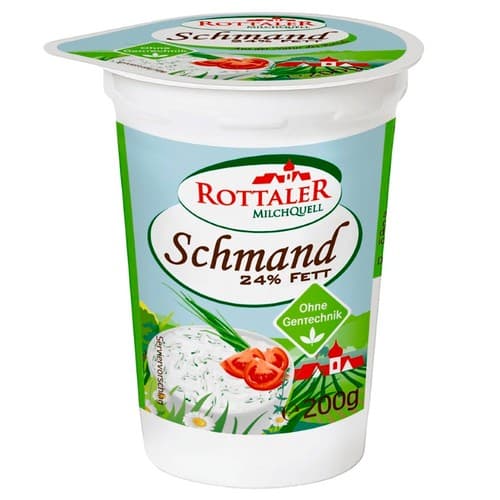 €2.55
€2.55Sour Cooking Cream
ROTTALER · kg · Bonpreu
Good to know
- Type
- Cultured cream, ~18–20% fat
- Flavor
- Tangy, cool, rich, mildly sour
- Nutrition
- ~190 kcal/100g, ~20g fat, ~2g protein
- Storage
- Refrigerate; keeps well past purchase if clean
- Buy
- Full-fat for cooking; check no added starch
Substitutes
- Greek yogurt — Tangier and leaner; closest everyday swap, more curdle-prone hot.
- Crème fraîche — Richer and far more heat-stable in sauces.
- Buttermilk plus butter — For baking when you need acidity and fat.
Also called
crema agria · nata agra
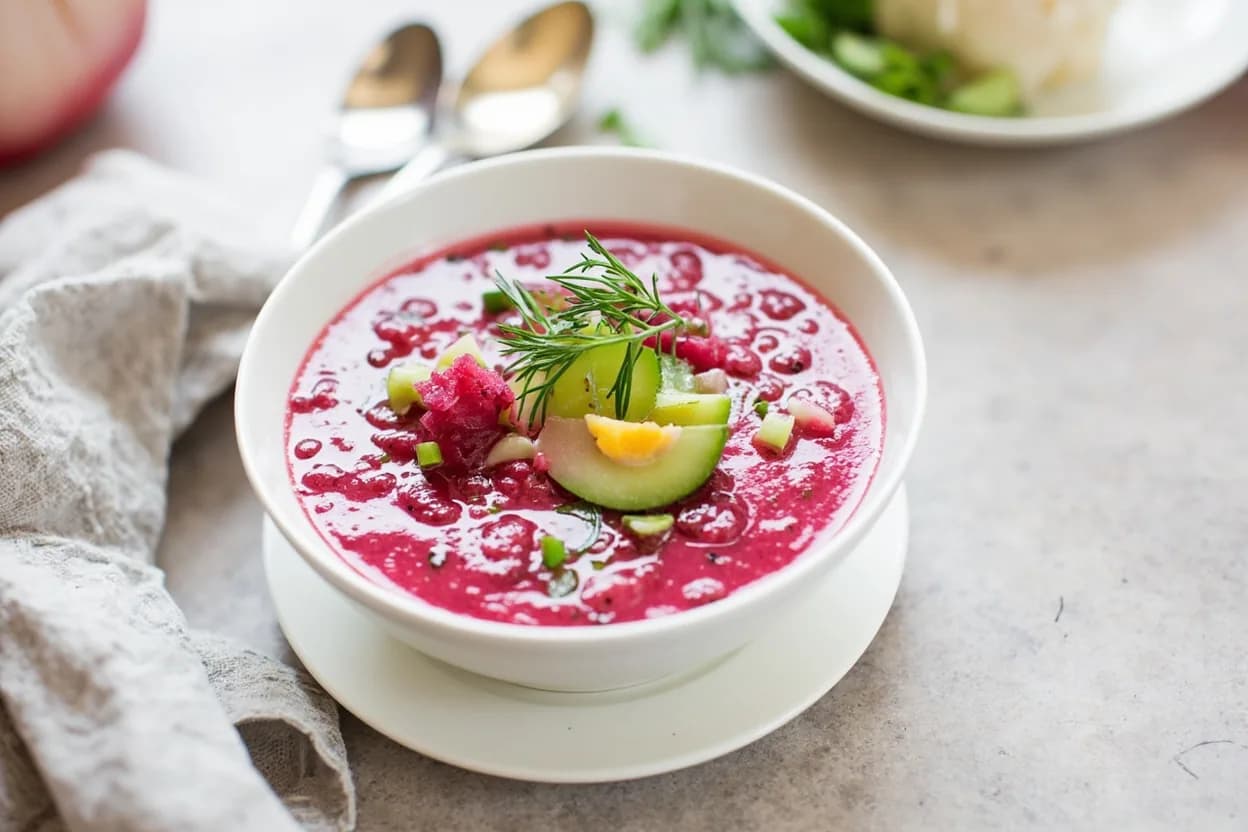
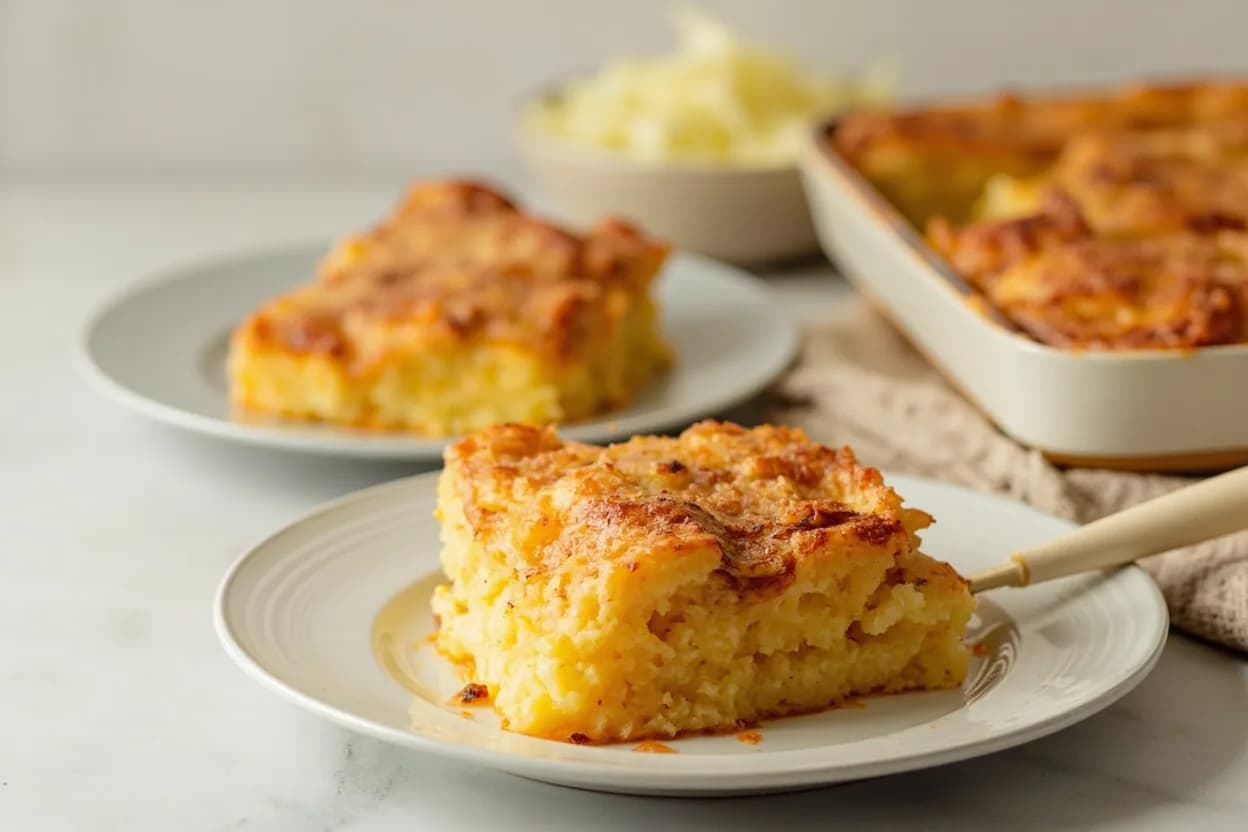
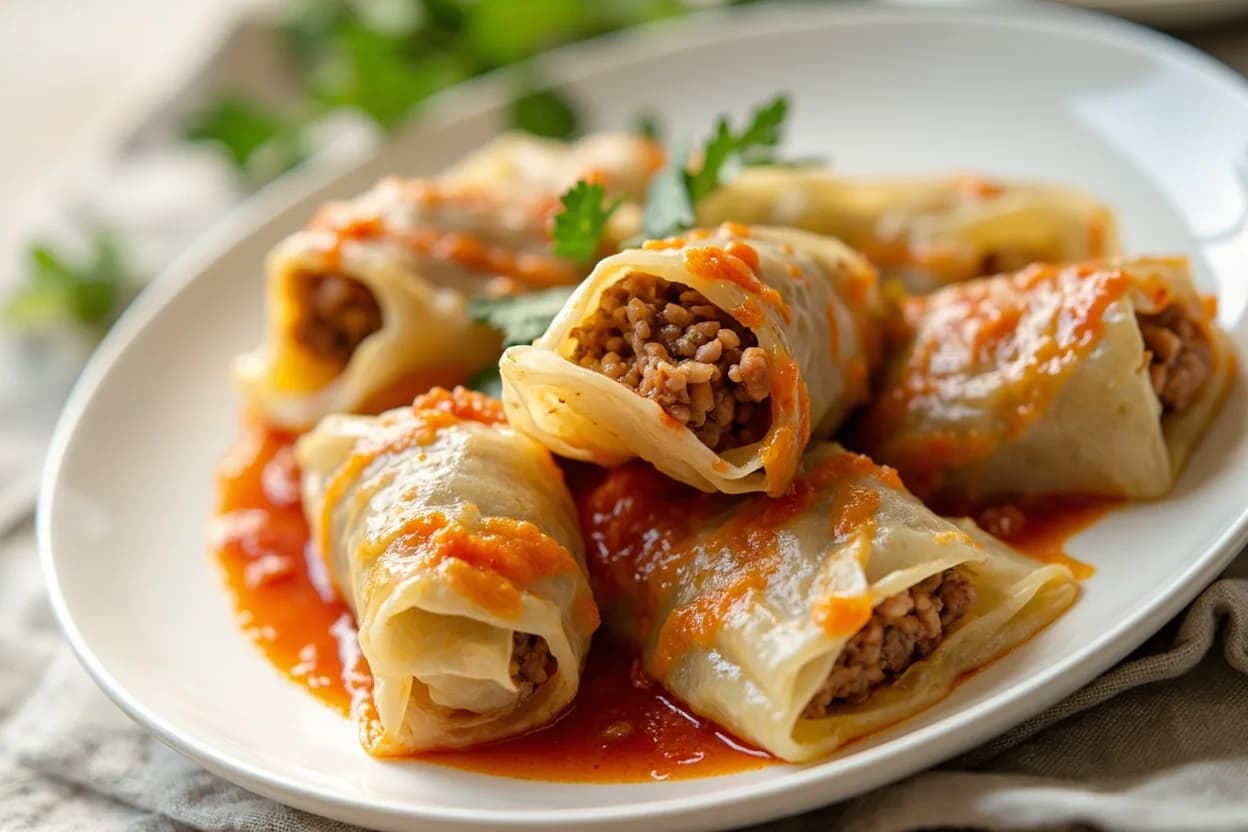
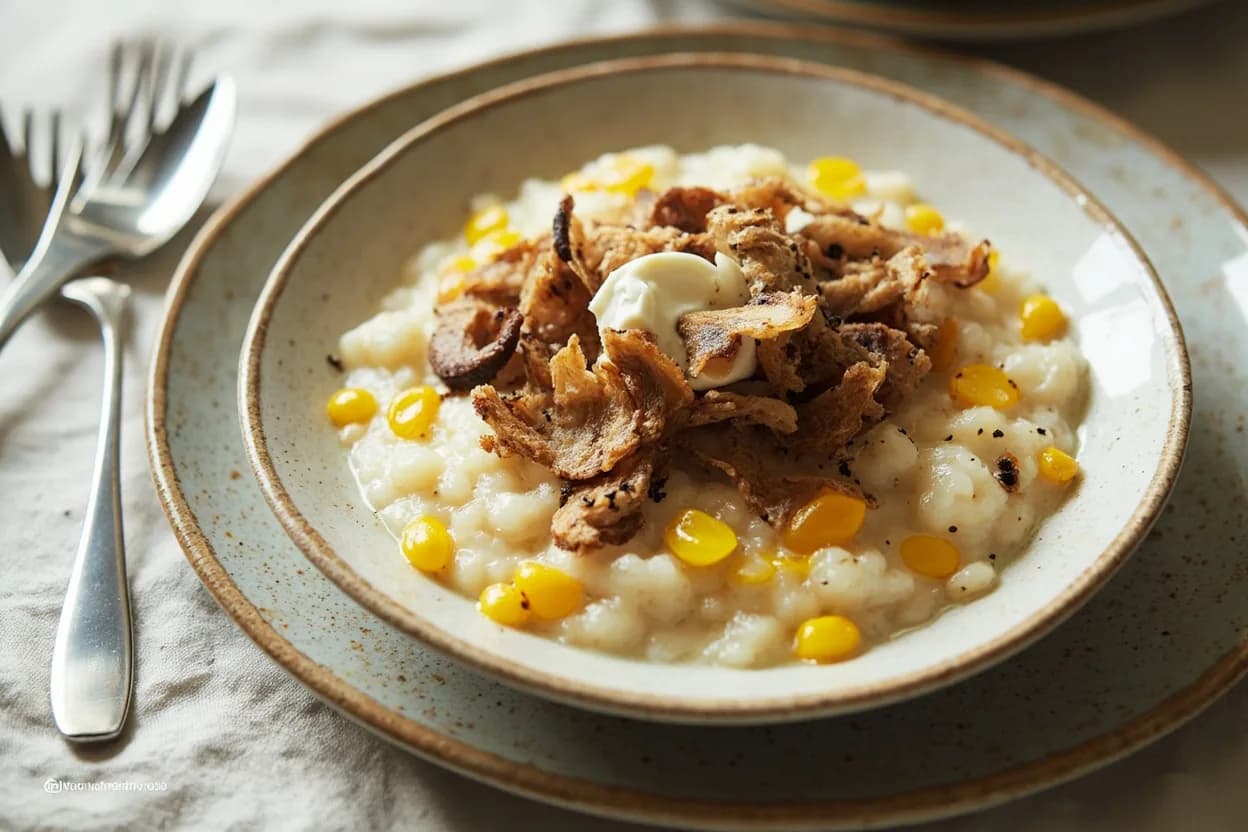
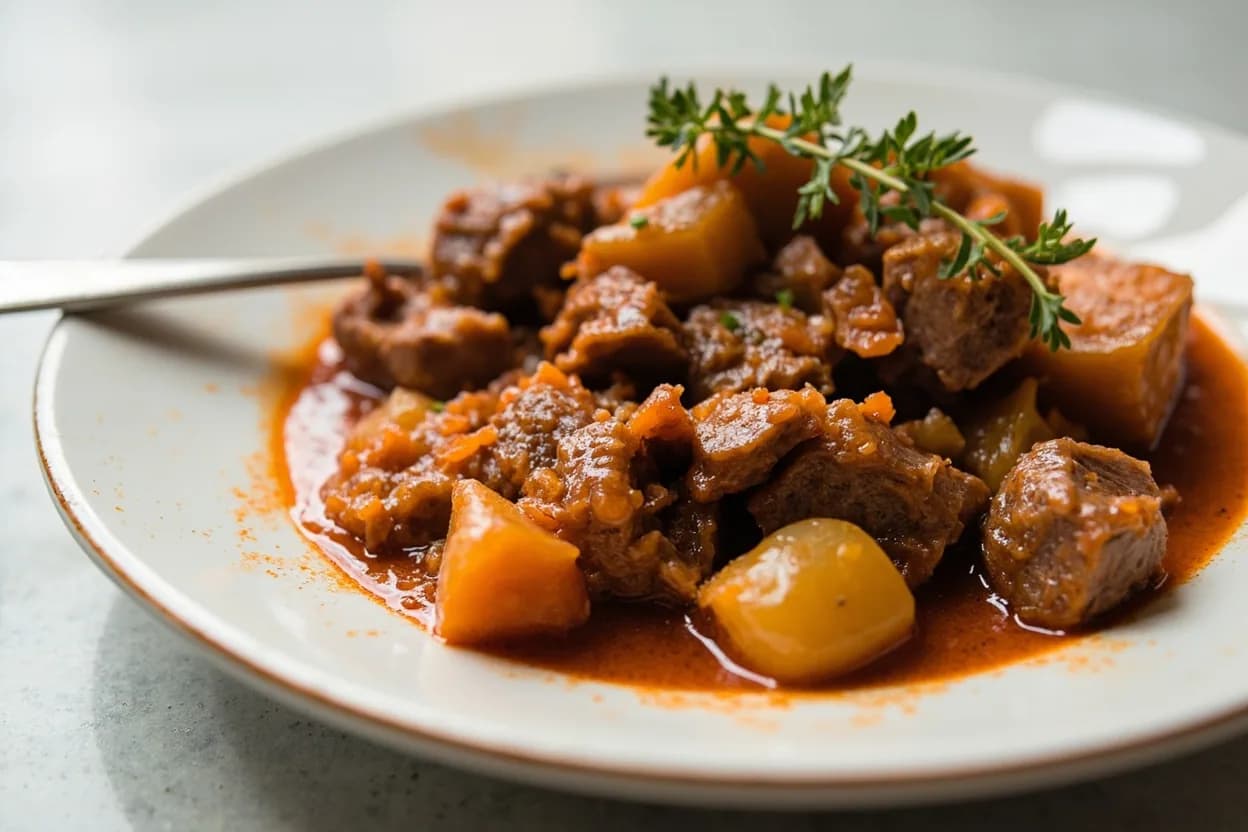
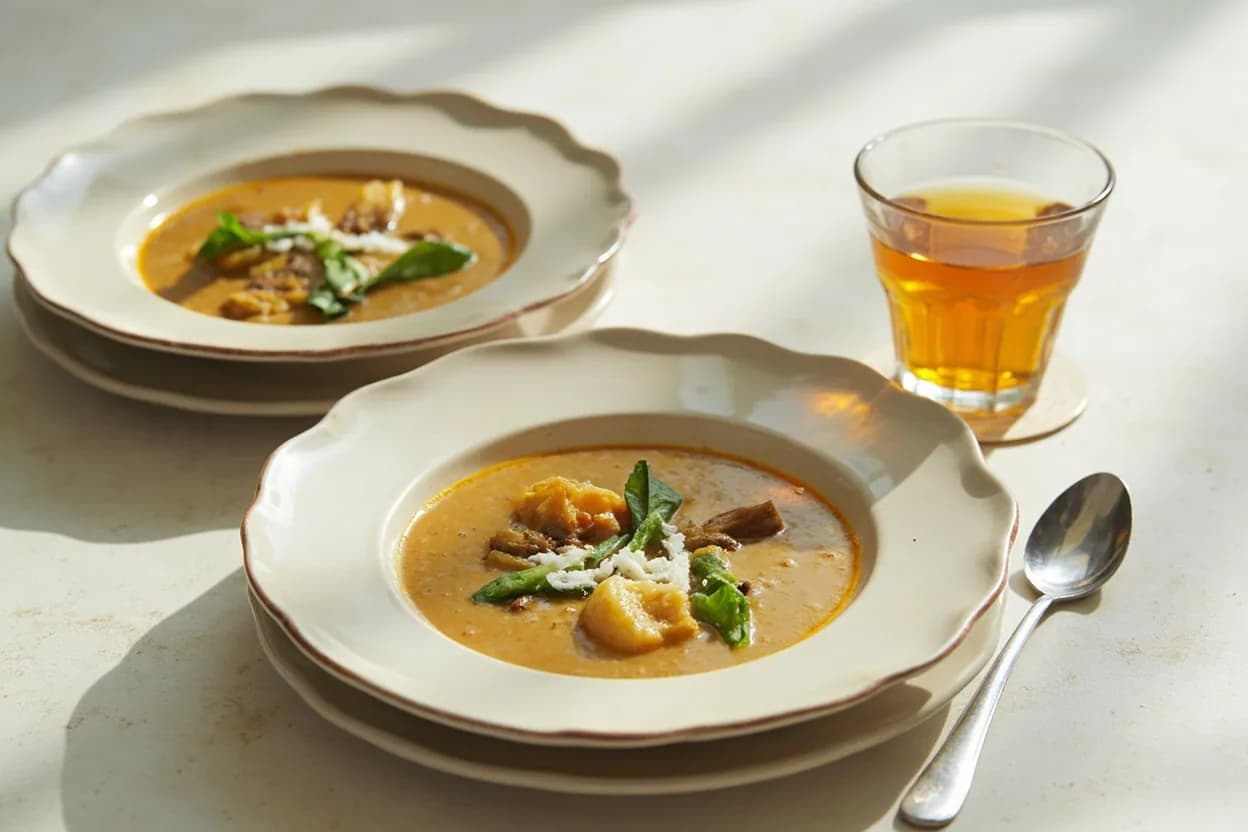
Appears in these dishes
Related

Whole Milk
Rich, full-fat milk for drinking, coffee, sauces, and baking
Butter
Golden fat for searing, baking, and finishing a sauce
Yogurt
Tangy, creamy culture for breakfast, sauces, and marinades
Cheddar Cheese
Sharp, melty cheese for sandwiches, gratins, and grating
Skim Milk
Fat-free milk for lighter drinking, coffee, and cooking
Heavy Cream
Rich cream that whips, enriches sauces, and sets ganache
Mozzarella
Soft, milky cheese that melts into stretchy pizza pulls

Parmesan
Hard, nutty cheese for grating over pasta and risotto