Natural form
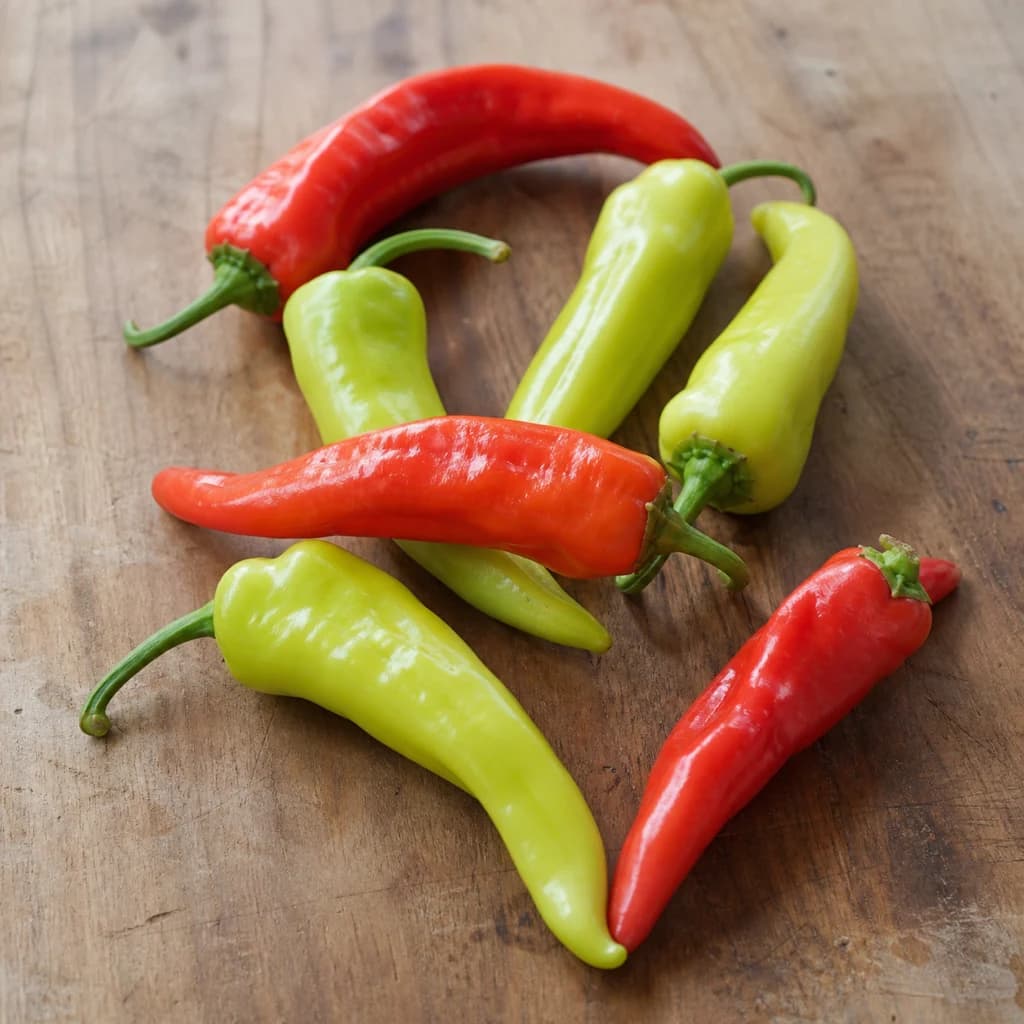
Whole fresh frying peppers — elongated, thin-walled, and pale green to red.
Shows the pepper's distinctive elongated shape, thin walls, and color range so readers can identify it at market.
Produce
Frying Pepper (Paprika)
Mild, thin-walled fresh pepper fried whole or sliced as a vegetable in many cuisines.
This frying pepper is a mild, elongated fresh sweet pepper (called paprika in several European languages) with thin walls that blister and soften quickly in hot oil. It is fried whole, sliced into sautes, or roasted, contributing sweet, gently smoky flavor without significant heat. It is a kitchen staple from the Balkans through the Mediterranean.
The frying pepper—known in Hungarian as paprikás paprika—is the unsung hero of Central European and Mediterranean kitchens. Unlike the thick-walled bell pepper built for raw eating or stuffing, this is a thin-walled, mild chile bred specifically for high-heat cooking, where its delicate walls blister, caramelize, and collapse into something sweet and intensely flavored. It belongs to the Capsicum annuum species and shares genetics with the very peppers that become Hungarian paprika when dried and ground—a connection that makes the fresh frying pepper a seasonal, fresh expression of that same flavor world.
The defining trait is the wall thickness: just 2–4 millimeters. This allows rapid heat penetration and moisture evaporation, producing tender-crisp flesh with charred edges rather than the steamy softness of a thick-walled pepper. The heat level is negligible—0 to 2,500 SHU—placing these firmly in the sweet pepper category, though they carry a deeper, more vegetal sweetness than most bell peppers. They ripen from green to red, yellow, or orange, with the ripe color bringing the most concentrated sugar and fruity complexity.
In Hungarian cuisine, where the fresh and dried forms share the same varieties, the frying pepper occupies a dual identity: it is the vegetable side dish fried in lard or oil, the base of lecsó, and the raw material for the spice that defines the national cuisine. Understanding this duality is essential—the same Kalocsa or Szegedi pepper you pan-fry in August becomes the noble sweet paprika in your spice jar by winter. When a recipe calls for paprika pepper, seek this thin-walled archetype, not a bell pepper or hot chile.
- Measured in
- piece
- Storage
- Fridge
Types & varieties
The benchmark Hungarian frying pepper; bright red, elongated, thin-walled, intensely sweet. Named for the town of Kalocsa, a historic paprika center.
Major Hungarian variety from the Szeged region; similar to Kalocsa but slightly thicker-walled; prized for both fresh use and drying.
Apple-shaped Hungarian variety; flattened, curved, and very sweet. The name means 'apple pepper' in Hungarian.
Sweet cherry pepper; small, round to slightly elongated, with the classic thin wall and fruity sweetness.
Italian frying pepper; curved, tapered shape up to 20 cm; sweet with minimal bitterness when fried. Available in red and yellow forms.
Italian mild frying pepper; small, thin-walled, and slightly sweet. Often prepared pickled or sautéed whole.
Spanish Galician pepper; traditionally blistered in oil rather than deep-fried; mostly mild with occasional spicy specimens.
The Fresh Pepper and the Dried Spice: One Plant, Two Expressions
What sets the frying pepper apart from other sweet peppers is its dual role in the kitchen. The same thin-walled, mild peppers grown in Hungary's paprika belt are harvested two ways: young and fresh for pan-frying, or left to ripen fully and sun-dried for grinding into Hungarian paprika. This is not coincidence—these varieties were developed specifically for both purposes, sharing terroir and genetics that create a flavor thread from the summer pan to the winter spice jar. When you taste a freshly fried Kalocsa pepper, you are tasting the fresh version of the same compound that will appear as noble sweet paprika in your goulash. Understanding this connection makes you a more intentional cook: the fresh pepper in August previews the spice you will use all year.
- The same variety (Kalocsa, Szegedi) serves as both fresh vegetable and dried spice
- Fresh frying captures bright, fruity sweetness; dried paprika concentrates and mellows
- Seasonal fresh availability makes this a late-summer cooking opportunity
- Dried pods keep 6–12 months, retaining flavor far longer than ground spice from a jar
Why Wall Thickness Is Everything
The thin walls of a frying pepper are not a minor characteristic—they are the functional feature that makes the vegetable work. A bell pepper's thick, water-dense walls steam internally before the exterior caramelizes, resulting in soft, pale flesh. A frying pepper's 2–4 millimeter walls allow heat and moisture to pass through rapidly: the flesh blisters, the sugars caramelize, and the interior steams away to tender-crisp in minutes. This is why a properly fried paprika pepper has charred, slightly blackened skin and sweet, yielding flesh with concentrated flavor. Attempt this with a bell pepper and you will wait, wait, wait for a result that never quite arrives—the interior stays raw while the exterior burns. Thin walls are the non-negotiable prerequisite for proper frying behavior.
- Wall thickness of 2–4 mm enables rapid, even cooking through the flesh
- Thick-walled peppers (bell type) steam rather than caramelize when fried
- Thin walls allow moisture to escape, concentrating sweetness
- Feel the pepper before buying: it should yield slightly to pressure, not feel dense
Common uses
Tips & pitfalls
- Get the pan screaming hot before adding oil and peppers—the goal is caramelization, not steaming
- Do not crowd the pan; cook in batches if necessary to maintain high heat and prevent steaming
- A single flip or toss is sufficient—constant movement prevents proper caramelization
- Season only after cooking; salting draws out moisture and causes steaming
- For whole peppers, pierce the skin once or twice with a knife to prevent bursting
- Use sufficient fat—these peppers need oil contact for proper frying; 2–3 mm of oil in the pan is appropriate
- The skin may blacken slightly; this is desirable and adds flavor; remove only if the recipe specifies
- When dried for paprika, peppers are traditionally strung on cords and air-dried in the sun or in purpose-built drying houses
- Feel for thin walls at the market: the pepper should give slightly when pressed, not feel dense and heavy like a bell pepper
Nutrition
Energy
84 kJ · per 100 g
Where the calories come from
Protein
0.9g
2% DV
Carbs
4.6g
2% DV
Fat
0.2g
0% DV
Fiber
1.7g
6% DV
Sugars
2.4g
of which
Sodium
3mg
0% DV
Source · USDA FoodData Central · Peppers, sweet, green, raw
View on FDC →In the shops
Matched grocery products
 €1.30
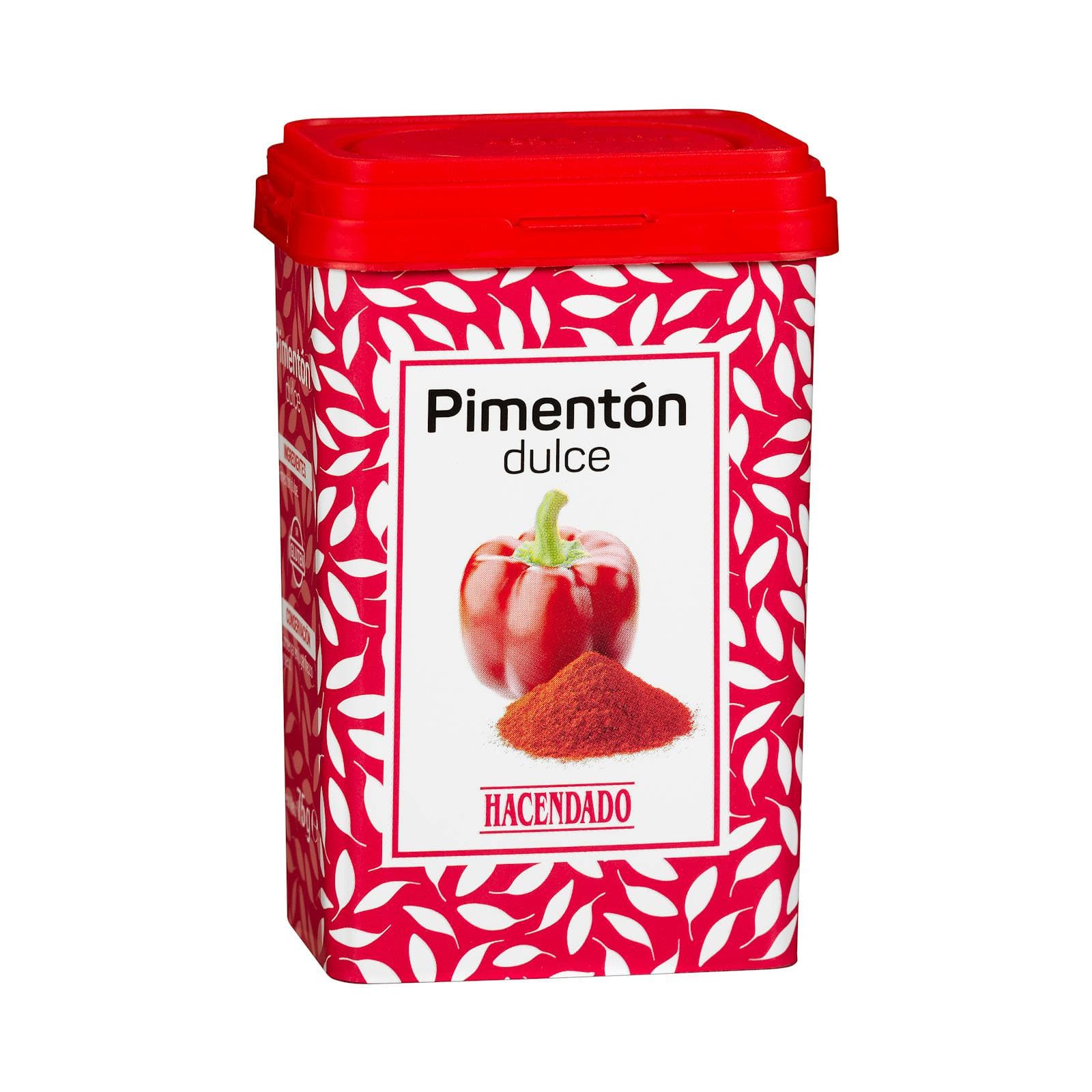
€1.30Sweet Paprika
Hacendado · 75 g · Mercadona
 €1.35
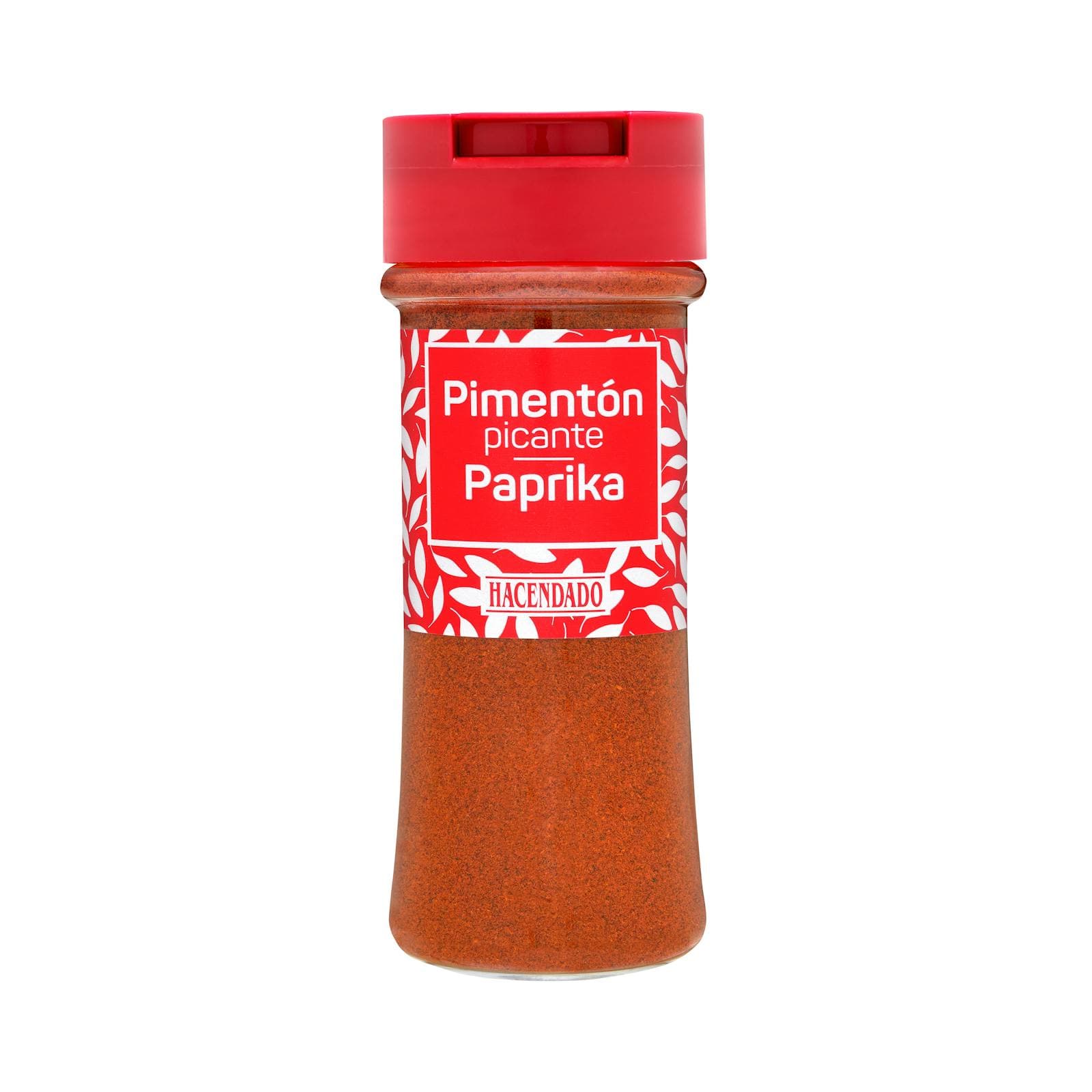
€1.35Spicy Paprika
Hacendado · 60 g · Mercadona
 €2.99
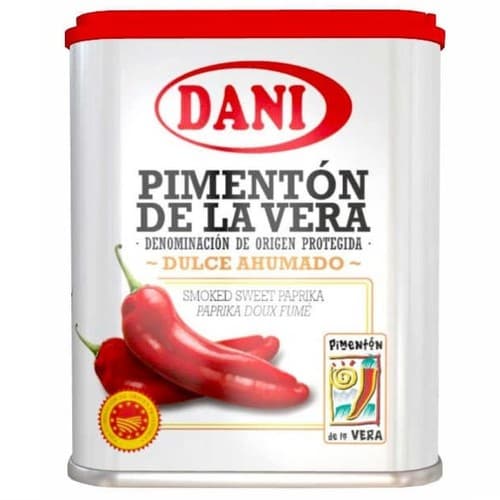
€2.99Smoked Sweet Paprika from La Vera
DANI · kg · Bonpreu
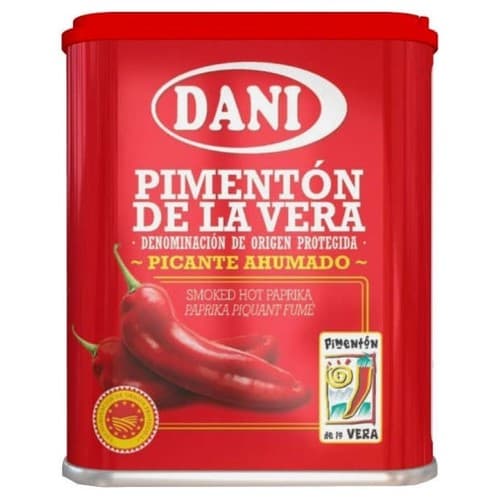 €2.99
€2.99DANI Smoked Hot Paprika from La Vera
DANI · kg · Bonpreu
Good to know
- Scientific name
- Capsicum annuum
- Heat level
- 0–2,500 SHU (mild to very mild)
- Typical dimensions
- 10–20 cm long, 3–5 cm wide
- Wall thickness
- Thin (2–4 mm) — essential for proper frying behavior
- Colors
- Green to red, yellow, or orange when ripe; red indicates peak sweetness
- Season
- Late summer through early fall for fresh; dried and ground available year-round
- Fresh storage
- 1–2 weeks refrigerated in the crisper drawer
- Dried storage
- 6–12 months in an airtight container away from light and heat
- Yield
- Approximately 80–85% edible after trimming seeds and core
- Primary growing regions
- Hungary (Kalocsa, Szeged), Spain, Italy, Balkan countries
Substitutes
- Cubanelle — Thin-walled and mild; slightly less sweet but similar frying behavior. Good all-purpose substitute.
- Hungarian wax pepper (sweet type) — Thin-walled and mild when ripe (yellow to orange); similar texture but slightly more vegetal flavor.
- Bell pepper (red or orange) — Thicker walls and higher water content; will not fry the same way—results will be softer. Use only if thin-walled varieties are unavailable.
- Italian long pepper — Slender and curved; thin-walled with a mild, slightly sweet flavor. Suitable for frying whole.
Pairs with
Also called
Paprika · Sweet Frying Pepper
Appears in these dishes
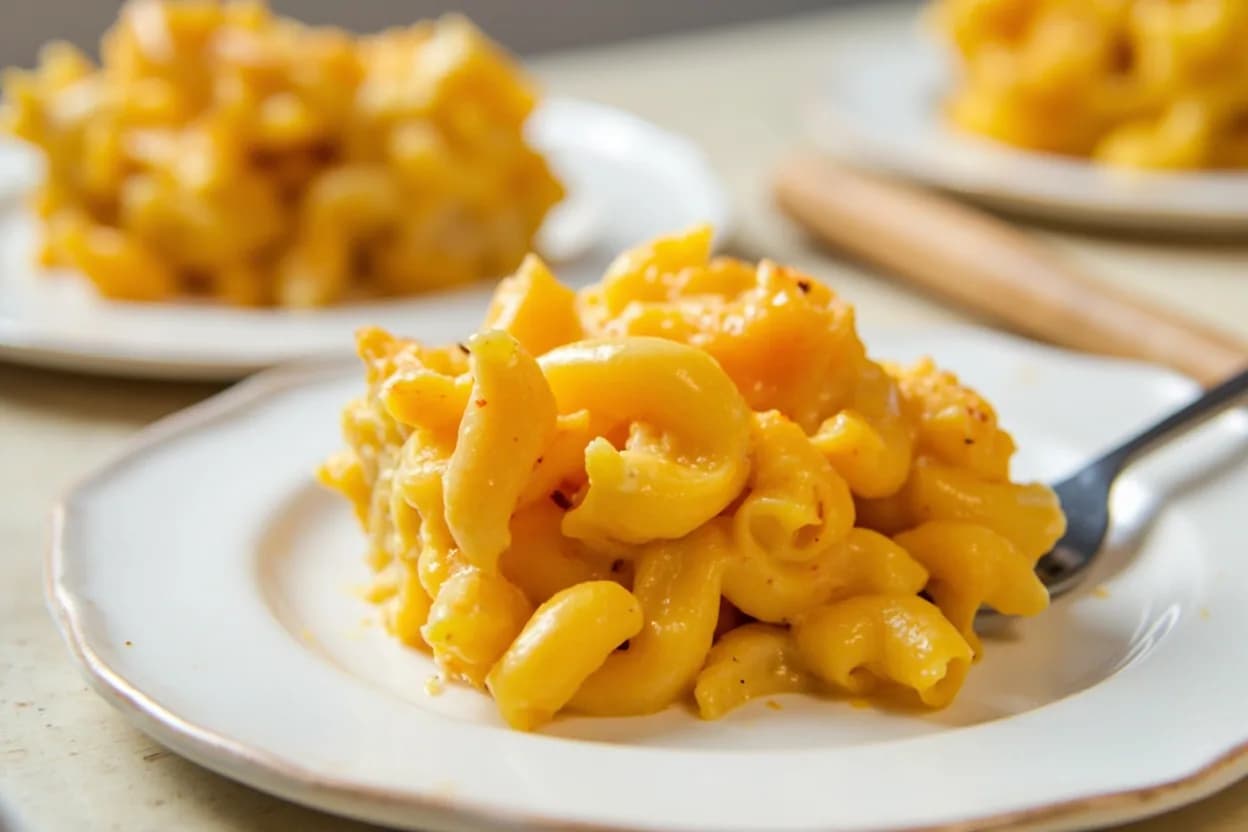
Related
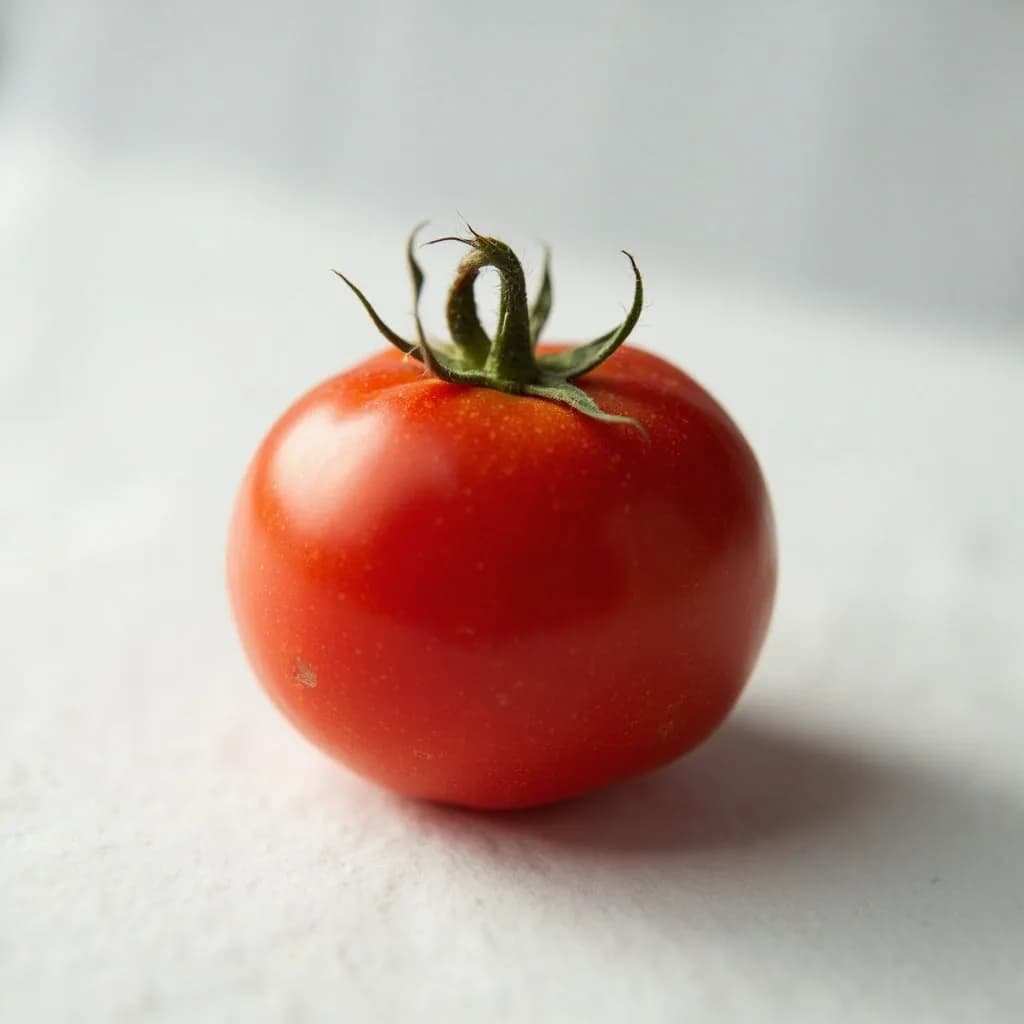
Tomato
Juicy, sun-sweet fruit for sauces, salads, and slow-cooked depth
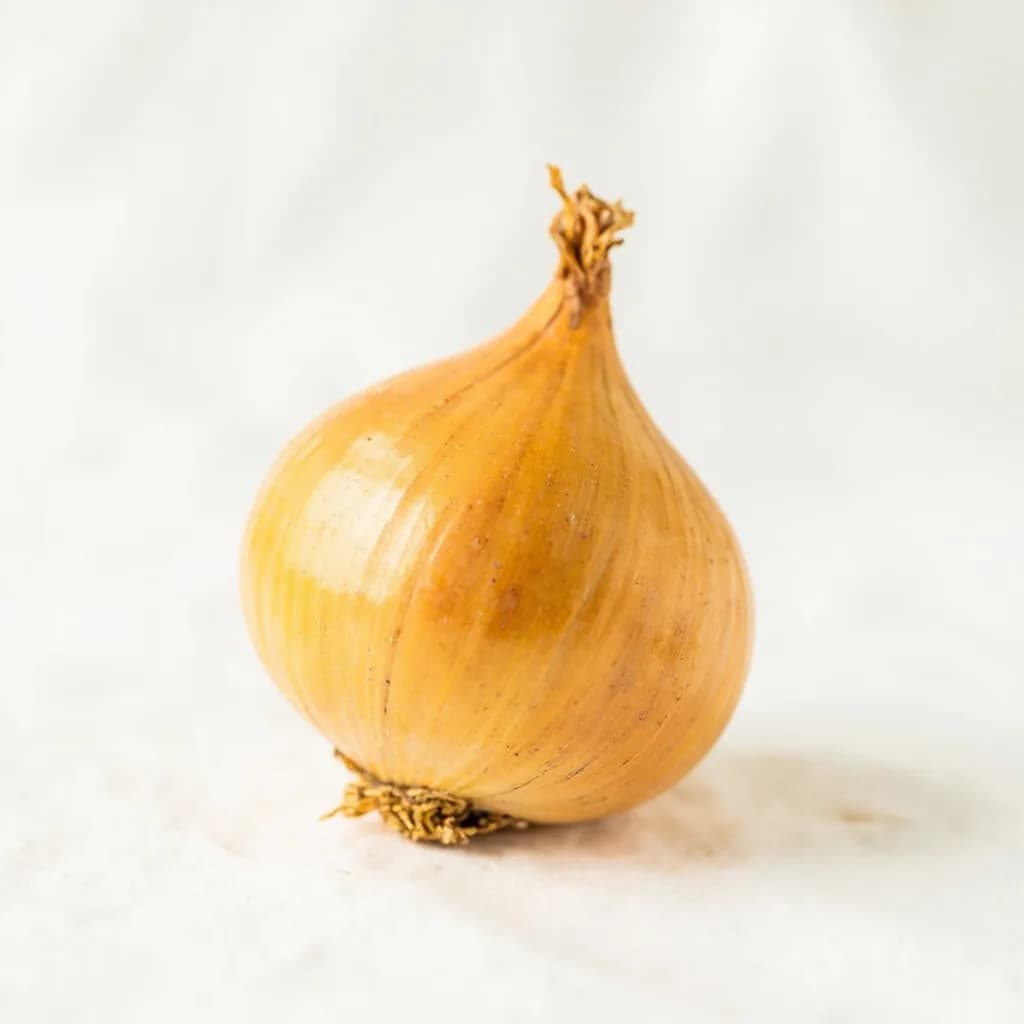
Yellow Onion
The aromatic backbone of soups, sofritos, and braises
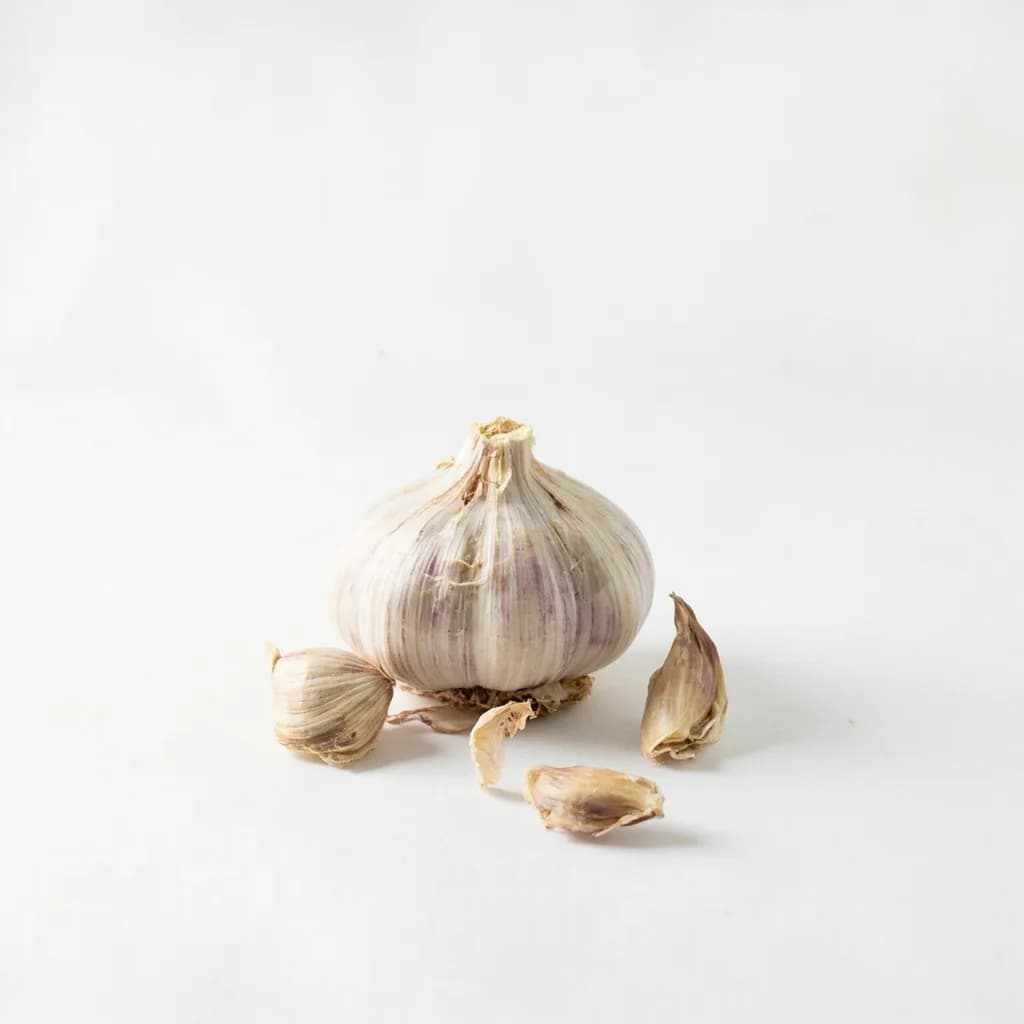
Garlic
Pungent cloves that perfume nearly every savory dish
Lemon
Bright, acidic citrus that wakes up almost any dish
Potato
Humble, hearty staple — roast, mash, fry, or boil
Carrot
Sweet, crunchy root — raw, roasted, or the base of a sofrito
Cucumber
Cool, crisp, and watery — for salads, pickles, and tzatziki

Lettuce
Crisp leaves for salads, wraps, and a fresh crunch