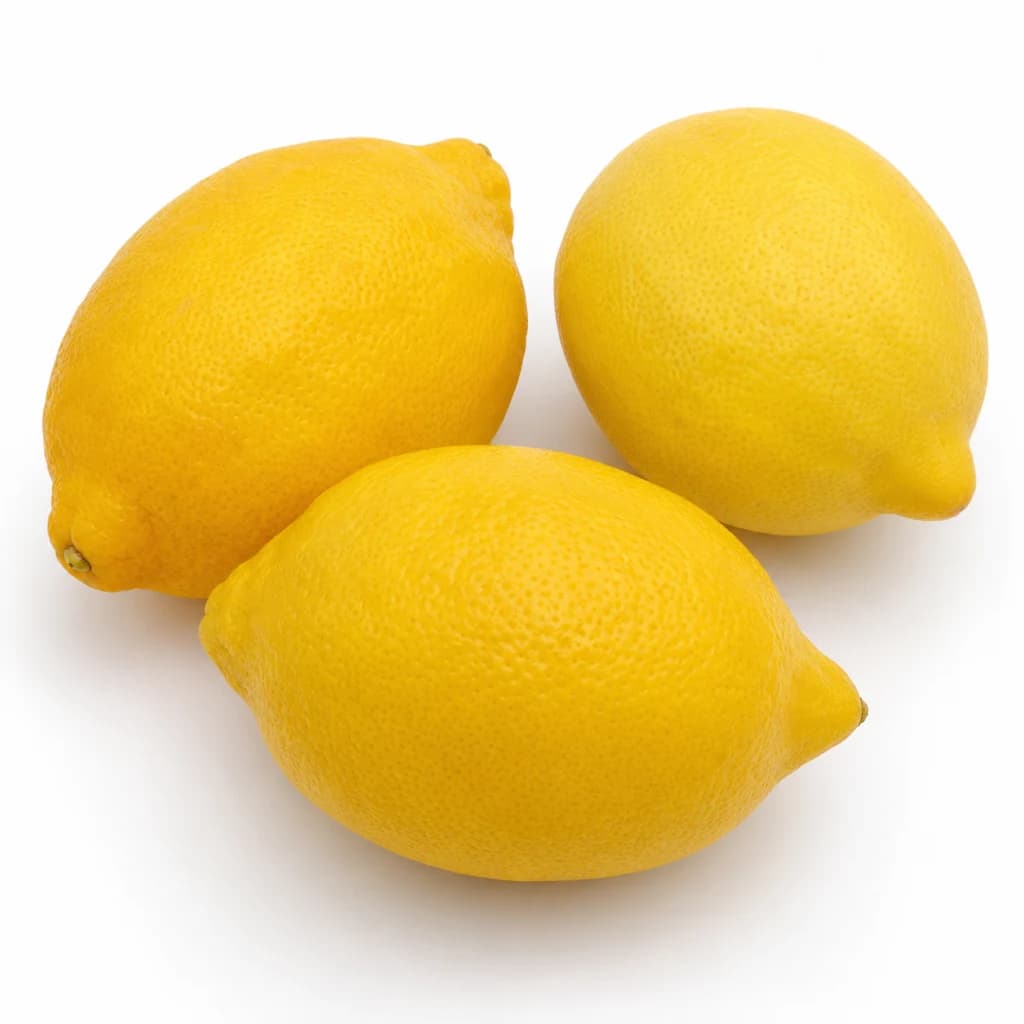
Natural form
Whole lemons showing the oval shape, bright yellow textured rind, and pointed tip ends.
Establishes the primary visual identity of a lemon — shape, color, and surface texture — so readers can recognize it unambiguously.
Produce
Lemon
Bright, acidic citrus that wakes up almost any dish
A squeeze of lemon balances richness, and its zest perfumes everything from pasta to cake. Keep them in the fridge to stretch their life to a few weeks.
The lemon is the kitchen's brightener — a hit of clean, sour acidity that lifts richness, sharpens flavor, and makes everything taste more like itself. Its juice balances fat and salt, its fragrant zest carries aromatic oils that perfume sweet and savory dishes alike, and its acid keeps cut fruit from browning and tenderizes in marinades. Few finishing touches do as much as a final squeeze of lemon.
- Measured in
- piece
- Storage
- Refrigerate
- Shelf life
- 21 days
Find it in
Types & varieties
The common tart supermarket lemons, year-round
Sweeter, less acidic, fragrant; thin skin — a hybrid with orange
Salt-cured; intense, savory, used in North African cooking
How to choose
Heaviest lemons hold the most juice. Want thin, smooth, taut skin with a glossy sheen and a little give when squeezed — thick, bumpy-skinned fruit is mostly pith. A fragrant rind is a good sign.
How to store and get more juice
Lemons keep about a week at room temperature but stretch to a month sealed in the fridge crisper. For maximum juice, bring them to room temperature and roll them firmly under your palm before cutting, or microwave 10–15 seconds.
- Refrigerate to extend life to weeks
- Roll firmly before juicing
- Zest before you juice
How to zest right
Zest is the colorful outer skin only — the white pith beneath is bitter, so use a microplane and stop at the yellow. Always zest before juicing (much easier on a whole fruit). Scrub well, or buy unwaxed/organic, since the wax and any spray sit on the part you eat.
Common uses
Tips & pitfalls
- Add acid at the end — a finishing squeeze tastes brighter than lemon cooked in
- Save spent halves: rub on hands to deodorize, or simmer to freshen a pot
- Freeze juice in ice-cube trays for instant portions
- Preserve a glut in salt for a savory, intense flavor bomb
- A little zest adds way more aroma than juice with no extra liquid
Nutrition
Energy
197 kJ · per 100 g
Where the calories come from
Protein
1.5g
3% DV
Carbs
16g
6% DV
Fat
0.3g
0% DV
Fiber
10.6g
38% DV
Sugars
4.2g
of which
Sodium
6mg
0% DV
Source · USDA FoodData Central · Lemon peel, raw
View on FDC →In the shops
Matched grocery products
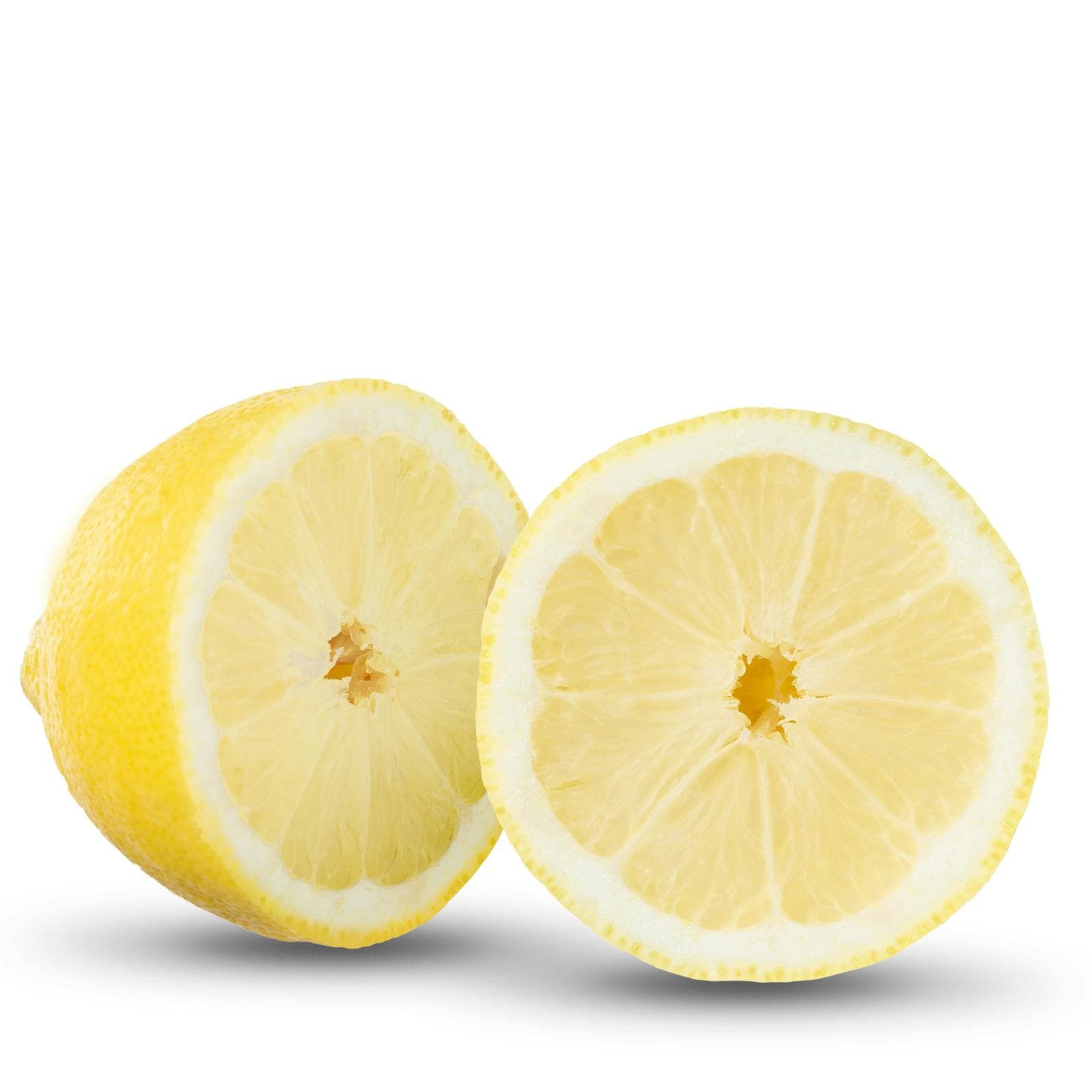 €0.69
€0.69Lemon
230 g · Mercadona
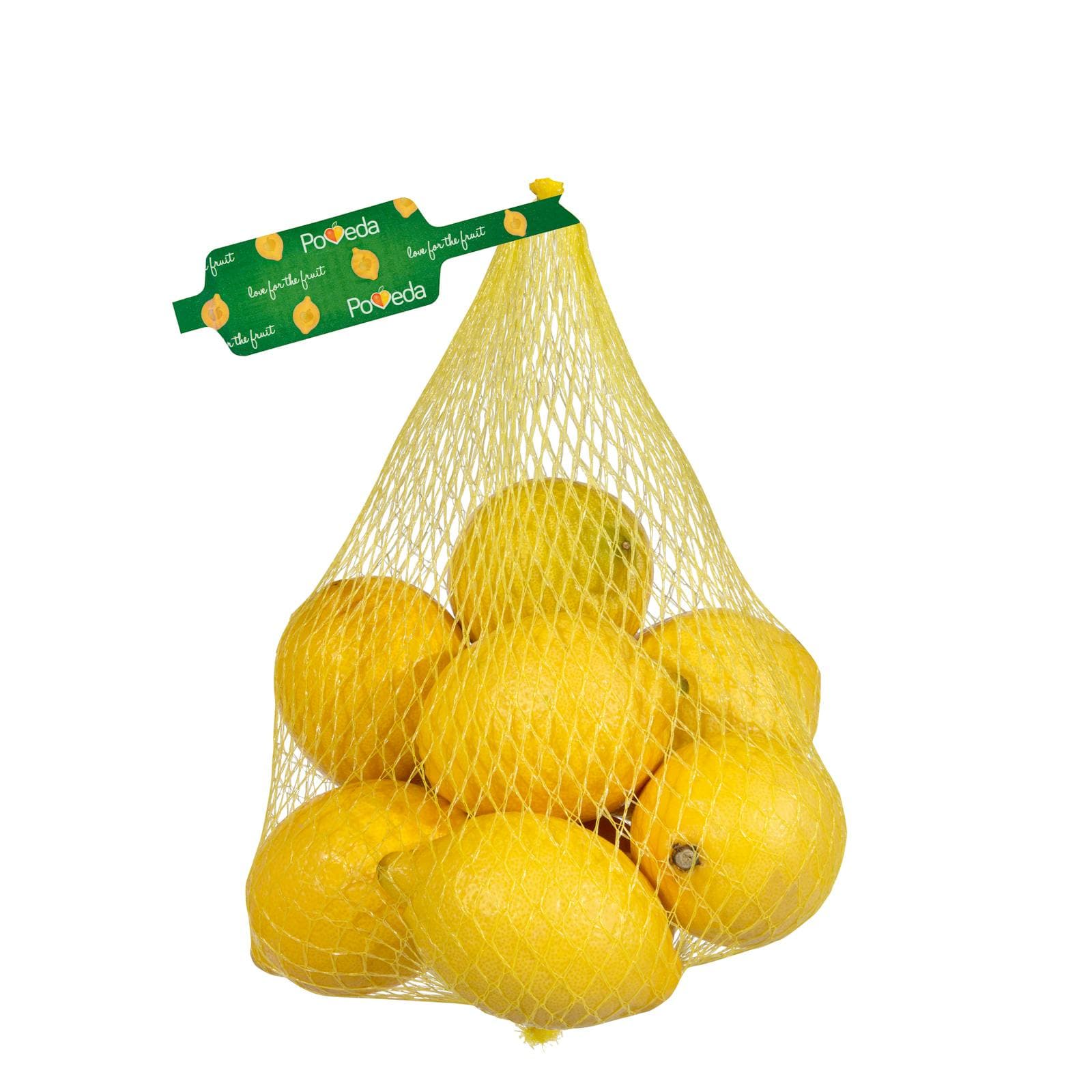 €2.70
€2.70Lemons
1 kg · Mercadona
 €0.40
€0.40Lemon 1 unit
ud · Bonpreu
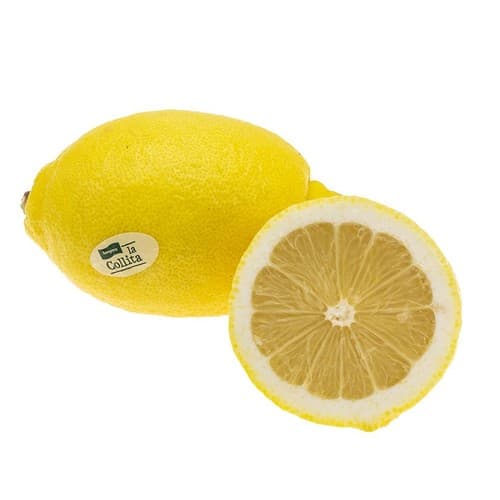 €0.59
€0.59Lemon 1 unit
Bonpreu
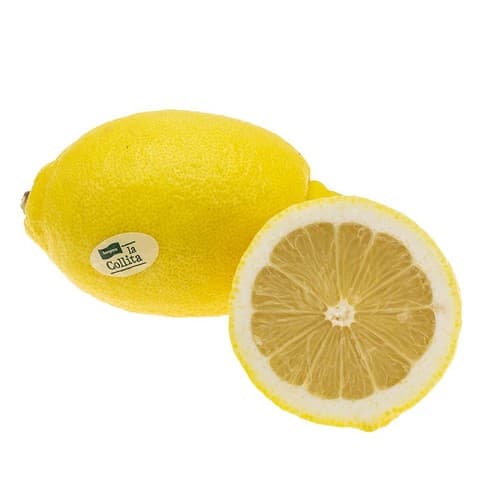 €0.88
€0.88Lemon 1 unit
ud · Bonpreu
 €3.19
€3.19Lemon Mesh Bag 1 kg
LA COLLITA · kg · Bonpreu
Good to know
- Peak season
- Winter through early spring (Northern Hemisphere); available year-round
- Flavor
- Tart, bright, floral; aromatic oils in the zest
- Origin
- A hybrid (citron × sour orange) likely arising in NE India/Myanmar/southern China; carried west through Persia and the Arab world to the Mediterranean
- Nutrition
- ~29 kcal/100g; very high vitamin C
- How to buy
- Heavy for size, thin smooth skin, slight give, fragrant
Appears in these dishes





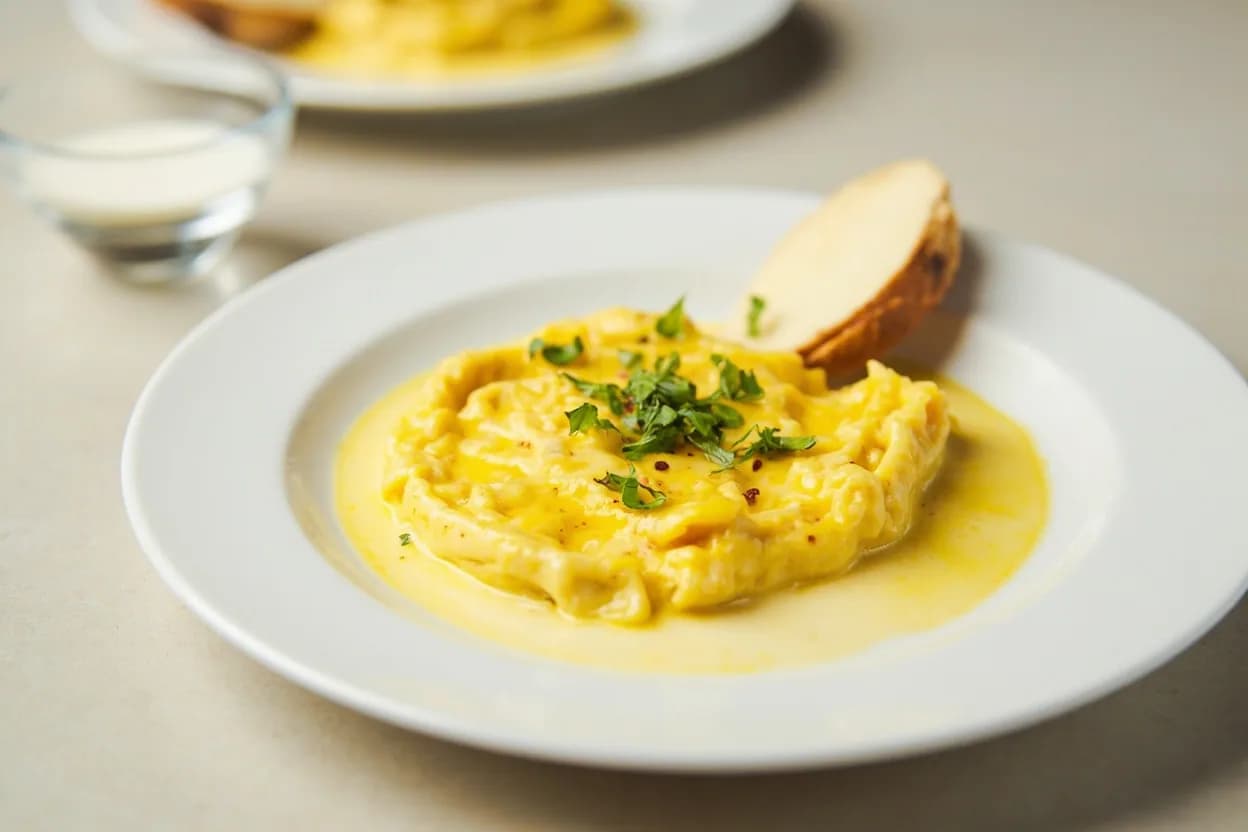
Related
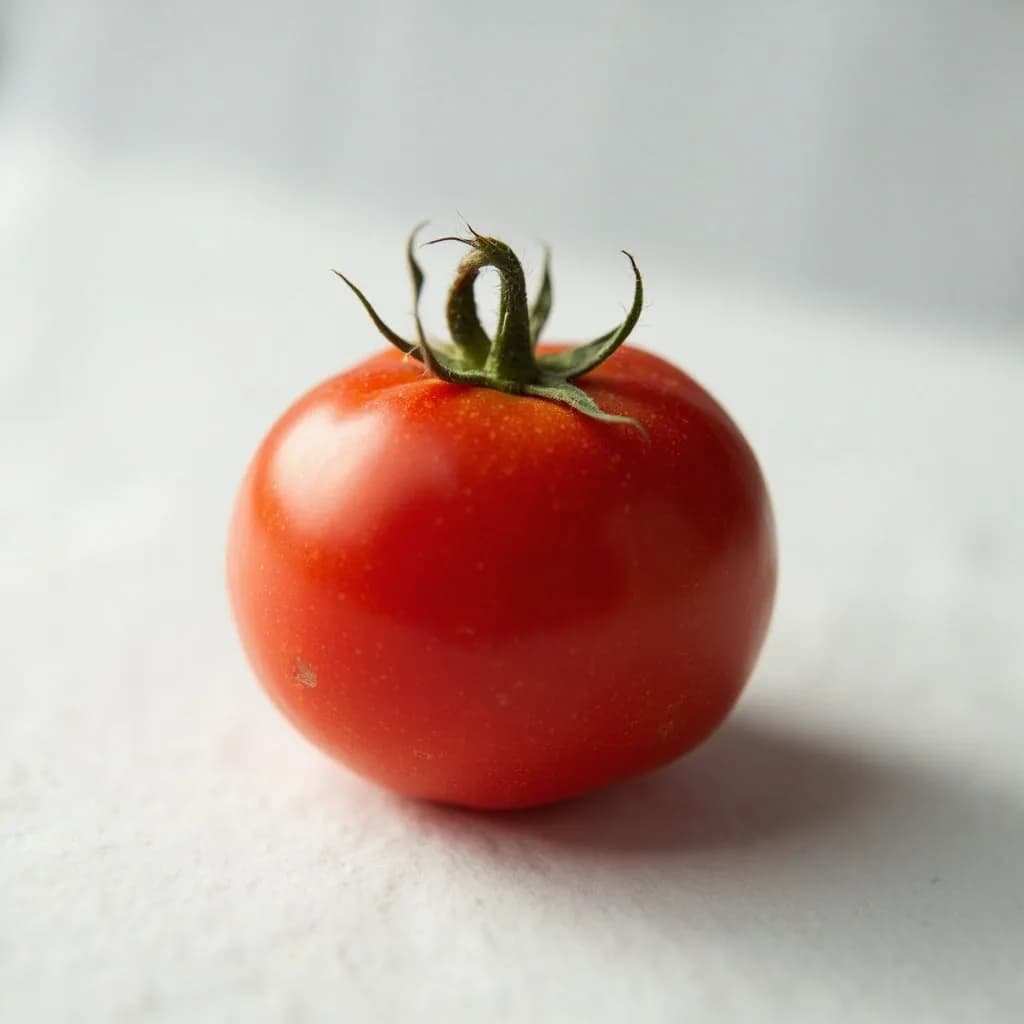
Tomato
Juicy, sun-sweet fruit for sauces, salads, and slow-cooked depth
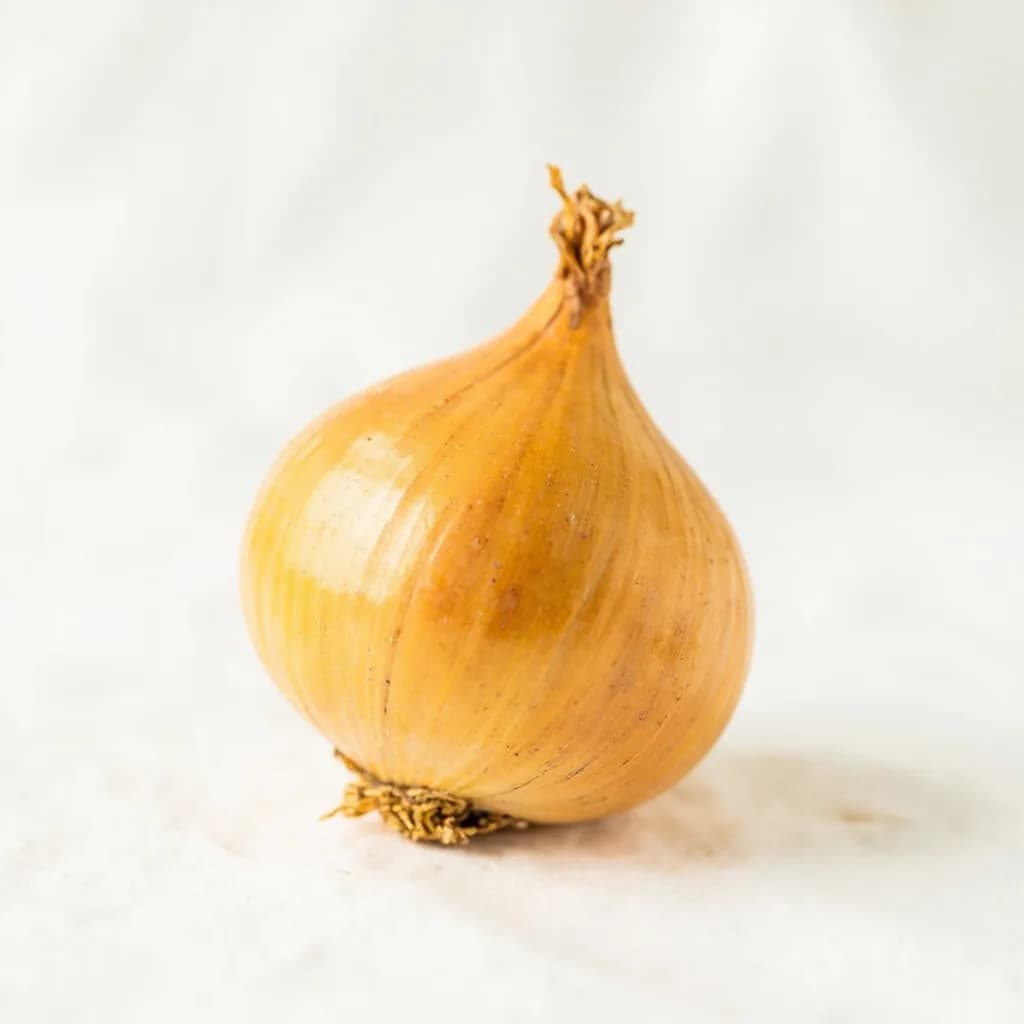
Yellow Onion
The aromatic backbone of soups, sofritos, and braises
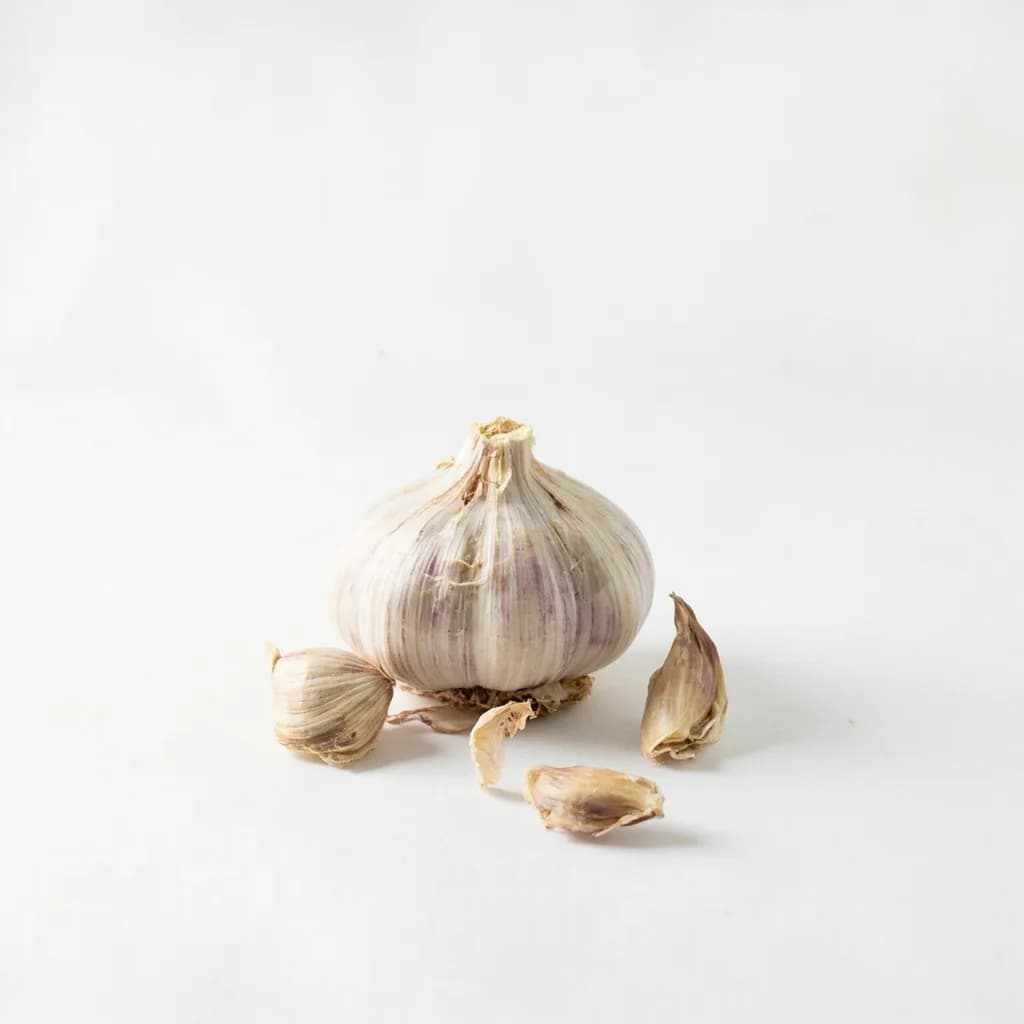
Garlic
Pungent cloves that perfume nearly every savory dish
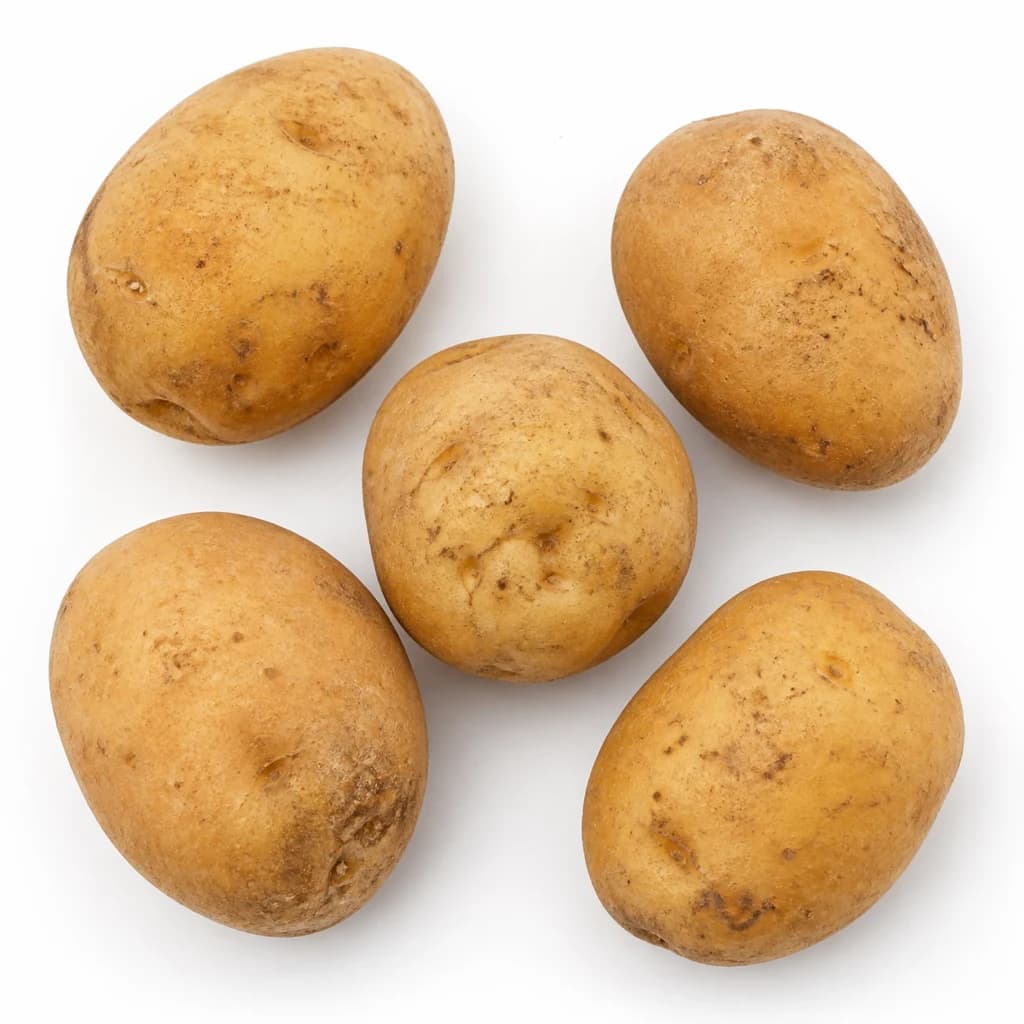
Potato
Humble, hearty staple — roast, mash, fry, or boil
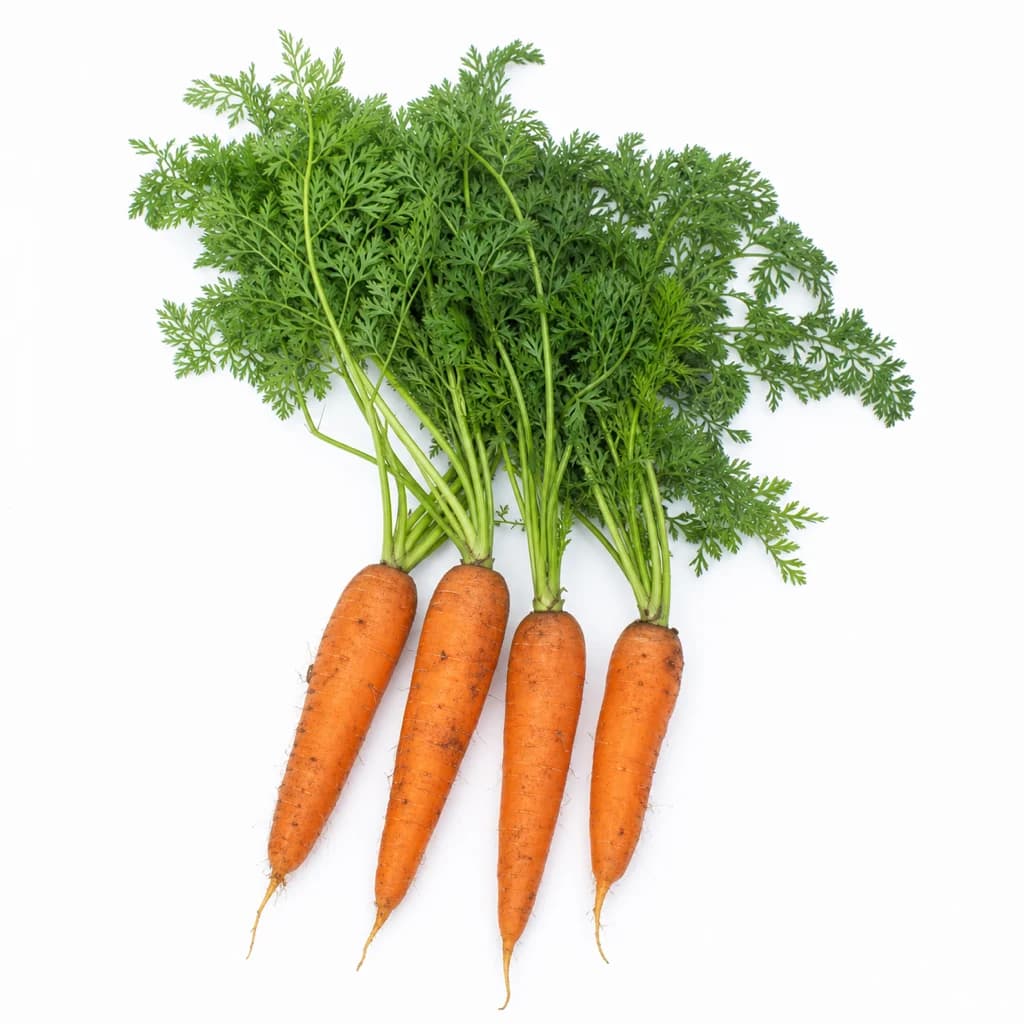
Carrot
Sweet, crunchy root — raw, roasted, or the base of a sofrito
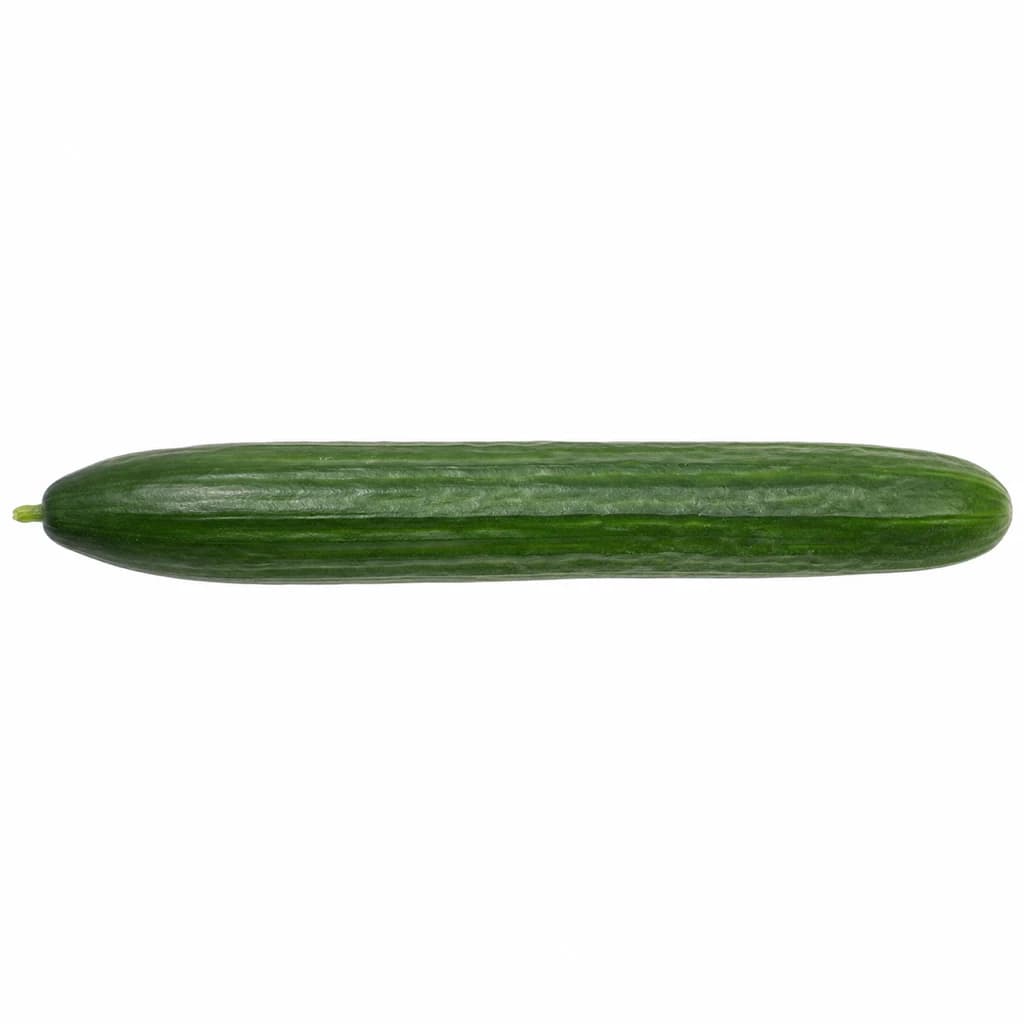
Cucumber
Cool, crisp, and watery — for salads, pickles, and tzatziki

Lettuce
Crisp leaves for salads, wraps, and a fresh crunch
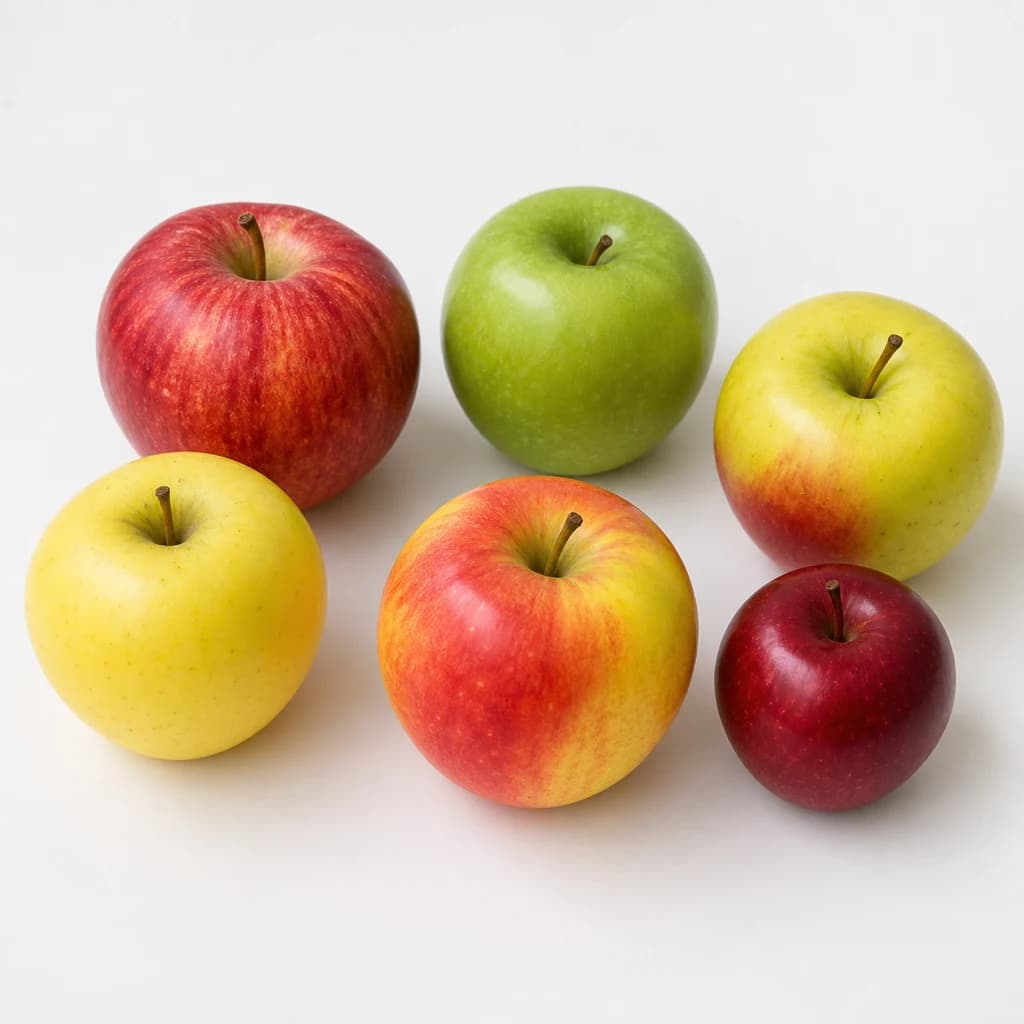
Apple
Crisp orchard fruit eaten fresh, baked, or pressed for cider.