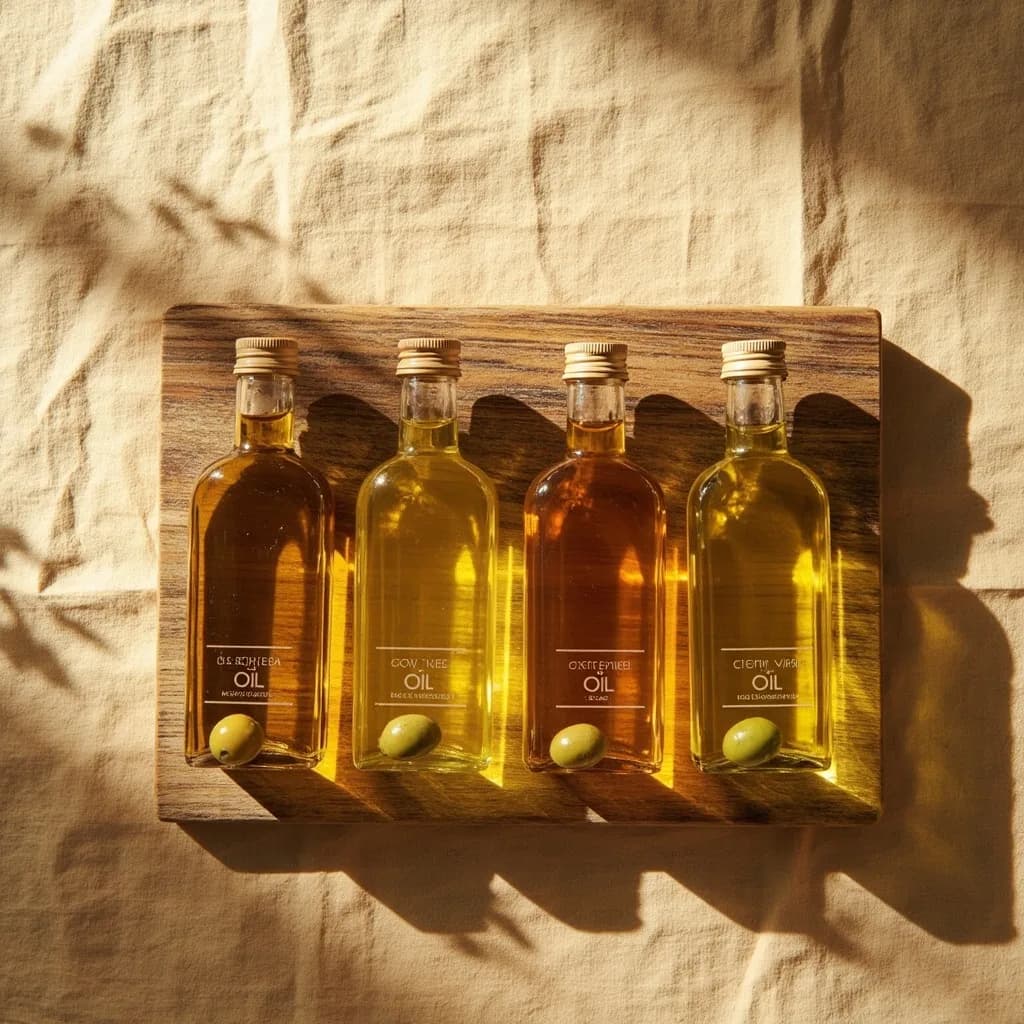
Varieties
Extra-virgin, virgin, and refined olive oil in three grouped vessels, showing color and clarity differences by grade.
Placing multiple grades together as a natural cluster lets readers visually distinguish quality levels by color and clarity before buying or cooking.
Oils & Fats
Olive Oil
Fruity, peppery everyday oil for sautéing, dressing, and finishing
The Mediterranean workhorse. Extra-virgin brings grassy, peppery depth to dressings and a raw drizzle; a lighter grade handles the heat of the pan. Store somewhere dark and cool so it keeps its bite.
Olive oil is the pressed juice of the olive fruit and the defining fat of the Mediterranean table — green-gold, fragrant, and alive with flavor in a way no neutral oil can match. Good extra-virgin tastes of fresh-cut grass, ripe tomato leaf, and a peppery bite at the back of the throat that comes from antioxidants called polyphenols (that catch in your throat is a sign of quality, not a flaw). Cooks reach for it constantly because it pulls double duty: a sturdy everyday fat for sautéing and roasting, and a finishing condiment whose raw drizzle can carry a dish on its own. The single most important thing to understand is that olive oil is a fruit juice with a shelf life — it is at its best young, and it fades with light, heat, and time.
- Measured in
- ml
- Storage
- Dark Cool
Find it in
Types & varieties
First cold press, free acidity under 0.8%, no defects — the flavor grade for finishing and dressing.
Also unrefined but a slightly looser standard (under 2% acidity); milder, fine for cooking.
Heat- or chemically-refined oil, often cut with a little virgin — neutral, high smoke point, no real olive flavor. 'Light' refers to taste, not calories.
Solvent-extracted from the leftover pulp; the cheapest grade, used for high-heat frying.
Made from one grove or one olive type (Arbequina, Picual, Koroneiki) — distinctive, traceable, worth the premium for finishing.
Pressed from green olives; intensely peppery, cloudy, and grassy — a seasonal treat best used within months.
Refined olive oil with a near-neutral flavor and high smoke point; for frying, baking, and sauteing where extra-virgin would scorch or overpower.
First cold-press olive oil under 0.8% acidity — fruity and peppery, for finishing and gentle cooking
How to choose
Buy extra-virgin in dark glass or a tin (clear bottles let light wreck the oil), and look for a harvest or 'best by' date rather than just a bottling date. A protected-origin seal (DOP/PDO) or a named estate signals traceability.
- A peppery sting at the back of the throat = high polyphenols = fresh, healthy oil.
- 'Bottled in Italy' is not the same as 'made from Italian olives' — read closely.
- Buy a size you'll finish in 2–3 months once opened; oxidation is the enemy.
How to store
Treat it like a delicate ingredient: cool, dark cupboard away from the stove. Heat and light turn it rancid (it'll smell like crayons or putty). Don't refrigerate — it clouds and solidifies, though it's harmless once warmed back.
Cooking with it
The myth that you can't cook with EVOO is overblown — its smoke point comfortably covers most sautéing and roasting, and Mediterranean cooks fry in it daily. Save the best, most expensive bottle for raw finishing, where its aromatics survive; use a workhorse EVOO or a refined grade for high-heat and deep-frying.
Common uses
Tips & pitfalls
- Finish, don't just cook: a raw drizzle over soup, grilled fish, or burrata is where great oil earns its price.
- Warm garlic, chili, or herbs gently in the oil off-heat to infuse it without burning the aromatics.
- Make an emulsified vinaigrette at 3 parts oil to 1 part acid; whisk or shake hard in a jar.
- Bitter, peppery oils mellow on cooked food — pair them with rich or starchy dishes, not delicate ones.
- If your oil tastes flat, greasy, or waxy, it's rancid — trust your nose and replace it.
- Drizzle over vanilla ice cream with flaky salt — the savory-sweet contrast is a classic Italian trick.
Nutrition
Energy
3699 kJ · per 100 g
Where the calories come from
Protein
0g
0% DV
Carbs
0g
0% DV
Fat
100g
128% DV
Fiber
0g
0% DV
Sugars
0g
of which
Sodium
2mg
0% DV
Source · USDA FoodData Central · Oil, olive, salad or cooking
View on FDC →In the shops
Matched grocery products
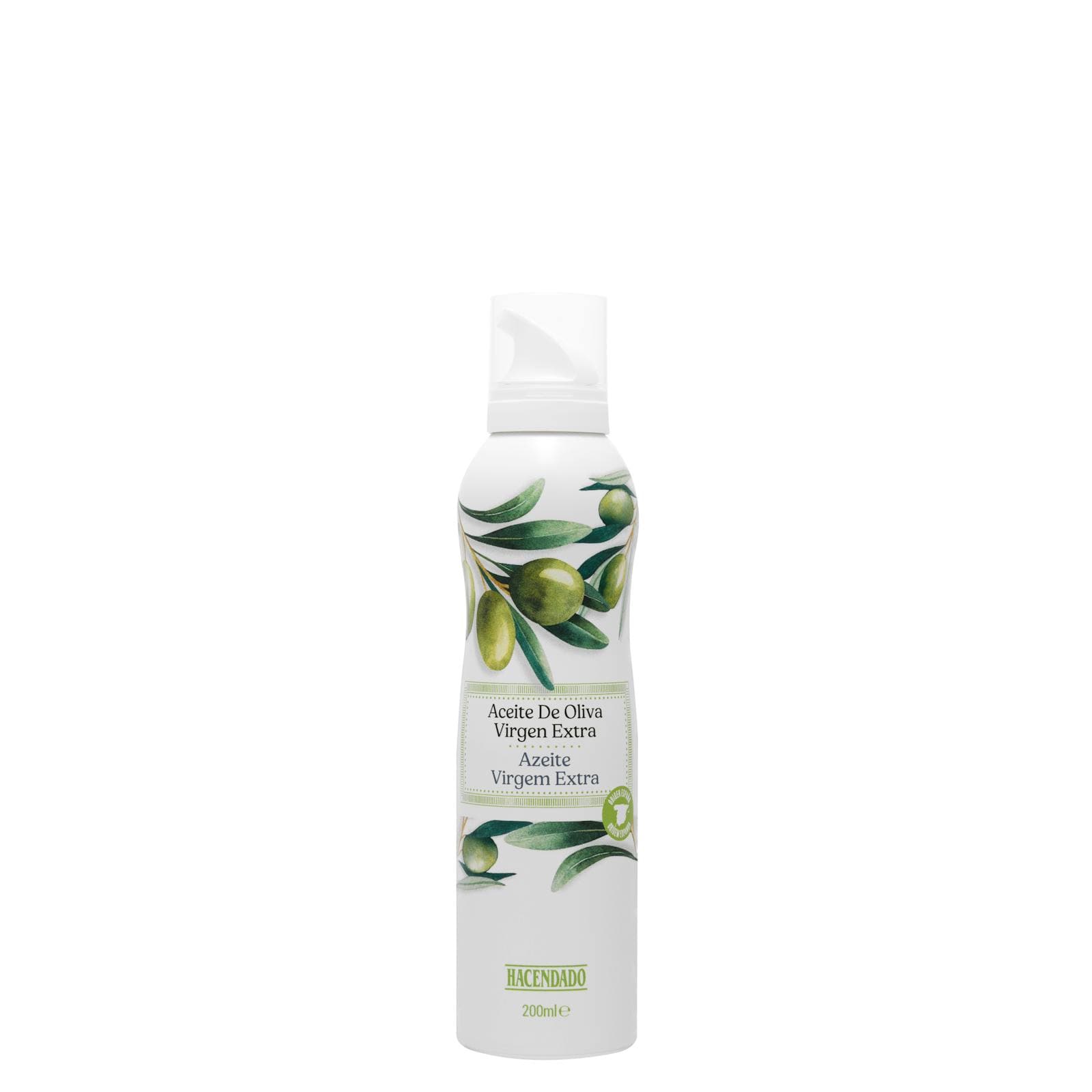 €2.70
€2.70Extra Virgin Olive Oil
Hacendado · 0.2 L · Mercadona
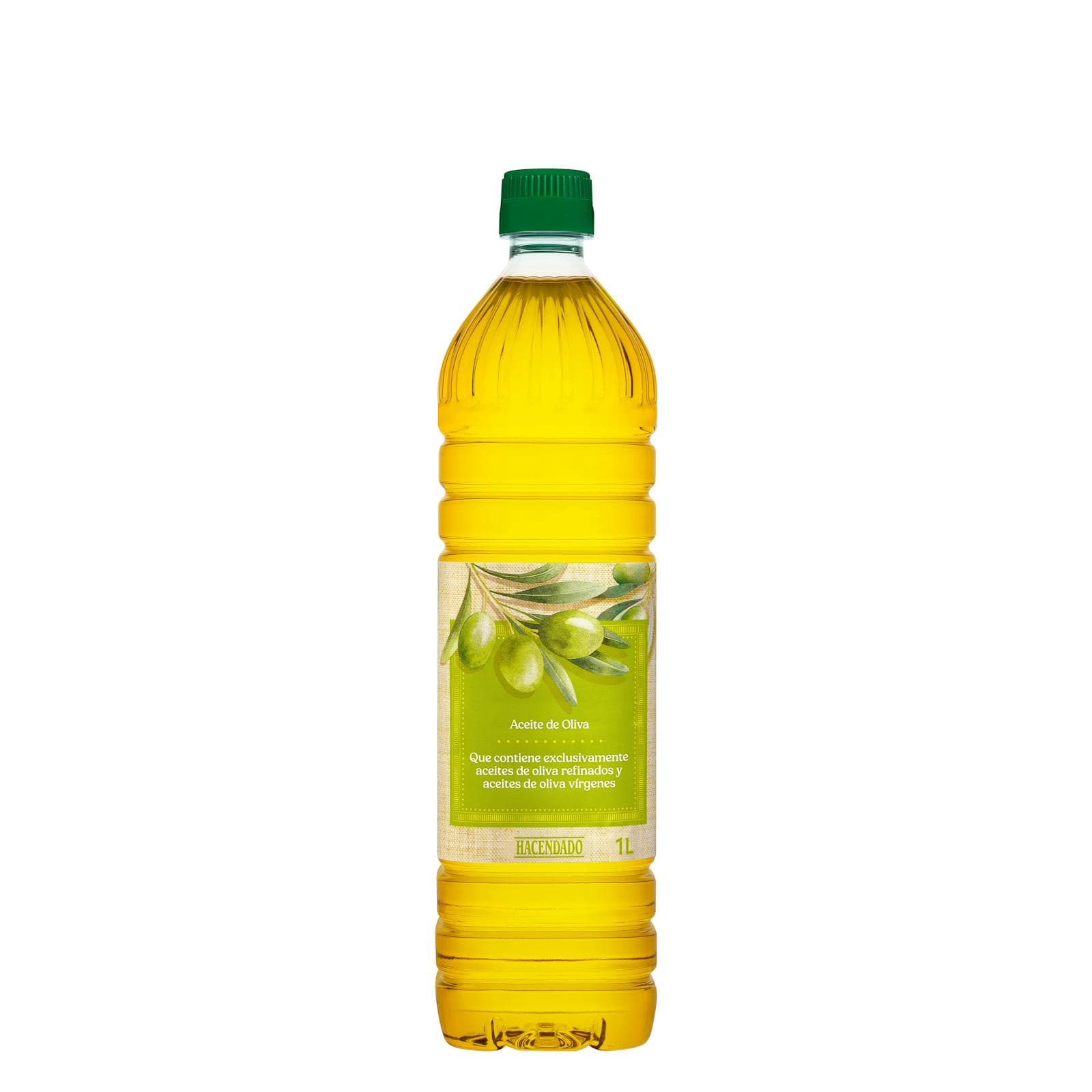 €4.35
€4.35Olive Oil
Hacendado · 1 L · Mercadona
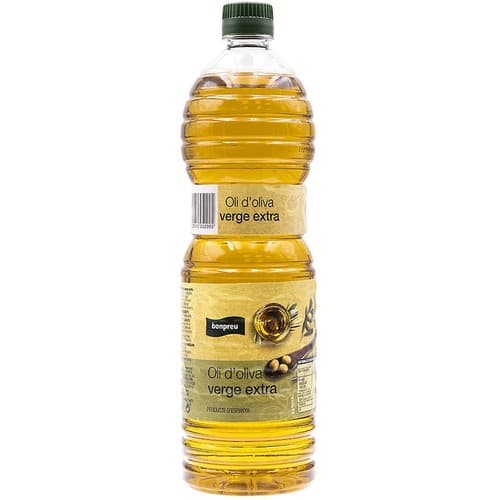 €4.95
€4.95Extra Virgin Olive Oil
BONPREU · l · Bonpreu
 €4.95
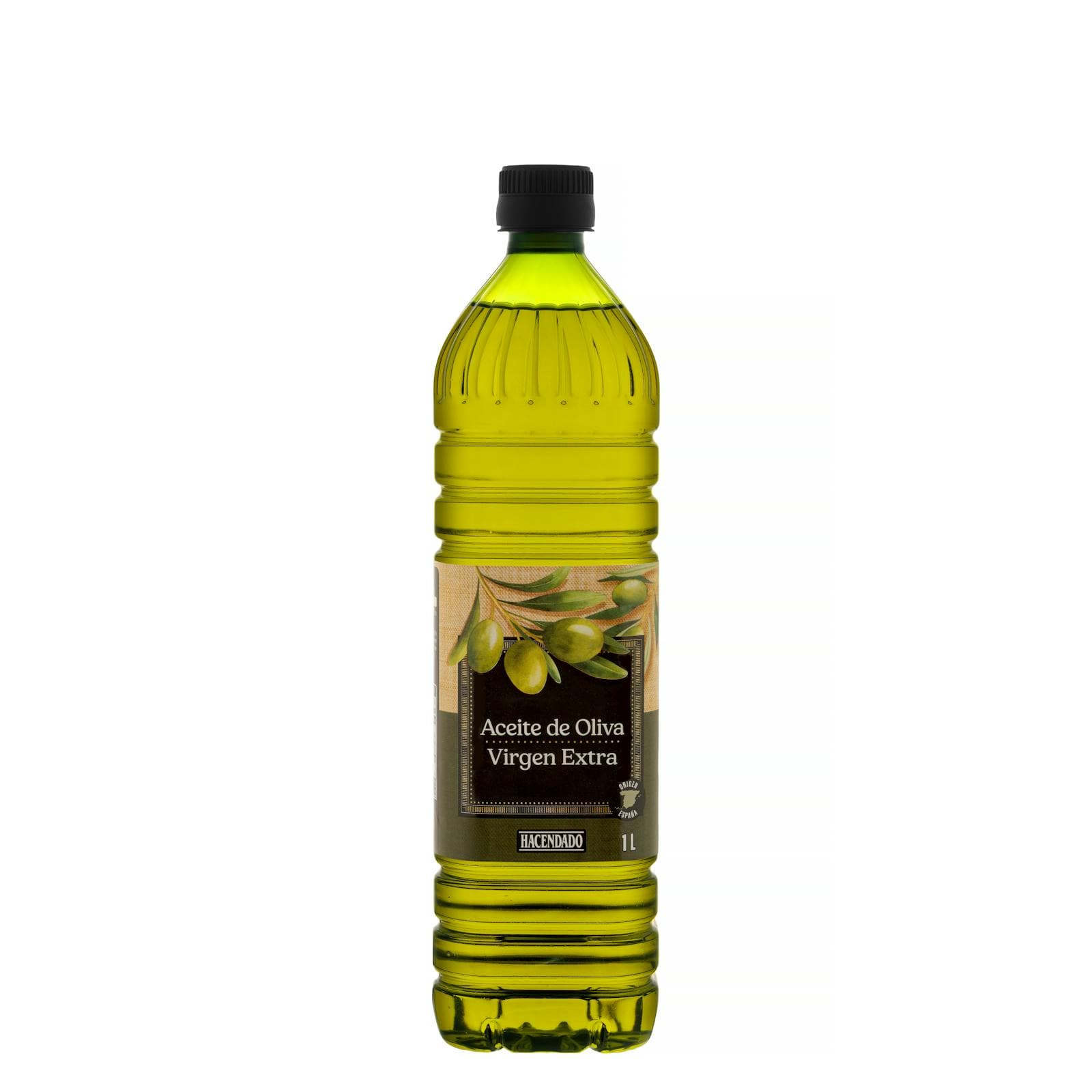
€4.95Extra Virgin Olive Oil
Hacendado · 1 L · Mercadona
 €7.45
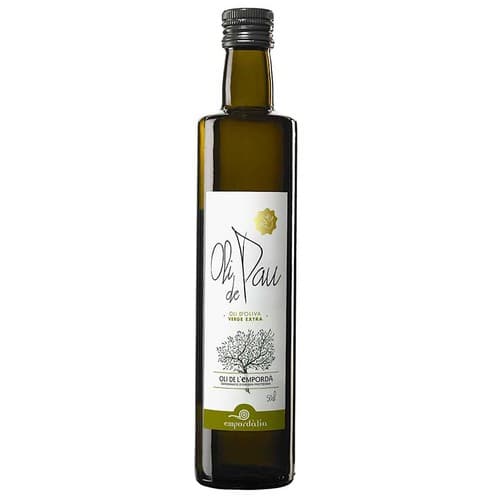
€7.45Extra Virgin Olive Oil
OLI DE PAU · l · Bonpreu
 €8.25
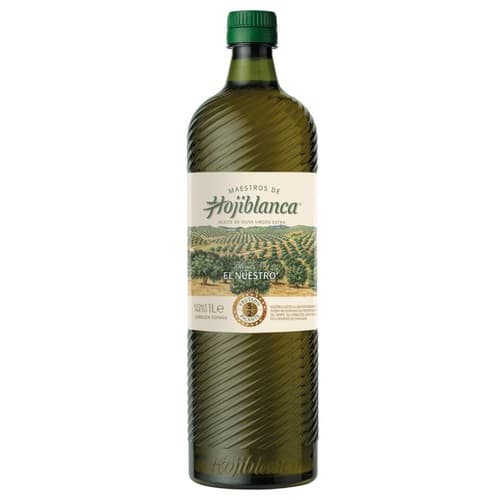
€8.25Extra Virgin Olive Oil
HOJIBLANCA · l · Bonpreu
Good to know
- Flavor
- Grassy, fruity, peppery, bitter
- Origin
- Mediterranean — Spain, Italy, Greece
- Smoke point
- ~190–210°C (EVOO); ~240°C refined
- Nutrition
- ~884 kcal/100g, all fat, ~73% monounsaturated
- Best by
- Within 12–18 months of harvest; use within 2–3 months of opening
- Buy
- Dark glass or tin, harvest date on label, 'extra-virgin'
Substitutes
- Avocado oil — Best stand-in for cooking — mild, high smoke point; lacks the peppery finish for raw use.
- Butter or ghee — For richness in sautéing; swap roughly 1:1, but flavor and browning differ.
- Neutral oil (canola, sunflower) — Fine for frying and baking where olive flavor isn't wanted.
Also called
EVOO · extra-virgin olive oil · extra virgin olive oil · aceite de oliva · aceite de oliva virgen extra · AOVE
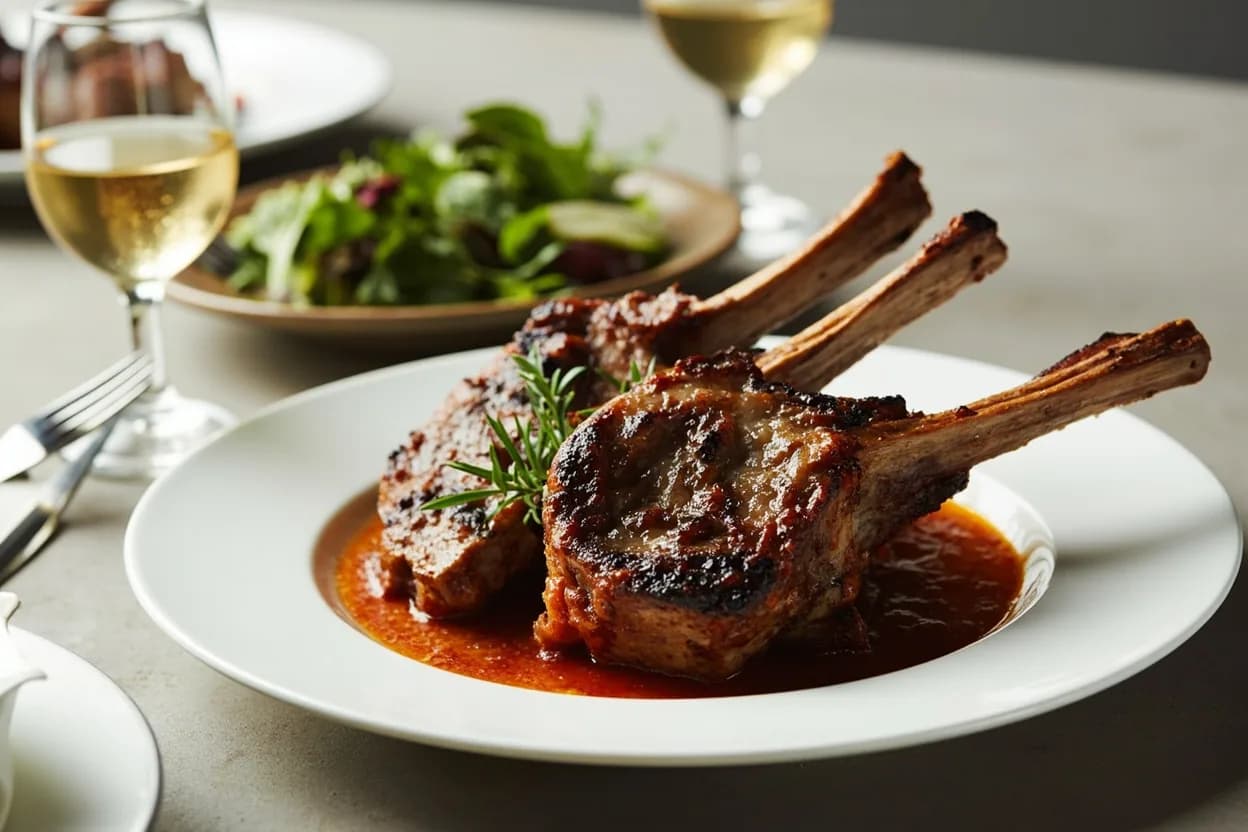
Appears in these dishes
Related
Vegetable Oil
Neutral, high-heat oil for frying and all-purpose cooking
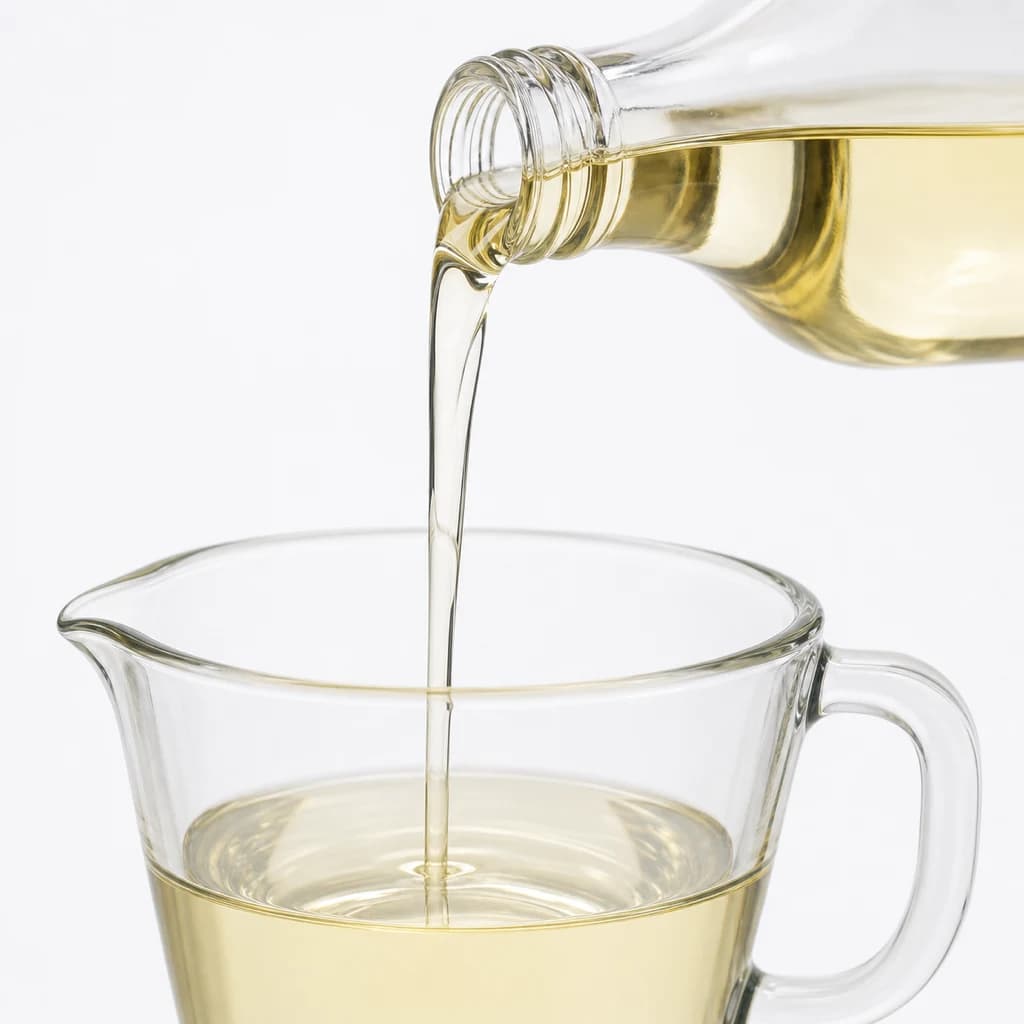
Canola Oil
Light, neutral oil for frying, baking, and dressings

Sunflower Oil
Clean, neutral oil for frying and everyday cooking
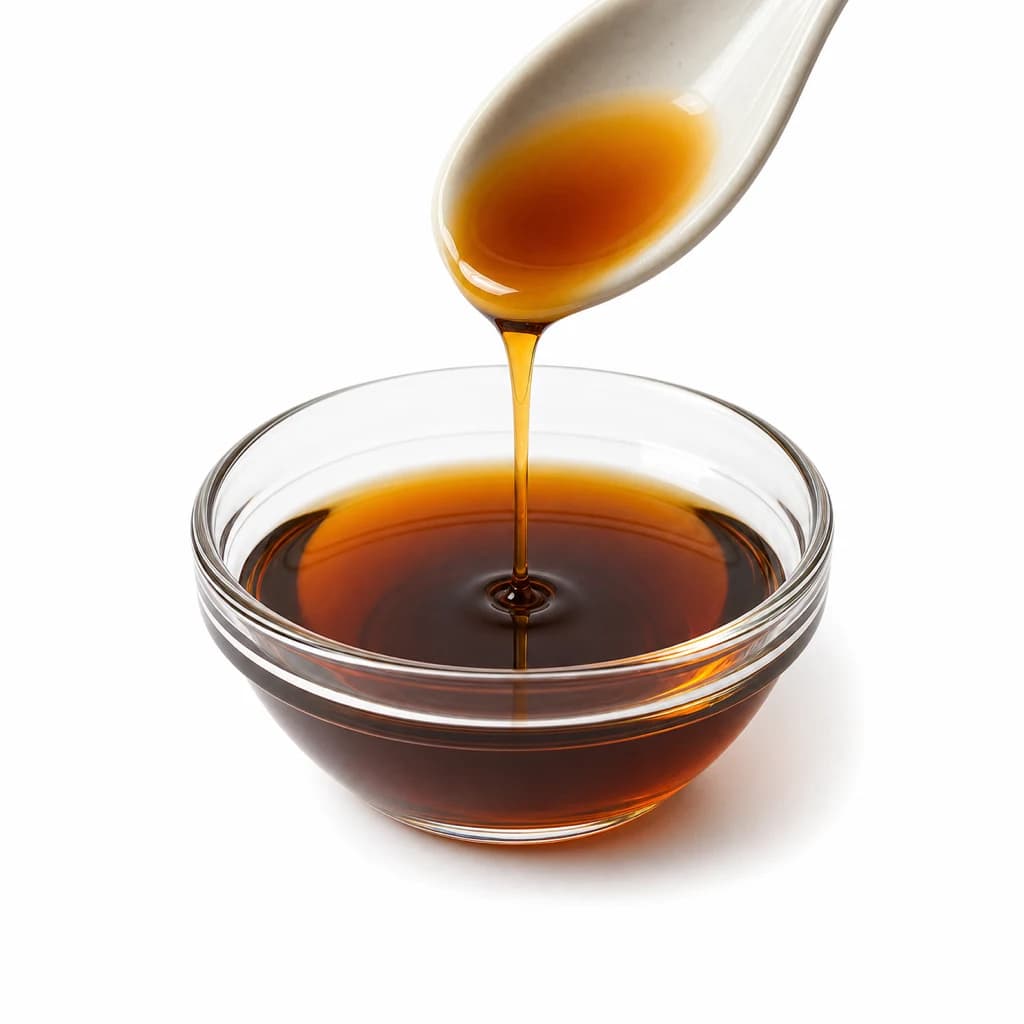
Sesame Oil
Toasty, aromatic oil — a finishing splash for Asian dishes
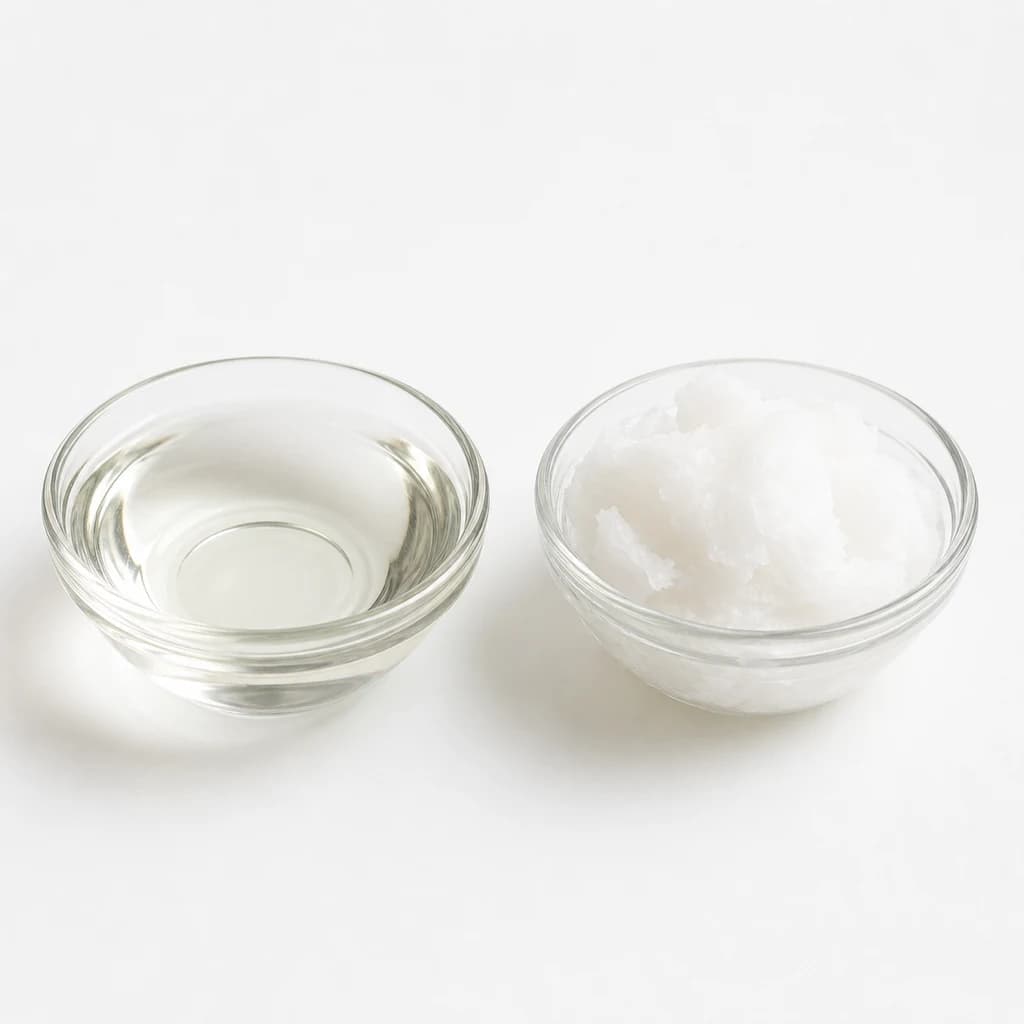
Coconut Oil
Fragrant, solid-at-room-temp fat for baking and frying
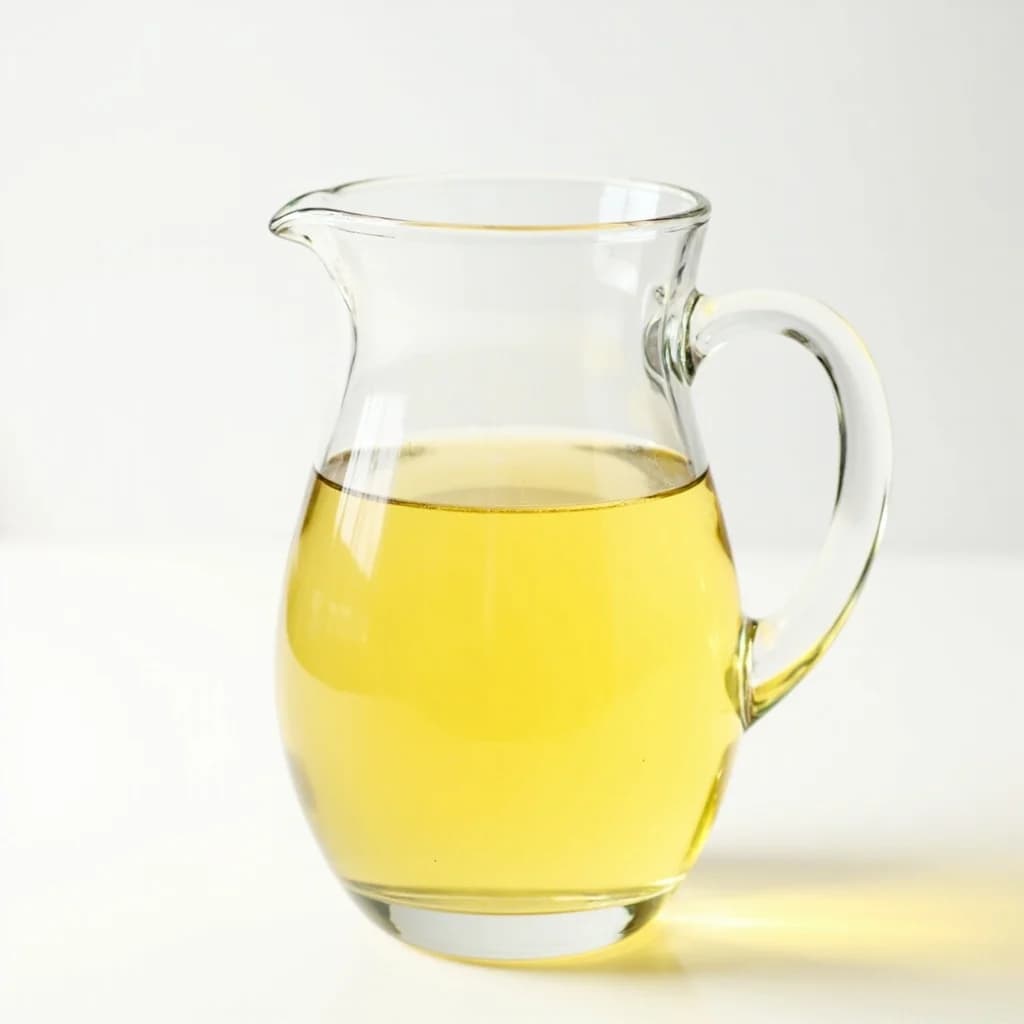
Peanut Oil
High-heat oil with a faint nutty note — ideal for frying

Lamb Tail Fat
Rich rendered fat from fat-tailed sheep — used as a cooking fat and flavor base in Central Asian and Middle Eastern dishes.

Pork Back Fat
Hard fat from the pig's back, used for larding, sausages, and rendered lard.