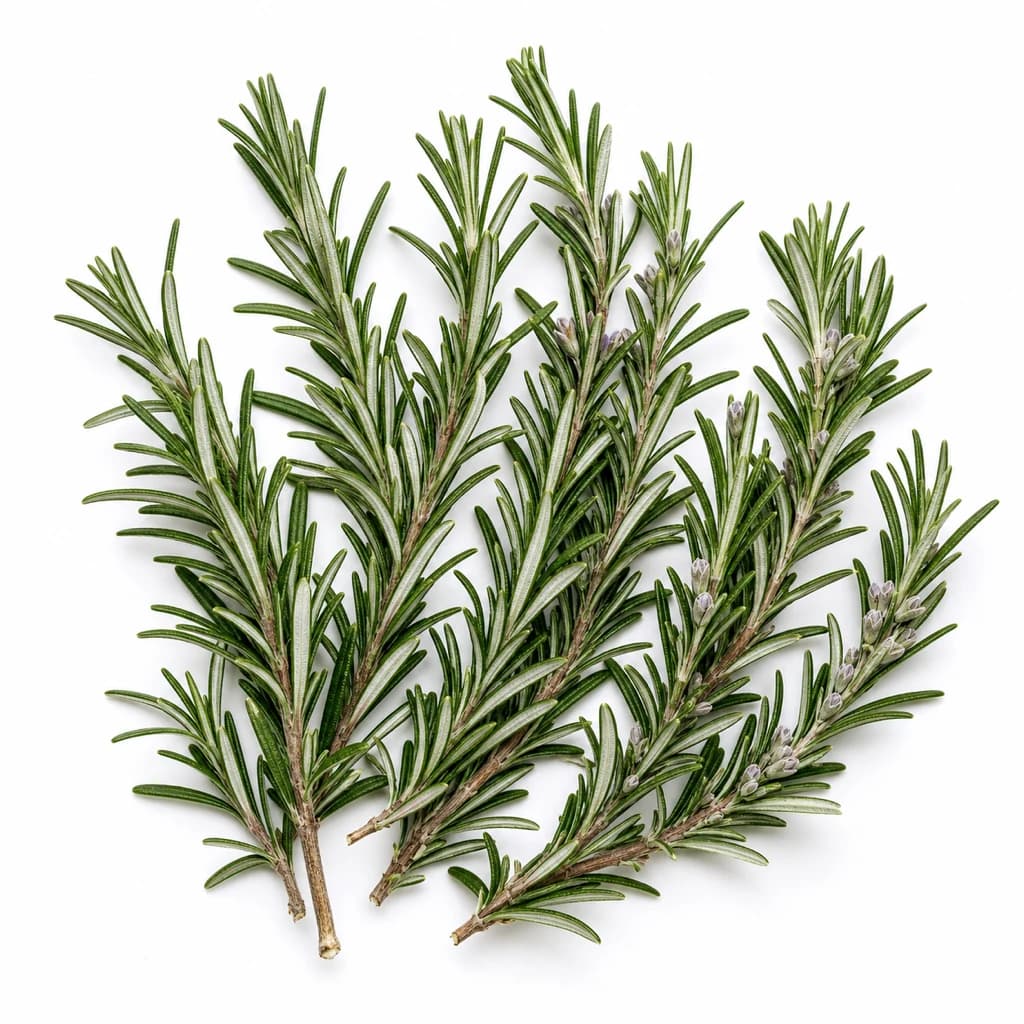
Natural form
Fresh rosemary sprigs showing the woody stem and needle-like leaves.
Shows the herb's distinctive appearance so readers can identify it at a glance.
Herbs
Rosemary
Piney, resinous herb for roasts, breads, and potatoes
Woody and piney, rosemary perfumes roast lamb, potatoes, and focaccia, releasing its oils with heat. Use it sparingly — it's potent. Keep the sprigs cold and wrapped.
Rosemary is a woody Mediterranean evergreen with needle-like leaves and a powerful piney, resinous, almost camphor-like aroma. Its oils are heat-stable and intense, so it stands up to roasting and long cooking better than tender herbs — and demands a light hand, since too much turns medicinal. It perfumes roast lamb, potatoes, focaccia, and white beans, and the woody stems make natural skewers. Strip the leaves and mince fine, or toss in whole sprigs to infuse and remove. Fresh and dried are both potent; dried needles stay tough, so crush them.
- Measured in
- g
- Storage
- Refrigerate
- Shelf life
- 14 days
Find it in
Types & varieties
Infuse braises, oils, and roasts; remove before serving.
Fine chop for rubs, breads, and butters so no woody bits remain.
Concentrated and tough — crush or grind before using.
How to use
Add rosemary early so its resinous oils mellow and infuse — under a roast, in the braise, baked into bread. Strip and mince leaves finely for rubs, or leave sprigs whole to pull out later. A small amount goes a long way.
- Use whole sprigs as a basting brush or skewer
- Infuse warm oil or honey for finishing
- Crush dried needles — they never soften
Fresh vs dried
Unlike delicate herbs, rosemary keeps much of its punch dried — dried is actually more concentrated, so use less. Both withstand heat; reserve dried for rubs and breads, fresh for roasts and infusions.
Common uses
Tips & pitfalls
- Use sparingly — rosemary easily dominates and can turn soapy or medicinal.
- Strip leaves by running fingers backward down the woody stem.
- Infuse rosemary into warm olive oil or honey for finishing.
- Lay whole sprigs under a roast chicken or lamb to perfume from below.
- Skewer vegetables or shrimp on stripped woody stems for the grill.
Nutrition
Energy
548 kJ · per 100 g
Where the calories come from
Protein
3.3g
7% DV
Carbs
20.7g
8% DV
Fat
5.9g
8% DV
Fiber
14.1g
50% DV
Sodium
26mg
1% DV
Source · USDA FoodData Central · Rosemary, fresh
View on FDC →In the shops
Matched grocery products
 €1.95
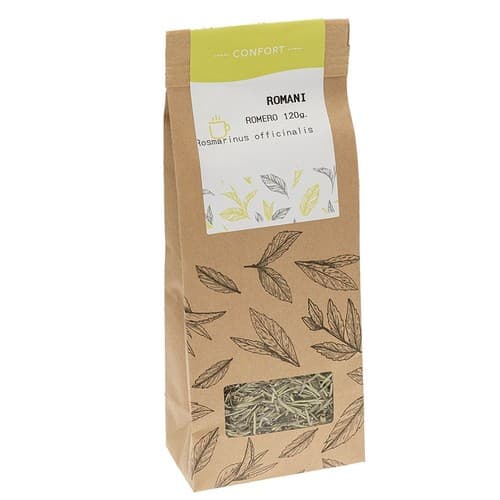
€1.95Rosemary
FLOR DEL PIRINEO · kg · Bonpreu
 €1.49
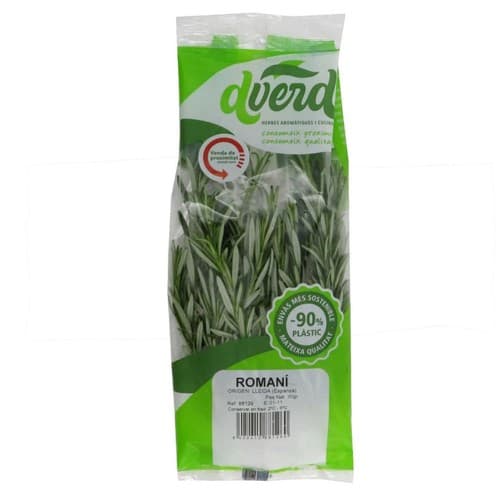
€1.49Fresh Rosemary km0
DVERD · kg · Bonpreu
Good to know
- Flavor
- Piney, resinous, woody, slightly camphorous
- Form
- Fresh sprigs; dried needles (intense)
- Add when
- Early — its oils take heat well; use sparingly
- Cuisines
- Italian, French, Mediterranean
- How to buy
- Firm, deep-green sprigs; not dried-out or browning
- How to store
- Wrapped and refrigerated up to two weeks; freezes well
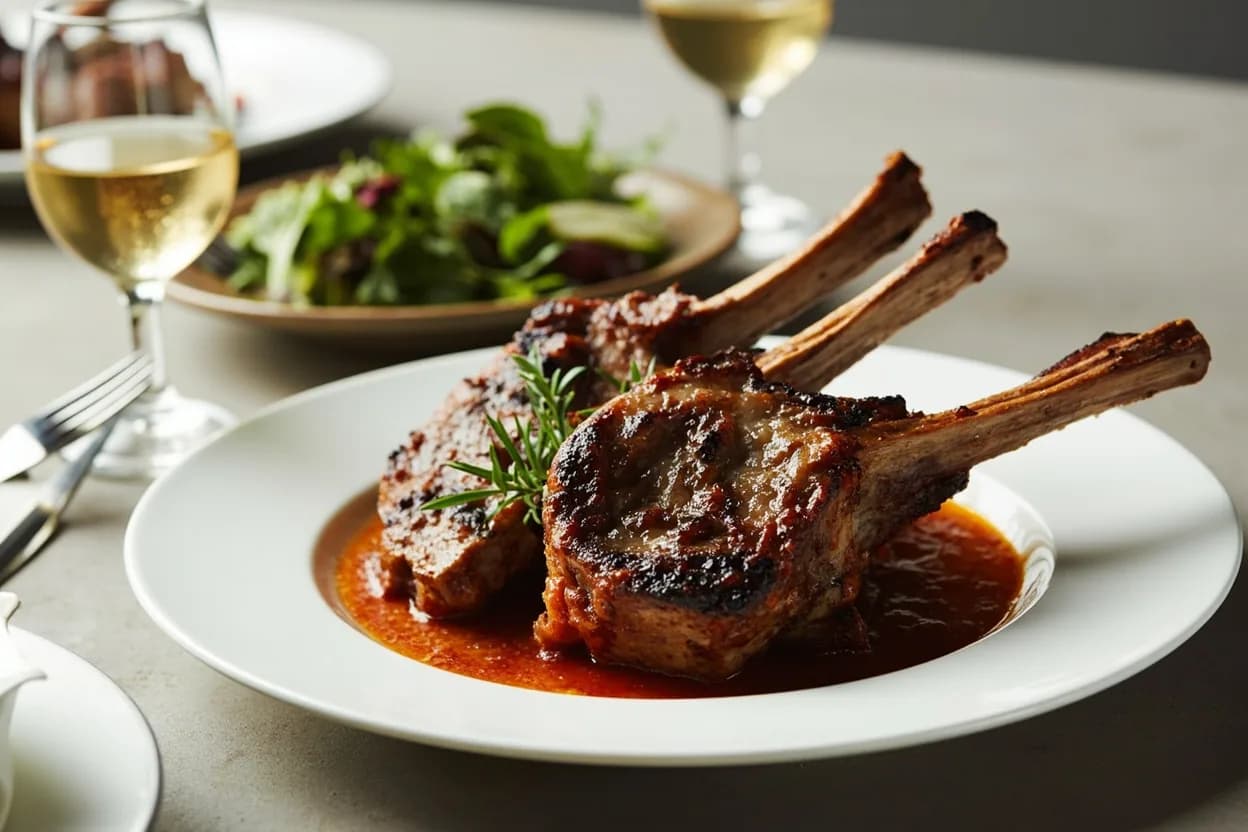
Appears in these dishes

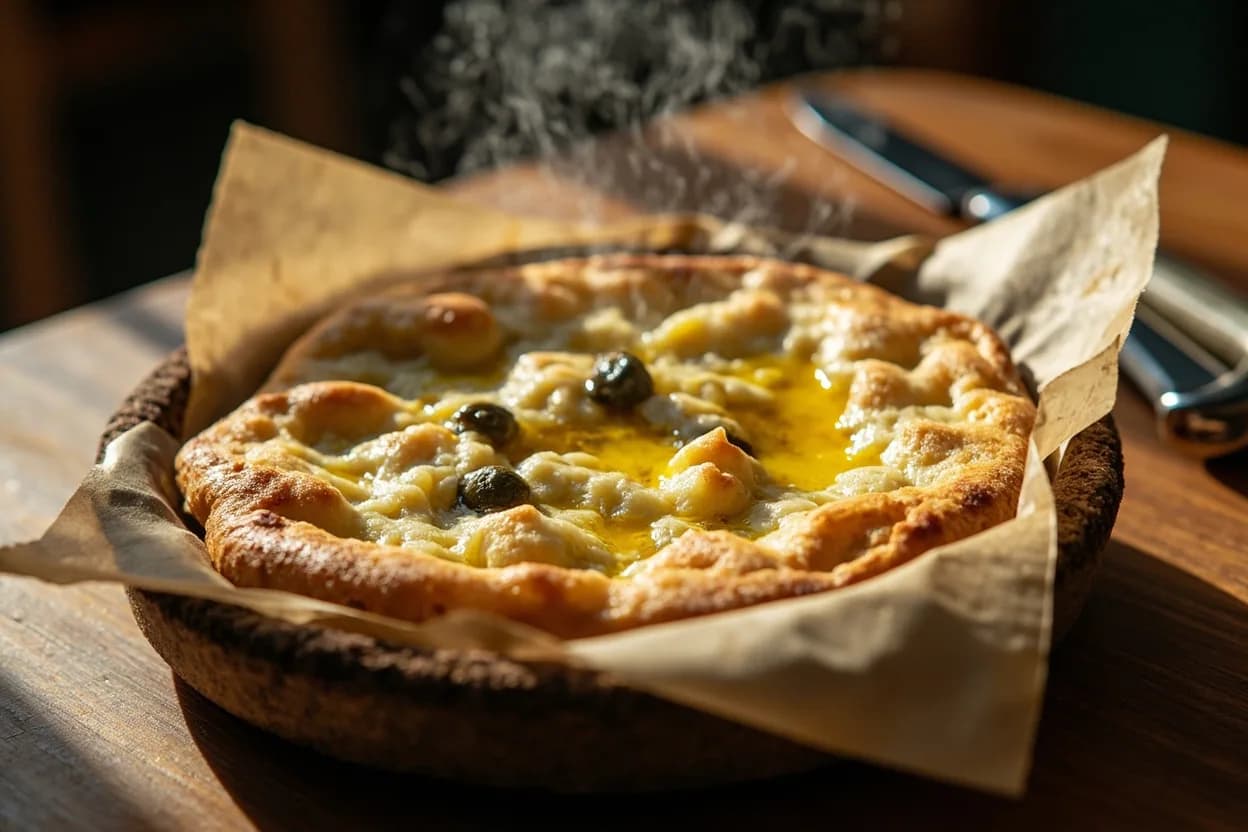
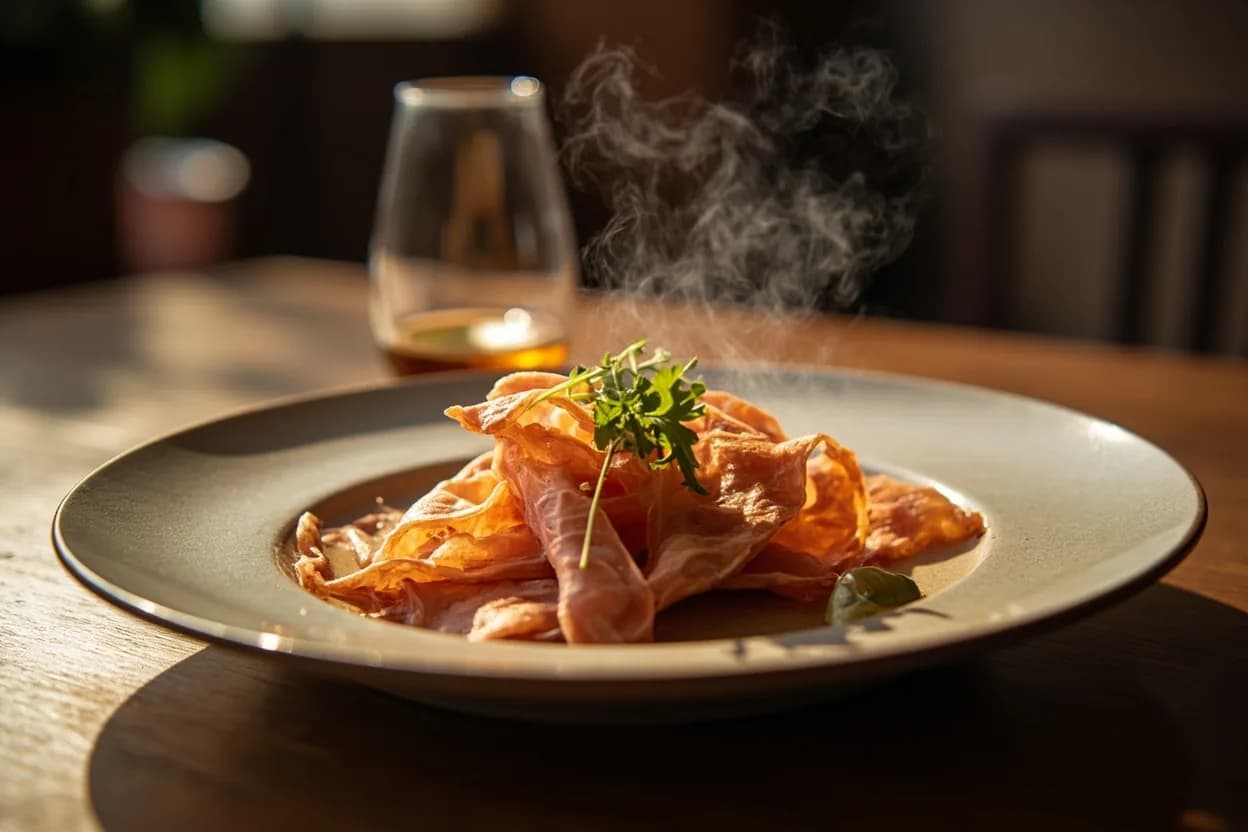
Related

Basil
Sweet, fragrant leaves for pesto, pasta, and caprese

Parsley
Fresh, grassy herb for finishing nearly any savory dish

Cilantro
Bright, citrusy herb for salsas, curries, and tacos

Mint
Cool, fragrant herb for teas, salads, and desserts

Thyme
Earthy, floral herb for braises, roasts, and stocks

Sage
Savory, velvety herb for butter sauces and stuffings

Oregano
Pungent, peppery herb for tomato sauces and grilling

Dill
Feathery, anise-like herb for fish, pickles, and yogurt