Natural form
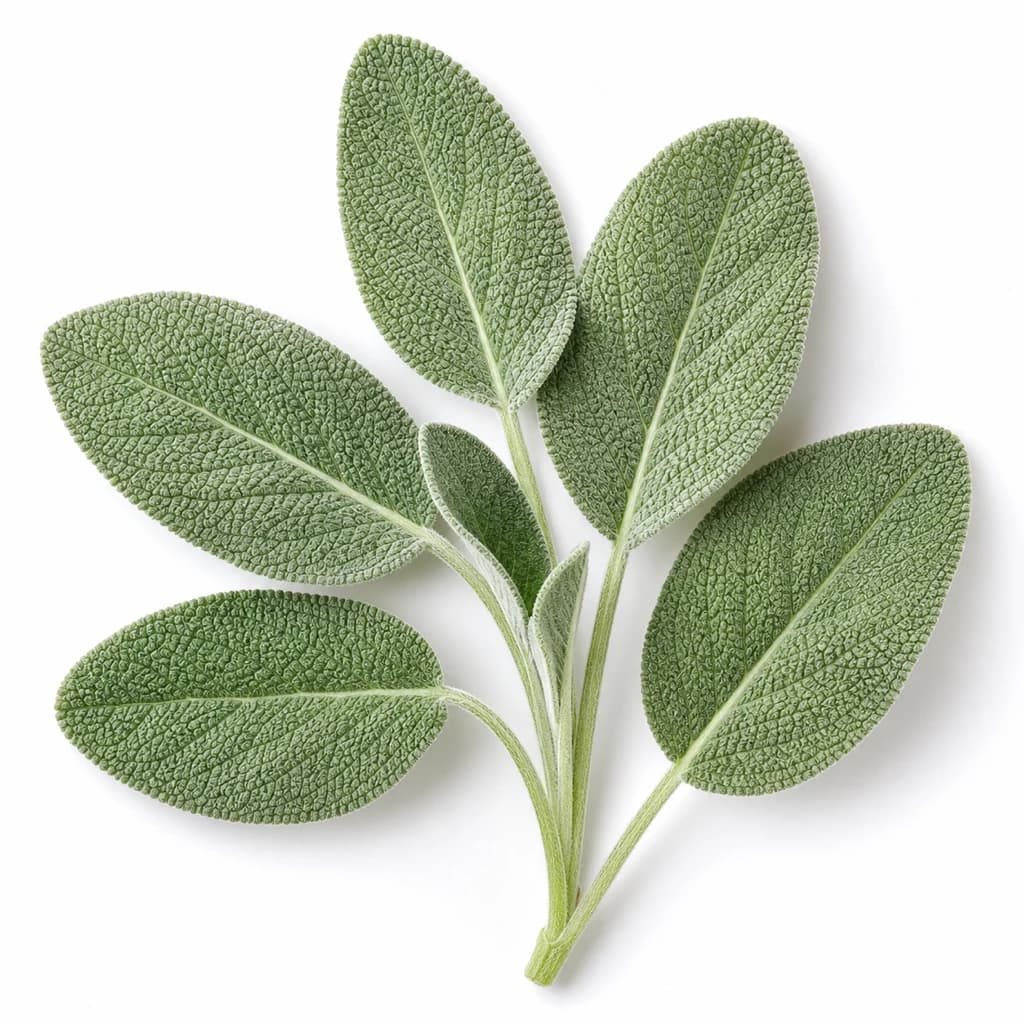
Fresh sage branch showing velvety silver-green leaves with textured surface.
Shows the identifying visual traits of sage — leaf shape, downy texture, and silver-green color — that distinguish it from other herbs.
Herbs
Sage
Savory, velvety herb for butter sauces and stuffings
Musky and savory, sage crisps in brown butter for pasta, perfumes a stuffing, and pairs classically with pork. Its soft leaves fry beautifully. Keep them cold and wrapped.
Sage is a velvety-leaved Mediterranean herb with a musky, savory, faintly camphorous and piney aroma that pairs naturally with rich, fatty foods — pork, sausage, poultry stuffing, and brown butter. Its assertive flavor stands up to cooking and even improves with it, mellowing as it crisps. Frying whole leaves in butter until crisp is a classic move for pasta and gnocchi, giving both a nutty sauce and a crackling garnish. Use it with restraint; too much turns musty. Dried and rubbed sage is a Thanksgiving stuffing staple.
- Measured in
- g
- Storage
- Refrigerate
- Shelf life
- 14 days
Find it in
Types & varieties
The everyday culinary variety, soft gray-green leaves.
Dried leaves crumbled to a fluffy powder — the classic for stuffing.
Fruity, aromatic variety more for drinks and garnish than savory cooking.
How to use
Sage loves fat — crisp whole leaves in butter for a brown-butter-and-sage sauce, mince it into sausage and stuffing, or lay leaves under poultry skin. Because it's potent, a few leaves usually suffice.
- Fry whole leaves in butter until crisp
- Mince into sausage, meatballs, and stuffing
- Use sparingly — it can turn musty
Fresh vs dried
Dried and rubbed sage concentrate the flavor and are the traditional choice for stuffing and breakfast sausage. Fresh leaves are better for frying and brown-butter sauces, where their texture matters.
Common uses
Tips & pitfalls
- Crisp leaves in butter until the foam subsides for instant pasta sauce.
- Pairs classically with pork, poultry, and winter squash.
- Use rubbed sage for stuffing and homemade sausage.
- A little goes far — too much sage becomes musty and bitter.
- Brown butter and sage is the simplest, most luxurious sauce for gnocchi.
Nutrition
Energy
2088 kJ · per 100 g
Where the calories come from
Protein
3.1g
6% DV
Carbs
71.9g
26% DV
Fat
22.2g
28% DV
Fiber
1g
4% DV
Sugars
43.9g
of which
Sodium
212mg
9% DV
Source · USDA FoodData Central · approx. Sage Valley, Gluten Free Vanilla Sandwich Cookies
View on FDC →In the shops
Matched grocery products
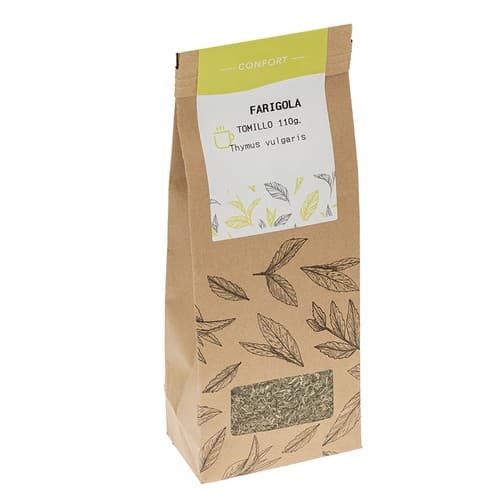 €1.89
€1.89Thyme
FLOR DEL PIRINEO · kg · Bonpreu
Good to know
- Flavor
- Musky, savory, piney, slightly camphorous
- Form
- Fresh leaves; dried or rubbed (concentrated)
- Add when
- Early to mid — holds up to and improves with heat
- Cuisines
- Italian, British, German, American
- How to buy
- Soft, silvery-green leaves with no dark spots
- How to store
- Wrapped and refrigerated up to two weeks
Substitutes
- Thyme — Milder and earthy; works in stuffings and with poultry.
- Rosemary or marjoram — Sturdy, savory herbs for meats and rich dishes.
Also called
salvia · sàlvia
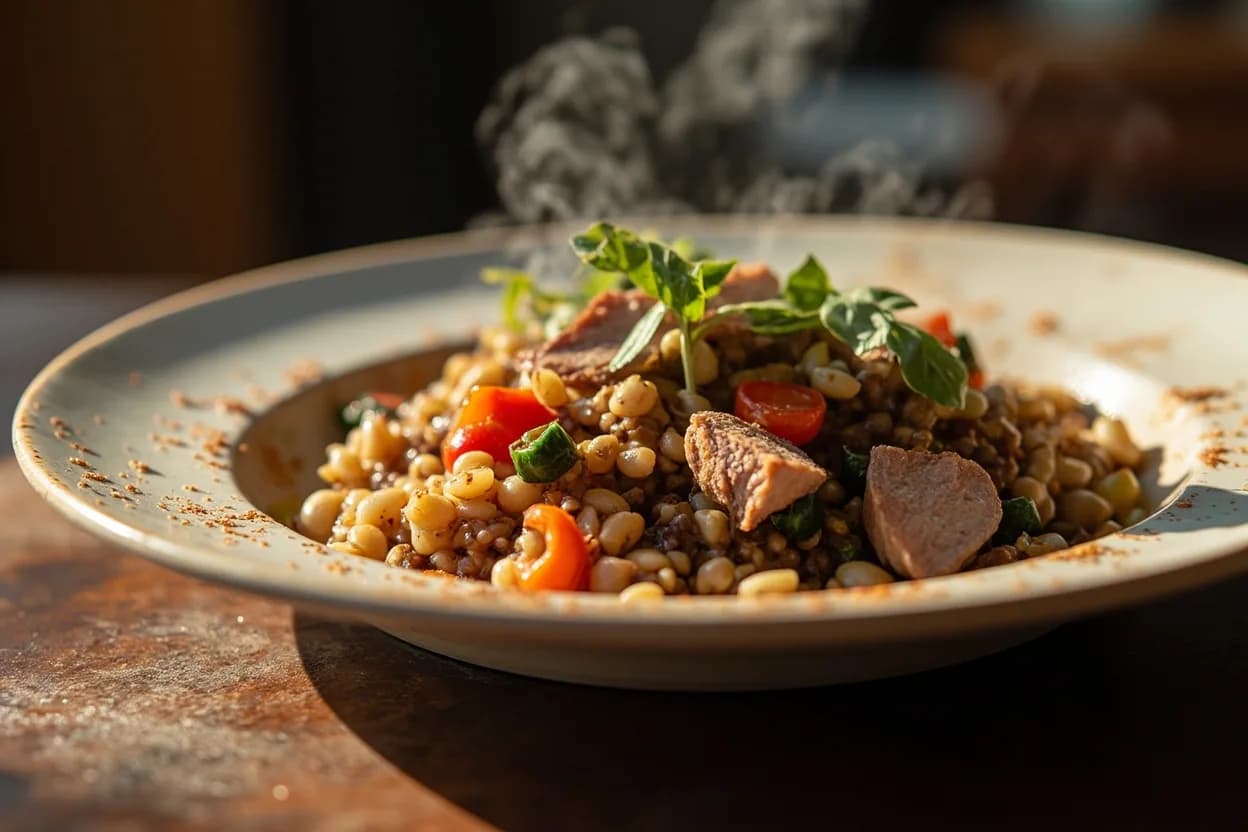
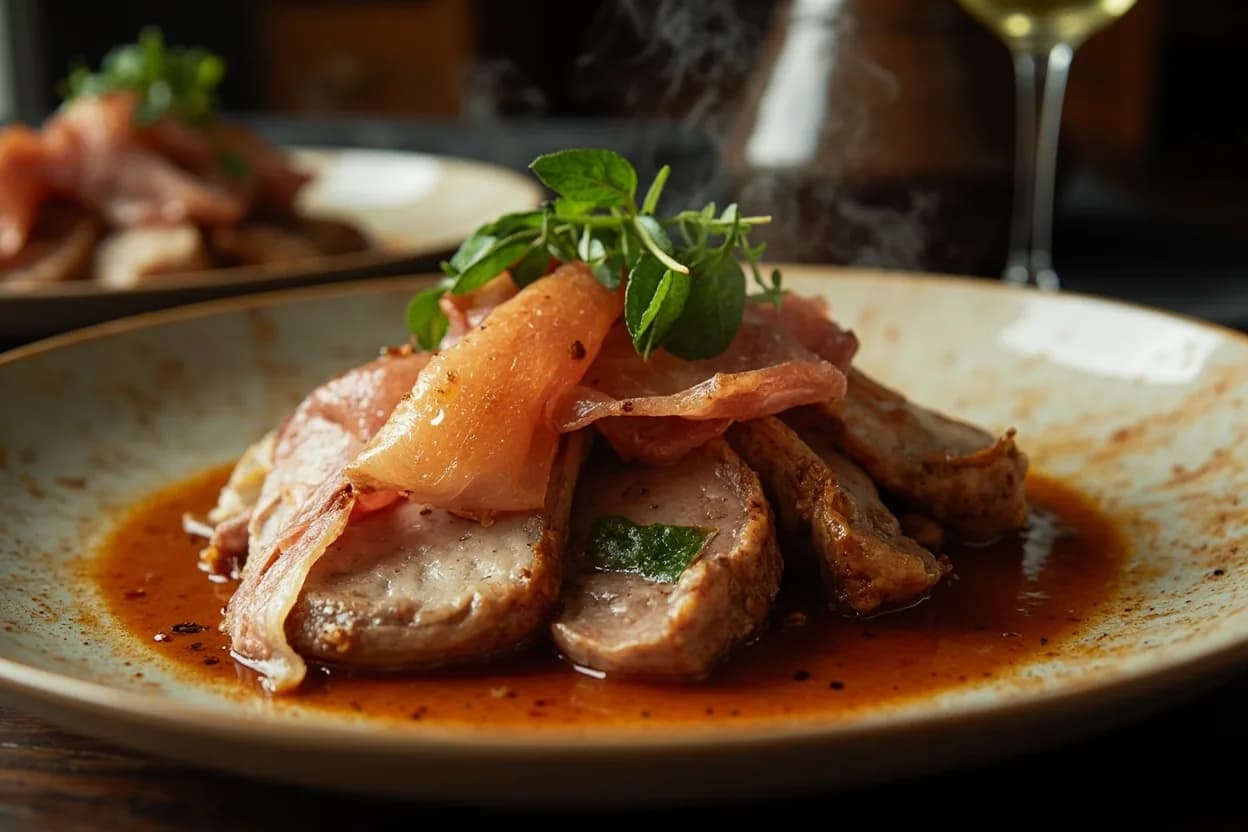
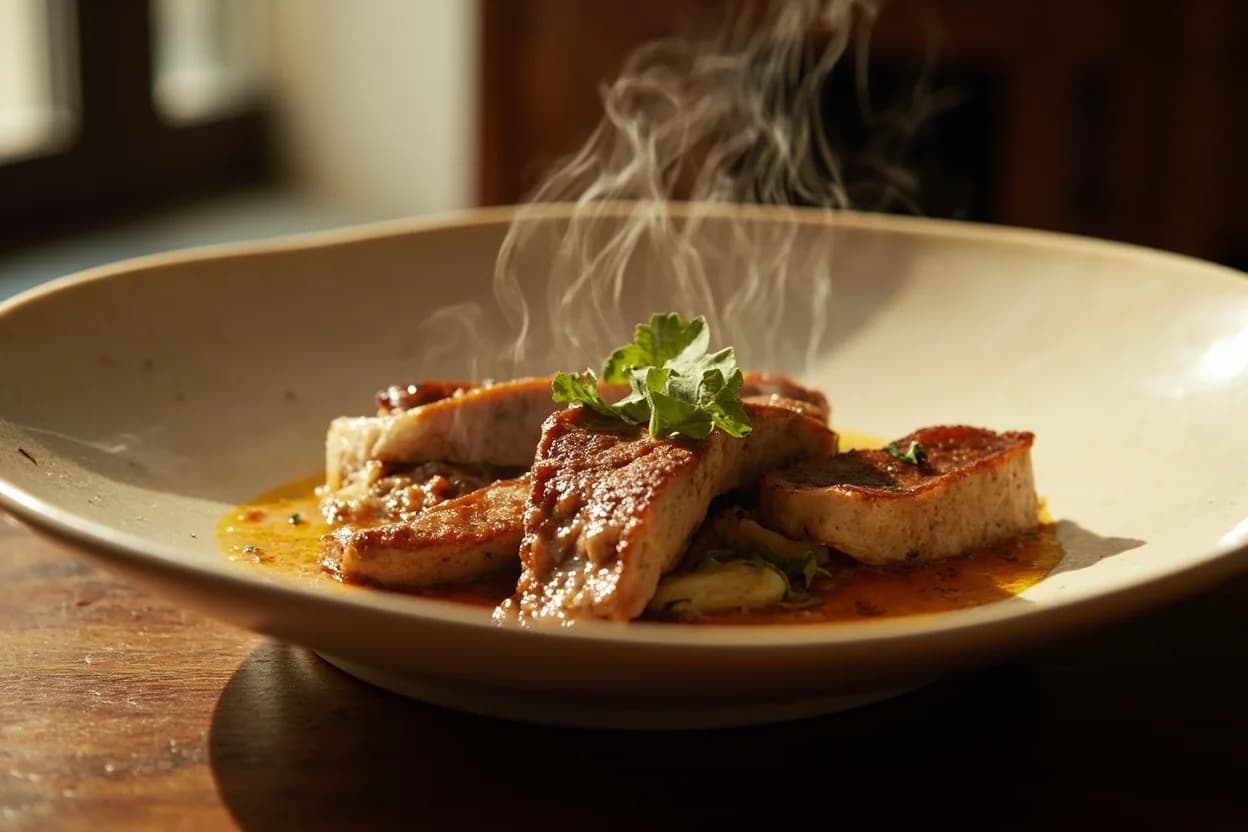
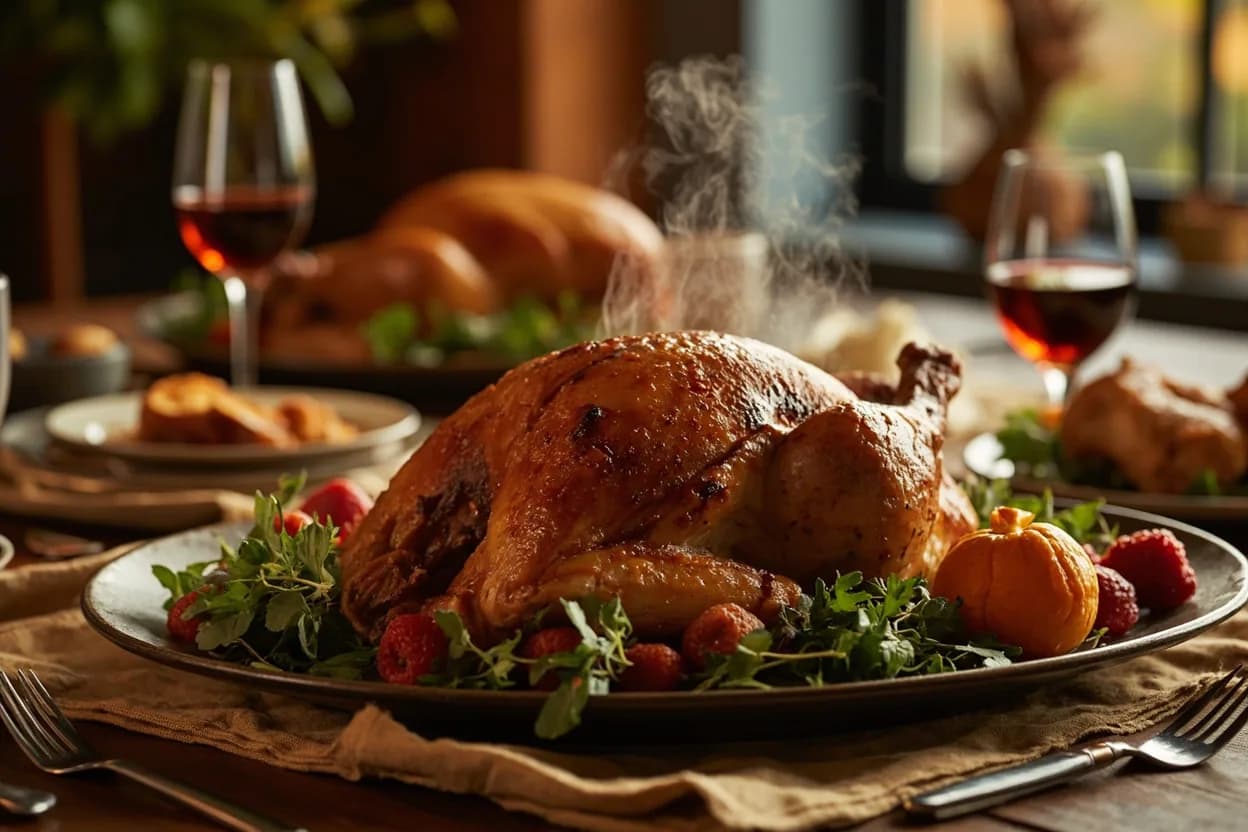
Appears in these dishes

Related

Basil
Sweet, fragrant leaves for pesto, pasta, and caprese

Parsley
Fresh, grassy herb for finishing nearly any savory dish

Cilantro
Bright, citrusy herb for salsas, curries, and tacos

Mint
Cool, fragrant herb for teas, salads, and desserts
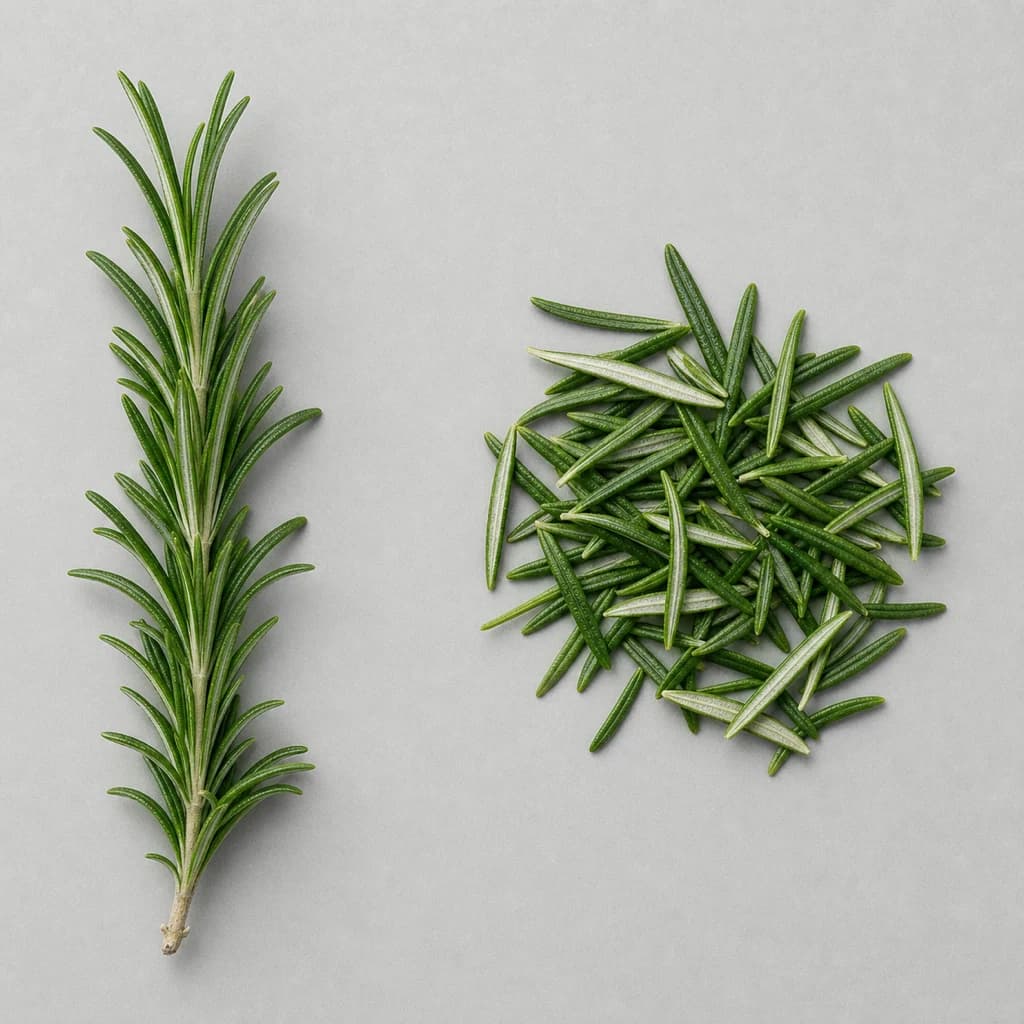
Rosemary
Piney, resinous herb for roasts, breads, and potatoes

Thyme
Earthy, floral herb for braises, roasts, and stocks

Oregano
Pungent, peppery herb for tomato sauces and grilling

Dill
Feathery, anise-like herb for fish, pickles, and yogurt