
Natural form
Whole butternut squash showing its characteristic elongated neck and bulbous base.
Establishes the defining silhouette, tan skin color, and proportions that distinguish butternut squash from other winter squash varieties.
Produce
Butternut Squash
Sweet, dense winter squash for soups, roasts, and purées
Dense and honey-sweet, butternut roasts into caramelized cubes and blends into a velvety soup. Its hard skin keeps it for weeks. Store it somewhere dark and cool.
Butternut is the friendliest winter squash — a tan, bell-shaped gourd with dense, honey-sweet orange flesh, fewer seeds, and skin smooth enough to peel without a fight. Roasted, it caramelizes into sweet, golden cubes; blended, it makes a velvety, comforting soup. Its natural sweetness pairs as happily with sage and brown butter as with warm spices and maple. Thick-skinned and a champion keeper, it bridges autumn straight through to spring.
- Measured in
- piece
- Storage
- Dark Cool
- Shelf life
- 60 days
Find it in
Types & varieties
The common bell shape; long neck is the seedless, meaty part
Mini butternut, deeper color and sweeter; roast in halves
Convenient but dries faster; cook soon
How to choose
Want a squash that feels heavy and rock-hard with matte (not glossy) tan skin, a solid intact stem, and no soft spots, cuts, or moldy patches. A longer neck means more usable seedless flesh, since the seeds sit only in the bulbous base. Matte skin signals ripeness; shiny skin can mean underripe.
How to store
Whole butternut is a superb keeper — a cool, dark, dry, airy spot (not the fridge) holds it for one to three months. Don't wash until use. Once cut, wrap and refrigerate the pieces and use within about five days; cubed and bagged squash spoils faster, so cook it promptly.
How to peel and cut safely
The hard skin and dense flesh make a sharp knife and a stable board essential. Microwaving the whole squash for a couple of minutes, or roasting it cut in half, softens it for easier handling. To break it down: trim both ends, peel with a sturdy Y-peeler, halve, scoop the seeds from the base, and cube. Roasting halves cut-side down is the easiest, mess-free route.
- Sharp knife, stable board — it's dense
- Microwave or pre-roast to soften for cutting
- Seeds live only in the bulb end
Common uses
Tips & pitfalls
- Roast cut-side down to skip peeling, then scoop the soft flesh
- High-heat roasting caramelizes the edges into the sweetest bites
- Save and roast the seeds, like pumpkin seeds
- Brown butter and sage is the classic, never-fail finish
- Blend roasted squash with stock and a little cream for instant velvety soup
Nutrition
Energy
188 kJ · per 100 g
Where the calories come from
Protein
1g
2% DV
Carbs
11.7g
4% DV
Fat
0.1g
0% DV
Fiber
2g
7% DV
Sugars
2.2g
of which
Sodium
4mg
0% DV
Source · USDA FoodData Central · Squash, winter, butternut, raw
View on FDC →In the shops
Matched grocery products
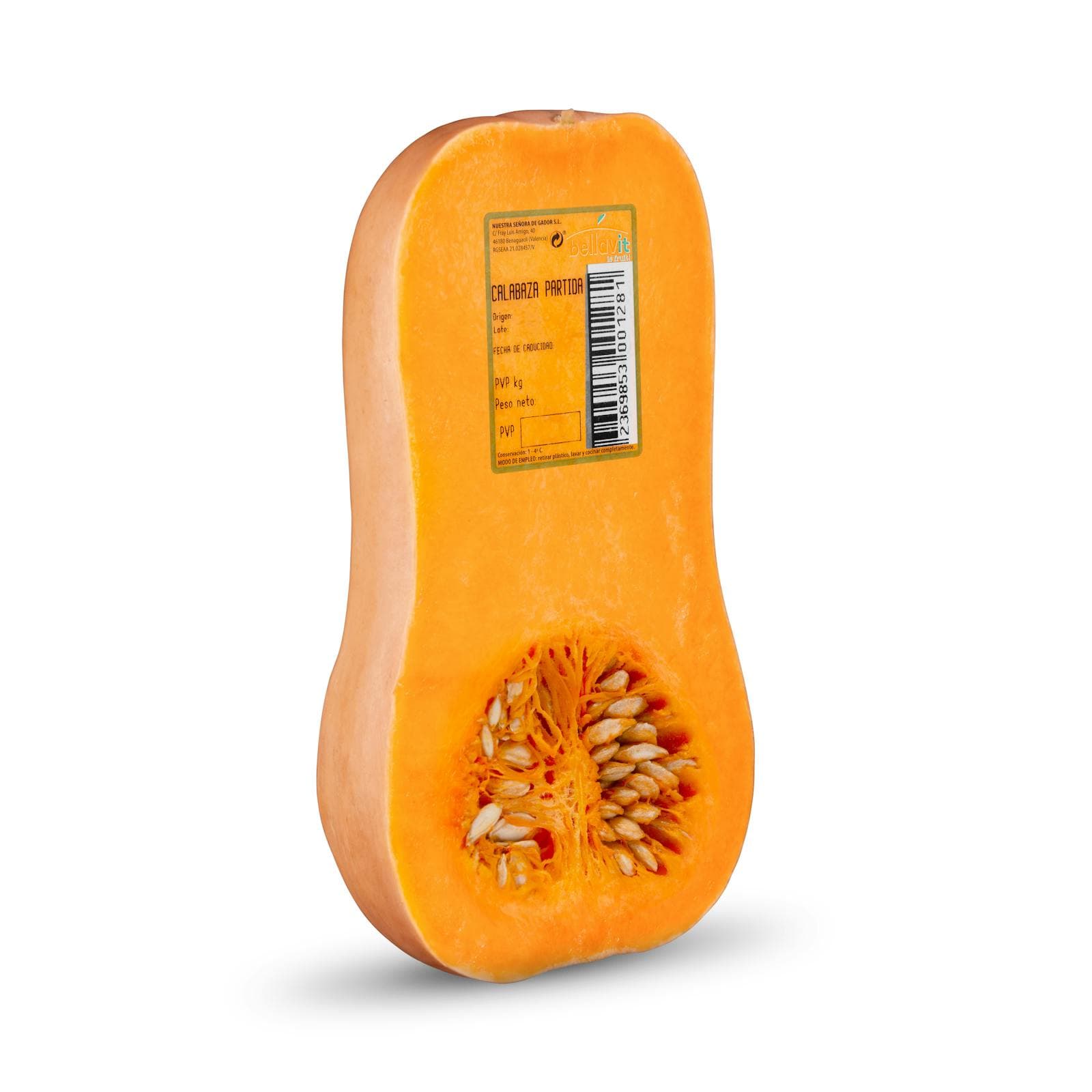 €1.73
€1.73Peanut Squash Half
750 g · Mercadona
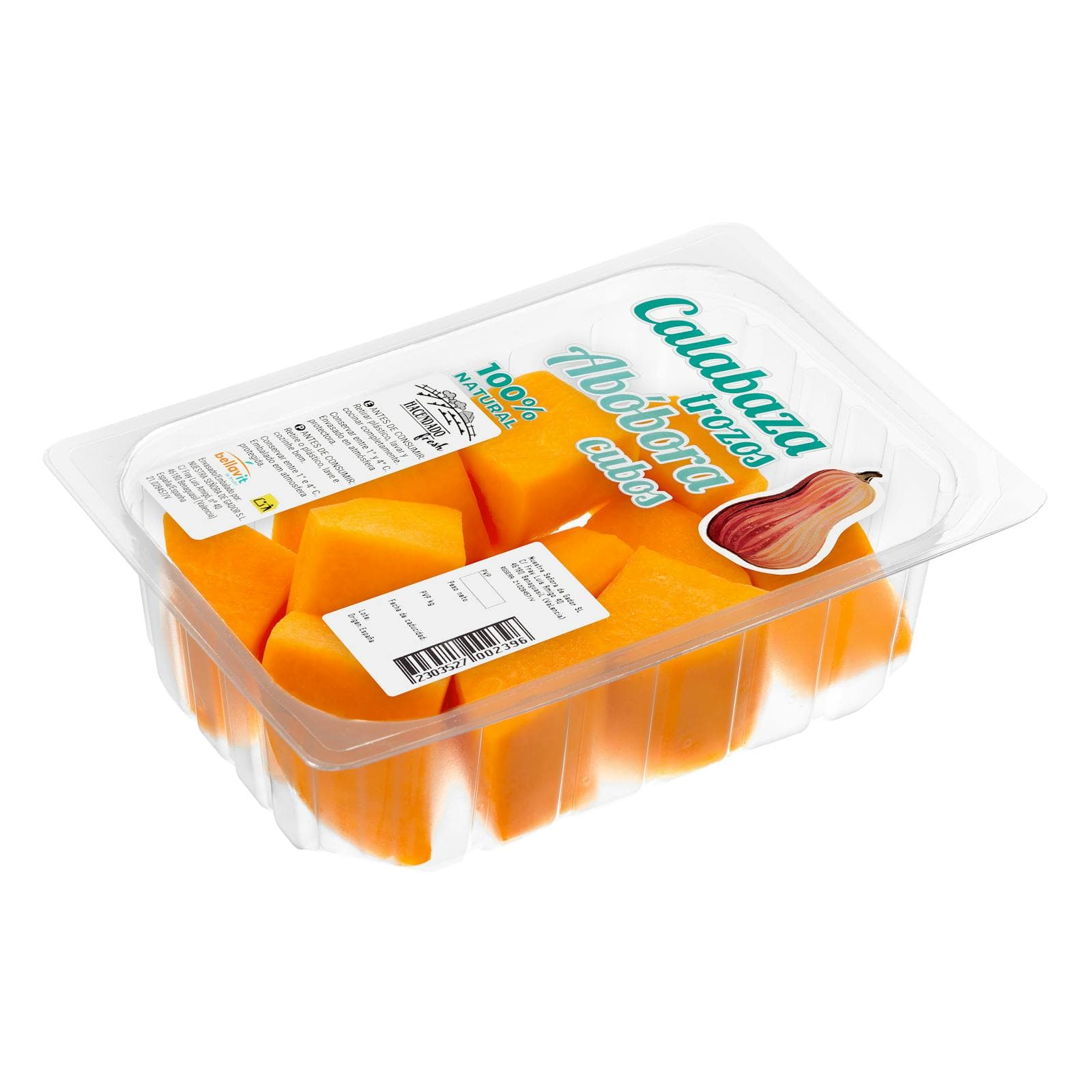 €1.92
€1.92Butternut Squash Cut into Pieces
520 g · Mercadona
Good to know
- Peak season
- Fall through winter; stores for months
- Flavor
- Sweet, nutty, dense; deepens and caramelizes when roasted
- Origin
- The Americas; a cultivated winter squash (Cucurbita moschata)
- Nutrition
- ~45 kcal/100g; very high beta-carotene (vitamin A), vitamin C, fiber
- How to buy
- Heavy, hard, matte tan skin; long solid neck; intact stem; no soft spots
Substitutes
- Pumpkin — Use a sweet sugar pie pumpkin; similar in soups and purées
- Sweet potato — Comparable sweetness and color; roasts and mashes alike
- Kabocha / acorn squash — Other winter squash; swap in roasts and soups
Also called
butternut · calabaza butternut · calabaza cacahuete · carbassa violí
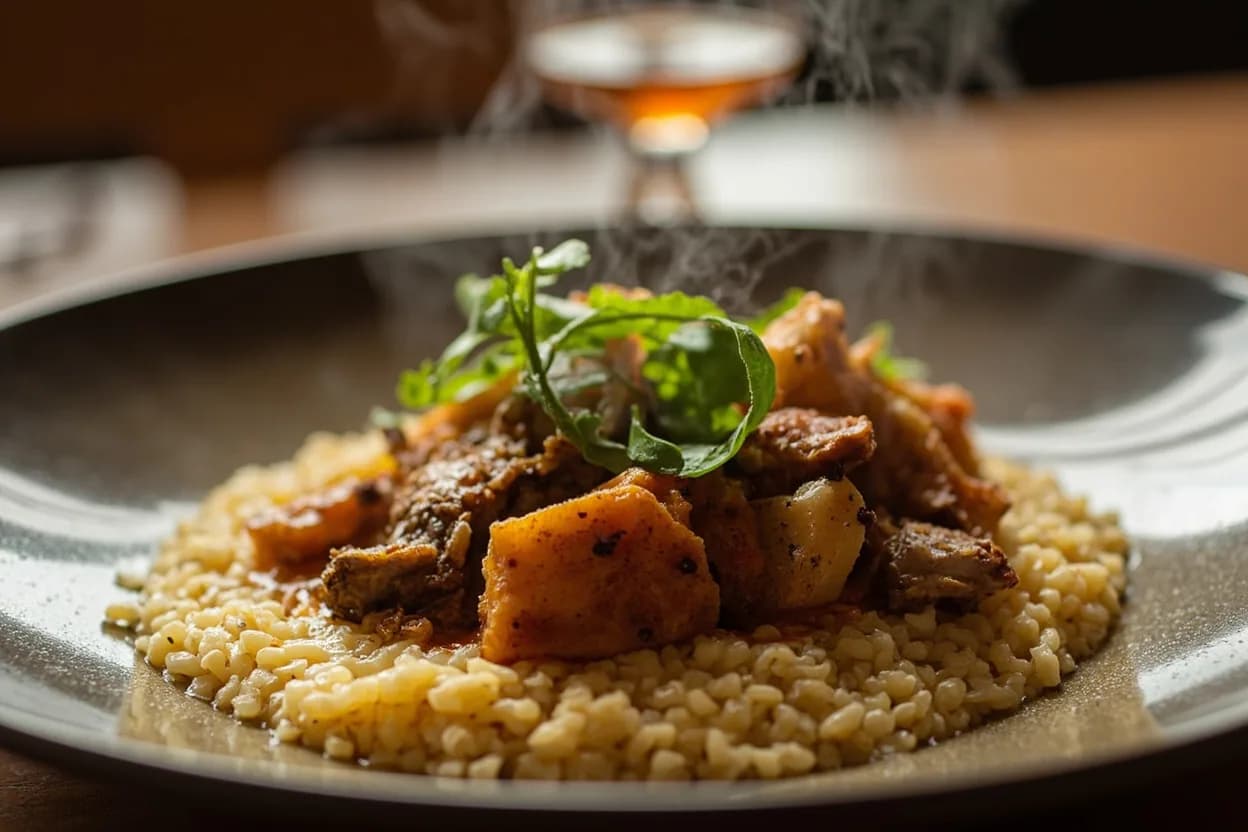
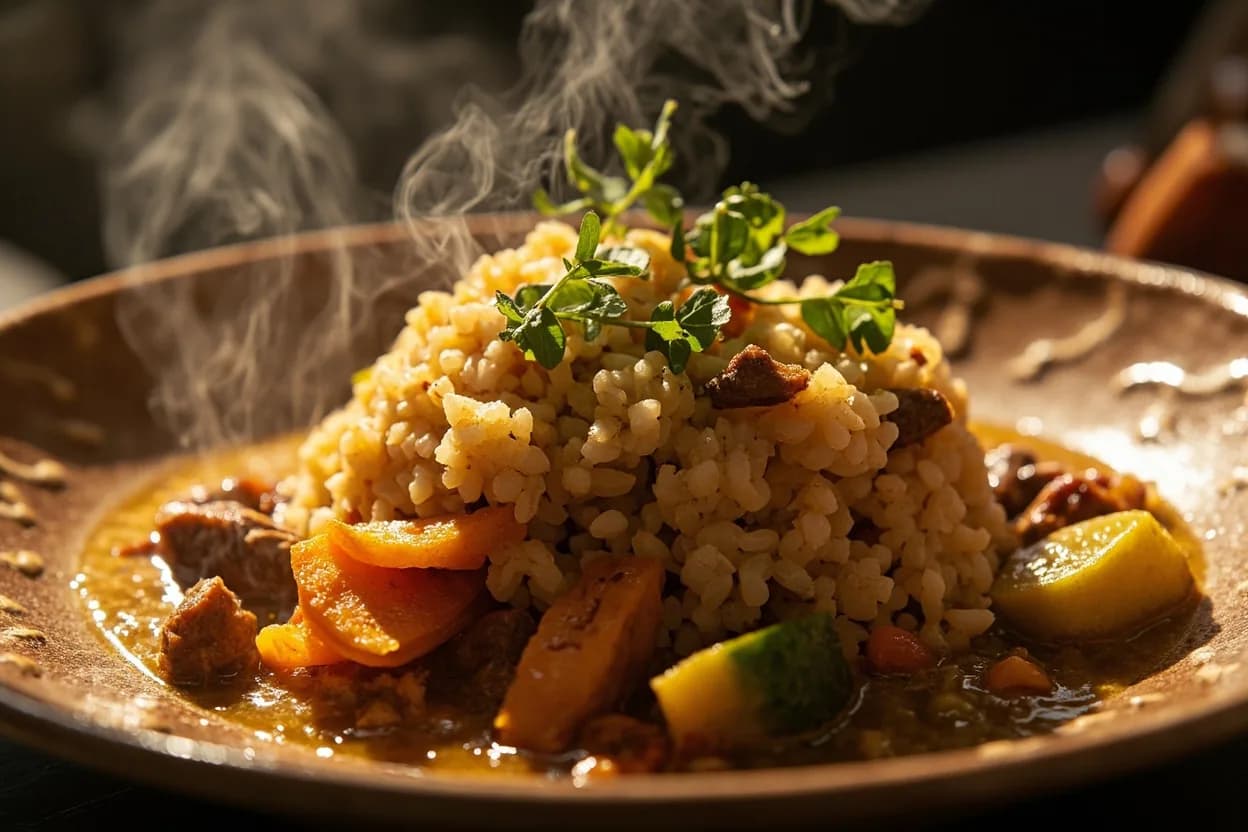
Appears in these dishes
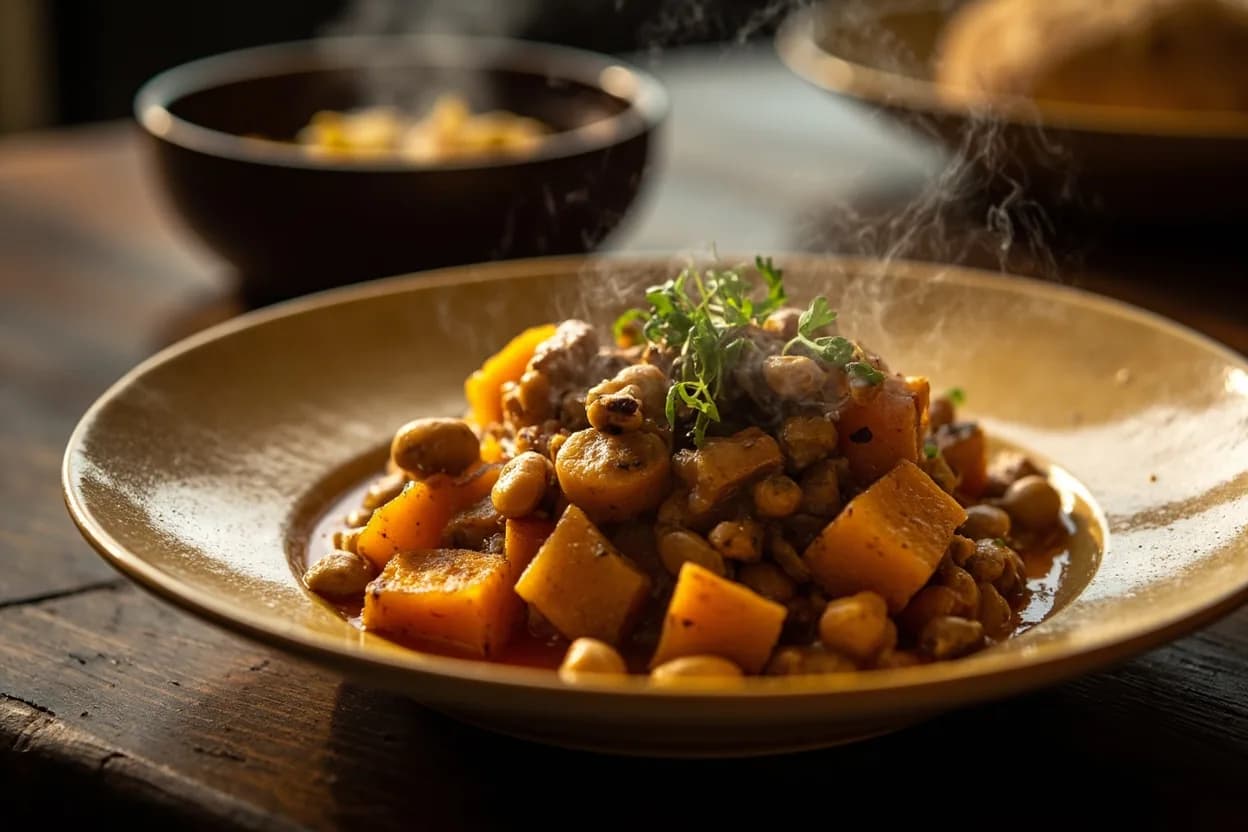
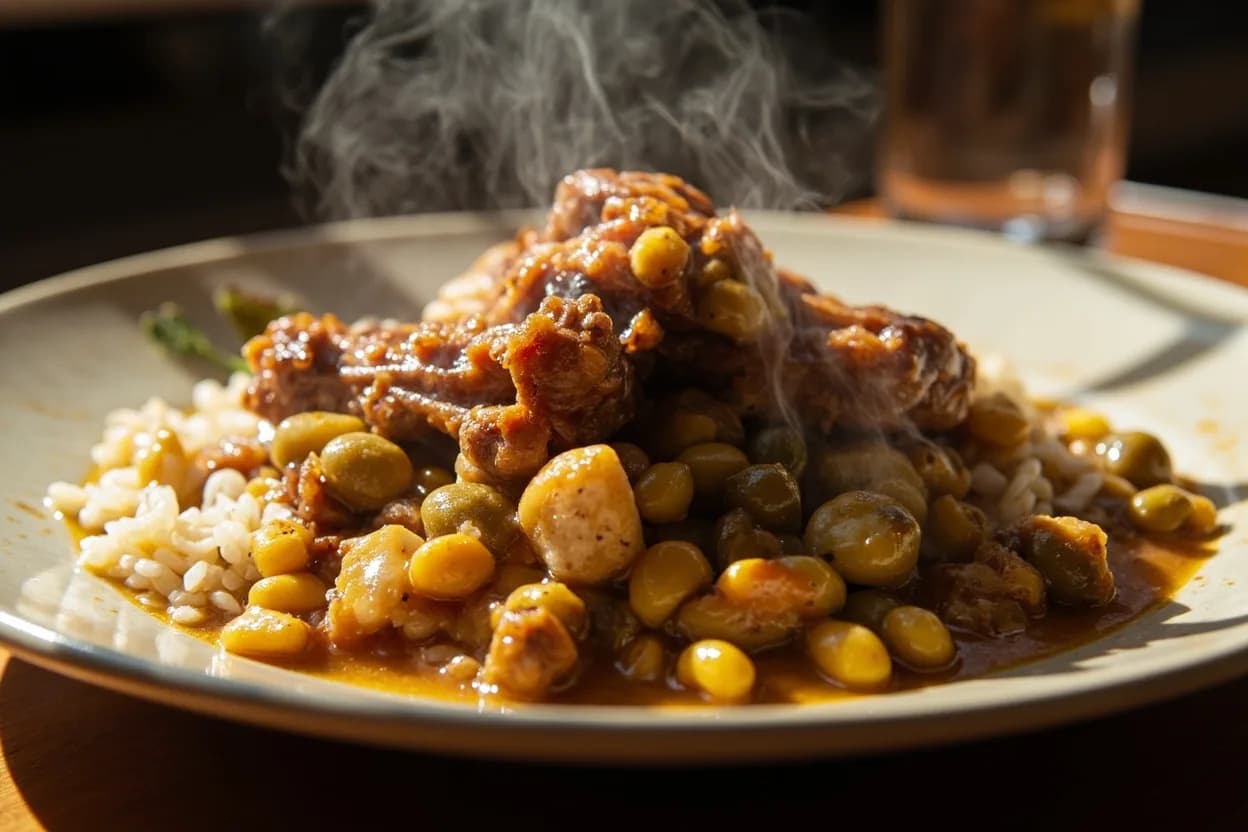
Related
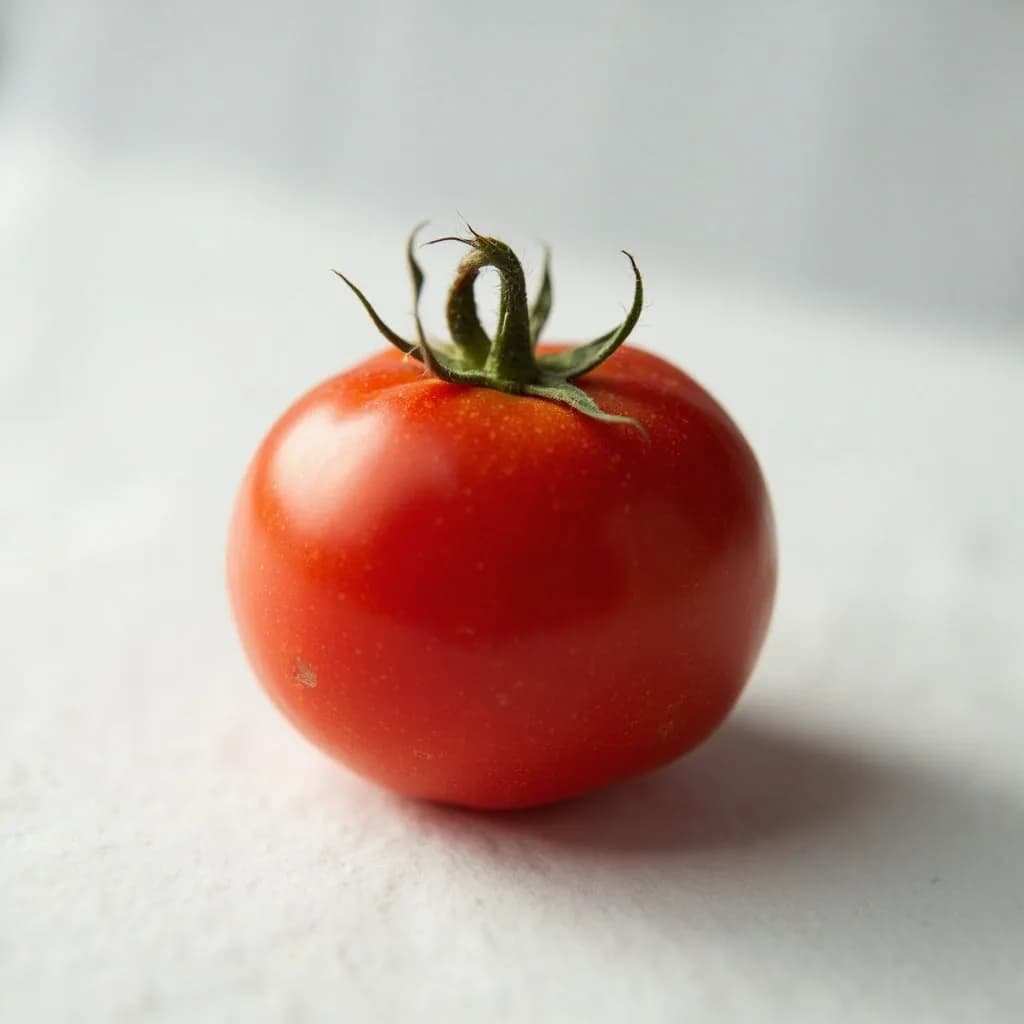
Tomato
Juicy, sun-sweet fruit for sauces, salads, and slow-cooked depth
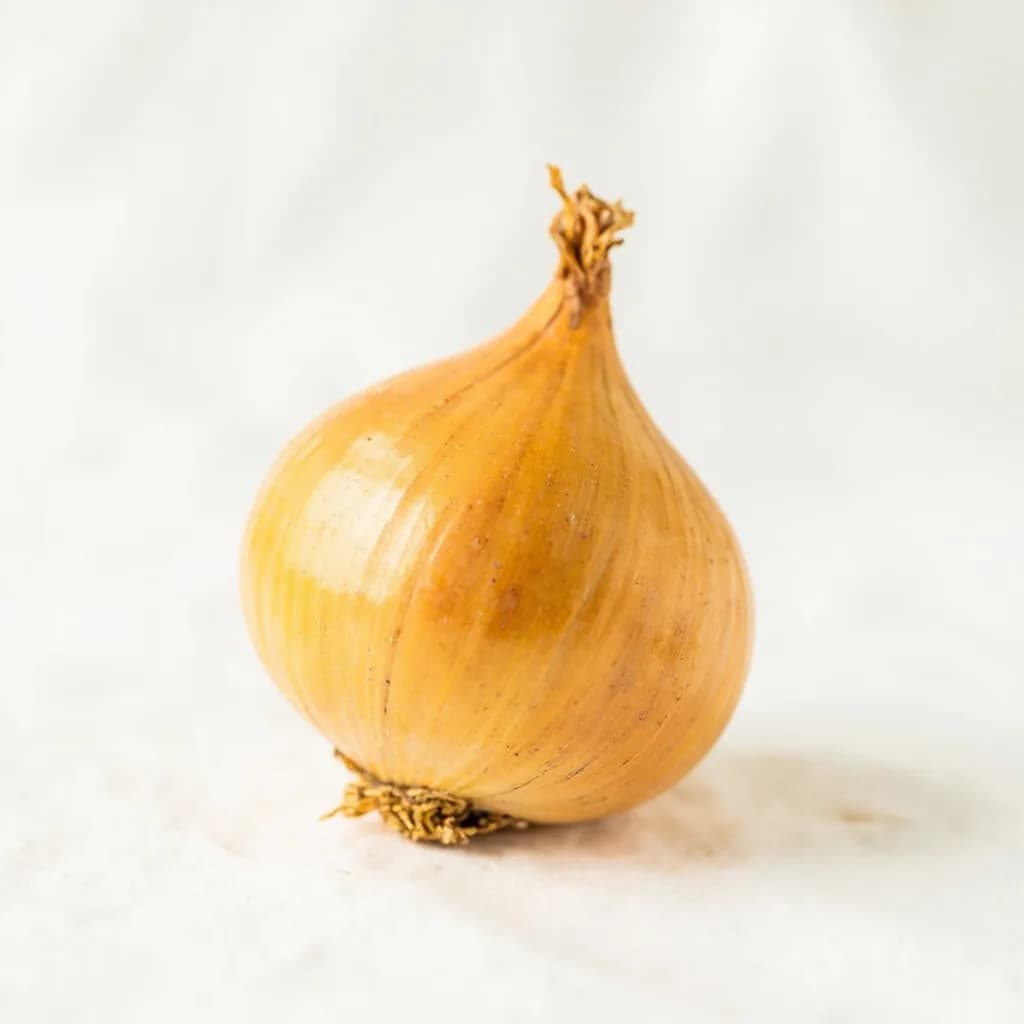
Yellow Onion
The aromatic backbone of soups, sofritos, and braises
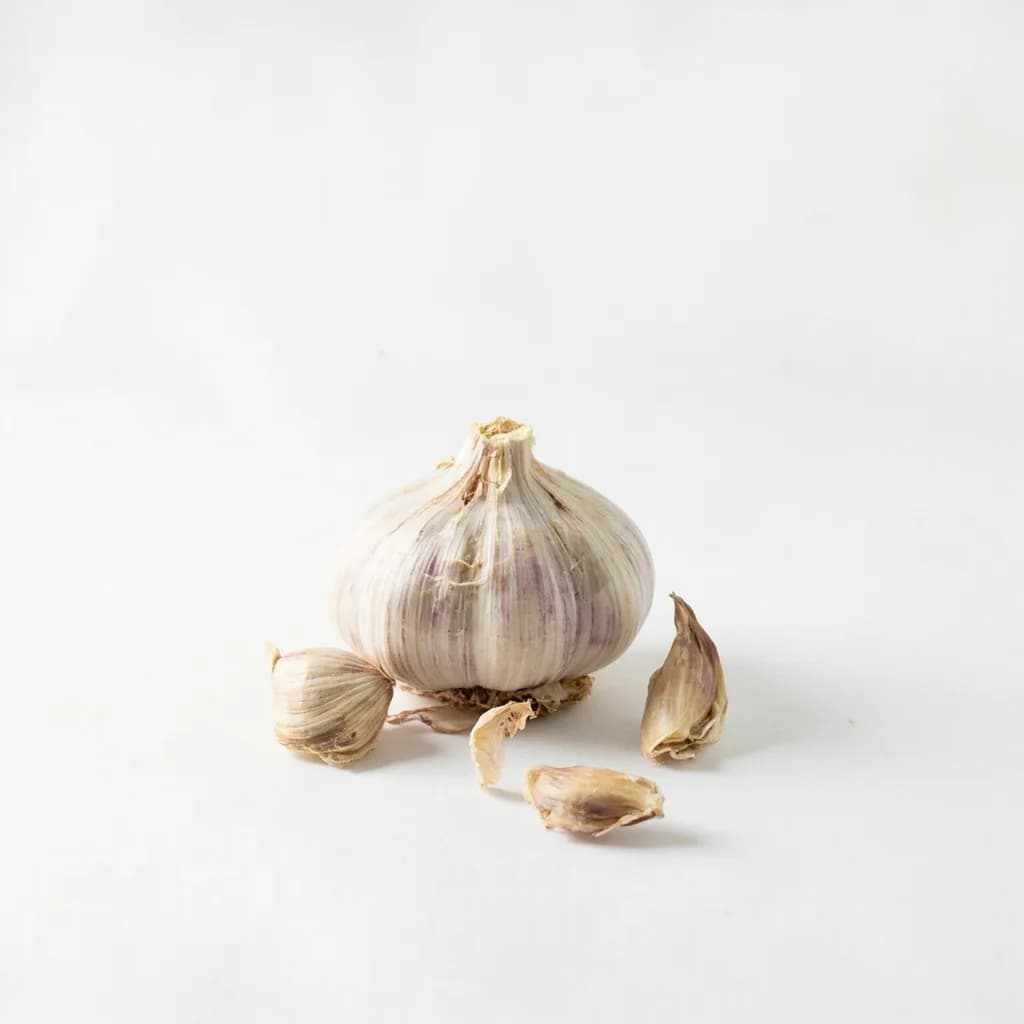
Garlic
Pungent cloves that perfume nearly every savory dish
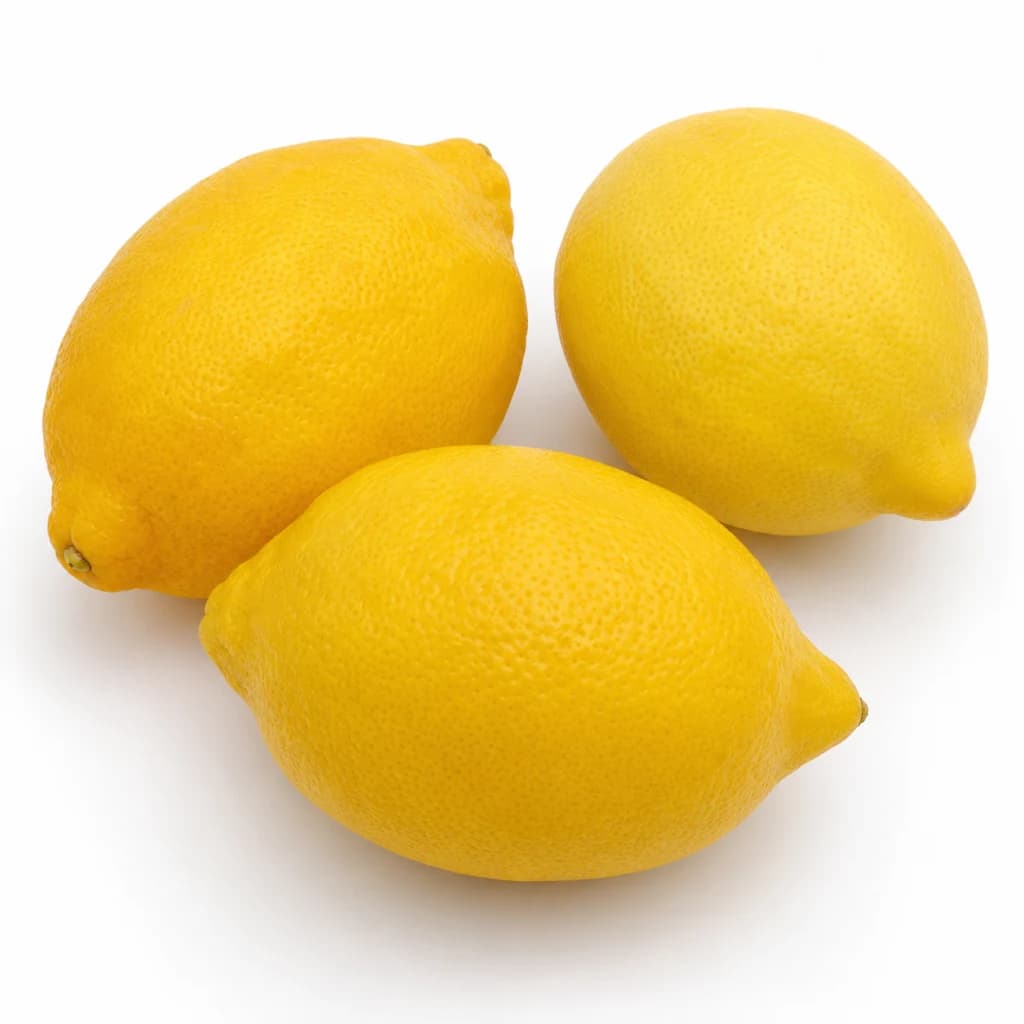
Lemon
Bright, acidic citrus that wakes up almost any dish
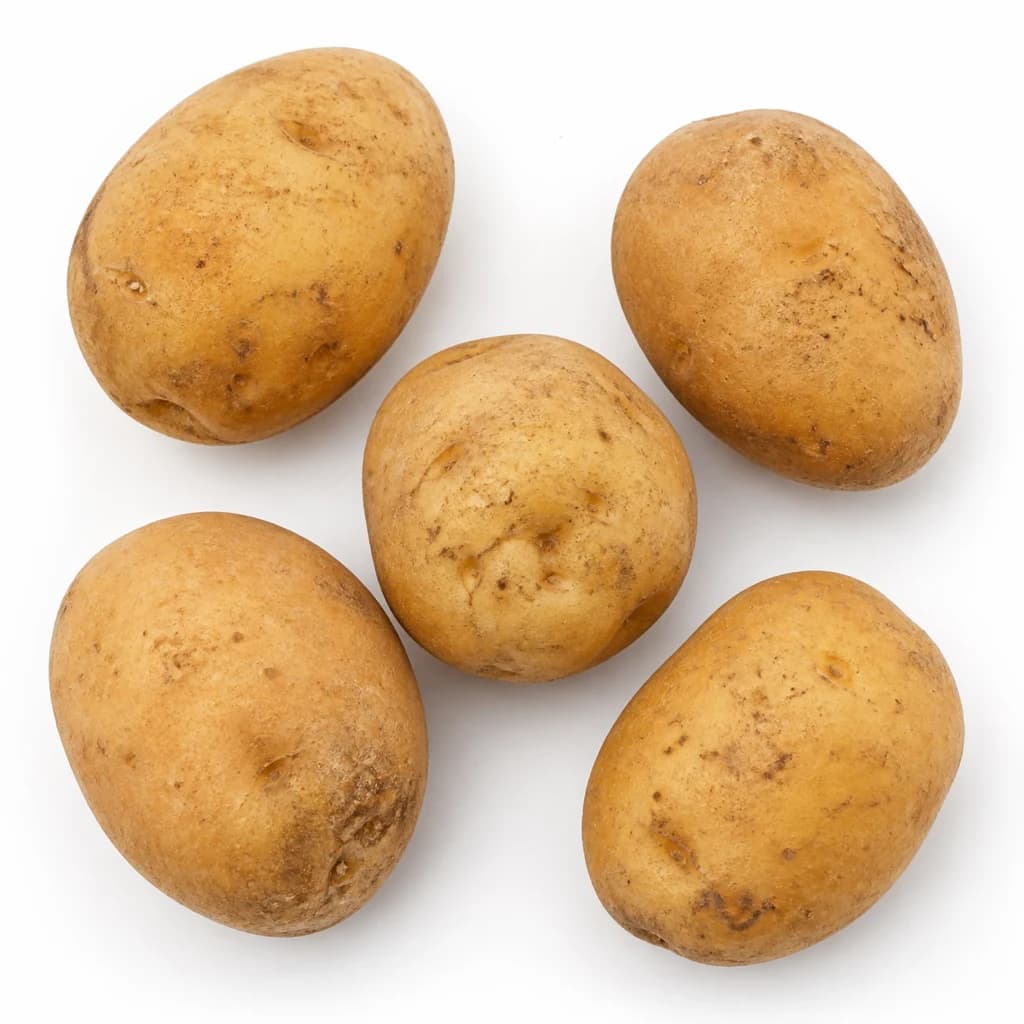
Potato
Humble, hearty staple — roast, mash, fry, or boil
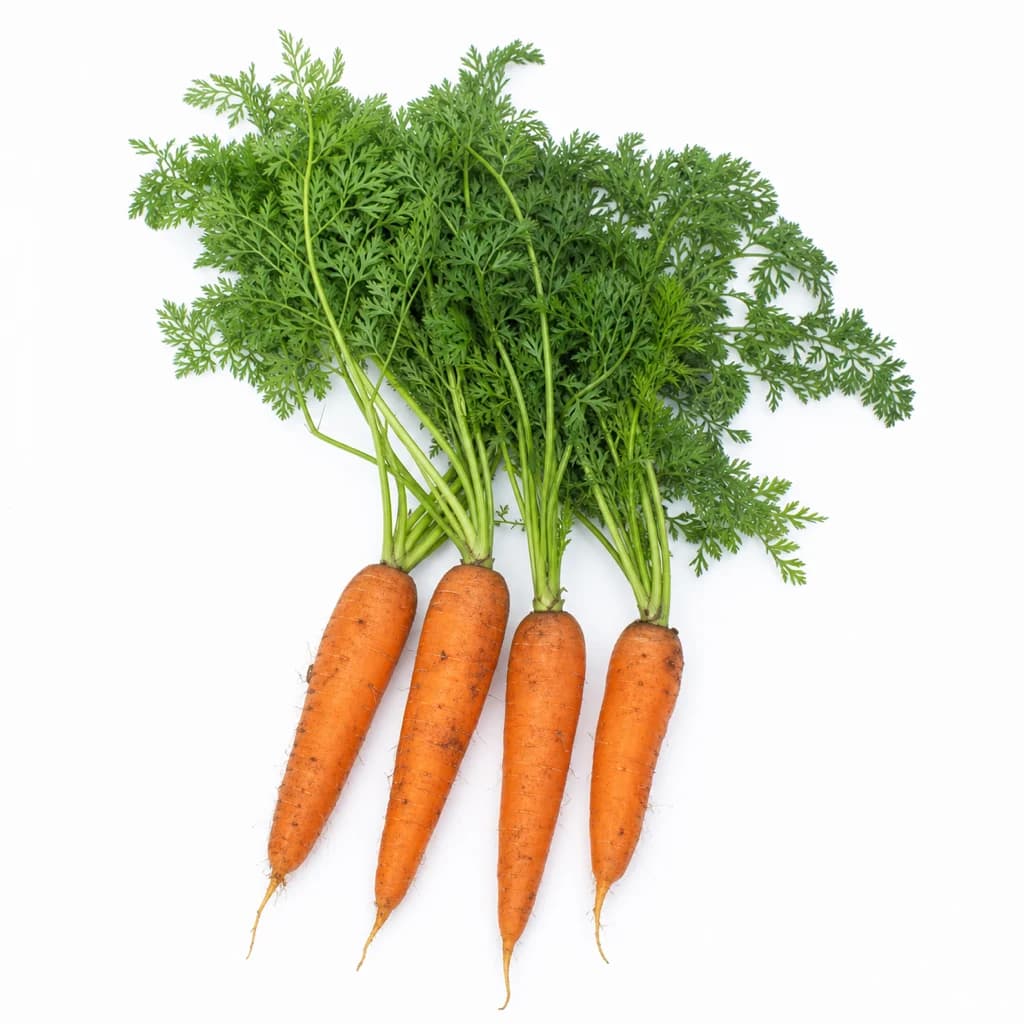
Carrot
Sweet, crunchy root — raw, roasted, or the base of a sofrito
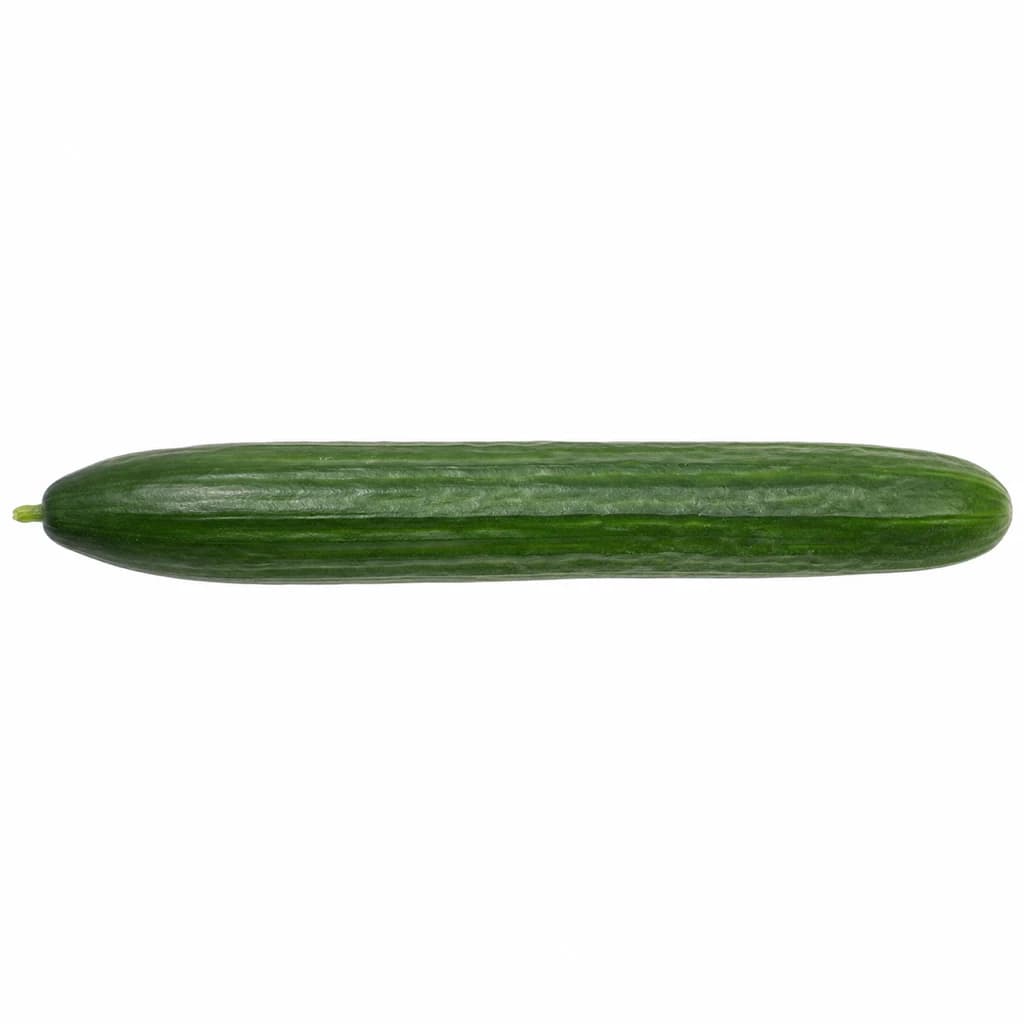
Cucumber
Cool, crisp, and watery — for salads, pickles, and tzatziki

Lettuce
Crisp leaves for salads, wraps, and a fresh crunch