Heat & Fire
Gratinating
Browning a dish's top under high heat to form a crisp, golden crust.
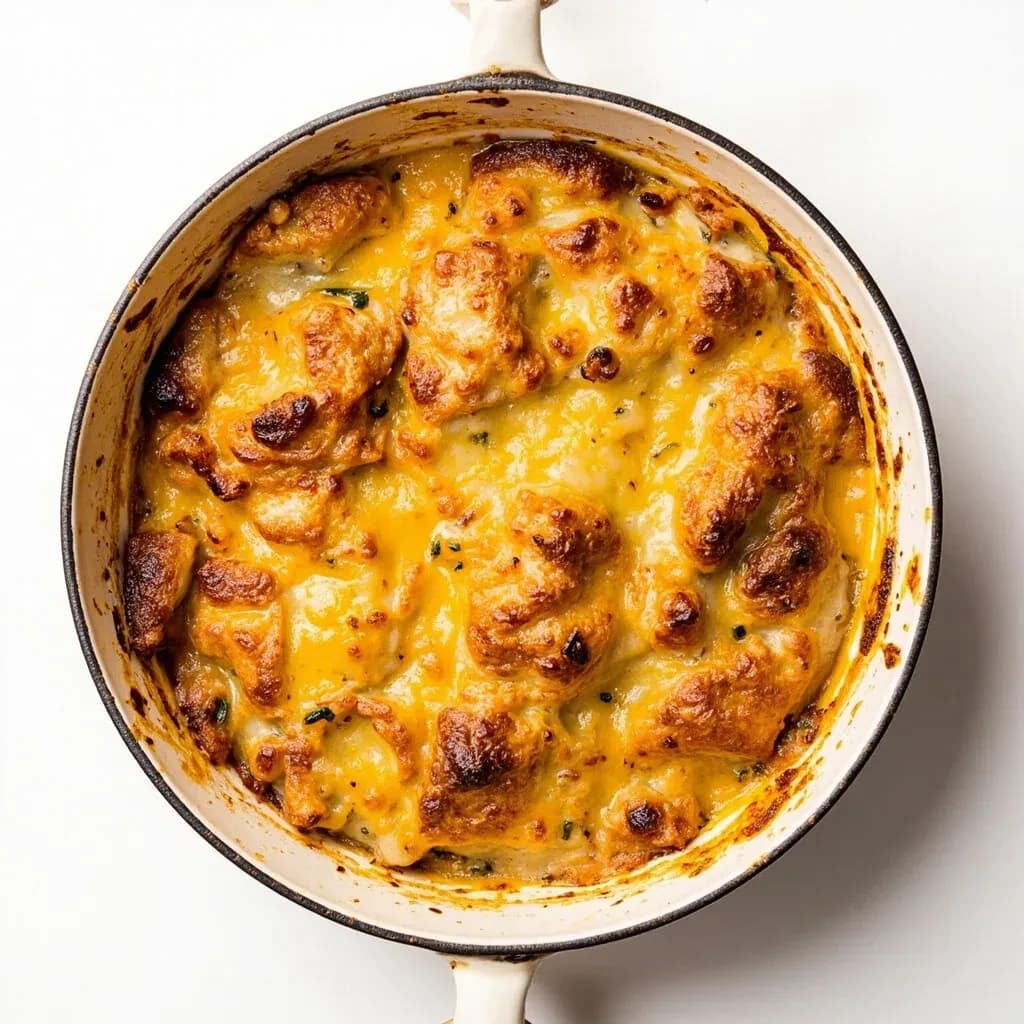
Gratinating finishes a dish under a broiler or in a hot oven so the surface, often topped with cheese, breadcrumbs, or butter, browns into a crisp, golden crust. It defines gratin dishes like potato gratin and French onion soup and adds textural contrast atop casseroles and pastas. The intense top heat sets the crust quickly without overcooking what lies beneath.
Gratinating is the finishing technique of applying intense top heat to an already-cooked dish so the surface crisps, browns, and develops a savory crust while the interior stays soft and yielding. The browning happens fast — usually two to eight minutes under a hot broiler — and is driven by the Maillard reaction and the caramelization of proteins, sugars, and starches on the topmost layer. What defines a gratinated dish is the contrast: a brittle, deeply flavored lid over a tender, often creamy base, where every forkful or spoonful carries both textures.
The technique is almost always the last step in a recipe. Cooks don't use it to cook food through; they use it to color and texturize a surface that's already been boiled, braised, or sauced. That makes gratinating forgiving in one sense (the interior is done) but unforgiving in another: a broiler can take a pale crust to charcoal in under thirty seconds. Success depends on three things the cook controls — surface dryness, even topping distribution, and proximity to the heat source.
The word "gratin" describes the browned crust itself, not the dish beneath it, and the term is sometimes said to derive from the French gratter, "to scrape," a reference to scraping the flavorful browned bits from the pan. Whether or not that etymology holds, the principle is the same: the crust is the prize, and everything below it is built to support it.
- Difficulty
- Easy
Types & varieties
Sliced potatoes baked in cream (no cheese in the 19th-century original from the Dauphiné region), finished under the broiler for a golden crust.
Potatoes baked with stock and Beaufort cheese, gratinated until bubbling and brown.
French onion soup — onion broth over bread, capped with Gruyère and browned into a continuous crust.
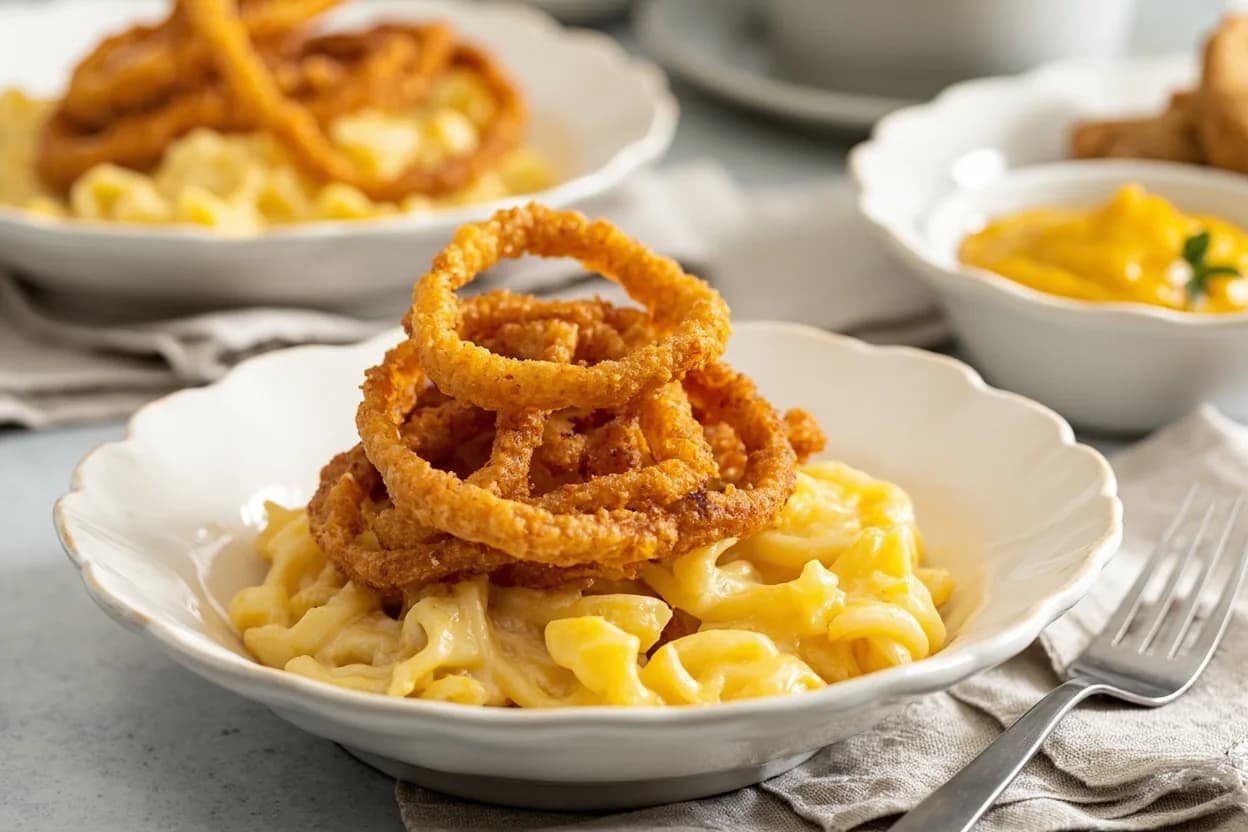
Macaroni bound with béchamel or Mornay sauce, topped with cheese and/or breadcrumbs, and browned.
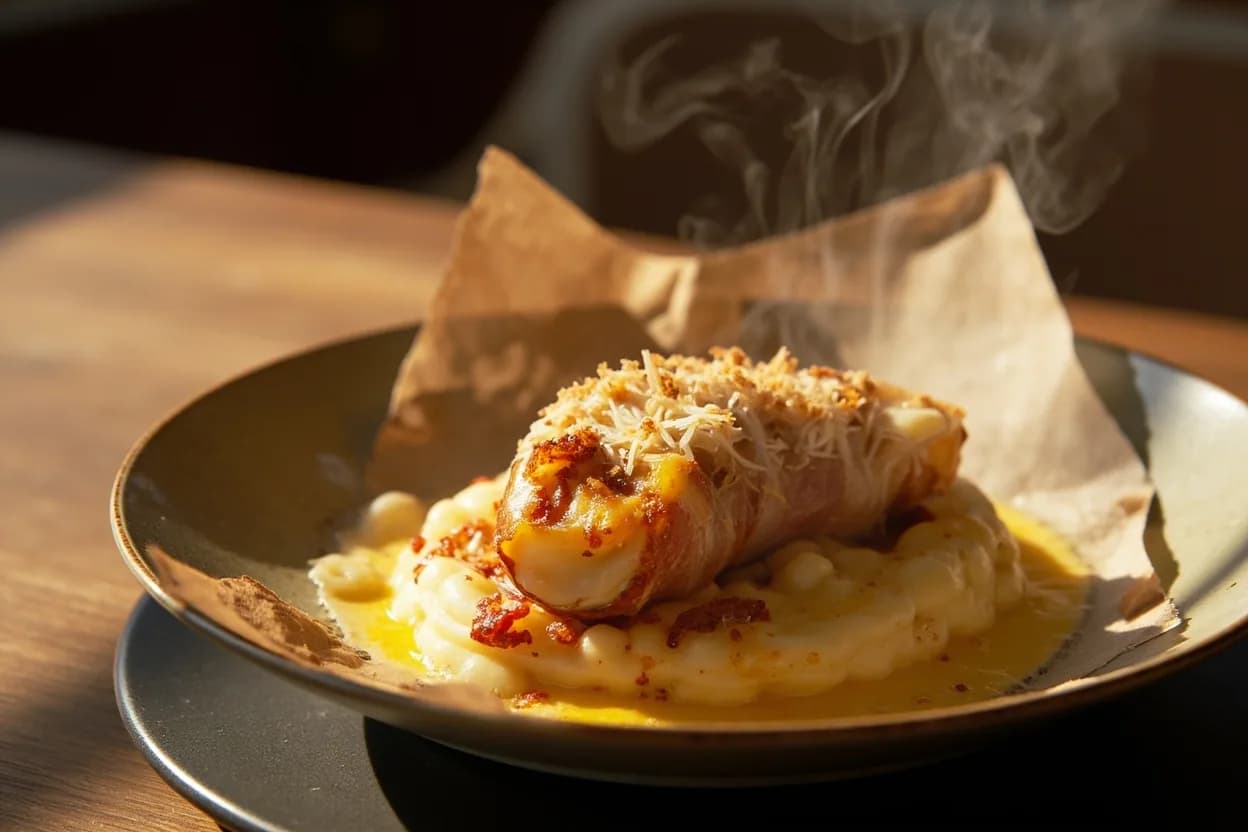
Salt-cod purée layered with potatoes and cream, finished with breadcrumbs or cheese.
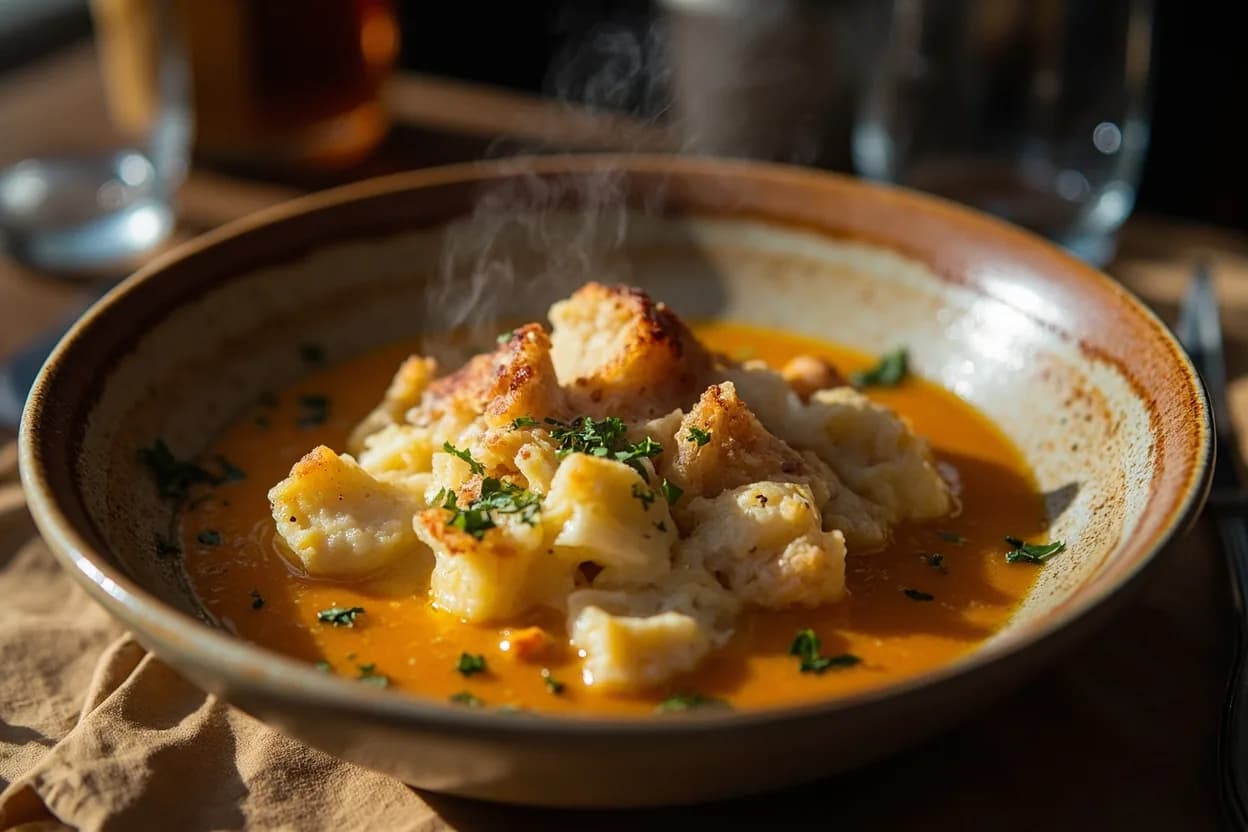
Cauliflower, leeks, endive, celeriac, or tomatoes cooked in cream or sauce and browned on top.
Sweet version — poached or raw fruit topped with sabayon, custard, or sugar and browned or caramelized.
How to do it
- 1
Finish the base dish
Bring what you're going to gratinate fully cooked and hot: boiled potatoes in cream, sauced pasta, cooked vegetables in béchamel, ladled French onion soup in a crock. Blot or pat the surface dry so there's no standing liquid — moisture on top will steam the topping and prevent true browning.
- 2
Choose and apply the topping
Spread the topping in a thin, even layer: grated cheese alone, a mixture of cheese and panko or fine dry breadcrumbs tossed with melted butter, or a spooned film of Mornay or béchamel followed by cheese. Aim for one consistent layer that covers the entire surface edge to edge.
- 3
Position for top heat
Place the dish on a rack 2–4 inches (5–10 cm) below the broiler element, or on the top shelf of a preheated oven. For a salamander, slide the dish directly under the heated plate. Move the rack closer to scorch, farther to soften the color.
- 4
Apply high direct heat
Turn the broiler to high and cook, watching continuously. Expect 2–5 minutes for thin toppings, 5–8 minutes for thick cheese layers. Rotate the dish halfway through if one side is browning faster than the other.
- 5
Watch for the right color
Pull the dish when the topping is deep golden brown with darker amber spots, bubbling actively at the edges, and smelling toasted. Going past this point risks acrid, burned flavor in seconds — there is very little margin.
- 6
Rest and serve
Let the gratinated dish rest 3–5 minutes so the molten cheese or cream firms up slightly and the crust stays crisp longer. Serve immediately while the contrast between crust and interior is at its peak.
Choosing the topping
The right topping determines whether your crust shatters, melts, or weeps. Cheese alone gives a glossy, savory lid; cheese mixed with panko or fine dry breadcrumbs, tossed with a little melted butter, gives the crunchiest, most even crust with the most surface area for browning. A thin film of béchamel under the cheese helps the crust adhere and prevents the sauce underneath from drying out under direct heat.
- High-fat, low-moisture aged cheeses brown the best: Gruyère, Comté, Emmental, Parmesan, aged cheddar. Their proteins seize and color without releasing much water.
- Fresh mozzarella and other high-moisture cheeses weep and turn rubbery under the broiler; reserve them for dishes that finish in a hot oven rather than under direct heat.
- Parmesan alone burns fast; blend it 50/50 with a melting cheese like Gruyère for both color and pull-apart texture.
- Panko browns more evenly than fresh breadcrumbs because of its larger, drier flakes; toss with melted butter before scattering.
Broiler, salamander, or torch
All three tools deliver the same idea — intense heat from above — but with different precision and reach. The salamander, once a cast-iron disk heated over coals in a restaurant open kitchen, gives the most control and is the original tool for gratinating. A modern oven broiler set on high, with the rack placed close to the element, gets you 90 percent of the way there for an entire dish at once. A kitchen torch is best for small jobs — individual ramekins of crème brûlée, a portion of sabayon, or a slice of croque-monsieur — where you want pinpoint heat without warming the room.
- Broiler: best for full dishes; rotate the pan for even color and watch through the oven door.
- Salamander: best for restaurants and serious home cooks; heats from above in seconds and gives the most even melt-and-brown.
- Torch: best for single portions and delicate toppings like sugar or thin cheese; keep the flame moving to avoid scorching.
Common uses
Tips & pitfalls
- Watch constantly — a broiler can take a pale crust to burnt black in under thirty seconds; never walk away while a dish is under the broiler.
- Use a shallow dish so the ratio of crust to interior is generous and the heat reaches the surface quickly.
- Mix grated cheese with panko or fine dry breadcrumbs and a knob of melted butter for the crispiest, most even crust.
- Pick cheeses high in fat and protein — Gruyère, Comté, Parmesan; low-moisture mozzarella browns well, while fresh mozzarella weeps and won't crisp.
- Pat the surface dry before broiling; moisture on top steams the topping and prevents true browning.
- Never put plastic-handled pans, melamine, or non-oven-safe ceramics under the broiler.
- For an even cheese crust, distribute it in a single layer and press lightly so every bit contacts the sauce or food beneath.
- Let the dish rest 3–5 minutes after gratinating — the molten cheese and cream need to set, and the crust holds its crispness longer.
Good to know
- Origin
- French cuisine; "gratin" refers to the crust itself, possibly from gratter, "to scrape."
- Heat source
- Direct radiant heat from above: oven broiler, salamander, or kitchen torch.
- Temperature range
- Broiler on high (500–550 °F / 260–290 °C), salamander red-hot, or torch at full flame.
- Key reactions
- Maillard browning of proteins and caramelization of sugars and starches on the surface.
- Typical time
- 2–8 minutes under a broiler; seconds under a salamander or torch.
- Best vessels
- Shallow, oven-safe dishes with generous surface area — gratin dishes, oval earthenware, cast-iron skillets, individual ramekins.
- Traditional tool
- Salamander — a heavy cast-iron or bronze disk once heated over coals, now gas or electric.
- Closely related
- Glazing, brûléeing (caramelizing sugar), and flaming — all rely on direct top heat for a crust.
Also called
Gratineren · Gratiner · Gratin · Au Gratin
Dishes that rely on it
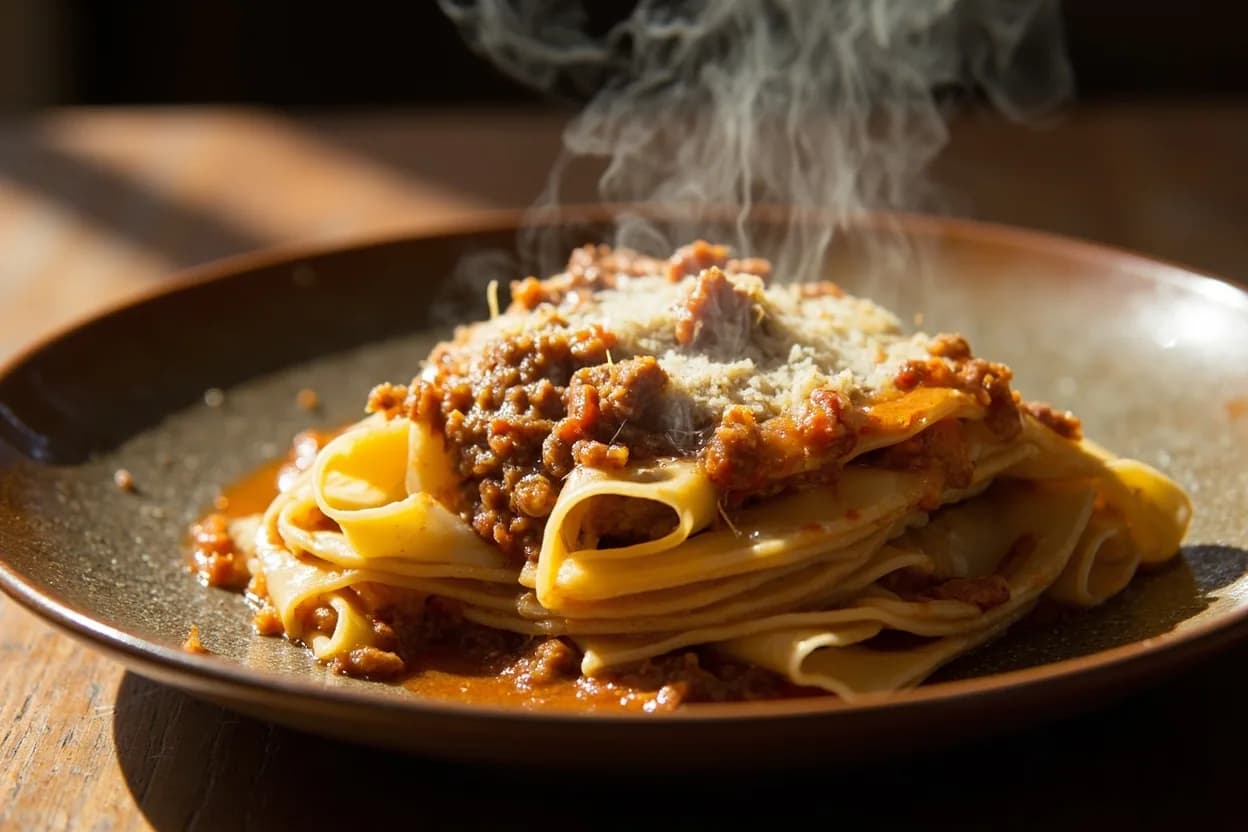
Related

Sear
Blast the surface hot for a deep-browned, savory crust

Sauté
Cook quickly in a little fat over lively heat, tossing as you go

Stir-Fry
Toss bite-sized pieces over roaring heat for fast, smoky cooking

Pan-Fry
Crisp food in a shallow layer of hot fat, turning once or twice

Deep-Fry
Submerge in hot oil for an all-over crackling crust

Roast
Cook uncovered in dry oven heat for browned edges and tender centers

Bake
Cook with steady, surrounding oven heat — the soul of bread and pastry

Broil
Hit food from directly above with fierce overhead heat