The Method
Techniques
Every move a recipe asks of you — from a clean knife cut to a slow braise — explained with the cue that matters.
1054 techniques
Heat & Fire
213
Sear
Blast the surface hot for a deep-browned, savory crust

Sauté
Cook quickly in a little fat over lively heat, tossing as you go

Stir-Fry
Toss bite-sized pieces over roaring heat for fast, smoky cooking

Pan-Fry
Crisp food in a shallow layer of hot fat, turning once or twice

Deep-Fry
Submerge in hot oil for an all-over crackling crust

Roast
Cook uncovered in dry oven heat for browned edges and tender centers

Bake
Cook with steady, surrounding oven heat — the soul of bread and pastry

Broil
Hit food from directly above with fierce overhead heat

Grill
Cook over live fire for char, smoke, and bar-marked edges

Smoke
Cook low and slow in wood smoke for deep, savory perfume

Toast
Dry-heat the surface to coax out nuttiness and aroma

Char
Blacken the surface over flame for smoky, bittersweet edges

Flambé
Ignite a splash of spirit to burn off alcohol and deepen flavor

Air-Fry
Blast circulating hot air for fry-like crisp with little oil

Sweat
Soften aromatics low and slow without color for a sweet base

Microwave
Heat food fast from the inside with microwave energy

Sofrito
Slow-cook aromatics in oil into a deep, sweet flavor foundation

Tadka
Sizzle whole spices in hot fat and pour over to finish a dish

Socarrat
Coax a crisp, caramelized crust on the bottom of the rice

Bhuno
Fry and stir a masala until oil separates and flavor deepens
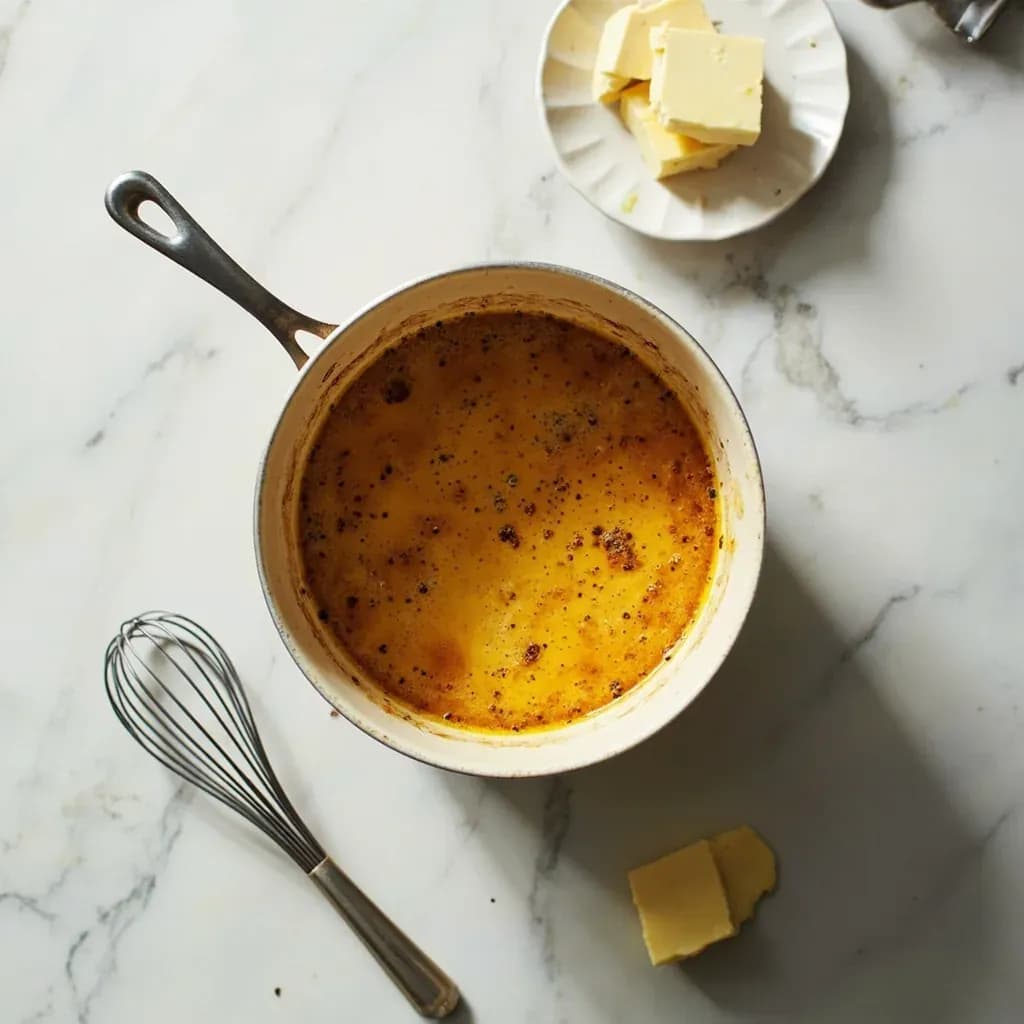
Brown Butter
Cook butter past melting until the milk solids toast to hazelnut

Scramble
Stir eggs gently over heat into soft, creamy curds
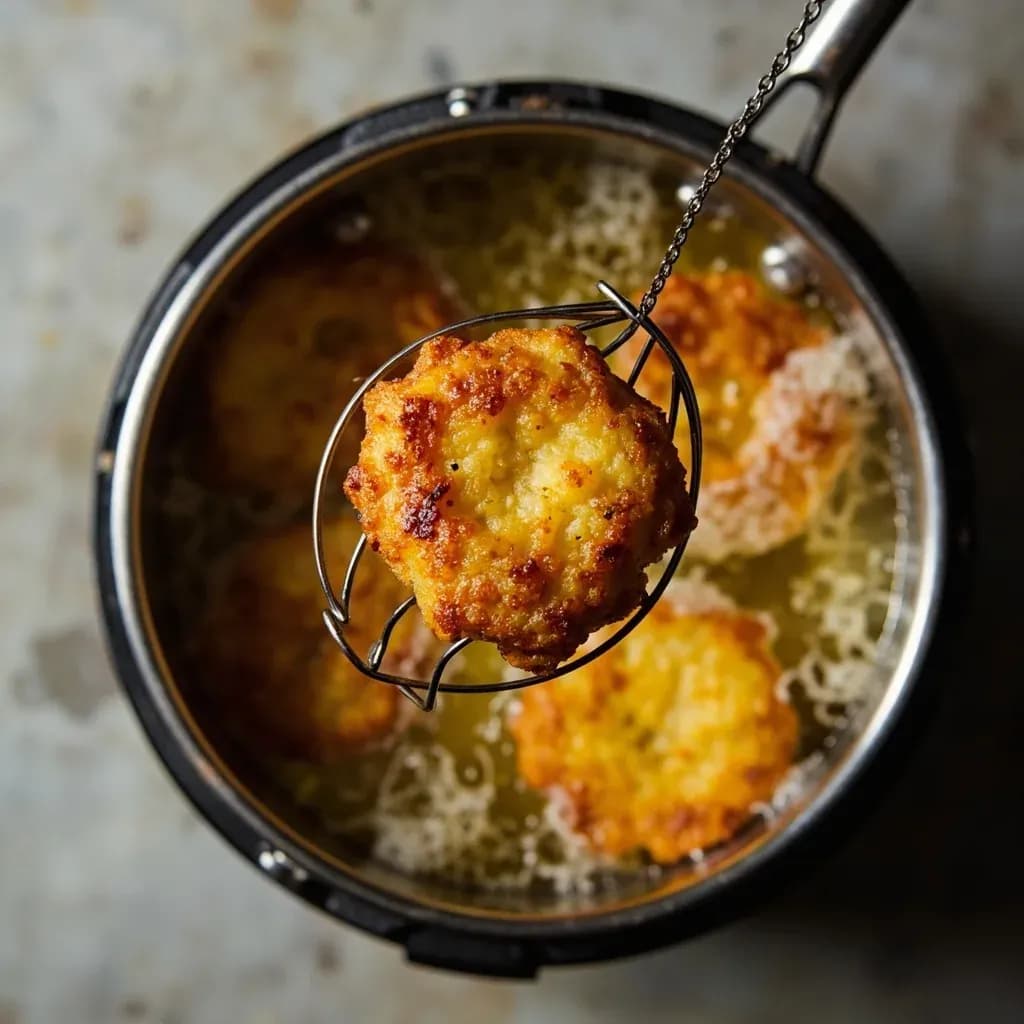
Deep-Frying
Submerging food in hot oil for an all-over crisp crust and quick, even cooking.
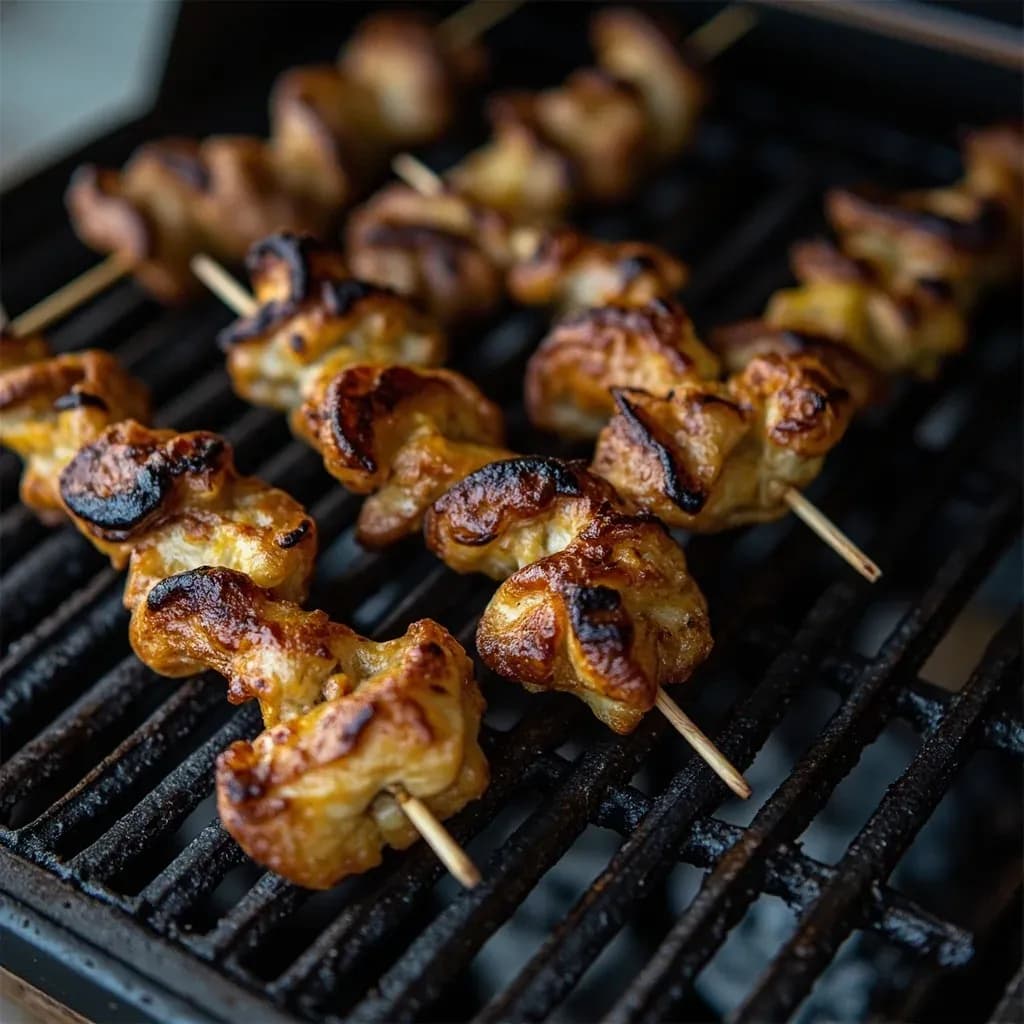
Grilling
Cooking over direct radiant heat or coals for char, smoke, and grill-marked surfaces.
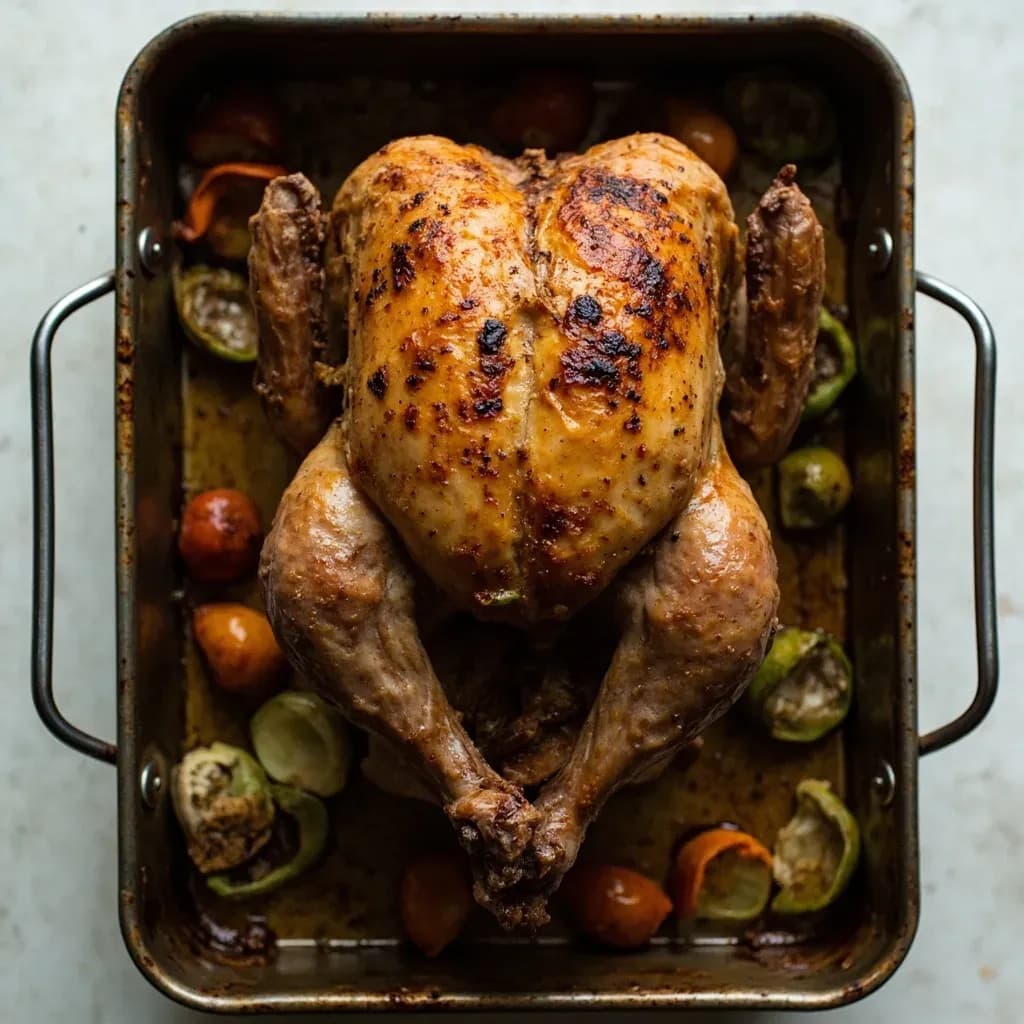
Roasting
Cooking with surrounding dry oven or fire heat for browned exteriors and juicy interiors.
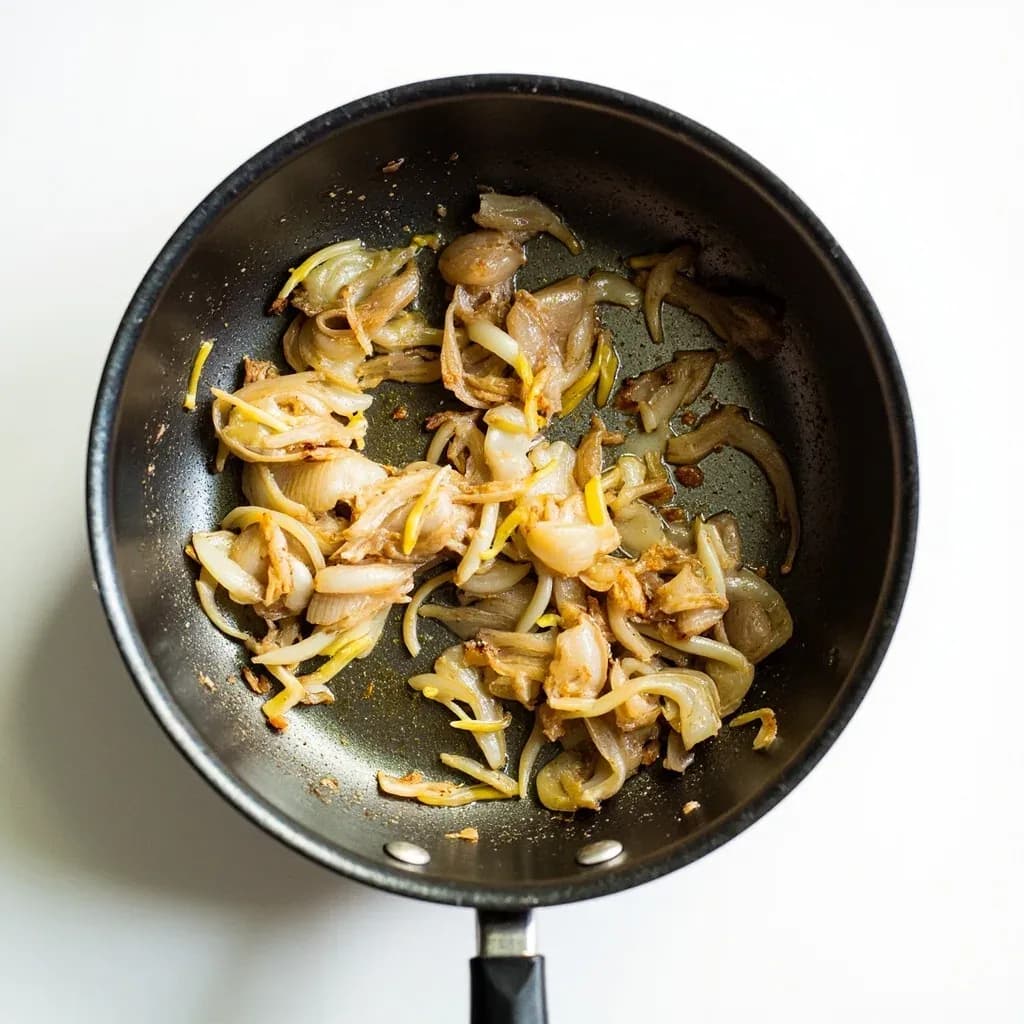
Sautéing
Quickly cooking food in a little hot fat over high heat to soften and develop flavor.
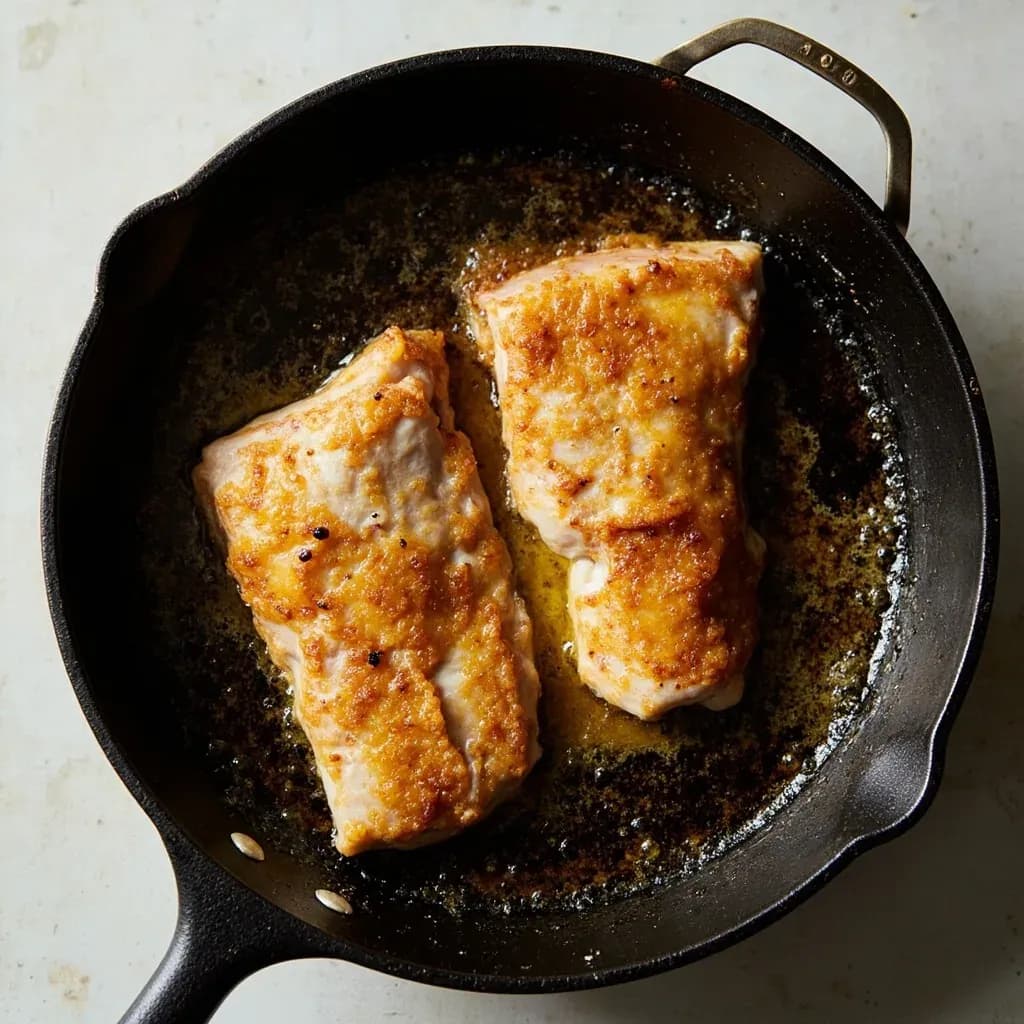
Pan-Frying
Cooking food in a moderate layer of fat in a skillet for a crisp, browned crust.
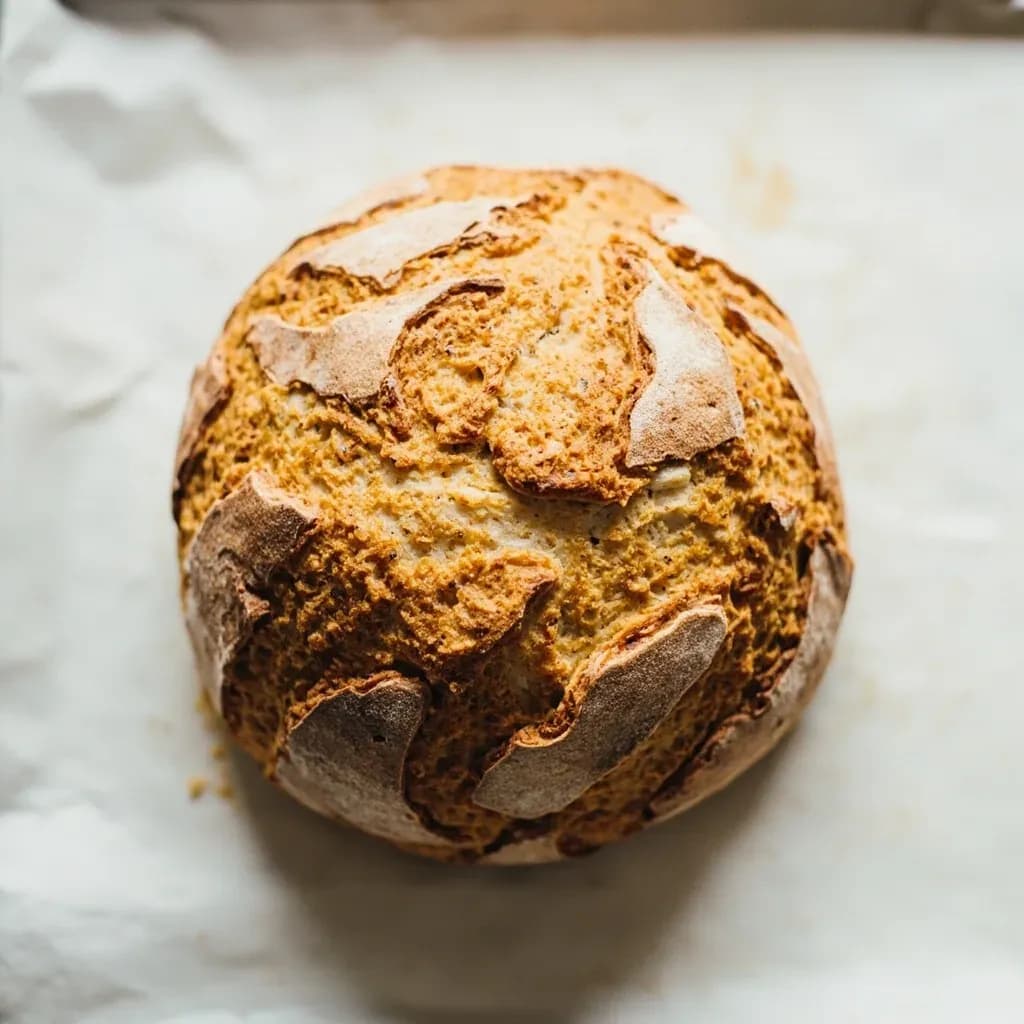
Baking
Cooking with surrounding dry oven heat for breads, pastries, and casseroles.
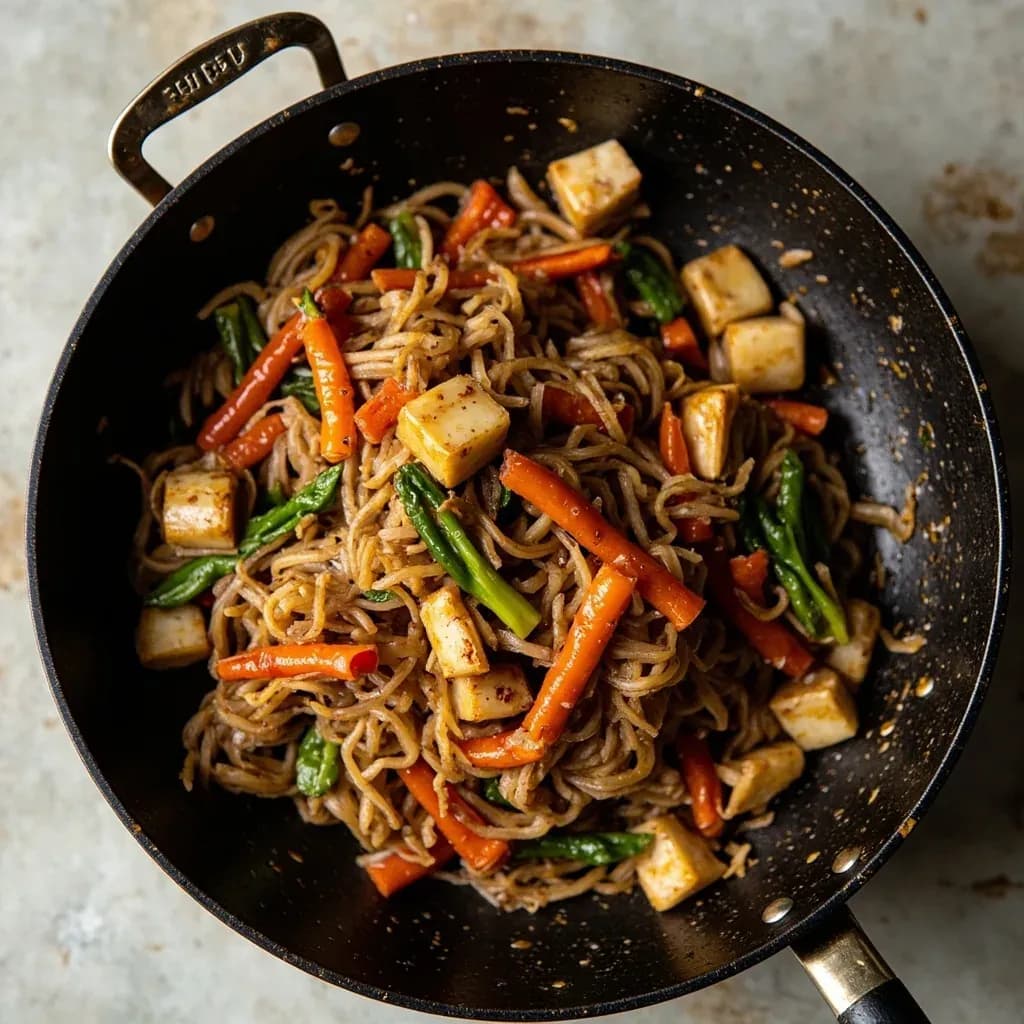
Stir-Frying
Tossing small pieces in a very hot wok with little oil for fast, fresh results.
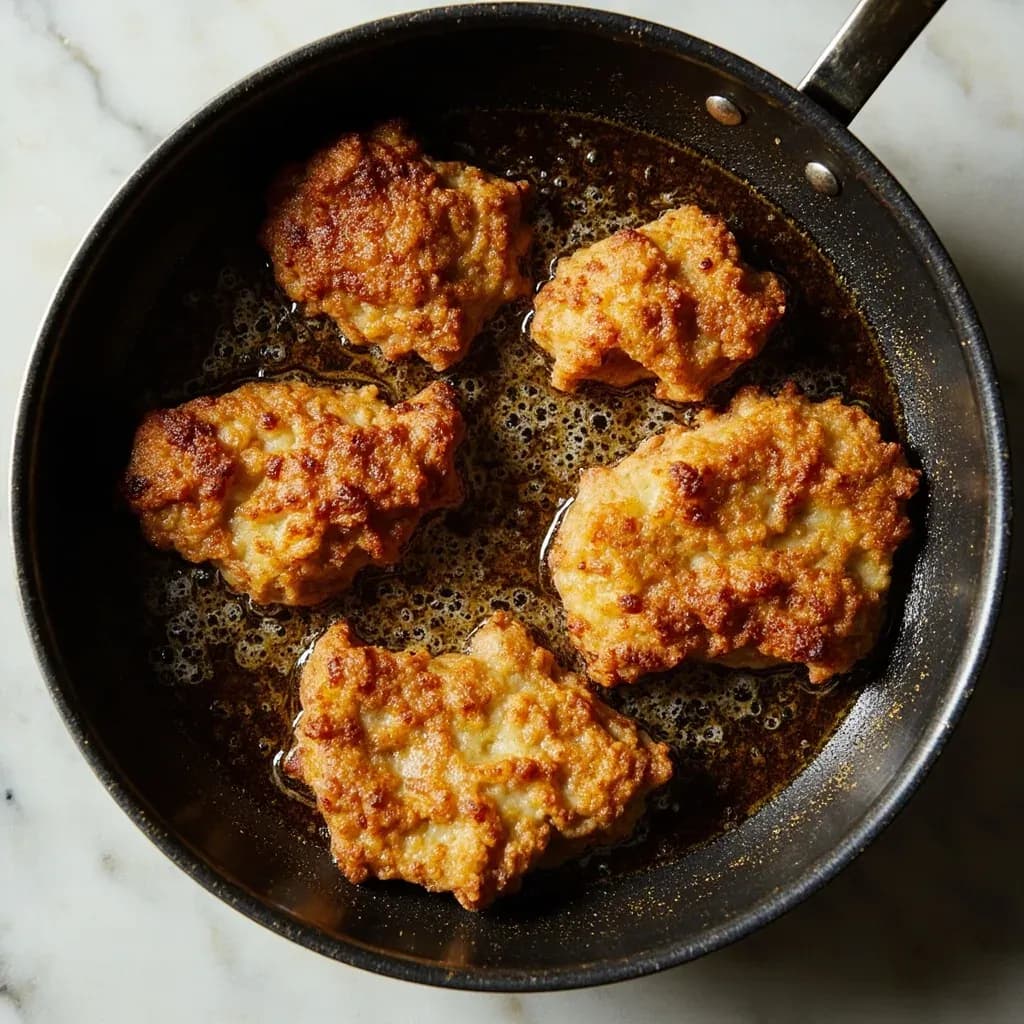
Shallow-Frying
Frying food in oil reaching partway up its sides for a crisp crust on two faces.
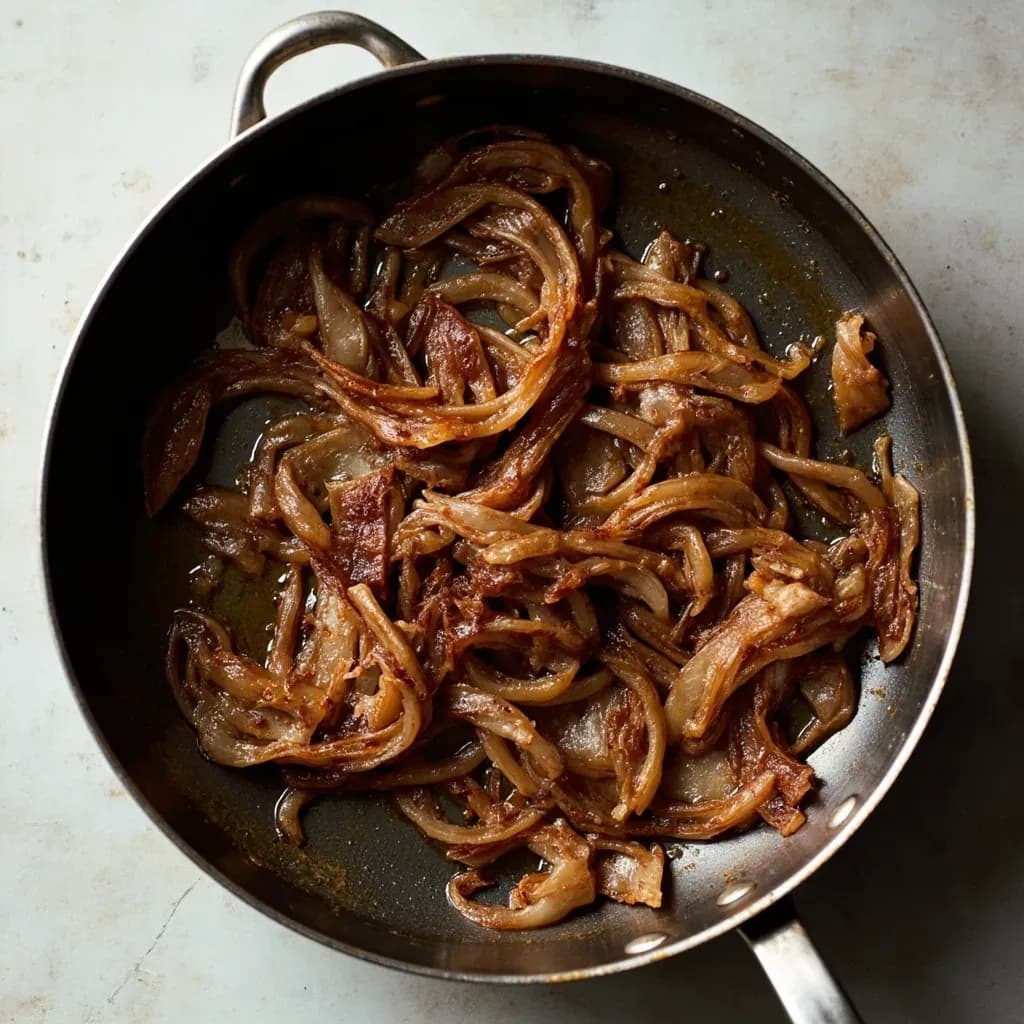
Caramelizing Onions
Slowly cooking onions until their sugars brown into sweet, jammy depth.
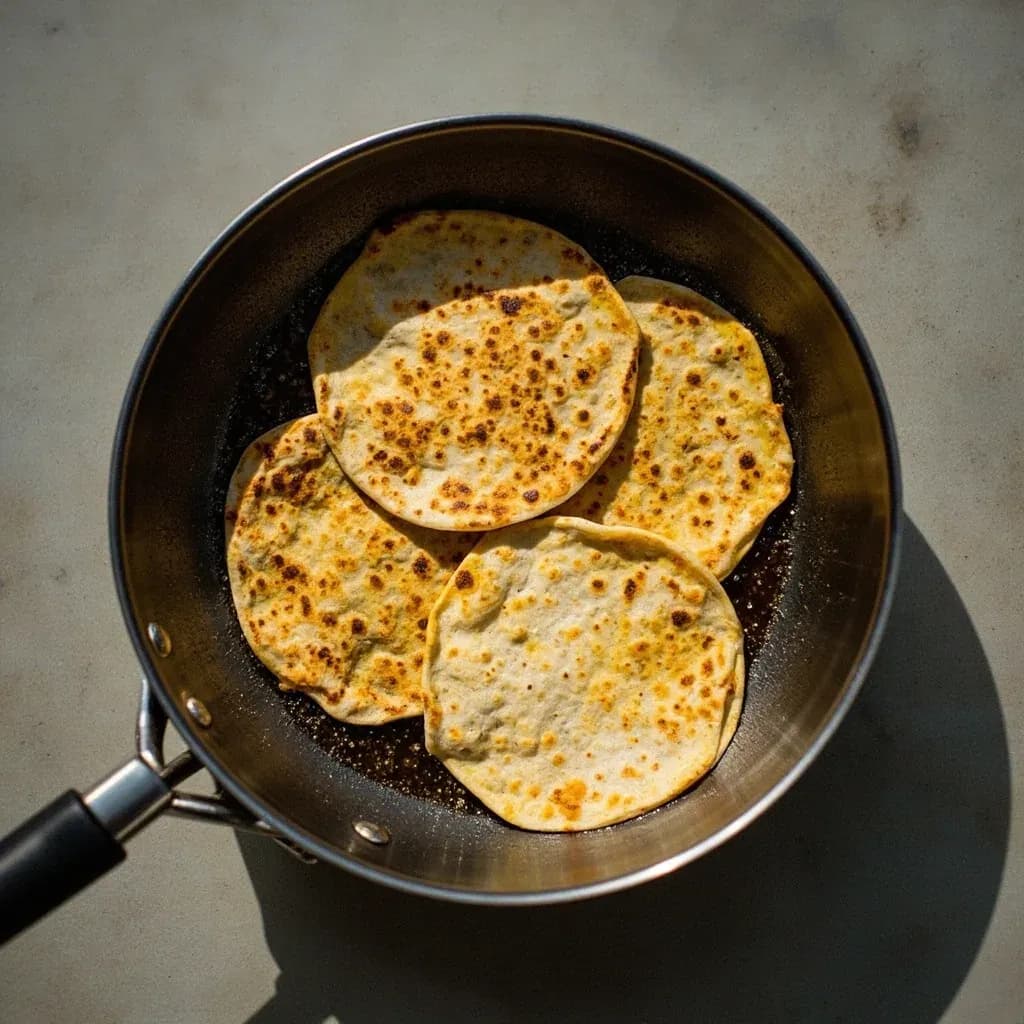
Frying
Cooking food in hot fat, from a light coat to a full skillet, for crispness and flavor.
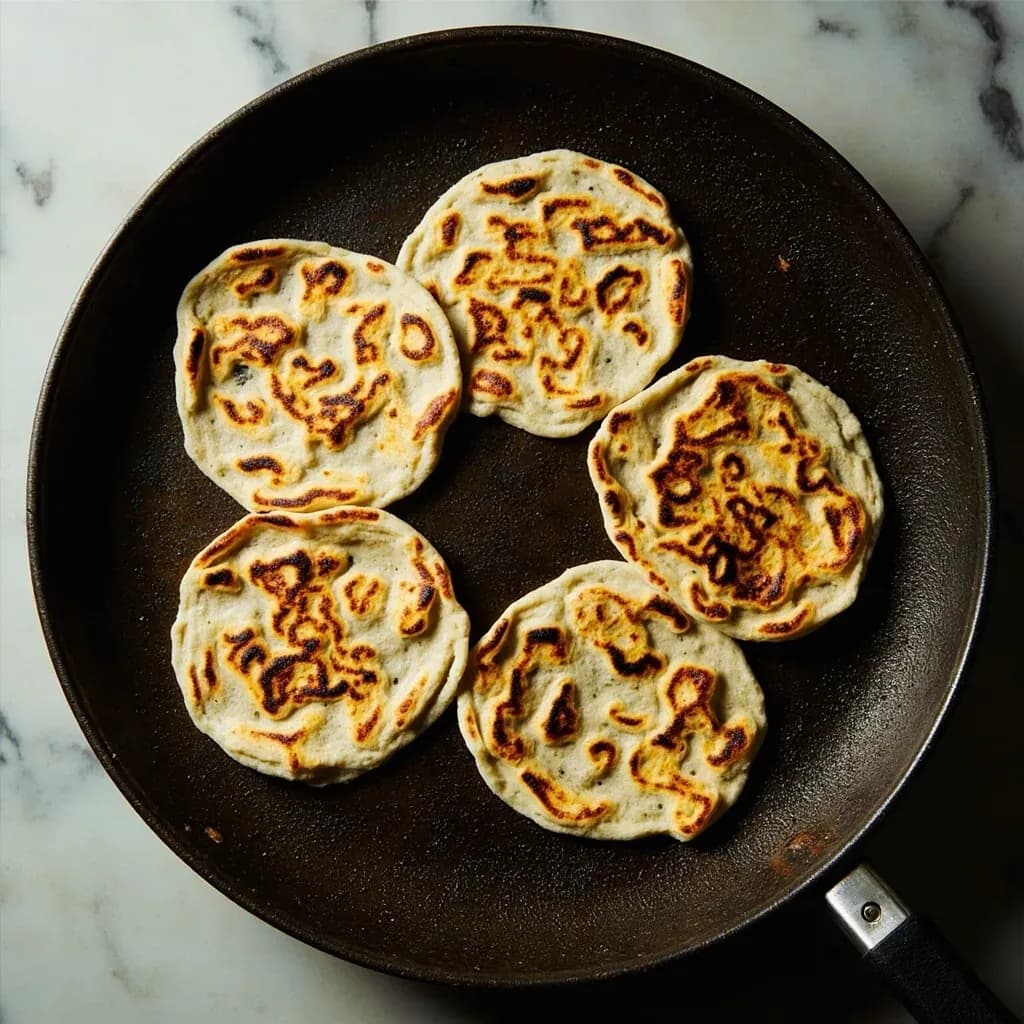
Griddle Cooking
Cooking on a flat, dry hot surface like a comal or tawa for flatbreads and toasted foods.
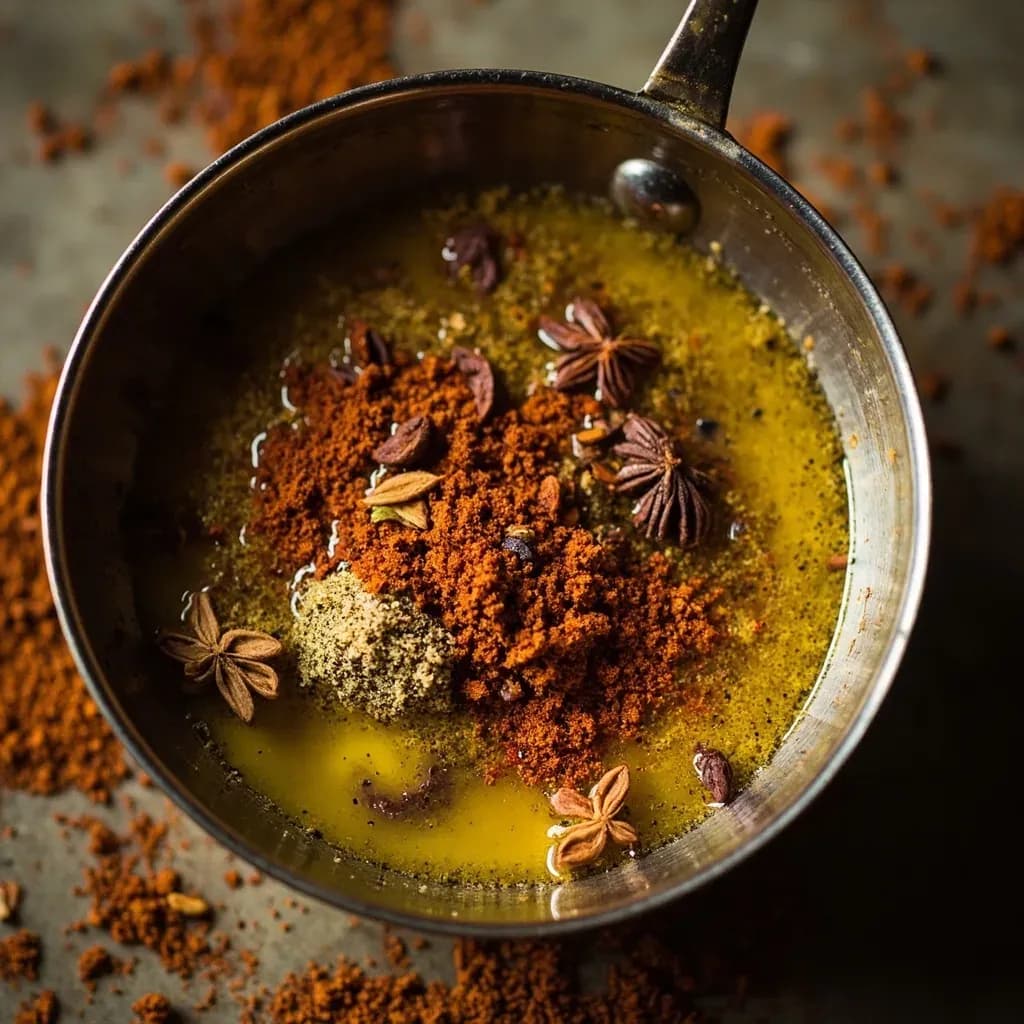
Tempering / Blooming Spices
Frying whole or ground spices in hot oil or ghee to release their aroma and flavor.
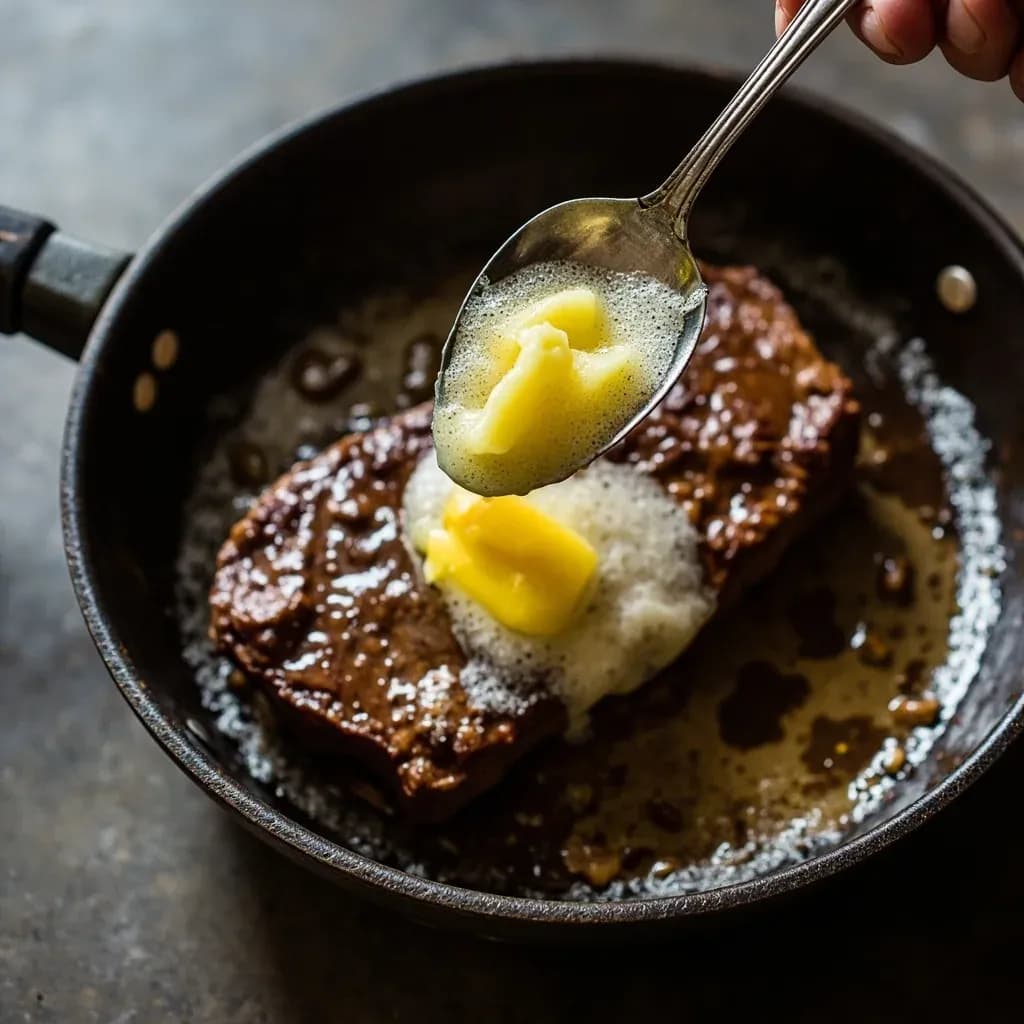
Basting
Spooning fat or juices over cooking food to keep it moist and build flavor.
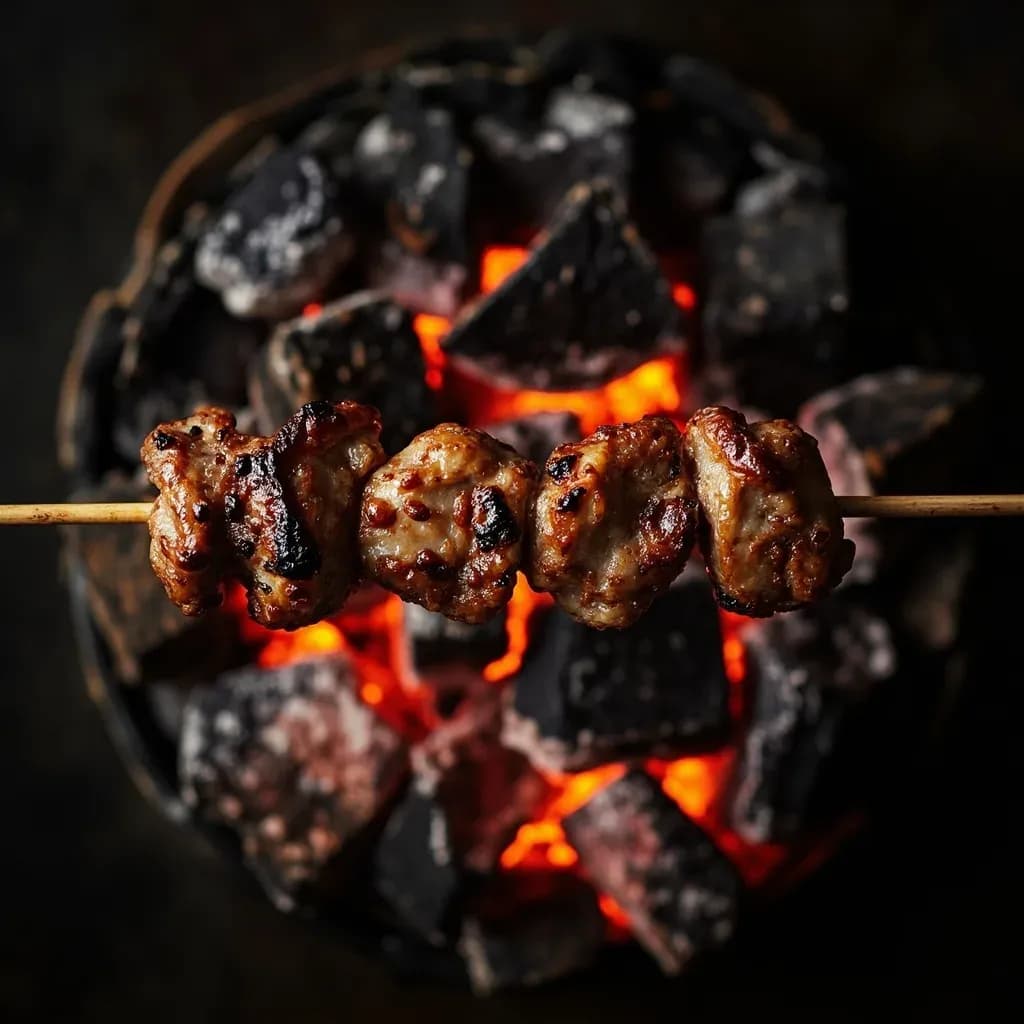
Charcoal Grilling
Grilling over glowing charcoal for high heat, smoky char, and skewered meats.
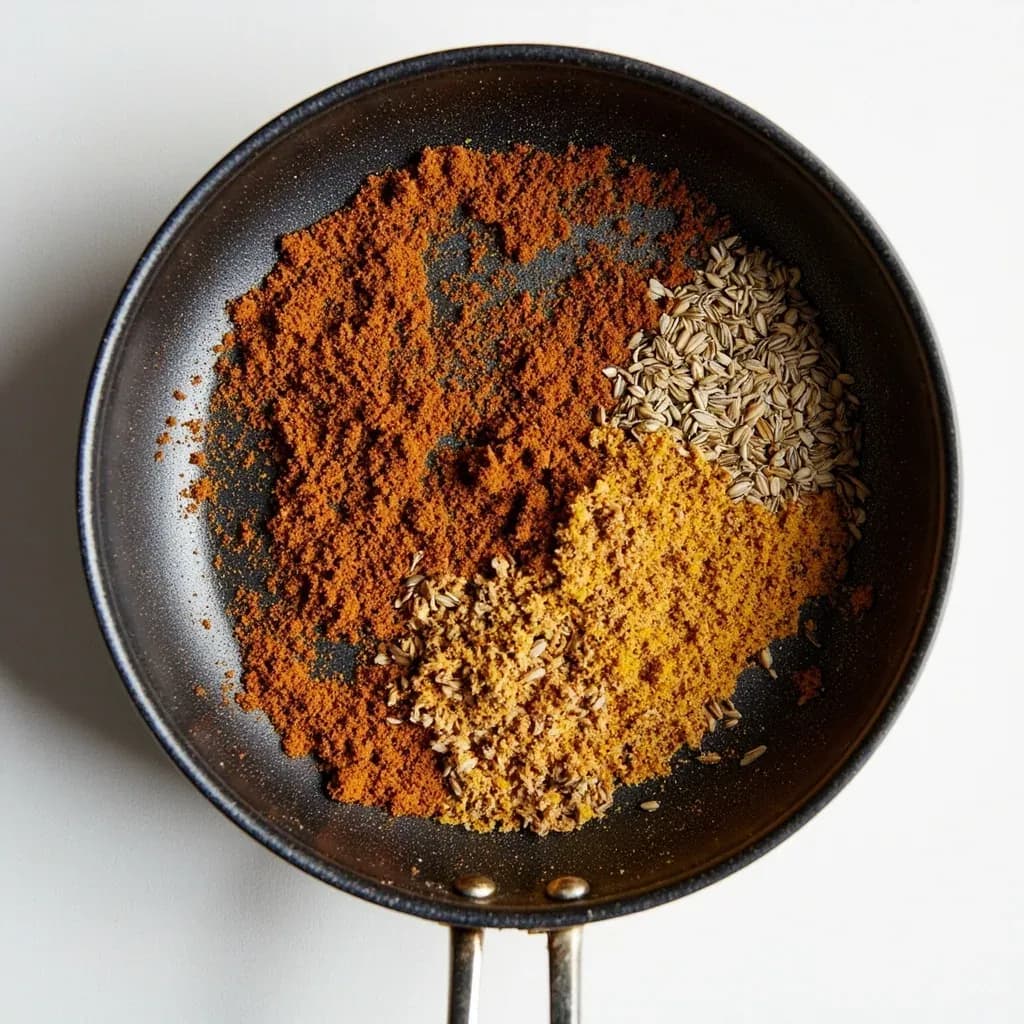
Dry Toasting
Heating grains, seeds, or nuts in a dry pan to deepen aroma and nutty flavor.
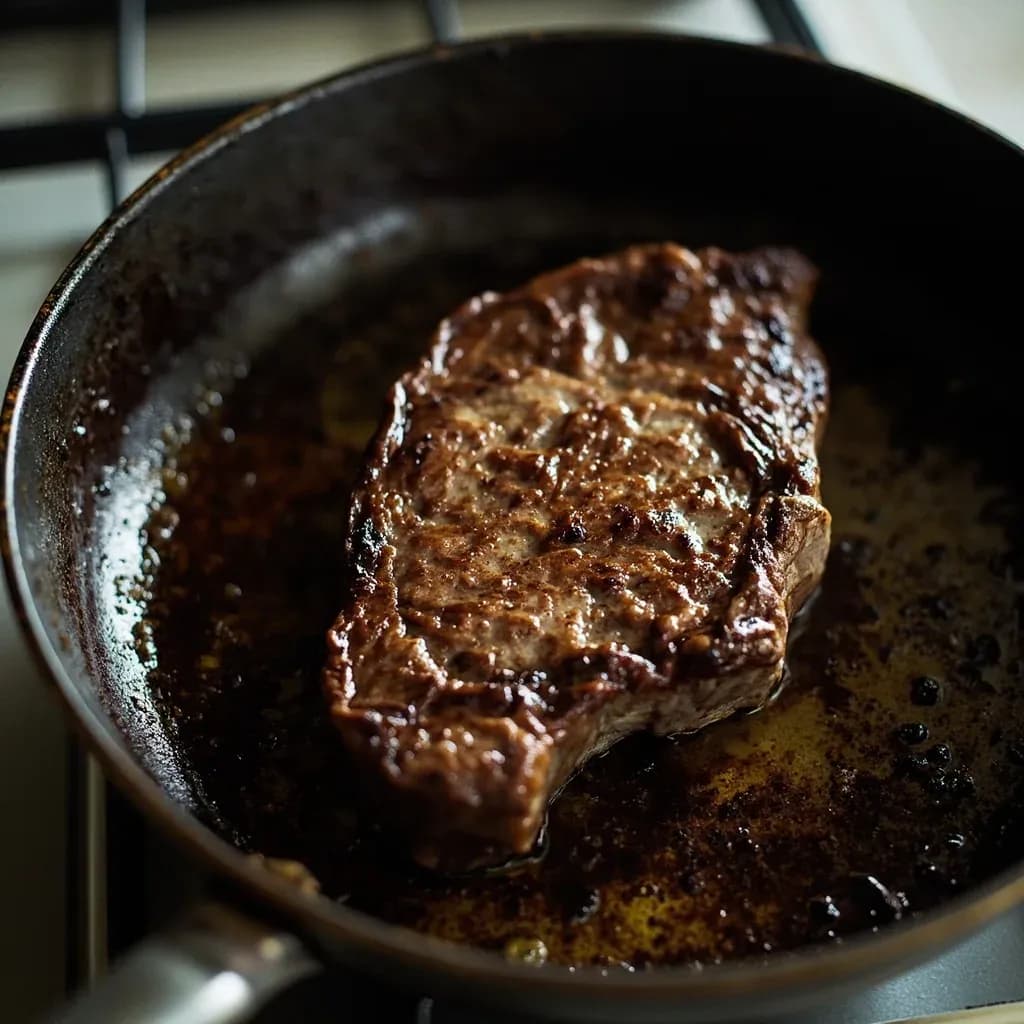
Searing
Browning a food's surface fast over high heat for crust, color, and deep flavor.
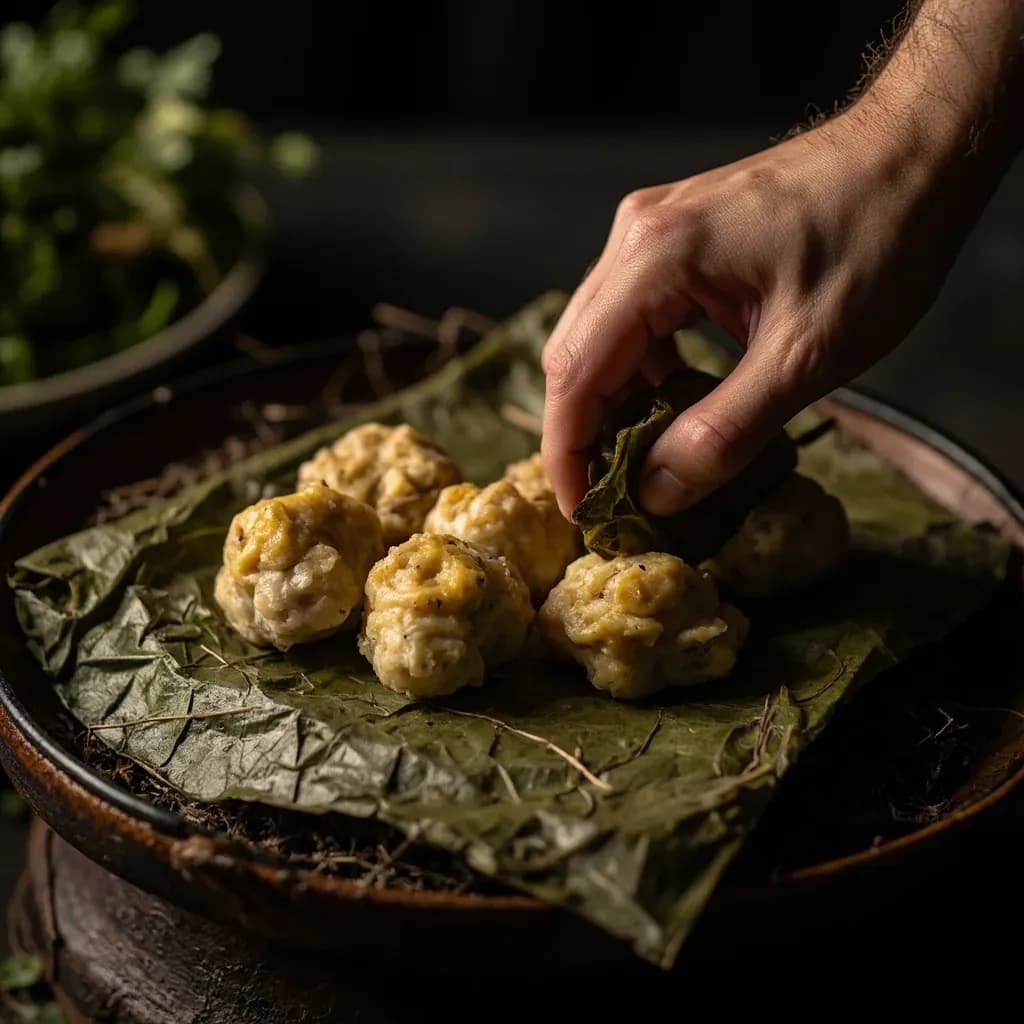
Earth-Oven Cooking
Cooking food underground over hot stones for slow, smoky, communal feasts.
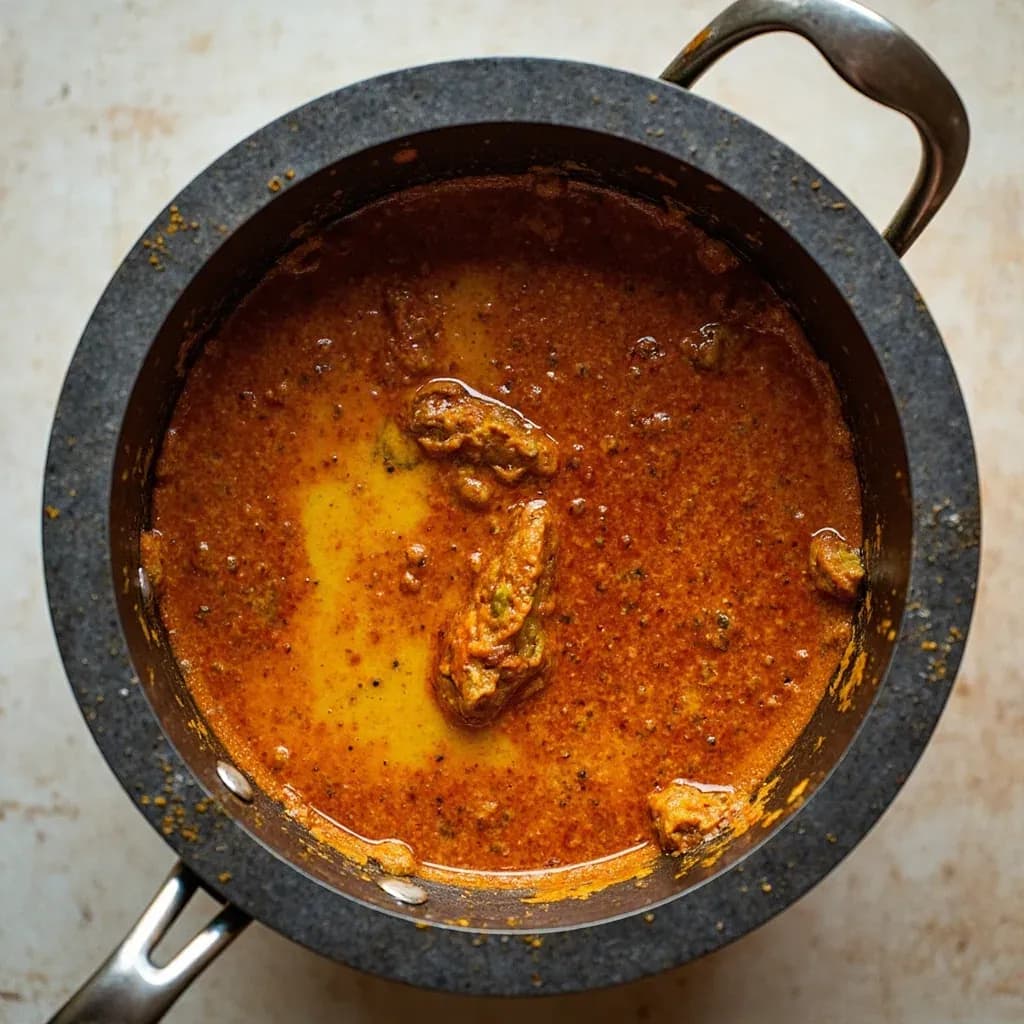
Currying
Building a spiced sauce by slow-frying a masala base, then simmering ingredients in it.
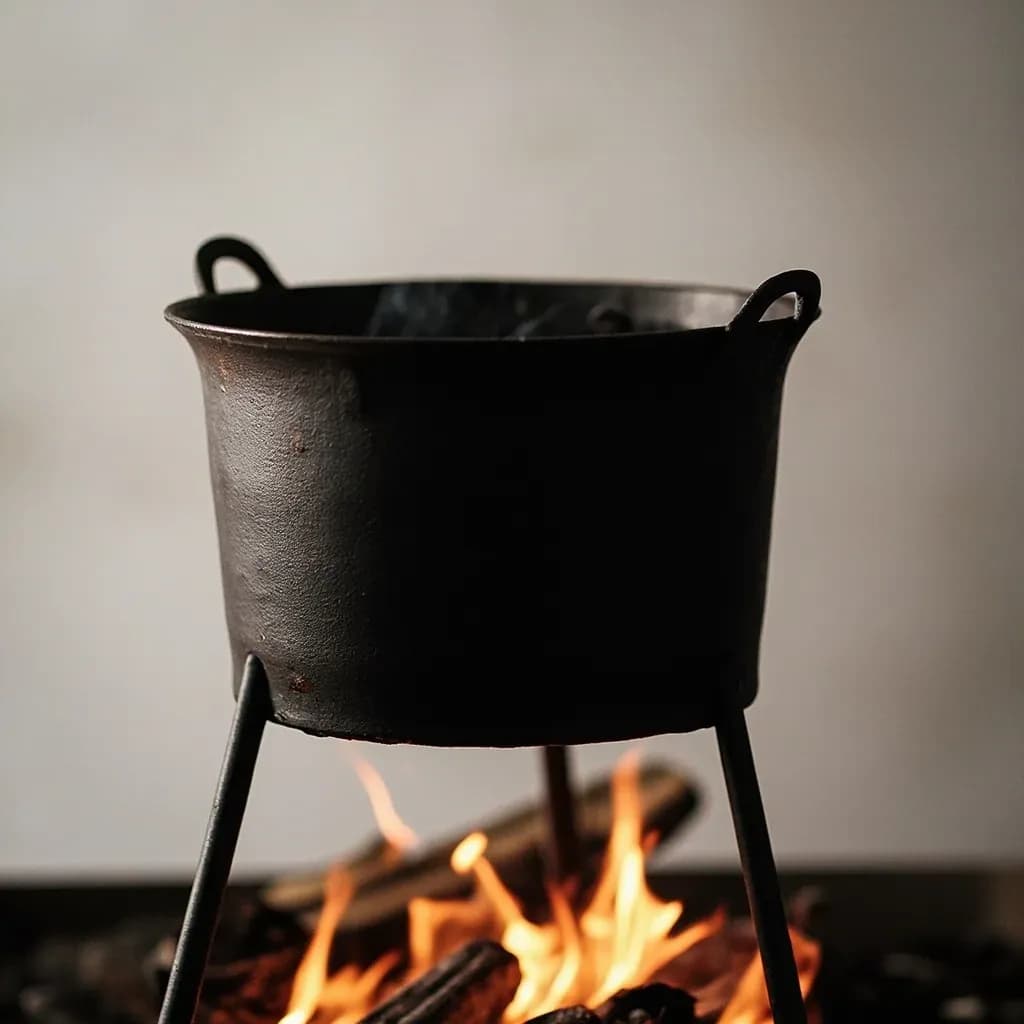
Open-Fire Cooking
Cooking directly over or beside live flames, often in a pot suspended above the fire.
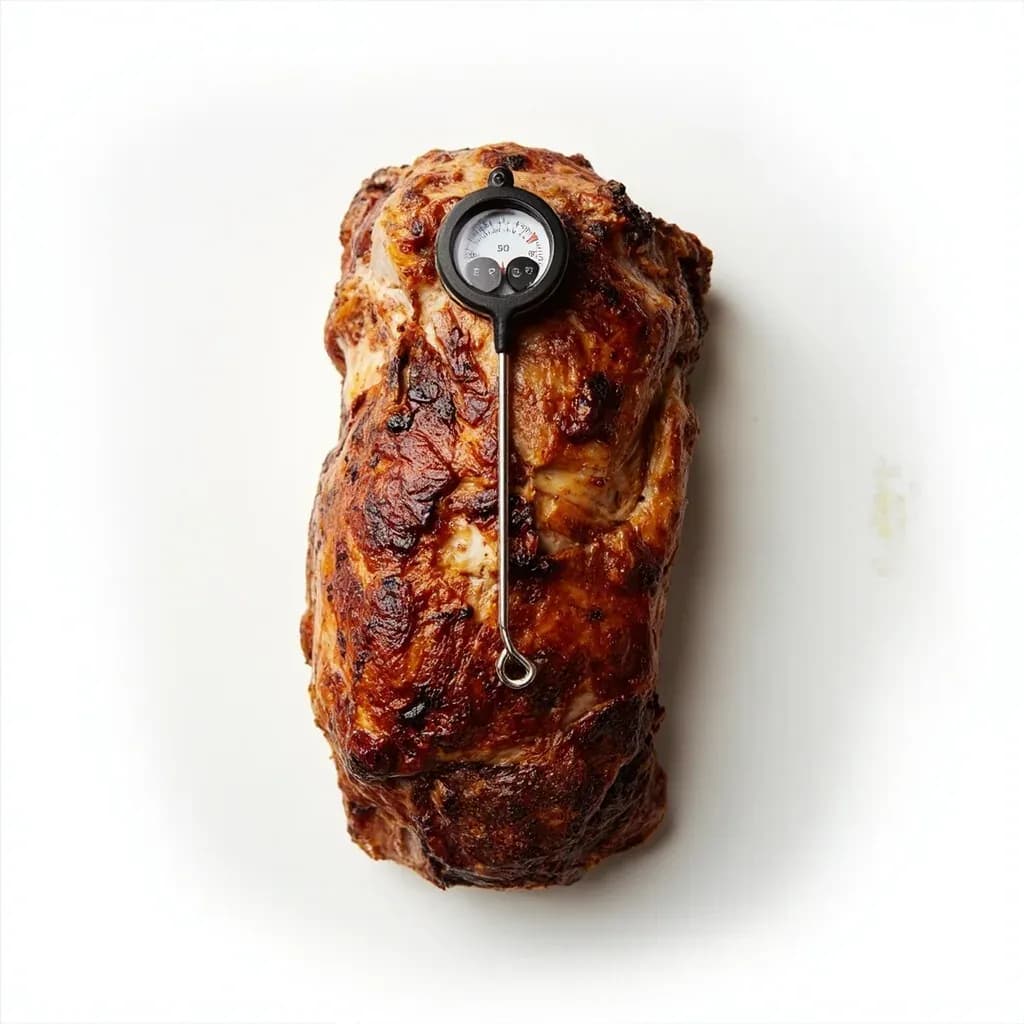
Strategic Undercooking
Stopping cooking short so carryover heat or a later step finishes food at the ideal doneness.
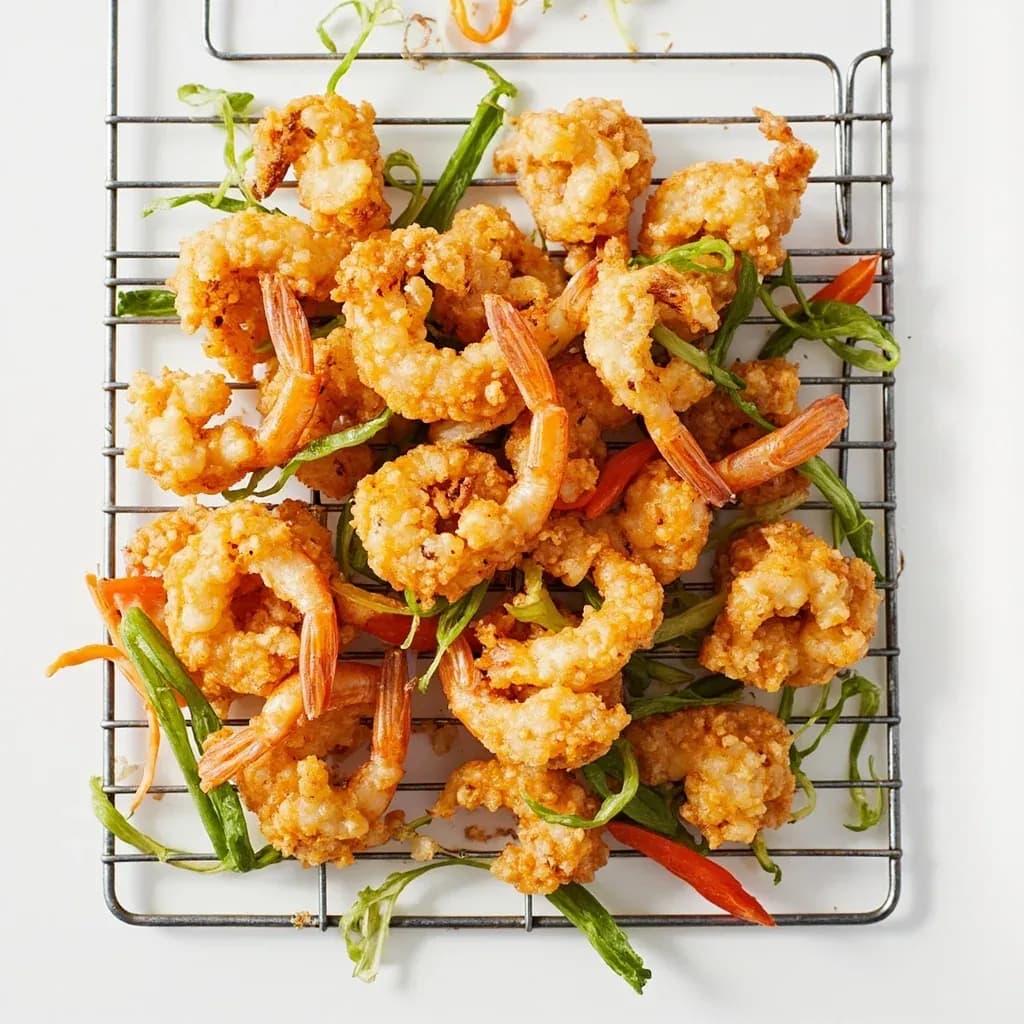
Tempura Deep-Frying
Japanese deep-frying of seafood and vegetables in a light, barely-mixed cold batter for a lacy crust.
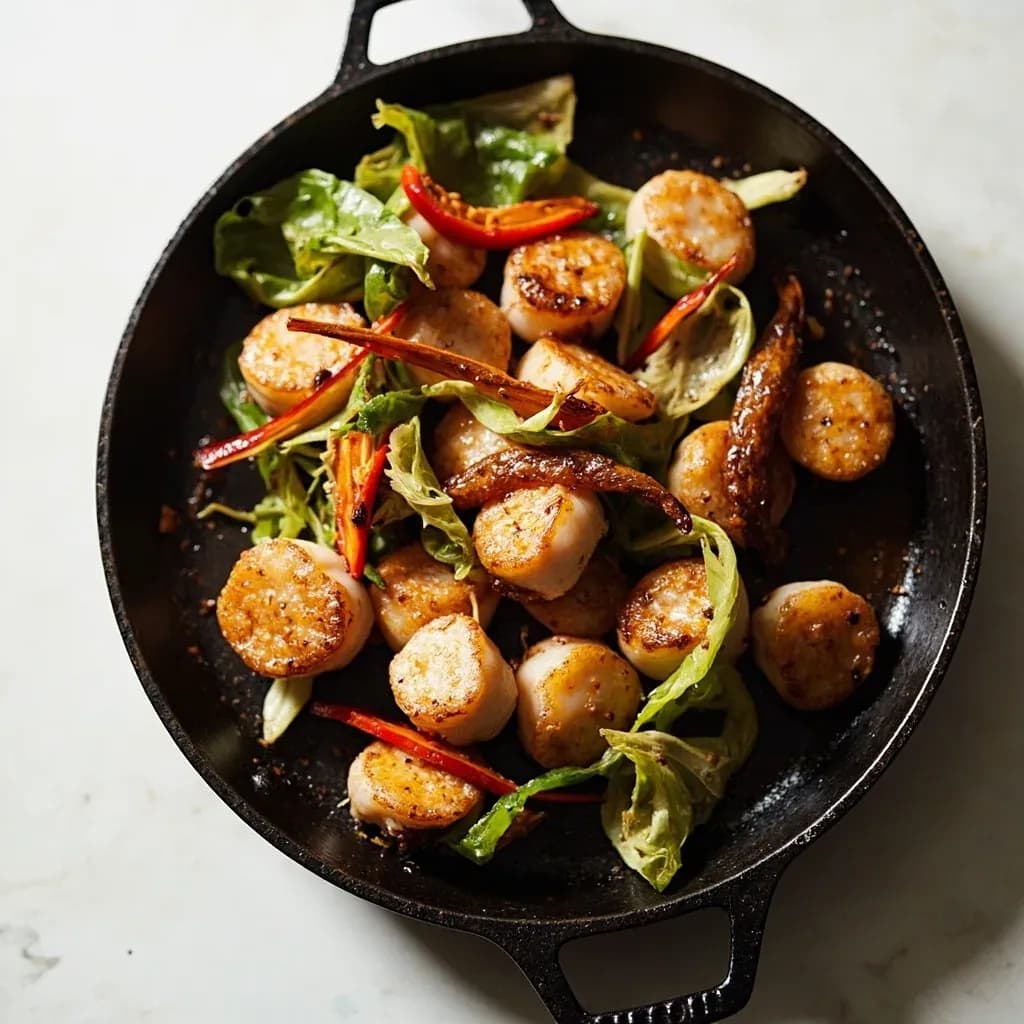
Teppanyaki Grilling
Cooking on a flat iron griddle plate, searing meats, seafood, and vegetables tableside.
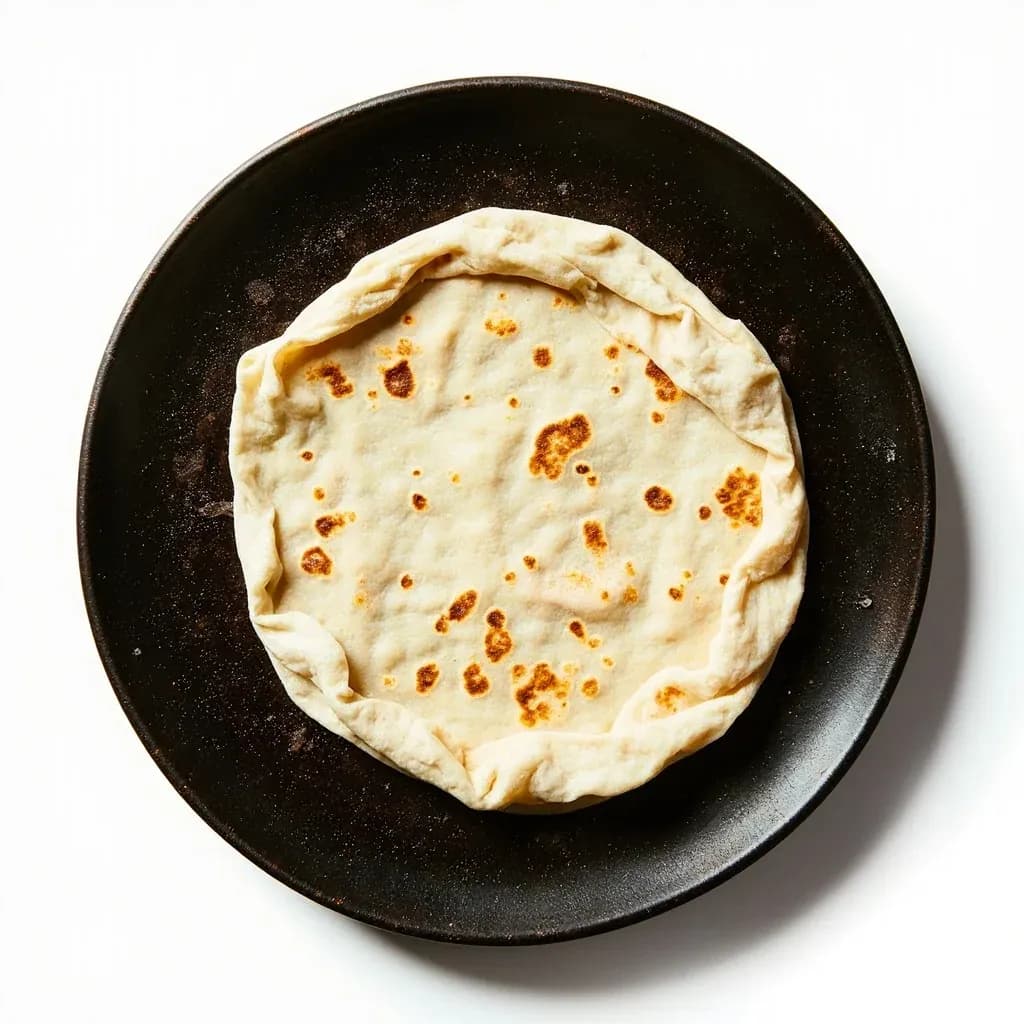
Three-Flip Comal Bake (Inflado)
Cooking a tortilla on a comal with three precise flips so it puffs up with internal steam.
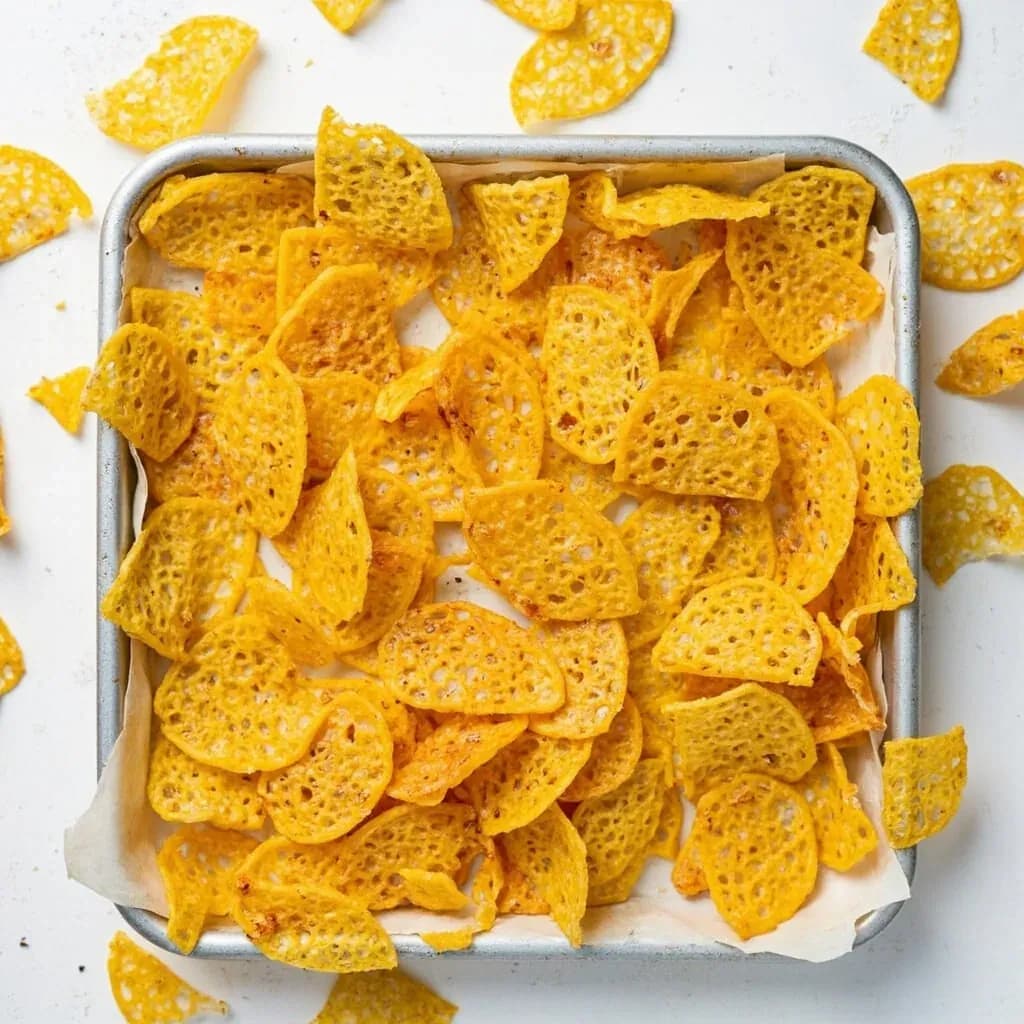
Toasting Fregola (Oven-Toasting Semolina Pearls)
Oven-toasting rolled semolina pearls to a nutty brown before cooking, as in Sardinian fregola.
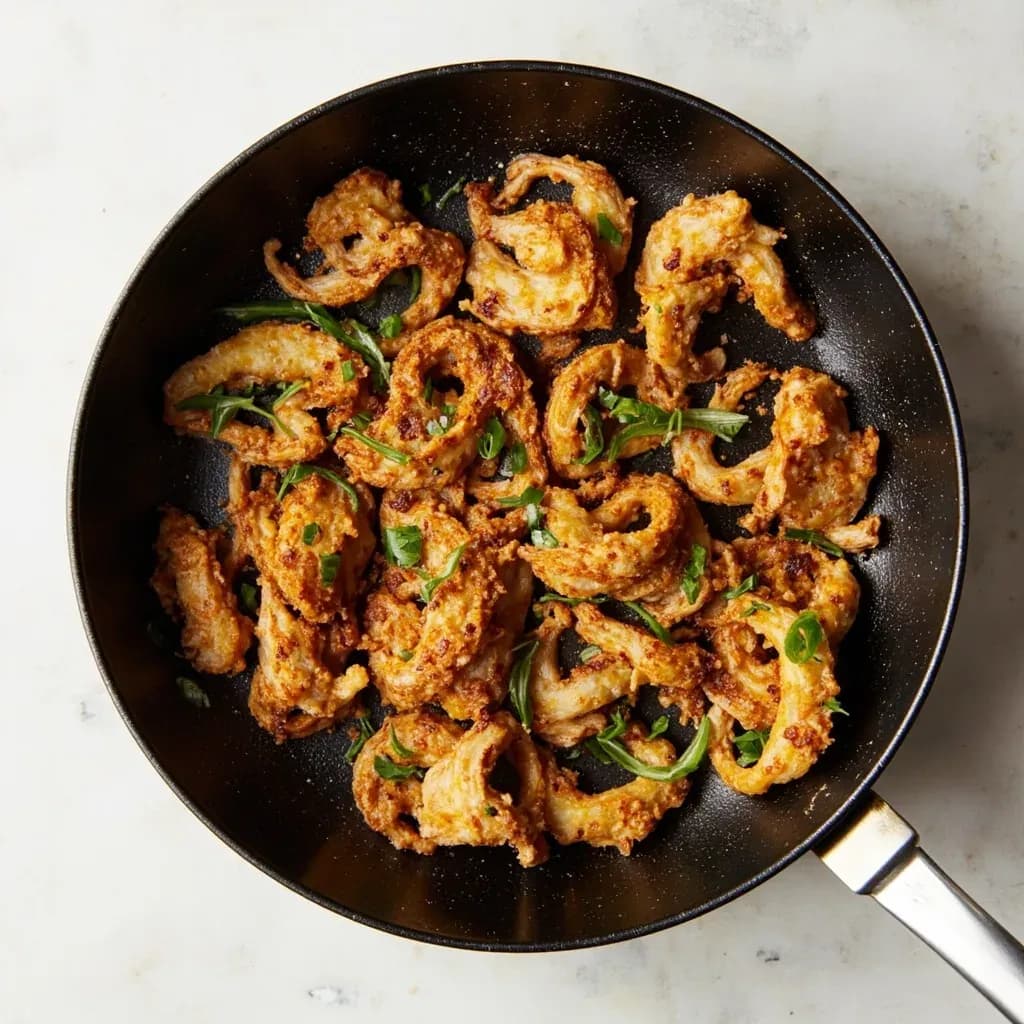
Toasting Insects with Chile and Lime
Dry-toasting edible insects on a comal with chile, lime, and salt for a crisp, savory snack.
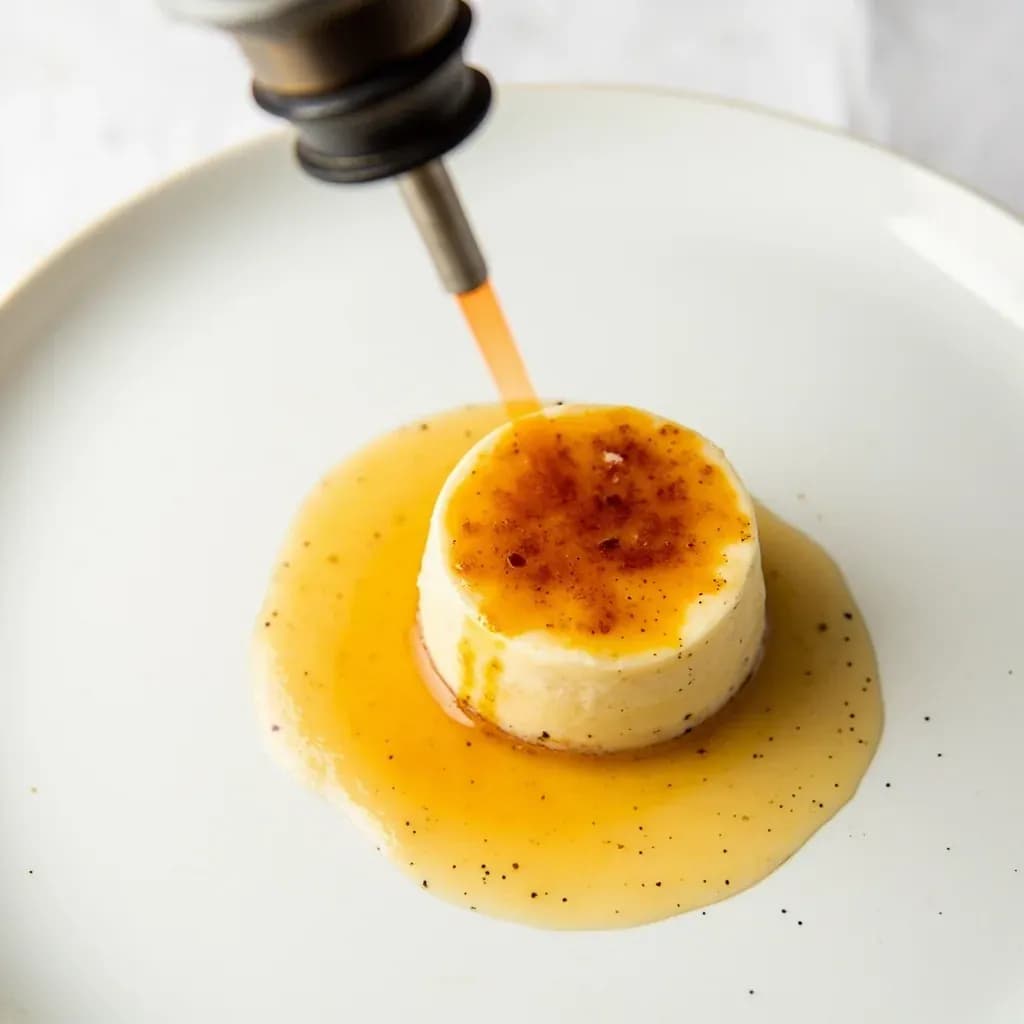
Torch Browning
Using a culinary blowtorch to brown or caramelize a surface fast without heating the interior.
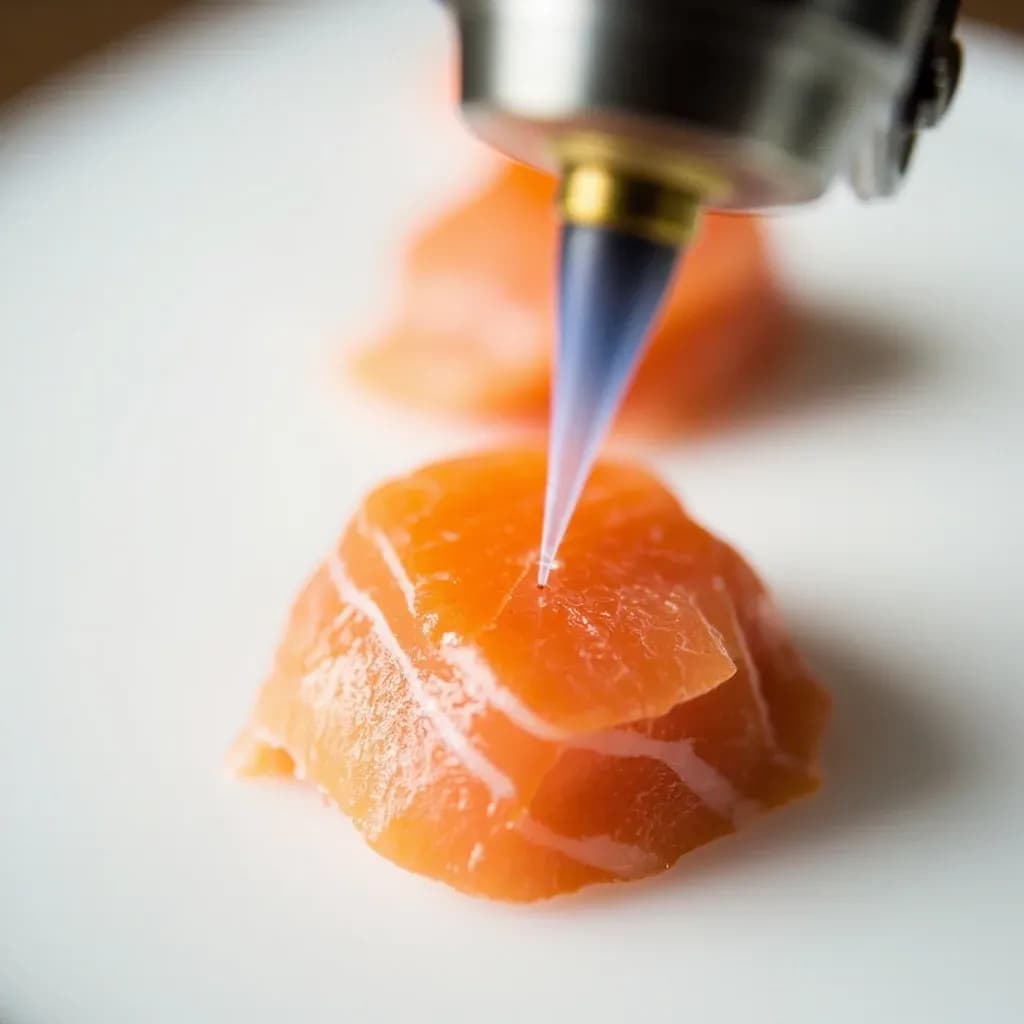
Torch Finishing (Aburi)
Japanese searing of sushi or fish surface with a torch to render fat and add smoky char.
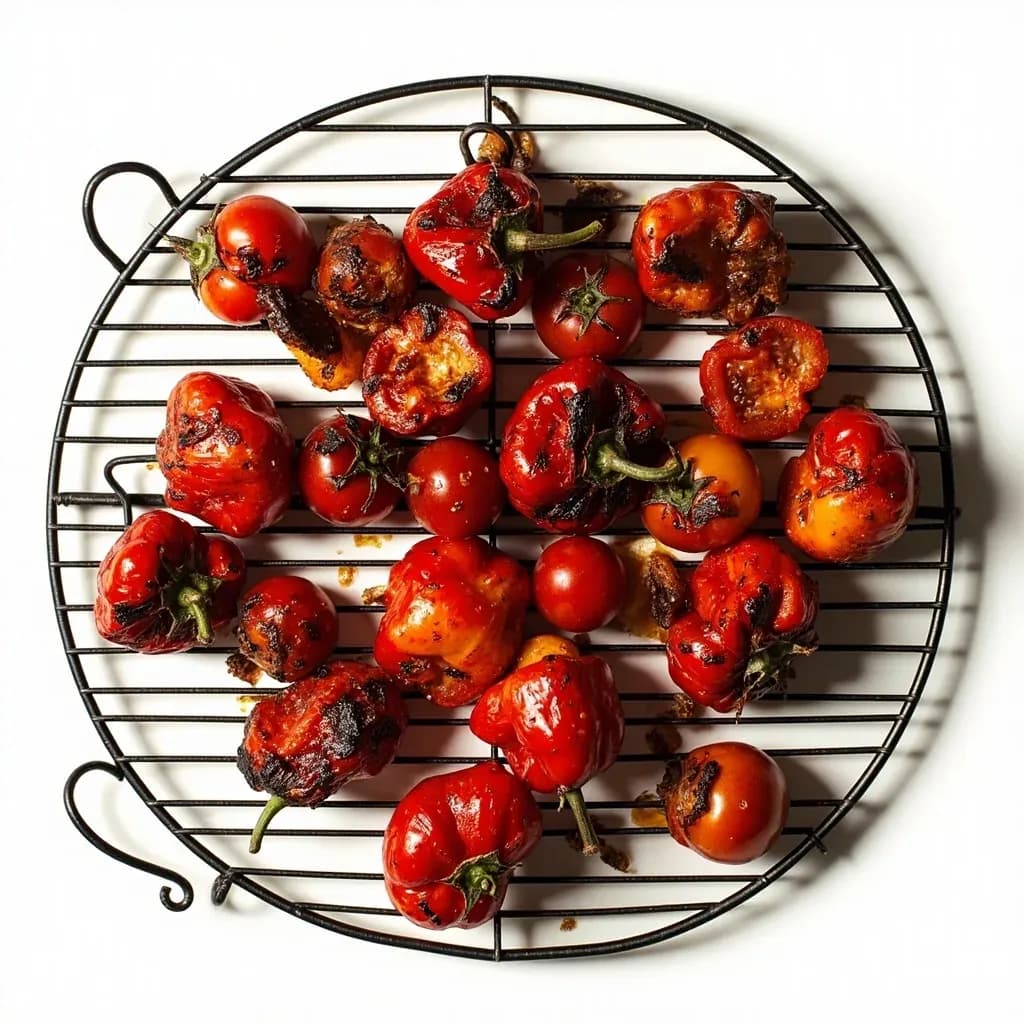
Vegetable Roasting (Asado)
Roasting whole vegetables over coals or in dry heat to char skins and concentrate sweetness.
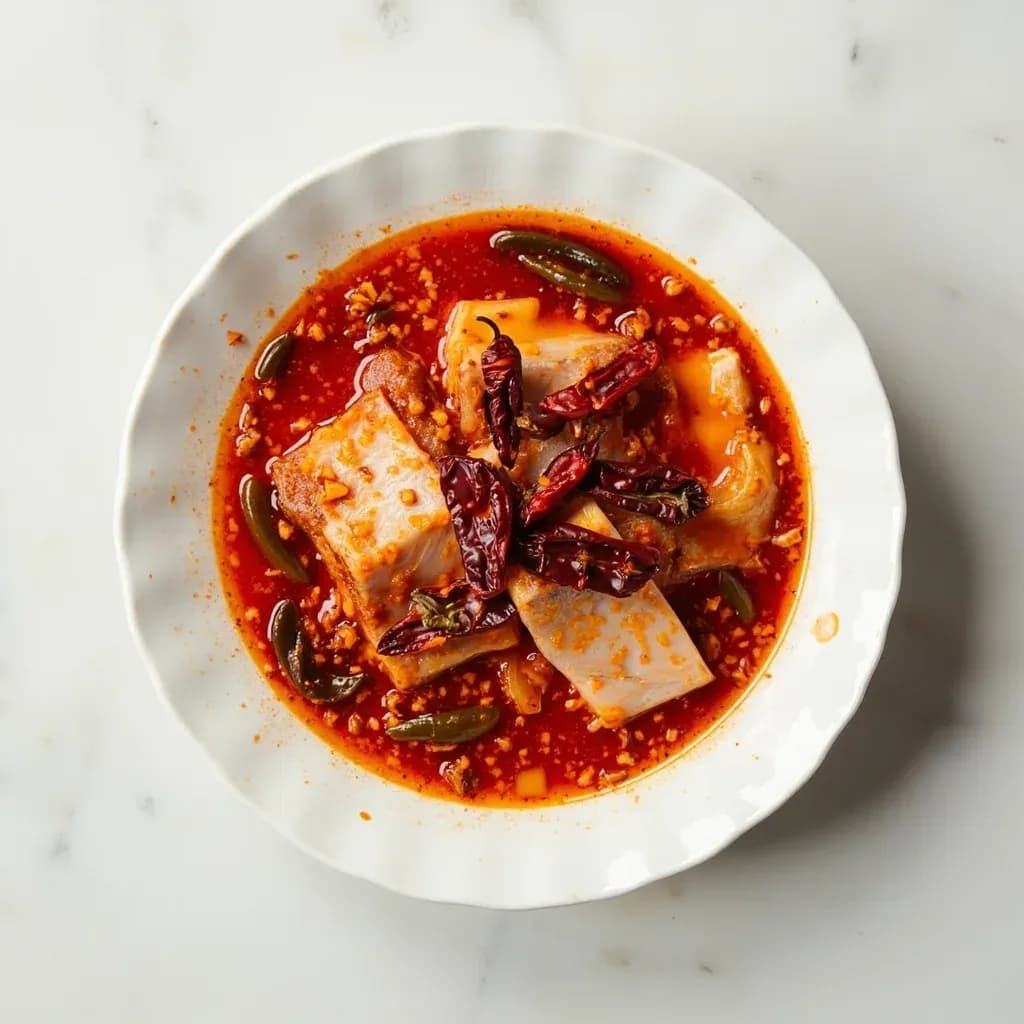
Shui Zhu (Water-Boiling in Chili)
Sichuan method of poaching thin meat or fish in a fiery chili broth then dousing it in hot oil.
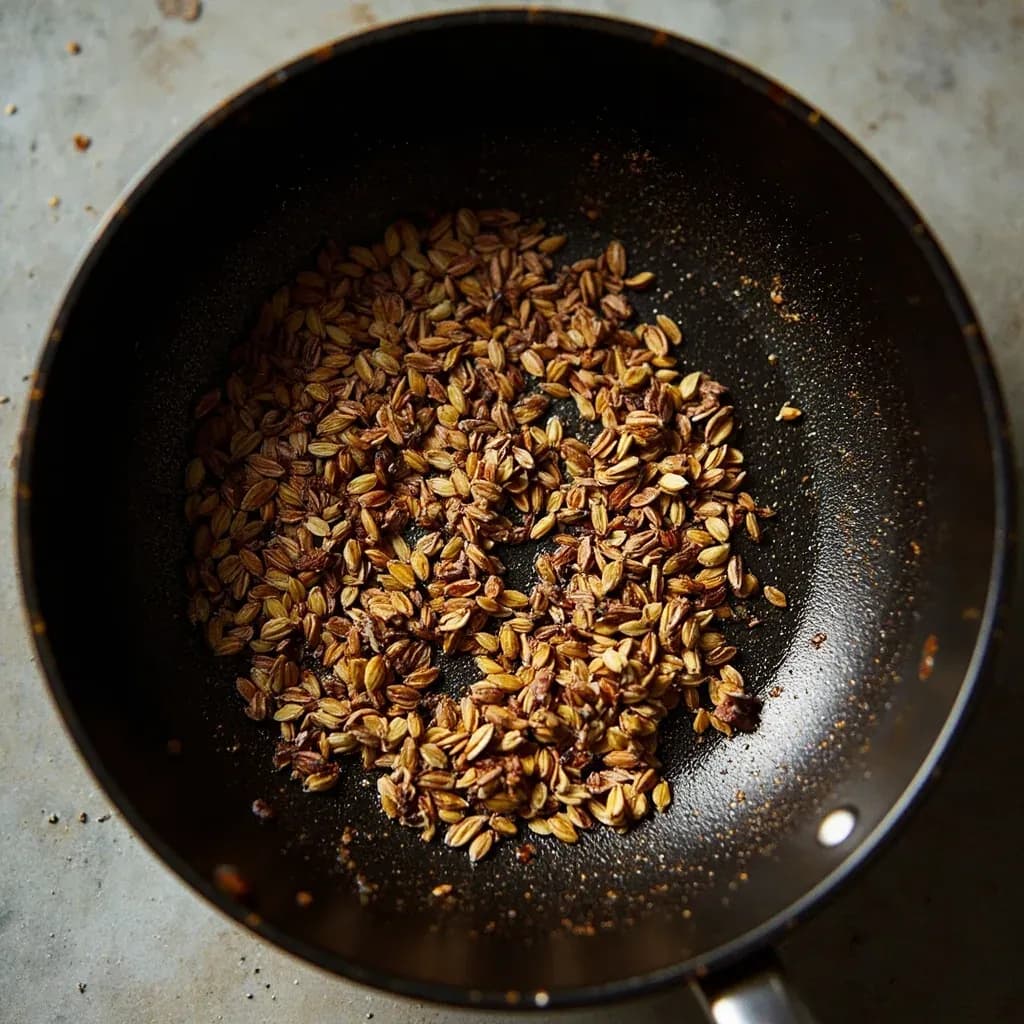
Toasting Whole Spices
Dry-heating whole spices in a hot pan to release their aromatic oils before grinding.
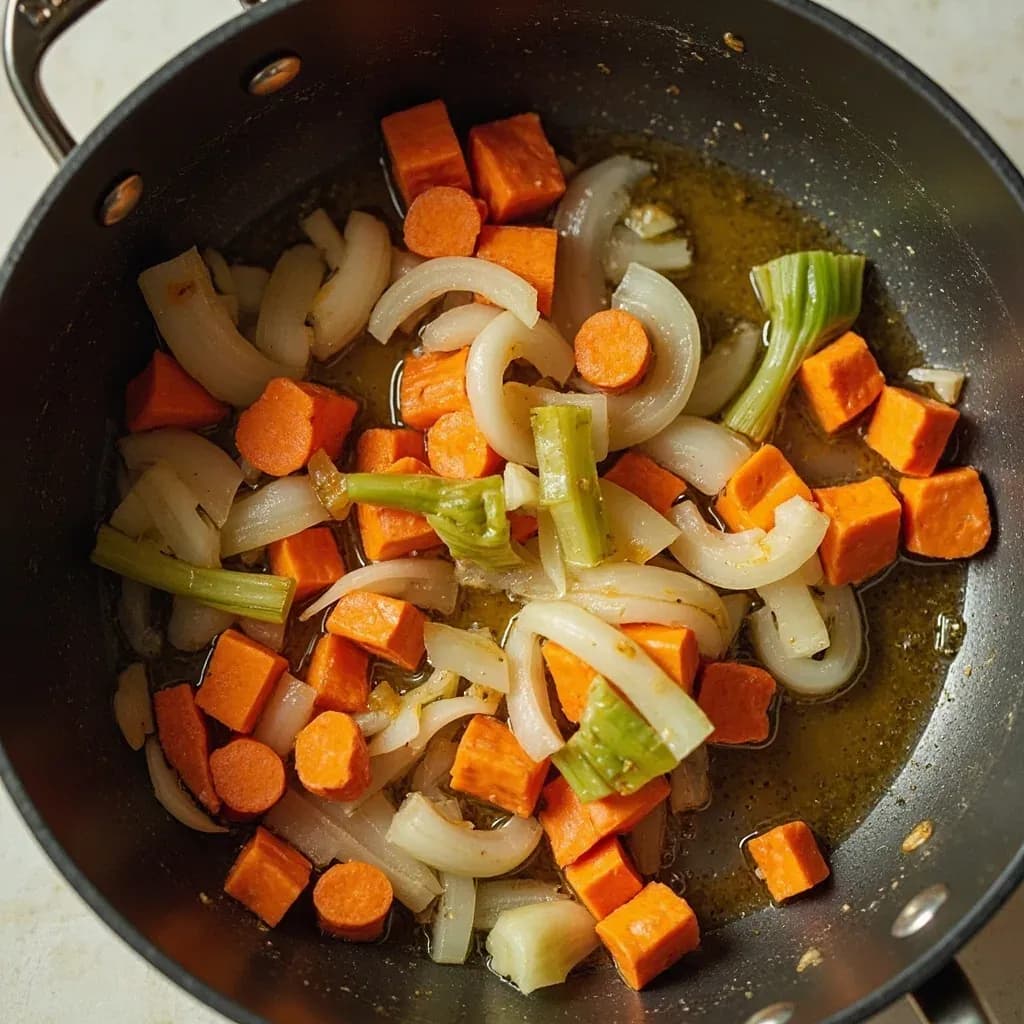
Soffritto / Sofrito (Aromatic Base)
Slow-cooking finely chopped aromatics in fat to build a deep flavor foundation for a dish.
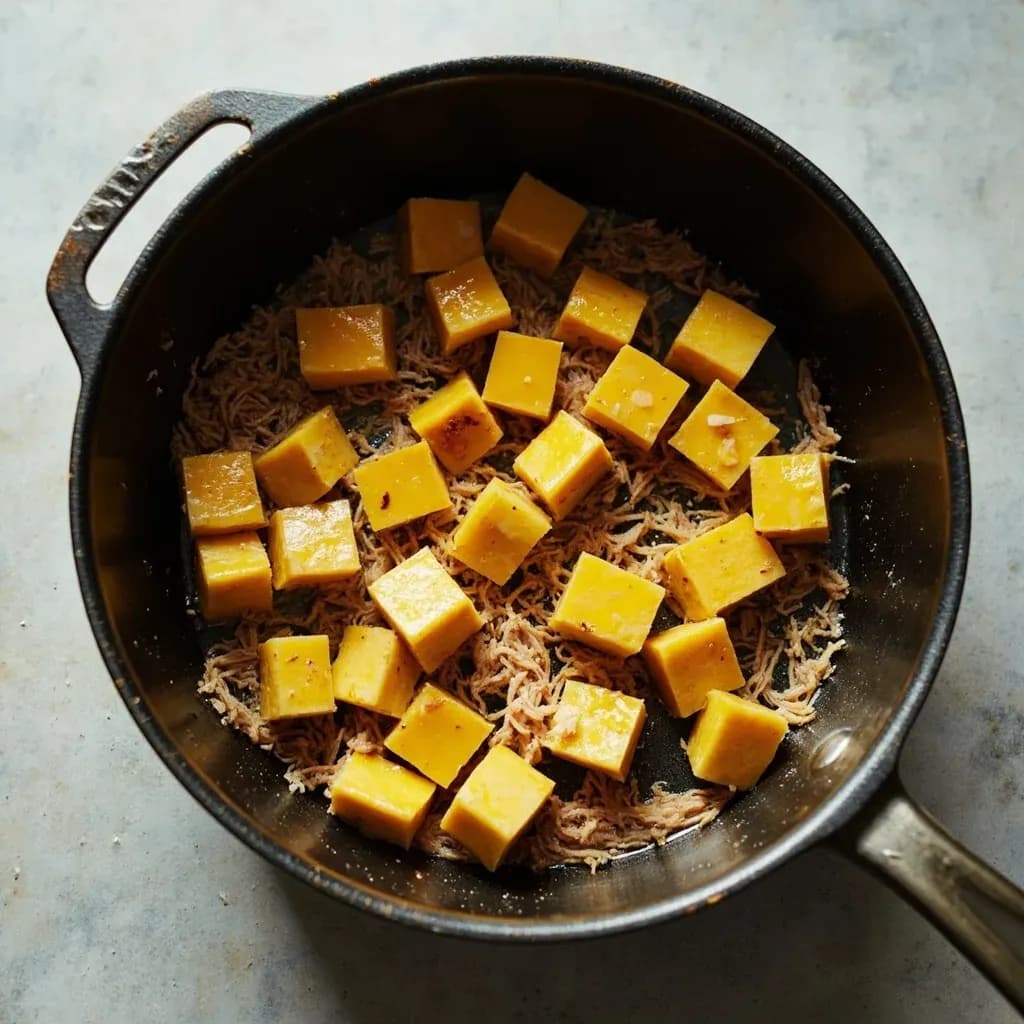
Rendering Fat
Melting solid animal fat over low heat to extract clean liquid fat and crisp cracklings.
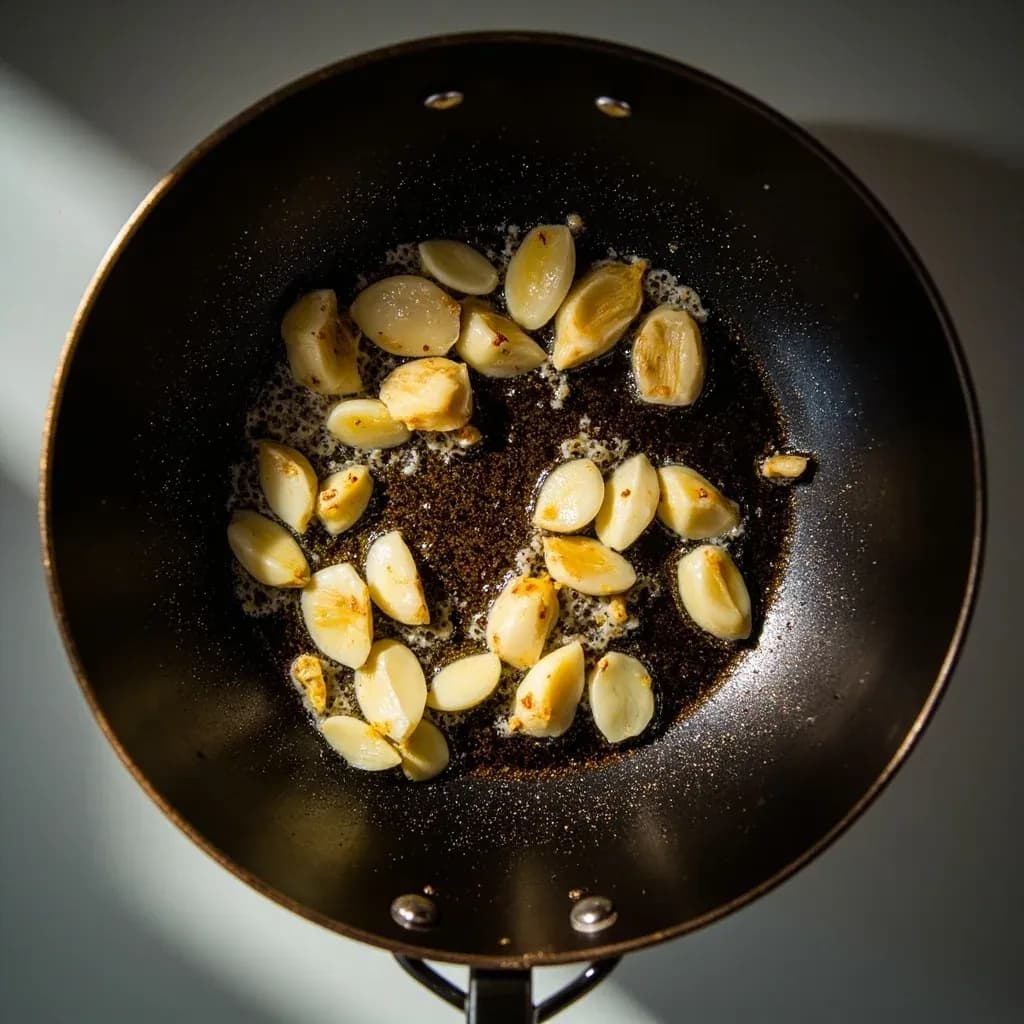
Frying Aromatics (Tempering / Bloom in Oil)
Sizzling garlic, ginger, spices, or paste in hot oil to bloom their flavor into the fat.
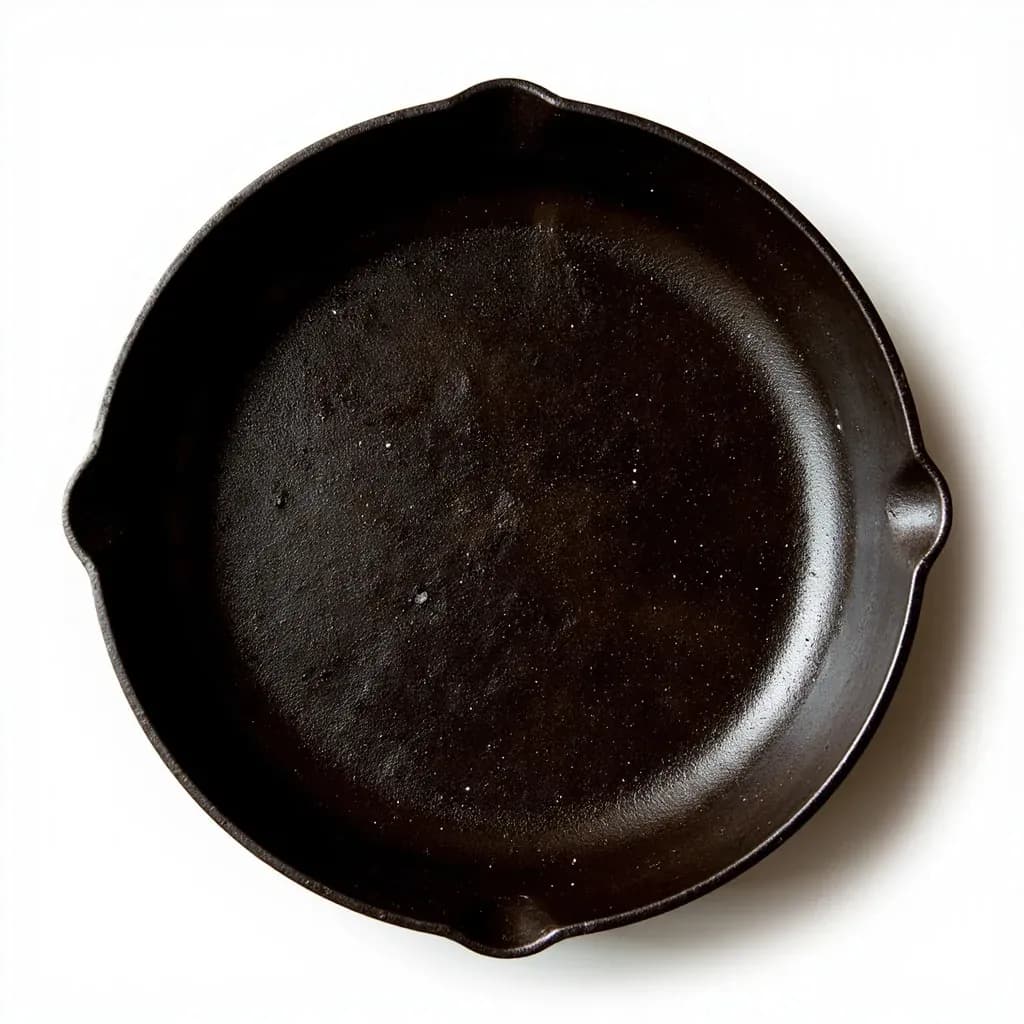
Cast-Iron Seasoning
Baking thin layers of oil onto cast iron to build a slick, rust-proof nonstick patina.
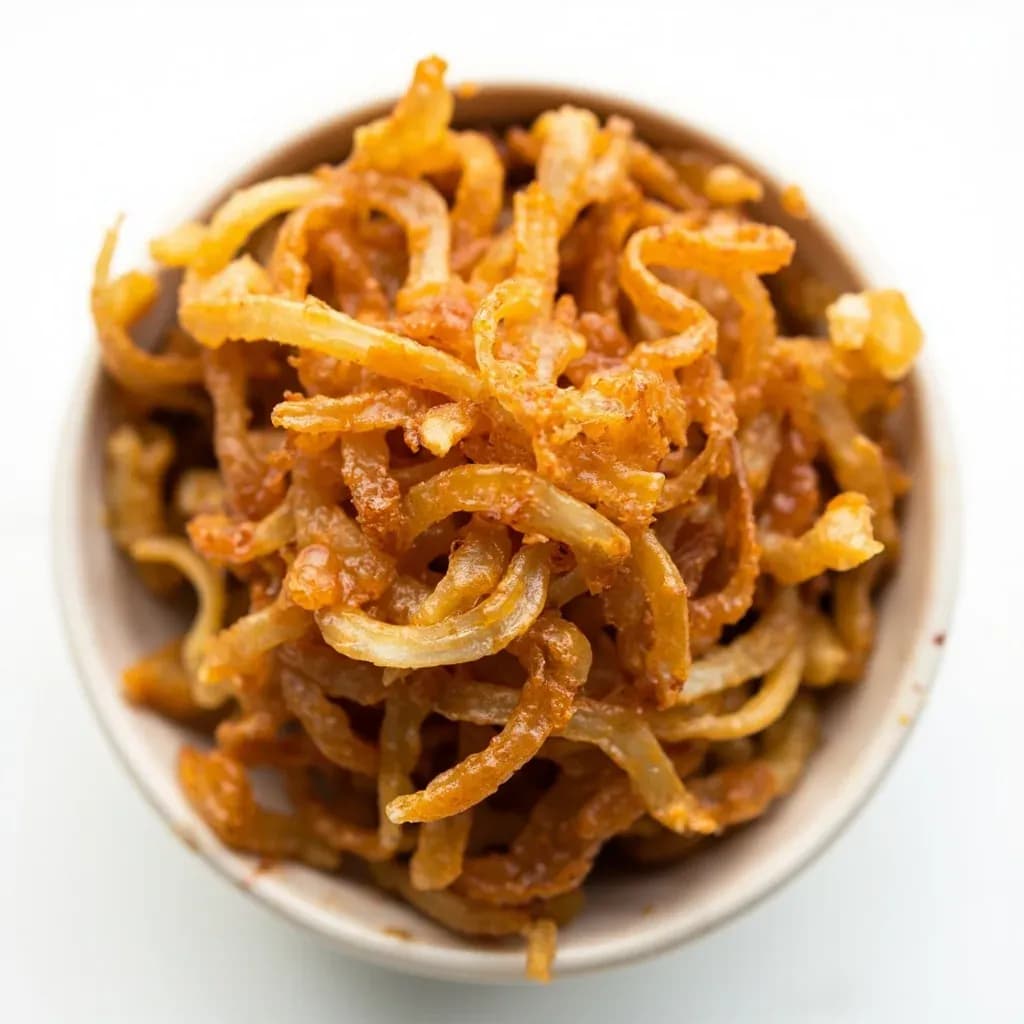
Frying Onions
Cooking sliced onions in oil from soft and golden to deeply browned, crisp birista for flavor and garnish.
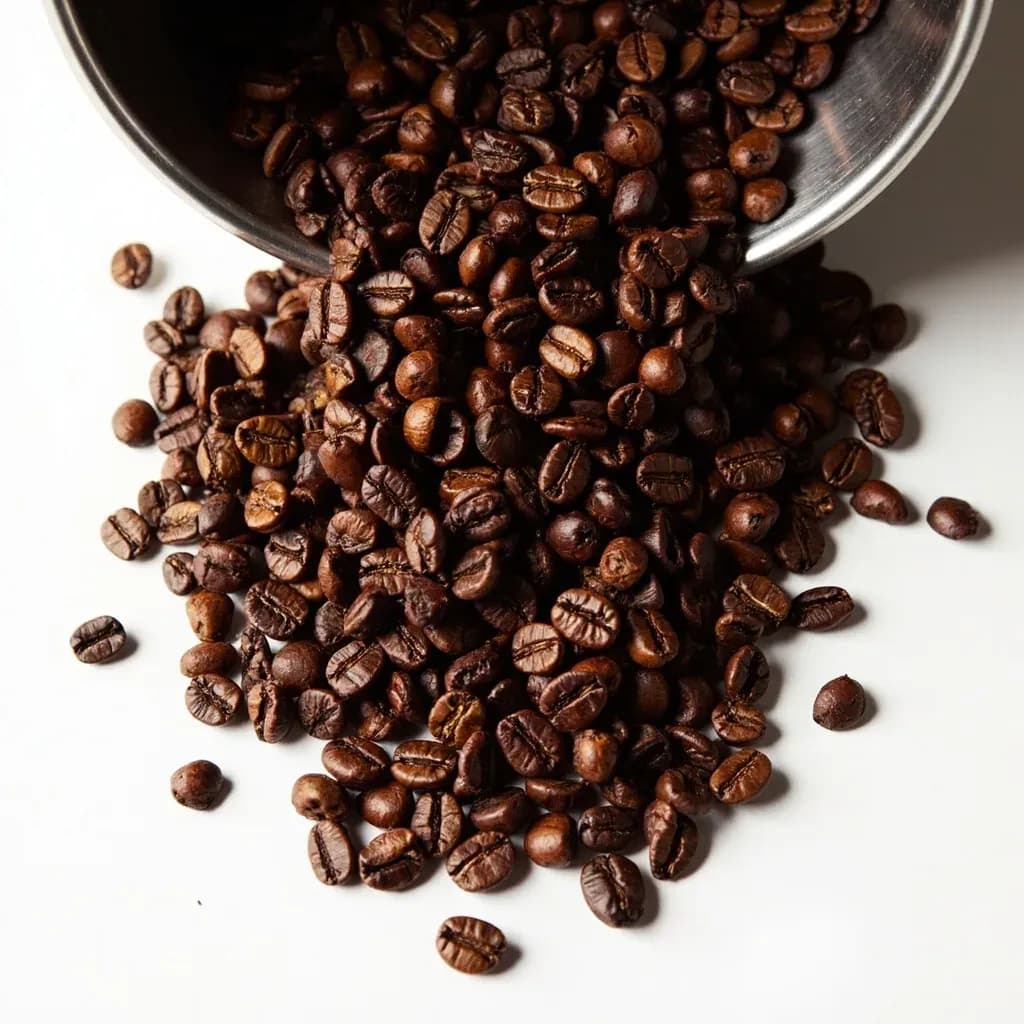
Coffee Bean Roasting
Applying dry heat to green coffee beans to develop flavor, aroma, and color.
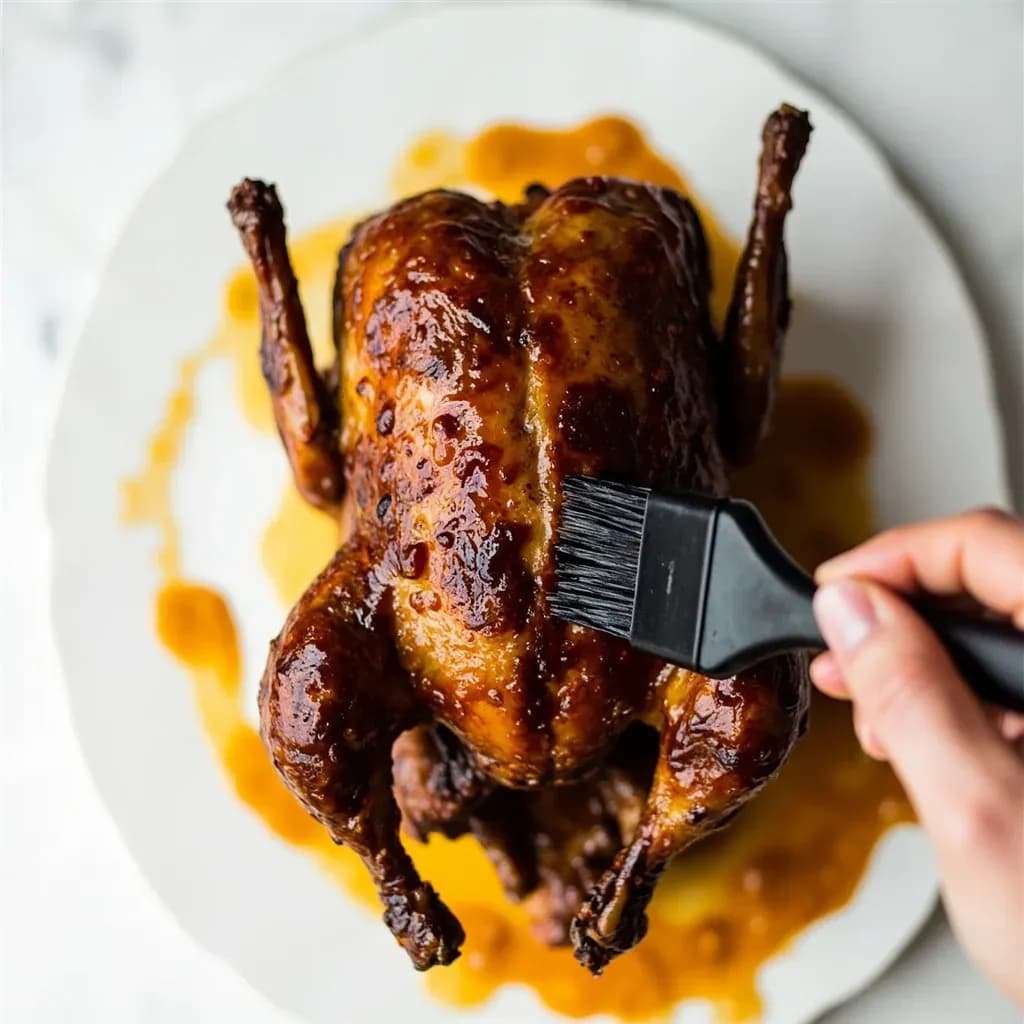
Maltose Skin Glazing
Coating poultry skin in maltose syrup so it roasts to a lacquered, crackling finish.
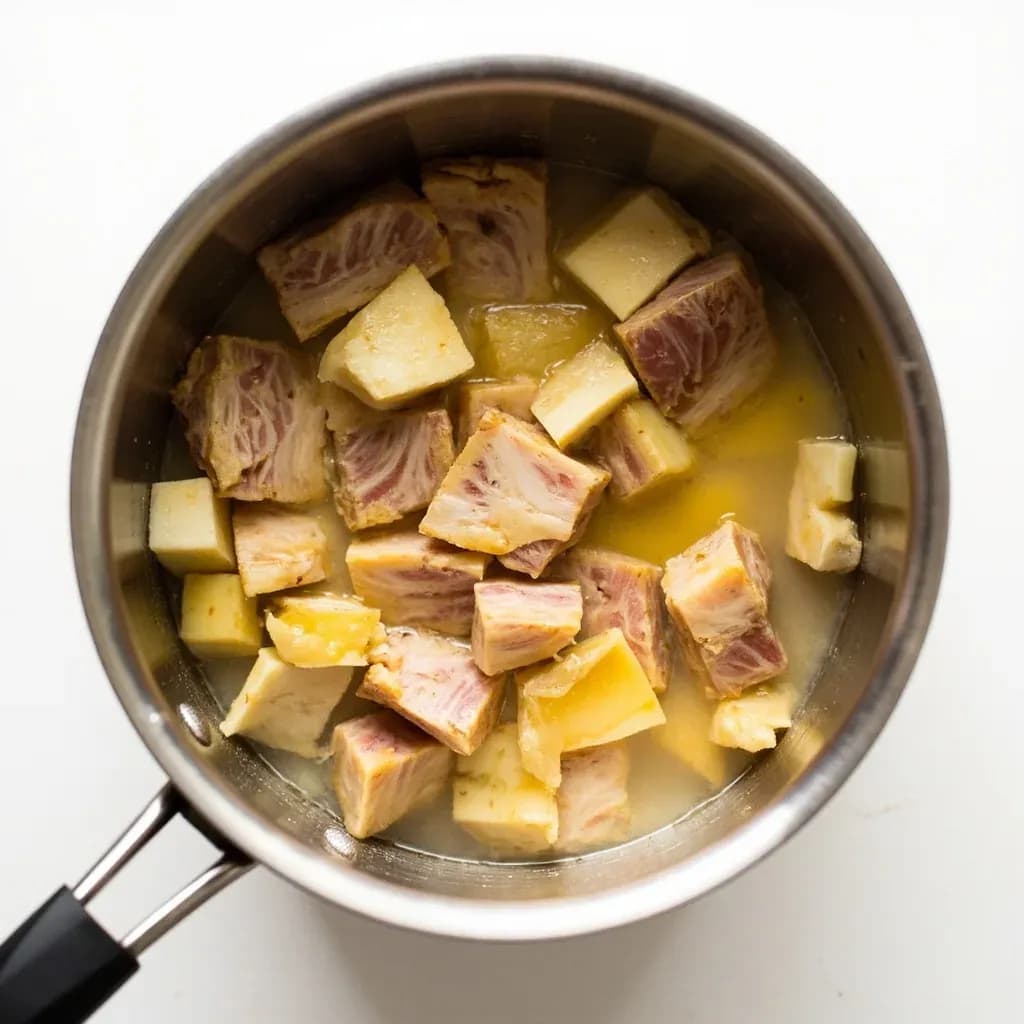
Rendering Fat
Slowly heating fatty tissue to melt out clean liquid fat from the solids.
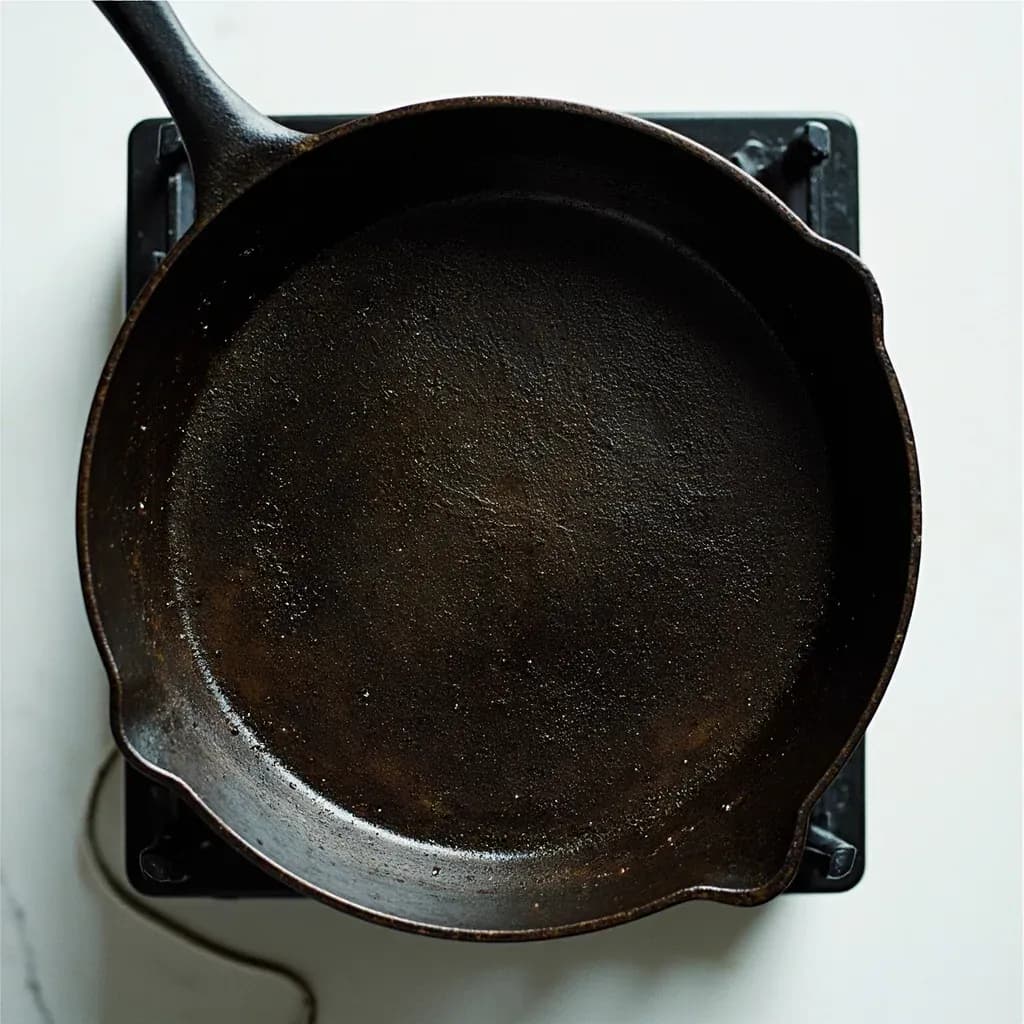
Vessel Preheating
Bringing a pan, stone, or pot up to temperature before food goes in for a strong sear.
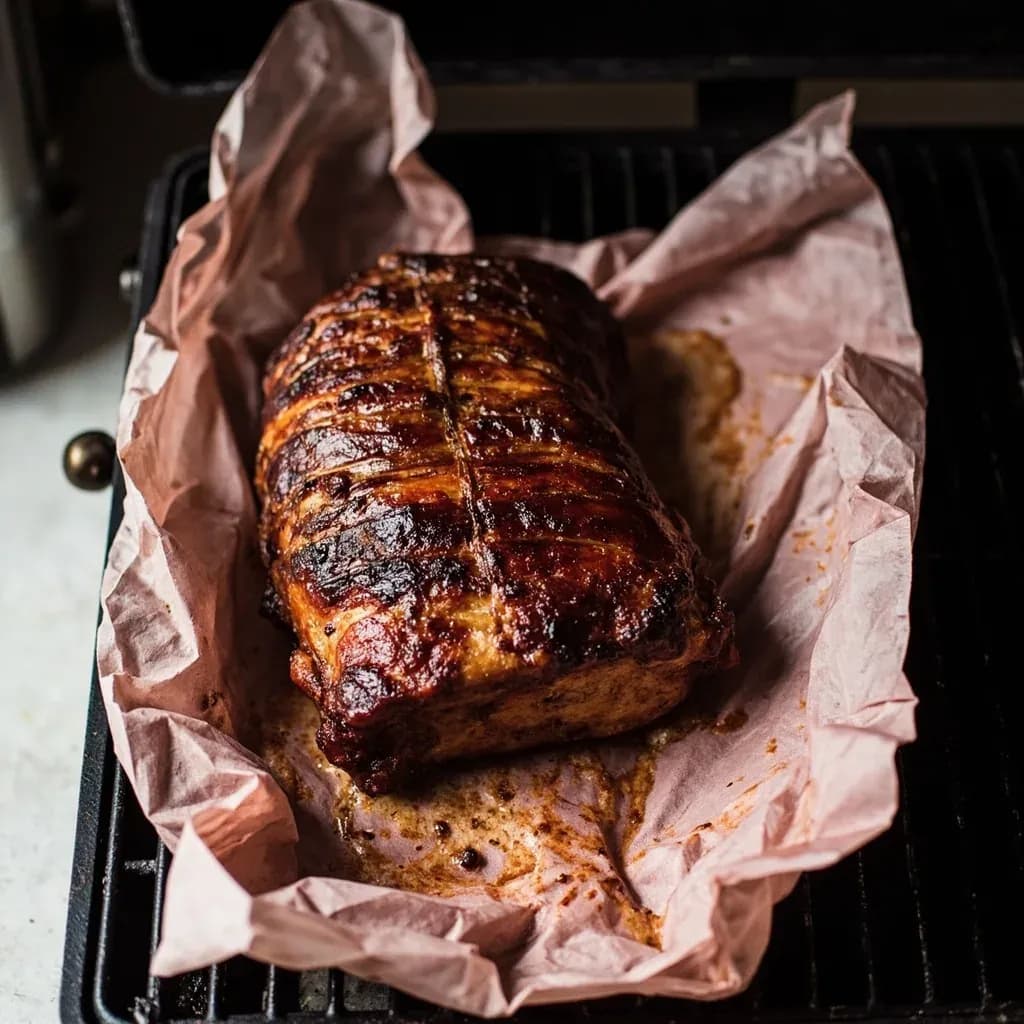
Butcher Paper Wrap
Wrapping barbecue in butcher paper to push through the stall while keeping bark intact.
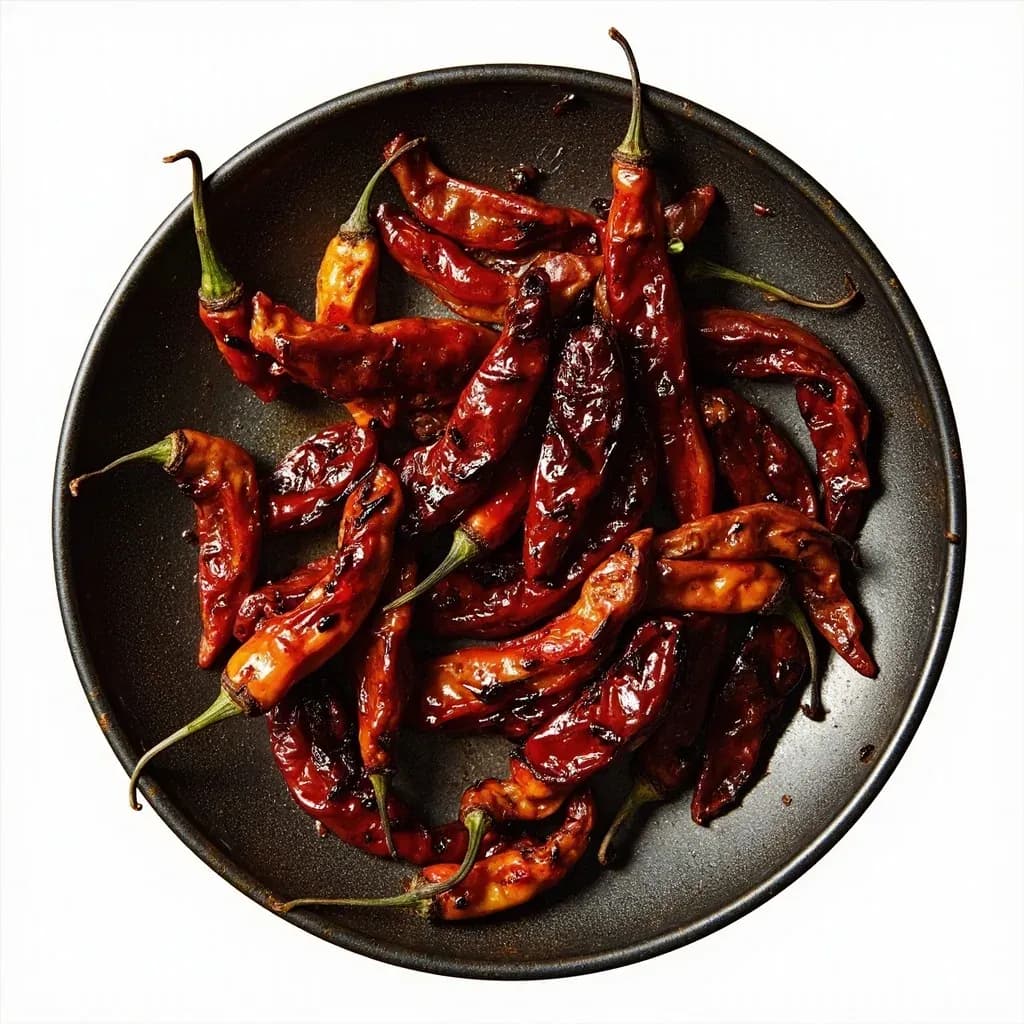
Charring Chiles
Blistering chiles over flame to blacken the skin for peeling and deep smoky flavor.

Making Caramel Color
Cooking sugar to a dark, bitter caramel used to color and deepen savory dishes.
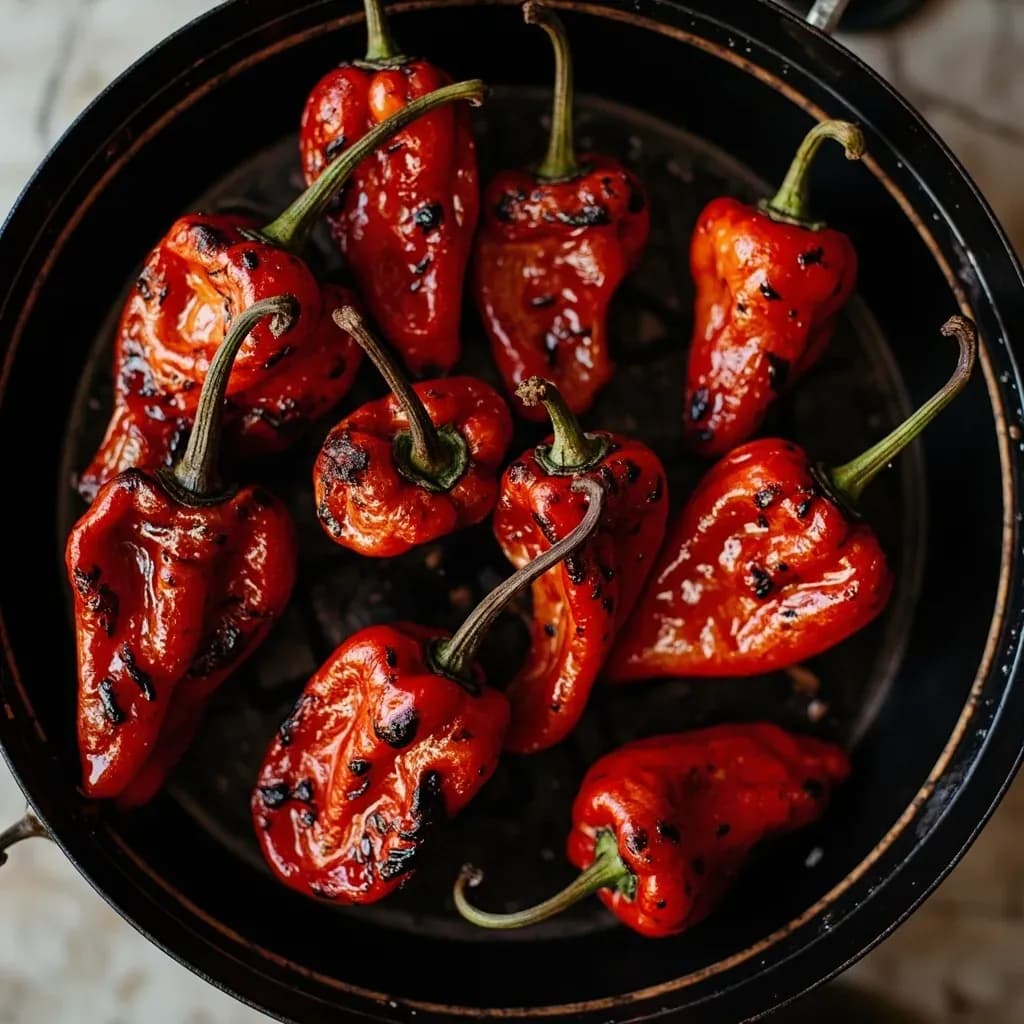
Pepper Roasting & Peeling
Charring peppers over flame until blistered, then steaming and slipping off the skins.
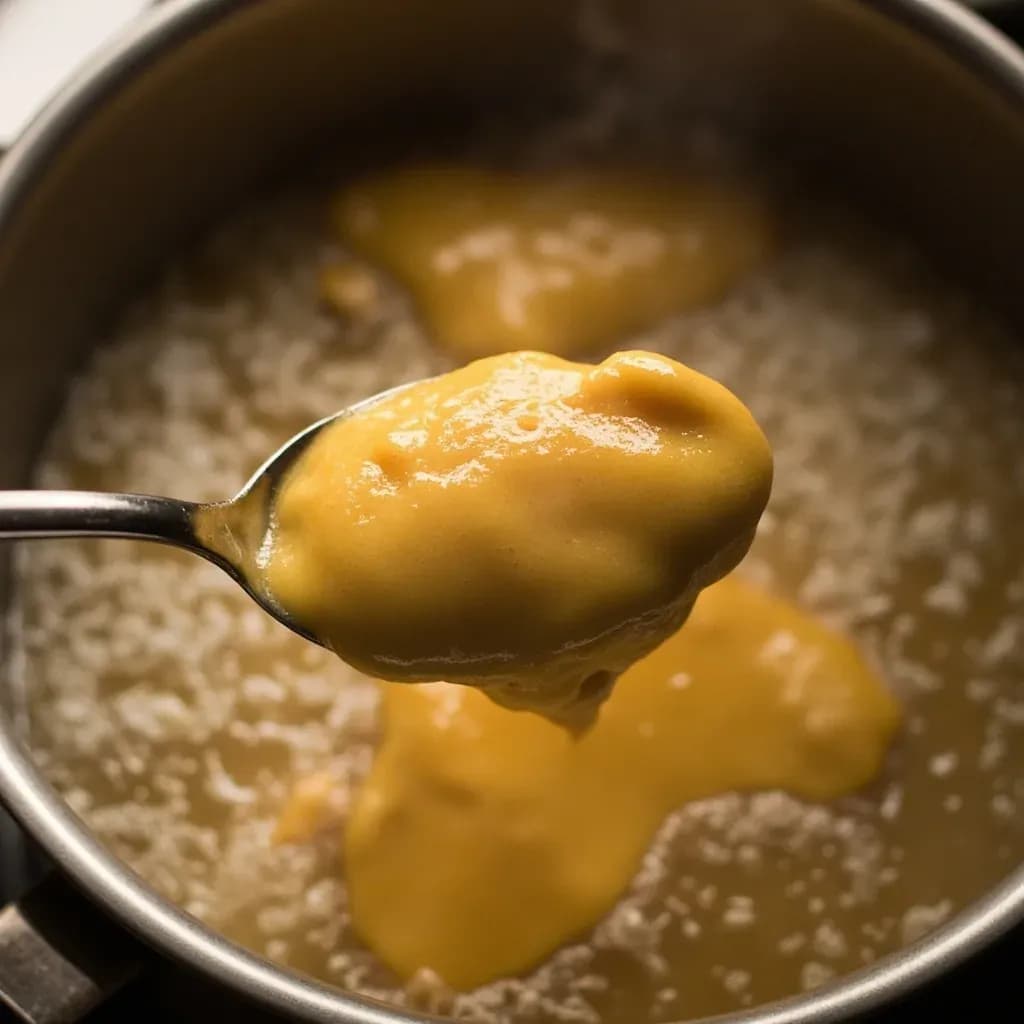
Spoon-Dropping Fritters (Bacalaítos)
Dropping spoonfuls of loose batter into hot oil to fry free-form fritters.
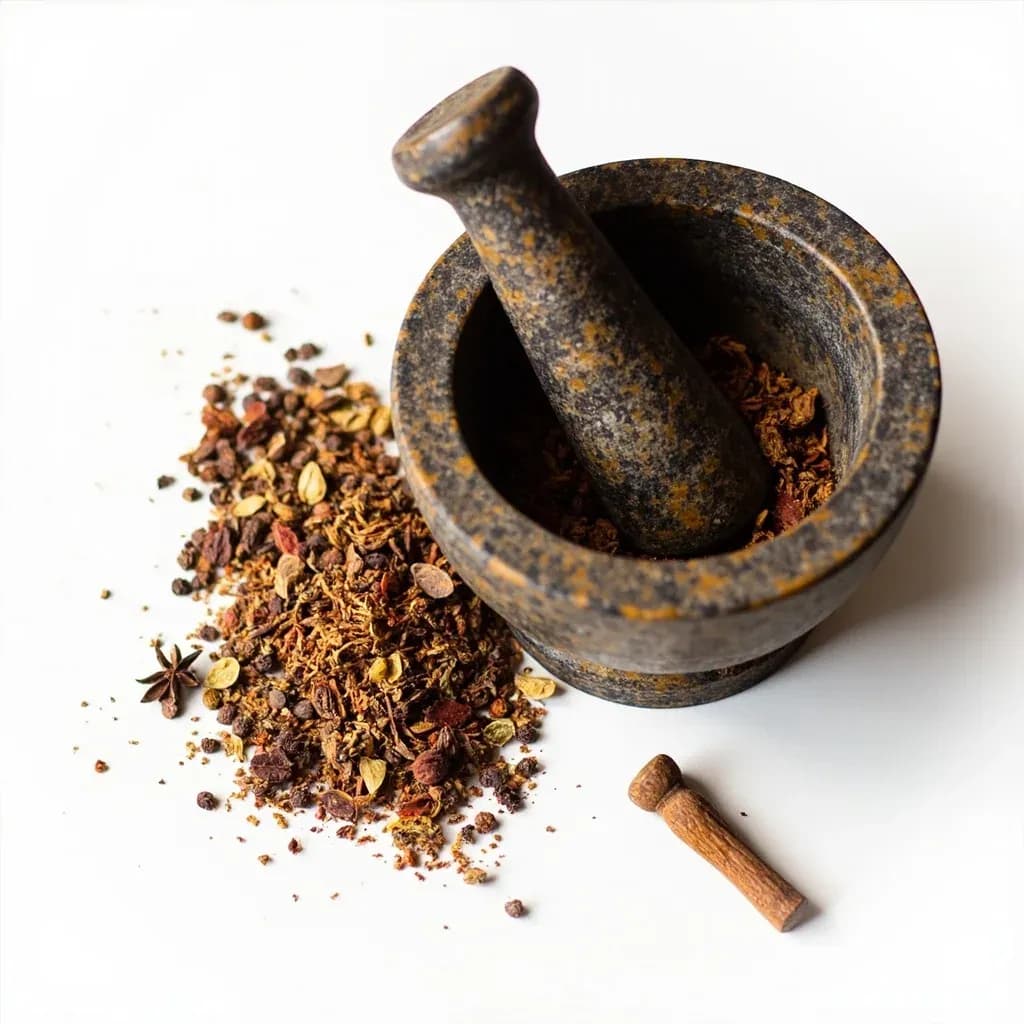
Toast-and-Grind Method
Dry-toasting whole spices to bloom their oils, then grinding them fresh for maximum aroma.
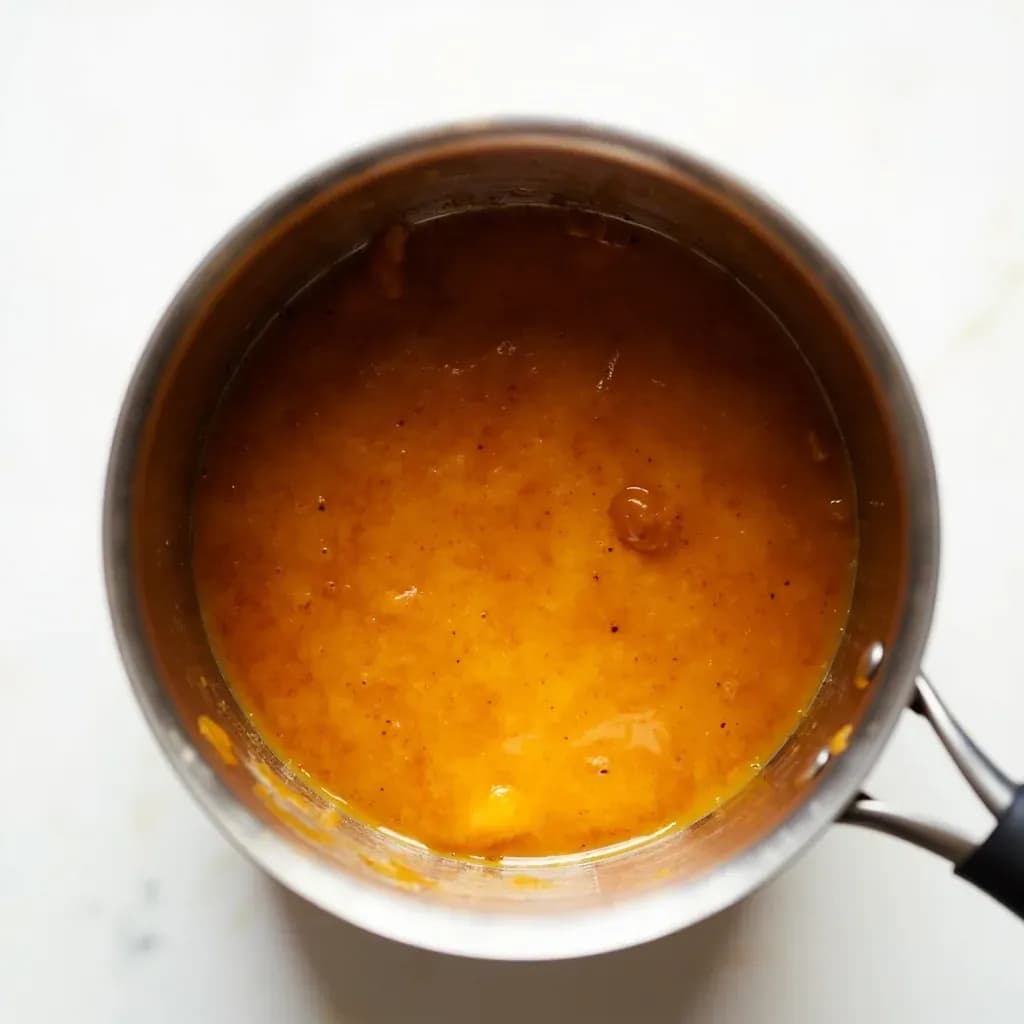
Caramelizing Sugar
Heating sugar until it melts and browns into amber caramel for color, sweetness, and depth.
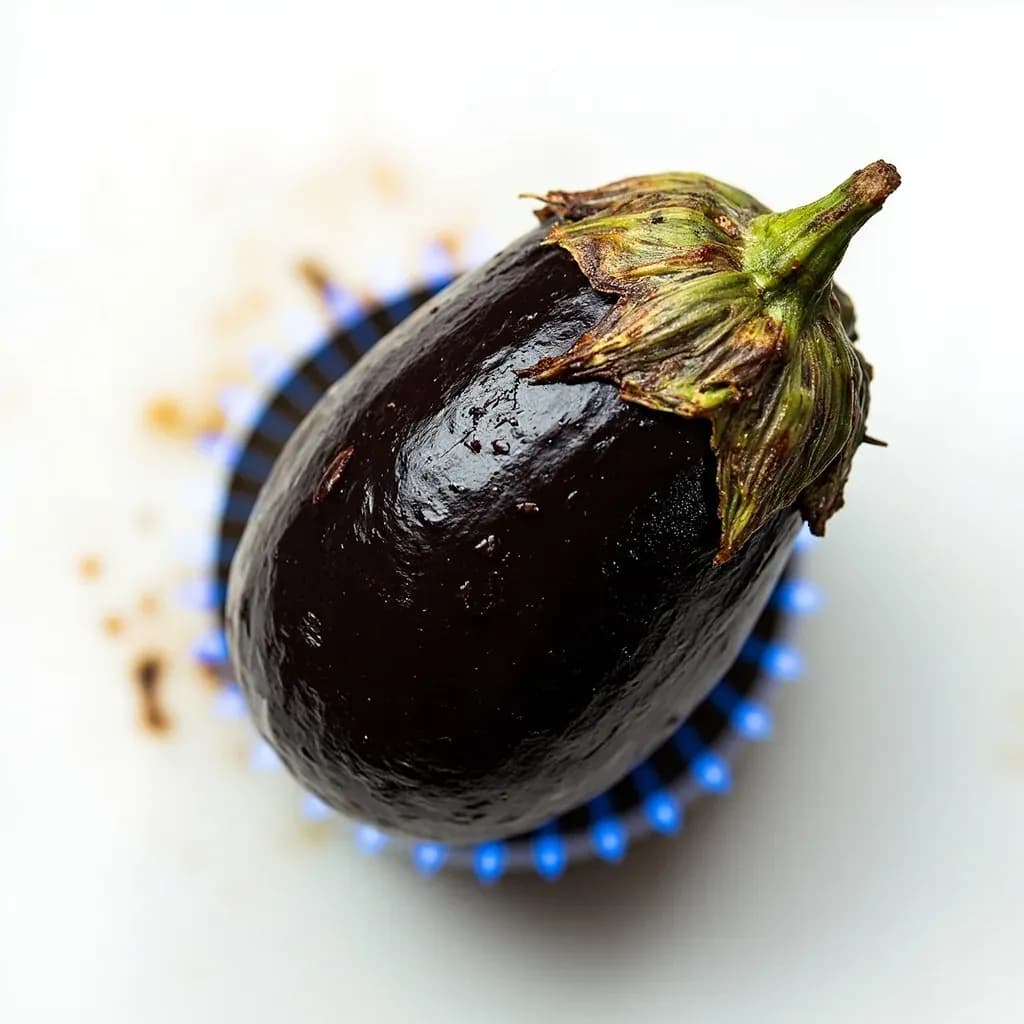
Charring
Blackening food directly over flame or high heat for smoky, blistered flavor.
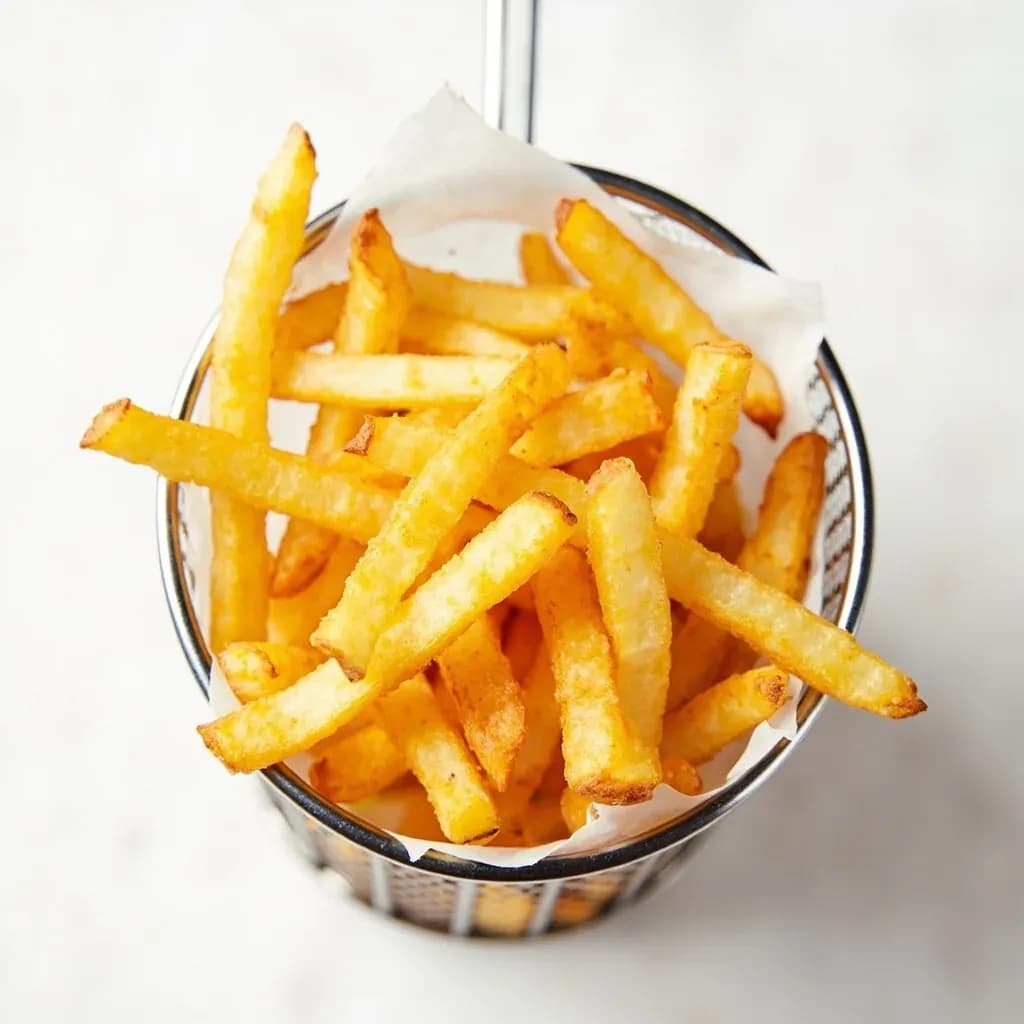
Air Frying
Circulating very hot air around food for a fried-like crisp using little or no oil.
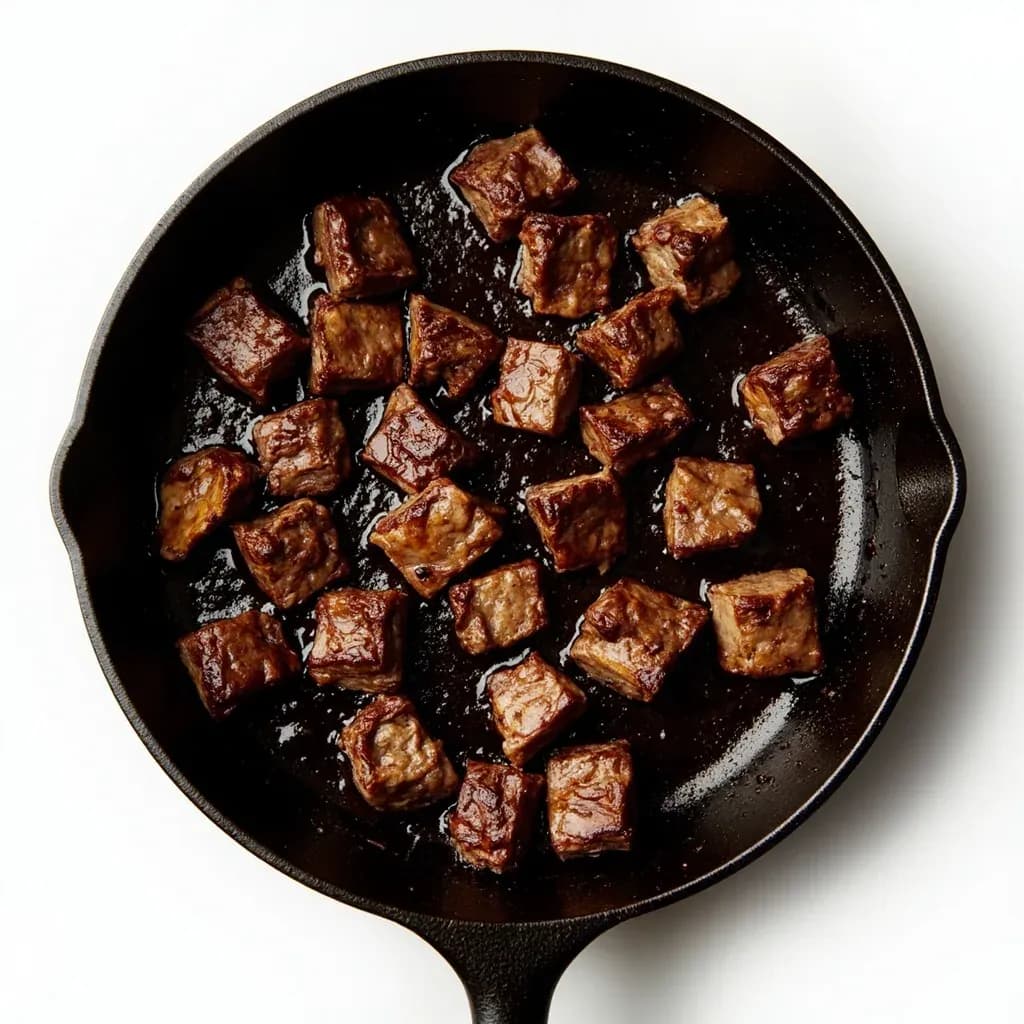
Browning Meat
Searing meat over high heat to build a flavorful brown crust before stewing.
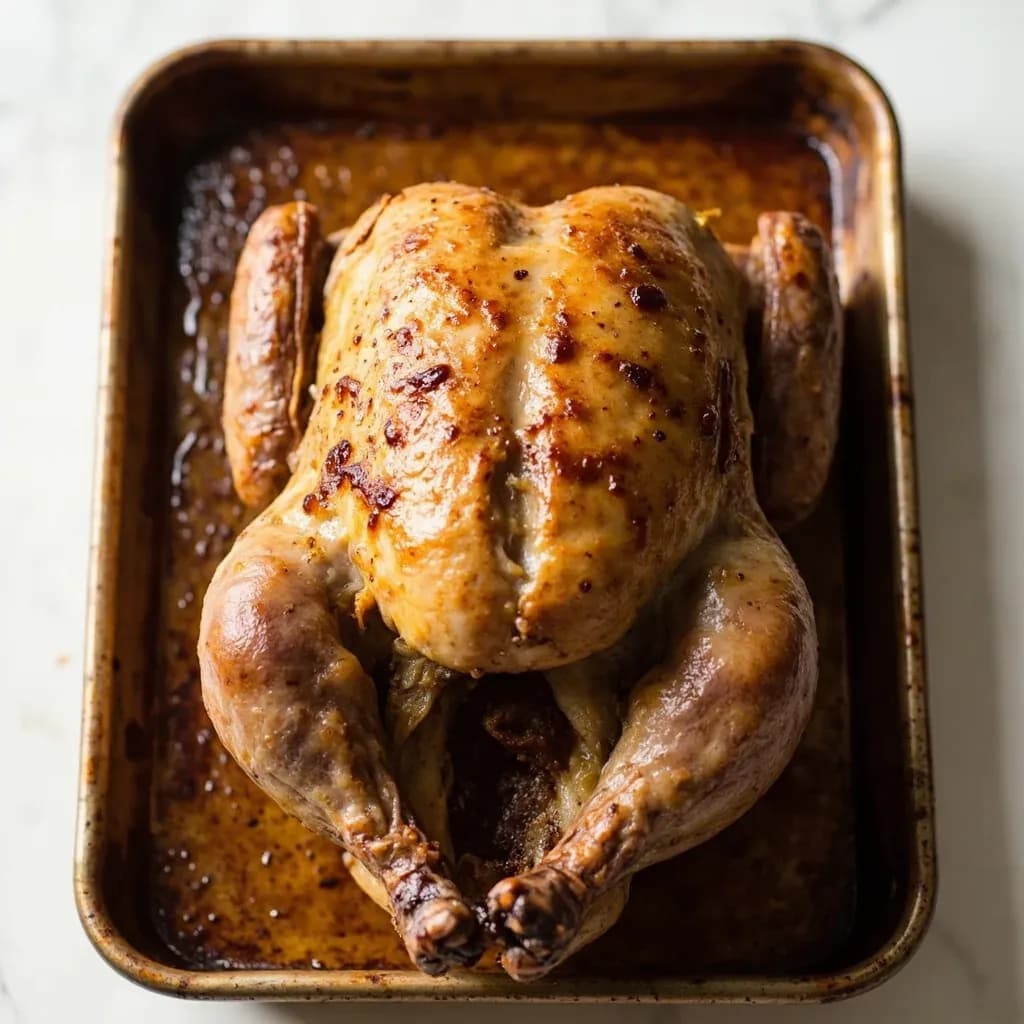
Oven Roasting
Cooking food in the dry, all-around heat of an oven to brown the outside and cook through.
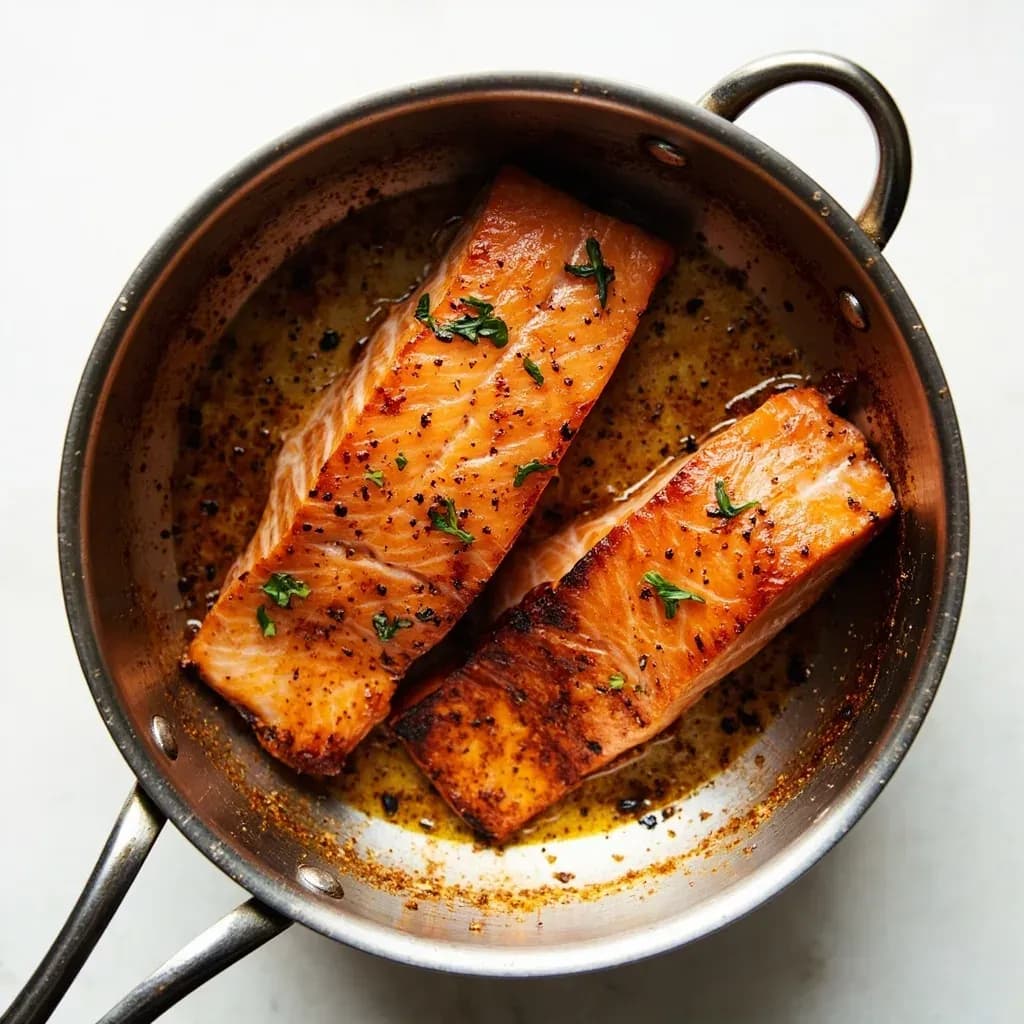
Pan-Searing
Cooking food in a hot pan to form a browned, flavorful crust on the surface.
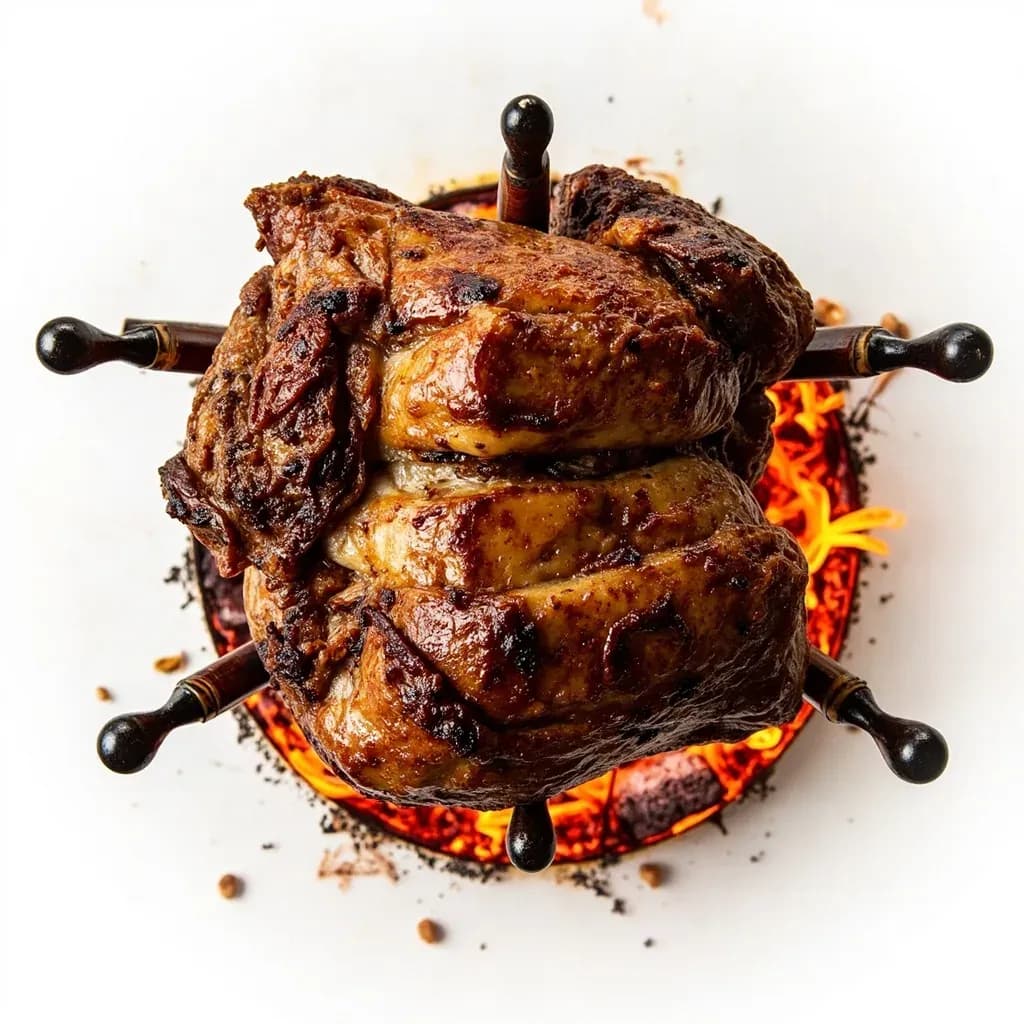
Spit-Roasting
Slowly rotating meat on a skewer over fire for even browning and self-basting.
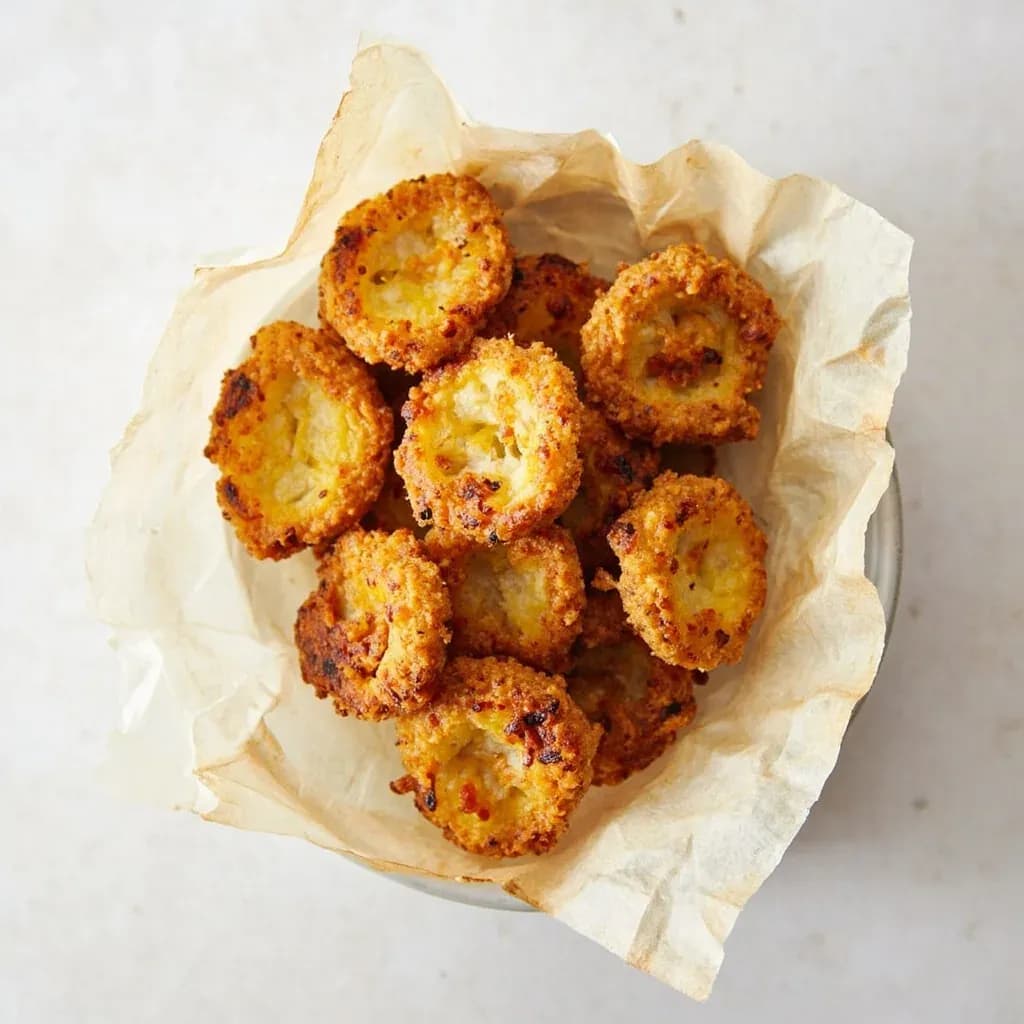
Twice-Frying
Frying food twice — once to cook, then hotter to crisp — for an extra-crunchy result.
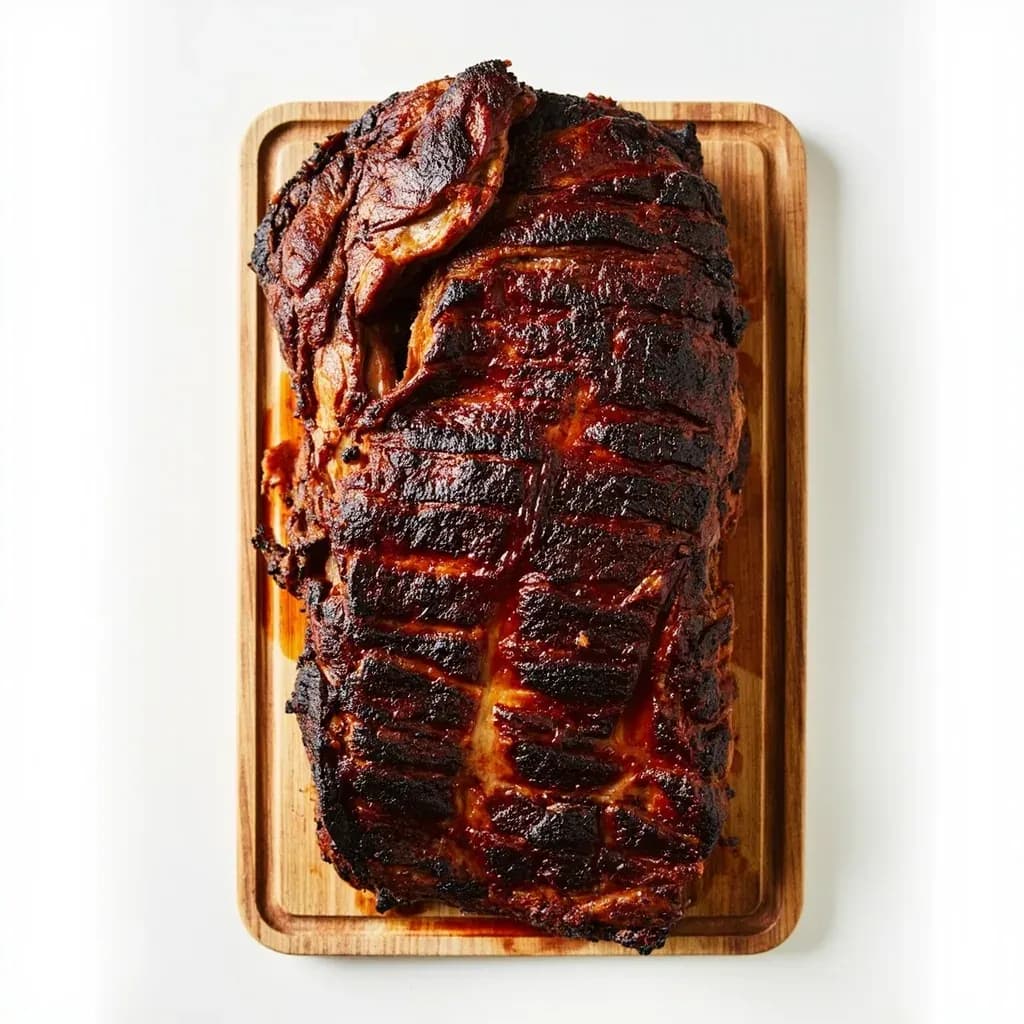
Hot Smoking
Cooking food with smoke and heat together to flavor and fully cook it at once.
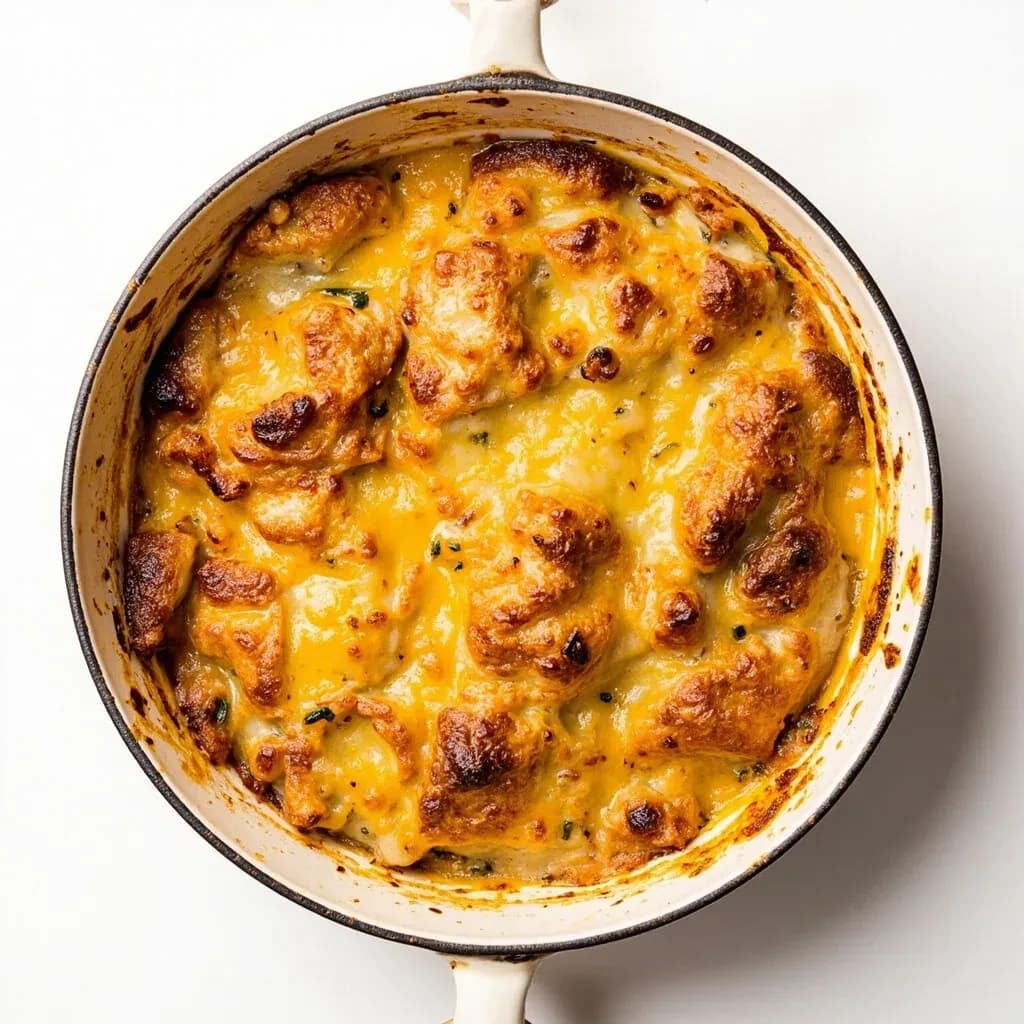
Gratinating
Browning a dish's top under high heat to form a crisp, golden crust.
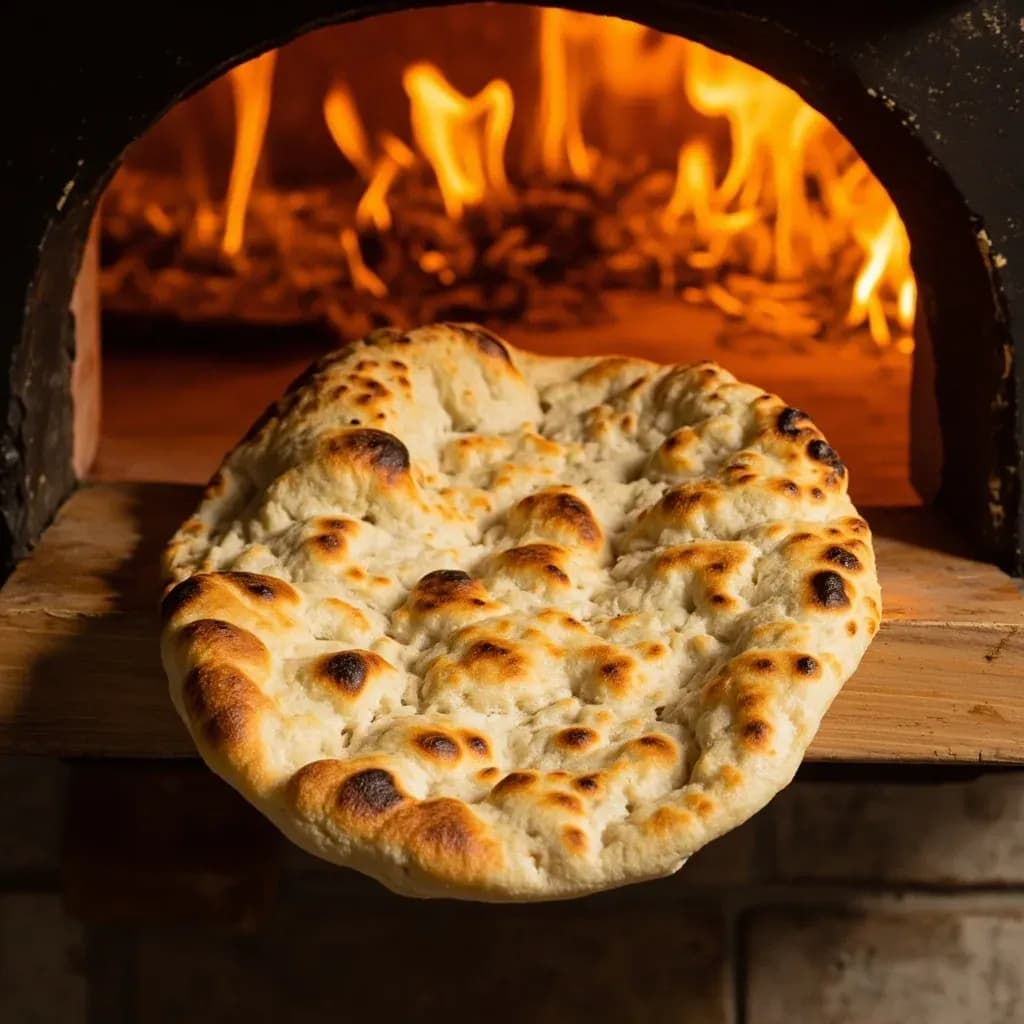
Tandoor Bread Baking
Slapping flatbread dough onto the searing clay walls of a tandoor oven.
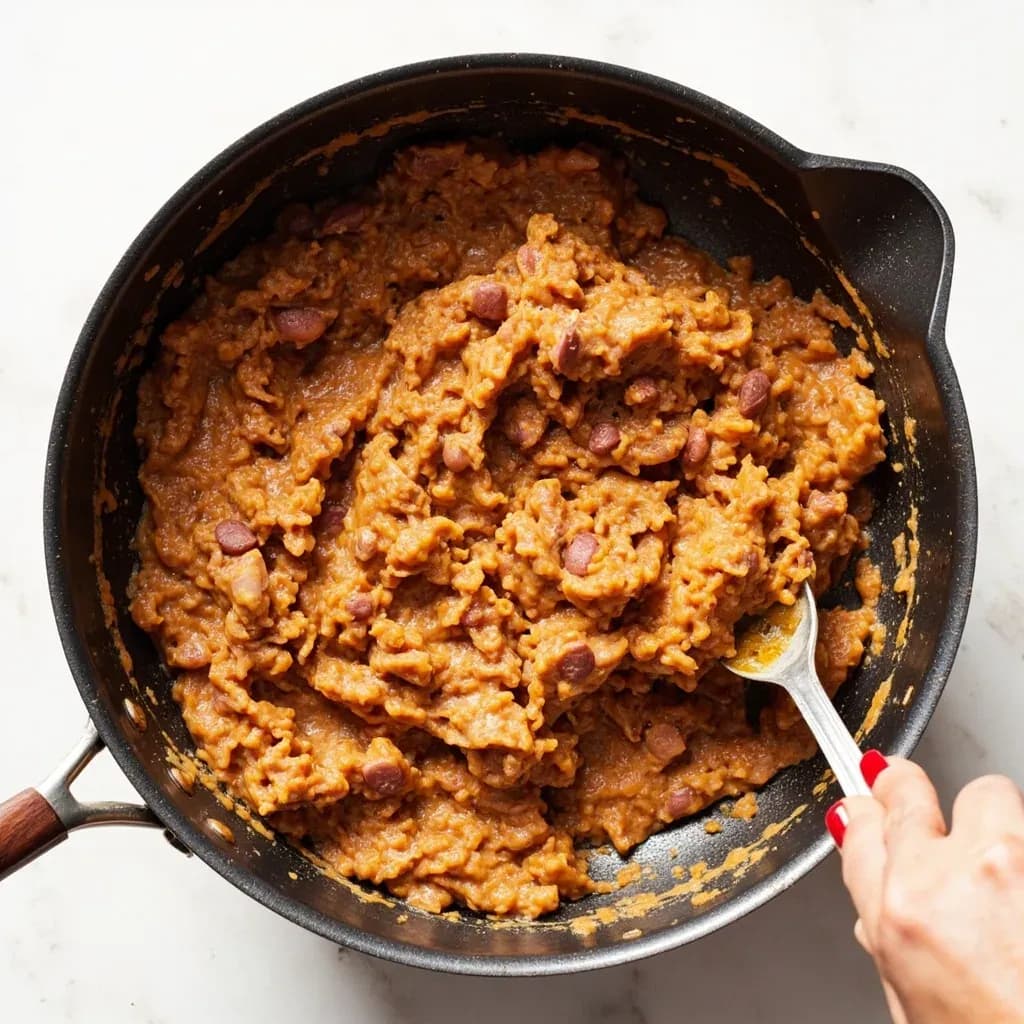
Refrying
Frying already-cooked food again, often mashing it, to concentrate and enrich it.
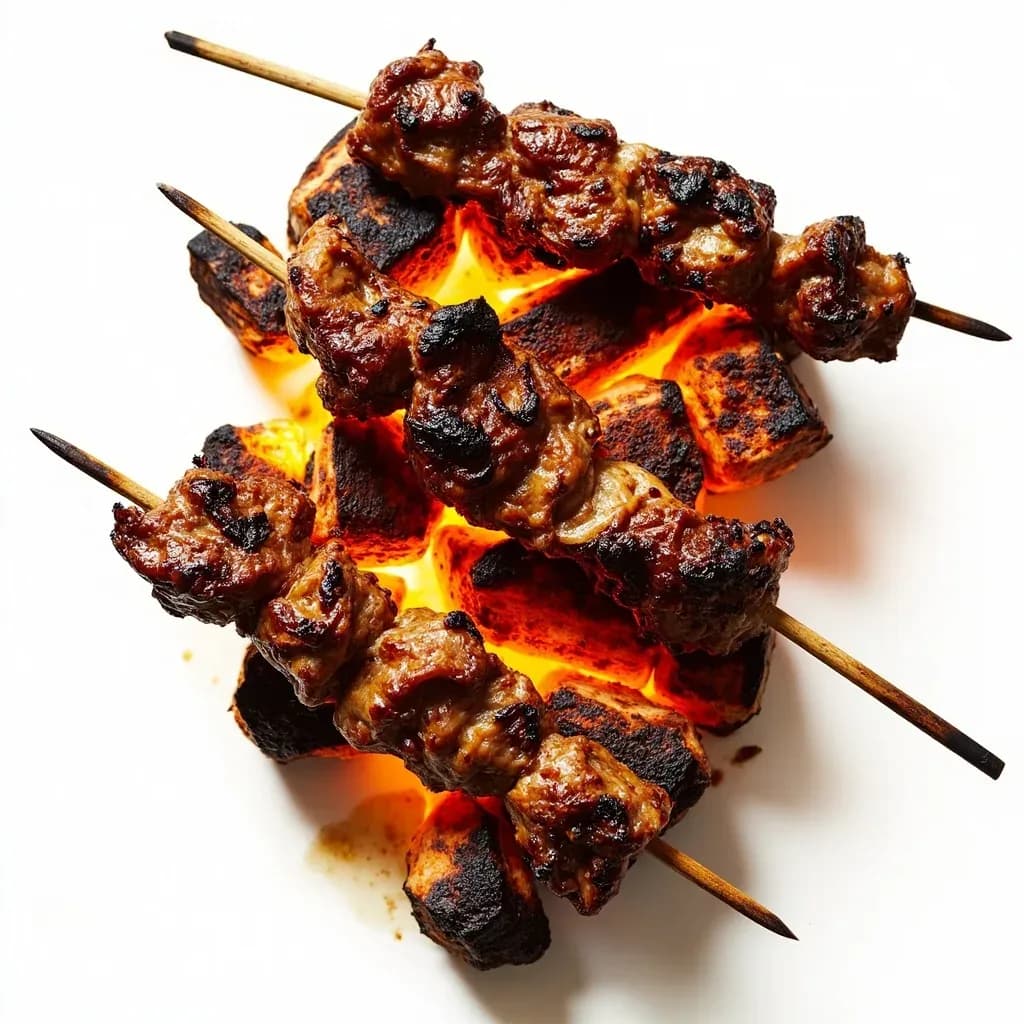
Barbecuing
Cooking food over live fire or coals, from quick grilling to slow smoke-roasting.
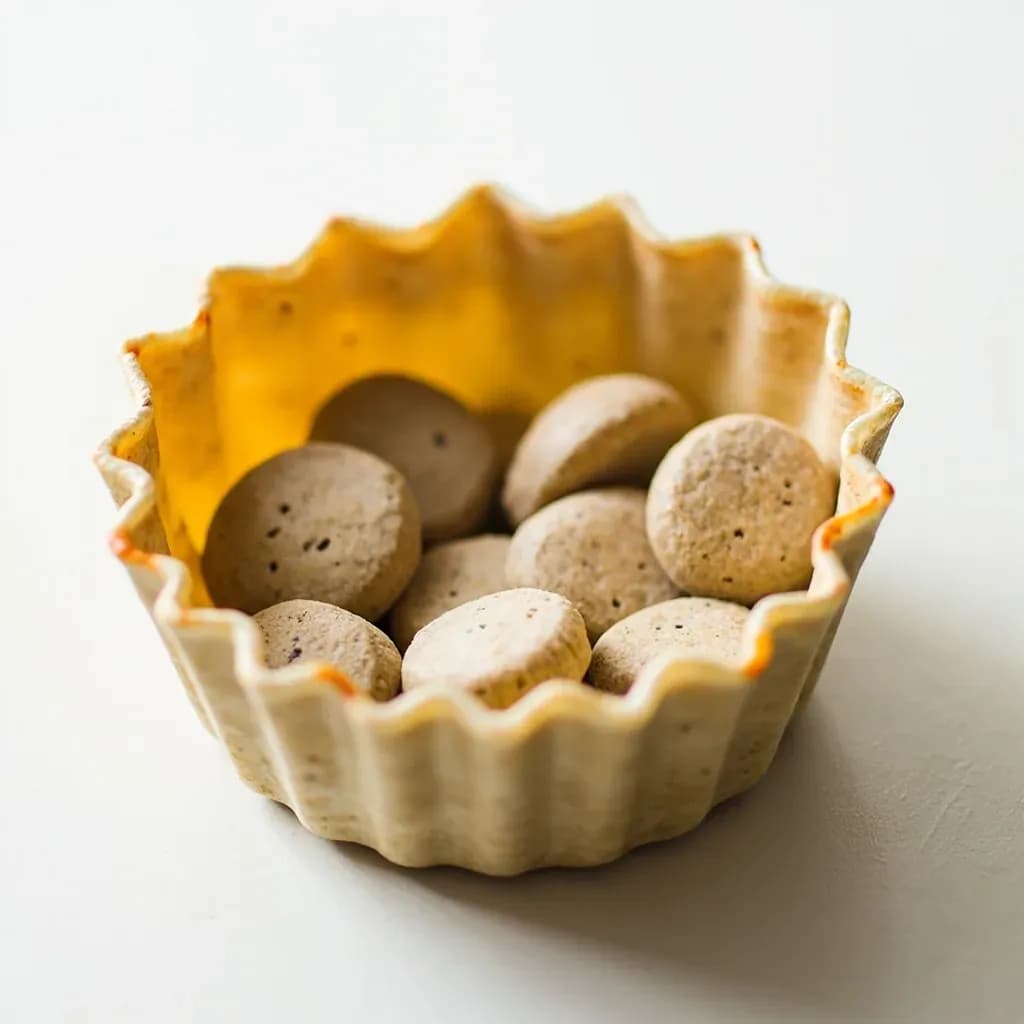
Blind Baking
Pre-baking an empty pastry crust so it stays crisp under a wet filling.
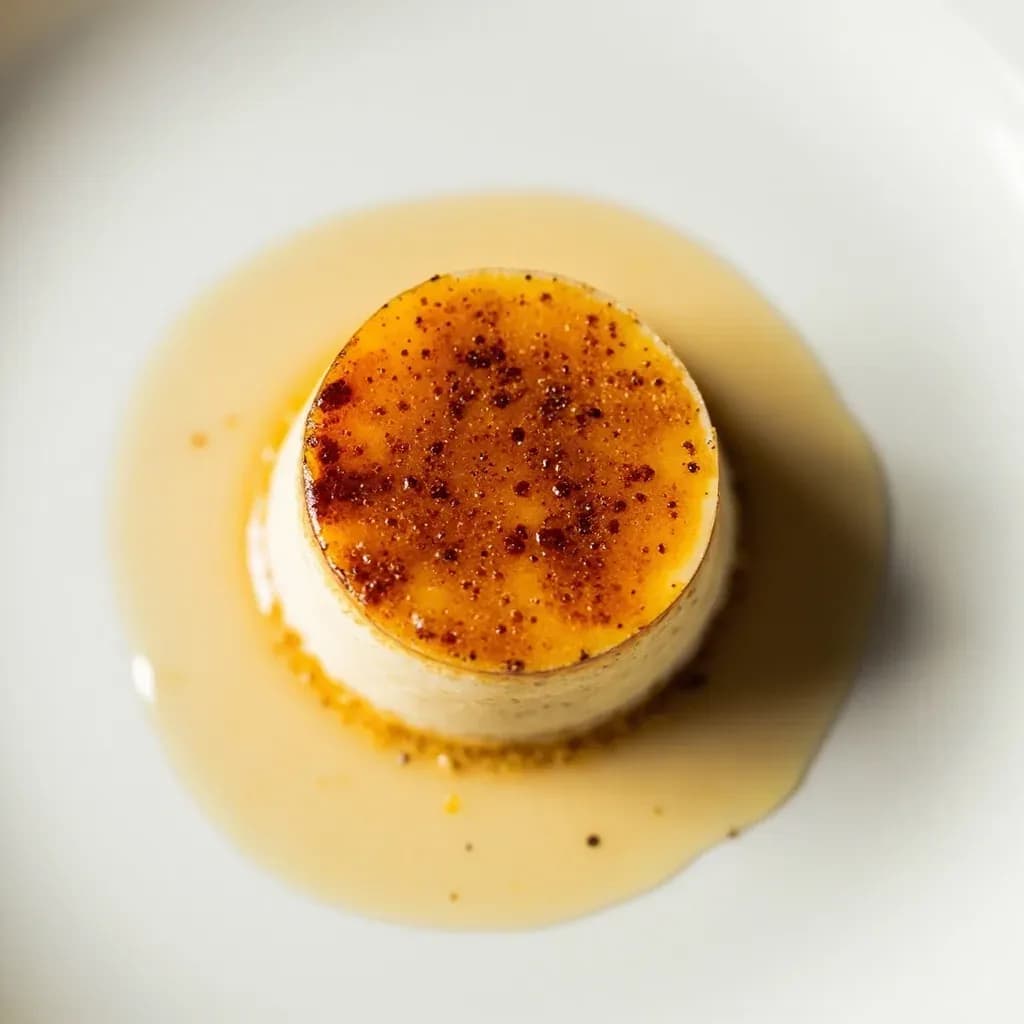
Caramelization
Browning sugars in food under heat to develop nutty, complex sweet-savory flavor.
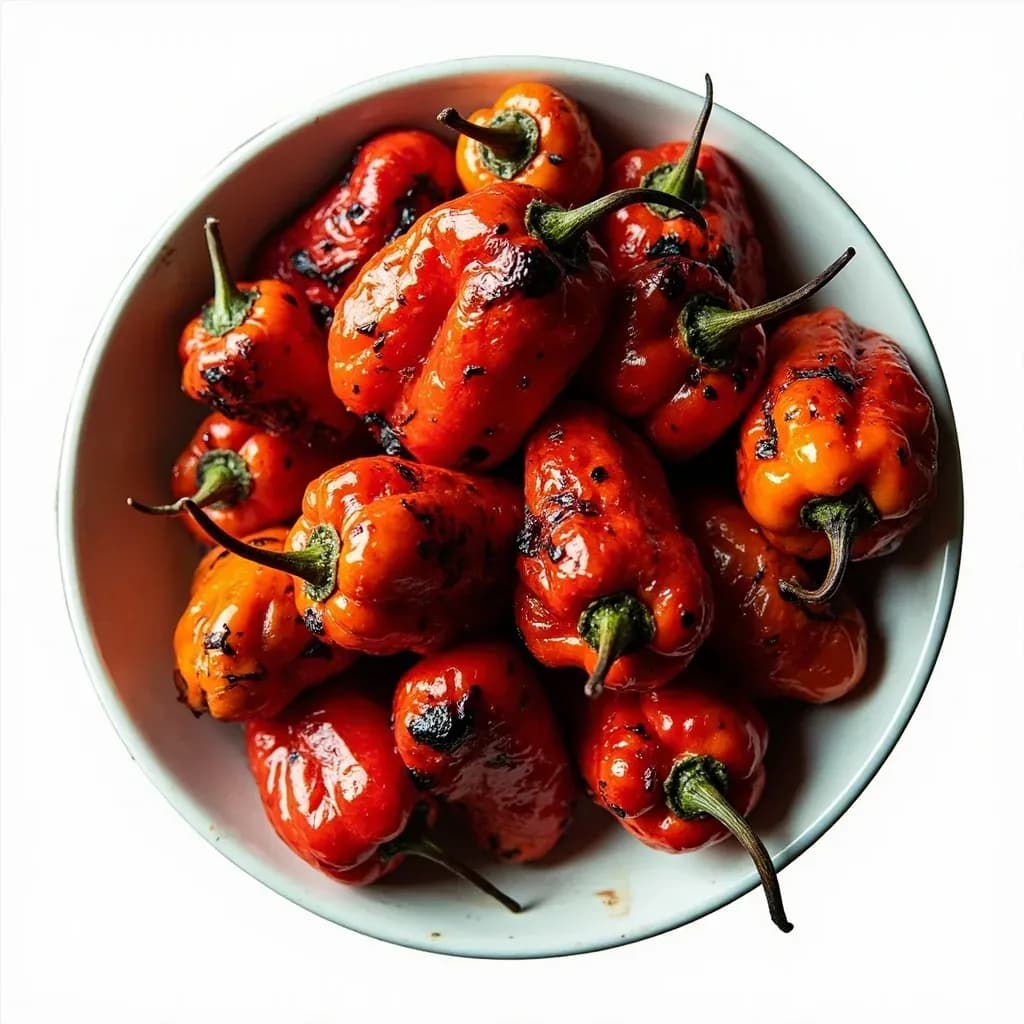
Charring Vegetables (Köz)
Blackening vegetables over fire or coals for smoky, tender flesh, as in Turkish köz.
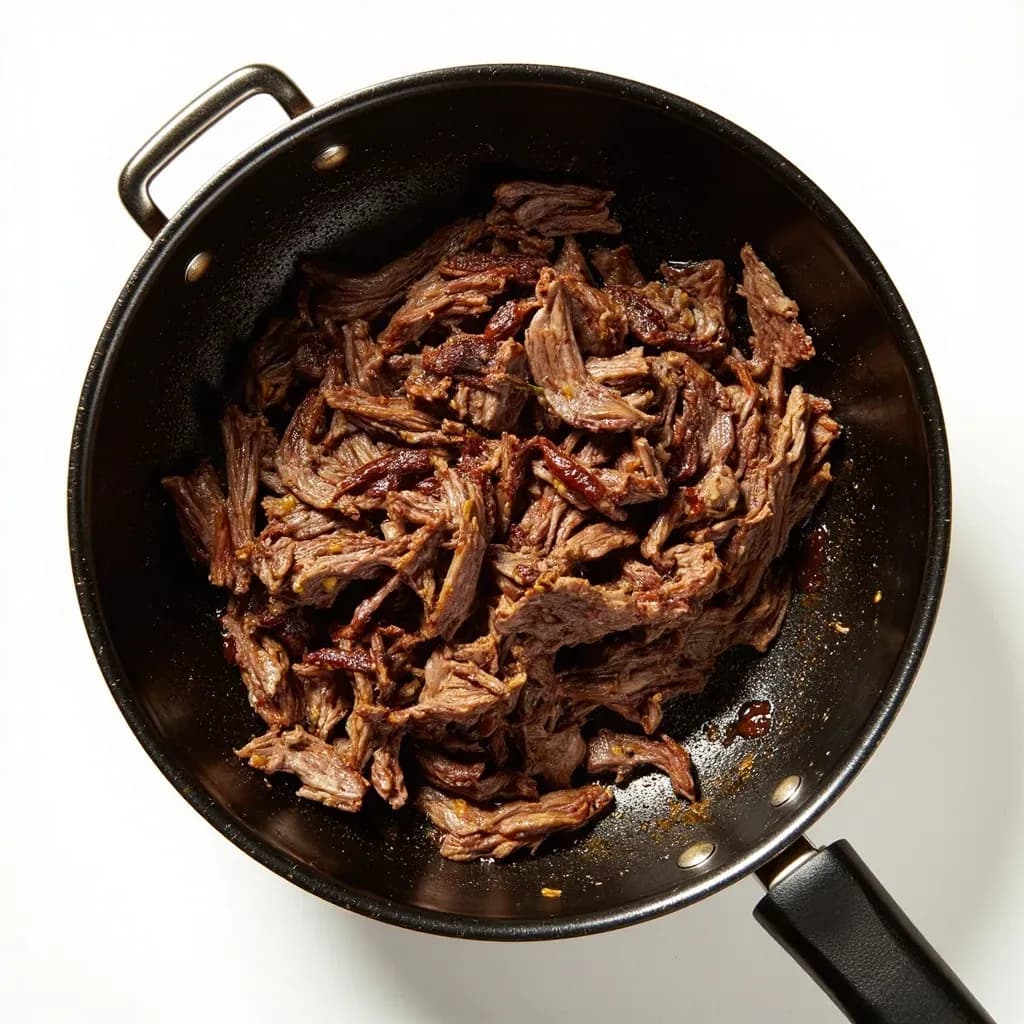
Dry-Frying
Frying with little or no oil to drive off moisture and concentrate flavor.
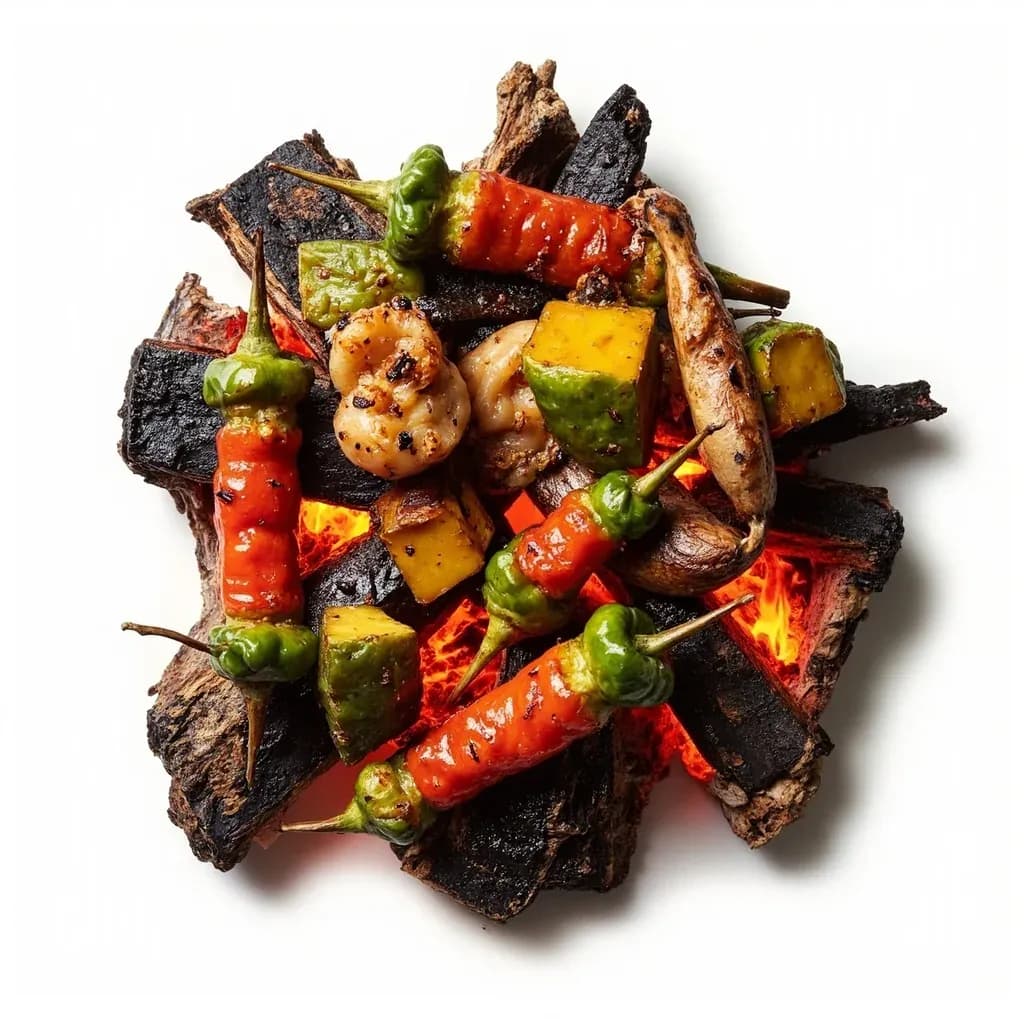
Ember / Charcoal Grilling
Cooking food directly over or in glowing wood or charcoal embers for smoky char.
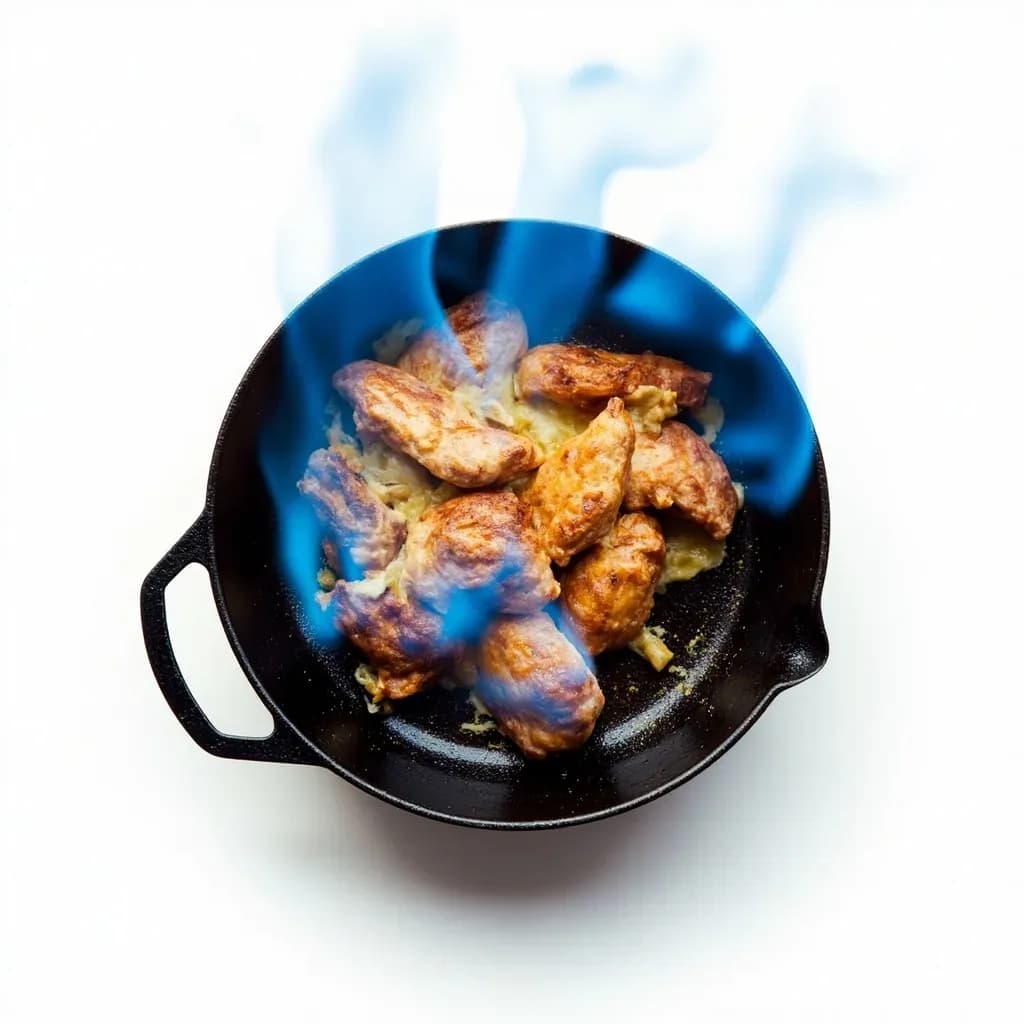
Flambéing
Igniting added alcohol in a hot pan to burn it off and add caramelized flavor.
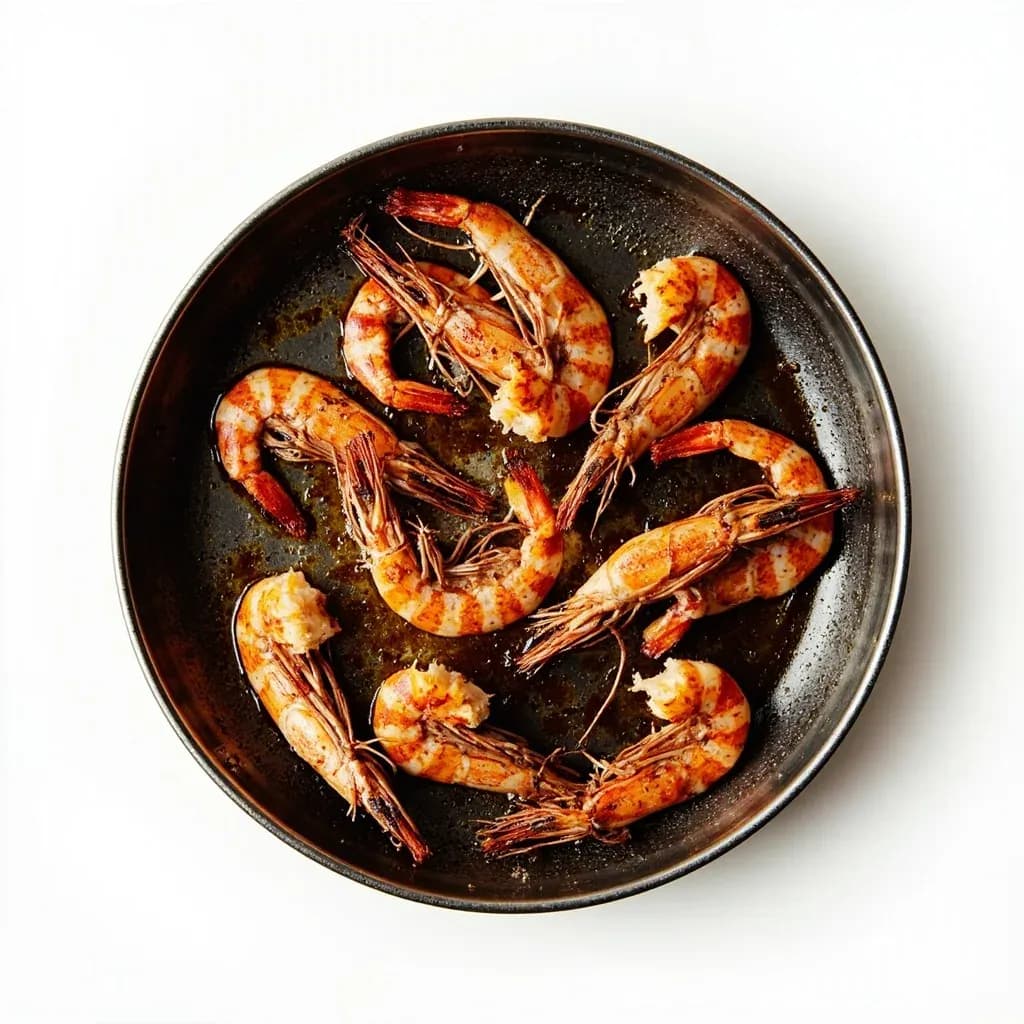
Griddle Searing (a la Plancha)
Searing food on a flat, very hot metal griddle for a fast, even crust.
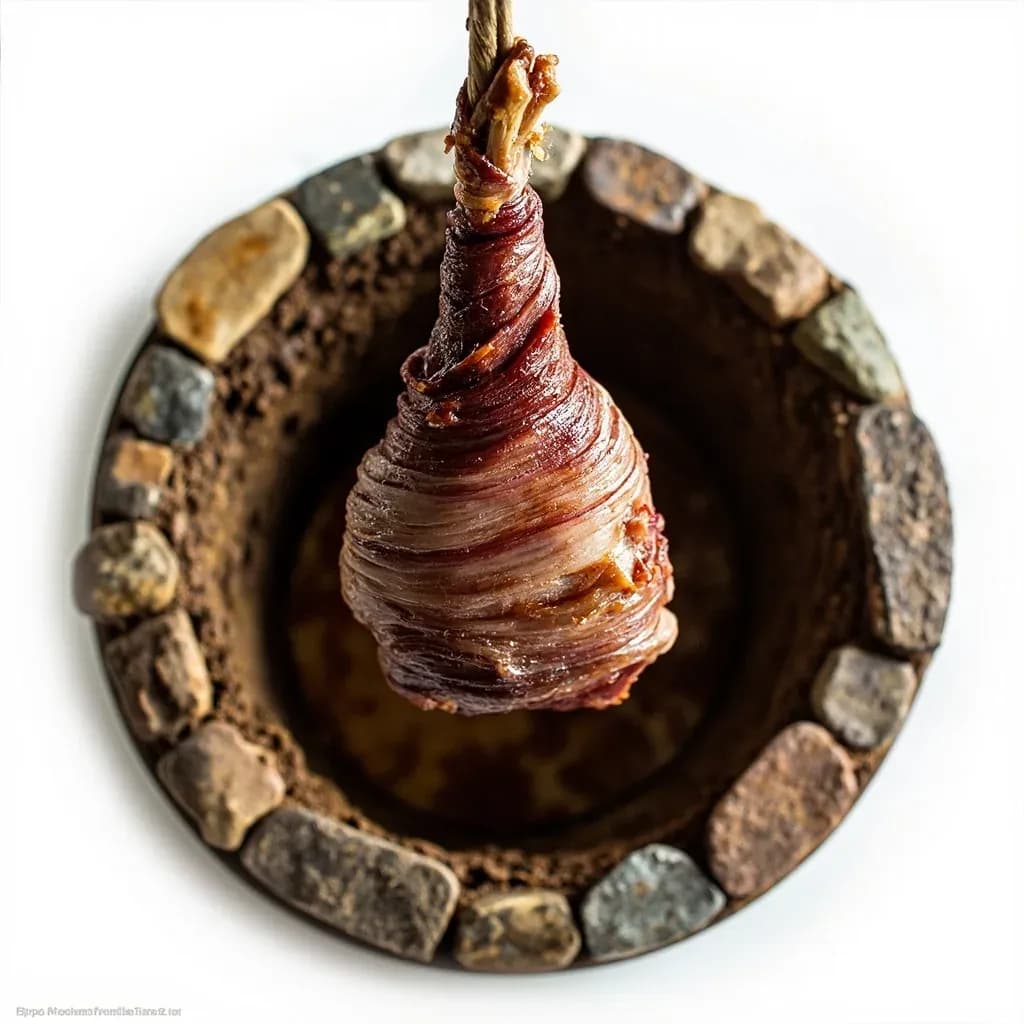
Pit Roasting
Cooking food slowly in an underground pit with hot stones or coals.
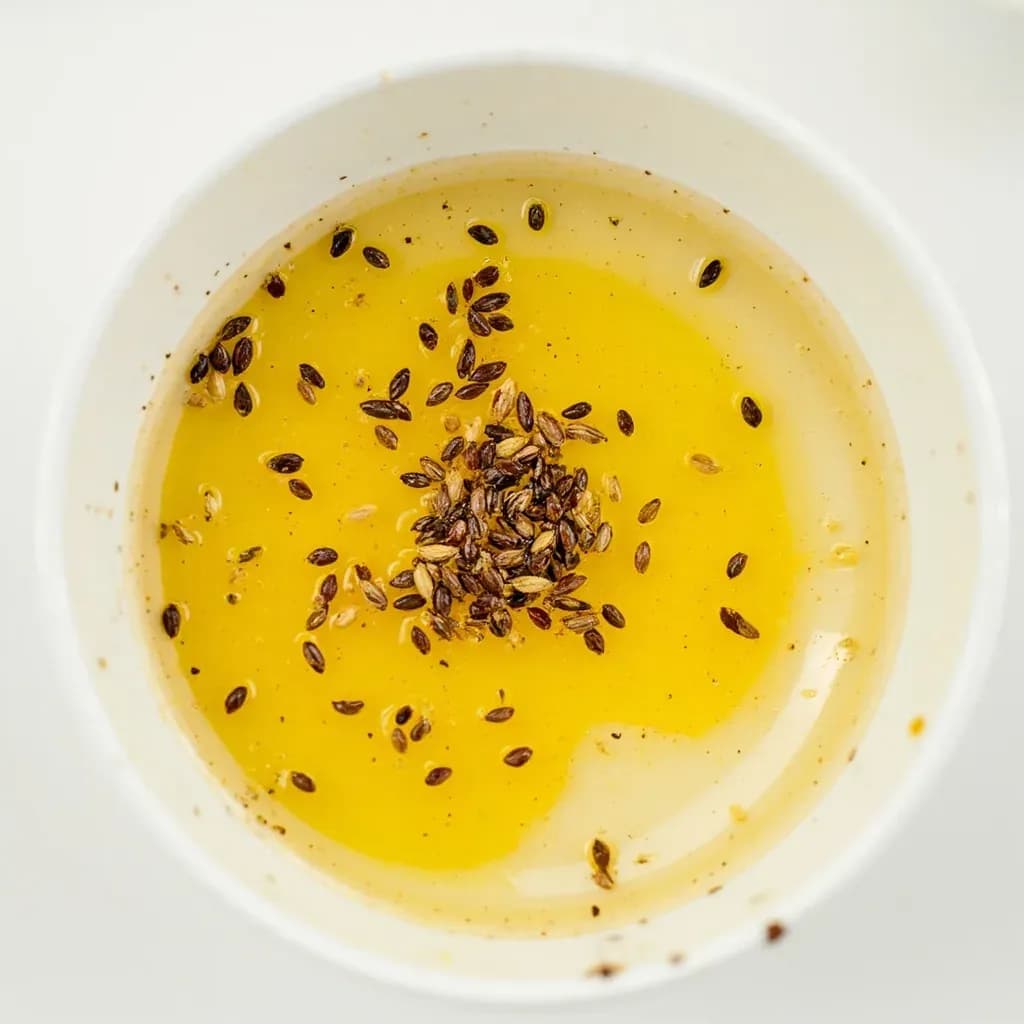
Blooming Spices in Oil
Frying whole or ground spices in hot fat to release their aroma and flavor.
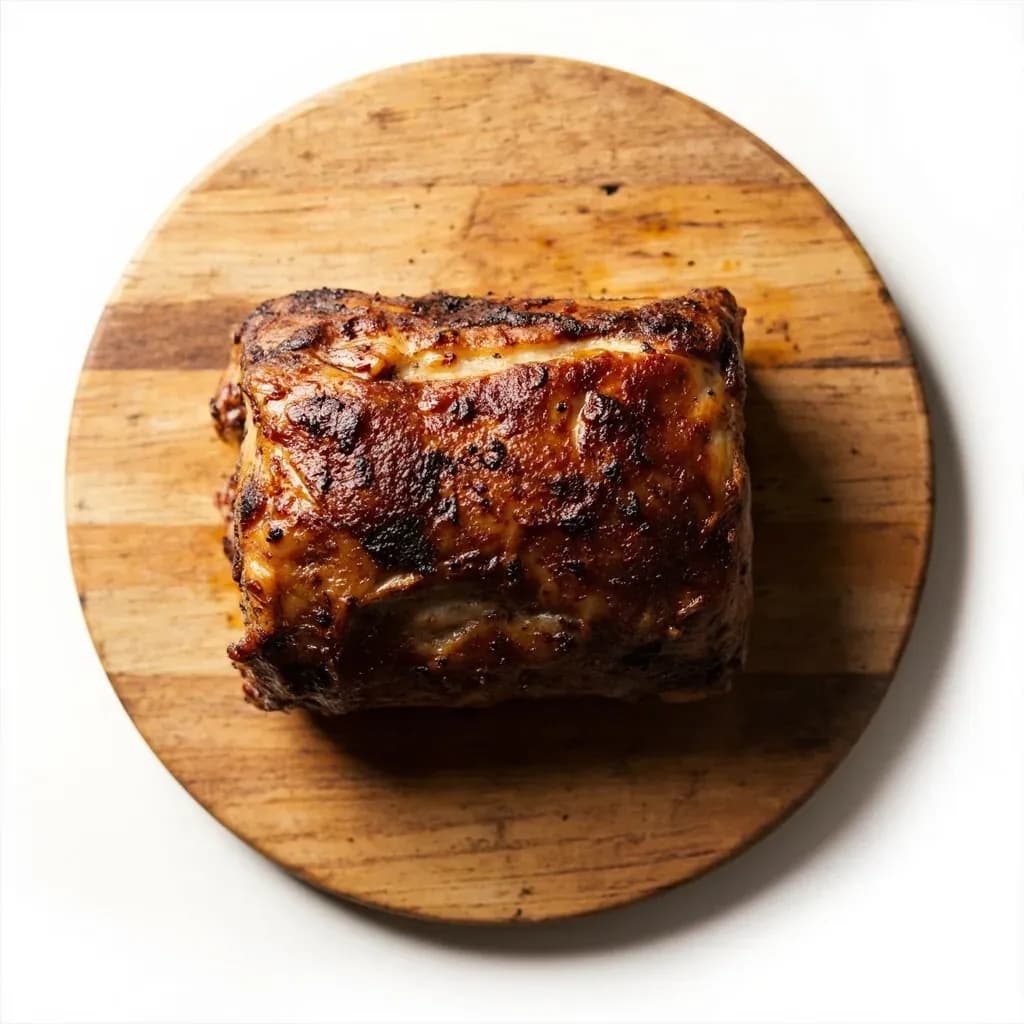
Resting Meat
Letting cooked meat sit before slicing so juices redistribute instead of running out.
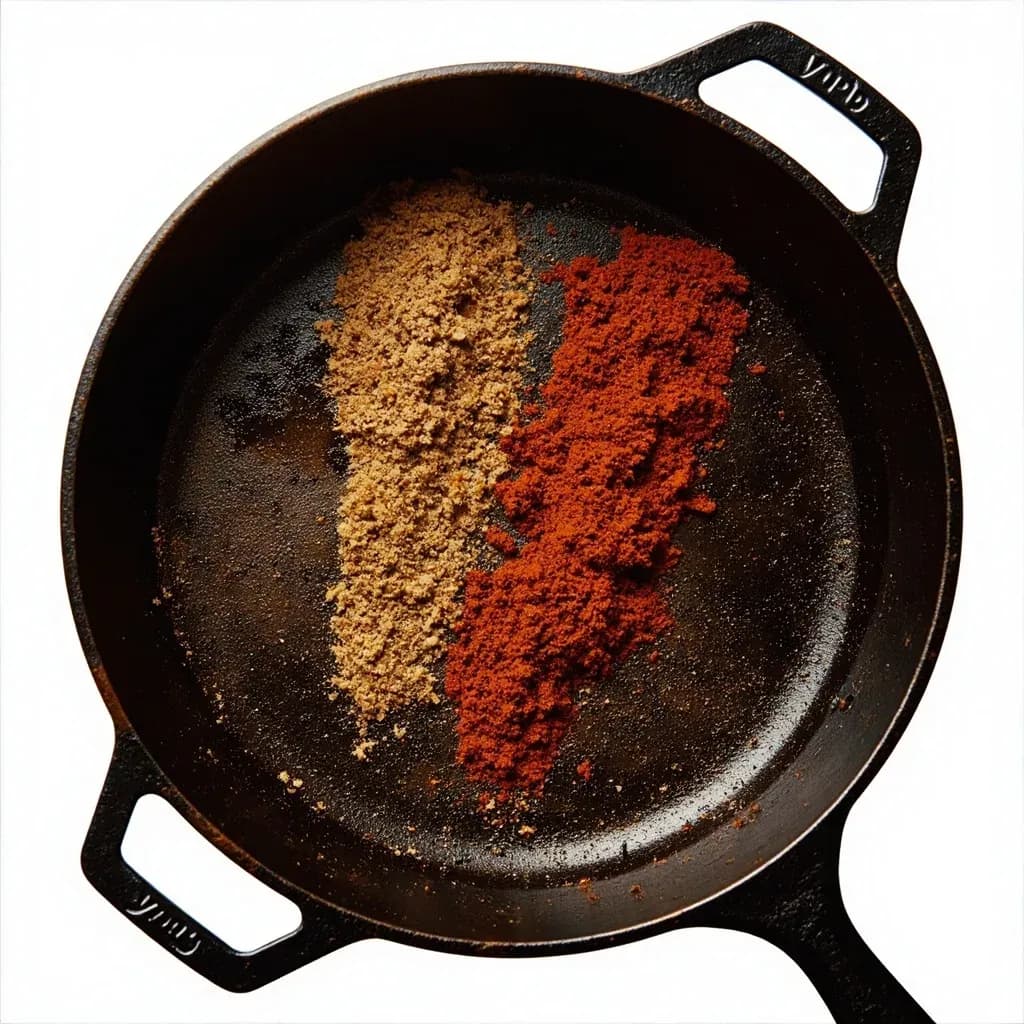
Dry-Roasting Spices
Toasting whole spices in a dry pan to deepen and unlock their aroma.
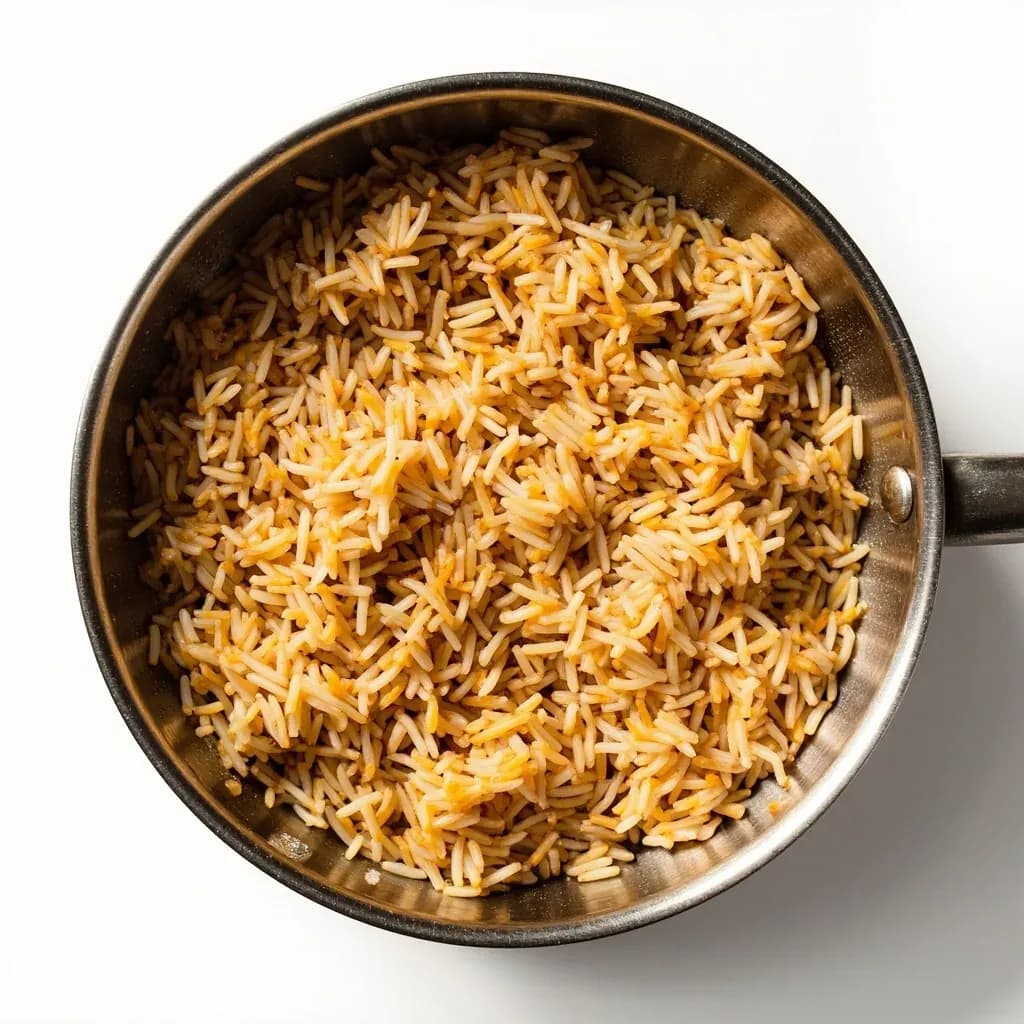
Toasting & Grinding Rice
Dry-toasting raw rice then grinding it into nutty toasted rice powder.
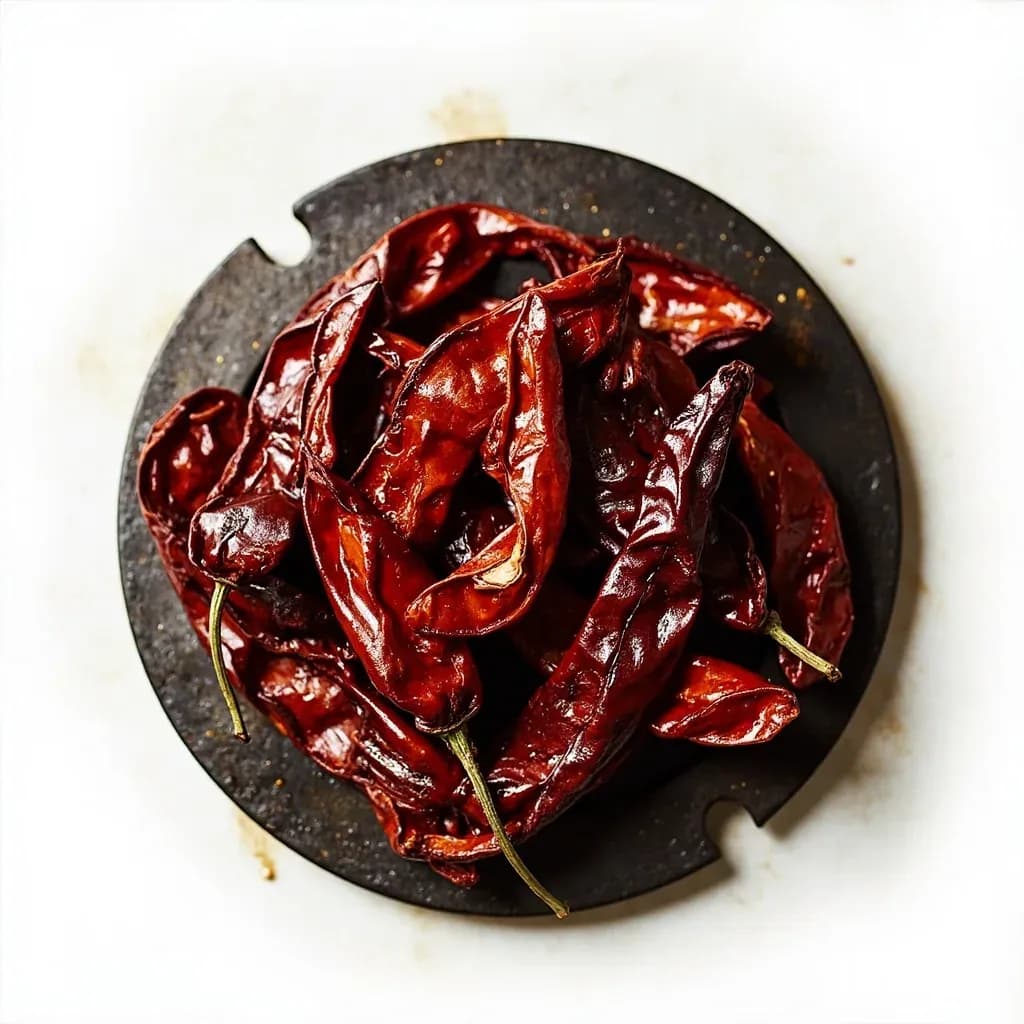
Toasting Dried Chiles
Dry-toasting dried chiles on a hot surface to wake up their flavor.
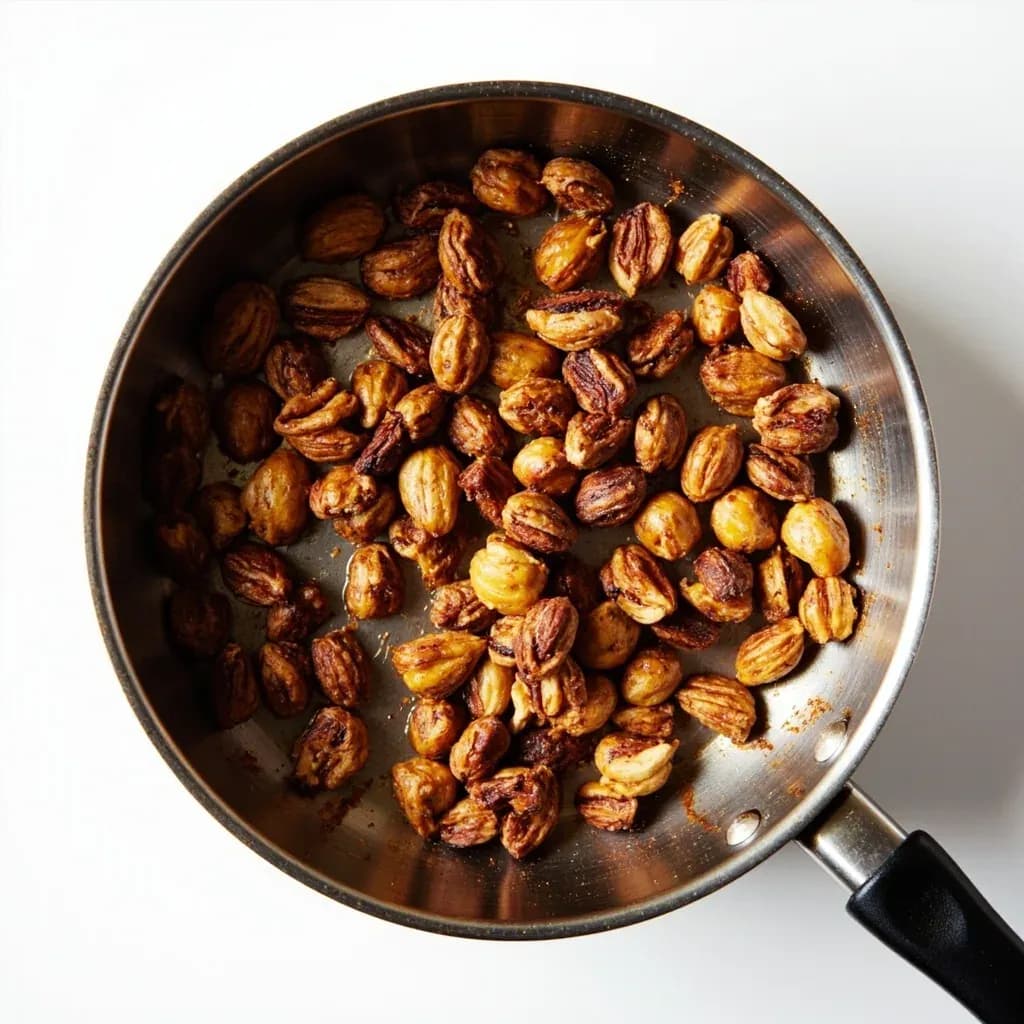
Toasting Nuts & Seeds
Heating nuts and seeds in a dry pan or oven to deepen flavor and crunch.
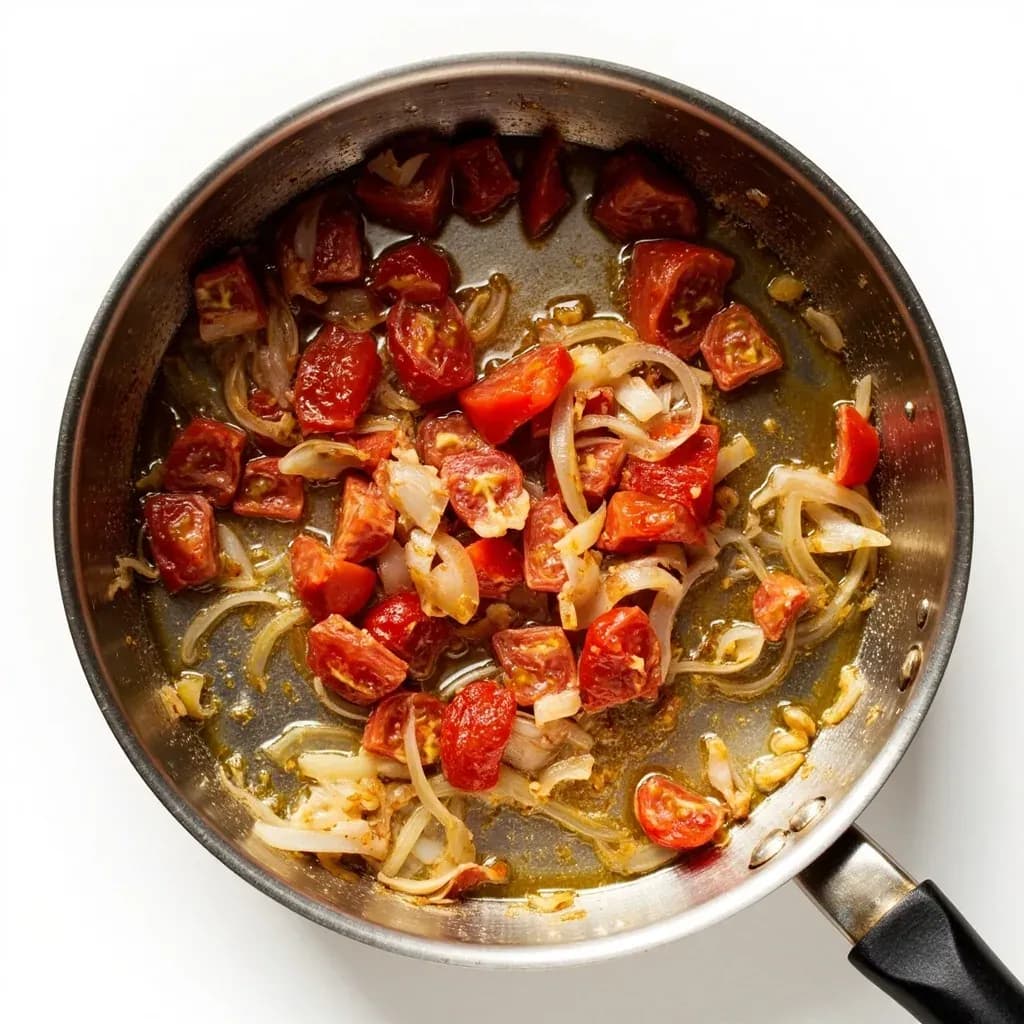
Building an Aromatic Base
Gently frying aromatics like onion, garlic, and tomato in fat to lay a deep flavor foundation.
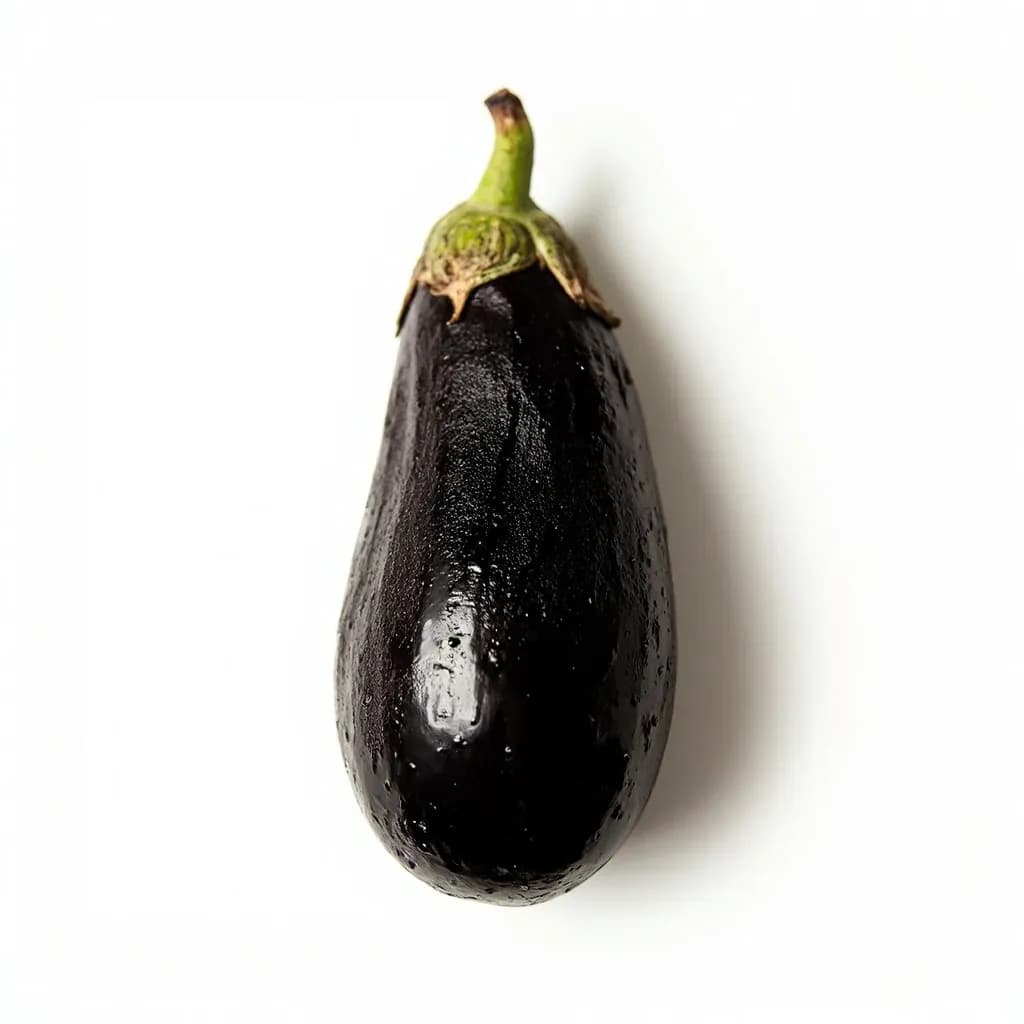
Char-Roasting Vegetables
Blistering vegetables over flame or under high heat for smoky depth and easy peeling.
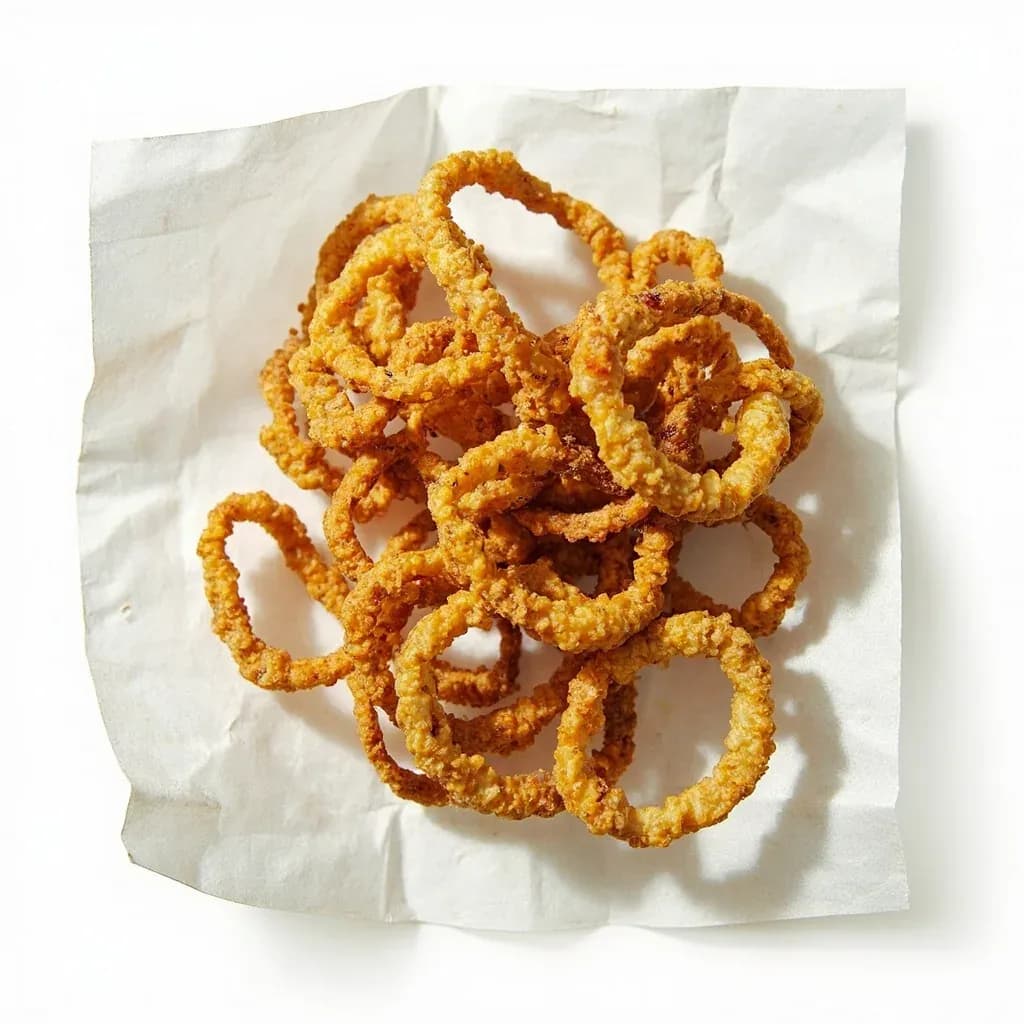
Frying Crispy Shallots
Slowly frying thin shallot or onion slices until golden and crisp for a fragrant garnish.
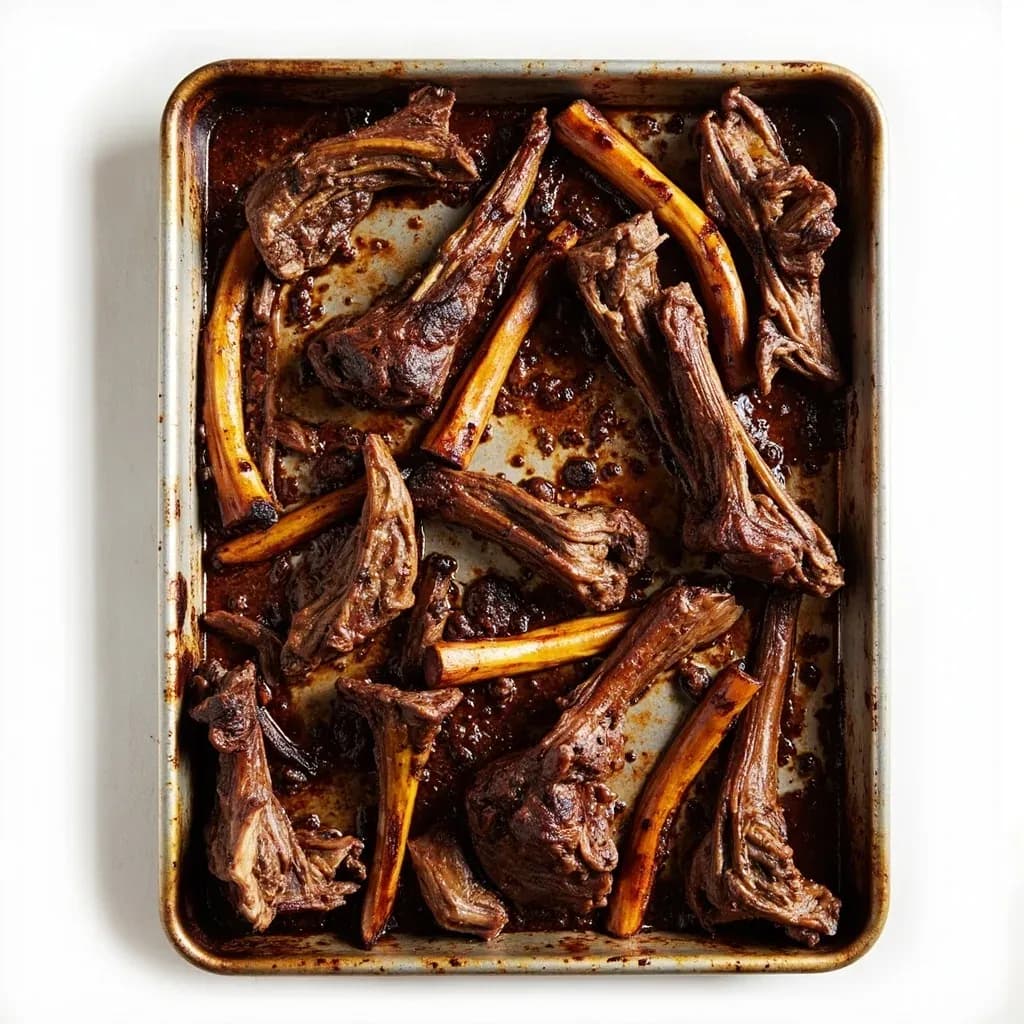
Roasting Bones for Brown Stock
Browning bones in a hot oven to build deep color and flavor for brown stock.
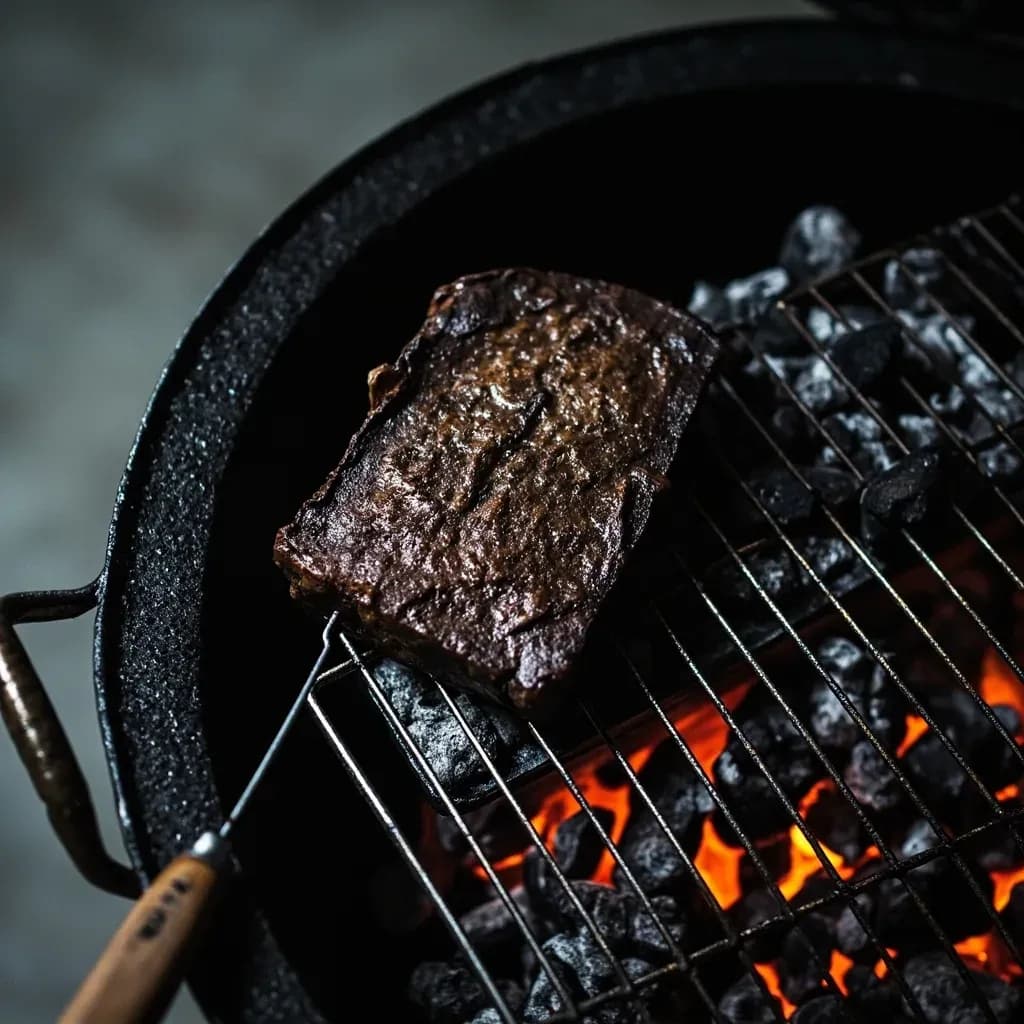
Indirect Grilling (Two-Zone)
Cooking beside, not over, the fire to roast larger cuts gently with smoke.
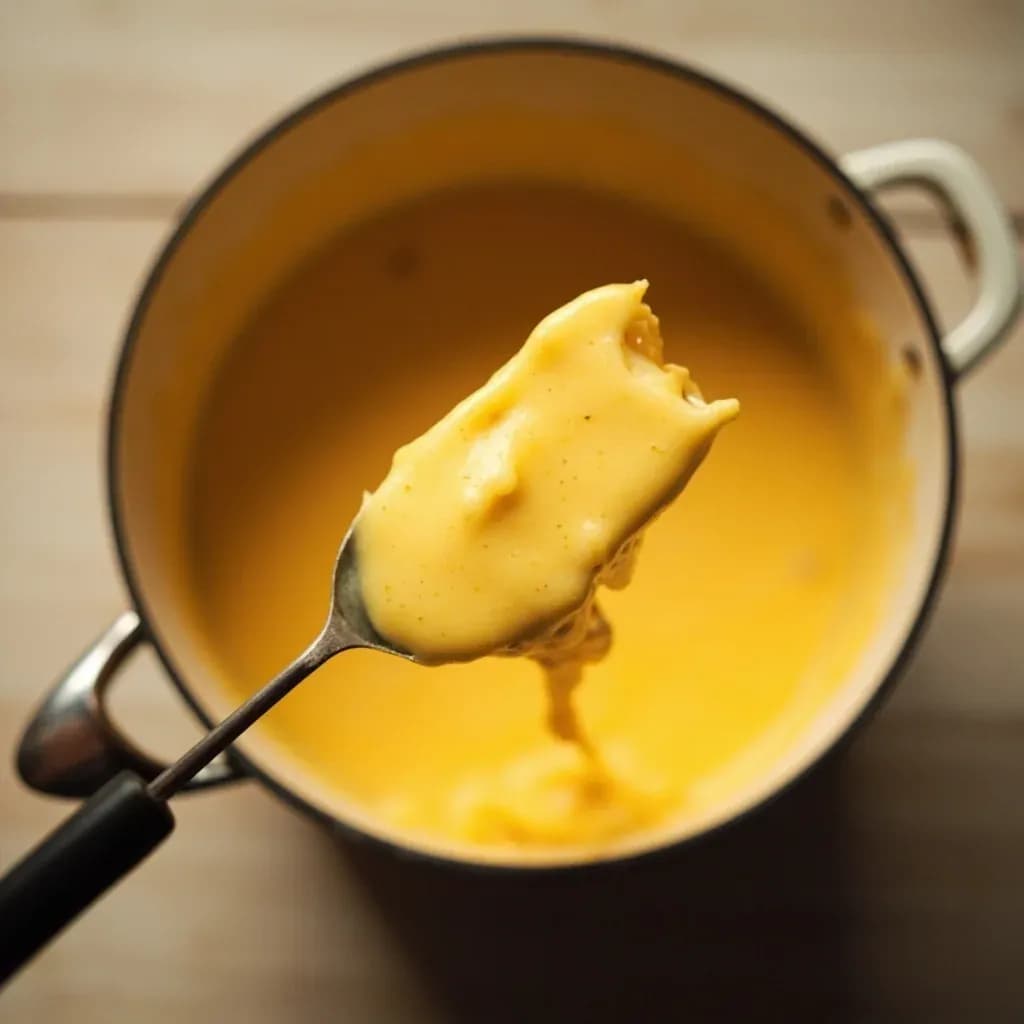
Melting (Fondue / Raclette)
Warming cheese or chocolate to a smooth, fluid pour for dipping or scraping.
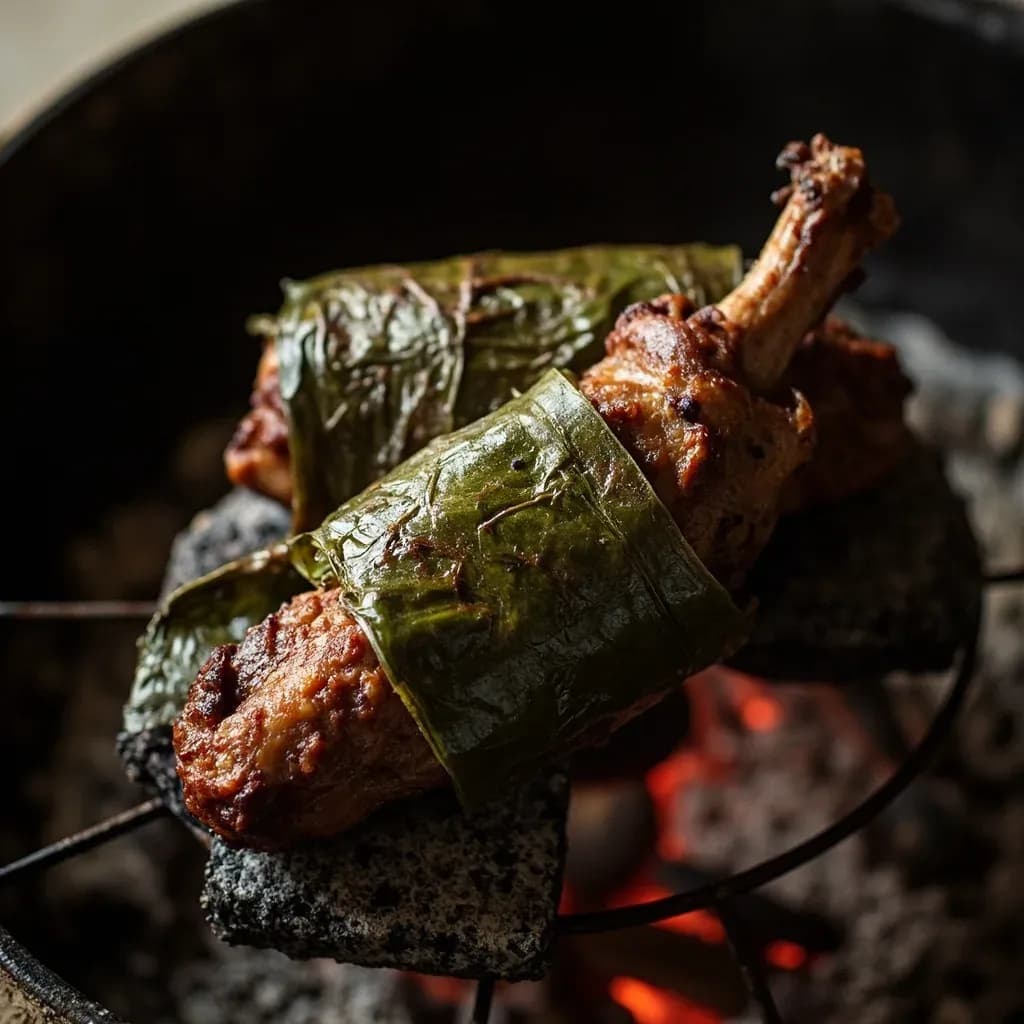
Pit Barbacoa (Underground Oven)
Slow-cooking meat wrapped in leaves inside a heated underground earth pit.
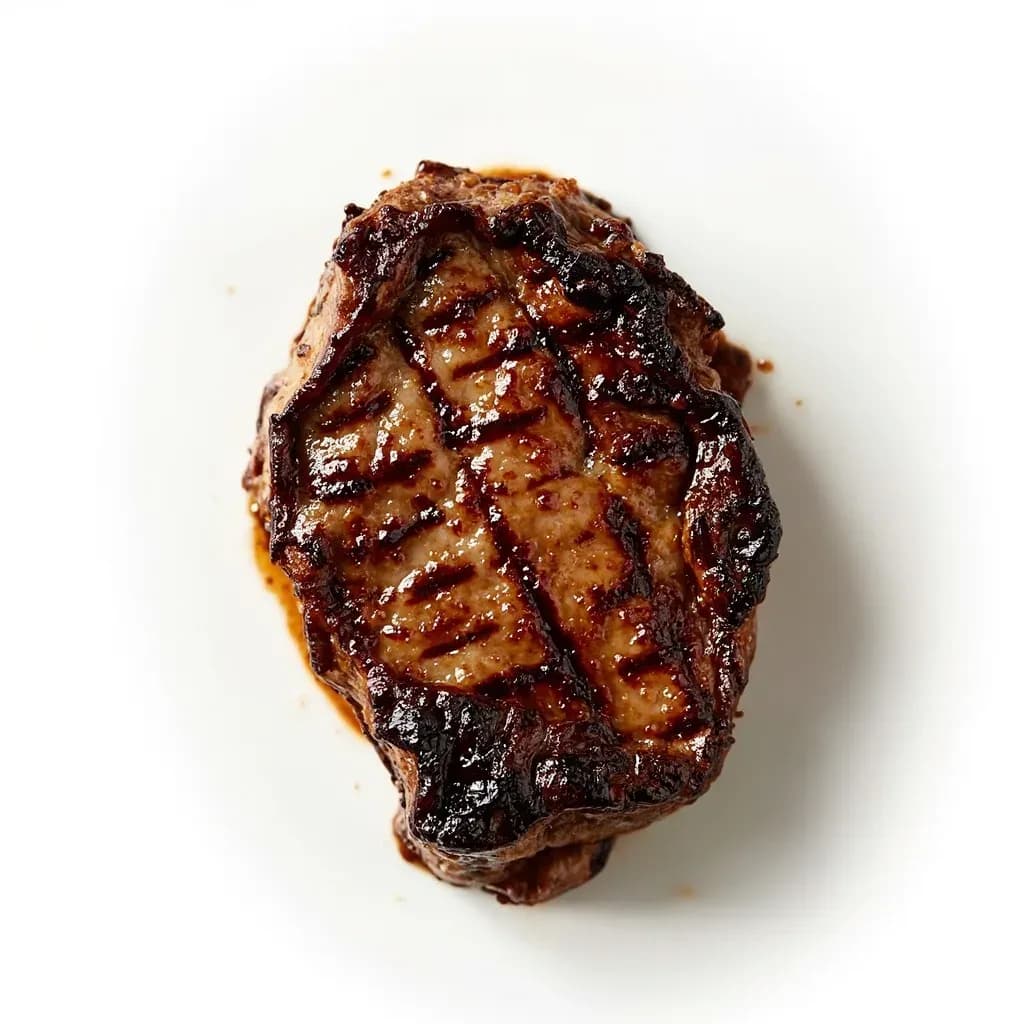
Reverse Sear
Slow-roasting meat to temperature first, then searing hard for a crust.
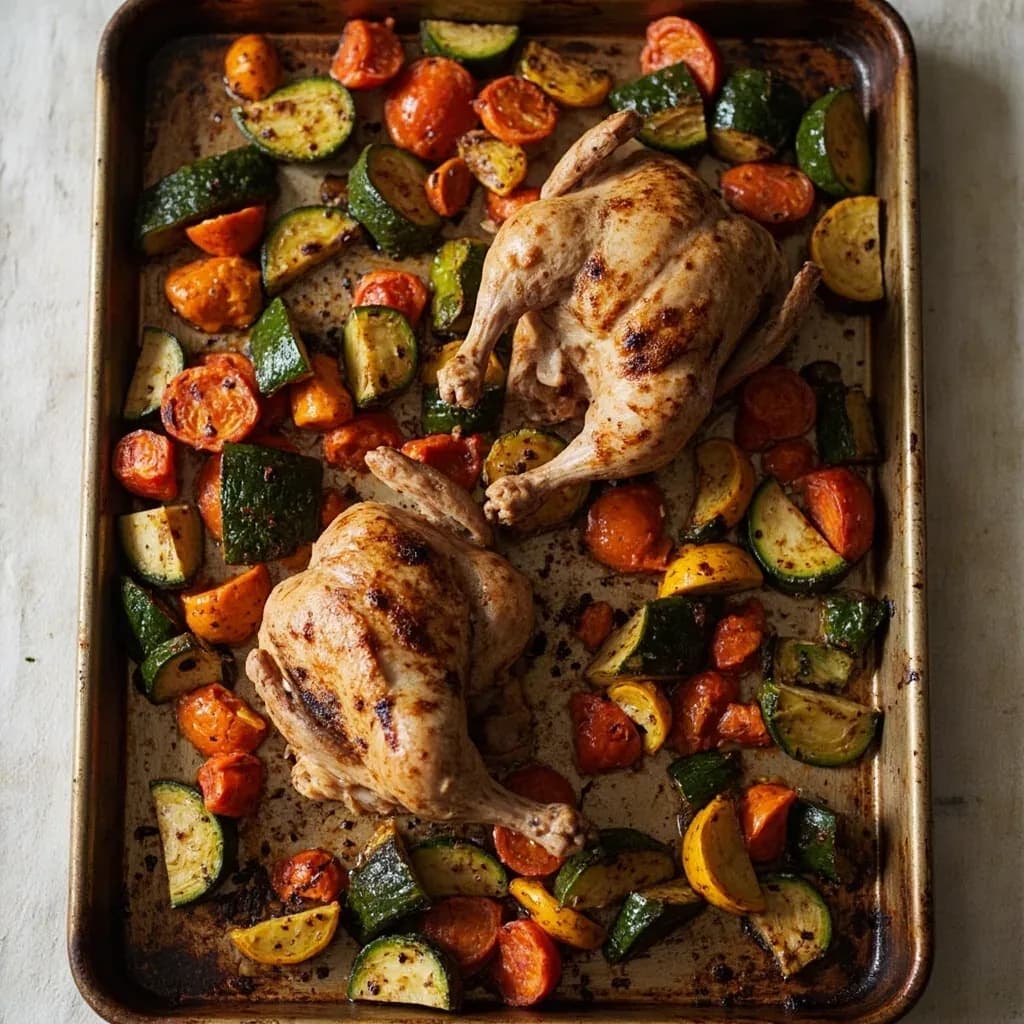
Sheet-Pan Roasting
Roasting proteins and vegetables together on one tray for hands-off meals.
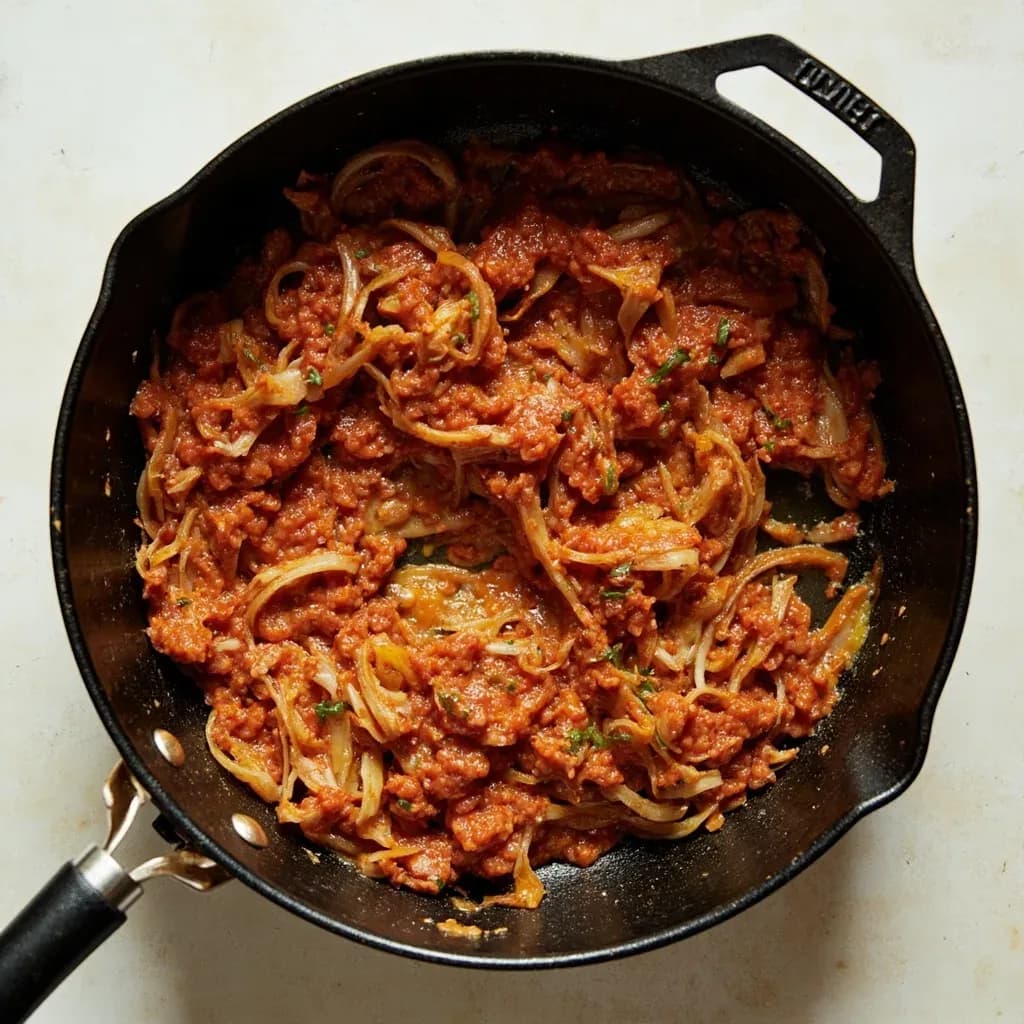
Sofrito / Sofregit Sauté
Slowly frying aromatics into a deep, sweet flavor base for stews and rice.
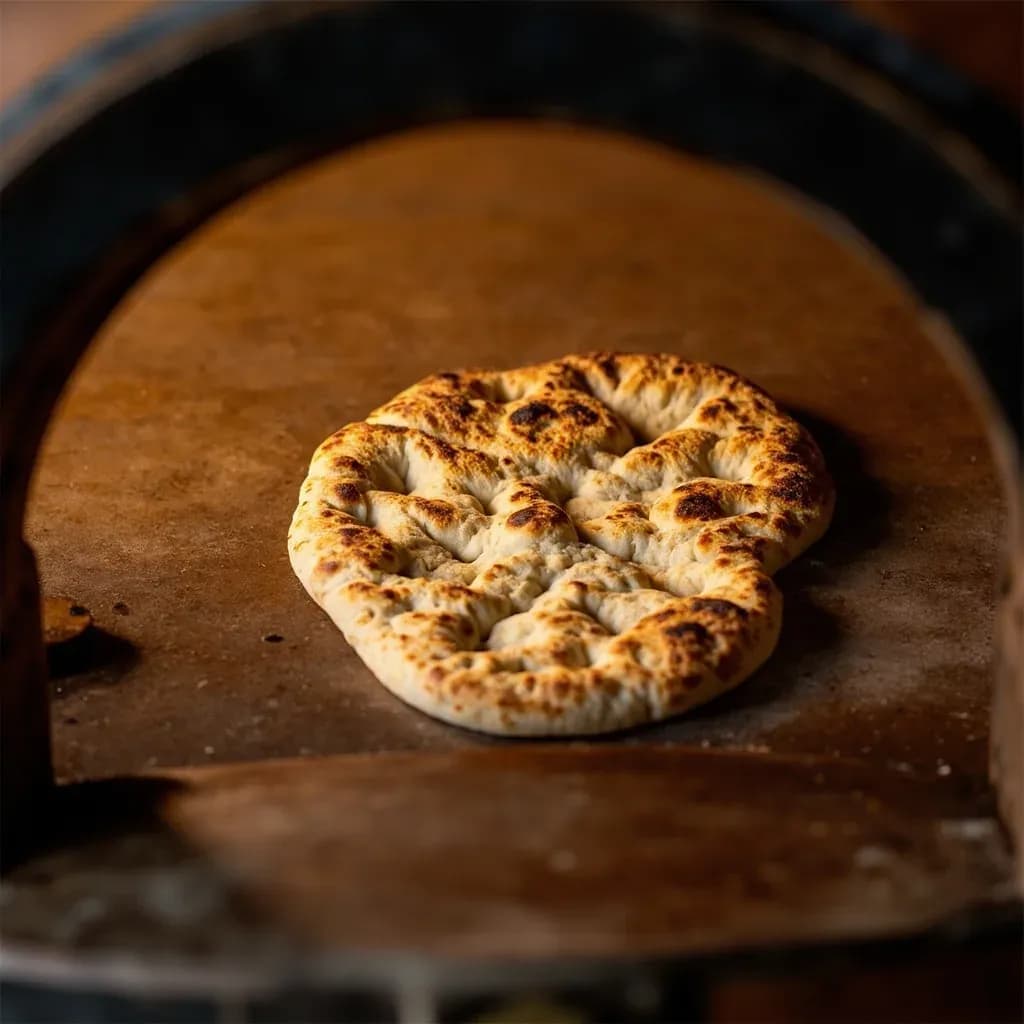
Tandoor / Tandyr / Tannour Baking
Cooking breads and skewered meats in a searing clay barrel oven.
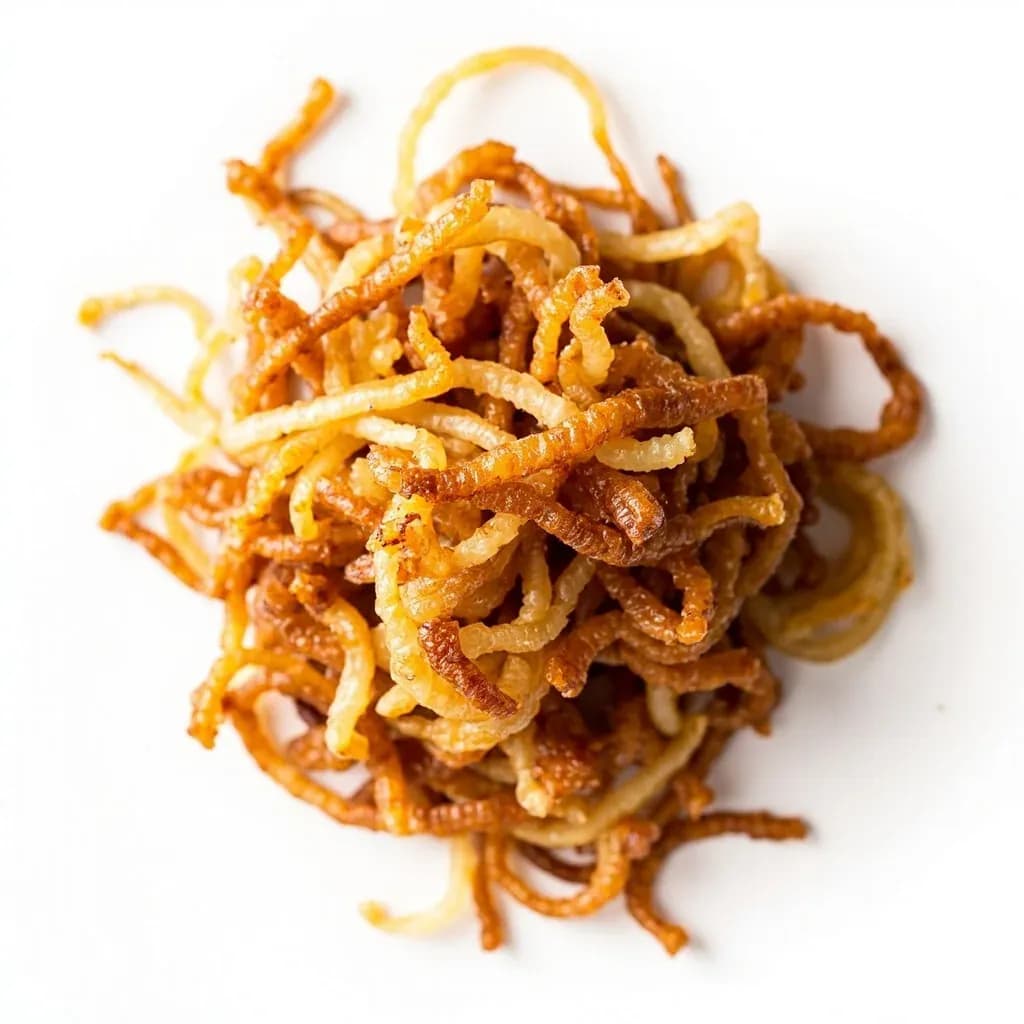
Crispy Fried Onion Garnish (Birista)
Frying thin onion slices to golden, crunchy ribbons for garnish and base.
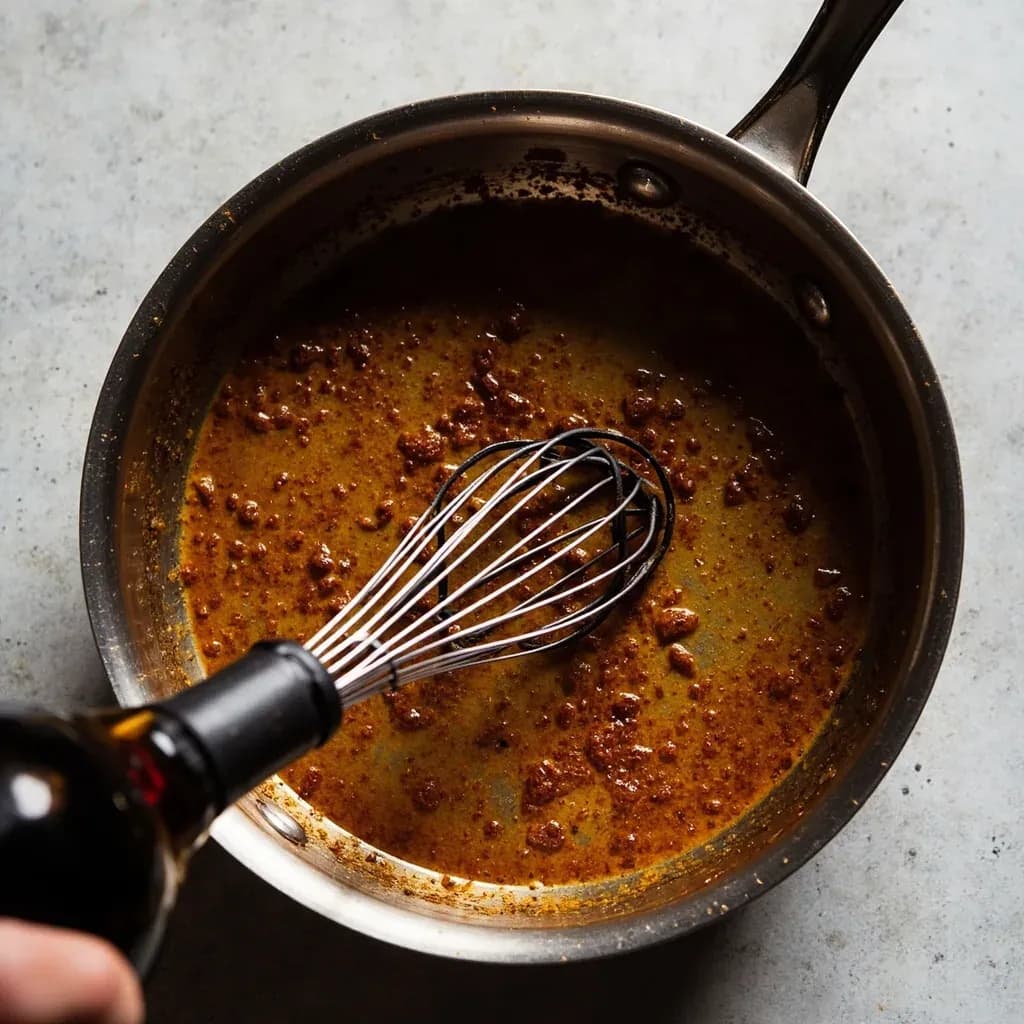
Deglazing With Wine
Loosening browned pan bits with wine to build a quick, flavorful sauce.
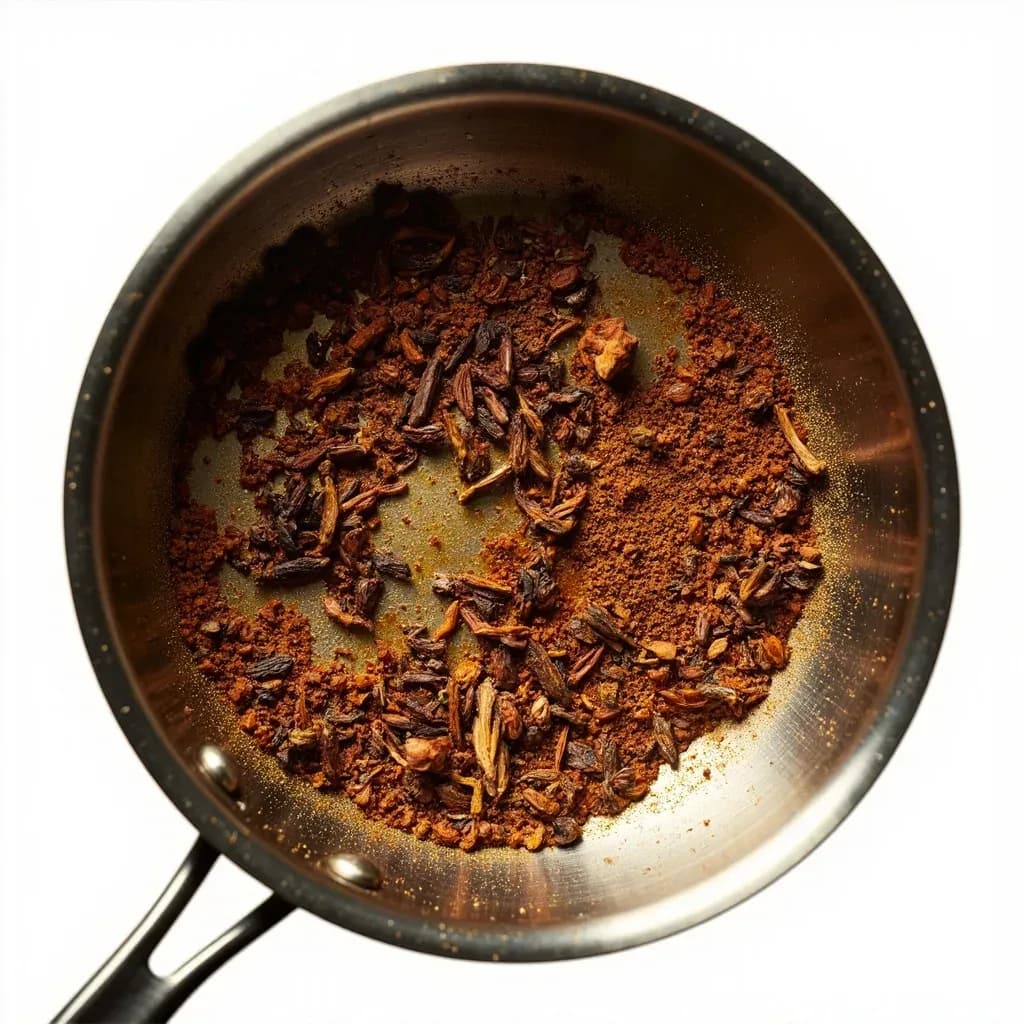
Dry-Toasting Spices
Toasting whole spices in a dry pan to release deeper, fuller aromas.
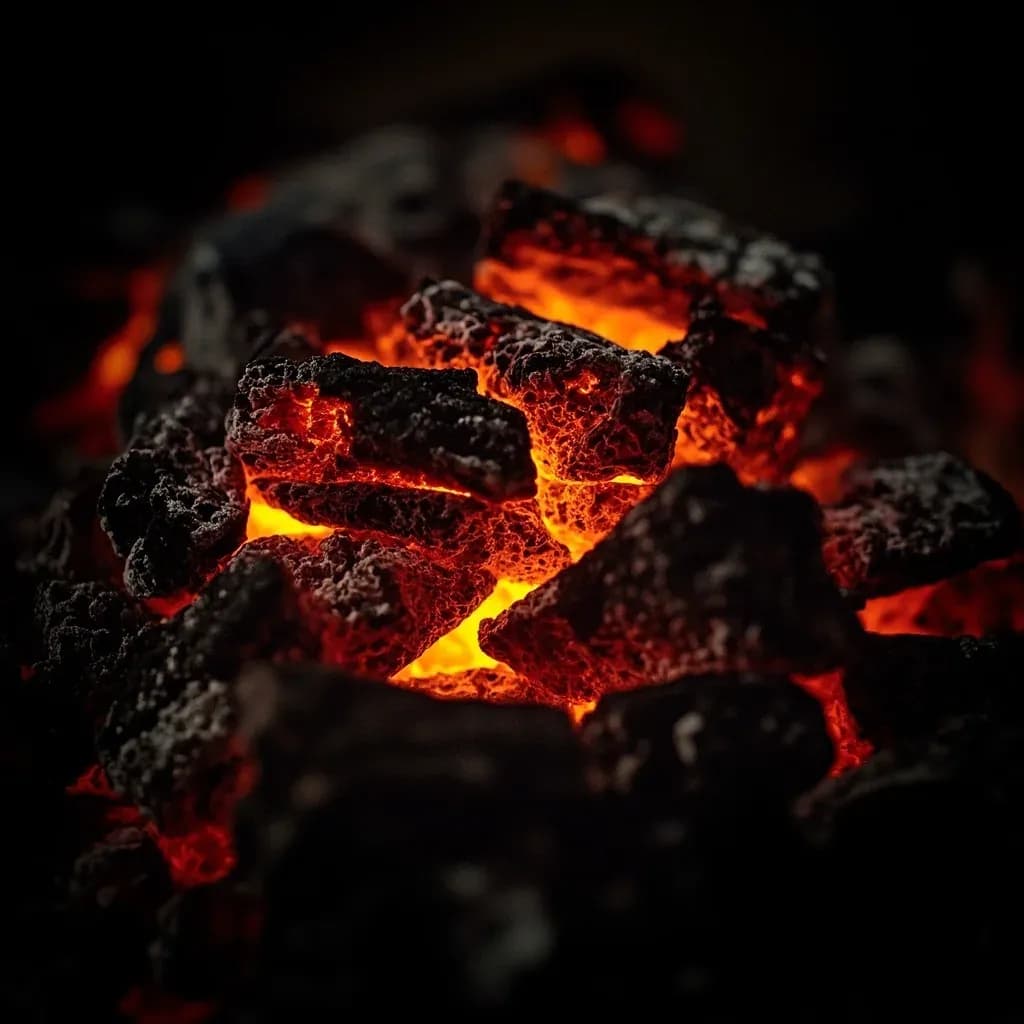
Fire / Smoke Management
Controlling fuel, airflow, and heat zones to direct flame and smoke.
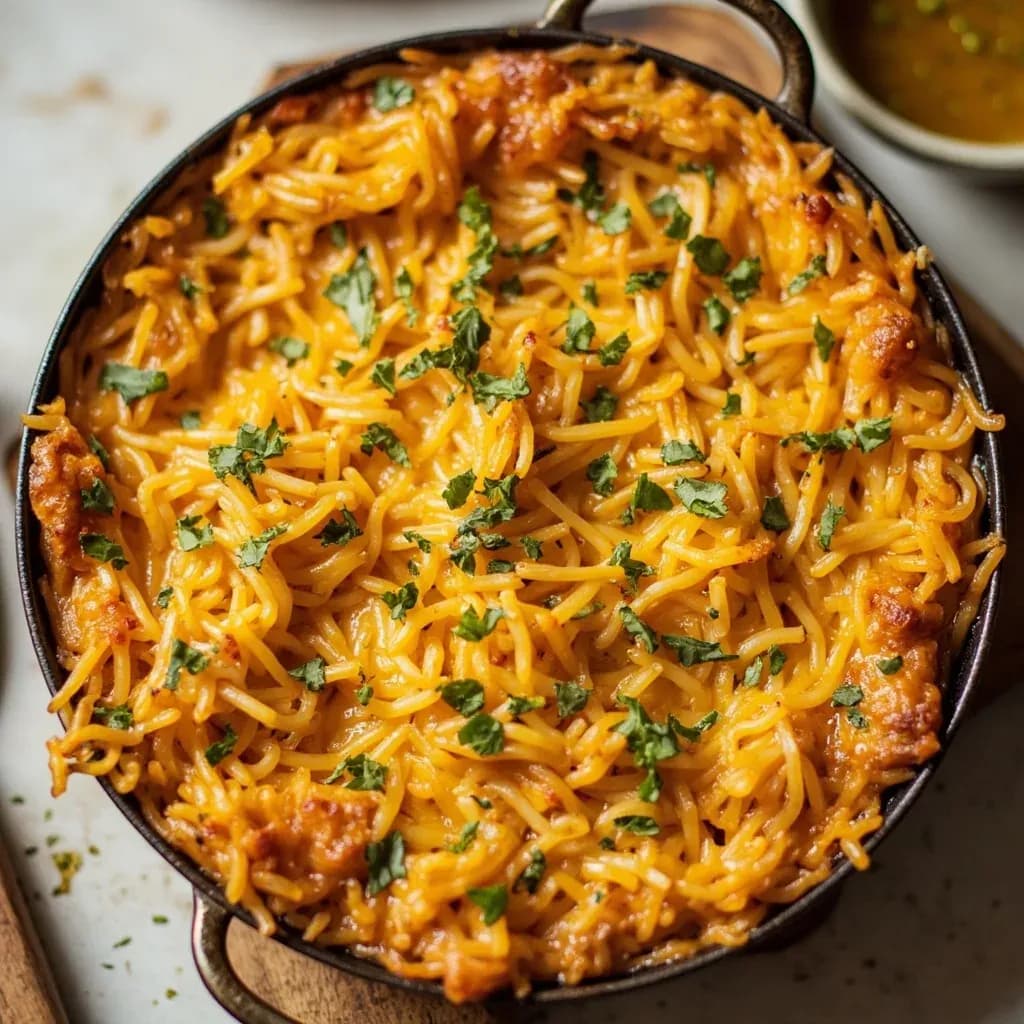
Forming Crispy Rice Crust
Letting rice sear undisturbed against the pan into a golden crunchy crust.
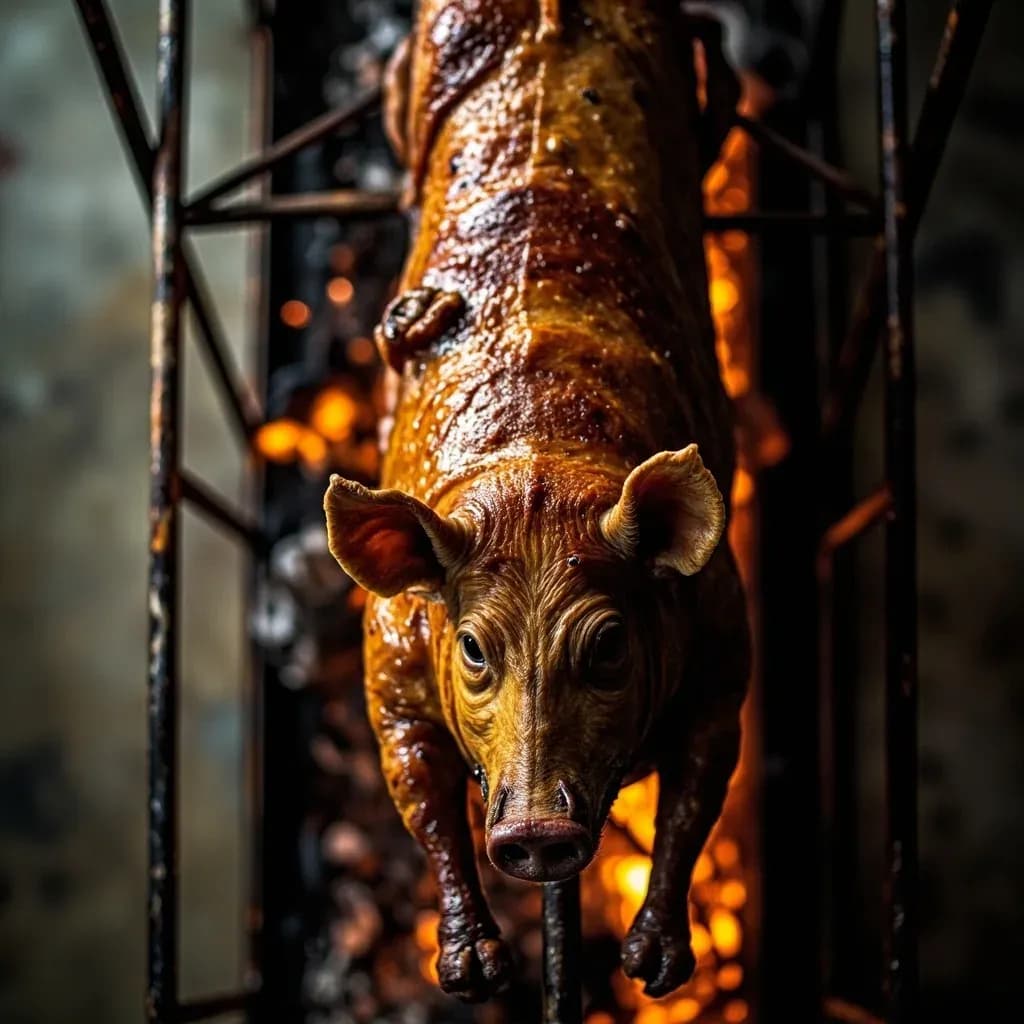
Whole-Pig Spit Roasting (Lechon Asado)
Slow-turning a whole pig over coals until skin crackles and meat falls apart.
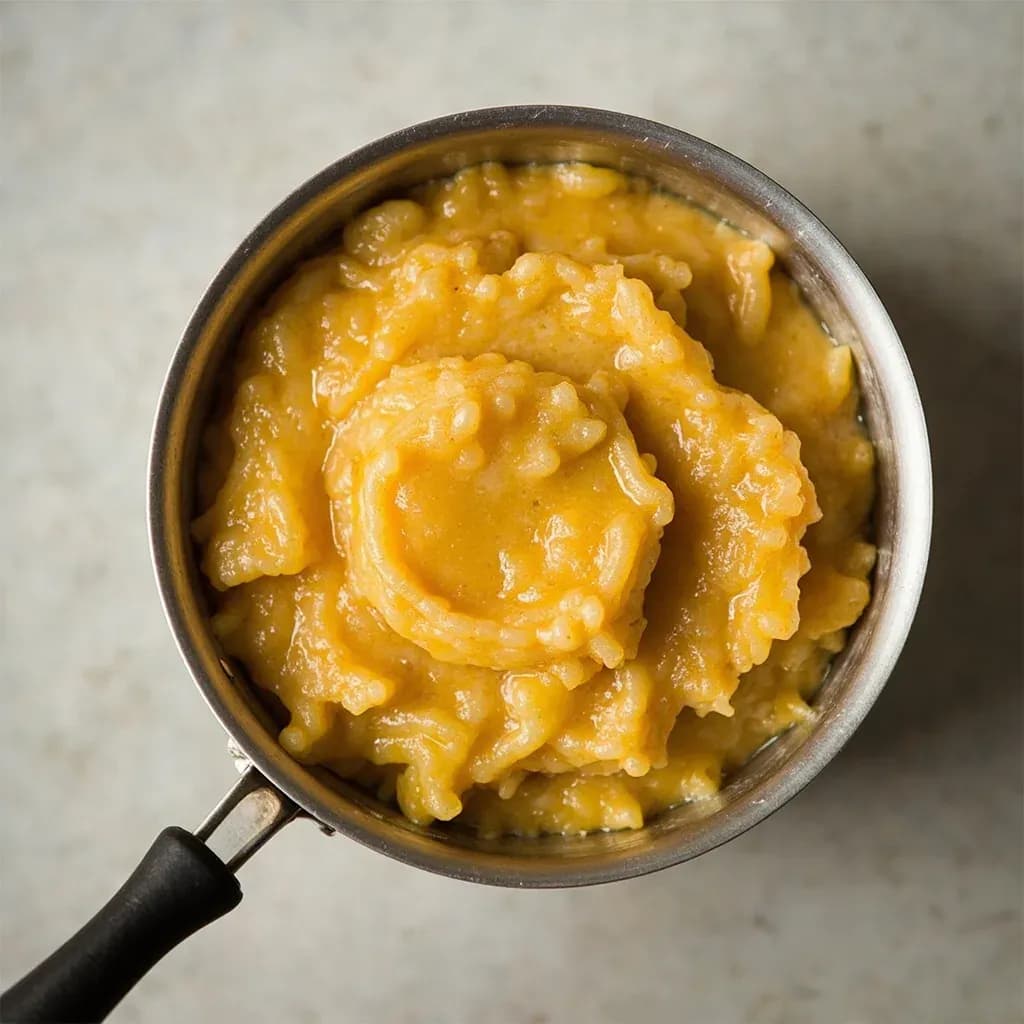
Appam Swirling
Swirling fermented rice batter in a bowl pan to form lacy-edged hoppers.
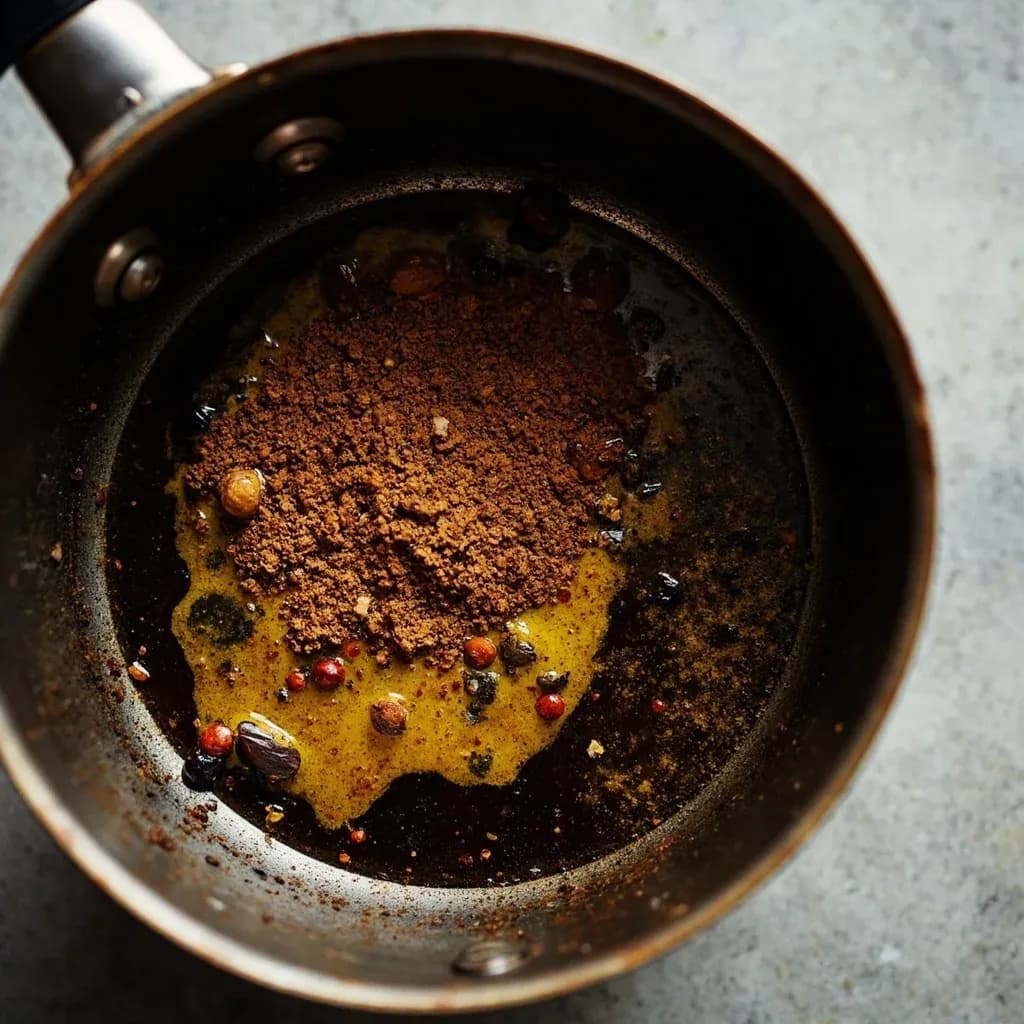
Blooming Whole Spices in Hot Oil
Frying whole spices in hot oil to release flavor into the fat (tadka).
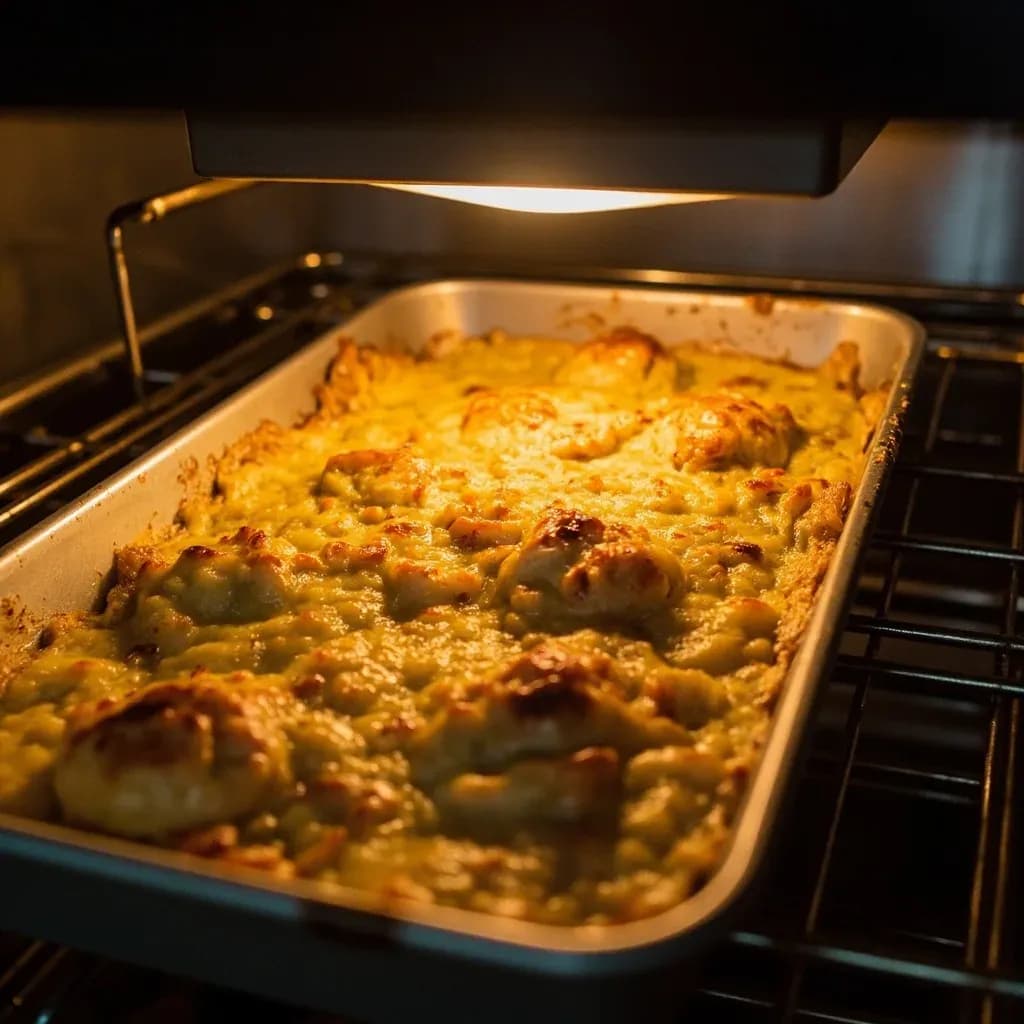
Broiling
Cooking food with intense overhead radiant heat to brown, char, or crisp the top surface fast.
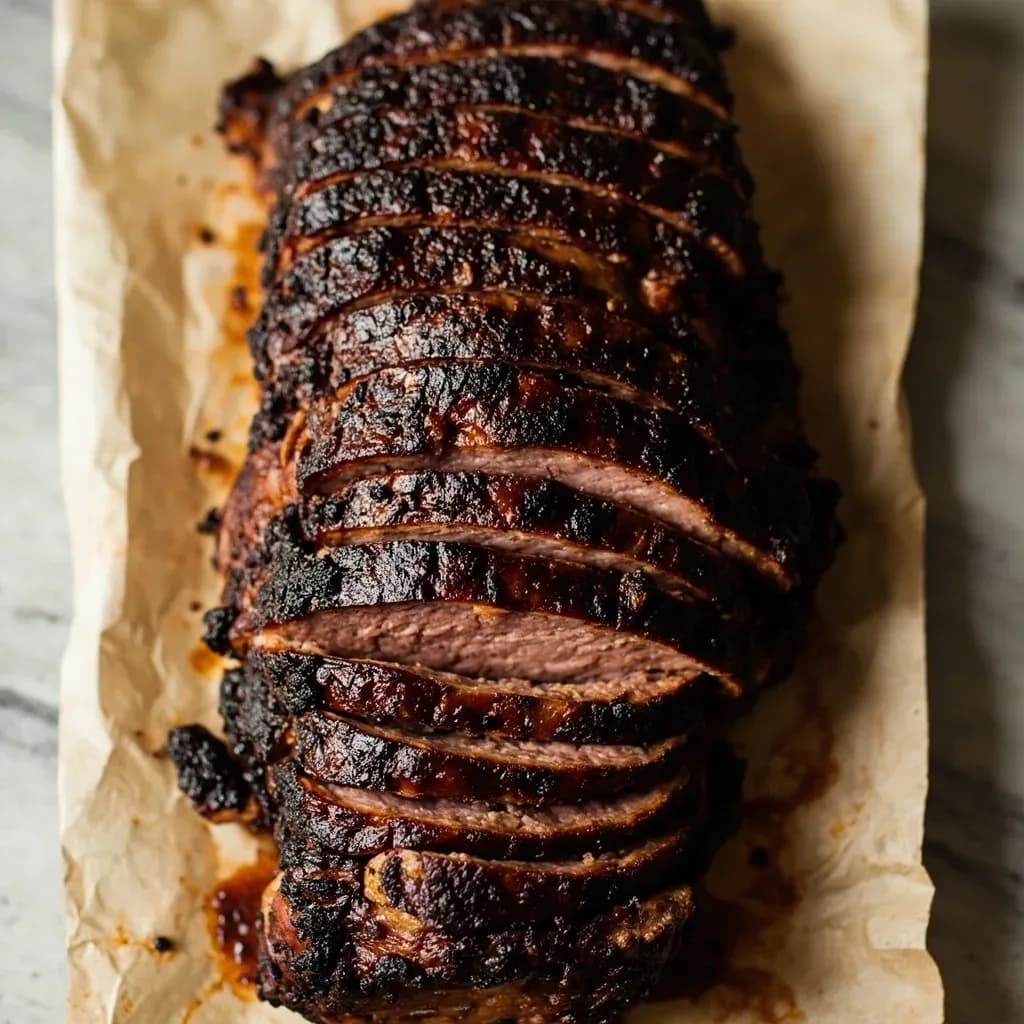
Building Bark
Forming the dark, crusty exterior on smoked or barbecued meat through rub, smoke, and slow dry heat.
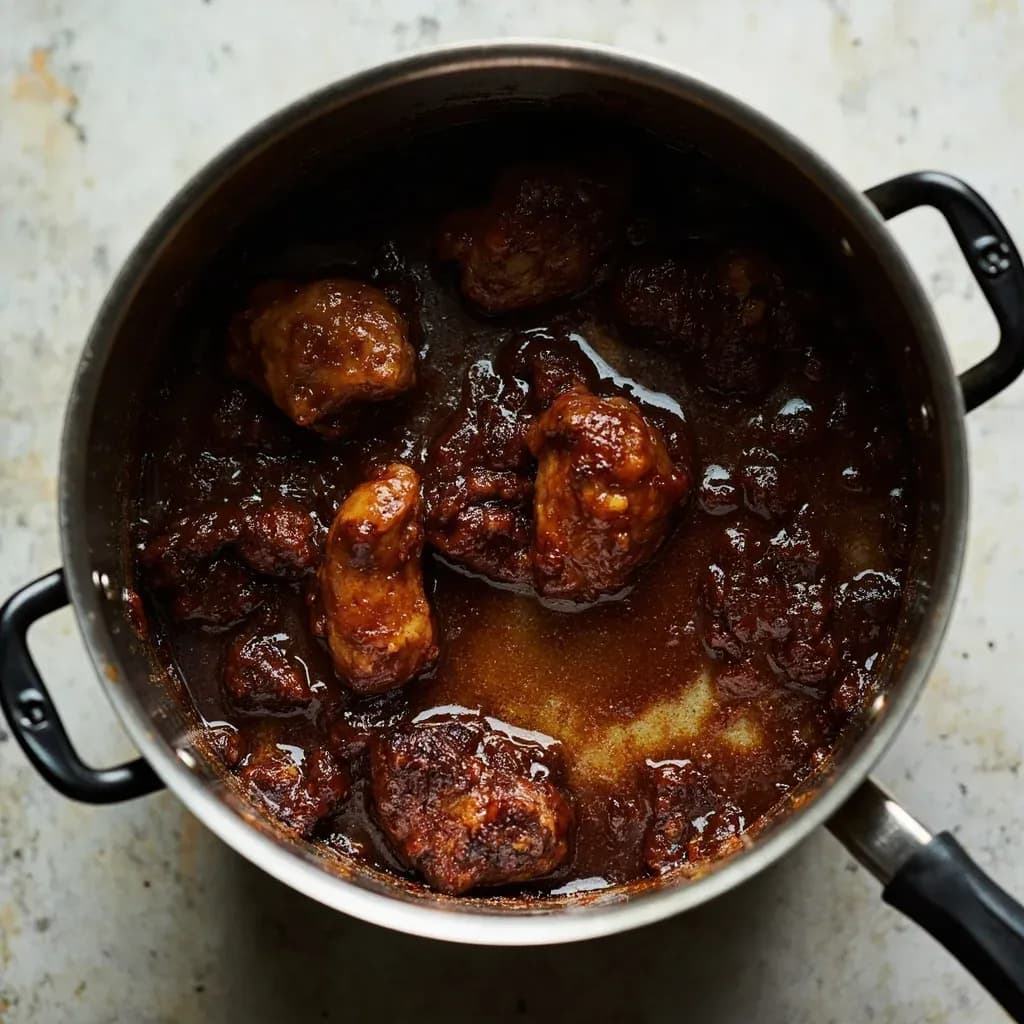
Burning Sugar (Caramel Browning)
Cooking sugar past golden into a dark, bitter caramel used to color and flavor savory braises.
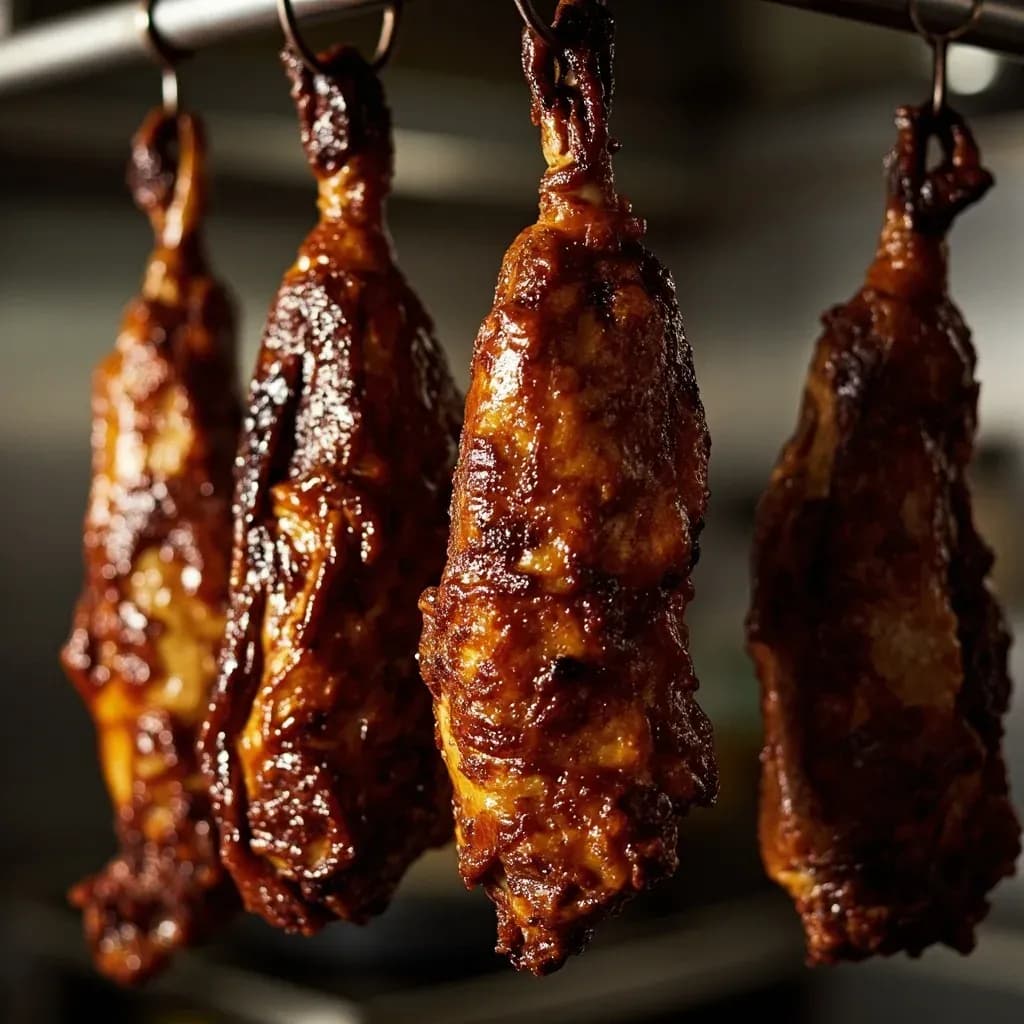
Cantonese Roasting (燒味)
Hanging marinated or maltose-glazed meats in a tall roaster for lacquered, crackling-skin siu mei.
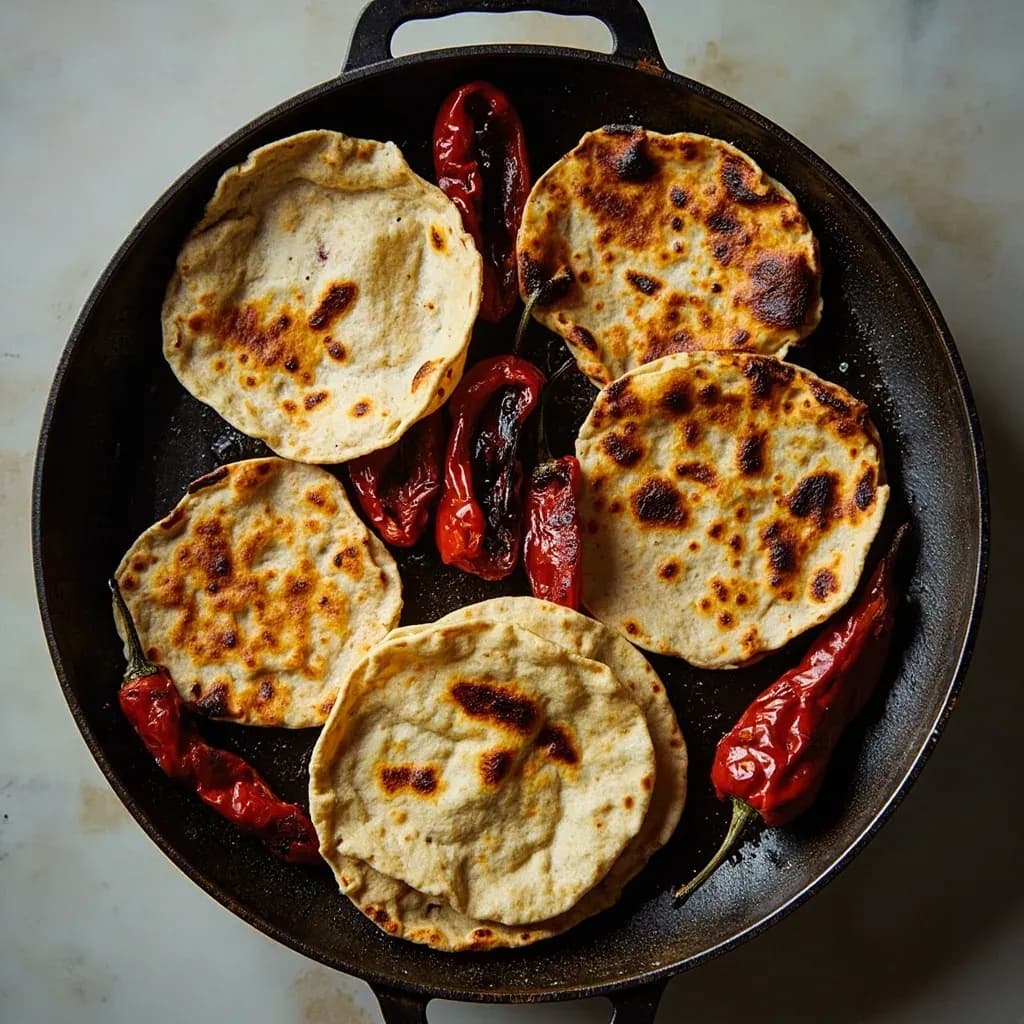
Comal Griddling
Toasting tortillas, chiles, and tomatoes on a flat dry comal to char and develop deep flavor.
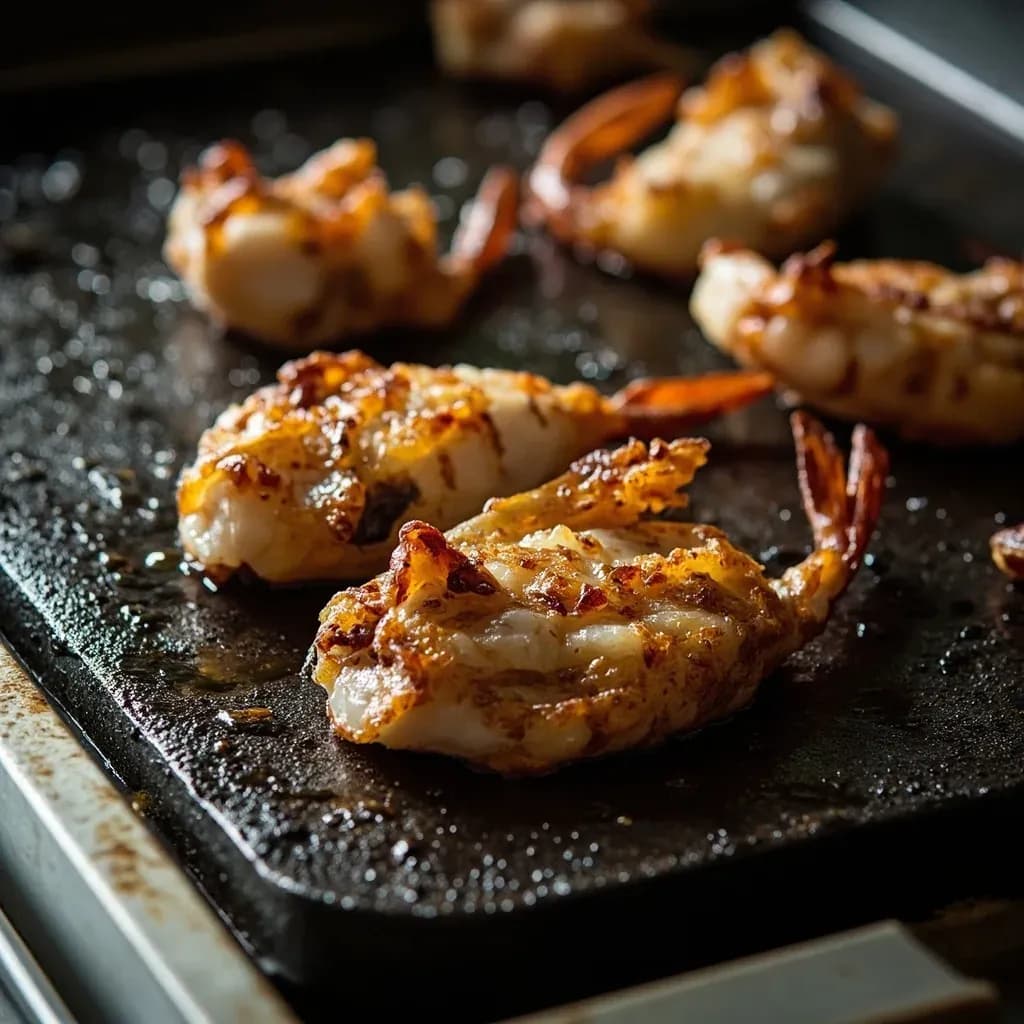
Crisping on the Plancha
Searing food on a flat-top plancha to develop a crisp, golden surface with even browning.
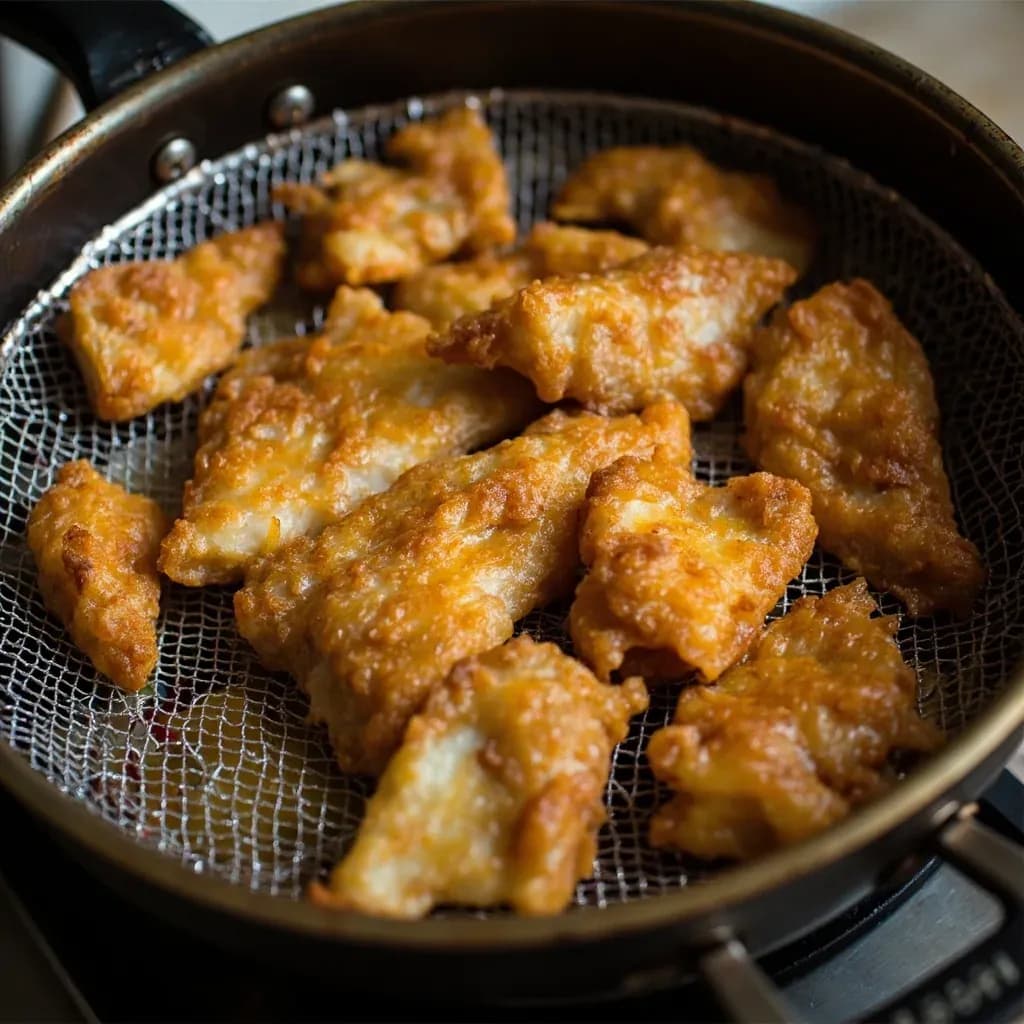
Deep Frying (Bhaja)
Frying fish, vegetables, or fritters in hot oil until crisp, a staple Bengali preparation.
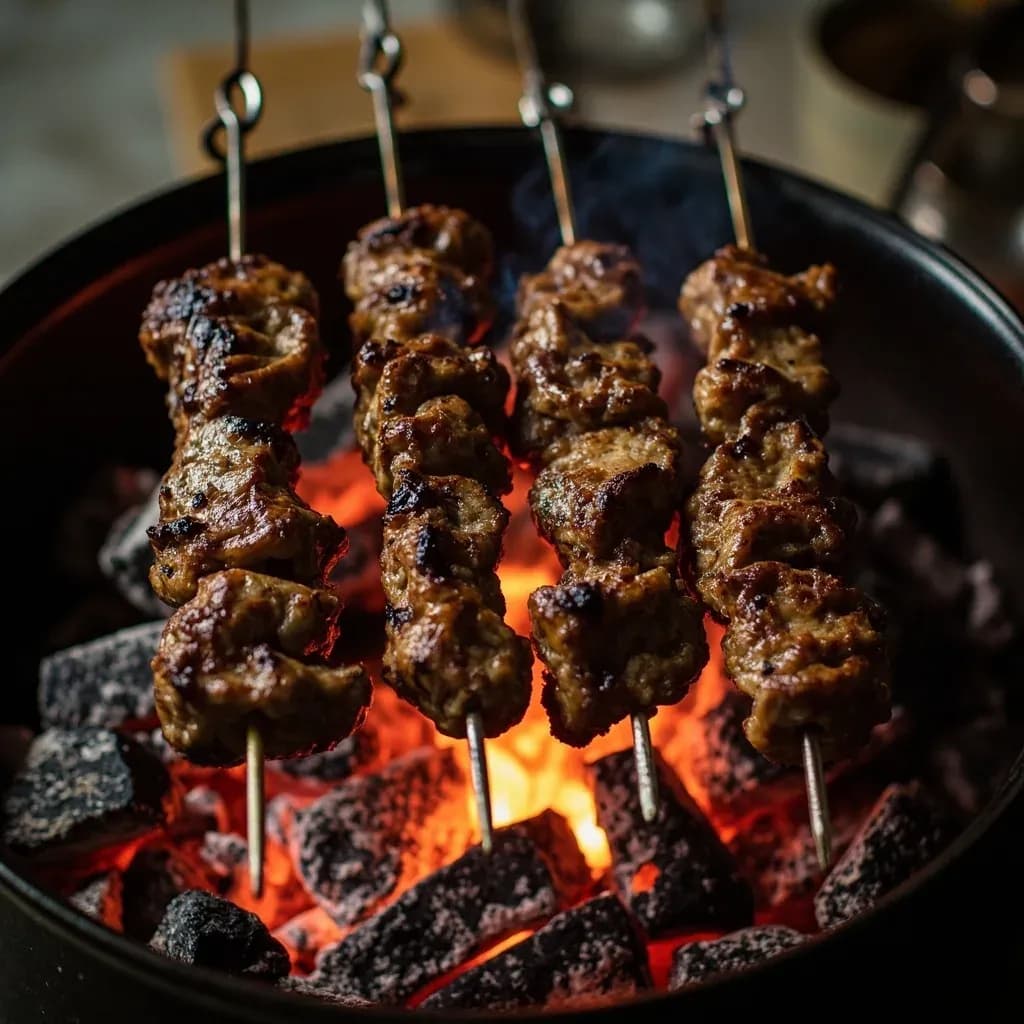
Direct Grilling
Cooking food directly over hot coals or flame for fast searing and char on quick-cooking cuts.
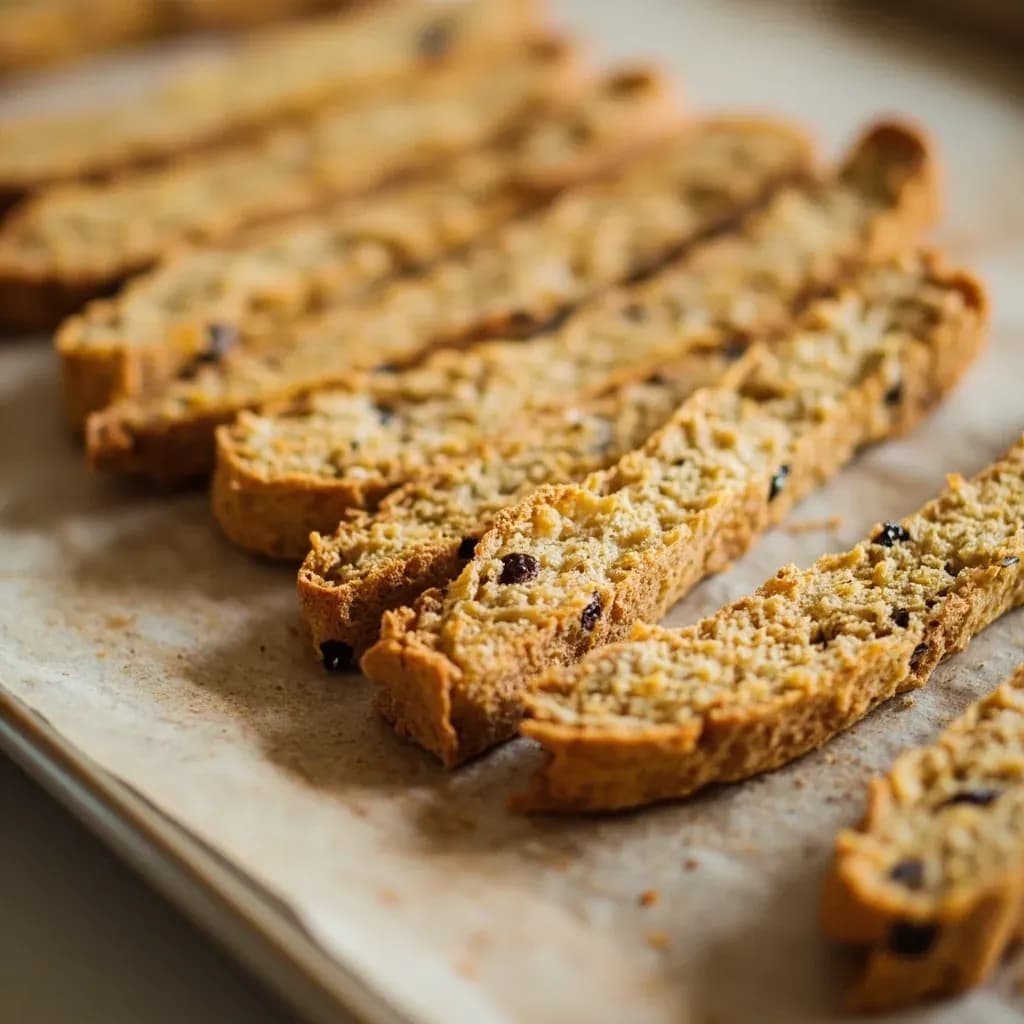
Double-Baking (Biscotti/Carasatura)
Baking a loaf then slicing and baking again to dry it into crisp, long-keeping biscotti or crackers.
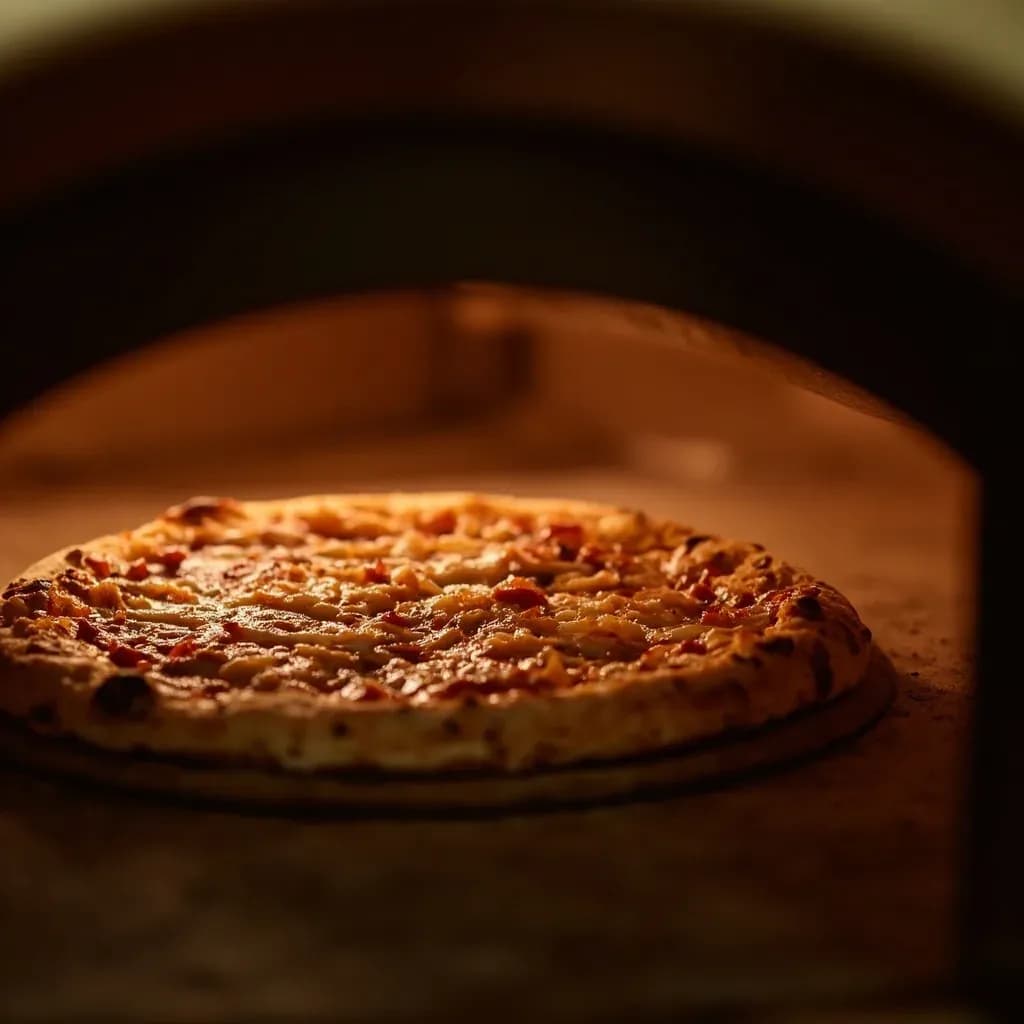
Live-Fire Dome Baking
Baking pizza or bread in a wood-fired domed oven where radiant, conductive, and convective heat combine.
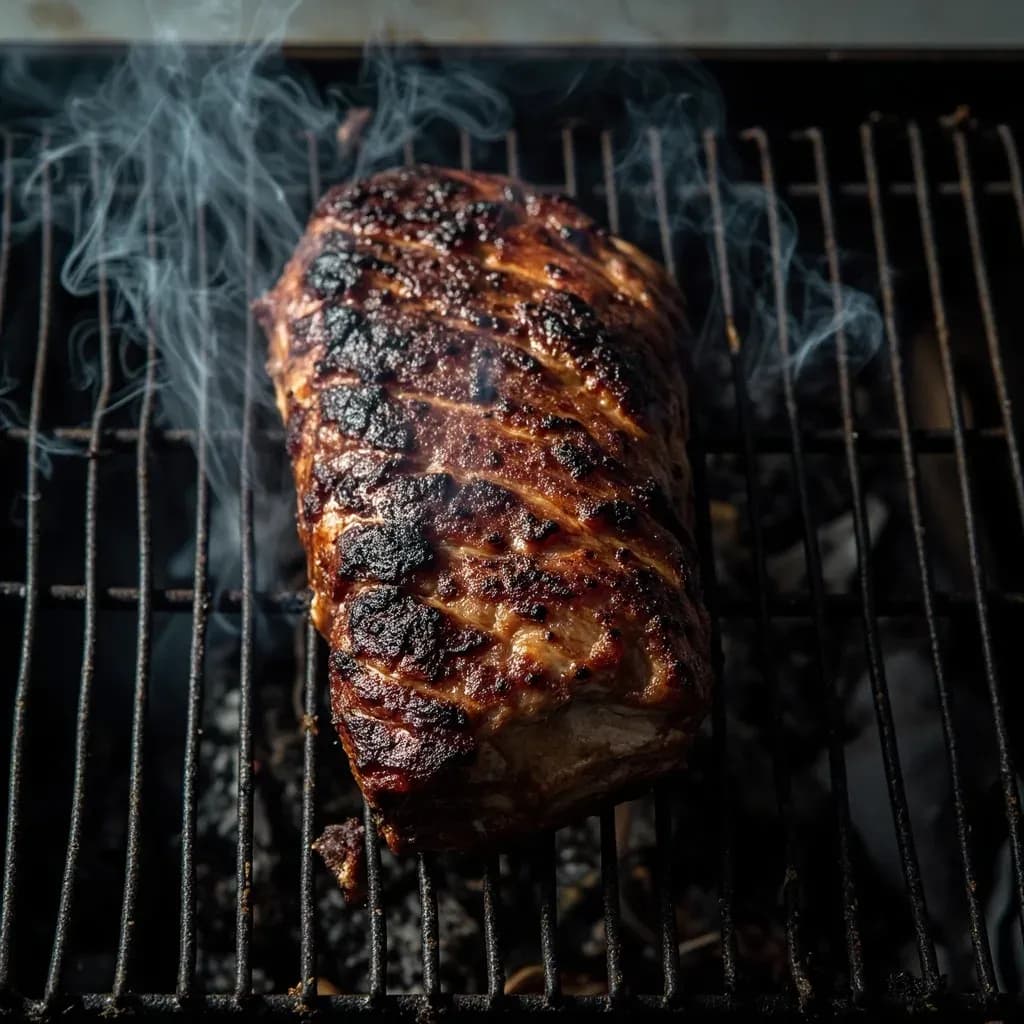
Low-and-Slow Smoking
Smoking tough cuts for hours at low temperature so collagen melts and smoke flavor penetrates deeply.
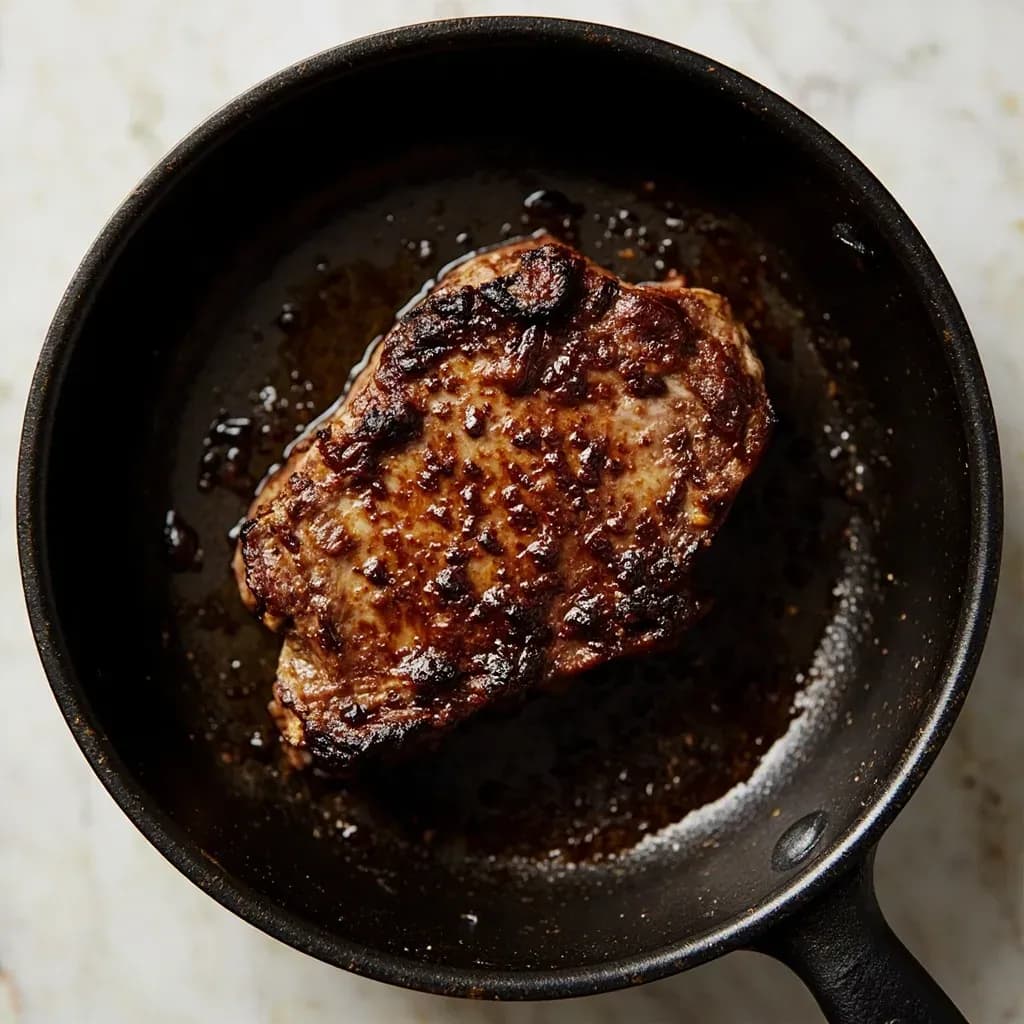
Maillard Browning
The heat-driven reaction between amino acids and sugars that browns food and builds savory, roasted flavor.
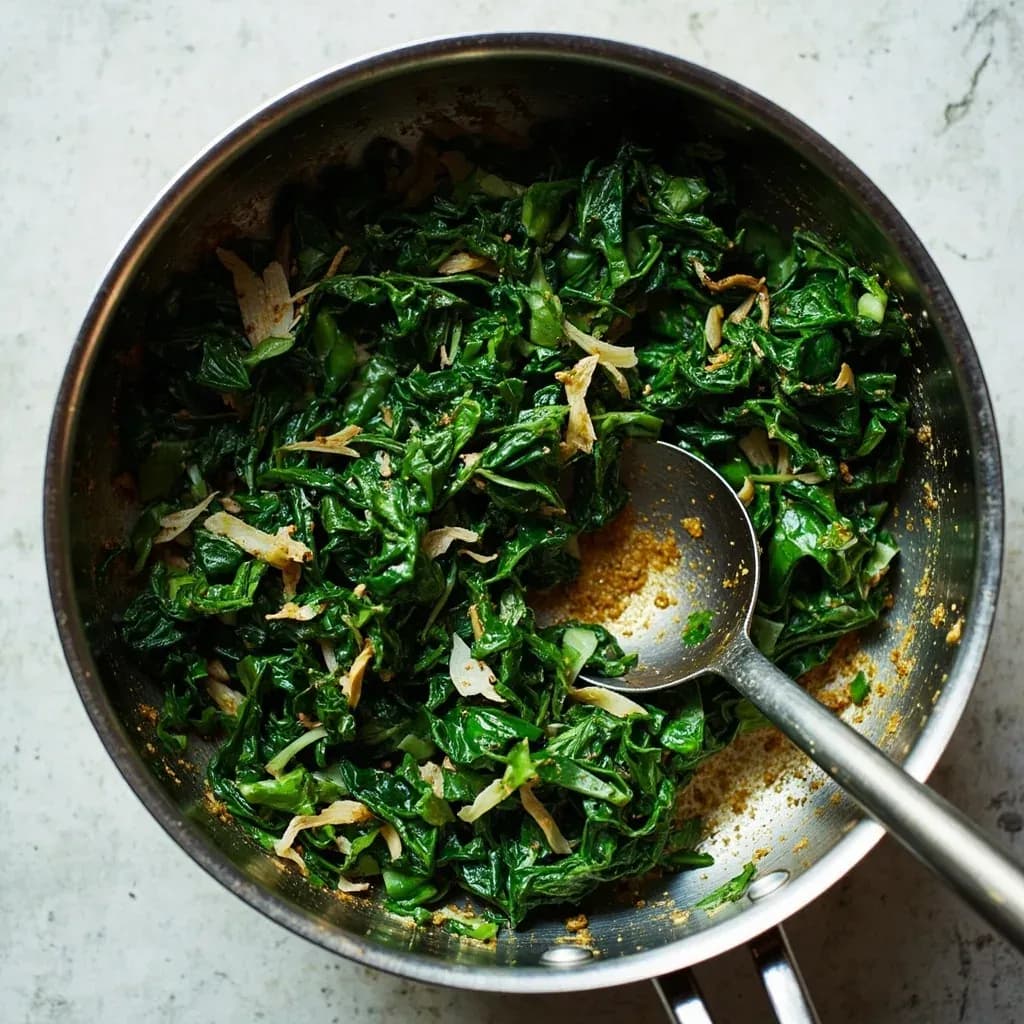
Mallung (Shredded-Greens Stir-Fry)
A quick Sri Lankan stir-fry of finely shredded greens with grated coconut, onion, and spices.
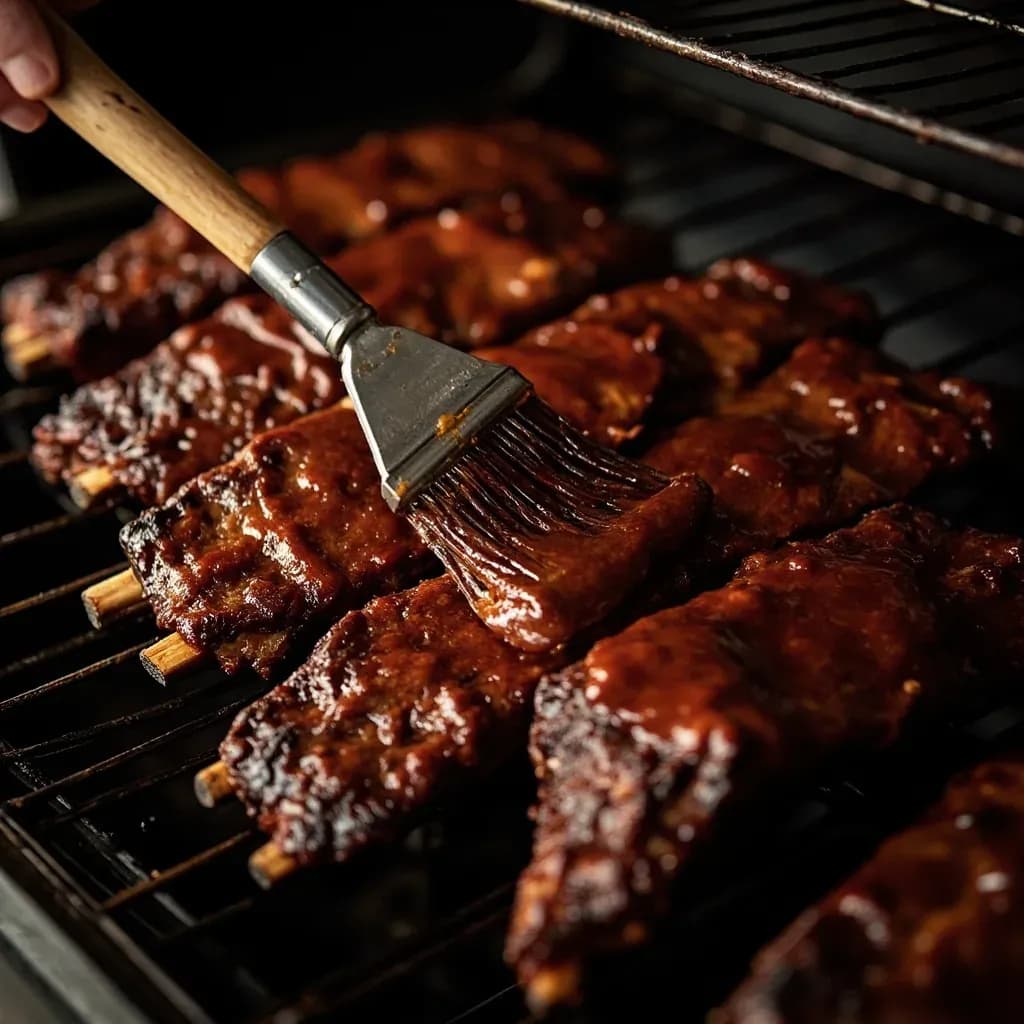
Mopping
Brushing or swabbing thin basting liquid onto barbecue meat during a long cook to keep it moist and flavored.
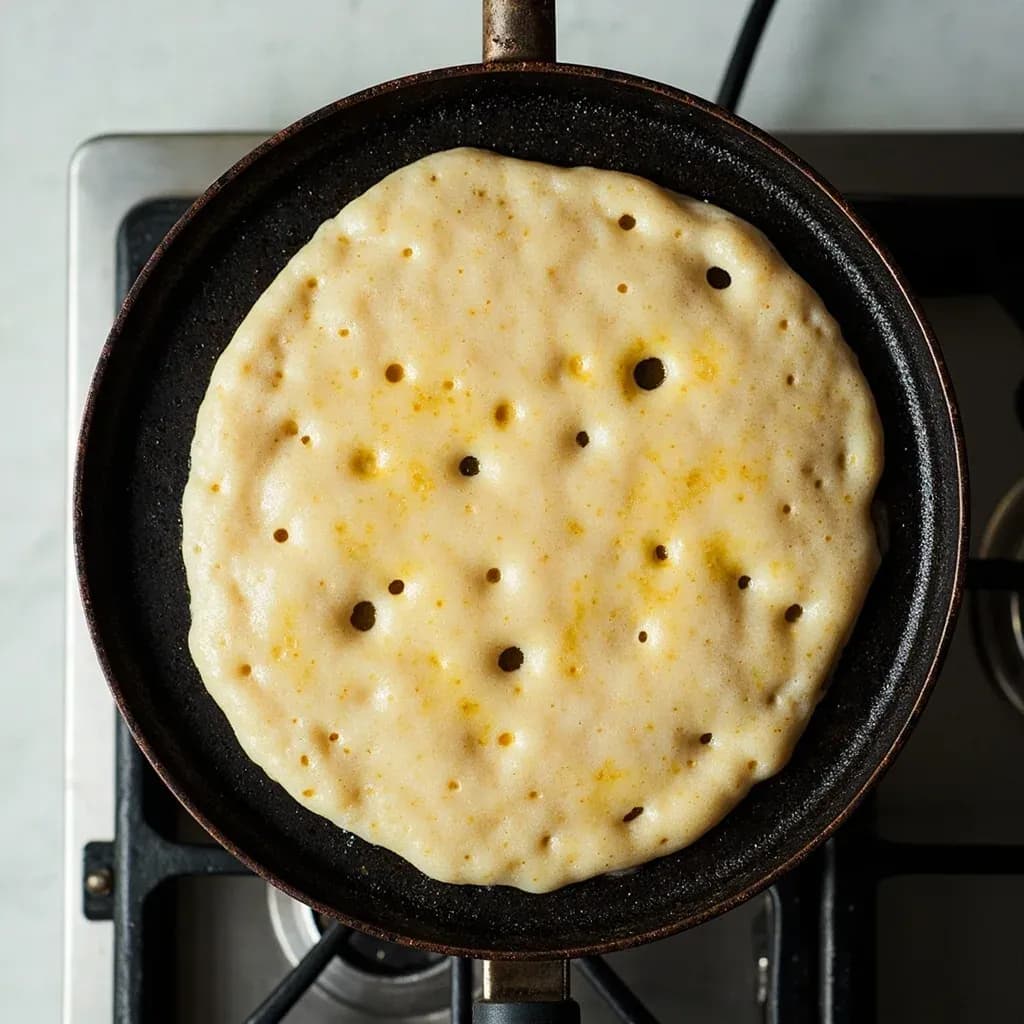
Pan-Cooking Fermented Batter (Canjeero/Kisra)
Spreading and cooking a thin fermented grain batter on a hot griddle into soft, spongy flatbread.
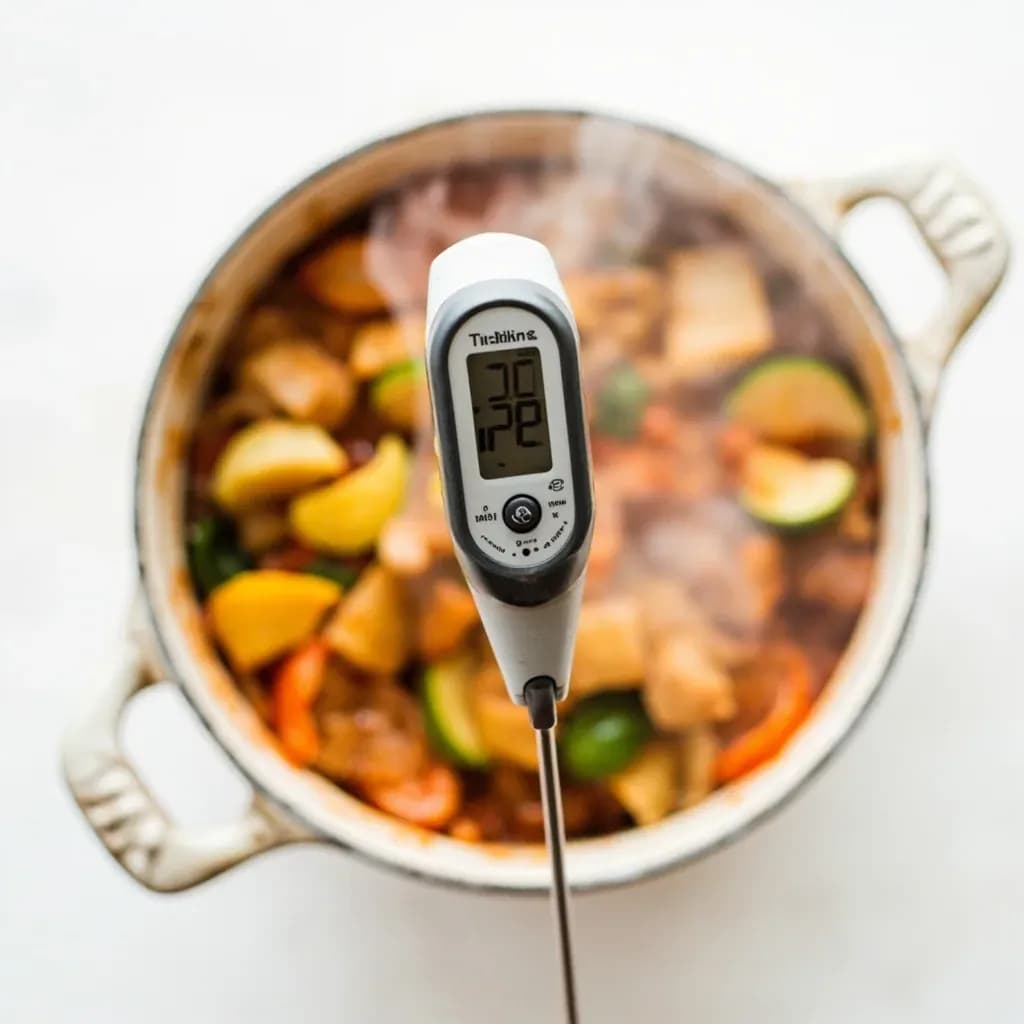
Reheating to 165F
Bringing cooked, cooled food back to a safe internal temperature of 165F before serving.
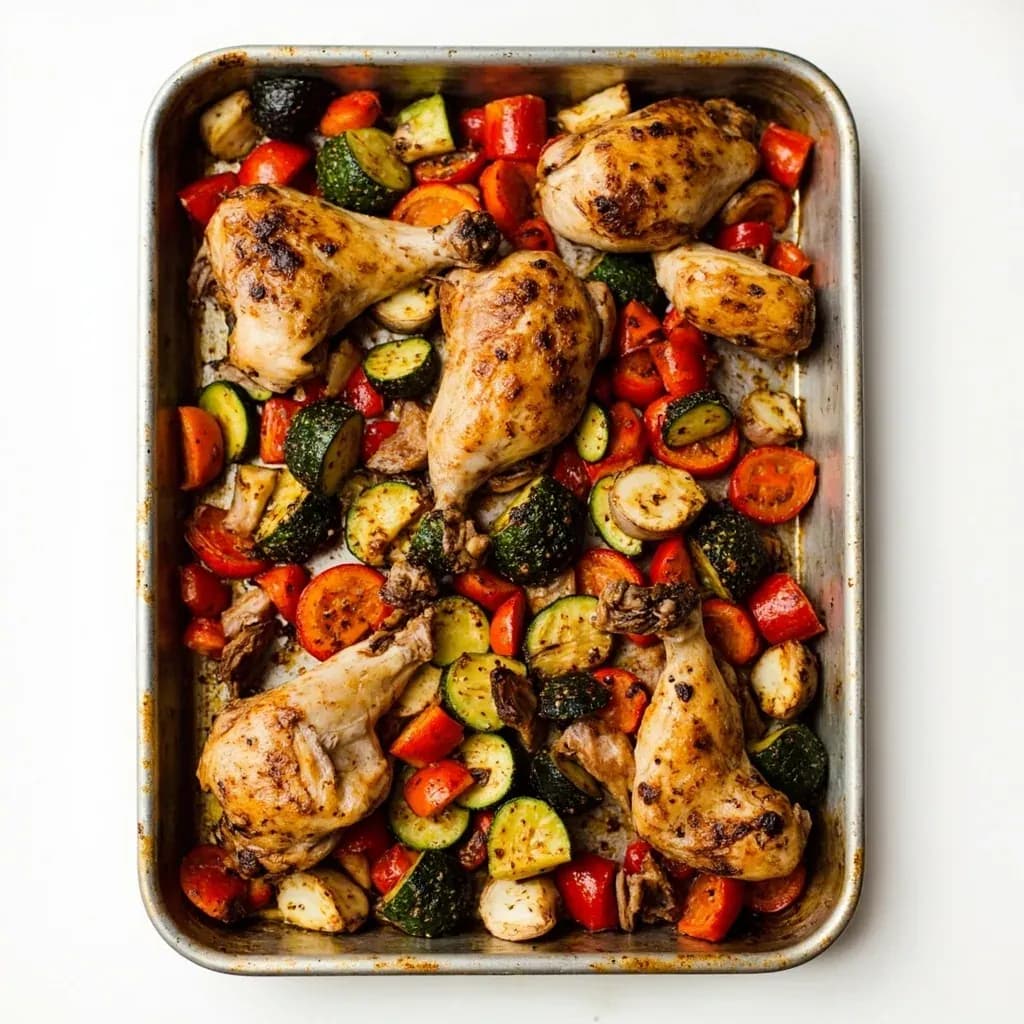
Sheet-Pan Cooking
Roasting proteins and vegetables together on a single rimmed baking sheet for an easy one-pan meal.
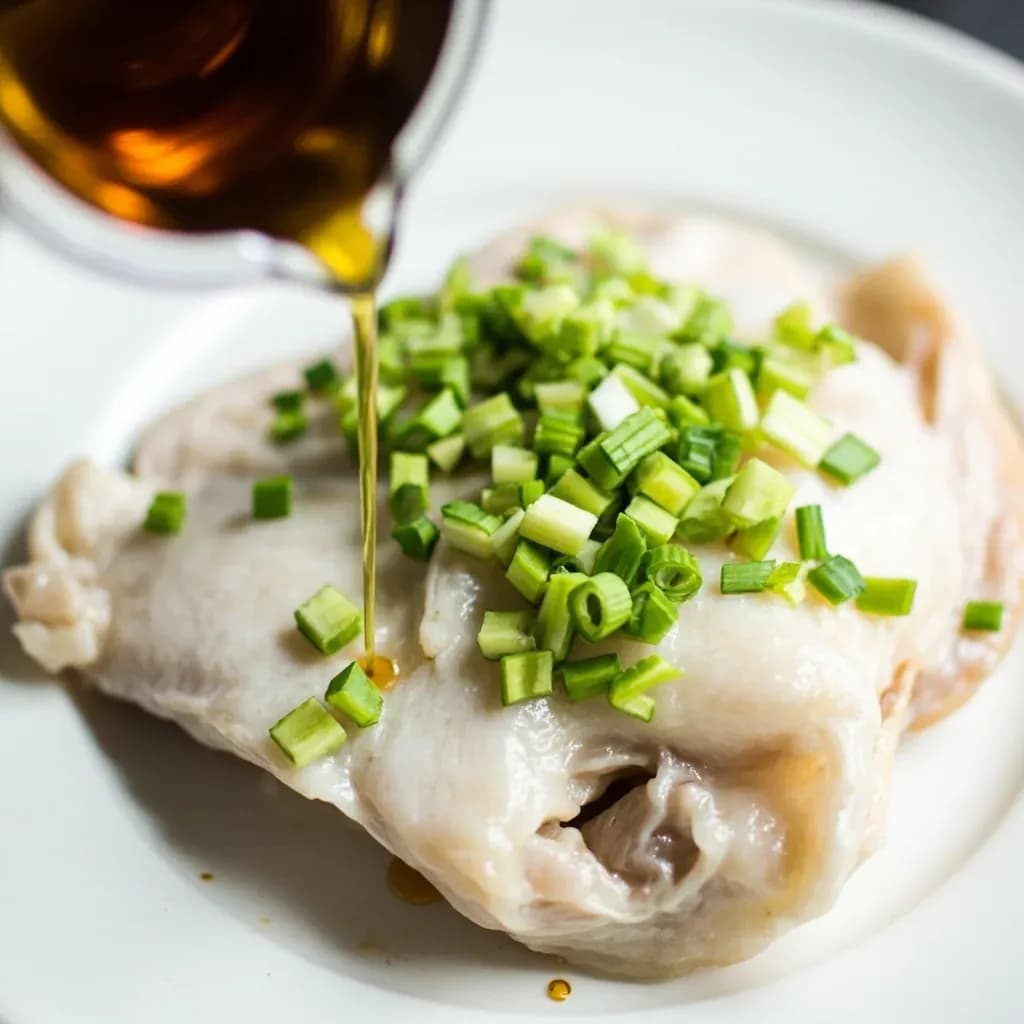
Sizzling Hot-Oil Finish (Lin You)
Pouring smoking-hot oil over aromatics or a finished dish to bloom flavor and add aroma in seconds.
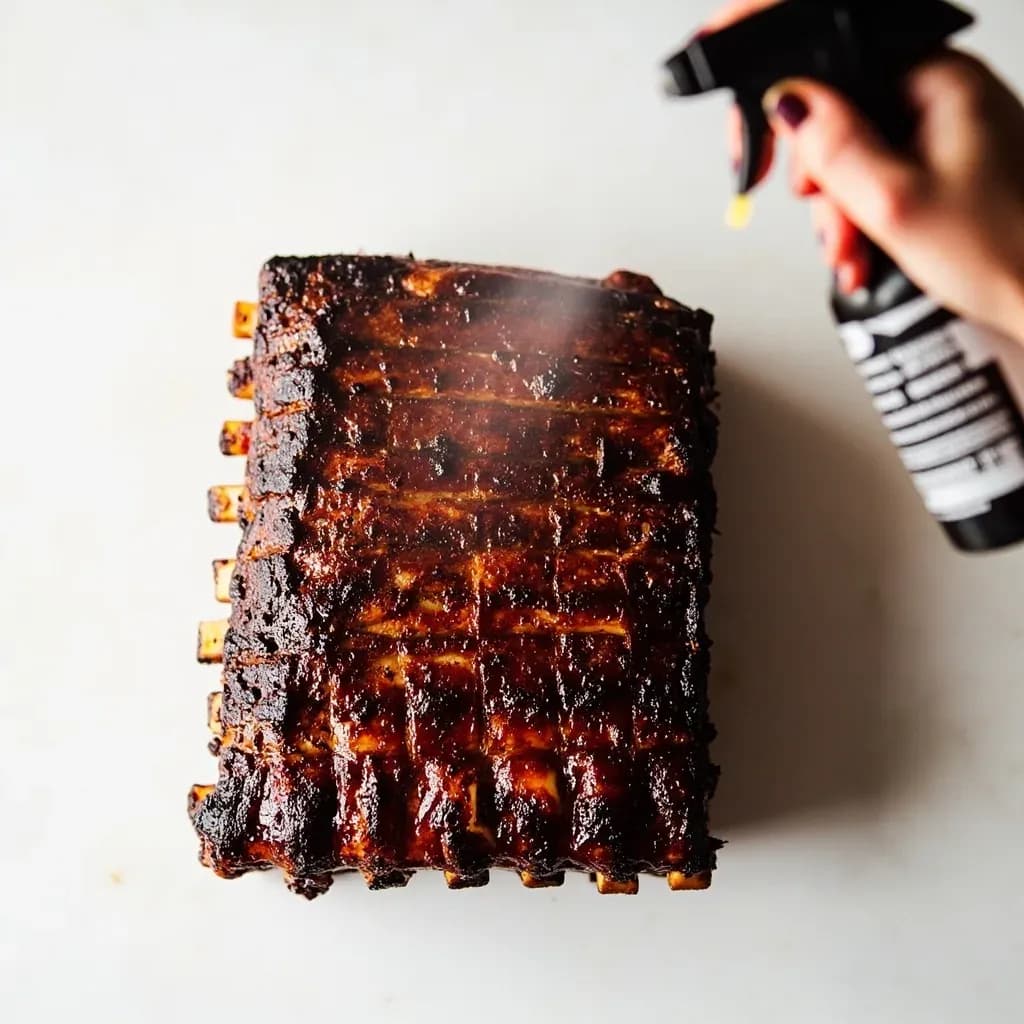
Spritzing
Misting barbecue meat with liquid during a long smoke to keep the surface moist and improve bark.
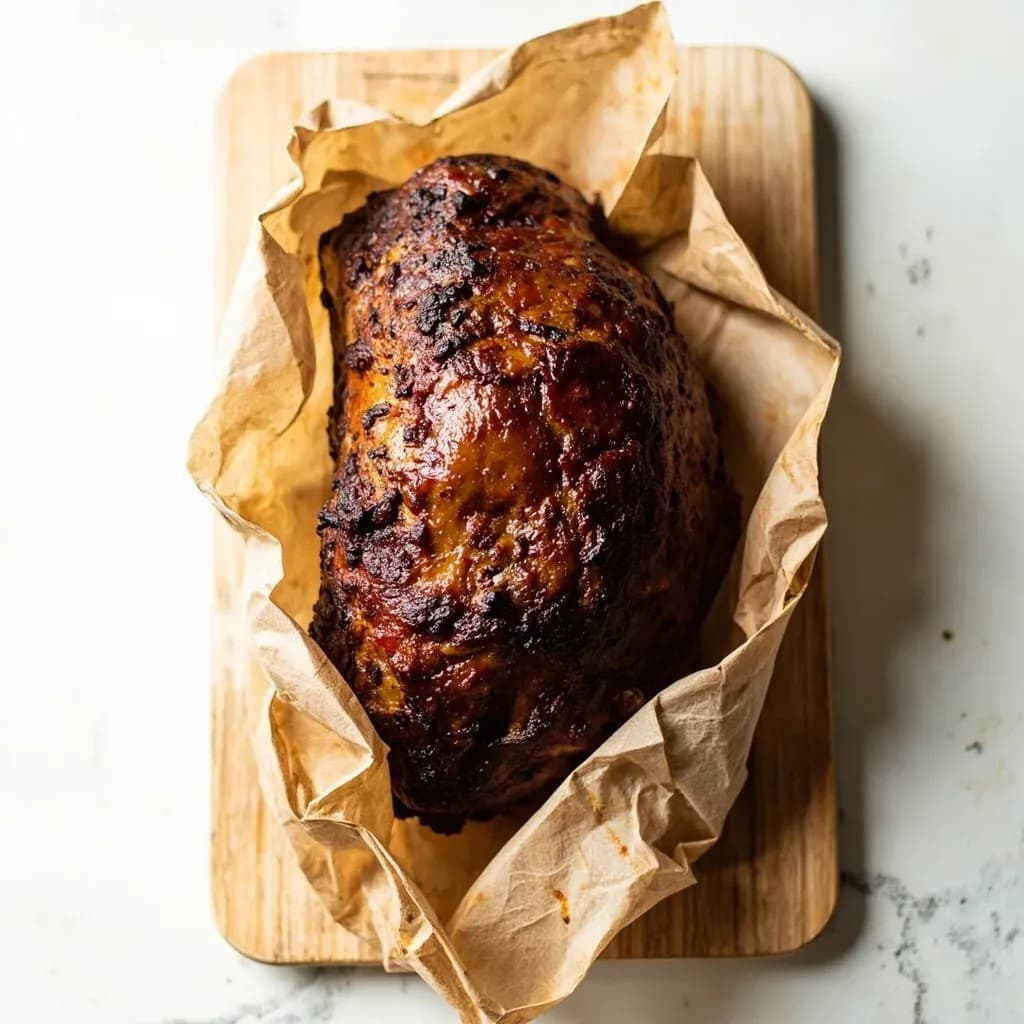
Texas Crutch (Foil/Paper Wrap)
Wrapping smoking meat in foil or butcher paper to push through the stall and shorten cook time.
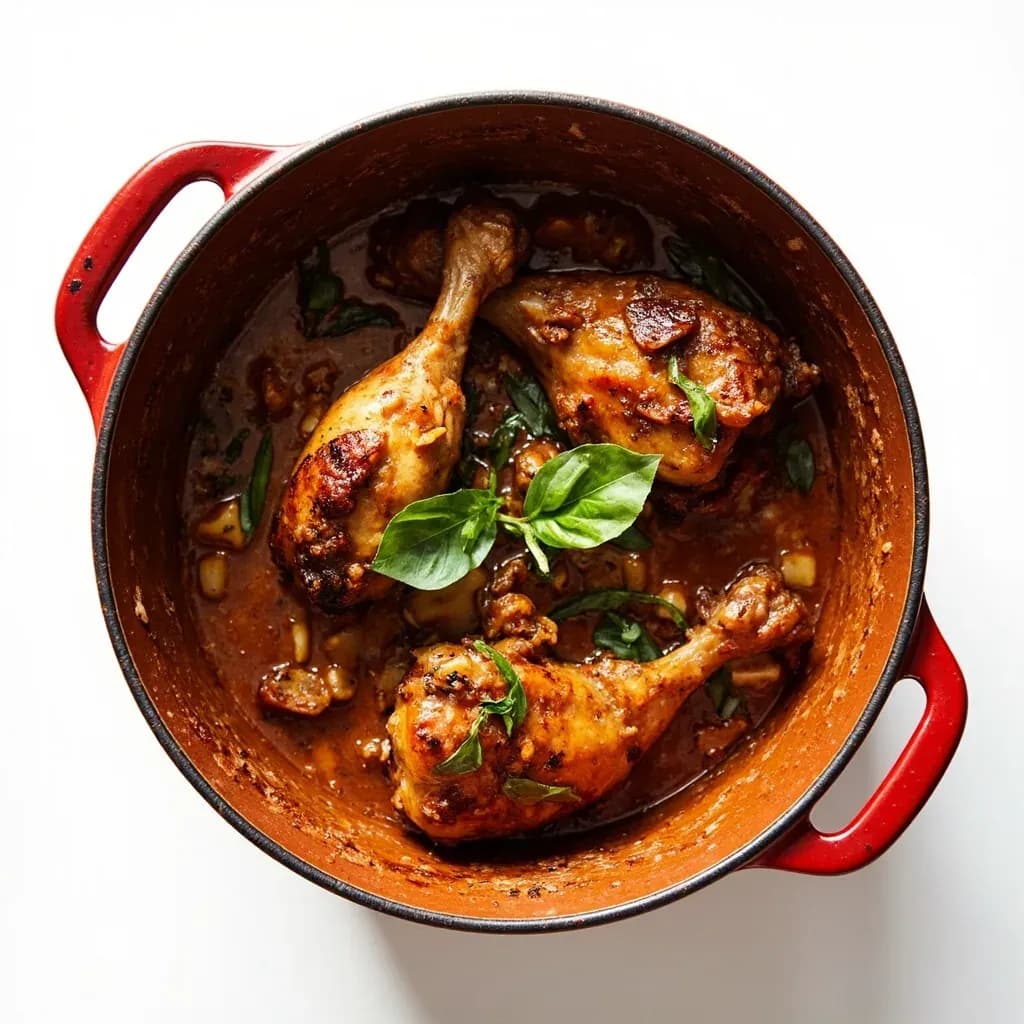
Three-Cup Method (San Bei)
Braising chicken in equal parts sesame oil, soy sauce, and rice wine until glossy, with Thai basil.
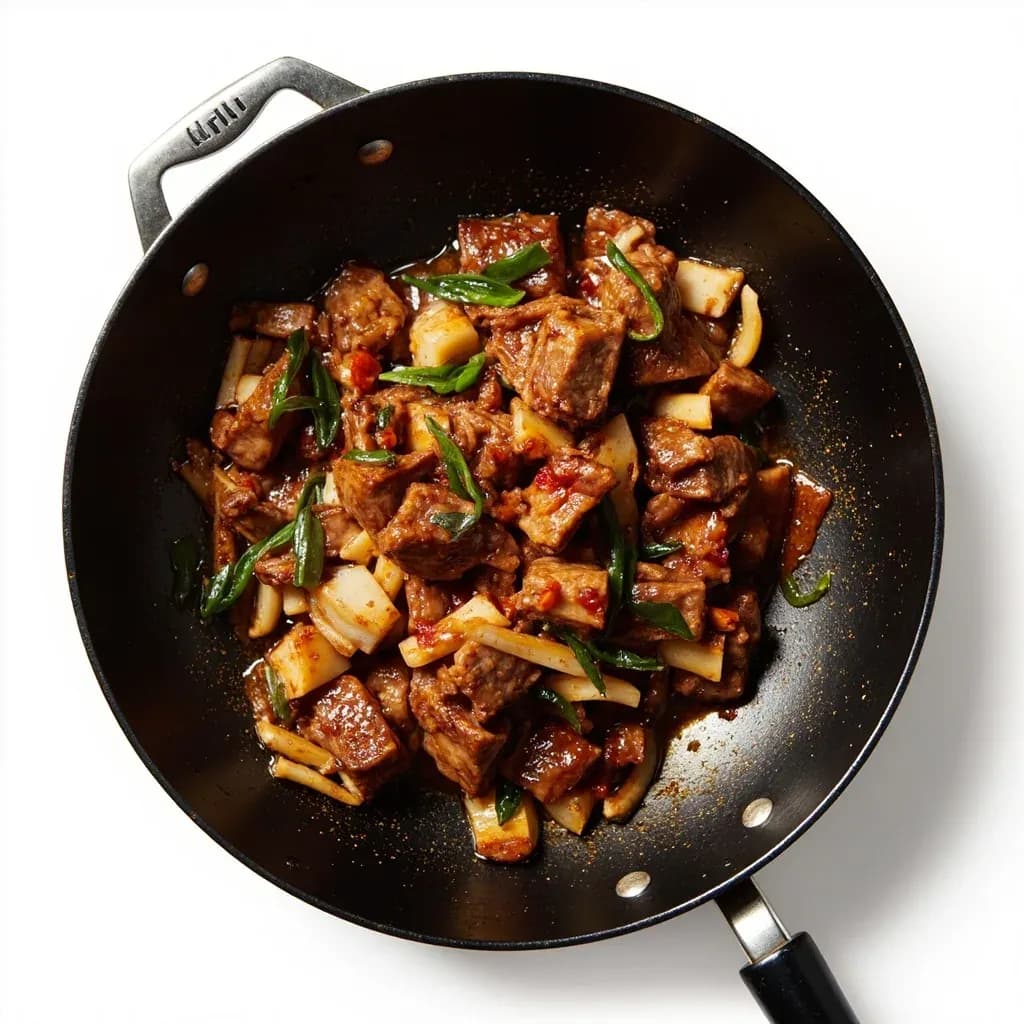
Twice-Cooking (Hui Guo)
Boiling or steaming meat first, then stir-frying it for layered texture and rendered, crisp edges.

3-2-1 Rib Method
A timed barbecue formula: smoke ribs 3 hours, wrap 2 hours, then sauce uncovered 1 hour.
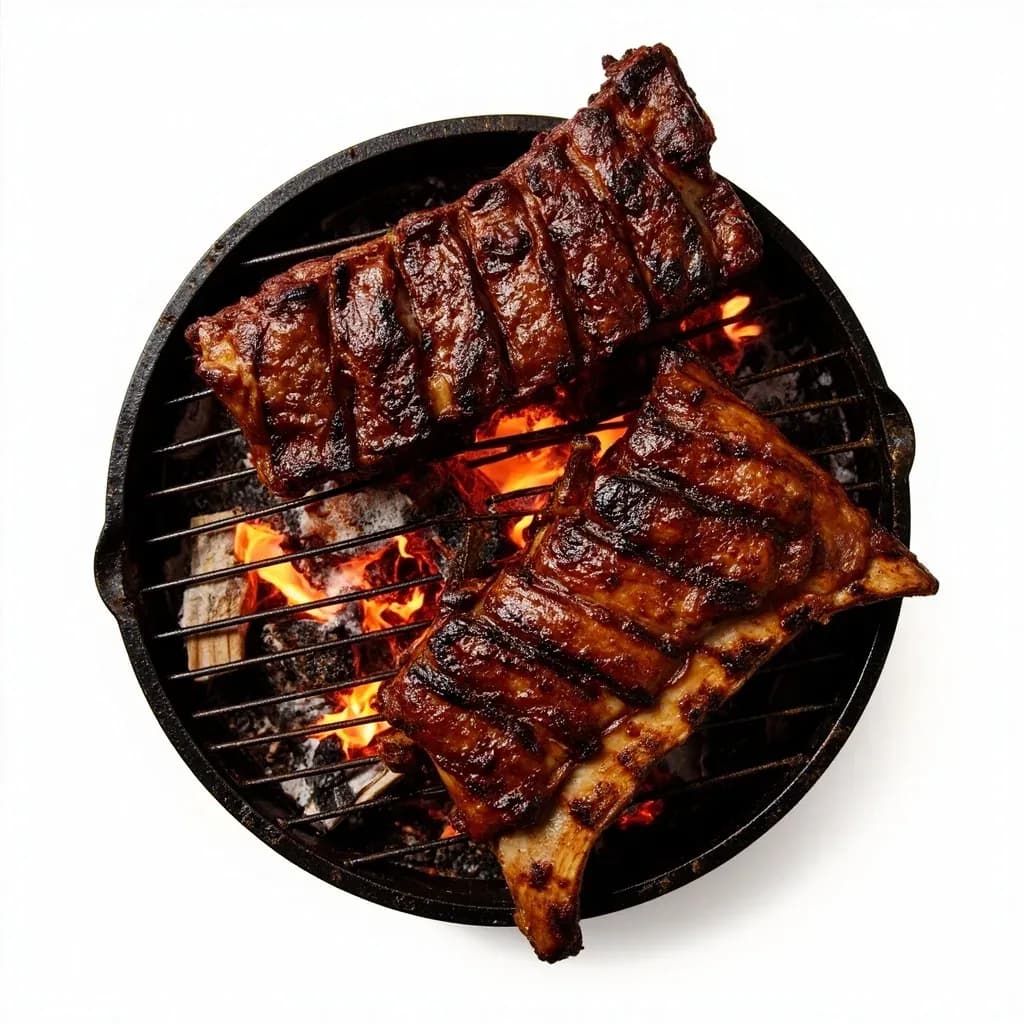
Asado (Slow Charcoal Grilling)
Grilling large cuts slowly over wood or charcoal embers, the centerpiece of South American barbecue.
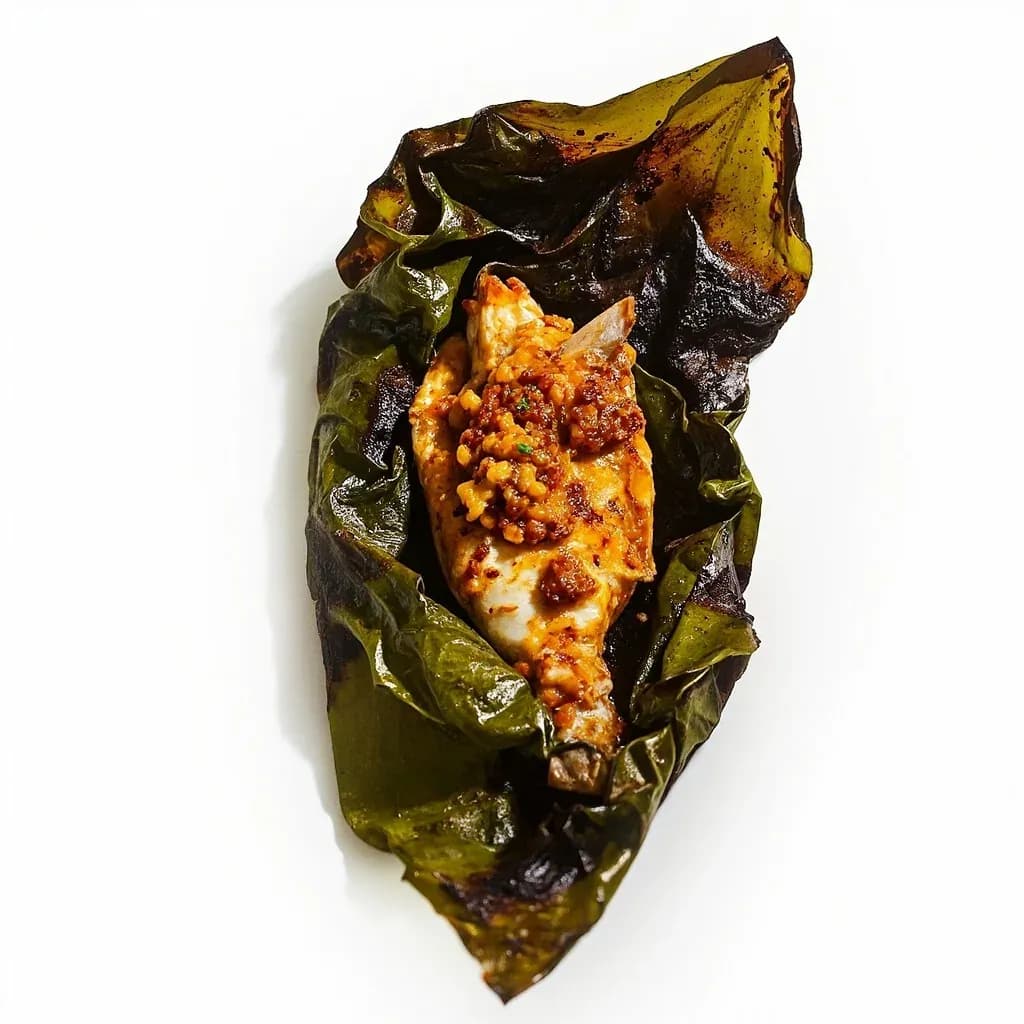
Banana-Leaf Wrapped Grilling (Pepes/Tum)
Wrapping spiced fish or meat in banana leaves and grilling so it steams and smokes inside the parcel.
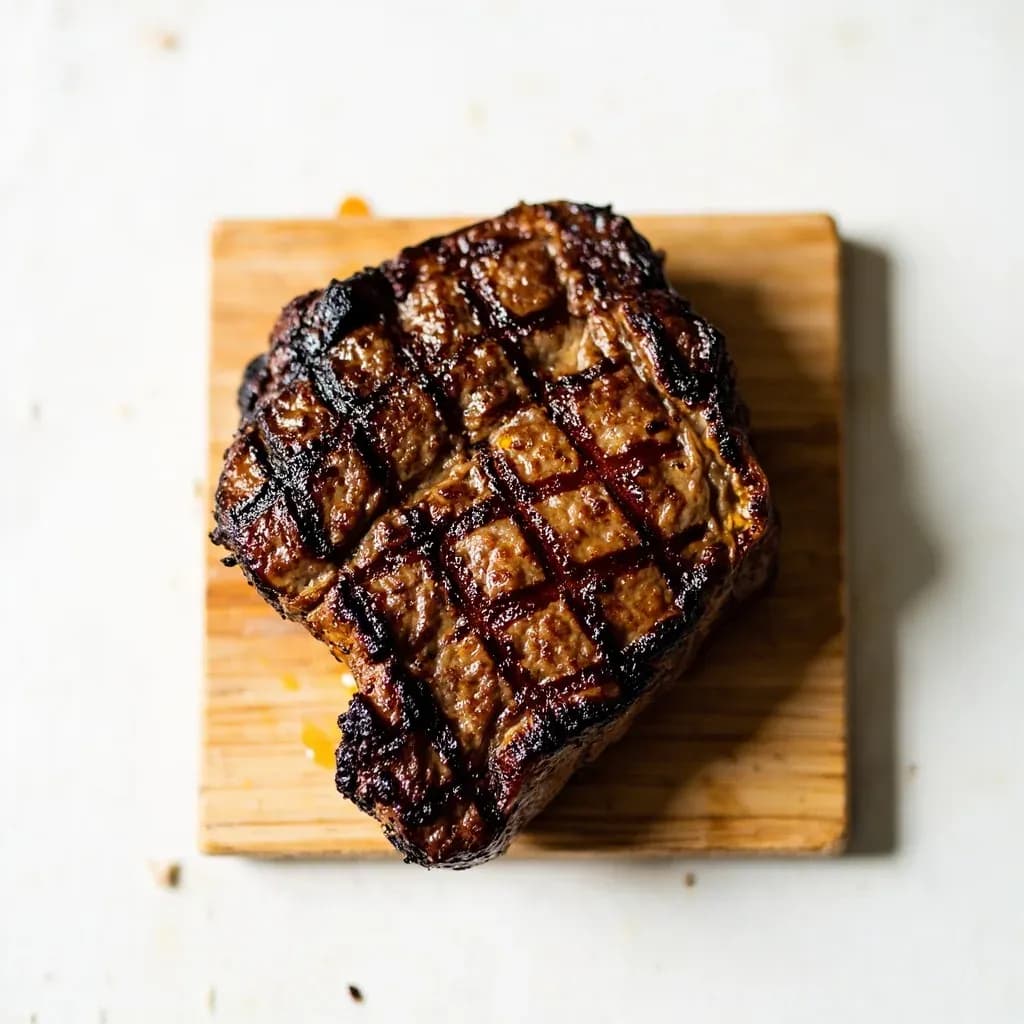
Bistecca alla Fiorentina Searing
Searing a thick T-bone over wood embers to a charred crust and rare interior, Florentine style.
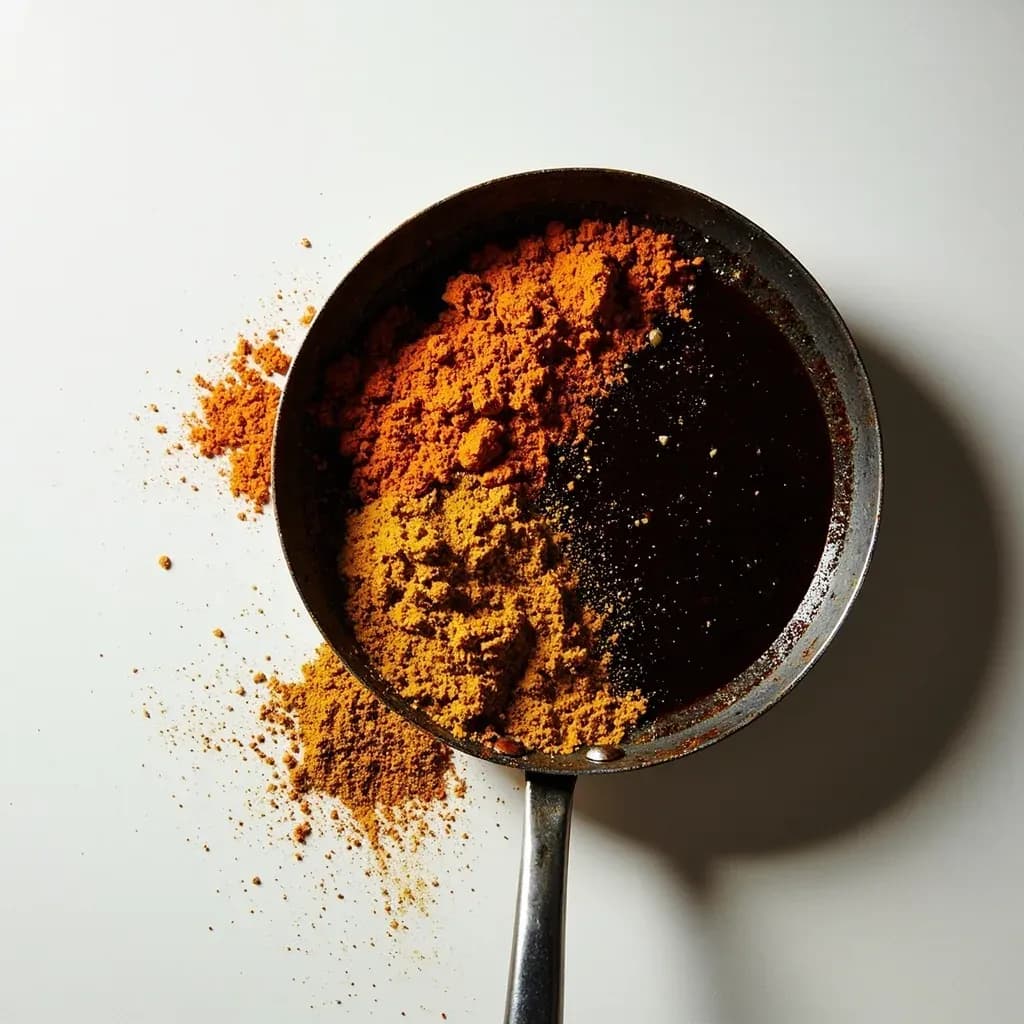
Black Curry (Roasted Dark Simmer)
Dry-roasting spices until very dark, then simmering them into a deeply toasted Sri Lankan curry.
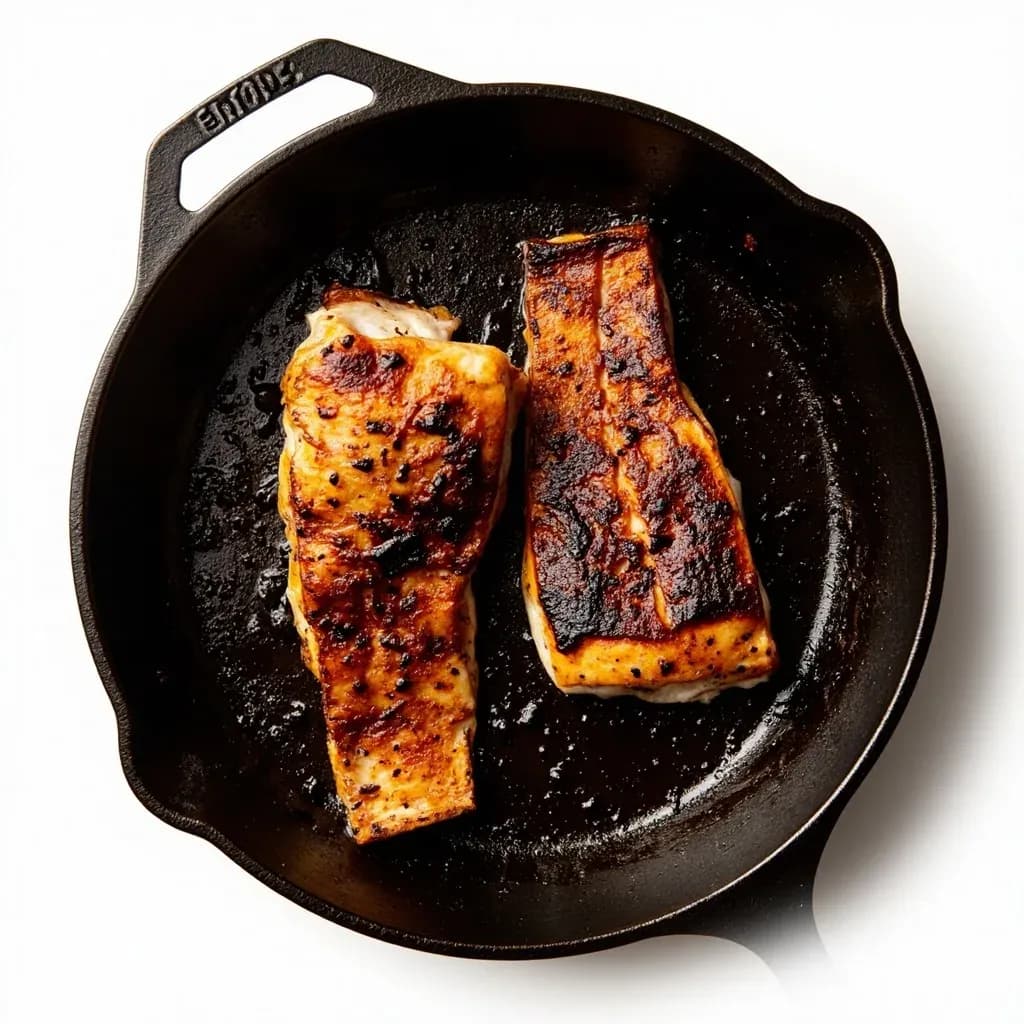
Blackening
Coating fish or meat in spices and searing it in a screaming-hot skillet to form a dark, crusty char.
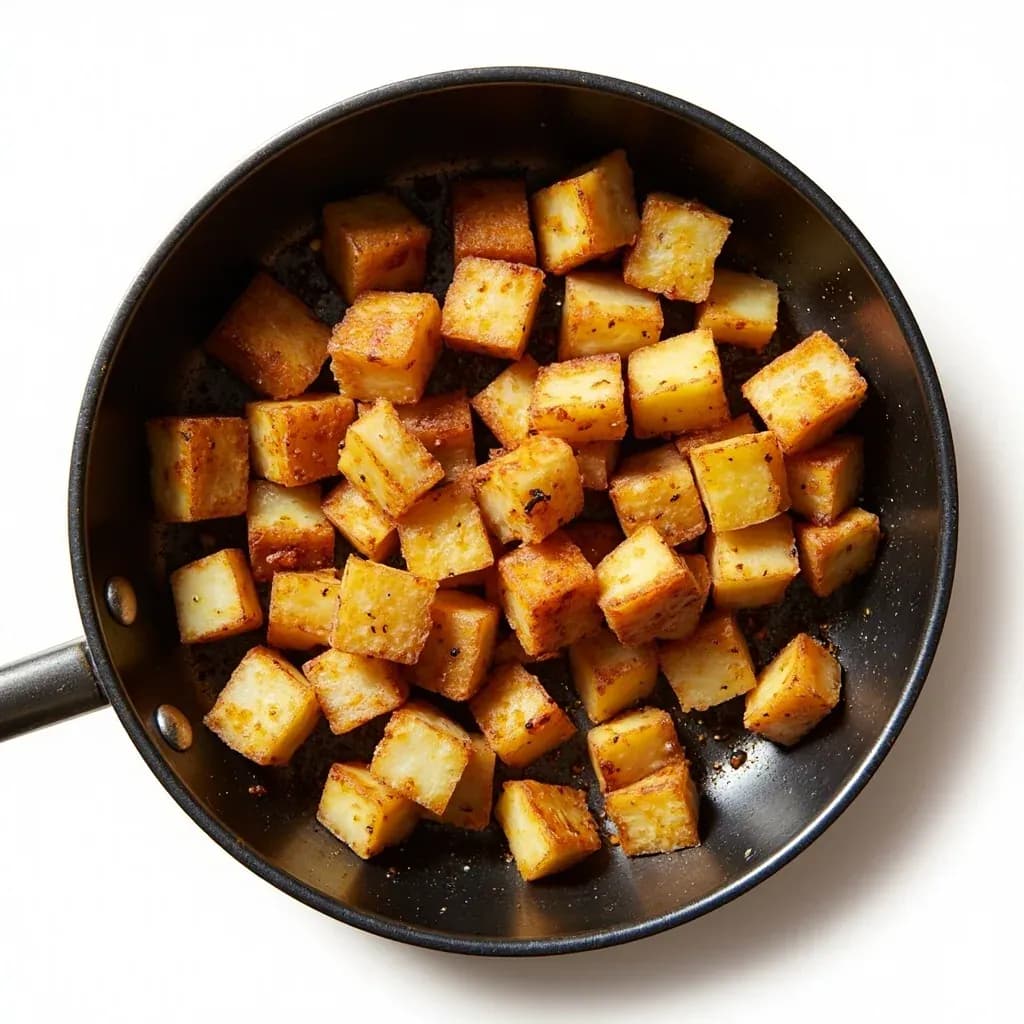
Boil and Fry (Vegetables)
Parboiling vegetables to soften them, then frying for color and crisp edges without a raw center.
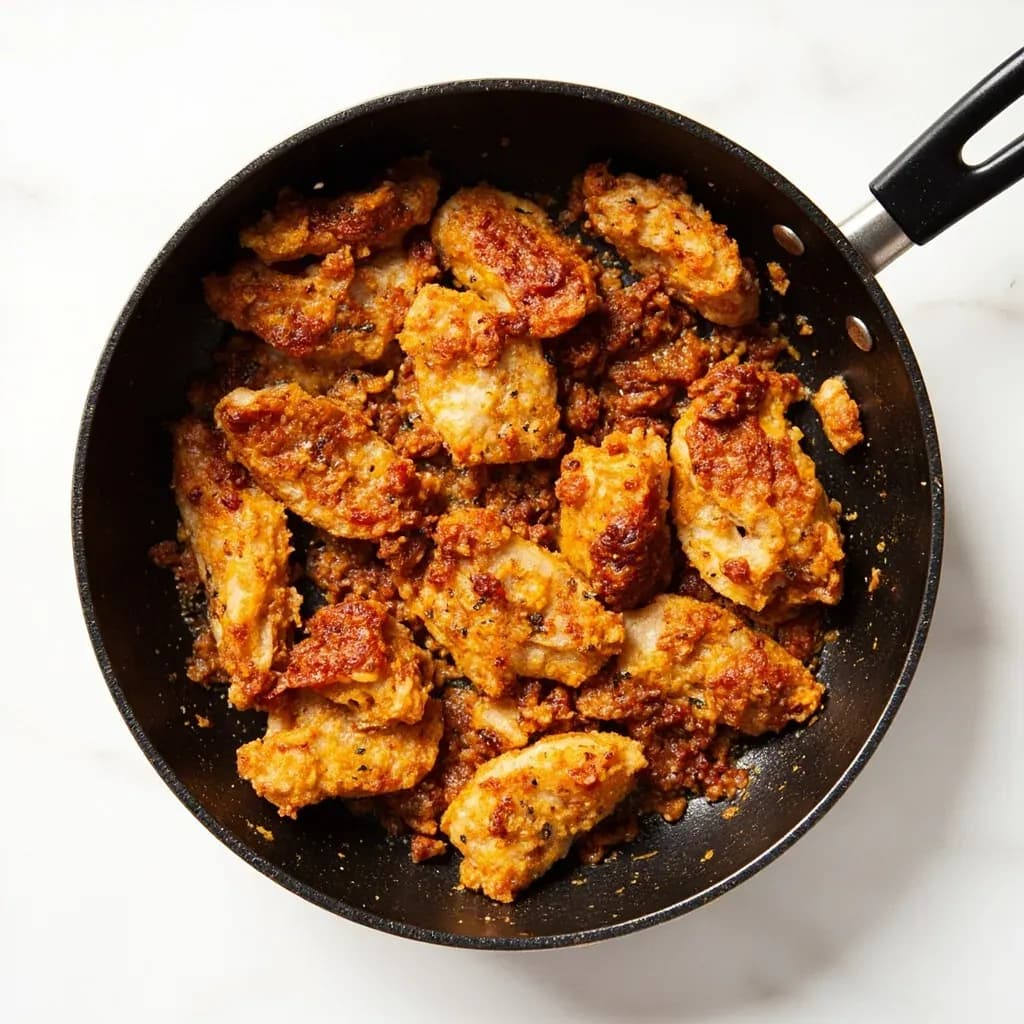
Bread-Frying (Migas)
Frying torn day-old bread in oil with garlic and aromatics until crisp for Spanish migas.
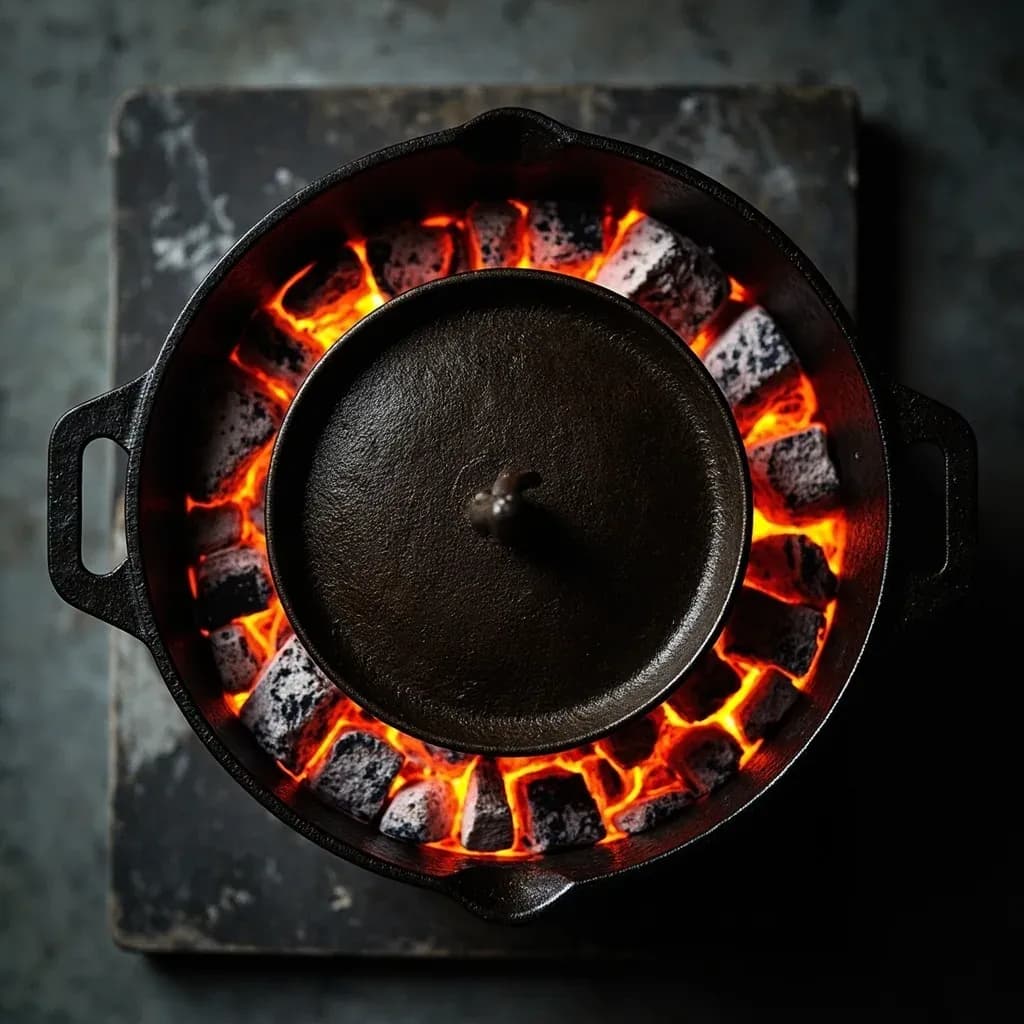
Briquette-Count Heat Control
Regulating Dutch-oven temperature by counting and placing lit charcoal briquettes.
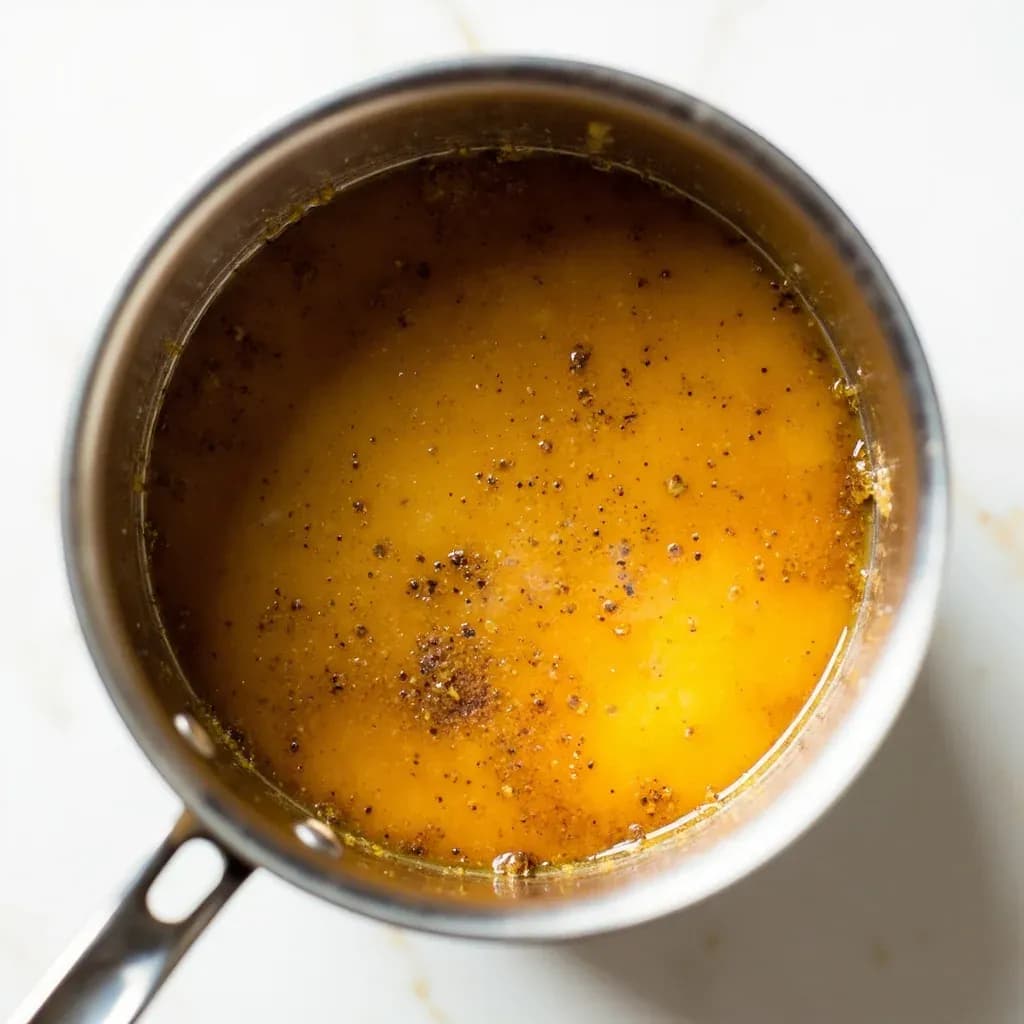
Browning Butter (Beurre Noisette)
Cooking butter until its milk solids toast to a nutty, golden-brown aroma.
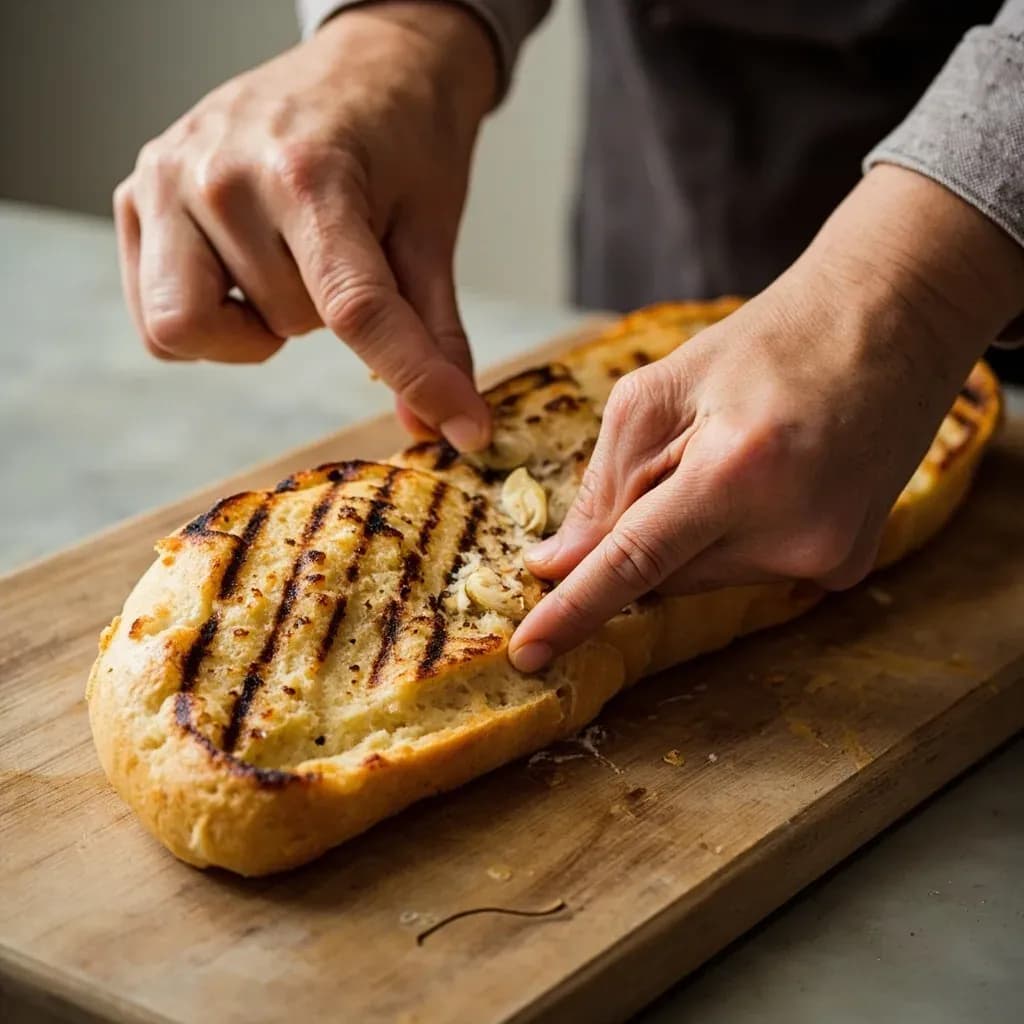
Bruschetta / Fettunta Toasting
Grilling or toasting bread, then rubbing it with garlic and dressing it with oil.
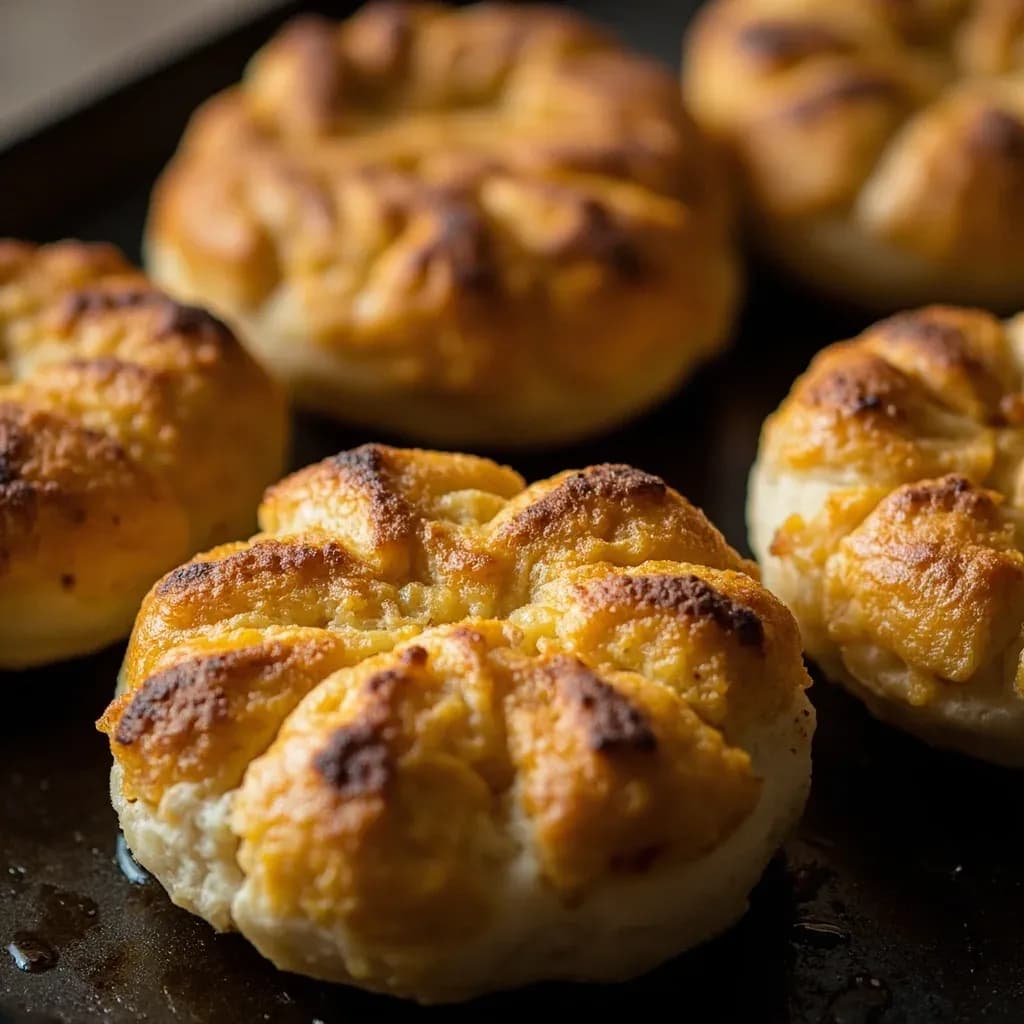
Bun / Tortilla Toasting
Crisping buns or tortillas on a flat-top or pan to add texture and warmth.
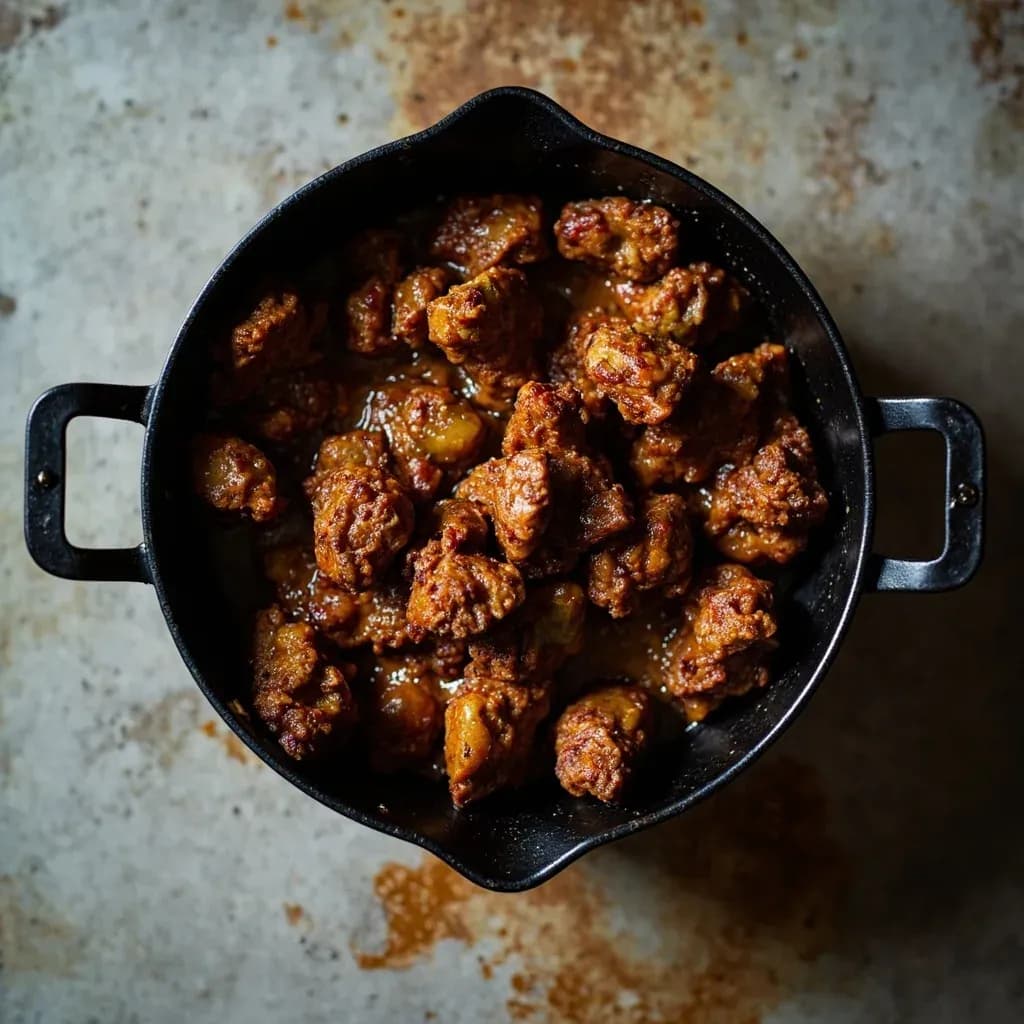
Bunjay (Dry-Fry / Reduce)
Caribbean technique of frying spiced meat until the liquid cooks off and clings.
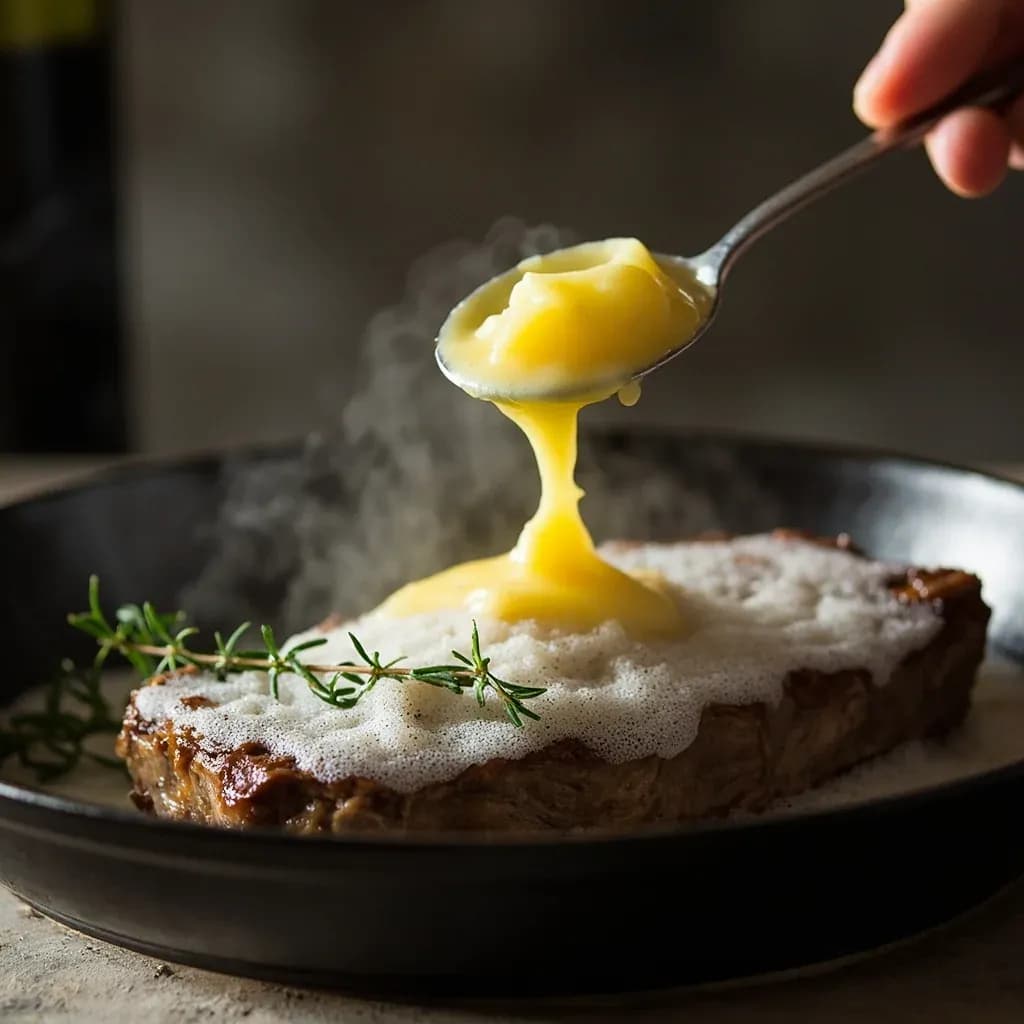
Butter Basting
Spooning hot foaming butter over food as it sears to baste and flavor it.
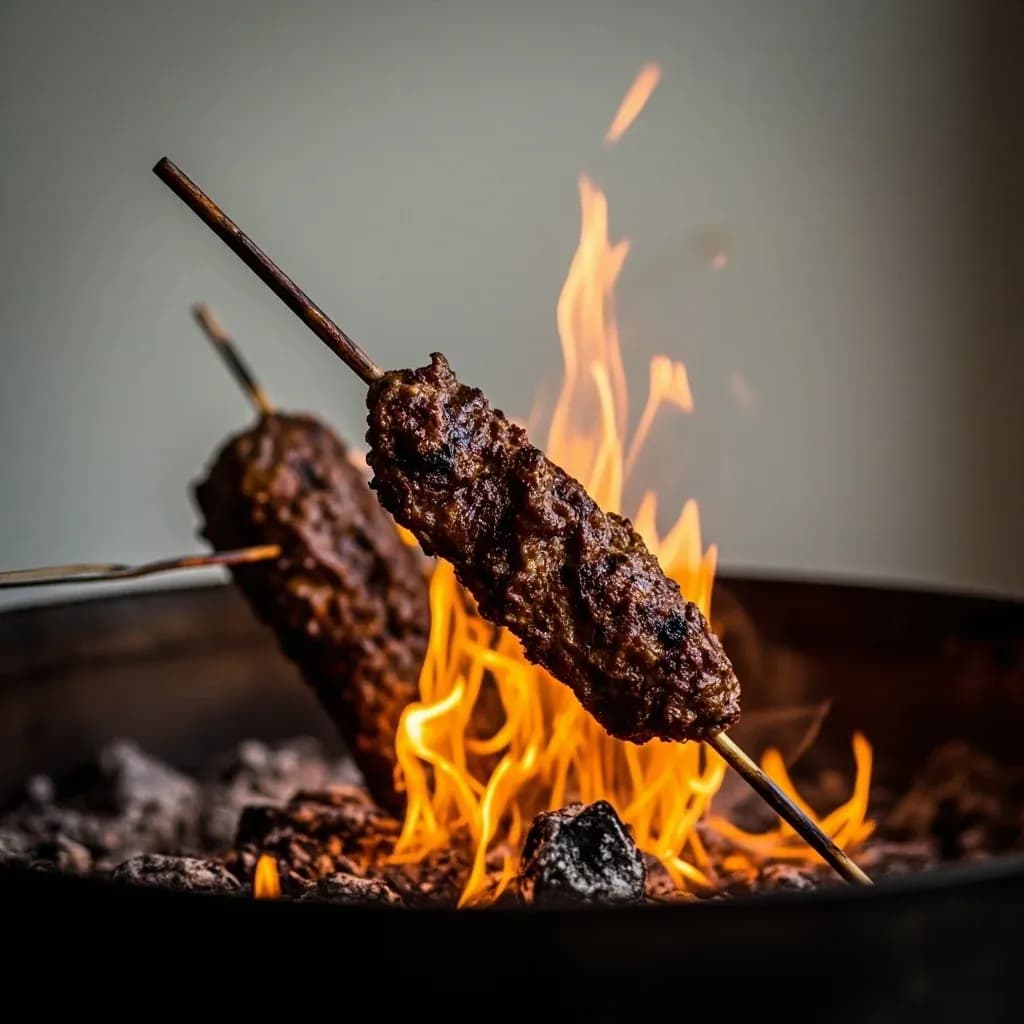
Camp Roasting
Roasting food beside or over an open campfire using radiant heat.
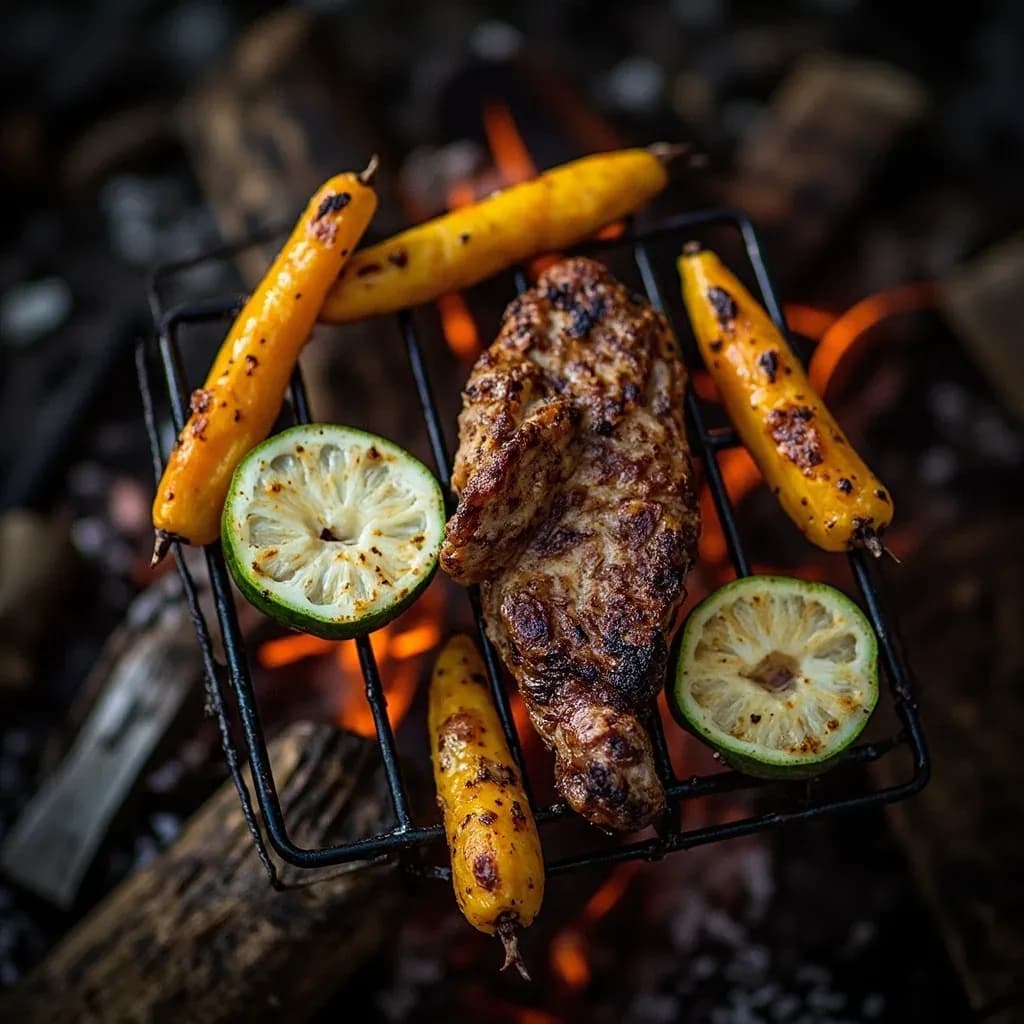
Campfire Grilling
Grilling food on a grate over open wood or charcoal campfire flames.
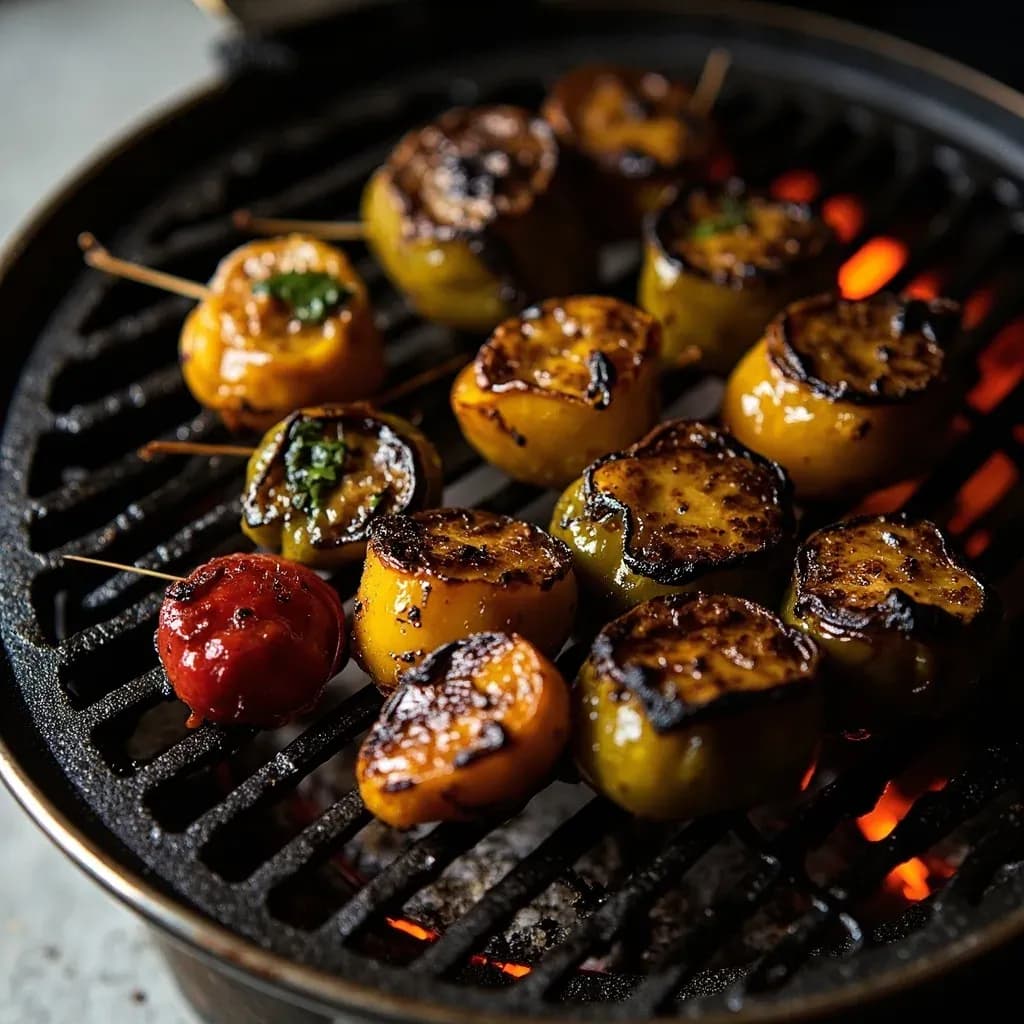
Char-Grilling
Grilling over high heat to deliberately blacken and char the food's surface.
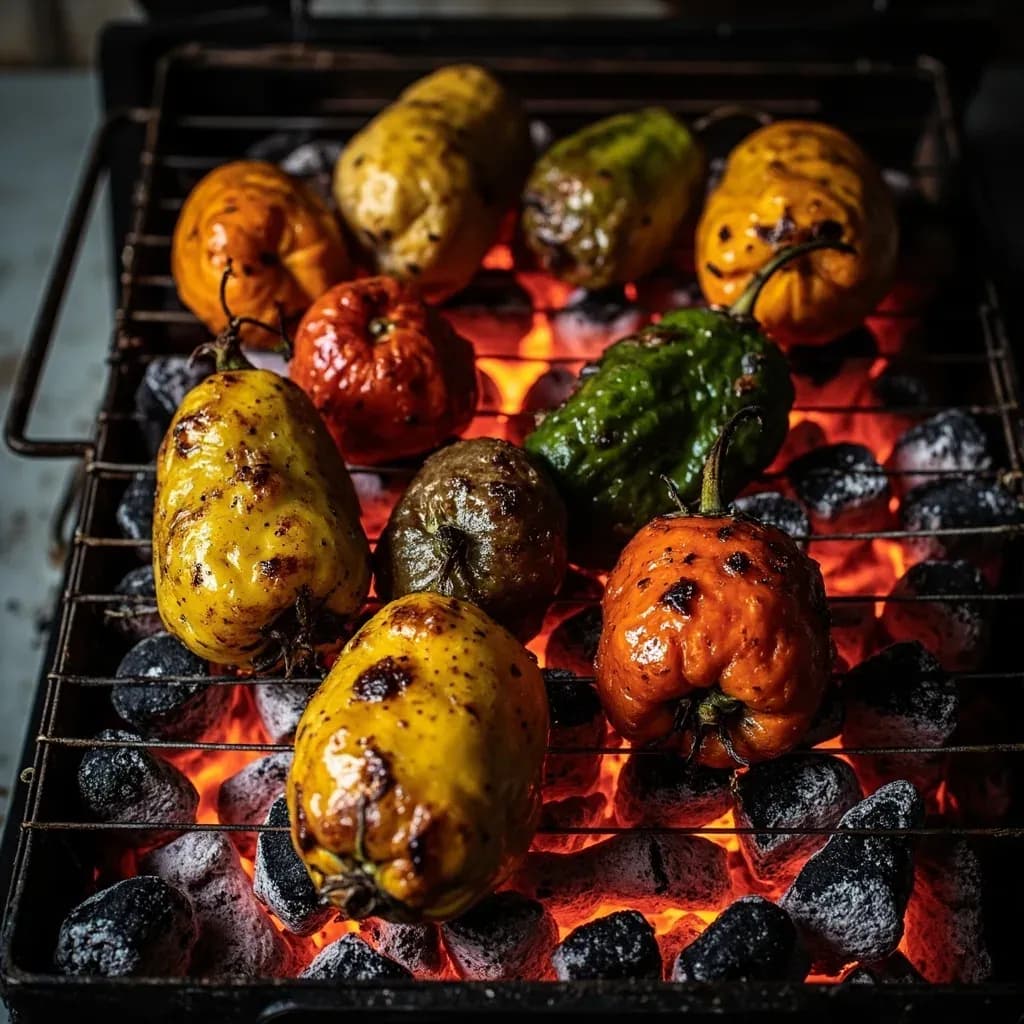
Charcoal Roasting
Roasting food with the radiant heat of glowing charcoal embers.
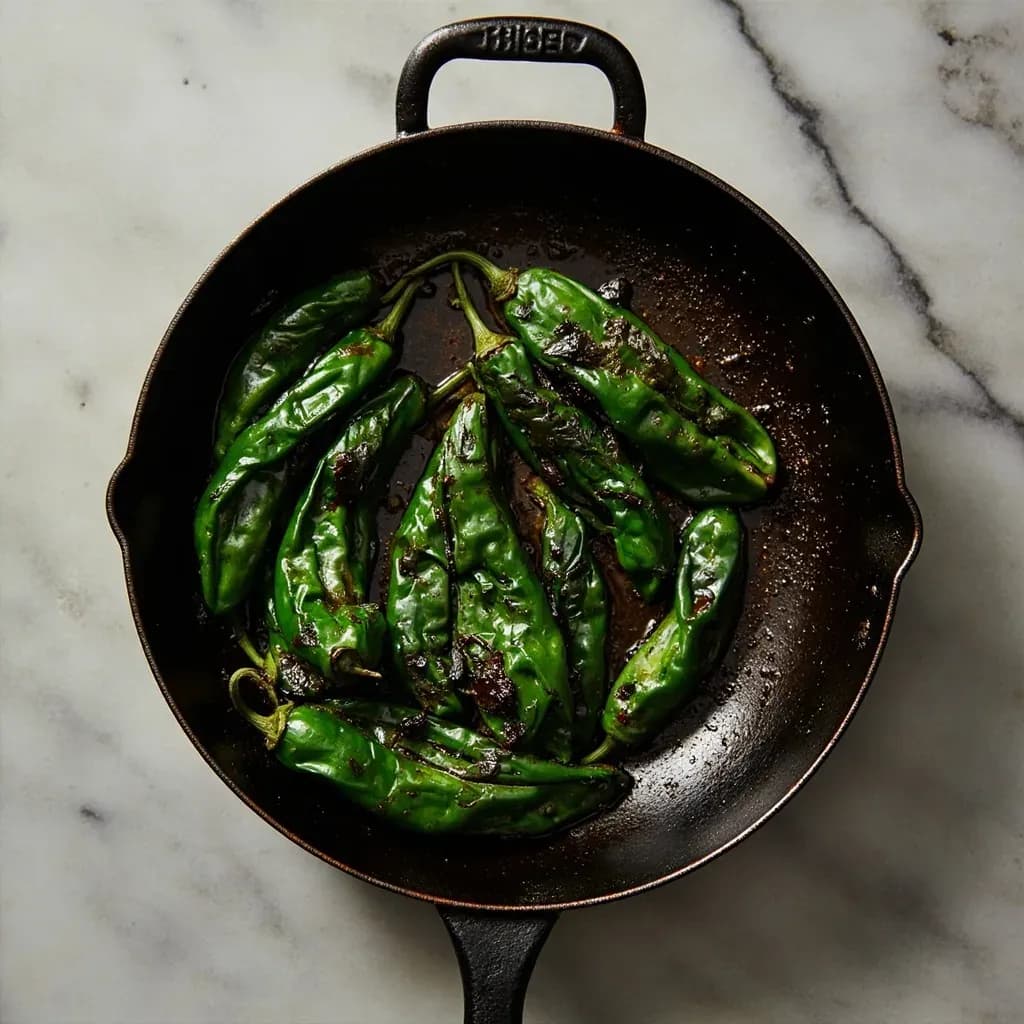
Charring Chilies
Blistering chilies over flame to loosen their skins and add smoky flavor.
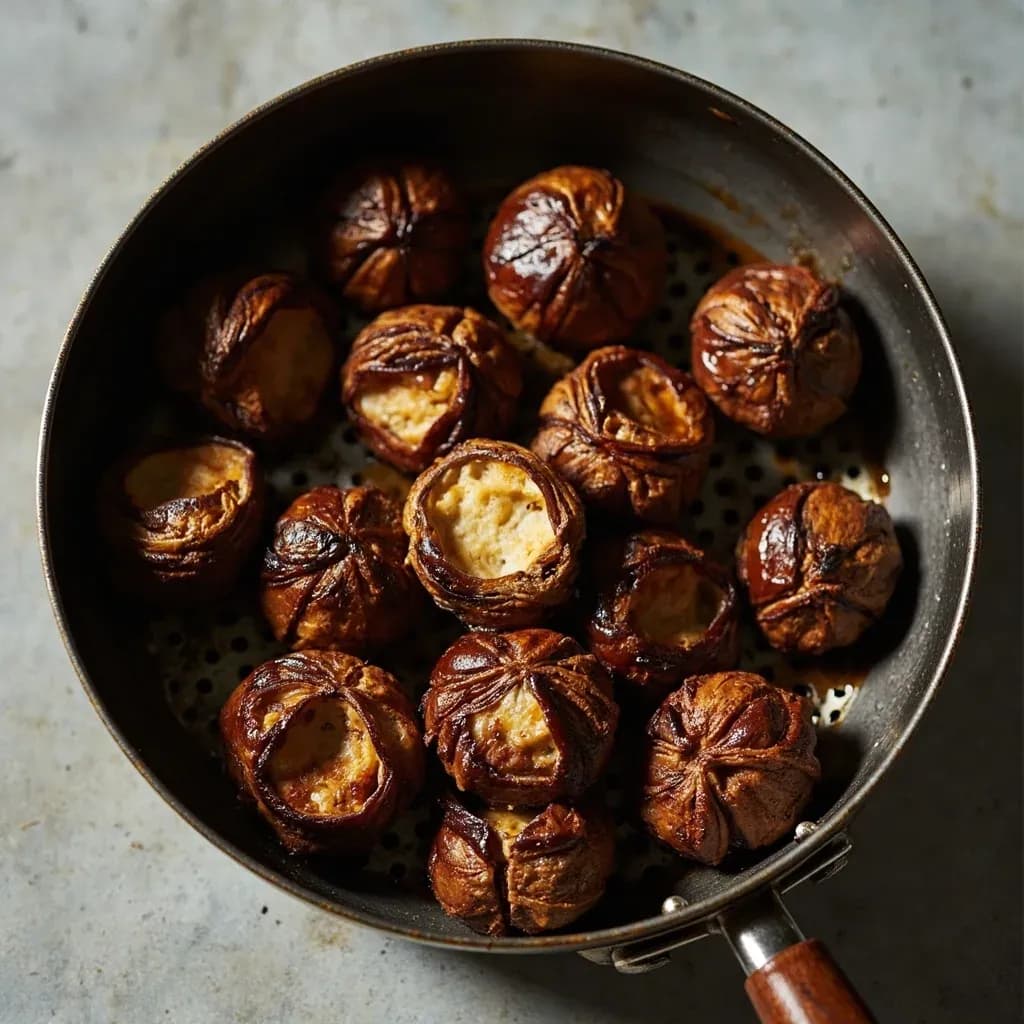
Chestnut Roasting (Caldarroste)
Scoring and roasting chestnuts over fire until the shells split and char.
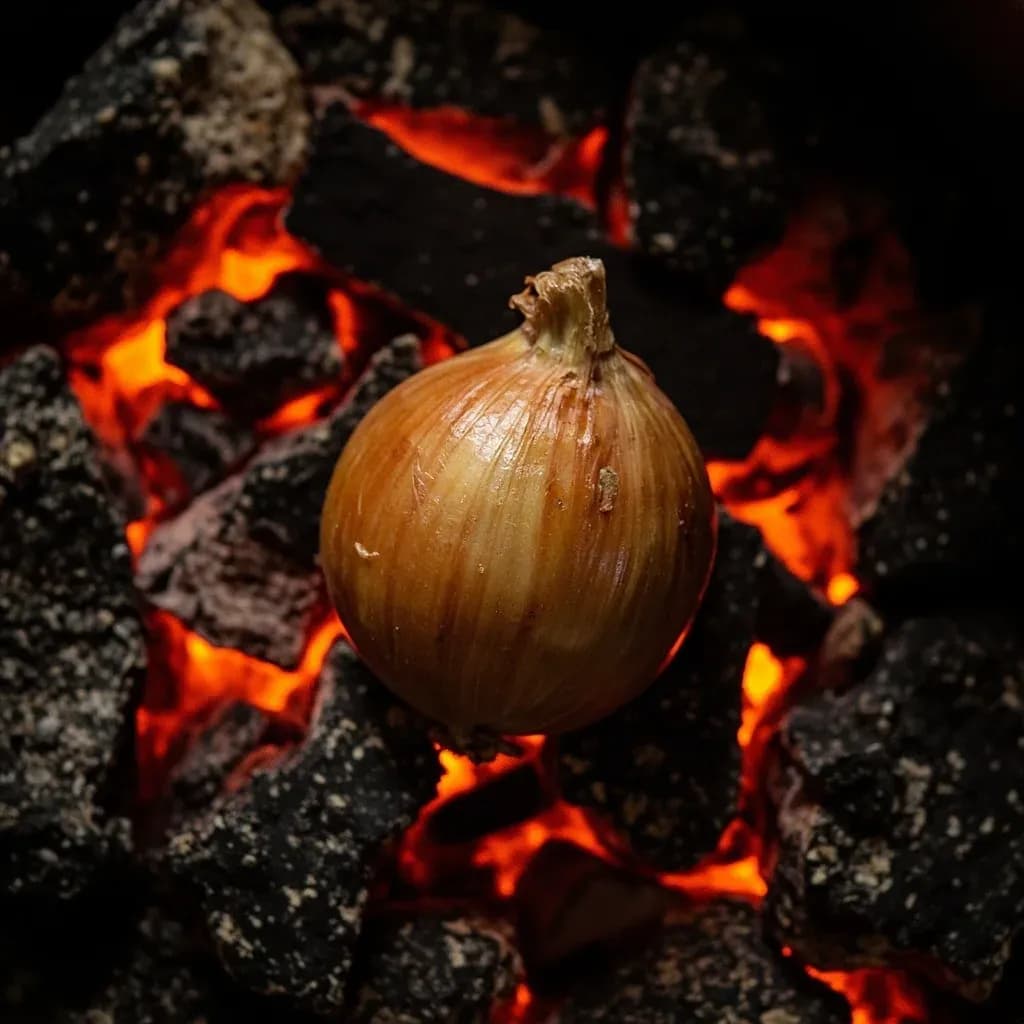
Coal-Bed Cooking
Cooking food directly on or buried in a bed of glowing coals.
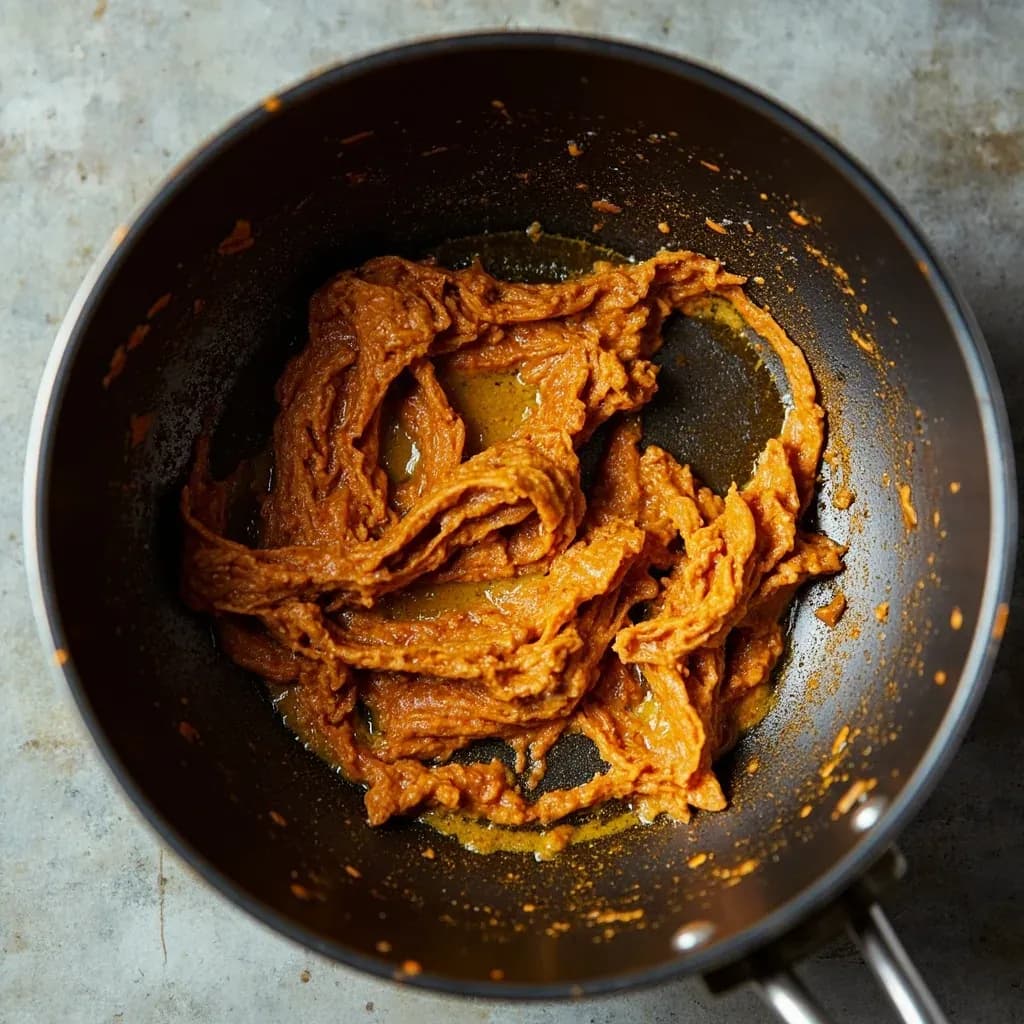
Cracking Coconut Cream (Taek Man)
Simmering coconut cream until its oil separates to fry curry paste in fragrant fat.
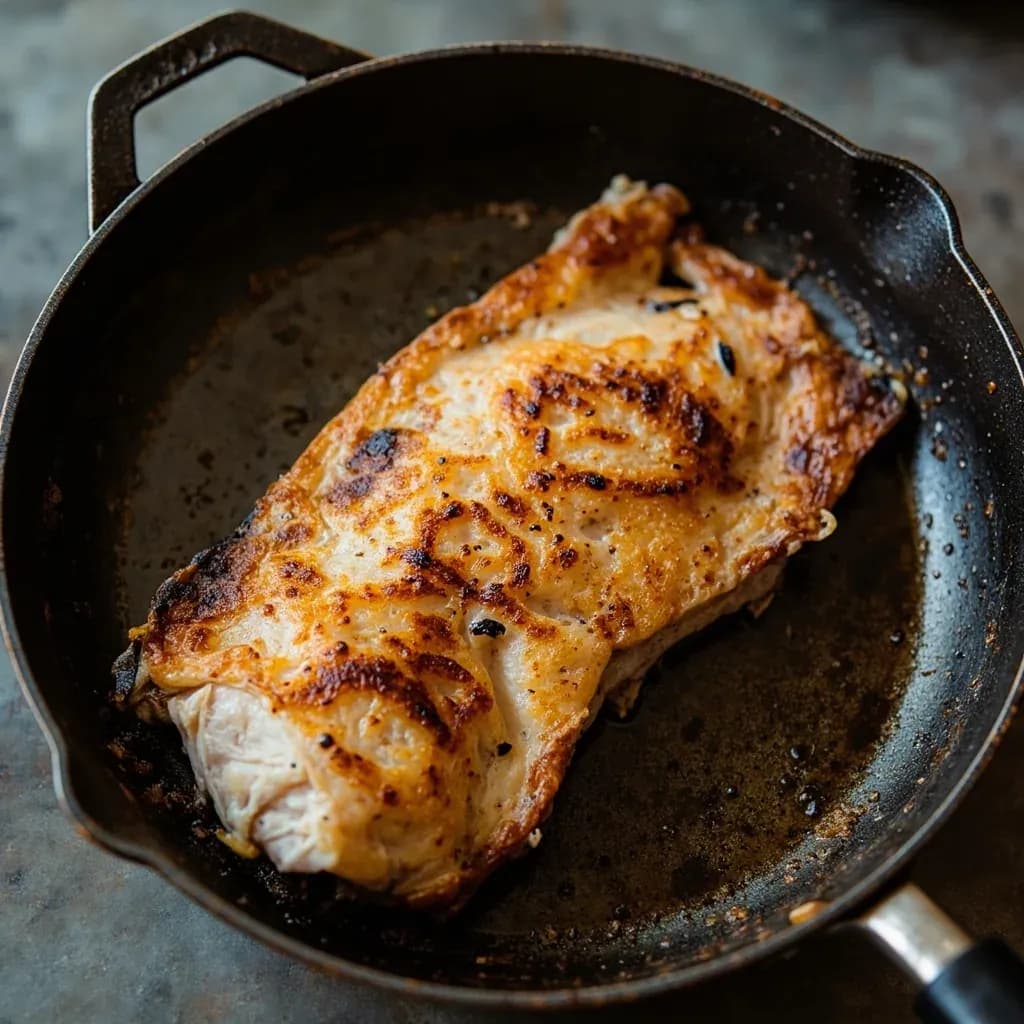
Crispy-Skin Searing
Searing skin-on fish or poultry skin-side down to render fat and crisp the surface.
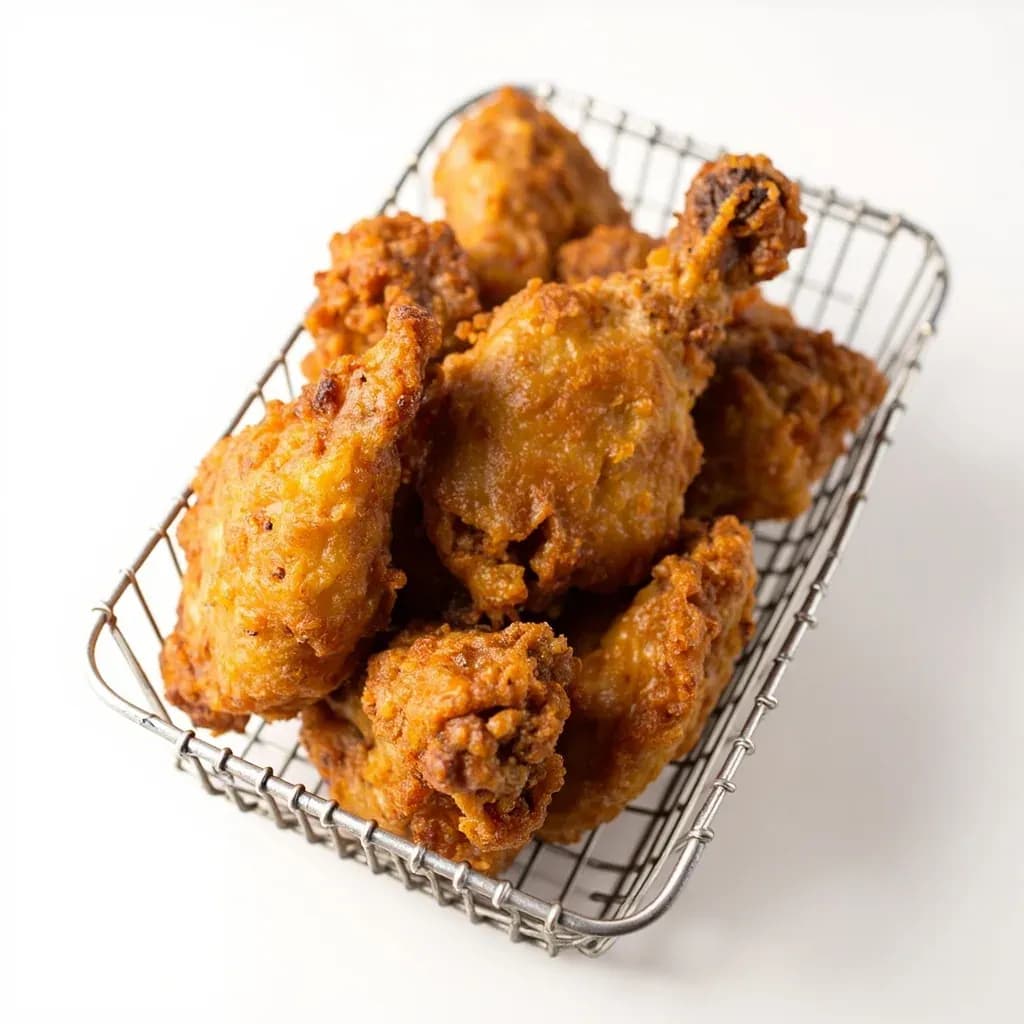
Double-Frying
Frying food twice — once low to cook through, once hot to crisp — for an extra-shattering crust.
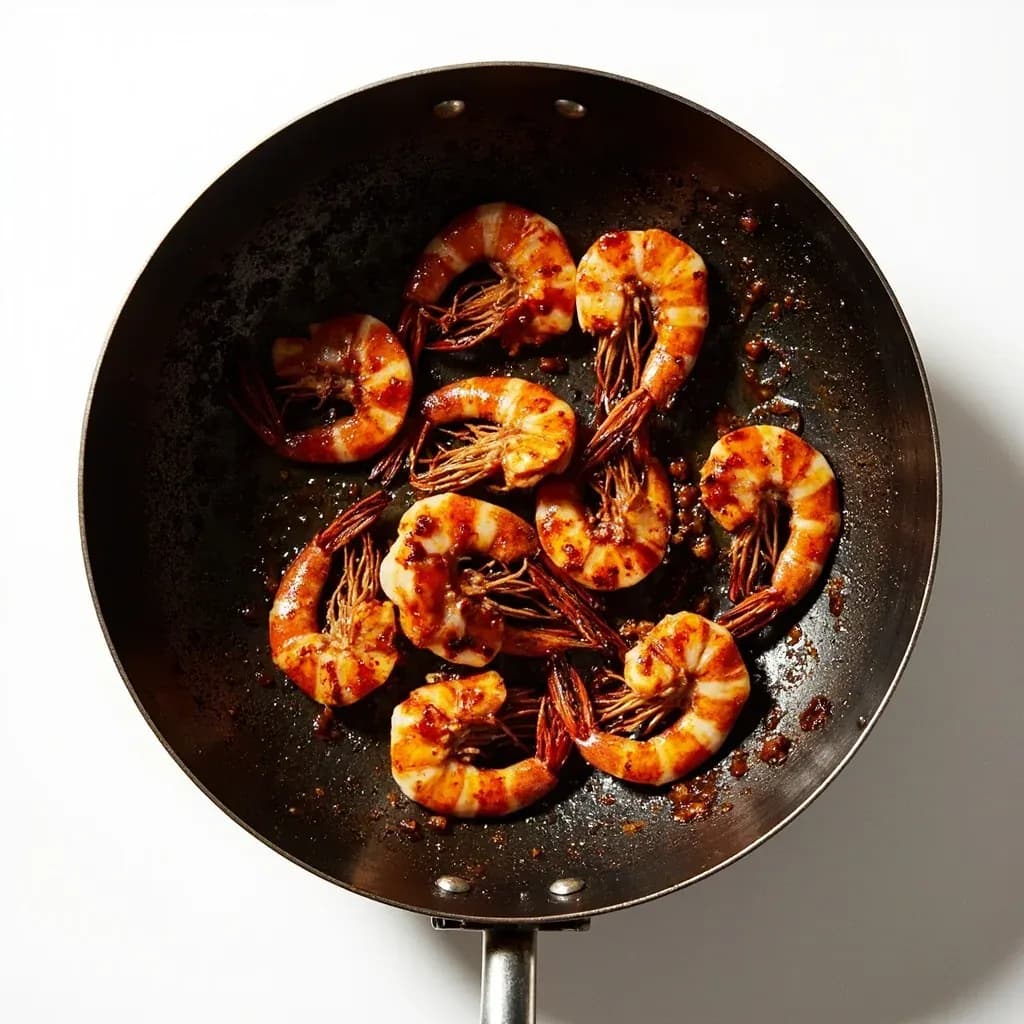
Dry-Braising (Gan Shao)
Chinese technique of cooking ingredients in seasoned liquid until it reduces fully and clings as a glaze.
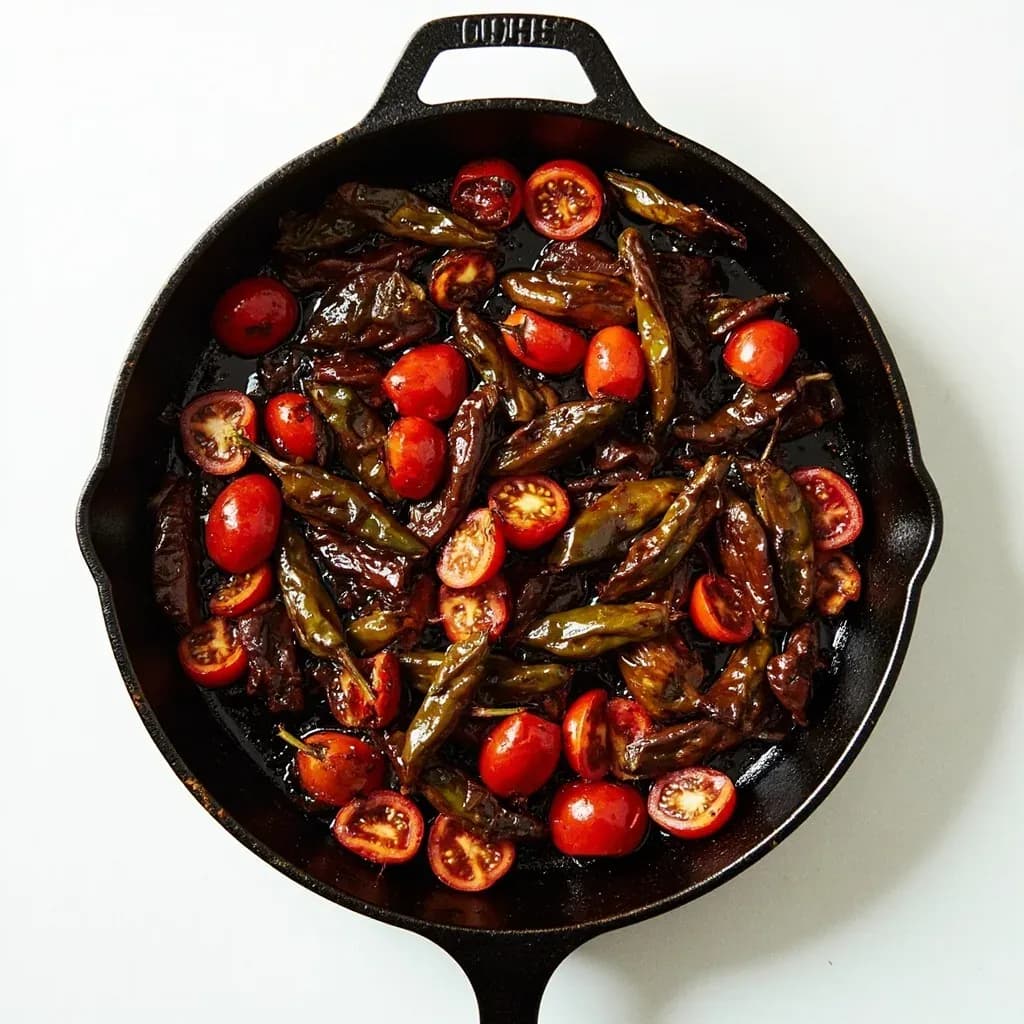
Dry-Roasting on a Comal (Tatemar)
Charring chiles, tomatoes, garlic and spices on a dry griddle to build smoky depth for Mexican sauces.
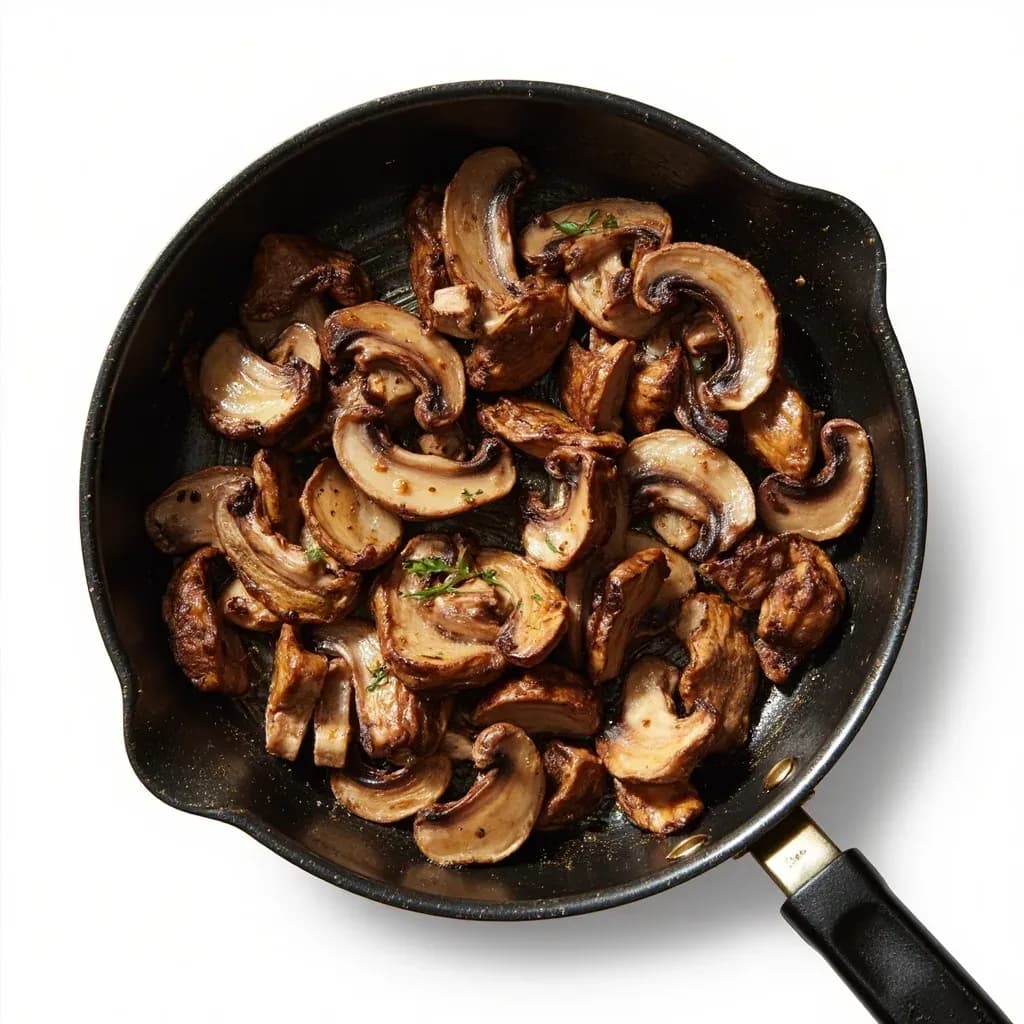
Dry-Searing Mushrooms
Searing mushrooms in a dry pan first to drive off water and concentrate flavor before adding fat.
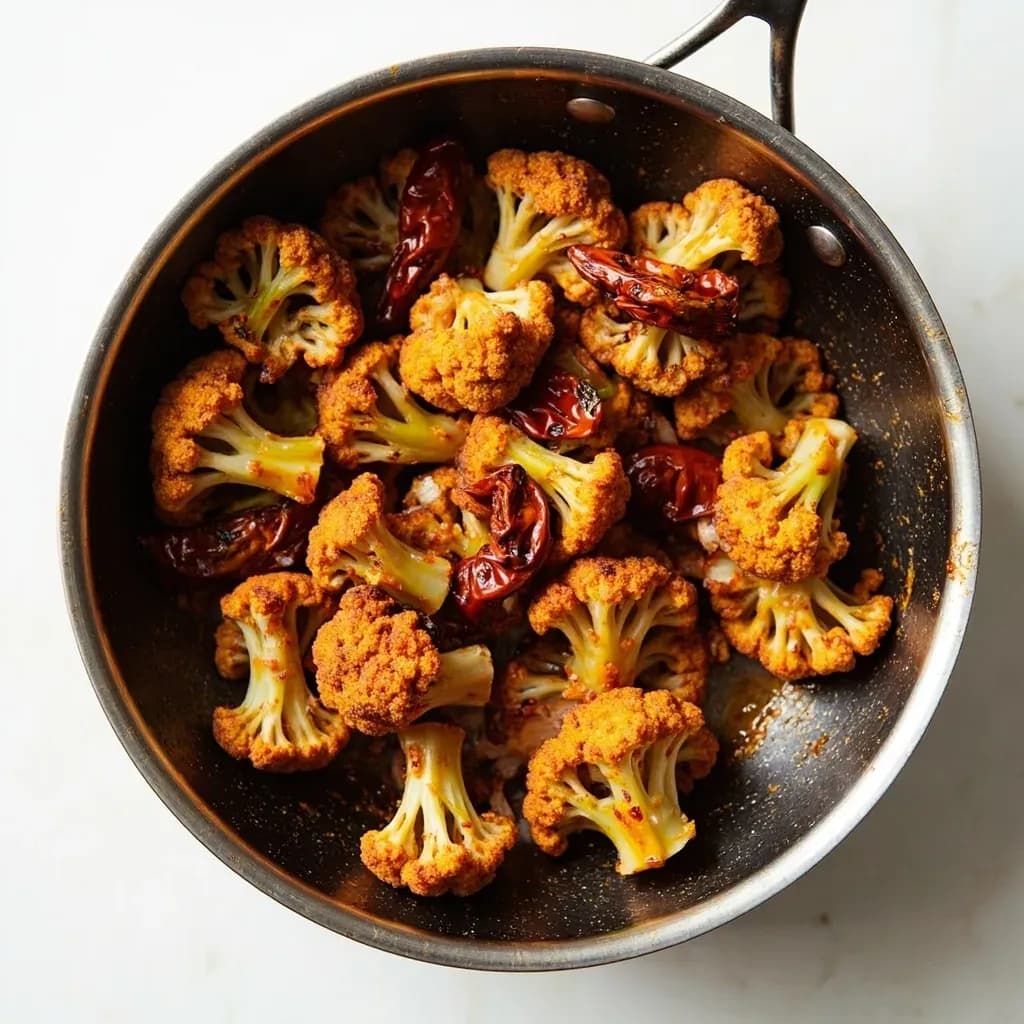
Dry-Wok Stir-Fry (Gan Guo)
Sichuan dry-pot cooking that fries ingredients with chiles and spices until nearly dry and intensely aromatic.
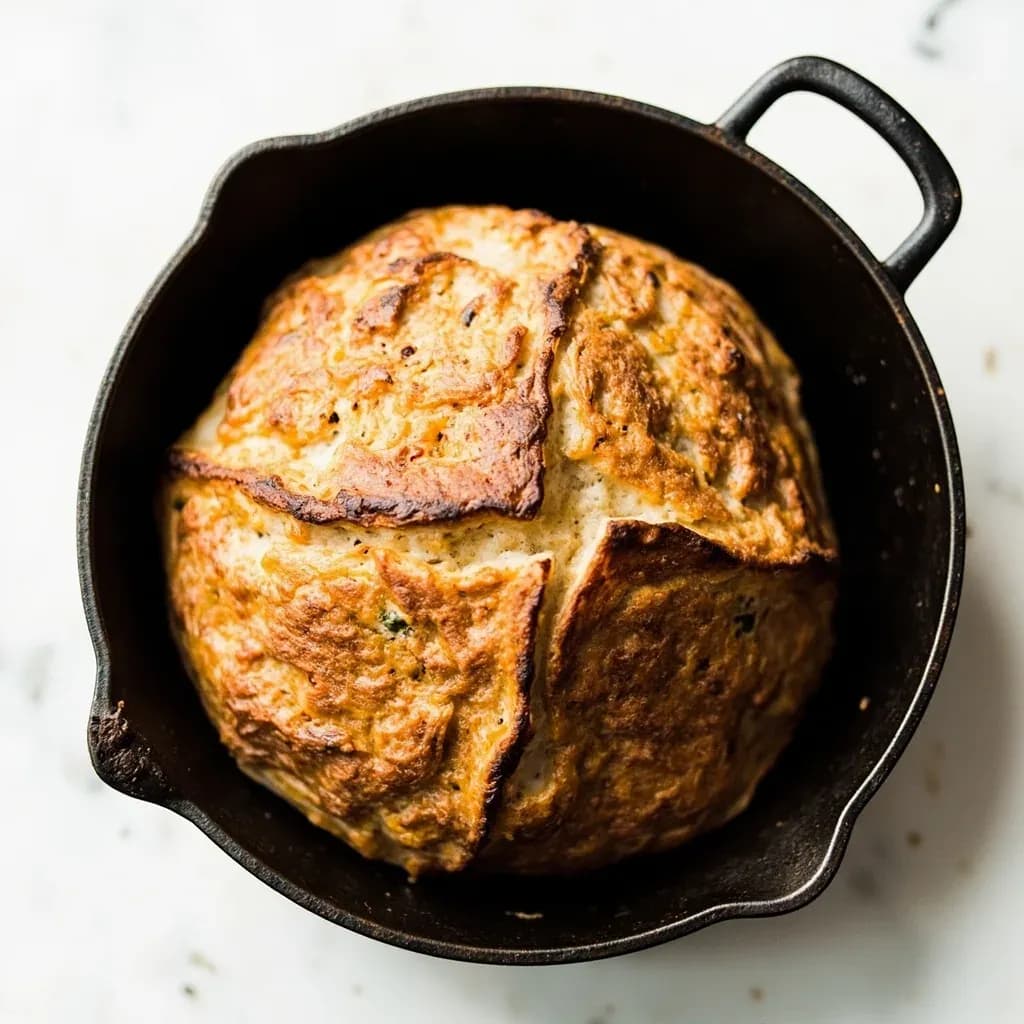
Dutch-Oven Baking
Baking inside a heavy lidded pot that traps steam, giving bread a crackling crust and open crumb.
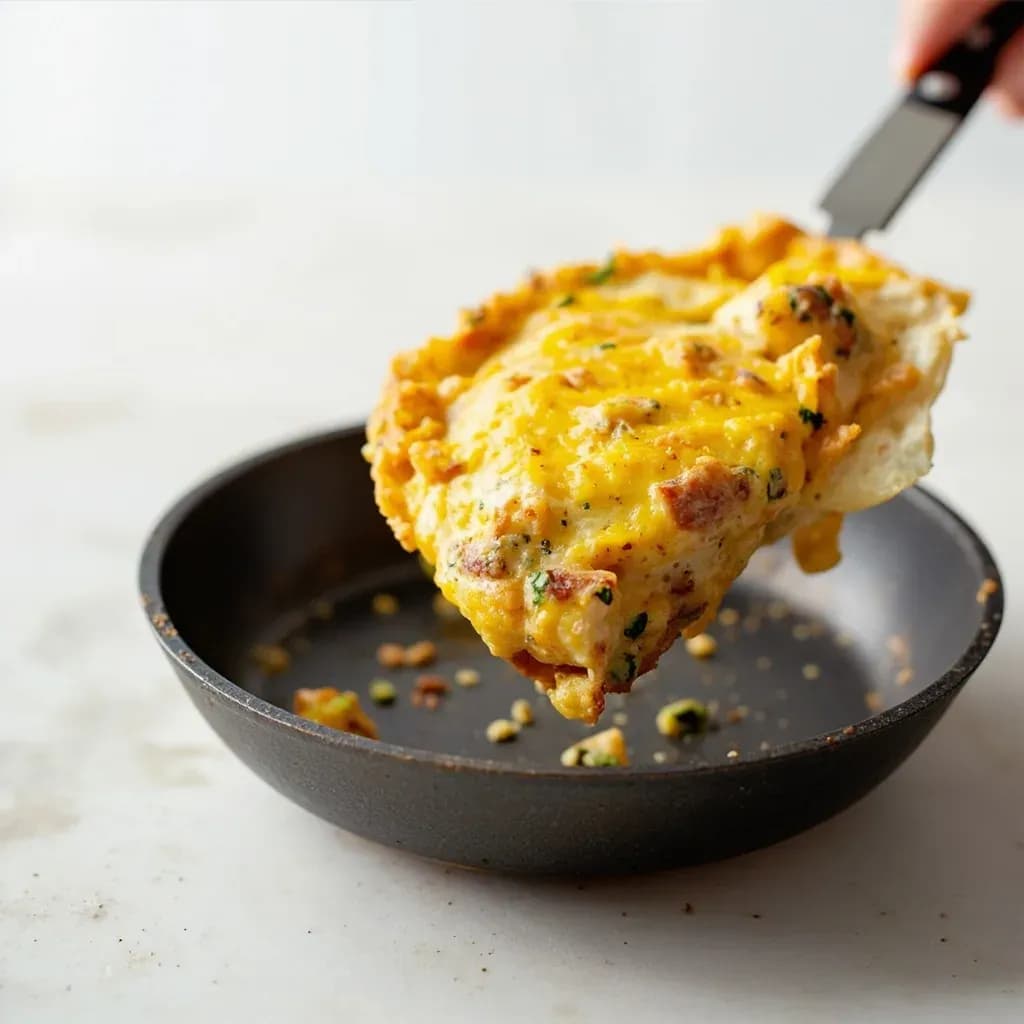
Egg Flipping (Pan Showmanship)
Flipping eggs or omelets in the pan with a wrist toss instead of a spatula.
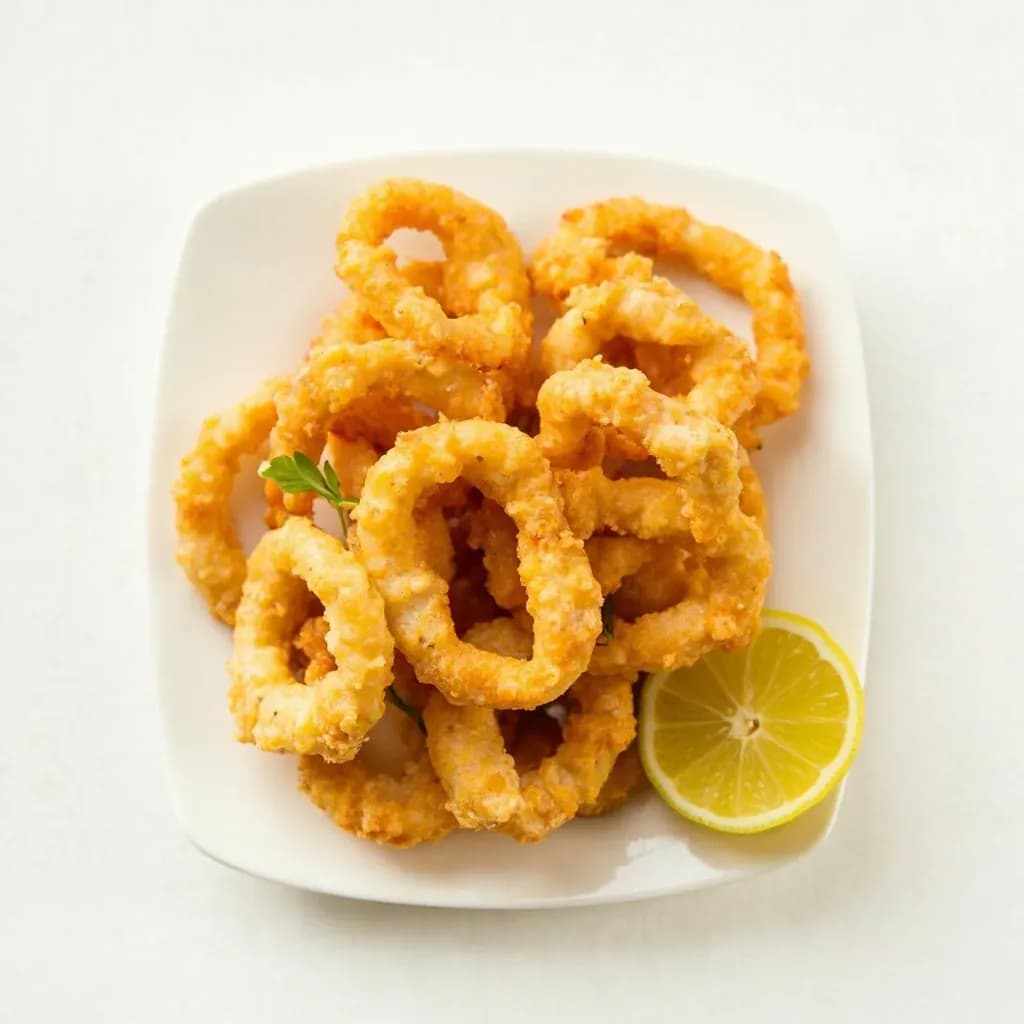
Flash-Frying Seafood (a la Andaluza)
Andalusian method of dredging small seafood in flour and frying it briefly in very hot oil for a light crisp.
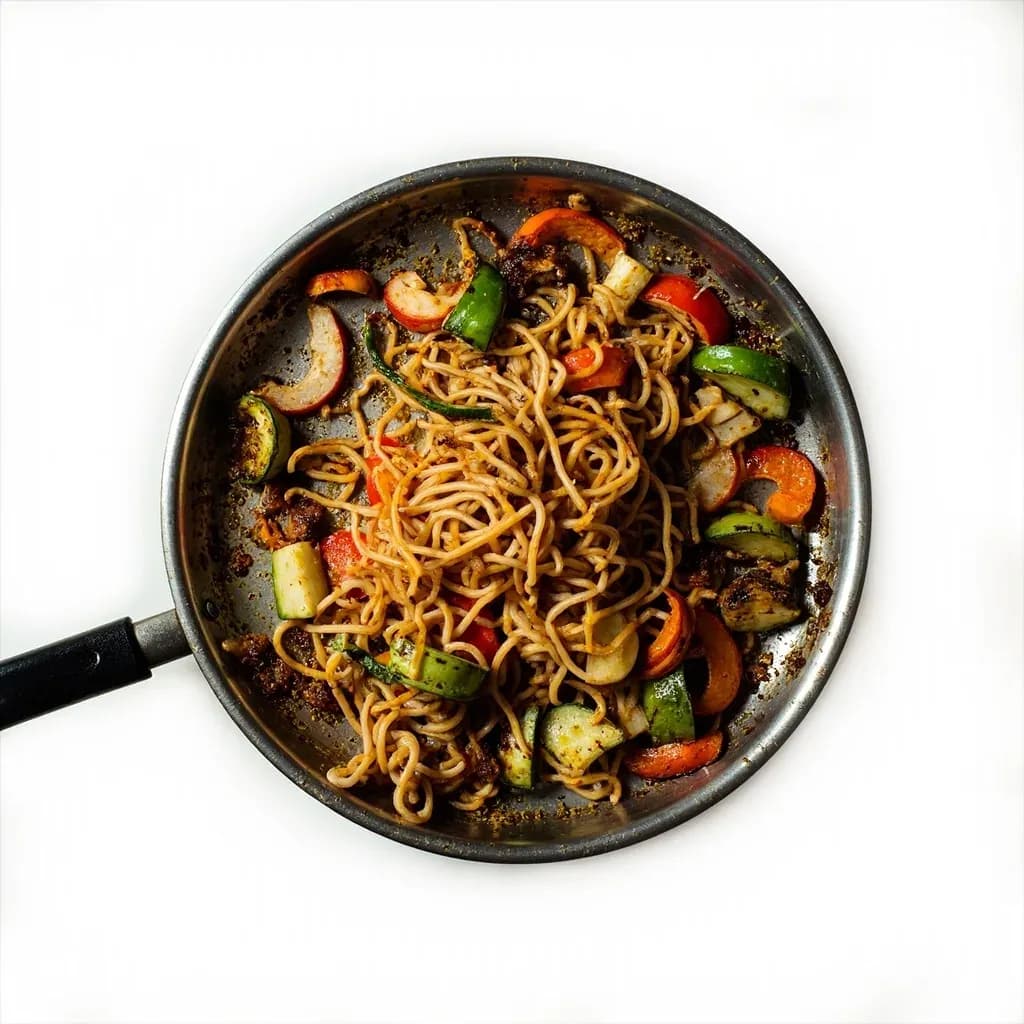
Flat-Top Stir-Fry
Stir-frying on a flat griddle (teppan/plancha) instead of a wok, spreading food for fast even searing.
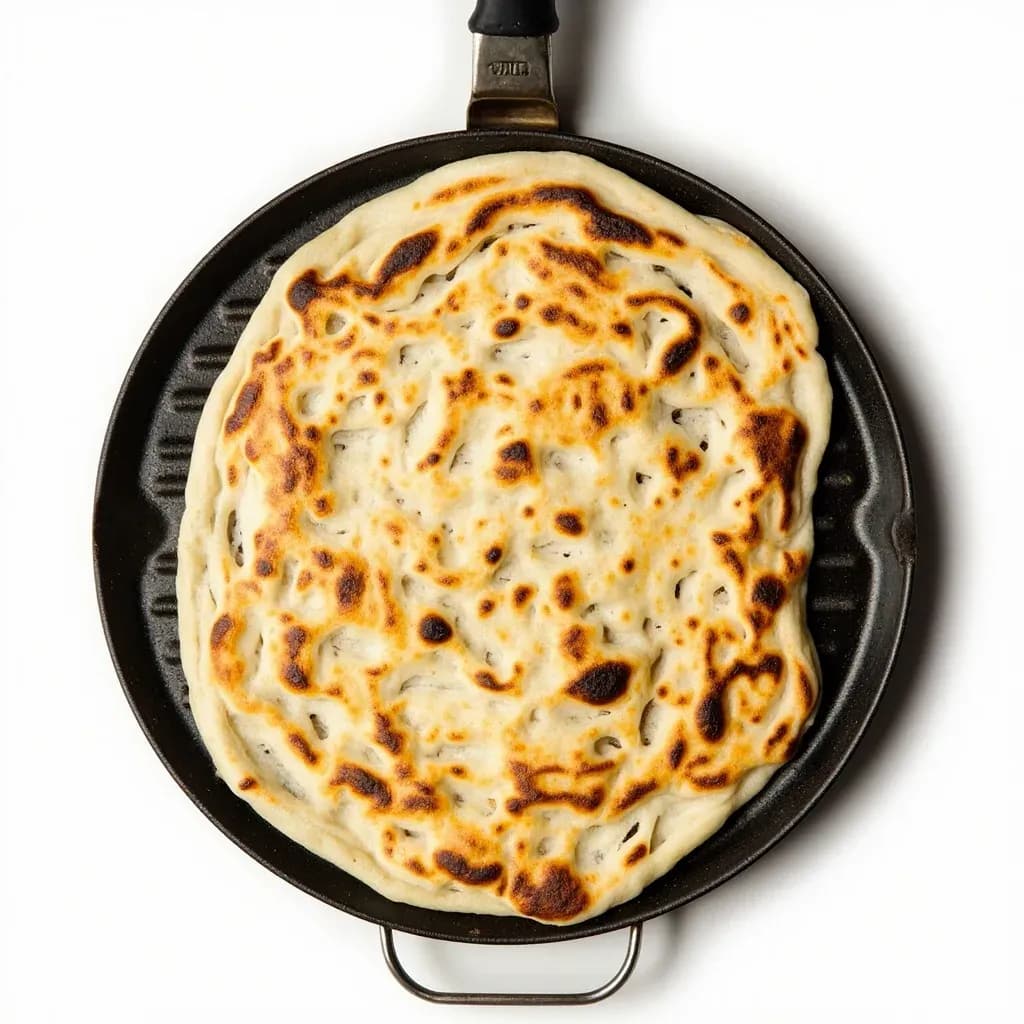
Flatbread Baking on a Saj
Baking thin flatbread on a domed convex metal griddle (saj) over fire for fast, even cooking.
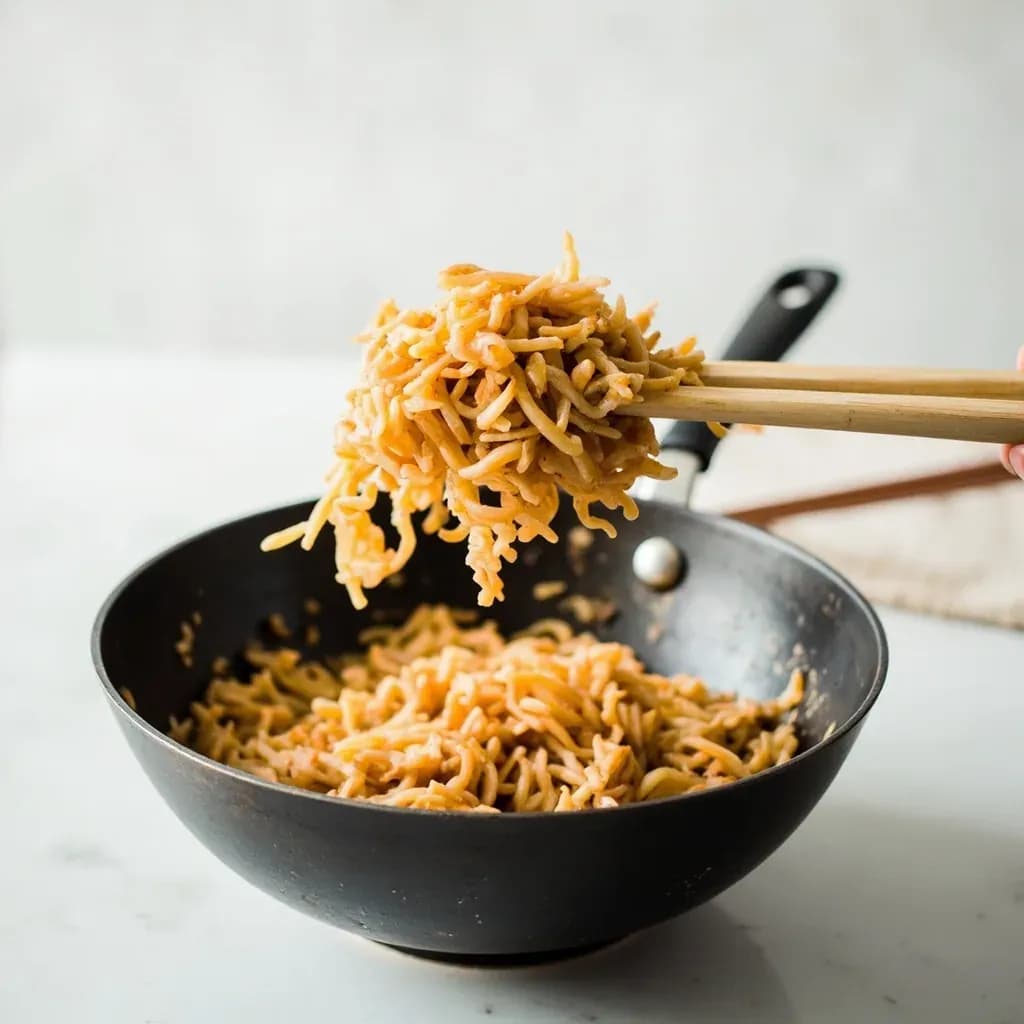
Fried Rice Tossing
Tossing rice in a screaming-hot wok so every grain separates, sears and picks up smoky wok hei.
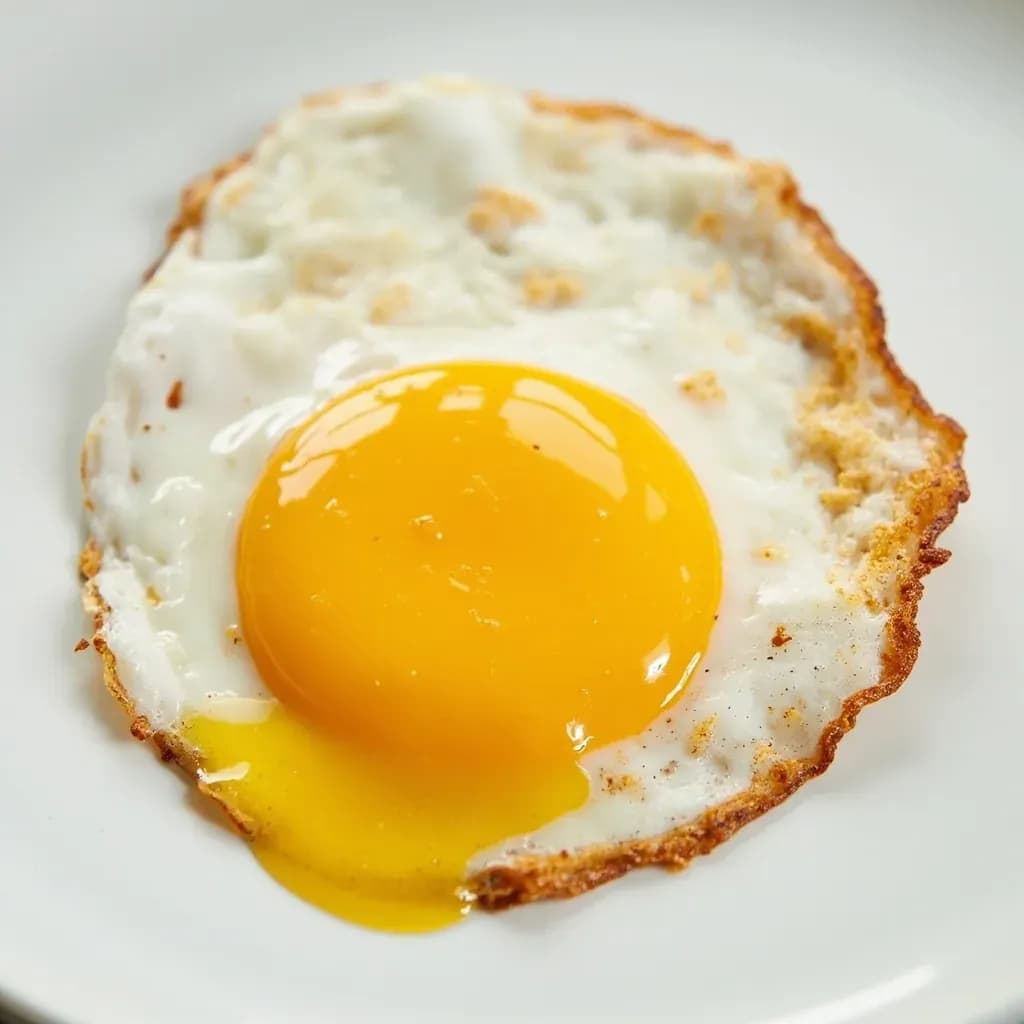
Frying Eggs Over-Easy
Frying an egg, flipping it briefly so the white sets but the yolk stays runny.
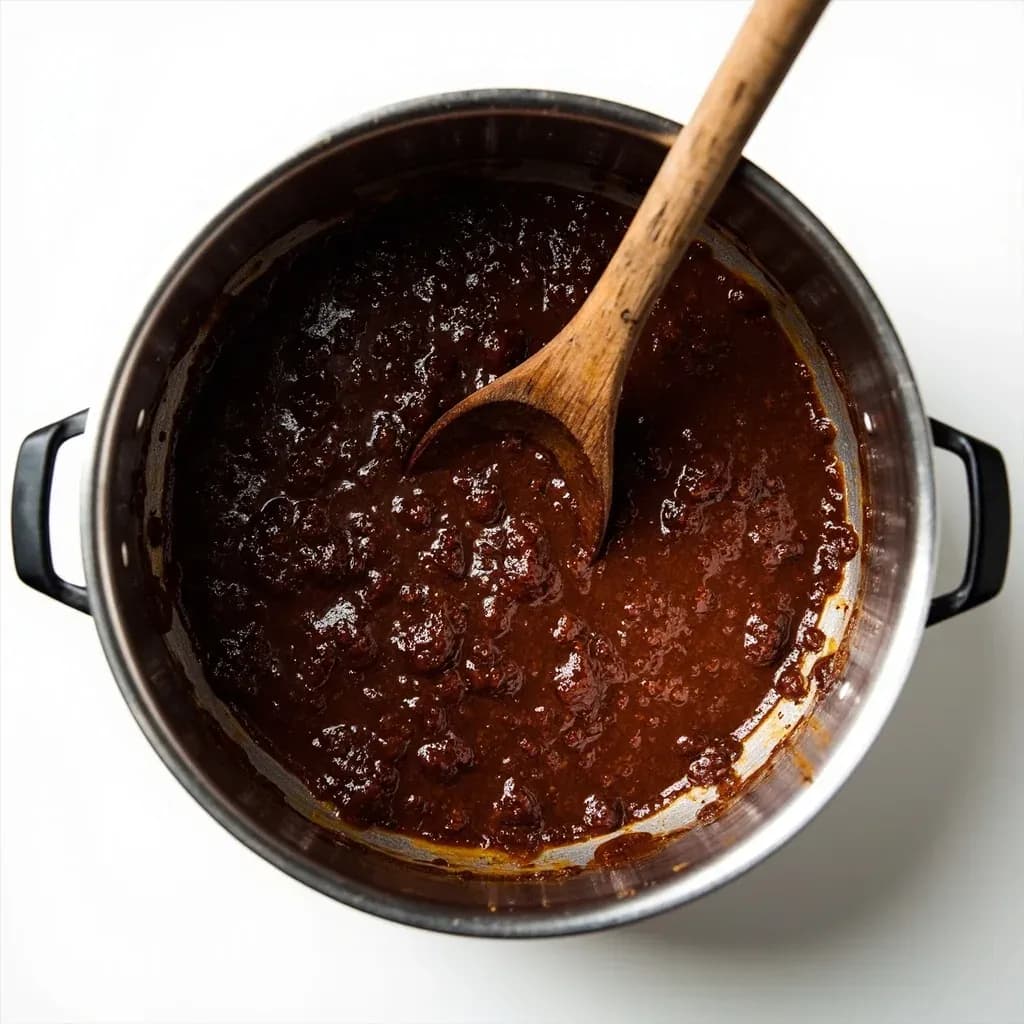
Frying the Mole Paste (Freír el Mole)
Frying ground mole paste in hot fat before adding broth, to bloom spices and deepen its flavor.
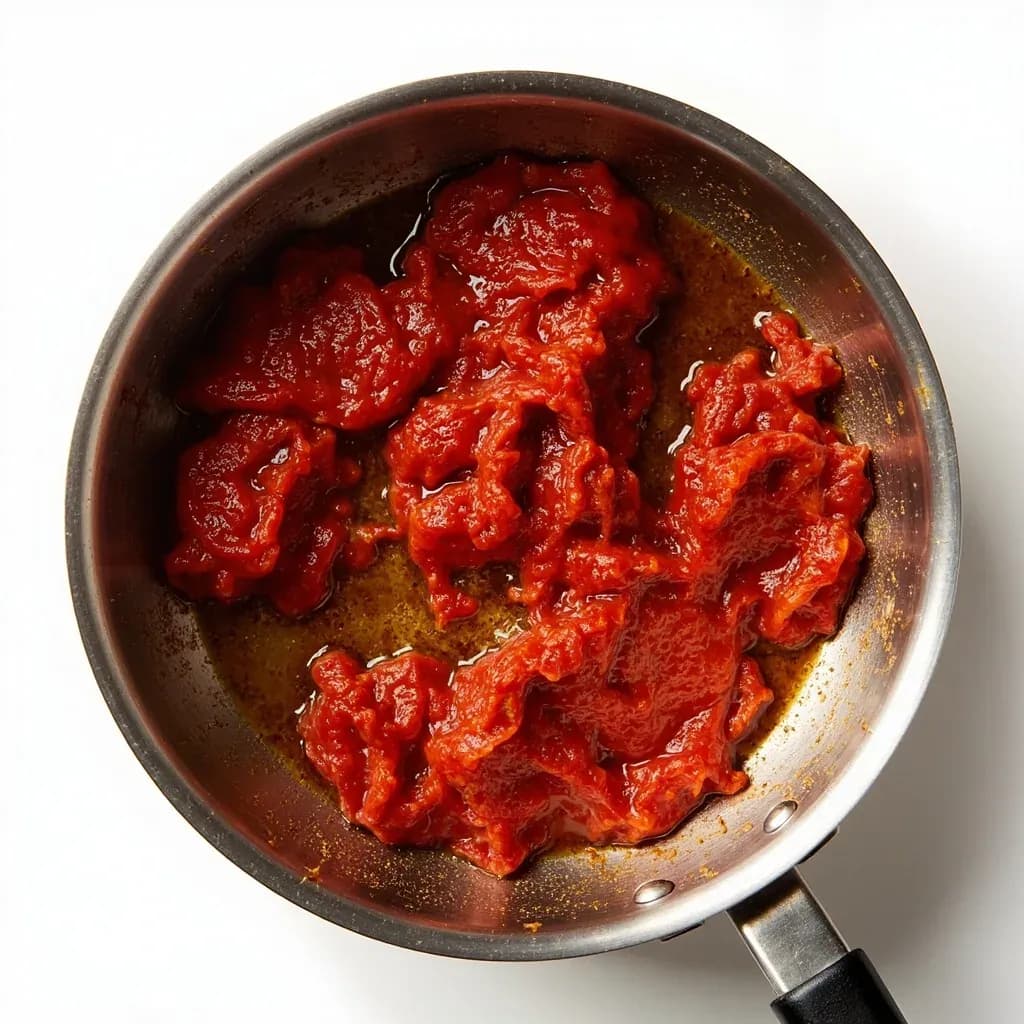
Frying Tomato/Pepper Paste (Salça Kavurma)
Turkish step of frying tomato or pepper paste in oil to caramelize it and build a deep base flavor.
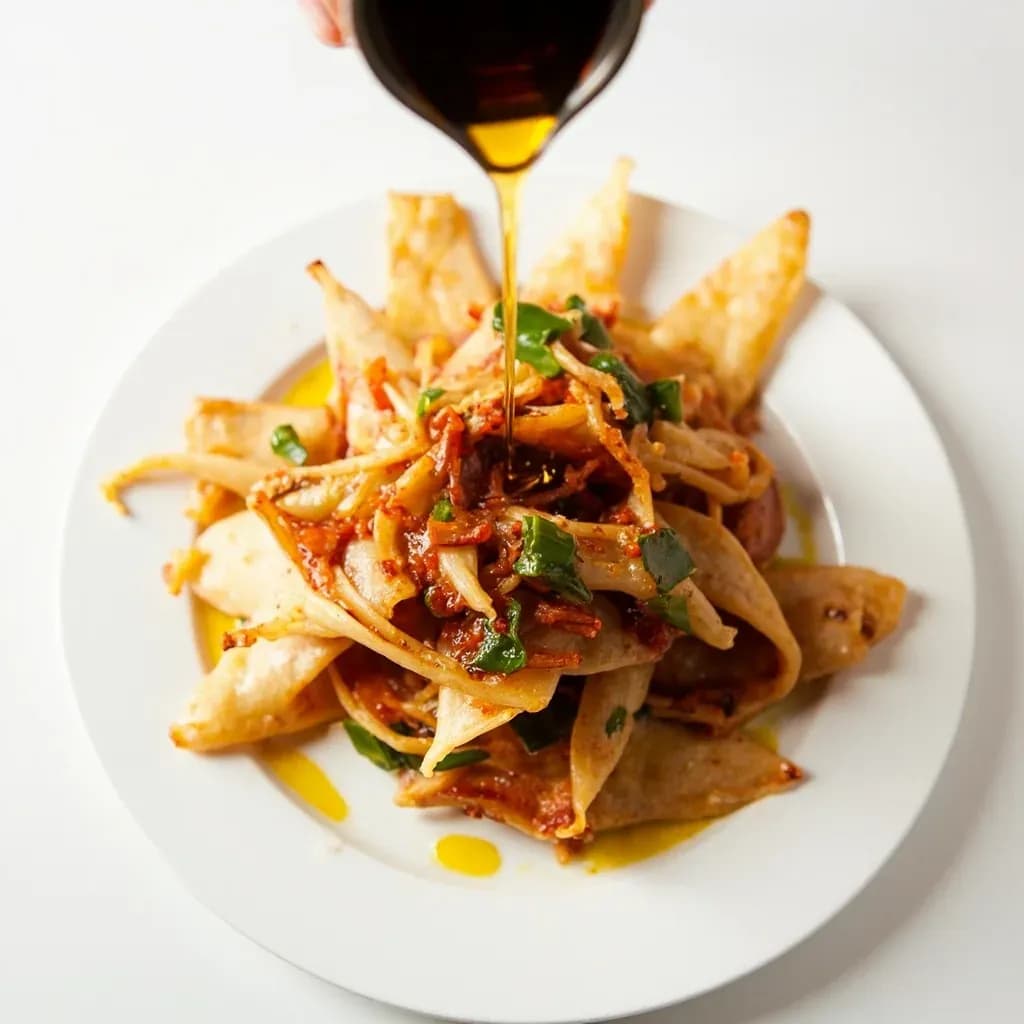
Garlic-Chili Refrito Finishing
Finishing a dish with hot oil bloomed with garlic and chili, poured over to add aroma and bite.
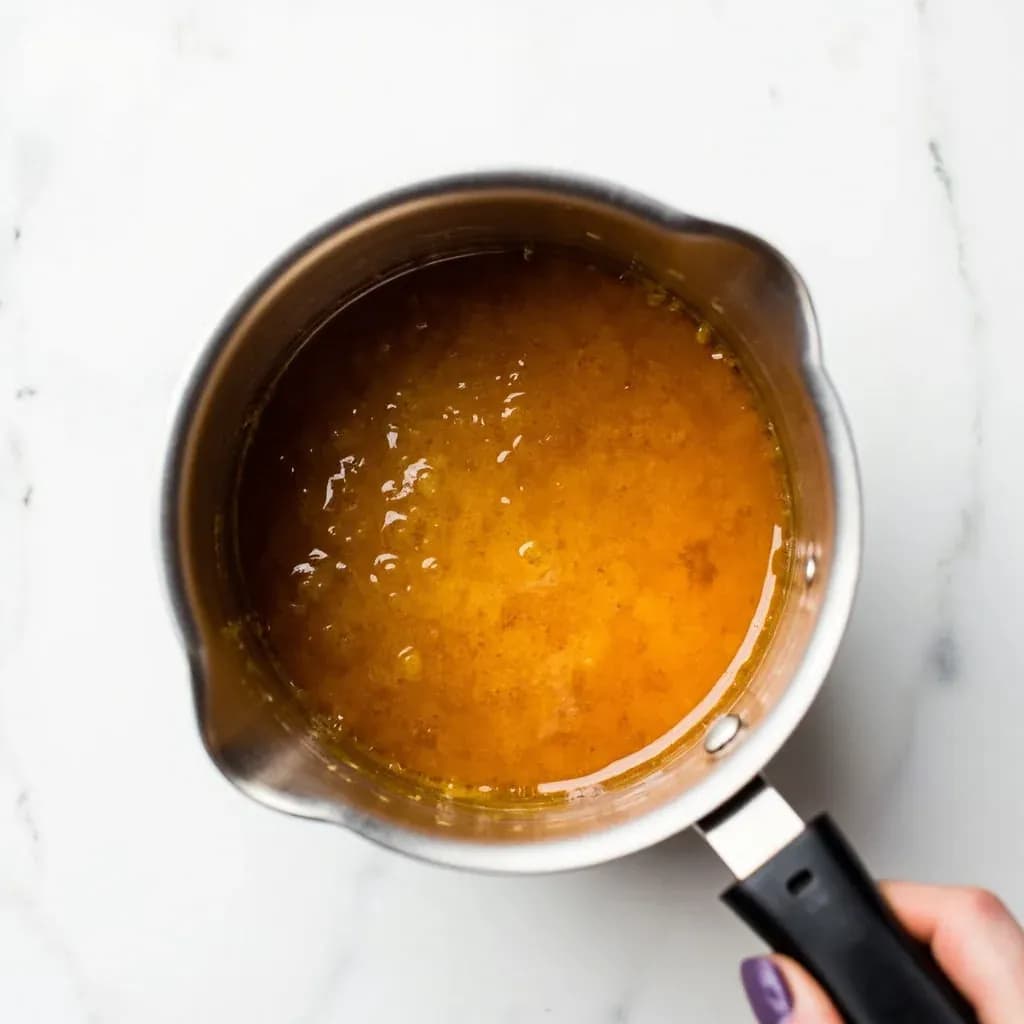
Gentle Warming (Liquefying)
Warming ingredients like honey, chocolate or butter just enough to soften or liquefy without cooking them.
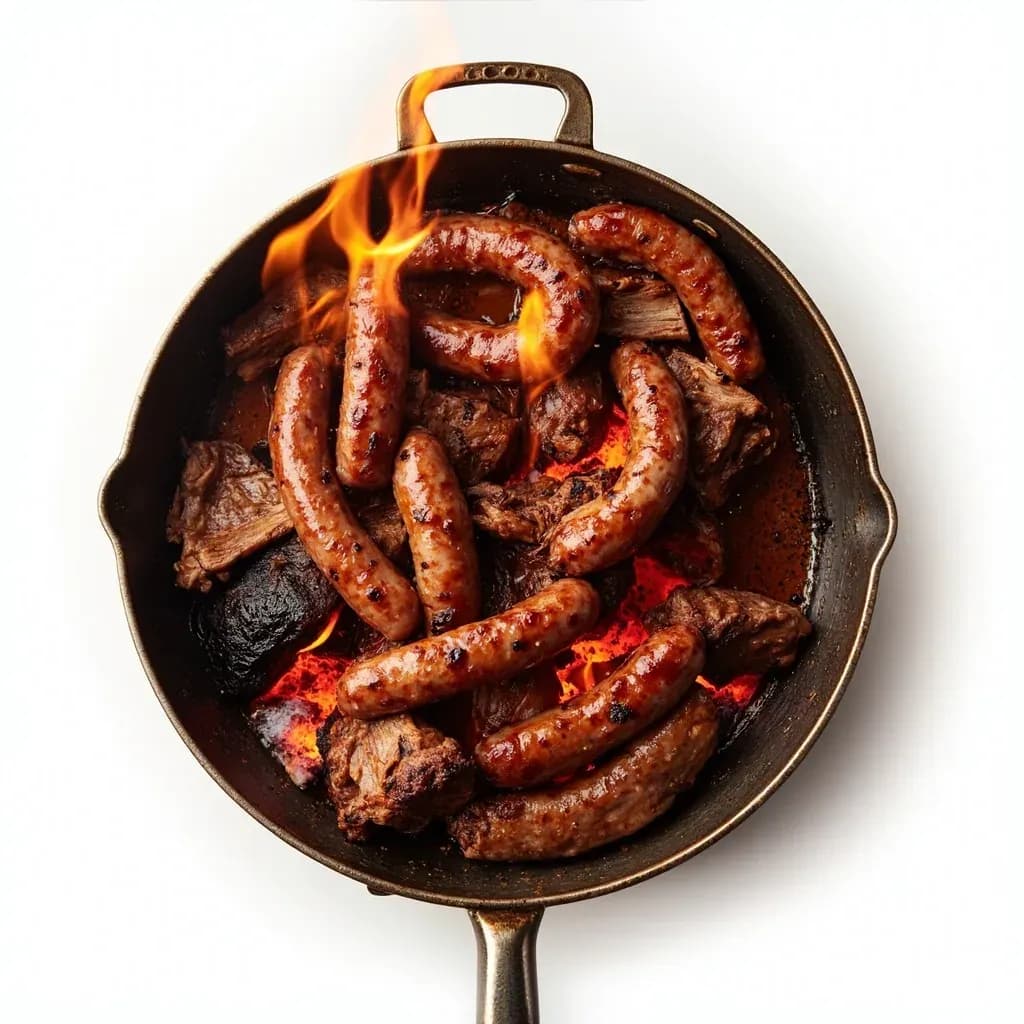
Grilling (Braai)
South African live-fire grilling over wood or coals, a social cookout tradition.
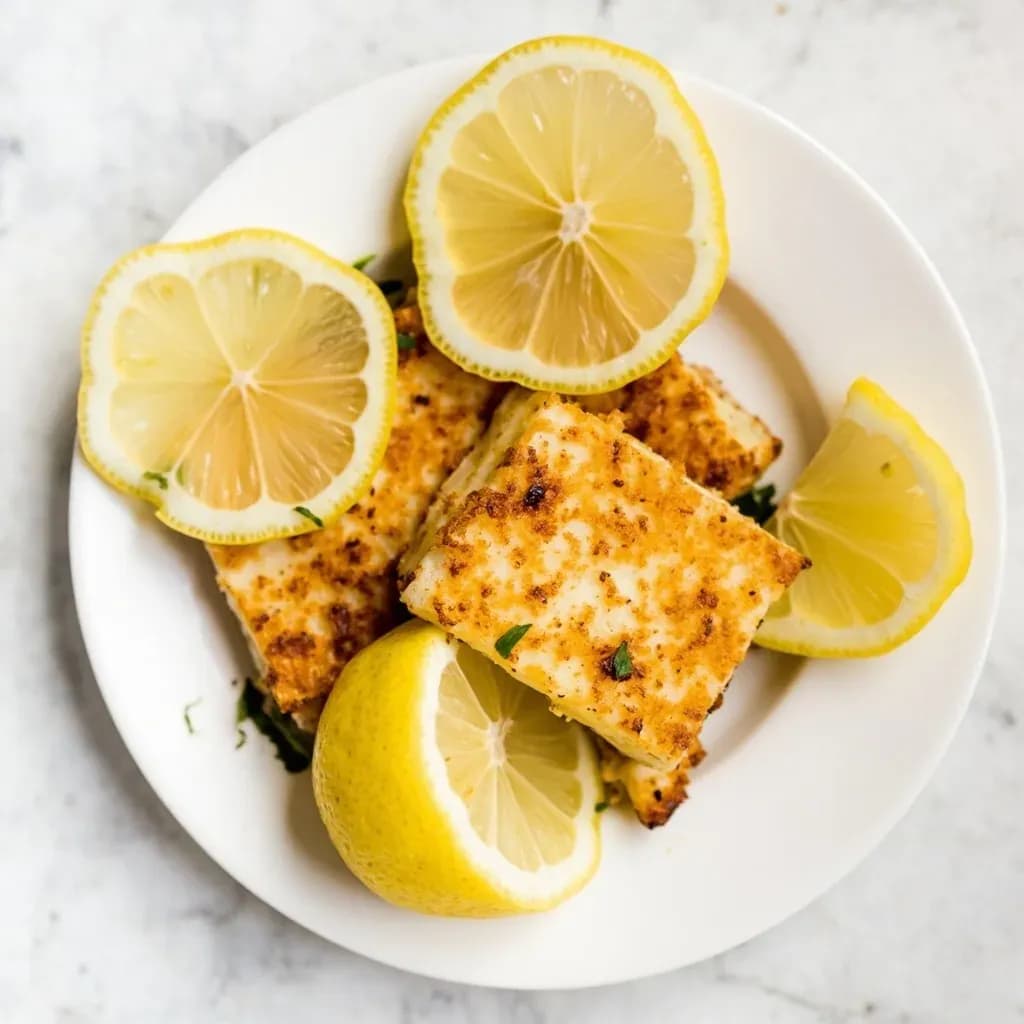
Grilling Cheese (Halloumi/Saganaki)
Searing firm, high-melting-point cheeses like halloumi until golden and crisp without losing their shape.
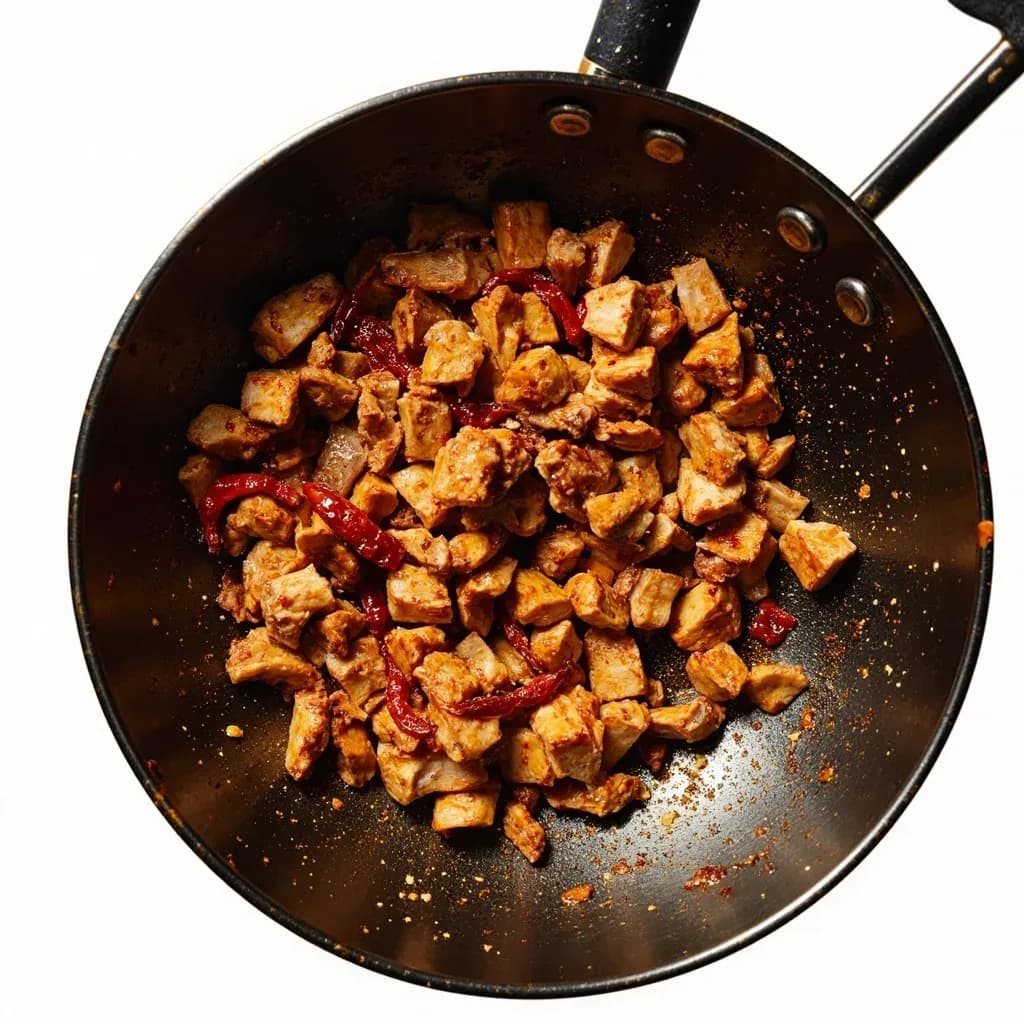
High-Heat Explode-Fry (Bao Chao)
Sichuan technique of frying ingredients in screaming-hot oil for seconds to flash-cook and lock in juices.
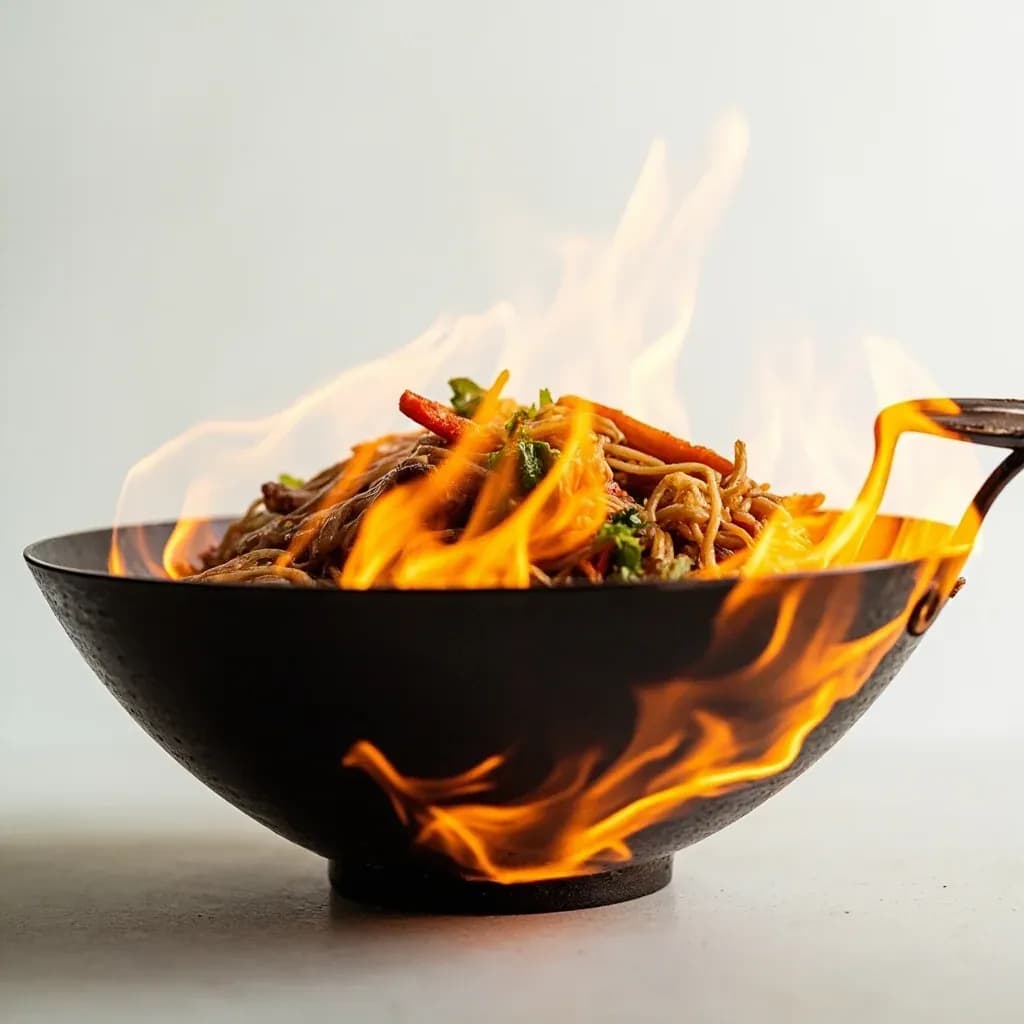
High-Heat Wok Tossing (Wok Hei)
Tossing food through flames in a blazing wok to capture the smoky, charred 'breath of the wok' flavor.
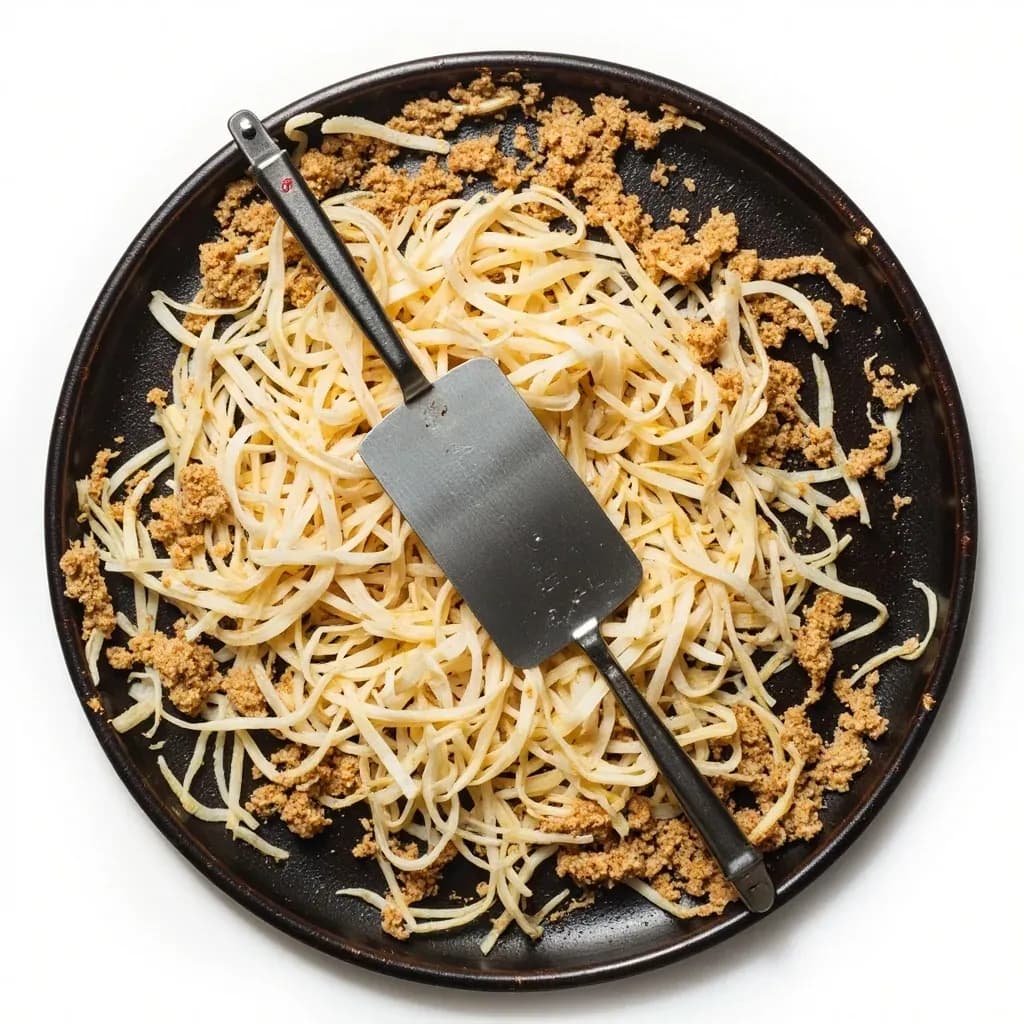
Kottu Chopping (Griddle Mincing)
Rhythmically chopping roti, vegetables and egg together on a hot griddle with twin metal blades.
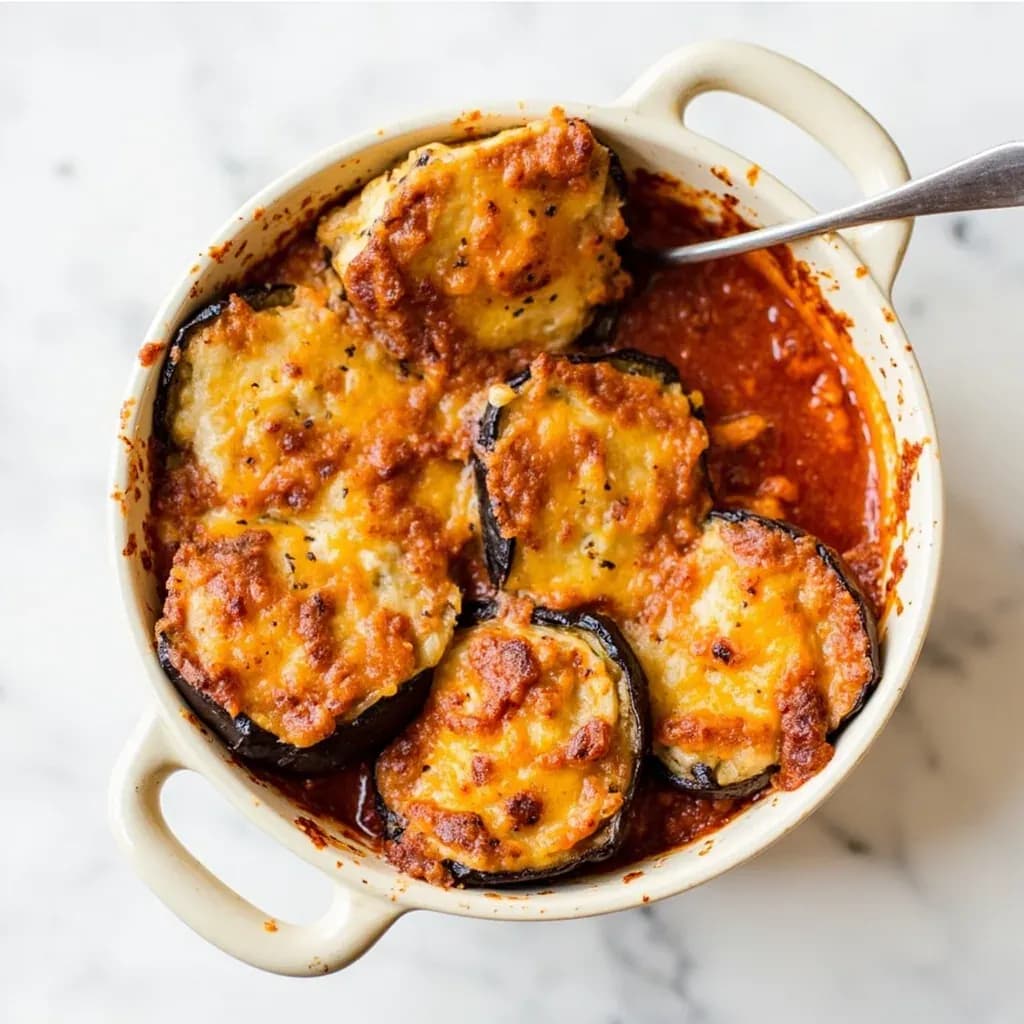
Layered Baking (Parmigiana / Timballo)
Building alternating layers of sauce, cheese and ingredients in a dish and baking until set and bubbling.
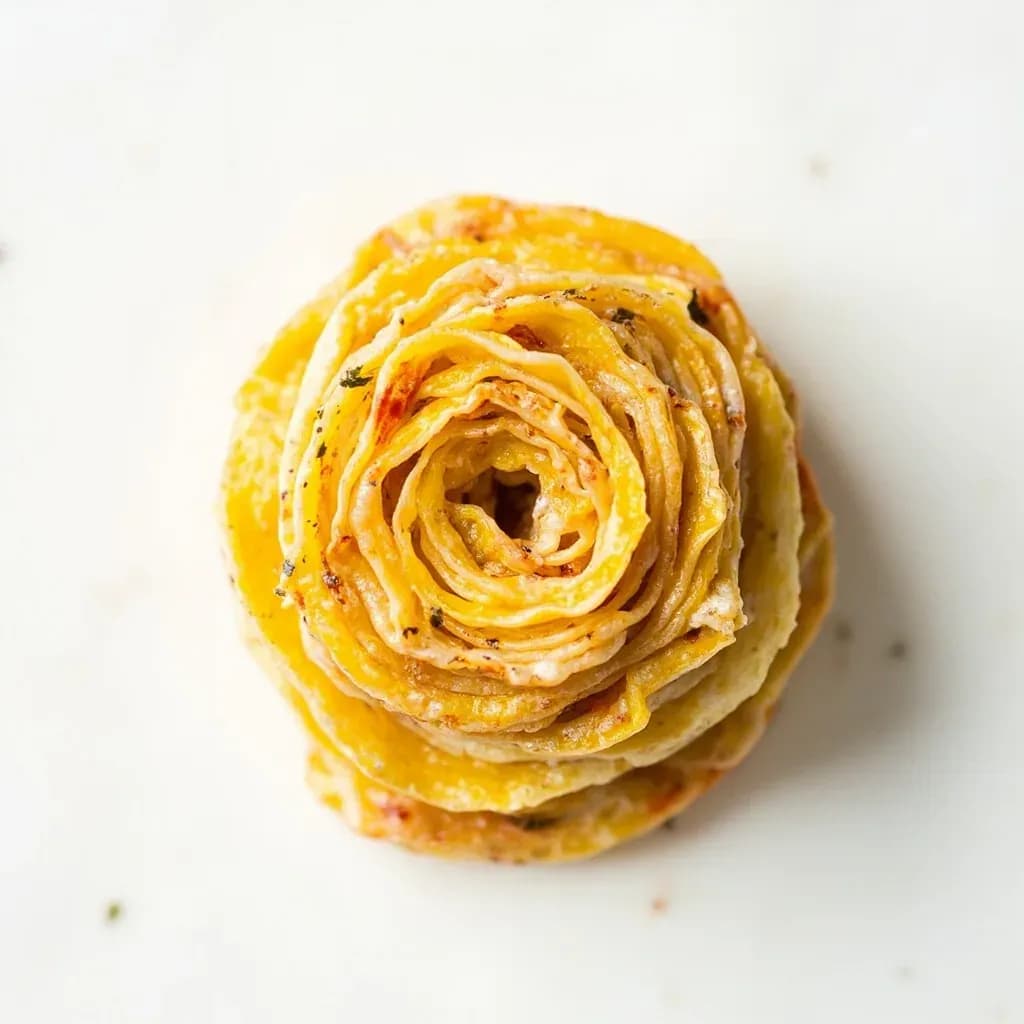
Layered Omelette Rolling (Tamagoyaki)
Cooking and rolling thin sheets of seasoned egg in a rectangular pan to build a tight layered omelette.
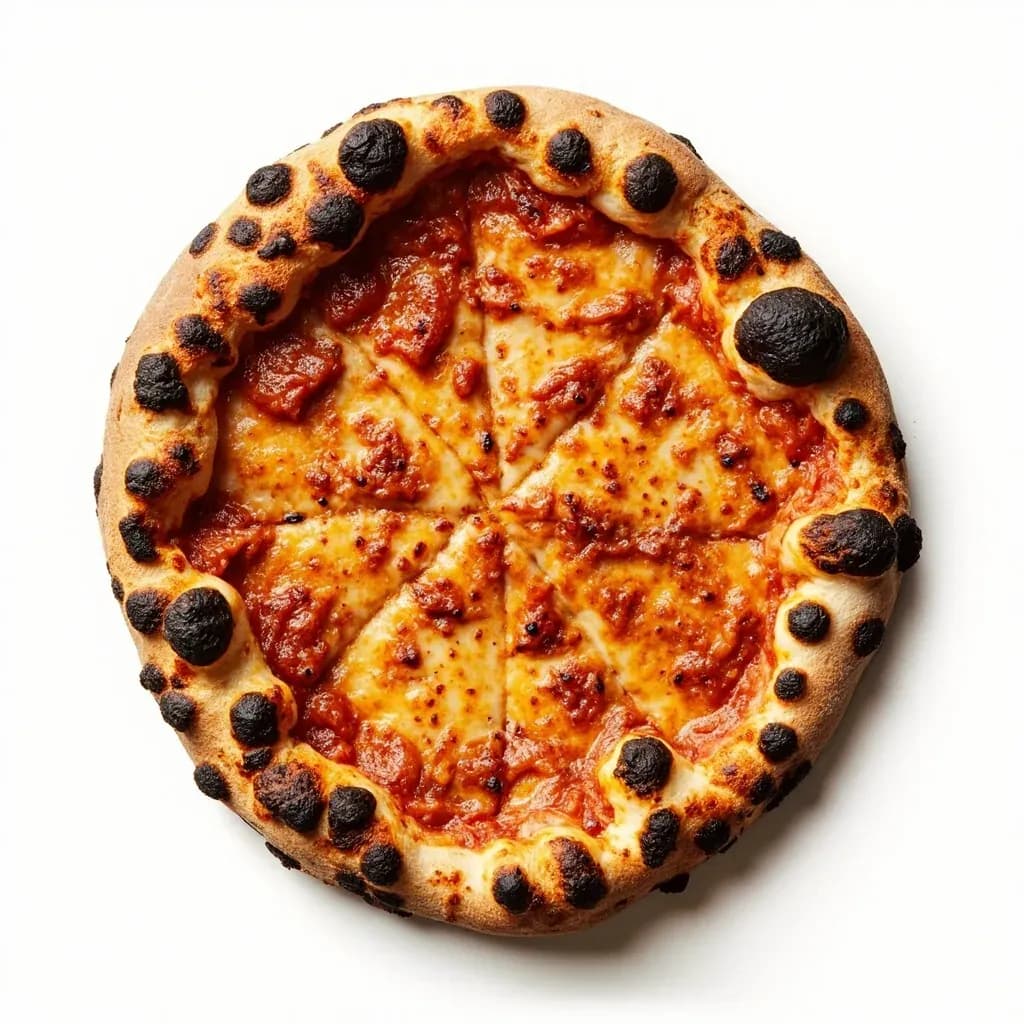
Leoparding (Cornicione Charring)
Blistering a pizza crust at high heat to produce the spotted, charred leopard-print rim.
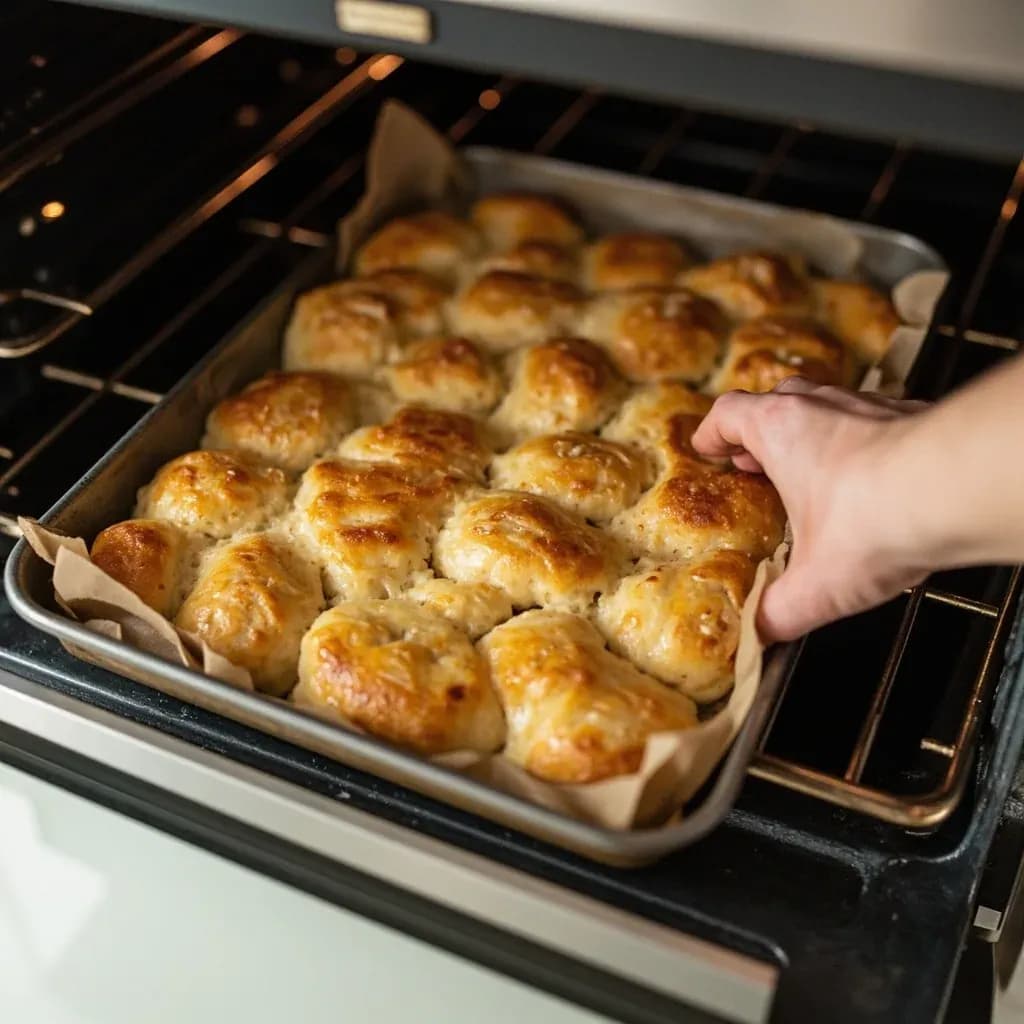
Lid & Oven Rotation (Even Bake)
Turning dishes and adjusting lids during cooking to even out hot spots for uniform browning.
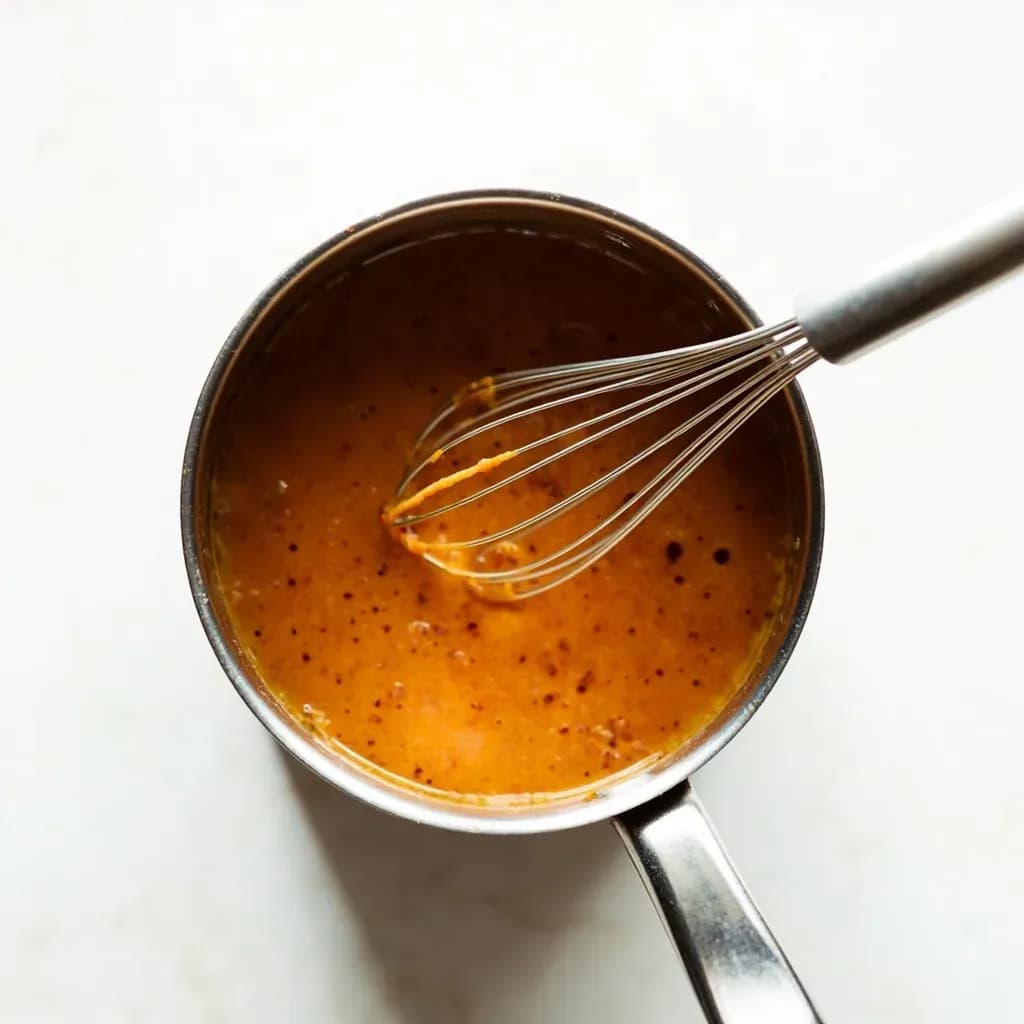
Making a Gastrique
Cooking sugar to caramel then deglazing with vinegar to make a sweet-sour sauce base.
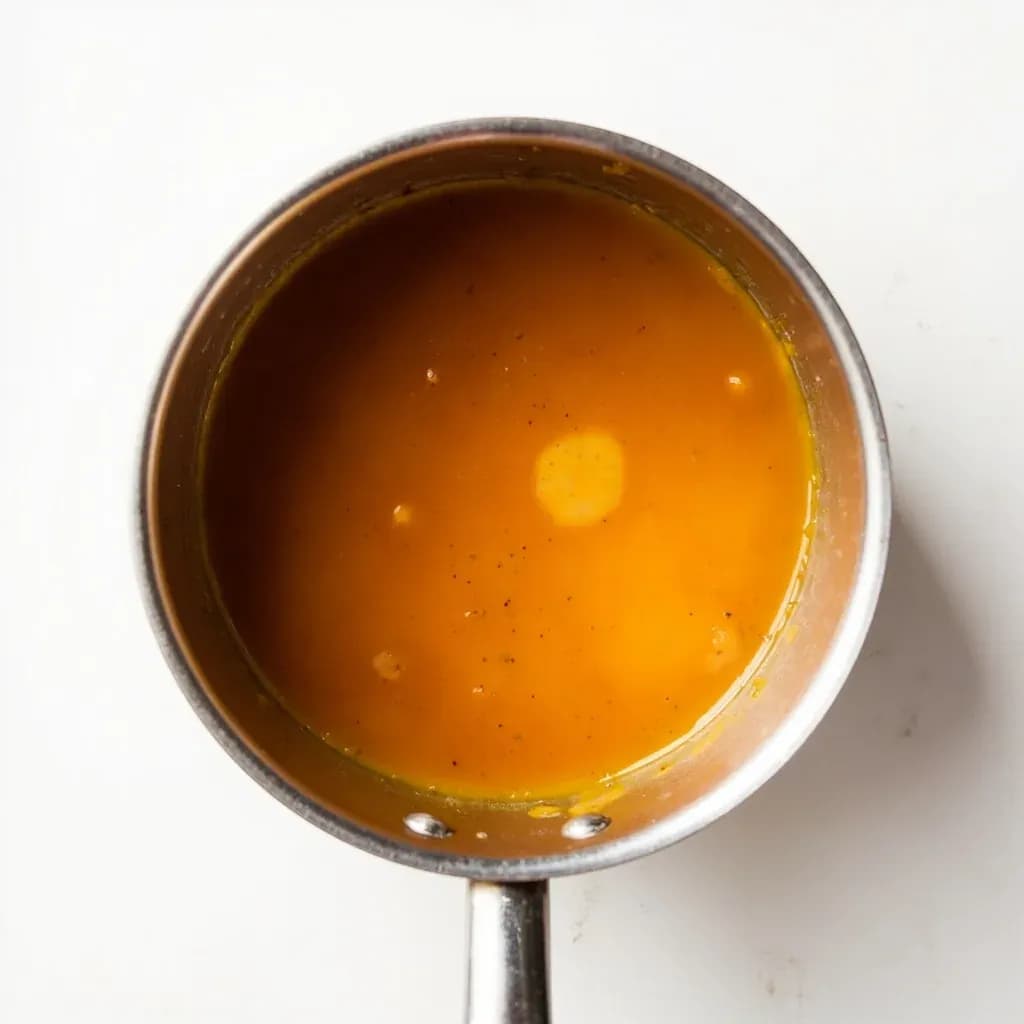
Making Caramel
Heating sugar until it melts and browns into a deep amber syrup with rich toasted flavor.
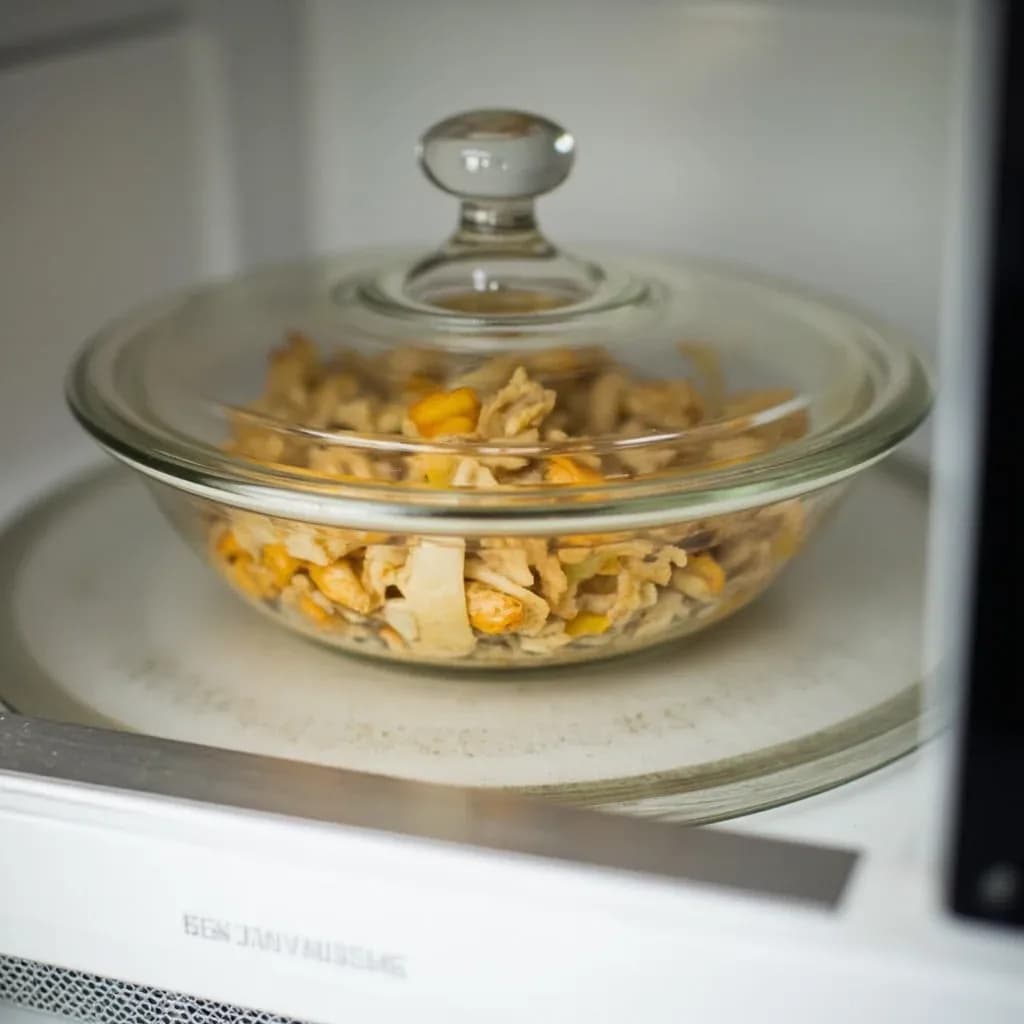
Microwave Cooking
Heating food with microwave radiation that excites water molecules to cook quickly from within.
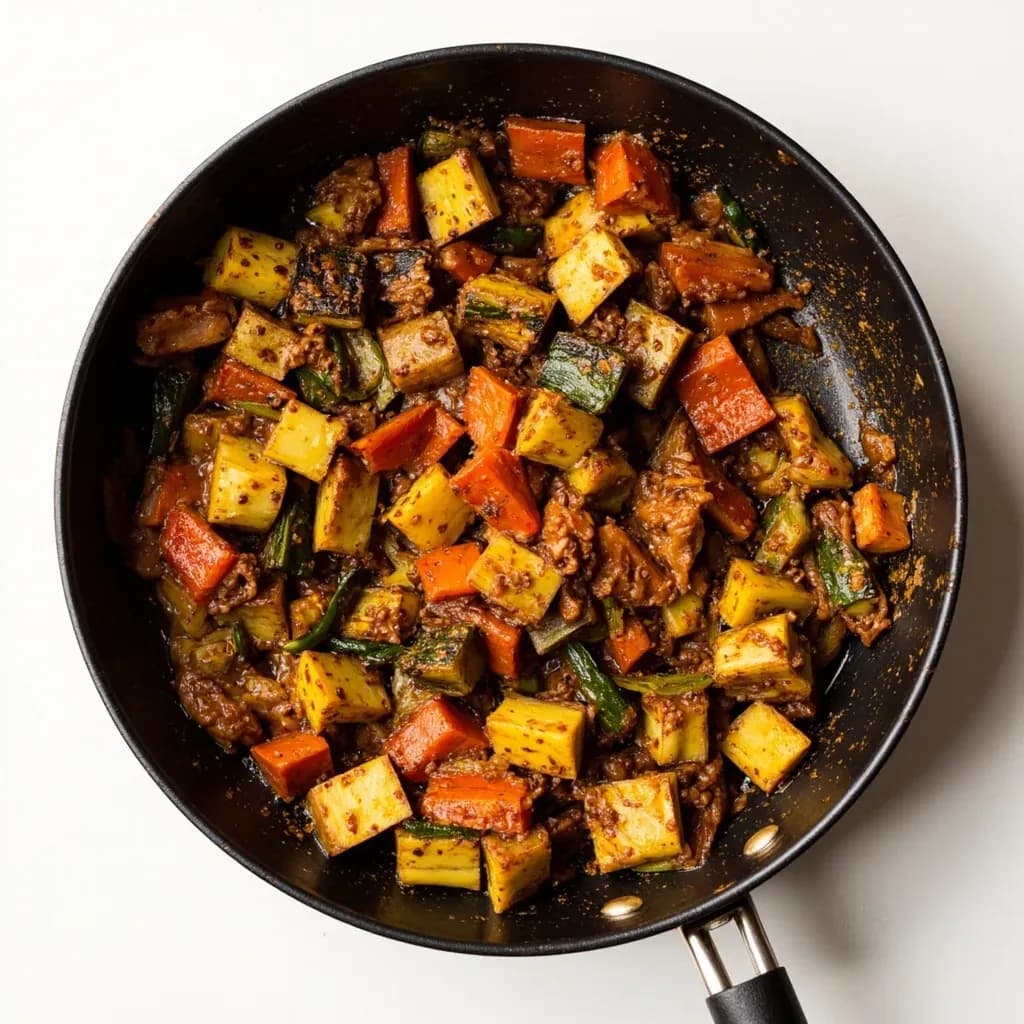
Mixed-Vegetable Dry Stir (Chorchori)
Bengali method of slow dry-stirring mixed vegetables with spices until tender and lightly browned.
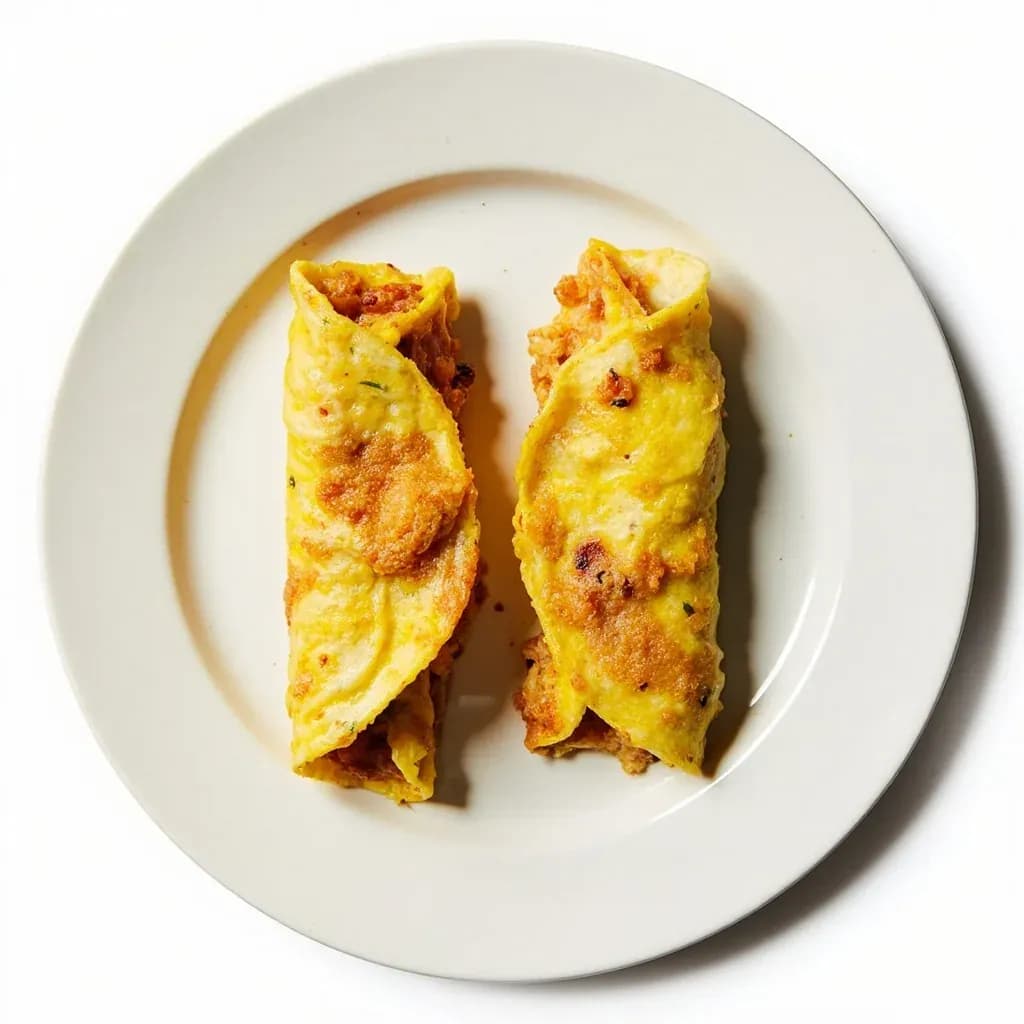
Omelet Rolling
Folding and rolling cooked egg in the pan into a smooth, filled cylinder.
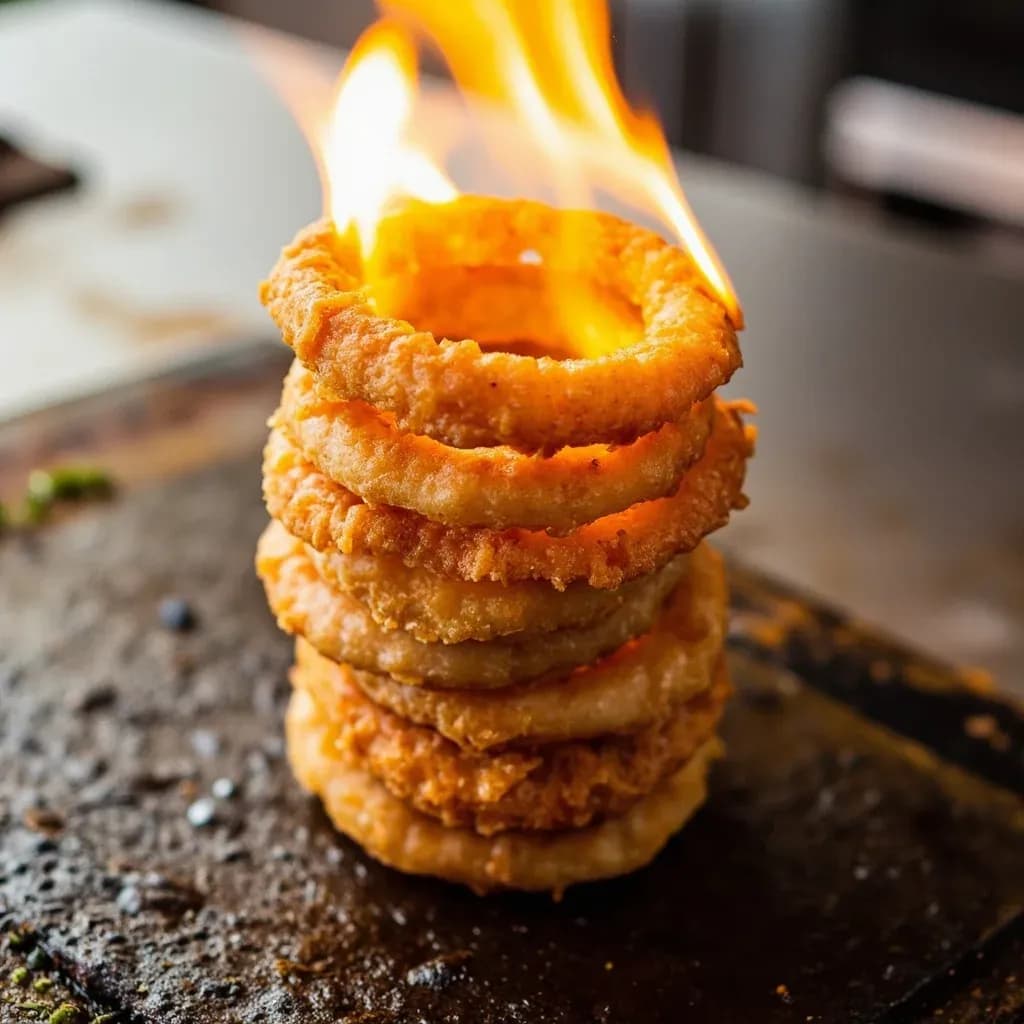
Onion Volcano
Teppanyaki showmanship trick of stacking onion rings and igniting them into a flaming volcano.
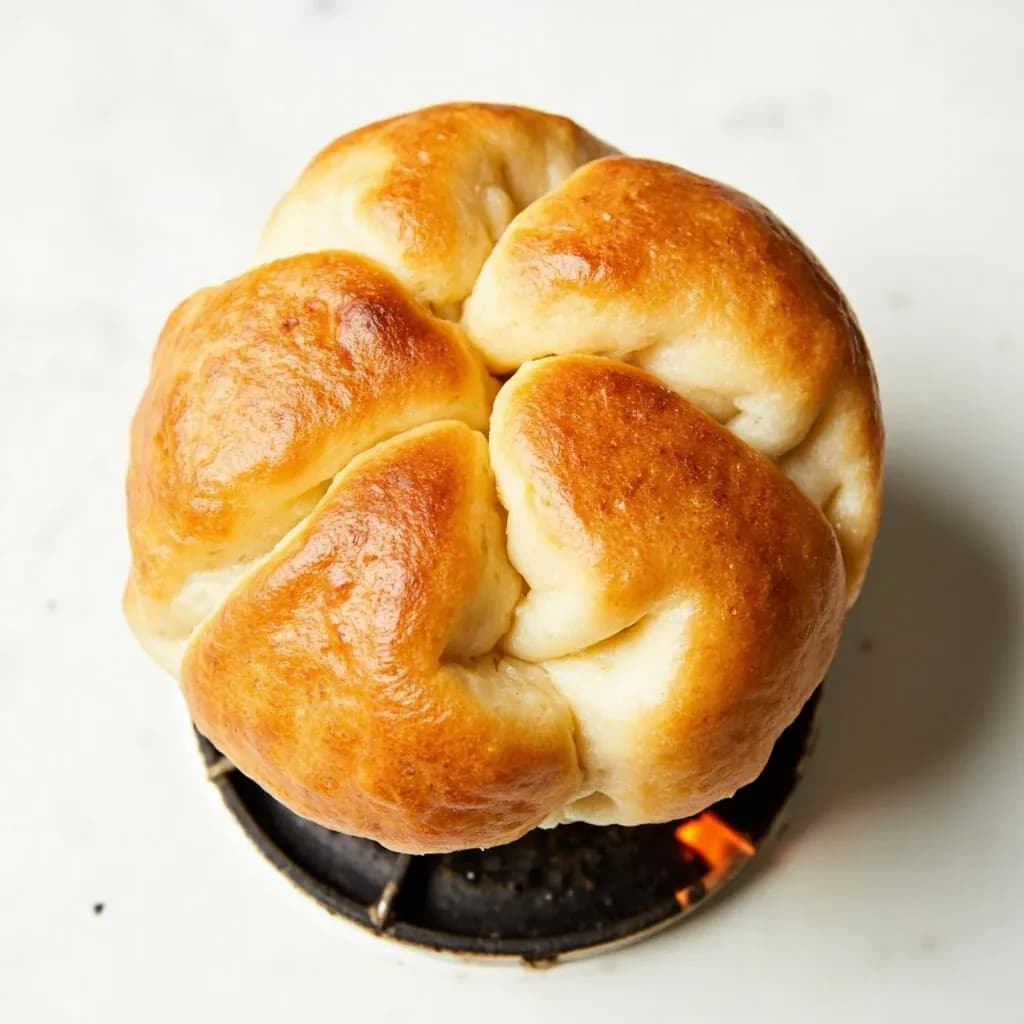
Open-Flame Roti Puffing
Finishing a flatbread directly over a flame so trapped steam makes it balloon into a soft phulka.
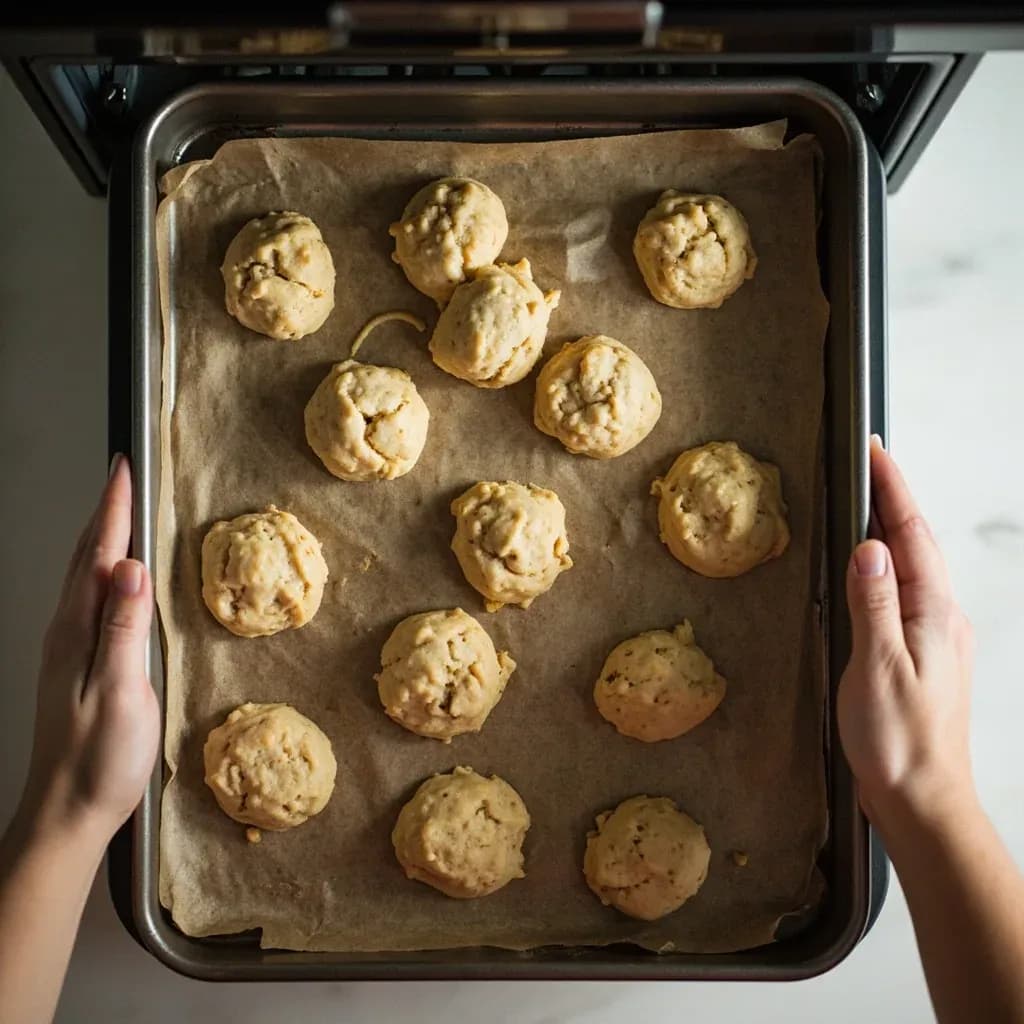
Oven Turning
Rotating trays and racks midway through baking to counter oven hot spots for even results.
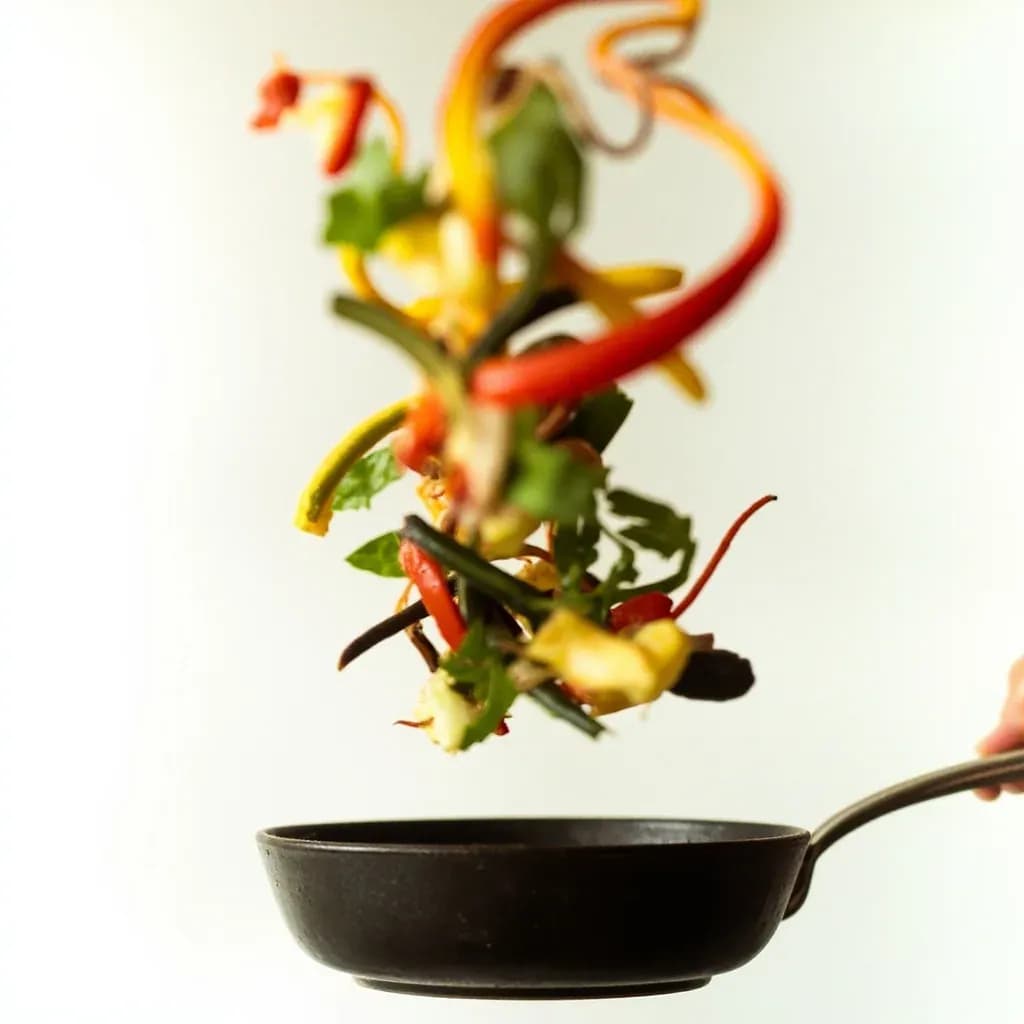
Pan Tossing (Saltare)
Flipping food in a pan with a flick of the wrist to toss and turn it without a utensil.
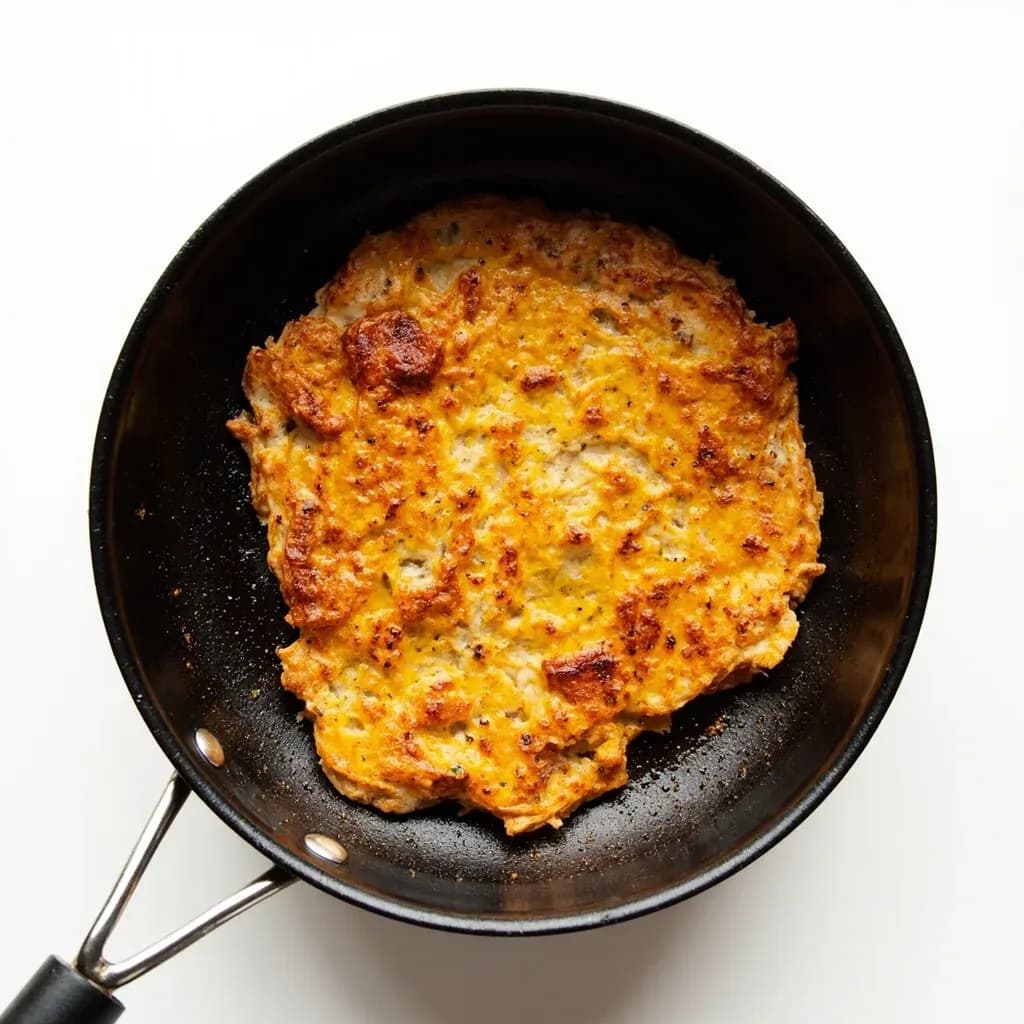
Pan-Frying Jeon (Buchim)
Coating ingredients in flour and egg and shallow-frying them into thin Korean savory pancakes.
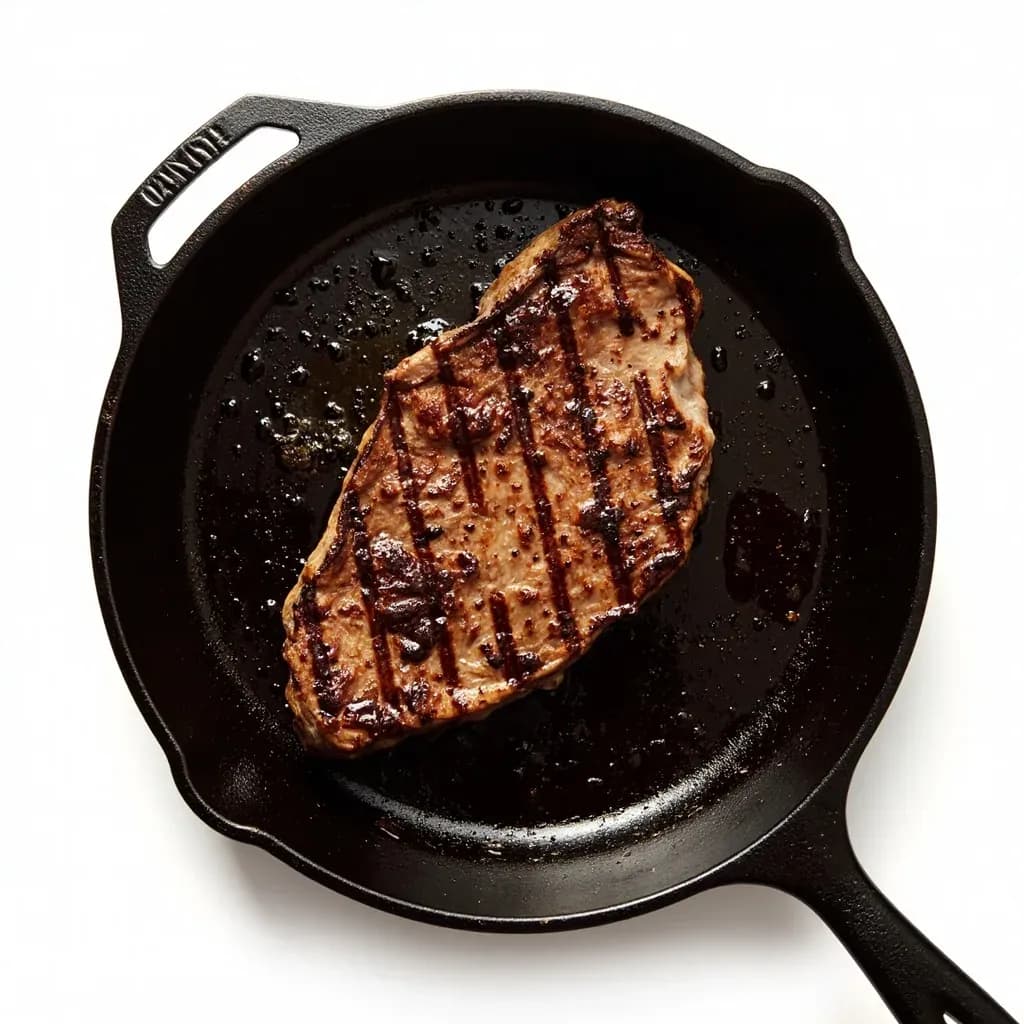
Pan-Roasting
Searing food in an ovenproof pan on the stove then finishing it in the oven for a crust plus even cook.
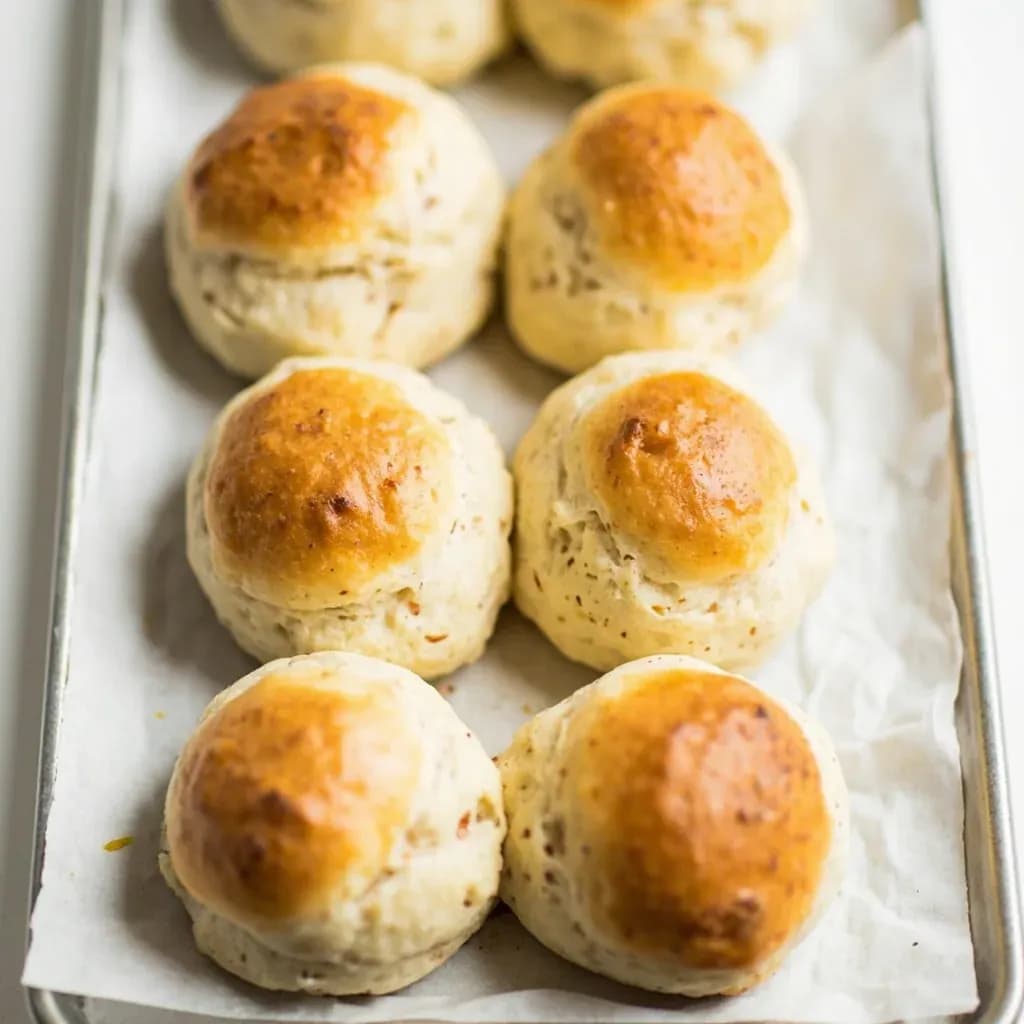
Par-Baking
Partly baking bread or pastry, then cooling it to finish baking fresh later.
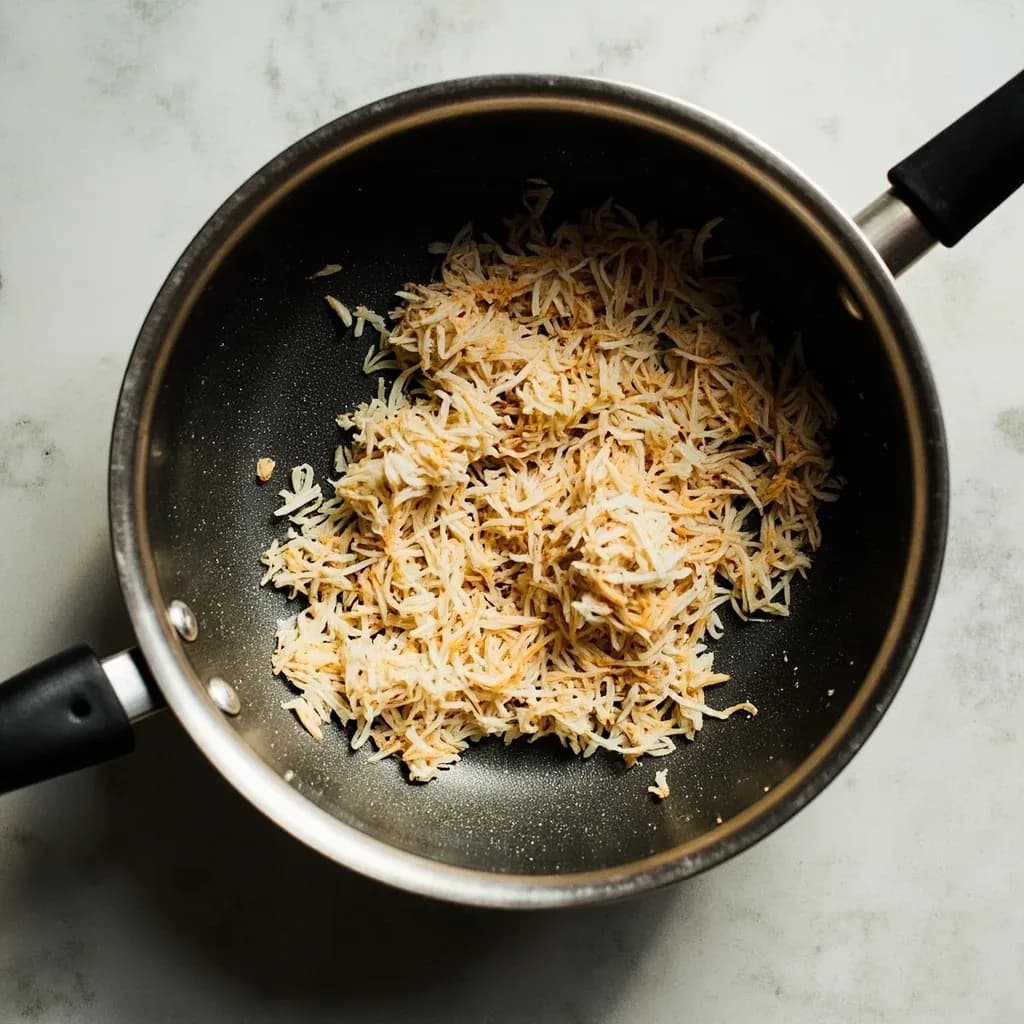
Roasting Grated Coconut (Varutharacha)
Dry-roasting grated coconut until deep brown, then grinding it into a dark aromatic curry base.
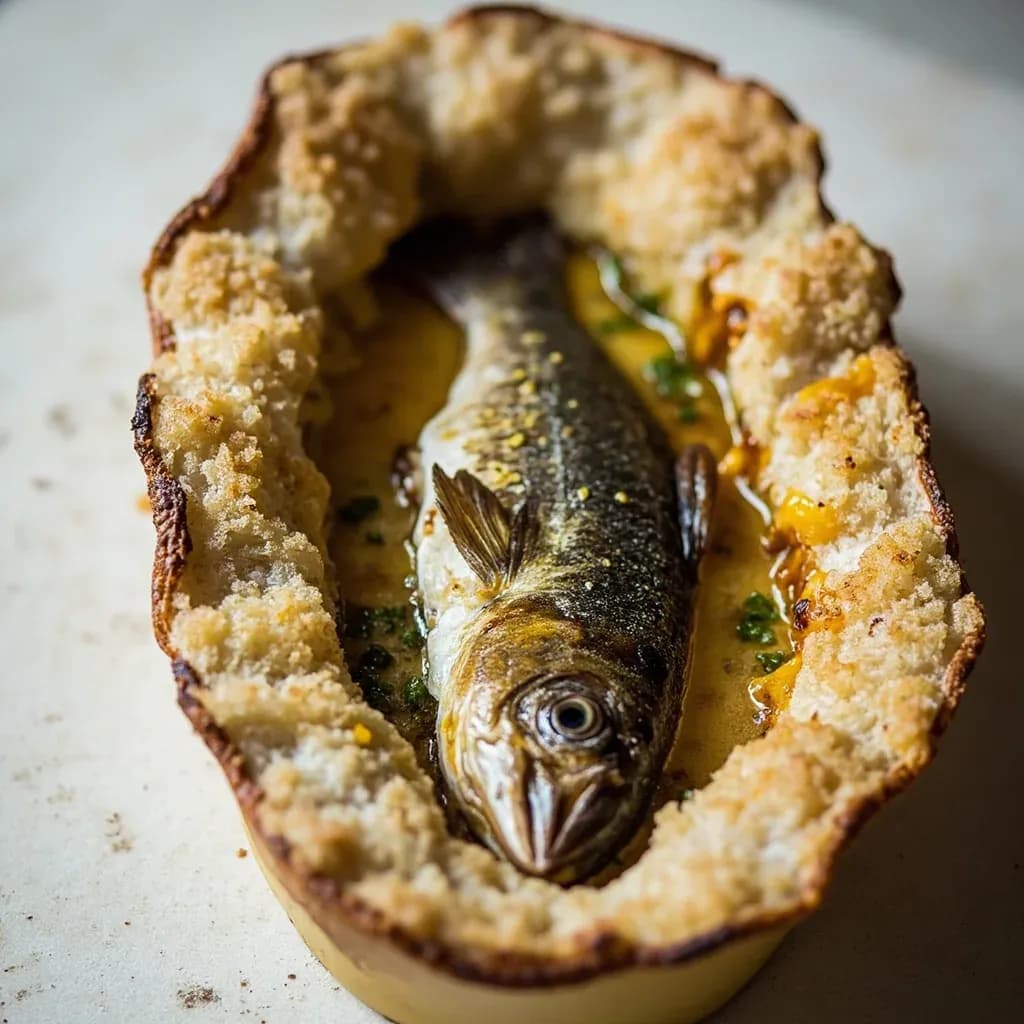
Salt-Crust Baking
Encasing fish or meat in a thick salt shell that bakes into a sealed oven for moist, even cooking.
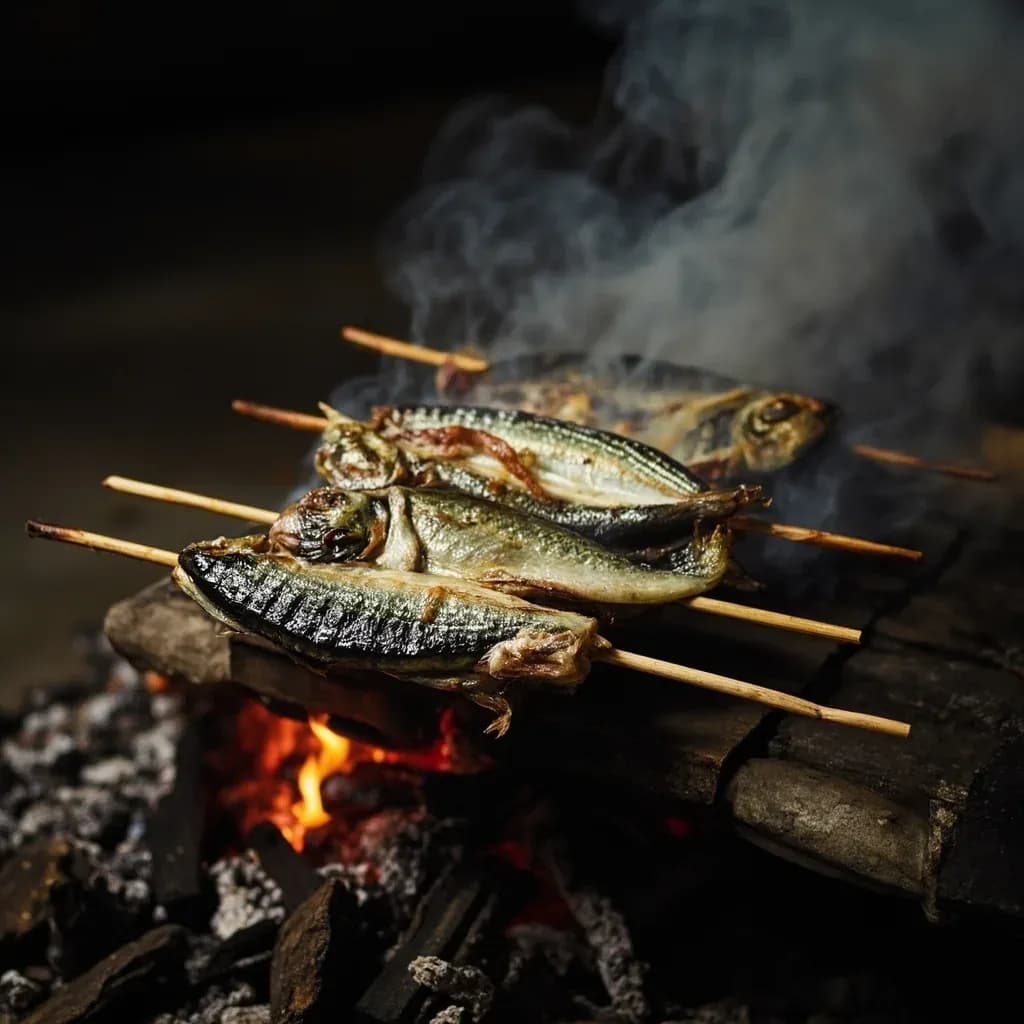
Sardine Espeto Skewering
Threading sardines onto cane skewers planted beside open coals to grill them by radiant heat.
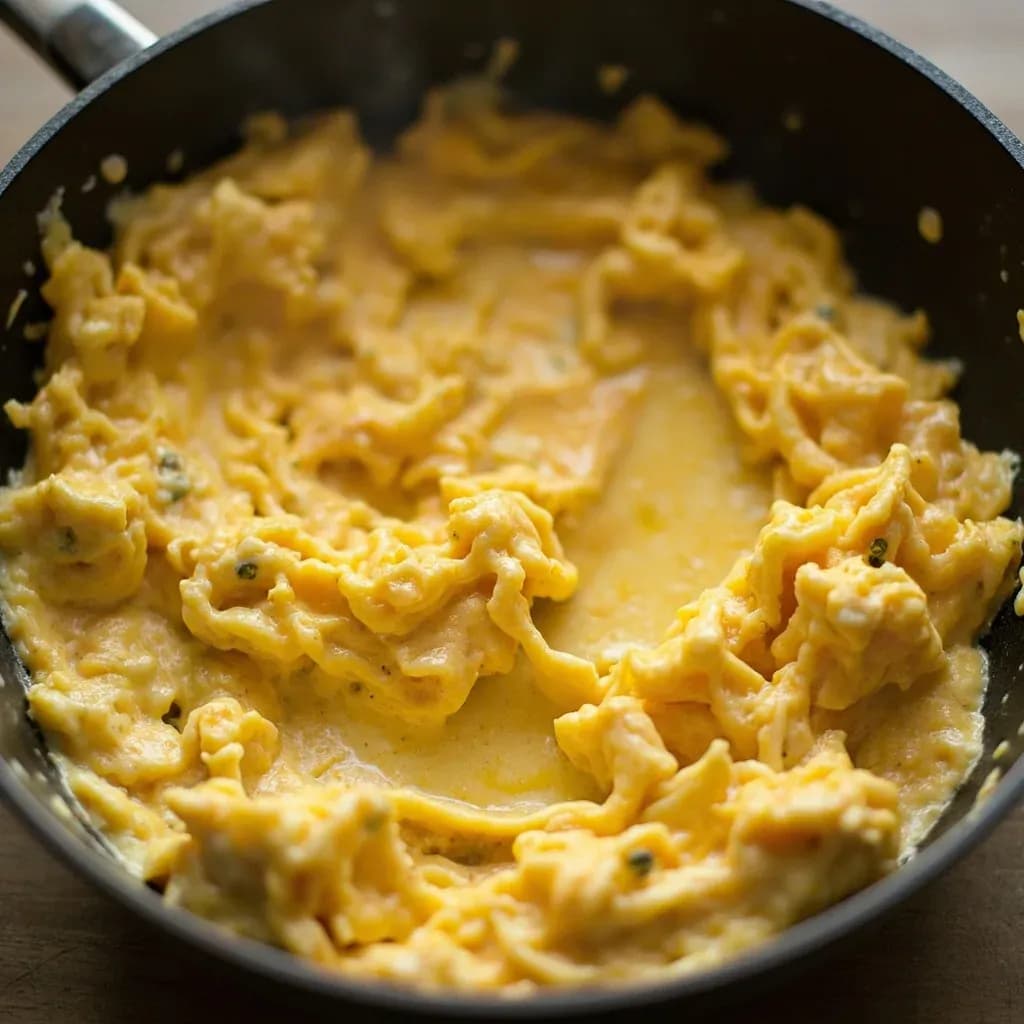
Scrambling Eggs
Stirring beaten eggs over heat so they set into soft, creamy curds.
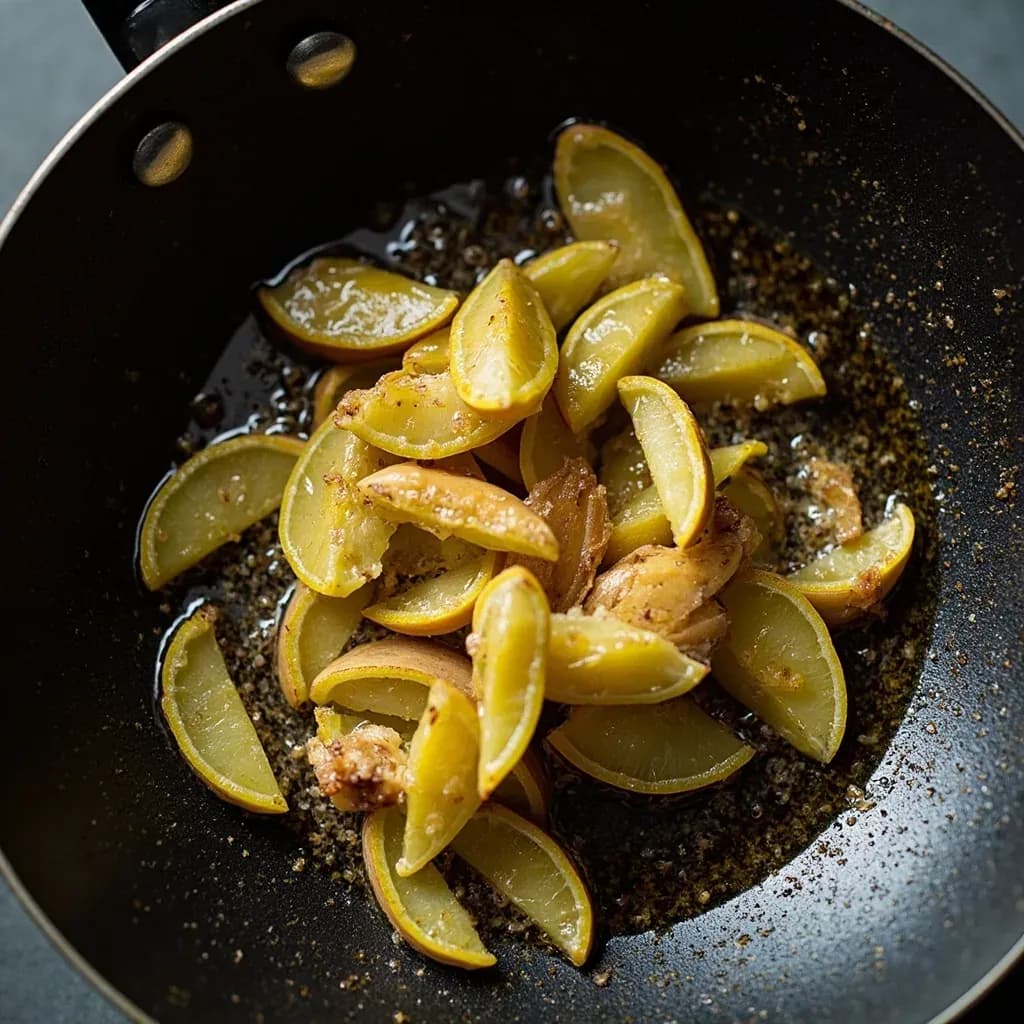
Sesame Oil Ginger Frying (Bao Xiang)
Frying ginger and aromatics in hot sesame oil to release their fragrance before stir-frying.
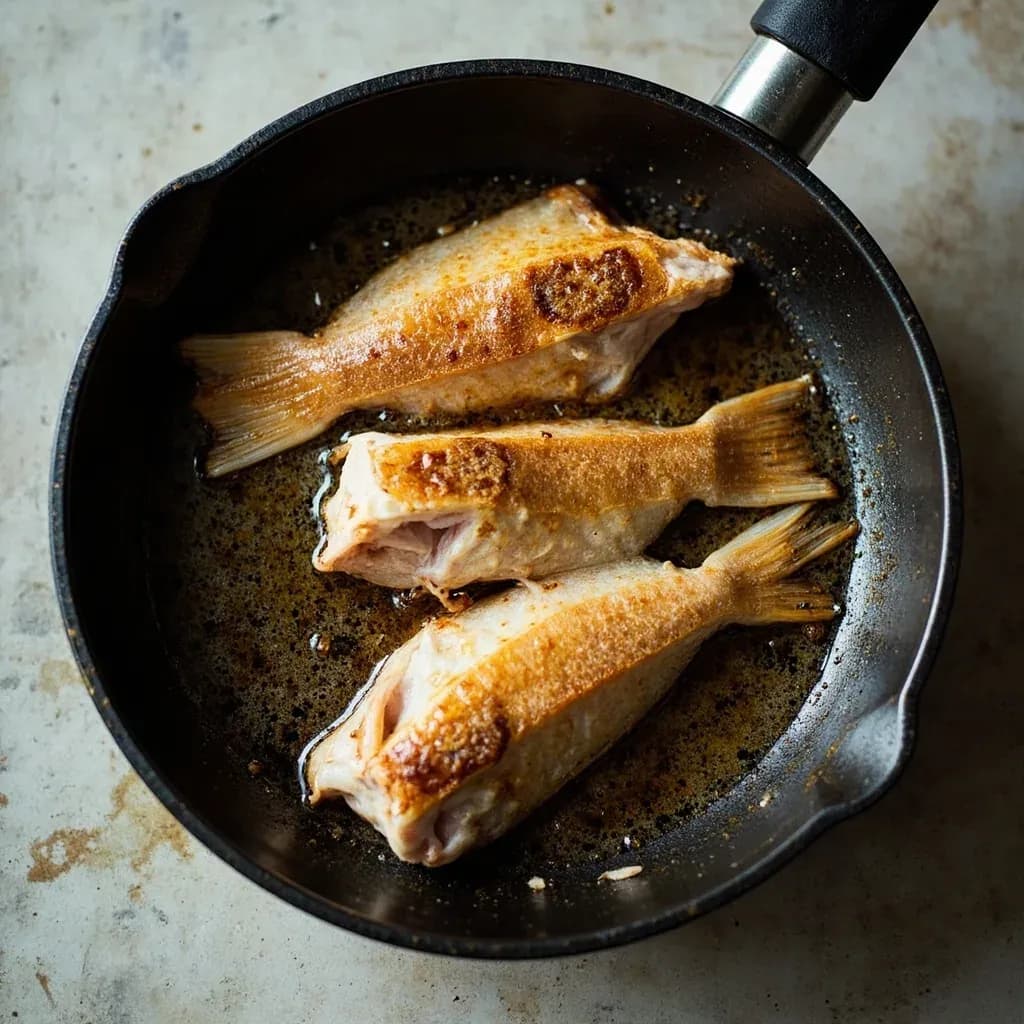
Shallow Pan-Frying (Kukaanga)
Frying food in a shallow layer of oil that reaches partway up, flipping to brown both sides.
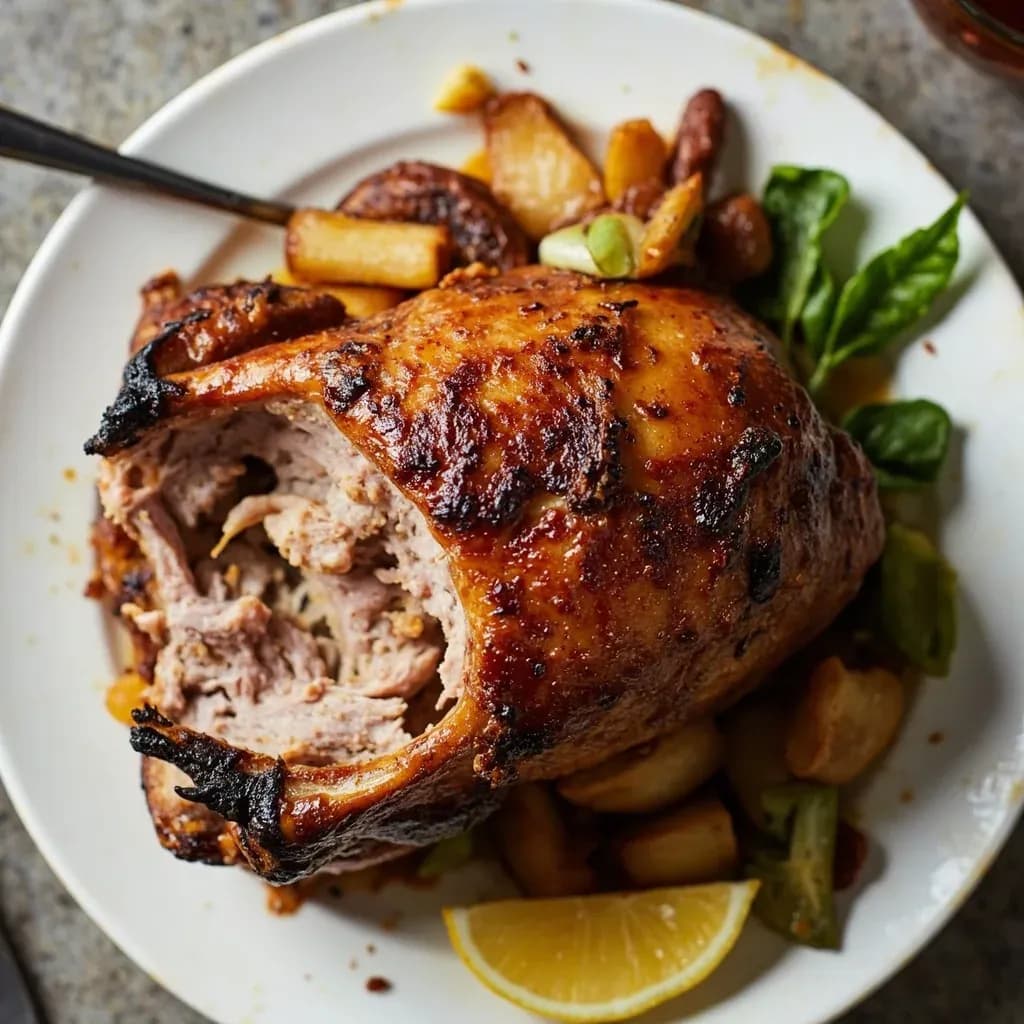
Slow-Roasting Pernil
Roasting a marinated pork shoulder for hours until the meat is falling-apart tender with crisp skin.
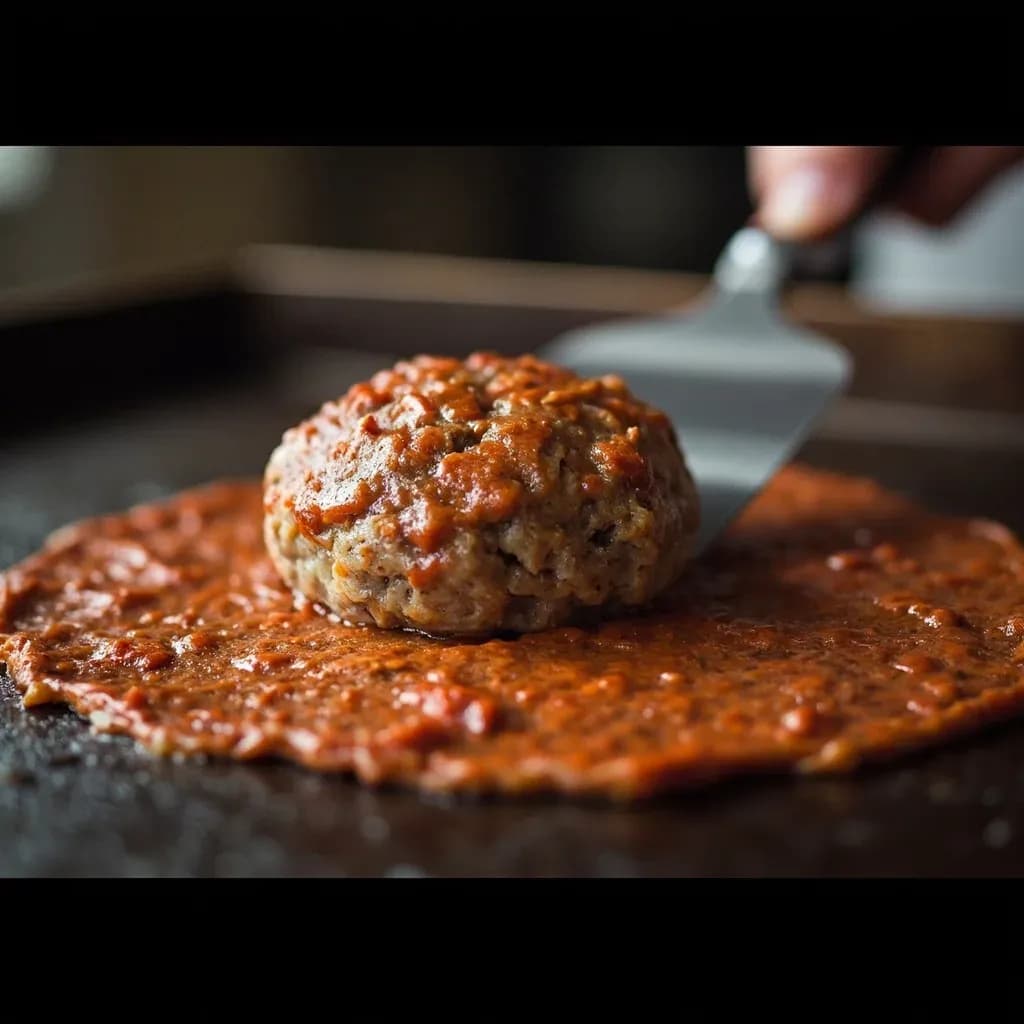
Smashing (Smash Burger)
Pressing a loose beef ball flat onto a screaming-hot griddle for a thin, lacy, deeply browned crust.
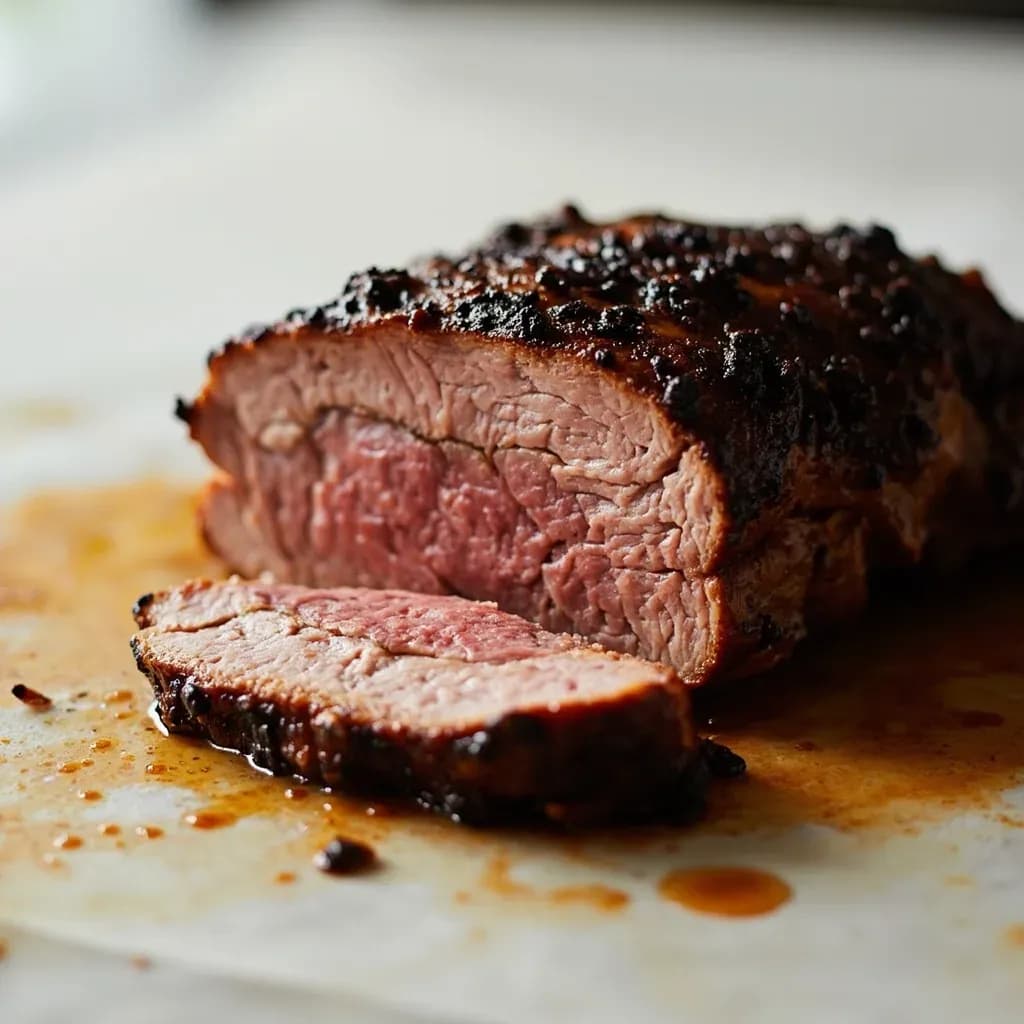
Smoke Ring Development
Coaxing the pink ring just under the bark of smoked meat through low-temperature wood smoke.
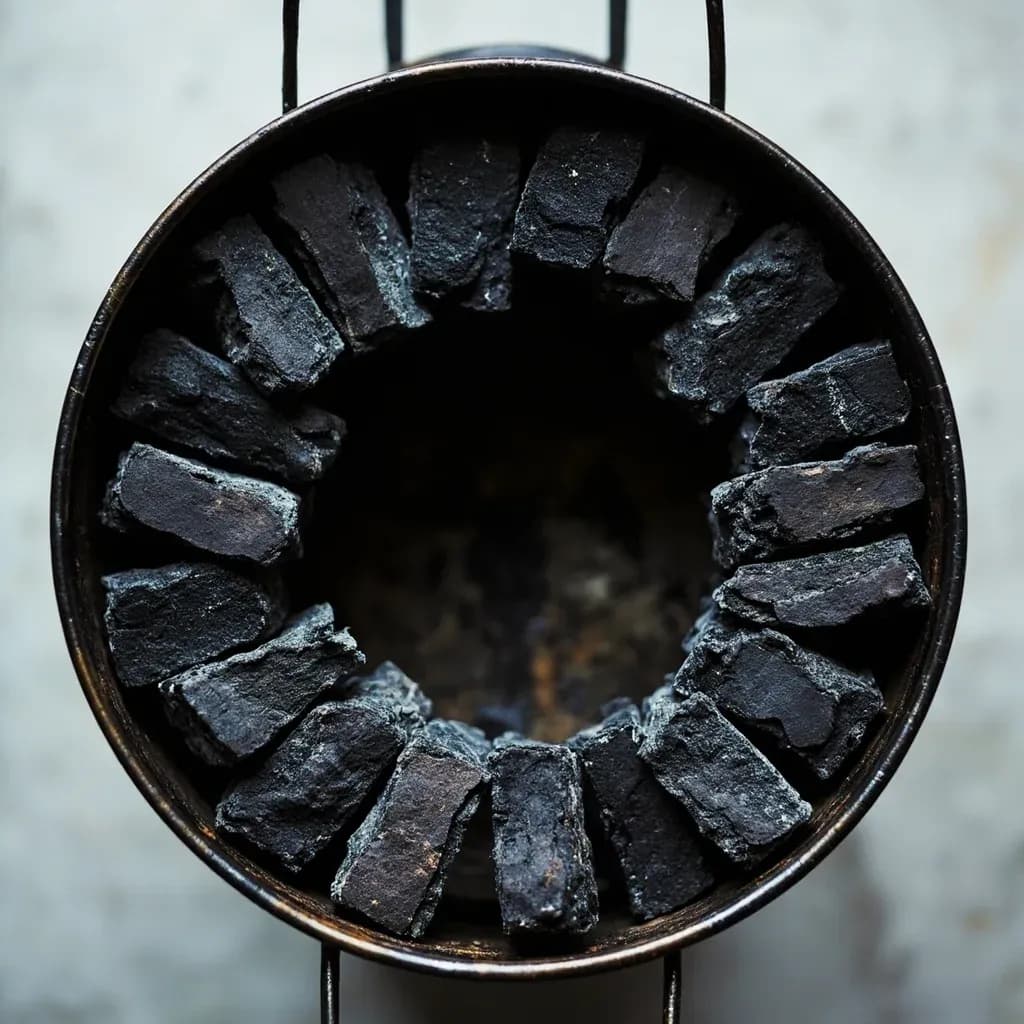
Snake / Minion Method
Arranging unlit charcoal in a curving line so it ignites slowly for long, steady low-heat smoking.
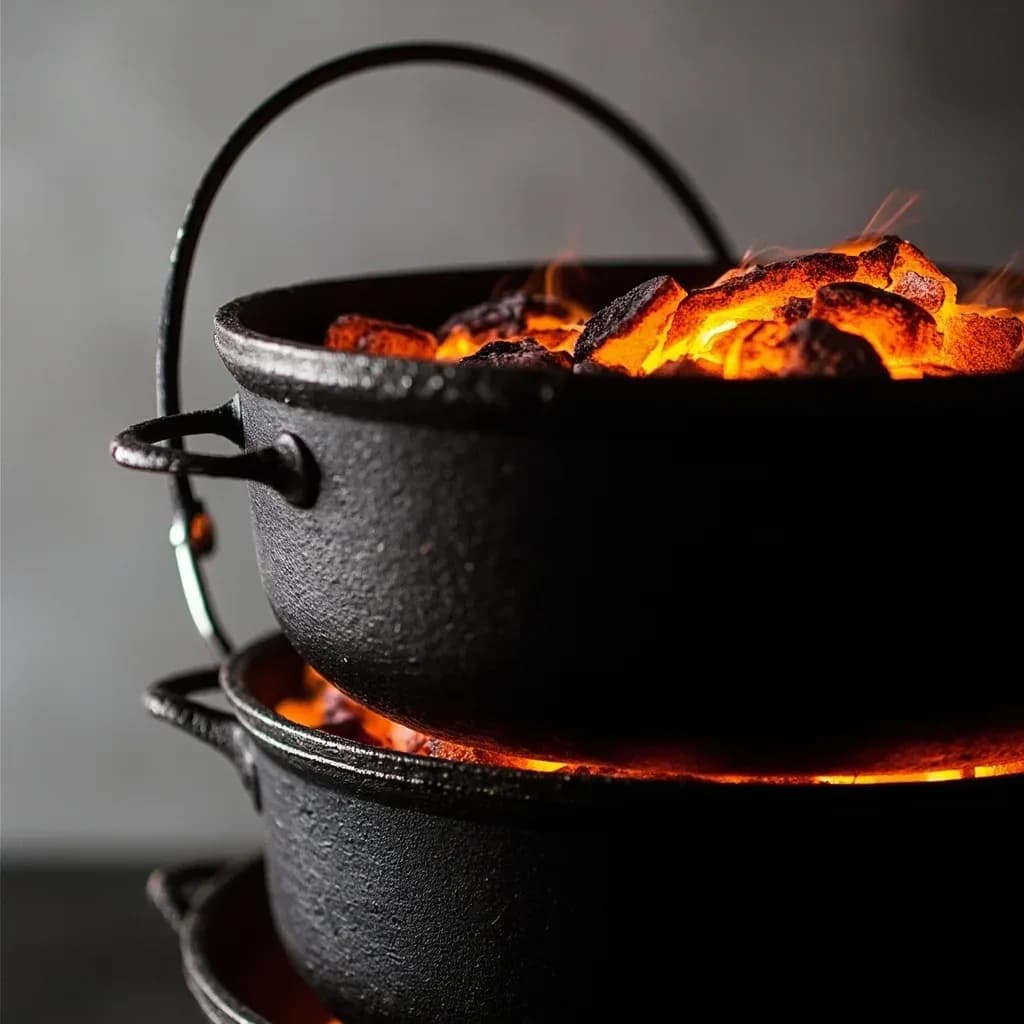
Stacking Dutch Ovens (Shared Coals)
Stacking lidded Dutch ovens so one set of coals heats several pots at once over a campfire.
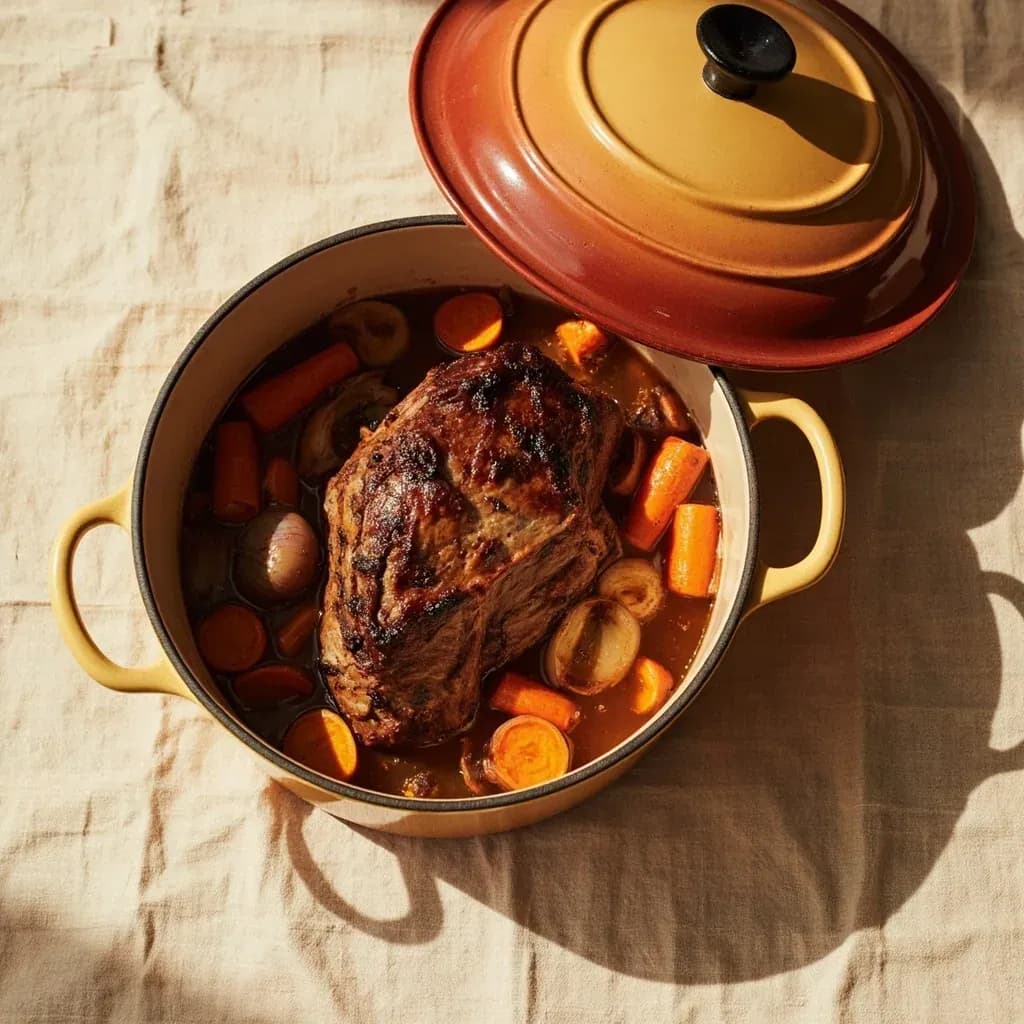
Pot-Roasting
Searing a large cut, then cooking it covered in a small amount of liquid with aromatics so it self-bastes and turns fork-tender.
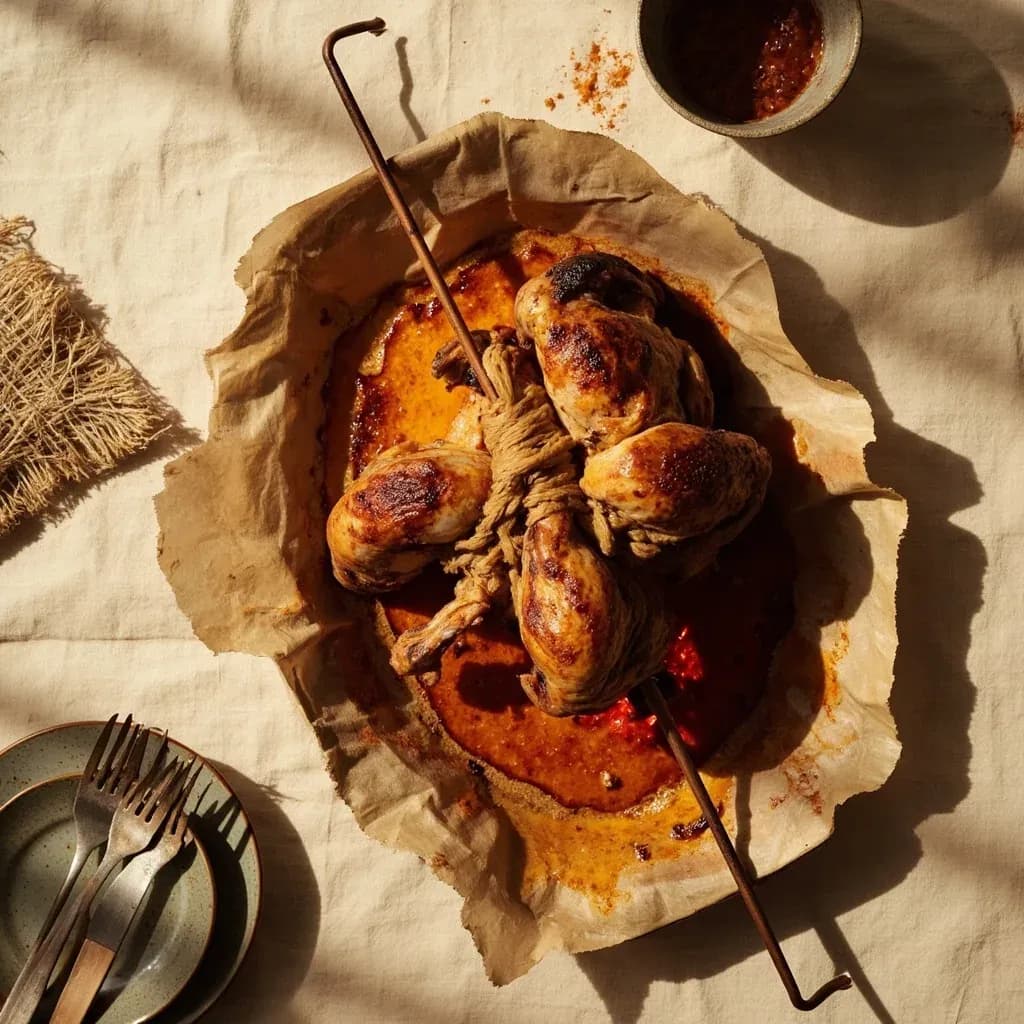
Rotisserie / Spit-Roasting
Roasting meat on a slowly turning spit before the heat so it self-bastes in its rendering fat, giving evenly browned, crisp-skinned results.
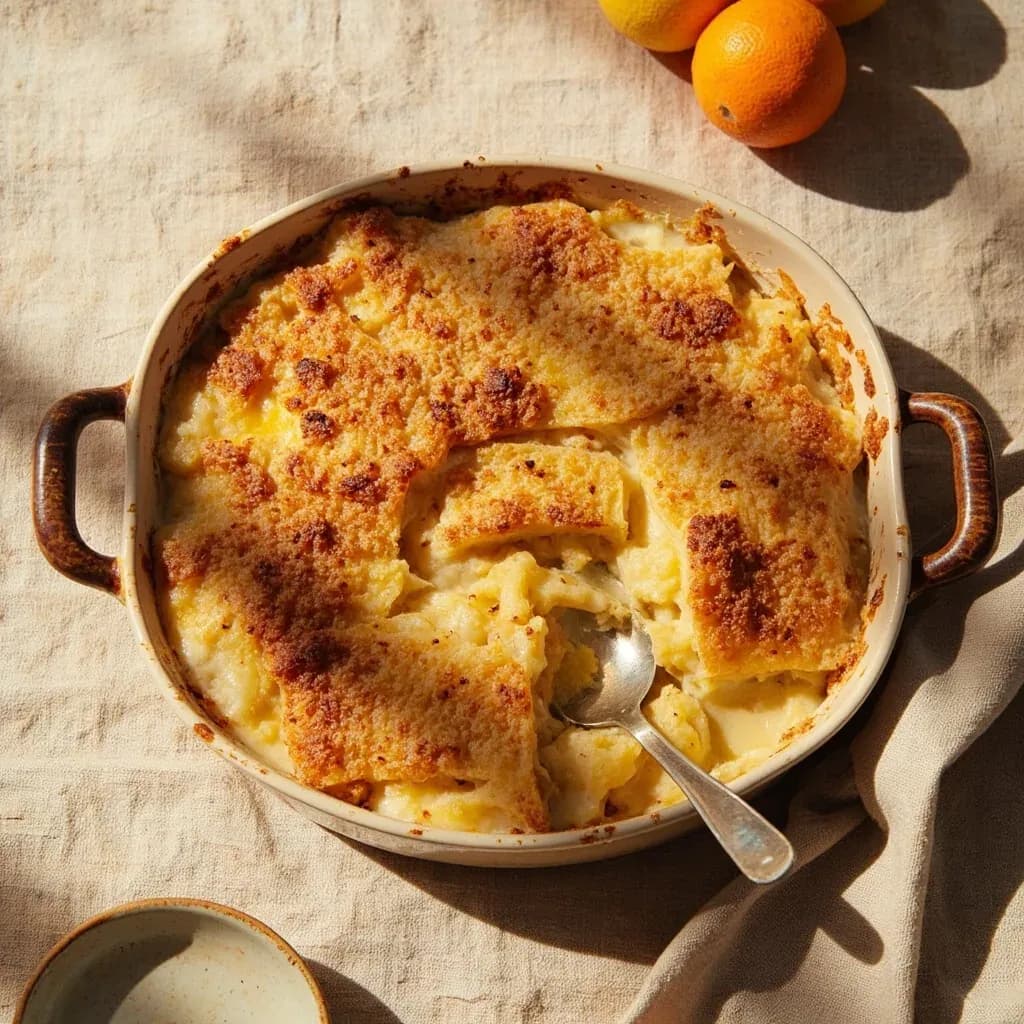
Gratin / Gratinéeing
Topping a dish with cheese, crumbs, or butter and baking under high top heat until a browned, crisp crust forms over a soft interior.
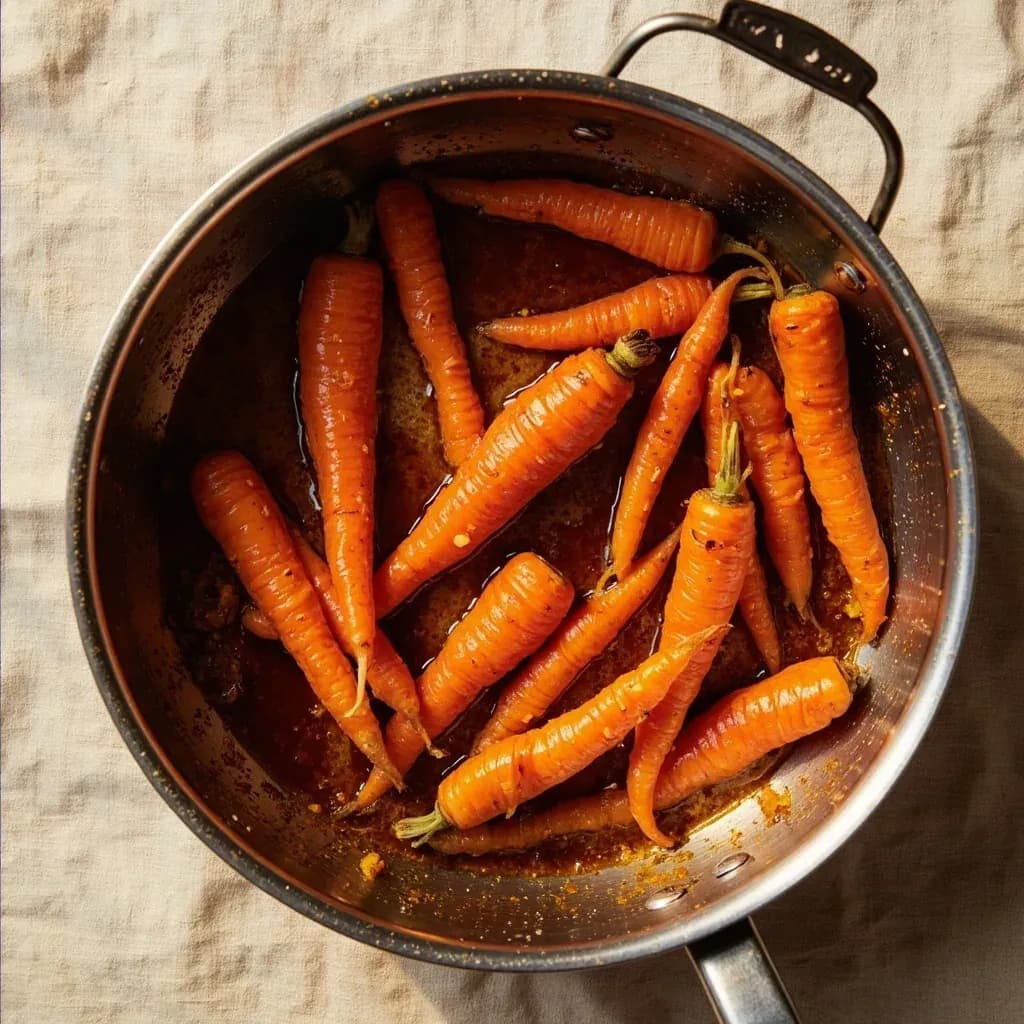
Glazing Vegetables (Glaçage)
Simmering vegetables in stock with butter and sugar until the liquid reduces to a shiny syrup that coats them in a glossy, sweet glaze.
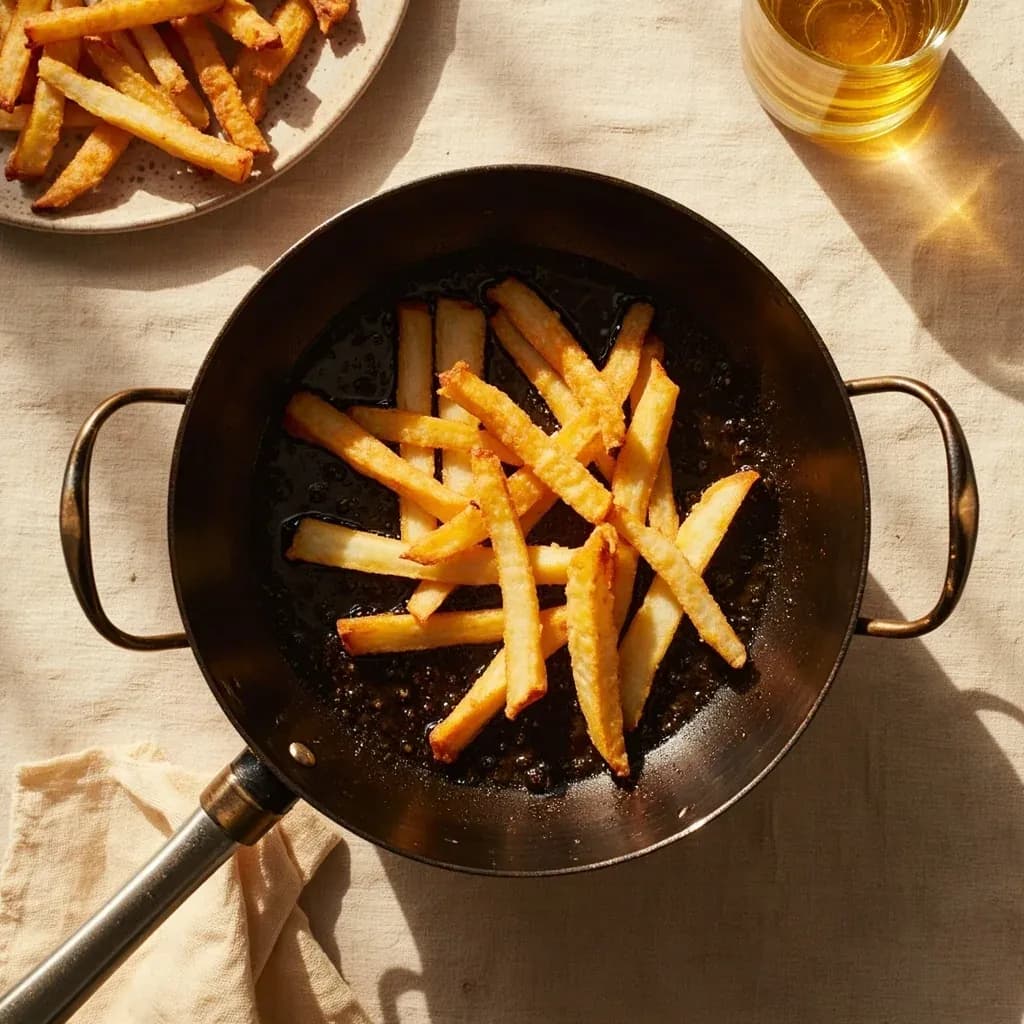
Blanch-Frying (Two-Stage Oil)
Frying food first in moderate oil to cook through, then again in hot oil to crisp and color, producing a tender interior and shatter-crisp shell.
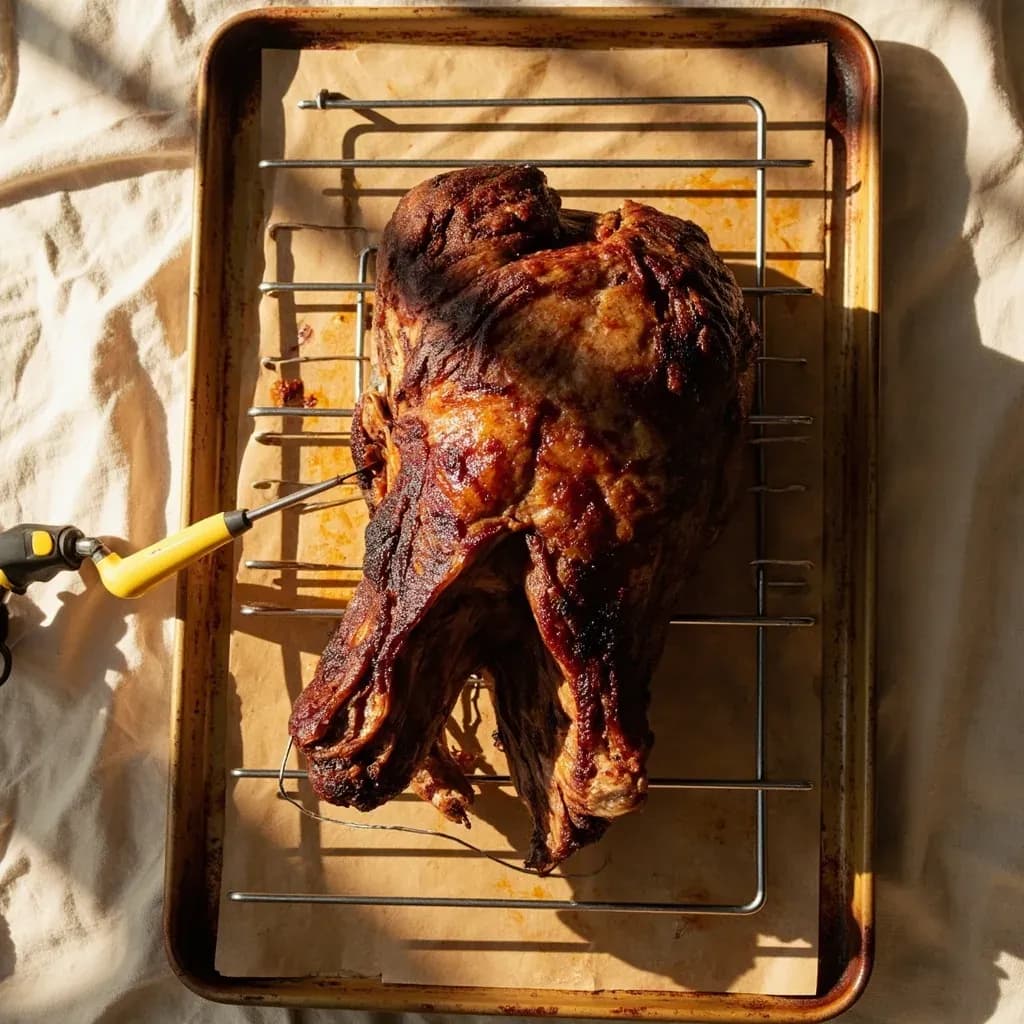
Slow / Low-Temperature Roasting
Roasting at a low oven temperature over a long time so the interior cooks evenly to a uniform doneness, then searing briefly for color.
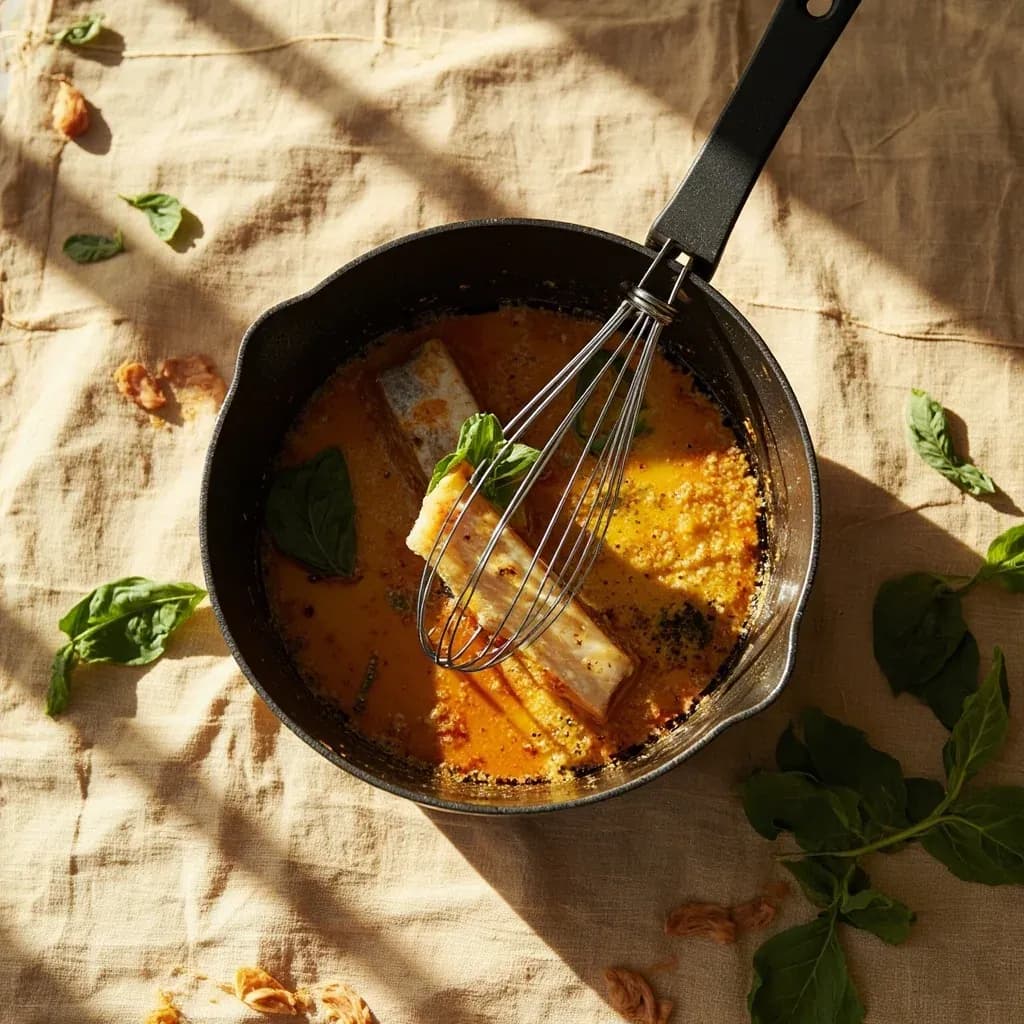
Flash-Frying
Briefly plunging food into very hot oil for seconds so it crisps and colors instantly while the interior stays barely cooked and juicy.
Water & Steam
137
Boil
Cook in vigorously bubbling liquid at full rolling heat

Simmer
Hold liquid at a gentle shimmer for tender, unhurried cooking

Poach
Cook gently in barely-trembling liquid for silky, tender results

Steam
Cook in rising vapor to keep color, nutrients, and shape intact

Blanch
Plunge briefly in boiling water, then shock cold to lock color

Braise
Sear, then cook slow in a little liquid until fall-apart tender

Stew
Simmer bite-sized pieces fully submerged into a rich, unified pot

Sous-Vide
Seal and cook in precise warm water for edge-to-edge doneness

Pressure-Cook
Cook under sealed steam pressure to tenderize in a fraction of the time

Dum Cooking
Seal a pot and cook in its own trapped steam for fragrant, tender layers

Scald
Heat milk just to the point before boiling to ready it for recipes

Velvet
Coat and pre-cook meat for silky, tender stir-fry texture
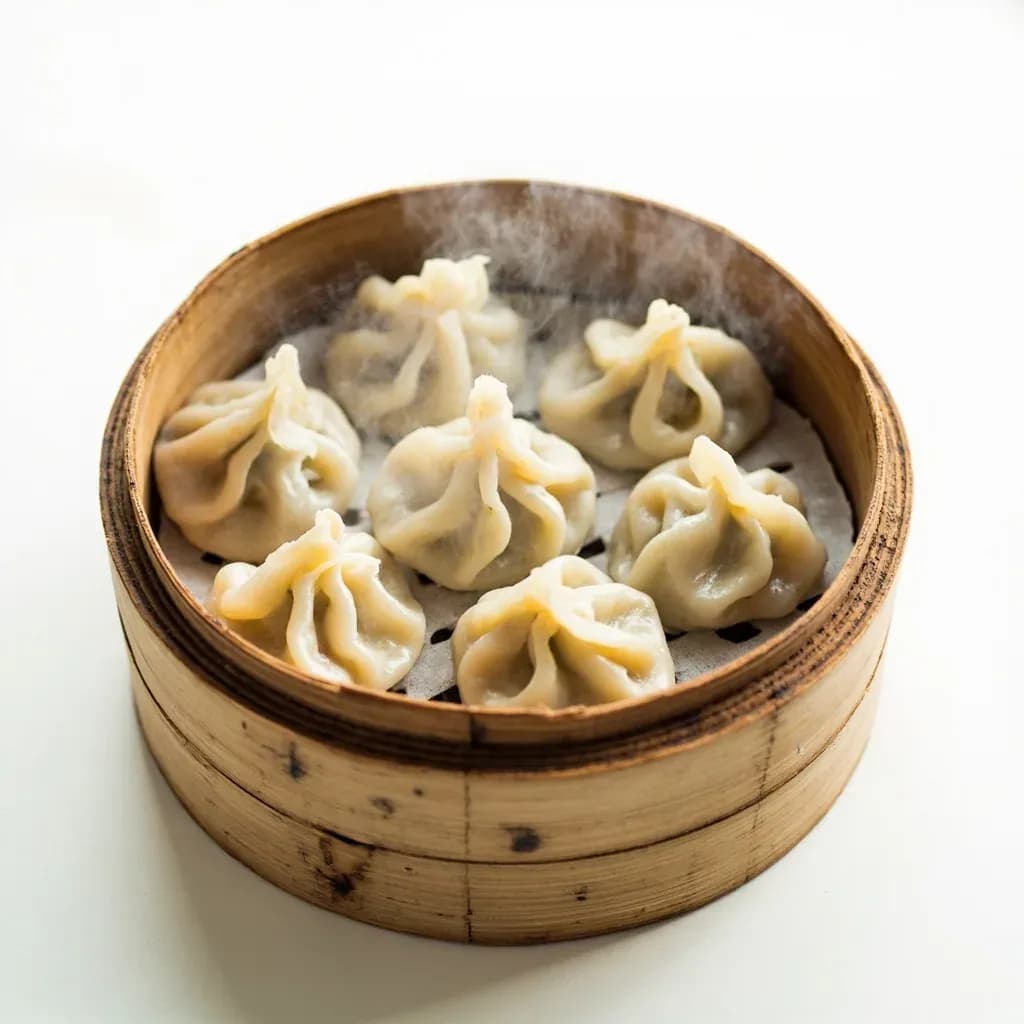
Steaming
Cooking food in vapor over boiling water to keep it tender, moist, and intact.
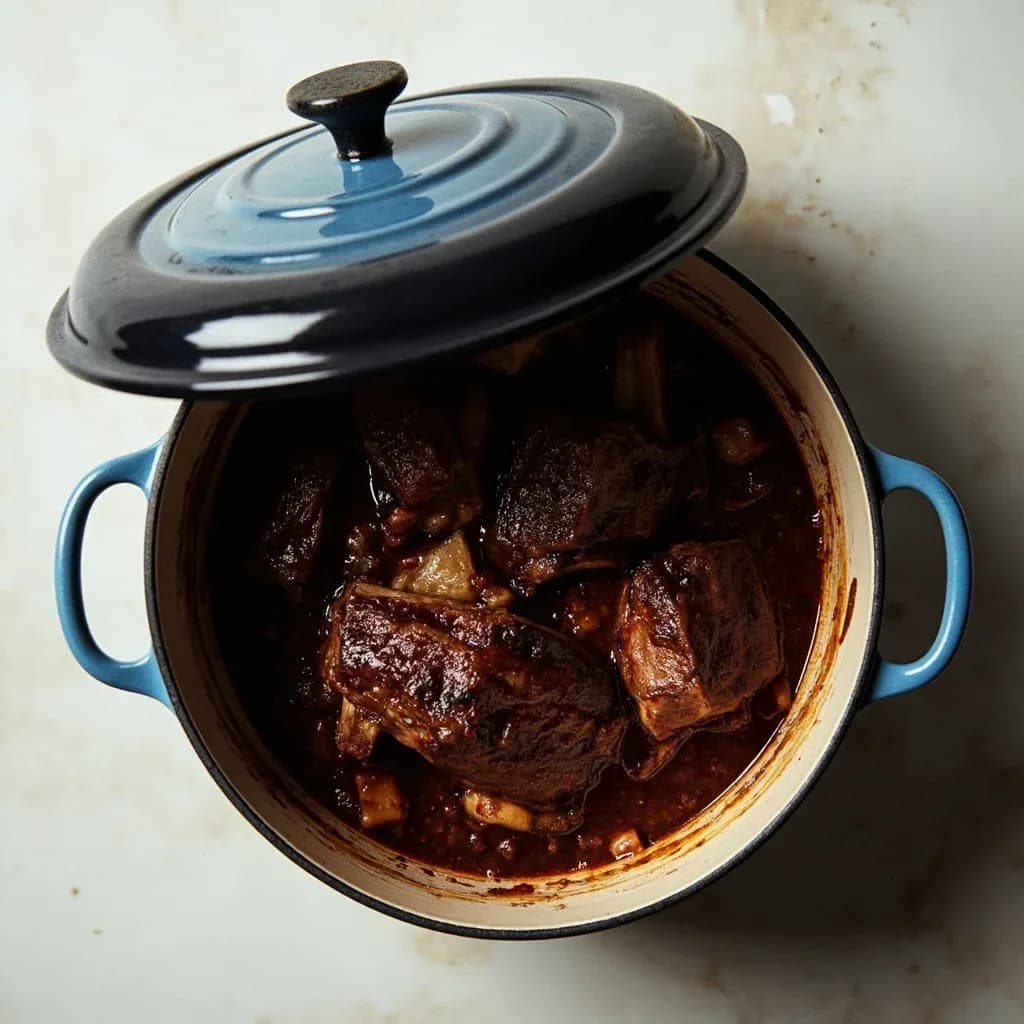
Braising
Searing then slow-cooking food in a little liquid until fork-tender and richly flavored.
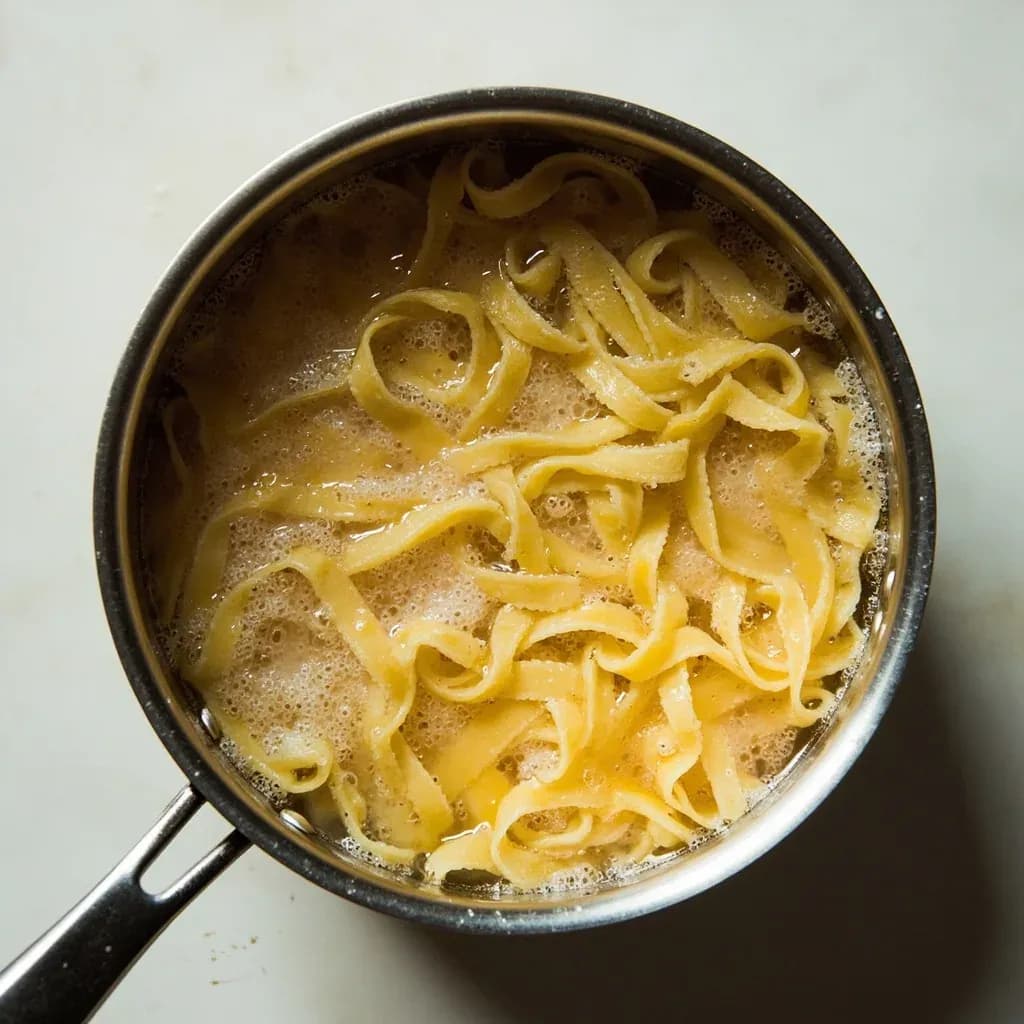
Boiling
Cooking food in rapidly bubbling water at 100C for pasta, vegetables, and root crops.
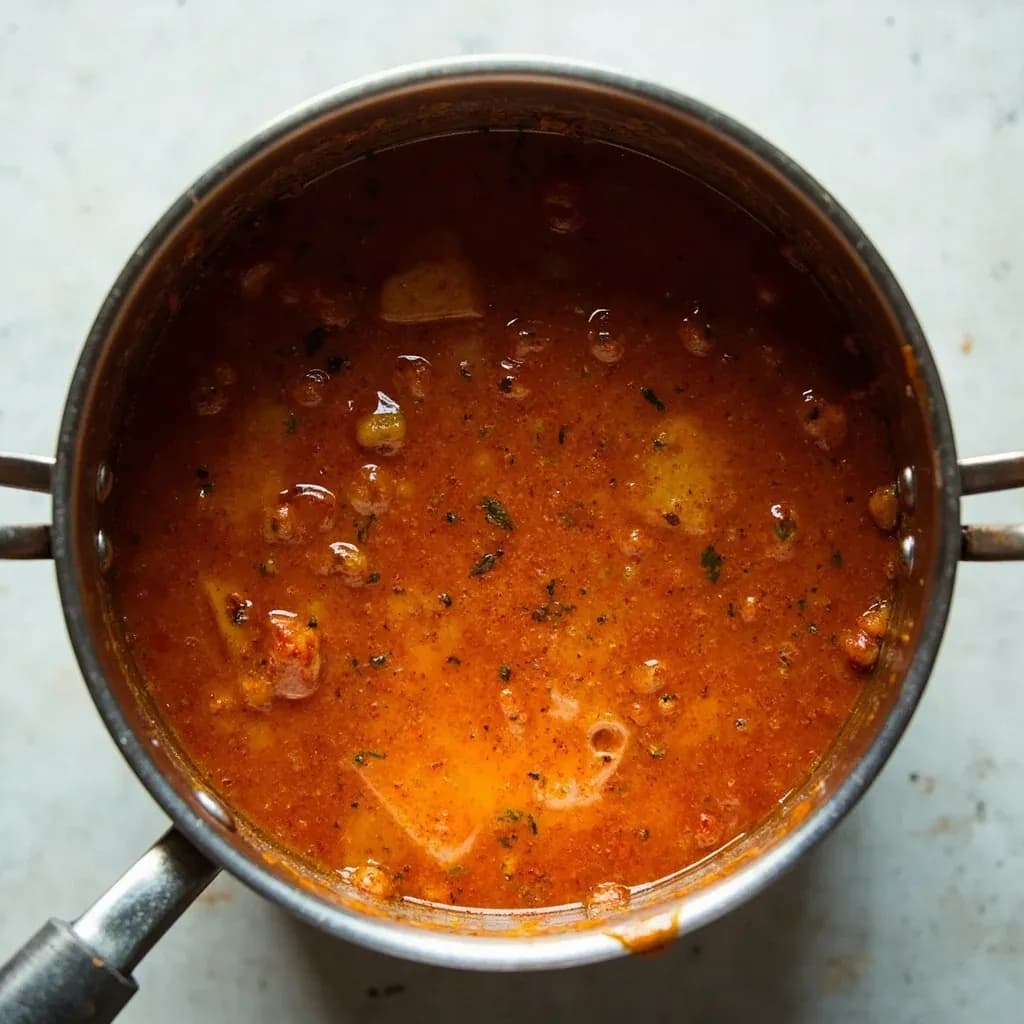
Simmering
Cooking gently in liquid just below the boil for soups, stews, and tender results.
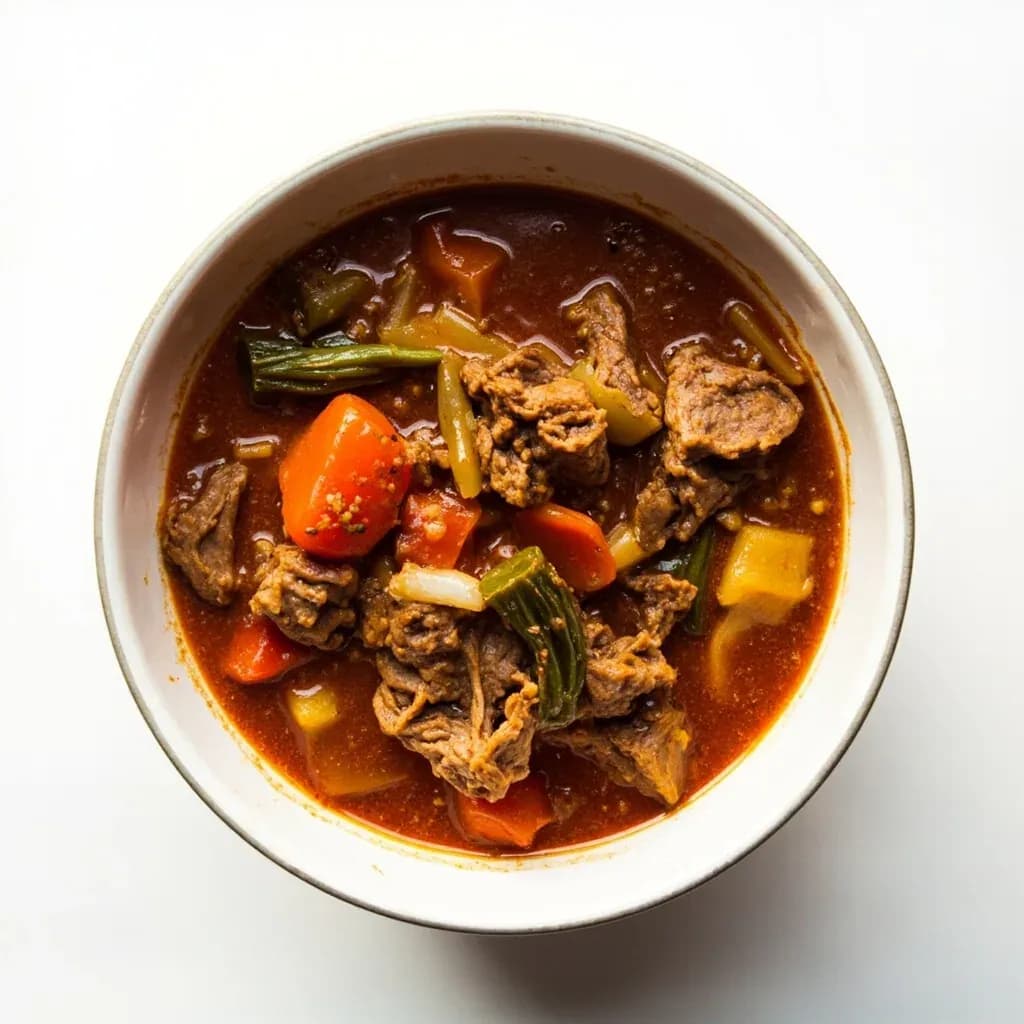
Stewing
Slow-cooking bite-sized food fully submerged in liquid into a rich, tender dish.
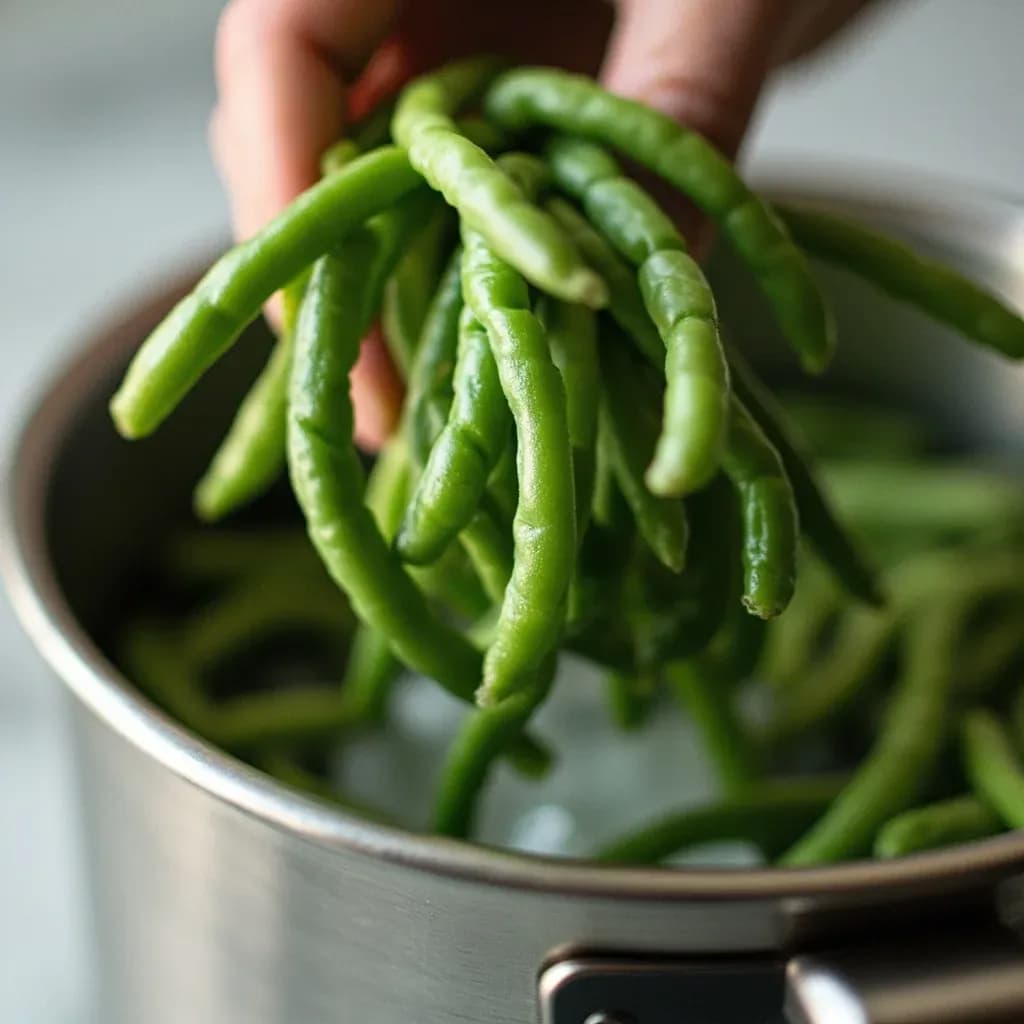
Blanching
Briefly boiling then shocking food to set color, loosen skins, or pre-cook.
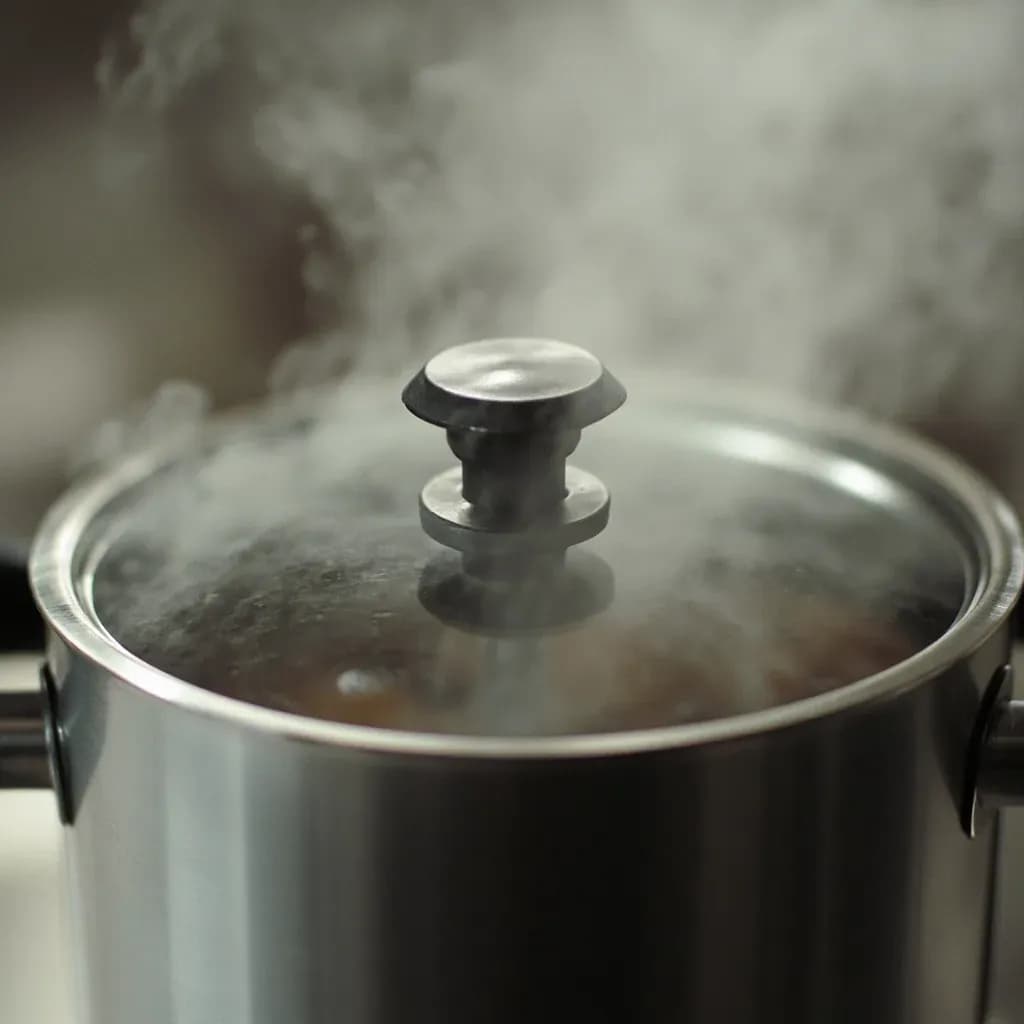
Pressure Cooking
Cooking under sealed steam pressure to reach higher temperatures and speed dramatically.
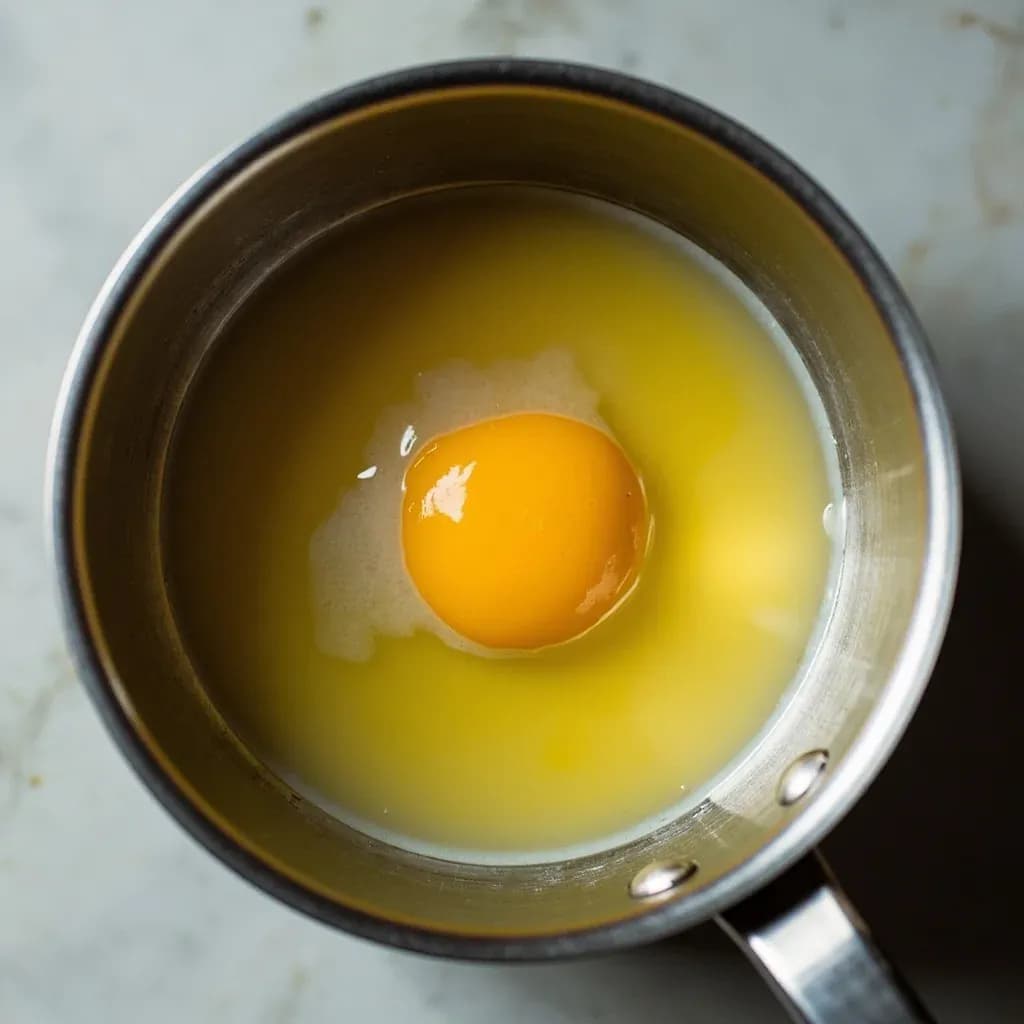
Poaching
Gently cooking delicate food in barely-moving liquid for tender, moist results.
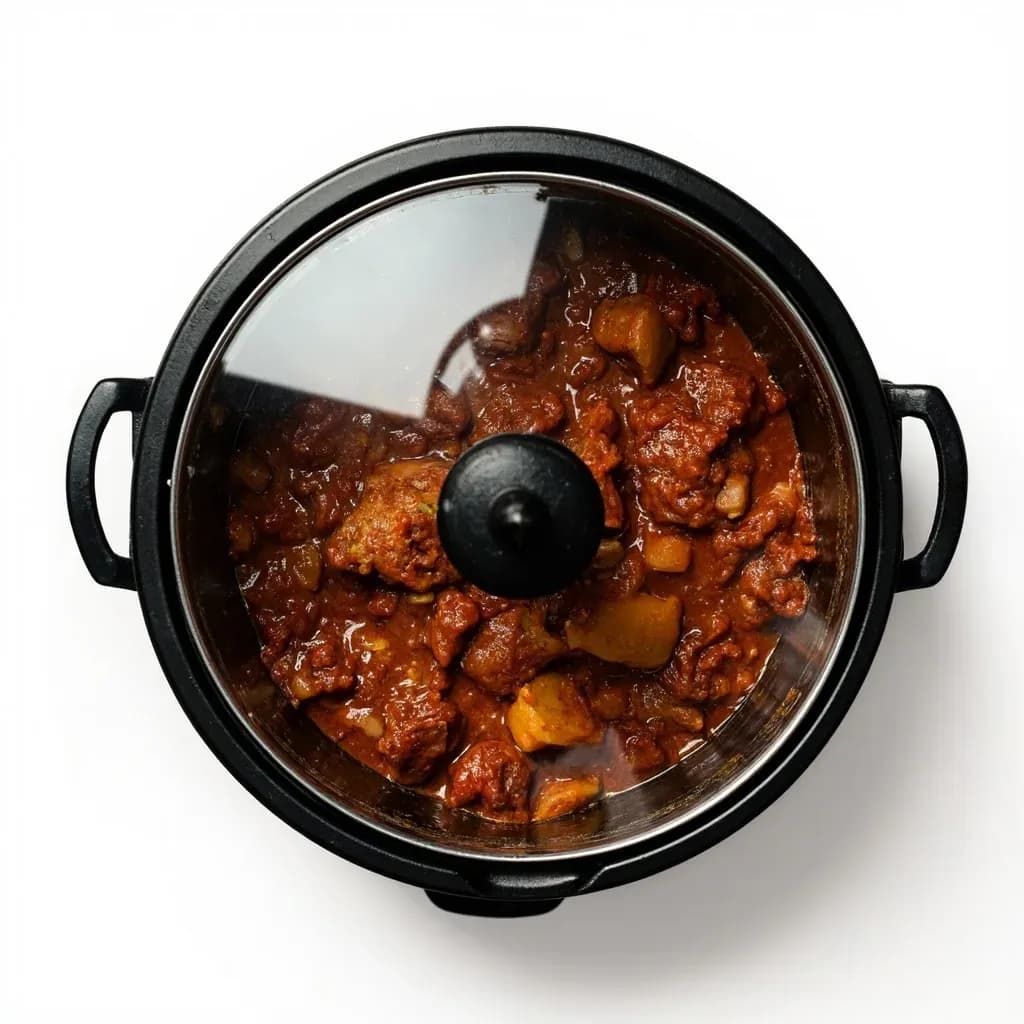
Slow Cooking
Cooking food for hours at low heat so flavors meld and tough cuts turn tender.
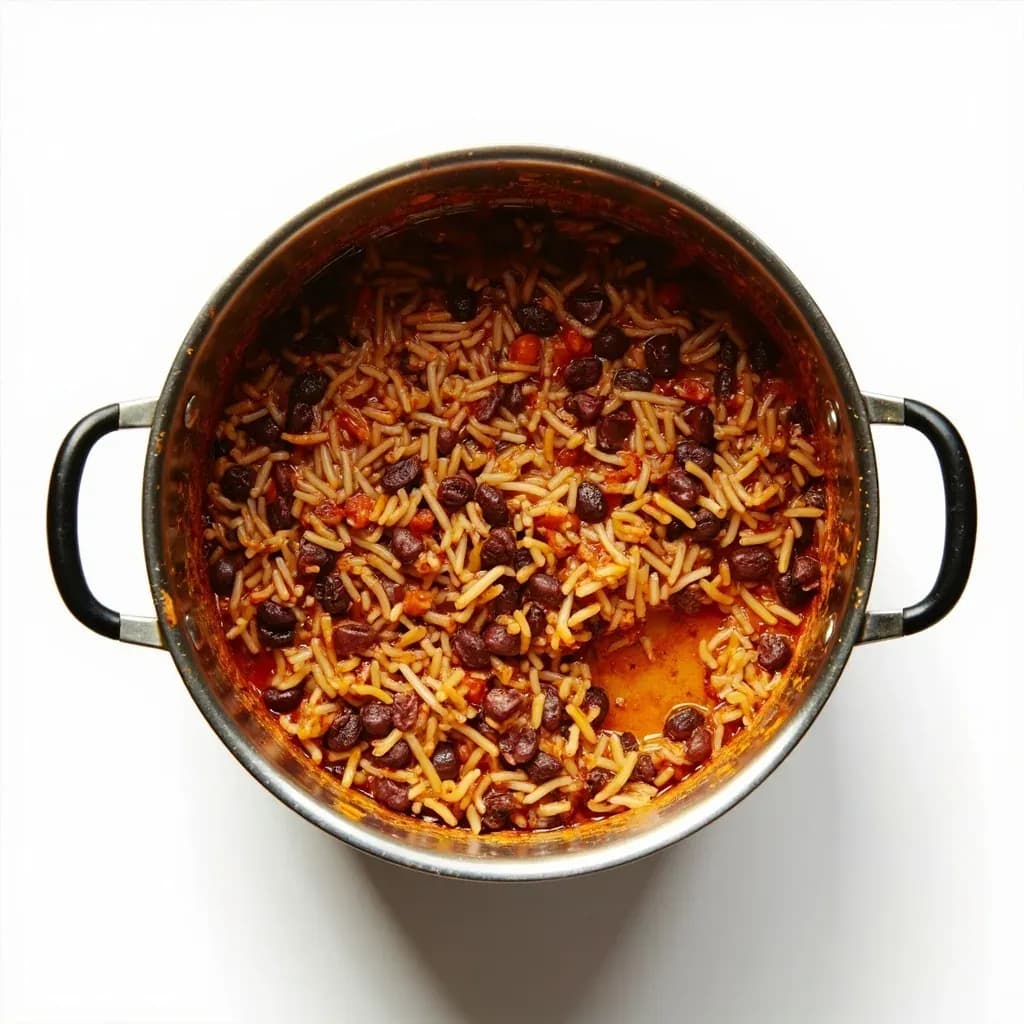
One-Pot Cooking
Cooking a whole dish in a single pot so grains absorb the seasoned liquid.
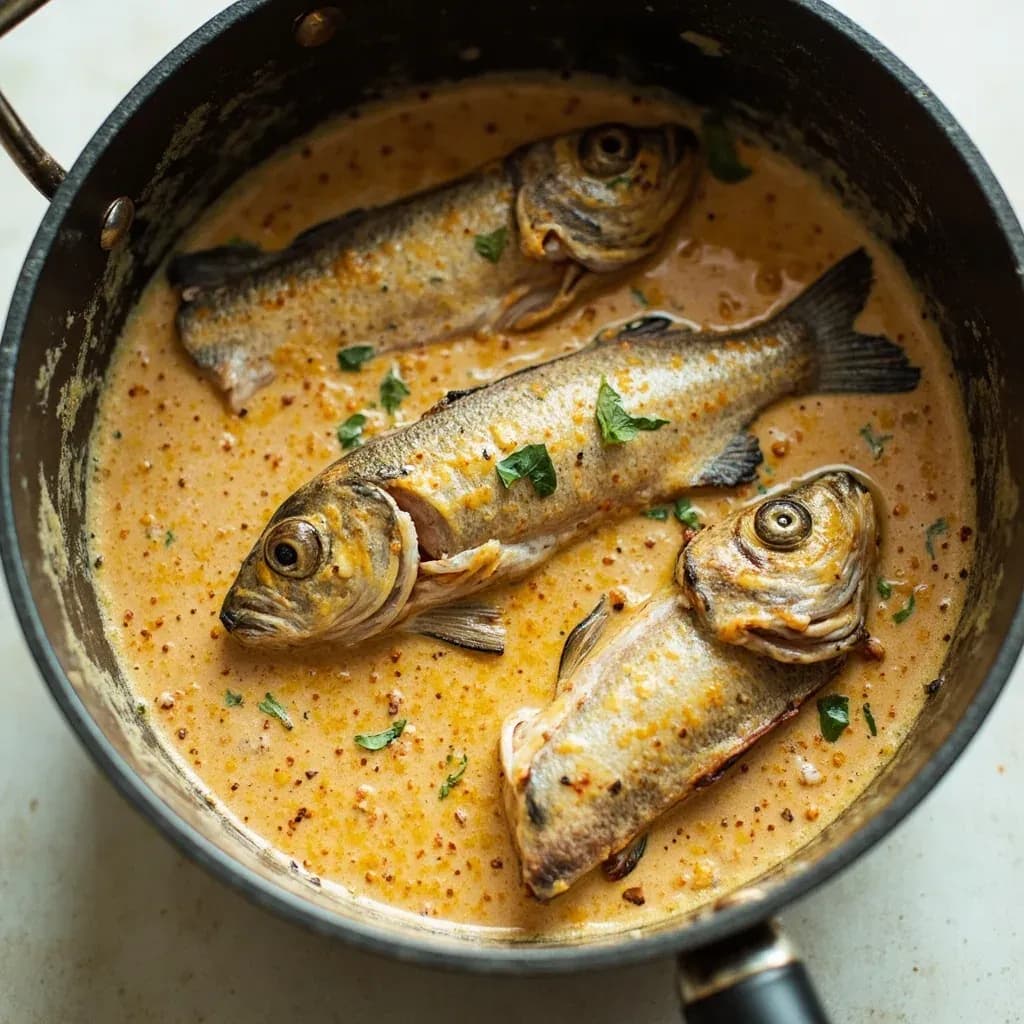
Simmering in Coconut Milk
Slow-cooking food in coconut milk for rich, creamy curries and one-pot dishes.
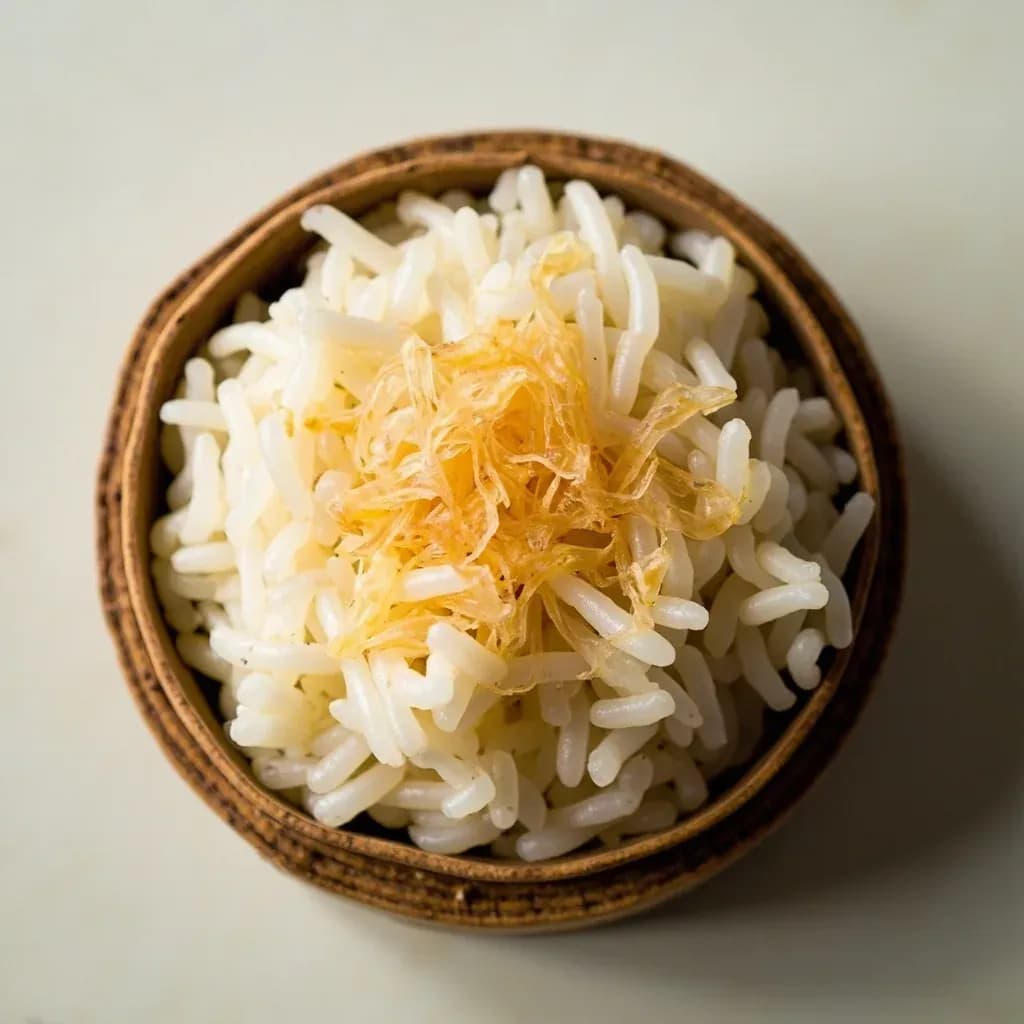
Parboiling Rice
Partly boiling rice then draining and steaming it for separate, fluffy grains.
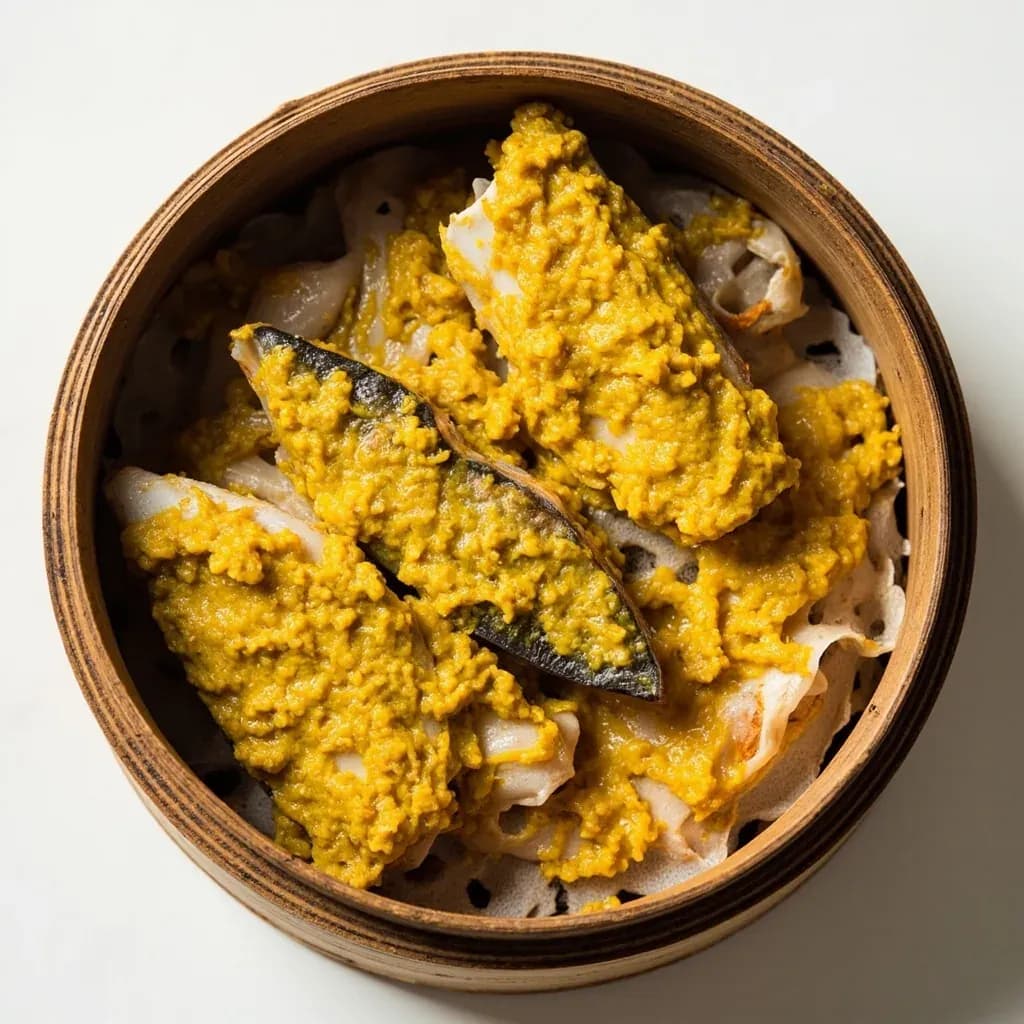
Bhapa (Steaming in Mustard Paste)
Bengali method of steaming fish or vegetables sealed in a pungent ground-mustard paste.
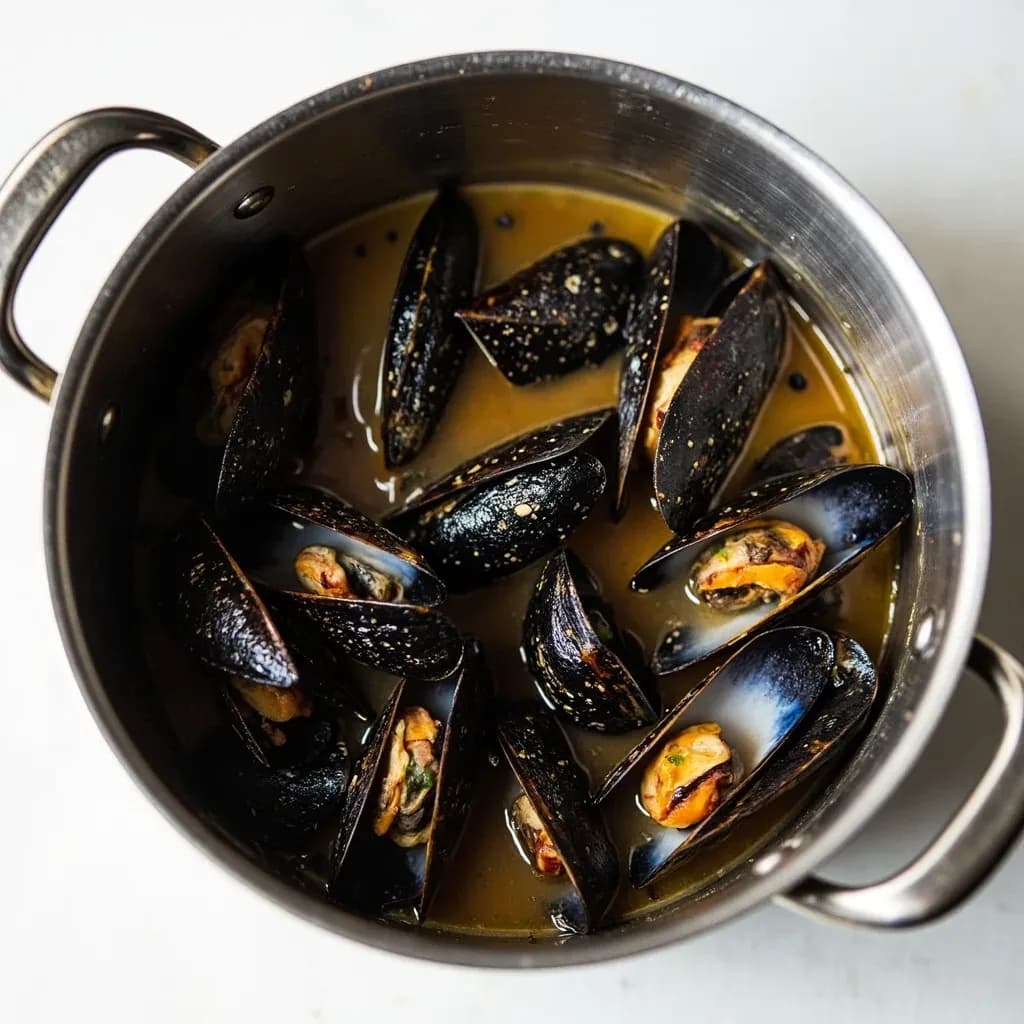
Impepata di Cozze (Steaming Shellfish Open)
Neapolitan method of steaming mussels open in their own liquor with cracked black pepper.
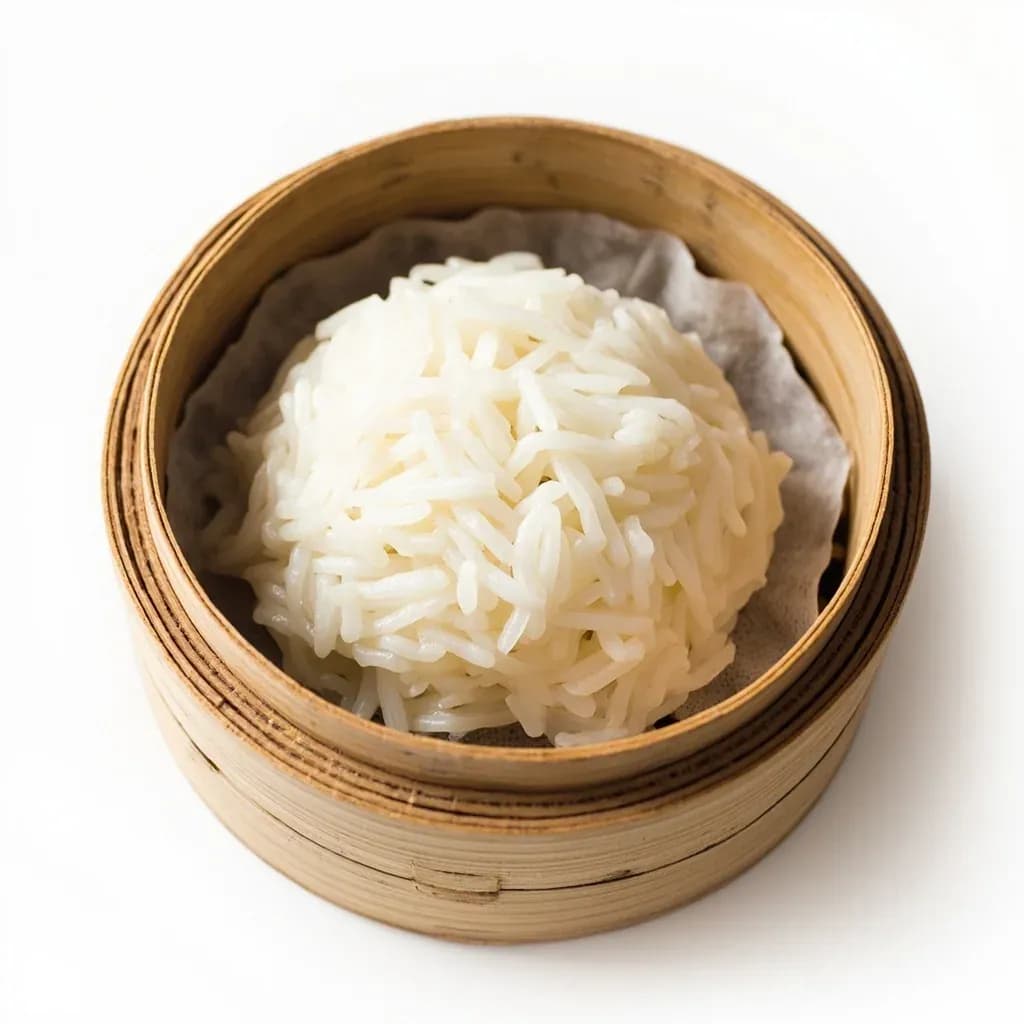
Steaming Sticky Rice (Nueng Khao Niao)
Soaking and steaming glutinous rice over a bambo basket so grains stay separate and chewy.
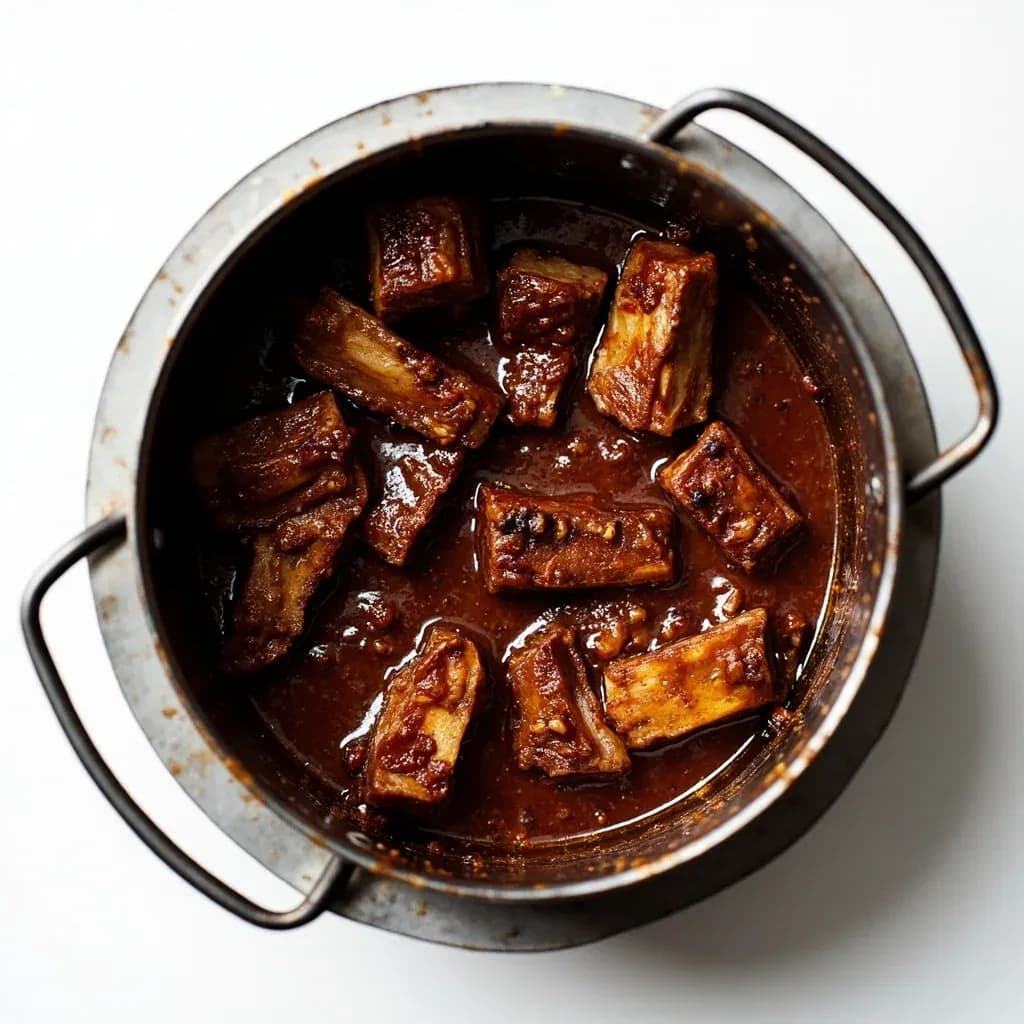
Jjim (Braised-Steam)
Korean hybrid method of braising and steaming ingredients in a small amount of seasoned liquid.
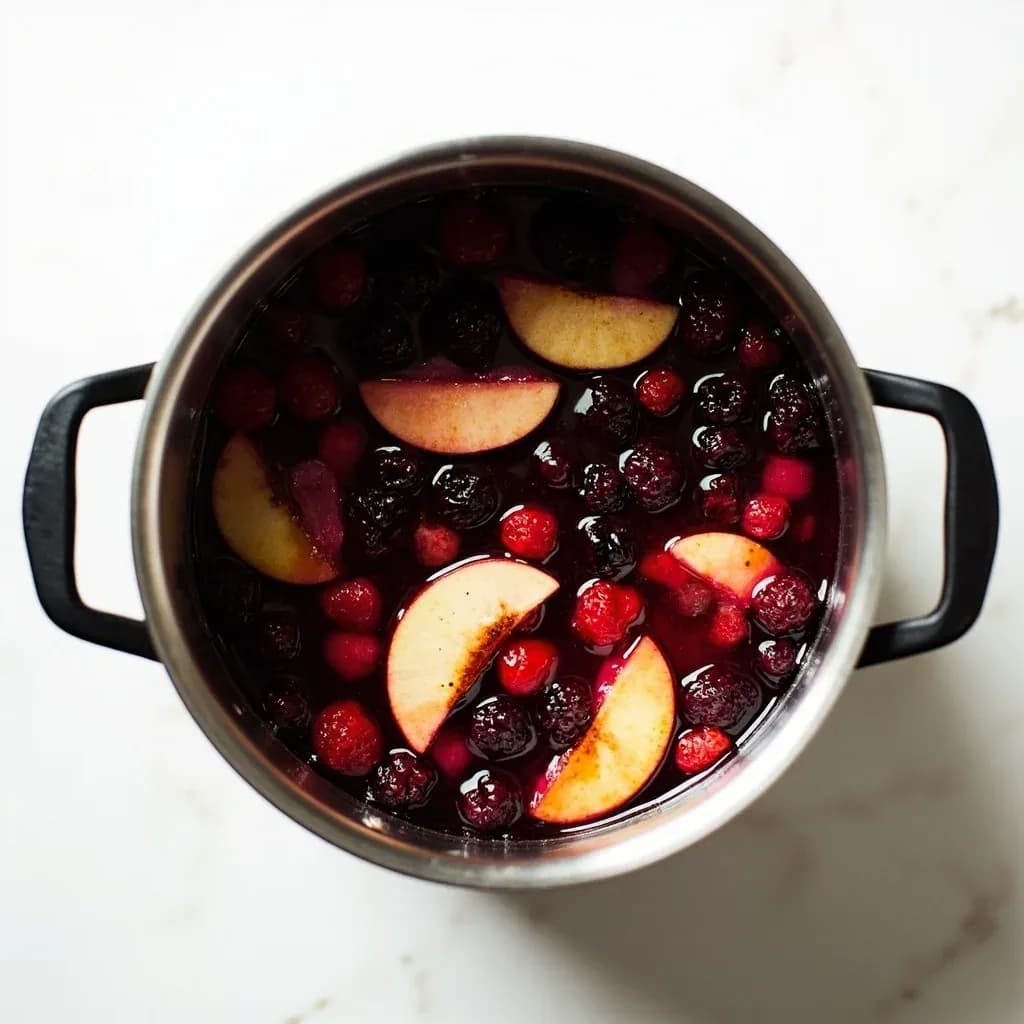
Steeping Kompot
Gently simmering then resting fruit in sweetened water to make the Eastern European drink kompot.
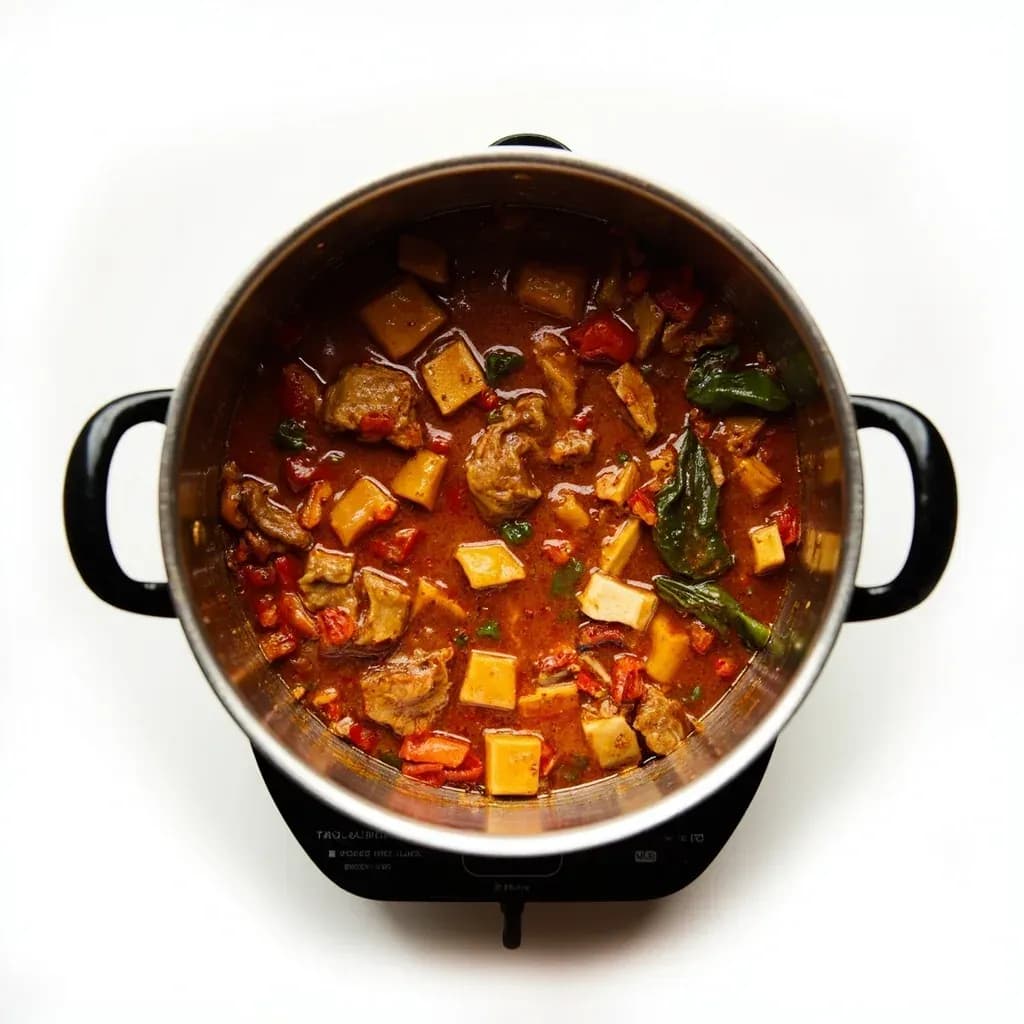
Tatung Pot Water-Jacket Cooking
Taiwanese electric pot that steam-cooks food via water in an outer jacket until it boils dry.
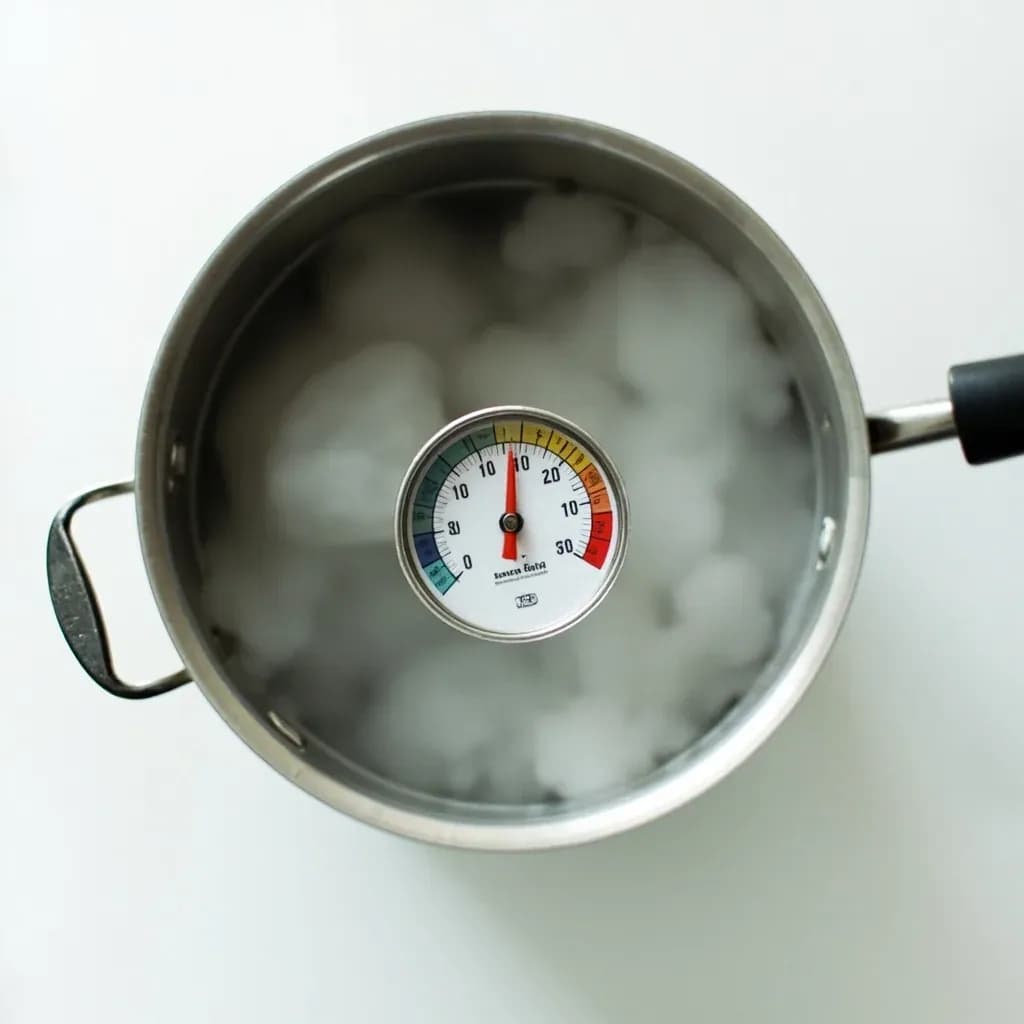
Water Temperature Control
Holding cooking or steeping water at a precise temperature for delicate results.
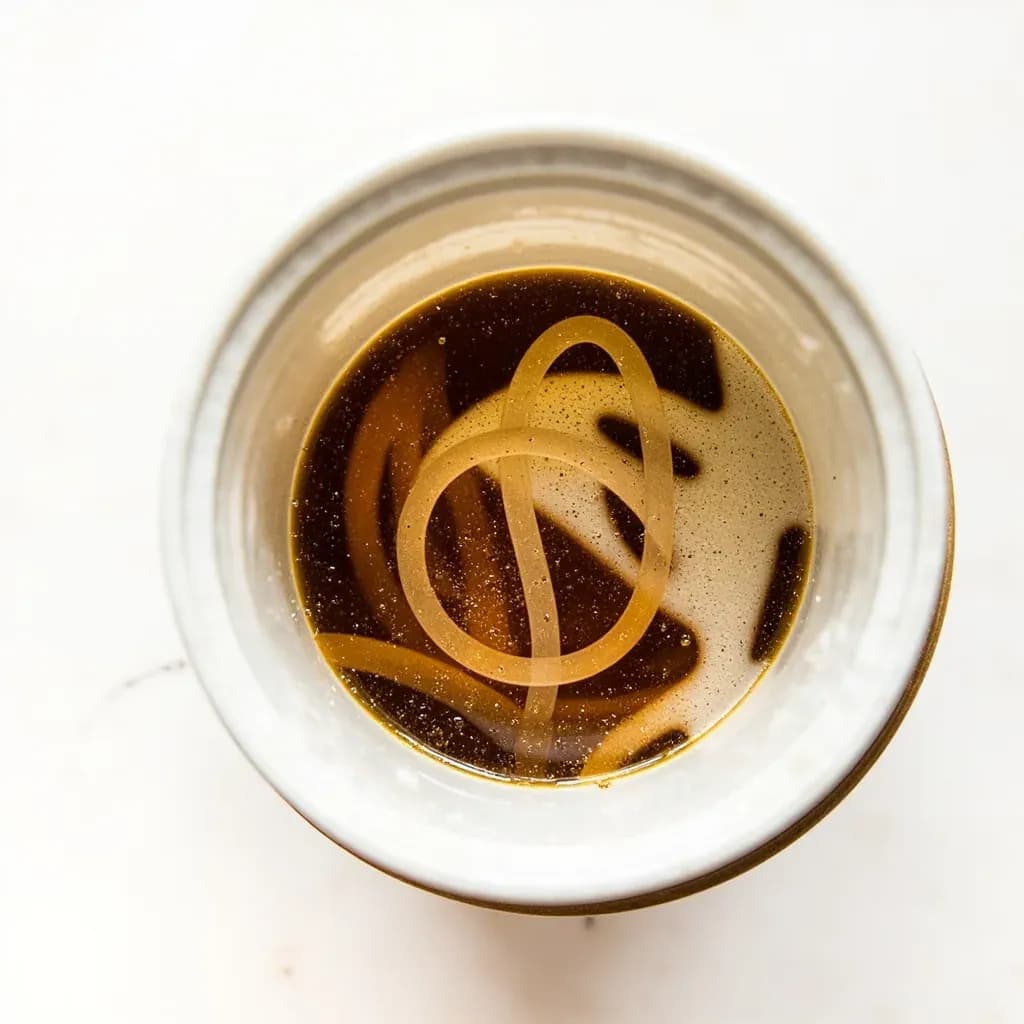
Wort Chilling
Rapidly cooling boiled wort before pitching yeast to prevent infection and improve clarity.
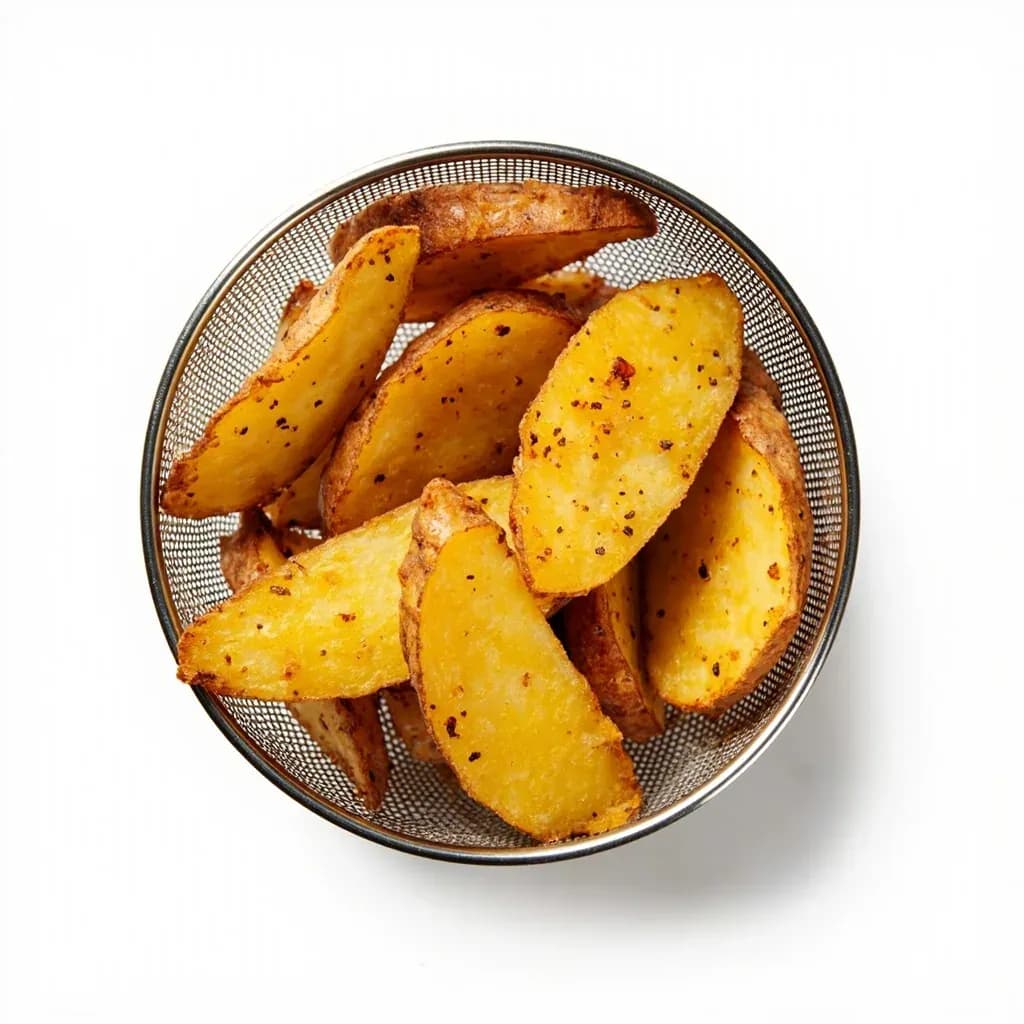
Par-Cooking
Partially cooking food in advance so it finishes quickly and evenly at service.
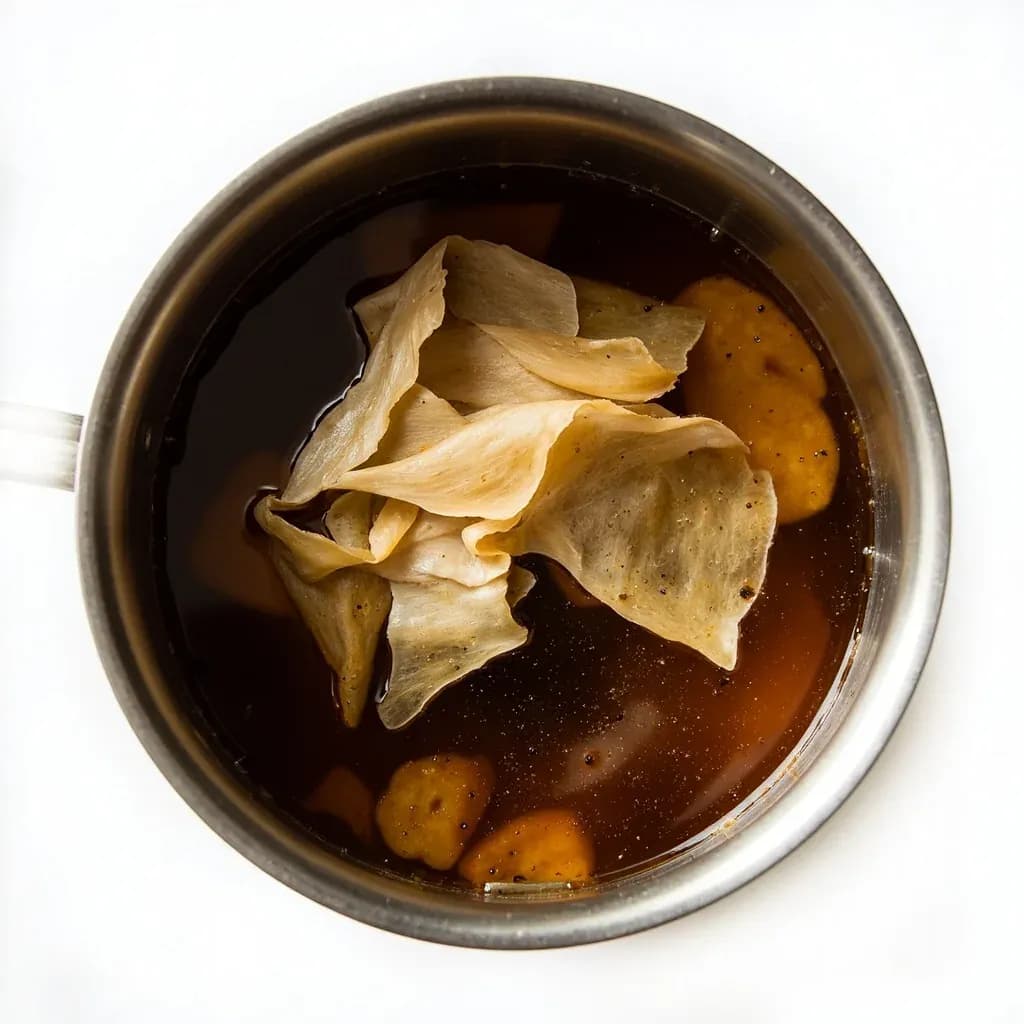
Making Dashi / Stock
Steeping kelp, bonito, anchovy, or bones in water to draw out a clear, umami-rich base stock.
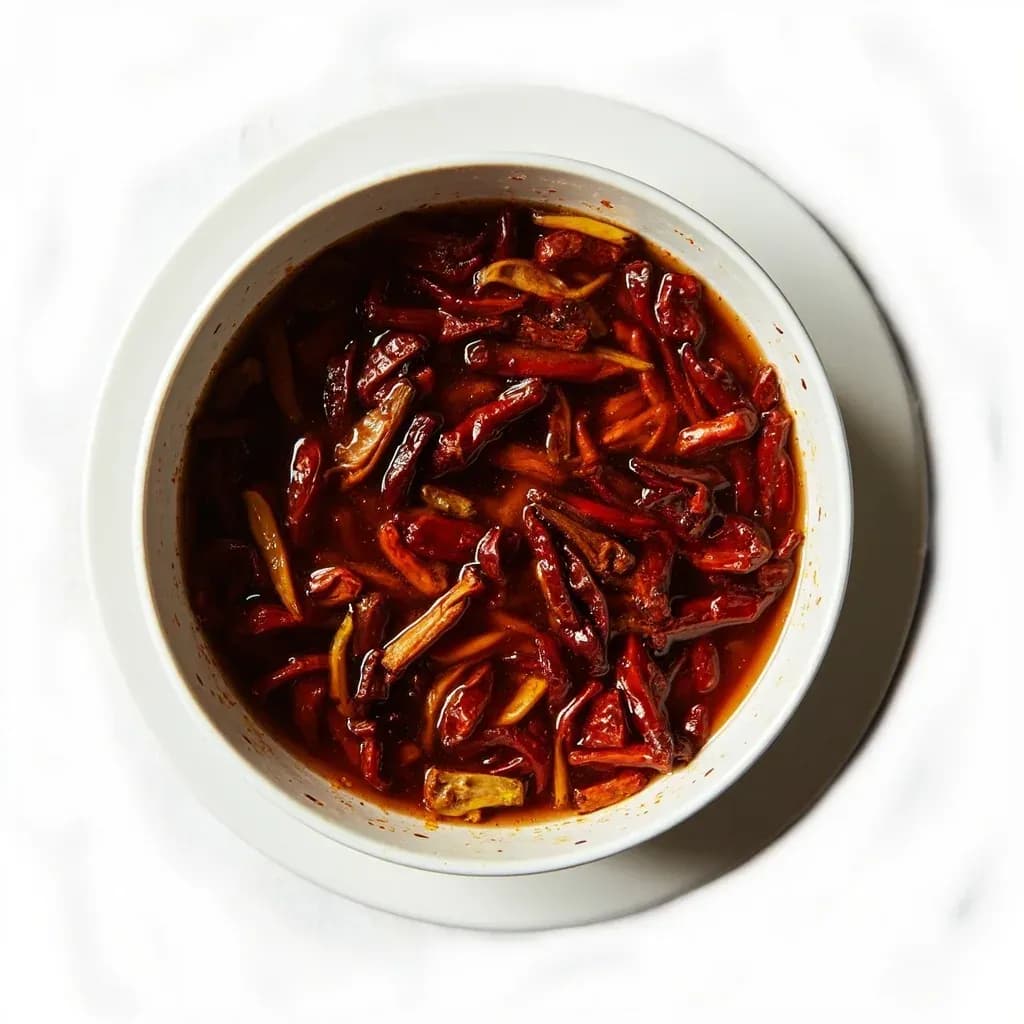
Rehydrating Dried Chiles
Soaking dried chiles in hot water to soften them for sauces, salsas, and pastes.
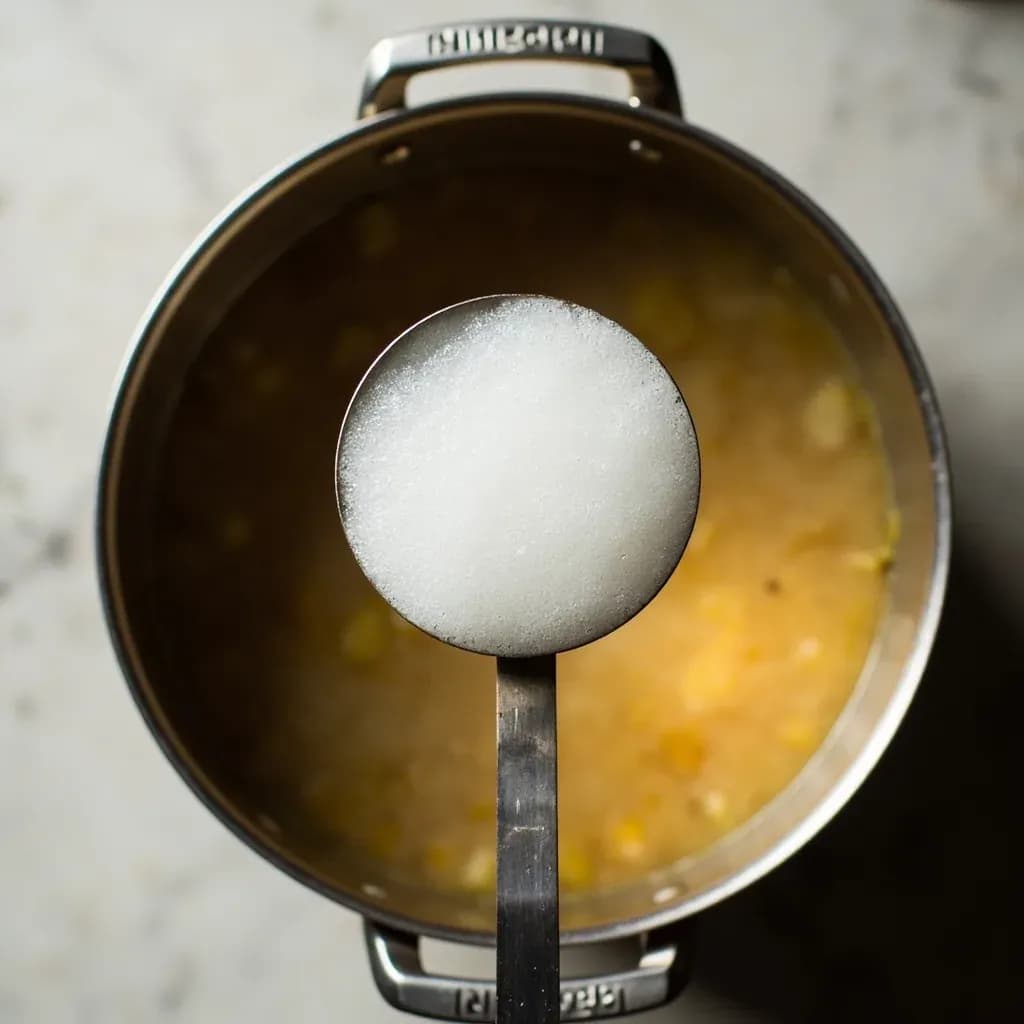
Skimming Broth
Lifting foam, scum, and rendered fat off the surface of a simmering stock or broth.
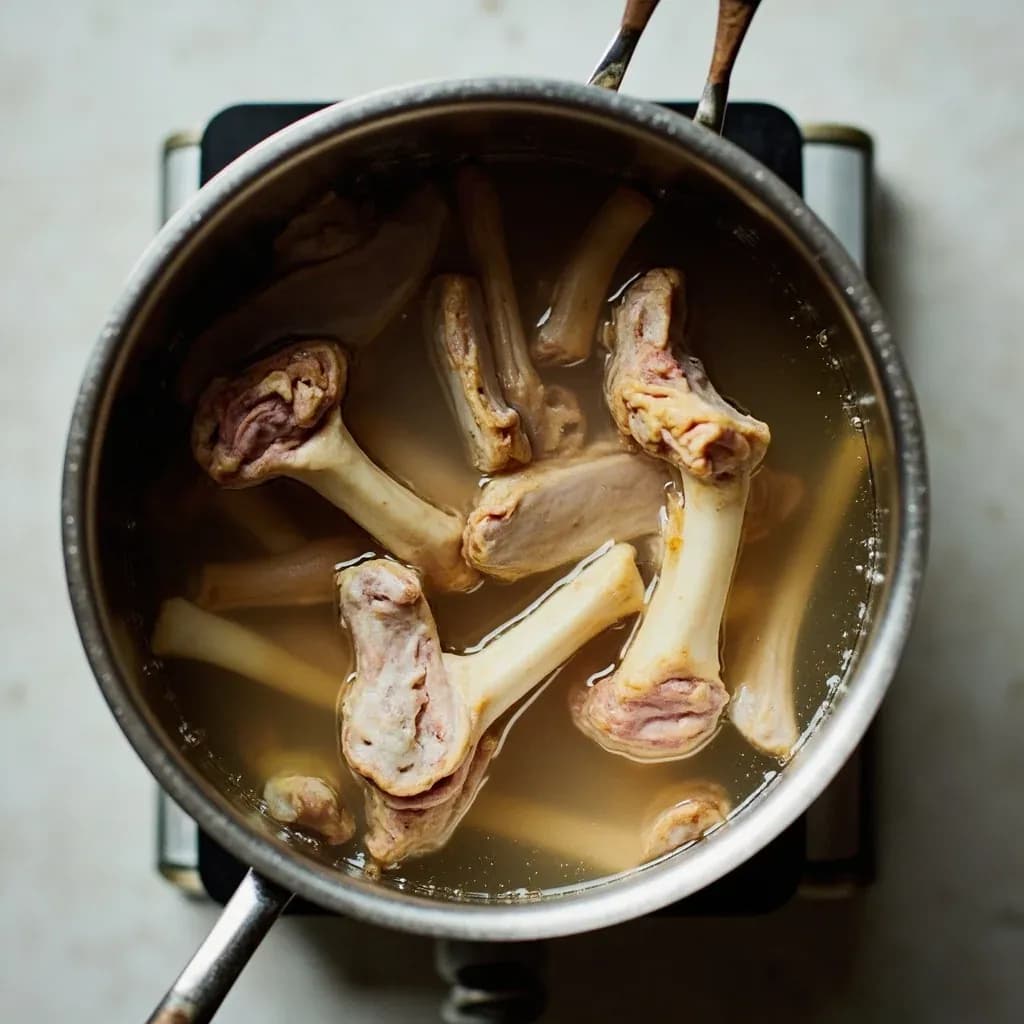
Blanching Bones
Boiling bones briefly and discarding the water to purge blood and scum for a clear stock.
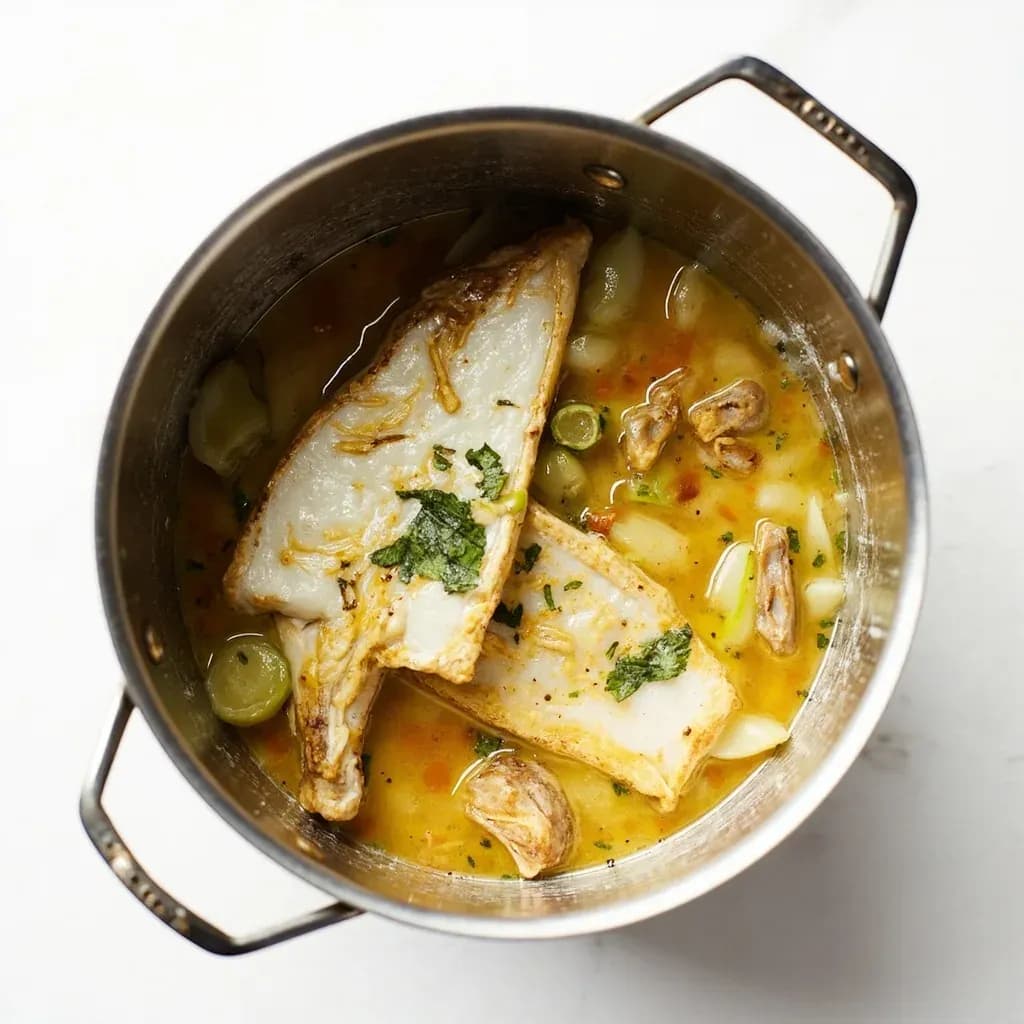
Fumet (Fish Stock) Making
Gently simmering fish bones and aromatics into a delicate, light stock.
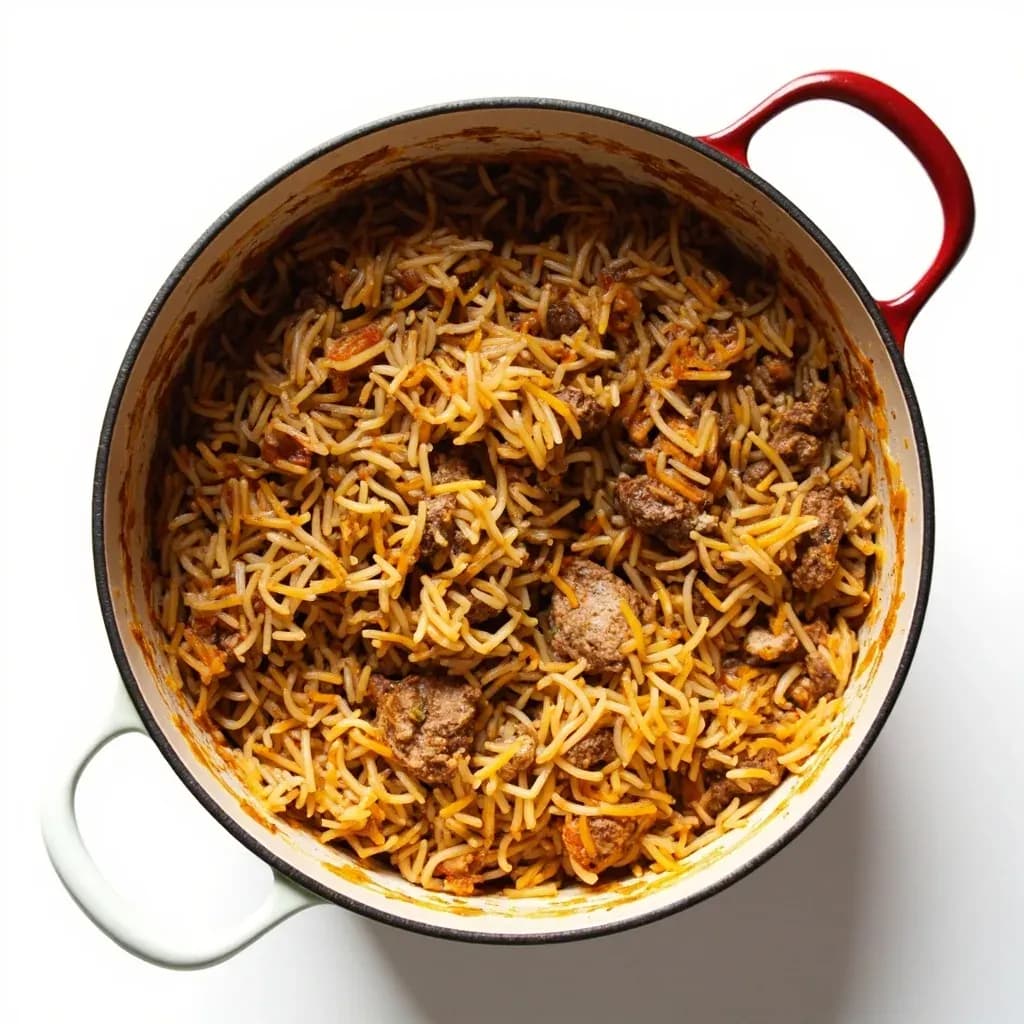
Layered Rice Cooking
Par-boiling rice, then layering it with meat or vegetables to steam together.
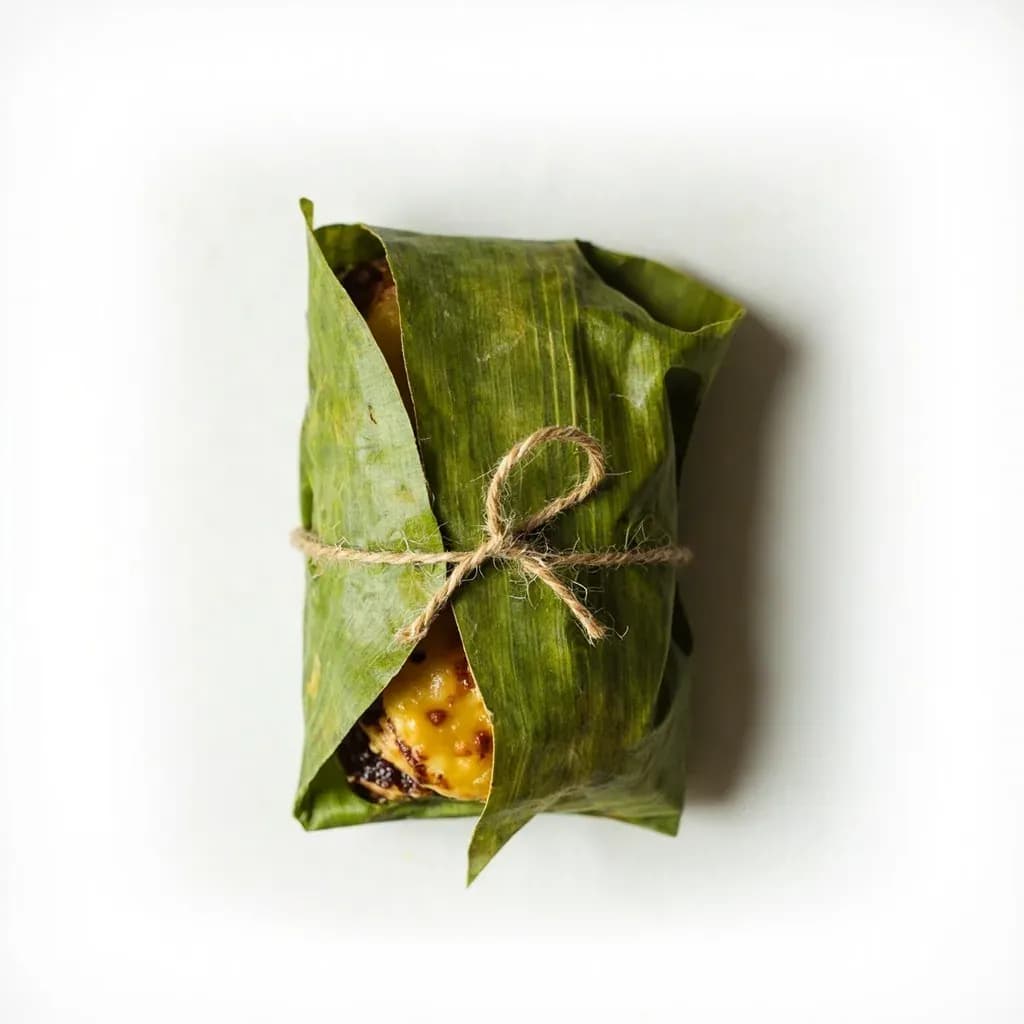
Leaf-Wrapping
Encasing food in banana or other leaves to steam it in a fragrant, sealed packet.
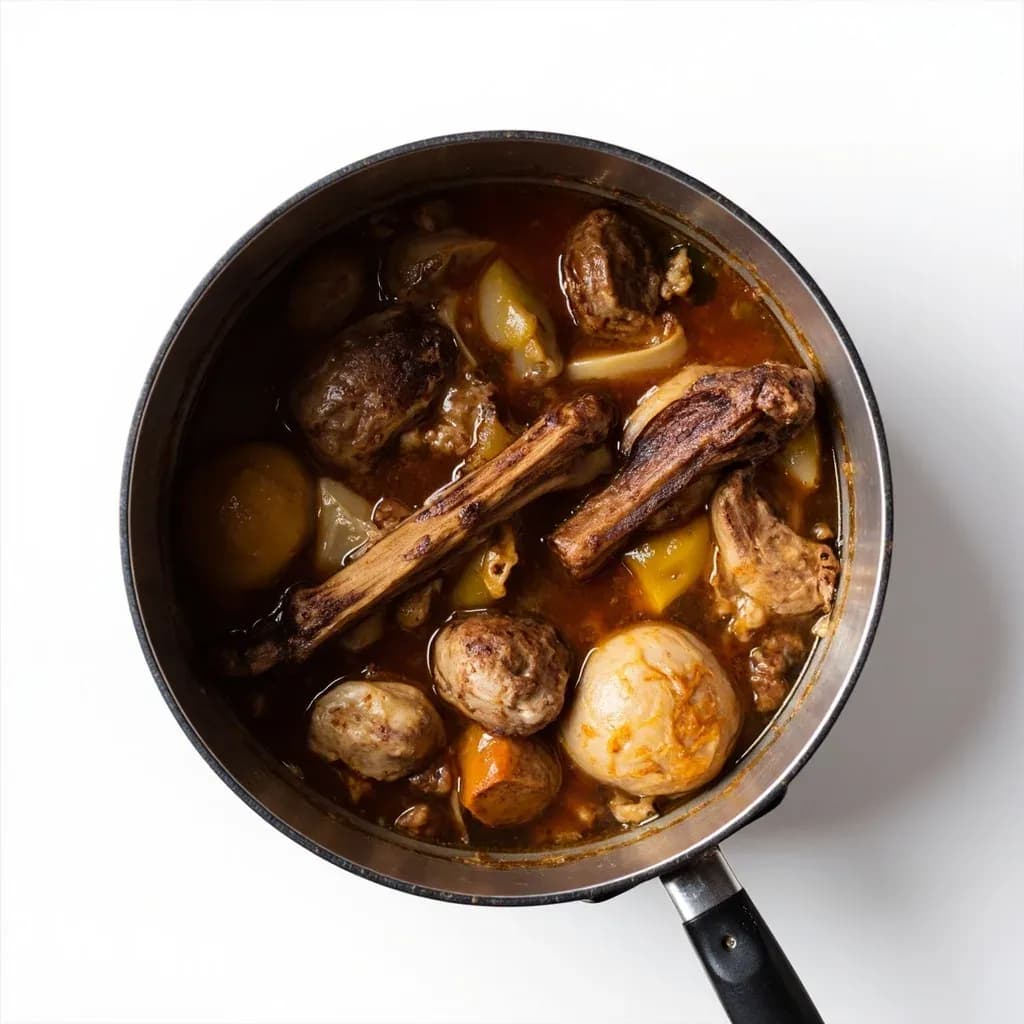
Making Stock
Simmering bones, vegetables, and aromatics in water to extract a flavorful base liquid.
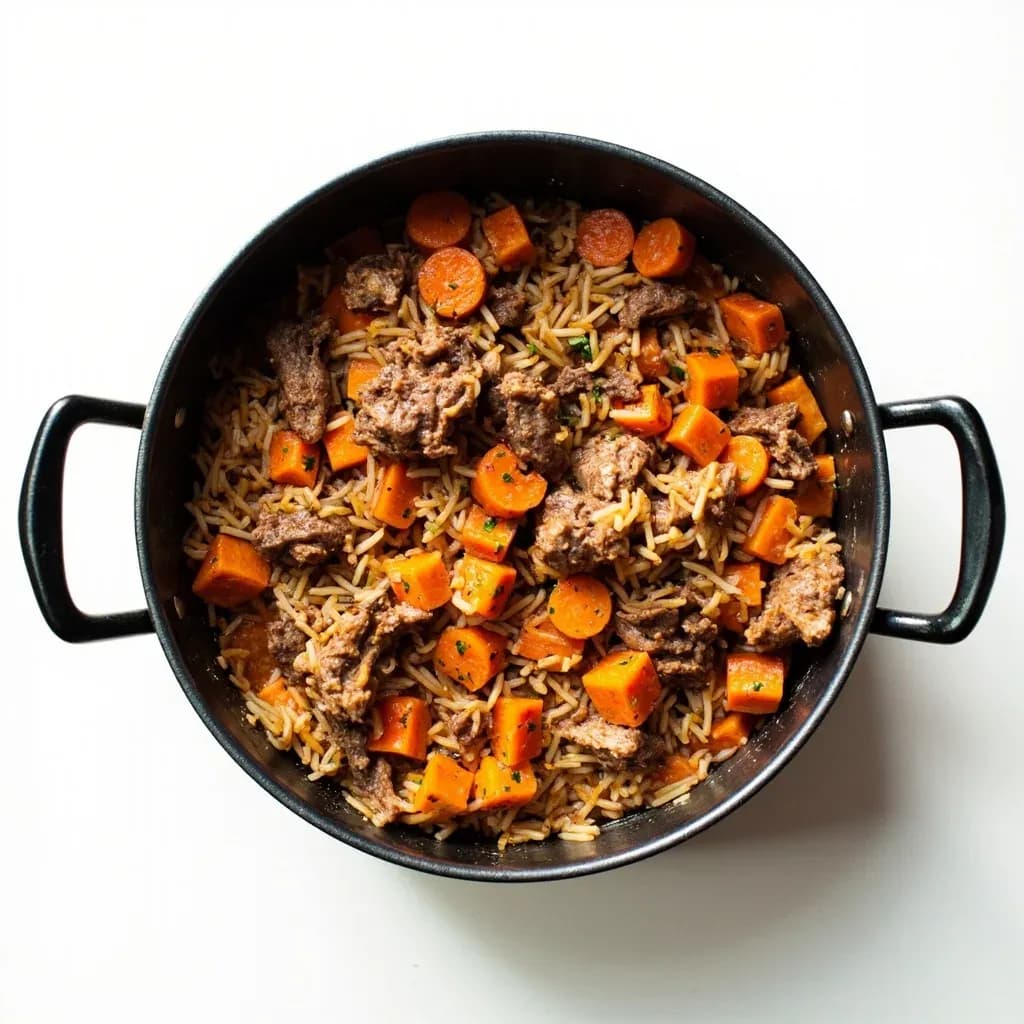
Pilaf / Plov Layering
Building rice over a savory meat-and-aromatic base so it absorbs flavor as it steams.
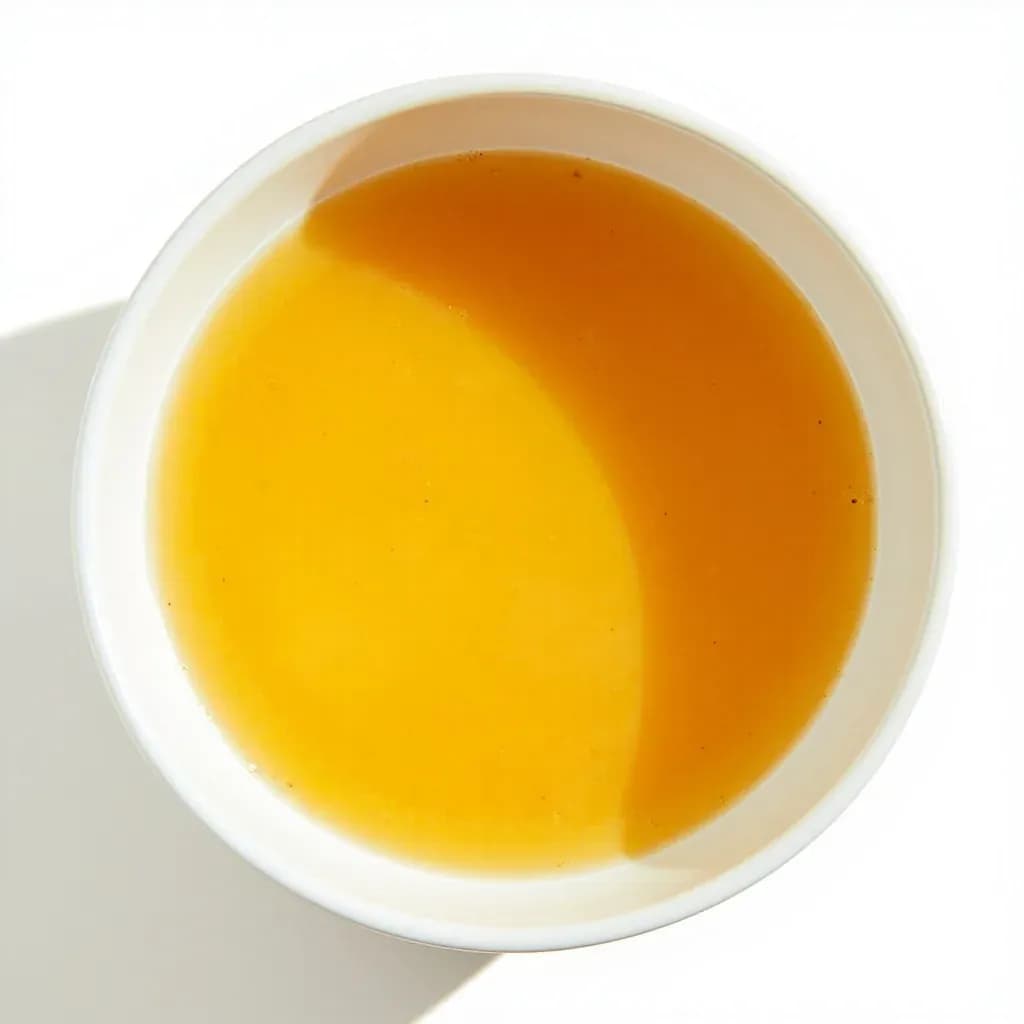
Stock Clarification
Removing impurities from stock to produce a crystal-clear consommé.
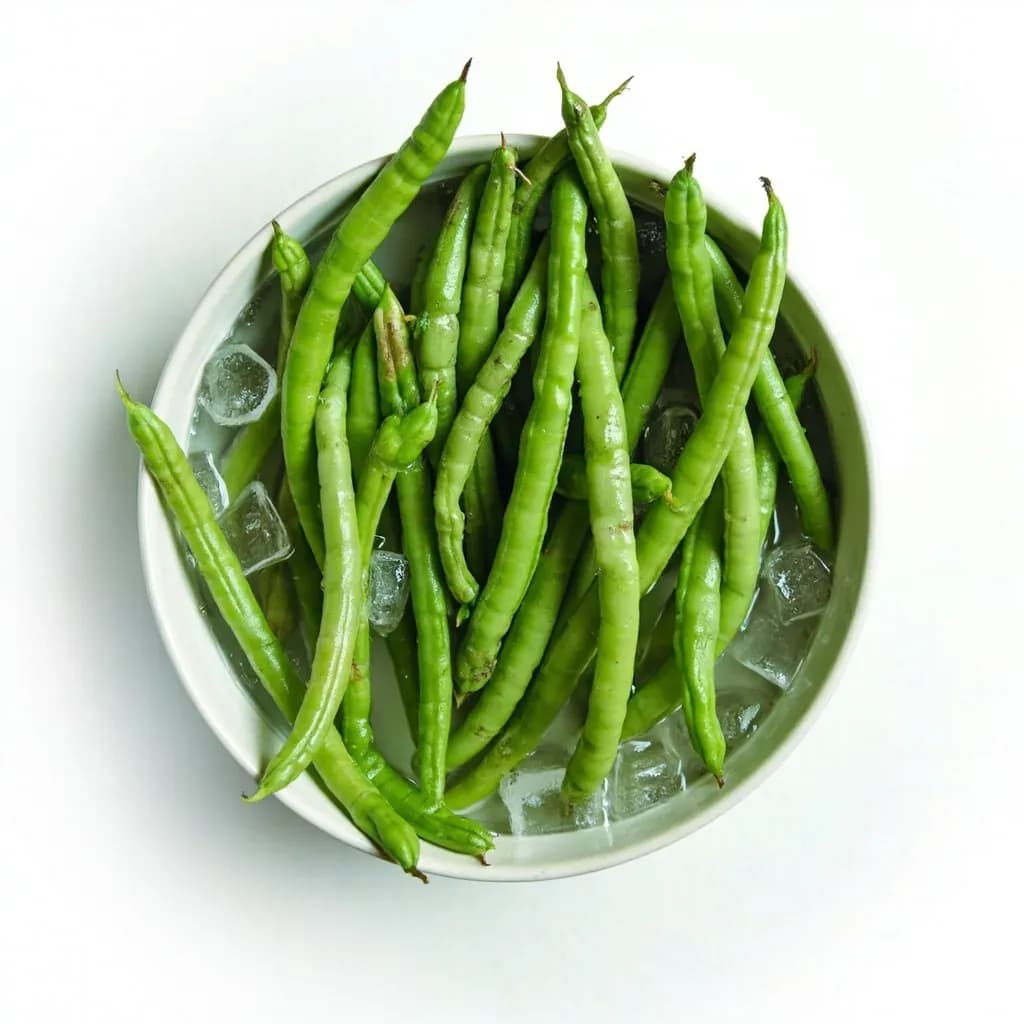
Blanch and Shock
Briefly boiling food then plunging it into ice water to set color and halt cooking.
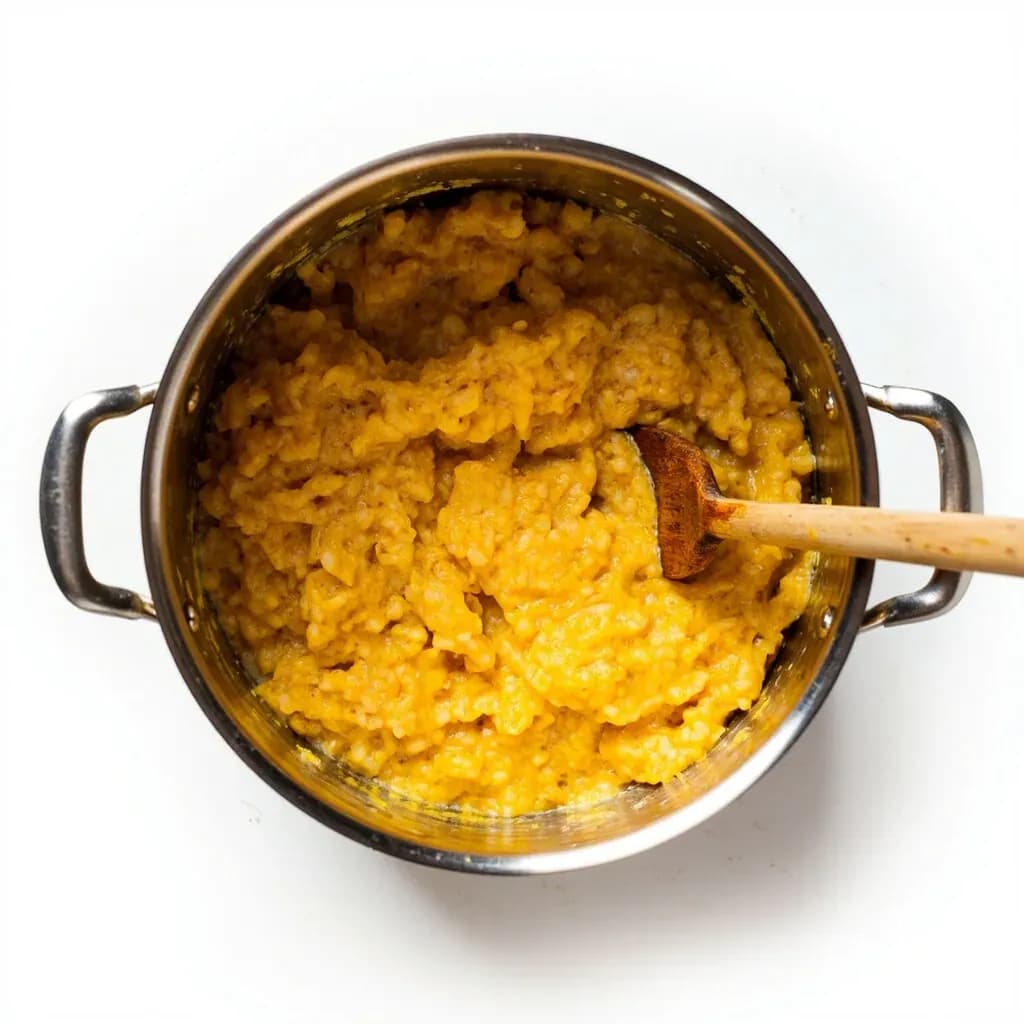
Cooking Stiff Pap / Porridge
Stirring maize meal into boiling water to a thick, stiff porridge staple.
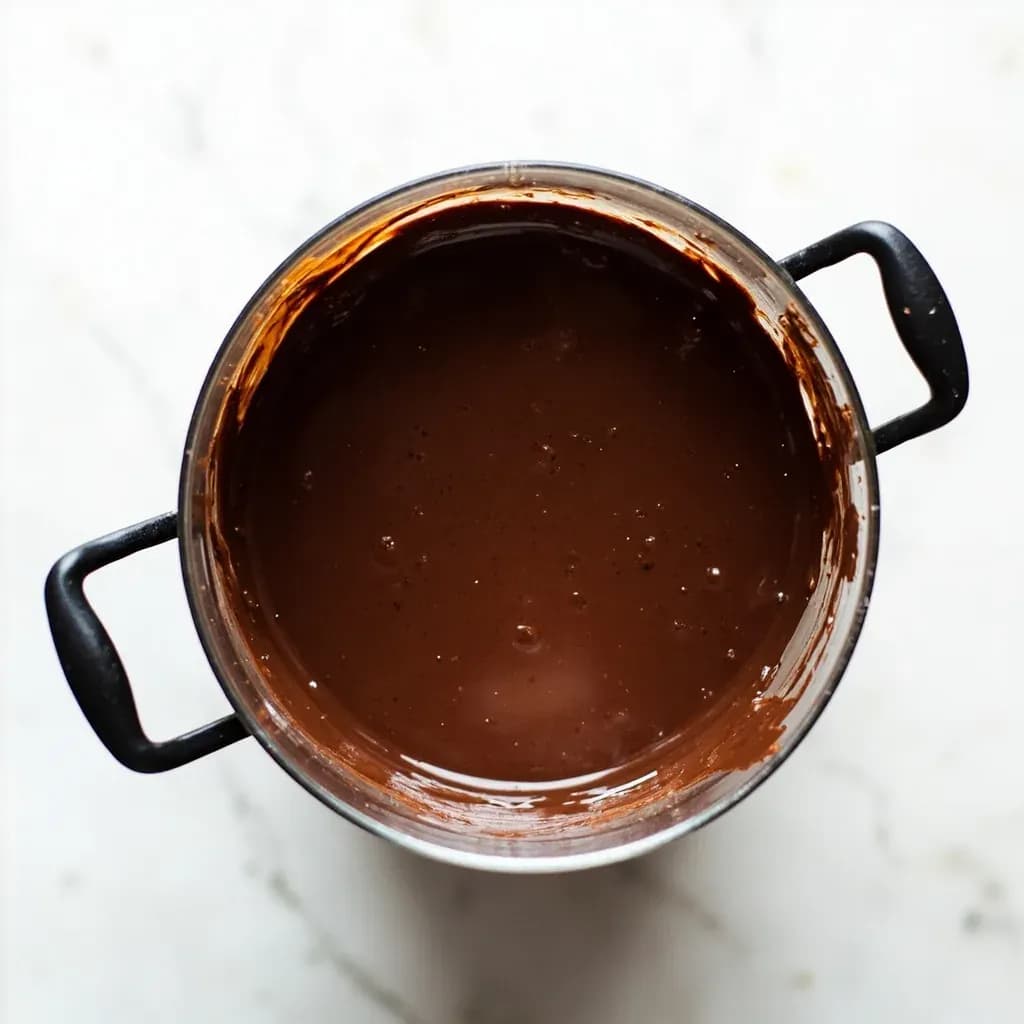
Double-Boiling
Heating food gently in a bowl set over simmering water for delicate, even warmth.
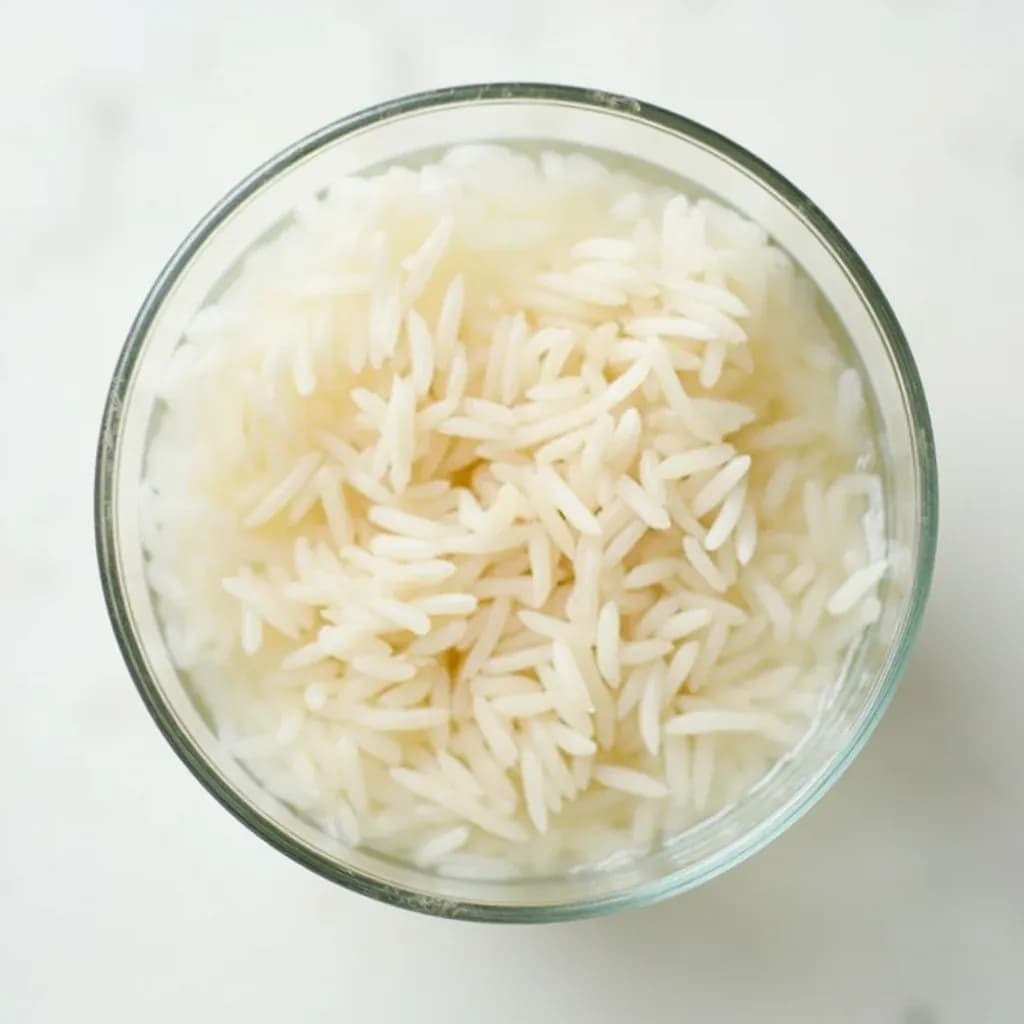
Rinsing Rice
Washing rice in water to remove surface starch for fluffier, separate grains.
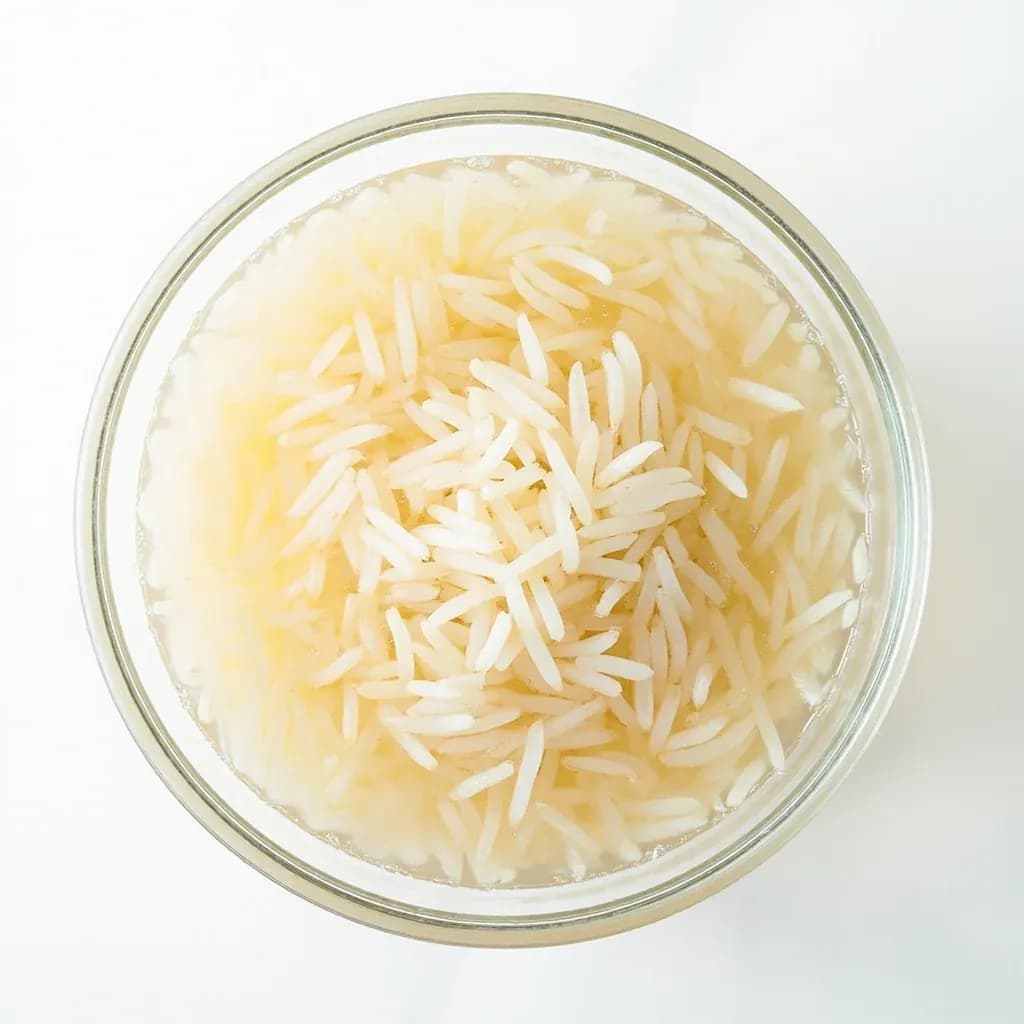
Soaking Rice
Steeping rice in water before cooking for even hydration and texture.
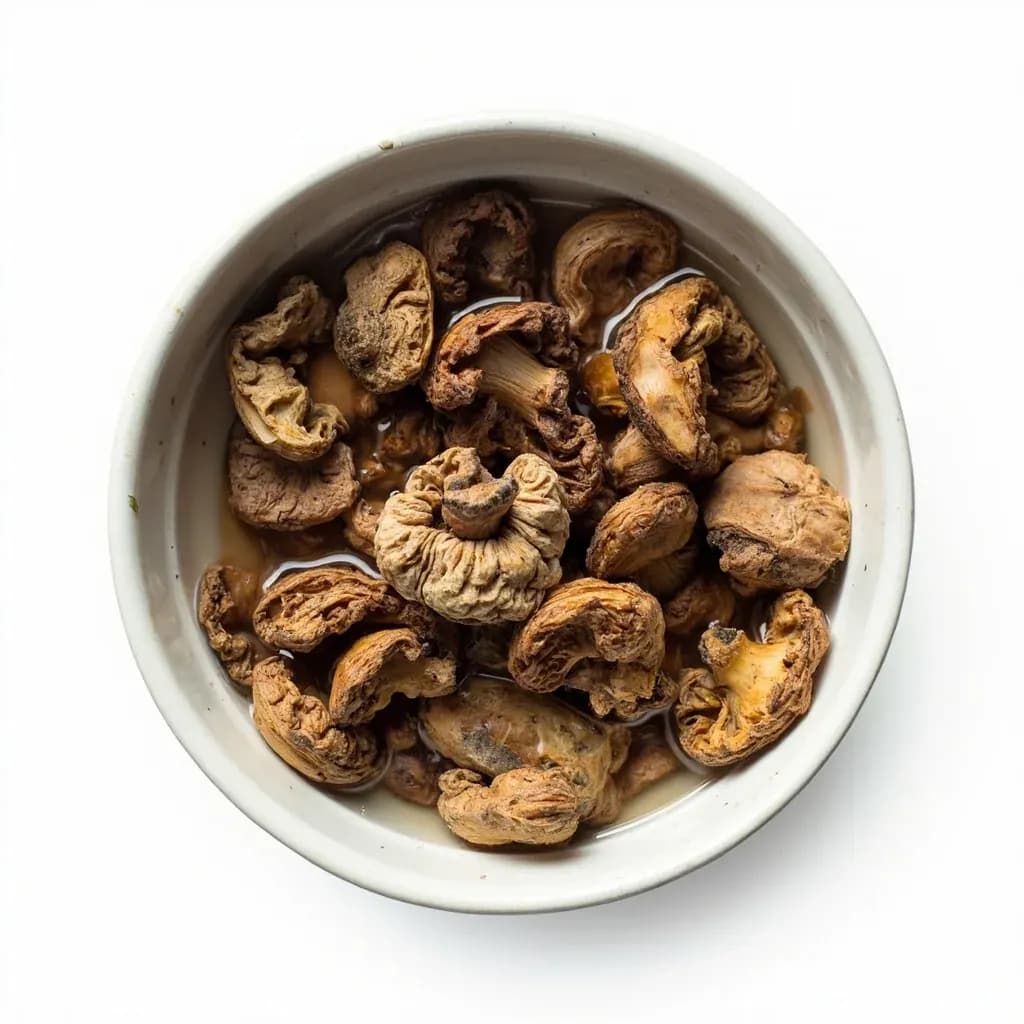
Reconstituting Dried Goods
Soaking dried ingredients in liquid to restore their texture and bulk.
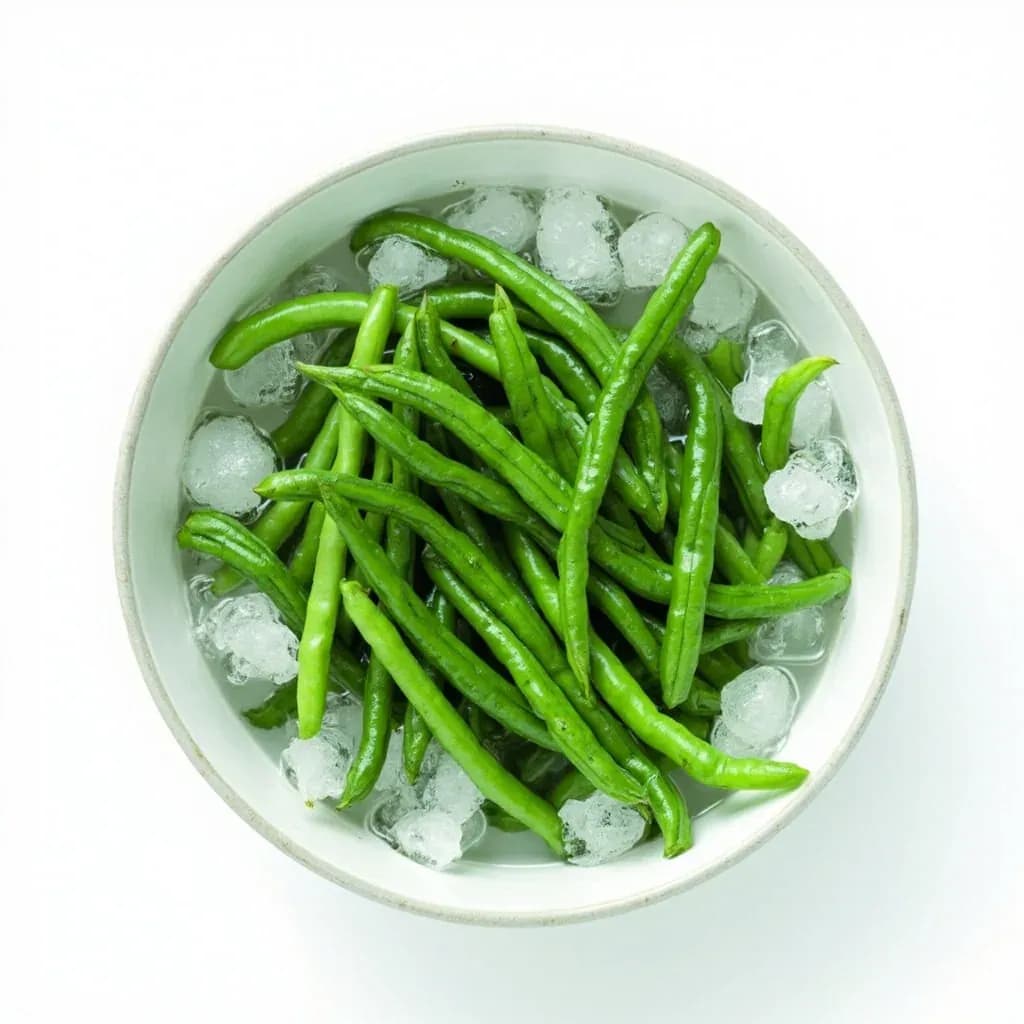
Shocking (Ice Bath)
Plunging just-cooked food into ice water to halt cooking instantly and lock in bright color.
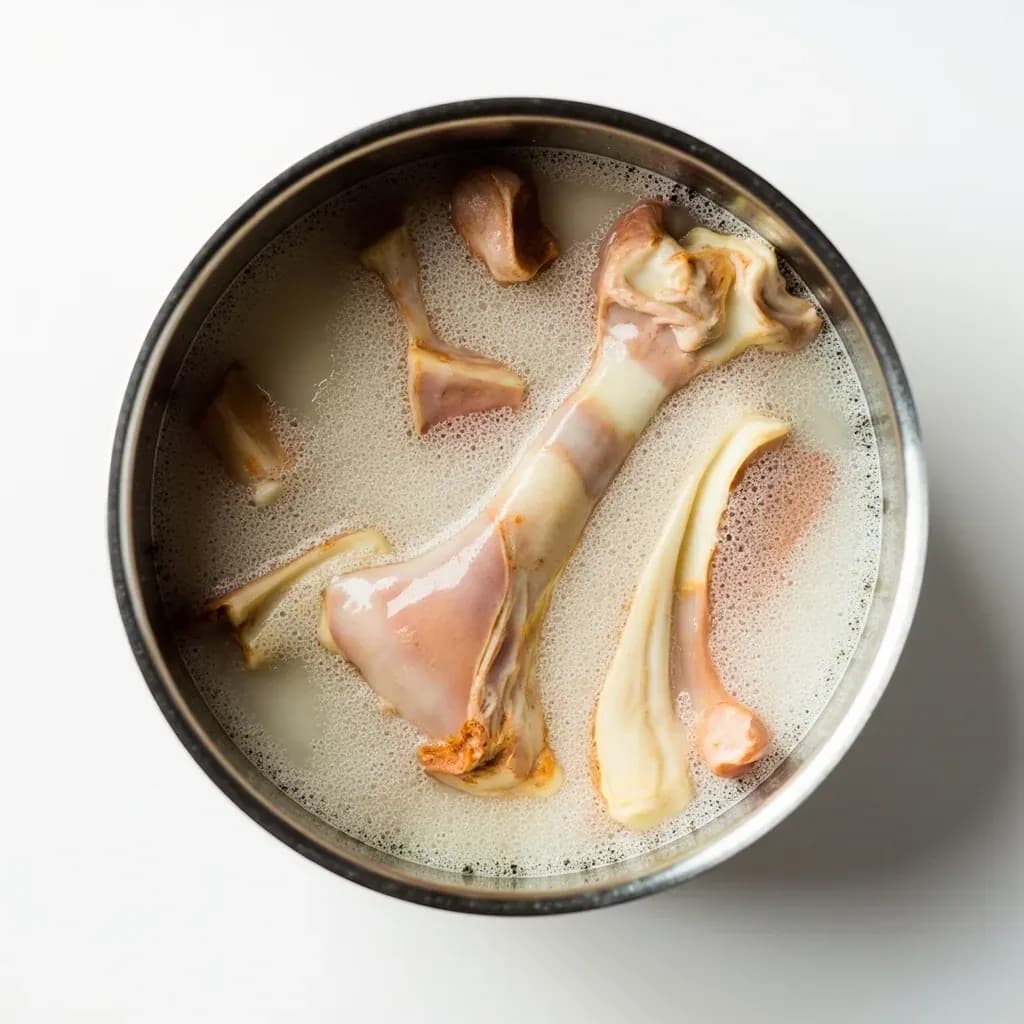
Blanching Bones
Boiling bones briefly and discarding the water to remove scum for a clear, clean stock.
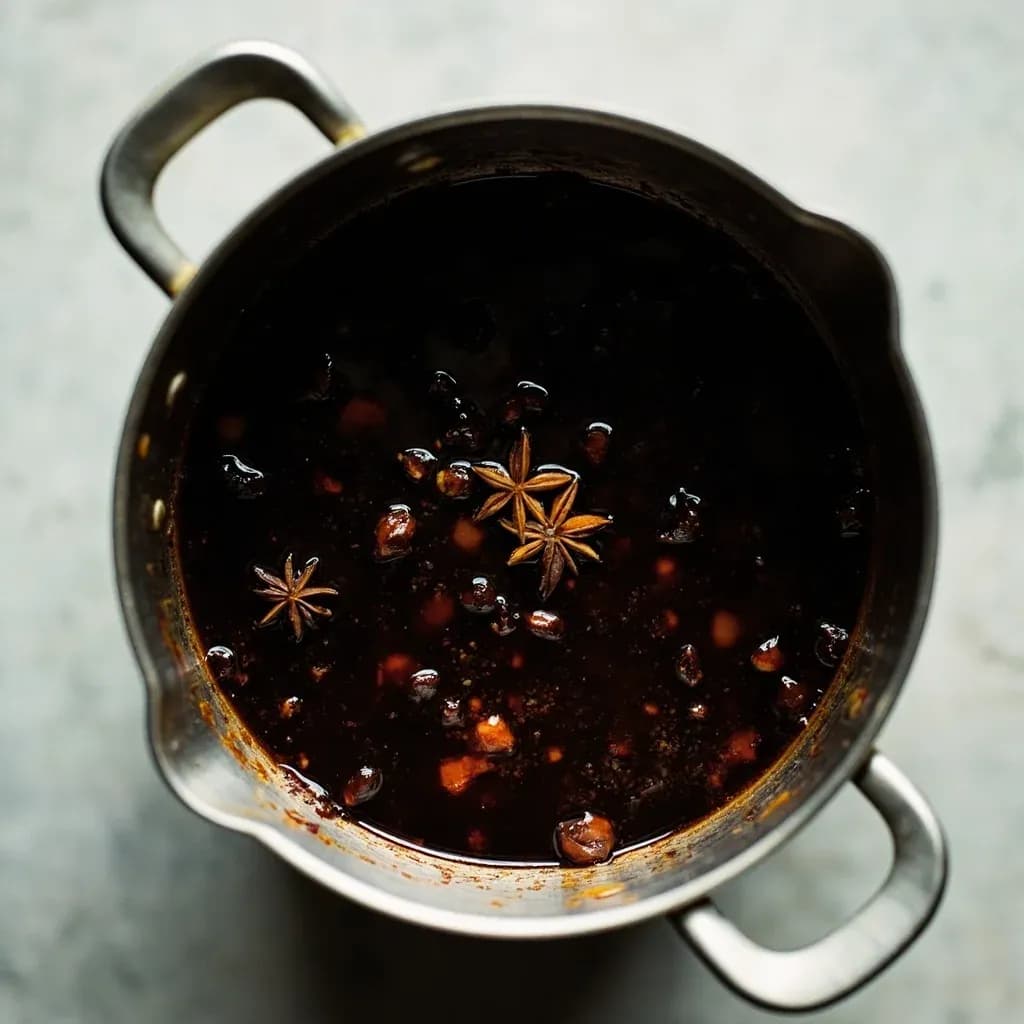
Master-Stock Braising (Lu)
Simmering meats in a reusable spiced soy master stock that deepens over time.
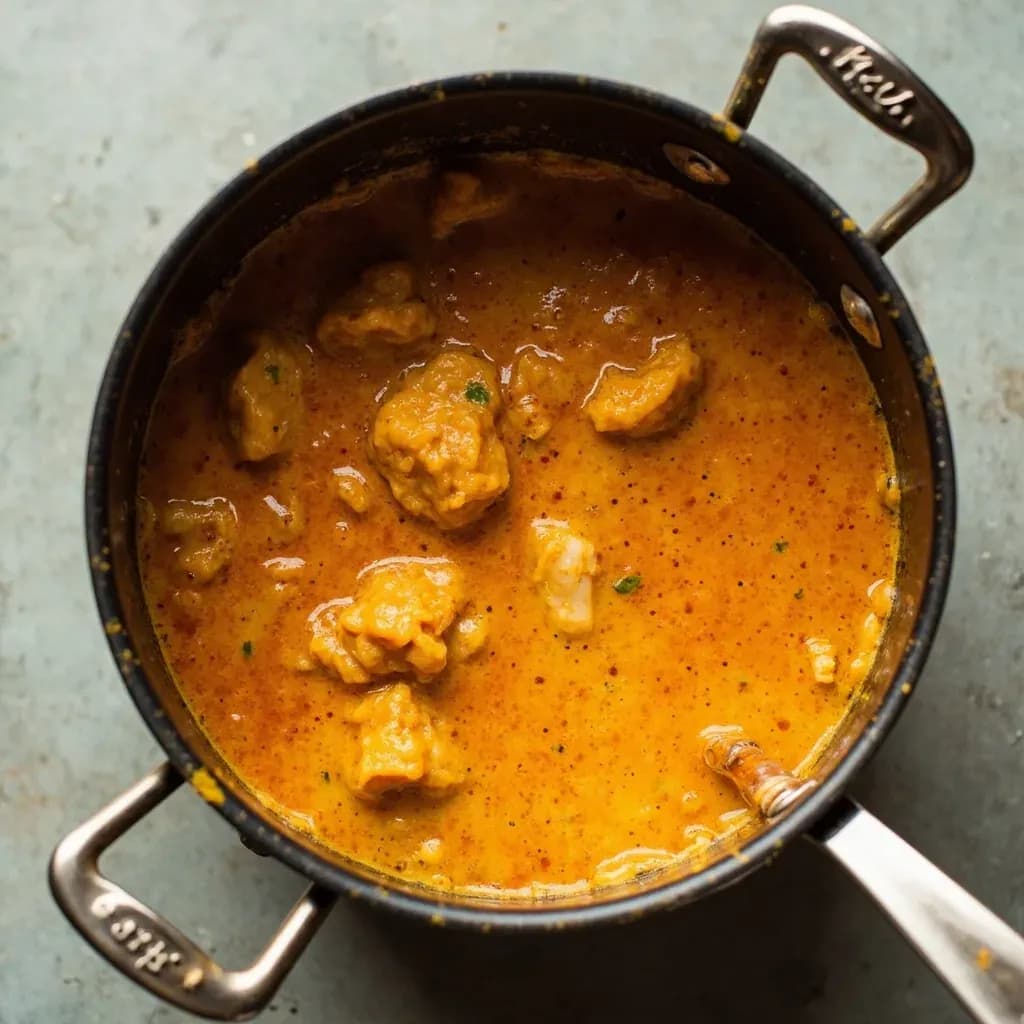
Coconut Curry Simmering
Simmering a spiced curry in coconut milk to a rich, fragrant sauce.
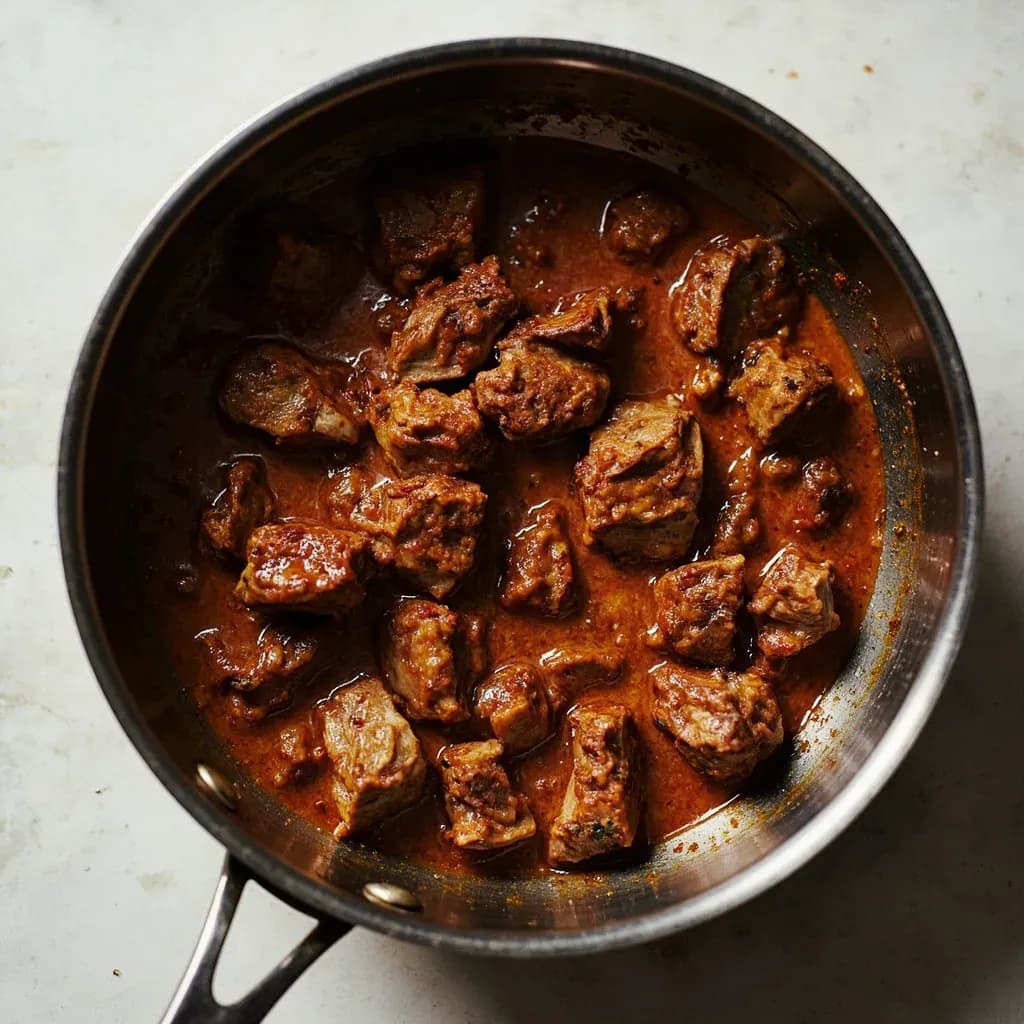
Coconut Milk Braising
Slow-braising meat or vegetables in coconut milk until tender and rich.
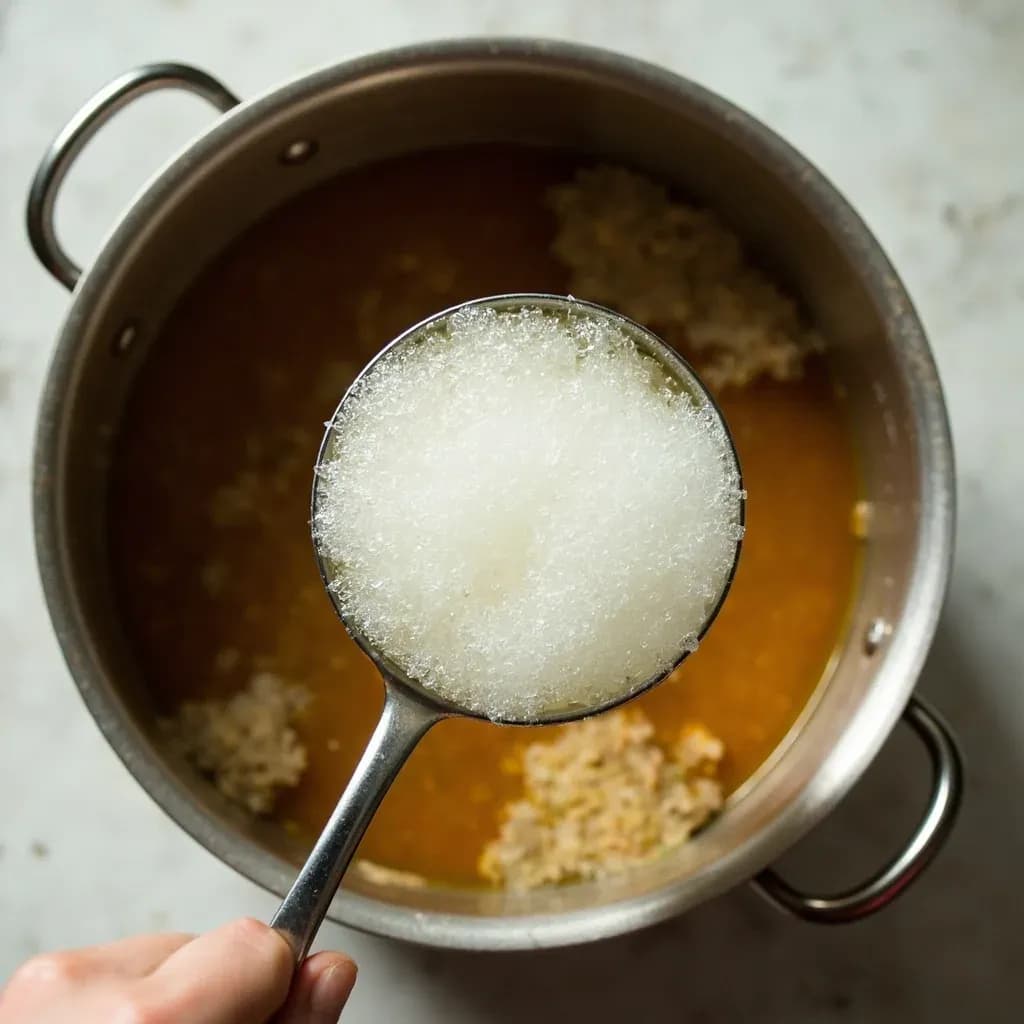
Skimming Broth
Removing surface foam and fat from simmering stock for a clear broth.
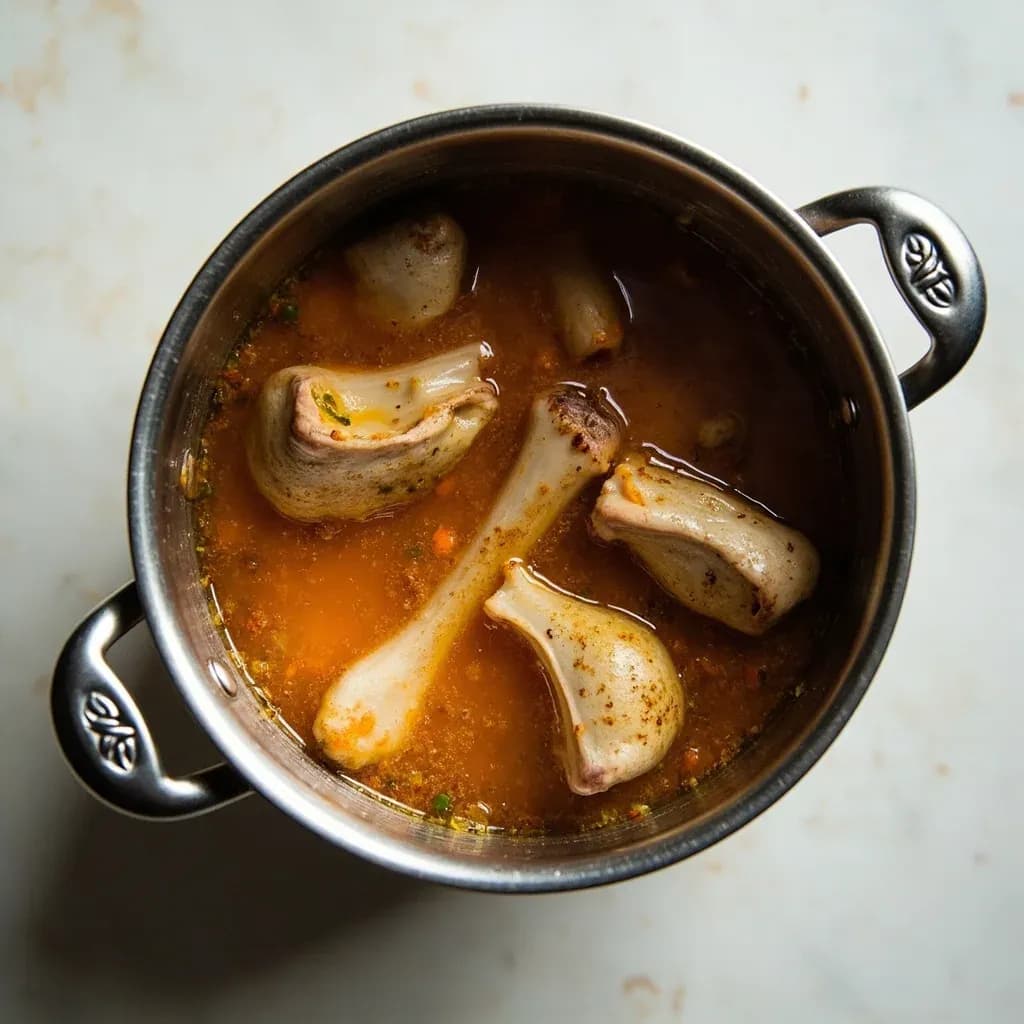
Slow-Simmered Soup
Hours-long gentle simmering for deeply nourishing, clear Cantonese soups.
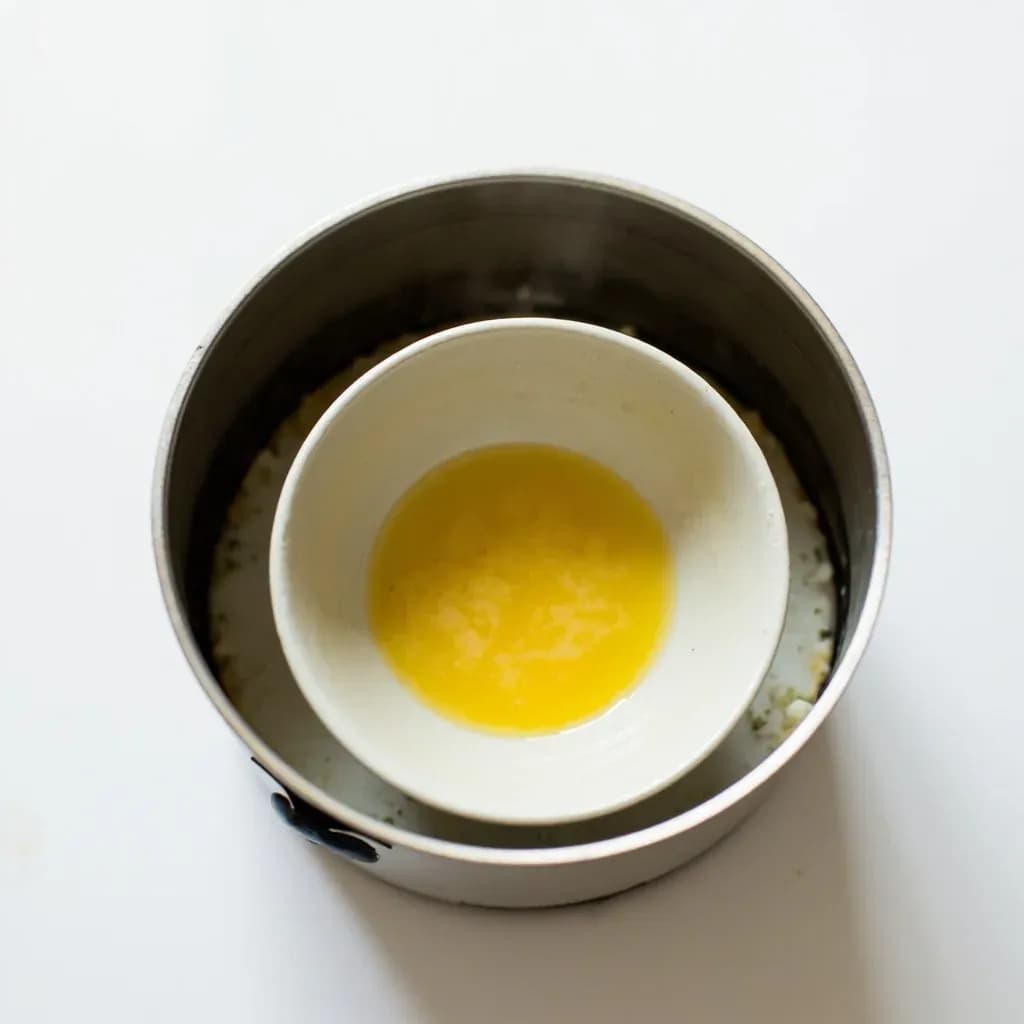
Bain-Marie
Cooking or holding food gently in a water bath for even, low heat.
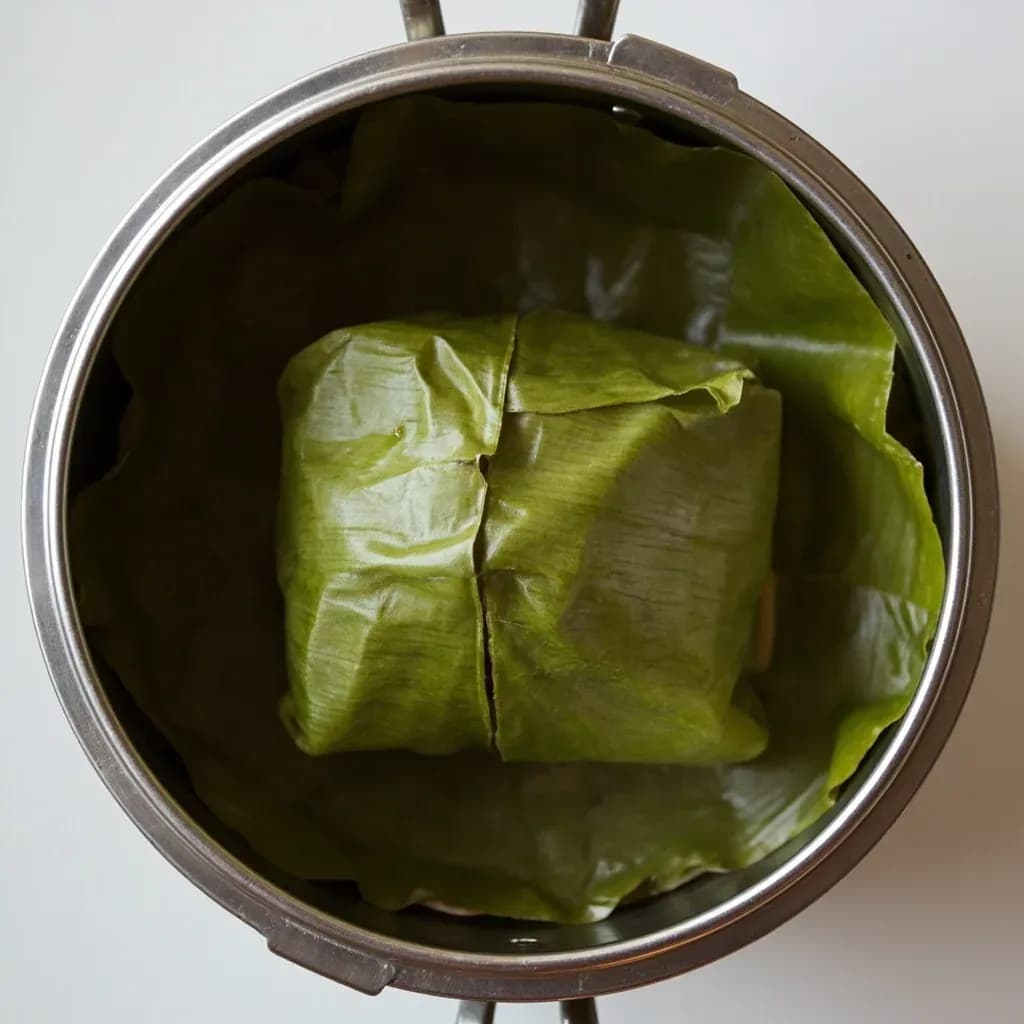
Banana-Leaf Parcel Steaming
Steaming food wrapped in banana leaves for moisture and herbal aroma.
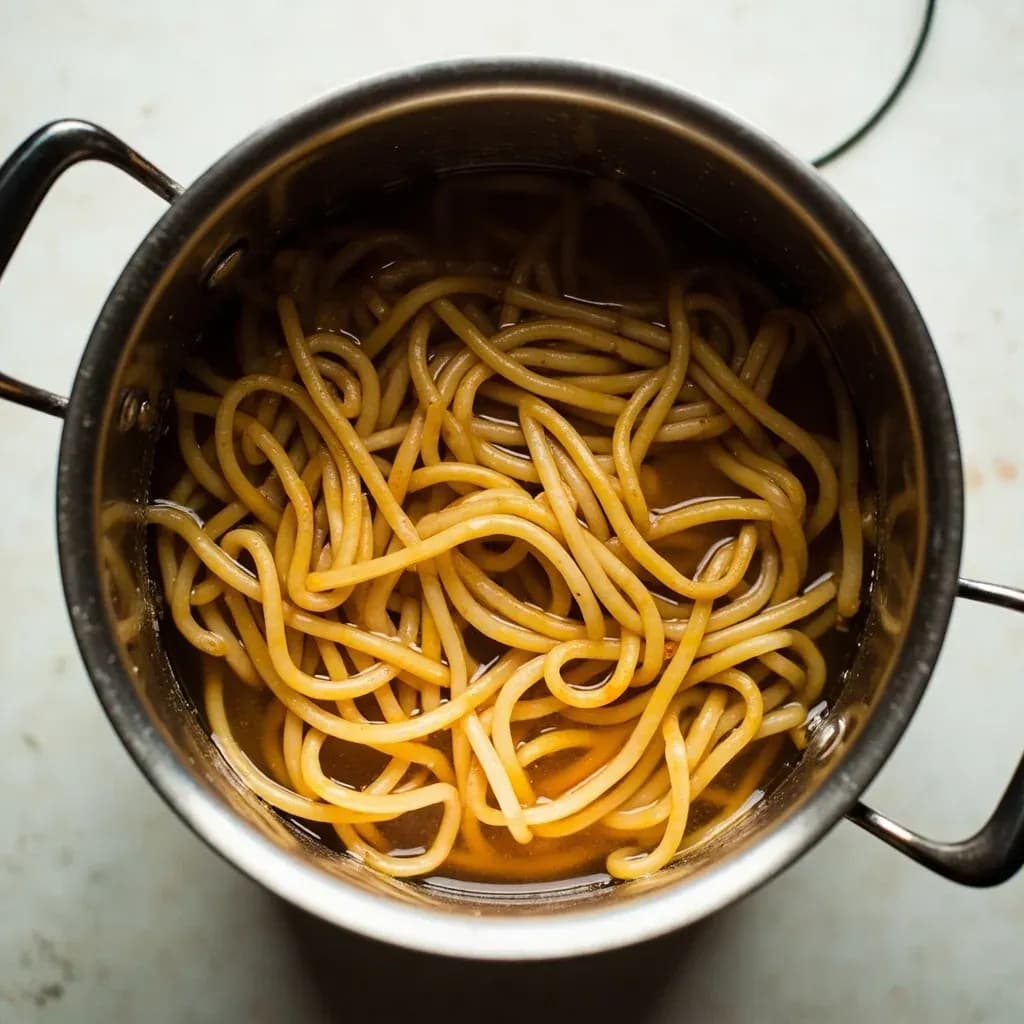
Boiling Noodles
Cooking noodles in plenty of boiling water to the right tenderness.
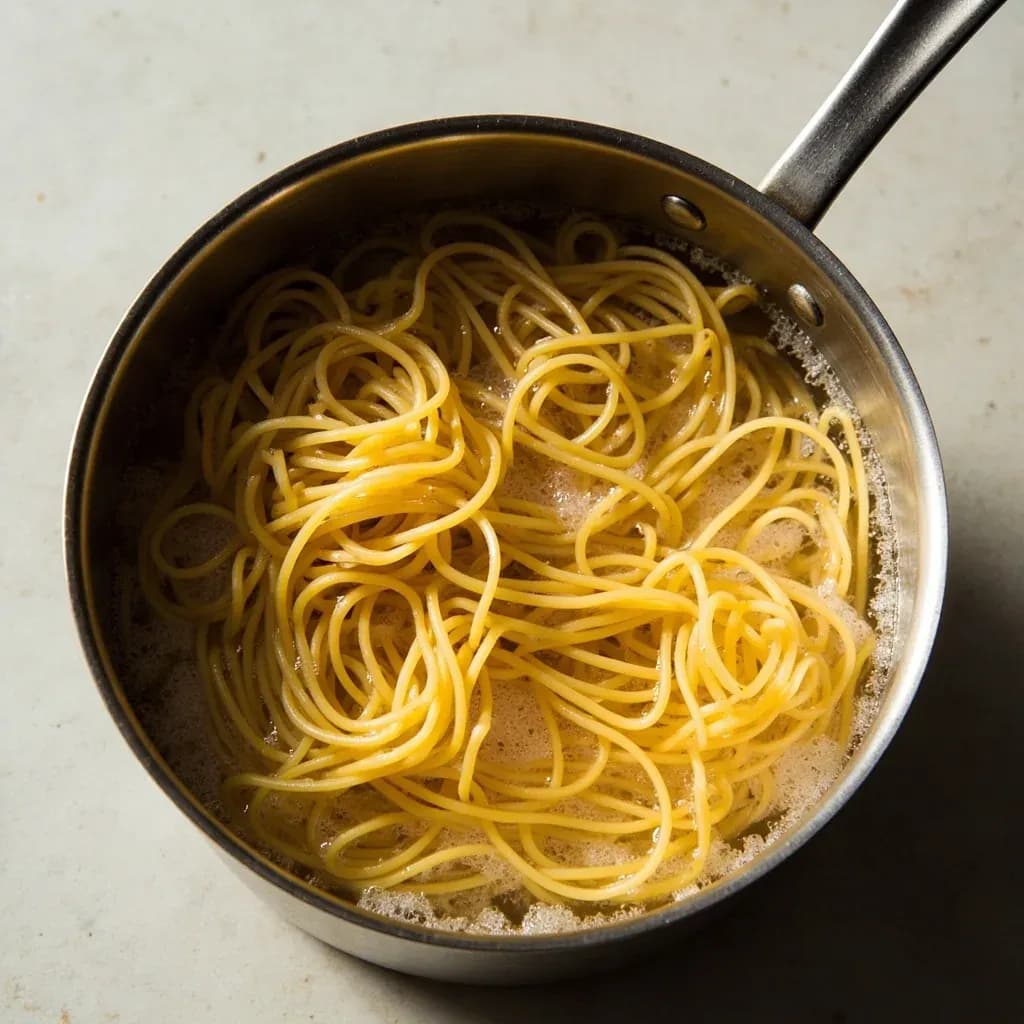
Boiling Pasta Al Dente
Boiling pasta in salted water until firm to the bite, not soft.
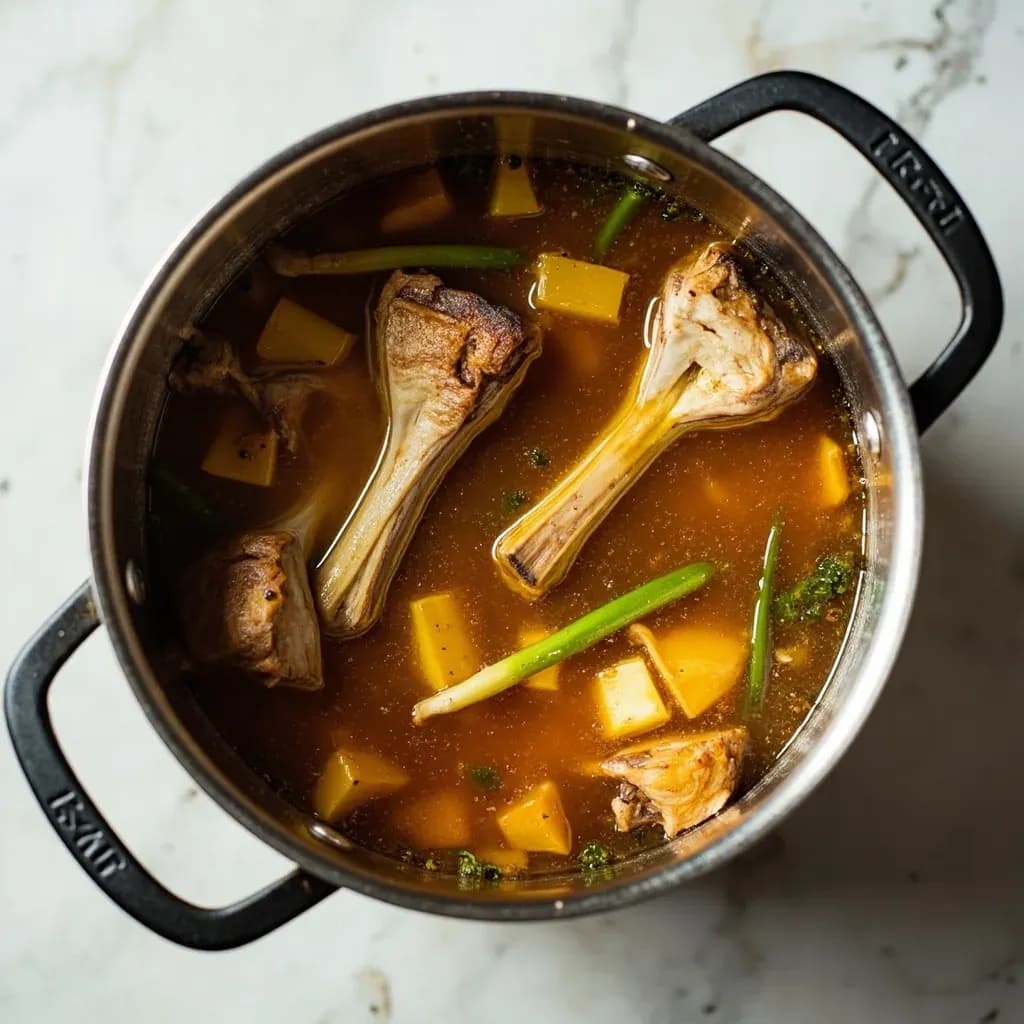
Broth Simmering
Holding stock at a gentle near-boil for hours to extract flavor, body, and clarity from bones and aromatics.
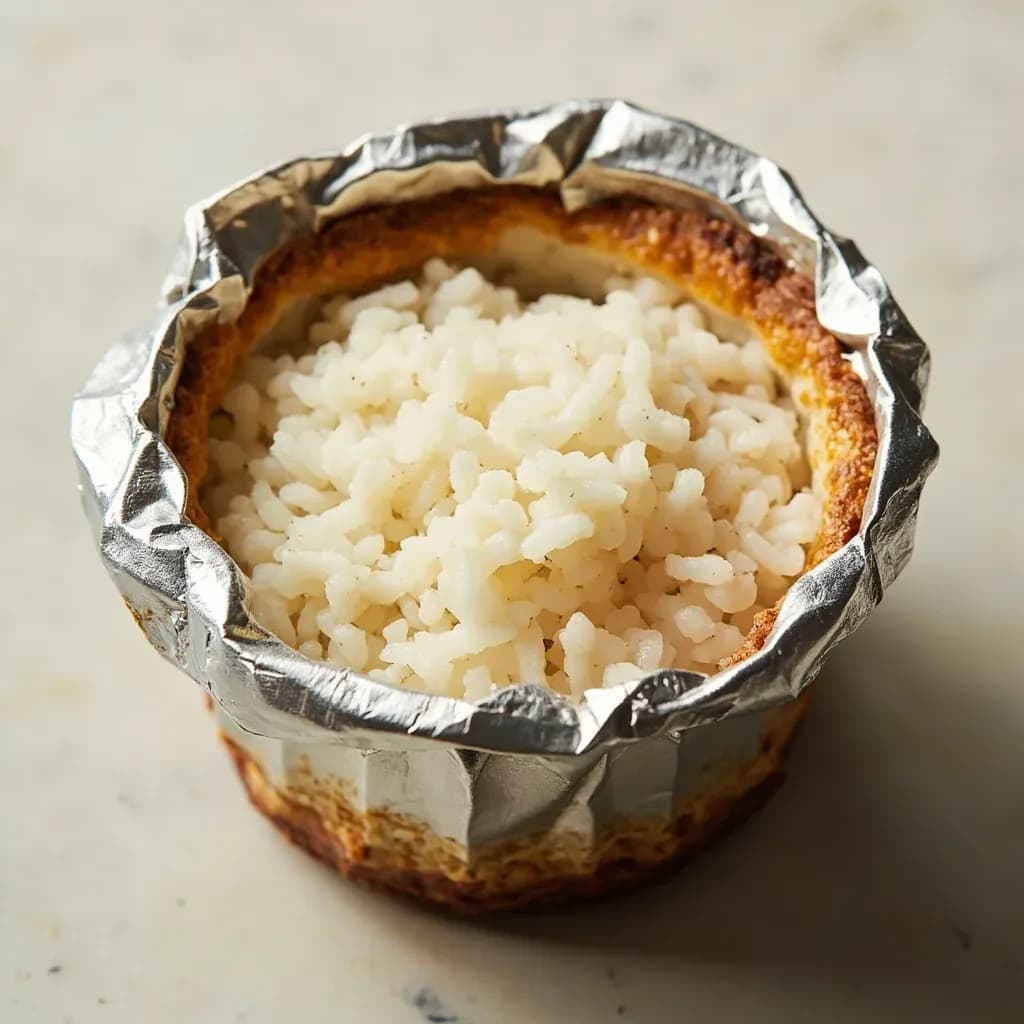
Caldero Rice Steaming
Cooking rice in a heavy aluminum caldero so it steams to fluffy grains with a prized crisp bottom layer.
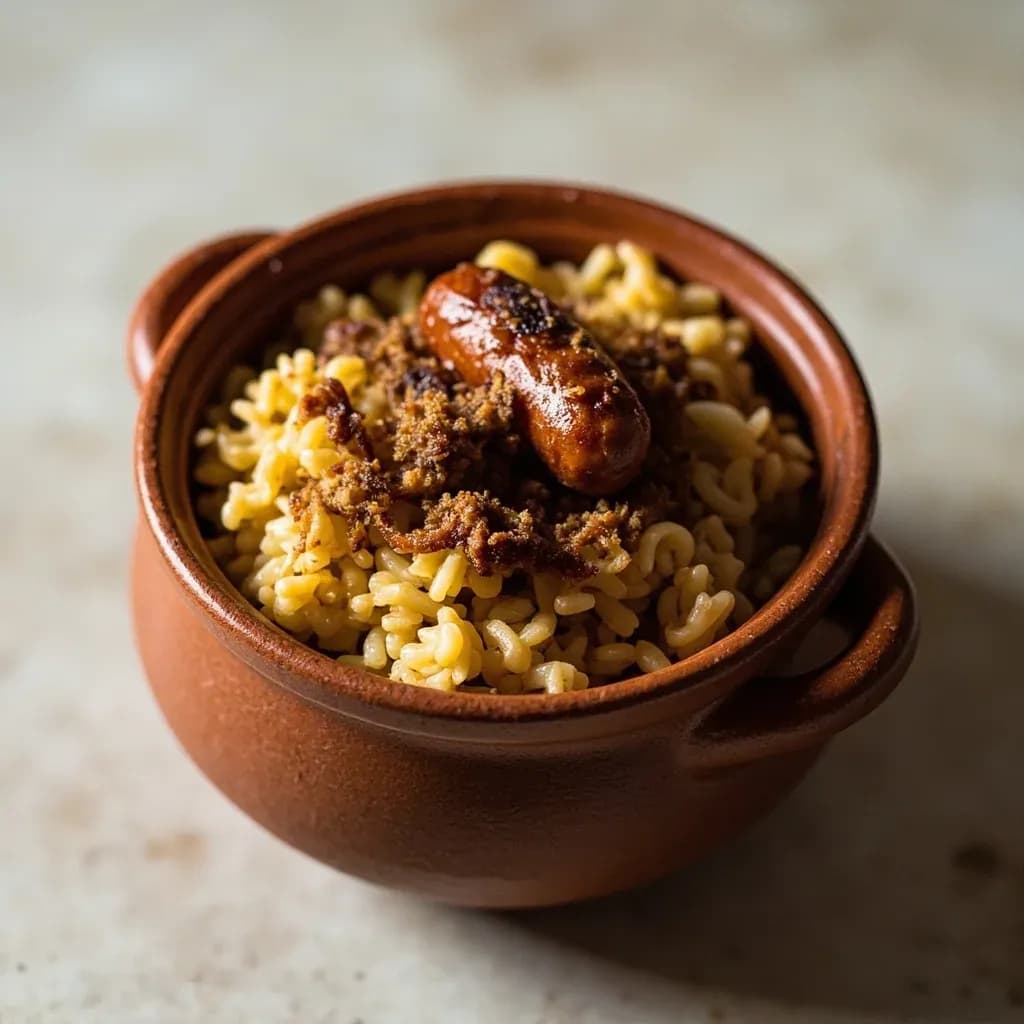
Clay Pot Rice Cooking (煲仔飯)
Cooking rice and toppings in a clay pot over flame to steam through and form a crackling scorched crust.
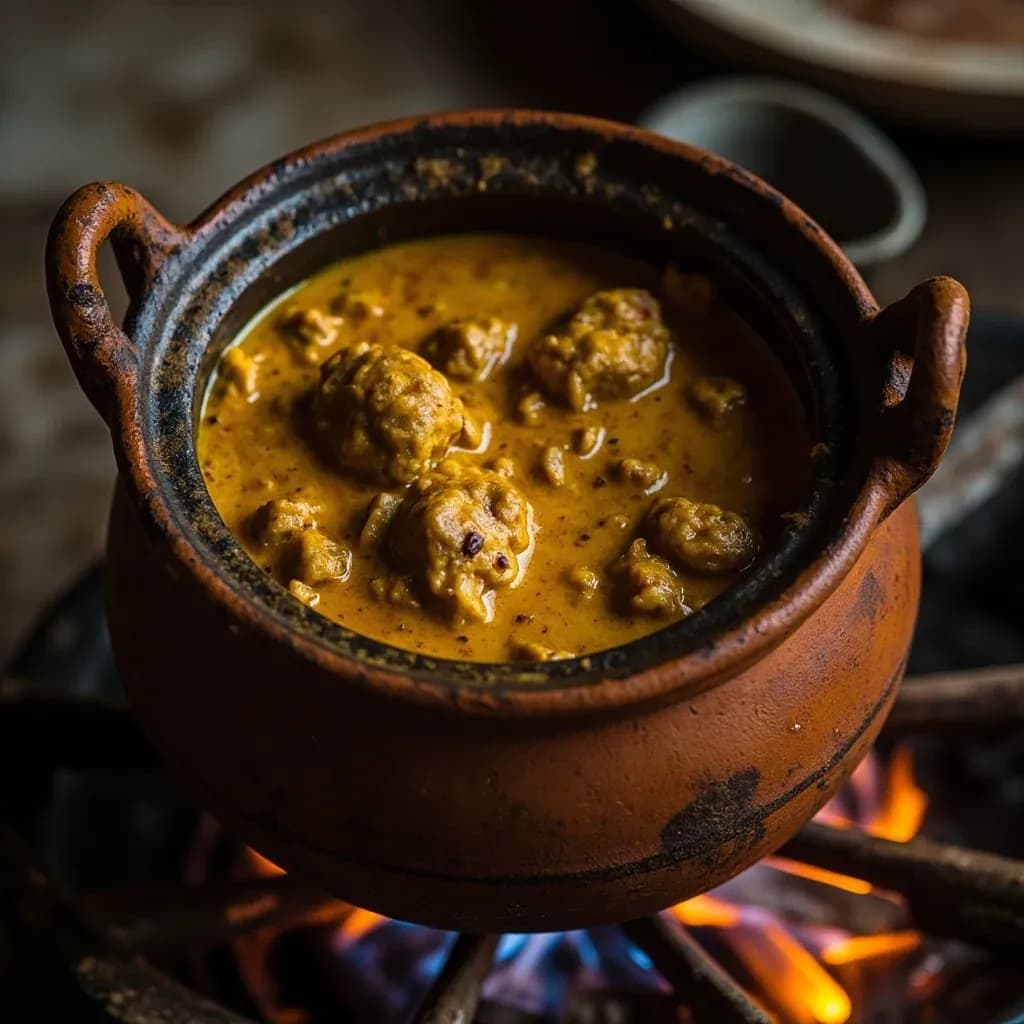
Clay-Pot Cooking
Slow-cooking stews and curries in unglazed earthenware that holds even heat and rounds out flavors.
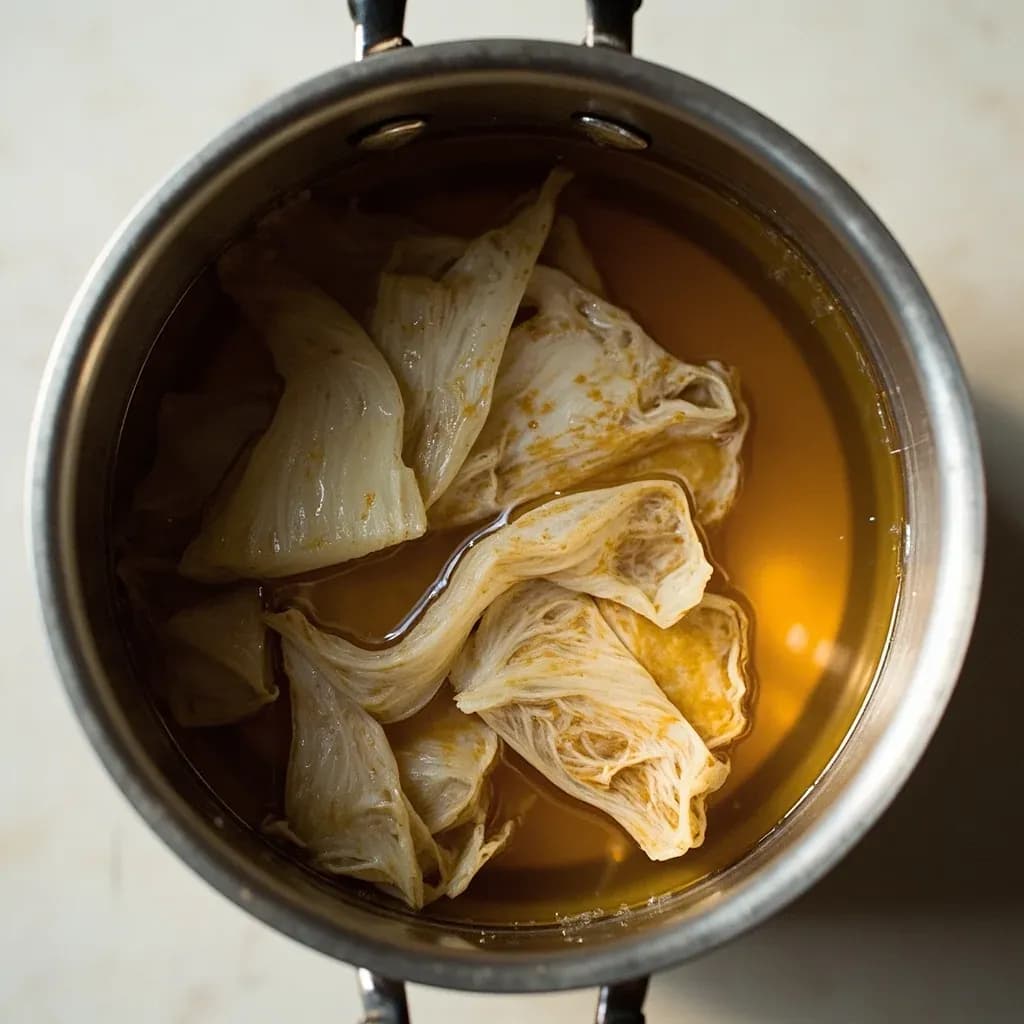
Dashi Stock Brewing
Steeping kombu and bonito flakes in hot water to extract a clear, umami-rich Japanese stock.
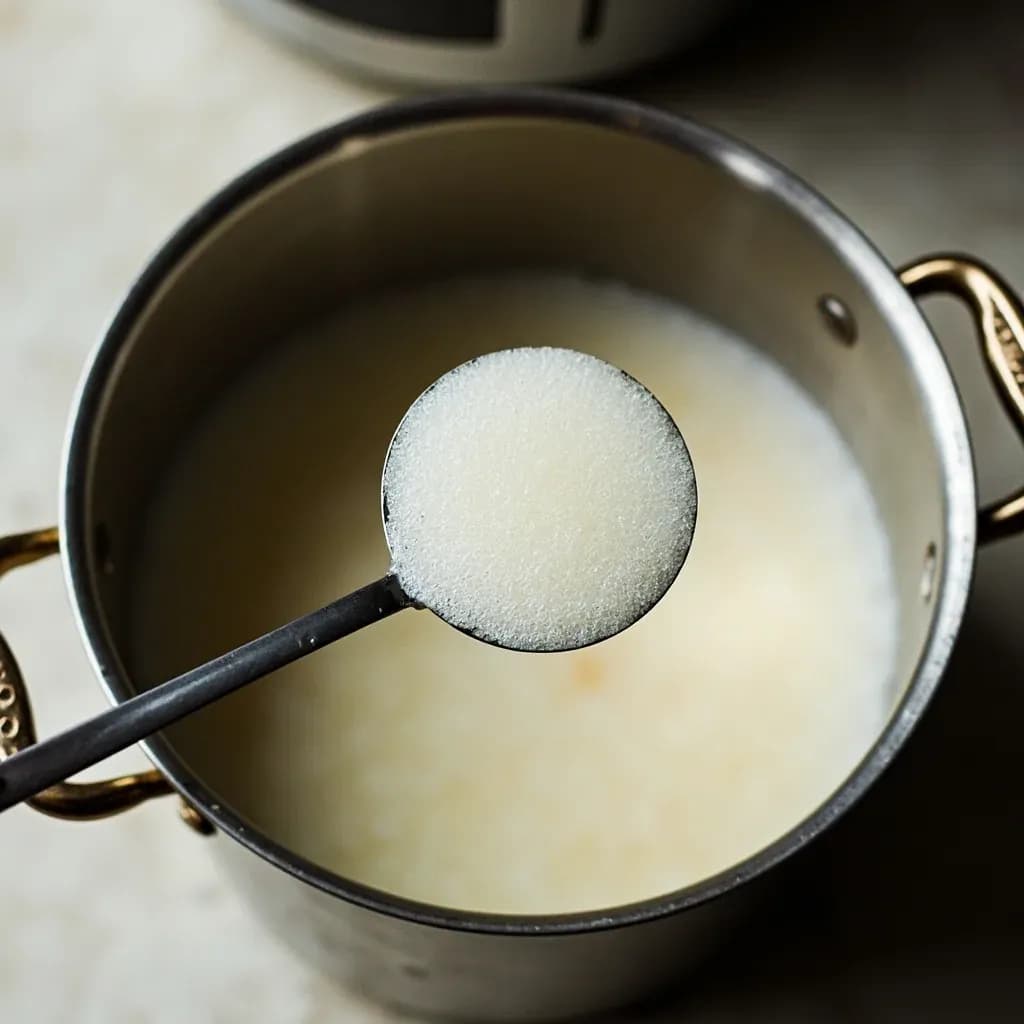
Depouillage (Skimming)
Skimming the scum, fat, and impurities that rise to the surface of a simmering stock or sauce.
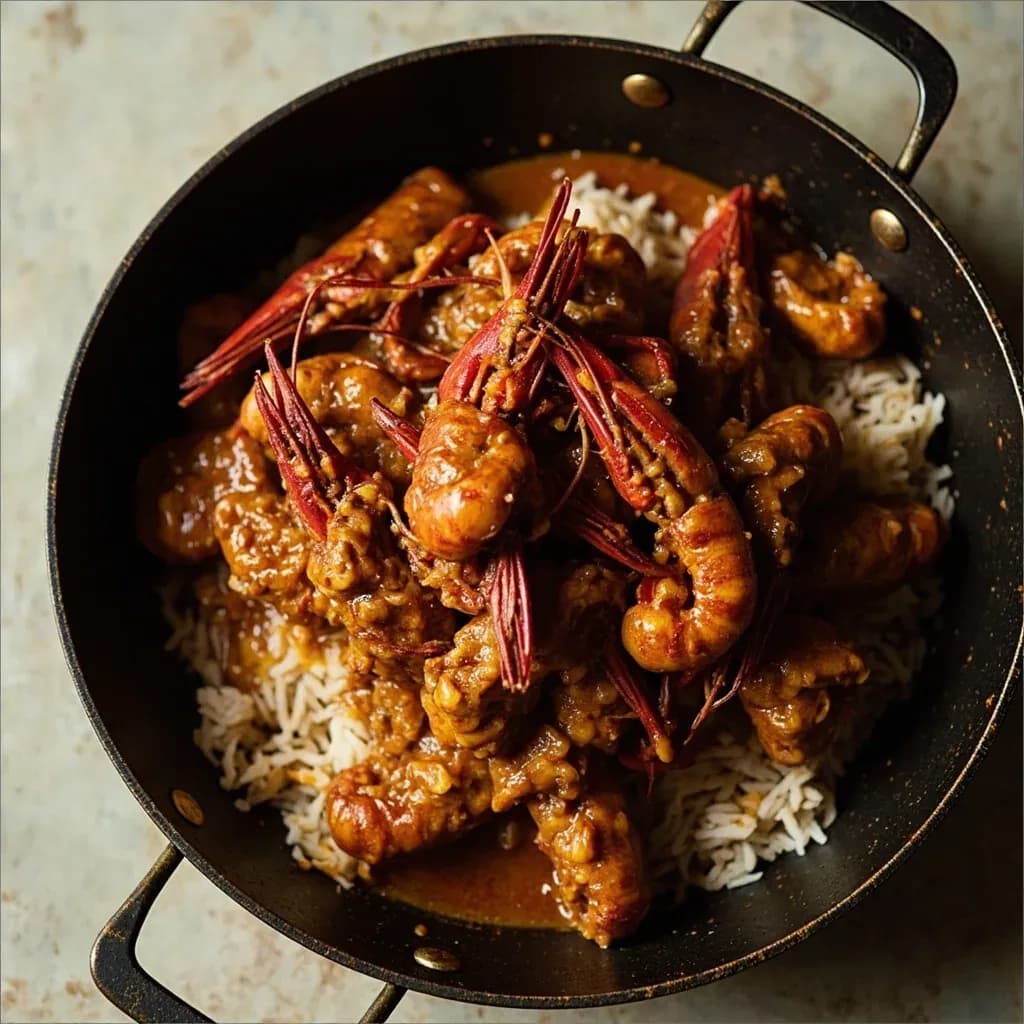
Etouffee / Smothering
Slow-cooking food, often covered, in a small amount of liquid and aromatics until tender and richly sauced.
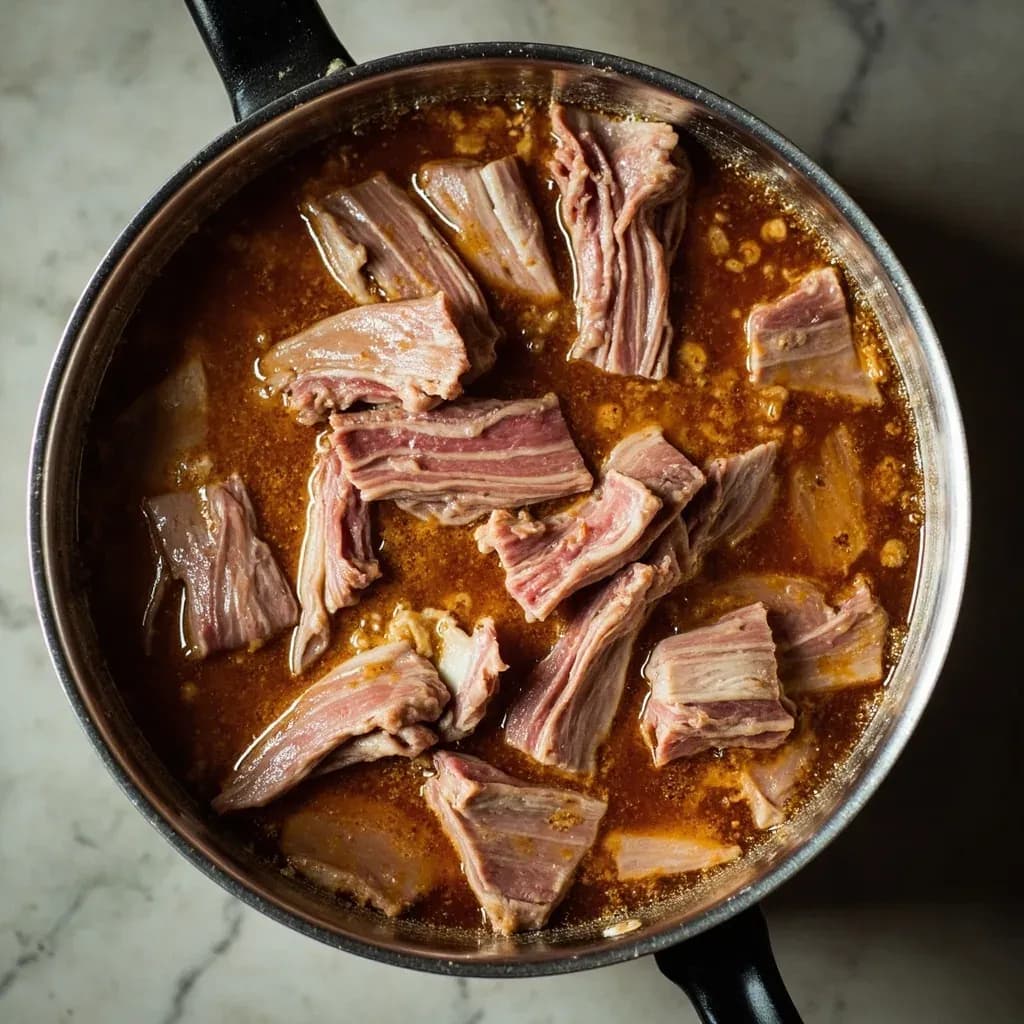
Flash-Boiling Hot Pot (Tang)
Briefly swishing thin slices of meat or vegetables through boiling broth to cook them in seconds.
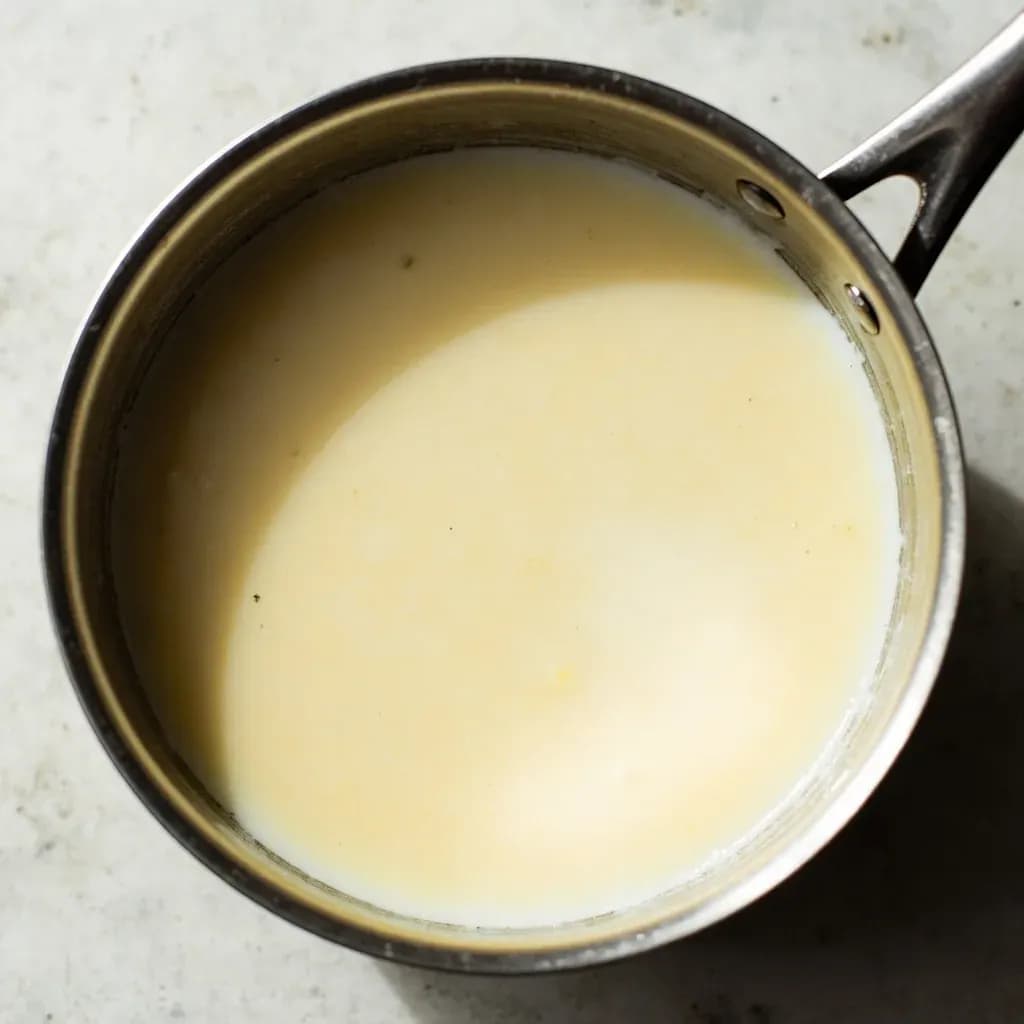
Milk Reduction
Slowly simmering milk to evaporate water and concentrate it into rich solids like khoya or rabri.
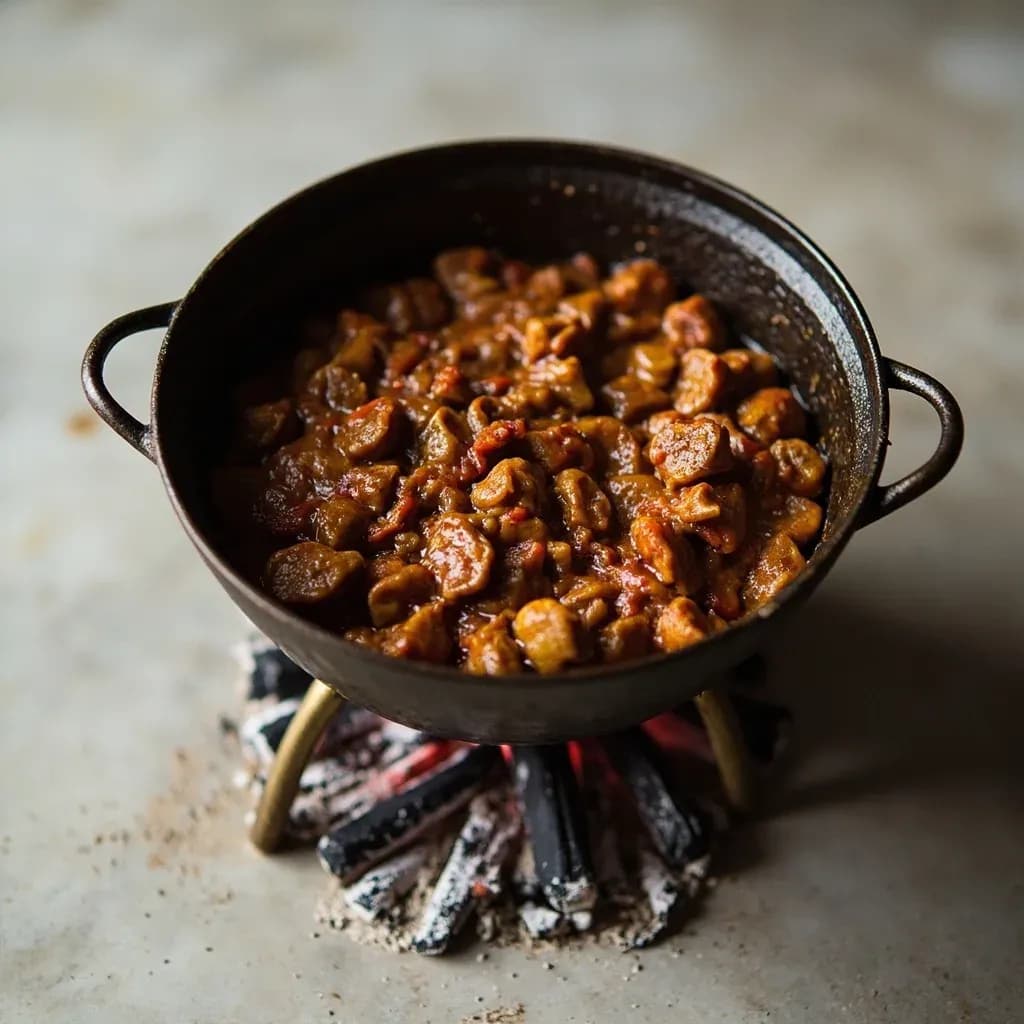
Potjiekos (Slow Pot Stewing)
Slow-cooking layered meat and vegetables in a cast-iron three-legged pot over coals, without stirring.
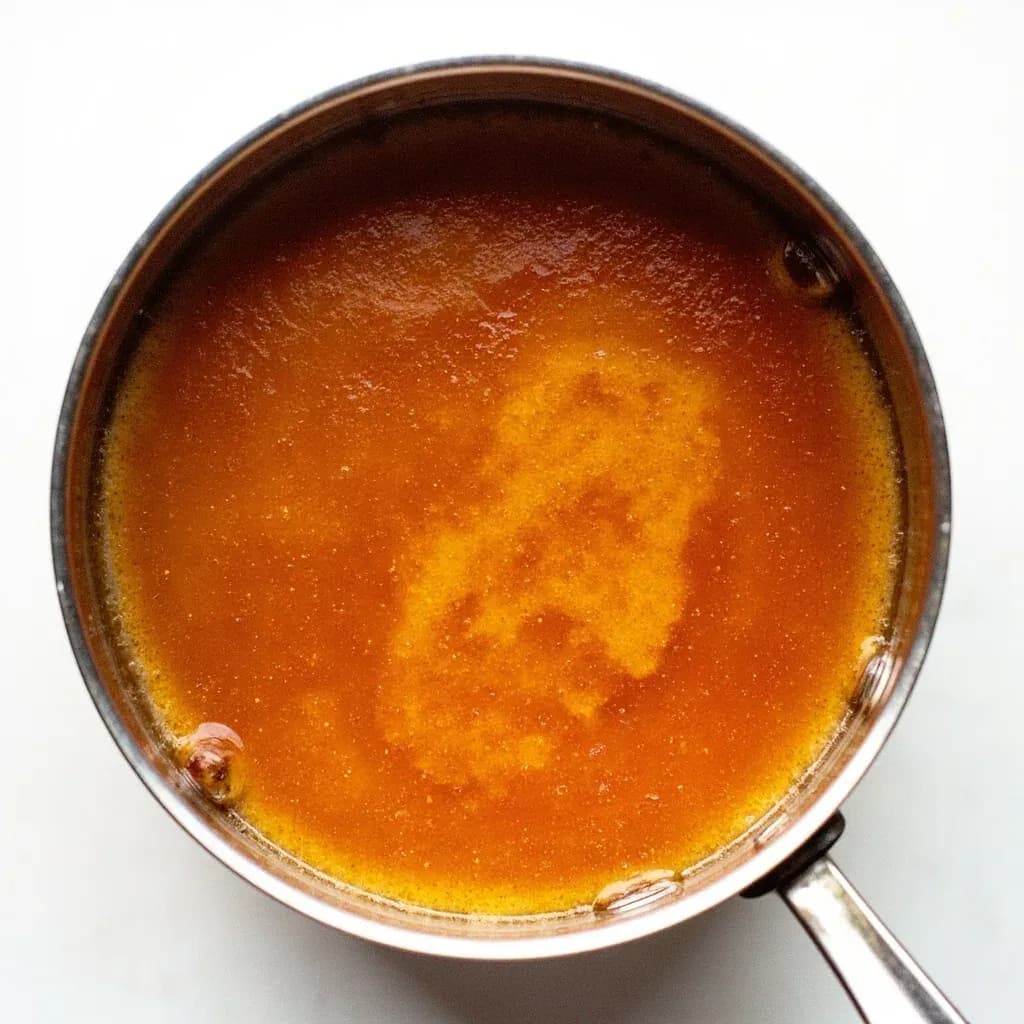
Sap Boiling (Maple Reduction)
Boiling down watery tree sap over many hours to concentrate it into thick maple syrup.
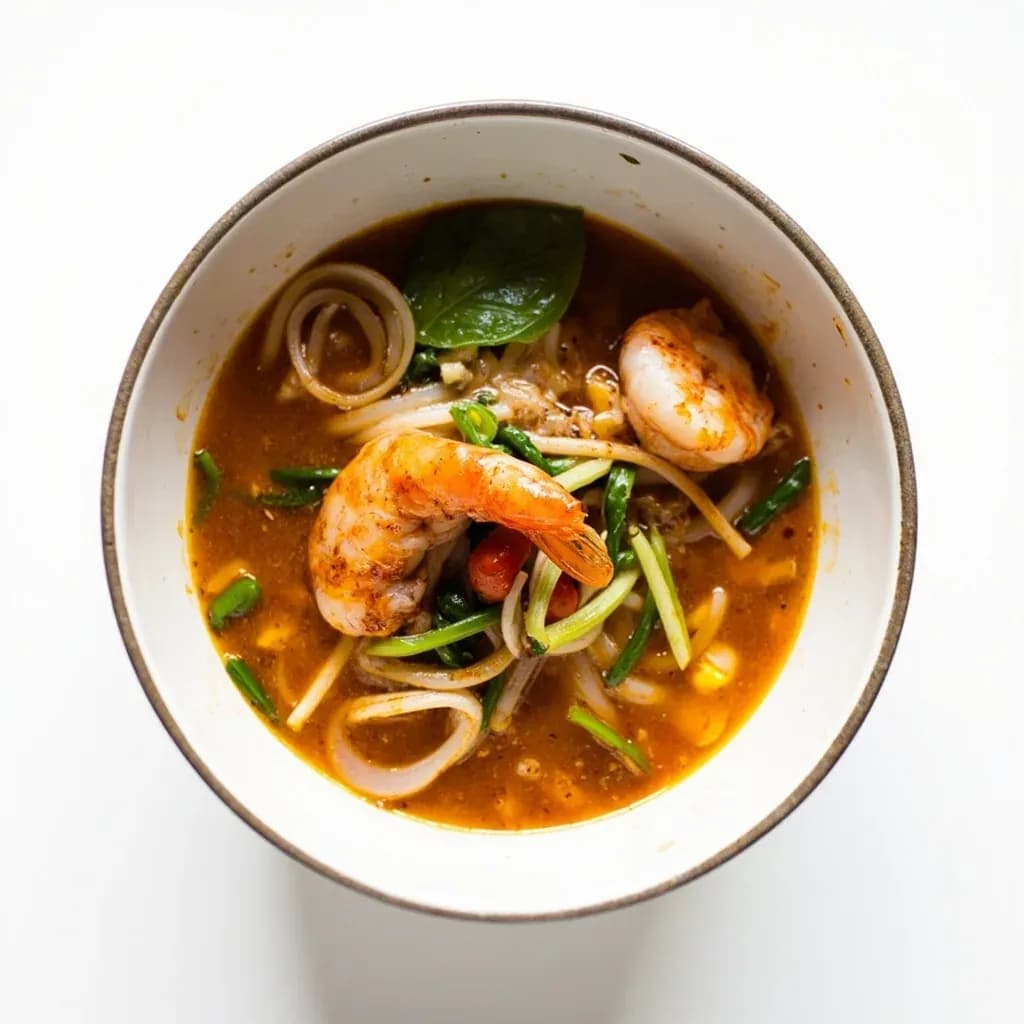
Sour Soup Method
Building a brothy soup around a souring agent like tamarind, lime, or fermented rice for tangy depth.
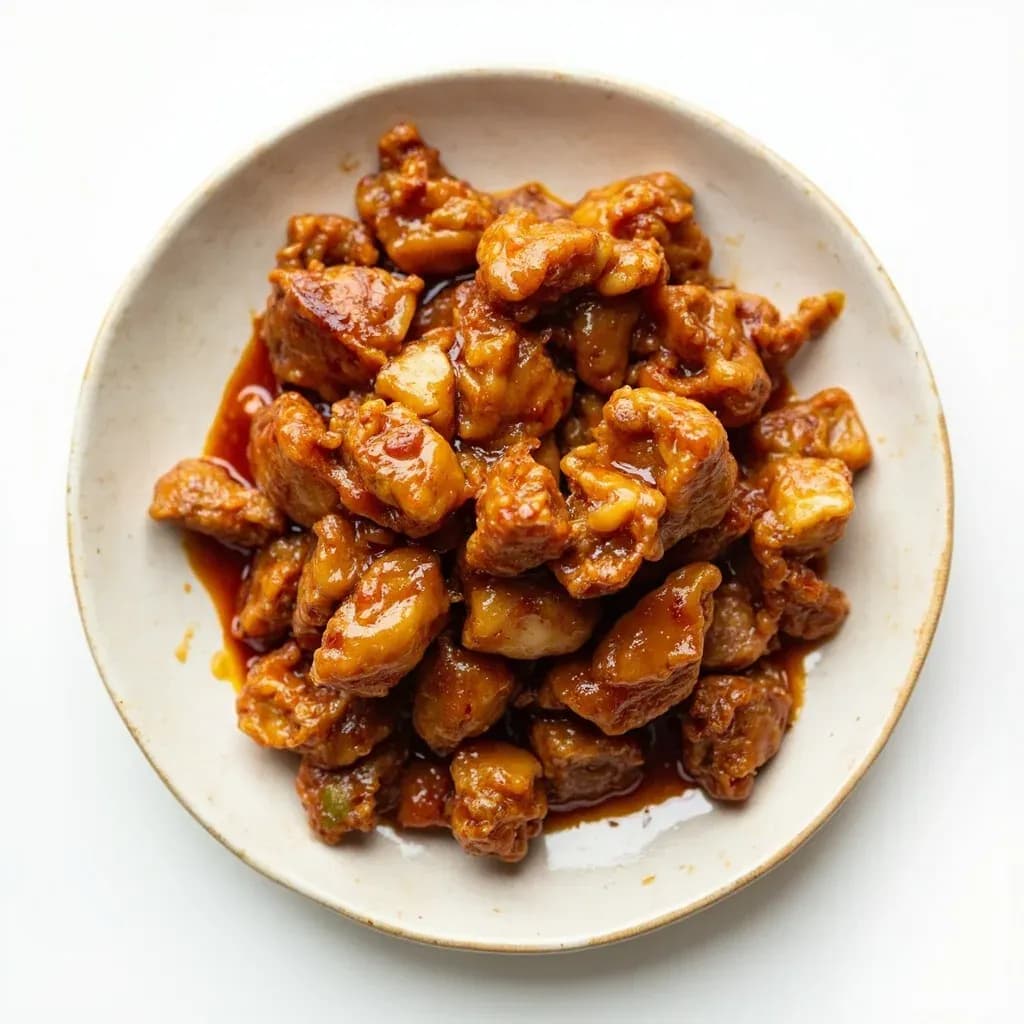
Soy-Sauce / White-Cut Poaching (Jin / Bai Qie)
Gently poaching chicken in soy-master stock or seasoned water to keep it silky and just-cooked.
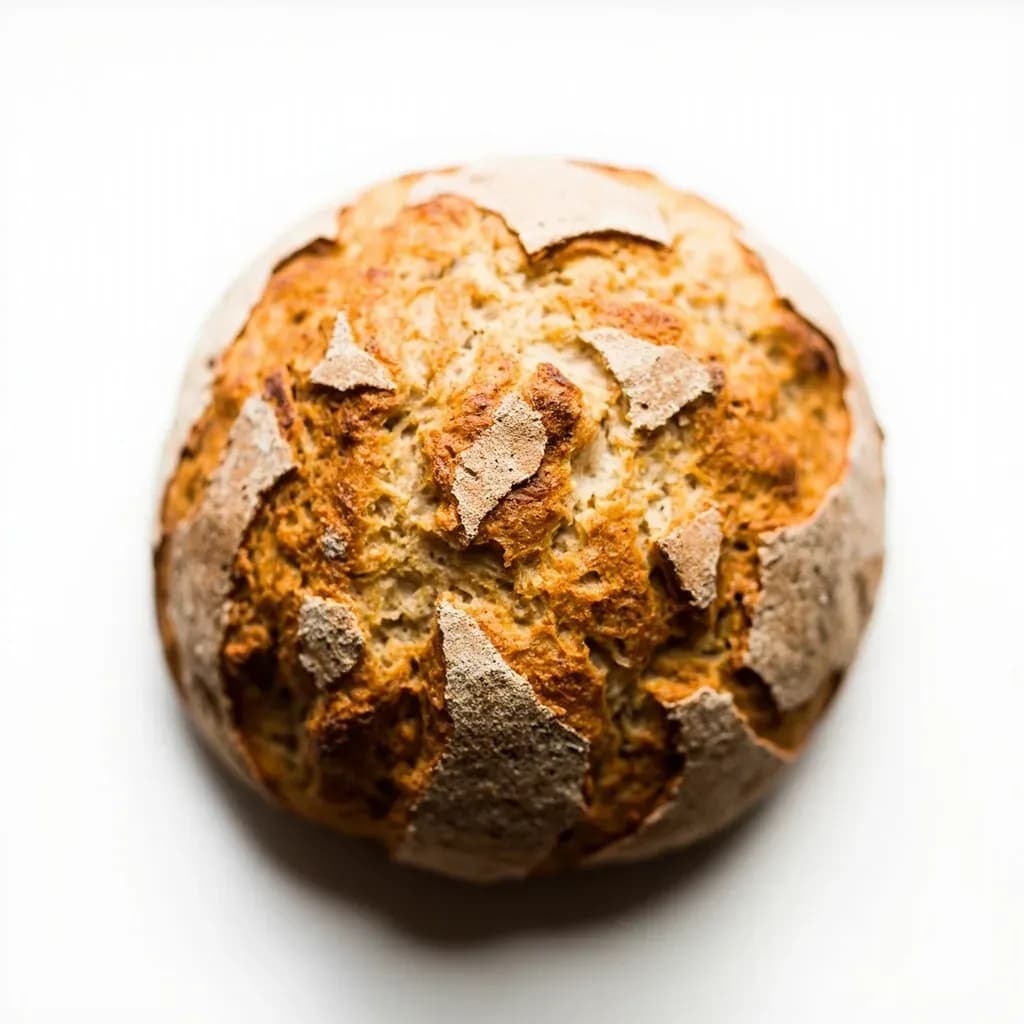
Steam Baking
Adding steam to the oven early in baking to delay crust set and create a crisp, glossy, well-risen loaf.
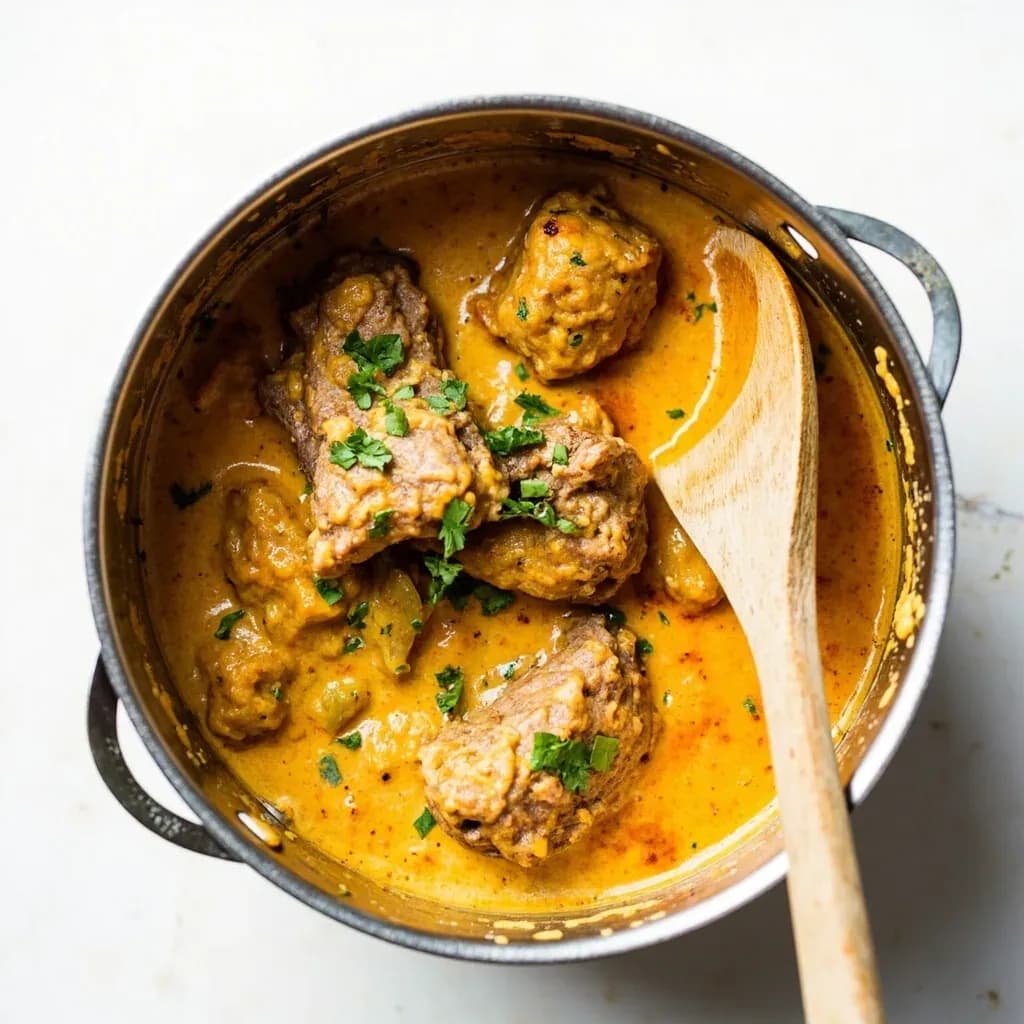
Yogurt-Based Braising (Yakhni)
Slow-cooking meat in a spiced yogurt sauce for a tangy, silky South Asian braise.
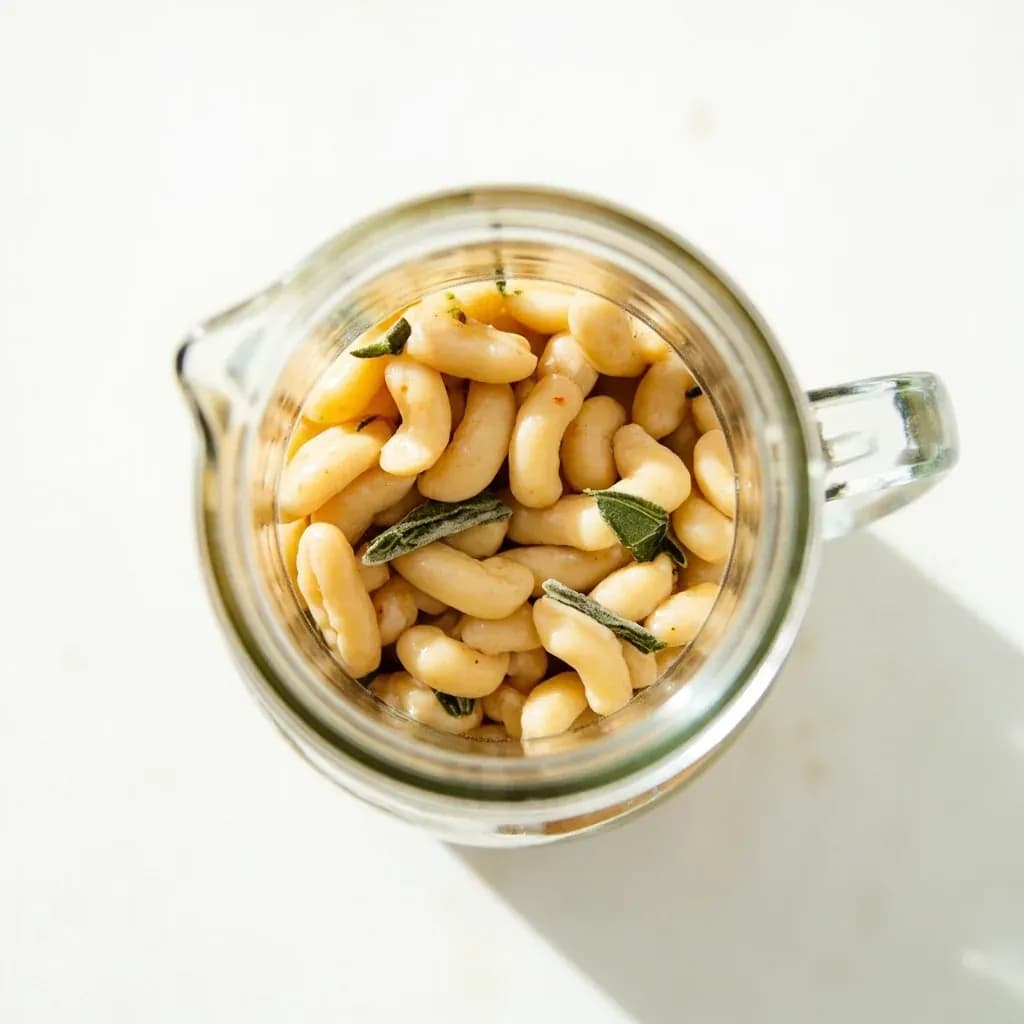
Bean-in-the-Pot Cooking (Fagioli al Fiasco)
Slow-cooking dried beans in a sealed flask or pot near low heat until tender and creamy.
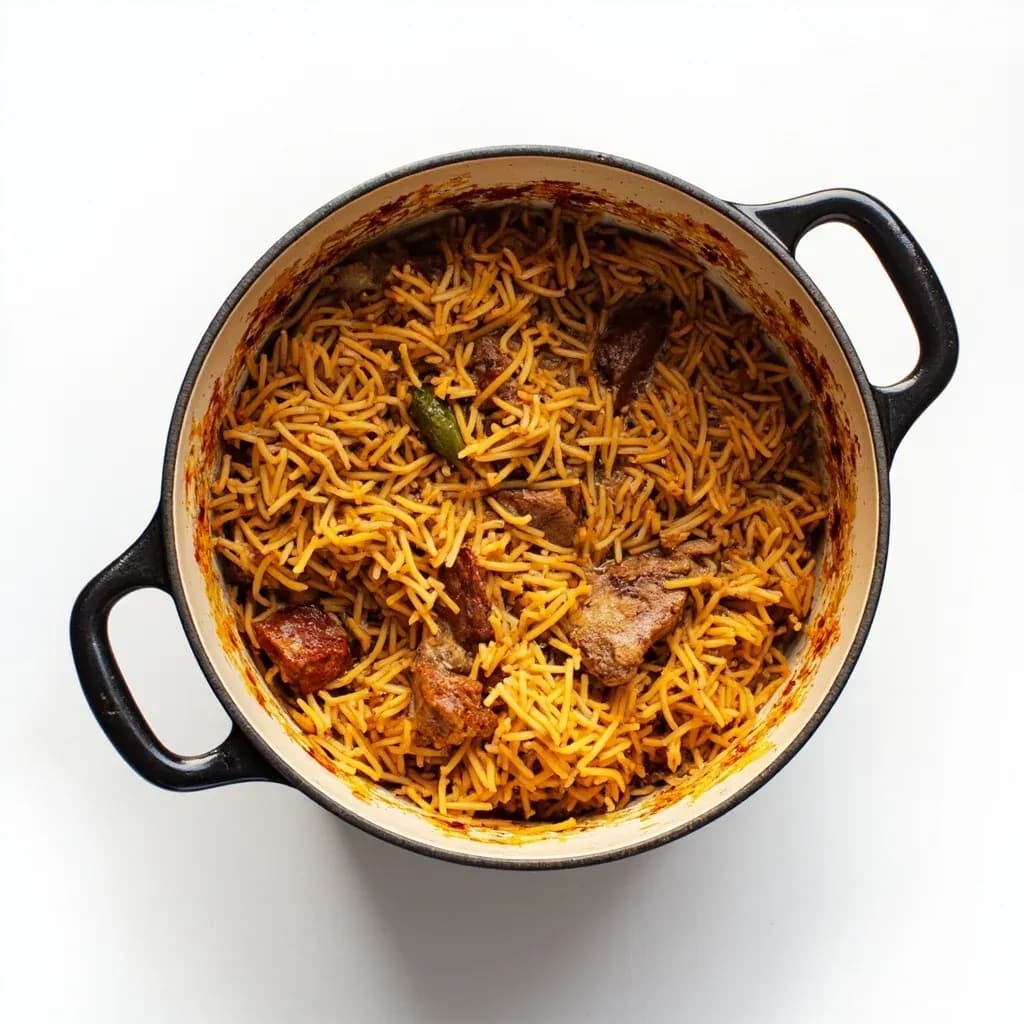
Biryani Layering and Dum
Layering parboiled rice with spiced meat and slow-steaming it sealed under dum for fragrant biryani.
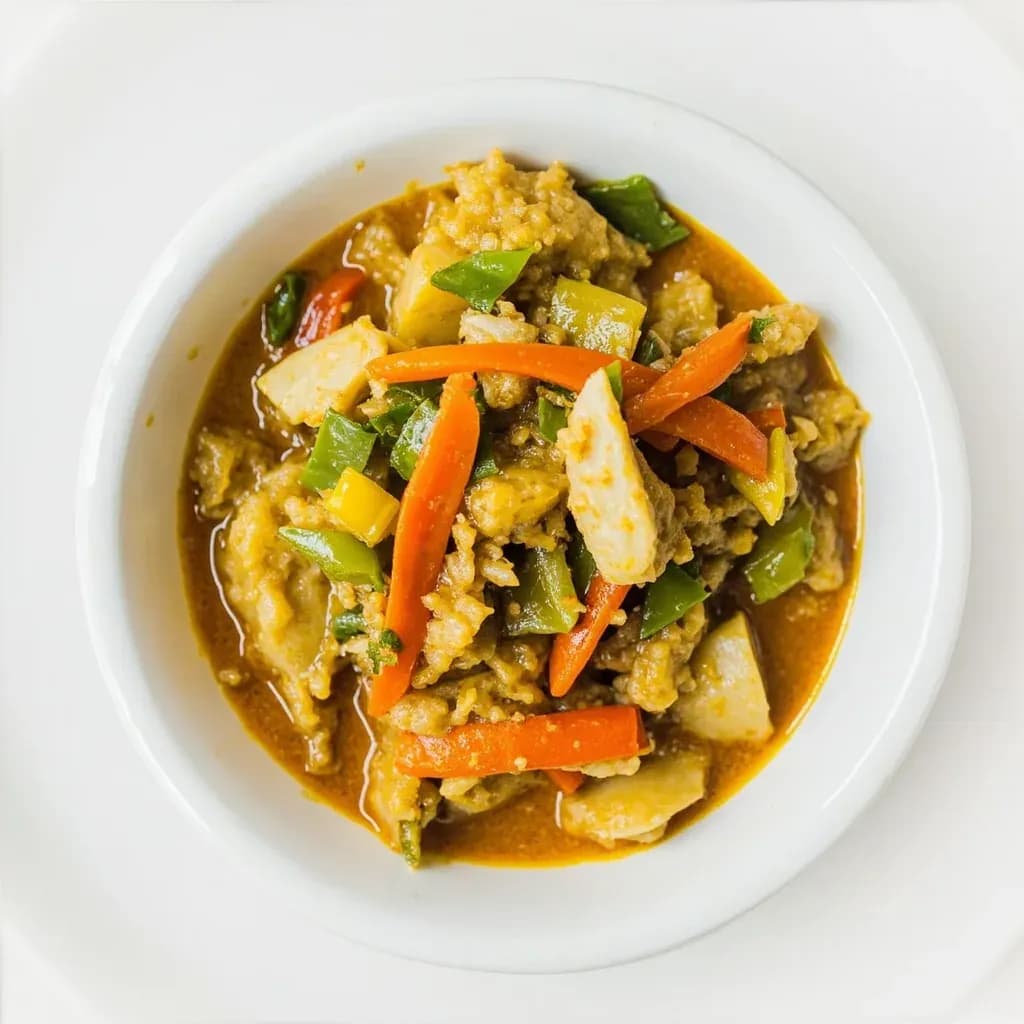
Bitter-First Mixed Curry (Shukto)
Cooking a mixed Bengali vegetable curry that opens on a deliberate bitter note from bitter gourd.
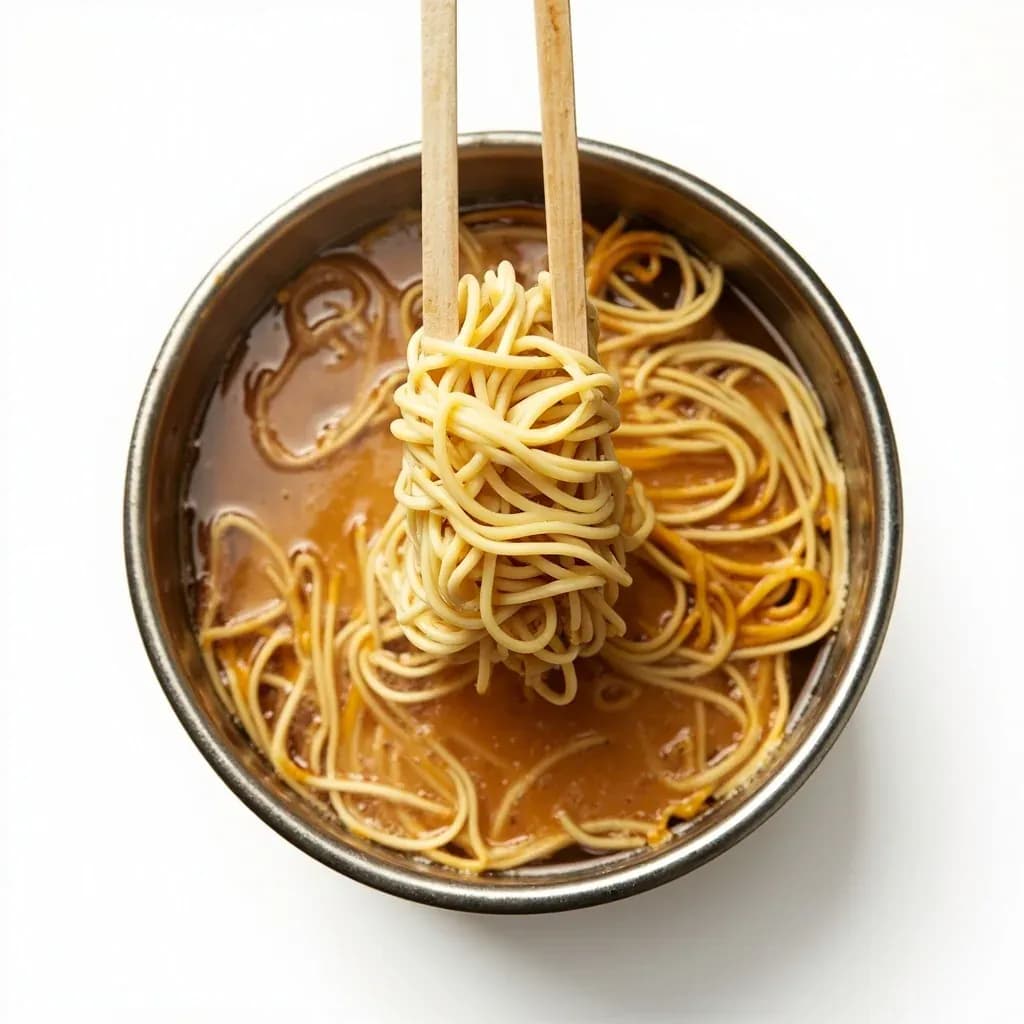
Boiling Noodles to Order
Cooking fresh noodles in small portions on demand so each bowl is served at peak texture.
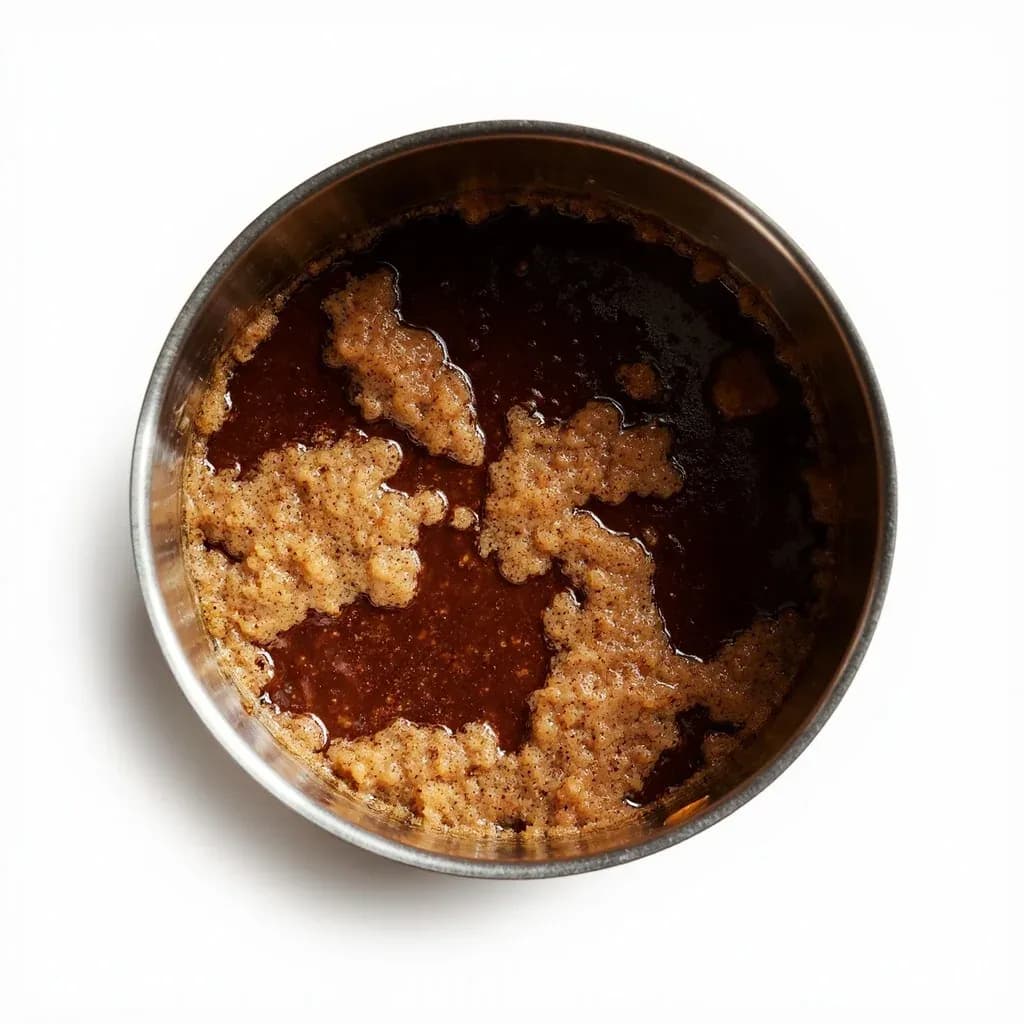
Boiling the Soy Slurry
Boiling ground-soybean slurry during soy milk and tofu making to cook out beany flavor and aid extraction.
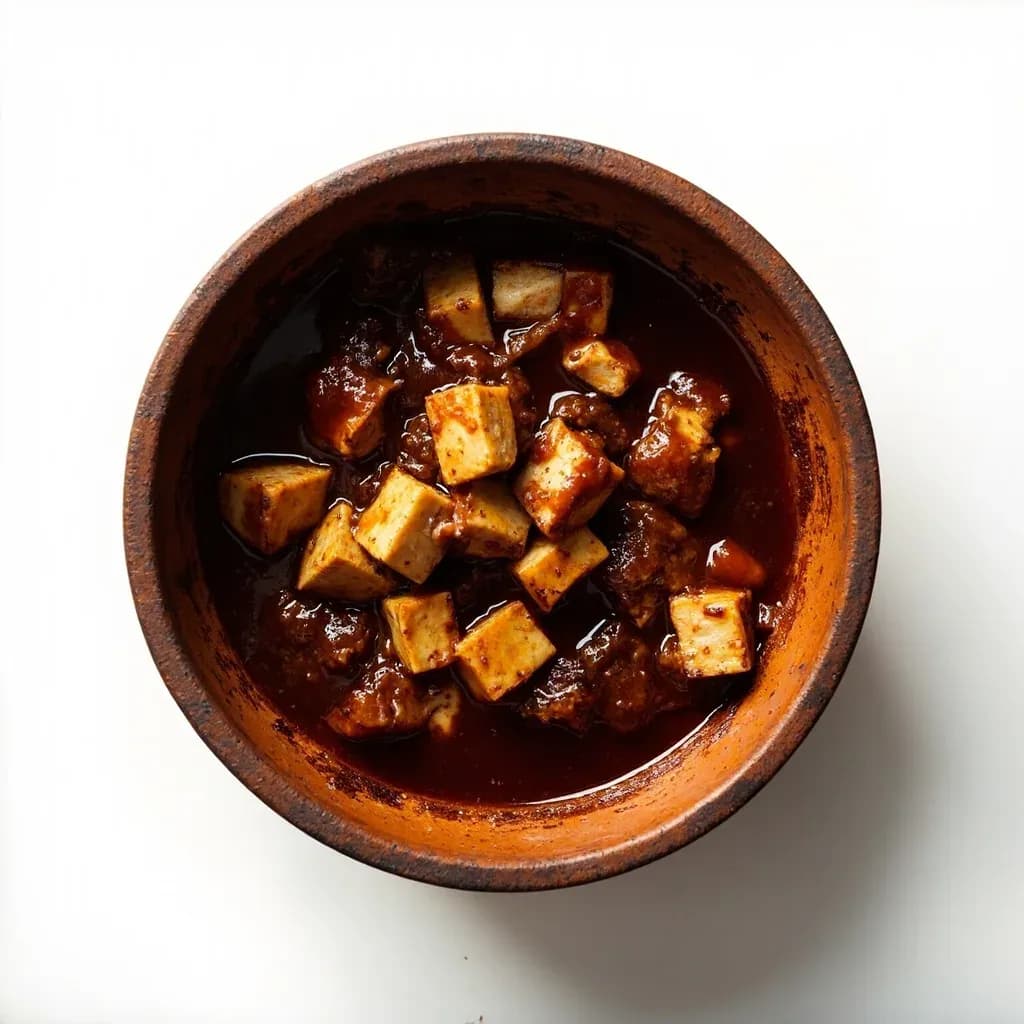
Braising (Marinated Tofu)
Simmering tofu in a seasoned liquid so the porous bean curd soaks up deep, savory flavor.
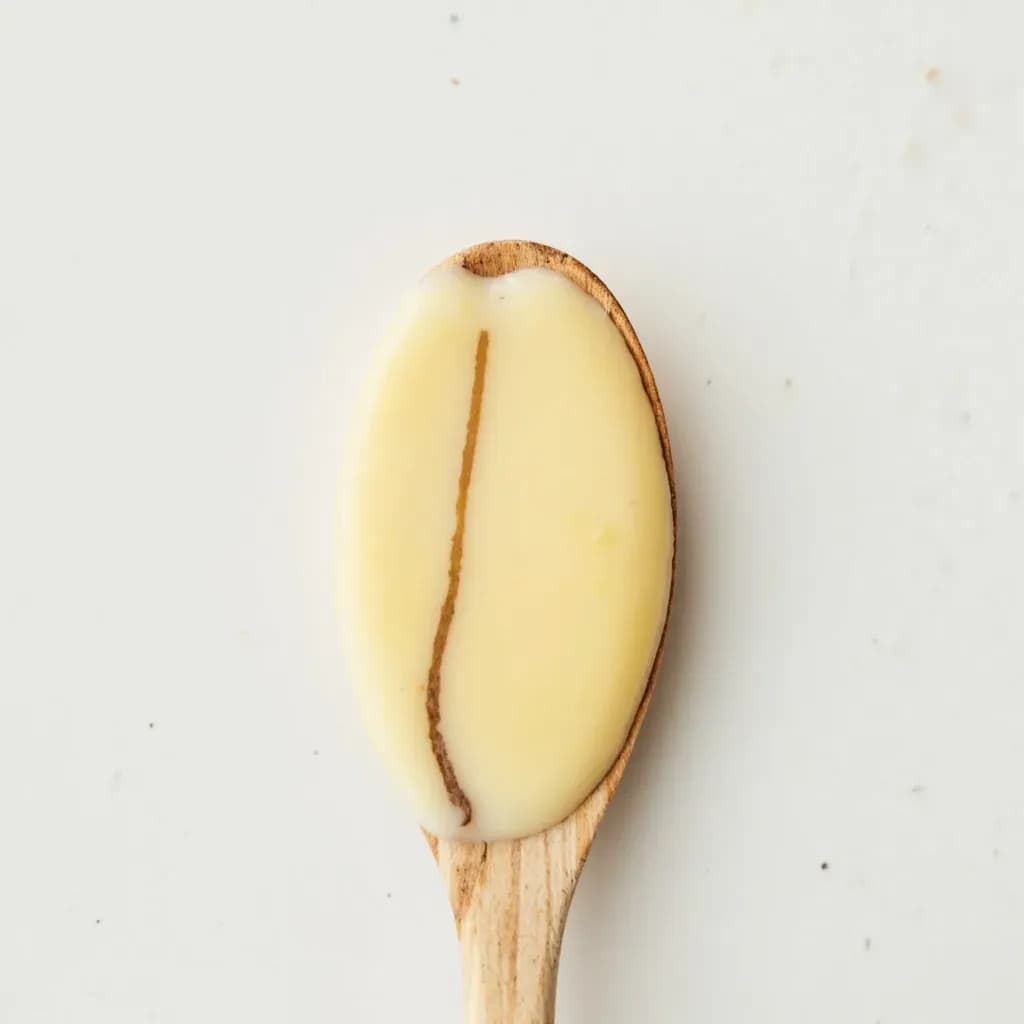
Bringing to Nappe
Reducing or thickening a sauce until it lightly coats the back of a spoon.
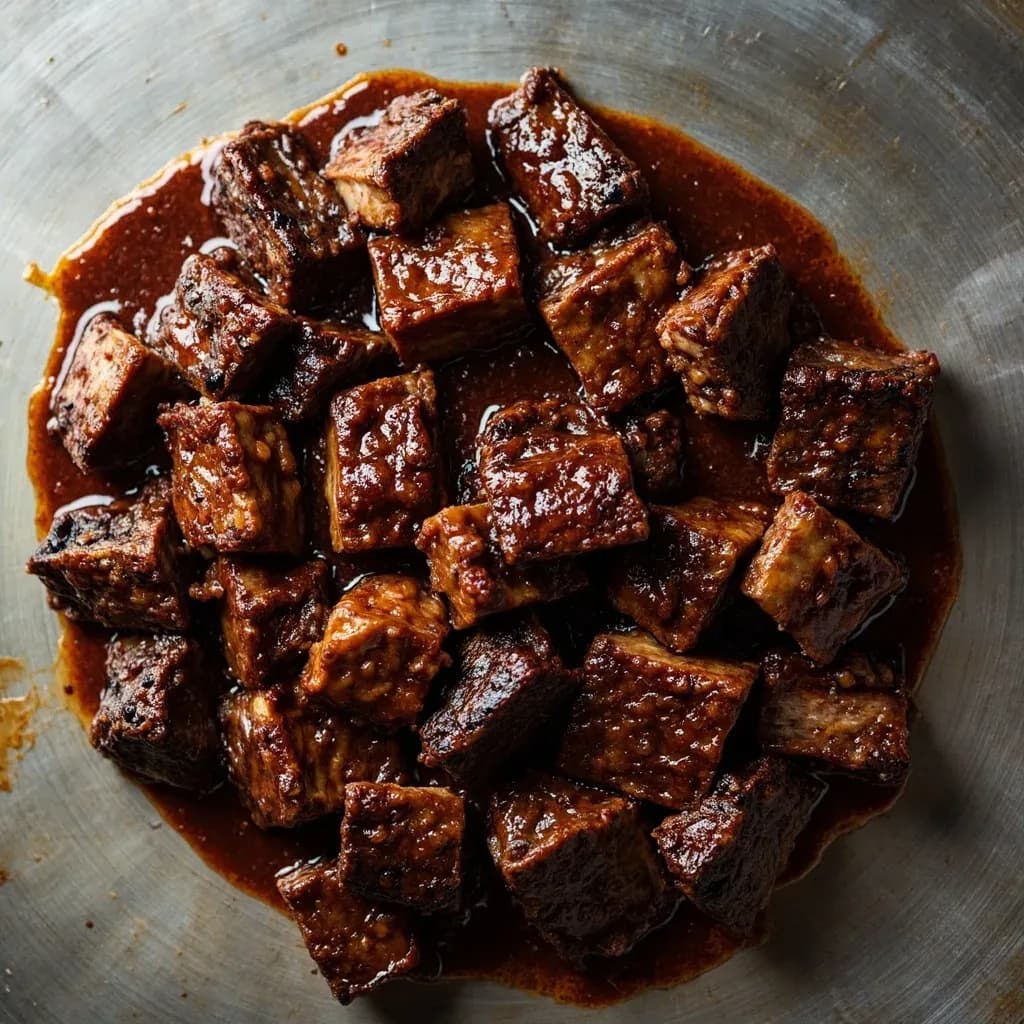
Bulk Braising
Braising large quantities of meat or vegetables in shared liquid for batch cooking.
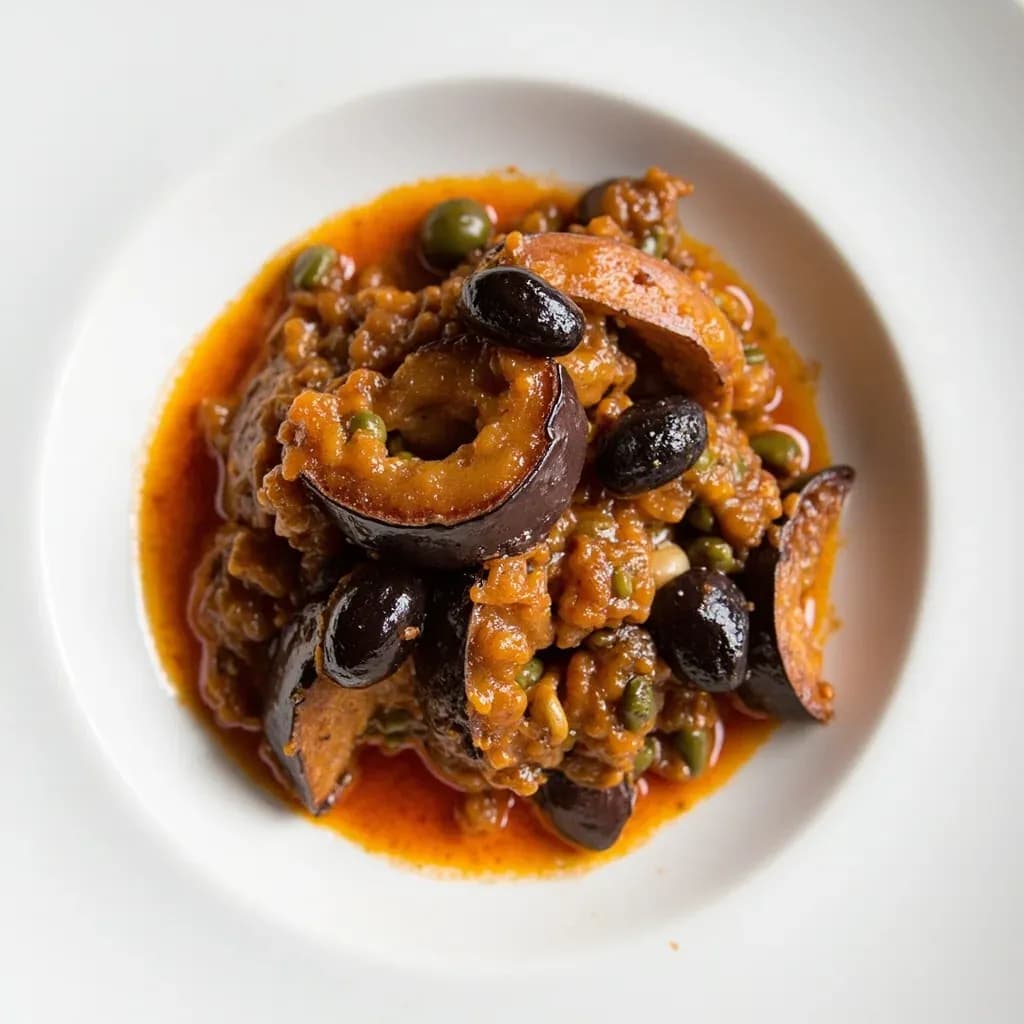
Caponata Stewing
Sicilian sweet-and-sour stewing of eggplant and vegetables in a vinegar-sugar base.
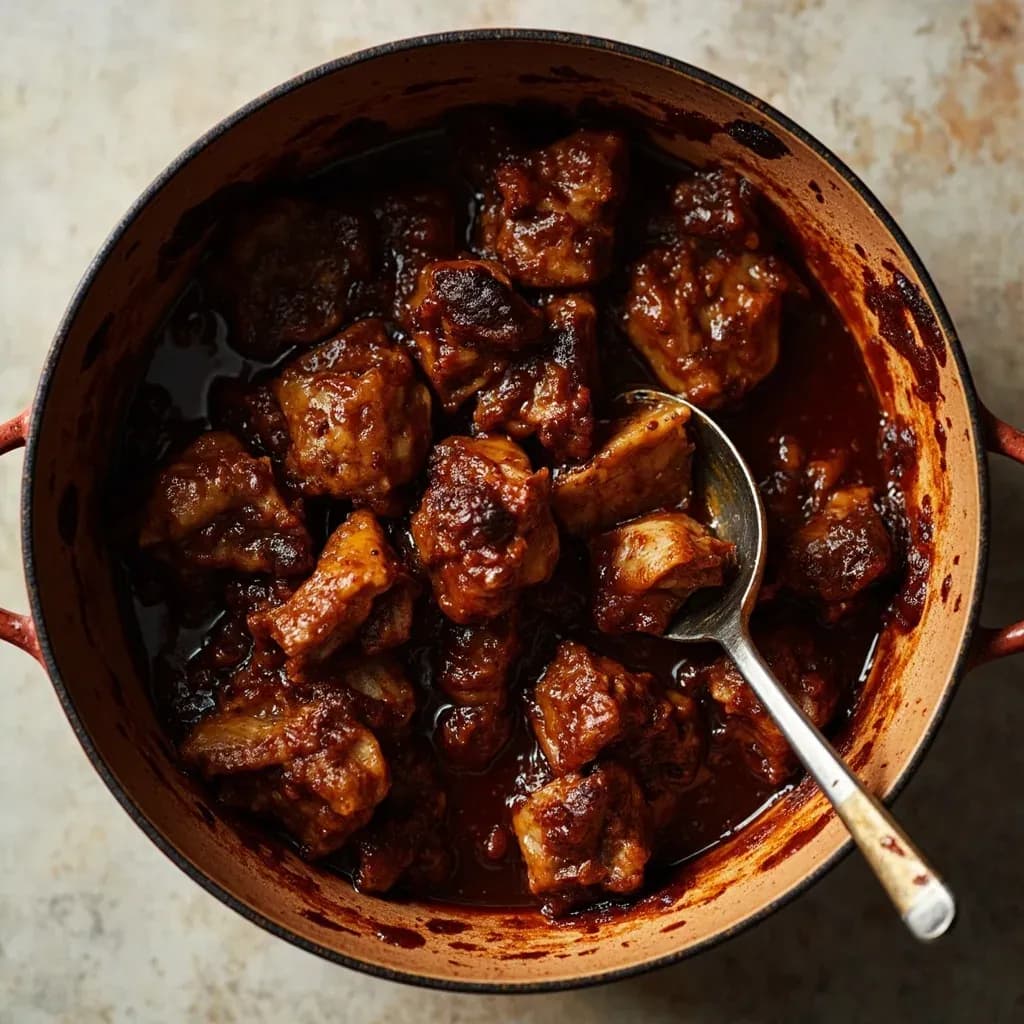
Caramel Braising (Kho)
Vietnamese braising of meat or fish in caramelized sugar, fish sauce, and water.
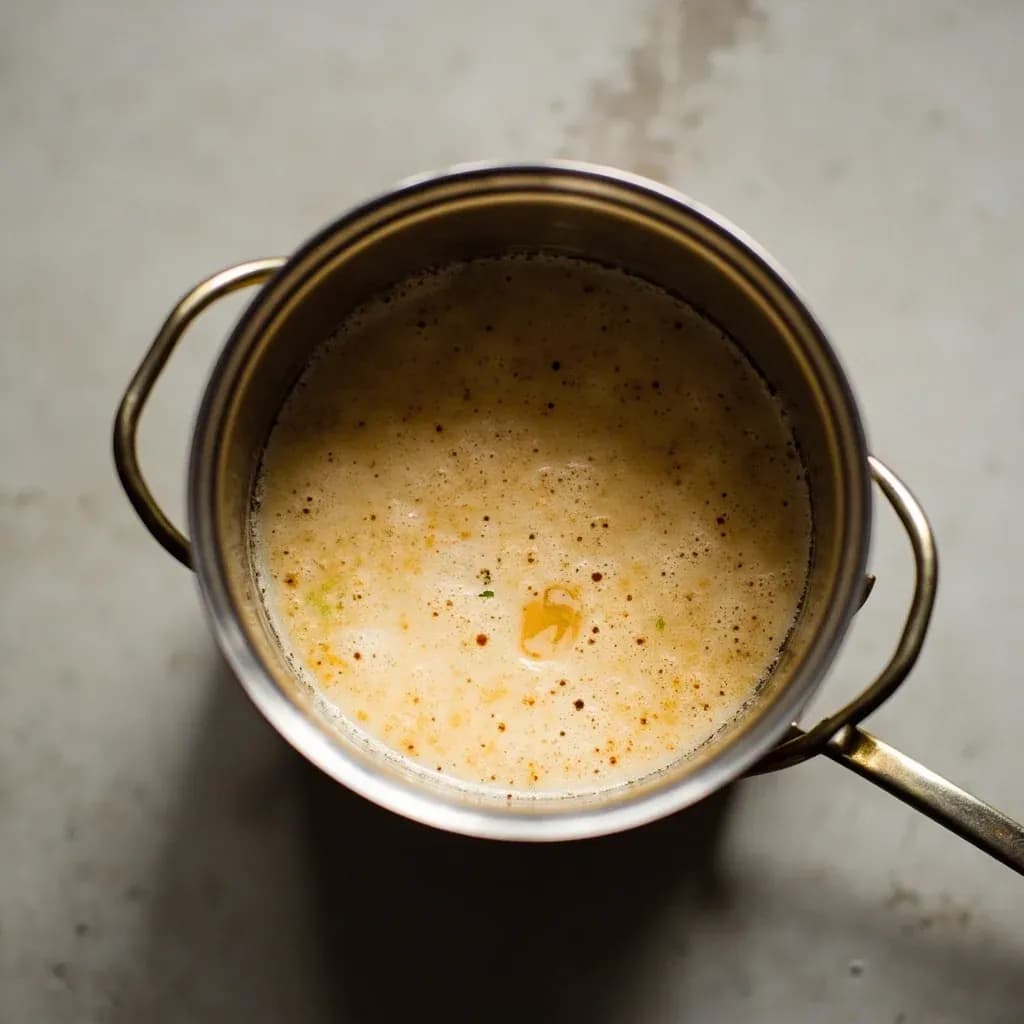
Chai Decoction Simmering
Simmering tea, milk, spices, and sugar together to extract a strong masala chai.
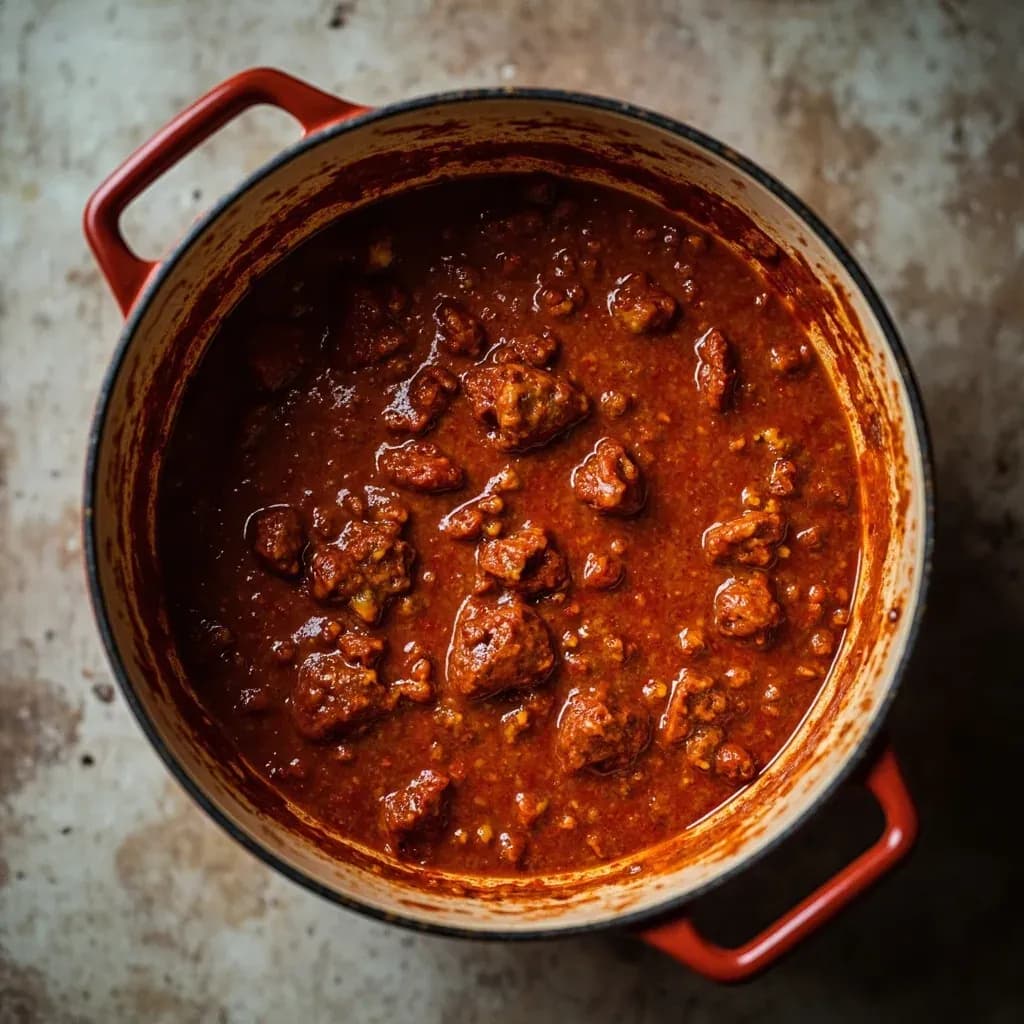
Chili Simmering
Slow-simmering chilies into a thick, melded chili stew or sauce.
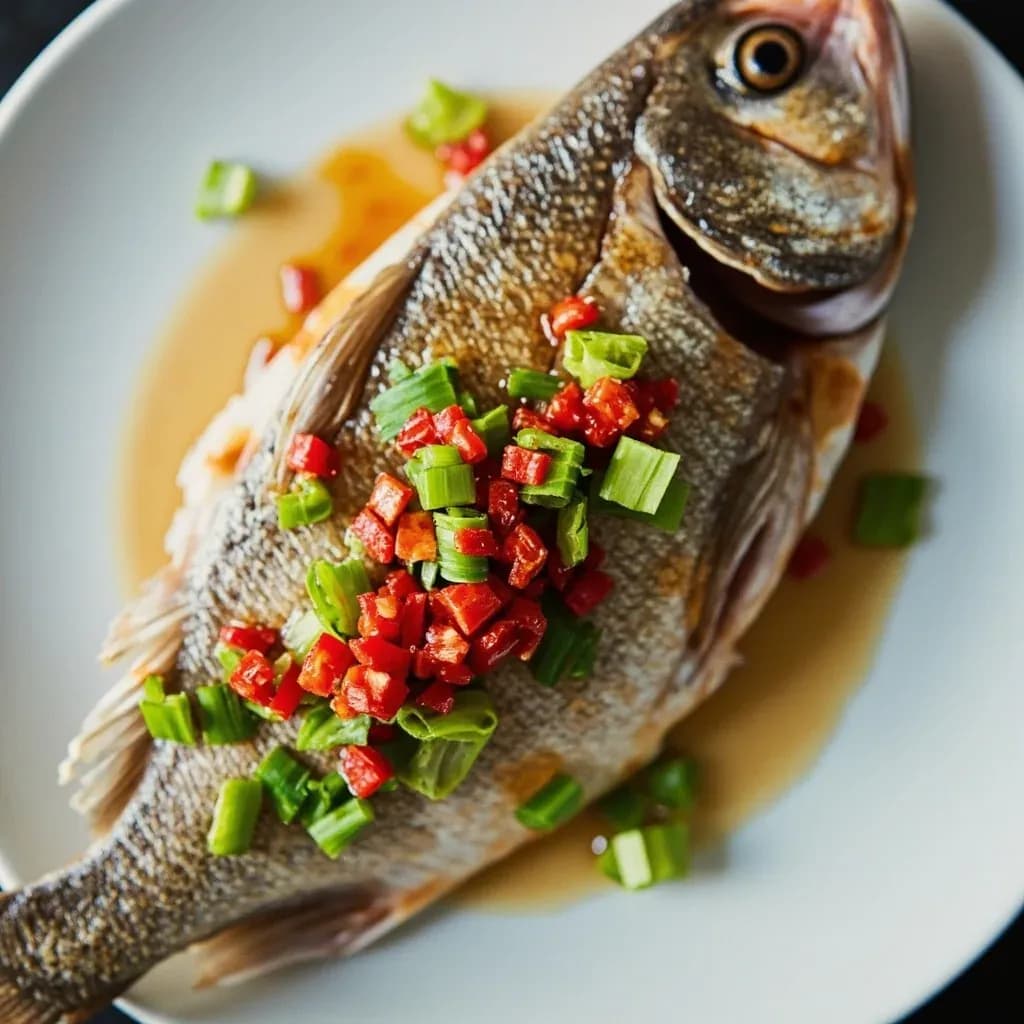
Chopped-Chili Steaming (剁椒蒸)
Hunan technique steaming fish or vegetables under a layer of fermented chopped chili.
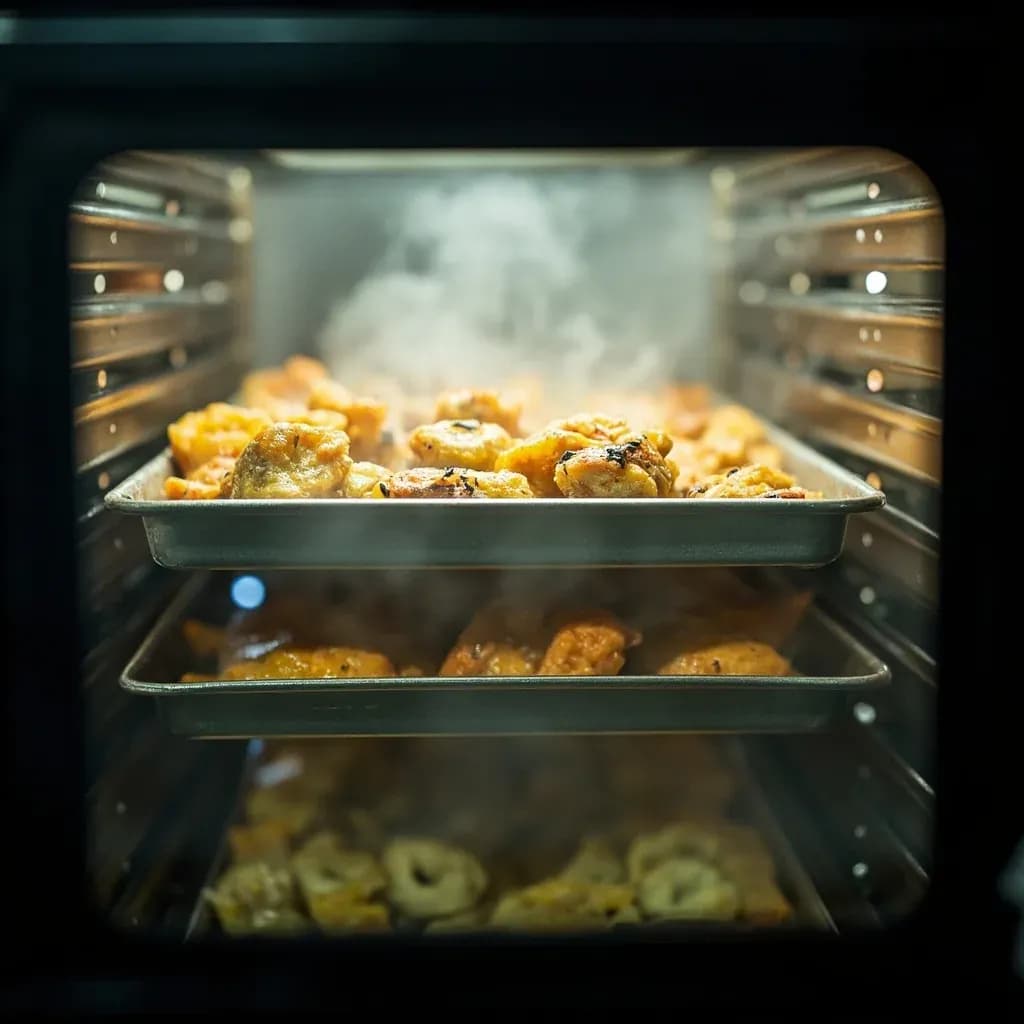
Combi Steaming
Cooking in a combi oven that blends convection heat with injected steam.
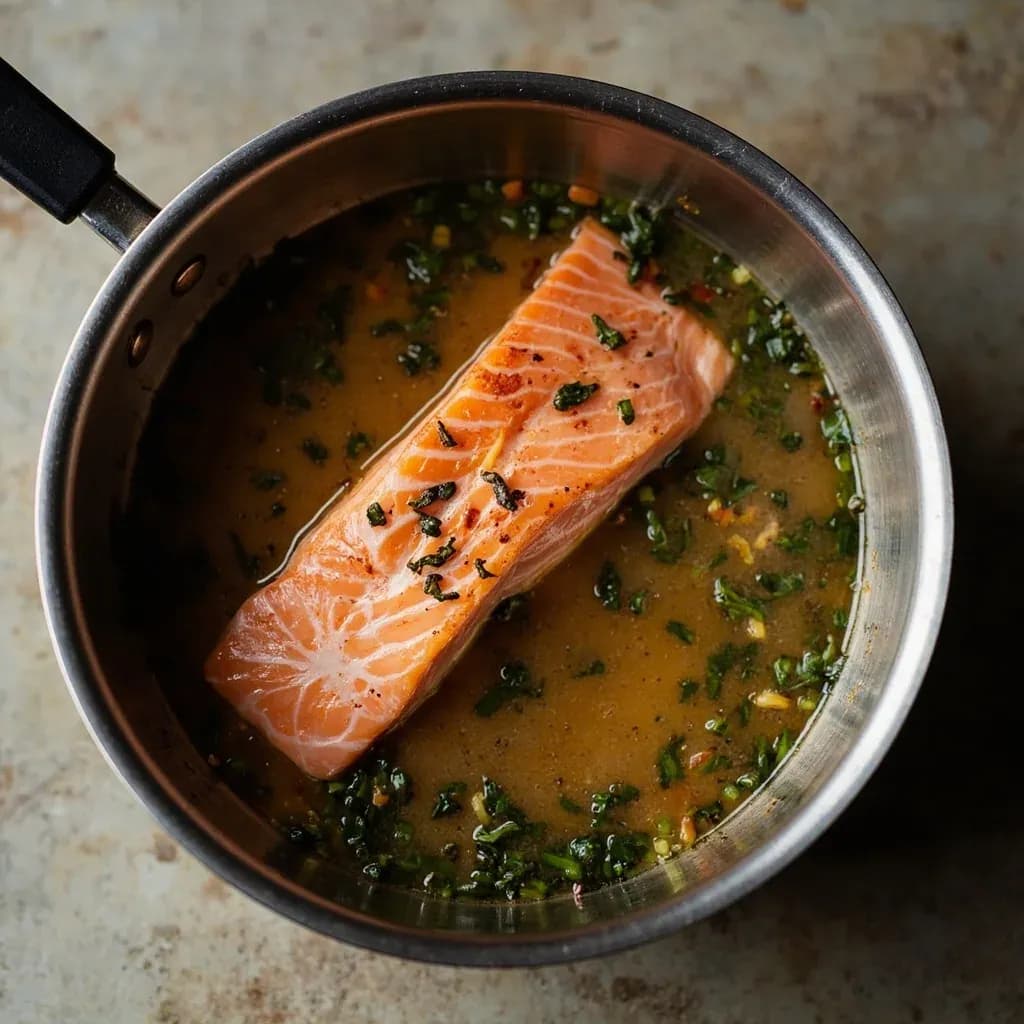
Court-Bouillon Poaching
Gently poaching fish or vegetables in an aromatic, acidulated broth.
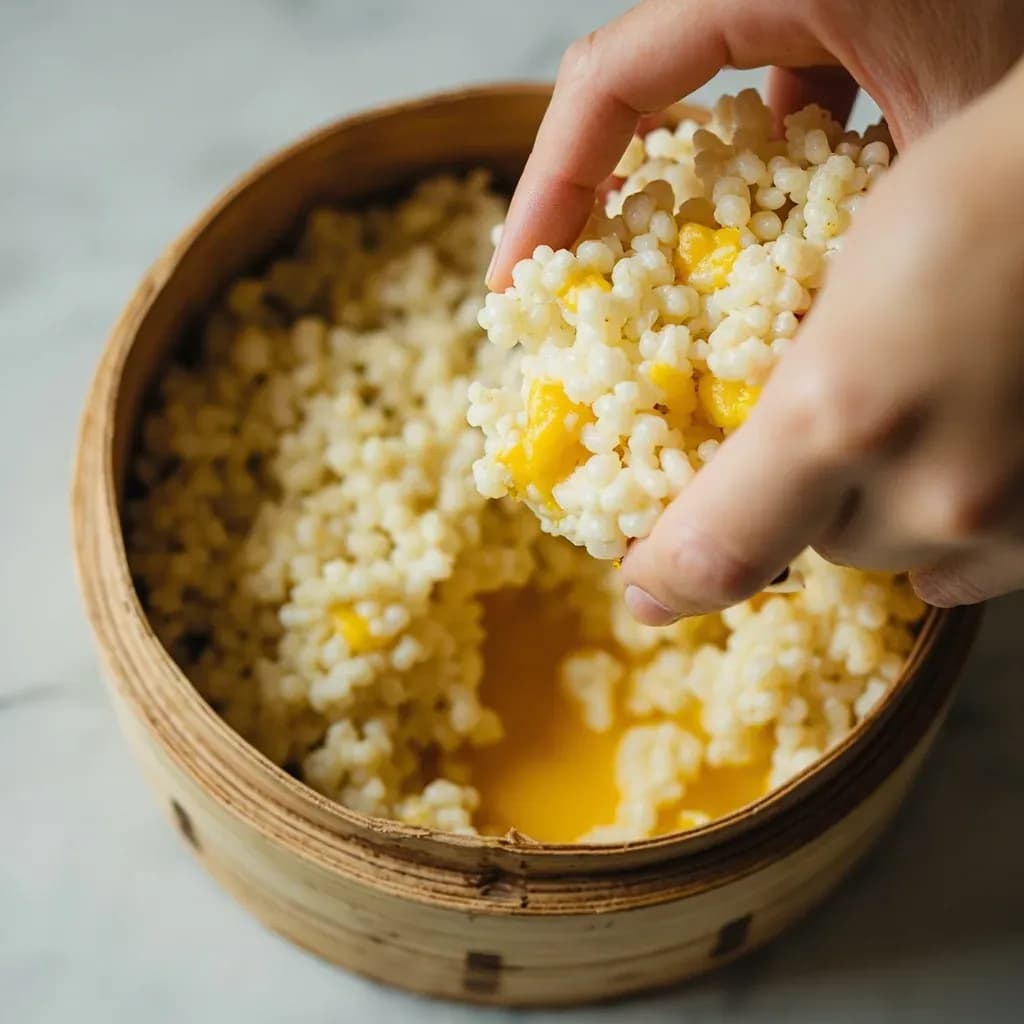
Couscous Steaming
Steaming couscous in a couscoussier over simmering stew for fluffy, separate grains.
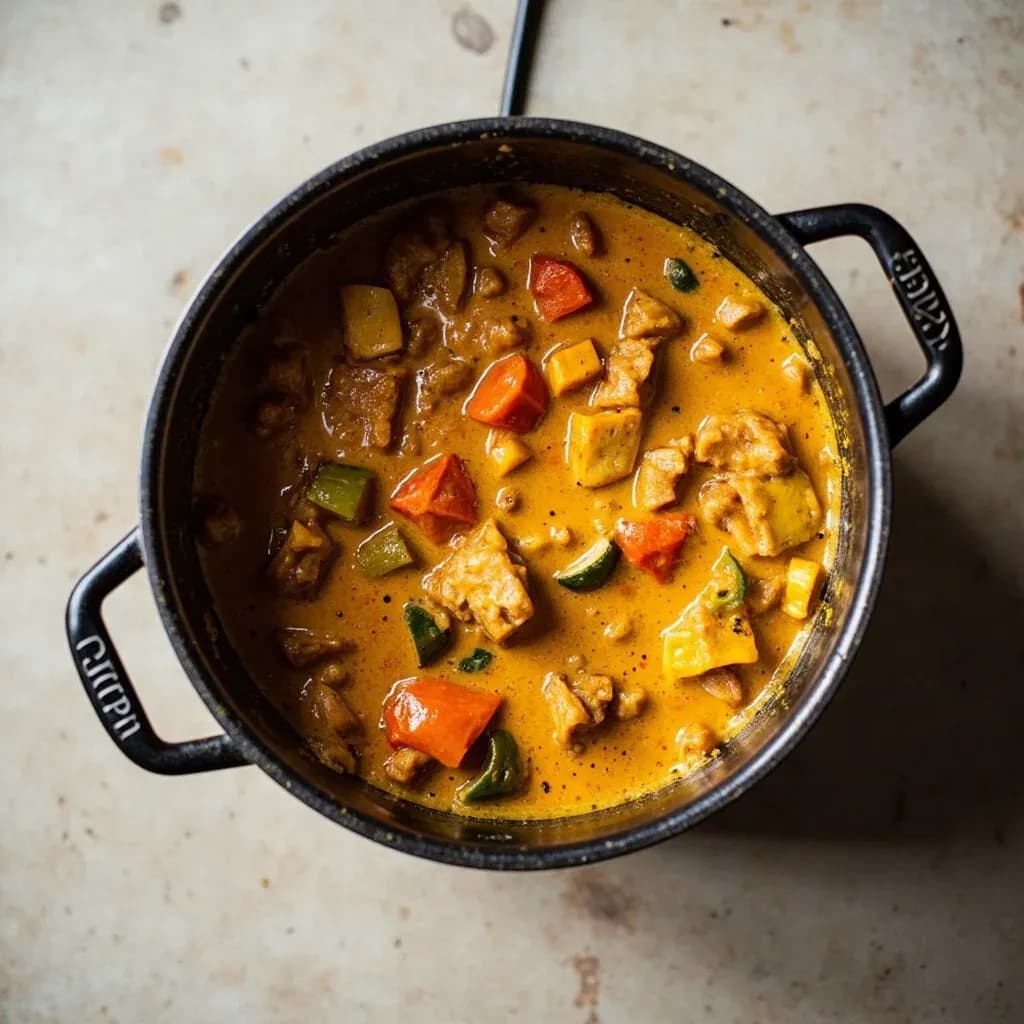
Curry Simmering (Kaeng)
Simmering a curry paste with coconut milk or stock until flavors meld and thicken.
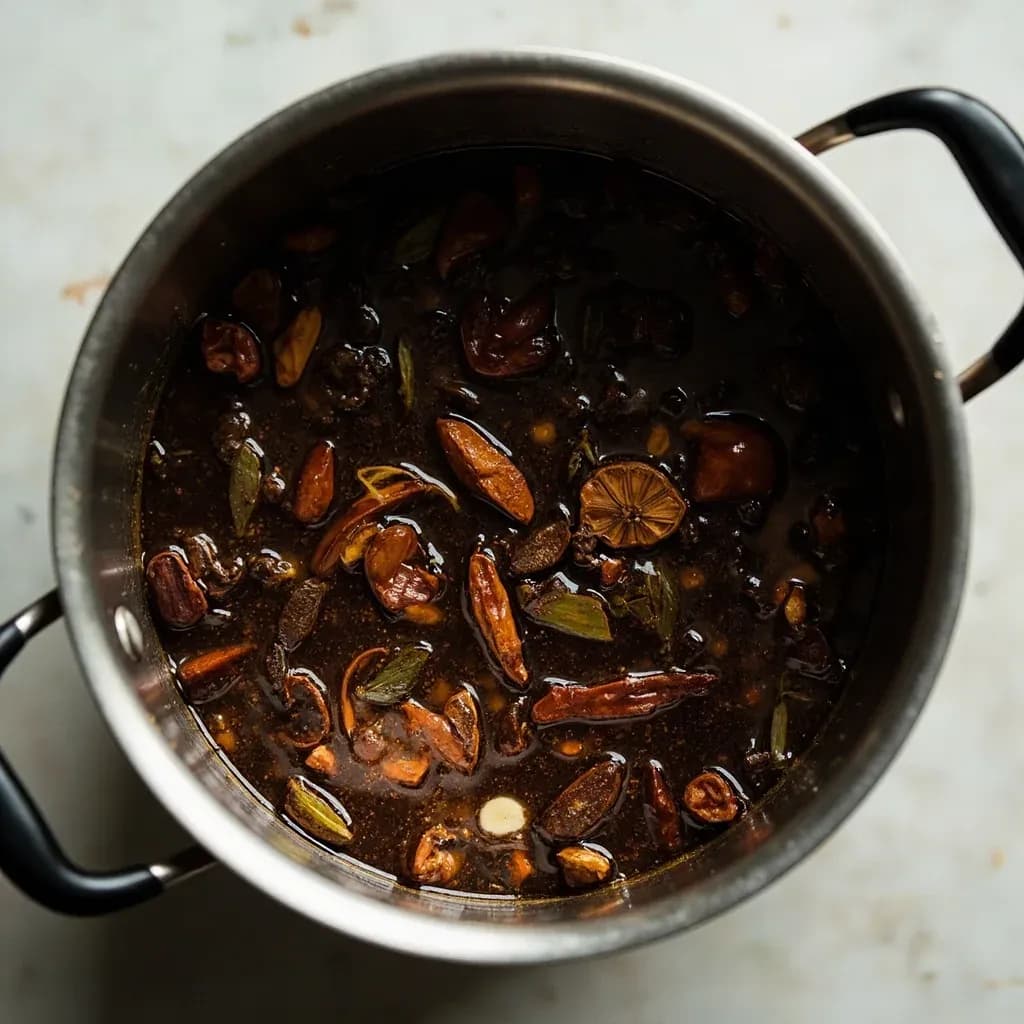
Decoction (Kadha)
Boiling herbs, roots, or spices in water to extract their soluble compounds.
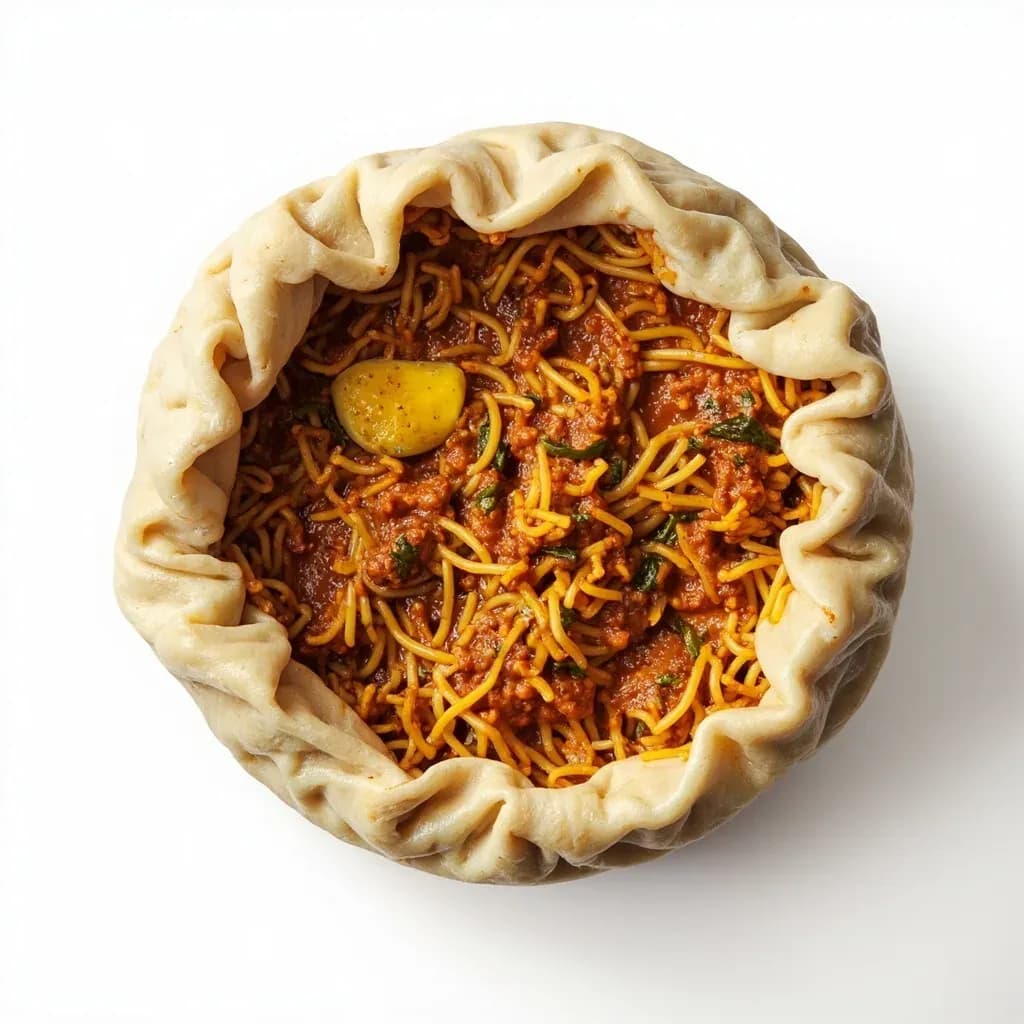
Dum (Sealed Slow Steaming)
South Asian method of sealing a pot with dough and cooking on low heat so trapped steam slow-cooks the food.
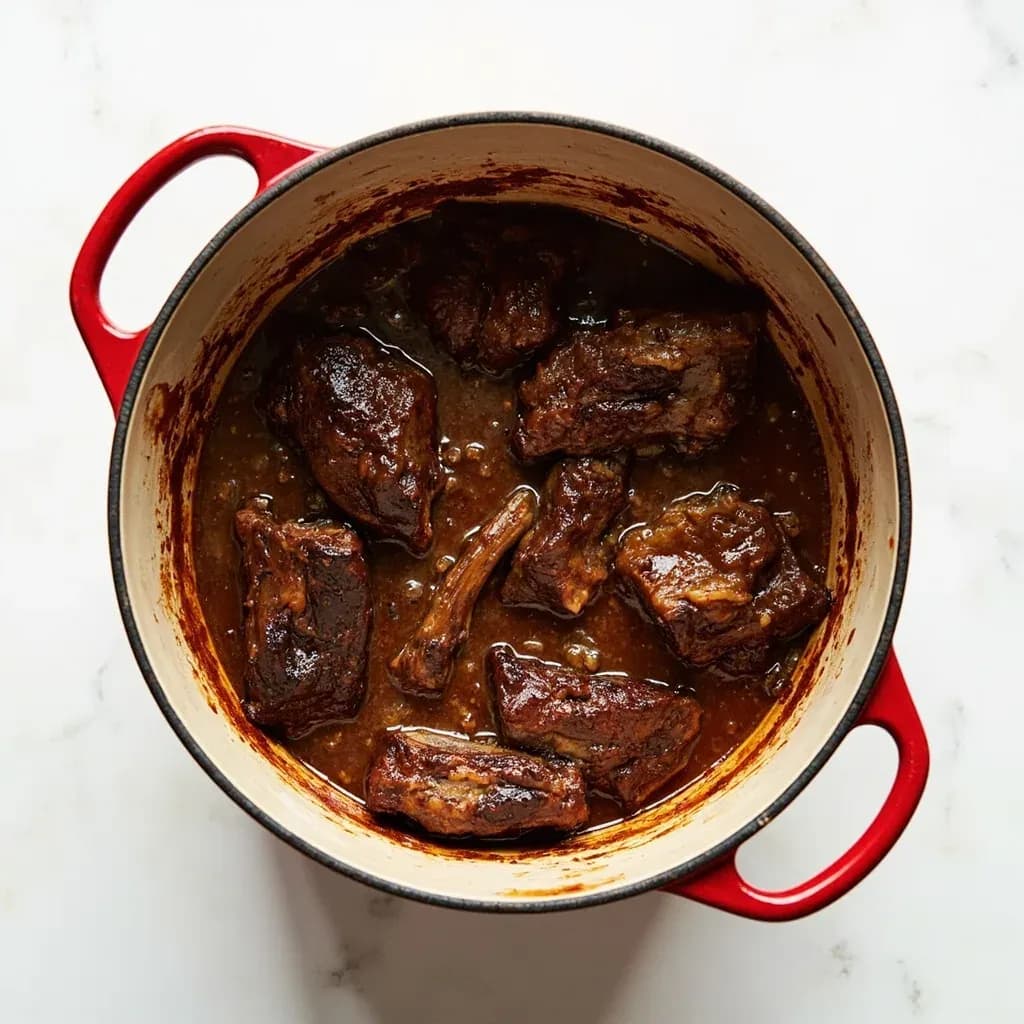
Dutch-Oven Braising
Slow-cooking meat and vegetables in a heavy lidded pot with liquid for tender, deeply flavored results.
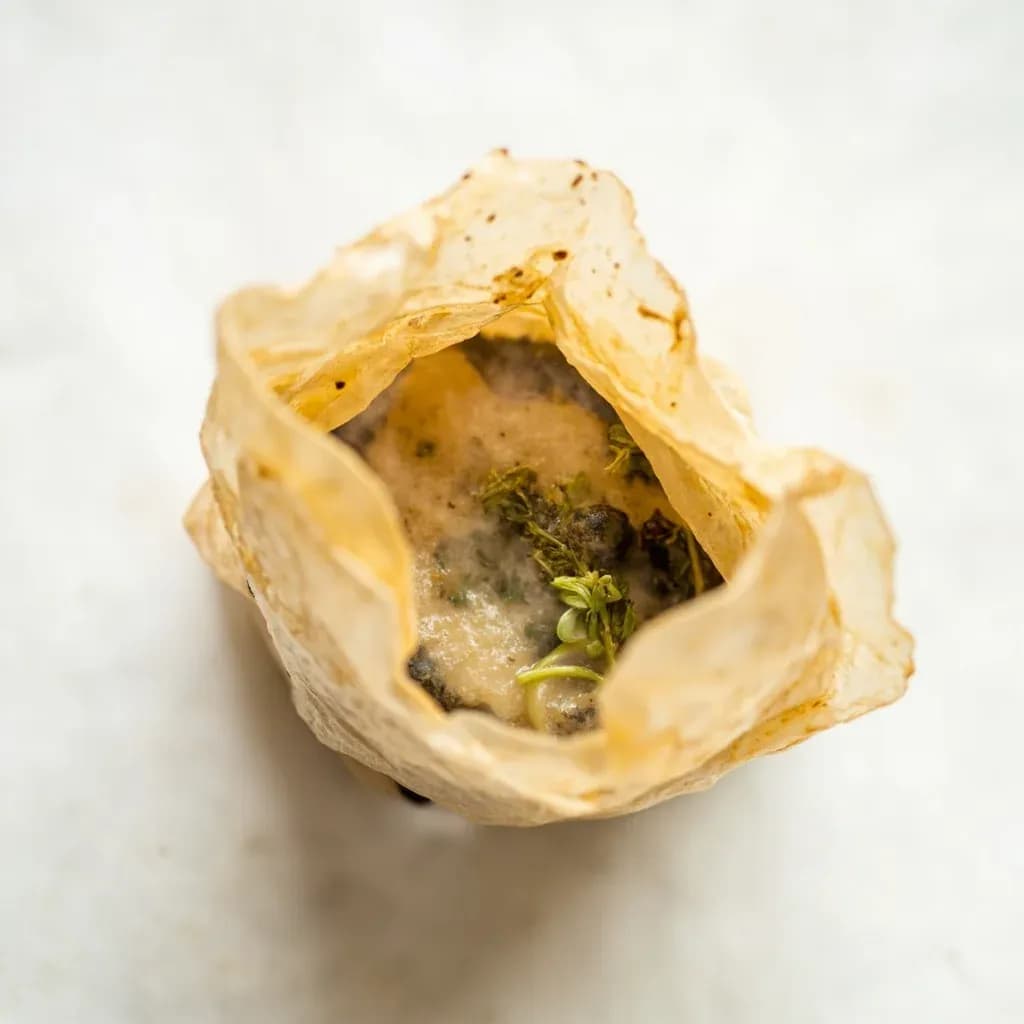
En Papillote
Steaming food sealed in a parchment or foil parcel so it cooks in its own juices and aromatics.
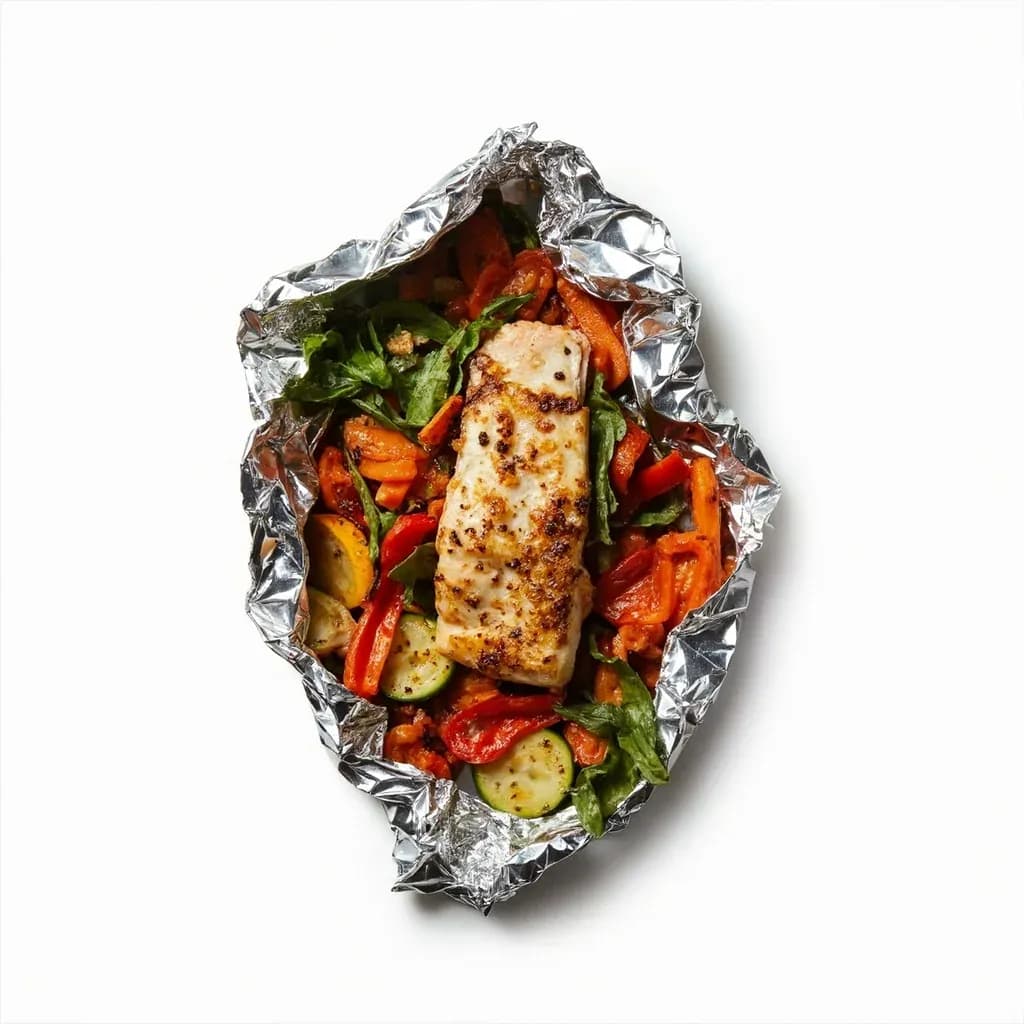
Foil-Packet Cooking
Sealing food in a foil parcel to steam and roast it over coals, grill or oven in its own juices.
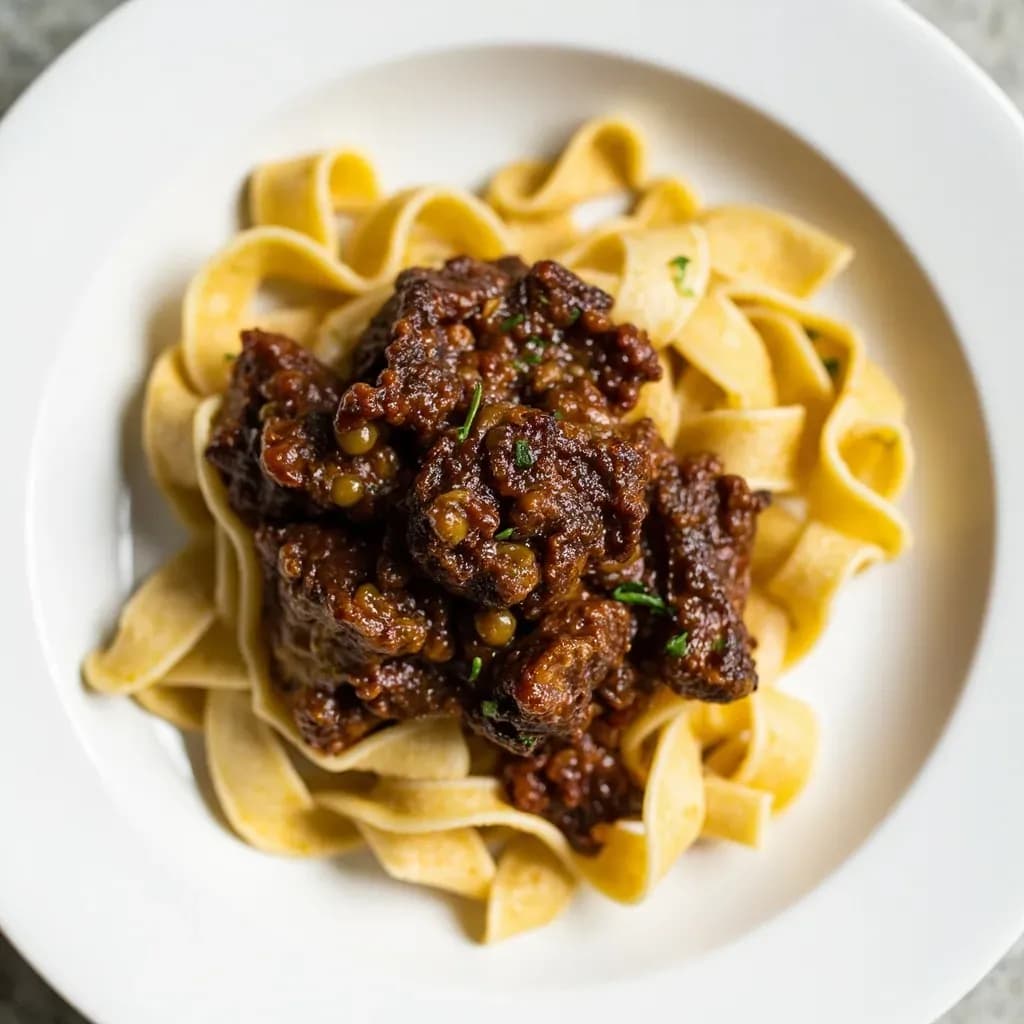
Game Stew Braising (Cinghiale in Umido)
Slow-braising marinated wild game like boar in wine and tomato until rich and tender.
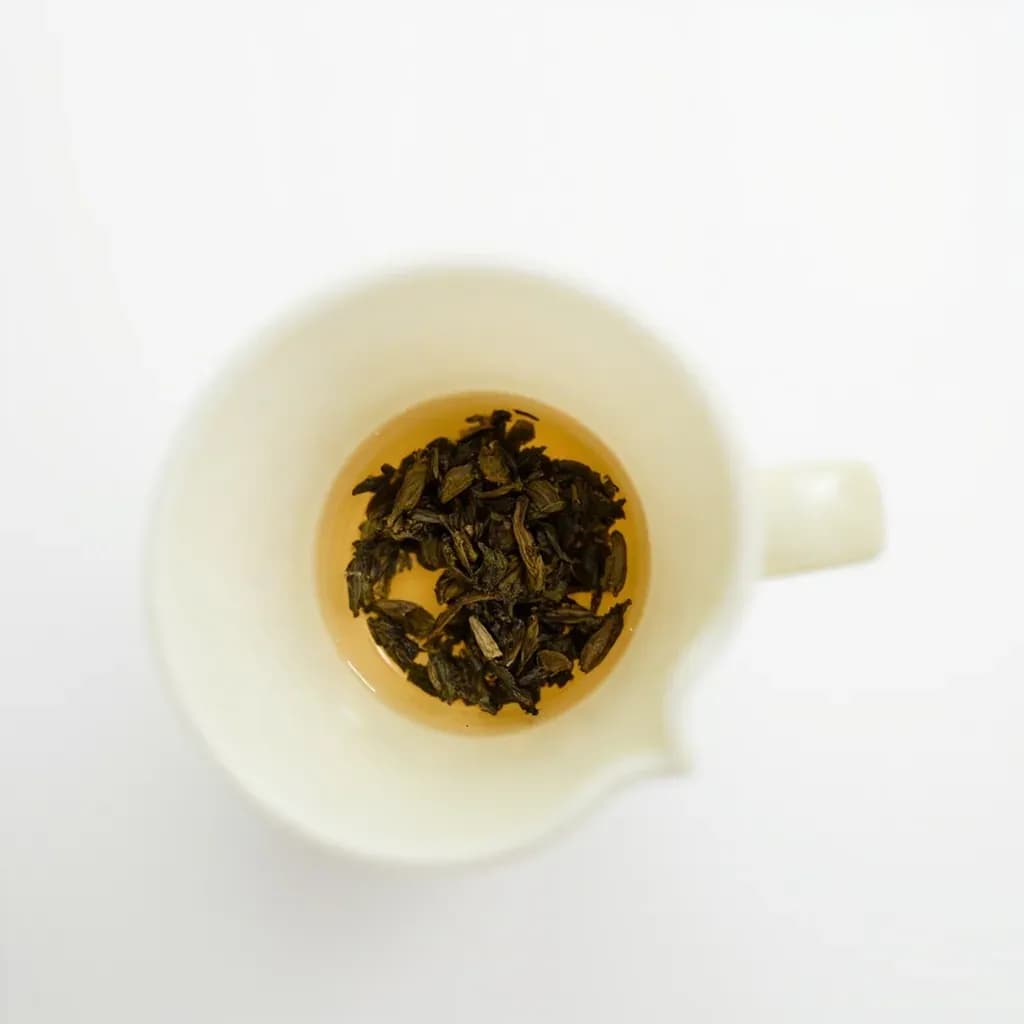
Gongfu Cha (Short High-Leaf Steeps)
Chinese tea method using a high leaf-to-water ratio and many short steeps to draw out evolving flavor.
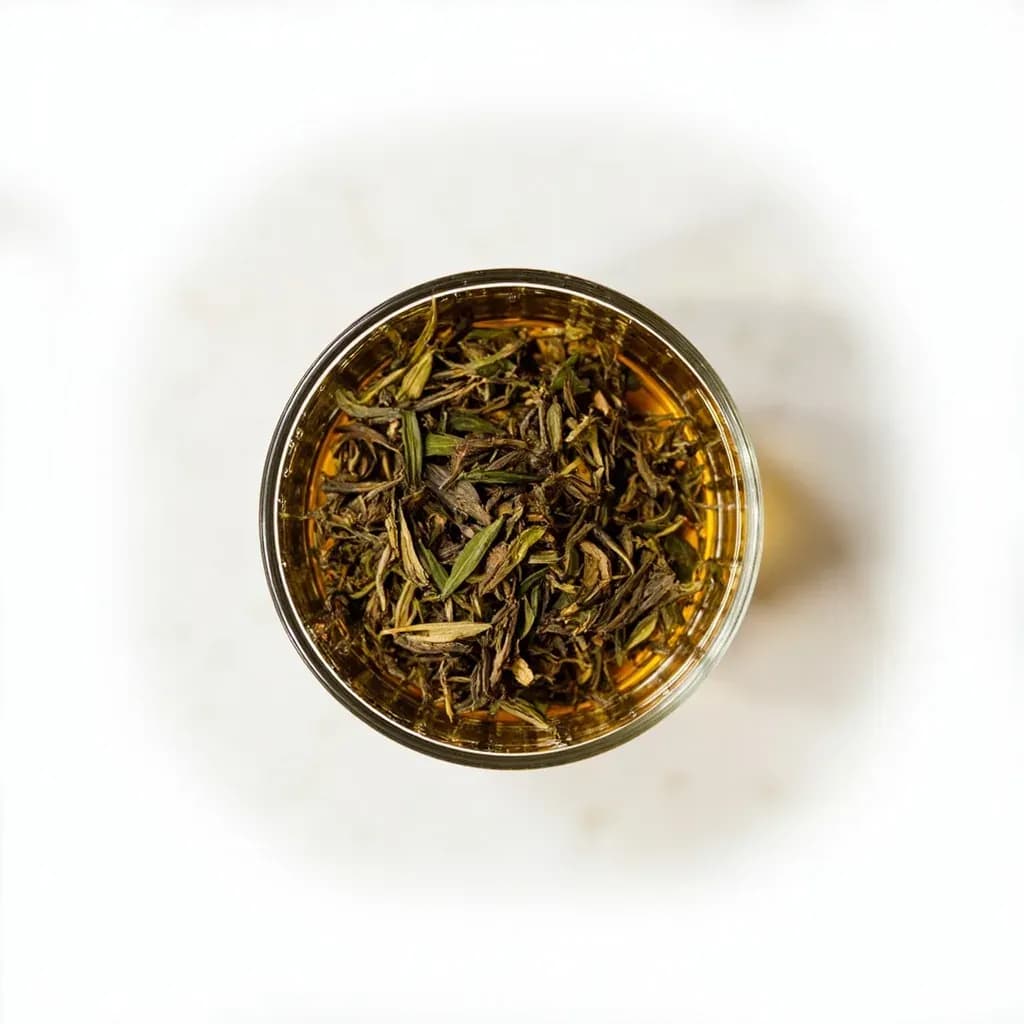
Grandpa-Style Steeping
Casual tea method of dropping loose leaves straight into a cup and topping up with water all day.
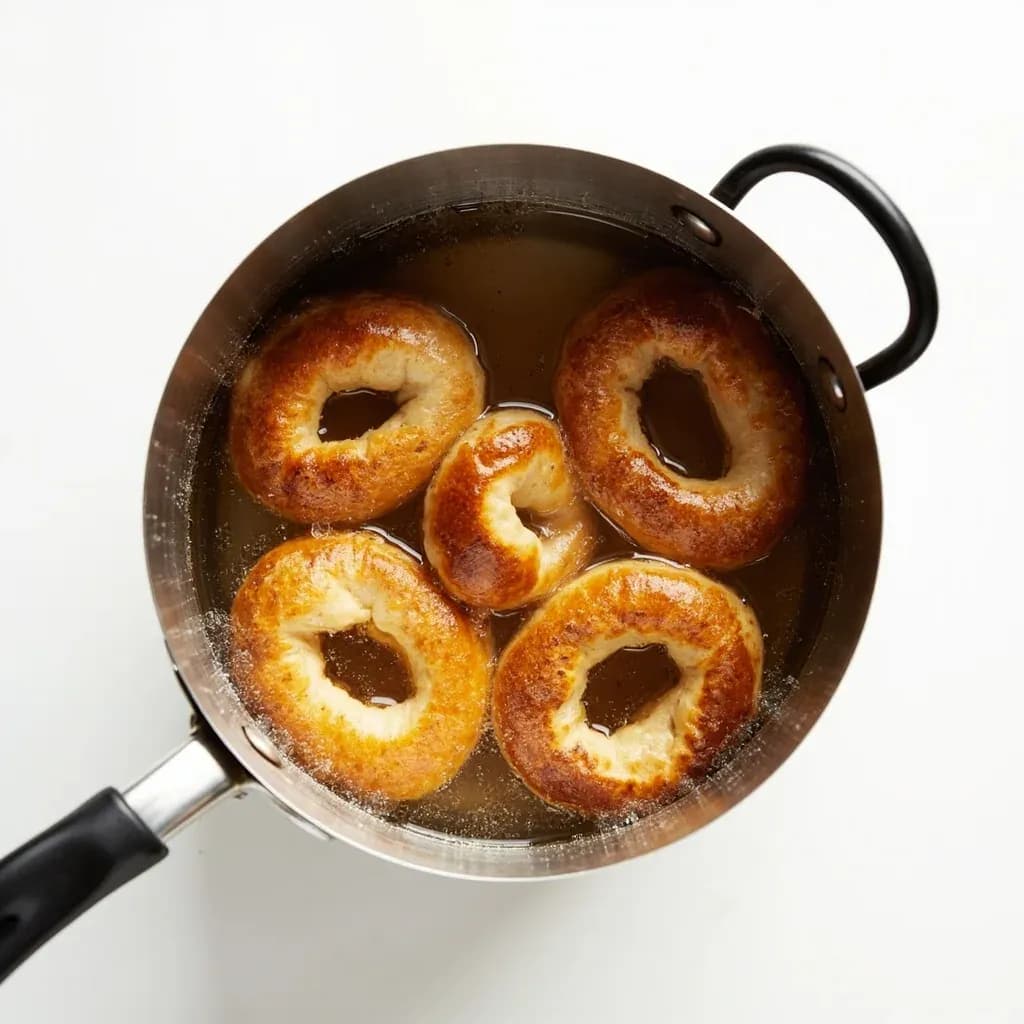
Honey-Water Bagel Boiling
Boiling shaped bagels in honey- or malt-sweetened water to set the crust and create their chewy sheen.
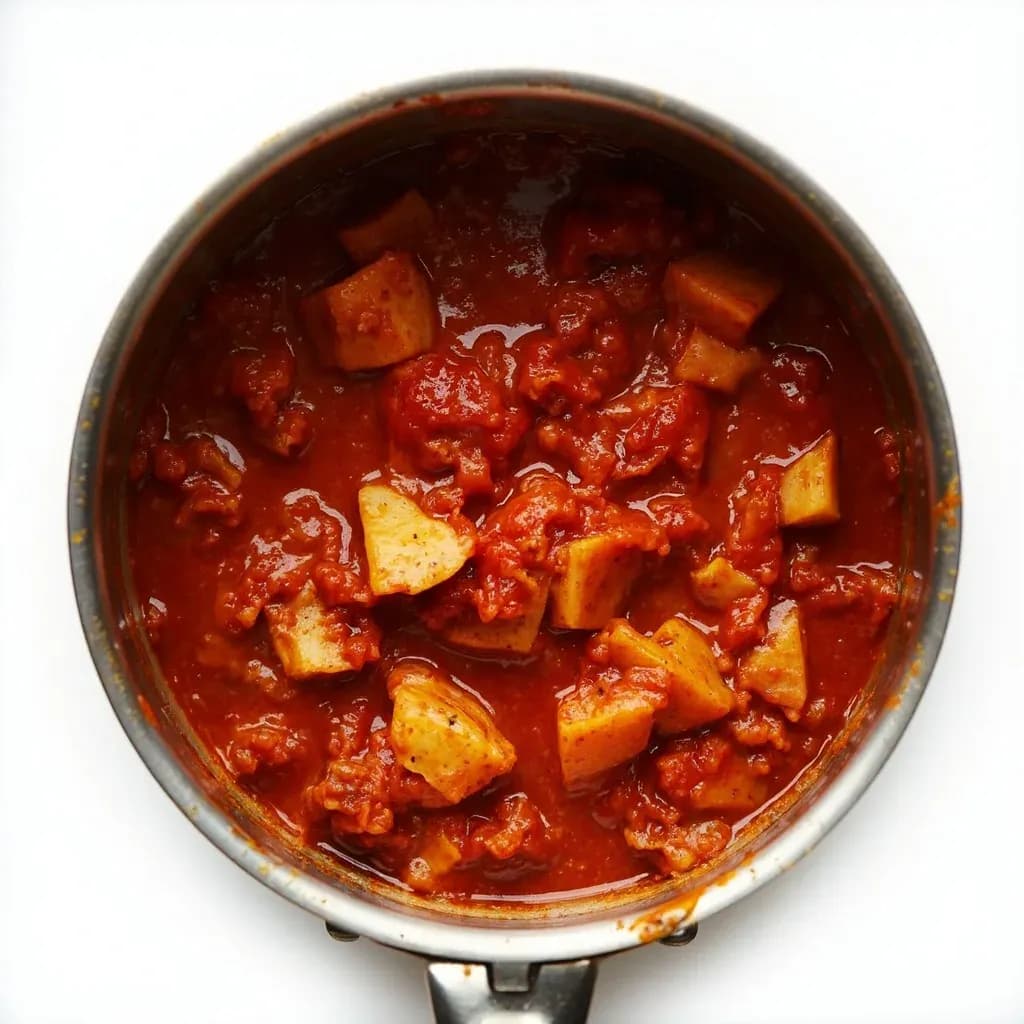
In Umido (Tomato Stewing)
Italian method of slow-stewing meat, fish or vegetables in a tomato-based sauce until tender.
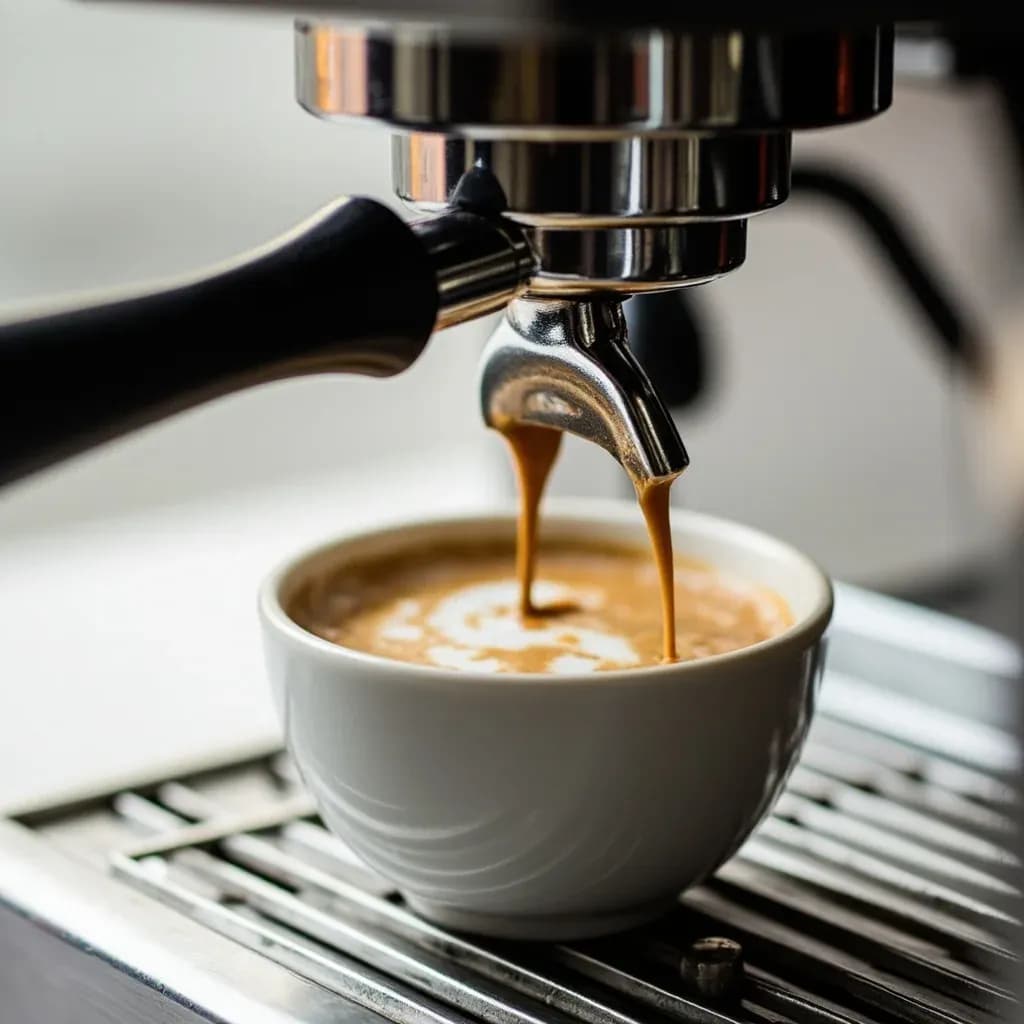
Lungo Extraction
Pulling a long espresso shot with extra water for a larger, milder, more bitter cup.
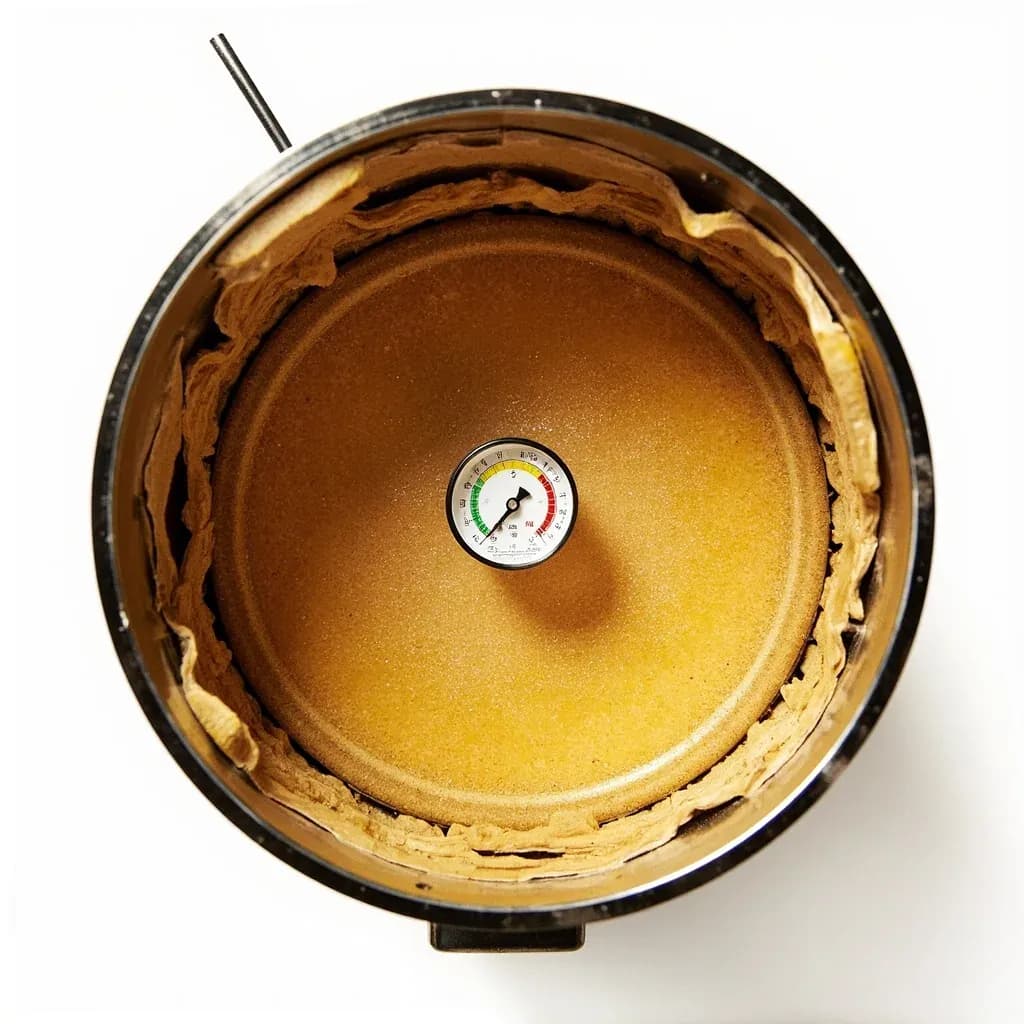
Mash Out
Raising the mash to a higher temperature at the end to stop enzyme action and ease lautering.
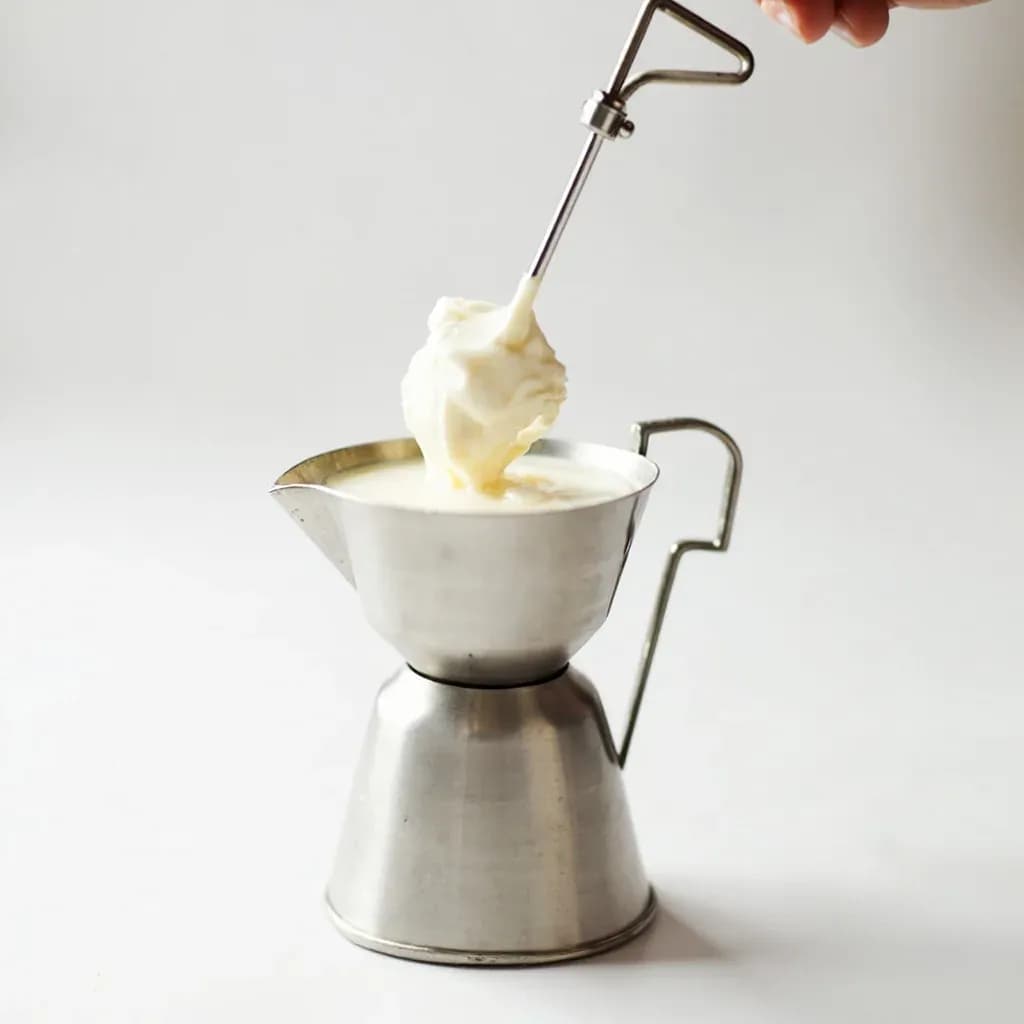
Milk Steaming
Injecting steam into milk to heat it and create silky microfoam for espresso drinks.
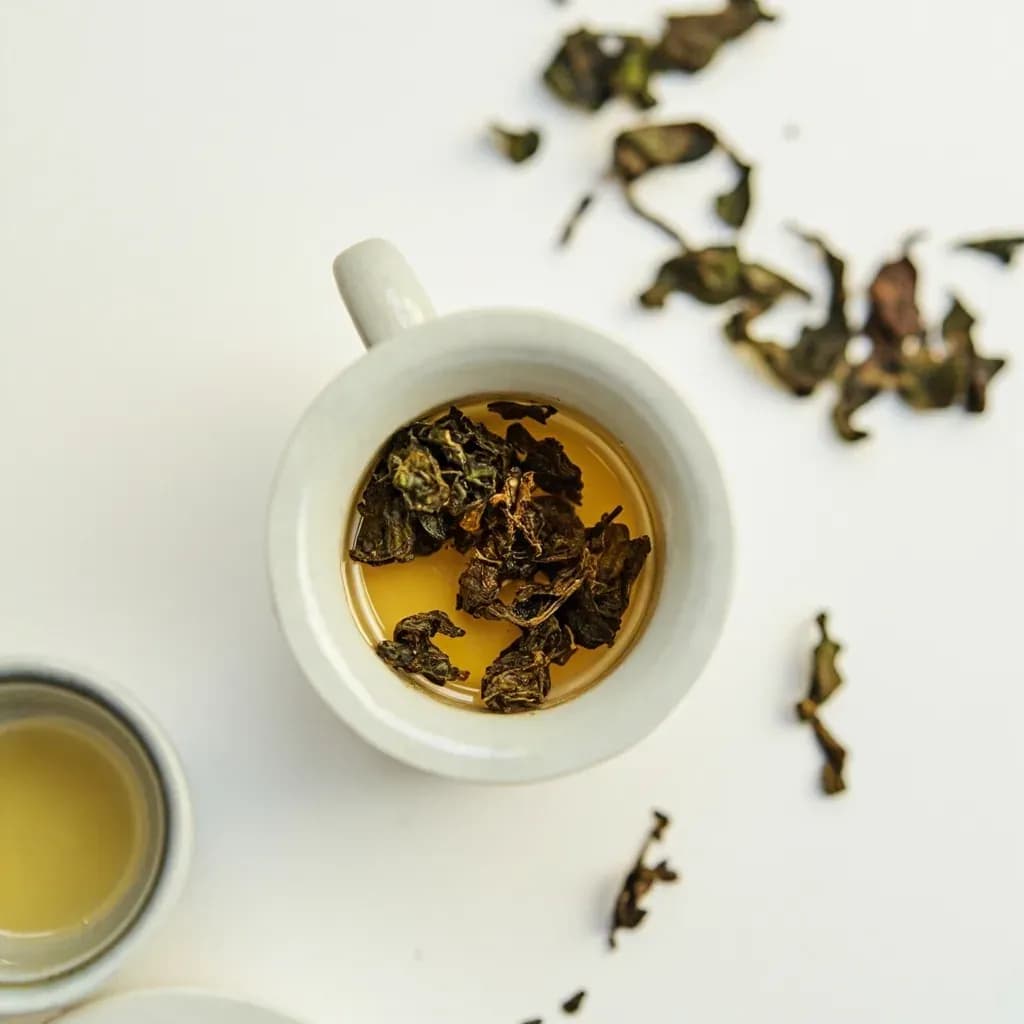
Multiple Infusions
Steeping the same tea leaves several times in succession to draw out evolving flavors.
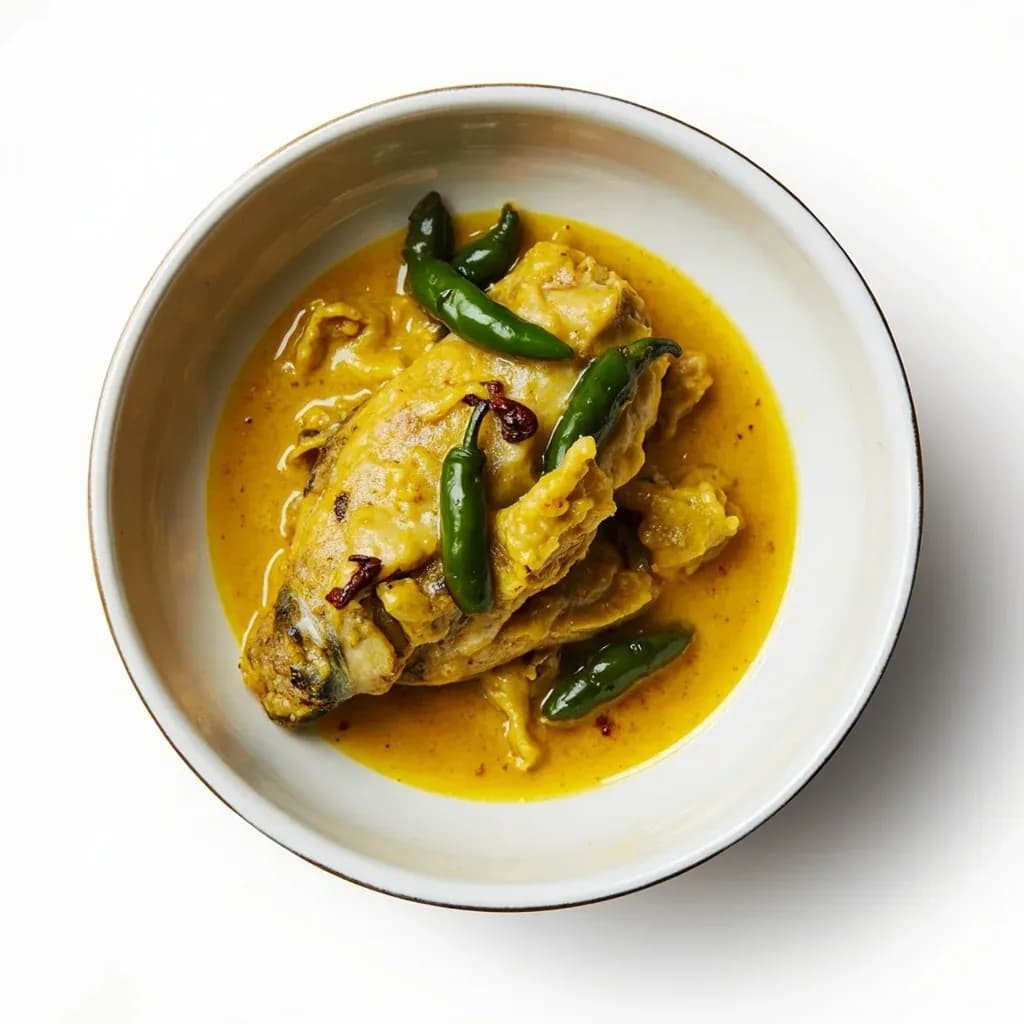
Mustard-Hot Gravy (Jhal)
Bengali gravy built on pungent ground mustard paste for a sharp, fiery heat.
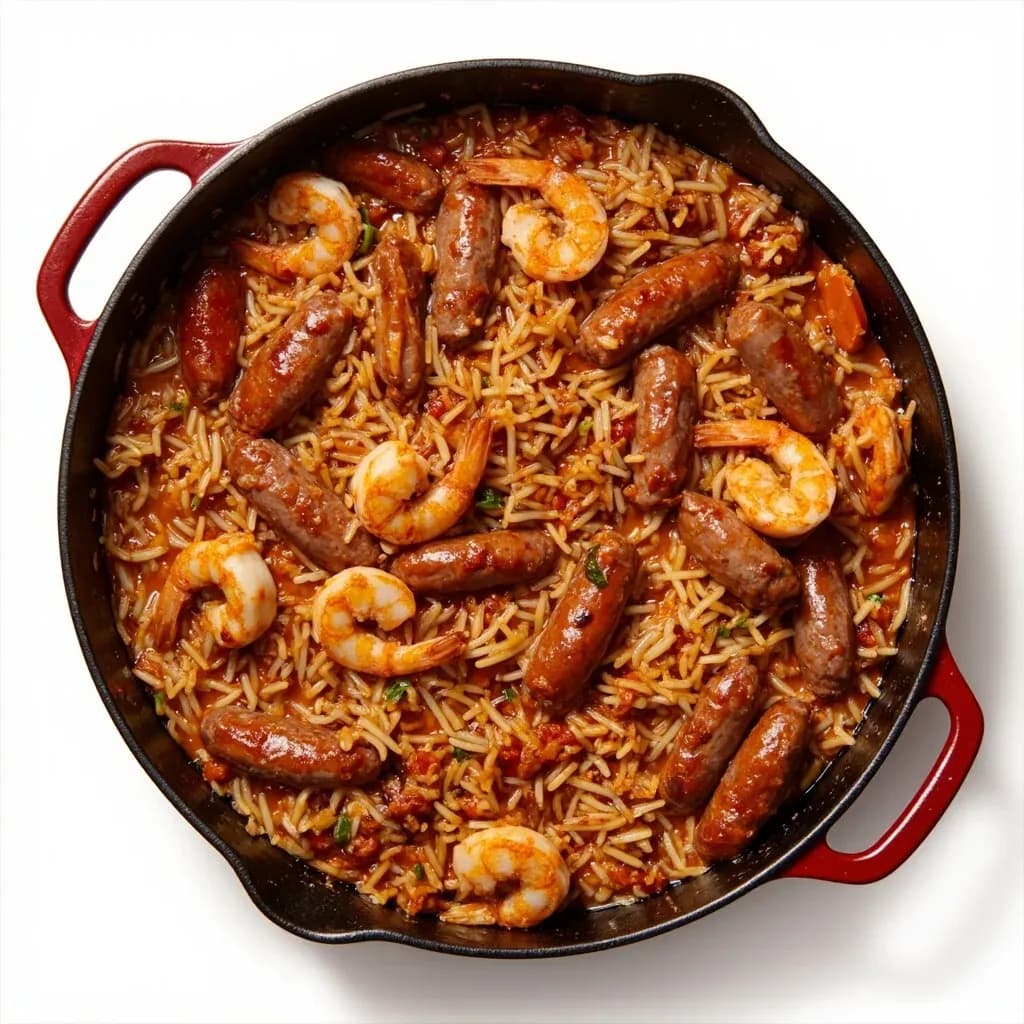
One-Pot Jambalaya Method
Building a Louisiana rice dish in one pot so the rice absorbs the seasoned stock and meat juices.
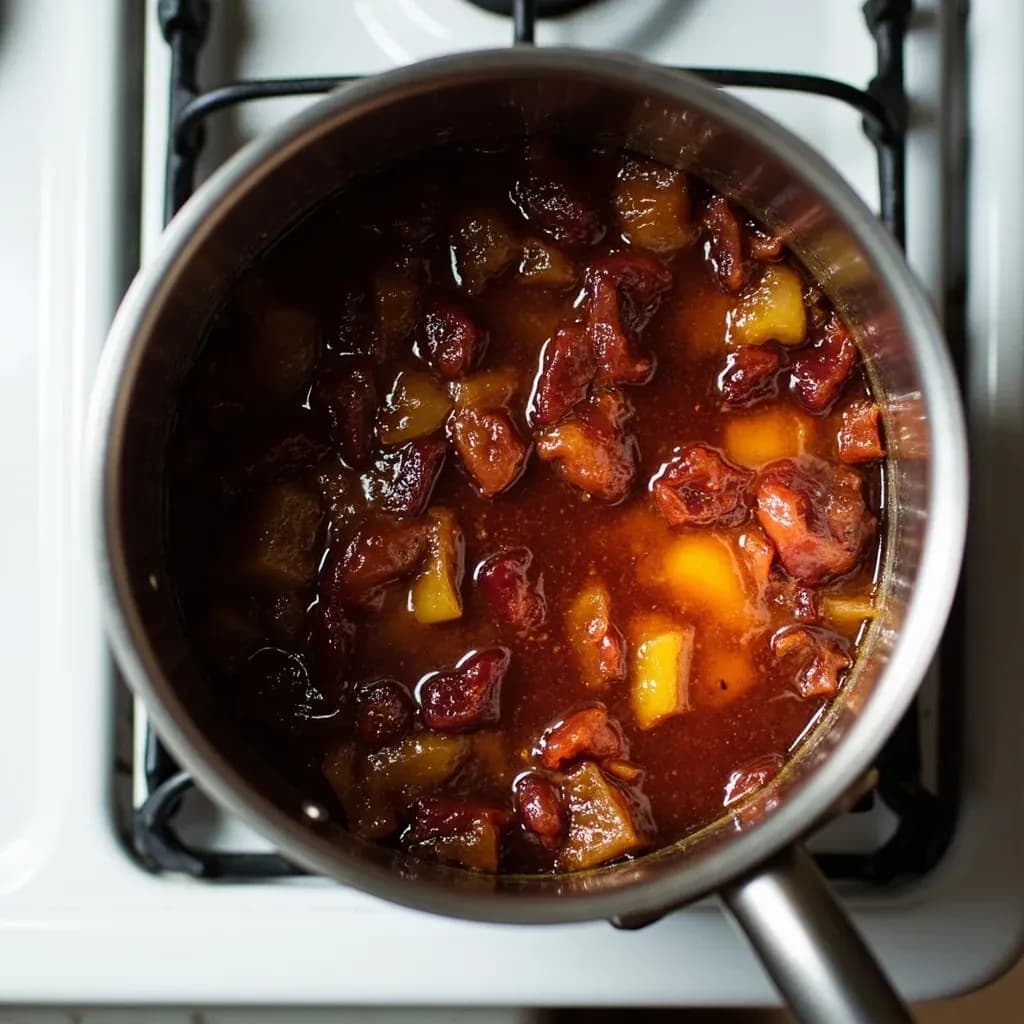
Open-Kettle Cooking
Cooking food in an uncovered pot to reduce and concentrate it, also an old canning method.
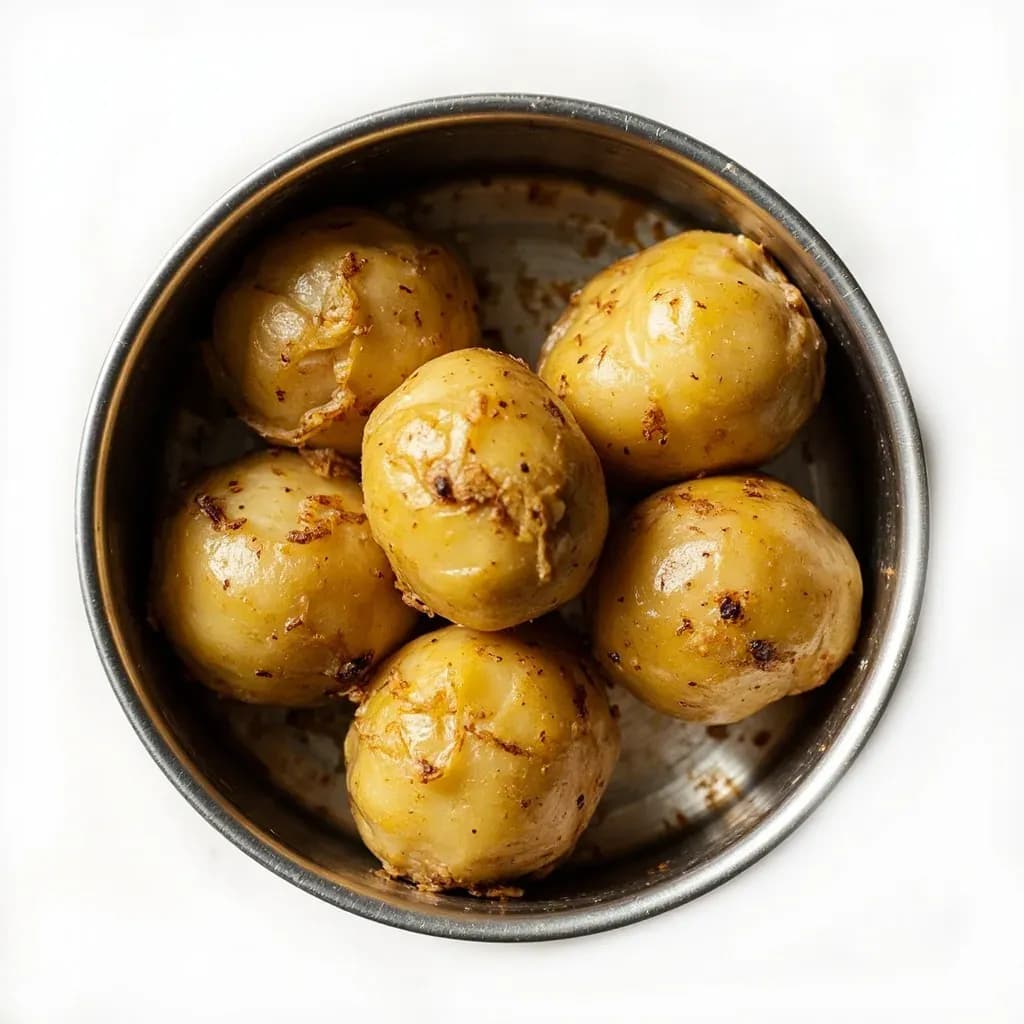
Par-Roasting Potatoes
Parboiling potatoes and roughing their edges before roasting them extra crisp and fluffy.
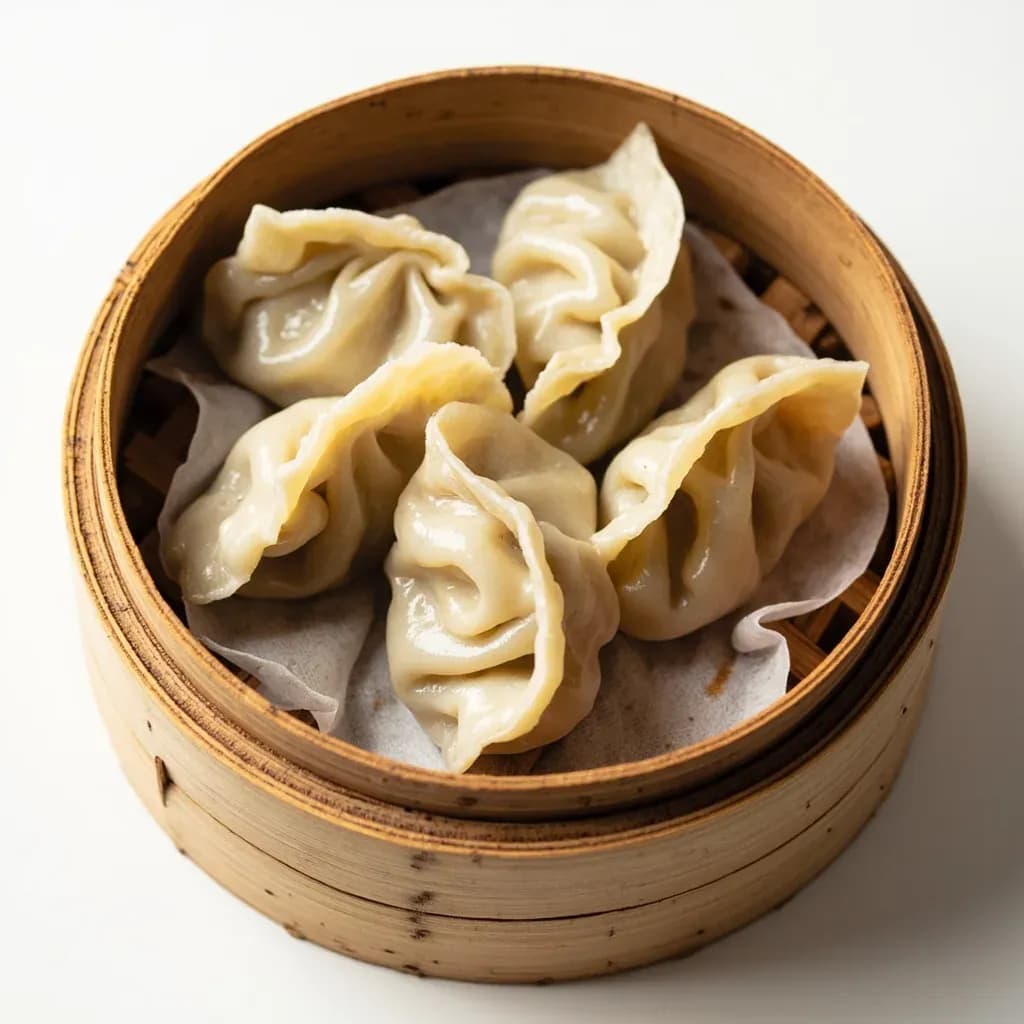
Par-Steaming (Hold and Re-Steam)
Steaming food partway, holding it, then finishing with a second steam to cook to order.
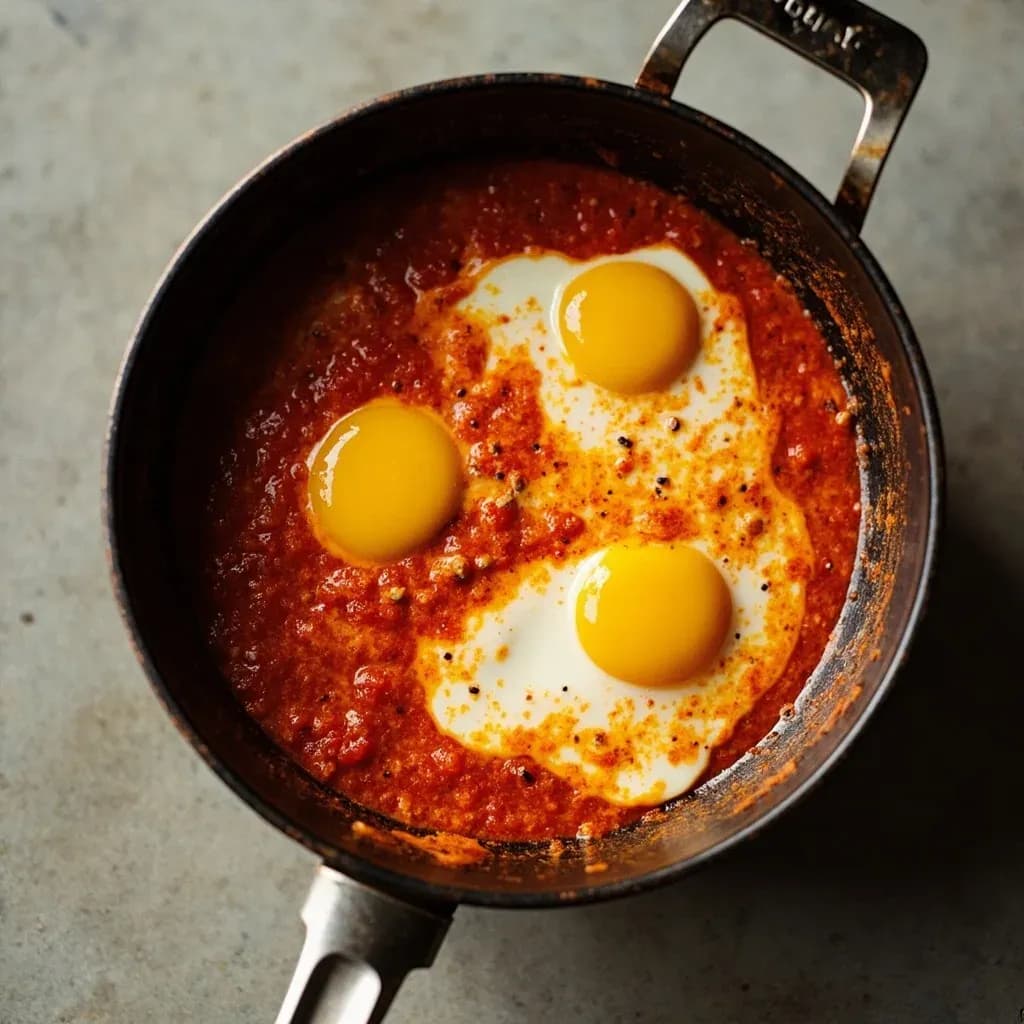
Poaching Eggs in Sauce
Cracking eggs directly into a simmering sauce so they set gently in the flavored liquid.
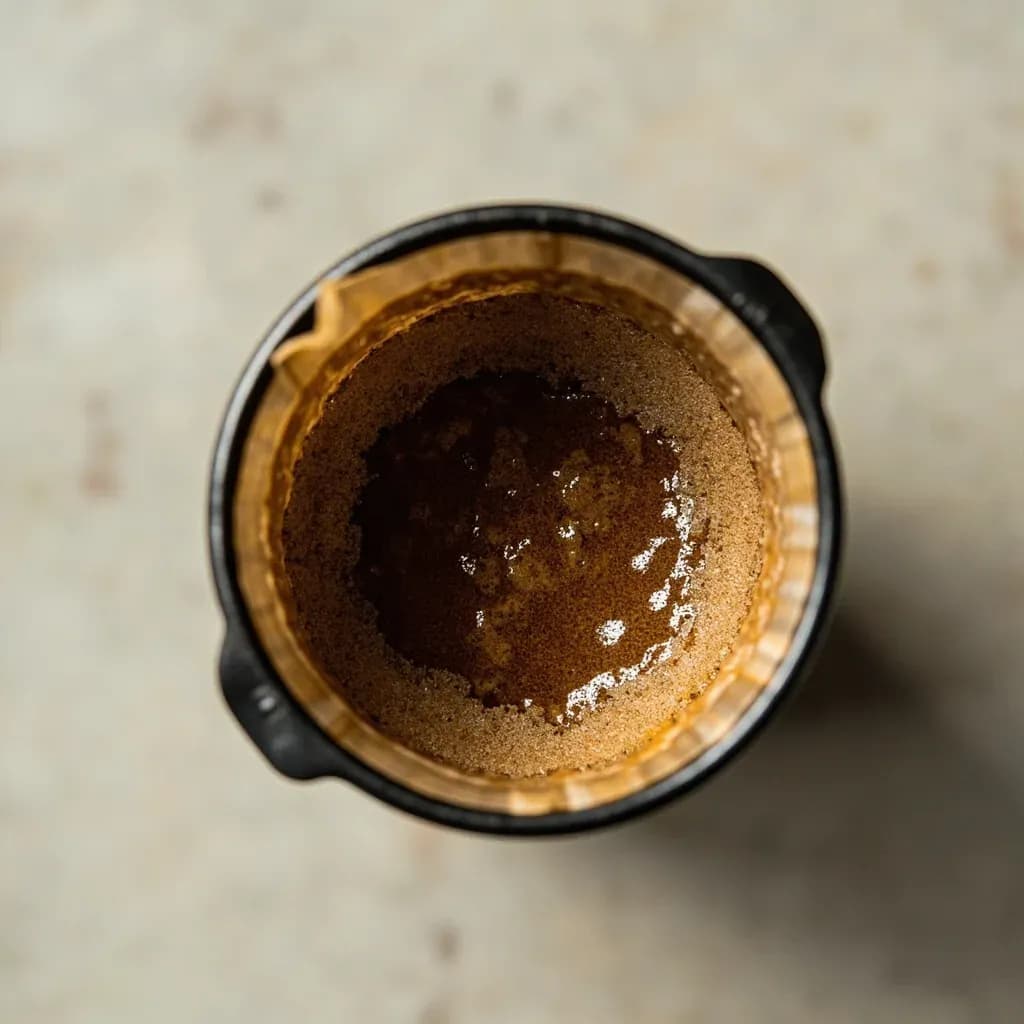
Pre-Infusion
A brief low-pressure wetting of coffee grounds before full extraction to ensure even saturation.
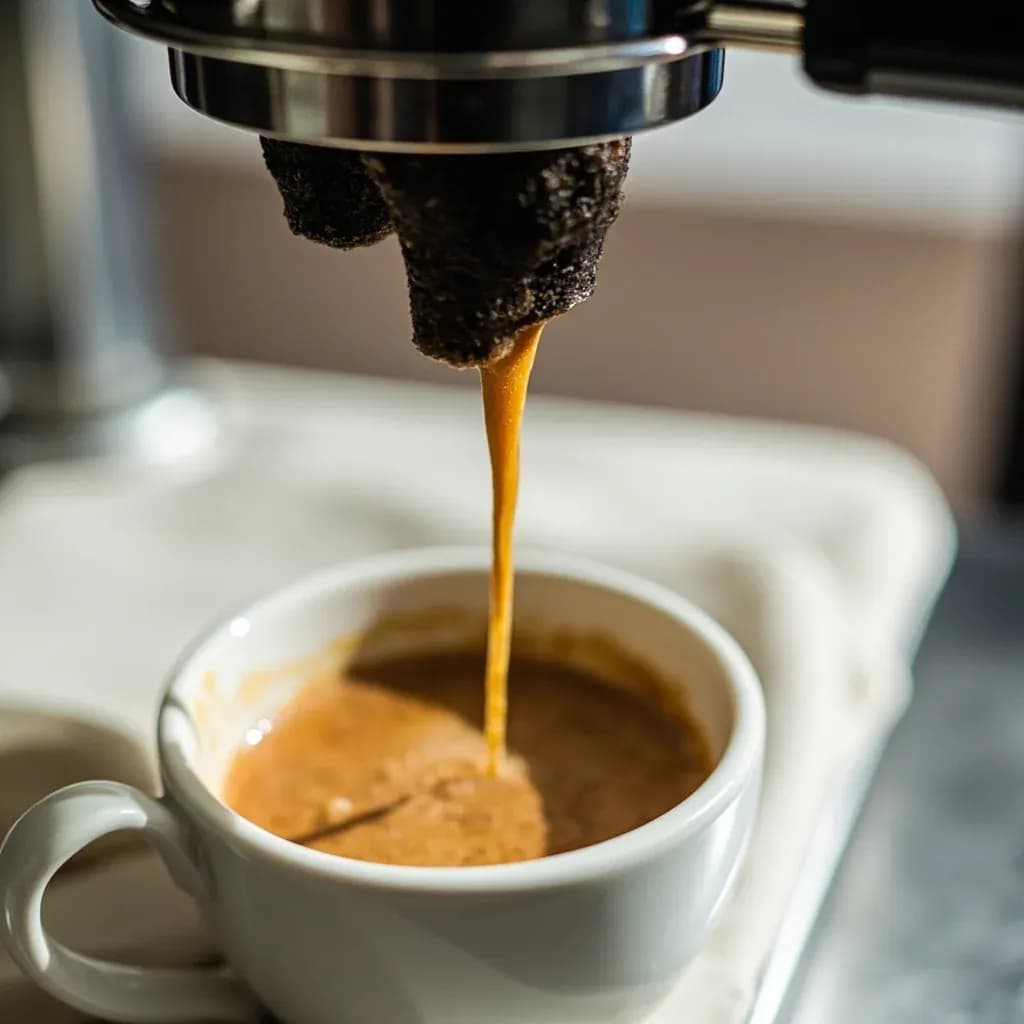
Pulling an Espresso Shot
Forcing hot pressurized water through finely ground coffee to extract a concentrated espresso.
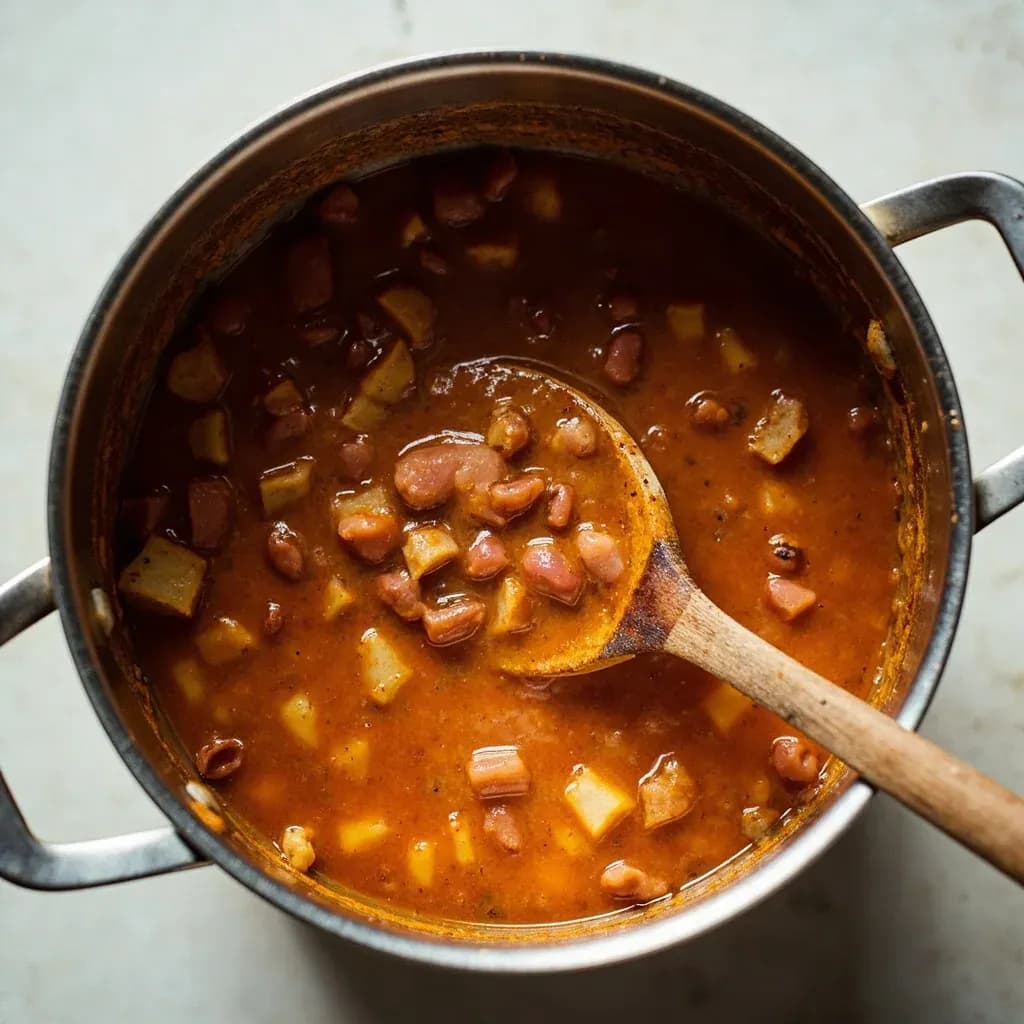
Reboiling (Ribollita)
Reheating and re-simmering a leftover bean-and-bread soup so it thickens into a richer dish.
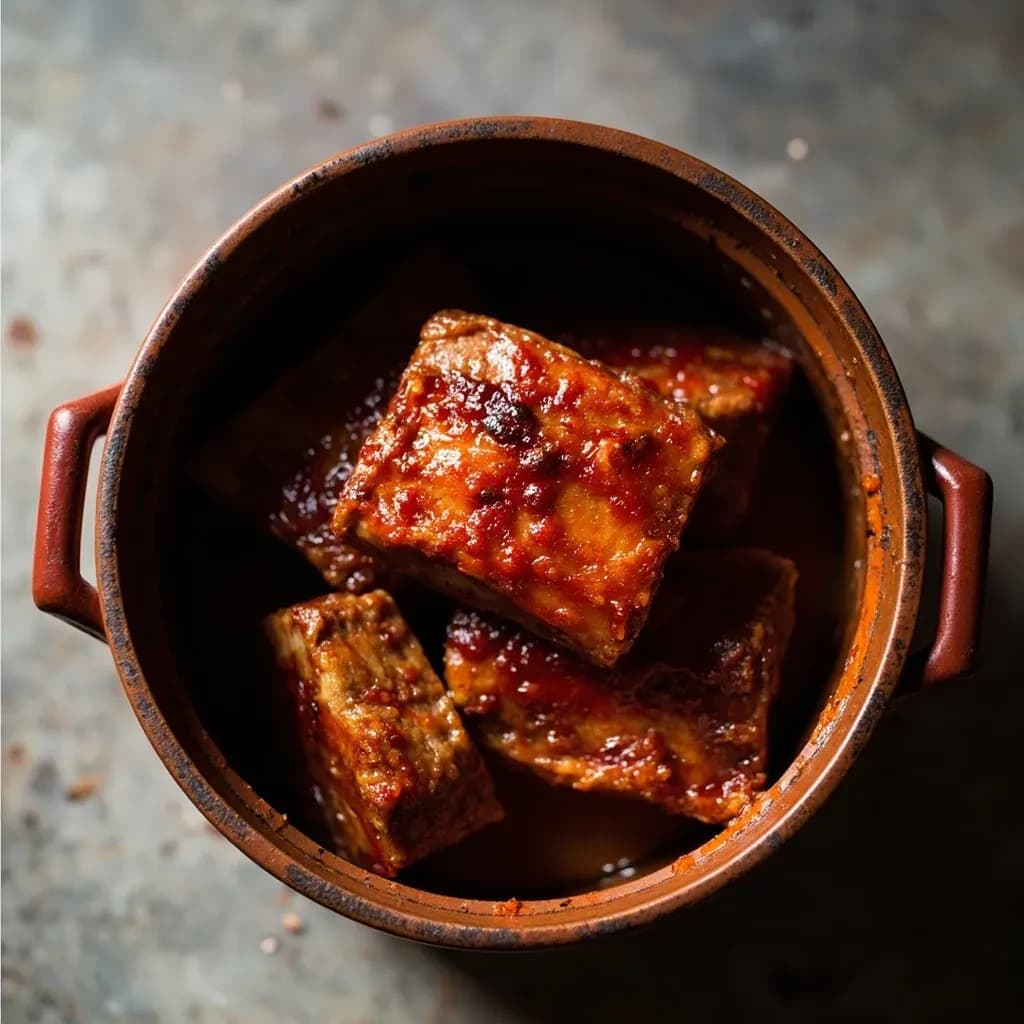
Red Braise (Hong Shao)
A Chinese braise in soy sauce, sugar, and spices that lacquers meat a glossy reddish-brown.
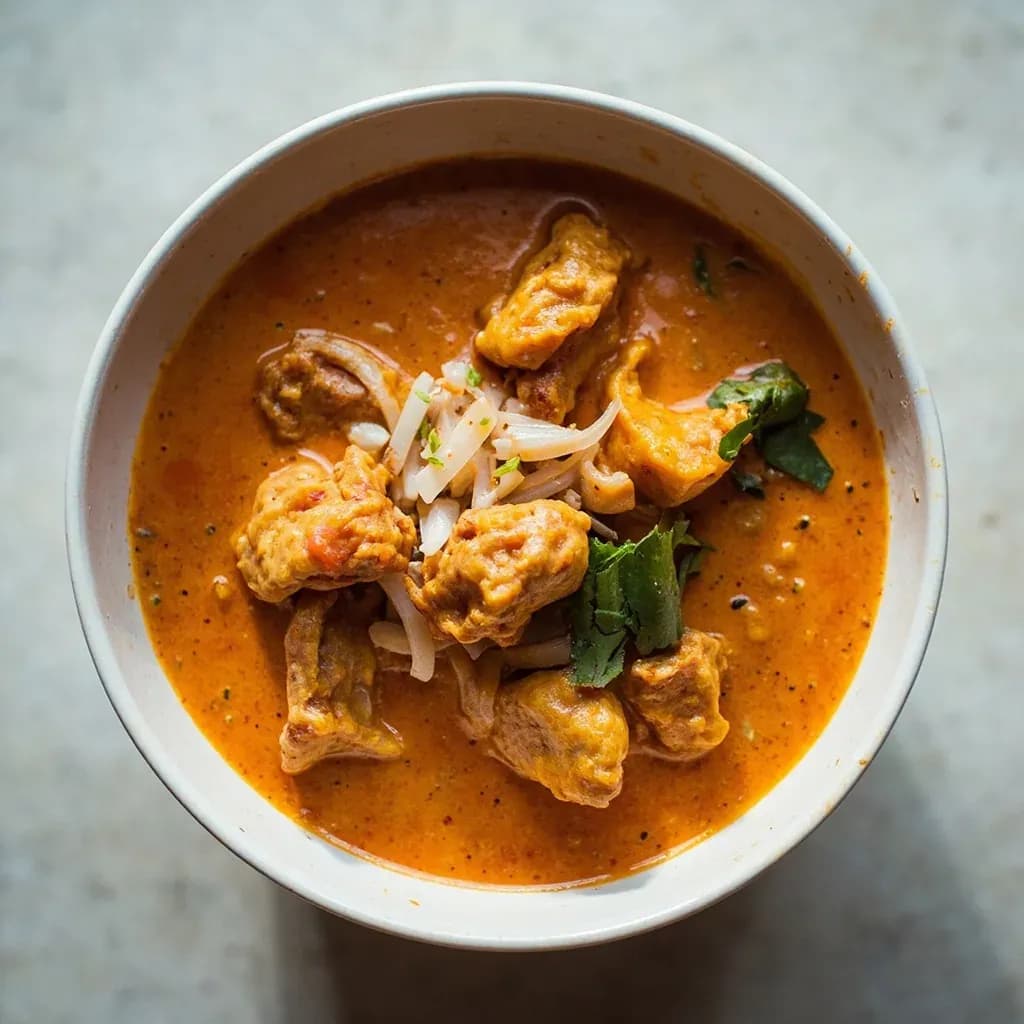
Red Curry (Roasted-Spice Simmer)
Frying a red chili paste in coconut cream, then simmering proteins and vegetables in coconut milk.
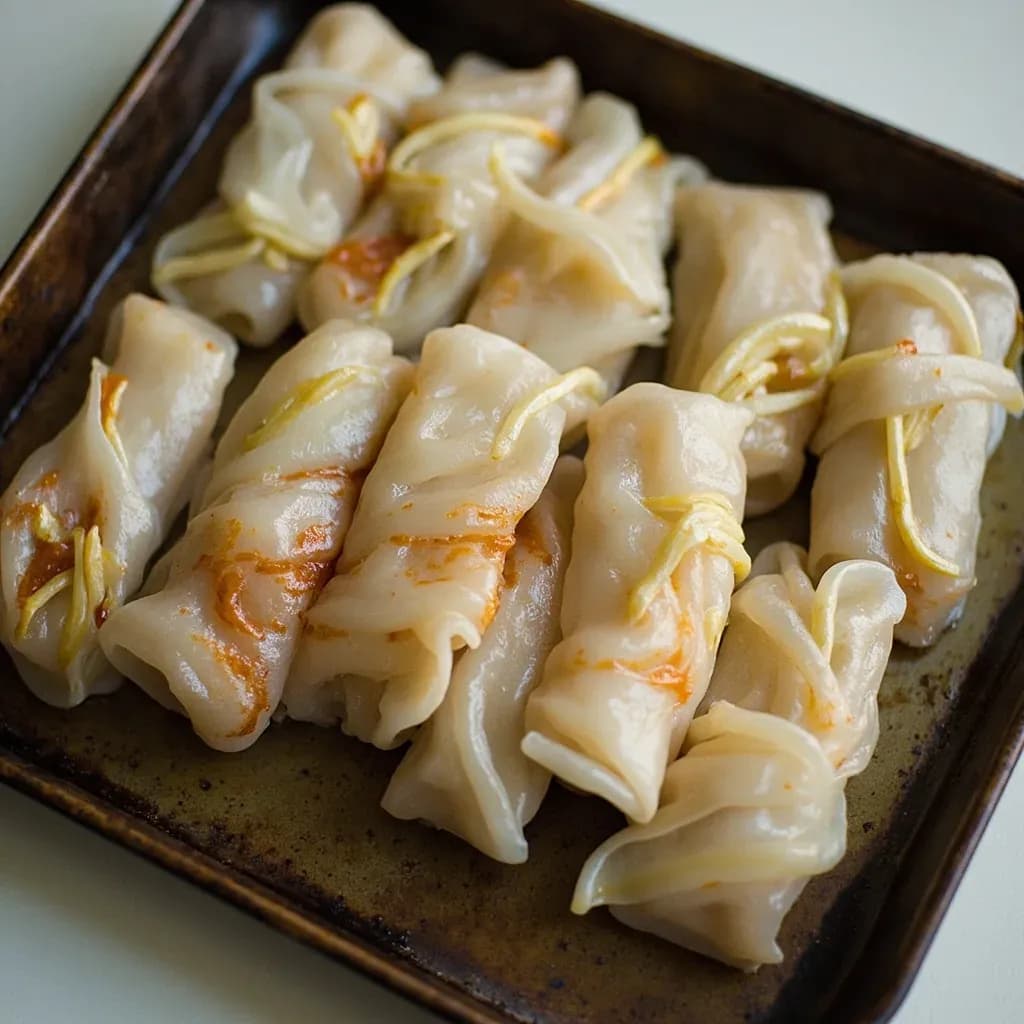
Rice Noodle Roll Steaming (Cheung Fun)
Steaming a thin rice-flour batter into a delicate sheet, then rolling it into silky noodle rolls.
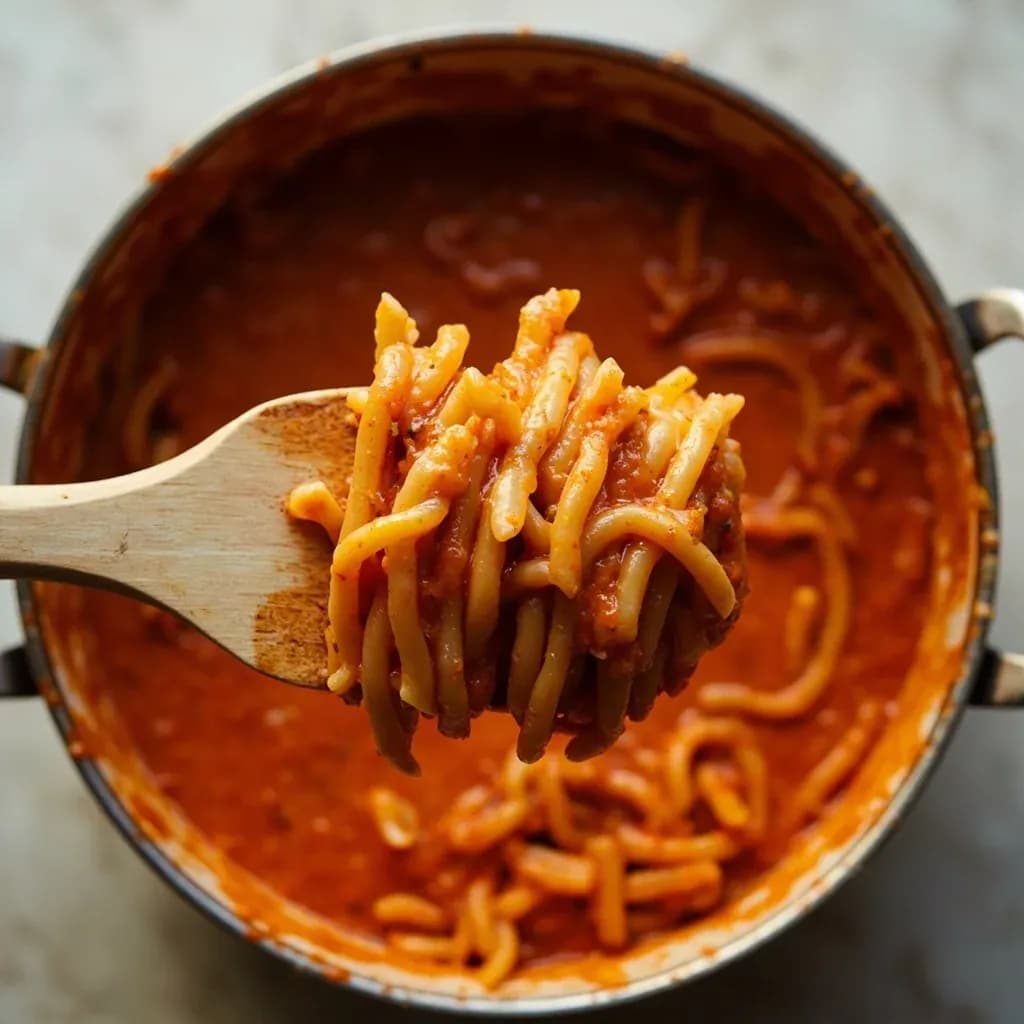
Risottata (Cooking Pasta in Sauce)
Cooking pasta risotto-style directly in sauce, adding liquid gradually until creamy.
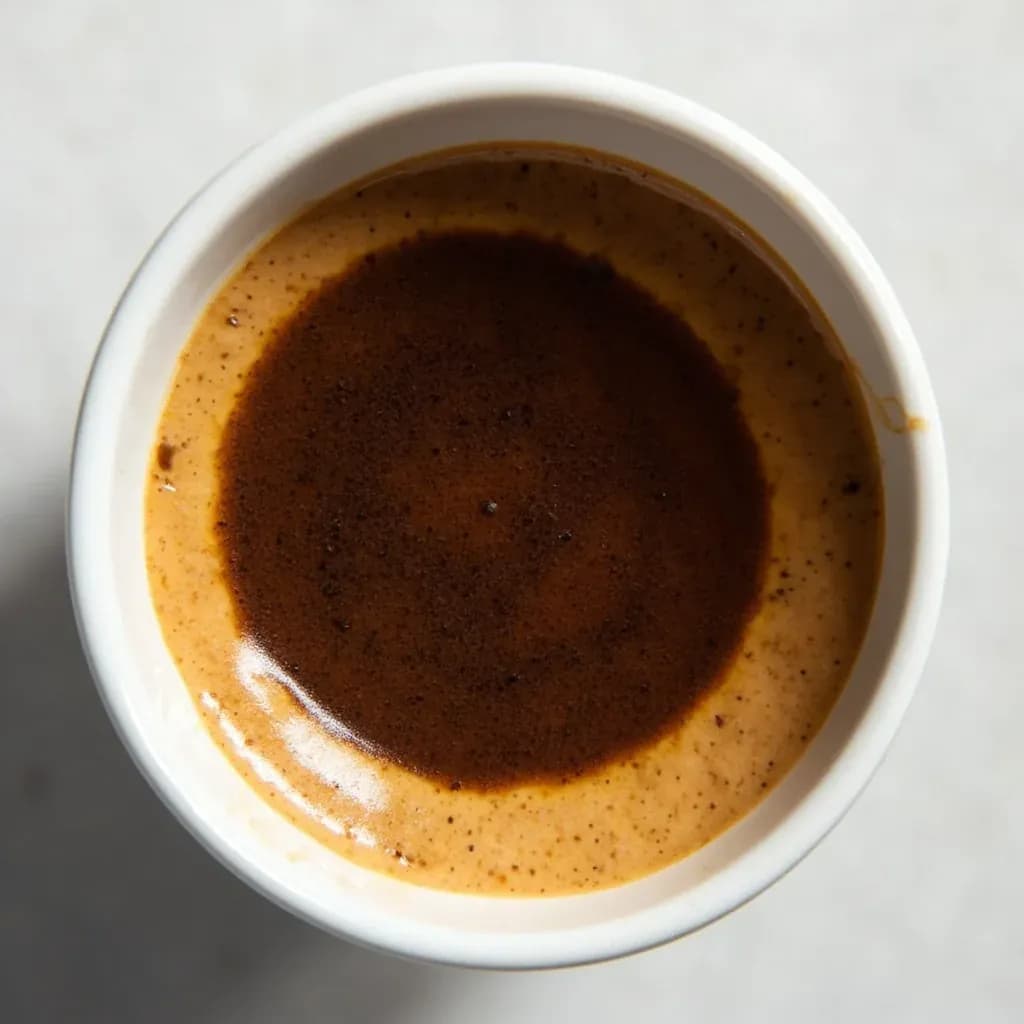
Ristretto Extraction
Pulling a short espresso shot with less water for a sweeter, more concentrated cup.
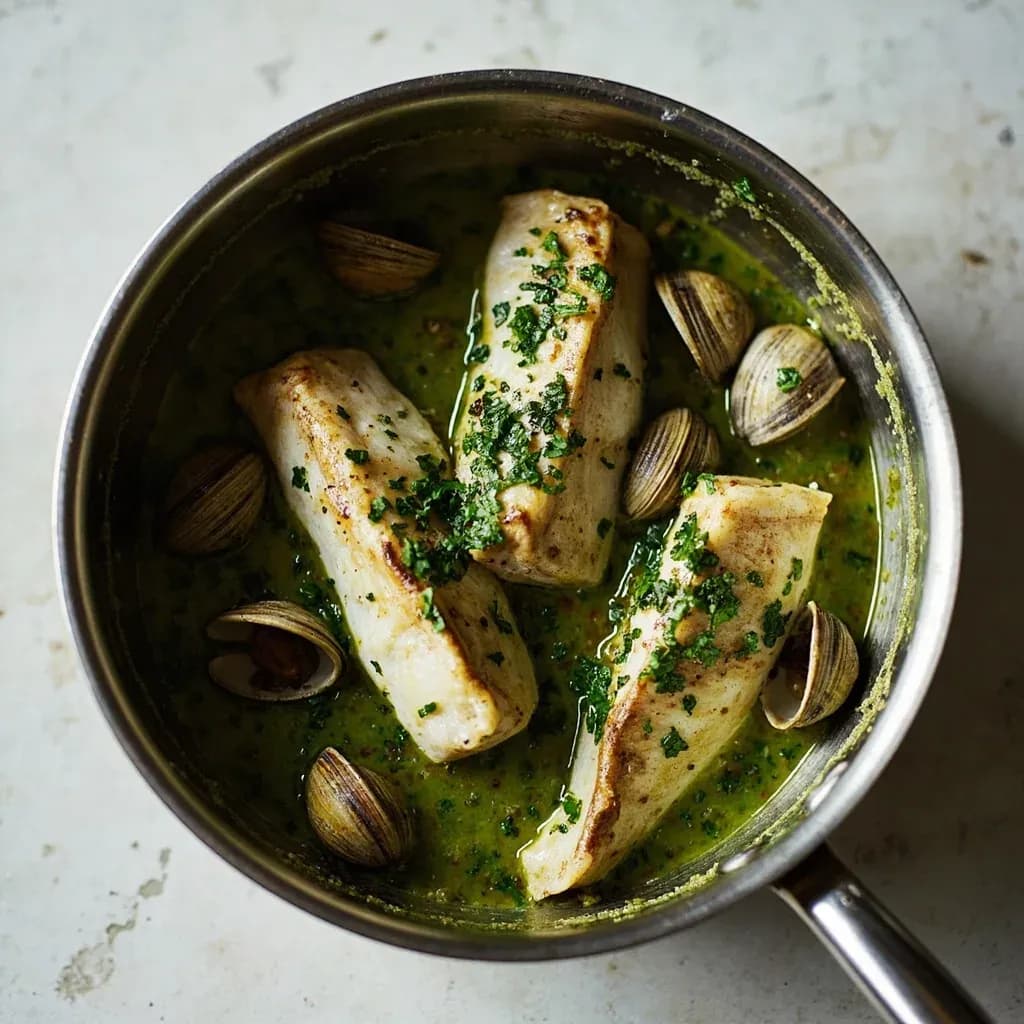
Salsa Verde (En Salsa Verde)
A Basque method emulsifying fish, olive oil, garlic, and parsley into a glossy green pan sauce.
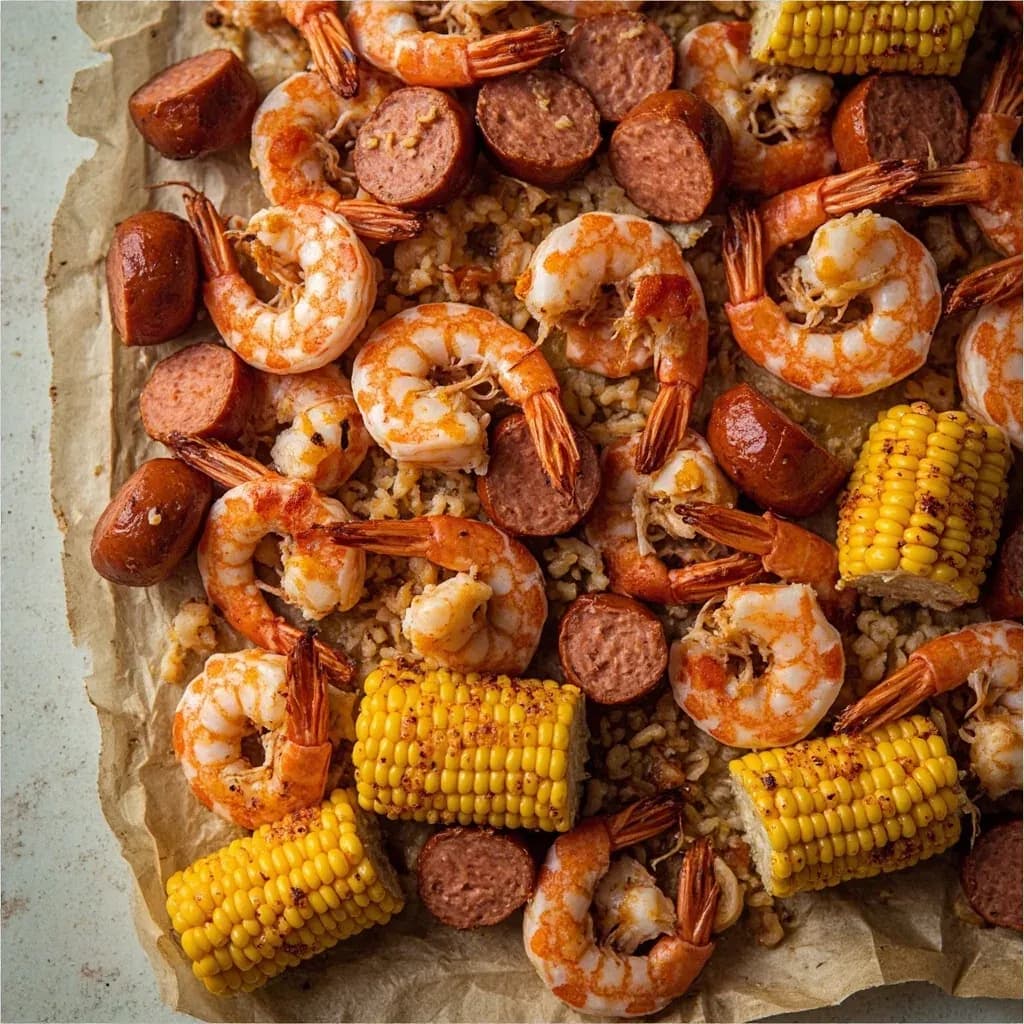
Seafood Boiling
Boiling shellfish and aromatics together in a heavily seasoned pot for a communal seafood feast.
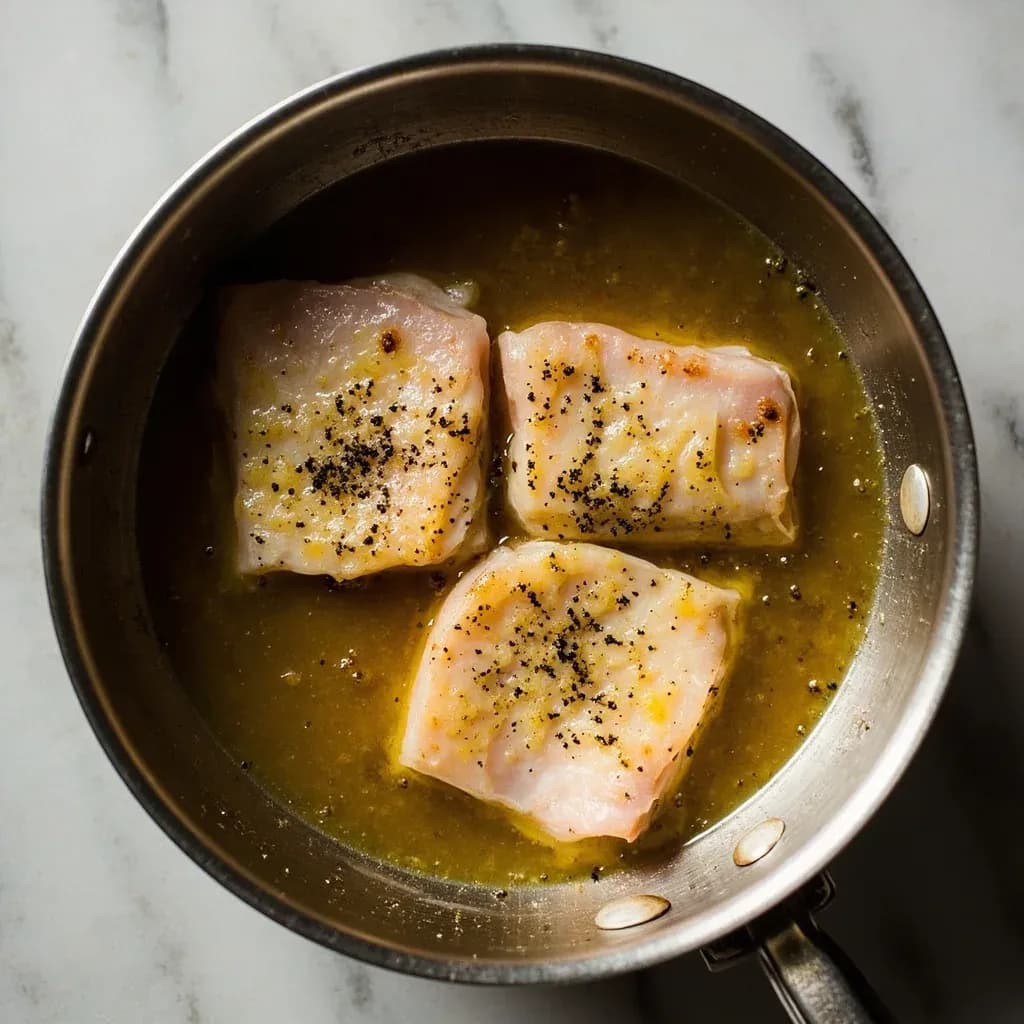
Shallow Poaching
Gently cooking delicate food in a shallow bath of flavored liquid, then reducing it into a sauce.
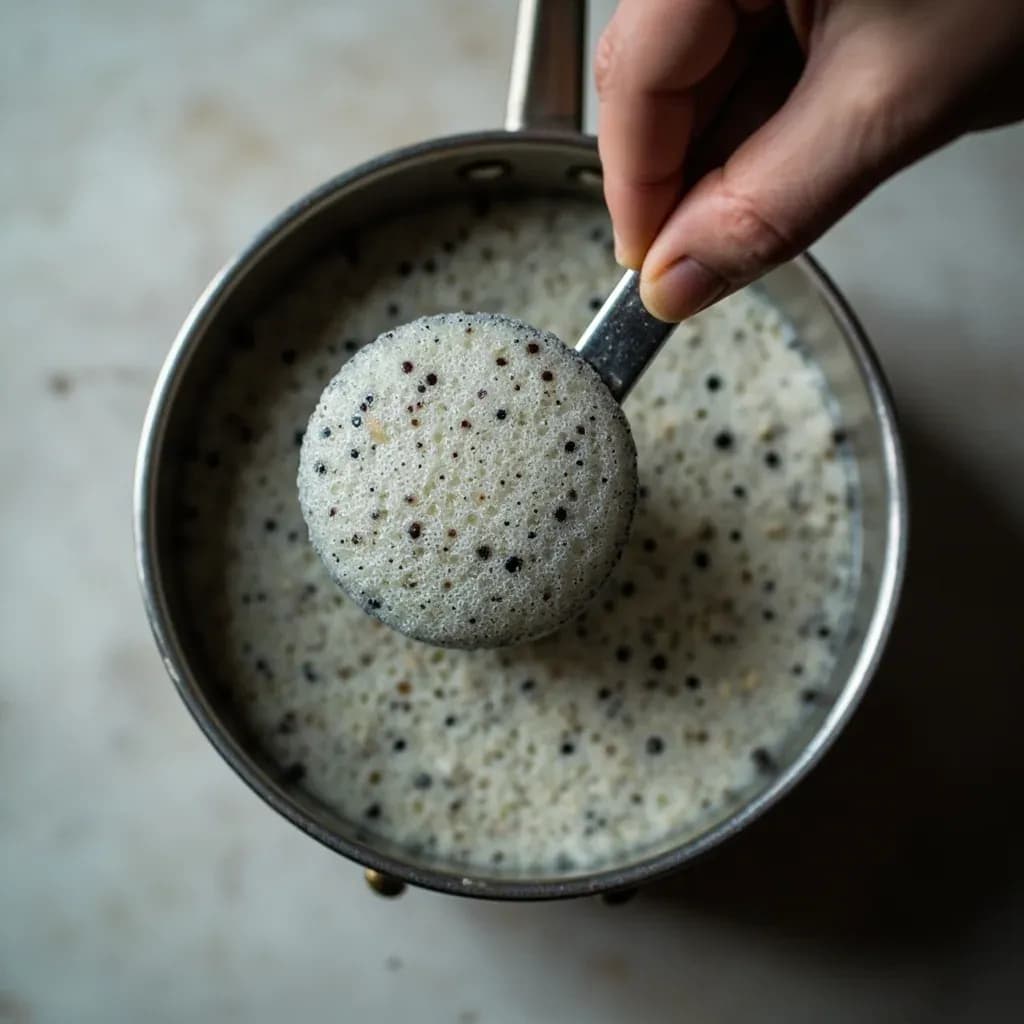
Skimming Foam / Scum
Lifting the grey foam off a simmering stock or broth to keep it clear and clean-tasting.
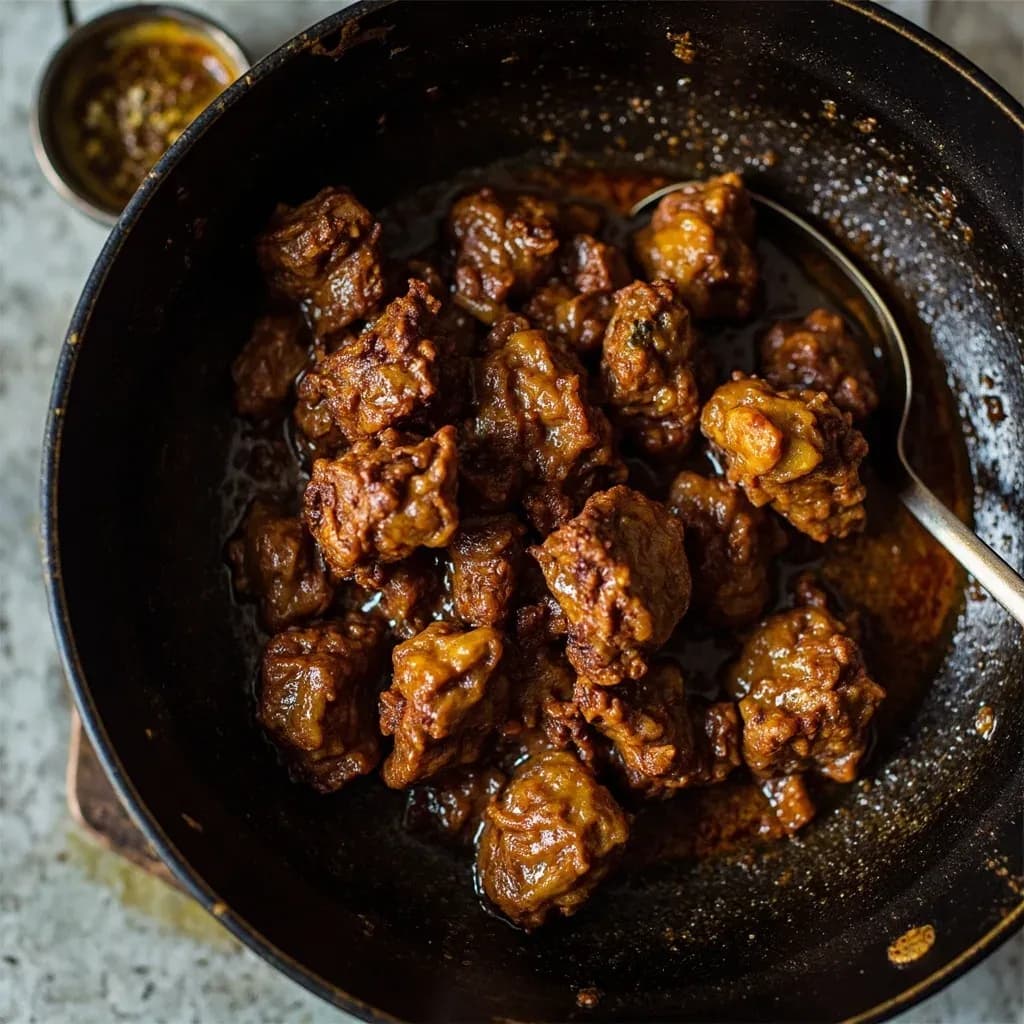
Slow Bhuna Reduction (Kosha)
Slow-cooking meat with little water, stirring as the masala reduces to a thick, oil-glossed coating.
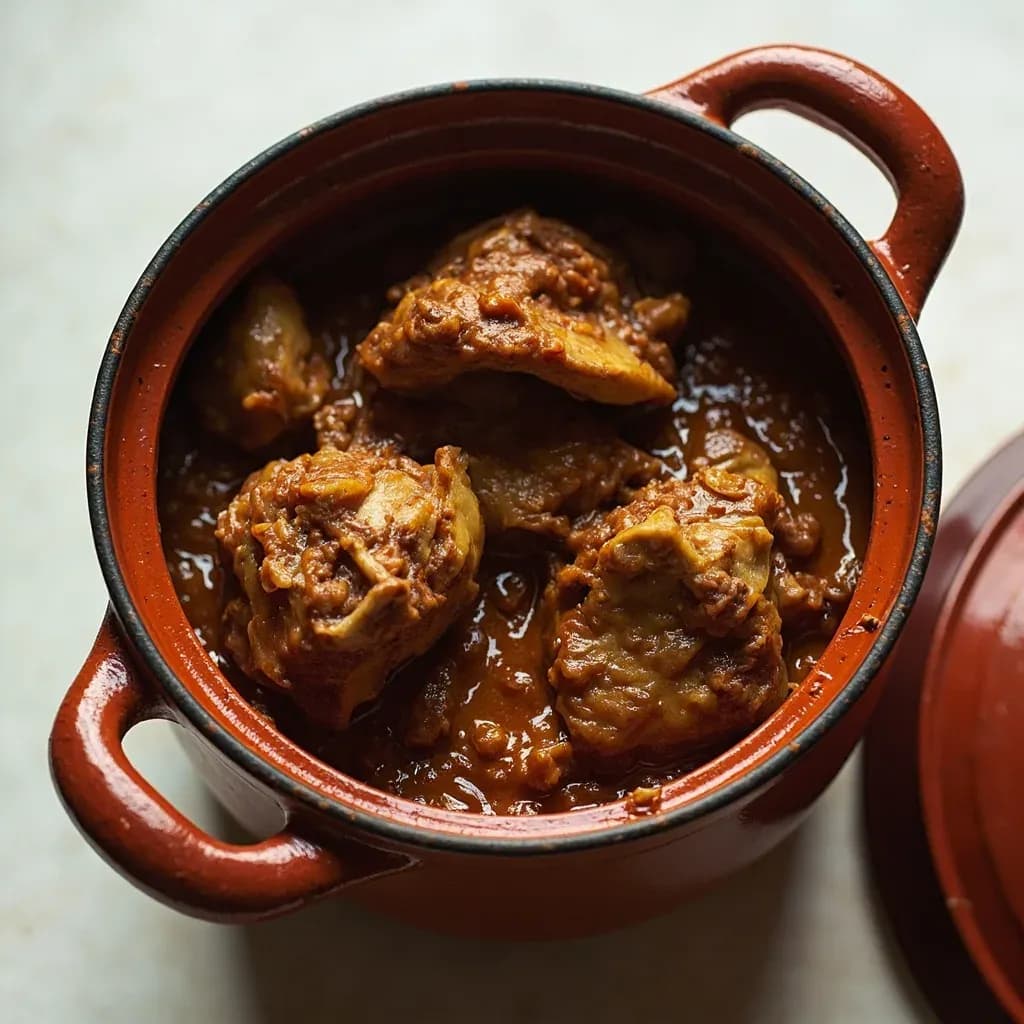
Slow Stew (Wei)
A very gentle, prolonged Chinese simmer that tenderizes tough cuts and melds deep flavor.
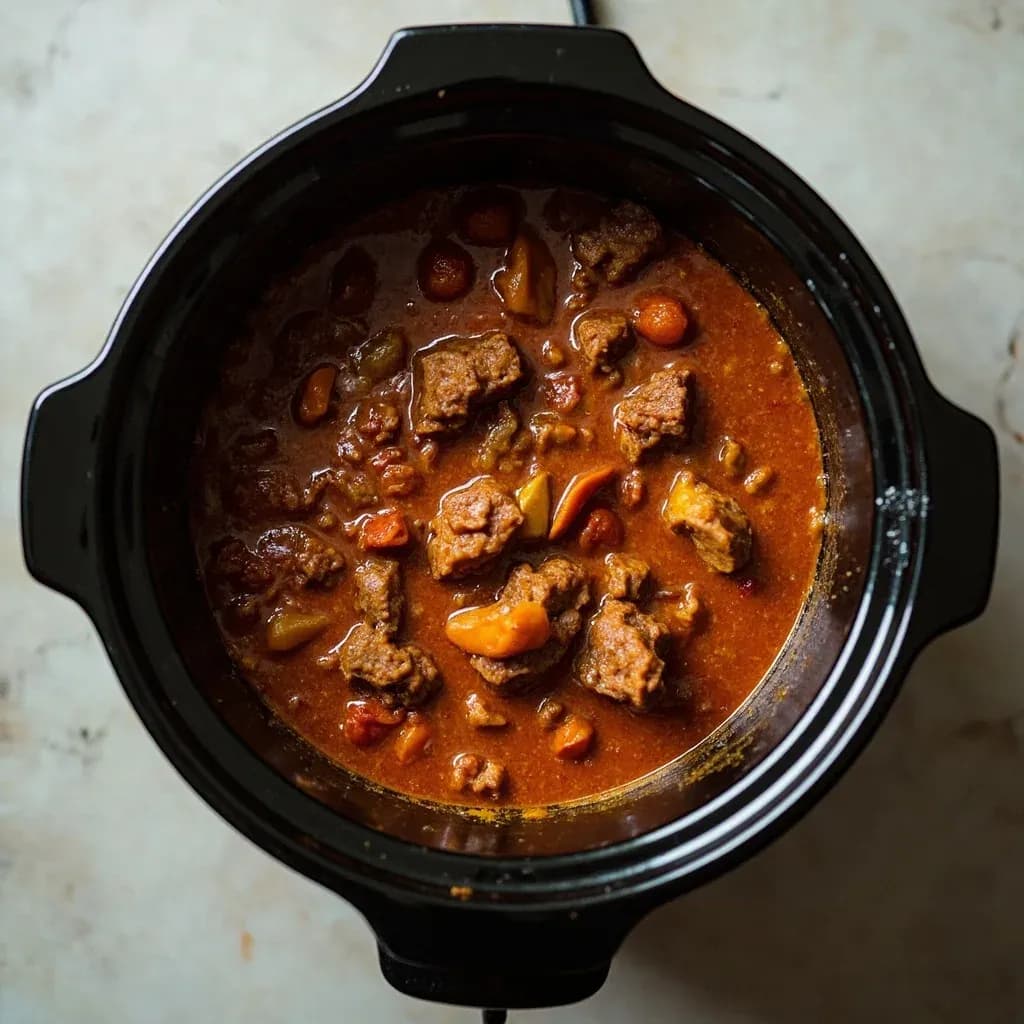
Slow-Cooking
Cooking food at a low temperature over many hours to tenderize and develop deep flavor.
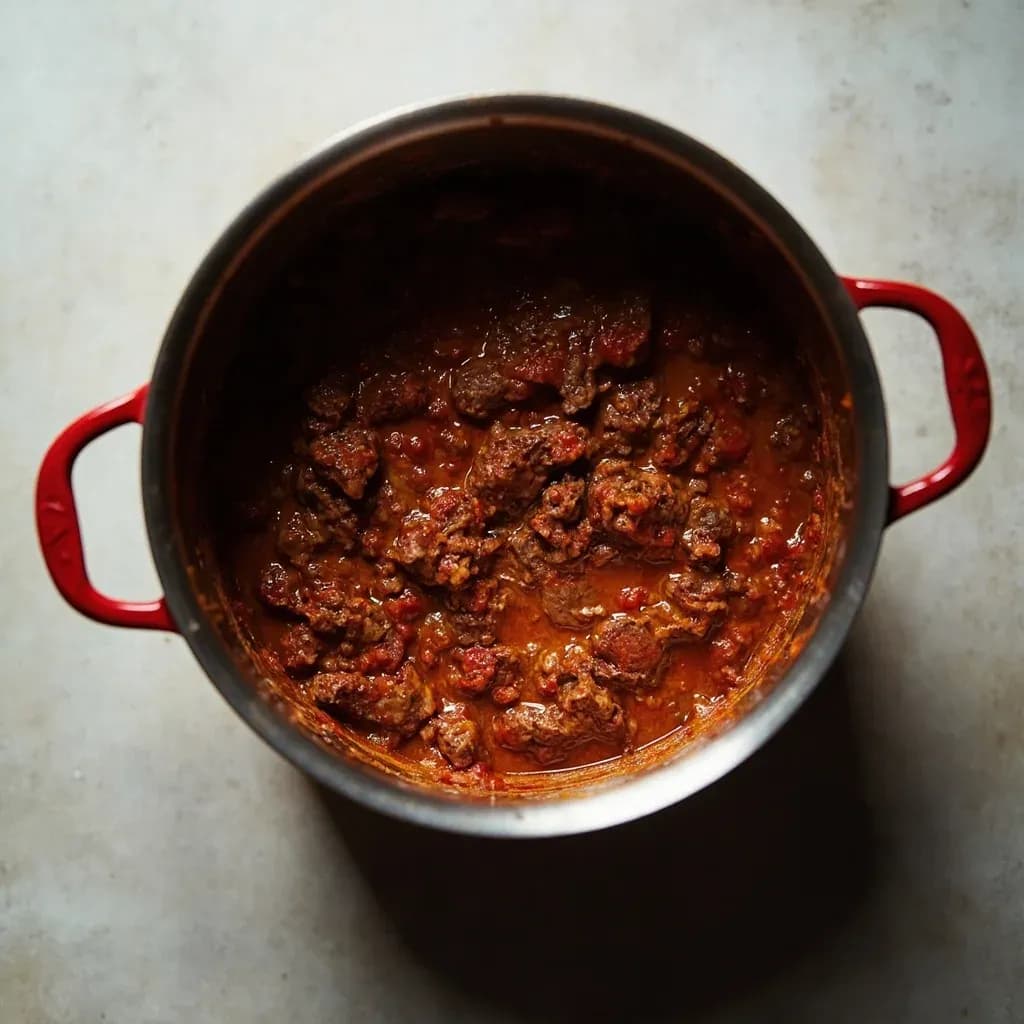
Slow-Simmering Ragù (Pippiare)
Holding a meat sauce at a barely-bubbling simmer for hours so it thickens and deepens.
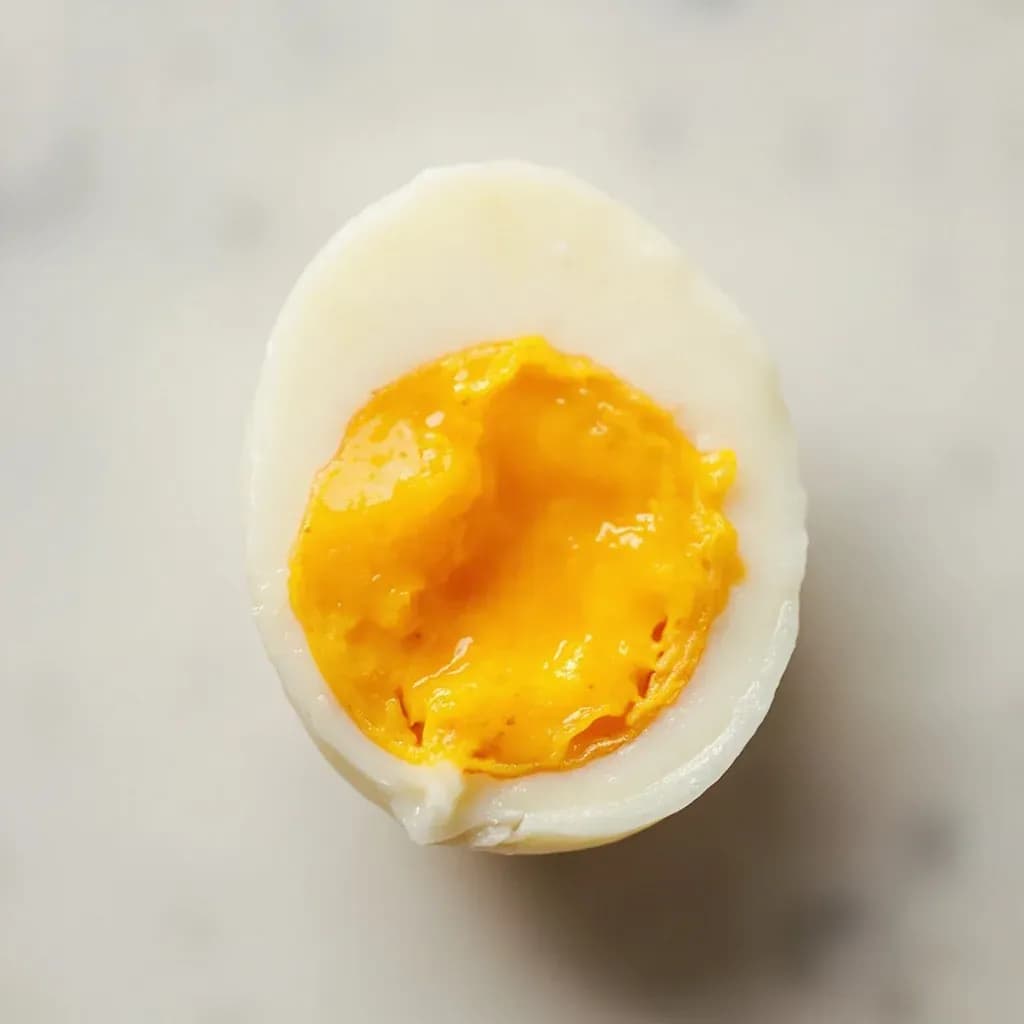
Soft-Boiling Eggs
Boiling eggs briefly so the white sets while the yolk stays runny or jammy.
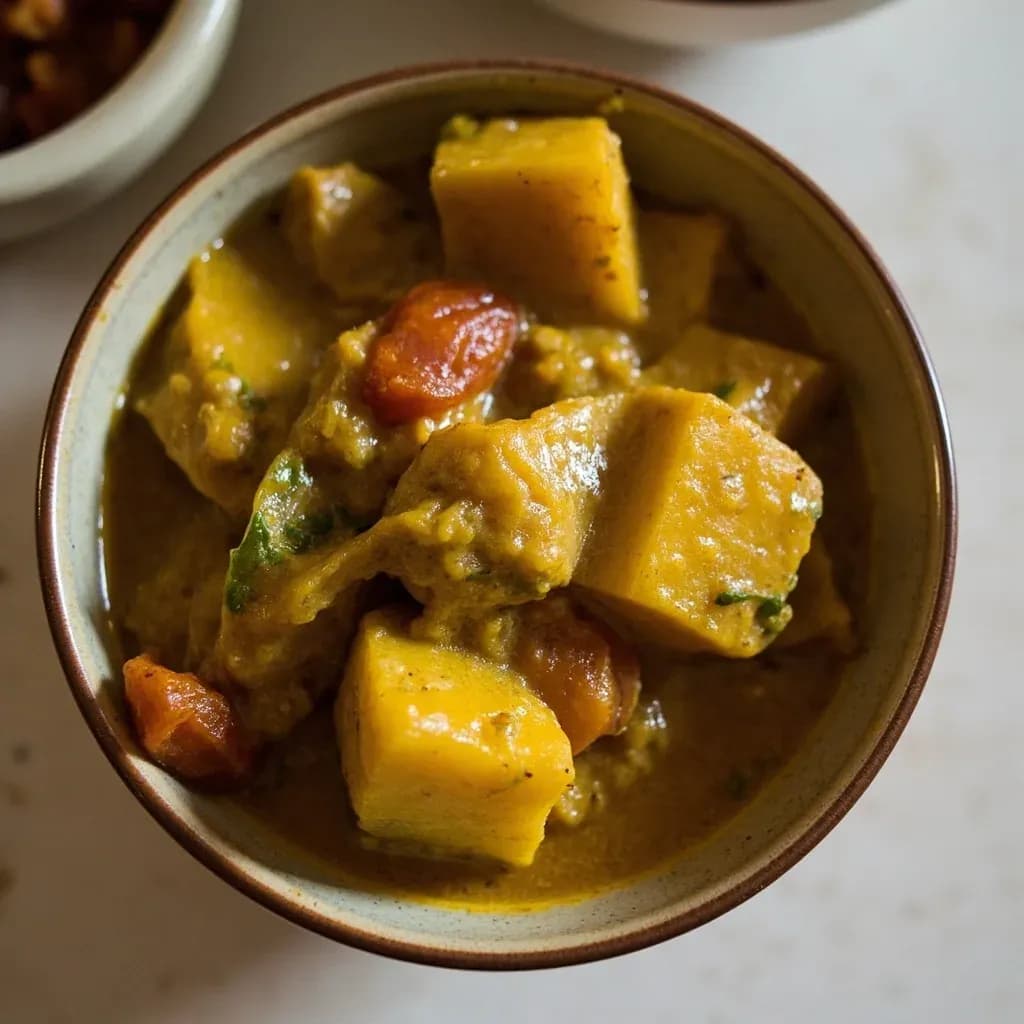
Spiced Vegetable Curry (Dalna)
A Bengali method simmering vegetables in a lightly spiced gravy finished with ghee and garam masala.
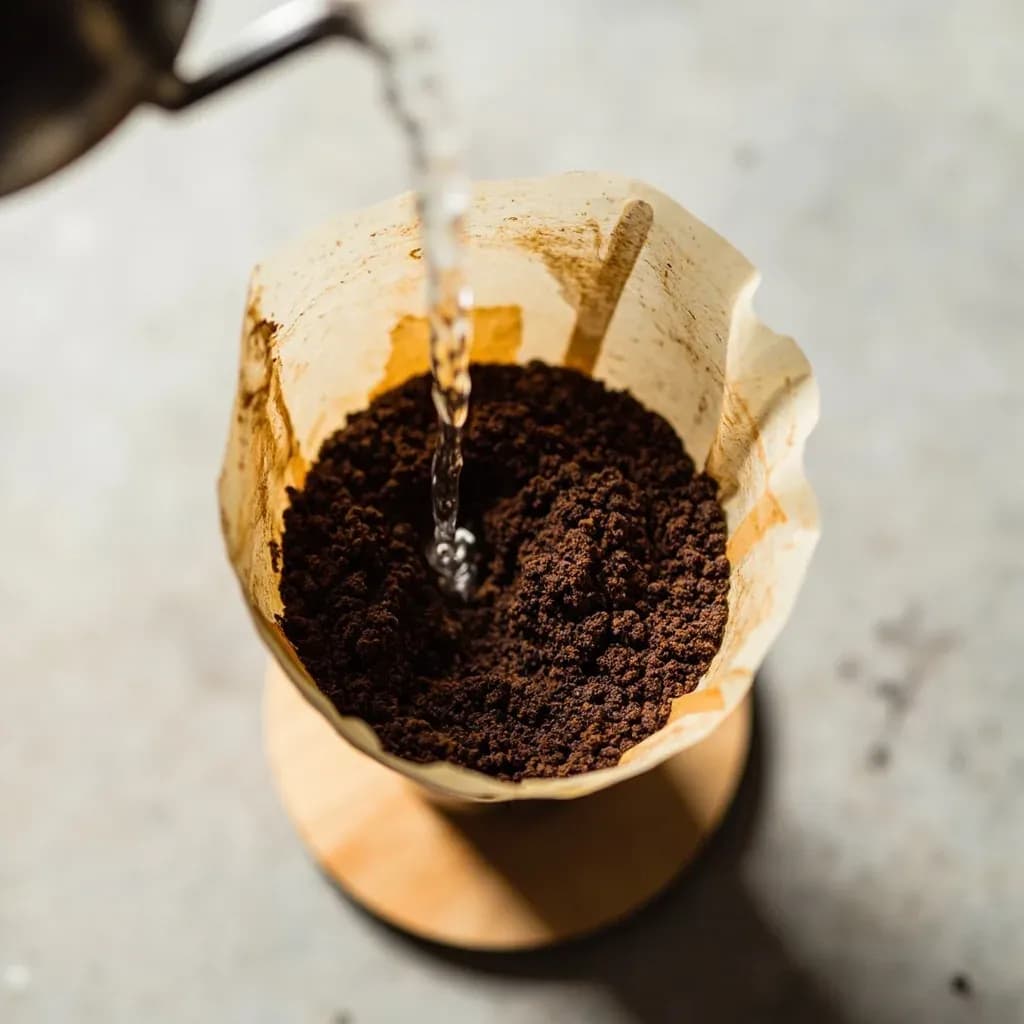
Spiral Pour Technique
Pouring hot water in slow concentric spirals over coffee grounds for an even pour-over extraction.
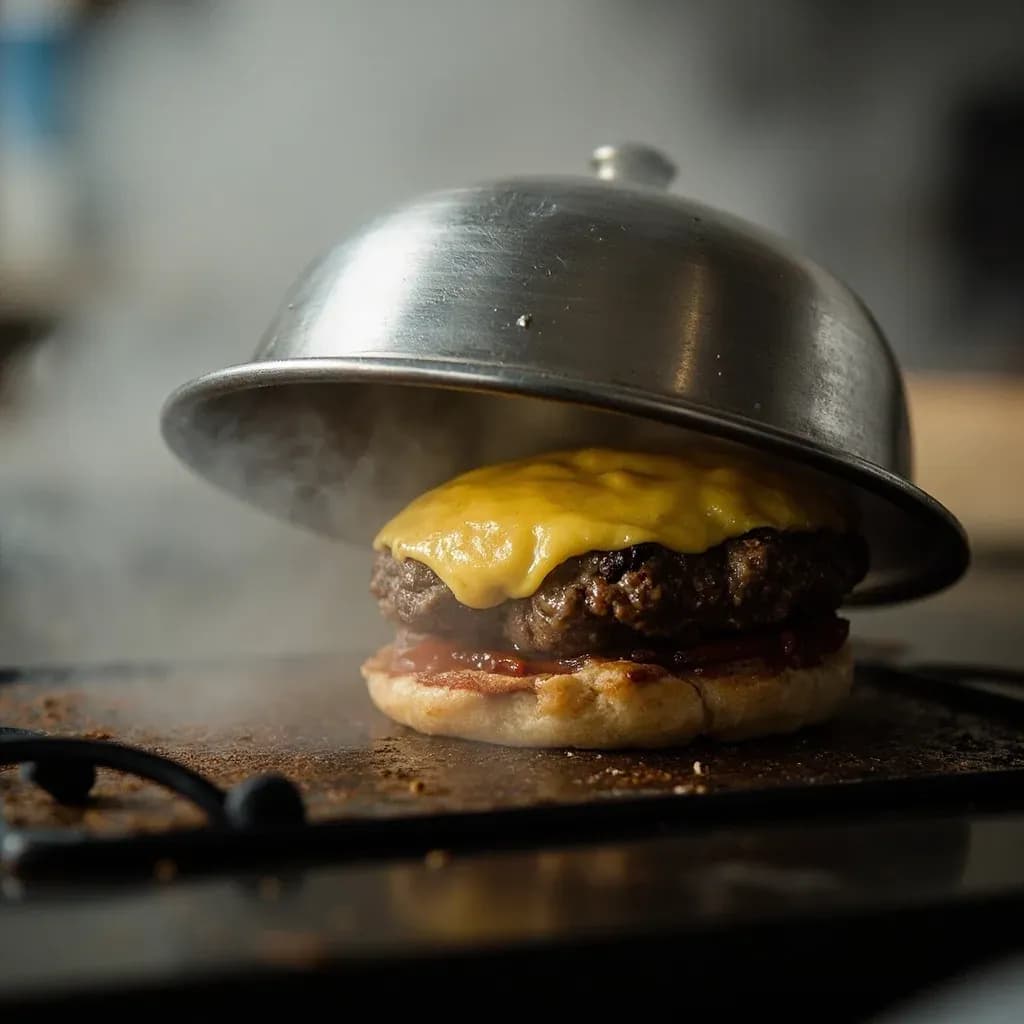
Steam-Doming (Melt/Steam)
Covering food on a hot griddle with a dome and a splash of water to flash-steam and melt.
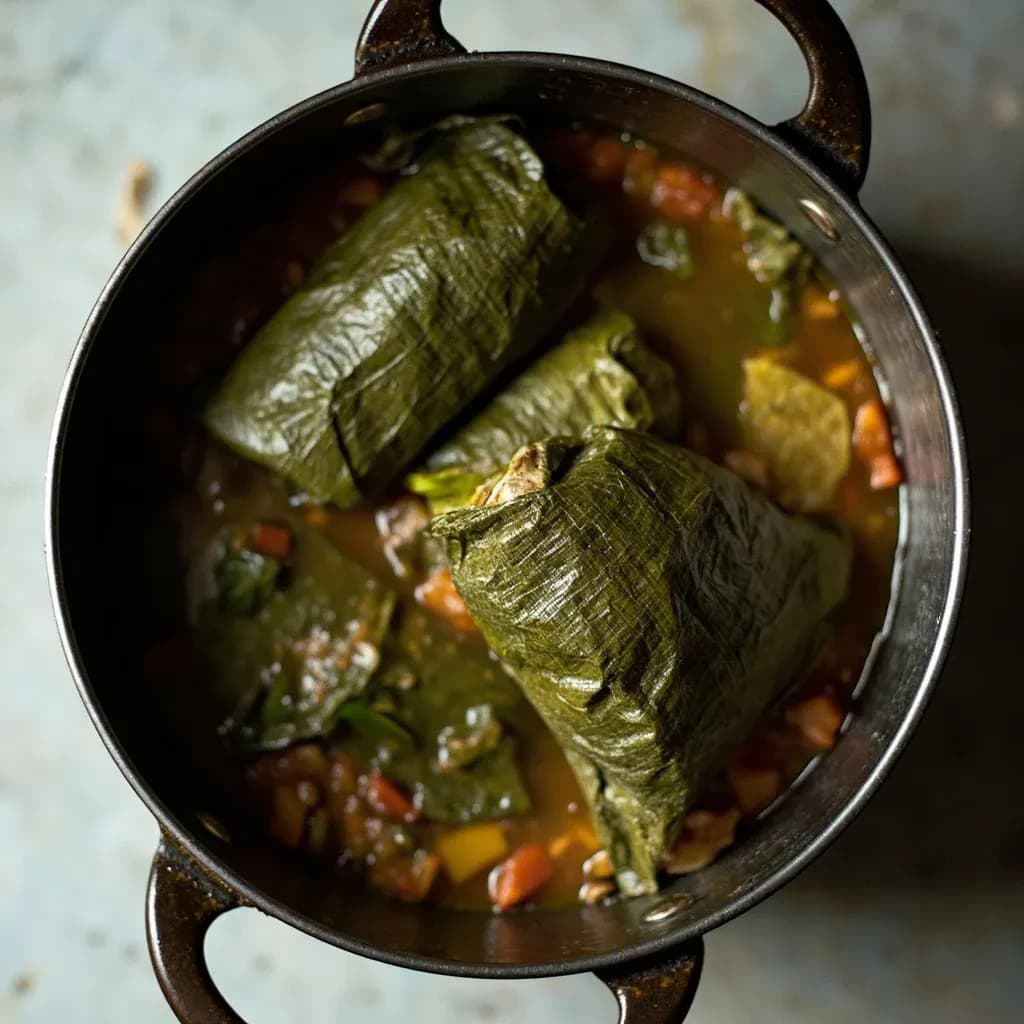
Steaming in Leaves (Hervir Hallacas)
Boiling or steaming food parcels wrapped in plant leaves so they cook moist and infused with aroma.
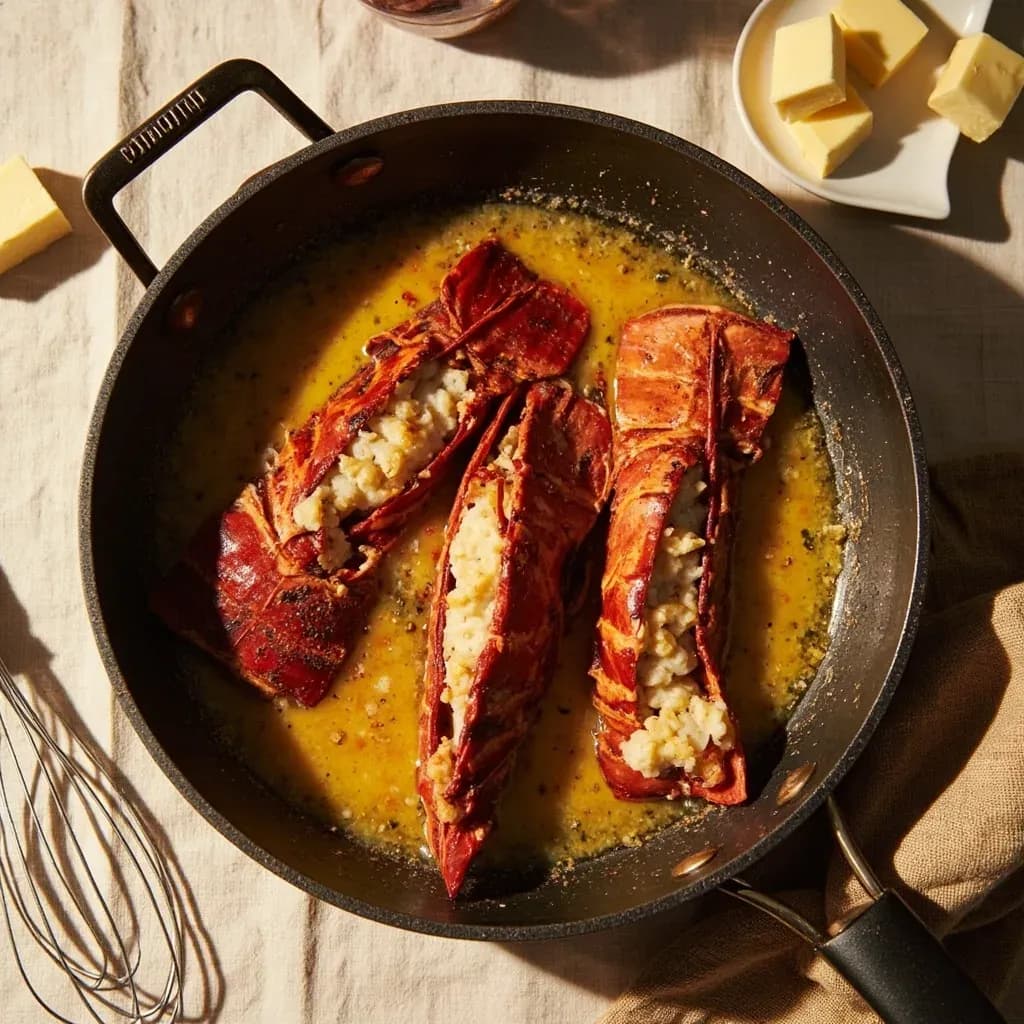
Butter-Poaching (Beurre Monté)
Gently cooking delicate proteins submerged in an emulsified butter sauce held just below the simmer, yielding silky, evenly cooked results.
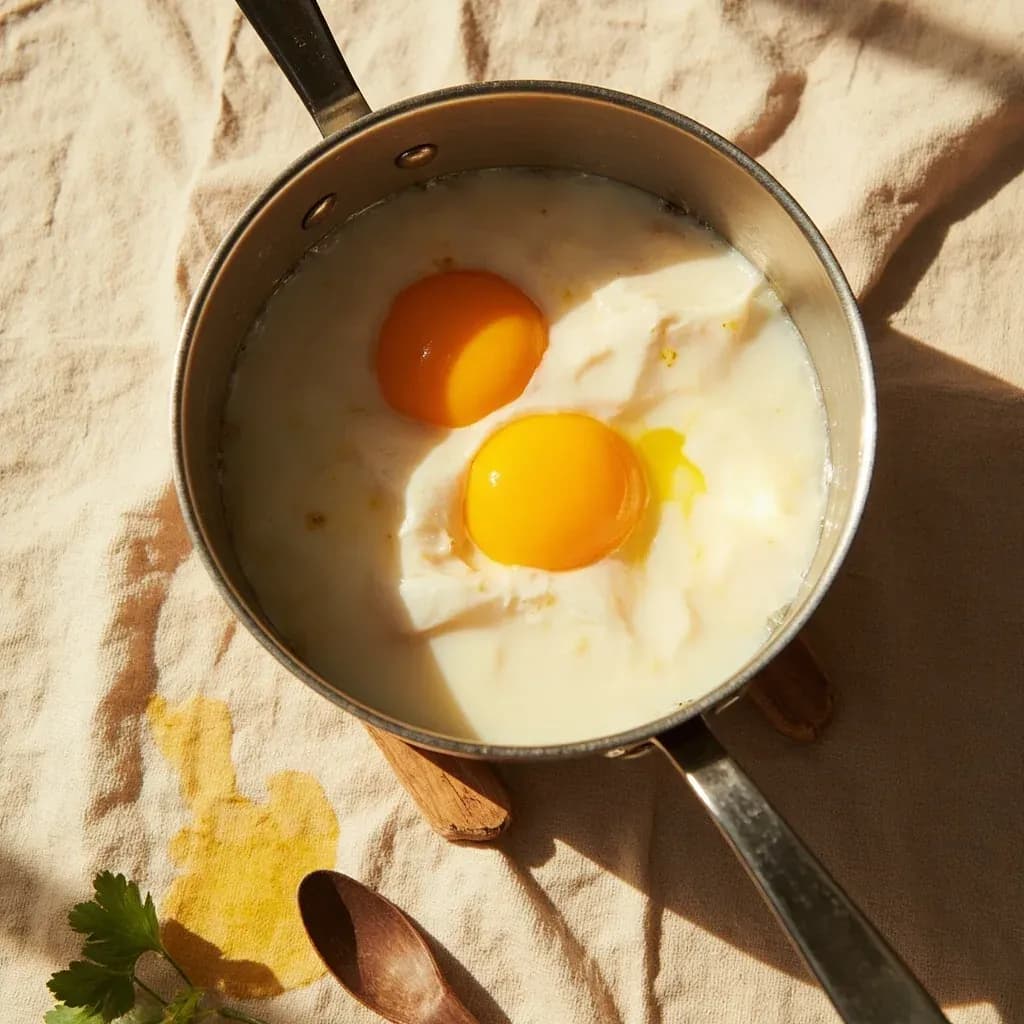
Poaching Eggs
Slipping shelled eggs into barely simmering acidulated water so the whites set into a tender pouch around a still-runny yolk.
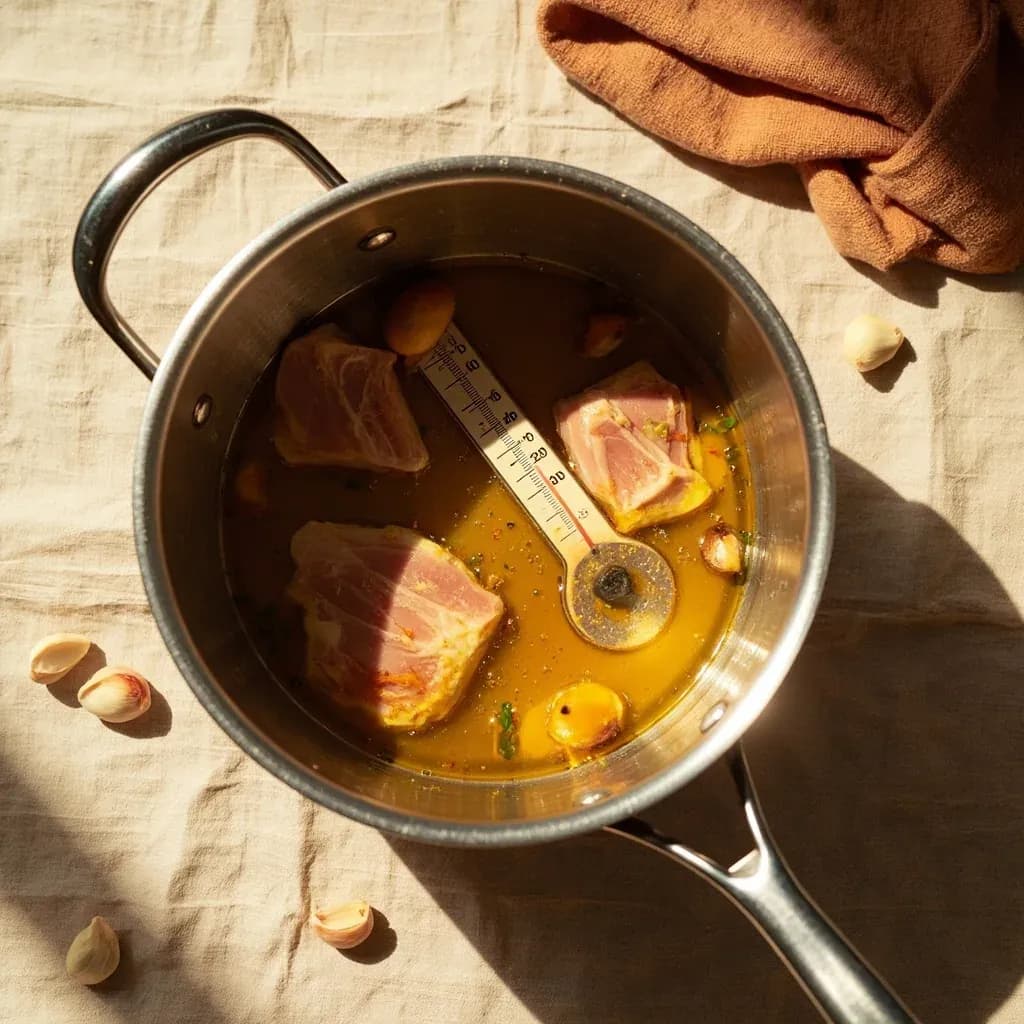
Oil-Poaching
Cooking proteins or vegetables fully submerged in warm oil held well below frying temperature for exceptionally moist, tender, infused results.
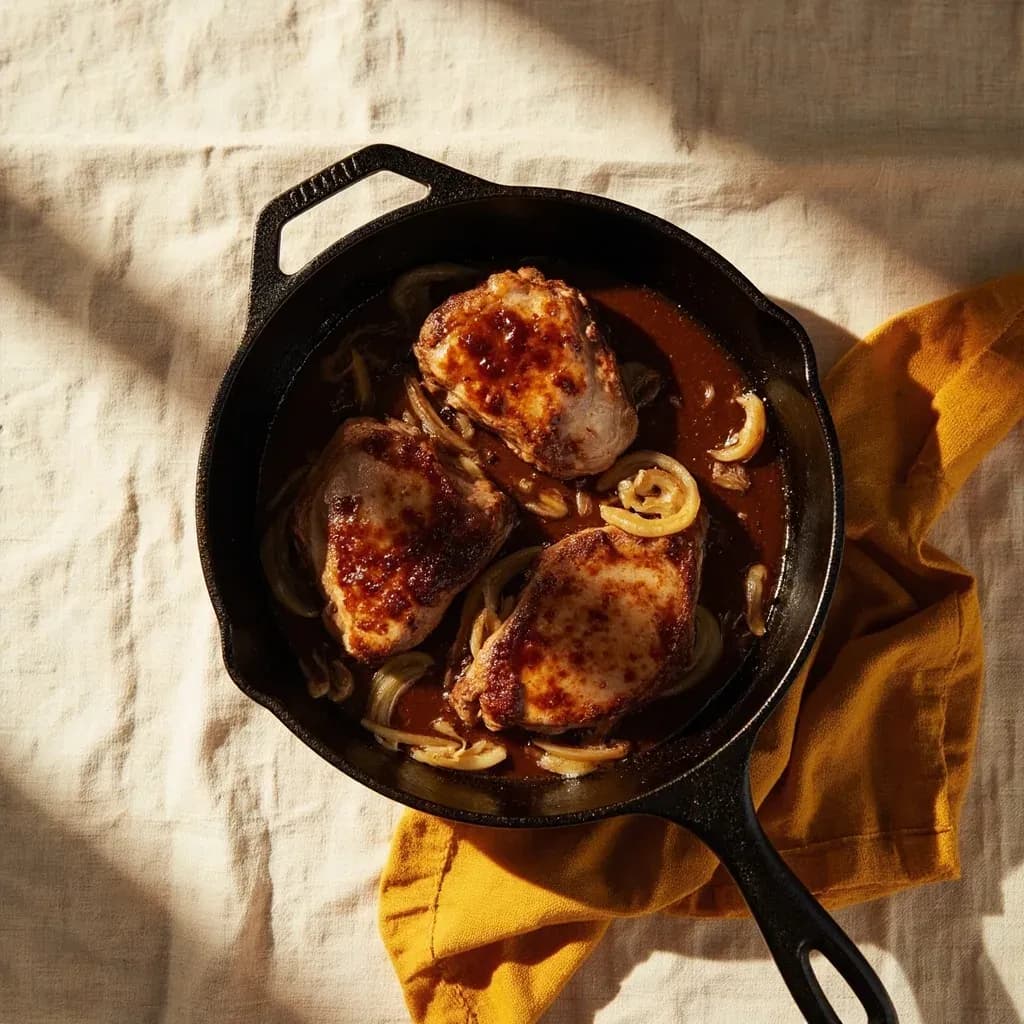
Smothering
Browning meat or vegetables, then cooking them covered in a small amount of seasoned liquid and onions until very tender in a thick gravy.
Transform & Preserve
257
Confit
Cook slowly submerged in fat for silky tenderness and keeping

Cure
Draw out moisture with salt and time to preserve and concentrate

Pickle
Steep in acidic brine for bright, tangy, crunchy preservation

Ferment
Let friendly microbes transform food into tangy, complex flavor

Marinate
Soak in a seasoned mix to flavor and tenderize before cooking

Brine
Soak in salt water so meat stays juicy and seasoned throughout

Dehydrate
Slowly dry out moisture to concentrate flavor and extend shelf life

Cold-Smoke
Perfume cured food with smoke without cooking it through

Emulsify
Whisk fat and liquid into one glossy, stable suspension

Whip
Beat air into cream or eggs until light, billowy, and voluminous

Fold
Gently combine mixtures while keeping precious air intact

Knead
Work dough to build the gluten that gives bread its chew

Cream
Beat butter and sugar pale and fluffy to build cake structure

Reduce
Simmer a liquid down to concentrate flavor and thicken body

Deglaze
Loosen the browned pan bits with liquid to capture pure flavor

Render
Melt fat out slowly until skin crisps and clean fat pools

Infuse
Steep aromatics in liquid or fat to lend their flavor and scent

Bloom
Wake up spices in fat or hydrate gelatin to unlock full potential

Temper
Ease two mixtures together by temperature to avoid curdling or seizing

Proof
Let yeasted dough rest and rise until airy and ready to bake

Macerate
Steep fruit in sugar or liquid to draw out a syrupy juice

Mount
Whisk cold butter into a sauce off-heat for gloss and body

Mantecatura
Beat pasta off-heat with starchy water and fat into a creamy cloak

Liaison
Thicken and enrich a sauce with an egg-yolk-and-cream blend

Roux
Cook flour and fat into a paste that thickens sauces and gumbos
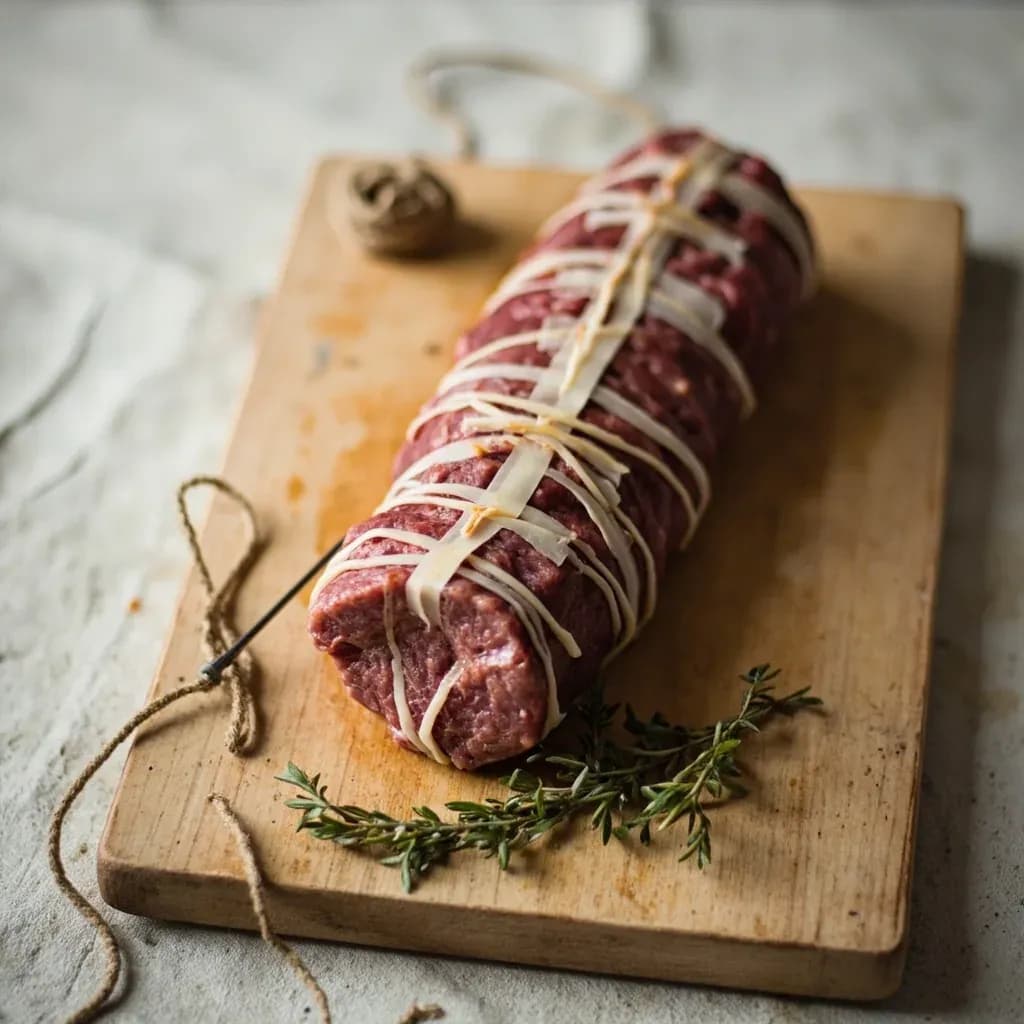
Lard
Thread strips of fat through lean meat to baste it from within

Dégorge
Salt watery vegetables to draw out bitterness and excess moisture

Carbonate
Charge a liquid with CO₂ for sparkling fizz and lively texture

Custard Making
Cook eggs and dairy gently to a silky, spoon-coating set

Caramelize
Cook sugars to golden-brown for deep, bittersweet complexity
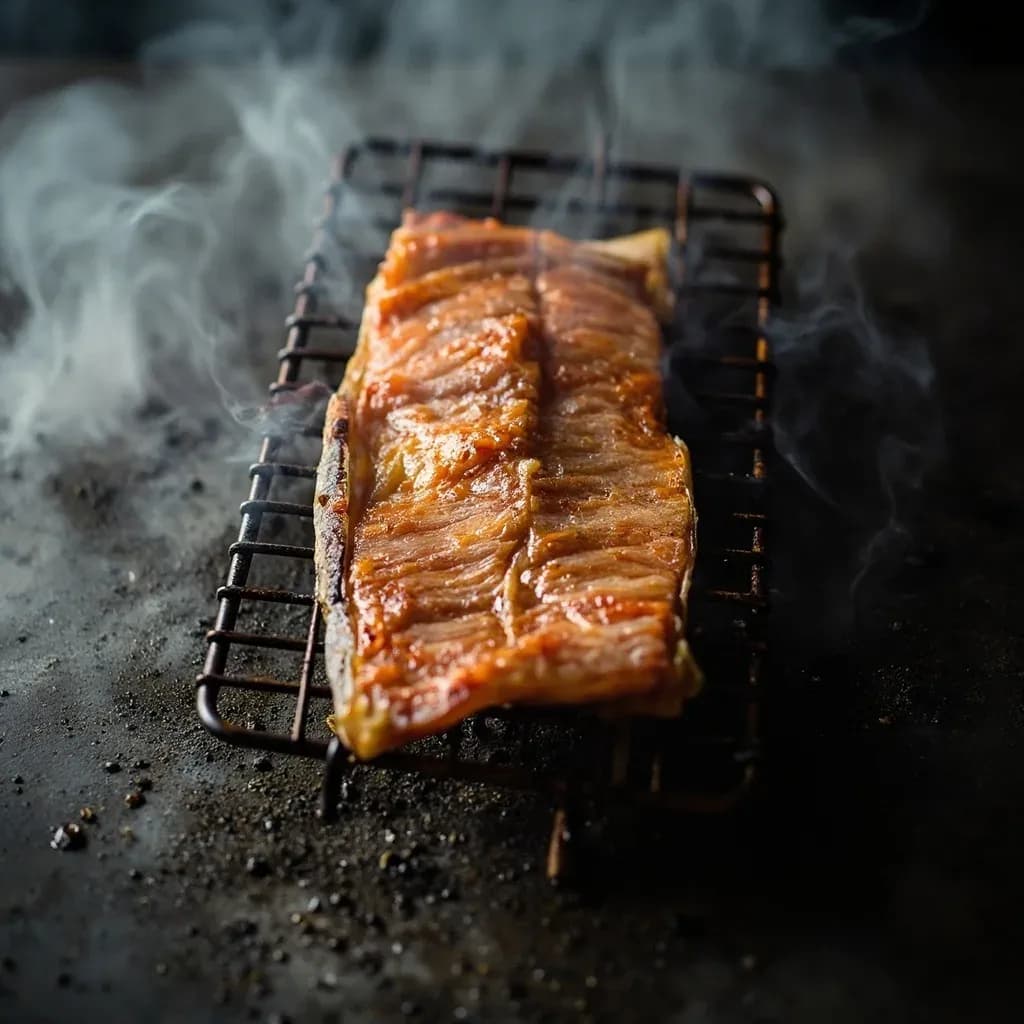
Smoking
Flavoring and preserving food with wood or aromatic smoke over low heat.
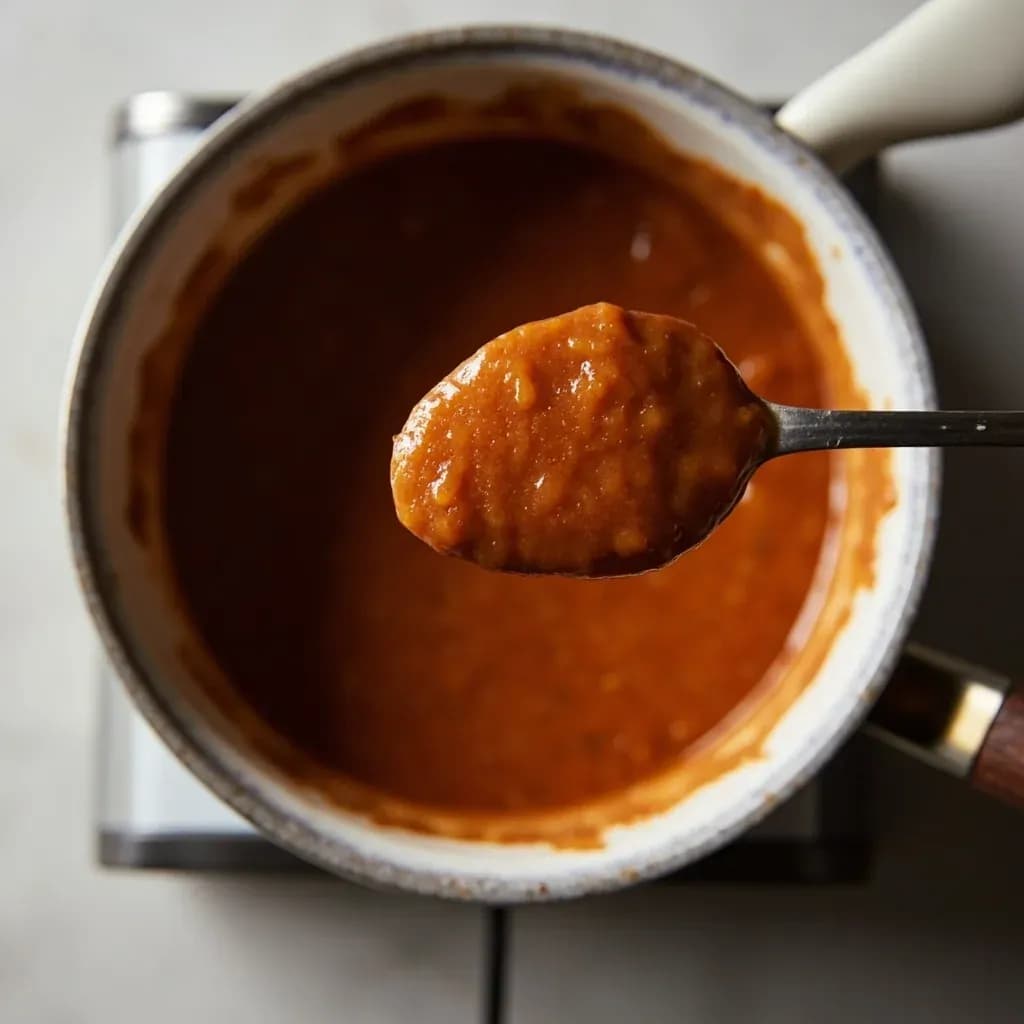
Reducing
Simmering a liquid to evaporate water, concentrating flavor and thickening it.
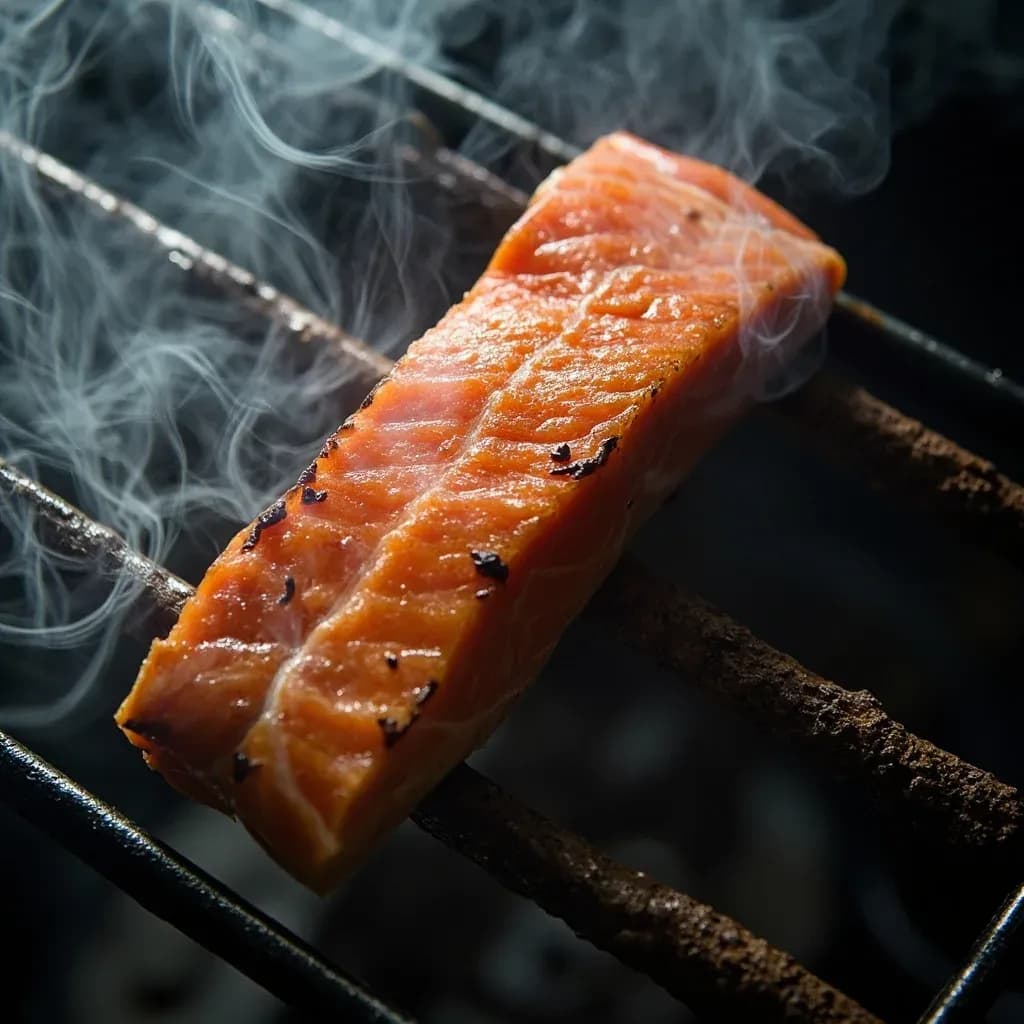
Cold Smoking
Smoking food at low temperature to flavor and preserve it without cooking it.
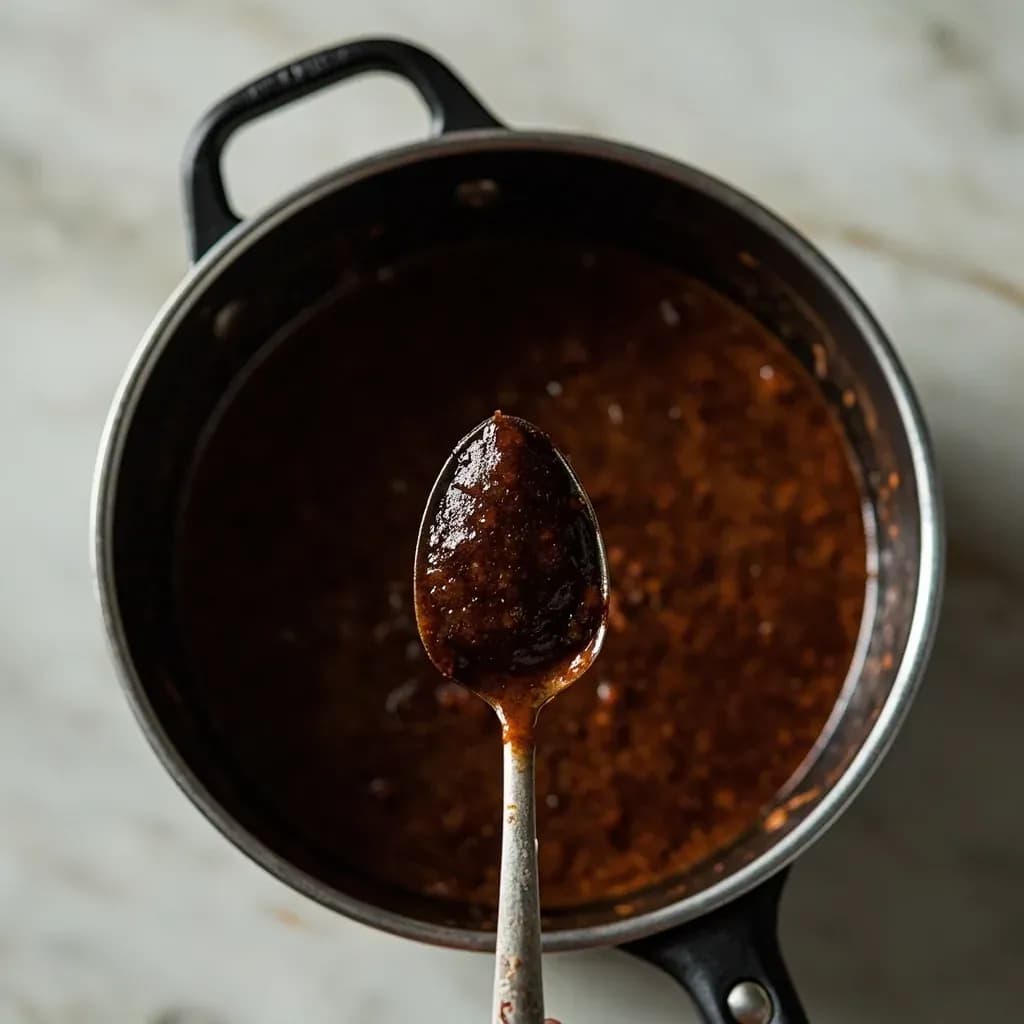
Reduction
Concentrating a stock, wine, or sauce by simmering it down for intense flavor.
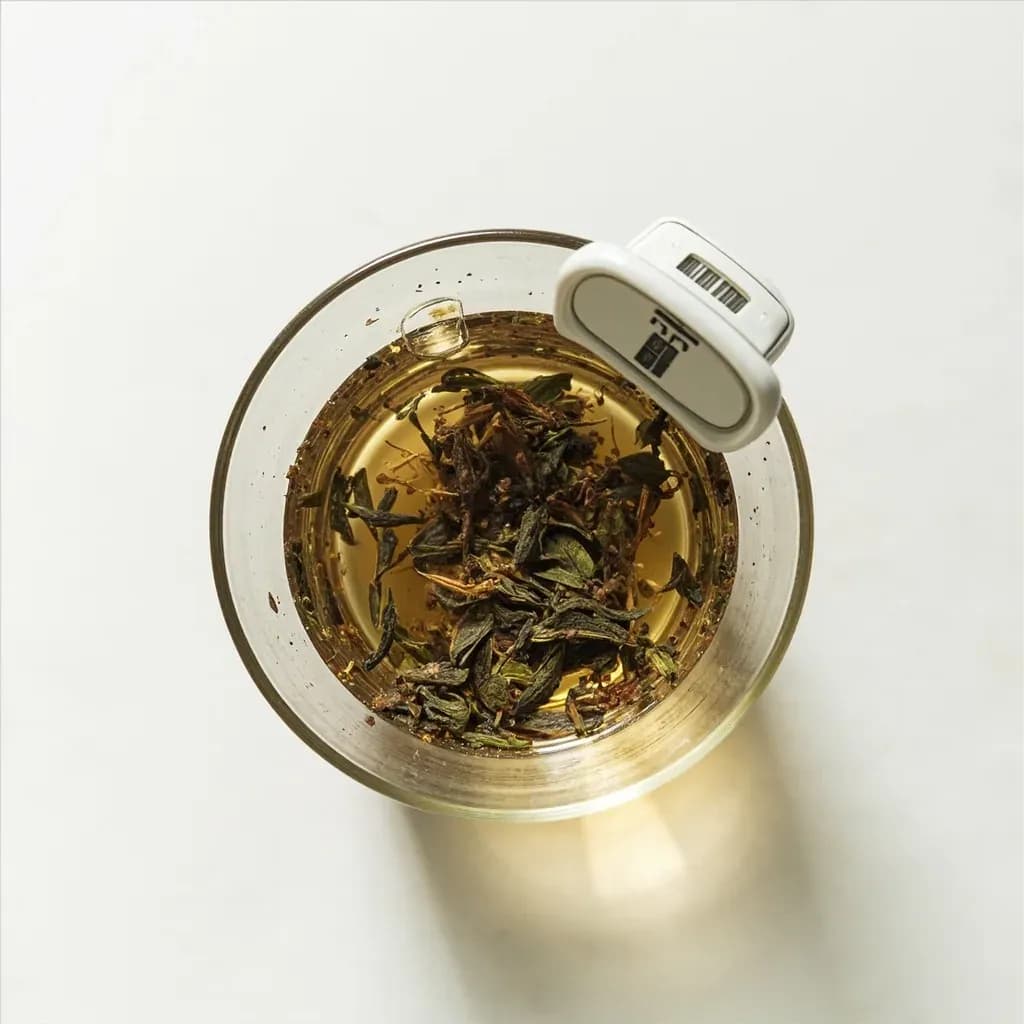
Steep Timing
Controlling how long an ingredient soaks in liquid to dial in flavor extraction without bitterness.
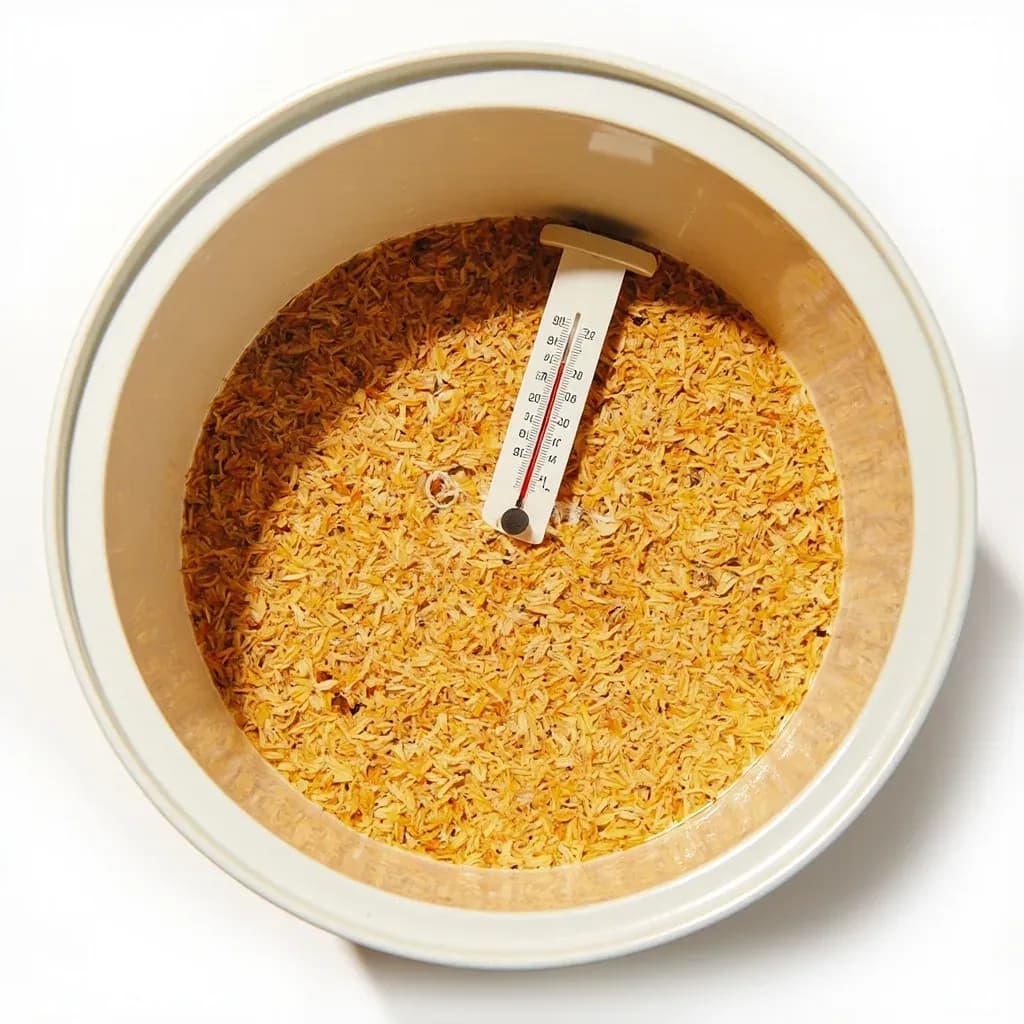
Step Mashing
Holding grain mash at successive temperature rests so different enzymes convert starch to sugar.
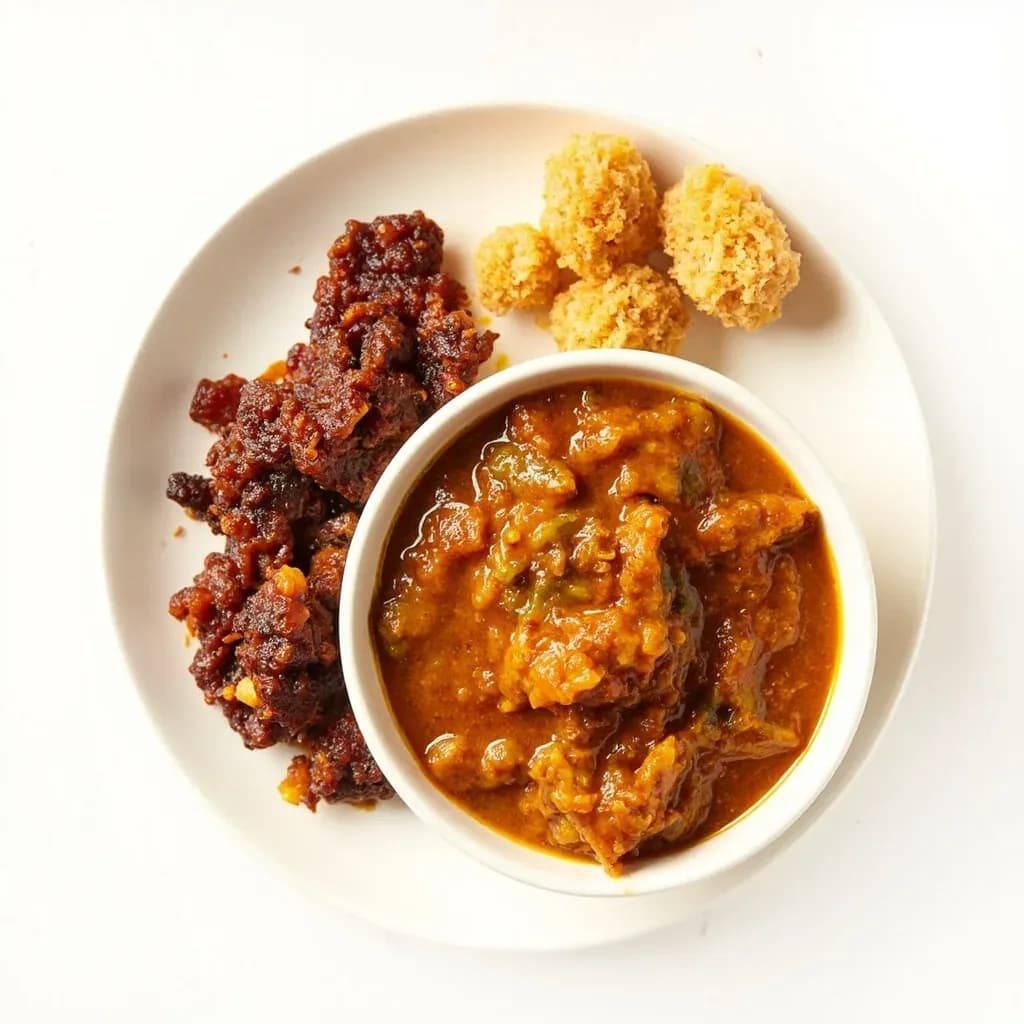
Ambol (Tamarind Sour-Sweet Finish)
Sri Lankan technique of finishing a dish with tamarind for a balanced sour-sweet tang.

Two-Stage Cooling
Food-safety method of cooling hot food through the danger zone in two timed temperature drops.
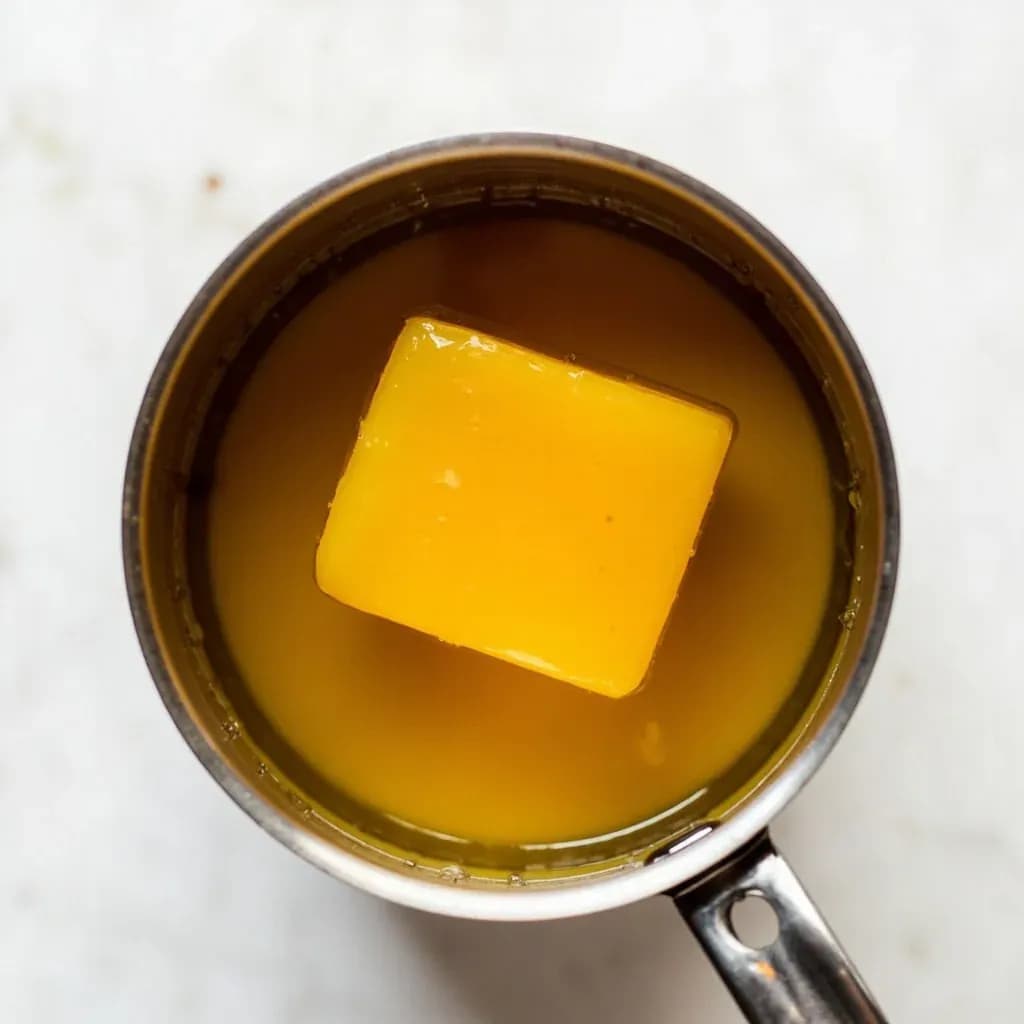
Wax Rendering
Melting and clarifying beeswax or comb to separate clean wax from honey and debris.
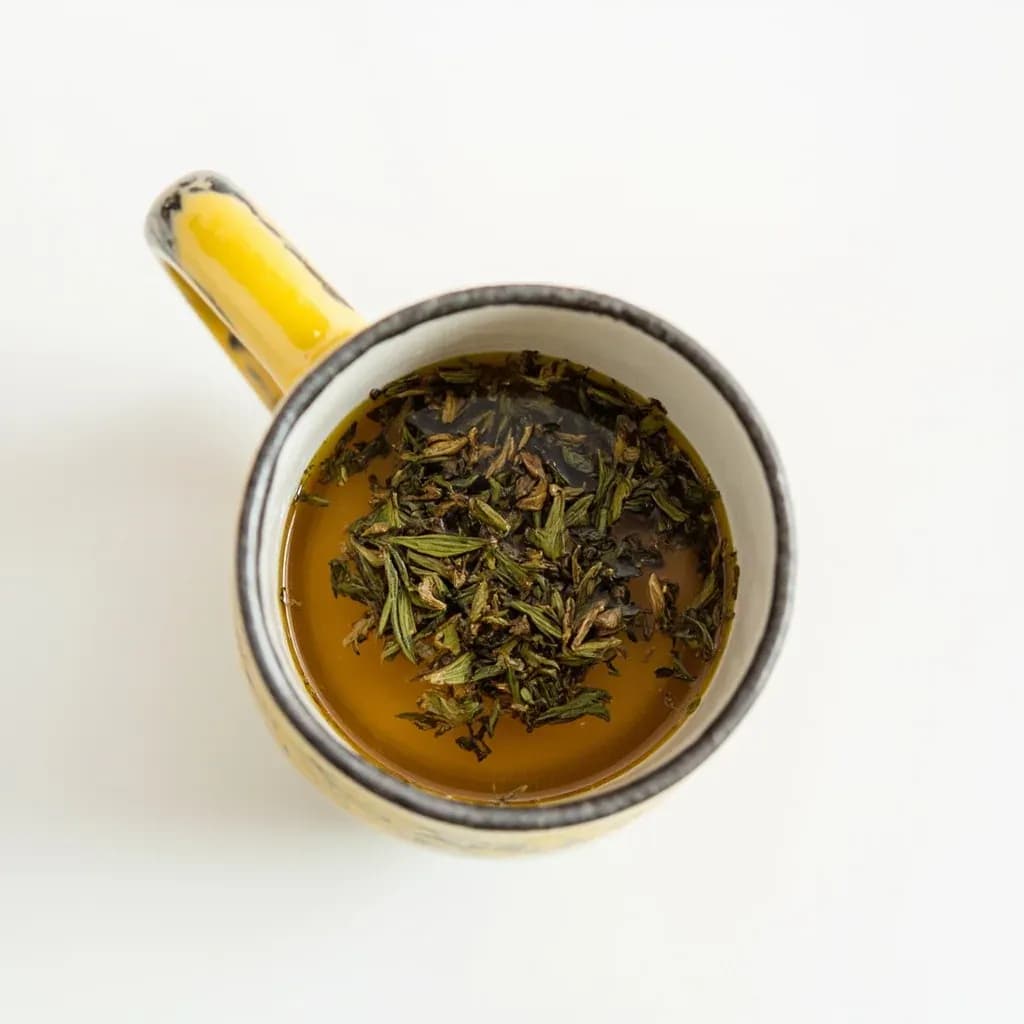
Western Steeping
The Western single-infusion approach to steeping tea or herbs in a larger volume of water.
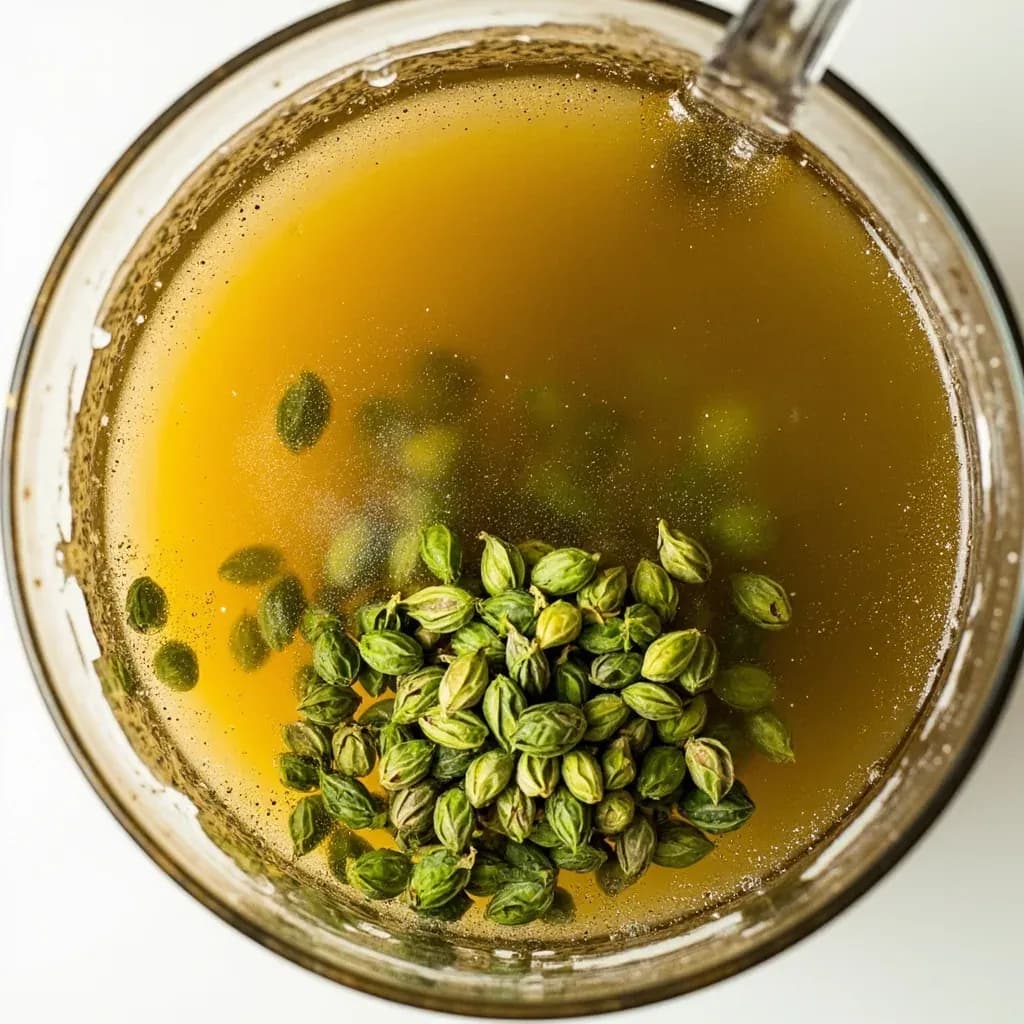
Whirlpool Hopping
Adding hops to hot wort after the boil in the whirlpool stage for aroma without harsh bitterness.
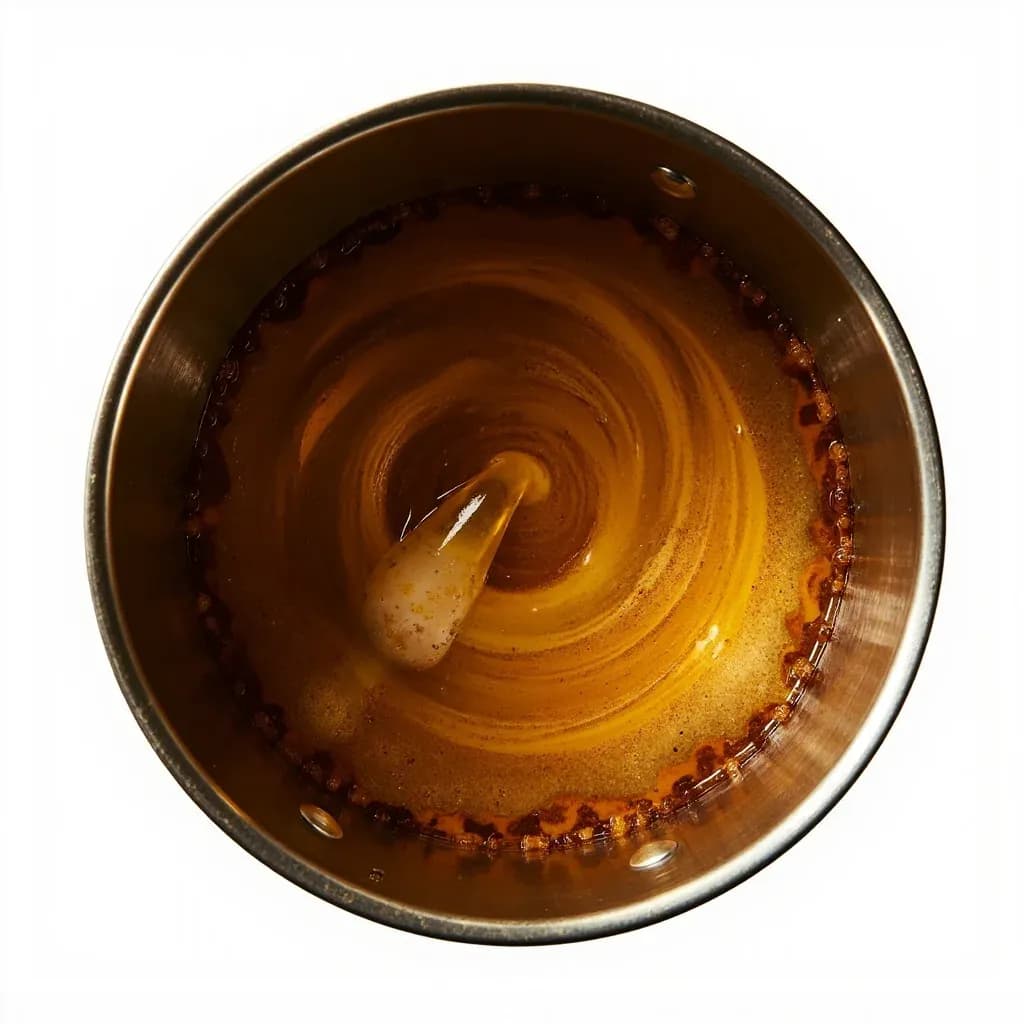
Whirlpooling (Trub Separation)
Stirring hot wort into a vortex so spent hops and protein settle into a cone for clean separation.
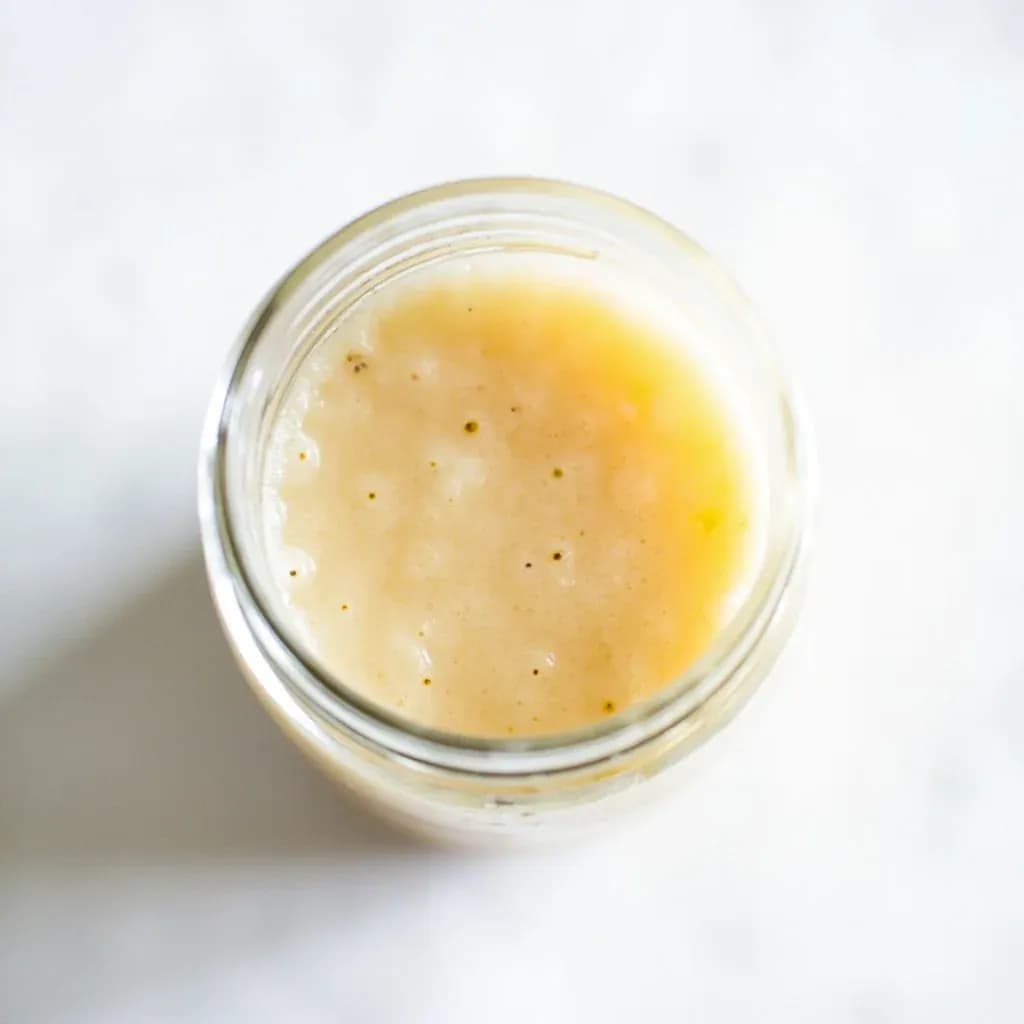
Wild Fermentation
Fermenting with naturally present microbes rather than added cultures, as in sourdough and kimchi.
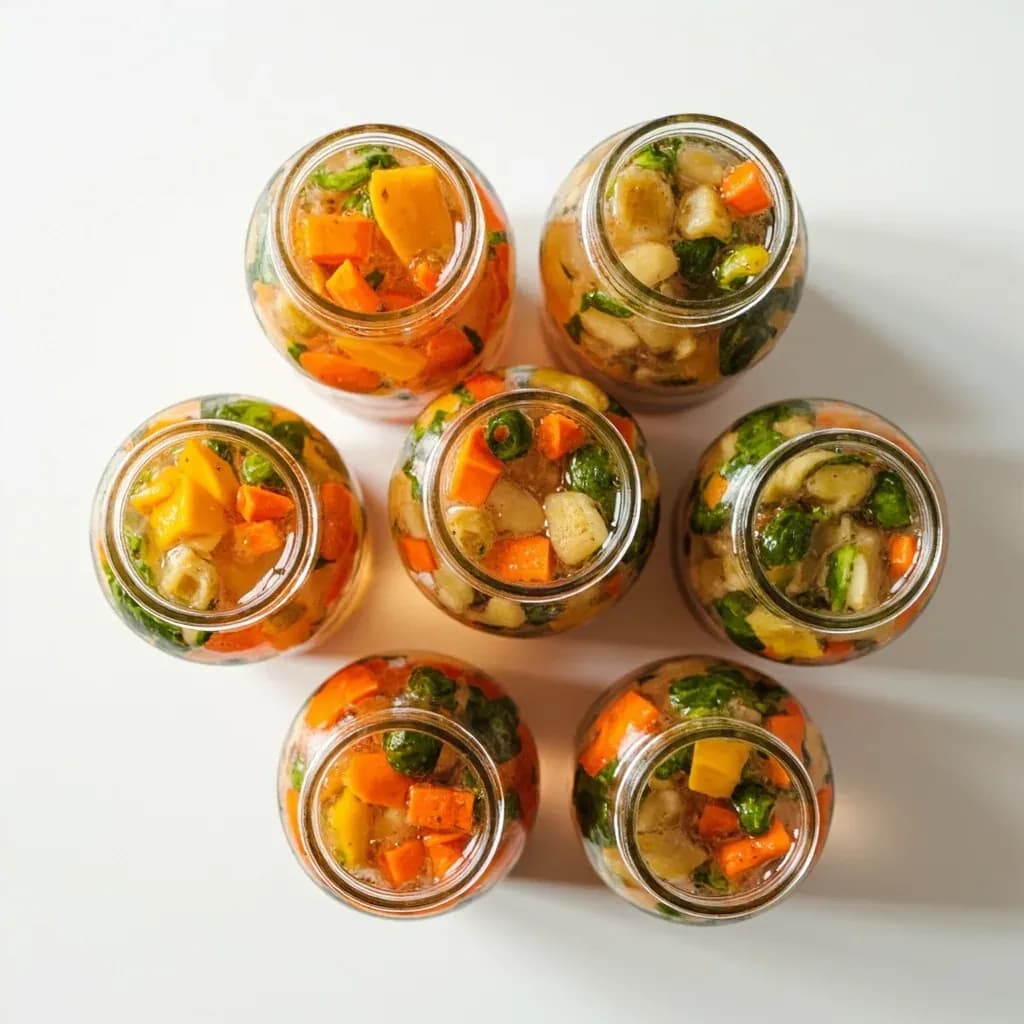
Fermenting
Letting microbes transform food over time to develop sour, savory, and complex flavors and preserve it.
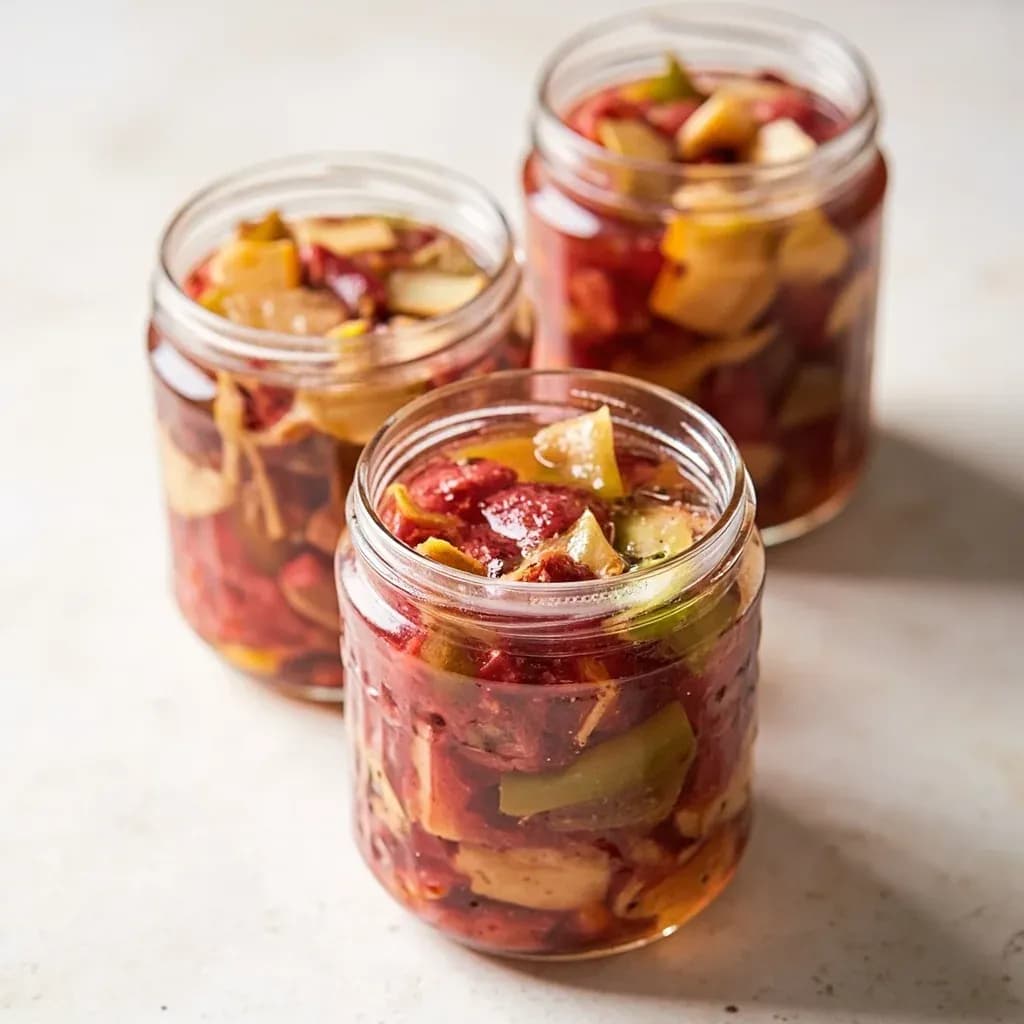
Pickling
Preserving vegetables or fruit in acid or brine for tang, crunch, and shelf life.
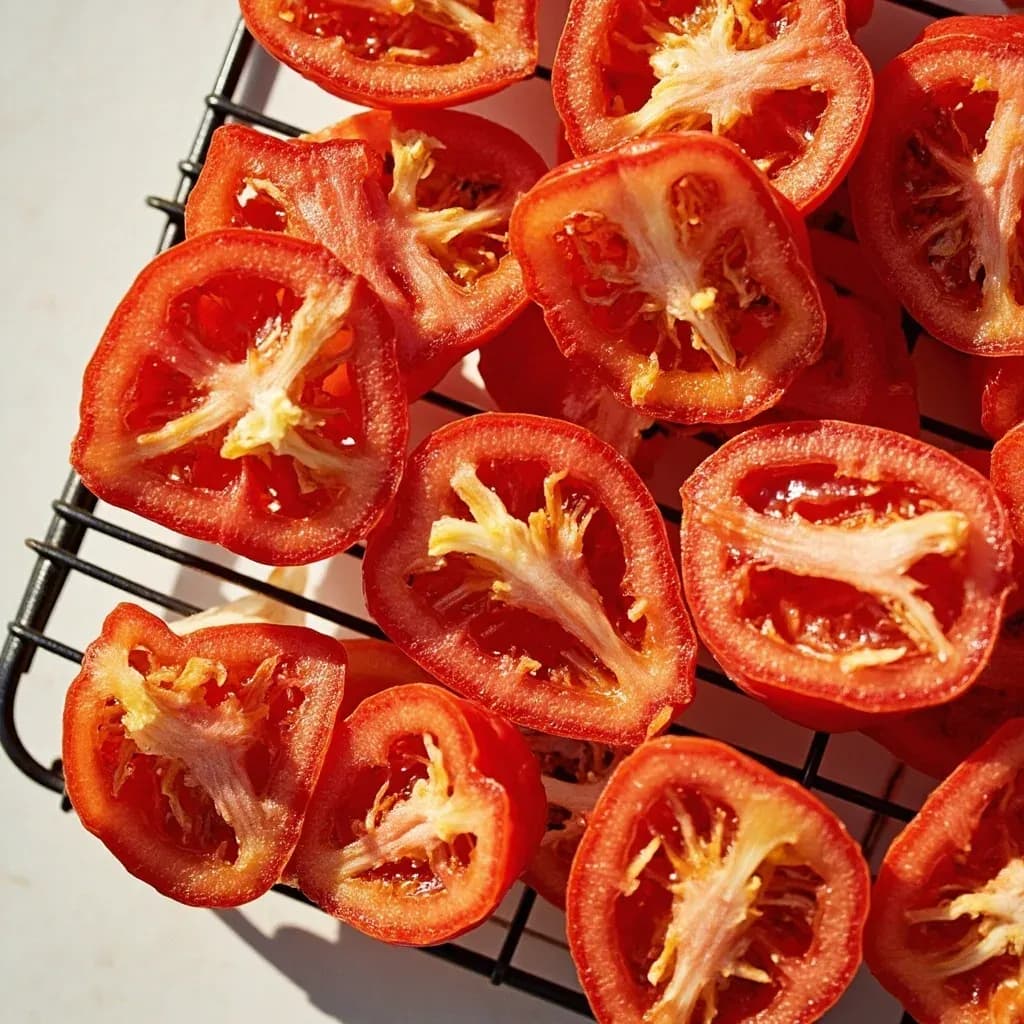
Sun-Drying
Preserving food by drying it in open sun and air to remove moisture and concentrate flavor.
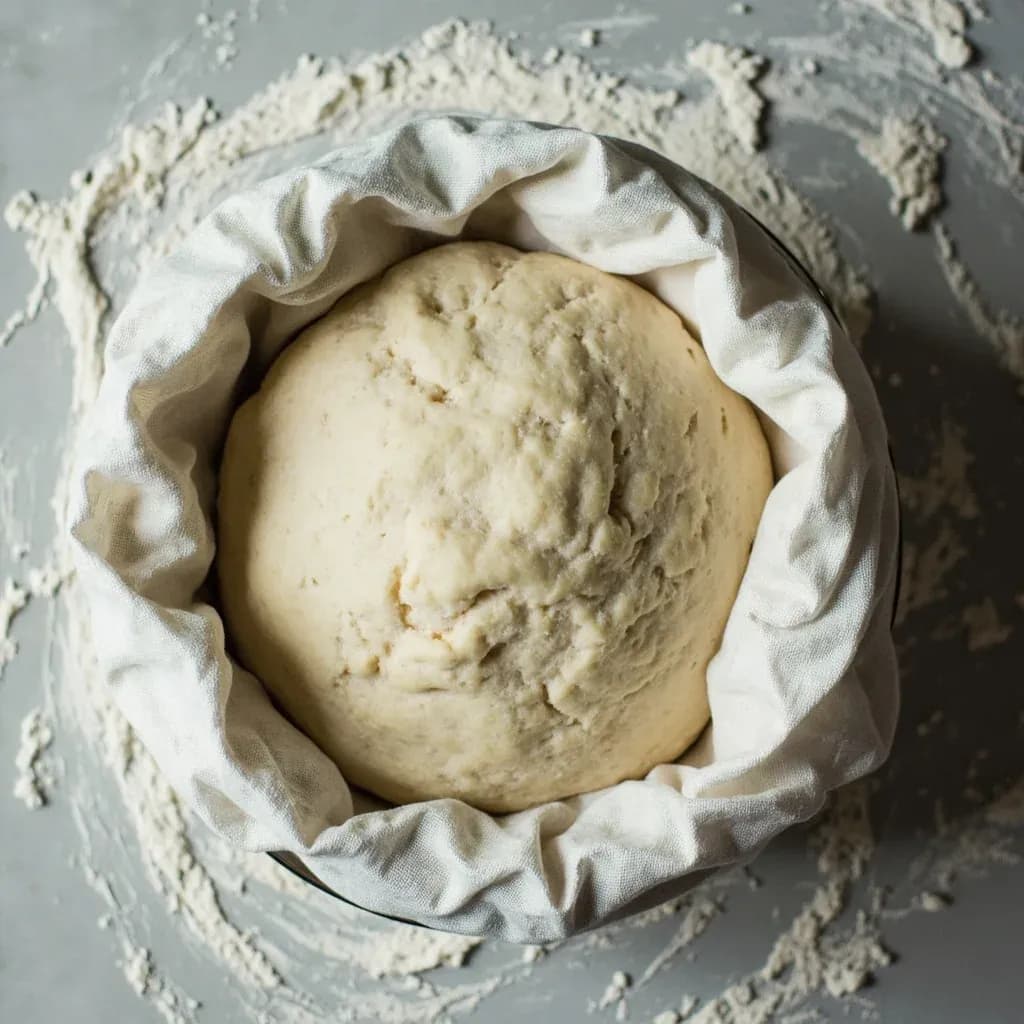
Dough Proofing
Letting yeasted dough rest and rise as fermentation builds gas, flavor, and structure.
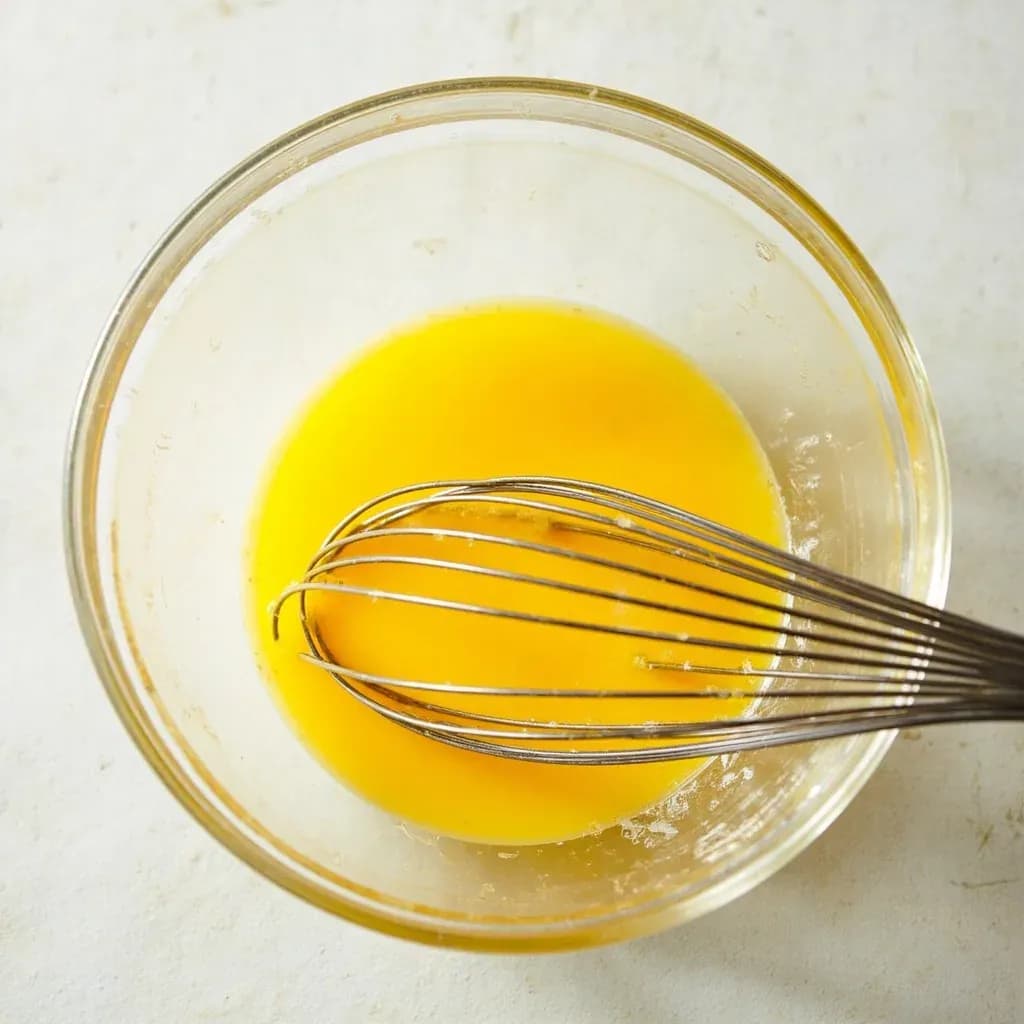
Emulsifying
Forcing fat and water-based liquids into a smooth, stable blend that won't separate.
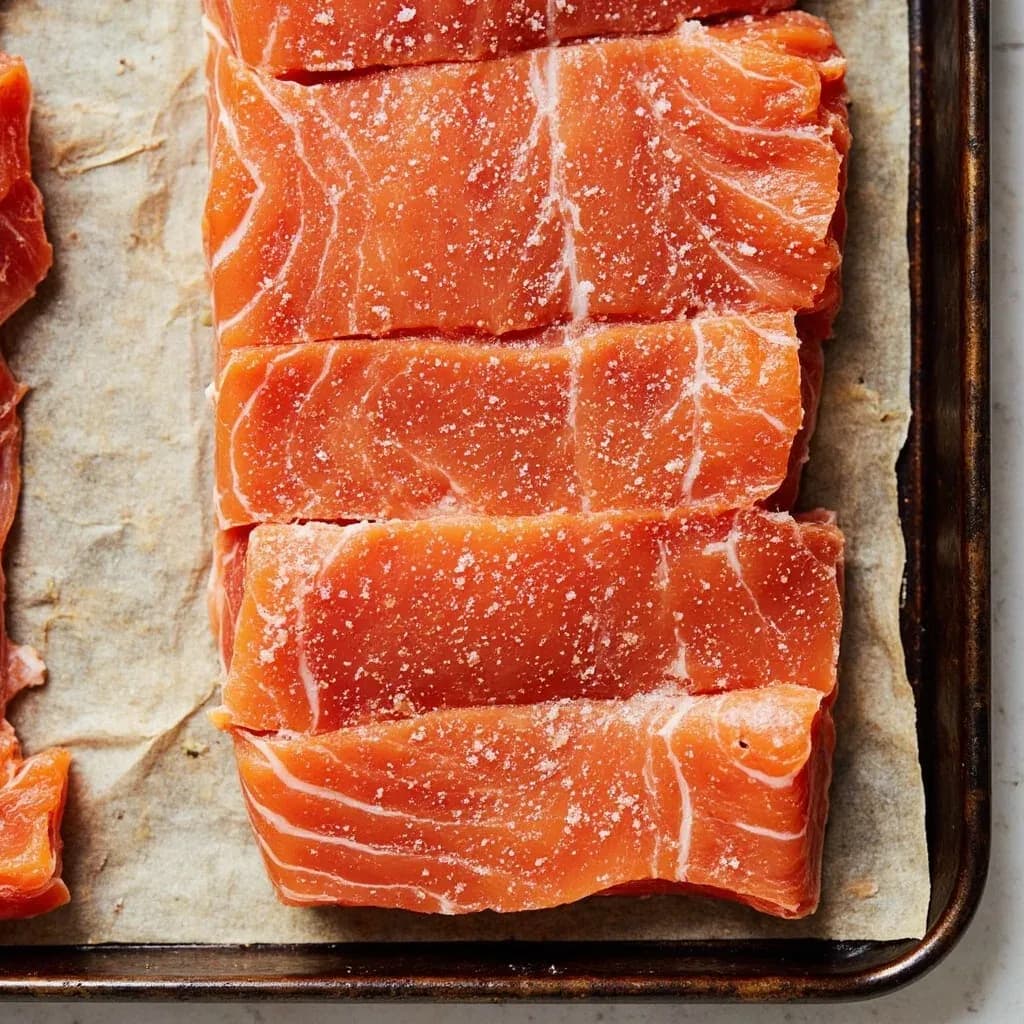
Curing
Preserving meat or fish with salt, sugar, smoke, or air to draw out moisture and concentrate flavor.
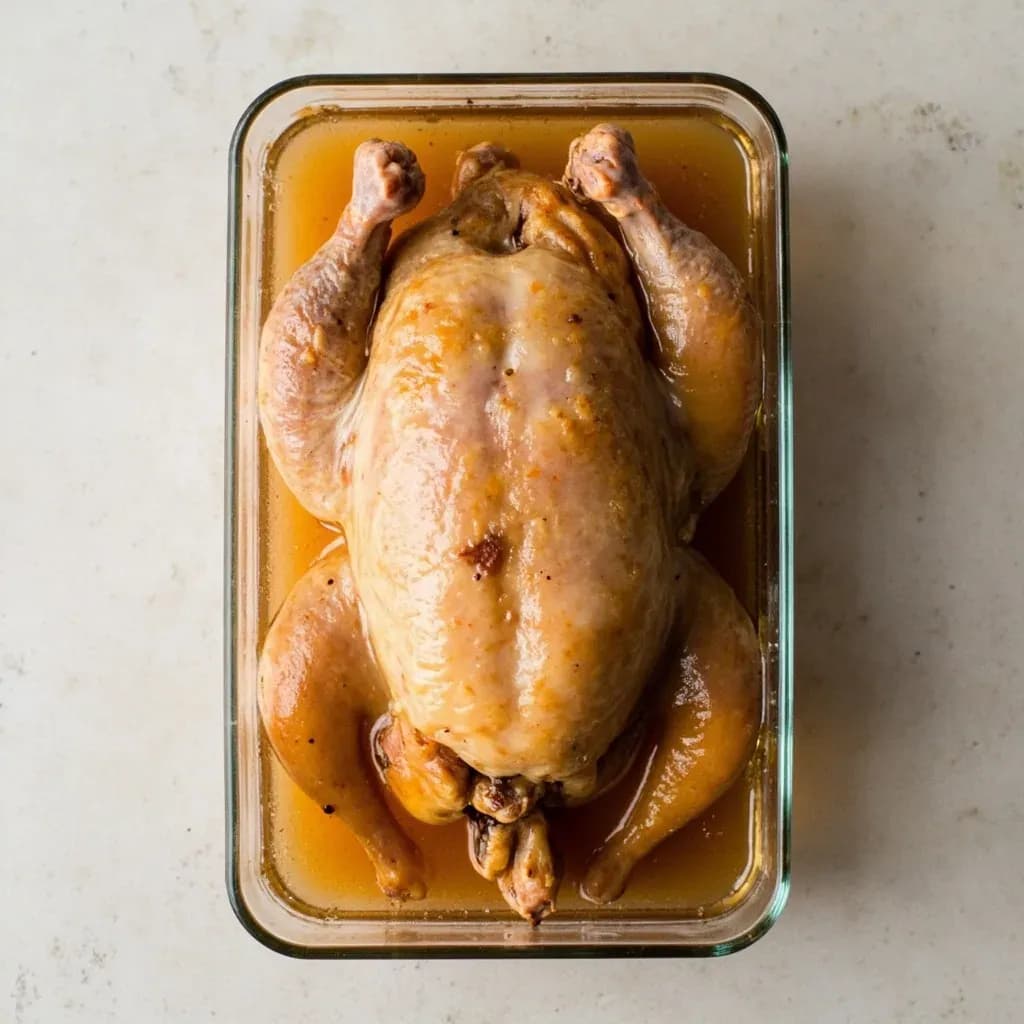
Brining
Soaking food in salt water to season it throughout and keep it moist and tender.
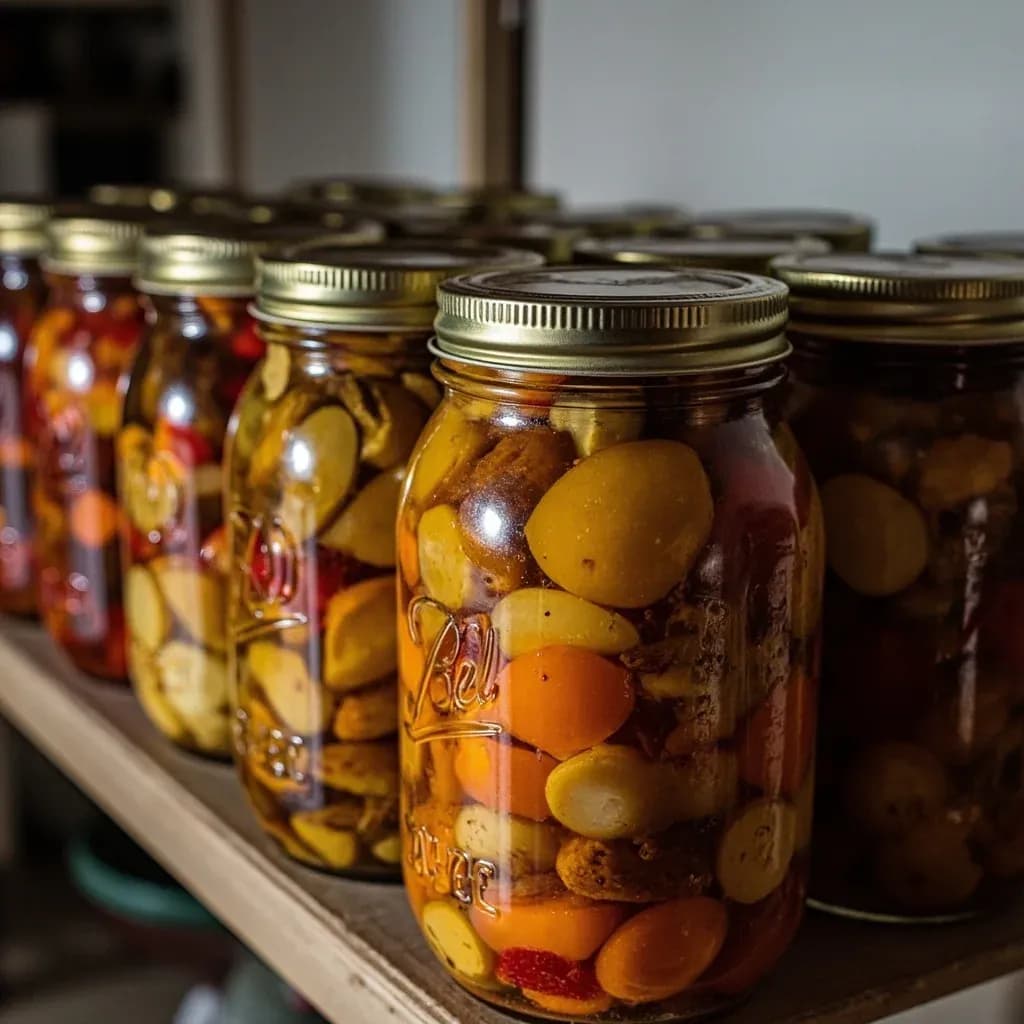
Home Canning & Preserving
Sealing food in sterilized jars and heat-processing it for shelf-stable long-term storage.
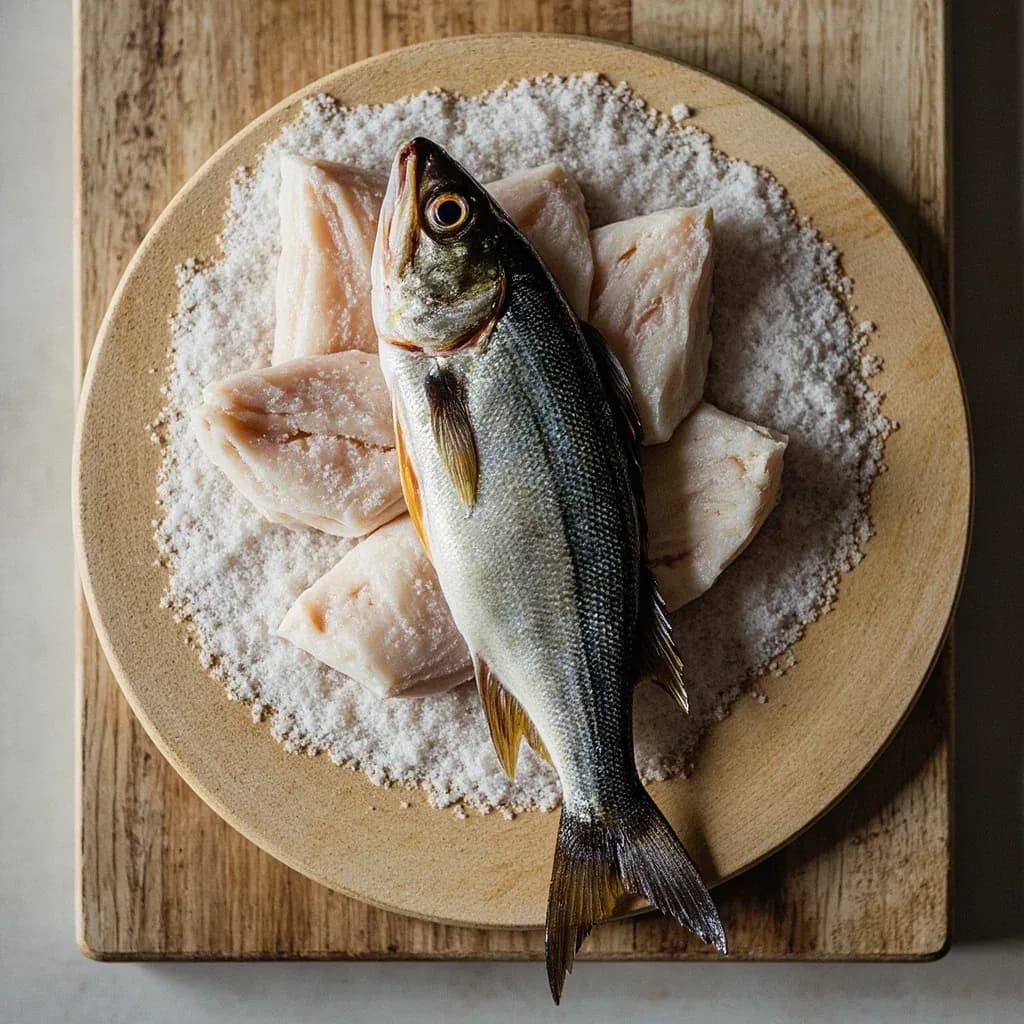
Salt-Curing Fish
Packing fish in salt to draw out moisture and preserve it, as for salt cod and dried fish.
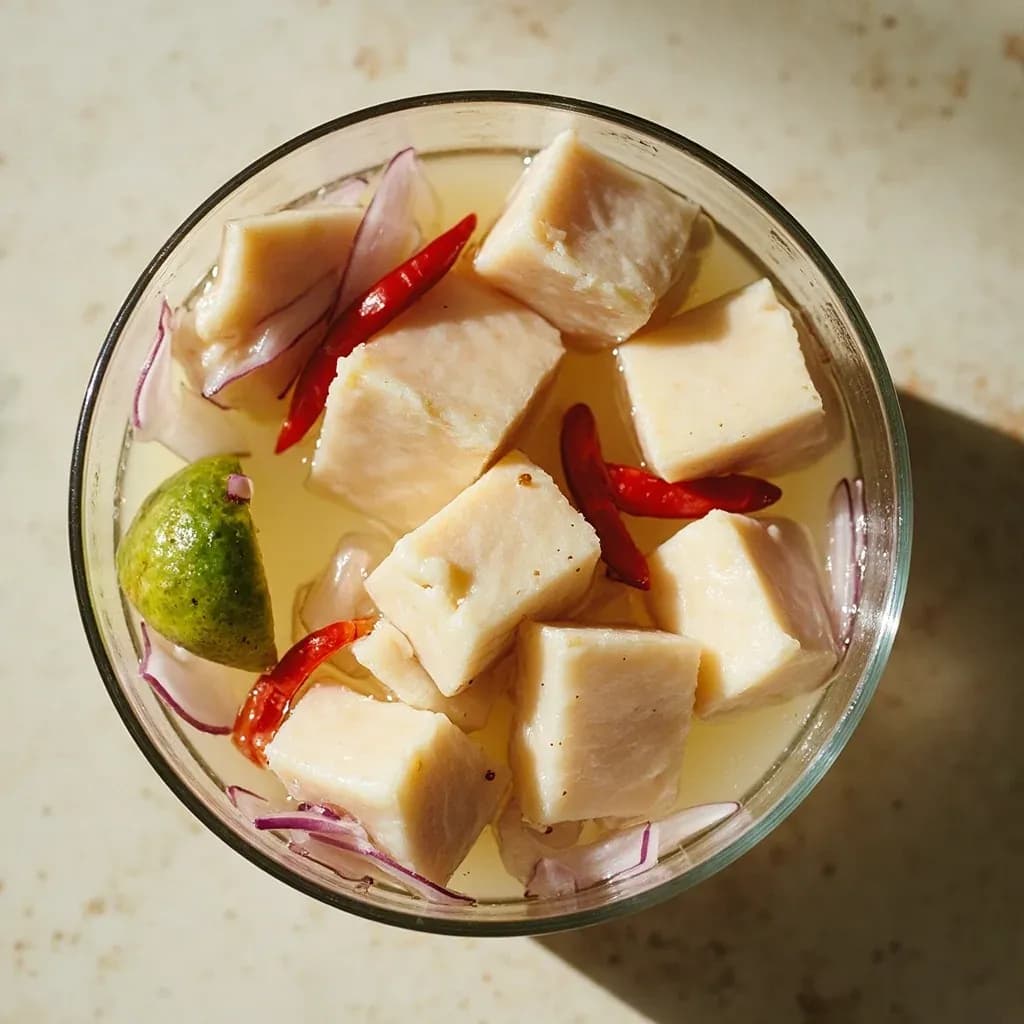
Citrus Curing
"Cooking" raw fish in citrus juice whose acid firms and opaquens the flesh, as in ceviche.
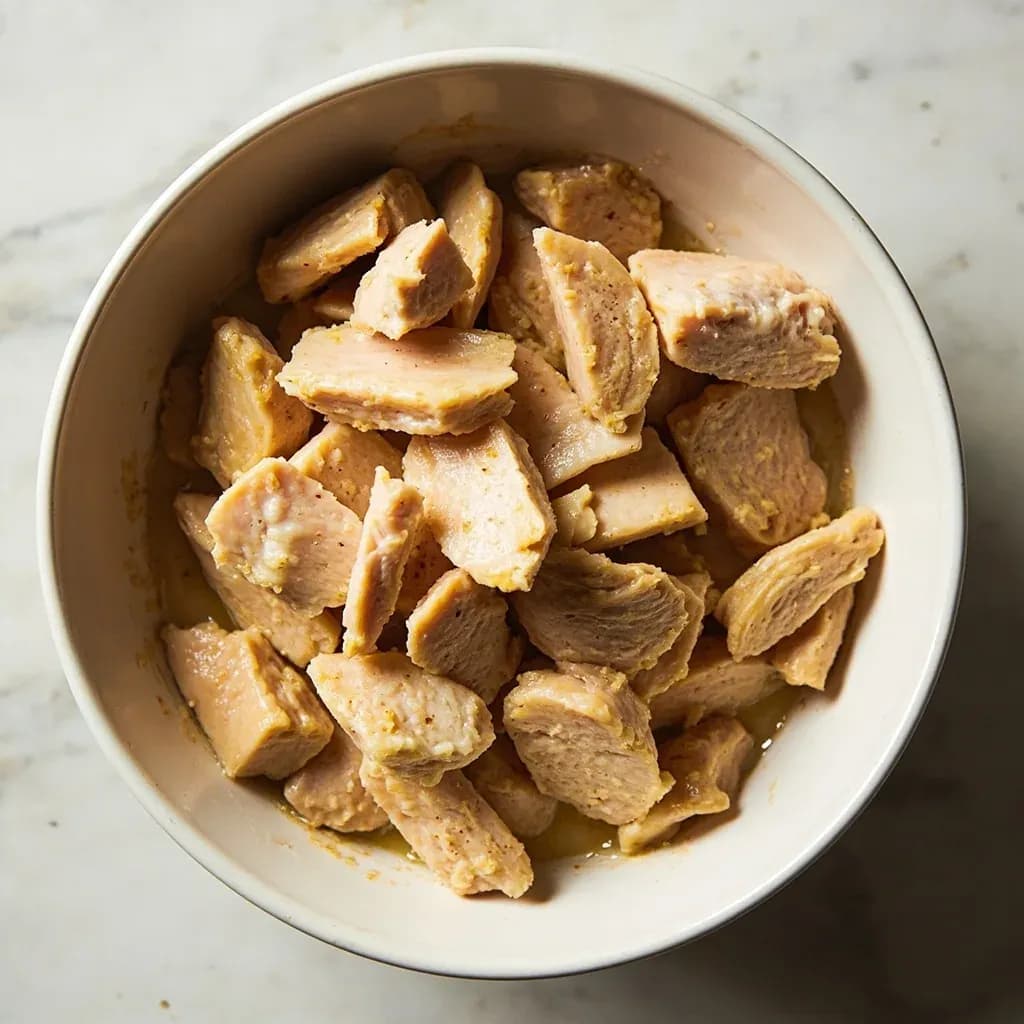
Velveting
Coating meat in starch and egg white, then blanching it, for a silky tender Chinese stir-fry texture.
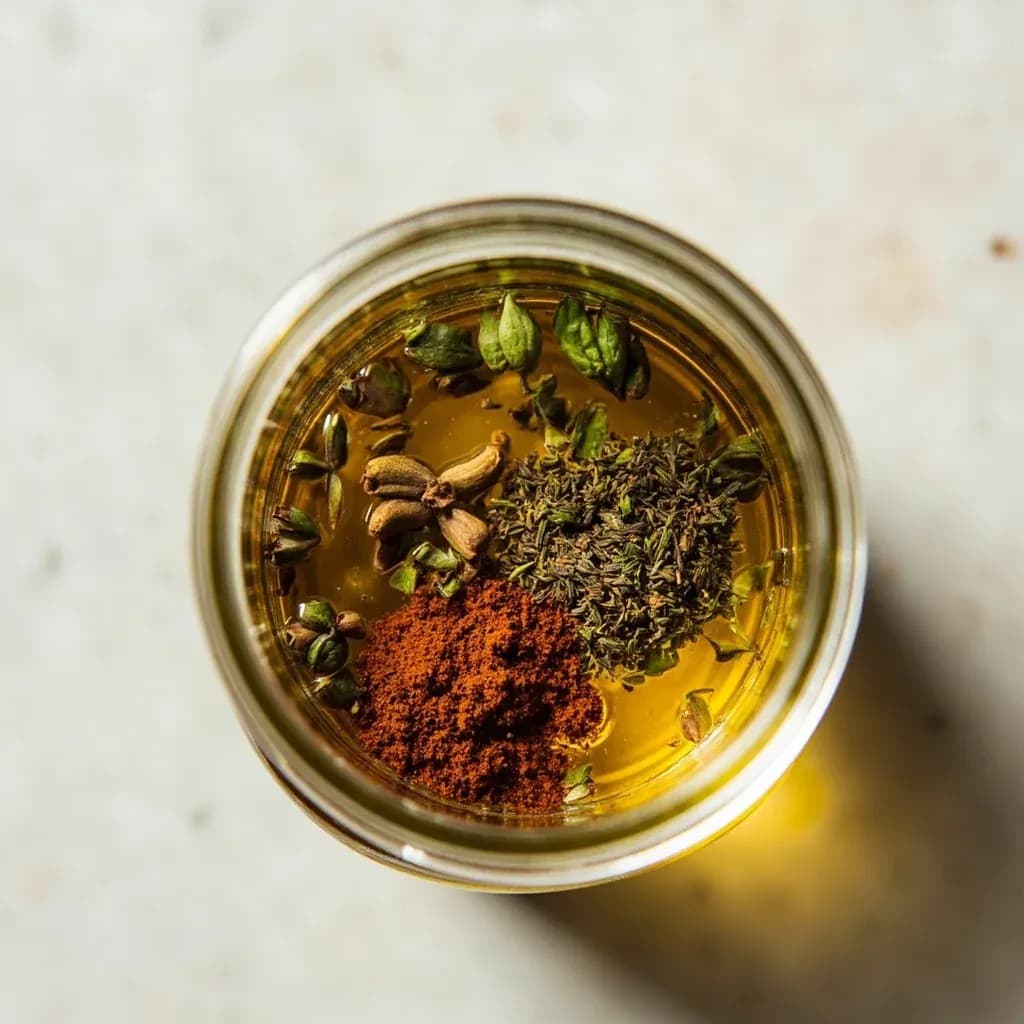
Flavor Infusion
Steeping aromatics in a liquid or fat so their flavor transfers into it.
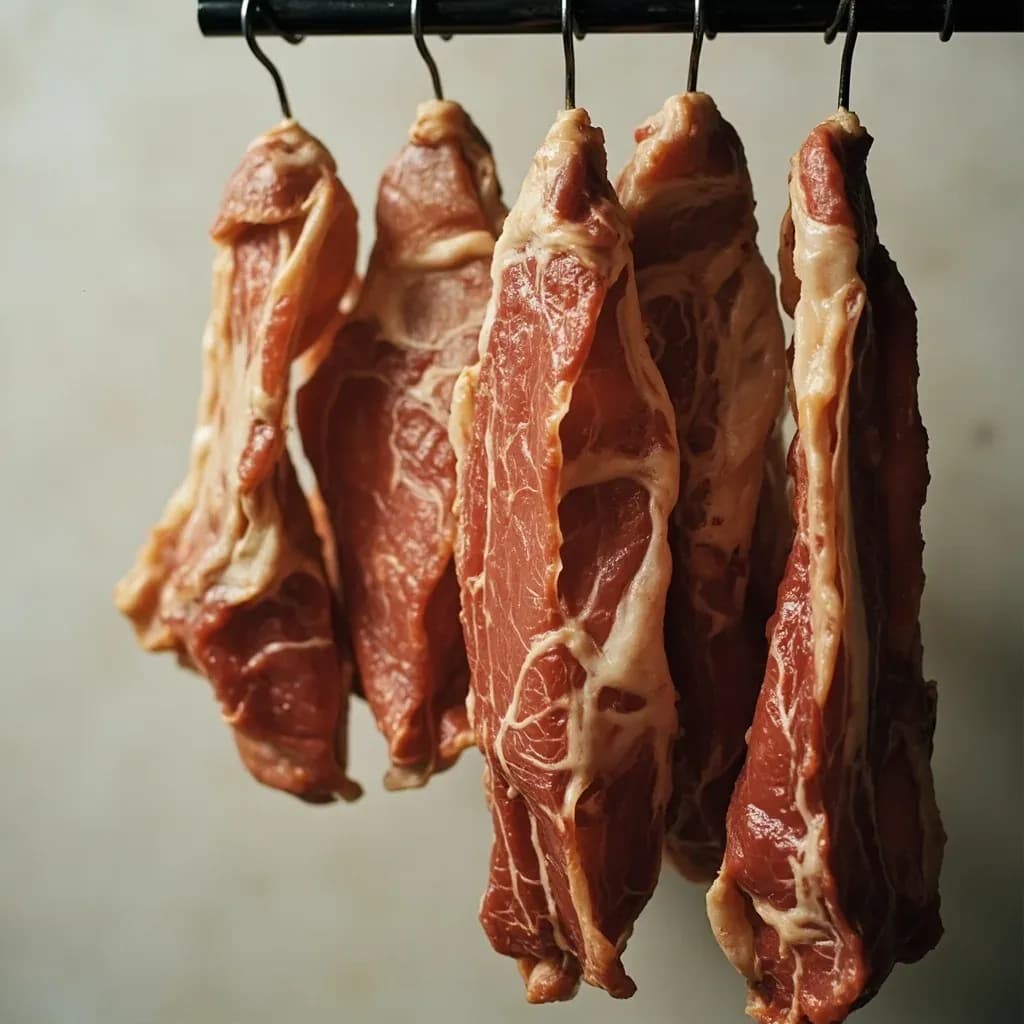
Air-Drying
Hanging food in cool moving air to slowly dehydrate and concentrate it for preservation.
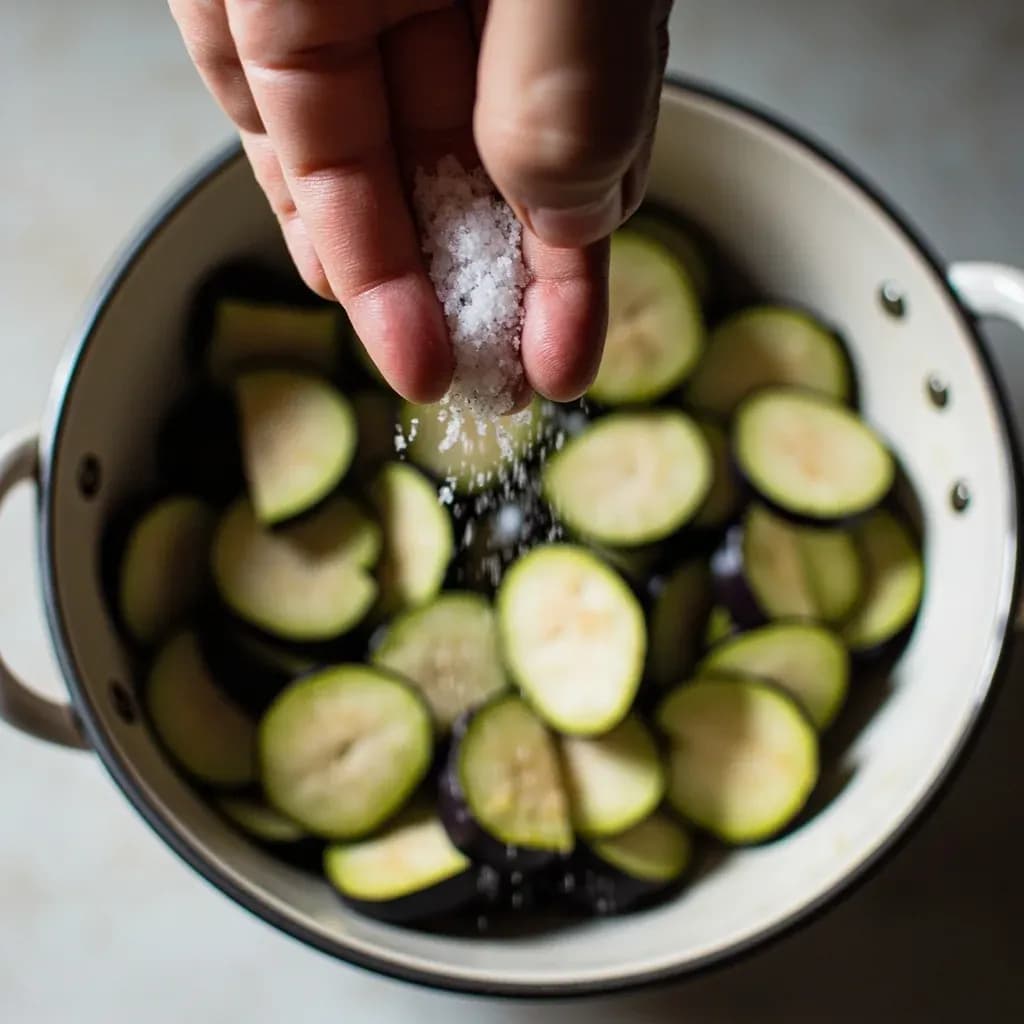
Salting
Applying salt to draw out moisture, season, or begin preserving food.
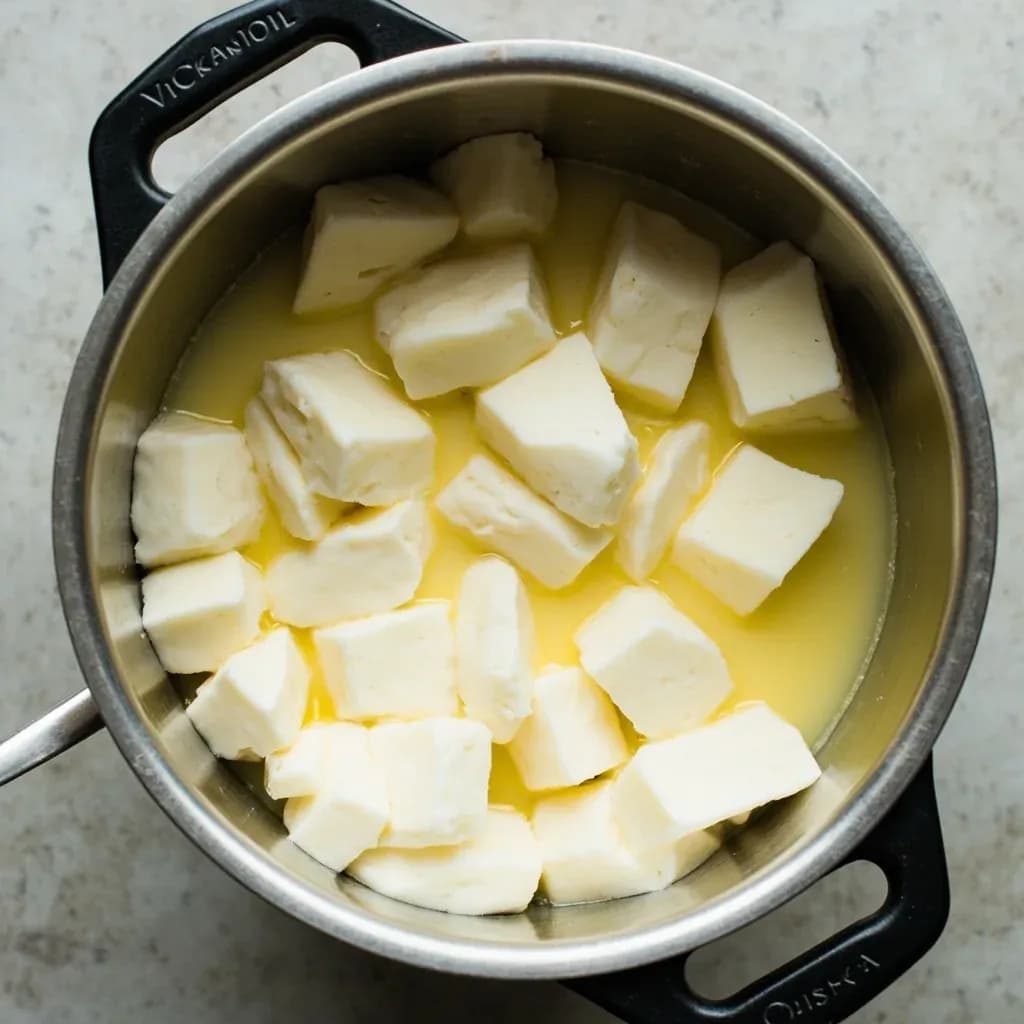
Cheese Making
Curdling milk with acid or rennet, then separating and shaping the curds into cheese or paneer.
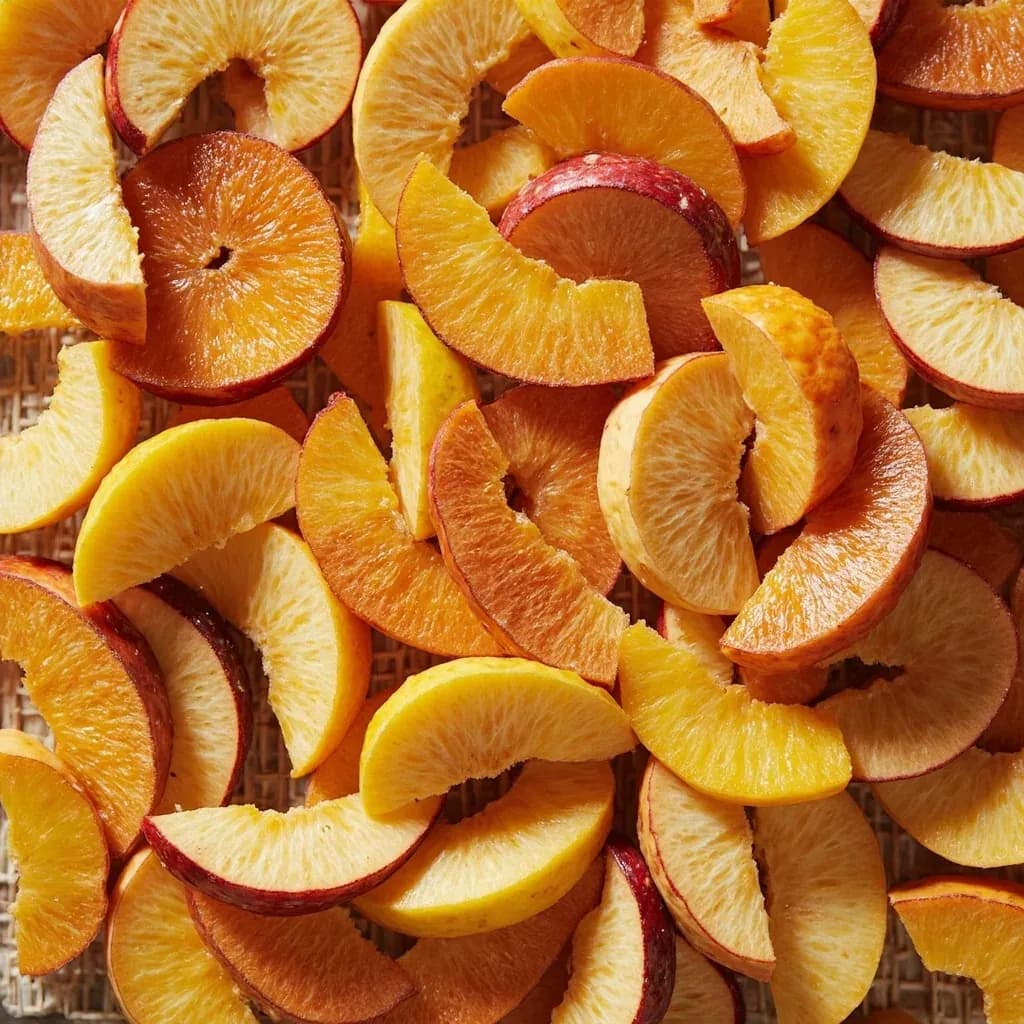
Dehydrating
Removing water from food with gentle warm air to preserve it or concentrate its flavor.
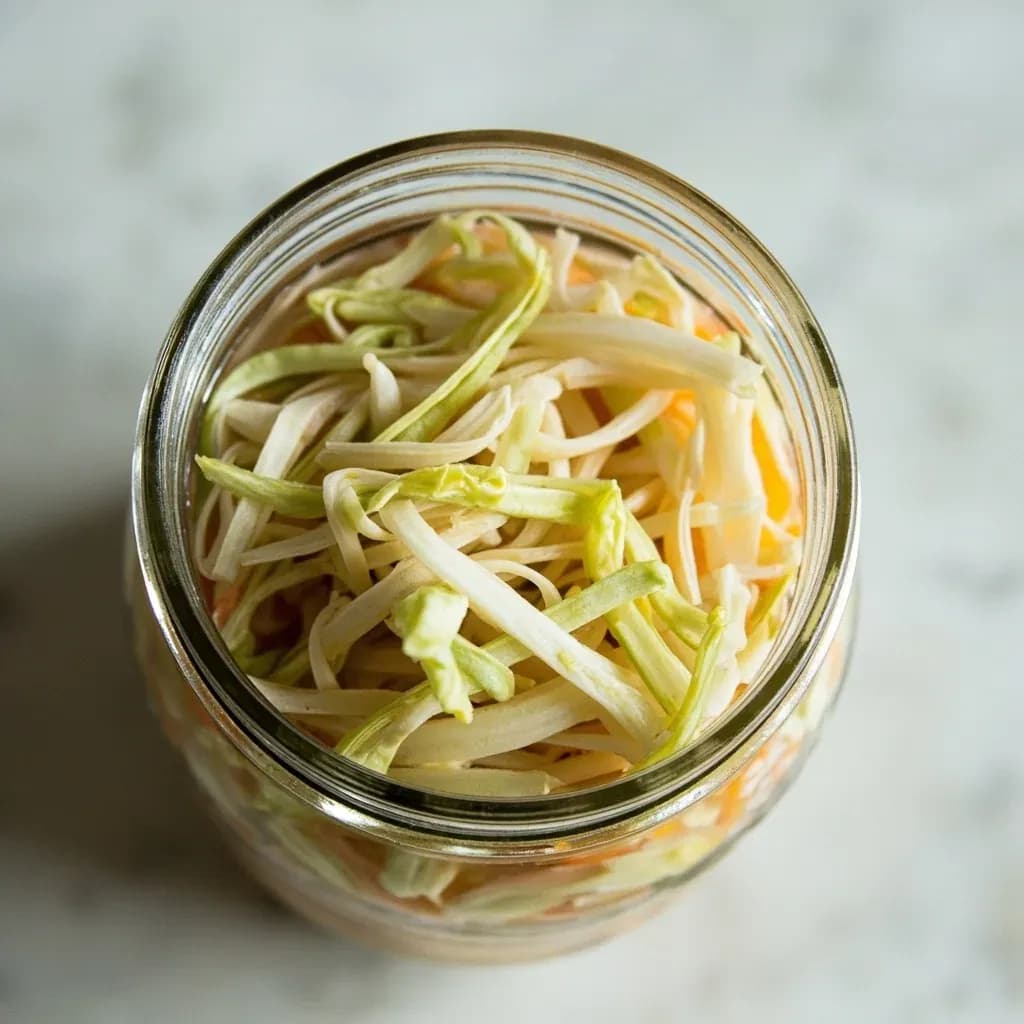
Lacto-Fermentation
Fermenting salted vegetables so lactic-acid bacteria sour and preserve them, as in sauerkraut and kimchi.
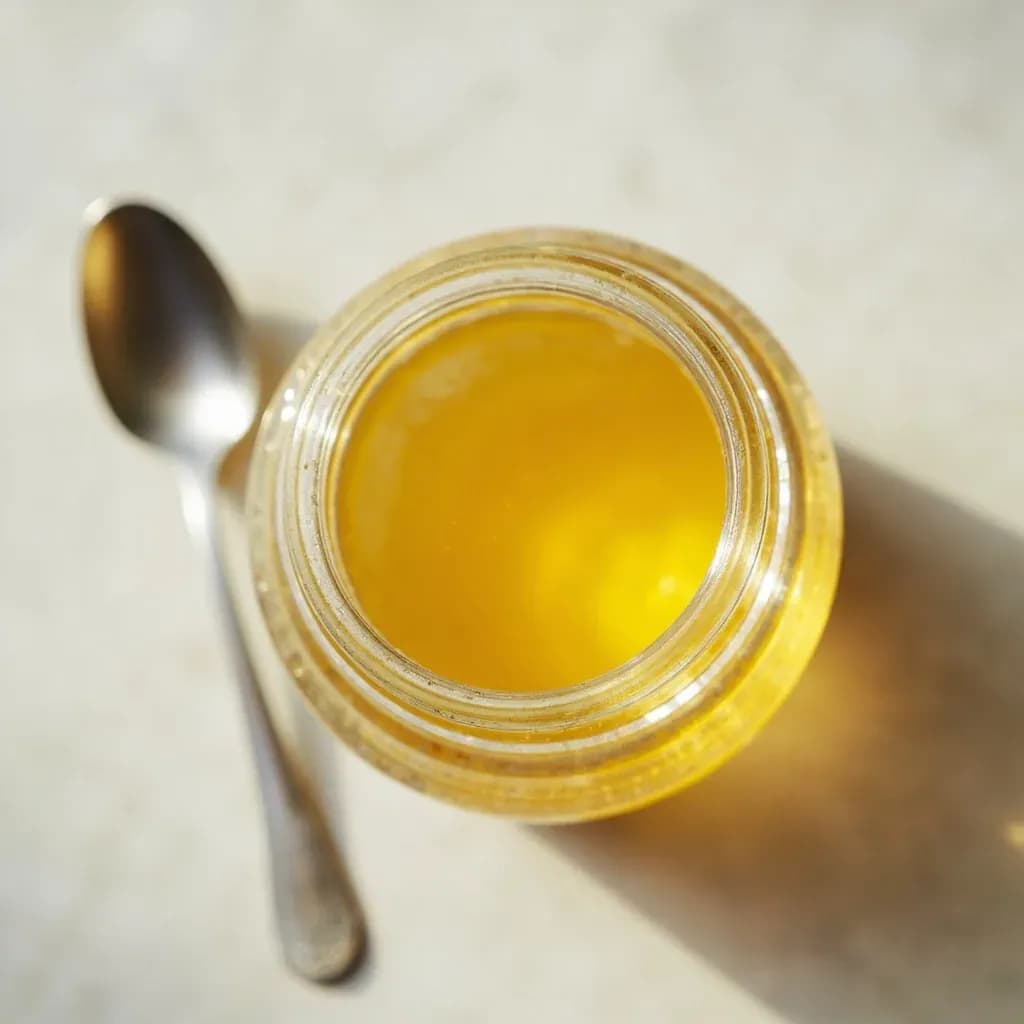
Clarifying Butter / Making Ghee
Melting butter to separate out the milk solids, leaving pure golden butterfat that won't burn.
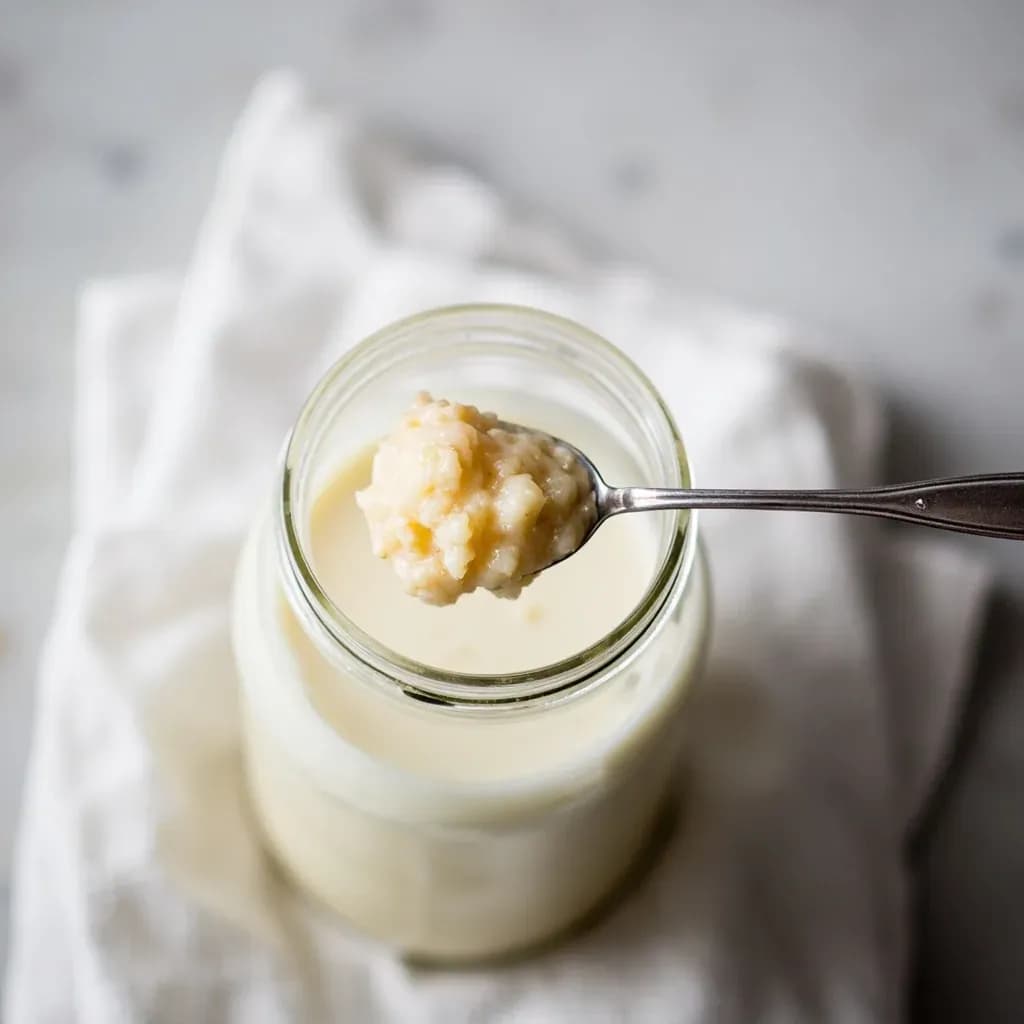
Culturing (Yogurt/Milk)
Adding live cultures to warm milk and holding it warm so it ferments into yogurt or cultured dairy.
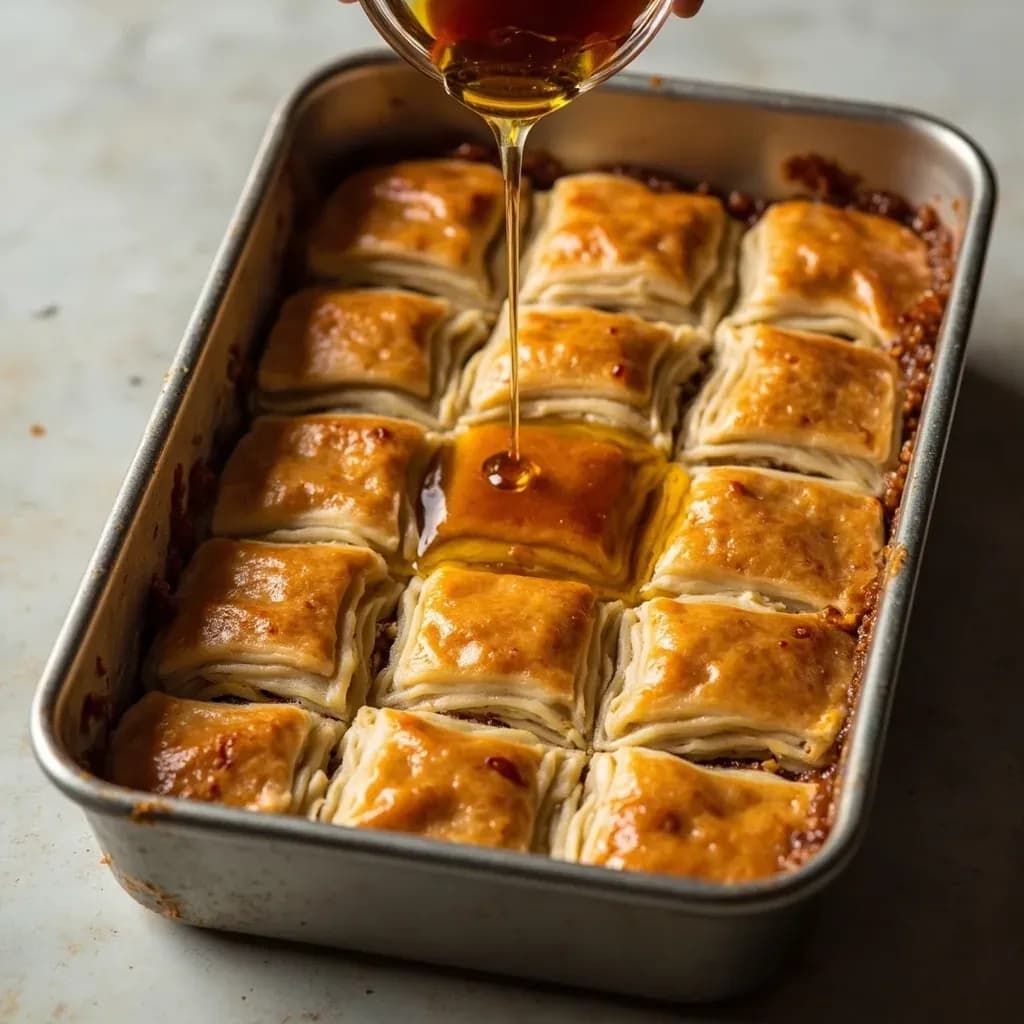
Honey/Syrup Soaking
Drenching baked sweets in honey or sugar syrup so they absorb moisture and sweetness.
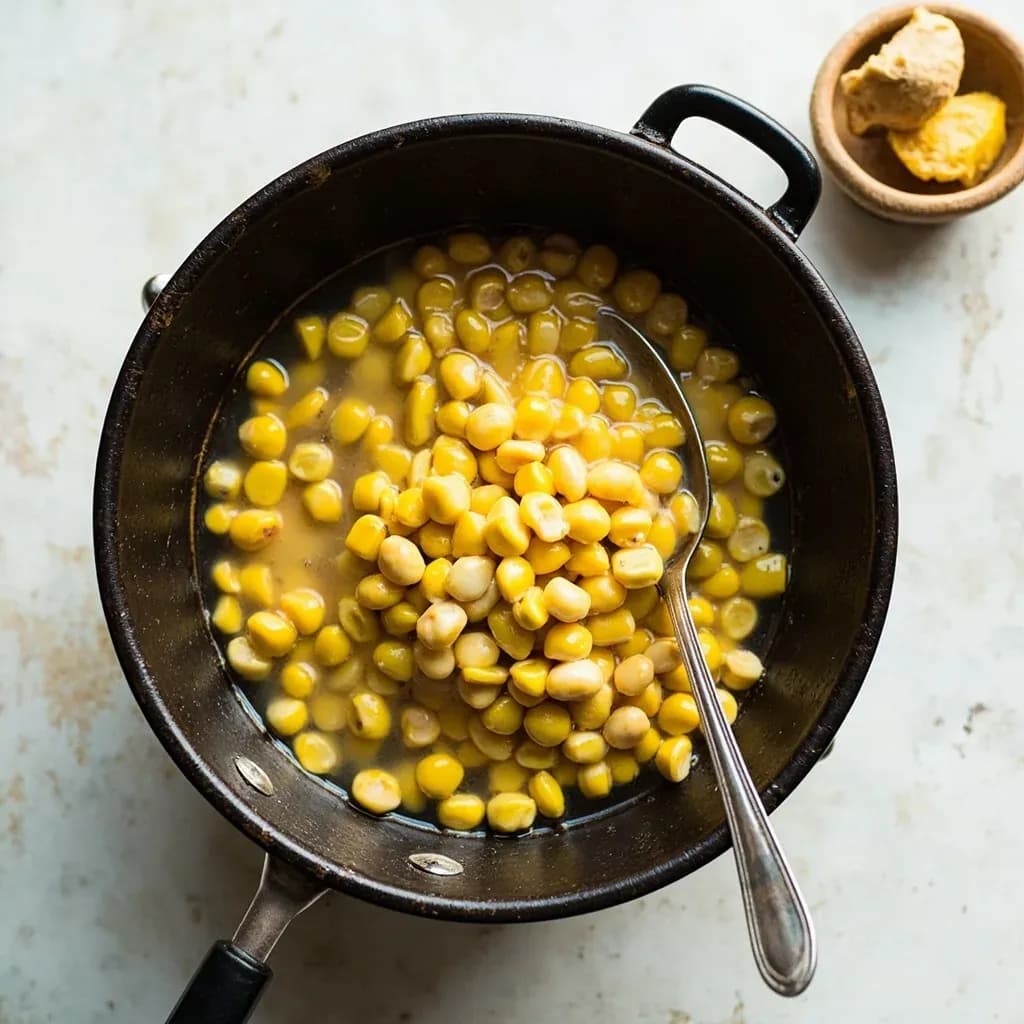
Nixtamalization
Cooking and steeping dried corn in an alkaline lime solution to make it grindable and more nutritious.
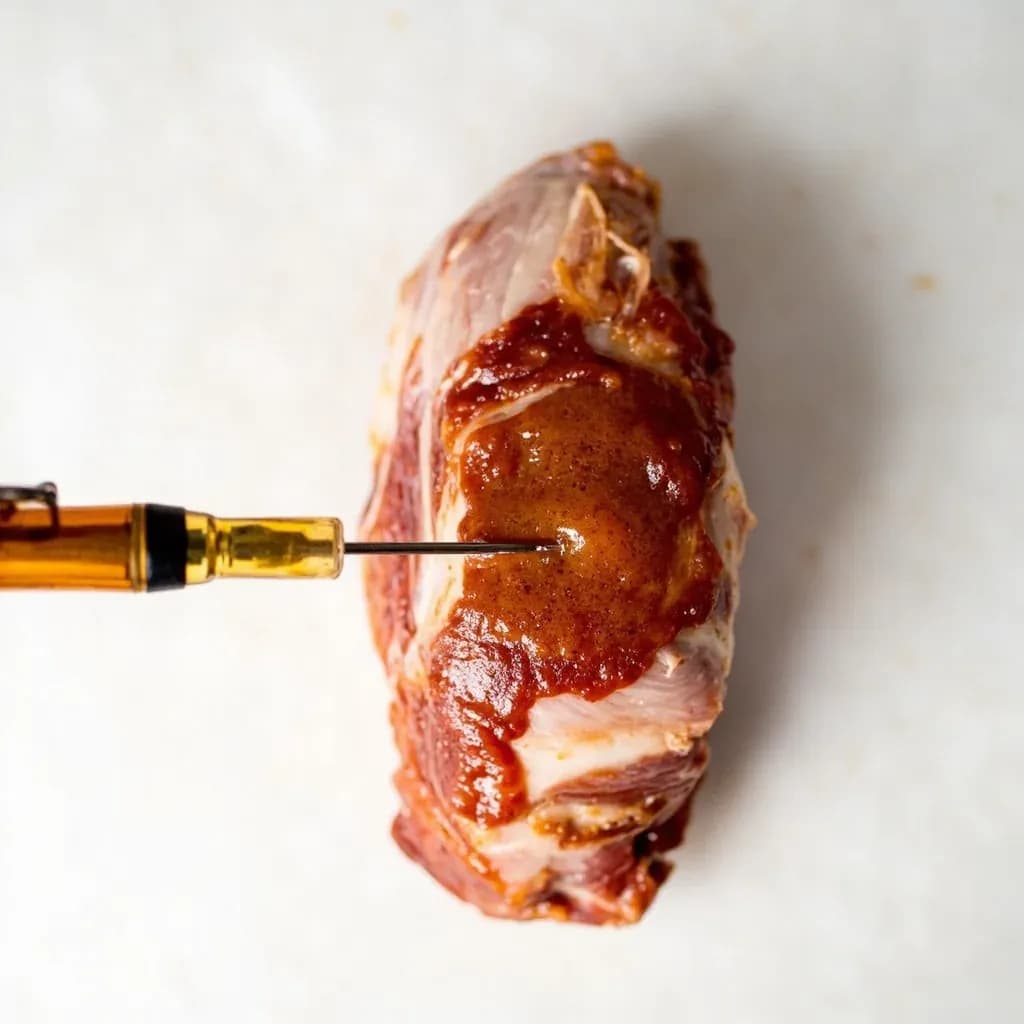
Brine / Marinade Injection
Using a needle syringe to push brine or marinade deep into the interior of meat.
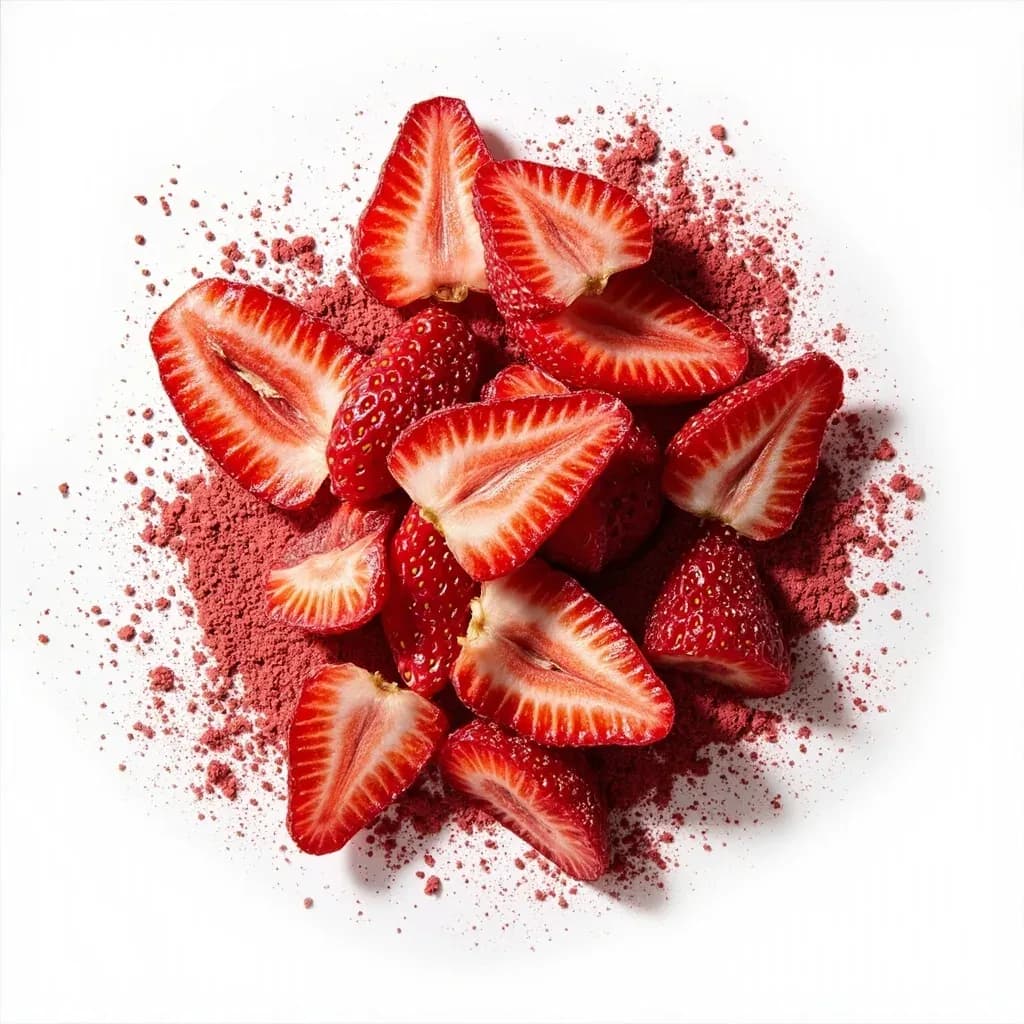
Freeze-Drying
Removing moisture from frozen food by sublimation to preserve it while keeping flavor and structure.
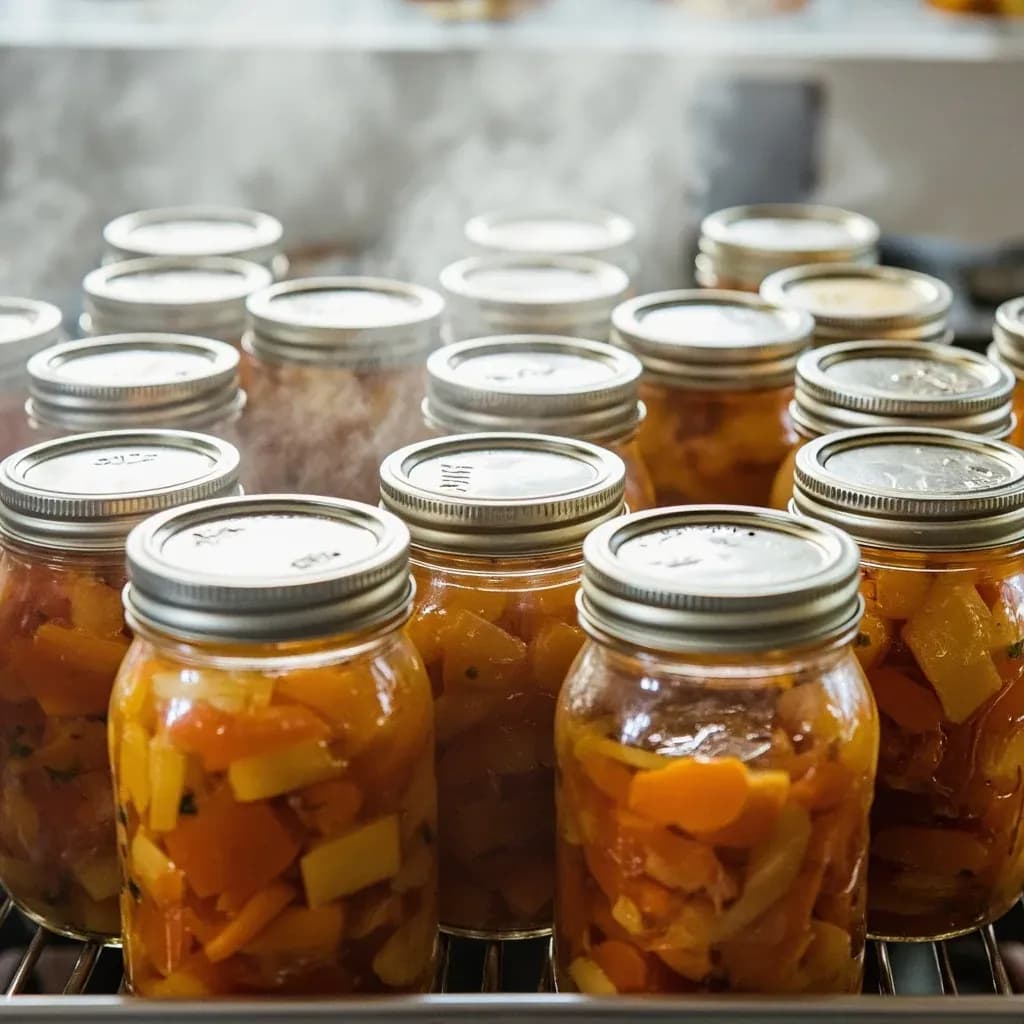
Jar Sterilizing
Heat-cleaning jars and lids to kill microbes before canning or preserving.
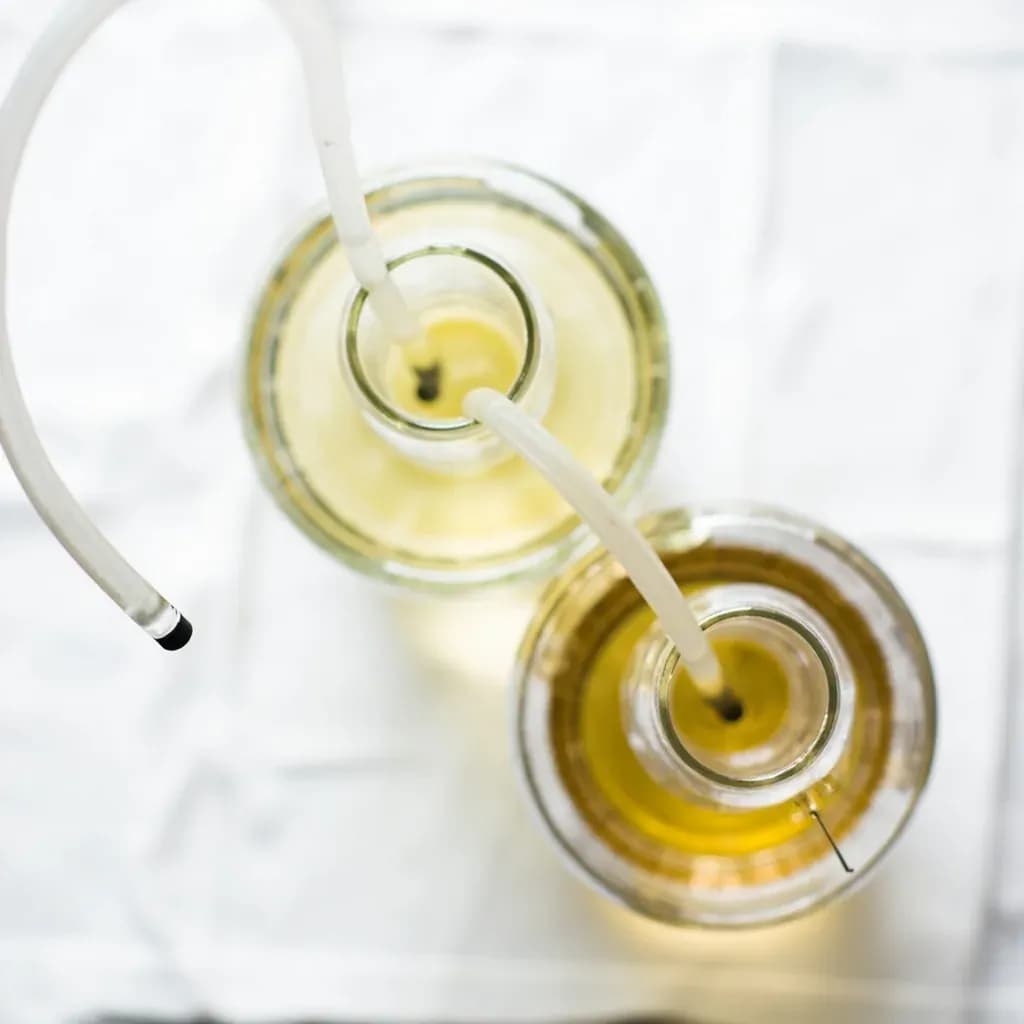
Racking / Siphoning
Siphoning a fermenting liquid off its sediment into a clean vessel to clarify it.
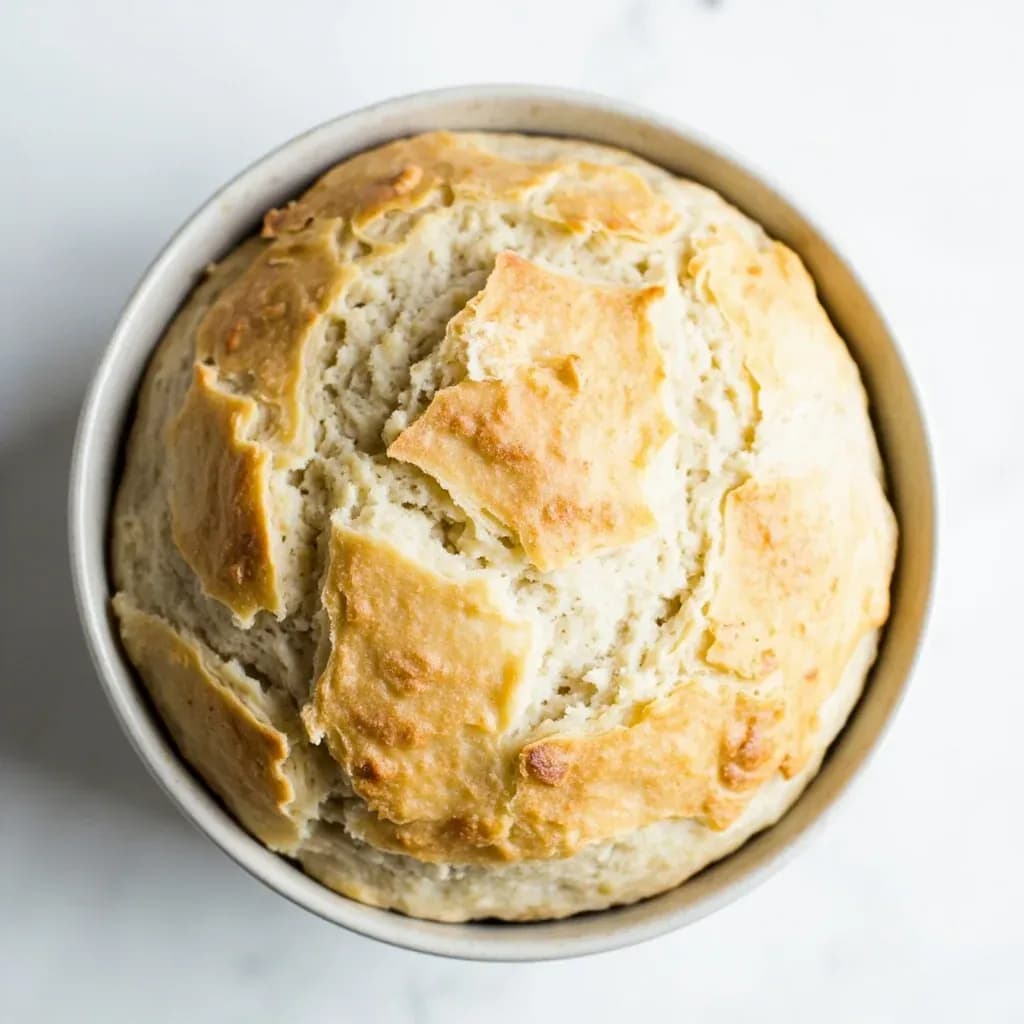
Bulk Fermentation (Pointage)
The first long rise of bread dough as a whole mass before it is divided and shaped.
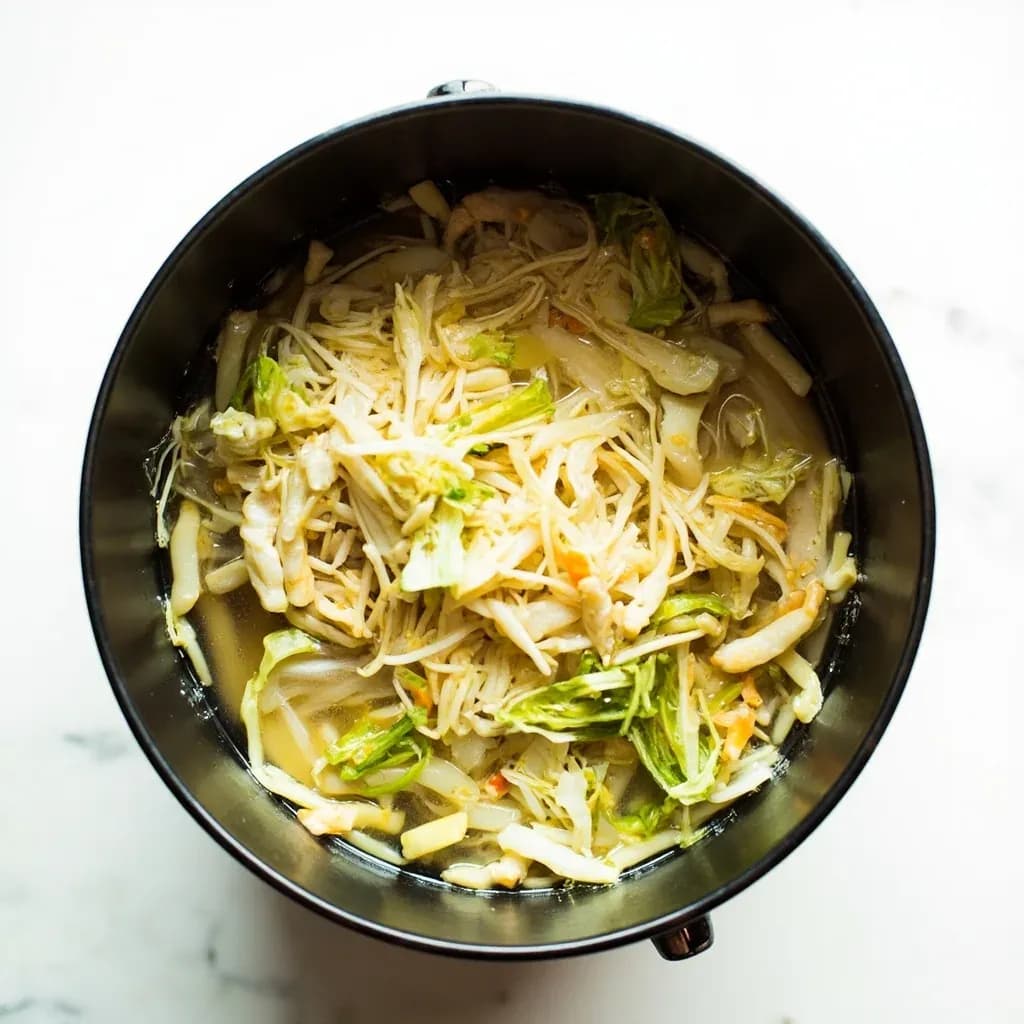
Cabbage Fermenting / Sauerkraut
Salting and submerging shredded cabbage so lactic bacteria ferment it into sauerkraut.
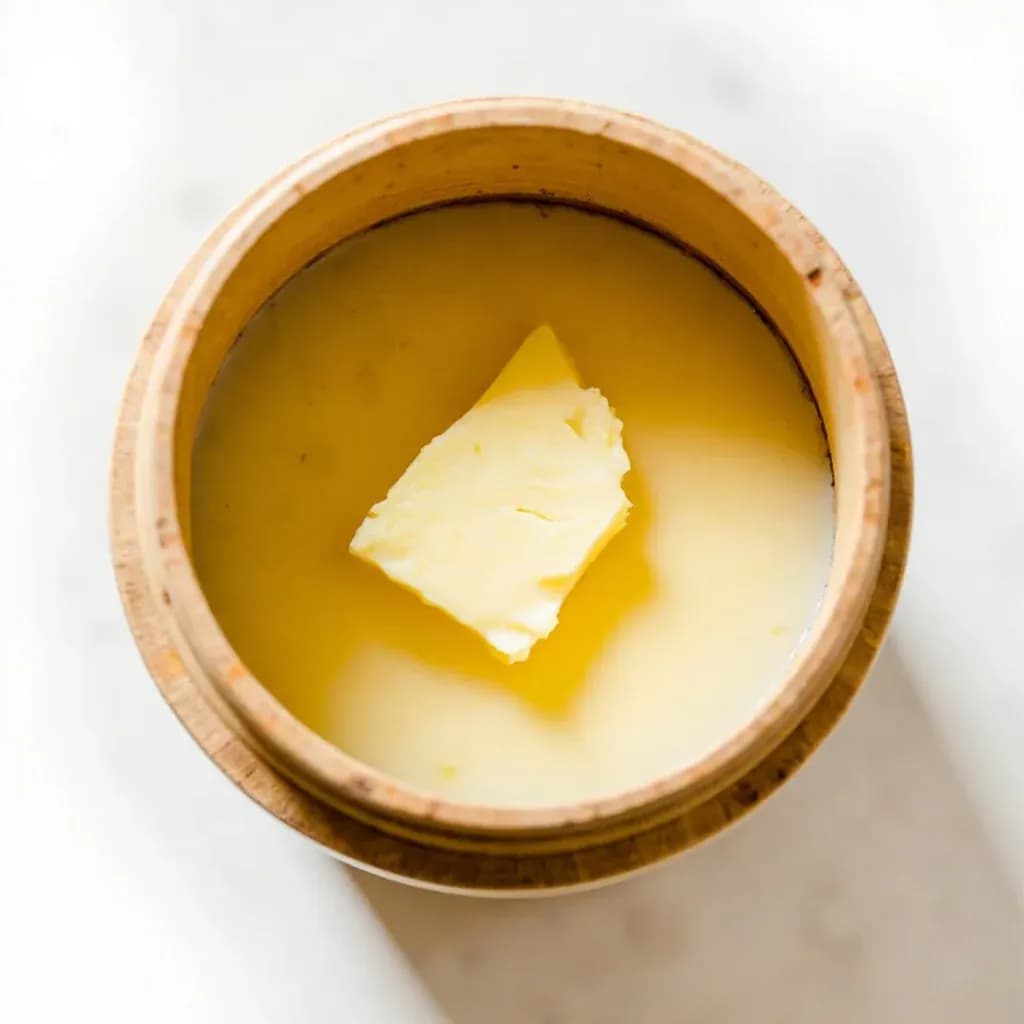
Churning Butter
Agitating cream until the fat globules clump together into butter, leaving buttermilk behind.
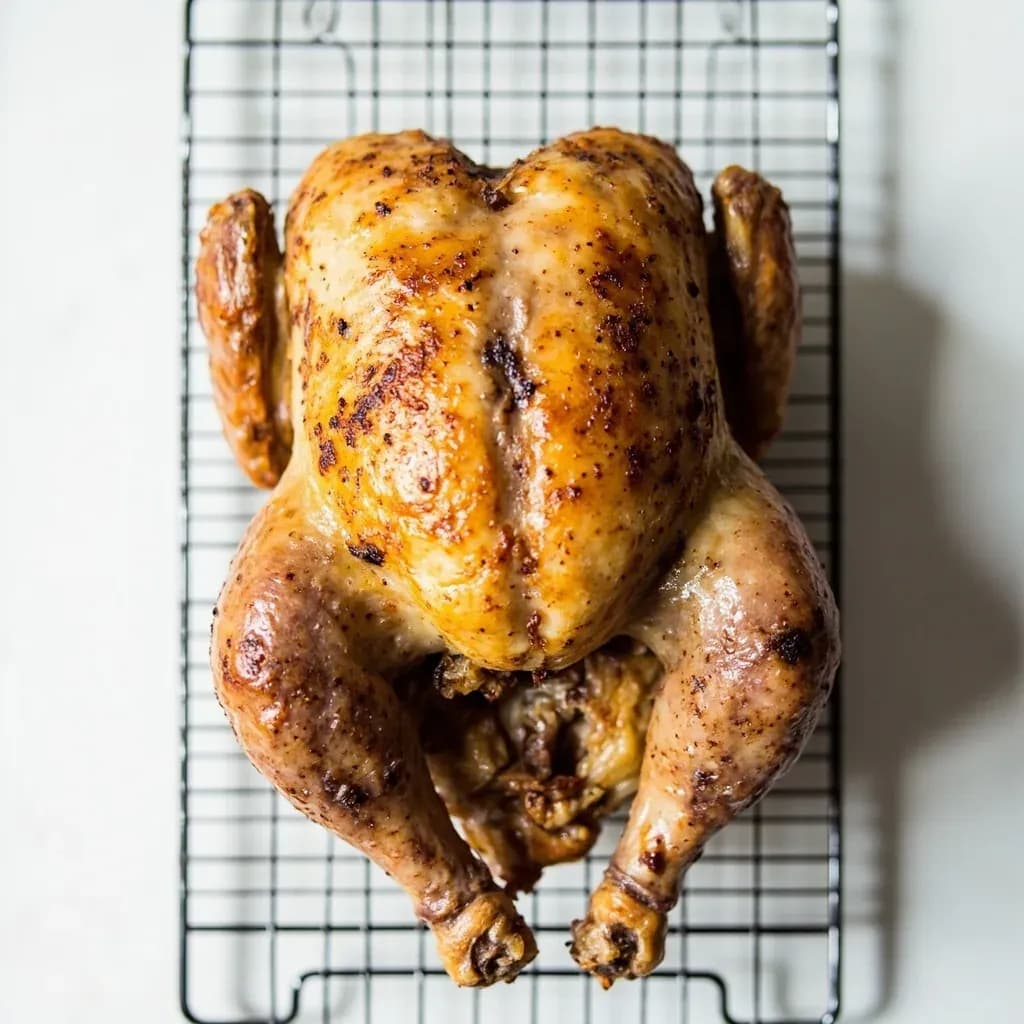
Dry Brining
Salting meat in advance so it draws in seasoning and retains moisture without a liquid bath.
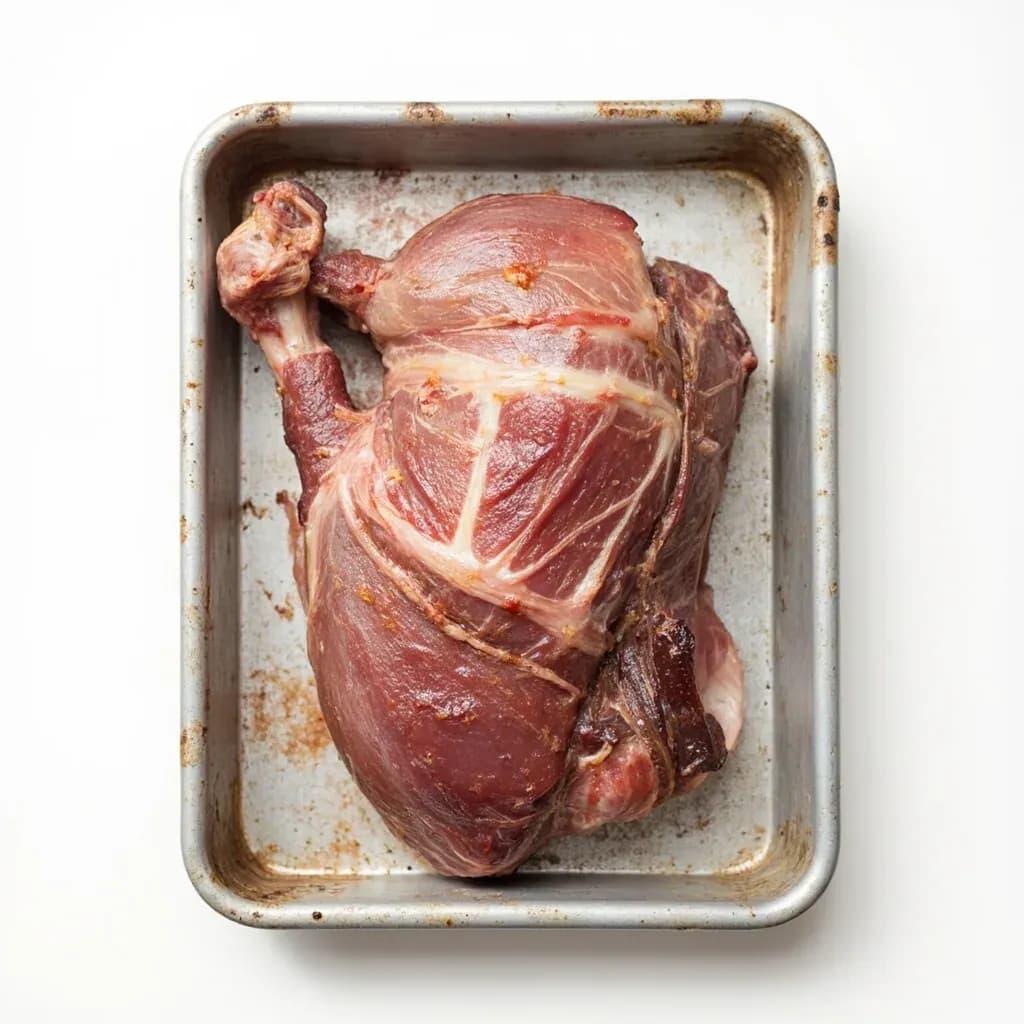
Dry Curing
Preserving meat with salt and time, drawing out moisture to make charcuterie like ham and bacon.
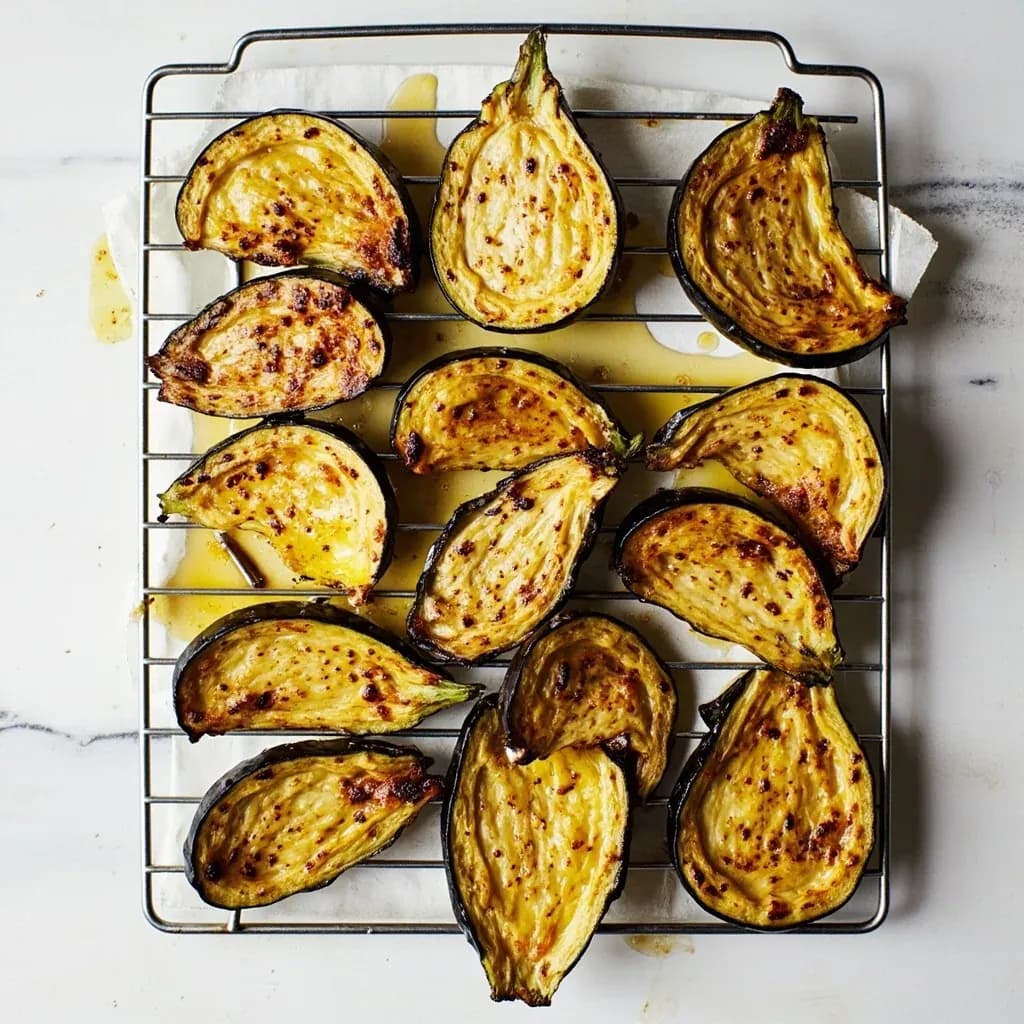
Dry Salting
Coating food in salt to pull out water for preservation, firming, or removing bitterness.
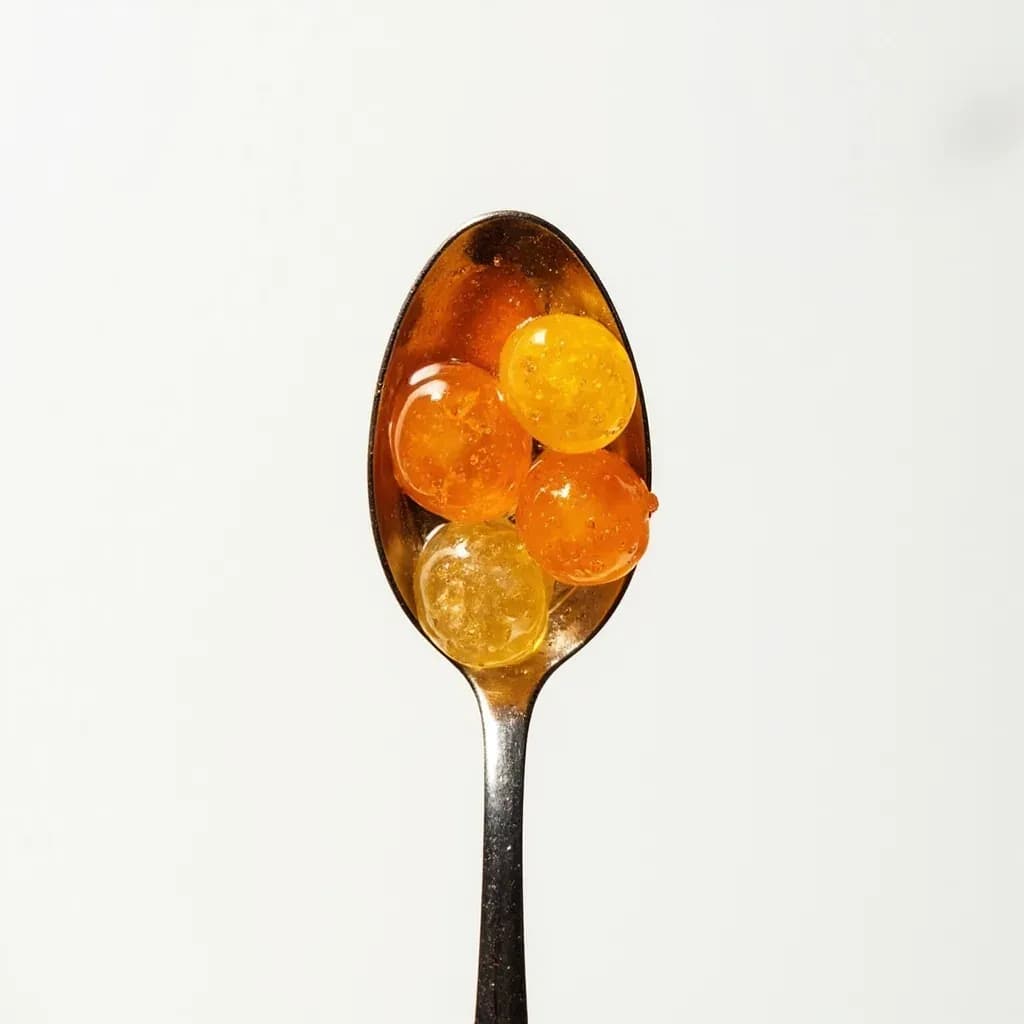
Spherification
A modernist technique that gels a flavored liquid into juice-filled spheres with a thin membrane.
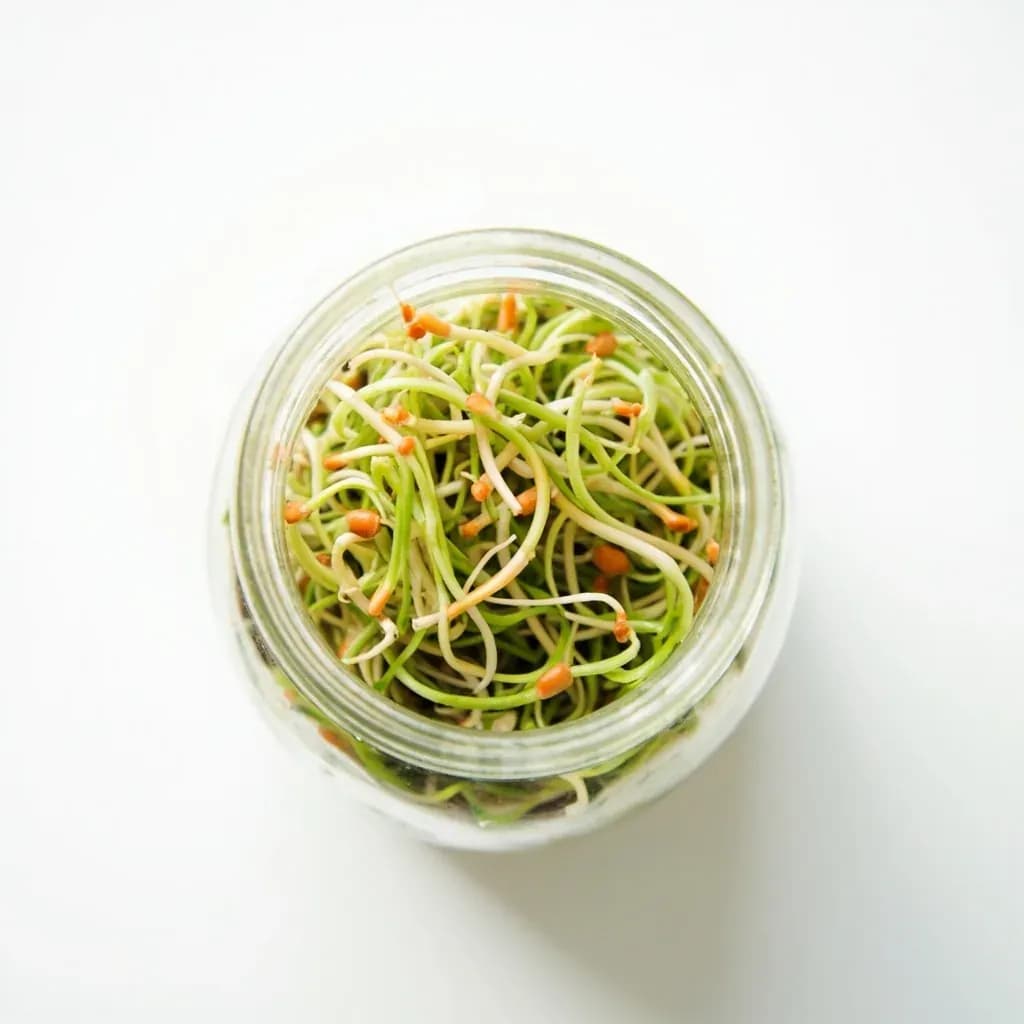
Sprouting
Germinating seeds, grains, or legumes to grow tender shoots and boost their nutrition.
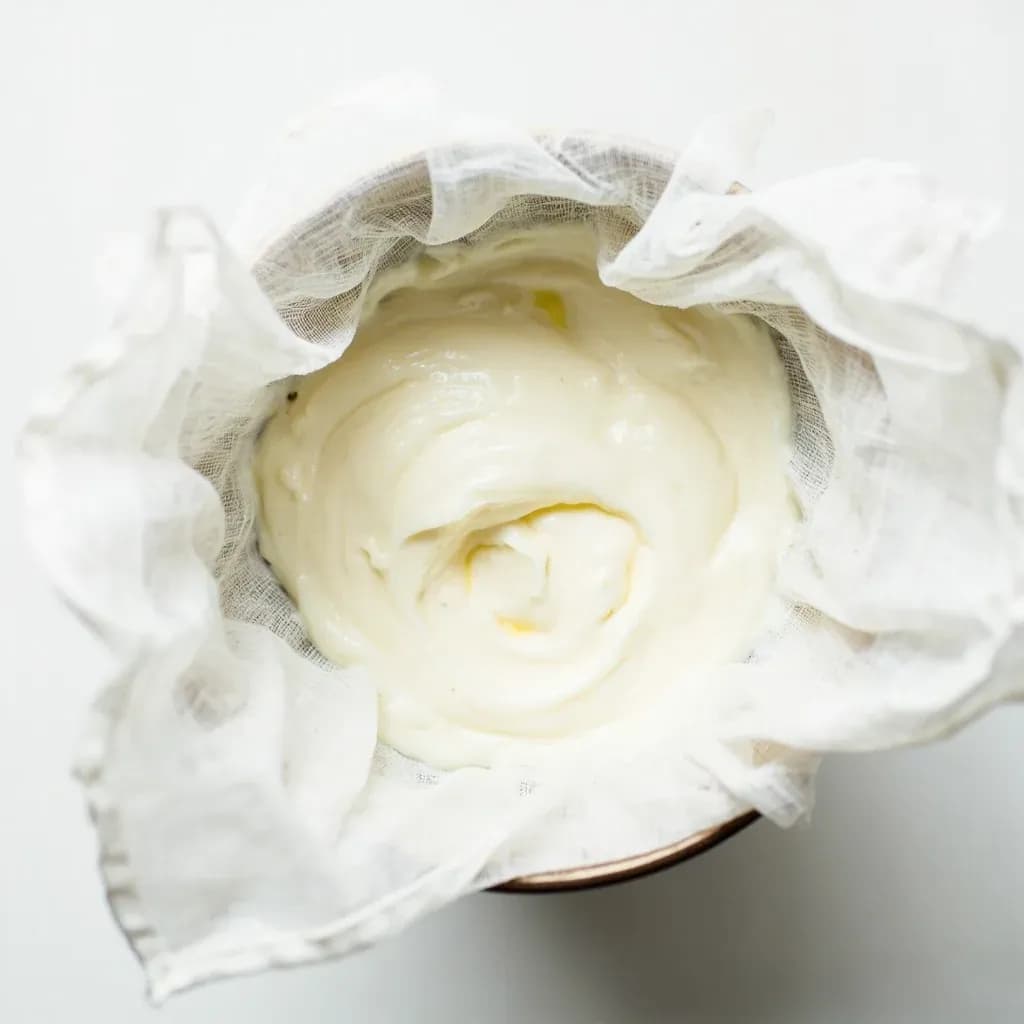
Straining Yogurt (Labneh)
Draining whey from yogurt through cloth to thicken it into labneh or fresh cheese.
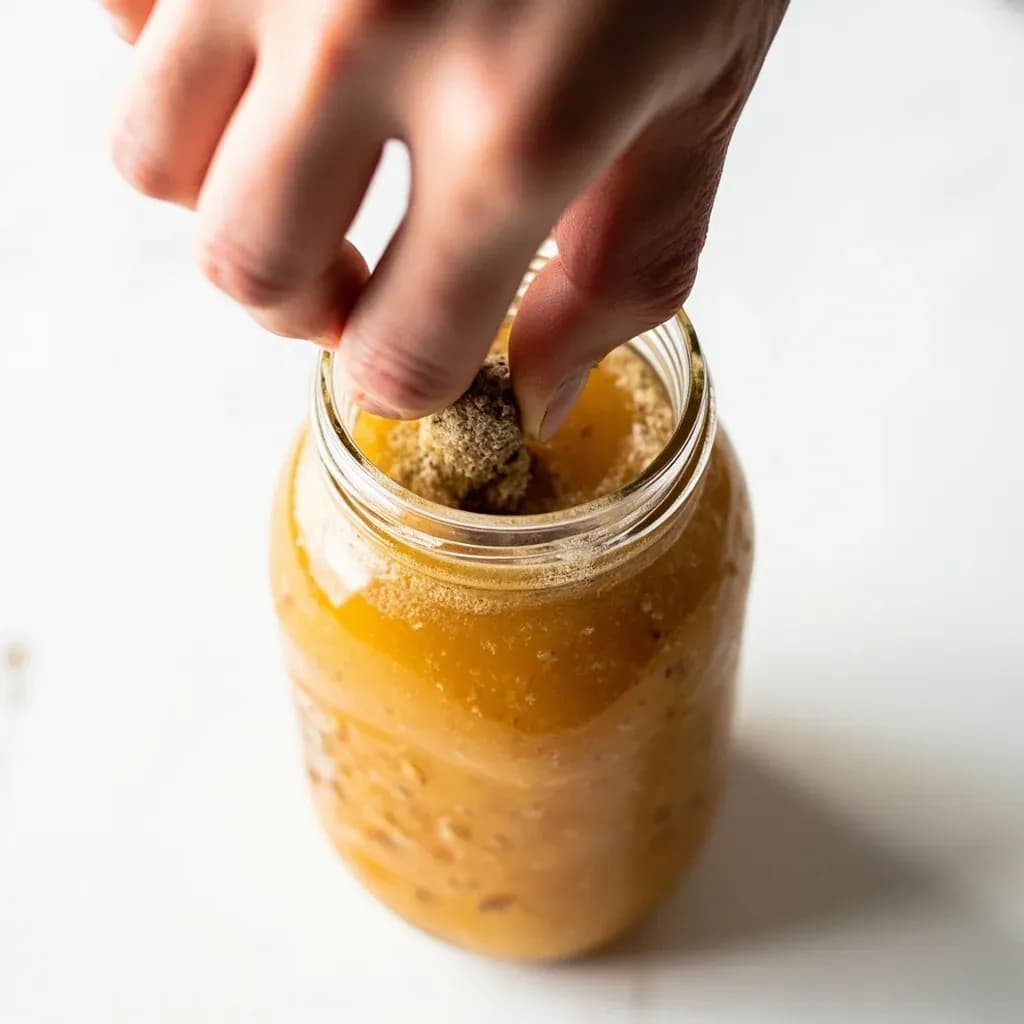
Burping Jars (Gas Release)
Briefly opening fermentation jars to release built-up carbon dioxide and prevent pressure.
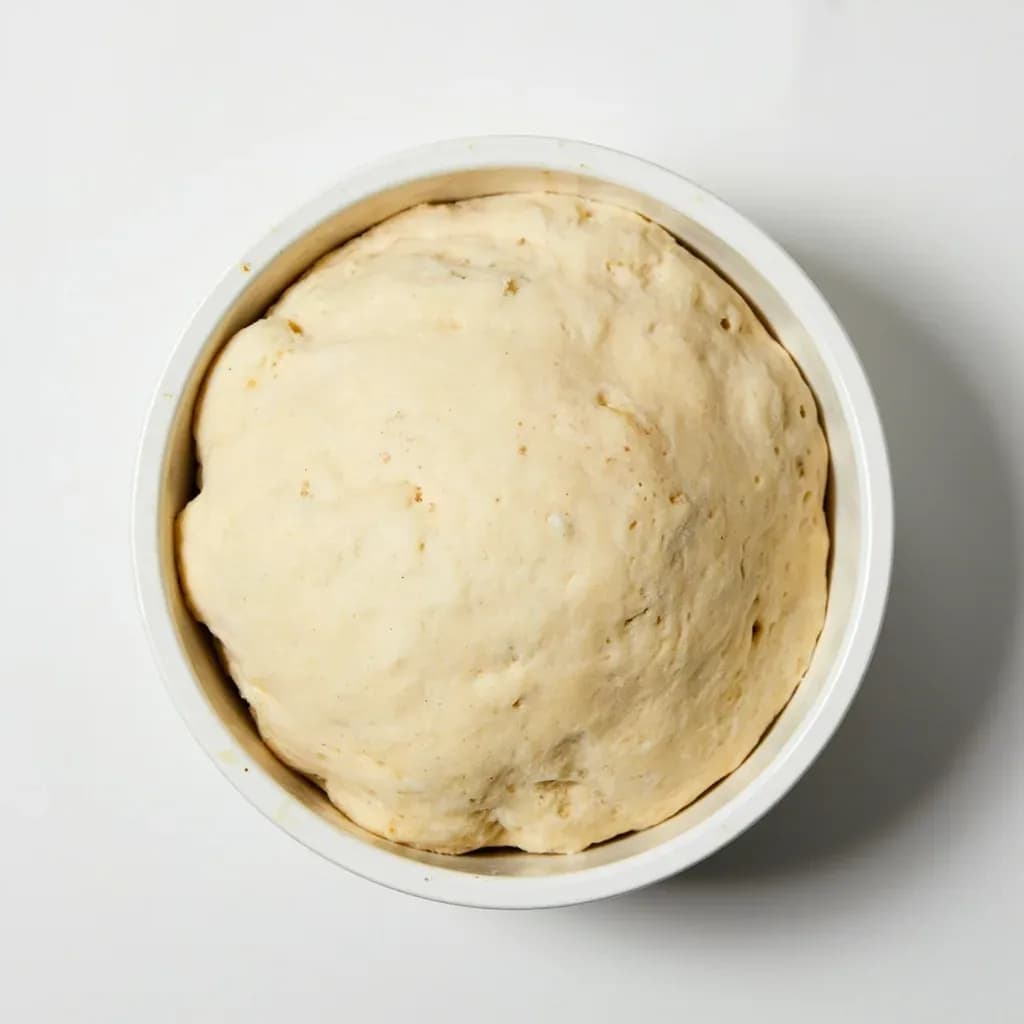
Cold Retarding (Overnight Proof)
Slowing dough fermentation in the fridge overnight to deepen flavor and ease handling.
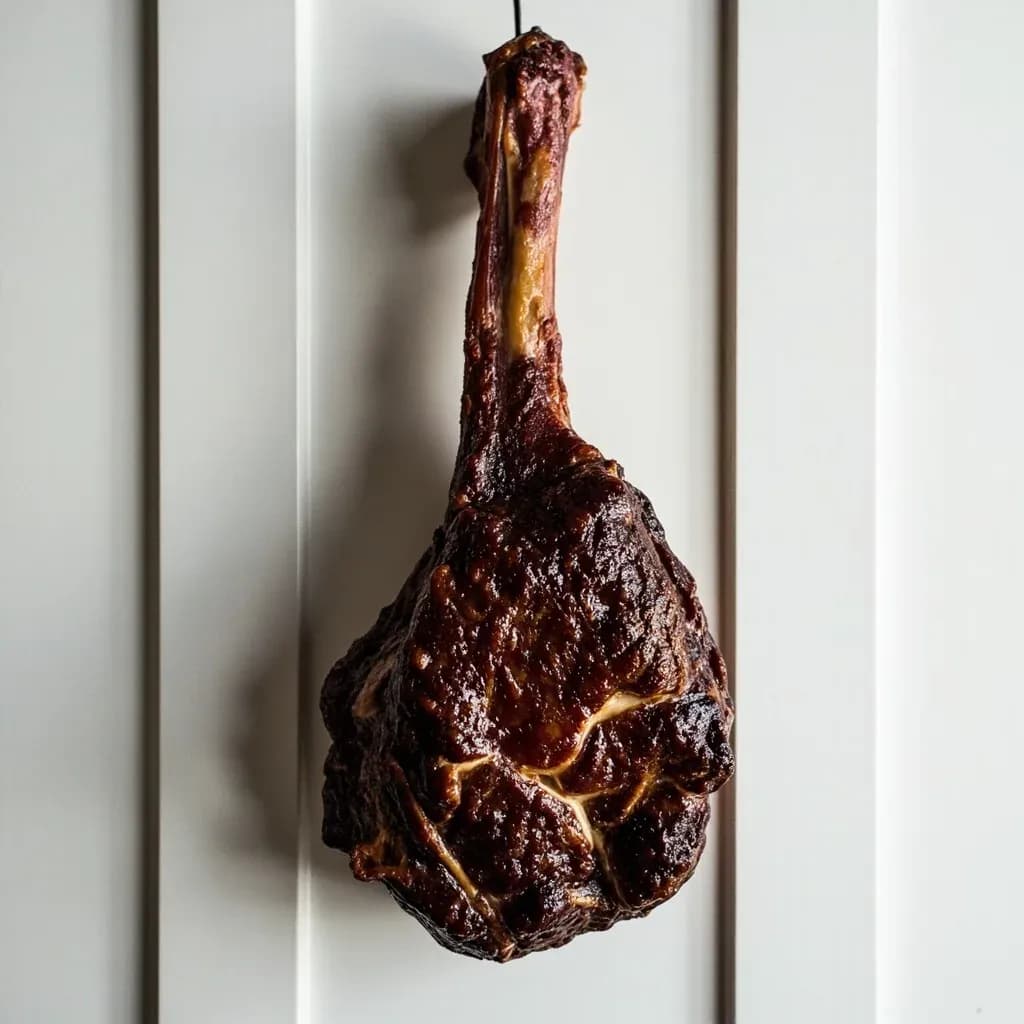
Dry Aging
Resting meat uncovered in controlled cold air for weeks to concentrate flavor and tenderize it.
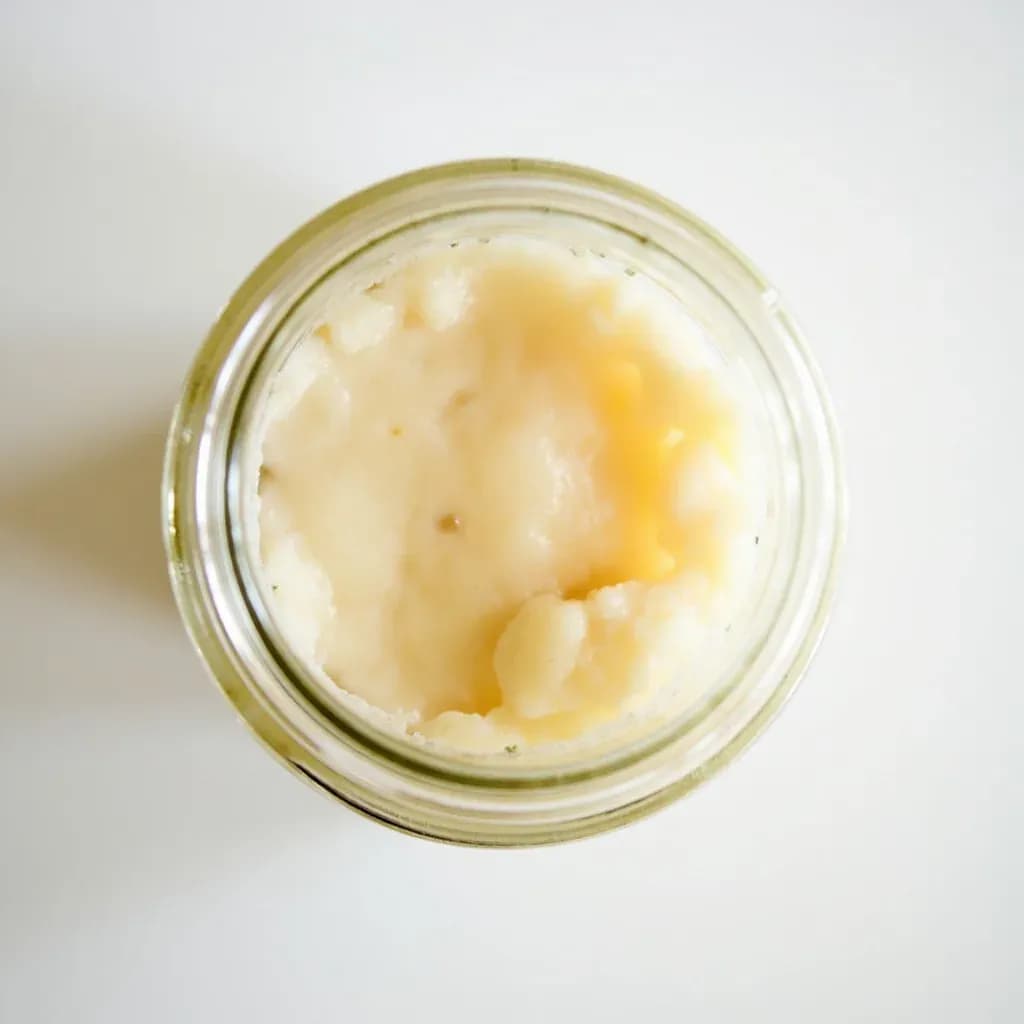
Levain Build
Feeding flour and water to a sourdough starter to grow an active, ripe leaven before mixing dough.
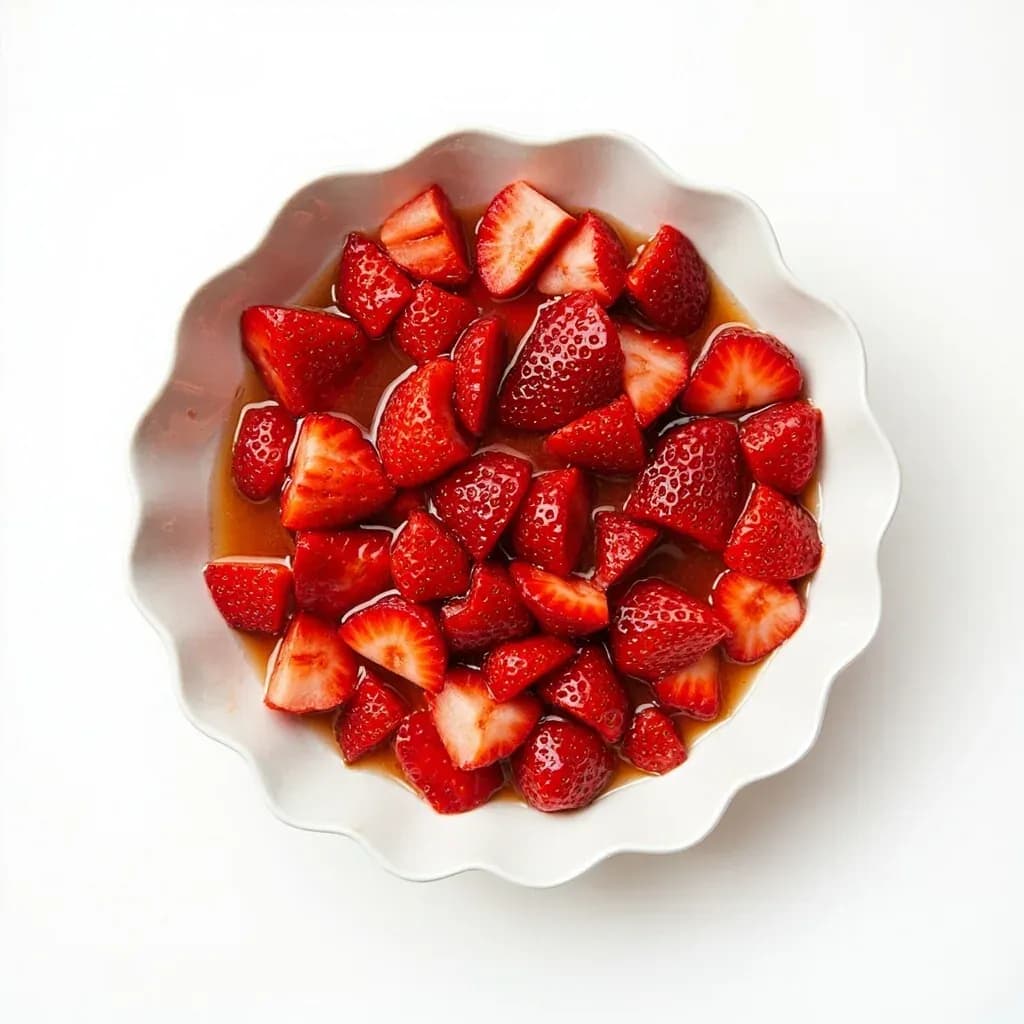
Macerating
Soaking fruit or vegetables in sugar, acid, or liquid to soften them and draw out their juices.
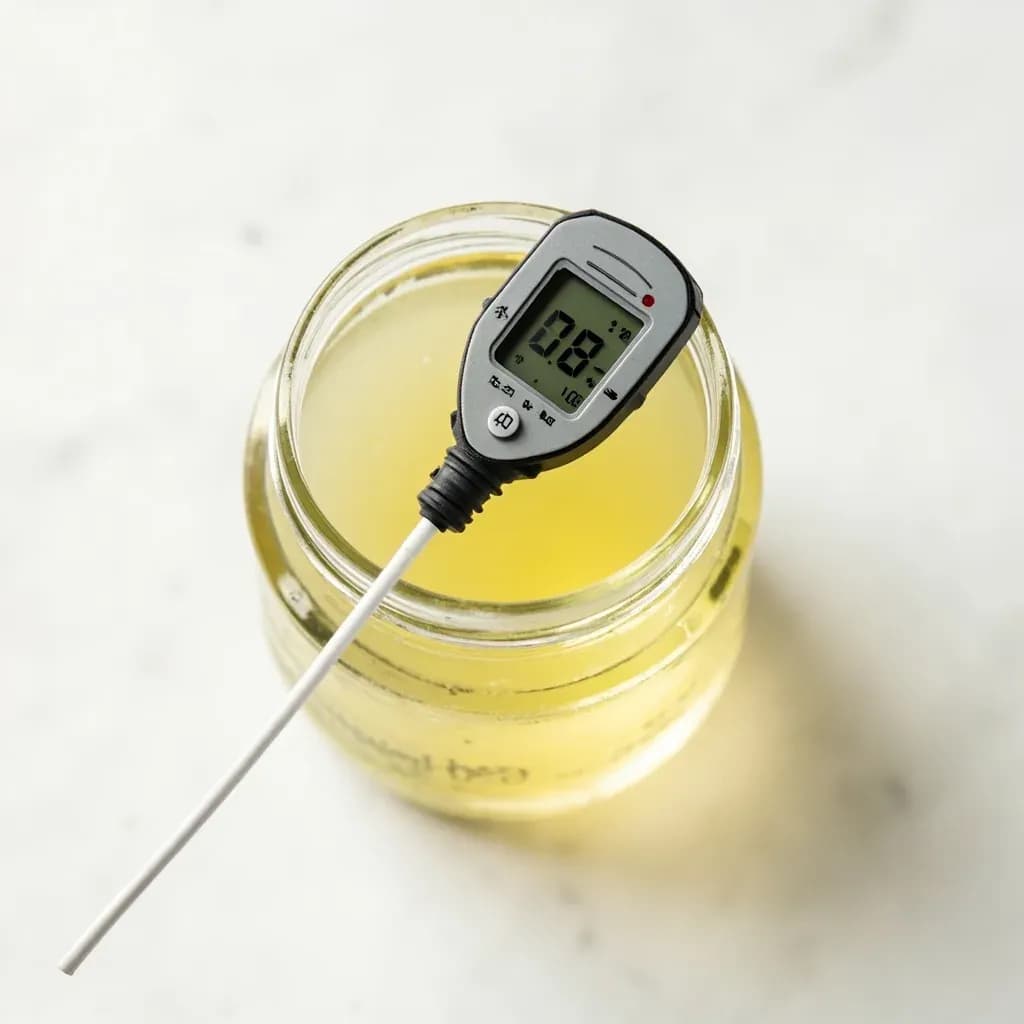
pH Monitoring / Testing
Measuring acidity with a meter or strips to guide safe fermenting, pickling, and preserving.
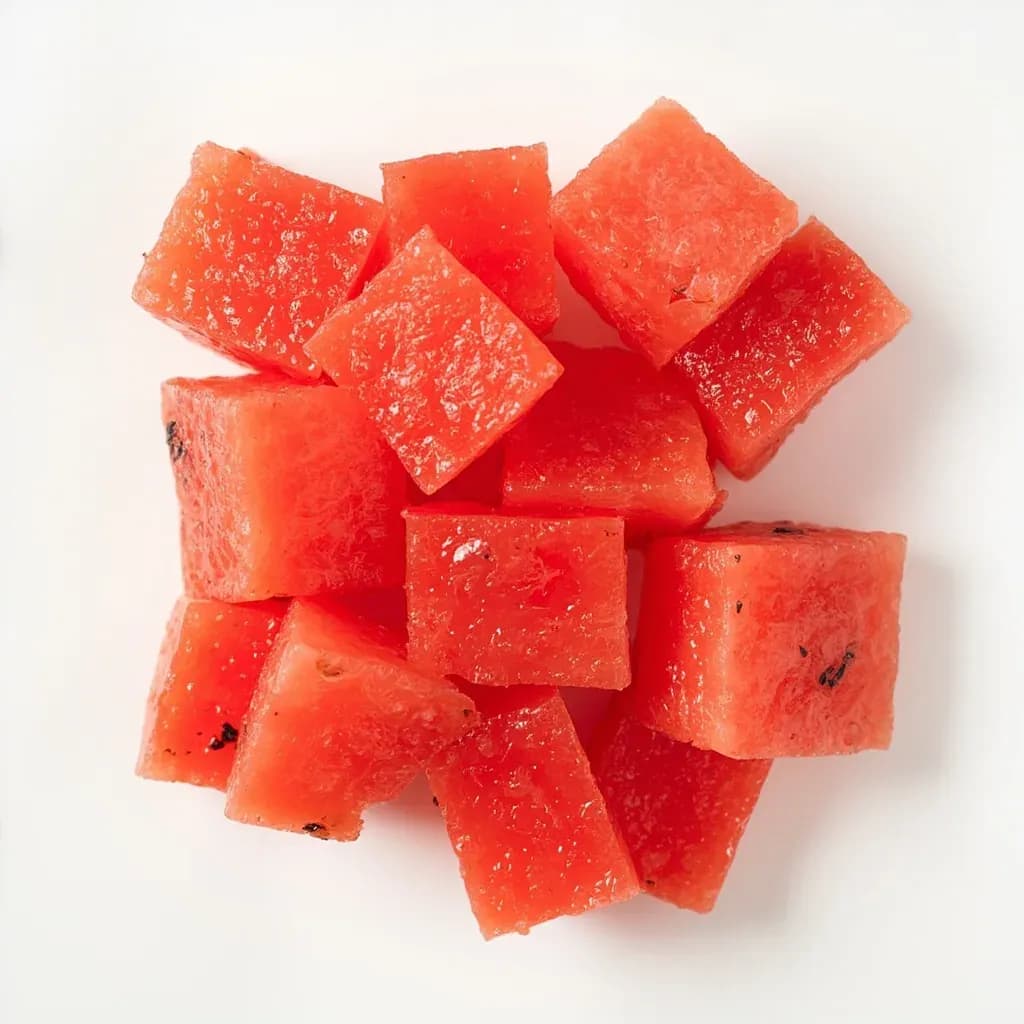
Vacuum Compression
Vacuum-sealing fruit or vegetables to collapse air pockets, intensifying color, density, and flavor.
Yeast Pitching
Adding live yeast to wort or must at the right rate and temperature to start fermentation.
Acidification
Lowering a food's pH with acid or cultures to set texture, season, and keep it safe to preserve.
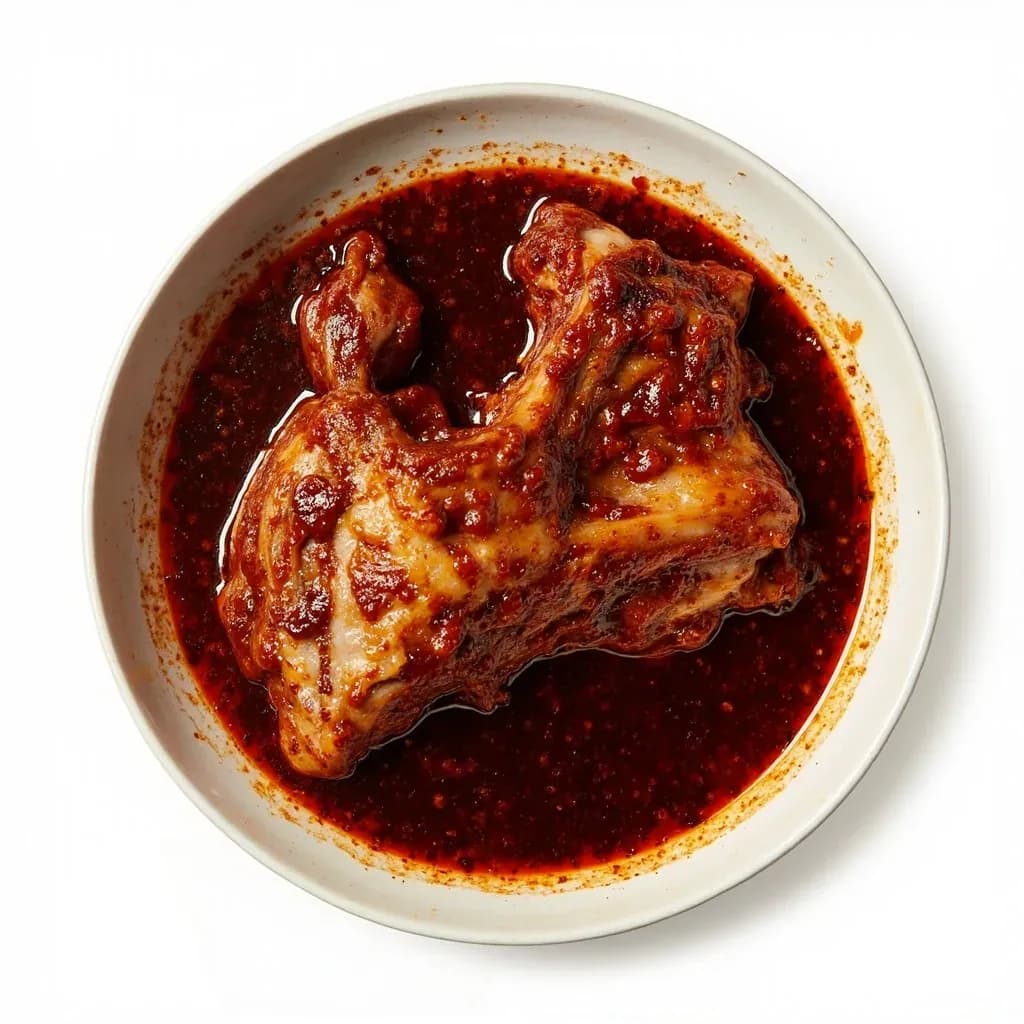
Adobo Marinating
Steeping meat in an acidic adobo of vinegar, garlic, and spices to season, tenderize, and preserve.
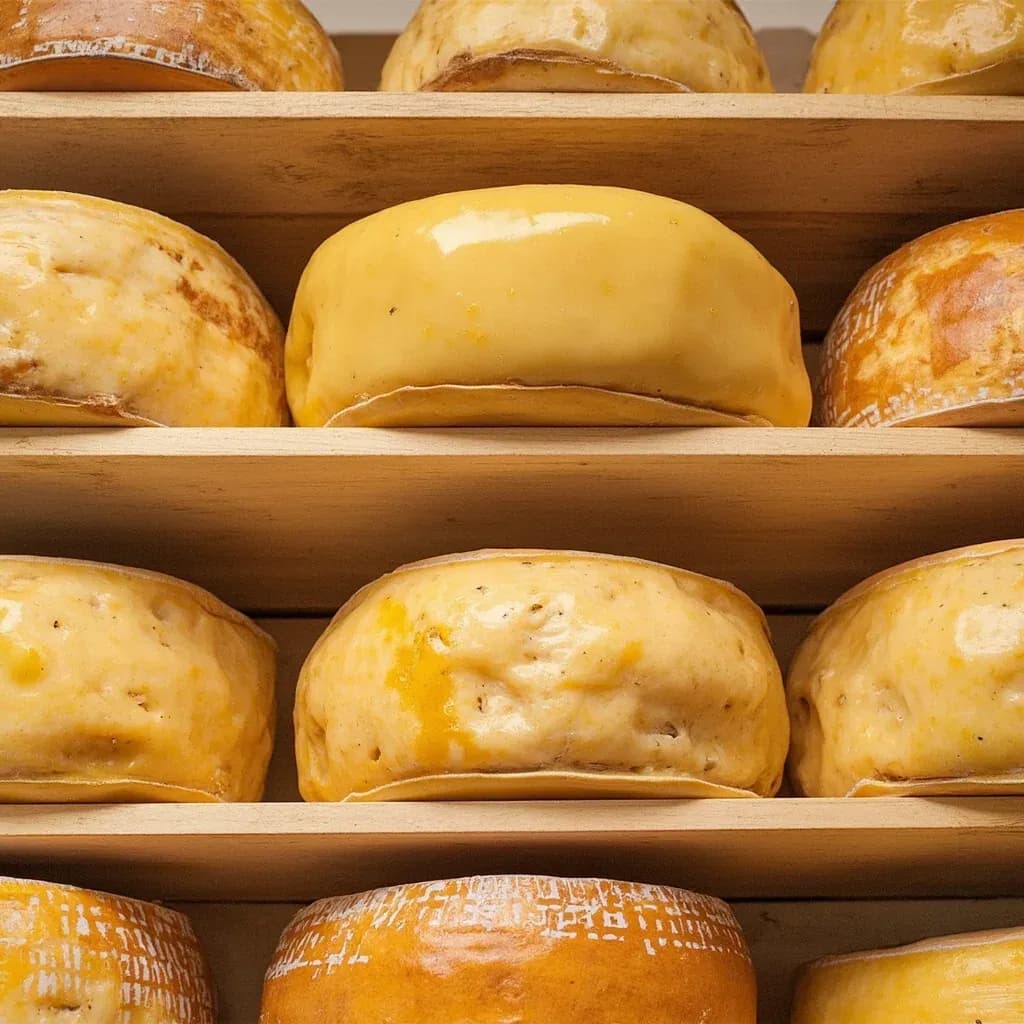
Affinage (Aging/Maturing)
Aging cheese in controlled conditions, washing or turning it, to develop rind, flavor, and texture.
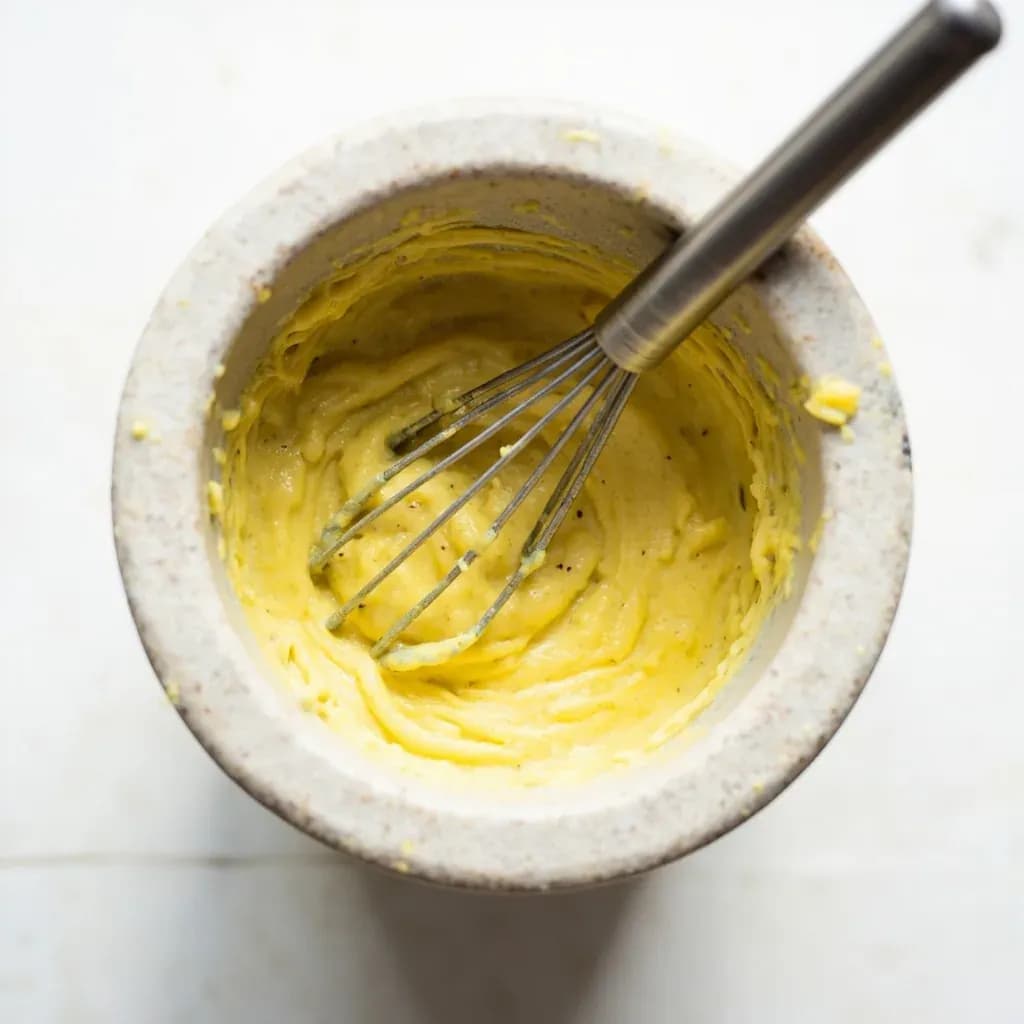
Aioli Emulsifying
Slowly whisking oil into garlic and egg to form a thick, stable garlic emulsion or cold sauce.
Backslopping
Seeding a new ferment with a bit of a previous successful batch to jump-start the culture.
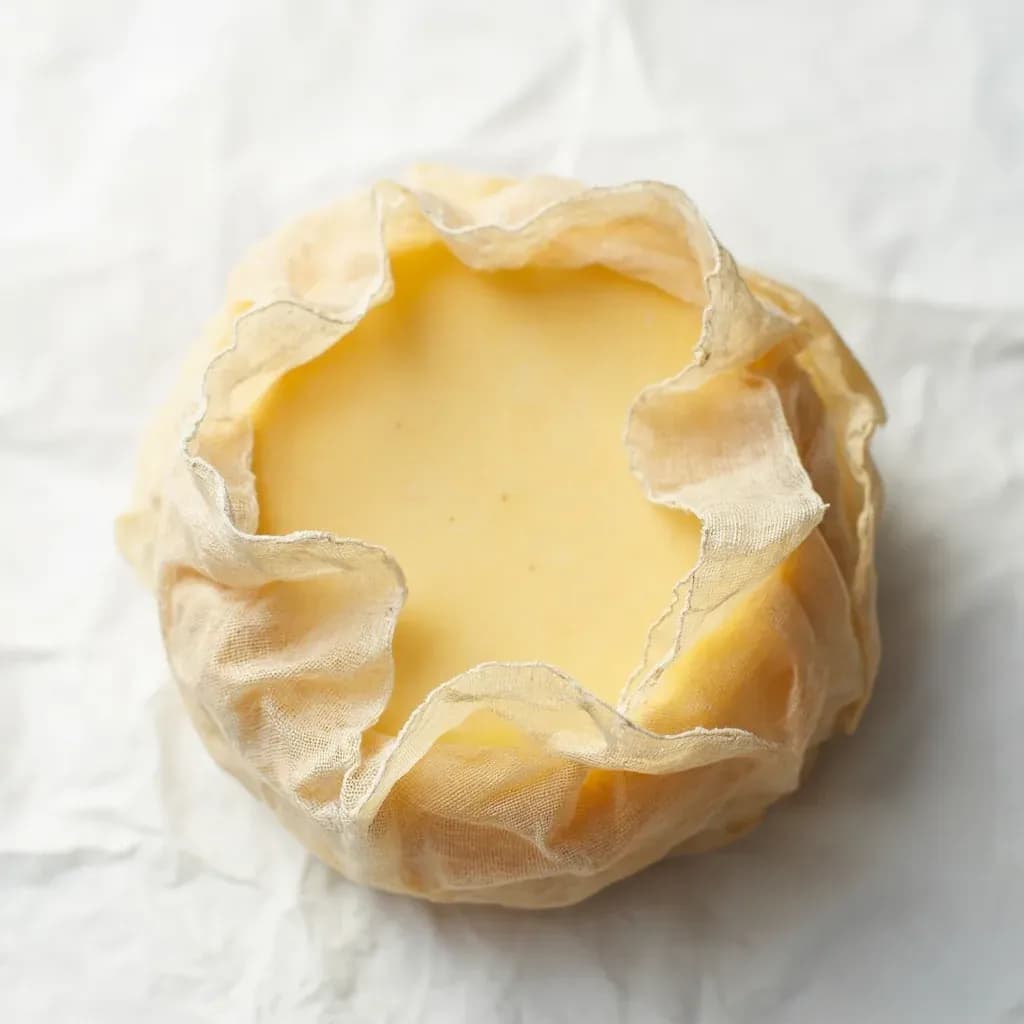
Bandaging (Clothbinding)
Wrapping a cheese wheel in lard-greased cloth before aging to protect it and shape its rind.

Carbonation
Dissolving CO2 into a liquid to give drinks fizz, whether forced or naturally from fermentation.
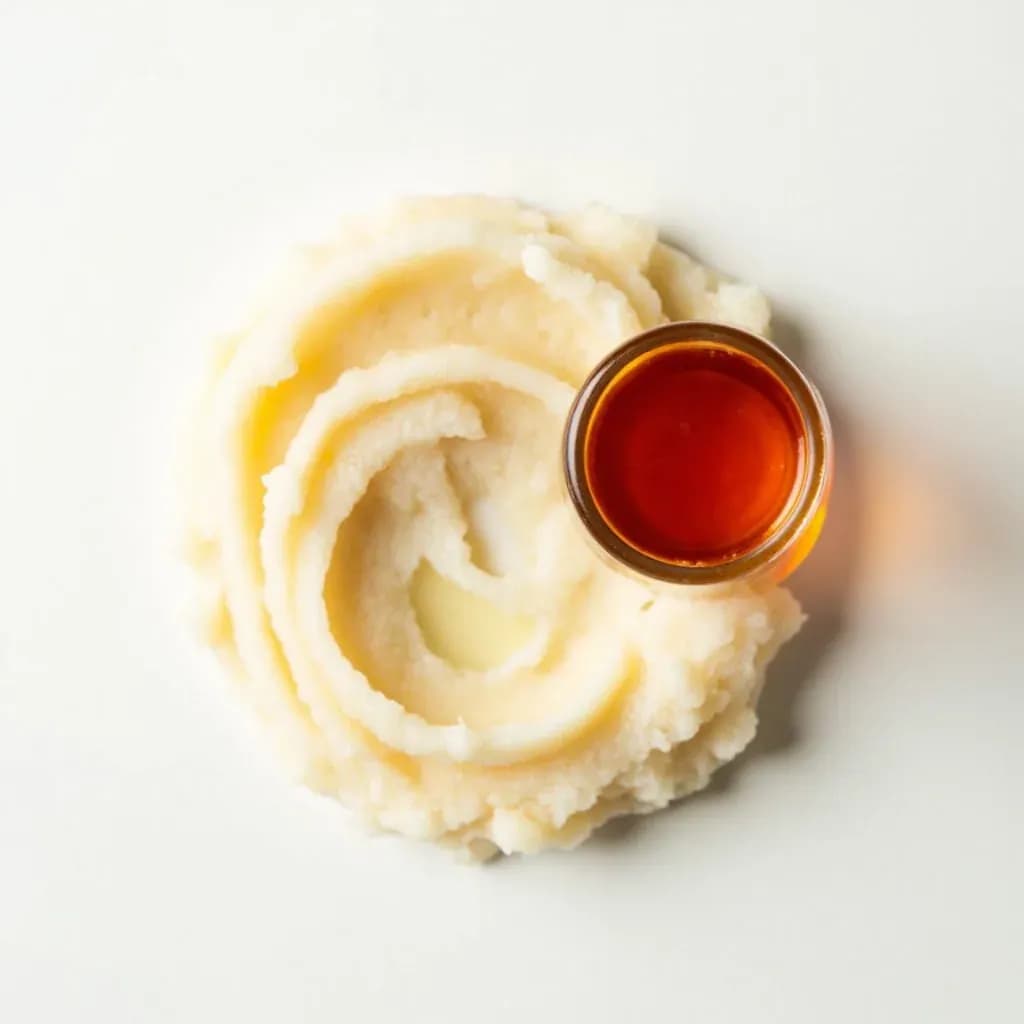
Centrifugation (Clarification)
Spinning a liquid at high speed to separate solids and clarify juices, stocks, or purees.
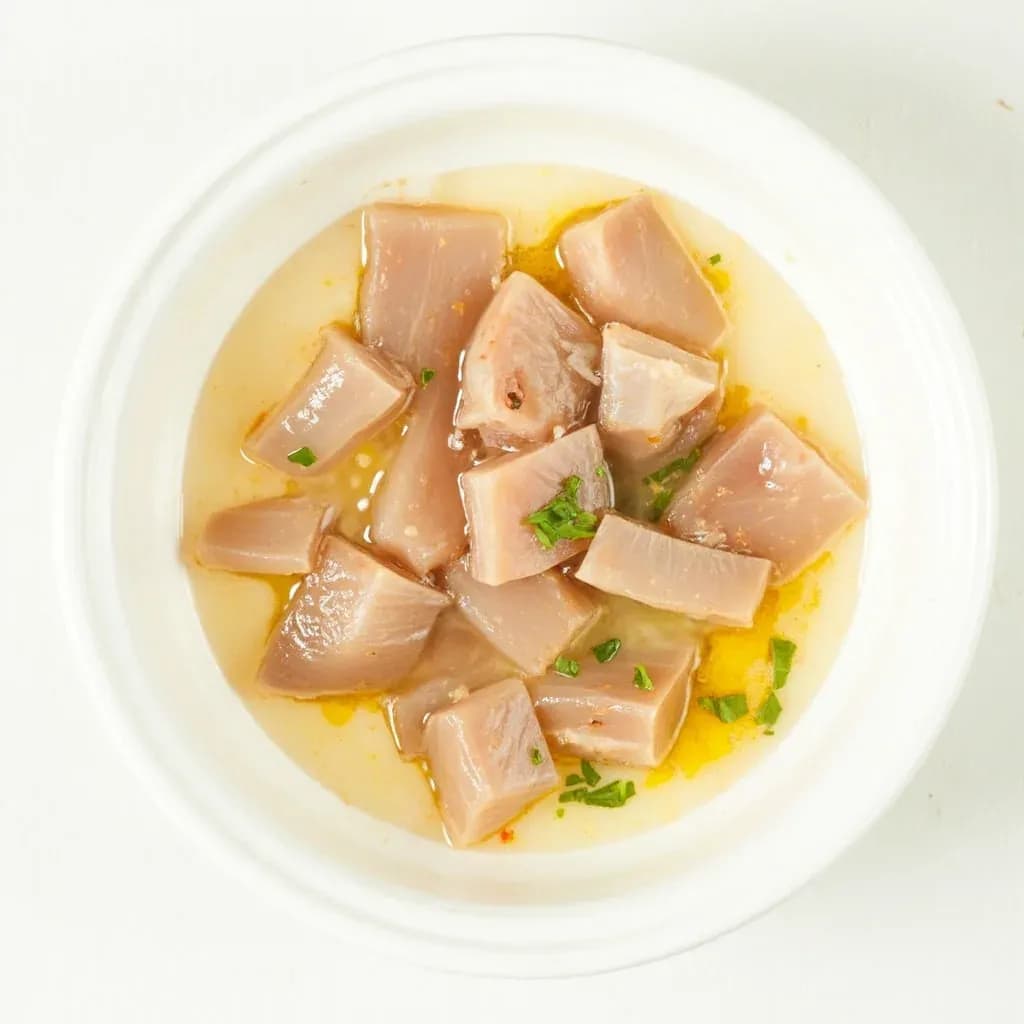
Ceviche (Acid Curing)
Curing raw fish or seafood in citrus juice so the acid firms and 'cooks' it without heat.
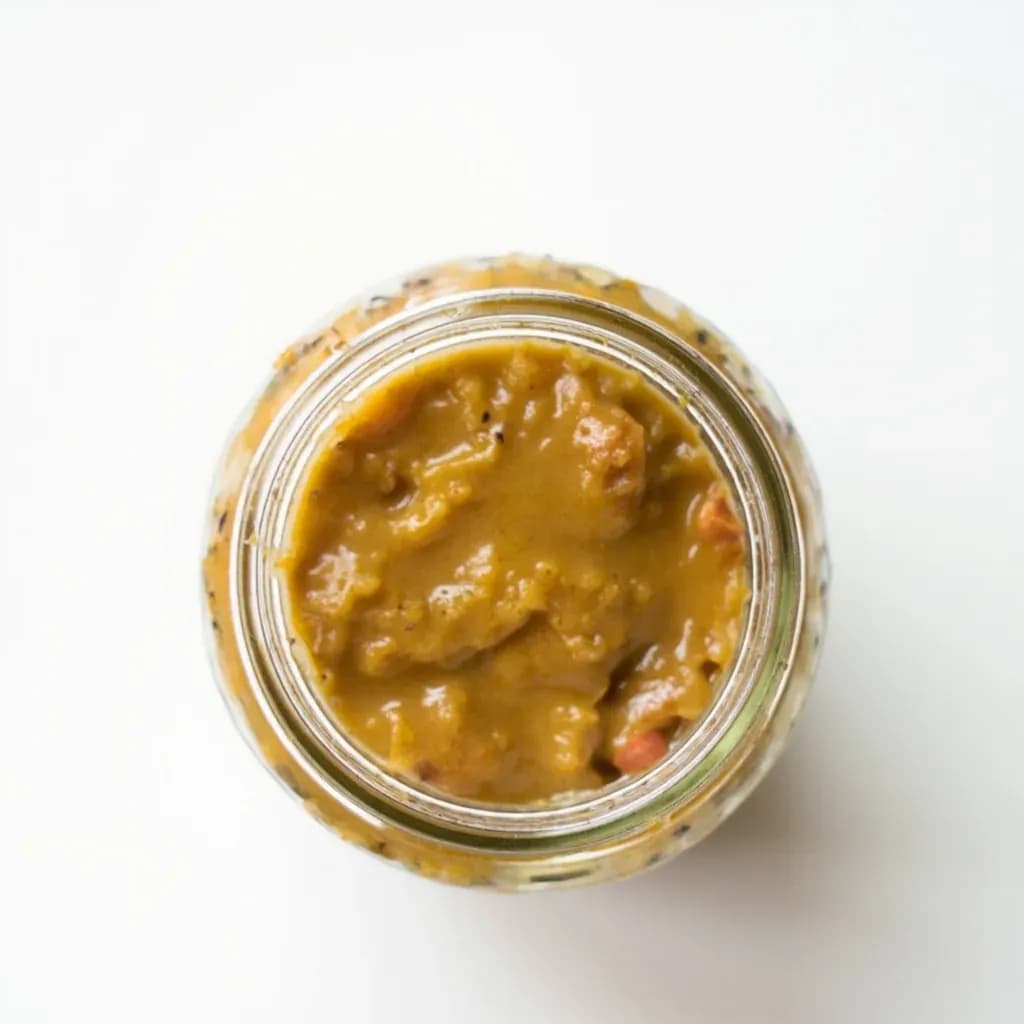
Checking the Lid Seal (Vacuum Test)
Verifying a canning jar lid has sealed under vacuum so the preserve is shelf-stable and safe.
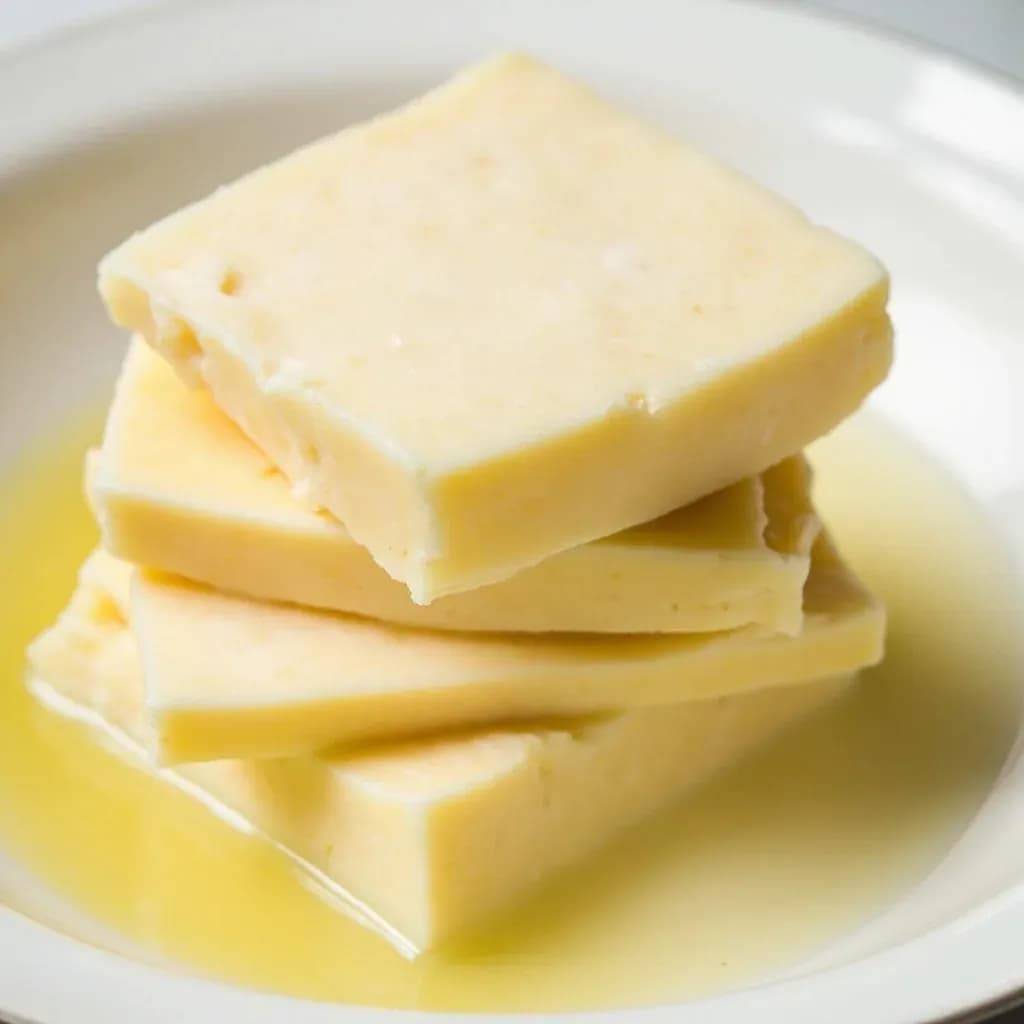
Cheddaring
Stacking and turning warm curd slabs to drain whey and build the dense texture of cheddar.
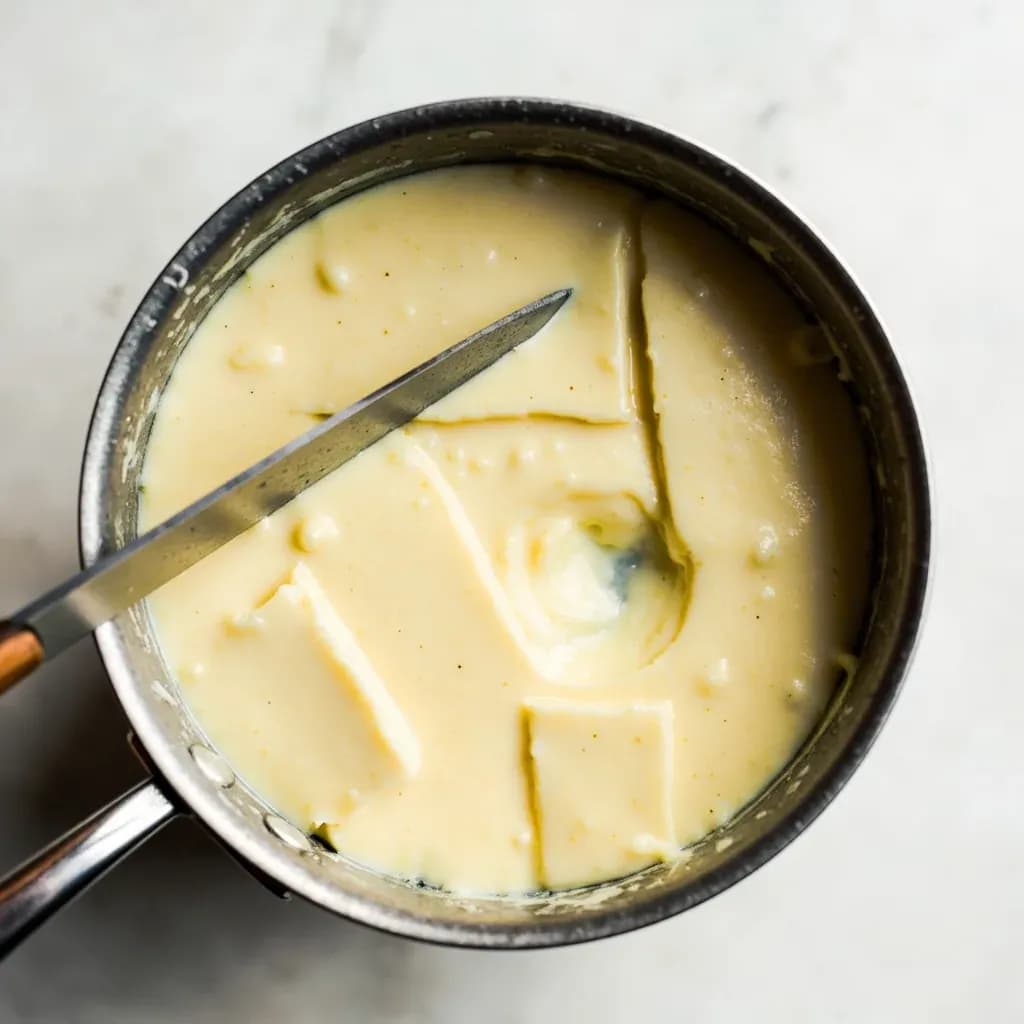
Coagulation (Setting Curd)
Setting milk into curds with rennet or acid, separating solids from whey to make cheese.
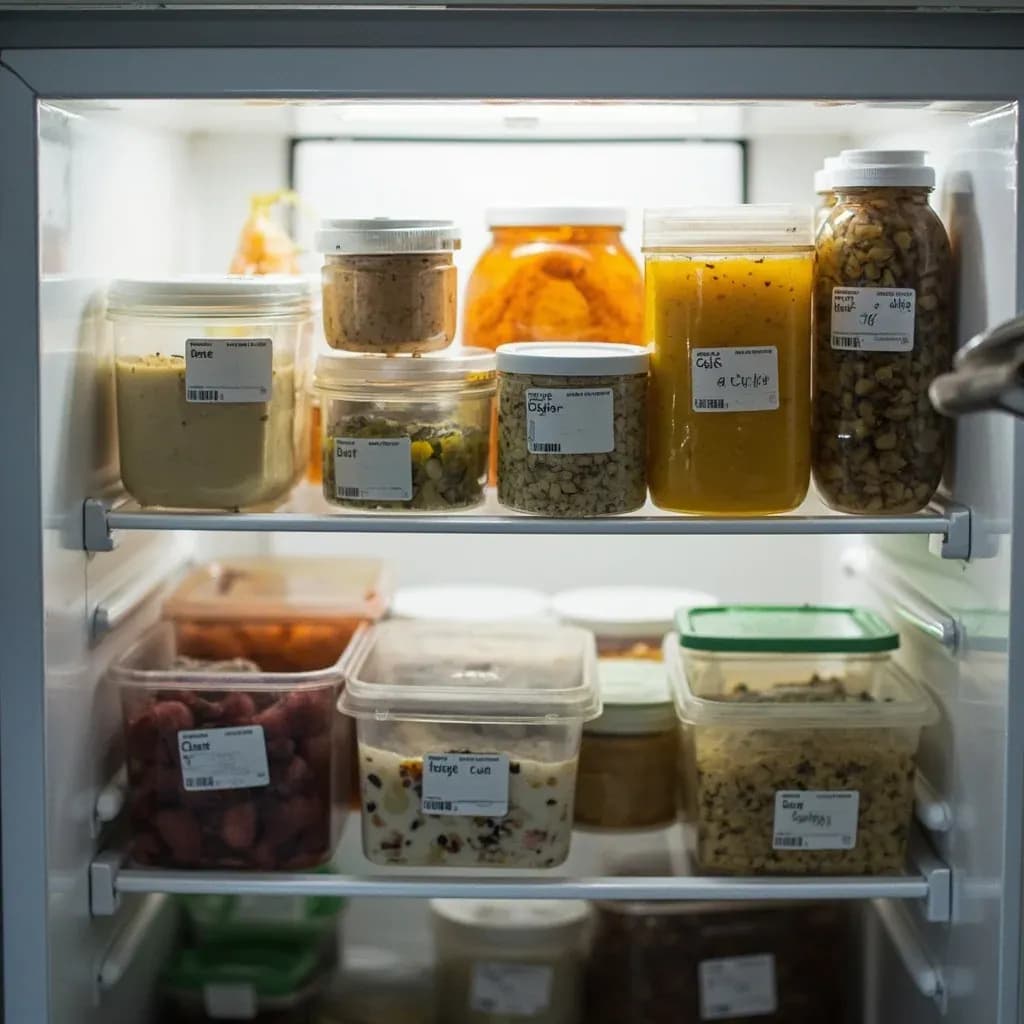
Cold Storage
Holding food at controlled low temperatures to slow spoilage and extend shelf life.
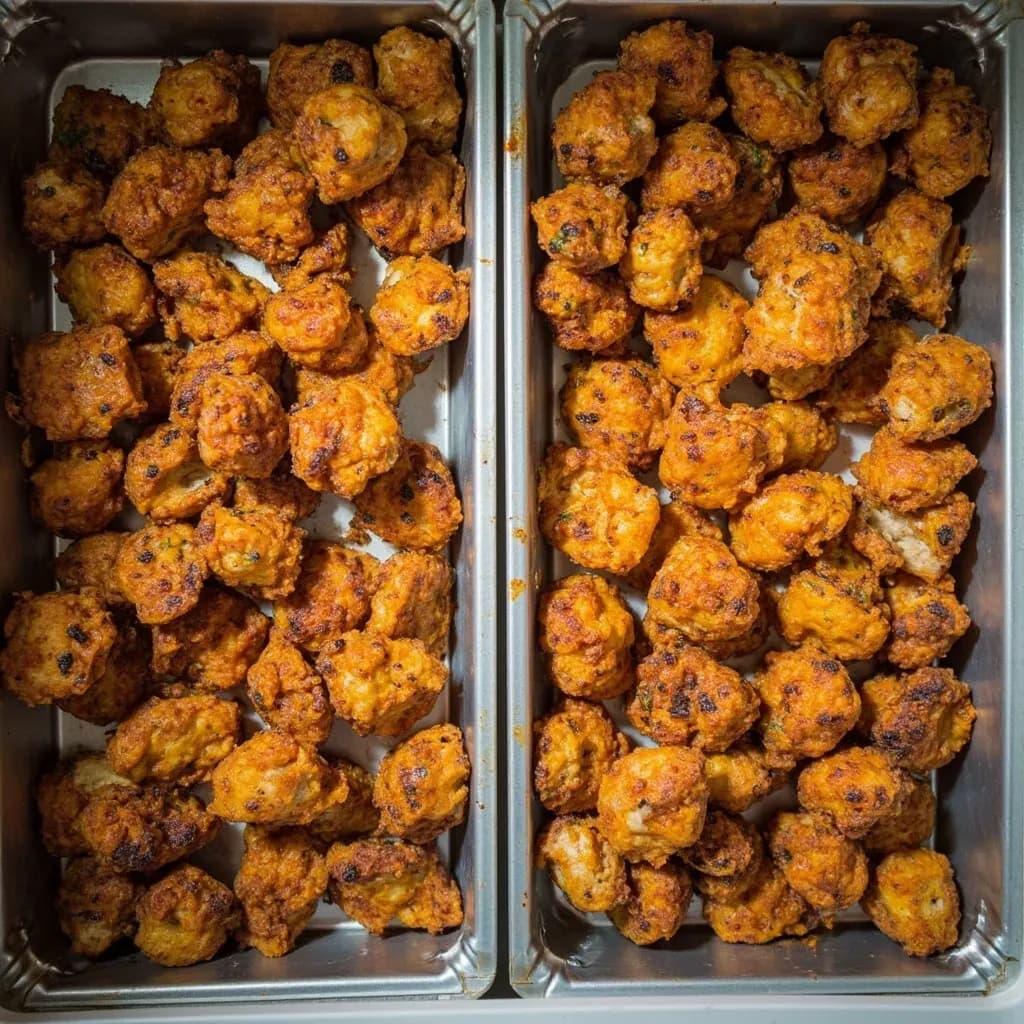
Cook-Chill
Cooking food then rapidly chilling it for safe storage and later reheating.
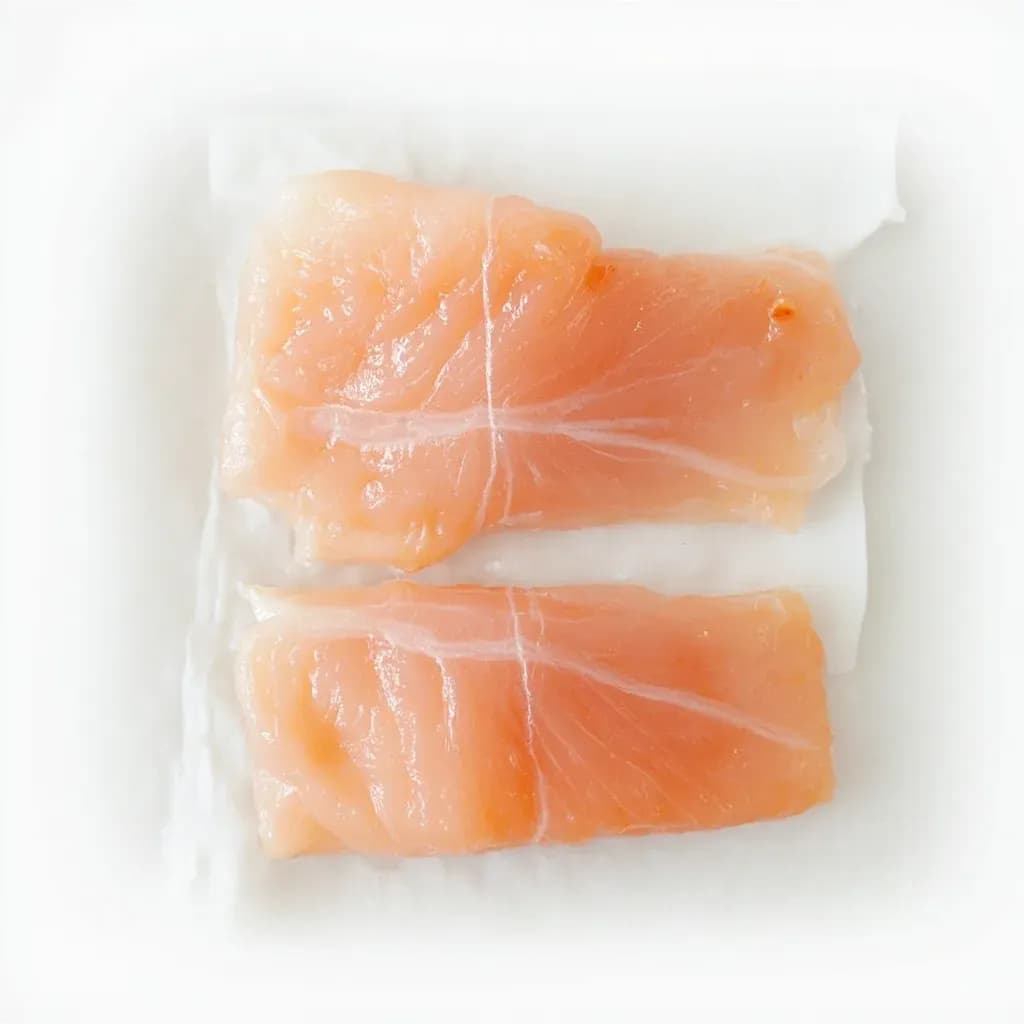
Enzymatic Binding (Transglutaminase)
Using transglutaminase to chemically bond proteins into seamless larger pieces.
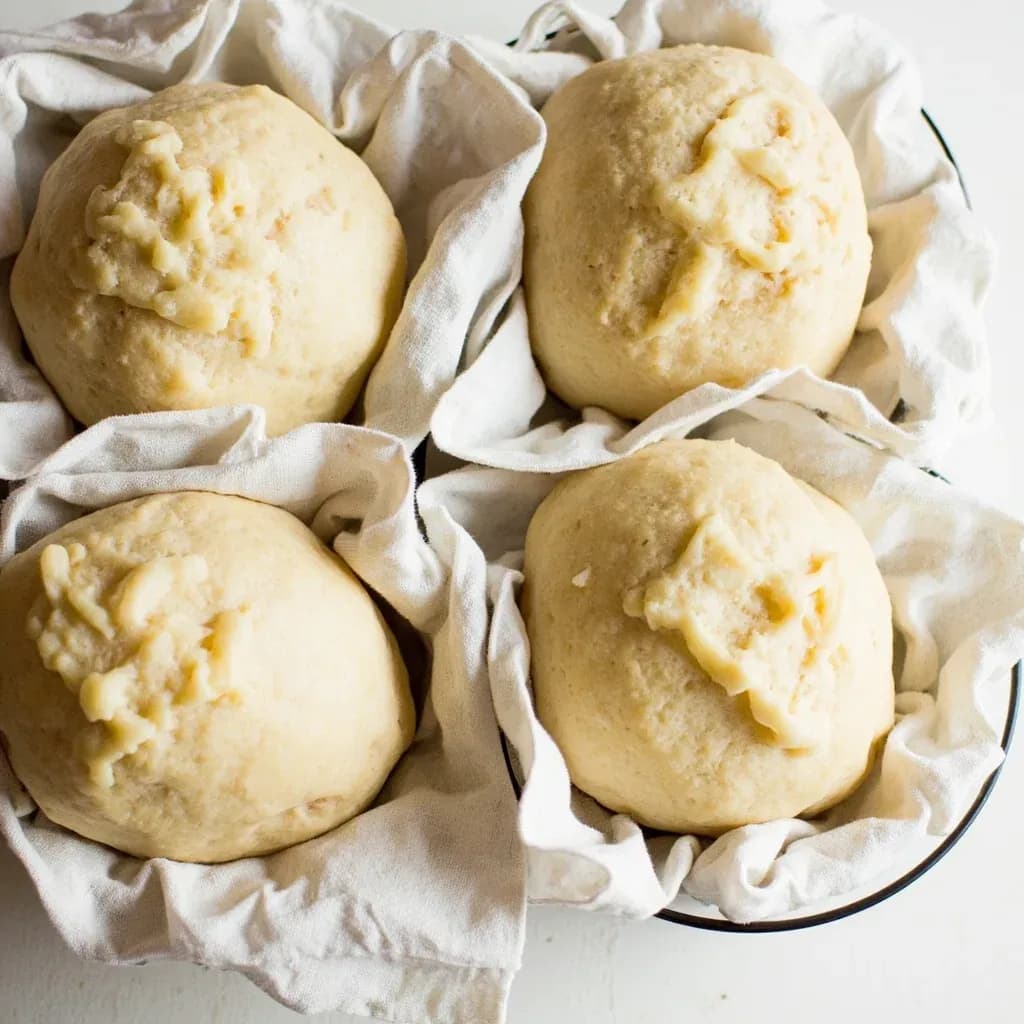
Final Proofing (Apprêt)
The last rise of shaped dough before baking, building volume and open crumb.
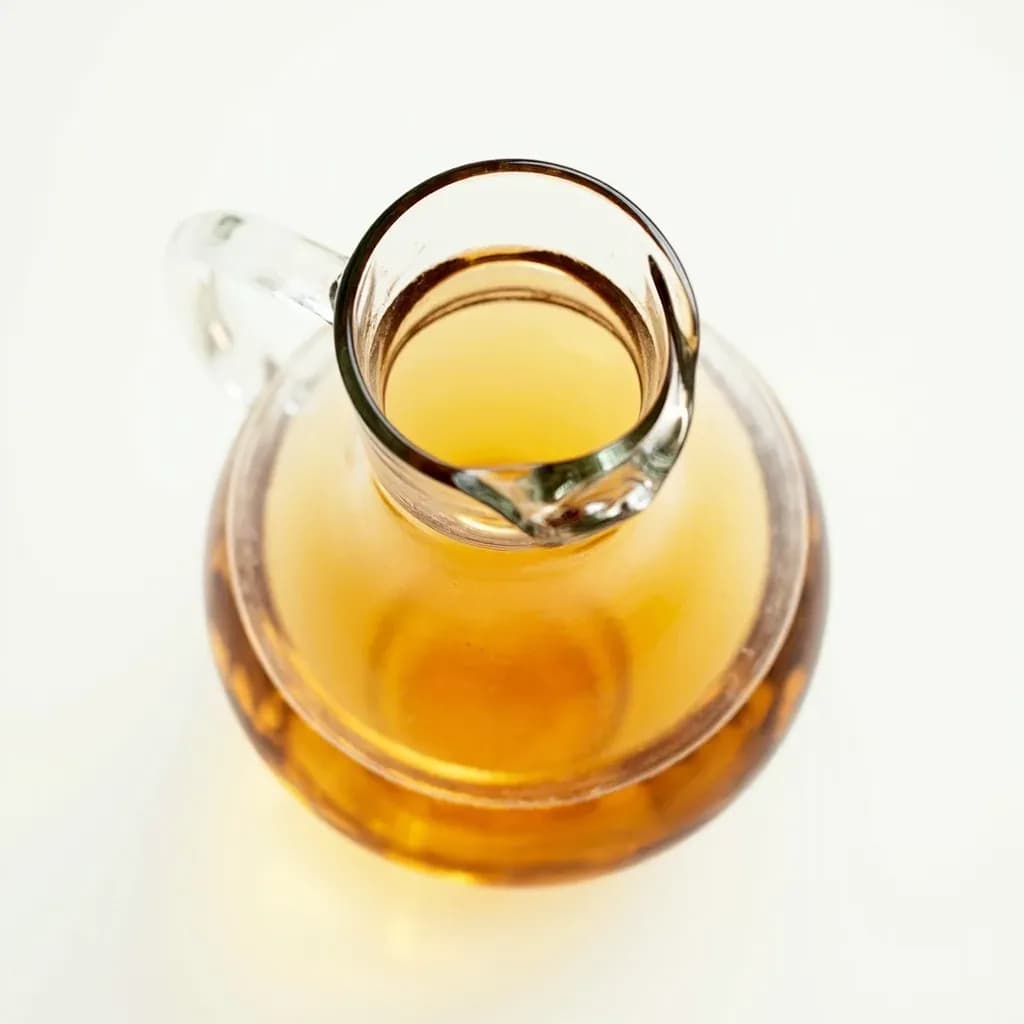
Fining / Clarification
Removing haze and suspended particles from liquids to leave them clear.
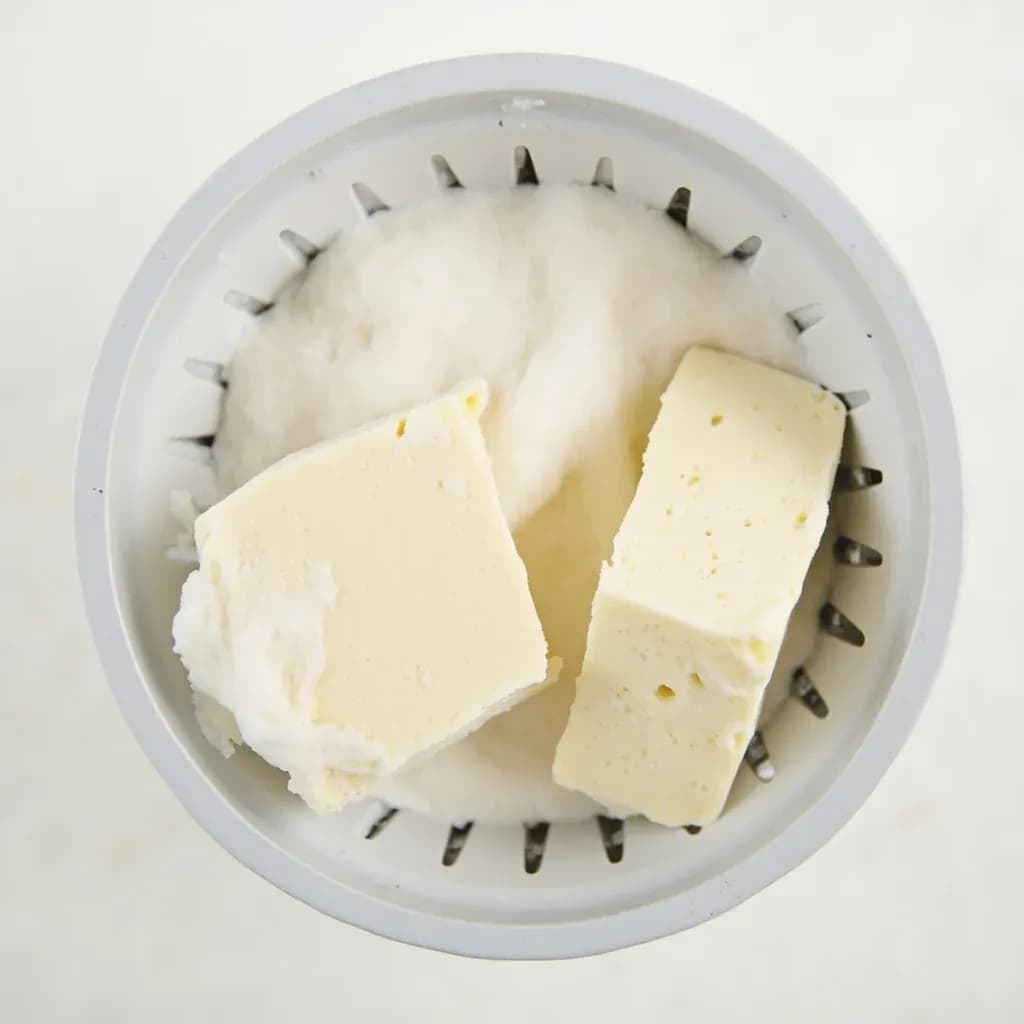
Freezing Tofu (for Texture)
Freezing and thawing tofu to create a chewy, sponge-like texture that soaks up sauce.
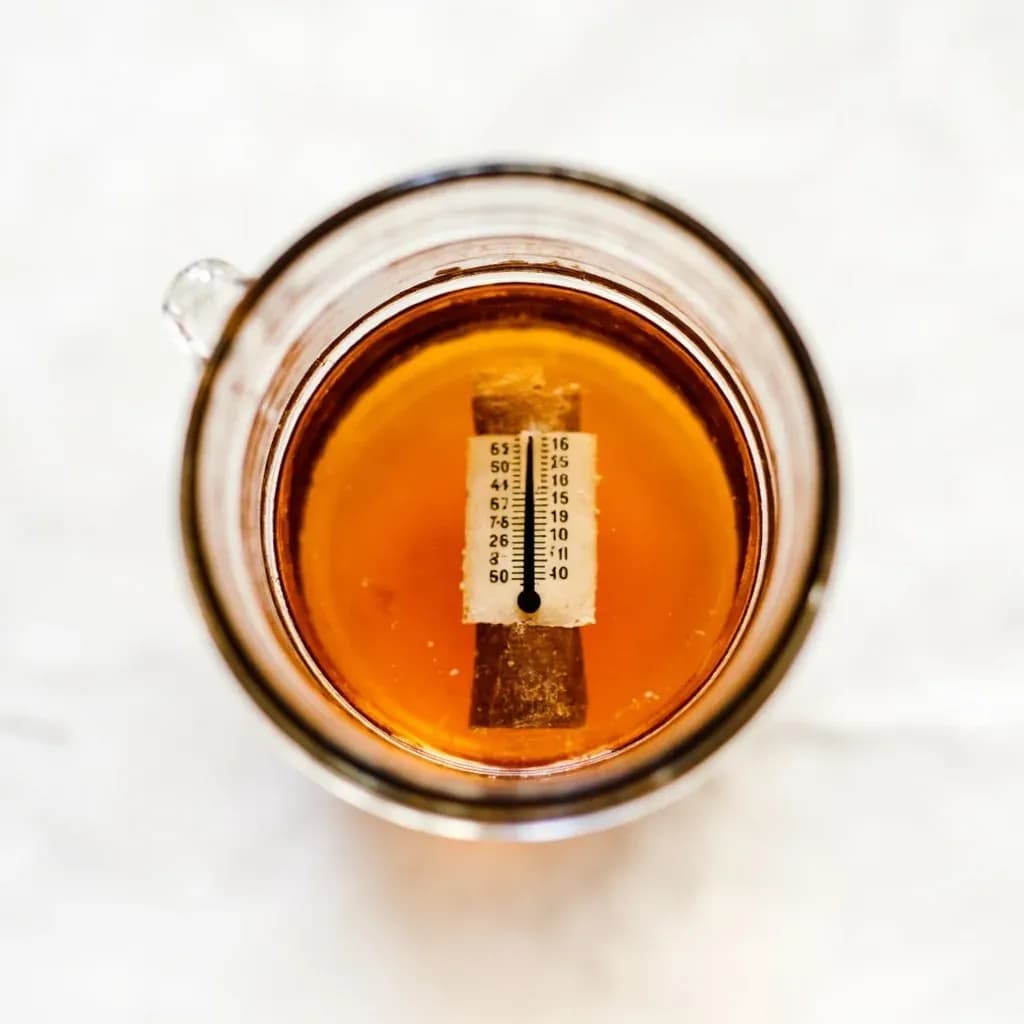
Gravity Reading
Measuring a liquid's specific gravity to track sugar content and fermentation.
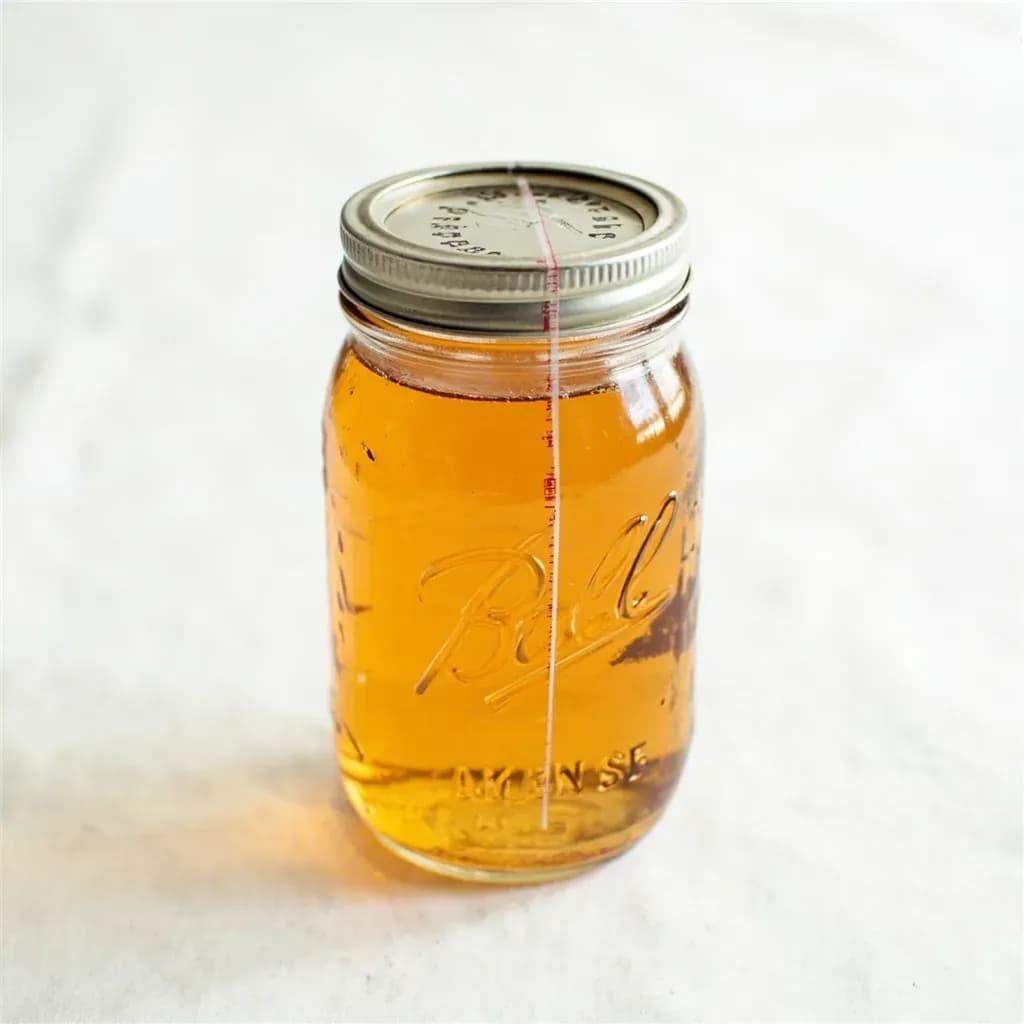
Headspace Measuring
Leaving the correct empty gap in a jar so canned food seals and expands safely.
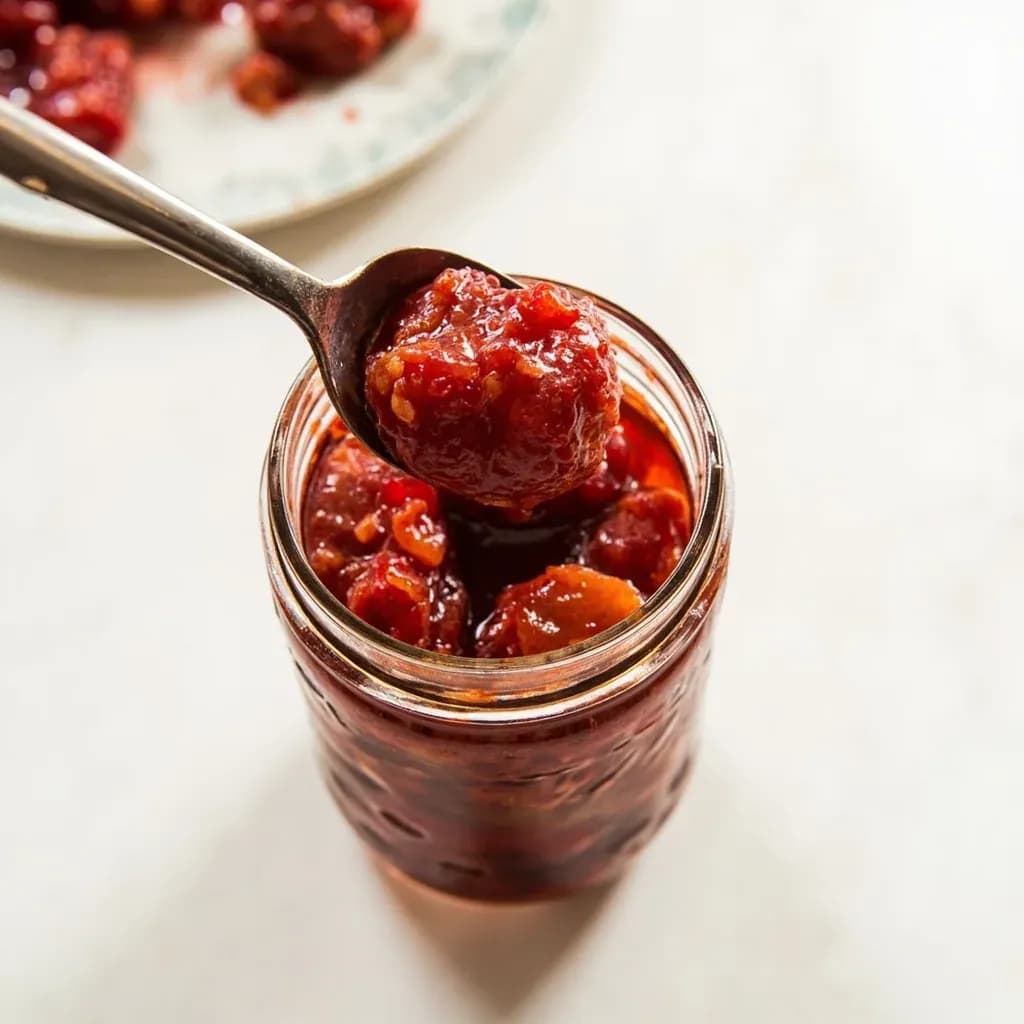
Hot Pack
Filling canning jars with pre-heated food to drive out air and improve seal.
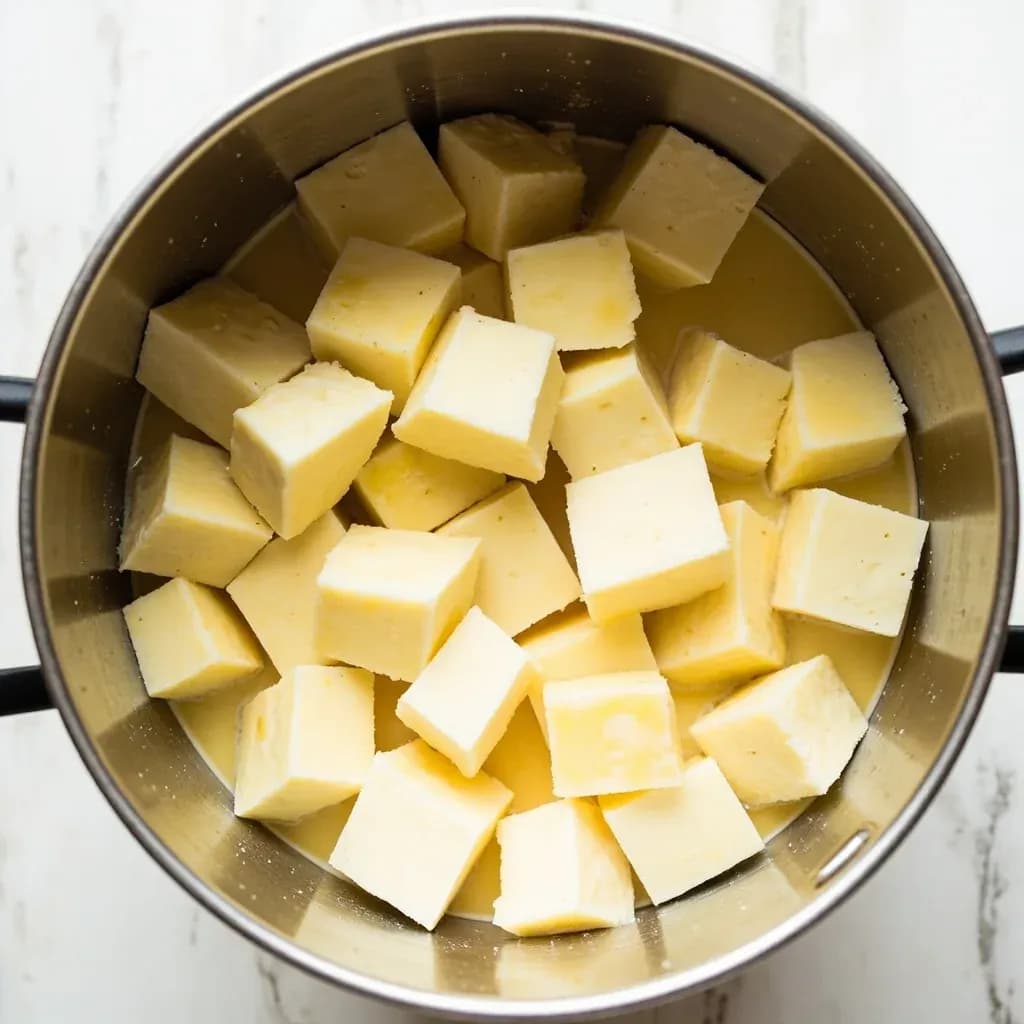
Milling the Curd
Breaking pressed cheese curd into small pieces before salting and molding.
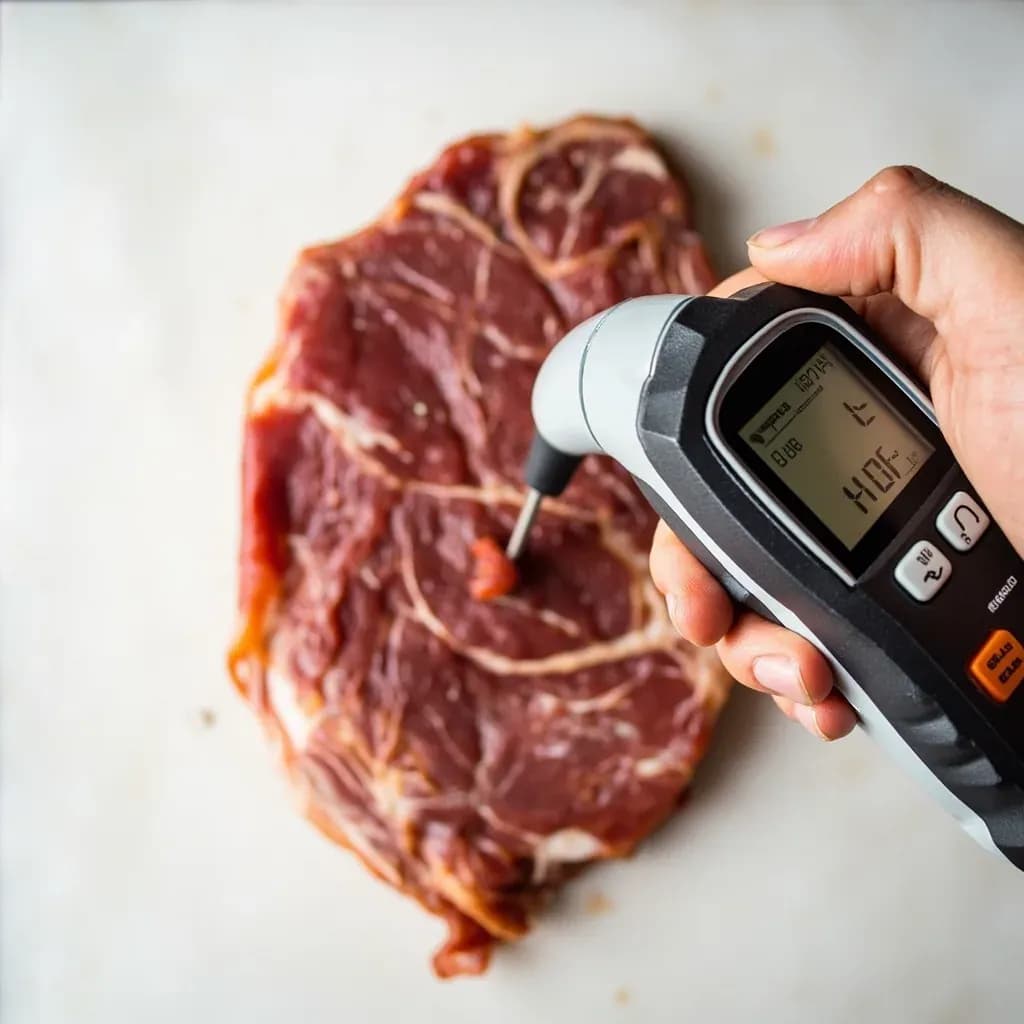
Moisture Testing
Checking a food's water content to gauge doneness, drying, or shelf stability.
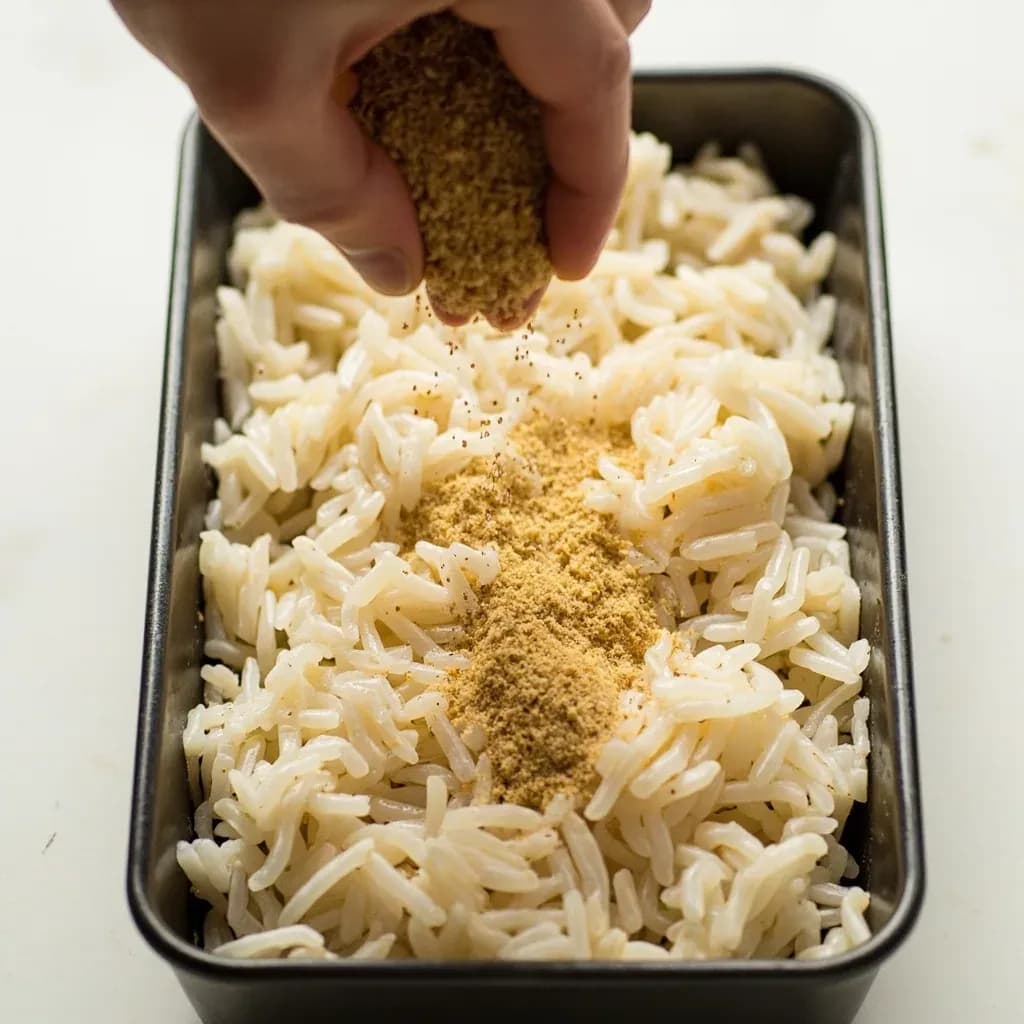
Mold Inoculation
Introducing beneficial molds or cultures to start a controlled fermentation.
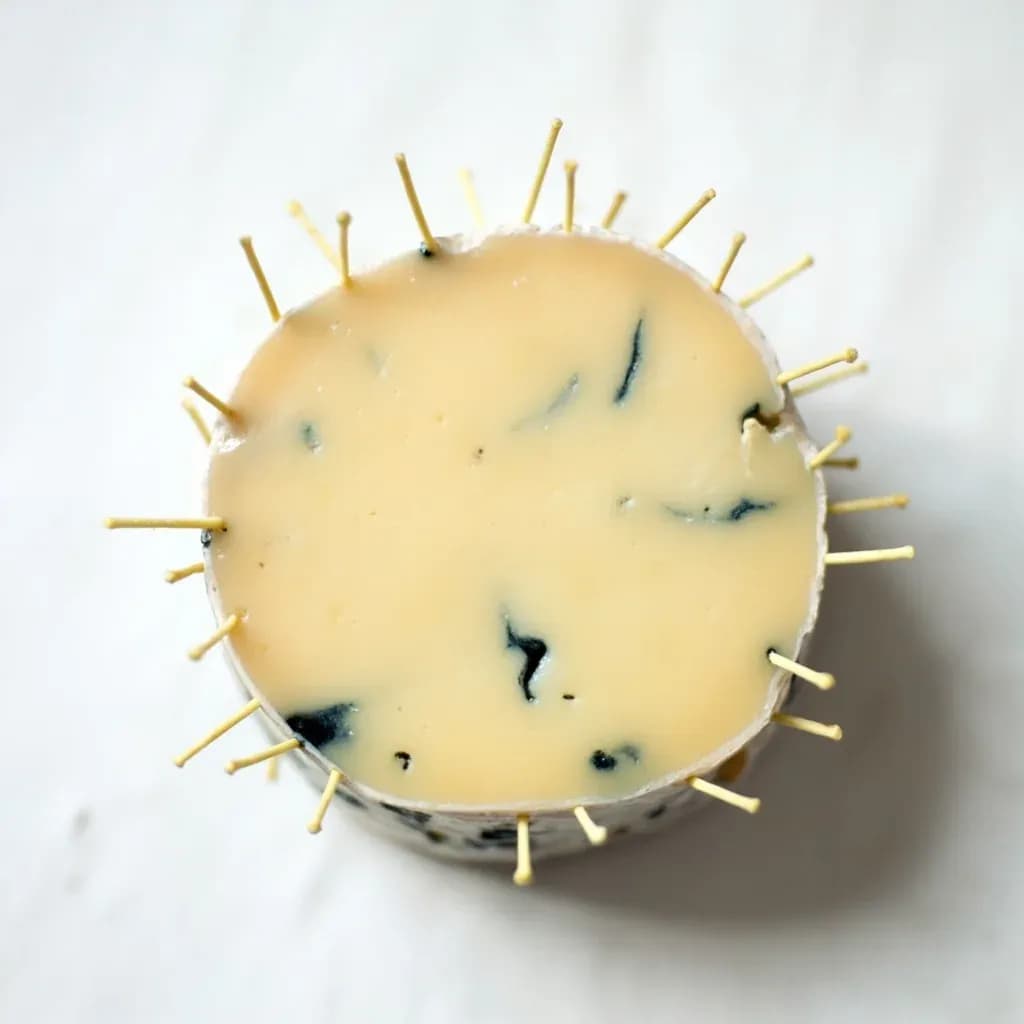
Piercing (Blue Aeration)
Spiking aging cheese with needles to admit air so blue mold can grow inside.
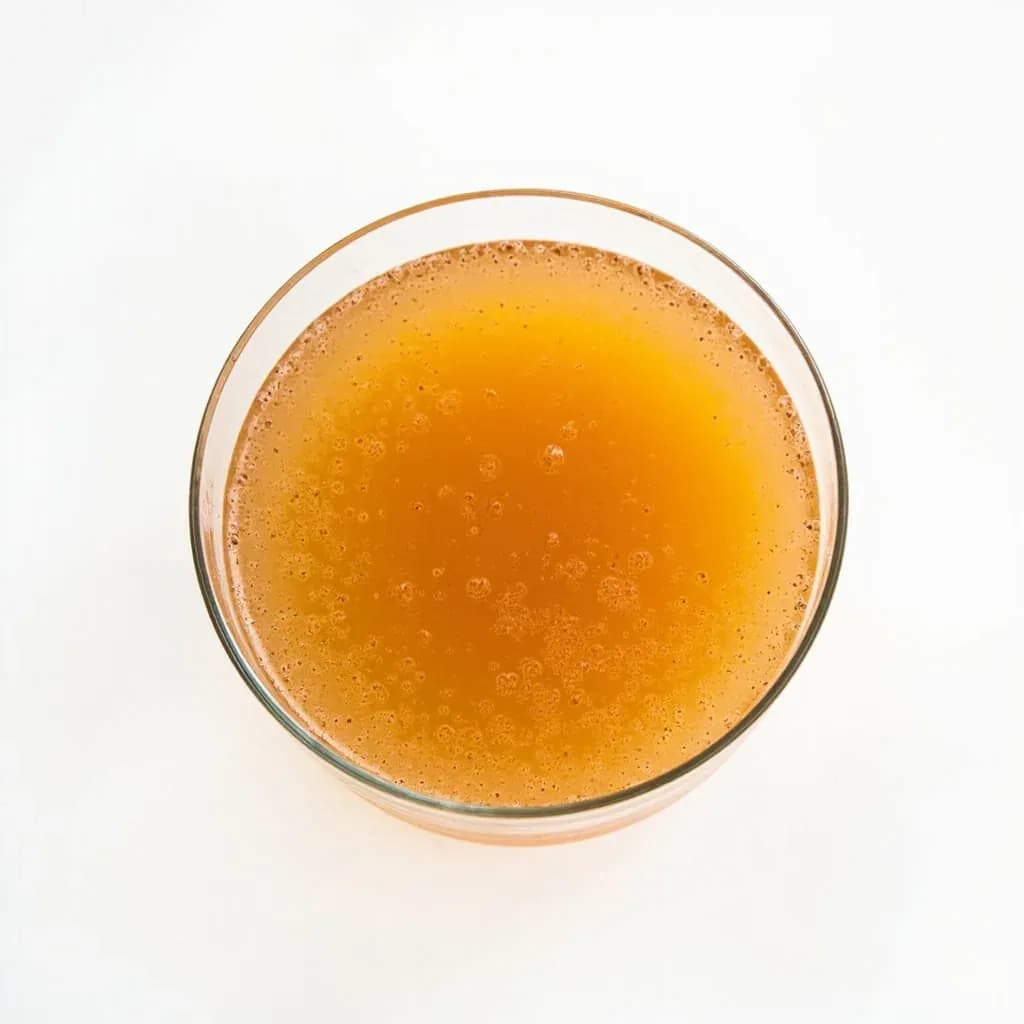
Poolish Preferment
A wet flour-water-yeast preferment that builds flavor and strength before mixing.
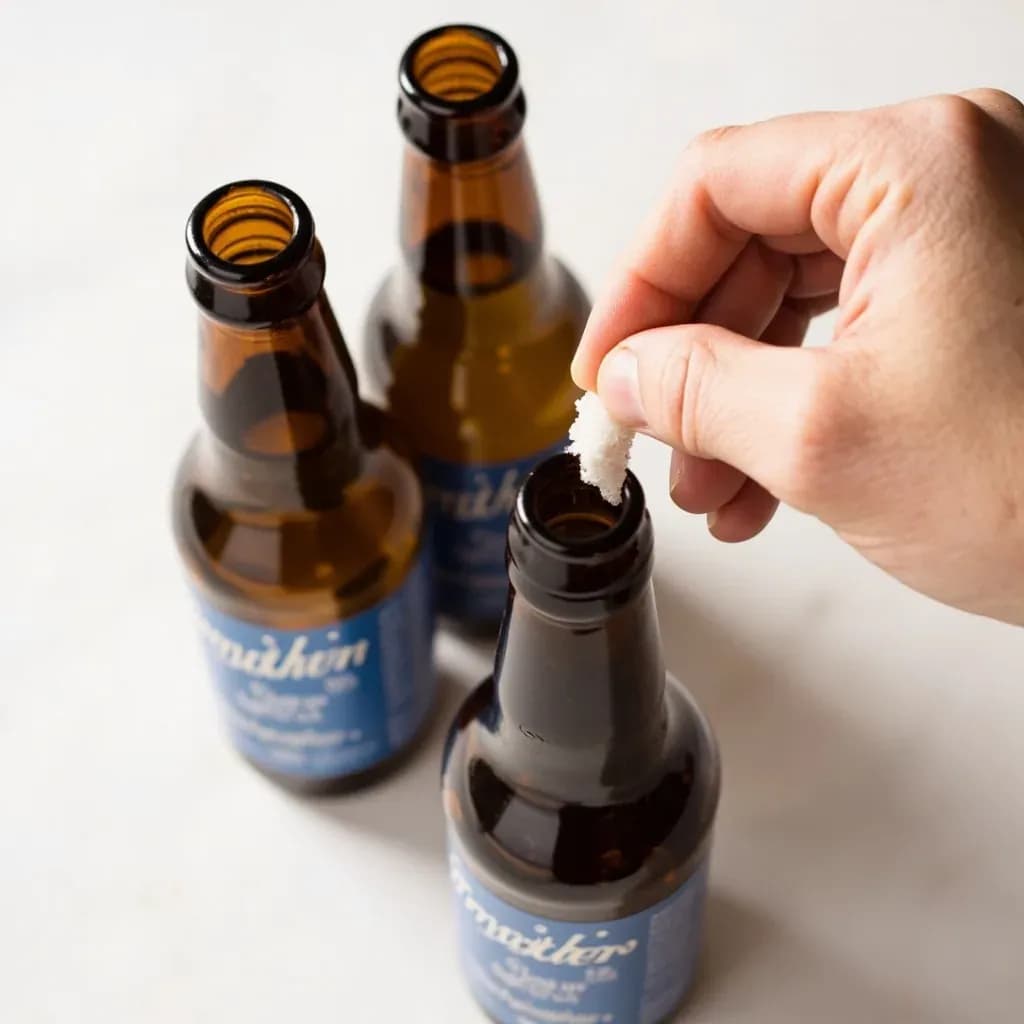
Priming
Adding sugar at bottling so fermentation carbonates the drink in the container.
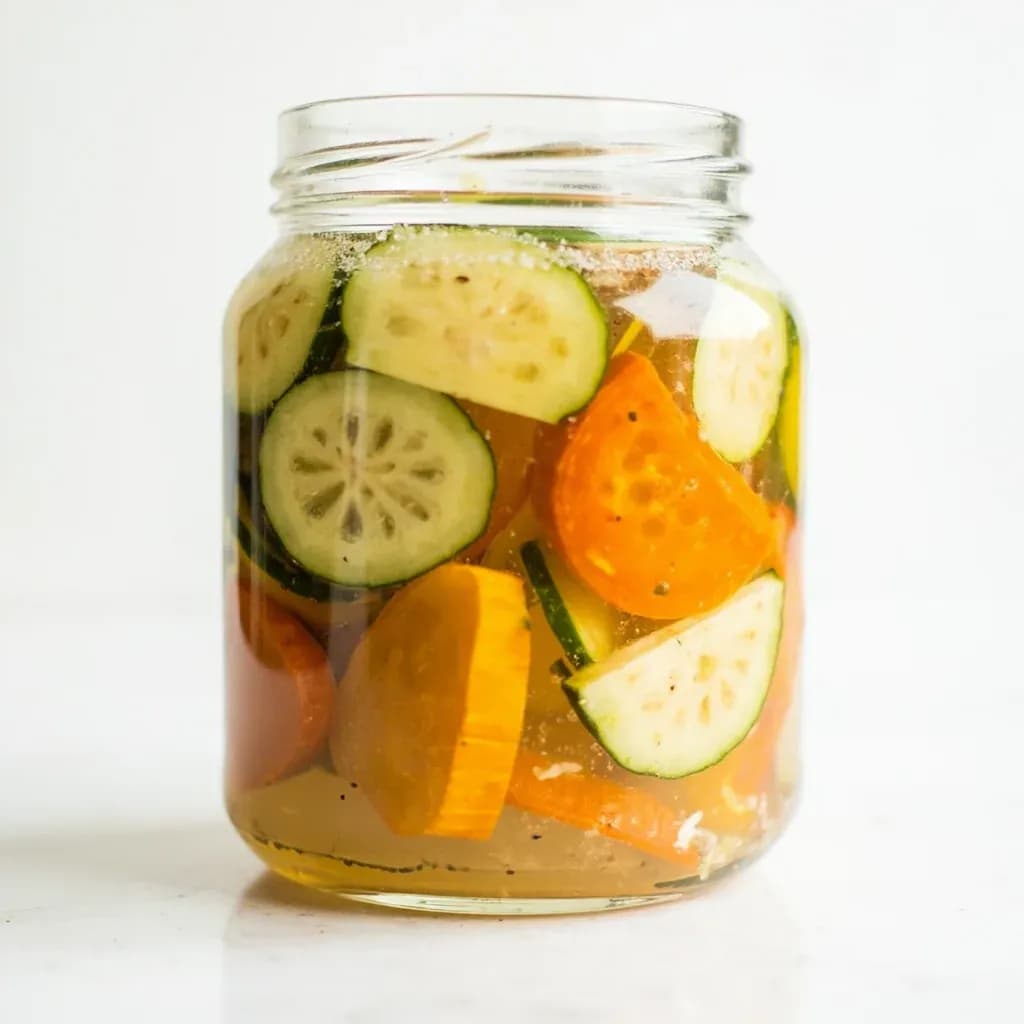
Quick Pickling
Steeping vegetables in a hot vinegar brine for fast, tangy refrigerator pickles.
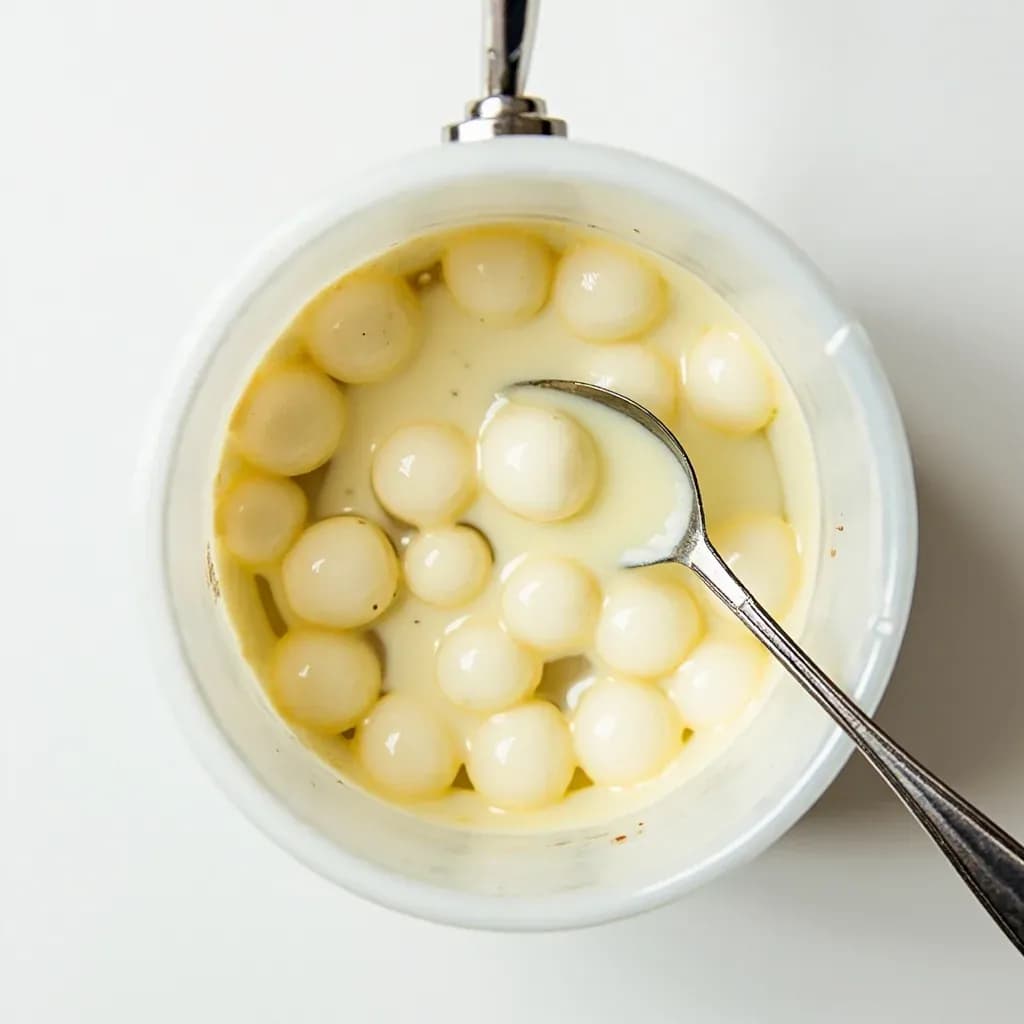
Reverse Spherification
Dropping a calcium-rich liquid into an alginate bath to form liquid-filled spheres.
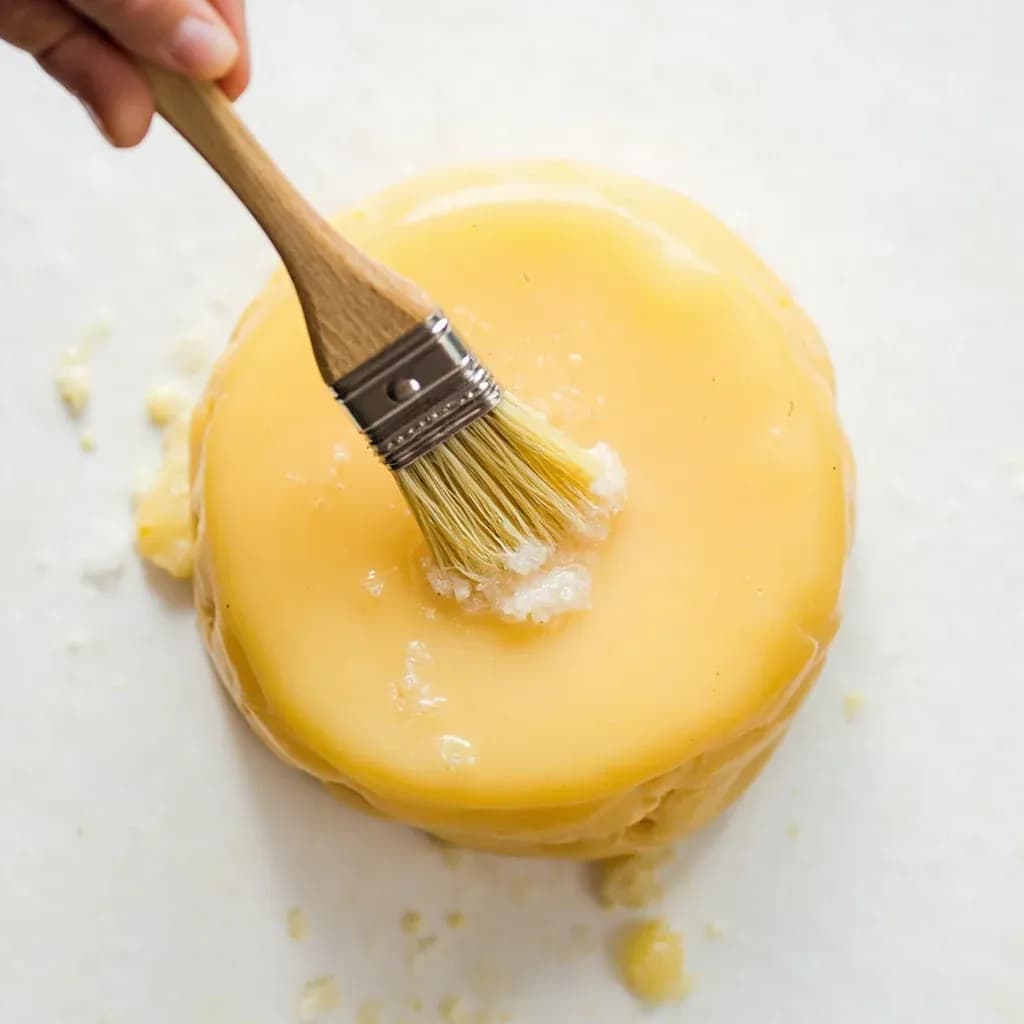
Rind Washing
Bathing aging cheese in brine or alcohol to grow a pungent, flavorful rind.
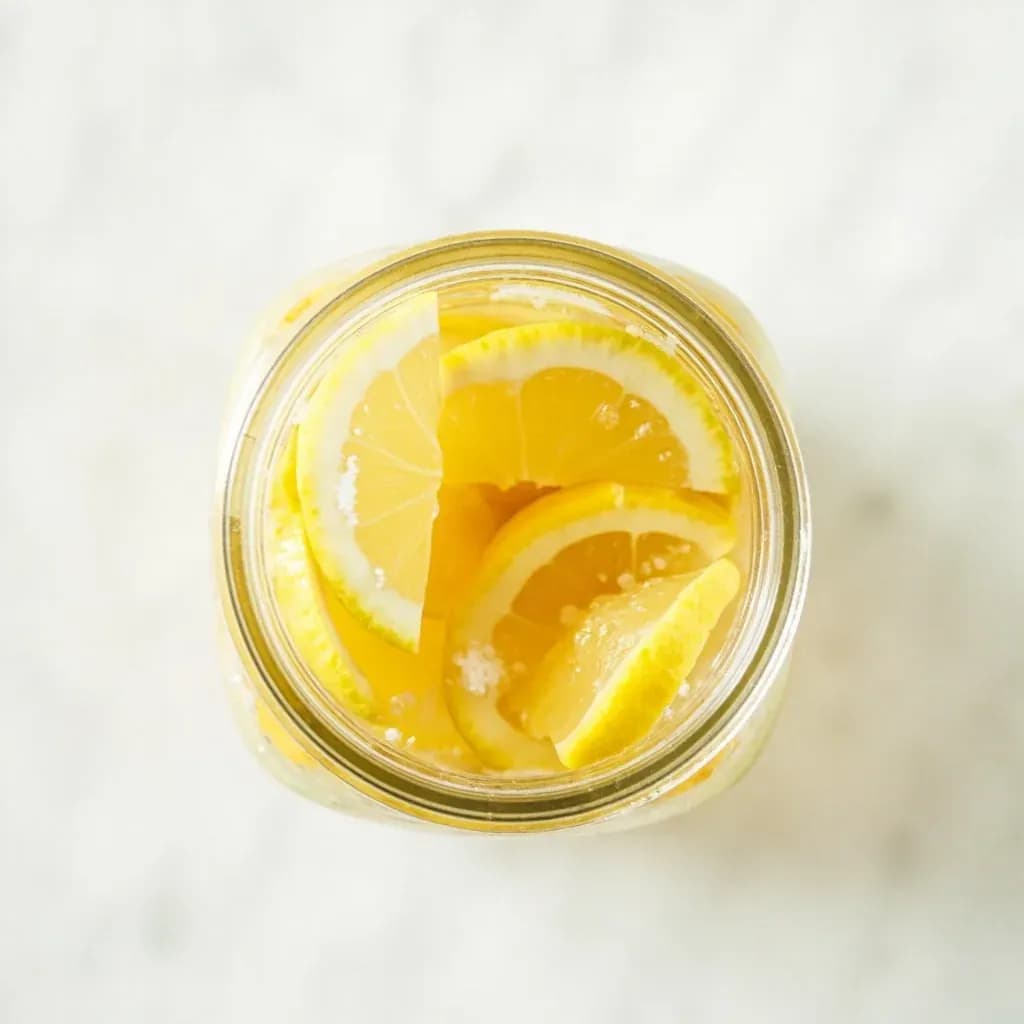
Salt-Preserving Lemons
Packing lemons in salt to cure them into soft, intensely savory preserved lemons.
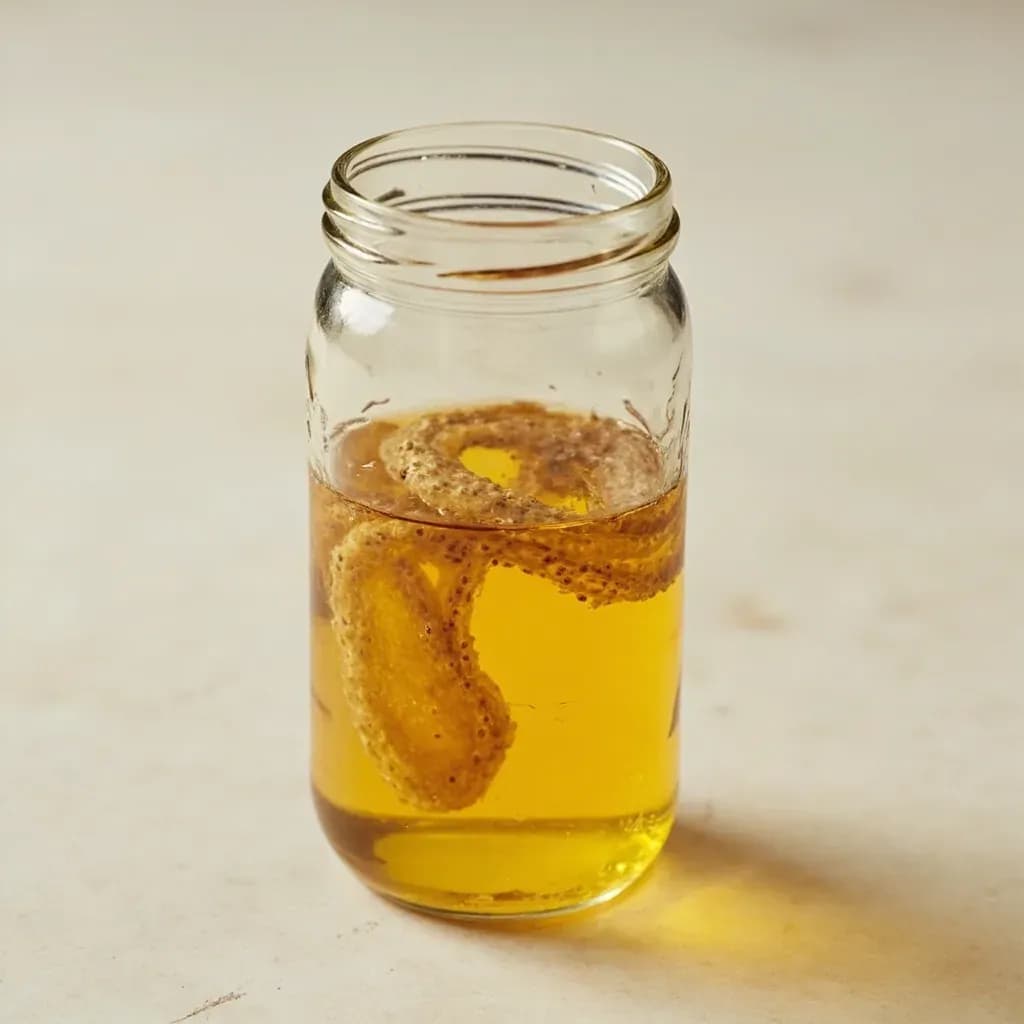
Vinegar Mother Propagation
Keeping and feeding a vinegar mother or SCOBY so fermentation can continue batch to batch.
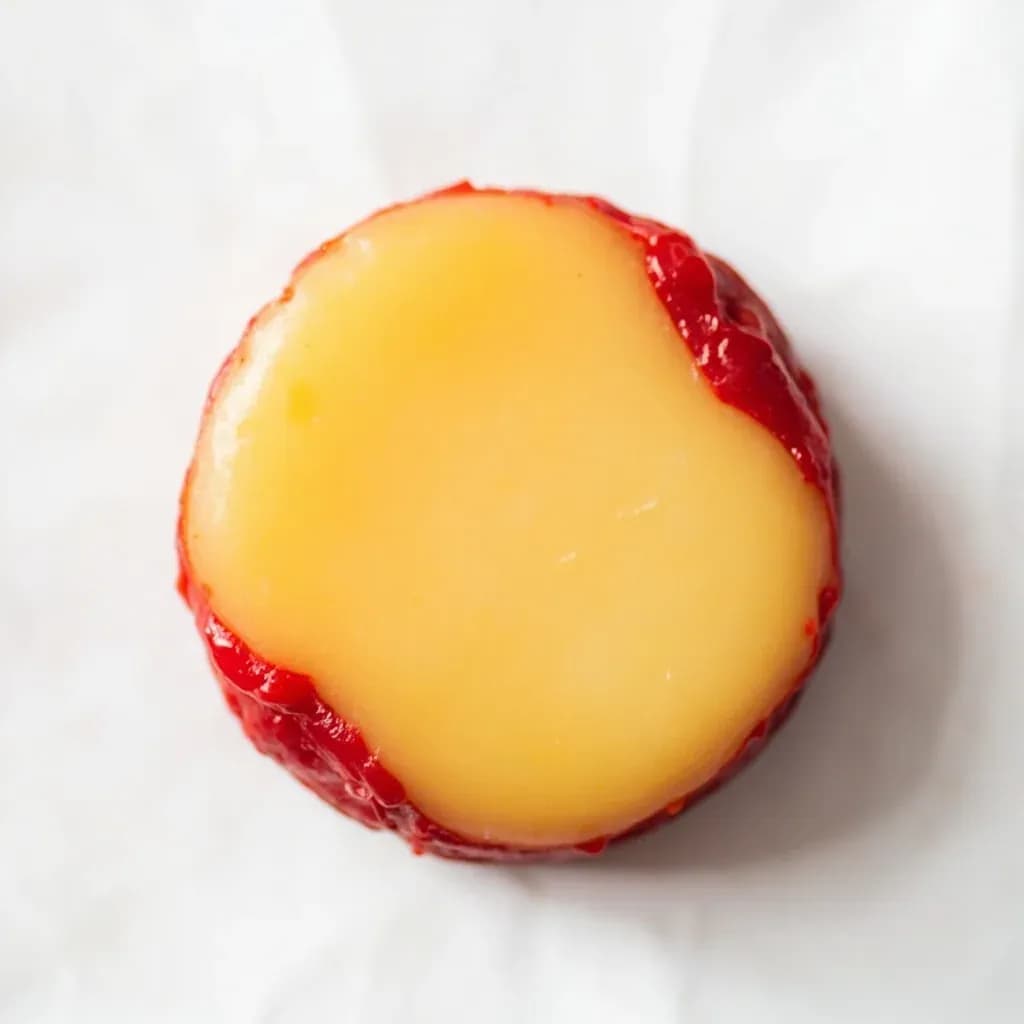
Waxing
Sealing cheese, fruit, or preserves with an edible wax coating to lock out air and moisture.
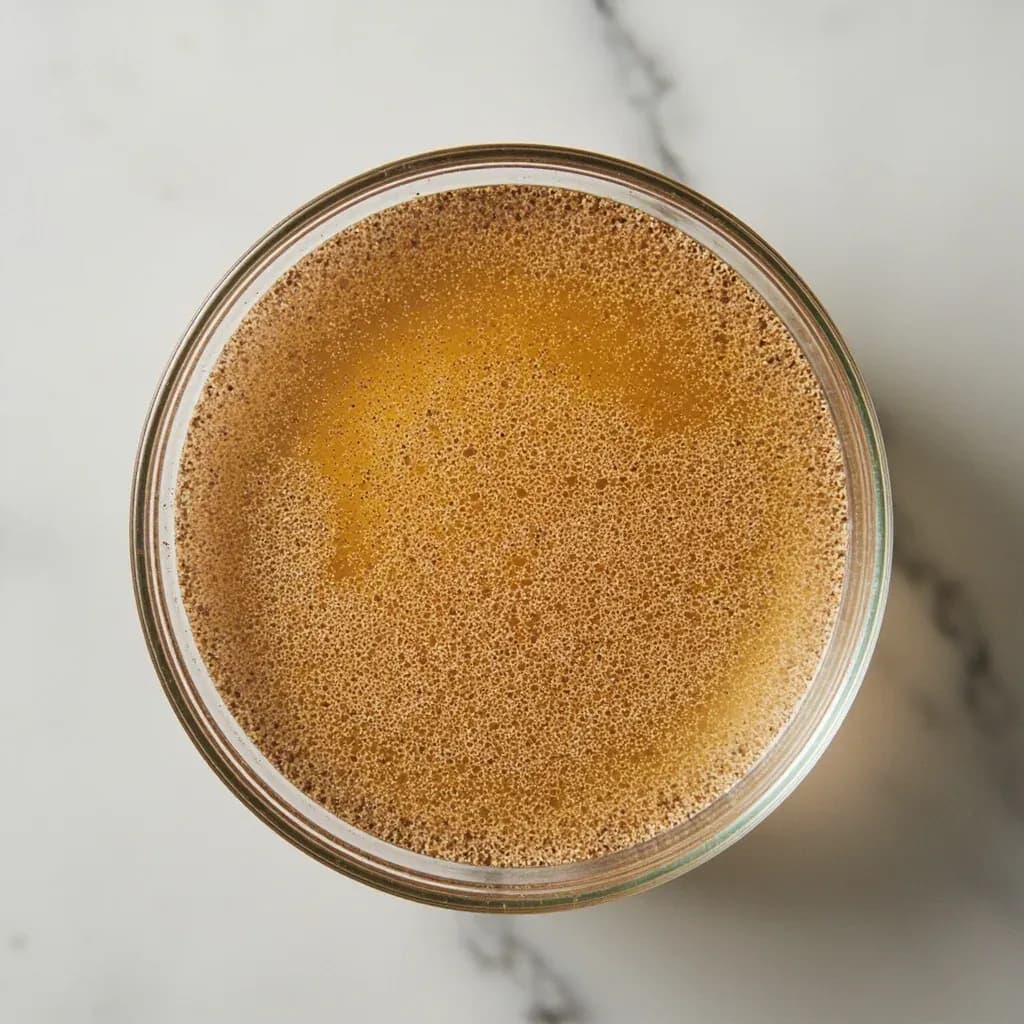
Acorn Leaching
Rinsing or soaking acorns to wash out bitter tannins so they become edible.
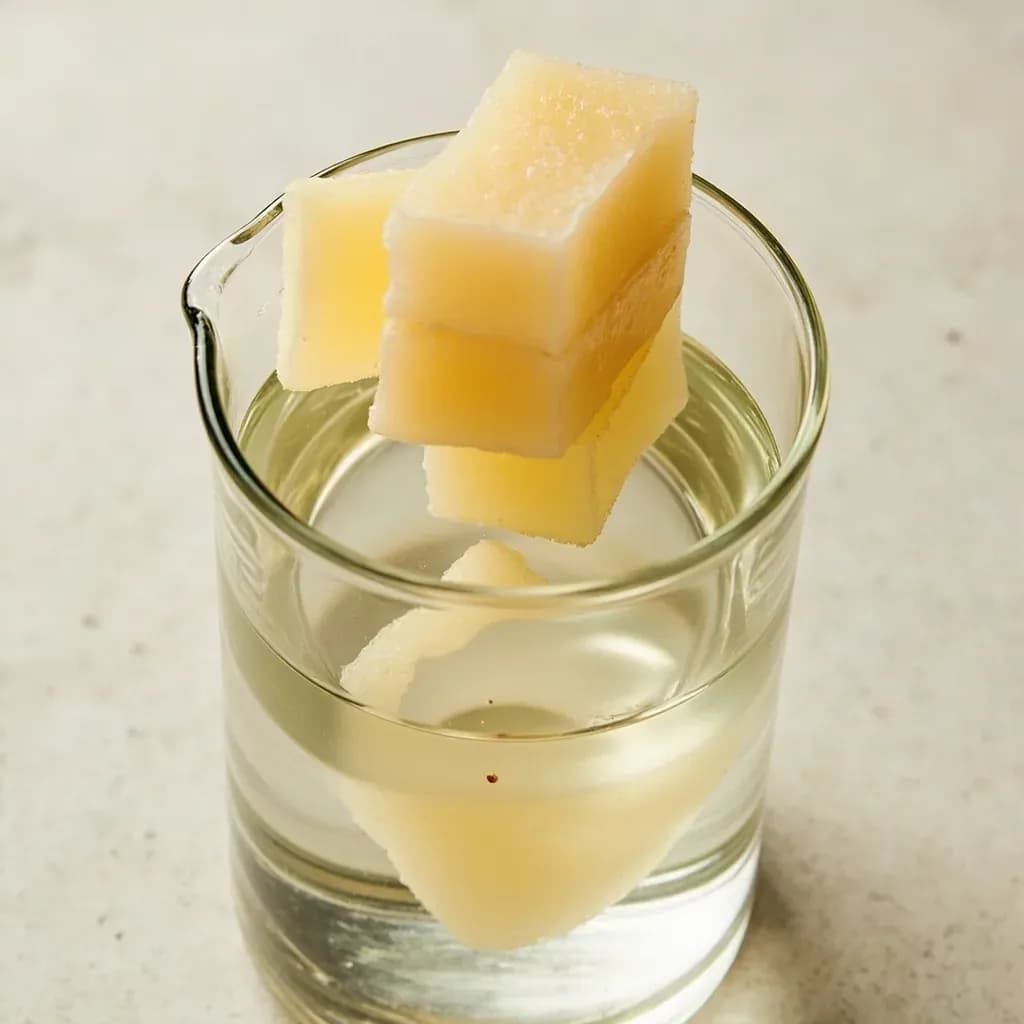
Agar Clarification
Setting a liquid with agar then thawing it to drip out a perfectly clear consommé or juice.
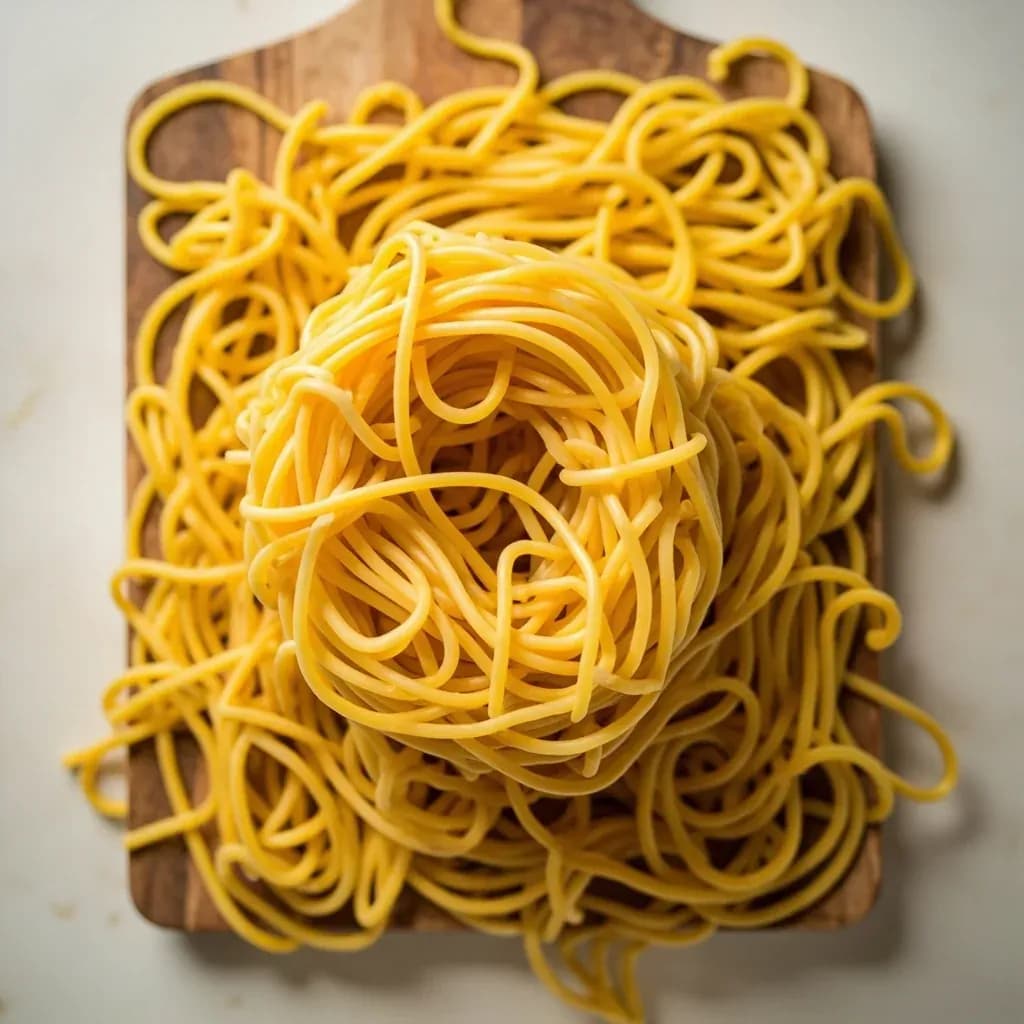
Alkaline Treatment (Kansui)
Adding alkaline salts to dough so noodles gain springy bite, yellow color, and aroma.
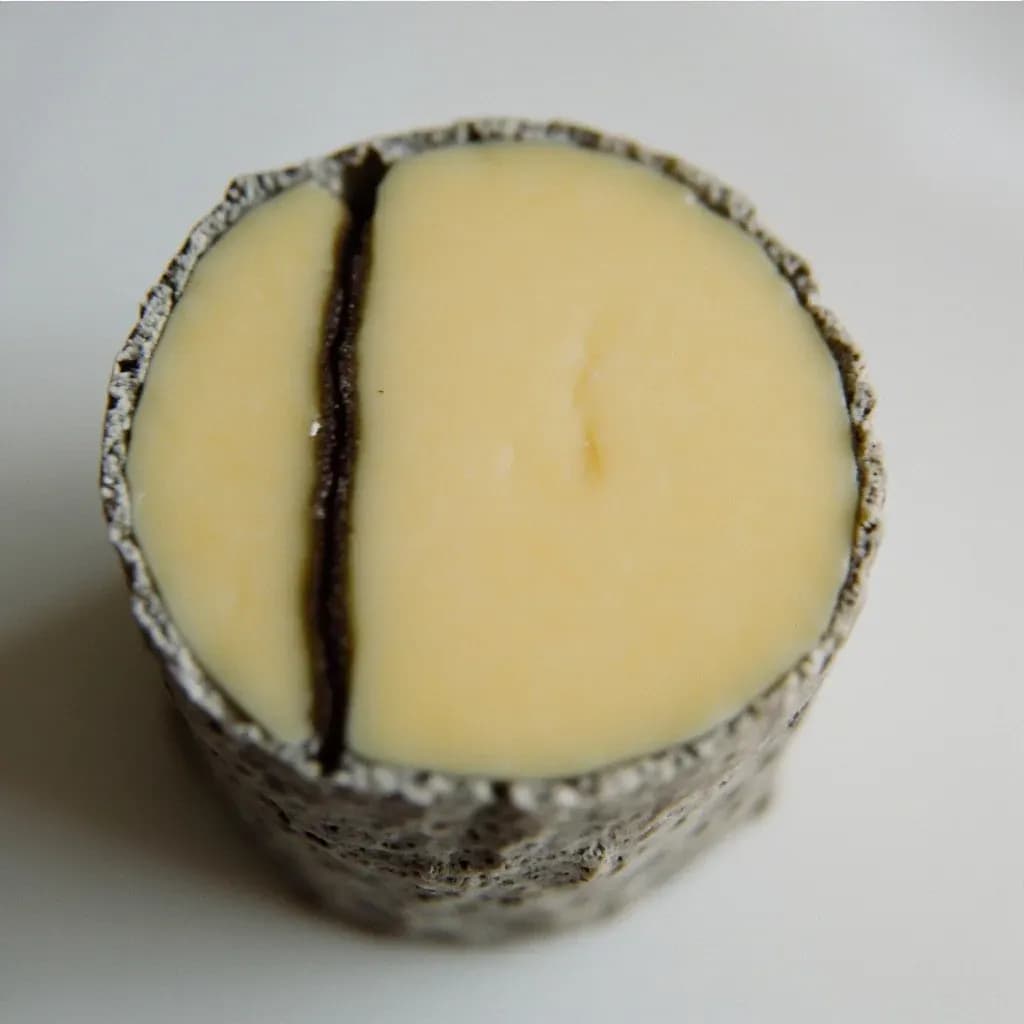
Ash Coating
Dusting cheese or vegetables with edible vegetable ash to flavor, dry, and stripe them.
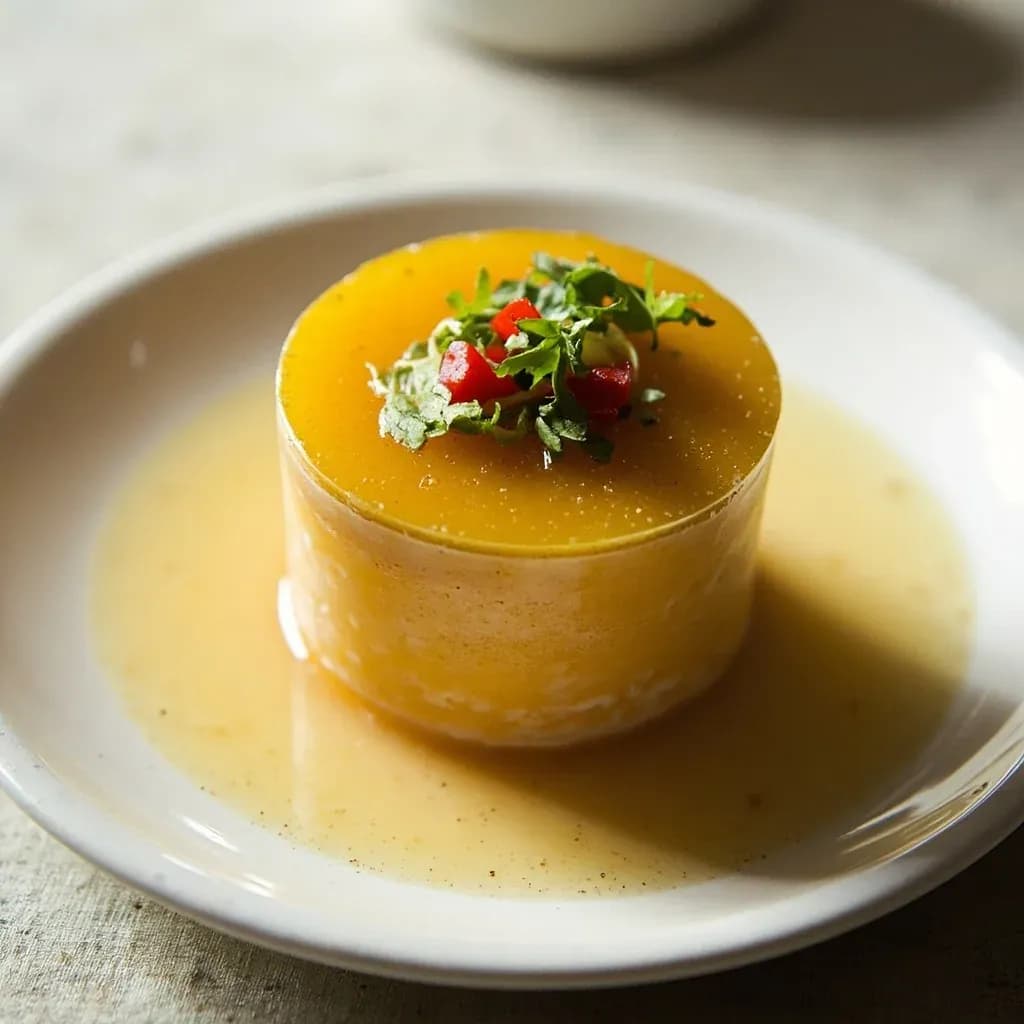
Aspic Clarification
Clearing a gelatin-rich stock with an egg-white raft to make a brilliant, set aspic.
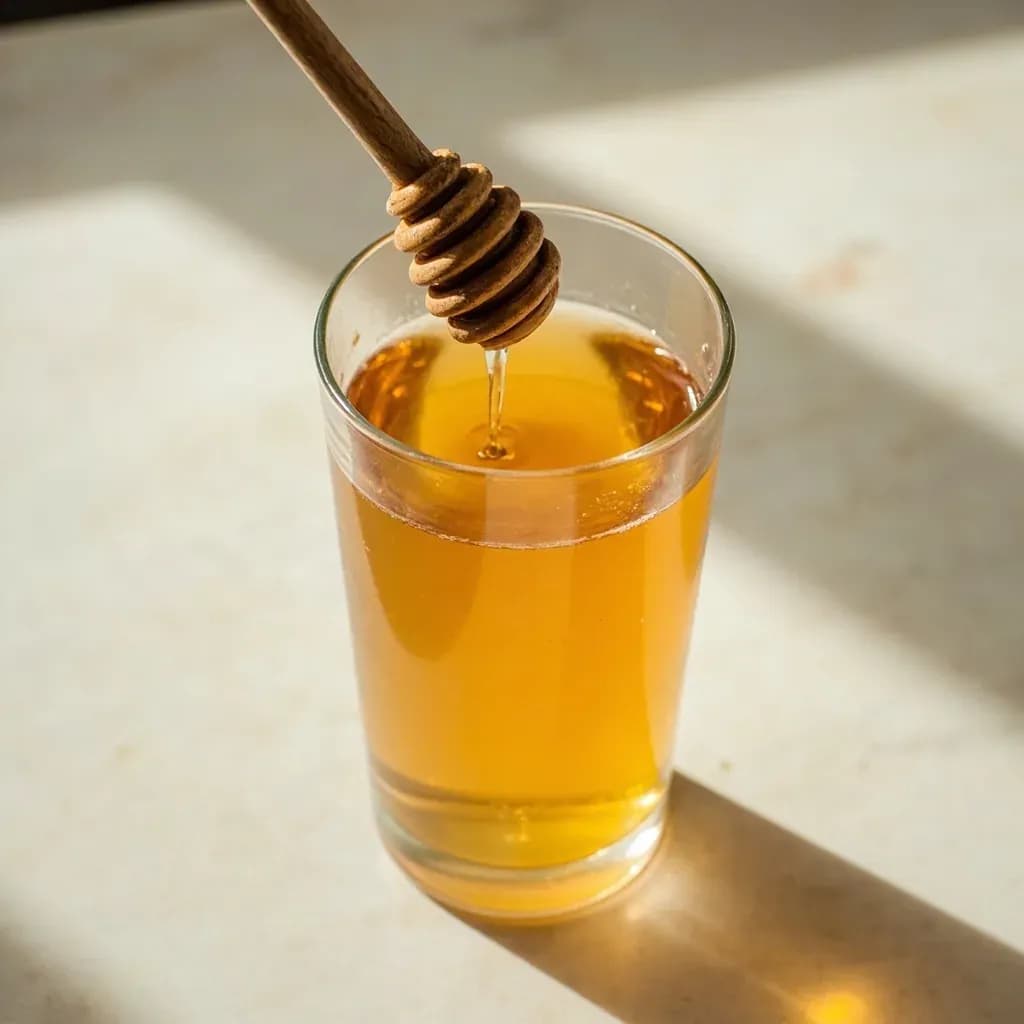
Back-Sweetening
Adding sweetness after fermentation is done, without restarting the ferment.
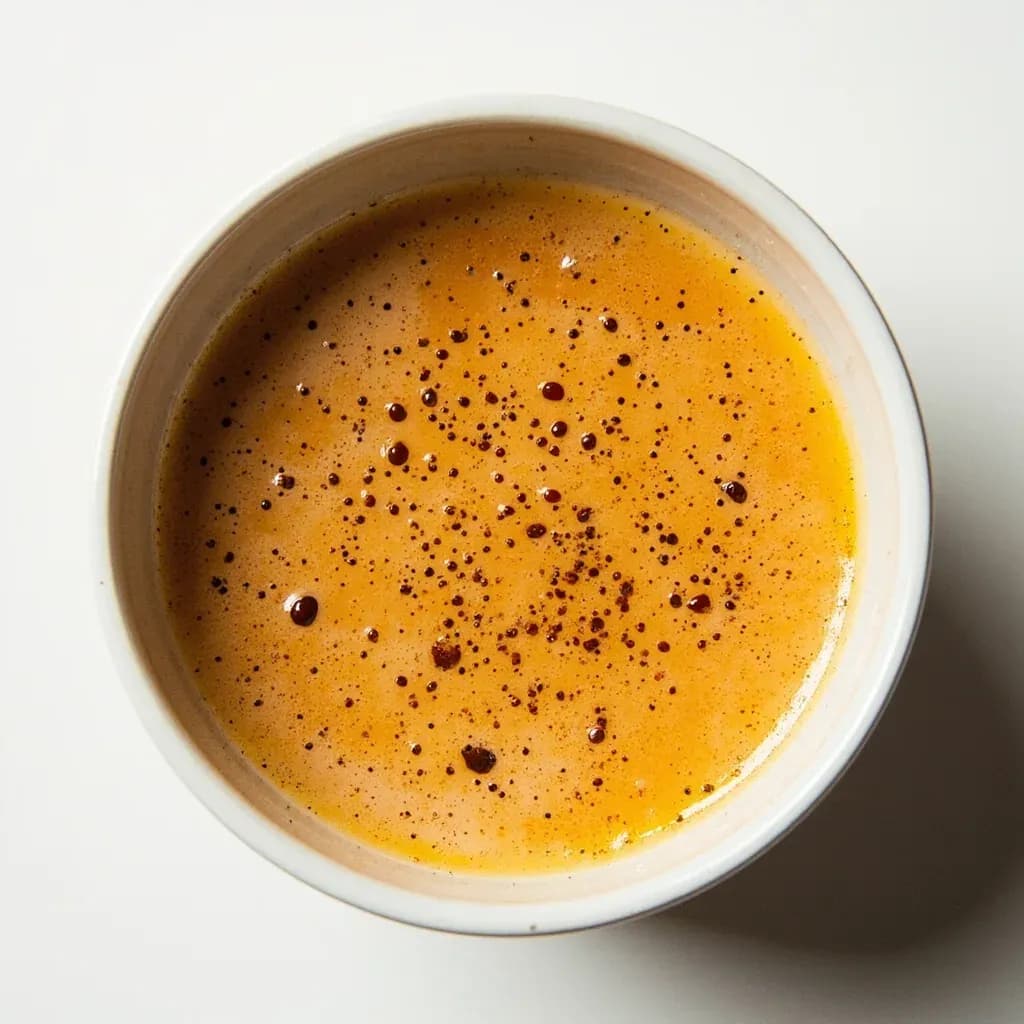
Biga Preferment
A stiff Italian preferment built ahead of mixing to deepen flavor and structure in bread.
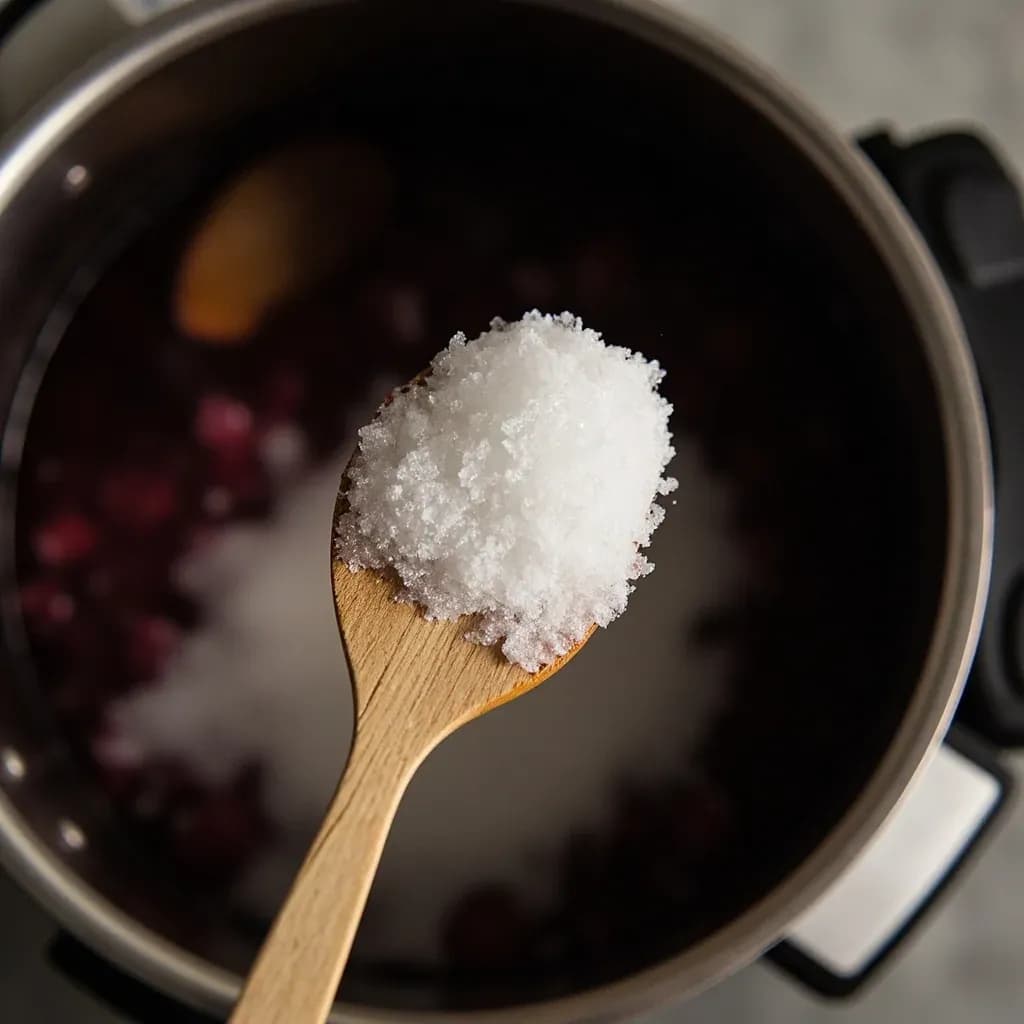
Chaptalization
Adding sugar to unfermented juice or must to raise the final alcohol level after fermentation.
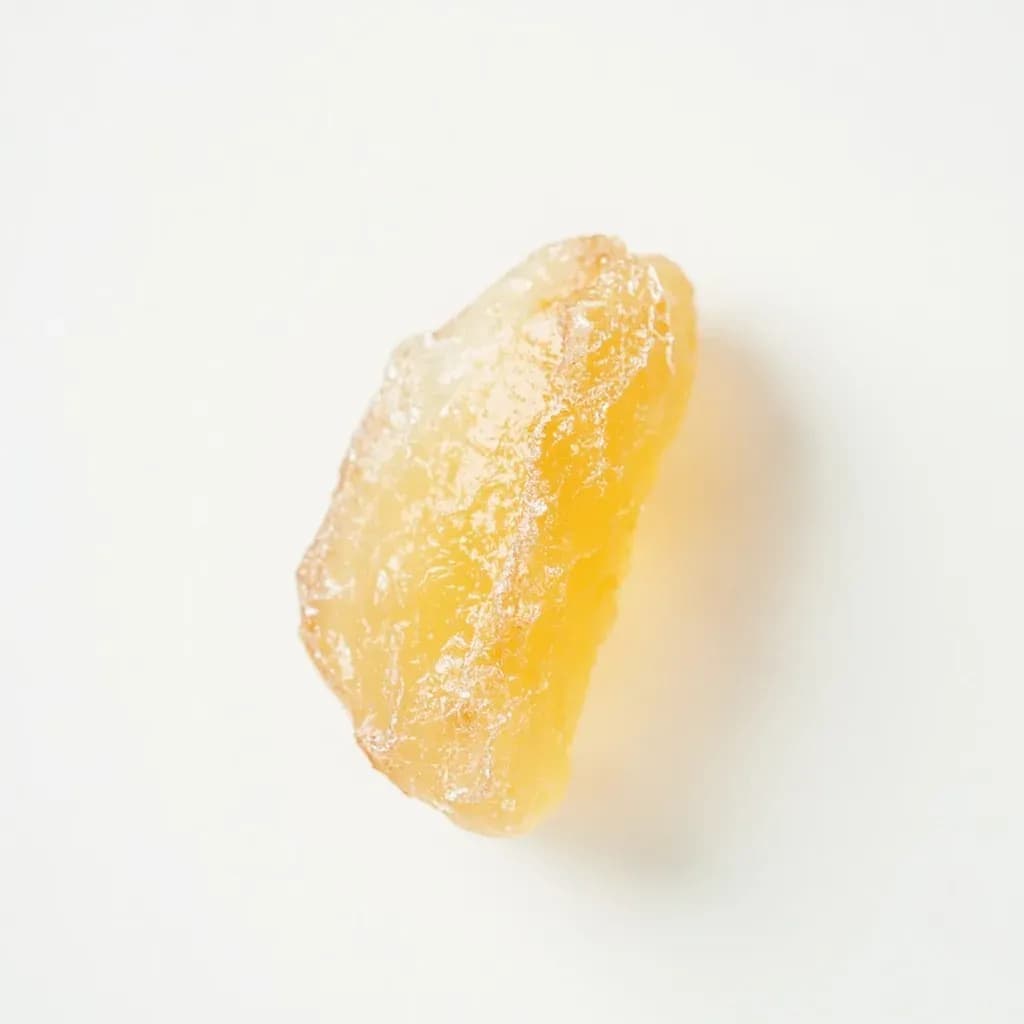
Clean Break Test
Checking sugar or candy doneness by how a sample snaps or sets when cooled.
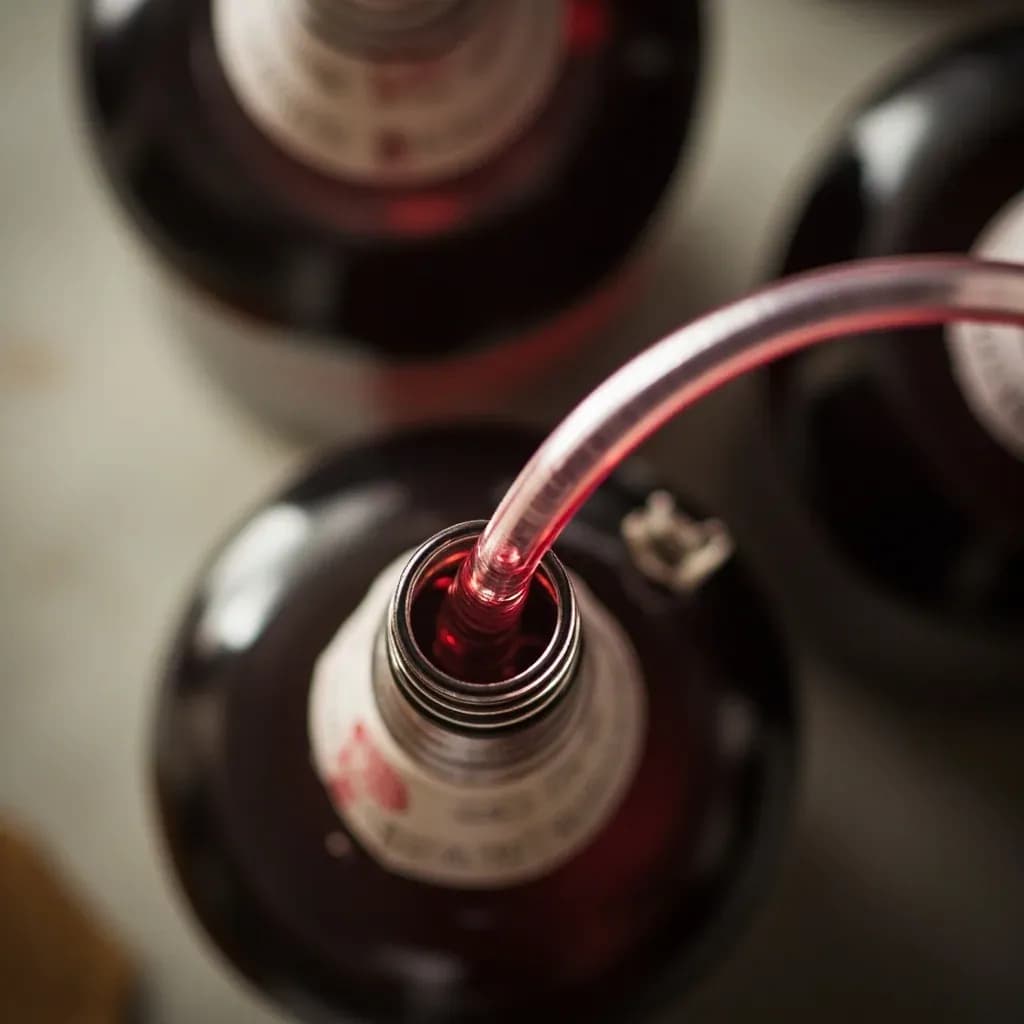
Closed Transfer
Moving fermenting liquid between vessels without exposing it to air or oxygen.
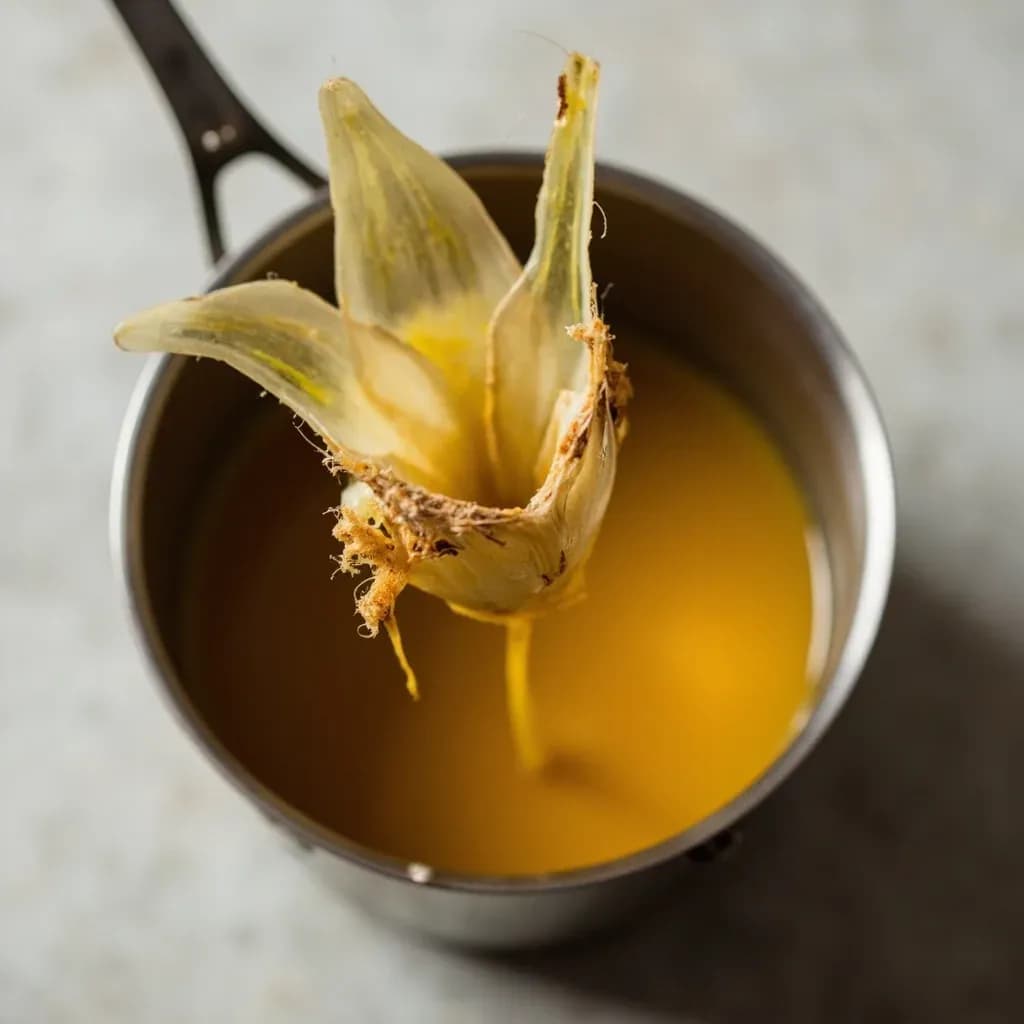
Coconut Toddy Tapping
Cutting coconut flower spathes to collect sweet sap that ferments into toddy or vinegar.
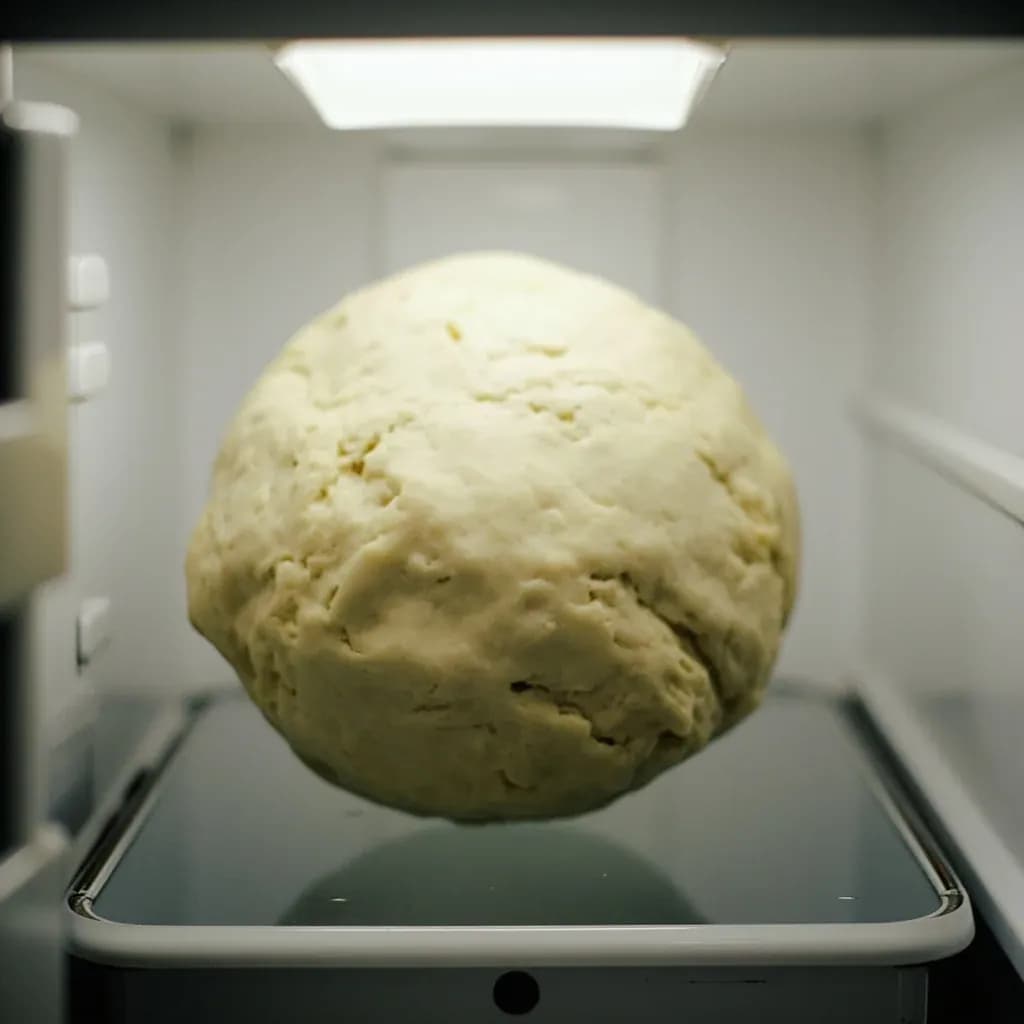
Cold Aging / Curing Dough
Resting dough cold for hours or days to develop flavor and extensibility before baking.
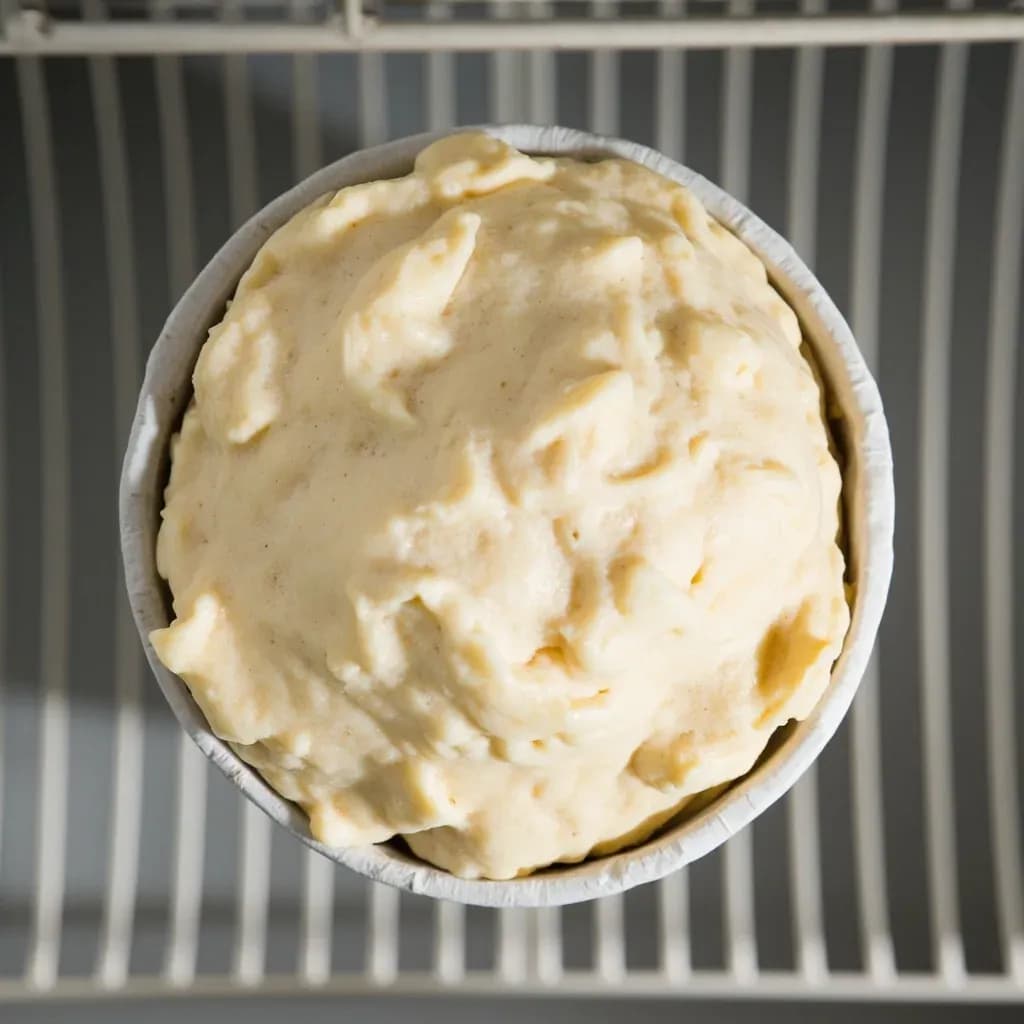
Cold Fermentation (Maturazione)
Slow proofing of dough in the fridge over 24-72 hours for deeper flavor and easier digestion.
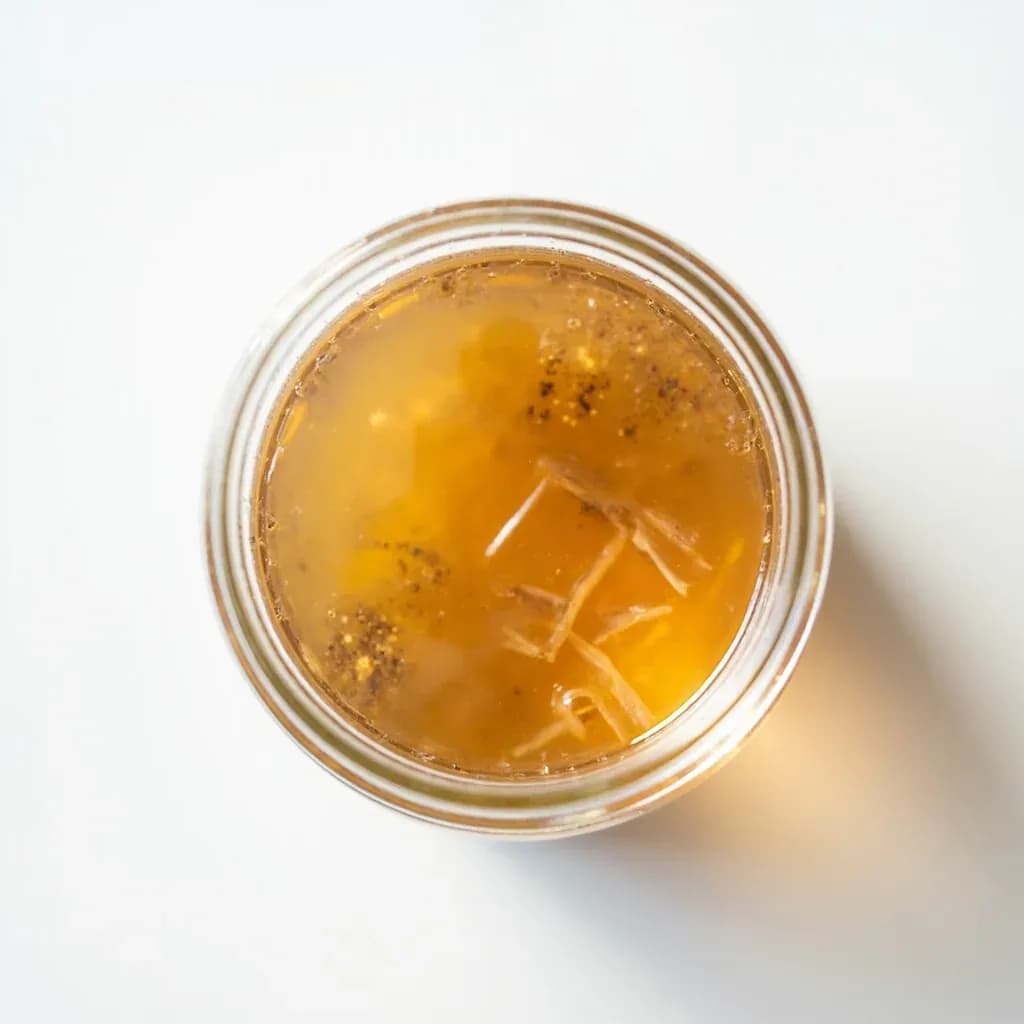
Cold-Brew Dashi (Mizudashi)
Steeping kombu and katsuobushi in cold water overnight for a clean, low-bitterness dashi.
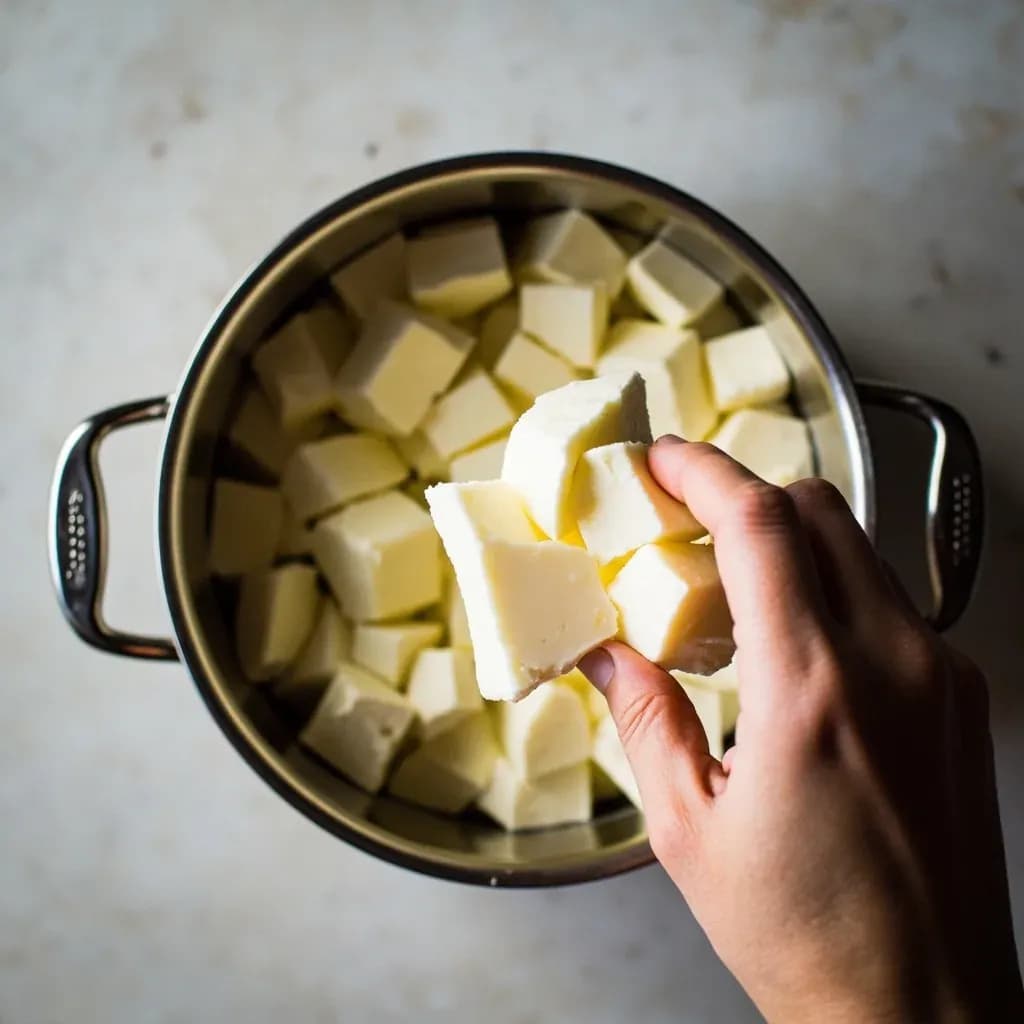
Curd Breaking
Gently disrupting set milk curd to start releasing whey in cheesemaking.
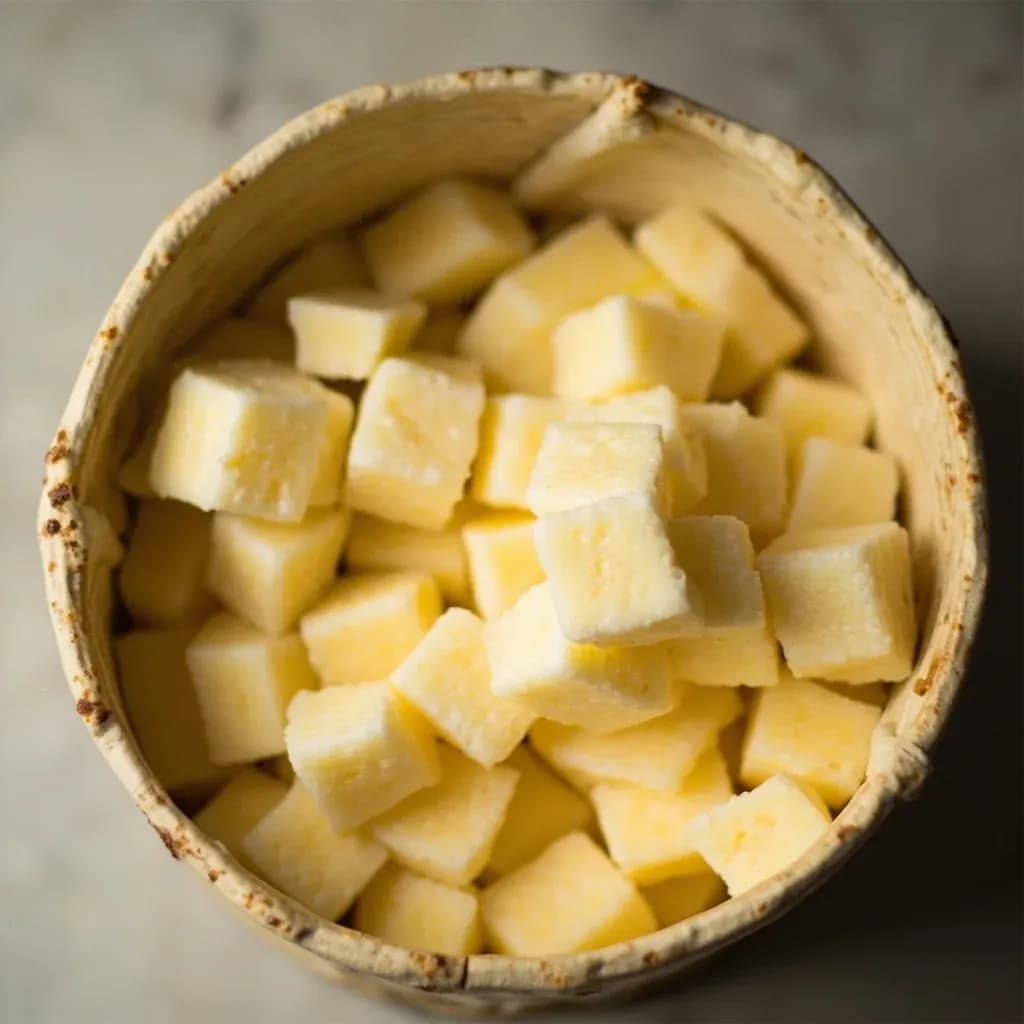
Cutting the Curd
Slicing coagulated milk into uniform pieces to control whey release and cheese moisture.
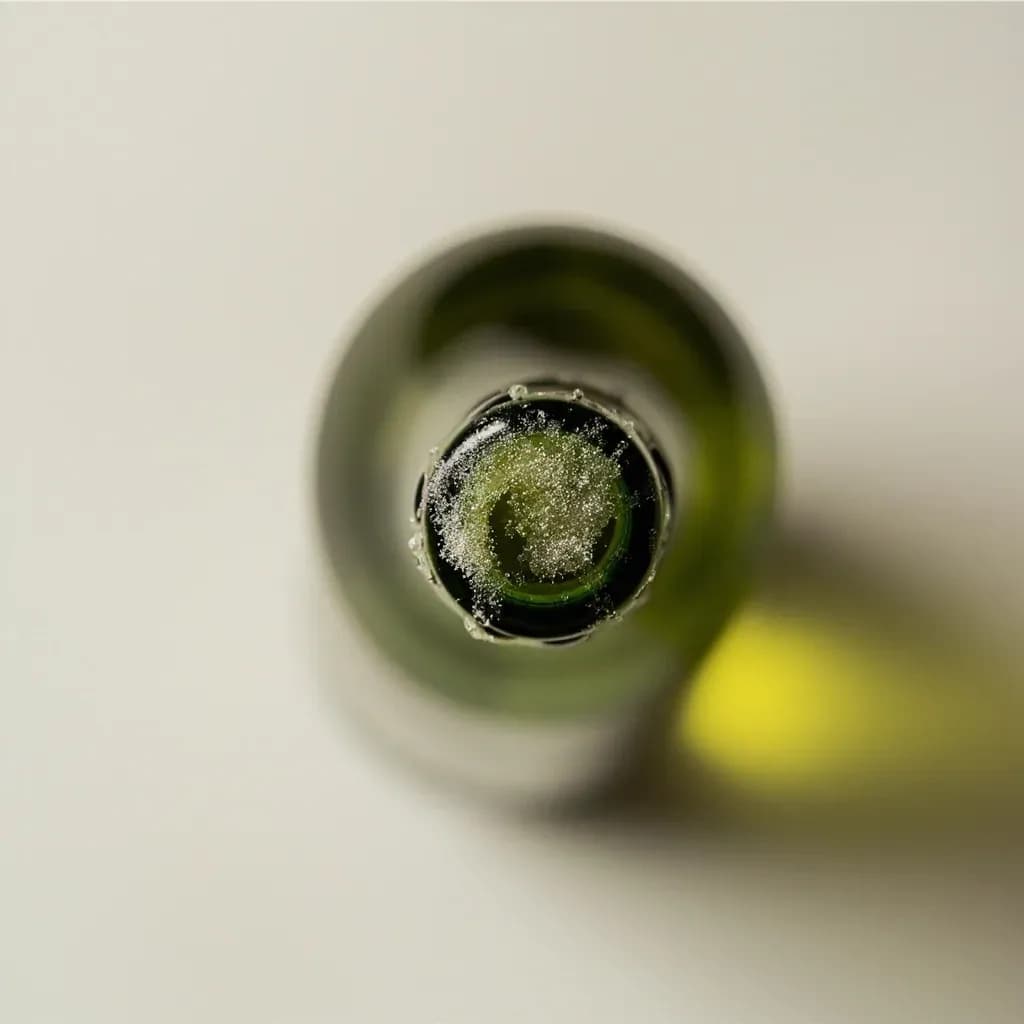
Disgorging (Méthode Traditionnelle)
Ejecting the frozen yeast plug from a sparkling-wine bottle after secondary fermentation.
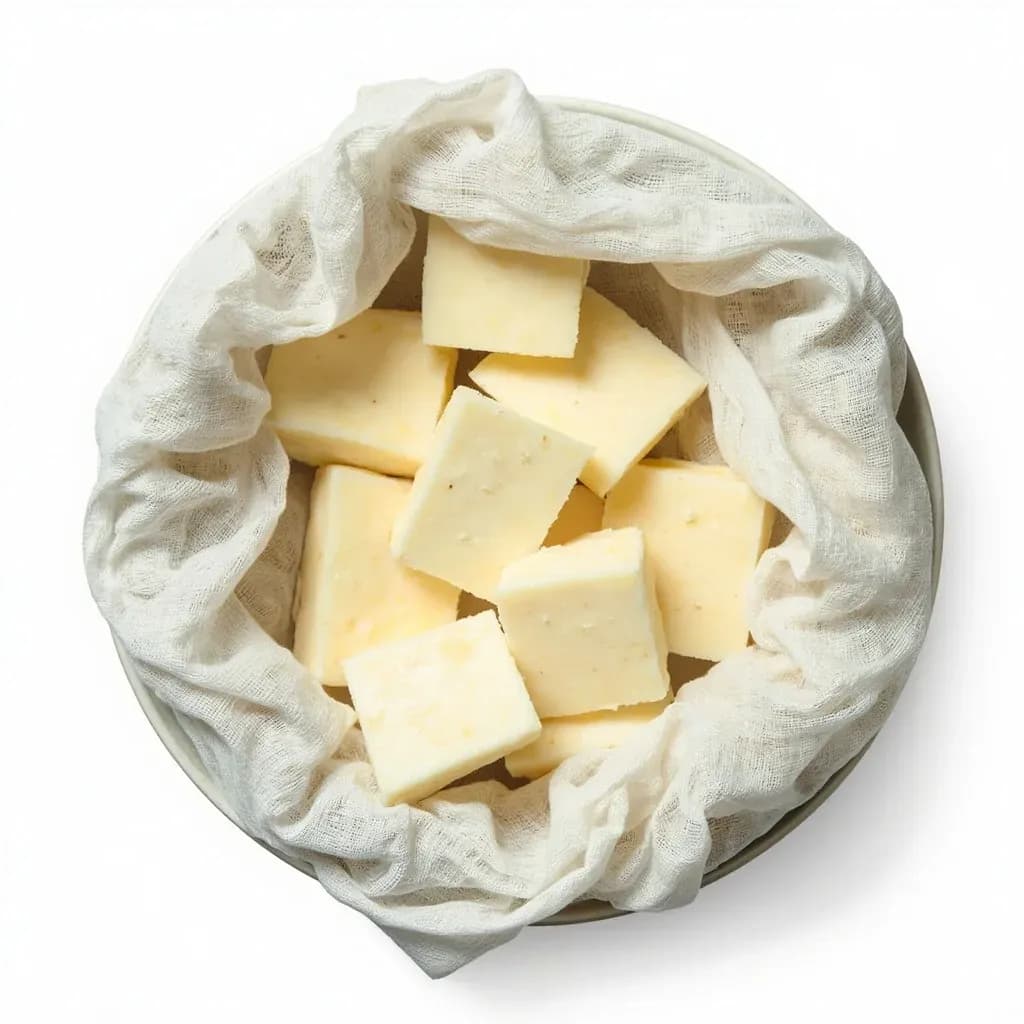
Draining the Whey
Letting whey run off cut curd through cloth or a mold to firm up the cheese.
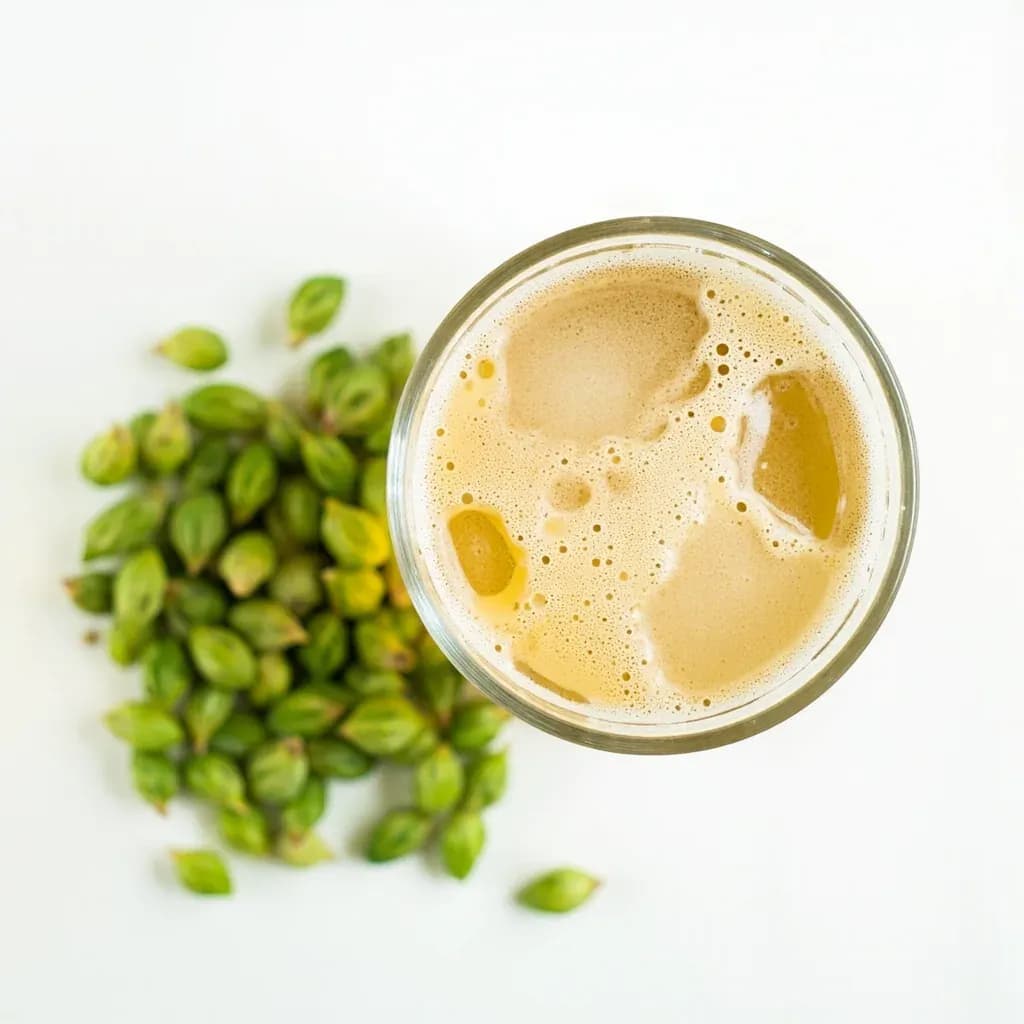
Dry Hopping
Adding hops to beer after the boil during fermentation for aroma without bitterness.
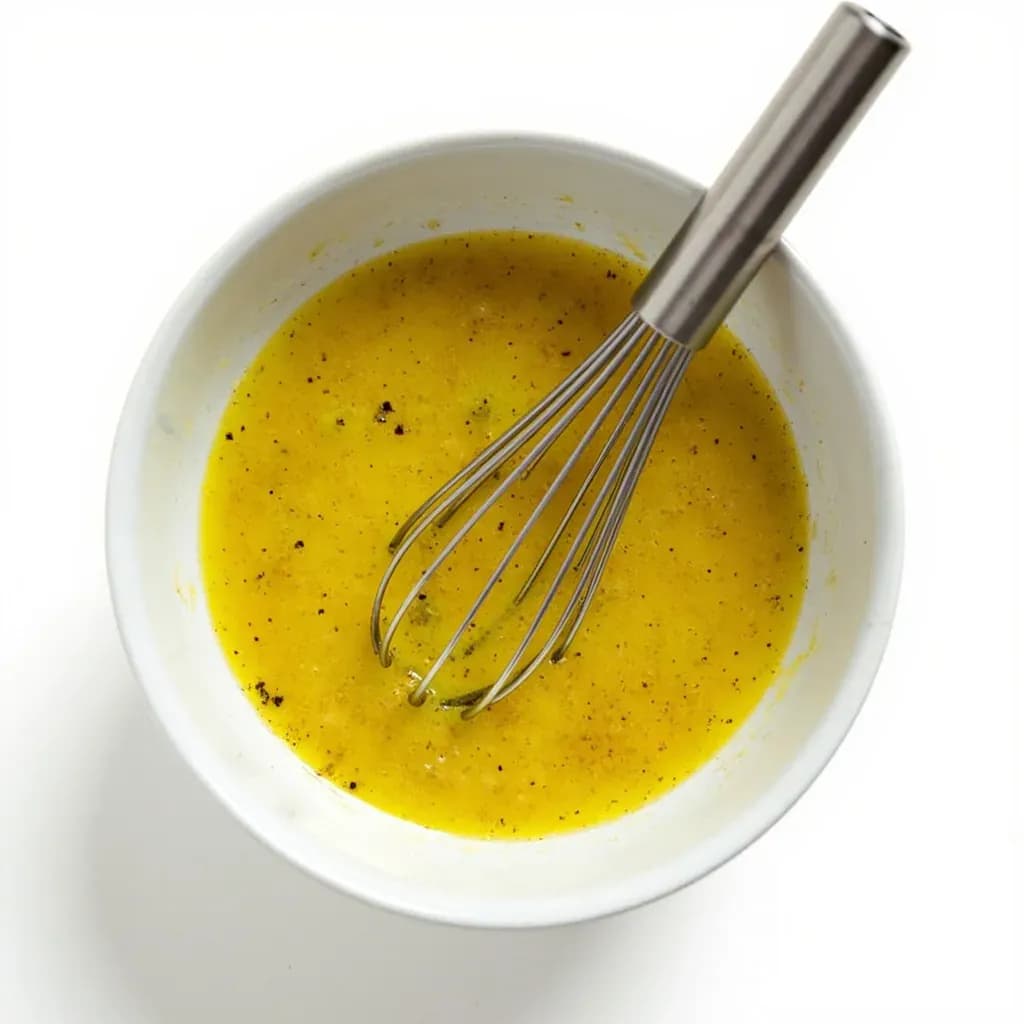
Emulsifying Dressings
Whisking oil into vinegar or juice with an emulsifier to make a stable, creamy dressing.
Enzymatic Hydrolysis
Using enzymes to break proteins or starches into smaller compounds for flavor or texture.
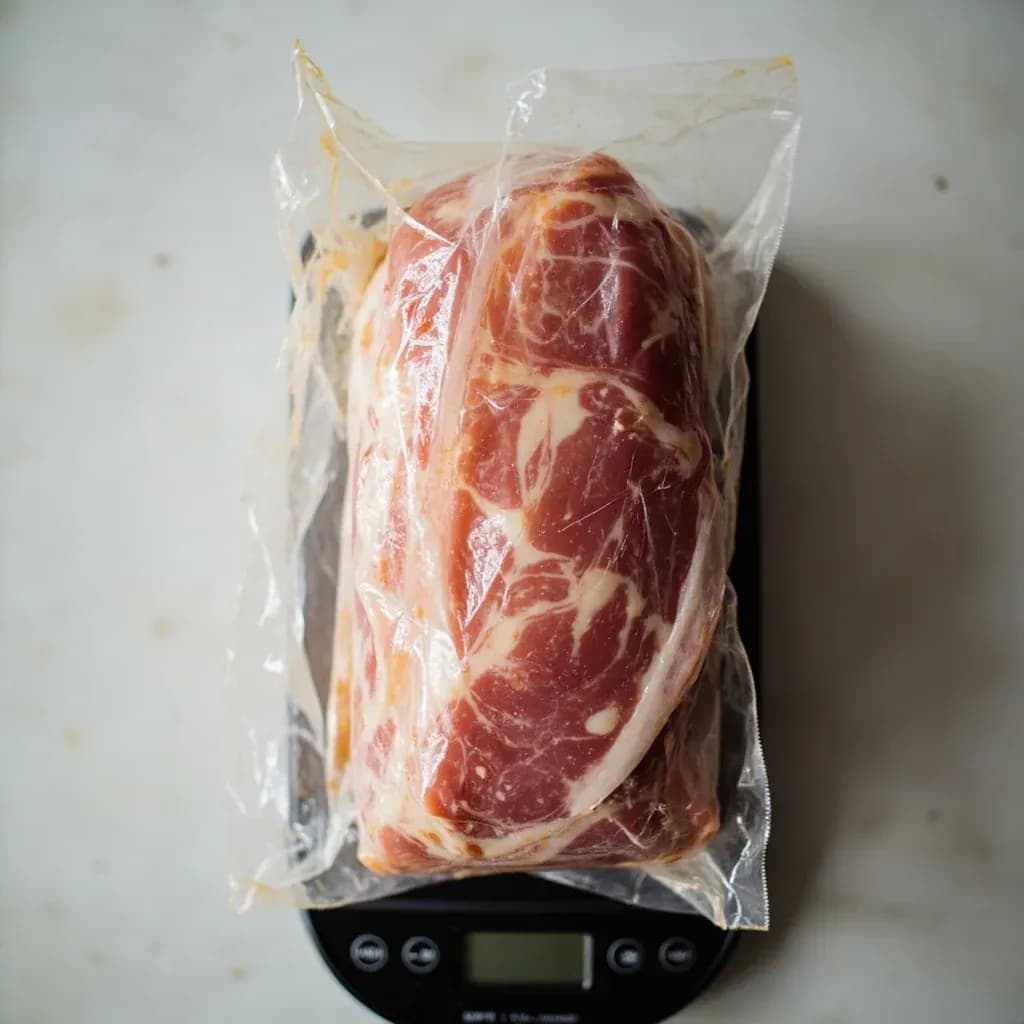
Equilibrium Curing
Curing with a precise percentage of salt to the meat's weight so it can't over-salt.
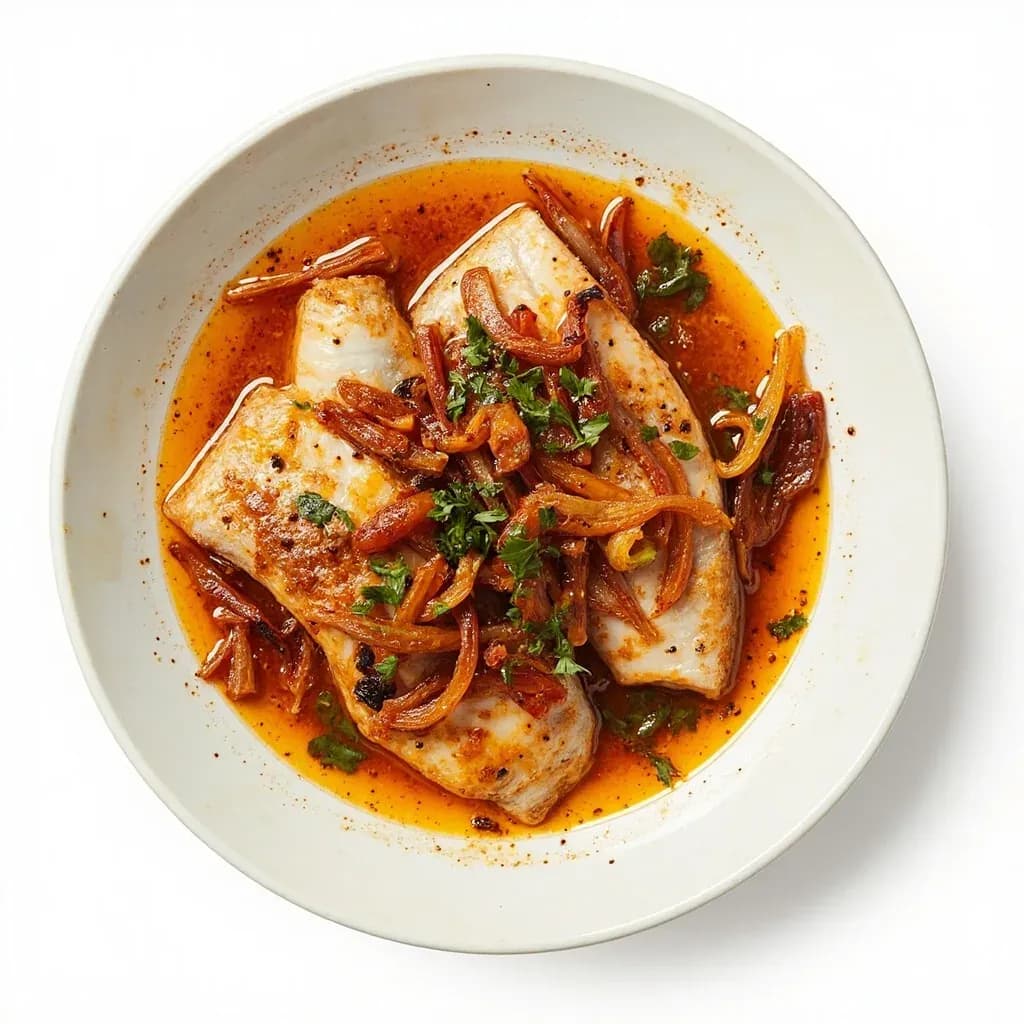
Escabeche Pickling
Marinating cooked fish or vegetables in a hot vinegar-and-spice bath to preserve and flavor.
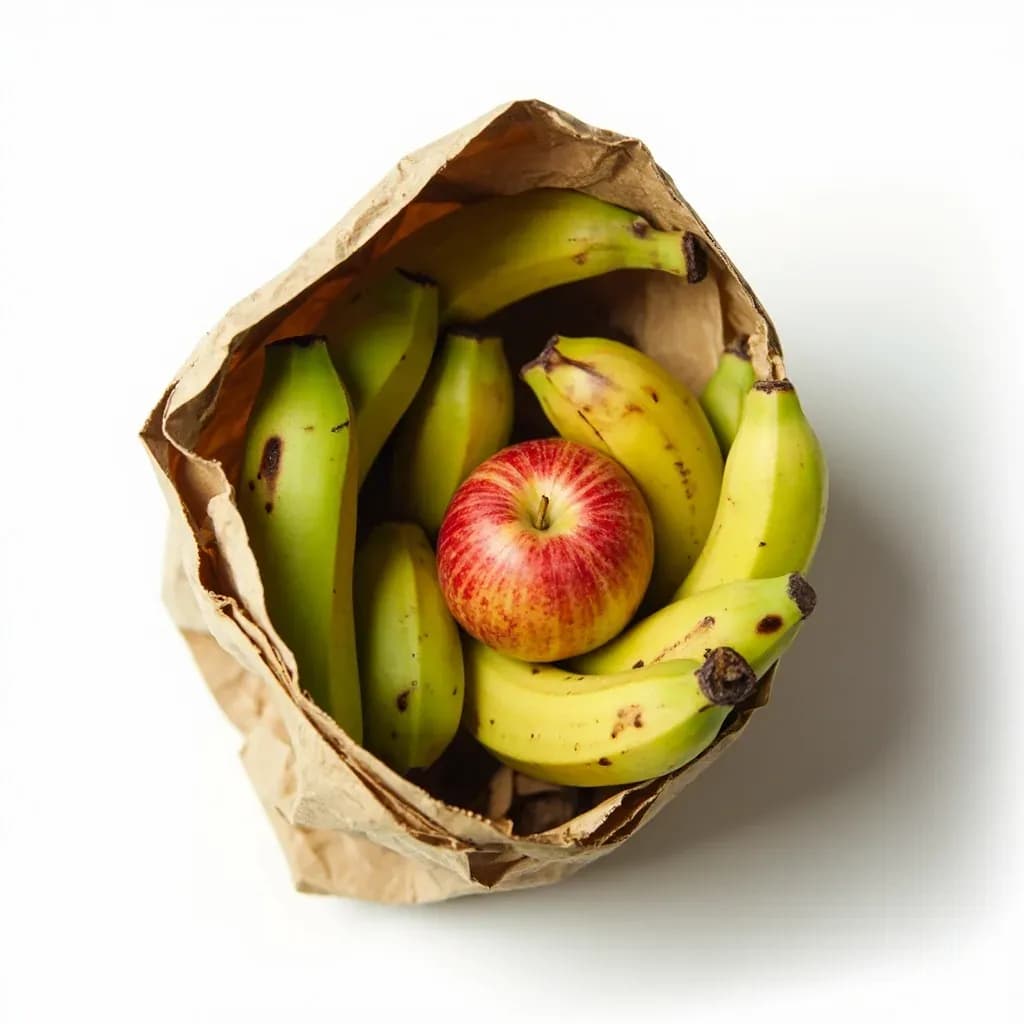
Ethylene Management
Controlling ethylene gas to speed up or slow down the ripening of fruits and vegetables.
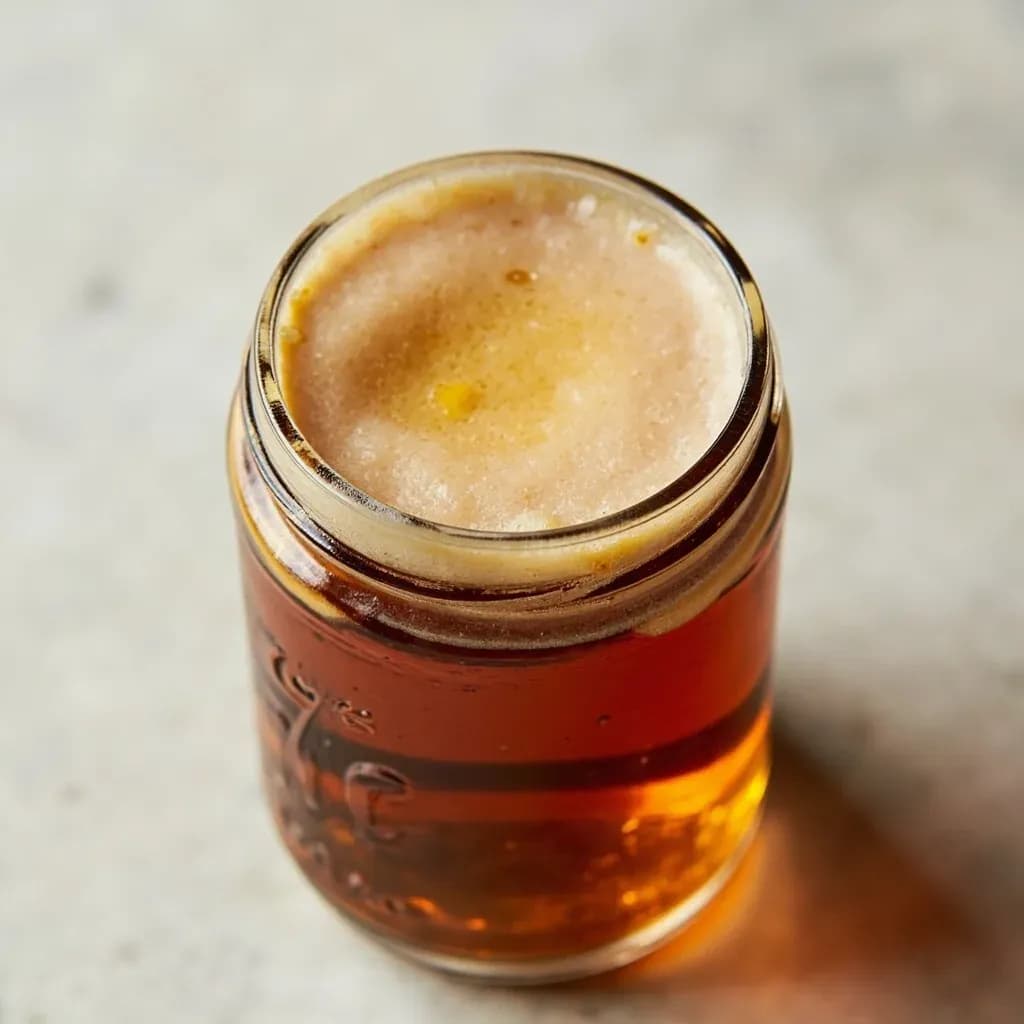
Fat Washing
Infusing a spirit or liquid with savory fat, then chilling to remove the solidified fat.
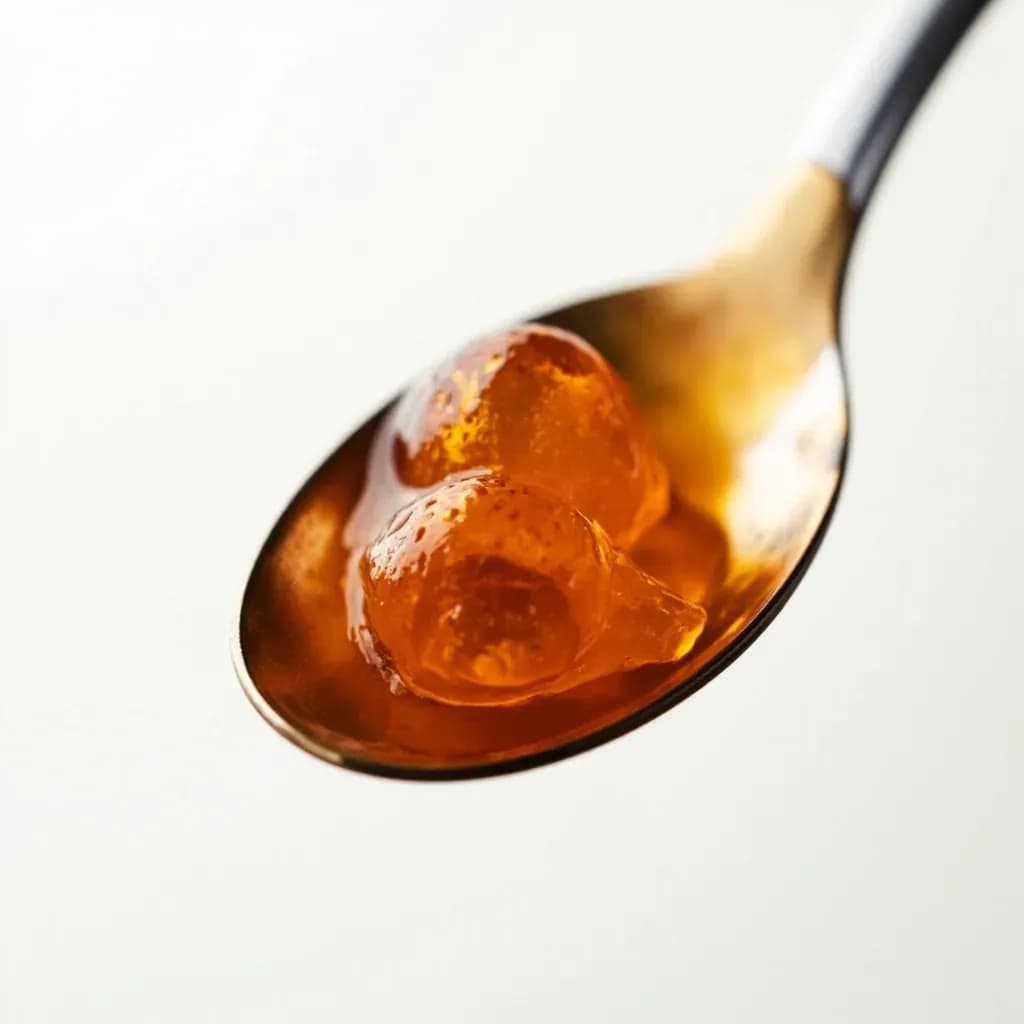
Flavor Encapsulation
Trapping a liquid flavor inside a thin gel skin to create bursting spheres or pearls.
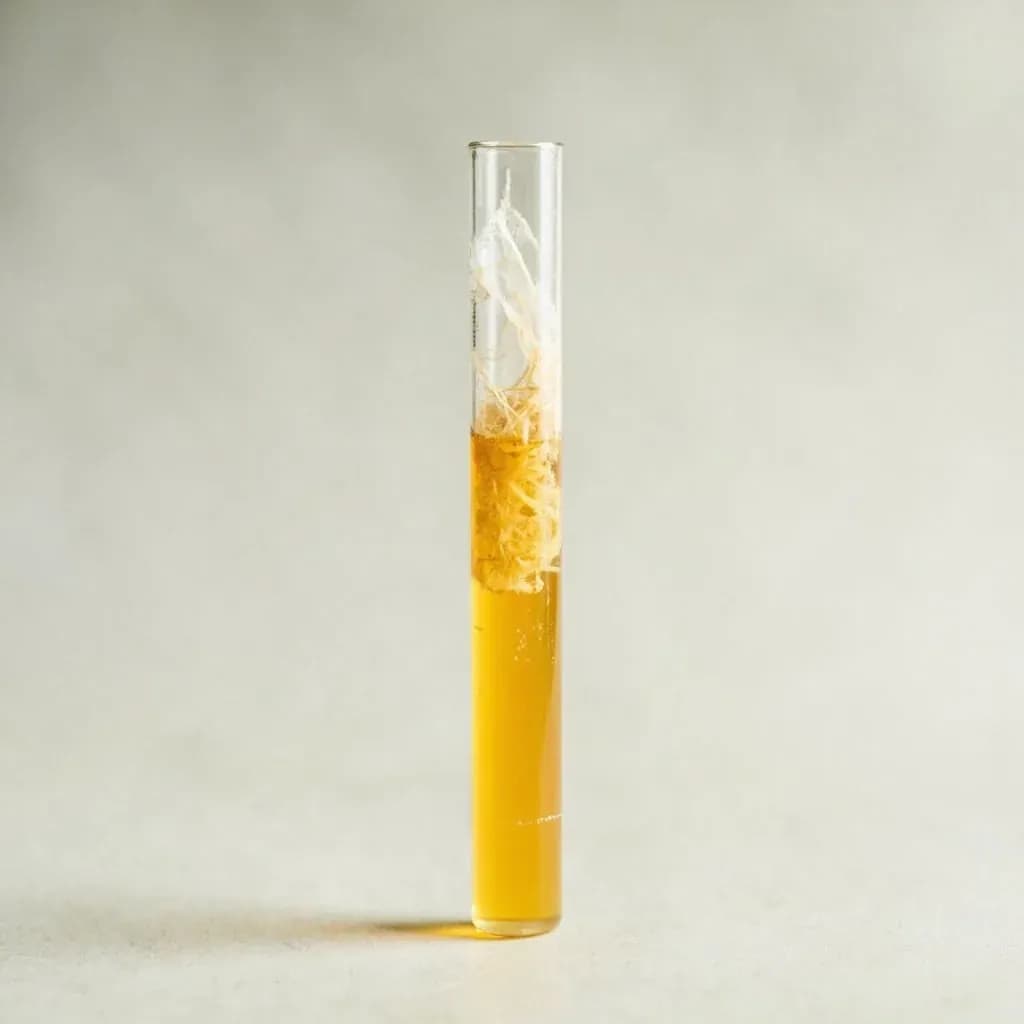
Flocculation Test
Spotting beer yeast onto a slide to judge how readily it clumps and settles.
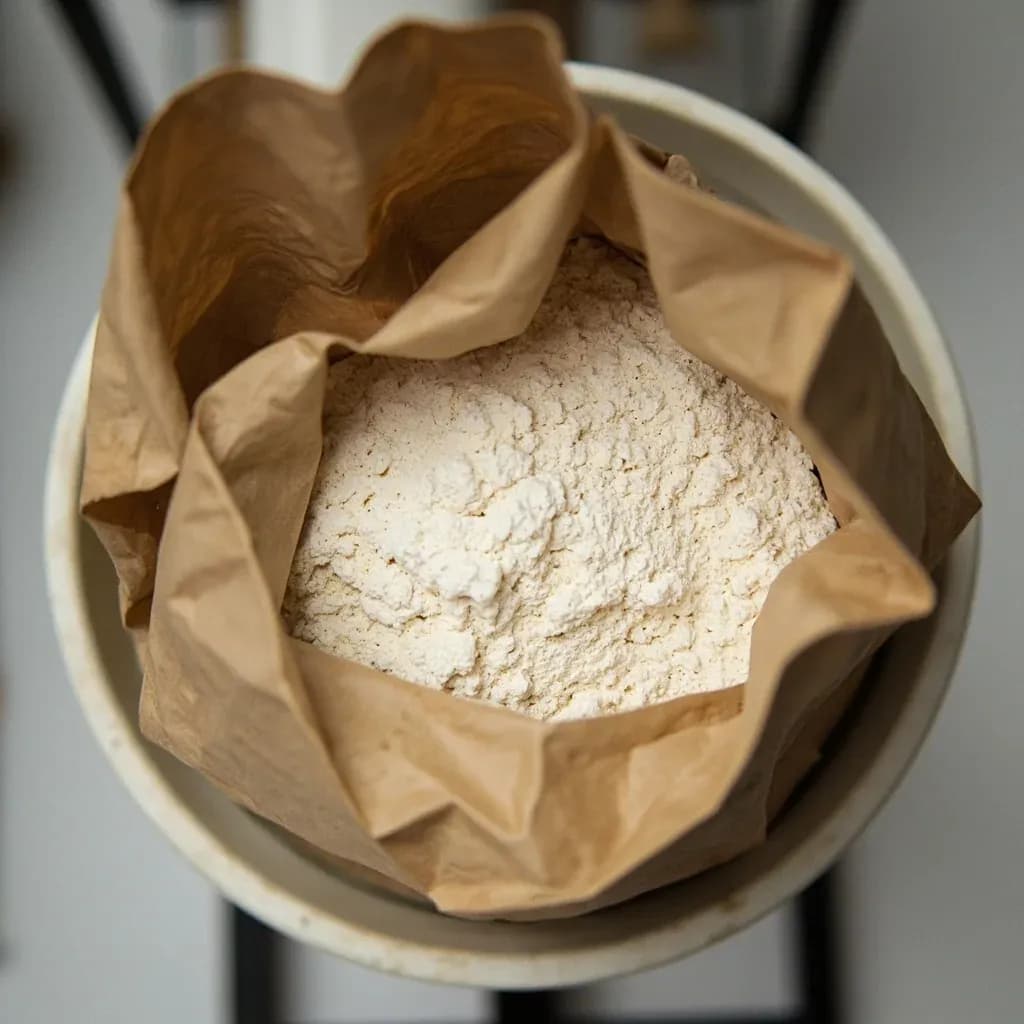
Flour Maturing / Aging
Letting milled flour rest and oxidize over weeks so it bakes with stronger gluten.
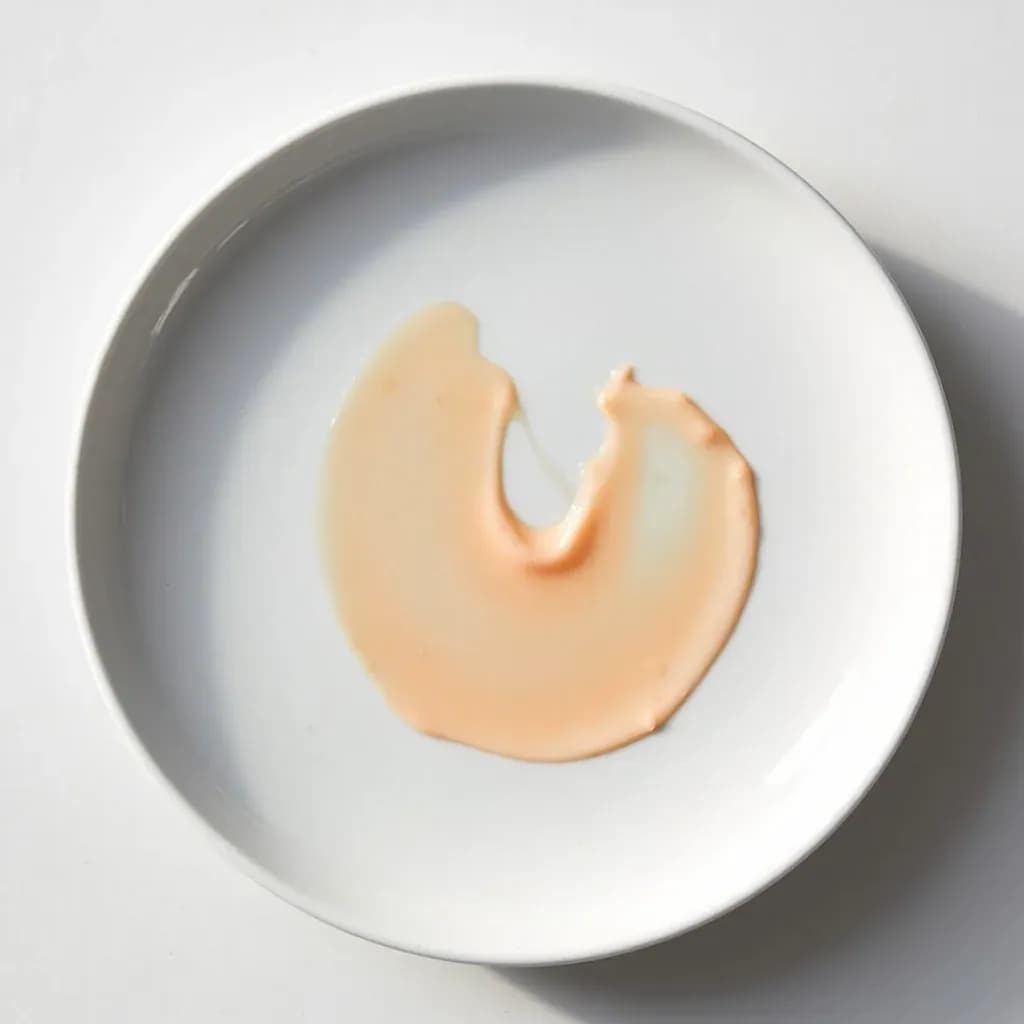
Fluid Gel Making
Setting a liquid into a firm gel, then blending it smooth into a pourable, glossy sauce.
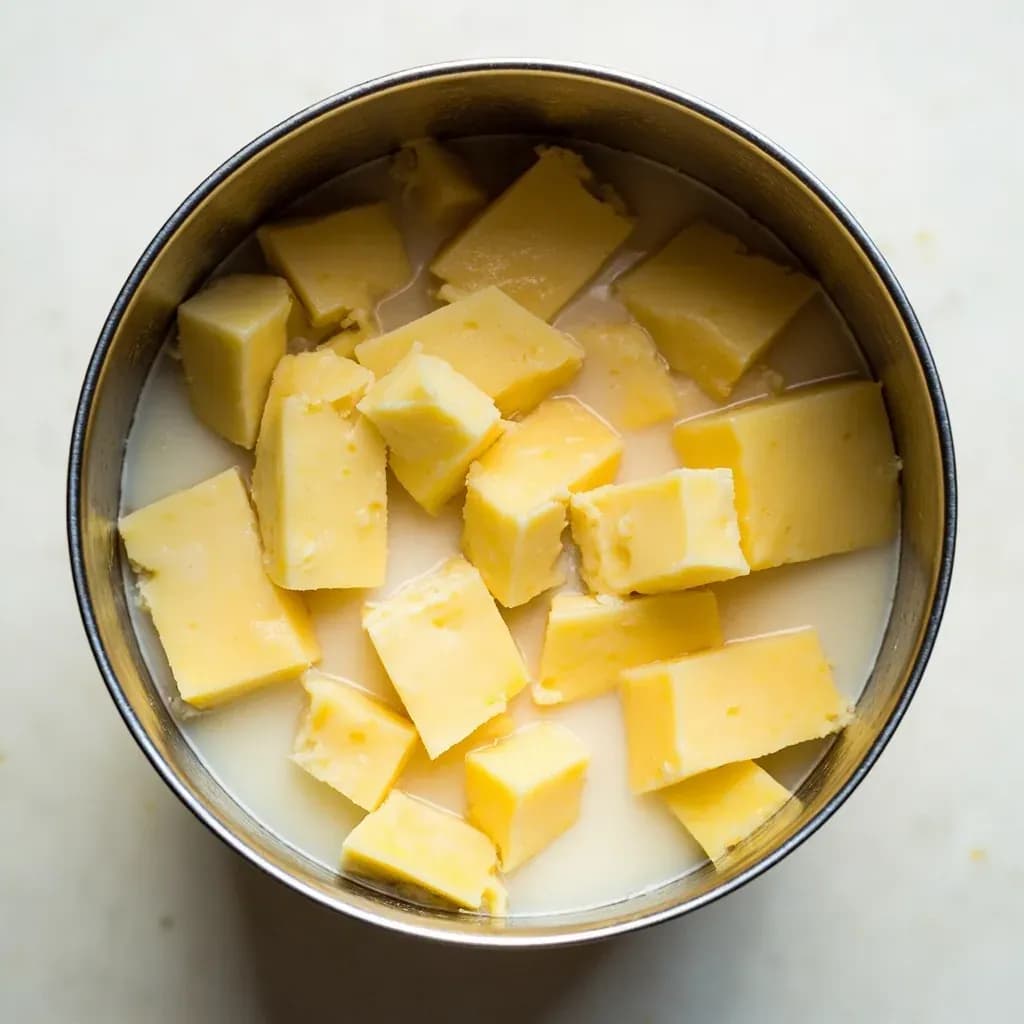
Healing the Curd
Letting cut cheese curds rest so cuts firm up and release whey before stirring.
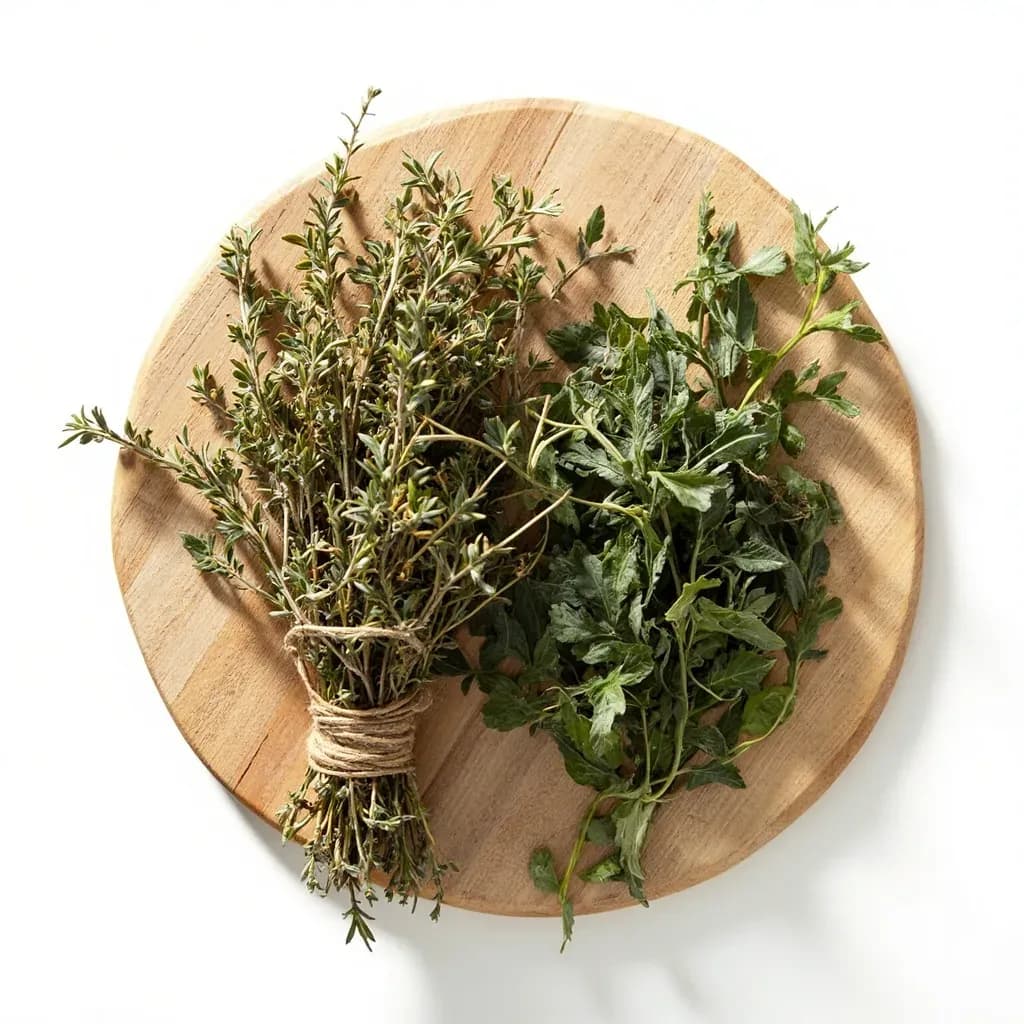
Herb Drying
Removing moisture from fresh herbs to concentrate flavor and preserve them.
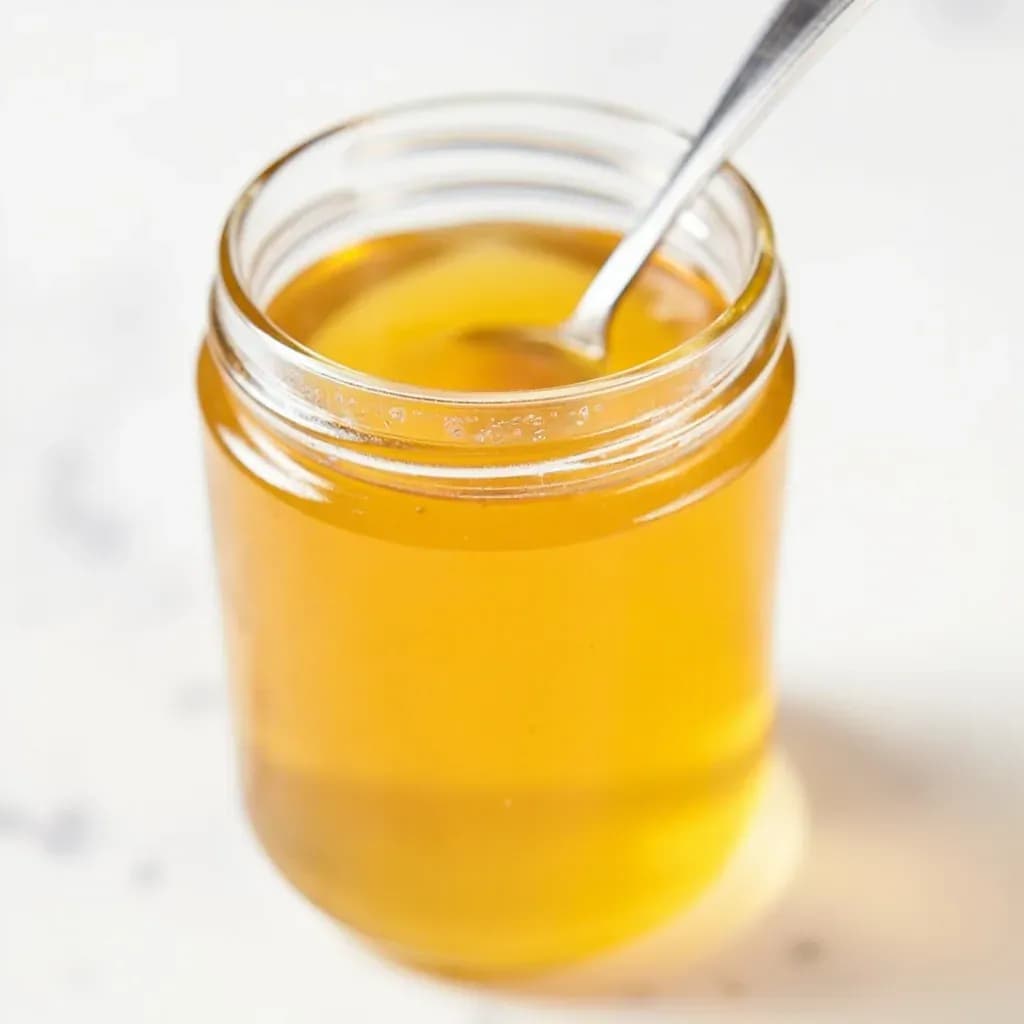
Honey Creaming
Controlling honey crystallization into a smooth, spreadable creamed texture.
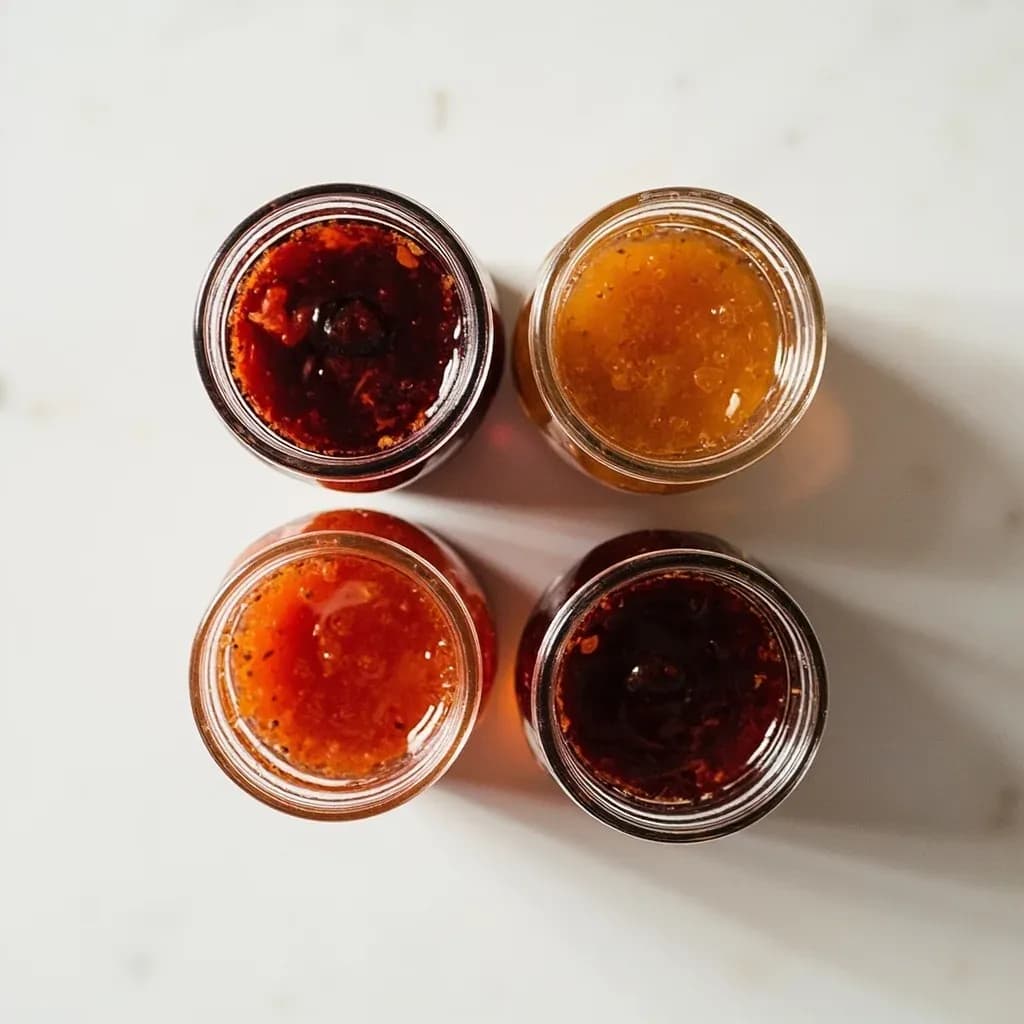
Inverting Jars to Seal
Turning hot-filled jars upside down so heat sterilizes the lid and forms a seal.
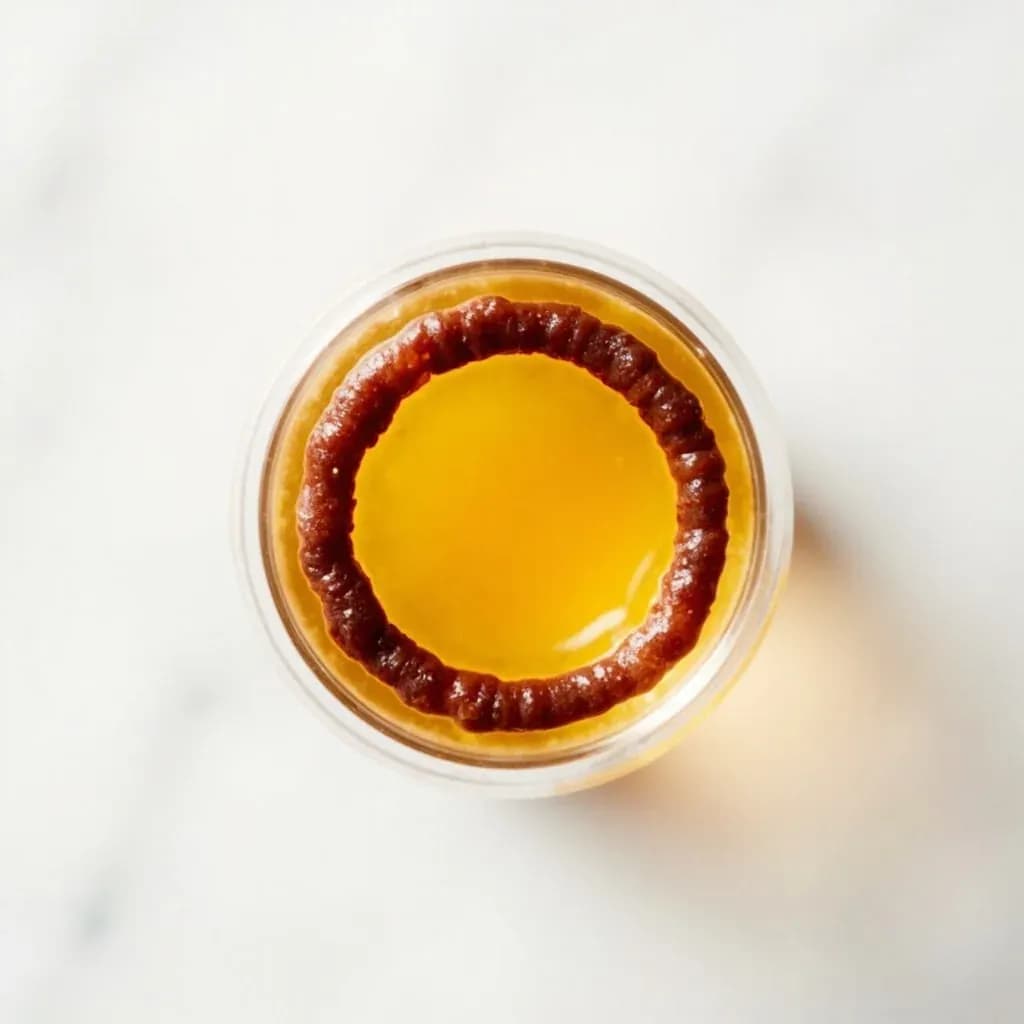
Keeving
A slow cider technique that limits nutrients for a naturally sweet, low-alcohol result.
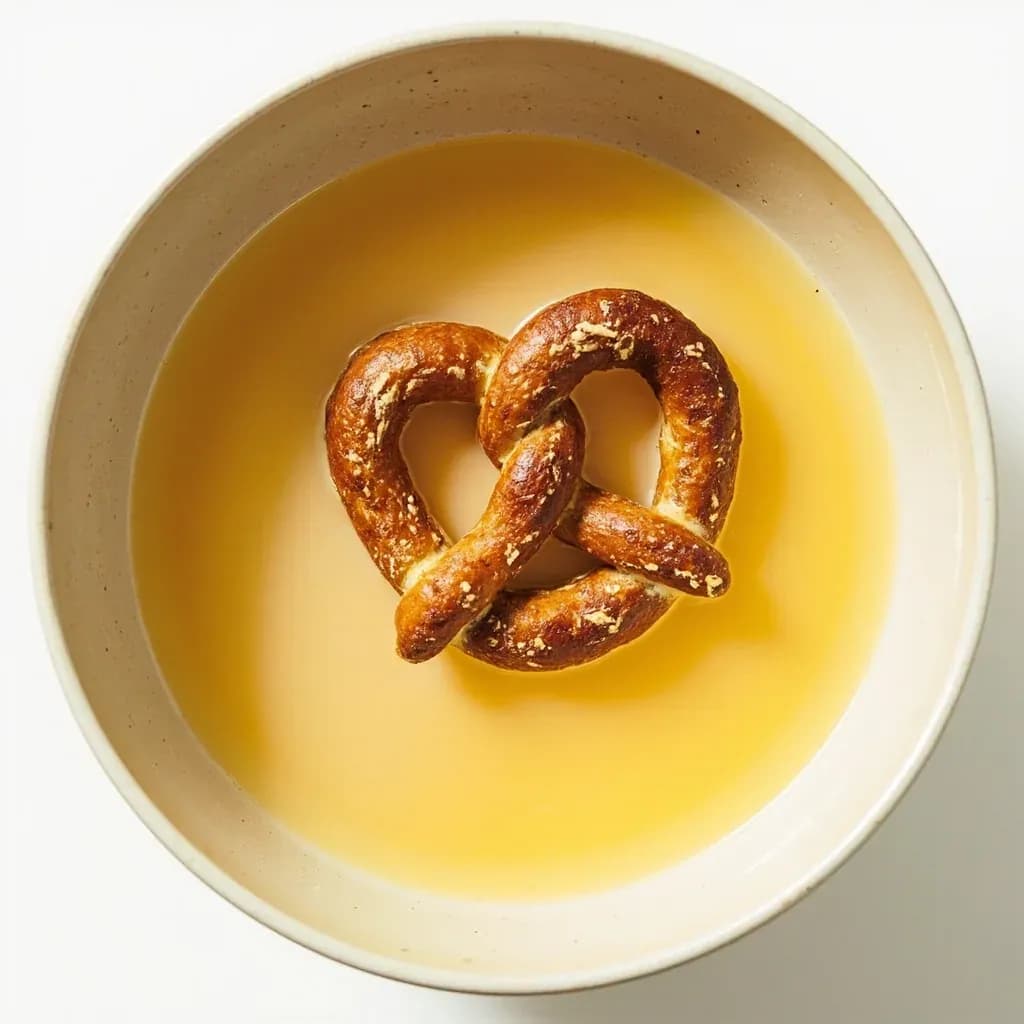
Lye Dipping
Briefly dipping dough in alkaline lye for a pretzel's deep brown, chewy crust.
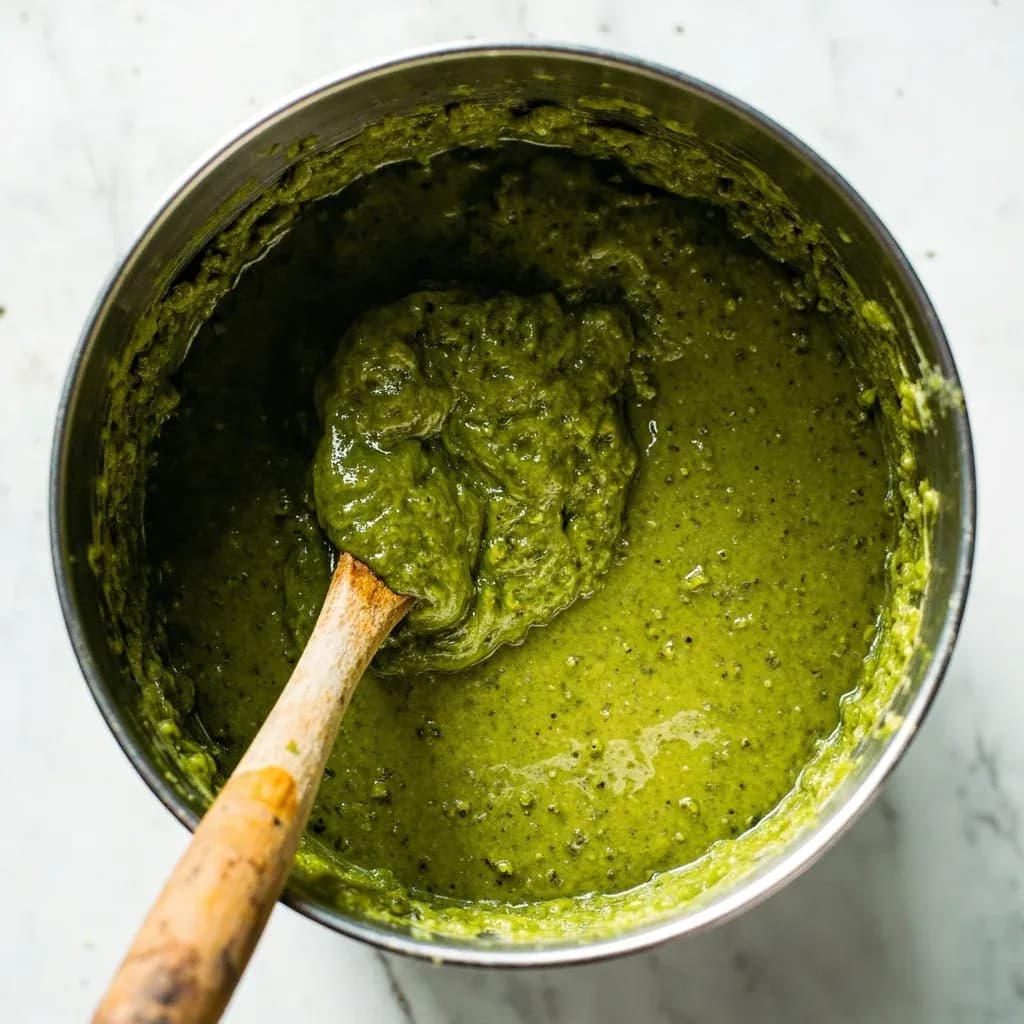
Malaxation (Paste Kneading)
Slowly stirring crushed olive paste so oil droplets merge before extraction.
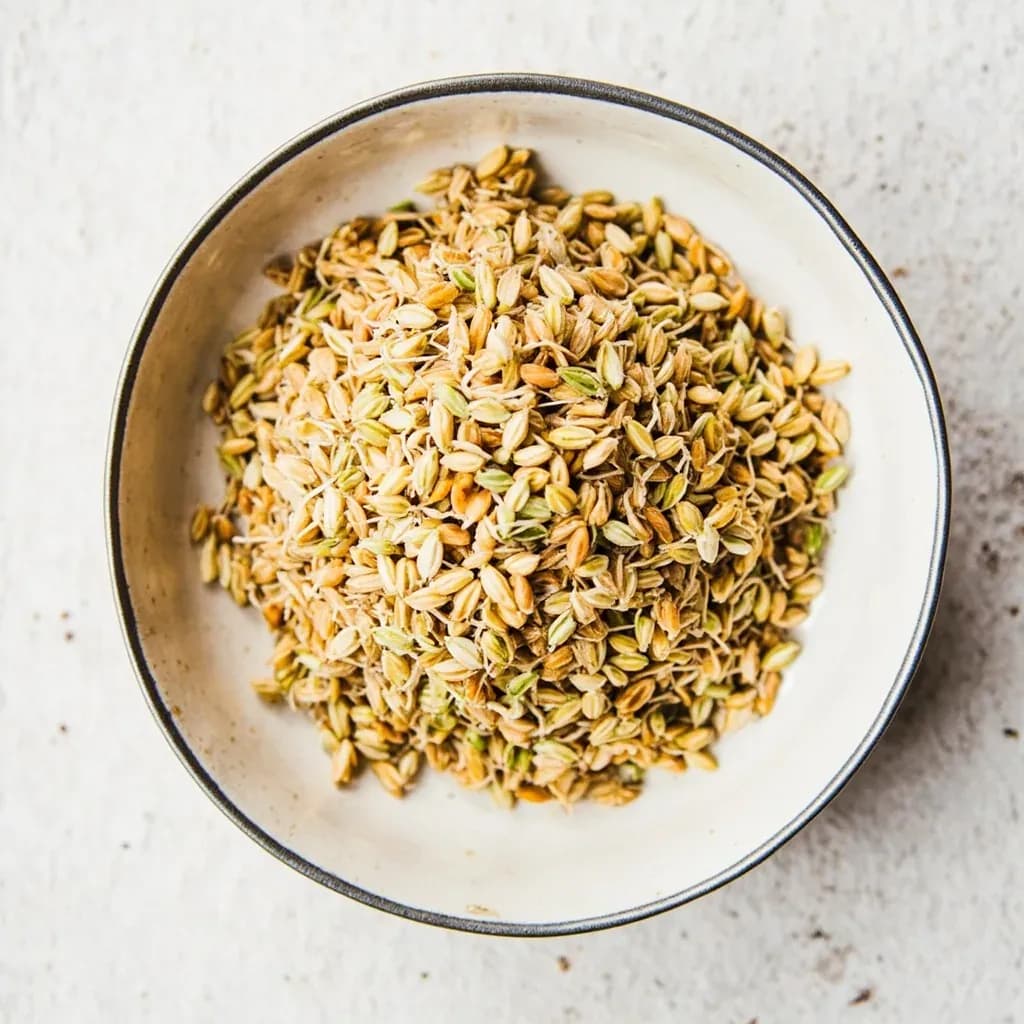
Malting
Sprouting then drying grain to activate enzymes for brewing and baking.
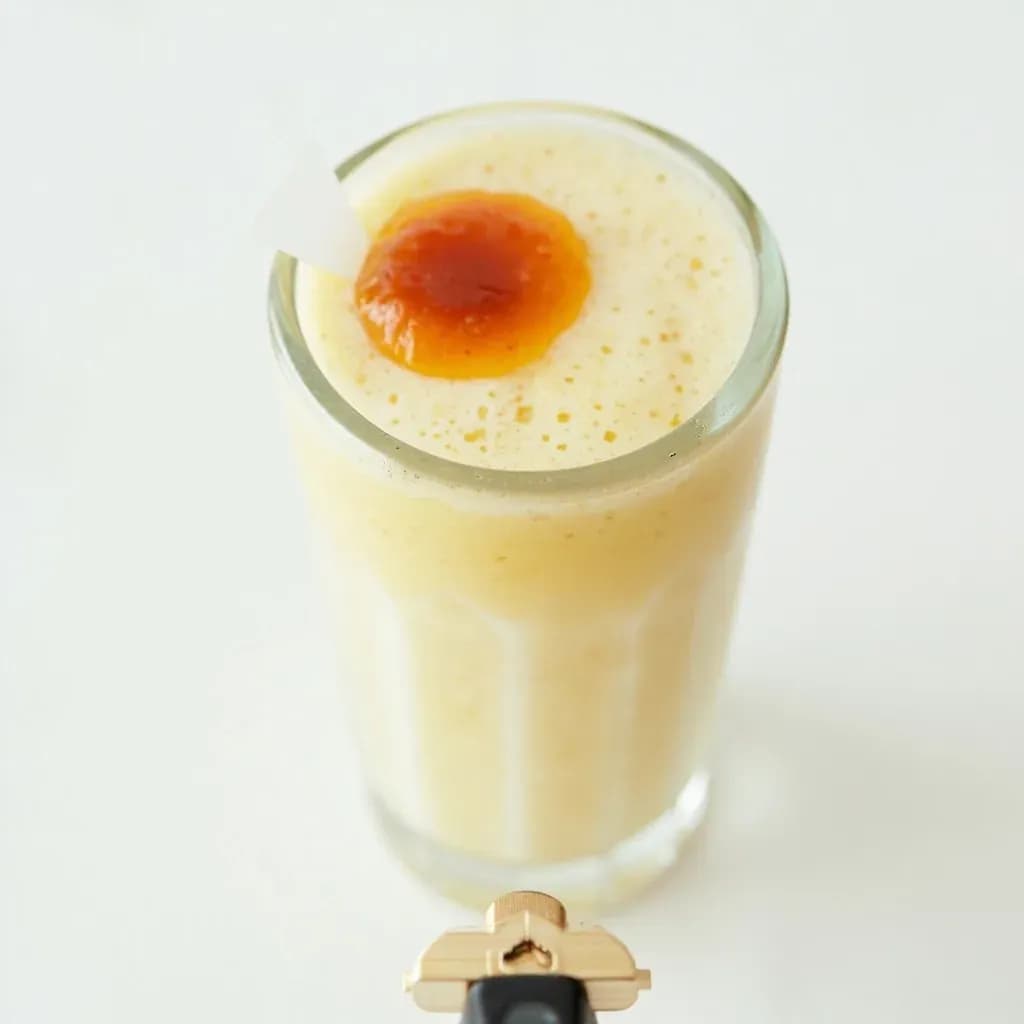
Measuring Brix / Soluble Solids
Reading sugar content with a refractometer to gauge ripeness or fermentation.
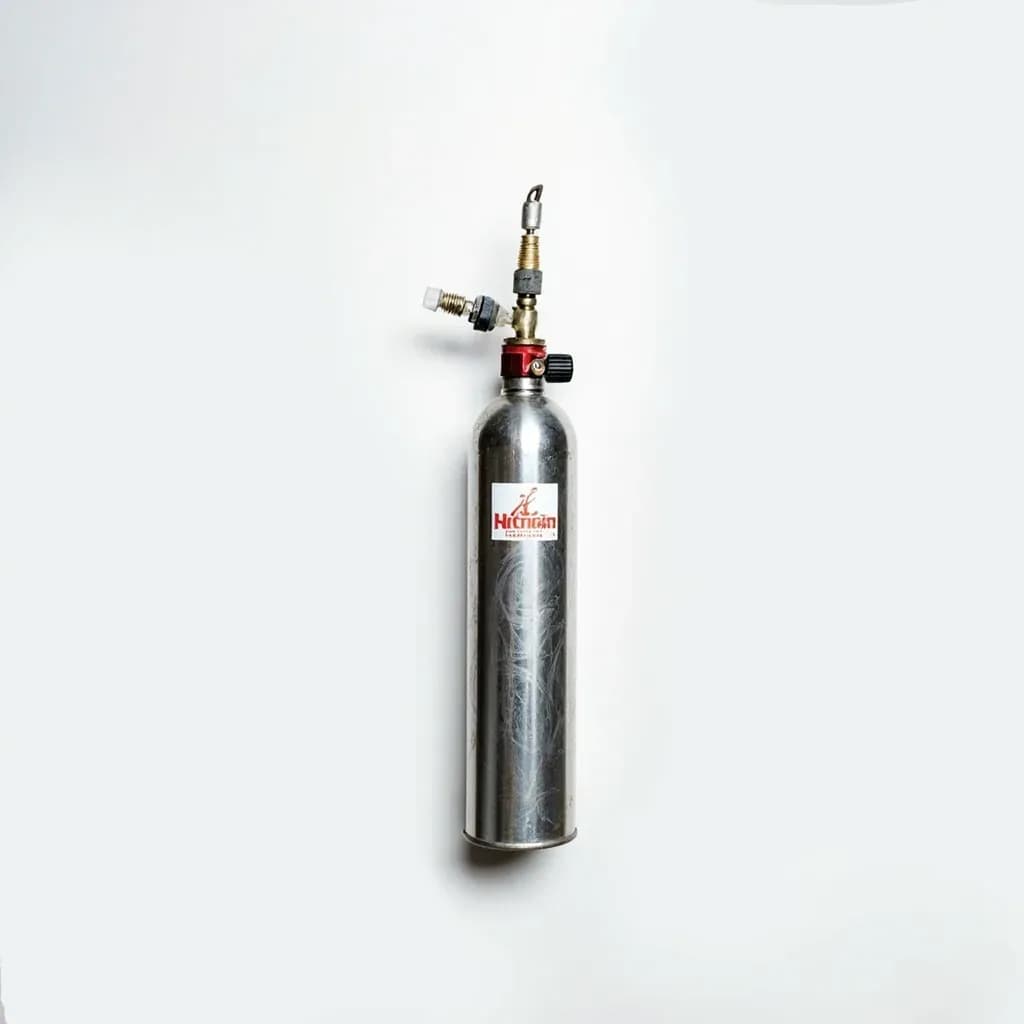
Nitrogen Blanketing
Flushing a container's headspace with inert nitrogen gas to displace oxygen and slow spoilage.
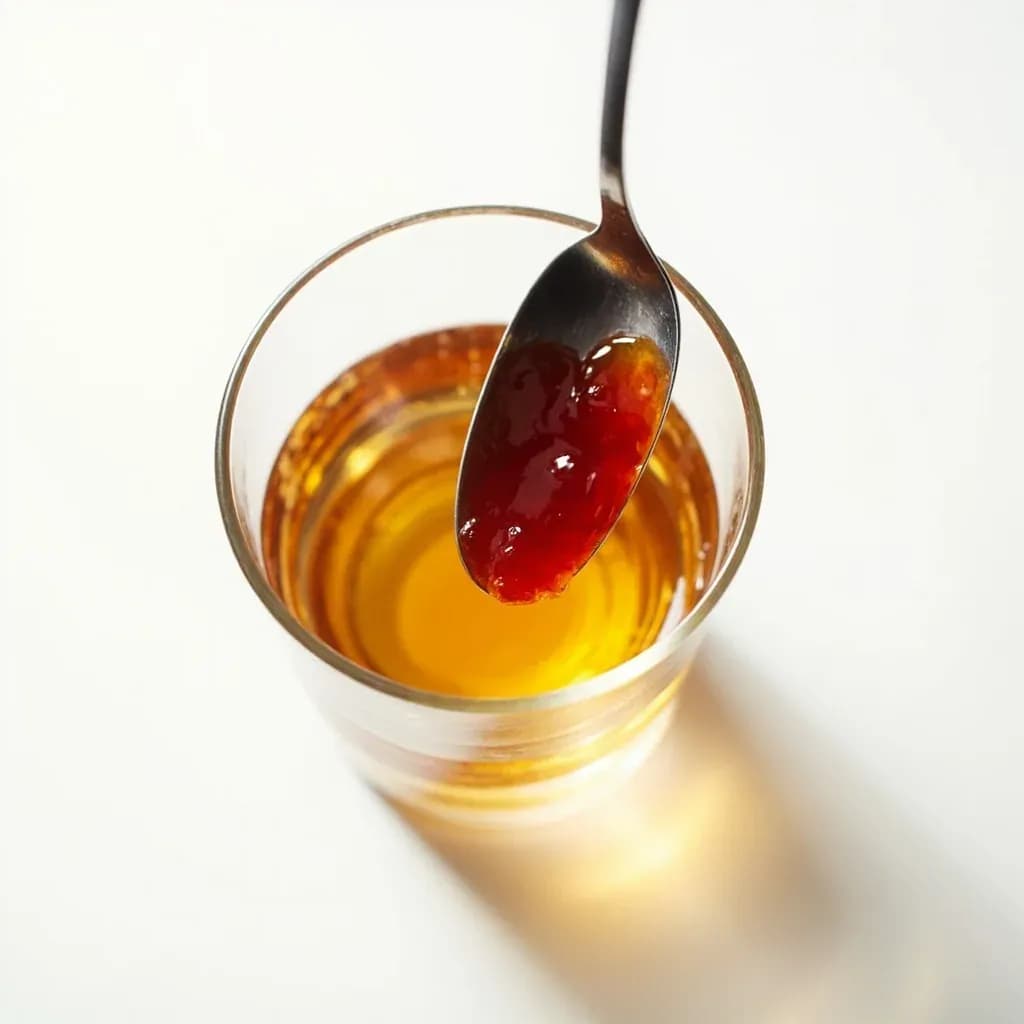
Pectin (Alcohol) Test
Dropping hot jam into alcohol to judge whether it has enough pectin to set.
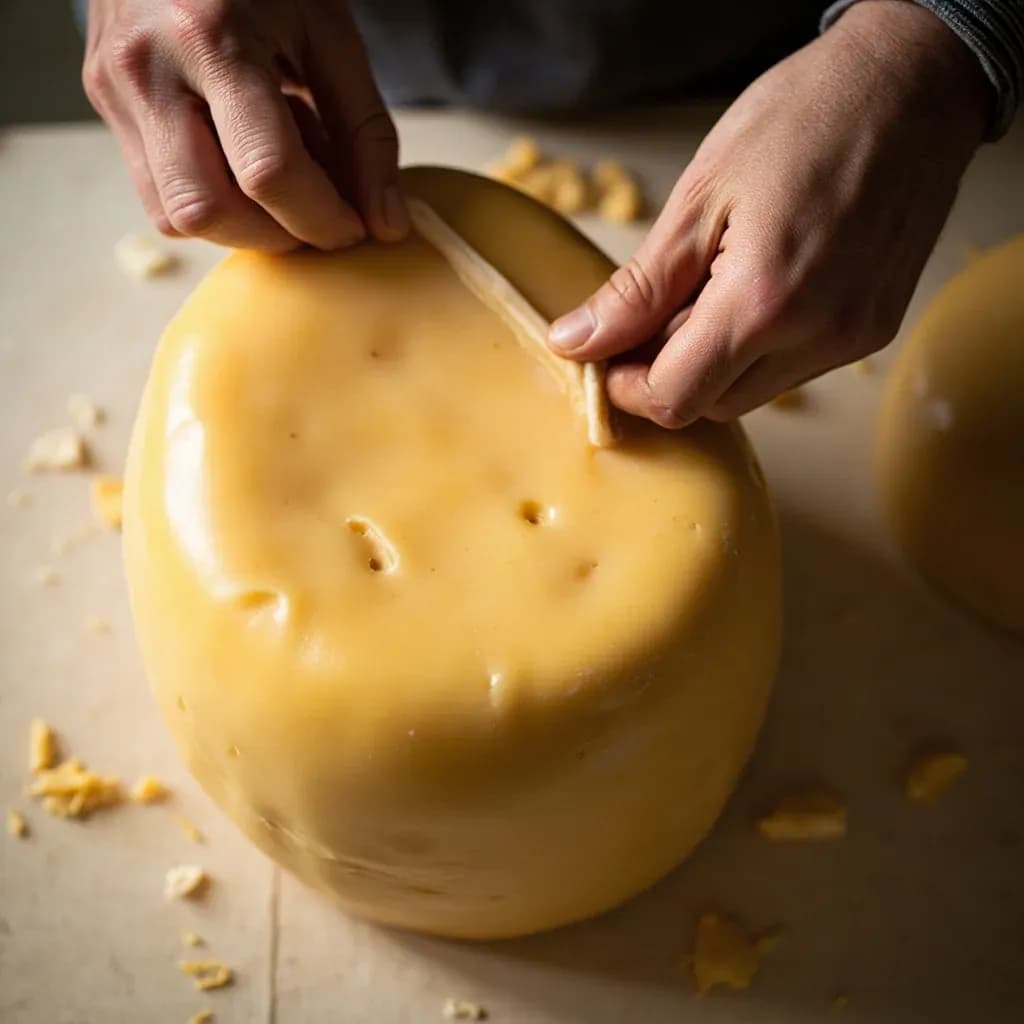
Plugging (Trier Sampling)
Boring a core sample from a cheese or cured meat to check ripeness without cutting it open.
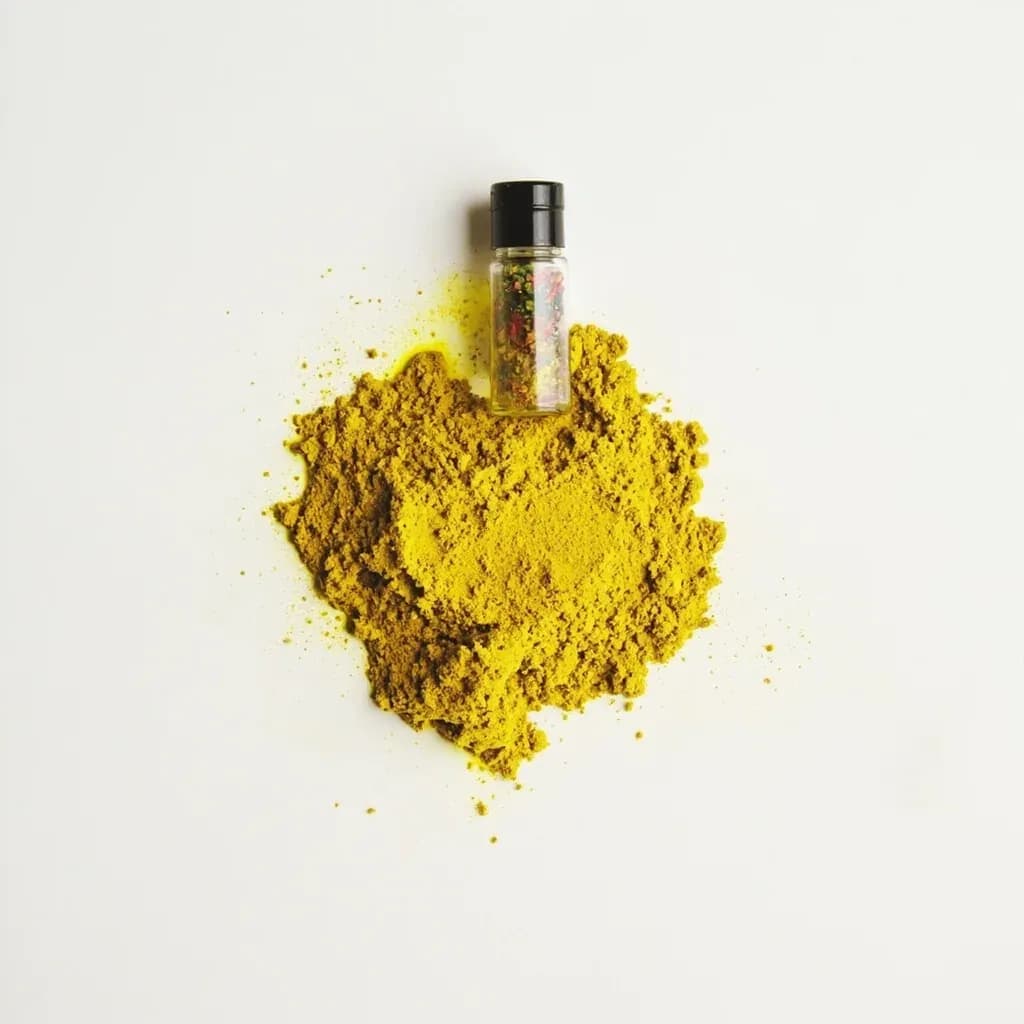
Powderizing
Turning fats or liquids into free-flowing powders using maltodextrin or fine milling.
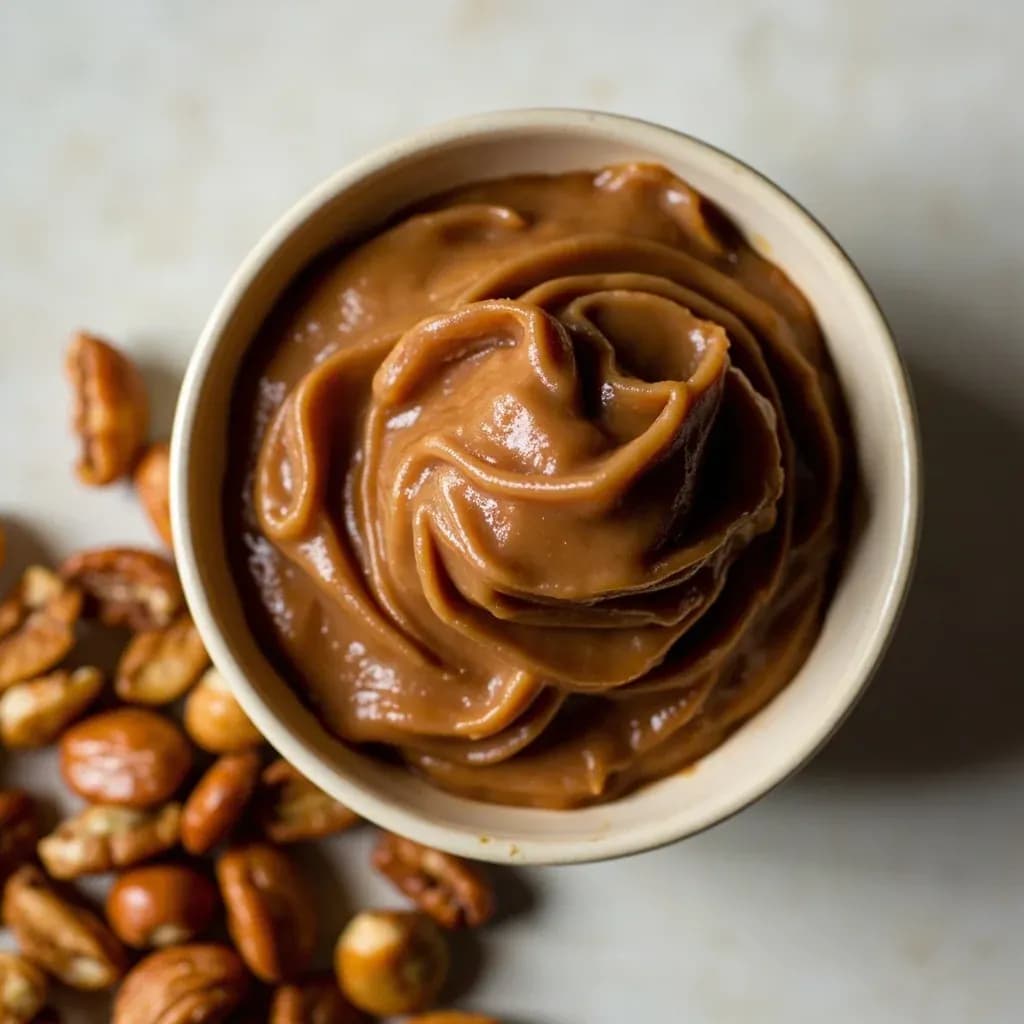
Praline Paste Making
Caramelizing nuts in sugar, then grinding the brittle into a smooth oily paste.
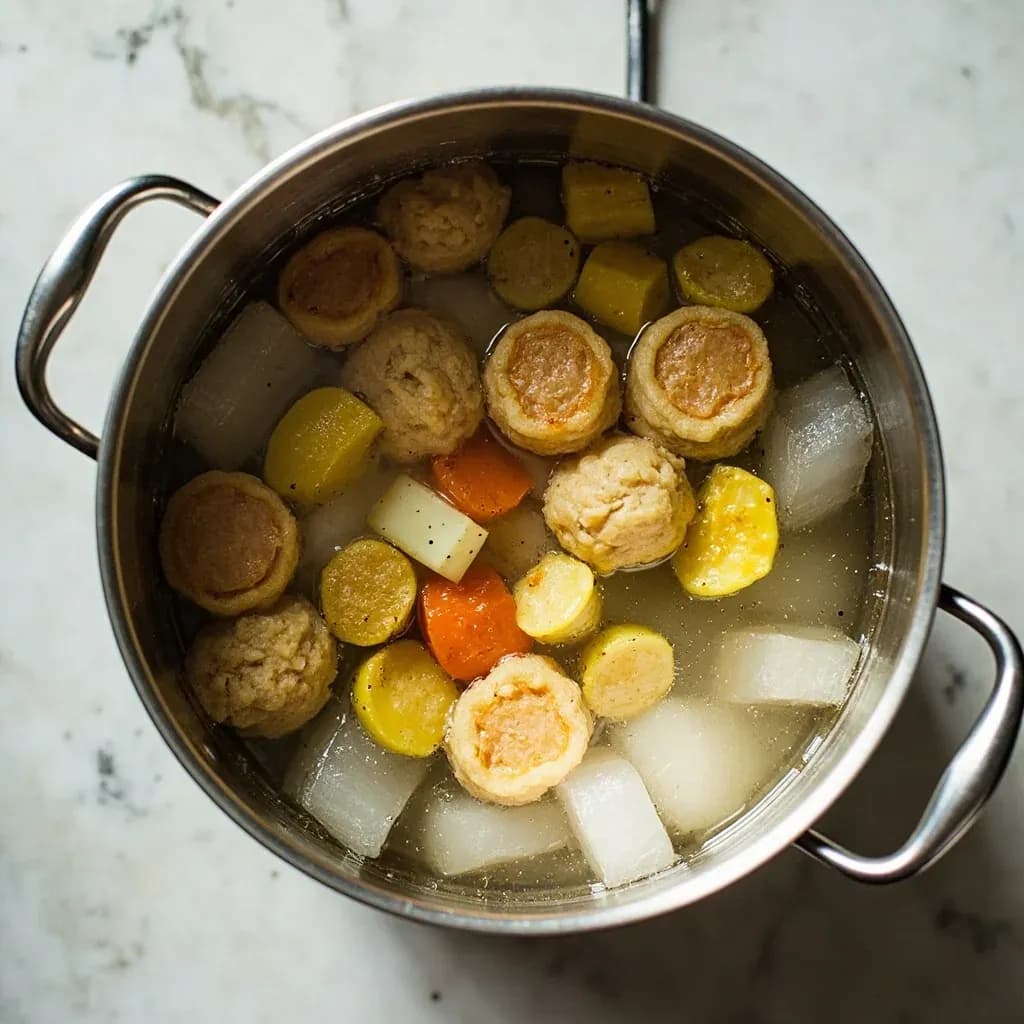
Rapid Cooling for Storage
Quickly chilling hot food through the danger zone to keep it safe for storage.
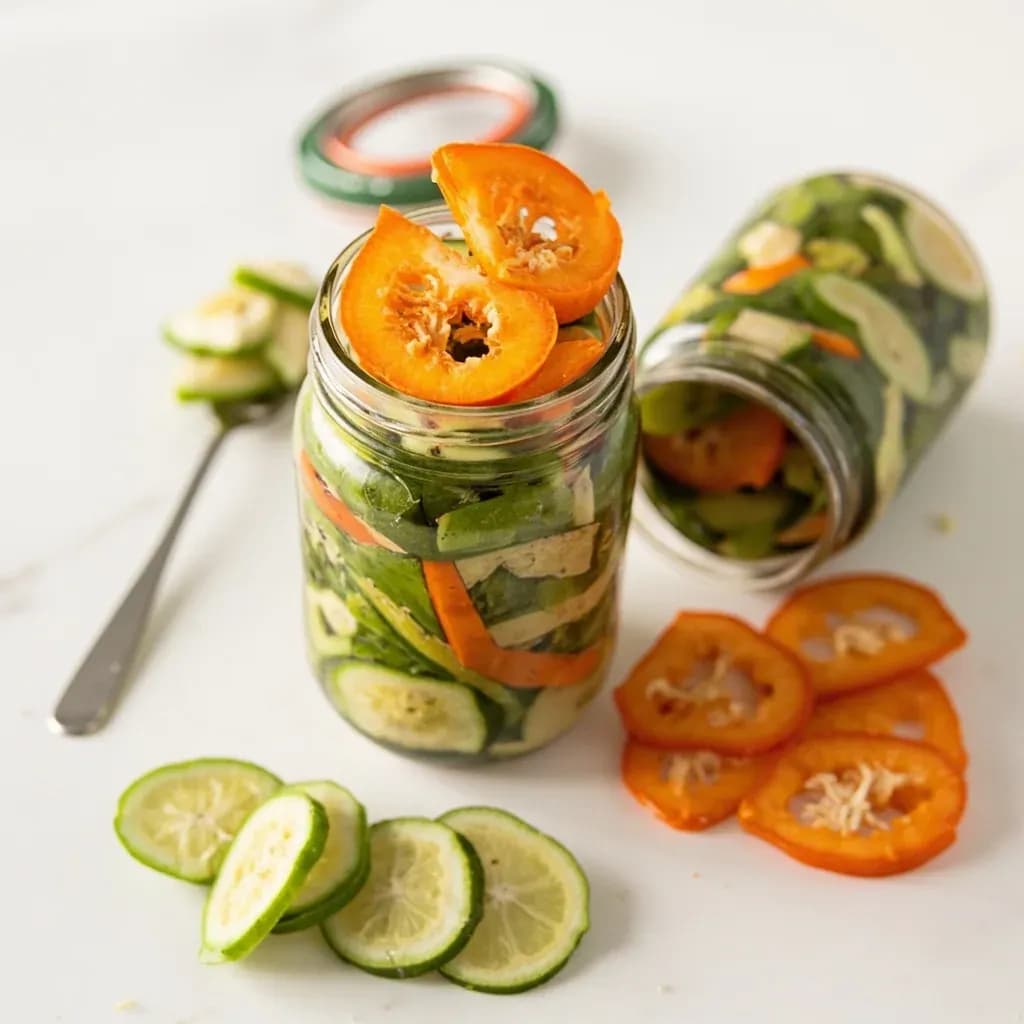
Raw Pack
Filling canning jars with uncooked food before processing, rather than pre-heating it.
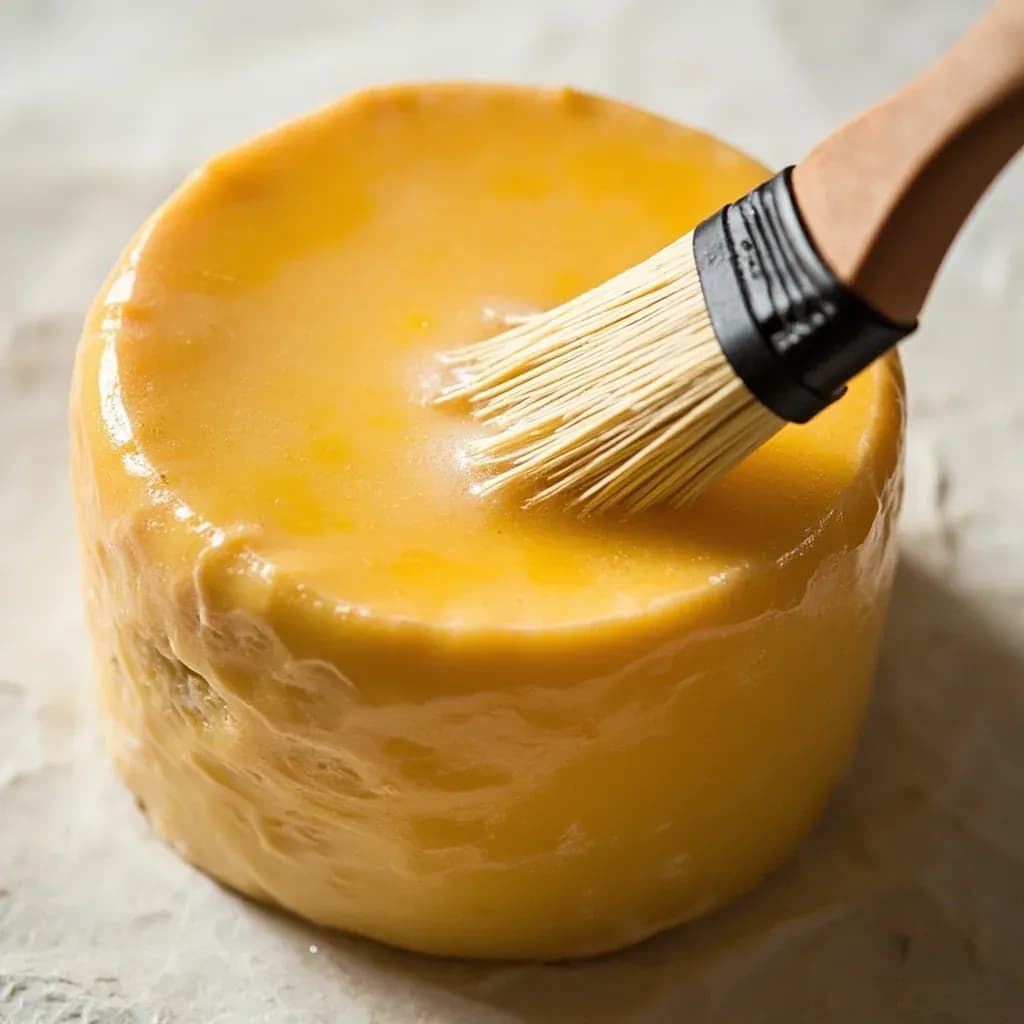
Rind Brushing
Brushing aging cheese rinds with brine or culture to manage their surface ripening.
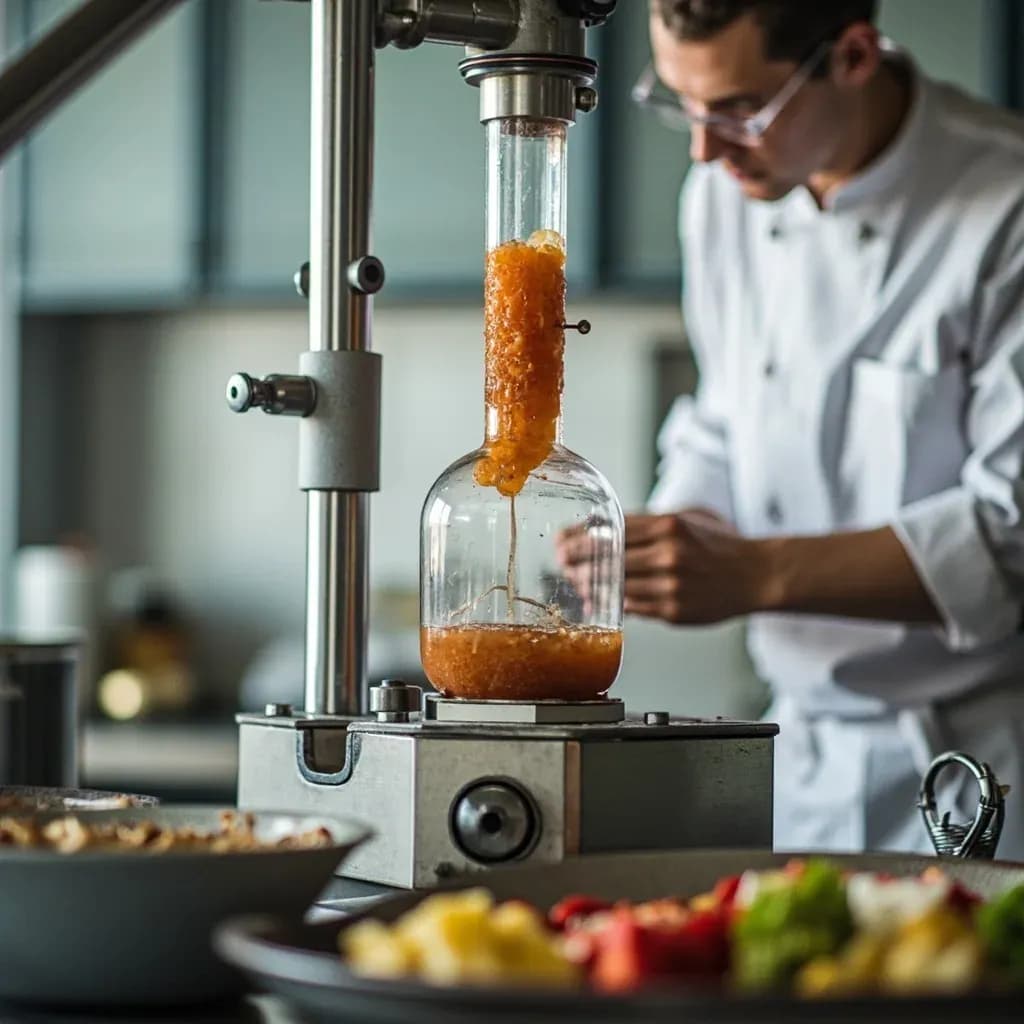
Rotary Distillation
Using a rotary evaporator under vacuum to gently distill delicate aromas at low heat.
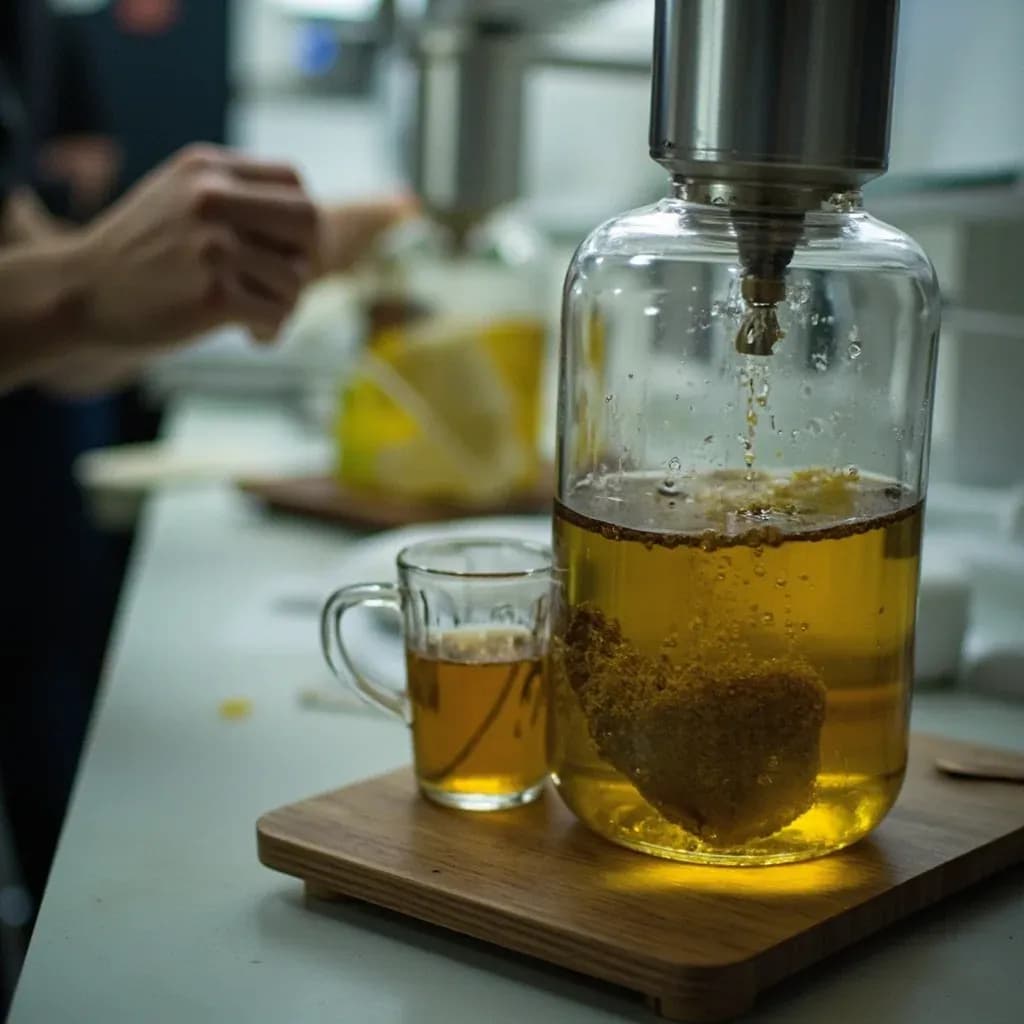
Rotary Evaporation
Concentrating a liquid in a rotovap under vacuum to reduce it without heat damage.
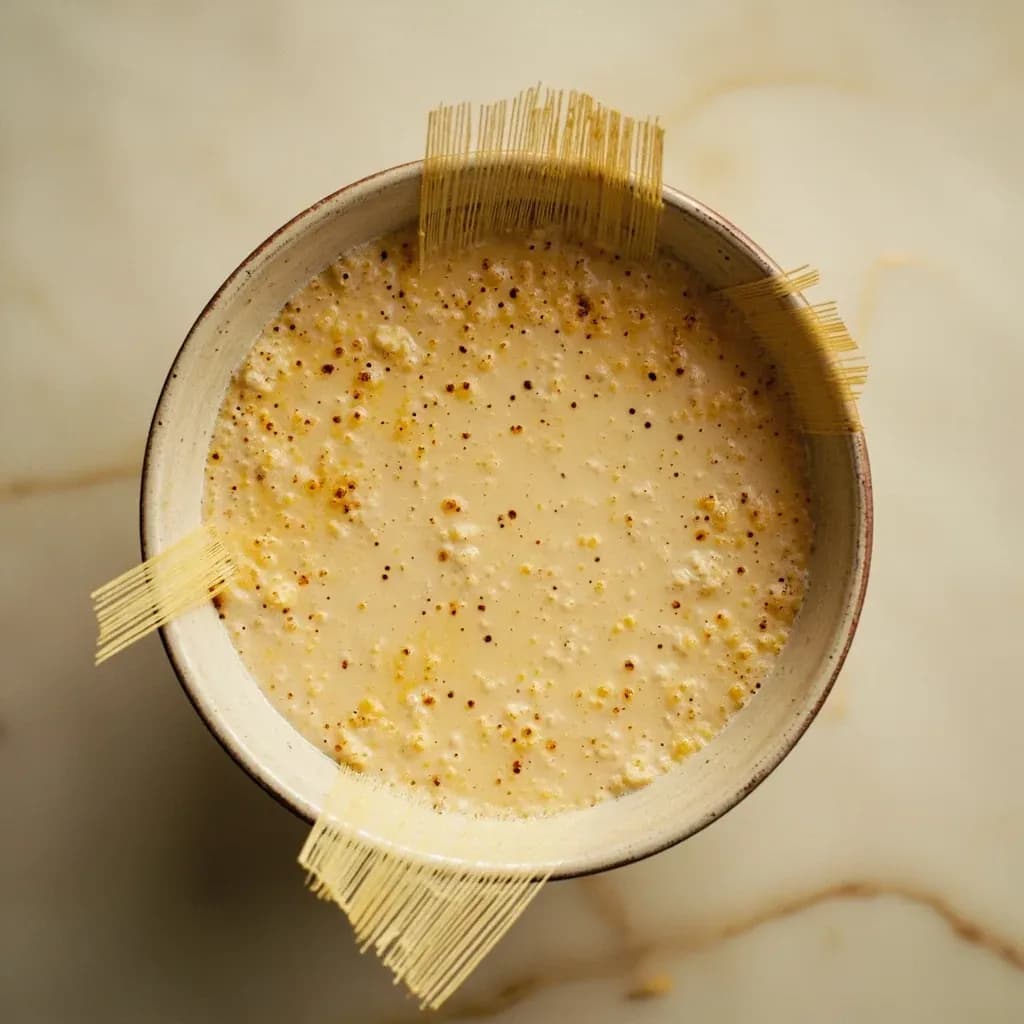
Sago Starch Leaching
Washing crushed sago palm pith with water to extract and settle out its edible starch.
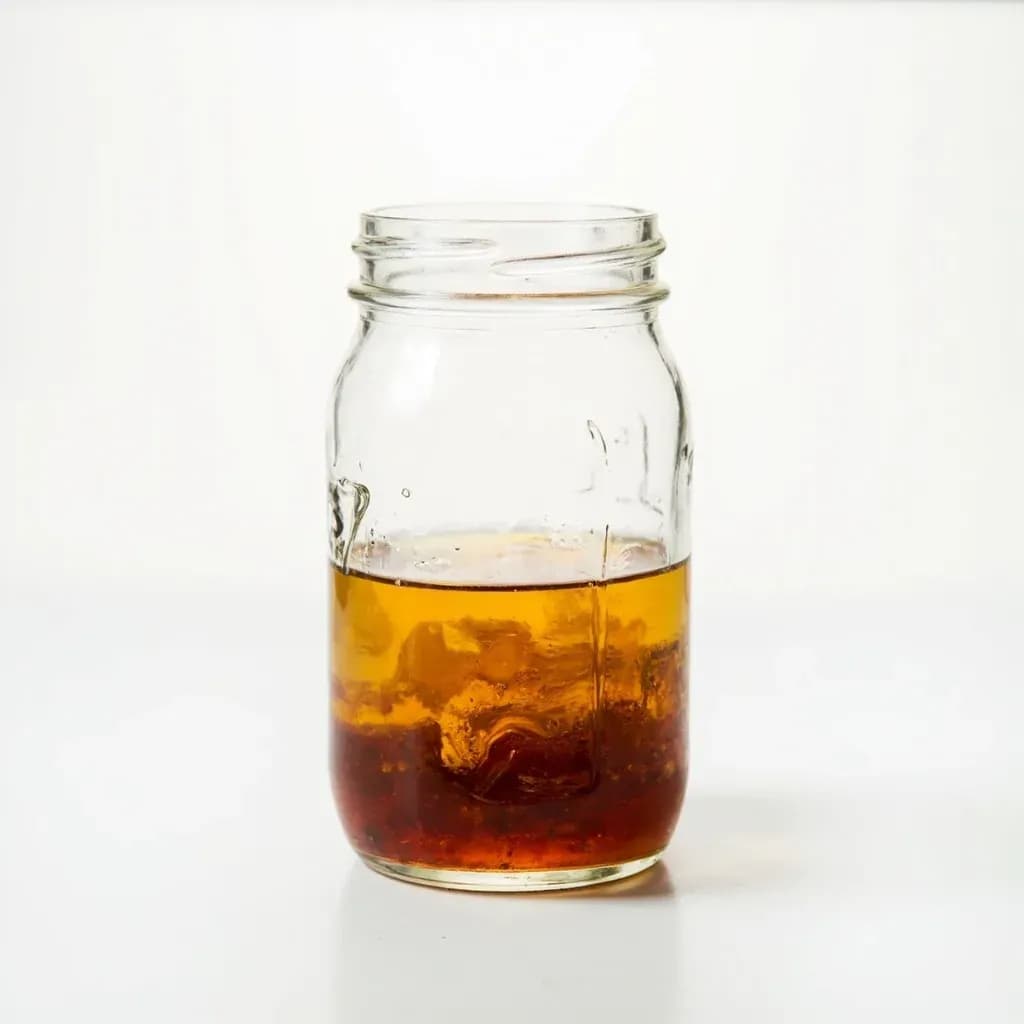
Settling
Letting a liquid stand so suspended solids sink and a clearer layer rises.
Spray Drying
Atomizing a liquid into hot air to instantly dry it into a fine powder.
Stabilizing
Adding agents like gums or lecithin to keep emulsions, foams, or suspensions from separating.
Sulfiting
Treating food or wine with sulfur dioxide to prevent browning and microbial spoilage.
Tare Building
Layering and reducing soy, mirin, and aromatics into a concentrated seasoning base.
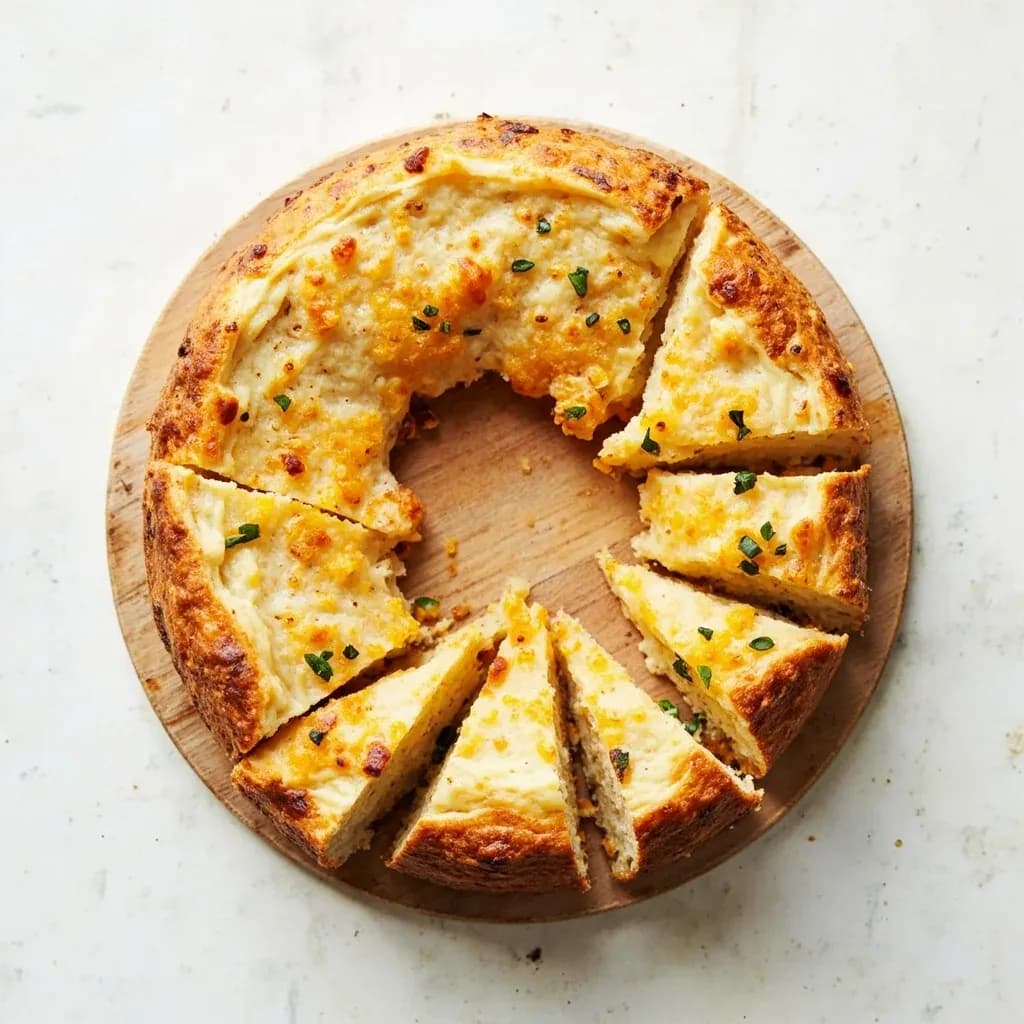
Tempeh Fermentation
Incubating cooked soybeans with Rhizopus mold to bind them into firm tempeh cakes.
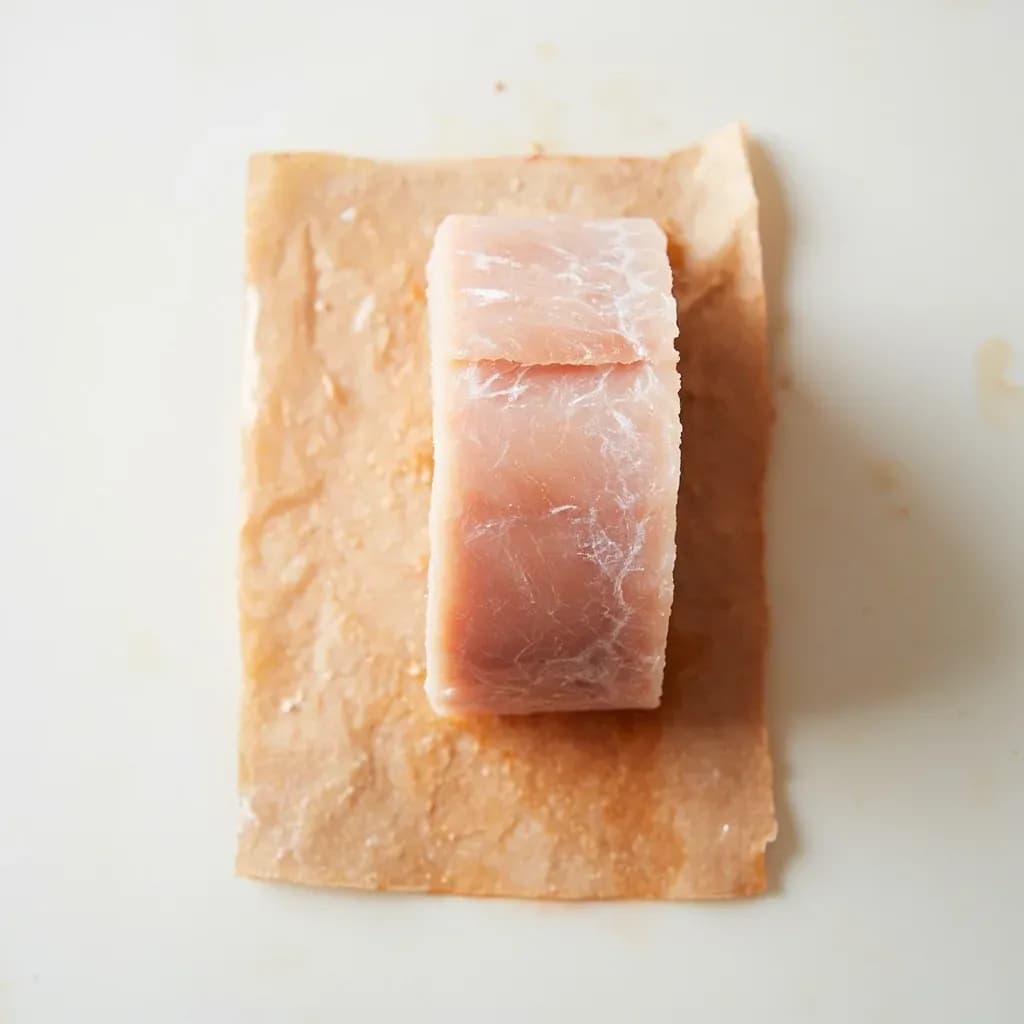
Texturizing / Restructuring
Binding small pieces of food into a new uniform shape with binders or transglutaminase.
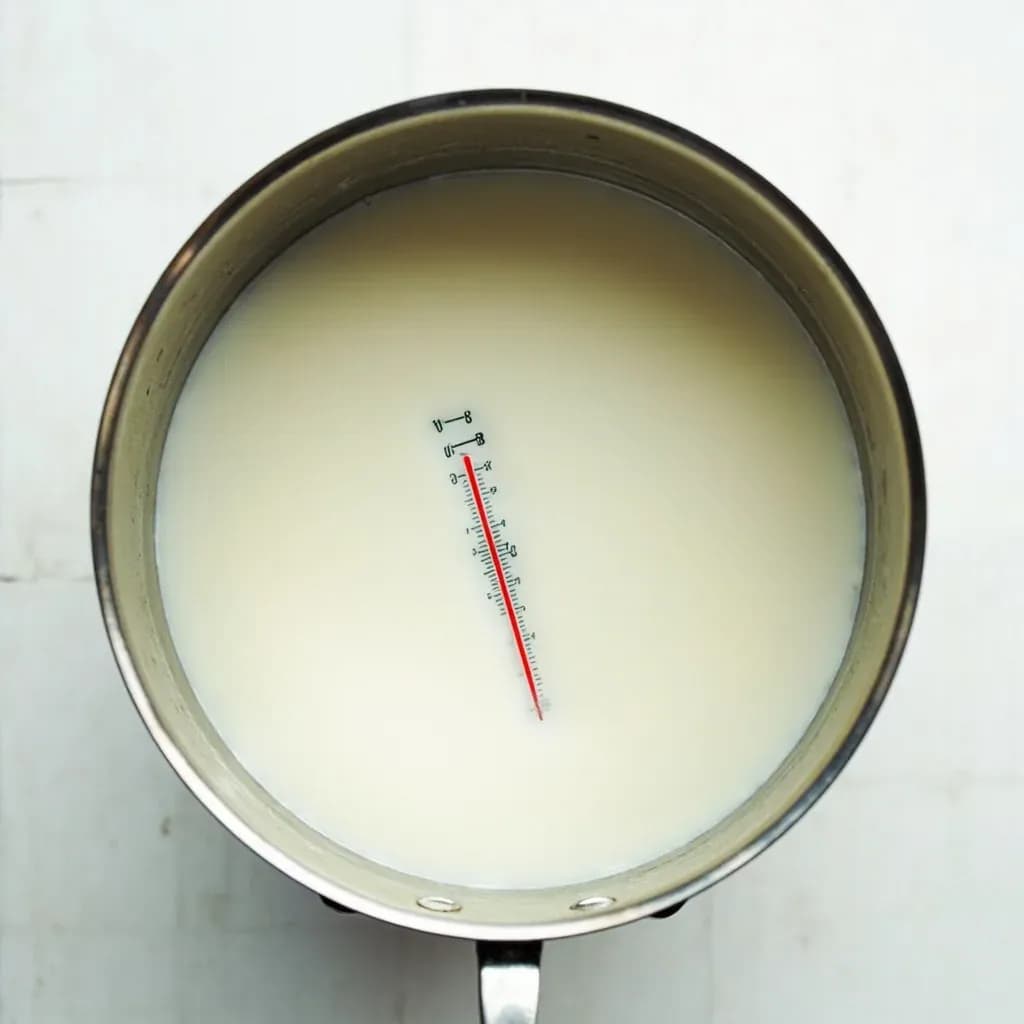
Thermization
A mild sub-pasteurization heat treatment that reduces microbes while keeping milk near-raw.
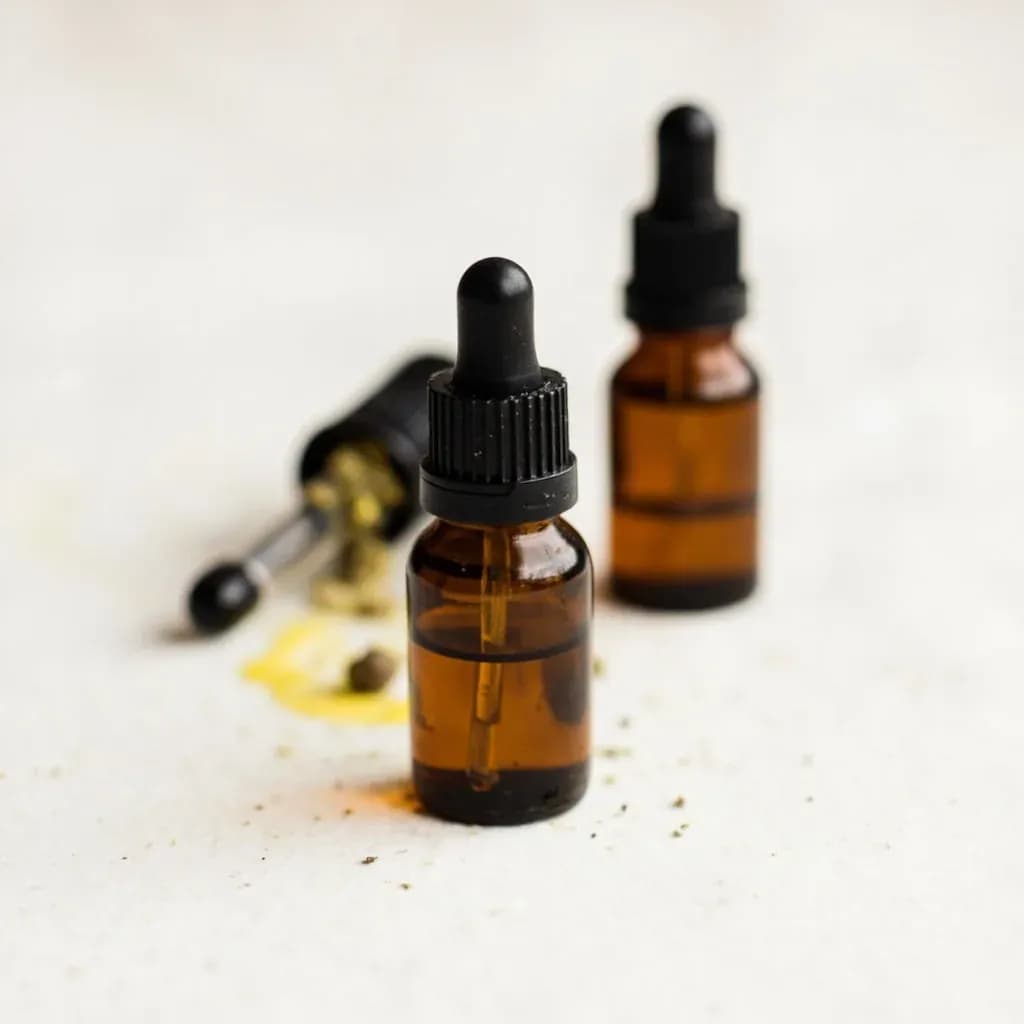
Tincturing
Steeping aromatics in high-proof alcohol to extract concentrated flavor and aroma.
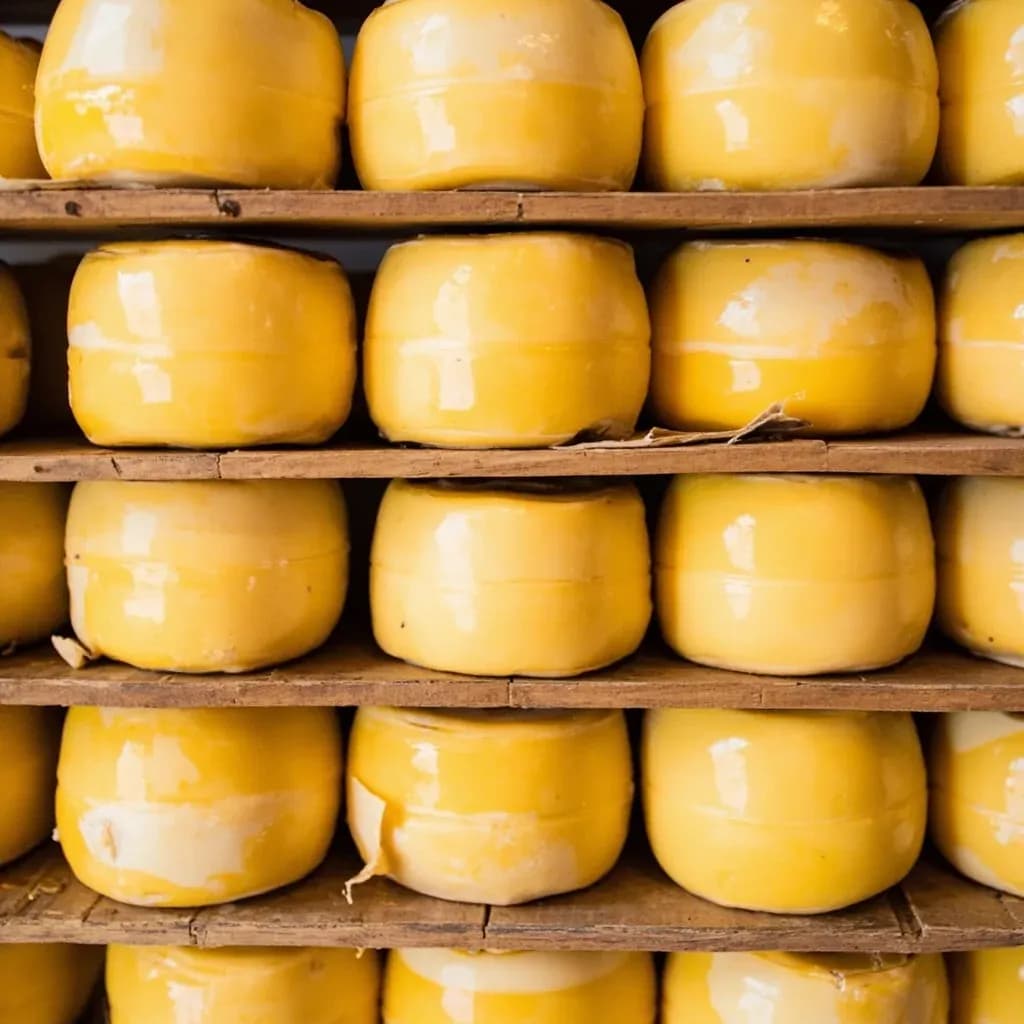
Turning (Cellar Care)
Regularly flipping aging cheeses so moisture distributes and rinds develop evenly.
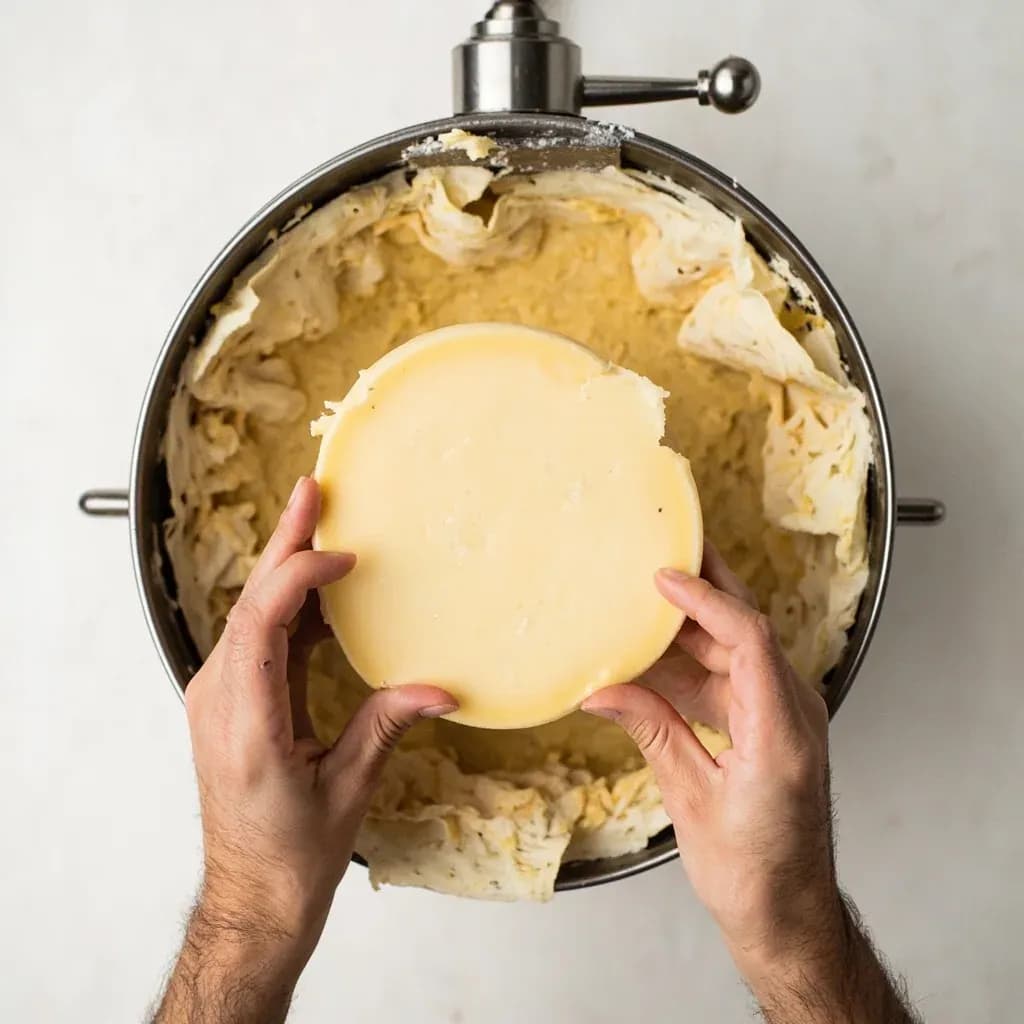
Turning / Flipping Wheels
Flipping cheese wheels during pressing and aging for even shape, drainage, and rind.
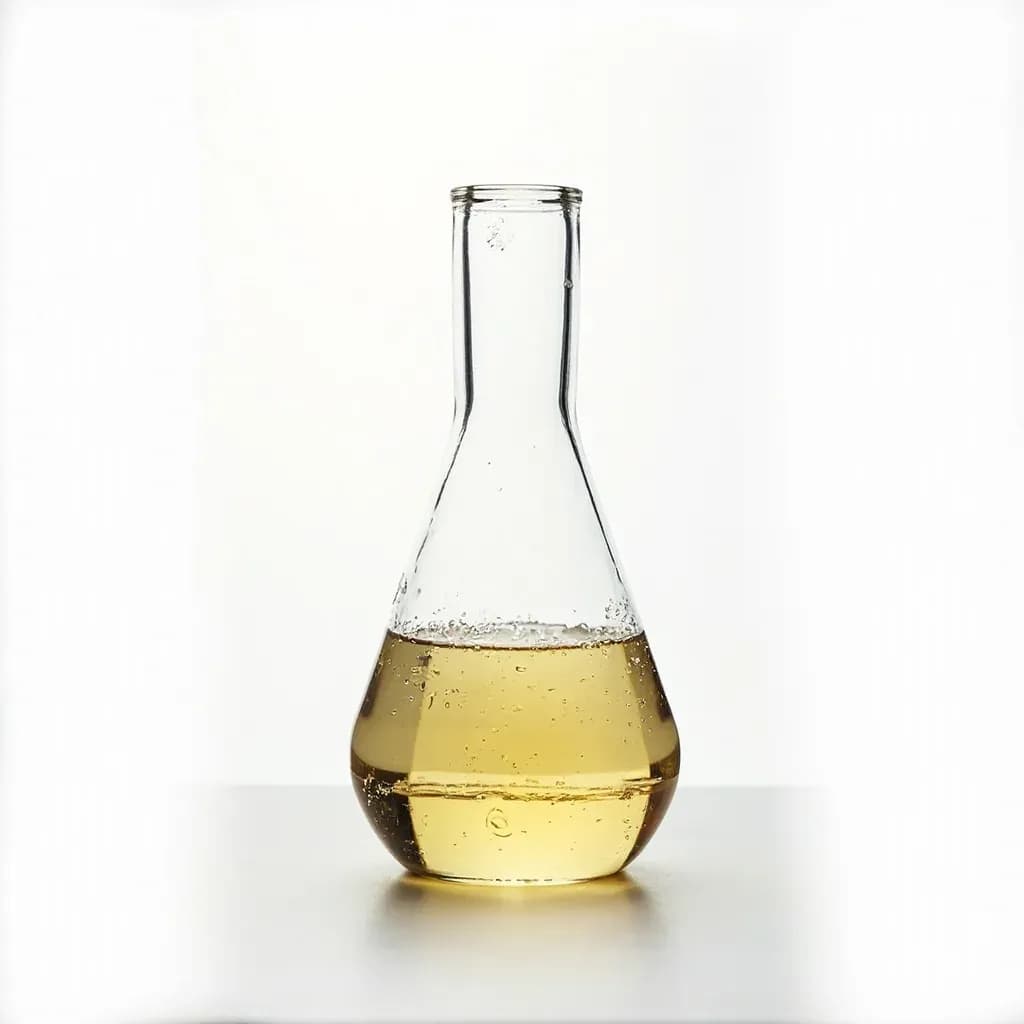
Vacuum Distillation
Distilling under reduced pressure so aromas extract at low, flavor-preserving temperatures.
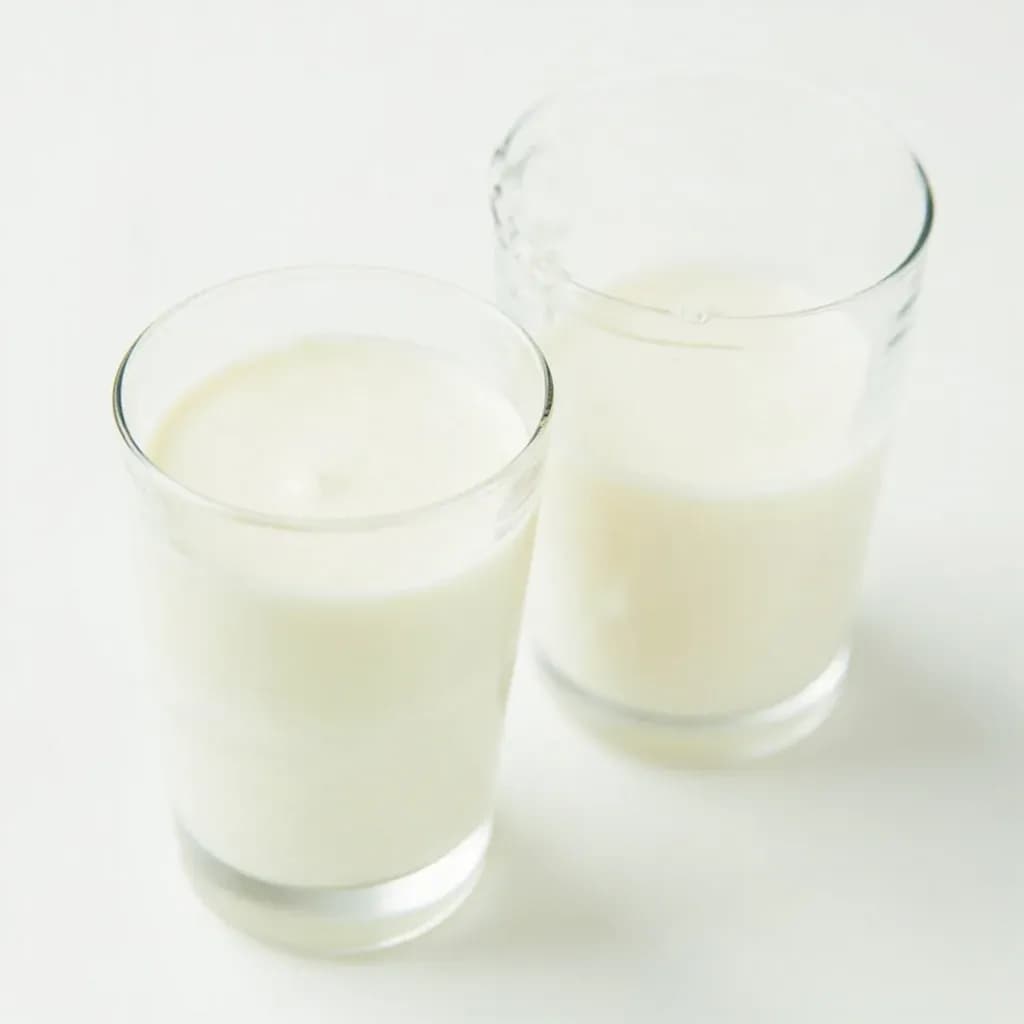
Vertical Centrifugal Separation
Spinning milk in a centrifuge to separate cream from skim by density.
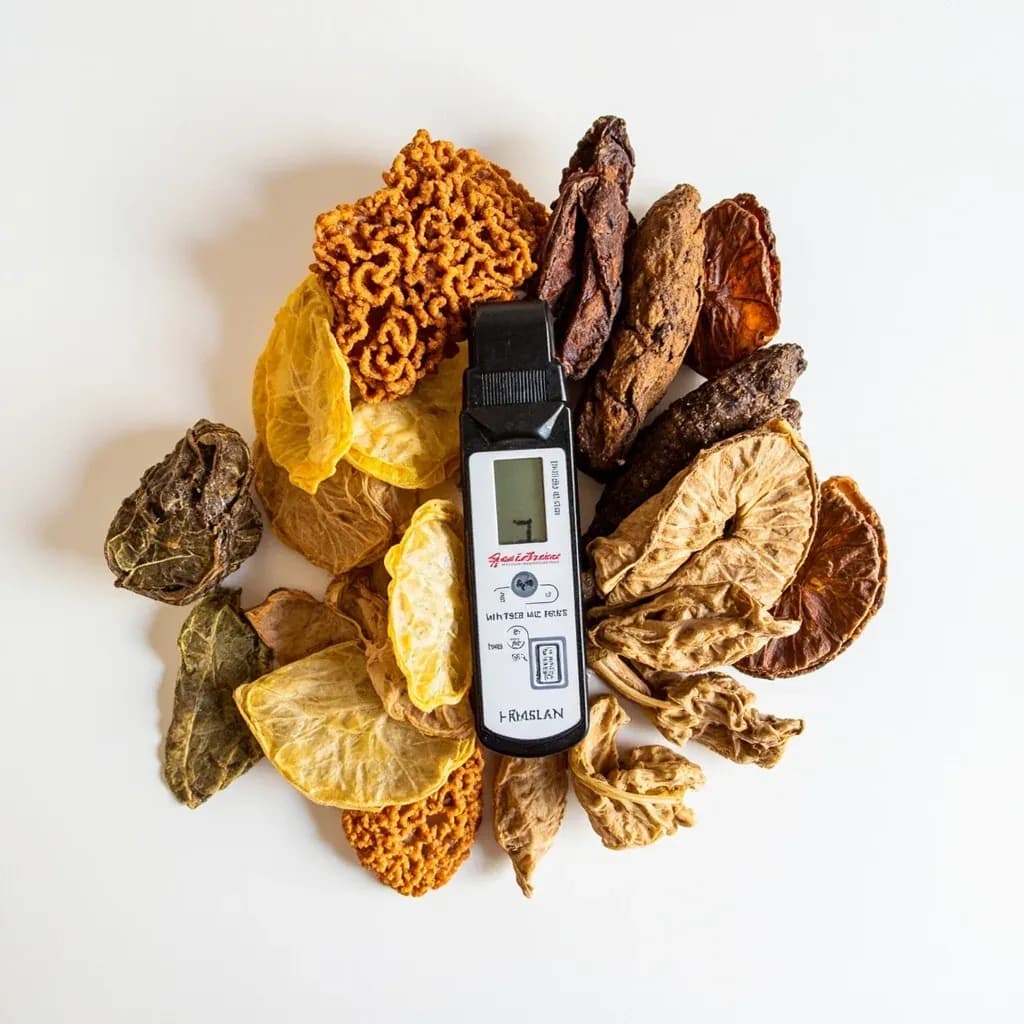
Water Activity Control
Lowering available water in food, via salt, sugar, or drying, to halt microbial growth.
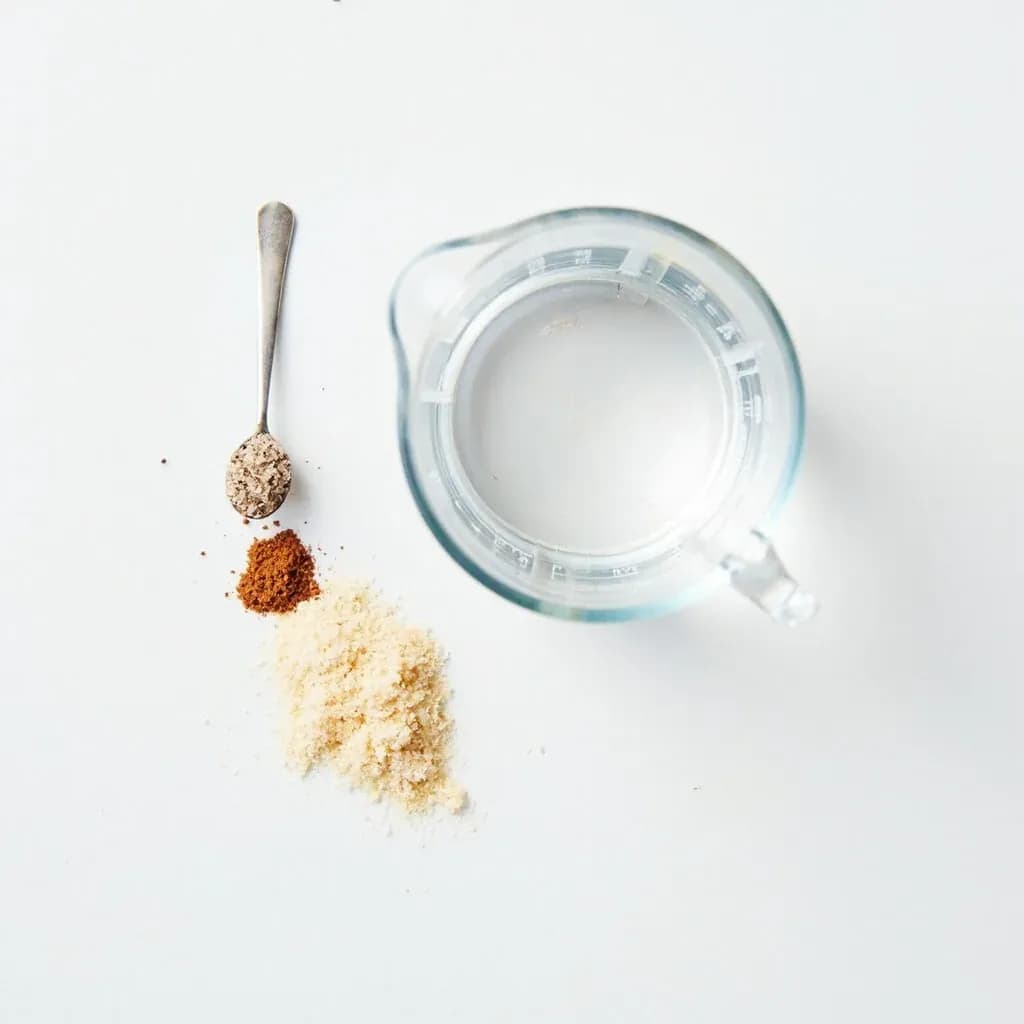
Water Treatment / Salt Adjustment
Adjusting water mineral content for brewing, baking, or coffee to optimize extraction.
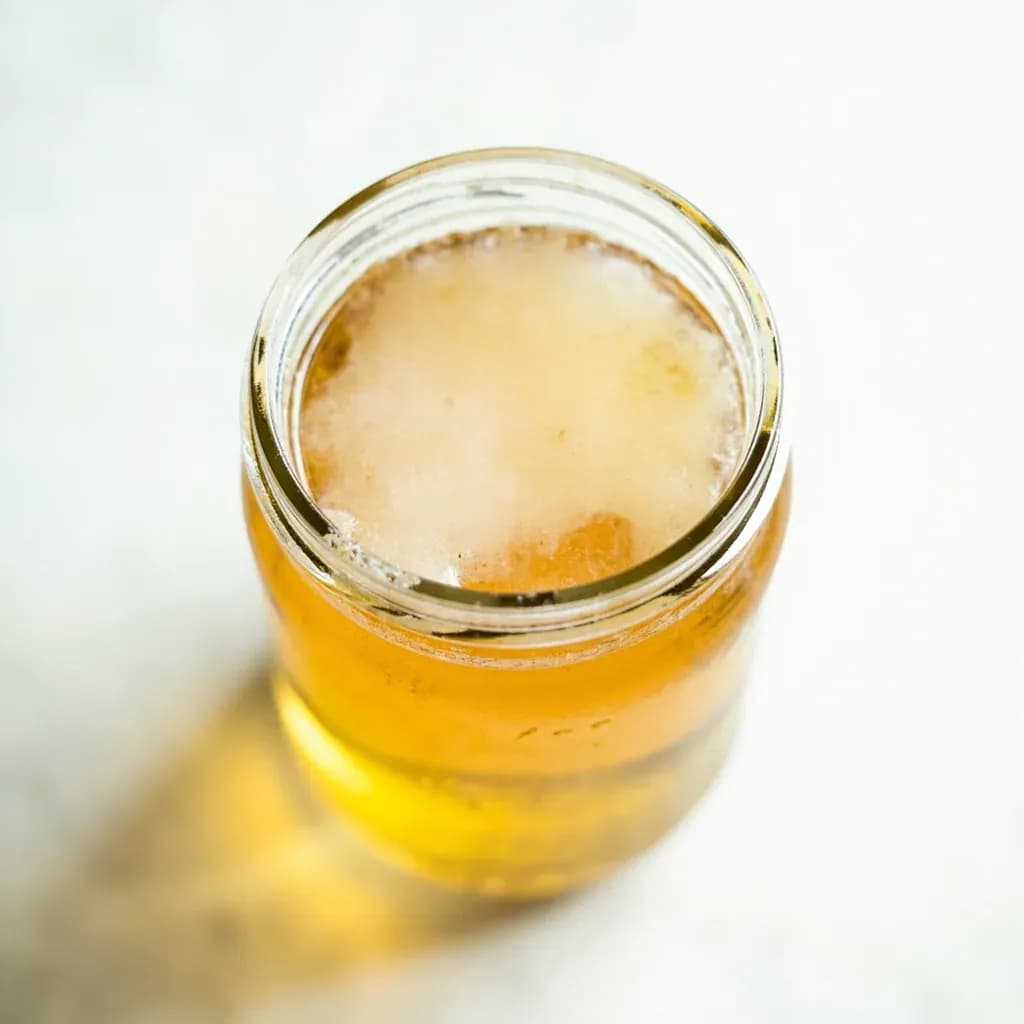
Wild Vinegar-Making
Letting wild acetobacter convert an alcoholic liquid into vinegar over weeks of open fermentation.
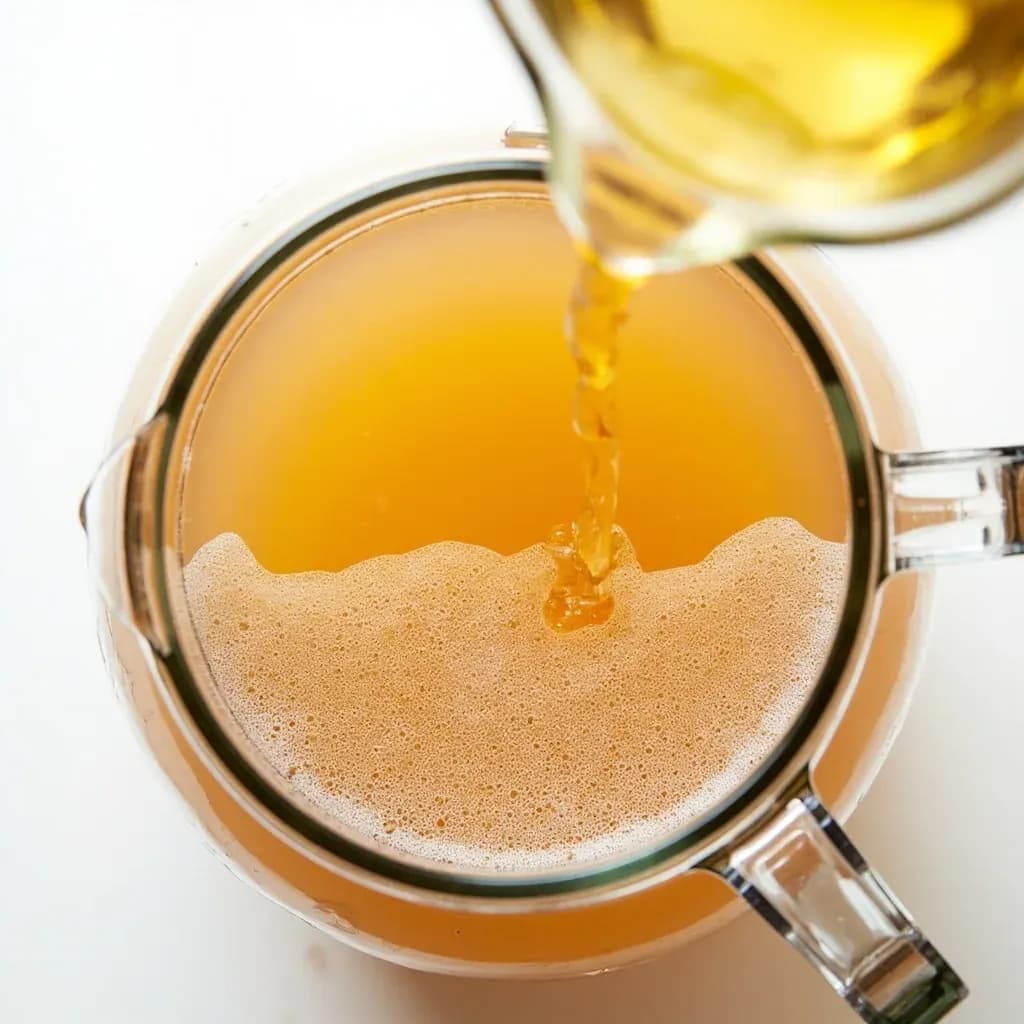
Wort Aeration / Oxygenation
Dissolving oxygen into cooled wort so yeast can multiply healthily before fermentation.
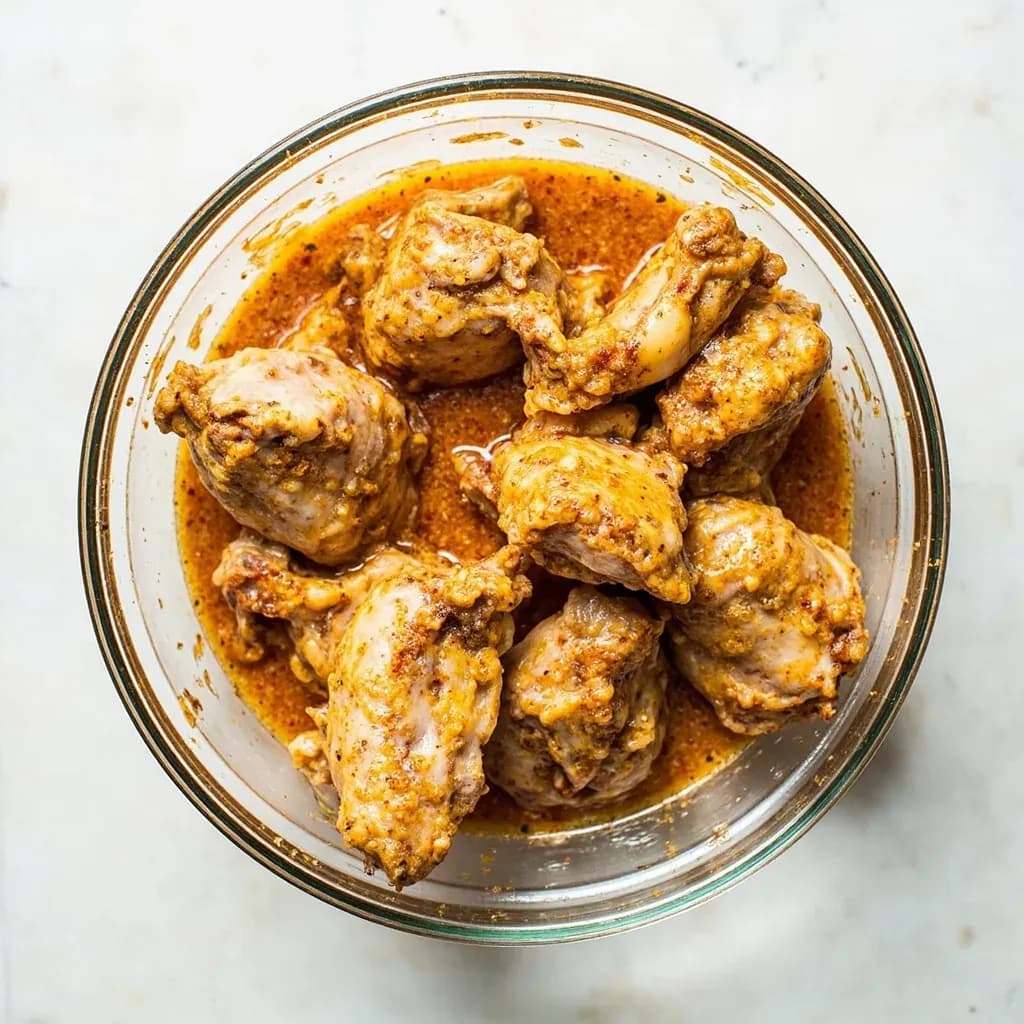
Marinating
Soaking food in a seasoned liquid to add flavor and, with acid or enzymes, tenderize it.
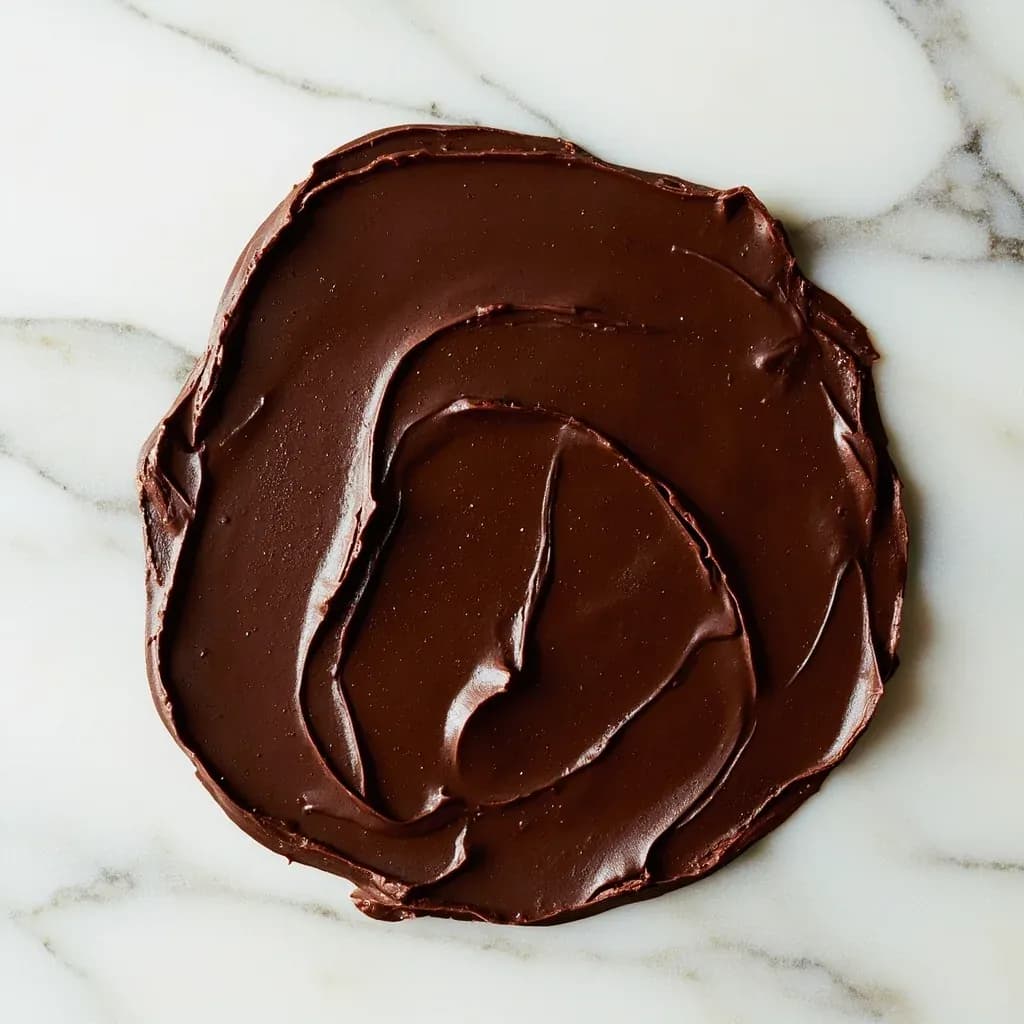
Tempering Chocolate
Controlling chocolate's crystal structure through heating and cooling for snap and shine.
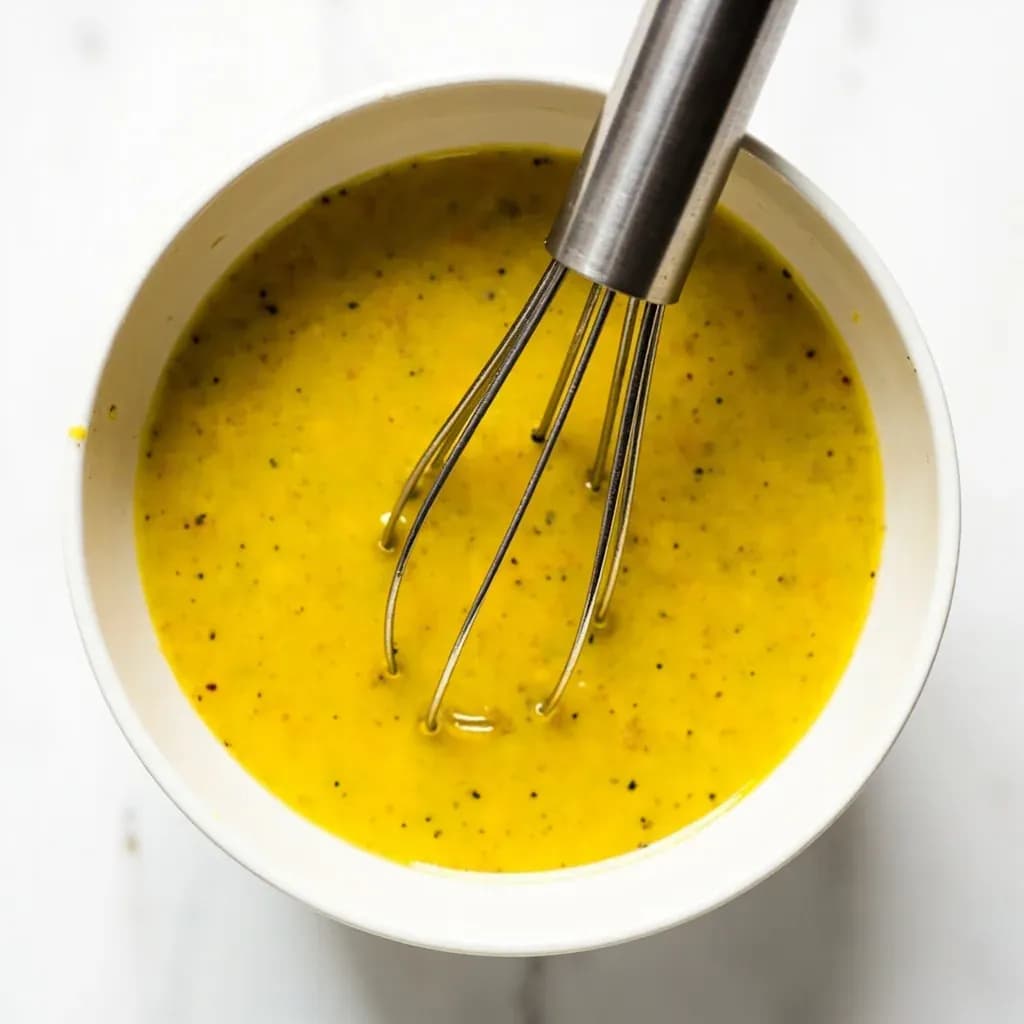
Emulsification
Forcing oil and water-based liquids into a stable, uniform blend that won't separate.
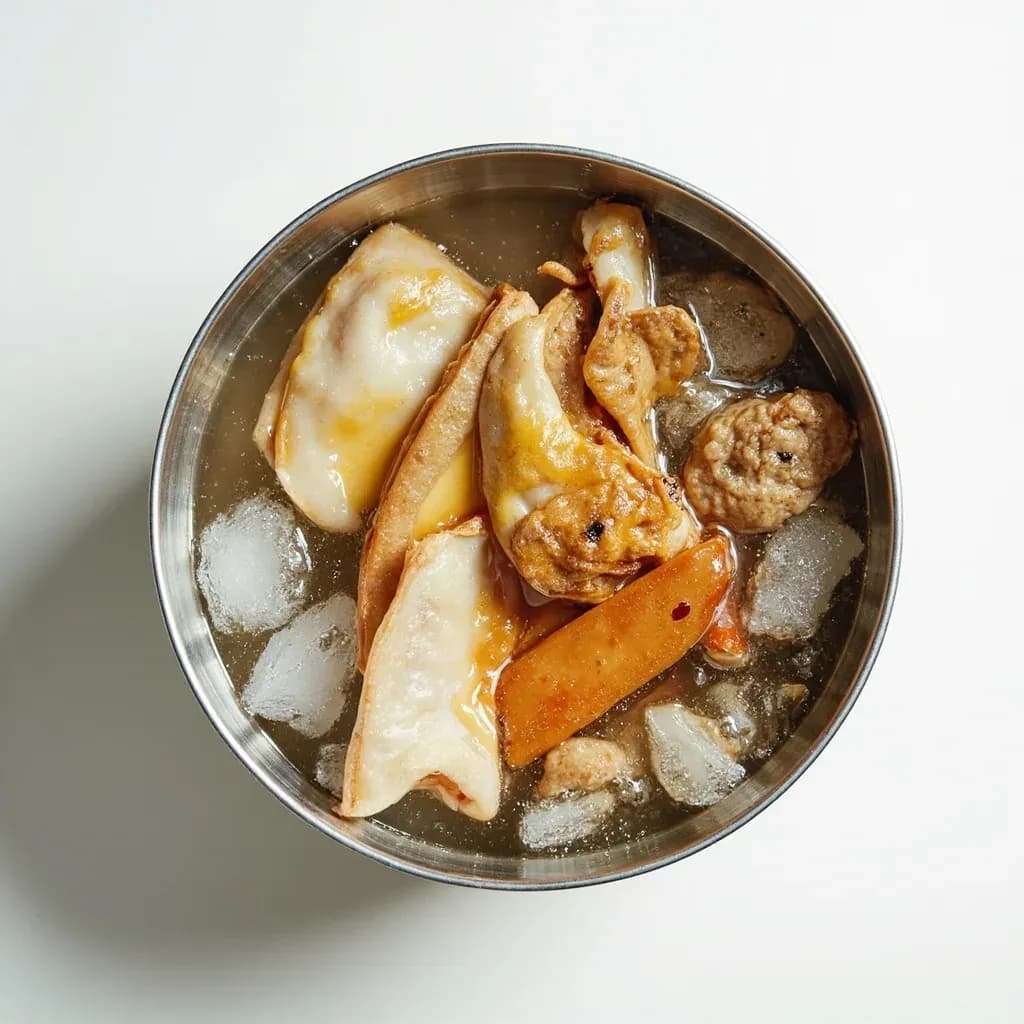
Rapid Blast Chilling
Cooling hot food very fast through the danger zone to lock in safety and texture.
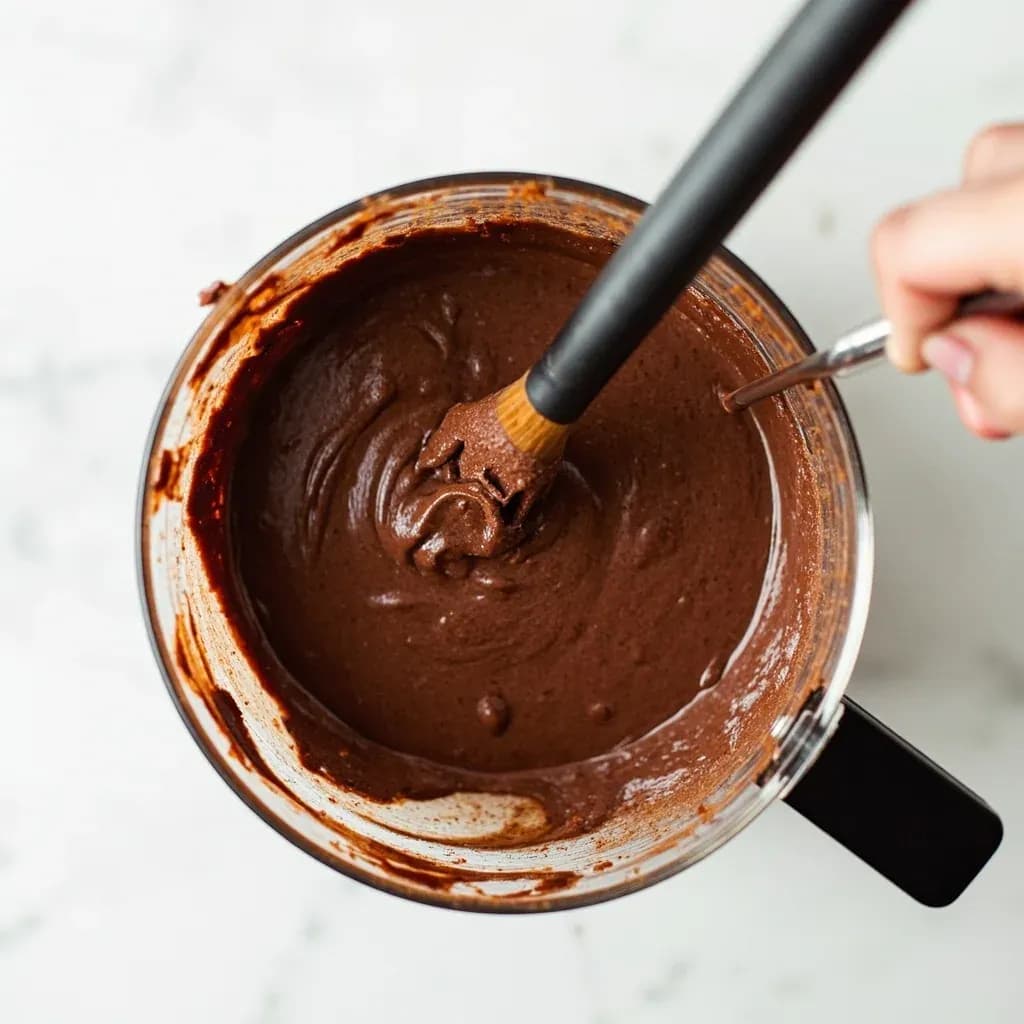
Crystallization Control
Managing sugar or fat crystal formation for the right texture in candy and confections.
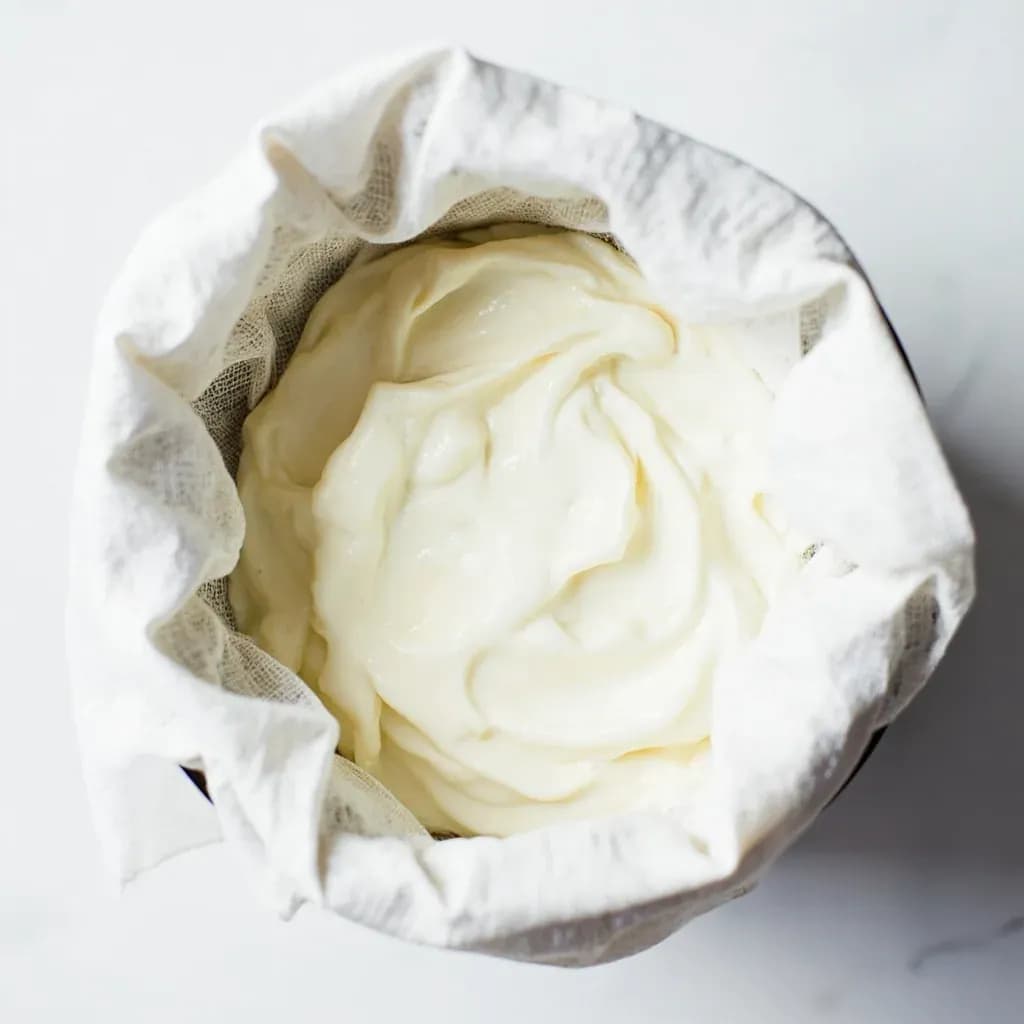
Straining Yogurt (Chaka)
Draining yogurt through cloth to thicken it into a rich, tangy strained cheese.
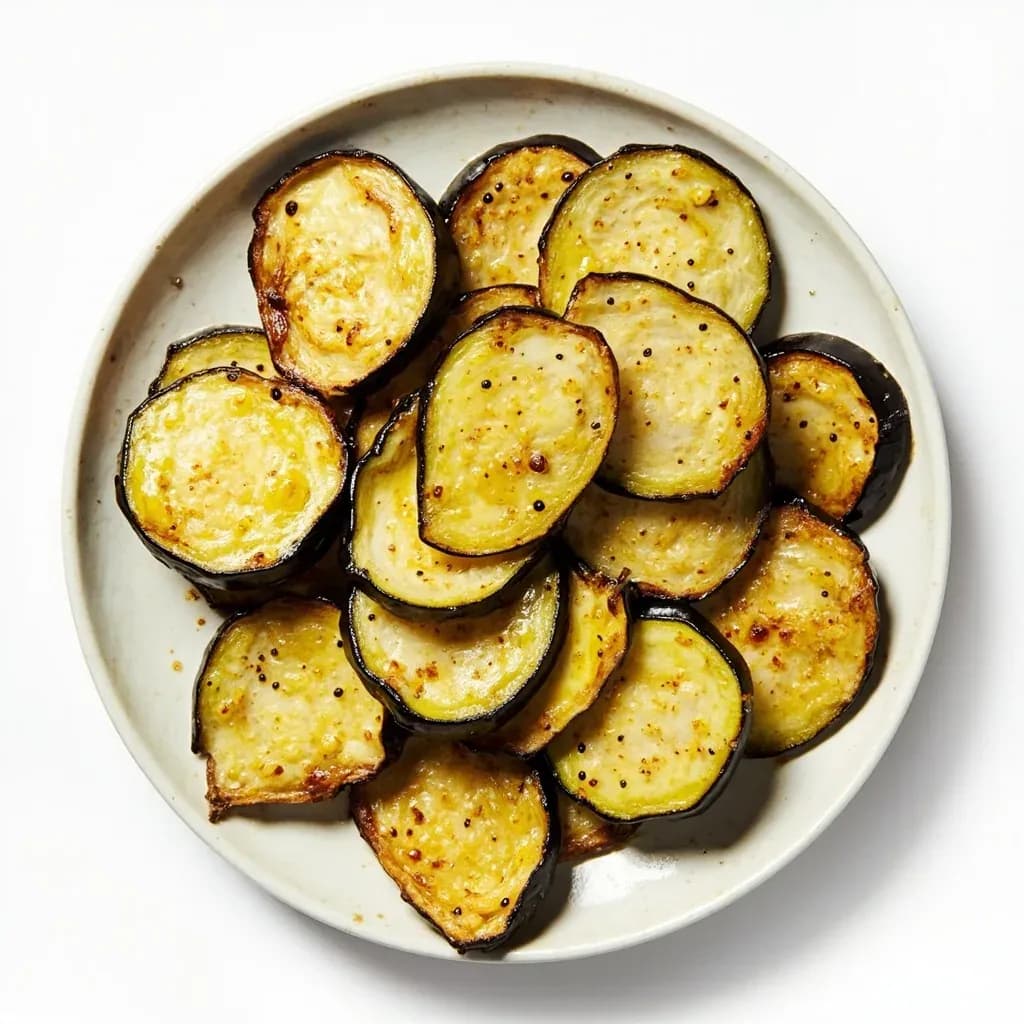
Salting & Degorging Vegetables
Salting watery or bitter vegetables to draw out moisture and bitterness.
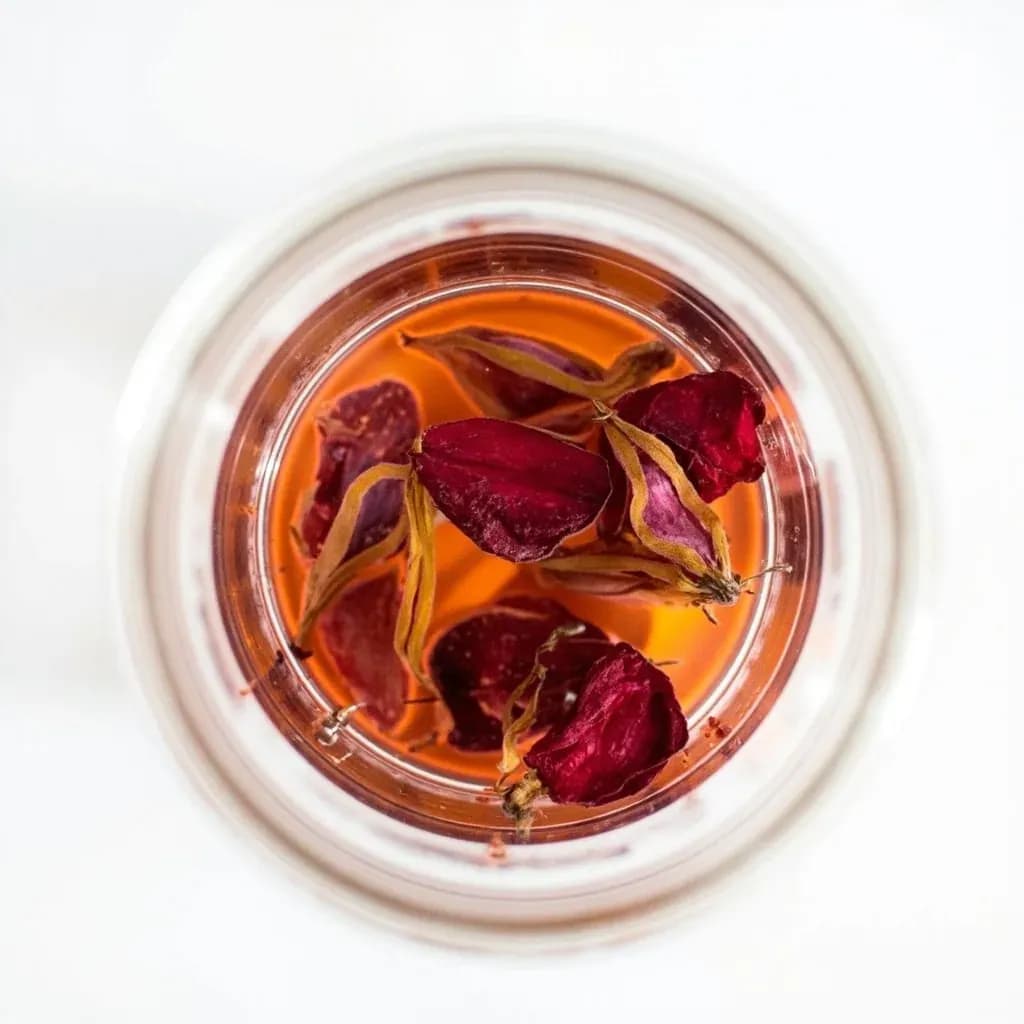
Cold Steeping
Soaking ingredients in cold water or liquid over time to extract color, flavor, and tannins gently.
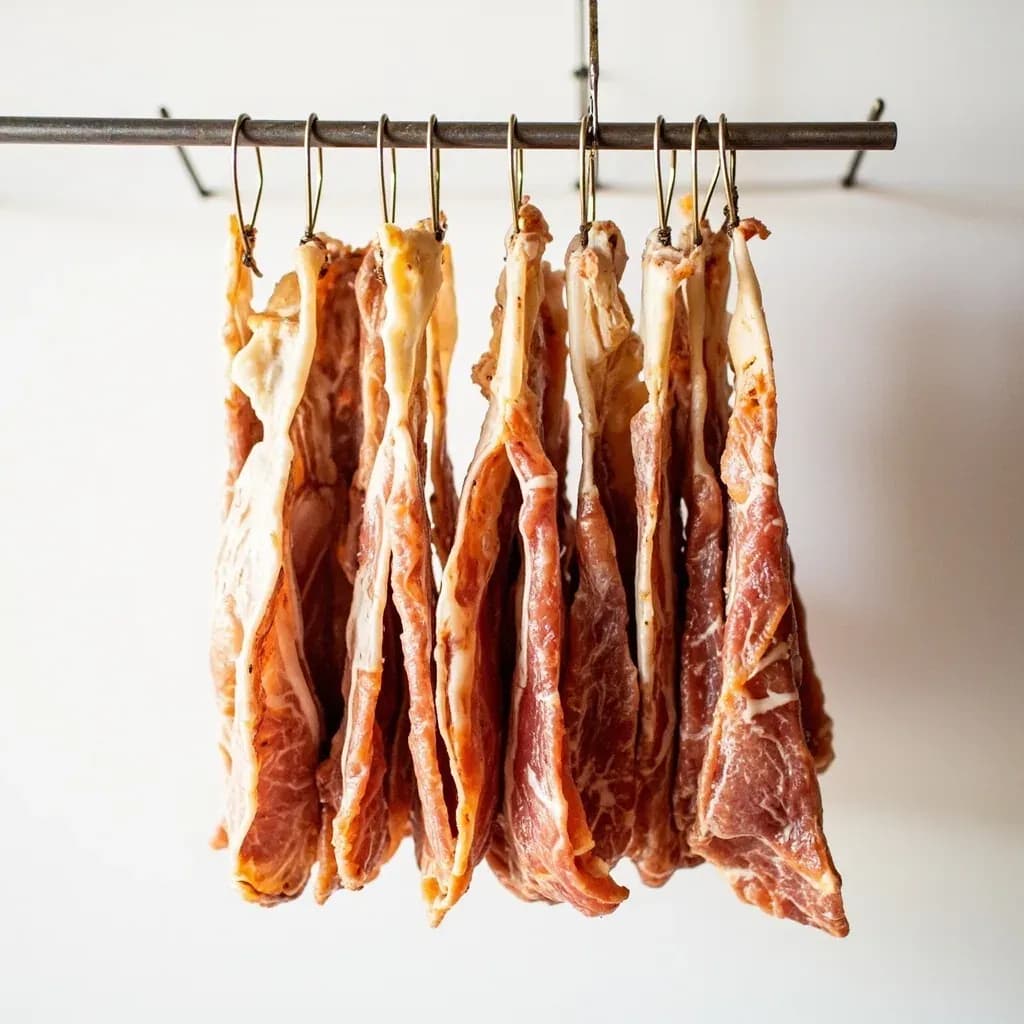
Air-Drying Meat
Hanging salted meat in cool, dry air to cure and preserve it, as in Mongolian borts.
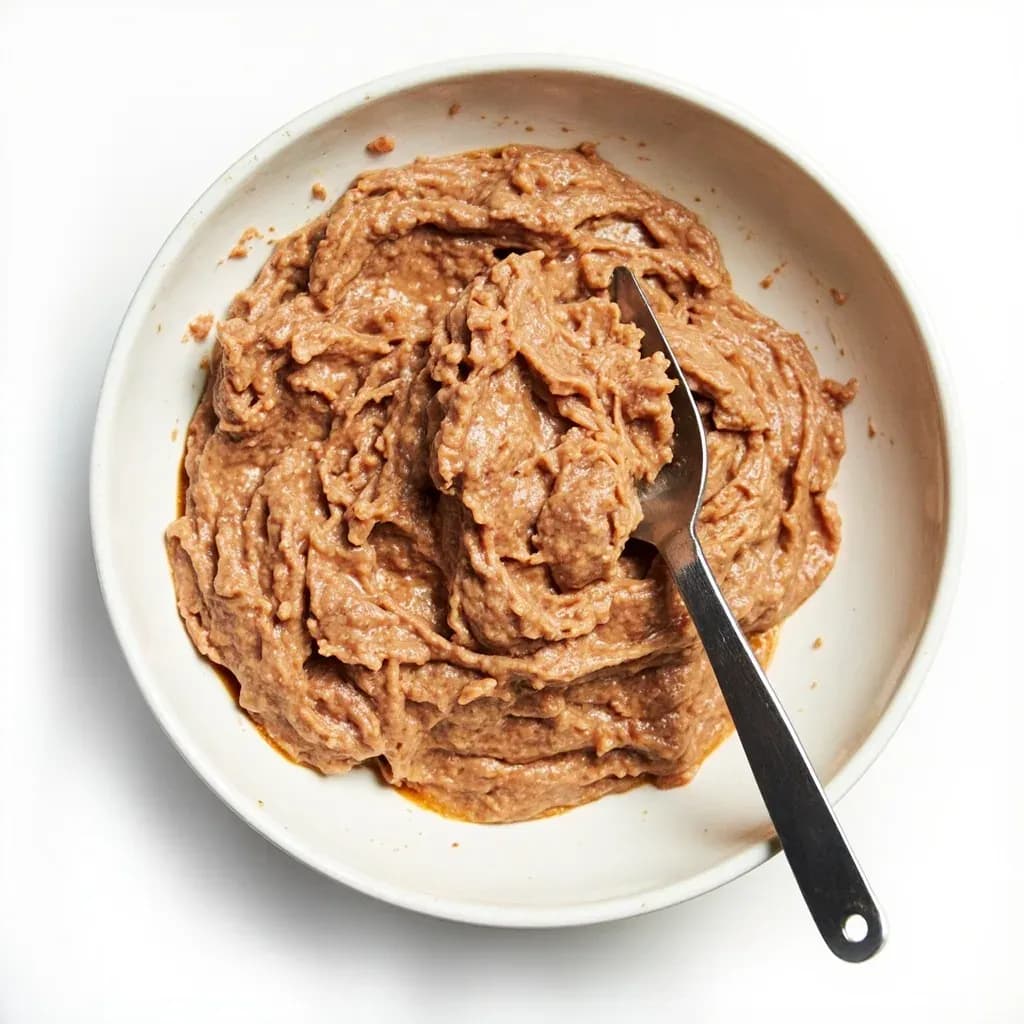
Forcemeat Emulsification
Working ground meat, fat, and liquid into a bound, springy paste for sausages and dumplings.
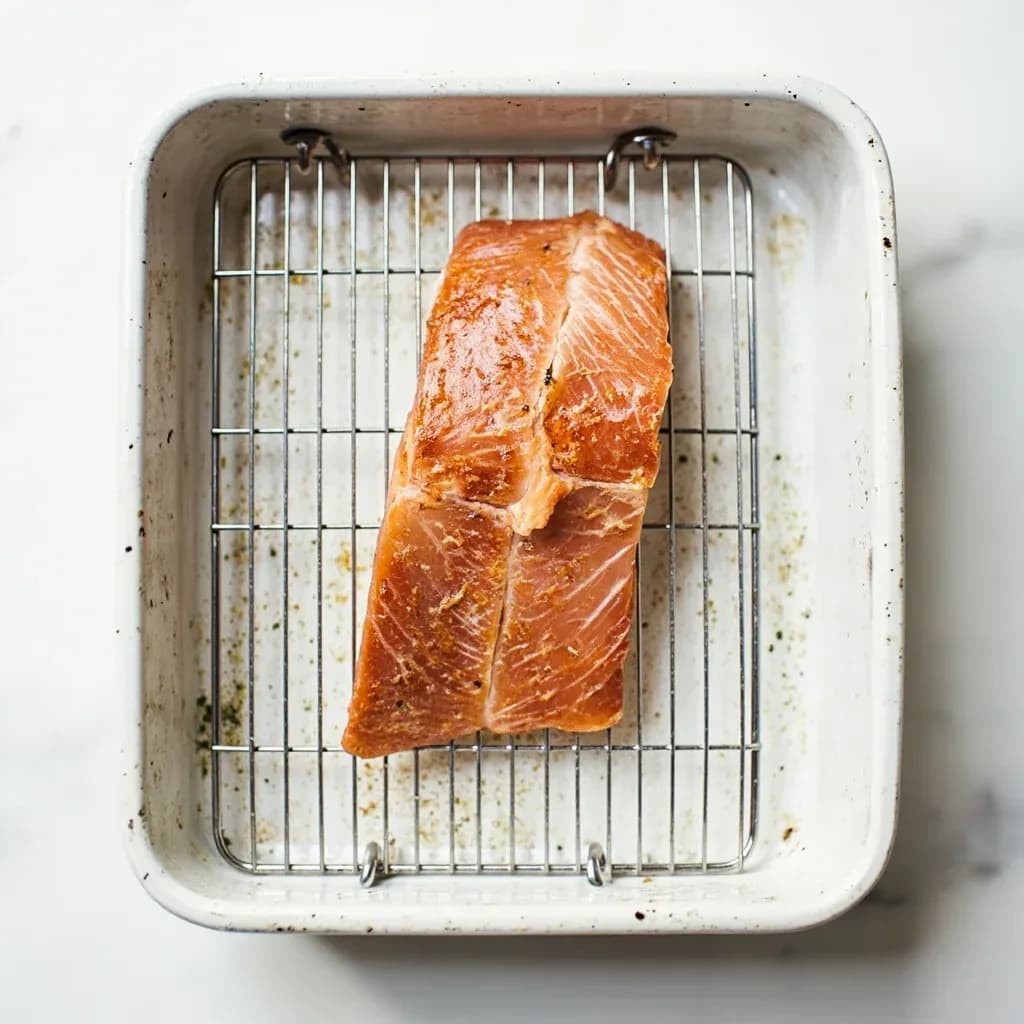
Aging Fish
Resting fish under controlled cold to develop umami and firm the flesh for sushi.
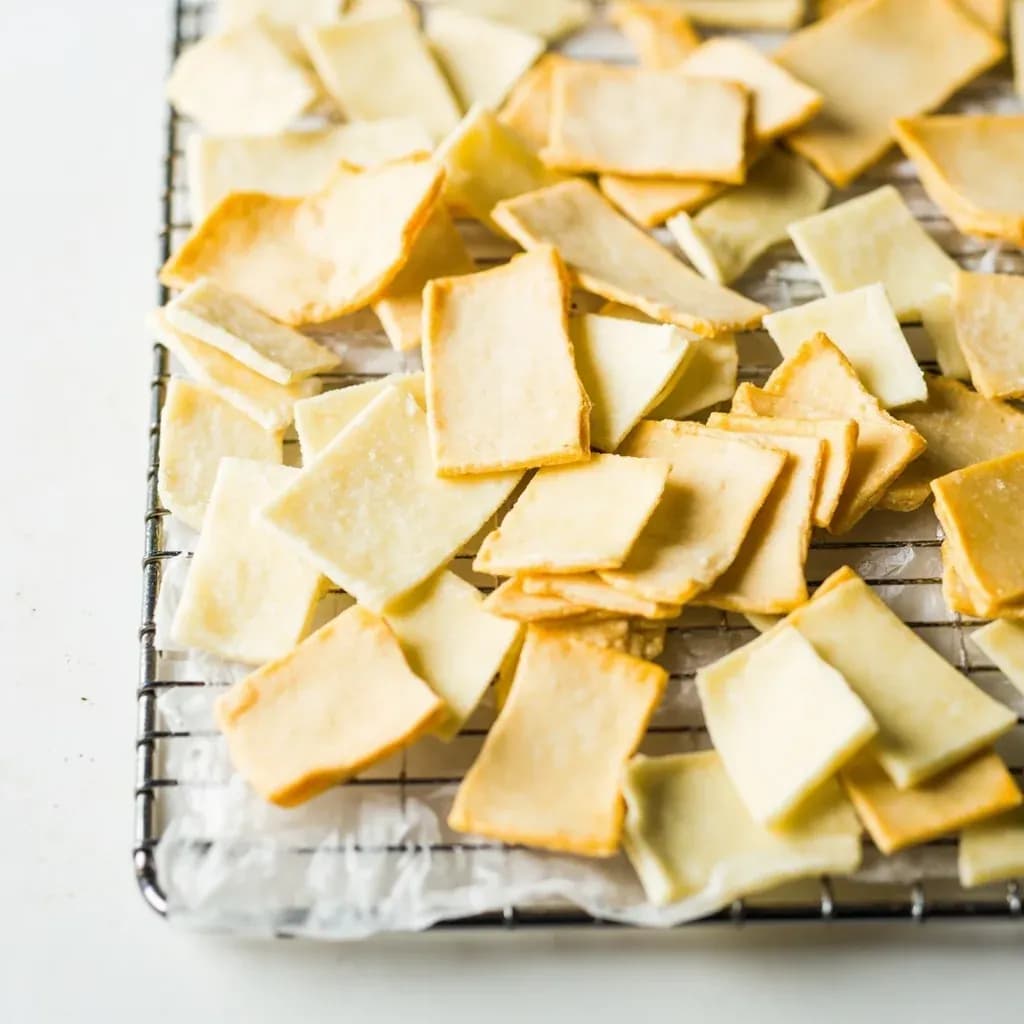
Curd Drying
Drying dairy curds in the sun or air to make hard, shelf-stable foods like Mongolian aaruul.
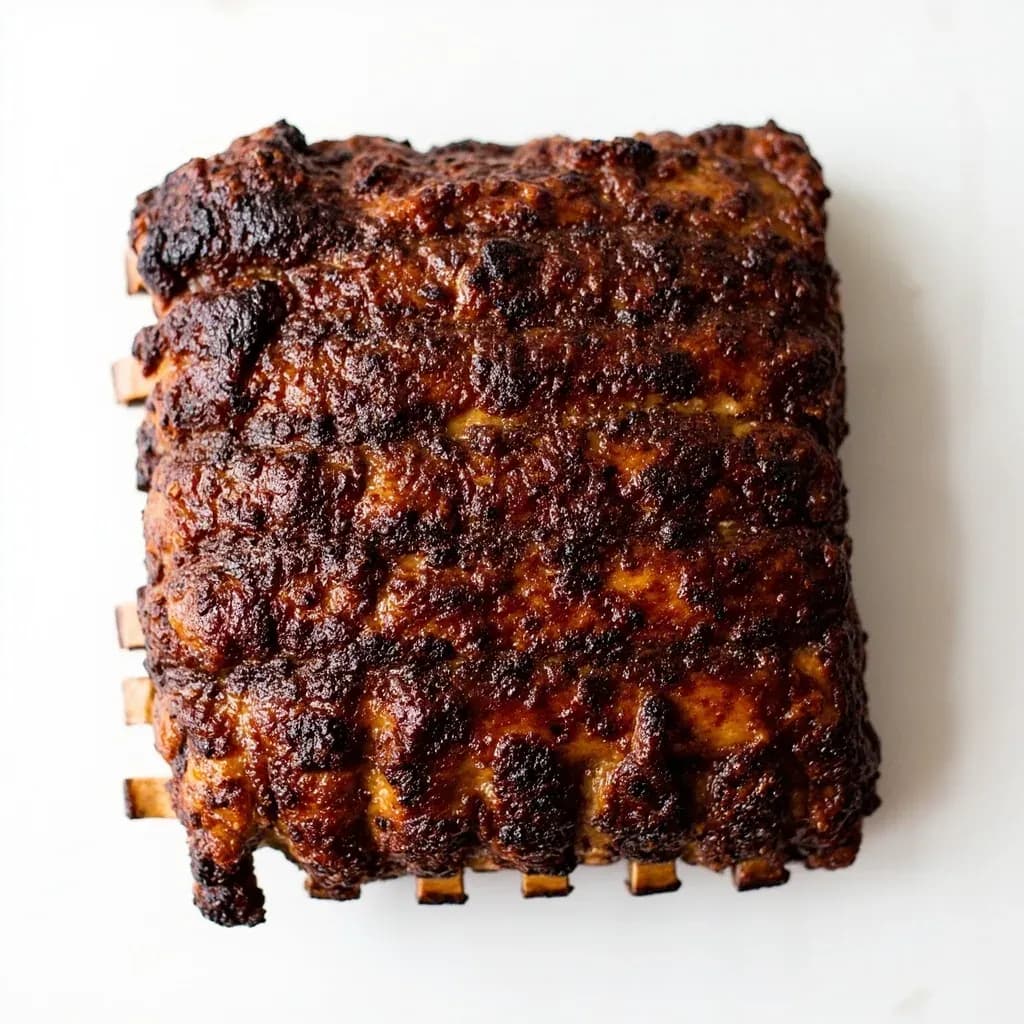
Dry-Rubbing
Coating meat with a dry spice-and-salt mixture to season and form a flavorful crust.
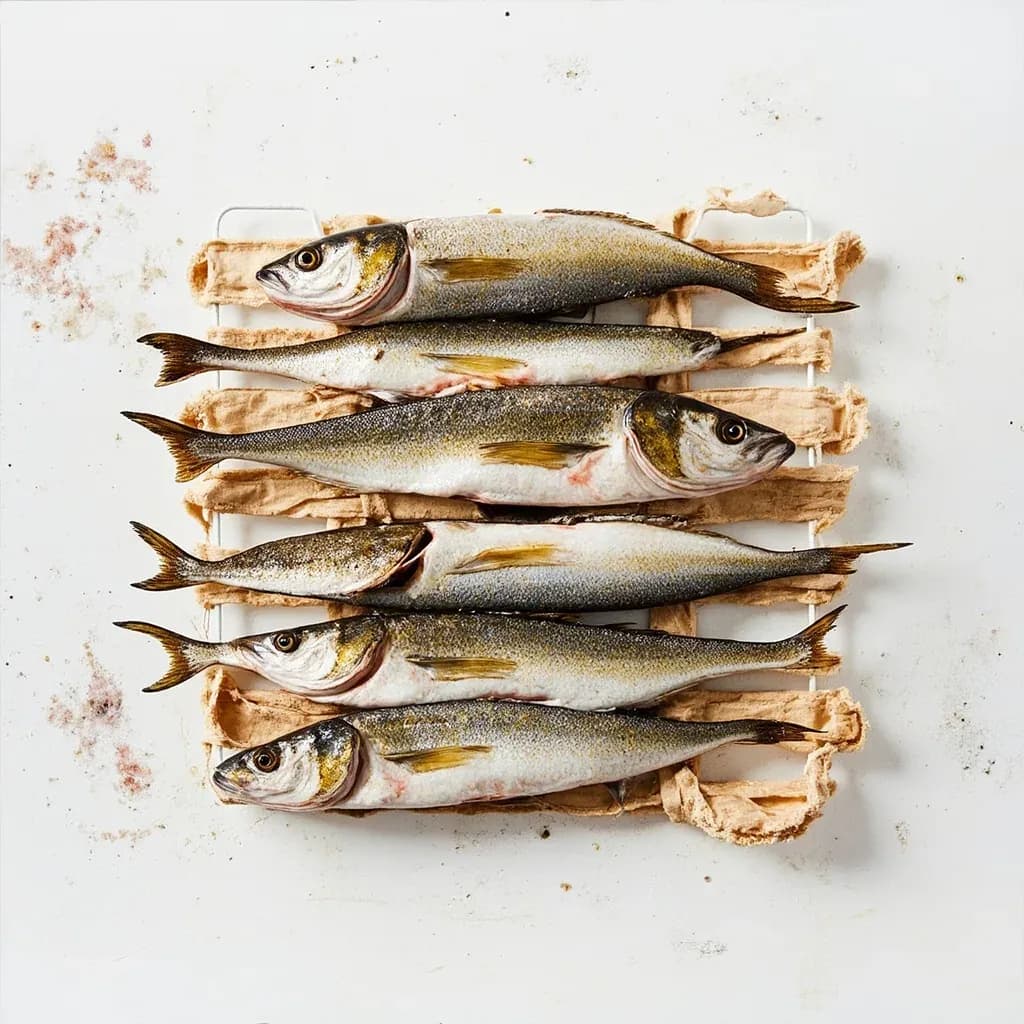
Sun-Drying Fish
Salting and drying fish in open air to preserve it and concentrate flavor.
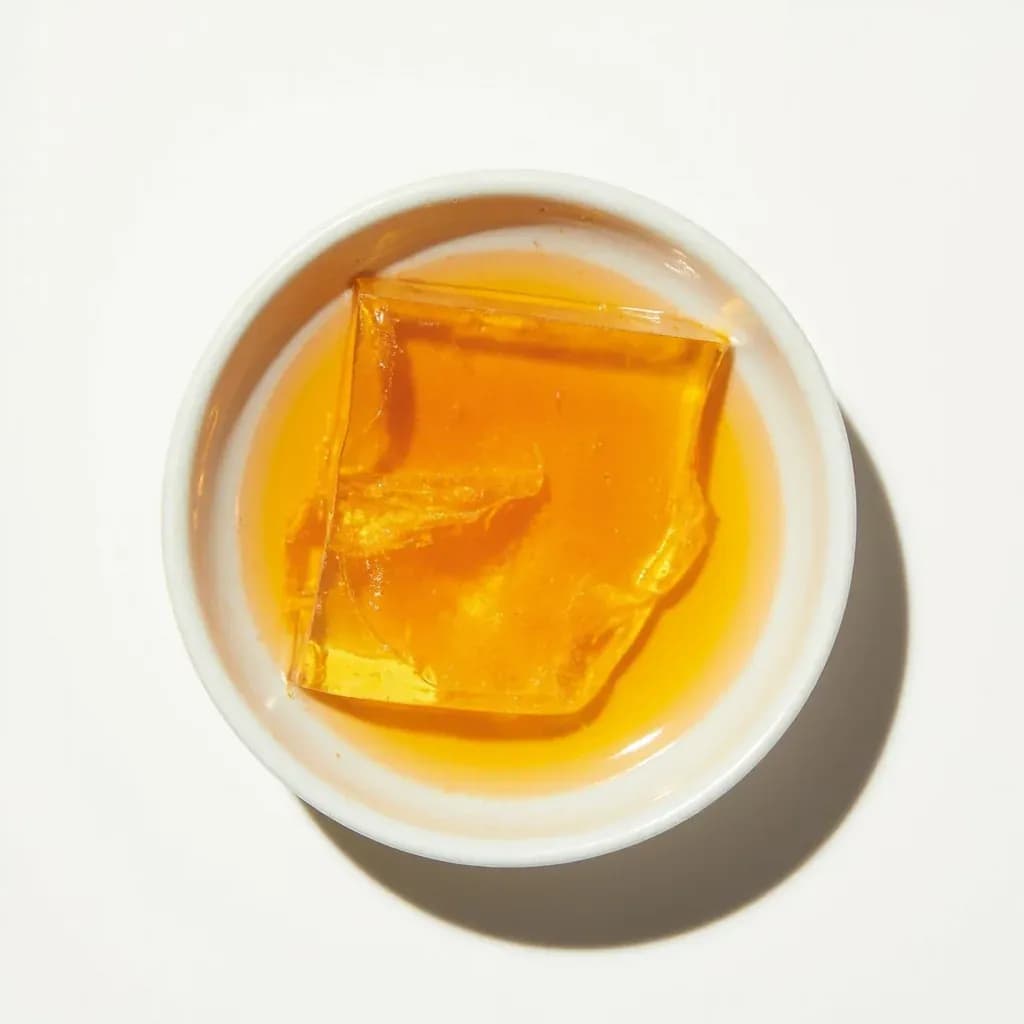
Gelification
Setting a liquid into a gel using agents like agar, gelatin, or pectin.
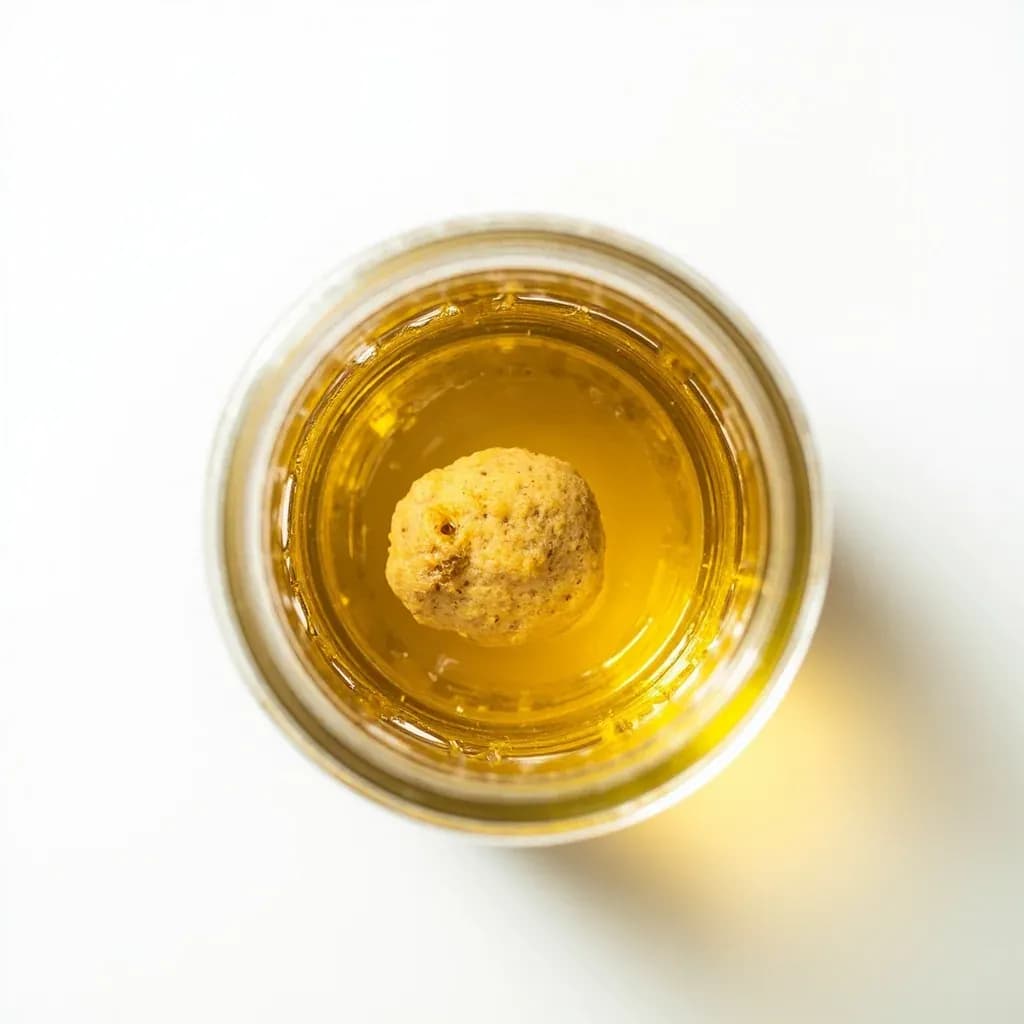
Acetous Fermentation
Letting bacteria convert alcohol into vinegar's tangy acetic acid.
Barrel Aging
Maturing spirits, wine, or vinegar in oak to add flavor and smoothness.
Pasteurization (Stabilizing)
Heating food briefly to kill pathogens and extend its shelf life.
Roller / Reduction Milling
Grinding grain through paired rollers to separate bran and refine flour.
Secondary Fermentation (Carbonation)
A second ferment that builds natural carbonation and deeper flavor.
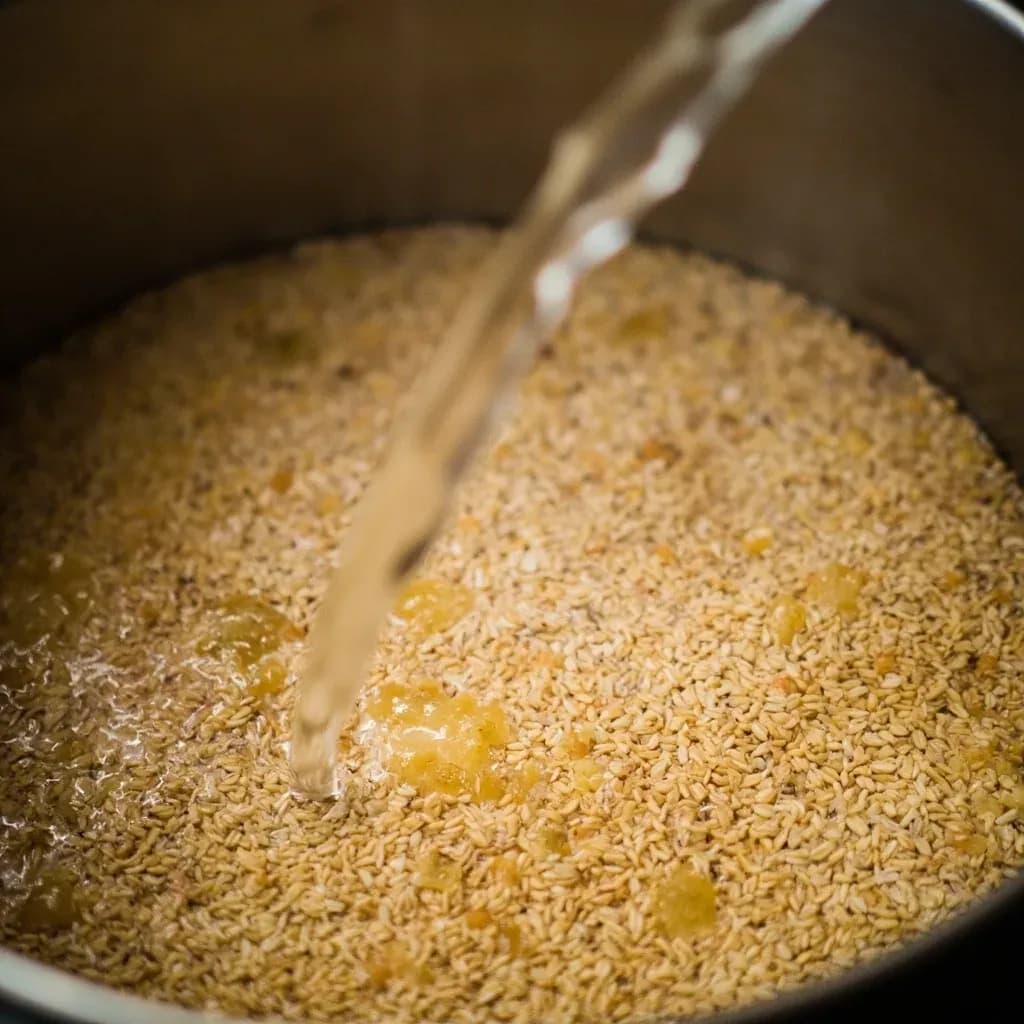
Sparging
Rinsing the grain bed with hot water to extract fermentable sugars.

Sugar Cooking (Stages)
Boiling sugar syrup to specific temperatures for candies and caramel.
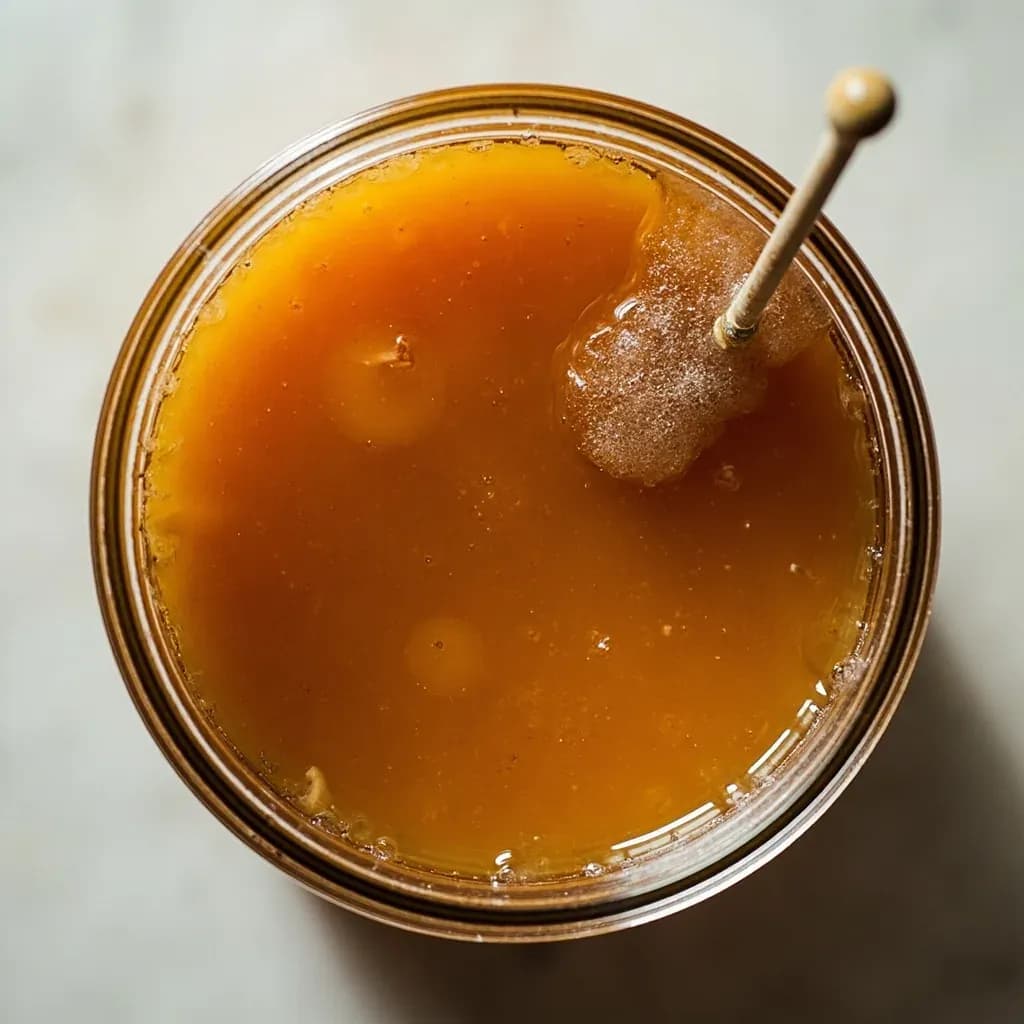
Alcoholic Fermentation
Yeast converting sugars into alcohol and carbon dioxide.
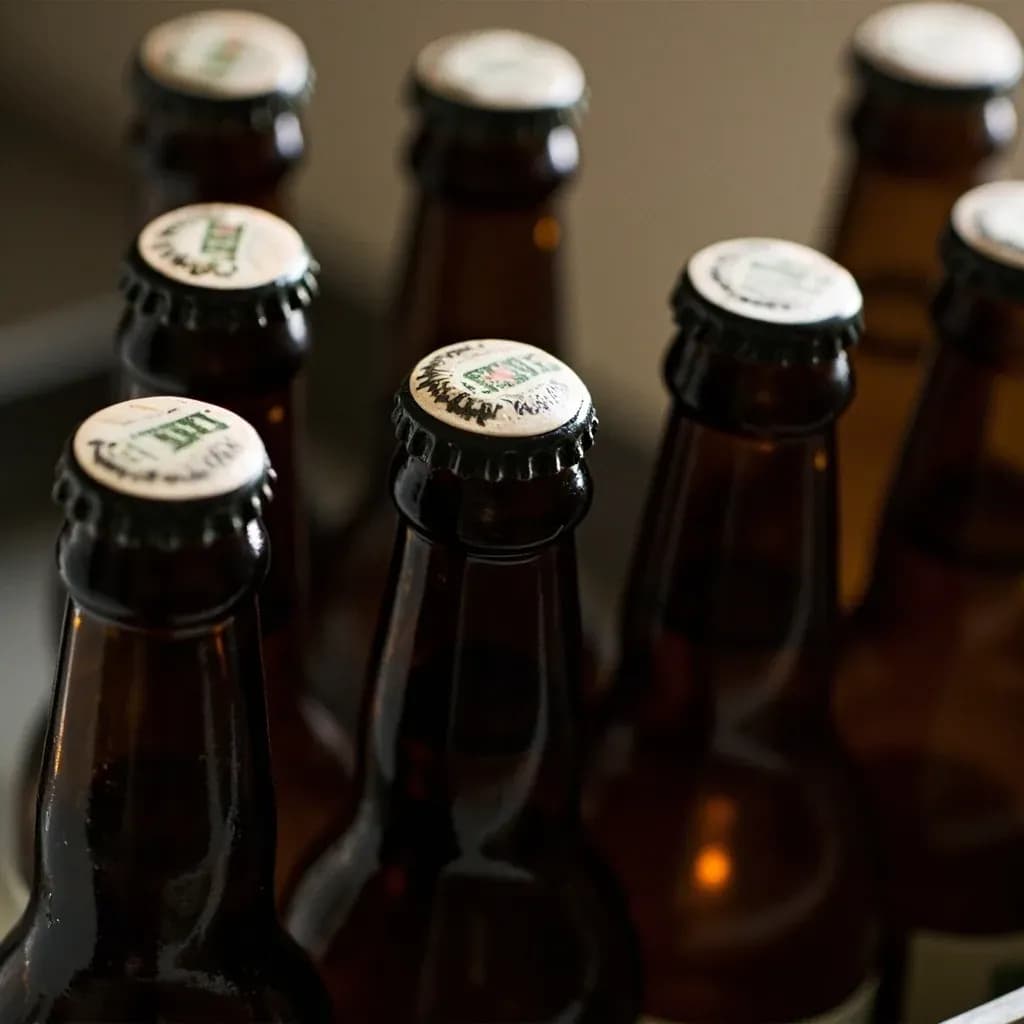
Bottle Conditioning
Carbonating beer naturally by fermenting it inside the sealed bottle.
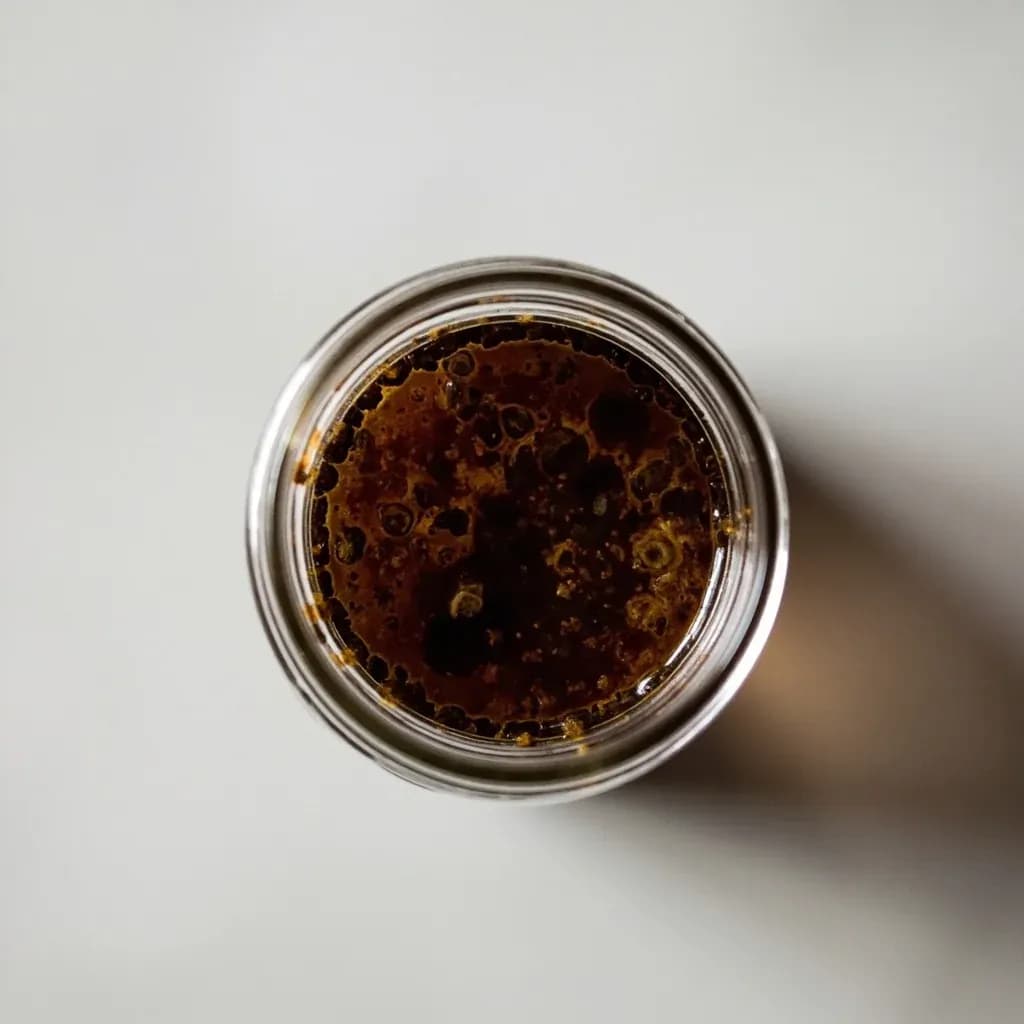
Cold Brewing
Steeping coffee or tea in cold water for many hours to extract a smooth, low-acid concentrate.
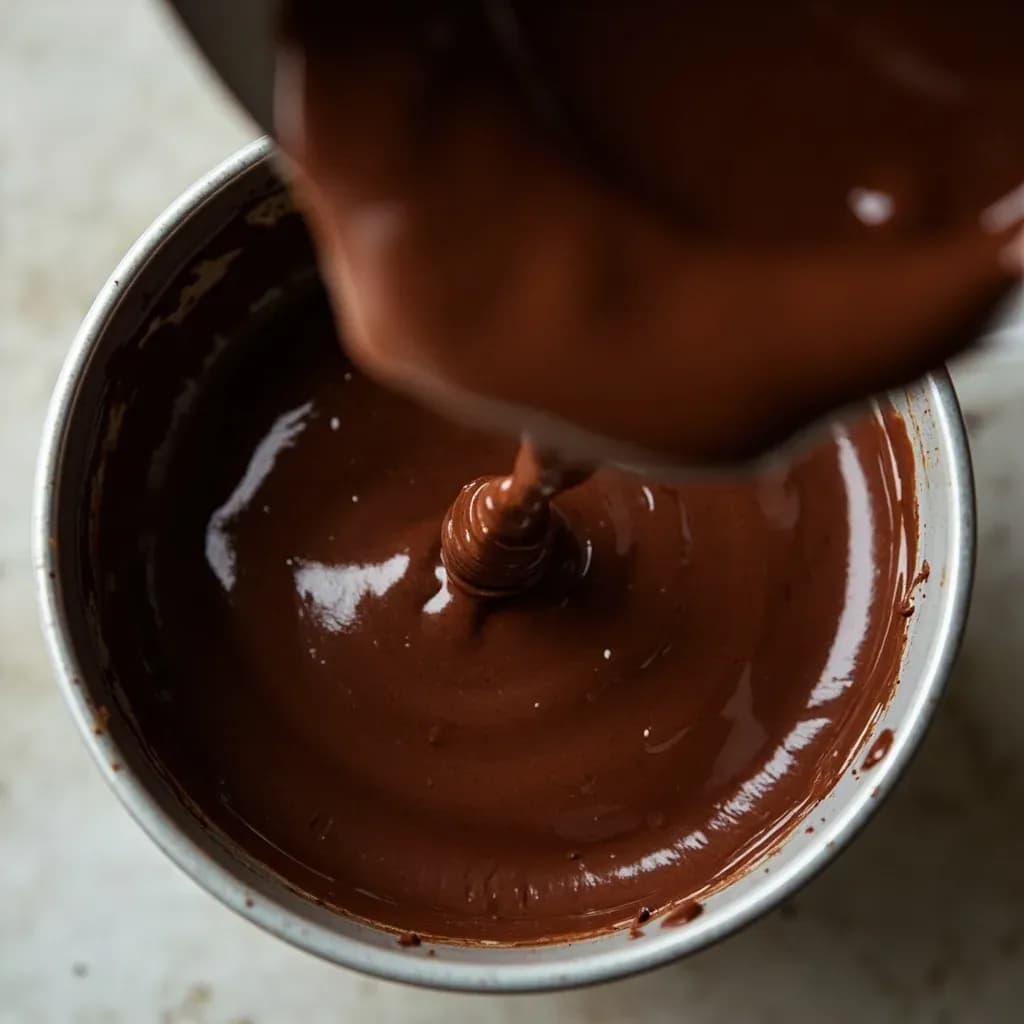
Conching
Continuously grinding and aerating chocolate for hours to smooth its texture and refine its flavor.
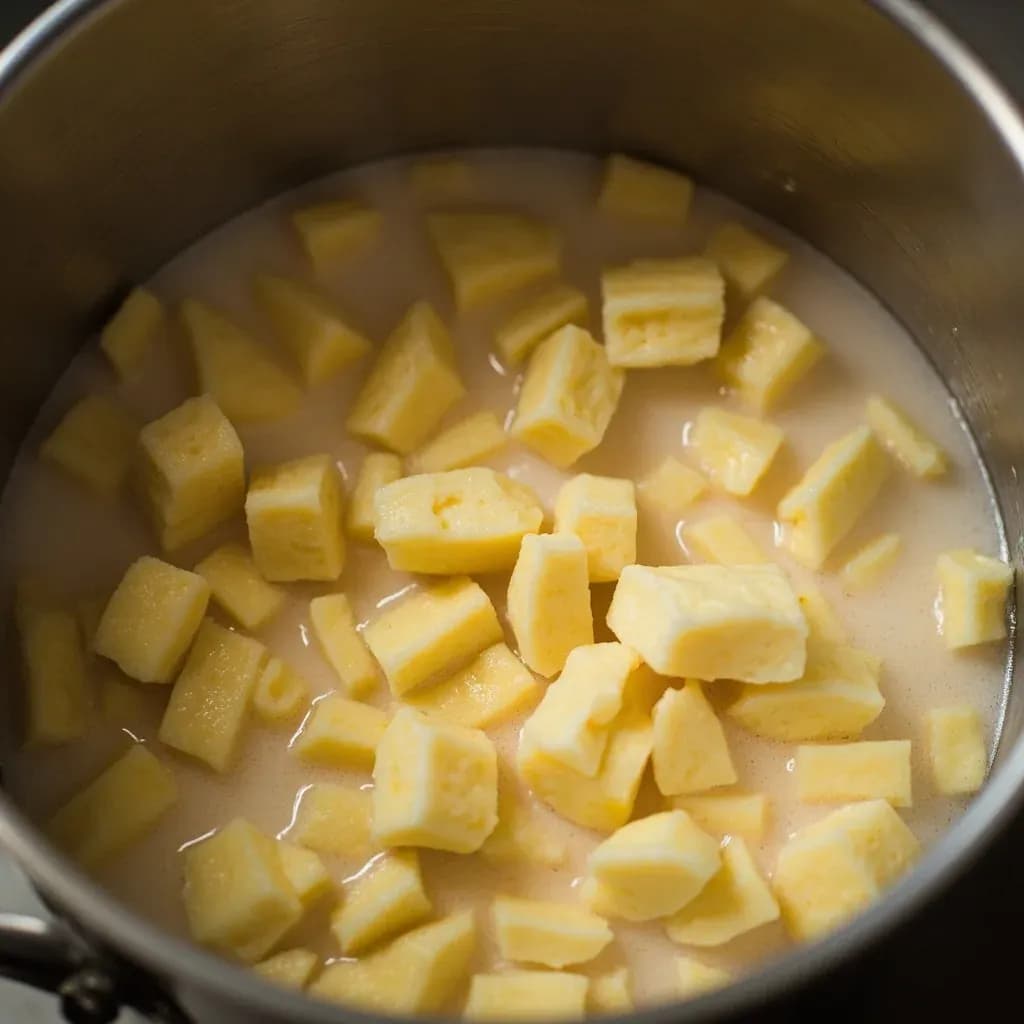
Cooking / Scalding the Curd
Gently heating cut cheese curds to expel whey and firm them for the target cheese style.
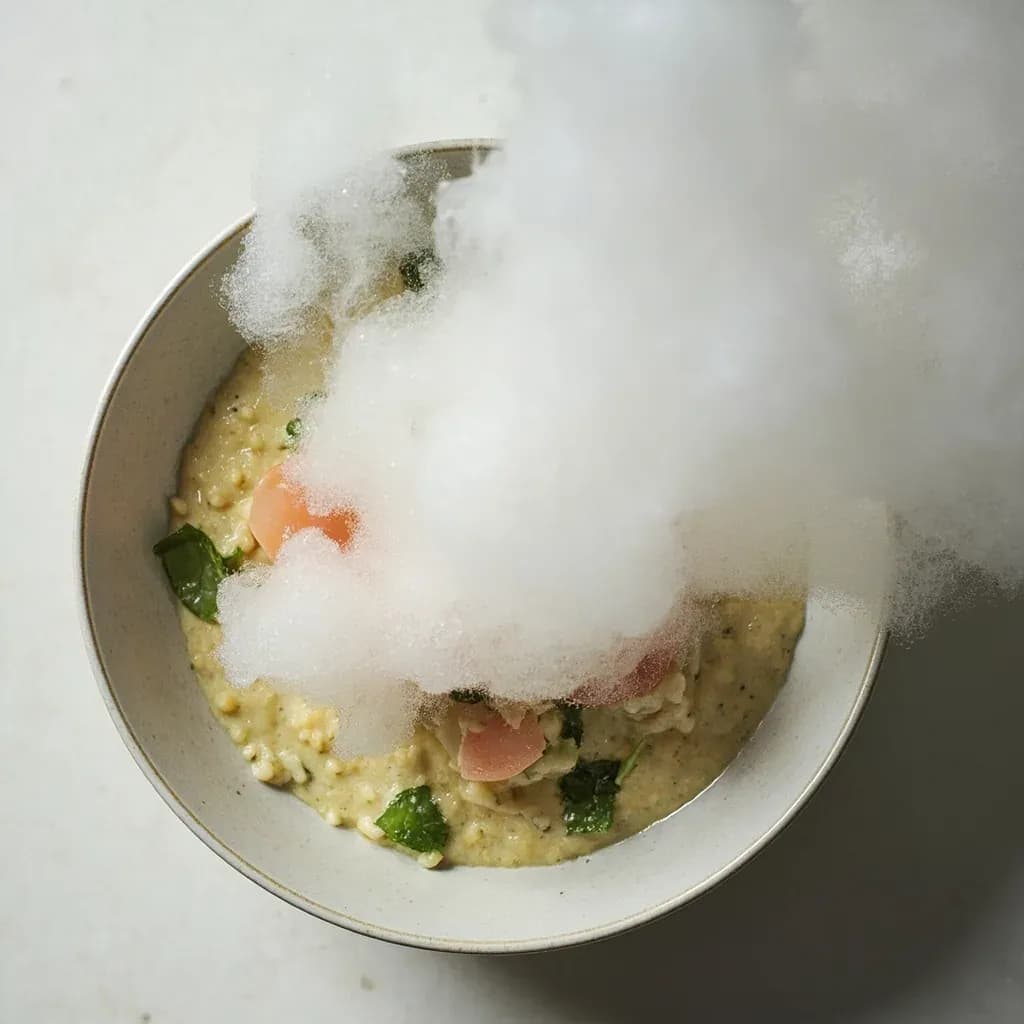
Flash Freezing (Liquid Nitrogen)
Freezing food almost instantly with extreme cold to form tiny ice crystals and unique textures.
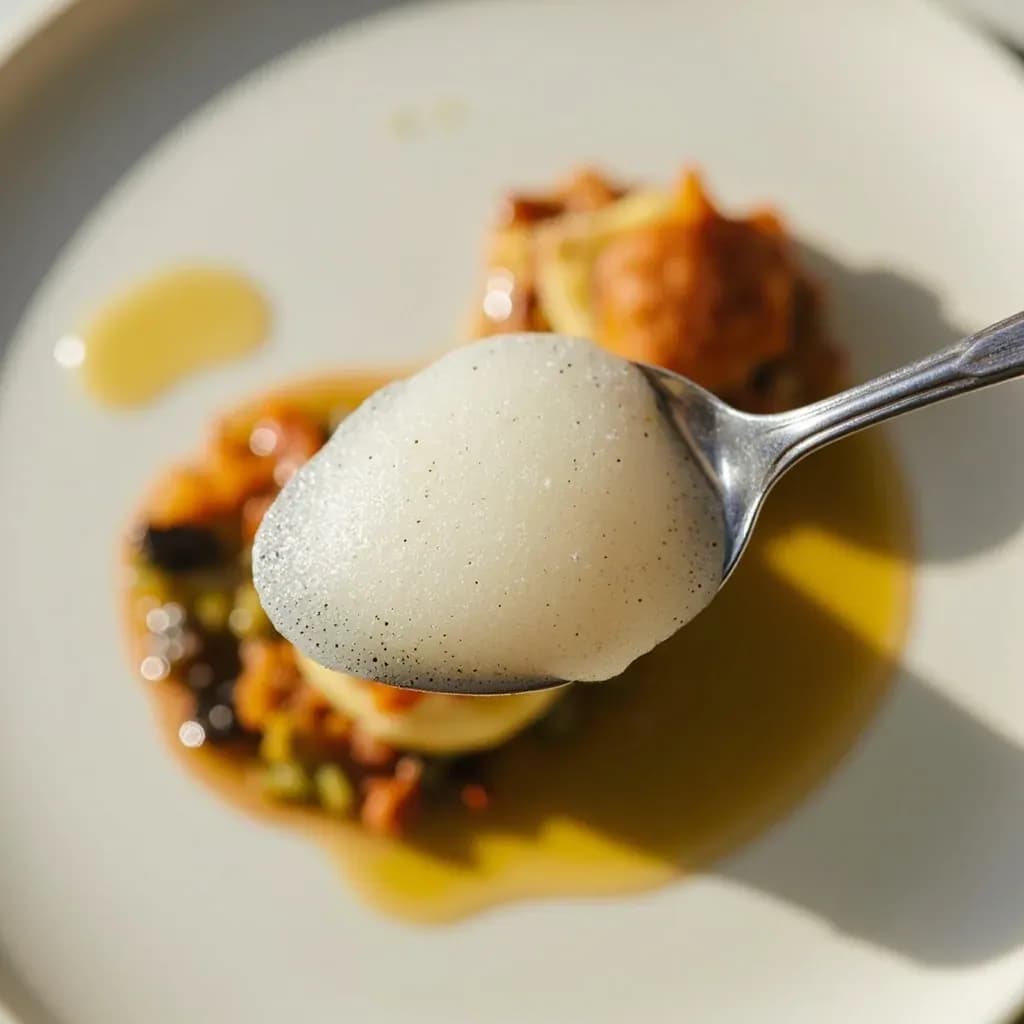
Foaming (Espuma)
Aerating flavored liquids into light foams or espumas using gas, lecithin, or whipping.
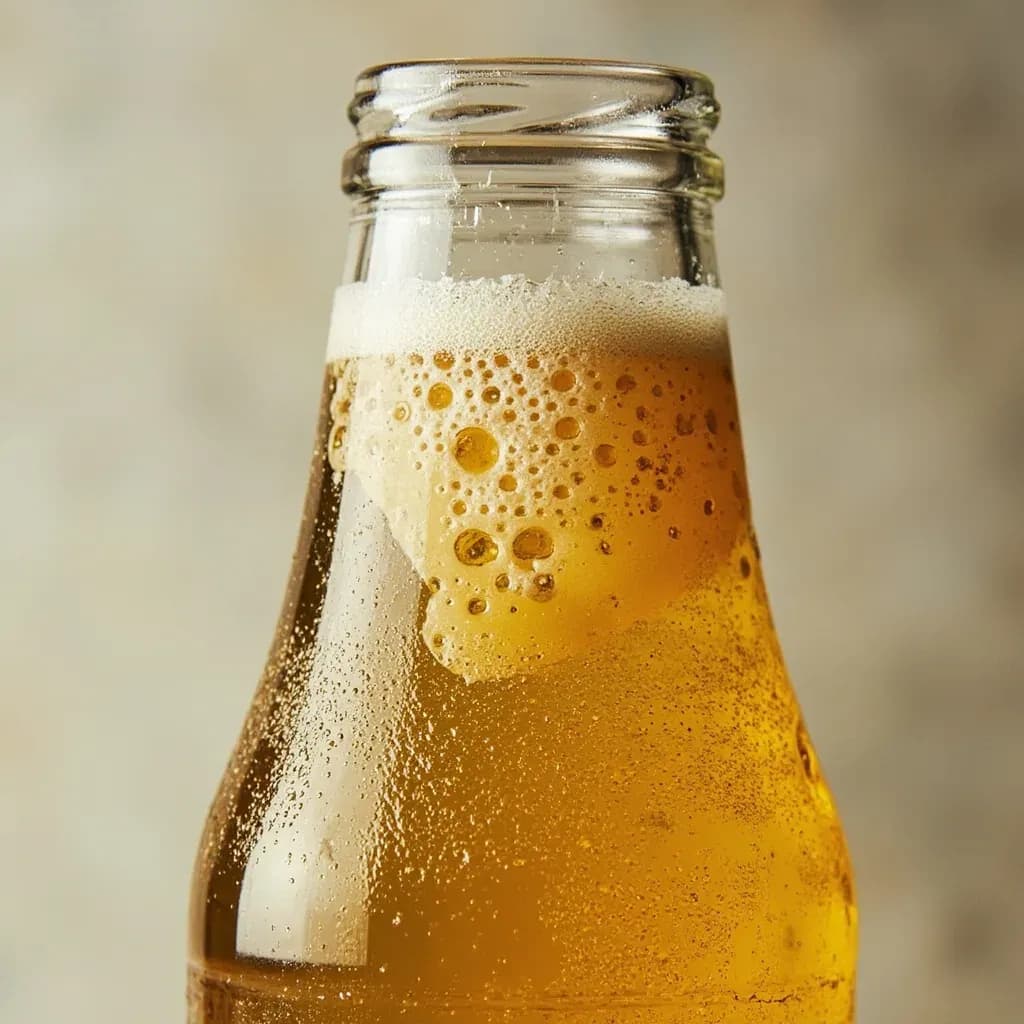
Force Carbonation
Dissolving CO2 into a liquid under pressure to make it fizzy quickly without natural fermentation.
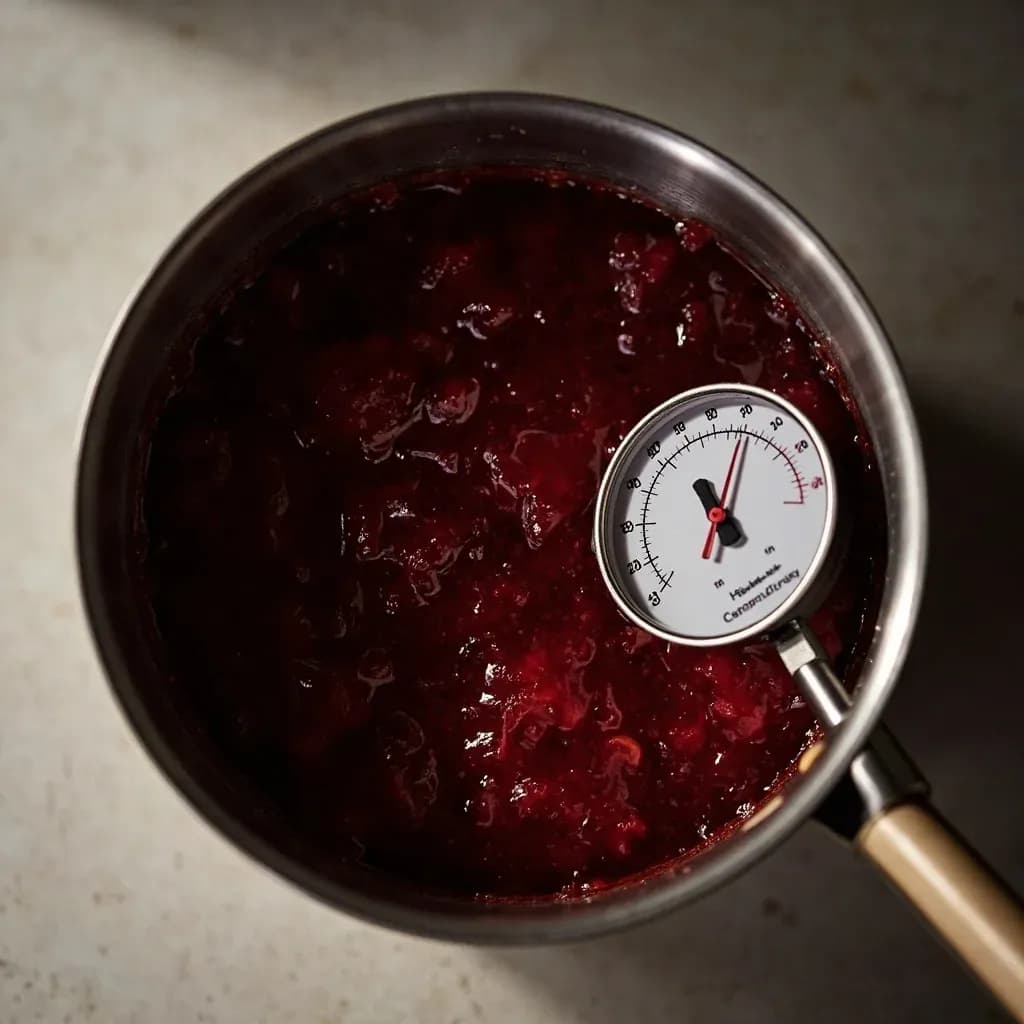
Jam & Jelly Setting
Boiling fruit, sugar, and pectin to the gel point so a preserve sets to a spreadable consistency.
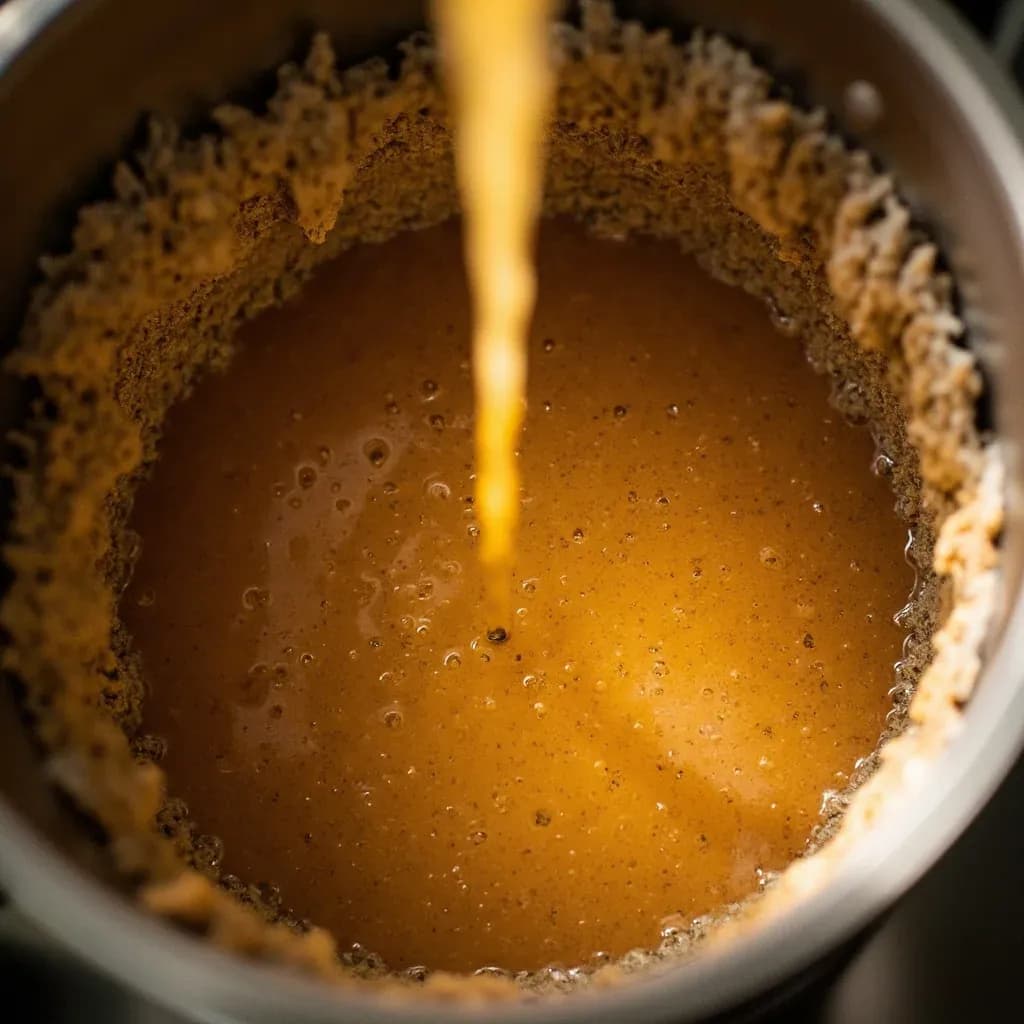
Lautering
Separating clear sweet wort from spent grain in brewing by rinsing the grain bed with hot water.
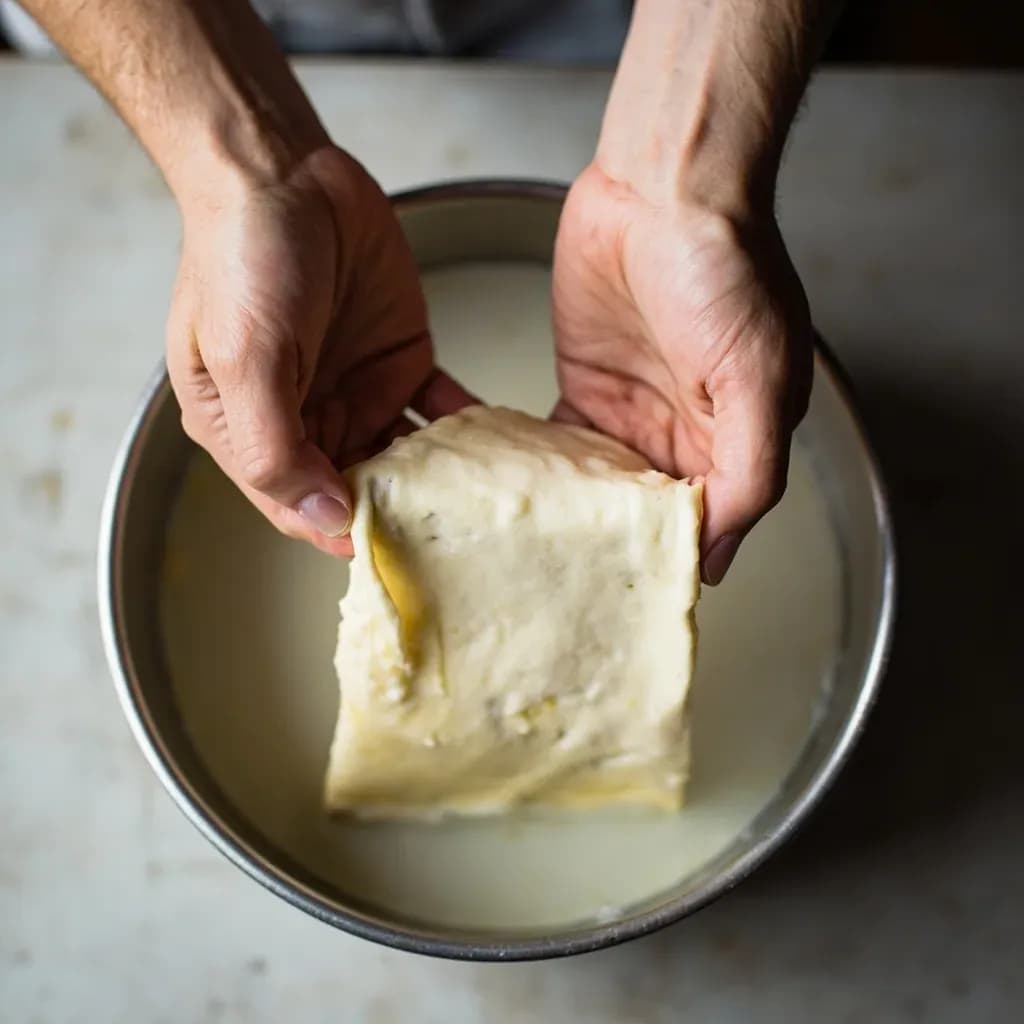
Pasta Filata (Stretching Curd)
Kneading and stretching warm cheese curd in hot water to make stringy, elastic mozzarella-style cheeses.
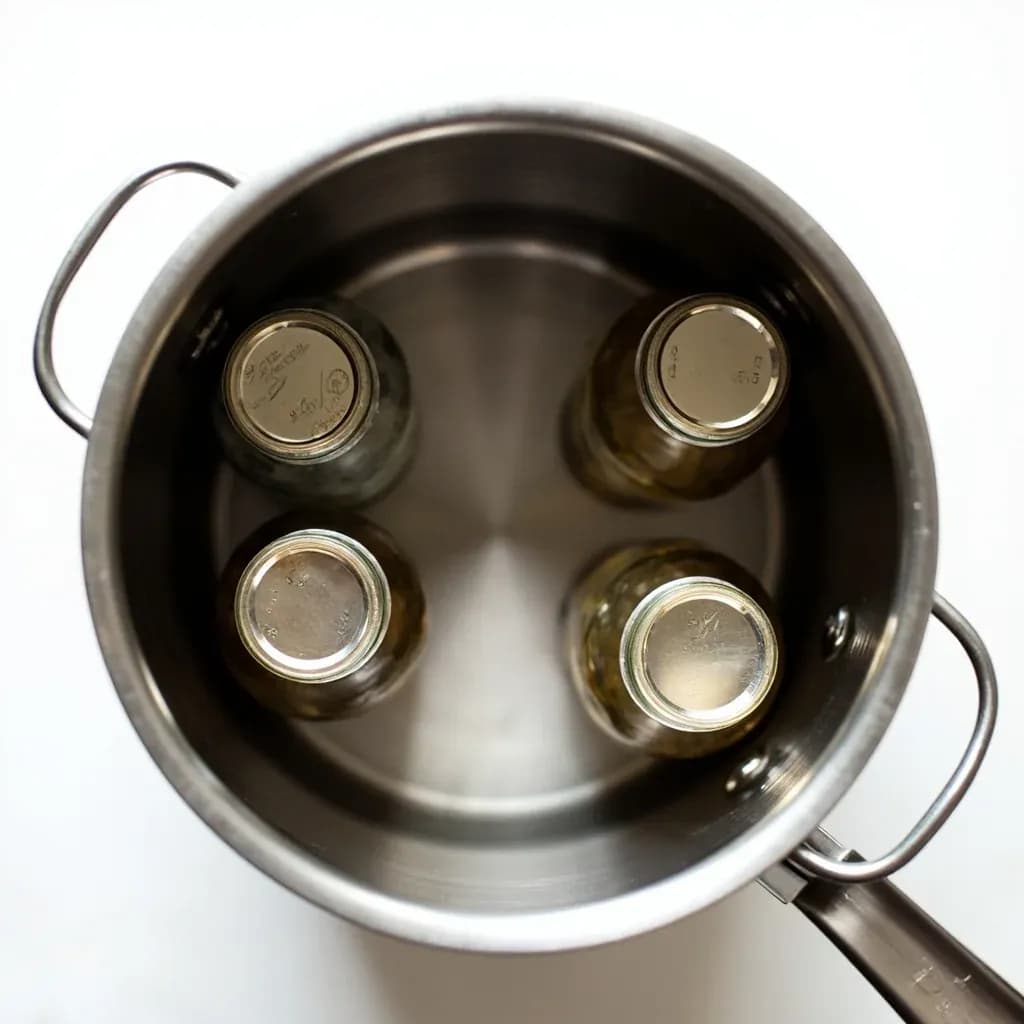
Pressure Canning
Sealing low-acid foods in jars under high-pressure steam to safely kill spores for shelf-stable storage.
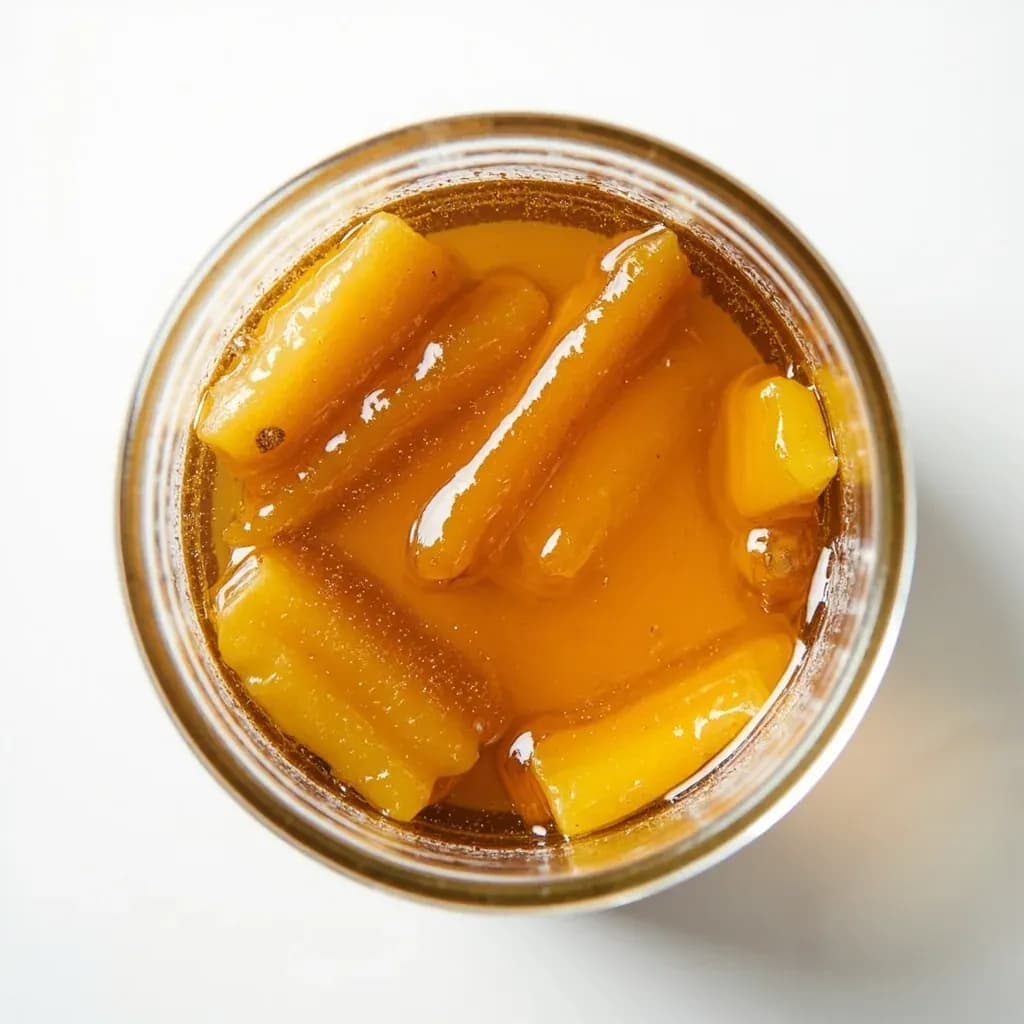
Primary Fermentation
The first vigorous fermentation stage where yeast or microbes convert sugars into alcohol, acid, or gas.
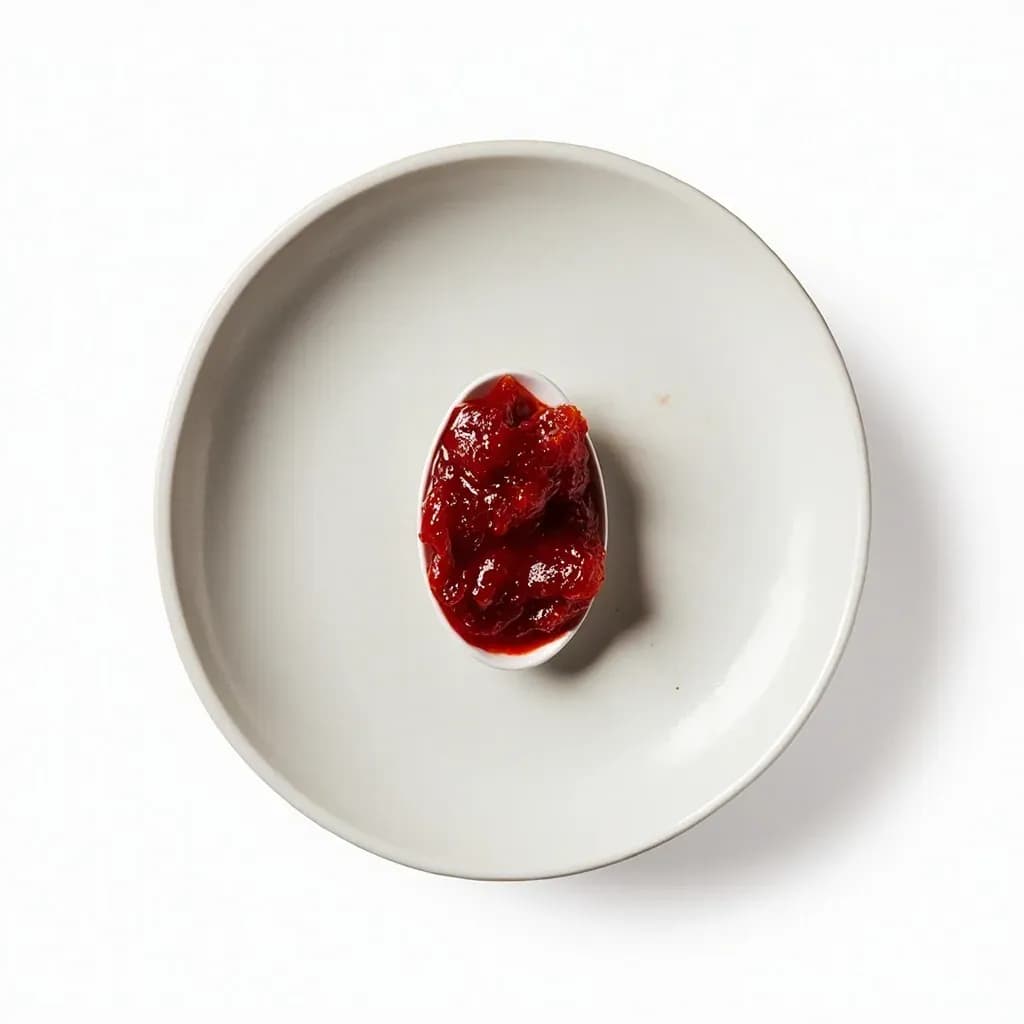
Setting Test (Wrinkle / Sheet Test)
Checking whether jam or jelly has reached its gel point by chilling a spoonful and watching it wrinkle.
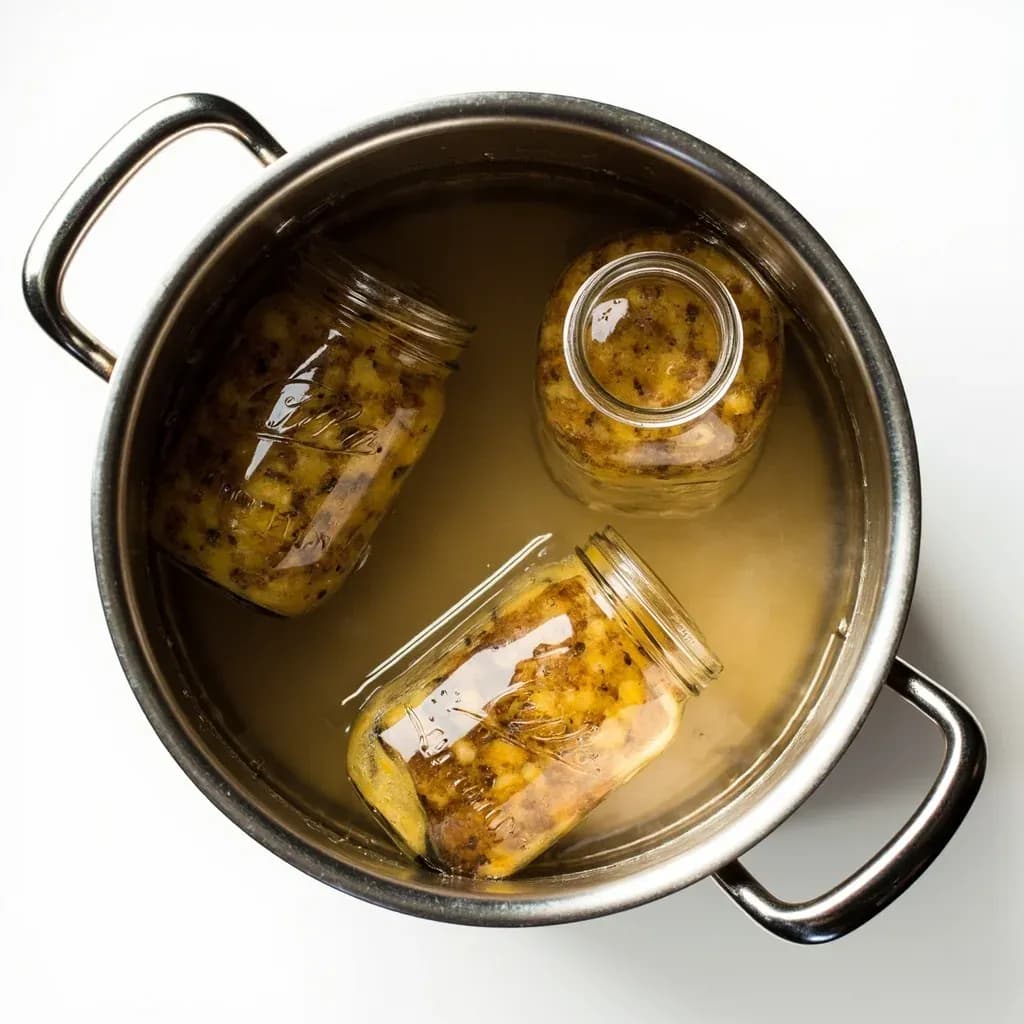
Water Bath Canning
Processing high-acid foods in jars submerged in boiling water to create a vacuum seal for storage.
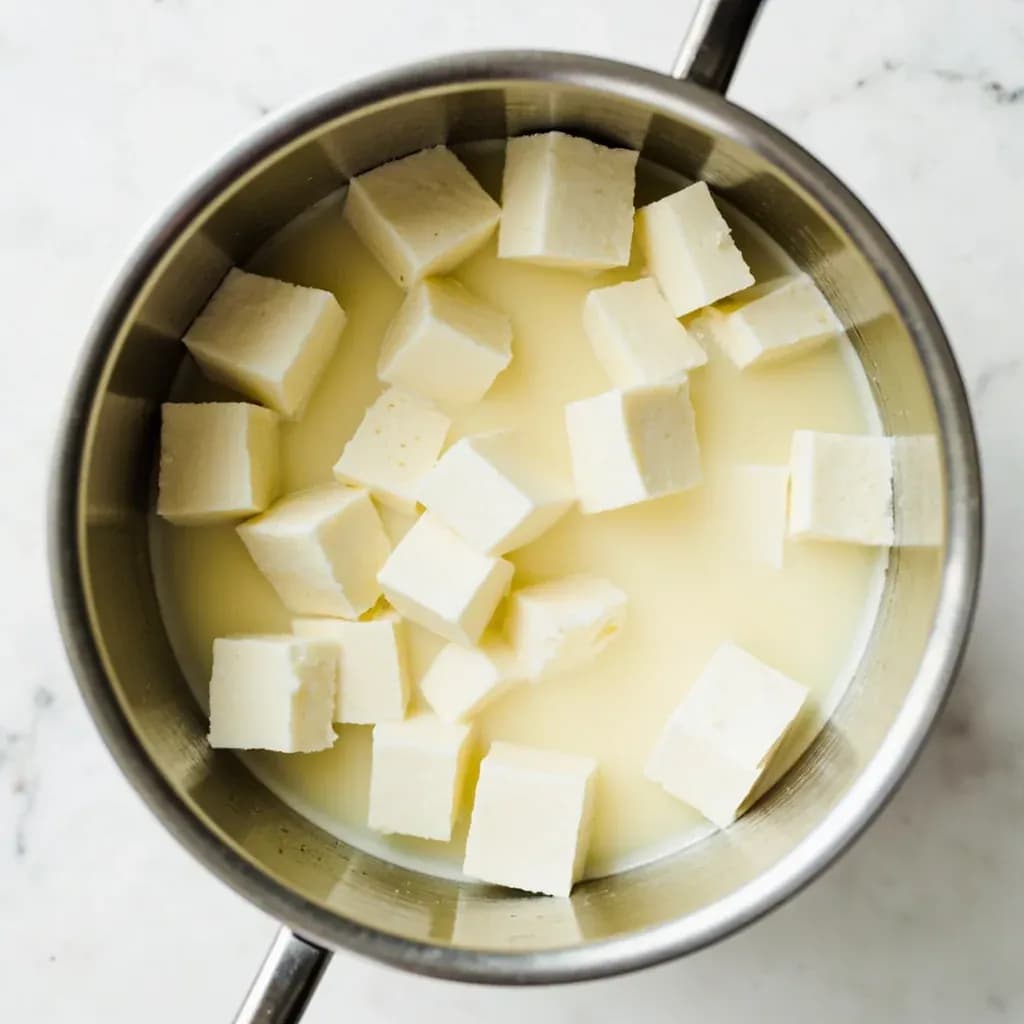
Acid-Heat Coagulation
Curdling milk or soy milk with acid and heat to separate solid curds from whey.
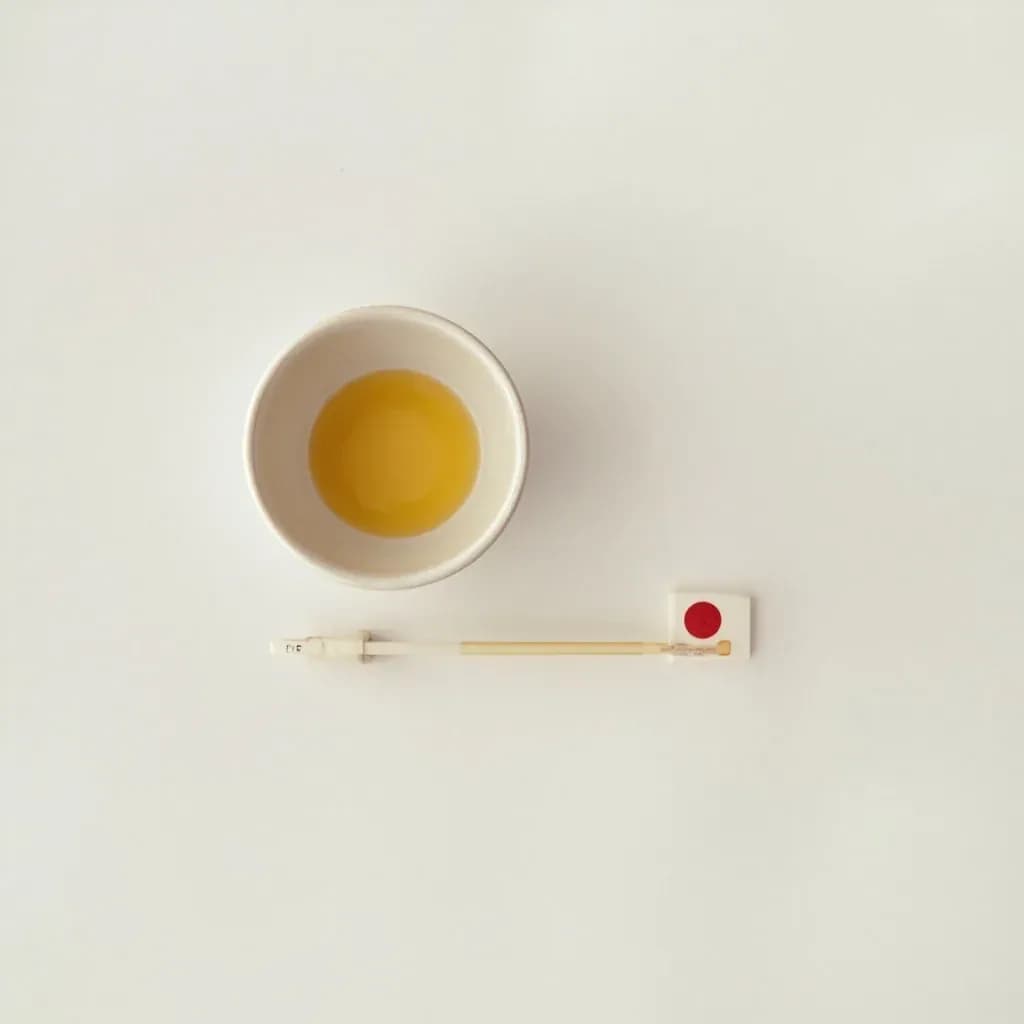
Adjusting Acidity / pH
Tuning a food's acidity with acids or bases to control flavor, texture, safety, or color.
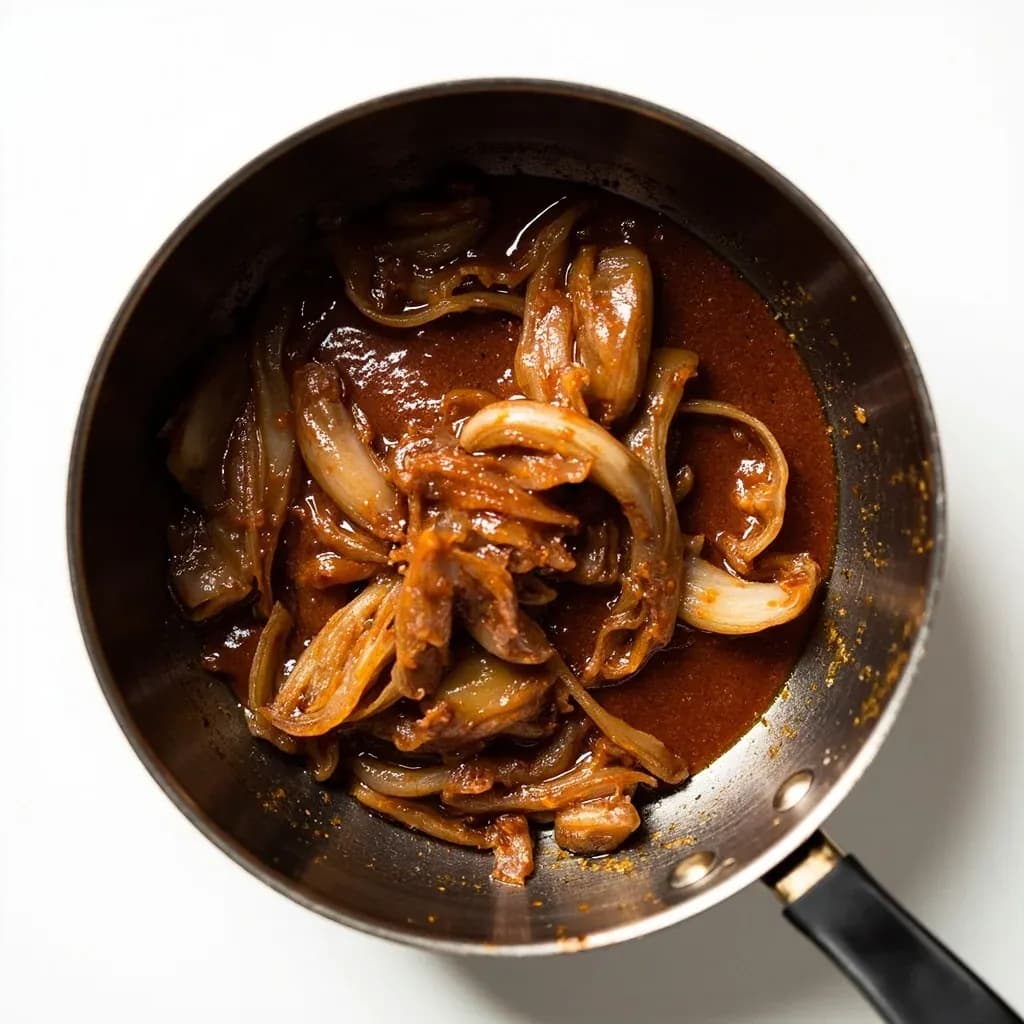
Agrodolce (Sweet-and-Sour Cooking)
Building an Italian sweet-and-sour balance by reducing sugar and vinegar into a glossy glaze.
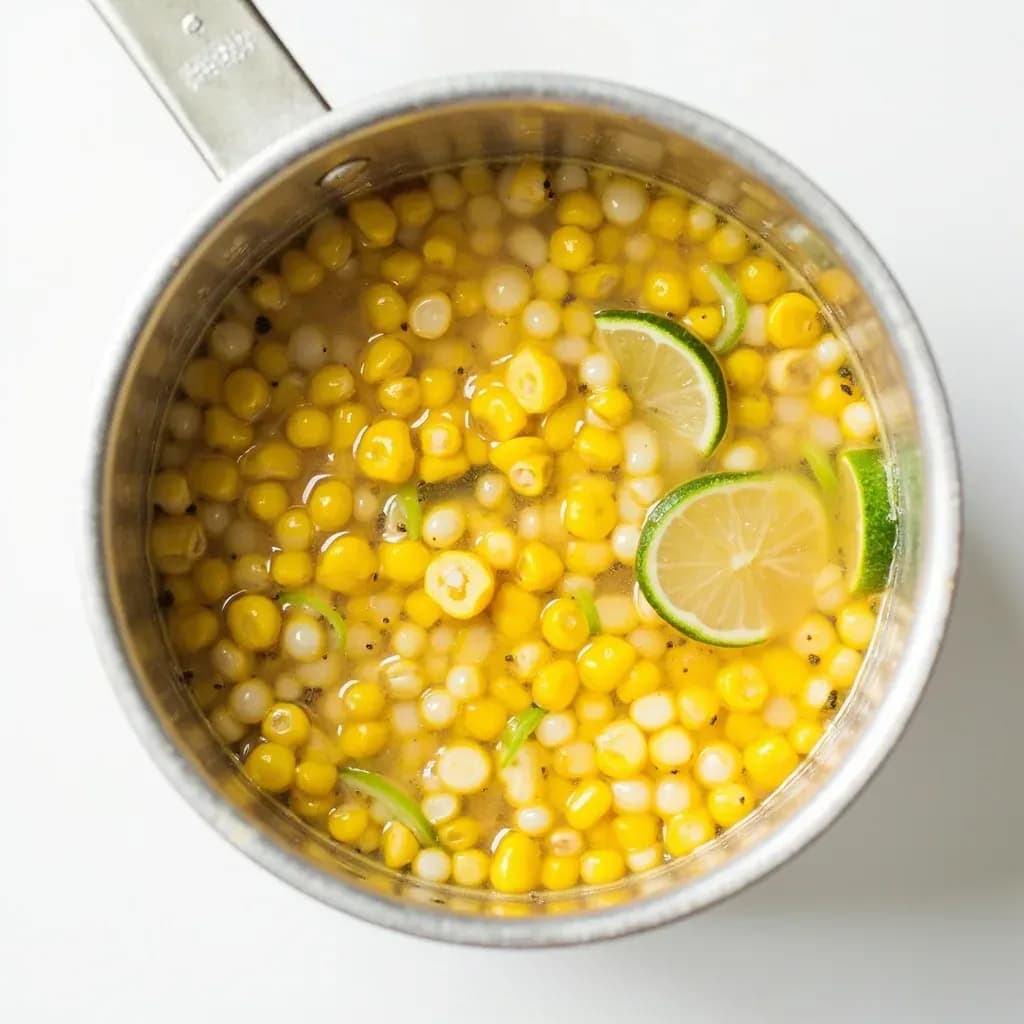
Alkaline Cooking (Nixtamalization)
Simmering corn in slaked lime to loosen hulls, boost nutrition, and unlock masa flavor.
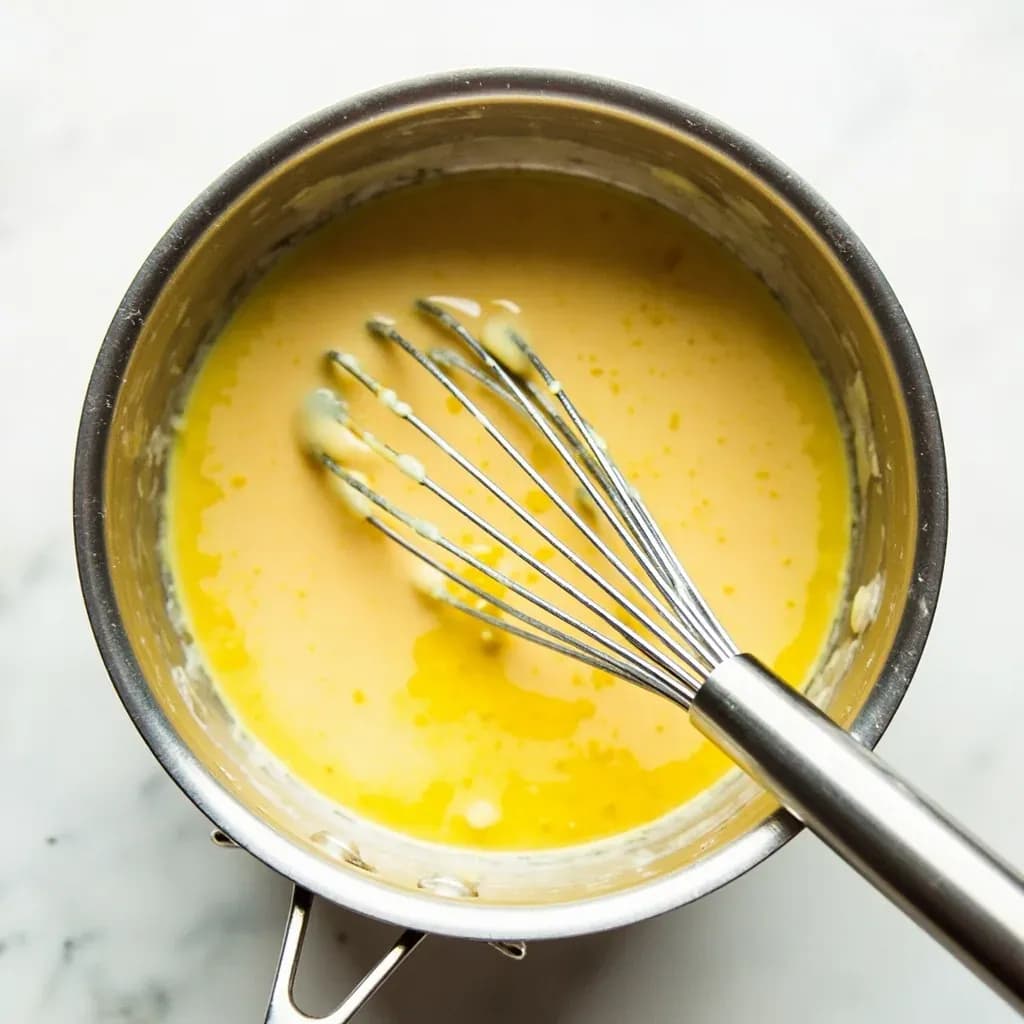
Beurre Blanc Method
Whisking cold butter into a wine-and-shallot reduction to form a silky emulsified French sauce.
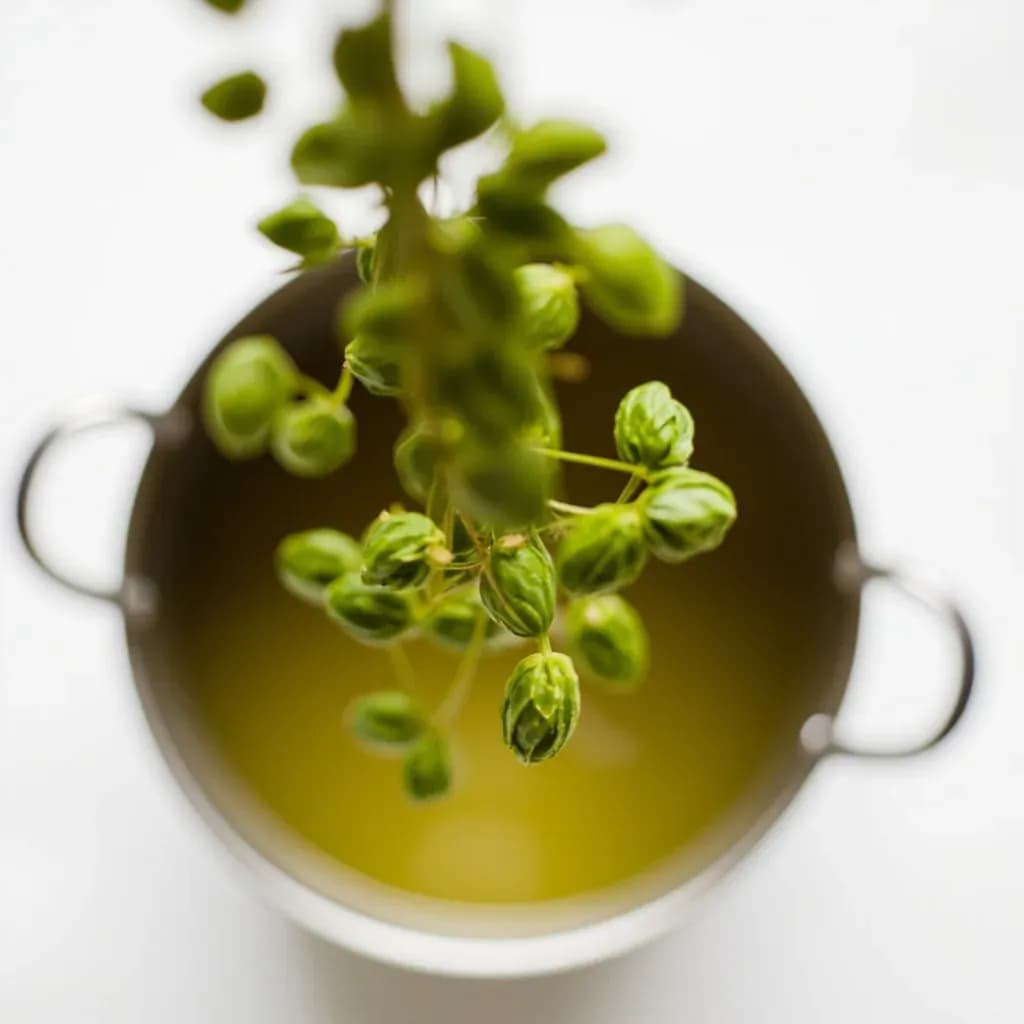
Bittering Hop Addition
Adding hops early in the wort boil to isomerize alpha acids and build a beer's bitterness.
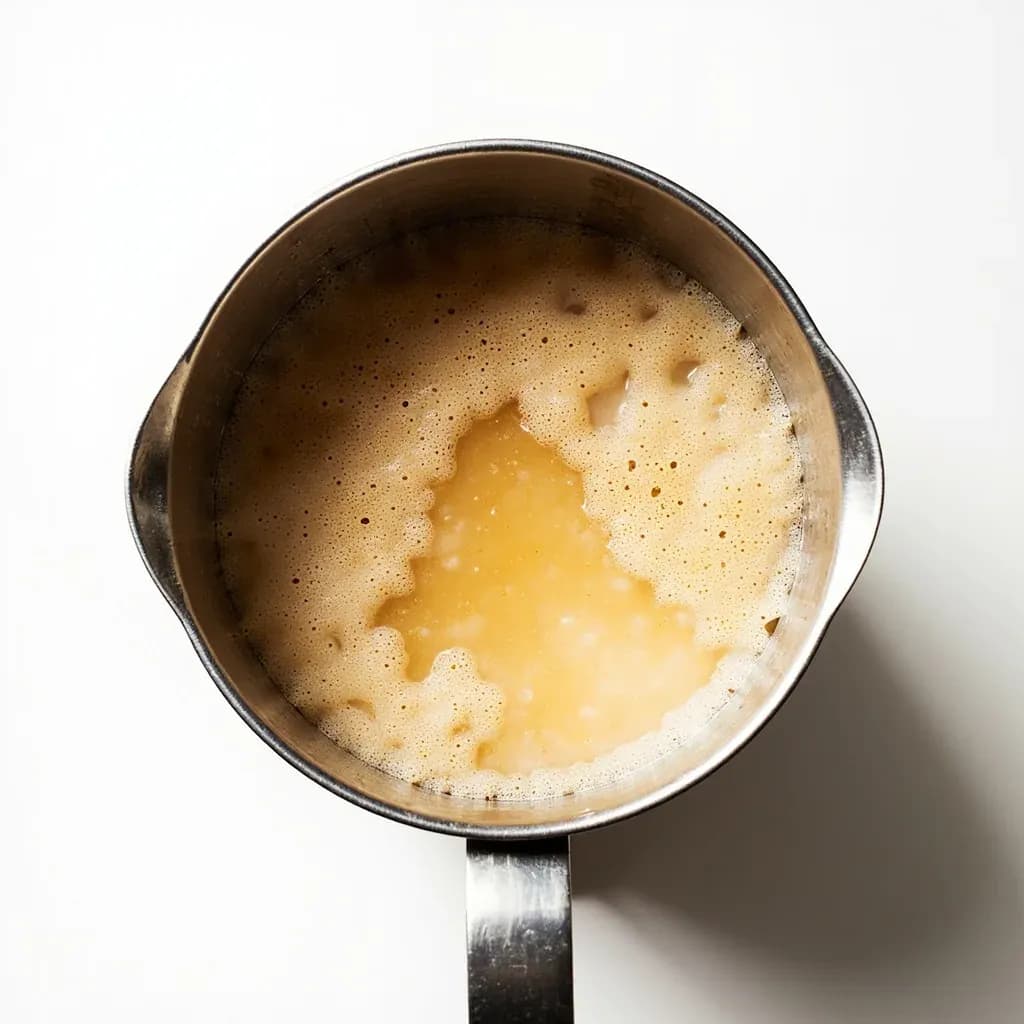
Boiling the Wort
Vigorously boiling sweet wort to sterilize it, extract hop bitterness, and set beer flavor.
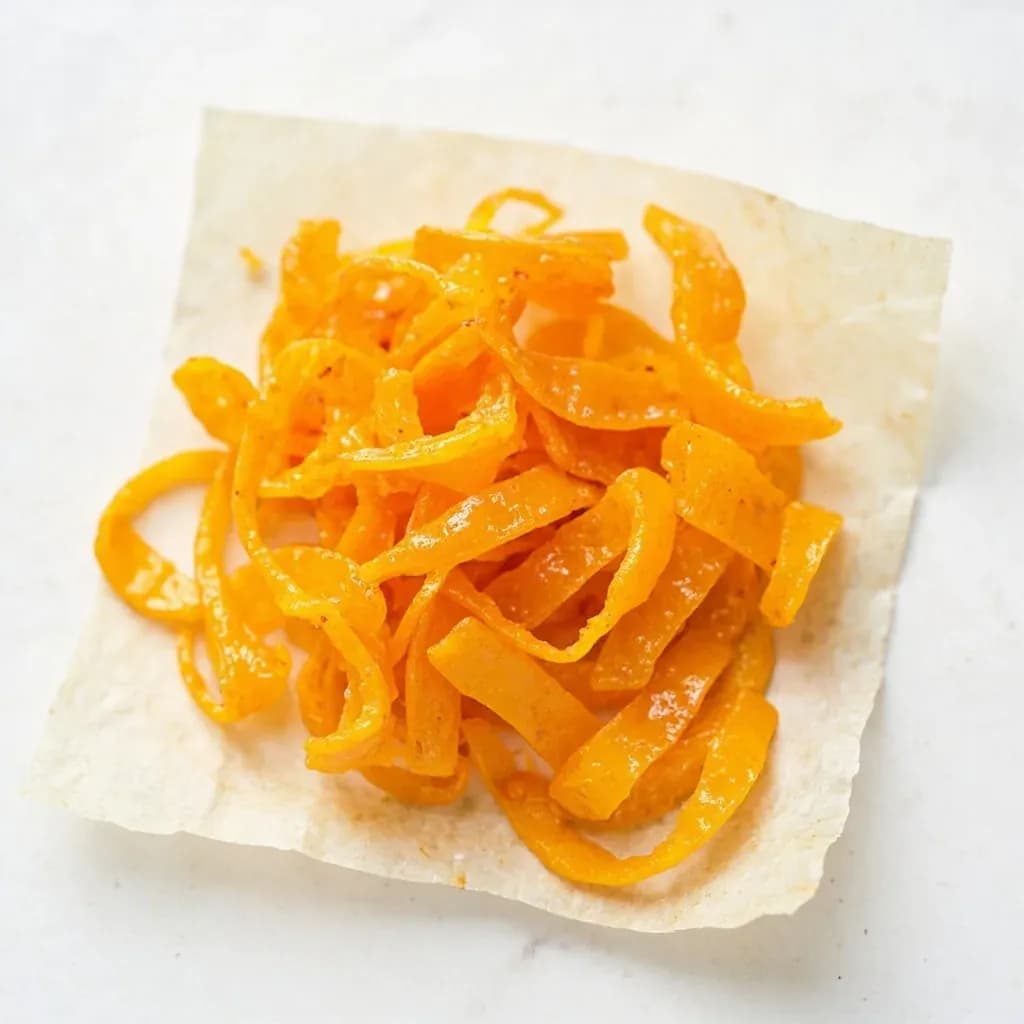
Candying Fruit (Candire)
Preserving fruit by saturating it with sugar syrup over repeated cycles.
Centrifugal Extraction
Spinning a liquid at high speed to separate clear juice from pulp and solids.
Cold Extraction
Drawing flavor or oil from an ingredient without heat, using time and pressure.
Continuous Brewing
Maintaining an ongoing ferment by drawing off finished liquid and topping it up.
Controlled Cooling / Setting
Cooling food at a deliberate rate to set texture or ensure food safety.
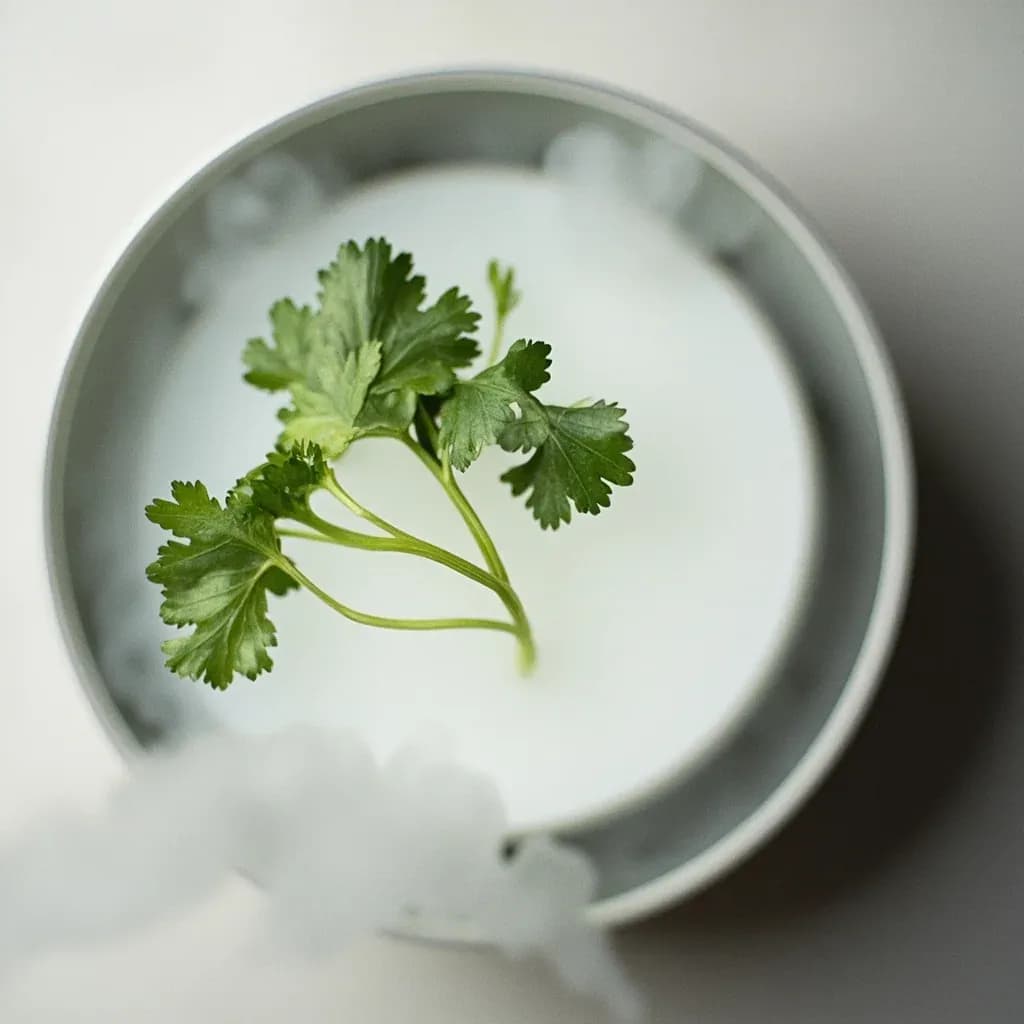
Cryo-Blanching (Liquid Nitrogen)
Flash-freezing food in liquid nitrogen to shatter cell walls or set textures instantly.
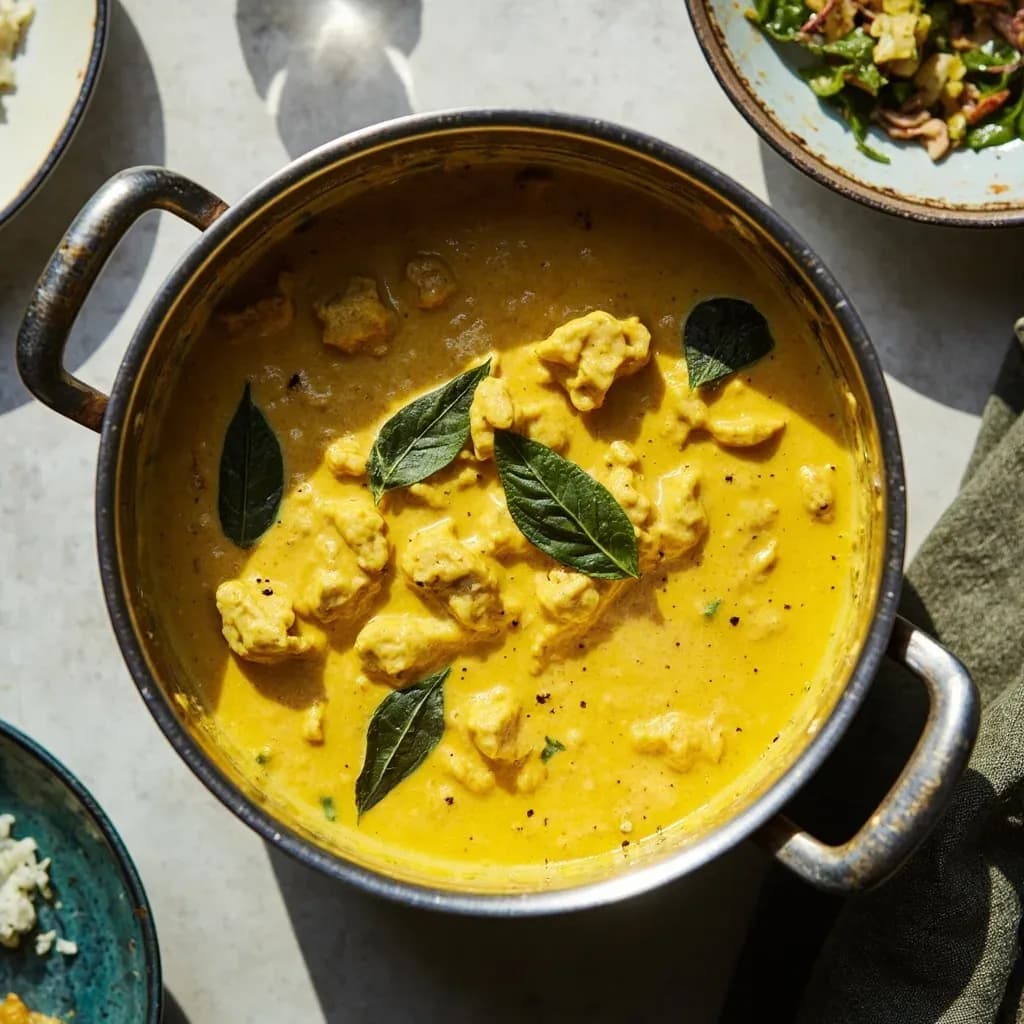
Curd-Based Souring (Moru Curry)
Gently heating spiced yogurt or buttermilk so it sours a curry without curdling.
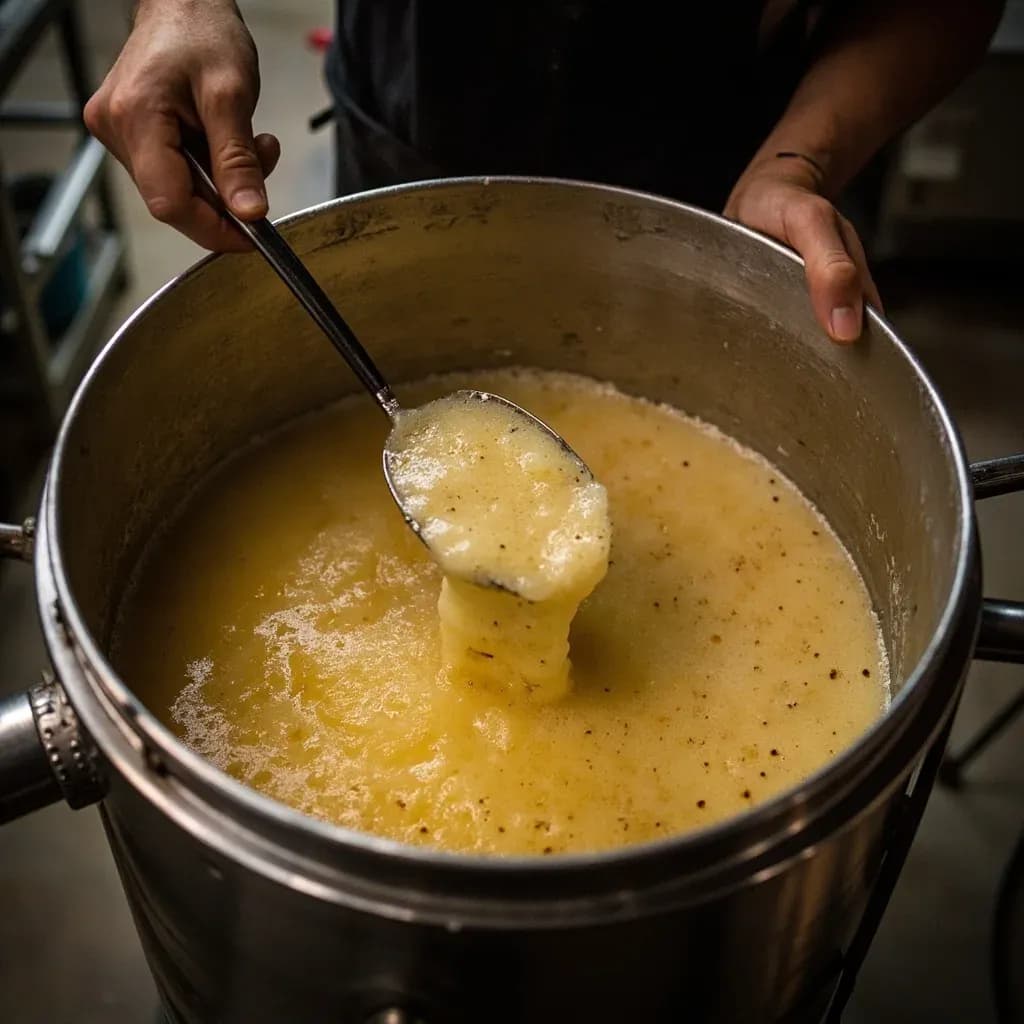
Decoction Mashing
Brewing method of boiling part of the mash and returning it to raise temperature.
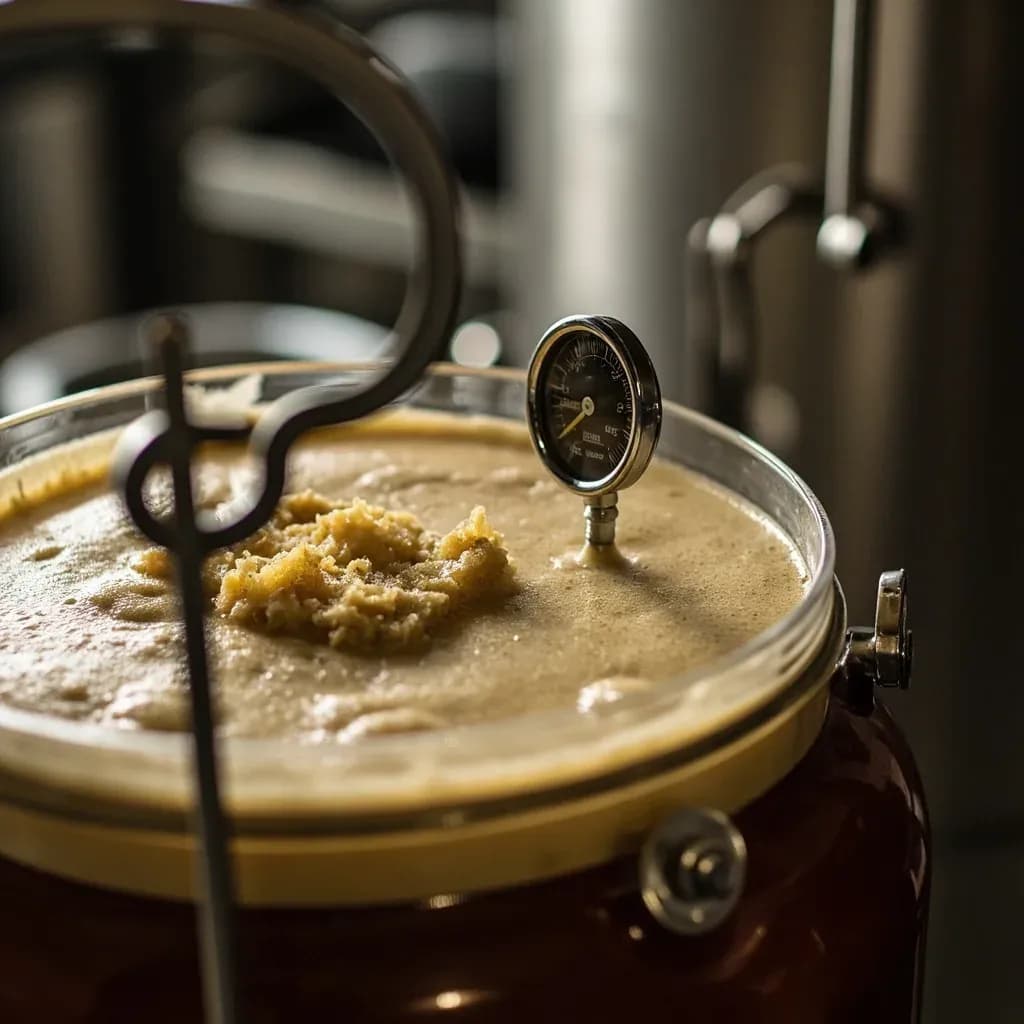
Diacetyl Rest
Warming a fermenting beer briefly so yeast reabsorbs buttery diacetyl off-flavors.
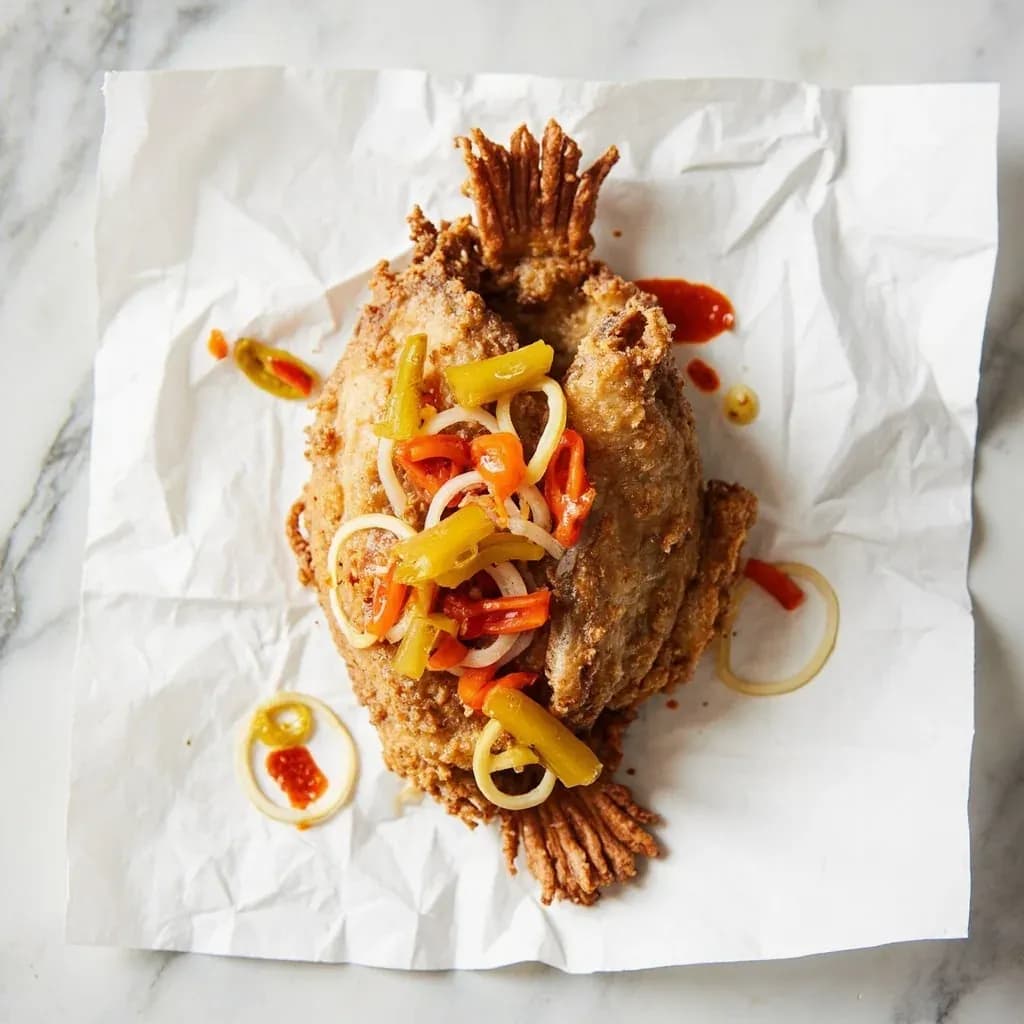
Escovitch
Caribbean method of frying fish then dressing it with a tangy spiced vinegar-and-pepper escabeche.
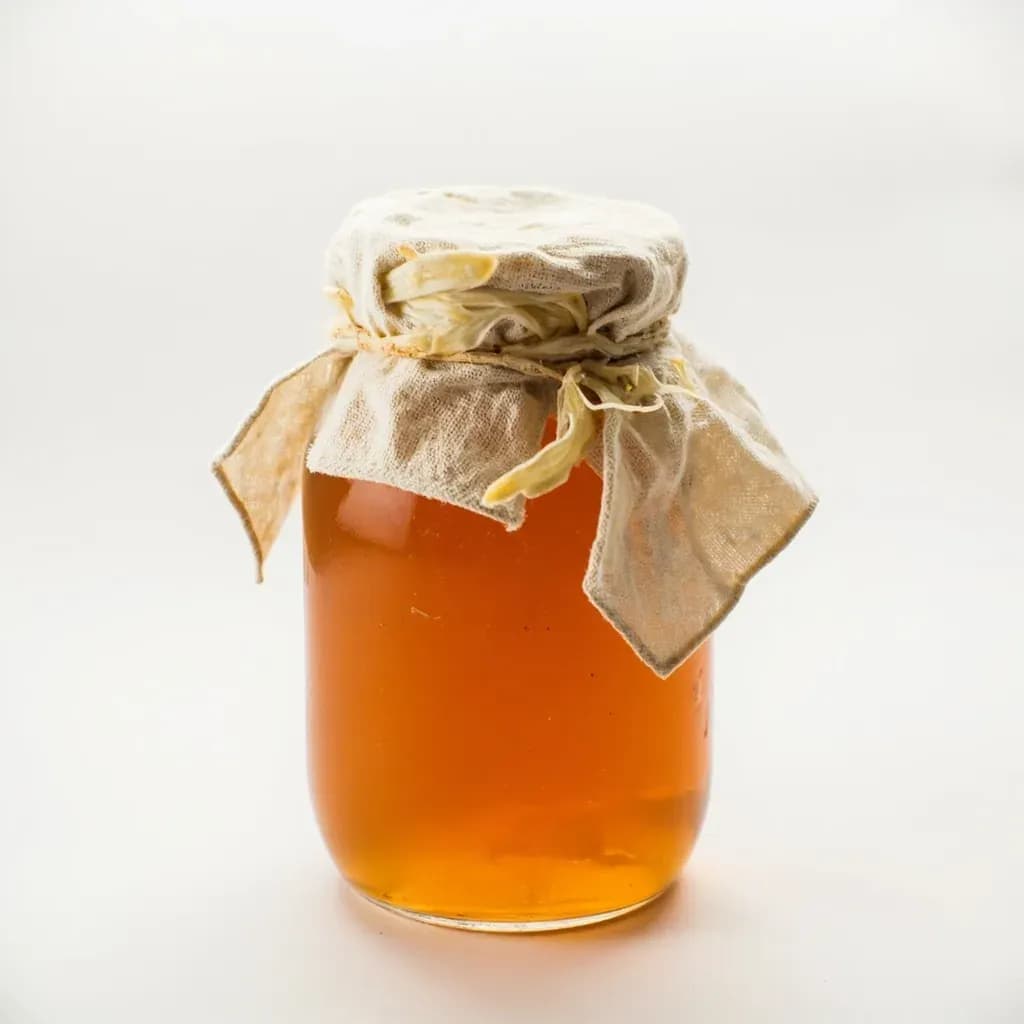
First Fermentation (1F)
The initial open-air fermentation stage that builds base flavor and acidity in kombucha and similar brews.
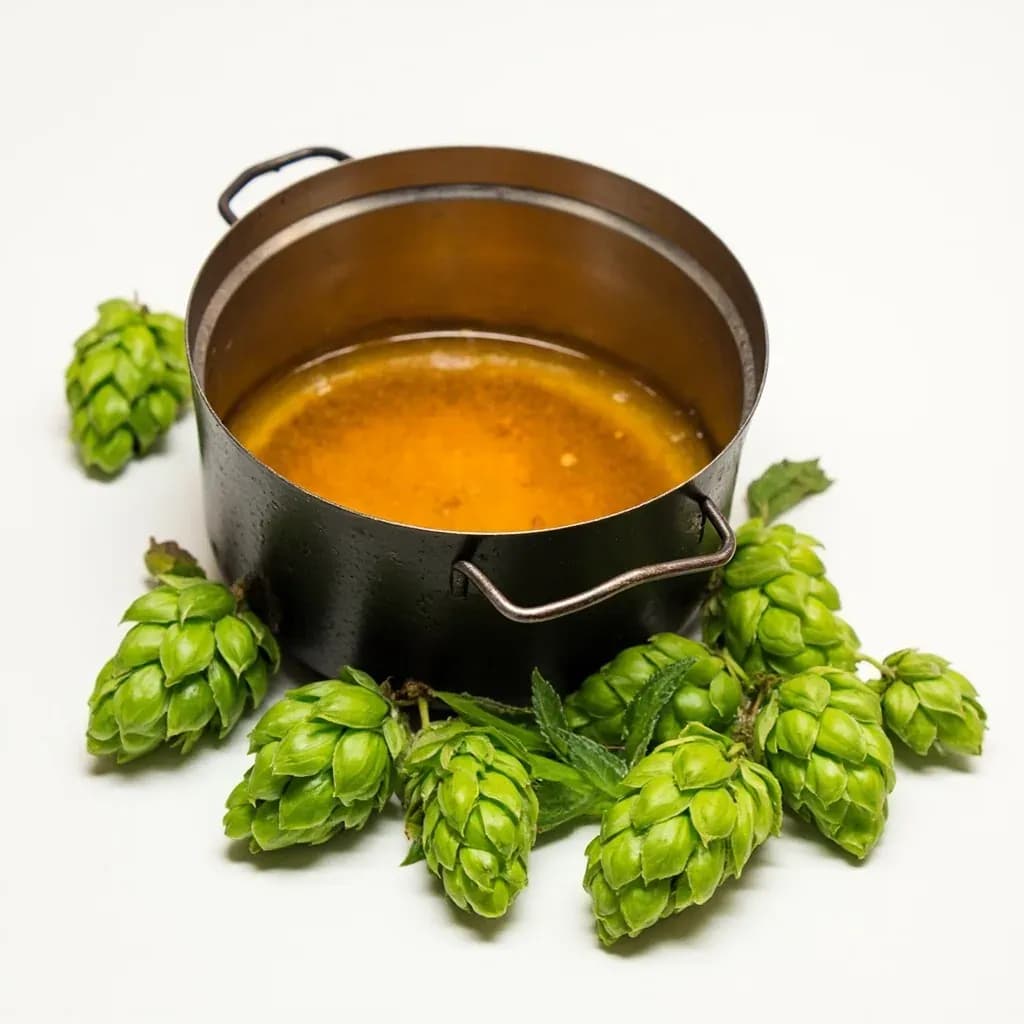
First Wort Hopping
Adding hops to the wort before the boil during lautering to give beer a smoother, rounder bitterness.
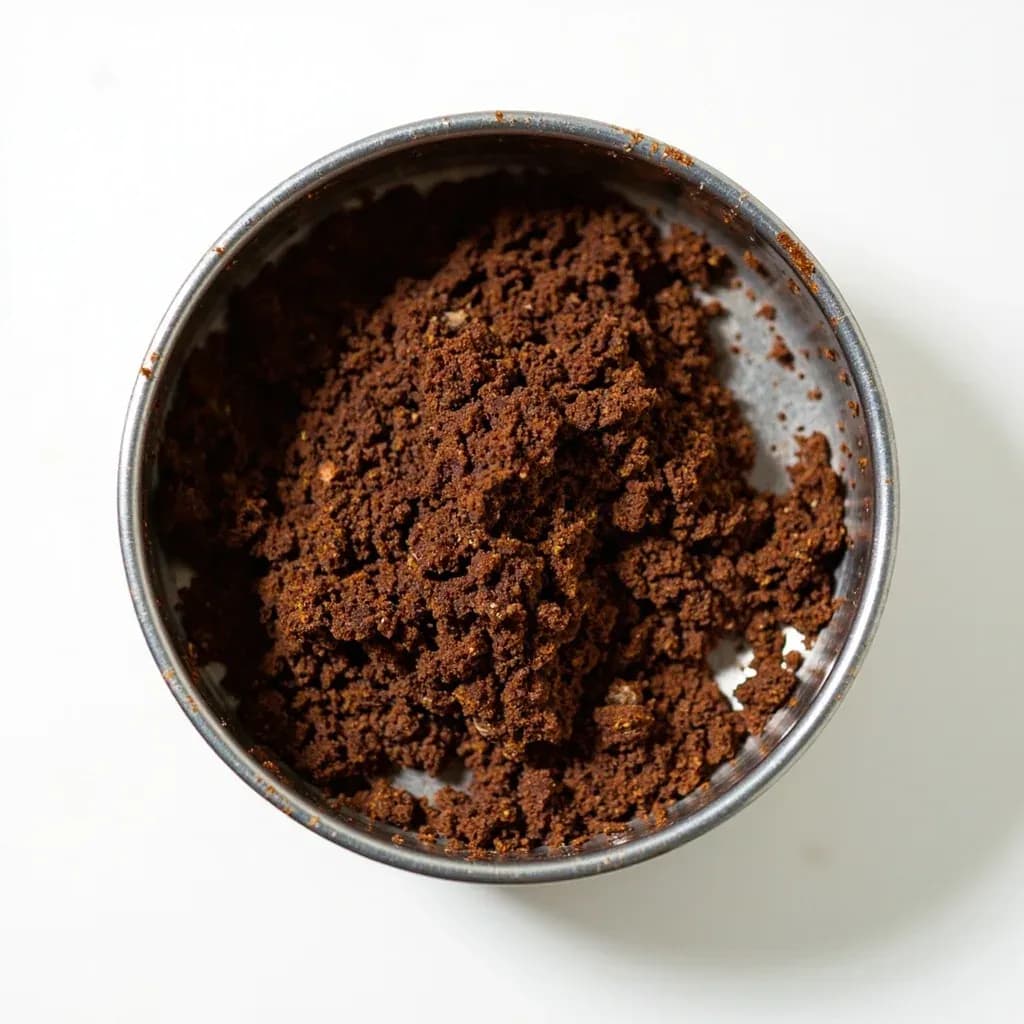
Granita Freezing and Scraping
Freezing a sweetened liquid and raking it with a fork repeatedly to form coarse, crystalline ice flakes.
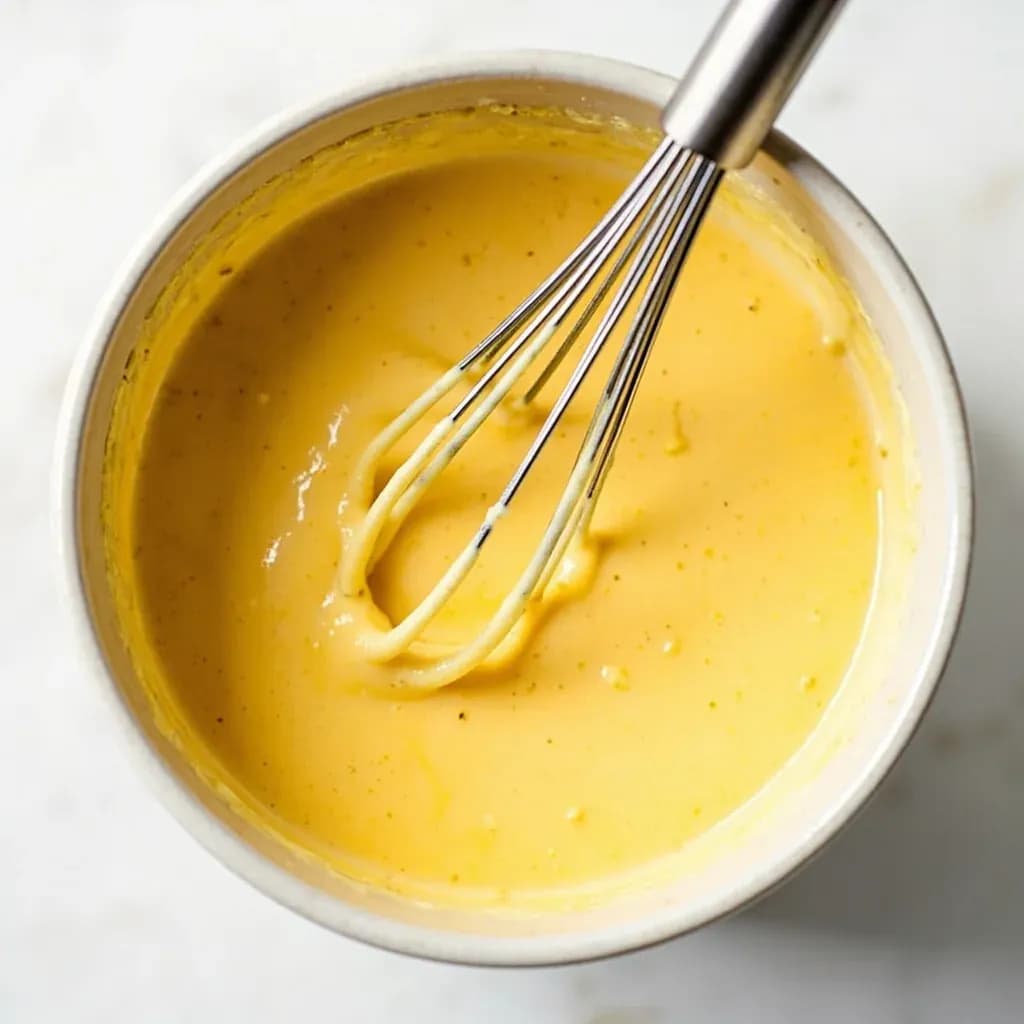
Hollandaise / Béarnaise Method
Whisking egg yolks with warm butter into a stable warm emulsion sauce, optionally flavored for béarnaise.
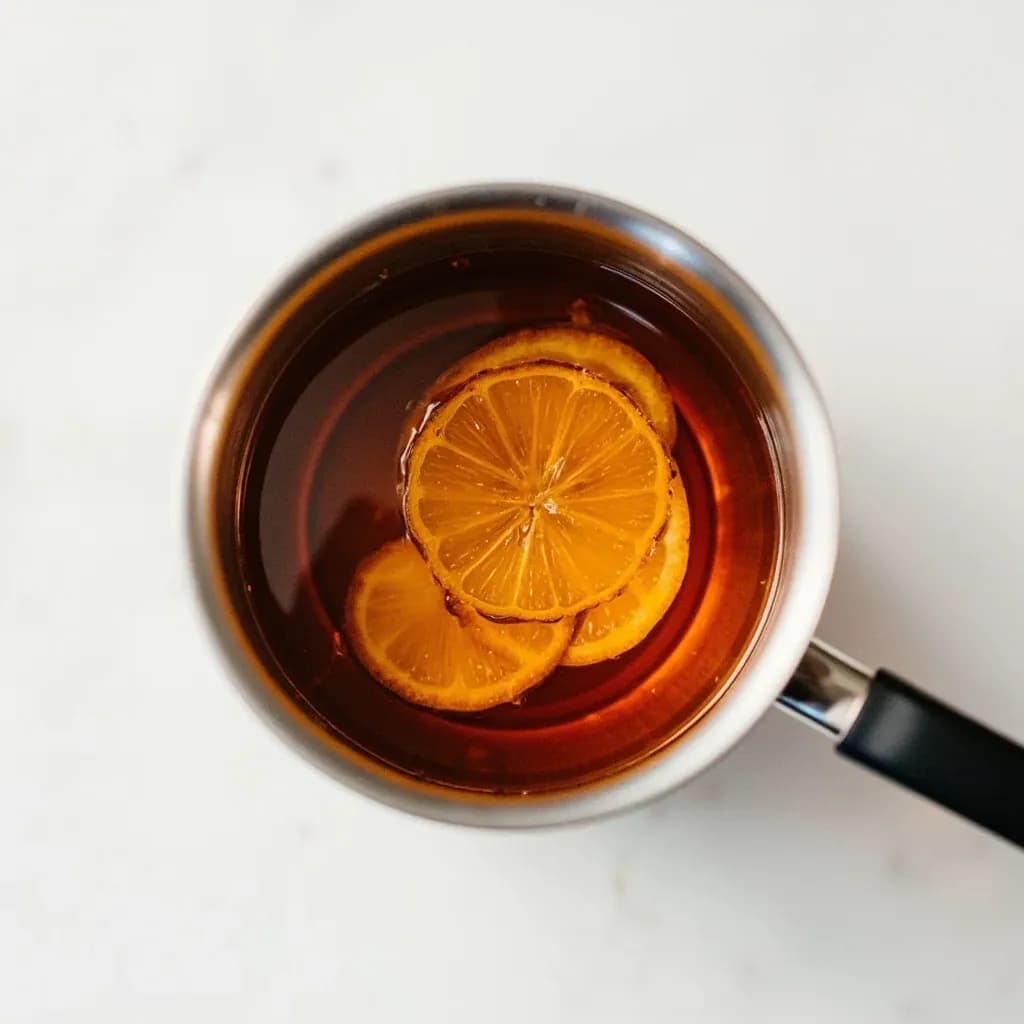
Infusing Tea Syrups
Steeping tea, herbs or spices in hot sugar syrup to make a flavored syrup for drinks and desserts.
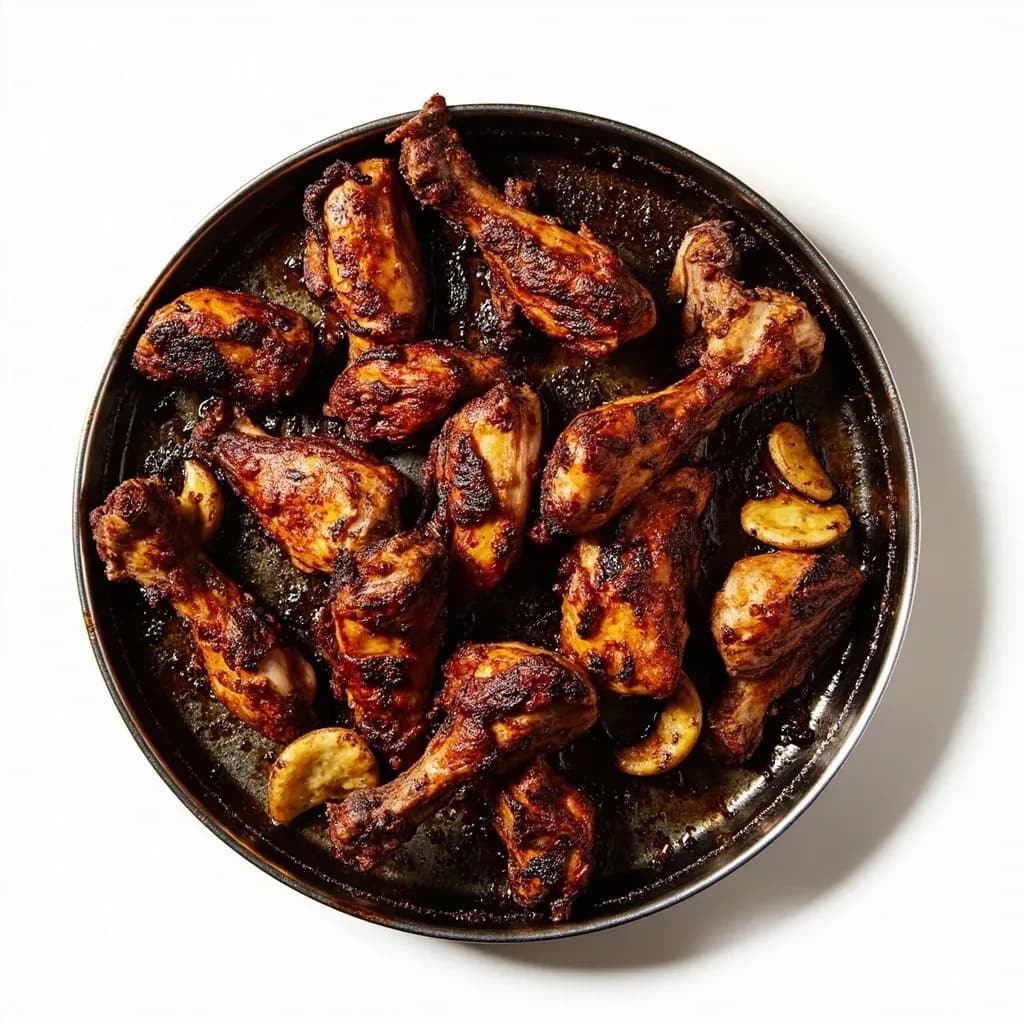
Jerking
Jamaican method of marinating meat in fiery allspice-and-scotch-bonnet seasoning, then smoking over pimento wood.
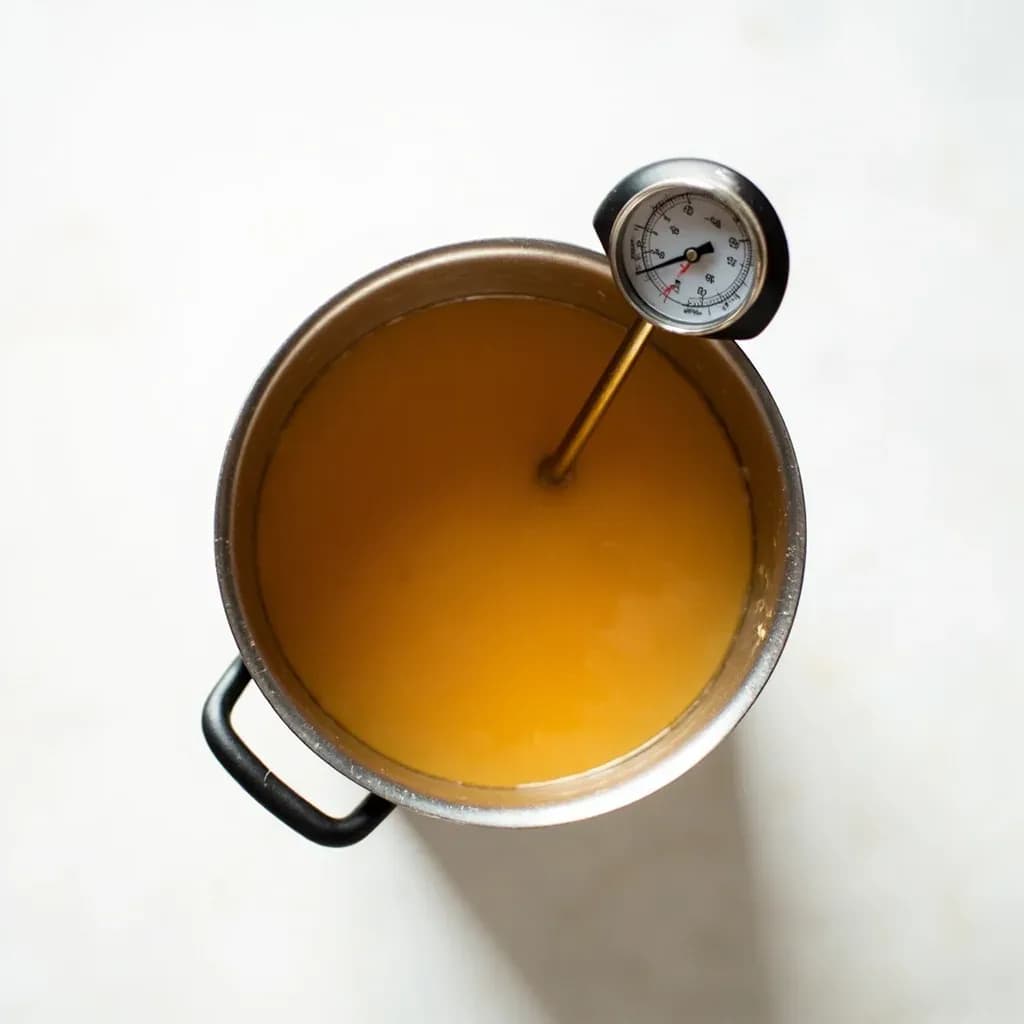
Kettle Souring
Quickly acidifying beer wort with Lactobacillus before boiling to make a tart, sour brew.
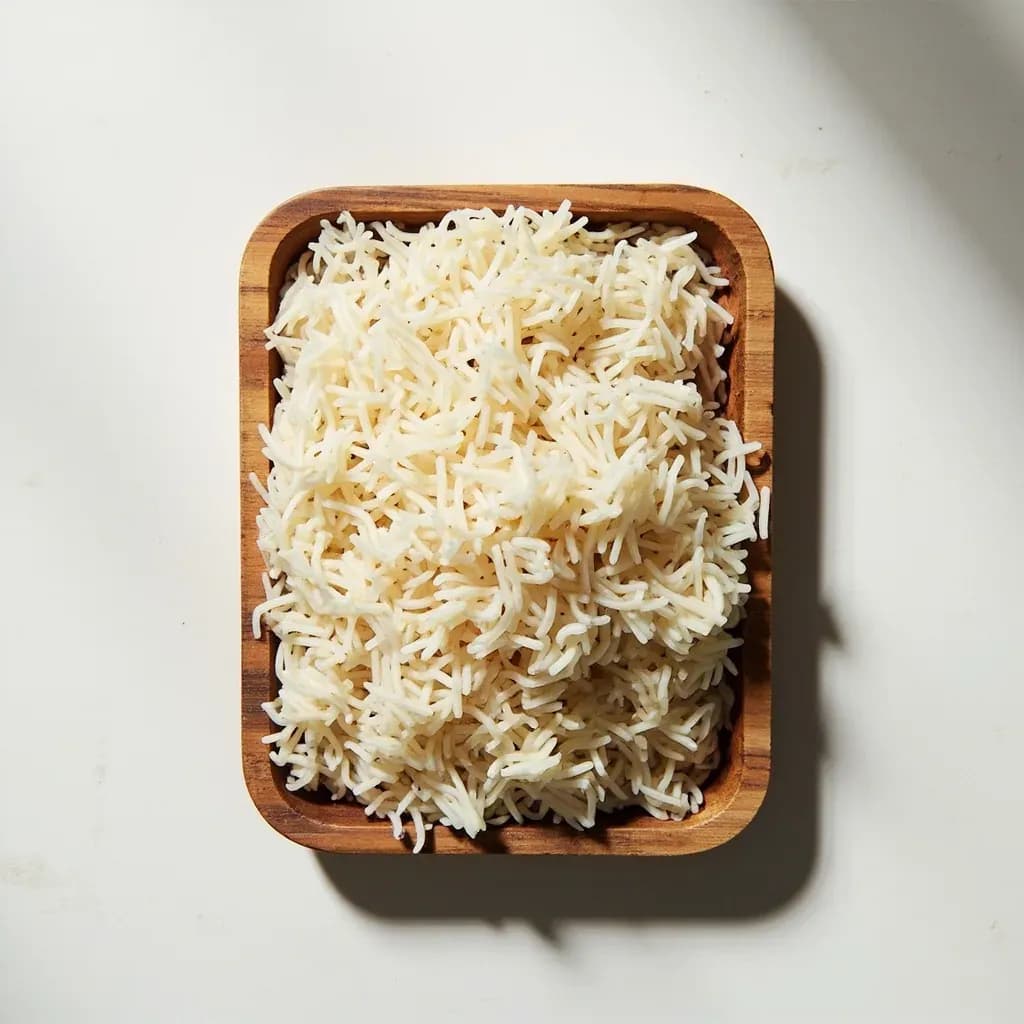
Koji Cultivation
Growing Aspergillus oryzae mold on steamed grain to build the base for miso, soy sauce and sake.
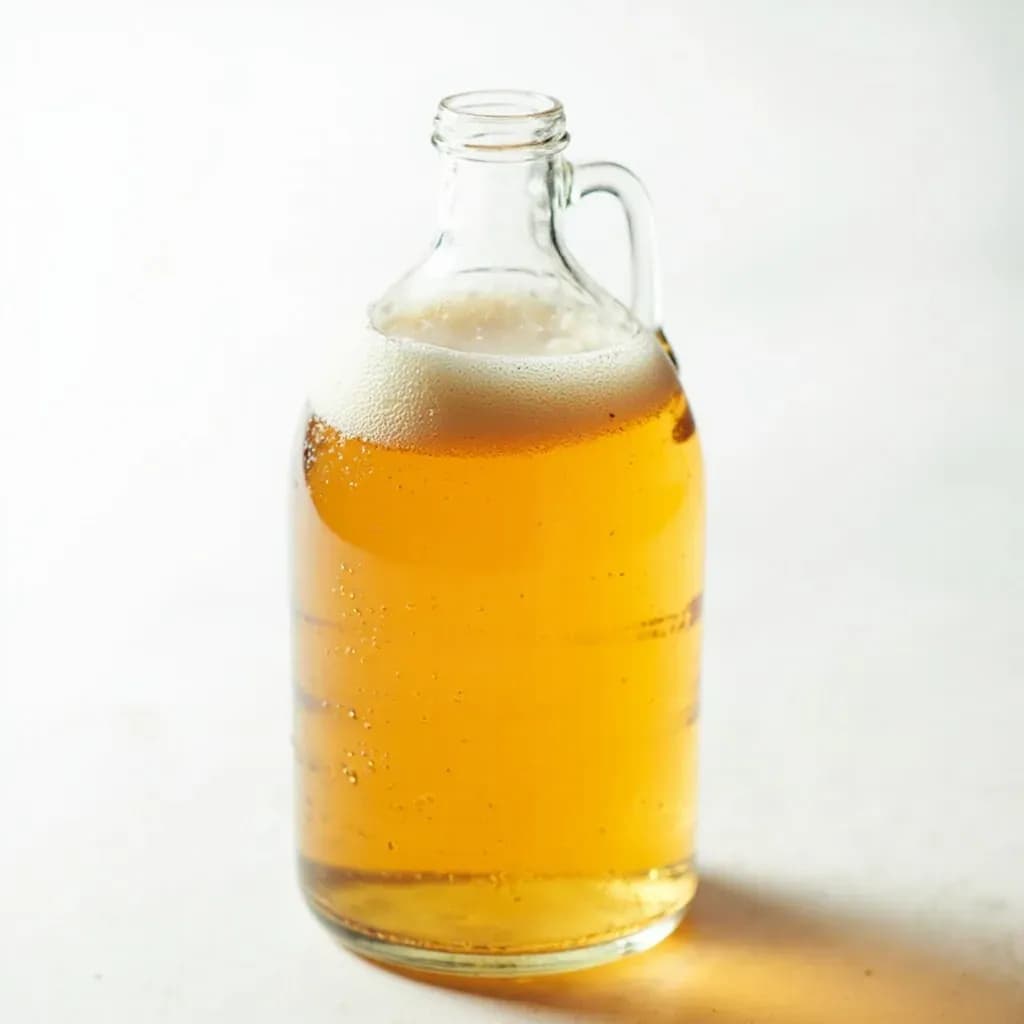
Lagering (Cold Conditioning)
Storing beer cold for weeks to mellow flavors and clarify it before serving.
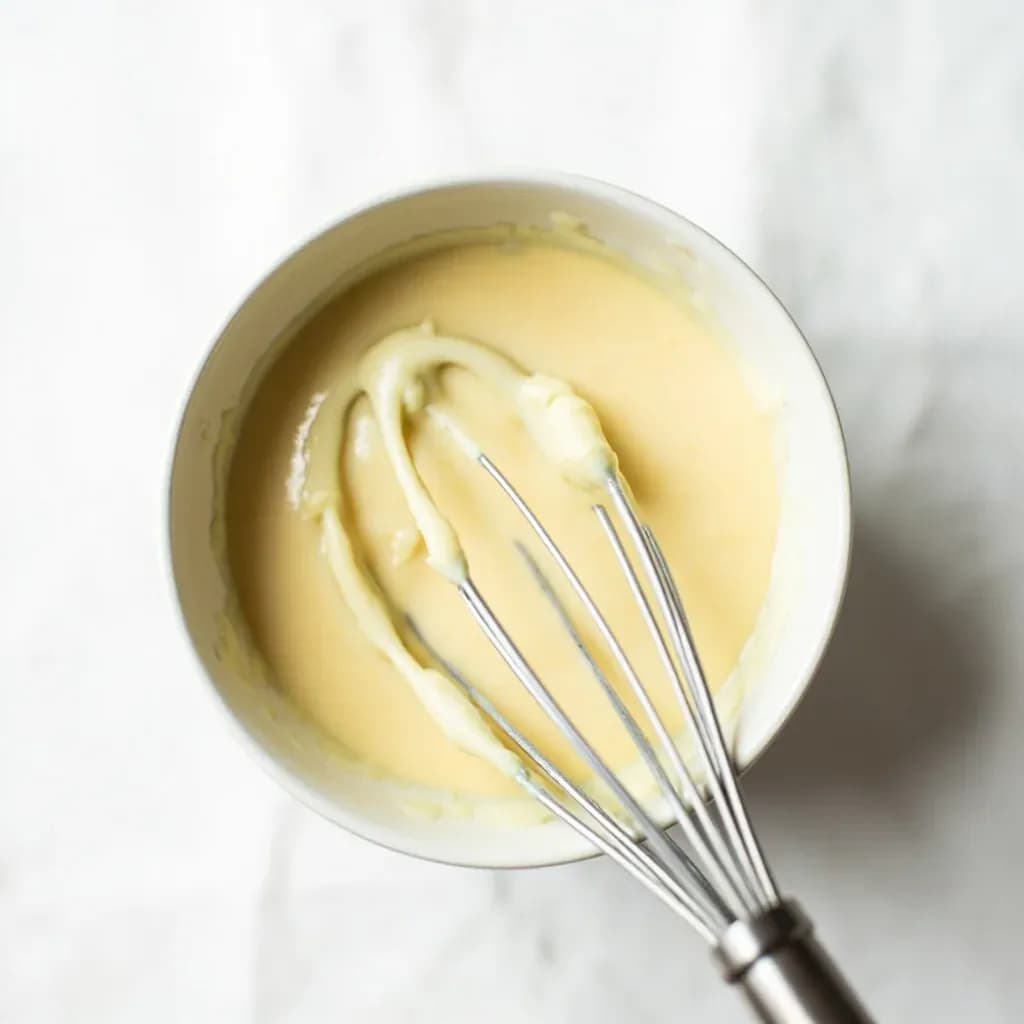
Making Custard
Gently cooking eggs with milk or cream so the proteins thicken into a smooth, set cream.
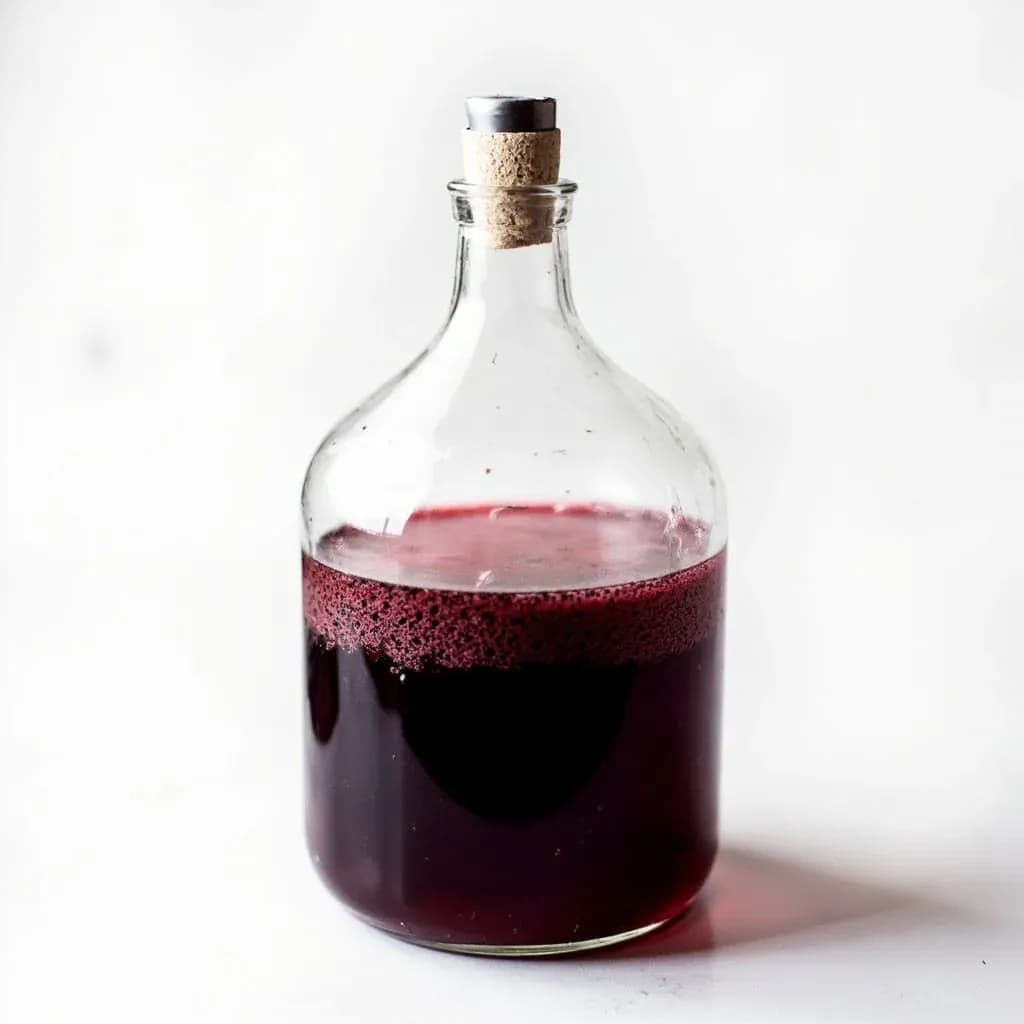
Malolactic Fermentation
A bacterial conversion that softens sharp malic acid into rounder lactic acid in wine and cider.
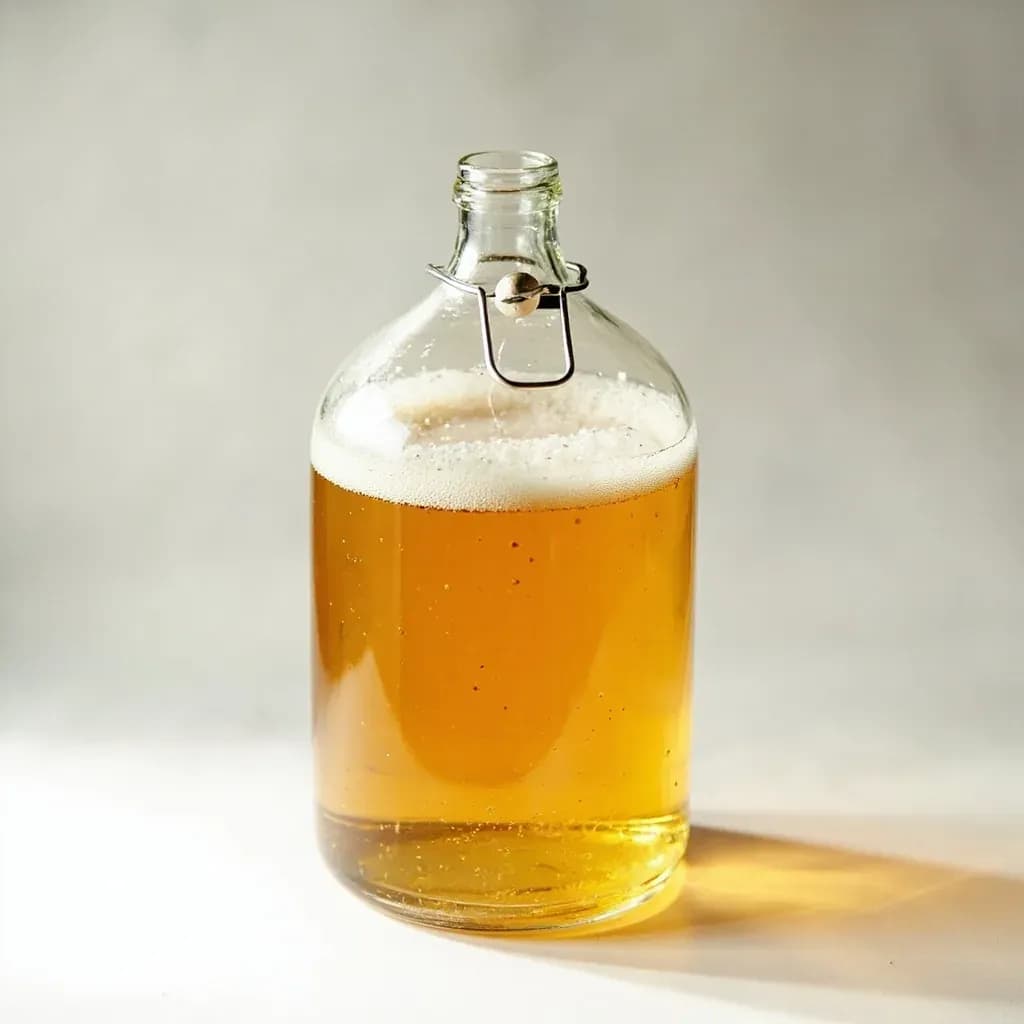
Mead Fermentation
Fermenting honey diluted in water with yeast to produce honey wine.
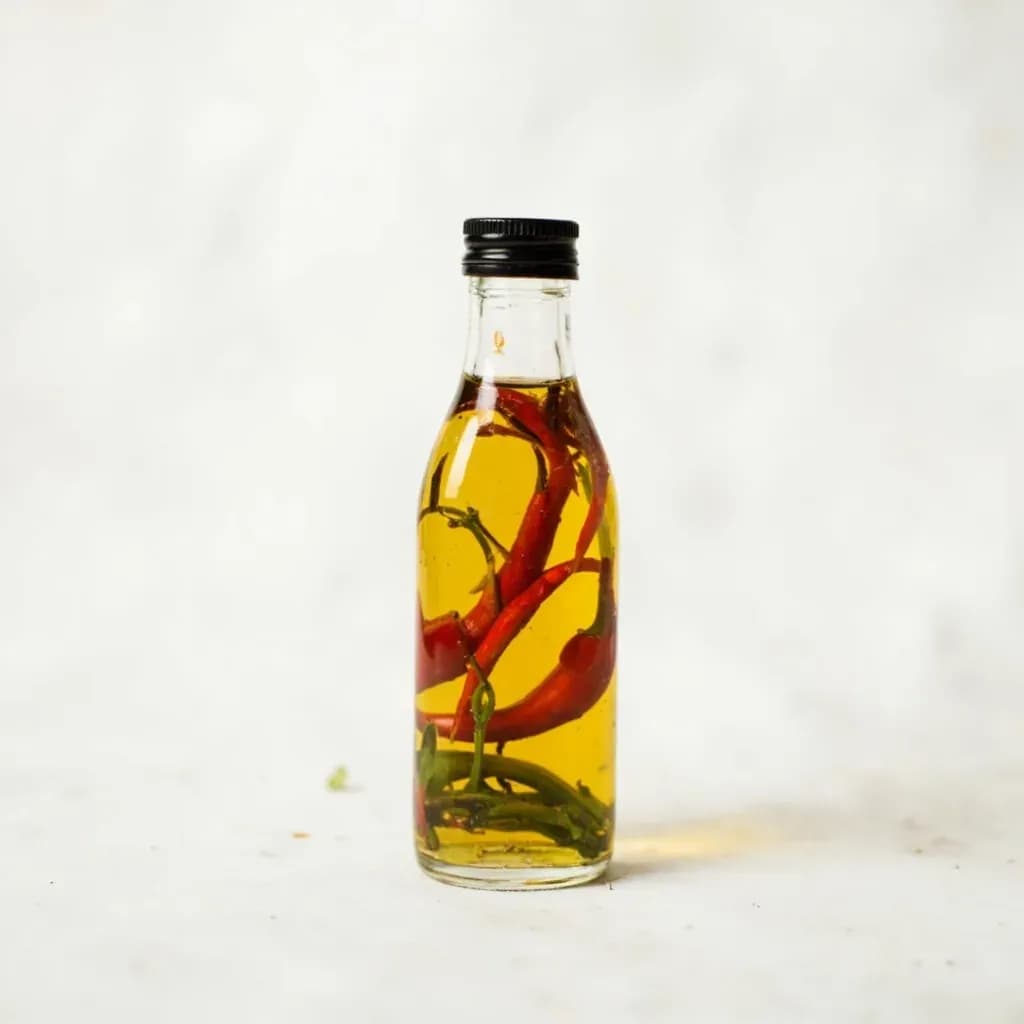
Oil Infusing (Mayu / Rayu)
Steeping aromatics in oil so their flavor and aroma transfer into the fat for a finishing oil.
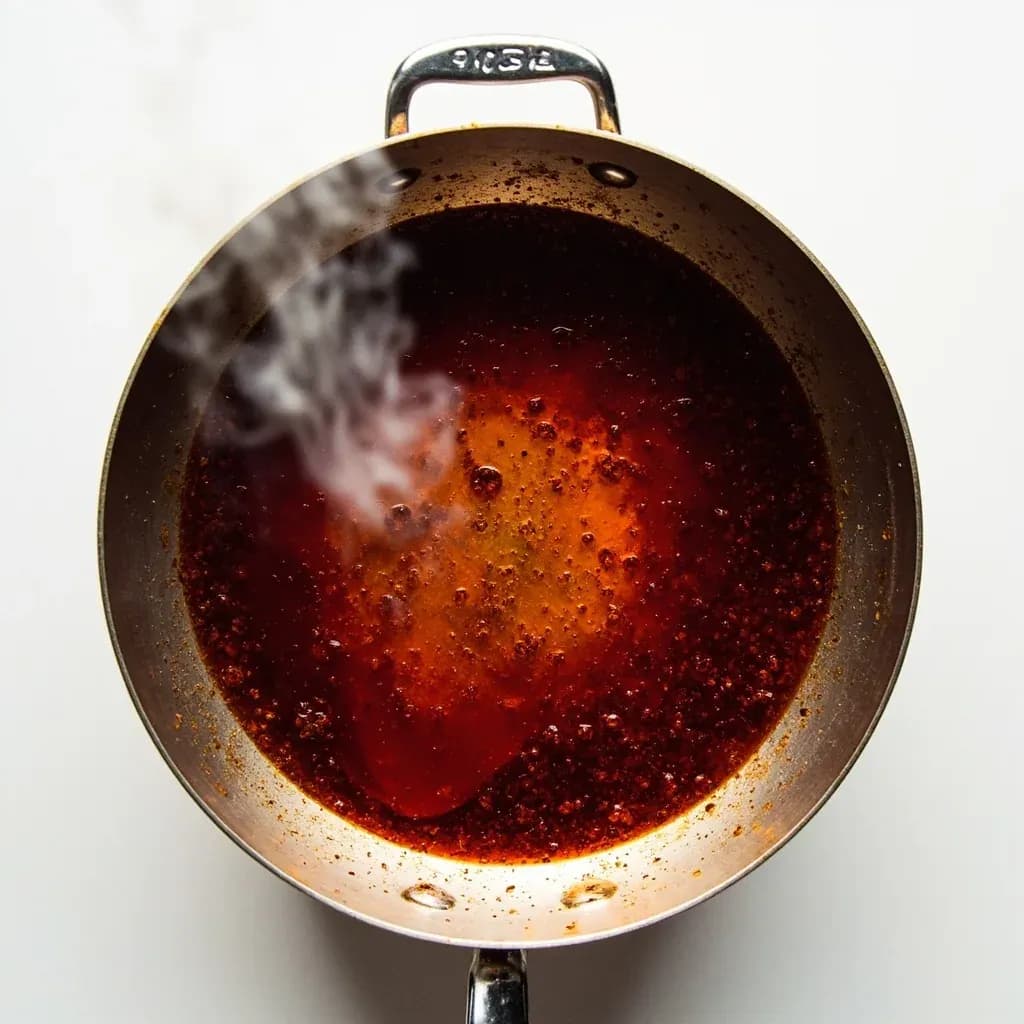
Palm Oil Bleaching
Heating red palm oil until it loses its color and strong flavor for clearer West African cooking.
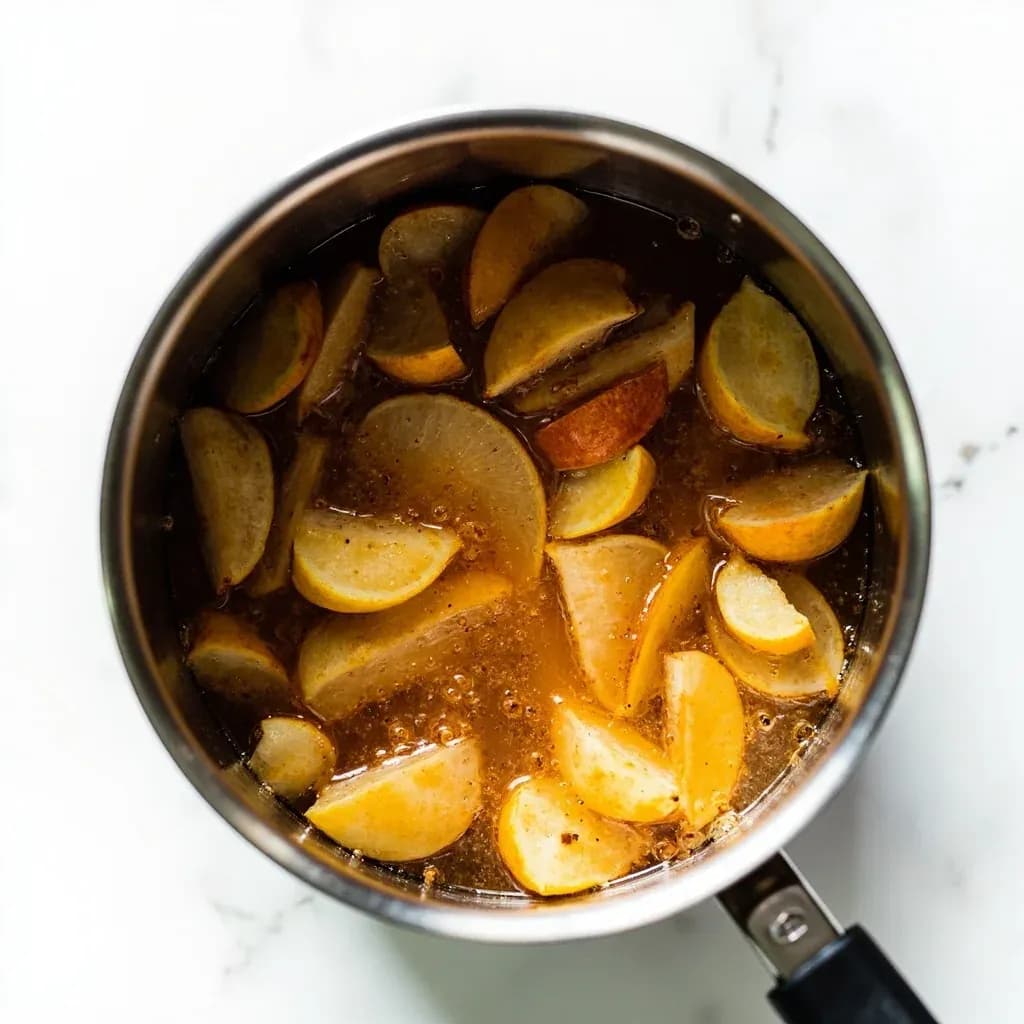
Pectin Extraction from Cores and Peels
Simmering fruit cores and peels to draw out natural pectin for setting jams and jellies.
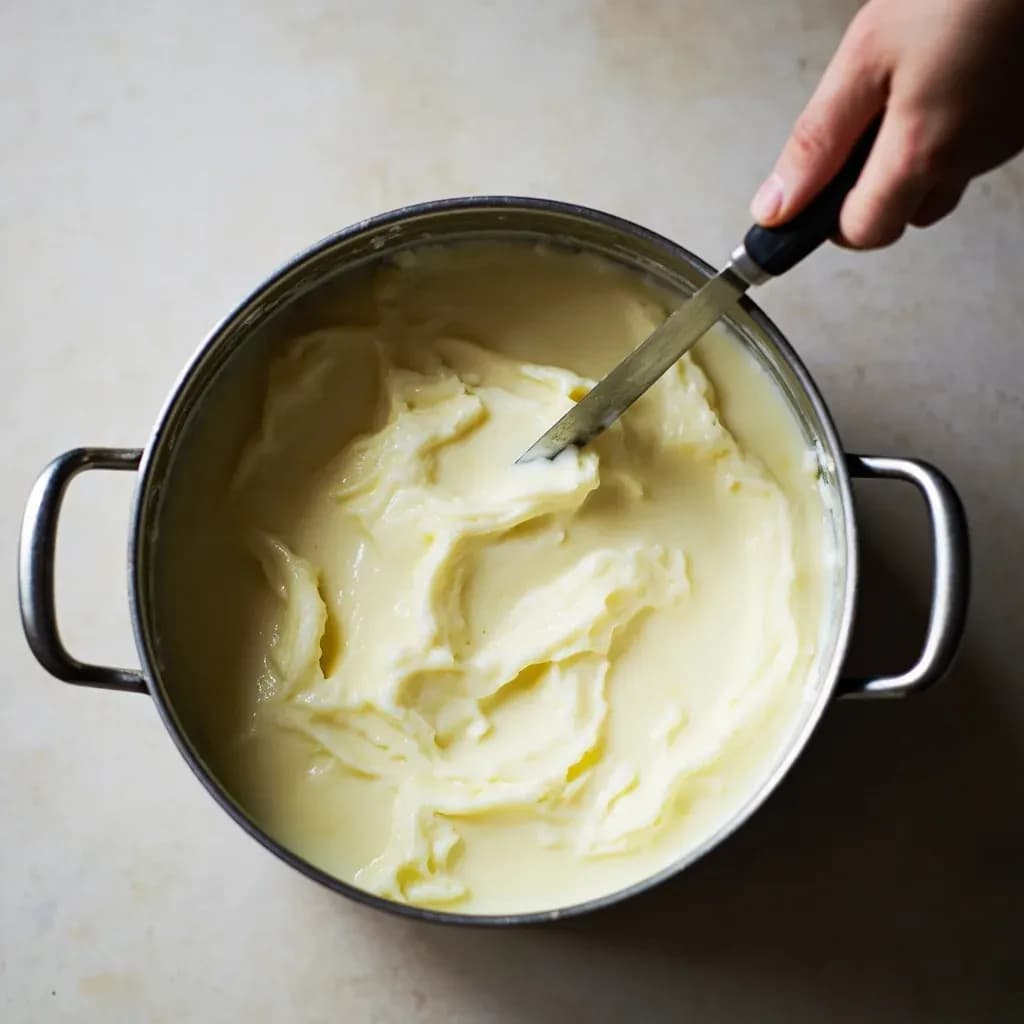
Renneting (Coagulation)
Adding rennet to warm milk to coagulate the proteins into curds for cheesemaking.
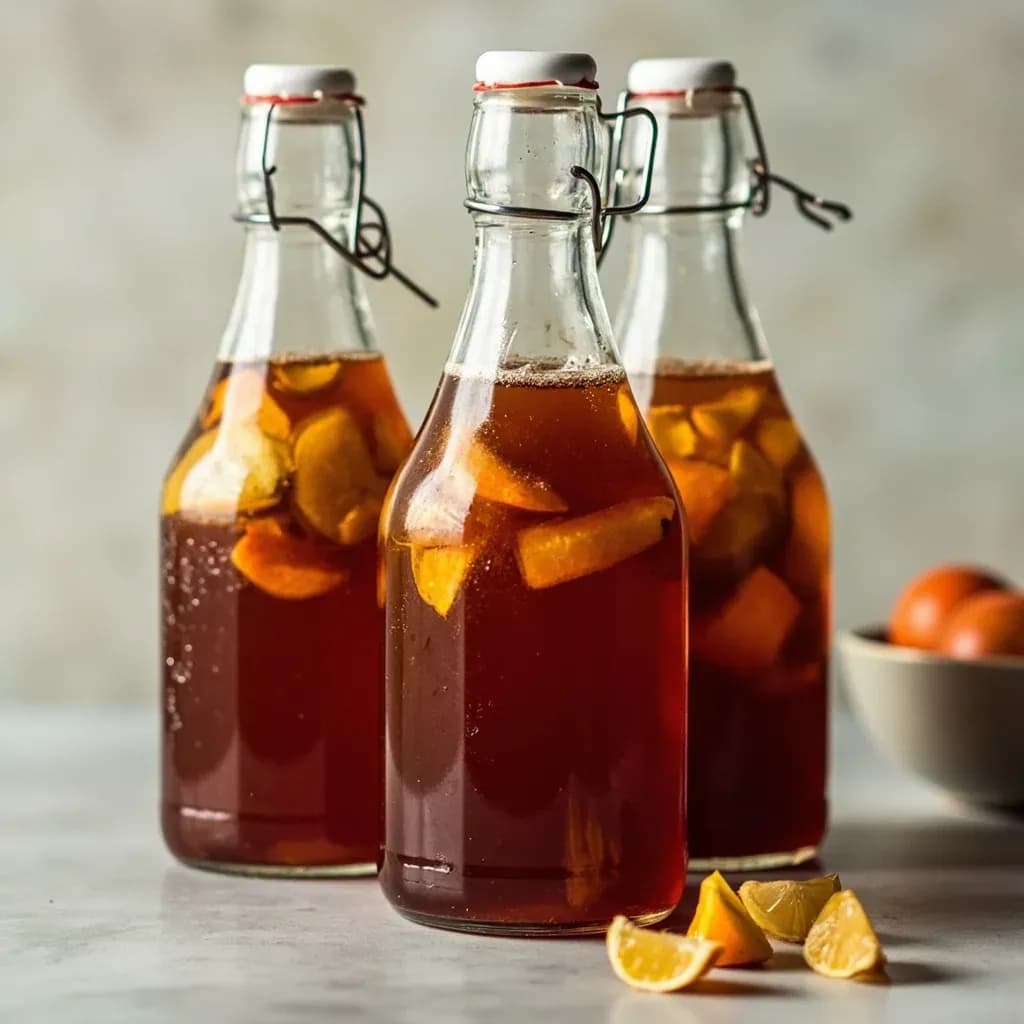
Second Fermentation (2F)
A second sealed ferment that builds carbonation and flavor in drinks like kombucha or beer.
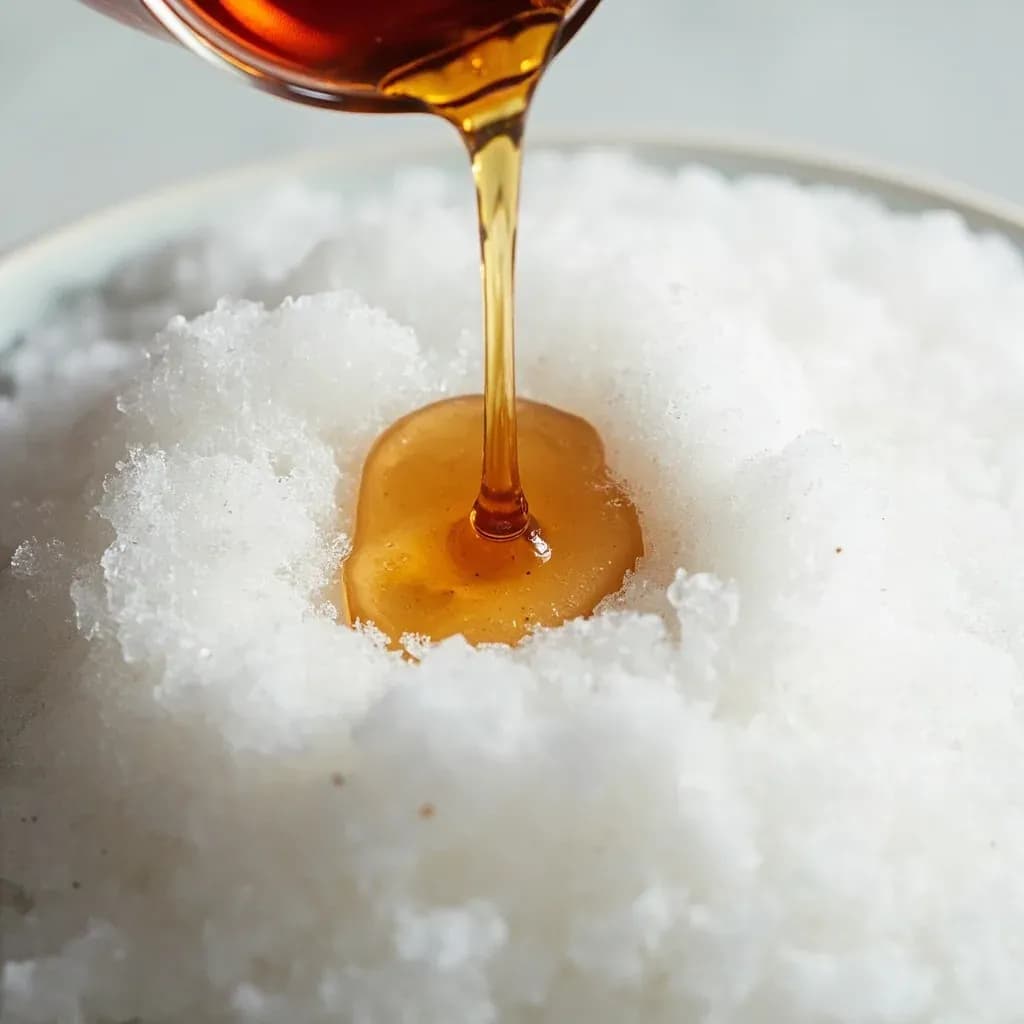
Snow Tempering (Tire sur la Neige)
Drizzling hot boiled maple syrup onto packed snow so it sets into a chewy taffy.
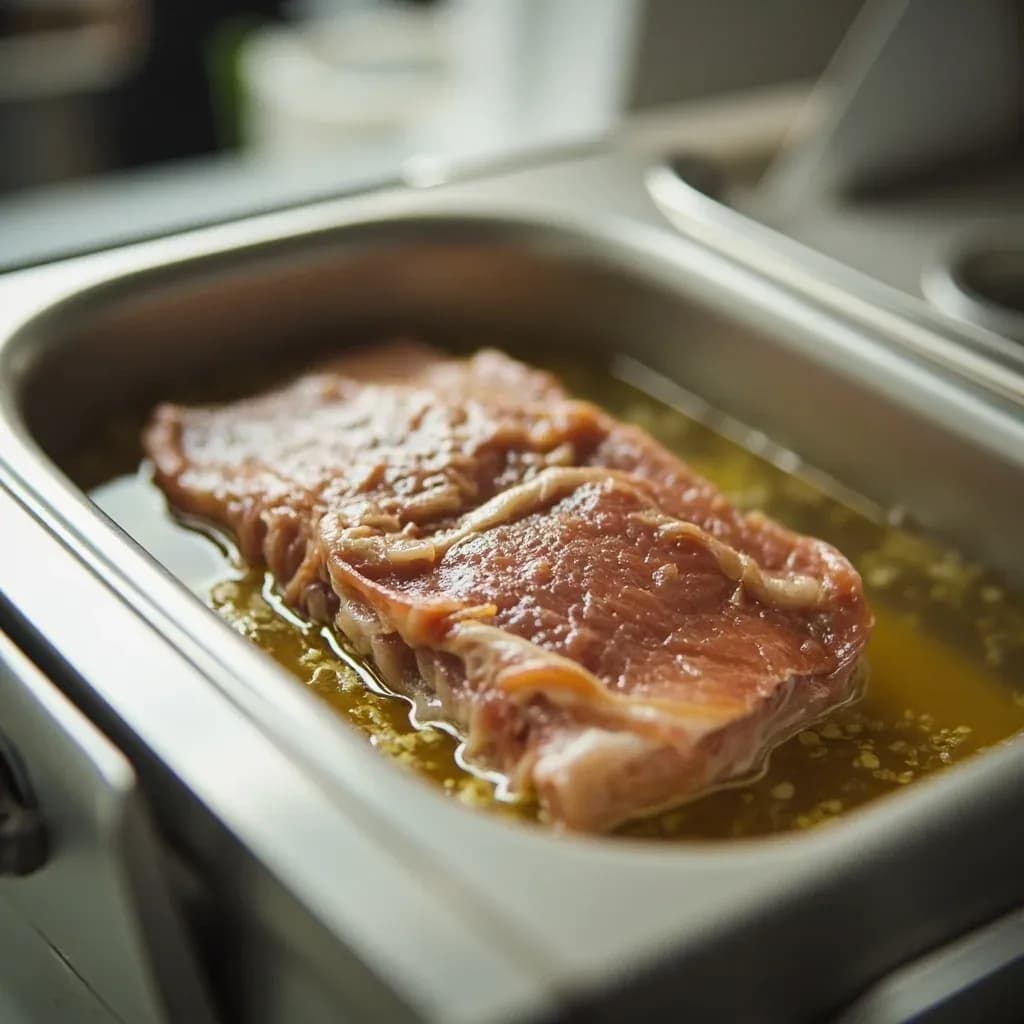
Sous-Vide Pasteurization Validation
Holding food at a precise low temperature long enough to make it safe without overcooking it.
Knife Skills
73
Chop
Cut into rough, irregular pieces — the everyday workhorse cut

Dice
Cut into uniform cubes for even cooking and a tidy look

Mince
Cut as fine as possible so flavor melts evenly into the dish

Slice
Cut into even, flat pieces for consistent cooking and presentation

Julienne
Cut into thin matchsticks for fast cooking and elegant garnish

Brunoise
Cut into tiny, precise cubes — the finest dice in the kitchen

Chiffonade
Roll and slice leafy greens into delicate ribbons

Batonnet
Cut into tidy sticks, thicker than julienne — think classic fries

Tournée
Carve vegetables into seven-sided footballs — a chef's badge of skill

Paysanne
Cut into thin, flat, rustic shapes that follow the vegetable

Butterfly
Slice nearly through and open flat for even, faster cooking

Spatchcock
Remove the backbone and flatten poultry for fast, even roasting

Debone
Remove bones cleanly while keeping the flesh intact

Fillet
Cut clean boneless sides from a fish along the backbone

Devein
Remove the dark vein from shrimp for a cleaner bite

Suprême
Cut clean citrus segments free of all pith and membrane
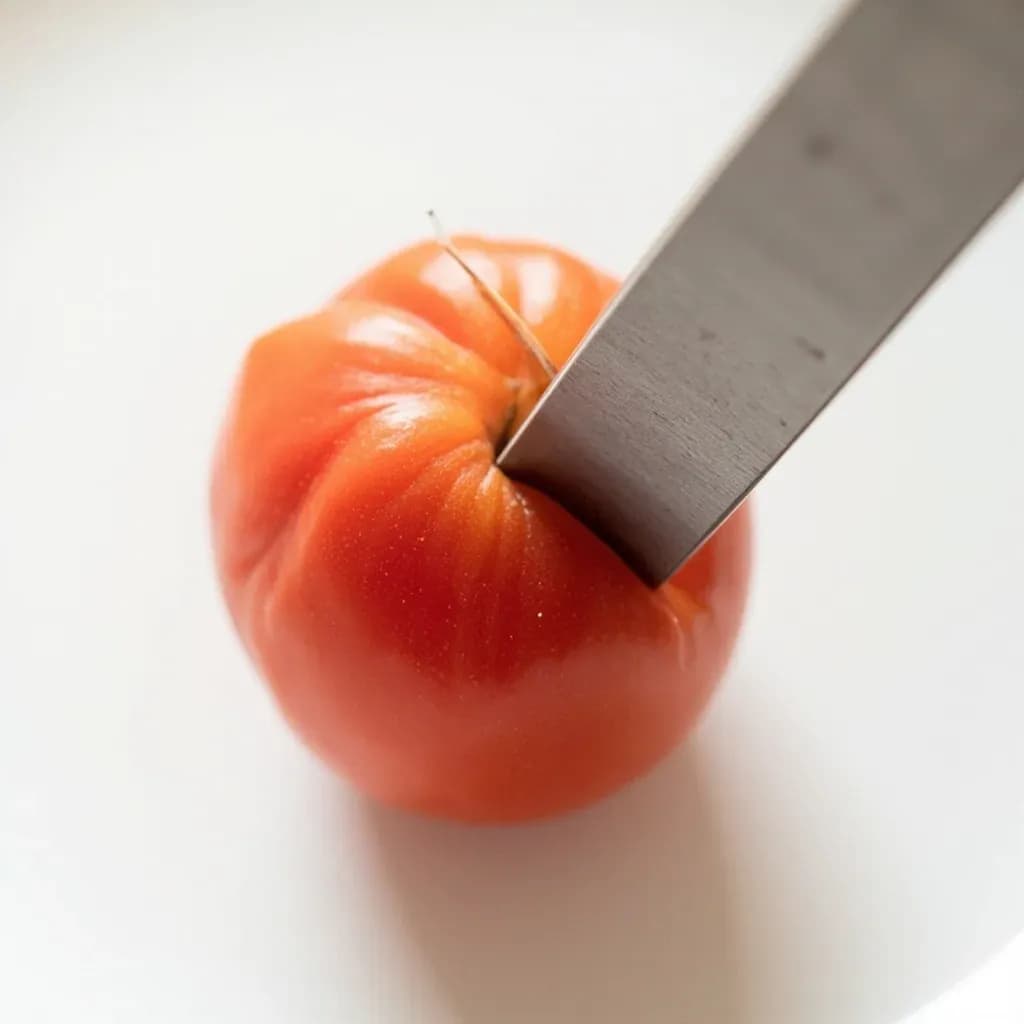
Coring Vegetables
Removing the tough core or seeds from a vegetable or fruit to prep it for cooking.
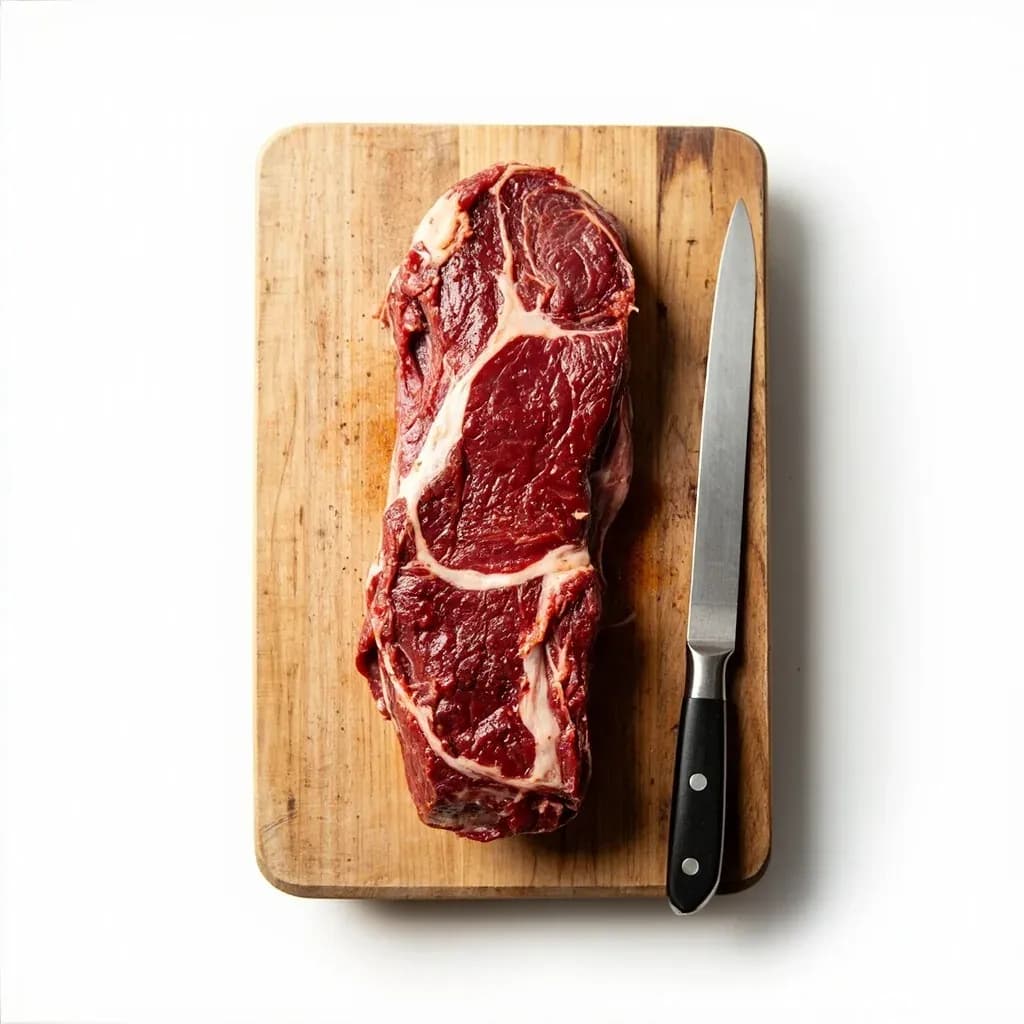
Breaking Down Primals
Butchering a large primal cut or whole carcass into retail cuts along the natural seams.
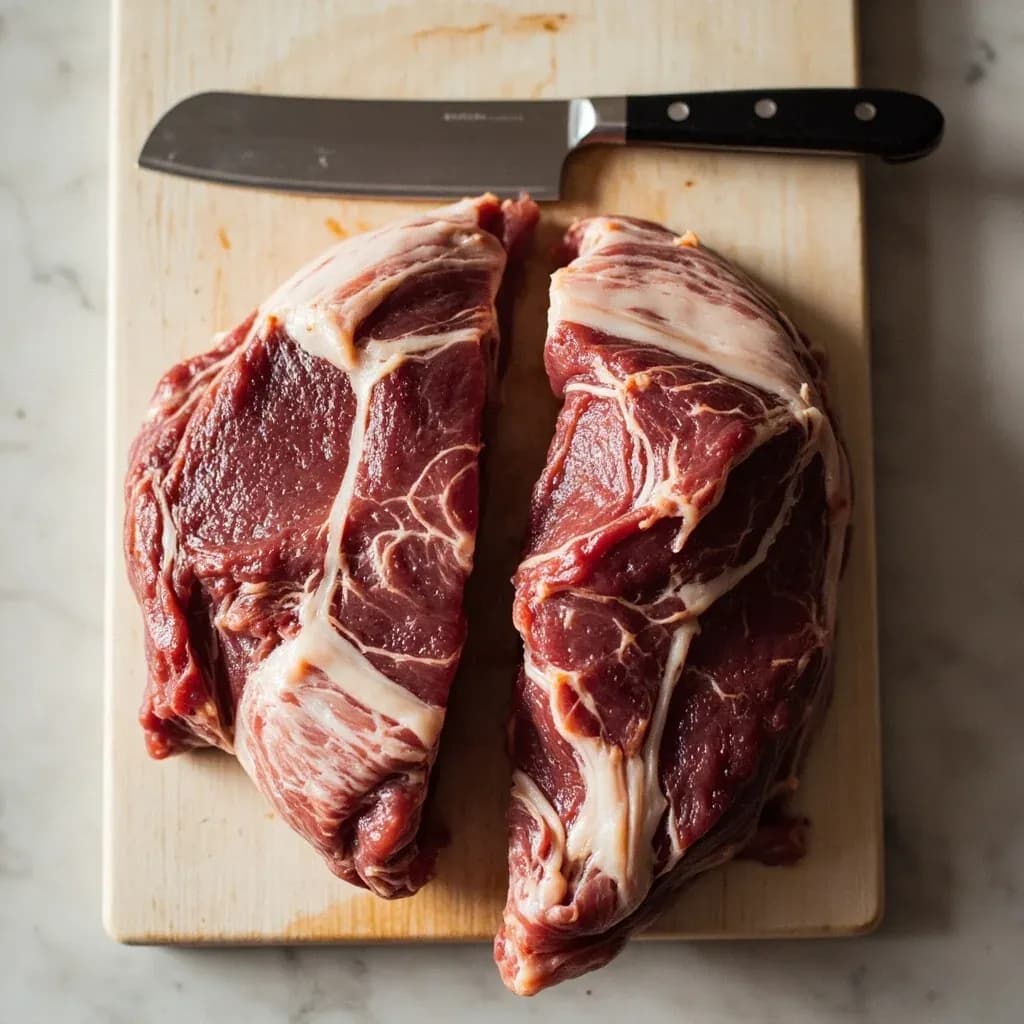
Seam Butchery
Separating a carcass along its natural muscle seams to free whole, intact muscles.
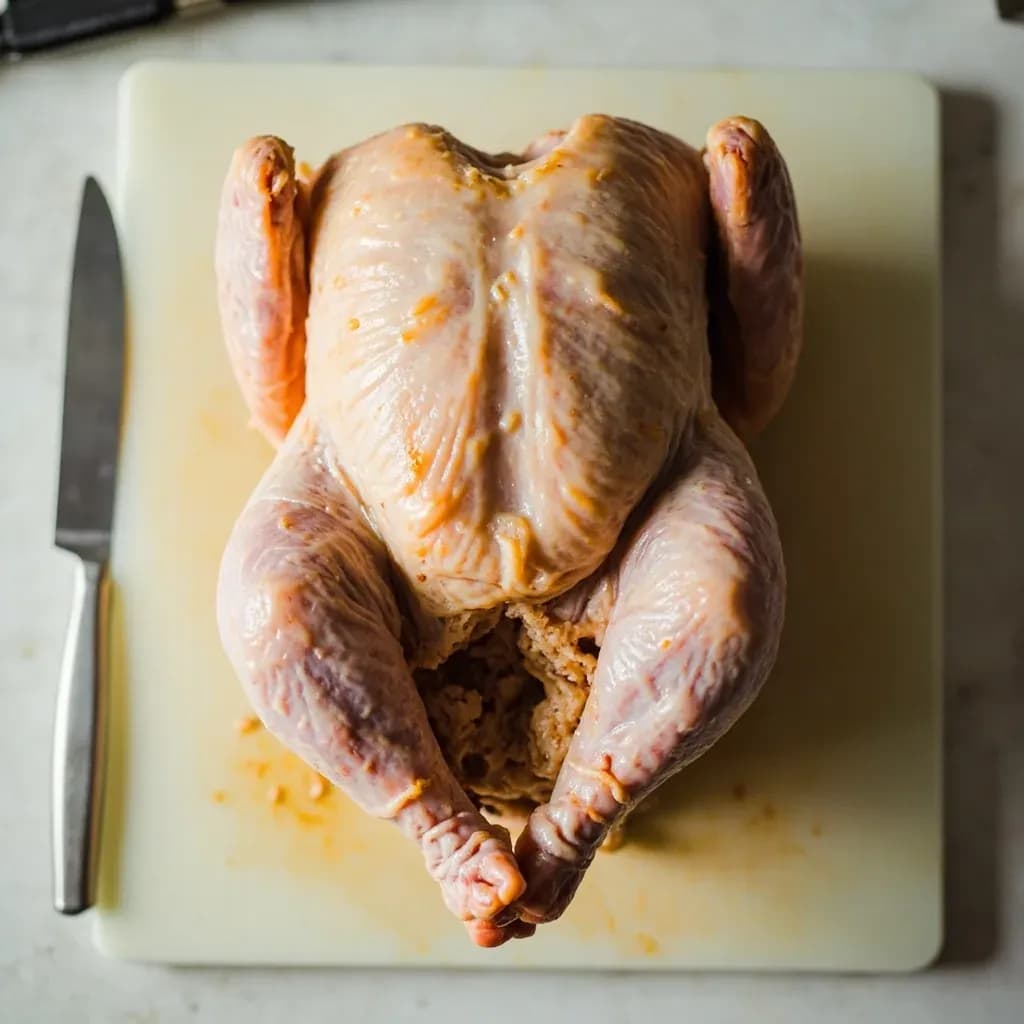
Spatchcocking
Removing a bird's backbone and flattening it so it cooks faster and more evenly.
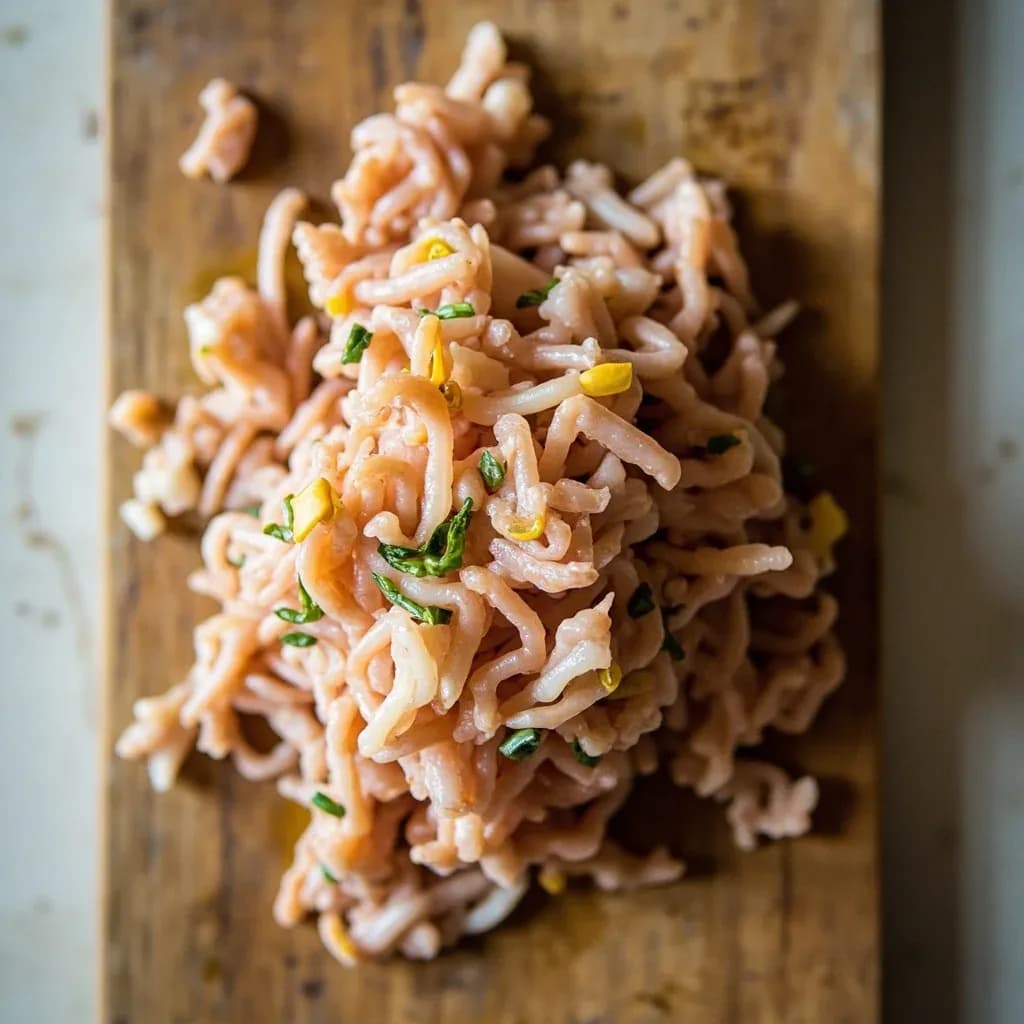
Battuto
Finely chopping fat and aromatics into a paste-like base for Italian cooking.
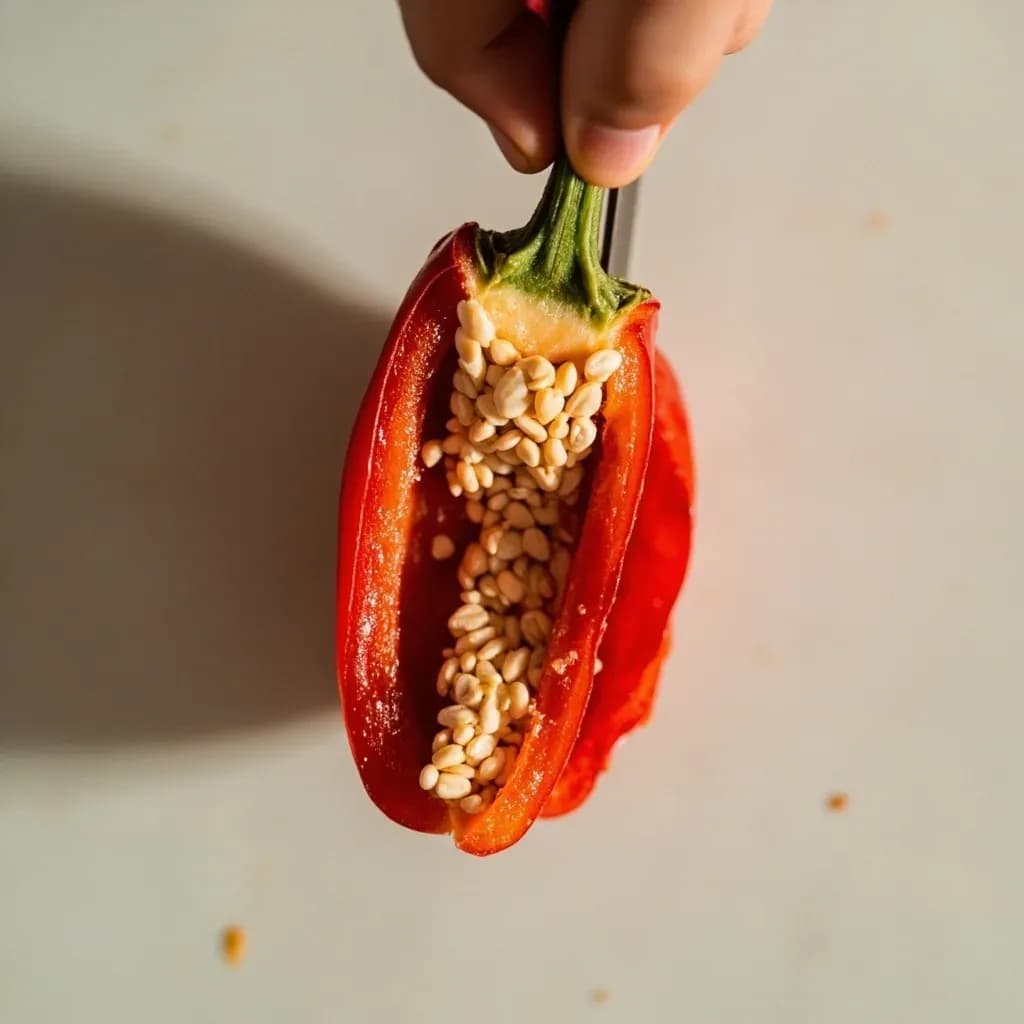
Deseeding Pods
Removing seeds and membranes from chiles or pods to control heat and texture.
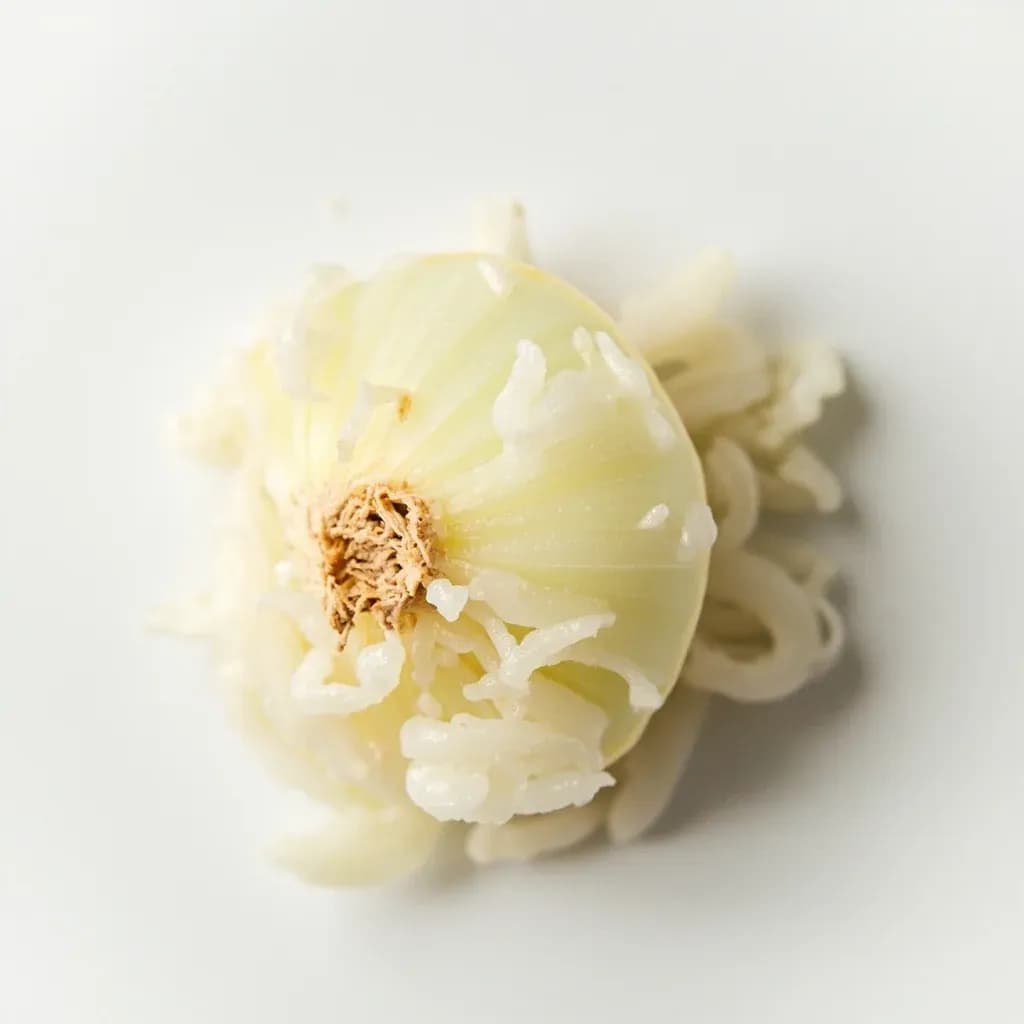
Grating Onion
Grating onion to a pulp to release juice for marinades and patties.
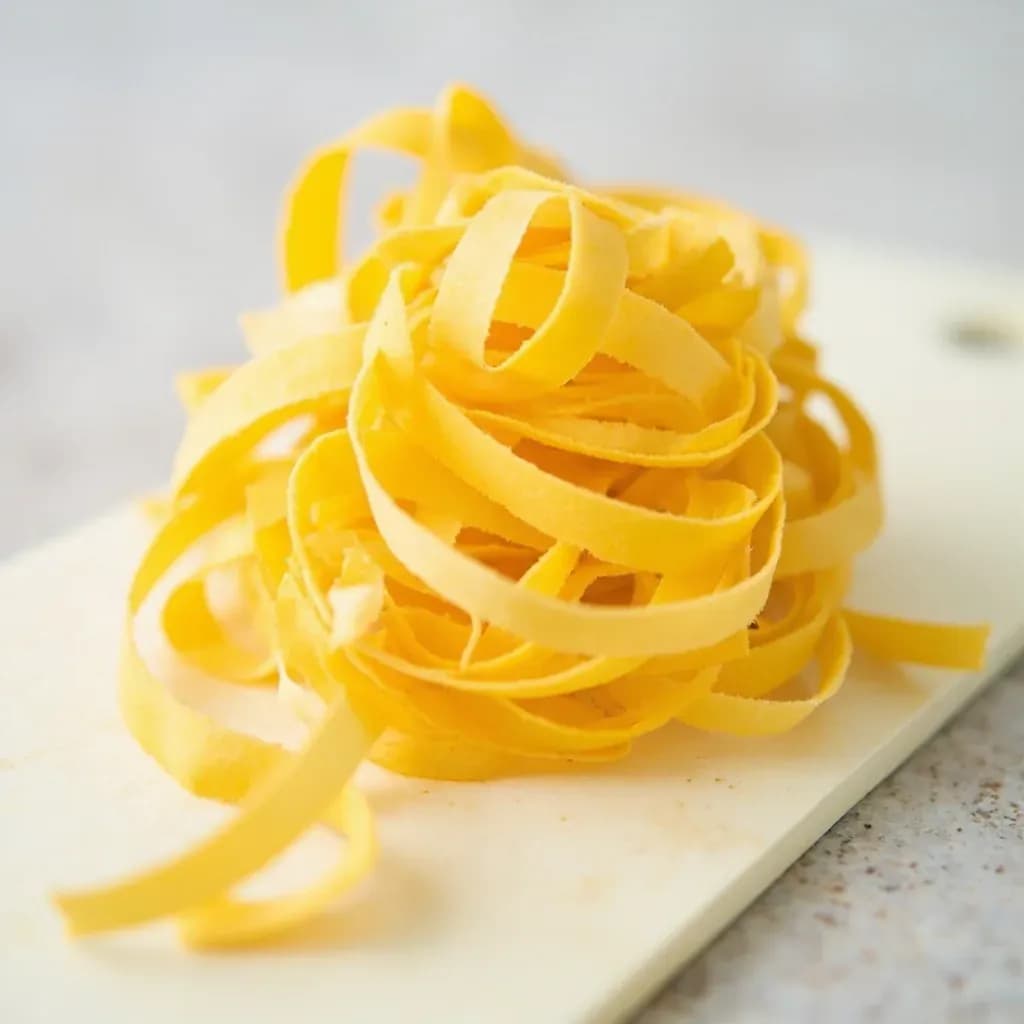
Making Egg-Strip Garnish
Cooking thin egg crepes and slicing them into fine ribbons for garnish.
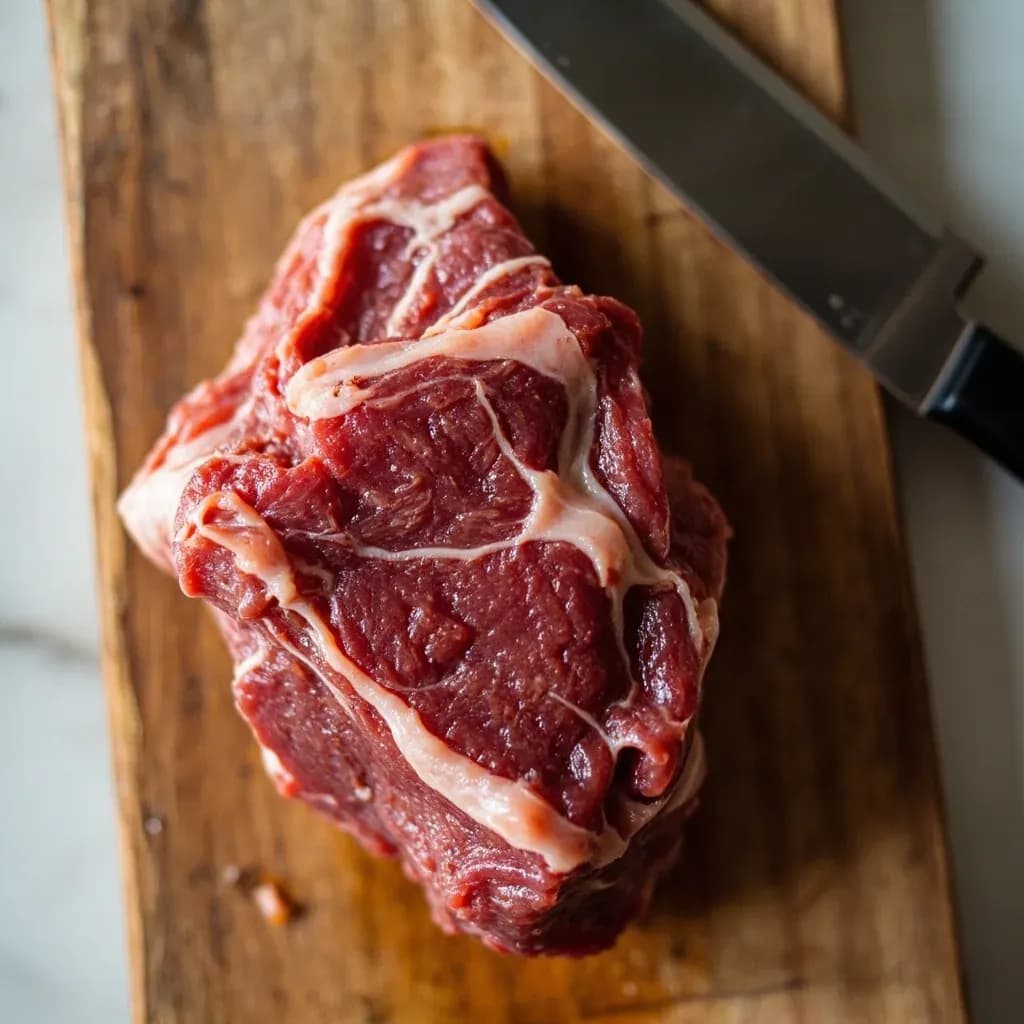
Raw Meat Preparation (Tere Siga)
Trimming and finely cutting fresh raw meat for dishes served uncooked.
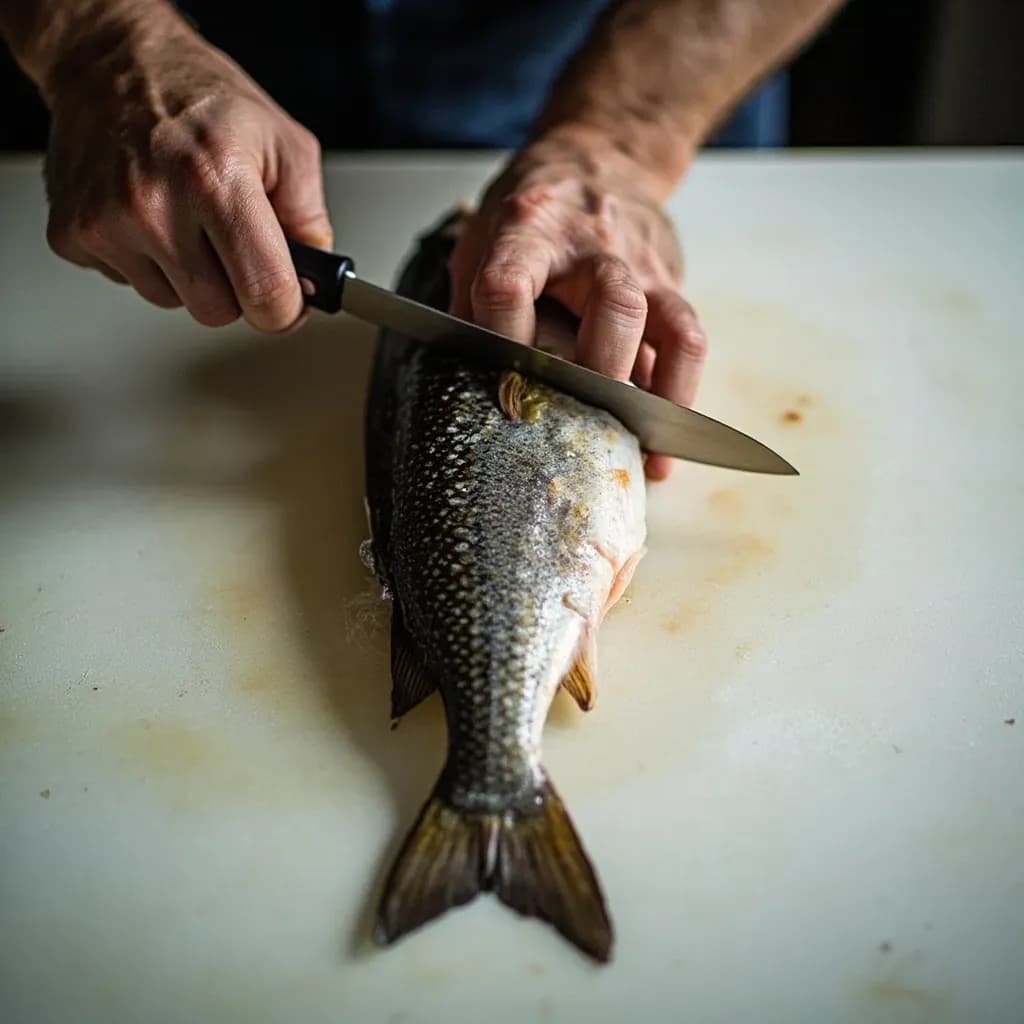
Scaling and Gutting Fish
Removing a fish's scales and viscera to ready it for cooking.
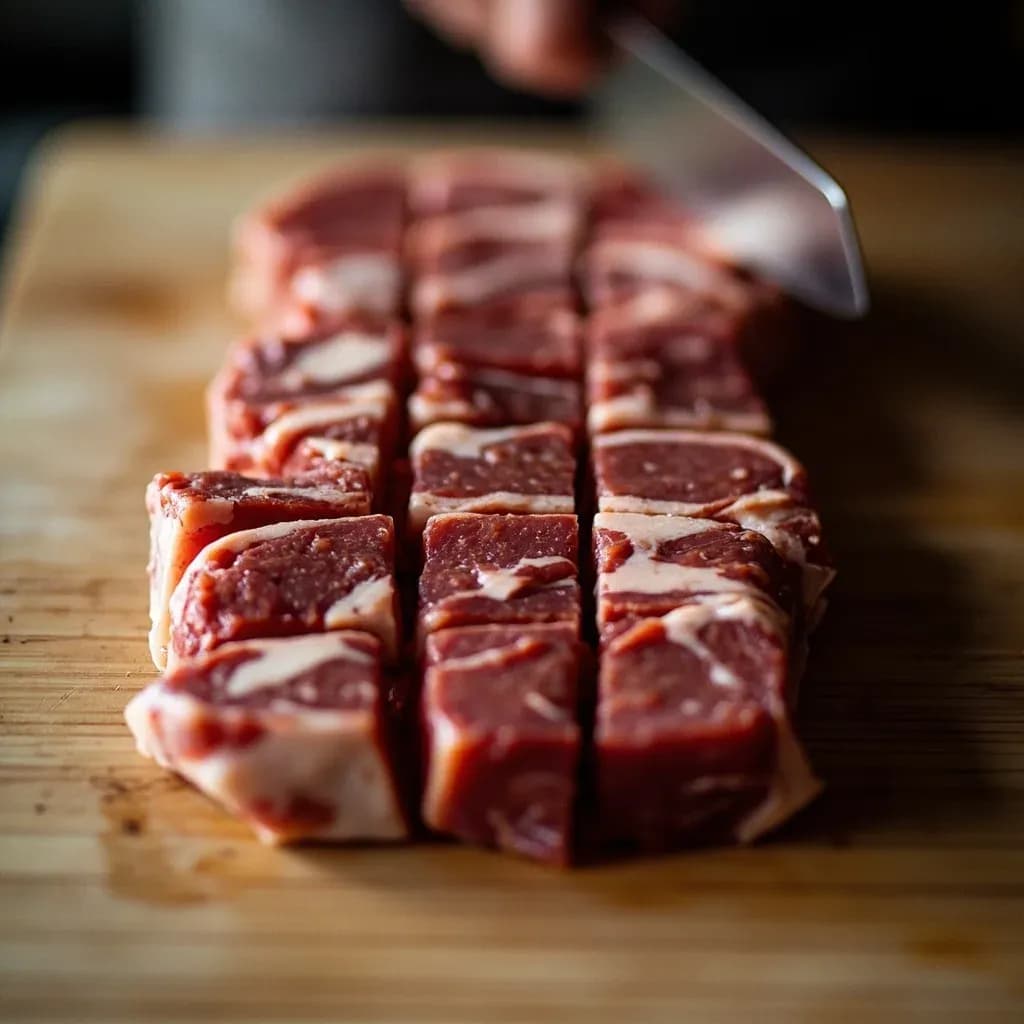
Slabbing & Cutting
Cutting a large mass into flat slabs as the first step toward smaller, uniform pieces.
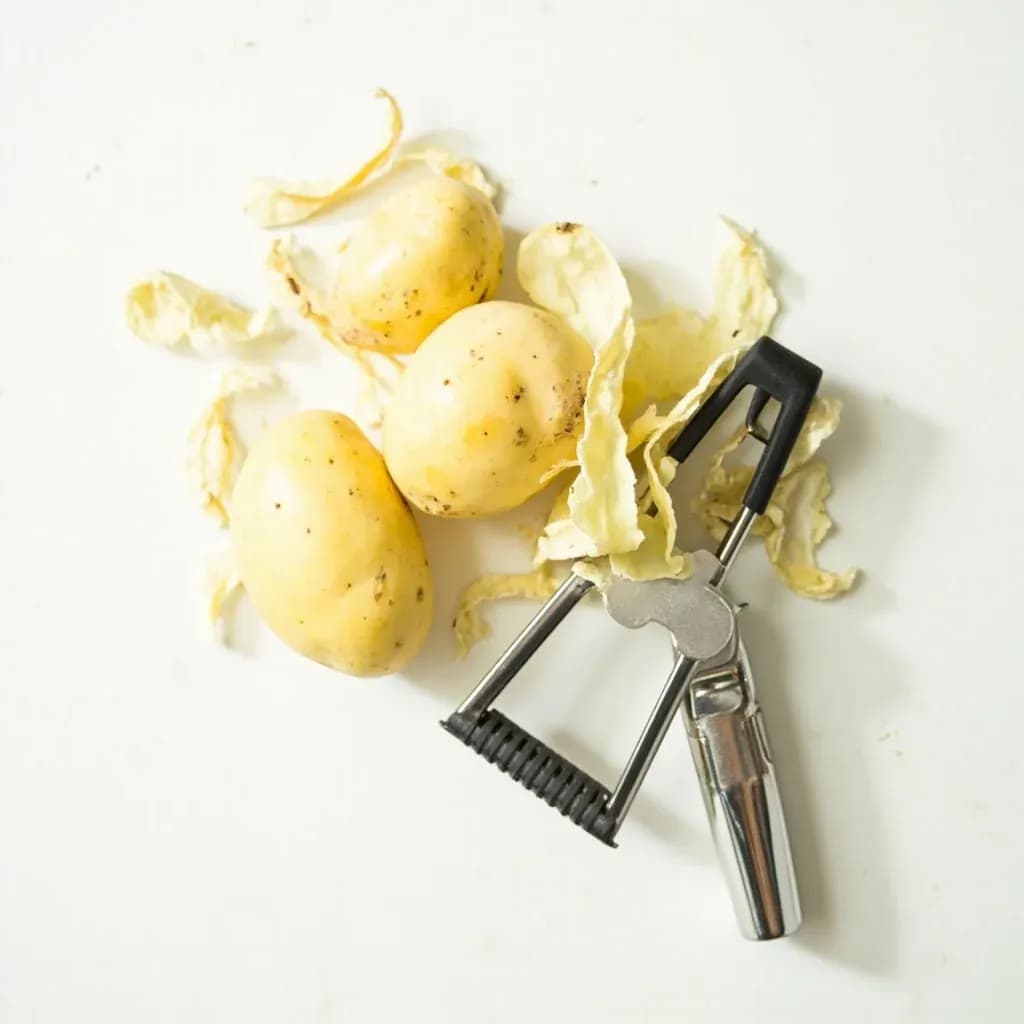
Peeling
Removing the outer skin from produce or shellfish with a peeler, knife, or by hand.
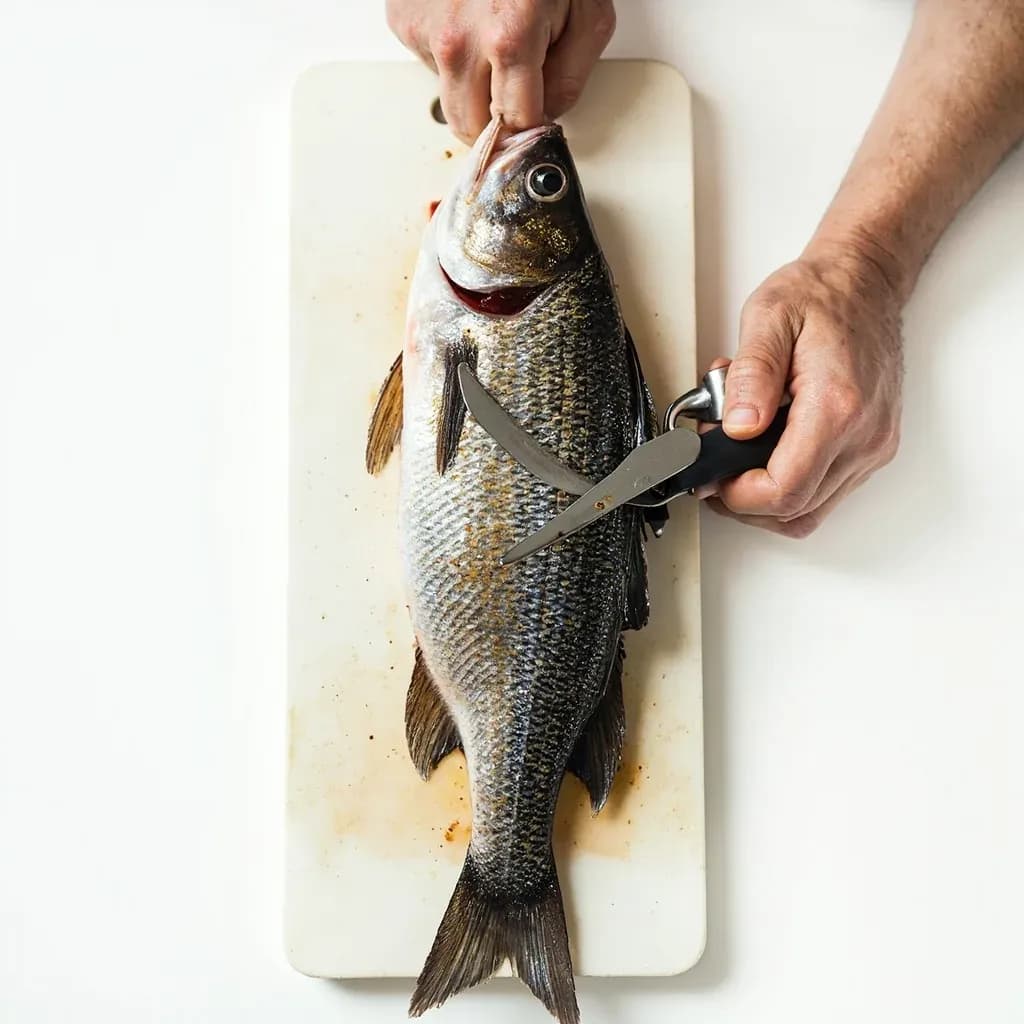
Fish Cleaning & Gutting
Scaling, gutting, and gilling a whole fish to ready it for cooking.
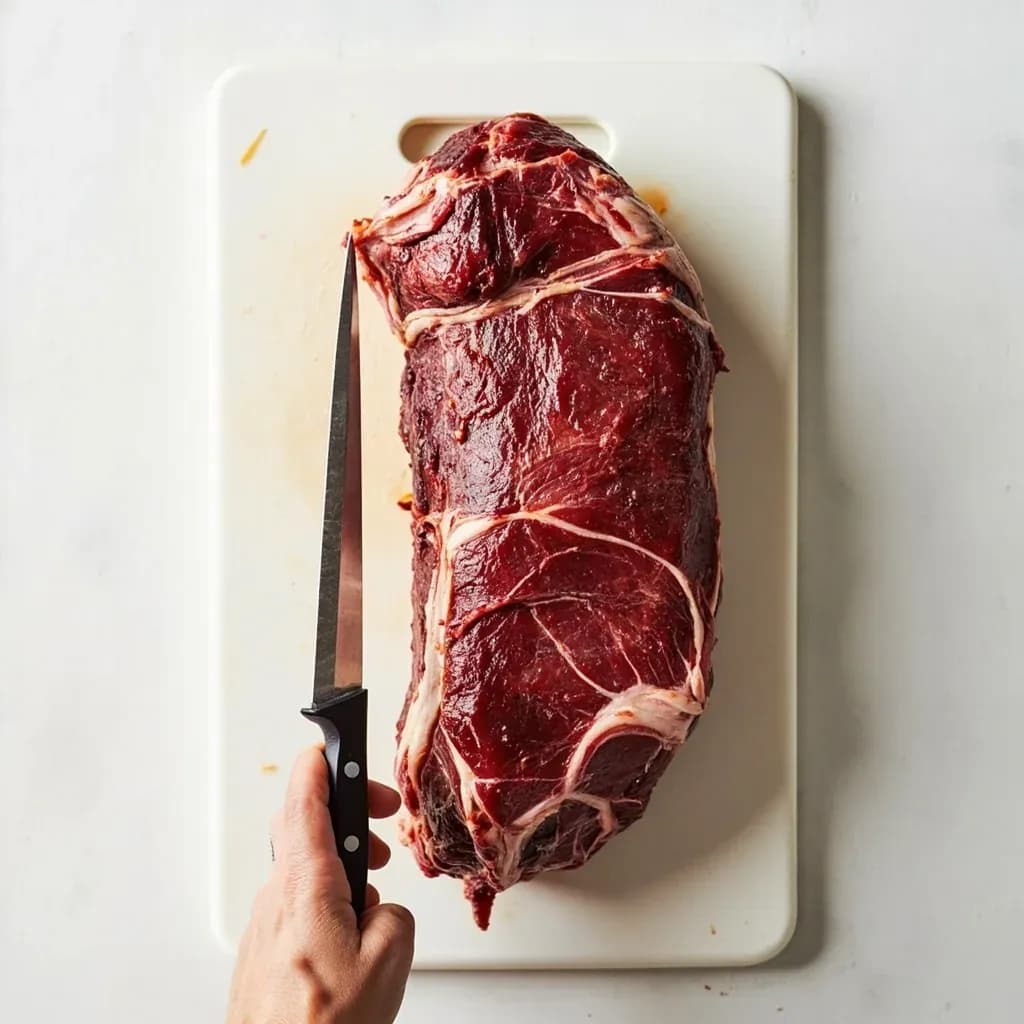
Trimming
Cutting away excess fat, sinew, or tough bits to shape and refine an ingredient.
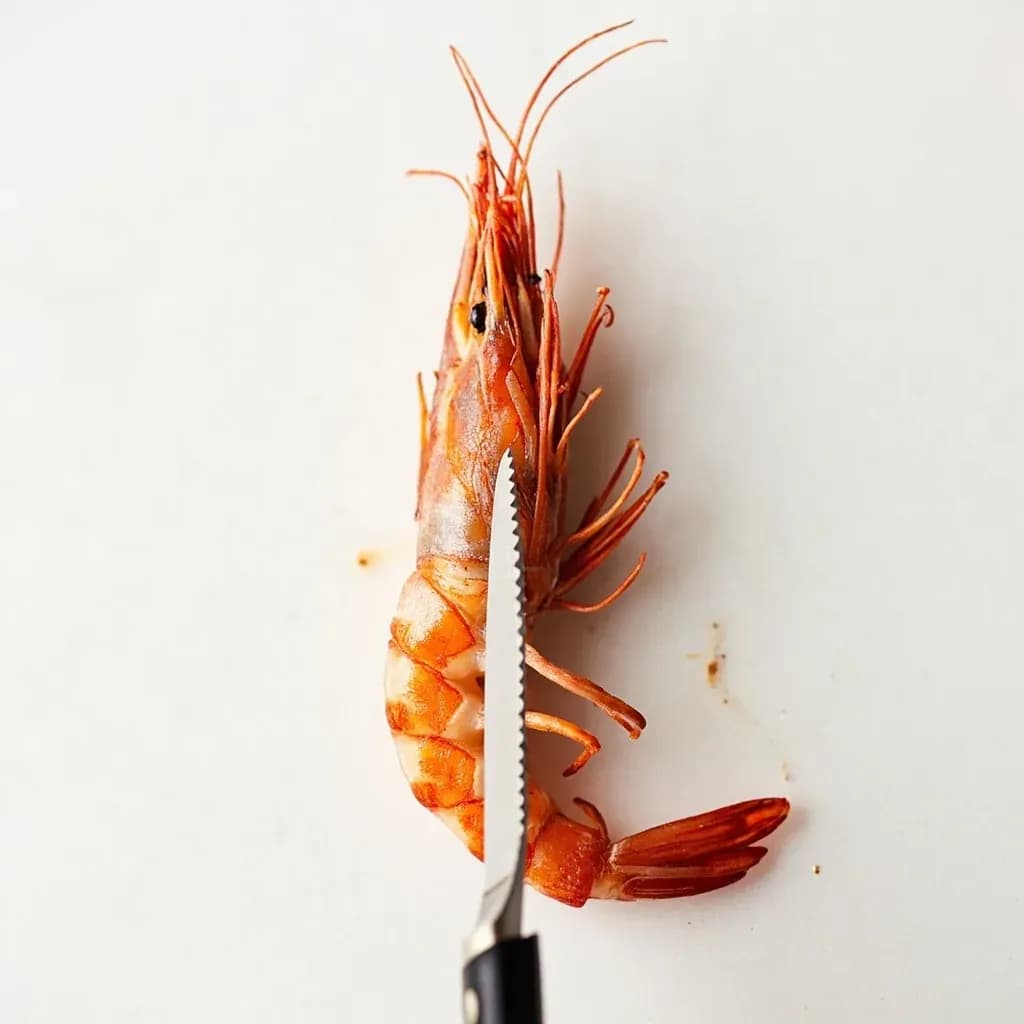
Deveining Shrimp
Removing the dark vein along a shrimp's back before cooking.
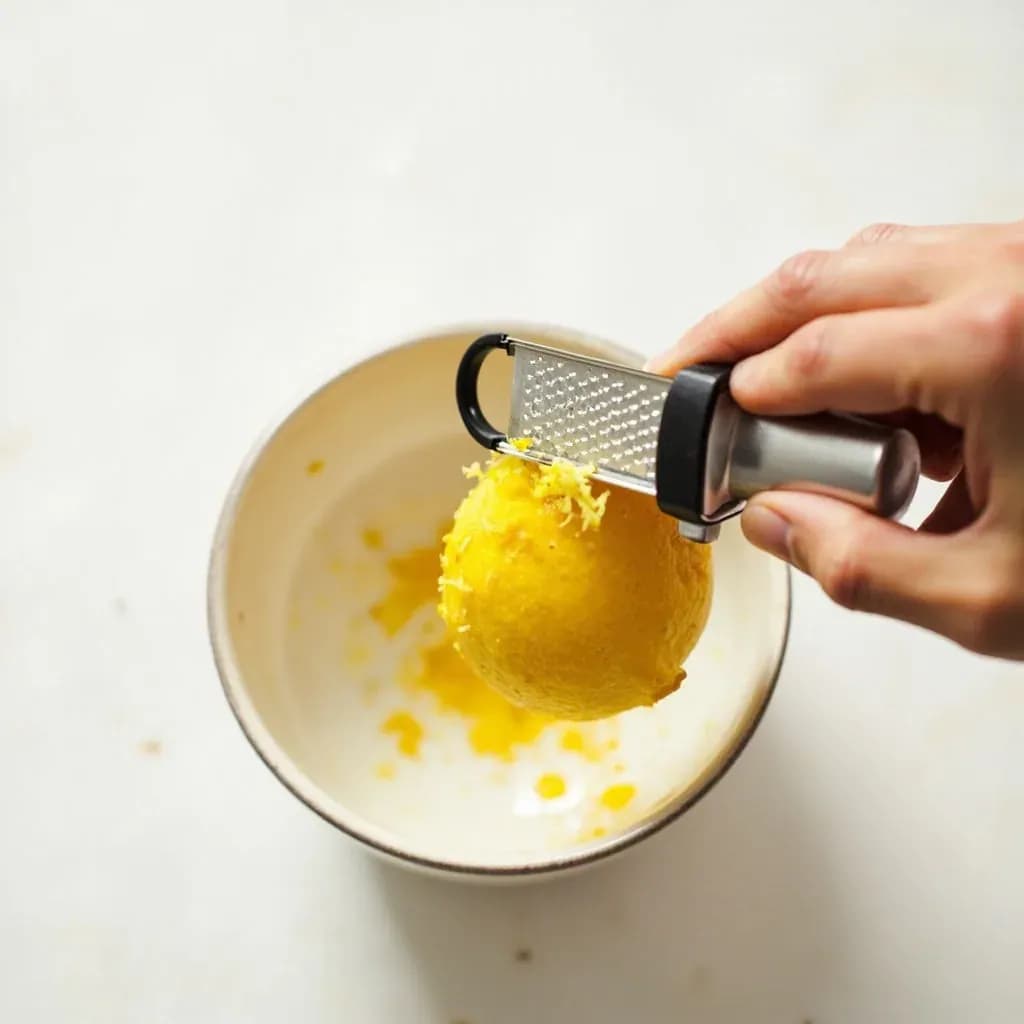
Zesting
Grating the colored outer rind of citrus for fragrant, oil-rich flavor without the bitter white pith.
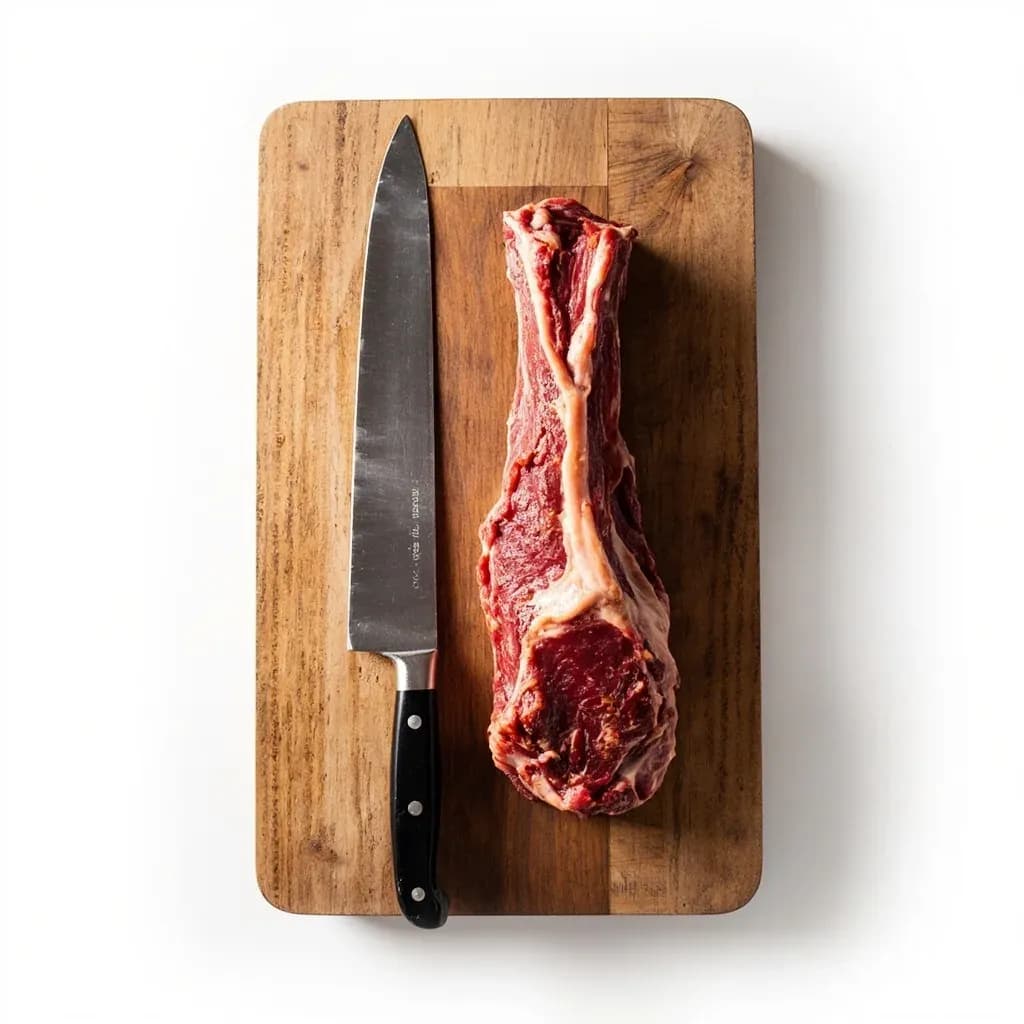
Butchery / Fabrication
Breaking down whole animals or primals into usable cuts with knives, saws, and seam work.
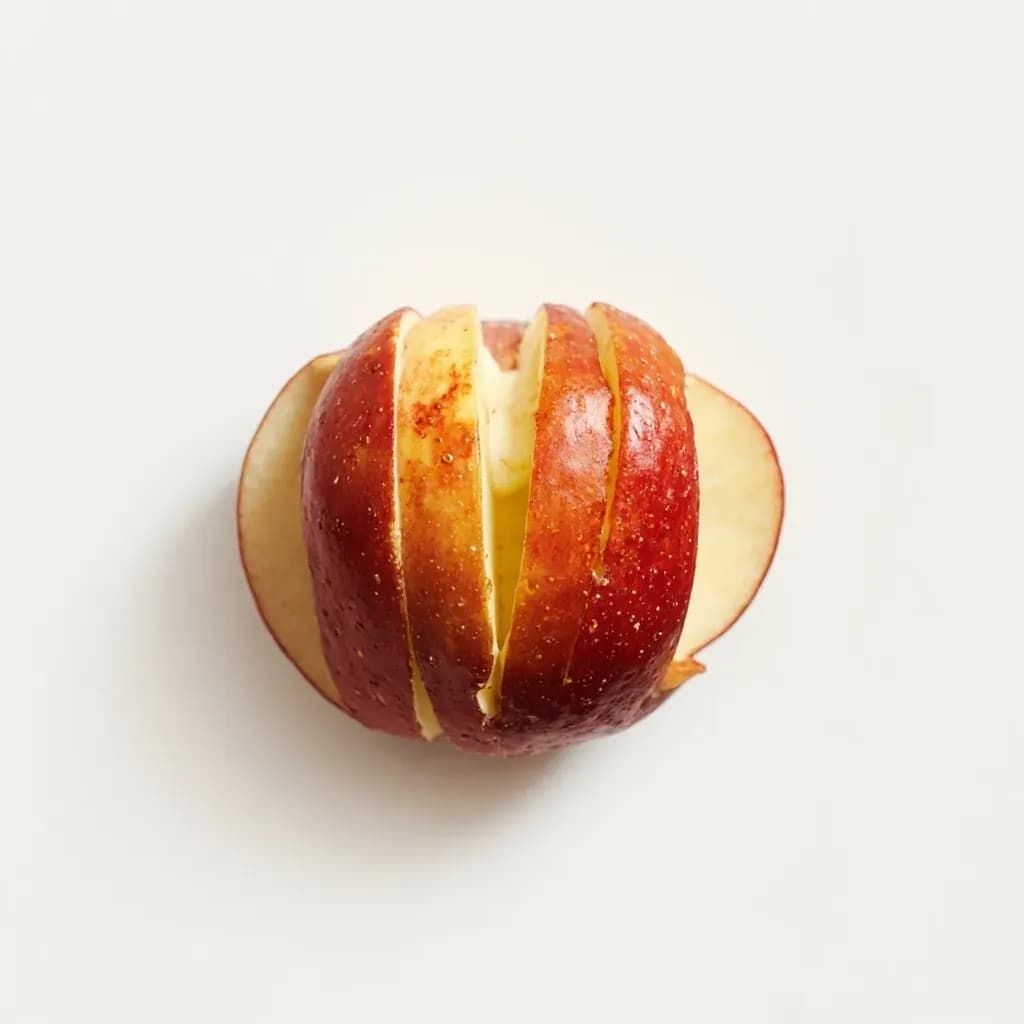
Coring
Removing the seedy or fibrous center from fruits and vegetables before cooking.
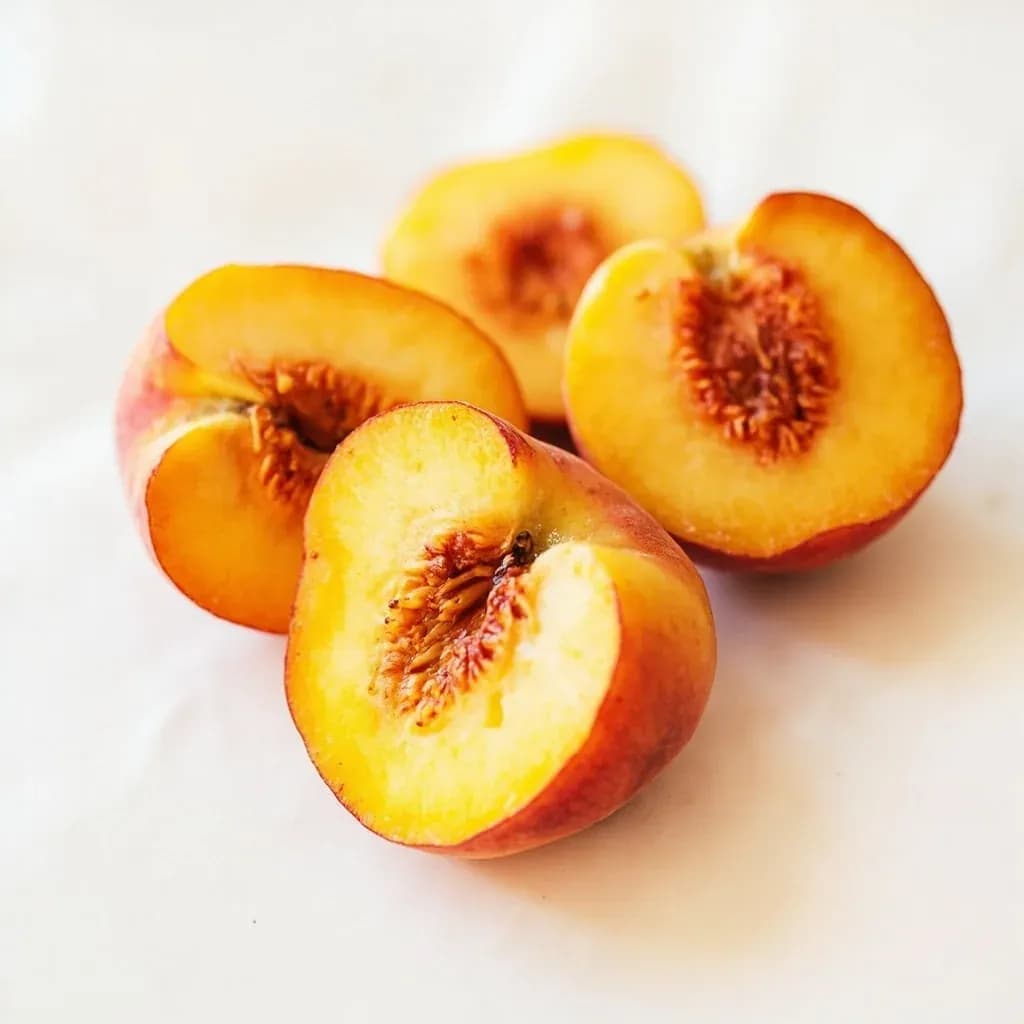
Pitting Stone Fruit
Removing the hard pit from stone fruit like cherries, peaches, or olives.
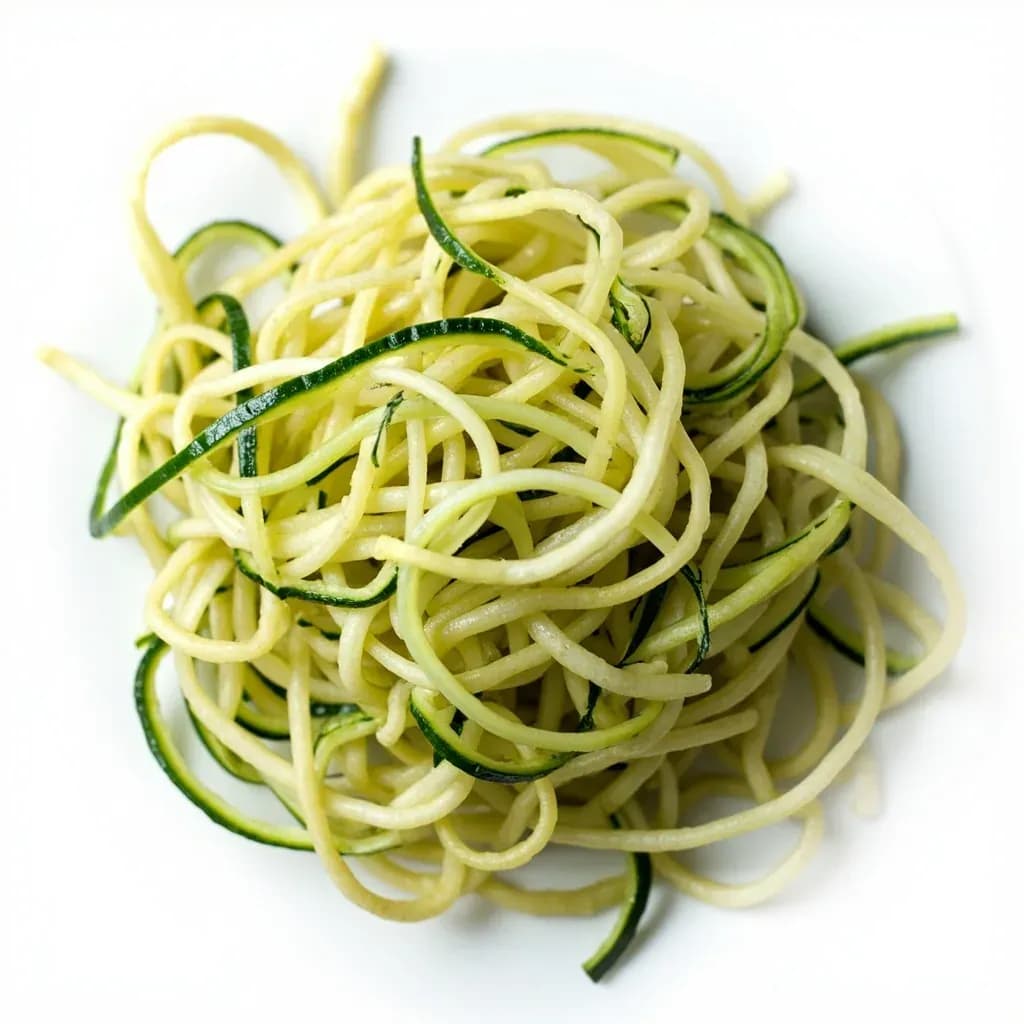
Spiralizing
Turning firm vegetables into long curly noodle-like strands with a spiralizer.
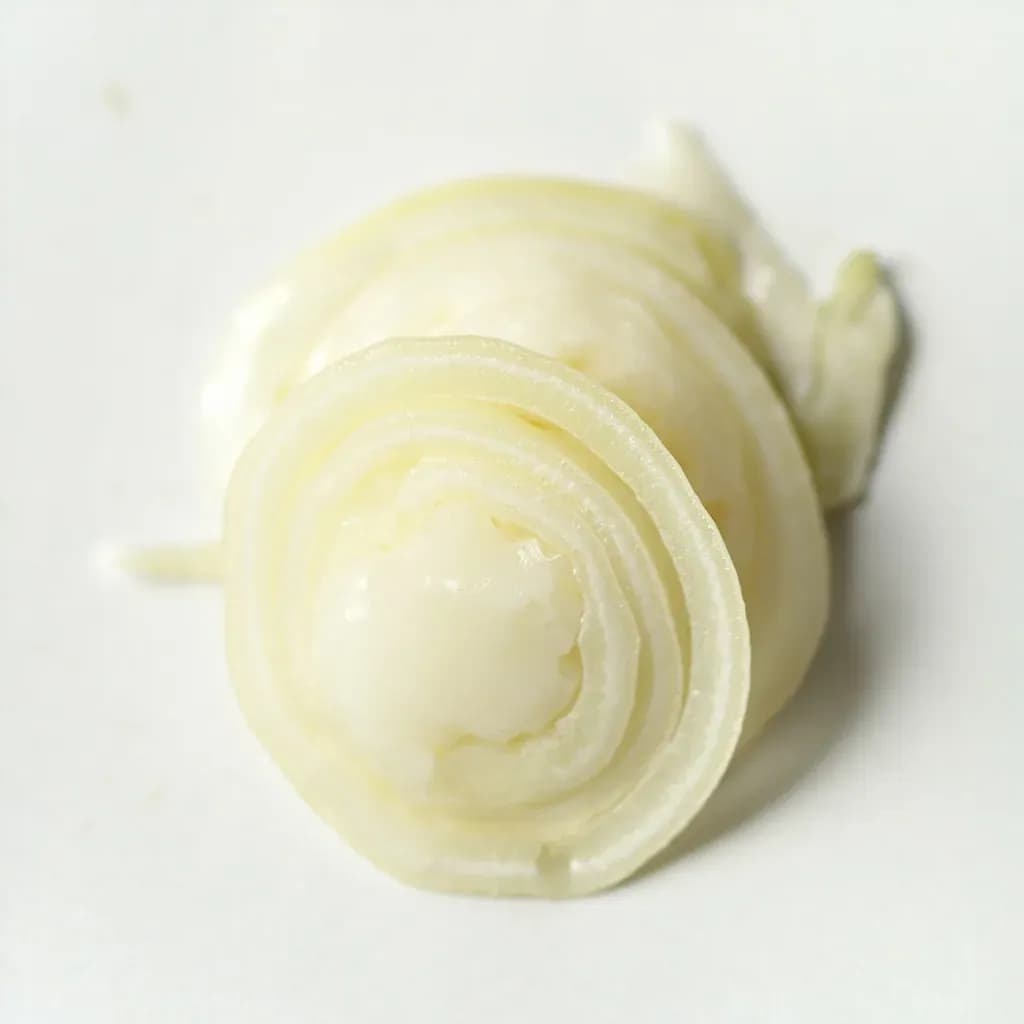
Slicing
Cutting food into flat, even pieces with a drawing motion of the knife.
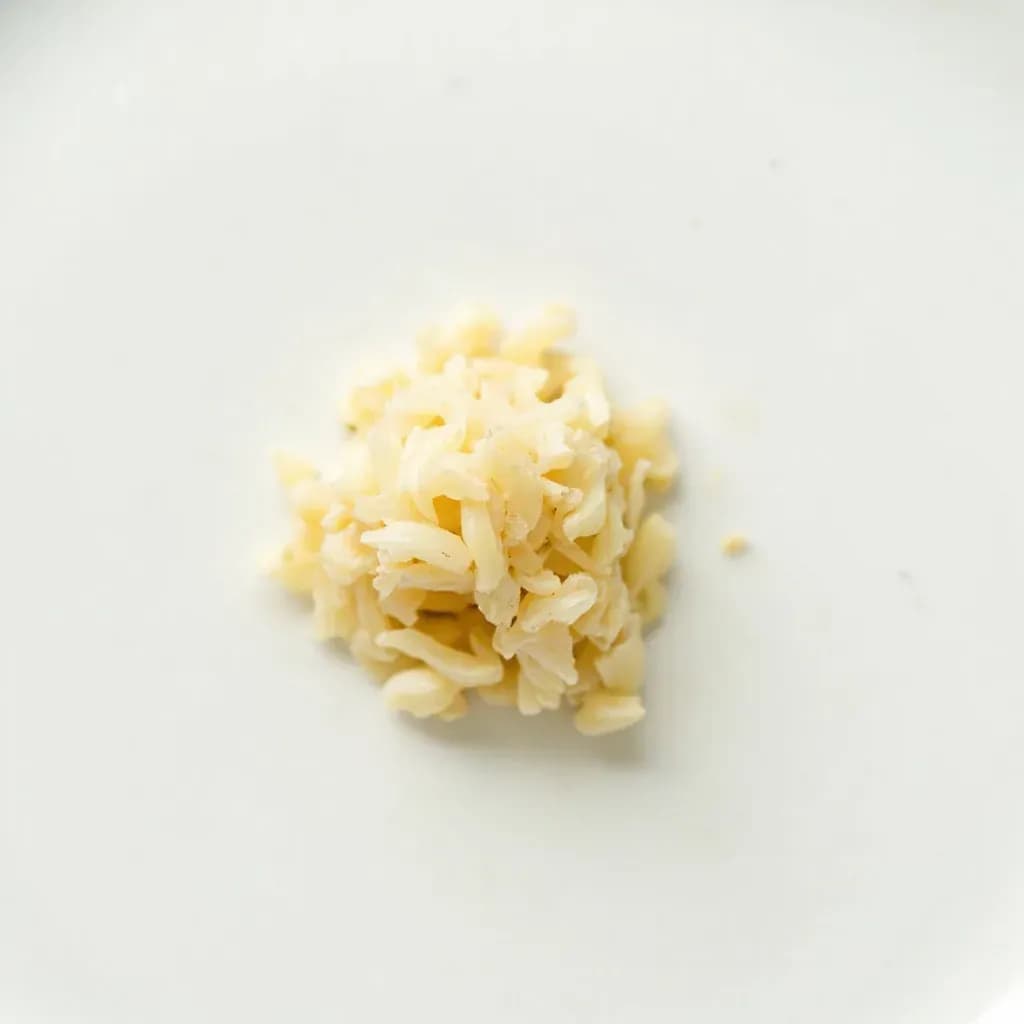
Mincing
Cutting food into very fine pieces so it disperses evenly through a dish.
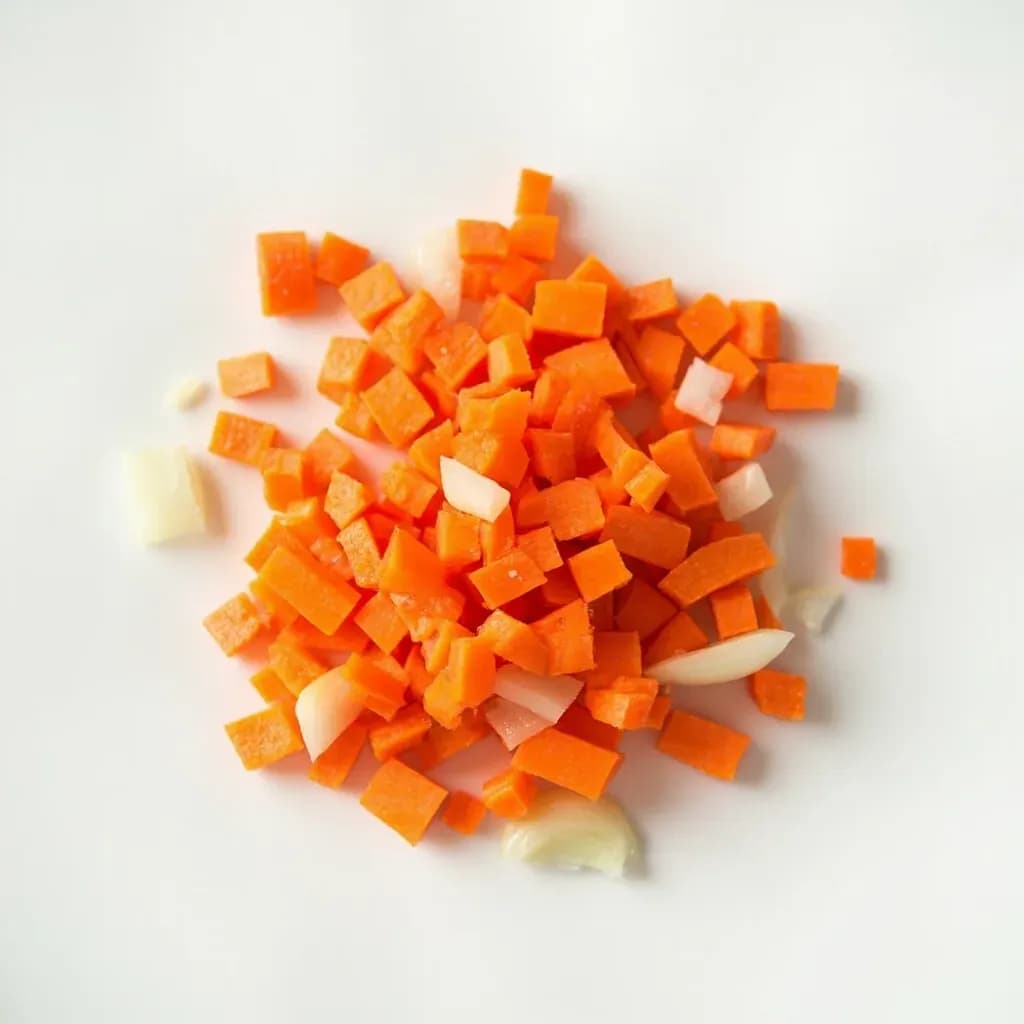
Dicing
Cutting food into uniform cubes for even cooking and consistent appearance.
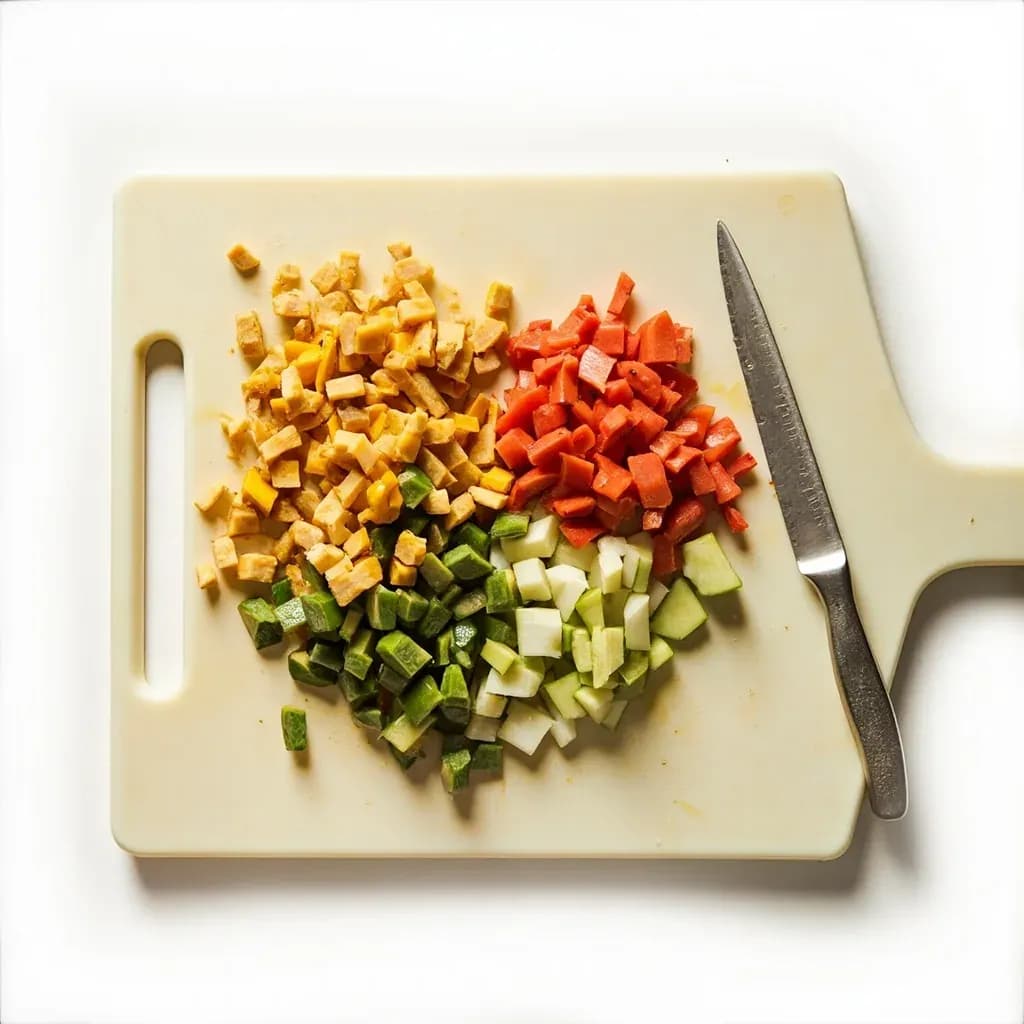
Chopping
Cutting food into rough, irregular pieces quickly with a knife.
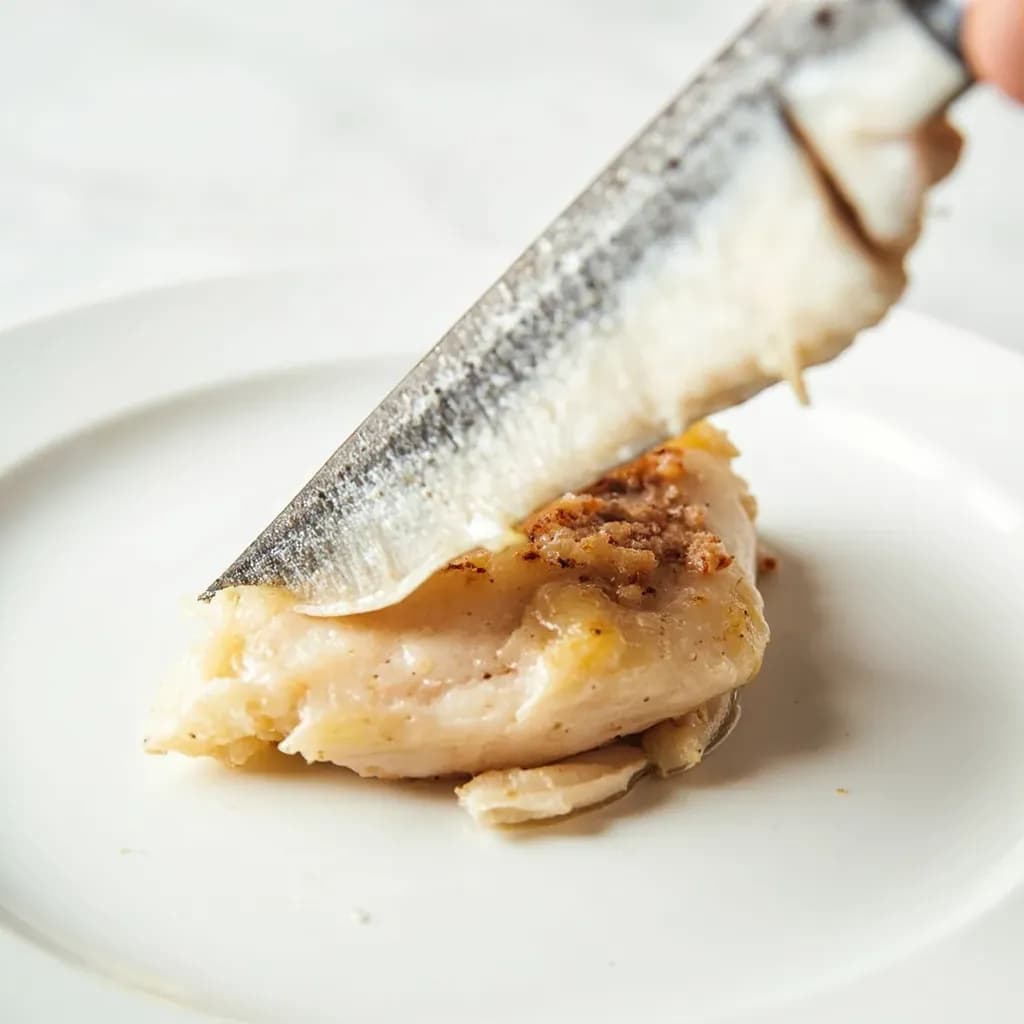
Filleting Fish
Cutting boneless fillets off the bones of a whole fish with a flexible knife.
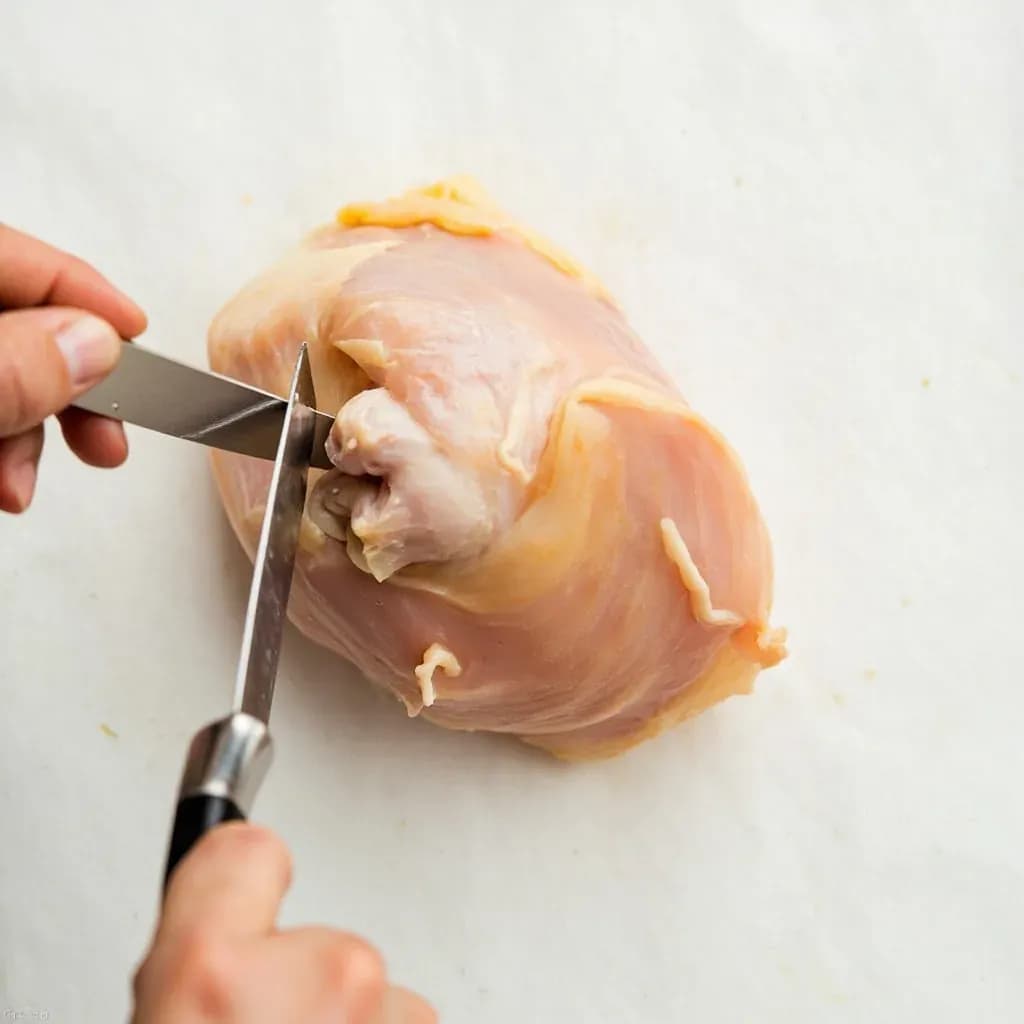
Deboning
Removing bones from meat or fish to leave clean, edible flesh.
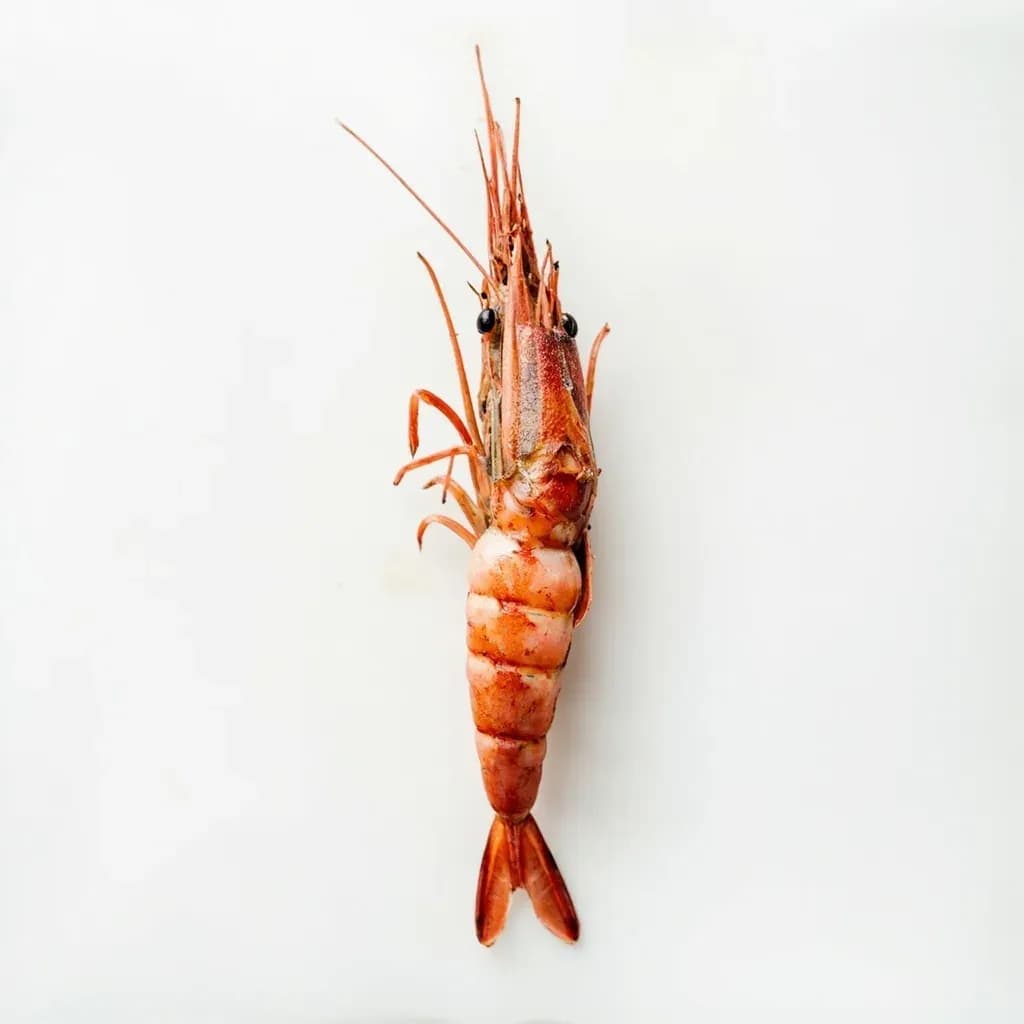
Butterflying
Slicing a protein nearly through and opening it flat for even, fast cooking.
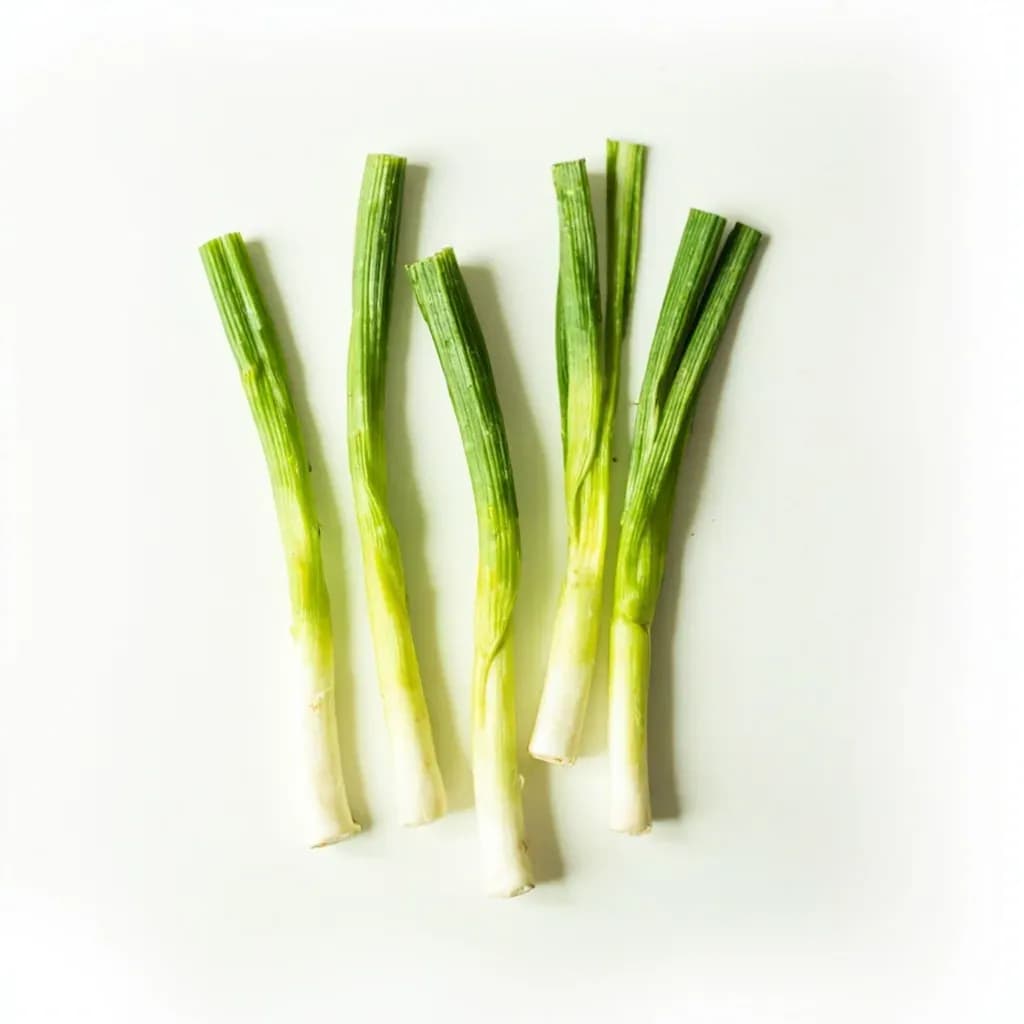
Diagonal Slicing
Cutting at an angle to expose more surface area for cooking and presentation.
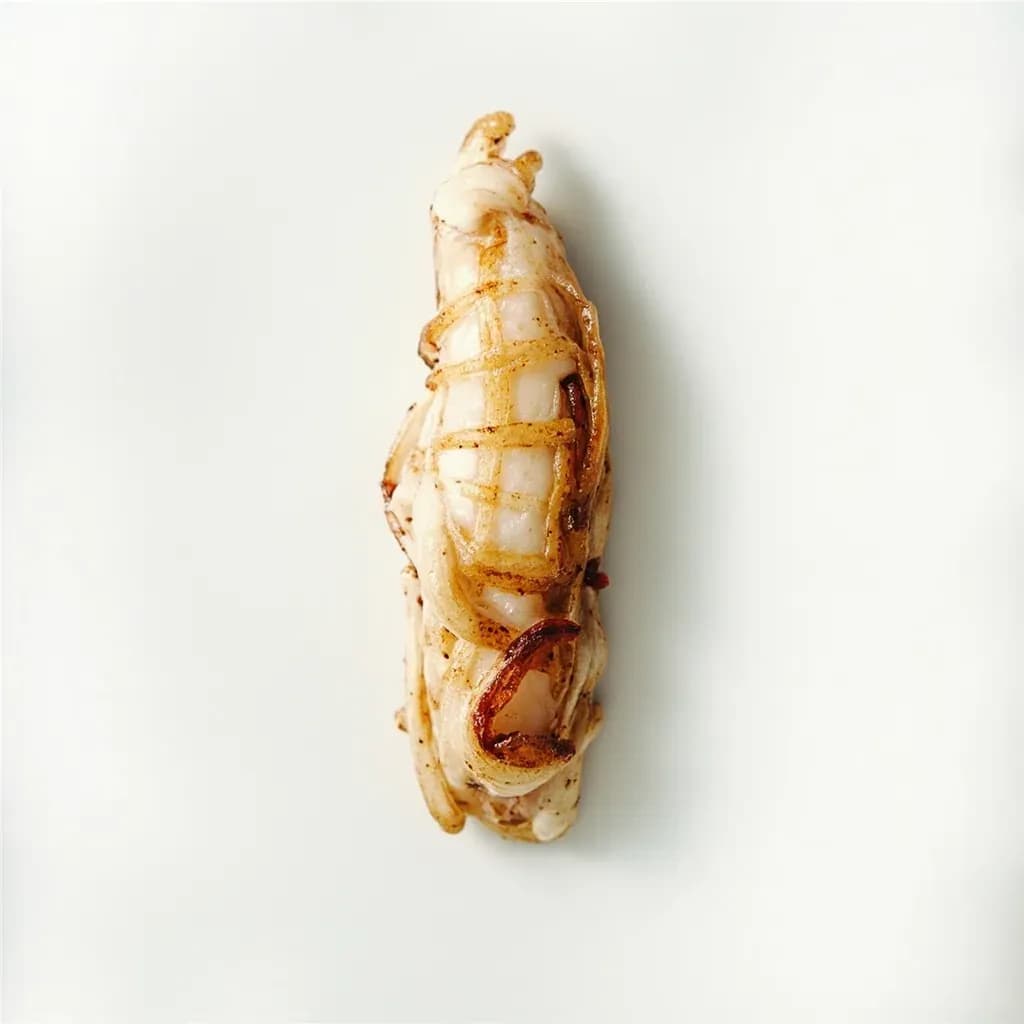
Scoring
Cutting shallow lines into food's surface to aid cooking, flavor, or looks.
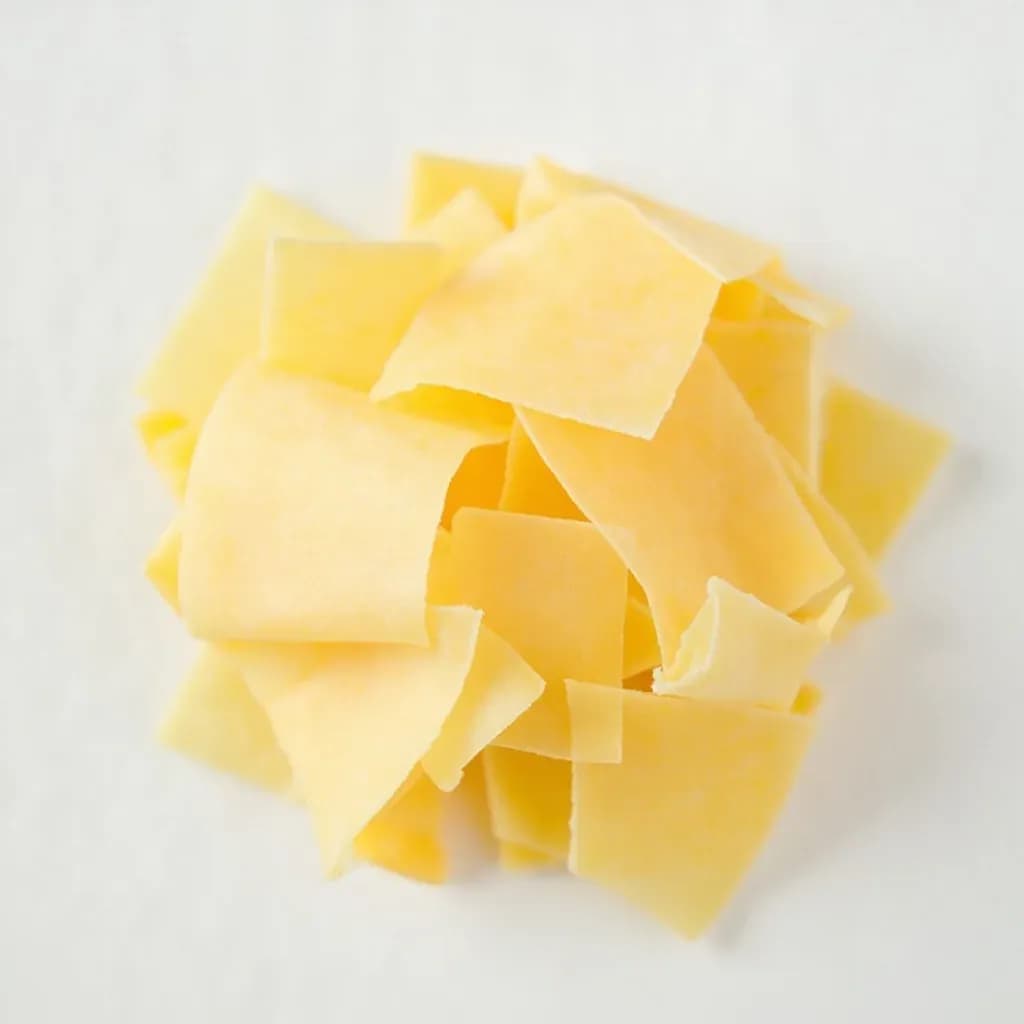
Shaving
Cutting paper-thin sheets or curls off a firm food with a blade or slicer.
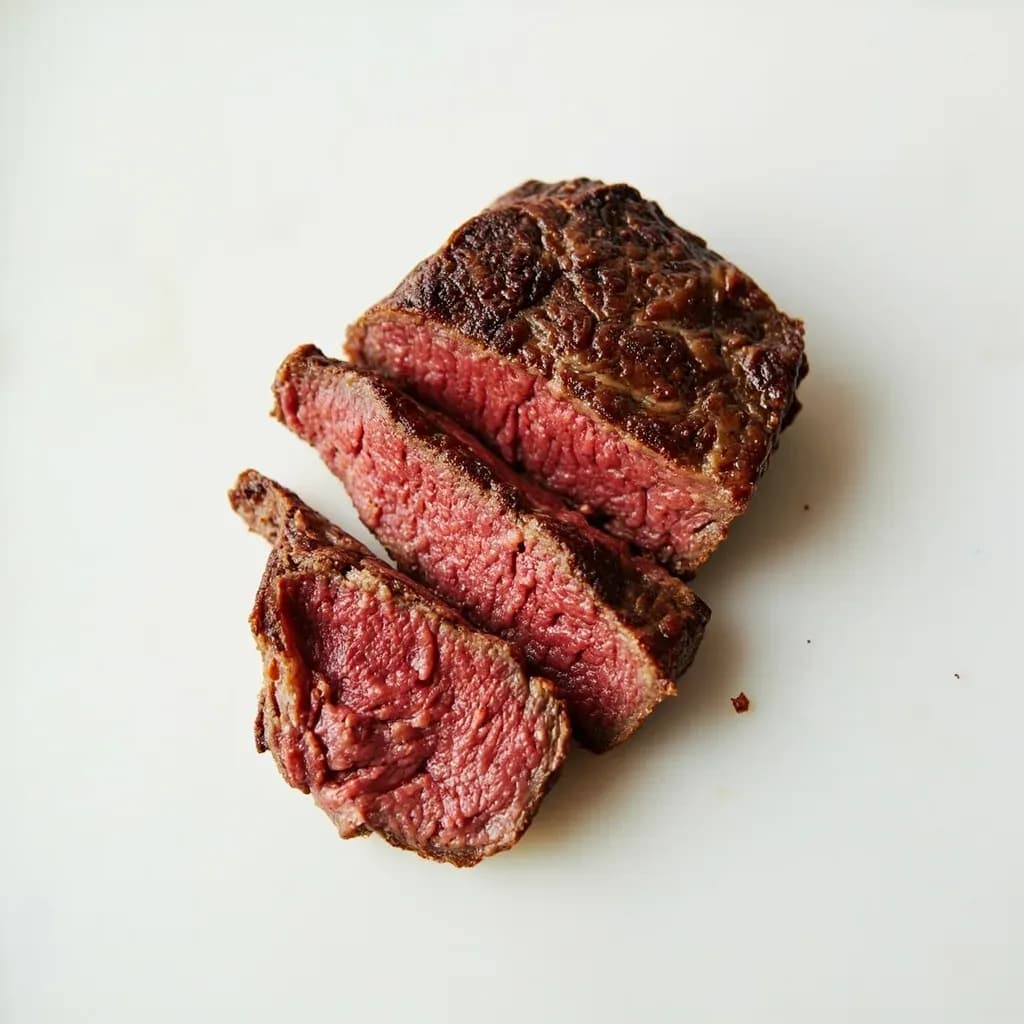
Slicing Against the Grain
Cutting meat across its muscle fibers to shorten them and keep it tender.
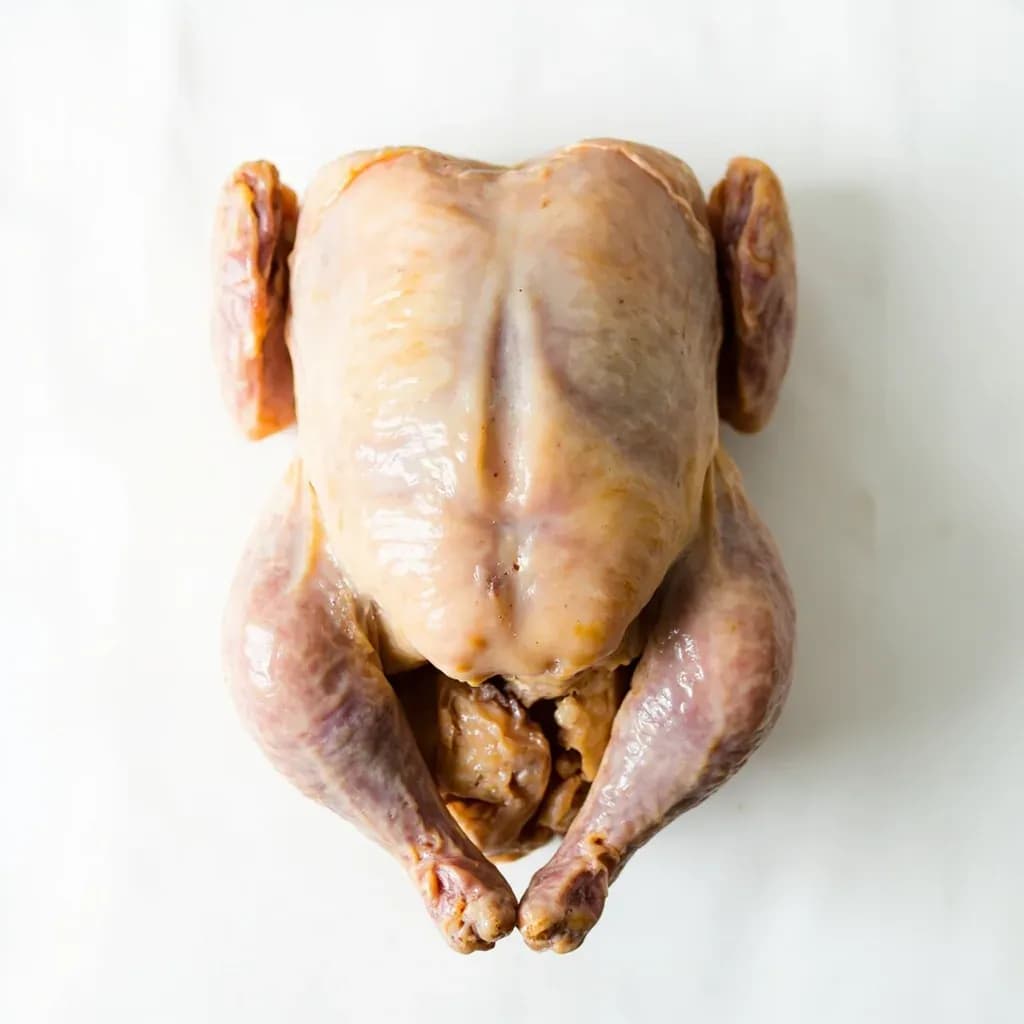
Boning
Removing the skeleton from poultry or meat, sometimes leaving the shape intact.
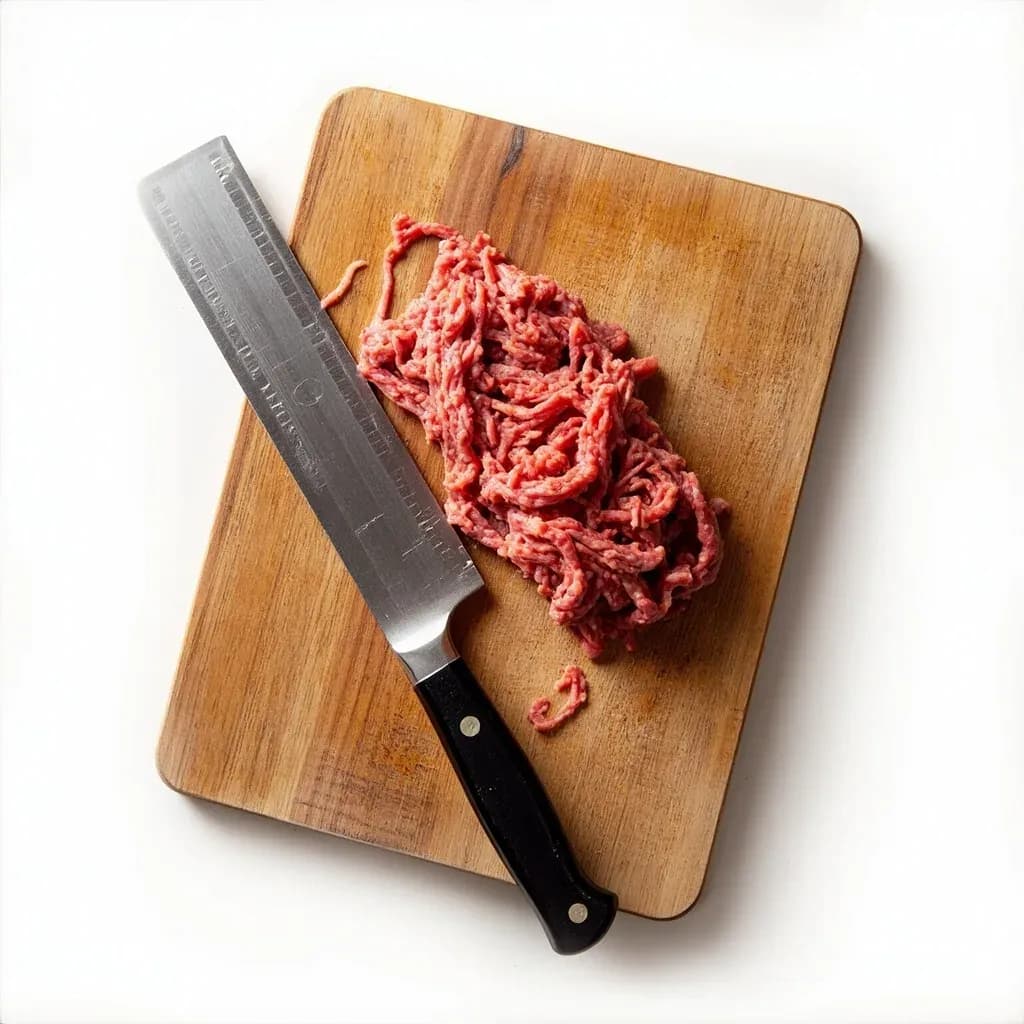
Hand-Mincing Meat
Chopping meat into mince by hand with a knife or cleaver for better texture.
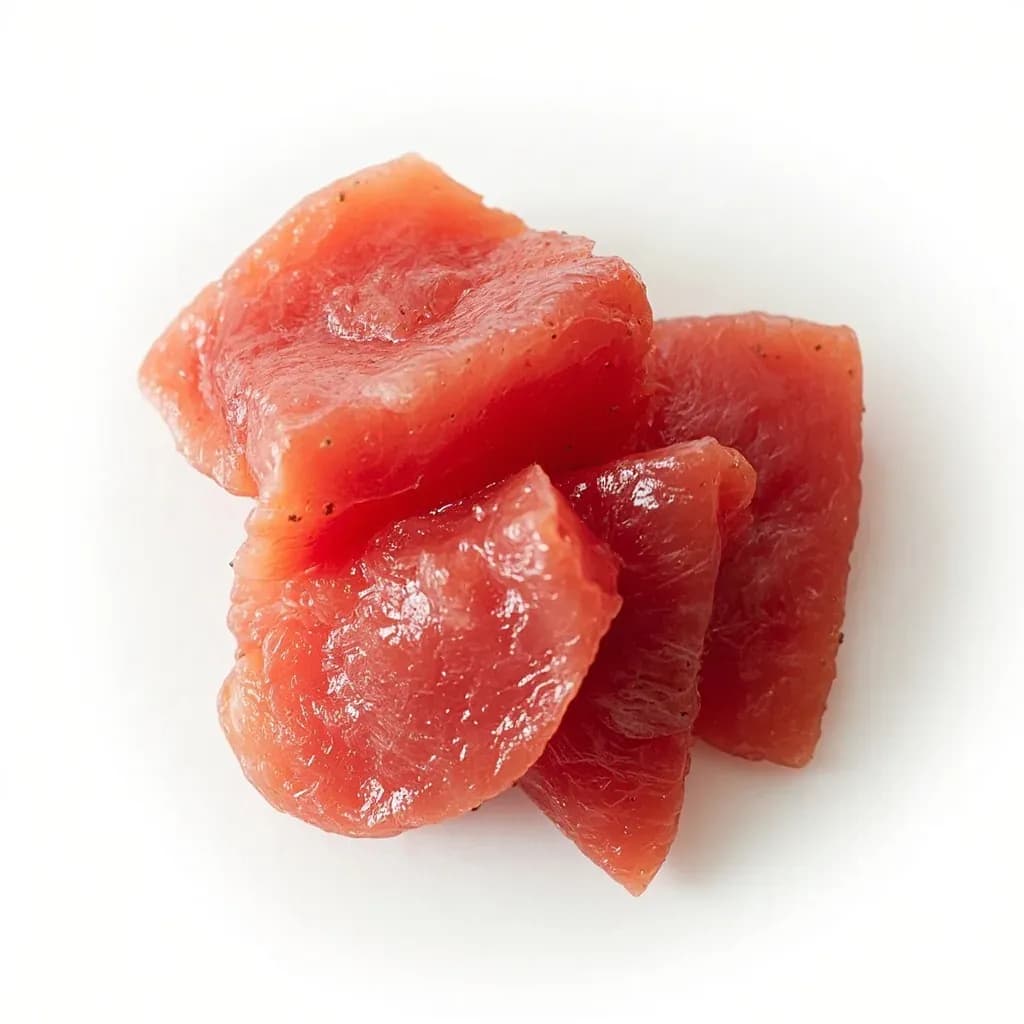
Sashimi Slicing
Cutting raw fish in single, clean strokes for glossy, even sashimi slices.
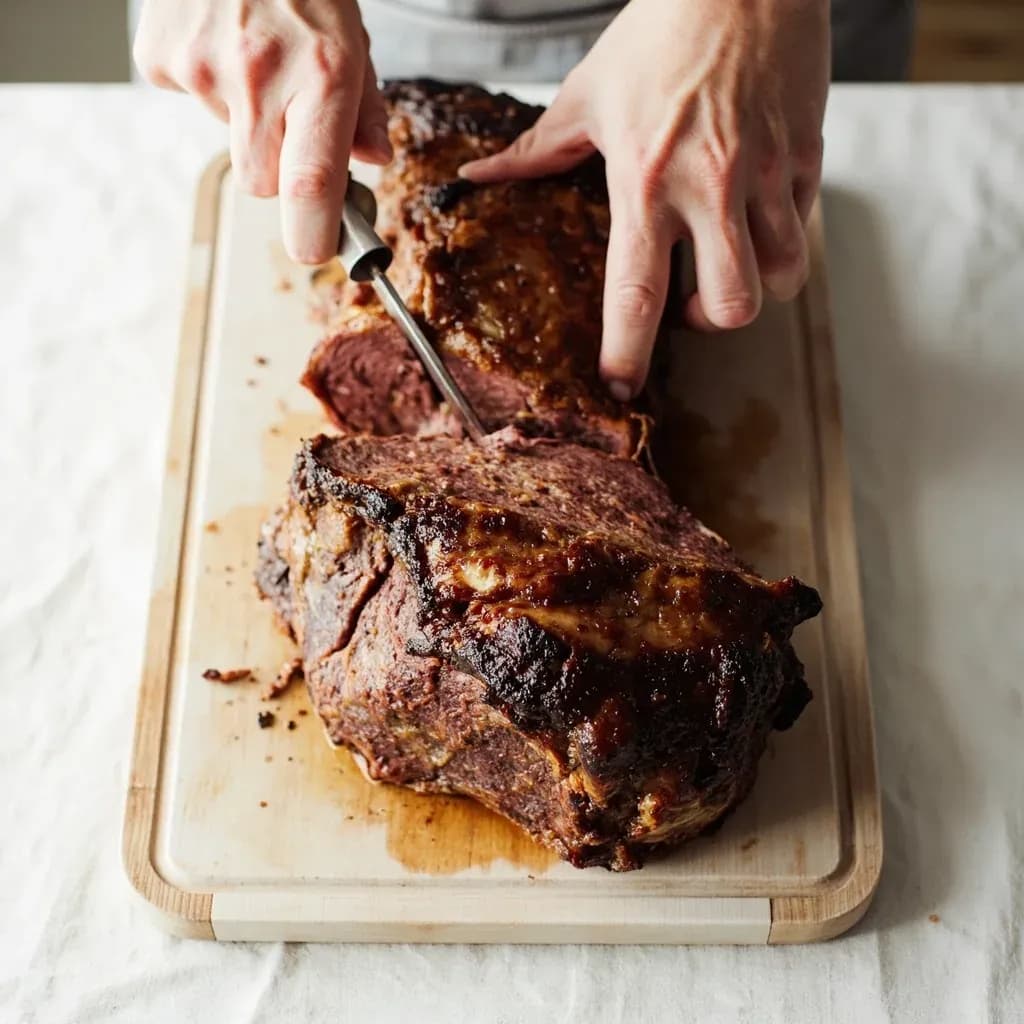
Carving
Slicing cooked roasts, poultry, or cured meat into neat portions for serving.
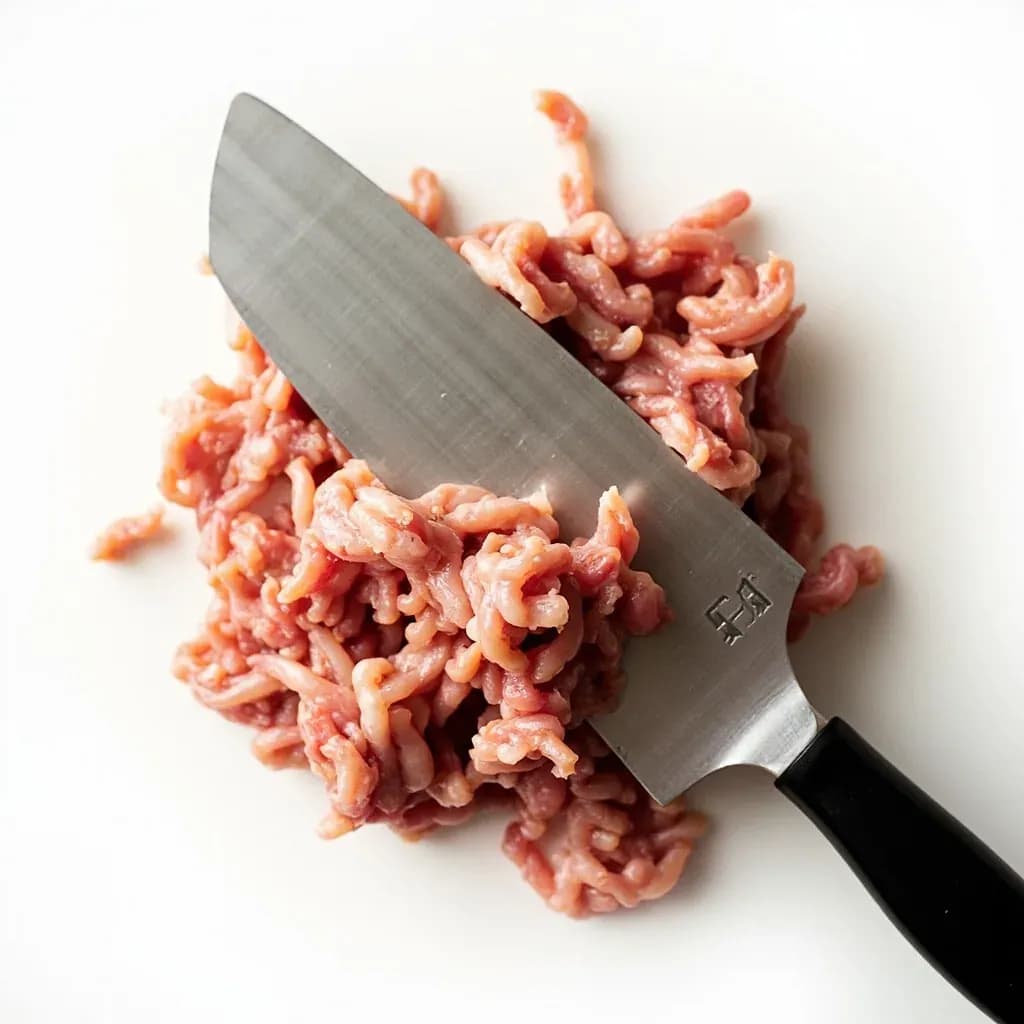
Cleaver Mincing
Using a heavy cleaver to chop meat or aromatics into fine mince.
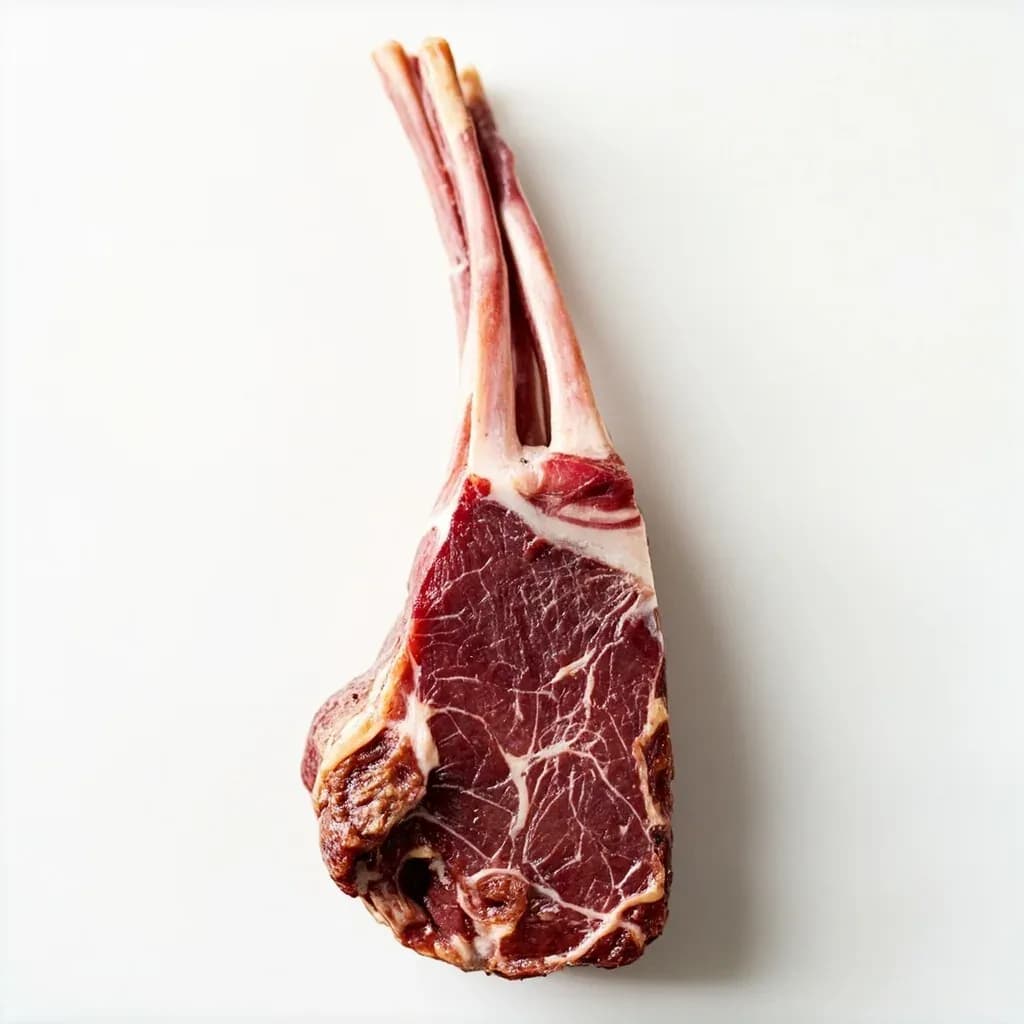
Frenching
Trimming meat and fat off the ends of rib bones for a clean, elegant presentation.
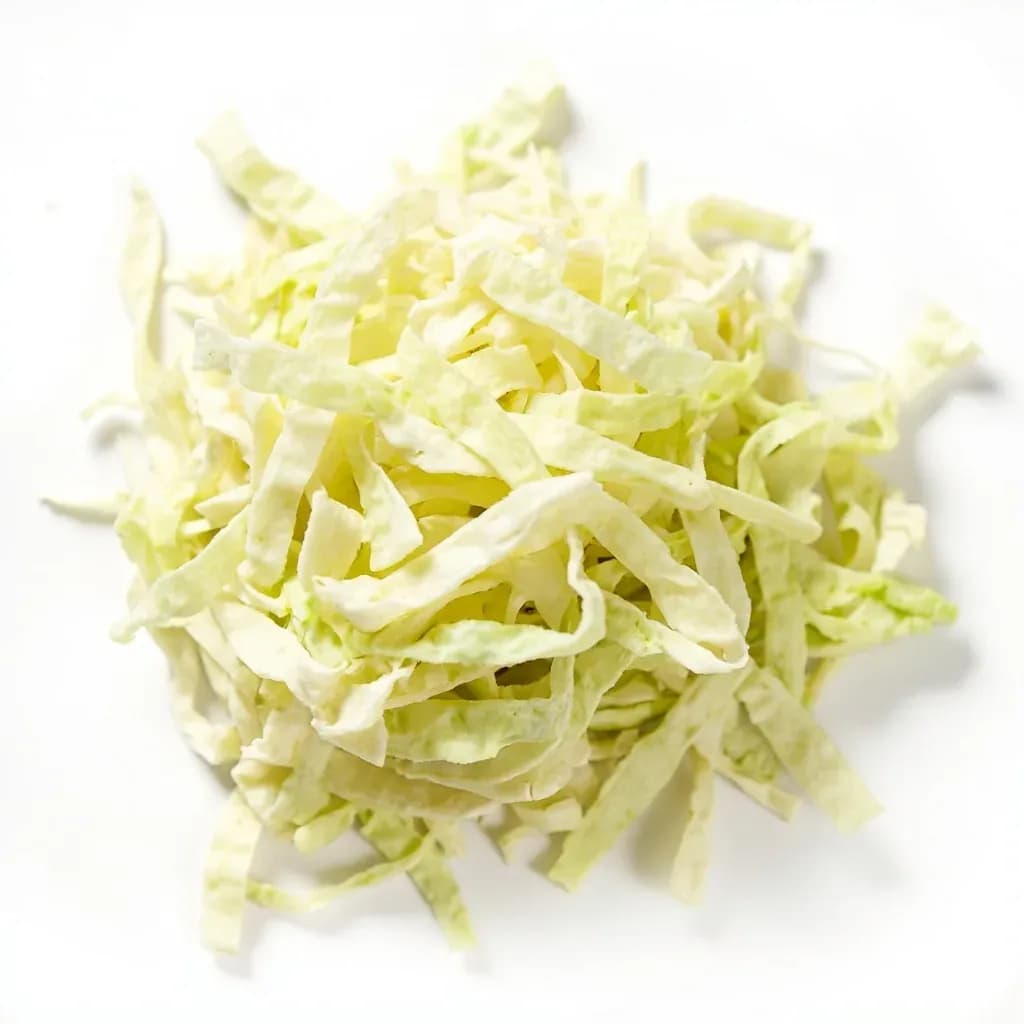
Shredding
Cutting or tearing food into long thin strands, as for slaws and salads.
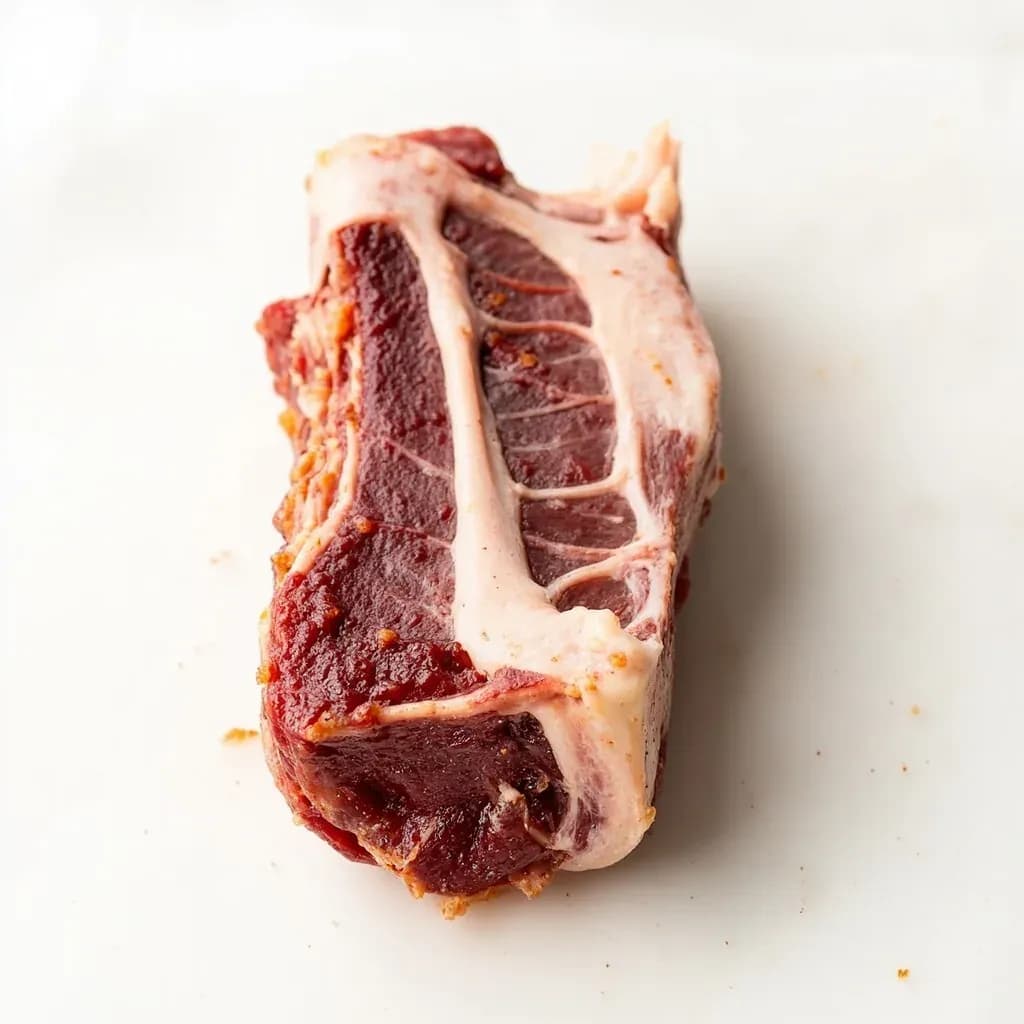
Chining
Cutting through the backbone of a rib rack so it carves into individual chops.
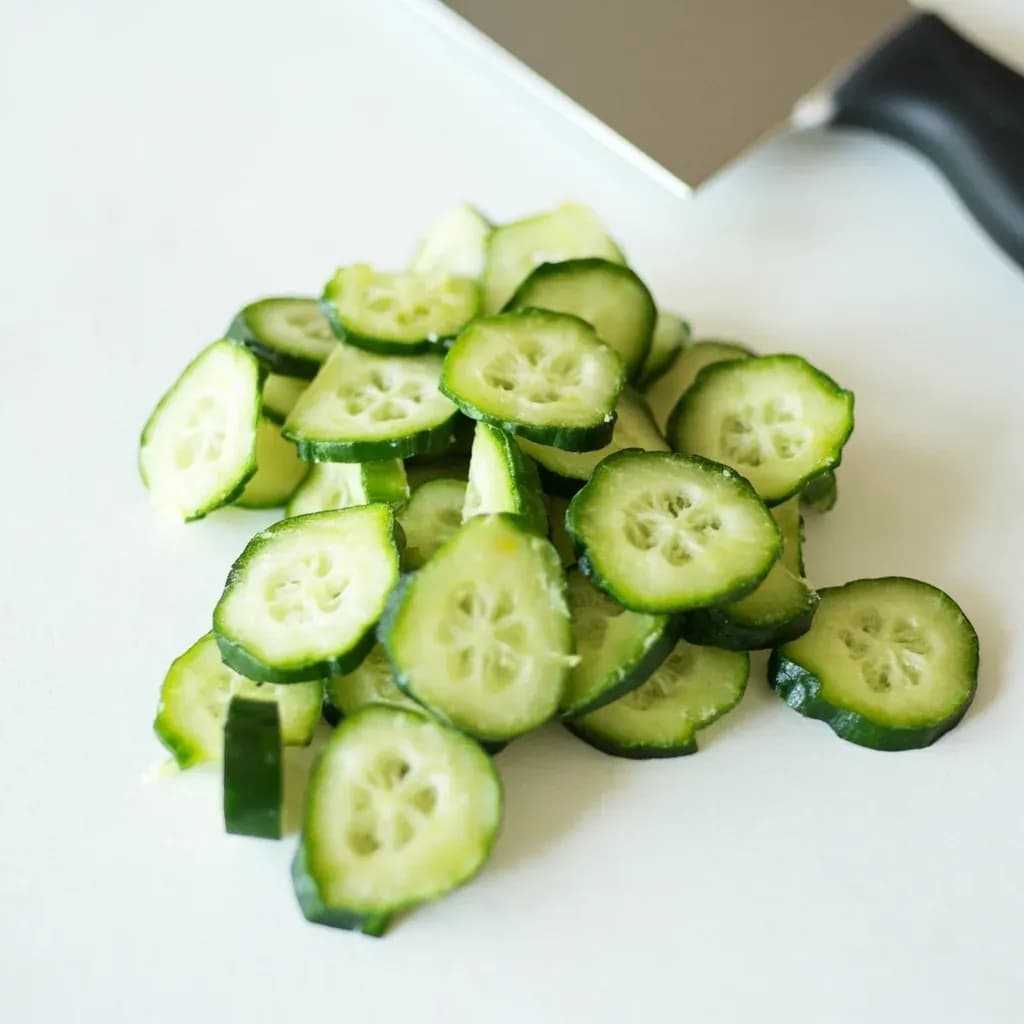
Cleaver Smashing
Striking food with the flat of a cleaver to crush and split it open.
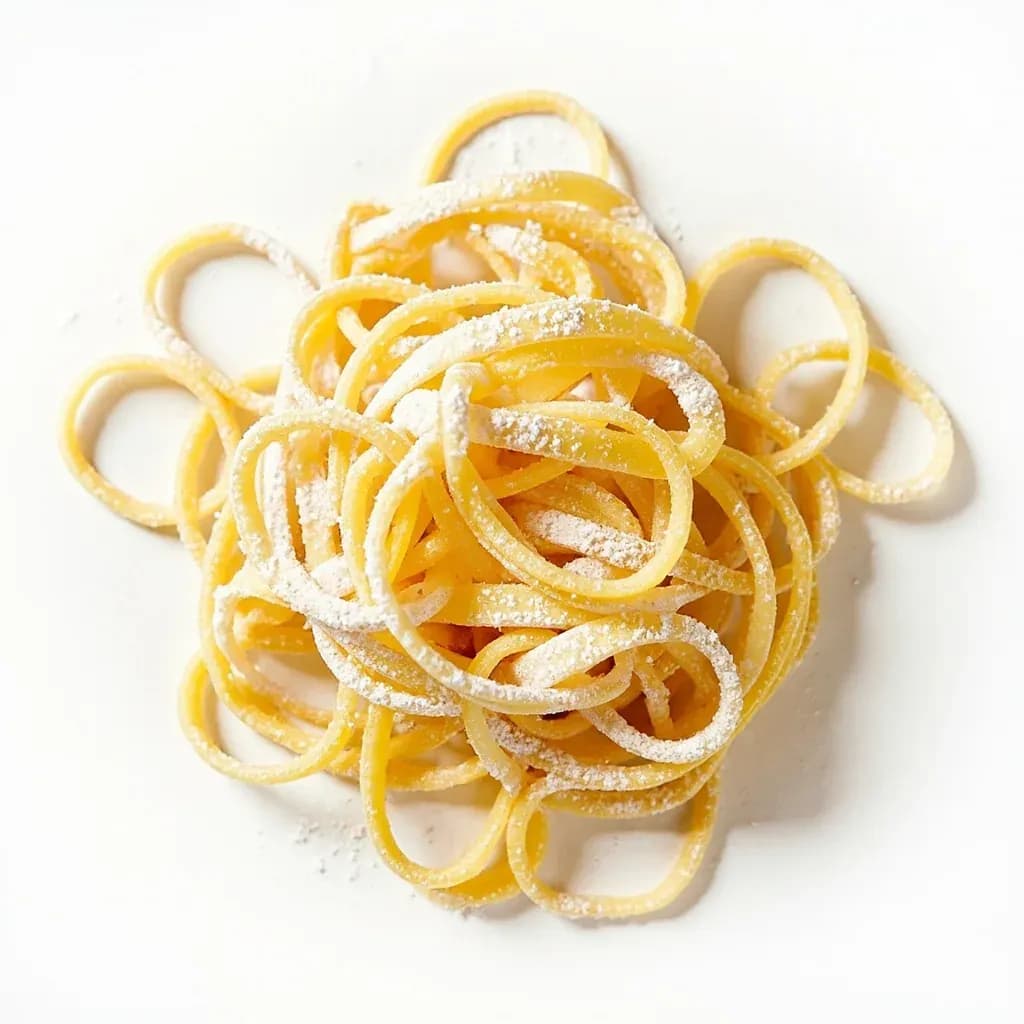
Cutting Noodles
Cutting rolled or extruded dough into uniform noodle strands.
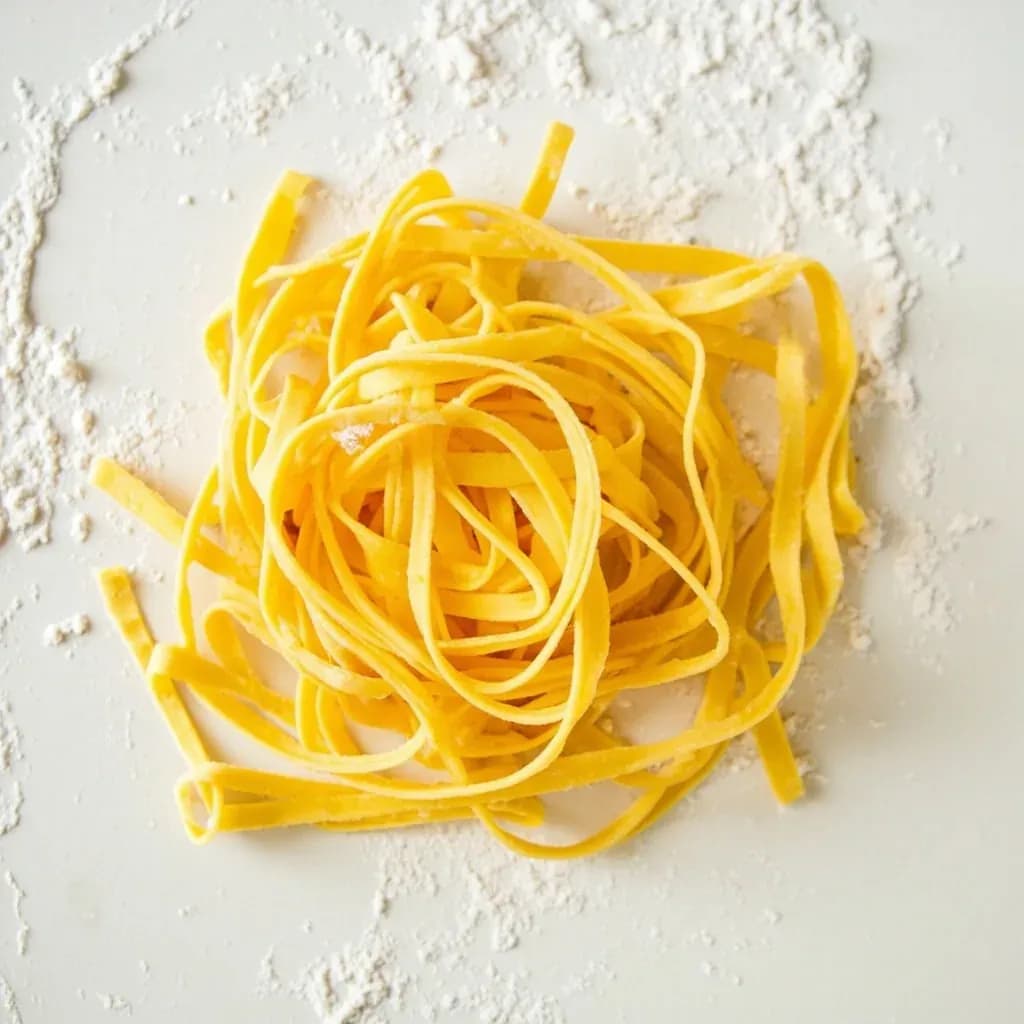
Hand-Cutting Pasta
Rolling and slicing a pasta sheet by hand into ribbons like tagliatelle.
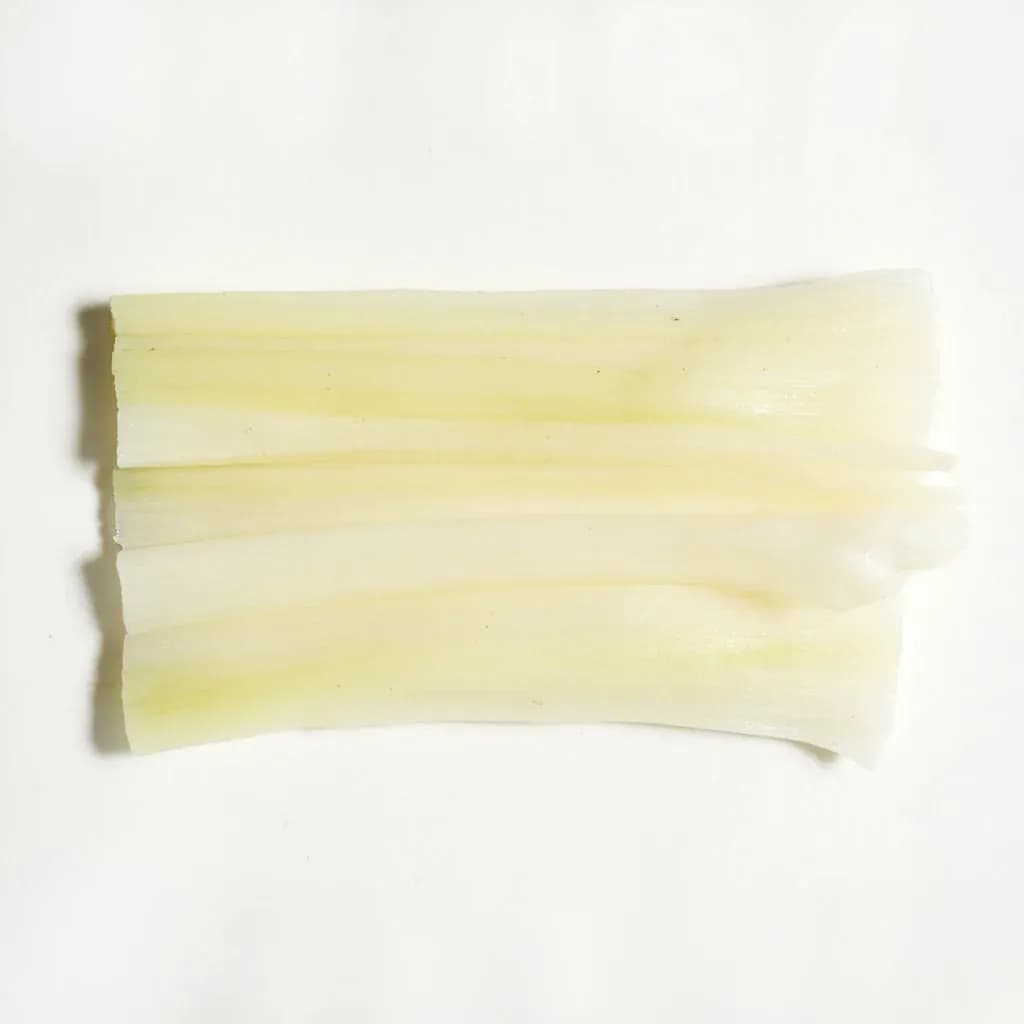
Katsuramuki
Rotary-peeling a vegetable into one long continuous paper-thin sheet.
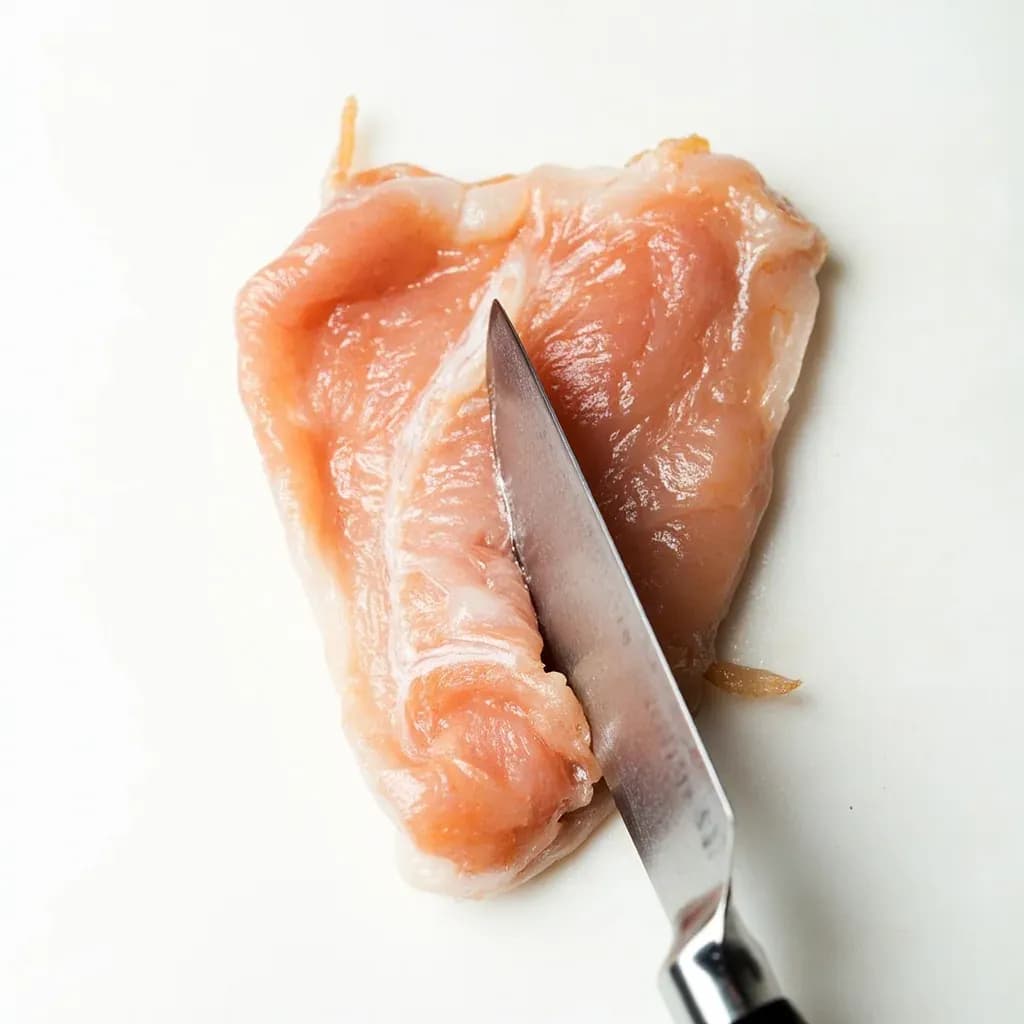
Skinning Fillets
Removing the skin from a fish fillet by sliding the blade between flesh and skin.
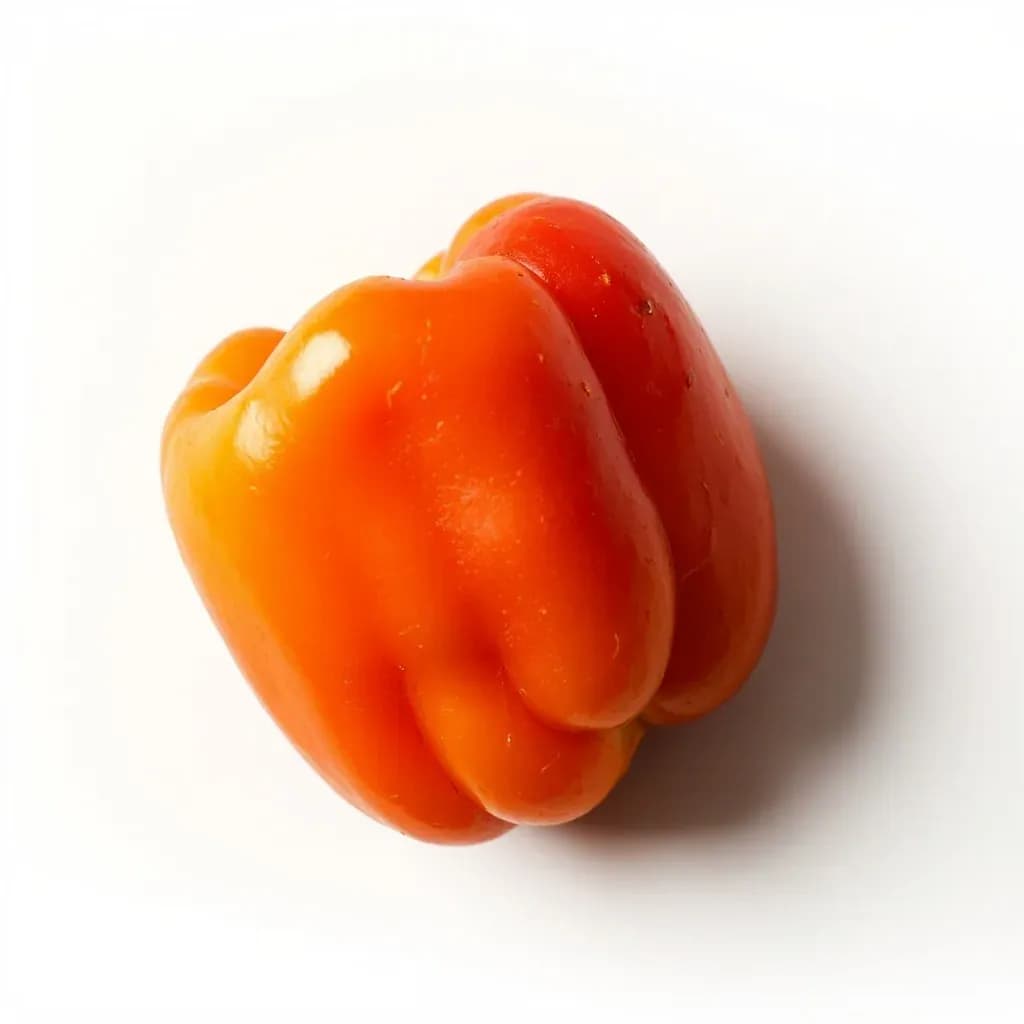
Small Dice
Cutting food into tiny uniform cubes, classically about a quarter inch.
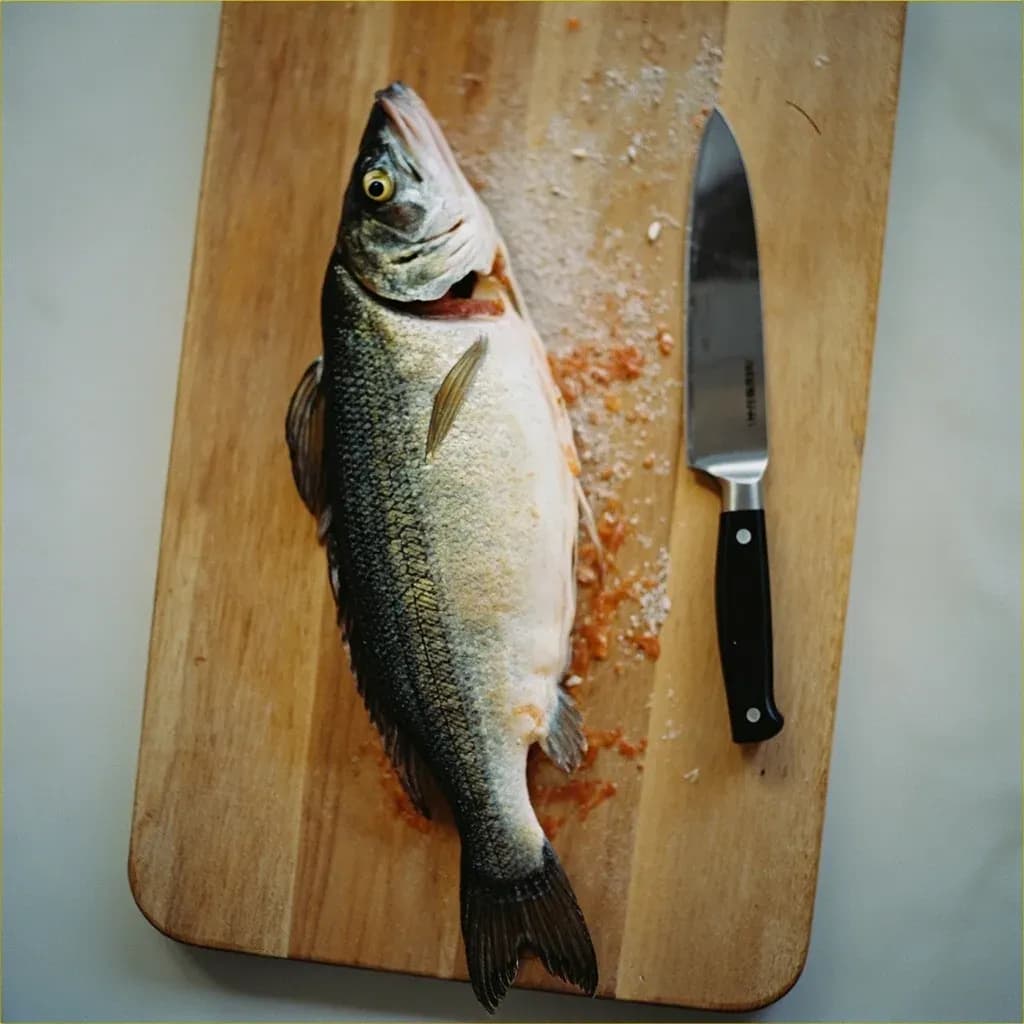
Three-Piece Filleting (Sanmai Oroshi)
Japanese method that breaks a round fish into two boneless fillets plus the central bone-in section.
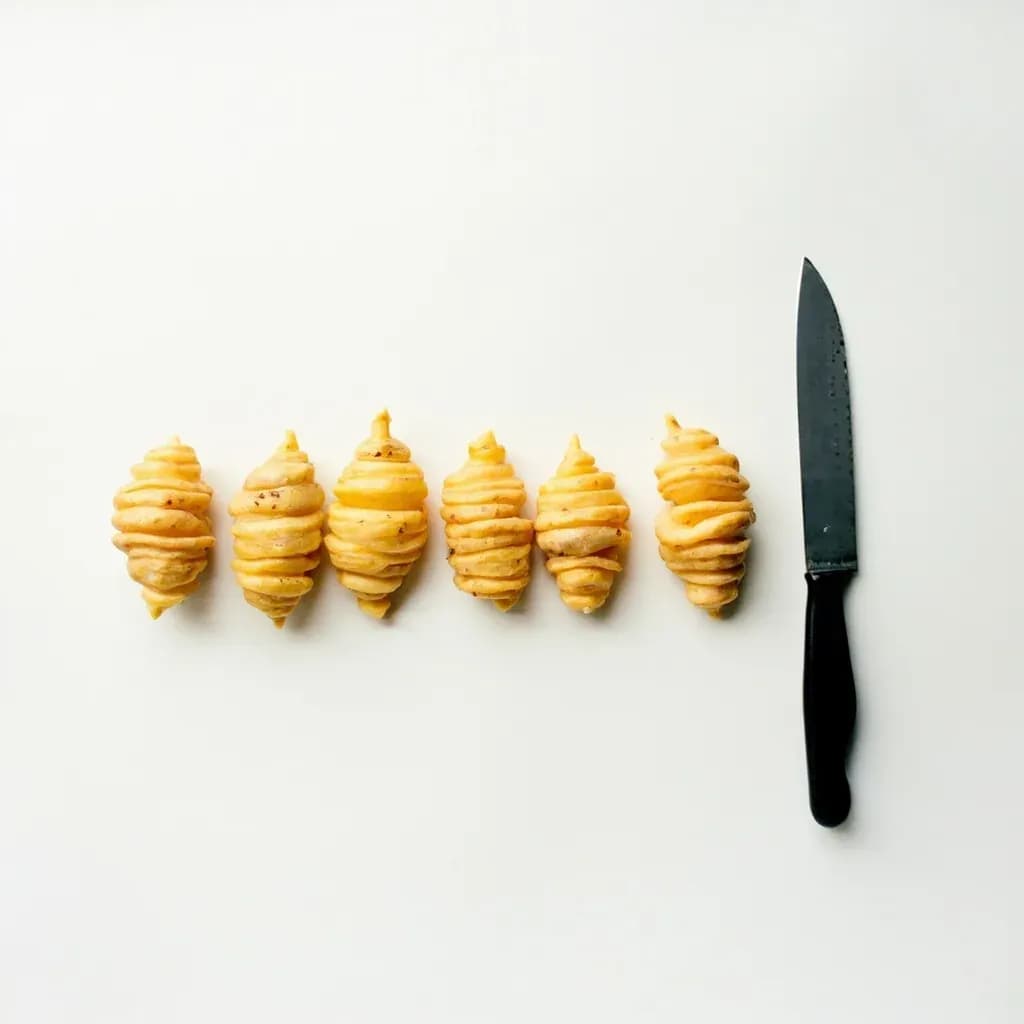
Tournée
Classic French cut that shapes vegetables into seven-sided football-like barrels for even cooking and presentation.
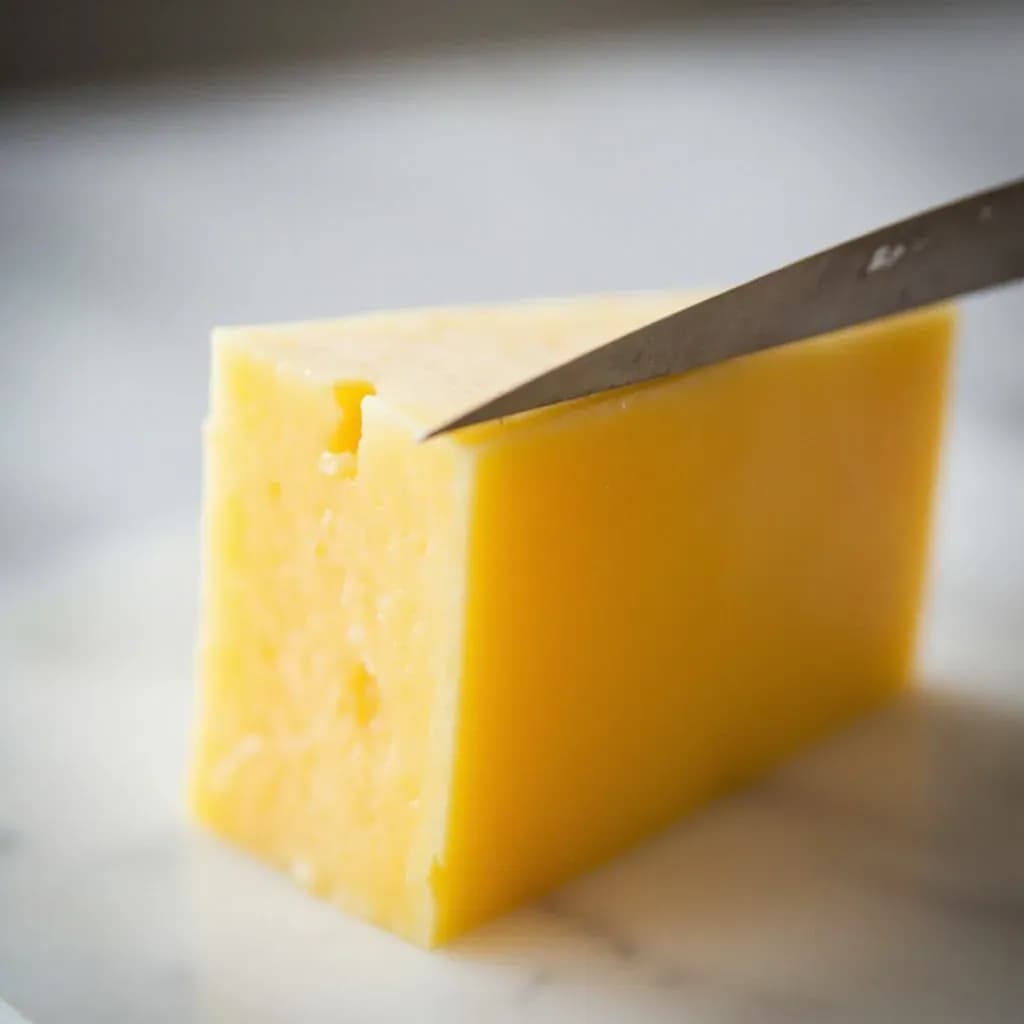
Wire Cutting
Using a taut wire to slice cleanly through soft or sticky foods like cheese, butter, and dough.
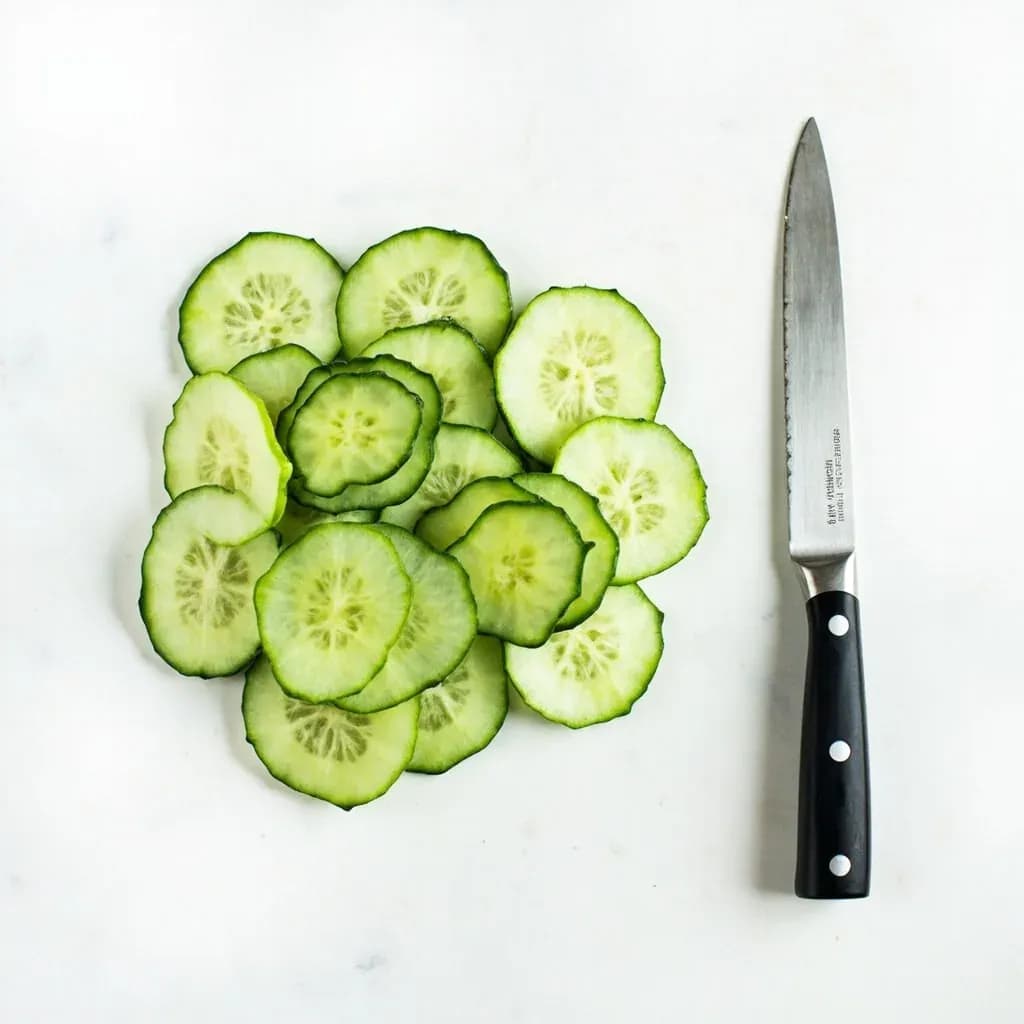
Crescent Slicing (Half-Moon Cut)
Halving a round vegetable lengthwise, then slicing each half into half-moon crescents.
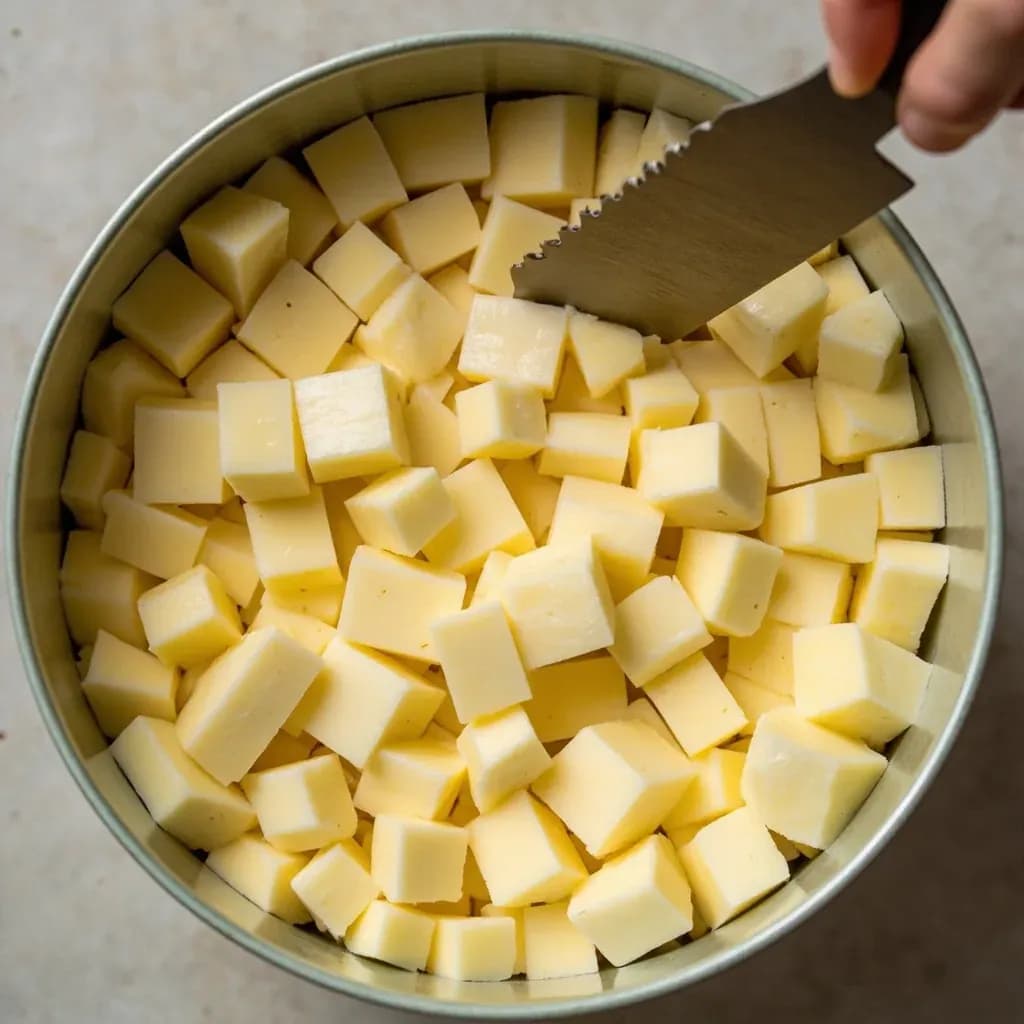
Cutting the Curd
Slicing set milk curd into uniform pieces to release whey during cheesemaking.
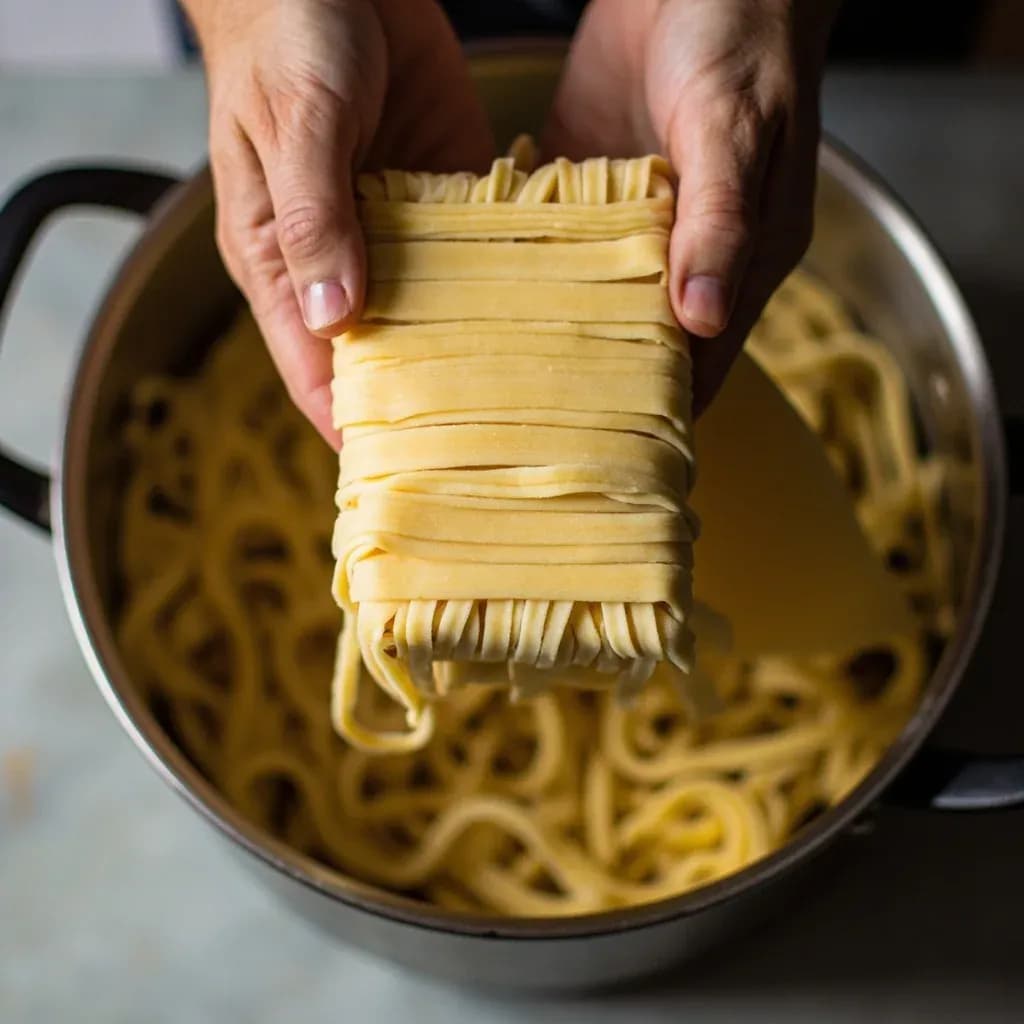
Knife-Shaved Noodles (Dao Xiao Mian)
Shaving thick ribbons of dough straight off a held mass into boiling water with a flat blade.
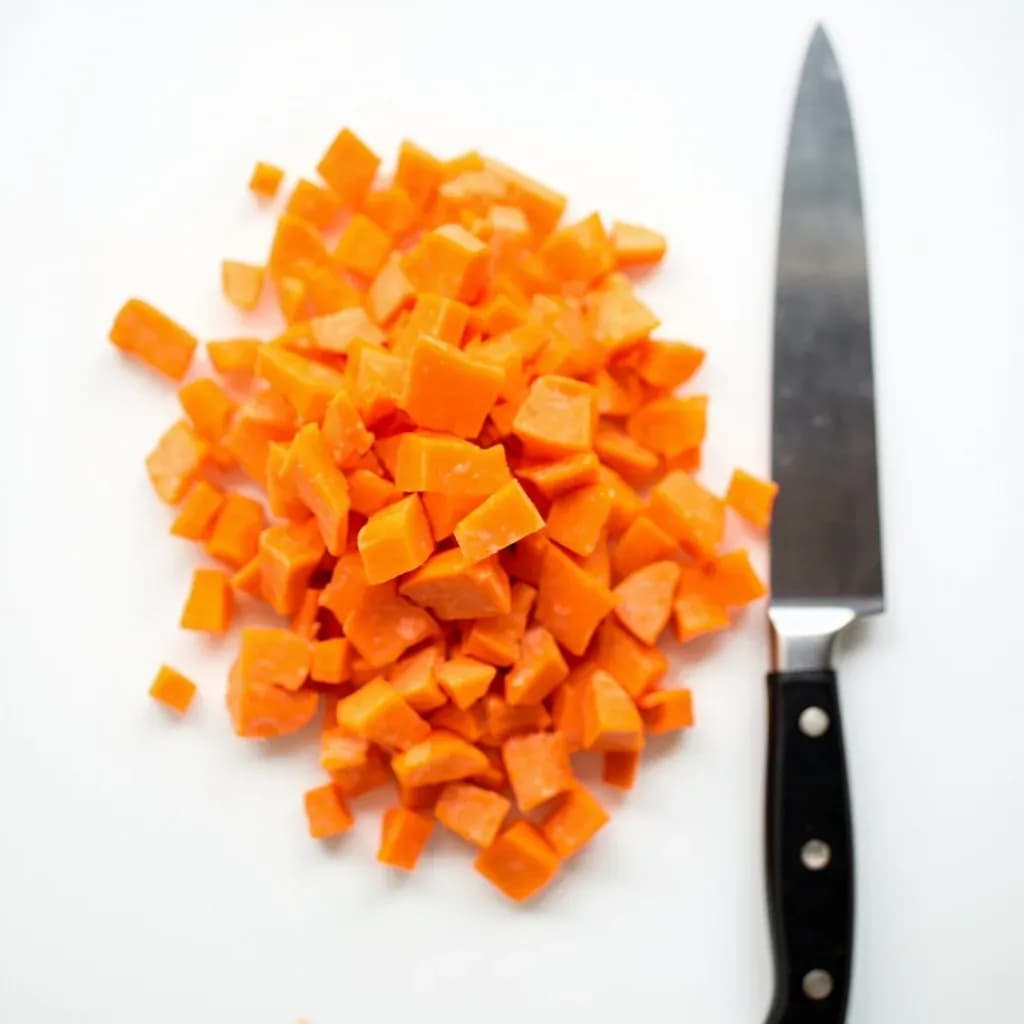
Medium Dice
Cutting food into uniform cubes about one centimeter on each side for even cooking.
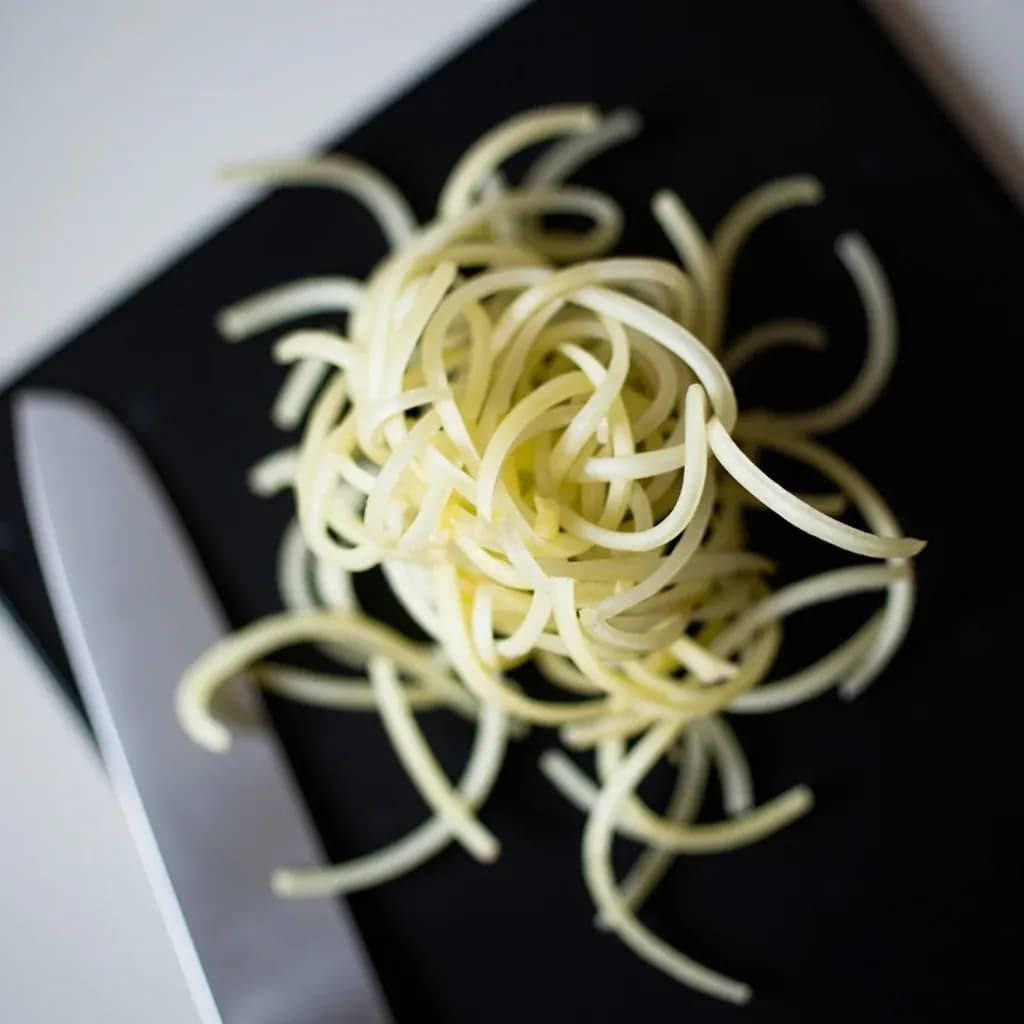
Sasagaki
Japanese shaving cut that whittles a vegetable into thin slivers resembling bamboo leaves or pencil shavings.
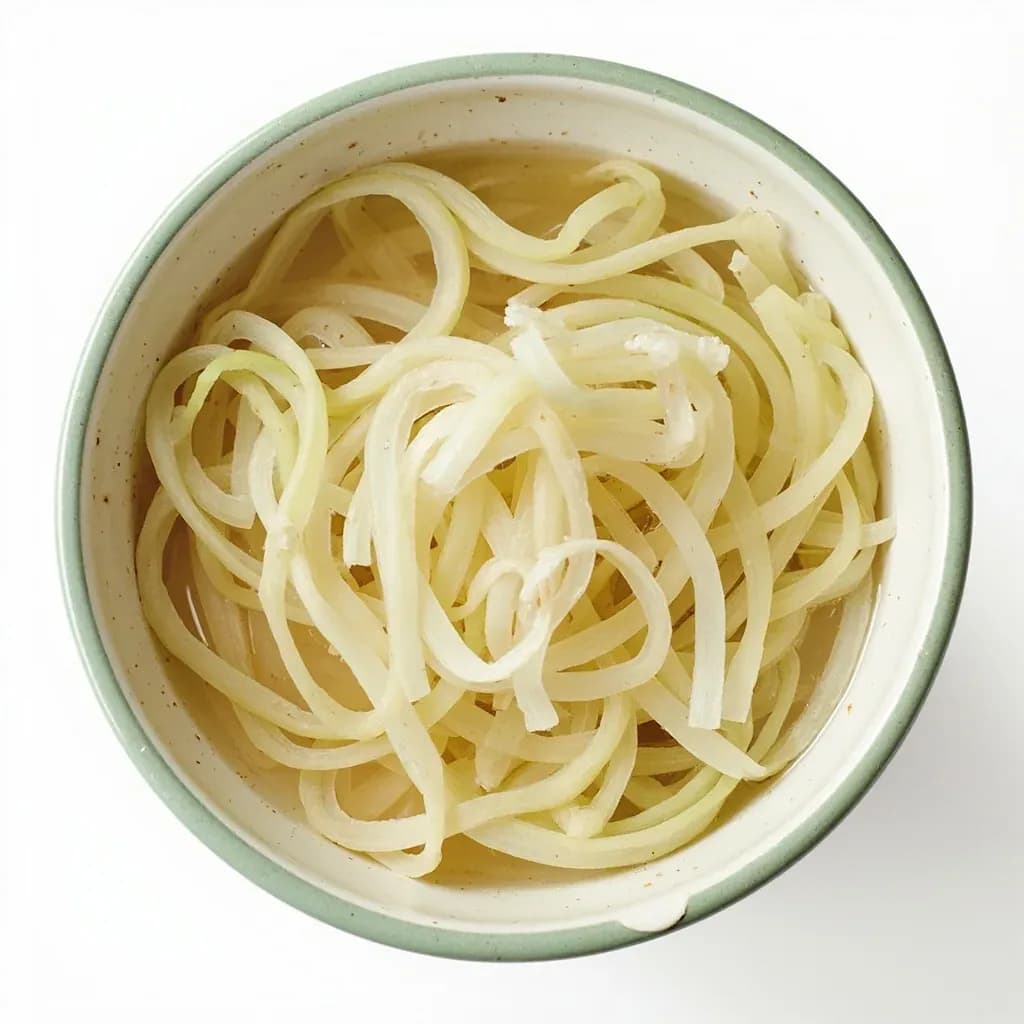
Shiraga Negi (White Hair Onion Cut)
Slicing the white of a leek or scallion into fine hair-thin threads for a delicate garnish.
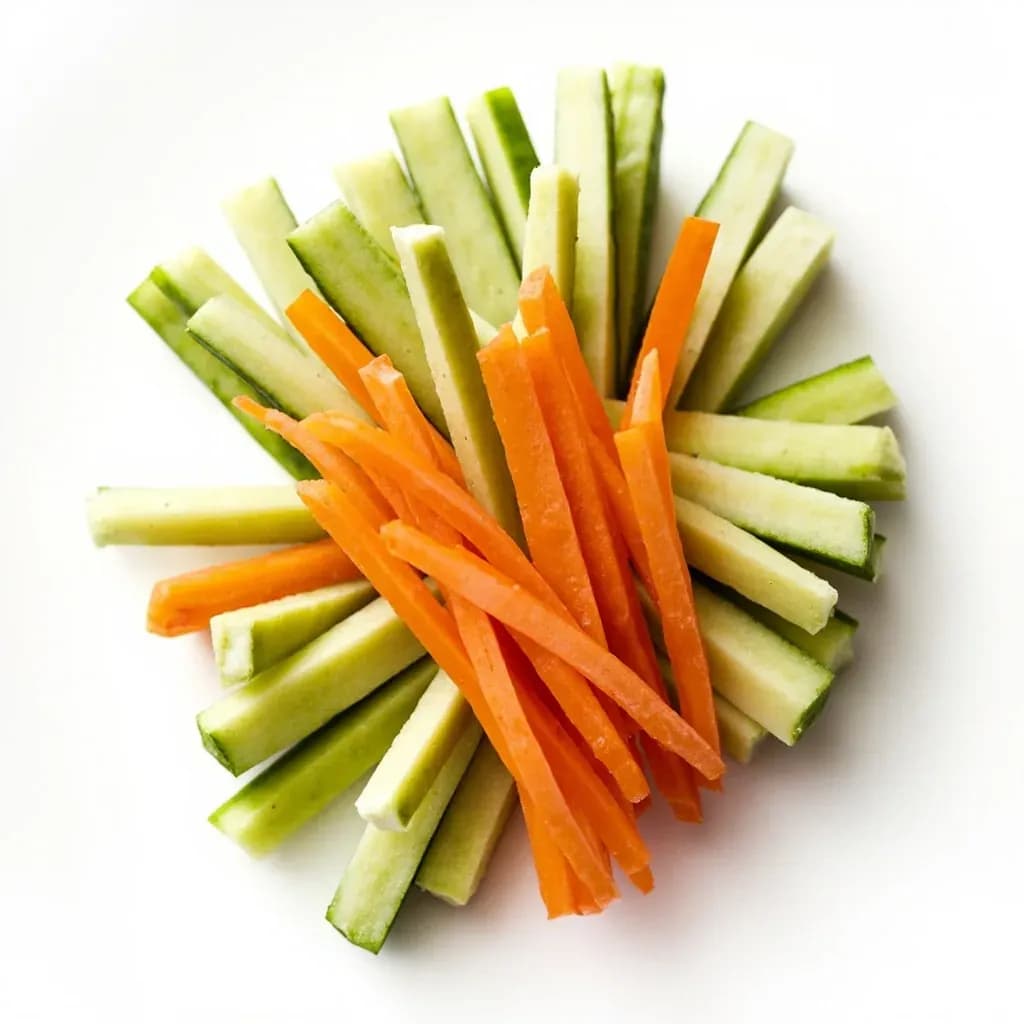
Spear Cutting
Cutting produce lengthwise into long pointed wedges or spears for roasting, grilling, or dipping.
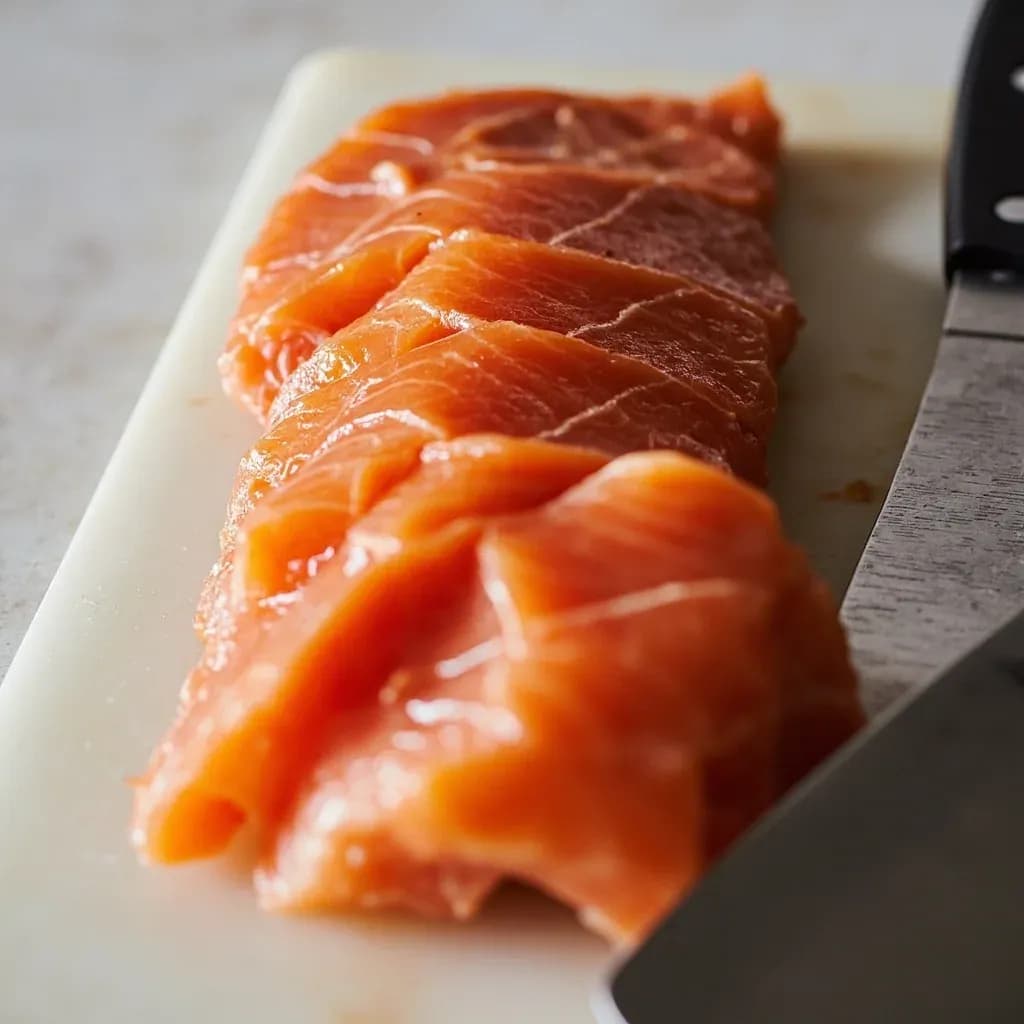
Steaking (Cross-Cutting)
Cutting a large fish or roast crosswise through the bone into thick portioned steaks.
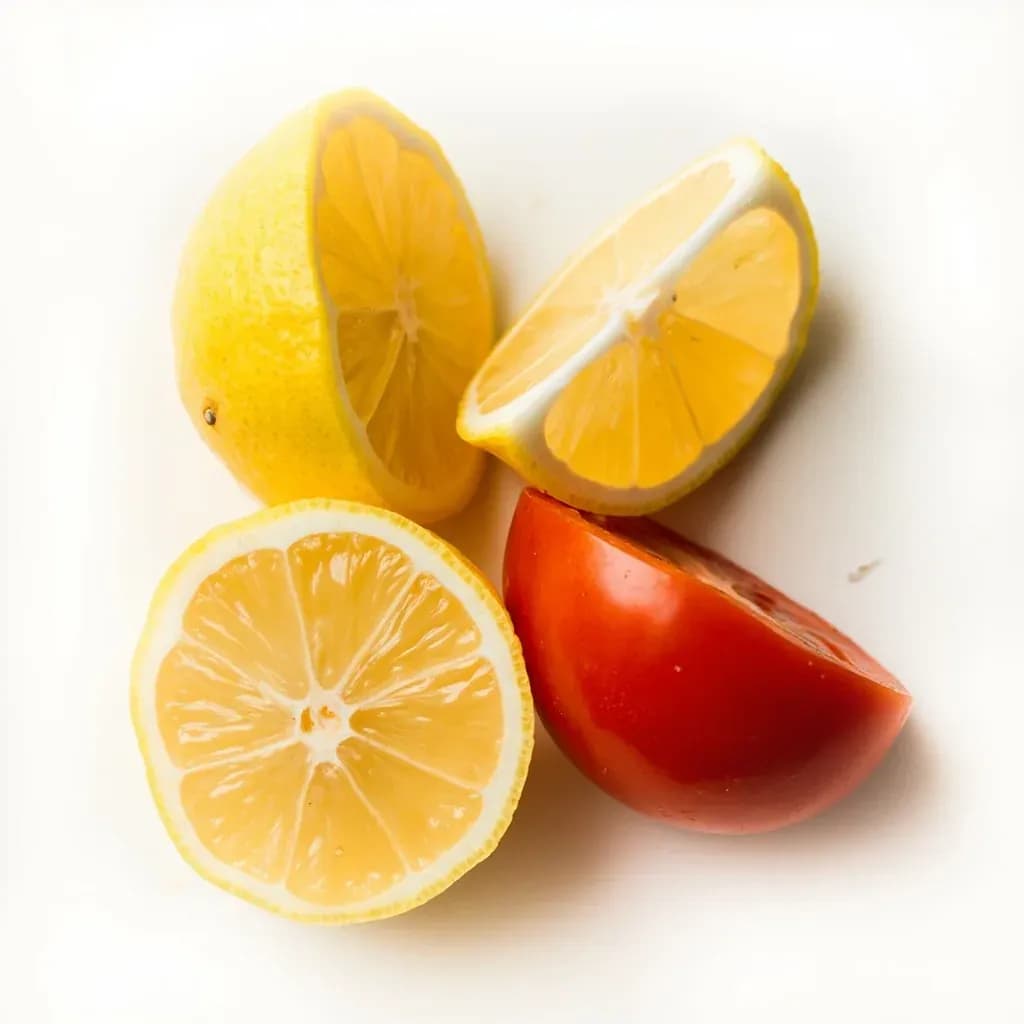
Wedging
Cutting a round food into triangular wedges by halving and then cutting from the center outward.
Prep & Assembly
374
Whisk
Beat ingredients smooth and aerated with a looping wire motion

Sift
Pass dry ingredients through mesh to aerate and remove lumps

Strain
Pour through mesh to separate solids from liquid for a smooth result

Filter
Pass liquid through fine material to clarify out the smallest particles

Rice
Press cooked potatoes through small holes for fluffy, lump-free texture

Mash
Crush soft cooked food into a rustic, creamy purée

Grind
Crush food into a coarse to fine texture, from spices to meat

Grate
Shred food into fine bits against a sharp-toothed surface

Zest
Shave the fragrant colored peel of citrus, sparing the bitter pith

Crush
Press or pound food to release oils and break it open

Skim
Lift off foam or fat from the surface for a cleaner result

Roll Out
Flatten dough evenly with a pin to your target thickness

Flatten
Pound or press food to an even thickness for quick, uniform cooking

Shape
Form dough or mixtures by hand into their final form

Mold
Press food into a form so it sets in a precise shape

Stamp
Cut neat, repeated shapes from rolled dough with a cutter

Crimp
Pinch and seal pastry edges to lock in filling and finish the rim

Pleat
Fold small tucks to seal and shape dumplings or pastry

Truss
Tie poultry or roasts with twine for an even, compact cook

Score
Cut shallow lines into the surface to help cooking and looks

Tenderize
Break down tough fibers so meat turns soft and yielding

Peel
Strip away the outer skin to reach the flesh beneath

Hull
Remove the leafy stem or husk to ready fruit for use

Pit
Remove the stone or seed from fruit before cooking or eating

Spread
Smooth a soft mixture evenly across a surface

Grease
Coat a pan with fat so food releases cleanly without sticking

Dust
Scatter a fine, even layer of powder over food or a surface

Dredge
Coat food in flour or crumbs to build a frying-ready crust

Dip
Submerge food briefly in a coating or liquid to wet or coat it

Baste
Spoon pan juices or fat over food to keep it moist and glossy

Glaze
Brush on a shiny coating for sheen, color, and sweet or savory flavor

Weigh
Measure ingredients by mass for precise, repeatable results

Portion
Divide food into equal servings for even cooking and fair plates

Rest
Let cooked meat sit so juices redistribute before slicing

Chill
Cool food in the fridge to set, firm up, or improve handling

Freeze
Drop food below freezing to preserve it or set it solid

Fridge-Dry
Air-dry food uncovered in the fridge for a crisper finished surface

Soak
Submerge food in liquid to hydrate, soften, or draw out impurities

Rinse
Run water over food to clean it or wash away excess starch or salt

Pat Dry
Blot the surface dry so food browns instead of steaming

Sharpen
Grind a fresh, keen edge onto a dull knife blade

Hone
Realign a knife's edge on a steel to keep it cutting true

Season Pan
Bake oil into cast iron or carbon steel to build a nonstick patina

Mix
Combine ingredients into a uniform blend

Toss
Lift and turn ingredients to coat them lightly and evenly

Blend
Whirl ingredients smooth in a blender for purées and silky liquids

Combine
Bring separate ingredients together into one mixture

Stir
Move ingredients in a circular motion to blend or prevent sticking

Fry
Cook food in hot fat until crisp and golden

Pulse
Run a processor in short bursts for controlled, even chopping

Purée
Process food into a perfectly smooth, uniform paste or liquid

Drizzle
Trickle a thin stream of sauce or oil for finish and flavor

Layer
Stack components in deliberate strata for built dishes and bakes

Stuff
Fill a cavity or pocket with a flavorful mixture before cooking

Wrap
Enclose food in a leaf, dough, or paper for cooking or serving

Roll
Coil food around a filling into a neat cylinder

Coat
Cover food evenly in a layer of seasoning, sauce, or batter

Brush
Paint a thin, even layer of liquid onto food with a pastry brush

Pipe
Squeeze a soft mixture through a tip into shapes and swirls

Swirl
Fold two mixtures together loosely for a marbled, ribboned look

Dollop
Drop soft spoonfuls onto food for finish or rustic decoration

Laminate
Fold butter into dough through repeated turns for flaky layers

Massage
Knead tough greens by hand to soften and tenderize them raw

Autolyse
Rest flour and water alone to jump-start gluten before kneading

Dry Rub
Massage a dry spice blend into meat to crust and season it

Compound Butter
Fold flavorings into soft butter, then chill into a finishing log

Cut In
Work cold fat into flour in small bits for flaky pastry and biscuits

Garnish
Add a final flourish that lifts a dish's color, aroma, and appeal
Deglazing
Adding liquid to a hot pan to dissolve browned bits into a fast, flavorful sauce.
Tea Brewing
Steeping and pouring tea, often aerated from height, into a flavorful, foamy drink.
Roux Making
Cooking flour in fat to make a thickener for sauces, gravies, and soups.
Thickening
Giving body to sauces and soups with starches, seeds, cream, bread, or okra.
Stiff-Porridge Stirring
Vigorously stirring grain flour into water to cook a dense staple porridge.
Stirring Out
Continuous stirring to dissolve, smooth, or work air and lumps out of a mixture as it cooks.
Swizzling (Dhal)
Rapidly spinning a stick between the palms to whip, froth, or temper dal and drinks.
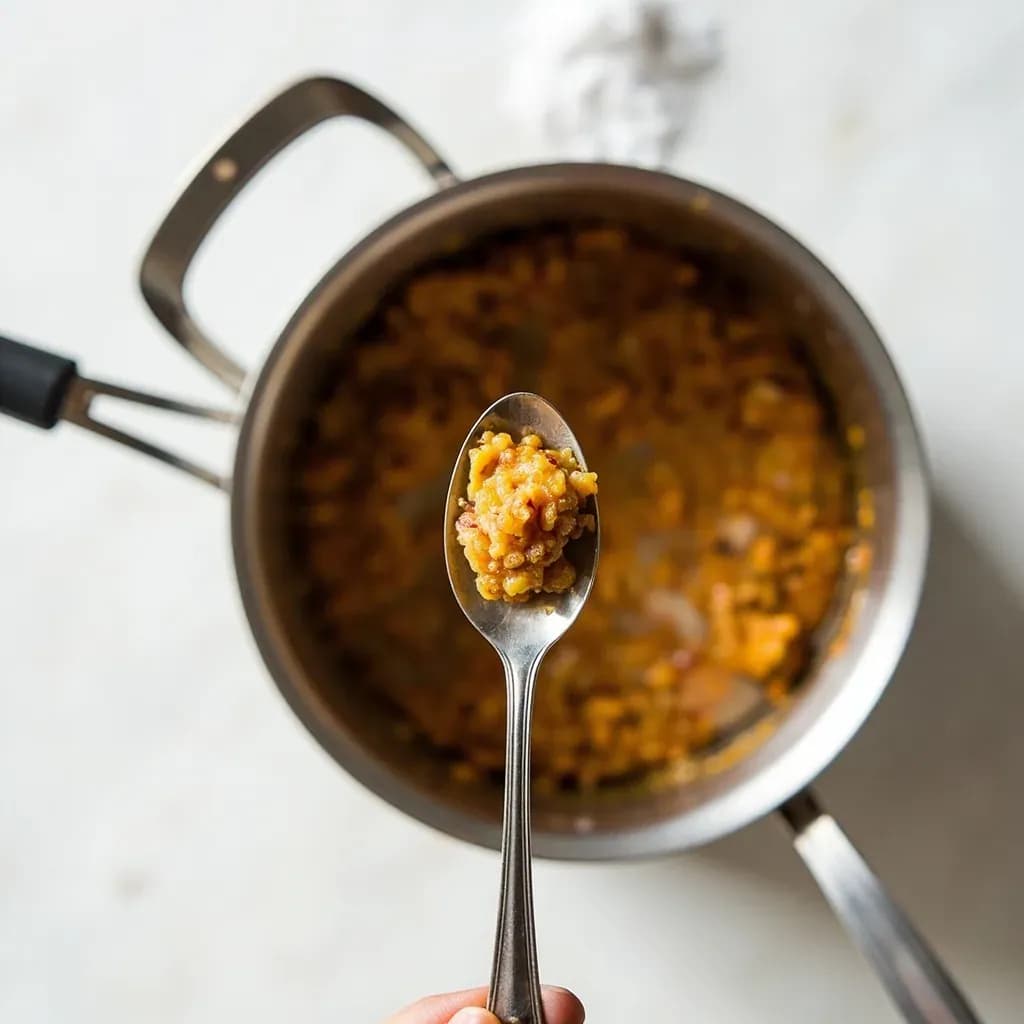
Tasting and Seasoning Adjustment
Repeatedly tasting a dish and correcting salt, acid, heat, and sweetness as it cooks.
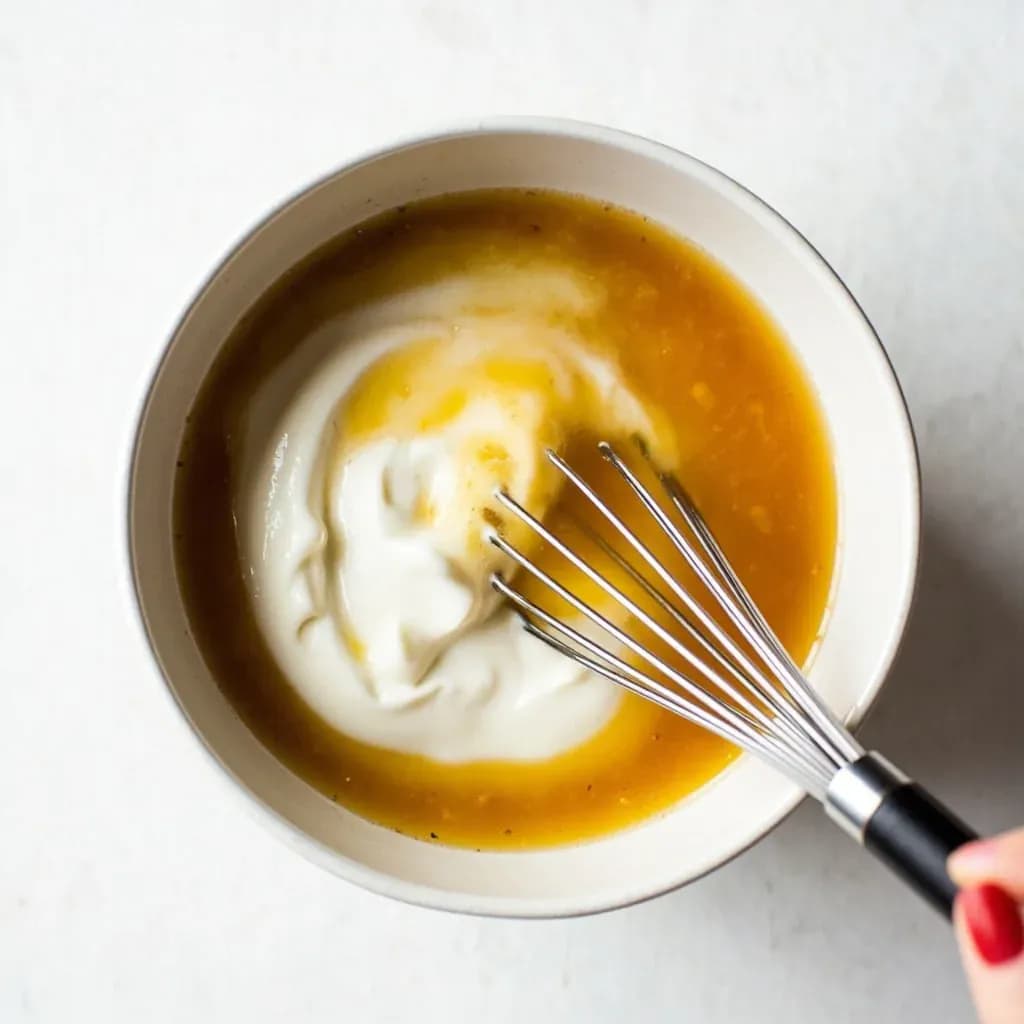
Tempering Yogurt
Gradually warming yogurt with stabilizer or hot liquid so it blends into a sauce without curdling.
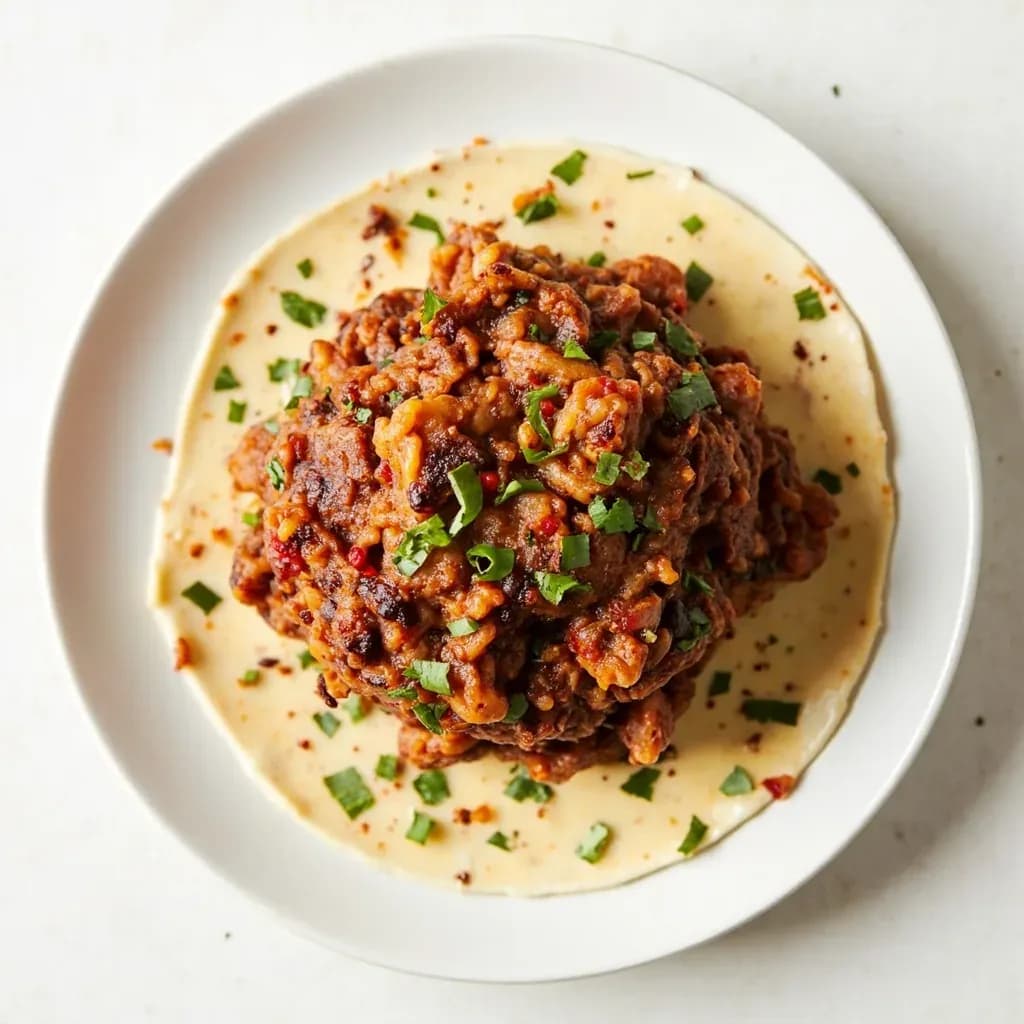
Upside-Down Unmolding (Maqluba)
Inverting a layered rice-and-meat pot onto a platter so it emerges as a standing molded tower.
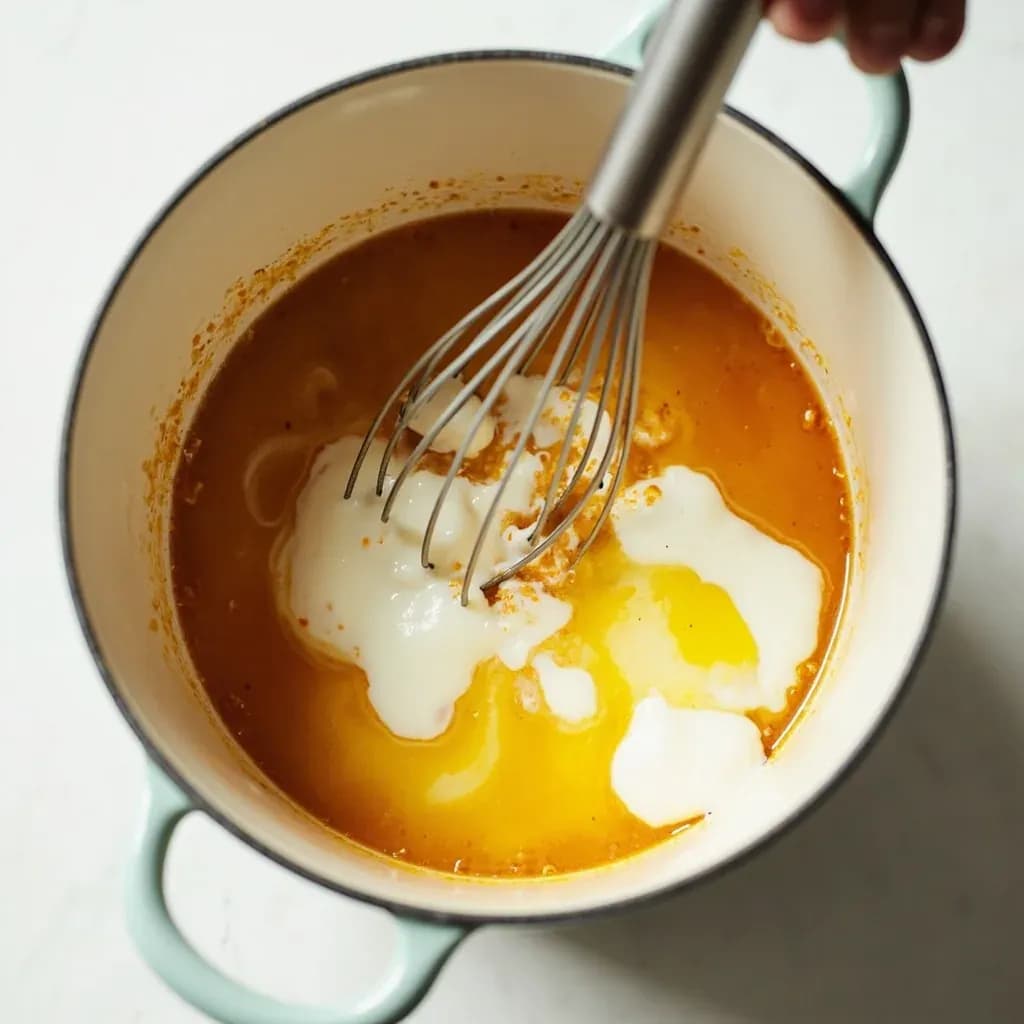
Yogurt Tempering (Yoğurt Terbiyesi)
Turkish technique of stabilizing yogurt with egg or flour and hot liquid so it won't split in soup.
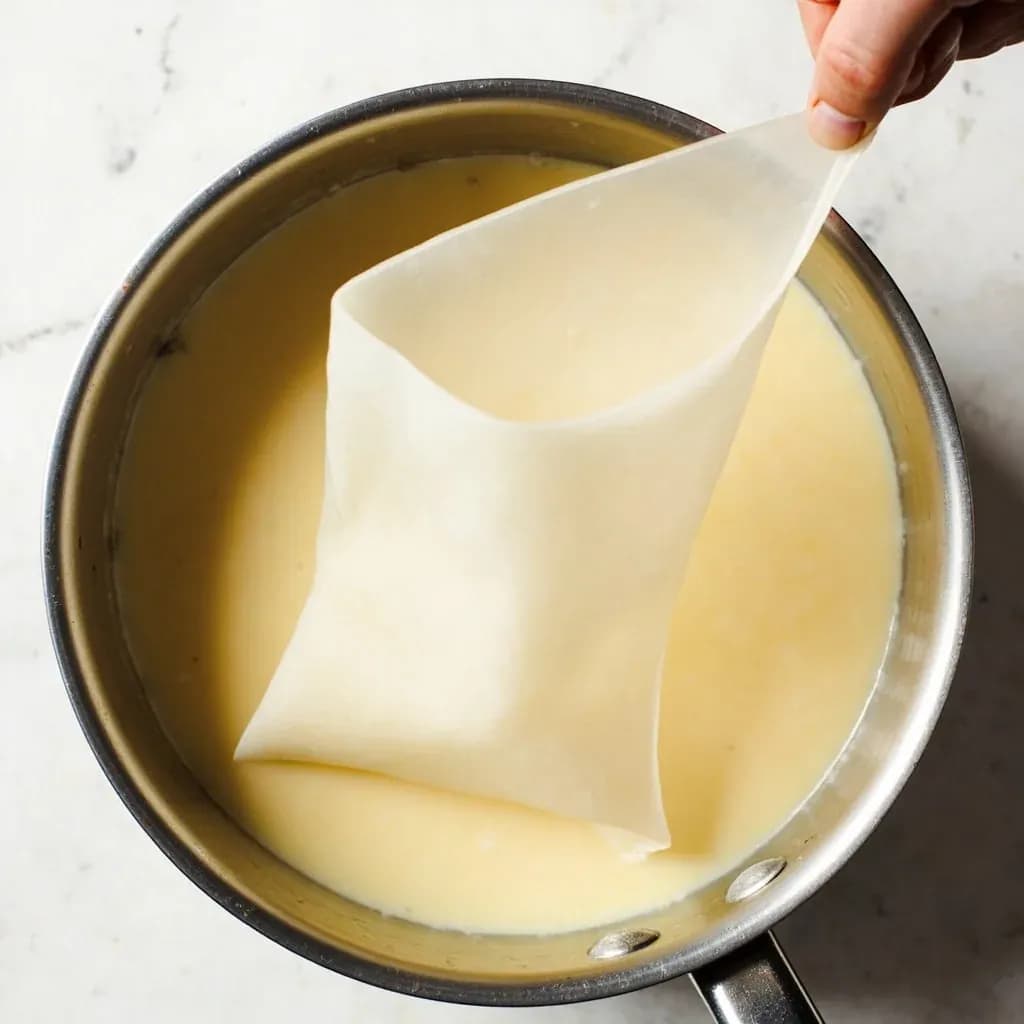
Yuba Skimming
Lifting the protein-rich skin off gently heated soy milk to harvest yuba (tofu skin).
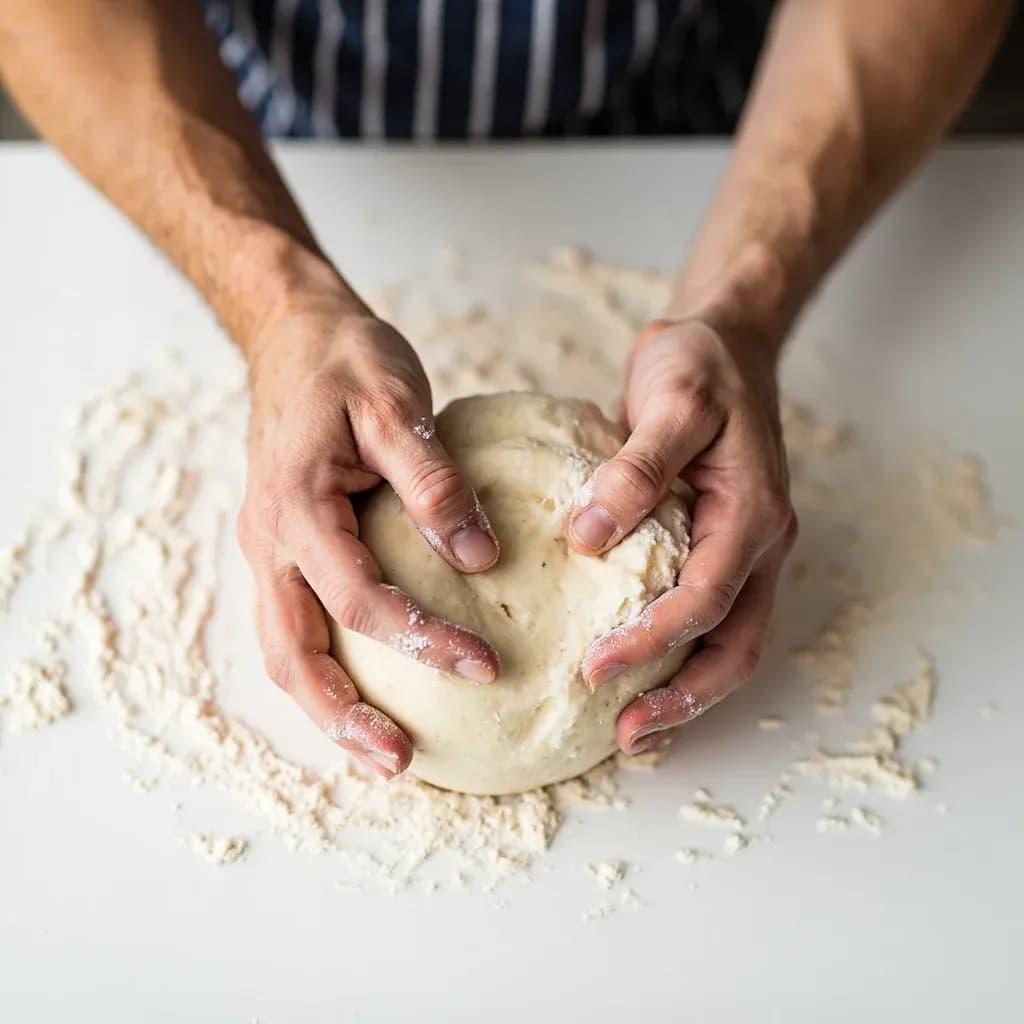
Kneading Dough
Working dough by stretching and folding to develop gluten for elastic structure and texture.
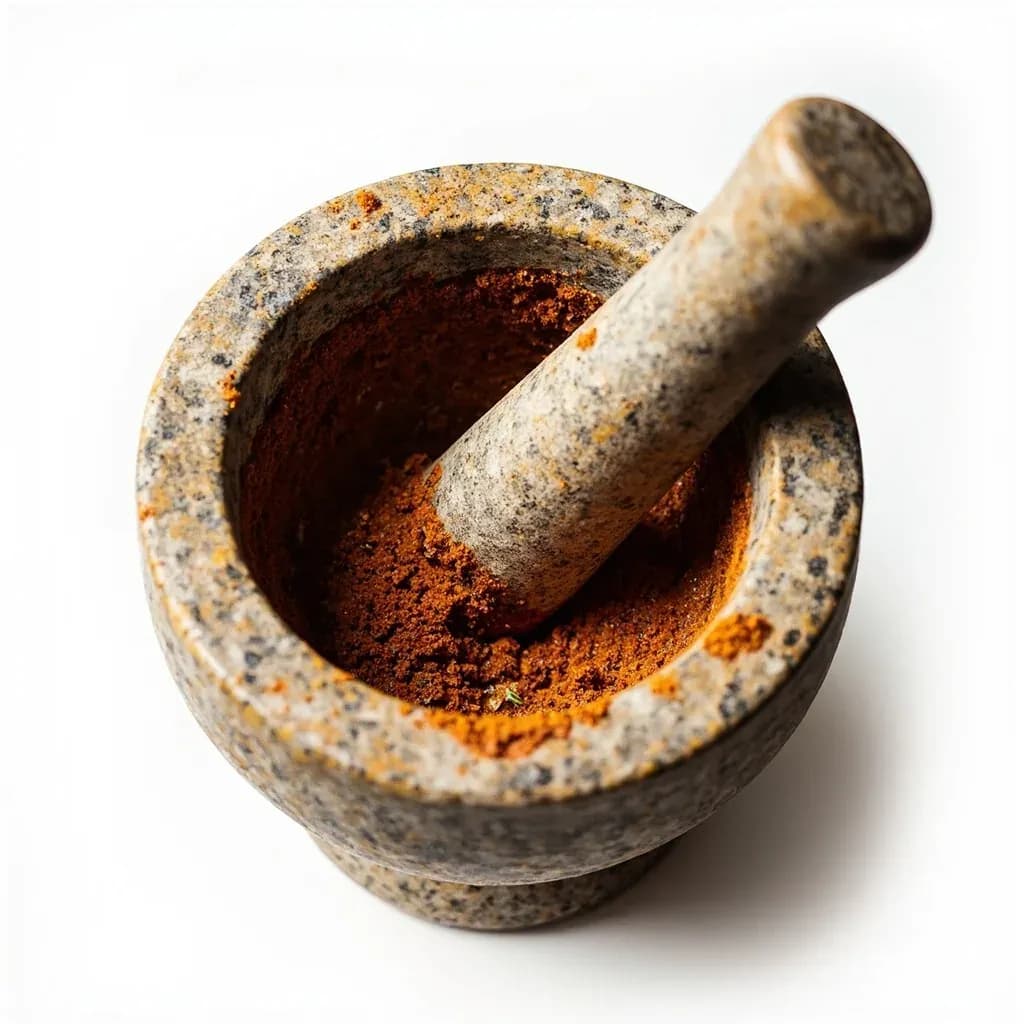
Pounding Spice Paste (Mortar & Pestle)
Crushing aromatics in a mortar and pestle into a fragrant paste that releases more flavor than blending.
Grinding
Reducing spices, grains, or pastes to powder or paste using a mill, stone, or molcajete.
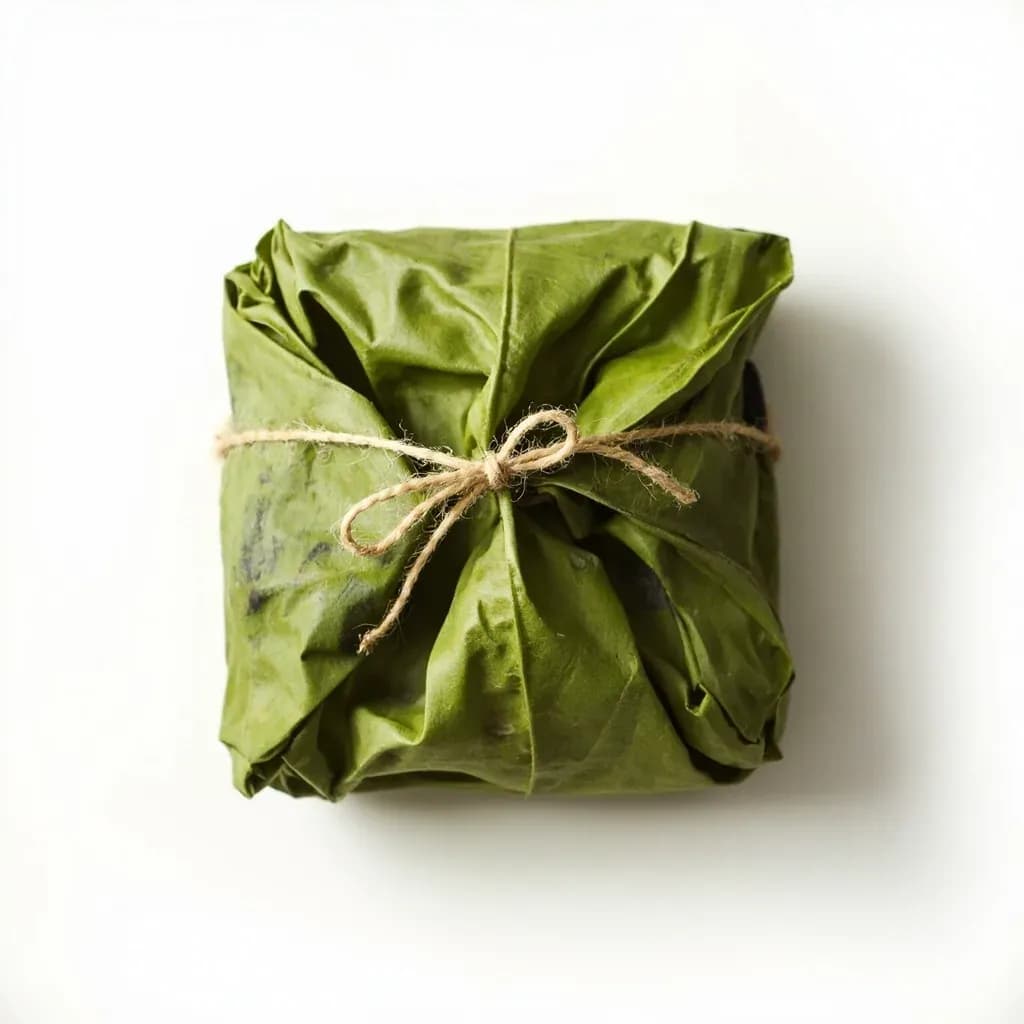
Banana Leaf Wrapping
Folding food into pliable banana leaves to steam, grill, or cook in flavorful parcels.
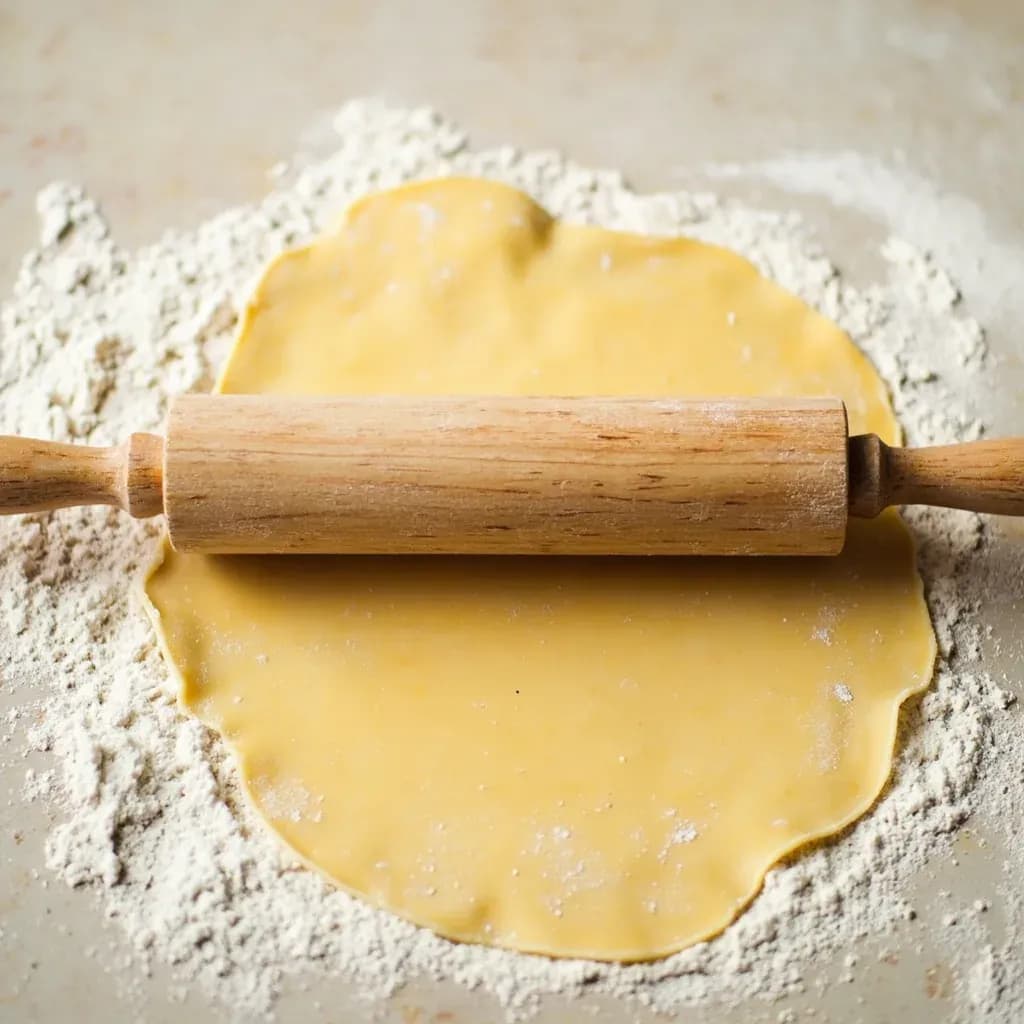
Rolling Out Dough
Flattening dough to an even thickness with a pin or hands for pasta, breads, and pastry.
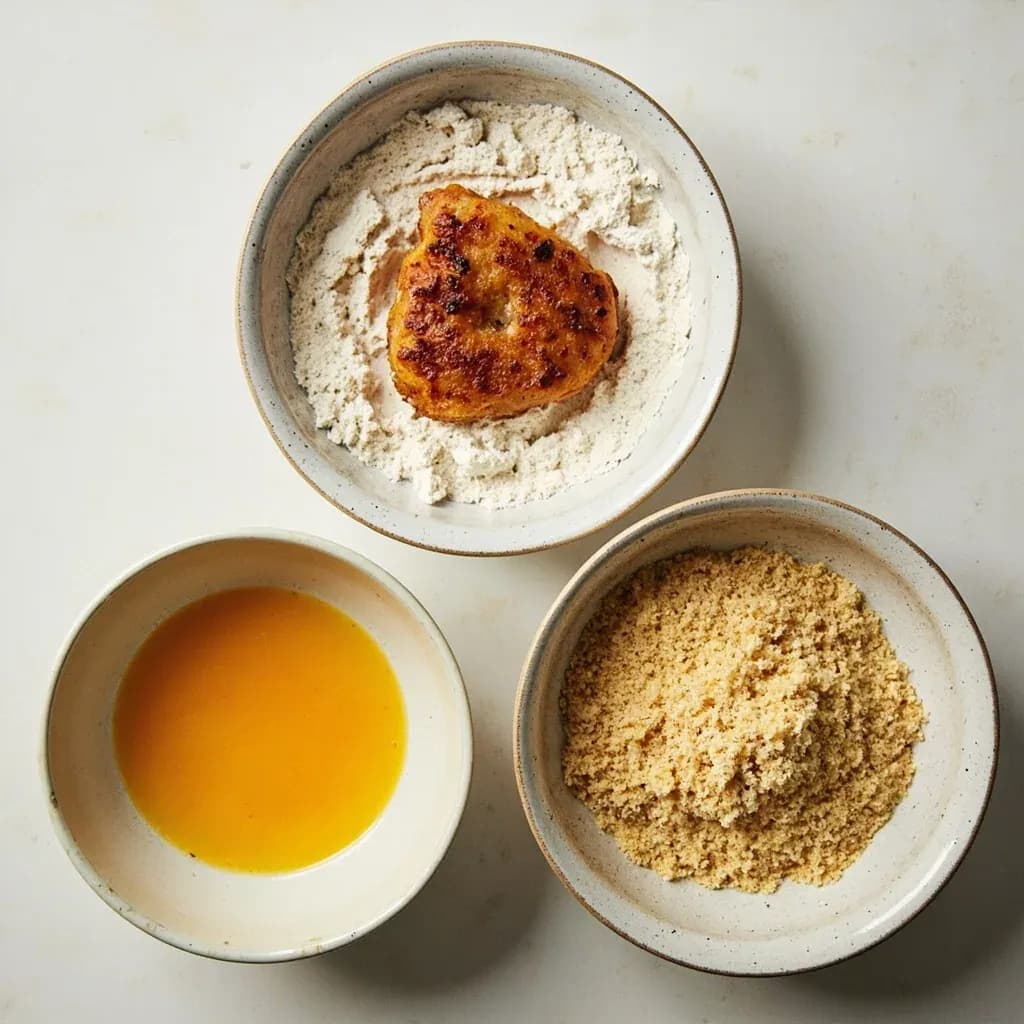
Breading
Coating food in flour, egg, and crumbs so it forms a crisp crust when fried.
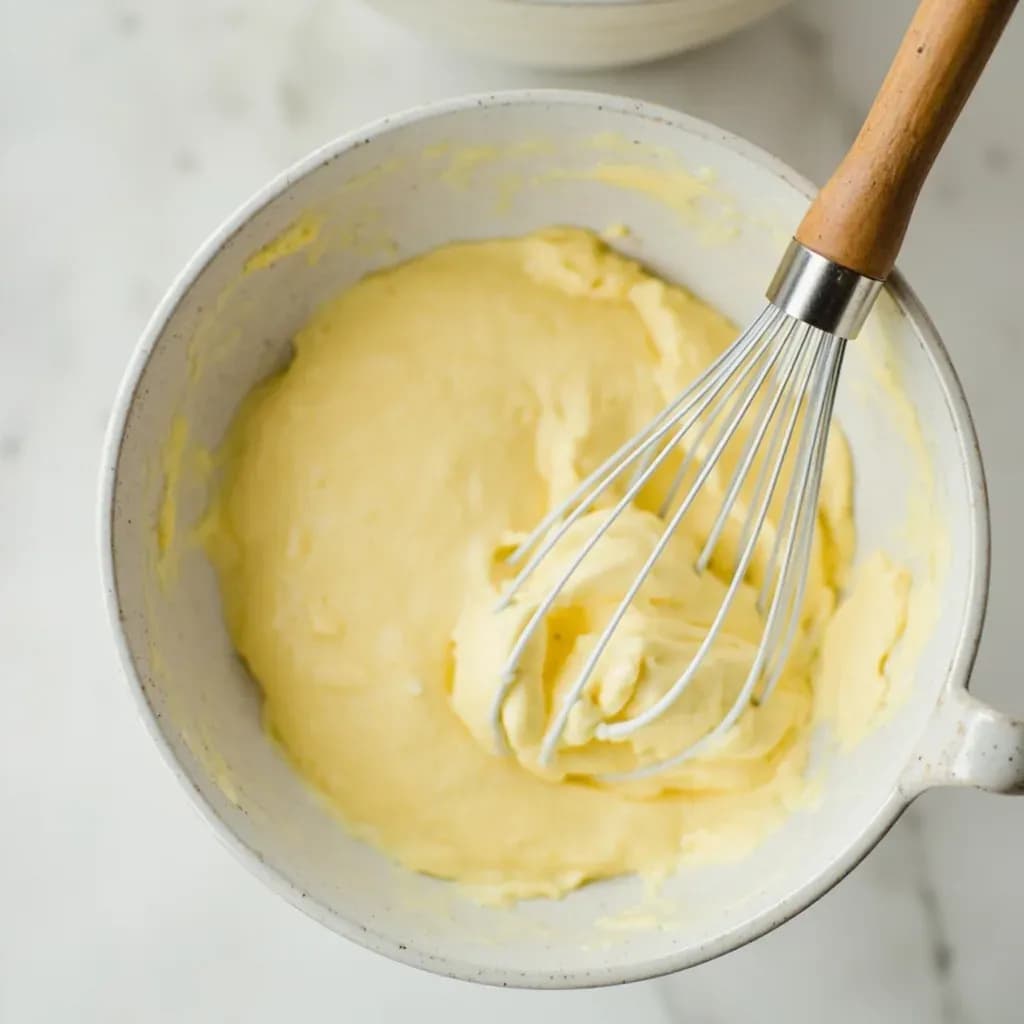
Whisking
Beating ingredients with a wire whisk to blend, aerate, or whip them into volume.
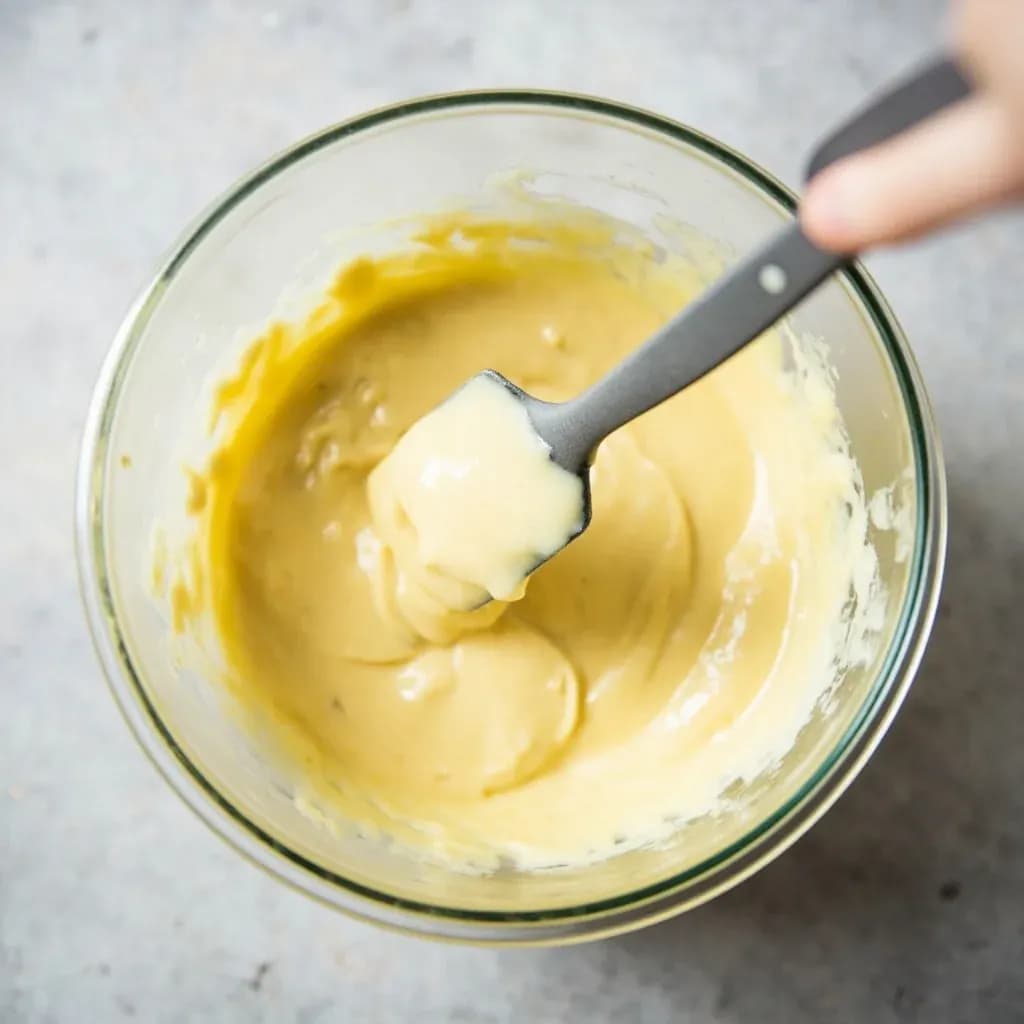
Folding
Gently turning a light mixture over itself to combine without knocking out air.
Portioning
Dividing food into consistent serving-size pieces by weight, count, or eye.
Winnowing
Tossing grain or beans in the air so the breeze carries off chaff and husks.
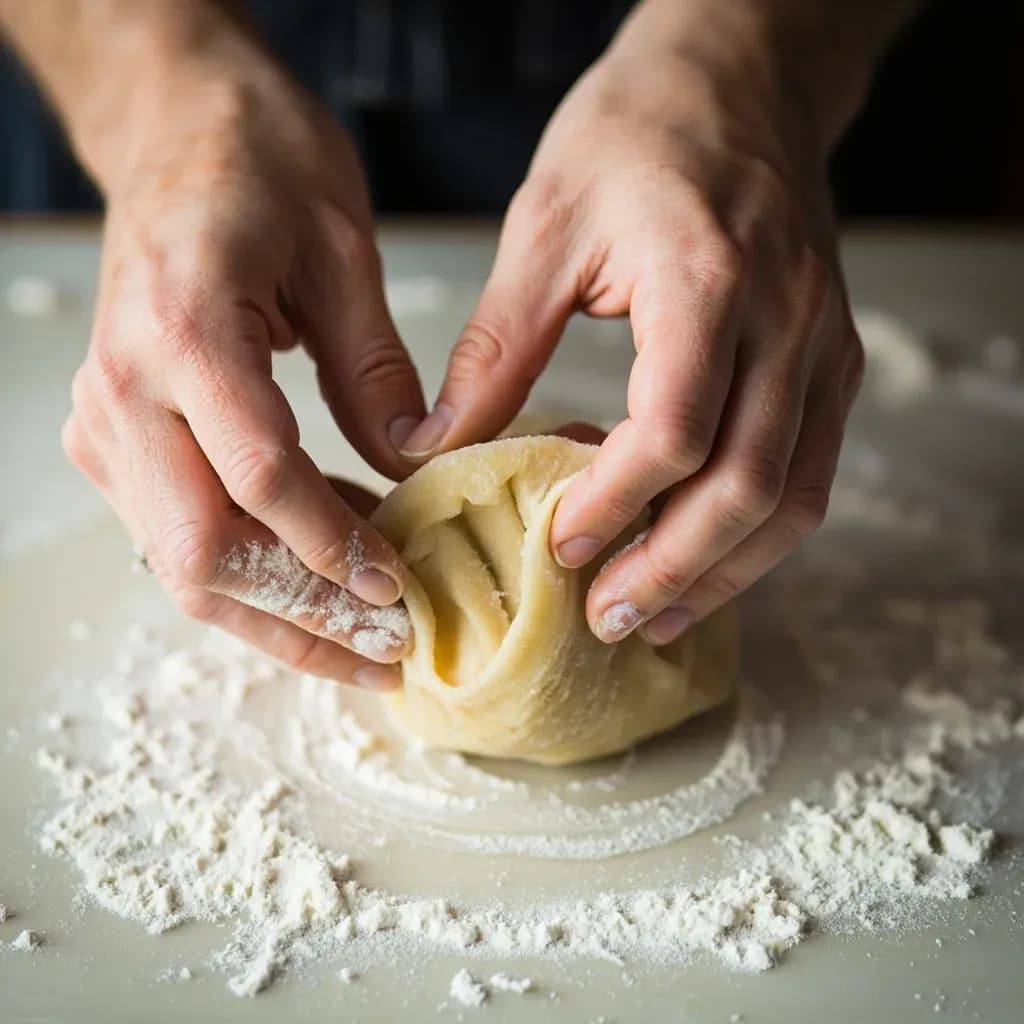
Dumpling Folding & Pleating
Pleating and sealing dough wrappers around filling to shape dumplings like manti, mandu, and dim sum.
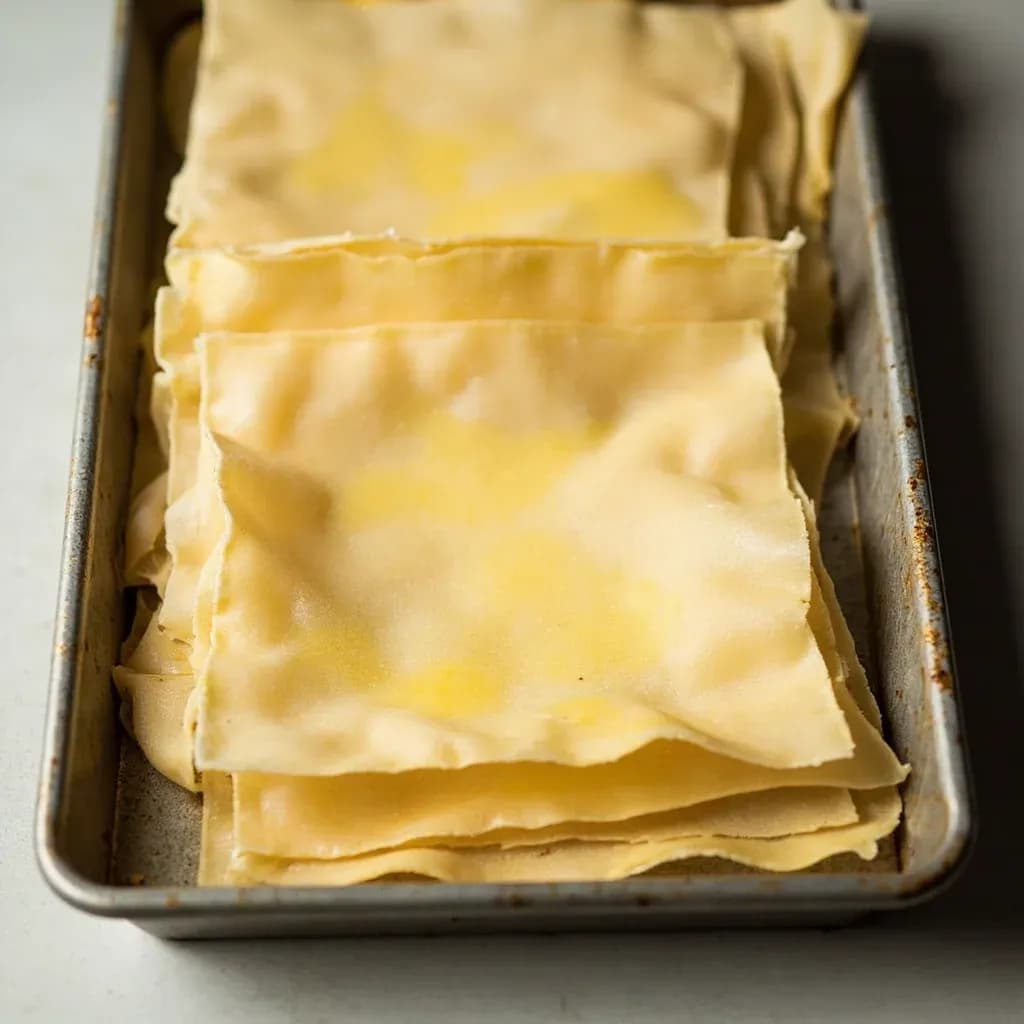
Phyllo Layering
Stacking and brushing tissue-thin pastry sheets to build flaky layered pies and pastries.
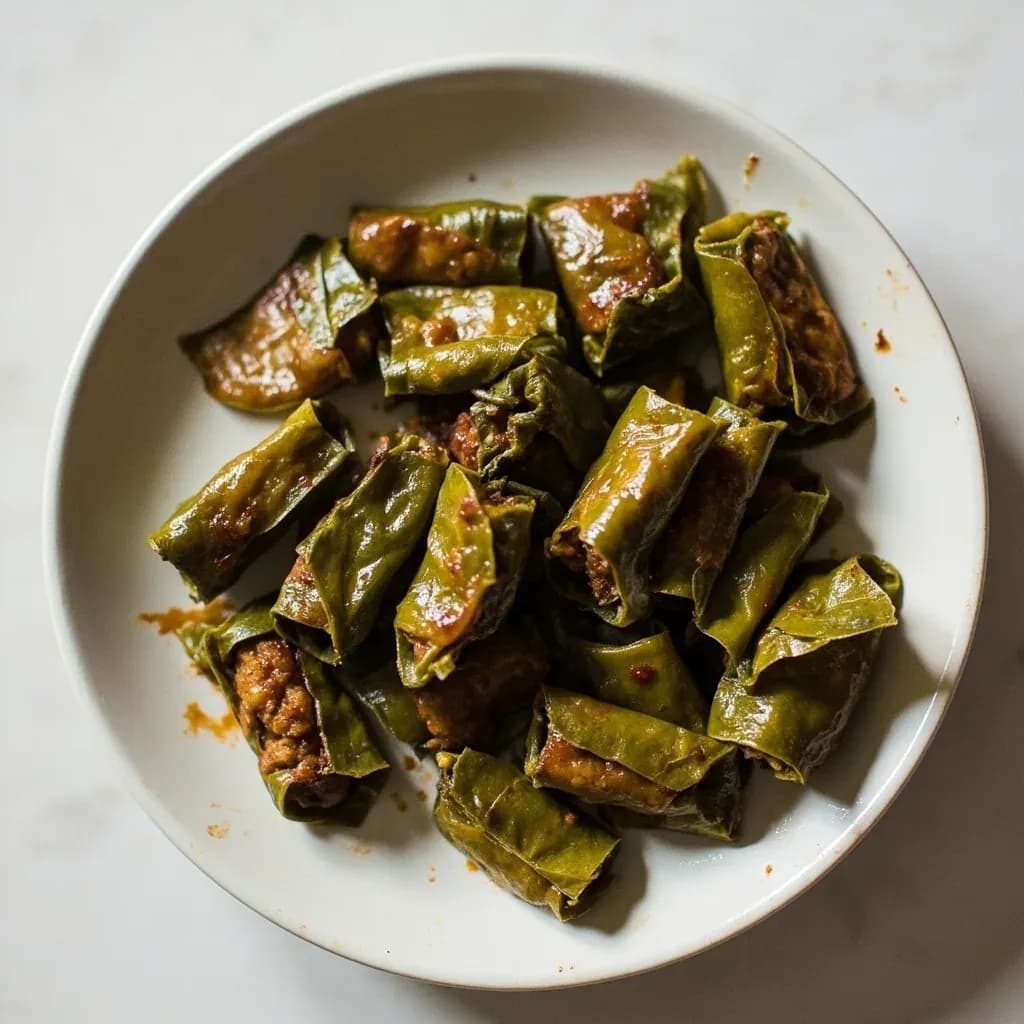
Rolling Grape Leaves
Wrapping seasoned rice or meat in grape or cabbage leaves into tight little cigars or rolls.
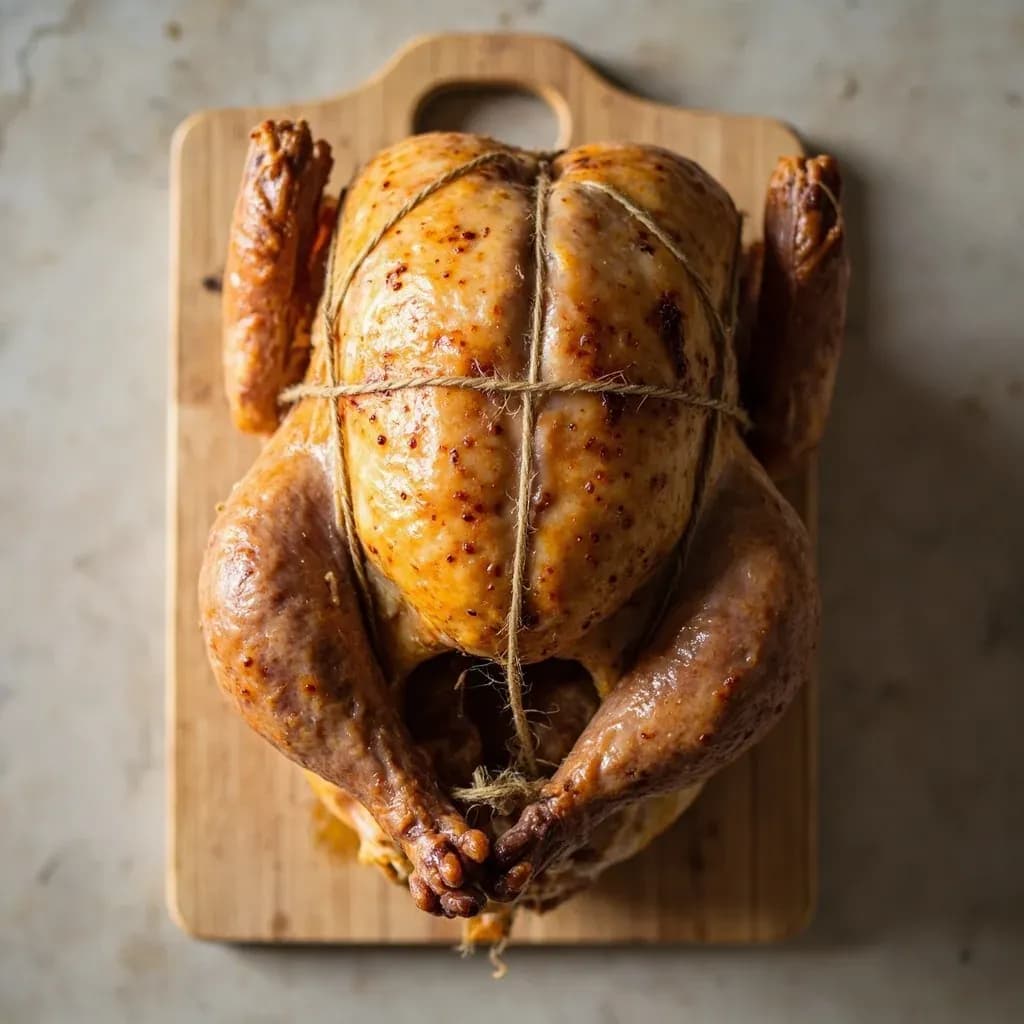
Trussing
Tying meat or poultry with twine into a compact shape so it cooks evenly and stays neat.
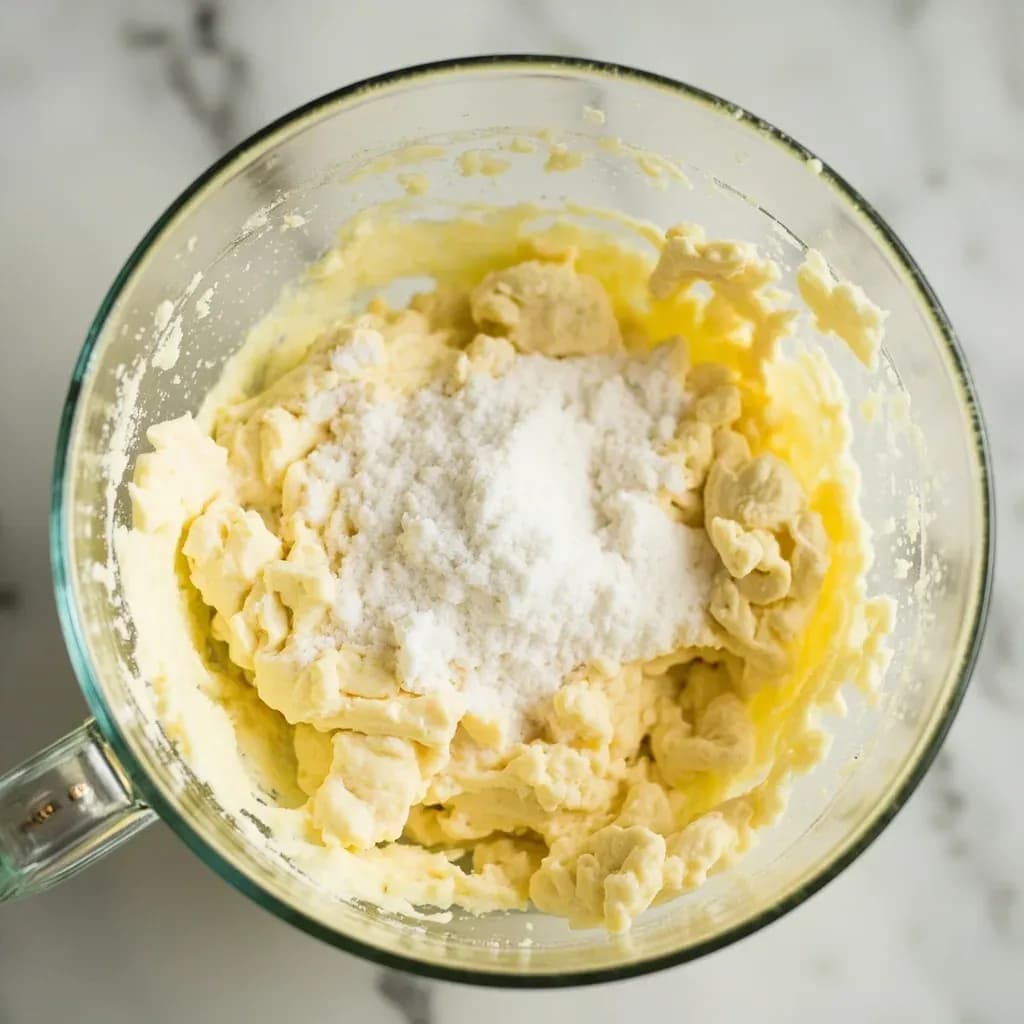
Creaming Butter & Sugar
Beating softened butter with sugar until pale and fluffy to aerate cakes and cookies.
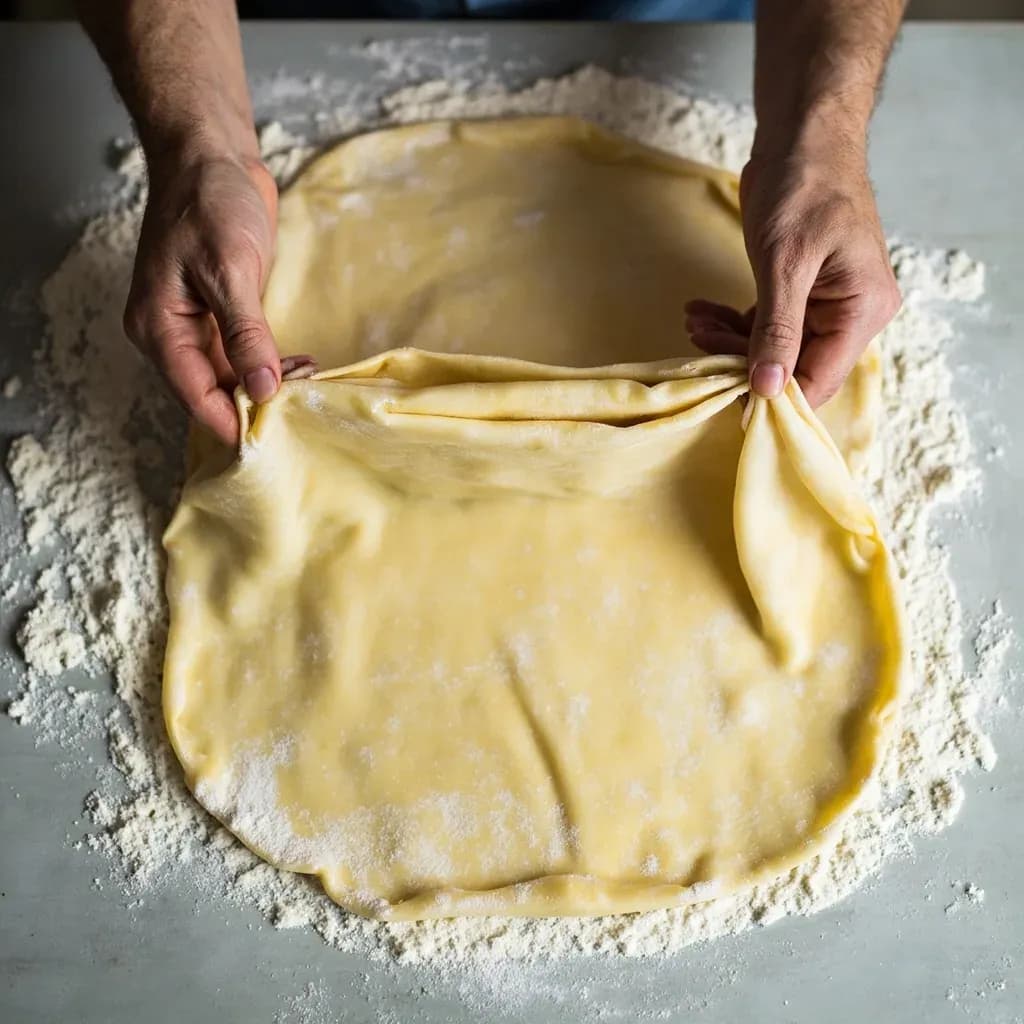
Hand-Stretching Dough
Pulling dough by hand into thin sheets or rounds, as for strudel, phyllo, and pizza.
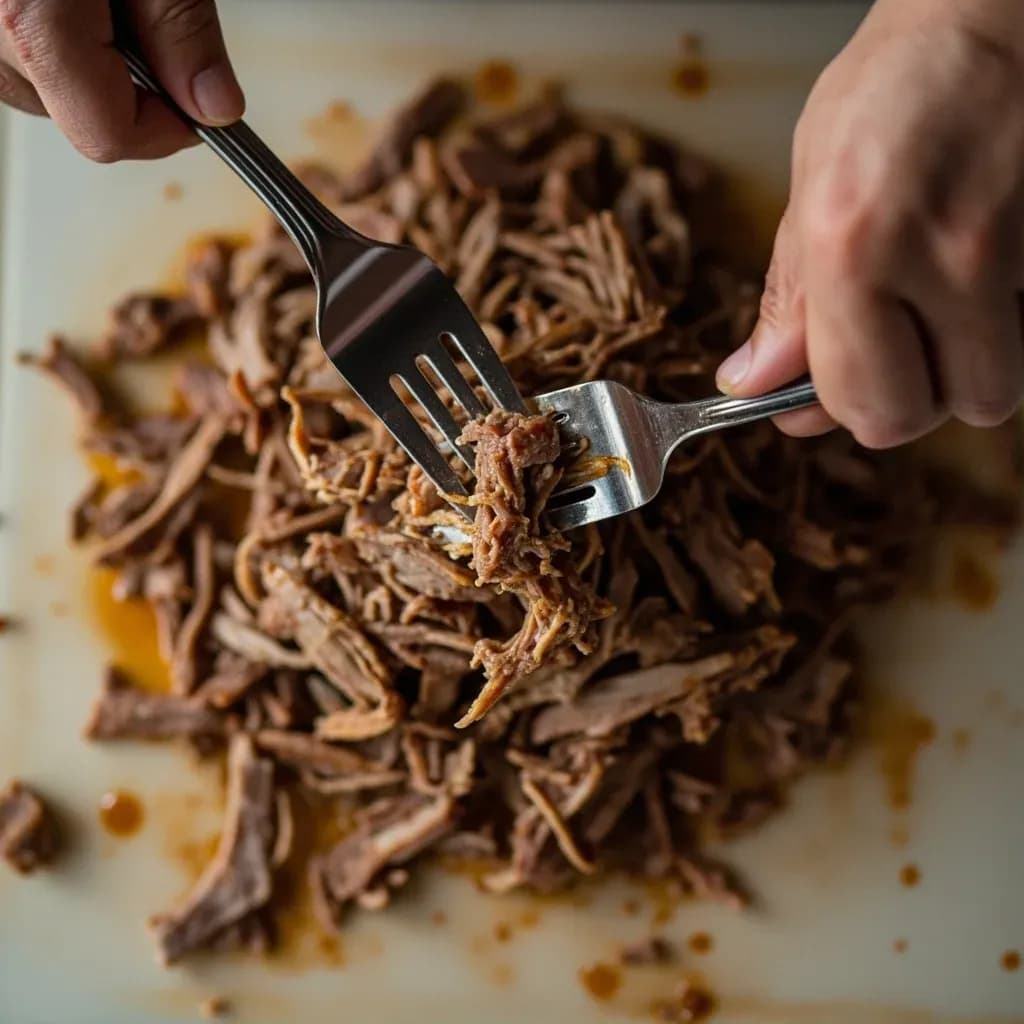
Hand-Shredding
Pulling cooked meat or leaves apart by hand into rustic, irregular strands.
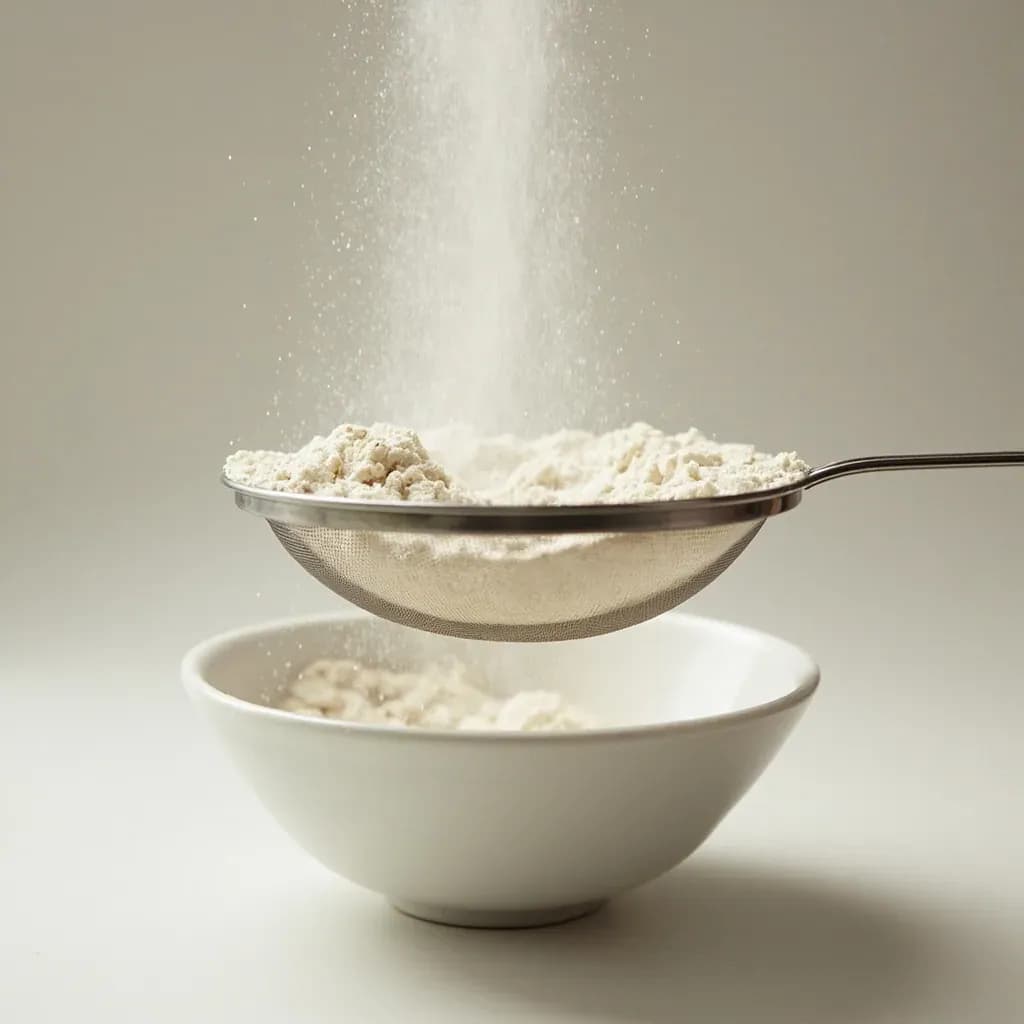
Sifting
Passing dry ingredients through a fine mesh to aerate them and break up lumps.
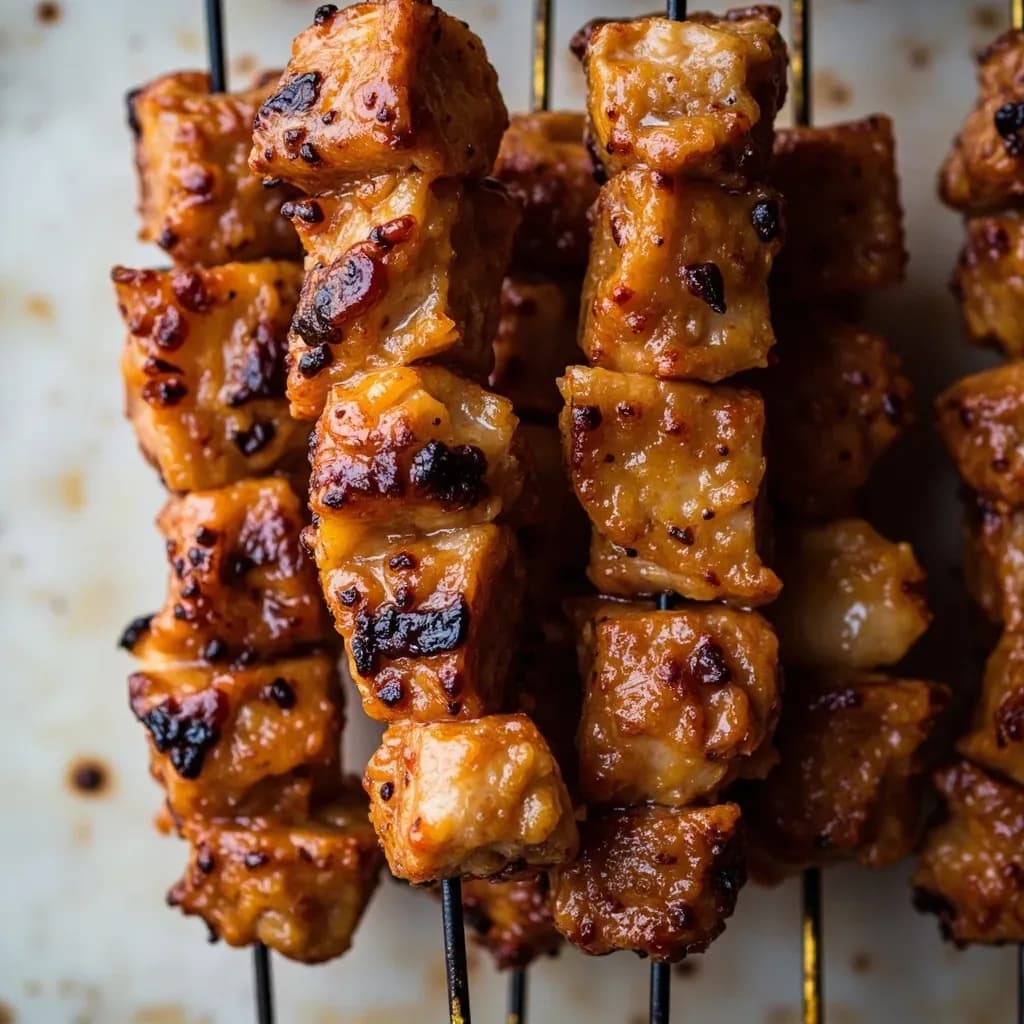
Skewering
Threading food onto sticks or rods so it can be grilled, roasted, or held together.
Soaking Beans
Submerging dried beans or pulses in water to hydrate them for faster, more even cooking.
Stuffing Vegetables
Hollowing out vegetables and filling them with a savory mixture before cooking.
Hand-Rolling Couscous
Rubbing moistened semolina by hand into tiny grains, then steaming in repeated cycles.
Laminating Dough
Folding and rolling butter into dough to build dozens of alternating layers for flaky pastry.
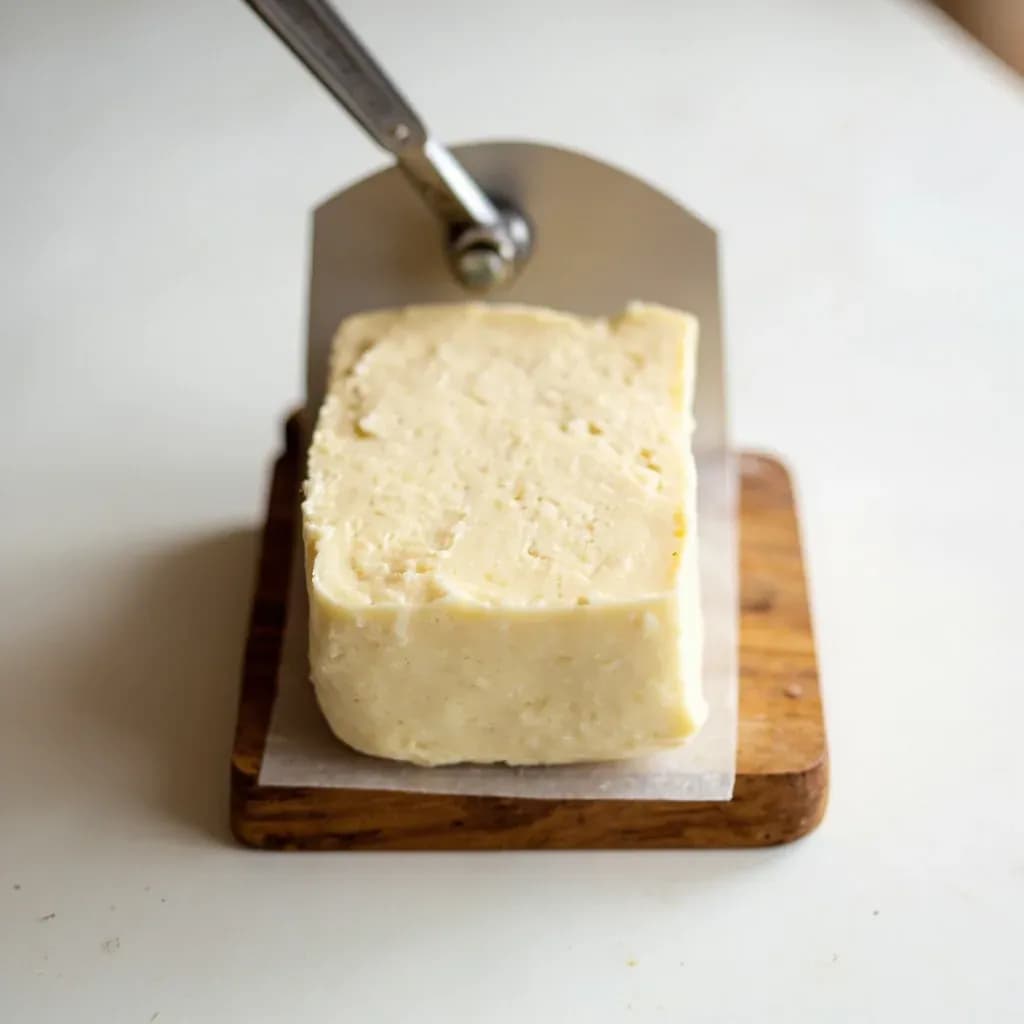
Pressing
Applying steady weight to squeeze excess liquid from foods like tofu, cheese, or terrines.
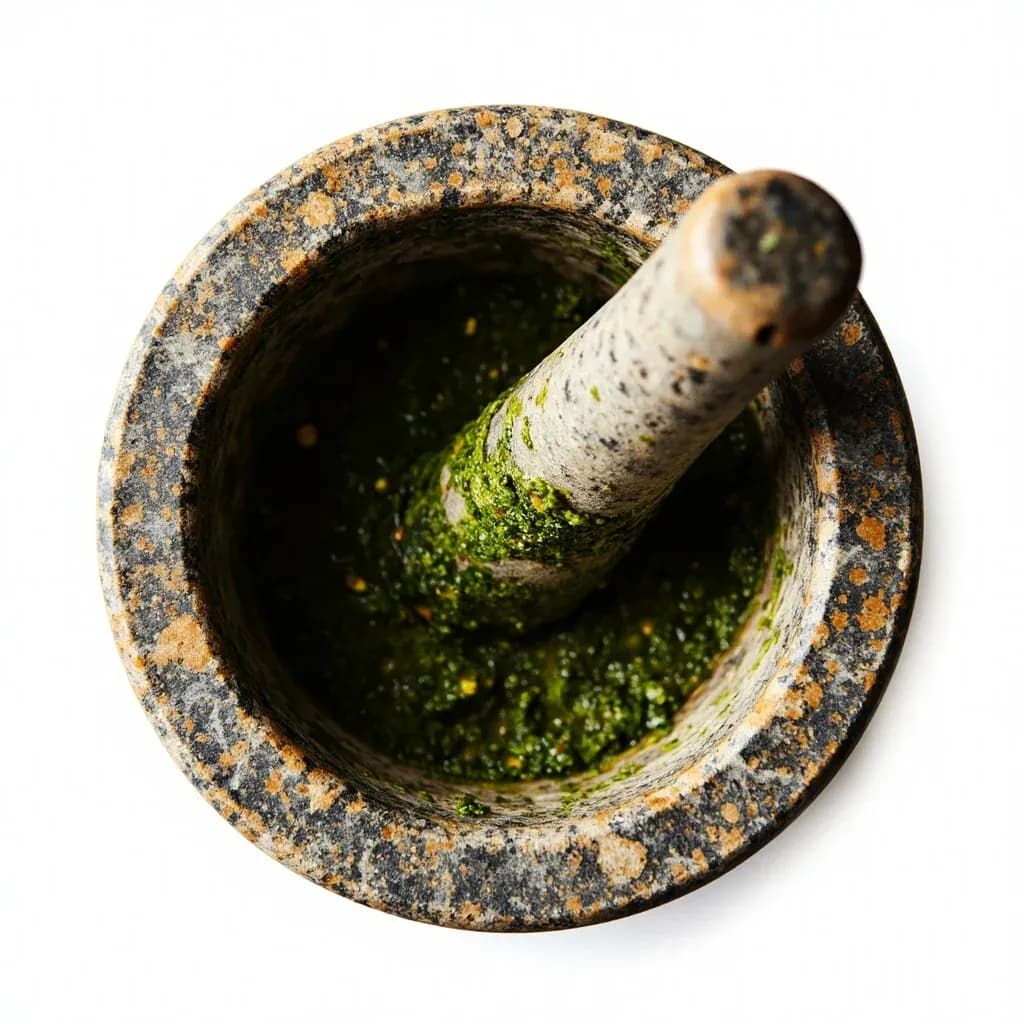
Grinding to Paste
Pounding or milling aromatics and spices into a smooth paste, the base of countless cuisines.
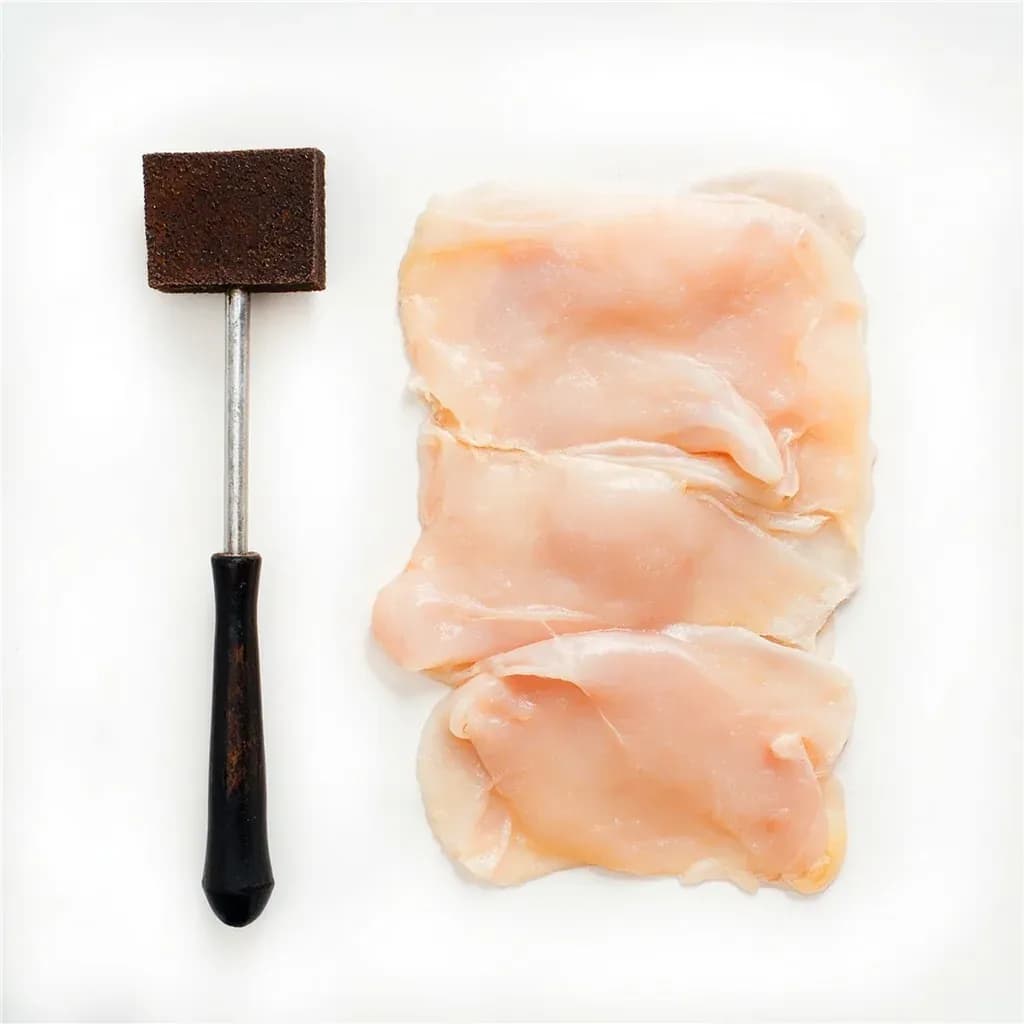
Meat Tenderizing
Mechanically breaking down tough muscle fibers by pounding to make meat tender.
Mixing Dipping Sauce
Balancing salty, sour, sweet, and spicy elements into a table sauce for dipping.
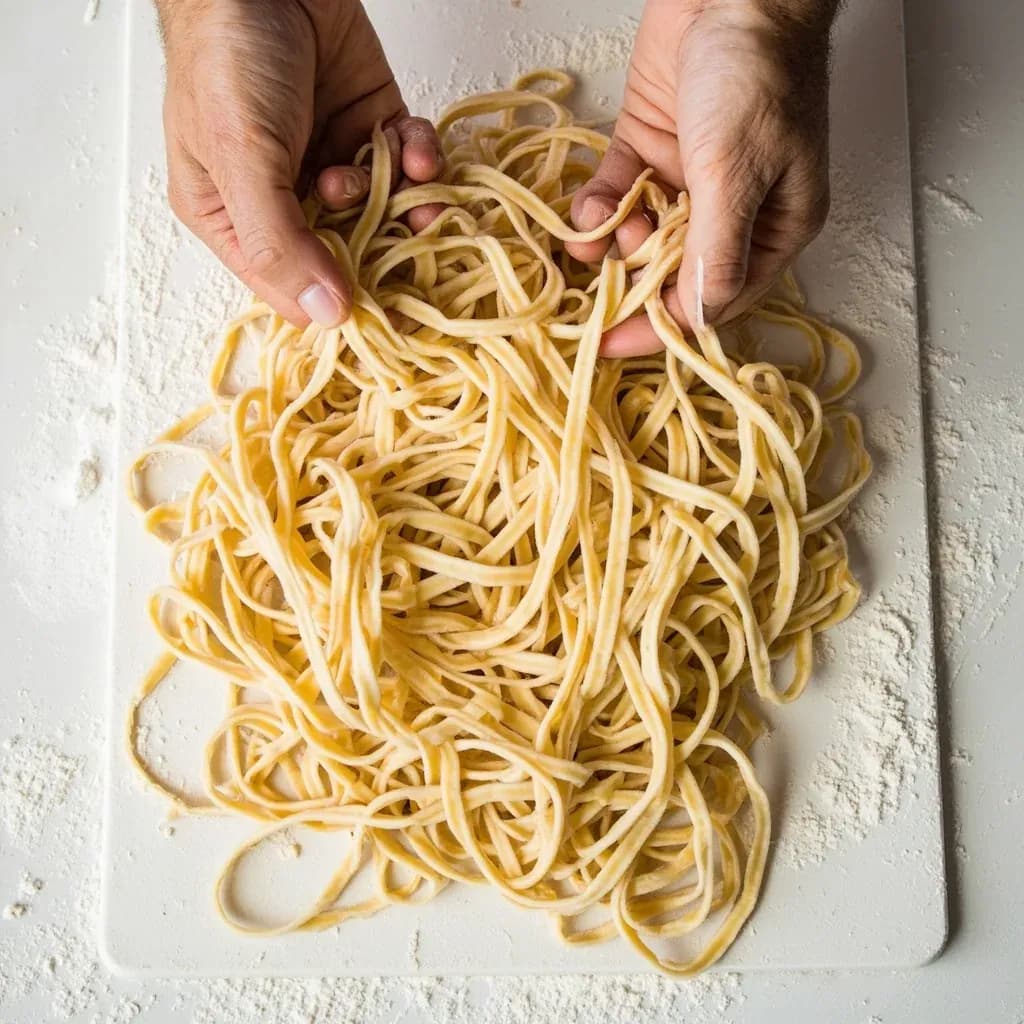
Noodle Pulling & Hand-Cutting
Stretching, rolling, or cutting dough by hand into fresh noodles.
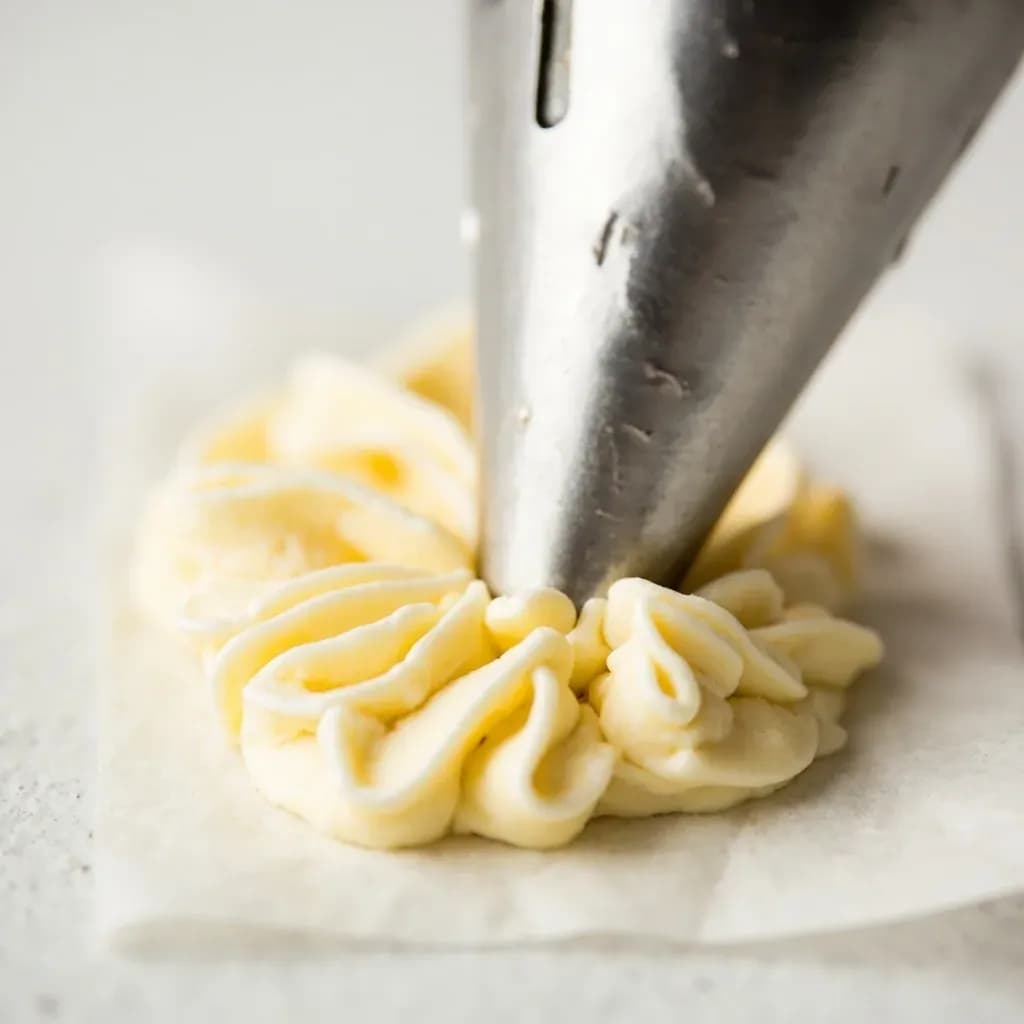
Piping
Squeezing dough, cream, or batter through a bag and nozzle to shape or decorate.
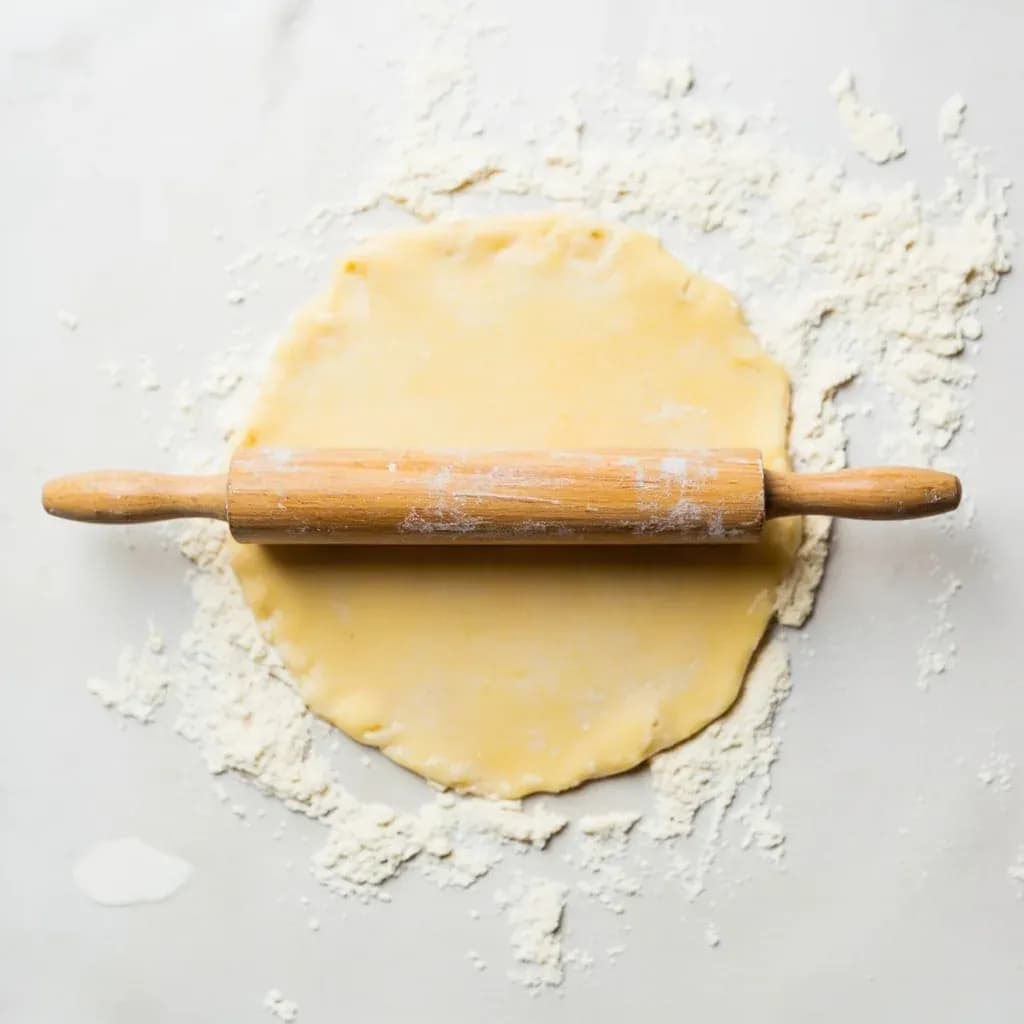
Rolling Out Dough
Flattening dough to an even thickness with a rolling pin for crusts, wrappers, and flatbreads.
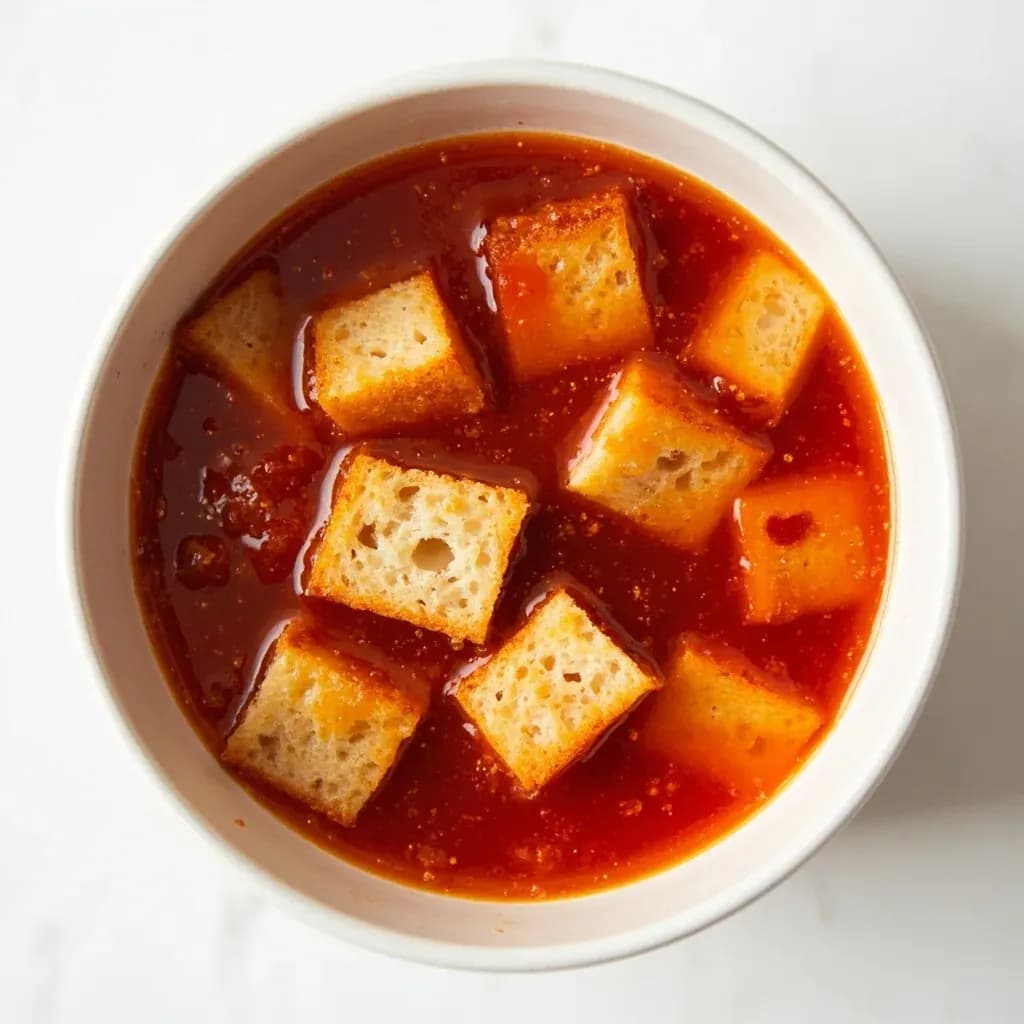
Bread Soaking
Moistening stale bread with liquid so it becomes the base of soups, salads, and dishes.
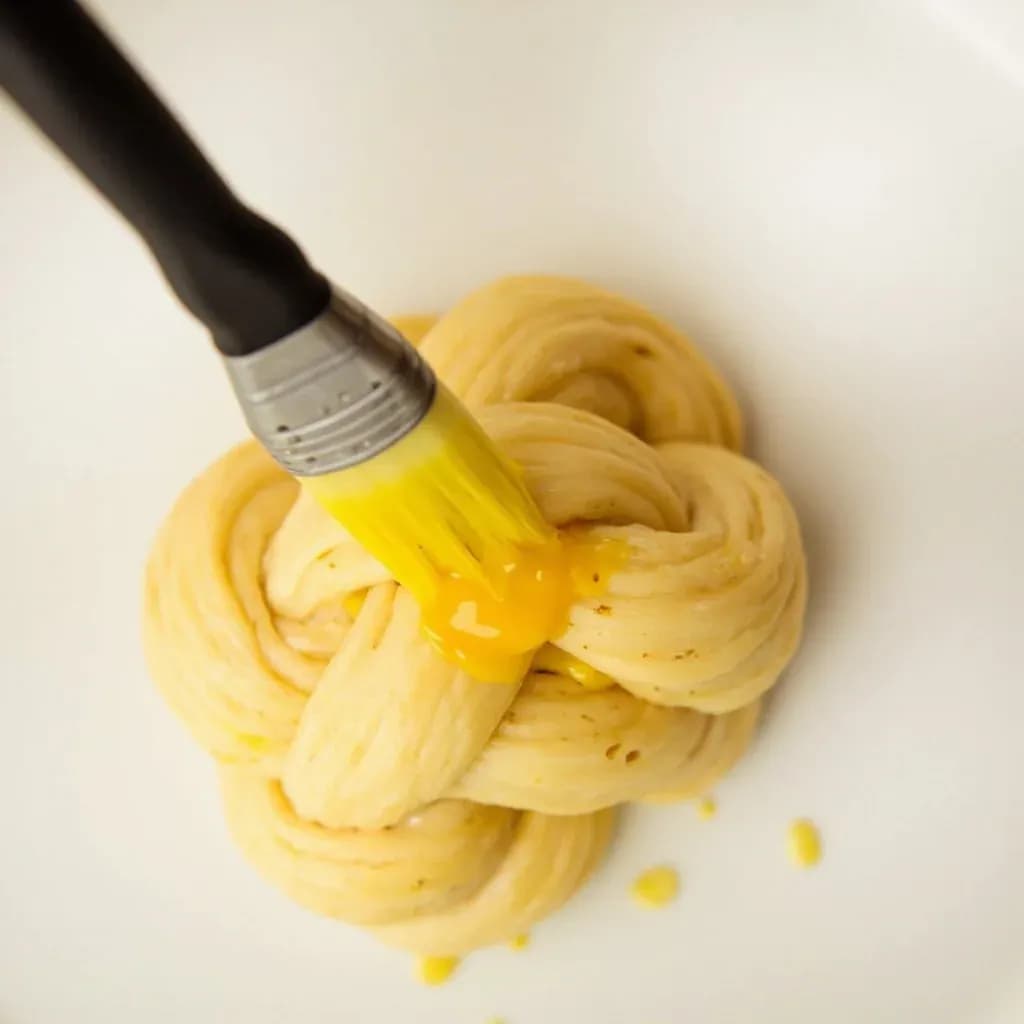
Egg Washing
Brushing beaten egg over dough to give baked goods a glossy, golden finish.
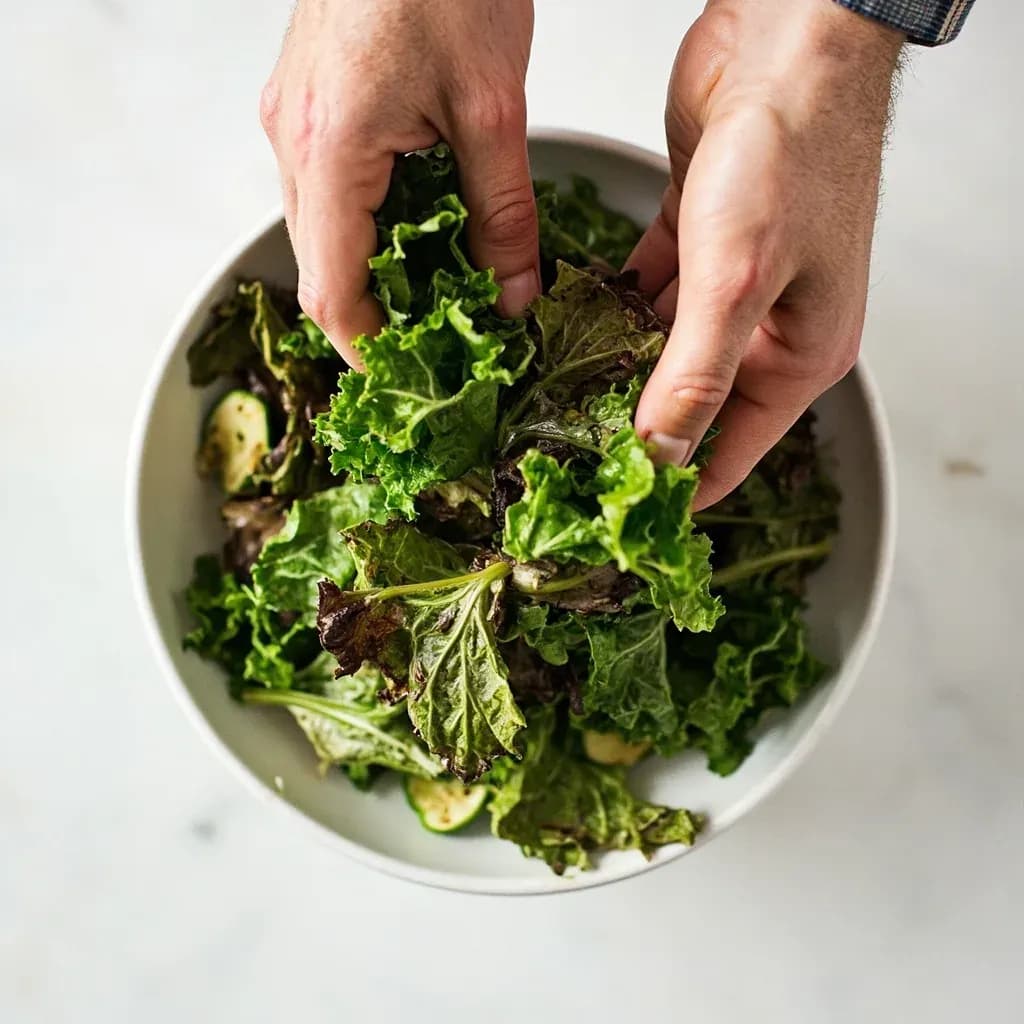
Hand Mixing
Combining and seasoning ingredients by hand for control and feel, as in salads and namul.
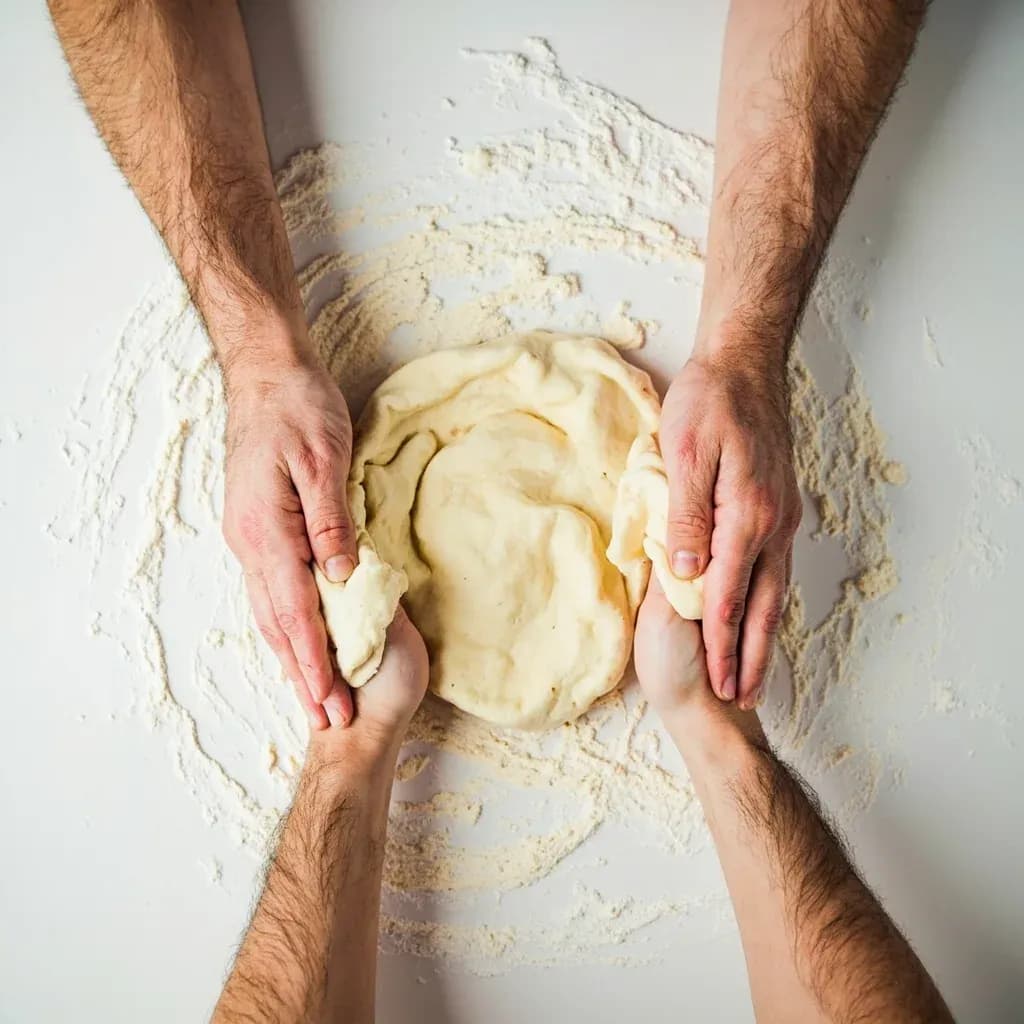
Hand-Stretching Dough
Coaxing dough into shape by hand stretching rather than rolling, as for pizza and bagels.
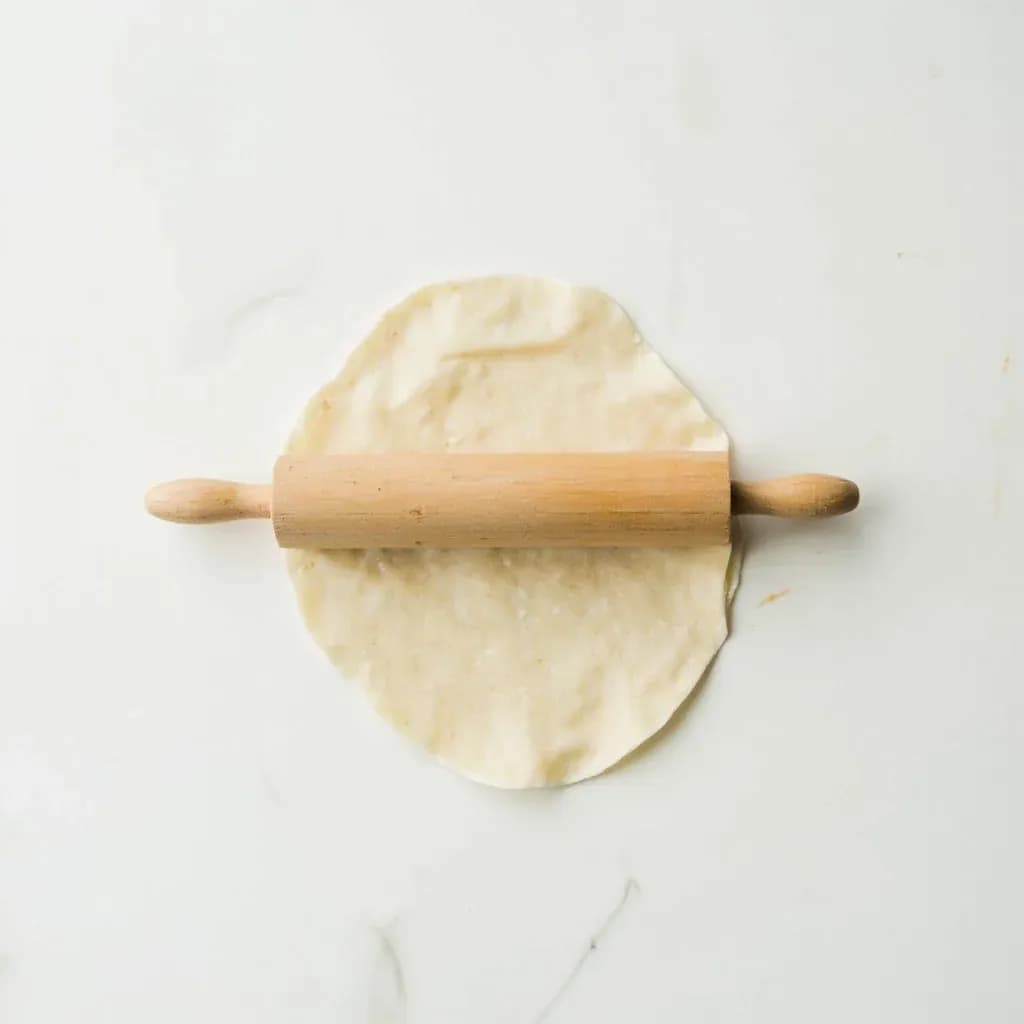
Rolling Dumpling Wrappers
Rolling small dough portions into thin round wrappers for dumplings and noodles.
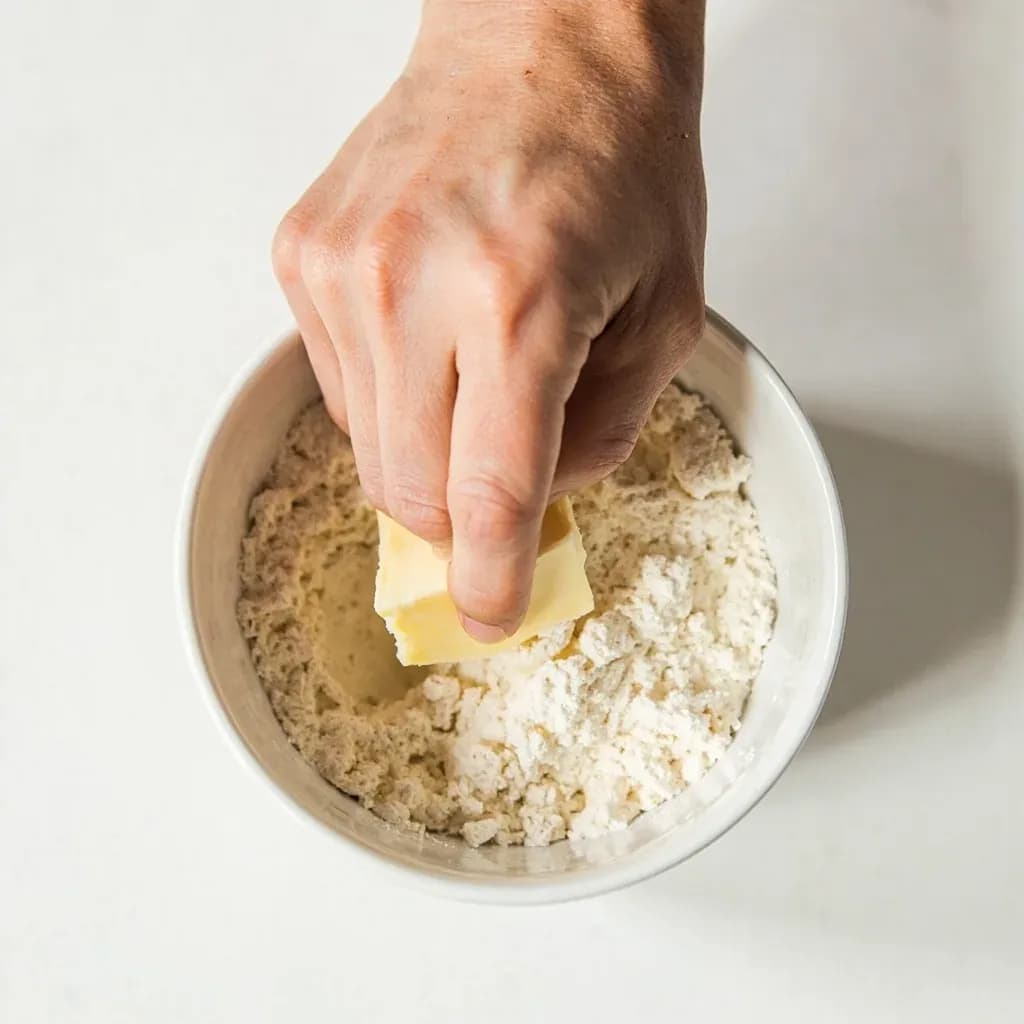
Rubbing In
Working cold fat into flour with the fingertips to make a crumbly base for pastry and scones.
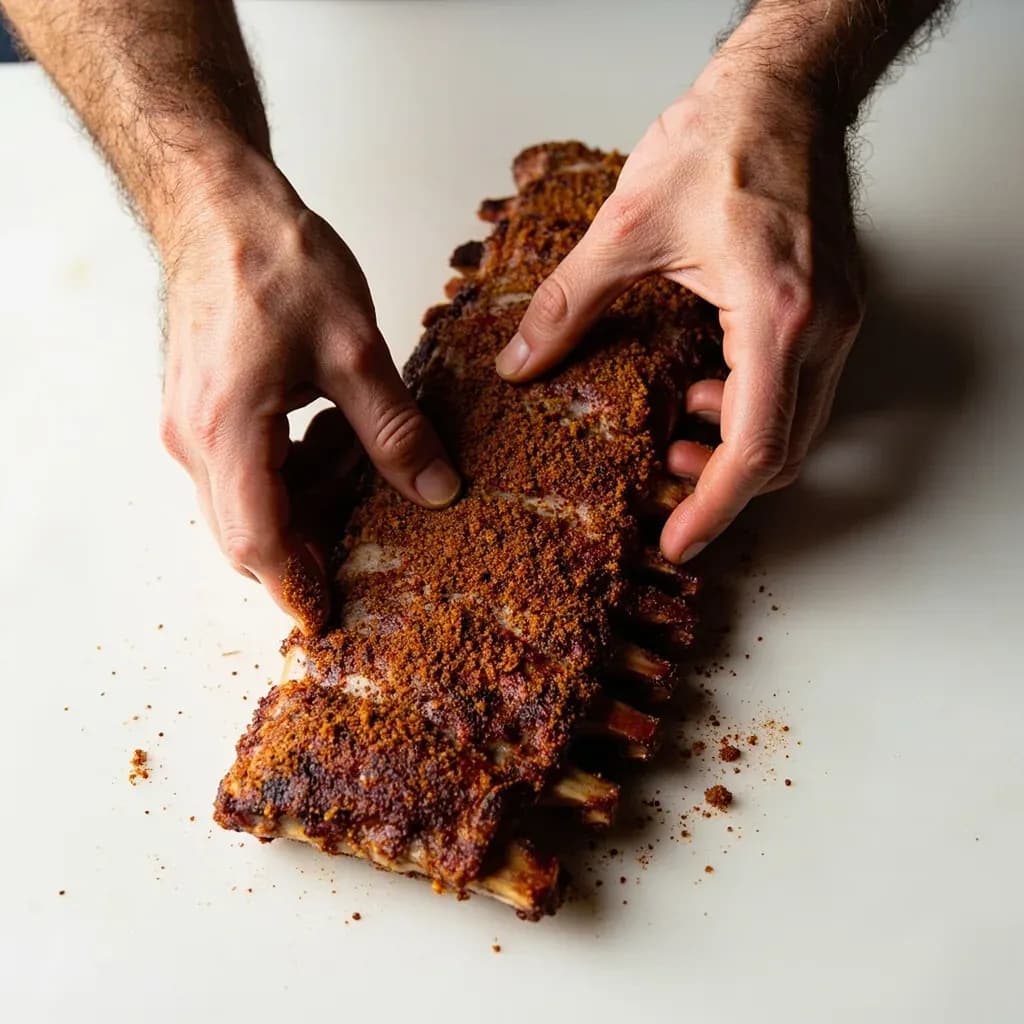
Applying Dry Rub
Coating meat in a blend of salt, sugar, and spices to season and form a flavorful crust.
Barding
Wrapping lean meat in fat such as bacon to keep it moist during roasting.
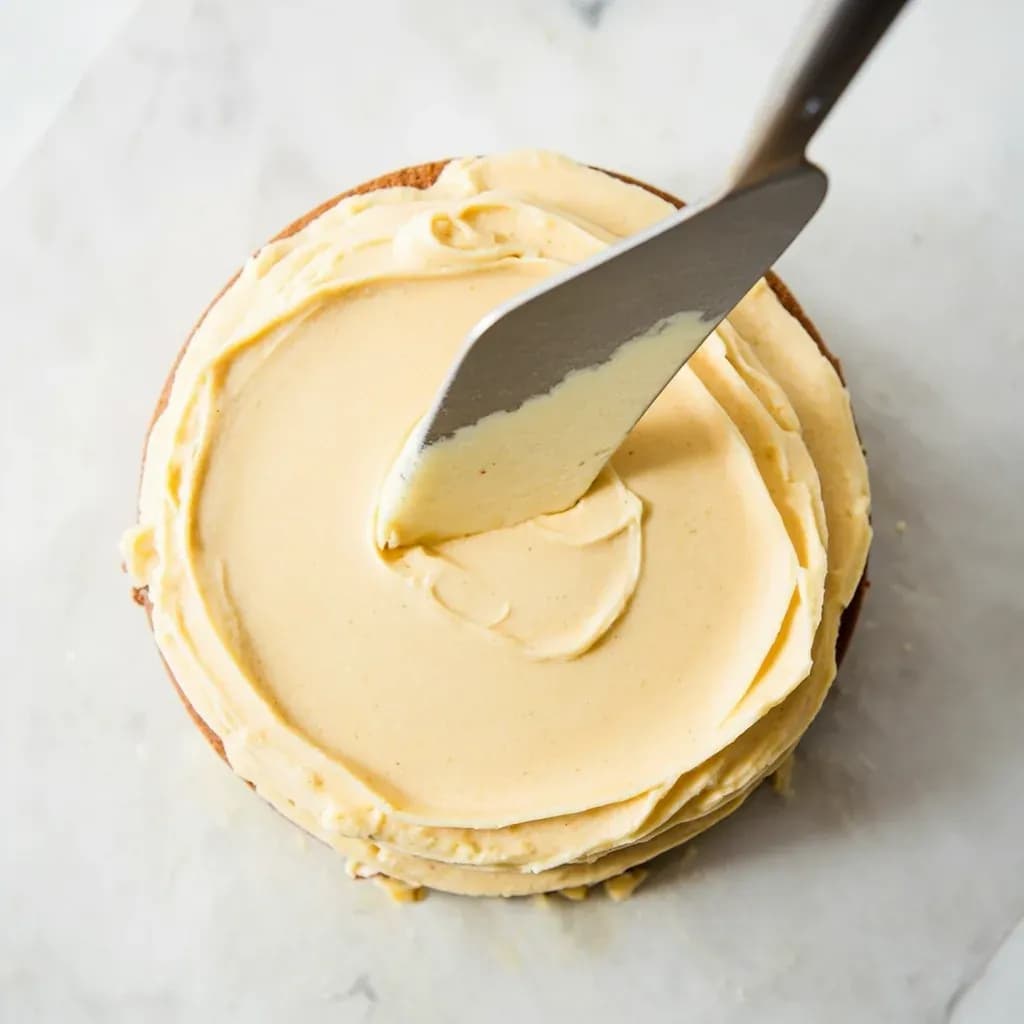
Crumb Coating
Spreading a thin first layer of frosting on a cake to trap loose crumbs before final icing.
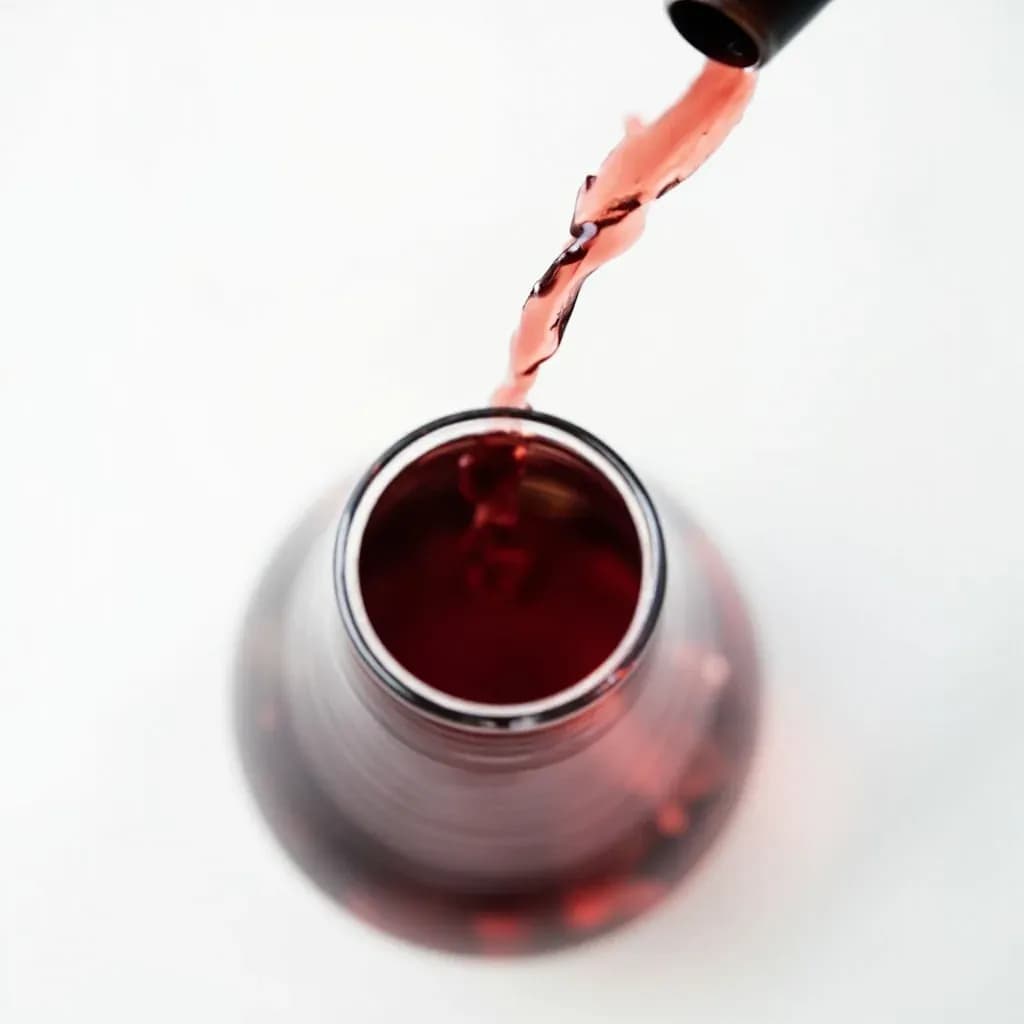
Decanting
Pouring a liquid off its sediment to clarify it and, for wine, let it aerate.
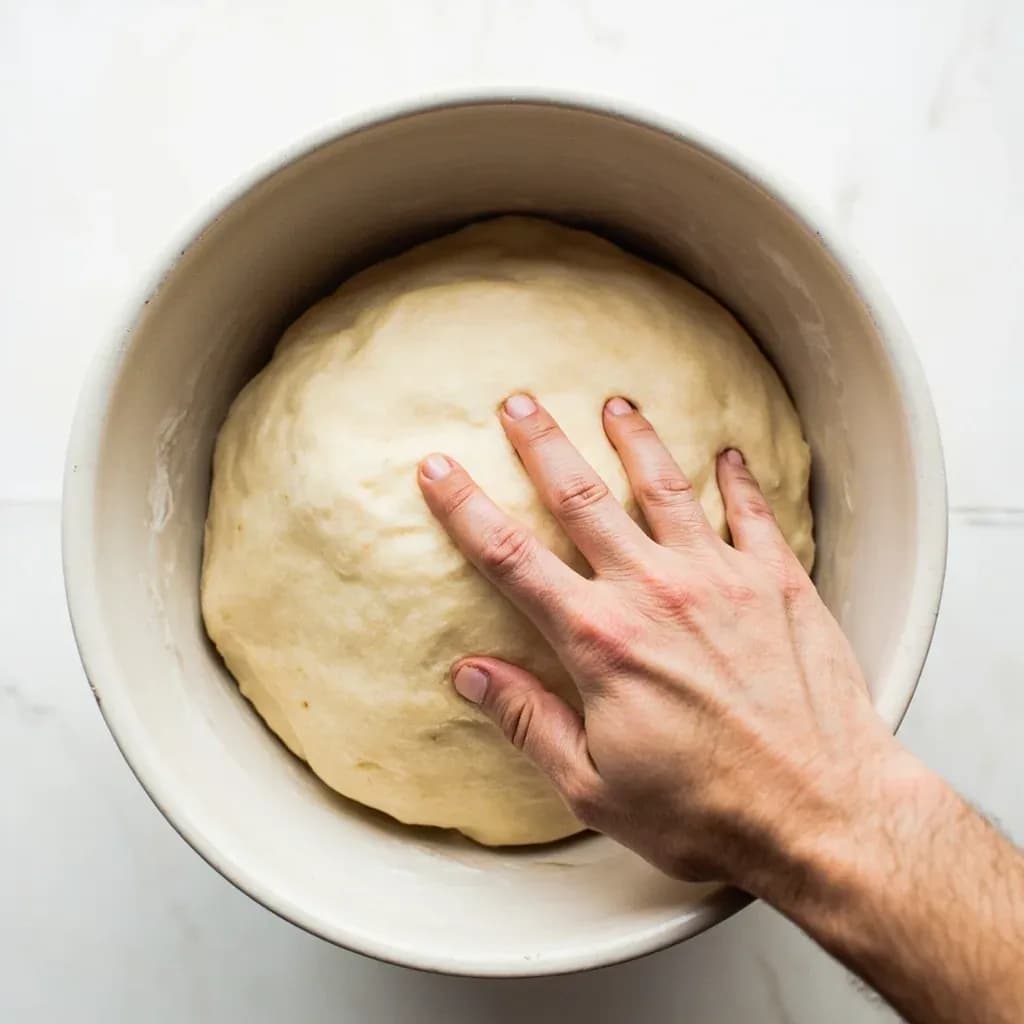
Degassing
Gently pressing risen dough to expel carbon dioxide and redistribute yeast before shaping.
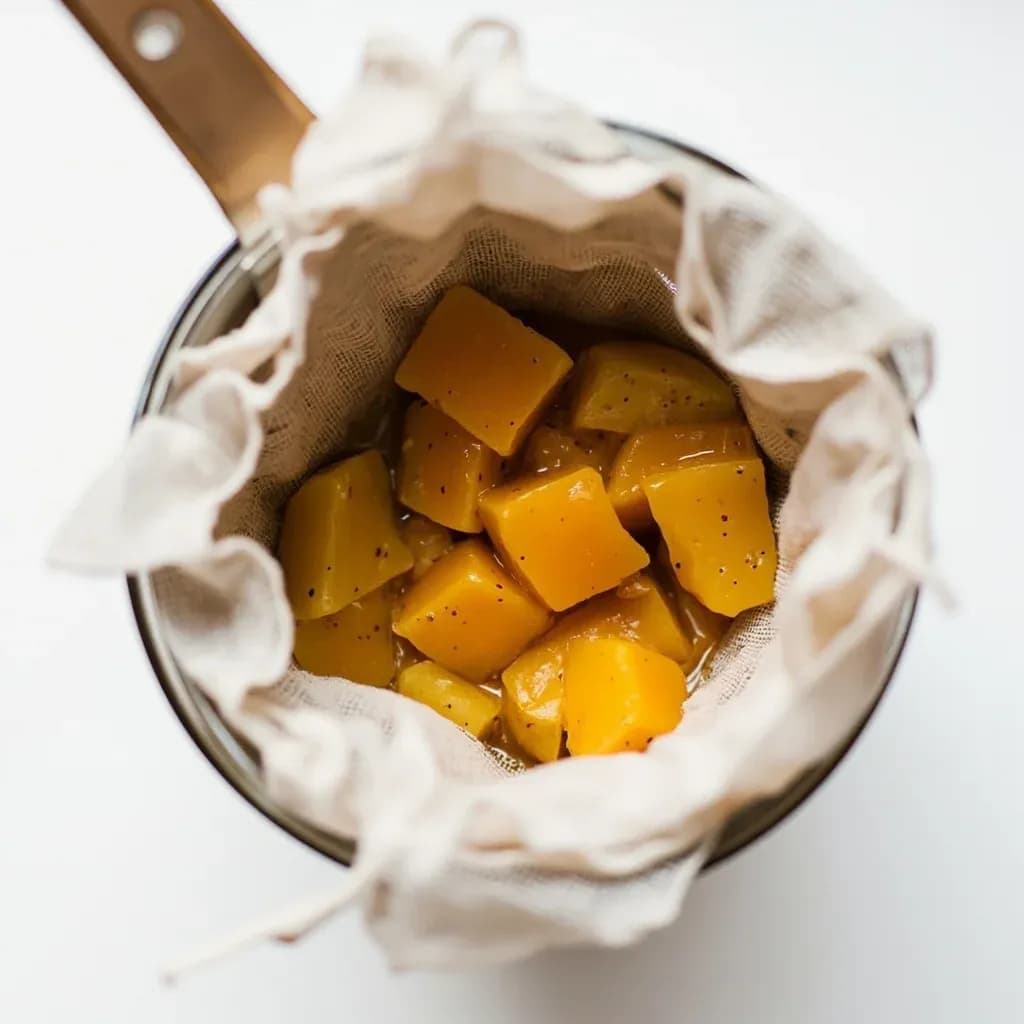
Filtration / Filtering
Passing a liquid through a medium to remove solids and clarify it.
Foam / Espuma Making
Whipping a liquid with a stabilizer into a light, airy foam to add flavor and texture without weight.
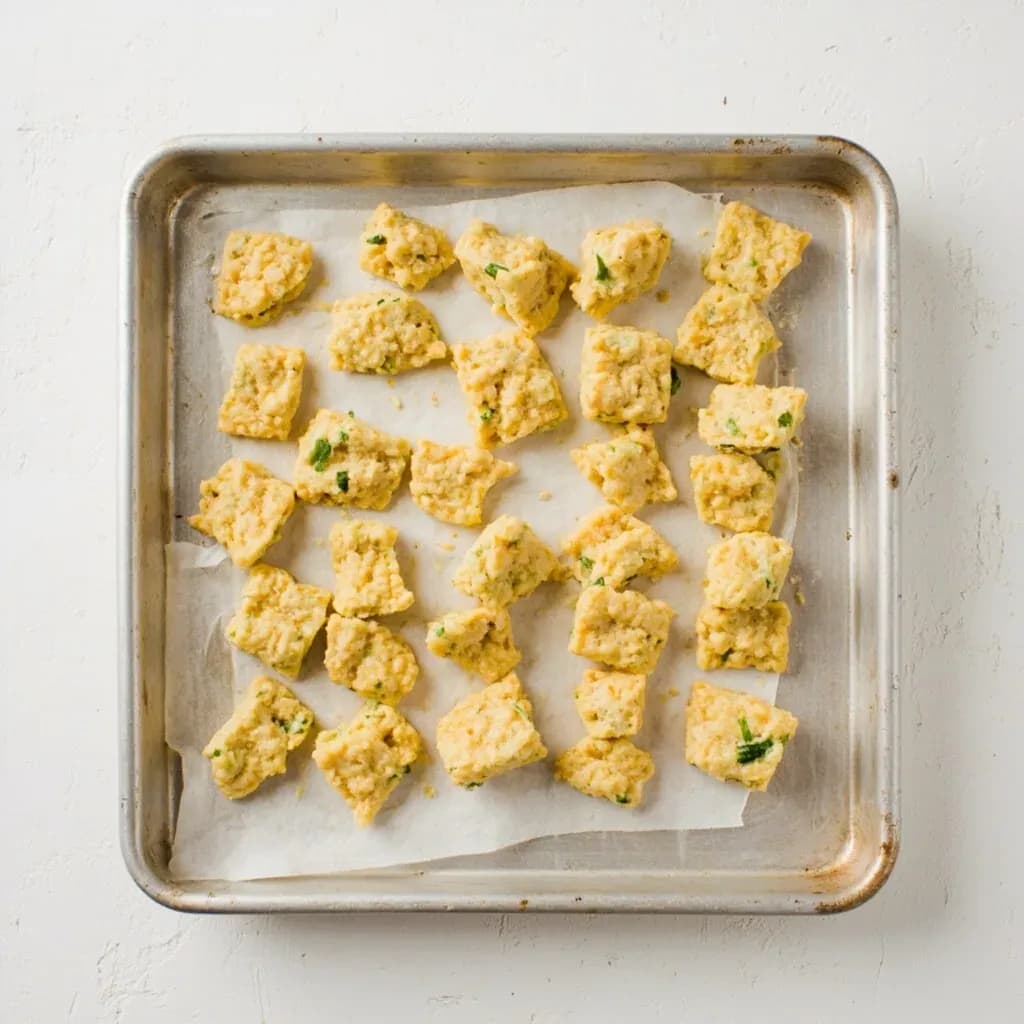
Forming Kibbeh
Shaping a bulgur-and-meat paste into hollow torpedo shells, then stuffing and sealing them by hand.
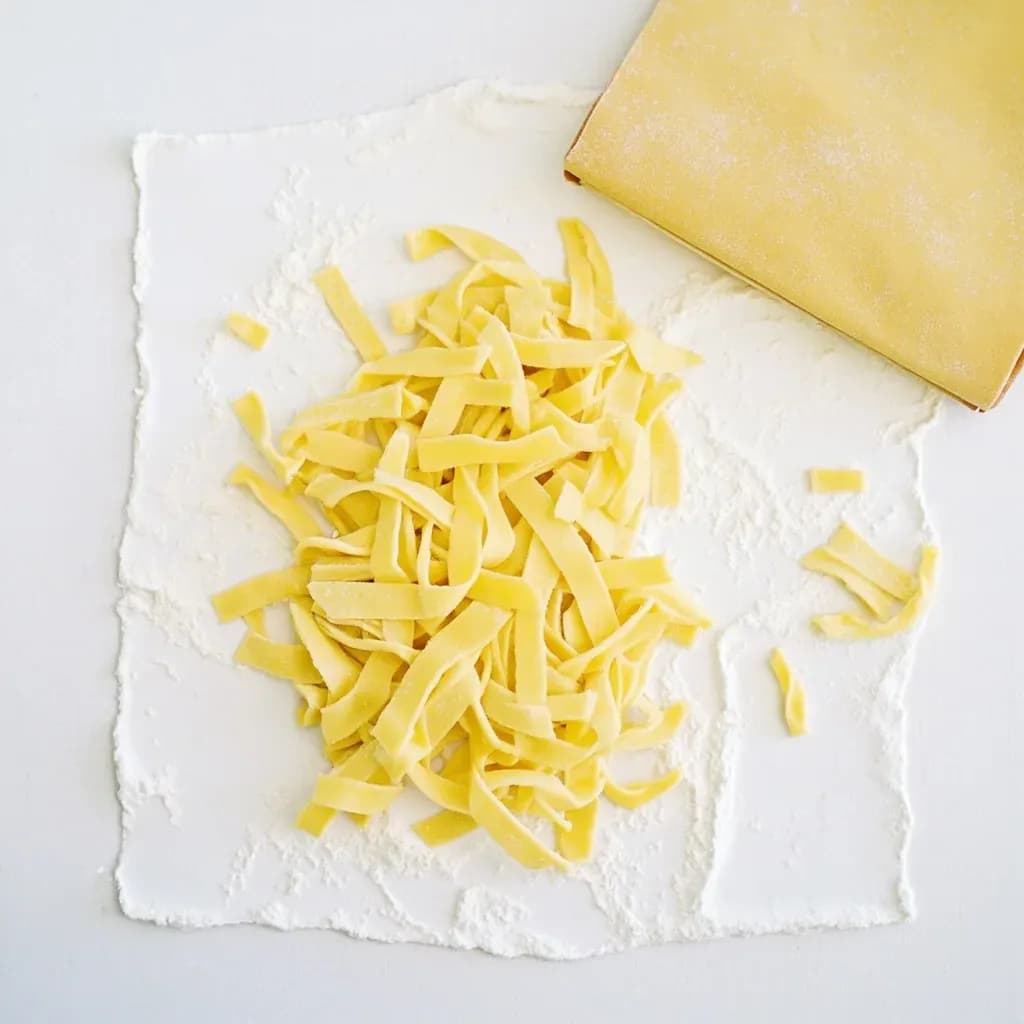
Hand Pasta Shaping
Forming fresh pasta dough by hand into regional shapes like malloreddus, busiate, or stuffed culurgiones.
Honey Extraction (Centrifuging)
Spinning uncapped honeycomb frames in a centrifuge to fling out honey without destroying the comb.
Hooping (Molding)
Packing fresh cheese curds into a perforated mold or hoop to shape the wheel and drain whey.
Hydration Adjustment (Bassinage)
Tuning dough water content, including adding water late via bassinage, to control texture and crumb.
Palm Nut Pulp Extraction
Boiling and pounding palm fruit, then pressing the mash to extract rich pulp for soups and sauces.
Pre-Shaping (Boulage)
Gently rounding divided dough into loose balls to build tension before the final shape.
Refining (Grinding)
Grinding chocolate or paste to a fine particle size so it feels smooth rather than gritty.
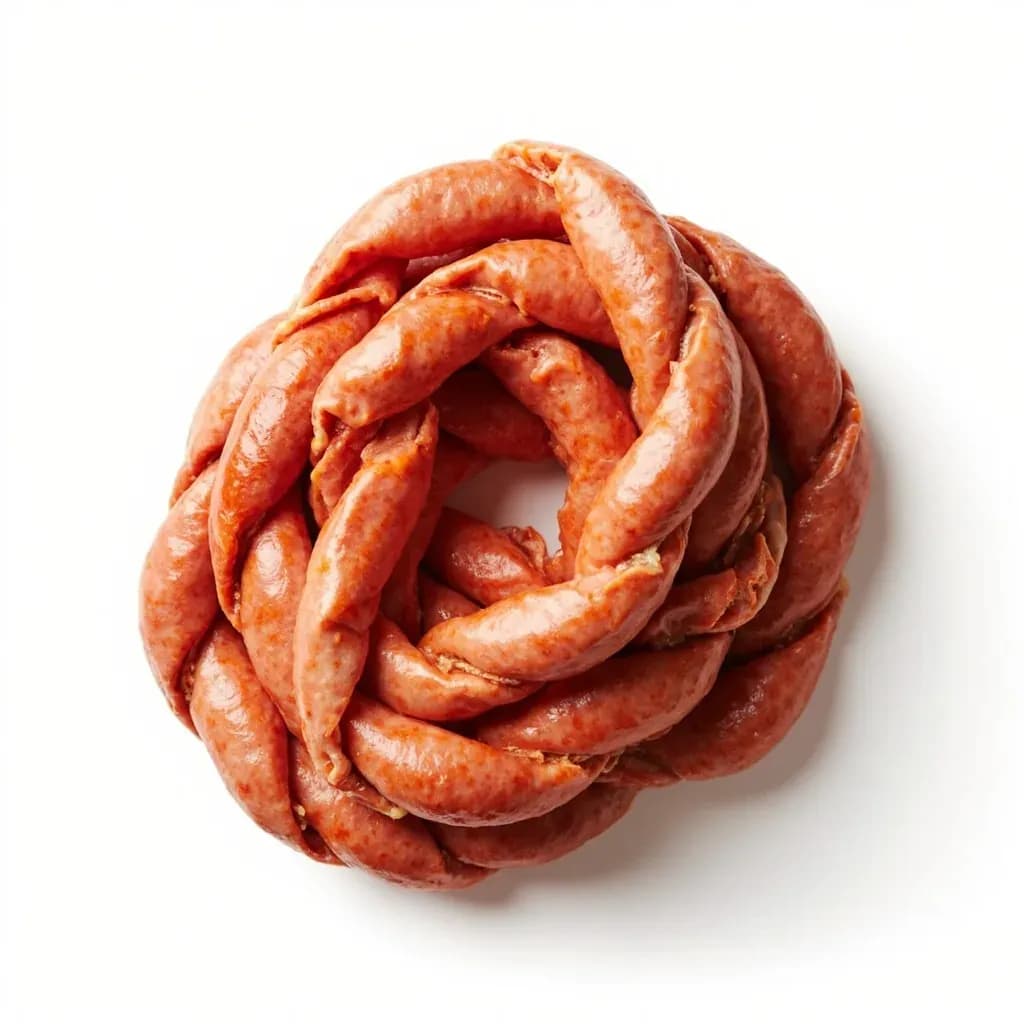
Sausage Linking & Twisting
Twisting a filled sausage casing at intervals to form individual, evenly sized links.
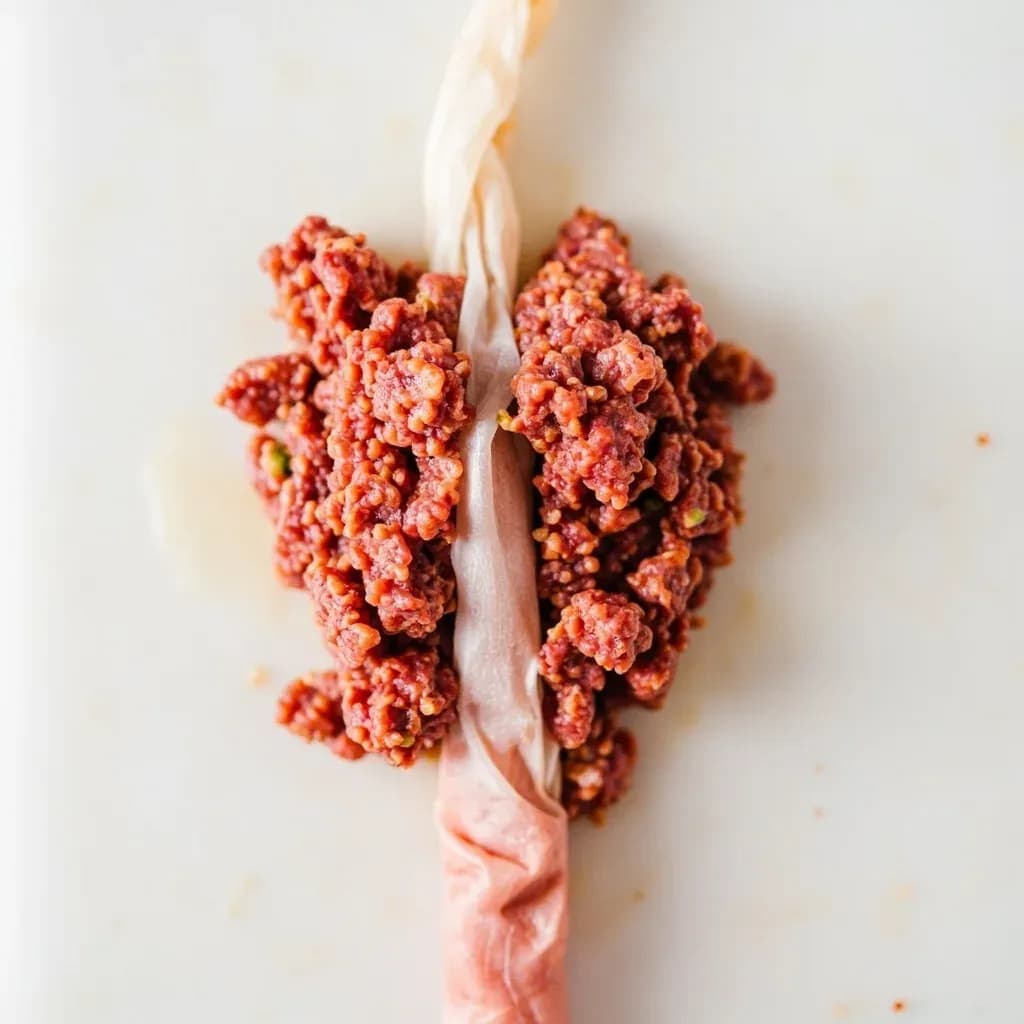
Sausage Stuffing (Casing Filling)
Forcing seasoned ground meat into a casing to fill it evenly without air pockets.
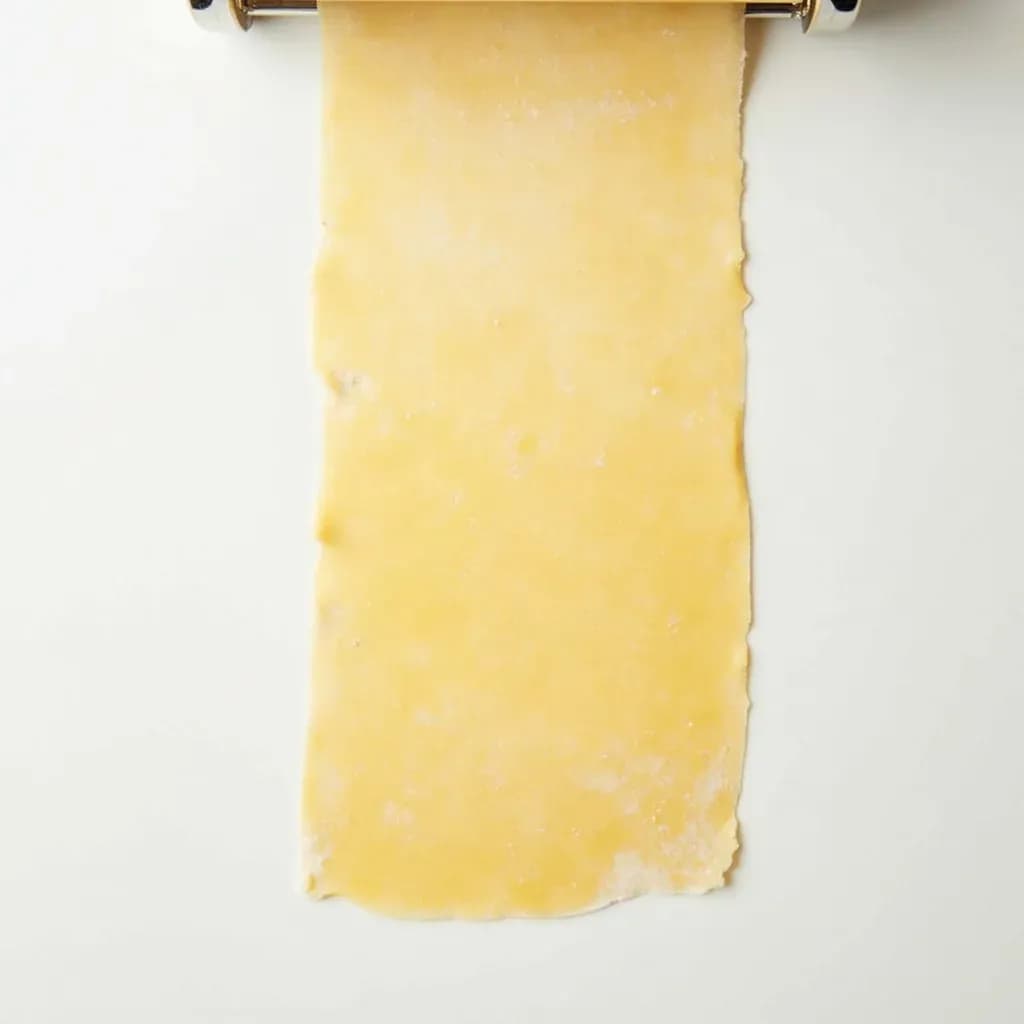
Sheeting (Rolling to Thickness)
Rolling dough into an even sheet of a target thickness for pasta, pastry, or noodles.
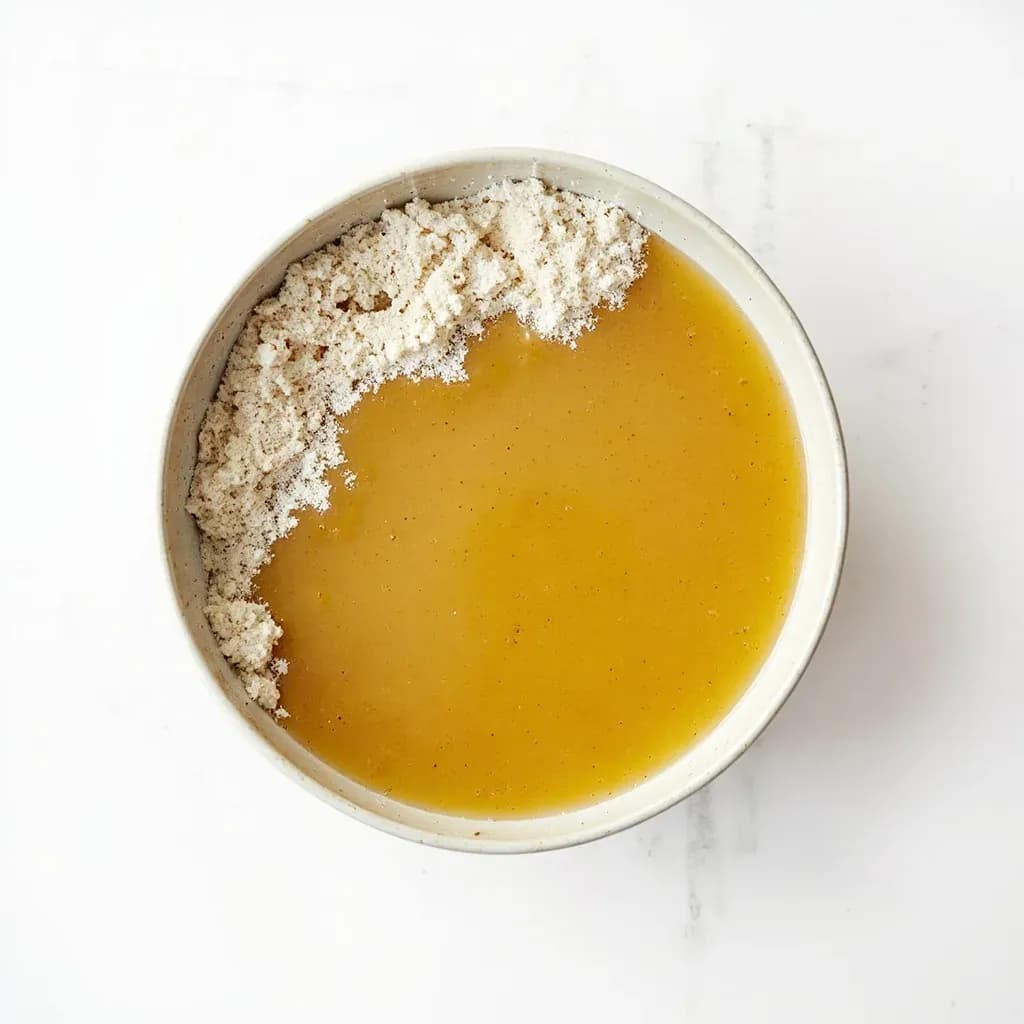
Soaker / Scald
Pre-hydrating grains, nuts, or flour, including cooked tangzhong roux, to soften and boost moisture.
Tamarind / Sour Souring
Soaking tamarind, kokum, or other souring agents to extract tangy acid for curries and broths.
Weighing Ingredients by Mass
Measuring ingredients by weight on a scale for accuracy and repeatable, scalable recipes.
Whipping Meringue
Beating egg whites with sugar into a glossy, stable foam for desserts, toppings, and bases.
Windowpane / Gluten Development Test
Stretching a piece of dough thin to check whether the gluten is fully developed.
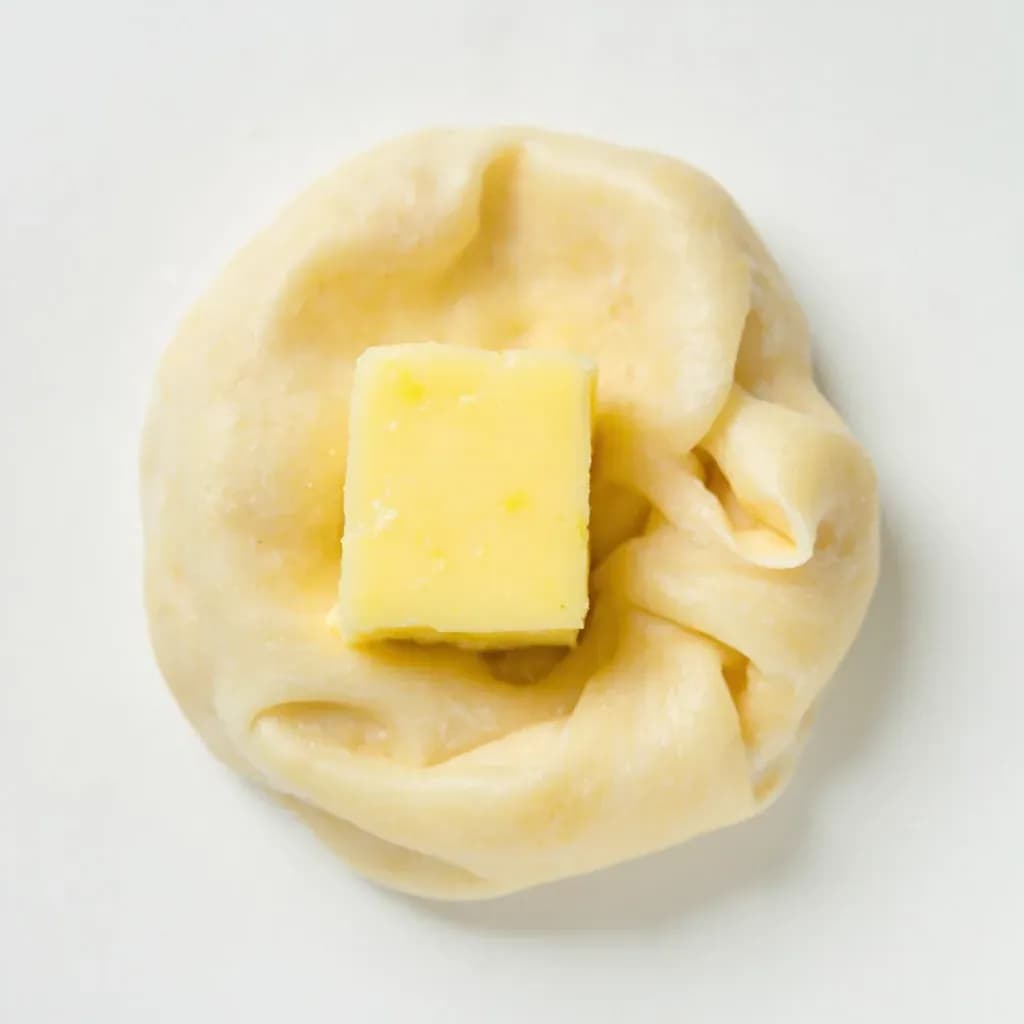
Beurrage (Butter Block Enclosing)
Enclosing a shaped butter block inside the dough to begin laminating croissants and puff pastry.
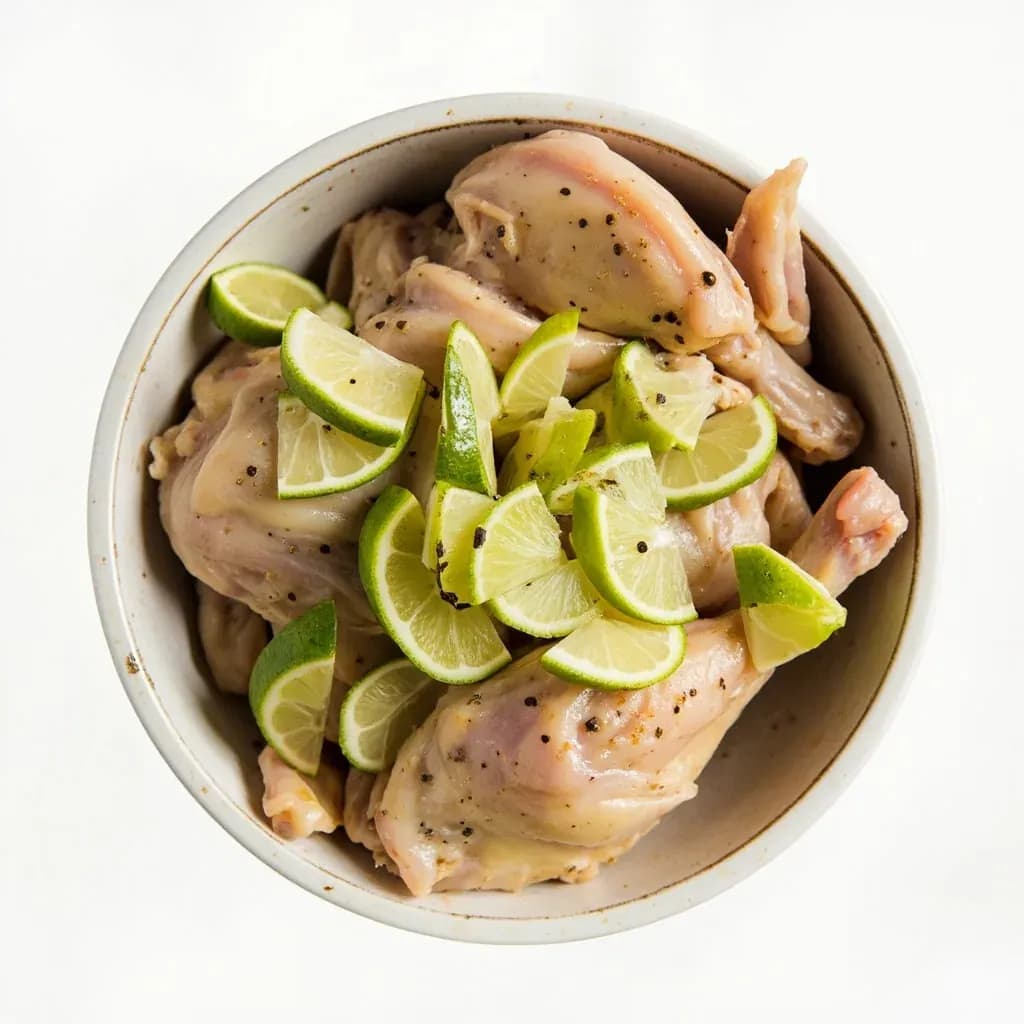
Citrus Meat Cleaning
Washing meat with lime, sour orange, or vinegar to clean the surface before cooking.
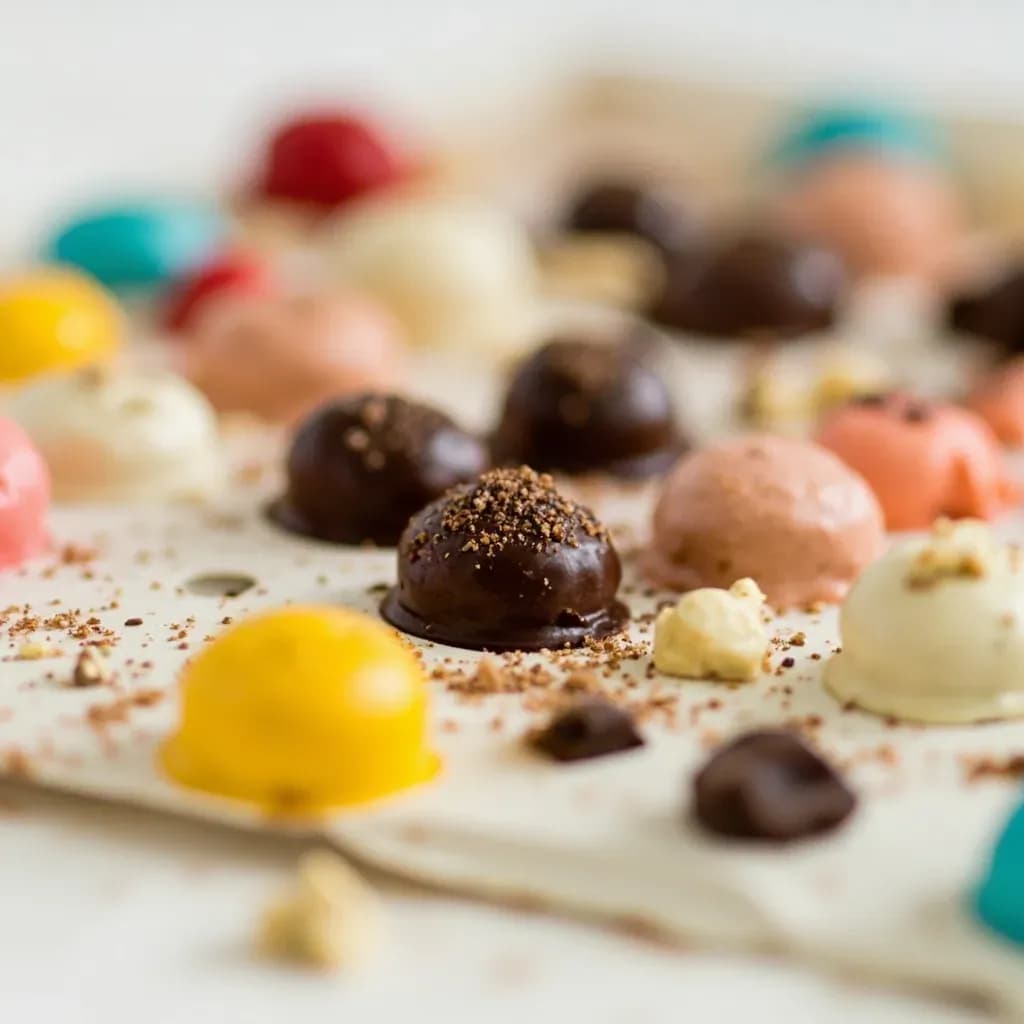
Cocoa Butter Airbrushing
Spraying colored cocoa butter onto chocolate molds or confections for glossy, vivid finishes.
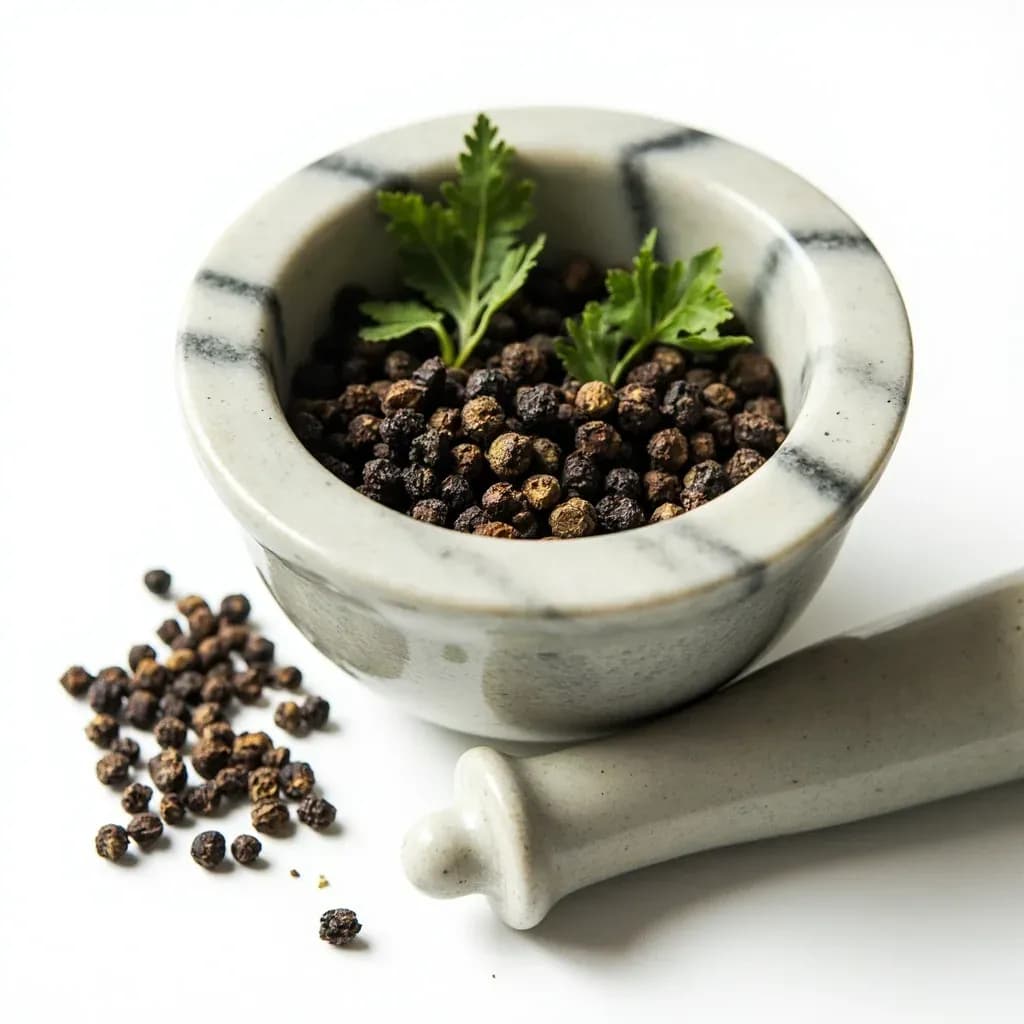
Crushing / Cracking Whole Spices
Breaking whole spices to release their volatile oils and aromas before cooking.
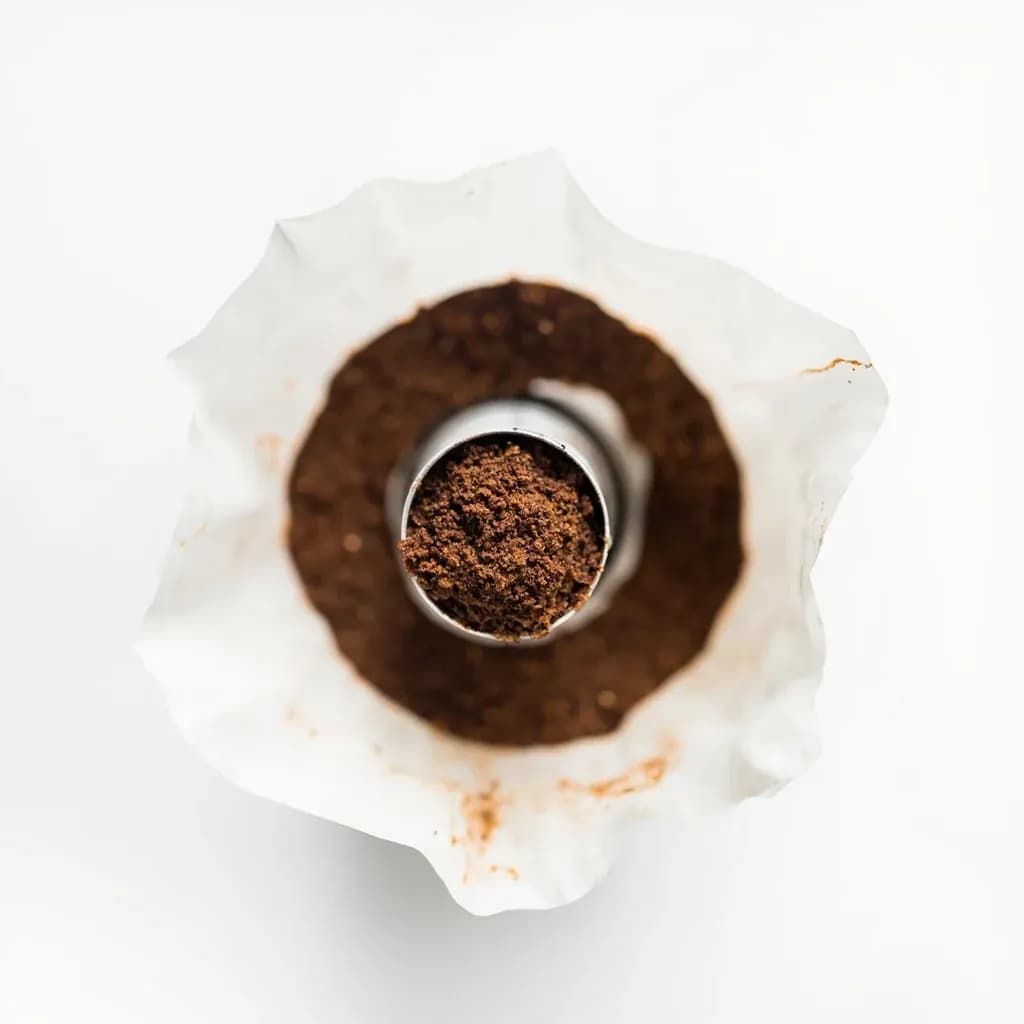
Dialing In the Grind
Adjusting coffee grind size to hit a target extraction and shot time.
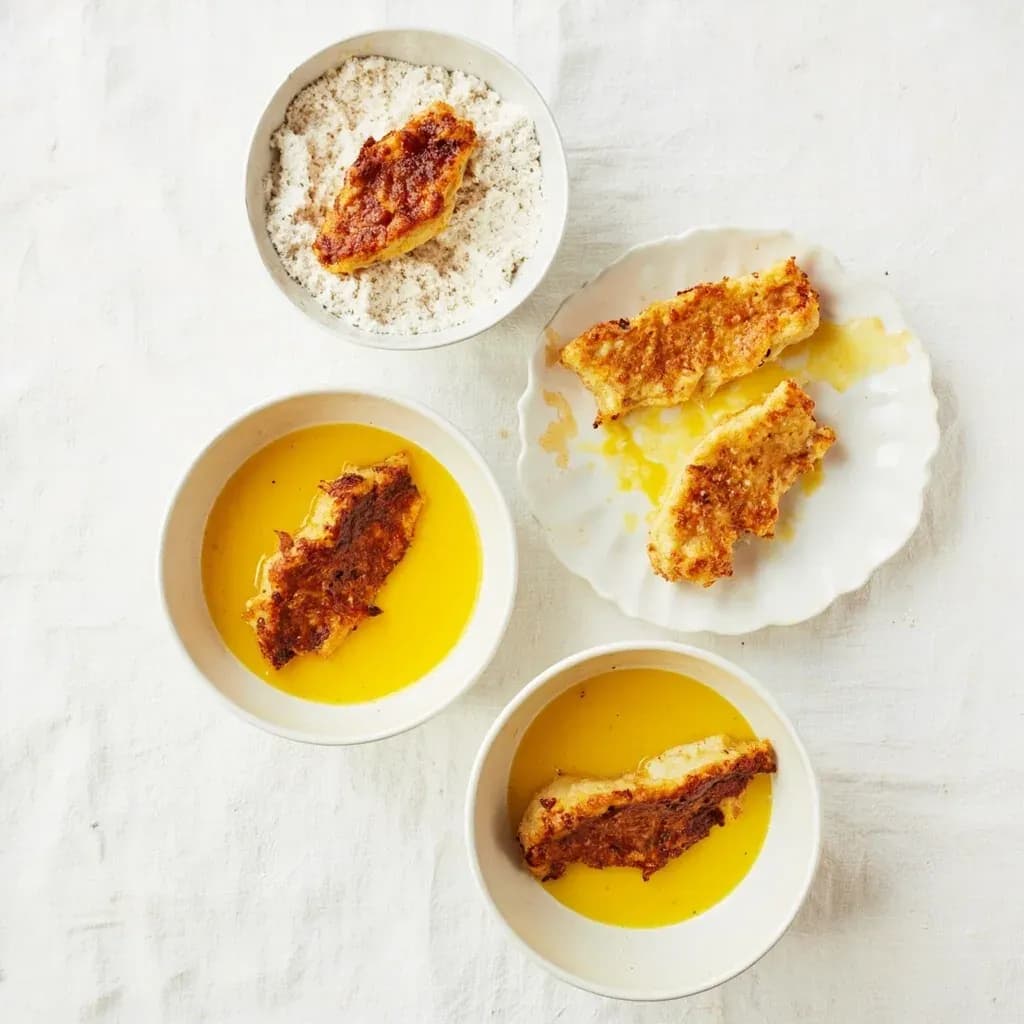
Egg-Flour Battering
Coating food in flour and beaten egg before frying for a crisp, adhering crust.
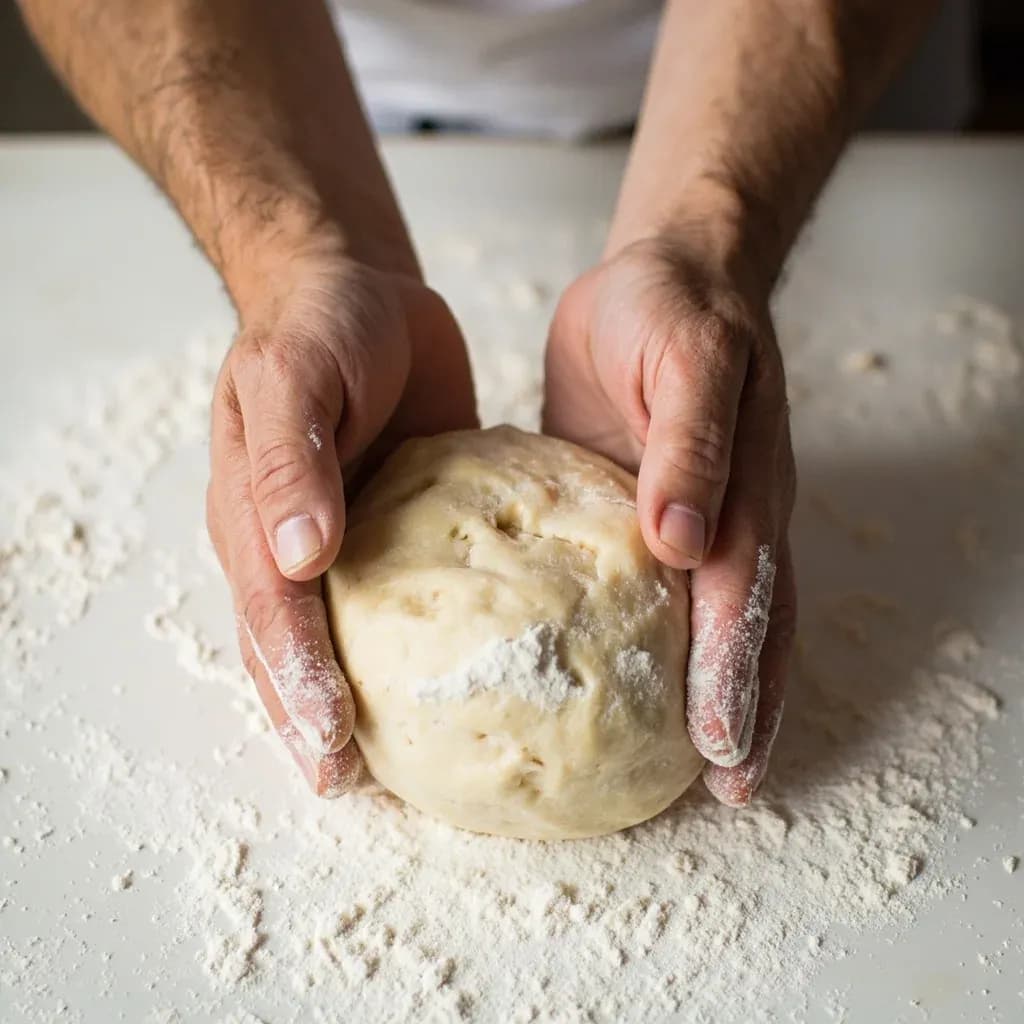
Final Shaping
Forming proofed or pre-shaped dough into its final loaf or roll structure.
Garnishing
Adding final decorative or flavorful elements to a dish before serving.
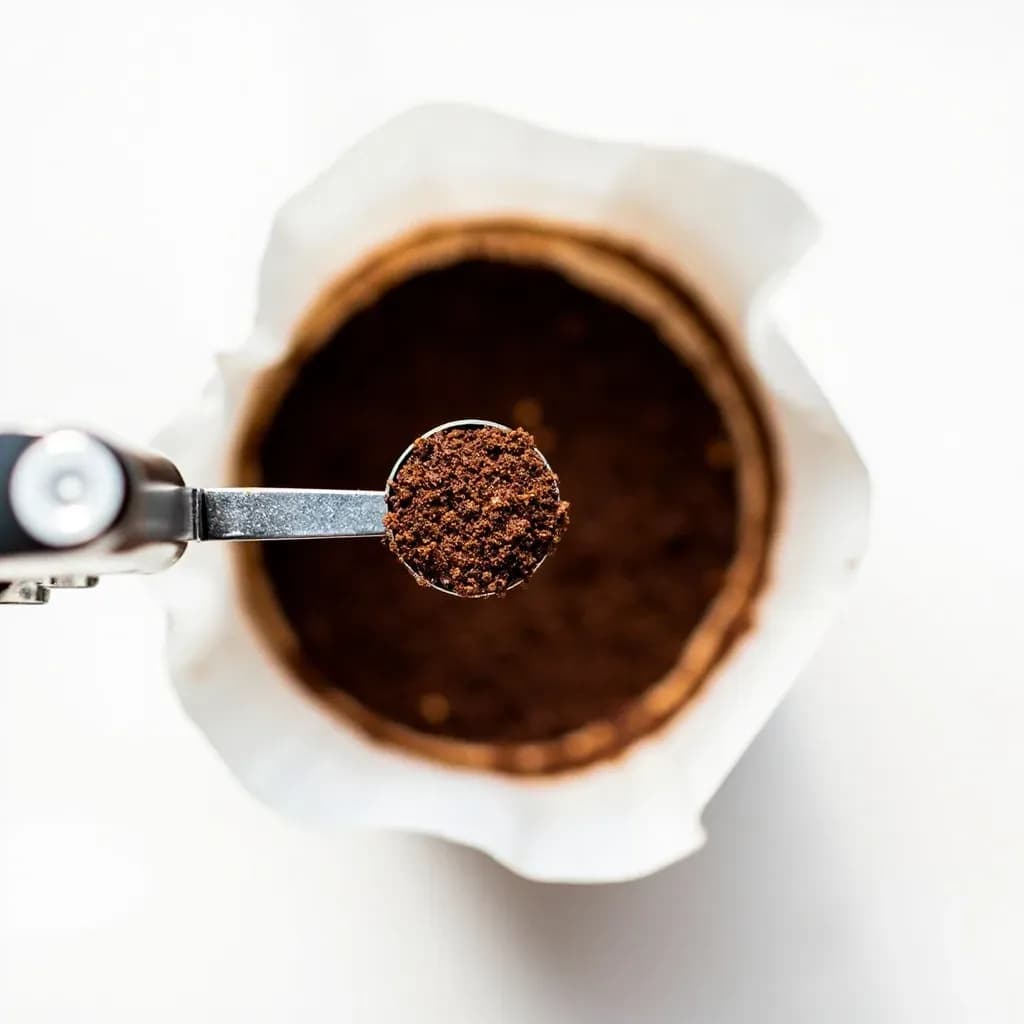
Grounds Distribution
Evenly leveling coffee grounds in the basket so water extracts uniformly.
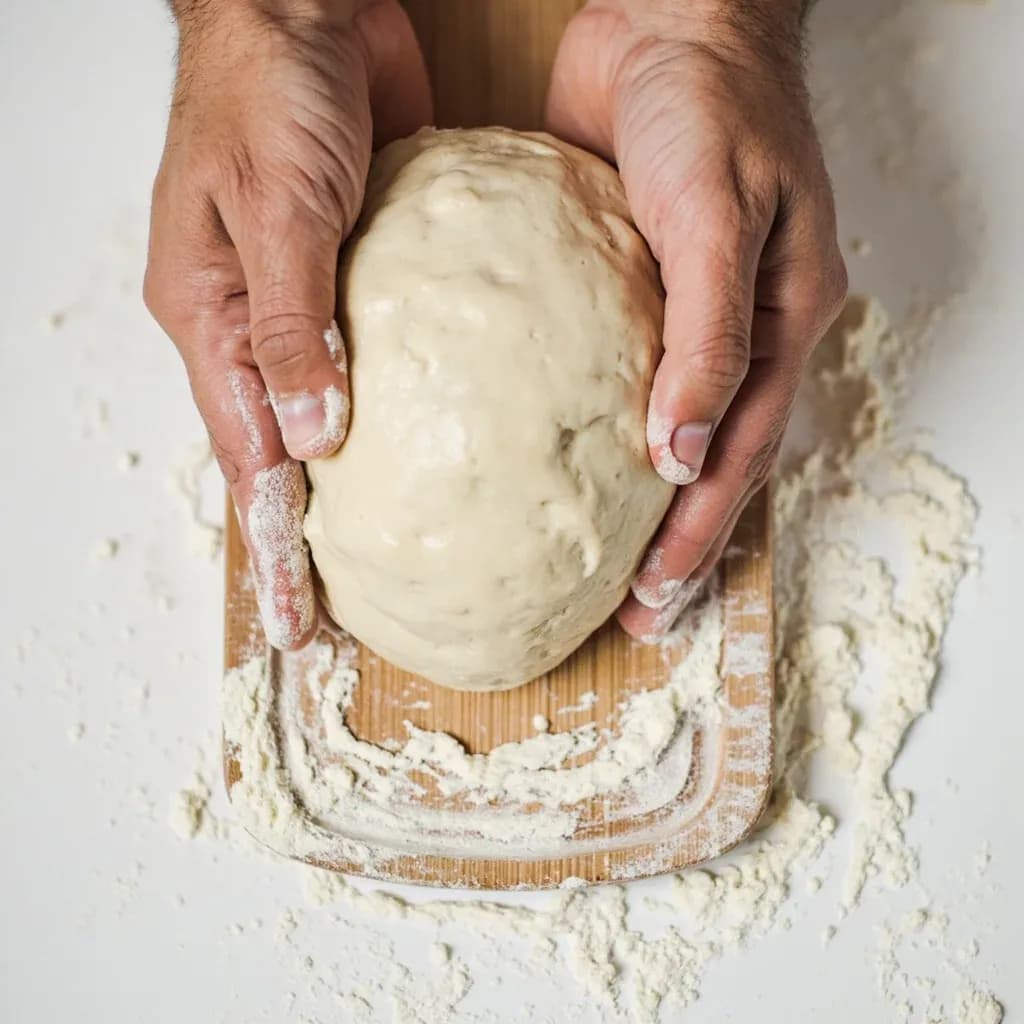
Kneading Dough
Working dough to develop gluten into a strong, elastic, cohesive structure.
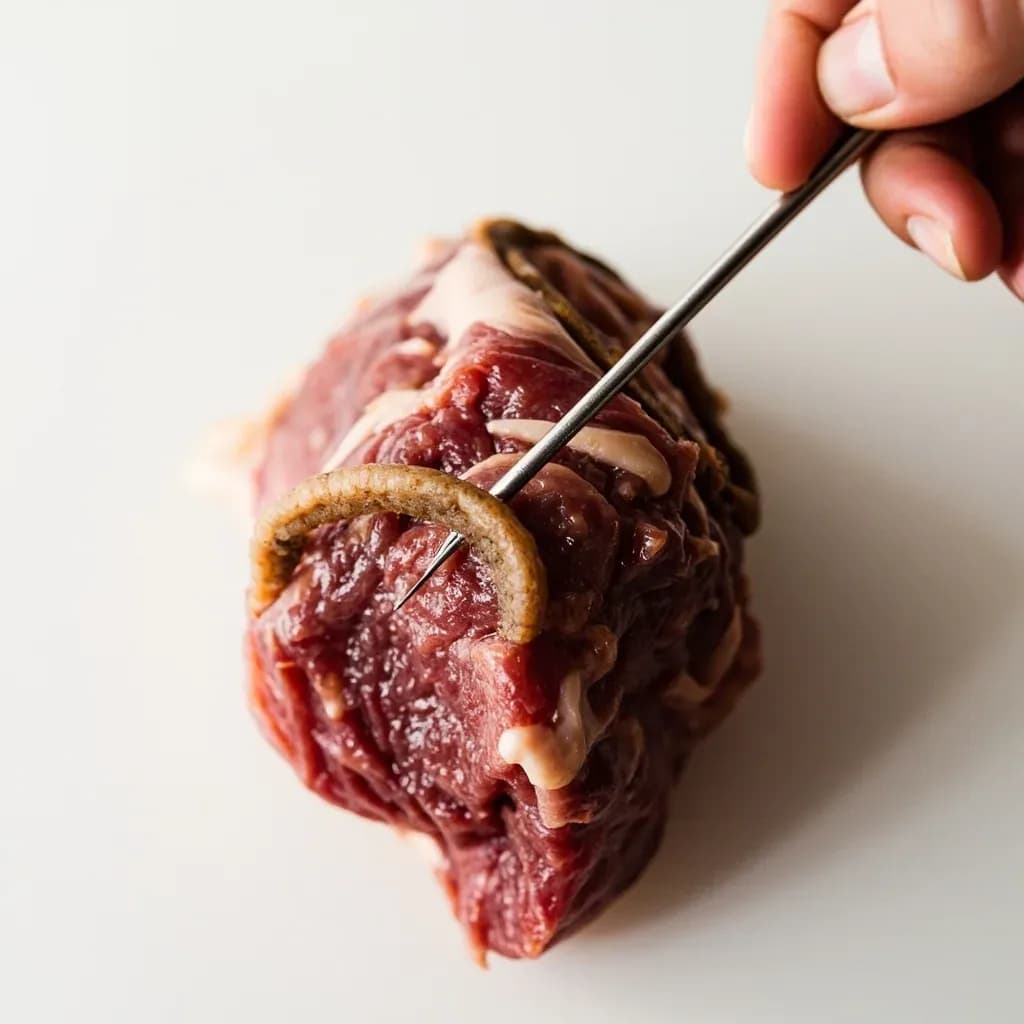
Larding Meat
Threading strips of fat through lean meat to keep it moist during cooking.
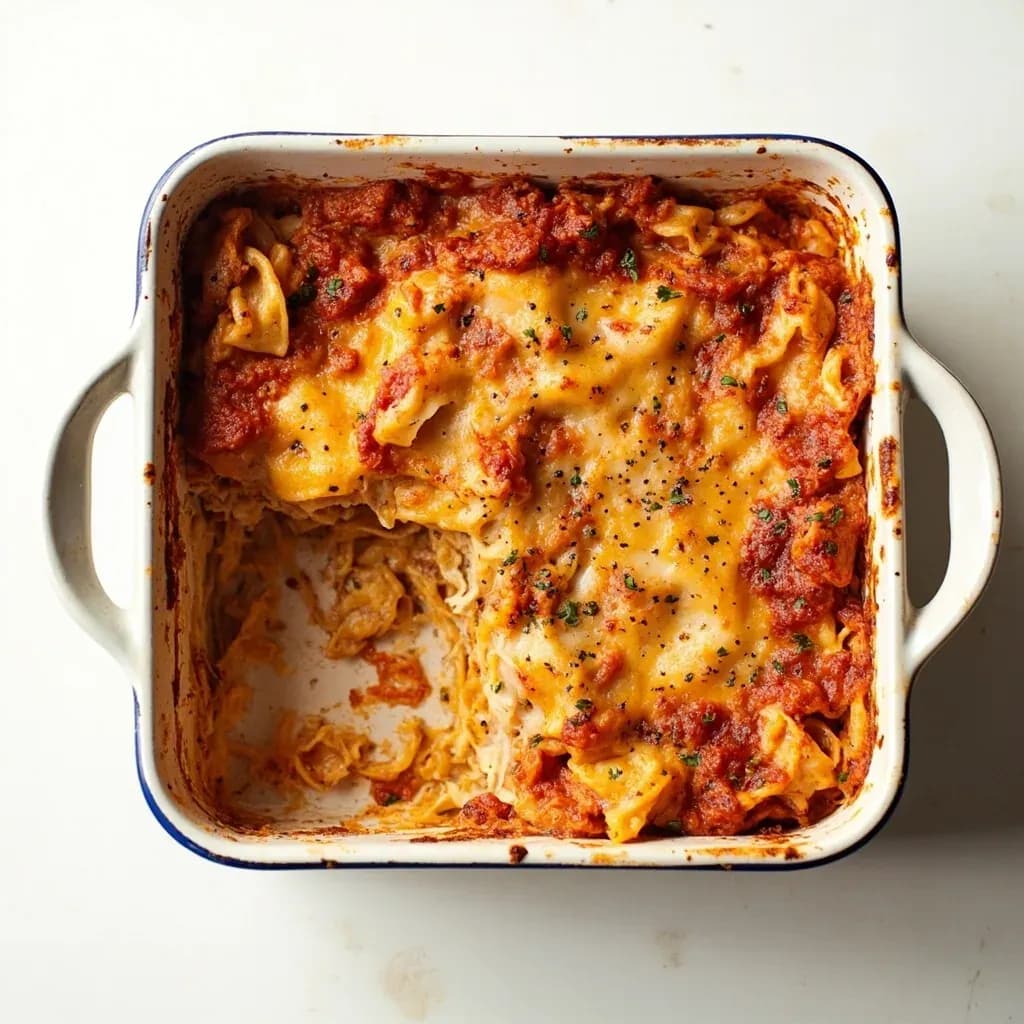
Layering Bakes
Building a baked dish in alternating layers of pasta, filling, and sauce.
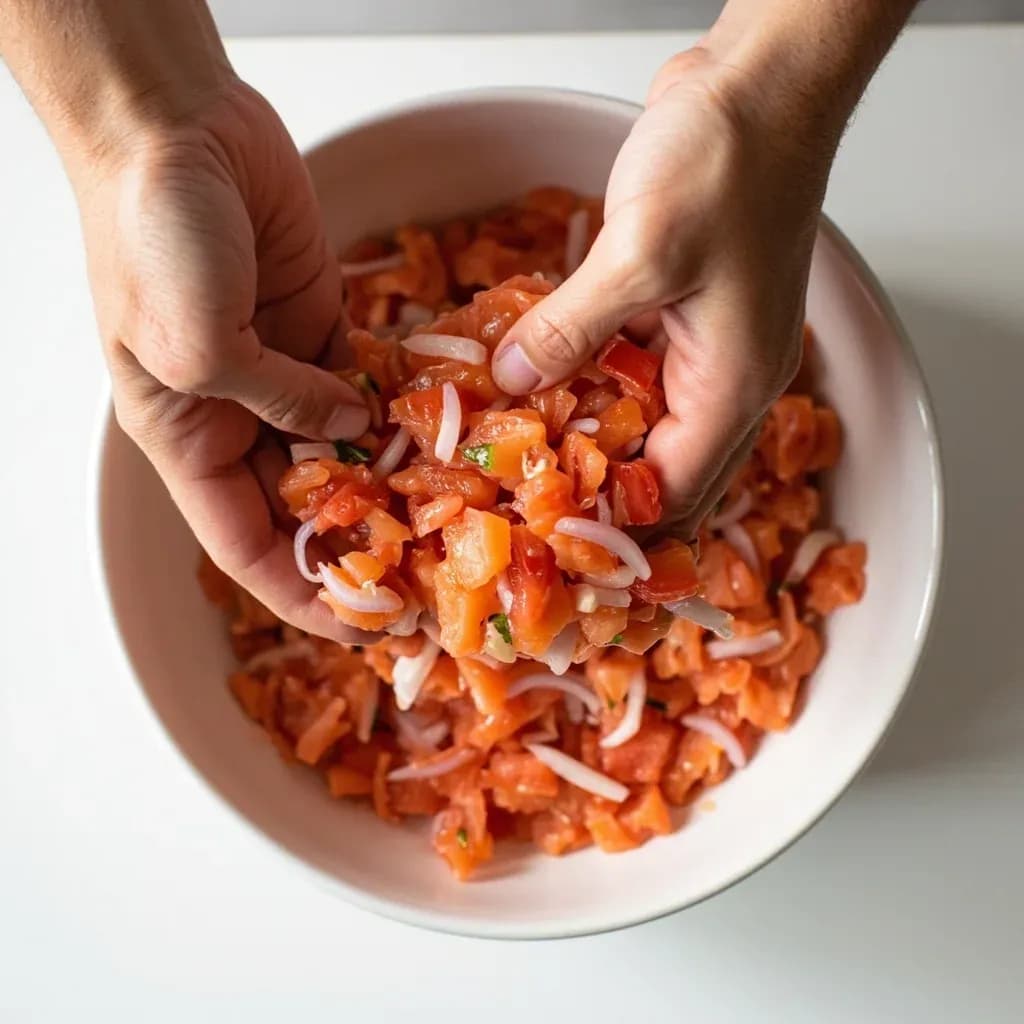
Lomi (Hand-Massaging / Mixing)
Massaging ingredients by hand to break them down and blend flavors evenly.
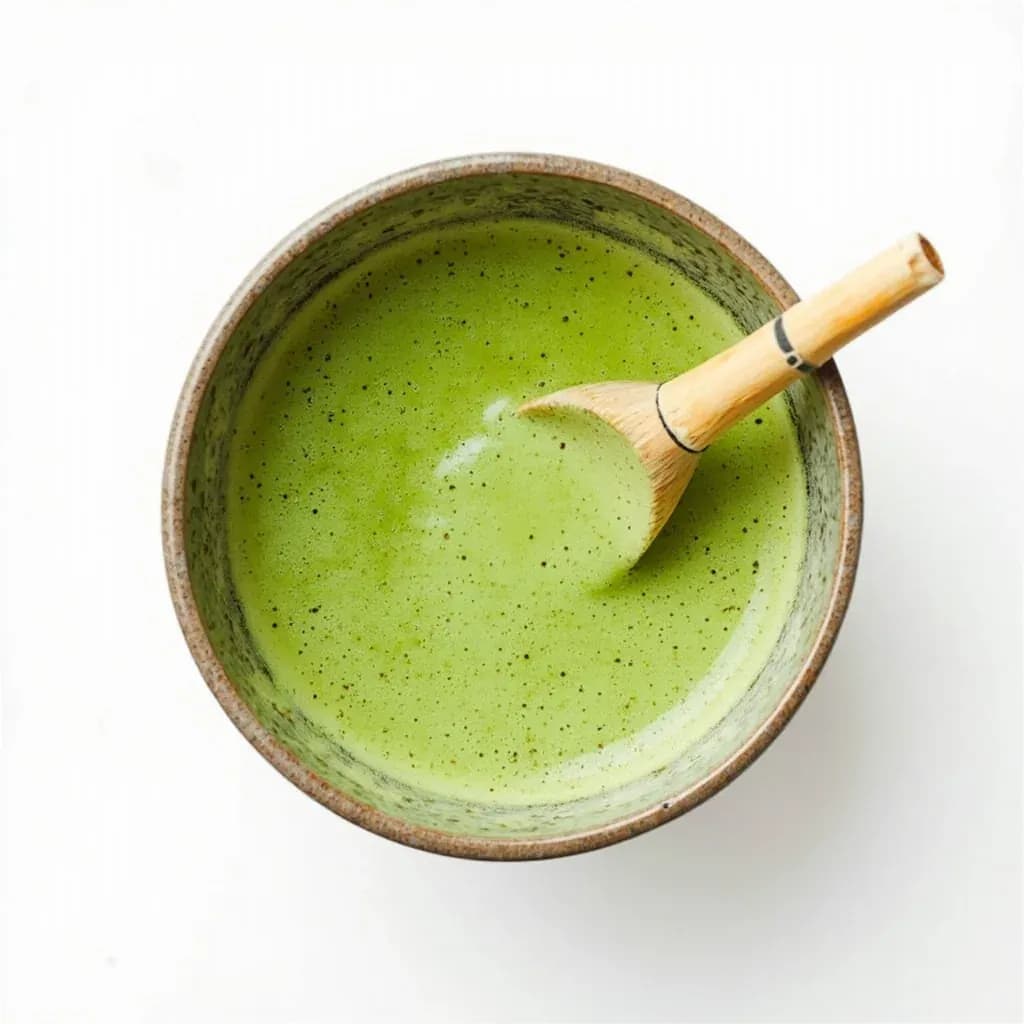
Matcha Whisking
Whisking powdered green tea with hot water into a smooth, frothy bowl of matcha.
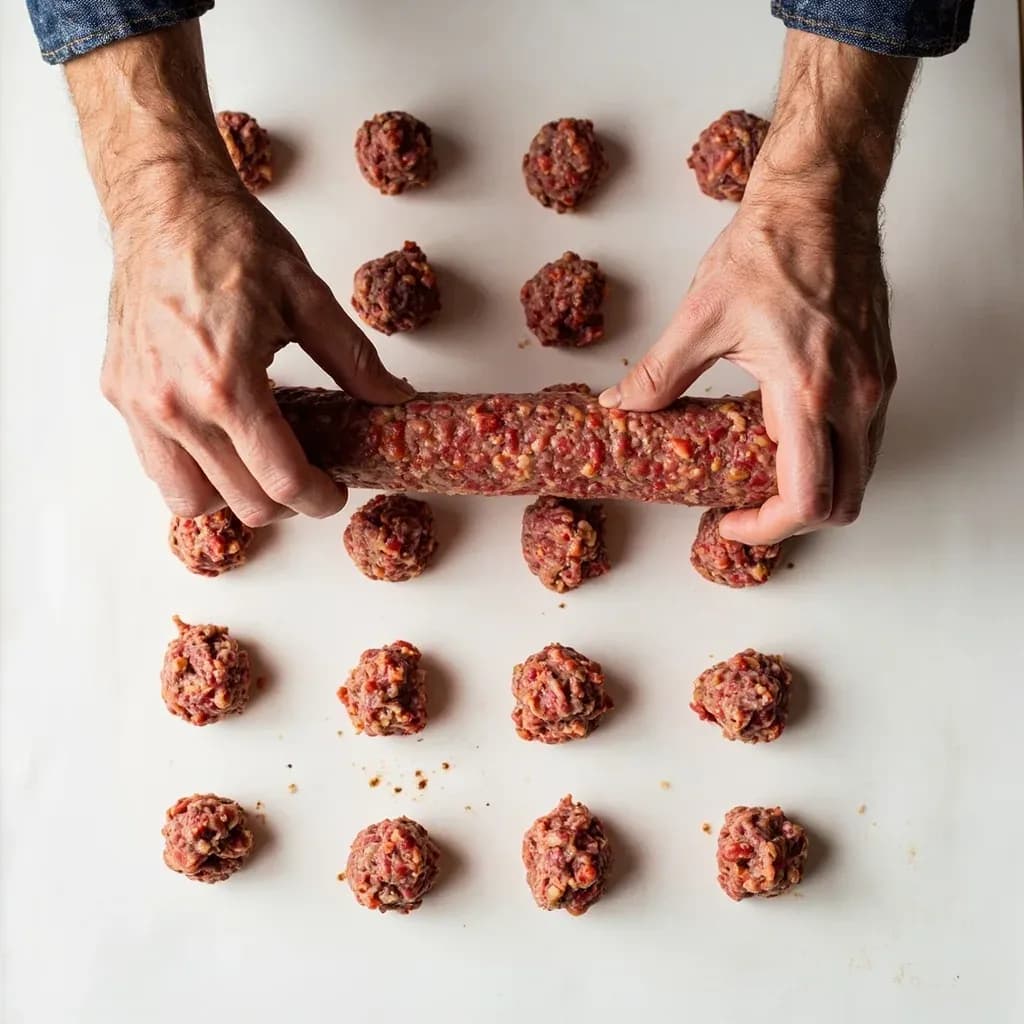
Meatball Rolling
Shaping seasoned ground meat into uniform balls or onto skewers by hand.
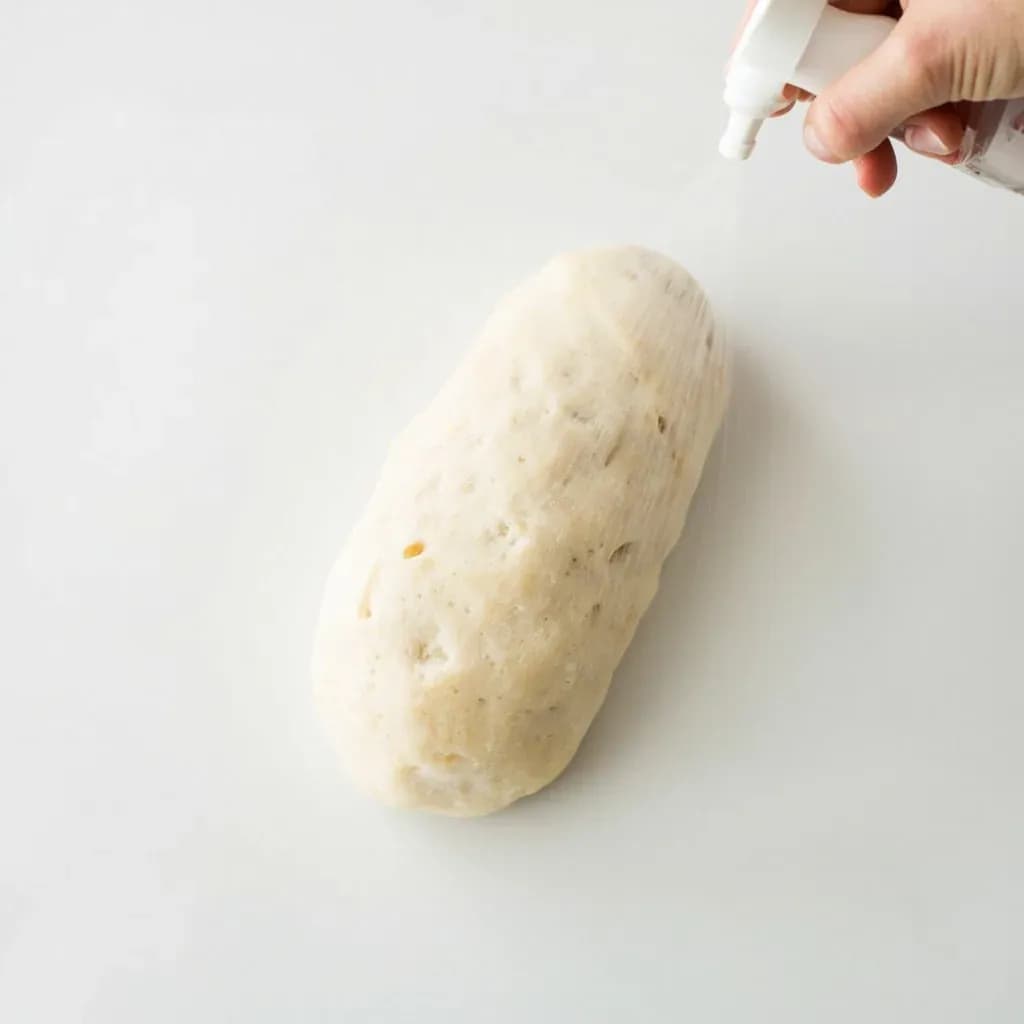
Misting
Spraying a fine mist of water or liquid to hydrate, glaze, or steam food.
Organoleptic / Sensory Assessment
Evaluating food by taste, smell, sight, and feel to judge quality and balance.
Pâté & Terrine Building
Layering and packing seasoned forcemeat into a mold for sliceable charcuterie.
Pounding Grain / Groundnuts
Using a mortar or pestle to crush grain, nuts, or roots into flour or paste.
Ripeness Assessment
Judging when produce is at peak ripeness by feel, smell, color, and sound.
Shell Molding
Pressing a pliable food into a shaped form so it sets into a defined edible shell or shape.
Straining Broth
Pouring finished stock through a fine mesh or cloth to remove solids and fine sediment.
Stretch and Fold
Gentle dough strengthening: stretch one side of the dough up and fold it over itself.
Arepa Shaping
Patting masarepa dough into smooth, even discs ready to griddle or fry.
Aroma / Quality Grading
Judging an ingredient's quality and ripeness by smell, look, and feel before cooking.
Baguette Shaping
Rolling and tapering pre-shaped dough into a long, even baguette with tight surface tension.

Baker's Percentage Formulation
Expressing every dough ingredient as a percentage of flour weight to scale recipes reliably.
Batard Shaping
Forming dough into a short, oval loaf with tight skin and tapered ends.
Batch Mixing
Combining ingredients in large, consistent lots so every portion matches.
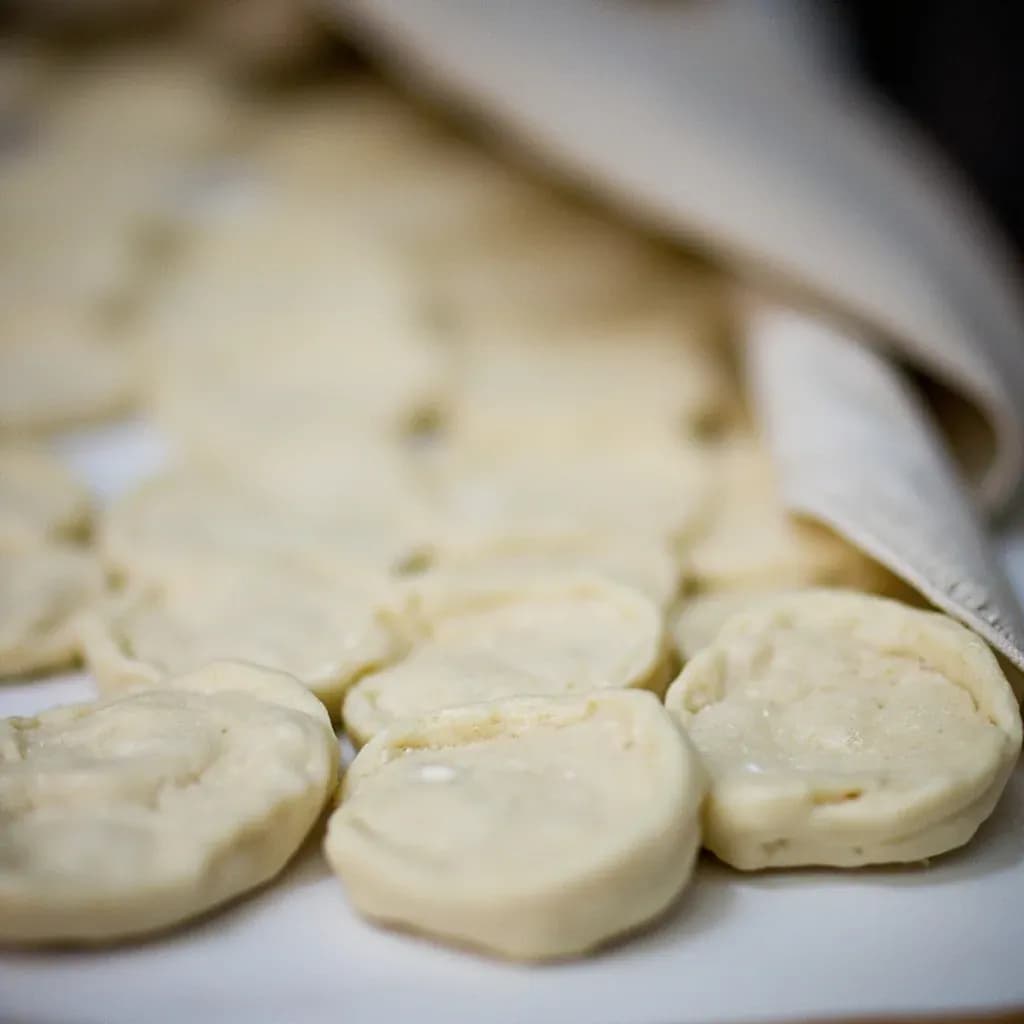
Bench Rest
Letting pre-shaped dough relax on the bench so it shapes without tearing.
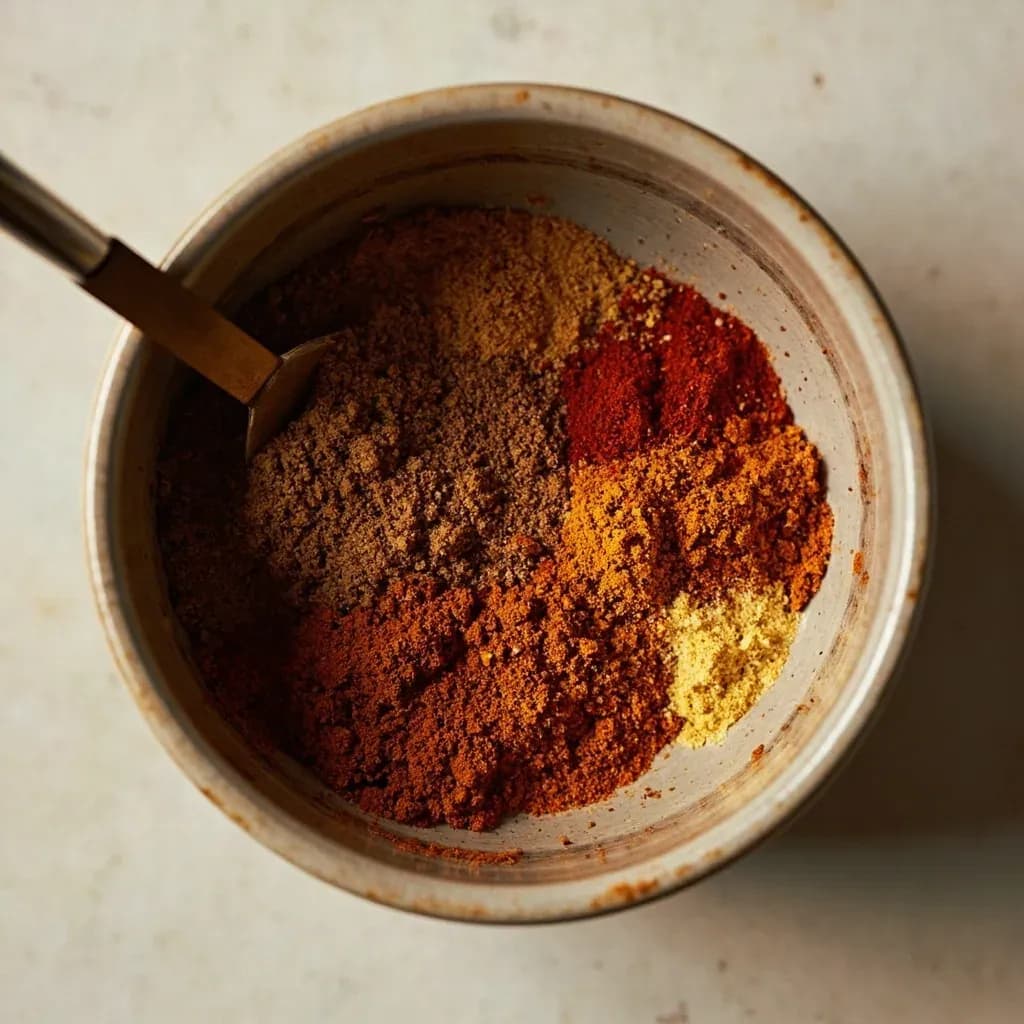
Blending a Spice Mix
Combining toasted, ground spices in measured ratios to build a balanced seasoning blend.
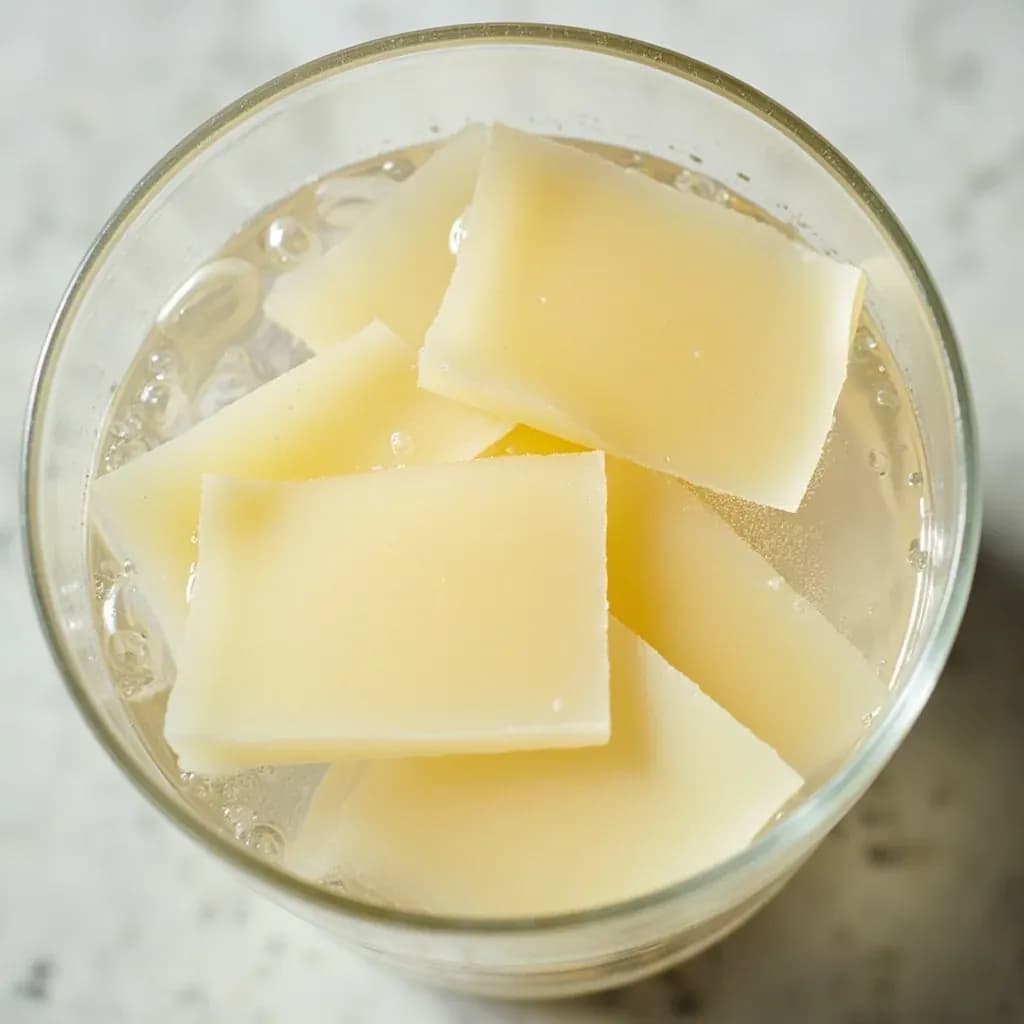
Blooming Gelatin
Hydrating gelatin in cold liquid so it dissolves smoothly without lumps when warmed.
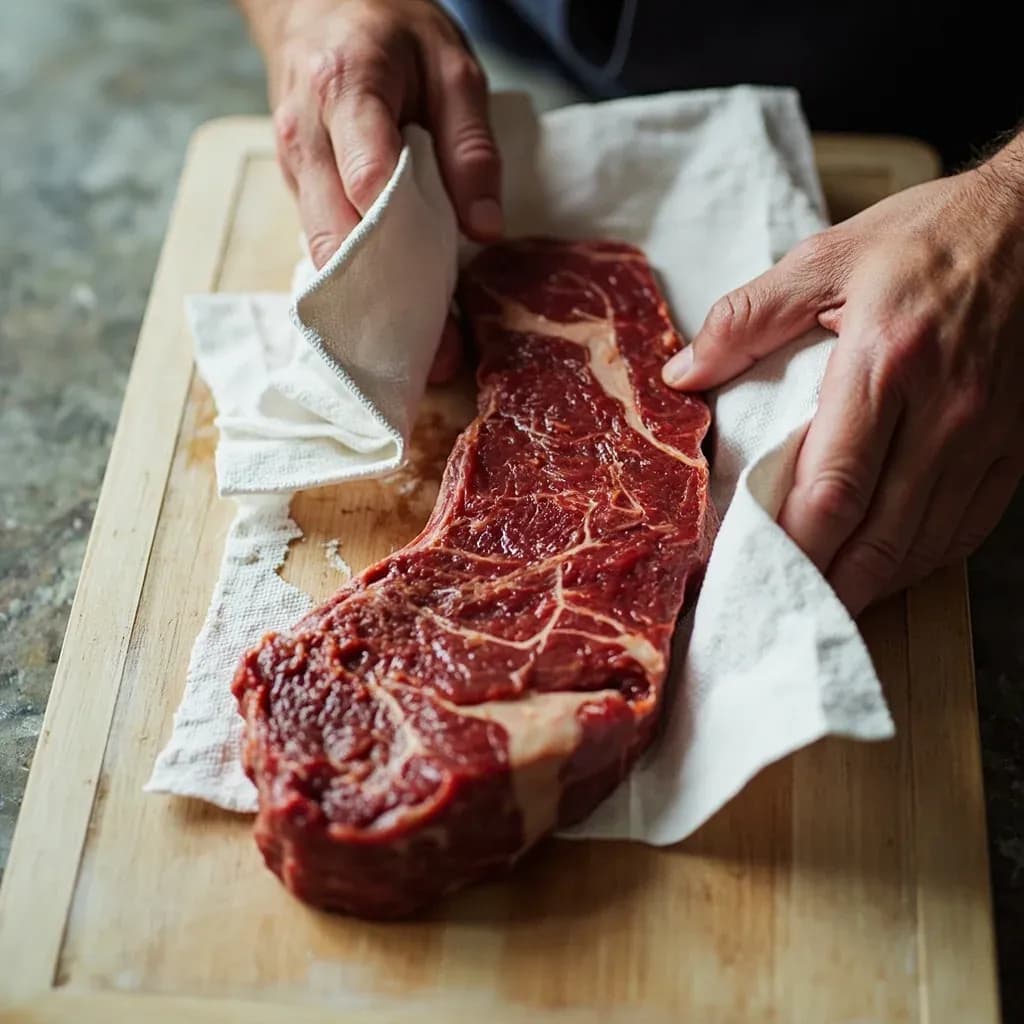
Blotting Excess Moisture
Pressing food with paper or cloth to remove surface water or grease before the next step.
Boule Shaping
Rounding dough into a tight, domed ball with a taut skin for an even rise.
Building & Stacking Height
Plating components vertically to create height, structure, and visual drama on the plate.
Bunching & Tying Herbs
Tying herbs and aromatics into a bundle so they flavor a dish and lift out cleanly.
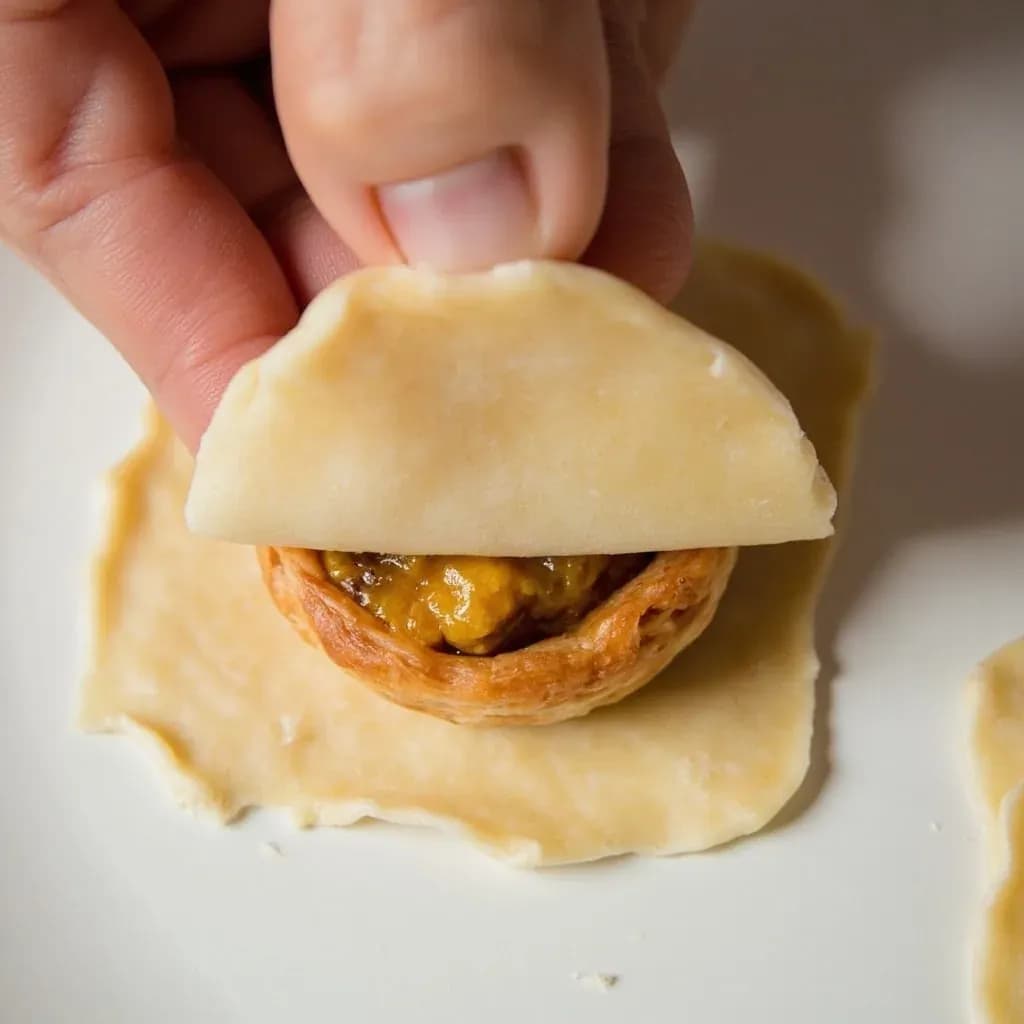
Capping (Bottoming)
Sealing the top or base of a filled or shaped item so it holds together when cooked.
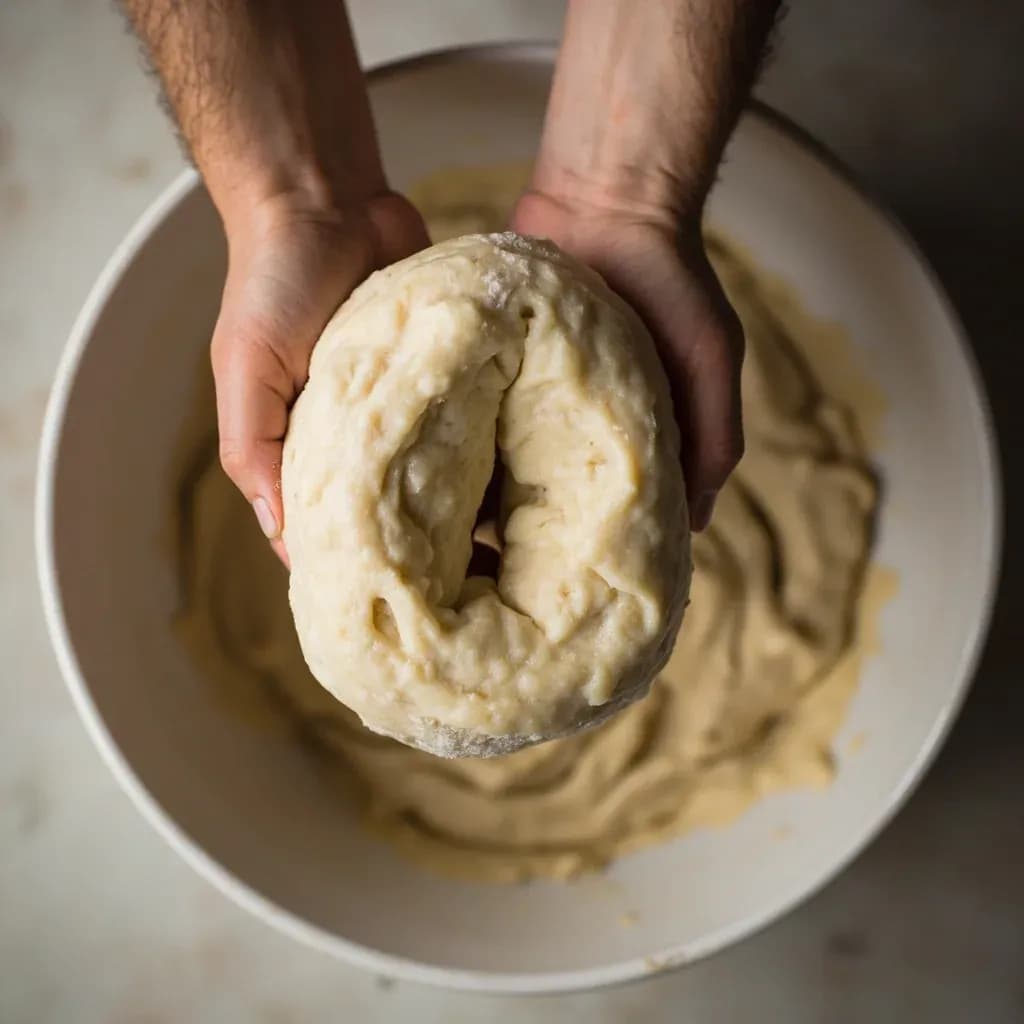
Coil Fold
Lifting wet dough so it coils under itself, building strength gently in high-hydration bread.
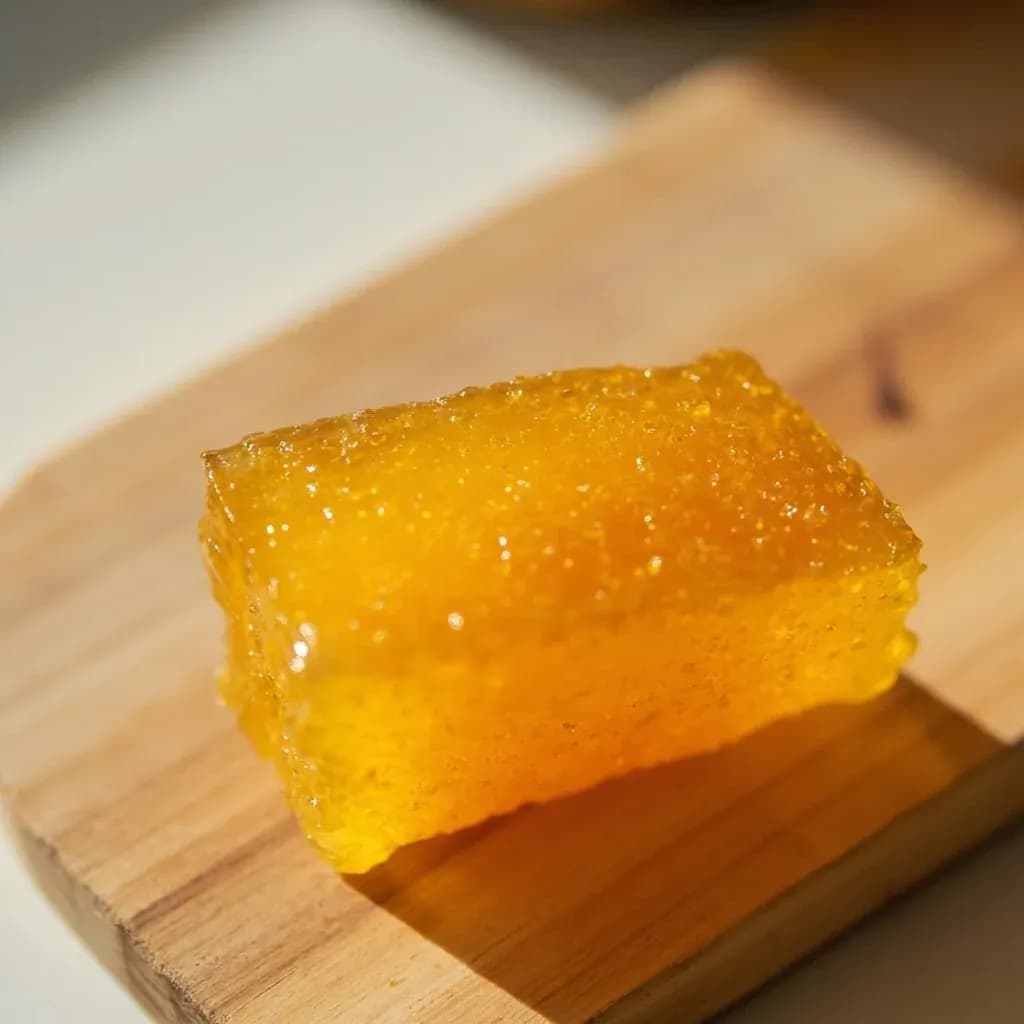
Comb Harvesting
Cutting honeycomb from frames to collect honey, wax, and comb for the kitchen.
Controlled-Variable Recipe Testing
Changing one factor at a time across batches to isolate what actually drives a result.
Coquito Blending
Blending coconut milk, cream, condensed milk, rum, and spices into Puerto Rico's holiday coconog.
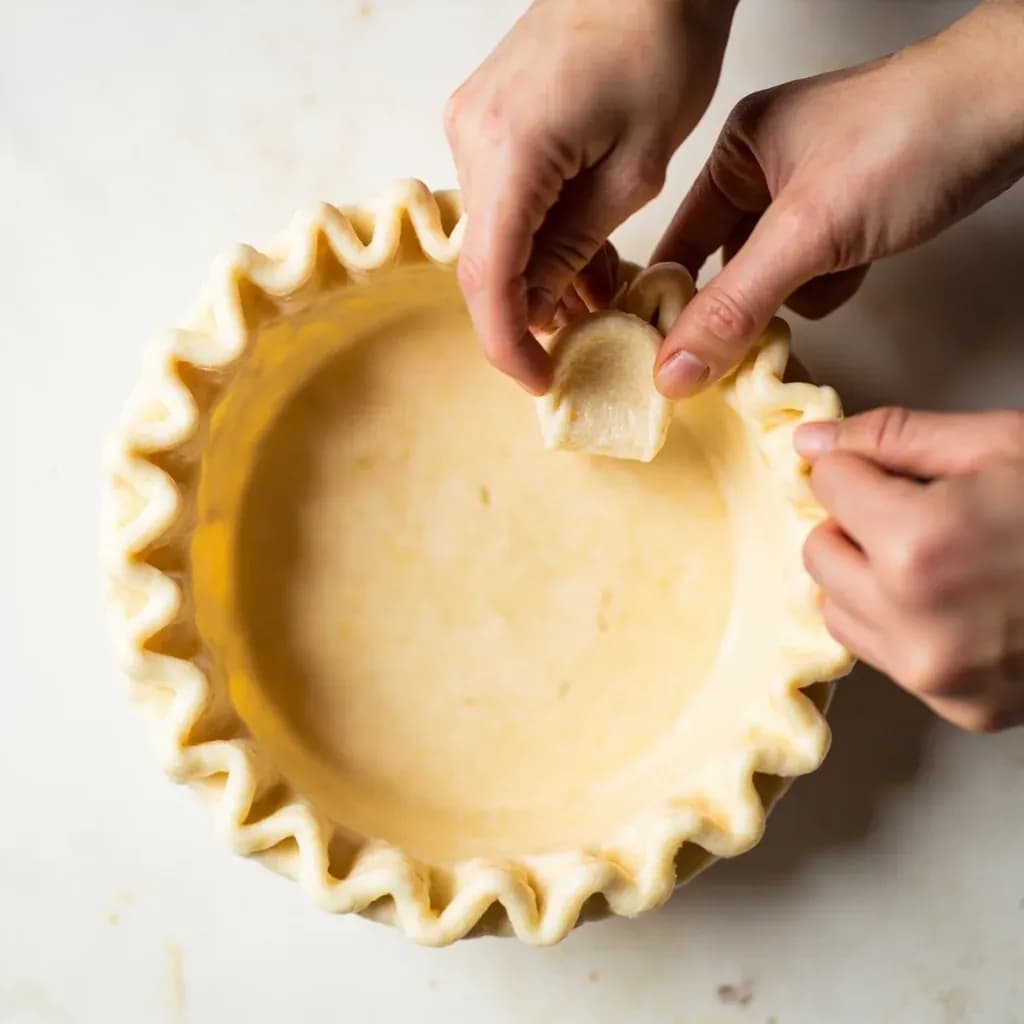
Crimping
Pinching or pressing dough edges to seal a filling and create a decorative border.
Culling (Removing Spoiled Stock)
Sorting through ingredients to discard spoiled, damaged, or substandard items before use.
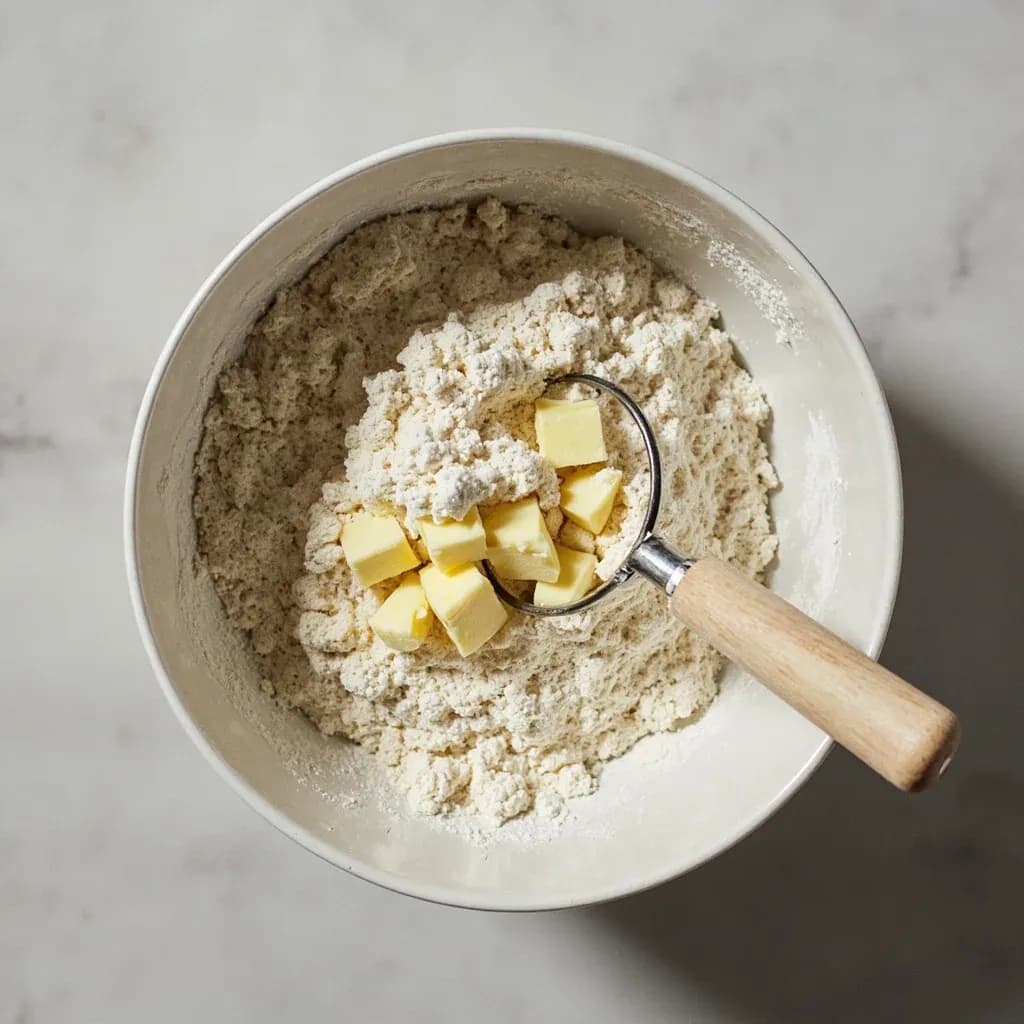
Cutting Fat into Flour
Working cold butter or shortening into flour into pea-size pieces for flaky pastry.
Deconstruction
Plating a classic dish as its separated components to highlight each element.
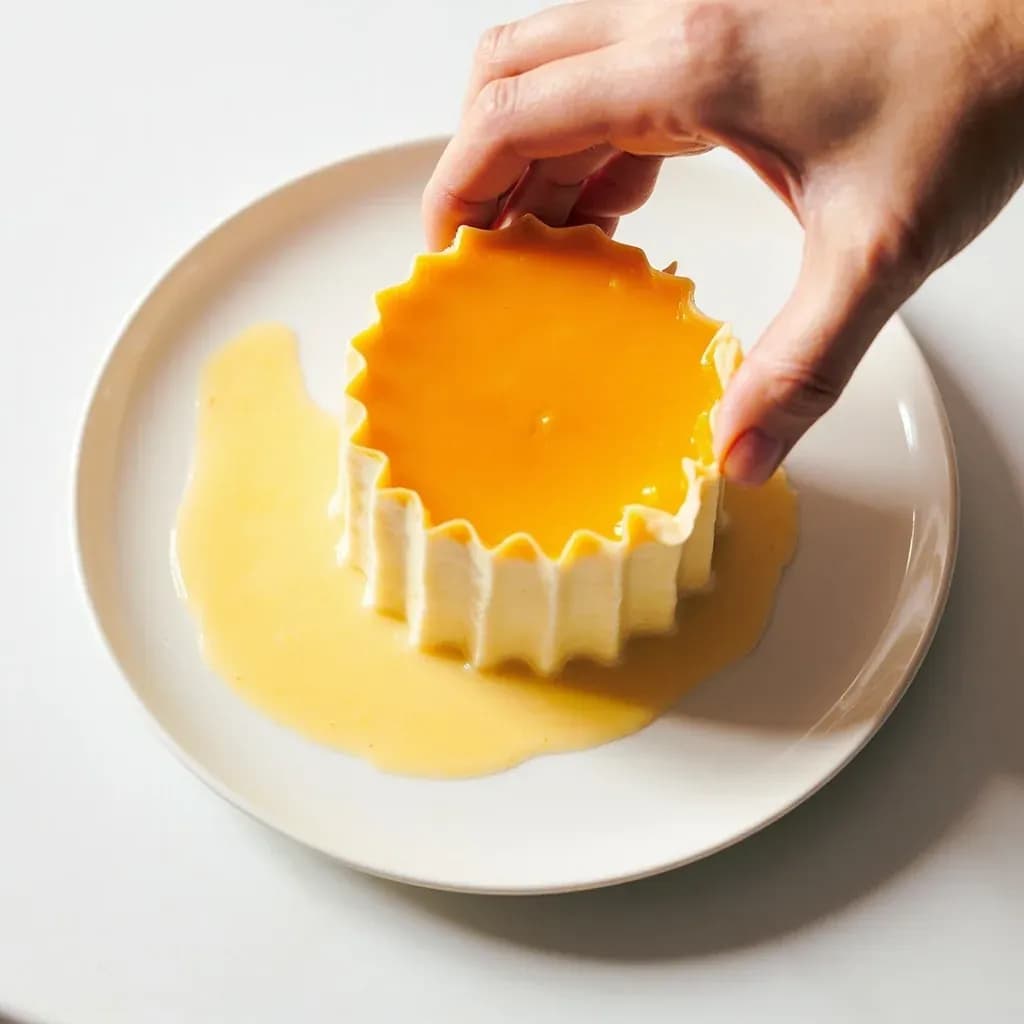
Demolding
Releasing a set or baked item cleanly from its mold, ring, or pan.
Détrempe (Base Dough Mixing)
Mixing the flour-and-water base dough that encloses the butter block in laminated pastry.
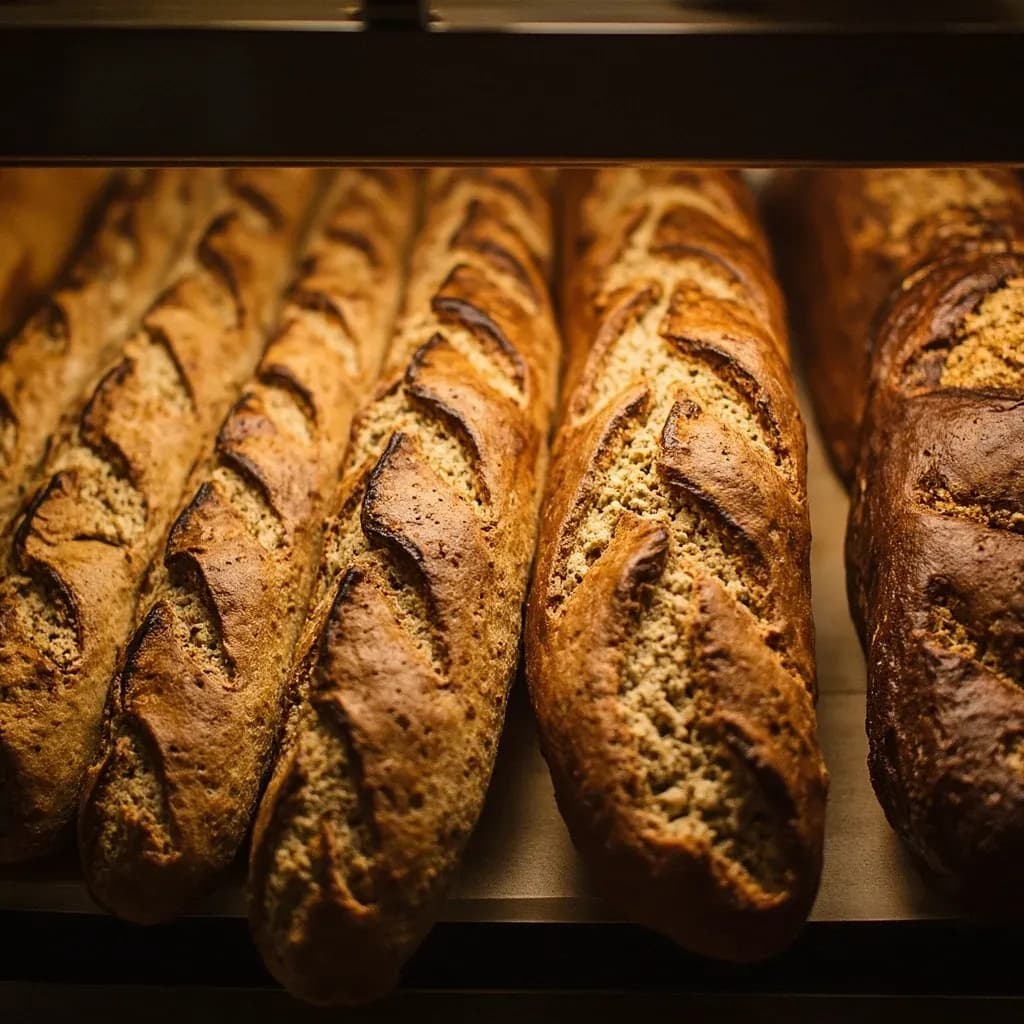
Display Stacking (Facing)
Arranging product neatly toward the front to look full and inviting on a shelf or case.
Double Fold (Book Fold / Tour Double)
Folding laminated dough in four like a book to multiply butter layers quickly.
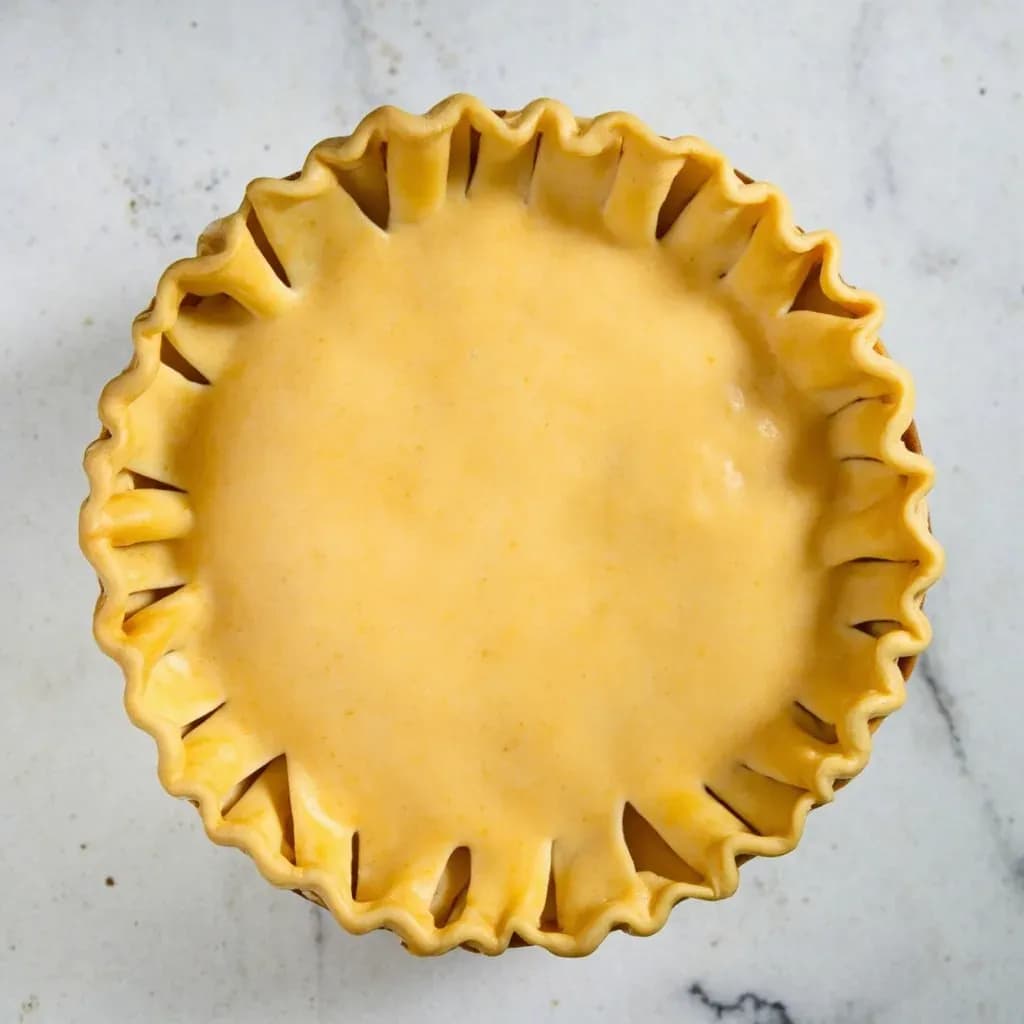
Double-Crust Pie Assembly
Building a pie with both a bottom and a top crust sealed around the filling.
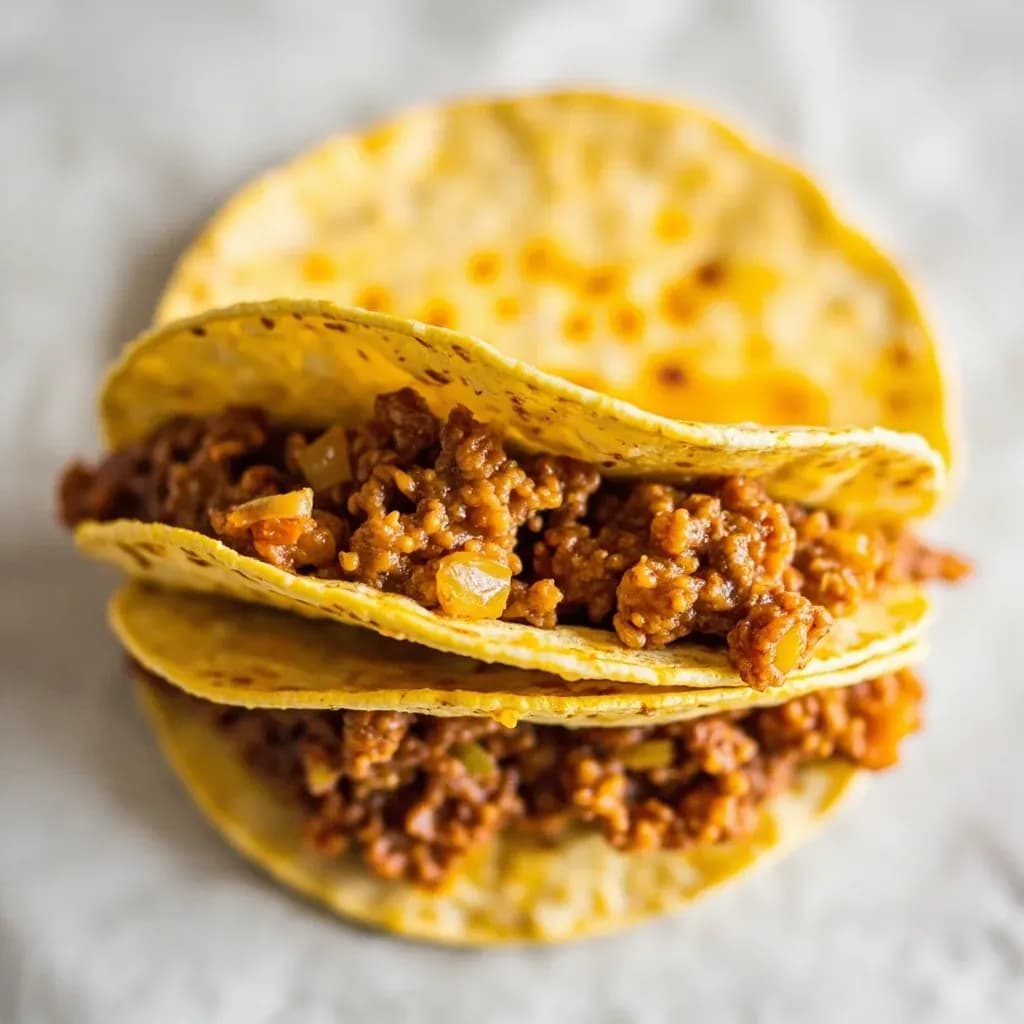
Double-Tortilla Assembly
Stacking two tortillas per taco for strength and to keep fillings from breaking through.
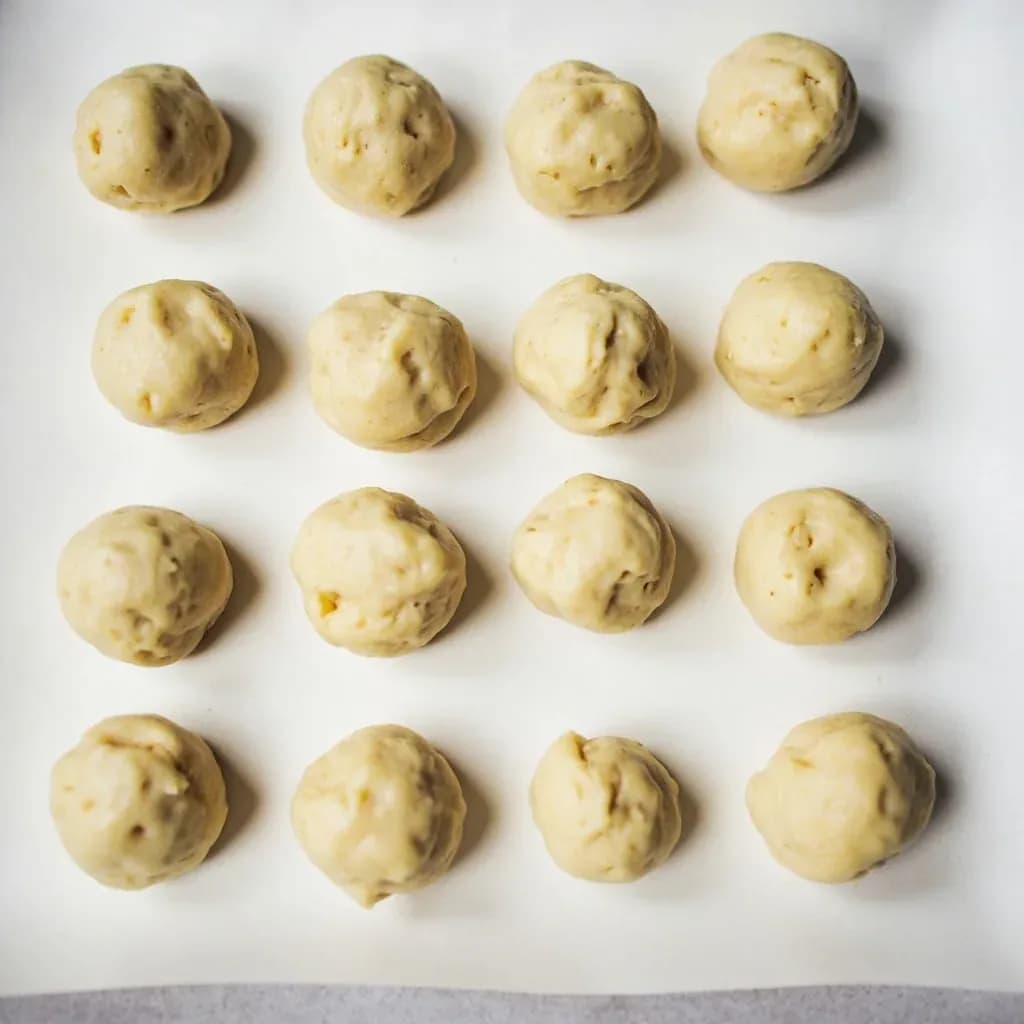
Dough Balling (Staglio)
Dividing and rounding dough into smooth, tensioned balls for proofing.
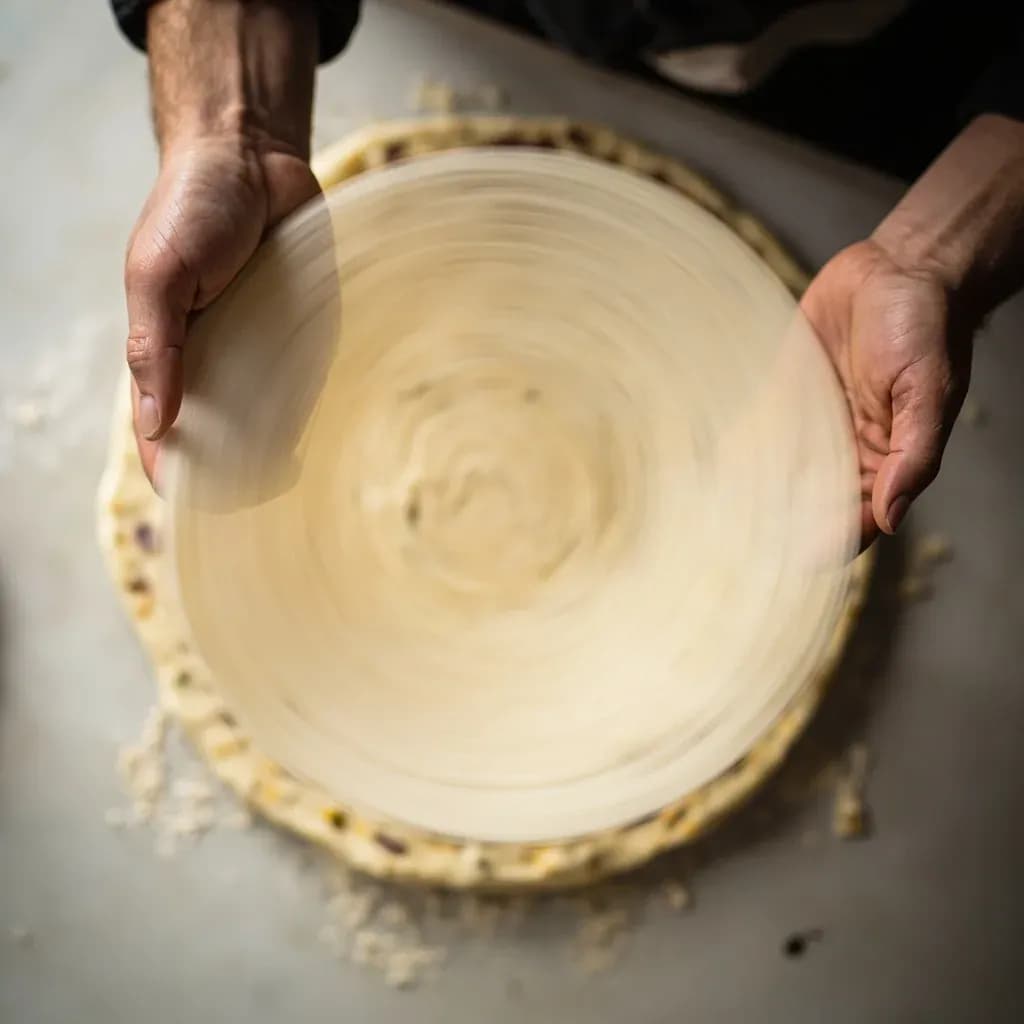
Dough Tossing / Spinning
Stretching pizza dough by spinning and tossing it on the knuckles into a thin round.
Dusting with Semolina
Scattering semolina or flour to keep dough from sticking to the peel, board, or pan.
Firing / Timing Orders
Coordinating when each dish starts cooking so a table's plates finish together.
Flour Blending
Mixing different flours to dial in protein, flavor, and performance for a recipe.
Flour Dredging (Enharinar)
Coating food in flour before frying or browning to build crust and help it brown.
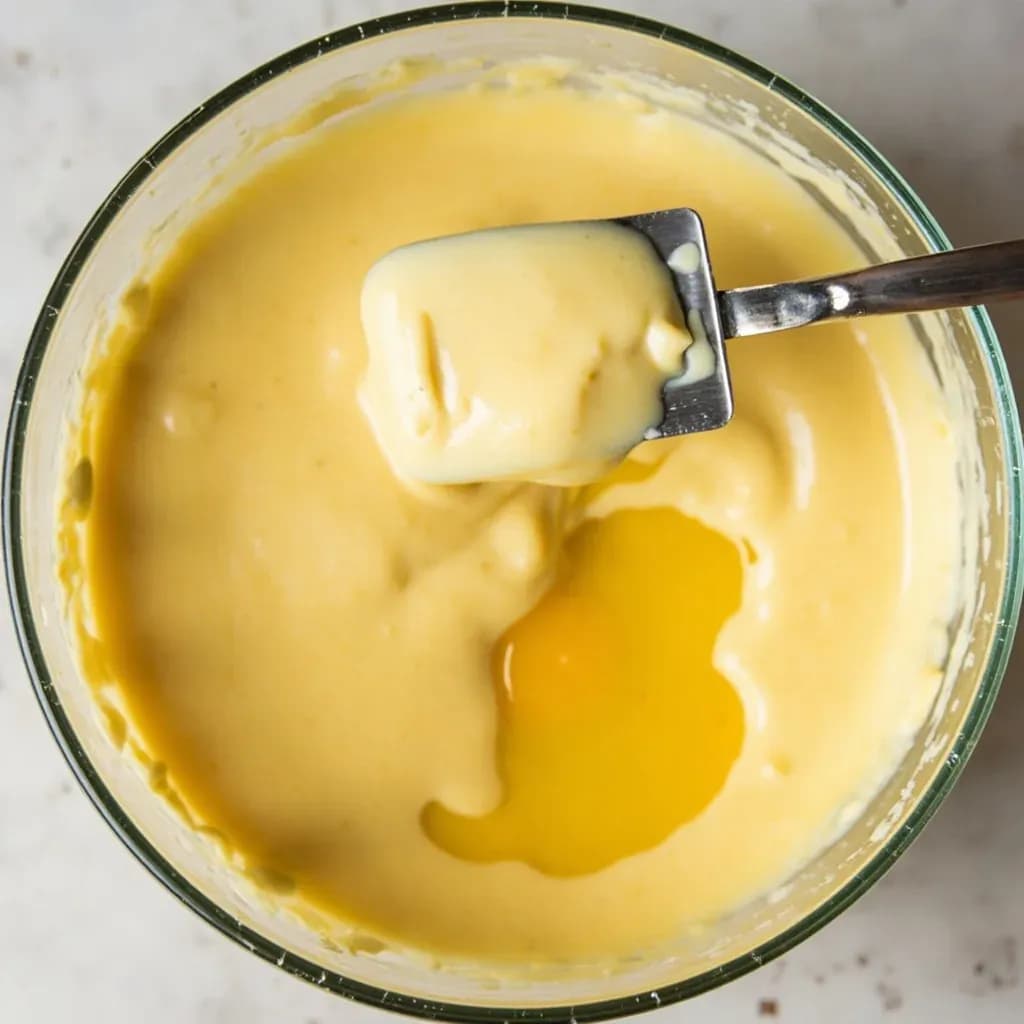
Folding Batter (Unterheben)
Gently combining a light mixture into a heavier one to keep the air whipped into it.
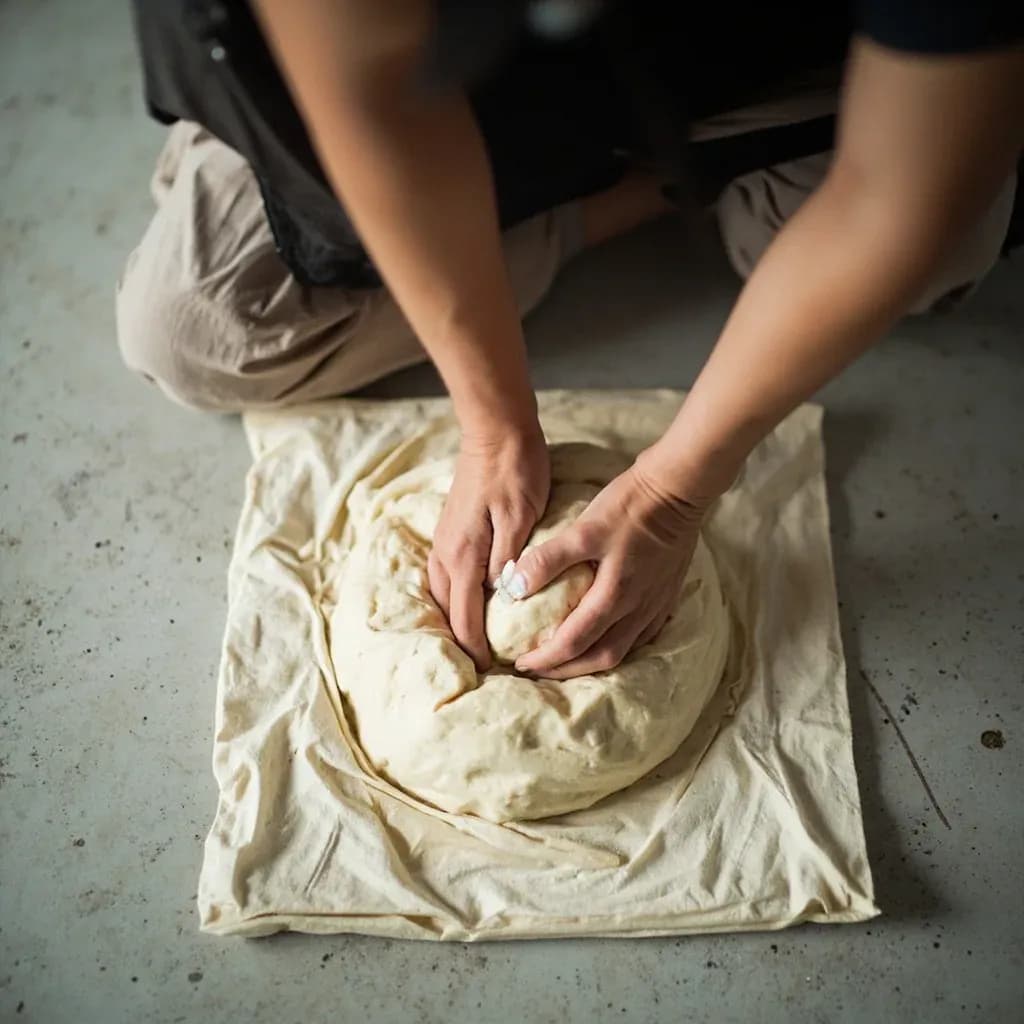
Foot Kneading
Kneading stiff dough by treading on it with the feet to develop strong gluten.
Forcemeat (Farce) Preparation
Grinding and emulsifying meat, fat, and seasonings into a smooth bound mixture for terrines and sausages.
French Meringue
Raw egg whites whipped with sugar into a glossy, stable foam for baking.
Frothing Chocolate
Spinning a molinillo whisk to raise a thick foam on hot drinking chocolate.
Fufu Pounding
Pounding boiled starchy roots into a smooth, stretchy West African dough.
Galantine & Ballotine Rolling
Boning and rolling poultry around a forcemeat into a cylinder for poaching or roasting.
Garnish Placement
Precisely positioning final garnishes with tweezers for refined plating.
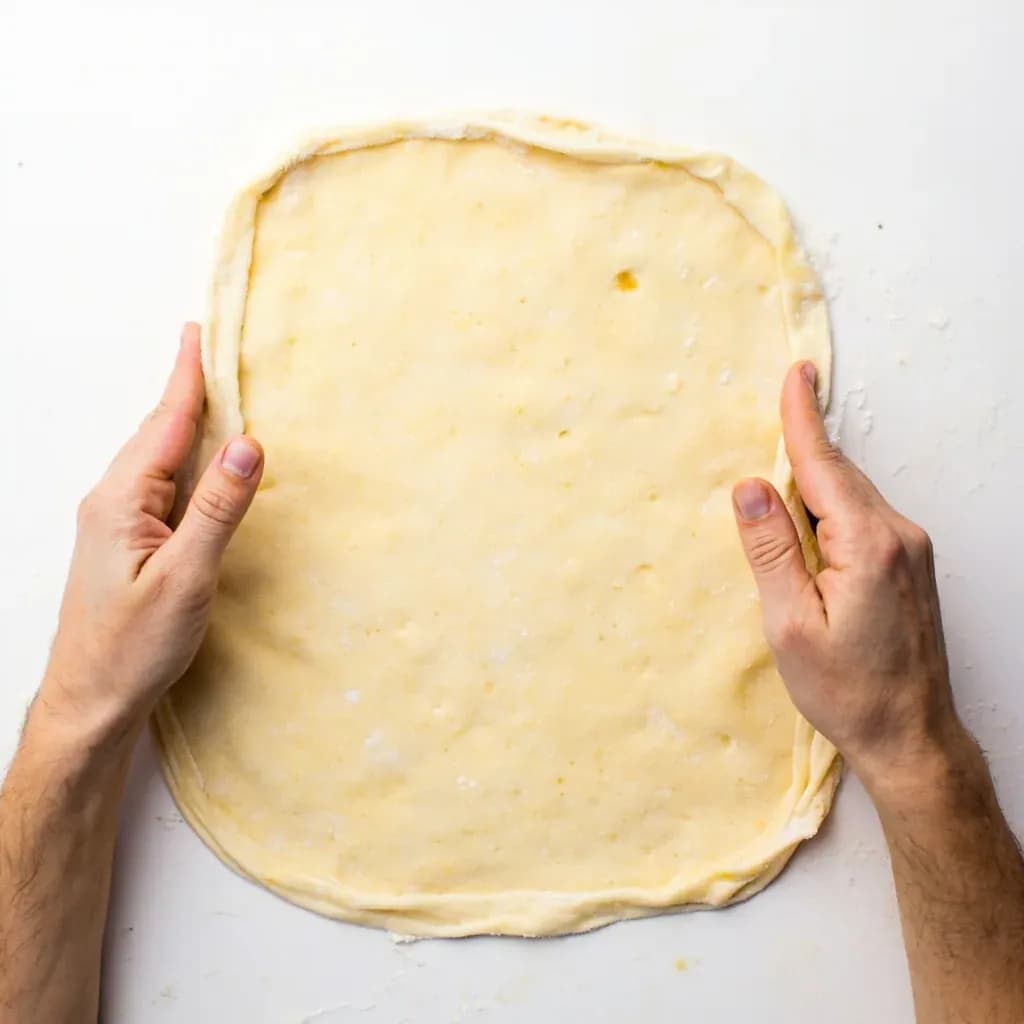
Gluten Development
Working dough so gluten proteins align into an elastic, stretchy network.
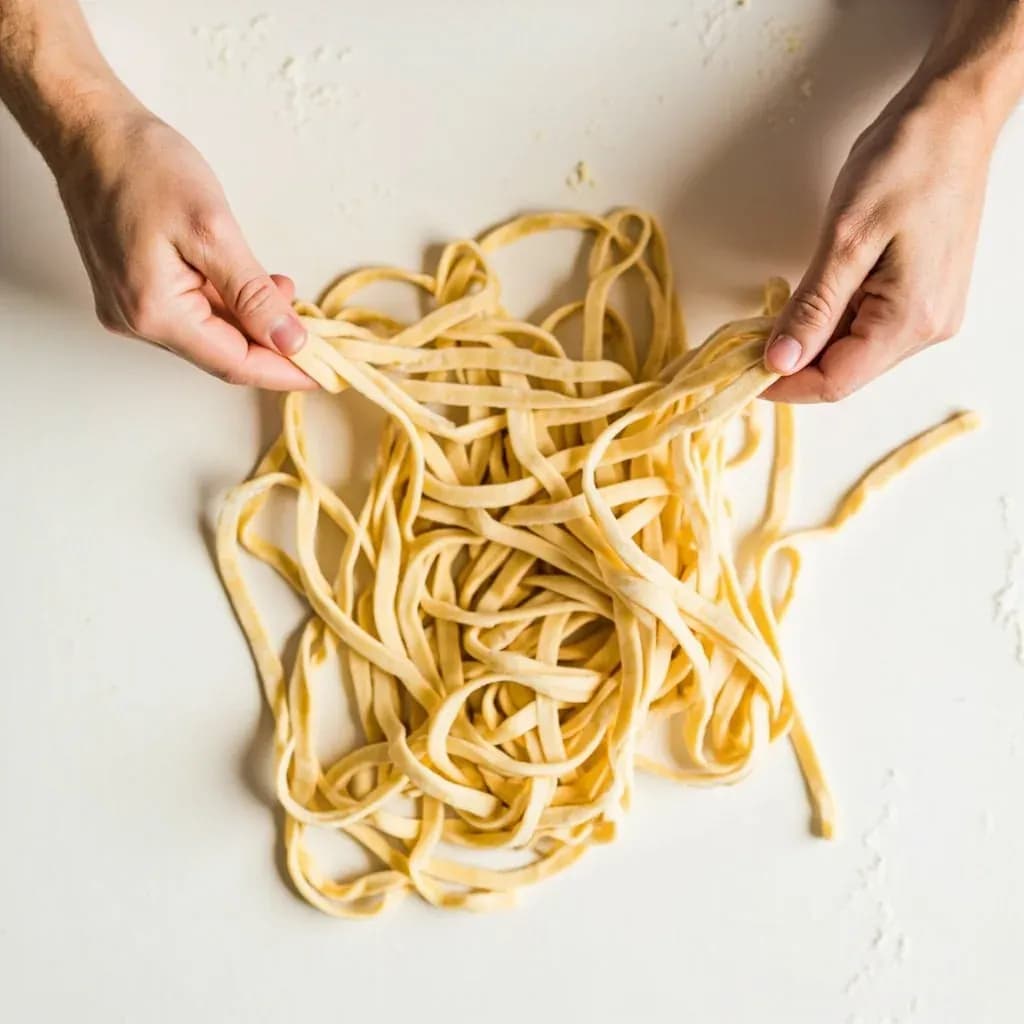
Hand-Pulling Noodles
Repeatedly stretching and folding dough by hand to draw out thin noodle strands.
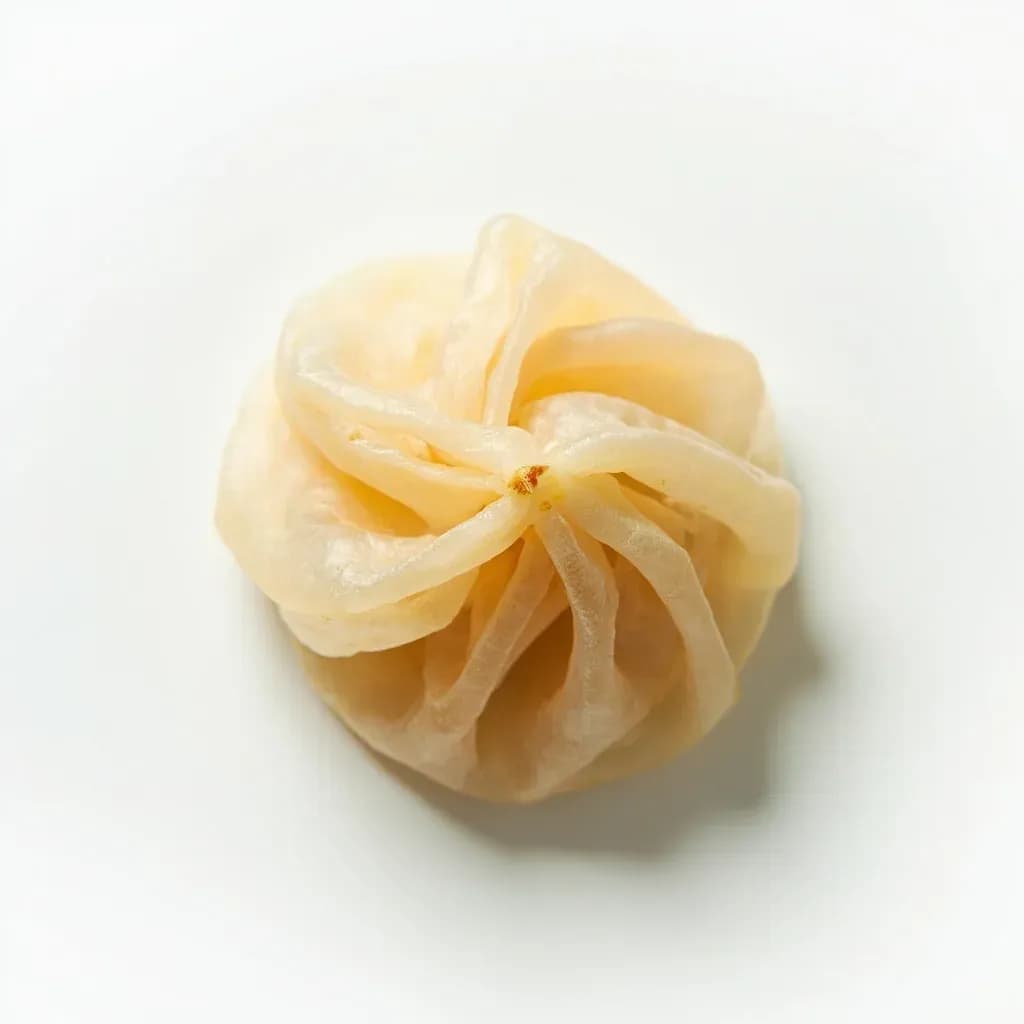
Har Gow Crescent Folding
Pleating translucent dumpling wrappers into the classic shrimp har gow crescent.
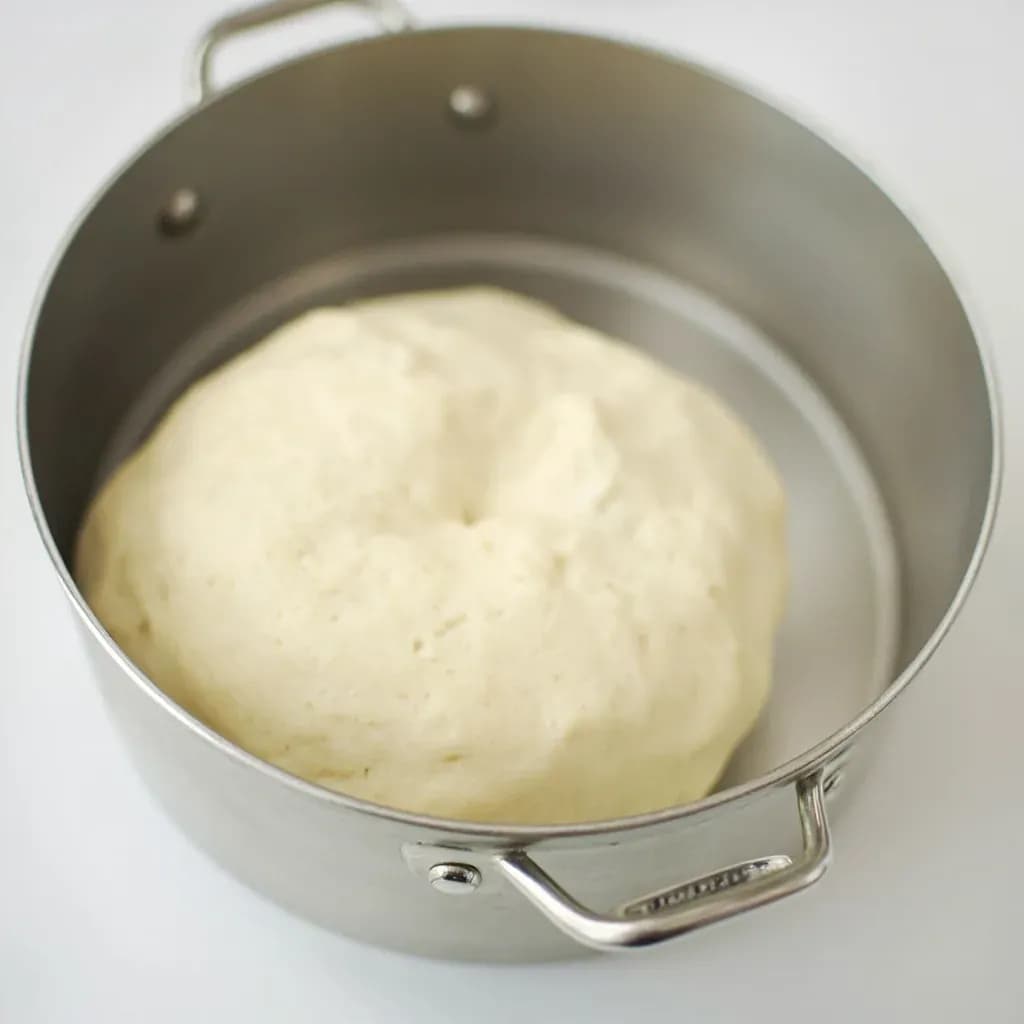
Hot-Water Dough Making
Mixing flour with boiling water to scald the starch for soft, pliable wrappers.
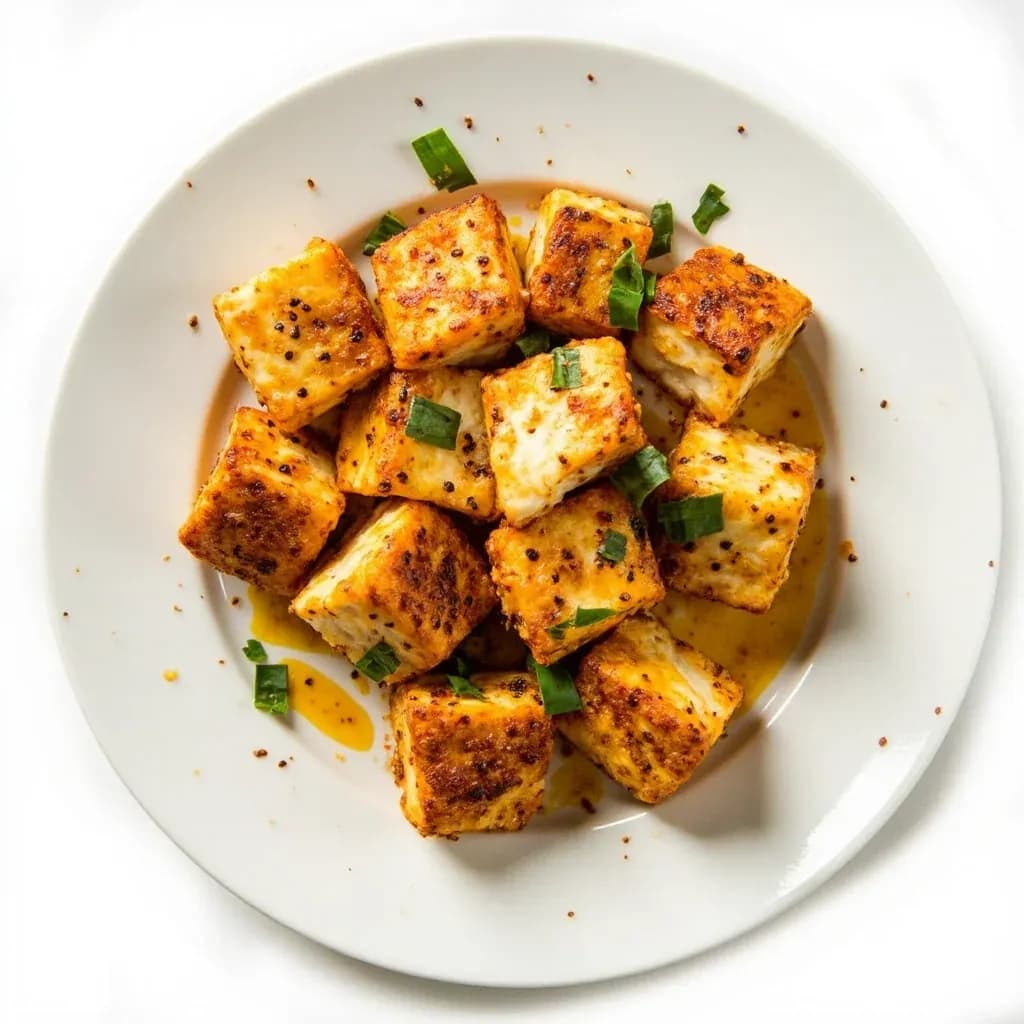
Hung Curd Coating
Coating ingredients in strained, thick yogurt for marinades and dips.
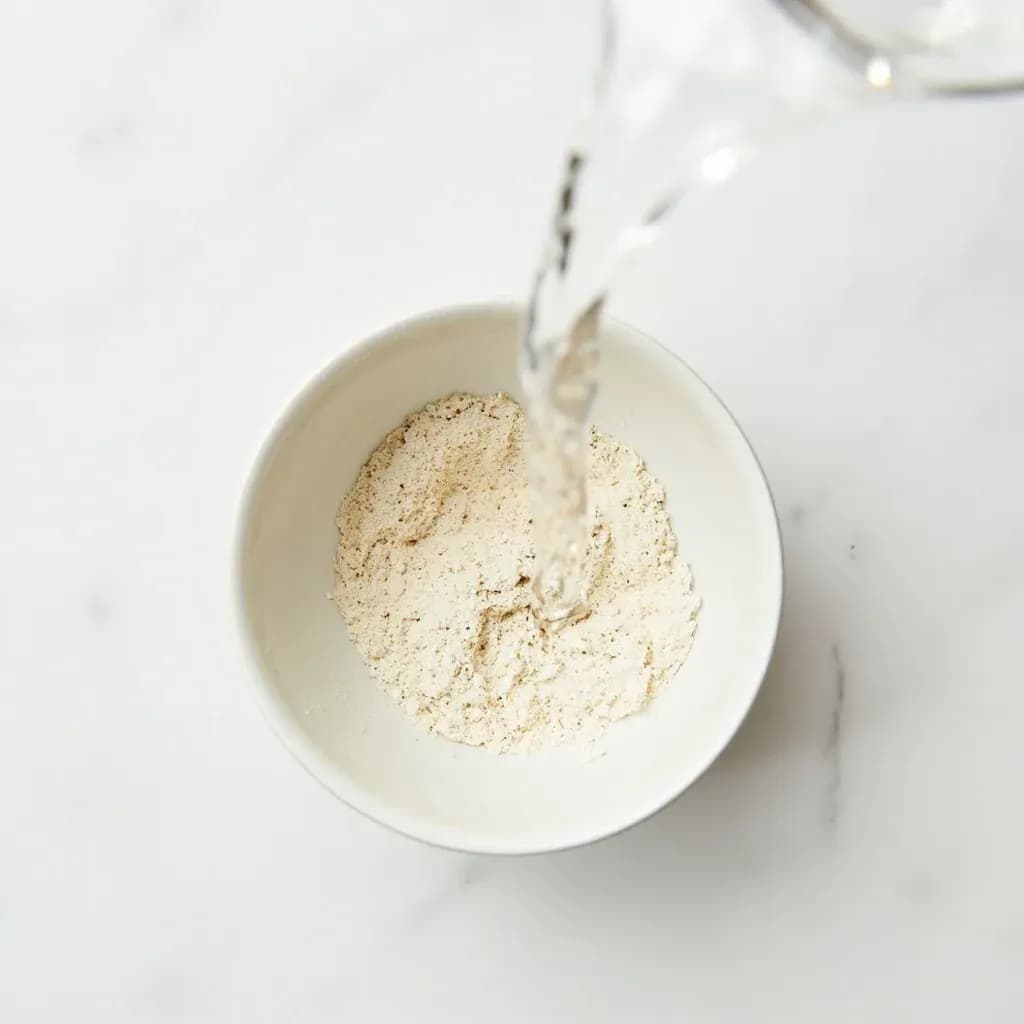
Hydration / Water Mixing
Gradually adding water to flour or dry mixes to reach the right consistency.
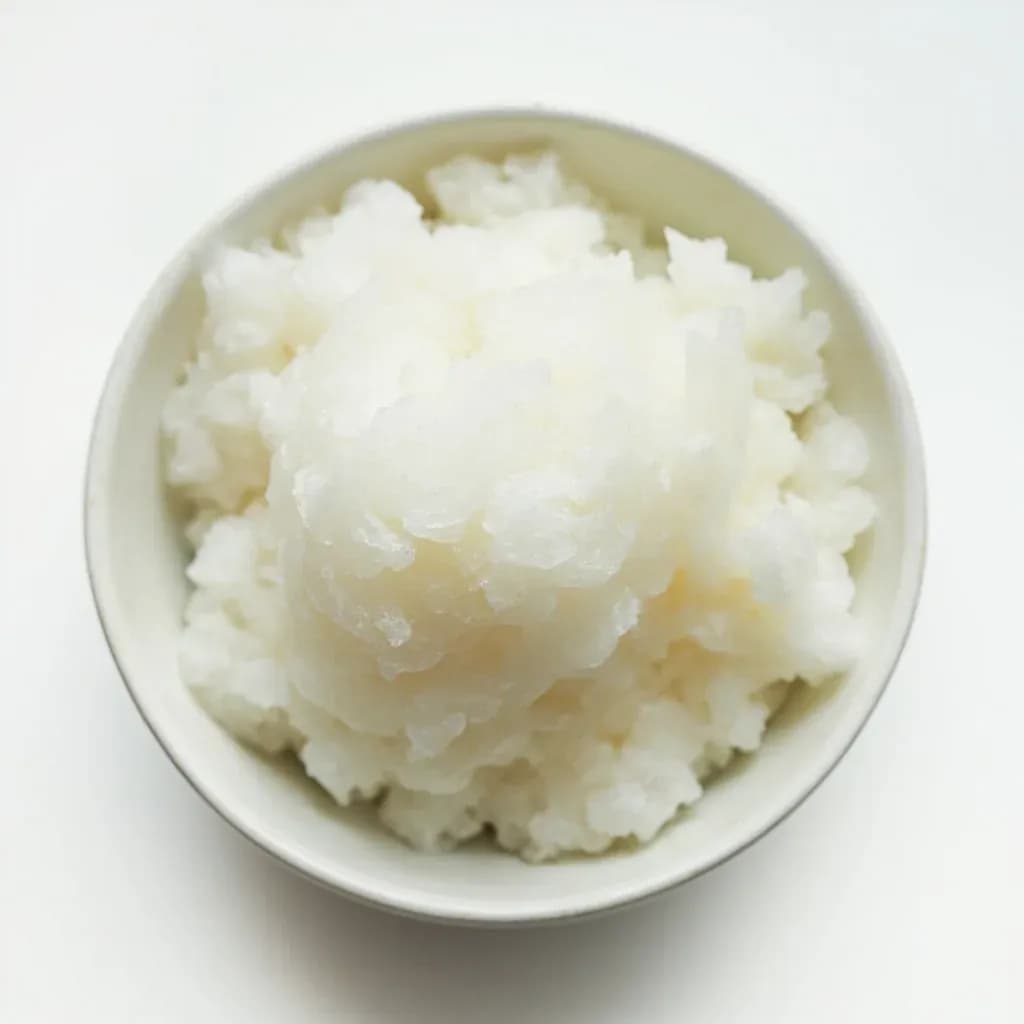
Ice Shaving
Shaving a block of ice into fine, fluffy flakes for shaved-ice desserts.
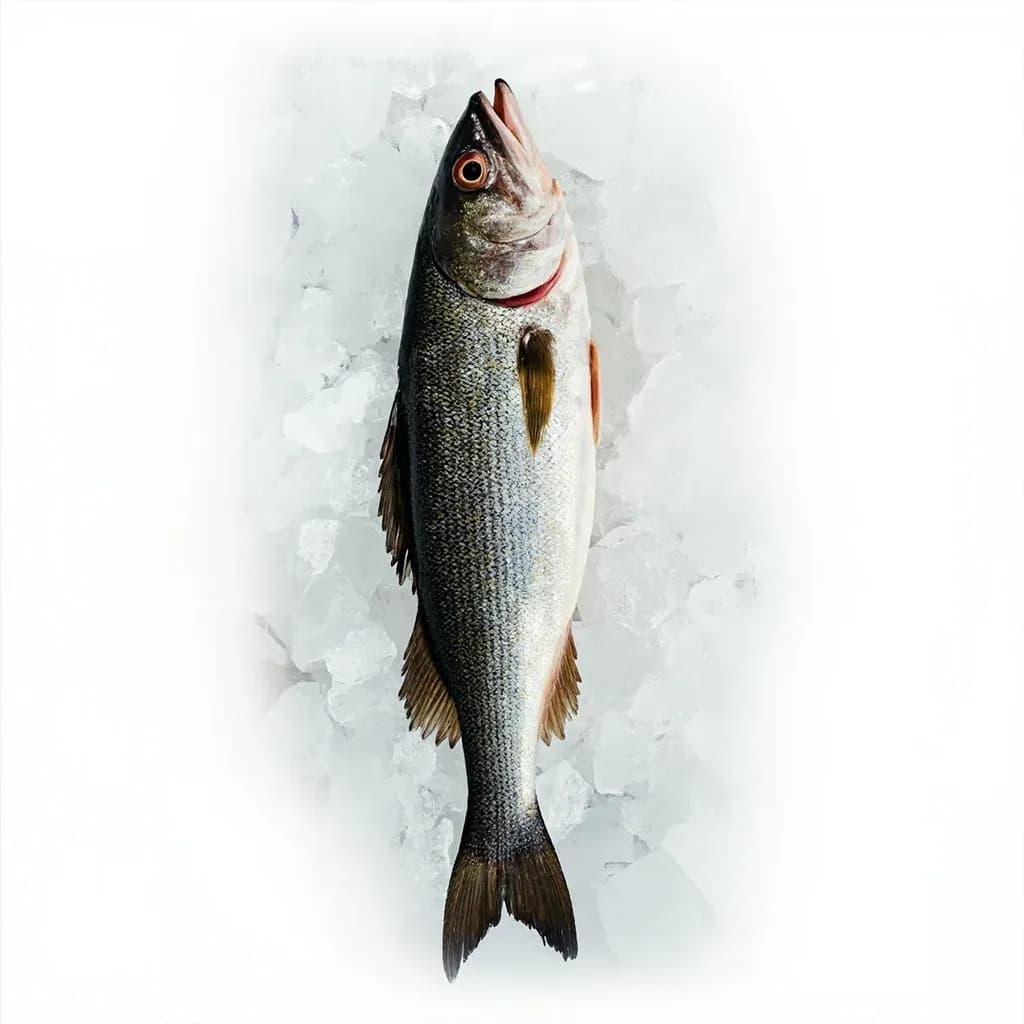
Icing Down (On-Ice Storage)
Burying fresh ingredients in ice to chill and hold them safely.
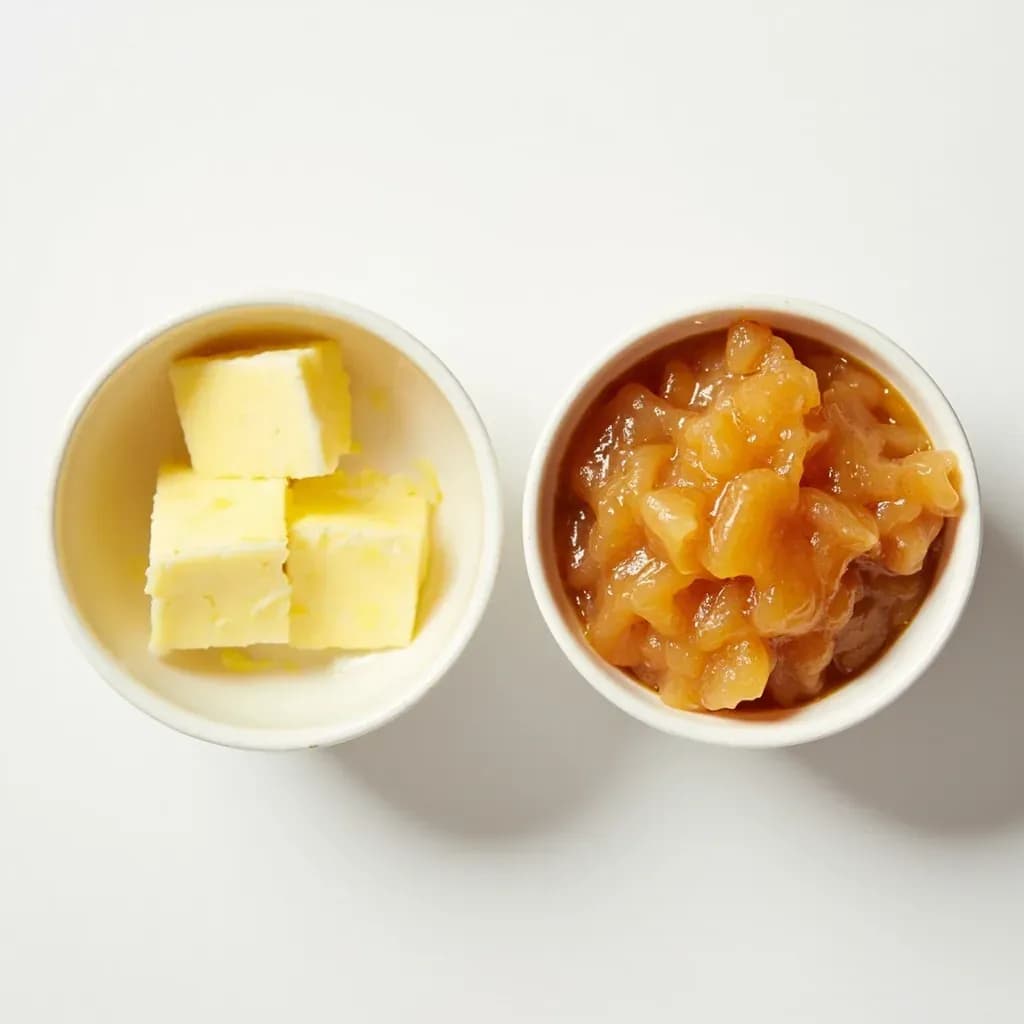
Ingredient Substitution
Swapping one ingredient for another to suit diet, availability, or function.
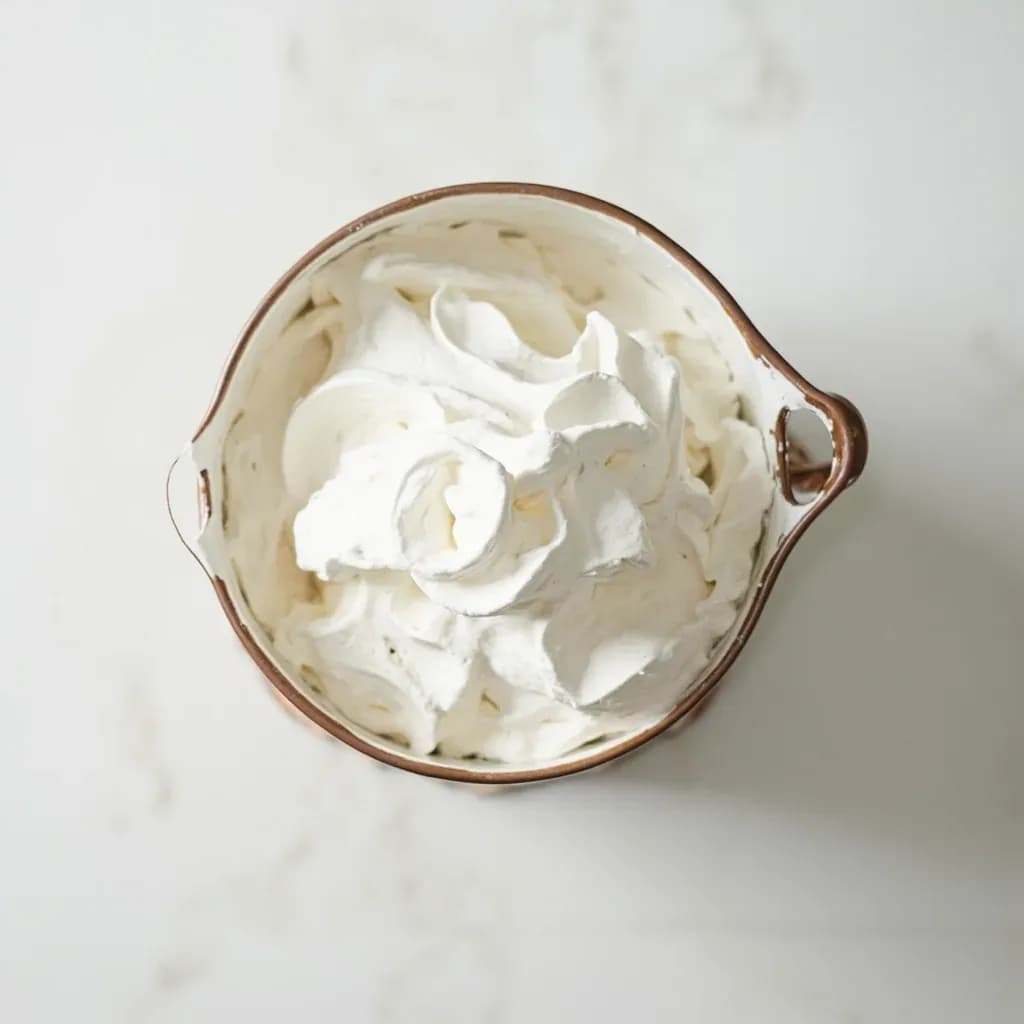
Italian Meringue
Whipping egg whites with hot sugar syrup into a glossy, cooked, stable foam.
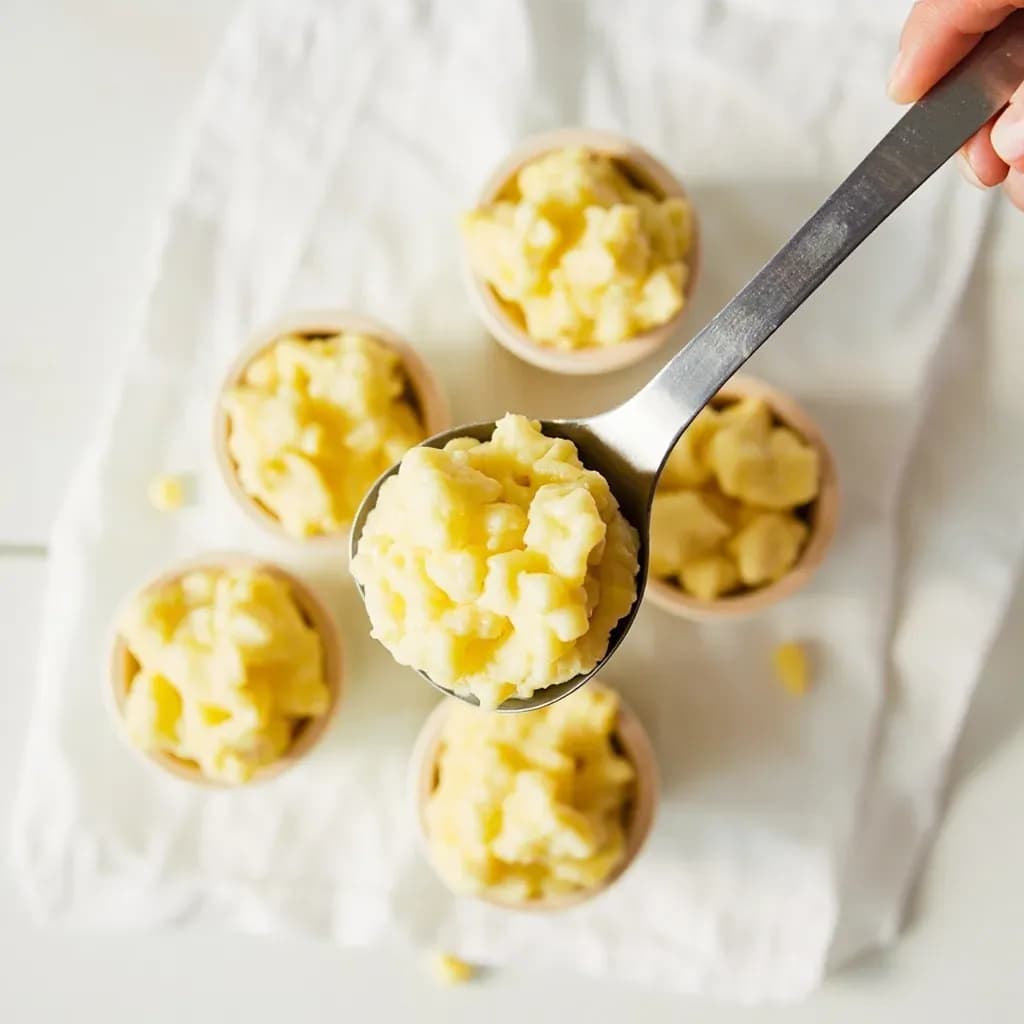
Ladling Curds into Molds
Gently scooping cut cheese curds into molds to drain and shape them.
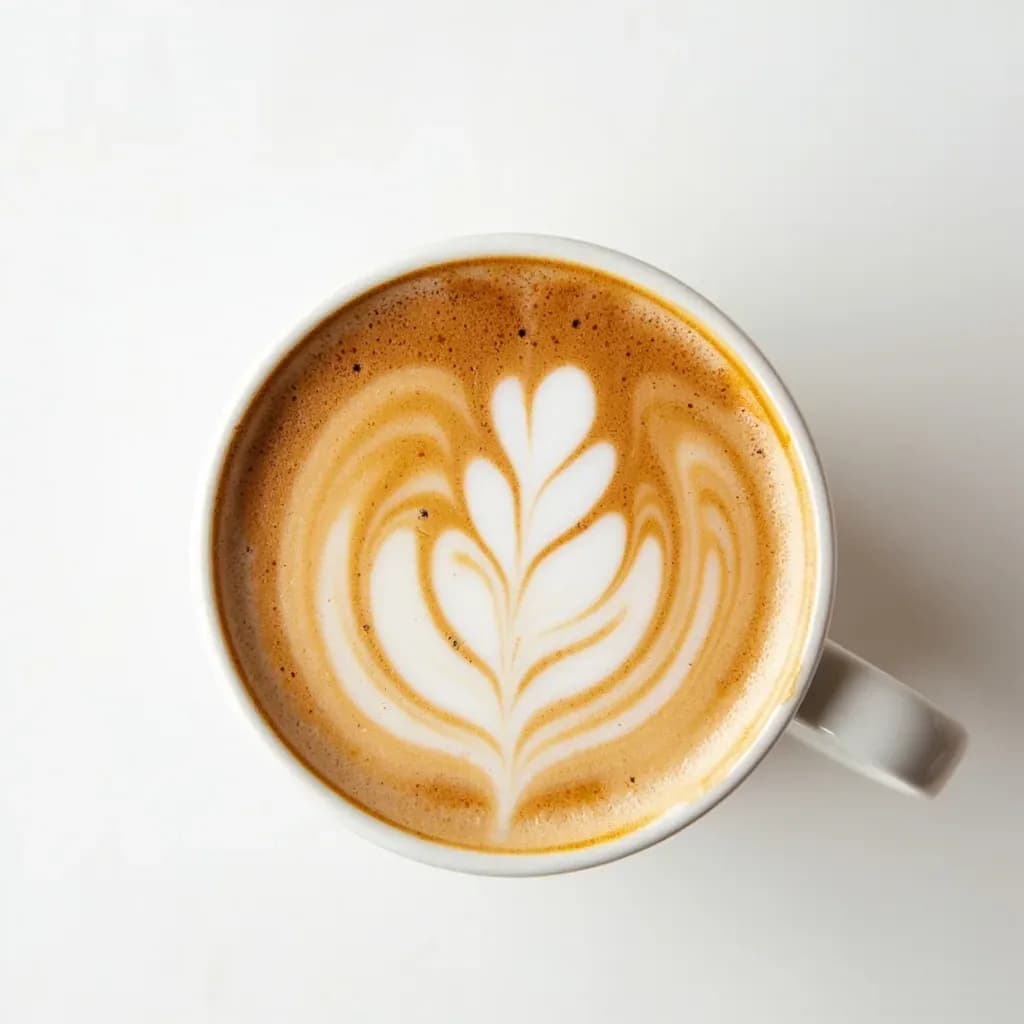
Latte Art
Pouring steamed milk into espresso to draw patterns in the crema.
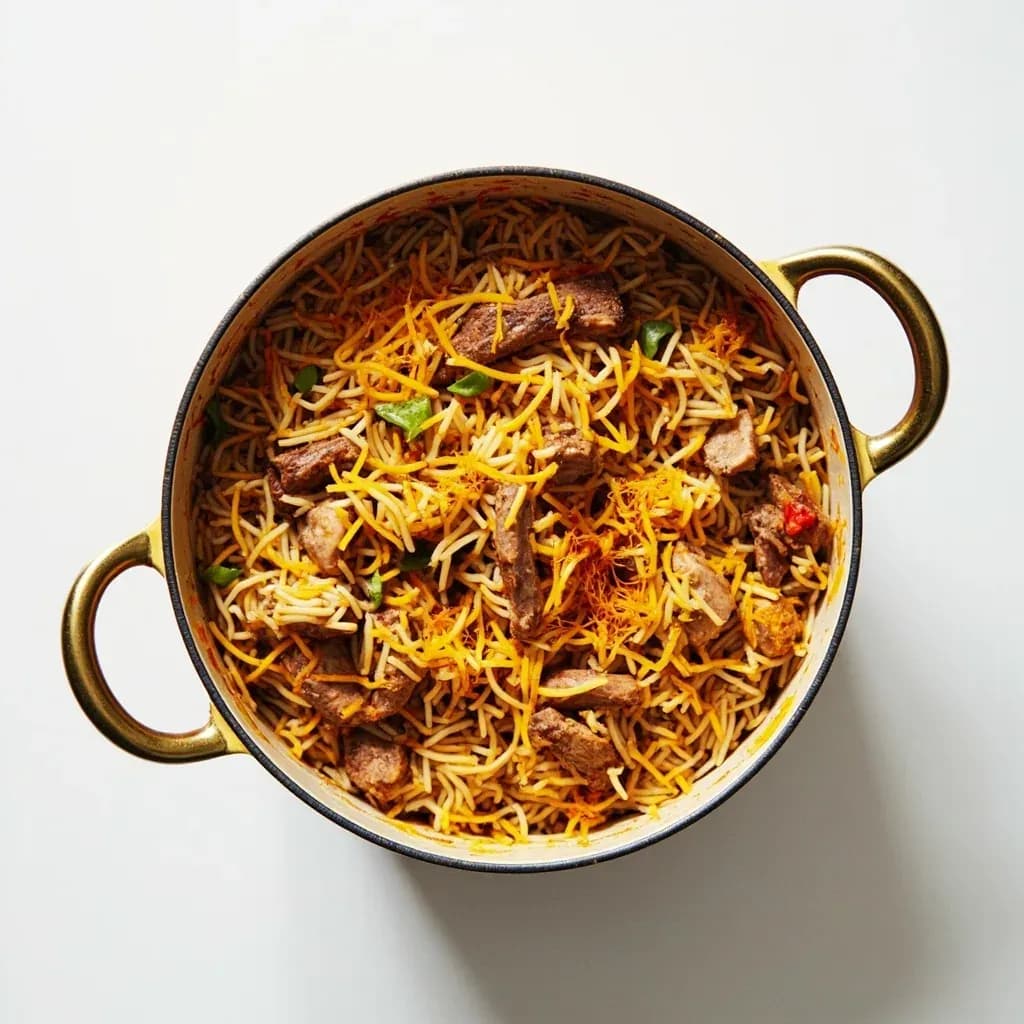
Layering Biryani
Alternating partly cooked rice and spiced meat for a layered dum biryani.
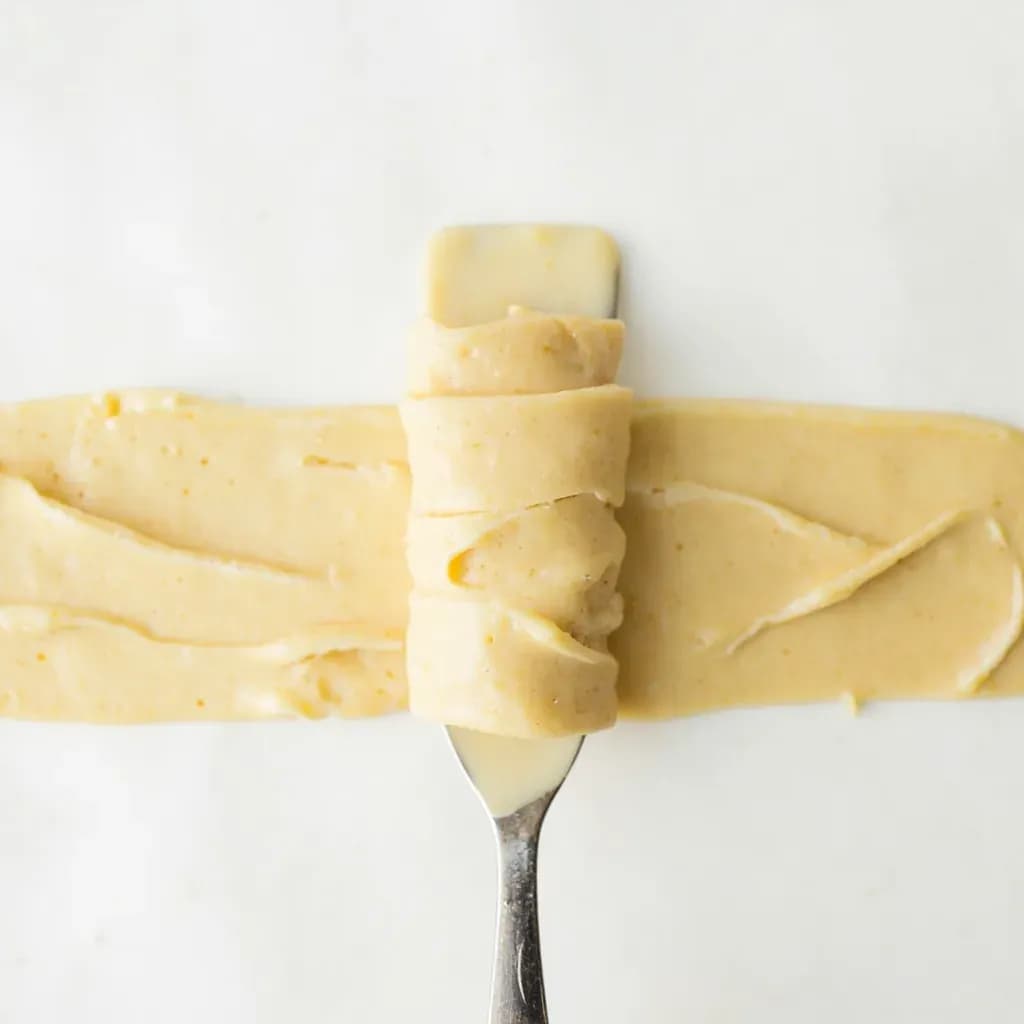
Macaronage
Folding almond-sugar into meringue to the exact flowing consistency for macarons.
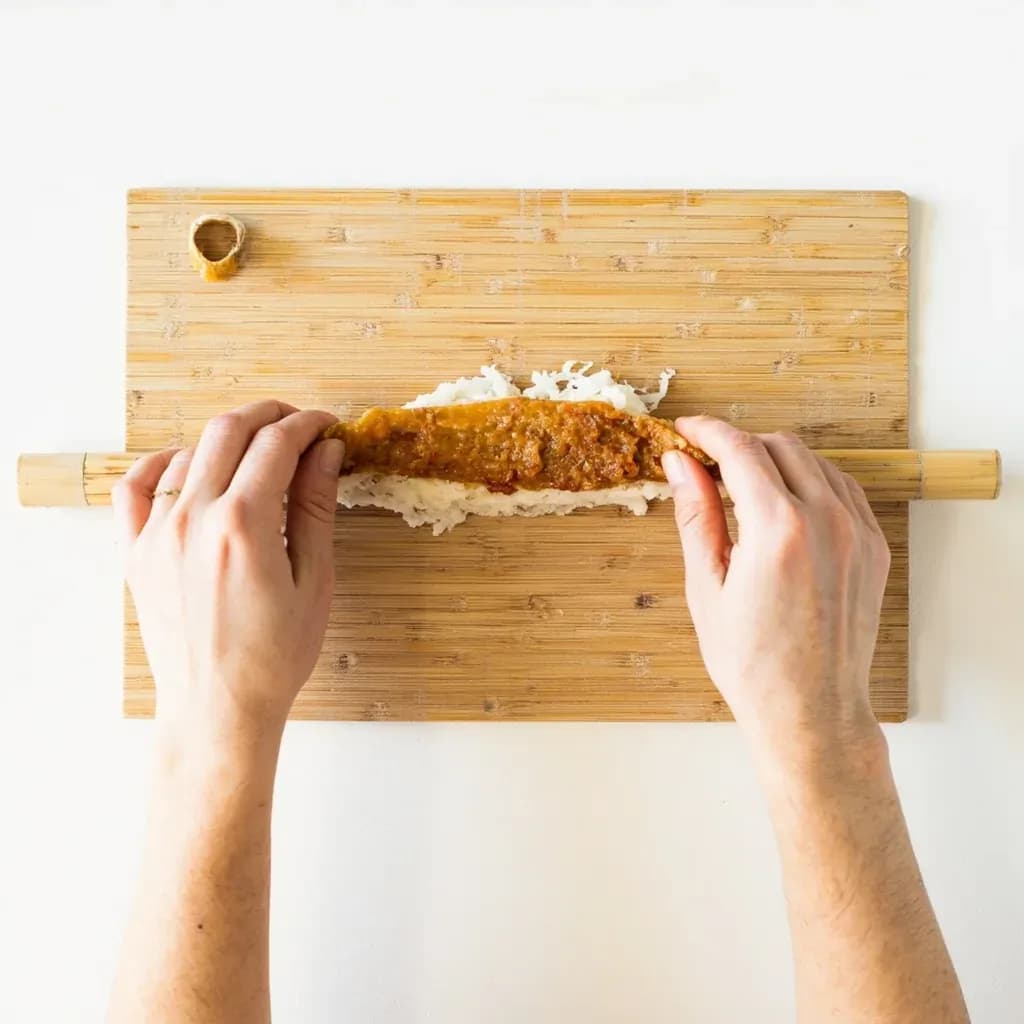
Maki Roll Rolling
Rolling sushi rice and fillings in nori using a bamboo mat into a tight cylinder.
Making a Flax Egg
Mixing ground flax with water into a gel that binds like egg in vegan baking.
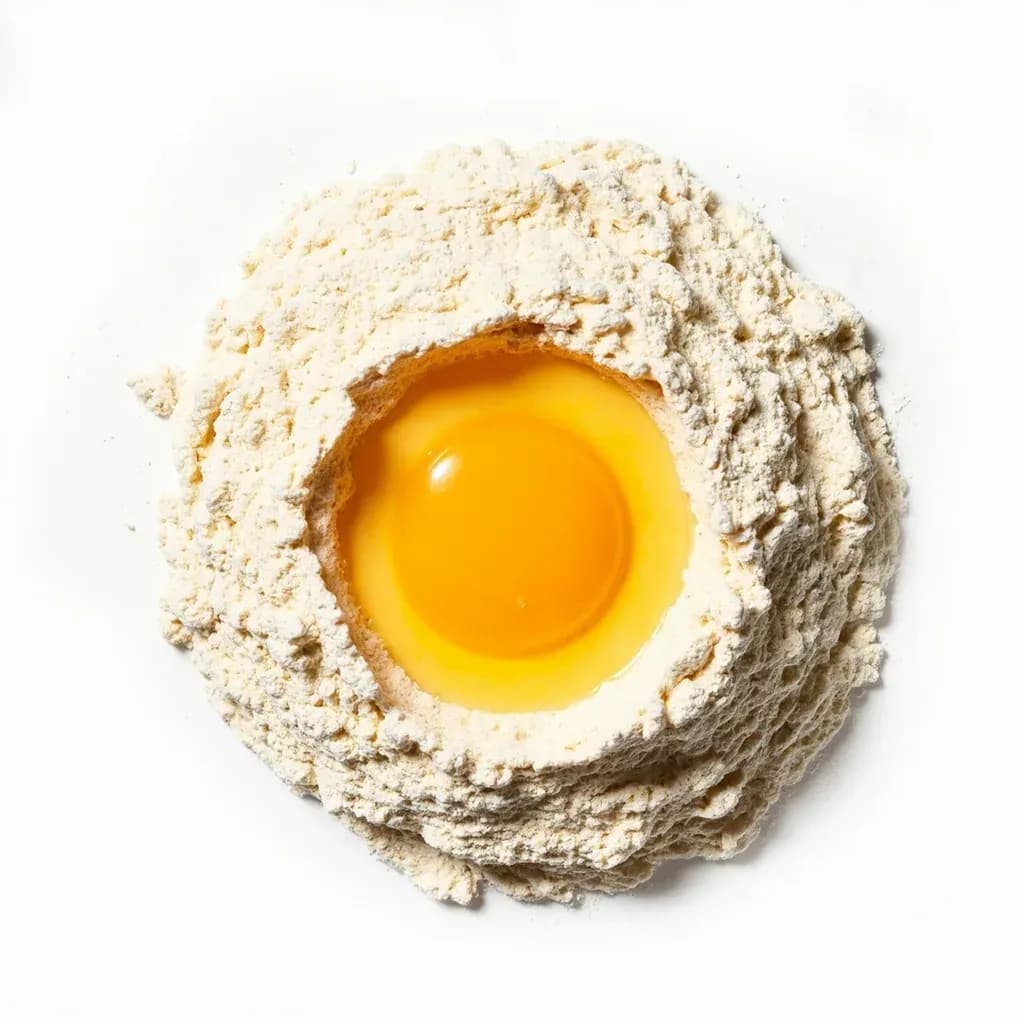
Making the Flour Well (Fontana)
Mounding flour with a center crater to mix in eggs gradually for pasta dough.
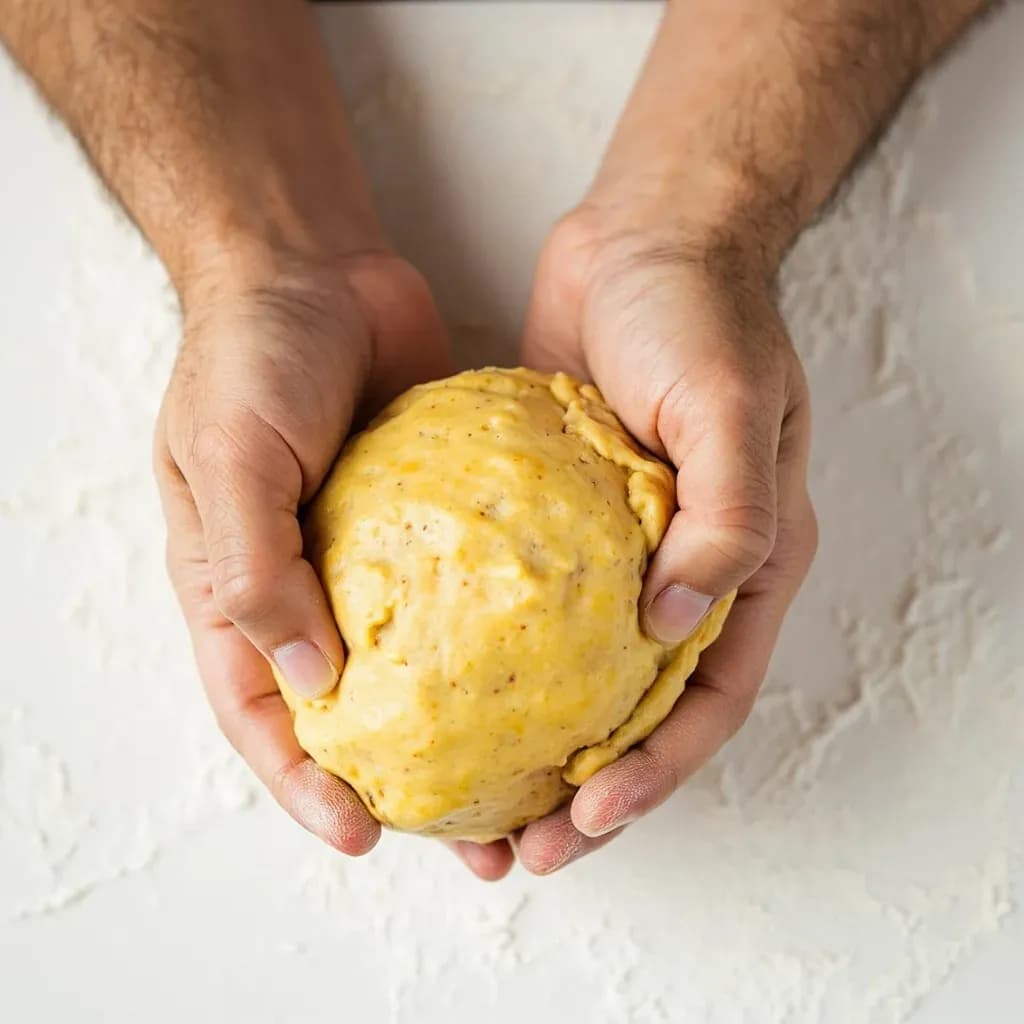
Masa Kneading
Working nixtamal dough and adjusting water to a smooth, pliable masa.
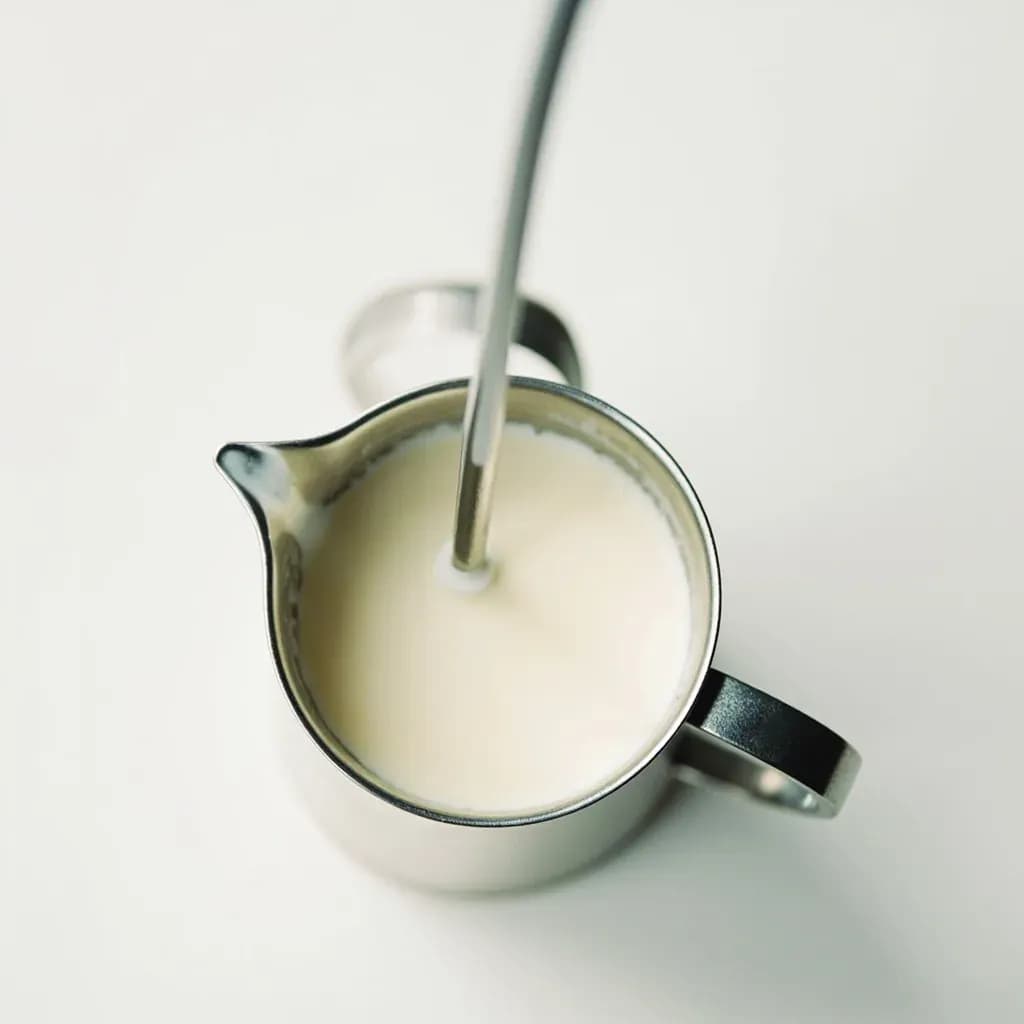
Milk Frothing / Steaming
Aerating and heating milk with steam into glossy microfoam for coffee.
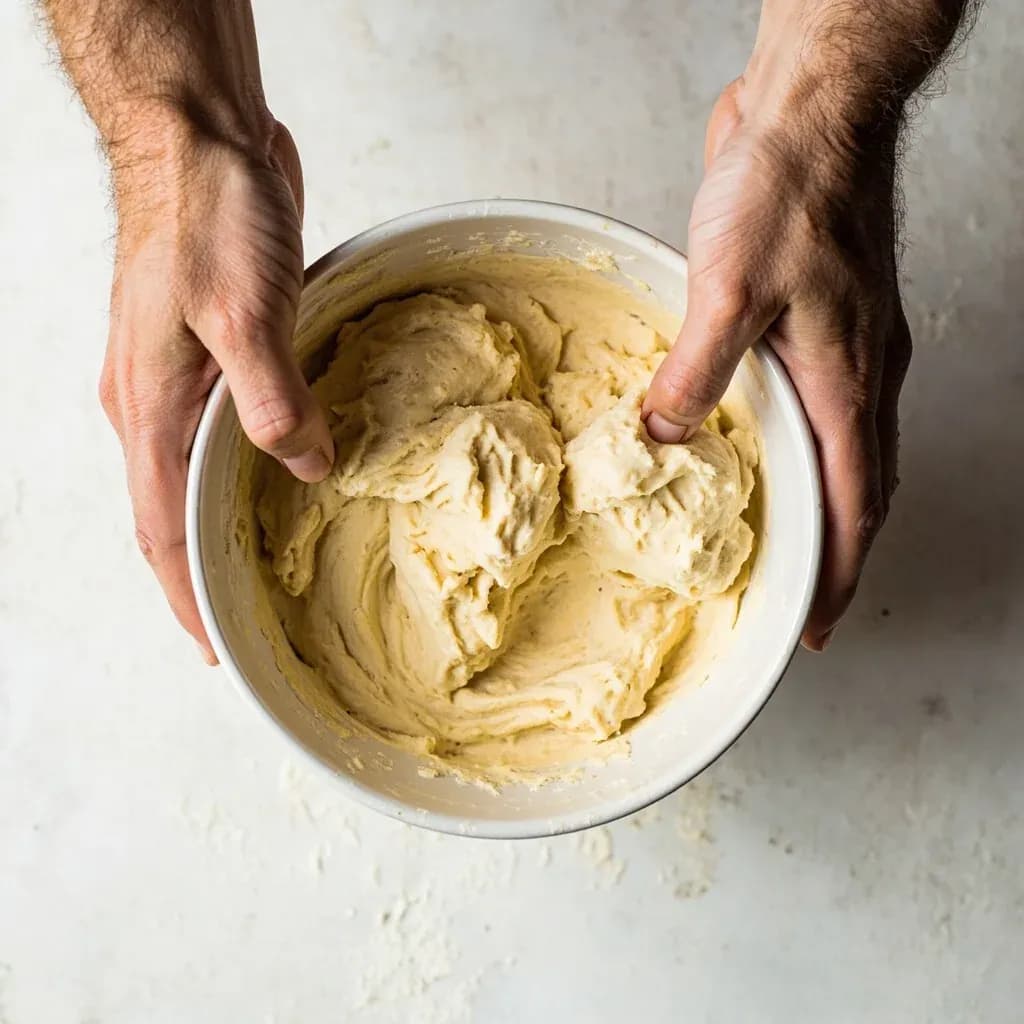
Mixing & Kneading Masa
Combining masa harina or nixtamal with water and fat into workable dough.
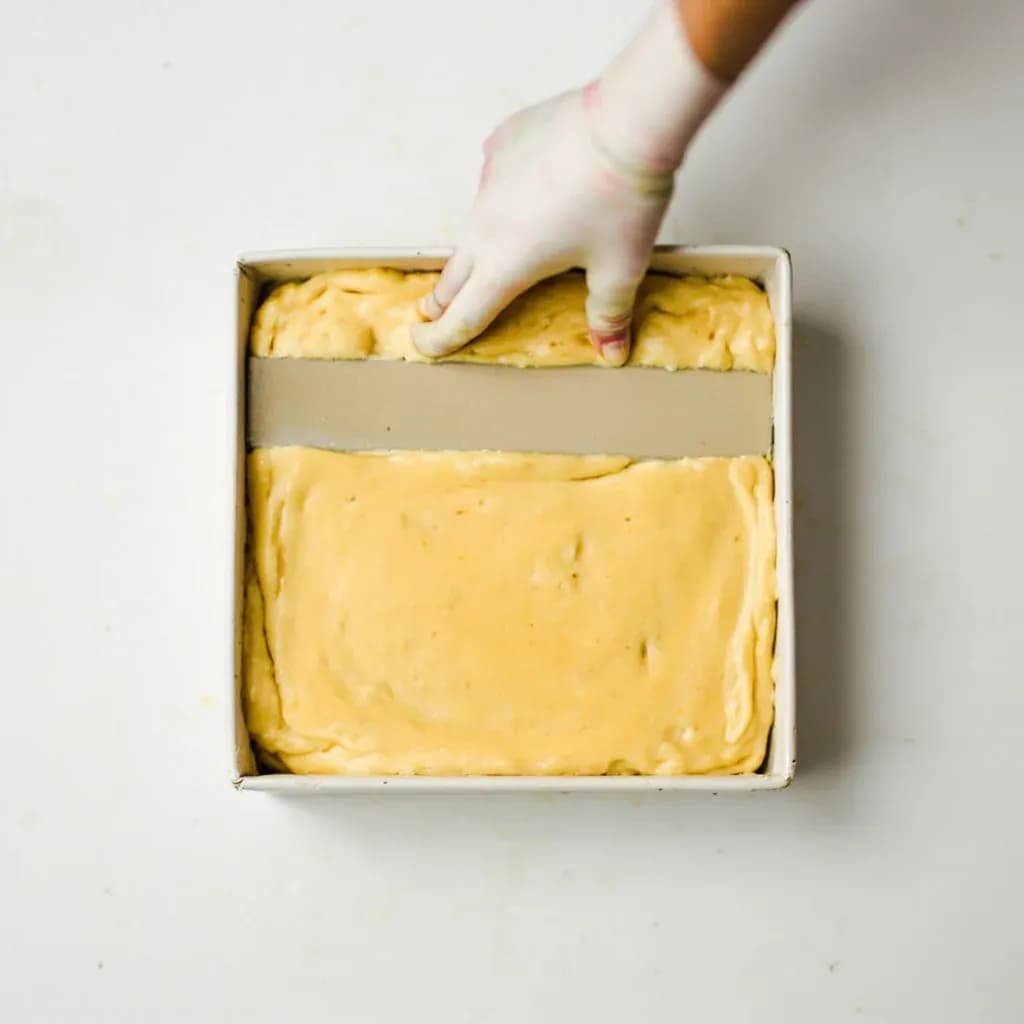
Mold Scraping
Scraping excess off the top of a filled mold for a flat, clean surface.
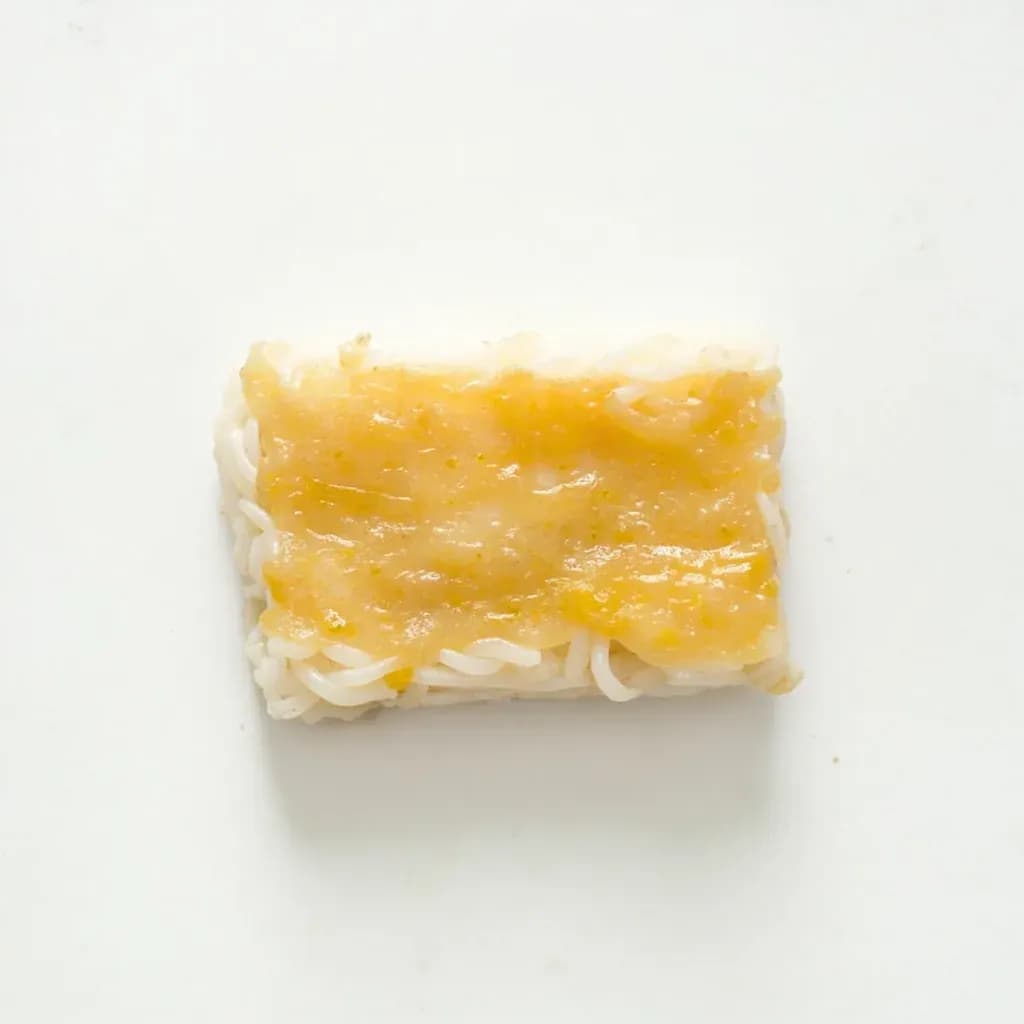
Musubi Pressing
Pressing rice in a rectangular mold for tight, sliceable Spam musubi or onigiri.
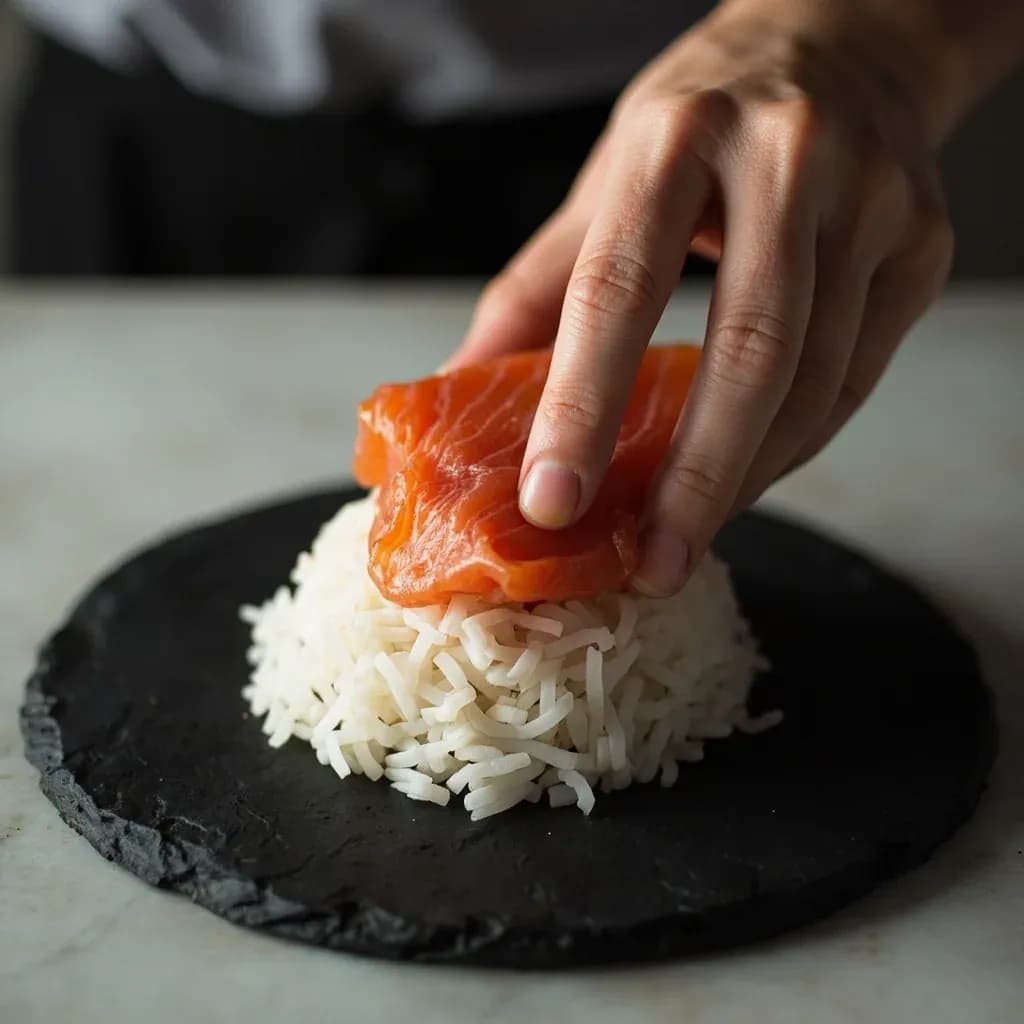
Nigiri Hand-Forming (Nigiru)
Pressing seasoned sushi rice into a small oblong mound and draping fish over it by hand.
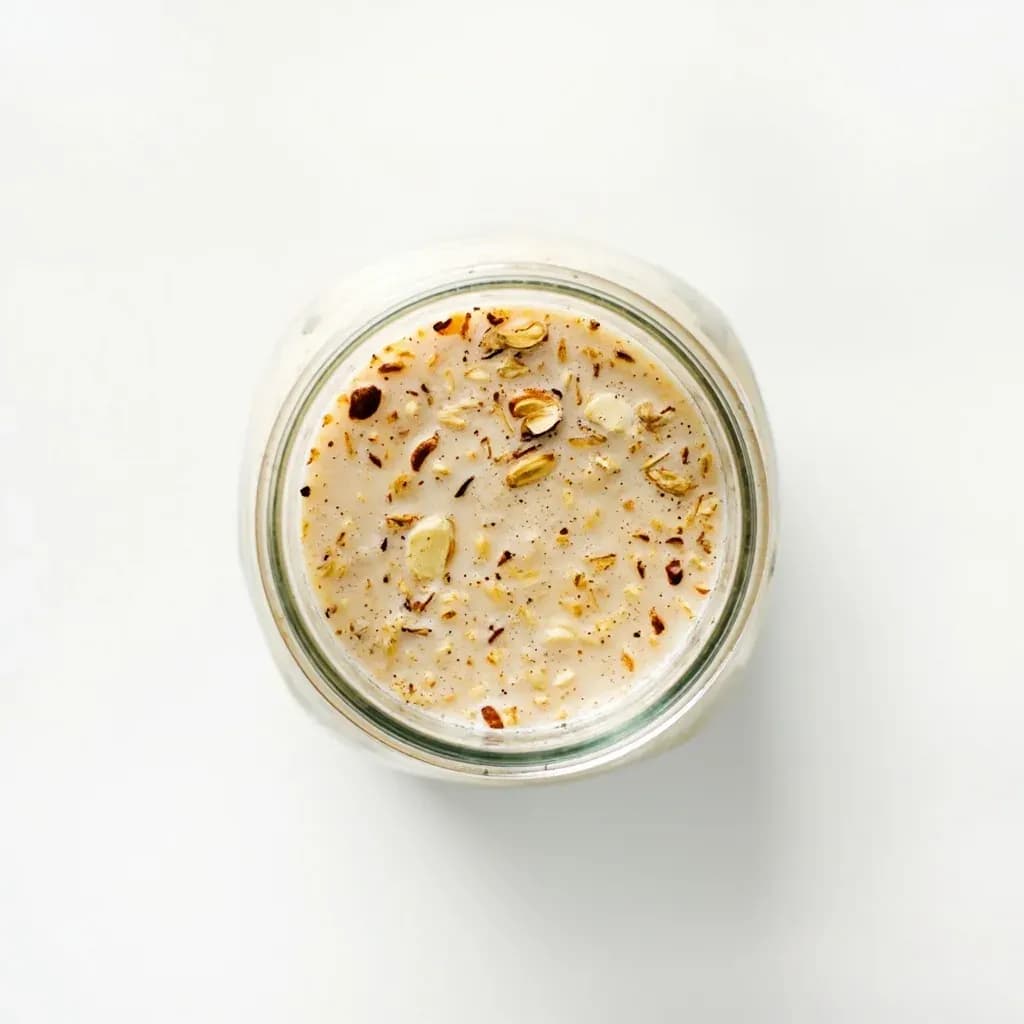
Overnight Soaking
Steeping grains, legumes, seeds, or oats in liquid for hours to hydrate and soften them.
Plantain Smashing (Mofongo Mashing)
Mashing fried green plantains with garlic and pork into the dense base of mofongo.
Poke Test
Pressing dough or proofing bread with a finger to judge whether it has risen enough.
Pounding Sambal (Sambal Matah/Goreng)
Crushing chilies, shallots, and aromatics in a mortar into Indonesian sambal paste.
Pounding Taro (Ku'i)
Mashing cooked taro corm with a stone pounder into the Hawaiian staple poi.
Purging Shellfish
Soaking live clams or mussels in salted water so they expel sand and grit.

Recipe Scaling
Adjusting a recipe's ingredient quantities up or down to change the yield.
Removing Air Bubbles
Releasing trapped air from batters, jars, or molds to prevent gaps and spoilage.
Resting Dough
Letting dough sit so gluten relaxes and hydration evens out before shaping.
Rice Noodle Crepe Spreading
Ladling rice batter into a thin even sheet steamed into noodle crepes.
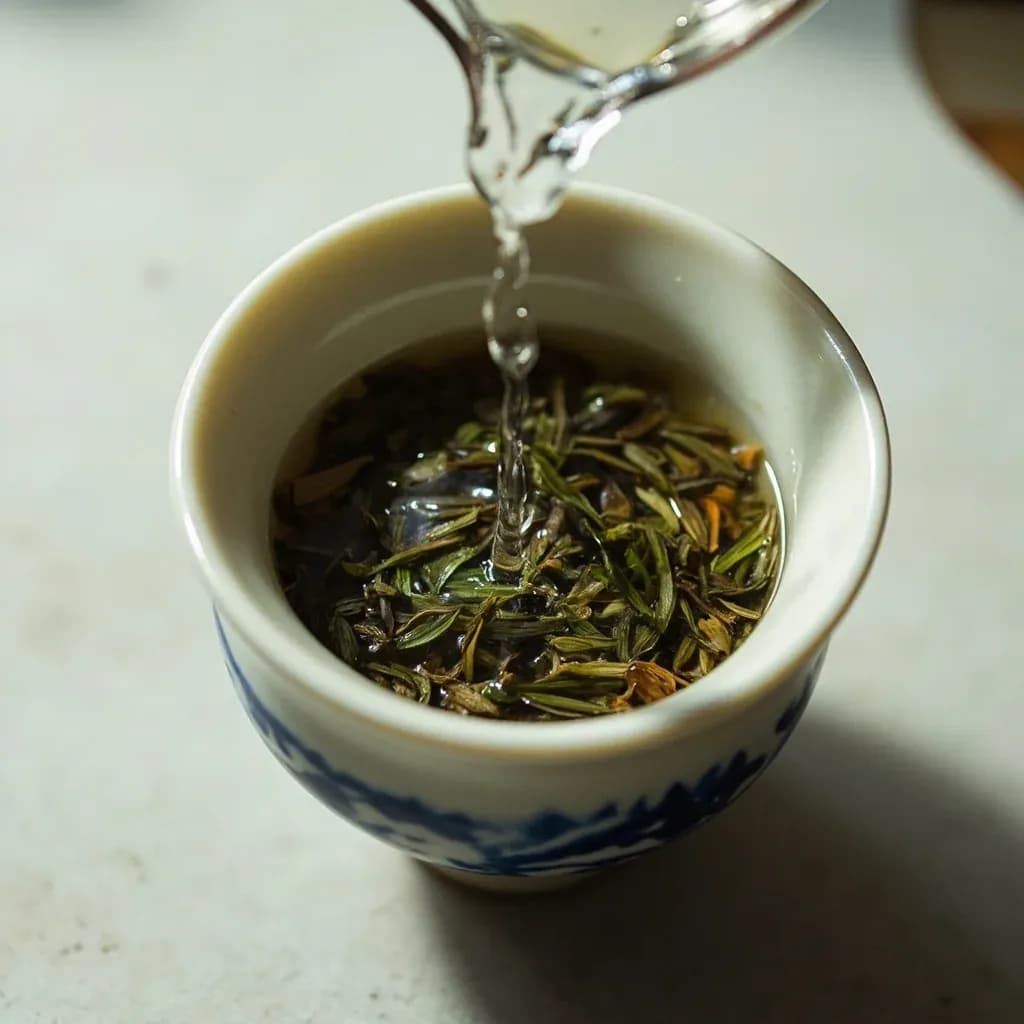
Rinsing / Awakening the Leaves
A quick first pour of hot water over tea leaves to rinse and open them before brewing.
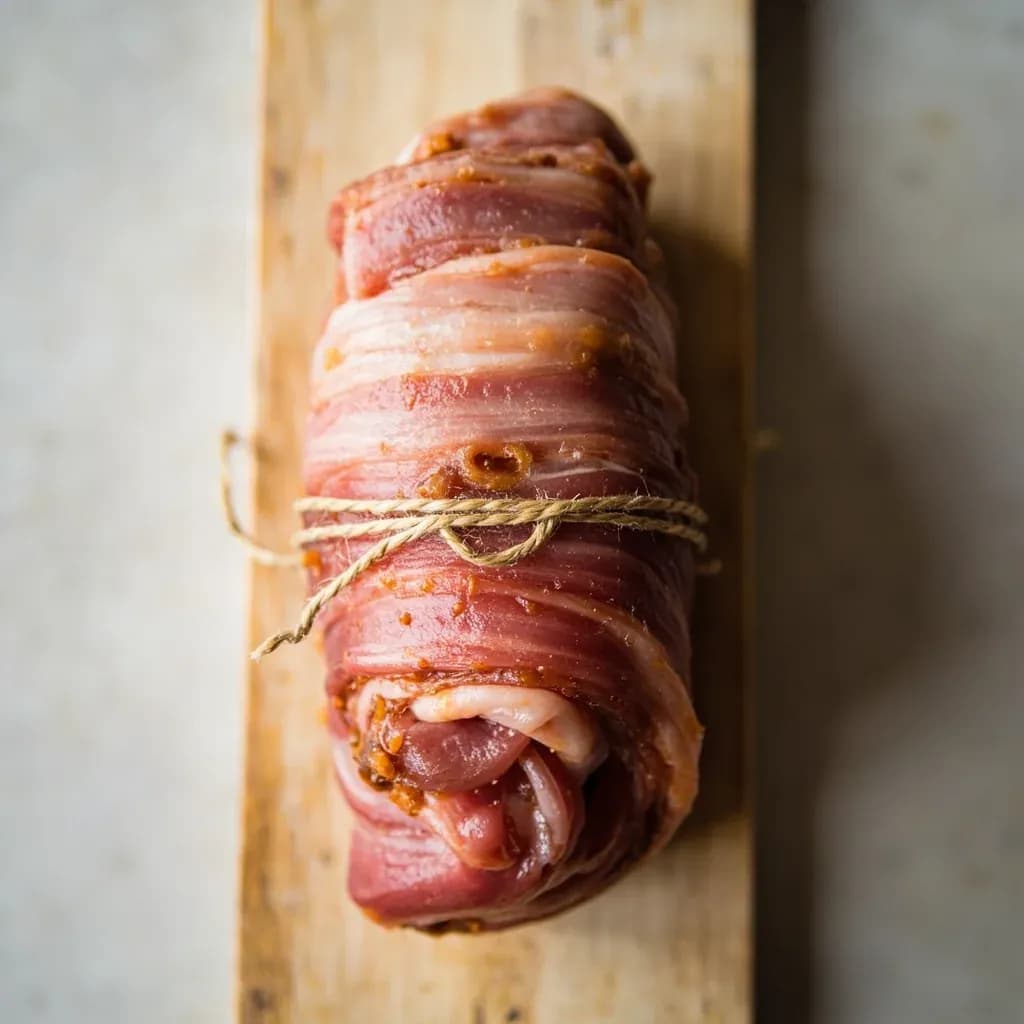
Rolling and Tying Chashu
Rolling a pork belly slab into a tight cylinder and binding it with twine for braising.
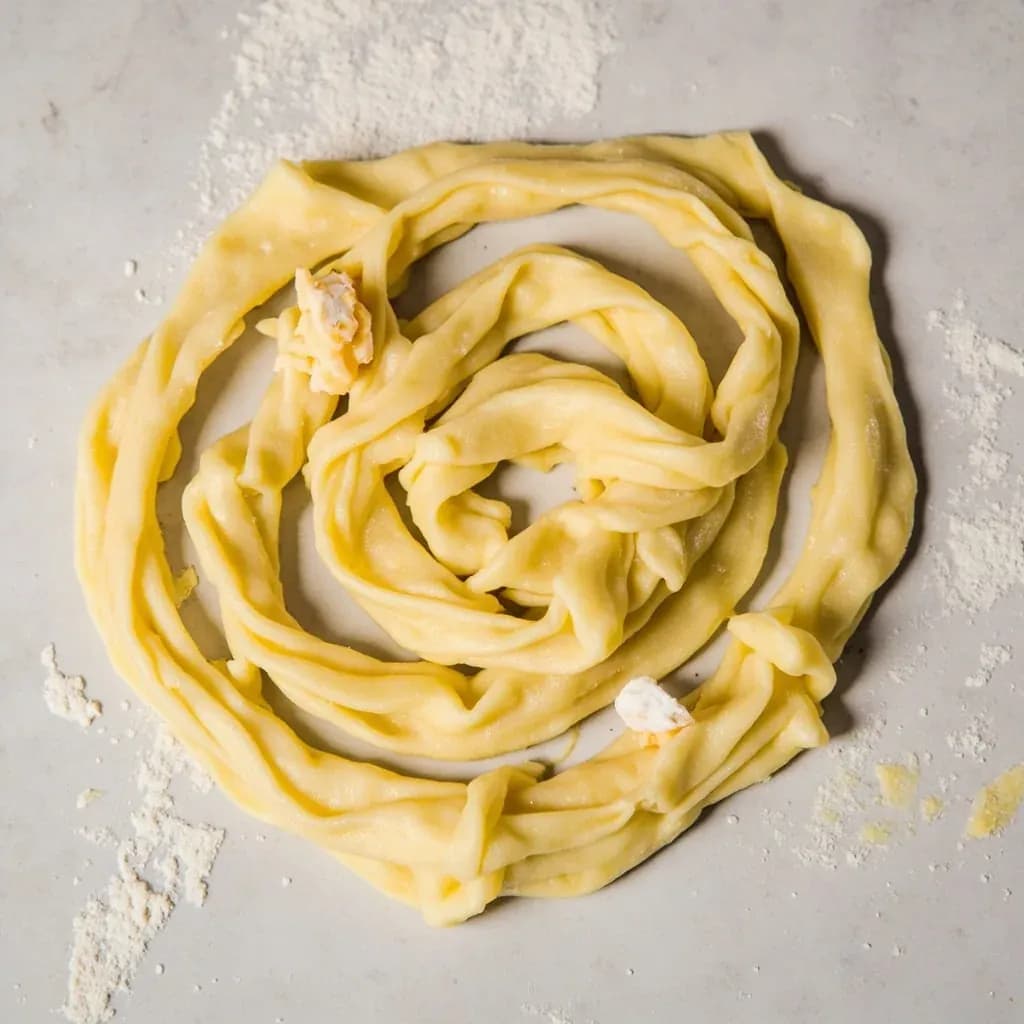
Rolling Filled Dough (Potica)
Spreading filling over thin dough and rolling it into a spiraled loaf or pastry.
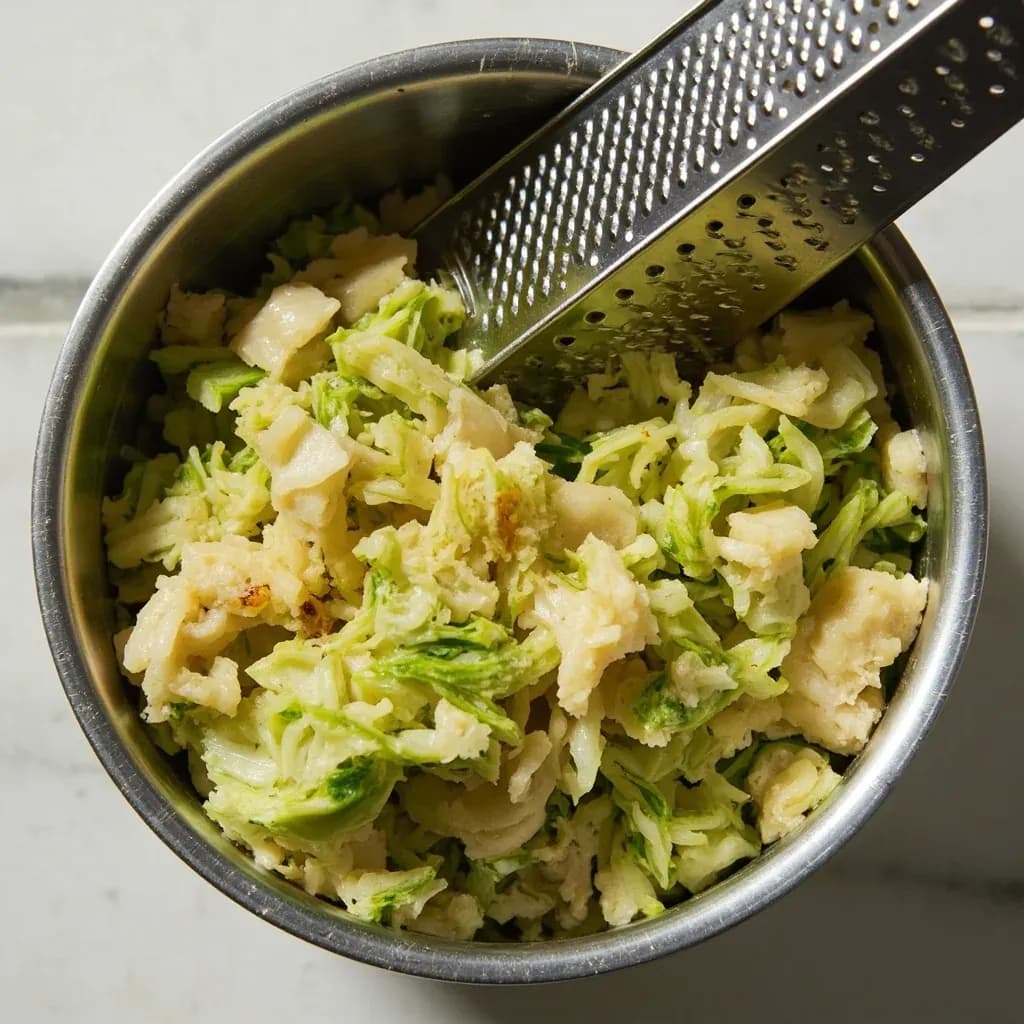
Root-Vegetable Grating (Masa for Pasteles)
Hand-grating green bananas and root vegetables into a wet masa for pasteles.
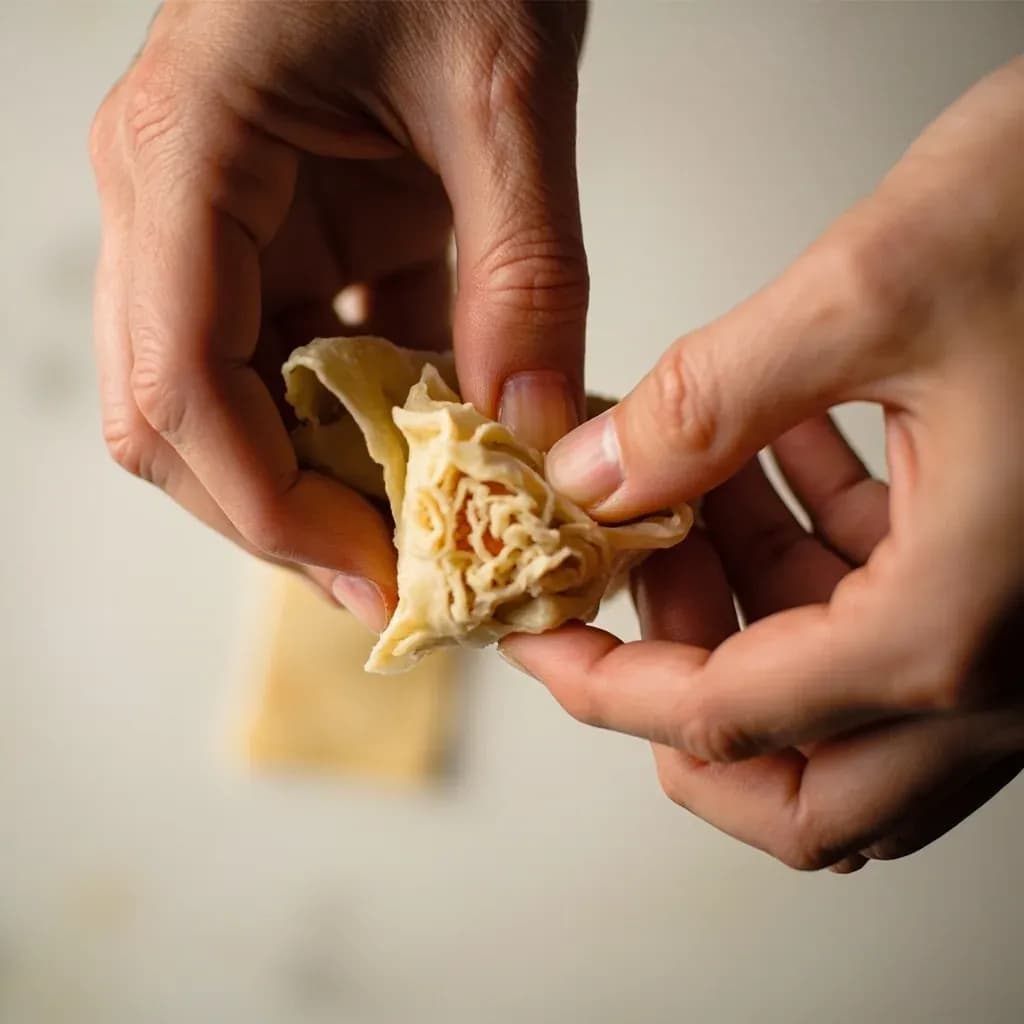
Sambusa Wrapping & Folding
Folding pastry strips into neat sealed triangles around a savory filling.
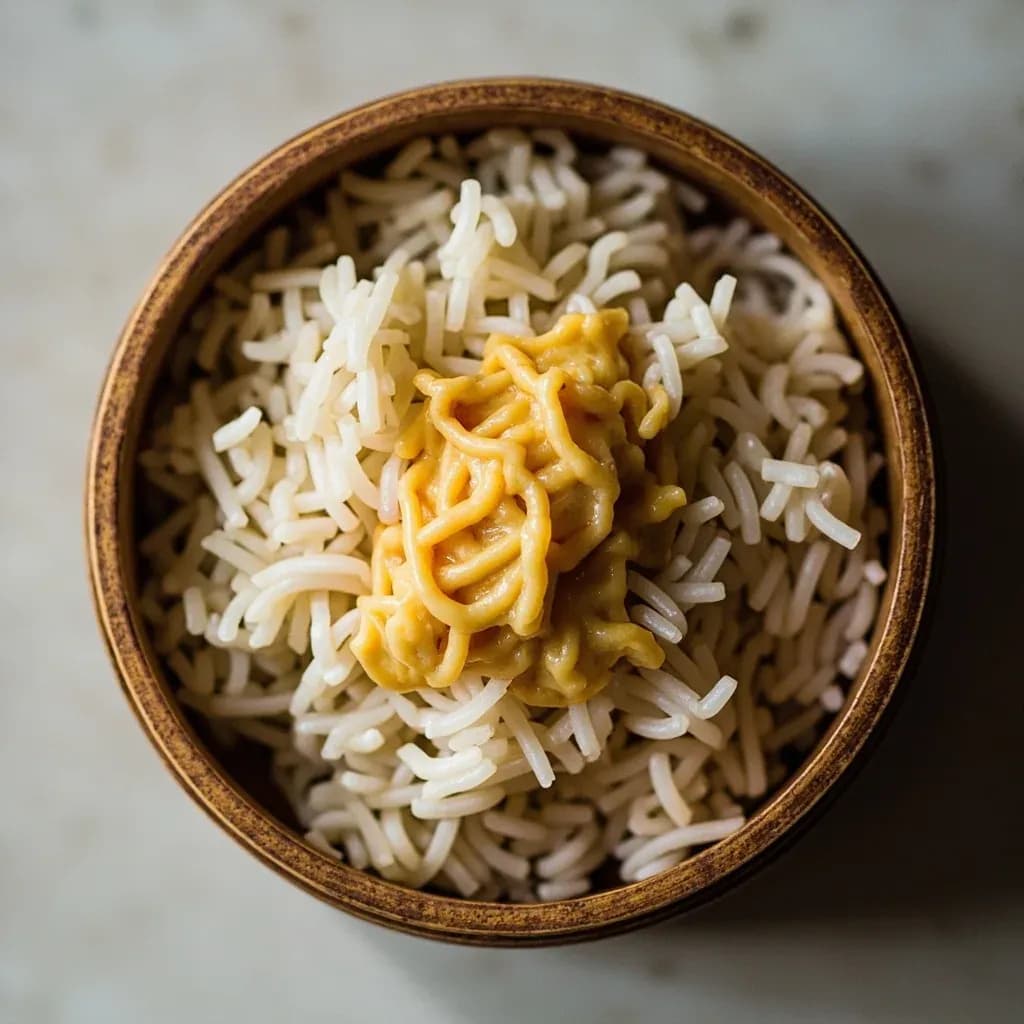
Seasoning Sushi Rice
Folding a vinegar, sugar, and salt mixture through hot rice to make shari.
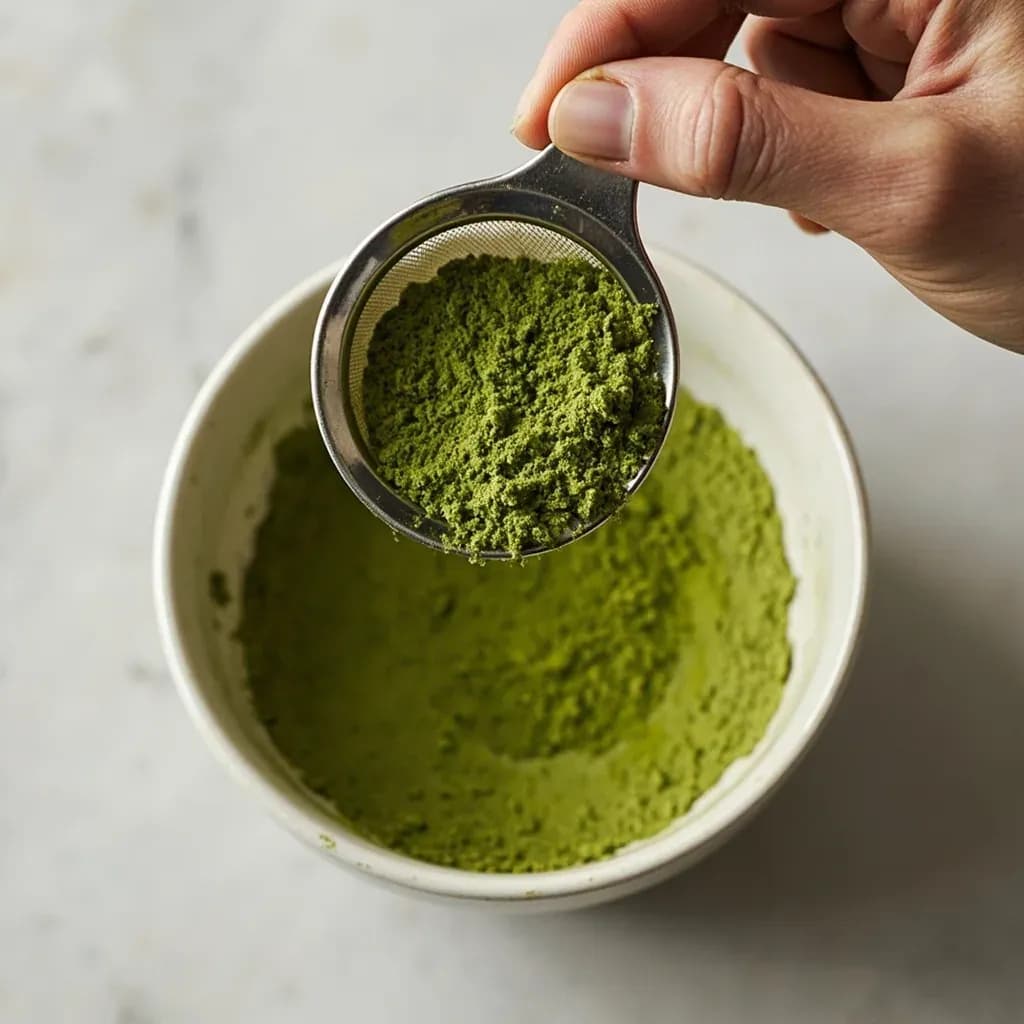
Sifting Matcha
Pushing matcha powder through a fine sieve to break up clumps before whisking.
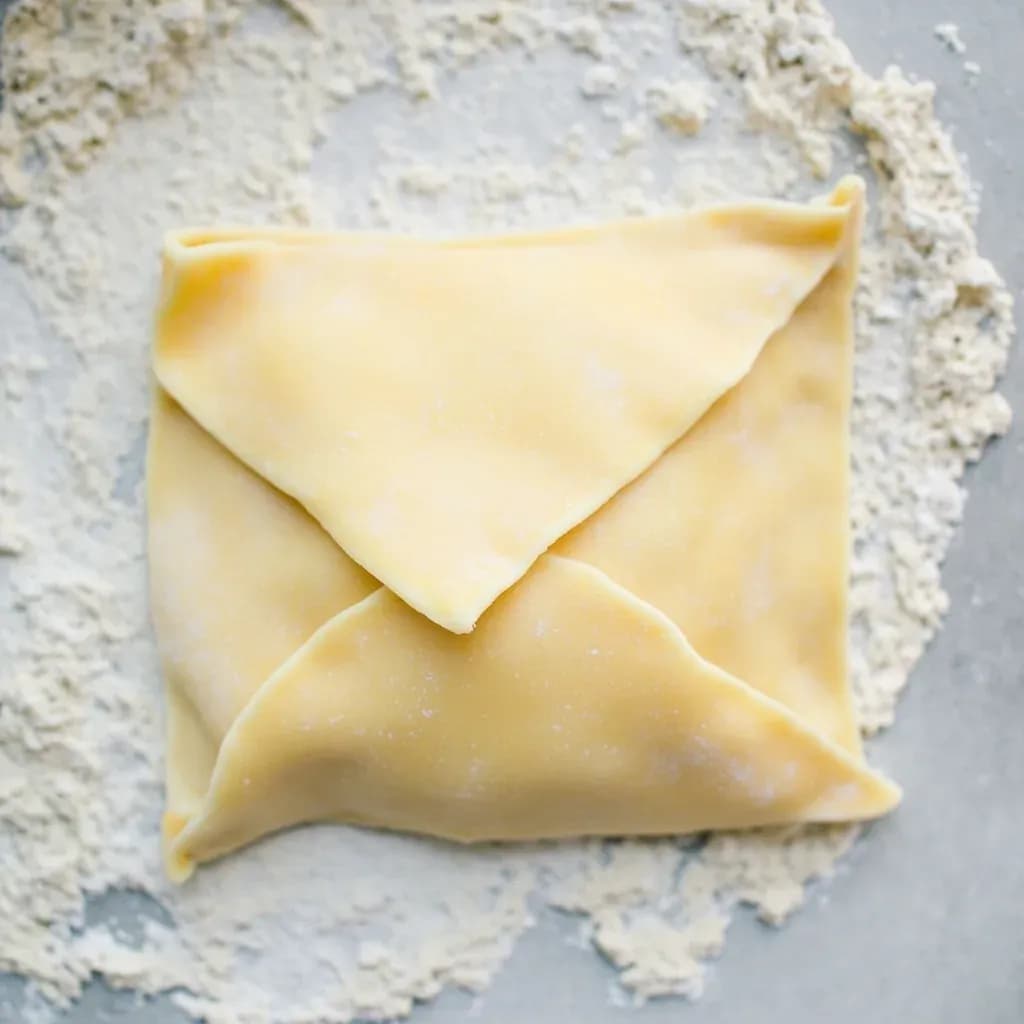
Single Fold (Letter Fold / Tour Simple)
Folding laminated dough in thirds like a letter to build butter layers.
Six-Taste Balancing (Shad Rasa)
Composing a dish to balance the six Ayurvedic tastes: sweet, sour, salty, pungent, bitter, astringent.
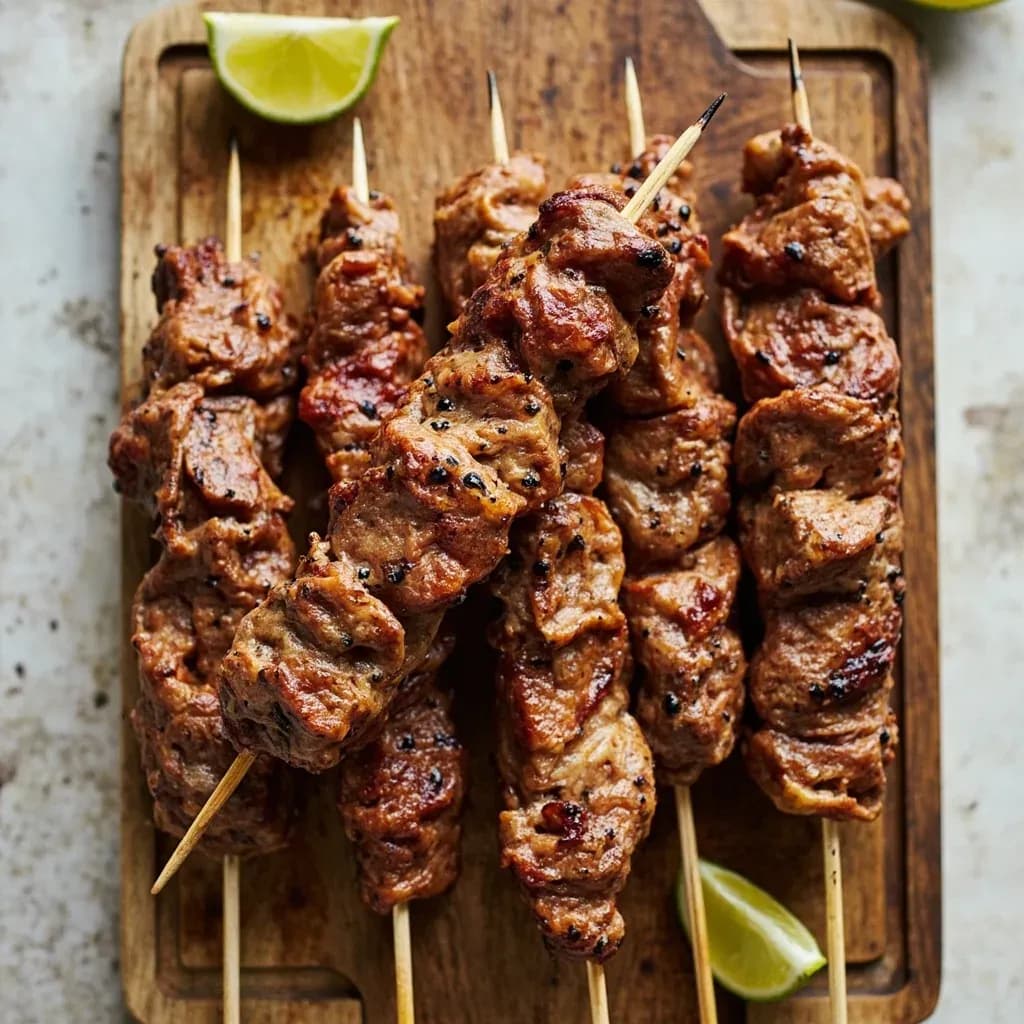
Skewering Satay (Sate Lilit Moulding)
Threading or moulding seasoned meat onto skewers for grilling as satay.
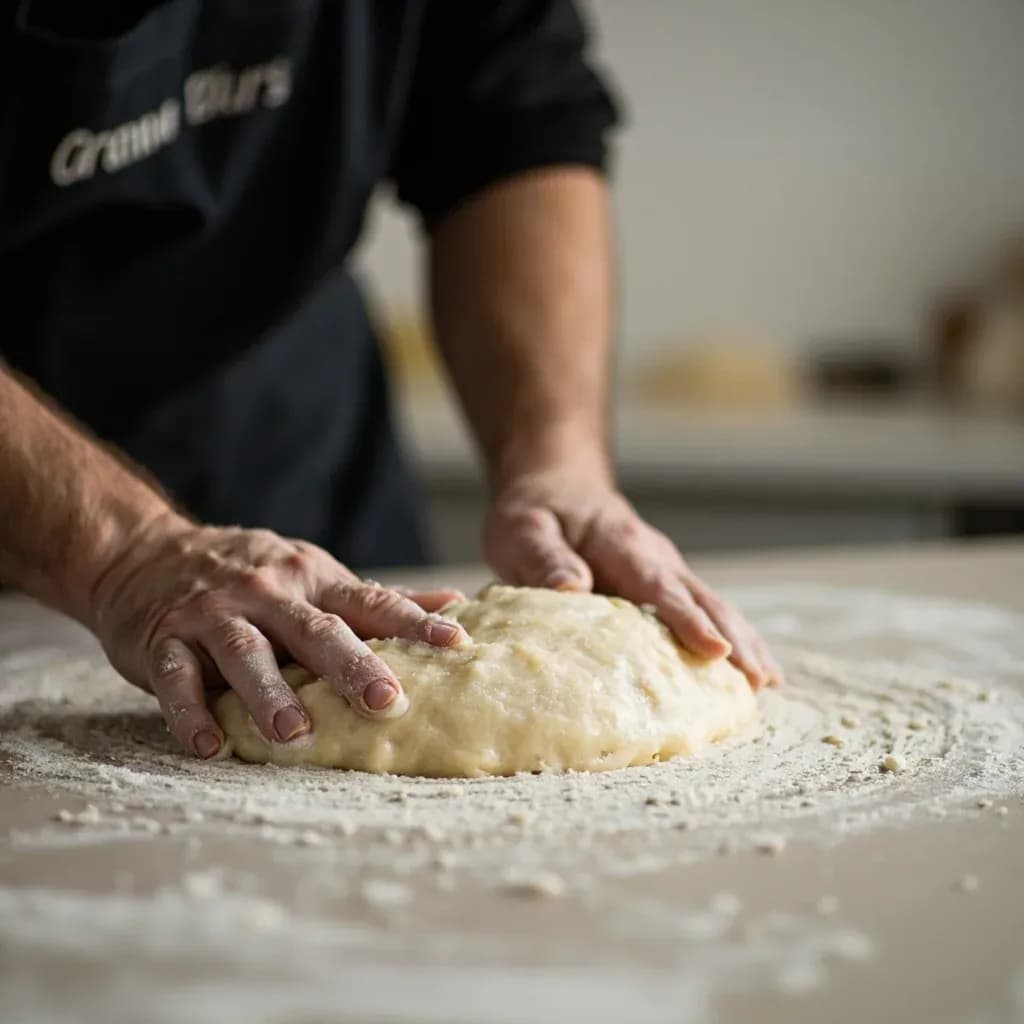
Slap and Fold (French Fold)
Stretching and slapping high-hydration dough on the counter to build gluten without flour.
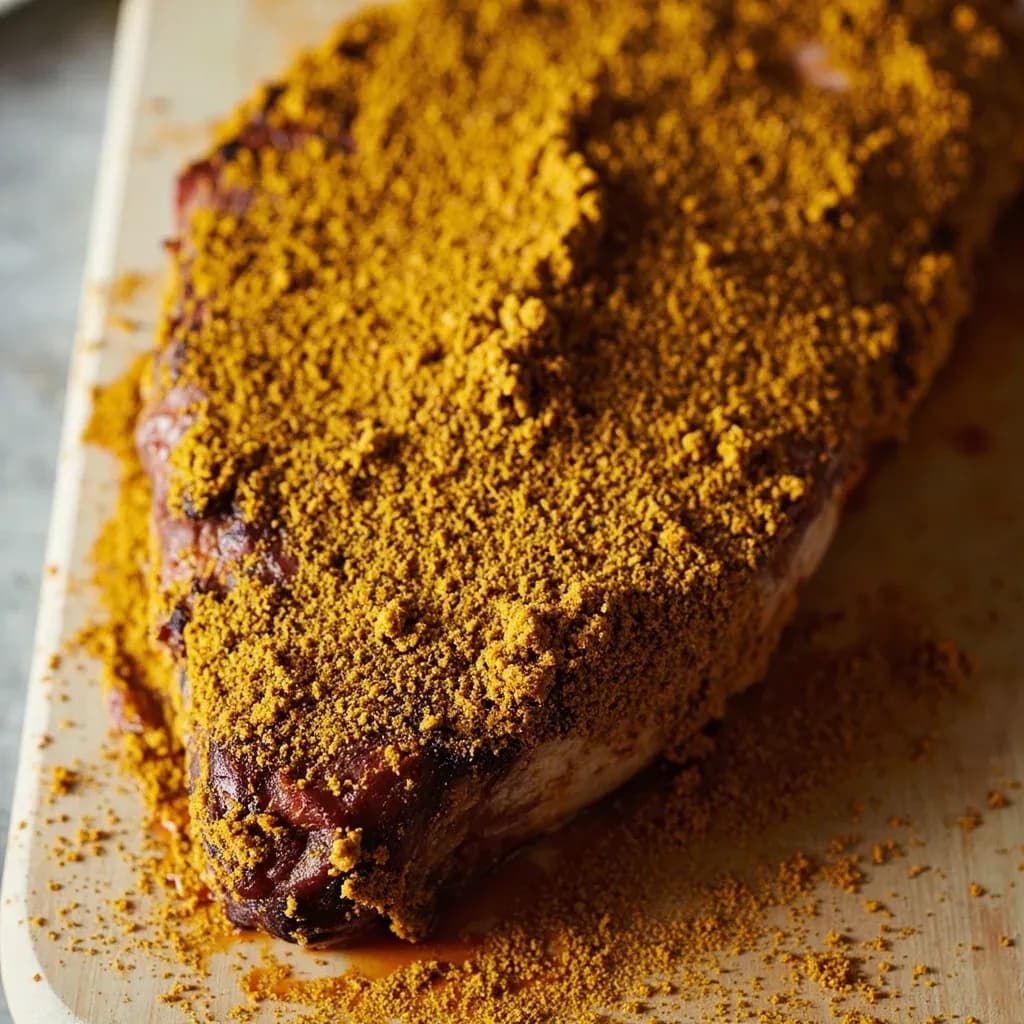
Slathering (Binder)
Coating meat with a thin wet binder so a dry rub adheres before smoking.
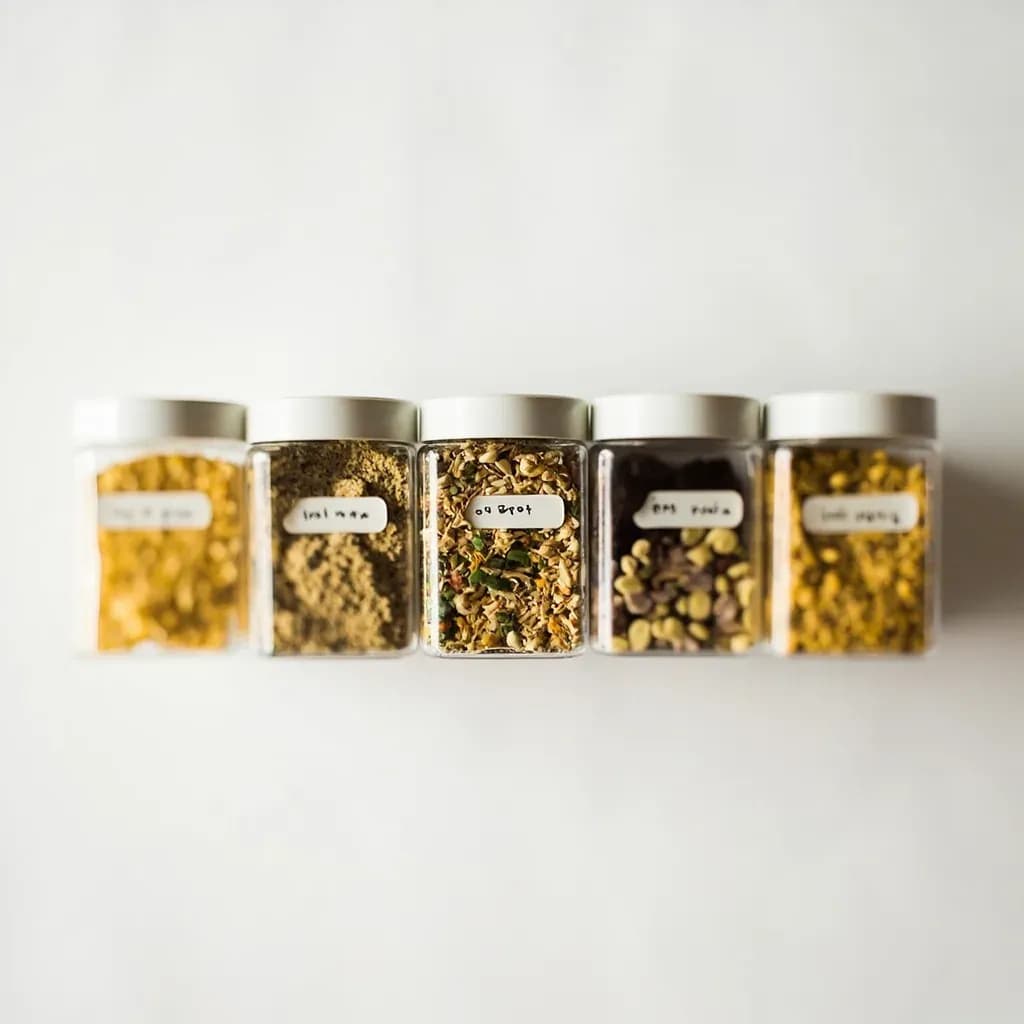
Stock Rotation (FIFO)
Using older ingredients before newer ones so nothing spoils or expires unused.
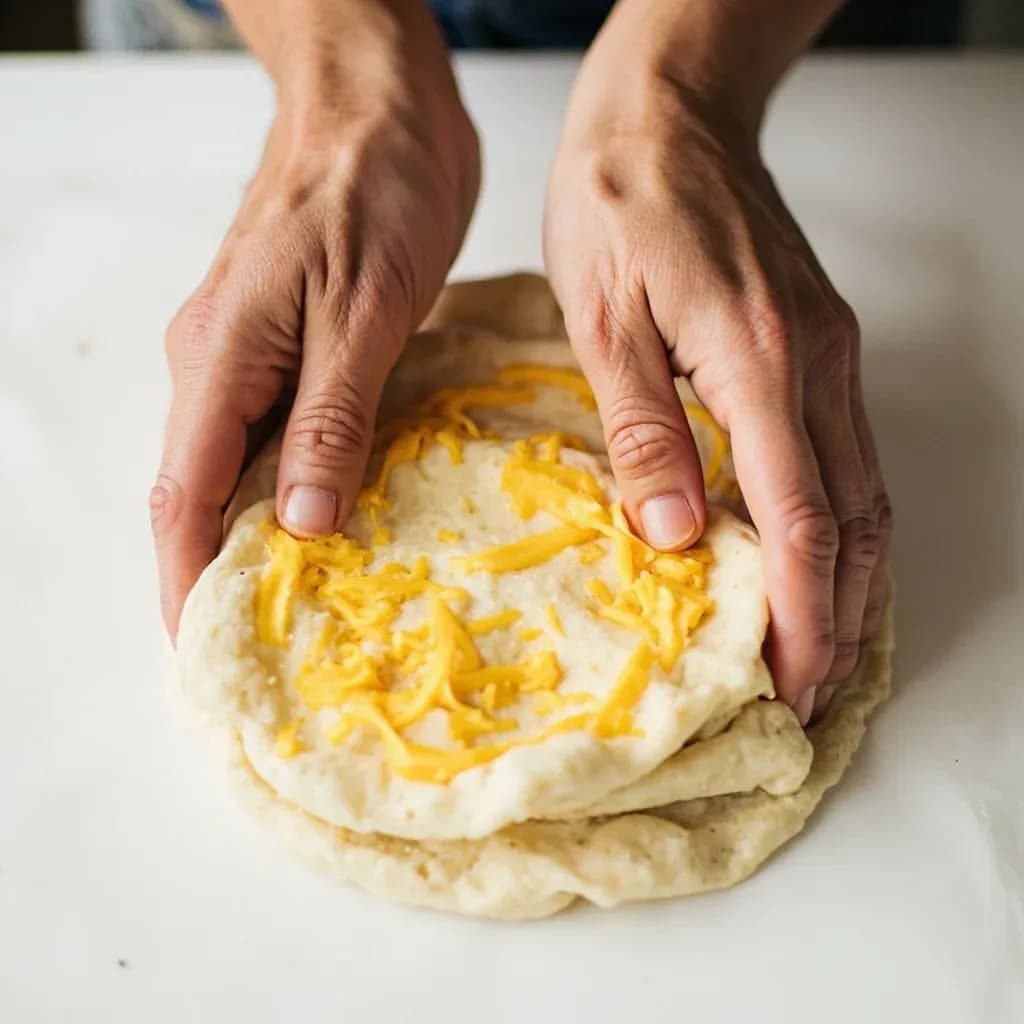
Stuffing Pupusas
Sealing a filling inside a masa disc to form a Salvadoran stuffed griddle cake.
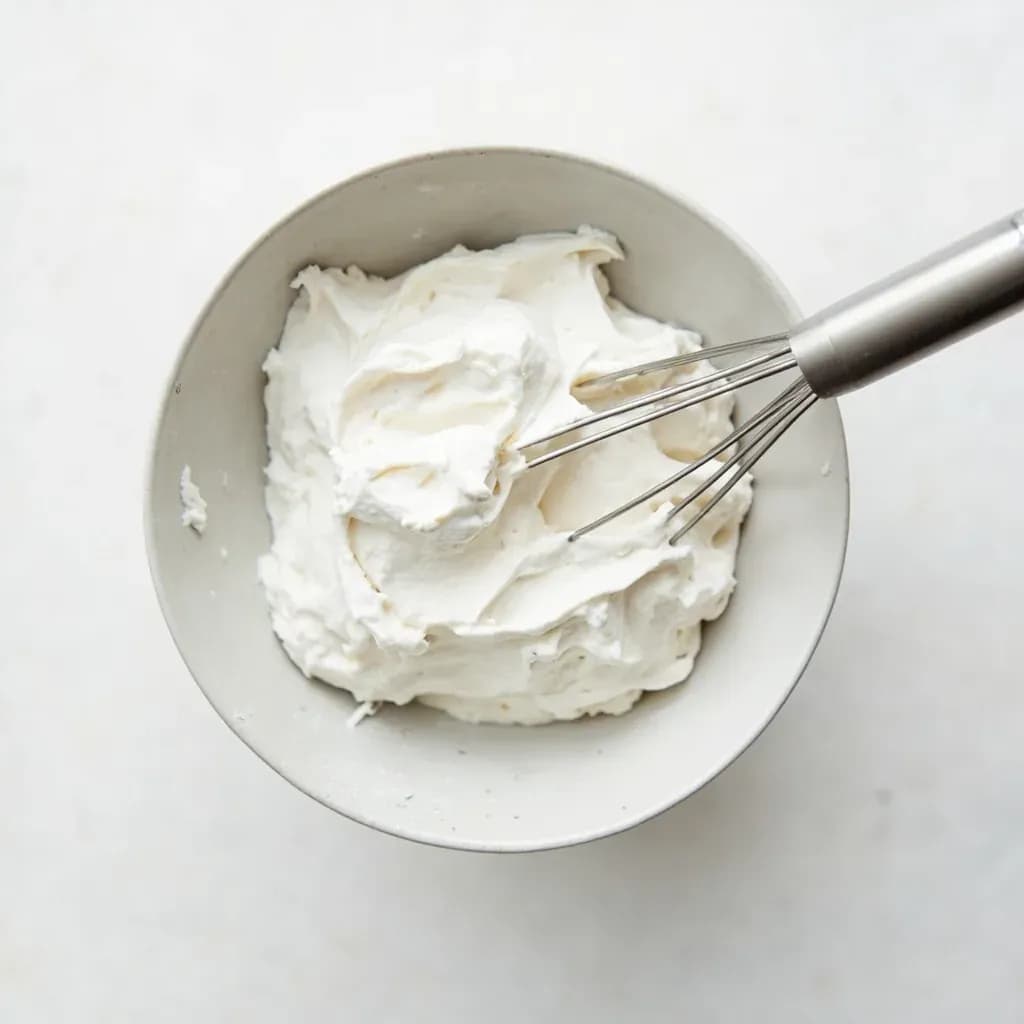
Swiss Meringue
Whipping egg whites and sugar warmed over a bain-marie into a dense, glossy meringue.
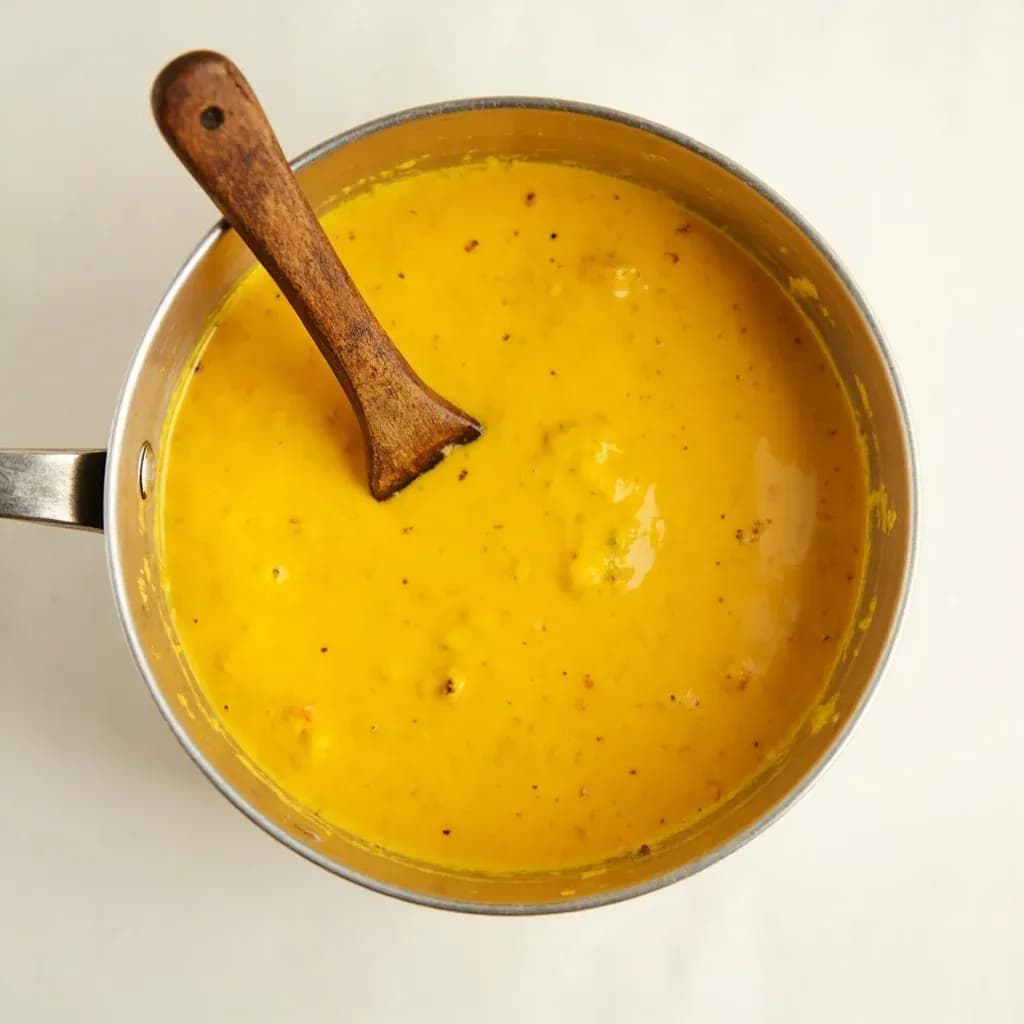
Swizzling Dhal
Beating cooked lentils with a churning stick to reach a smooth, creamy consistency.
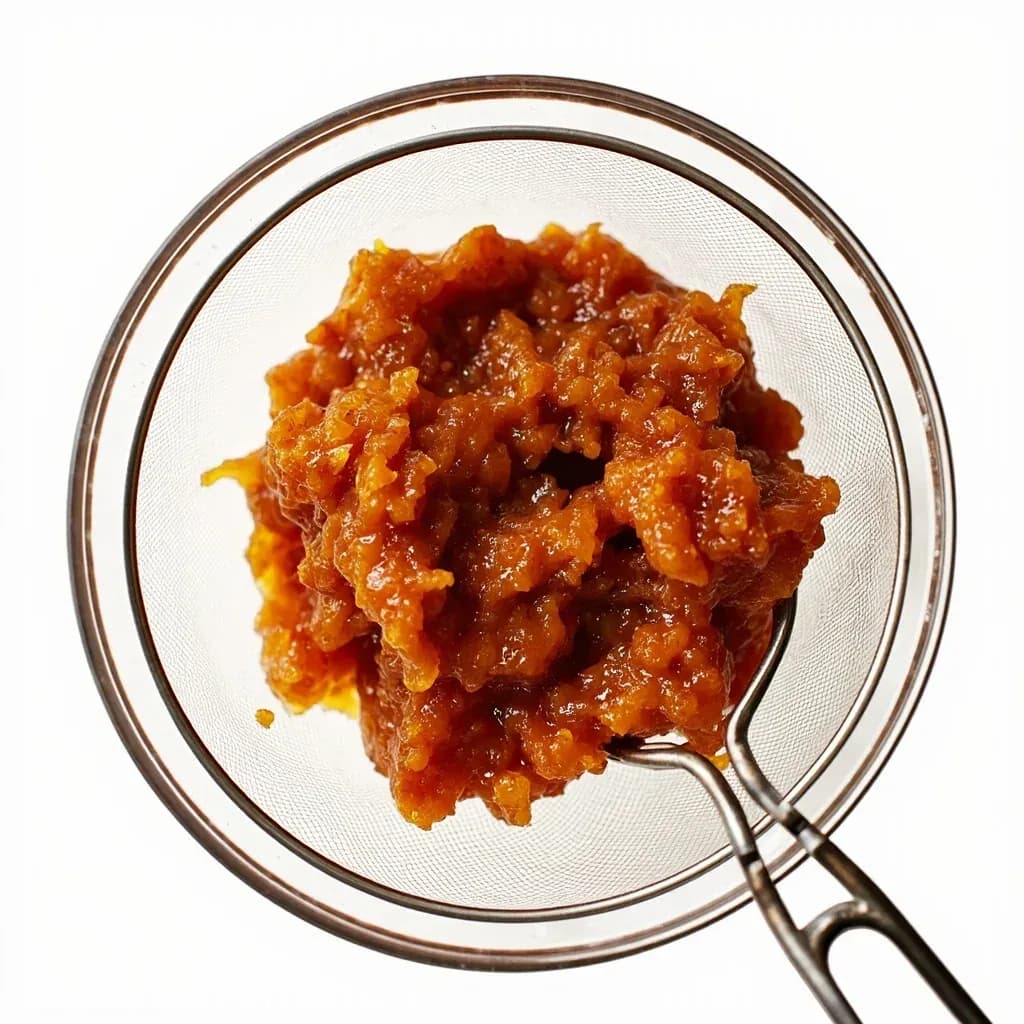
Tamarind Pulping (Kuchuja Ukwaju)
Soaking and squeezing tamarind to extract a tangy pulp, straining out seeds and fibers.
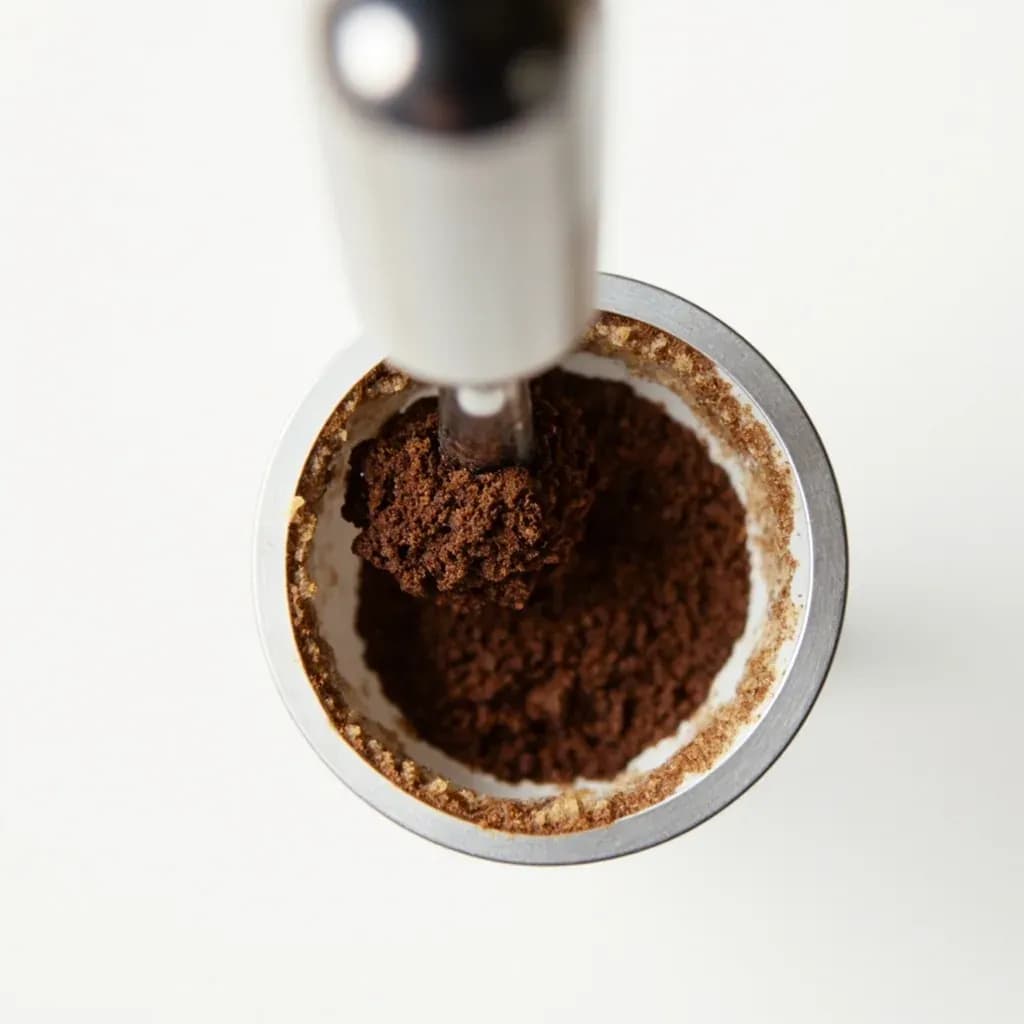
Tamping
Compressing ground coffee evenly into a portafilter for balanced espresso extraction.
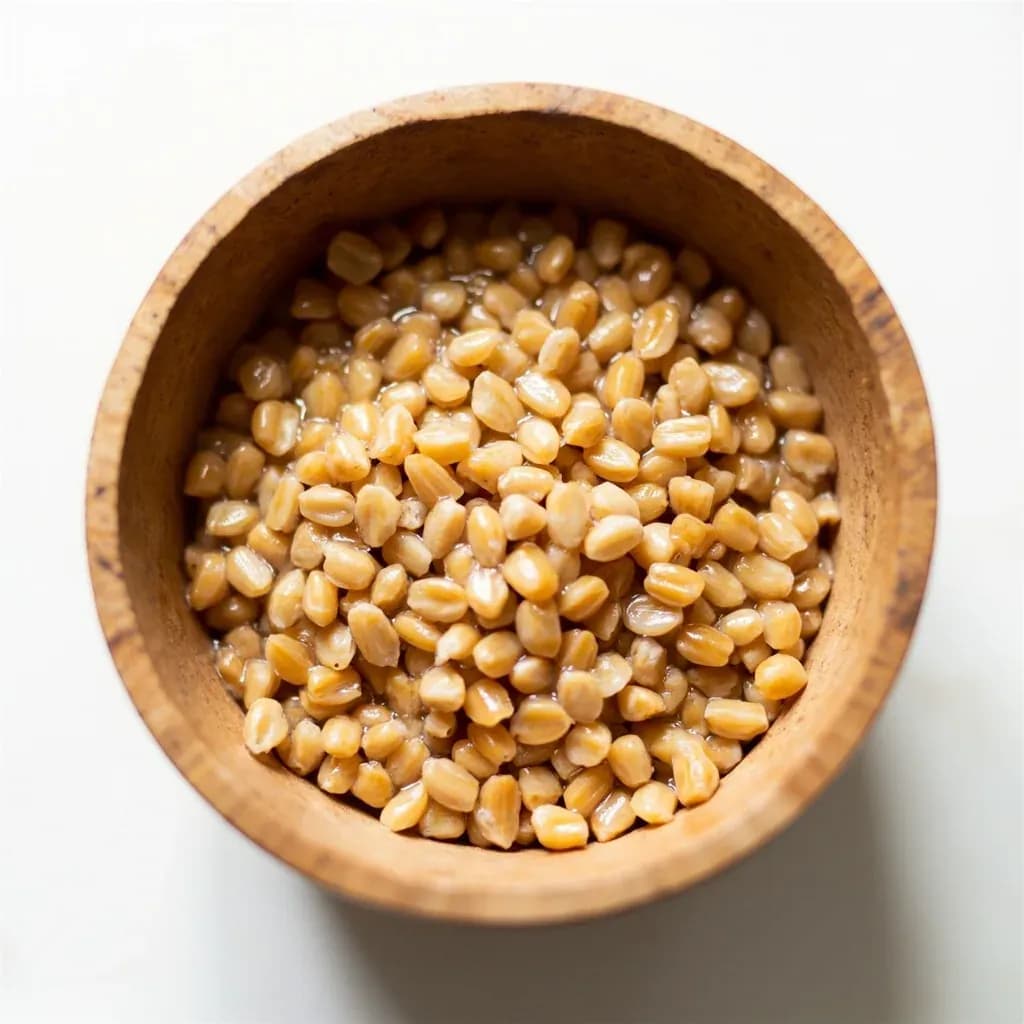
Tempering / Conditioning Grain
Adding moisture to grain before milling so the bran toughens and the endosperm softens.
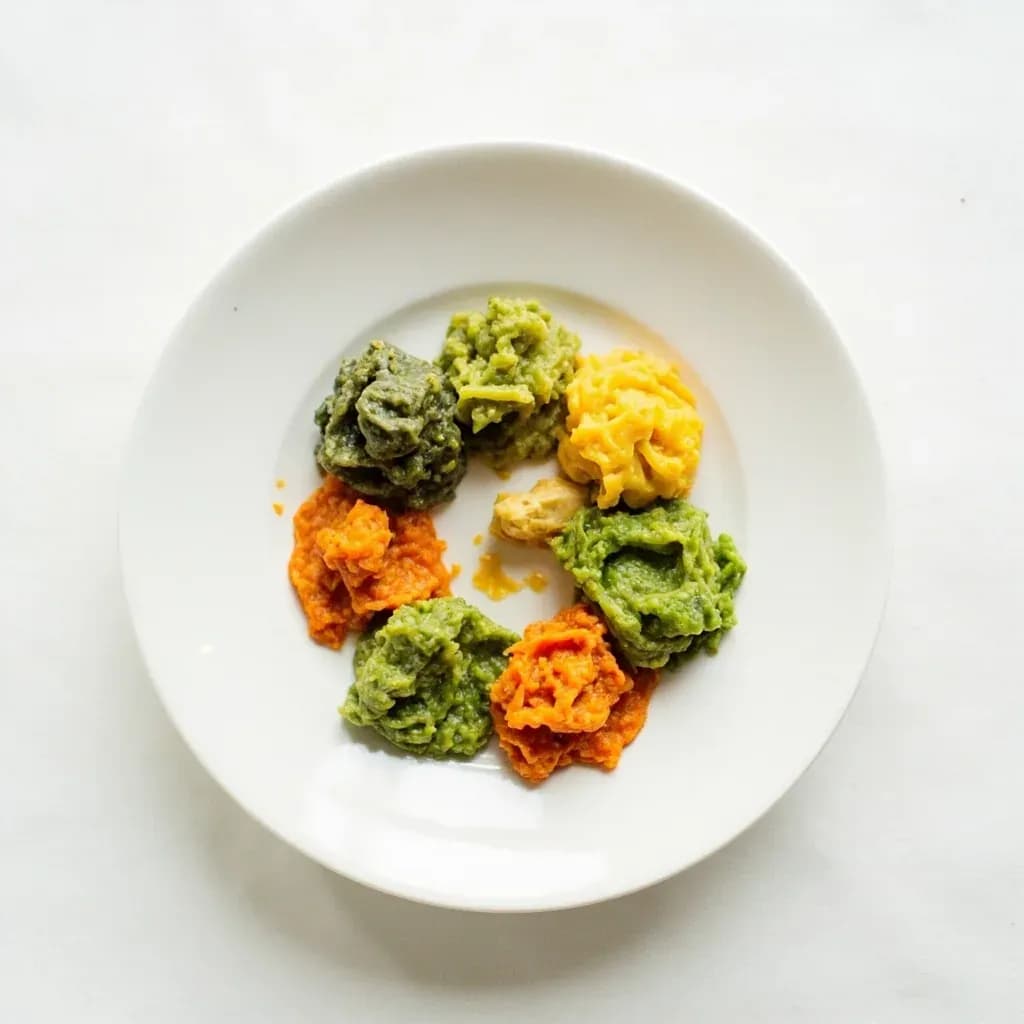
Texture Modification
Altering food consistency, as in puréed or minced diets, for safe swallowing.
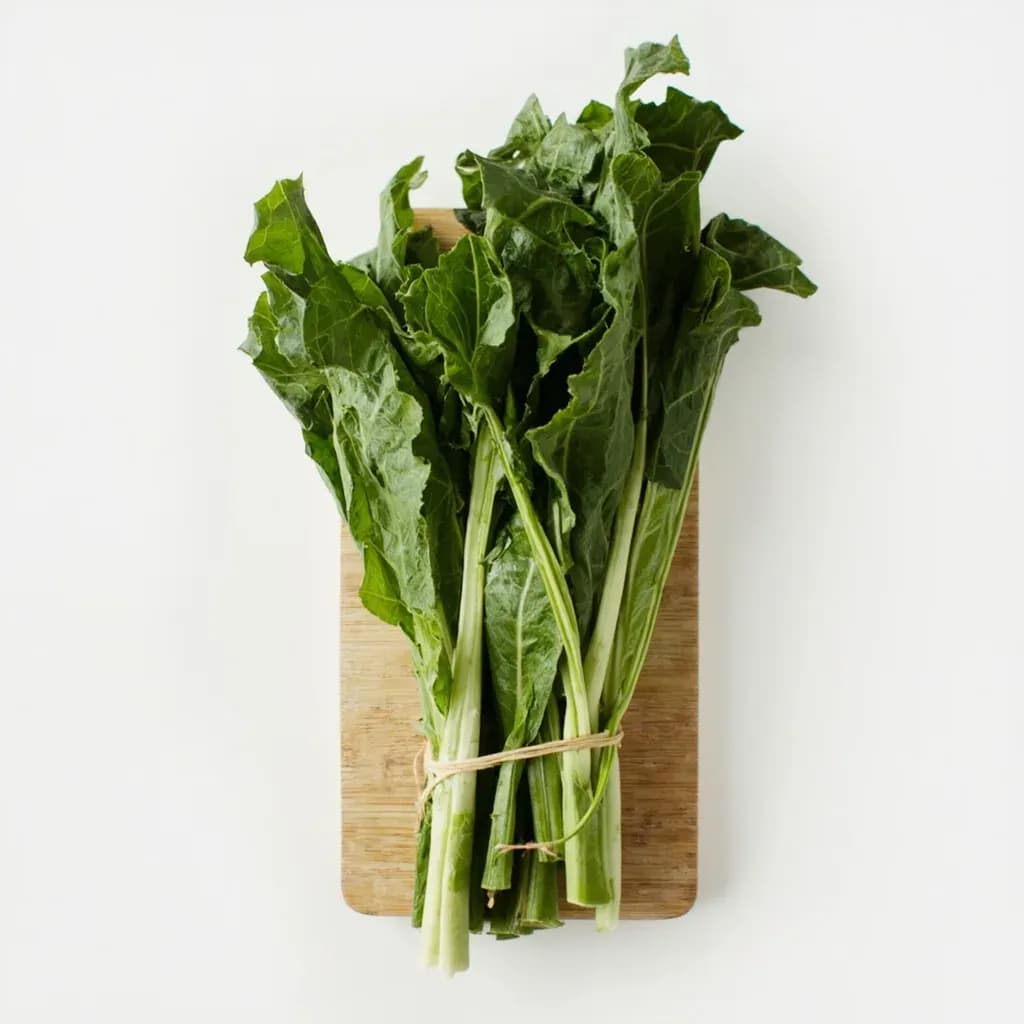
Ti-Leaf Wrapping (Laulau)
Bundling fish and pork in taro and ti leaves before steaming, the Hawaiian laulau parcel.
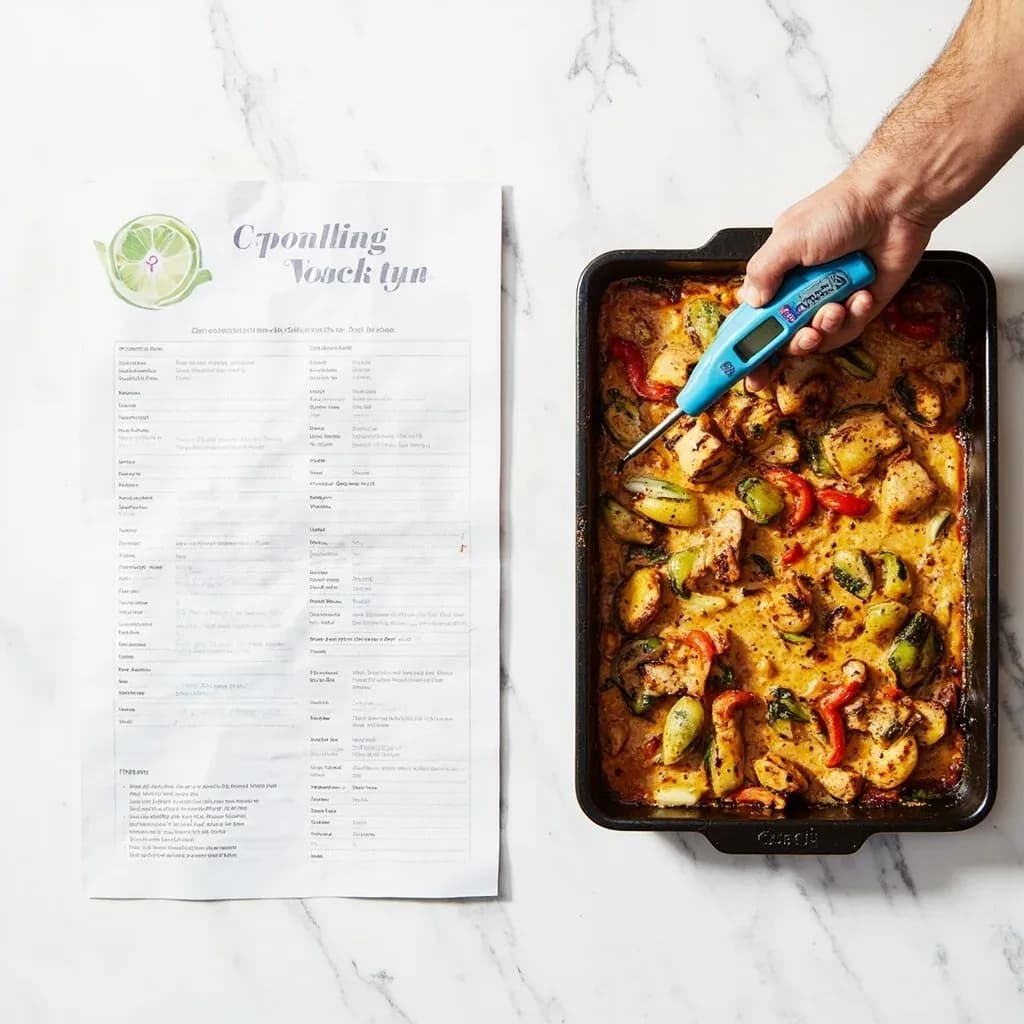
Time/Temperature Control (HACCP)
Tracking how long food sits in the danger zone to keep it safe to eat.
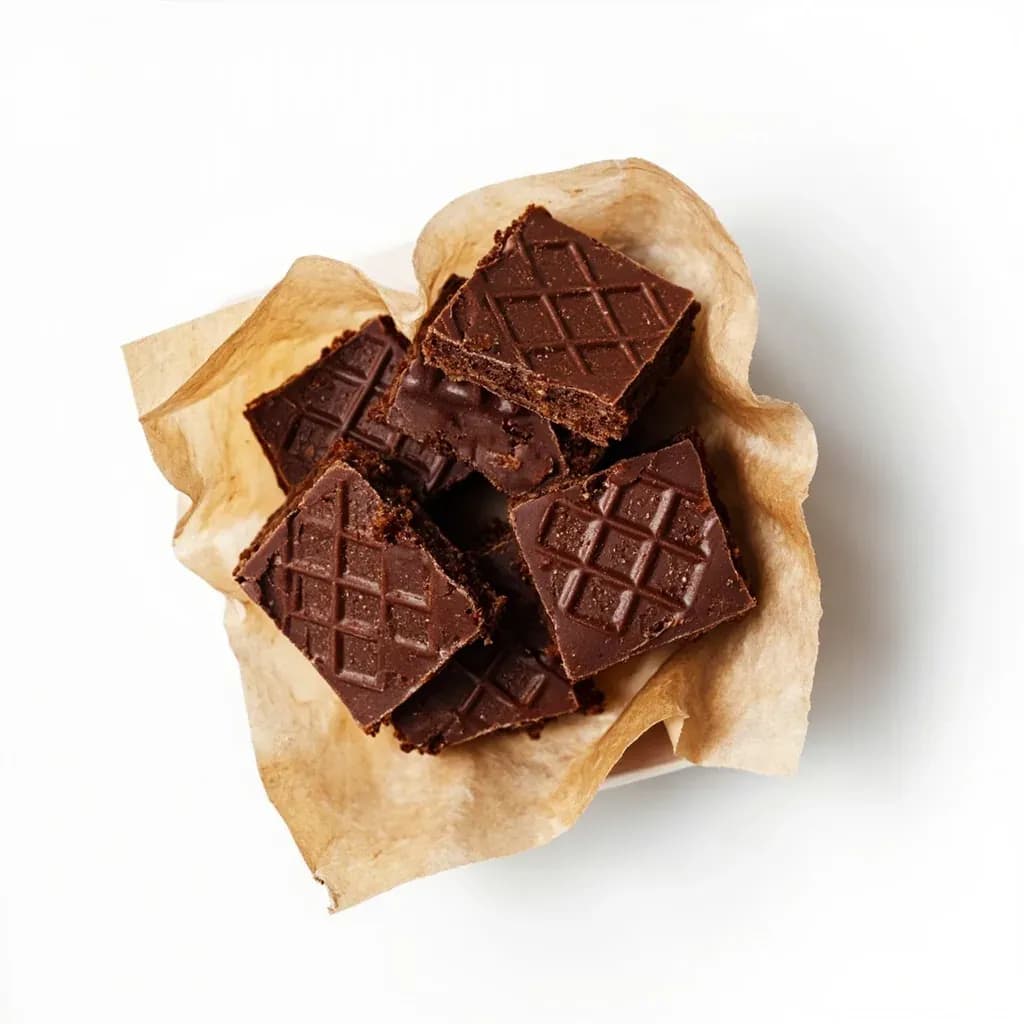
Transfer-Sheet Application
Pressing patterned cocoa-butter sheets onto tempered chocolate to print decorative designs.
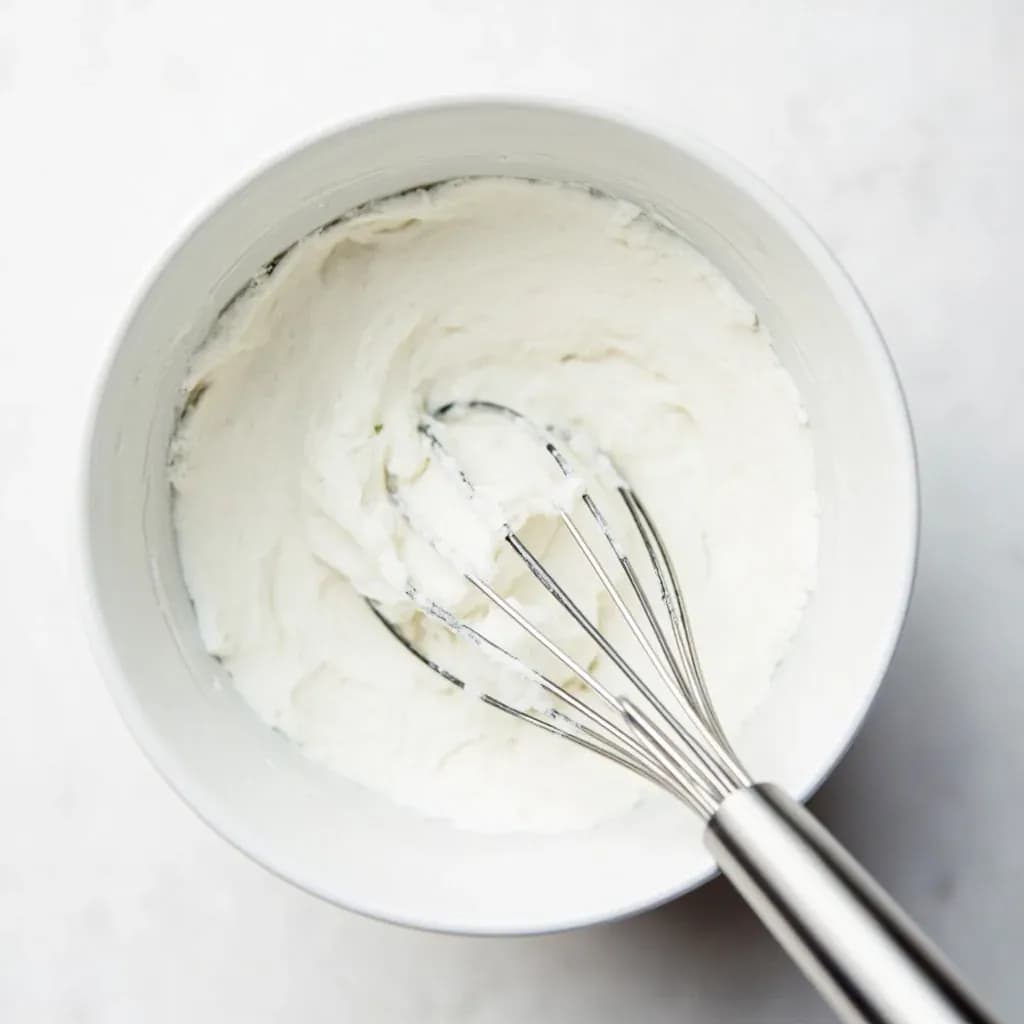
Whipping Aquafaba
Beating chickpea cooking liquid into a stable vegan foam that mimics whipped egg whites.
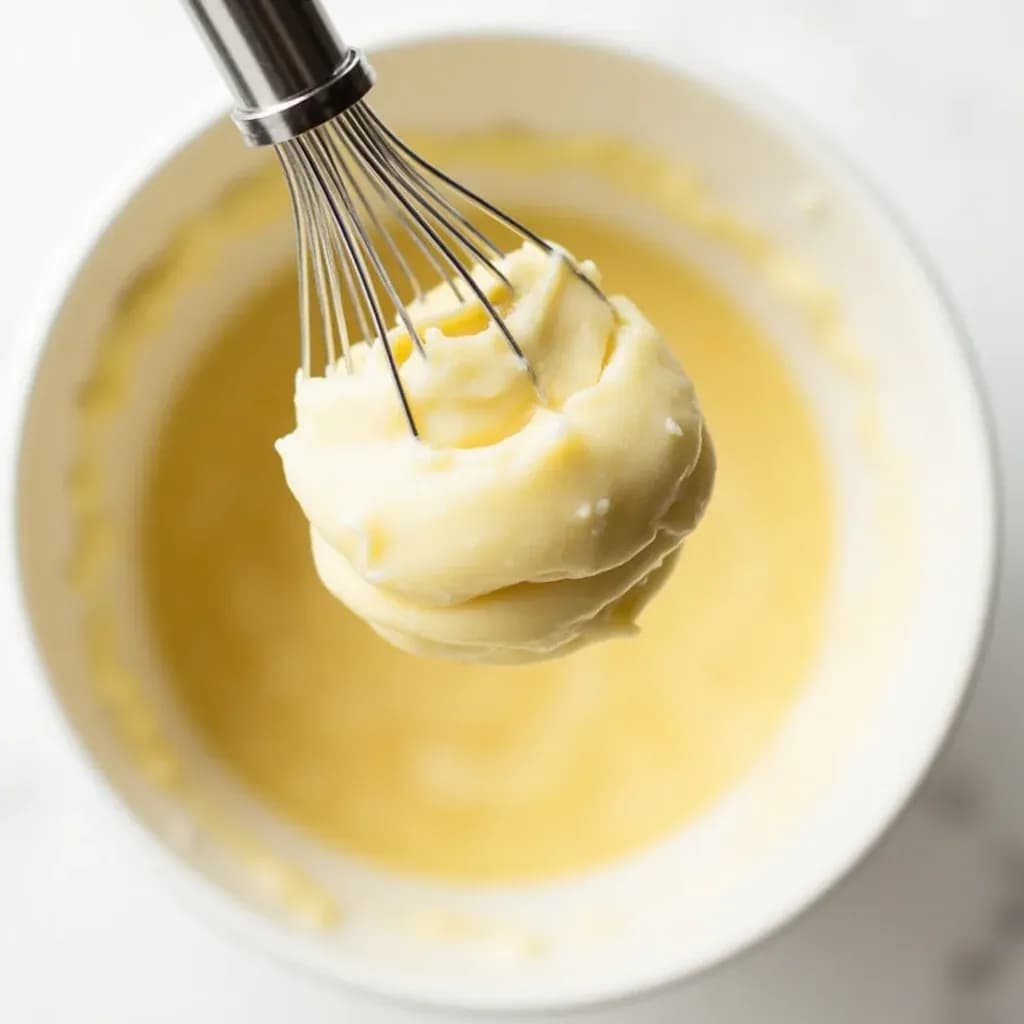
Whisking to the Ribbon Stage
Beating eggs and sugar until thick and pale enough to fall in a slowly dissolving ribbon.
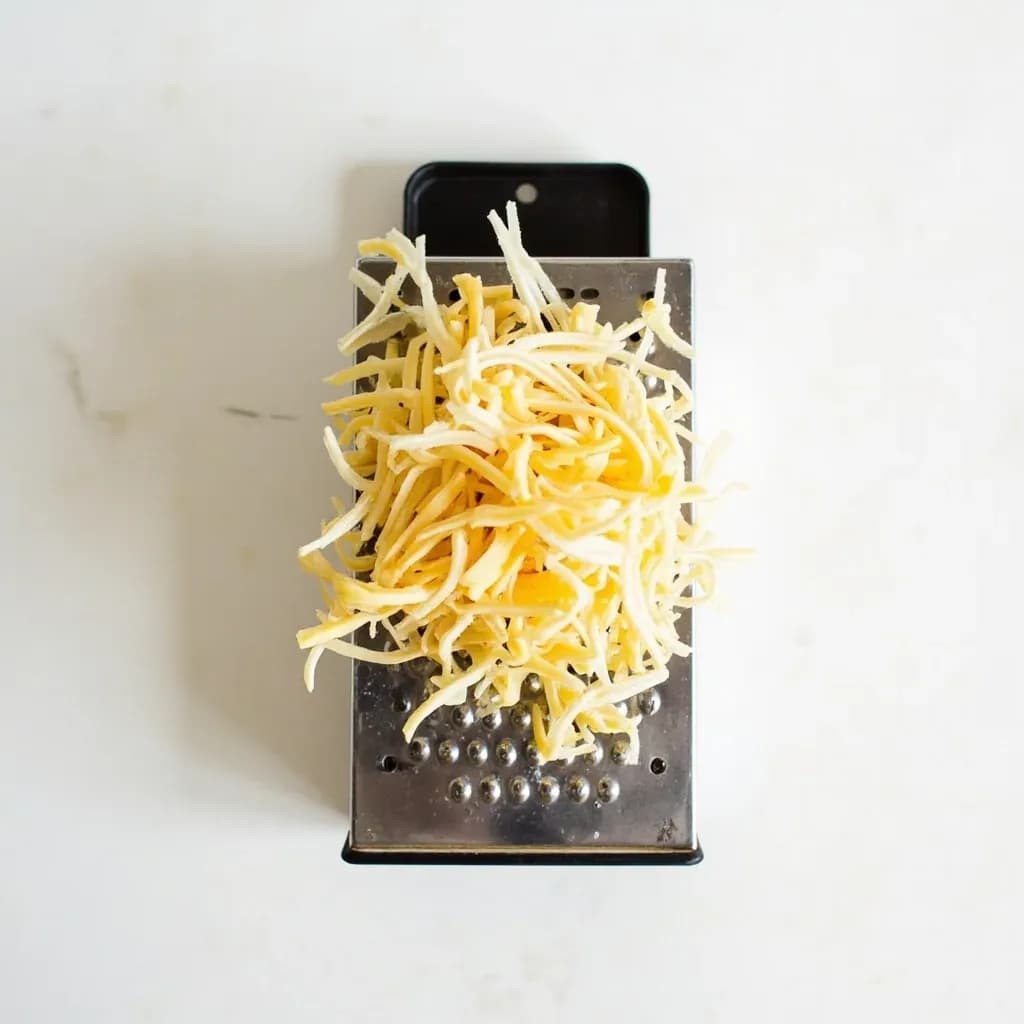
Grating
Shredding food into fine or coarse shards by rubbing it against a grater's blades.
Soaking Legumes
Hydrating dried beans, lentils, or pulses in water to soften them and cut cooking time.
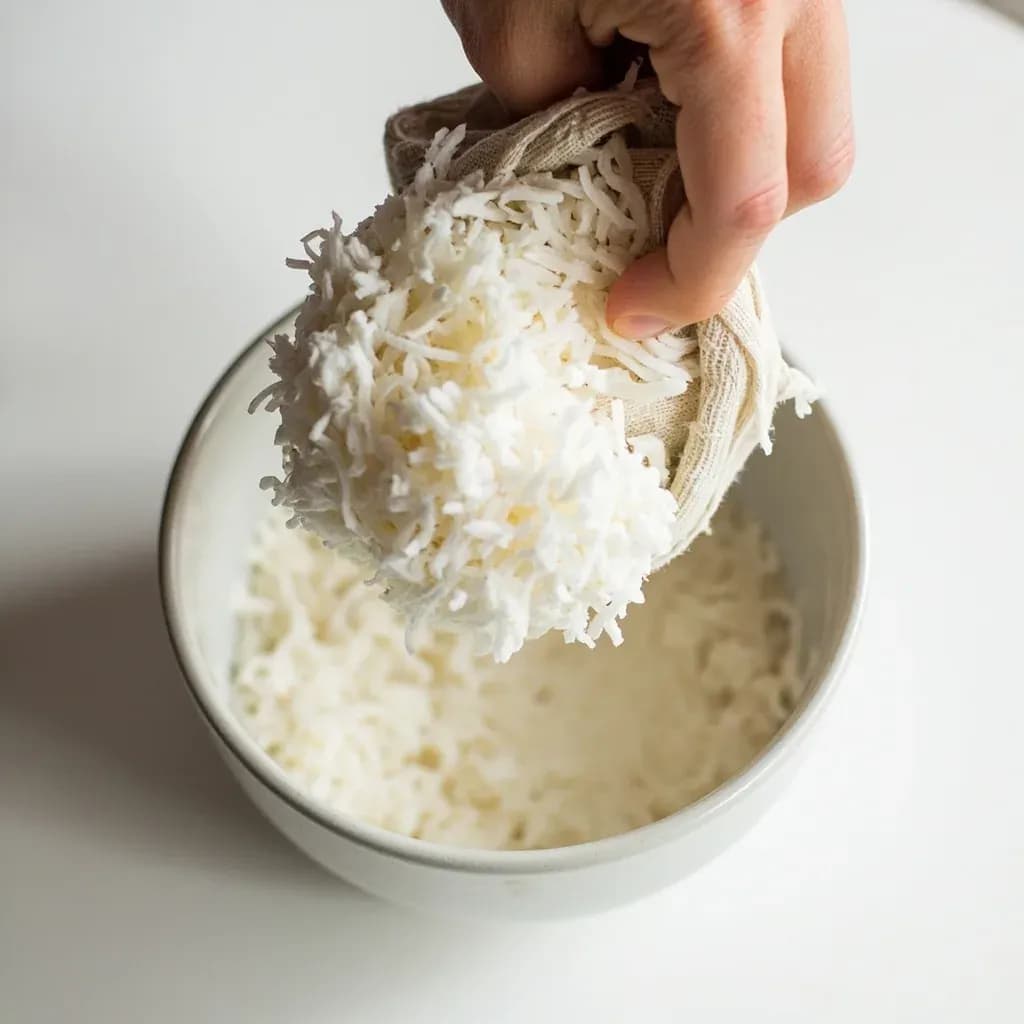
Coconut Milk Extraction
Squeezing grated coconut with water to press out rich coconut milk and cream.
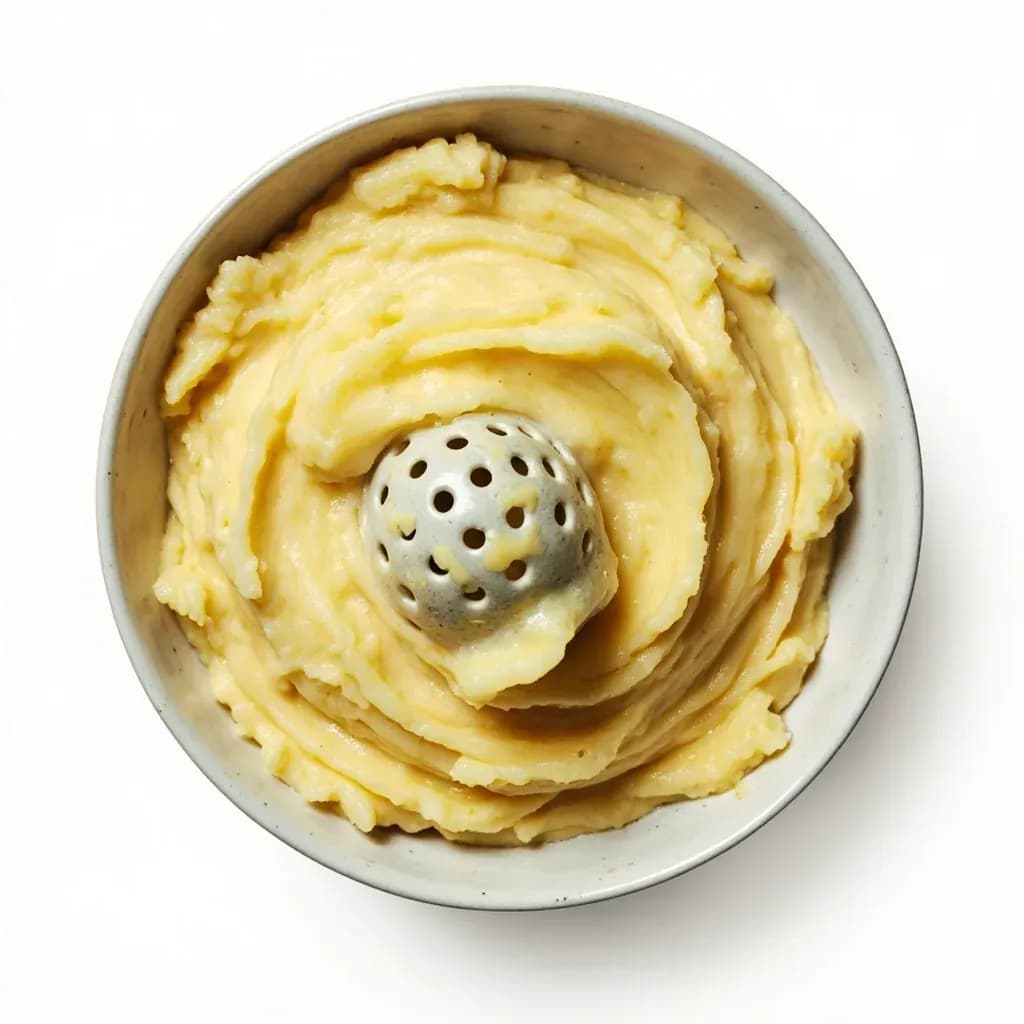
Mashing
Crushing cooked or soft foods into a smooth or chunky pulp with a tool or by hand.
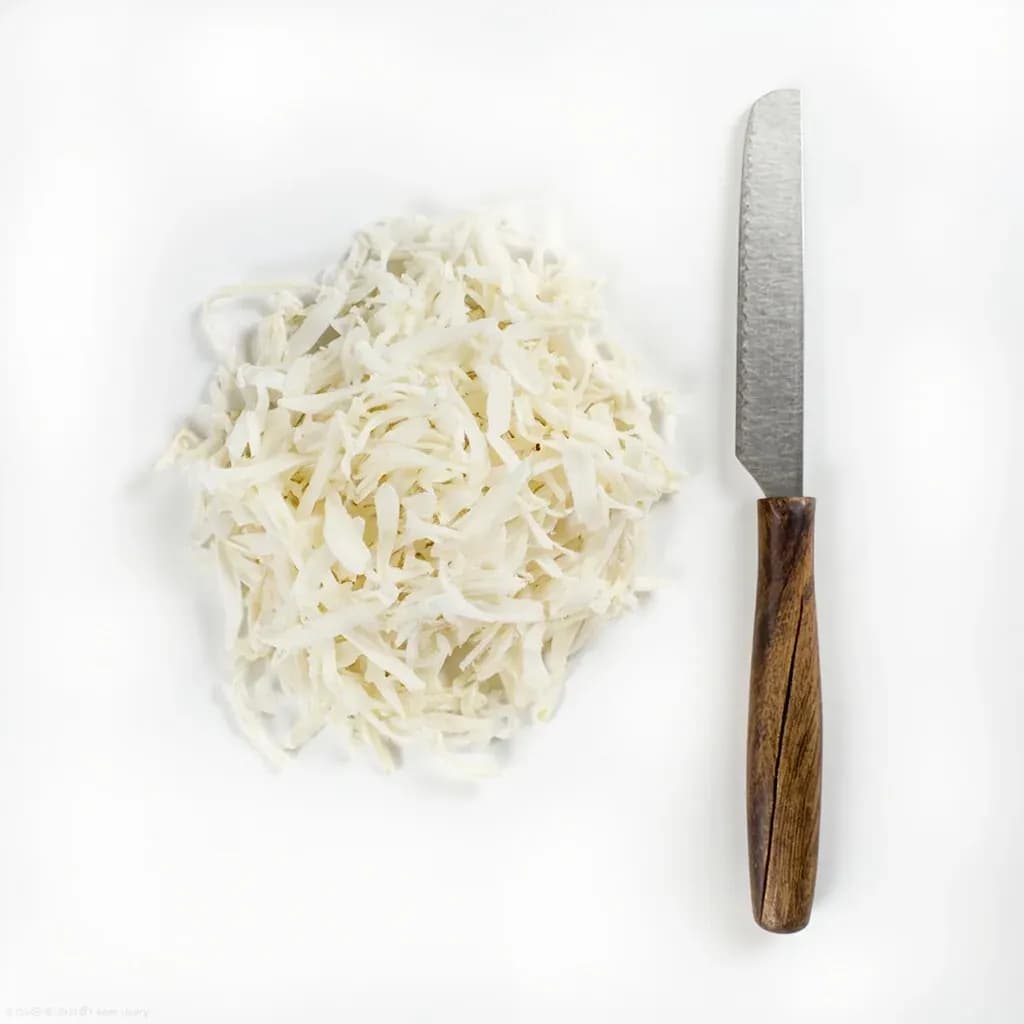
Grating Coconut
Scraping the white flesh from a coconut into fine shreds for cooking or milk extraction.
Blending
Combining ingredients into a smooth liquid or purée using a blender or processor.
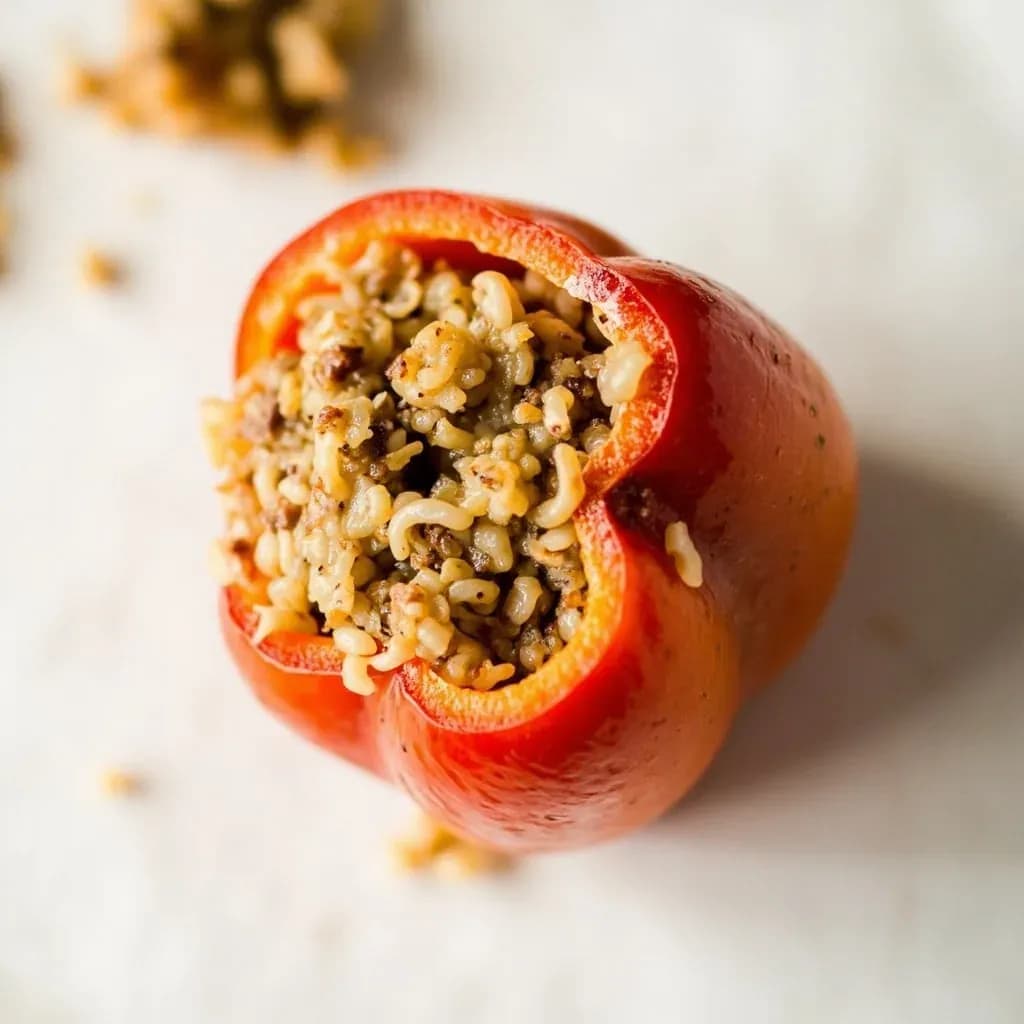
Stuffing
Filling a cavity in meat, vegetables, or dough with a seasoned mixture before cooking.
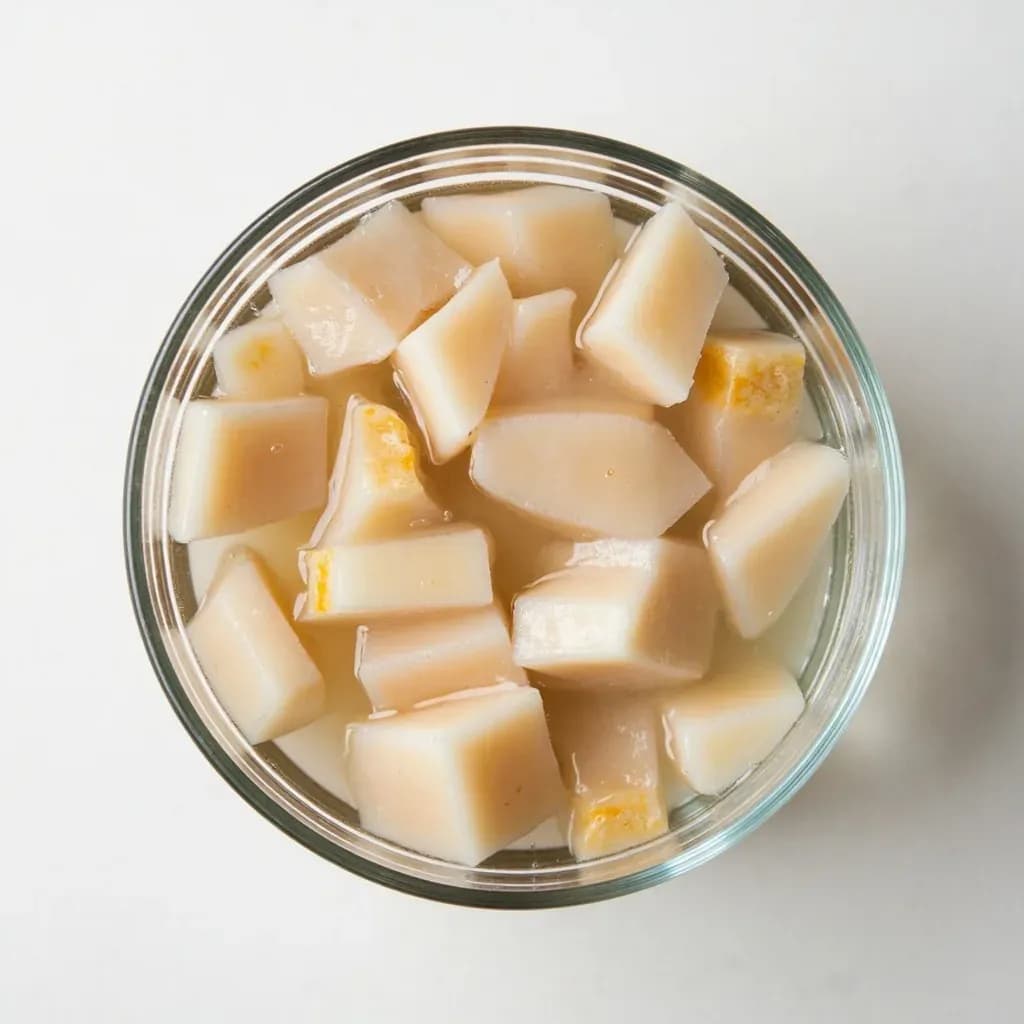
Desalting Salt Cod
Soaking salt-cured cod in changes of cold water to draw out salt and rehydrate it.
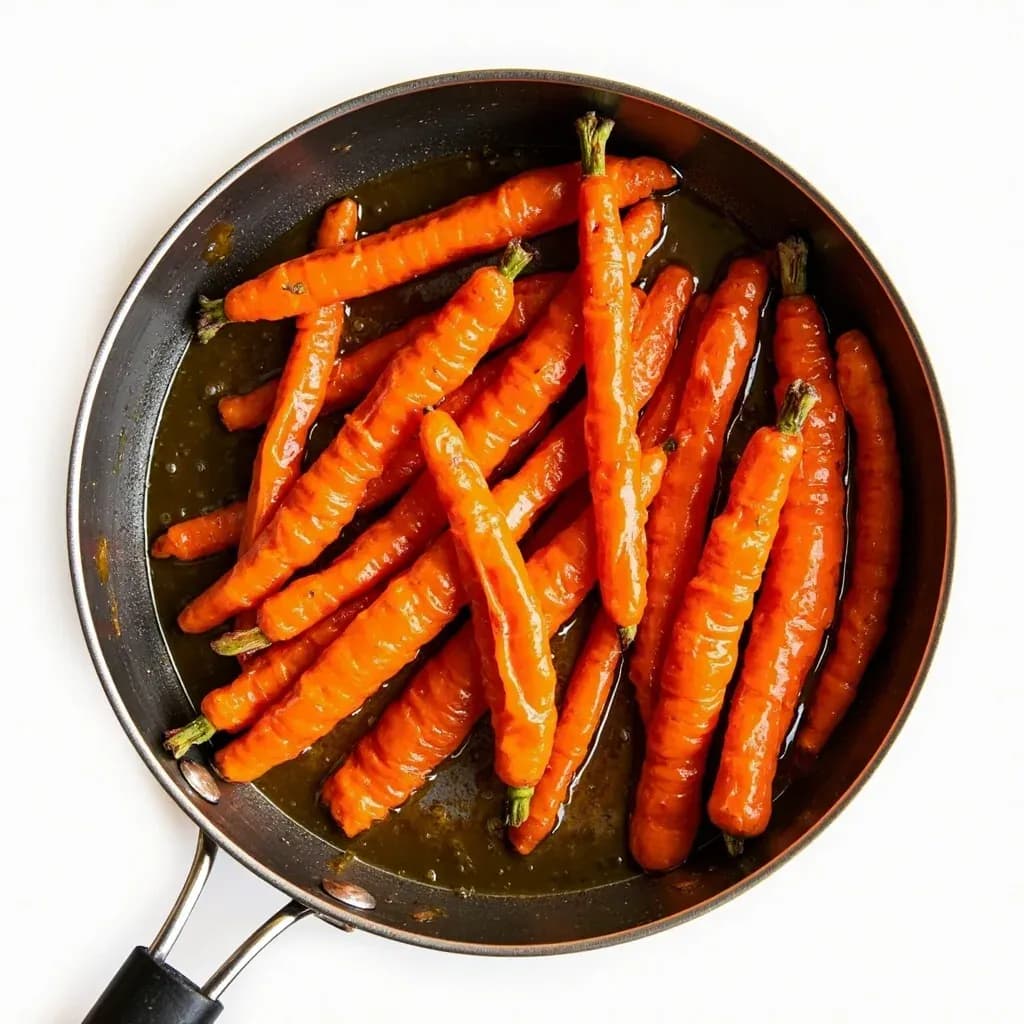
Glazing
Coating food with a glossy, flavorful layer of reduced liquid, syrup, or fat.
Hot Holding
Keeping cooked food at a safe serving temperature until it's plated.
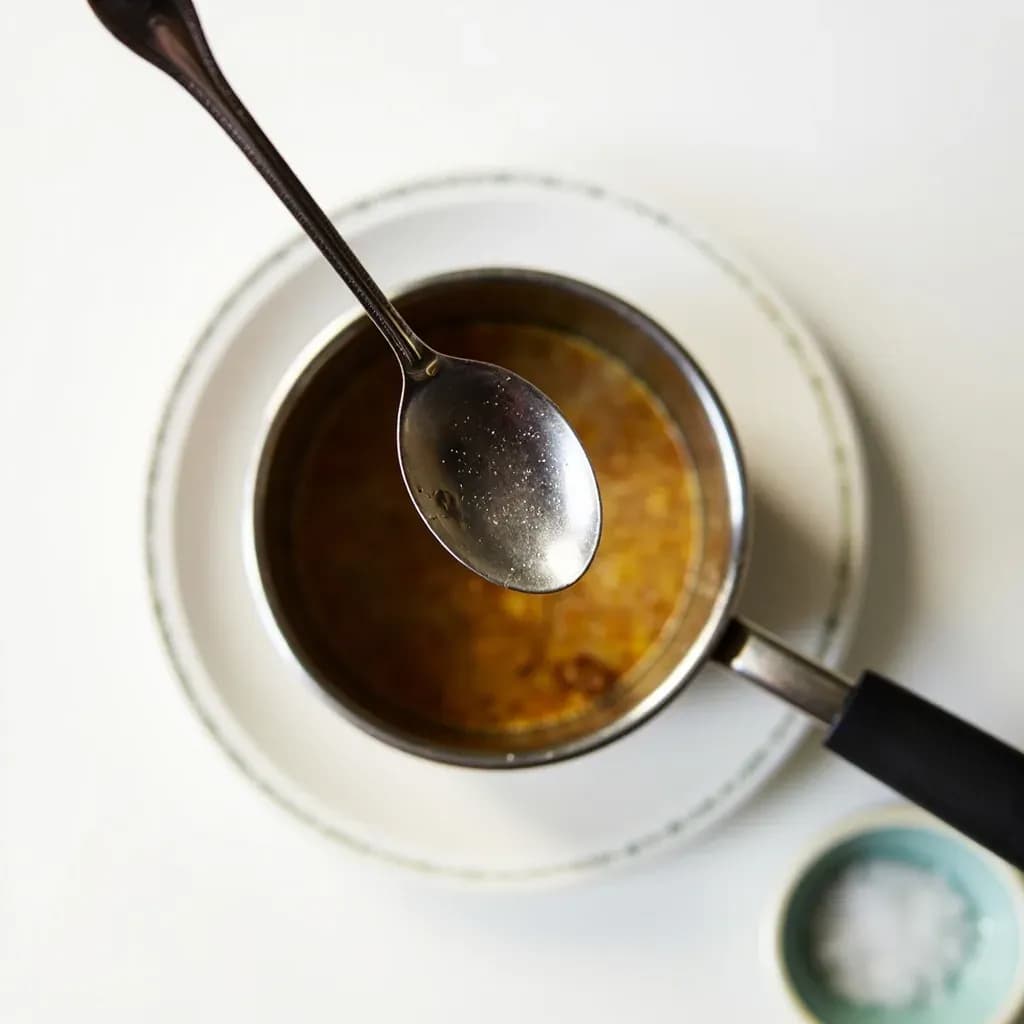
Seasoning to Taste
Tasting and adjusting salt, acid, and other seasonings until the dish is balanced.
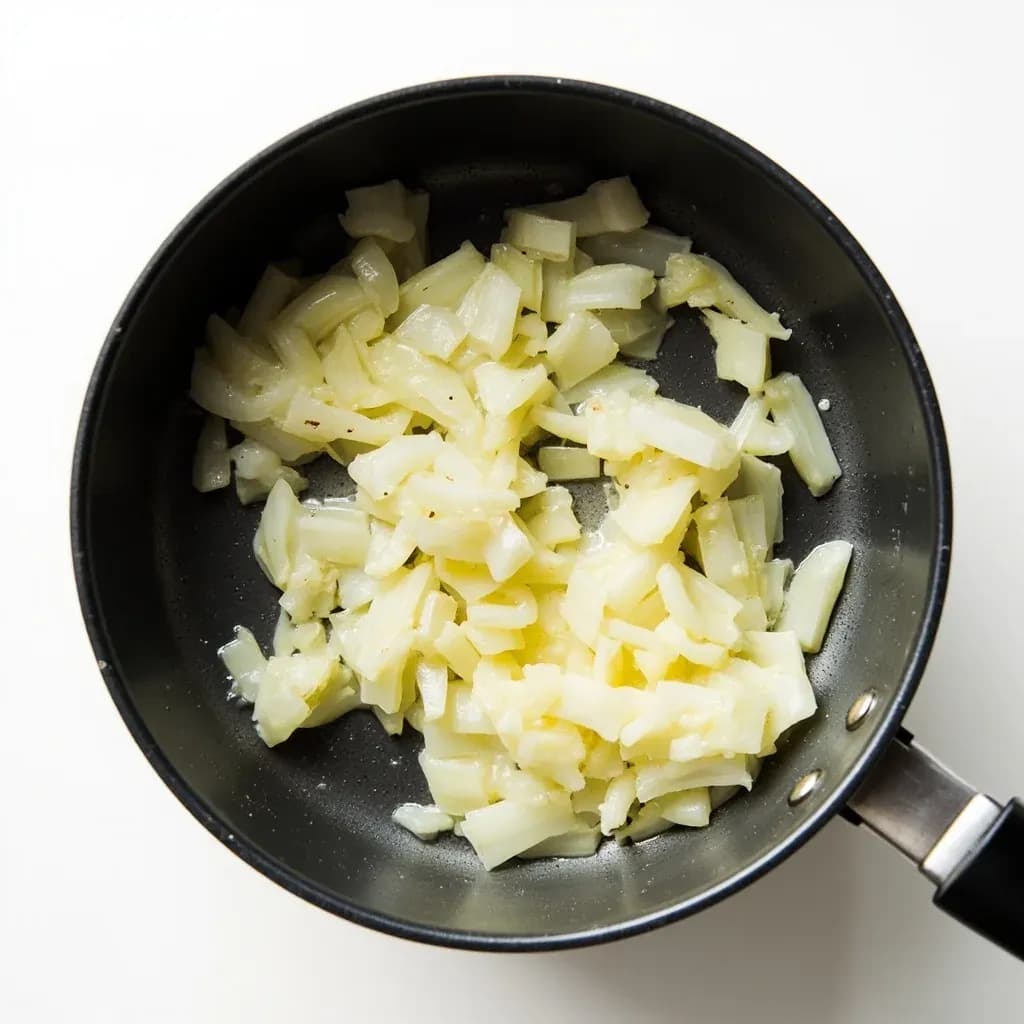
Sweating Aromatics
Cooking onions and aromatics gently in fat until soft and translucent without browning.
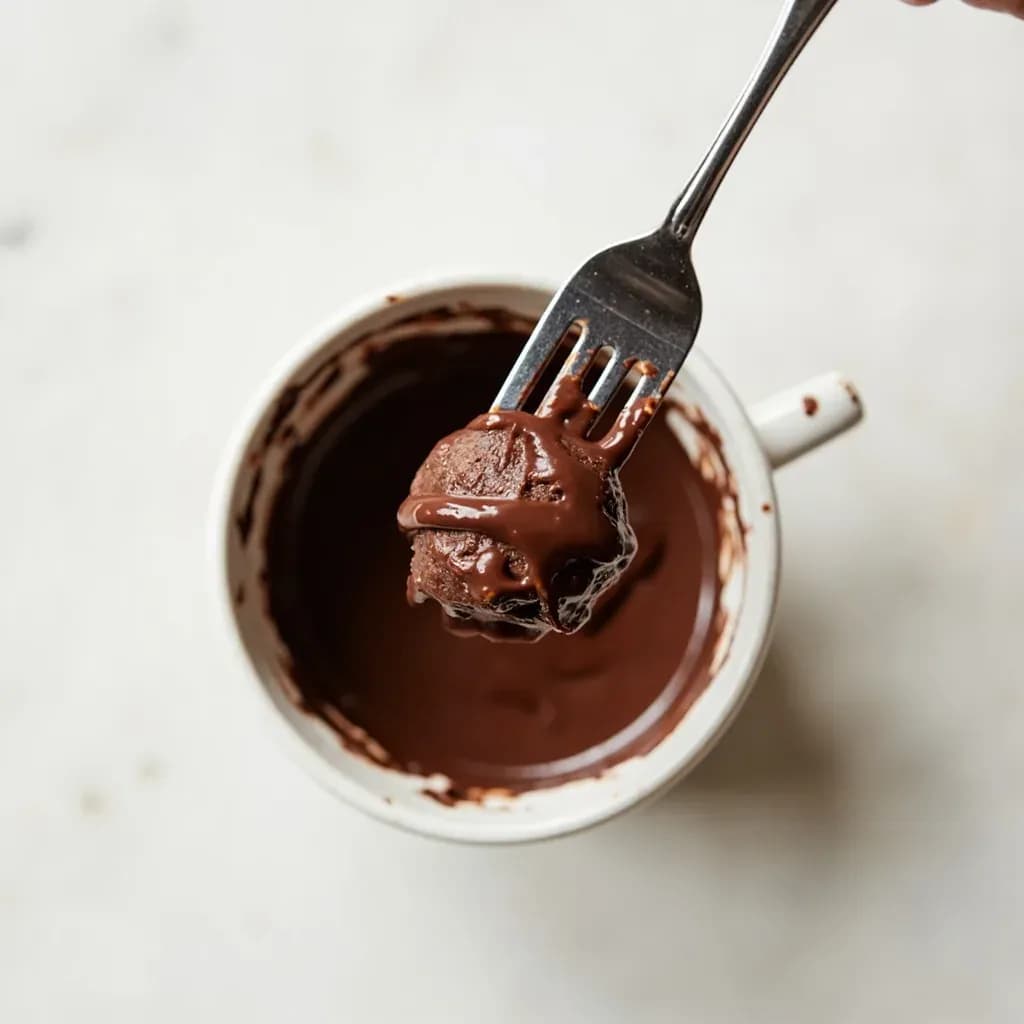
Enrobing / Dipping
Fully coating a food in chocolate, batter, or glaze to seal and finish it.
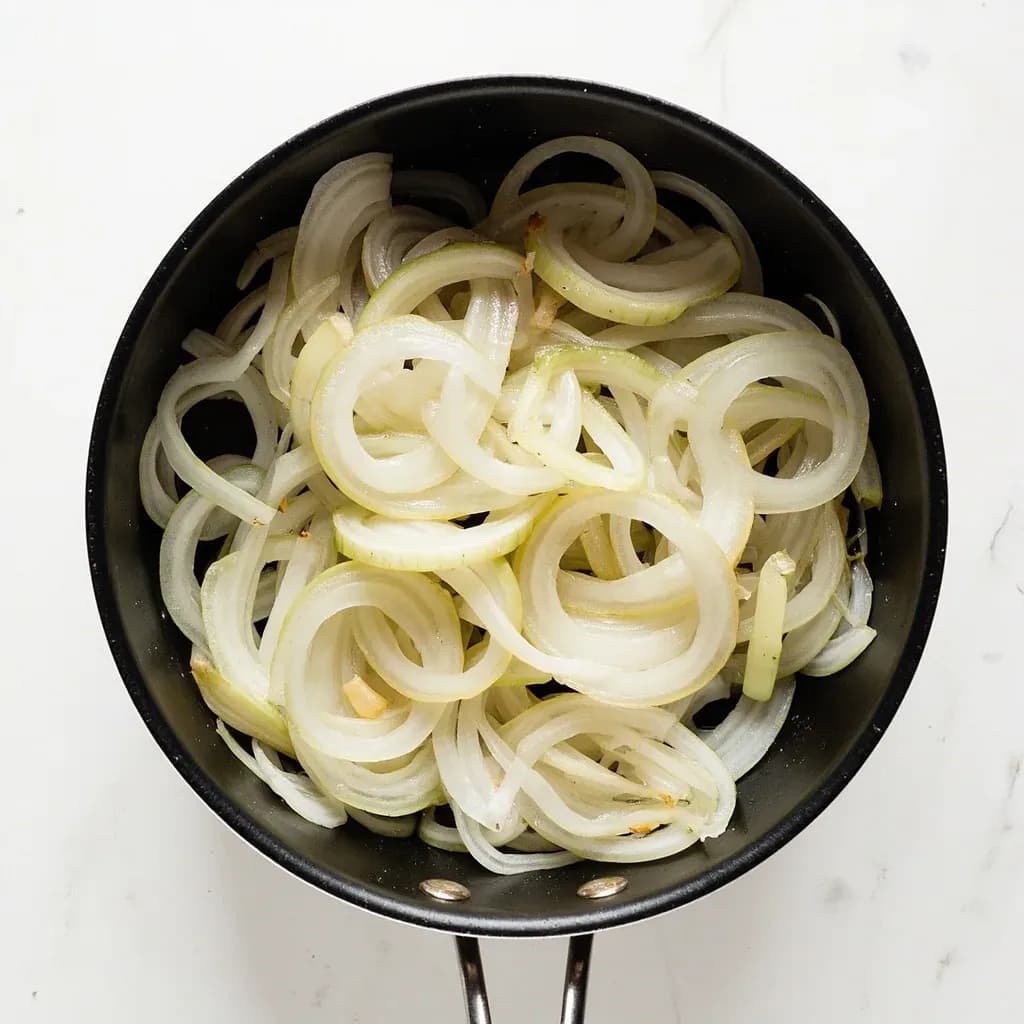
Sweating Aromatics
Softening onions and aromatics gently in fat until translucent without coloring.
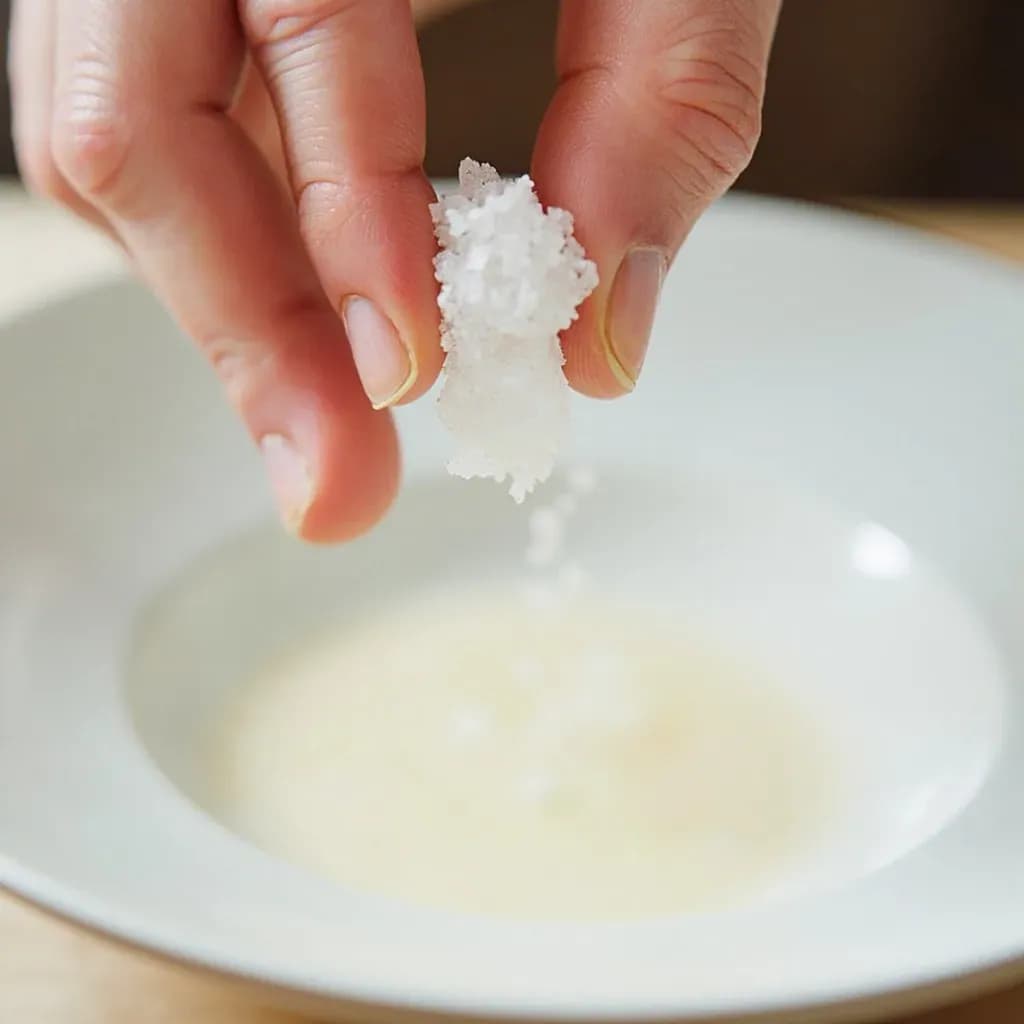
Seasoning
Adding salt, acid, fat, and spice to build and balance a dish's flavor.
Grinding Meat
Mincing meat and fat into ground meat for burgers, sausage, or kofta.
Mise en Place
Measuring, prepping, and arranging all ingredients before cooking begins.
Wet Masala / Spice Paste Grinding
Grinding aromatics and spices with liquid into a smooth wet paste base.
Whipping
Beating cream or eggs to incorporate air and build volume and structure.
Blooming Saffron
Steeping saffron threads in warm liquid to release their color, aroma, and flavor.
Husking Coconut
Removing the fibrous husk and hard shell to reach the coconut meat and water.
Smashing Aromatics
Crushing garlic, ginger, or lemongrass to bruise the fibers and release their oils.
Batch Cooking
Cooking large quantities at once to portion, store, and reheat over the week.
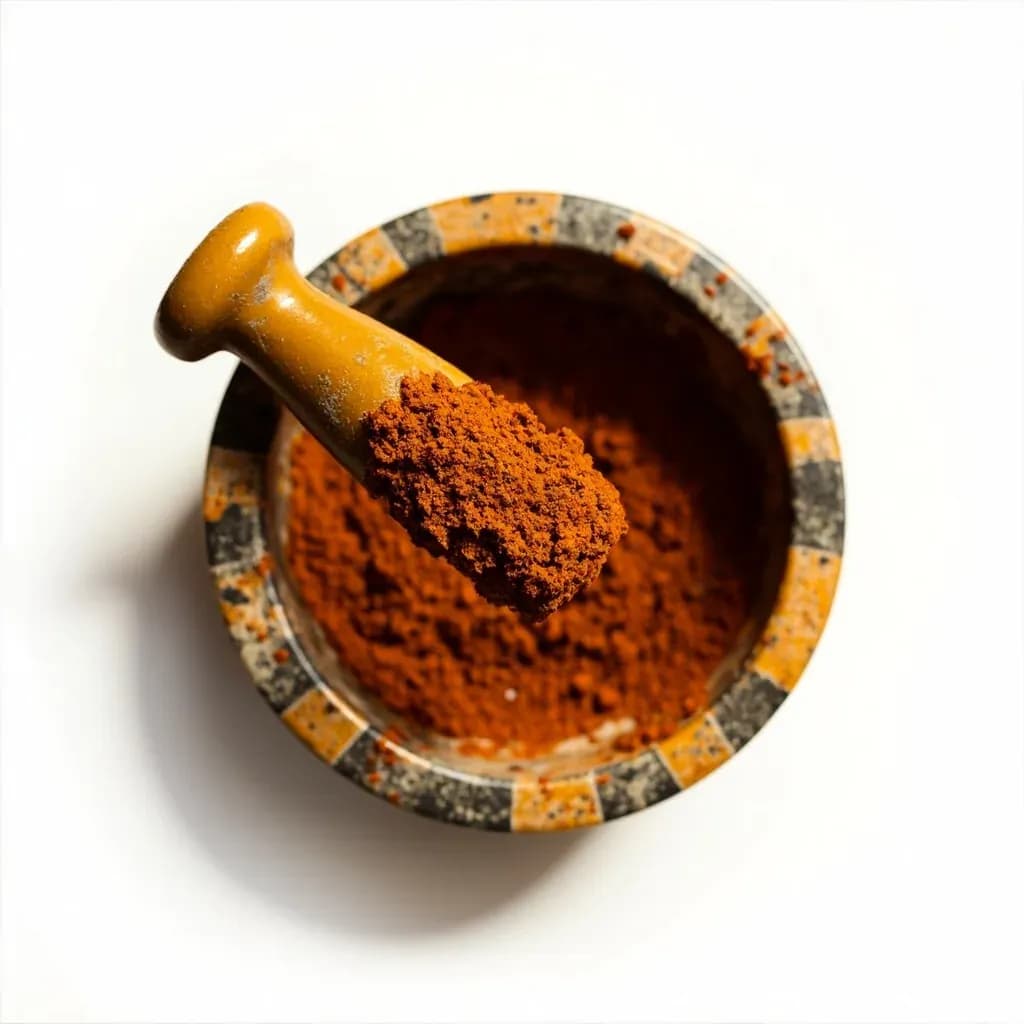
Grinding Spices
Crushing toasted whole spices into fresh powder for maximum aroma.
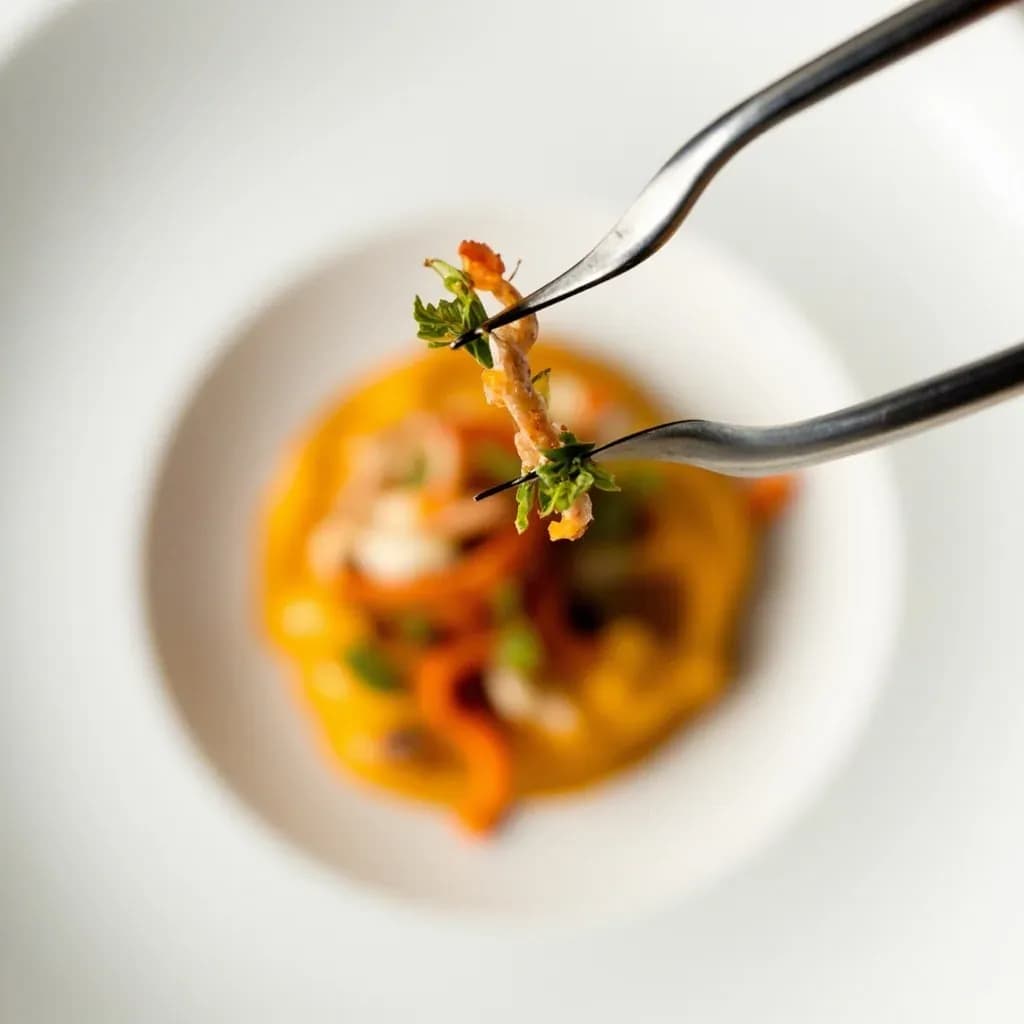
Plating
Arranging and garnishing finished food on the plate for visual appeal.
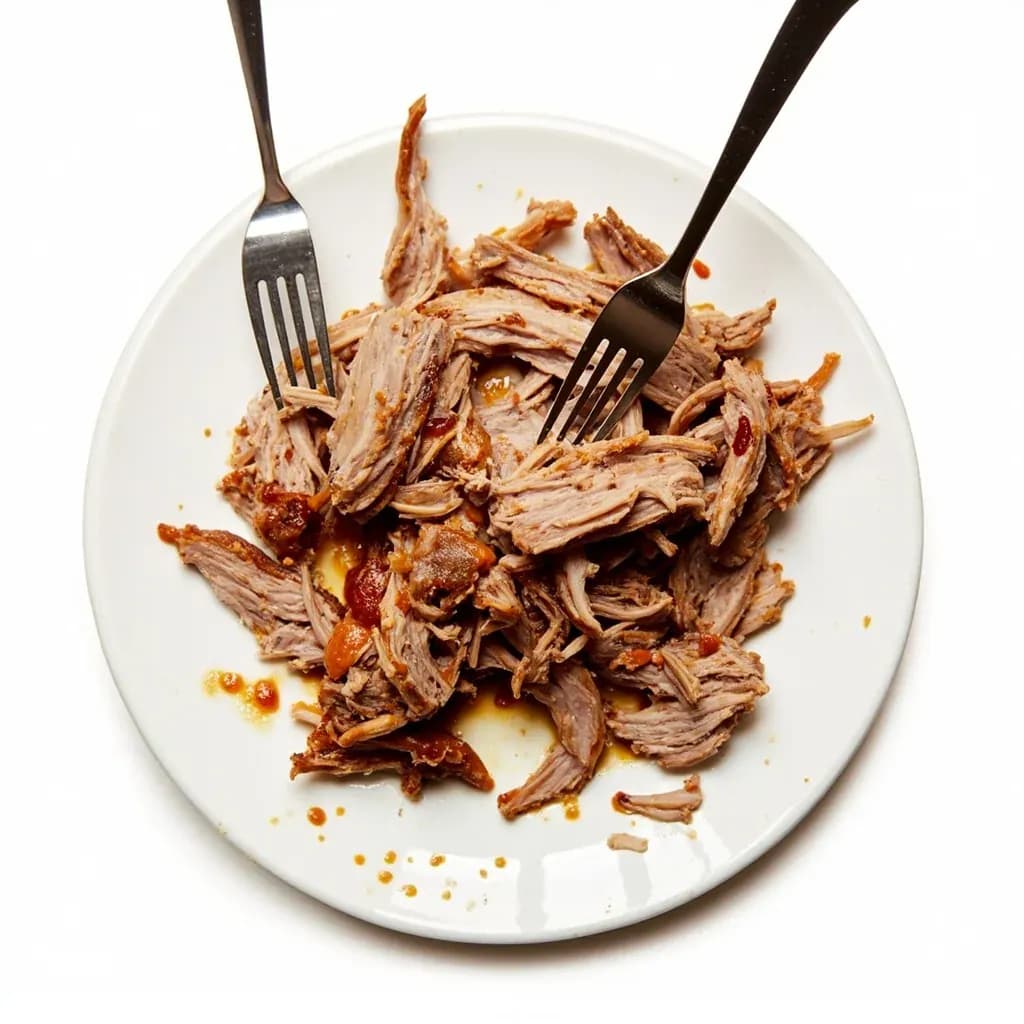
Pulling Pork
Shredding slow-cooked meat into tender strands with forks or hands.
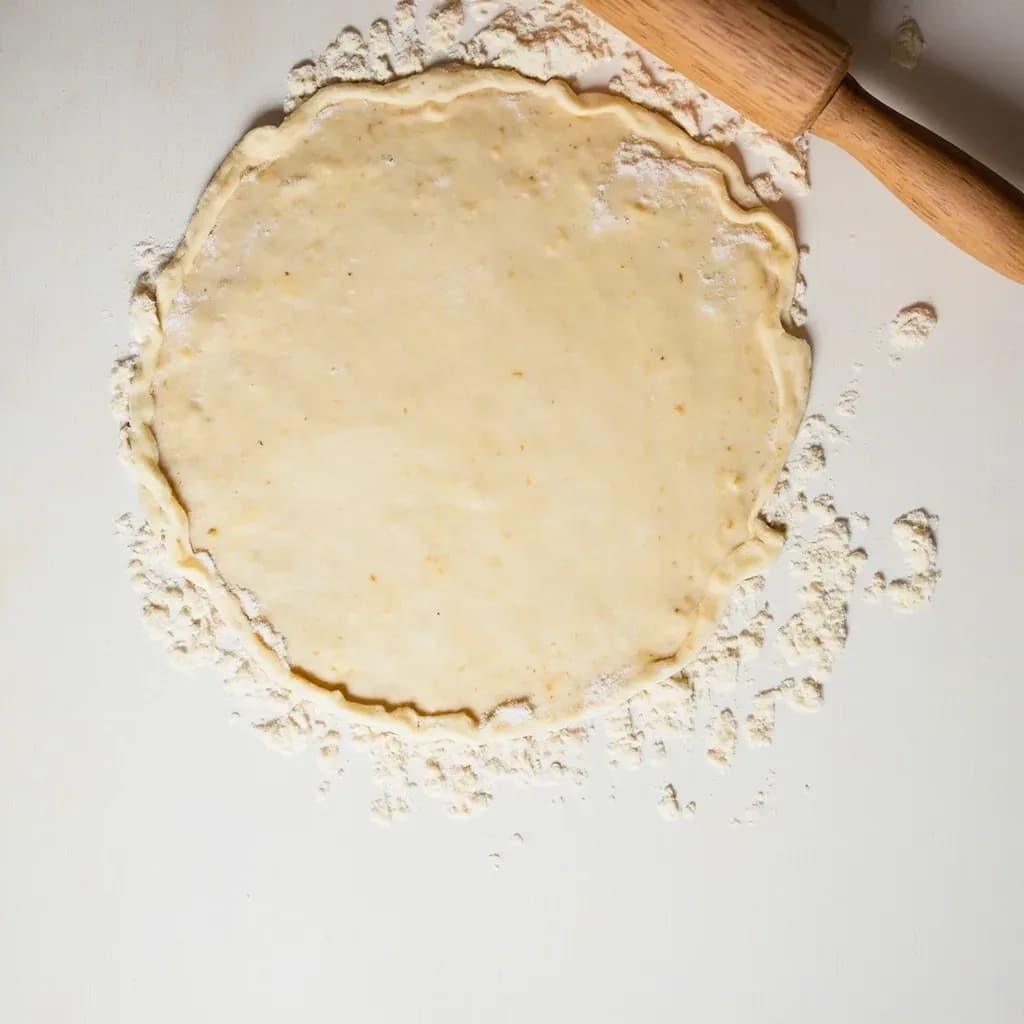
Rolling Flatbread
Rolling or pressing dough into thin rounds for flatbreads and tortillas.
Stone Grinding
Crushing grains, nuts, or masa between stones into meal or paste.
Straining
Passing liquid through a sieve or cloth to separate out solids.
Dough Resting
Letting dough relax so the gluten loosens and it rolls or shapes easily.
Foraging
Gathering wild edibles like mushrooms, berries, and herbs from nature.
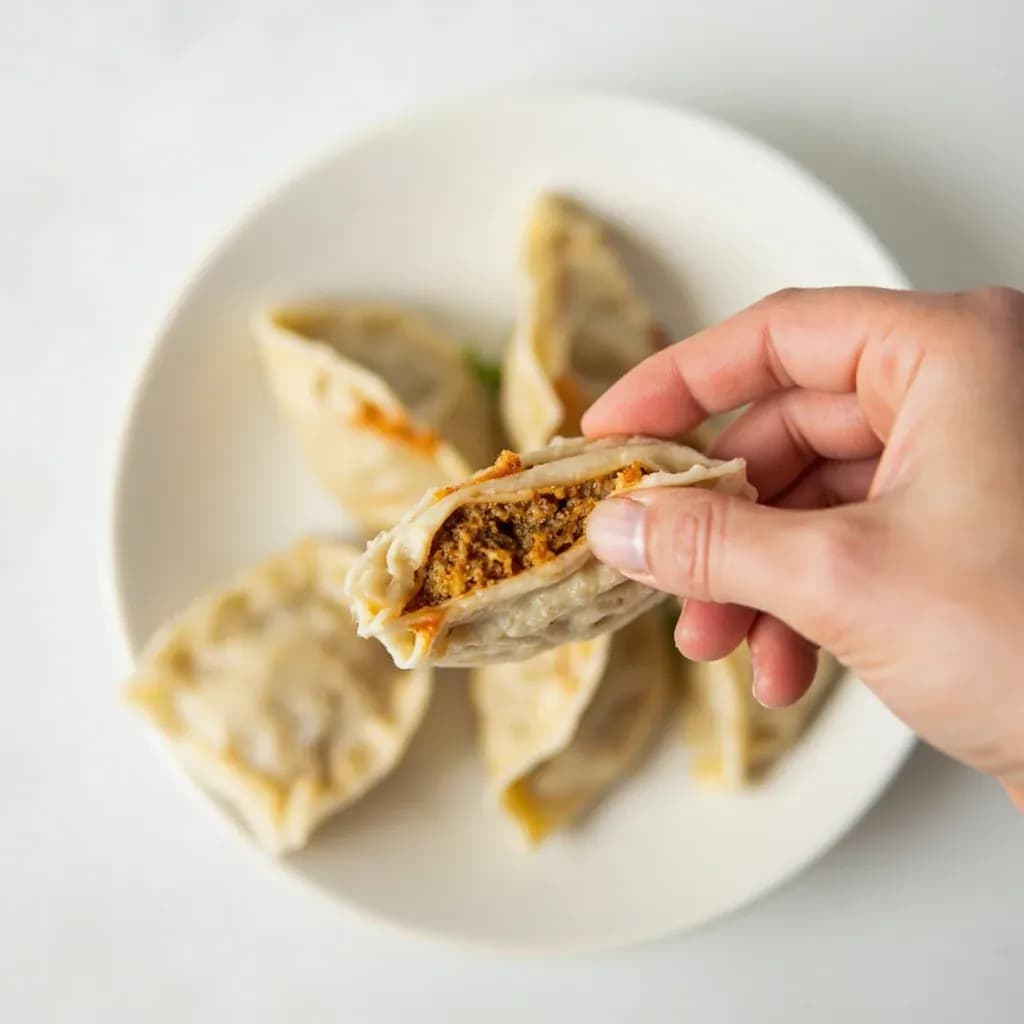
Pleating Dumplings
Folding and crimping dumpling wrappers to seal the filling decoratively.
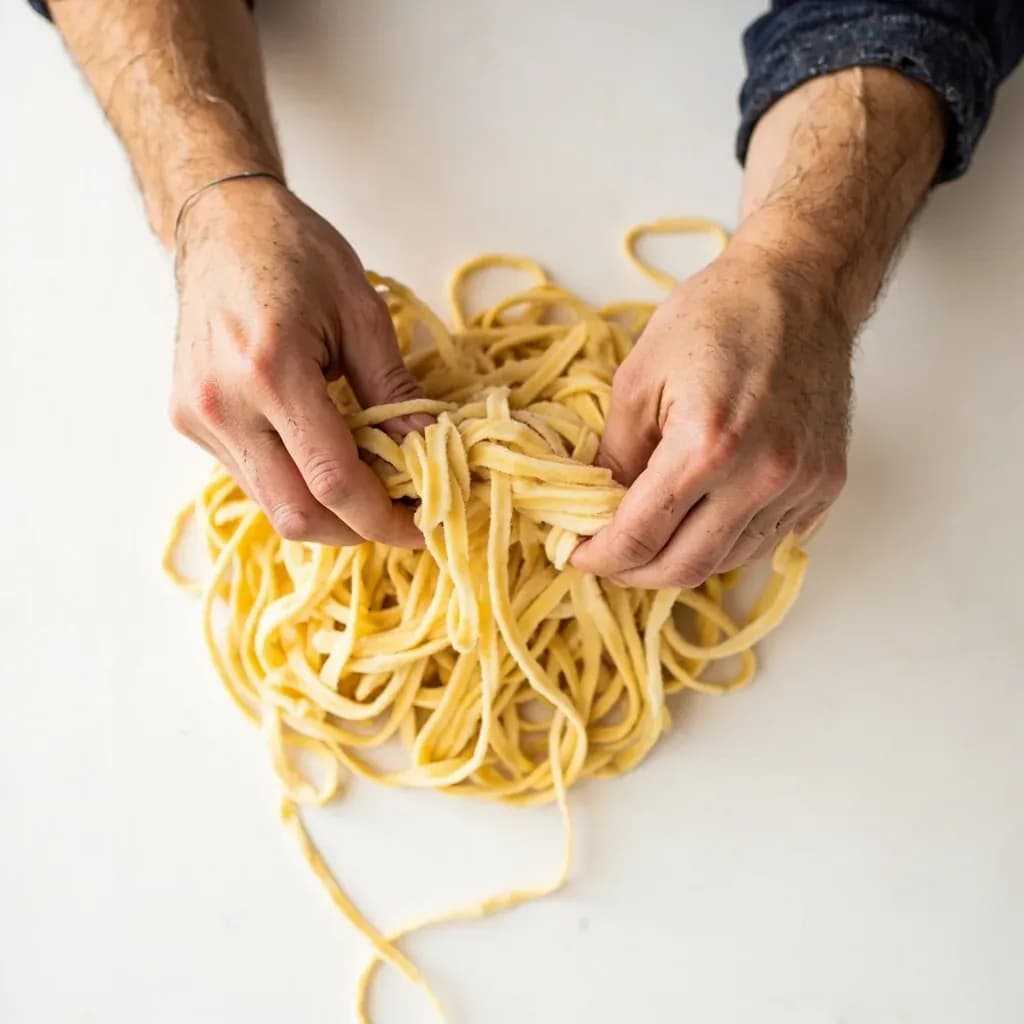
Hand-Pulling Noodles
Stretching and folding dough by hand into strands of fresh noodles.
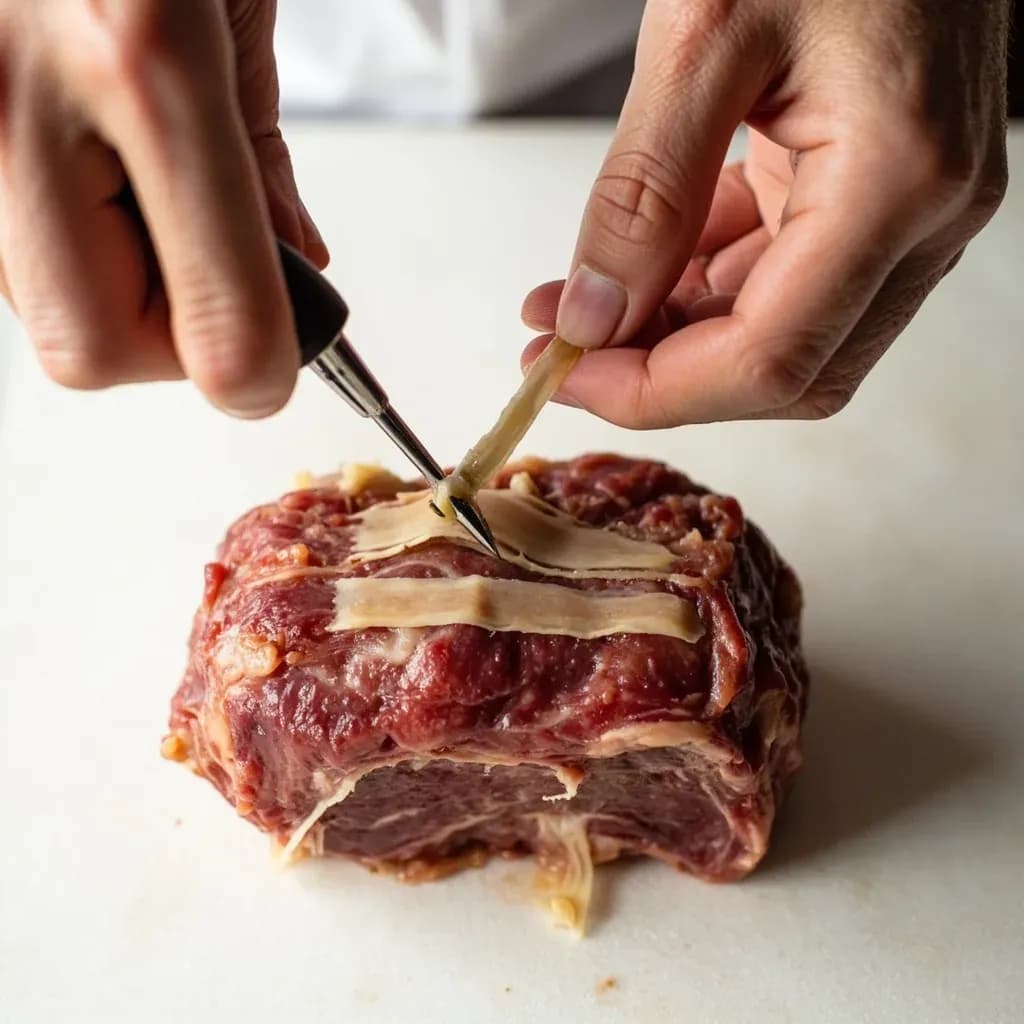
Larding
Threading strips of fat into lean meat to keep it moist while cooking.
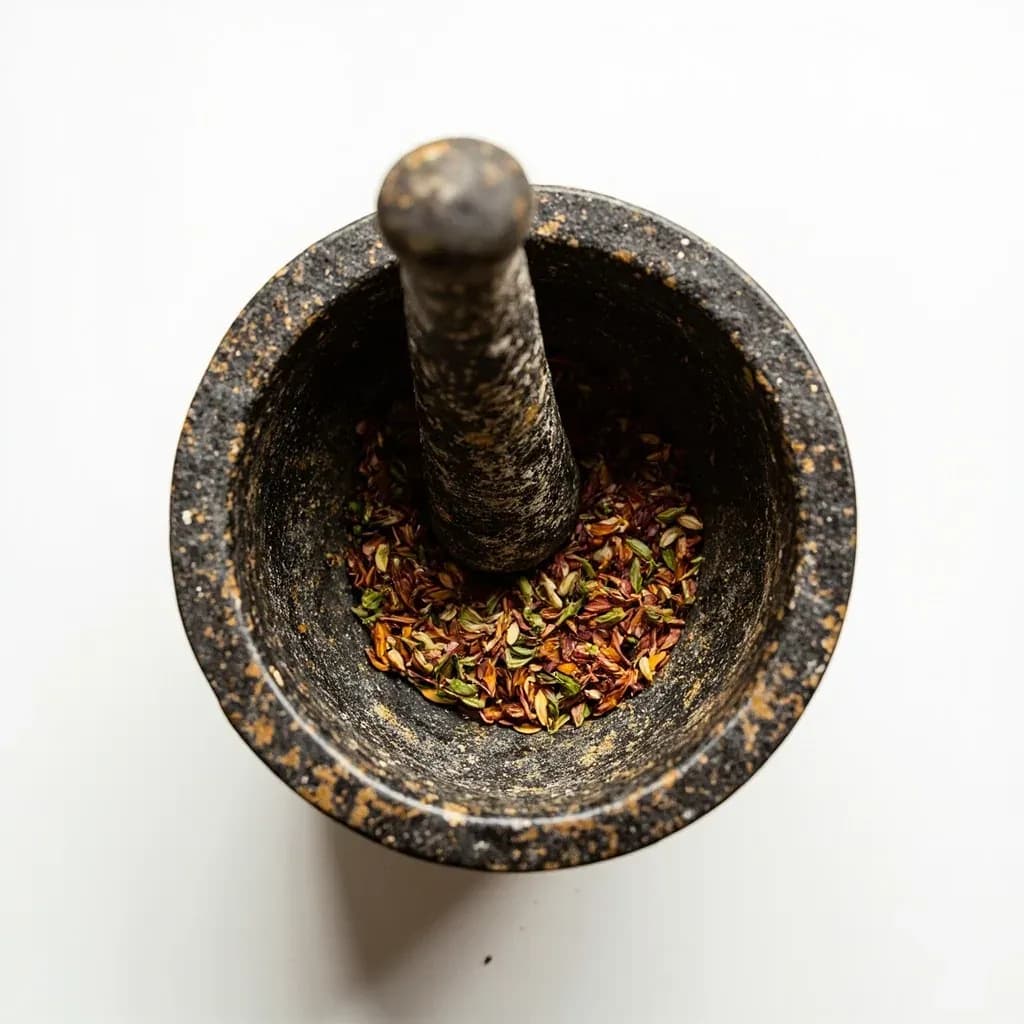
Pounding in Mortar
Crushing aromatics and spices with a pestle to release oils and make pastes.
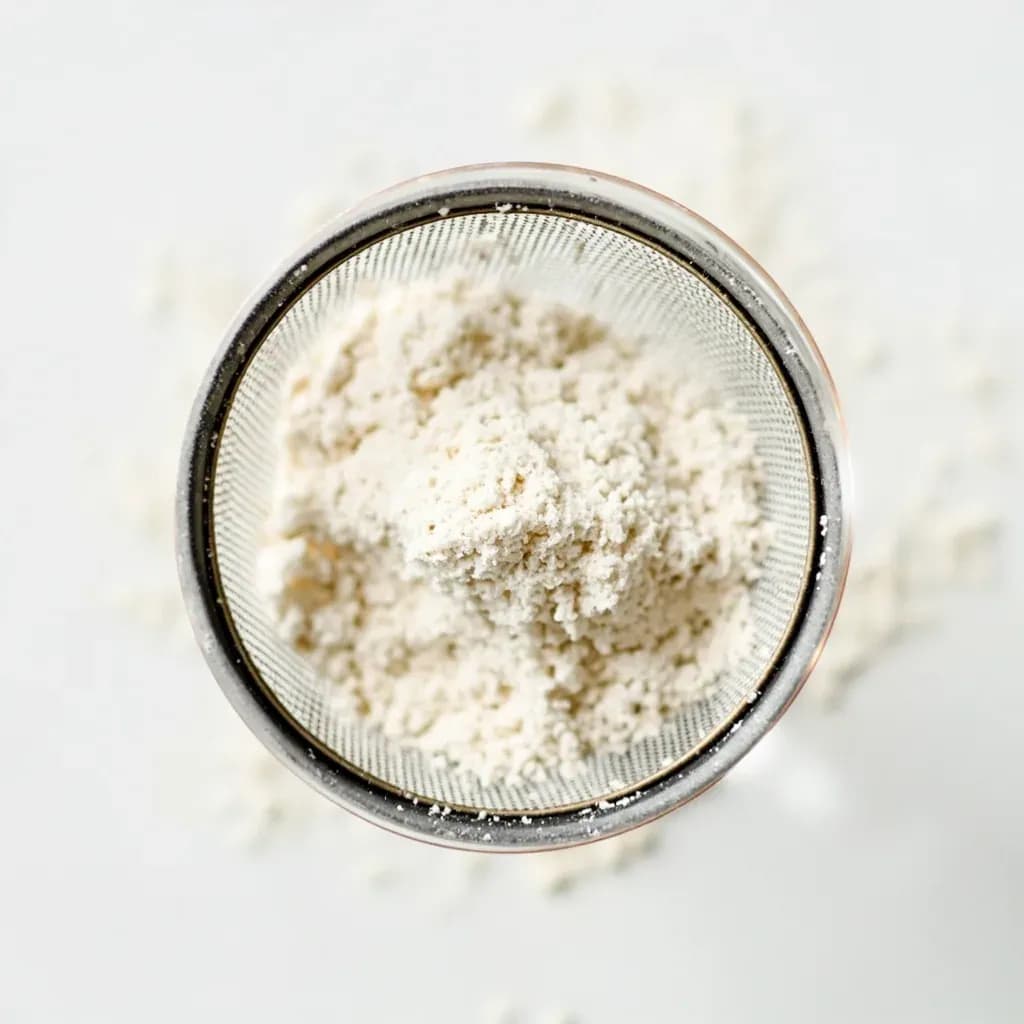
Sieving
Passing dry ingredients through a mesh to aerate and remove lumps.
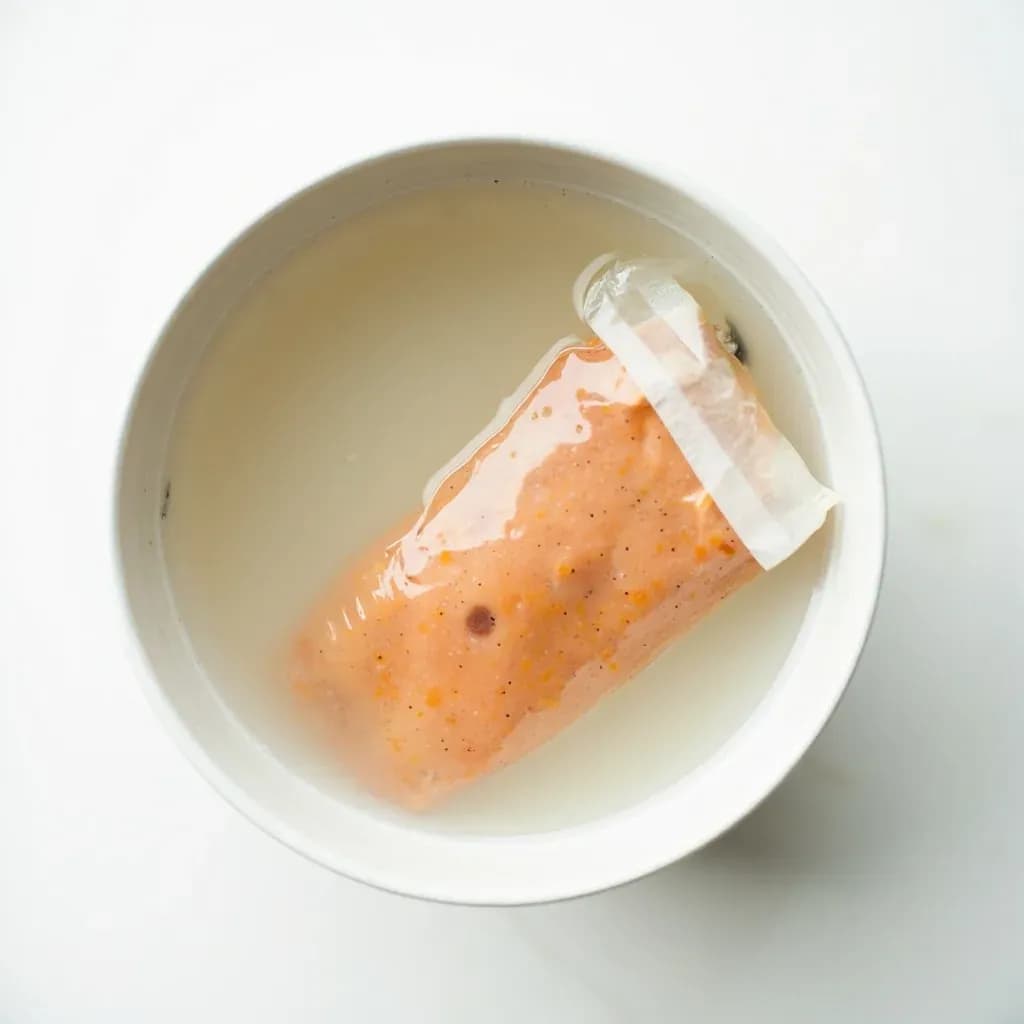
Thawing
Safely defrosting frozen food before cooking to preserve quality and safety.
Docking
Pricking dough with holes to release steam and stop it from puffing up.
Juicing
Extracting juice from citrus, fruit, or vegetables for cooking and drinks.
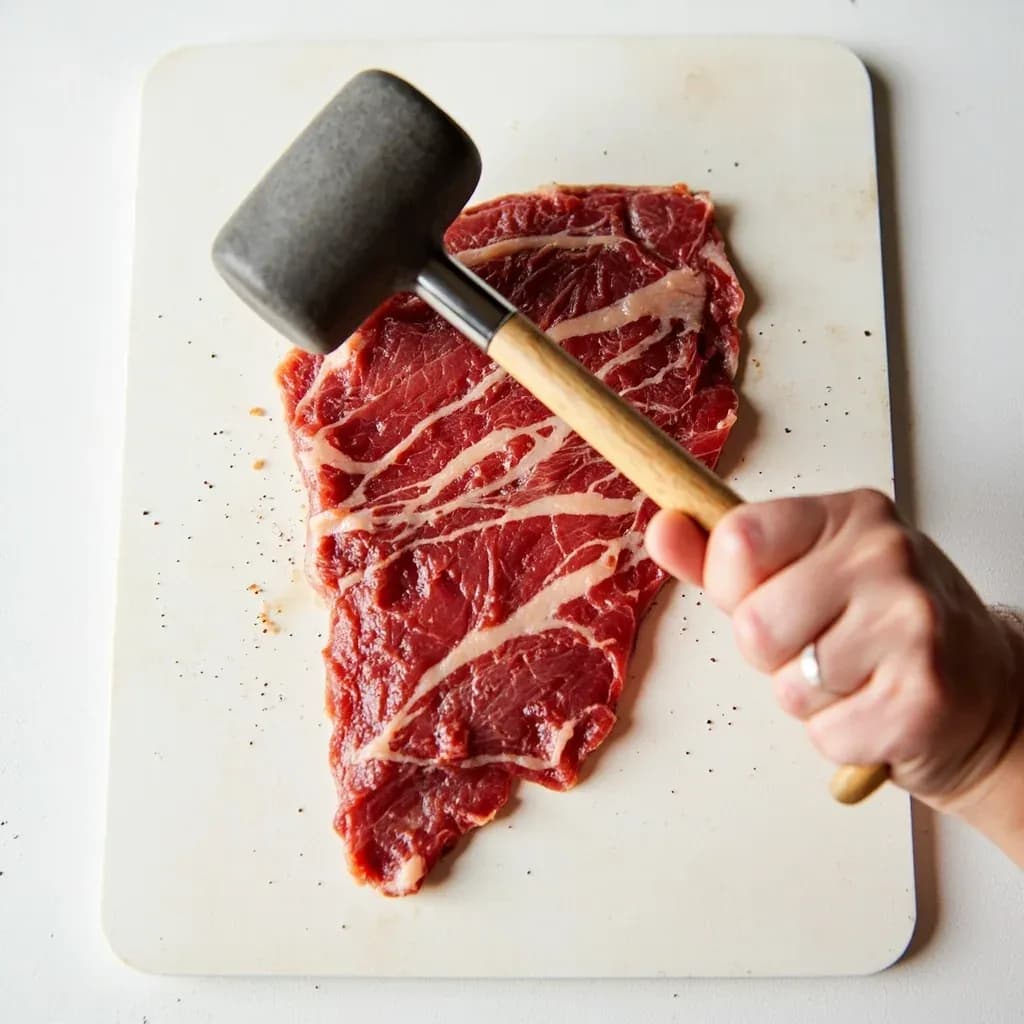
Pounding Meat
Flattening and tenderizing meat with a mallet for even, quick cooking.
Scaling (Weighing Ingredients)
Weighing ingredients precisely for consistent, repeatable results.
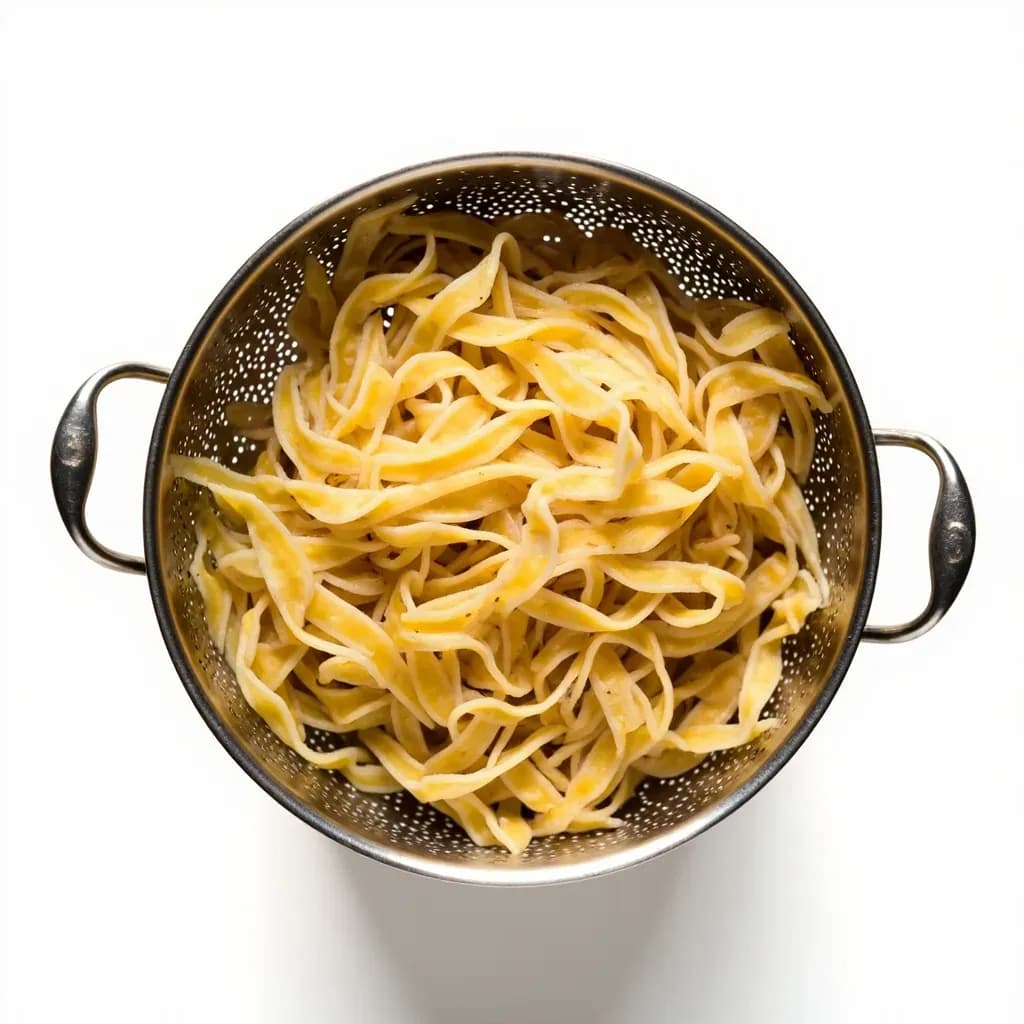
Draining
Separating solids from liquid using a colander or strainer to remove excess water, oil, or brine.
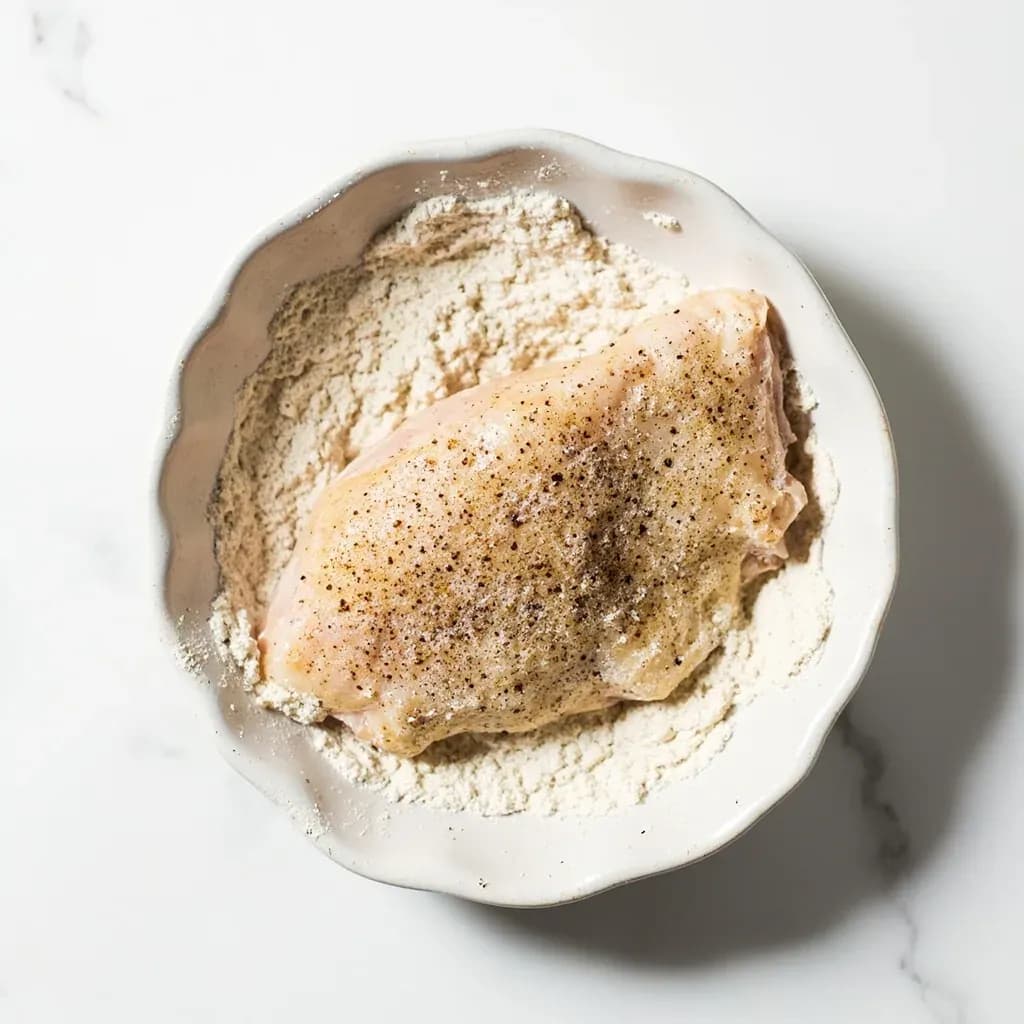
Dredging
Coating food in flour or seasoned starch before frying so it browns and crisps evenly.
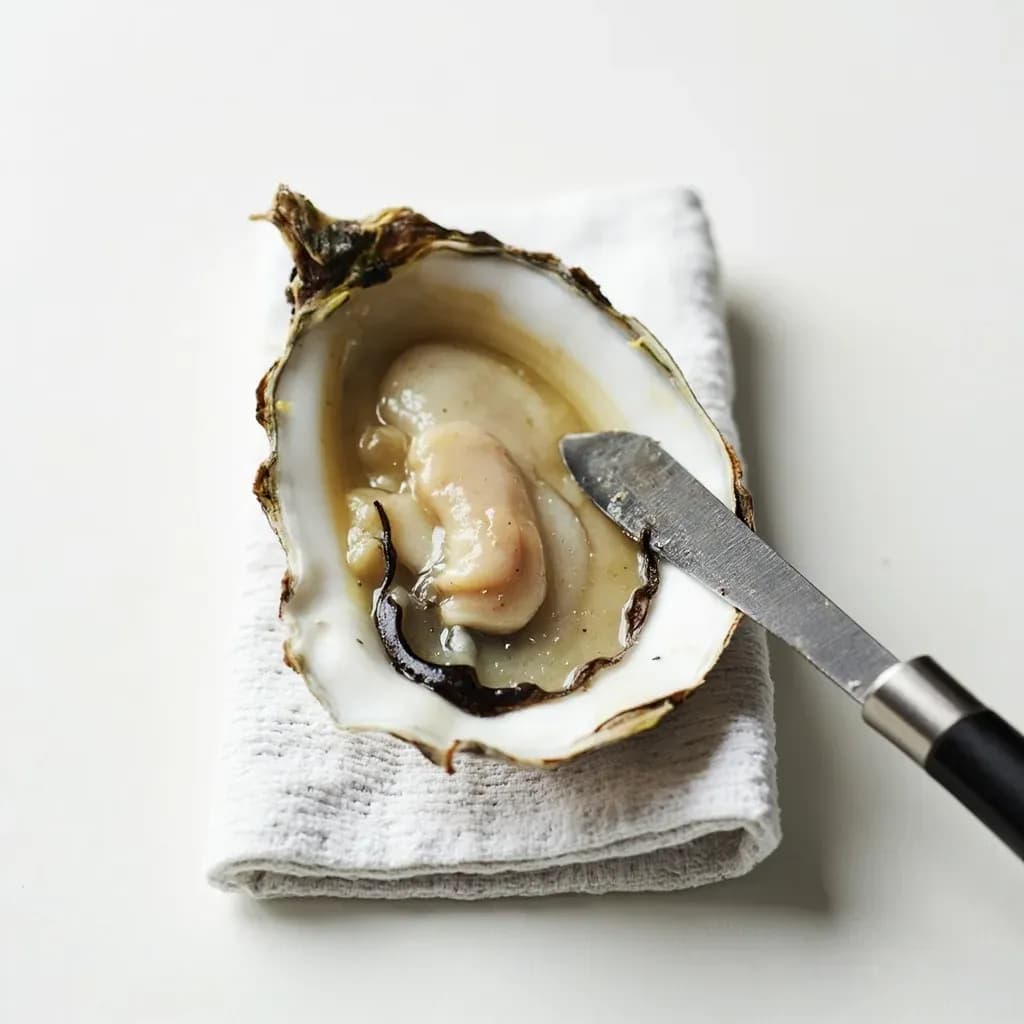
Shucking
Prying open shellfish like oysters and clams to release the meat while keeping the liquor.
Washing Produce
Rinsing and sorting fruits and vegetables to remove dirt, grit, and debris before cooking.
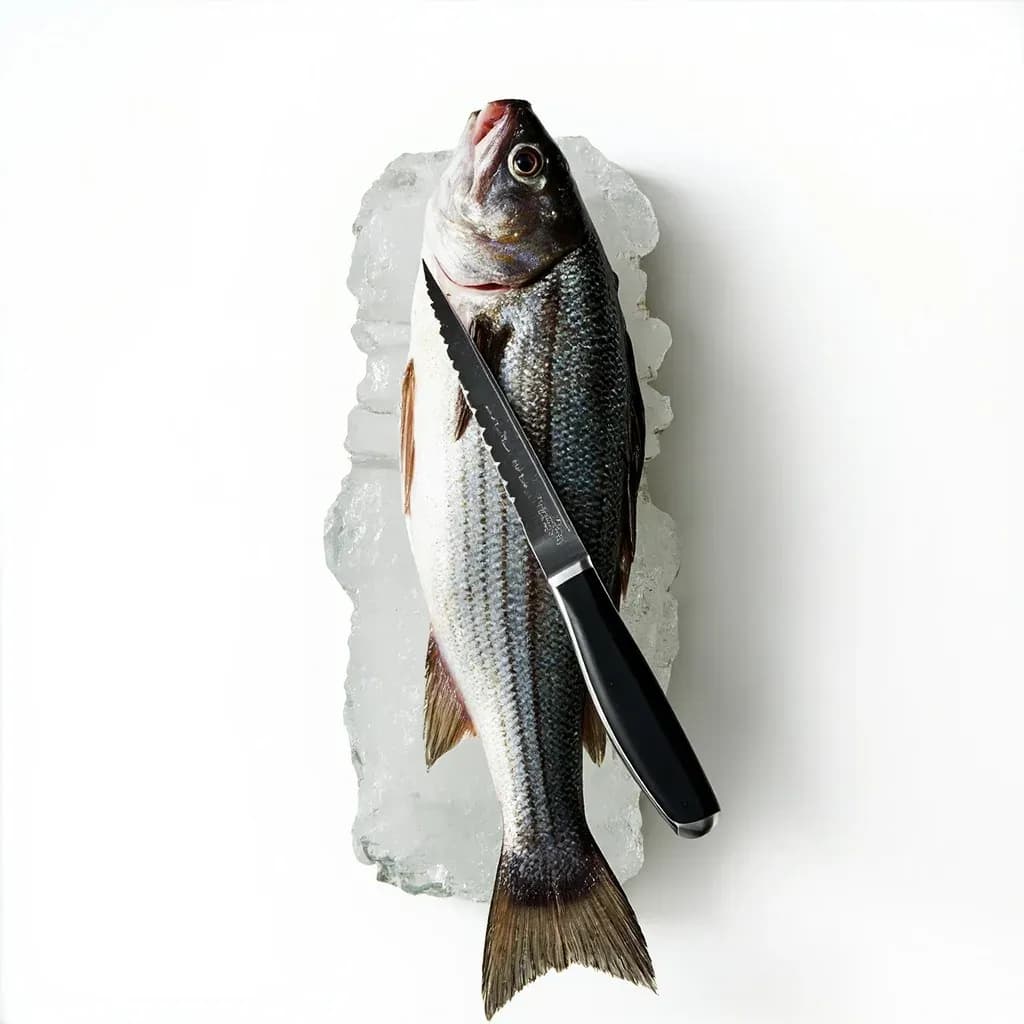
Bleeding Fish
Draining blood from a freshly killed fish to keep the flesh clean-tasting and slow to spoil.
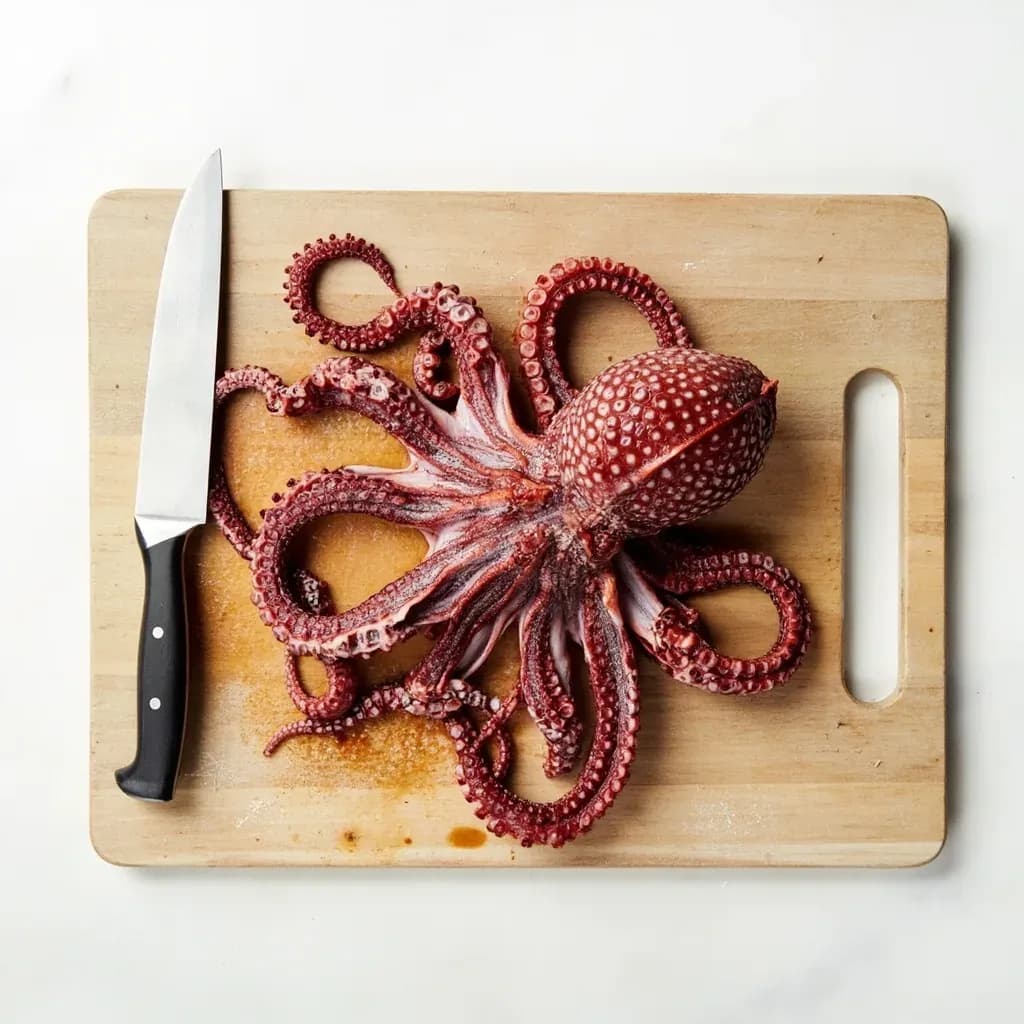
Cleaning Octopus
Removing the beak, ink sac, and innards and tenderizing octopus before cooking.
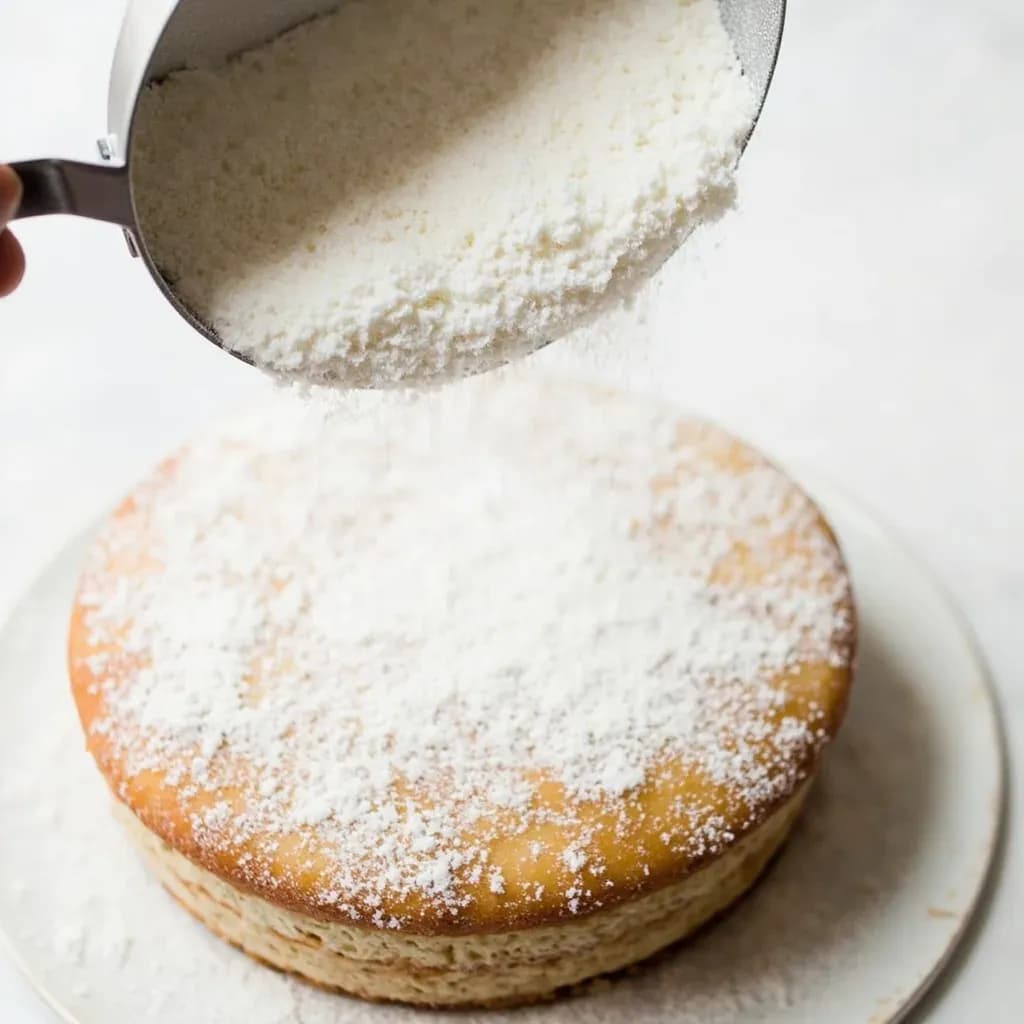
Dusting
Lightly scattering a fine powder like flour, sugar, or spice over food for coating or finish.
Ginger-Garlic Paste Making
Grinding fresh ginger and garlic into a smooth paste used as a base across South Asian cooking.
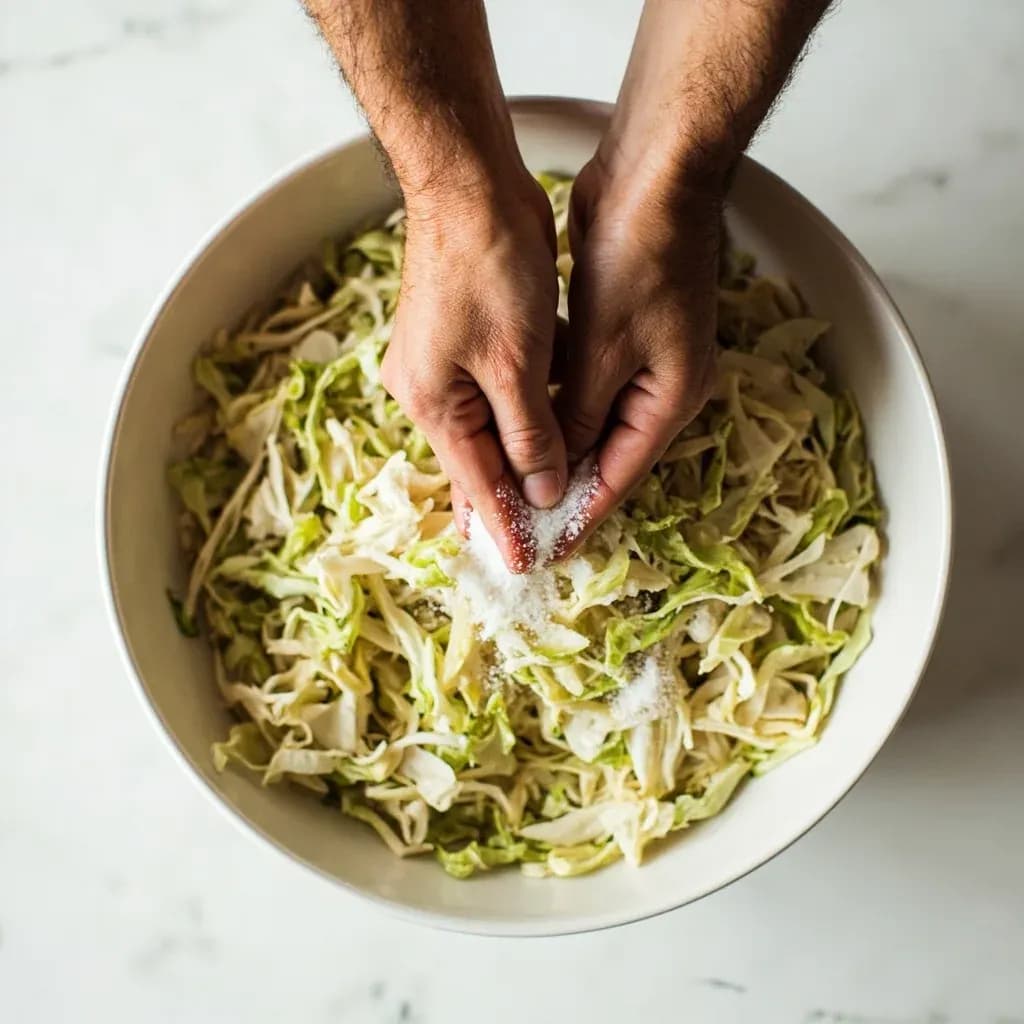
Massaging Vegetables
Working salt or dressing into vegetables by hand to soften them and draw out water.
Meal Prepping
Cooking and portioning meals ahead of time into containers for the days to come.
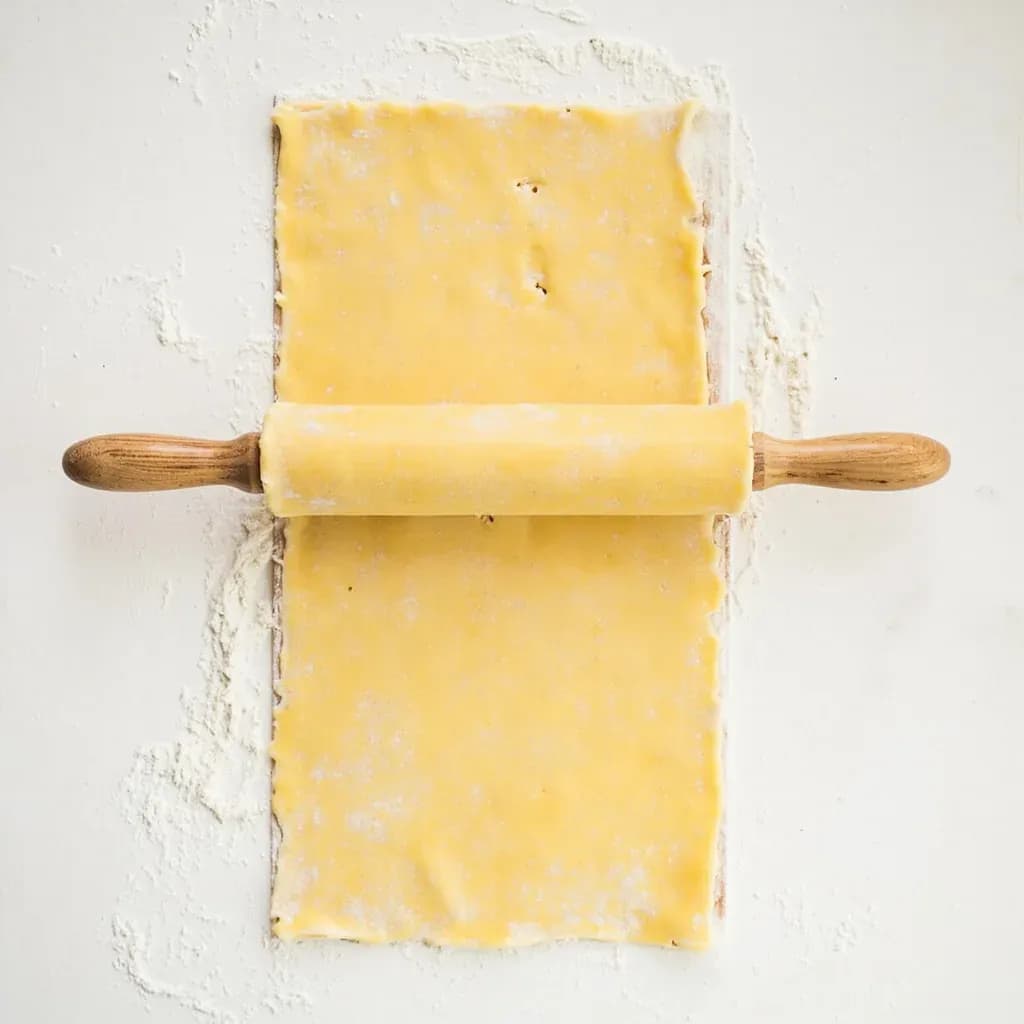
Rolling Fresh Pasta
Stretching pasta dough into thin sheets or strands by hand or machine for fresh noodles.
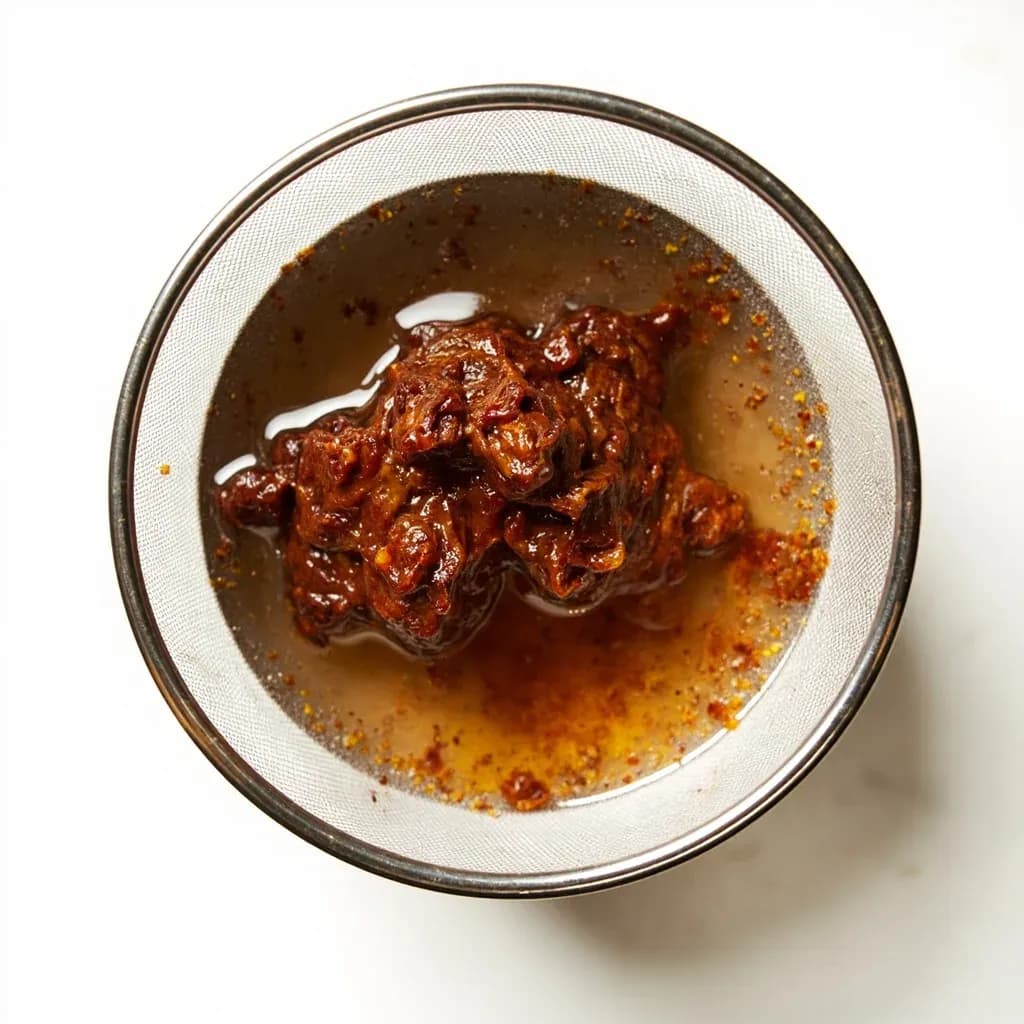
Tamarind Pulp Extraction
Soaking tamarind pulp in water and straining out the seeds and fibers for a tangy juice.
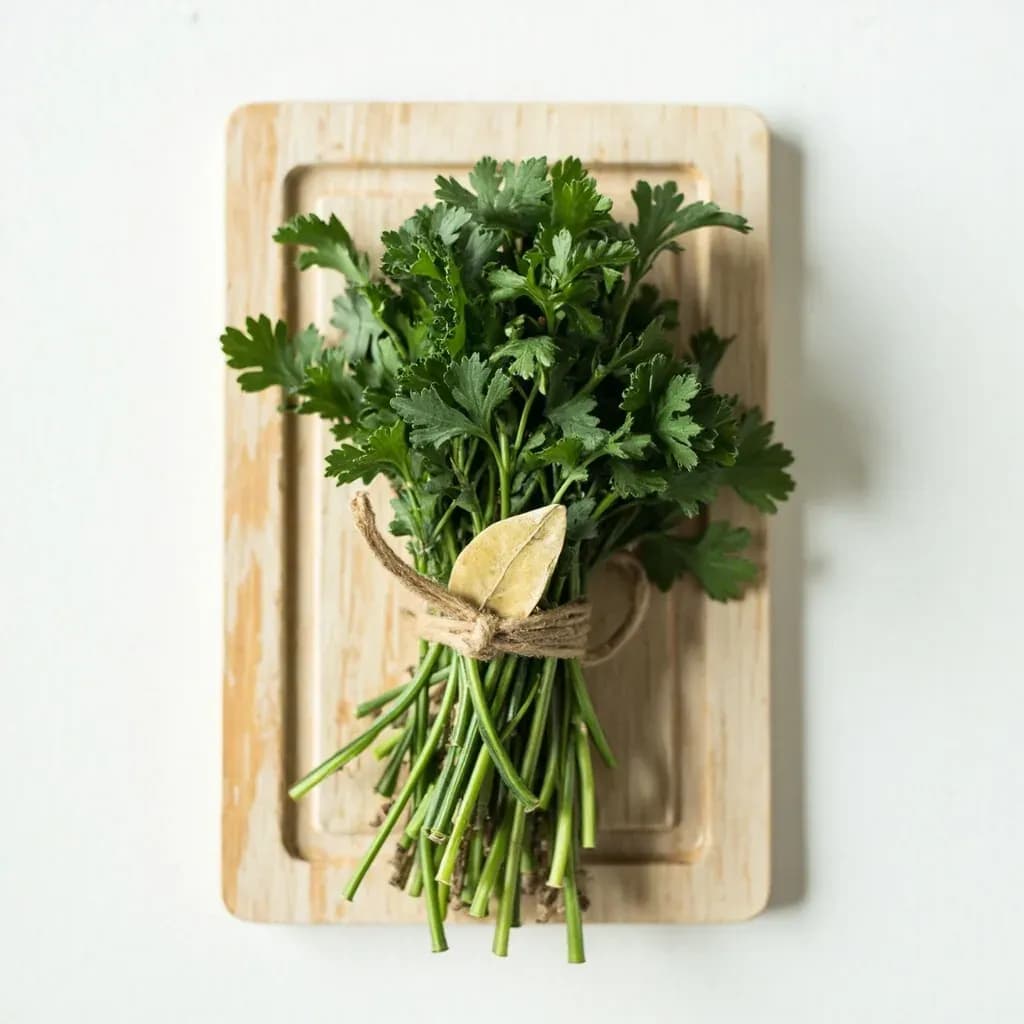
Building a Bouquet Garni
Tying herbs into a bundle to flavor stocks and stews, then lift out cleanly when done.
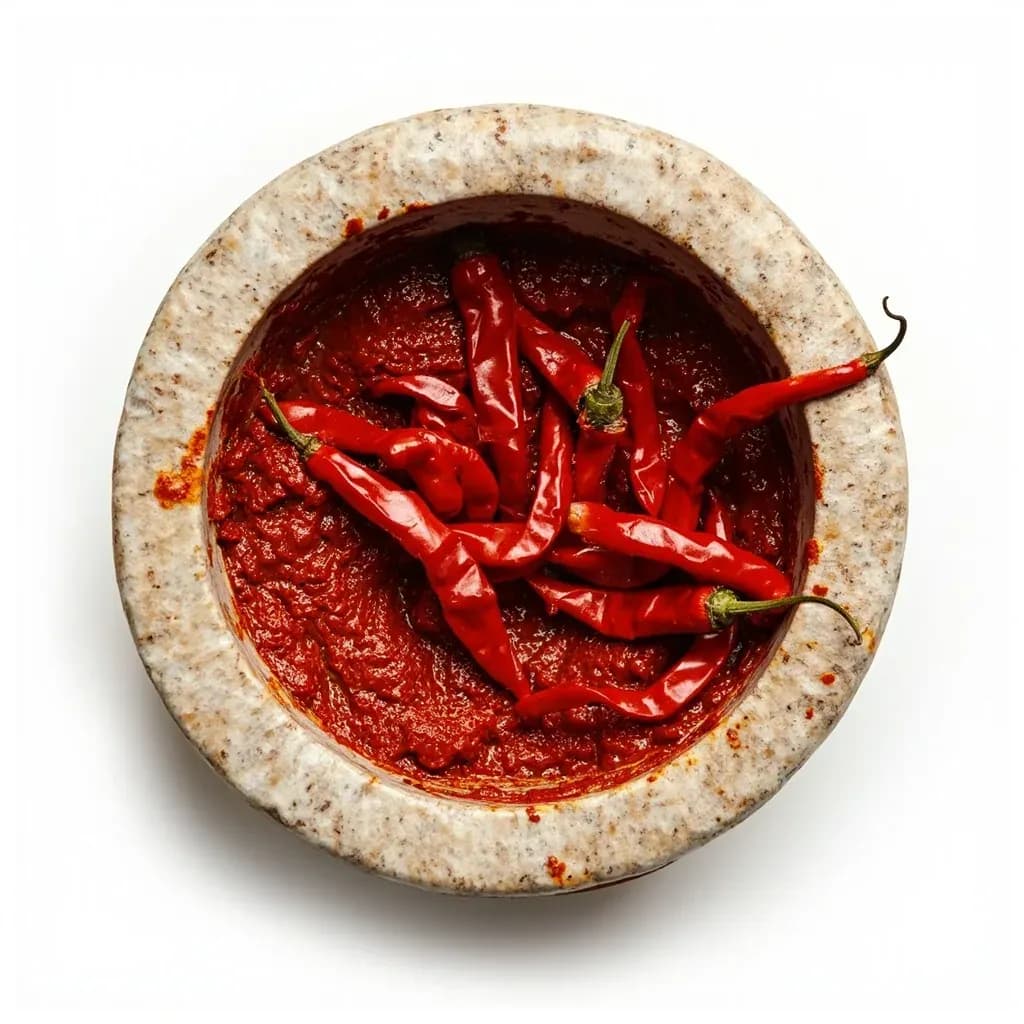
Chili Paste Making
Grinding chilies with aromatics and salt into a paste that bases sauces and stews.
Cleaning Foraged Mushrooms
Brushing dirt, grit, and insects from wild mushrooms and sorting out any inedible finds.
Extruding
Pushing dough or paste through a shaped die to form pasta, noodles, or piped shapes.
Hand-Tossing Salad
Mixing salad ingredients and dressing by hand or layering them for even coating.
Hulling Berries
Removing the leafy green caps and stems from berries, or husks from grains and seeds.
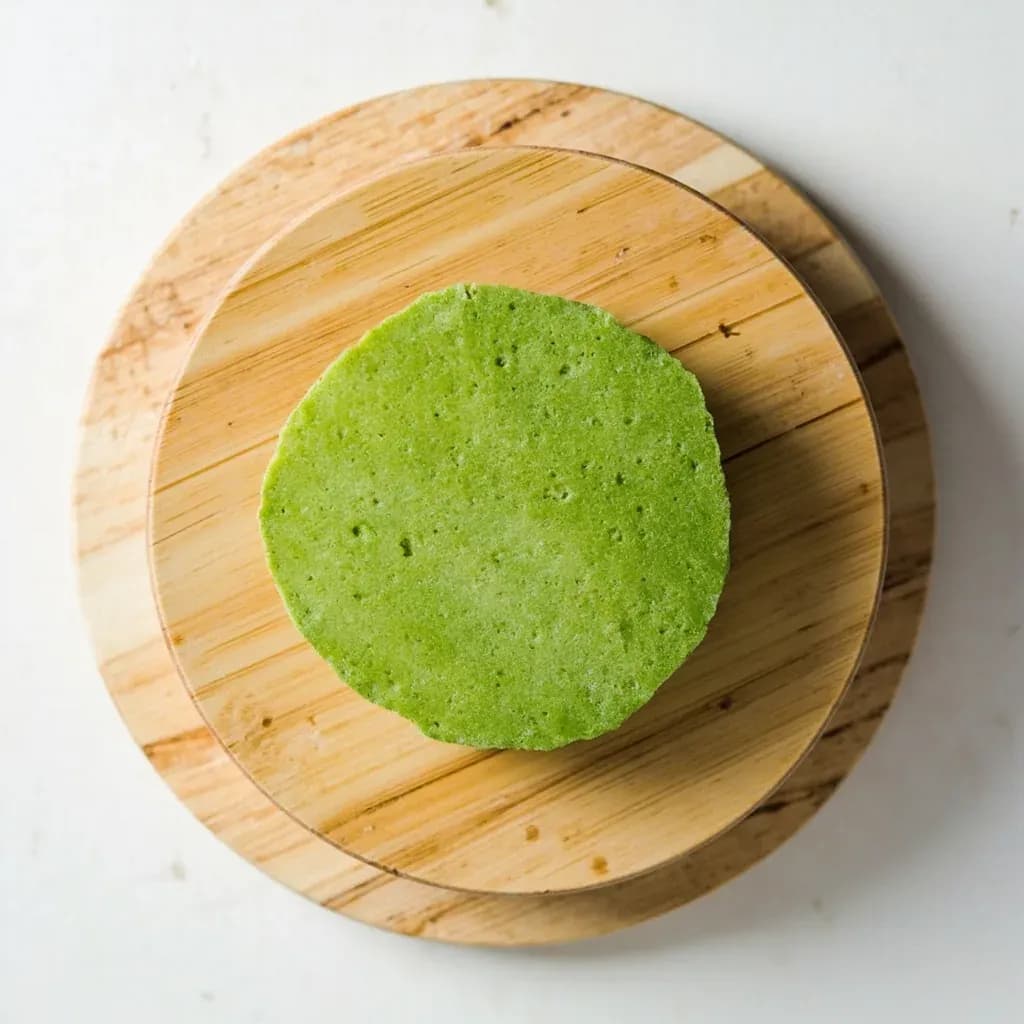
Plantain Pressing
Flattening par-fried plantain rounds before a second fry to make crisp tostones.
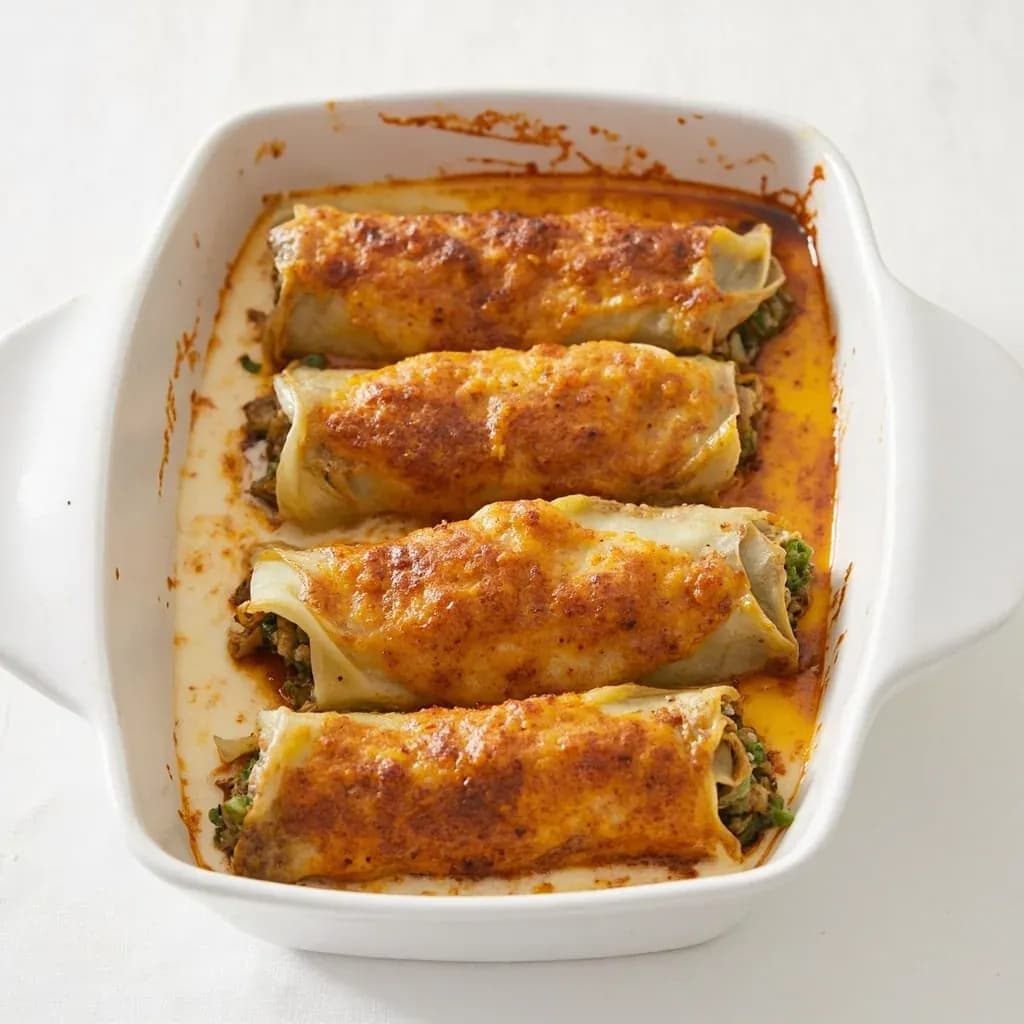
Rolling Stuffed Leaves
Wrapping filling in cabbage, grape, or lettuce leaves into neat parcels or wraps.
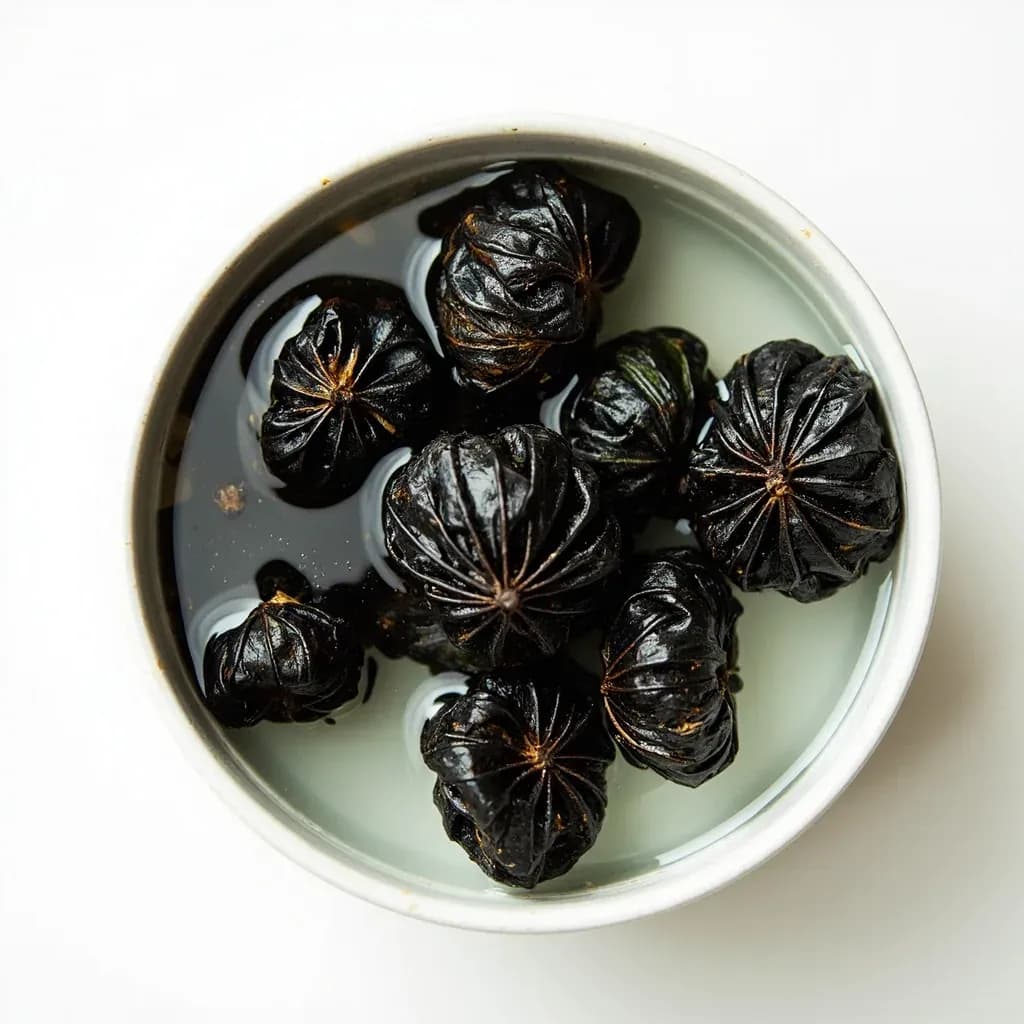
Soaking Dried Lime (Loomi)
Rehydrating black dried limes to release their sour, fermented citrus flavor into a dish.
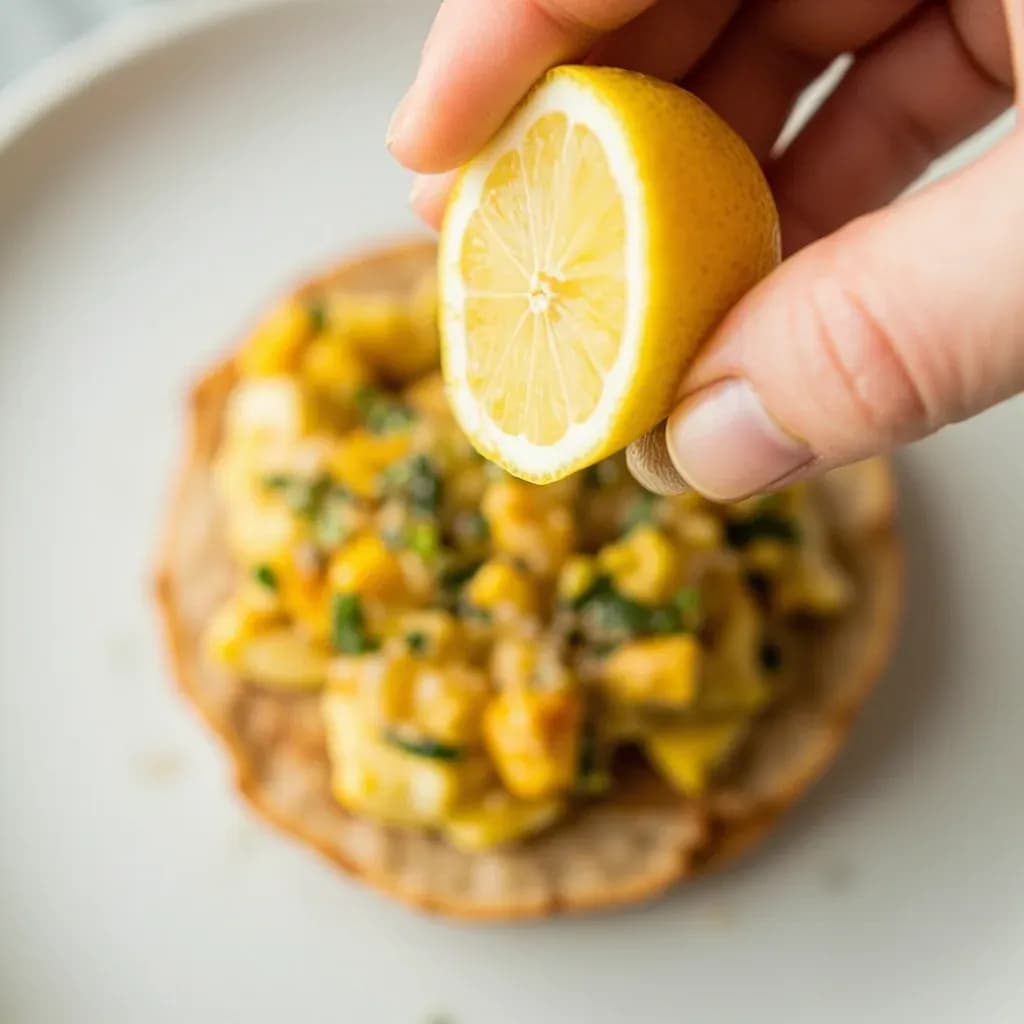
Acid Balancing
Adjusting tartness with citrus, vinegar, or acid to brighten and balance a finished dish.
Board Building
Arranging cheeses, charcuterie, and accompaniments on a board for an inviting spread.
Bowl Assembly
Composing and plating ingredients in a bowl with intention, as in Japanese moritsuke.
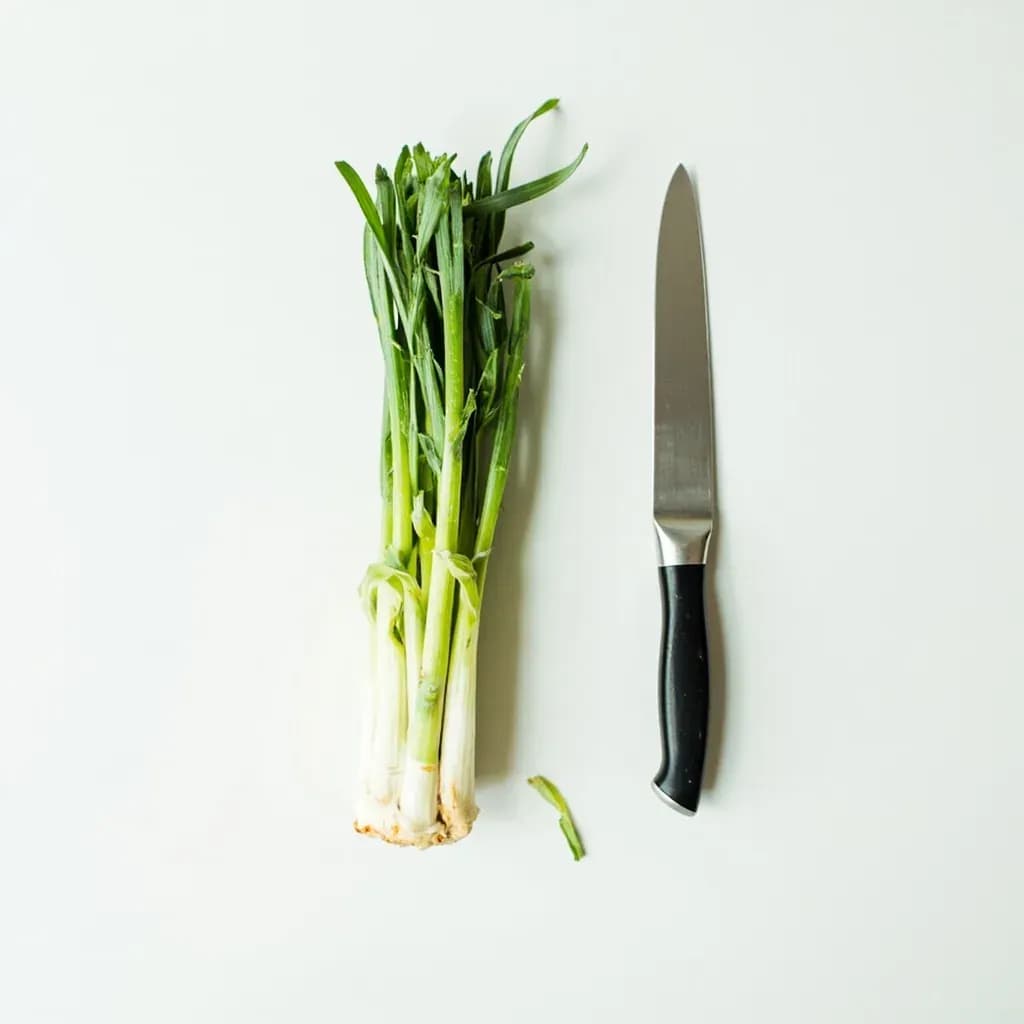
Bruising Aromatics
Lightly crushing lemongrass, garlic, or herbs to release their oils without mincing them.
Casing Soaking & Flushing
Soaking and rinsing natural sausage casings to soften them and clear out salt and grit.
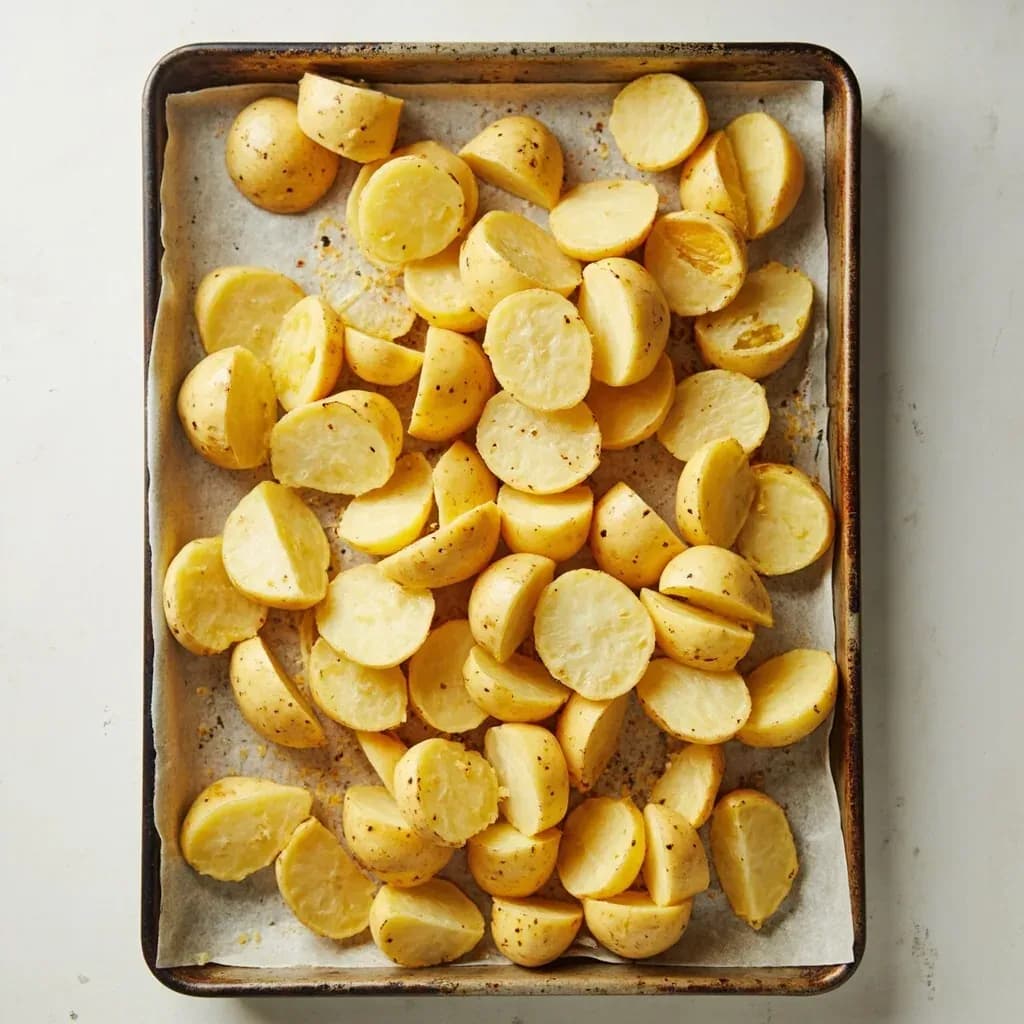
Crushing Potatoes
Lightly smashing cooked potatoes to crack them open for crisper roasting or finishing.
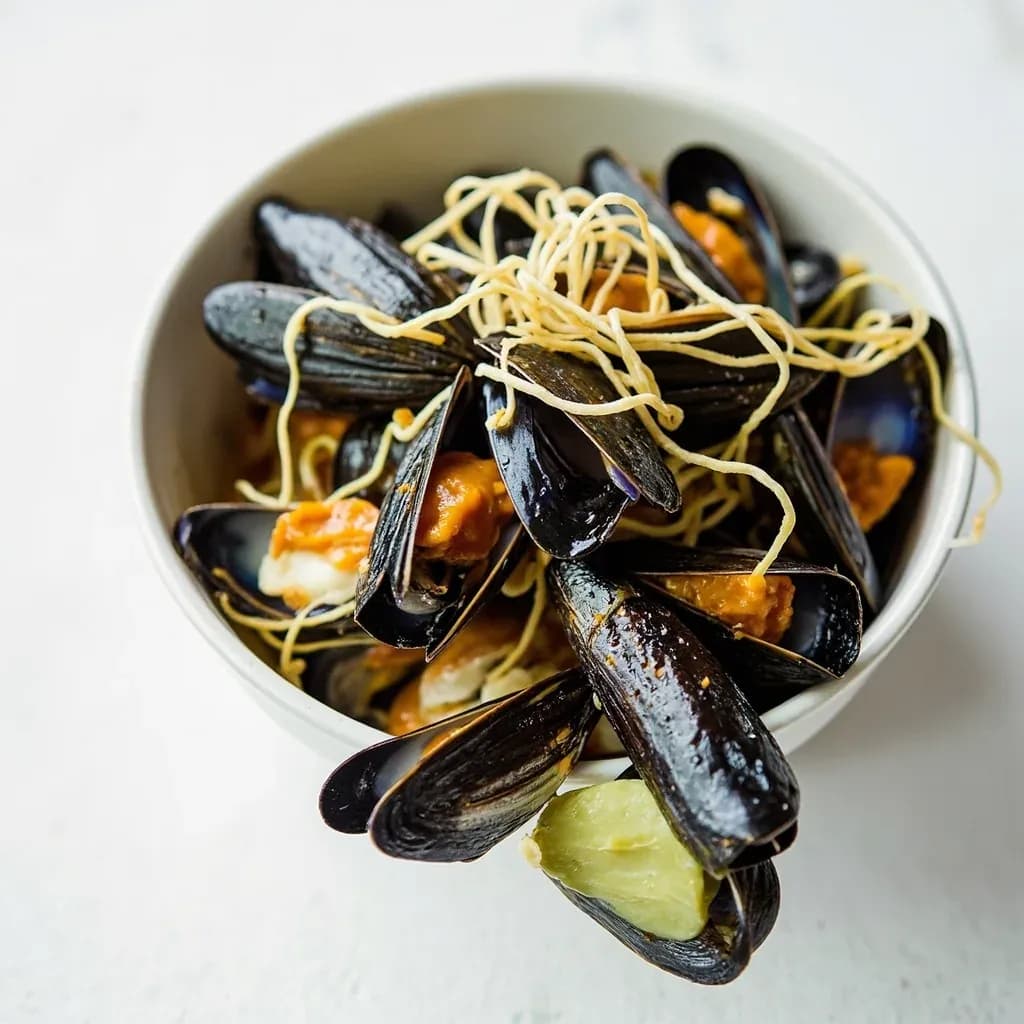
De-Bearding Mussels
Pulling the stringy byssal threads off mussels so they're clean and pleasant to eat.
Open-Sandwich Building (Smørrebrød)
Layering toppings onto a single slice of buttered bread for a composed open-faced sandwich.
Pâté en Terrine
Packing seasoned forcemeat into a mold and baking it into a sliceable terrine.
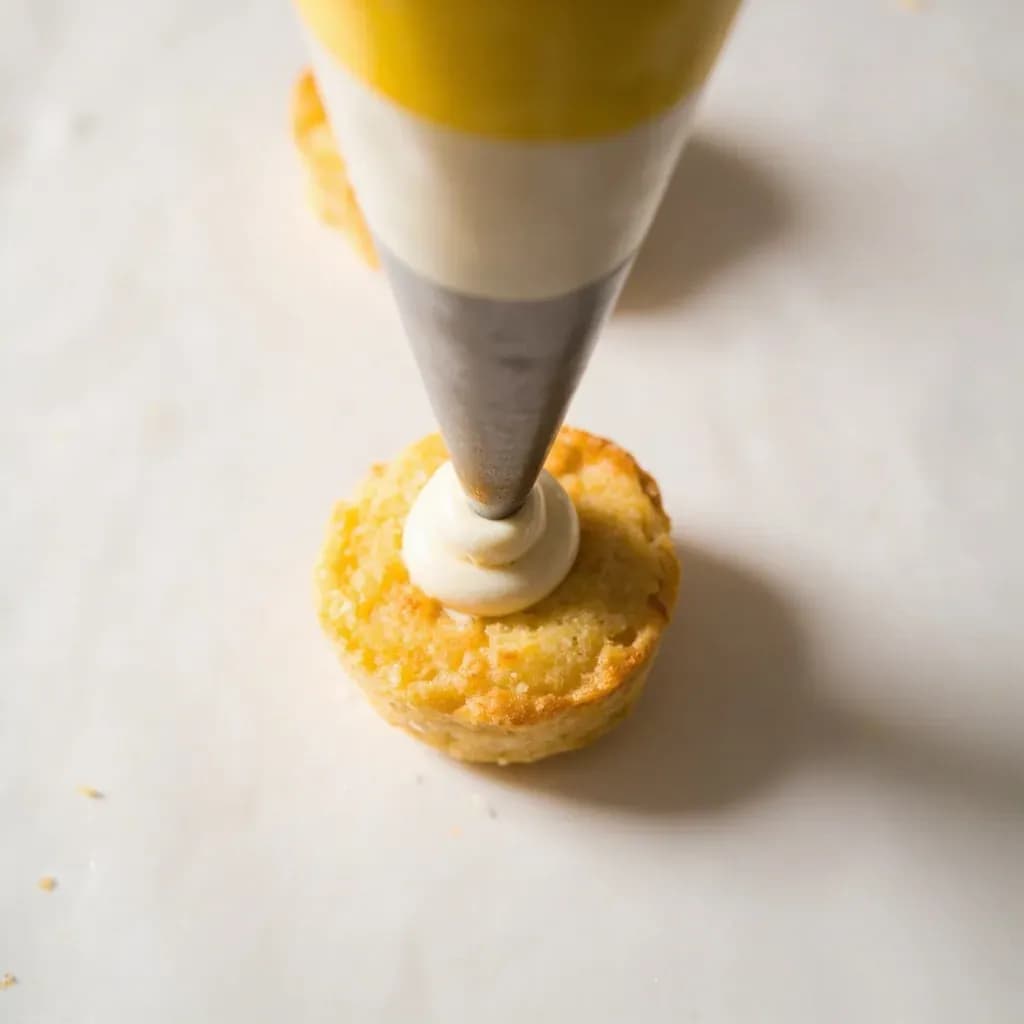
Piping Filling
Using a piping bag to inject or deposit a soft filling neatly and evenly.
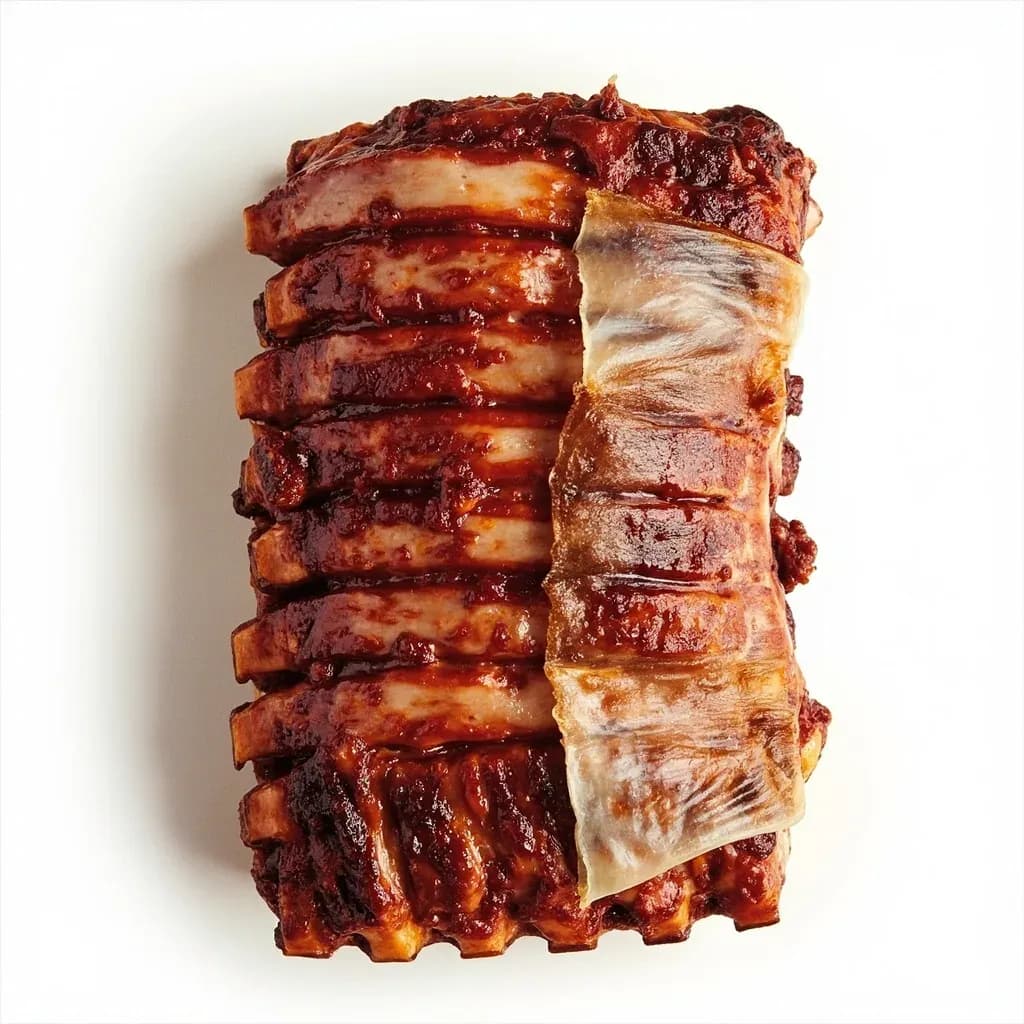
Removing Rib Membrane
Peeling the tough silverskin off the back of a rack of ribs before cooking.
Rinsing & Rubbing Off Pericarp
Washing nixtamalized corn and rubbing off the loosened skins before grinding masa.
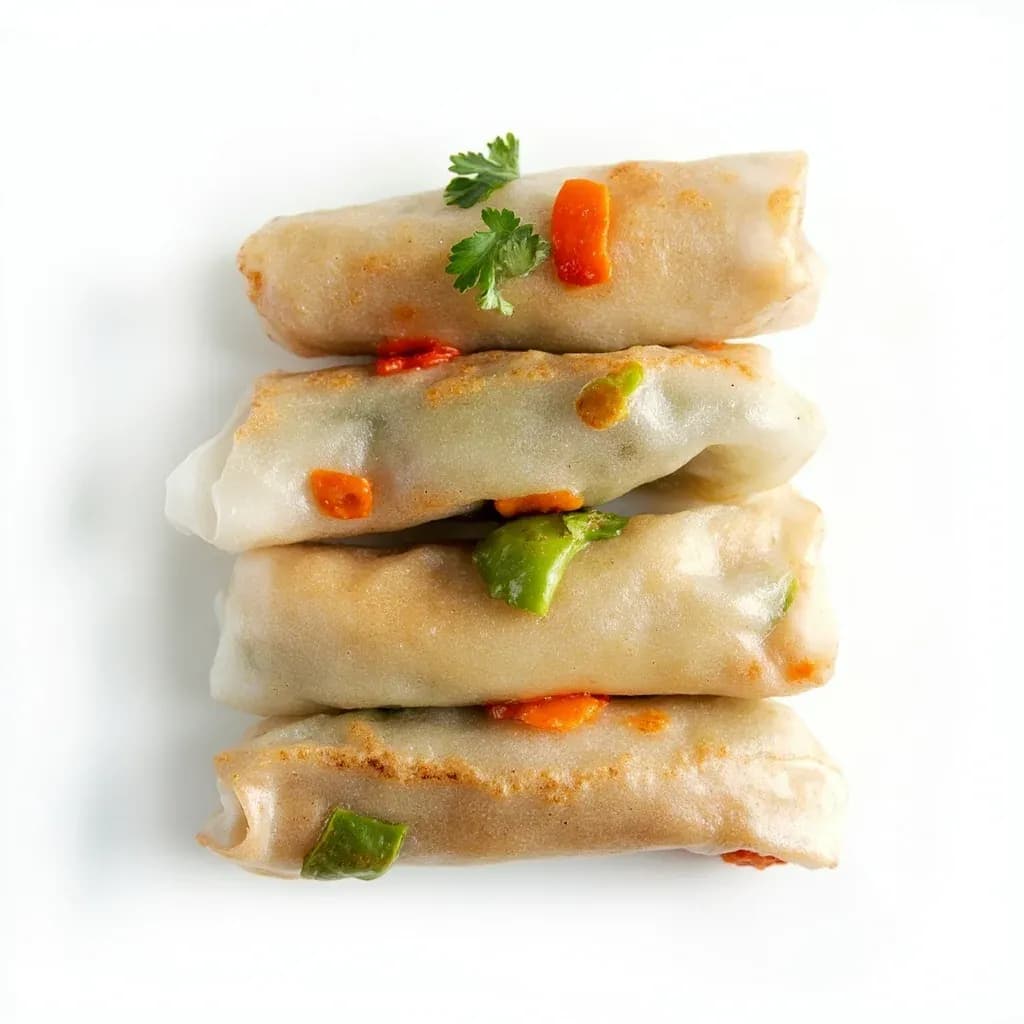
Rolling Fresh Rolls (Cuốn)
Wrapping rehydrated rice paper around herbs, noodles, and protein into tight summer rolls.
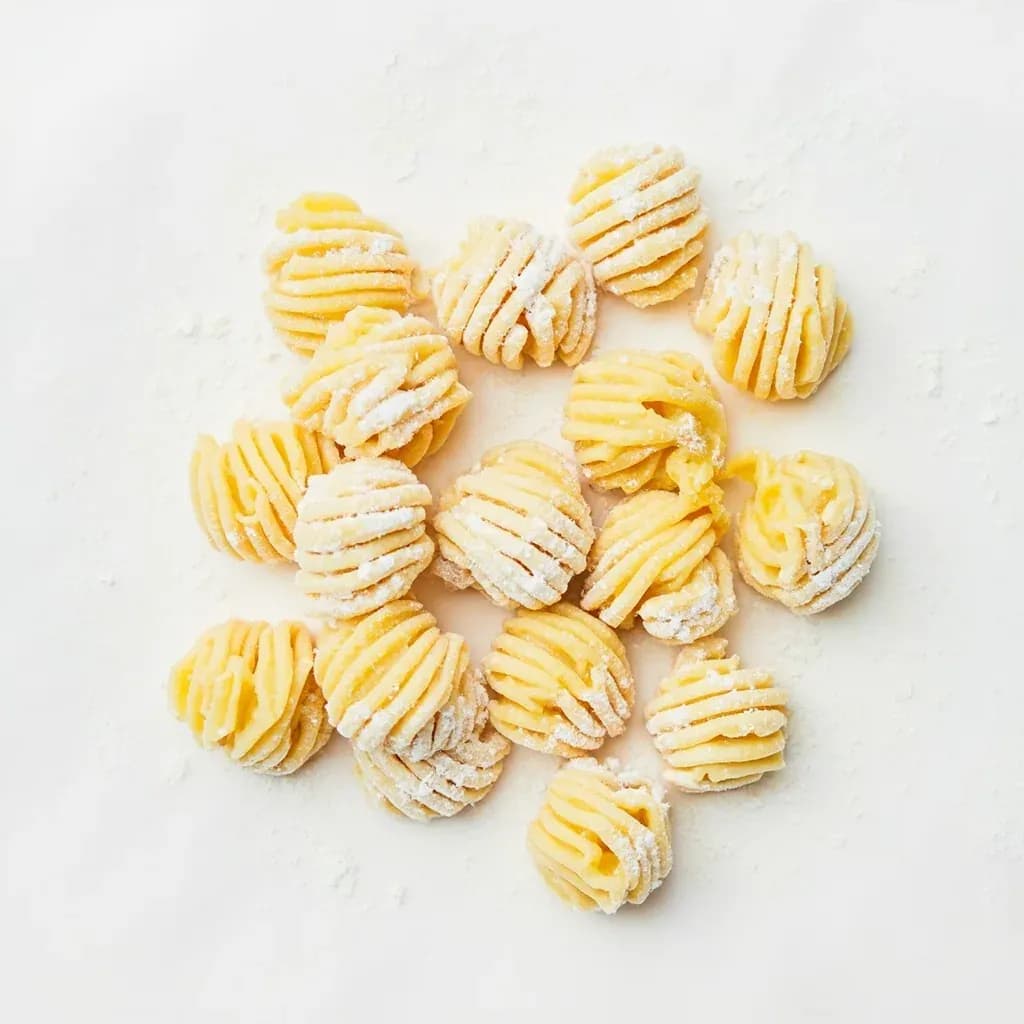
Shaping Gnocchi
Rolling potato dough into ropes, cutting pillows, and ridging them for sauce to cling.
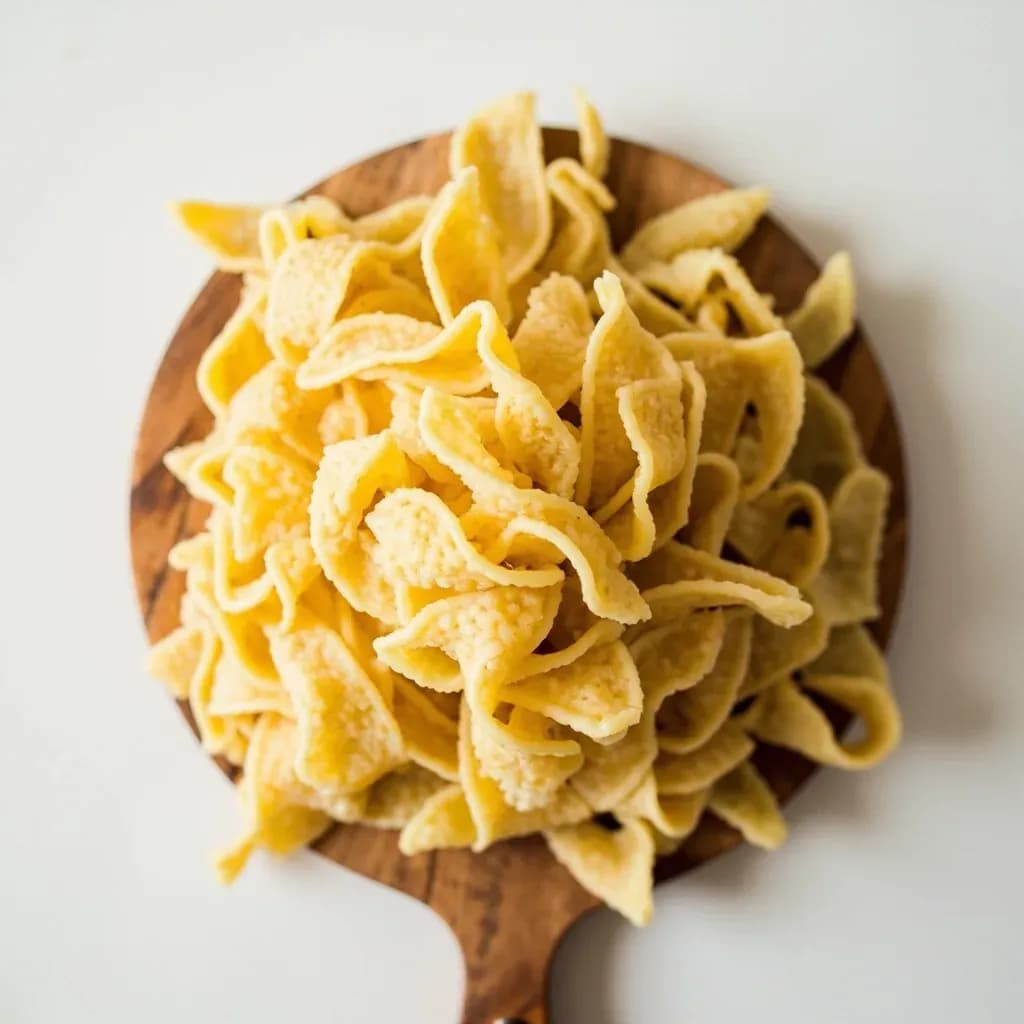
Shaping Orecchiette
Dragging and inverting small dough discs into the cupped 'little ear' Puglian pasta.
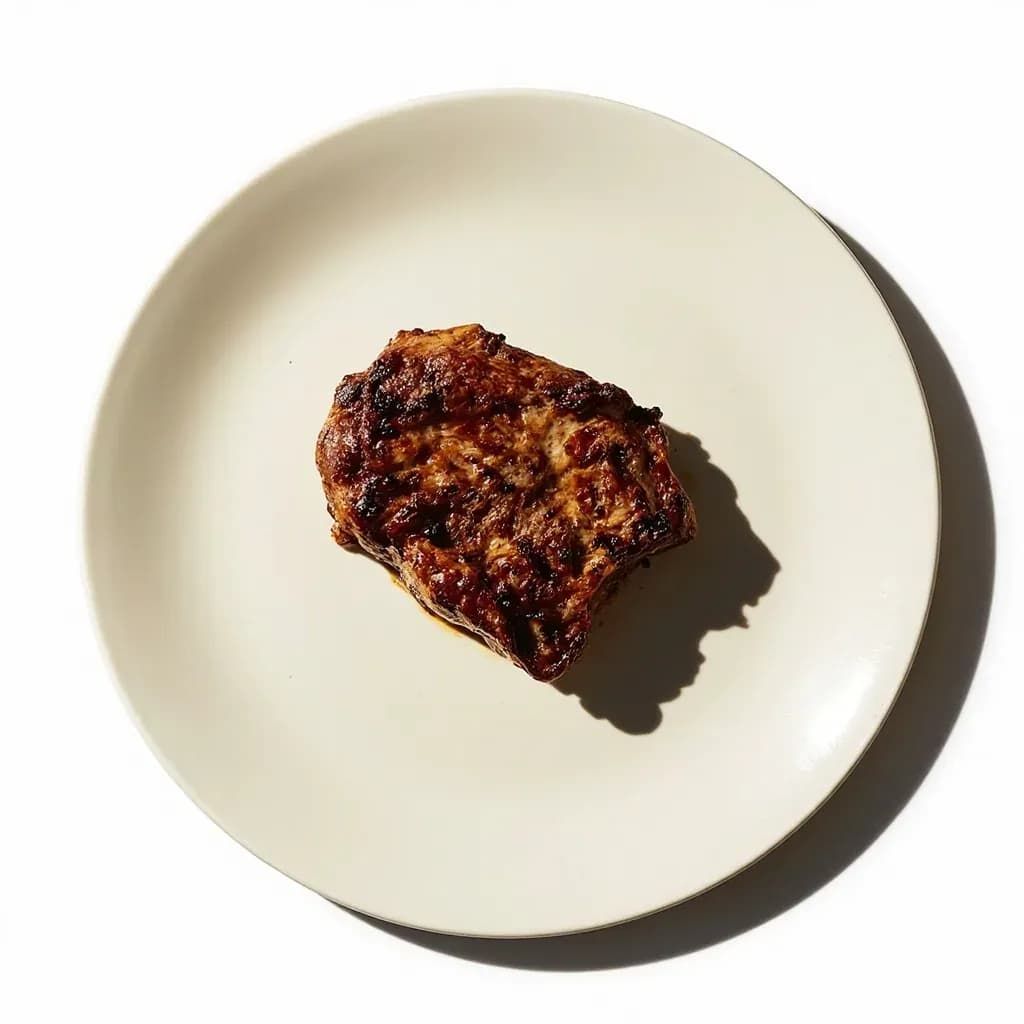
Tempering to Serving Temp
Letting cold food rest to room temperature so it cooks evenly and tastes its best.
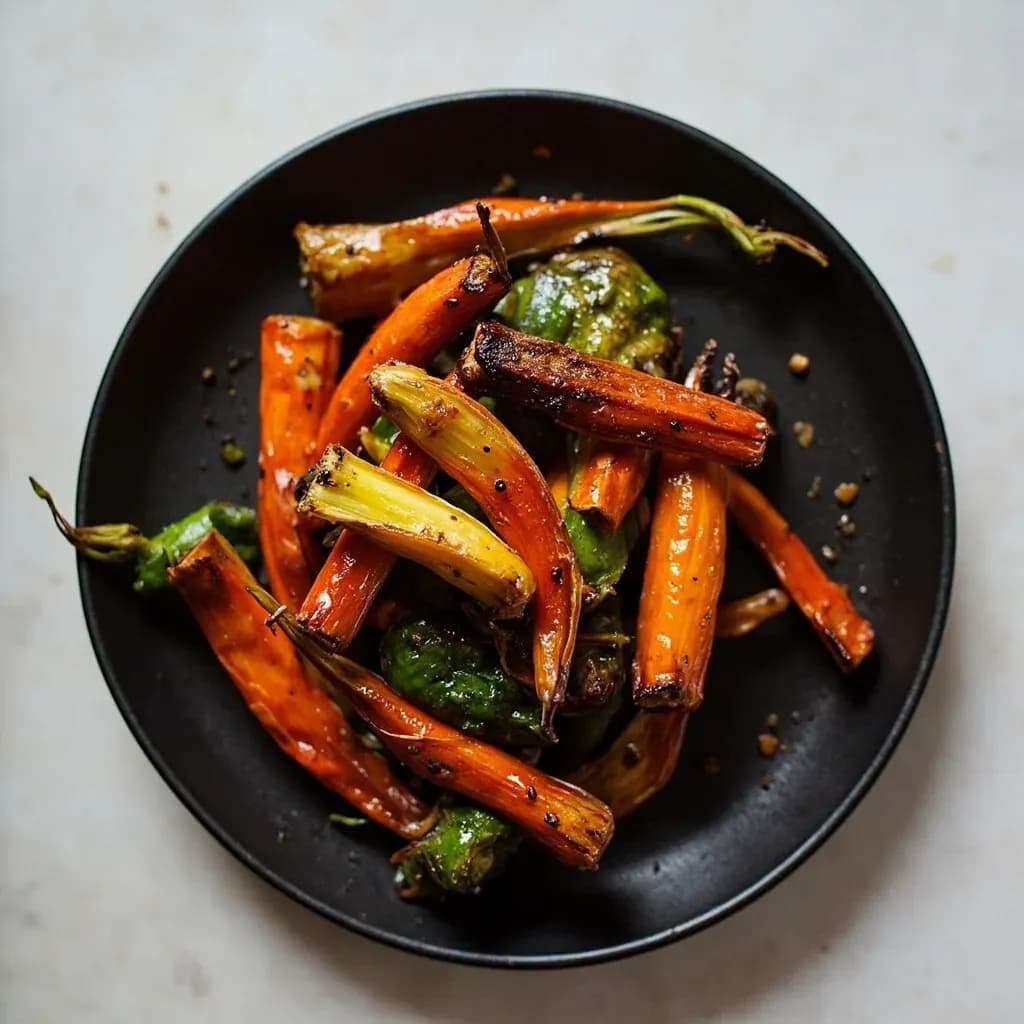
Glazing / Saucing
Coating finished food in a glossy sauce or glaze for flavor and shine.
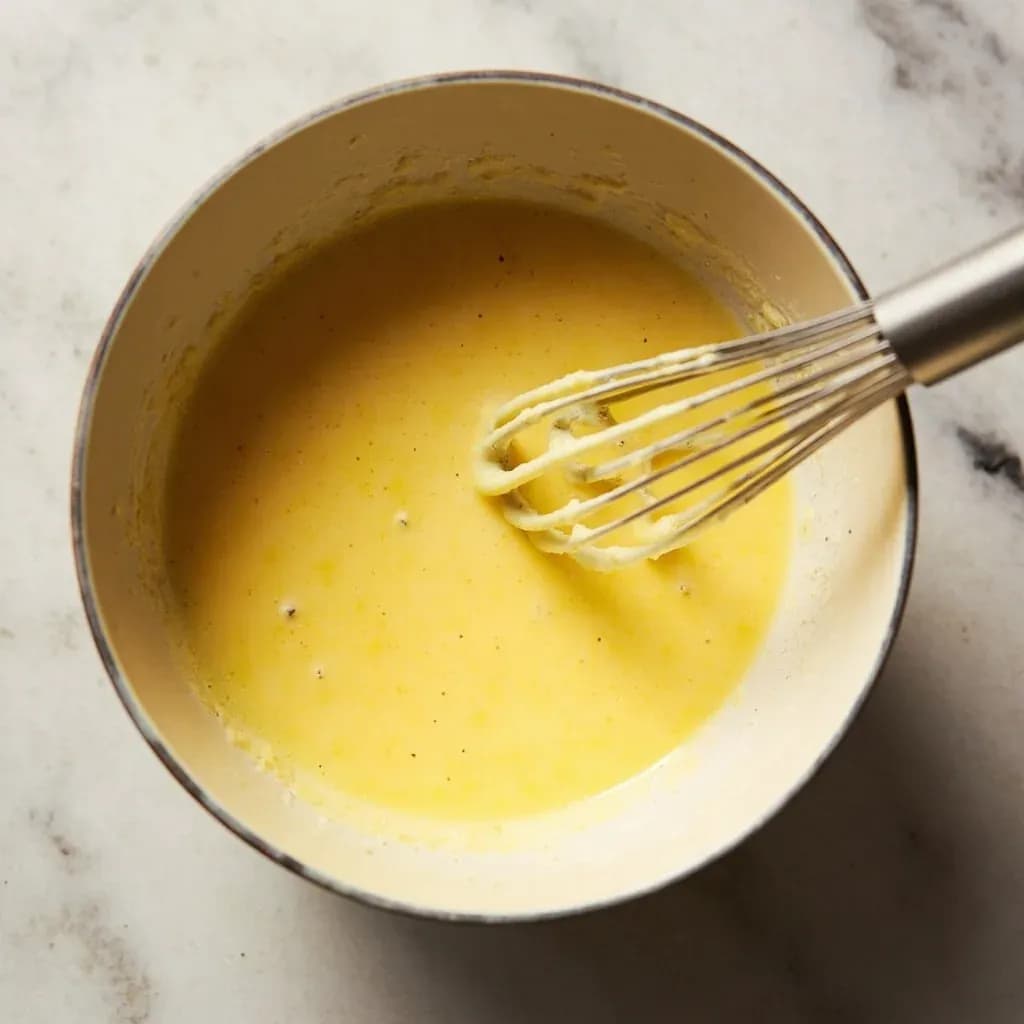
Tempering Eggs
Slowly warming eggs with hot liquid so they thicken without scrambling.
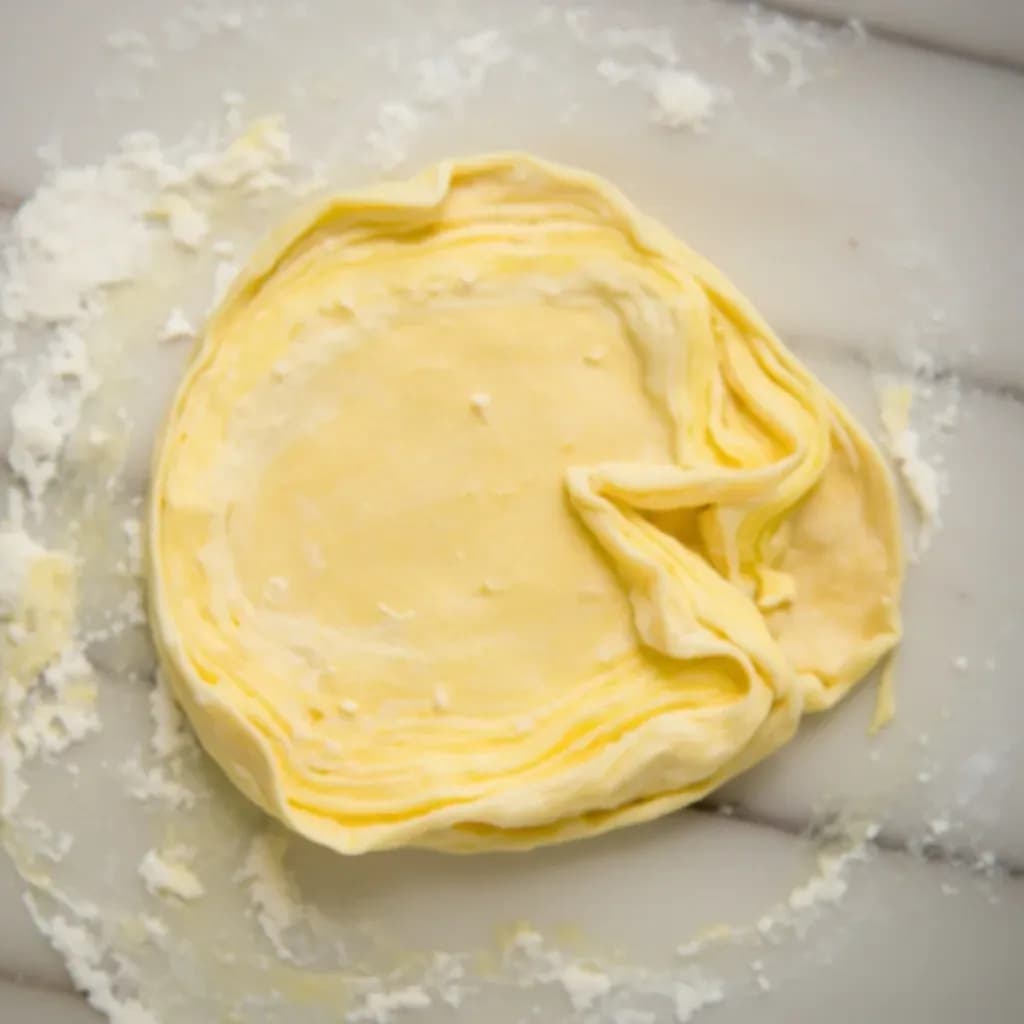
Lamination (Tourage)
Folding butter into dough in many thin layers for flaky pastry.
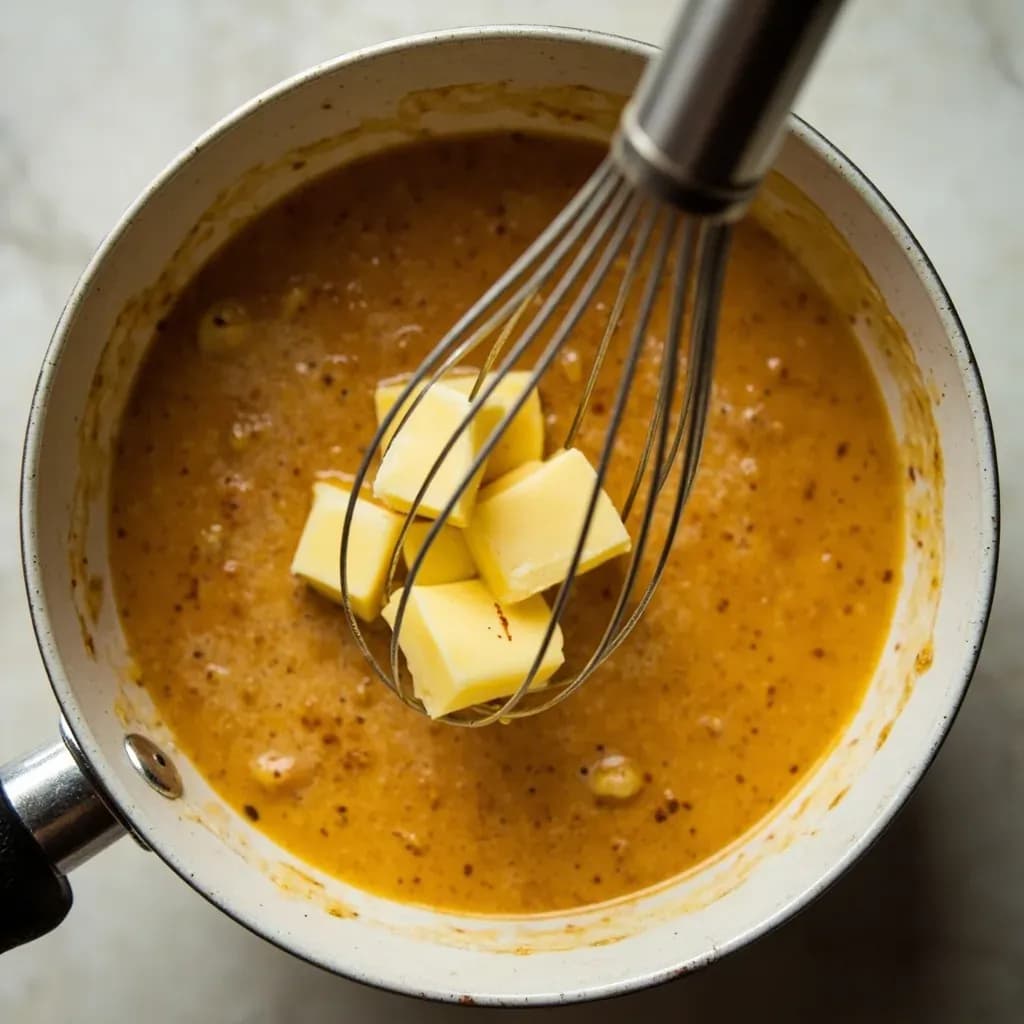
Mounting With Butter (Monter au Beurre)
Whisking cold butter into a sauce for a glossy, rich finish.
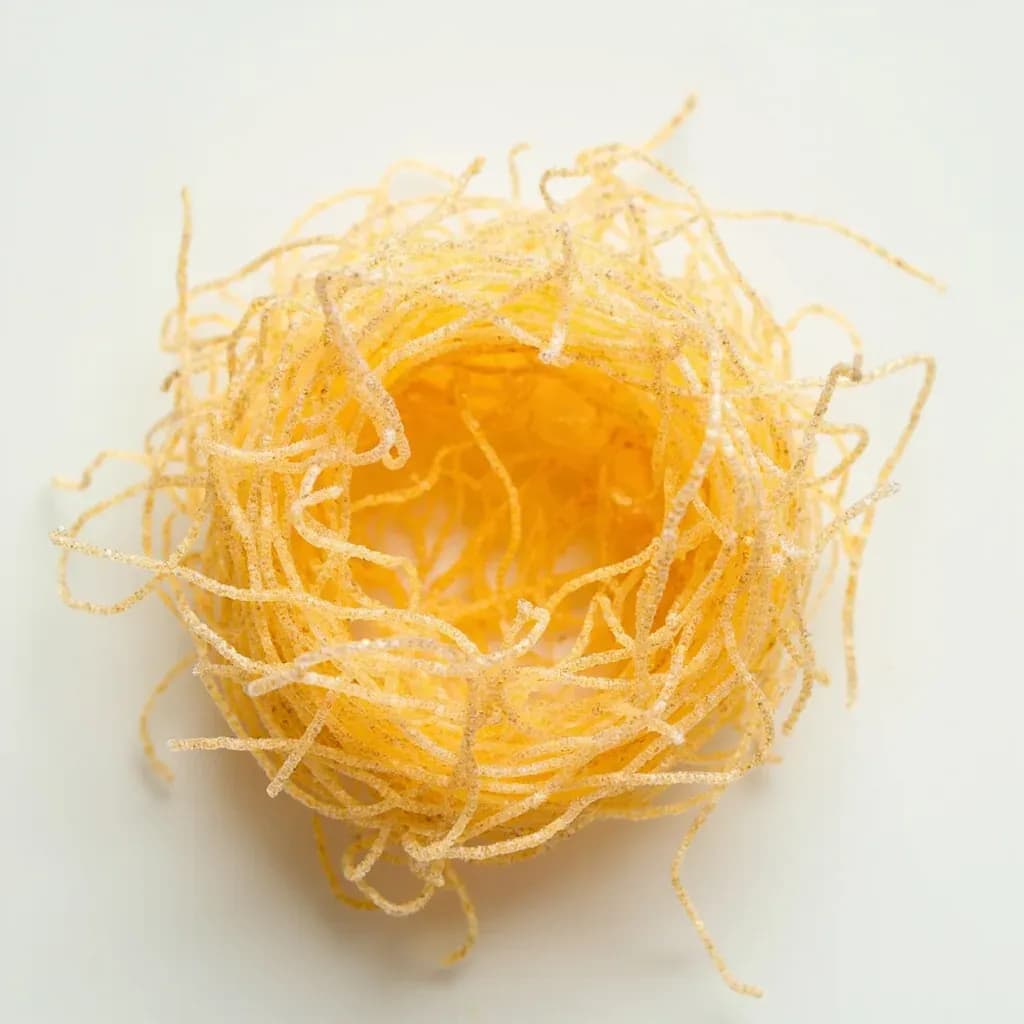
Spinning Sugar
Flicking molten caramel into fine threads for delicate sugar decorations.
Starch Slurry Thickening
Stirring a cornstarch-water mix into a sauce for a glossy, clingy finish.
Constant Stirring (Funche/Polenta)
Stirring cornmeal porridge nonstop as it cooks to keep it lump-free and silky smooth.
Dough Slapping (Naan/Flatbread Sticking)
Slapping shaped flatbread dough onto a hot tandoor or oven wall so it sticks and bakes against the heat.
Groundnut / Peanut Thickening
Using ground peanuts or peanut butter to thicken and enrich stews and sauces with body and nutty depth.
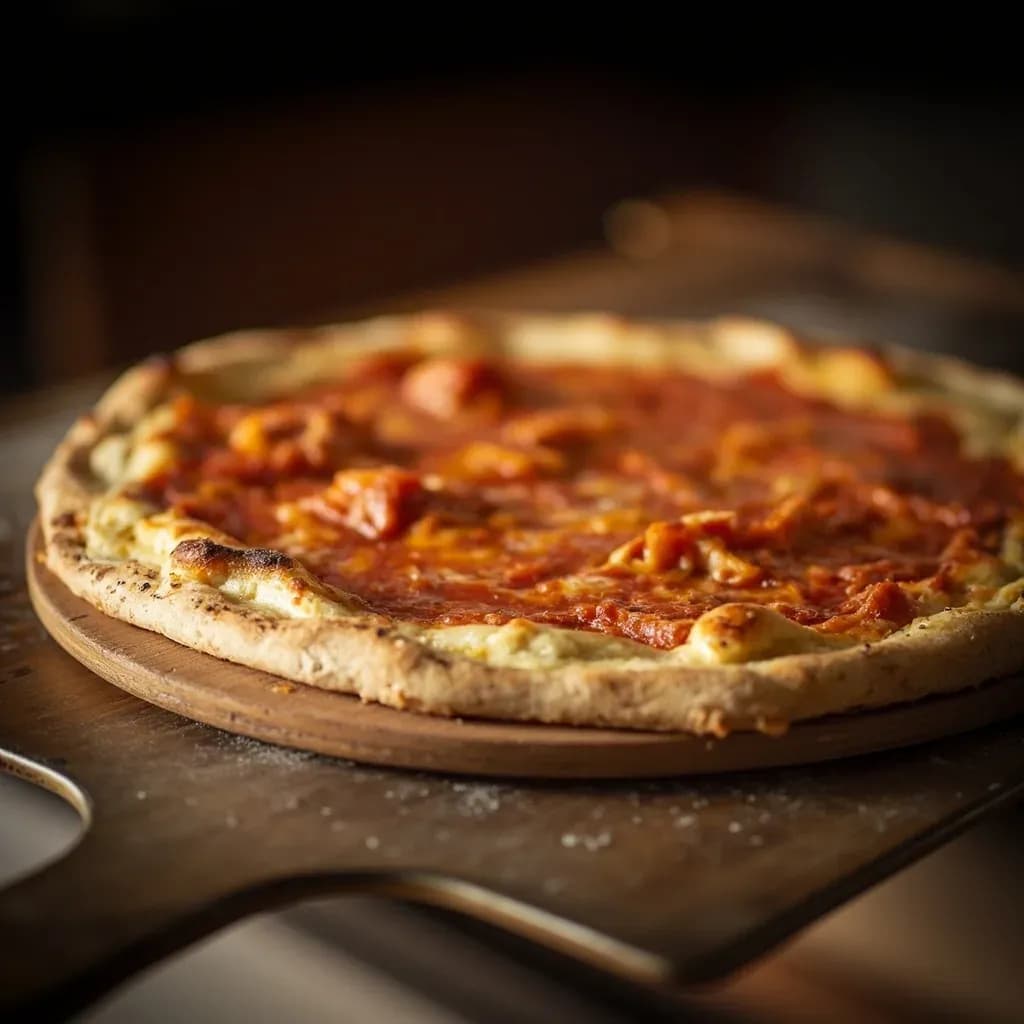
Launching to Oven
Sliding a loaded pizza or bread off a peel into a hot oven in one confident motion.
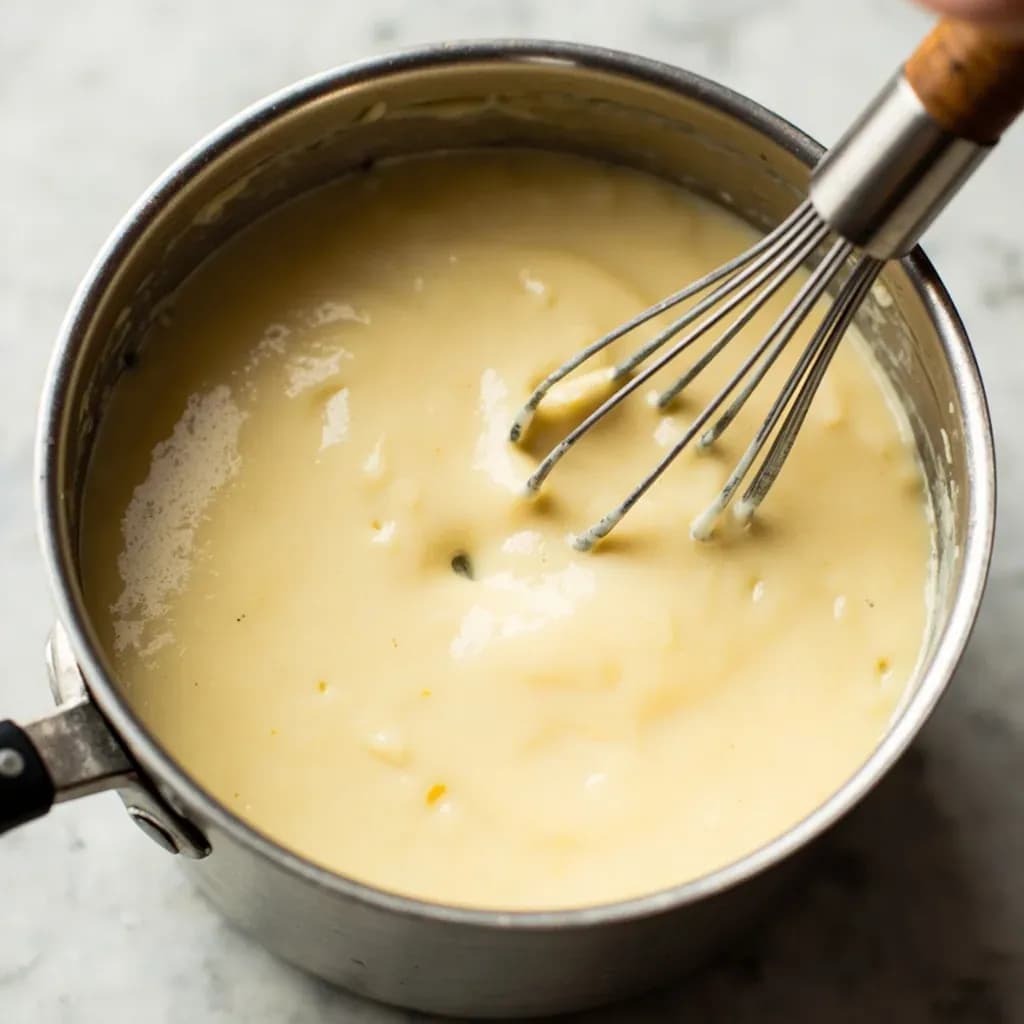
Making Pastry Cream (Crème Pâtissière)
Cooking milk, egg yolks, sugar, and starch into a thick, smooth custard for filling pastries.
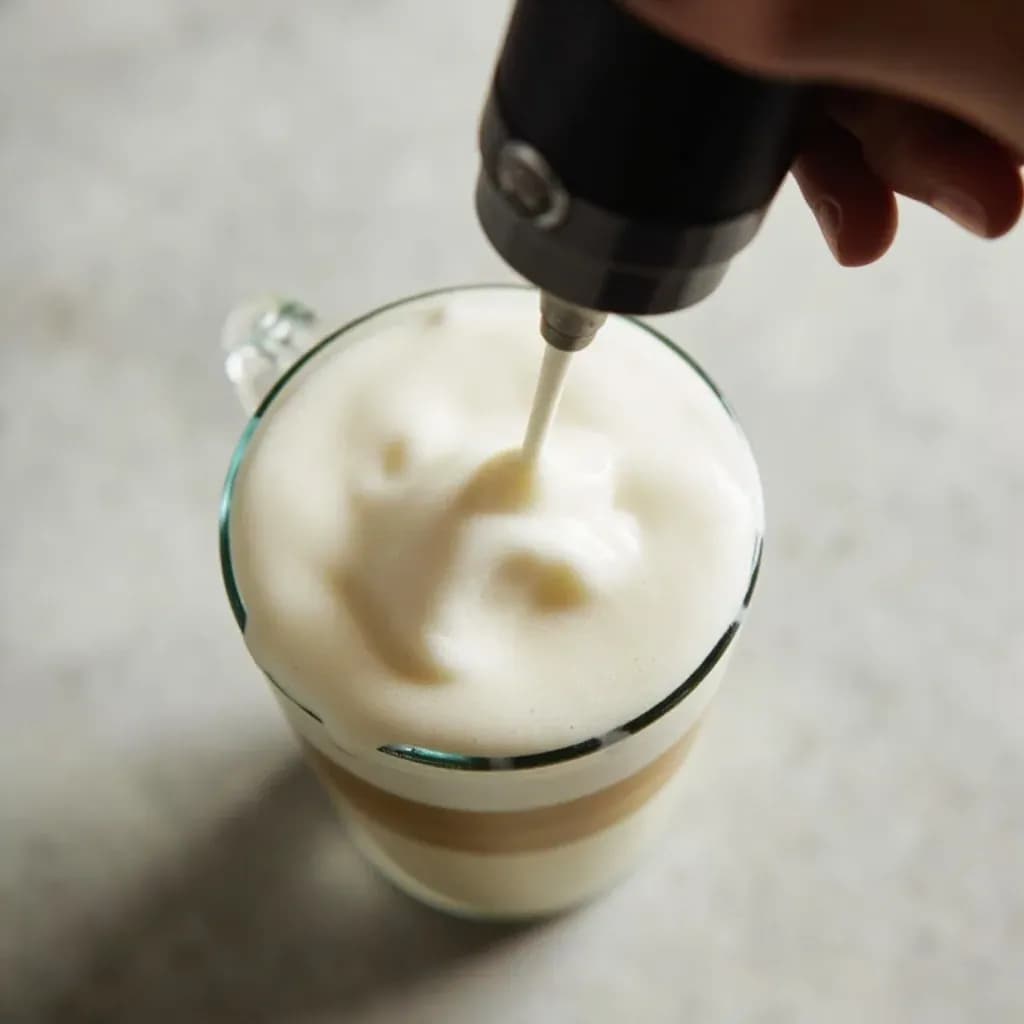
Microfoam Texturing
Steaming milk into a glossy, fine-bubbled microfoam for latte art and silky espresso drinks.
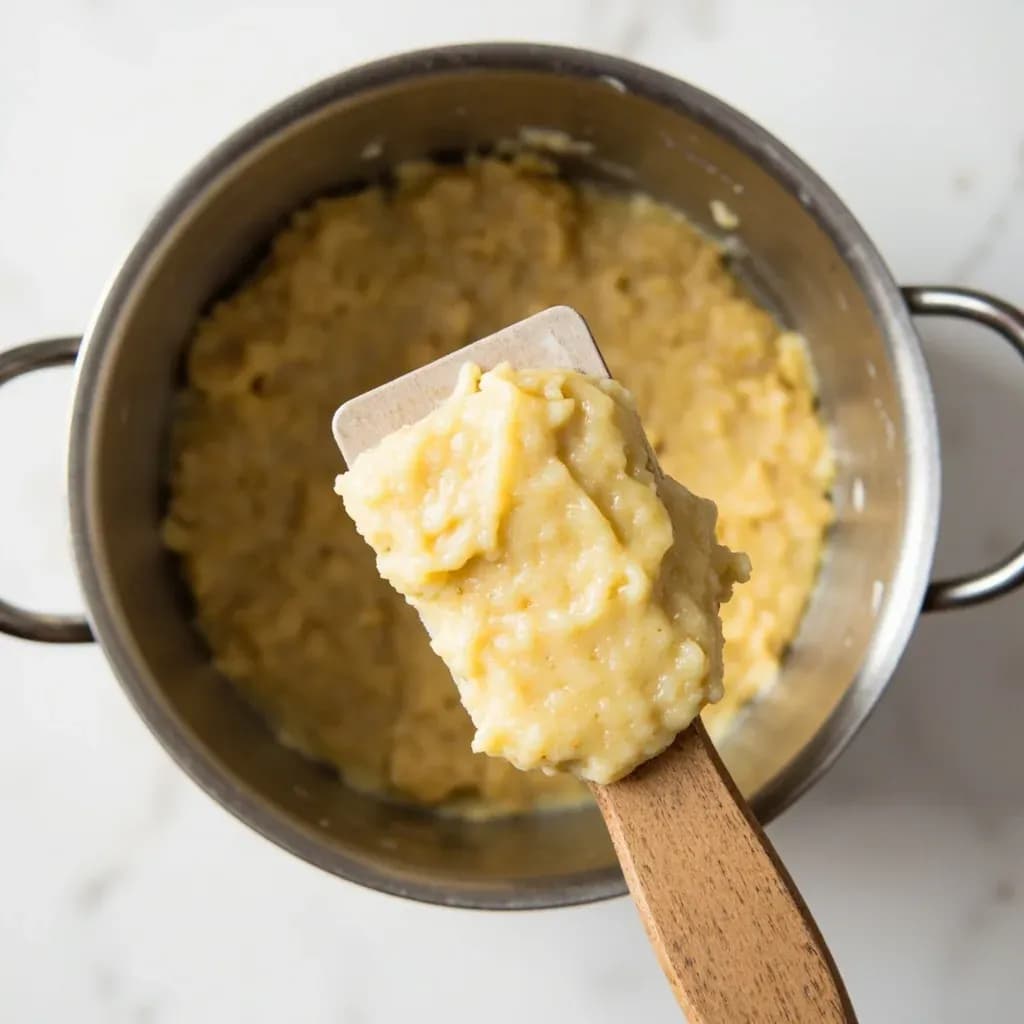
Spätzle Scraping
Scraping or pressing soft egg-dough strands directly into boiling water to form rustic German dumplings.
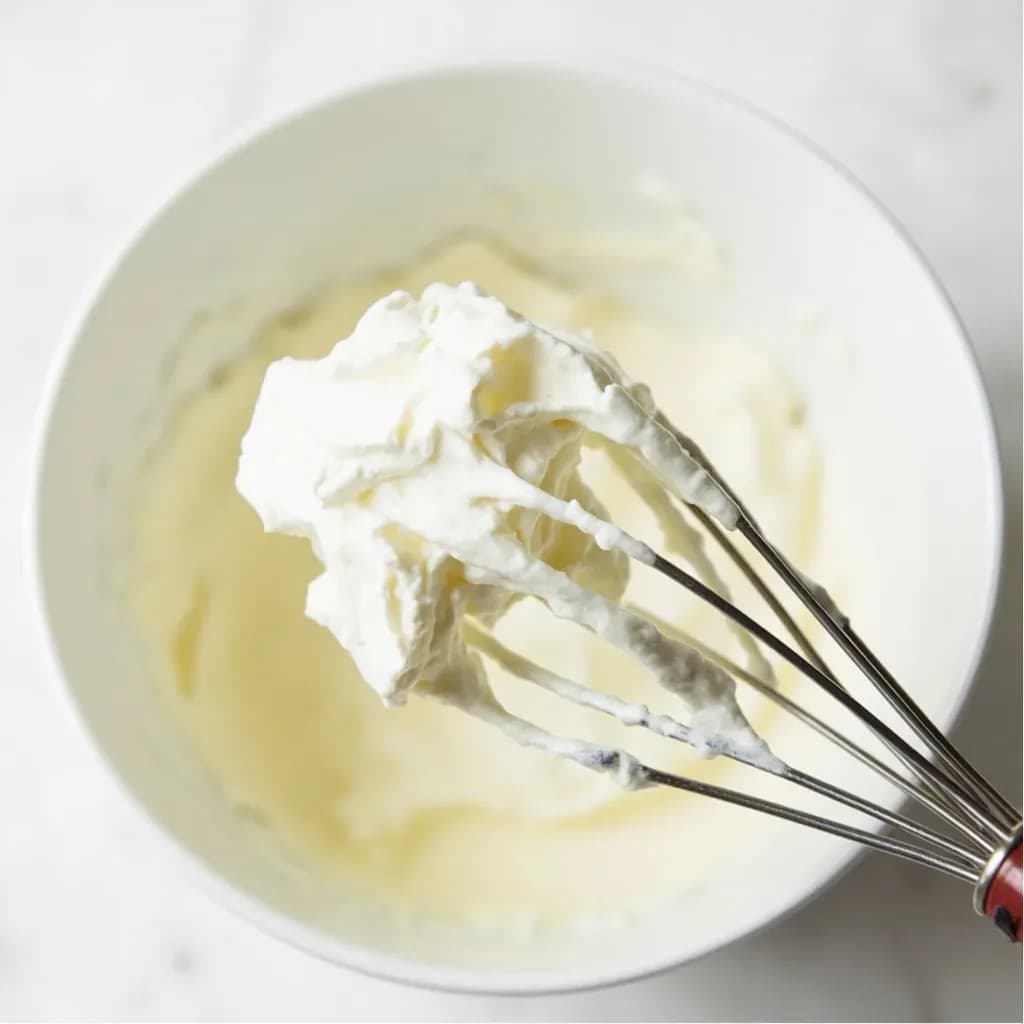
Aeration (Oxygenation)
Beating air into a mixture, or exposing liquids to oxygen, to add lightness or develop flavor.
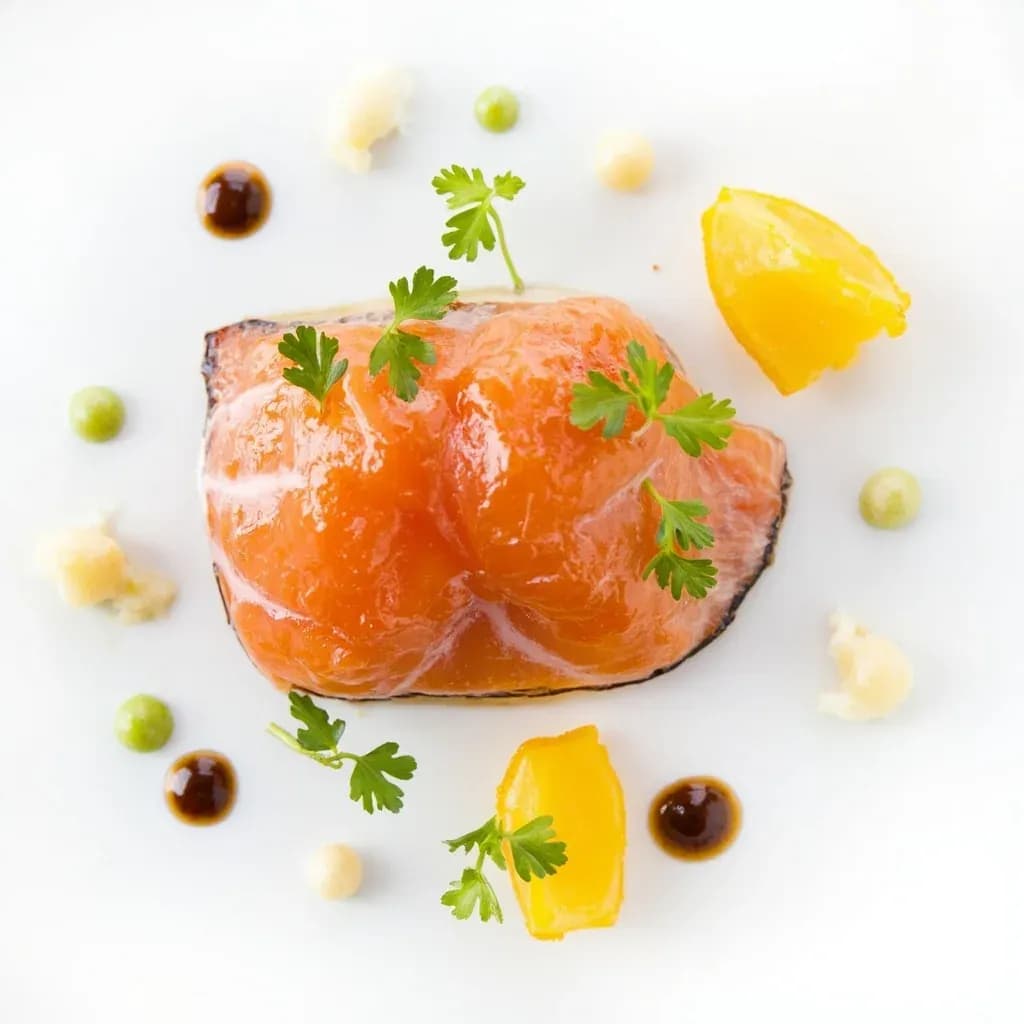
Aspic Glazing (Chaud-Froid)
Coating cold dishes in a clear or creamy gelatin glaze for a glossy, sealed presentation.
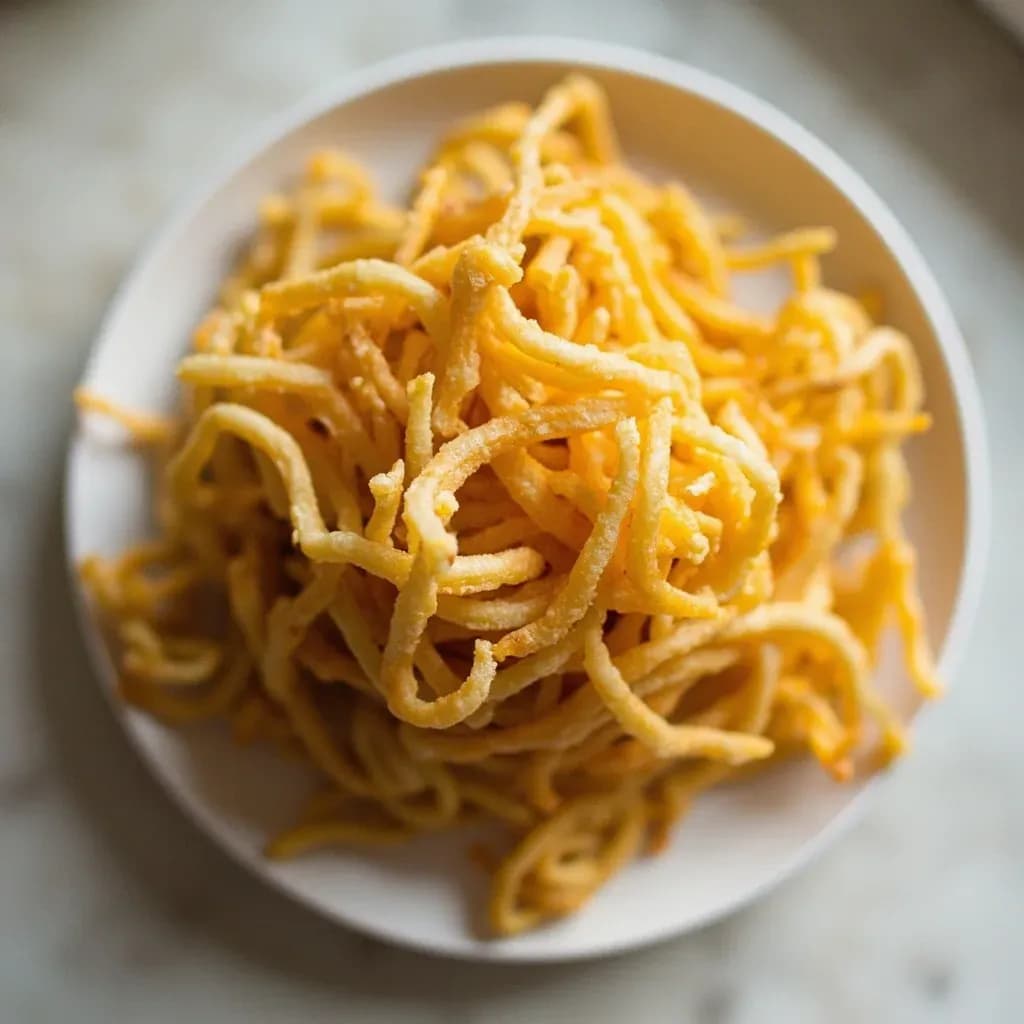
Clapping Roti (Buss-Up-Shut)
Slapping hot paratha roti between the hands to shred it into flaky tatters.
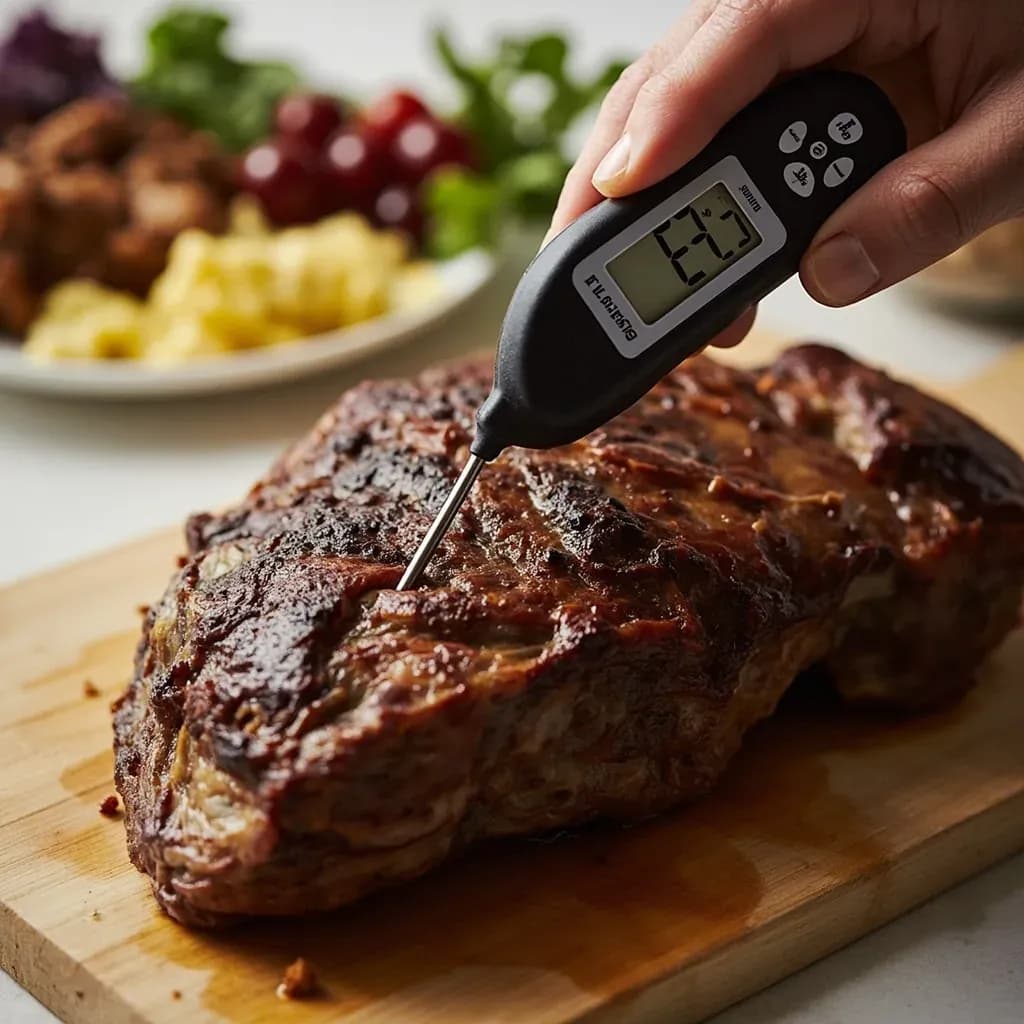
Cook-Temperature Verification
Checking internal temperature with a thermometer to confirm doneness and safety.
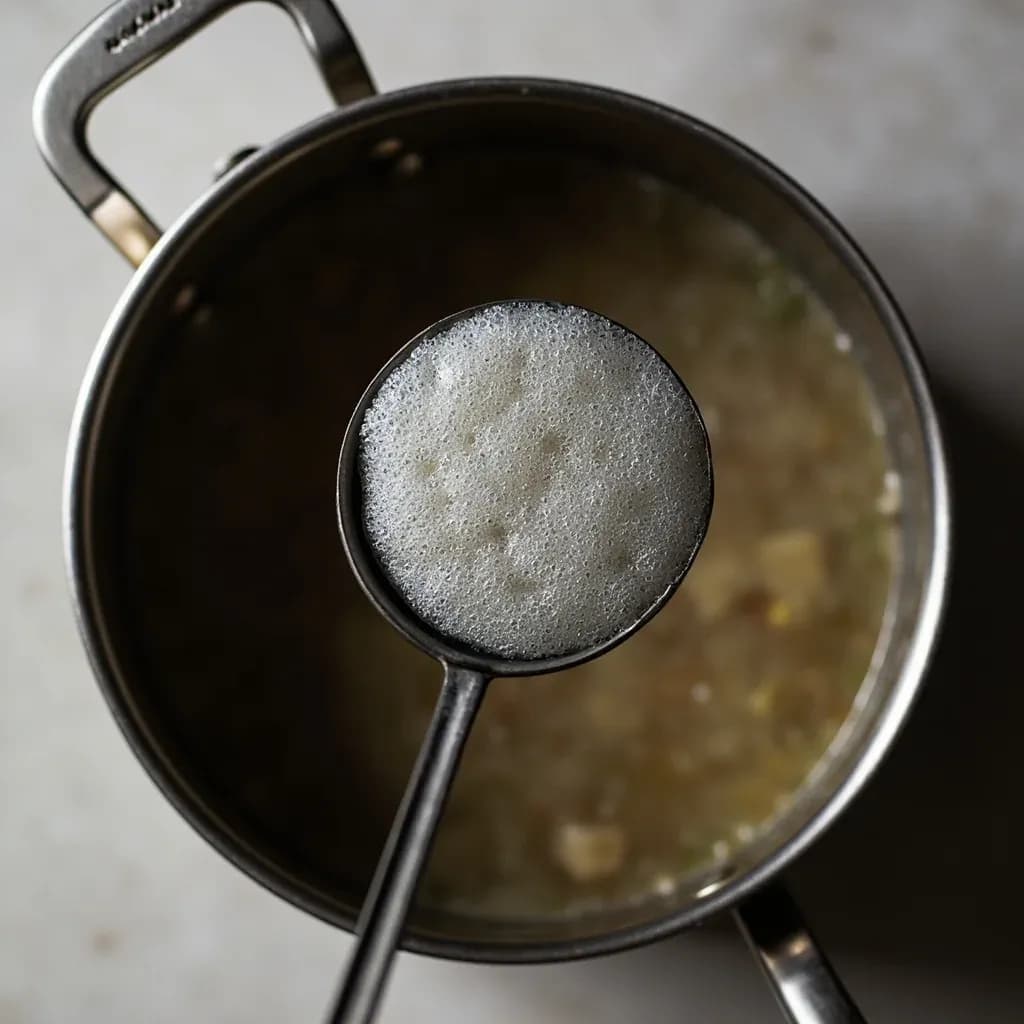
Defoaming
Skimming or knocking down foam that rises on simmering stocks and liquids.
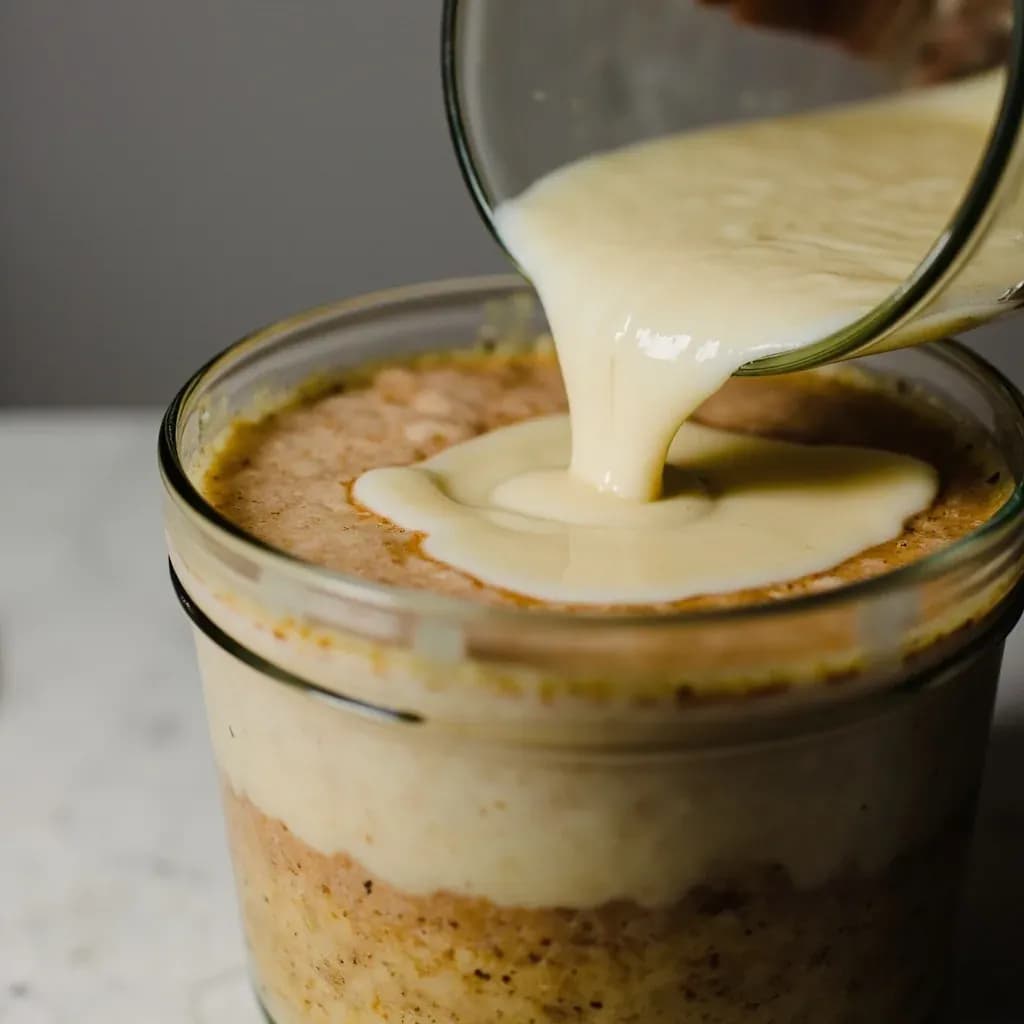
Degreasing
Removing excess fat from the surface of stocks, sauces, and braises.
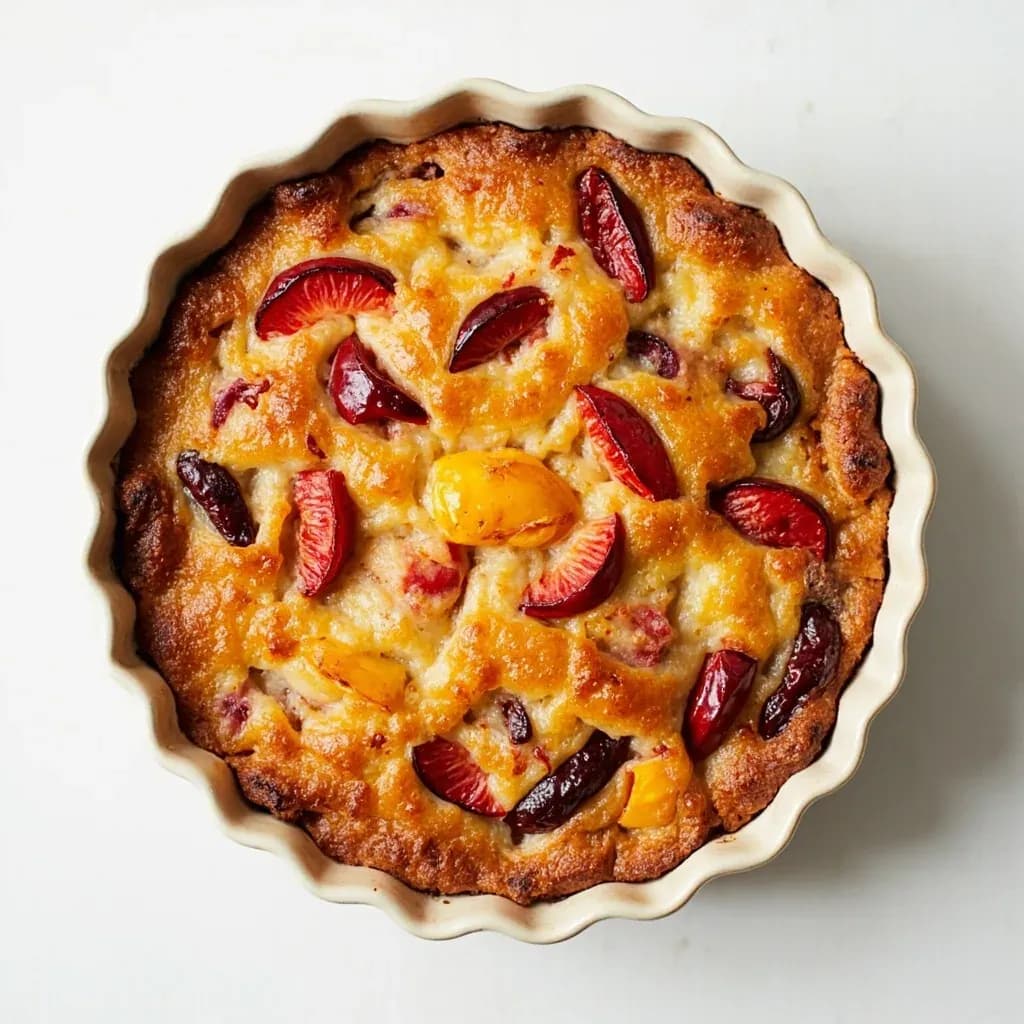
Dump-Cake Method
An easy dessert made by layering canned fruit and dry cake mix in one dish, then baking — no mixing.
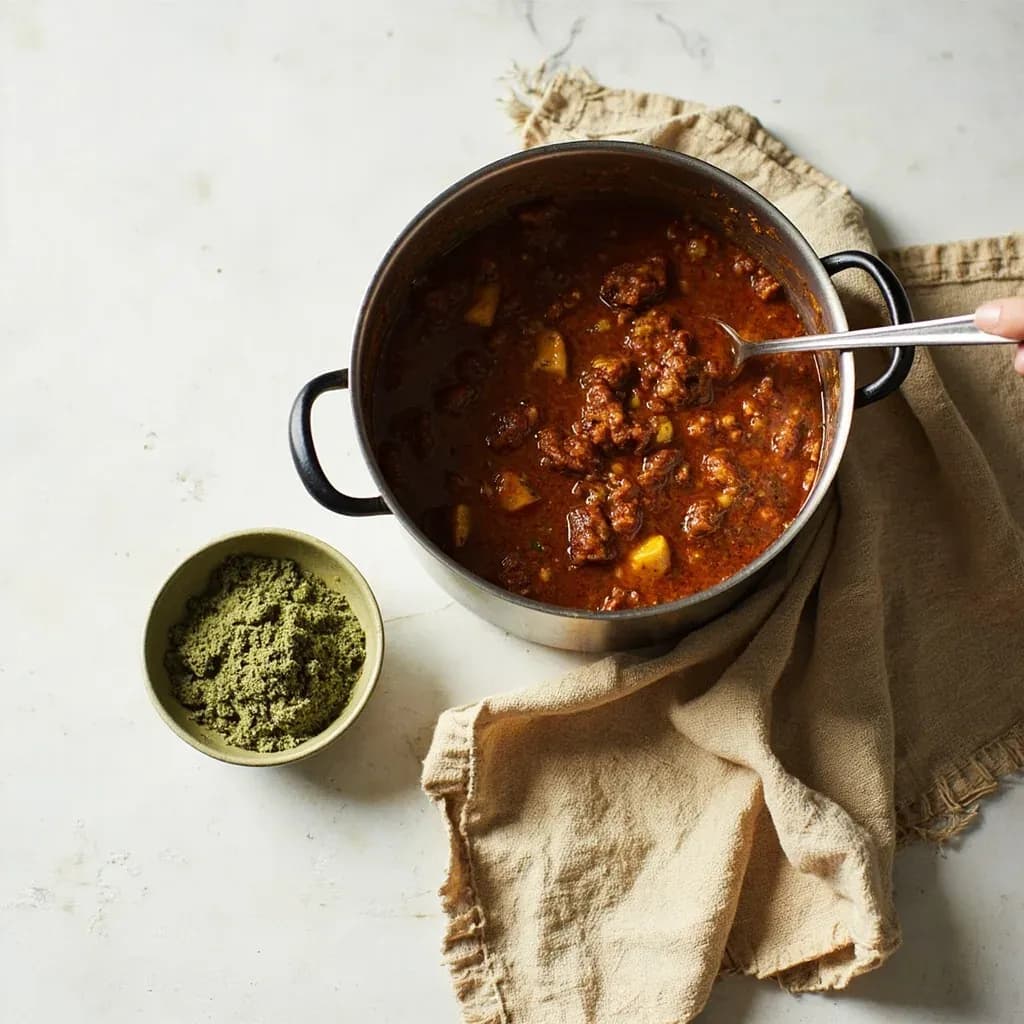
Filé Finishing (Off-Heat Thickening)
Stirring ground sassafras (filé powder) into gumbo off the heat to thicken and flavor it.
Fish-Fragrant Sauce Building (Yu Xiang)
Sichuan flavor profile built from pickled chiles, garlic, ginger and sweet-sour seasoning — no fish involved.

Free-Pour Latte Art
Pouring steamed microfoam milk into espresso to form patterns like hearts, rosettas and tulips.
Larb Minced-Meat Mixing
Tossing minced meat with toasted rice powder, lime, fish sauce and herbs into a tangy Lao-Thai salad.
Latte Art Etching
Drawing detailed designs in microfoam with a thin tool after the milk is poured.
Layering an Iced Latte
Pouring espresso over cold milk and ice so the drink forms distinct stratified bands.
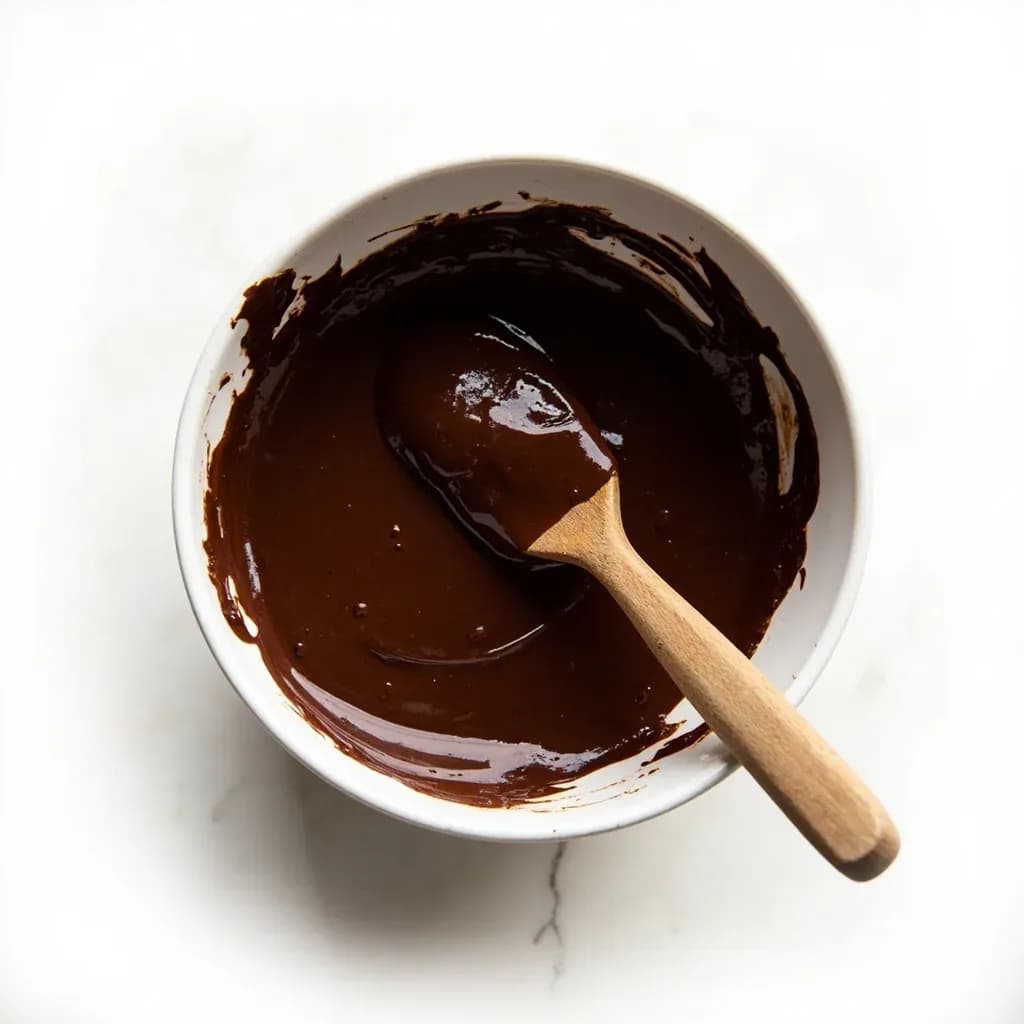
Making Ganache
Emulsifying hot cream into chopped chocolate to make a glossy, versatile chocolate mixture.
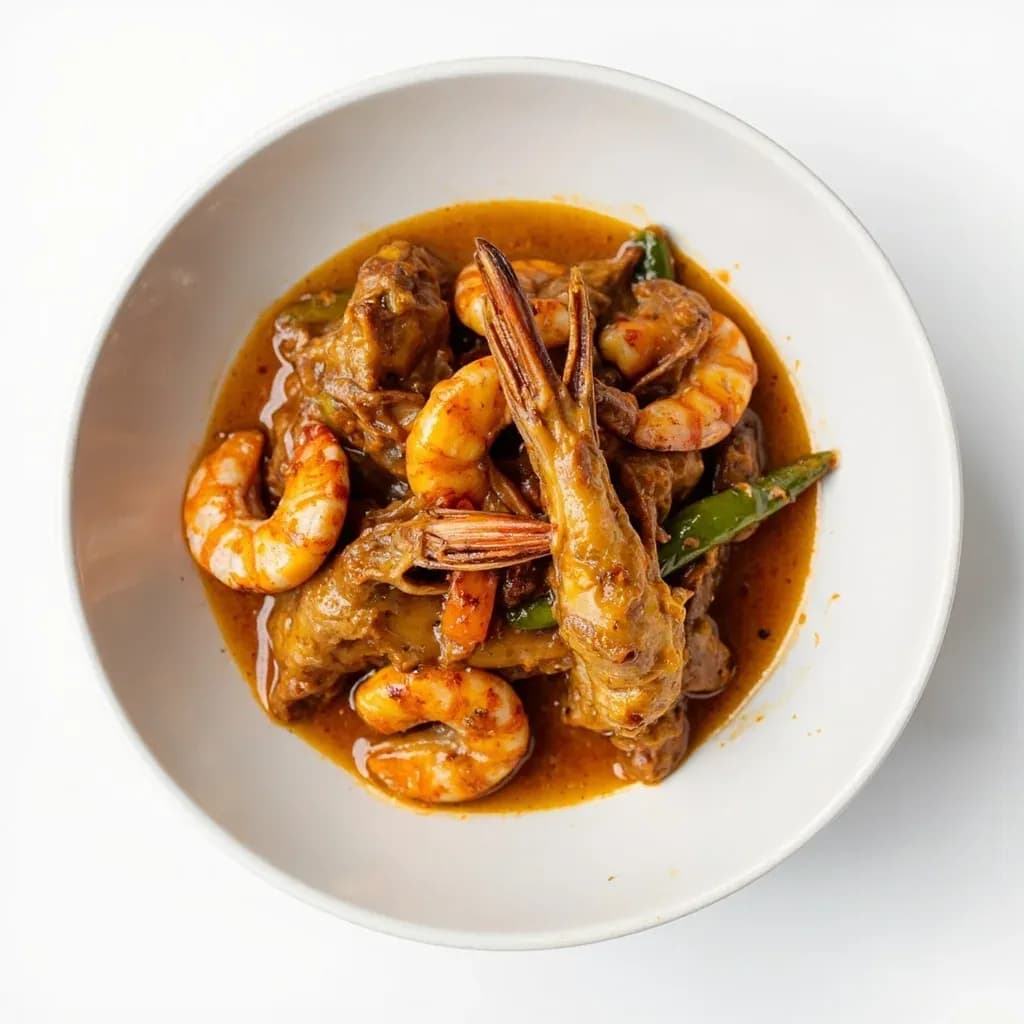
Mar i Muntanya (Surf and Turf Combining)
Catalan tradition of combining seafood and meat in one dish for layered savory depth.
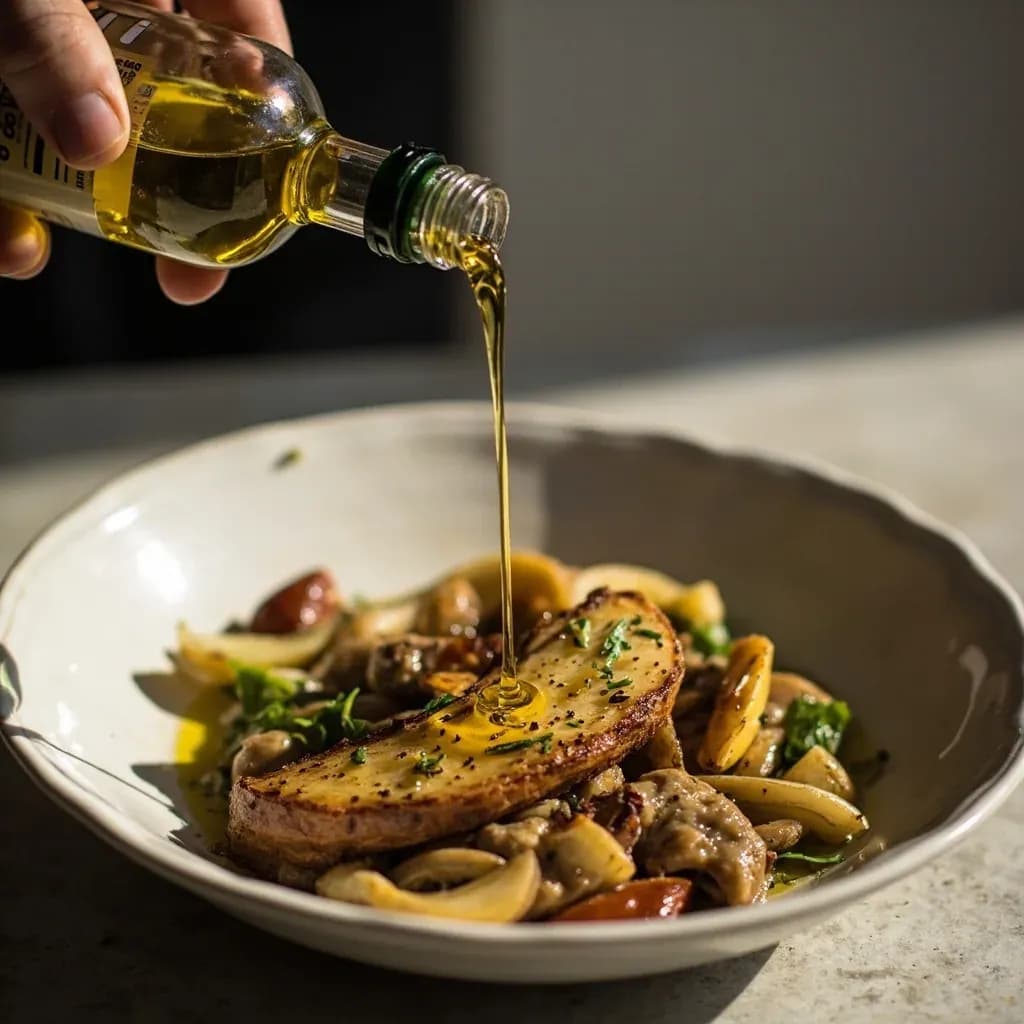
Raw Oil Finishing (Olio a Crudo)
Drizzling raw, unheated olive oil over a finished dish to add aroma and richness at the end.
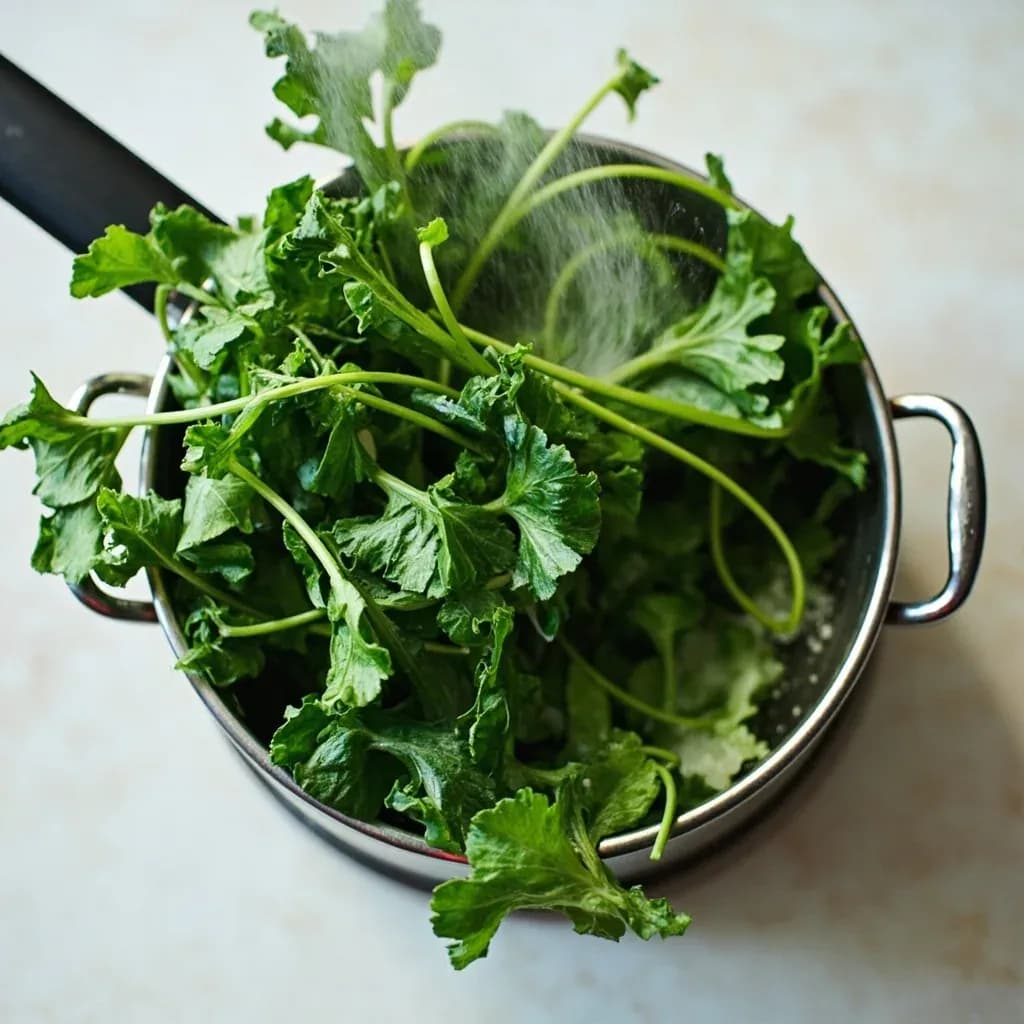
Shaking Off Water (Yuki)
Flicking excess water off washed ingredients so they fry crisp instead of steaming.
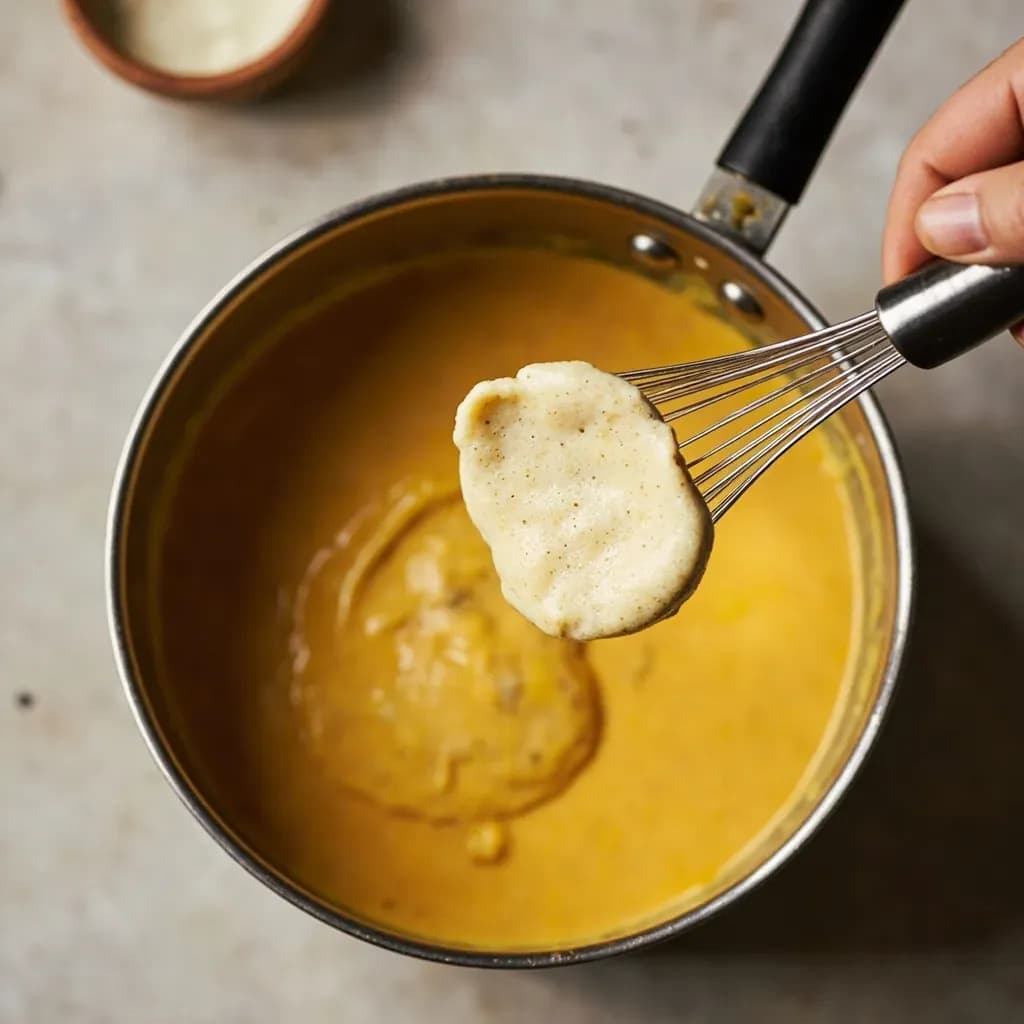
Slurry Thickening
Stirring a cold starch-and-water mix into hot liquid to thicken a sauce, soup, or gravy.
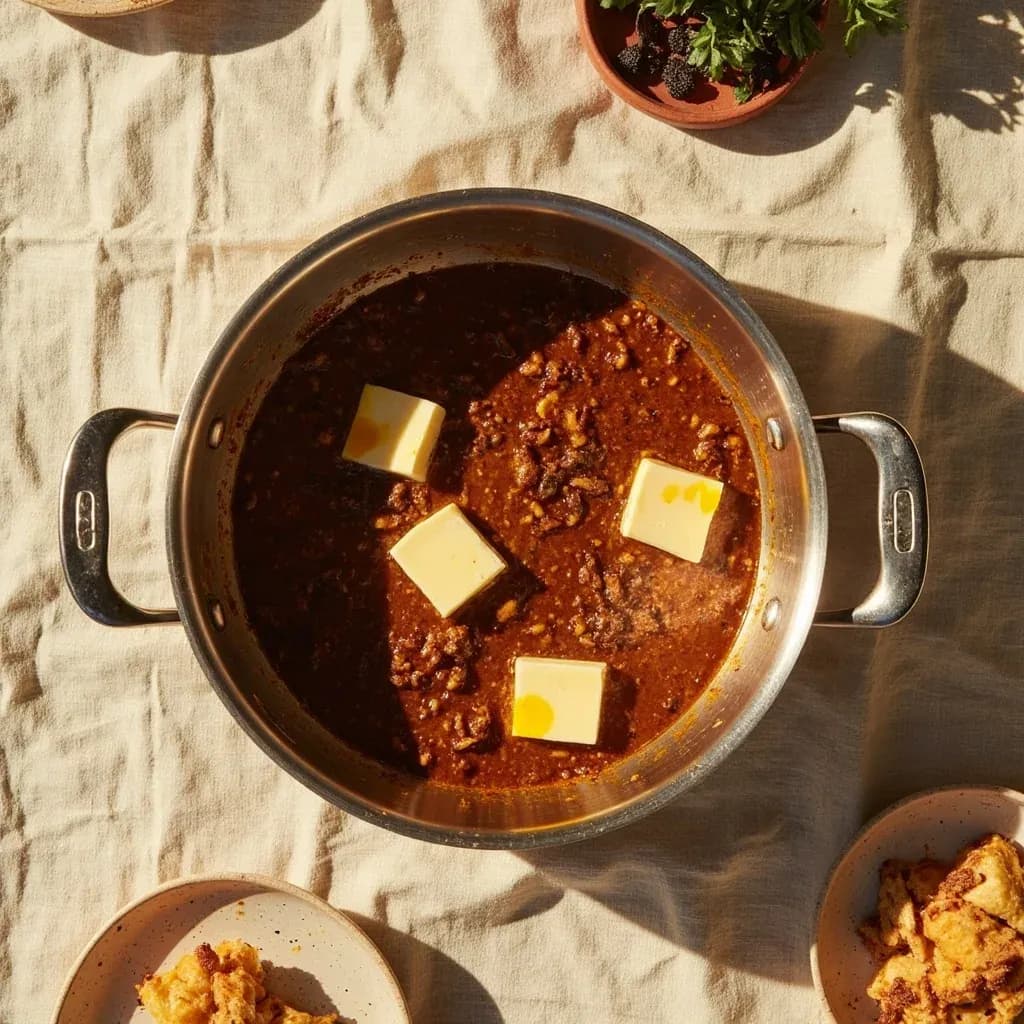
Pan Sauce (Deglaze–Reduce–Mount)
Building a quick sauce in the searing pan: deglaze the fond with liquid, reduce to concentrate, then swirl in cold butter to gloss and thicken.
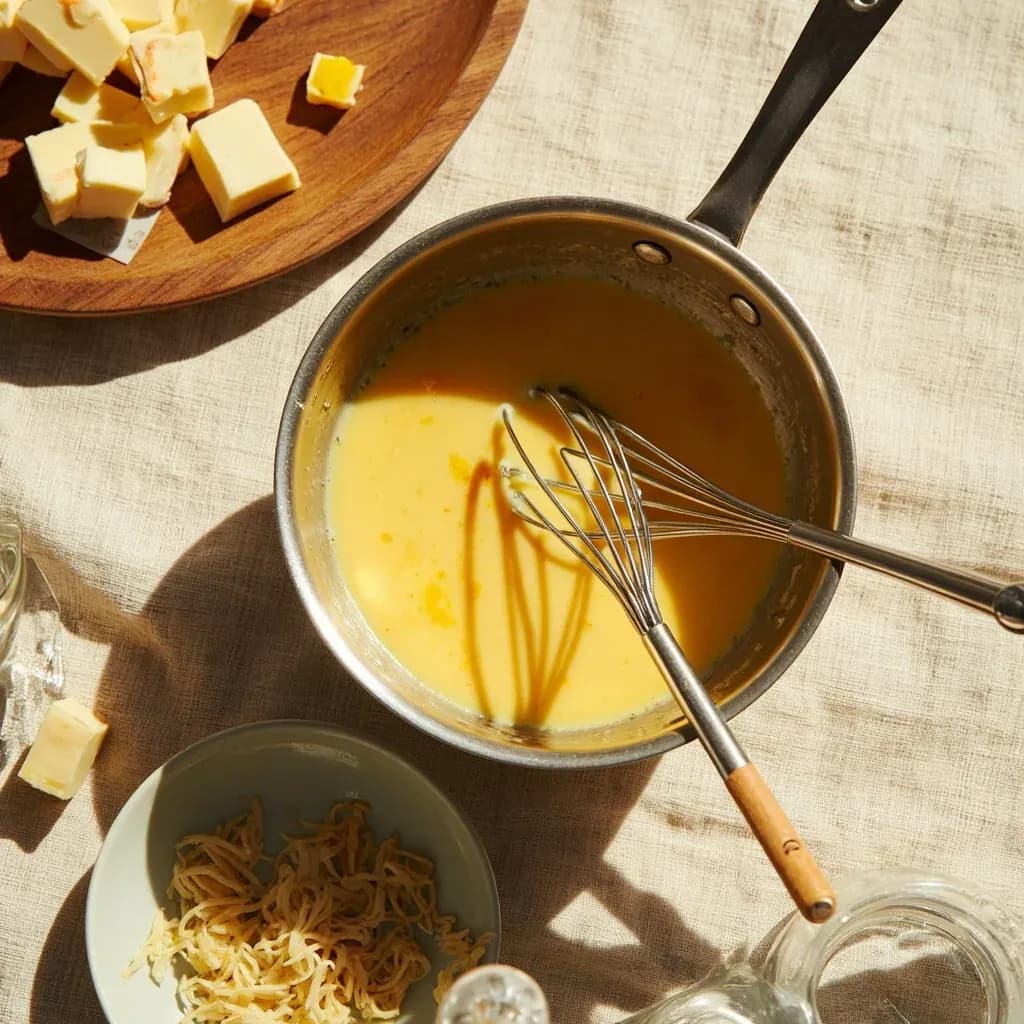
Beurre Blanc
Whisking cold butter into a reduced wine-vinegar-shallot base to form a warm, stable emulsified sauce that is tangy and silky.
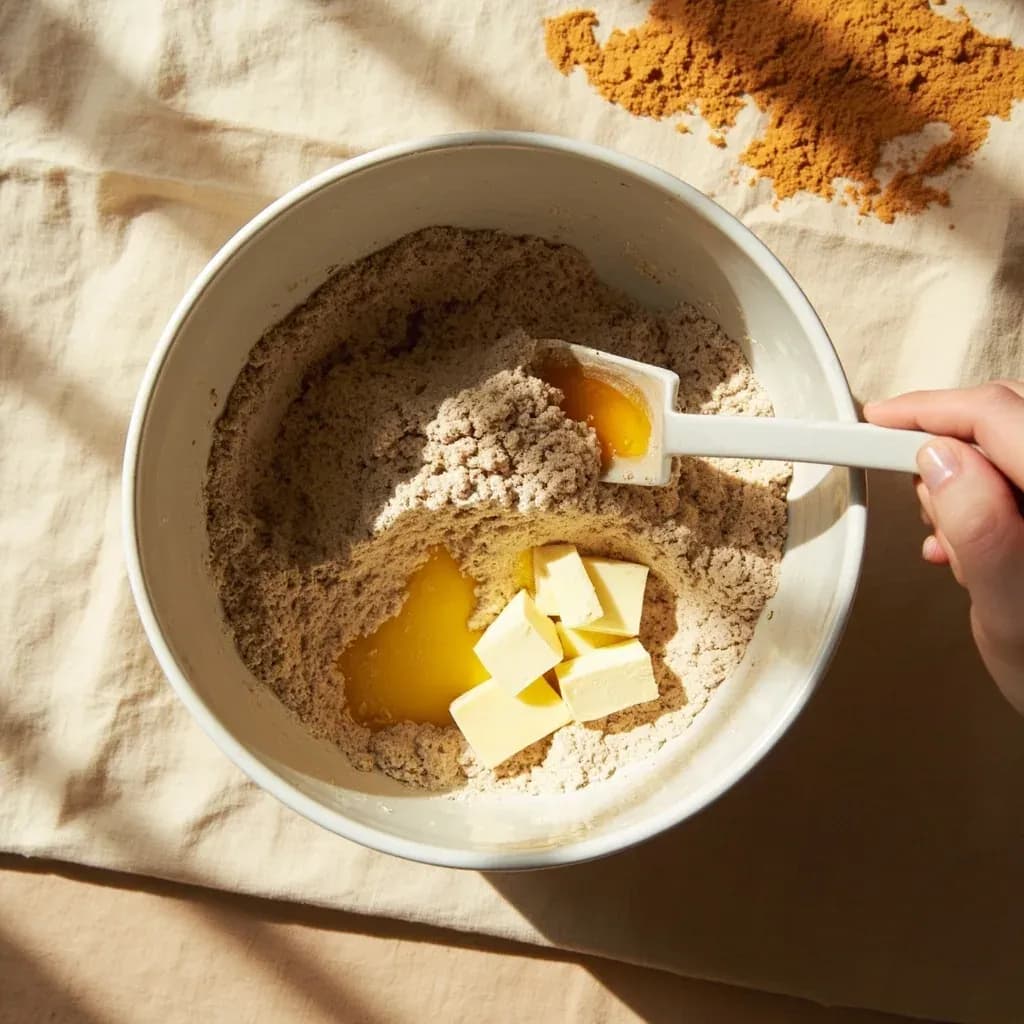
Reverse Creaming Method
Coating flour with butter before adding liquids to limit gluten, yielding a fine, tender, velvety cake crumb with a flat, even top.