Knife Skills
Pitting Stone Fruit
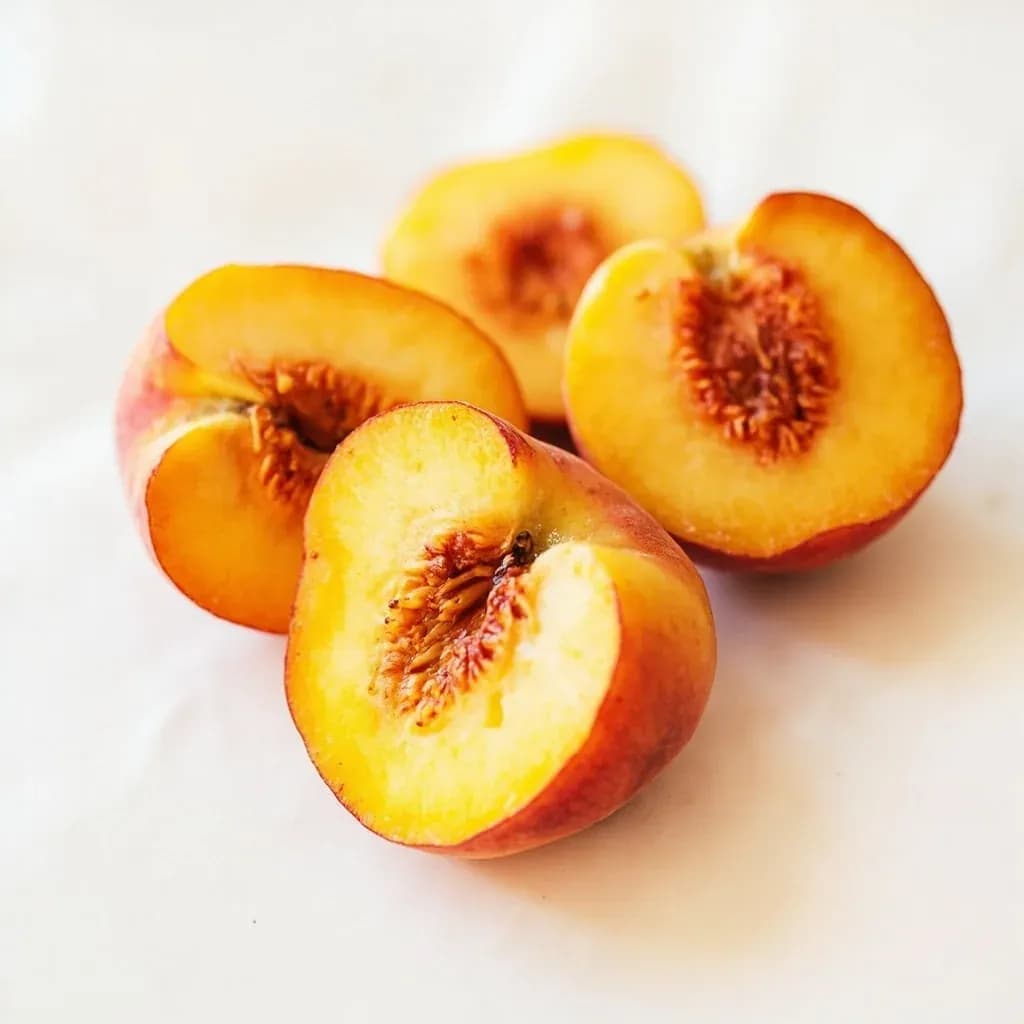
Removing the hard pit from stone fruit like cherries, peaches, or olives.
Pitting is the removal of the woody stone from fruits such as cherries, plums, peaches, and olives. For larger stone fruit you cut around the seam to the pit and twist the halves apart; for cherries and olives a small pitting tool or chopstick pushes the pit straight out. Done before cooking or eating, it makes the fruit safe to bite and ready for jams, bakes, or sauces.
Pitting — also called stoning — is the kitchen task of removing the hard seed at the center of a drupe, the botanical family that includes peaches, nectarines, plums, apricots, cherries, olives, dates, mangoes, avocados, and lychees. The work is usually quick, but it shapes every recipe that follows: a clean pit removal keeps fruit halves intact for grilling and tarts, while a ragged one wastes flesh and releases cloudy juice that can muddy a jam or discolor a fruit salad.
Most stone fruit falls into one of two camps. Freestone varieties — the majority of peaches, nectarines, and plums sold for fresh eating — release the pit cleanly once the fruit is cut and twisted. Clingstone fruit, including many canning peaches, holds the flesh tight to the stone and calls for a spoon, a knife, or a blanch-and-slip trick to release it. Mangoes have a large flat pit that the flesh clings to, so they are usually handled with a spoon or sliced off in chunks. Cherries and olives sit in their own category: small, firm, and best handled with a dedicated pitter, a chopstick, or a sturdy drinking straw.
The choice of method depends on the fruit, the ripeness, and the volume. A single ripe peach can be split by hand; a flat of sour cherries for jam wants a tray pitter that ejects six pits at a stroke. Working over a bowl to catch the juice, keeping the blade sharp, and matching the technique to the cultivar are the small habits that turn pitting from a chore into a clean, repeatable prep step.
- Difficulty
- Easy
Types & varieties
Standard method for freestone peaches, nectarines, plums, and apricots: cut along the natural seam, rotate the two halves apart, lift the pit free.
For cherries and small fruit: pierce through the stem end with a paring knife, chopstick, or drinking straw to push the pit out the far side.
Spring-loaded pliers-style tool; the most efficient choice for larger batches of cherries or olives.
Tray-style tool that pits 4–6 cherries at a single stroke, the workhorse for pie and jam production.
For clingstone peaches and mangoes: halve the fruit first, then work a spoon between flesh and pit to release it cleanly.
A 30–60 second dip in boiling water followed by an ice bath loosens the skin of cling peaches and nectarines, making it easy to peel before further work.
How to do it
- 1
Wash, dry, and stage the fruit
Rinse the fruit under cool water and pat dry. Stand each piece on a stable cutting board with the stem end up and the natural seam facing you.
- 2
Cut along the natural seam
With a sharp paring or chef's knife, make one confident cut from stem to blossom end, following the visible crease that runs down the side of the fruit. Cut all the way through to the pit, but do not try to cut through the pit itself.
- 3
Twist the halves apart
Hold one half in each hand and rotate them in opposite directions. A true freestone will separate into two clean halves with the pit still embedded in one of them. Very ripe freestone fruit will often split cleanly by hand, with no knife needed at all.
- 4
Remove the pit
Pry the pit out of a freestone half with the tip of the knife or your thumb. For clingstone fruit — some peaches — use a spoon to scoop and separate the flesh from the pit, or slice the flesh off in chunks. For mangoes, slice the cheeks off the flat pit, then trim the remaining flesh away with a knife.
- 5
Catch the juice and finish
Work over a bowl to catch every drop of juice, which carries much of the fruit's flavor. Slip the skin off peaches or nectarines with your fingers or pare it with a knife. For cherries, halve with a paring knife or push the pit out from the stem end with a chopstick, drinking straw, or cherry pitter.
Freestone vs. Clingstone
The distinction is set by the cultivar, not by ripeness, though warmth and full maturity soften the connection in either case. Most summer-market peaches and nectarines sold for fresh eating are freestone and will surrender the pit to a twist of the hands. Much of the clingstone harvest is destined for commercial canning because the halves hold their shape better through heat processing — the very trait that makes them a chore in the home kitchen.
- Freestone: pit drops free; ideal for halving and grilling or baking in halves.
- Clingstone: flesh clings to pit; best tackled with a spoon, scored crosshatch, or blanched.
Tool Guide
Matching the tool to the fruit is the difference between five minutes and an hour at the counter. Sharp, simple tools outperform fancy ones for small jobs; dedicated pitters pay for themselves once you face a flat of cherries.
Don't Toss the Pits
Peach and cherry pits contain amygdalin, which breaks down during simmering into benzaldehyde — the bitter-almond aroma behind amaretto, noyau, and crème d'amandes — along with trace hydrogen cyanide. Used sparingly, a few cracked pits simmered in poaching syrup, custard base, or cream for desserts lend a haunting almond perfume. The point is restraint: a couple of pits per cup of liquid, never chewed or eaten whole.
Common uses
Tips & pitfalls
- Work over a bowl to capture the flavorful juice that runs out during pitting — it belongs in the recipe.
- Chill ripe-but-soft fruit 20–30 minutes in the freezer to firm it up before cutting; very ripe fruit crushes easily.
- Always curl your fingertips into a claw grip and cut away from your hand — pits and paring knives are a classic pairing for nicks.
- A dull knife tears soft flesh and crushes the pit; keep the blade sharp.
- For clingstone peaches, score the flesh in a crosshatch before twisting to release it without crushing the flesh.
- Toss pitted light-fleshed fruit with a little lemon juice to slow browning if it will sit before cooking.
- Pat fruit dry after pitting if you plan to sear, grill, or caramelize — surface moisture inhibits browning.
- Do not discard the pits: peach and cherry pits yield a bitter-almond aroma when simmered (used sparingly) in poaching syrups, custards, and cream desserts.
Good to know
- Also called
- Stoning; the fruit are botanically drupes
- Common stone fruits
- Peaches, nectarines, plums, apricots, cherries, olives, dates, mangoes, avocados, lychees
- Two pit types
- Freestone (pit releases cleanly) and clingstone (flesh clings to the pit)
- Best tool for freestone fruit
- Sharp paring or chef's knife
- Best tool for cherries and olives
- Handheld pitter, chopstick, or sturdy drinking straw
- Speed (multi-cherry pitter)
- Roughly 1–2 seconds per cherry
- Speed (knife method)
- 5–15 seconds per piece
- Difficulty
- Easy for freestone fruit; moderate for clingstone peaches and very ripe or soft fruit
Also called
Stoning · Removing the Pit
Dishes that rely on it
Related

Chop
Cut into rough, irregular pieces — the everyday workhorse cut

Dice
Cut into uniform cubes for even cooking and a tidy look

Mince
Cut as fine as possible so flavor melts evenly into the dish

Slice
Cut into even, flat pieces for consistent cooking and presentation

Julienne
Cut into thin matchsticks for fast cooking and elegant garnish

Brunoise
Cut into tiny, precise cubes — the finest dice in the kitchen

Chiffonade
Roll and slice leafy greens into delicate ribbons

Batonnet
Cut into tidy sticks, thicker than julienne — think classic fries