
Transform & Preserve
Caramelize
Cook sugars to golden-brown for deep, bittersweet complexity
Caramelizing browns sugar — whether granulated or the natural sugars in onions and fruit — into deep, bittersweet amber flavor. It's behind caramel sauce, jammy onions, and golden roasted vegetables. Go low and slow for savory caramelization; watch sugar like a hawk, as it darkens fast.
Caramelization is what happens when sugar gets hot enough to break itself apart and rebuild into hundreds of new aromatic compounds — turning plain sweetness into deep, bittersweet, toasty amber. There are really two caramelizations in the kitchen. One is pure-sugar caramel, where granulated sugar melts and browns above about 160°C into sauce, candy, and brittle. The other is the slow browning of the natural sugars in food — onions collapsing into jammy sweetness, carrots turning glossy and dark, fruit deepening as it roasts. Both are distinct from the Maillard reaction (which involves proteins), though the two often run together in real cooking. The throughline is heat plus time and a watchful eye, because the window between gorgeous amber and acrid burnt is measured in seconds.
- Difficulty
- Intermediate
Types & varieties
Melt sugar alone in a dry pan — fastest and deepest, but easiest to burn.
Dissolve sugar in a little water first — more forgiving and even, slower to color.
Slow-cook onions 30–45+ minutes until collapsed, jammy and deep brown.
High dry oven heat browns the natural sugars on carrots, squash and the like.
Sugar in fruit browns under a sear or broiler — bananas, pineapple, tarte Tatin apples.
How to do it
- 1
Choose dry or wet caramel
For sauce or candy, decide between melting sugar dry (fast, risky) or with water (even, forgiving).
- 2
Use a heavy, light-colored pan
Heavy metal spreads heat evenly; a light surface lets you read the true color.
- 3
Heat steadily, don't stir sugar
For sugar caramel, swirl the pan instead of stirring once it melts to avoid crystallizing.
- 4
Watch the color, not the clock
Pull at amber for sauces; deeper for stronger, more bitter notes — it darkens with carryover heat.
- 5
Stop the cooking
Kill the heat with cream or butter for sauce (stand back — it spatters), or plunge the pan base in water.
- 6
For onions, go low and slow
Cook sliced onions in fat over medium-low, stirring occasionally, 30–45 minutes; deglaze if they stick.
Caramelization vs. Maillard
Both make brown, savory-sweet flavor, but they're different chemistry. Caramelization is sugar browning on its own; the Maillard reaction is sugars reacting with amino acids (proteins). A seared steak is mostly Maillard; melted sugar is pure caramelization; roasted onions are both at once.
- Caramelization needs higher heat and no protein required.
- Maillard fires lower (~140°C+) and needs amino acids.
- Most browned food is a blend of the two.
The truth about caramelized onions
Real caramelized onions take 30–45 minutes or more, not the 'ten minutes' many recipes claim — that shortcut gives you merely softened onions. The slow cook lets water evaporate and natural sugars brown without scorching. A pinch of salt draws out moisture and speeds things along; a splash of water or stock deglazes the sweet fond back in.
Why sugar caramel is dangerous
Molten sugar runs well past the boiling point of water — it will give a severe burn if it touches skin, and it spatters when you add cool liquid. Add cream or butter off the heat, pour it slowly, and keep your hands clear.
Common uses
Tips & pitfalls
- For pure caramel, don't stir once the sugar melts — swirl the pan instead to avoid crystallizing.
- Keep liquid (cream/butter) and your hands away until you deliberately stop the cook — molten sugar burns badly.
- Caramelized onions need real time; rushing the heat scorches the edges before they sweeten.
- A pinch of salt and the occasional splash of water keep onions browning instead of burning.
- Use a light-bottomed pan so you can judge the color accurately — dark pans hide the danger zone.
- Remember carryover: pull caramel a shade lighter than your target, it keeps darkening off the heat.
Good to know
- Sugar caramel temp
- Browns at ~160–180°C (320–355°F)
- Savory caramelization
- Low and slow — 20–45+ minutes
- Best for
- Caramel, onions, roasted veg, fruit, glazes
- Distinct from
- The Maillard reaction (which needs protein)
- Key cue
- Even amber color; nutty, not acrid, smell
Also called
caramelization
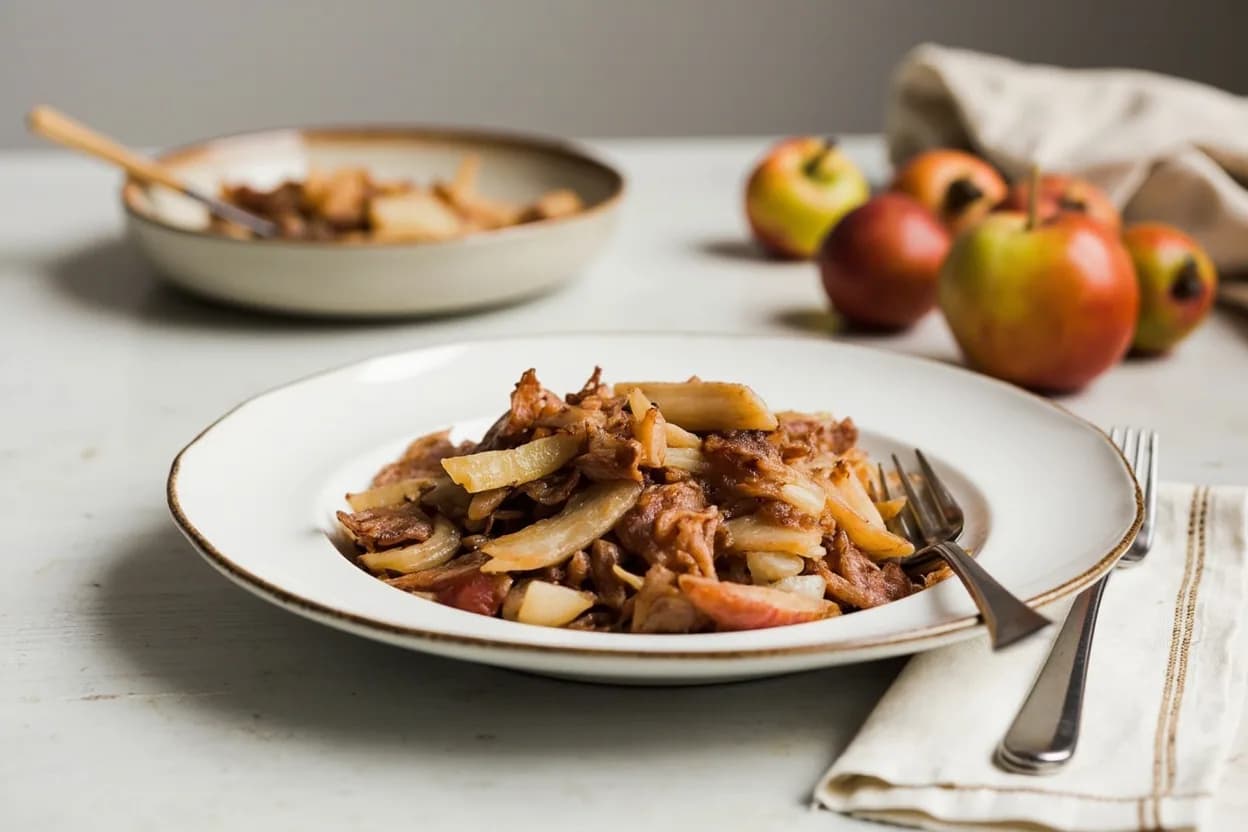
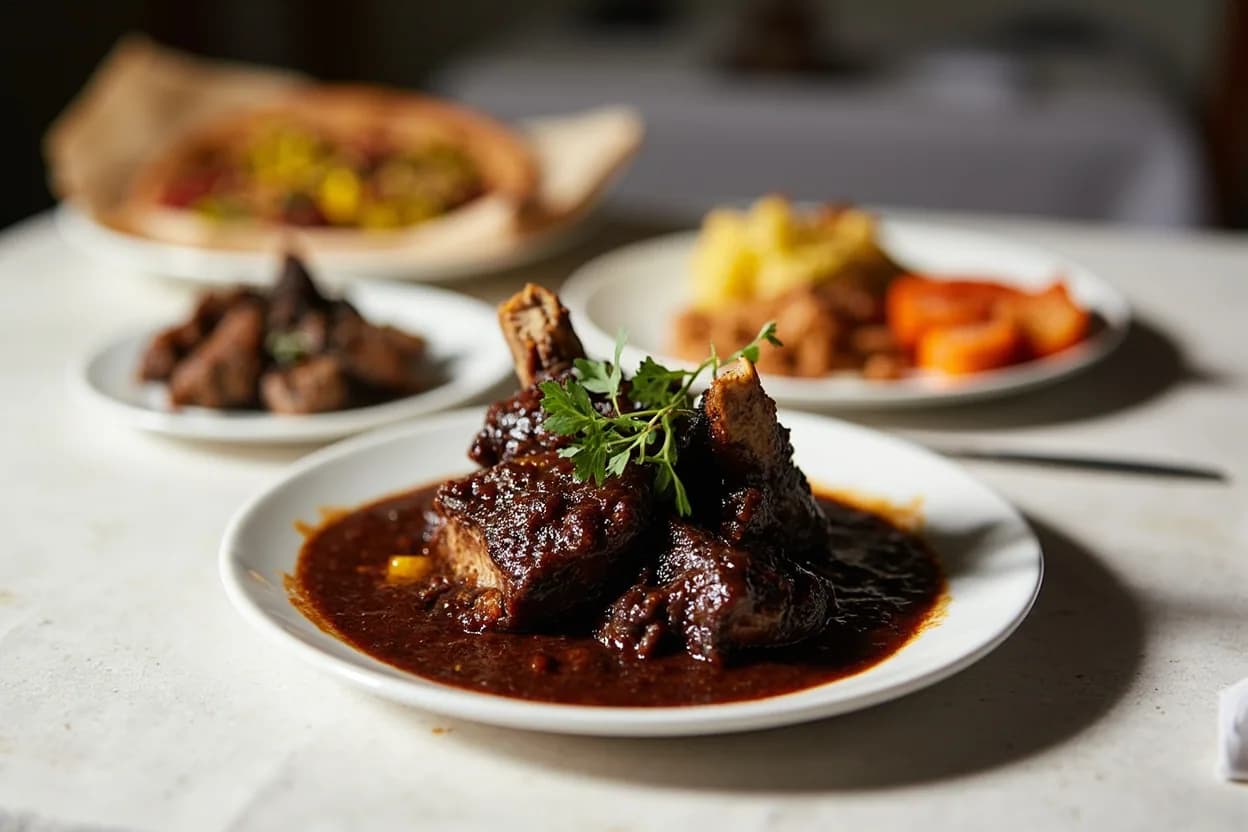
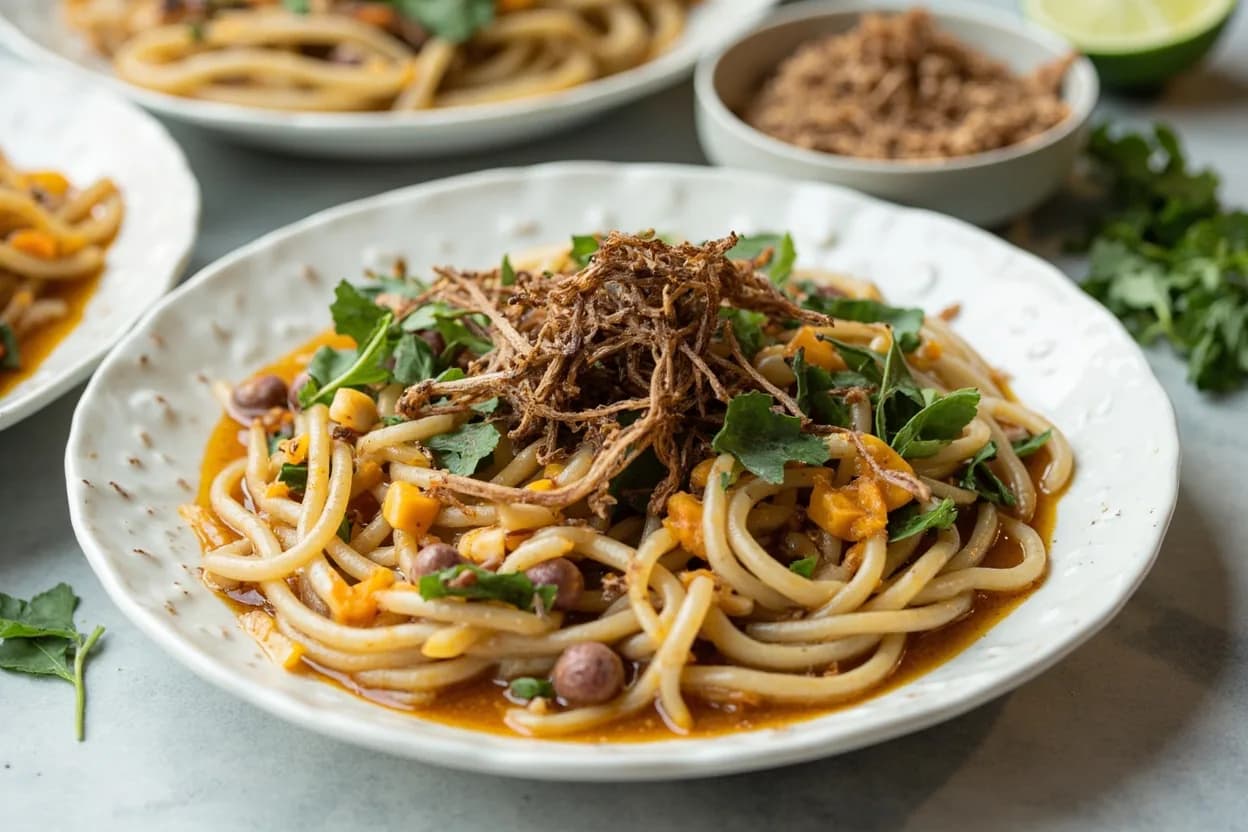
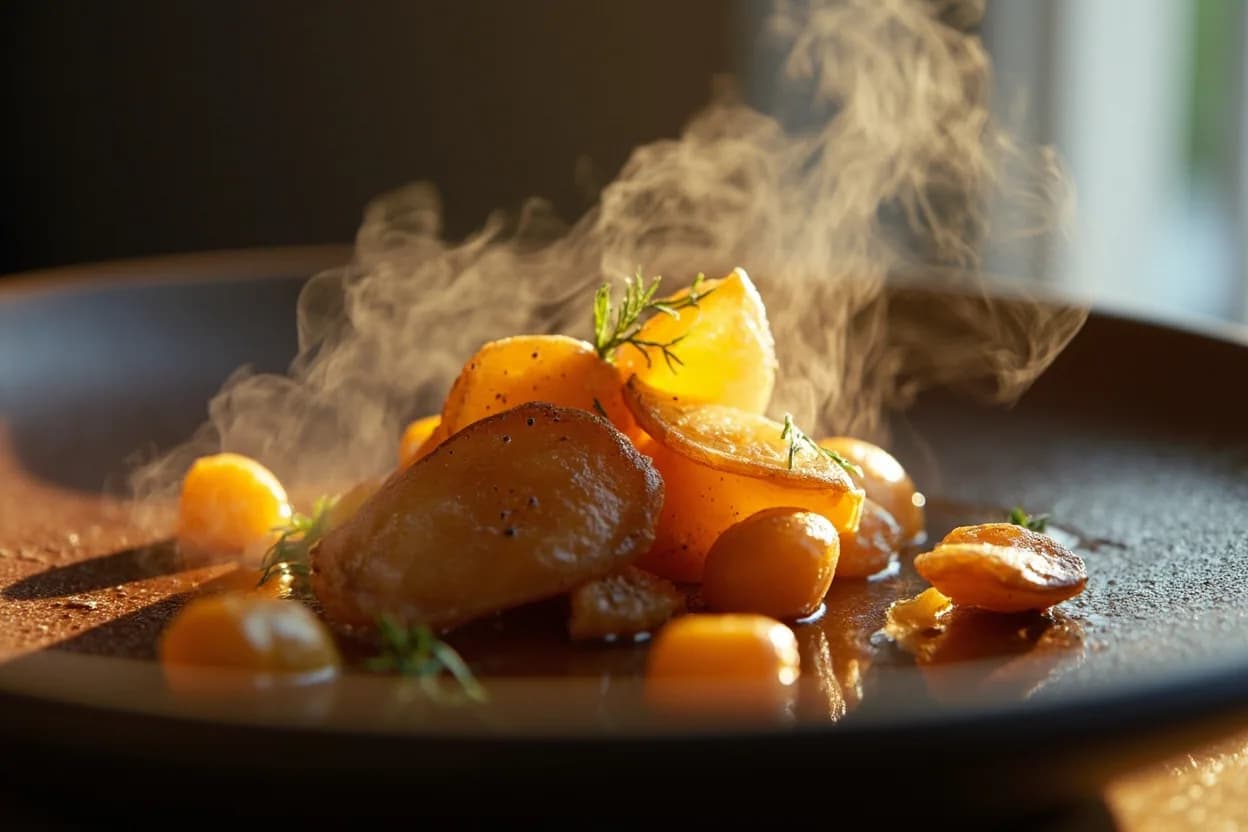
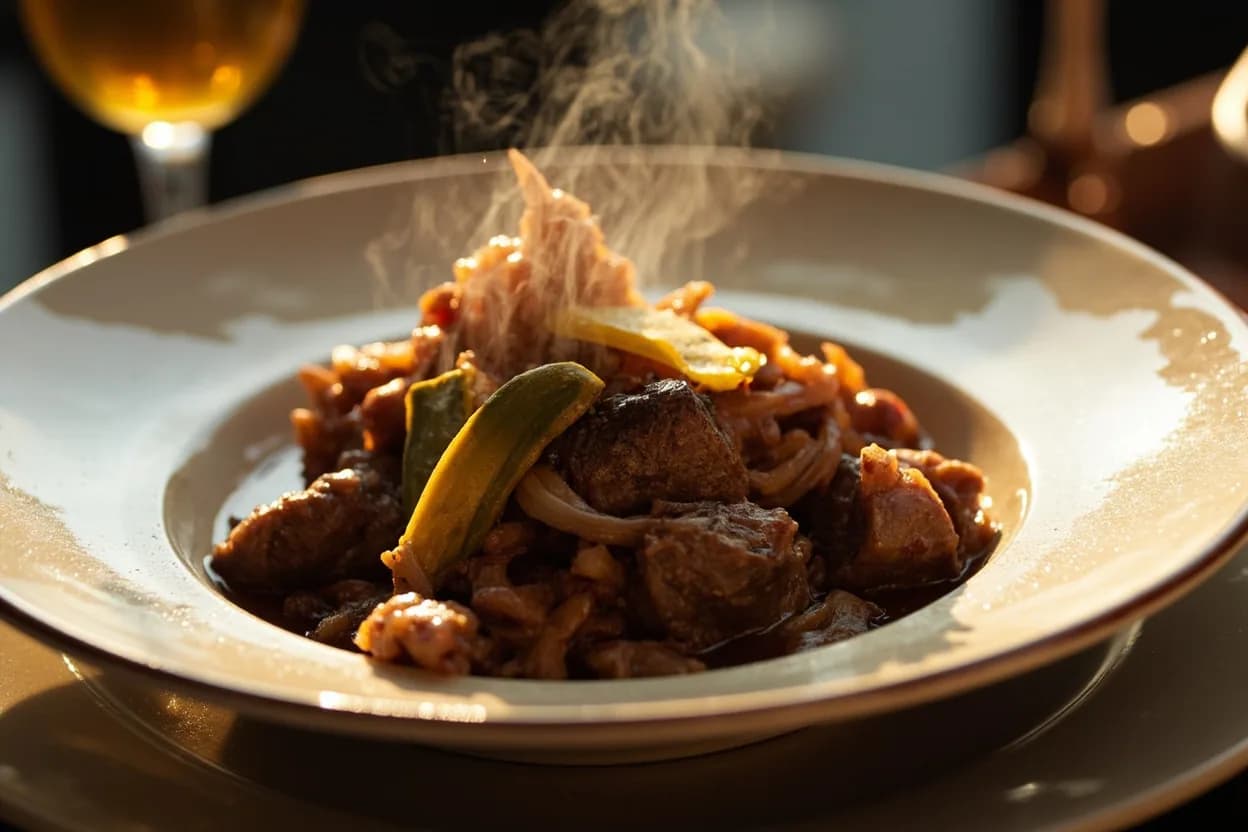
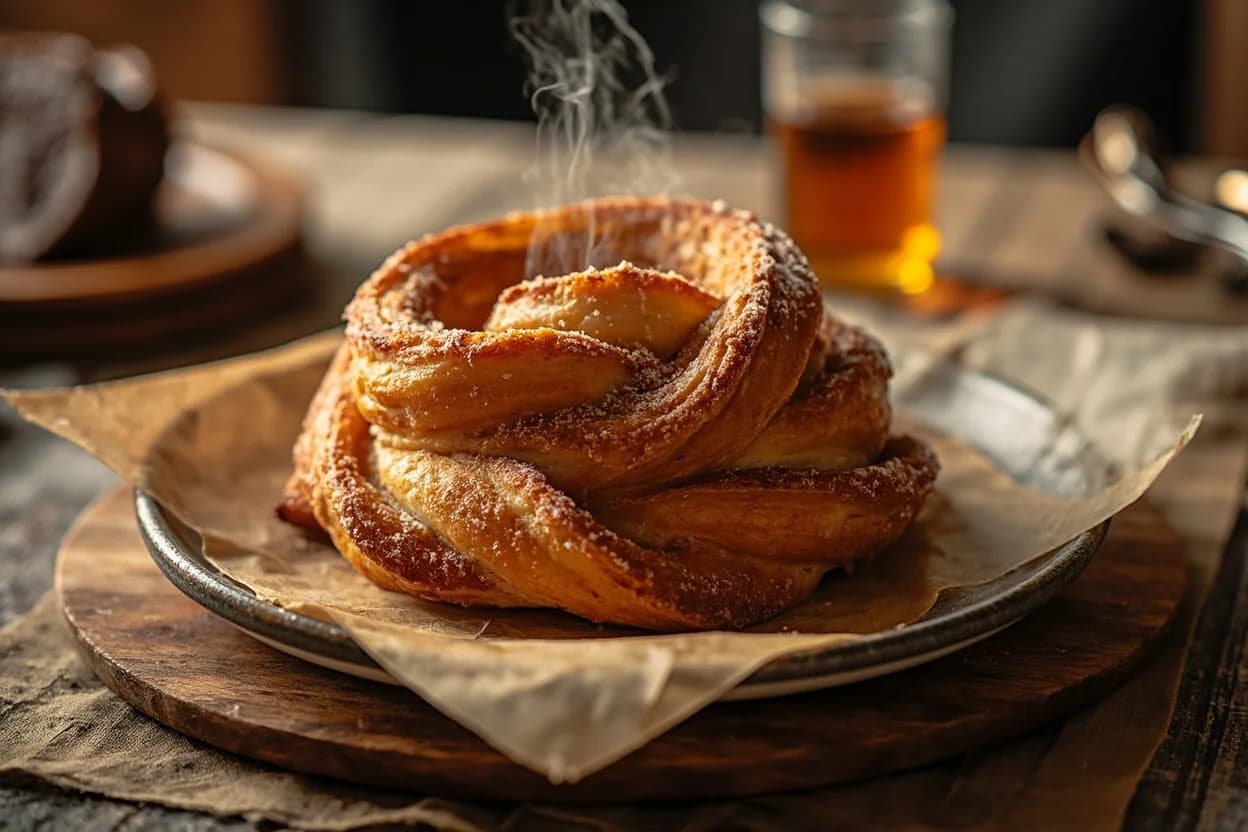
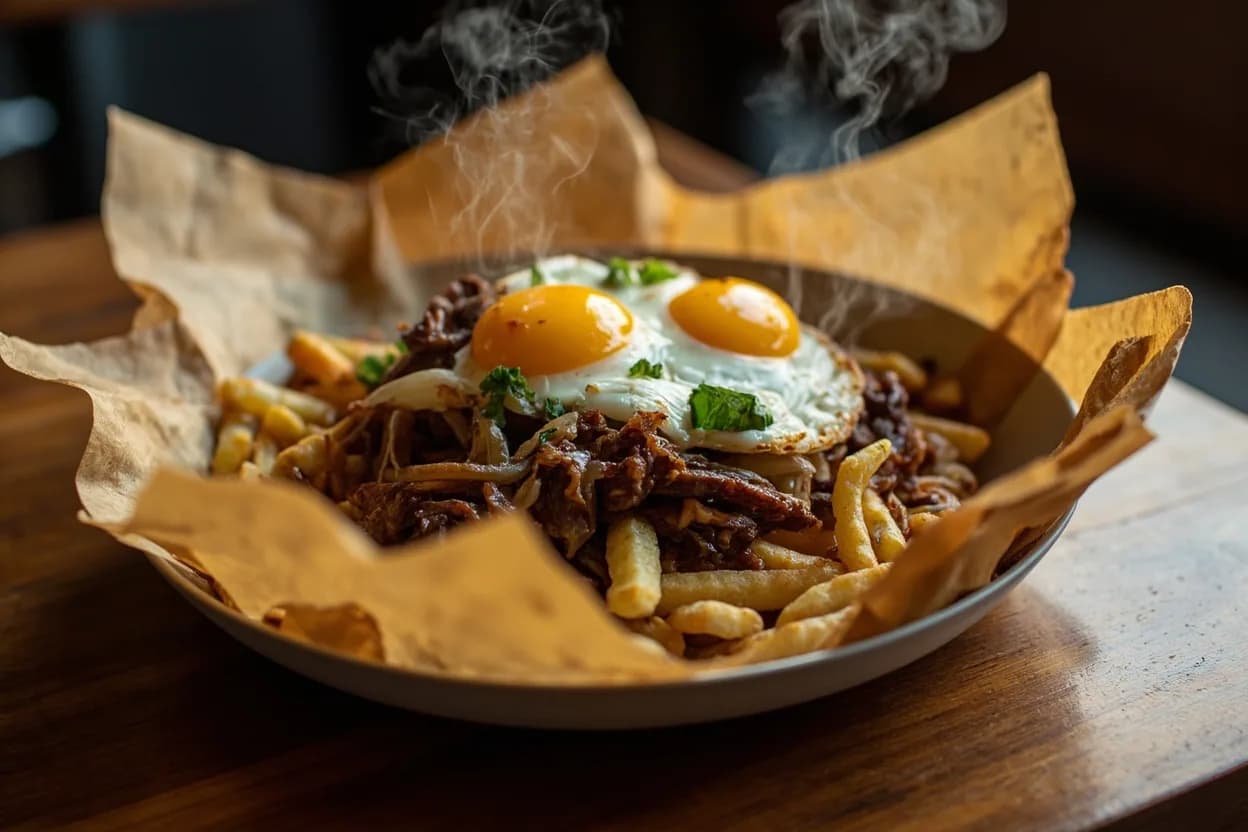
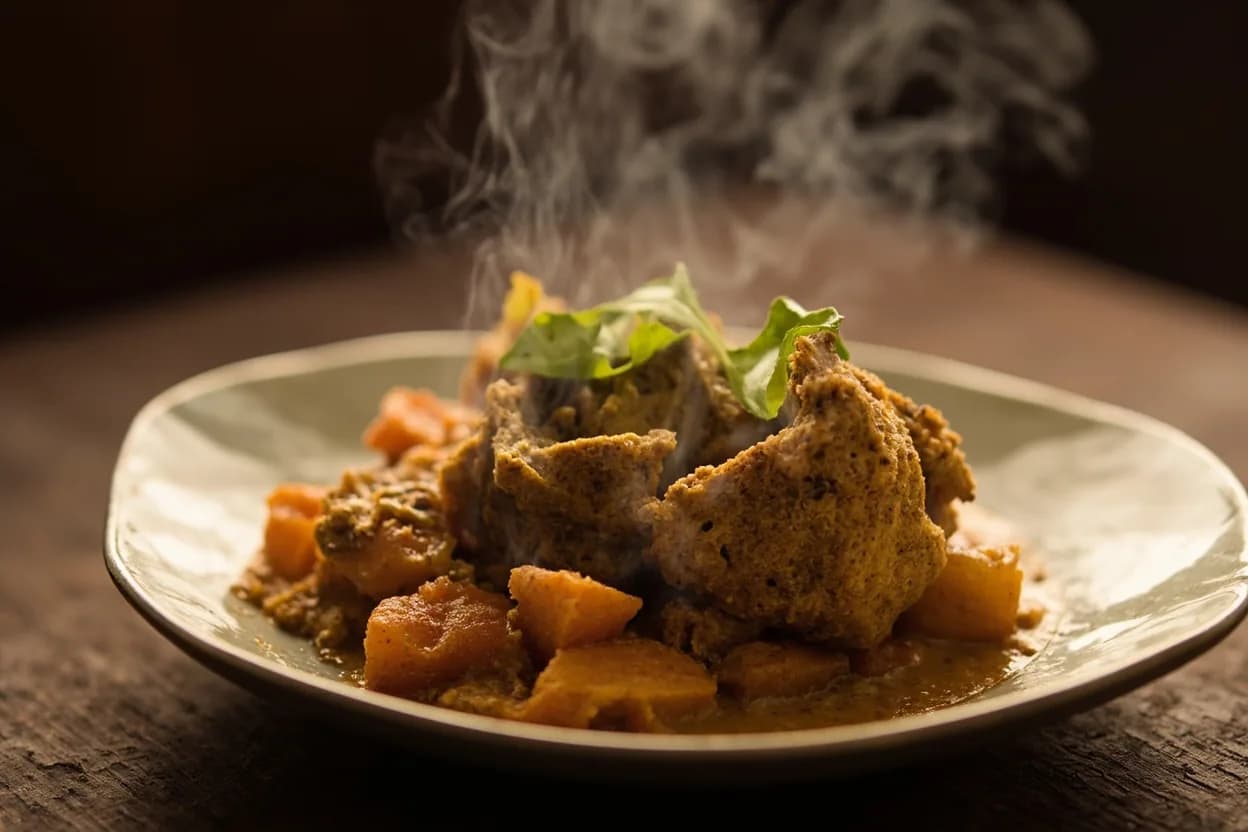
Dishes that rely on it
Related

Confit
Cook slowly submerged in fat for silky tenderness and keeping

Cure
Draw out moisture with salt and time to preserve and concentrate

Pickle
Steep in acidic brine for bright, tangy, crunchy preservation

Ferment
Let friendly microbes transform food into tangy, complex flavor

Marinate
Soak in a seasoned mix to flavor and tenderize before cooking

Brine
Soak in salt water so meat stays juicy and seasoned throughout

Dehydrate
Slowly dry out moisture to concentrate flavor and extend shelf life

Cold-Smoke
Perfume cured food with smoke without cooking it through