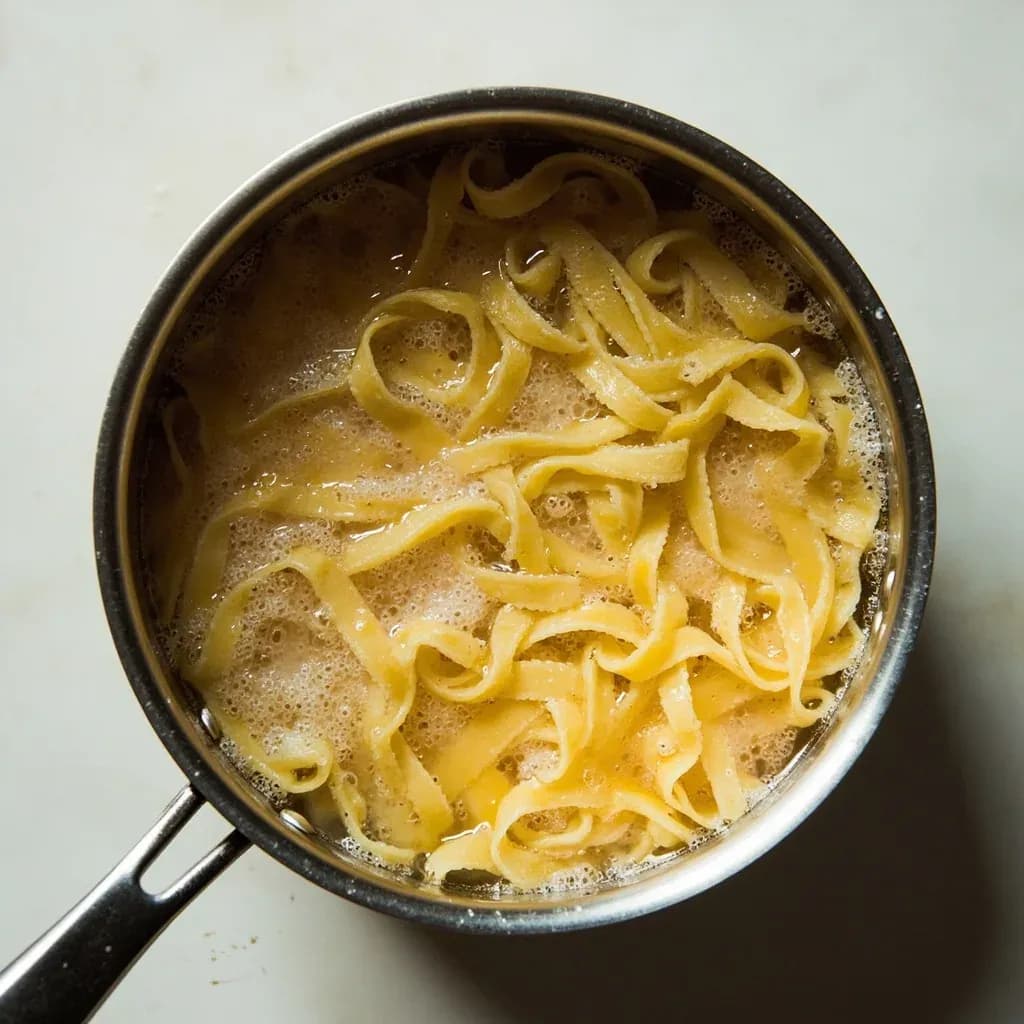
Water & Steam
Boiling
Cooking food in rapidly bubbling water at 100C for pasta, vegetables, and root crops.
Boiling submerges food in water held at a full rolling boil to cook it quickly and evenly. It is the everyday method for pasta, eggs, starchy root crops, and blanched greens. Salting the water seasons the food from within and, for vegetables, helps preserve color and texture.
Boiling is the most fundamental moist-heat technique in the kitchen and the reference point against which every other water-based method — simmering, poaching, steaming — is defined. At sea level, water reaches a rolling boil at 100°C / 212°F, where vapor bubbles form throughout the liquid and break the surface continuously. That temperature is high enough to gelatinize starches rapidly, coagulate proteins, kill vegetative bacteria, and drive off dissolved gases that would otherwise cloud stocks.
The technique is deceptively simple but offers a great deal of control once you understand what the heat is doing. Boiling drives off volatile aromatics, leaches water-soluble flavor and nutrients into the cooking liquid, and can over-soften delicate textures if left too long — which is why most 'boiled' dishes are actually brought to a boil and then held at a gentle simmer, or finished in the residual heat of the cooking water. At altitude, the lower boiling point slows starch gelatinization and protein coagulation, lengthening cook times for everything from dried beans to root vegetables and prompting many cooks to switch to a pressure cooker for long cooks.
- Difficulty
- Easy
Types & varieties
Vigorous, continuous large bubbles breaking the surface; the standard for pasta, blanching, and stock extraction.
Steady but moderate bubbling; used for tougher cuts or items prone to breaking apart — dumplings, salt cod, whole lobsters.
Partial boil to soften or partially cook an ingredient before finishing by another method — the classic prep for roasted potatoes and stir-fried rice.
Very brief boil (30 sec to 5 min) followed by an ice-water shock; sets color, loosens skins, deactivates enzymes before freezing or further cooking.
Indirect boiling — a vessel of food set inside a pan of simmering or boiling water; used for custards, terrines, sabayons, and holding sauces warm.
Initial boil to remove scum, excess salt, or strong odors, followed by a long, slow simmer — the standard start for corned beef, tripe, and salt-cured meats.
How to do it
- 1
Select the pot and water volume
Use a pot that holds at least 3–4× the volume of food. Cold water is preferred so proteins and starches heat evenly and the pot comes to a boil predictably.
- 2
Salt and, if appropriate, acidulate
For savory boiling, add ~10 g salt per L once the water begins to heat so it dissolves evenly. A splash of vinegar or lemon juice in the water helps eggs hold a tidy shape if a crack occurs.
- 3
Bring to a full rolling boil
Cover with a lid to speed heating; once steam appears, remove the lid so the boil establishes fully. A rolling boil shows large bubbles continuously breaking the surface.
- 4
Add the food
Lower food in carefully — use a basket or lower items individually — so the boil does not stall. Fan pasta out so strands soften and sink within 10–15 seconds. Lower eggs on a spoon to avoid cracking the shell.
- 5
Adjust to maintain the correct boil
Drop the heat to hold a steady, vigorous boil rather than a violent, foaming one. Reduce further for delicate items (gnocchi, dumplings, fish) that can break apart under turbulence.
- 6
Manage the cook
Stir occasionally to release starch from pasta and prevent sticking. Skim grey-brown foam from stocks within the first 15 minutes — it is coagulated protein and fat that would otherwise cloud the liquid. Time from the moment the boil resumes after the food is added.
- 7
Test for doneness
Begin checking at the lower end of the recommended time. Pasta: bite into a piece — al dente shows a faint white core. Potatoes: a thin skewer meets slight resistance. Eggs: spin on the counter — a fast spin means the yolk is set.
- 8
Drain, shock, or hold
For pasta and vegetables, drain in a colander (reserving cooking water for sauce work). For blanched items, transfer immediately to an ice bath for the same duration as the boil. For stocks, strain while hot and cool rapidly.
- 9
Finish or serve
Sauce pasta within a minute of draining so the surface starch stays fluid. Finish boiled vegetables with butter, olive oil, or a rough mash while they are still hot. Peel eggs under cool running water so the shell slips away cleanly.
What the Boil Is Doing to Your Food
Boiling is not a single process but several at once, and understanding them is the difference between bland, washed-out vegetables and properly cooked ones.
- Starch gelatinization: above roughly 70°C the crystalline structure of starch granules swells and bursts, releasing amylose. This is what turns dry pasta and rice from chalky to tender, and why pasta water turns cloudy.
- Protein coagulation: egg whites set between about 62 and 70°C, becoming fully opaque and firm around 70°C; yolks set from the outside in between 65 and 70°C, with the center staying softer for longer — the temperature window that defines soft-, medium-, and hard-boiled eggs.
- Enzyme deactivation: blanching kills oxidative enzymes (polyphenol oxidase, lipoxygenase) that would otherwise turn green vegetables olive-drab and give cut surfaces a metallic, off taste.
- Leaching: water-soluble flavor, color, and nutrients migrate from food into the cooking liquid. That is why stock is so flavorful and why boiled vegetables can taste washed-out if overcooked.
- Volatile loss: sharp, fresh aromatics — onion, garlic, herbs, peppercorns — lose their top notes within minutes of a hard boil, which is why long-simmered stocks start at a boil only to drive off scum, then drop to a simmer.
Common uses
Tips & pitfalls
- Use a pot larger than you think you need — cold food drops the water temperature and a crowded pot boils unevenly, producing gummy pasta and unevenly cooked roots.
- Salt the water while it heats, not after the boil is established; the salt dissolves and seasons more evenly as the water rises in temperature.
- Start eggs in cold water for easy peeling and a centered yolk; lower them gently into a rolling boil when you want a tender white and a slightly jammy center.
- Never leave a starchy pot (pasta, potatoes, dried beans) covered at a hard boil — the foam is full of amylose and will erupt over the rim in seconds.
- Reserve a cup of starchy pasta water before draining — its amylose-rich liquid is the classic emulsifier for bringing butter, oil, and cheese into a glossy pan sauce.
- Prepare an ice bath before you blanch — the goal is to halt cooking instantly, not gradually, otherwise residual heat will overcook the vegetables while you hunt for a bowl.
- At altitude, extend cooking times by roughly 5–10% per 1,000 ft above 3,000 ft, or switch to a pressure cooker for dried beans and tough braises.
- Test potatoes and roots with a thin skewer or paring knife rather than the clock — sizes vary widely and a 5 cm fingerling and a 12 cm russet are not done at the same moment.
Good to know
- Boiling point at sea level
- 100°C / 212°F at standard atmospheric pressure (1 atm)
- Altitude effect
- Boiling point drops roughly 1°C per 285 m (1°F per 500 ft); Denver water boils at ~94°C / 202°F
- Simmer vs. boil
- A true simmer runs 85–95°C with small bubbles just breaking the surface — below a rolling boil
- Salt and boiling point
- Negligible in cooking quantities (~0.5°C rise per 58 g salt per L); salt is for flavor, not for raising temperature
- Pasta-water salinity
- ~10 g salt per L (1–2 Tbsp per gallon) — should taste of clean sea water
- Minimum water for pasta
- Roughly 4–6 L per 500 g of dry pasta to keep the boil from stalling and the water from turning gummy
- Sterilization threshold
- 3 minutes of rolling boil reliably kills common vegetative bacteria; longer (10+ min) is needed at altitude
- Latent heat of vaporization
- 2,257 kJ/kg — water absorbs enormous energy turning to steam, which is why boiling is both fast and fuel-hungry
Also called
Boil
Dishes that rely on it
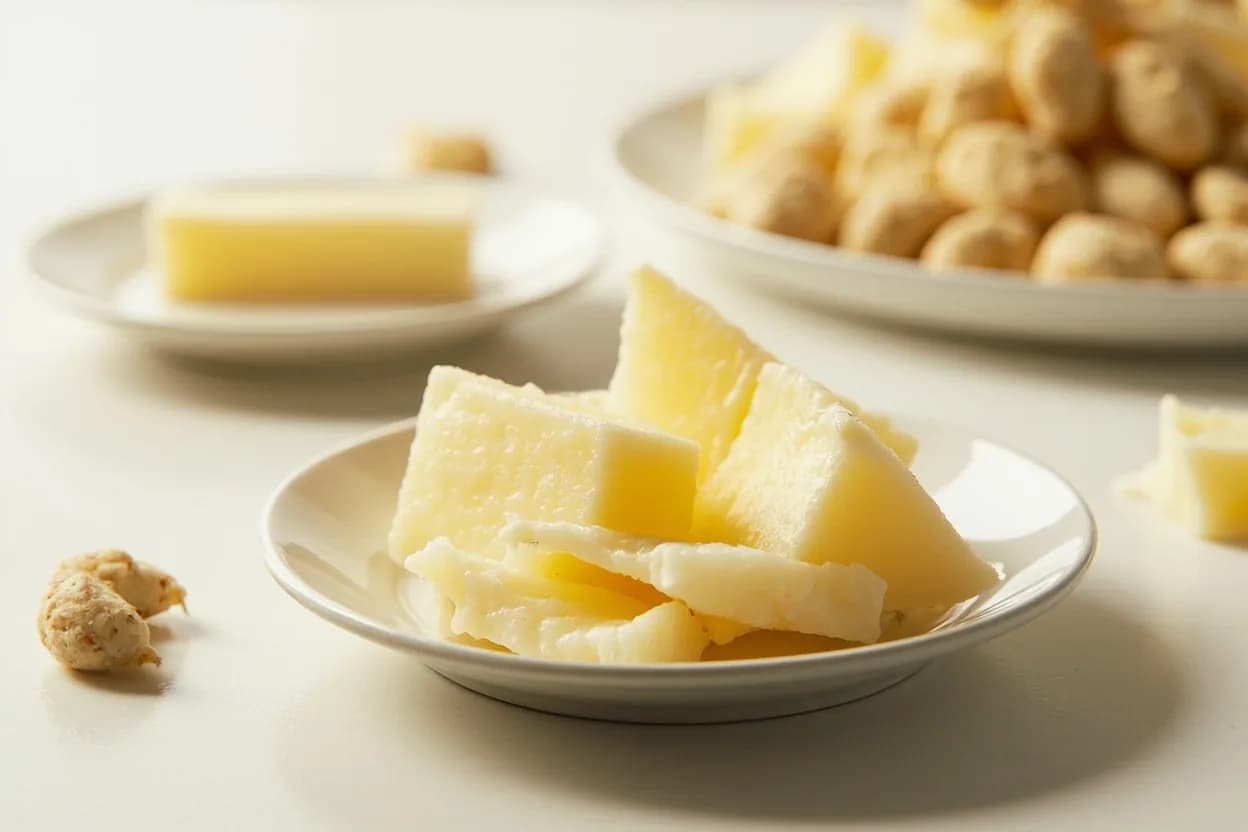
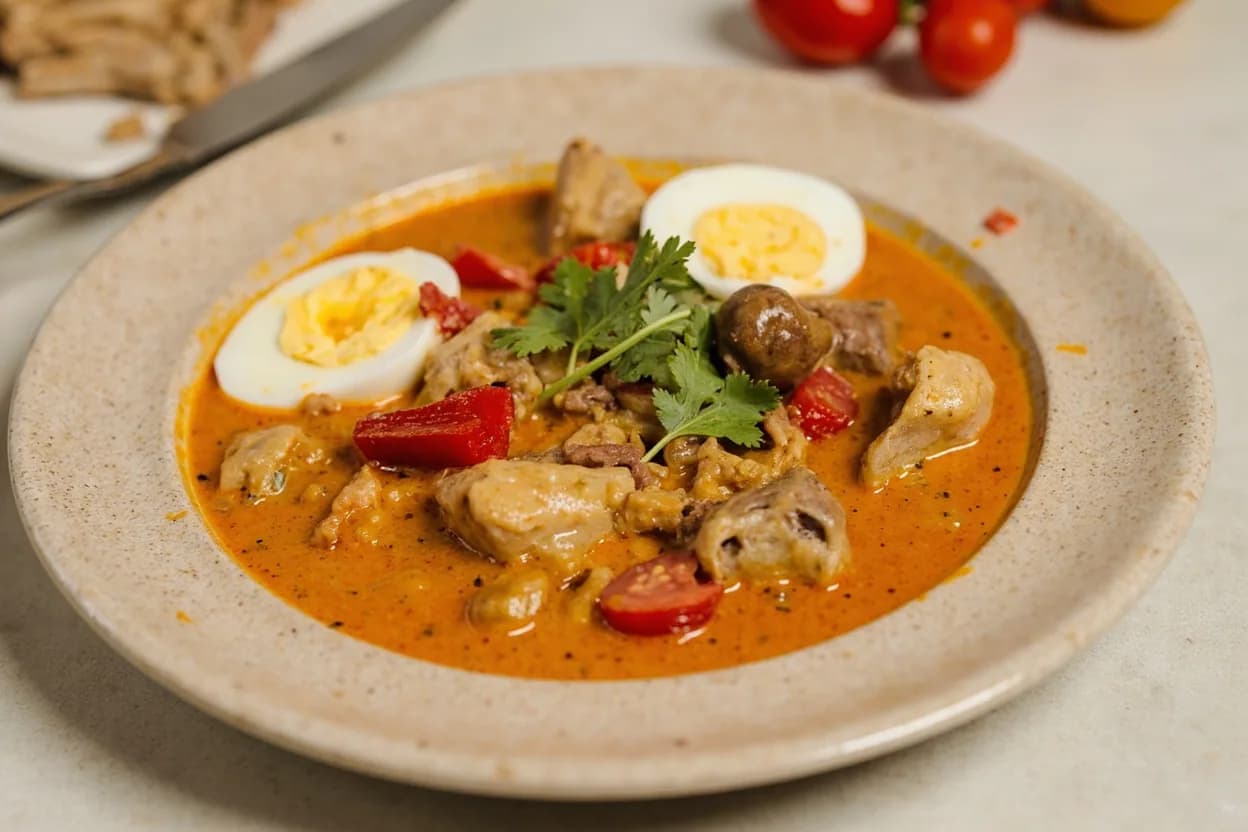
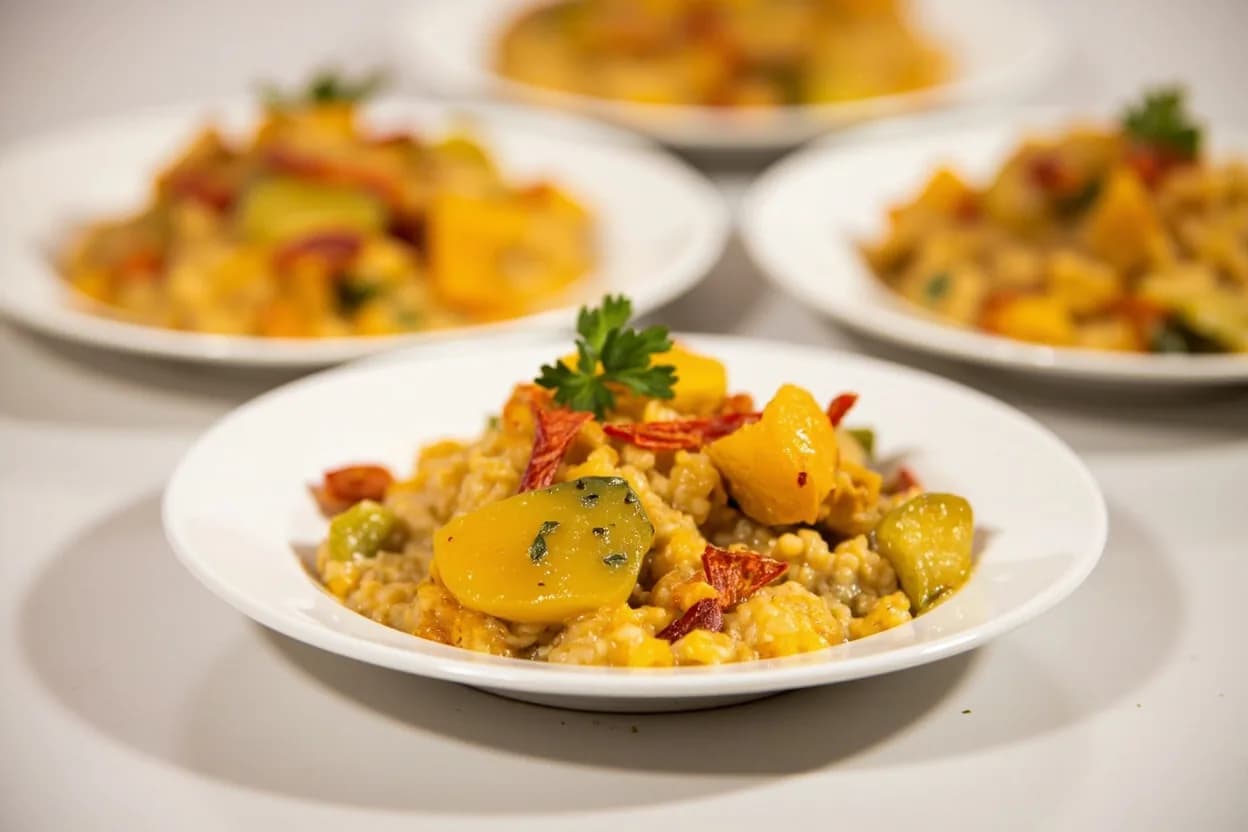
Related

Boil
Cook in vigorously bubbling liquid at full rolling heat

Simmer
Hold liquid at a gentle shimmer for tender, unhurried cooking

Poach
Cook gently in barely-trembling liquid for silky, tender results

Steam
Cook in rising vapor to keep color, nutrients, and shape intact

Blanch
Plunge briefly in boiling water, then shock cold to lock color

Braise
Sear, then cook slow in a little liquid until fall-apart tender

Stew
Simmer bite-sized pieces fully submerged into a rich, unified pot

Sous-Vide
Seal and cook in precise warm water for edge-to-edge doneness