Heat & Fire
Roasting
Cooking with surrounding dry oven or fire heat for browned exteriors and juicy interiors.
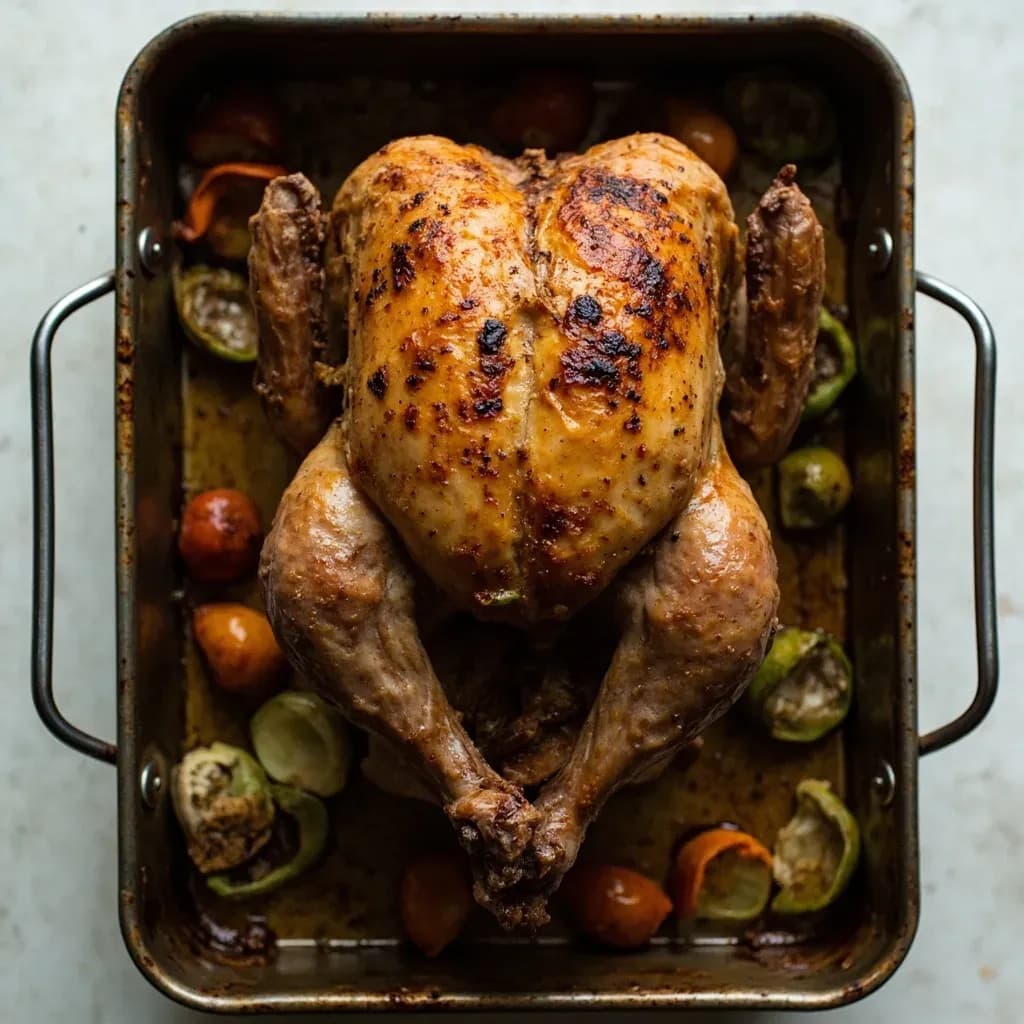
Roasting uses ambient dry heat from an oven, coals, or covered fire pit to cook larger cuts and vegetables, browning the surface while keeping the inside moist. Slow-roasting at low temperature renders fat and tenderizes, as in lechon asado or Balkan peka under-the-bell cooking. Resting roasted meat after cooking lets juices redistribute for a moister result.
Roasting is dry-heat cooking in which food is surrounded by hot air or open fire, with no added liquid and no lid to trap steam. The oven (or coals, or a turning spit) delivers penetrating heat that cooks the interior while driving off surface moisture and browning the outside. The traditional distinction between roasting and baking is more cultural than technical: in older English usage, roasting meant cooking meat or vegetables on a spit or in front of an open fire, while baking meant cooking doughs, custards, and batters in a closed oven. In most modern kitchens the words describe the same process — convection or radiant heat in a closed box — applied to different foods.
The flavor of a good roast comes from two reactions that share a basic requirement: a dry surface and heat above about 285°F (140°C). The Maillard reaction — between amino acids and reducing sugars — builds the deep, savory crust on a prime rib or chicken thigh. Caramelization browns natural sugars, sweetening the edges of carrots, the surface of butternut squash, or the skin of a tomato. When food is wet, crowded, or cooked too low, those reactions stall and the food steams in its own juices, turning pale and flabby. Patting dry, leaving space around each piece, and using enough heat are the three levers that turn steaming into roasting.
Roasting scales from a single chicken breast on a sheet pan to a whole hog turning slowly over a pit. It is forgiving because the cook can pull food at any internal temperature, and because the high, dry heat is hostile to most surface pathogens. The only equipment a serious roaster truly needs is an oven, a rack, and a reliable instant-read or leave-in thermometer; everything else — pans, basters, spits — is a refinement.
- Difficulty
- Medium
Types & varieties
The standard method: food on a rack in a pan in a conventional or convection oven.
Food is skewered and rotated in front of or above a heat source; rotation self-bastes and browns evenly.
Food is buried in hot coals, embers, or earth-heated stones; traditional for whole hog or lamb.
Skewered or trussed food cooked beside or over an open flame, often with hardwood for smoke.
450–500°F (230–260°C) for small or thin items; aggressive browning, short cook time.
250–325°F (120–165°C) for large, tough, or fatty cuts to gently render fat and tenderize connective tissue.
Low oven first to bring the food gently to temperature, then a blast of high heat to crust the outside; excellent for thick steaks and large roasts.
Encasing fish, poultry, or vegetables in a packed salt crust that seals in moisture and seasons while it cooks.
Roasting combined with wood smoke in an enclosed chamber; cooks and smokes simultaneously.
A fan circulates hot air for faster, more even browning; reduce temperature ~25°F and shorten time ~25%.
How to do it
- 1
Preheat and prepare the pan
Set the oven to the target temperature (usually 325–450°F). Position a rack in the lower third of the oven. Place a V-rack inside a heavy roasting pan; the rack keeps the food above its own drippings so air circulates and the underside browns rather than stews.
- 2
Prepare the food
For meat, pat dry with paper towels. Trim excess surface fat if desired, leaving a thin layer for self-basting. Season generously with salt and pepper, or a dry rub. For whole poultry, tuck the wing tips behind the shoulders and loosely truss the legs. For vegetables, peel if needed and cut into uniform 1- to 2-inch pieces so they finish at the same time.
- 3
Coat vegetables with fat
Toss vegetables with just enough oil to thinly coat, plus salt. A heavy hand with oil pools in the pan and causes steaming; a thin, even gloss gives proper caramelization on the cut faces.
- 4
Arrange and place in the oven
Position the food bone-in side up and fat side up so the melting fat runs over the meat. Spread vegetables in a single, uncrowded layer. Insert an oven-safe leave-in thermometer into the thickest part of the roast, away from bone, which reads lower than the surrounding meat.
- 5
Roast, monitoring, and basting
Avoid opening the oven in the first 20–30 minutes so heat can recover. Basting is optional and slows browning if done too early, since each opening cools the surface. Begin checking the thermometer after the first third of the estimated cook time. For vegetables, toss once at the halfway point so multiple faces color.
- 6
Pull at the right internal temperature
Remove roasts 5–10°F below the target final temperature to account for carryover cooking. Pull vegetables when the edges are deeply browned and a paring knife meets no resistance at the center.
- 7
Rest the meat
Transfer to a warm board or platter and tent loosely with foil. Rest 10–20 minutes for most roasts, longer for very large cuts. Resting lets the muscle fibers relax and reabsorb the juices; skipping it sends a pool of juice onto the cutting board.
- 8
Make a pan sauce (optional)
Skim excess fat from the drippings, set the pan over medium heat, sweat shallots or garlic, deglaze with wine or stock, and reduce. Mount with cold butter for shine, then strain and adjust seasoning.
- 9
Carve and serve
Carve across the grain for maximum tenderness. Serve with the pan sauce, jus, or a bright condiment such as mustard, chimichurri, or salsa verde to cut the richness of browned fat.
The science of browning
Two reactions create the flavor and color of a roast, and both demand a dry surface and temperatures above roughly 285°F (140°C). The Maillard reaction links amino acids with reducing sugars to produce hundreds of new aromatic compounds, including the savory, bread-crumb smell of seared meat and roasted coffee. Caramelization is simpler: heat breaks down sugars (sucrose, glucose, fructose) into brown pigments and sweet, nutty flavors. Vegetables get their sweetness from caramelization; meat gets its crust from both reactions. Below 285°F, or whenever the surface is wet, neither reaction proceeds quickly, and the food simply steams in its own moisture.
- Maillard reaction begins around 285°F (140°C) and accelerates sharply above 300°F (150°C).
- Caramelization of sucrose starts near 320°F (160°C); glucose and fructose brown at lower temperatures.
- Acidic surfaces (tomatoes, some marinades) slow browning; a light coating of baking soda on onions or pretzels speeds it up.
- Dry-brining — salting ahead of time — both seasons deeply and dries the surface, the single most effective preparation for browning.
Roasting versus baking
Both roasting and baking use the same dry, surrounding heat of an oven, and the terms overlap in most modern kitchens. The traditional split is by food type: meats, poultry, and hard vegetables were roasted (browning-focused), while breads, cakes, custards, and pastries were baked (gentle, even heat for structure and lift). In practice the only meaningful differences are temperature and timing. A chicken and a loaf of bread can share the same 375°F oven, but the chicken wants dry, direct heat on a hot rack, while the bread wants enclosed, slightly humid heat to rise before the crust sets.
- Historically, roasting meant a spit or open fire; baking meant a closed oven or hearth.
- In modern kitchens, a whole chicken and a tray of root vegetables in the same oven are both typically called roasted, while a cake in the same oven is baked — the line is drawn by food category, not technique.
- Convection blurs the line further: the same fan-assisted oven will roast a prime rib and bake a génoise with only a temperature adjustment.
Common uses
Tips & pitfalls
- Pat proteins completely dry before seasoning; surface moisture stalls the Maillard reaction and browning.
- Salt roasts well in advance — 12 to 48 hours for large cuts, uncovered on a tray in the refrigerator — to season deeply and dry the surface.
- Use a roasting rack so hot air circulates under the food; without one, the underside steams and stays pale.
- Trust a meat thermometer over printed time charts; pull roasts 5–10°F below target to account for carryover cooking.
- Don't crowd the pan; vegetables need a single layer with space around them to roast rather than steam.
- Tent roasts loosely with foil while resting; a tight tent traps steam and softens the crust you worked to build.
- Save rendered fat from duck, goose, or pork roasts — it is gold for frying potatoes, sautéing greens, or cooking beans.
- Switch to convection mode when available: drop the temperature 25°F and shorten the cook time roughly 25%.
Good to know
- Method
- Dry-heat cooking using surrounding hot air or radiant heat from open fire
- Typical oven temperature
- 325–450°F (165–230°C); high-heat roasts reach 500°F (260°C)
- Low-and-slow range
- 250–325°F (120–165°C) for large or tough cuts
- Browning chemistry
- Maillard reaction between amino acids and reducing sugars (starts ~285°F/140°C); caramelization of natural sugars (sucrose from ~320°F/160°C, glucose and fructose lower)
- Carryover cooking
- Internal temperature climbs 5–15°F (3–8°C) after the food leaves the oven
- Resting time
- 10–20 minutes for most roasts; 30+ minutes for turkey and standing rib
- Convection adjustment
- Drop temperature ~25°F (15°C) and shorten time by about 25%
- Origin
- Spit-roasting over open fire predates recorded history; among the oldest known cooking methods
Also called
Roast · Rotir · Peka · Slow-Roasting
Dishes that rely on it
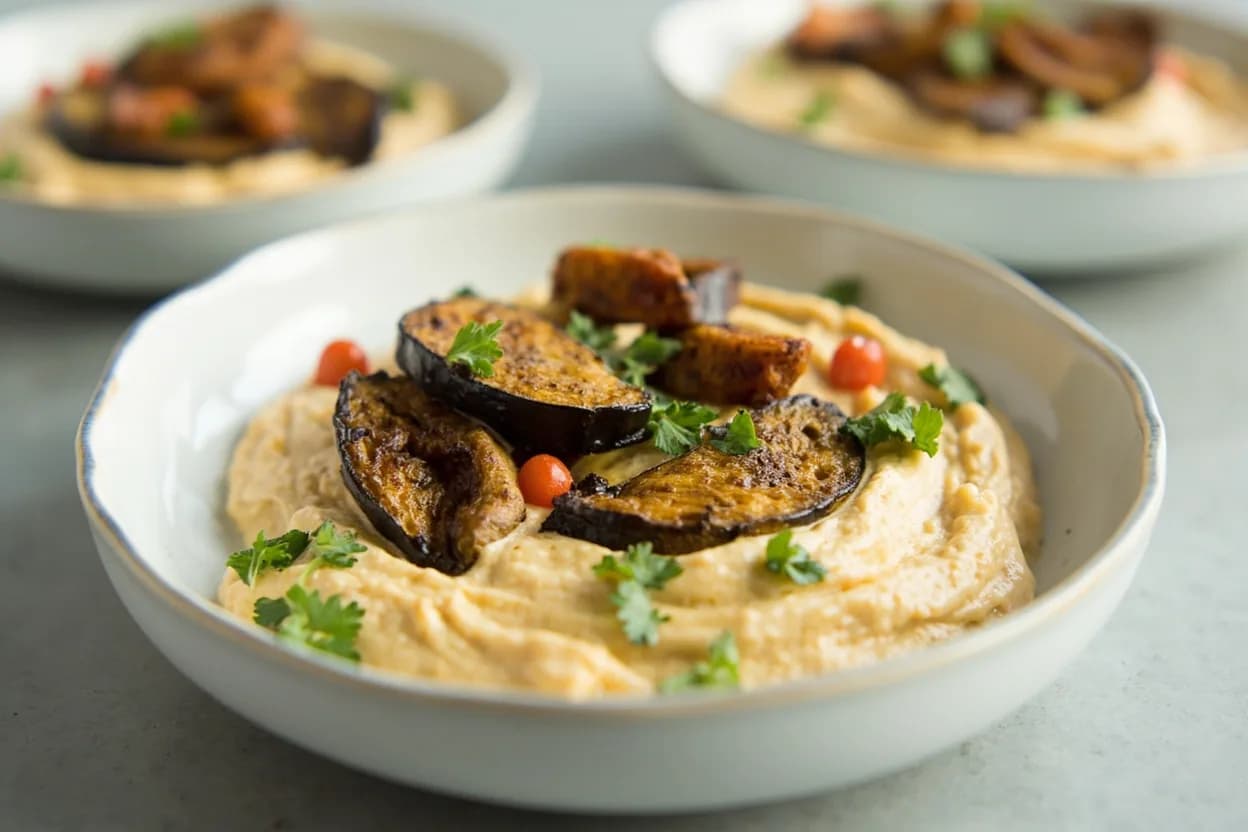
Related

Sear
Blast the surface hot for a deep-browned, savory crust

Sauté
Cook quickly in a little fat over lively heat, tossing as you go

Stir-Fry
Toss bite-sized pieces over roaring heat for fast, smoky cooking

Pan-Fry
Crisp food in a shallow layer of hot fat, turning once or twice

Deep-Fry
Submerge in hot oil for an all-over crackling crust

Roast
Cook uncovered in dry oven heat for browned edges and tender centers

Bake
Cook with steady, surrounding oven heat — the soul of bread and pastry

Broil
Hit food from directly above with fierce overhead heat