Knife Skills
Spatchcocking
Removing a bird's backbone and flattening it so it cooks faster and more evenly.
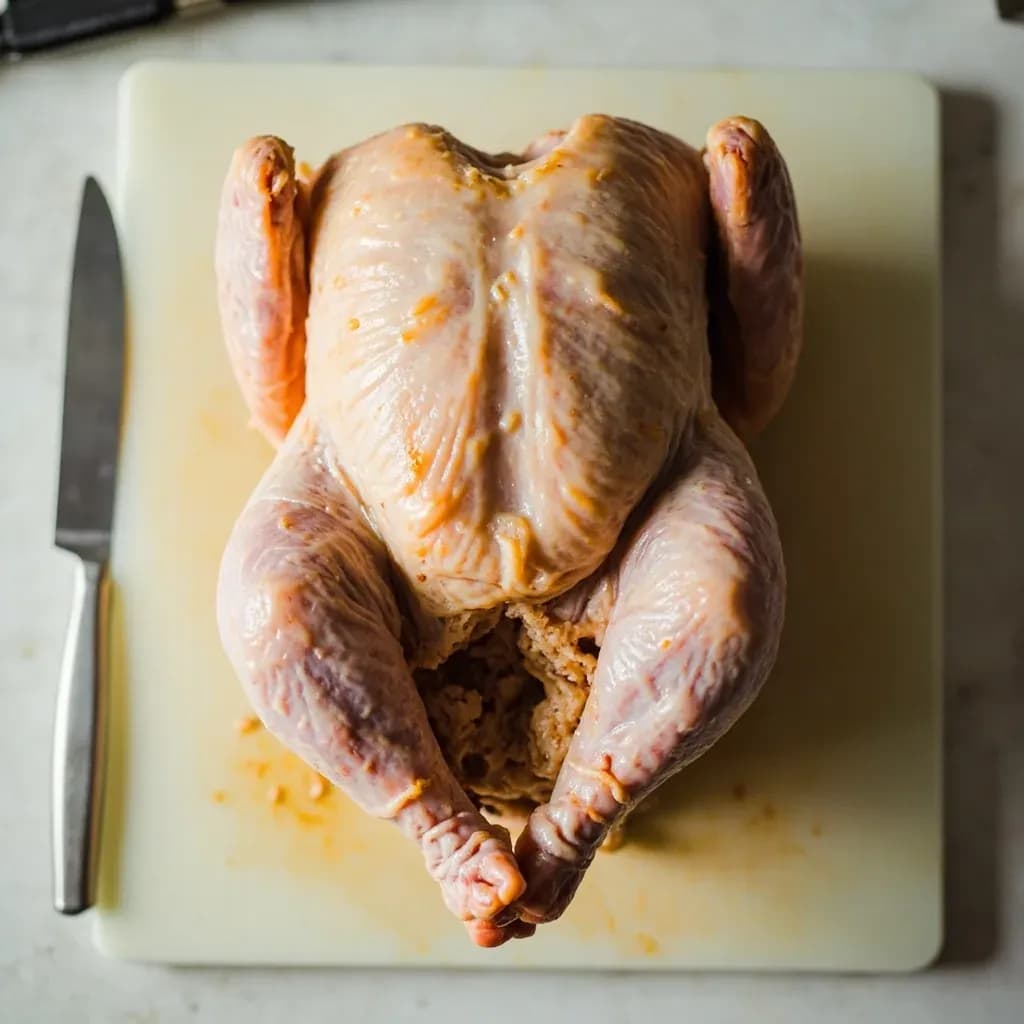
Spatchcocking, or butterflying, means cutting out the backbone of a whole chicken or other bird and pressing it flat. The flattened shape exposes more surface to heat, so it roasts or grills faster and browns the skin evenly. Kitchen shears are the usual tool, cutting along both sides of the spine before the breastbone is cracked to lay the bird open.
Spatchcocking is the technique of removing a whole bird's backbone so it can be opened flat and cooked in a single, even layer. By laying the bird out breast-up in one plane, the white and dark meat finish at roughly the same time — solving the classic problem of an overcooked breast and underdone thigh that plagues traditional whole-roasted poultry. The trade is purely visual: a flattened bird loses the dramatic height of a holiday centerpiece, but the payoff is real, with cooking times dropping 25–40% and skin that browns and crisps across a much greater surface area.
The method is most often used on chicken, turkey, duck, goose, Cornish hens, poussin, and quail, and it shines under high heat: roasting in a hot oven, grilling over charcoal or wood, smoking, and broiling. It is also the structural step behind several beloved dishes — Peruvian pollo a la brasa, Italian pollo al mattone (cooked under a brick), and the modern American grilled whole chicken. Although 'butterflying' is often used interchangeably for poultry, butterflying is the broader term and also describes butterflied pork chops, butterflied shrimp, or a butterflied leg of lamb.
Practically, spatchcocking is a one-tool job. Heavy-duty poultry shears make it faster, safer, and cleaner than a knife, though a sharp boning or chef's knife works well in skilled hands. No meat is lost beyond the backbone, which is reserved for stock. For cooks who want even doneness, crisp skin, and a faster trip to the table, it is hard to overstate how much the technique improves a simple roasted chicken.
- Difficulty
- Medium
Types & varieties
Backbone removed end-to-end and breastbone cracked flat; the standard method.
Only the middle section of the backbone is cut, leaving the ends attached; the bird opens like a book. Useful for very large turkeys when full flattening is awkward.
Both the backbone and the breastbone (keel) are removed, producing two boneless halves; used for very fast grilling or for stuffing and rolling.
A heavily seasoned, slow flat-roasted chicken with Peruvian and Italian roots, cooked on a sheet pan with salt, garlic, and herbs until the skin turns deep golden and crisp.
How to do it
- 1
Prepare the bird
Pat the bird very dry with paper towels, inside and out. If you have time, dry-brine it uncovered in the refrigerator for 12–24 hours for the crispiest skin. Remove any trussing string and the giblets from the cavity.
- 2
Position breast-side down
Place the bird breast-side down on a stable cutting board with the neck end facing you. This raises the backbone and rib cage away from the board, making the cuts easier to see and follow.
- 3
Cut along one side of the backbone
Using poultry shears (or a sharp knife), cut from the tail end up along one side of the backbone, following the curve of the ribs. Cut along the inside (concave) curve of the ribs to avoid splintering bone and wasting meat.
- 4
Cut along the other side and remove the backbone
Repeat the cut on the opposite side of the backbone, then lift it out. Reserve it for stock; it adds excellent body to chicken or turkey broth. You should now be able to open the bird like a book.
- 5
Open and crack the breastbone
Open the bird flat, skin-side up. Press firmly on the center of the breastbone with the heel of your hand (or with both hands) until you feel and hear it crack; a truly flat bird cooks evenly and lies flush against the pan or grill.
- 6
Tuck and trim
Tuck the wing tips behind the shoulders or snip them off with shears; exposed wing tips catch fire over a grill or scorch on the rim of a hot pan. Tuck the drumstick tips toward the body, or tie the legs loosely together with twine for a neater presentation.
- 7
Season and cook
Season the skin and underside generously. Cook skin-side up first at high heat — 400–450°F / 200–230°C in the oven, or over direct heat on a grill — flipping once, until the thickest part of the thigh reads 165°F / 74°C. Finish skin-side up again for a final minute of crisping. Rest 10–15 minutes before carving so the juices redistribute.
Spatchcocking vs. butterflying
The terms are used interchangeably for whole birds, and most cooks will not object to either. Strictly speaking, butterflying is the broader technique: it also describes a butterflied pork chop, a butterflied leg of lamb, or butterflied shrimp. Spatchcocking is the specific application to whole poultry, with the additional step of cracking the breastbone so the bird lies truly flat. In practice, if a recipe calls for either, you are heading to the same place.
Bird size and method
A flattened bird needs more horizontal space than a trussed one, so pan and grill choice matter. For a standard half-sheet pan, birds up to about 14 lb / 6.5 kg fit comfortably; a fully spatchcocked 20 lb turkey will overhang the pan and cook unevenly at the edges.
- Chicken and Cornish hen (3–6 lb / 1.5–3 kg): ideal on a sheet pan or directly on grill grates.
- Turkey up to 14 lb / 6.5 kg: full spatchcock on a rimmed sheet pan; expect roughly 1.5–2 hours at 400°F / 200°C.
- Larger turkeys (16+ lb / 7+ kg): consider a semi-spatchcock to keep the bird manageable on a standard pan.
- Duck and goose: the technique works well, but score the skin before cooking because the thick fat layer benefits from extra rendering.
Common uses
Tips & pitfalls
- Use heavy-duty poultry shears rather than a knife; the cut is faster, safer, and cleaner along the rib cage.
- Cut on the inside (concave) curve of the ribs to avoid splintering bone and to maximize meat yield.
- Press firmly on the breastbone with the heel of your hand until you feel and hear it crack — a bird that is not truly flat will cook unevenly.
- Tuck the wing tips behind the shoulders or trim them off, or they will burn on the grill or against the edge of the pan.
- Dry the skin thoroughly and season ahead of time; a 12–24 hour uncovered dry-brine in the refrigerator yields the crispiest skin.
- Avoid opening the oven too often: a flattened bird sits low in the pan and loses heat quickly each time the door swings.
- Reserve the backbone in the freezer for stock — it is one of the most flavorful bones for broth.
- Common mistakes: not pressing the breastbone flat (uneven cooking), leaving wing tips exposed (burning), and seasoning a wet bird (steamed, pale skin).
Good to know
- Also known as
- Butterflying (when applied to poultry)
- Best tools
- Heavy-duty poultry shears; a sharp boning or chef's knife also works
- Cooking time reduction
- Roughly 25–40% faster than roasting whole, depending on bird size and method
- Core benefit
- Flattens the bird so breast and thigh meat cook at roughly the same rate
- Best cooking methods
- High-heat roasting, grilling over charcoal, smoking, and broiling
- Difficulty
- Easy to moderate; considerably easier with shears than a knife
- Yield impact
- No meat is lost beyond the backbone, which is reserved for stock
- Origin of term
- Likely an 18th-century contraction of 'dispatch the cock'; the technique itself is older
Also called
Butterflying · Spatchcock
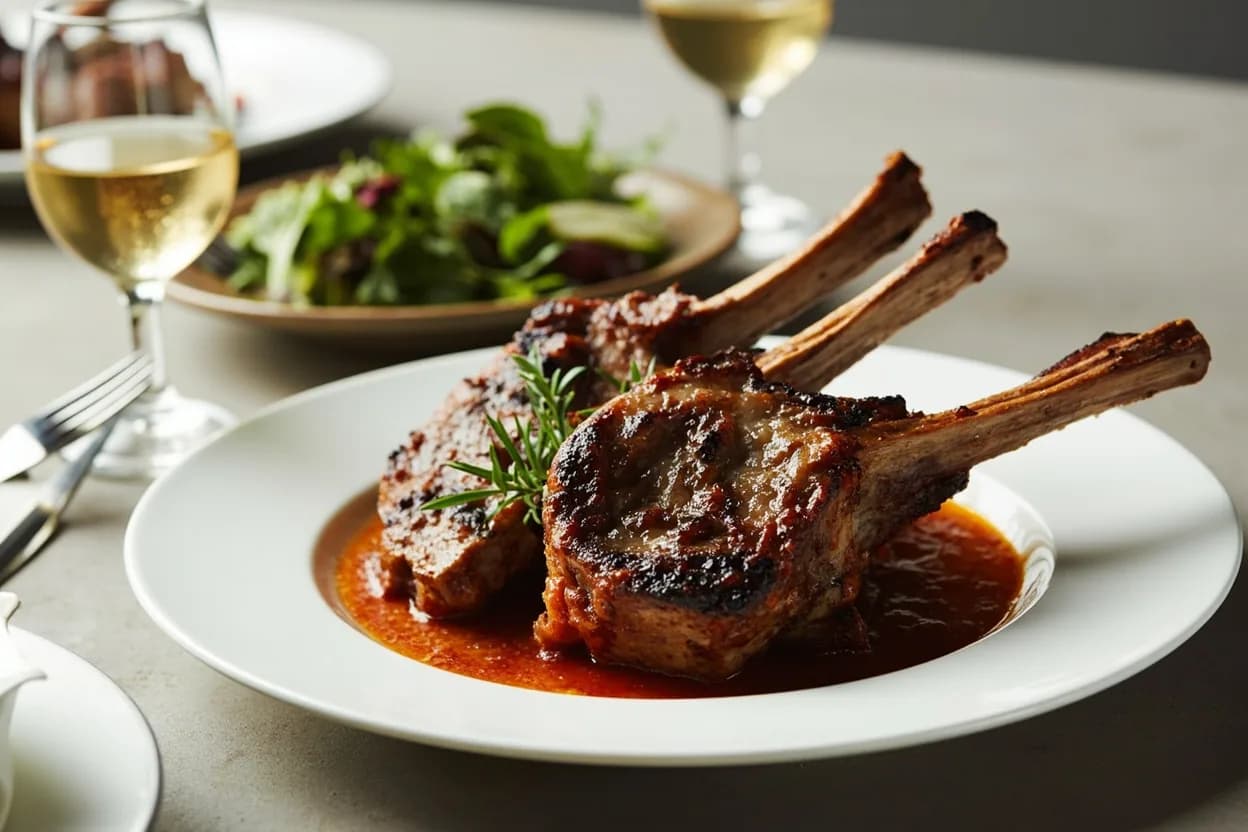
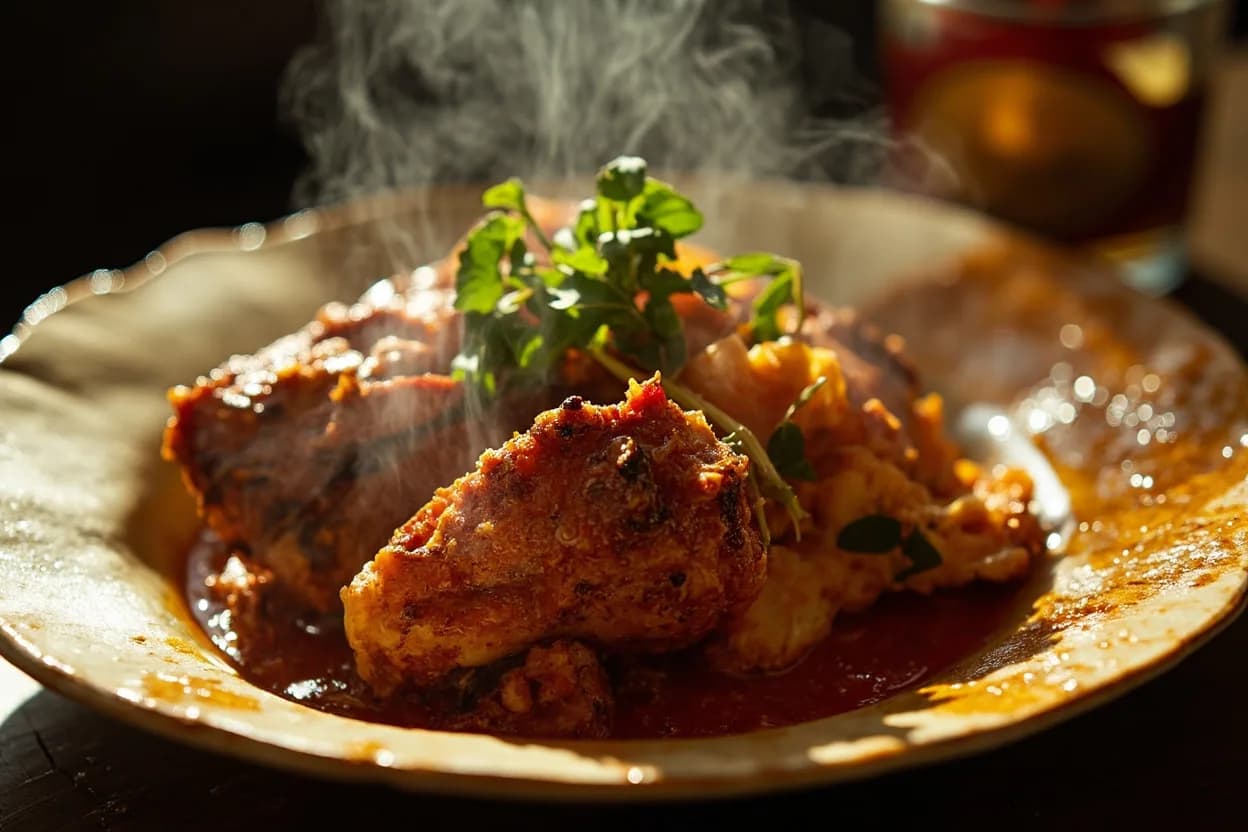
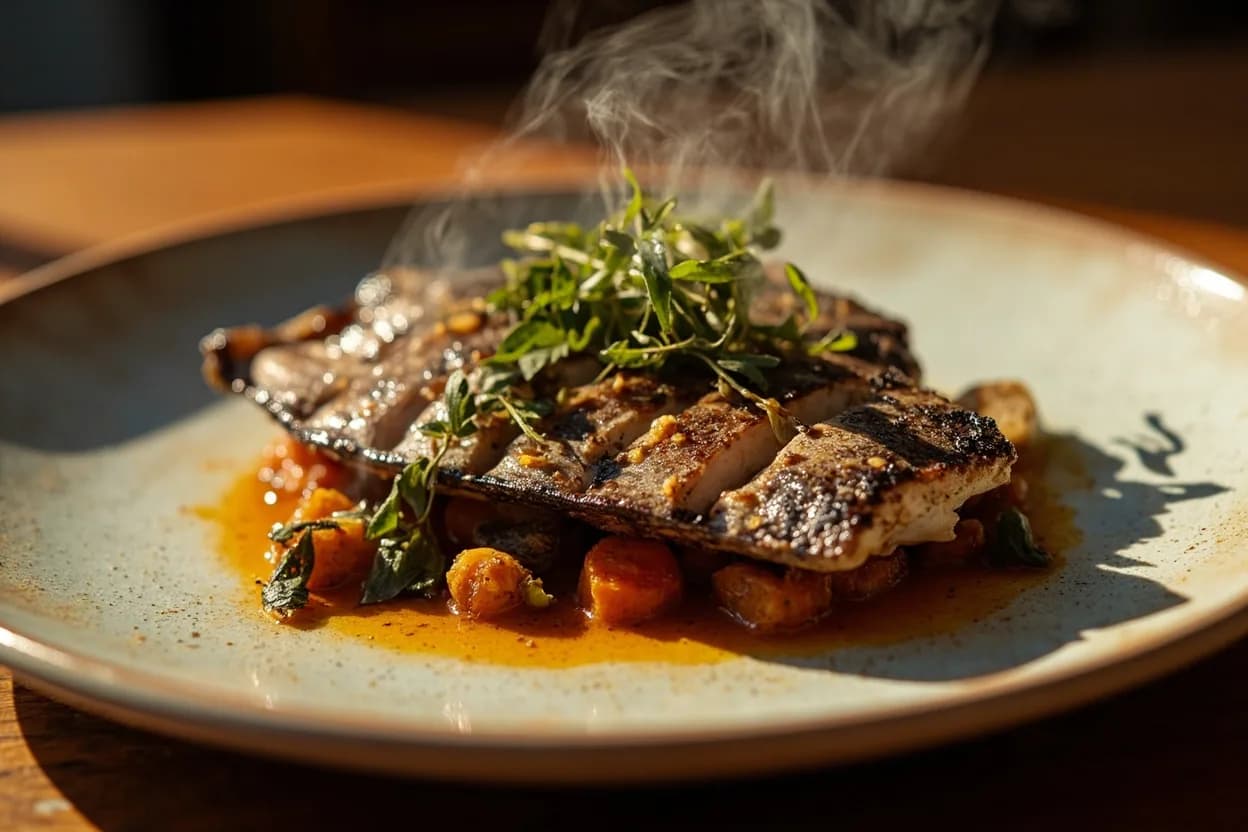
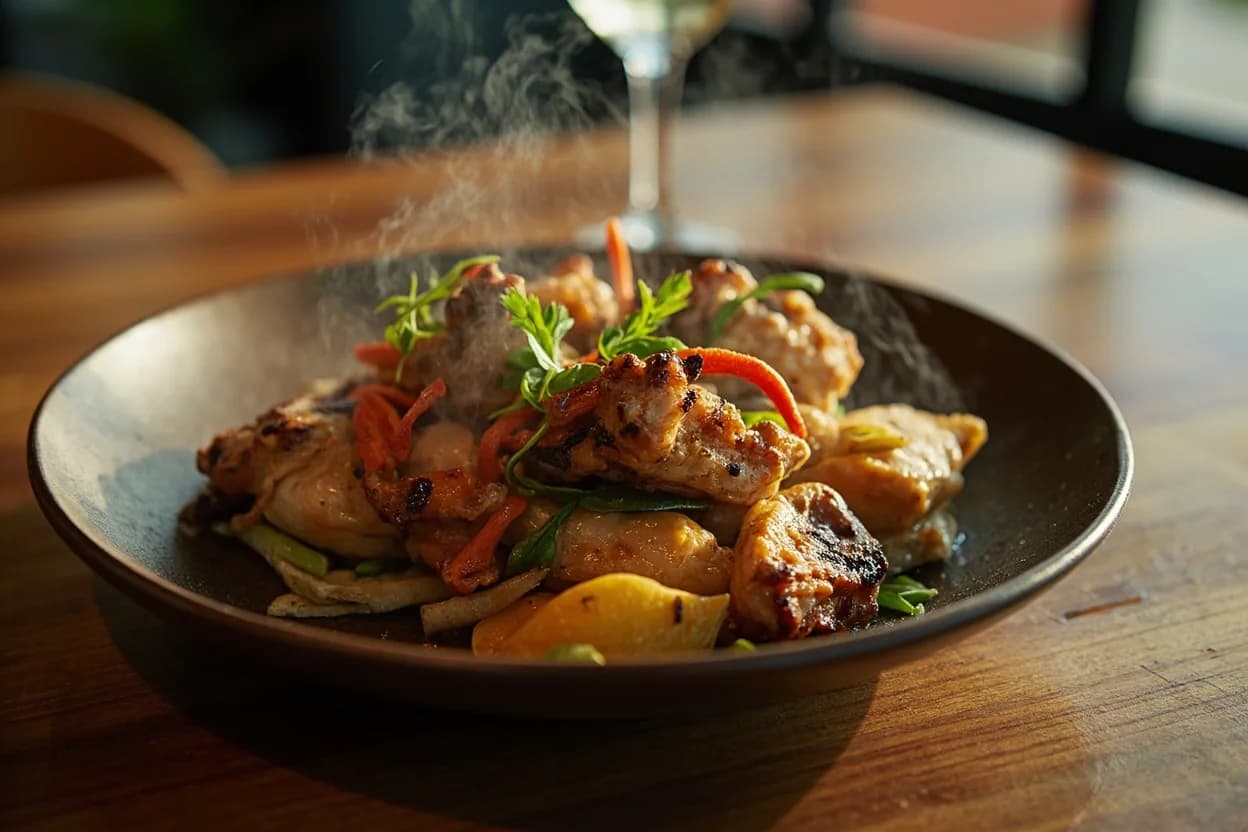
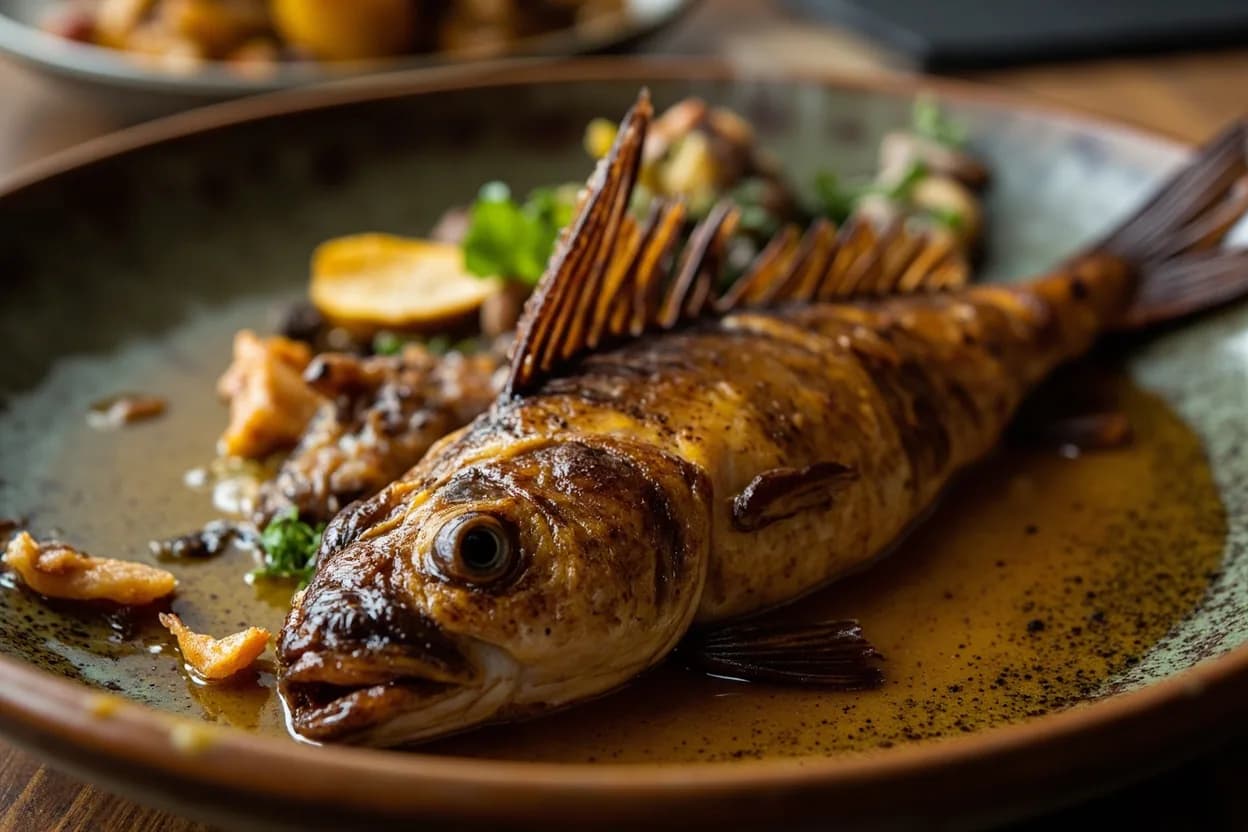
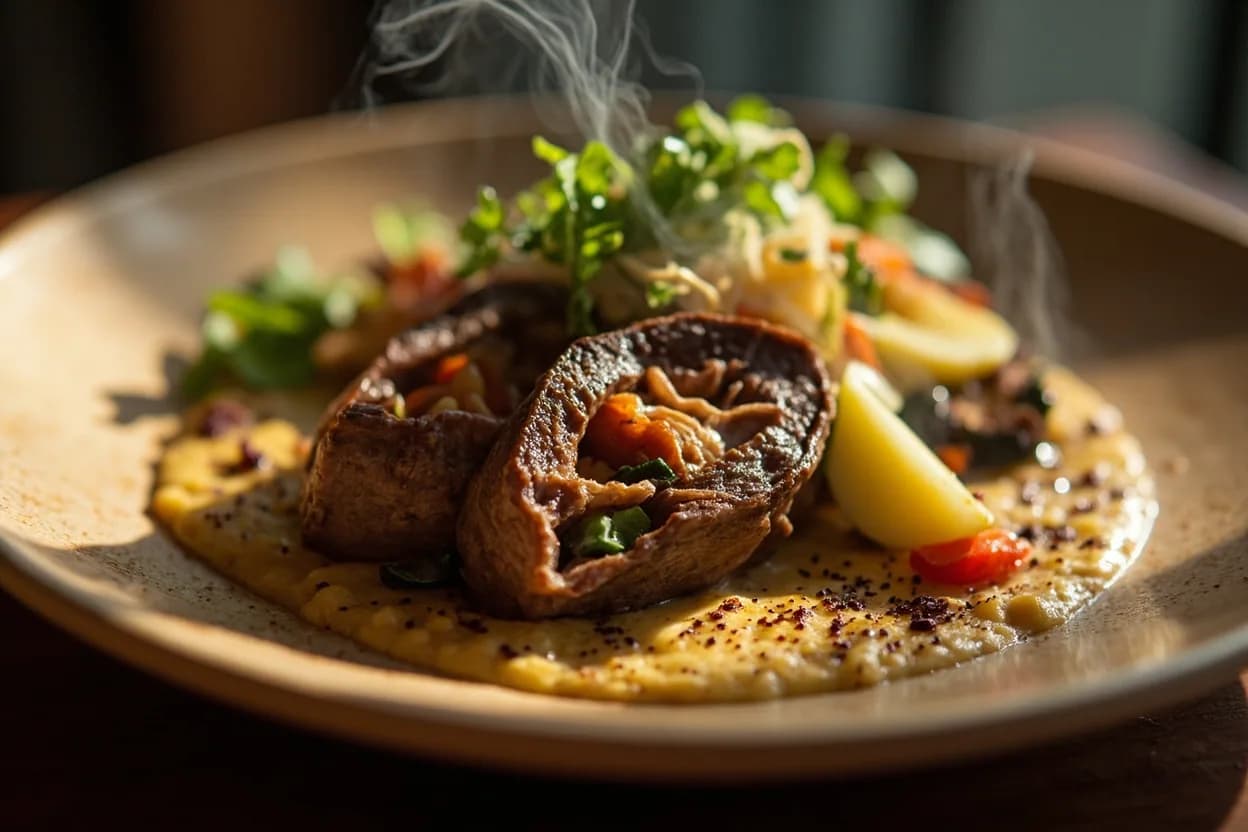
Dishes that rely on it
Related

Chop
Cut into rough, irregular pieces — the everyday workhorse cut

Dice
Cut into uniform cubes for even cooking and a tidy look

Mince
Cut as fine as possible so flavor melts evenly into the dish

Slice
Cut into even, flat pieces for consistent cooking and presentation

Julienne
Cut into thin matchsticks for fast cooking and elegant garnish

Brunoise
Cut into tiny, precise cubes — the finest dice in the kitchen

Chiffonade
Roll and slice leafy greens into delicate ribbons

Batonnet
Cut into tidy sticks, thicker than julienne — think classic fries