Prep & Assembly
Pressing
Applying steady weight to squeeze excess liquid from foods like tofu, cheese, or terrines.
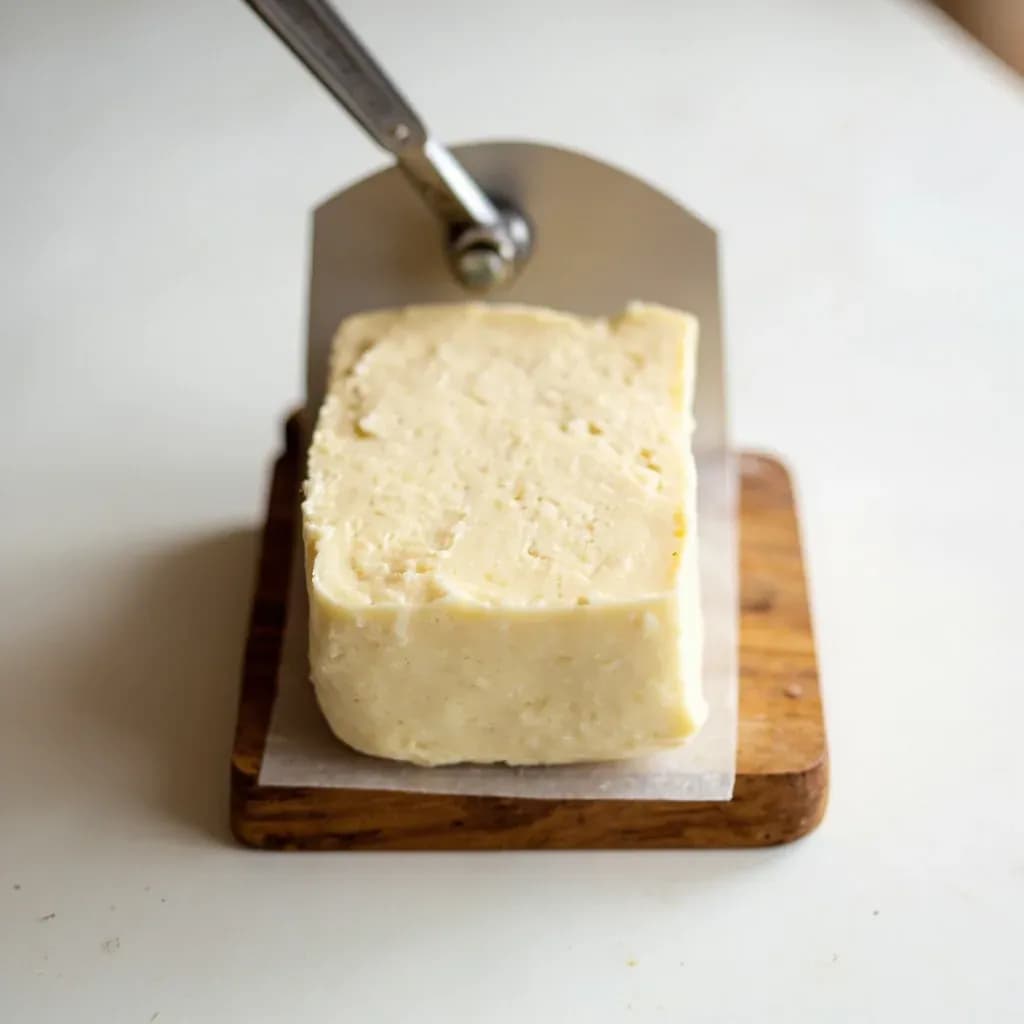
Pressing uses sustained, even weight to expel water or whey from a food and firm up its texture. It is most common for tofu, where draining excess moisture lets it brown and absorb marinade, but also applies to fresh cheeses, terrines, and pressed sandwiches. A press can be a dedicated tool, a heavy pan, or a board topped with cans, applied for anywhere from minutes to hours.
Pressing is the controlled application of sustained, even weight to food in order to drive out moisture, compact structure, or set a shape. It is a patient technique — most presses take longer than a cook expects — but it is responsible for some of the most distinctive textures in the larder: tofu that sears instead of steams, paneer that holds its cube in curry, a terrine whose layers slice cleanly without crumbling, a wheel of tomme with a rind you can pick up.
- Difficulty
- Easy
Types & varieties
Used to firm soft, medium, firm, or extra-firm tofu before marinating, frying, or grilling so it holds shape and browns in contact heat
Cucumbers, cabbage, eggplant, daikon, and other watery vegetables are salted, then weighted, to draw out liquid before salads, slaws, or pickles
Essential for forming wheels of fresh and aged cheese in a hoop or mold under sustained pressure to expel whey and knit the curd
Layered forcemeats are weighted in a mold to compact the layers, eliminate air pockets, and express excess fat and aspic
A panini, Cuban, or torta is compressed in a panini press or weighted skillet while it toasts, fusing bread to filling
Cured hams, jowl, and bacon are pressed in a mold to produce a uniform rectangular loaf that slices cleanly for plating
Cooked spinach, chard, or other greens are squeezed in cheesecloth or pressed under a heavy plate before being used as a filling
Tomatoes, eggplant, and other high-moisture fruits are salted or sugared and weighted to draw out liquid before cooking, roasting, or preserving
How to do it
- 1
Choose equipment and prep the food
Select a press or improvised setup suited to the job — a tofu press, a cheese hoop with follower, or a plate-and-weight arrangement over a colander. Pat the food dry and wrap in a clean unbleached cotton towel, cheesecloth, or several layers of paper towel to wick liquid away and protect the surface from tearing.
- 2
Salt if appropriate
For vegetables, fruits, or fresh curds, sprinkle with kosher or pickling salt (roughly 1–2% of the food's weight for vegetables, adjusted to recipe for curds) and let stand 10–20 minutes. The salt draws water across cell walls so the weight that follows can carry it out — pressure without salt crushes structure but extracts far less liquid.
- 3
Position the food for even contact
Place the wrapped food on a stable, level surface: a plate, a colander set over a bowl to catch drips, or inside a mold or hoop. A warped board or tilted plate concentrates pressure on one edge and leaves the rest under-pressed.
- 4
Apply steady, even weight
Set a flat cutting board, second plate, or follower on top, then load with weights — a heavy pot, cans, or a cast-iron skillet for tofu and vegetables; a lever or screw press for cheese. Distribute weight across the entire surface rather than stacking at the center.
- 5
Press for the right time
Allow roughly 15–30 minutes for firm tofu, 30–60 minutes for silken tofu or salted cucumbers, 1–2 hours for cabbage and eggplant, 12–24 hours (chilled) for terrines and pâtés, and several hours to several days in staged increments for aged cheese.
- 6
Check, flip, and refresh the cloth
On long presses, drain the pooled liquid, flip the food, and rewrap in a fresh dry cloth. This prevents the underside from sitting in reabsorbed moisture and ensures even compression from top to bottom.
- 7
Release, rest, and use
Remove the weight and unwrap. For tofu, rest 5 minutes unwrapped so the dry surface can absorb a final coat of marinade. For terrines and cheeses, chill thoroughly before unmolding and slice with a long, thin knife wiped clean between cuts.
Salt and pressure as a system
Pressure alone is a blunt tool. Salt, given time, breaks cell walls by osmosis so that liquid has somewhere to go; the weight that follows then carries it out. The two are almost always used together — sprinkled on cucumbers, eggplant, and tomatoes before weighting, worked into curds before hooping, layered into forcemeats before pressing. A salted-and-pressed cucumber loses several times the volume of a pressed-only one, and a wheel of cheese pressed without adequate salt in the curd will weep whey indefinitely instead of knitting.
- Salt vegetables 10–20 minutes before applying weight; this is the single biggest variable in liquid yield.
- For fresh cheese, salt the curds before hooping rather than brining afterward — salt in the curd expels whey from the inside out.
- Increase weight gradually on cheese (often doubling every 30–60 minutes) so the curd knit closes evenly instead of forcing fat and fines out the sides.
- Chill terrines and pâtés before and during pressing so the fat stays set; warm fat will smear and the layers will collapse.
Common uses
Tips & pitfalls
- Use a flat, evenly distributed weight — uneven pressure warps tofu, terrines, and cheese hoops.
- Wrap in unbleached cotton towels or cheesecloth rather than terry cloth, which sheds lint into the food.
- For tofu, change or re-fold the towel once during the press if it becomes soaked, or the bottom half will just sit in pooled water.
- Do not over-press tofu; 20–40 minutes yields a firm-but-moist texture, while longer turns it spongy, dry, and crumbly.
- Press cheese gradually — start at light pressure and increase in stages so the curd knit closes evenly and fat stays in the wheel.
- Chill terrines throughout pressing so the fat stays solid and the layered composition holds its shape.
- A cutting board weighted down over a colander is the simplest DIY press for vegetables and small batches of tofu.
- For panini and pressed sandwiches, apply steady, even force rather than smashing, which squeezes fillings out the sides instead of fusing them.
Good to know
- Primary purposes
- Moisture removal, compaction, shaping, and binding layered preparations
- Water removal from tofu
- Pressing firm tofu can expel 30–50% of its original weight in water
- Typical duration
- 15–60 minutes for tofu and vegetables; 12–24 hours chilled for terrines and pâtés; hours to days for cheese in staged presses
- Temperature
- Room temperature is fine for tofu and vegetables; terrines, pâtés, and fresh cheese press chilled so fat stays solid
- Common equipment
- Tofu press, cheese press or hoop, weighted plate, heavy pot, cutting board, cheesecloth, cotton towels, colander
- Texture effect
- Denser crumb, more uniform slice, improved browning, and better absorption of marinades and brines
- Historical use
- Cheese pressing dates to antiquity; ancient Mediterranean and Middle Eastern dairies used stone weights on stacked curds
- Difficulty
- Beginner for tofu and vegetables, intermediate for terrines and sandwiches, advanced for aged cheese requiring staged pressure
Also called
Pressing Tofu · Weighting
Dishes that rely on it
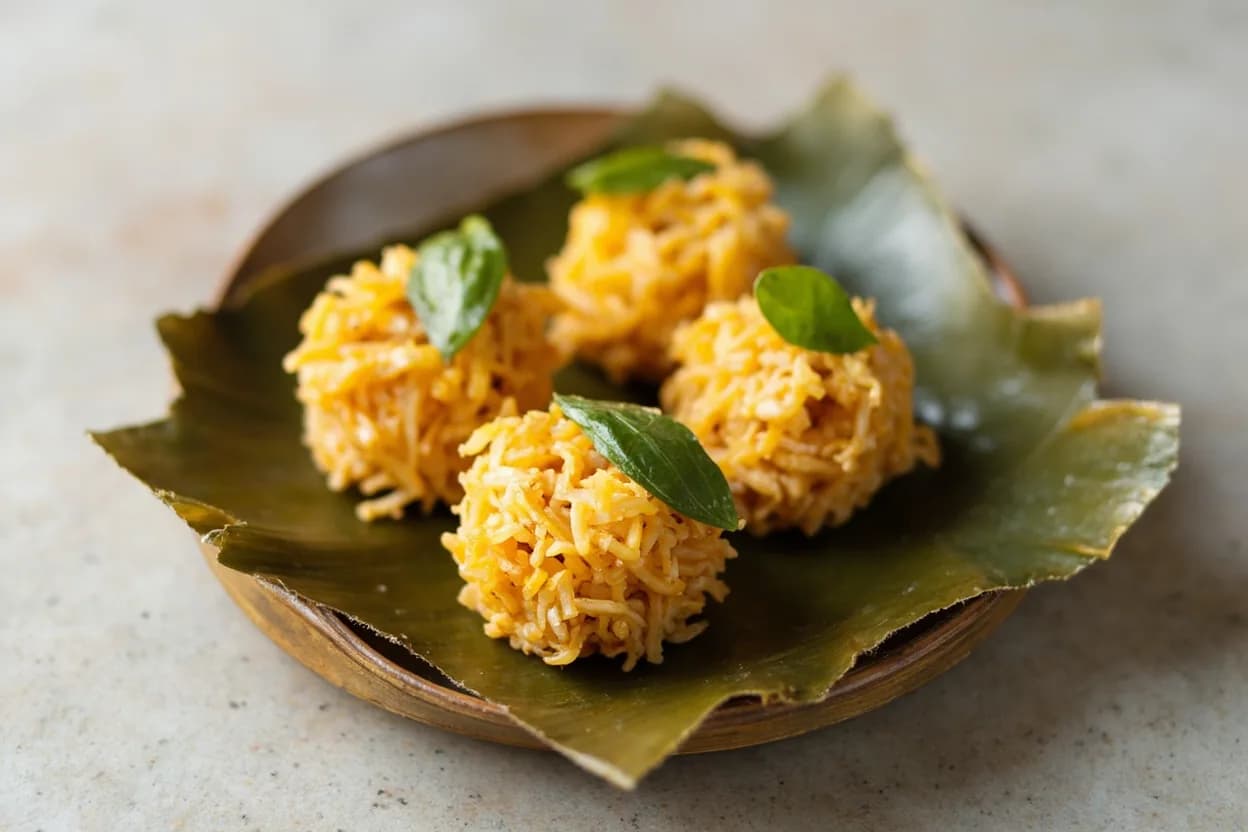
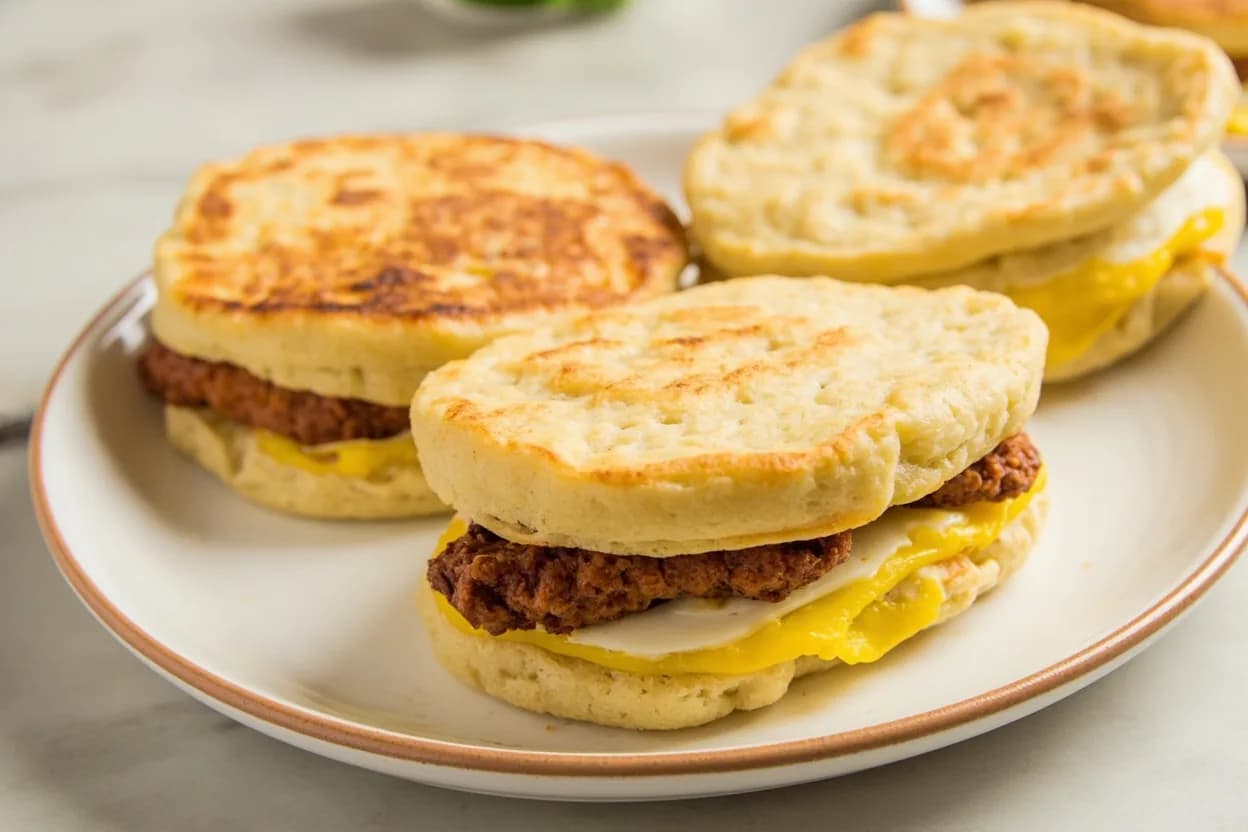
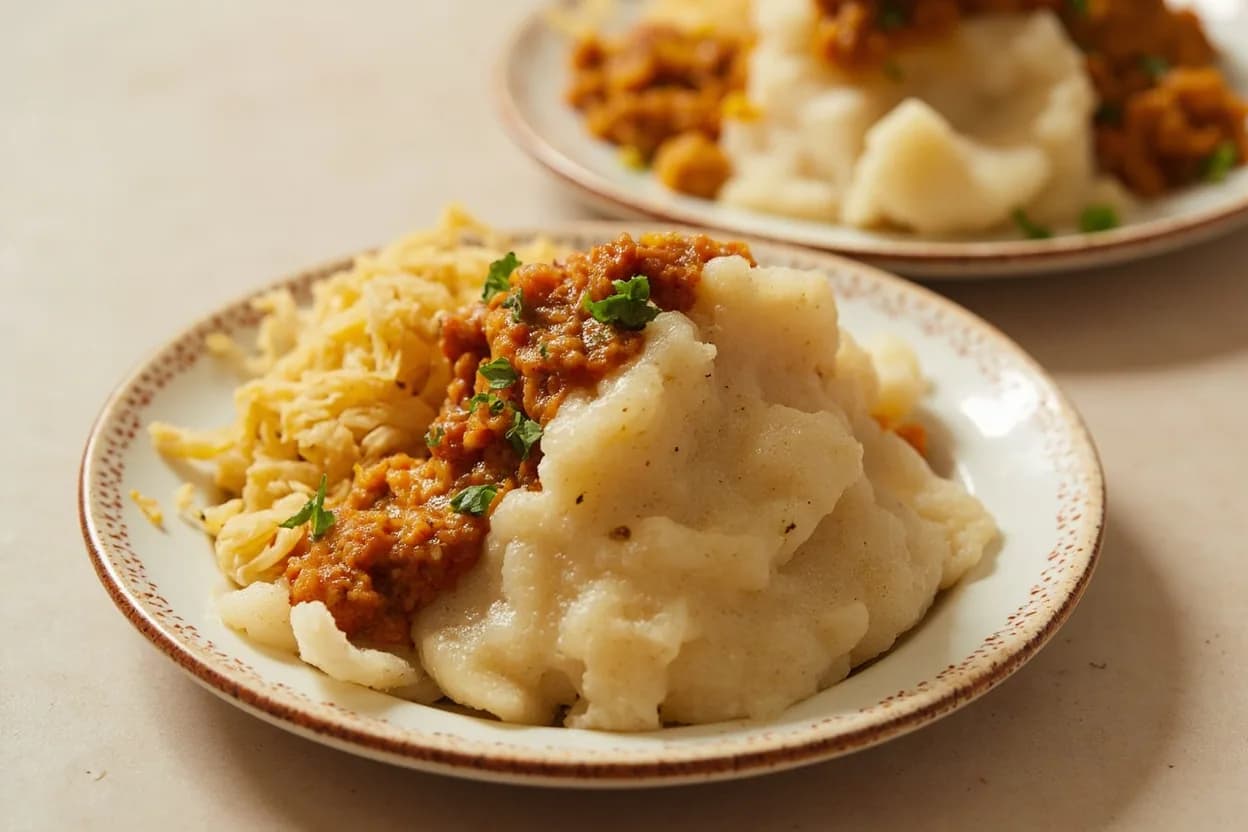
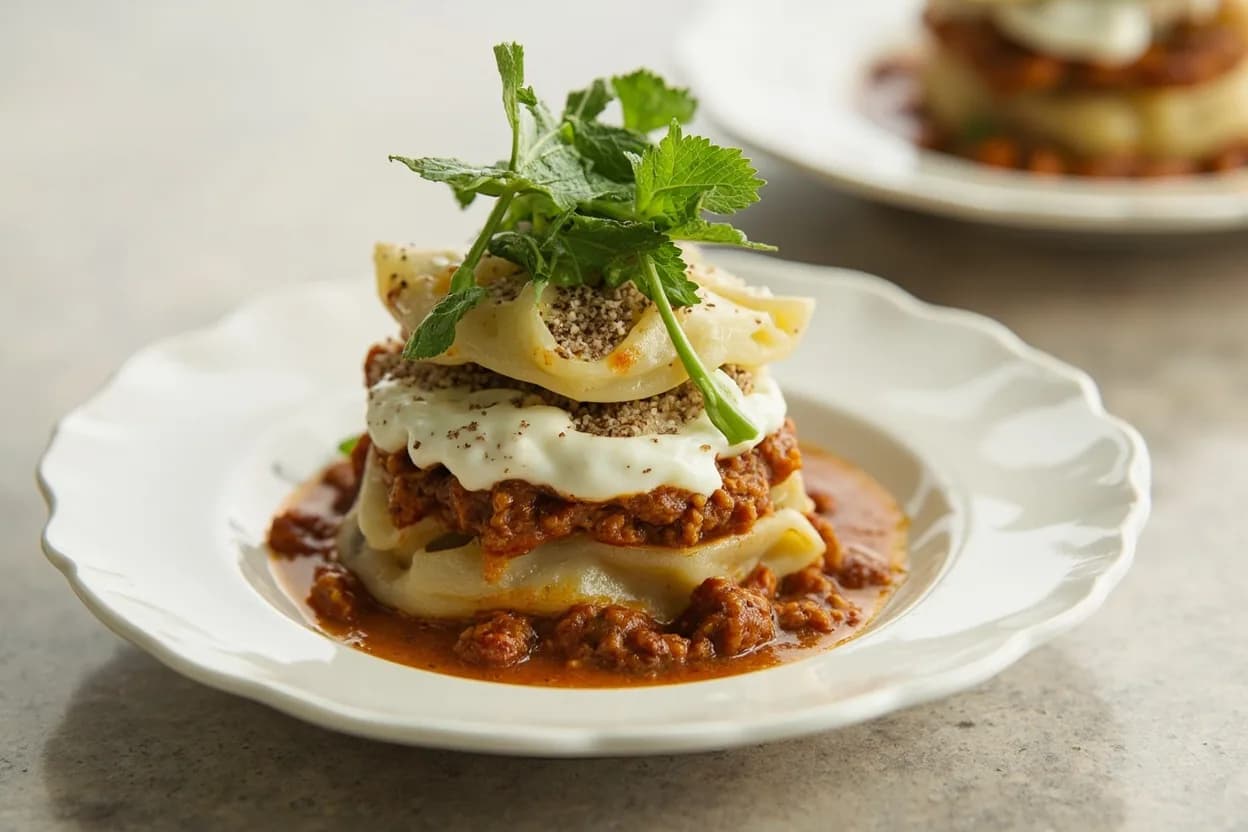
Related

Whisk
Beat ingredients smooth and aerated with a looping wire motion

Sift
Pass dry ingredients through mesh to aerate and remove lumps

Strain
Pour through mesh to separate solids from liquid for a smooth result

Filter
Pass liquid through fine material to clarify out the smallest particles

Rice
Press cooked potatoes through small holes for fluffy, lump-free texture

Mash
Crush soft cooked food into a rustic, creamy purée

Grind
Crush food into a coarse to fine texture, from spices to meat

Grate
Shred food into fine bits against a sharp-toothed surface