Prep & Assembly
Seasoning
Adding salt, acid, fat, and spice to build and balance a dish's flavor.
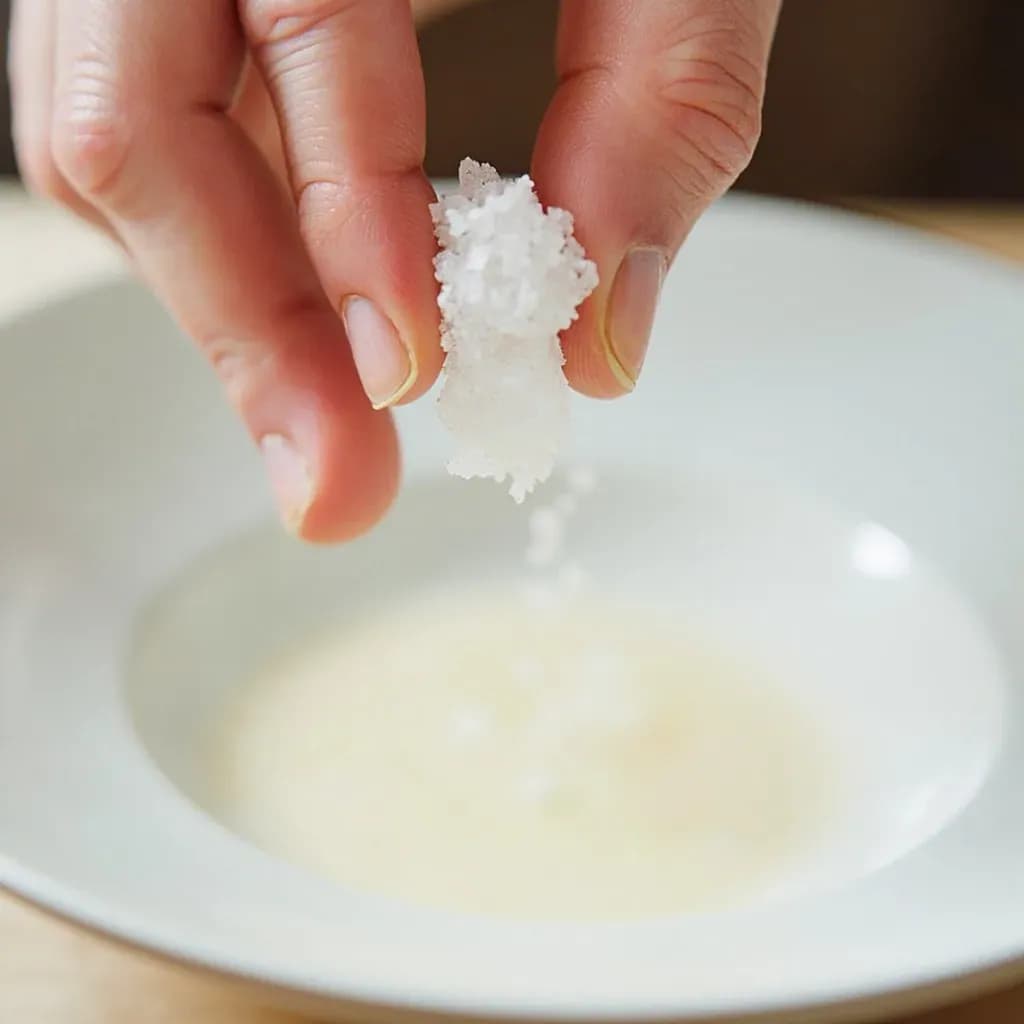
Seasoning is the deliberate adjustment of a dish's flavor with salt, acid, sweetness, fat, and aromatics so the ingredients taste their best. Good cooks season in layers throughout cooking rather than all at the end, tasting and correcting as they go. Salt added early draws out moisture and deepens flavor, while a final hit of acid or fresh seasoning brightens the finished plate.
Seasoning is the deliberate adjustment of a dish's flavor along several fundamental axes — salt, acid, fat, heat, umami, sweetness, and bitterness — to bring every bite into balance. It is the foundation on which all flavoring (herbs, spices, aromatics, specific ingredients) is built: a stew seasoned perfectly with nothing but salt, butter, and a splash of vinegar will taste better than one drowned in herbs and spices added to a flat base. The classical French term assaisonnement long centered on salt, pepper, and acid; modern frameworks, most famously Samin Nosrat's Salt Acid Fat Heat, extend that to four pillars, with umami, sweetness, and bitterness commonly added as additional dimensions. Every cuisine arrives at the same destination through different doors — Japanese shio, su, shoyu, mirin; Cantonese salt, sugar, shaoxing wine, sesame oil; Mexican chiles, lime, and salt.
How each pillar behaves matters as much as knowing it exists. Salt suppresses bitterness, enhances sweetness, and boosts umami perception — uniquely, it modulates other basic tastes at the receptor level rather than simply contributing its own. Acid raises perceived flavor, brightens heavy dishes, and balances fat by stimulating salivation. Fat carries fat-soluble aroma compounds (which is why blooming spices in oil releases far more flavor than dropping them into water) and softens sharp edges. Heat — from black pepper, chiles, mustard, horseradish, ginger — triggers pain receptors we read as flavor intensity. Umami (glutamate from soy, miso, parmesan, anchovy, tomato, mushroom) deepens savoriness in ways no other pillar can.
The craft of seasoning is less about recipes than about reading a dish: tasting it repeatedly, identifying what is missing, and adjusting in layers rather than all at once. Salt added early dissolves and penetrates; salt added late sits bright on the surface. Acid added early concentrates as liquid reduces and can turn metallic; acid added late lifts and finishes. Most of the difference between a competent home cook and a great one lives in this skill — and almost all of it is learned by tasting, not reading.
- Difficulty
- Easy
Types & varieties
The most fundamental seasoning — covers kosher and sea salt for cooking, flaky finishing salts (Maldon, fleur de sel), brining, dry-brining, and curing.
Adjusting brightness with citrus, vinegar, wine, tomato, or fermented dairy like yogurt and buttermilk.
Finishing with butter, olive oil, cream, or nut oils to carry aroma and soften acidity.
Adding pungency via black pepper, chiles, mustard, horseradish, or ginger — taste as you go, since fresh sources often mellow with long cooking while dried spices and capsaicin-rich chiles can intensify.
Boosting savoriness with soy sauce, fish sauce, miso, parmesan, anchovy, dried mushroom, tomato, or MSG.
Counterpointing acid or heat with sugar, honey, mirin, or reduced wine.
Adding depth through bitter greens, coffee, cocoa, charred elements, or bitter liqueurs.
Salt in stages — when sweating aromatics, searing protein, building sauce, and at final plate-up.
Last touch on the plate: flaky salt, fresh-cracked pepper, raw acid, or a final pour of good oil.
How to do it
- 1
Taste the base before changing anything
Taste and identify what's missing: salt, acid, fat, sweetness, bitterness, heat, or umami. A flat dish is rarely just 'under-salted' — it is usually under-developed along some other axis.
- 2
Season the cooking medium first
Salt your oil, butter, or water early. Pasta water, braising liquid, sauté fat, and rice water all carry flavor into the food — season them or the dish will taste of itself, not of the cooking.
- 3
Salt proteins ahead of cooking
For meats, poultry, fish, and tofu, salt 40 minutes to overnight before cooking. Salt draws out surface moisture, then dissolves and is reabsorbed, seasoning evenly throughout instead of just on the outside.
- 4
Bloom aromatics and spices in fat
Cook onion, garlic, ginger, and ground spices in oil or butter over moderate heat for 30–60 seconds before adding liquid. Fat extracts fat-soluble flavor compounds that water alone cannot release.
- 5
Layer salt in stages
Add a pinch when aromatics hit the pan, another when protein goes in, more as sauce reduces, and a final adjustment at the plate. Each stage seasons a different layer of the dish.
- 6
Adjust acid near the end
Add vinegar, citrus, wine, or tomato late in cooking or at finish. Long cooking concentrates acid and can make a dish sharp or metallic.
- 7
Balance with fat and umami if needed
If the dish tastes thin or sharp after salting and acid, finish with butter, cream, olive oil, grated parmesan, soy sauce, miso, or a splash of fish sauce. Fat and umami round and deepen flavor in ways salt alone cannot.
- 8
Taste across temperature and texture
Taste as it cooks, off the heat, and at table temperature. Salt perception drops as food cools, so warm samples need slightly less salt than the final plated bite — recheck at service temperature.
- 9
Finish on the plate
A final pinch of flaky salt, crack of pepper, squeeze of lemon, or drizzle of good oil wakes up all the work underneath. Finishing touches deliver aroma, which is most of what we experience as flavor.
Seasoning vs. flavoring
The line between seasoning and flavoring is blurry in practice, and most cooks treat them as a single spectrum. Strictly speaking, seasoning adjusts the fundamental dimensions of taste (salt, acid, fat, heat, umami, sweet, bitter) while flavoring adds specific identity — bay leaf, cumin, rosemary, garlic, smoked paprika. A dish can be perfectly seasoned and still flavorless (a plain rice ball with the right salt) or flavorful and badly seasoned (a stew loaded with herbs and spices that tastes flat, harsh, or muddy). Always season the base correctly first, then build flavor on top.
A timing guide: when each pillar goes in
Different pillars tolerate and benefit from different stages of cooking.
- Salt: any stage — early for penetration, late for surface brightness.
- Acid: late. Long cooking concentrates acid and turns it sharp or metallic. Add wine early only if you want it to reduce fully; add citrus or vinegar at finish.
- Fat: at the start for blooming aromatics and spices; at the end (mounting with butter, drizzling finishing oil) for aroma and mouthfeel.
- Heat (chiles, pepper): ground chiles early to bloom in fat; fresh chiles and cracked pepper late to preserve volatile aromatics.
- Umami concentrates (soy, miso, fish sauce): mid- to late-stage — long cooking can muddle their character.
- Sugar: early if you want it to caramelize or balance acid during reduction; late if you want a clean sweet note.
Cultural frameworks
Every cuisine organizes seasoning around a recognizable set of pillars and orderings — useful to know if you cook cross-culturally or improvise outside your own tradition.
- French: salt, pepper, butter, and acid (wine, vinegar, lemon). Sauces built on reduction and mounting with butter.
- Japanese: shio (salt), su (vinegar), shoyu (soy sauce), mirin, and sake — seasoning measured in precise ratios (the ichiju-sansai broth model).
- Cantonese: salt, sugar, shaoxing wine, soy sauce, sesame oil, and white pepper — balance over punch.
- Italian: salt, olive oil, acid (wine, tomato, lemon), aged cheese (umami), often finished with raw olive oil and flaky salt.
- Mexican: salt, lime, chiles (heat and fruitiness), and often a sweet-acid counterpoint from tomato or tomatillo.
- Levantine: salt, lemon, olive oil, sumac (acid-bitter), tahini (fat-umami), and za'atar at the table.
Common uses
Tips & pitfalls
- Taste with a clean spoon at every stage — flavor memory dulls after the first bite and your last reference point becomes unreliable.
- Season in layers rather than once at the end; salt added early dissolves and penetrates, while late salt sits bright on the surface.
- If a dish tastes flat, reach for acid before more salt — flatness is most often a missing acid, not a missing salt.
- If a dish is too sharp or acidic, a pinch of sugar or a knob of butter will round it out without flattening it.
- Use kosher or sea salt for cooking and a flaky finishing salt (Maldon, fleur de sel) for the plate — texture matters in the final bite.
- Bloom ground spices in warm fat for 30–60 seconds before adding liquid; fat-soluble aromatics need fat to fully release.
- Salt pasta water until it tastes like the sea — roughly 1% salinity, or about 10 g per liter — it's the only chance to season the starch itself.
- Rest salted meats for at least 40 minutes before cooking (dry brine) so the salt reabsorbs and seasons evenly rather than just drying the surface.
- Don't add acid to a dish you're still reducing; it concentrates and turns sharp.
- If you've oversalted, dilute with more of the unsalted base, or add starch (potato, rice, bread) or acid — never just plain water.
- Dairy is a stealth seasoning — butter, cream, yogurt, and cheese all add salt, fat, and umami in one quiet move.
Good to know
- Definition
- The deliberate adjustment of a dish's flavor through salt, acid, fat, heat, umami, sweetness, and bitterness — distinct from flavoring (herbs, spices, specific aromatics) but inseparable in practice.
- Core pillars
- Salt, acid, fat, and heat — formalized for modern cooks by Samin Nosrat (2017); classical French assaisonnement long centered on salt, pepper, and acid, with butter carrying the fat role implicitly.
- Salt's role
- Suppresses bitterness, enhances sweetness, and boosts umami perception; sodium chloride is unique among seasonings in that it primarily modulates other basic tastes at the receptor level rather than simply contributing its own taste.
- Acid's role
- Raises perceived flavor, brightens heavy dishes, balances fat, and stimulates salivation. Common sources: citrus, vinegars, wine, tomato, cultured dairy.
- Fat's role
- Carrier for fat-soluble aroma molecules (especially spices and toasted aromatics); adds mouthfeel and softens sharp acidity.
- Heat's role
- Pungency from black pepper, chiles, mustard, horseradish, and ginger — pain receptors interpreted by the brain as flavor intensity.
- Layered salting
- Most savory dishes benefit from salt added at multiple stages: with aromatics, with protein, during reduction, and at final adjustment.
- Spice shelf life
- Whole spices keep potency 1–3 years; ground spices 6 months–1 year; flake salts are effectively indefinite if kept dry.
Also called
Season · Seasoning in Layers
Dishes that rely on it
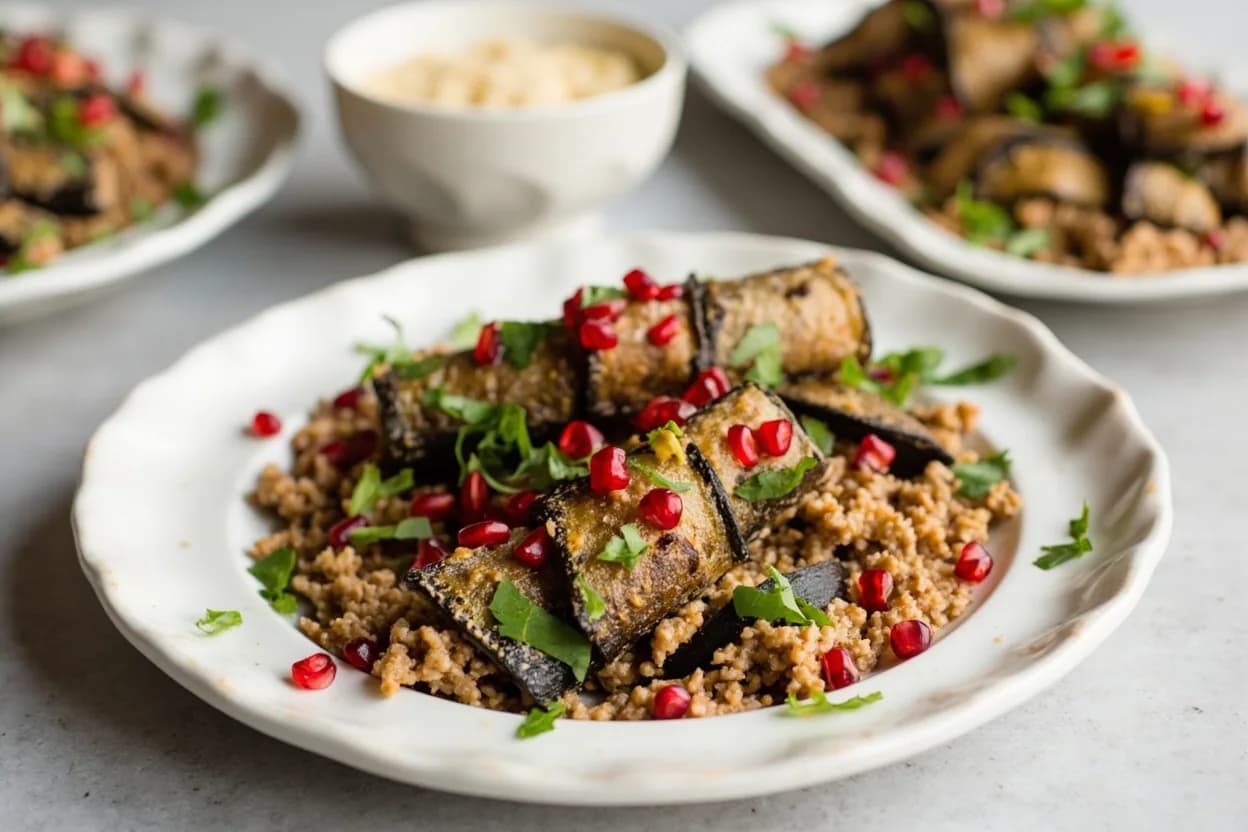
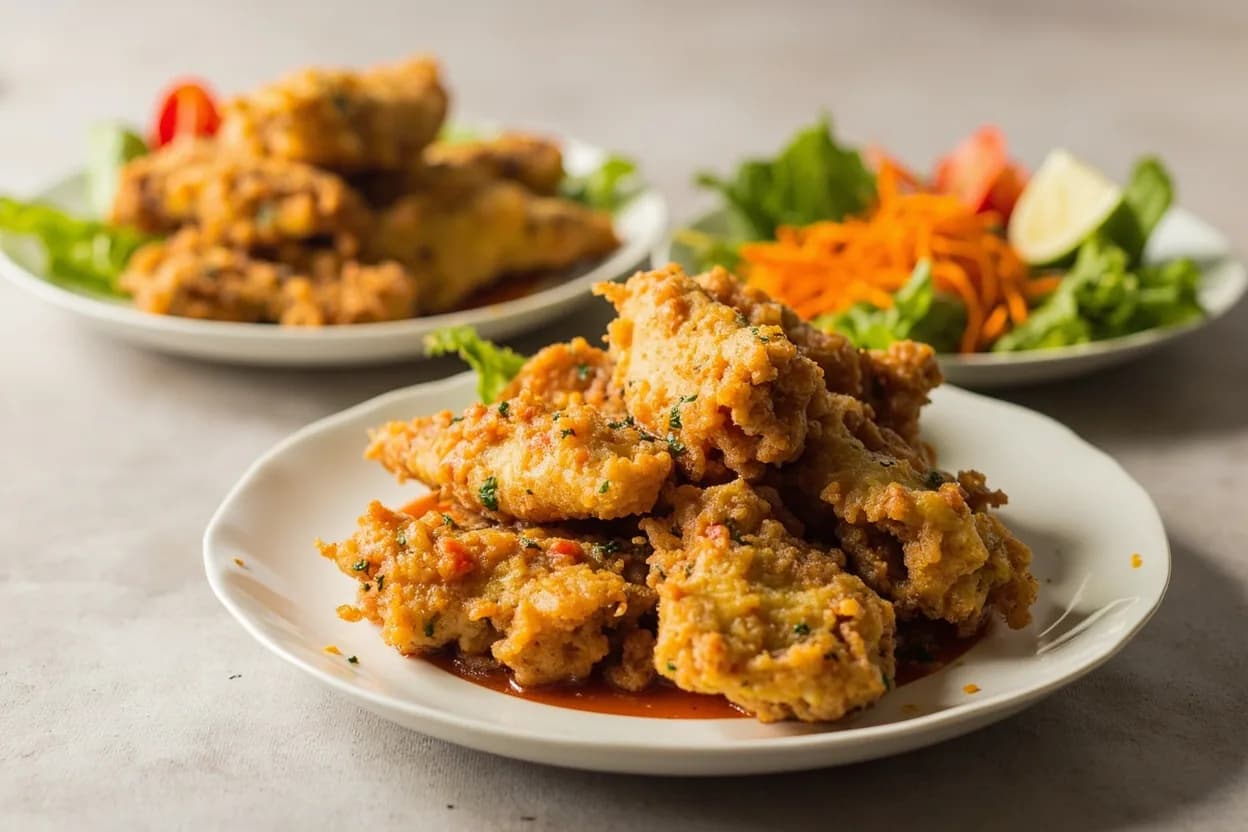
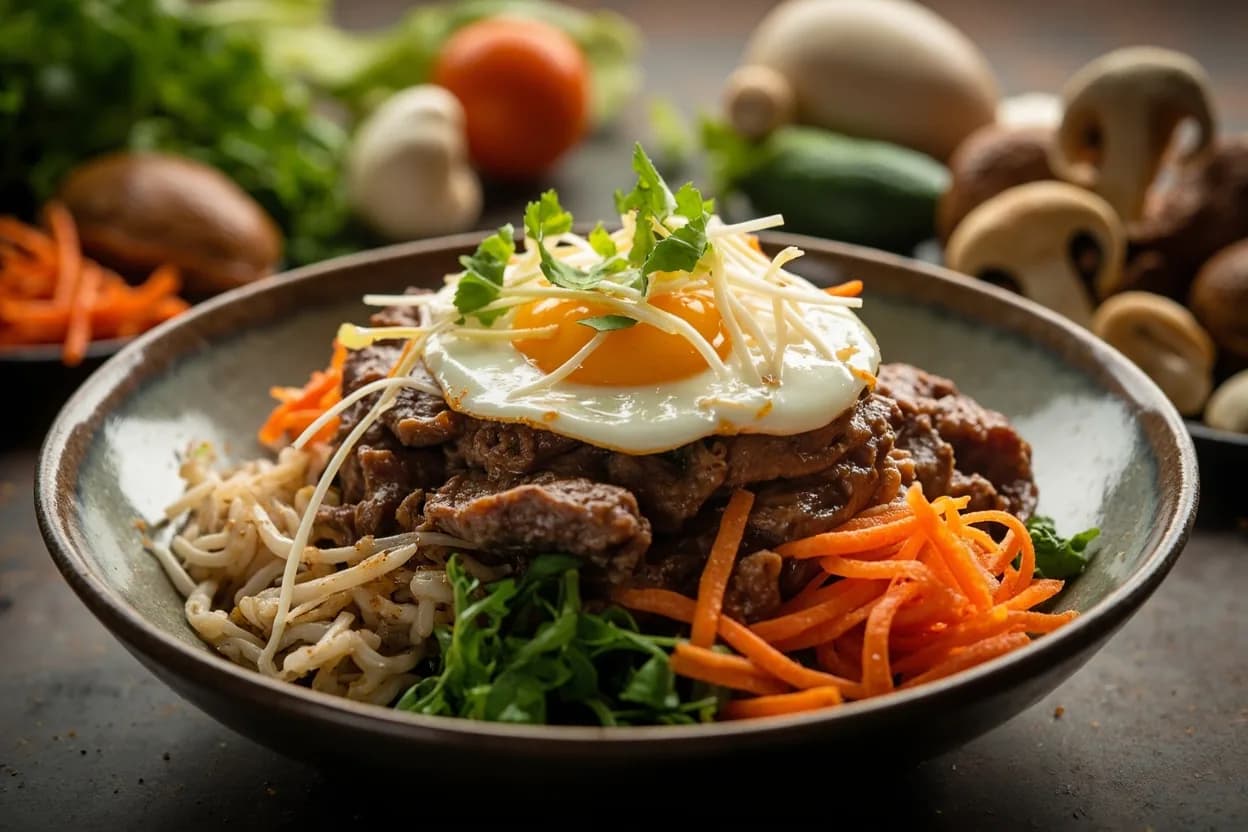
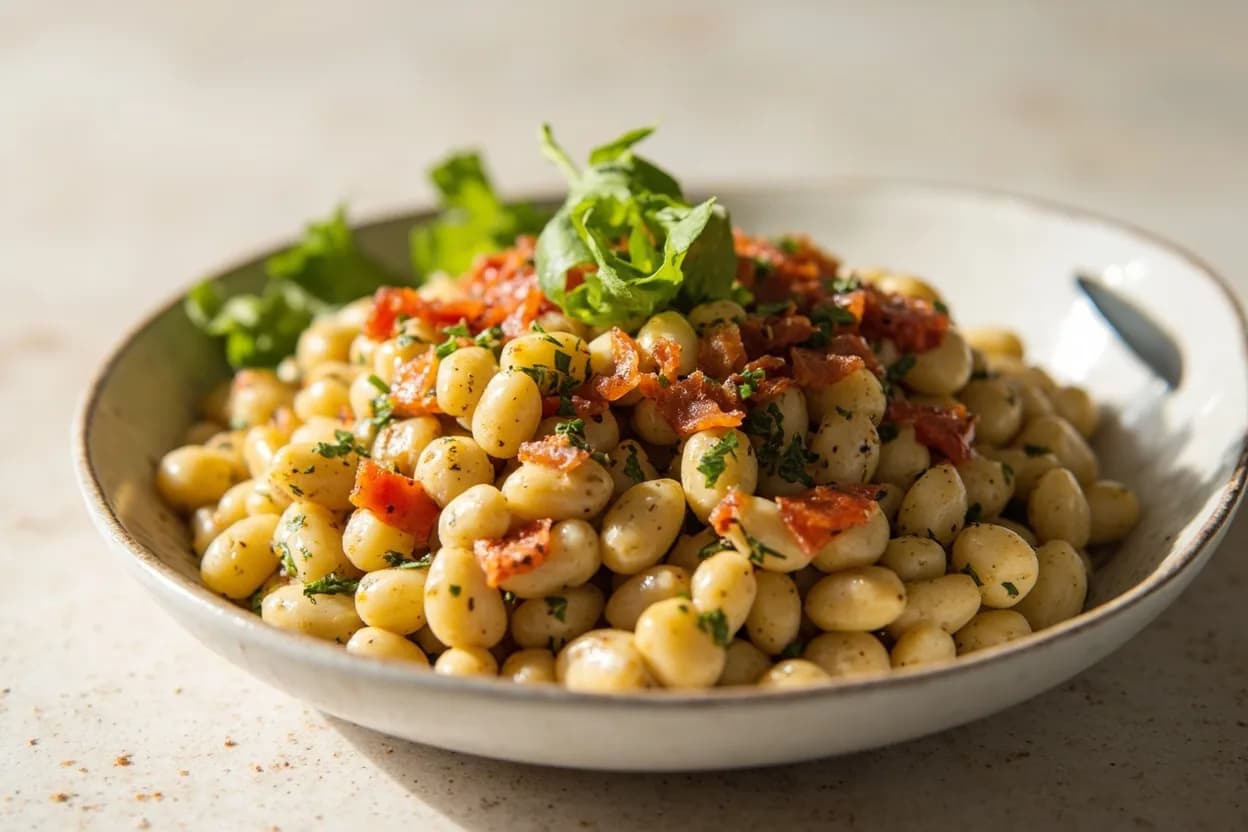
Related

Whisk
Beat ingredients smooth and aerated with a looping wire motion

Sift
Pass dry ingredients through mesh to aerate and remove lumps

Strain
Pour through mesh to separate solids from liquid for a smooth result

Filter
Pass liquid through fine material to clarify out the smallest particles

Rice
Press cooked potatoes through small holes for fluffy, lump-free texture

Mash
Crush soft cooked food into a rustic, creamy purée

Grind
Crush food into a coarse to fine texture, from spices to meat

Grate
Shred food into fine bits against a sharp-toothed surface