Transform & Preserve
Acidification
Lowering a food's pH with acid or cultures to set texture, season, and keep it safe to preserve.
Acidification deliberately lowers the pH of a food by adding acid like vinegar or lemon, or by encouraging acid-producing cultures. The drop in pH coagulates proteins, brightens flavor, and inhibits spoilage and pathogenic microbes, making it foundational to pickling, cheesemaking, and canning. Reaching a target acidity is often verified with a pH meter for food safety.
Acidification is the deliberate lowering of a food's pH to change its texture, brighten its flavor, or make it hostile to spoilage organisms. Acid denatures protein in much the same way heat does — that's why a piece of fish turns opaque in lime juice and why milk curdles when lemon is stirred in — and it disrupts enzyme activity that otherwise turns cut apples brown and fresh vegetables limp. In practice, cooks reach for acidification constantly, often without naming it: a final squeeze of lemon over braised greens, a splash of vinegar to balance a soup, a salt brine that slowly turns cabbage into sauerkraut.
The two routes to a lower pH are chemical and biological. The chemical route adds a ready-made acid — vinegar (acetic acid), citrus juice (citric), crystalline citric acid, apple juice (malic), or grape-derived tartaric — directly to the food. The biological route relies on salt-tolerant Lactobacillus living on the surface of fresh produce; in a 2–5% salt brine they outcompete spoilage microbes and convert sugars to lactic acid over days or weeks. Both paths end at the same useful destination: a tangier, more stable, often longer-lasting food.
The stakes rise when preservation is the goal. Most fresh food sits between pH 4 and 7, where bacteria — including, dangerously, Clostridium botulinum — can thrive. The widely cited shelf-stable threshold is pH 4.6 or below; below that line, the environment is acidic enough to inhibit pathogen growth when combined with a validated water-bath or atmospheric steam canning process. Above that line, the same jar of pickles belongs in the refrigerator.
- Difficulty
- Medium
Types & varieties
Brine of 5% acetic vinegar, water, salt, and optional sugar; pickles ready in hours to days; shelf-stable when water-bath canned at pH ≤ 4.6.
Vegetables submerged in a 2–5% salt brine; native Lactobacillus convert sugars to lactic acid over days to weeks, producing tang and natural carbonation.
Raw seafood or thin-sliced produce cured in citrus juice, as in ceviche, tiradito, aguachile, and kinilaw.
Fresh cheeses such as paneer, ricotta, queso fresco, and chhena precipitated by adding citric acid, vinegar, or lemon juice to hot milk.
Brief exposure of meat, poultry, or vegetables to vinegar- or citrus-based liquids to season, tenderize surface proteins, or set a crust — escabeche and Peruvian-style chicken marinades.
Hot vinegar brine poured over raw vegetables and chilled; not shelf-stable but keeps for weeks in the fridge.
How to do it
- 1
Identify the goal
Decide whether you are acidifying for quick flavor (a dressing, a ceviche), short-term preservation (a refrigerator pickle), or long-term shelf-stable preservation (a water-bath canned pickle). The target pH and required acid level differ for each, and only the last demands tested recipes and verified acidity.
- 2
Choose your acid
Vinegar at 5% acetic is the most controllable and shelf-stable choice. Bottled lemon or lime juice is consistent and is what canning recipes are validated against. Crystalline citric acid allows precise dosing and is useful in cheese-making and canning. For fermentation, skip added acid and rely on a salt brine and native lactobacilli instead.
- 3
Prepare the food
Wash, trim, and cut produce or protein to a uniform size so acid penetrates evenly. For canning, follow the tested recipe for slice thickness and headspace; uneven pieces acidify unevenly and can leave pockets above pH 4.6.
- 4
Make the brine or marinade
Combine acid, water, salt, sugar, and spices per the recipe. For quick pickles, bring the brine to a boil to dissolve salt and sugar fully. For lacto-fermentation, dissolve salt in unchlorinated water at 2–5% by weight and skip the heat. Always mix acid and water before they meet the food.
- 5
Combine and submerge
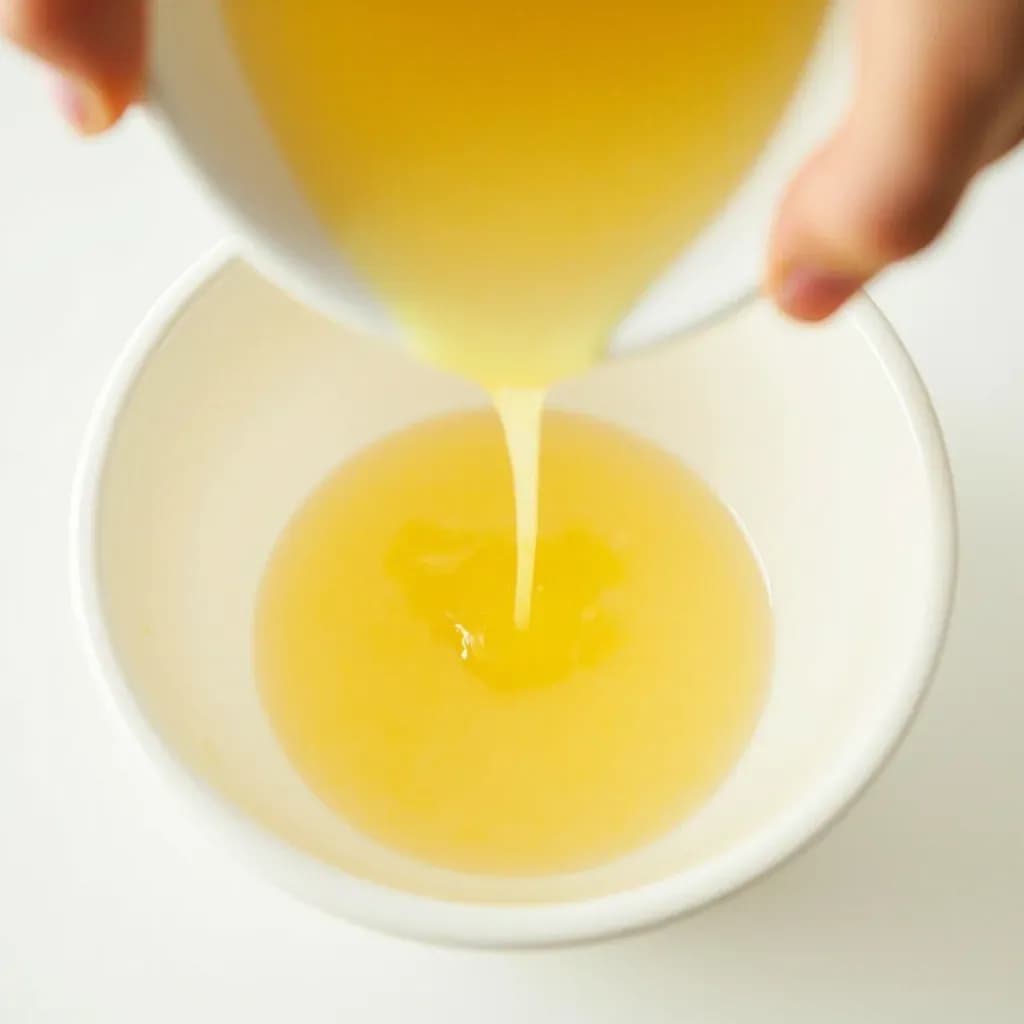
Pack food into the jar, then pour the acid liquid over it (or vice versa). Keep the food submerged by at least 1–2 cm using a glass weight, a fermentation stone, or a sealed bag of brine — anything floating at the surface can grow yeasts and molds and will acidify inconsistently.
- 6
Control temperature and time
Refrigerator pickles: chill and wait 1 hour to several days. Lacto-ferments: 18–22 °C (65–72 °F) for 3 days to several weeks, tasting as you go. Ceviche: 15–45 minutes at refrigerator temperature, depending on the cut and the protein's firmness.
- 7
Verify pH for shelf-stable work
If you are canning for shelf stability, measure the pH of several finished jars with strips (resolution to 0.5) or, ideally, a calibrated pH meter. Each sample — and ideally each piece tested — must read ≤ 4.6. If any sample is above 4.6, do not shelf-stable can that batch; refrigerate it or reprocess it.
- 8
Process or store
For shelf-stable pickles, water-bath or atmospheric steam-can the filled jars for the recipe's specified time. For refrigerator pickles and ferments, seal and chill once the desired tang is reached. Label every jar with the date and the recipe — homemade ferments in particular can look identical months apart.
Adding acid at the right moment
When and how you add acid changes a dish more than how much you add. In long braises and stews, vinegar and tomatoes concentrate as liquid reduces, and what tasted balanced at the start can turn sharp and metallic by the end — hold back a portion of the acid and finish with a fresh splash just before serving. In dressings and vinaigrettes, add acid slowly to a yolk or mustard base while whisking, or risk a broken, watery sauce. For marinades on tough cuts, 30 minutes to a few hours in an acidic liquid is plenty; much longer and the surface turns mushy while the inside barely changes. Ceviche and kinilaw are the most time-sensitive of all: cut small and even, keep everything cold, and remember that the fish continues to 'cook' until the acid is drained or balanced with cream, coconut milk, or starchy accompaniments like sweet potato.
Common uses
Tips & pitfalls
- Never reduce the vinegar, lemon juice, or citric acid in a tested canning recipe; the safety margin against botulism depends on that exact acid level.
- Do not substitute fresh-squeezed lemon juice for bottled in canning recipes — bottled is standardized to a consistent pH that the recipe was validated against.
- Use 5% acetic vinegar unless a recipe specifies otherwise; pickling vinegars sold at 6–10% are stronger and must be measured carefully or they will throw the balance off.
- Keep food fully submerged under the brine — exposed surfaces grow yeasts and molds, especially during lacto-fermentation.
- Test the working pH with strips or a calibrated meter when preservation is the goal; aim for ≤ 4.6 across multiple pieces, not just the liquid.
- Avoid reactive metals — aluminum, copper, and unglazed cast iron leach into acidic foods and discolor or off-flavor them. Use stainless steel, glass, enamel, or food-grade plastic.
- Acid alone is sharp, not delicious; balance it with salt and a touch of sweetness, and bring fat into the picture (olive oil, cream, cheese) for rounded flavor.
- Add acid late in long braises and stews; prolonged cooking of vinegar and tomatoes concentrates sharpness unpleasantly.
- Resist doubling the vinegar in a recipe that tastes too mild — reach for salt, sugar, or a finishing splash of fresh acid instead, which brighten without throwing the balance into acid overload.
- For acid-set cheeses like paneer, heat the milk to the recipe's target temperature before adding acid; cooler milk gives a soft, low-yielding curd.
- Lacto-ferment in a vessel that lets gas escape — an airlock or a loosely lidded jar — so the CO2 from active fermentation can vent without pushing the lid off.
Good to know
- pH scale
- 0–14; lower numbers are more acidic. Most fresh foods sit between pH 4 and 7.
- Safe preservation threshold
- pH 4.6 or below is the cutoff that inhibits Clostridium botulinum in shelf-stable canning (USDA / National Center for Home Food Preservation).
- Common acids
- Acetic (vinegar), citric (lemon/lime juice, crystalline powder), lactic (made by Lactobacillus), malic (apples), tartaric (grapes, cream of tartar).
- Standard vinegar
- U.S. commercial distilled white vinegar is standardized at 5% acetic acid; most pickling recipes are calibrated to that strength.
- Bottled lemon juice
- Standardized to consistent acidity (~pH 2.0–2.6); preferred over fresh for canning because fresh juice varies batch to batch.
- Acid on fish
- Citric and acetic acid denature fish protein much like heat, turning it opaque and firm in 15 minutes to several hours, depending on cut, acid strength, and temperature.
- Color protection
- A brief bath in water with lemon juice or citric acid (e.g., 1 tsp per cup) slows enzymatic browning in apples, pears, potatoes, artichokes, and bananas.
- Reactive vessels
- Aluminum, copper, and unglazed cast iron react with acid, leaching metal and off-flavoring food. Use glass, stainless steel, enamel, or food-grade plastic.
Also called
pH Acidification · Acidulation · Souring
Dishes that rely on it
Related

Confit
Cook slowly submerged in fat for silky tenderness and keeping

Cure
Draw out moisture with salt and time to preserve and concentrate

Pickle
Steep in acidic brine for bright, tangy, crunchy preservation

Ferment
Let friendly microbes transform food into tangy, complex flavor

Marinate
Soak in a seasoned mix to flavor and tenderize before cooking

Brine
Soak in salt water so meat stays juicy and seasoned throughout

Dehydrate
Slowly dry out moisture to concentrate flavor and extend shelf life

Cold-Smoke
Perfume cured food with smoke without cooking it through