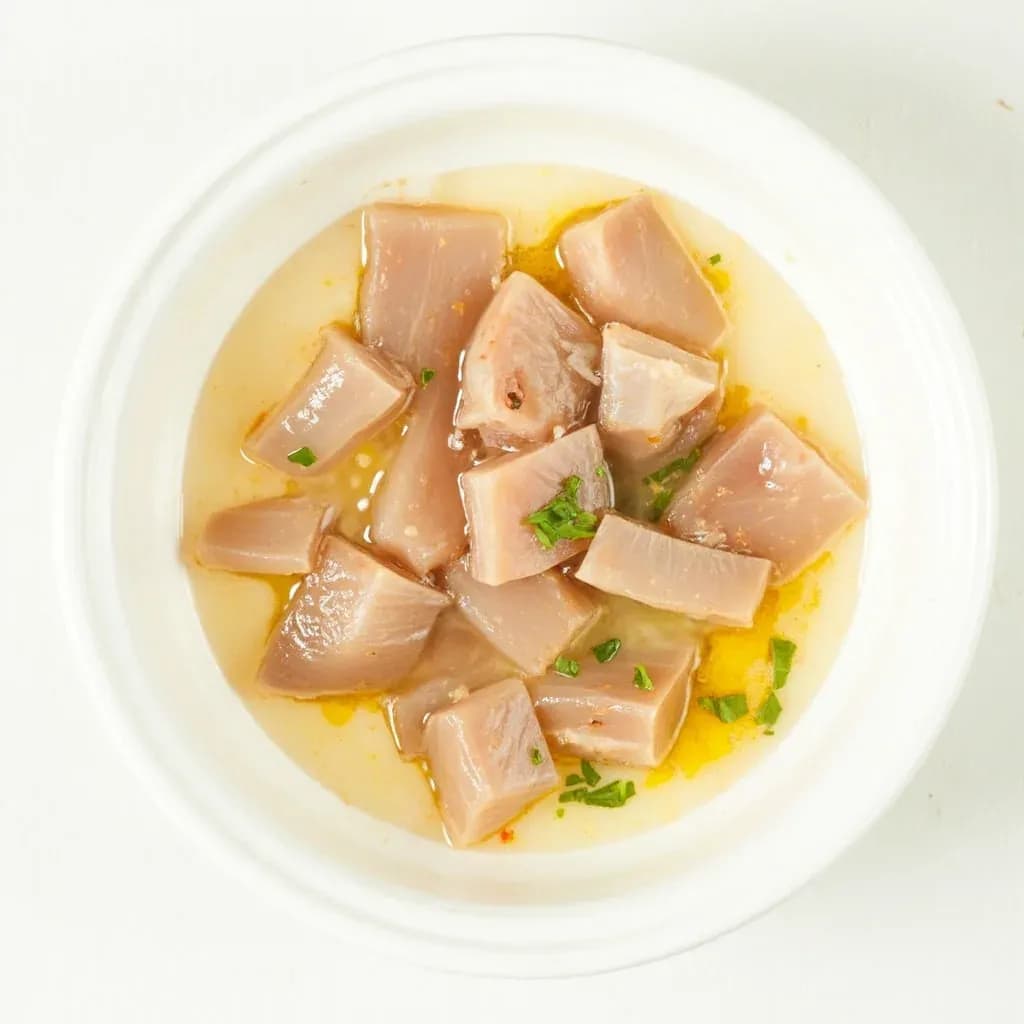
Transform & Preserve
Ceviche (Acid Curing)
Curing raw fish or seafood in citrus juice so the acid firms and 'cooks' it without heat.
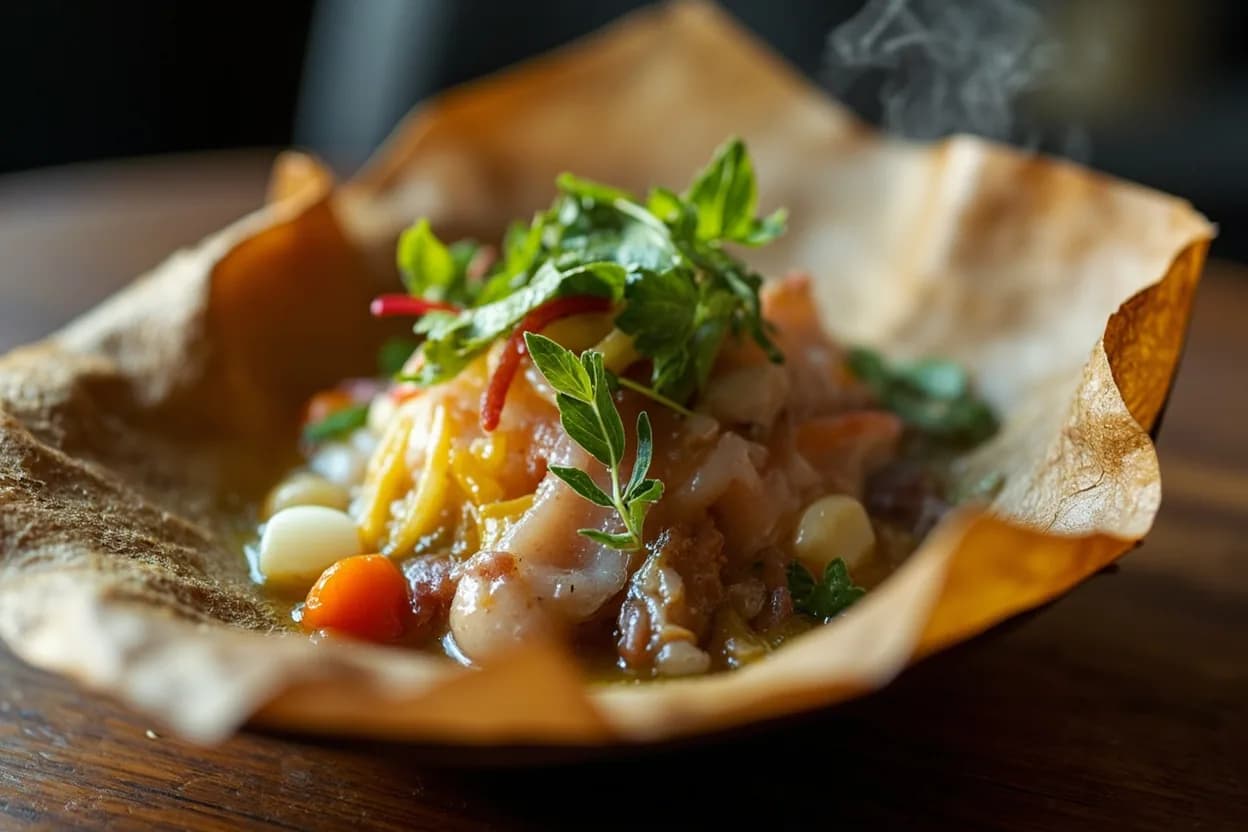
Ceviche cures raw fish or seafood by steeping it in citrus juice, whose acid denatures the proteins so the flesh turns opaque and firm as if cooked. Marinating time, citrus type, and salt control the texture, from a quick bright cure to a firmer finish. Salt-curing with limu or salt is a related cold-curing approach used in some traditions.
Ceviche is the signature technique of Peruvian cookery and one of the most precise acid cures in any cuisine. Cubes or thin slices of extremely fresh, lean white fish are submerged in freshly squeezed citrus — traditionally key lime, or lima — for a few minutes, during which the citric acid denatures the surface proteins of the flesh. They coagulate and turn opaque, producing a texture that resembles gently poached fish even though no heat has been applied. The change is real, but it is also surface-level: ceviche does not reliably kill parasites or most bacteria, and it must be treated with the same care as any raw fish preparation.
The defining Peruvian philosophy is restraint. The fish should be barely kissed by the acid — opaque on the outside with a translucent, sashimi-like center — not soaked until chalky and mealy. That brief window, somewhere between five and twenty minutes depending on cut size, is where ceviche lives. Beyond it, the proteins continue to break down, the flesh turns mushy, and the dish loses everything that makes it special. The technique is simple, but timing is everything.
Across Latin America the name covers a family of related preparations: Ecuadorian shrimp ceviche with tomato sauce, Mexican ceviche with avocado and jalapeño, and the Peruvian-Japanese nikkei style with soy and yuzu. The Peruvian original remains the gold standard for purists — austere, citrusy, and served with sweet potato and toasted corn — but the underlying principle is the same wherever the dish is made. Raw seafood, acid, and very fresh ingredients, eaten within minutes of being dressed.
- Difficulty
- Medium
Types & varieties
Cubed corvina cured in lime with sliced red onion, ají limo or rocoto, cilantro, and salt; served with sweet potato and cancha (toasted corn).
Peruvian version combining fish, shrimp, squid, and/or scallops in the same cure.
Peruvian sashimi-style preparation: long, paper-thin slices of fish briefly kissed by citrus with a creamy ají sauce on top.
Punchy Peruvian concentrate of citrus, fish trimmings, ají, onion, cilantro, and sometimes a splash of evaporated milk; served as a starter or hangover cure.
Cooked shrimp marinated in lime with tomato sauce (salsa de tomate), red onion, and cilantro; often served in a cup with popcorn or chifles.
Shrimp or fish tossed with lime, tomato, avocado, jalapeño, cilantro, and onion; closer in style to a cold cocktail than the Peruvian classic.
Peruvian-Japanese fusion using soy, yuzu or sudachi, ginger, sesame oil, and sometimes Japanese chilies.
Peruvian-Chinese fusion with soy, ginger, sesame, scallion, and fermented bean pastes.
Mexican seafood cocktail with tomato/clamato base, shrimp, octopus, oysters, lime, and hot sauce — related in spirit but not a true acid-cure.
How to do it
- 1
Source and chill the fish
Buy sushi- or sashimi-grade, very fresh white fish (corvina, halibut, fluke, or snapper). Keep it refrigerated at 32–38°F / 0–3°C until ready. Pat dry; any surface water will dilute the acid and slow the cure.
- 2
Cut uniformly
Slice off the skin and remove pin bones, then cut into 1–2 cm cubes (or 3–4 mm slices for tiradito). Uniform sizing is the single biggest factor in even curing.
- 3
Prepare the leche de tigre base
Juice enough fresh limes to fully coat the fish (roughly 1/2 cup juice per 500 g fish). Stir in salt, finely minced ají limo or another hot chili, a touch of grated garlic, and chopped cilantro stems. Taste for sharp, clean citrus.
- 4
Combine fish and acid
Place the fish in a chilled non-reactive bowl. Pour the seasoned citrus over it and toss gently. The fish should sit in a small pool of juice — not drowned.
- 5
Cure briefly
Let stand 5–15 minutes, depending on size. The fish is ready when the surface is opaque and the center still shows a hint of translucency for cubes, or immediately for sliced fish. Do not exceed 20–25 minutes, or the flesh will turn mushy.
- 6
Finish and assemble
Drain off most of the marinade (reserve the milky liquid — that is the leche de tigre). Add thinly sliced, rinsed red onion, chopped cilantro leaves, and an extra pinch of salt. Toss once more.
- 7
Plate and serve immediately
Mound in a chilled dish. Classic Peruvian accompaniments: a wedge of boiled sweet potato, a spoonful of cancha (toasted Andean corn), and a lettuce leaf on the side. Drizzle with a little of the reserved marinade and serve at once.
The philosophy: a kiss, not a soak
The single most common mistake with ceviche is over-curing. Once fish hits citrus, denaturation is relentless — it does not pause when the surface looks done, it simply continues inward. A 1.5 cm cube of corvina will be perfect at eight minutes, chalky at fifteen, and pasty at thirty. Peruvian cooks treat the acid as a brightening, not a cooking medium. The result should look almost raw in the center — translucent and jelly-like — with a thin opaque shell on the outside. If you have eaten great ceviche in Lima and noticed that the fish seemed barely done, that is the goal. Pull the fish from the acid as soon as the opaqueness appears, then dress it with onion, chili, and cilantro to finish the dish off the clock.
Leche de tigre
The marinade ceviche leaves behind is not a byproduct; it is half the point. As the fish cures, soluble proteins, salts, and a small amount of fat emulsify into the citrus, turning the juice from clear green to an opaque, milky white. Peruvians call this leche de tigre — 'tiger's milk' — and treat it as a flavor in its own right, often served in a small glass as a starter or hangover cure. The best versions blend fish trimmings with citrus, ají, garlic, onion, cilantro, and sometimes a splash of evaporated milk to round out the sharpness. Reserve the liquid when you strain the ceviche, adjust the seasoning, and use it as a sauce for the plated fish — or sip it alongside.
Common uses
Tips & pitfalls
- Use only sushi- or sashimi-grade fish from a trusted source; ceviche does not kill parasites or most bacteria, so freshness is a safety issue, not a flavor preference.
- Always use freshly squeezed citrus. Bottled juice lacks aroma and has a higher, inconsistent pH.
- Keep the fish and the bowl well-chilled (over ice) — the acid reaction is faster and the texture is better at low temperatures.
- Cut fish into uniform pieces (1–2 cm) so they cure evenly; uneven pieces turn mushy in spots and raw in others.
- For Peruvian-style ceviche, marinate just until the surface turns opaque — a few minutes. Over-curing turns the flesh chalky and mealy.
- Rinse thinly sliced red onion in cold water for 5–10 minutes before adding; it loses its harsh bite and stays crisp.
- Use non-reactive vessels (glass, ceramic, stainless). Aluminum reacts with the acid and gives a metallic taste; copper is toxic.
- Serve immediately. Ceviche cannot be held — the acid continues to break down proteins and the texture deteriorates past 30–45 minutes.
Good to know
- Origin
- Peru; similar acid-curing dishes exist across Latin America, but the modern ceviche tradition is most strongly identified with Peruvian cuisine.
- Mechanism
- Citric acid denatures the surface proteins of fish, causing them to coagulate and turn opaque, mimicking the effect of heat on texture (not on safety).
- Typical pH
- Marinade around 2.5–3.5; denaturation becomes visible once the surface drops below roughly pH 4.5.
- Standard acid
- Freshly squeezed key lime (lima) or Persian lime juice; lemon is stronger and used in some regions. Bottled juice is not recommended.
- Typical marination
- 5–20 minutes for 1–2 cm cubes; 1–3 minutes for thin sashimi-style slices (tiradito).
- Best fish
- Lean, white, very fresh fish: corvina/sea bass, halibut, fluke, sole, snapper, yellowtail, branzino.
- Pivotal byproduct
- Leche de tigre ('tiger's milk') — the milky, citrusy liquid left after the fish has marinated, prized as a flavor and often served as a shot.
- Cultural status
- Peru declared ceviche a national cultural heritage in 2008; it is celebrated annually on Día del Ceviche (June 28).
Also called
Salt-Curing (Limu/Salt) · Raw Curing · Acid Curing · Denaturing
Dishes that rely on it
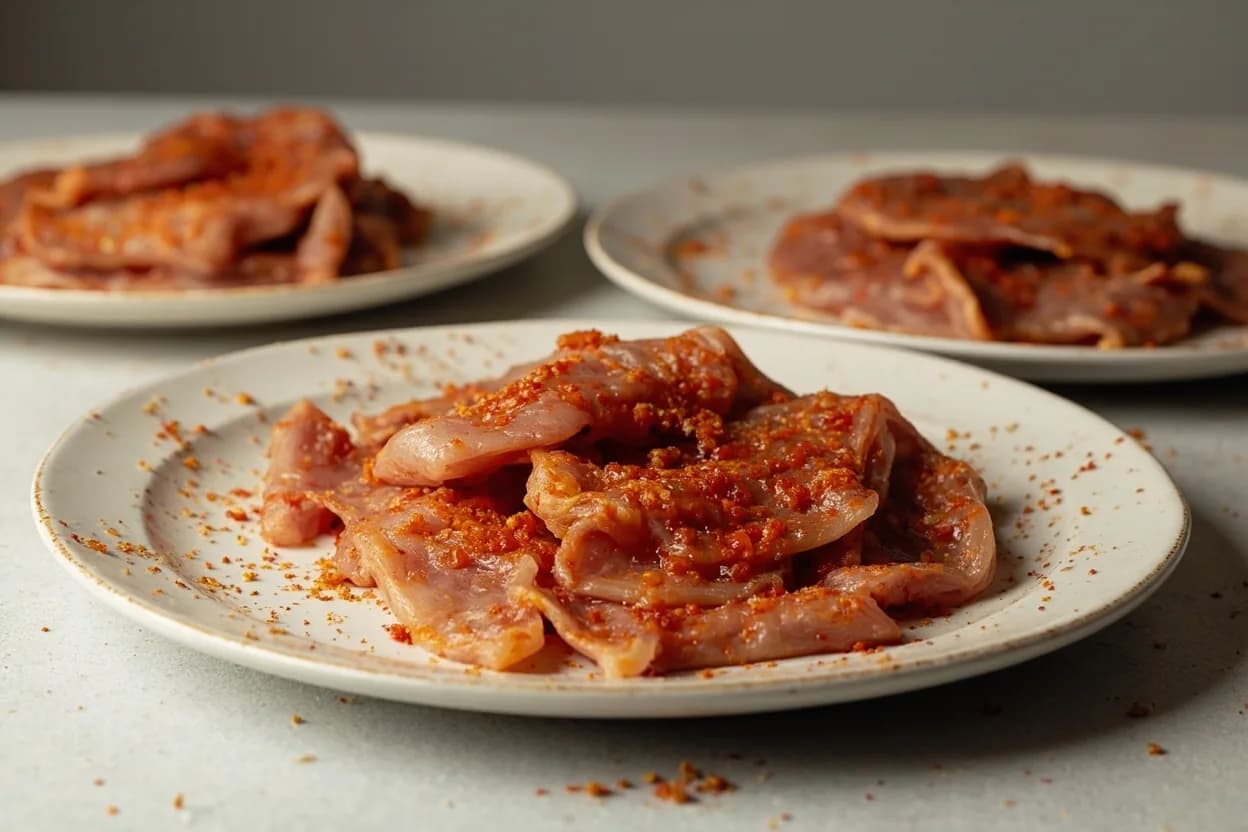
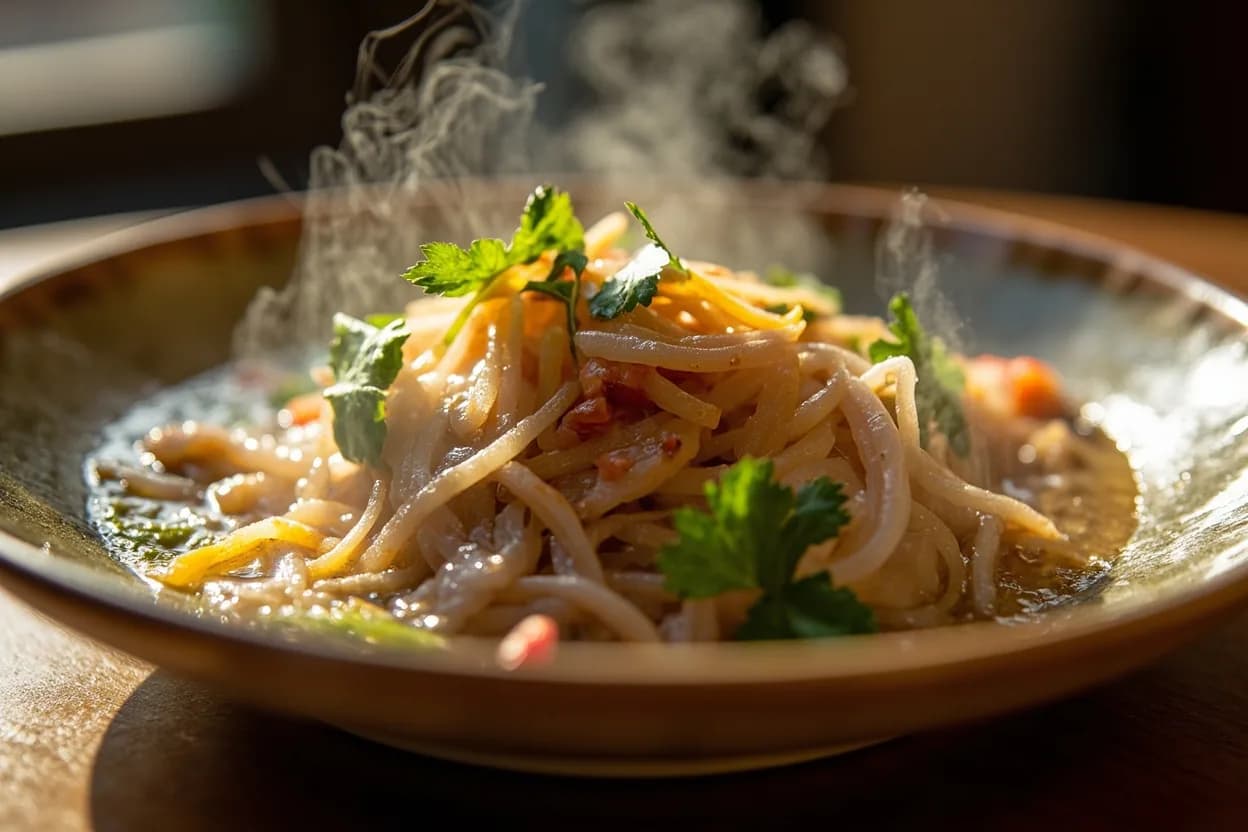
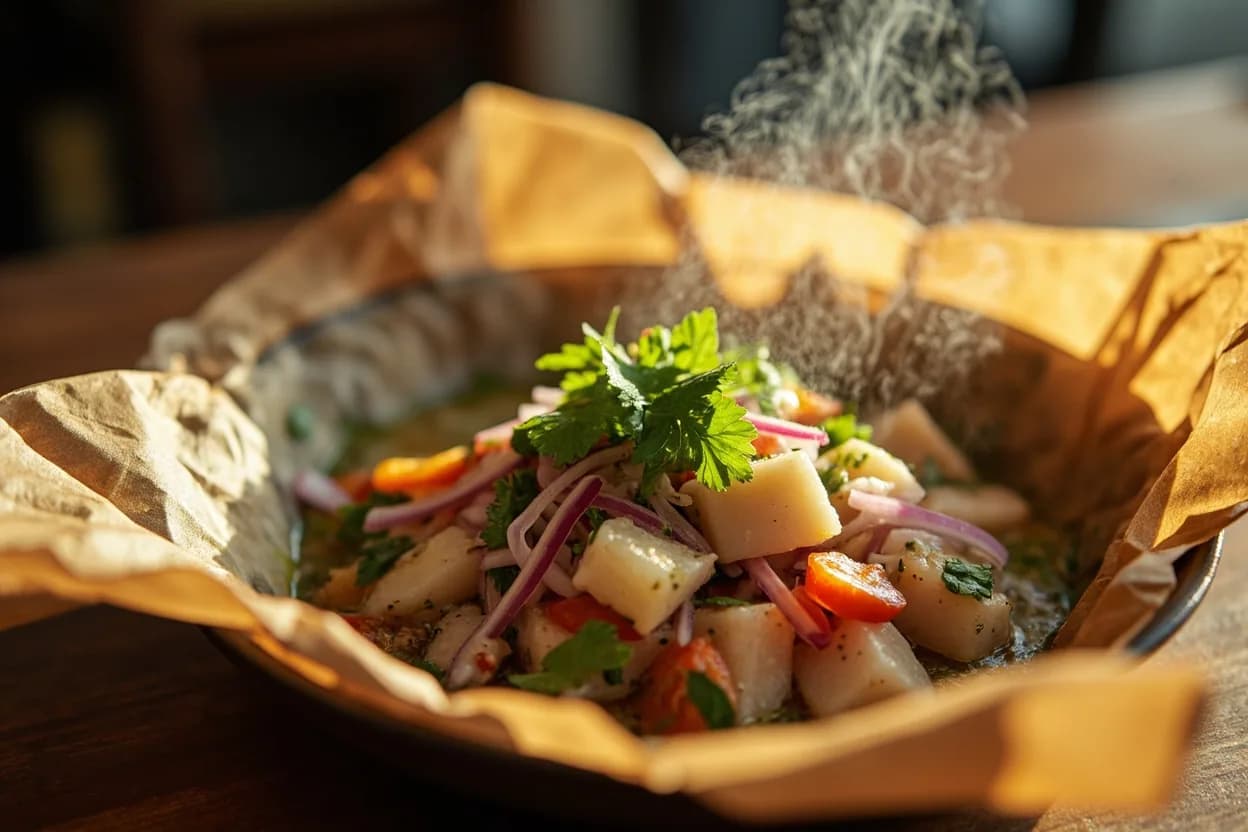
Related

Confit
Cook slowly submerged in fat for silky tenderness and keeping

Cure
Draw out moisture with salt and time to preserve and concentrate

Pickle
Steep in acidic brine for bright, tangy, crunchy preservation

Ferment
Let friendly microbes transform food into tangy, complex flavor

Marinate
Soak in a seasoned mix to flavor and tenderize before cooking

Brine
Soak in salt water so meat stays juicy and seasoned throughout

Dehydrate
Slowly dry out moisture to concentrate flavor and extend shelf life

Cold-Smoke
Perfume cured food with smoke without cooking it through