
Prep & Assembly
Tenderize
Break down tough fibers so meat turns soft and yielding
Tenderizing breaks down the tough muscle fibers in meat — by pounding with a mallet, scoring, or a marinade — so it cooks up softer and more yielding. It's how you rescue a tough cut. Pound evenly without shredding, and don't over-marinate in acid, which can turn the surface mushy.
Tenderizing breaks down tough muscle fibers — by pounding, scoring, or marinade — so meat cooks up softer and more yielding. It's how you rescue a tough cut. Pound evenly without shredding, and don't over-marinate in acid, which can turn the surface mushy.
- Difficulty
- Easy
Types & varieties
Pound or pierce to physically break the fibers.
Acid or enzymes (papaya, pineapple, yogurt) soften over time.
How to do it
- 1
Choose mechanical or marinade based on the cut.
- 2
For pounding, cover the meat and strike evenly.
- 3
For marinade, submerge and refrigerate for the right window.
- 4
Pat dry before cooking so it sears, not steams.
Common uses
Tips & pitfalls
- Acid marinades work surface-deep — don't expect them to fix the core.
- Over-acidifying turns the outside mushy and gray.
- Slicing against the grain is the simplest tenderizing of all.
Good to know
- Tool
- Mallet, blade, or acidic/enzyme marinade
- Best for
- Lean, tough, or sinewy cuts
- Cue
- Fibers loosened, surface still intact
Also called
pound · tenderise
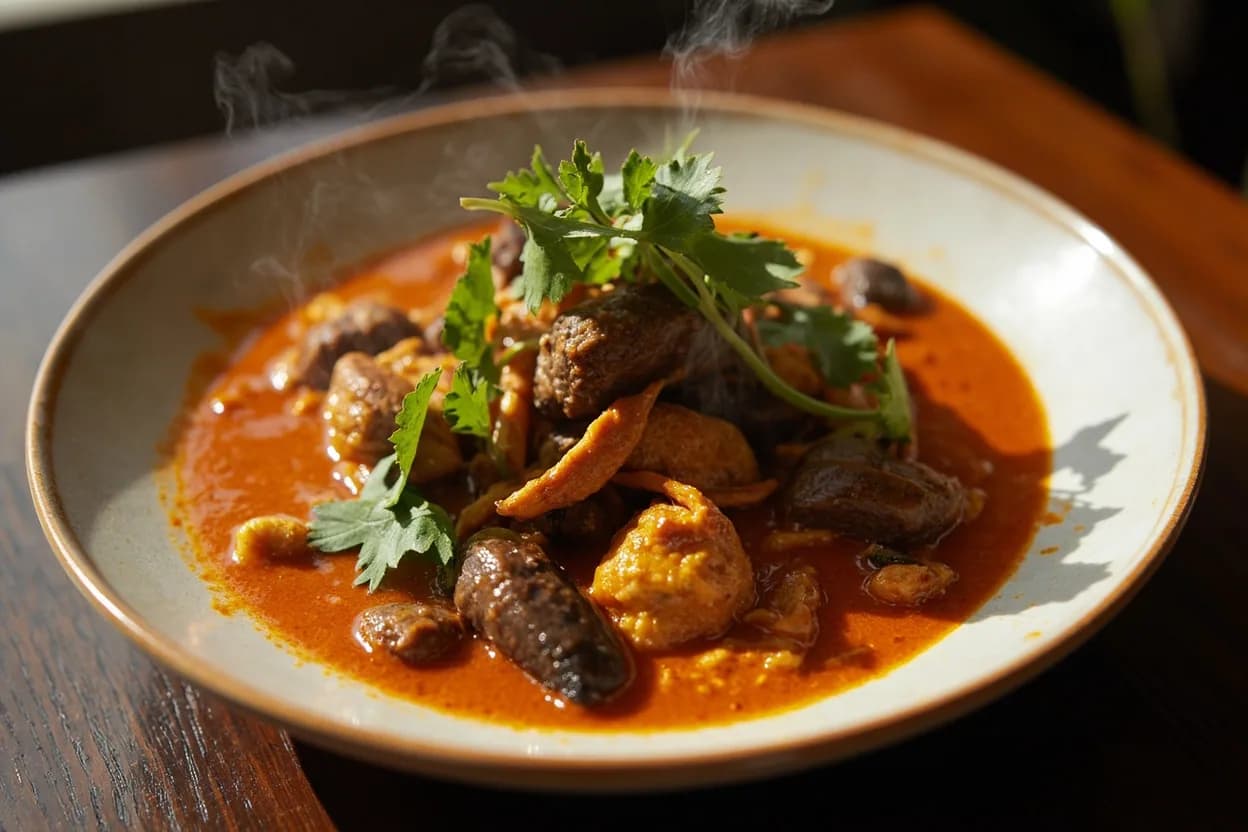
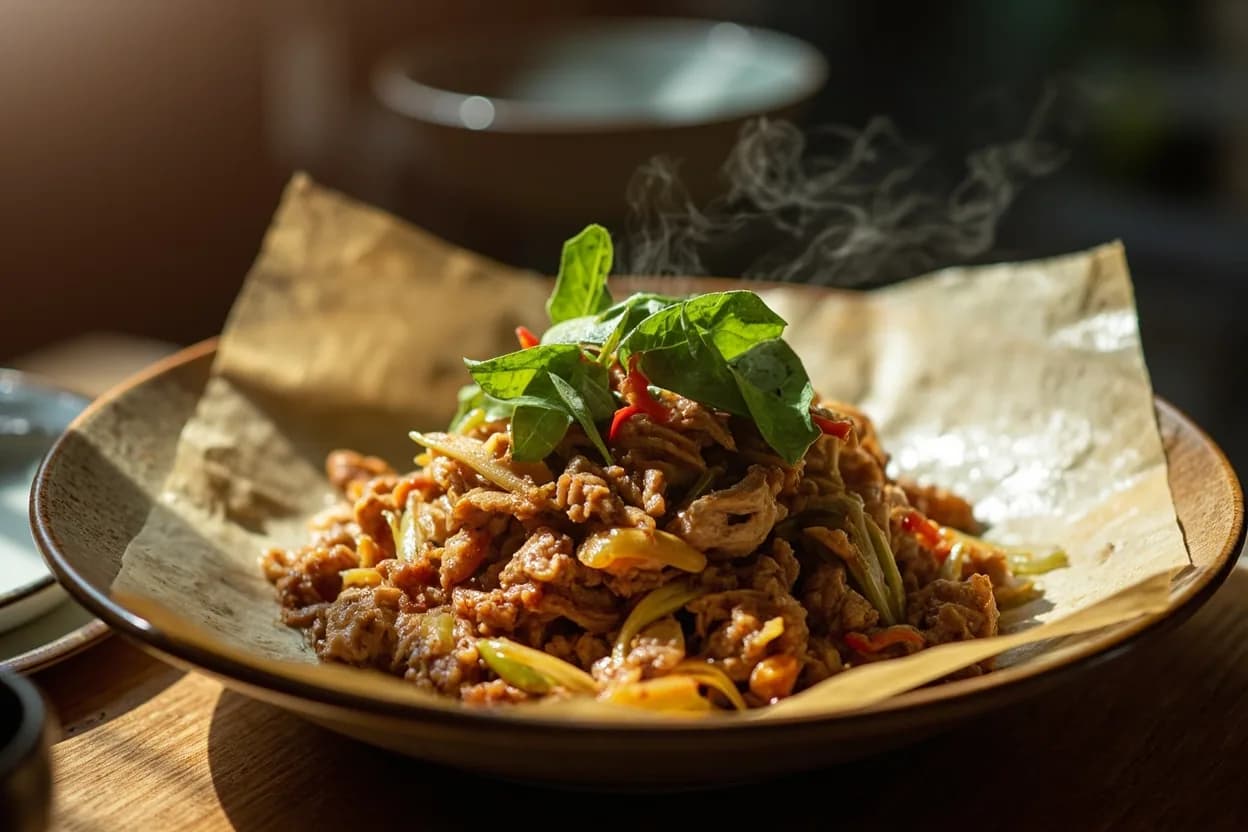
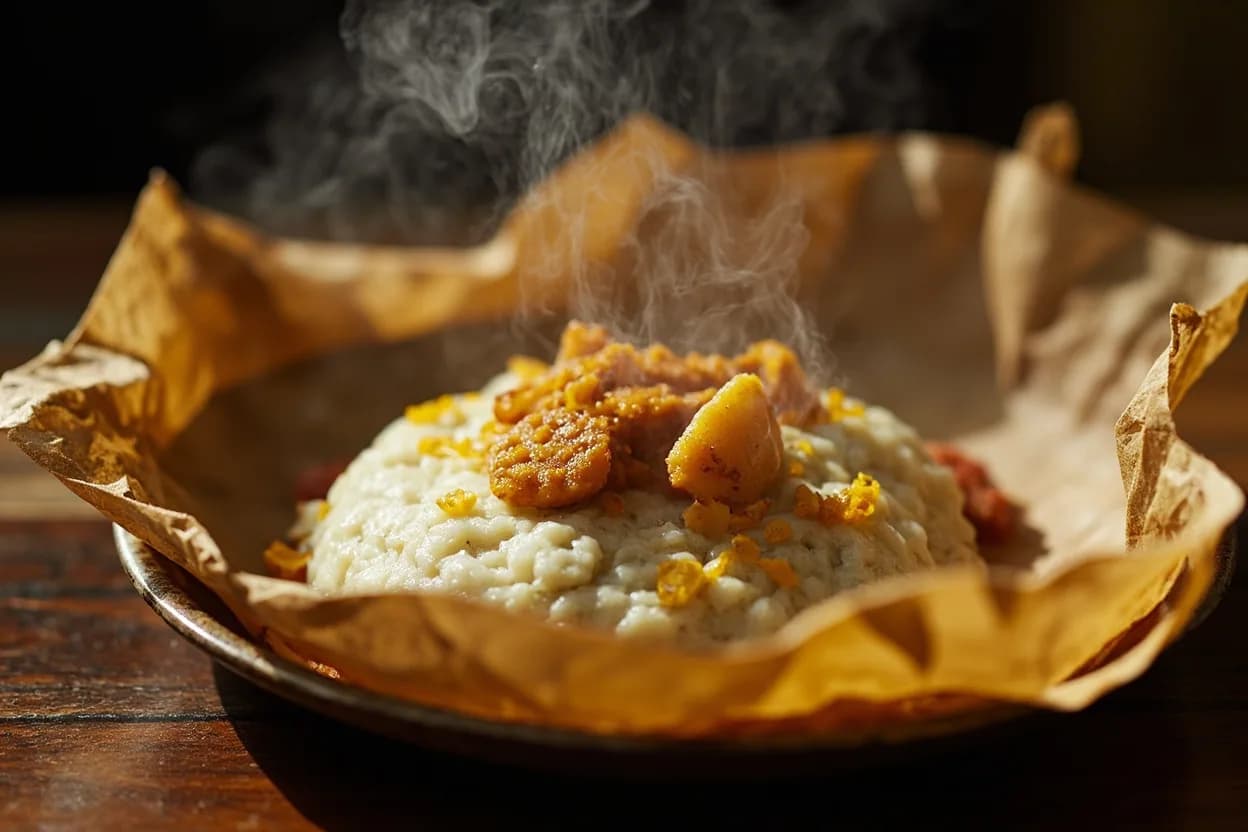
Dishes that rely on it
Related

Whisk
Beat ingredients smooth and aerated with a looping wire motion

Sift
Pass dry ingredients through mesh to aerate and remove lumps

Strain
Pour through mesh to separate solids from liquid for a smooth result

Filter
Pass liquid through fine material to clarify out the smallest particles

Rice
Press cooked potatoes through small holes for fluffy, lump-free texture

Mash
Crush soft cooked food into a rustic, creamy purée

Grind
Crush food into a coarse to fine texture, from spices to meat

Grate
Shred food into fine bits against a sharp-toothed surface