Knife Skills
Scoring
Cutting shallow lines into food's surface to aid cooking, flavor, or looks.
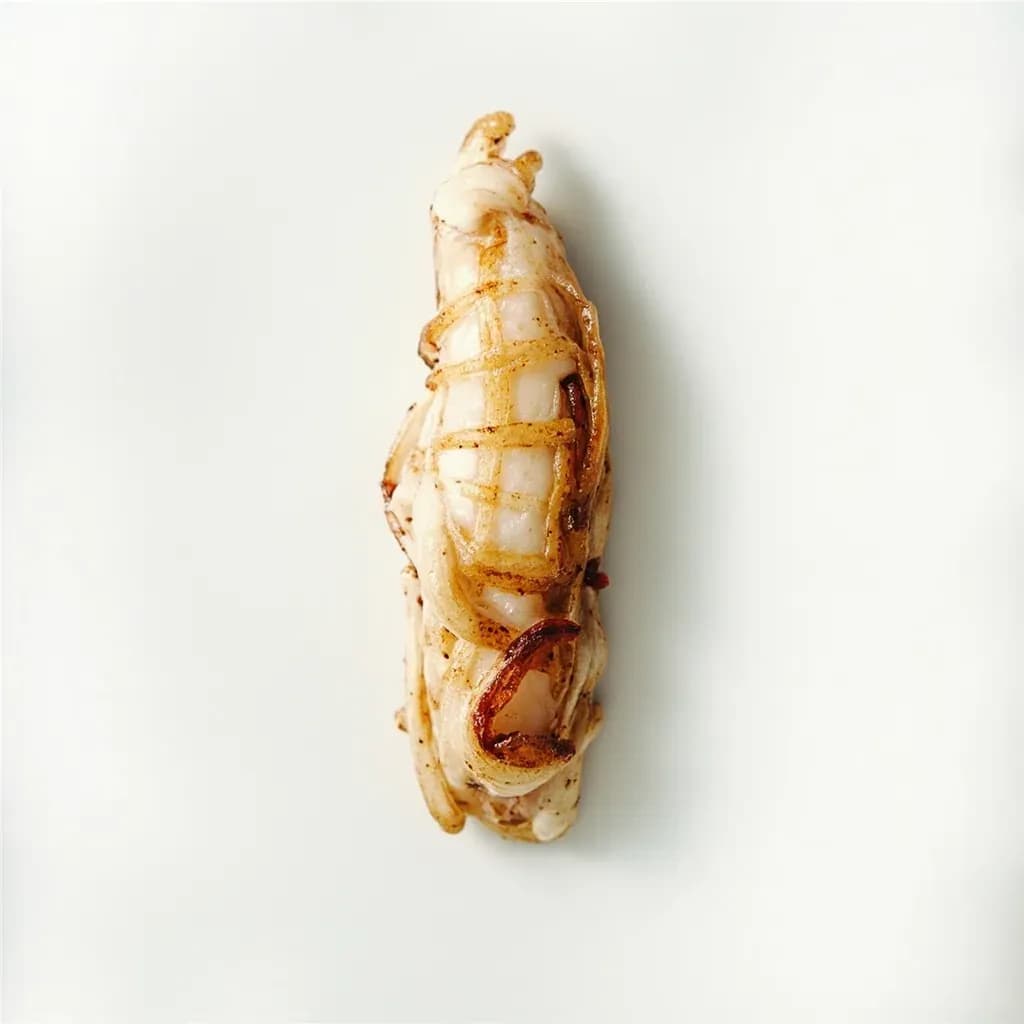
Scoring makes shallow, even cuts into the surface of meat, fish, fat, or dough without cutting all the way through. On a fat cap it helps render and crisp; on squid or fish it lets heat and marinade penetrate and creates a decorative 'flower' curl; on bread it controls where the loaf expands. The classic Chinese hua dao cross-hatch is a showcase of controlled scoring.
Scoring is the practice of cutting shallow, controlled lines into the surface of a food — through bread dough, through a cap of fat, into vegetable flesh, or across fish skin — so that the cut itself becomes part of how the food cooks. The lines are almost never deep enough to divide the item, but they do real work: they direct where steam and gas escape, give melted fat a path to render, create channels for glaze or seasoning to settle into, and, on bread, give the dough a predetermined seam to open along during oven spring. In short, scoring converts an uncontrolled rupture into a designed one.
The behavior of a scored cut depends on three variables — depth, angle, and the food's response to heat. A shallow cut at a low angle on taut, proofed bread tends to lift into a raised flap, the baker's prized "ear." A near-vertical cut on the same dough tends to seal shut, sealing in expansion and risking blowouts elsewhere. Cut through the fat cap of a duck breast but stop short of the flesh, and the skin will crisp flat; cut too deep and juices escape, the meat dries, and the skin puckers. The same logic, applied to a slick eggplant or a tough squid body, gives the cook control over texture, oil absorption, and cook time.
In professional kitchens, scoring sits at the intersection of butchery, baking, and presentation. The baker's lame — a curved or straight razor on a handle — has been a standard tool in bread shops since the 19th century. The technique crossed into roasting kitchens through hams and game birds, where cutting through a thick fat cap is the most reliable way to render it evenly. Today it shows up on everything from a glazed holiday ham to a pan-seared fillet of sea bass, and the home cook who masters a few clean strokes will find their roasting, grilling, and baking all benefit.
- Difficulty
- Medium
Types & varieties
Two sets of parallel cuts at angles to each other; the classic treatment for glazed ham and duck breast, and the pattern that gives the most even fat rendering.
A single direction of shallow cuts spaced evenly across the surface; the standard treatment for fish skin and eggplant.
One or a few decisive cuts used to direct oven spring on bread or to vent fat from sausages on the grill.
Single or paired slashes placed where the baker wants the dough to open, used to control shape and create an ear or a clean seam.
Lattice, leaf, or border patterns cut into pastry, vol-au-vents, and pie tops before baking for visual finish.
How to do it
- 1
Select the right blade
Use a baker's lame or single-edge razor for bread dough, a sharp chef's knife or paring knife for proteins, and a clean utility blade for pastry. The blade should be sharper than you think necessary — a dull edge drags, tears, and gives inconsistent depth.
- 2
Prepare the surface
Pat the item dry with paper towels; moisture makes the blade skip and the cuts ragged. For proteins, chill until the fat is firm (15–30 minutes in the freezer works well for duck and ham). For bread, work with shaped, proofed dough that has a dry, slightly tacky surface — dust with rice flour if it is sticking to the blade.
- 3
Plan the pattern
Decide on crosshatch, parallel lines, single slashes, or a decorative design. For a diamond pattern on a ham, mentally grid the surface or mark light guidelines with a ruler; for bread, decide where you want the dough to open and how many seams that will take.
- 4
Set your depth and angle
Aim for about 1/8 to 1/4 inch deep. For proteins, hold the blade nearly perpendicular and shallow; cut through the fat layer but stop short of the lean meat. For bread, hold the lame at roughly 30° so the cut opens into a flap rather than closing flat.
- 5
Make the first cut
Pull the blade toward you in one smooth motion, letting the weight of the knife do the work. Do not press down and do not saw — let the edge glide. End the cut with a deliberate flick upward (for bread) or a clean stop (for proteins).
- 6
Continue in the chosen pattern
Space cuts evenly — about 3/4 to 1 inch apart for ham and duck, 1/2 inch for fish skin, 1/4 inch for sausage venting. Rotate the item as needed to maintain a consistent angle on every line. Rinse and dry the blade between passes on fatty items like duck to keep the edge from slipping.
- 7
Cross the lines if making a grid
After the first set of parallel cuts, turn the item 45° for a diamond pattern or 90° for a square crosshatch, and repeat. Keep depth and pressure consistent so the pattern reads cleanly after cooking.
- 8
Proceed immediately to cooking
Score just before the food goes into the pan, oven, or grill. Prolonged standing lets scored surfaces dry out, weep moisture into the cut, or lose pattern definition — pre-scored fish skin left in the fridge for an hour will not crisp the way fresh-scored skin will.
The physics of the cut: angle, depth, and the ear
The single biggest variable in scoring is angle, and nowhere is it more visible than on bread. A blade held nearly vertical cuts straight down and the dough springs back together on either side — the seam closes during baking and you get a flat ridge, or worse, a blowout somewhere else on the loaf. A blade held at roughly 30° to the surface, with the edge drawn just under the skin of the dough, leaves a flap of surface that the oven can lift. That flap is the ear: a crisp, raised lip along the seam that signals a well-baked, well-scored loaf. Depth matters too — too shallow and the cut never opens, too deep and the dough deflates before the oven can set the crust.
On proteins, the equation inverts. A perpendicular cut through the fat cap is what you want, because the goal is to expose as much surface area as possible to direct heat so the fat renders and the skin or crust crisps. Angle is less about opening a seam and more about giving the blade a clean, controllable entry into a slippery surface. Stopping the cut at the fat/lean boundary — not slicing into the meat — is the line between a juicy roast and a dry one. The same cut on an eggplant or a squid body is mostly about breaking tough fibers and giving oil and seasoning somewhere to grip.
- Bread: 30° angle, shallow glide under the skin — encourages a raised ear.
- Proteins: near-perpendicular, cut through fat only — encourages rendering and crisping.
- Vegetables and squid: shallow crosshatch — encourages even cooking and reduces oil absorption.
- Cake edges: a single light score — gives the batter a controlled place to crack.
Common uses
Tips & pitfalls
- Use a very sharp blade — a dull knife drags, tears, and gives inconsistent depth, and is the most common reason home scoring looks ragged.
- Chill the item first (especially duck and ham) so the fat is firm and the knife cuts cleanly; warm fat gums up the edge and skips across the surface.
- Pat the surface dry before scoring; moisture makes the blade skate and the cuts ragged.
- Use a single confident stroke rather than sawing; sawing mars the surface, crushes fibers, and ruins pattern definition.
- For duck and ham, cut through the fat layer but stop before slicing into the lean meat — the goal is to expose fat to heat, not to lose juices.
- For bread, angle the lame at about 30° and let the blade skim just under the surface to encourage a raised flap or 'ear'; a near-vertical cut tends to seal shut.
- Mark guidelines with a ruler or template if you need a perfectly even pattern, especially on whole hams where asymmetry reads at the table.
- Do not score too deep on lean proteins — you will lose juices and dry out the meat.
- Score just before the next cooking step; pre-scored fish skin or duck can dry out, weep, or pick up fridge odors if left too long.
Good to know
- Type
- Knife technique — surface cutting
- Tools used
- Sharp chef's knife or paring knife for proteins; baker's lame or razor for dough; utility blade for pastry
- Typical depth
- 1/8 to 1/4 inch (3–6 mm); varies by food
- Angle of cut
- About 30° for bread; near-perpendicular and shallow for proteins and vegetables
- Pattern styles
- Single slashes, parallel lines, crosshatch, diamond grid, decorative lattice
- Difficulty
- Beginner to intermediate — most failures come from dull blades and sawing strokes
- Common foods
- Bread dough, ham, duck breast, sausages, fish skin, eggplant, squid, roasts, pastry lids
- Time required
- Seconds to a minute per item, depending on size and pattern density
Also called
Scoring (剞) · Cross-Hatch Scoring · Flower-Knife Scoring
Dishes that rely on it
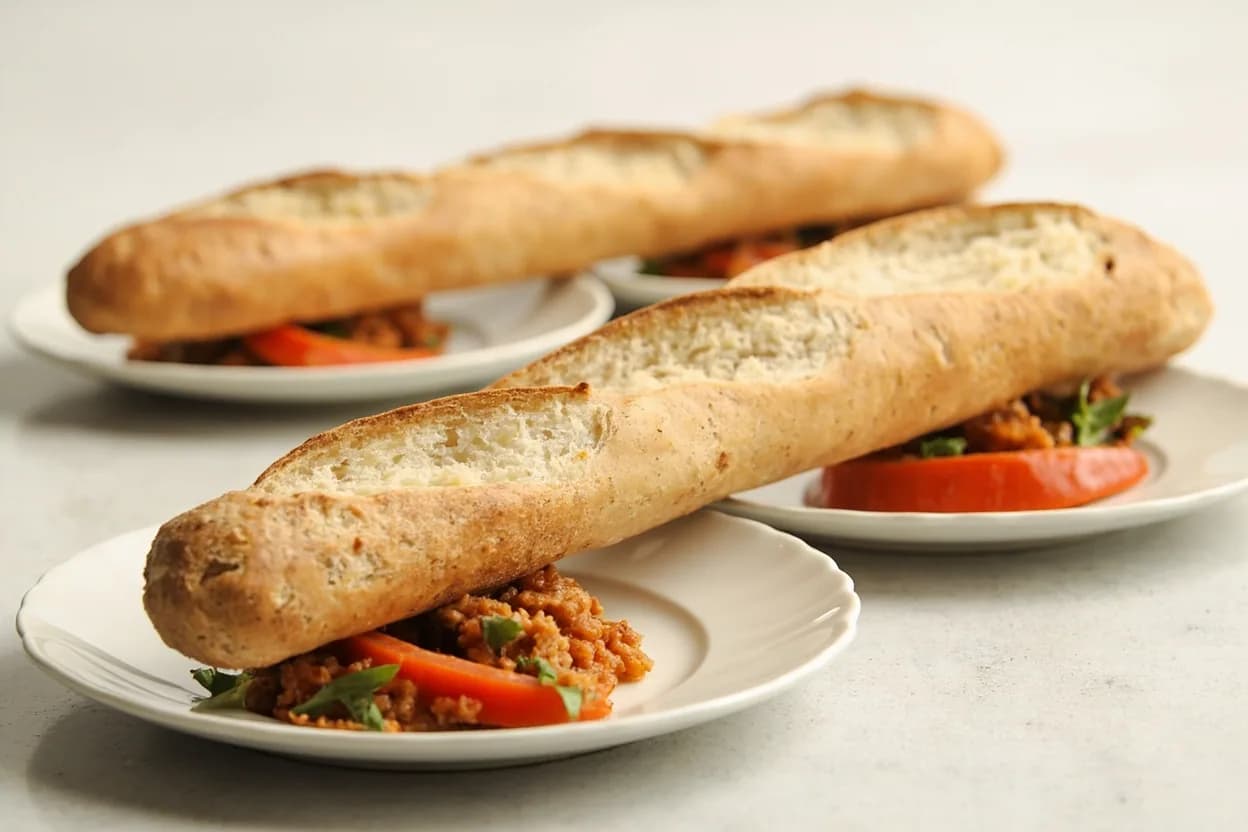
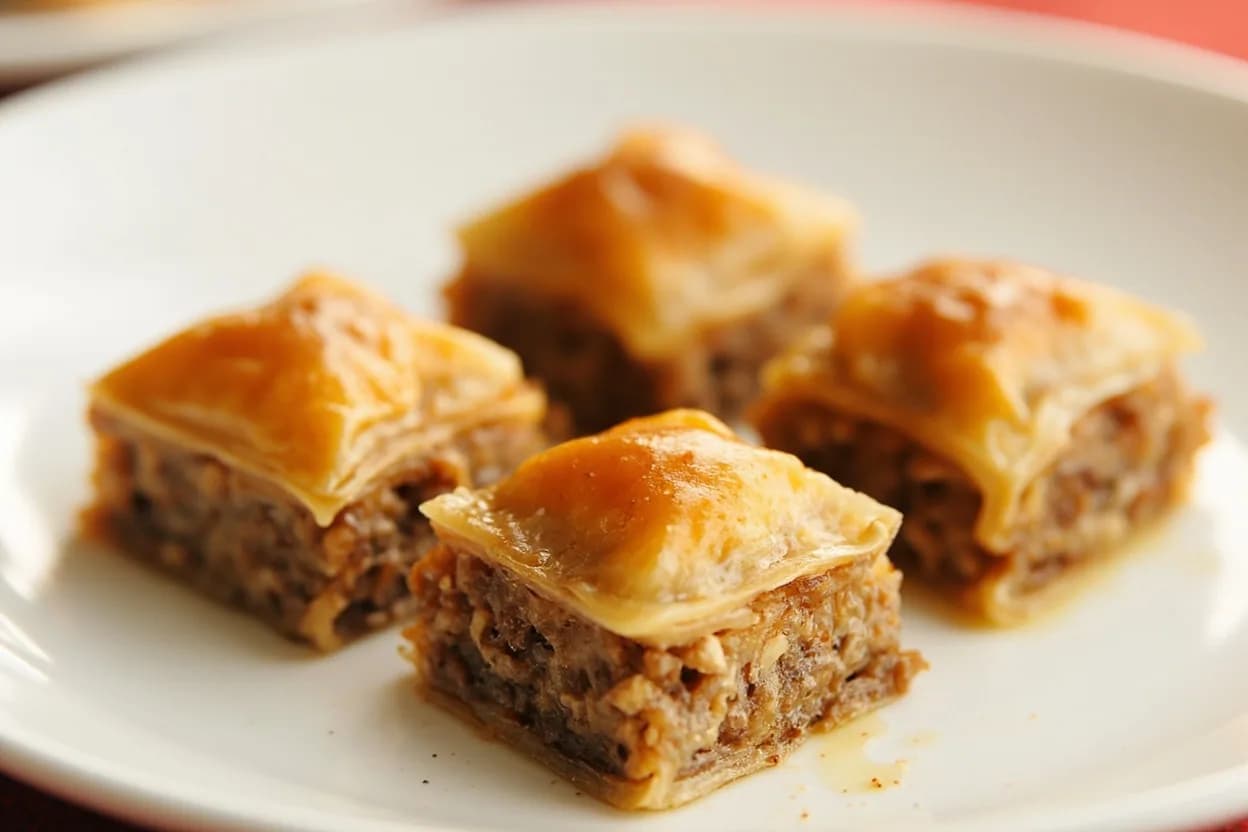
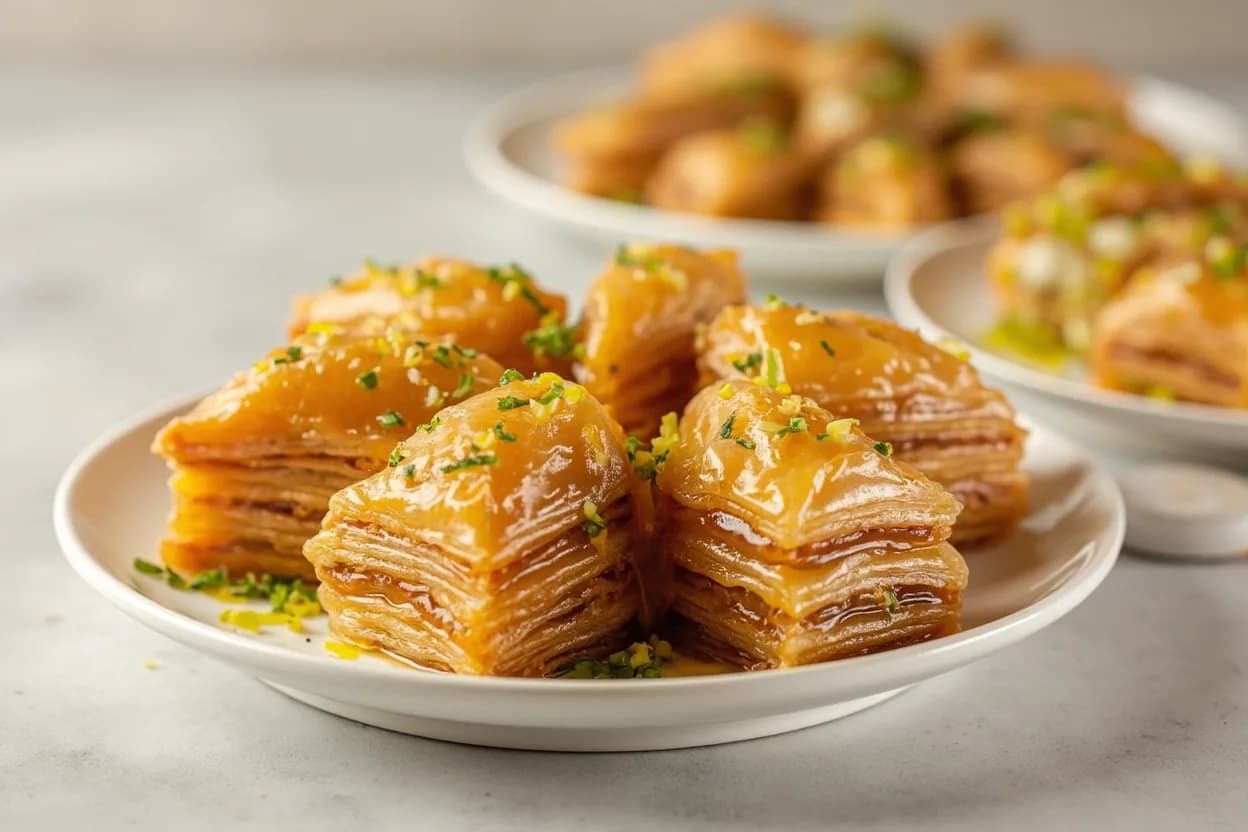
Related

Chop
Cut into rough, irregular pieces — the everyday workhorse cut

Dice
Cut into uniform cubes for even cooking and a tidy look

Mince
Cut as fine as possible so flavor melts evenly into the dish

Slice
Cut into even, flat pieces for consistent cooking and presentation

Julienne
Cut into thin matchsticks for fast cooking and elegant garnish

Brunoise
Cut into tiny, precise cubes — the finest dice in the kitchen

Chiffonade
Roll and slice leafy greens into delicate ribbons

Batonnet
Cut into tidy sticks, thicker than julienne — think classic fries